DEPARTMENT OF APLACEFORyou.



This document was written, designed, edited, photographed and produced by the Department of Psychiatry’s Communication team in 2025.
Special thanks to the following people for their contributions in the vision and execution of this document:
Claudia Iannelli - design and project management Angel Tran - content and photography
Amy Canada - editing Brittany Pittman - editing Patricia Carballo-Cuello - editing Merlin Ariefdjohan - publication management
Special thanks to all the division, center and office directors, administrators and featured faculty who worked with our team to complete interviews and provide all requested information quickly and accurately. We thank you for your collaboration and dedication!
Copyright 2025

It is with great pride that I present the Department of Psychiatry’s 2025 Annual Review. This year’s theme, A Place For…, reflects our commitment to creating spaces where everyone: patients, faculty, staff, and trainees feels a sense of belonging. In these pages, you will see how this vision comes to life across our mission areas of community, clinical care, education, and research, all united by a common thread: innovation. Our Department is a place for community. Through outreach



Neill Epperson, MD
Robert Freedman Endowed Chair and Professor
programs and partnerships, we continue to break down barriers to mental health care and reduce stigma. From rural Colorado to urban neighborhoods, our teams are working to ensure that mental health resources are accessible and inclusive for all.
It is a place for clinical care. Every day, our clinicians deliver compassionate, evidence-based treatment to thousands of individuals and families We have expanded services to meet growing needs, integrating innovative approaches that prioritize whole-person health and equity
It is a place for education We are training the next generation of psychiatrists, psychologists, advanced practice nurses, and social workers who will carry forward our mission of care Our programs emphasize not only clinical excellence but also cultural humility and advocacy, preparing graduates to lead in all communities.
It is a place for research. Our investigators are advancing knowledge that transforms lives, from developing new therapies to leveraging innovative technology for better outcomes. With continued investment in research infrastructure, we are driving discoveries that will shape the future of mental health care.
As Chair, I am honored to serve alongside more than 1200 faculty, staff, and trainees, as well as 150+ volunteer faculty who generously share their expertise Together, we are united by a shared North Star: brain health for all, for life.
On behalf of the Department, I extend heartfelt gratitude to our campus and hospital leaders for their support, and to our philanthropic partners whose trust and generosity fuel our progress. Most importantly, thank you to every member of our Department Your dedication makes this a place where belonging is not just a value, but a lived experience.
Through these collective efforts, we are building a future where mental health care is accessible, stigma-free, and integrated into every aspect of health This is, and will always be, a place for hope, healing, and discovery

Neill Epperson, MD
Robert Freedman Endowed Chair and Professor
2025 Overview of the Dept. of Psychiatry
VISION
The CU Department of Psychiatry sets the standard for education and training of leaders in psychiatry and mental health care. We conduct groundbreaking research to alleviate suffering caused by psychiatric and substance use disorders, provide access to state-of-the-art mental health prevention and intervention services, and collaborate with key interested parties to promote well-being across Colorado
Our Team
TOTAL EMPLOYEES IN 2025 812 NUMBER OF TRAINEES 448 OPERATING BUDGET
*Including all graduate and undergraduate medical education programs
141,093,3
The Department of Psychiatry has engaged in collecting information on “lives touched” since 2018. A “life touched” is an individual who has received a service or gained in some way from interacting with the Department.
TOTAL LIVES TOUCHED 2025
93,280
UNIQUE CLINICAL PATIENTS
59,139
PEER-REVIEWED PUBLICATIONS
INCREASE SINCE 2018
432%
250 Research Information RESEARCH STUDIES
ACTIVE STUDIES: 391
GRANTS & CONTRACTS IN 2025
$30,100,000 #25 BLUE RIDGE RANKING
APPROVED: 165
EXEMPT: 108
EXTERNAL: 25
*Lives touched are collected on an fiscal year basis. As such, these numbers represent FY25 from 7/1/24 to 6/30/25.
The Department of Psychiatry is comprised of five divisions, two centers, multiple offices and administrative cores We are committed to improving mental health outcomes across Colorado and the region through our 4 mission pillars: clinical care, education, research and community engagement Our collaborative approach and dedication to innovation make us a driving force in transforming mental health care locally and nationally
Brain & Behavior Innovation Center (BBICen)
Brain Imaging Center (BIC)
Division of Adult Psychiatry
Helen and Arthur E. Johnson Depression Center (JDC)
Office of Psychological Science and Practice (OPSP)
Division of Child & Adolescent Mental Health
Division of Neuroscience
Division of Addiction Sciences, Prevention, And Treatment
Office of the CO Mental Health Access Programs (CO-MAP)
Division of Community, Population, and Public Mental Health
Our mission is to provide a supportive environment for trainees, faculty, staff, and patients, fostering professional growth and excellence in mental health care. Our department is committed to recruiting highly qualified individuals and creating pathways for retention, career advancement, and success. Across all of our mission areas, innovation drives our approach and propels our work forward.
This mission comes to life through the areas of community, clinical care, education and research. In the following pages, we highlight stories from each of these mission areas — showcasing the people, programs, and partnerships that drive meaningful change across Colorado and beyond demonstrating the impact of our team and our work.
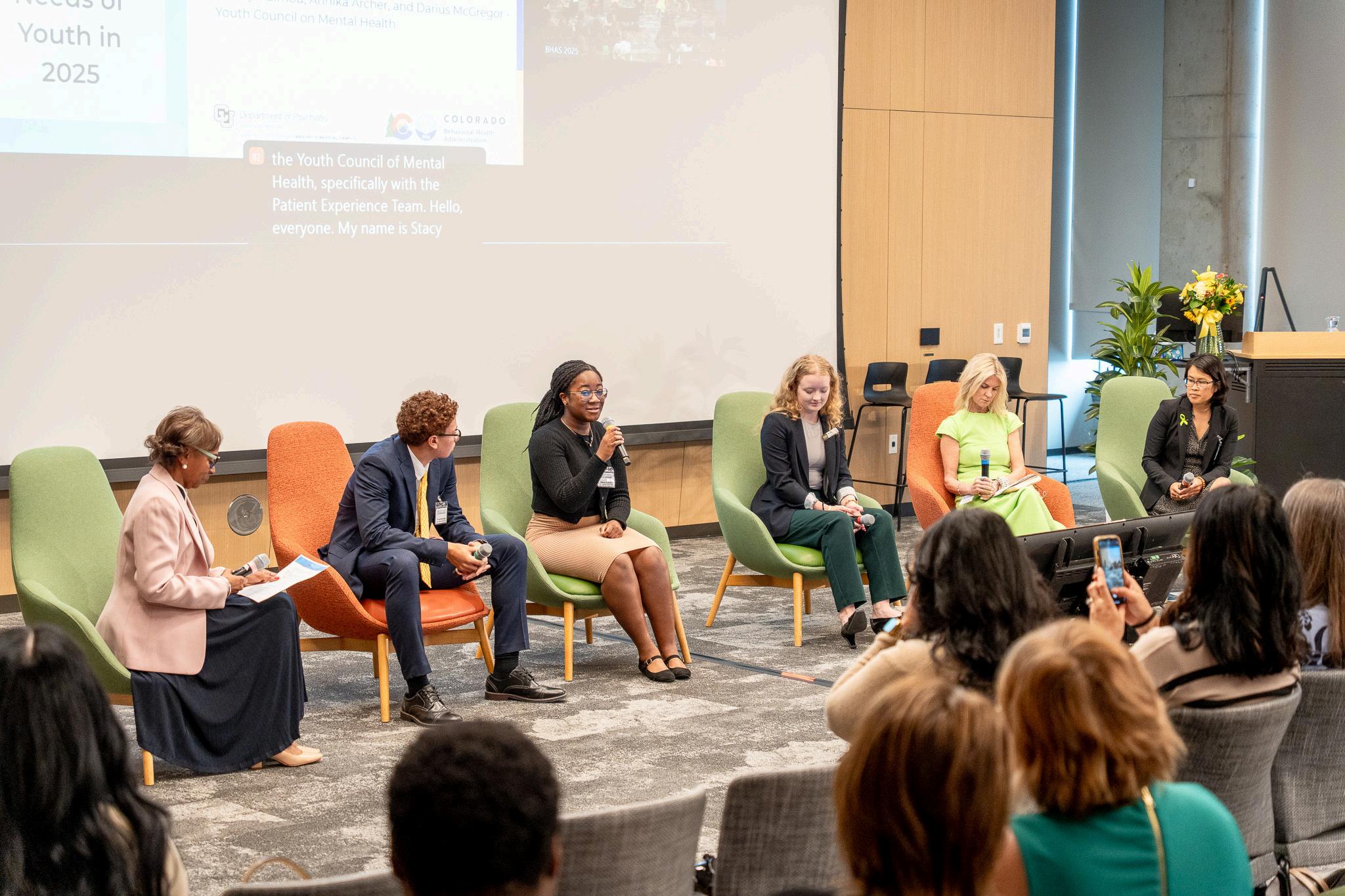
In May of 2025 the Department of Psychiatry welcomed Colorado Behavioral Health Administration for their Action Summit in the Anschutz Health Sciences Building.
The Cortex Collection NeuroSculption: Art Exhibit, Workshop, and Sculpture Auction
Blueprints for Prevention: VitalCog’s Social Impact
Wellness Initiatives and OPEN Program
A Place for Tail Wags: Our K9 Providers
Written By Paula Riggs
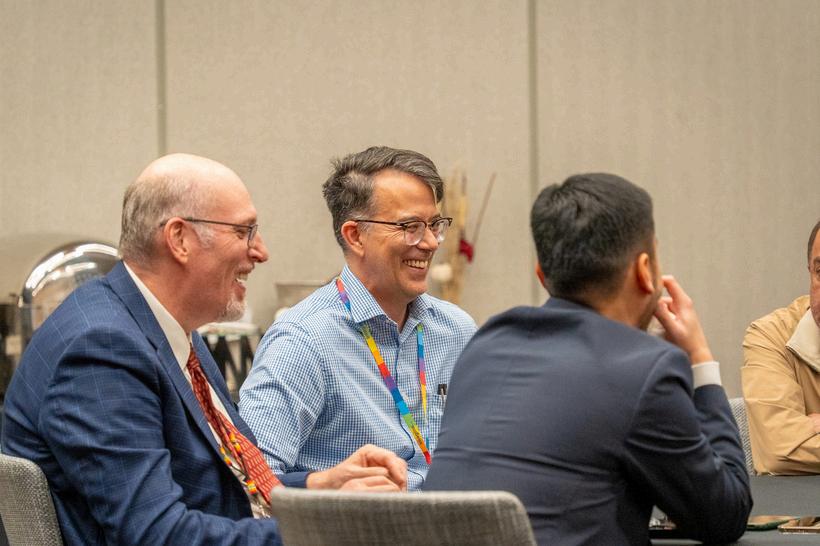
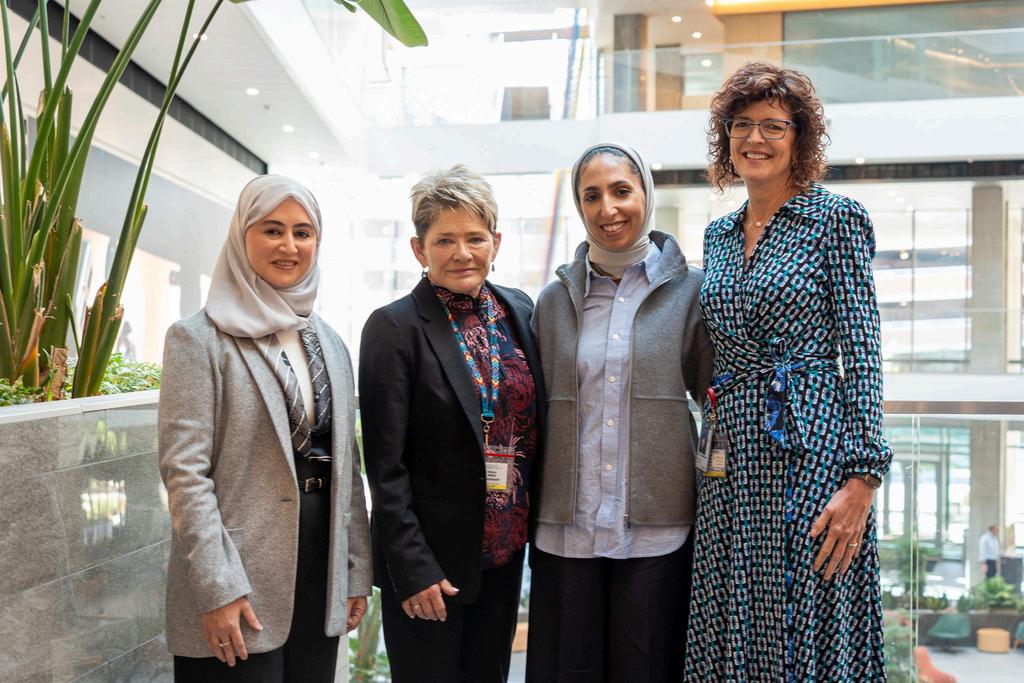
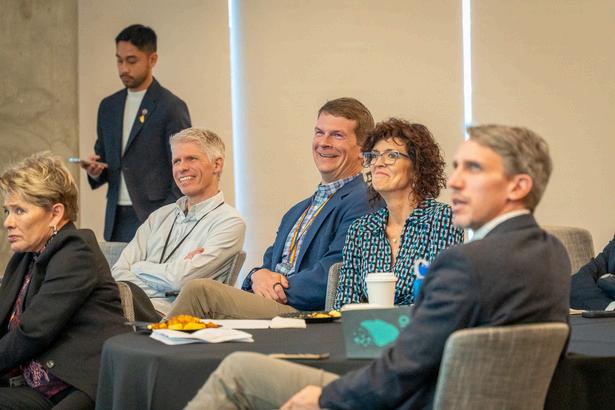
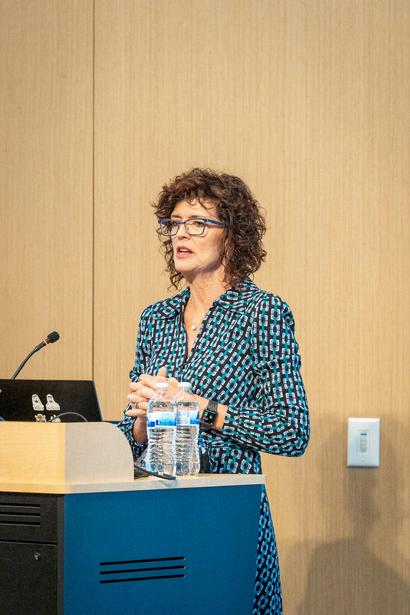
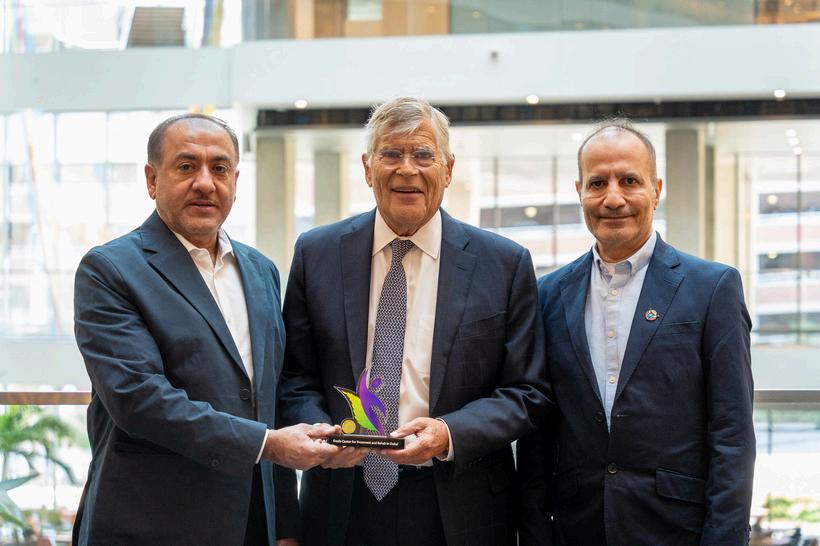
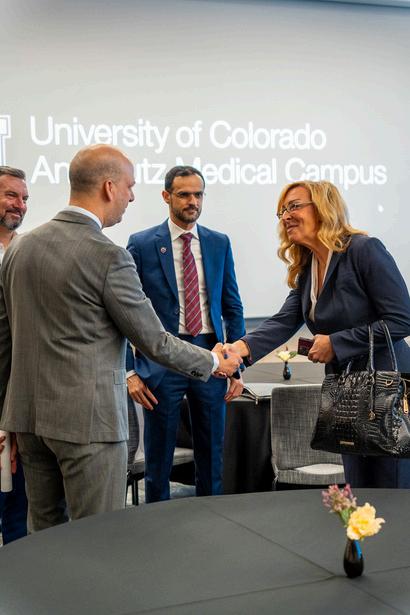
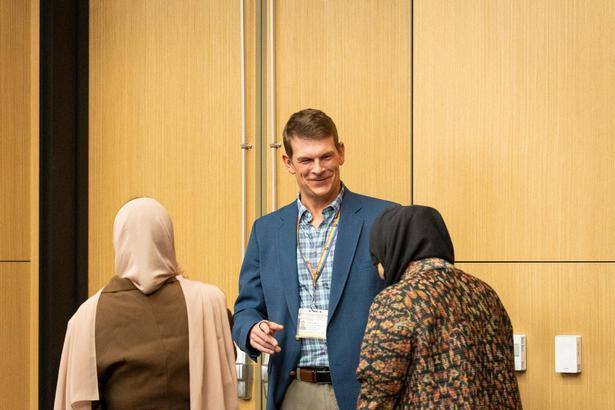
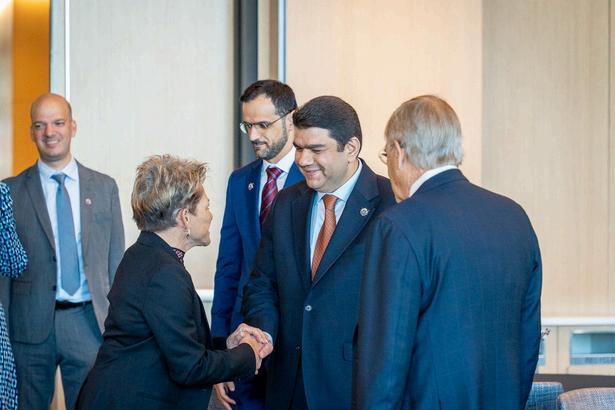
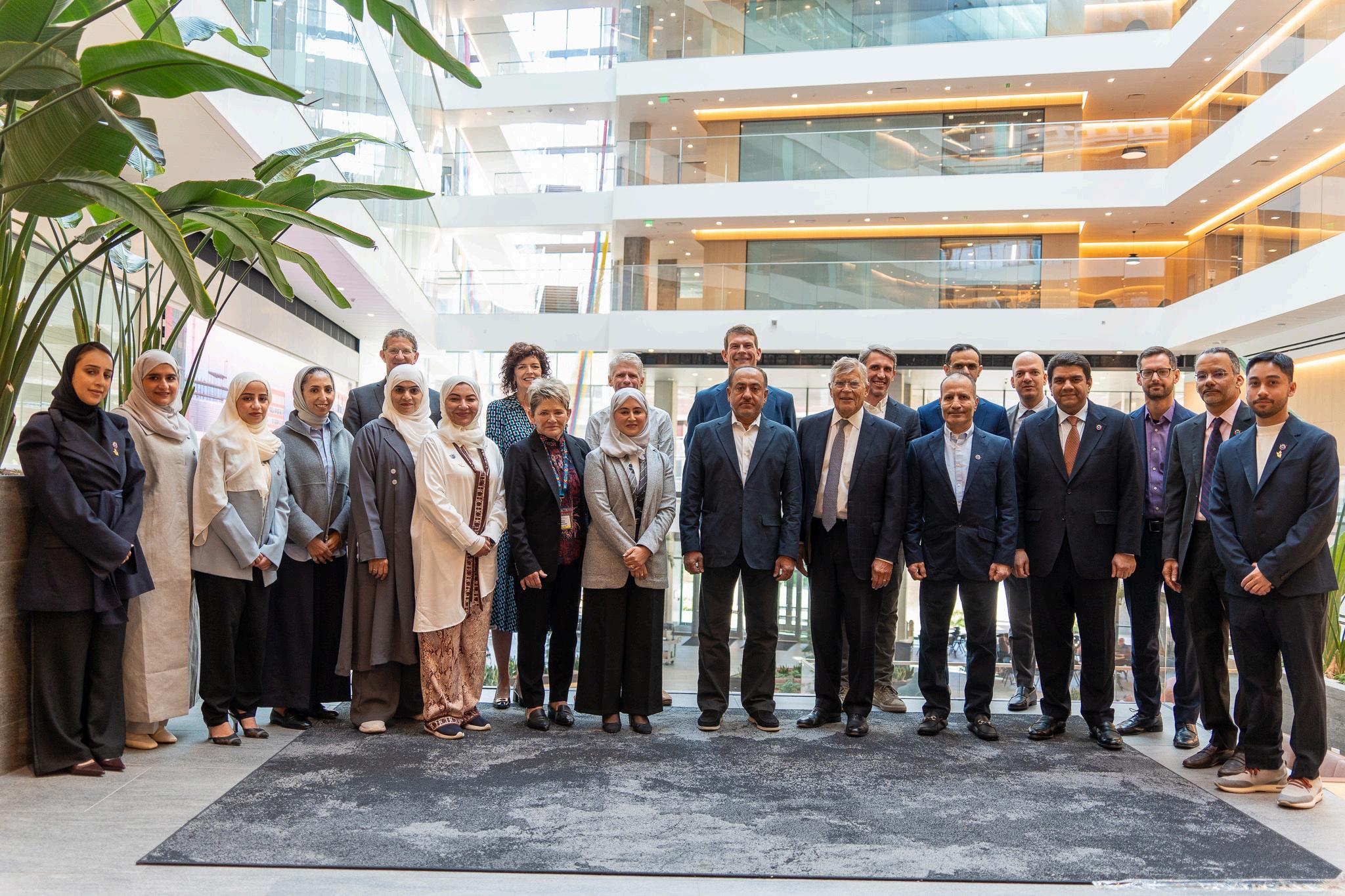
Dr. Riggs was initially engaged as a program development consultant to the Erada Center for Rehabilitation and the Dubai government in 2023, to facilitate and further advance their goal to transform behavioral healthcare in the Dubai Emirate, UAE. This evolved into a broader partnership with the Department of Psychiatry/CUSOM when Dr. Epperson and Dr. Riggs/DOPsych hosted a highlevel Dubai leadership delegation in October, 2024 (photos to left).


Dr. Allison Dempsey & Dr. Paula Riggs traveled to Dubai in the Spring of 2025 to continue their work as consultants to the Erada Center and working with the Dubai government and other key stakeholders to support their goal of establishing continuum of care for addiction and mental health prevention and treatment across the lifespan.
Written by Angel Tran with support from Michael Kazanjian
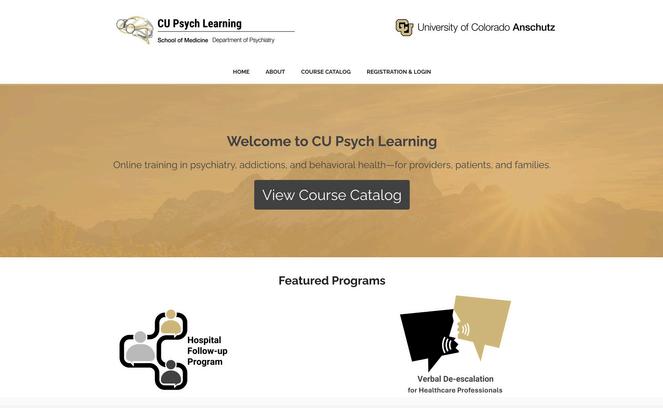
The Department of Psychiatry is opening new doors for learning with the launch of CU Psych Learning, an online platform designed to make behavioral health training accessible for faculty, professionals, and community members.
The platform brings together courses that offer continuing education credits and certificates of completion, giving learners the tools they need to grow their expertise and better serve their communities. Current trainings include de-escalation strategies, hospital follow-up program training, and perinatal mental health on the way.

This work builds on a strong foundation. The team has already created more than 90 modules for the OwnPath Learning Hub in partnership with Colorado’s Behavioral Health Administration (BHA) and the Department of Health Care Policy and Financing (HCPF). Over half provide American Psychological Association (APA) continuing education credits. By December 2025, another 38 modules will be released, including 20 with continuing education credits and 7 in Spanish, with the topics focusing on the behavioral health needs of rural communities, older adults, and justice-involved individuals.

At the heart of CU Psych Learning is the Learning Experience and Design (LED) Team, whose mission is to make learning engaging, meaningful, and transformative. They design interactive content, produce instructional videos, create custom learning experiences, and collaborate with individuals who bring the voice of lived experience. Their work ensures every training feels accessible, relevant, and impactful. The LED team is excited to work with the faculty in the Department of Psychiatry to ensure their expertise reaches as broad of audience as possible.
Written by Matt Mishkind
On November 8, 2024, the Helen and Arthur E. Johnson Depression Center held its 14th Annual Luncheon at the Seawell Ballroom with Brendan Hunt, who is an award-winning actor, screenwriter and playwright. Brendan is best known for cocreating the international hit Apple TV+ series Ted Lasso along with Jason Sudeikis, Joe Kelly and Bill Lawrence. Brendan is also an ensemble member for the show, portraying Ted’s trusty assistant Coach Beard.
The JDC's annual luncheon represents its largest fundraising event, with donations benefiting several initiatives including community-based education, clinical services, research, and workforce development. This year, the luncheon raised about $615,000 before expenses. This includes about $460,000 in pre-event sponsorships and another $155,000 in donations.



An important goal of the luncheon is to raise awareness about mental health topics across a range of communities. Despite an historic multi-day snowstorm that dumped up to 3 feet of snow in some areas, an estimated 450 individuals showed up for the luncheon. This represents about 75% of the expected attendance and demonstrates how important this event is to both the JDC and the communities it serves.
Aligned with the theme “Believe in the Power of Mental Health Care”, Brendan and emcee, Reggie Rivers, had an enlightening fireside chat where Brendan talked about the inspirations behind the focus on mental health in Ted Lasso and the impacts of the show. He also spoke about his personal journey and the importance of having honest conversations about mental health concerns and the positive role that the entertainment industry can play in raising awareness. Brendan was funny, honest, kind, and open. He interacted with audience members and was predictably charismatic with everyone he met. It was an incredible afternoon and the emotions in the room were a powerful reminder of how mental health issues touch us all and how this annual event continuously touches lives well beyond the money raised.





Written by Jessica Fluharty and Tracy Bale
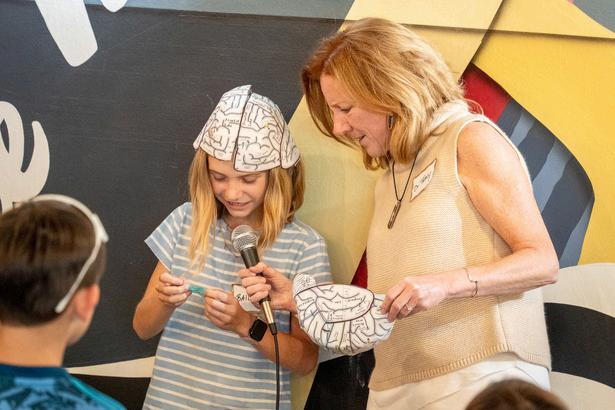
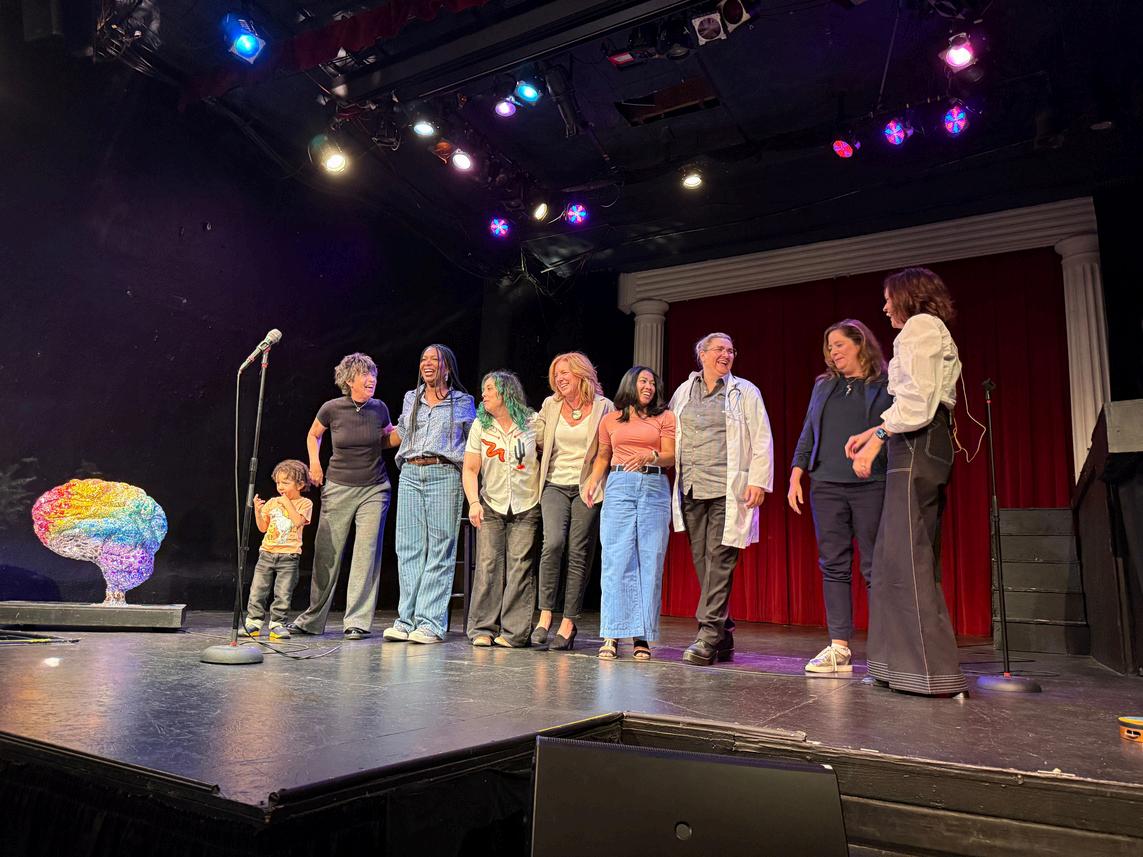
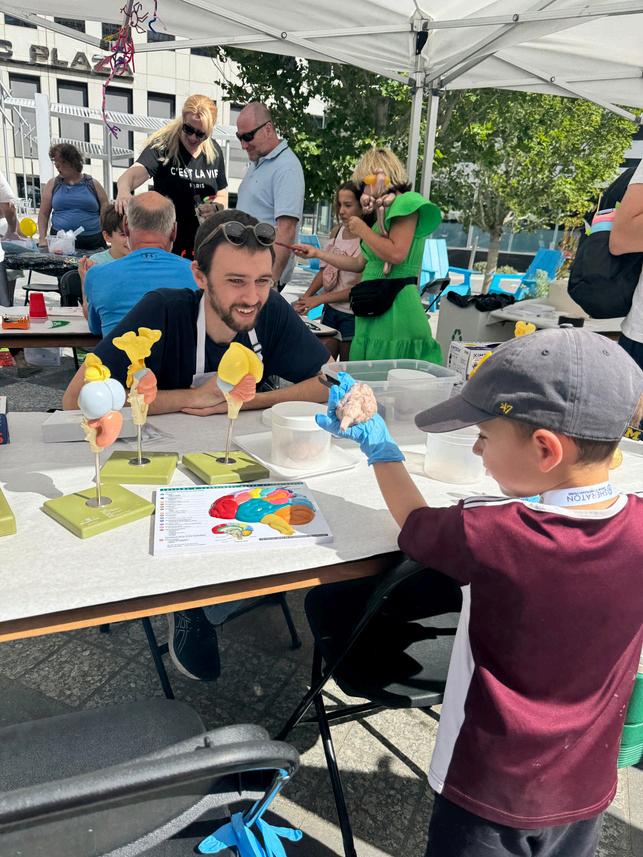
From stand-up science-infused comedy to massive brain art and kid-powered experiments, we lit up neurons across Aurora and Denver this fall with BRAIN Fest, a new community initiative featuring a series of events that turned the science of brain health into an unforgettable experience. Our mission: break down the walls between research and the public and show that learning about the brain can be accessible, artistic, and even hilarious!
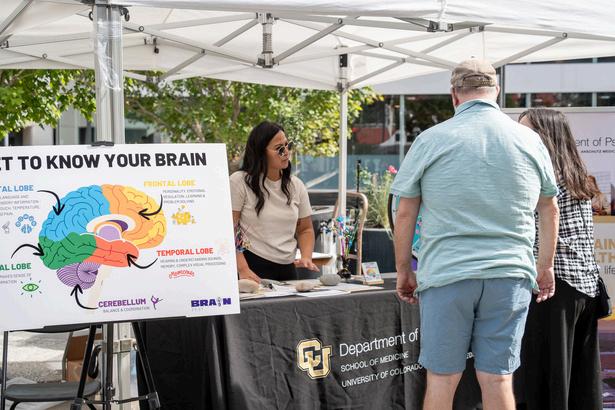

Presented by Tracy Bale and curated by Jessica Fluharty, BRAIN Fest’s dynamic lineup incorporated students from our elementary school program, tied in women’s health topics, and found ways to touch lives far beyond our typical engagement-sphere by partnering with Downtown Denver Partnership and Stanley Marketplace.
The three-part celebration brought brain science & mental health conversations out into the neighborhood with Headstrong Comedy, NeuroSculption + The Cortex Collection, and Brain Exploratorium at the 16th Street Grand Reopening.
Through BRAIN Fest, we aimed to demystify the science of brain health, because the better you know your brain, the better you can care for it!

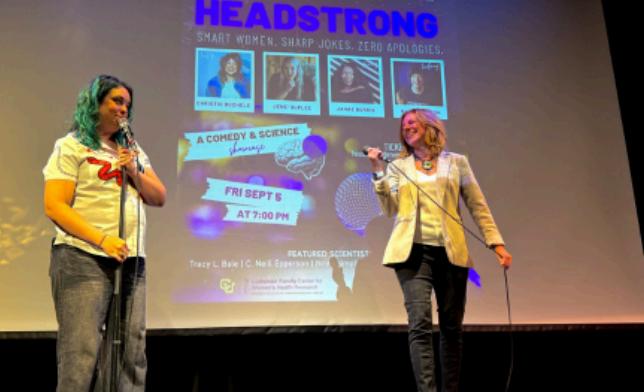
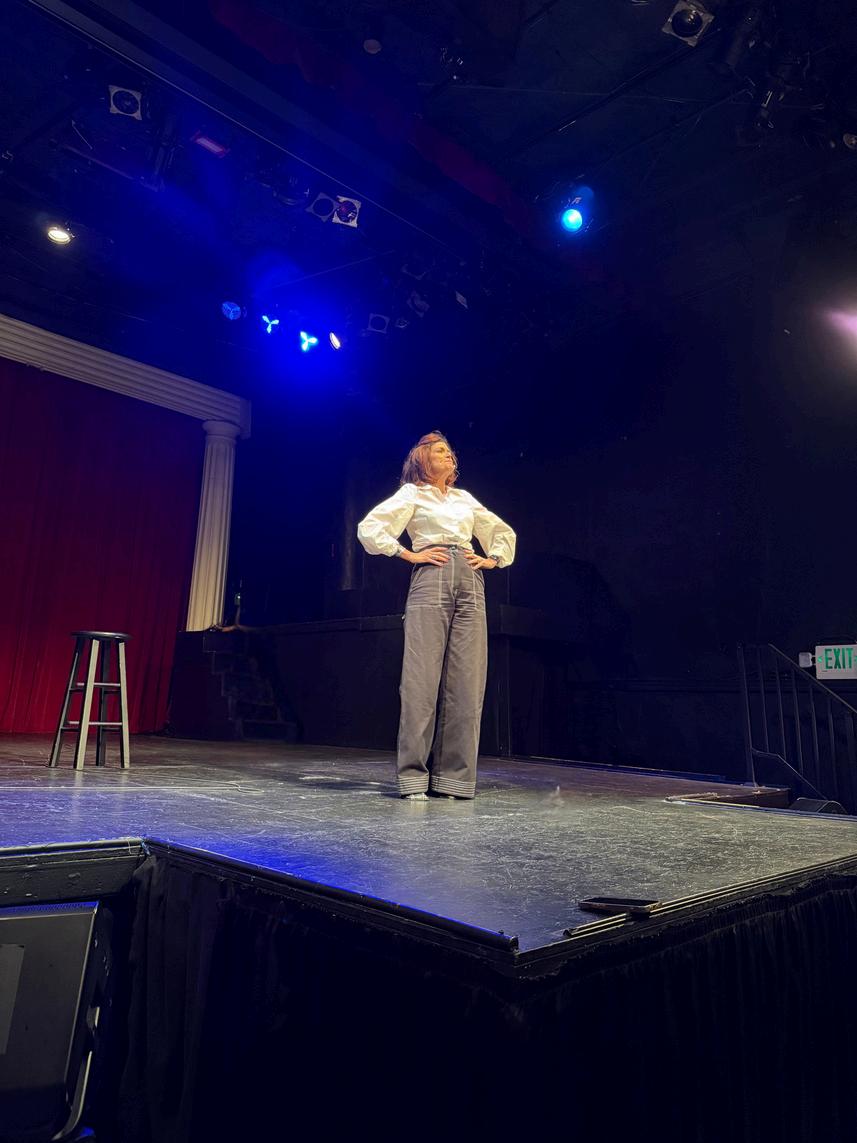
BRAIN Fest kicked off September with some of Colorado’s funniest comics bringing a fresh perspective on women’s brain health - told through humor, backed by science! - and expressed the vital role of scientific research, a message in need of a mic now, more than ever.
Three familiar faces - Neill Epperson (lower right), Tracy Bale (lower left) and Noy Phimphasone-Brady (left page) took to the stage to laugh in the face of stress, roast medical mansplaining, and celebrate the brilliance of the female brain.
The all-female set of comics and scientists joined forces to tackle misconceptions about women’s health and fight for the funding it deserves. Headstrong in name and nature, it delivered unflinching comedy and fearless perspective into the female brain, showcasing the important work done by the DOPsych and the Ludeman Center for Women’s Health Research to a new audience. As trust in science and healthcare is being eroded, it’s vital for those involved to connect with the community through shared language and what’s more universal than laughter!
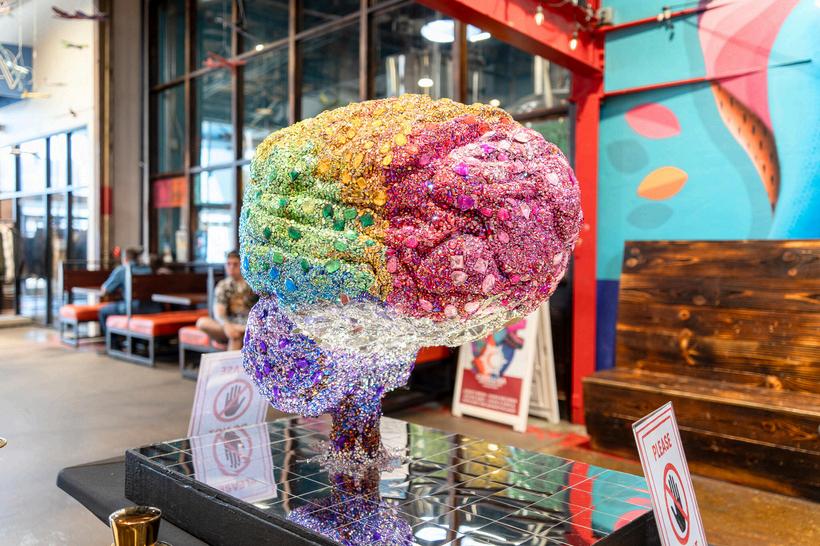
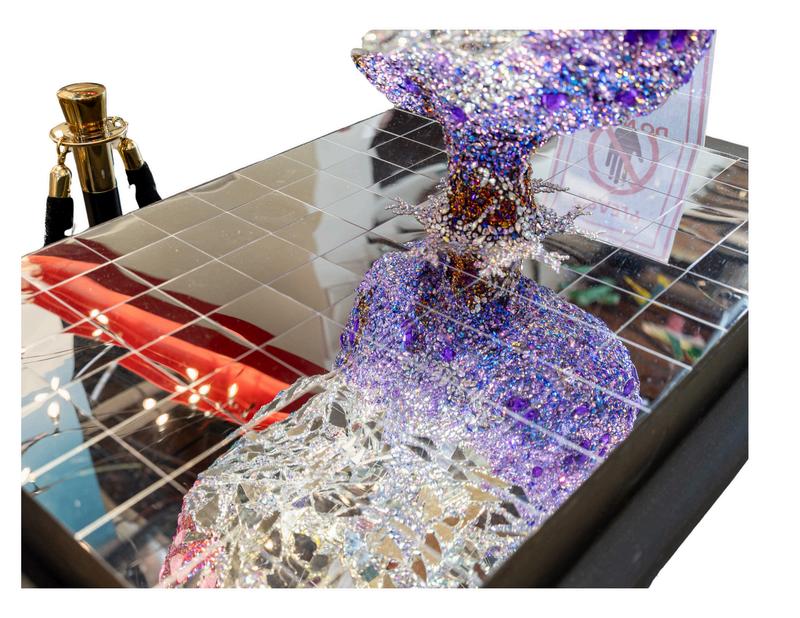
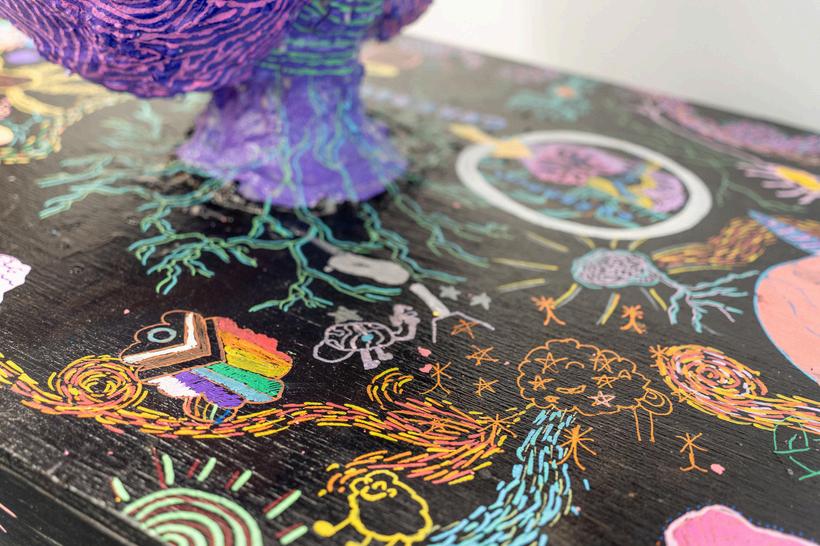
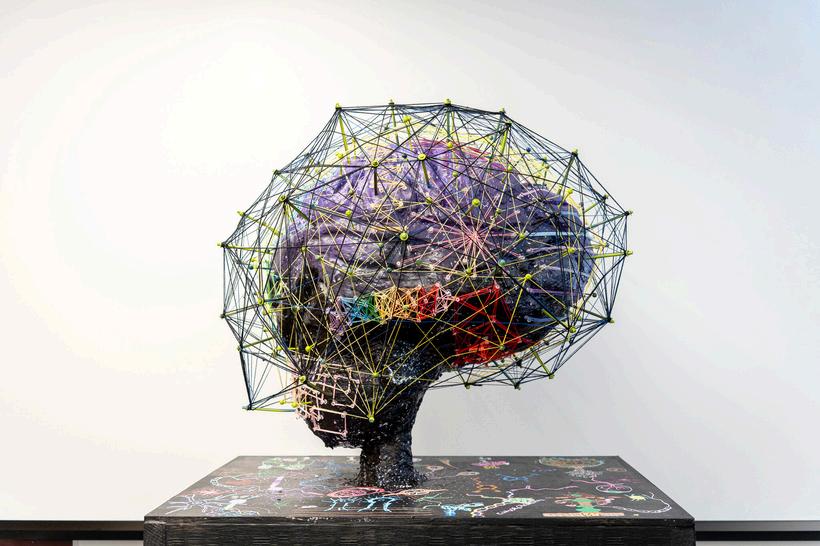
Five big, beautiful brains, each with a story to tell. A stunning display of neuroscience-inspired art adorned Stanley Marketplace, a popular community-centered space in Aurora, as an interactive brain science and health exhibit throughout September and October.

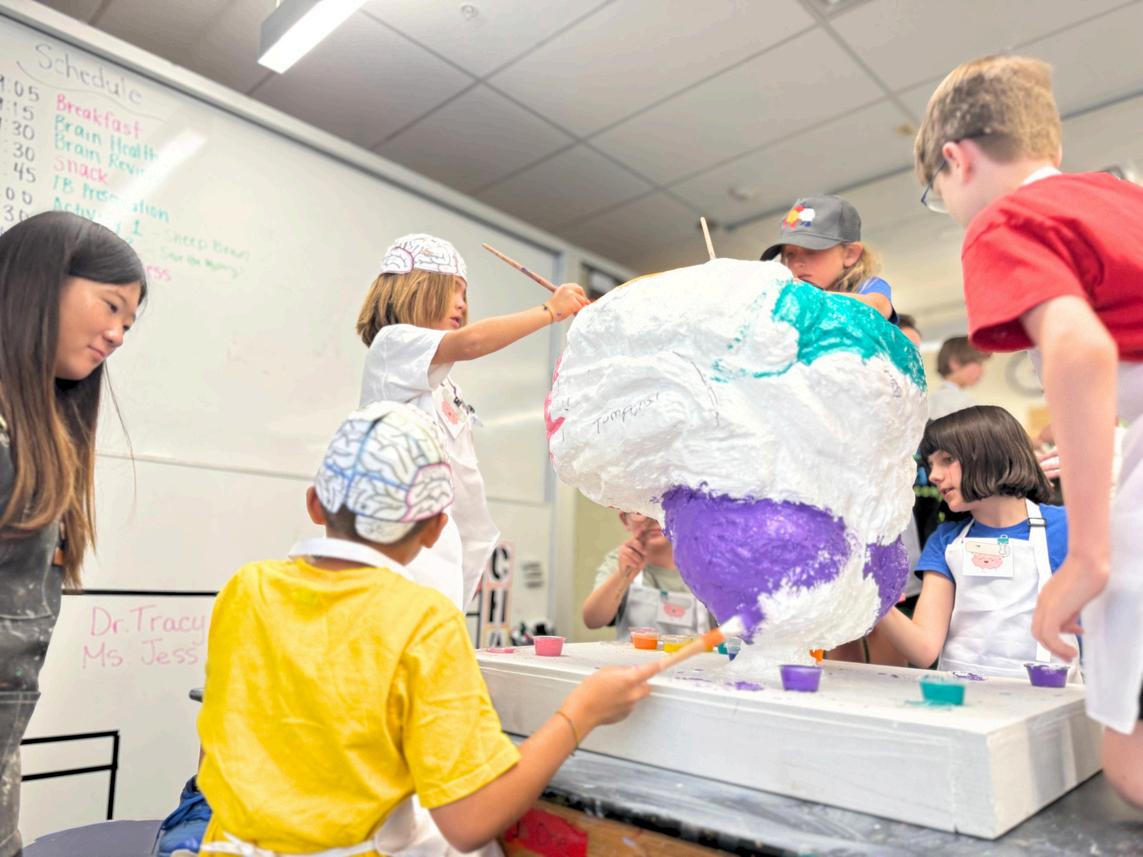
The 3-foot-tall brain sculptures were created for Brain Camp, a free summer program run by Dr. Bale, Mrs. Fluharty, and sculptor-artist, Erin Mindigo, with sponsorship by the Avielle Initiative. Campers, teachers, scientists, and creative volunteers transformed the sculptures into the Cortex Collection, featuring artistic interpretations of concepts taught during brain campneuroplasticity, growth, synaptic connectivity, regional structure, and nurturing mental health -designed to spark curiosity and drive conversation.

NeuroSculption, a community artist reception showcasing the collection, offered a snippet of our summer activities more broadly, while giving former campers a chance to share the meaning behind the sculpture themes with their friends, family, and neighbors. The brain-building workshop encouraged adults and kids alike to become neuro-sculptors, shaping a mini sculpture to take home.
The Cortex Collection sculptures are raising awareness and funding to support future brain health programming.


Written by Matt Mishkind
VitalCog: Suicide Prevention in Construction is a brief, evidence-based suicide prevention training tailored specifically for the construction industry, which has the 2nd highest rate of death by suicide among industry groups in the United States. With over 800 trainers internationally, VitalCog in Construction trains over 10,000 workers annually. While the direct impact is impressive, recent evaluations show that the broader social impact of the program may be even more significant.
Social Return on Investment (SROI) offers a robust framework to quantify the impact of the social, environmental, and economic value generated for every dollar invested, and transforms doing good into a measurable business advantage. An independent evaluation of VitalCog in Construction across multiple years showed a range of social value returns of $7 to $33 for every dollar spent.
Part of this evaluation includes a longitudinal assessment showing that each trainee talked to about 5.5 other individuals about the training and 20% actively engaged with someone at risk of suicide or in a mental health crisis.
VitalCog in Construction continues to evolve and now includes a Spanish language version and an additional module on postvention. As construction firms seek ways to care for their workforce, the VitalCog program is a high-impact investment.

Written by Liz Chamberlain
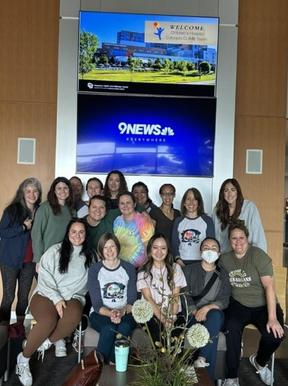
The Department of Psychiatry continued to dedicate support to resources aimed to improve wellness, increase connection and provide support for our employee community. The recently formed Wellness Avengers is an advisory committee assembled to provide input and create interventions from different roles and Divisions across the Department. Dr. Liz Chamberlain joined forces with Dr. Emily Muther, wellness leader for the Pediatric Mental Health Institute, to expand wellness offerings across the Department.
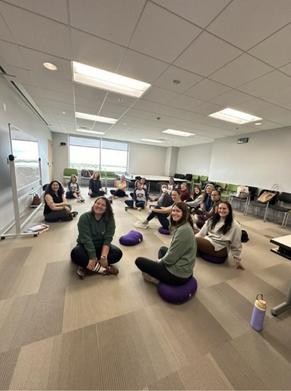
Dr. Liz Chamberlain, Faculty Wellness Officer, facilitated 4 virtual and 1 in-person “Supporting Others While Supporting Yourself in Challenging Times” workshops for DOPsych Faculty and Staff who serve vulnerable community clients, including immigrants and families affected by executive orders this past year.
75% of participants Strongly Agreed with the statement “I found the workshop to be helpful.” 63% Strongly Agreed with the statement, “This workshop gave me tools that will support my wellbeing."
When asked what they appreciated most about the workshop, participants shared, “Learning about the difference between fierce and tender selfcompassion. Practicing belly breathing” and “The compassionate touch mindfulness”.
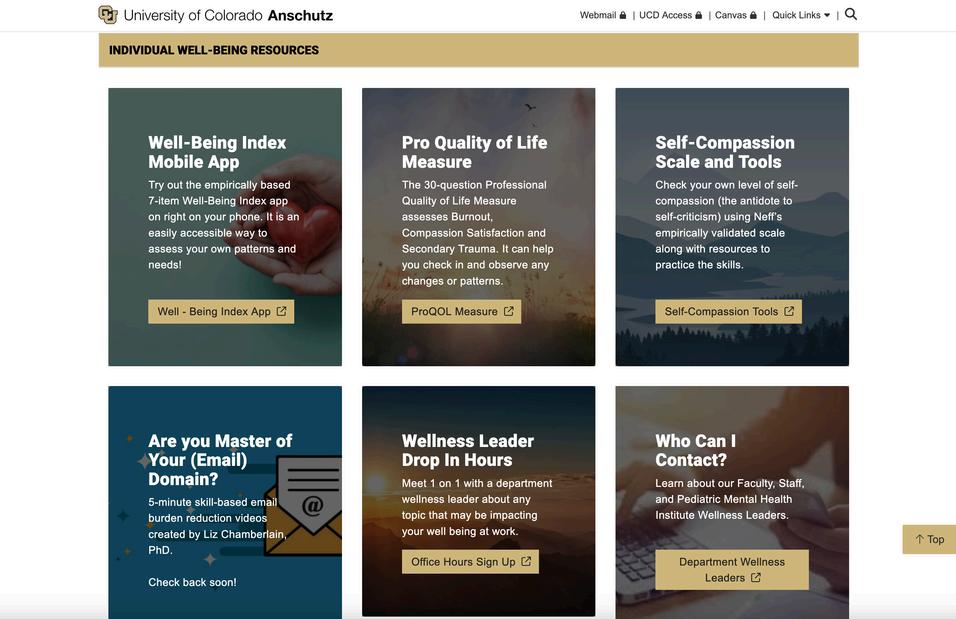
The Wellness Office launched a new DOPsych Wellness Resources website, designed by Shanna Trott, Staff Wellness Officer and Dr. Chamberlain.


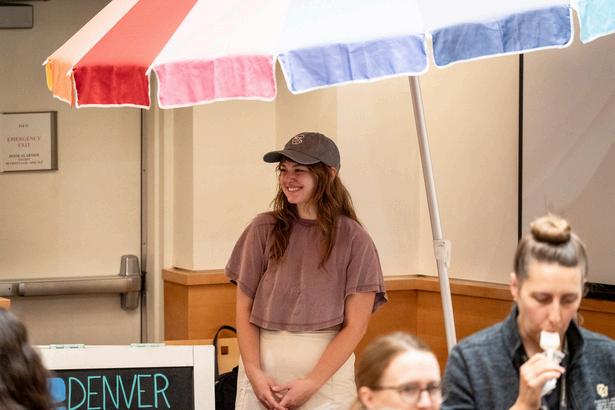
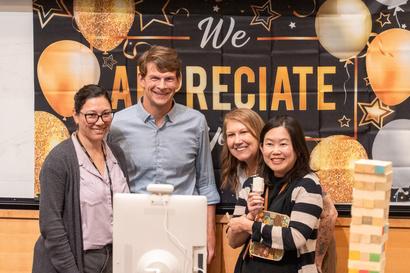

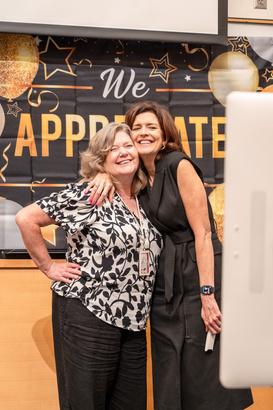
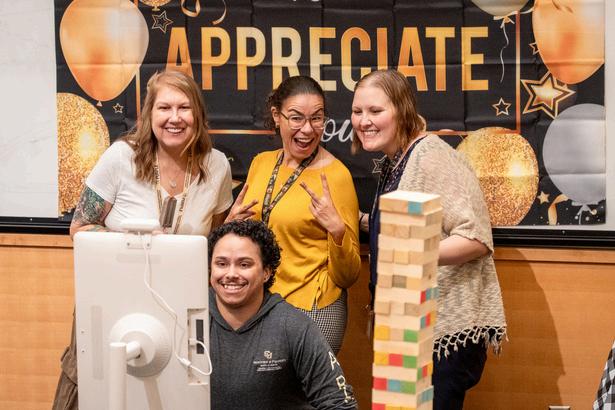
Throughout the year, the Wellness Avengers hosted several events and workshops to support staff wellness. The team was featured in two Lunch and Learn summer sessions (Dr. Chamberlain’s Are You Master of Your (EMail Domain)? and Find Your Fun: Energizing Life and Work Through Play with Dr. Dave Thomas, organized by Dana Kennedy. Wellness also cosponsored a, End of Summer Appreciation Event with old school games and ice pops attended by 75 staff members. The rain couldn’t stop the fun - we just moved inside!
Written by Shaleeta Flagg
In 2025, the Department of Psychiatry established the OPEN Office, led by Shaleeta Flagg. In collaboration with the Wellness Office, OPEN worked to support a sense of belonging among faculty and staff in the Department. With 76 active members across the department, OPEN is committed to leading transformational education, advancing excellence, while taking meaningful actions to enhance learning and professional growth. OPEN partners with Communication Manager Claudia Iannelli to offer redesigned Zoom background options and Powerpoint templates for use across the Department.
The team also re-launched Quiet Spaces in the Anschutz Health Sciences Building for Faculty and Staff along with easier reservation system and video tour created by Wellness Avenger Team Members Emily Hemendinger, LCSW and Mandy Doria, LPC.


2025 also saw the creation of LINK UP groups for our faculty and staff to connect with shared interests.
Our inaugural groups included:
Creative GENEiuses, led by Dana Kennedy, Staff Wellness Officer
S&B (Stitch & Bond), led by Shaleeta Flagg, OPEN Officer
All things Scary Movies, led by Brandon Fenner, OPEN Committee



Written by Claudia Iannelli
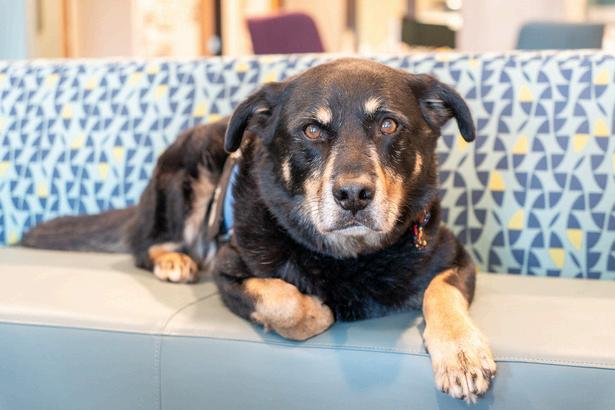
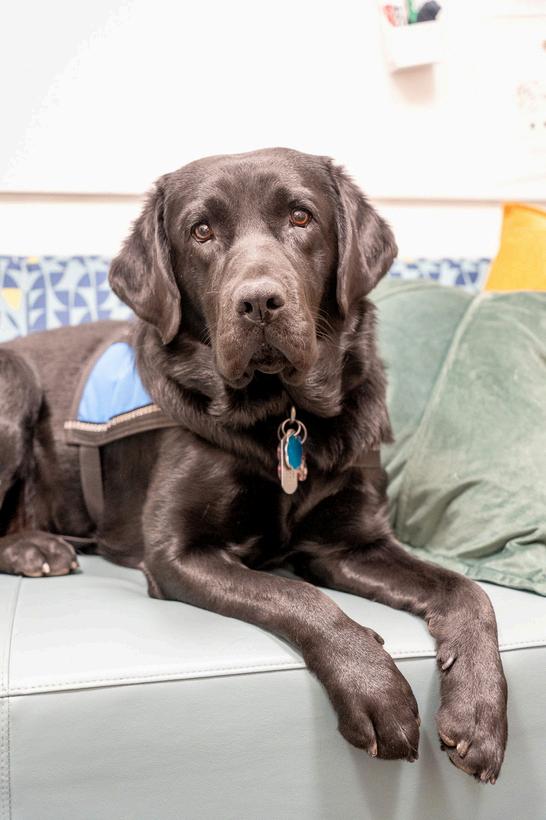
In the Department of Psychiatry, therapy dogs play a meaningful role in supporting mental health care. These specially trained companions offer comfort, connection, and emotional grounding to patients of all ages. Whether helping children process trauma, supporting teens with autism, or offering quiet companionship during moments of distress, therapy dogs bring a unique kind of healing that goes beyond words. Their presence can reduce anxiety, build trust, and even support clinical goals like emotion regulation and trauma processing.
In the next section, we invite you to meet four of our beloved therapy dogs—Krinkle, Otis, Rainbow, and Wilko—each with their own personality, specialty, and superpower. From biggest puppy eyes to best at holding space, these dogs are more than just cute faces— they’re essential members of our care teams.
Written by Samantha McBride (and Krinkle!)
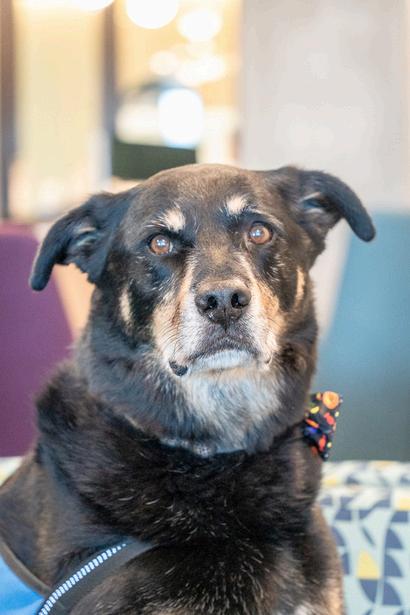
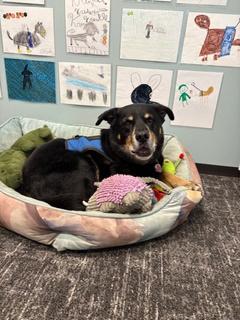
“ALWAYS BE KRINKLIN’ - WHICH MEANS TO BE AS COZY AS POSSIBLE AT ALL TIMES. ” -Krinkle’s Motto
Q: What breed is your dog?
A: Krinkle is a mixed breed dog. He was found in a shelter in Wyoming by Freedom Service Dogs and selected to be a working dog due to his calm temperament.
Q: What "specialty" do they have, if any?
A: Krinkle loves working with children and teens, the younger the better as far as he is concerned! Part of his training included working with kids with Autism and he also really enjoys working in group settings.
Q: A fun fact about your dog we wouldn't know just from seeing then at work?
A: Krinkle has been working as a therapy dog for 10 years!
Q: What's the preference - toys or treats?
A: Definitely treats. He won’t play with toys when he is in my office – he takes his work too seriously.
Written by Kathleen Zachary (with input
from
Wilco)
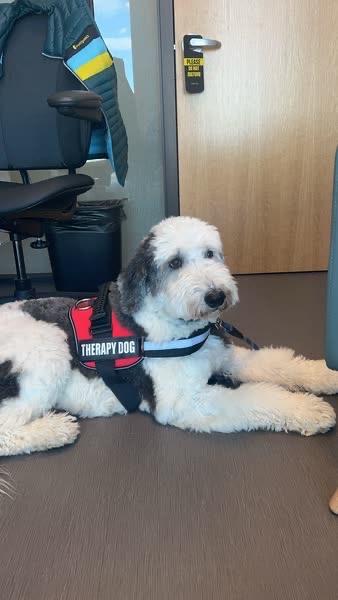
VOTED BEST AT HOLDING SPACE WITHOUT HOLDING CREDENTIALS
Q: What breed is your dog?
Wilco’s therapeutic alliance is 100% rapport and 0% billing code.
A: Wilco is a sweet-natured sheep-a-doodle whose gentle presence and impeccable manners make him a beloved member of the Out-Patient Clinic team.
Q: What "specialty" do they have, if any?
A: Wilco specializes in emotional attunement. He has an uncanny ability to sense when someone is in distress and needs grounding, and he offers it without hesitation.
Q: What's the preference - toys or treats?
A: Treats. Always. Preferably artisanal, gold-foil-wrapped, grass-fed butter. His favorite? Kerrygold!
Q: Does your dog have a “favorite work outfit” (bandana, vest, bow tie) they strut around in?
A: His red vest. When the vest goes on, Wilco knows he’s on duty and ready to work.
wilco’s red vest in action!
“I BELIEVE IN UNCONDITIONAL POSITIVE REGARD… AND UNCONDITIONAL ACCESS TO BUTTER. ” -Wilco’s words to live by
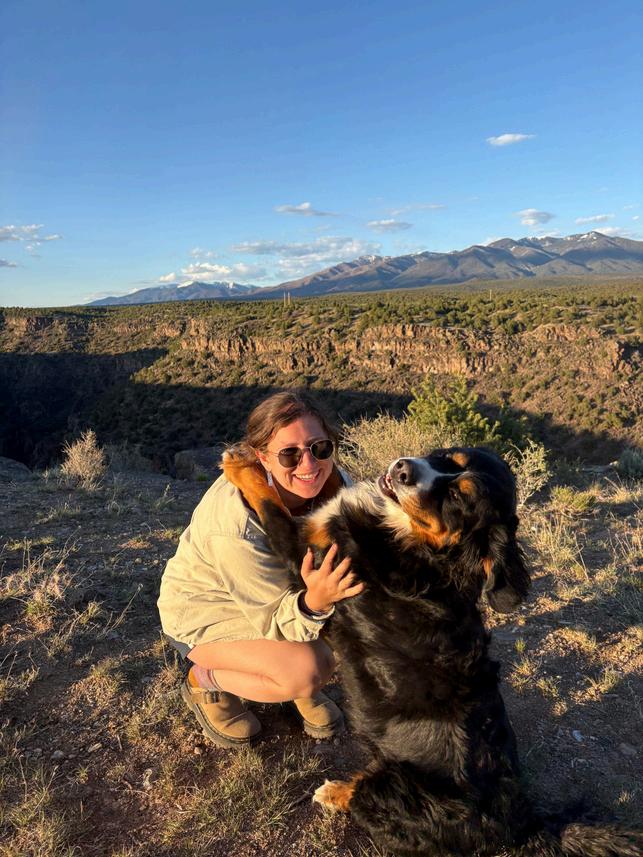
VOTED MOST LIKELY TO EAT SANDWICH OUT OF YOUR HAND
Q: What breed is your dog?
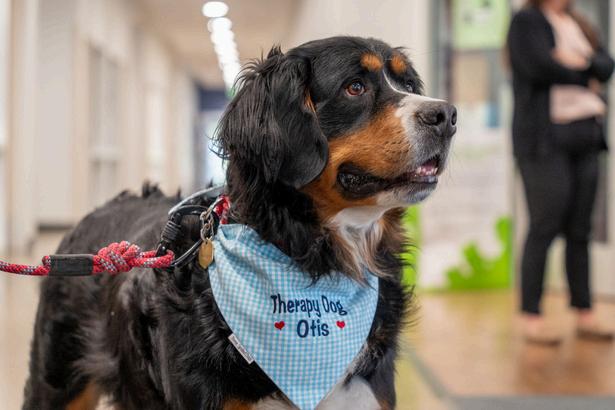
A: Bernese Mountain Dog
Q: What "specialty" do they have, if any?
A: Otis works in the Obsessive Compulsive Disorder Clinic.
Q: What's the preference - toys or treats?
A: He loves both! For treats- anything edible. And for toys, whatever it meant for tiny dogs (Otis is 100lbs!)
Q: Does your dog have a “favorite work outfit” (bandana, vest, bow tie) they strut around in?
A: Sometimes otis wears a blue plaid bandana that says “therapy dog otis” but he prefers to be naked because he’s always hot due to being very large and fluffy
Q: What’s your dog’s go-to move when they know someone really needs comfort?
A: Otis’ go to move is to put his paw on the patient and lay with them for as long as they need
Written by Lizzie Hoff (with quotes from Rainbow)
Q: What breed is your dog?
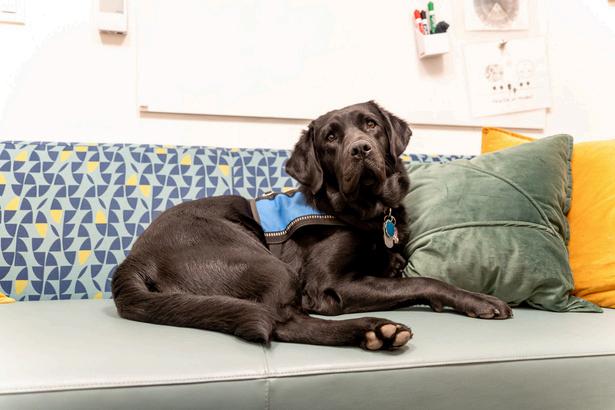
A: Rainbow is a Lab.
Q: What "specialty" do they have, if any?
A: Rainbow primarily works with children, teens, and families impacted by trauma.
Q: What's the preference - toys or treats?
A: She loves her treats, but she would play fetch with a toy all day if you kept throwing something for her.
VOTED BIGGEST PUPPY EYES
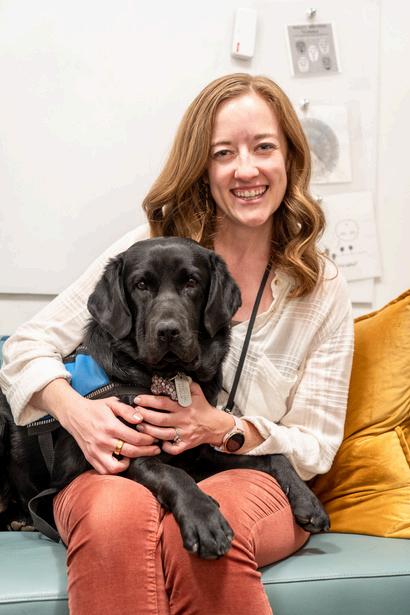
“COMFORT IN EVERY CUDDLE!” -Rainbow’s Tagline
Q: A fun fact about your dog we wouldn't know just from seeing then at work?
A: She would live in the water if she could! Rainbow loves to swim, hop on a paddleboard, and play fetch in the water.
Q: Does your dog have a “favorite work outfit” (bandana, vest, bow tie) they strut around in?
A: You will often times see Rainbow in her blue therapy dog vest on campus. She of course loves to wear anything with rainbow colors on it too!

Shining a light on first responder mental health: Police Officer James Baddley
A Life Reclaimed: Mitch’s Story of Recovery and Connection
Staff Voices: Gary Coleman on Meeting People Where They Are
Team Reflections: Morgan KITANO on Designing Care Around Community Behind the Mask: One ICU Physician’s Story of Treatment and Support
Saving Young Lives: A Comprehensive Approach to Suicide Prevention
From Screening to Support: A New Model for Suicide Prevention
PMHI’s Comprehensive DBT Program: Empowering Adolescents and Families
Together
Why a Phone Call Matters : Hospital Follow-Up Program
A Legacy of Care: Dr. Julie Meeker’s 44 Years in Psychiatry
for more than a new department. He was searching for a way to heal. Years of responding to violence and tragedy had left him carrying a heavy burden that he tried to manage alone. Over time, the harsh work environment in Philadelphia began to change him, hardening his outlook on the world in ways he did not like. He realized that if he stayed, he risked losing the person he wanted to be.
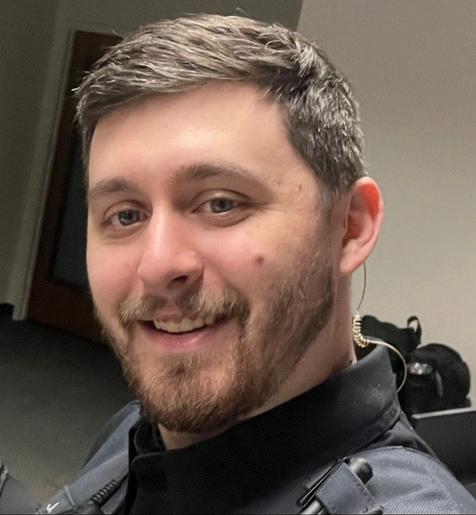
JAMES BADDLEY, START CLINIC CLIENT DR. AMBERMCDONALD, STARTPSYCHOLOGIST& DEPUTYDIRECTOR
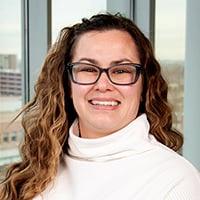

In Boulder, things felt different. Colleagues encouraged him to consider therapy, and though hesitant at first, he decided to give it a chance. That decision connected him with Dr. Amber McDonald at the START Clinic, a program created to support first responders. For James, it was the first time he felt he could share his experiences without judgment. The safe and understanding environment helped him begin to work through years of trauma and stress that he had pushed aside. Through ongoing support, James started to find healthier ways to cope and a renewed sense of balance in his life.
James has now over a decade of experience as a first responder and he reflects on what it takes to support those who serve. He believes first responders need clinicians who truly understand the culture of the job and the pressures that come with it. He also calls on policymakers to recognize the importance of building diverse teams that can connect with and serve many different communities.
James hopes the public remembers that first responders are human beings too, carrying heavy experiences from one call to the next. Extending patience and compassion can make all the difference and a little grace goes a long way.

Written by Angel Tran with support from Leslie Choi and Mitch
Mitch’s life has been defined by service. As a veteran and later a firefighter, he ran toward danger on 9/11, facing unimaginable destruction and loss. The weight of that day, combined with the challenges of military service, left scars that were not visible but deeply felt.
In the years that followed, Mitch lived with profound survivor’s guilt, questioning why he had made it home when so many others had not. Along with these heavy emotions, he also had symptoms of PTSD, though he did not know it at the time. Change was coming for him with a referral to the START Clinic, where he worked closely with Dara Lynne Tabugadir and Leslie Choi. They understood the unique experiences of veterans and first responders and guided him through the difficult work of confronting guilt and finding healthier ways to carry those memories. As part of this healing, Mitch discovered a new sense of purpose in giving back by facilitating group courses for other veterans that explored trauma, resilience, and meaning making. Supporting others not only offered connection but also became a powerful supplement to his own recovery.
Mitch shares his experience with PTSD to encourage others to seek help and to highlight the importance of specialized clinics like the START Clinic. He hopes such programs can be expanded nationwide to improve access to care for veterans and first responders. With gratitude for the clinic staff who helped change his life, he continues to serve by guiding others toward hope, connection, and healing.
Addiction Research and Treatment Services (ARTS) is a clinical program within the Division of Addiction Science, Prevention, and Treatment in the Department of Psychiatry at the University of Colorado School of Medicine. For over 50 years, ARTS has been a leader in providing compassionate, evidence-based treatment for substance use disorders across the Denver Metro area. With a focus on medication-assisted treatment, integrated care, and community outreach, ARTS empowers individuals on their journey to recovery while addressing co-occurring mental health needs.
At the heart of ARTS is a dedicated team of professionals who bring lived experience, empathy, and innovation to their work every day. In this spotlight, we highlight two staff members whose commitment to meeting people where they are is transforming lives and strengthening community connections.
Written by Gary Coleman
From the perspective of someone in long term recovery (21 years) and working with ARTS as a peer navigator for the last 2+ years engaging out in the community with our community partners, I have seen too often the need to literally meet people where they are at.
I have found that individuals who seem to be struggling the most are homeless, without support and tend to gravitate to areas where there is community, shelter, food and a hot shower. They are not always willing to take the bus or show when rides are prearranged for treatment.
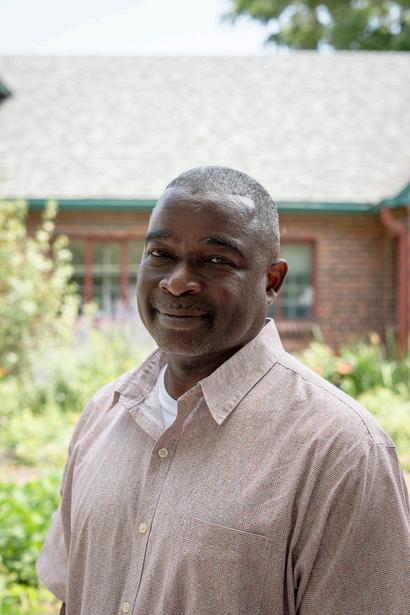
GARY COLEMAN
“I have learned that if we keep showing up...the patients will keep coming back.”
They do not want to leave that one mile radius. If they are ready, we need to be ready to aid them on that journey at that time.
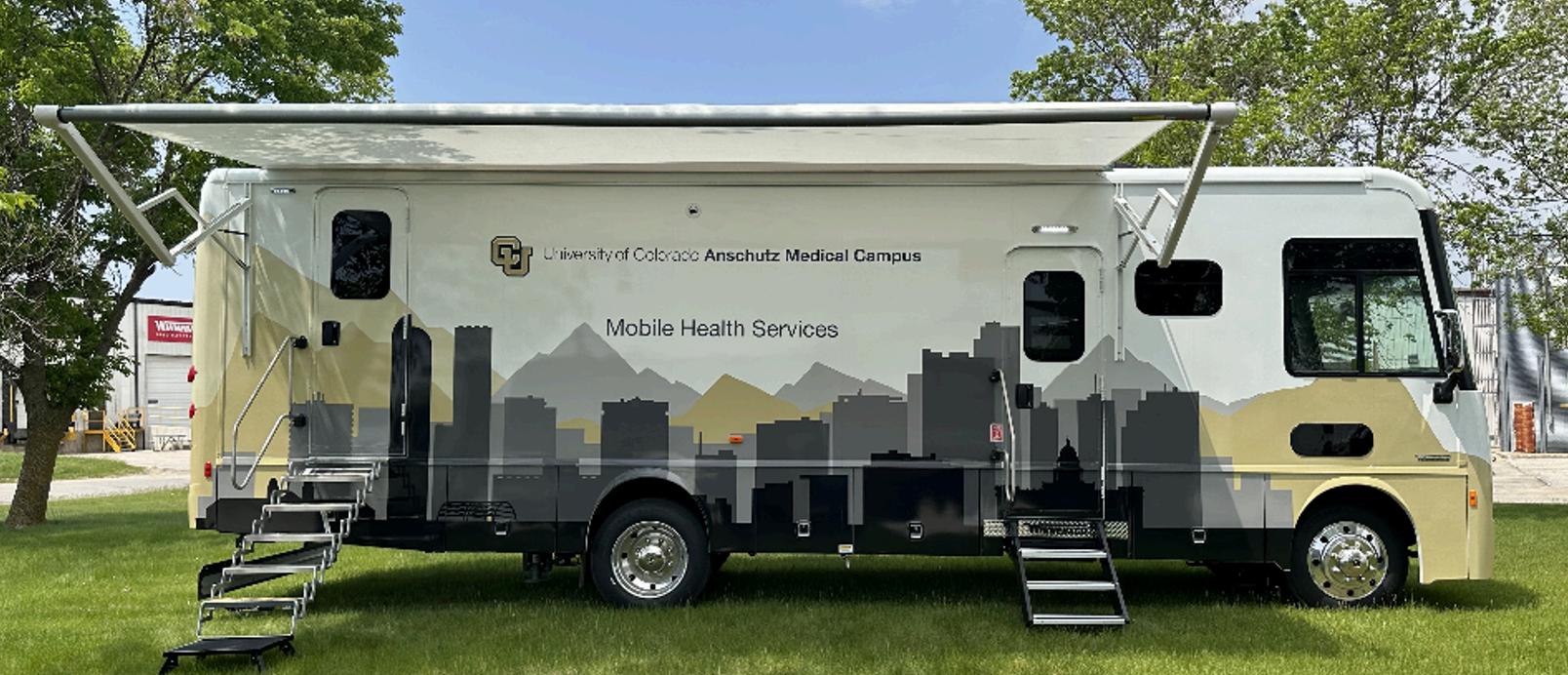
Although my current position is a Medical Case Coordinator, I have been an extra support on the mobile unit. I have been privileged to see the joy in individuals who know that we are coming as scheduled. It’s one less thing they must worry about while in recovery. Bringing the Mobile Opioid Treatment Programs (MOTP) to them has been fascinating as we get to witness the transformation.
There is nothing more rewarding than seeing individuals grow and understand that recovery is not linear and that progress is not always steady or predictable. Setbacks are a normal part of the process.
Written by Morgan Kitano
There are less than 35 functioning Mobile Opioid Treatment Programs (MOTP) in the country, so there is not a one size fits all blueprint for this project. I believe that is what makes this project so challenging and so rewarding. We really get the chance to listen closely to our community partners and tailor the design of this pilot project around them.
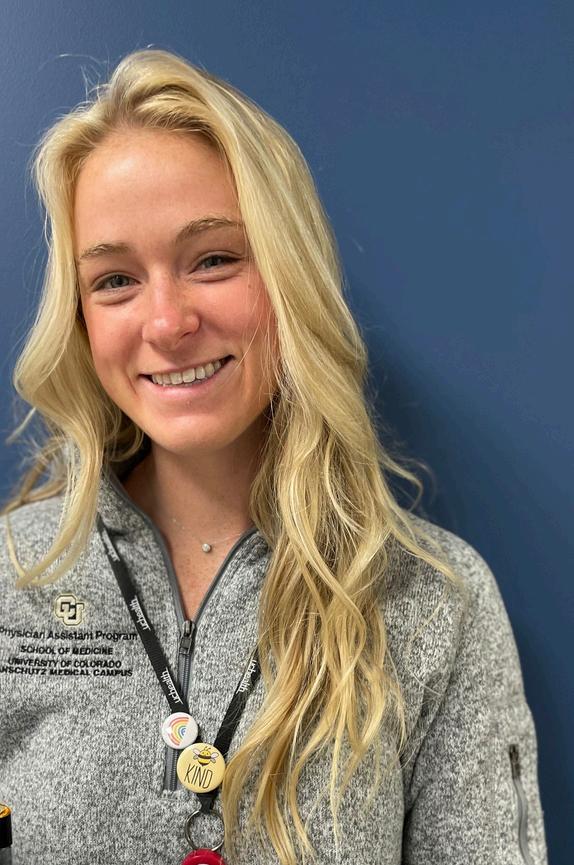
MORGAN KITANO
Through much trial and error, the ARTS MOTP team has created a transitional program model for our MOTP. We partner with phase one and two sober living homes and get to connect with people in the very early, fragile, and acute stages of their recovery.
Then, we transition these patients to a brick-and-mortar OTP to continue their recovery journey once they graduate from their sober living. We are capturing so many more patients and keeping a high-risk population in treatment for longer by utilizing the MOTP.
“Patients that have tried to engage in treatment two to three times before unsuccessfully have now been with us for months. Navigating recovery in any environment is a challenge, the MOTP helps us even more to meet patients where they are. “
-Morgan Kitano
Written by Angel Tran with support from Rachel Davis and Bryan Park
When Dr. Bryan Park reflects on the past few years, he remembers the immense strain of working in the ICU during COVID-19. The long hours, constant pressure, and isolation outside of work weighed heavily on him. Over time, what began as fatigue deepened into depression, a challenge he had faced earlier in life but one that became far more difficult during the pandemic.
Traditional medications did not provide the relief he needed, and he often felt as though he was moving through a fog that would not lift. With guidance from his care team (Drs. Rachal Davis, Andrew Novick and Christopher James), he began exploring new treatment options, starting with esketamine therapy (the form of ketamine that is administered intranasally). The process was carefully structured and closely monitored, with each session followed by a period of observation. While esketamine brought some improvement, the effects were not enough.
Electroconvulsive therapy, or ECT, became the treatment that ultimately made the greatest difference. Administered under anesthesia, ECT helped reduce the intensity of his symptoms and gave him the ability to move forward. Bryan describes it as a turning point in his recovery. Although ECT is sometimes misunderstood and stigmatized, Bryan’s experience highlights how modern techniques make it both safe and effective when other treatments have not been enough. Other than feeling sleepy the day of treatment, Bryan did not experience the cognitive side effects that were more common in the past. The process required commitment, but it offered him a sense of clarity and stability that had been missing for years.
Support was central to his progress. His brother remained a steady presence, flying out to stay with him and encouraging him to continue even when the process felt uncertain. Having someone who believed in his ability to get better gave him strength to stay engaged with treatment. His workplace and colleagues also played an important role, offering patience and flexibility that allowed him to prioritize his health. Together, these supports gave Bryan the confidence to take each step forward and to stay focused on recovery.
Bryan’s experience shows how recovery often depends on persistence, the right treatment, and the presence of strong support systems. He now approaches life and work with a steadier outlook, recognizing that progress is built step by step. His story underscores the importance of addressing mental health challenges directly and demonstrates that meaningful improvement is possible when care and compassion come together.
Bryan’s story also underscores the importance of physicians seeking treatment for their own mental health struggles. Stigma and fear of professional consequences too often prevent healthcare providers from getting the support they need. By sharing his experience, Dr. Park shows that seeking care is not a weakness but an essential part of being healthy as a doctor. He reminds us that doctors cannot be expected to care for others if they are not allowed to care for themselves.
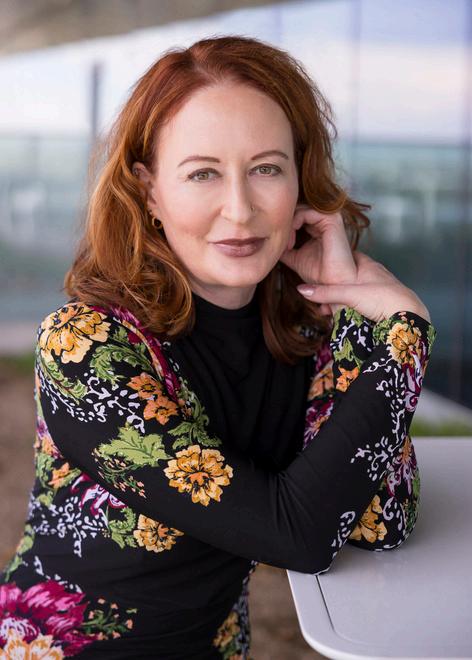
DR. RACHEL DAVIS, TREATING PHYSICIAN
“Some of the most compassionate and skilled doctors I know are that way because they’ve been patients themselves—and doctors who seek care for themselves are safer clinicians.”
-Dr. Rachel Davis
Written by Laura Anthony, Lyndsay Gaffey and Ron-Li Liaw
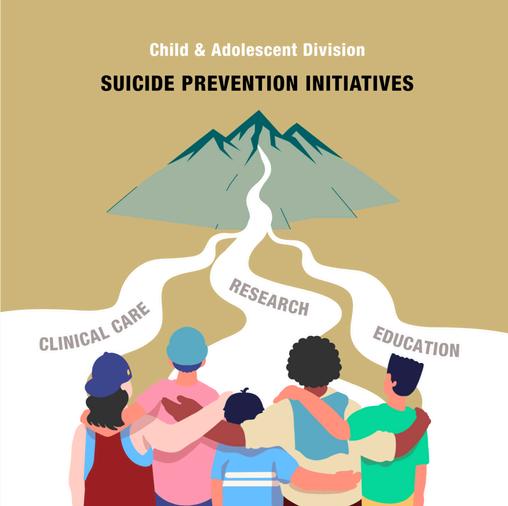
Preventing suicide has long been a priority for those of us working with children and adolescents. The rising suicide rates in Colorado and nationwide have led us to take a multipronged approach to youth suicide prevention, including coordinated efforts in clinical care, research, and education.
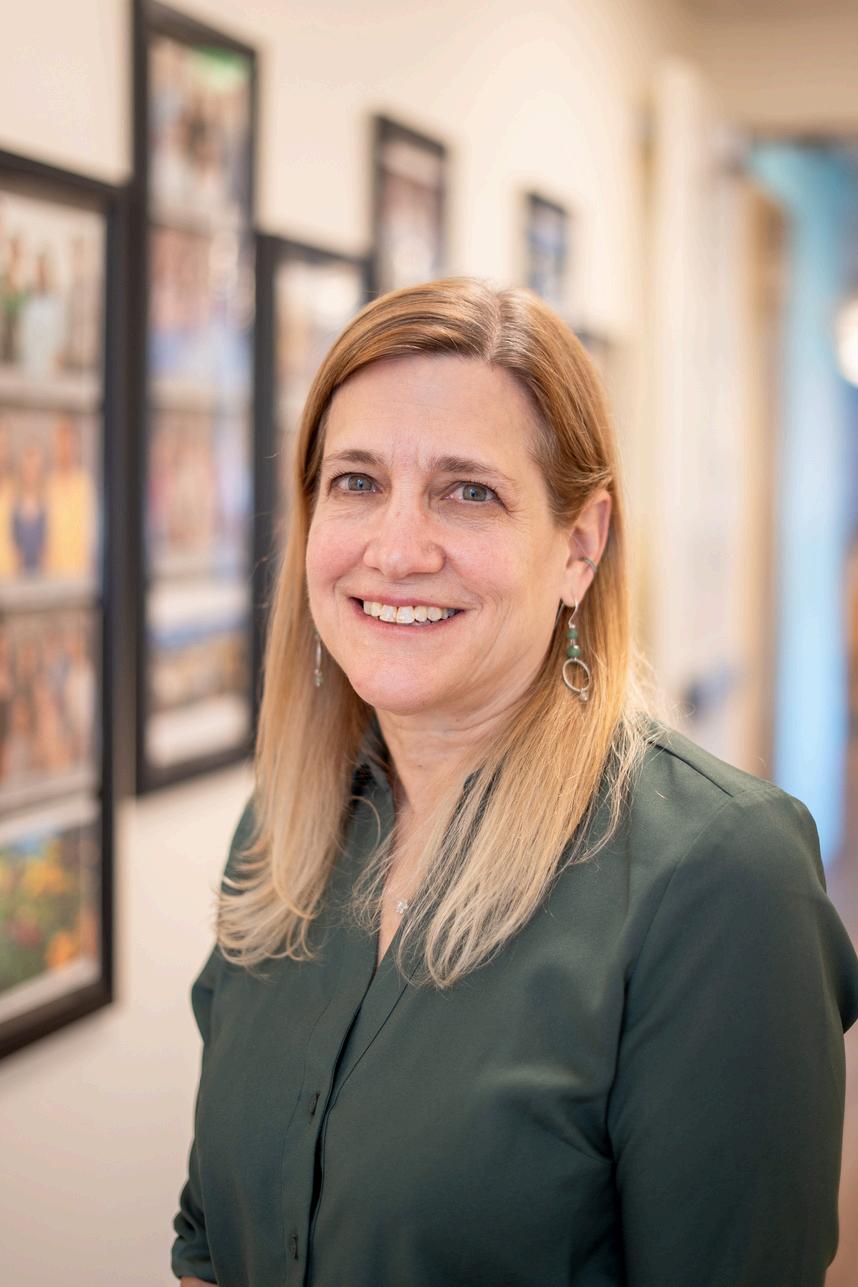
In September, we welcomed world-renowned clinical psychologist and
researcher Lisa Horowitz, PhD, MPH, to CU. Dr. Horowitz is the Director of Suicide Prevention and Hospital-based Research. Shecomesto CU from NIMH, where she spent two decades studying suicide prevention in healthcare settings including developing tools for clinicians, such as the Ask Suicide-Screening Questions (ASQ) tool. She is also one of the co-authors of the Blueprint for Youth Suicide Prevention, released by the American Academy of Pediatrics.
Dr. Horowitz is collaborating with hospitals and outpatient clinics both nationally and globally, assisting with implementation of suicide risk screening of both pediatric and adult patients using suicide risk clinical pathways.
Alyssa Gatto, PhD, and Sarah Kennedy, PhD are leading the Colorado Learning Health System for Child and Adolescent Behavioral Health (CO-LAB), which integrates rapid research into clinical care to optimize suicide risk screening and intervention with ongoing data analyses and learning cycles.
PMHI has been building out a continuum of care to support youth experiencing an acute suicidal crisis and prevent further emergency department visits for mental health concerns and psychiatric hospitalizations. New clinic services include a comprehensive dialectical behavioral therapy program (Dr. Nunes Moreno), a shortterm Outpatient Crisis Clinic (Drs. Collette Fischer and Anastasia Klott), and a virtual mental health urgent care service.
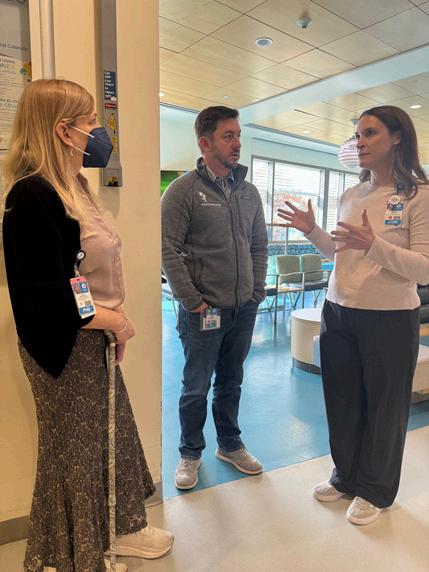
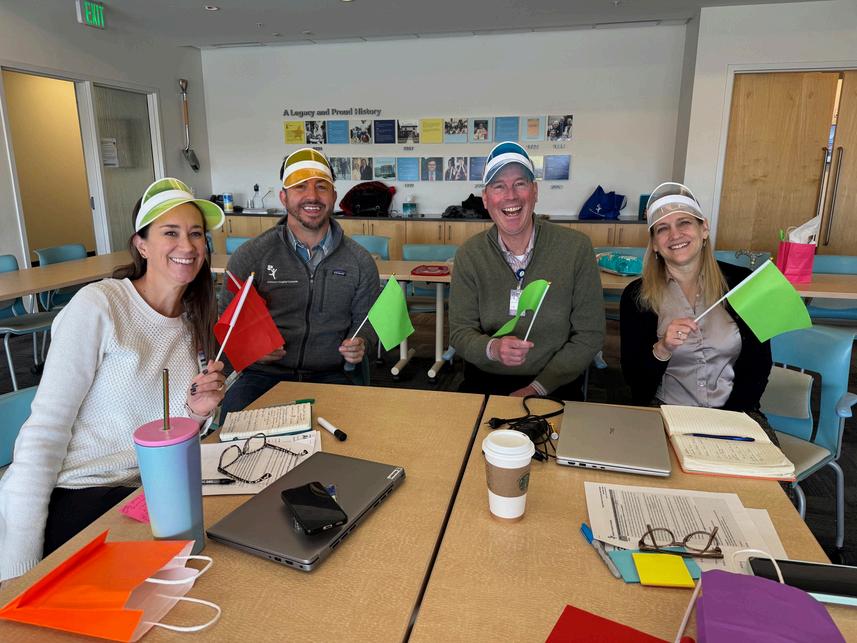
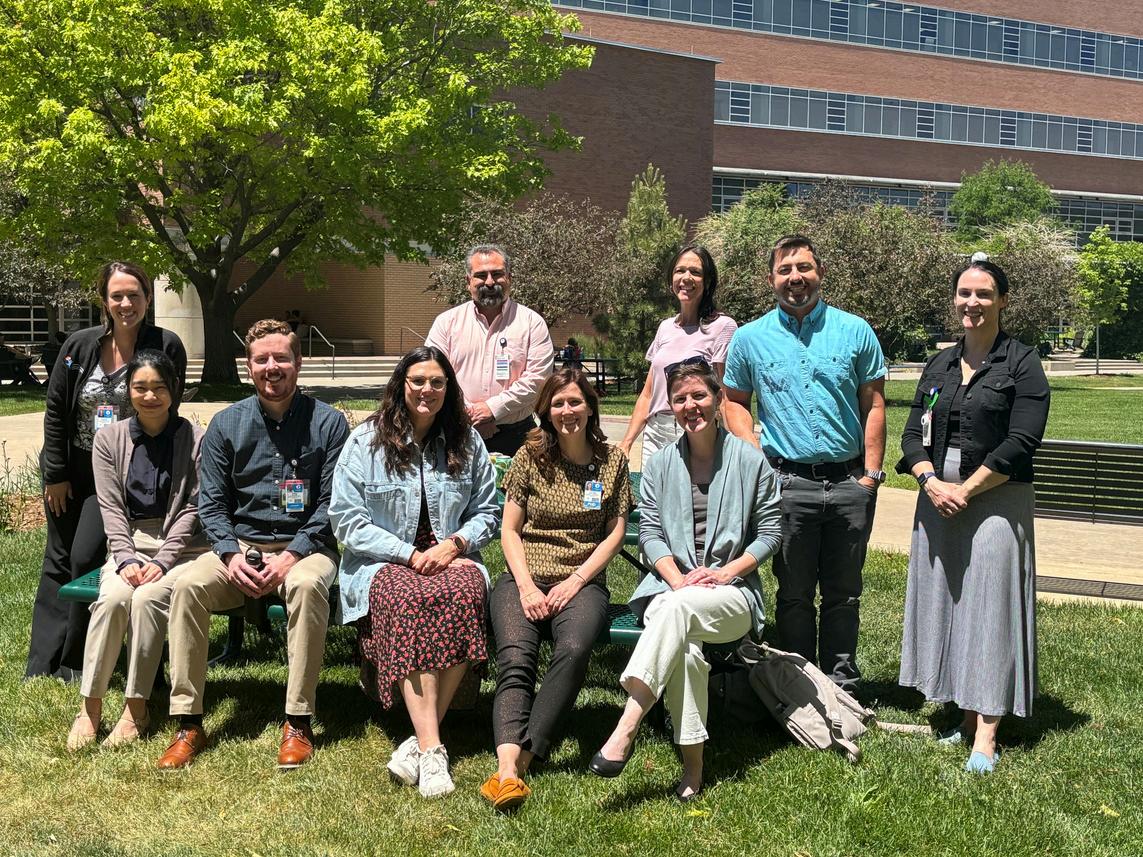
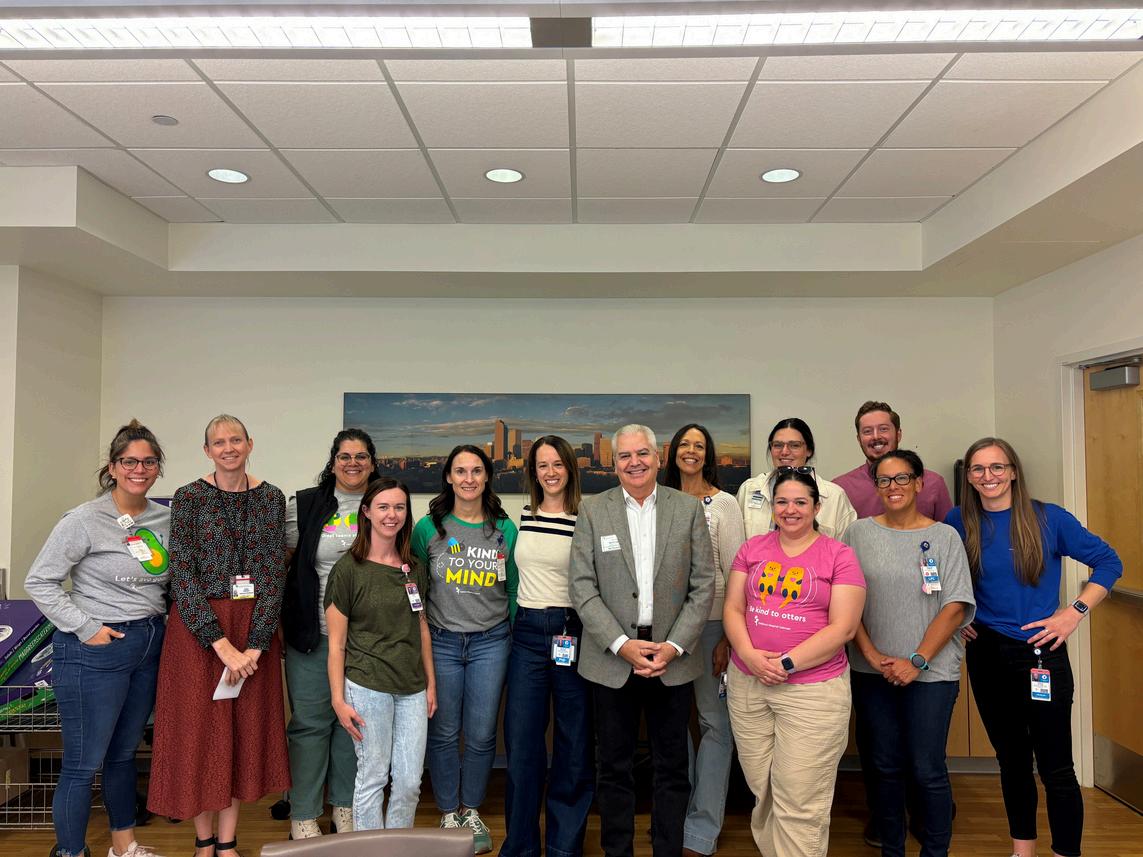
The Preventing Suicide Initiative (PSI) is a system-wide comprehensive approach to preventing suicide by making all our healthcare settings better at identifying patients at risk for suicide and connecting them to responsive care. It is grounded in the belief that we all have a role to play in expanding access to high quality, evidence-based screening, assessment, engagement, care delivery, and follow-up. This initiative will also focus on creating a safer environment for staff by empowering them with the training, tools, and confidence to make preventing suicide part of our everyday work. The PSI has received broad support from hospital leadership. The core team (pictured right) is comprised of Sarah Brummett, Beau Carubia, Mike Maughlin & Lisa Horowitz.

Joel Stoddard, MD, Lauren Gallanis, PhD, and team completed analyses from their ASQ study confirming demographic disparities in suicide and depression screening in pediatric medical settings. Their findings highlight that many youth who die by suicide lack prior diagnosis or treatment, underscoring the critical role of screening in medical settings. The team is preparing their manuscript for publication.
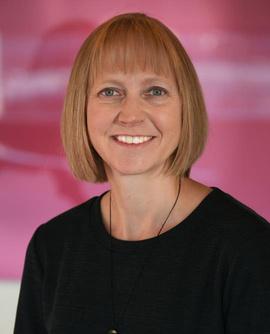
DR. SARAH KENNEDY
Sarah Kennedy, PhD received grants from the NIMH and American Foundation for Suicide Prevention to
develop and evaluate an innovative intervention for suicidal thoughts, behaviors, and nonsuicidal self-injury in pre-adolescents. Currently, there are no interventions to target the particular risk factors in children.
Bruno Anthony, PhD and team received NIMH funding to assess the impact of their Facilitated Suicide Prevention program—which provides training and implementation support to assist practices in integrating screening, assessment, data analysis and management protocols into routine care through longitudinal feedback and coaching—on clinic adoption of a suicide prevention pathway and youth suicidality.
The Suicide Prevention Program
—led by Bruno Anthony, PhD, empowers trusted adults in primary care and school settings to support youth at risk for suicide. With backing from Children’s Hospital Colorado and the Department of Psychiatry, the program has helped clinics screen over 10,800 youth and identify 821 at-risk individuals, equipping providers to create care plans and follow up effectively.

Written by Beau Carubia
The ongoing youth mental health crisis demands innovative, collaborative, and suicide-prevention–focused responses—and the Pediatric Mental Health Institute (PMHI) Crisis Services team at the CU Anschutz Department of Psychiatry is rising to meet that challenge. Recognizing that the well-being of staff is essential to sustaining high-quality care, the team fosters cohesion, resilience, and burnout prevention, prioritizing a workplace culture where interdisciplinary collaboration and mutual support thrive.
In Spring 2024, following years of advocacy and strategic partnerships, the Division of Child & Adolescent Mental Health launched a Crisis Services strategy designed to deliver timely, equitable, and family-centered care to youth in crisis. This rapid-access, time-limited model is grounded in a strengths-based, systemsof-care approach, integrating assessment, therapy, care coordination, and medication management.
The team works closely with Mental Health Emergency Department Behavioral Health Clinicians and the Consultation Liaison team to ensure seamless transitions and coordinated interventions. In addition to redesigning emergency department workflows and piloting a Behavioral Health Observation (BHO) program using a similar care model, the team emphasizes evidence-based practices, collaboration, and care pathways that divert patients from higher levels of care when appropriate. Daily huddles and weekly clinical rounds keep the team aligned, and a co-clinician model ensures families are active partners in treatment.
This work, highlighted in Colorado’s Blueprint for Suicide-Specific Care (CAMSCare), exemplifies the blend of clinical excellence and collaborative culture that defines the department’s approach to youth suicide prevention.
CRISIS SERVICE TEAM GOES LIVE - JUNE 2024
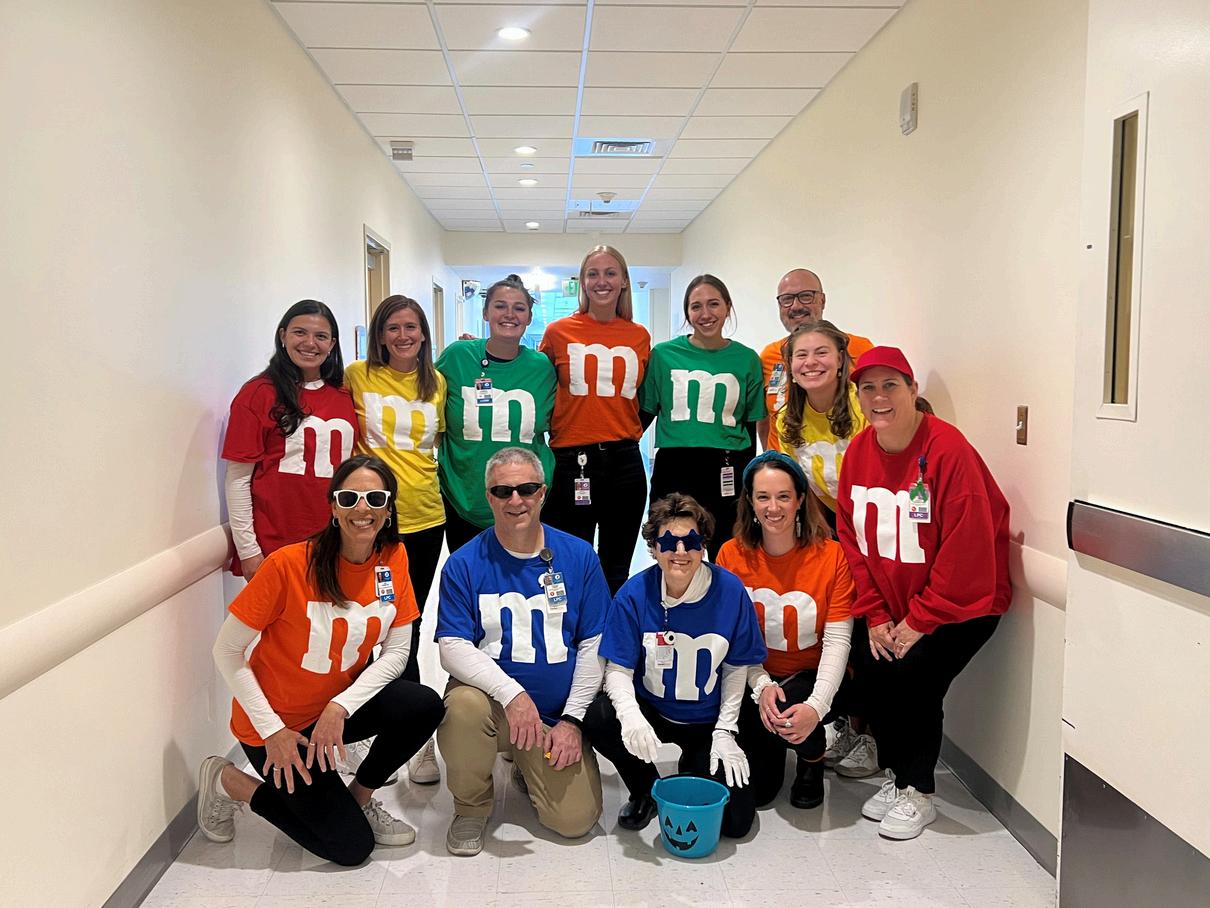
THE CRISIS SERVICE TEAM
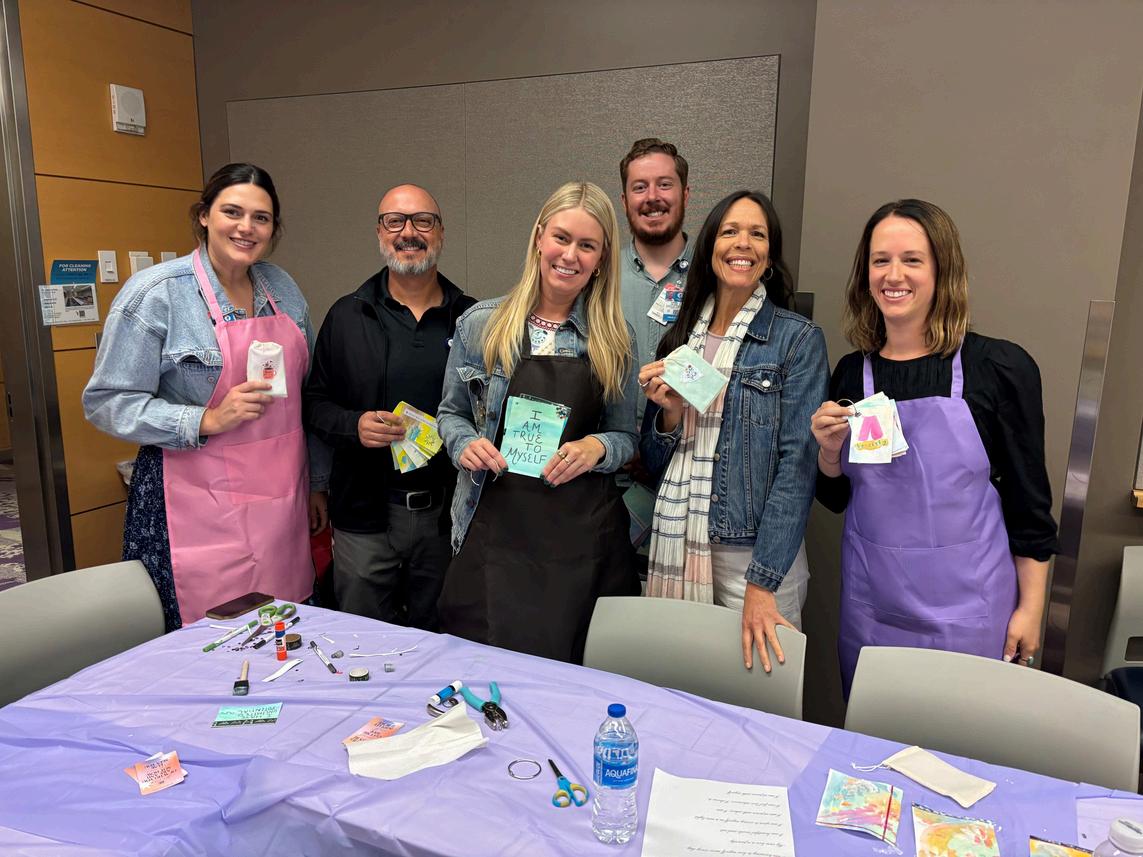
CREATIVE ARTS THERAPIES - SUICIDE AWARENESS AND PREVENTION MONTH
Written by Marissa Nunes Moreno, Marisa Taylor, Lauren Eckhart with
support from Anna and Julie Hemphill
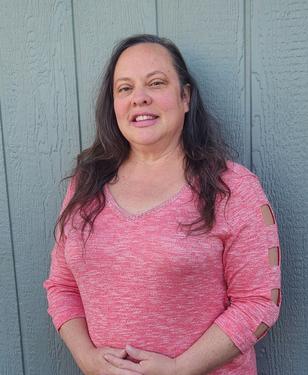
Earlier this year, the Pediatric Mental Health Institute at Children’s Hospital Colorado celebrated its first graduates from the Comprehensive DBT Program. Among them was Anna (pictured right) and her family, who completed 6 months of evidence based treatment that included weekly individual therapy, weekly family skills group, and 24/7 phone coaching to address teen experiences of emotional instability, impulsivity, interpersonal difficulties, and/or chronic feelings of emptiness or distress.
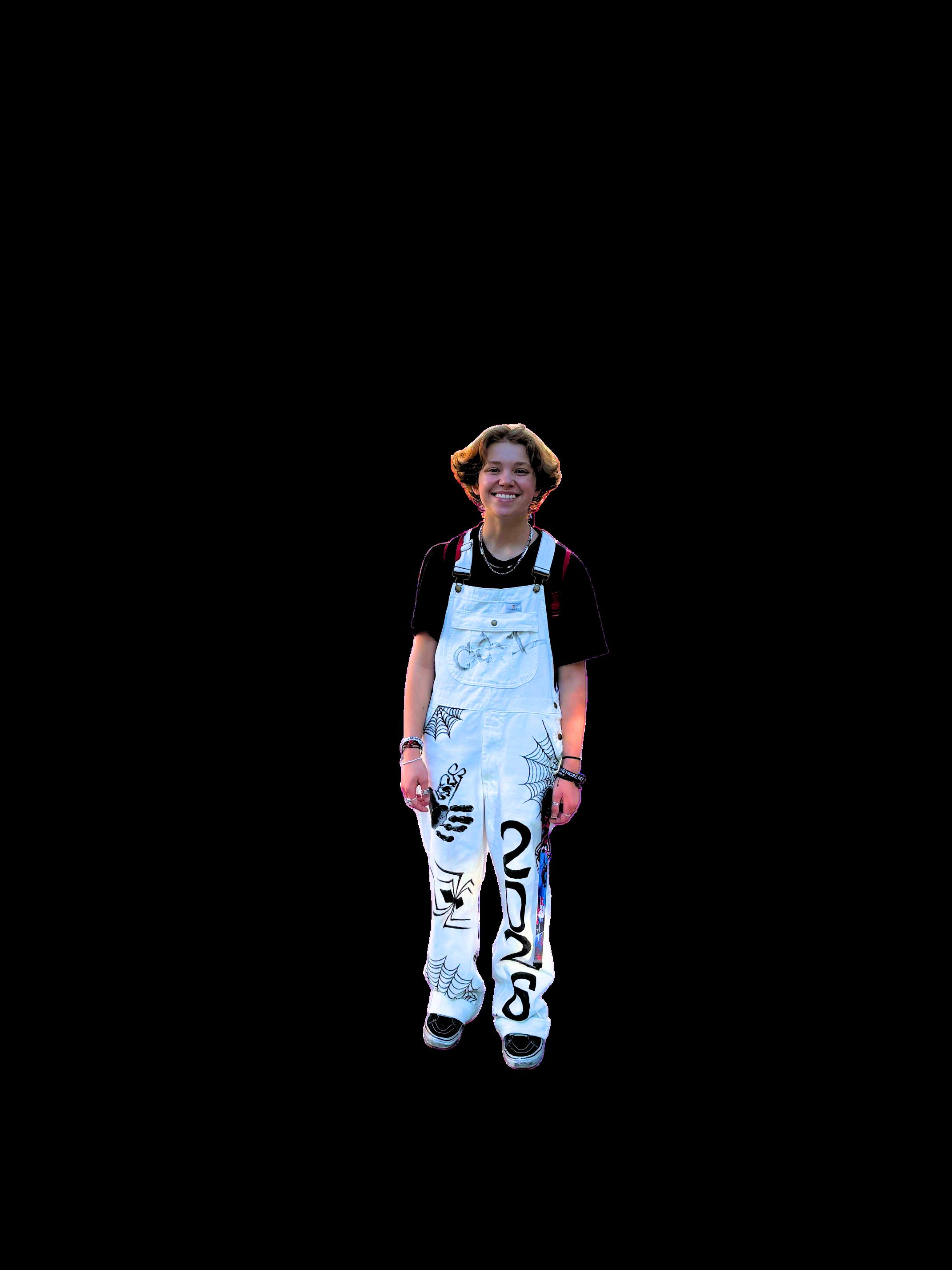
“While it can be extremely hard for teenagers and their parents to see eye to eye, DBT exposes just how similar everyone is when it comes to our emotions and thought patterns.”
-Anna, DBT Graduate
“The DBT experience was welcoming, encouraging, life changing, reassuring and incredibly crucial,” shared Anna’s mom, Julie. “This program saved my daughter’s life and helped her grow into the confident, strong, independent and thriving person she is today.”
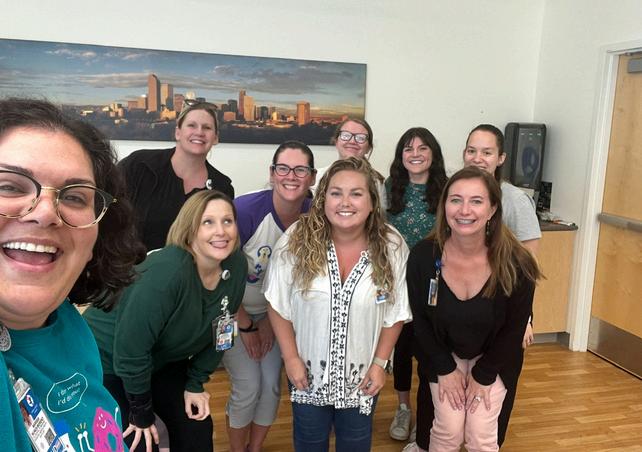
DBT, or Dialectical Behavior Therapy, is rooted in the idea of building a life worth living. For Anna, that meant rebuilding trust, deepening family connections, and gaining confidence in herself. “DBT taught me that instead of mentally fighting my mistakes and feelings, it’s better to understand that those mistakes and feelings are what allow me to connect with others,” she said. Through honest conversations and daily practice, the family found a shared language of healing. “Even my little brother started using DBT skills,” Anna added.
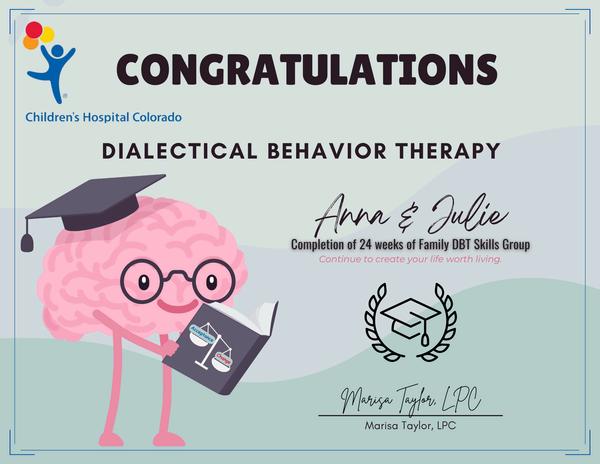
The program’s multidisciplinary team created a space where families could grow together, celebrating progress, embracing imperfection, and discovering joy in community. Today, Anna and her family continue to use DBT strategies every day, living the life they worked so hard to build.
Written by Nina S. Brathwaite
When someone leaves the hospital after a behavioral health crisis, they often step into a quiet that feels overwhelming. The discharge paperwork may be tucked into a bag, and the next appointment might be weeks away.
Every day, the Hospital Follow-Up Program (HFUP) team within the Division of Community, Population, and Public Mental Health reaches out to people who were recently in crisis. It starts with a phone call within 48 hours. Sometimes it is an email when a phone line is disconnected, or a voicemail box is full. However the message is delivered, what matters most is that the person knows that someone who cares is there, and no one has to face this moment alone.
“I can’t thank you enough. I know I am meant to do greater things now that I was shown there are good people who care.” Another said, “Just having someone call is so wonderful.”
-Client Testimonial
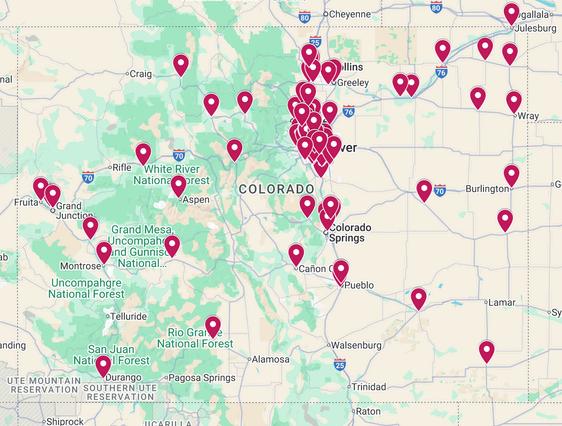
In it’s first 12 months, HFUP has received more than 4,500 referrals from hospitals across Colorado and has placed over 12,000 outgoing calls. Nearly a third of referrals have been for youth under 18, a statistic that weighs heavily on the team and reflects the serious mental health challenges young people face. Many adults referred to the program are navigating suicidality and substance use. The team’s role is not to replace therapy or long-term care, but to offer genuine support during times of risk and uncertainty.
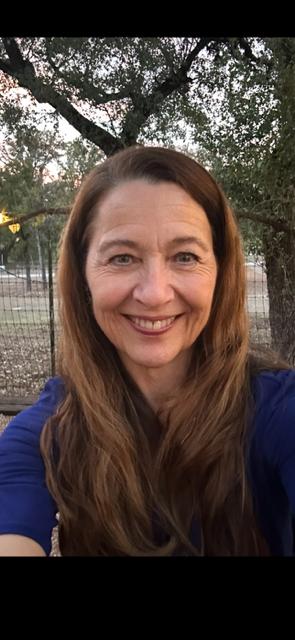
Program Manager Nina Brathwaite, PhD, MAFP, CPS, explains, “I am often struck by the trust people place in us during such vulnerable moments. When a client says they feel less alone because of a simple check-in, it is powerful. It reminds me that this work is not only about systems and outcomes, but about people allowing us into their stories. That trust is a privilege, and it is what drives me and the team forward.”
Team members echo this sense of meaning in their daily work. Crisis Specialist Cory Caven, BSW, shared, “Some of the most powerful days are when a call begins with frustration and ends with a sense of relief. Even moving forward an inch shows the value of listening without judgment.”
Peer Support Specialist Megan Winemiller, BA, reflected, “What drives me is knowing each call is special. Often people begin feeling unheard or lost, but with compassion and genuine curiosity they open up. That trust makes a difference.”
Over 12,000 outgoing calls in 10 months
More than 4,500 referrals from hospitals statewide
Nearly one third of referrals are youth under 18
“Even moving forward an inch shows the value of listening without judgment.”
— Cory Caven, BSW
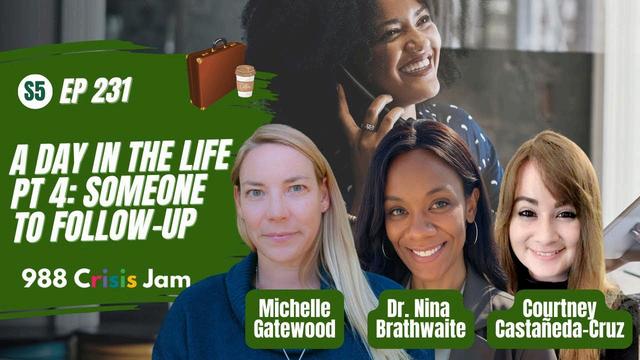
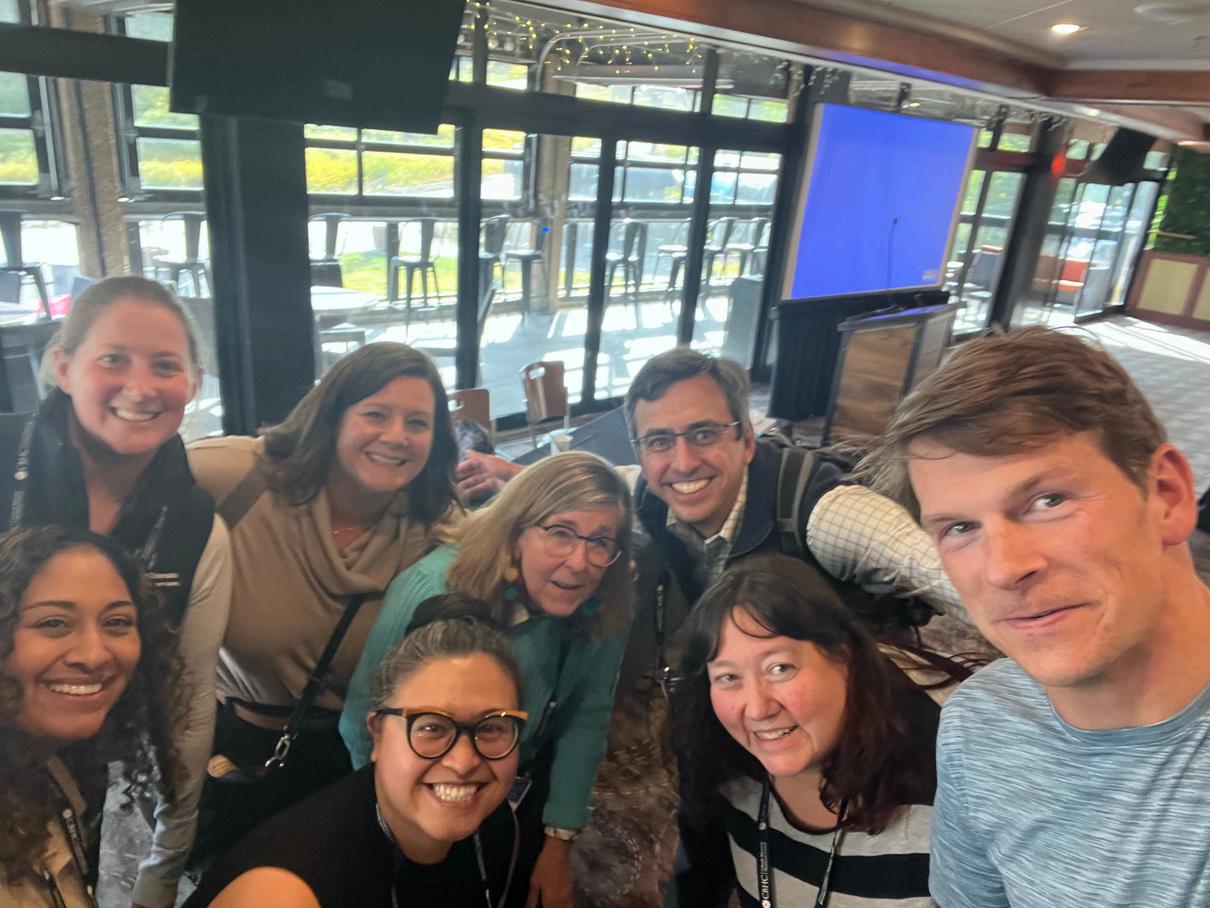
The HFUP staff also contributes to statewide and national conversations on suicide prevention. This year, Dr. Brathwaite was invited to present at the Office of Suicide Prevention’s Commission meeting and the statewide Learning Collaborative. Dr. Brathwaite and FollowUp Specialist Fran Lubecki-Wilde were also featured on the national 988 Crisis Jam, giving colleagues across the country a closer look at “a day in the life” of followup care. In September, Crisis Specialist Cory Caven joined Division Director Scott Simpson, MD, MPH, and other faculty to present at the Colorado Behavioral Healthcare Council annual conference.
“The trust is a privilege, and it is what drives the team forward.”
-Nina S. Brathwaite, PhD, MAFP, CPS
The foundation of HFUP’s philosophy is simple. Offering genuine, non-demand caring contacts provides clients with the hope that healing is possible. Looking ahead, the program will expand its reach by: Using secure text-based caring contacts, Deepening peer support services, Strengthening partnerships with dual diagnosis programs, and Increasing specialized support for children ages 8–11 and people living with both substance use and mental health conditions.
Each step is designed to meet people where they are and strengthen the bridge between crisis and recovery.
DEPARTMENT
FOR THE HFUP TEAM, EVERY CALL IS MORE THAN AN OUTREACH. IT IS A MOMENT OF CONNECTION IN SOMEONE’S HARDEST HOURS, AND OFTEN, THE BEGINNING OF SOMETHING HOPEFUL.
Written by Viki Manley and Scott Simpson (with input from Julie Meeker)
Julie Meeker, MD came to CU in 1981 for the psychiatry residency program. She completed an administrative psychiatry fellowship and career resident year at Colorado Mental Health Hospital in Pueblo (CMHHIP) after residency and stayed. Now the Chief of Psychiatry, she has been a Senior Instructor at CU since 1987, and with CU for 44 years. In those early years, the state hospital was an important safety net for the state mental health system. Many changes later and now criminalization of the mentally ill has become the norm.
“I believe in listening, being kind and thoughtful while quietly pushing for improvements in the system and care. “
-Julie Meeker, MD
Dr. Meeker has built statewide collaborations to meet the clinical needs of this population. CMHHIP now partners with a local training program and offer preceptorships for health professionals, many of whom pursue careers at the hospital. Many CU Forensic Psychiatry Fellows now practice at CMHHIP, ensuring ongoing excellent supervisors and growing future leaders in public psychiatry. As Dr. Meeker puts it, “Even with changes and discouragements, the hope for improvement keeps me going. Providing care mentally ill remains a passion. It has been a privilege to be entrusted with caring for patients and to work with the state.”
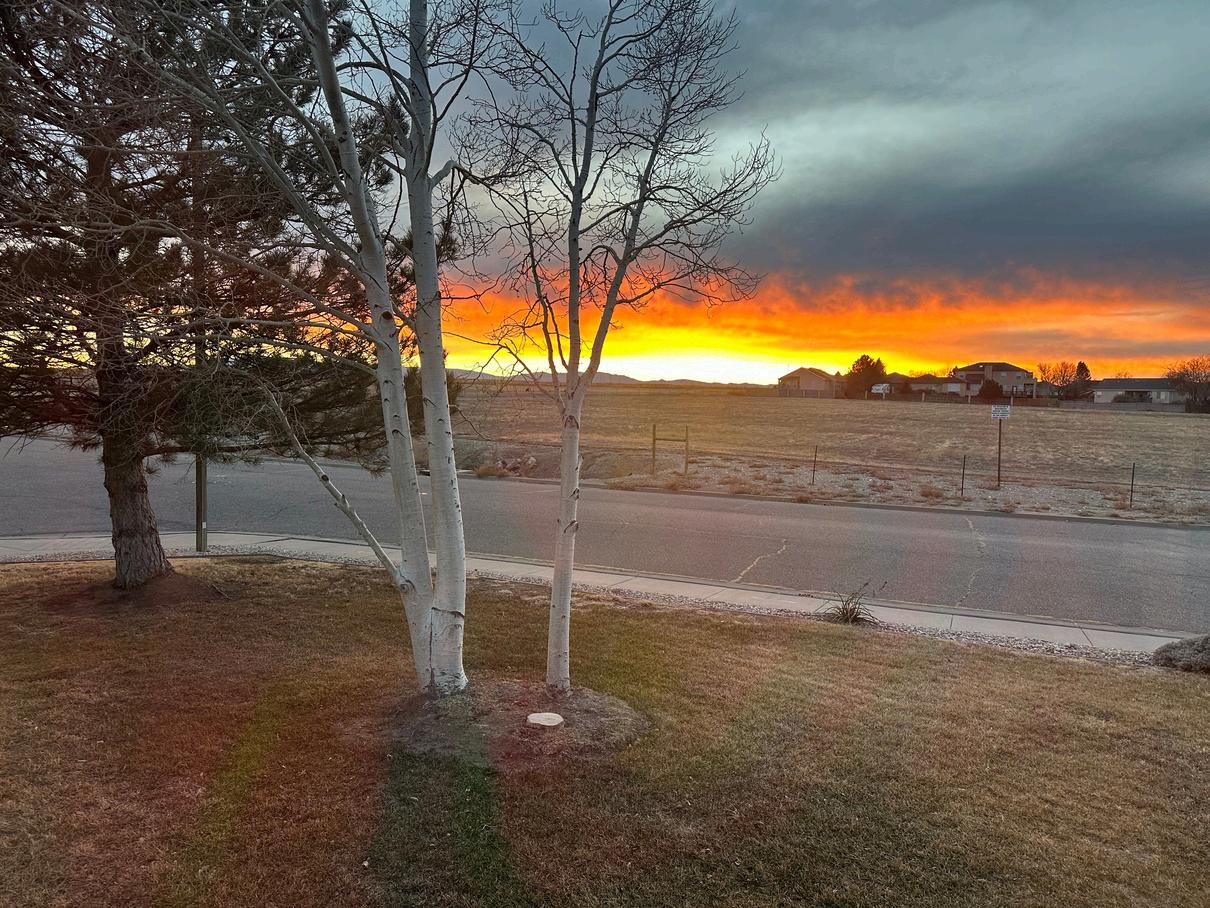
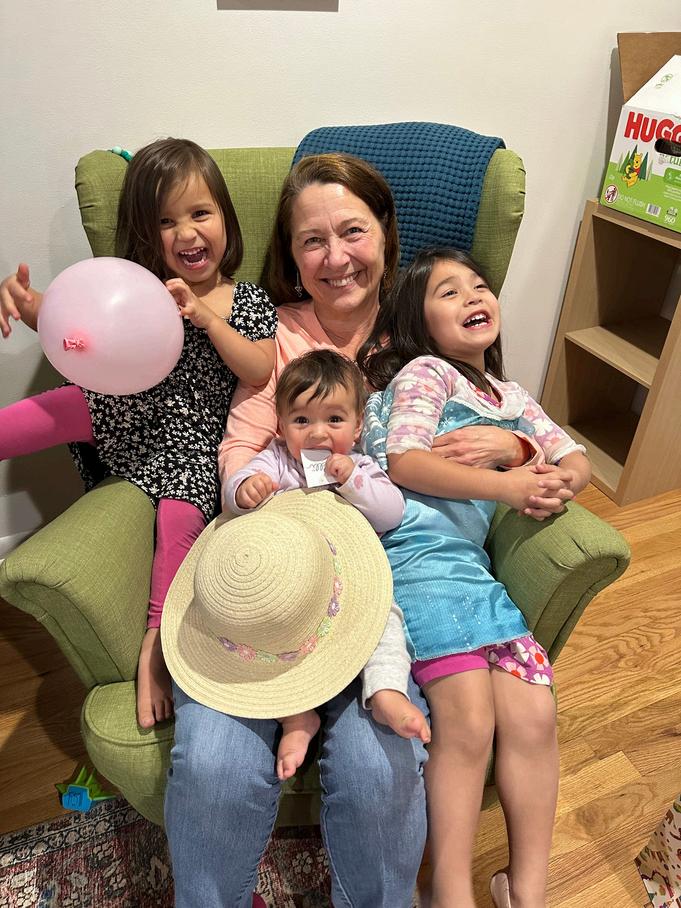
With retirement around the corner, Dr. Meeker is looking forward to spending more time with her grandchildren and enjoying beautiful sunsets.

Strengthening the Village: Residency Program Grows with New Leadership
Reshaping Medical Education and InspiringFuture Psychiatrists
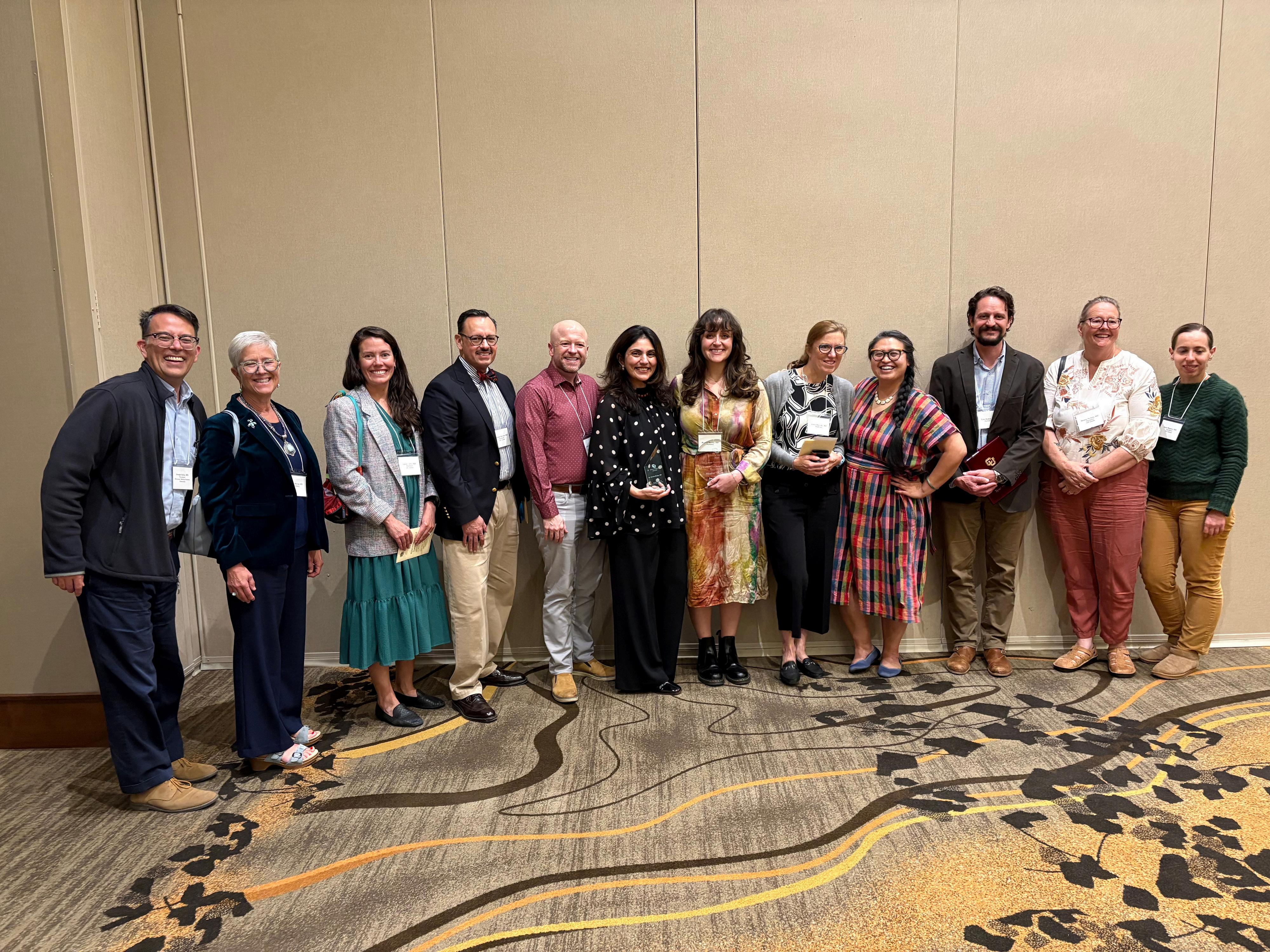
A Place for Teaching: School of Medicine Annual Appreciation Dinner and Awards
CeDAR: Where Recovery Meets Compassion
Training Tomorrow’s Providers Today: Transforming and Growing
Psychiatric Nurse Practitioner Training
Trainee spotlight: Dr. Devin Effinger
Trainee spotlight: Dr. Kelly Cosgrove
CoBE: Bridging Knowledge and Care in Bipolar Disorder
Athletes, Advocates, Allies: COACMH’s First Step Forward
Written by Kim Kelsay
enhancements to the nationally recognized training program. Dr. Heather Murray, (APD) has led the impressive revamp of 620 hours of didactics and Dr. Devika Bhatia (APD) implemented a formal faculty/resident mentorship program for all first-year residents.
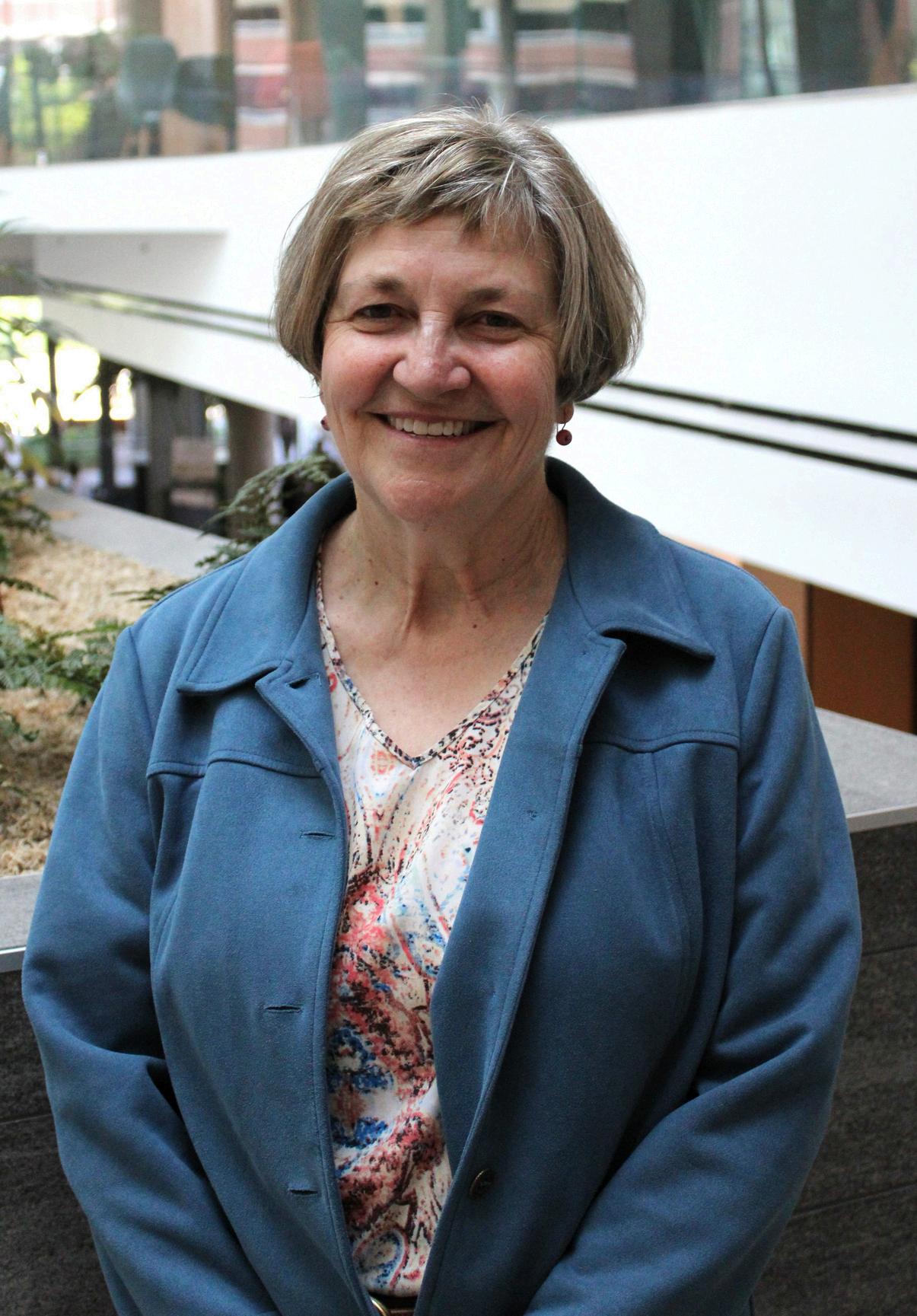
With faculty and resident input, the program developed a mission statement to guide recruitment and serve as a standard during challenging times. Medical education thrives on the curiosity and passion of learners in combination with the dedication and expertise within a background of competent administration. Kim is grateful for the education village which supports recruitment of the highest caliber of medical students who graduate poised to lead and serve the needs of the community.
Written by Austin Butterfield
It has almost become cliche to notice how quickly and how dramatically our lives seem to be changing, particularly in the past 5 years. While the pandemic, political polarization, and artificial intelligence dominated much of our collective attention, medical education has continued to evolve rapidly as well. During that same 5-year period, the University of ColoradoSchool of Medicine launched a significantly updated curriculum andbecame the first major medical school to have all students participate in Longitudinal Integrated Clerkships (LICs) for their first clinical year. The LICs replaced the traditional block-style clerkships of 4-8 weeks in all the core specialties of medicine. This structure allows them to follow patients over time and develop sustained relationships with faculty and resident mentors. In psychiatry, the students learn how mental health impacts every specialty, context, and system in health care.
To make the change even more pronounced, we altered the traditional order of medical school by transitioning the first clinical year from the traditional third year of medical school to the second. The hope of this change was to get students into the clinical spaces earlier to help maintain the sense of connection to the primary mission of medical school—to learn to care for patients. This all required an incredible amount of effort and time throughout the School of Medicine. Now that the first class of students in the new curriculum are already several months into their intern year of residency, it would be reasonable to wonder how all this change has been going.

Annual surveys have shown that the students have loved being able to start connecting their basic sciences coursework with real-world patient experiences earlier in their training.The students aren’t the only ones with excellent things to say. The school received excellent marks from the Liaison Committee on Medical Education (LCME) - the national accrediting body for medical schools earlier this year.
Students also have described incredible experiences with the psychiatry faculty, fellows, and residents across the board. Many students have been inspired to join psychiatry as a profession during their LIC experience, and the majority of those students did not think they would pursue psychiatry when they entered medical school. The most common reason that students cite when asked why they chose psychiatry is their experience with the people in the specialty. Talking to students about how the psychiatry attendings and residents that have influenced and inspired them is one of my favorite parts of my work.
Written by Austin Butterfield
the curriculum as a whole.
One of the most touching moments of the night was when Dean Jennifer Adams presented the LIC Bardsley Teaching Awards, which are accompanied by a monetary award from the Bardsley Foundation. These awards require a student write a full essay as the nomination, and Dean Adams read each of these to a crowd that was transfixed by the beauty of the students’ writing. Tyler Hudish, MD, won a 2025 LIC Bardsley Teaching Award, and as the student’s essay about Dr. Hudish’s humanistic and inspirational care of veterans, there were few dry eyes in the room of hundreds of faculty members from every specialty.
Though we will continue to refine the new curriculum, it is clear to me that our department should be immensely proud of the work of all the faculty, fellows, and residents for their dedication to academic excellence and inspiring a new generation to join our specialty. I personally could not be more grateful for the incredible work that our team does daily to help the students get an exceptional training experience while still taking excellent care of our patients.
Written by Angel Tran with support from Alexis Ritvo
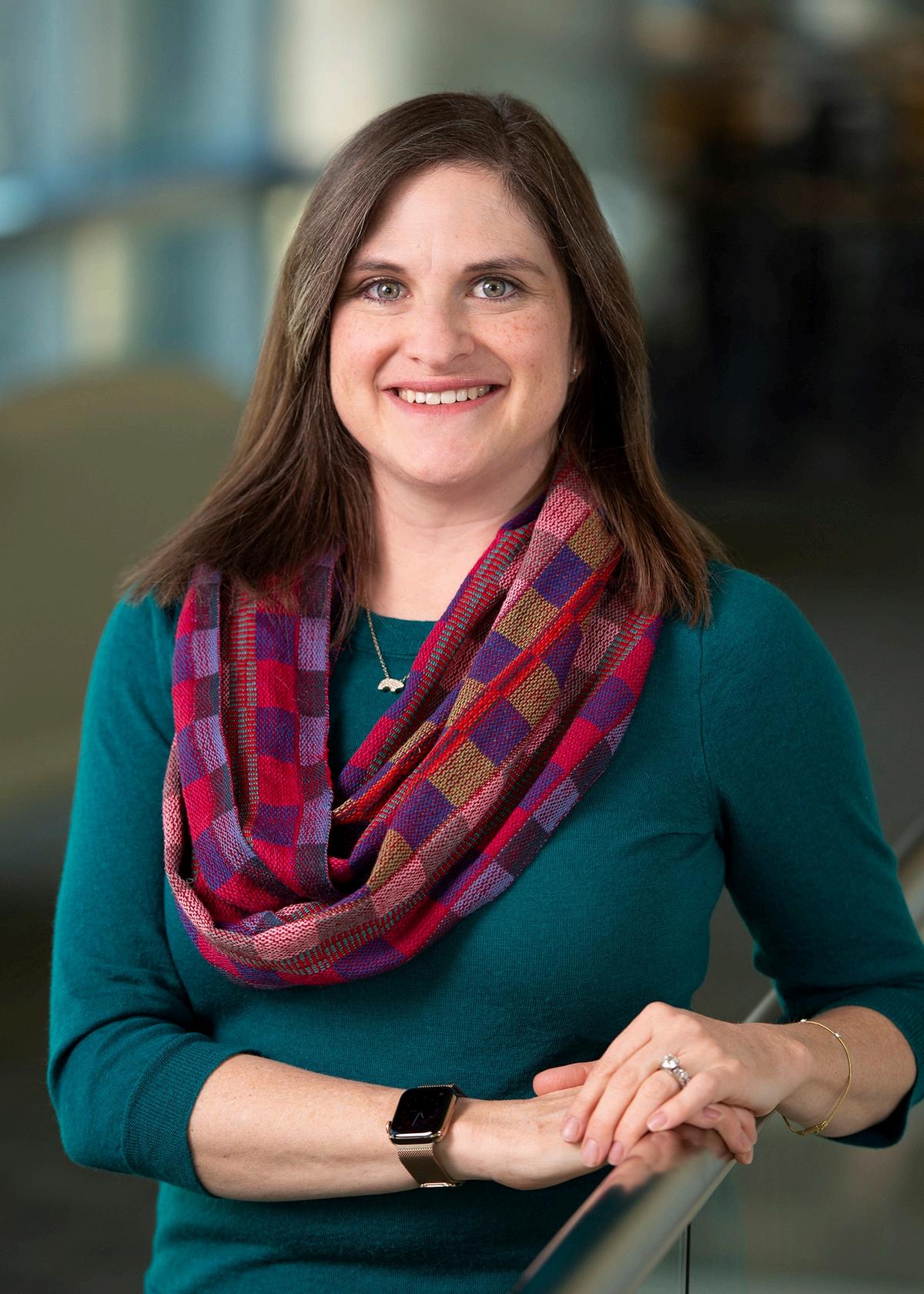
The Center for Dependency, Addiction and Rehabilitation (CeDAR) stands apart as one of Colorado’s most comprehensive addiction treatment centers. With its strong academic affiliation to the University of Colorado School of Medicine, CeDAR blends cutting-edge clinical care with an academic mission, creating an environment where both patients and future physicians benefit.
At the heart of CeDAR’s work is Alexis Ritvo, MD, the new addiction psychiatry medical director. Dr. Ritvo has been part of CeDAR for many years, first as a trainee and now as a leader. She oversees psychiatrists, nurse practitioners, and psychologists, ensuring that patients receive coordinated care while also guiding the next generation of addiction psychiatrists. Her focus remains on training providers to approach their work with skill, compassion, and a deep respect for the humanity of the people they serve.
CeDAR’s approach is intentionally comprehensive. Patients with substance use disorders often also struggle with other cooccurring psychiatric or medical conditions. The medical team, comprised of both addiction psychiatry and addiction medicine specialists, is designed to meet that complexity head on. Every new patient is assessed with American Society of Addiction Medicine (ASAM) criteria to determine the right level of care, whether outpatient services, intensive residential outpatient, residential programs, or medically managed inpatient treatment. This flexibility allows CeDAR to treat individuals with a wide range of needs while keeping care patient centered.

The work does not end when treatment concludes. CeDAR has invested in building an alumni program that helps former patients stay connected to one another and to the facility. Alumni led speaker panels, continuing care groups and recovery meetings provide a network of support, offer a bridge between the structure of residential treatment and the realities of daily life. Many alumni return to these activities regularly, a testament to the lasting impact of community in recovery.
In recent years, CeDAR has seen its patient population grow more diverse, in part due to expanded Medicaid coverage for residential addiction treatment. Dr. Ritvo reflects on the changes with pride, noting how patients who engage in care show significant progress. Some return for additional care during difficult periods, but they do so with a foundation of trust and hope built through CeDAR’s model.
Looking ahead, Dr. Ritvo remains dedicated to mentorship and the future of the field. She emphasizes compassion, curiosity, and optimism as guiding principles for addiction psychiatry. For her, CeDAR is more than a treatment facility. It is a place where psychiatry, education, and recovery intersect to create lasting change.
Written by Angel Tran with support from Sarah Schwenk
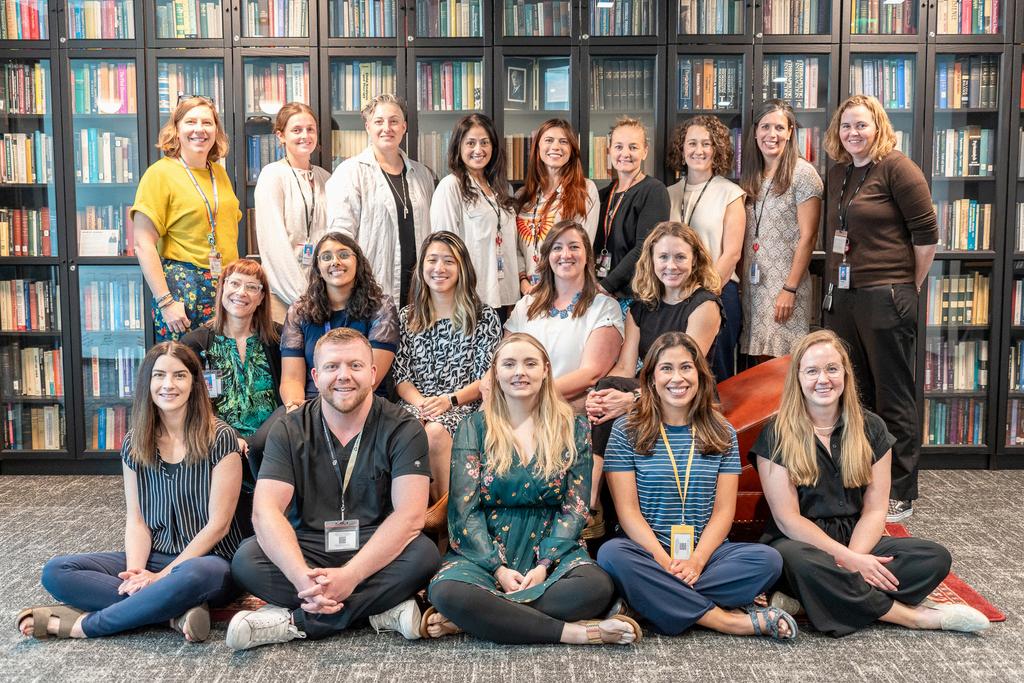
The Psychiatric Mental Health Nurse Practitioner (PMHNP) program, led by Sarah Schwenk, NP, is changing the way the next generation of providers are trained to meet the growing demand for psychiatric care. At its heart, the program is about people, patients gaining access to care, students building confidence, and communities benefiting from a stronger mental health workforce.
A defining feature is its innovative clinical model. Instead of traditional one-toone training, small groups of students learn together in outpatient psychiatry. This approach provides more patient interactions, richer learning experiences, and stronger preparation for independent practice.
What began more than fifteen years ago with a single nurse practitioner student has become a thriving partnership with the CU College of Nursing. As the program enters 2026, 14 full-time students are taking part, reflecting its steady growth and deep commitment to preparing practitioners for a complex and evolving field.
The program’s impact is already clear. Graduates are stepping into the workforce ready to make a difference, and patients are experiencing the benefits of expanded access to compassionate and high-quality care.
This section features two trainees from the Division of Neuroscience - Drs. Devin Effinger and Kelly Cosgrove. Their stories highlight how personal experiences can impact commitment to excellence in mental health and we are thrilled to have both in our programs.
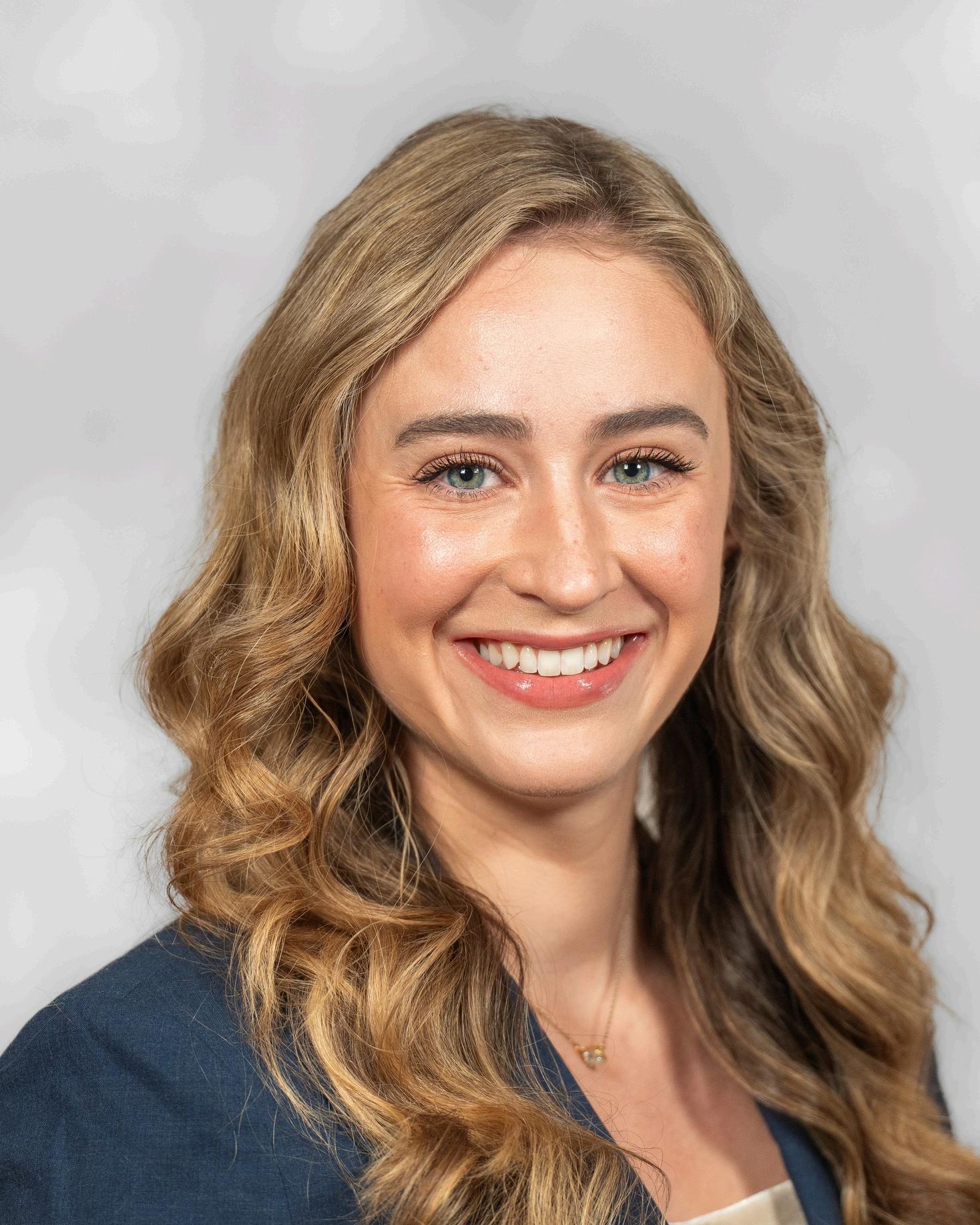
Written by Devin Effinger
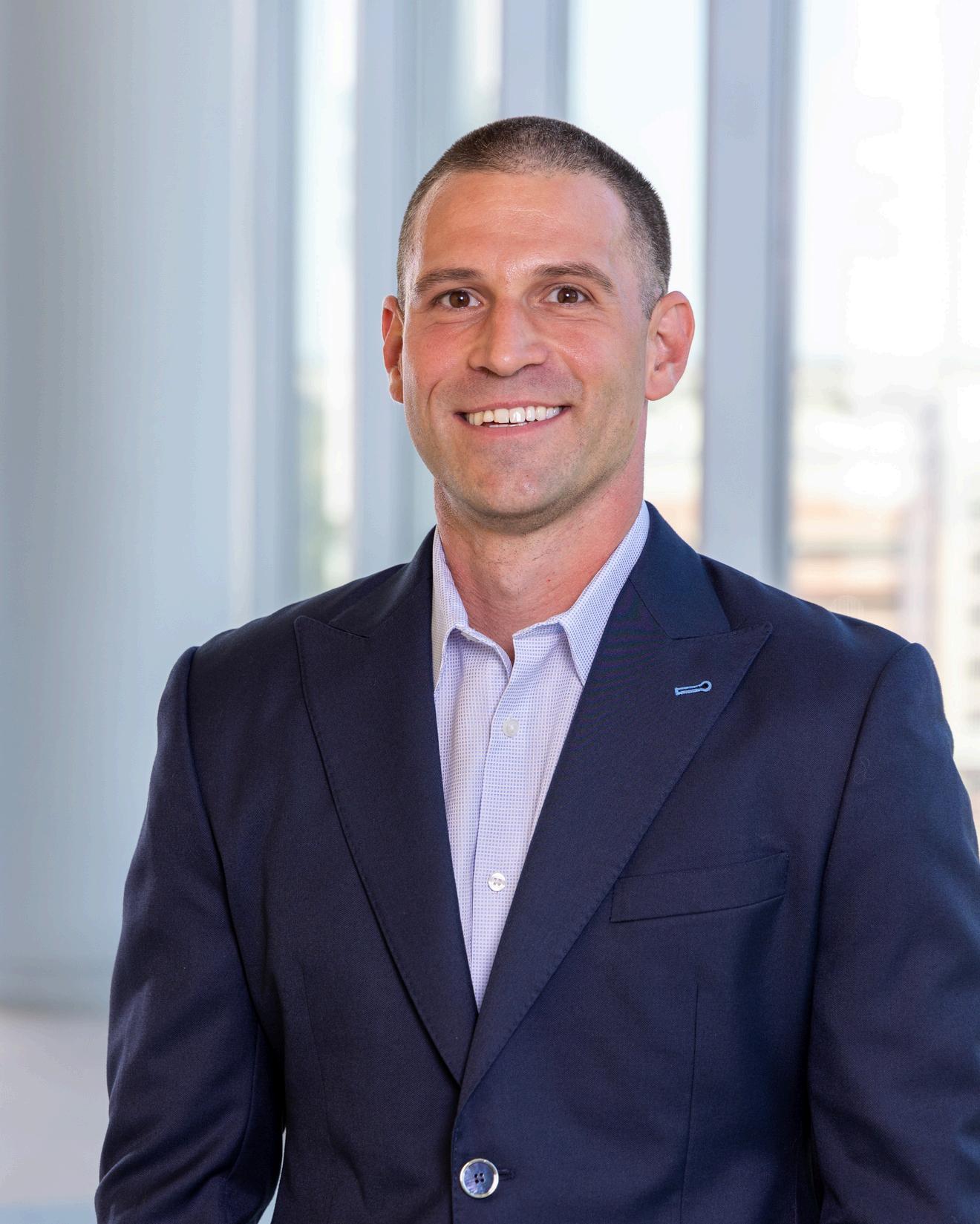
At 15, Devin Effinger was in an accident that required facial reconstructive surgery and left him with a traumatic brain injury, relearning how to speak. Prescribed OxyContin for the pain, he began to unknowingly misuse it after the murder of his best friend and his mother. Addiction took hold until he got sober in 2011. He went on to build and run a nonprofit serving incarcerated individuals and at-risk youth, where he saw a clear pattern: behind every behavior was unresolved trauma.
Determined to understand—and change—this, he turned to neuroscience, now studying psychedelics as tools to uncover mechanisms shared in addiction, depression, and PTSD with Dr. Scott Thompson in the Laboratory of Translational Psychiatry. As founder of NeuroRecovery Consulting, he combines lived experience with scientific expertise to help individuals and organizations seeking recovery solutions. This fall, he’ll share his message from the TEDxBoulder stage, working to translate the promise of neuroscience into real change, starting where most systems fail: at the root.
Written by Angel Tran with support from Kelly Cosgrove
Dr. Kelly Cosgrove’s journey in developmental neuroscience research is deeply rooted in personal experience. Growing up with a sister who has a developmental disability inspired her commitment to improving health outcomes for neurodivergent youth. After earning her doctorate in clinical psychology and completing a predoctoral internship at Children’s Hospital Colorado, Kelly joined the Department of Psychiatry as a T32/F32 postdoctoral trainee in the Developmental Psychobiology Research Group.
Kelly’s work in the Department explored how exercise might benefit autistic teens physically, socially, and emotionally. As part of a 10-week study, participants were asked to regularly engage in any enjoyable physical activity that elevated their heart rate. Kelly tracked changes in their social behaviors, brain responses using fMRI, and inflammation markers through blood cytokine analysis. Her flexible approach enabled nearly every participant to complete the intervention, scans, and blood draws, underscoring her dedication to making research inclusive and participant-centered.
Her results are already offering new insights into how exercise, a simple and accessible intervention, may influence the neurobiological processes underlying social communication in autistic teens. Now an Assistant Professor at the University of Houston, Kelly is building her own lab focused on using developmental neuroscience to inform novel interventions for neurodivergent youth.
Written by Chris Schneck, Aimee Sullivan and Holly Ables
The Colorado Bipolar Education (“CoBE”) project was started in 2022 by Dr. Christopher Schneck, Dr. Aimee Sullivan, and Program Manager Holly Ables in an effort to provide education to patients, families, and clinicians on the diagnosis and treatment of bipolar disorder. Funded by generous donations from Sue and Walt Rakowich, the Mandarich Family Foundation, Antoinette L. Anker, Ph.D., and Mr. Alexander Ringsby, CoBE offers free education and evidenced-based information on bipolar disorder in a variety of formats.
The CoBE website is a resource for information on bipolar disorder that includes facts about the illness, self-assessment tools for patients, educational videos, links to other websites, book and app recommendations, and provides upcoming notifications about programs and lectures. Each spring and fall, CoBE hosts a 5lecture Zoom series and Q & A session discussing diagnosis, treatments, lifestyle management, relapse prevention planning, and crisis management for those dealing with the illness or seeking out more information. Dr. Sullivan has given training in the psychotherapy of bipolar disorder to community providers both locally and nationally. Since its inception, more than 300 people have attended the community lectures, and 582 providers have attended training workshops.
Currently, Drs. Schneck and Sullivan are completing a video course for therapists on the fundamentals of diagnosis and treatment of patients suffering from bipolar disorder. They hope to launch the course through the Department of Psychiatry’s new Learning Management System, CUPsychlearning.org in the coming months.

Written by Matt Mishkind
The first annual Coalition of Athletic Communities for Mental Health (COACMH) conference was a two-day event hosted by the Helen and Arthur E. Johnson Depression Center on February 26 and 27, 2025. The goal of the conference was to bring together interested parties representing a range of backgrounds and organizations to discuss issues that are important to athletics and mental health, identify shared best practices, and develop partnerships to implement solutions.
Conference attendees included athletes, coaches, administrators and other athletic staff, parents and other caregivers, academics, health care providers, and others interested in the intersection of mental health and athletics. Over 50 speakers conducted 12 primarily panel sessions focused on suicide prevention, injuries and mental health, identity and self-worth outside of sport, pressure and performance, debunking “mental toughness”, peer and other supports, and traumatic brain injuries and mental health. Presentations were designed for all levels of athletics from youth to elite levels.
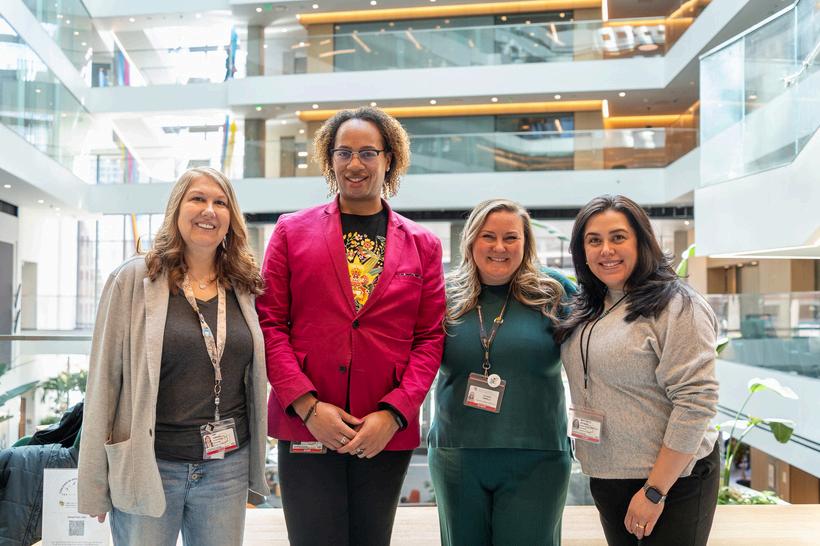
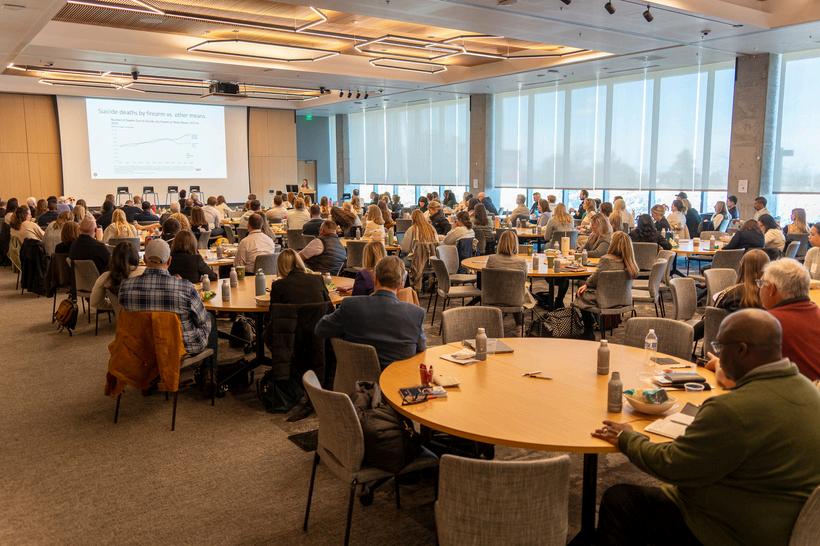
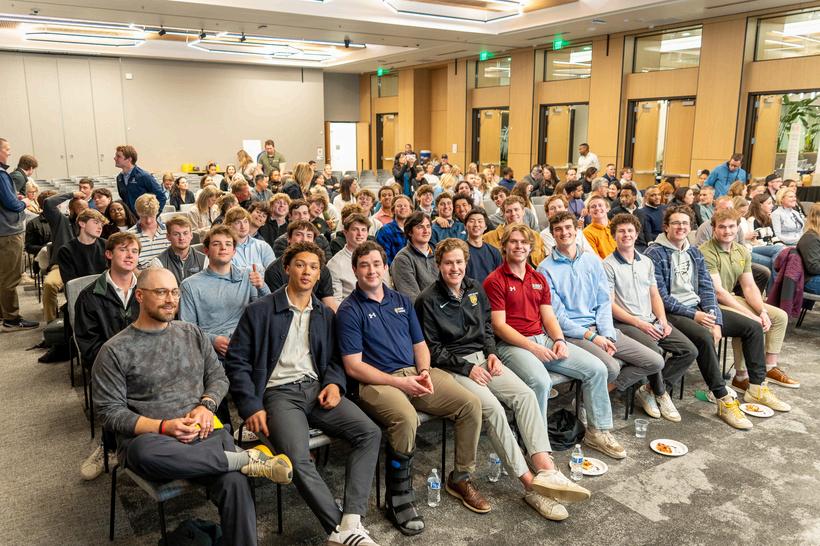
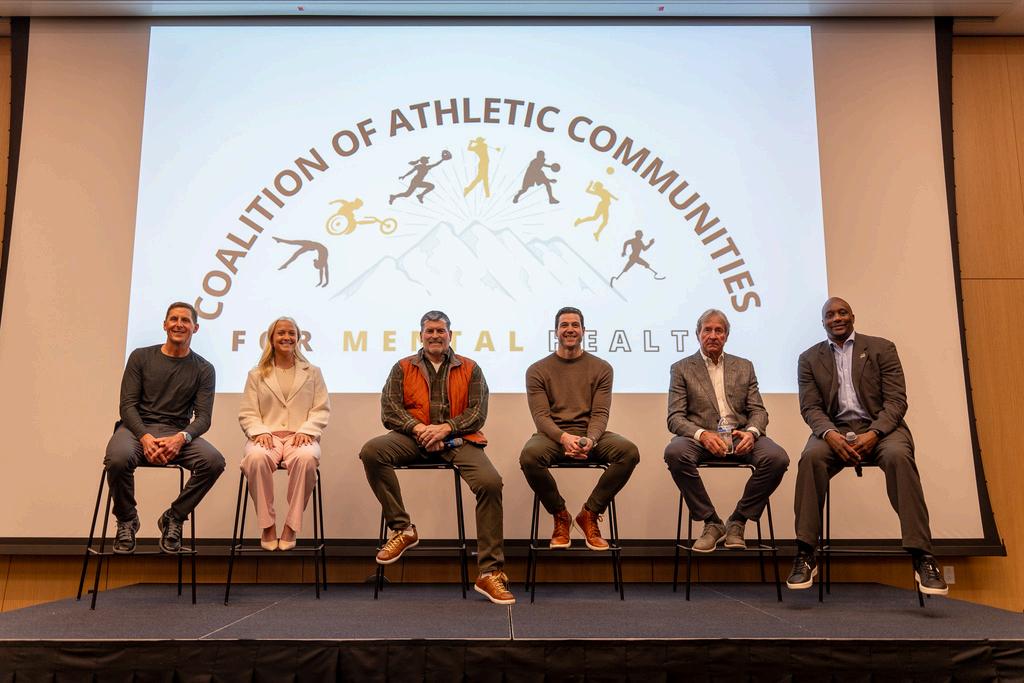
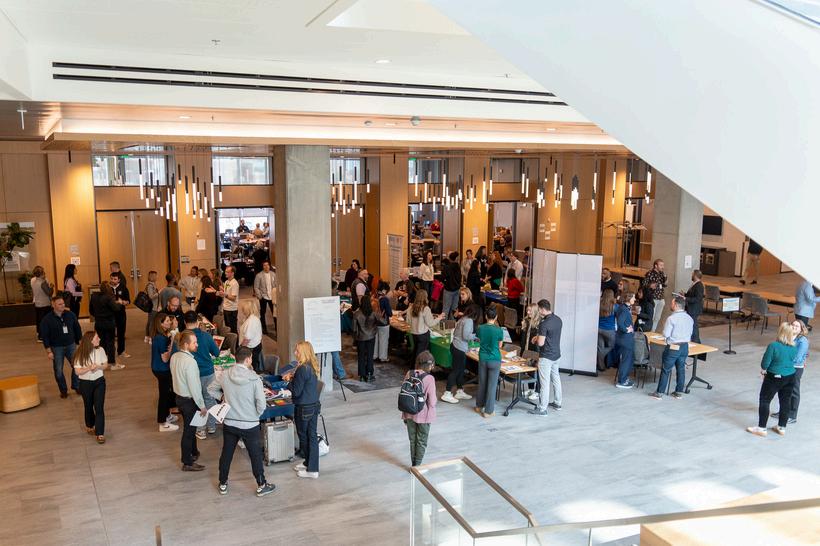
Over 360 unique lives were touched through the conference including 225 inperson attendees and speakers, about 50 student-athletes that attended an evening panel with professional athletes and coaches, and 85 requests for virtual log-in information. Attendees came from over 50% of states, with international attendees participating in person and virtually.


Written by Britton Barbee
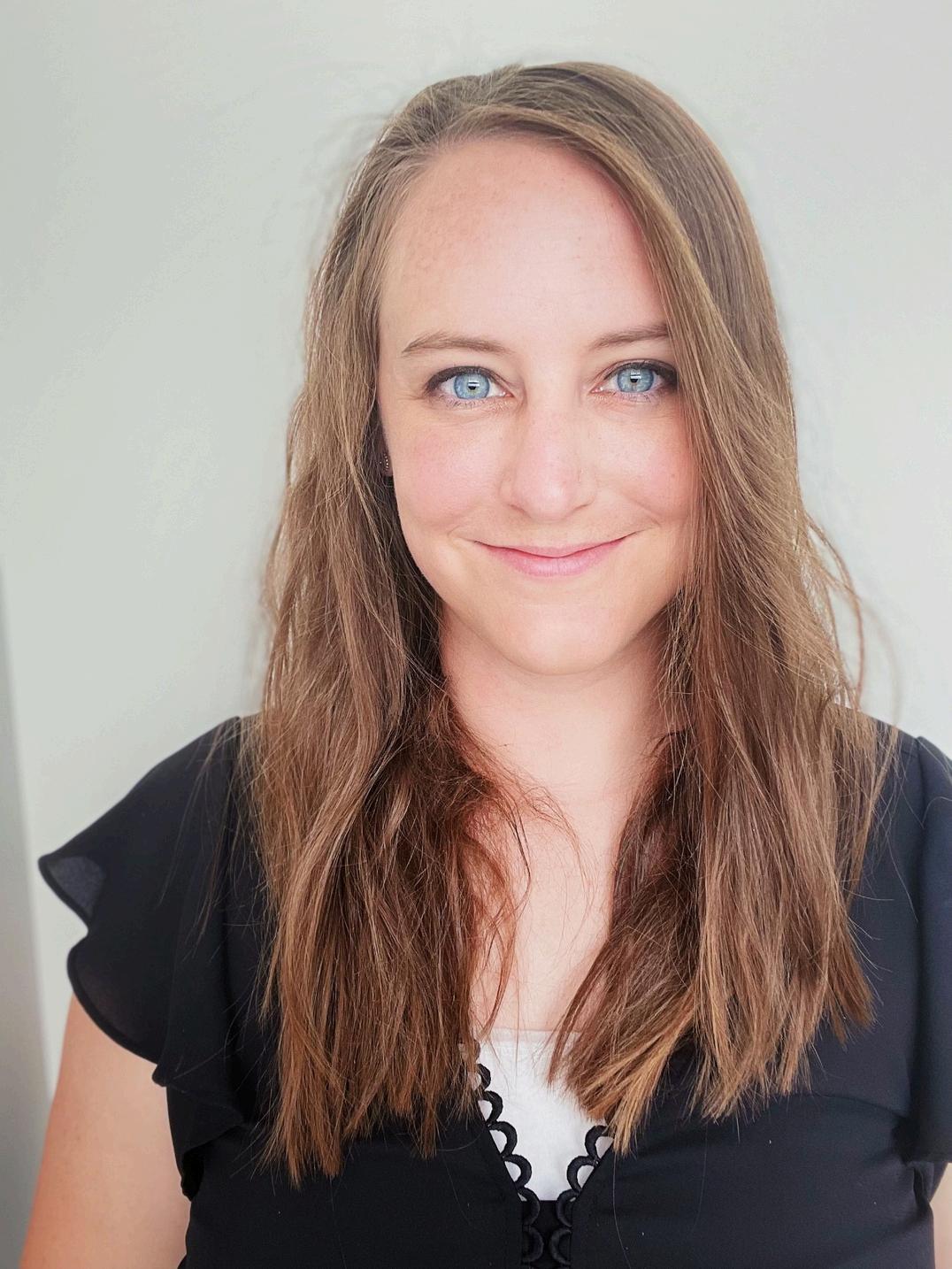
Dr. Britton Barbee has been fascinated with neuroscience since she was in elementary school and read a book about Phineas Gage. She completed her graduate training in Molecular and Systems Pharmacology at Emory University and is currently a NIMH T32 Postdoctoral Fellow in the Department of Psychiatry. Her research, which is conducted in the laboratory of Prof. Amanda J. Law in the Division of Neuroscience, examines how sex and genetic risk factors for neuropsychiatric disease interact to alter neurodevelopmental trajectories and subsequent behavioral and biochemical consequences in adulthood.
In 2025, Dr. Barbee was awarded the NIH Outstanding Scholars in Neuroscience Award, which recognizes trainees across the nation that are “conducting exceptional neuroscience research across the nation and have great academic potential in their scientific training”. This award is a huge honor and will directly enhance her future career by expanding her network of future collaborators and granting her the opportunity to interact directly with NIH intramural scientists and Program Officers. Her long-term career goal is to become an independent scientist at a researchfocused institution.
Written by Allison Dempsey
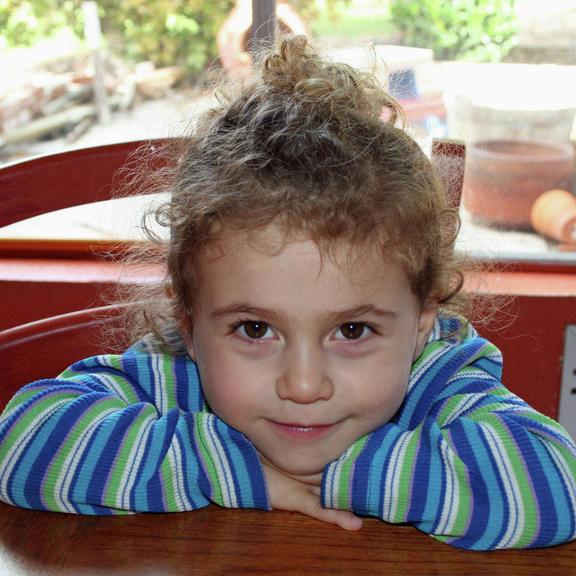
The Avielle Initiative was established in memory of Avielle Richman, one of the young lives lost in the Sandy Hook Elementary School shooting. The initiative seeks to transform grief into action by promoting brain health, fostering empathy, and reducing violence through science-driven solutions and community engagement. In partnership with the Brain and Behavior Innovation Center (BBICen), the Avielle Initiative Seed Grant for Brain Health Research and Innovation funds cutting-edge brain health research across all stages of the translational science spectrum that will further Avielle’s legacy and goals of building compassion and/or preventing violence. The initiative supports research, education, and outreach that address the root causes of violence and mental health challenges. Among the most impactful programs supported by the initiative are the Parenting Project led by Dr. Jacob Holzman and Brain Camp led by Dr. Tracy Bale.
Dr. Holzman’s project collaborates with Denver Great Kids Head Start to adapt a brief, scalable parenting intervention delivered via telehealth, with the goal of optimizing parental executive functioning to improve overall family well-being. The program meets the needs of struggling families with young children and leverages technology to make care more accessible.
Over the past year, parents who participated in the intervention reported improved confidence and emotional connections with their children whose behavioral challenges also reduced. One parent shared, “I am so thankful for this group. I felt reassured, comfortable, and confident while learning ways to improve my parenting skills. The group helped my child's overall well-being to be a happy, kind, and empathic kid”. The program expanded by providing TeacherChild Interaction Training which uses Bluetooth earpieces to support Head Start teachers in real-time. Over a year, they coached 12 teachers supporting over 70 kids and have expanded this program to universal delivery.
Dr. Bale’s Brain Camp, a free, week-long summer camp that teaches elementaryaged children the fundamentals of brain health through science and art, engaged 25 students from diverse backgrounds in its first year and another 30 students in year two. Using an interactive approach, children explored neuroscience concepts behind perceptions, thoughts, and emotions. They shared what they learned through collaborative artwork that was depicted on five Little Free Library book boxes and five large brain sculptures, known as The Cortex Collection this summer. The public art installations amplify brain health messaging in the community. Brain Camp fills a critical void by offering traumainformed brain health education to children from low-resourced communities, where exposure to adverse childhood experiences is more prevalent. It empowers children with tools for emotional regulation and self-awareness, fostering compassion and helping disrupt cycles of violence.
As we mark nearly 13 years since the tragedy at Sandy Hook, the Avielle Initiative continues to honor Avielle’s legacy by creating meaningful change. These programs not only serve families, educators, and youth but also inspire future generations to lead with empathy and innovation. Please consider donating today to help us continue this vital work. Every contribution supports our mission to foster empathy, improve clinical care, and build a safer, more connected world.
Written by the BBICen Core Team
The use of psychedelic compounds to treat a wide range of difficult-to-treat psychiatric conditions heralds a potential revolution in the ability to offer fastacting relief of debilitating symptoms. While there is some great excitement about promising early clinical trial results, there is still much that remains uncertain and unknown.
With the support of CU’s Department of Psychiatry’s Brain and Behavior Innovation Center, the human infrastructure Dr. Novick has built for this trial has established CU Anschutz as a valuable collaborator and clinical trial site for the further development of psychedelic compounds.
Faculty in the Department of Psychiatry at CU Anschutz are making important contributions to advance understanding of how to safely deliver these powerful compounds and assess their efficacy.
Colorado voters approved the Natural Medicines Healing Act in 2022, which legalized the provision of psychedelic compounds. Over the past three years, several state regulatory agencies have been formulating the rules under which this process will be implemented.
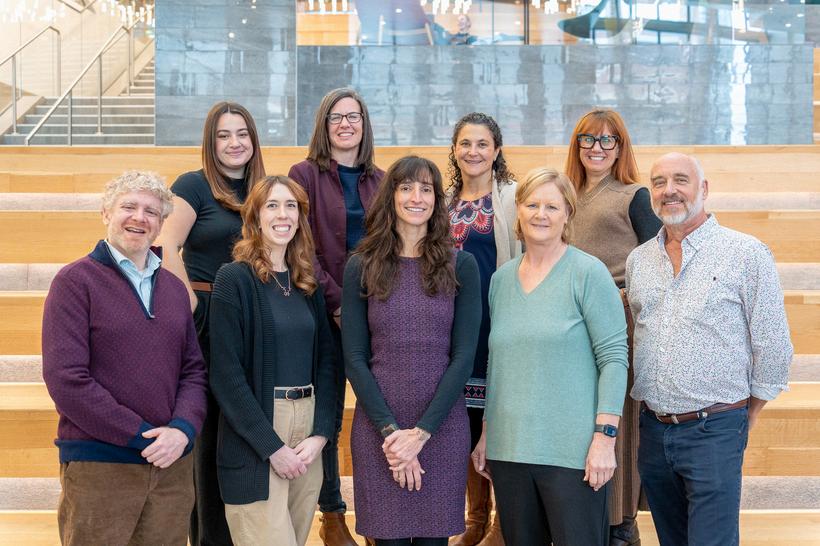
A group of almost 100 scientists and clinicians with expertise in psychedelics formed the Psychedelic Public Policy Partnership (PPPP) to help advise the regulators as they formulate the rules under which the program will operate. Currently led by Dr. Scott Thompson, Professor of Psychiatry and BBICen Director of Novel Therapeutics, the goal of the PPPP is to ensure that the program is implemented safely and to determine whether it is efficacious by learning from the experience of participants. When asked about his experience with the partnership, Dr. Thompson said, “We have had a positive impact by ensuring the formulation of strict rules for the training of the ‘facilitators’ who will be providing psychedelics and ensuring that participants must undergo thorough pre-screening to determine whether they can take psychedelics safely.”
Dr. Andrew Novick, Assistant Professor of Psychiatry, has launched the first randomized clinical trial to test the ability of psilocybin to treat anhedonia, the loss of pleasure that is a common and hard-to-treat symptom of depression. With the support of the Department of Psychiatry’s Brain and Behavior Innovation Center, the human infrastructure Dr. Novick has built for this trial has established CU Anschutz as a valuable collaborator and clinical trial site for the further development of psychedelic compounds.
In October, the team launched the inaugural CU Psychedelic Summit attended by clinicians and researchers from CU Anschutz, CU Bolder, and CU Denver as well as colleagues from the Denver Health Rocky Mountain Poison & Drug Safety and Colorado State University. This summit’s 60 attendees enjoyed a jam-packed program of presentations and posters highlighting this important work. The team looks forward to growth in future events.

All publications shared have at least one Psychiatry-affiliated author in 2024. Because this report is being released prior to the end of 2025, last year’s publications are being shared in their entirety for this edition. Listings are shared by first author last name, regardless of author’s departmental affiliation.
Christofferson, E. S., Grande, L., & Bock, M. (2024). Psychosocial concerns and quality-of-life considerations in pediatric CKD. In A. E. Dawson, K. Amatya, & V. F. Norwood (Eds.), Psychosocial Considerations in Pediatric Kidney Conditions: Guidance for Collaborative Practice (pp. 163-183). Springer Nature Switzerland. https://doi.org/10.1007/978-3-031-64672-0_8
Germone, M., Caballero Quinones, E., Meyer, S., Nagle, S., Nelson, C., Robbertz, A., Vagadori, J., Vitale, A., Wesley, K., & Coburn, S. (2024). Celiac disease in the pediatric setting: Anxiety, depression, and beyond. In C. R. Martin, V. R. Preedy, V. B. Patel, & R. Rajendram (Eds.), Handbook of the Behavior and Psychology of Disease (pp. 1-24). Springer International Publishing. https://doi.org/10.1007/9783-031-32046-0_27-1
Hawks, J., Moore, M., & Leffler, J. (2024). Impact and management of staff turnover and burnout. In A. Thompson, S. Simmons, & J. Leffler (Eds.), Handbook of Evidence-Based Inpatient Mental Health Programs for Children and Adolescents. Springer.
Hilado, A., Charbonia, A., Buchholz, M., & Chu, A. (2024). Examining early childhood trauma: Promoting infant-early childhood mental health and community resilience for families with very young children. In S. Fromm-Reed & J. Kent (Eds.), Building Resilience Through Community Systems: An Ecological Frame for Understanding Adverse Childhood Experience. Routledge Publications.
Nussbaum, A. M. (2024). Progress Notes: One Year In The Future of Medicine. Johns Hopkins University Press.
BOOKS AND BOOK CHAPTERS, CONTINUED
Reaven, J., & Blakeley-Smith, A. (2024). Facing Your Fears in Schools: Managing Anxiety in Students with Autism or Related Social and Learning Differences. Paul H. Brookes Publishing Company.
Selzer, J., & Hacker, R. L. (2024). Physicians and Alcohol. In M. Kahn & J. Avery (Eds.), From Stigma to Support: A New Vision for Alcohol Use Disorder Treatment and Recovery (pp. 163-178). Springer Nature.
Strang, J., Kenworthy, L., Cannon, L., Alexander, K. C., Werner, M. A., Pugliese, C., & Anthony, L. (2024). Unstuck and On Target! Ages 11-15: An Executive Function
Curriculum to Support Flexibility, Planning, and Organization. Paul H. Brookes Publishing.
Strang, J. F., Kenworthy, L., Cannon, L., Alexander, K. C., Werner, M. A., Pugliese, C., & Anthony, L. G. (2024). Funzioni Esecutive 11-15 Anni: Il Programma Unstuck and on Target! per Migliorare Flessibilità, Pianificazione e Organizzazione.
Bhatia, D. (2024). Cannabis legalization and youth cannabis use: Findings from an updated systematic review and meta-analysis. J Am Acad Child Adolesc Psychiatry, 63(11), 1075-1077. https://doi.org/10.1016/j.jaac.2024.05.005
Epperson, C. N., Nagle-Yang, S., & Novick, A. M. (2024). Reproductive psychiatry: Postpartum depression is only the tip of the iceberg. Focus (Am Psychiatr Publ), 22(1), 1-2. https://doi.org/10.1176/appi.focus.20230029
Lebin, L. G., & Koved, J. (2024). Early-career motivation: Strategies for sustaining drive and restoring meaning in academic medicine. Acad Psychiatry, 48(4), 373-377. https://doi.org/10.1007/s40596-023-01811-8
EDITORIAL AND LETTER
, CONTINUED
Novins, D. K., Althoff, R. R., Brotman, M. A., DelBello, M. P., Doyle, A. E., Fortuna, L. R., Fristad, M. A., Middeldorp, C. M., Njoroge, W. F. M., Rogers, C. E., & Singh, M. K. (2024). Editors' best of 2023. J Am Acad Child Adolesc Psychiatry, 63(1), 3-6.
https://doi.org/10.1016/j.jaac.2023.10.001
Novins, D. K., Singh, M. K., Althoff, R. R., Bagot, K. S., Blader, J., Brotman, M. A., DelBello, M. P., Dickstein, D. P., Doyle, A. E., Drury, S. S., Findling, R. L., Fortuna, L. R., Fristad, M. A., Middeldorp, C. M., Njoroge, W. F. M., Rogers, C. E., Pumariega, A. J., Bath, E., Bihani, N. R.,…Family, J. J. (2024). Editors' note: 2024 annual report regarding JAACAP's antiracist journey. J Am Acad Child Adolesc Psychiatry, 63(12), 1184-1192. https://doi.org/10.1016/j.jaac.2024.09.001
Olsavsky, A. K., Hinckley, J. D., & Vidal, C. (2024). Marijuana legalization and suicide in adolescents and transitional-age youth: Important future directions for this line of research. J Am Acad Child Adolesc Psychiatry, 63(3), 307-309.
https://doi.org/10.1016/j.jaac.2023.10.007
Stoddard, J. (2024). The EDI-YC: A new measure of emotion dysregulation in young children. J Am Acad Child Adolesc Psychiatry, 63(1), 23-24. https://doi.org/10.1016/j.jaac.2023.06.017
Zik, J., & Berkowitz, S. (2024). Chronicity of maltreatment and the mportance of attachment and peer relationships on youth mental health trajectory. J Am Acad Child Adolesc Psychiatry, 63(8), 771-772.
https://doi.org/10.1016/j.jaac.2024.01.005
Adise, S., Palmer, C. E., Sheth, C., Marshall, A. T., Baker, F. C., Brown, S. A., Chang, L., Clark, D. B., Dagher, R. K., Diaz, V., Haist, F., Herting, M. M., Huber, R. S., LeBlanc, K., Lee, K. C., Liang, H., Linkersdorfer, J., Lisdahl, K. M., Ma, J.,…Sowell, E. R. (2024).
Associations between perinatal risk and physical health in pre-adolescence in the Adolescent Brain Cognitive Development (ABCD) Study(R): The unexpected relationship with sleep disruption. Pediatr Res, 96(7), 1834-1842.
https://doi.org/10.1038/s41390-024-03288-z
Antezana, L., Garcia, K. M., Carlton, C. N., Villalongo Andino, M., Gatto, A. J., & Richey, J. A. (2024). Transdiagnostic correlates of nonsuicidal self-injury: The roles of anhedonia, repetitive negative thinking, and trait mindfulness. Journal of Psychopathology and Behavioral Assessment, 46(2), 1-14.
https://doi.org/10.1007/s10862-024-10130-7
Barone, J. C., Ho, A., Osborne, L. M., Eisenlohr-Moul, T. A., Morrow, A. L., Payne, J. L., Epperson, C. N., & Hantsoo, L. (2024). Luteal phase sertraline treatment of premenstrual dysphoric disorder (PMDD): Effects on markers of hypothalamic pituitary adrenal (HPA) axis activation and inflammation. Psychoneuroendocrinology, 169, 107145. https://doi.org/10.1016/j.psyneuen.2024.107145
Batky, B. D., Mendez, B., Bontemps, A., & Salekin, R. T. (2024). Psychopathy measurement practices moderate psychopathy's association with anxiety and depression: A comprehensive meta-analysis. Clinical Psychology Review, 111, 102448. https://doi.org/https://doi.org/10.1016/j.cpr.2024.102448
Bell, K., Ashby, B. D., Scott, S. M., & Poleshuck, E. (2024). Integrating mental health care in ambulatory obstetrical practices: Strategies and models. Clinical Obstetrics and Gynecology, 67(1), 154-168. https://doi.org/10.1097/GRF.0000000000000841
Bhatia, D., Battula, S., Mikulich-Gilbertson, S., Sakai, J., & Hammond, D. (2024). Cannabidiol-only product use in pregnancy in the United States and Canada: Findings from the international cannabis policy study. Obstetrics and Gynecology, 144(2), 156-159. https://doi.org/10.1097/AOG.0000000000005603 PEER-REVIEWED PUBLICATIONS
Bhatia, D., Rosenberg, S., Rees, R., & Brooks-Russell, A. (2024). Perinatal cannabis use and cannabis use during breatfeeding: The role of health care workers. Am J Perinatol, 41(S 01), e2686-e2695. https://doi.org/10.1055/a-2145-7775
Bidwell, L. C., Martin-Willett, R., Melendez, S. N., Rosa, L., Giordano, G., Hutchison, K. E., & Bryan, A. D. (2024). LOTUS: Protocol for a double-blind placebo controlled randomized trial of hemp-derived cannabidiol for the treatment of cannabis use disorder. PloS One, 19(9), e0308262. https://doi.org/10.1371/journal.pone.0308262
Bidwell, L. C., Martin-Willett, R., Skrzynski, C., Lisano, J., Ortiz Torres, M., Giordano, G., Hutchison, K. E., & Bryan, A. D. (2024). Acute and extended anxiolytic effects of cannabidiol in cannabis flower: A quasi-experimental ad libitum use study. Cannabis Cannabinoid Res, 9(4), 1015-1027. https://doi.org/10.1089/can.2023.0187
Bontemps, A. P., Chana, S. M., Hawes, E. S., Al Rawi, Y., Cenczyk, C. E., Atkins, L. R., Li, L., & Cropsey, K. L. (2024). Predictors of MOUD referral among persons with involvement in the criminal legal system. Journal of Opioid Management, 20(2), 97-102. https://doi.org/10.5055/jom.0831
Bontemps, A. P., Piper, M. E., & Cropsey, K. L. (2024). Psychometric properties of the FTCD and brief WISDM: Support for validity in a legal-system-involved sample. Nicotine & Tobacco Research, 26(8), 976-983. https://doi.org/10.1093/ntr/ntae013
Bortz, C., Armistead, I., Bonaguidi, A., & Coyle, D. T. (2024). Critical incidents in Colorado's opioid treatment programs: A comparison of the COVID-19 pandemic to previous years. J Subst Use Addict Treat, 161, 209342. https://doi.org/10.1016/j.josat.2024.209342
Brewer, S. E., Fisher, M., Zittleman, L., Warman, M. K., Fort, M., Gilchrist, E., Mallory, J., Mullen, R., Barron, J., Skenadore, A., Ahmed, F. Y., LoudHawk-Hedgepeth, C., Tamez, M., Kwan, B. M., & Nease, D. E. (2024). Rapid Community Translation in the Colorado CEAL (CO-CEAL) program: Transcreating messaging to promote COVID-19 vaccination. American Journal of Public Health, 114(S1), S50-S54. https://doi.org/10.2105/ajph.2023.307456
Bruellman, R., Pahlen, S., Ellingson, J. M., Corley, R. P., Wadsworth, S. J., & Reynolds, C. A. (2024). A twin-driven analysis on early aging biomarkers and associations with sitting-time and physical activity. PloS One, 19(9), e0308660. https://doi.org/10.1371/journal.pone.0308660
Cafferty, R., Grupp-Phelan, J., & Anthony, B. (2024). Children and adolescents with suicidal ideation and the emergency department. JAMA, 331(3), 193-194. https://doi.org/10.1001/jama.2023.26291
Calcaterra, S. L., Saunders, S., Grimm, E., Maki-Gianani, E., Keniston, A., Wold, A., & Bonaguidi, A. (2024). In-hospital methadone enrollment: A novel program to facilitate linkage from the hospital to the opioid treatment program for vulnerable patients with opioid use disorder. Journal of General Internal Medicine, 39(3), 385392. https://doi.org/10.1007/s11606-023-08411-0
Caloudas, A., Frosio, K., Torous, J., Goss, C., Novins, D., Lindsay, J., & Shore, J. (2023). Mobile mental health applications for American Indian and Alaska Native communities: Review and recommendations. Journal of Technology in Behavioral Science, 9, 1-12. https://doi.org/10.1007/s41347-023-00348-9
Camfield, K., Reedy, A., Wolf, C., Al-Tayyib, A., Rinehart, D., Simpson, S. A., & Panel, B. M. M. E. (2024). Diagnosis of methamphetamine-induced psychotic disorder: Findings of an expert consensus panel. Early Interv Psychiatry, 18(12), 1015-1021. https://doi.org/10.1111/eip.13547
Carpenter, R. W., Nance, M., Frumkin, M. R., Boissoneault, J., & Ellingson, J. M. (2024). Use and co-use of alcohol and cannabis following physical pain in the daily life of community adults engaged in regular substance use. Psychology of Addictive Behaviors, 38(7), 747-758. https://doi.org/10.1037/adb0000992
Cisse, Y. M., Montgomery, K. R., Zierden, H. C., Hill, E. M., Kane, P. J., Huang, W., Kane, M. A., & Bale, T. L. (2024). Maternal preconception stress produces sexspecific effects at the maternal: Fetal interface to impact offspring development and phenotypic outcomesdagger. Biology of Reproduction, 110(2), 339-354. https://doi.org/10.1093/biolre/ioad156
Cooke, D. L., McCarty, R. J., Budd, S., Ordway, A., Roussos-Ross, D., Mathews, C. A., McNamara, J. P. H., & Guastello, A. D. (2024). Public stigma and recognition of perinatal obsessive-compulsive disorder. Journal of Obsessive-Compulsive and Related Disorders, 40, 100858.
https://doi.org/https://doi.org/10.1016/j.jocrd.2024.100858
Crerand, C. E., Shehata, A., Umbaugh, H., Kapa, H. M., Hansen-Moore, J., Nahata, L., Buchanan, C., Chen, D., Rausch, J., Udaipuria, S., Jayanthi, V. R., Chan, Y. M., Pratt, K. J., Buschur, E., Indyk, J., & Tishelman, A. C. (2024). Body image and psychosocial outcomes in youth and young adults with differences of sex development: A multi-method study. J Pediatr Psychol, 49(7), 512-523. https://doi.org/10.1093/jpepsy/jsae041
Crisp, C. M., Mooney, E., Howlader, M., Stoddard, J., & Penton-Voak, I. (2024). Chronotype and emotion processing: a pilot study testing timing of online cognitive bias modification training. BMJ Ment Health, 27(1), 1-7. https://doi.org/10.1136/bmjment-2024-301045
Cropsey, K. L., Wagner, W. P., Bontemps, A., Hawes, E., Pridgen, B., Lahti, A. C., Hendricks, P. S., Azuero, A., & Carpenter, M. J. (2024). Effects of in vivo NRT sampling on smoking abstinence and NRT adherence: A randomized clinical trial. Drug and Alcohol Dependence, 264, 112458.
https://doi.org/https://doi.org/10.1016/j.drugalcdep.2024.112458
Cunningham, S. D., Lindberg, S., Joinson, C., Shoham, D., Chu, H., Newman, D., Epperson, N., Brubaker, L., Low, L. K., Camenga, D. R., LaCoursiere, D. Y., Meister, M., Kenton, K., Sutcliffe, S., Markland, A. D., Gahagan, S., Coyne-Beasley, T., Berry, A., & Prevention of Lower Urinary Tract Symptoms Research, C. (2024). Association between maternal depression and lower urinary tract symptoms in their primary school-age daughters: A birth cohort study. Journal of Wound, Ostomy and Continence Nursing, 51(1), 53-60. https://doi.org/10.1097/WON.0000000000001039
Curtis, K., Arcona, Z., Buchanan, C., Miller, K., Lyons, E., Ruzicka, E., & Christofferson, E. S. (2024). Relating multidimensional deprivation index to adherence outcomes in pediatric solid organ transplant. Clinical Practice in Pediatric Psychology, 12(3), 268278. https://doi.org/10.1037/cpp0000523
Danzig, A., Novick, A. M., Chang, W. L., & Ross, D. A. (2024). From social isolation to social justice: The neuroscience of solitary confinement. Biol Psychiatry, 95(7), e13e15. https://doi.org/10.1016/j.biopsych.2024.01.017
Davis, C. N., Markowitz, J. S., Squeglia, L. M., Ellingson, J. M., McRae-Clark, A. L., Gray, K. M., Kretschmer, D., & Tomko, R. L. (2024). Evidence for sex differences in the impact of cytochrome P450 genotypes on early subjective effects of cannabis. Addict Behav, 153, 107996. https://doi.org/10.1016/j.addbeh.2024.107996
Davis, E. P., Demers, C. H., Deer, L., Gallop, R. J., Hoffman, M. C., Grote, N., & Hankin, B. L. (2024). Impact of prenatal maternal depression on gestational length: Post hoc analysis of a randomized clinical trial. EClinicalMedicine, 72, 102601. https://doi.org/10.1016/j.eclinm.2024.102601
Deer, L. K., Demers, C. H., Hankin, B. L., Doom, J. R., Shields, G. S., Hoffman, M. C., & Davis, E. P. (2024). Neonatal hair cortisol and birth outcomes: An empirical study and meta-analysis. Psychosomatic Medicine, 86(8), 720-729. https://doi.org/10.1097/PSY.0000000000001339
Deer, L. K., Hennessey, E. P., Doom, J. R., Gallop, R. J., Hoffman, M. C., Demers, C. H., Hankin, B. L., & Davis, E. P. (2024). Higher prenatal anxiety predicts lower neonatal hair cortisol. Psychoneuroendocrinology, 165, 107044. https://doi.org/10.1016/j.psyneuen.2024.107044
Degli Esposti, M., Pulcini, C. D., Fleegler, E. W., Weigend Vargas, E., Vargas, L., YockCorrales, A., & Hargarten, S. (2024). Youth firearm mortality in the Americas from 2015 to 2022. JAMA Netw Open, 7(10), e2437395.
https://doi org/10 1001/jamanetworkopen 2024 37395
DeLone, A. M., Fisher, R. S., Traino, K. A., Basile, N. L., Buchanan, C. L., Cheng, E. Y., Poppas, D P , Baraldi, A N , Wisniewski, A B , & Mullins, L L (2024) Exploratory factor analysis of the Illness Intrusiveness Rating Scale for parents of children with atypical genital appearance due to differences of sex development (DSD). J Pediatr Psychol, 49(7), 482-490 https://doi org/10 1093/jpepsy/jsae027
Demers, C. H., Hankin, B. L., Haase, M. H., Todd, E., Hoffman, M. C., Epperson, C. N., Styner, M. A., & Davis, E. P. (2024). Maternal adverse childhood experiences and infant visual-limbic white matter development. J Affect Disord, 367, 49-57. https://doi.org/10.1016/j.jad.2024.08.146
Dodd, K., Legget, K. T., Cornier, M. A., Novick, A. M., McHugo, M., Berman, B. D., Lawful, B. P., & Tregellas, J. R. (2024). Relationship between functional connectivity and weight-gain risk of antipsychotics in schizophrenia. Schizophrenia Research, 267, 173-181. https://doi.org/10.1016/j.schres.2024.03.033
Drumright, B., Sacro, Y., & Nussbaum, A. (2024). Enriching spiritual care in medical residents trhough cultural humility and courage. MedEdPORTAL, 20, 11423. https://doi.org/10.15766/mep 2374-8265.11423
Duffy, K. A., Sammel, M. D., Johnson, R. L., Morrison, K. E., Bale, T. L., & Epperson, C. N. (2024). Sex differences in stress-induced cortisol response among infants of mothers exposed to childhood adversity. Biol Psychiatry, 96(11), 876-885. https://doi.org/10.1016/j.biopsych.2024.05.015
Eaton, C K , McWilliams, E , Yablon, D , Kesim, I , Ge, R , Mirus, K , Sconiers, T , Donkoh, A., Lawrence, M., George, C., Morrison, M. L., Muther, E., Oates, G. R., Sathe, M., Sawicki, G. S., Snell, C., & Riekert, K. (2024). Cross-cutting mHealth behavior change techniques to support treatment adherence and selfmanagement of complex medical conditions: Systematic review. JMIR Mhealth Uhealth, 12, e49024. https://doi.org/10.2196/49024
Ehmer, A., Greisch, C., Sonnen, E., Scott, S., Carter, D., & Ashby, B. (2024). Maternal depression, psychosocial stress and race/ethnicity: Examining barriers to breastfeeding for young mothers. Journal of Reproductive and Infant Psychology, 1-13. https://doi.org/10.1080/02646838.2024.2361367
Epperson, C. N. (2024). Hormones as psychotropic interventions in females. Focus (Am Psychiatr Publ), 22(1), 63-66. https://doi.org/10.1176/appi.focus.20230031
Fainstad, T., Syed, A., Thibodeau, P. S., Vinaithirthan, V., Jones, C. D., & Mann, A. (2024). Long-term impact of an online physician group-coaching program to improve burnout and self-compassion in trainees. Journal of Healthcare Management, 69(6), 414-423. https://doi.org/10.1097/JHM-D-23-00232
Flanagan, J. C., Leone, R. M., Melkonian, A. J., Jarnecke, A. M., Hogan, J. N., & Massa, A. A. (2024). Effects of alcohol problem discrepancy on relationship adjustment: The moderating role of conflict negotiation among couples with alcohol use disorder and intimate partner violence. Family Process, 63(3), 1171-1184. https://doi.org/10.1111/famp.12891
Franks, A., Ali, D. A., & Adi, A. (2024). Clinical and legal considerations when optimizing trauma narratives in immigration law evaluations. Journal of the American Academy of Psychiatry and the Law, 52(4), 449-459. https://doi.org/10.29158/JAAPL.240080-24
Gatto, A. J., Ko, H., Keller, D. M., & Cooper, L. D. (2024). Youth, caregiver, and clinician perspectives of youth Patient-Reported Outcome Measures (PROMs) in a psychological training clinic: Lessons from early adopters. Current Psychology, 43(20), 18431-18443. https://doi.org/10.1007/s12144-024-05619-z
Gex, K S , Leone, R M , Aungst, J , Branson, K , Gray, K M , & Tomko, R L (2024)
Identifying brief intervention factors to improve cannabis related outcomes in adolescents and young adults: A systematic review of sample characteristics and intervention components. J Subst Use Addict Treat, 161, 209335. https://doi.org/10.1016/j.josat.2024.209335
Gibson, L. P., Giordano, G. R., Bidwell, L. C., Hutchison, K. E., & Bryan, A. D. (2024).
Acute effects of ad libitum use of commercially available cannabis products on the subjective experience of aerobic exercise: A crossover study. Sports Medicine, 54(4), 1051-1066. https://doi.org/10.1007/s40279-023-01980-4
Gibson, L. P., Mueller, R. L., Winiger, E. A., Klawitter, J., Sempio, C., Williams, S., Bryan, A. D., Bidwell, L. C., & Hutchison, K. E. (2024). Cannabinoid exposure and subjective effects of THC and CBD in edible cannabis products. Cannabis Cannabinoid Res, 9(1), 320-334. https://doi.org/10.1089/can.2022.0020
Gievers, L., Mutrie, L., & Klawetter, S. (2024). Novel perinatal medical-legal partnership development and pilot implementation to address health-harming legal needs. Journal of Perinatology, 44(1), 136-141. https://doi.org/10.1038/s41372-023-01829-8
Gilmore, A. K., Garcia-Ramirez, G., Fortson, K., Salamanca, N. K., Nicole Mullican, K., Metzger, I. W., Leone, R. M., Kaysen, D. L., Orchowski, L. M., & Cue Davis, K. (2024). The association between alcohol use and sexual assault victimization among college students differs by gender identity and race. Addict Behav, 149, 107892. https://doi.org/10.1016/j.addbeh.2023.107892
Gilmore, A. K., Moore, C. J., Nielsen, K. E., Prince, J. R., Fortson, K., Nicole Mullican, K., Hutchins, A., Ellis, J., Leone, R. M., & Ward-Ciesielski, E. (2024). Mixed method examination of alcohol and suicidality among actively suicidal adults who engage in heavy episodic drinking. Addict Behav, 151, 107938. https://doi.org/10.1016/j.addbeh.2023.107938
Gimbel, L. A., Weingarten, S. J., Smid, M. C., & Hoffman, M. C. (2024). Maternal mental health as a major contributor to maternal mortality. Seminars in Perinatology, 48(6), 151943. https://doi.org/10.1016/j.semperi.2024.151943
Gimbel, L A , Zimmermann, M , Byatt, N , Moore Simas, T A , & Hoffman, M C (2024). Screening, assessment, and treatment of perinatal mental health in obstetrical settings. Clinical Obstetrics and Gynecology, 67(1), 134-153. https://doi.org/10.1097/GRF.0000000000000840
Gleason, E., Malik, K., Sannar, E., Kamara, D., Serrano, V., & Augustyn, M. (2024). Challenging case: A multidisciplinary approach to demystifying chronic sleep impairment in an infant with a complex medical and behavioral profile. J Dev Behav Pediatr, 45(2), e176-e179. https://doi.org/10.1097/DBP.0000000000001251
Gorrilla, A. A., Kaye, J. T., Pavlik, J., Bonniot, C., Vijayaraghavan, M., Conner, K. L., & Morris, C. D. (2024). A call for health equity in tobacco control and treatment for the justice-involved population. Am J Prev Med, 67(4), 631-636. https://doi.org/10.1016/j.amepre.2024.05.020
Greenwood, A., Yamamoto, T. M., Joshi, M., Hutchison, K., & Bitler, B. G. (2024).
Cannabidiol promotes apoptosis and downregulation of oncogenic factors. bioRxiv. https://doi.org/10.1101/2024.11.30.626177
Griffin, B. J., Coyle, P. T., Weber, M. C., Benight, C. C., Morison, M., Maguen, S., Pyne, J., Duncan, M. S., Brady, R. E., Wright, H., Love, T., Langenecker, S. A., & Smith, A. J. (2024). The impact ofadjustment on workplace attitudes and behaviors among health care workers during the COVID-19 pandemic. Journal of Occupational and Environmental Medicine, 66(5), e153-e159. https://doi.org/10.1097/JOM.0000000000003066
Guha, A., Hunter, S. K., Legget, K. T., McHugo, M., Hoffman, M. C., & Tregellas, J. R. (2024). Intrinsic infant hippocampal function supports inhibitory processing. Developmental Psychobiology, 66(6), e22529. https://doi.org/10.1002/dev.22529
Gurfinkel, D., Owen, V., Kreisel, C., Hosokawa, P., Kluger, S., Legge, C., Calderone, J., Eskew, A., Waugh, M., Shore, J. H., Brown Levey, S. M., & Holtrop, J. S. (2024). Patient perspectives of integrated behavioral health in primary care: A mixed methods analysis. J Patient Exp, 11, 23743735241293877. https://doi.org/10.1177/23743735241293877
Haller, H C , Moore, S L , Green, K K , Johnson, R L , Sammel, M D , Epperson, C N., & Novick, A. M. (2024). Harnessing technology to improve sleep in frontline healthcare workers: A pilot study of electronic noise-masking earbuds on subjective and objective sleep measures. Science Progress, 107(2), 368504241242276. https://doi.org/10.1177/00368504241242276
Haller, S. P., Archer, C., Jeong, A., Jaffe, A., Jones, E. L., Harrewijn, A., Naim, R., Linke, J. O., Stoddard, J., & Brotman, M. A. (2024). Changes in internalizing symptoms during the COVID-19 pandemic in a transdiagnostic sample of youth: Exploring mediators and predictors. Child Psychiatry Hum Dev, 55(1), 206-218. https://doi.org/10.1007/s10578-022-01382-z
Haller, S. P., Stoddard, J., Cardenas, S. I., Dombek, K., MacGillivray, C., Botz-Zapp, C., Bui, H. N. T., Stavish, C. M., Kircanski, K., Jones, M., & Brotman, M. A. (2024). Differentiating neural sensitivity and bias during face-emotion processing in youth: A computational approach. Social Cognitive and Affective Neuroscience, 19(1). https://doi.org/10.1093/scan/nsae034
Hammond, J. B., Peraza, J., & Pierce, C. A. (2024). A case report of long-term effects of Delayed Post-Hypoxic Leukoencephalopathy (DPHL) following benzodiazepine overdose. Clinical Neuropsychologist, 38(7), 1756-1772. https://doi.org/10.1080/13854046.2024.2315746
Haskins, C., Noonan, C., Collier, A., MacLehose, R., Buchwald, D., & Manson, S. M. (2024). COVID-19 pandemic coping, social support, and emotional health in American Indian and Alaska Native peoples. JAMA Netw Open, 7(11), e2446901. https://doi.org/10.1001/jamanetworkopen.2024.46901
Haskins, C., Noonan, C., MacLehose, R., Buchwald, D., & Manson, S. M. (2024). Mental health symptom associations with COVID-19 testing and vaccination among urban American Indian and Alaska Native people. Vaccine X, 19, 100520. https://doi.org/10.1016/j.jvacx.2024.100520
Henderson, R , Parker, G , Cooke, D , Downing, S , Fernandez, A , Schultz, I , Nielsen, A., Garcia, A., Uddin, R., Scrabis, A., Baer, K., Davidson, E., Appleby, L., Ayers, C., & Mathews, C. A. (2024). A qualitative study of sources of knowledge in individuals with hoarding disorder: The impact of media depictions and social comparisons. SSM - Qualitative Research in Health, 6, 100499. https://doi.org/https://doi.org/10.1016/j.ssmqr.2024.100499
Hennessey, E. P., Swales, D. A., Markant, J., Hoffman, M. C., Hankin, B. L., & Davis, E. P. (2024). Maternal anxiety during pregnancy predicts infant attention to affective faces. J Affect Disord, 344, 104-114. https://doi.org/10.1016/j.jad.2023.09.031
Hickox, T., Brahmbhatt, K., Smith, J. R., Fuchs, C., & Tanguturi, Y. (2024).
Consultation-liaison case conference: Systemic challenges in management of aggression in a pediatric patient with seronegative autoimmune encephalitis. J Acad Consult Liaison Psychiatry, 65(1), 66-75. https://doi.org/10.1016/j.jaclp.2023.08.005
Hilsabeck, R. C., Perry, W., Lacritz, L., Arnett, P. A., Shah, R. C., Borson, S., Galvin, J. E., Roaten, K., Daven, M., Hwang, U., Ivey, L., Joshi, P., Parish, A. L., Wood, J., Woodhouse, J., Tsai, J., Sorweid, M., & Subramanian, U. (2024). Improving early detection of cognitive impairment in older adults in primary care clinics: Recommendations from an interdisciplinary geriatrics summit. The Annals of Family Medicine, 22(6), 543-549. https://doi.org/10.1370/afm.3174
Hinckley, J., Bhatia, D., Ellingson, J., Molinero, K., & Hopfer, C. (2024). The impact of recreational cannabis legalization on youth: The Colorado experience. Eur Child Adolesc Psychiatry, 33(3), 637-650. https://doi.org/10.1007/s00787-022-01981-0
Hinckley, J. D., Adams, Z. W., Dellucci, T. V., & Berkowitz, S. (2024). Co-occurring trauma- and stressor-related and substance-related disorders in youth: A narrative review. Med Res Arch, 12(8). https://doi.org/10.18103/mra.v12i8.5688
Hinckley, J. D., Conner, B. T., Mauch, R., Arkfeld, P. A., Bhatia, D., Smith, E. E., Svoboda, E., & Singh, M. K. (2024). A systematic review: Investigating biomarkers of anhedonia and amotivation in depression and cannabis use. JAACAP Open. https://doi.org/https://doi.org/10.1016/j.jaacop.2024.08.005
Hoffman, M C , Hunter, S J , D'Alessandro, A , Christians, U , Law, A J , & Freedman, R. (2024). Maternal plasma choline during gestation and small for gestational age infants. Am J Perinatol, 41(S 01), e939-e948. https://doi.org/10.1055/s-0042-1759775
Hoffner-Heinike, A., Iwamoto, S. J., Saxon, D. R., Cogdall, N. A., Davies, R. D., Lee, R. S., Chiappone, A., Thomas, J. F., & Rothman, M. S. (2024). ECHO "Bootcamp": An innovative training model to onboard providers in the care of gender diverse patients. Telemedicine Journal and e-Health, 30(2), 430-437. https://doi.org/10.1089/tmj.2023.0023
Horvath, S. A., Keel, P. K., & Forney, K. J. (2024). Examining negative urgency as a predictor of eating disorder maintenance in purging syndromes. J Clin Psychol, 80(7), 1607-1617. https://doi.org/10.1002/jclp.23683
Hunter, S. K., Hoffman, M. C., D'Alessandro, A., & Freedman, R. (2024).
Developmental windows for effects of choline and folate on excitatory and inhibtory neurtransmission during human gestation. Developmental Psychobiology, 66(2). https://doi.org/10.1002/dev.22453
Hunter, W., Pettigrew, J., Carpenter, K. M., Worly, B., & Coons, H. L. (2024). Improving sexual health across the life span through integrated care in obstetrics and gynecology. Clinical Obstetrics and Gynecology, 67(1), 233-246. https://doi.org/10.1097/GRF.0000000000000830
Jacobs, P. S., Jee, J., Fang, L., Devlin, E., Iannelli, C., Thakuri, D., Loughead, J., Epperson, C. N., Wilson, N., Roalf, D., Reddy, R., & Nanga, R. P. R. (2024). Application of glutamate weighted CEST in brain imaging of nicotine dependent participants in vivo at 7T. PloS One, 19(2), e0297310. https://doi.org/10.1371/journal.pone.0297310
Jeng, A. C., Sibley, I. J., & Bale, T. L. (2024). A global perspective on AI innovation and effective use in the research lab. Neuroscience, 560, 106-108. https://doi.org/10.1016/j.neuroscience.2024.09.034
Jimenez-Zambrano, A , Avery, M , Feller, K , Rivera, C , Marchin, A , Bolanos, A G , Asturias, E., Rodas, H., & Harrison, M. S. (2024). Exploring the acceptability of a decision aid for rural women with a history of prior cesarean birth regarding subsequent mode of birth in Coatepeque, Guatemala. Front Glob Womens Health, 5, 1261040. https://doi.org/10.3389/fgwh.2024.1261040
Jones, S. B., Ko, H., Gatto, A. J., Kablinger, A. S., Sharp, H. D., Cooper, L. D., Tenzer, M. M., O'Brien, V. C., & McNamara, R. S. (2024). Assessing the impact of COVID-19 on outpatient psychiatric population well-being and symptomology utilizing COVID-19 Events Checklist (CEC) and measurement based care. J Patient Rep Outcomes, 8(1), 135. https://doi.org/10.1186/s41687-024-00802-z
Kaiser, R. H., Moser, A. D., Neilson, C., Jones, J., Peterson, E. C., Ruzic, L., Rosenberg, B. M., Hough, C. M., Sandman, C., Schneck, C. D., & Miklowitz, D. J. (2024).
Neurocognitive risk phenotyping to predict mood symptoms in adolescence. J Psychopathol Clin Sci, 133(1), 90-102. https://doi.org/10.1037/abn0000866
Karoly, H. C., Kirk-Provencher, K. T., Schacht, J. P., & Gowin, J. L. (2024). Alcohol and brain structure across the lifespan: A systematic review of large-scale neuroimaging studies. Addict Biol, 29(9), e13439. https://doi.org/10.1111/adb.13439
Kassabian, S., Gissen, M., & Kenny, J. (2024). Reducing death by suicide by addressing well-being and firearm access: A both/and policy approach. Families, Systems, & Health, 42(4), 651-655. https://doi.org/https://doi.org/10.1037/fsh0000943
Kavanaugh, B. C., Parade, S., Seifer, R., McLaughlin, N. C. R., Tirrell, E., Festa, E. K., Oberman, L. M., Novick, A. M., Carpenter, L. L., & Tyrka, A. R. (2024). Childhood stress, gender, and cognitive control: Midline theta power. Journal of Psychiatric Research, 169, 298-306. https://doi.org/10.1016/j.jpsychires.2023.11.046
Kennedy, S. M., Henderson-Davis, V., Henry, L., Hawks, J. L., Diaz, K. I., Crabbs, T., Khindria, N., Moe-Hartman, J., Nook, L., President, K. F., Stovall, S., & Anthony, L. G. (2024). Pilot effectiveness and acceptability of partial hospitalization treatment incorporating transidagnostic, cognitive-behavioral intervention. Behavior Therapy, 55(4), 751-767. https://doi.org/10.1016/j.beth.2023.11.002
Kenny, J , Kassabian, S , Hemeida, S , & Gissen, M (2024) Back to the basics: Addressing our individual and societal despair. Families, Systems, & Health, 42(2), 280-283. https://doi.org/https://doi.org/10.1037/fsh0000897
Kirk-Provencher, K. T., Hakimi, R. H., Andereas, K., Penner, A. E., & Gowin, J. L. (2024). Neural response to threat and reward among young adults at risk for alcohol use disorder. Addict Biol, 29(2), e13378. https://doi.org/10.1111/adb.13378
Kirk-Provencher, K. T., Sloan, M. E., Andereas, K., Erickson, C. J., Hakimi, R. H., Penner, A. E., & Gowin, J. L. (2024). Neural responses to reward, threat, and emotion regulation and transition to hazardous alcohol use. Alcohol and Alcoholism, 59(4). https://doi.org/10.1093/alcalc/agae043
Kirwan, M., Leone, R. M., Davis, K. C., Orchowski, L. M., & Gilmore, A. K. (2024). Emotion regulation difficulties moderate the association between typical drinking and sexual assault victimization among sexual and gender minority auniversity students. Violence Against Women, 30(3-4), 768-790. https://doi.org/10.1177/10778012231155178
Klawetter, S., Wahab, S., & Gievers, L. (2024). Unsettling common sense assumptions about intimate partner violence in the NICU. Neoreviews, 25(5), e245-e253. https://doi.org/10.1542/neo.25-5-e245
Kleszynski, K., Jervis, L., TallBull, G., Porter, O., Bair, B. D., Shore, J. H., Manson, S. M., & Kaufman, C. E. (2024). Tribal perspectives on patient navigation for rural Native veterans using veteran health administration services. Journal of Community Health, 49(3), 475-484. https://doi.org/10.1007/s10900-023-01305-6
Klie, K. A., Nagle-Yang, S., Zhao, L., & Fringuello, M. E. (2024). Integrated care for pregnant and parenting people with substance use. Clinical Obstetrics and Gynecology, 67(1), 200-221. https://doi.org/10.1097/GRF.0000000000000831
Kolesnik, M., Chaudhry, N., Libbon, R., & Spitz, M. (2024). Perampanel and postictal agitation. Epileptic Disorders, 26(5), 708-710. https://doi.org/10.1002/epd2.20249
Kolp, H , Horvath, S , Fite, P J , Metrik, J , Stuart, G L , Lisdahl, K M , & Shorey, R C (2024). Development of the Alcohol and Cannabis Simultaneous Use Scale (ACSUS) in college students. J Subst Use, 29(4), 509-516. https://doi.org/10.1080/14659891.2023.2183149
Kolp, H., Horvath, S., Munoz, E., Metrik, J., & Shorey, R. C. (2024). Simultaneous alcohol and cannabis use and high-risk sexual behaviors. Cannabis, 7(2), 1-10. https://doi.org/10.26828/cannabis/2023/000134
Krueger, A., Fahey, L., Sun, Q., Regis, S., Khavari, N., Jericho, H., Badalyan, V., Absah, I., Verma, R., Leonard, M. M., Weisbrod, V., Hajjat, T., Lee, D., Shull, M., Silvester, J. A., Mallon, D., & Raise, C. D. (2024). Clinical presentation and factors associated with gluten exposure in children with celiac disease. J Pediatr Gastroenterol Nutr, 79(4), 895-904. https://doi.org/10.1002/jpn3.12321
Kwan, B. M., Dickinson, L. M., Dailey-Vail, J., Glasgow, R. E., Gritz, R. M., Gurfinkel, D., Hester, C. M., Holtrop, J. S., Hosokawa, P., Lanigan, A., Nease, D. E., Jr., Nederveld, A., Phimphasone-Brady, P., Ritchie, N. D., Sajatovic, M., Wearner, R., Begum, A., Carter, M., Carrigan, T.,…Waxmonsky, J. A. (2024). Comparative effectiveness of patientdriven versus standardized diabetes shared medical appointments: A pragmatic cluster randomized trial. Journal of General Internal Medicine, 39(15), 2970-2979. https://doi.org/10.1007/s11606-024-08868-7
Kwitowski, M. A., Lebin, L. G., Kelleher, J., Zsemlye, M., & Nagle-Yang, S. (2024). Behavioral health integration on impatient obstetric units: Program development, strategies for implementation, and lessons learned. Clinical Obstetrics and Gynecology, 67(1), 169-185. https://doi.org/10.1097/GRF.0000000000000842
Laird, C. W., & Dreier, A. S. (2024). Rapid-access focused treatment: Clinical considerations for brief psychotherapy in outpatient psychiatry. American Journal of Psychotherapy, 77(2), 88-94. https://doi.org/10.1176/appi.psychotherapy.20230030
Lebin, L G , Nouri, P K , Kwitowski, M A , Dempsey, A G , Lebin, J A , & NagleYang, S. (2024). Implementation and evaluation of a proactive consultation-liaison model on an inpatient obstetric unit. Gen Hosp Psychiatry, 90, 124-131. https://doi.org/10.1016/j.genhosppsych.2024.08.003
Leone, R. M., Chambers, J. A., Donham, B. P., & Junker, C. A. (2024). Artificial intelligence in military medicine. Military Medicine, 189(9-10), 244-248.
https://doi.org/10.1093/milmed/usae359
Leone, R. M., Haikalis, M., Marcantonio, T. L., Garcia-Ramirez, G., Mullican, N. K., Orchowski, L. M., Davis, K. C., Kaysen, D. L., & Gilmore, A. K. (2024). Examining the role of alcohol and cannabis use patterns in bystander opportunity and behavior for sexual and relationship aggression. J Stud Alcohol Drugs, 85(5), 636-642.
https://doi.org/10.15288/jsad.23-00229
Leone, R. M., Oesterle, D., Yepuri, H., Kaysen, D. L., Orchowski, L., Davis, K. C., & Gilmore, A. K. (2024). College student alcohol use and confidence to intervene in interpersonal violence: Differences by gender and sexual orientation. Journal of American College Health, 72(4), 1289-1295.
https://doi.org/10.1080/07448481.2022.2076099
Liles, S. M., Crerand, C. E., Buchanan, C., Chan, Y. M., Chen, D., Hansen-Moore, J., Tishelman, A. C., Umbaugh, H., & Nahata, L. (2024). Healthcare communication satisfaction and psychosocial outcomes in adolescents and young adults with differences of sex development. Patient Education and Counseling, 125, 108294.
https://doi.org/10.1016/j.pec.2024.108294
Lin, D., Fu, Z., Liu, J., Perrone-Bizzozero, N., Hutchison, K. E., Bustillo, J., Du, Y., Pearlson, G., & Calhoun, V. D. (2024). Association between the oral microbiome and brain resting state connectivity in schizophrenia. Schizophrenia Research, 270, 392-402. https://doi.org/10.1016/j.schres.2024.06.045
Lopez, A , Merlin, A , H , J O , Amanda, M , N , B L , & and Berkowitz, S J (2024)
From “I don’t know what I’m doing” to “I can’t do this anymore.” A qualitative comparison of the psychological impact of the COVID-19 pandemic among K-12 educators across two academic years. Journal of Workplace Behavioral Health, 39(1), 67-87. https://doi.org/10.1080/15555240.2023.2261629
Loria, M., Tabernacki, T., Fraiman, E., Perez, J., Zeki, J. A., Palozzi, J., Goldblatt, C., Gupta, S., Mishra, K., McNamara, M., & Banik, S. (2024). The impact of genderaffirming interventions on eating disorder diagnosis risk among transgender and gender-diverse individuals. Commun Med (Lond), 4(1), 283. https://doi.org/10.1038/s43856-024-00704-7
Luehring, M. C., Romani, P. W., & Ariefdjohan, M. (2024). Preliminary evaluation of behavior technician burnout when working with boarded and traditional psychiatric inpatients diagnosed with developmental disabilities. J Child Adolesc Psychiatr Nurs, 37(2), e12461. https://doi.org/10.1111/jcap.12461
Lyden, J., Loh, R., Braun, H., & Terasaki, D. (2024). Characterizing safer drinking strategies among hospitalized adults with severe alcohol use disorder: A crosssectional secondary analysis. Journal of Addictive Diseases, 42(4), 551-555. https://doi.org/10.1080/10550887.2023.2275555
Lyons, E. R., Muther, E., & Sabharwal, S. (2024). Nutrition and behavioral health in cystic fibrosis: Eating and body image. Pediatr Pulmonol, 59 Suppl 1, S36-S43. https://doi.org/10.1002/ppul.26870
Marcantonio, T. L., Avery, G., Thrash, A., & Leone, R. M. (2024). Large language models in an app: Conducting a qualitative synthetic data analysis of how Snapchat's "My AI" responds to questions about sexual consent, sexual refusals, sexual assault, and sexting. Journal of Sex Research, 1-15. https://doi.org/10.1080/00224499.2024.2396457
Marcantonio, T L , Cao, C , Leone, R M , & Cropsey, K (2024) A within-person examination of alcohol-involved and non-alcohol-involved internal and external sexual consent communication. J Stud Alcohol Drugs, 85(5), 627-635. https://doi.org/10.15288/jsad.23-00260
Marcantonio, T. L., Haikalis, M., Misquith, C., & Leone, R. M. (2024). Alcohol's effects on the bystander decision-making model: A systematic literature review. Journal of Sex Research, 61(5), 783-798.
https://doi.org/10.1080/00224499.2023.2267547
McCarty, R. J., Downing, S. T., Guastello, A. D., Lazaroe, L. M., Ordway, A. R., MirHosseini, T., Barthle-Herrera, M. A., Cooke, D. L., Mathews, C. A., & McNamara, J. P. H. (2024). Implementation and preliminary outcomes of an exposure-based summer camp for pediatric OCD and anxiety. Behavior Therapy, 55(3), 543-557. https://doi.org/10.1016/j.beth.2023.08.006
Melendez, S. N., Ortiz Torres, M., Lisano, J. K., Giordano, G., Skrzynski, C., Hutchison, K. E., Bryan, A. D., & Bidwell, L. C. (2024). Edible cannabis for chronic low back pain: Associations with pain, mood, and intoxication. Frontiers in Pharmacology, 15, 1464005. https://doi.org/10.3389/fphar.2024.1464005
Melkonian, V., Wehrli, L., Bischoff, A., Cooper, E. H., Ketzer, J., Judd-Glossy, L., & de la Torre, L. (2024). Transanal proximal rectosigmoidectomy: A single-center experience in surgically treated severe medically refractory idiopathic constipation. Pediatr Surg Int, 40(1), 169. https://doi.org/10.1007/s00383-02405764-3
Metcalf, C. A., Johnson, R. L., Duffy, K. A., Freeman, E. W., Sammel, M. D., & Epperson, C. N. (2024). Depressed, stressed, and inflamed: C-reactive protein linked with depression symptoms in midlife women with both childhood and current life stress. Stress Health, 40(2), e3313. https://doi.org/10.1002/smi.3313
Metcalf, C A , Page, C E , Stocker, B O S , Johnson, R L , Duffy, K A , Sammel, M D , Loughead, J., & Epperson, C. N. (2024). Treating new-onset cognitive complaints after risk-reducing salpingo-oophorectomy: A randomized controlled crossover trial of lisdexamfetamine. Gynecologic Oncology, 190, 62-69. https://doi.org/10.1016/j.ygyno.2024.07.689
Metz, T. D., Reeder, H. T., Clifton, R. G., Flaherman, V., Aragon, L. V., Baucom, L. C., Beamon, C. J., Braverman, A., Brown, J., Cao, T., Chang, A., Costantine, M. M., Dionne, J. A., Gibson, K. S., Gross, R. S., Guerreros, E., Habli, M., Hadlock, J., Han, J.,… Consortium*, N. I. H. R. C. t. E. R. (2024). Post-acute sequelae of Severe Acute Respiratory Syndrome Coronavirus 2 (SARS-CoV-2) after infection during pregnancy. Obstetrics and Gynecology, 144(3), 411-420. https://doi.org/10.1097/AOG.0000000000005670
Miller, K. N., Standeven, L., Morrow, A. L., Payne, J. L., Epperson, C. N., & Hantsoo, L. (2024). GABAergic neuroactive steroid response to sertraline in premenstrual dysphoric disorder. Psychoneuroendocrinology, 160, 106684. https://doi.org/10.1016/j.psyneuen.2023.106684
Mishkind, M., Shore, J. H., Barrett, R., Caudill, R., Chiu, A., Hilty, D., Idigo, O. B., Kaftarian, E., Khan, S., Krupinski, E. A., Malik, T. S., Thackaberry, J., Torous, J., & Yellowlees, P. (2024). Resource document on best practices in synchronous videoconferencing-based telemental health. Telemedicine Journal and e-Health, 30(5), 1330-1340. https://doi.org/10.1089/tmj.2023.0174
Mishkind, M. C., Mescher, T., Natvig, C., Yannacone, A., & Giano, Z. (2024). Suicide prevention in construction: Evaluating a suicide prevention gatekeeper training. Journal of Workplace Behavioral Health, No Pagination Specified-No Pagination Specified. https://doi.org/10.1080/15555240.2024.2432341
Montgomery, K. R., Bridi, M. S., Folts, L. M., Marx-Rattner, R., Zierden, H. C., Wulff, A. B., Kodjo, E. A., Thompson, S. M., & Bale, T. L. (2024). Chemogenetic activation of CRF neurons as a model of chronic stress produces sex-specific physiological and behavioral effects. Neuropsychopharmacology, 49(2), 443-454. https://doi.org/10.1038/s41386-023-01739-5
Moon, N , Morgan, C P , Marx-Rattner, R , Jeng, A , Johnson, R L , Chikezie, I , Mannella, C., Sammel, M. D., Epperson, C. N., & Bale, T. L. (2024). Stress increases sperm respiration and motility in mice and men. Nat Commun, 15(1), 7900. https://doi.org/10.1038/s41467-024-52319-0
Morrow, R., Stahl, M. G., Liu, E., Shull, M., Germone, M., Nagle, S., Griffith, I., & Mehta, P. (2024). Food insecurity screening practices in a pediatric gastroenterology population. JPGN Rep, 5(2), 135-139. https://doi.org/10.1002/jpr3.12058
Mullin, B. C., Ciara, B., Kay, M. M., & and Hawks, J. (2024). Training in evidencebased assessment and treatment of pediatric anxiety and OCD in a large hospital outpatient psychiatric clinic. Evidence-Based Practice in Child and Adolescent Mental Health, 1-10. https://doi.org/10.1080/23794925.2024.2358503
Murphy, A. N., Pinkerton, L. M., Morford, A. E., & Risser, H. J. (2024). Parenttherapist partnership survey: Parent feedback and psychometric properties. Journal of Autism and Developmental Disorders, 54(2), 532-543. https://doi.org/10.1007/s10803-022-05782-x
Muther, E. F., Kerby, G. S., Moralez, E., Herndon, J., Bronsert, M., & Bunik, M. (2024). Motivational interviewing training for pediatricians counseling caregivers about secondhand smoke. Clinical Pediatrics, 63(9), 1194-1197. https://doi.org/10.1177/00099228231216284
Nagle-Yang, S., Lebin, L. G., Standeven, L. R., Howard, M., & Toscano, M. (2024). Reproductive psychiatry training: A critical component of access to perinatal mental health treatment. Seminars in Perinatology, 48(6), 151949. https://doi.org/10.1016/j.semperi.2024.151949
Nagle-Yang, S., Miller, E. S., Lebin, L. G., Blissett, G., & Dossett, E. C. (2024). Perinatal psychopharmacology: Innovative approaches to care delivery. Clinical Obstetrics and Gynecology, 67(1), 186-199. https://doi.org/10.1097/GRF.0000000000000839
Nevarez-Brewster, M , Demers, C H , Deer, L K , Aran, O , Gallop, R J , Haase, M H , Al-Ali, K., Bagonis, M. M., Gilmore, J. H., Hoffman, M. C., Styner, M. A., Hankin, B. L., & Davis, E. P. (2024). Association between prenatal maternal sleep quality, neonatal uncinate fasciculus white matter, and infant negative emotionality. EBioMedicine, 109, 105384. https://doi.org/10.1016/j.ebiom.2024.105384
O'Brien, V. C., Kablinger, A. S., Ko, H., Jones, S. B., McNamara, R. S., Phenes, A. R., Hankey, M. S., Gatto, A. J., Tenzer, M. M., Sharp, H. D., & Cooper, L. D. (2024). Use of patient-reported outcome measures to assess the effectiveness of hybrid psychiatric visits. Psychiatr Serv, 75(12), 1206-1212. https://doi.org/10.1176/appi.ps.20230355
O’Hea, E. L., Edwards-Hampton, S. A., Beall Brown, D. L., Sonneville, K. R., Ziedonis, D. M., & Gearhardt, A. N. (2024). The Food Addiction Clinical Treatment (FACT) manual: A harm reduction treatment approach. Behavioral Sciences, 14(7), 557. https://www.mdpi.com/2076-328X/14/7/557
Page, C. E., Epperson, C. N., Novick, A. M., Duffy, K. A., & Thompson, S. M. (2024). Beyond the serotonin deficit hypothesis: Communicating a neuroplasticity framework of major depressive disorder. Molecular Psychiatry, 29(12), 3802-3813. https://doi.org/10.1038/s41380-024-02625-2
Page, C. E., Soreth, B., Metcalf, C. A., Johnson, R. L., Duffy, K. A., Sammel, M. D., Loughead, J., & Epperson, C. N. (2024). Natural vs. surgical postmenopause and psychological symptoms confound the effect of menopause on executive functioning domains of cognitive experience. Focus (Am Psychiatr Publ), 22(1), 97108. https://doi.org/10.1176/appi.focus.23021034
Palmer, C. A., Bower, J. L., Cho, K. W., Clementi, M. A., Lau, S., Oosterhoff, B., & Alfano, C. A. (2024). Sleep loss and emotion: A systematic review and meta-analysis of over 50 years of experimental research. Psychological Bulletin, 150(4), 440-463. https://doi.org/10.1037/bul0000410
Park, J , Shin, C H , & Lee, J -Y (2024) Why did all the residents resign? Key takeaways from the junior physicians' mass walkout in South Korea. Journal of Graduate Medical Education, 16(4), 402-406. https://doi.org/10.4300/jgme-d-2400227.1
Perlis, R. H., Goldberg, J. F., Ostacher, M. J., & Schneck, C. D. (2024). Clinical decision support for bipolar depression using large language models. Neuropsychopharmacology, 49(9), 1412-1416. https://doi.org/10.1038/s41386024-01841-2
Peters, B. C., Gabriels, R., Schmid, A. A., Lassell, R. K. F., Pan, Z., Hoffman, A., & Hepburn, S. (2024). Occupational therapy using zones of regulation concepts: A feasibility study. OTJR (Thorofare N J), 44(4), 597-609. https://doi.org/10.1177/15394492241246549
Peters, B. C., Gabriels, R. L., Schmid, A. A., Pan, Z., Merritt, T., Hoffman, A., & Hepburn, S. (2024). The feasibility of occupational therapy using Zones of Regulation Concepts in an equine environment. Front Psychiatry, 15, 1401222. https://doi.org/10.3389/fpsyt.2024.1401222
Phimphasone-Brady, P., Ross, K. V., Zhang, A. Z., Sehrt, M., McKenney, K. M., & Lebin, L. G. (2024). Mental mealth across the menstrual cycle in polycystic ovary syndrome: Insights and implications. Curr Psychiatry Rep, 26(11), 553-562. https://doi.org/10.1007/s11920-024-01529-w
Pitts, B. H., Doyle, R., Wood, L., Dar, R., De Jesus Ayala, S., Sharma, T., St Pierre, M., & Anthony, B. (2024). Brief interventions for suicidal youths in medical settings: A meta-analysis. Pediatrics, 153(3). https://doi.org/10.1542/peds.2023061881
Pugliese, C. E., Handsman, R., You, X., Anthony, L. G., Vaidya, C., & Kenworthy, L. (2024). Probing heterogeneity to identify individualized treatment approaches in autism: Specific clusters of executive function challenges link to distinct cooccurring mental health problems. Autism, 28(11), 2834-2847. https://doi.org/10.1177/13623613241246091
Pugliese, C E , Werner, M A , Alexander, K C , Cannon, L , Strang, J F , Caplan, R , Klinger, L., Mandell, D., Dieckhaus, M., Handsman, R., Kenworthy, L., & Anthony, L. G. (2024). Development of a high school-based executive function intervention for transition-age autistic youth: Leveraging multi-level community partnerships. School Mental Health, 16(3), 862-878. https://doi.org/10.1007/s12310-024-09661-x
Qiu, L., Liang, C., Kochunov, P., Hutchison, K. E., Sui, J., Jiang, R., Zhi, D., Vergara, V. M., Yang, X., Zhang, D., Fu, Z., Bustillo, J. R., Qi, S., & Calhoun, V. D. (2024).
Associations of alcohol and tobacco use with psychotic, depressive and developmental disorders revealed via multimodal neuroimaging. Transl Psychiatry, 14(1), 326. https://doi.org/10.1038/s41398-024-03035-2
Rachubinski, A. L., Patel, L. R., Sannar, E. M., Kammeyer, R. M., Sanders, J., EnriquezEstrada, B. A., Worek, K. R., Fidler, D. J., Santoro, J. D., & Espinosa, J. M. (2024). JAK inhibition in down syndrome regression disorder. Journal of Neuroimmunology, 395, 578442. https://doi.org/10.1016/j.jneuroim.2024.578442
Rachubinski, A. L., Wallace, E., Gurnee, E., Enriquez-Estrada, B. A., Worek, K. R., Smith, K. P., Araya, P., Waugh, K. A., Granrath, R. E., Britton, E., Lyford, H. R., Donovan, M. G., Eduthan, N. P., Hill, A. A., Martin, B., Sullivan, K. D., Patel, L., Fidler, D. J., Galbraith, M. D.,…Espinosa, J. M. (2024). JAK inhibition decreases the autoimmune burden in Down syndrome. Elife, 13. https://doi.org/10.7554/eLife.99323
Rachubinski, A. L., Wallace, E., Gurnee, E., Estrada, B. A. E., Worek, K. R., Smith, K. P., Araya, P., Waugh, K. A., Granrath, R. E., Britton, E., Lyford, H. R., Donovan, M. G., Eduthan, N. P., Hill, A. A., Martin, B., Sullivan, K. D., Patel, L., Fidler, D. J., Galbraith, M. D.,…Espinosa, J. M. (2024). JAK inhibition decreases the autoimmune burden in Down syndrome. medRxiv. https://doi.org/10.1101/2024.06.13.24308783
Raffington, L., Tanksley, P. T., Vinnik, L., Sabhlok, A., Patterson, M. W., Mallard, T., Malanchini, M., Ayorech, Z., Tucker-Drob, E. M., & Harden, K. P. (2024). Associations of DNA-methylation measures of biological aging with social disparities in child and adolescent mental health. Clin Psychol Sci, 12(4), 551-562. https://doi.org/10.1177/21677026231186802
Rajeshkumar, L , Mishkind, M , Coleman, J J , Pahwa, M , LaPreze, D , Solenske, S , & Wright, J. H. (2024). Computer-assisted cognitive behavior therapy and mobile apps for depression and anxiety: Evidence-based digital tools for clinical practice. Journal of Psychiatric Practice, 30(6), 389-399.
https://doi.org/10.1097/PRA.0000000000000815
Reaven, J., Pickard, K., Meyer, A. T., Hayutin, L., Middleton, C., Reyes, N. M., Tanda, T., Stahmer, A., Blakeley-Smith, A., & Boles, R. E. (2024). Implementing schoolbased cognitive behavior therapy for anxiety in students with autism or suspected autism via a train-the-trainer approach: Results from a clustered randomized trial. Autism, 28(2), 484-497.
https://doi.org/10.1177/13623613231175951
Reyes, N., Norbert Soke, G., Wiggins, L., Barger, B., Moody, E., Rosenberg, C., Schieve, L., Reaven, J., Reynolds, A. M., & Hepburn, S. (2024). Social and language regression: Characteristics of children with autism spectrum disorder in a community-based sample. J Dev Phys Disabil, 36(4), 713-728.
https://doi.org/10.1007/s10882-023-09929-1
Reynolds, K. C., & and Alfano, C. A. (2024). Sleep extension among adolescents promotes positive, goal-directed emotional responses during social interactions: A pilot study. European Journal of Developmental Psychology, 21(3), 388-408. https://doi.org/10.1080/17405629.2024.2325684
Riddle, D. B., Guzick, A. G., Salloum, A., Kennedy, S., Shah, A., Goodman, W. K., Mathai, D. S., Leong, A. W., Dickinson, E. M., Ayton, D. M., Weinzimmer, S. A., Ehrenreich-May, J., & Storch, E. A. (2024). Predictors of treatment outcome for parent-led, transdiagnostic cognitive behavioral therapy for youth with emotional problems related to the COVID-19 pandemic. Child & Youth Care Forum, 53(5), 1125-1140. https://doi.org/10.1007/s10566-023-09789-y
Riggs, L. M., Pereira, E. F. R., Thompson, S. M., & Gould, T. D. (2024). cAMPdependent protein kinase signaling is required for (2R,6R)-hydroxynorketamine to potentiate hippocampal glutamatergic transmission. Journal of Neurophysiology, 131(1), 64-74. https://doi.org/10.1152/jn.00326.2023
Rinehart, D J , Duarte, K G , Gilbert, A , Al-Tayyib, A , Camfield, K , & Simpson, S A (2024). "If you plant that seed, it will grow": A qualitative study to improve linkage to care among patients with methamphetamine use disorder in emergency department settings. J Addict Med, 18(6), 628-634. https://doi.org/10.1097/ADM.0000000000001315
Risser, H. J., Morford, A. E., Fernandez, F., Moskowitz, K., Doheny, M., Yang, Y., Hersch, E., Murphy, A. N., Pinkerton, L. M., Law, C., & Lattie, E. (2024). Best practices for online and virtual data collection methods to ensure data integrity. Translational Issues in Psychological Science, 10(2), 150-161. https://doi.org/10.1037/tps0000410
Risser, H. J., Morford, A. E., Murphy, A. N., Pinkerton, L. M., Law, C., Yang, Y., Hersch, E., Wisner, K. L., & Boisseau, C. L. (2024). Feasibility and acceptability of a family navigator program to support foster parents of youth with mental health concerns. Children and Youth Services Review, 160, 107578. https://doi.org/https://doi.org/10.1016/j.childyouth.2024.107578
Roberts, J. M., Abimbola, S., Bale, T. L., Barros, A., Bhutta, Z. A., Browne, J. L., Celi, A. C., Dube, P., Graves, C. R., Hollestelle, M. J., Hopkins, S., Khashan, A., Koi-Larbi, K., Lackritz, E., Myatt, L., Redman, C. W. G., Tuncalp, O., Vermund, S. H., & Gravett, M. G. (2024). Global inequities in adverse pregnancy outcomes: What can we do? AJOG Glob Rep, 4(3), 100385. https://doi.org/10.1016/j.xagr.2024.100385
Romani, P. W., Anjom, A., Anderson, T., & Ariefdjohan, M. (2024). Evaluating adolescent patient outcomes and staff member injuries at a general psychiatric inpatient unit. Behav Sci (Basel), 14(9). https://doi.org/10.3390/bs14090737
Romani, P. W., Hays, T. M., Glover, J., & Swain-Cockrell, A. (2024). Training healthcare professionals to discriminate between examples and non-examples of racial microaggressions. Behavioral Interventions, 39(3), e2013. https://doi.org/https://doi.org/10.1002/bin.2013
Romani, P. W., & Koerner, A. M. (2024). Comparison of fixed-ratio and fixed-interval schedules of reinforcement within the treatment of escape-reinforced problem behavior. Journal of Behavioral Education. https://doi.org/10.1007/s10864-02309540-6
Safer-Lichtenstein, J , Kenworthy, L , Verbalis, A , Ba, C , Mikulich-Gilbertson, S , Anthony, B. J., & Anthony, L. G. (2024). Observing executive functioning of neurodivergent students and supporting practices of their teachers in the classroom. Neurodiversity, 2, 27546330241258817. https://doi.org/10.1177/27546330241258817
Sakai, J. T., Tanabe, J., Battula, S., Zipperly, M., Mikulich-Gilbertson, S. K., Kern, D. S., Thompson, J. A., Raymond, K., Gerecht, P. D., Foster, K., & Abosch, A. (2024).
Deep brain stimulation for the treatment of substance use disorders: A promising approach requiring caution. Front Psychiatry, 15, 1435109. https://doi.org/10.3389/fpsyt.2024.1435109
Sangchooli, A., Zare-Bidoky, M., Fathi Jouzdani, A., Schacht, J., Bjork, J. M., Claus, E. D., Prisciandaro, J. J., Wilson, S. J., Wustenberg, T., Potvin, S., Ahmadi, P., Bach, P., Baldacchino, A., Beck, A., Brady, K. T., Brewer, J. A., Childress, A. R., Courtney, K. E., Ebrahimi, M.,…Ekhtiari, H. (2024). Parameter space and potential for biomarker development in 25 years of fMRI drug cue reactivity: A systematic review. JAMA Psychiatry, 81(4), 414-425. https://doi.org/10.1001/jamapsychiatry.2023.5483
Sannar, E. M., Winter, J. R., Franke, R. K., Werner, E., Rochowiak, R., Romani, P. W., Miller, O. S., Bainbridge, J. L., Enabulele, O., Thompson, T., Natvig, C., MikulichGilbertson, S. K., & Tartaglia, N. R. (2024). Cannabidiol for treatment of irritability and aggressive behavior in children and adolescents with ASD: Background and methods of the CAnnabidiol Study in Children with Autism Spectrum DisordEr (CASCADE) study. medRxiv. https://doi.org/10.1101/2024.08.12.24311894
Santoro, J. D., Khoshnood, M. M., Jafarpour, S., Nguyen, L., Boyd, N. K., Vogel, B. N., Kammeyer, R., Patel, L., Manning, M. A., Rachubinski, A. L., Filipink, R. A., Baumer, N. T., Santoro, S. L., Franklin, C., Tamrazi, B., Yeom, K. W., Worley, G., Espinosa, J. M., & Rafii, M. S. (2024). Neuroimaging abnormalities associated with immunotherapy responsiveness in Down syndrome regression disorder. Ann Clin Transl Neurol, 11(4), 1034-1045. https://doi.org/10.1002/acn3.52023
Schacht, J P (2024) Stress, cues, and craving: Does the insula hold the key to understanding stress-induced drinking in alcohol use disorder? Biol Psychiatry, 95(3), 200-201. https://doi.org/10.1016/j.biopsych.2023.10.022
Schacht, J. P., Kubicki, M., & Anton, R. F. (2024). A randomized trial of the effects of COMT inhibition on subjective response to alcohol: Moderation by baseline COMT activity and mediation of alcohol self-administration. Alcohol, Clinical and Experimental Research, 48(1), 178-187. https://doi.org/https://doi.org/10.1111/acer.15227
Schacht, J. P., Ray, L. A., Miranda, R., Jr., Falk, D. E., Ryan, M. L., Sakai, J. T., Miotto, K., Chun, T., Scott, C., Ransom, J., Alsharif, N., Ito, M., & Litten, R. Z. (2024). Effects of a novel GABA-B positive allosteric modulator, ASP8062, on alcohol cue-elicited craving and naturalistic alcohol consumption in a multisite randomized, double-blind, placebo-controlled trial. Alcohol Clin Exp Res (Hoboken), 48(12), 2352-2363. https://doi.org/10.1111/acer.15468
Schimpf, M. G., Gershengoren, L., Moschenross, D., Winston, H., & Simpson, S. A. (2024). Consultation-liaison case conference: Assessment and management of a physician with thoughts of suicide. J Acad Consult Liaison Psychiatry, 65(5), 482-488. https://doi.org/10.1016/j.jaclp.2024.05.006
Schwartz-Mette, R. A., Lawrence, H. R., Fearey, E., Shankman, J., Nichols, J., Walters, J., Perello, E., & Smith, S. (2024). A school-based evlauation of the FRIENDS resilience programs: Implications for mental health concerns in rural students. School Mental Health, 16(4), 1156-1170. https://doi.org/10.1007/s12310-024-09682-6
Sheffield, K., Sarah, H., & Hawks, J. (2024). Development and evaluation of a training program for mental health clinicians in evidence-based eating disorders treatment. Evidence-Based Practice in Child and Adolescent Mental Health, 9(3), 358-366. https://doi.org/10.1080/23794925.2024.2324780
Shore, J., Waugh, M., Harding, J., Roupas, G., Pepi, N., & Ryan, P. (2024). Value-based proposition of an adapted integrated care telehealth service for accountable care organization members. Psychiatr Serv, 75(7), 706-709. https://doi.org/10.1176/appi.ps.20230287
Sigler, B , Silvernail, B , Ritvo, A D , Huff, C , Foster, D E , Finlayson, R , Bressi, J , & Martin, P. R. (2024). Evidence-based benzodiazepine practice guidelines are needed. Journal of Clinical Psychiatry, 85(2). https://doi.org/10.4088/JCP.24lr15306
Sillau, S. H., Coughlan, C., Ahmed, M. M., Nair, K., Araya, P., Galbraith, M. D., Bettcher, B. M., Espinosa, J. M., Chial, H. J., Epperson, N., Boyd, T. D., & Potter, H. (2024). Neuron loss in the brain starts in childhood, increases exponentially with age and is halted by GM-CSF treatment in Alzheimer's disease. medRxiv. https://doi.org/10.1101/2024.07.14.24310223
Simon, S. L., Phimphasone-Brady, P., McKenney, K. M., Gulley, L. D., Bonny, A. E., Moore, J. M., Torres-Zegarra, C., & Cree, M. G. (2024). Comprehensive transition of care for polycystic ovary syndrome from adolescence to adulthood. Lancet Child Adolesc Health, 8(6), 443-455. https://doi.org/10.1016/S23524642(24)00019-1
Simpson, T., Scott, S., Ketzer, J., Matkins, K., Schneider, L., De La Torre, L., Bischoff, A., Melkonian, V., & Judd-Glossy, L. (2024). Predictors of medical adherence following a bowel management program for youth and young adults with Spina Bifida. Pediatr Surg Int, 40(1), 188. https://doi.org/10.1007/s00383024-05768-z
Singhal, S., Cooke, D. L., Villareal, R. I., Stoddard, J. J., Lin, C. T., & Dempsey, A. G. (2024). Machine learning for mental health: Applications, challenges, and the clinician's role. Curr Psychiatry Rep, 26(12), 694-702. https://doi.org/10.1007/s11920-024-01561-w
Skrzynski, C. J., Bryan, A. D., & Hutchison, K. E. (2024). Mindfulness mechanisms in alcohol use: Comparing top-down and bottom-up processes. Psychology of Addictive Behaviors, 38(1), 92-100. https://doi.org/10.1037/adb0000932
Smith, J V , Dahlman, T , Holmes, J , Armour, C A , Verbalis, A , Ratto, A B , Hardy, K K., Gunn, M., Decker, K., Brown, D., Elliott, T. A., Werner, M. A., Alexander, K. C., Cannon, L., Anthony, B. J., Kenworthy, L., & Anthony, L. G. (2024). “The videos made me feel less alone": Feasible executive function supports for families. Journal of Child and Family Studies, 33(8), 2425-2440. https://doi.org/10.1007/s10826-02302768-w
Smucny, J., Wylie, K. P., Lesh, T. A., Carter, C. S., & Tregellas, J. R. (2024). Whole-brain intrinsic functional connectivity predicts symptoms and functioning in early psychosis. Journal of Psychiatric Research, 175, 411-417. https://doi.org/10.1016/j.jpsychires.2024.05.042
Spinazzi, N. A., Velasco, A. B., Wodecki, D. J., & Patel, L. (2024). Autism spectrum disorder in down syndrome: Experiences from caregivers. Journal of Autism and Developmental Disorders, 54(3), 1171-1180. https://doi.org/10.1007/s10803-02205758-x
Standeven, L. R., Bajaj, M., McEvoy, K., Shirinian, D., Voegtline, K., Osborne, L. M., Payne, J. L., & Hantsoo, L. (2024). The link between childhood traumatic events and the continuum of premenstrual disorders. Front Psychiatry, 15, 1443352. https://doi.org/10.3389/fpsyt.2024.1443352
Standeven, L. R., Ho, A., & Hantsoo, L. (2024). Bridging the gap: Integrating awareness of polycystic ovary syndrome into mental health practice. Focus (Am Psychiatr Publ), 22(1), 53-62. https://doi.org/10.1176/appi.focus.20230024
Steidtmann, D., McBride, S., Mishkind, M., & Shore, J. (2024). Examining burnout and perspective on videoconferencing in the mental health workforce. Telemedicine Journal and e-Health, 30(7), 1892-1895. https://doi.org/10.1089/tmj.2024.0071
Steidtmann, D., McBride, S., Pew, C., Solenske, S., Dempsey, A., Shore, J., & Mishkind, M. (2025). Implementation of a computer-assisted cognitive-behavioral therapy program for adults with depression and anxiety in an outpatient specialty mental health clinic. Mhealth, 11, 10. https://doi.org/10.21037/mhealth-24-22
Sullivan, A J , Chung, Y S , Novotny, S , Epperson, C N , Kober, H , Blumberg, H P , Gross, J. J., Ochsner, K. N., Pearlson, G., & Stevens, M. C. (2024). Estradiol effects on an emotional interference task in adolescents with current and remitted depression. Hormones and Behavior, 157, 105450. https://doi.org/10.1016/j.yhbeh.2023.105450
Syed, A., Thibodeau, P. S., Dieujuste, N., Jones, C. D., Dunbar, K. S., Mann, A., & Fainstad, T. (2024). Examining the impact of moral injury on burnout, impostor syndrome, and low self-compassion among female medical trainees: A secondary analysis. Mayo Clinic Proceedings, 99(12), 1905-1912. https://doi.org/10.1016/j.mayocp.2024.07.015
Tanabe, J., & Tregellas, J. R. (2024). Beyond the AJR: Should patients with firstepisode psychosis undergo brain MRI? AJR: American Journal of Roentgenology, 222(6), e2330338. https://doi.org/10.2214/AJR.23.30338
Thibodeau, P., Arena, A., Wolfson, H., Talamantes, M., & Albright, K. (2024). "Working within broken systems": Social workers bridge the fractures of U.S. healthcare: A qualitative inquiry on moral injury. Social Science and Medicine, 358, 117262. https://doi.org/10.1016/j.socscimed.2024.117262
Thompson, S. M. (2024). Modulators of GABA(A) receptor-mediated inhibition in the treatment of neuropsychiatric disorders: Past, present, and future. Neuropsychopharmacology, 49(1), 83-95. https://doi.org/10.1038/s41386-02301728-8
Thurstone, C., Loh, R., O'Leary, S., Bruce, S., & Ladegard, K. (2024). School-based services may eliminate substance treatment disparities: Results from a nonrandomized program evaluation. Journal of School Health, 94(3), 267-272. https://doi.org/10.1111/josh.13413
Traino, K. A., Ciciolla, L. M., Perez, M. N., Chaney, J. M., Welch, G., Baskin, L. S., Buchanan, C. L., Chan, Y. M., Cheng, E. Y., Coplen, D. E., Wisniewski, A. B., & Mullins, L. L. (2024). Trajectories of illness uncertainty among parents of children with atypical genital appearance due to differences of sex development. J Pediatr Psychol, 49(8), 559-570. https://doi.org/10.1093/jpepsy/jsae043
Van Deusen, K , Prince, M A , Walsh, M M , Esbensen, A J , Patel, L R , Pinks, M E , Thurman, A. J., Abbeduto, L., Daunhauer, L. A., & Fidler, D. J. (2024). Laboratorybased measures of executive function and daily living skills in young children with down syndrome: Informing future interventions. J Intellect Disabil Res, 68(11), 1301-1315. https://doi.org/10.1111/jir.13176
Vargas, L., Epperson, C. N., Richmond, T. S., Sharif, S., Berkowitz, L., Giano, Z., Hargarten, S., Ungar, M., Weigend-Vargas, E., & Sakai, J. (2024). Extortion experiences of recent adult immigrants from Latin America: Self-reported prevalence, associated costs, and current mental health. Inj Epidemiol, 11(1), 43. https://doi.org/10.1186/s40621-024-00524-2
Vargas, L. X., Sammel, M. D., Richmond, T. S., Ulrich, C. M., Giano, Z. D., Berkowitz, L., & Epperson, C. N. (2024). Traumatic experiences and place of occurrence: An analysis of sex differences among a sample of recently arrived immigrant adults from Latin America. PloS One, 19(6), e0302363. https://doi.org/10.1371/journal.pone.0302363
Vijayaraghavan, S., Ross, D. A., & Novick, A. M. (2024). Under the microscope: Nerve glue and the evolution of psychiatric neuroscience. Biol Psychiatry, 96(9), e11-e13. https://doi.org/10.1016/j.biopsych.2024.08.017
Waddell, J. T., Carpenter, R. W., Frumkin, M. R., McNamara, I. A., & Ellingson, J. M. (2024). Modeling momentary reciprocal associations between negative affect and craving for alcohol and cannabis using dynamic structural equation modeling. Psychology of Addictive Behaviors, 38(5), 591-600. https://doi.org/10.1037/adb0000994
Waitz, C. H., Jennifer, W., Jarrod, L., D., T. A., Aaron, V., Carly, S., Sherry, P., Alison, T.M., M., U. A., Deborah, Z., Cassandra, E., Gautam, R., Jennifer, H., & and Reynolds, E. (2024). Surveying child and adolescent inpatient psychiatric units: Demographics, policies, and practice. Evidence-Based Practice in Child and Adolescent Mental Health, 1-13. https://doi.org/10.1080/23794925.2024.2426178
Walker-Mao, C , Farewell, C V , Nagle-Yang, S , Blackwell, S , & Leiferman, J A (2024). Adverse childhood experiences predict anxiety during postpartum and early childhood parenting. Journal of Psychosomatic Obstetrics and Gynaecology, 45(1), 2410203. https://doi.org/10.1080/0167482X.2024.2410203
Watson, M., Cook, K., Sillau, S., Greenwell, E., Libbon, R., & Strom, L. (2024). Death of a loved one: A potential risk factor for onset of functional seizures. Epilepsy & Behavior, 155, 109769. https://doi.org/10.1016/j.yebeh.2024.109769
Wehrli, L. A., Ariefdjohan, M., Ketzer, J., Matkins, K., De la Torre, L., Bischoff, A., & Judd-Glossy, L. (2024). "Take it one dilation at a time": Caregiver perspectives of postoperative anal dilations in pediatric patients with colorectal conditions. Behav Sci (Basel), 14(5). https://doi.org/10.3390/bs14050379
Weigend Vargas, E., Degli Esposti, M., Hargarten, S., Vargas, L., & Goldstick, J. E. (2024). Examining firearm-related deaths in Mexico, 2015-2022. Inj Epidemiol, 11(1), 33. https://doi.org/10.1186/s40621-024-00519-z
Weigend Vargas, E., Goldstick, J., & Vargas, L. (2024). Firearm-related threats before migrating to the USA from Latin America and the Caribbean. Injury Prevention. https://doi.org/10.1136/ip-2024-045369
Weinhold, E. R., L., V. C., Mary, O. H., M., B. E., Delia, B., Simon, D., & and Pressman, P. S. (2024). Clinical considerations regarding suspected “BvFTD-by-proxy”: A case series. Neurocase, 30(4), 135-141. https://doi.org/10.1080/13554794.2024.2419177
Winters, D. E., Massey, S. H., & Sakai, J. T. (2024). Adolescent substance use outcomes in response to social consequences of use: The role of empathy. J Drug Issues, 54(2), 202-217. https://doi.org/10.1177/00220426231159303
Winters, D. E., & Sakai, J. T. (2024). Emotion identification for self and other associated with callous-unemotional trains and sex differences in early adolescents. Child Psychiatry Hum Dev, 55(2), 564-574. https://doi.org/10.1007/s10578-022-01429-1
Witzeman, K A , Lieberman, A , Beckman, E J , Ross, K V , & Coons, H L (2024) Integrated care for persons with persistent gynecologic conditions. Clinical Obstetrics and Gynecology, 67(1), 247-261. https://doi.org/10.1097/GRF.0000000000000828
Wolf, C., R., H. S., Bryan, G., Ryan, L., Charlotte, W., Amanda, K., & and Thurstone, C. (2024). Unhoused patients admitted to inpatient psychiatry at an academic, safetynet hospital: A cross-sectional study. Journal of Social Distress and Homelessness, 1-10. https://doi.org/10.1080/10530789.2024.2403679
Wylie, K. P., Vu, T., Legget, K. T., & Tregellas, J. R. (2024). Hierarchical principal components for data-driven multiresolution fMRI analyses. Brain Sci, 14(4). https://doi.org/10.3390/brainsci14040325
Yellowlees, P. M., Burke, M. M., Gonzalez, A. D., Fisher, A., Chan, S. R., Hilty, D. M., McCarron, R. M., Scher, L. M., Sciolla, A. F., Shore, J., Xiong, G., Fine, J., Bannister, J., & Iosif, A. M. (2024). Patient and provider satisfaction with asynchronous versus synchronous telepsychiatry in primary care: A secondary mixed-methods analysis of a randomized controlled trial. Telemedicine Journal and e-Health, 30(4), e1049e1063. https://doi.org/10.1089/tmj.2023.0238
Zellers, S., Alexander, J., Ellingson, J. M., Schaefer, J. D., Corley, R. P., Iacono, W., Hewitt, J. K., Hopfer, C. J., McGue, M. K., & Vrieze, S. (2024). Limited psychological and social effects of lifetime cannabis use frequency: Evidence from a 30-year community study of 4,078 twins. J Psychopathol Clin Sci, 133(1), 115-128. https://doi.org/10.1037/abn0000867
Zik, J., Hawks, J., Ellingson, J. M., Elliotte, E., Penner, A., Malaska, C., Trujillo, T., & Stoddard, J. (2024). Family and peer functioning mediate associations between COVID-19 impact and child mental health. Current Psychology, 43(27), 2334423351. https://doi.org/10.1007/s12144-024-05780-5
THANKS FOR READING
We greatly appreciate your continued support of the Department of Psychiatry in our efforts to promote brain health for all, for life.
If you wish to contribute financially to our mission, we would be forever grateful for your gift. Please reach out to our Advancement Representative for whom contact info is listed below.

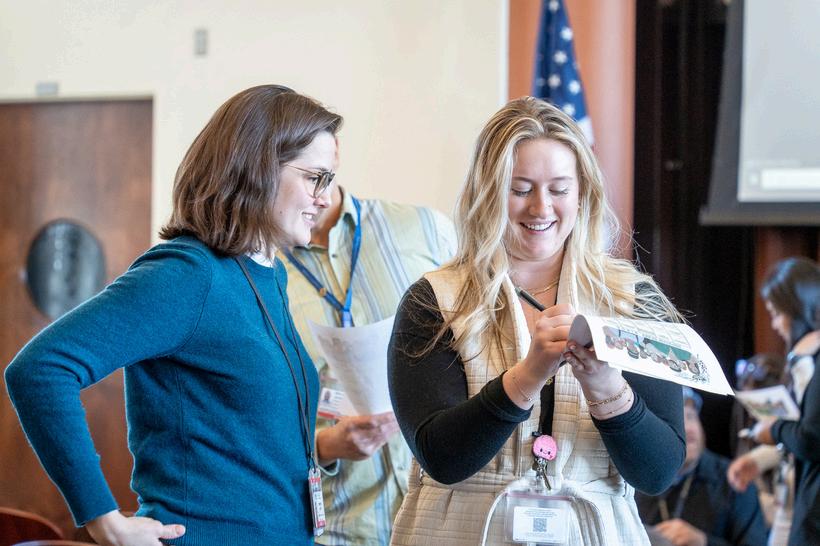
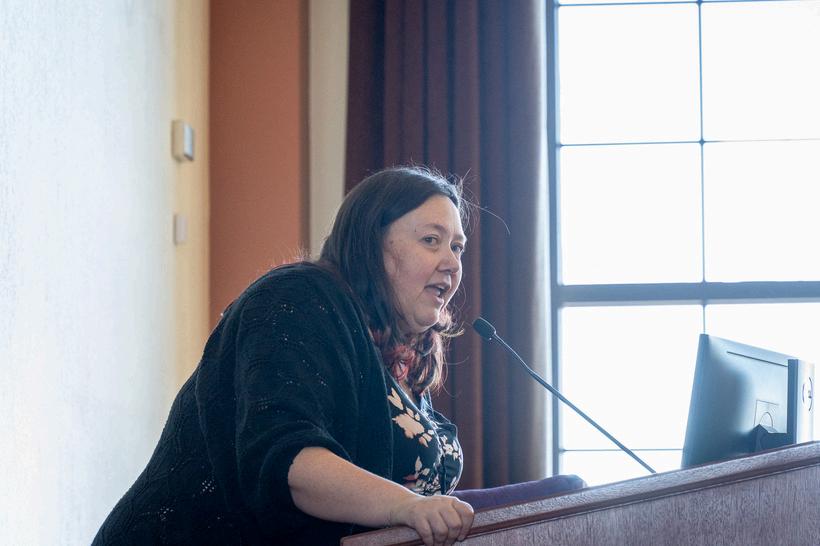
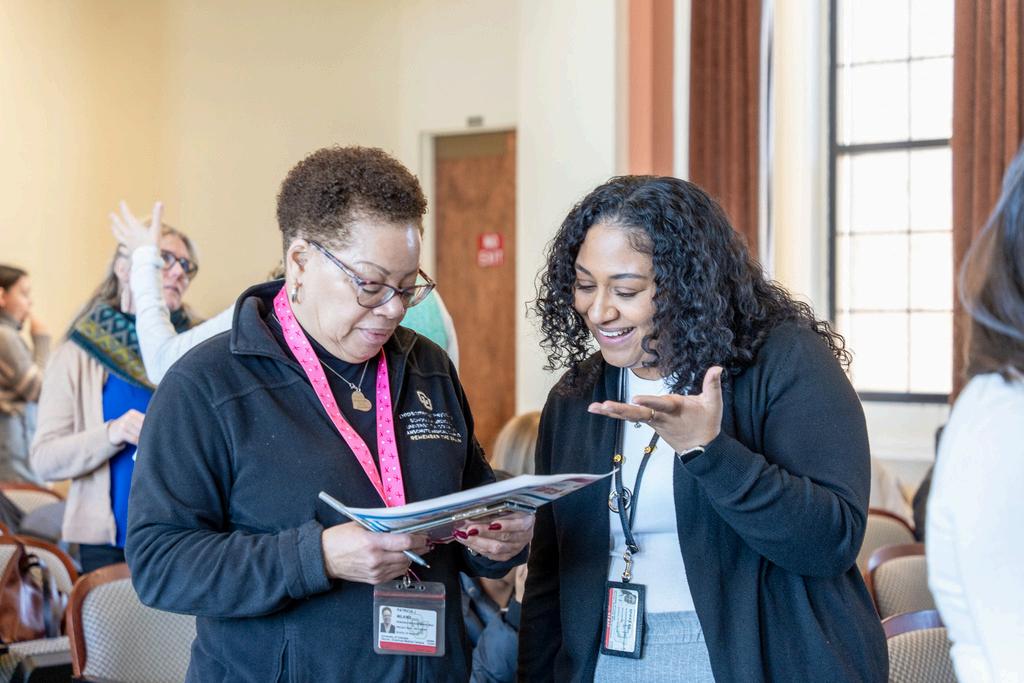
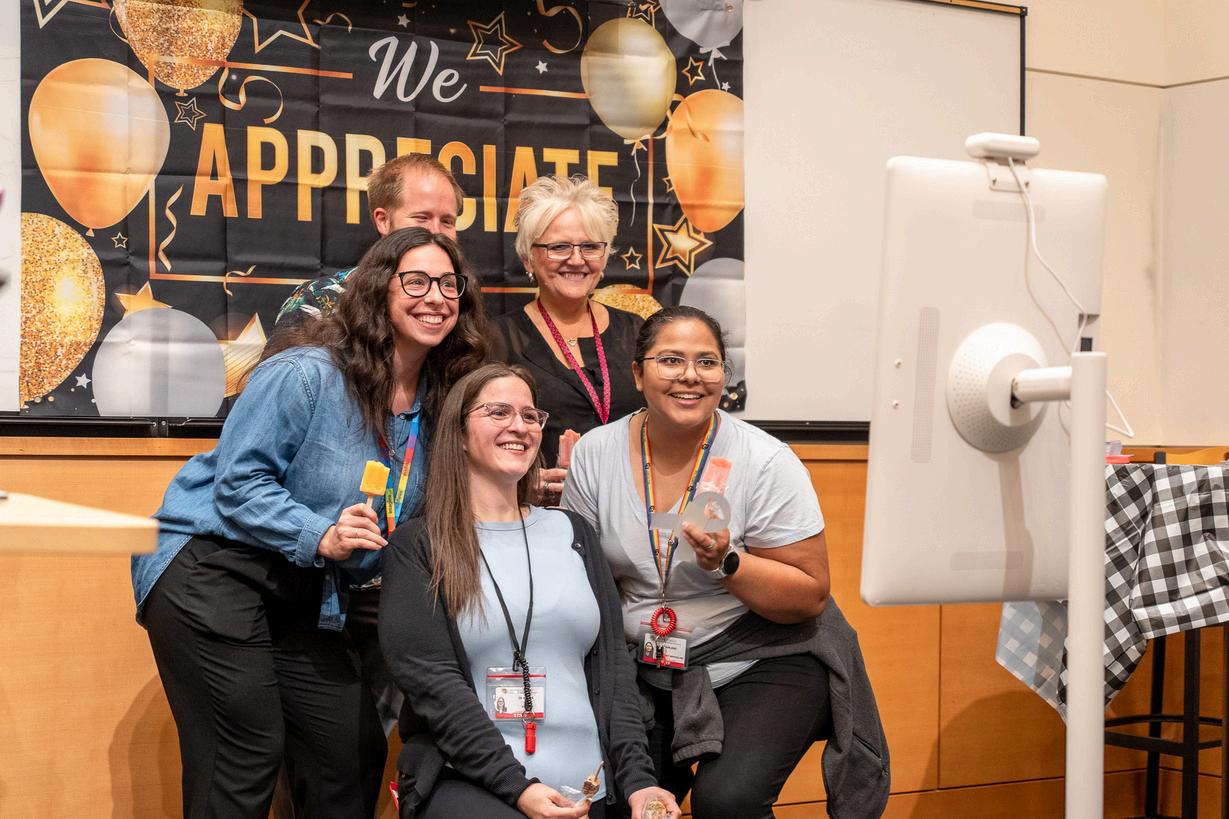








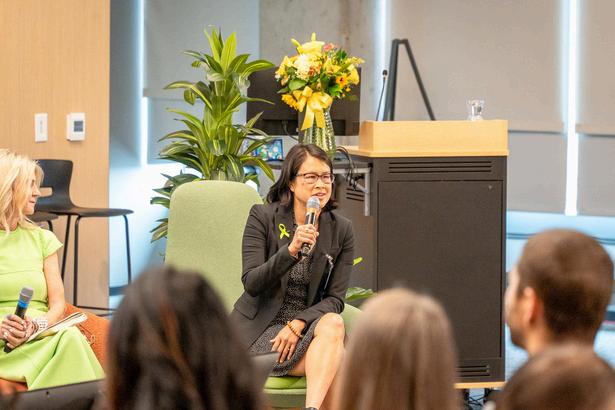
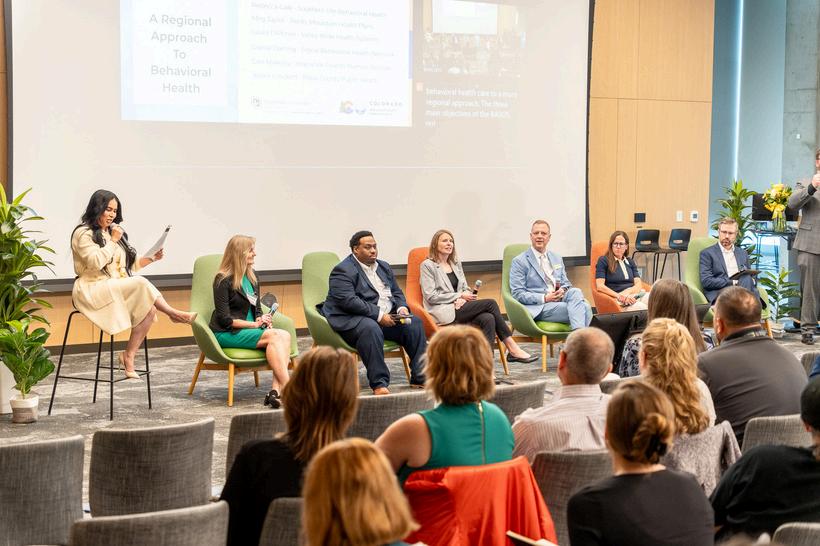
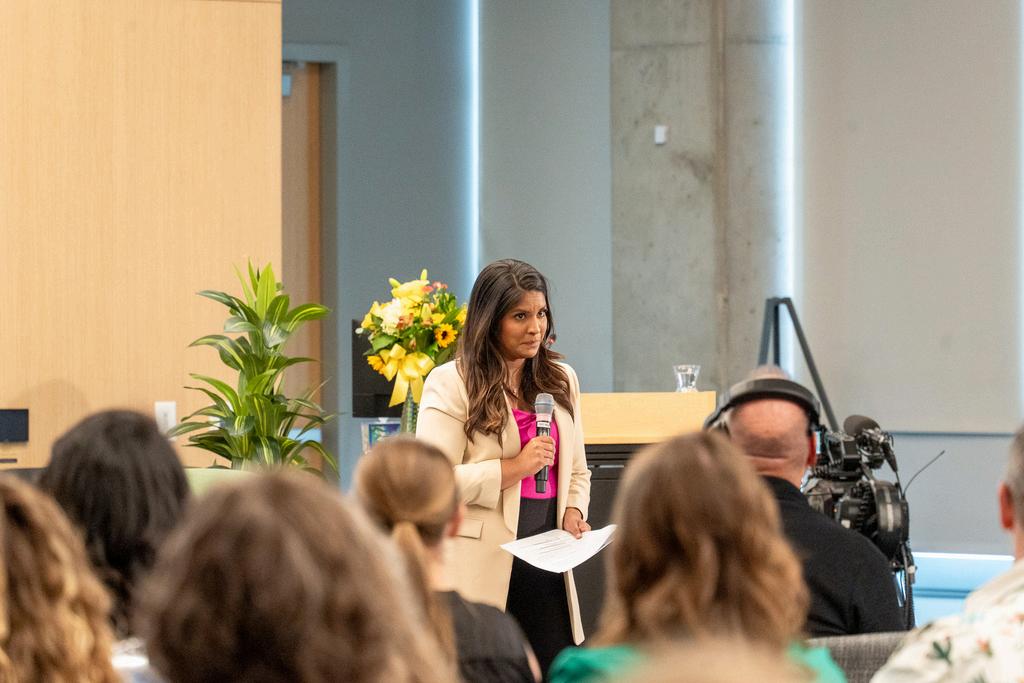
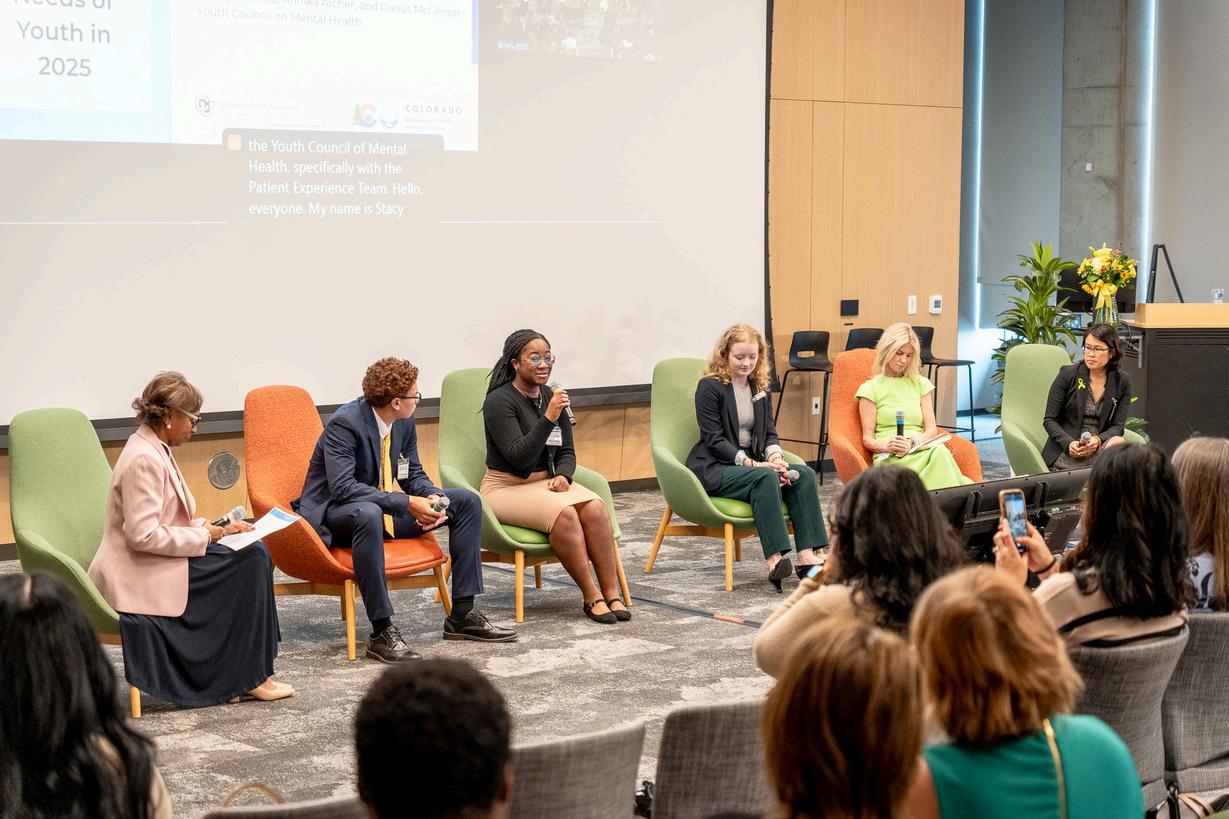
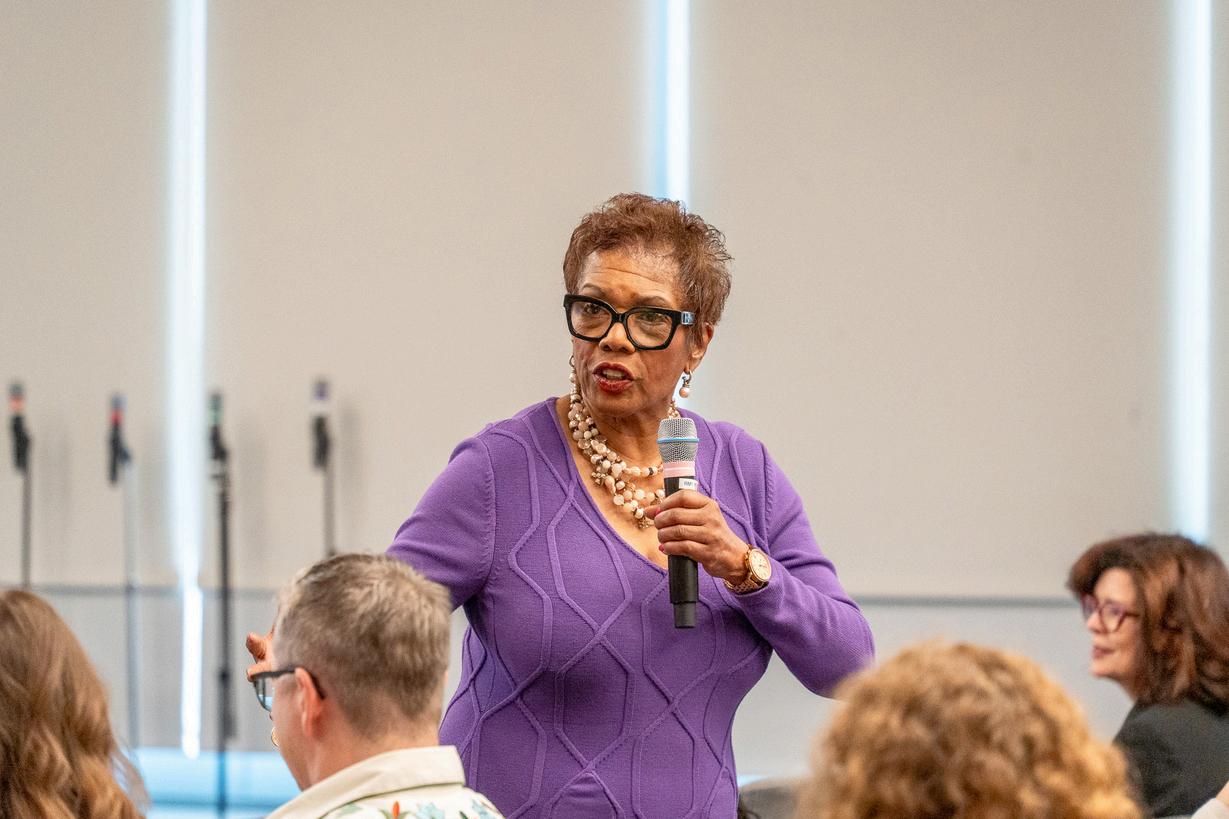
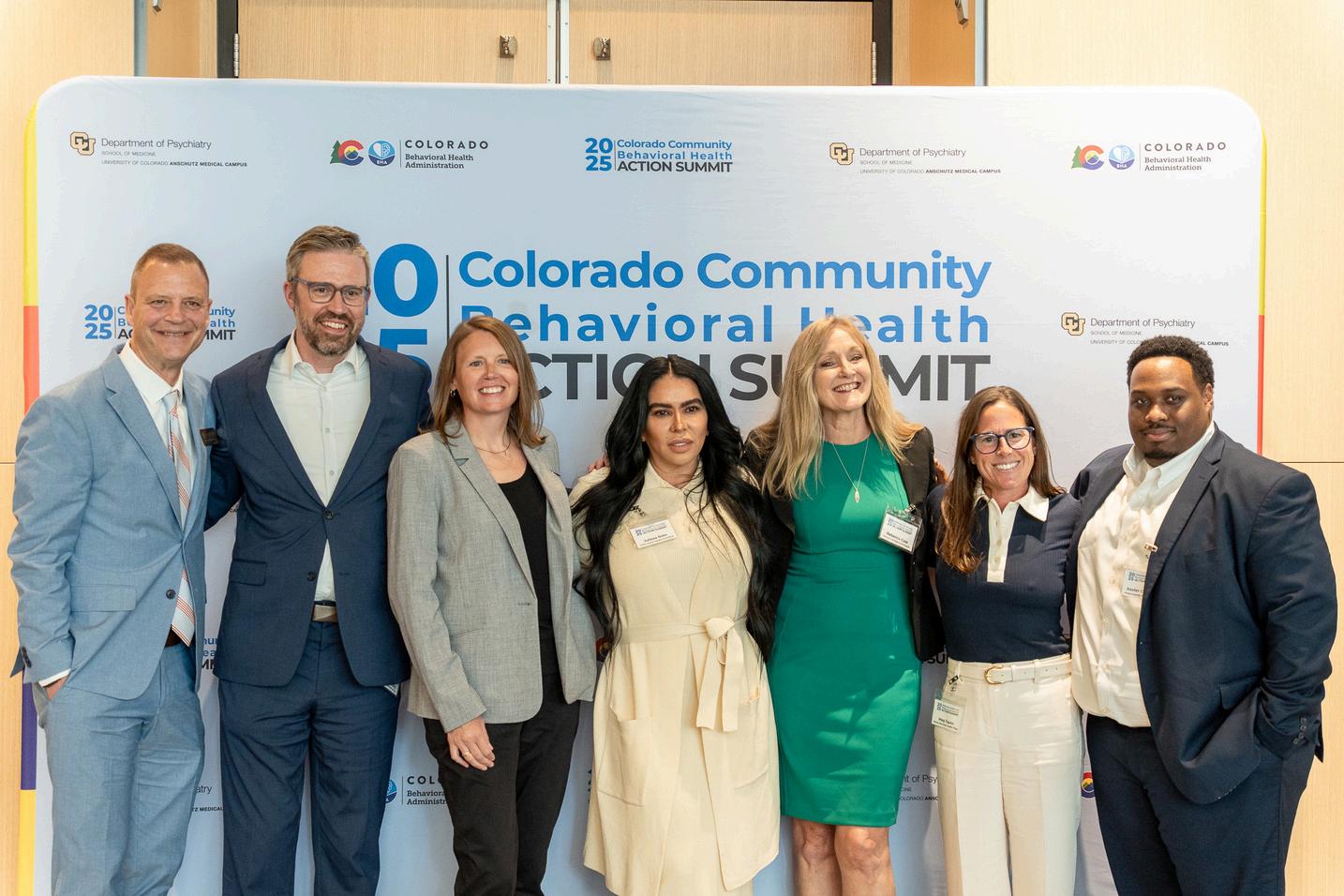
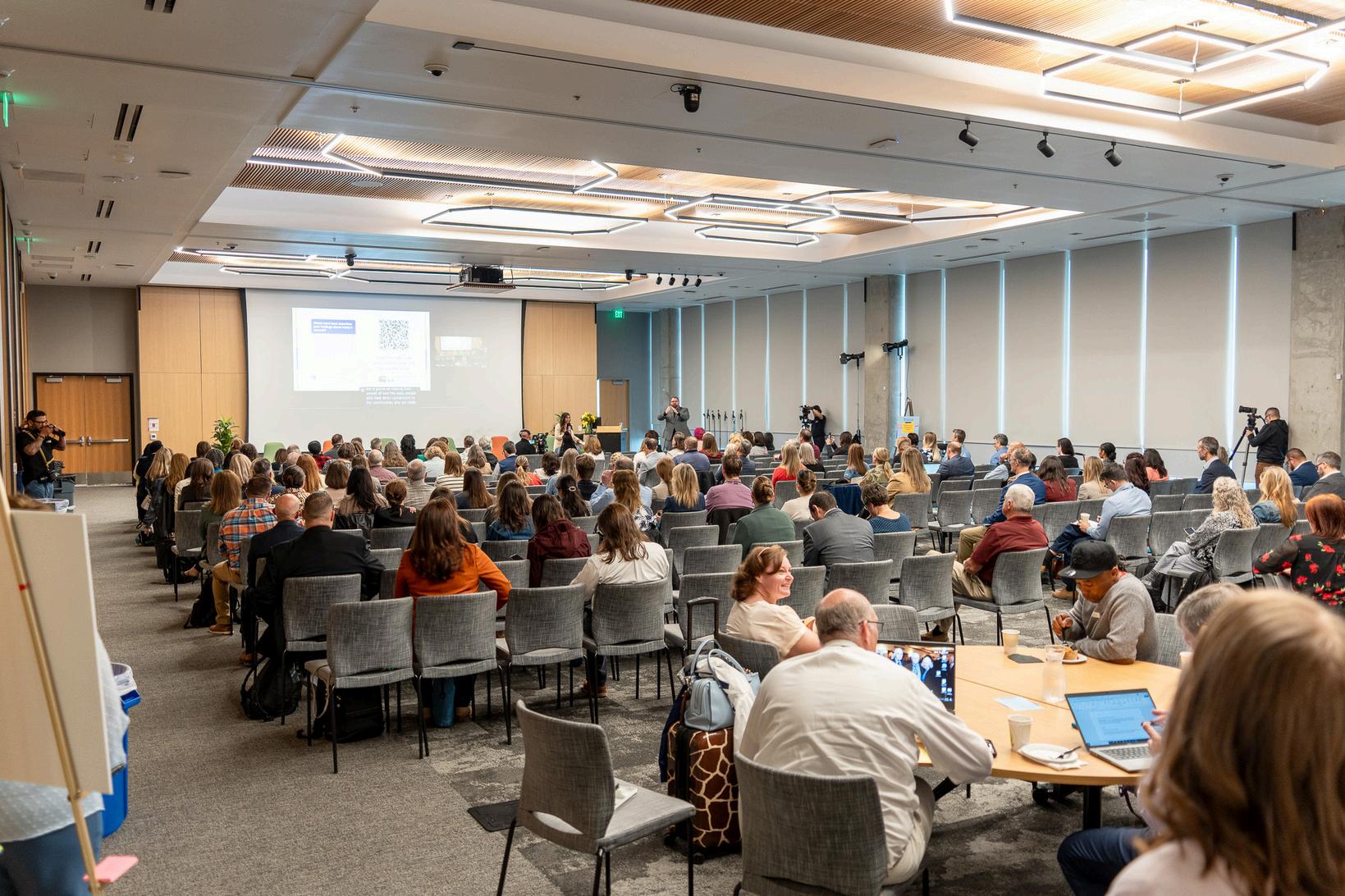
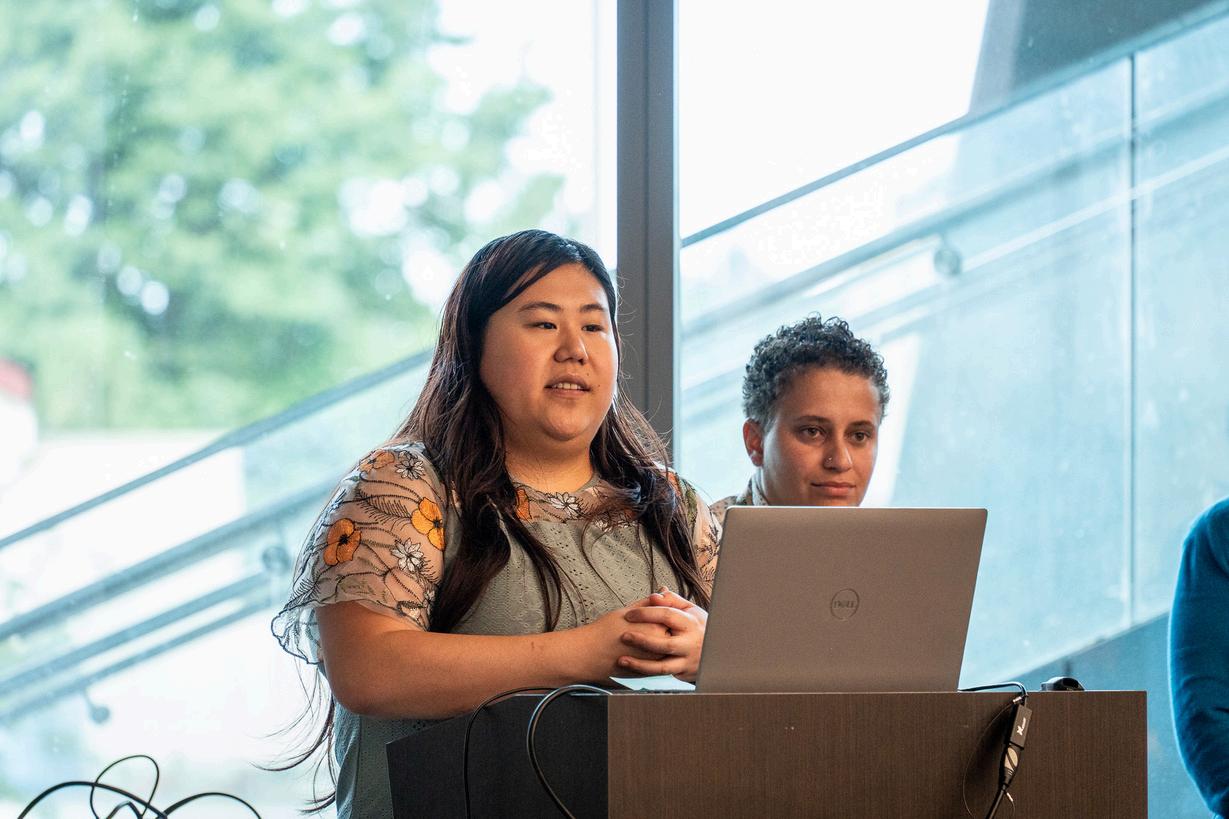

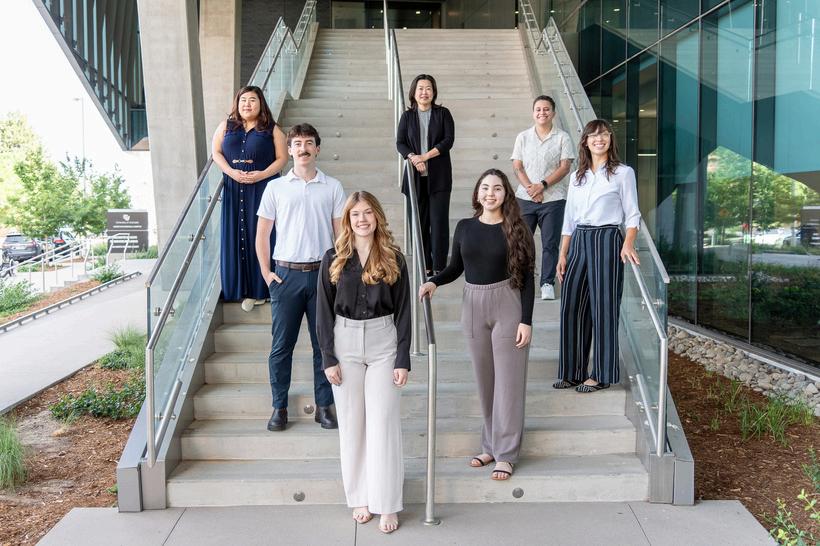
The Psychiatry Undergraduate Research Program and Learning Experience (PURPLE) is a 12-week summer internship opportunity for individuals pursuing an undergraduate degree or who have recently graduated with their Bachelor's degree. PURPLE is designed to introduce young people to the field of mental health by encouraging participation in supervised research activities.
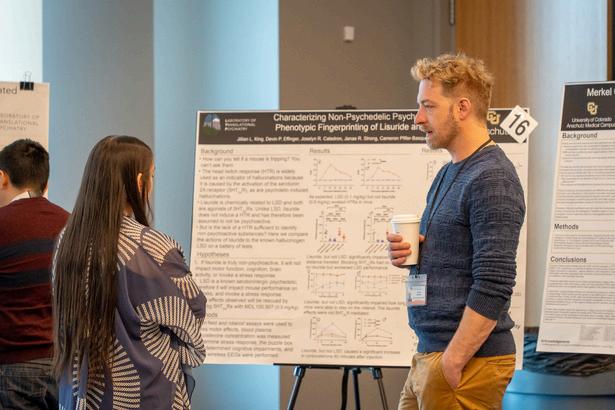
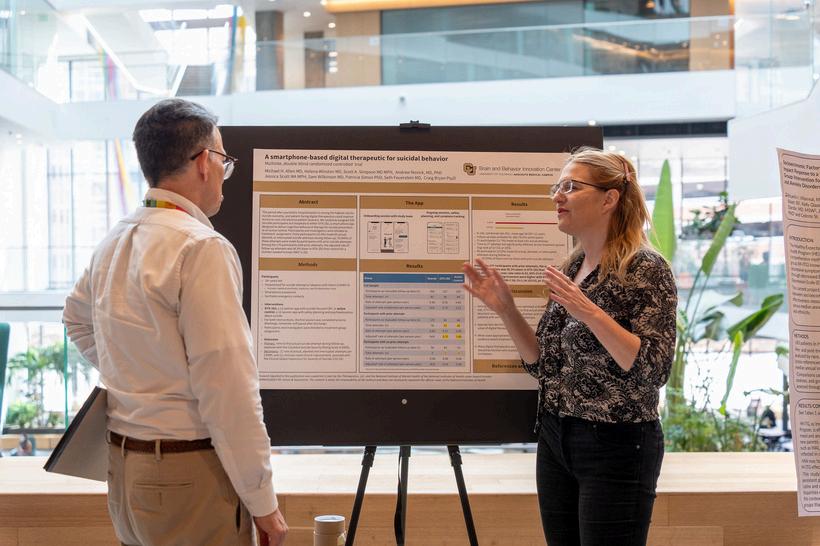
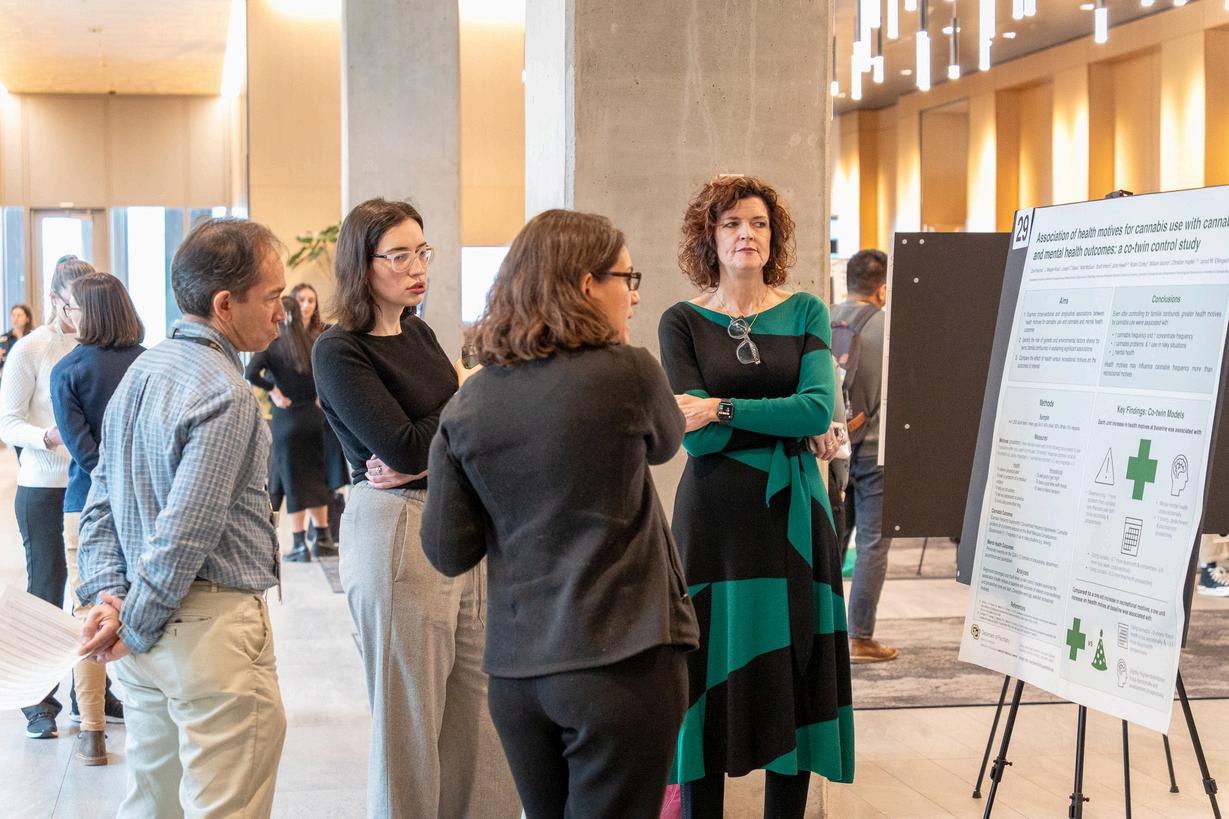
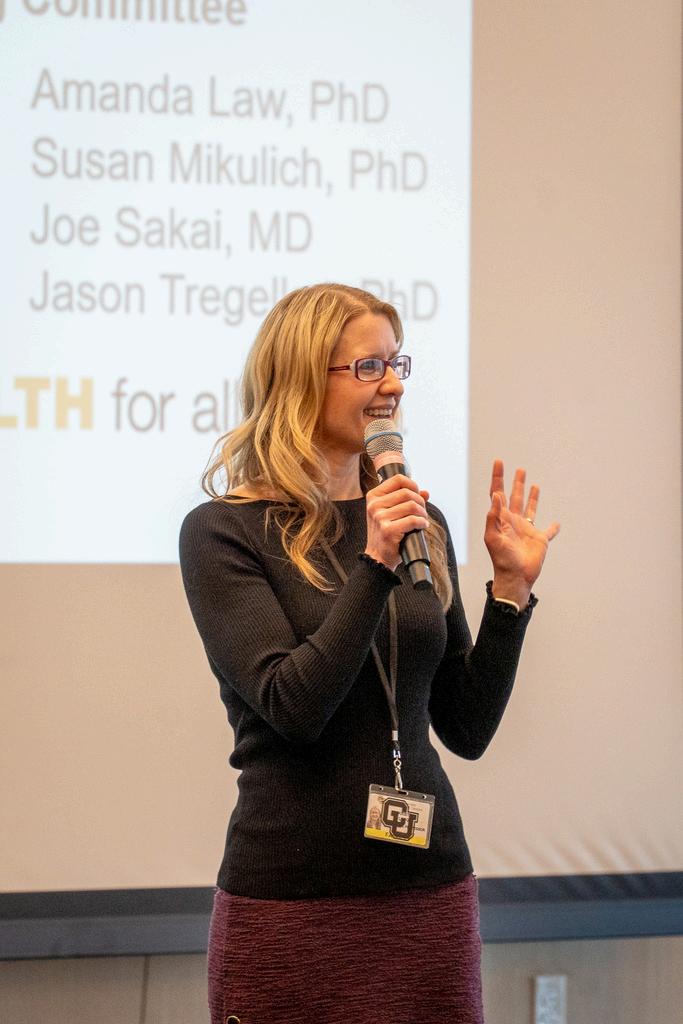
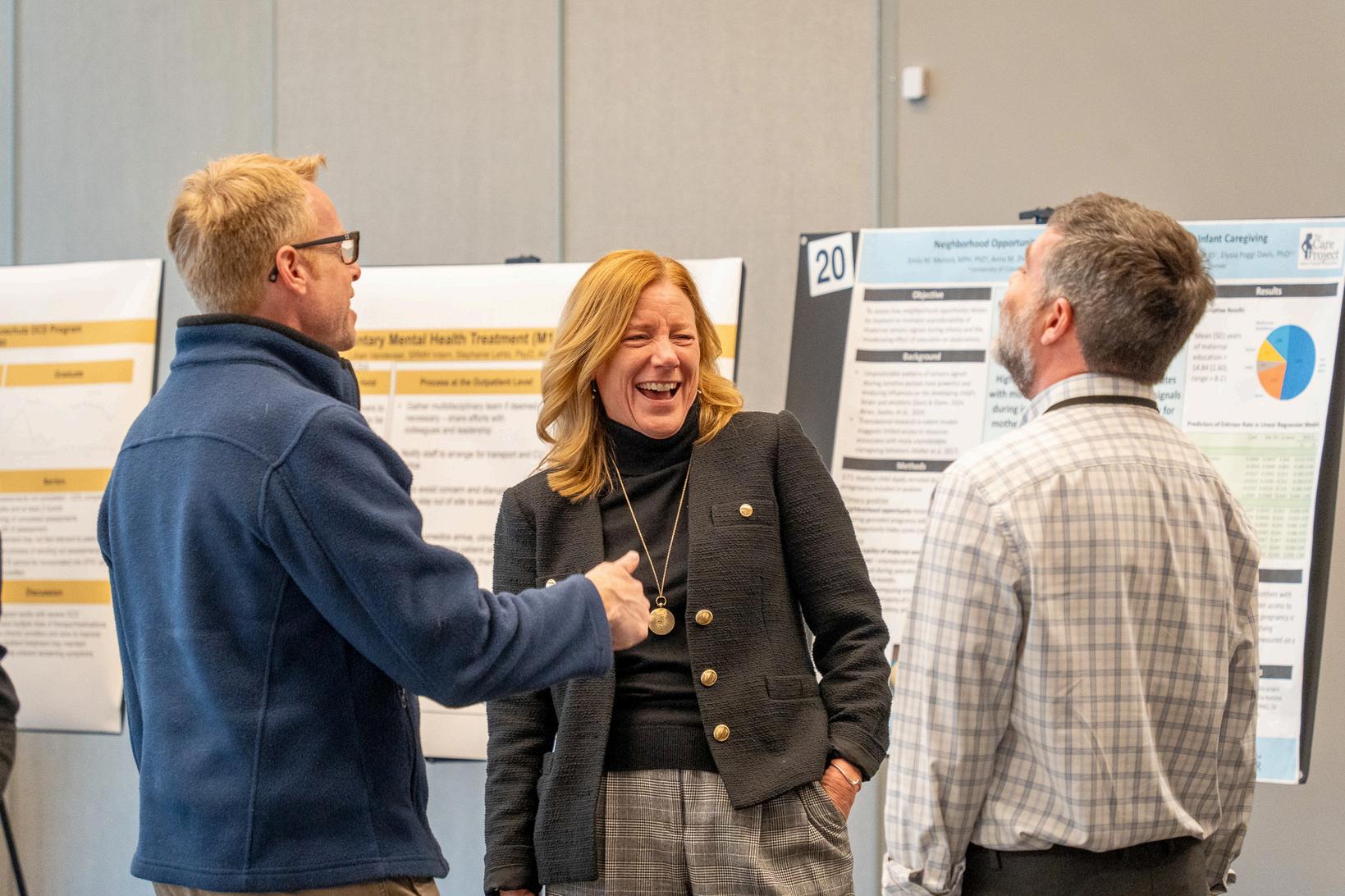
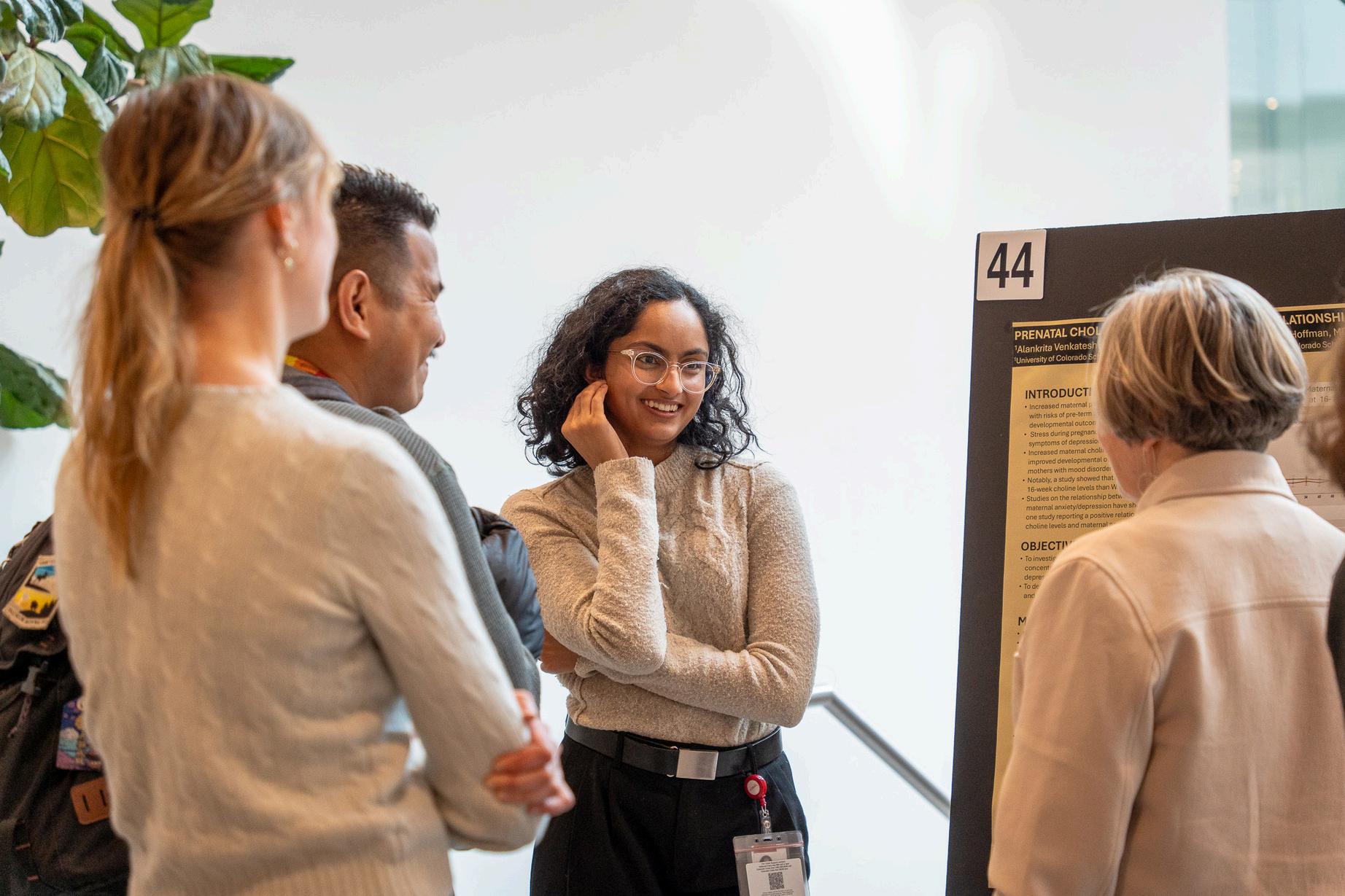



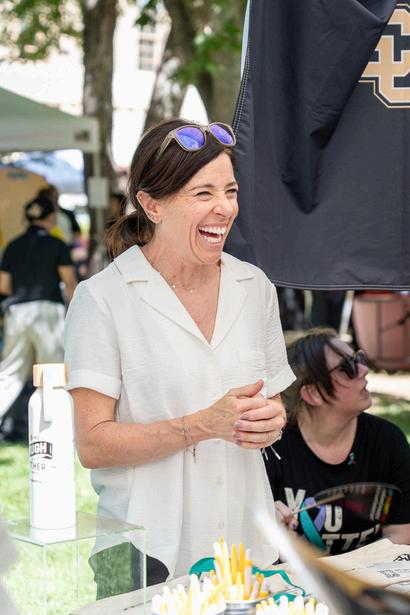
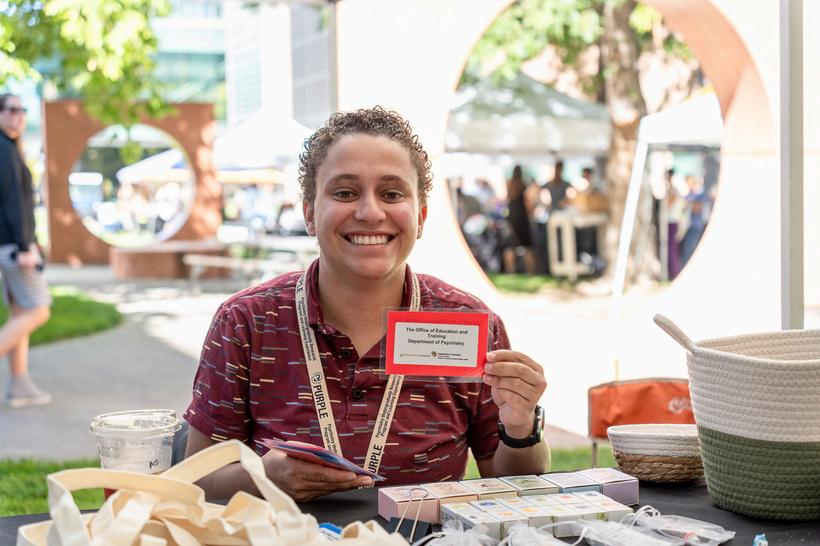
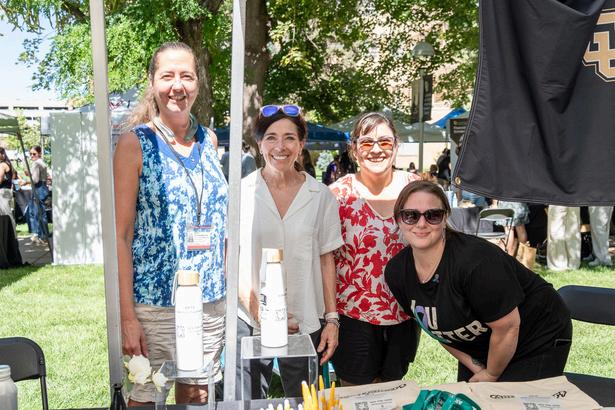


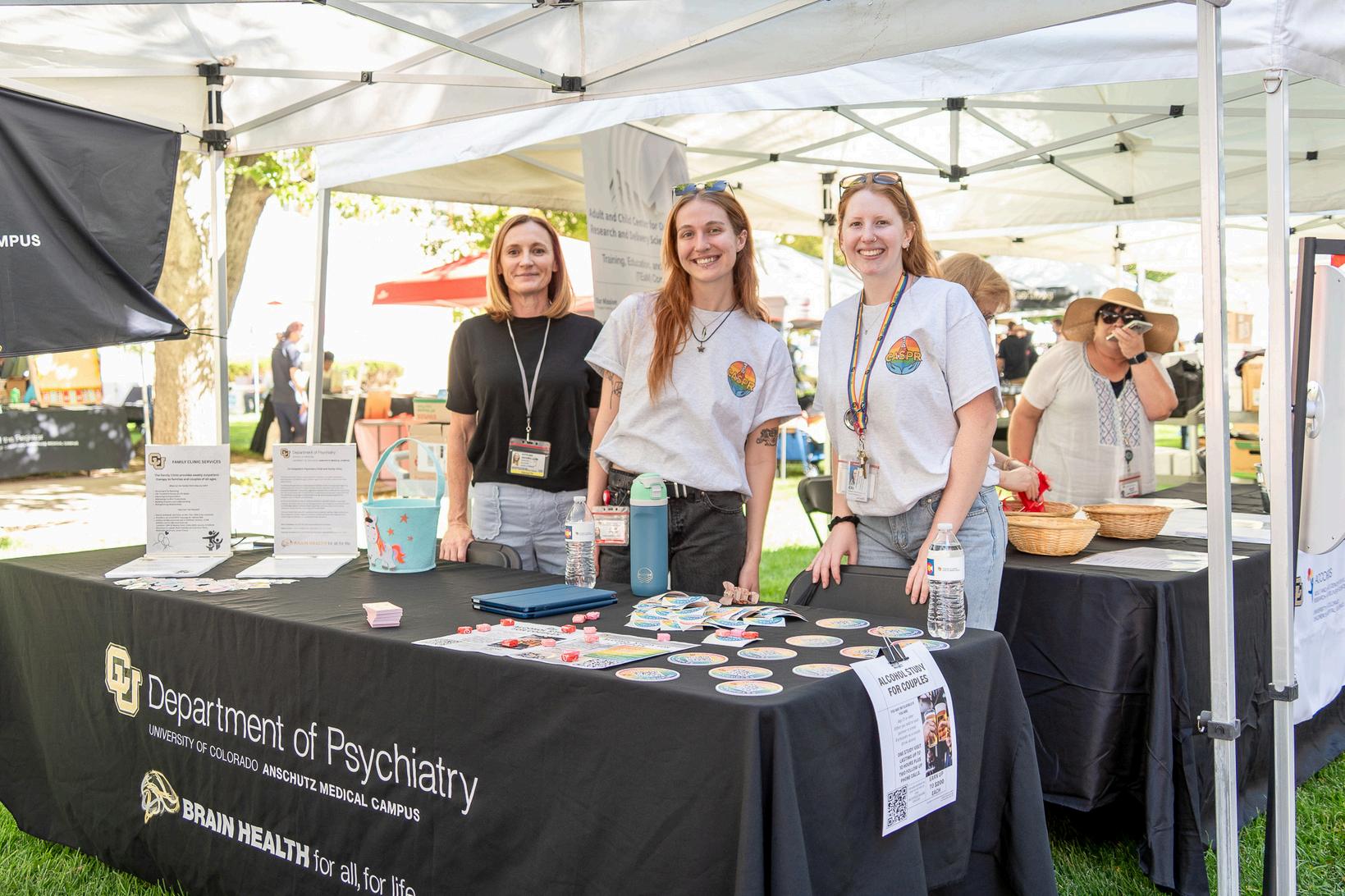
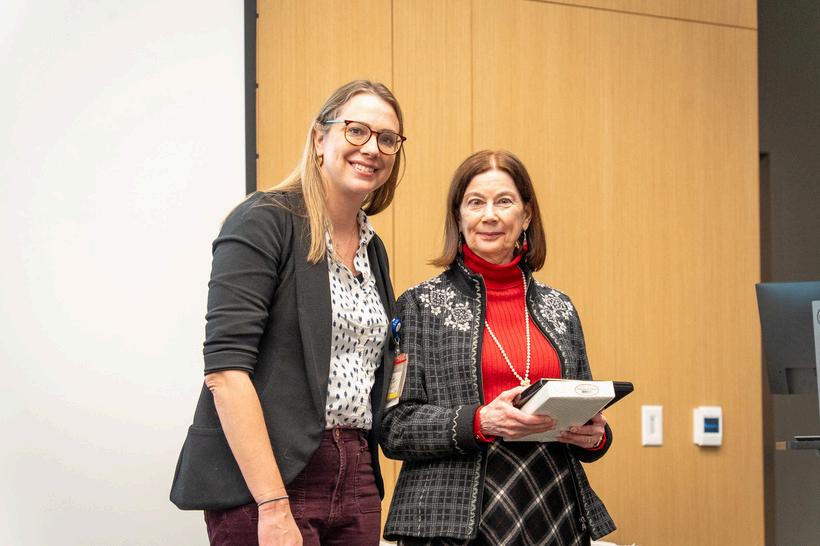
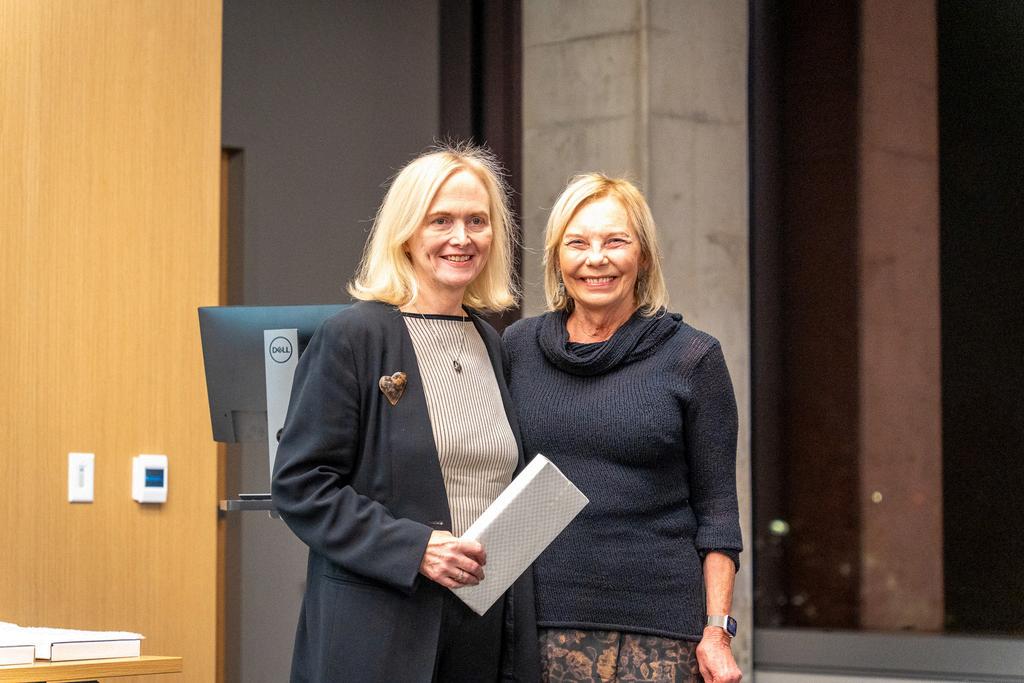
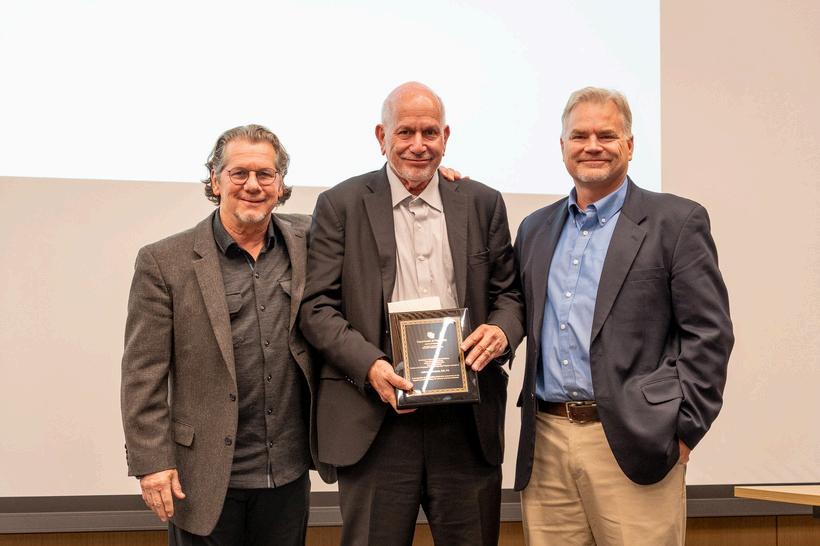
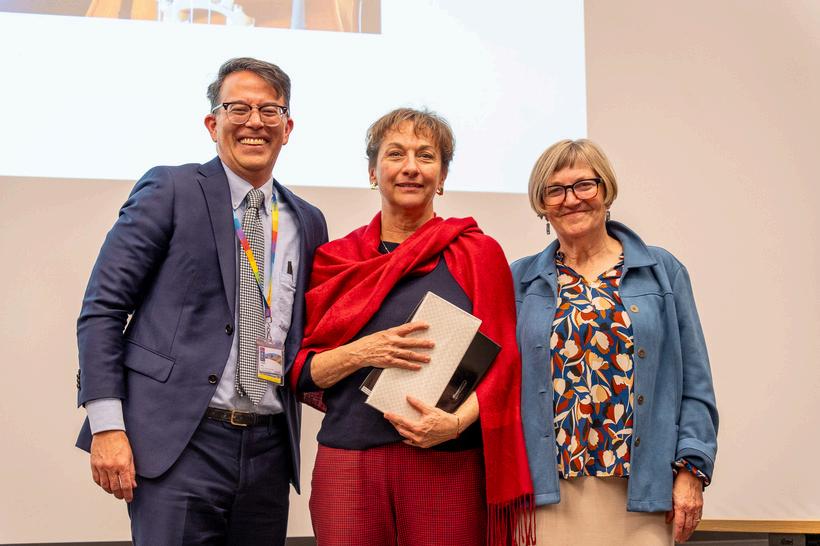
TO OUR CHAIR, DR. NEILL EPPERSON ON HER 2025 ELECTION TO THE NATIONAL ACADEMY OF MEDICINE!