INTRUSIVETHOUGHTS
A NEWSLETTER FROM THE DEPARTMENT OF PSYCHIATRY'S OCD CARE TEAM

As we embarked into the year of 2026, we may have had high hopes for what awaited us and what exciting things lay ahead. Perhaps though, the prospect of the new year brought dread at the passage of time, depression related to time lost to OCD or even overwhelm related to the state of our world. Regardless of where you are, I hope you all are finding ways to care for yourselves and your communities.
Speaking of community and support, ExposurePalooza is returning March 22 ! While the theme is more geared towards adventures big and small (think Lord of the Rings, elves, witches, wizards, Indiana Jones, etc.), the premise is the same; a stigma-busting community event for people with lived experience, family members, providers, and general community. We will have opportunities for exposures in the form of carnival games with prizes for those who brave them. . We will also have three speakers, including Ethan Smith who created the International OCD Foundation’s (IOCDF) Advocate Program and has worked with the IOCDF on a variety of major projects including conference planning and implementation and education and supportive livestreams, Dr. Andy Novack, a psychiatrist and reproductive psychiatrist with CU’s Department of Psychiatry and Medical Director of the Esketamine Program, and yours truly. That’s right, I, Emily Hemendinger volunteered to speak at ExposurePalooza *Gulp!*
I rarely get anxious around public speaking; in fact I love public speaking. The reservations I have about being a speaker at ExposurePalooza involve the immense vulnerability it takes to speak about one’s lived experience, especially about something that you’ve never spoken about before to an audience or even the majority of people in your life. So, I’m reminded of the quote from Tolkien’s Lord of the Rings series:
“It's a dangerous business, Frodo, going out your door. You step onto the road, and if you don't keep your feet, there's no knowing where you might be swept off to.” -Bilbo Baggins
Bilbo speaks this to Frodo, commenting on the unpredictable and sometimes scary nature of journeys. And being vulnerable is a risky journey, in and of itself. It’s scary and can open us up to rejection, judgment, exposure or other types of hurt It may even feel easier to not open up You might even think, “why do I need to open up to others at all?!?”. Which is a fair question. But the thing is, vulnerability is the light that casts out the darkness of loneliness. Being open is what connects us to others and helps us build trust with others and with ourselves. Without vulnerability, we can’t have authenticity and without those things, we can end up further entrenched in our OCD, anxiety, depression, and loneliness.
So, the next time you try to shut others out or feel anxious around the idea of vulnerability, maybe consider an ERP mindset. Maybe you start small by sharing a neutral opinion with a friend, then a small group of people, maybe even on social media Then maybe you work up to more emotionally charged opinions. Maybe you reach out to someone when you need support or instead of answering the question “how are you?” with a “fine” or “good,” you answer honestly. It’s fine to take it slow and work your way up to being more vulnerable. It’s a hard thing to do. So from hence forth, lean in to the discomfort and do it scared, brave OCD warriors!
Sincerely,
Emily Hemendinger


Dr Rachel Davis MD - Medical Director and Psychiatrist
Emily Hemendinger-Hirst LCSW, MPH, CPH, ACS – Clinical Director/Licensed Clinical Social Worker and DBS Coordinator
Dr Stephanie Lehto PsyD – OCD Therapist/Licensed Psychologist
Dr. Jake Gadbaw MD - Psychiatrist
Katie Sinsko MSW, SWC -- Social Work Fellow/IOP Therapist
Orah Fireman, LCSW, MEd -- IOP Behavioral Health Specialist/Licensed Clinical Social Worker
Erin LeBeau MSW --IOP Therapist/OP Therapist
Cate Rush MSW --OCD Therapist/Social Work Fellow
Jennifer Quigley PA-C --Prescriber, Physician Assistant
Jake Winchester LPC --OCD Therapist
Jennifer Fishman BS --IOP Care Coordinator/Behavioral Health Specialist
Otis Rush – Therapy dog extraordinaire
Rachel Lehnert -- MSW candidate/Social Work Intern/OCD Therapist
Abby Osterlund -- MSW candidate/Social Work Intern/OCD Therapist
Jeremy Lawrence – MSc/Psychology Extern
Interested in contributing to the newsletter? Email the editor at Emily Hemendinger@CUAnschutz edu
Mondays at 4pm (monthly)
Intro to ERP - for new group members
Mondays at 6:30pm
For adults ages 18+ with OCD and related disorders
Tuesdays at 5pm
For adults ages 18+ with OCD and related disorders
Wednesdays at 6pm
For adults ages 18+ with OCD and related disorders
Thursdays at 4pm
For adults ages 18+ with OCD and related disorders
We do have a waitlist for individual and group therapy, please reach out to be added to our waitlist and/or send you other referrals
Are you a clinician who wants to know more about OCD and ERP? We offer trainings, consultations, and supervisions!
CLICK HERE FOR MORE RESOURCES ON OCD AND ERP FOR CLINICIANS AND PATIENTS

Jen Fishman, BS, is the care coordinator for the OCD and Anxiety Intensive Outpatient Program. She is currently a first-year MSW student at the University of Denver Graduate School of Social Work. Jen wants to become a therapist after receiving her MSW and is particularly passionate about working with those navigating OCD, self-image concerns, relationship issues, trauma, grief, and caregiver burnout. In her free time, Jen enjoys being in nature, playing boardgames, going to concerts, and catching a good sunset.
By Dr. Rachel Davis
Deep brain stimulation (DBS) is a treatment option for people with severe, treatment-resistant obsessive-compulsive disorder (OCD). Because DBS involves brain surgery, it is only offered at specialized centers with a highly experienced, multidisciplinary team. This team includes a functional neurosurgeon, psychiatrist, neuropsychologist, neurologist, neuroradiologist, and an ethics committee.
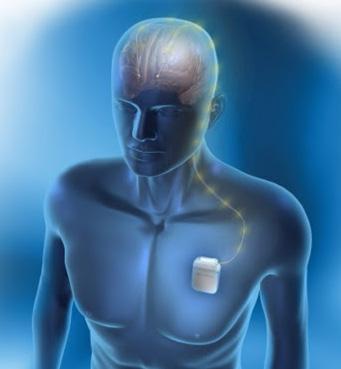
DBS involves placing thin electrodes into specific deep areas of the brain that are involved in fear, reward, and decisionmaking. These brain regions help determine whether a person can act according to their values and goals rather than feeling driven by anxiety or compulsive urges. The electrodes deliver very low levels of electrical current to these areas on a continuous basis. Unlike treatments such as transcranial magnetic stimulation (TMS), which are delivered in sessions, DBS works continuously once it is turned on.
The electrodes are connected by small wires under the skin to a battery (called a pulse generator) placed in the chest, similar in appearance to a cardiac pacemaker.
DBS has been used for many years to treat Parkinson’s disease. OCD is currently the only psychiatric condition with FDA approval for DBS, although it is also being studied for other conditions such as depression and Tourette syndrome.
About 3–4 weeks after surgery, the DBS system is turned on, and the psychiatrist begins a process called programming. Programming involves adjusting the stimulation settings to find the combination that provides the most benefit with the fewest side effects.
This is an intensive process that requires frequent visits at first, sometimes lasting several hours per session.
Because of this, people receiving DBS must either live within traveling distance of the Denver metro area or stay locally for several months after surgery.
One of the biggest barriers to DBS for OCD is insurance coverage. This reflects a broader issue called lack of mental health parity, meaning that insurance companies often do not cover mental health treatments to the same extent that they cover medical or surgical treatments.
Medicare and Colorado Medicaid typically provide coverage for DBS when patients meet established criteria Anthem Blue Cross Blue Shield is currently the only major private insurance company in the United States that considers DBS for OCD medically necessary when these criteria are met With other private insurers, approval often requires multiple appeals, can take a year or longer, and sometimes is not granted at all.

Because DBS is brain surgery, it is reserved for adults with severe OCD that has not improved despite extensive treatment. In general, candidates must have tried clomipramine at a therapeutic blood level for at least 12 weeks, two additional serotonin-based medications at the maximum approved dose (or higher) for at least 12 weeks each, augmentation with an antipsychotic medication, and at least 20 sessions of exposure and response prevention (ERP) therapy with an OCD-experienced therapist
Patients must be at least 18 years old, have had OCD symptoms for at least 5 years, and continue to have severe symptoms despite treatment. Severity is measured using the Yale-Brown Obsessive Compulsive Scale (Y-BOCS); a score of 28 or higher is required. Symptoms must significantly interfere with daily functioning, such as work, school, or relationships

continued on next page
What factors might mean DBS is not a good option?
DBS may not be appropriate for people with active substance use disorders, current use of cannabis, nicotine, or other substances within 6 weeks of surgery, untreated psychotic symptoms, active suicidal thoughts without the ability to engage in safety planning, certain personality disorders that would interfere with treatment participation, bipolar disorder, inability to leave the home, or hoarding disorder as the primary source of functional impairment.
How well does DBS work?
DBS is not a cure, and it does not help everyone. About 60–70% of patients experience a meaningful improvement, defined as at least a 35% reduction in OCD severity on the Y-BOCS.
For many patients, OCD symptoms decrease substantially but remain significant. For example, symptoms that once consumed more than 8 hours per day might decrease to 3–6 hours per day. While this still represents a major burden, the improvement often allows patients to do things that were previously impossible, such as attending school, working, leaving the house more consistently, or engaging socially. The improvement may also make therapy more effective and medications more helpful. Most patients continue taking medication after DBS, as DBS is not a substitute for medication.
Quality of life: why improvement can feel complicated
Our team has observed something important, and our Clinical Director, Emily Hemendinger, has studied this closely: many patients describe an improvement in their quality of life even when standardized rating scales do not show large changes.
Building a life takes time For many people with severe OCD, symptoms have prevented them from forming meaningful relationships, , pursuing education or work, or developing interests outside of OCD. When symptoms improve, patients are often building a life for the first time.
continued on next page
Awareness of new possibilities changes perspective. As symptoms improve, new options become visible, which can change how people rate their quality of life.
The brain adapts As symptoms improve, the brain adjusts to the new level of functioning. An analogy sometimes used to describe this is the hedonic treadmill, where improvements feel dramatic at first but gradually become the new normal.
These challenges do not mean DBS has failed. This is why all patients with DBS are required to remain engaged in therapy, especially ERP, after surgery. Our team often also recommends additional supports such as group therapy, vocational rehabilitation, transitional living programs, or social skills training.
With the right supports in place, many patients are able to use the improvements from DBS as a foundation for building fuller, more meaningful lives.
If you think you may be a good candidate for DBS, please have your psychiatrist complete this form and send it to our DBS Coordinator, Emily Hemendinger, at Emily.Hemendinger@CUAnschutz edu Forms with incomplete information will be returned. You must be in treatment with a psychiatrist prior to being considered for DBS.
You can learn more about DBS from these stories, journal articles, podcasts, and other media.

By Erin LeBeau
Go from Bilbo to Gandalf by engaging in a new opportunity!
“We are plain quiet folk and have no use for adventures Nasty disturbing uncomfortable things! Make you late for dinner! I can’t think what anybody sees in them.” – Bilbo Baggins

“The world is not in your books and maps, it’s out there.” -Gandalf
Training your brain that it is okay to do things differently is a helpful skill to learn. Engaging in novel activities is shown to have positive effects on mental and physical health.
Practicing cognitive flexibility by trying out a new way of doing something can help us break out of rigidity and routine. Trying something new can be a big or small task. We can try scuba diving for the first time or simply switch our hairstyle. We can take a new class or take a different route to work.
Possibilities are endless once accept that doing something new is not dangerous. Don’t let fear hold you back from experiencing the beauty and excitement of variety
Silly list of ways to spin a normal day into a new adventure:
Put your rings on different fingers
Wear a watch on the opposite arm
Use different bedding
Do your hair differently
Wear something different

continued on next page
More silly little ways to spin a normal day into a new adventure:
Use a purple (or silver) pen
Write with your other hand
Sit in a different seat during mealtime
Listen to different music or radio stations
Ask people to call you by a different name for a day (for example, shortened or longer form of name, nickname)
For fun, do the exact opposite of what you would normally do in a situation
Read a different newspaper or watch a different newscast
Talk to everyone wearing pink at a party
Watch TV and repeat everything said in an Italian accent
Go into a fancy restaurant and order a burger and fries
Order a pizza and end the call with, “Remember, we never had this conversation”
Repeat every third word you say during a conversation with someone.
Walk backward
Communicate in mime
Drive a different way to work
Wear a Hawaiian shirt
Wear your underwear backward
Eat your dessert first, before your main meal
Ask someone else the best way to do a household chore and do it that way for the next few days

28 Expressions for 28 Luminous Years




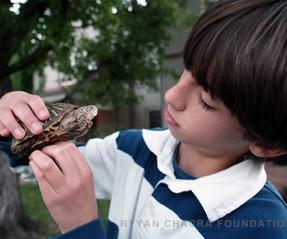
A photographic exhibition and speaker series honoring Ryyan Chacra’s life and struggle with OCD running from April 10 through June 26, 2026.
The Fulginiti Gallery and Forum, Bioethics and Humanities Pavilion, CU Anschutz Medical Campus.
Ryyan Chacra was brilliant, successful, curious, kind and warm - a team builder and leader. Ryyan came home for Christmas break at age 28 and in January of that year was diagnosed with OCD. Depression and thoughts of suicide followed. In four short months, during which he saw three medical doctors, three psychiatrists and an anxiety specialist, his life spiraled. Tragically, Ryyan took his own life in early May, 2024. Although Ryyan belonged to a close, loving and supportive family, he found it difficult to understand the depths of his pain and be open about his struggle, due to the stigma and shame associated with OCD and brain disorders.
continued on next page
The Ryyan Chacra Foundation was birthed out of a fierce determination to ensure that Ryyan’s life is, and will continue to be, consequential To that end, the Foundation is focused on supporting research and public outreach efforts in order to better understand OCD and de-stigmatize mental health disorders - brain disorders. The goal is to inform and facilitate critical conversations that empower young people to better accommodate their condition, to open up, to seek effective help, and ultimately avoid the tragedy of suicide, in honor of Ryyan’s life.
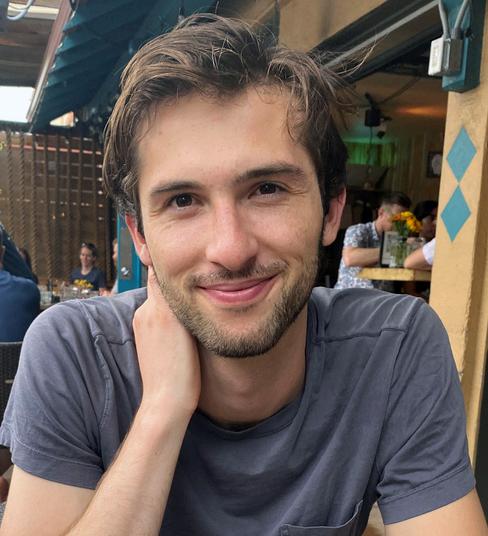
The Ryyan Chacra Foundation was birthed out of a fierce determination to ensure that Ryyan’s life is, and will continue to be, consequential. To that end, the Foundation is focused on supporting research and public outreach efforts in order to better understand OCD and de-stigmatize mental health disorders - brain disorders. The goal is to inform and facilitate critical conversations that empower young people to better accommodate their condition, to open up, to seek effective help, and ultimately avoid the tragedy of suicide, in honor of Ryyan’s life.
Sign up for event notifications here.
If you are in crisis, please call 911 or call, text, or chat with the Suicide and Crisis Lifeline at 988. Or, contact the Crisis Text Line by texting HOME to 741741
By Dr. Stephanie Lehto
Cognitive distortions are thinking errors, they are heuristics our brain develops to help act quickly and make sense of the world when we don’t have all of the information. We all experience cognitive distortions, not just the OCD brain. Identifying cognitive distortions is a common step in Cognitive Behavioral Therapy (CBT), because once we notice the thought we can approach it differently.

For example, almost everyone has the thought “this always happens.” This could be anything that “always” happens, dropping your phone when your hands are really full, your dog vomiting on carpet right next to the uncarpeted floor, etc. Is it really, always? I don’t know about you, but I drop my phone when my hands are full and when my hands are empty, I also somehow don’t drop it sometimes when my hands are full. Dogs don’t only vomit in one spot, no floor is truly safe from vomit if there is a carpet or rug

This cognitive distortion is dichotomous thinking (or all-ornone or black and white thinking, I just like the word “dichotomous” because it makes me feel smart), where we classify things into one or another extreme.
continued on next page
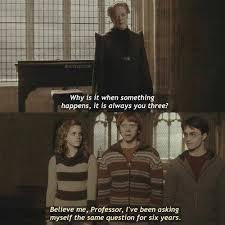
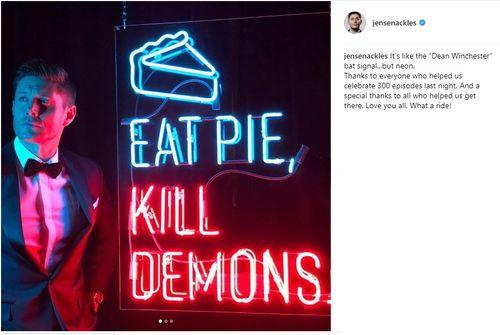
I really do mean we all have cognitive distortions. Even Professor McGonagall said: “Why is it when something happens it’s always you three?” in the movies. Now if it is “always” Harry, Ron, and Hermione is a debate for a different day, but that is still dichotomous thinking! Sometimes we just need to challenge the dichotomous thinking, like when Dean Winchester, our very own “all monsters must die” hero, lets some baddies go because not all monsters are actually “bad.”
We can usually tell it’s a dichotomous thought if we say “always” or “never” but really anything that is sorted into an extreme is probably dichotomous thinking. These dichotomies are very likely to keep you stuck. Life is quite annoying and is pretty extreme, but not everything fits into a dichotomy. Learning to see the “sometimes” and the “gray” allows you to have flexibility and more realistic experiences.
By Katie Sinsko
While it can sometimes be fun to get lost in a world of whimsy and wonderment, magical thinking is not so fun and magical. Magical thinking can show up within any content area of OCD. Magical thinking refers to the idea that our thoughts, actions, or feelings have the ability to cause disastrous real-life consequences, without any logical link or realistic justification for these feared outcomes
Several examples of this may look like:
Tapping your hand on the wall a certain number of times after walking through a doorway to “feel right” and be able to move forward with the day
Repeating a mantra in your head to prevent your loved ones from getting sick
Believing that you caused your friend’s injury because you didn’t text them that morning
Needing to say “bless you” each time someone sneezes, otherwise feeling like you are a bad person/deserve punishment
Feeling like the day is tarnished/ruined after hearing about a friend’s relationship struggles
Walking around the house in a ritualistic pattern to prevent a house flood continued on next page
Magical thoughts may feel distressing for several reasons. For one, OCD tends to fixate on our worst fears and the worst possible scenarios, so magical thoughts oftentimes can feel overwhelming and intense. Additionally, folks with OCD are often able to recognize that their magical thoughts aren’t rooted in reality, however that doesn’t stop the thoughts from feeling real. This means that it can take some time, patience, and self-compassion to practice re-learning through exposure work.
Through exposure work, we’re giving the brain an opportunity to break associations and challenge the meaning that we tend to assign certain thoughts. This way, over time, we can experience a trigger without automatically linking a meaning, behavior, or belief to it. This is a process that does not happen overnight, but it can eventually take some of the spookiness out of magical thoughts!

By Cate Rush
Values are the guiding principles and beliefs that help us understand the world and what is important to us. In many ways, values can serve as a sort of internal compass that helps us to make decisions and navigate life. But it can be difficult to live by your values when OCD is constantly attacking them. Sometimes, it can be hard to tell what you value versus what OCD values. This is especially difficult when OCD has been driving the bus for so long, and OCD’s voice is louder than your own.
Take a look at the below list and highlight all of the values that resonate with you.
Abundance Daring Intuition Preparedness
Acceptance Joy Proactivity Accountability
Dedication Kindness Achievement Knowledge
Dependability Learning Diversity Relationships
Adventure Loyalty Resilience Appreciation
Ethics Making a difference Attractiveness Excellence
Autonomy Motivation Fairness Optimism
Self-control Friendships Passion Flexibility
Selflessness Freedom Brilliance Fun
Stability Caring Generosity Teamwork
Challenge Grace Growth Charity
Thoughtfulness Traditionalism Risk taking Happiness
Community Commitment Honesty Security
Understanding Service Compassion Humor
Spirituality Stability Consistency Independence
Peace Creativity Individuality Perfection
Wealth Inspiration Popularity Wisdom
Curiosity Intelligence power Humility

Next, cut your list in half. Keep cutting your list in half until you are left with three or less values
These are your core values. It’s likely that when you feel like things aren’t going so well, you may not be living by your values.
Tips for living by you values:
OCDProgramPresents
SUNDAY, MARCH 22, 2026 | 12-5 PM
MARCY AND BRUCE BENSON ATRIUM 1890 N. REVERE CT. AURORA, CO 80045
Step into a day of discovery and empowerment! Explore interactive obsessive compulsive disorder exposure booths, hear inspiring stories from keynote speakers, and connect with a supportive community
Reach out to us for more information about sponsorships and student discounts


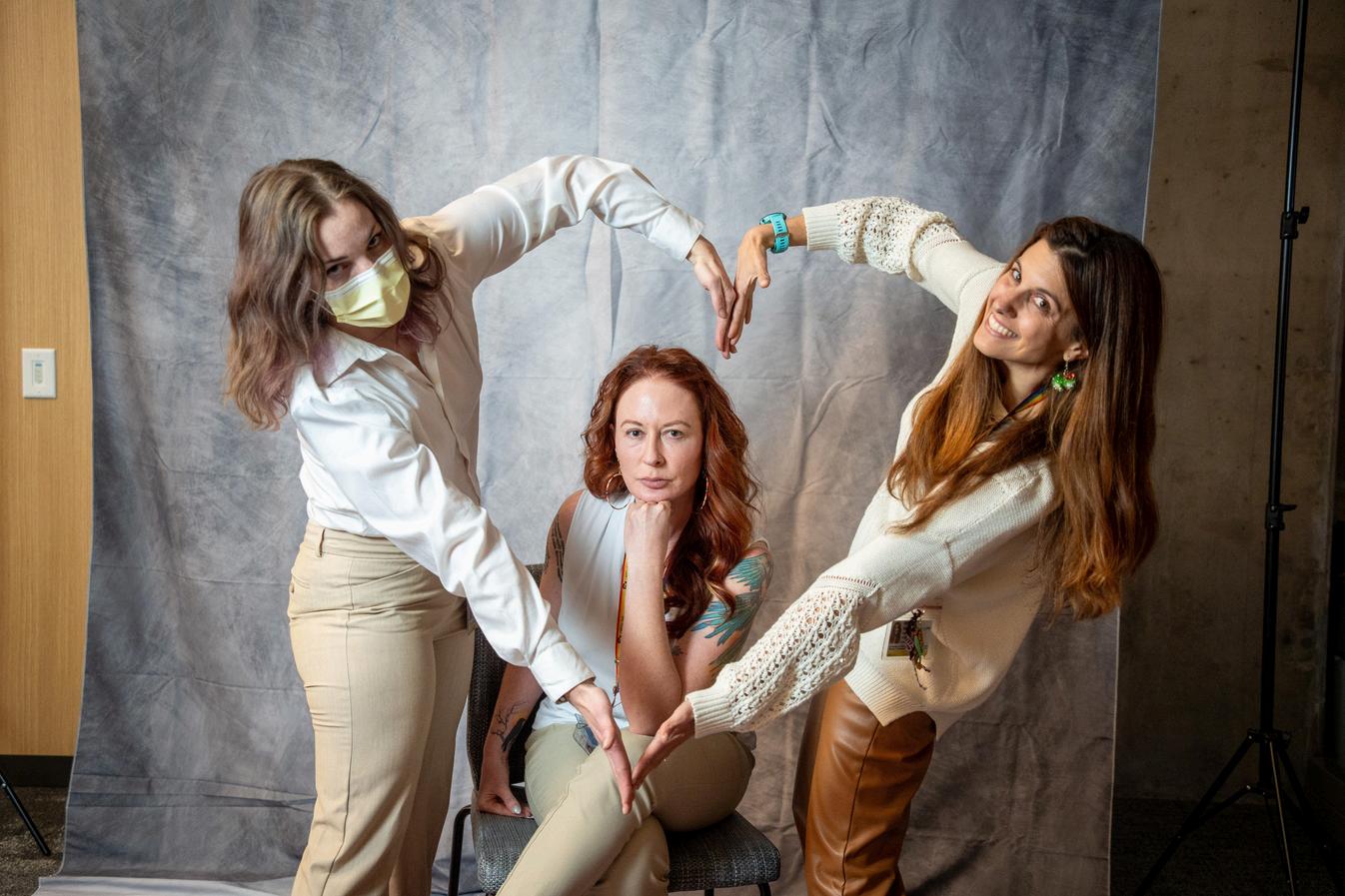
Some of the team took advantage of the JCPennystyle photobooth at the CU Department of Psychiatry holiday party.
Click here to register