BUILT ON COMMUNITY
The Department of Psychiatry (DOPsych) develops clinical, teaching, and research programs to improve the mental health of all Coloradans. DOPsych’s 2022 Community Engagement Report identified 54 community programs, of which 70% were built in response to specific requests from external partners. These examples span our mission areas, Divisions, and communities.
DOPSYCH FACULTY TREAT PATIENTS ACROSS COLORADO—AND THE COUNTRY
DOPsych clinicians expand access to high-quality psychiatric care across the lifespan in medical clinics, emergency departments, residential programs, and outpatient substance use disorder settings. In FY25, the Division of Adult Psychiatry served 16,630 patients from across Colorado and 48 states. More than 100 faculty in the Division of Community, Population, and Public Mental Health care for over 600 patients in state mental health hospitals and 15,000 individuals in the Colorado Department of Corrections.
OFFICE OF COLORADO MENTAL HEALTH ACCESS PROGRAMS
The Office of Colorado Mental Health Access Programs (CO-MAP) streamlines access to mental health care by providing training and free consultation for primary care providers, pediatricians, and maternal care providers who are often the first point of contact for patients seeking mental health care. Since 2019, CO-MAP has grown to cover 890,000 Coloradans (88% youth) across 198 enrolled outpatient practices and conducted over 200 outreach events. More than 25% of pregnant women in Colorado are now treated in a COMAP-enrolled practice. CO-MAP is a vital resource for frontier and rural areas lacking adequate mental health care. Thanks to CO-MAP and its state and philanthropic funders, Colorado is one of only three states with consultation access programs across the lifespan.


SCHOOL-BASED BEHAVIORAL HEALTH CARE
The Division of Child and Adolescent Psychiatry is expanding school-based mental services across Colorado through district- and school-level professional development, case consultation, and service delivery. Patient care ranges from providing universal screening to caring for youth with complex neurodevelopmental and mental health needs. In the Durango School District, we provided 70 consultation, evaluation, and direct service activities—triple the volume from the prior year. With the Cherry Creek School District, we launched Traverse Academy, an innovative therapeutic school serving students in grades 4–12 who are experiencing acute mental health crises. And in Colorado Springs, our teams provided over 1,100 treatment sessions for 138 students.
MOBILE HEALTH SERVICES FOR ADDICTION TREATMENT
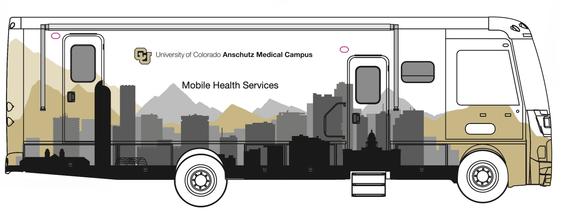
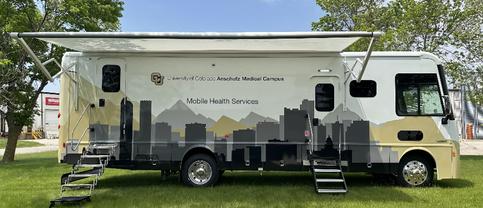
Addiction Research and Treatment Services’ (ARTS) mobile health clinic offers free or low-cost psychiatric and medical services directly to individuals who face barriers to accessing traditional treatment. ARTS provides comprehensive medication-assisted treatment for opioid and alcohol use disorders including methadone and buprenorphine. Patients also access counseling, peer recovery services, and assistance for employment, clothing, food, and housing. Since 2025, this team has started more than 140 new patients on lifesaving medical and addiction treatments.
COLORADO HOSPITAL FOLLOW-UP PROGRAM
The Colorado Hospital Follow-Up Program (HFU) outreaches patients who discharge from emergency departments and hospitals after care for self-harm, overdose, or other behavioral emergencies. Crisis and peer support specialists provide caring contacts, review safety concerns, and connect patients to follow-up services. Since its 2024 launch at CU, HFU has grown to accept over 500 referrals a month and made over 18,000 contacts to patients and families in the last year for 75 partner emergency departments and hospital units . Monthly referral volume has increased by 22% in the last year. Key partners are the Office of Suicide Prevention, Colorado Health Foundation, Colorado Rural Health Council, and Second Wind Fund.
From design to hitting the road, the mobile unit came to life
COLORADO EDUCATOR SUPPORT
Colorado Educator Support offers free mental health services for Colorado’s educational workforce. Our program offers confidential venting, validation, problemsolving, and mental health awareness. The program includes a call/text support line, individual mental health sessions, school-based workshops, online professional development courses, and trauma recovery for school violence events. Since 2020, Colorado Educator Support has provided care to over 10,000 educators across 100 different school districts and programs. One quarter of participants work in rural communities including very small districts like Swink, Branson, and Ignacio.
DOPSYCH OFFERS EDUCATION AND TRAINING FOR ALL COLORADO COMMUNITIES
Our community engagement extends beyond clinical care. In 2025, more than 20,000 people participated in 981 community trainings, educational programs, and events. Over 91,000 unique users visited DOPsych’s website.
JOHNSON DEPRESSION CENTER AND VITALCOG
The Helen and Arthur E. Johnson Depression Center (JDC) treats those suffering from mood and related disorders through its excellent clinical care, innovative service models, research, and community engagement. The JDC hosts dozens of preventionfocused community programs to increase understanding of mood disorders, reduce stigma, prevent suicide, and increase access to quality mental health care. More than 75,000 participants have accessed JDC programming through schools, businesses, and other communities since 2016.
VitalCog is the JDC’s evidence-based suicide prevention training program developed for the workplace and is designed to help laypersons assist colleagues in crisis. The average VitalCog trainee speaks with 5 other persons about their experience, and 20% apply their skills with someone at risk of suicide or mental health crisis within 3 months of training. An independent evaluation of VitalCog in construction companies showed a social value return of $28 for every dollar spent. VitalCog trains more than 1,300 individuals a month—a 108% increase in the past two years. With over 1,000 trainers internationally, VitalCog was delivered to 11,794 individuals and generated revenue exceeding $250,000 in 2025.
LEARNING EXPERIENCE AND DESIGN TEAM
The Learning Experience and Design Team (LED) develops training content for public and community partners. LED adapts content from expert CU faculty, mental health organizations, and individuals with learned experience into interactive online formats optimized for adult and professional learners. LED has launched more than 130 healthcare and behavioral courses for Colorado’s OwnPath Learning Hub and attracted more than 5,000 learners since 2024. In 2026, LED launched CUpsychlearning.org to help faculty and partners better engage community audiences.
DOPSYCH RESEARCHERS MAKE NEUROSCIENCE EXCITING FOR OUR COMMUNITY
We make psychiatric science accessible and meaningful for the public. In 2025, the Division of Neuroscience launched Brain Fest to teach the public how the better you know your brain, the better you can care for it! Brain Fest events feature live comedy, science talks, and hands-on experiences for diverse audiences.
BRAIN CAMP FOR KIDS
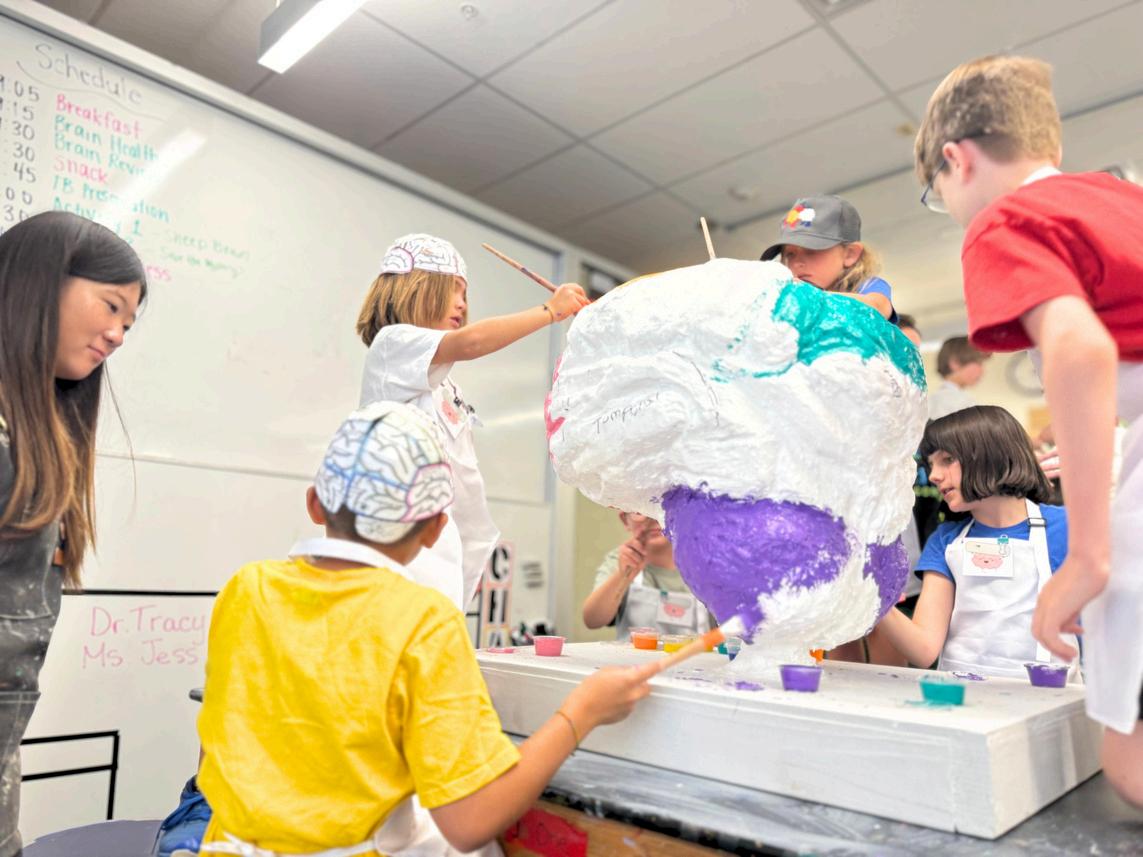
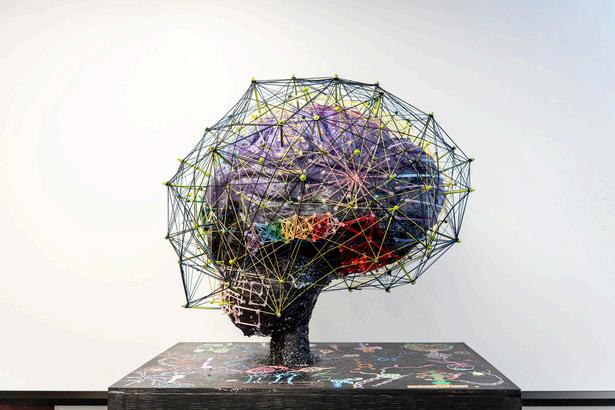
Now in its third year at CU, this free, weeklong summer program introduces 25-30 elementary children to neuroscience through interactive experiences and creative art. Last year campers became neurosculptors, connecting their own neurons while creating the Cortex Collection of 3-foot brain sculptures that depict different brain science concepts. This two-month public art showcase exemplified DOPsych’s brain awareness efforts.


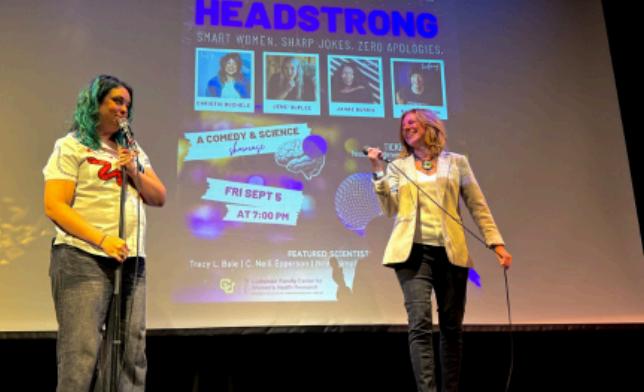
HEADSTRONG COMEDY SHOW
Brain Fest kicked off with some of Colorado’s funniest comics bringing a fresh perspective on women’s brain health. An audience of 160 came to see Neill Epperson (right), Tracy Bale (middle) and Noy Phimphasone-Brady (left) take to the stage to laugh in the face of stress and celebrate the brilliance of the female brain.

BEHAVIORAL HEALTH AN
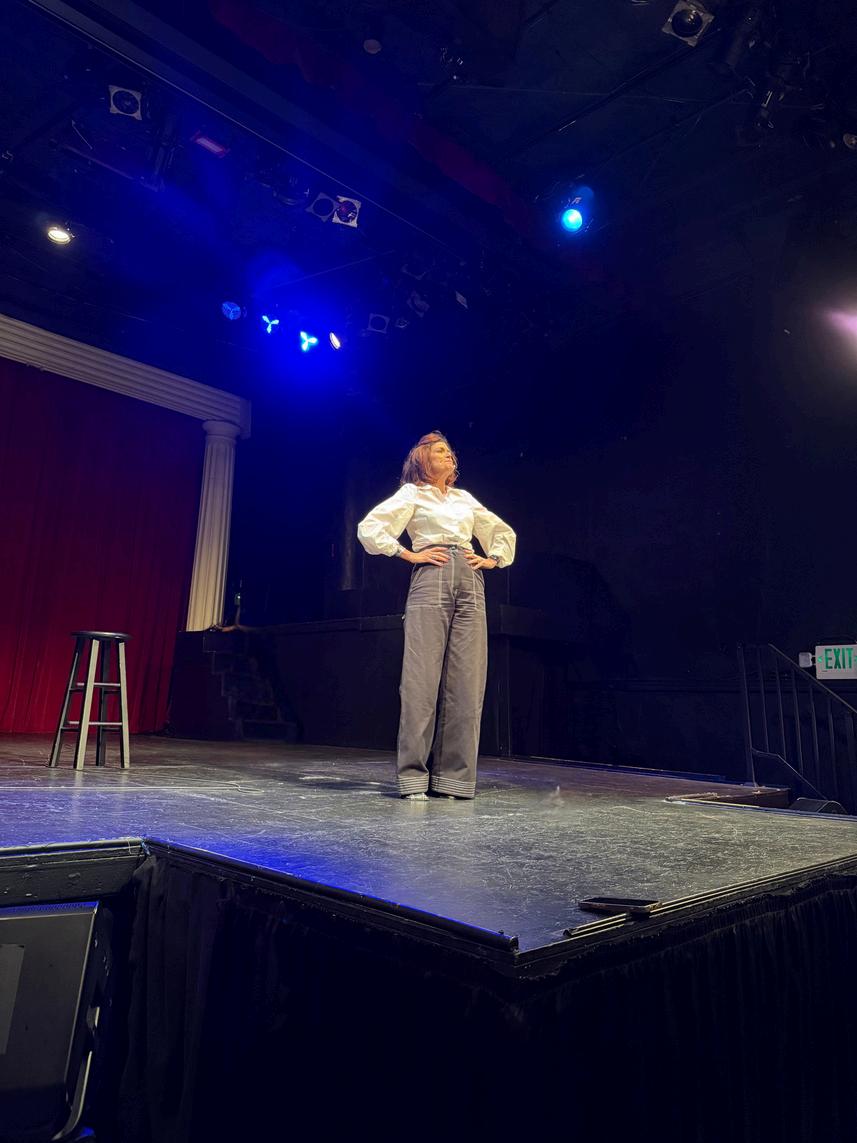
The Behavioral Health and Wellness Program (BHWP) supports evidence-based health behavior change at the community, organizational, and individual levels. Working across Departments and Schools on the Anschutz Medical Campus, BHWP’s multidisciplinary team has secured over $24 million since 2006 to develop an integrated community behavioral health research, education, and service portfolio. This work encompasses organizational wellness initiatives, design of substance treatment programs, behavioral health peer specialist training, and training for first responders— extending evidence-based practices to where they are most needed. BHWP has trained more than 45,000 providers across the nation live and more than 100,000 through asynchronous formats.
DOPSYCH IS ALWAYS GROWING OUR COMMUNITY MISSION
Each DOPsych Division is adapting and driving metrics related to community engagement. DOPsych's registry of community-based programs help us track and support growth in these areas. A new Policy and Advocacy Committee brings together DOPsych faculty and staff to advance our public voice and key relationships. Our strengths in community-centered practice, training, and research position DOPsych to advance our mission to deliver Brain Health For All, For Life.
EXTERNAL COMMUNITY EVENTS AND SERIES IN 2025-2026
Over the course of 2025 and 2026, the DOPsych executed over 1,200 community trainings reaching 21,000 participants. Below are some of our events.
Addressing ADHD in Primary Care
Addressing Trauma in Pediatric Primary Care
Coalition of Athletic Communities for Mental Health Conference
Colorado Bipolar Education Project (CoBE)
CoBE educates families, patients and caregivers on bipolar disorder
Colorado Educator Support Community
Community Connection Events
Care of Patients with Functional Neurological Disorders
Digital Health and Digital Technology
Disruptive Behaviors in School-aged Youth and Teens
Exposure Palooza OCD Annual Event
Johnson Depression Center Annual Luncheon
Mental Health and Wellness Strategies for Immigrants and Refugees
Pediatric Mental Health Symposia in Durango, CO, and Casper, WY
Question-Persuade-Refer Training
Rocky Mountain Tobacco Treatment Specialist Training Program
Supporting People with Psychosis
Trauma-Informed Care
Violence Risk Assessments
Wyoming Pediatric Mental Health Symposium Supports healthcare/EMS providers AmeriCorps staff, child welfare professionals
Over 200 participants joined to learn and share evidencebased strategies for supporting pediatric mental health across school, healthcare, and community settings
Collaborating organizations: BHA, HCPF, CARE Network, Colorado Rural Expansion Program, PALS Program, ECHO