230 Diamond Spring Road Denville, New Jersey 07834
Dear CTC Families and Stakeholders,
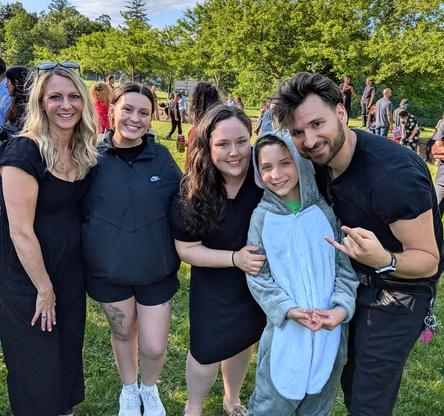
WE DID IT! Another successful and inspiring year in the books! As this year closes, we reflect on the many special experiences, events, and programmatic goals attained that made this 22nd year so special and memorable.
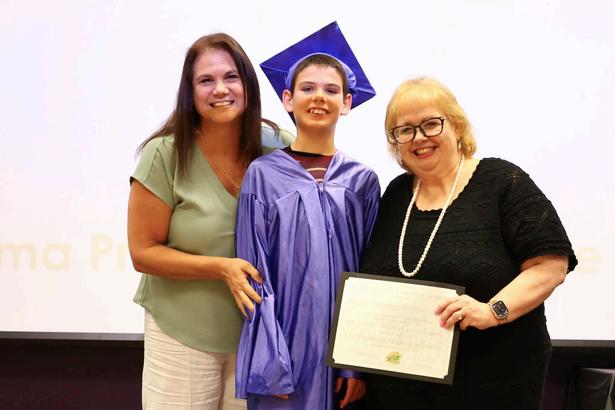
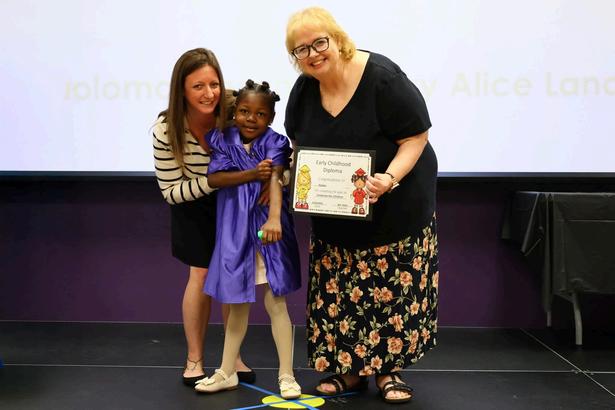
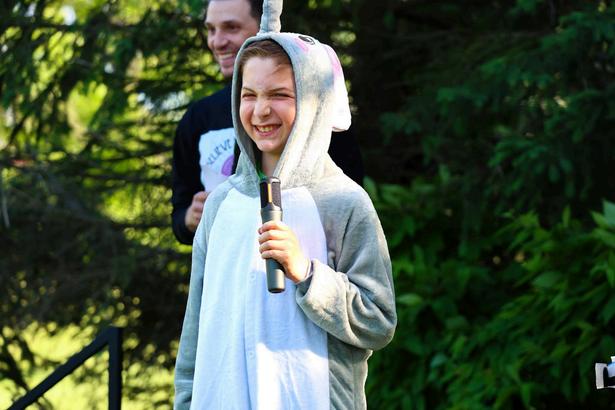
Some proud moments to highlight: In September, we successfully rolled out new executive functioning, social skills, handwriting, and life skill curriculums that directly impacted student growth and progress We made important new partnerships who align with our advocacy and mission to help support important initiatives both in school and in the community for our students. Through various events and the generous support of our community, we raised over $ 100,000 Our parent partnering program was revamped and we had much more of an outreach through direct support and training both on-site and virtually. We had our most successful year for training and mentoring staff and ten staff successfully finished the DIR® certification process! We made gains in expanding our transition and adult program services. We welcomed many special visitors, including state officials, who were very impressed with the program model and our students had an opportunity to share and express their ideas Our facility has many beautiful upgrades and we are very excited for our new playgrounds being installed. We welcomed over 81 new staff, as well as 38 students and families to the CTC family. We rebranded and our public relations campaign was very successful Our All Access project was awesome and we learned a great deal about public television! We completed our research project with Kessler and the University of Michigan. We were honored to receive the Innovations in Special Education Award for our Parent Partnering Program Our 2nd Annual Neurodiversity Walk was moved indoors and turned out to be better than we could have imagined- setting the stage for next year on-site! Our Concert was the culminating event that encompasses everything CTC is about - dream it, believe it can be done, and do it! Our students were amazing, weren’t they? We look forward to next week, a very special time when we celebrate all of our graduates.
Thank you to our Board for their unwavering dedication and support and our PSO for all that they do to support the students and staff
Thank you to our families for partnering with us and creating a strong team to support your child Thank you to the students who inspire us to grow and be better educators and people.
Thank you to our amazing CTC Staff who demonstrate each and every day what it truly means to Believe. It is at this time each year, we reflect back and are so proud of how far all of our students have come Together we succeed
The planning and vision for next year started months ago and we are super excited to share the details over the summer We are counting down the days until our Extended School Year program (E.S.Y.) launches on July 1st. It will be EPIC!
If you have any questions about our events, please contact Kristin Polster at kpolster@celebratethechildren.org. Looking to visit or tour our program? Please contact Katie McColligan at kmccolligan@celebratethechildren org
Regards,
StudentSpotlight Student Spotlight
Each month, one randomly selected CTC student shares their school experience and what makes them unique!
JuneStudentoftheMonth: J
une Student of the Month: Mitchell! Mitchell!
Max: Hi, Mitchell Happy to have a friend be the final Student of the Month this year
What has been your favorite thing about your time at CTC, as you are graduating?
Mitchell: Dinners, interviewing exclusively, really excited to enter into next challenges in life.
Max: I can’t believe we are both graduating I am wanting to know what you are planning to do after CTC
Mitchell: Excited to enter era, thinking for myself, integrate my skills, anchor hard times, caring most, loving individuals within my heart
Max: Mitchell is a great, smart individual with many talents. What are your biggest dreams for our world?
Mitchell: I hope no one erases the impacting everyone has made at CTC
Max: CTC are groundbreakers for being advocates for all students, especially typers and spellers. I hope for true equality and for great advocacy for underrepresented groups
I am proud of both of our communication journeys. What is best to you about spelling?
Mitchell: Being able to express internal expressions to those which gave me all-encompassing path to assist on my way
Max: I am excited for our hopeful futures. I am feeling nostalgic to when Mitchell and I were children on the swings together
I am happy to call you my friend, Mitchell.
2025 - 2026 Student Spotlight Interviews conducted by Y.A.P. student Max. Thank you to Ms Nicole and Ms Jen for facilitating!
Members of our amazing staff share their CTC stories, personal hobbies, and professional motivations!
James: Can you describe a challenging project you tackled and aced? What made it so rewarding?
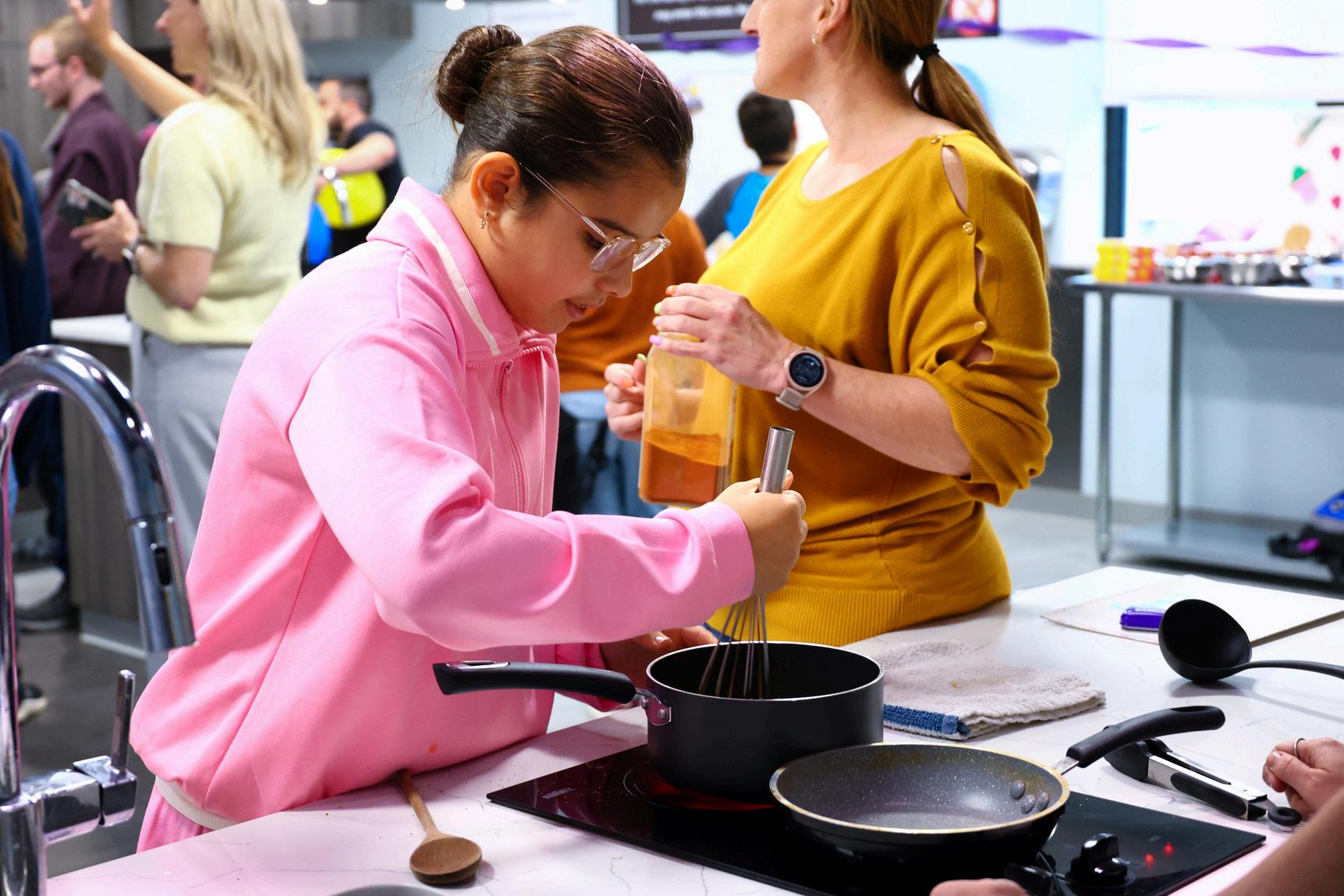
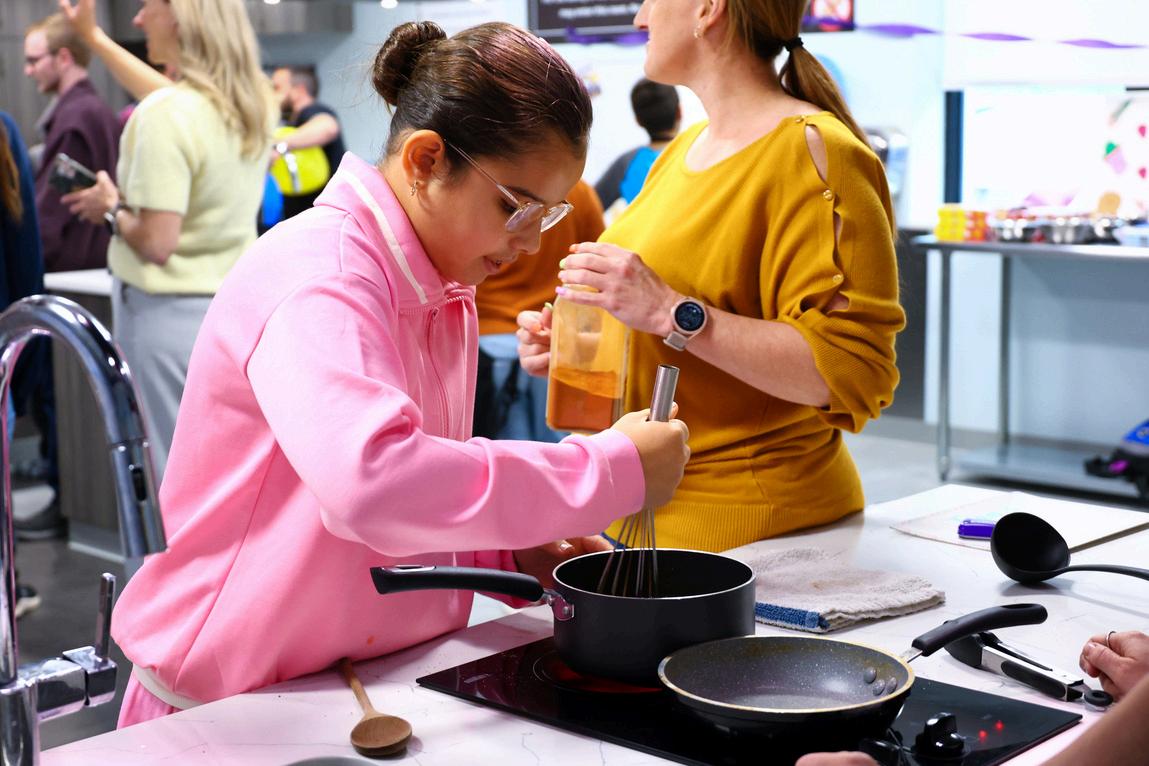
Josephine: I was asked to teach Roadside Eats for the ESY program last year. I remember being extremely nervous. I normally don’t like being in front of a classroom with the attention on me. I truly enjoyed the summer program and loved to see the smiles on the children’s faces as they made their special treats.
James: Looking back at your career so far, what accomplishment are you most proud of?
Josephine: Creating trusting, positive relationships with students; helping students feel safe and valued at school. Also, growing as a paraprofessional and a team member over the years.
James: What are you most passionate about outside of work?
Josephine: I enjoy outdoor activities, such as hiking, biking, and taking long walks. I also enjoy cooking and having family dinners.
James: What are you most grateful for in your role at our organization?
Josephine: I am grateful for the opportunity to work with students who teach patience and kindness every day. I am thankful for my colleagues and the friendships. Being part of a team that works together to help children succeed. Interview conducted by Y.A.P. student James.
CTCC CTC Community ommunity
Celebrate the Children is deeply grateful for all of the wonderful community partners we and our students are fortunate to work with. Every month, we shine a light on just one of the many amazing establishments in our community.
ValleyviewMiddleSchool'sAnnualDayofService Valleyview Middle School's Annual Day of Service
Every year, the 8th grade class at Valleyview Middle School participates in an Annual Day of Service, giving students the opportunity to make a meaningful impact throughout the Denville community Students support a variety of local organizations and service sites, learning firsthand the importance of volunteerism, civic engagement, and community partnership
For many years, Celebrate the Children has been proud to be one of those community partners.
As part of this annual tradition, two Valleyview classrooms, led by Kristin and Kelly, spend their service day on our campus The students walk to Celebrate the Children and dedicate the day to projects that support our school community. With guidance from their teachers and the support of Cheri, our Special Projects & Community Outreach Coordinator, students learn about our mission, the students we serve, and the importance of advocacy, awareness, and inclusion Through these experiences, they gain a deeper understanding of the many ways individuals can contribute to their communities.
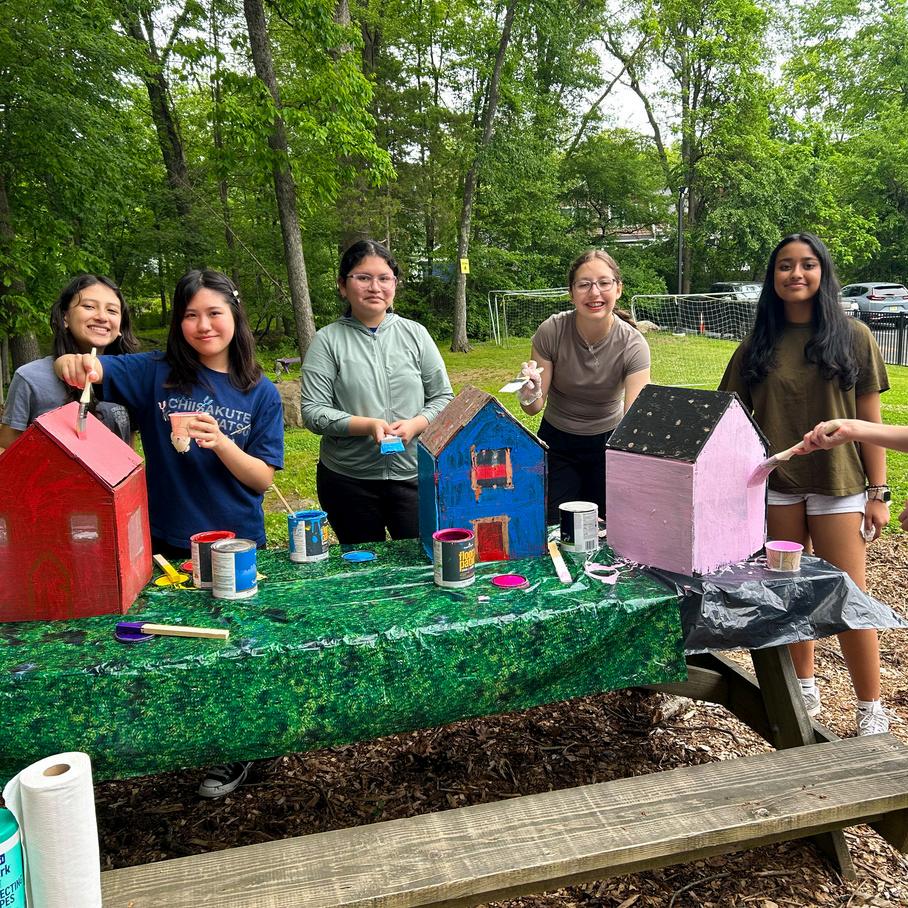
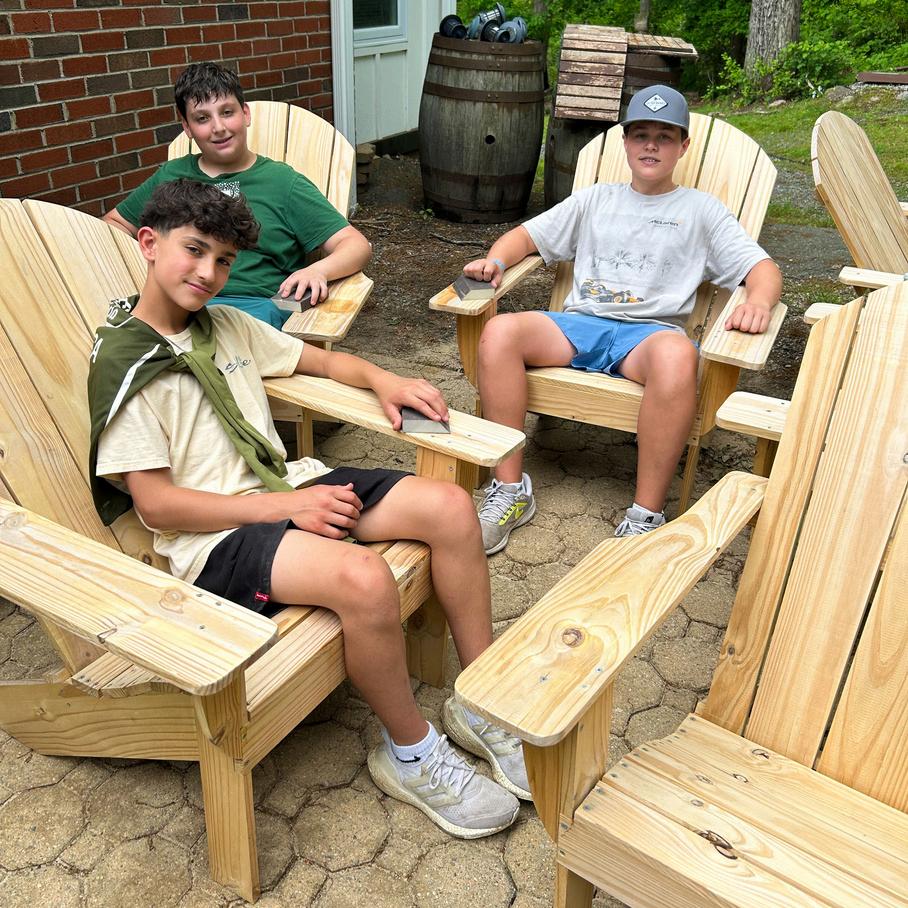
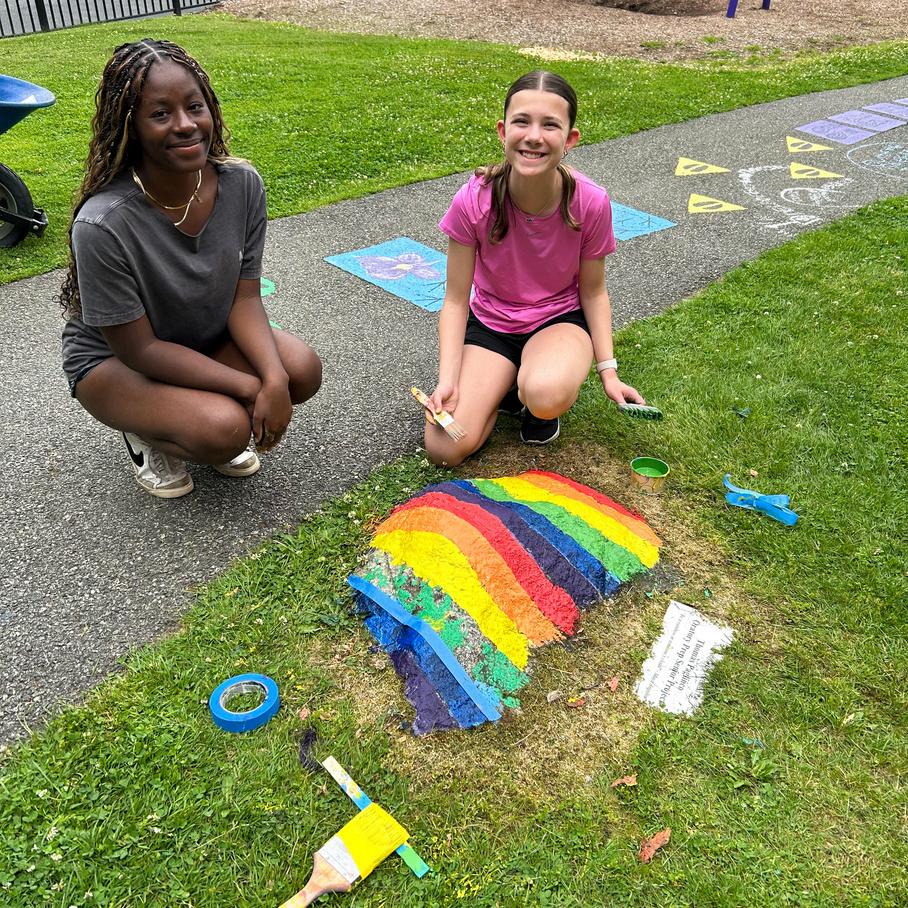
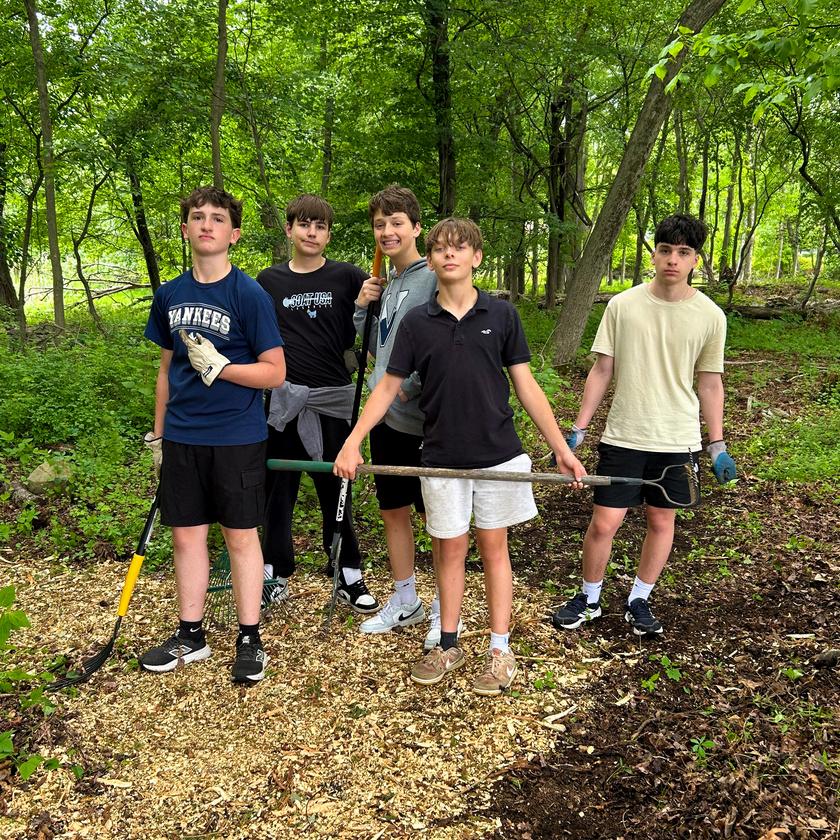
This year ' s service day focused on enhancing and beautifying our campus Although the students only spend one day with us each year, their impact is tremendous. With enthusiasm, creativity, collaboration, and a true spirit of service, they tackled projects across our property, including mulching wooded trails, refurbishing Fairy Trail houses, sanding Adirondack chairs, assembling pinewood derby cars for our ESY program, and repainting our beloved Rainbow Rock.
We would also like to extend our sincere appreciation to Seneca Tree Service for their continued support Their generosity and willingness to partner with our school help make projects like these possible and contribute to creating a safe, welcoming, and engaging environment for our students
What began as a service project has grown into a valued community partnership Year after year, Valleyview students arrive ready to work hard, learn, and contribute. Their efforts leave a lasting impact not only on our campus, but also on the relationships and understanding that continue to grow between our two schools.
We are deeply grateful to the students, staff, and community partners who make this tradition possible and look forward to welcoming future Valleyview classes to Celebrate the Children.
- Vanessa Graves Foster, High School and Y A P Vice Principal at Celebrate the Children School
EducationHQ Education HQ
From internships, to specials, C.B.I.s, and more, Education HQ features topical program initiatives each month!
WheelsinMotion:AStudentPerspective
Wheels in Motion: A Student Perspective
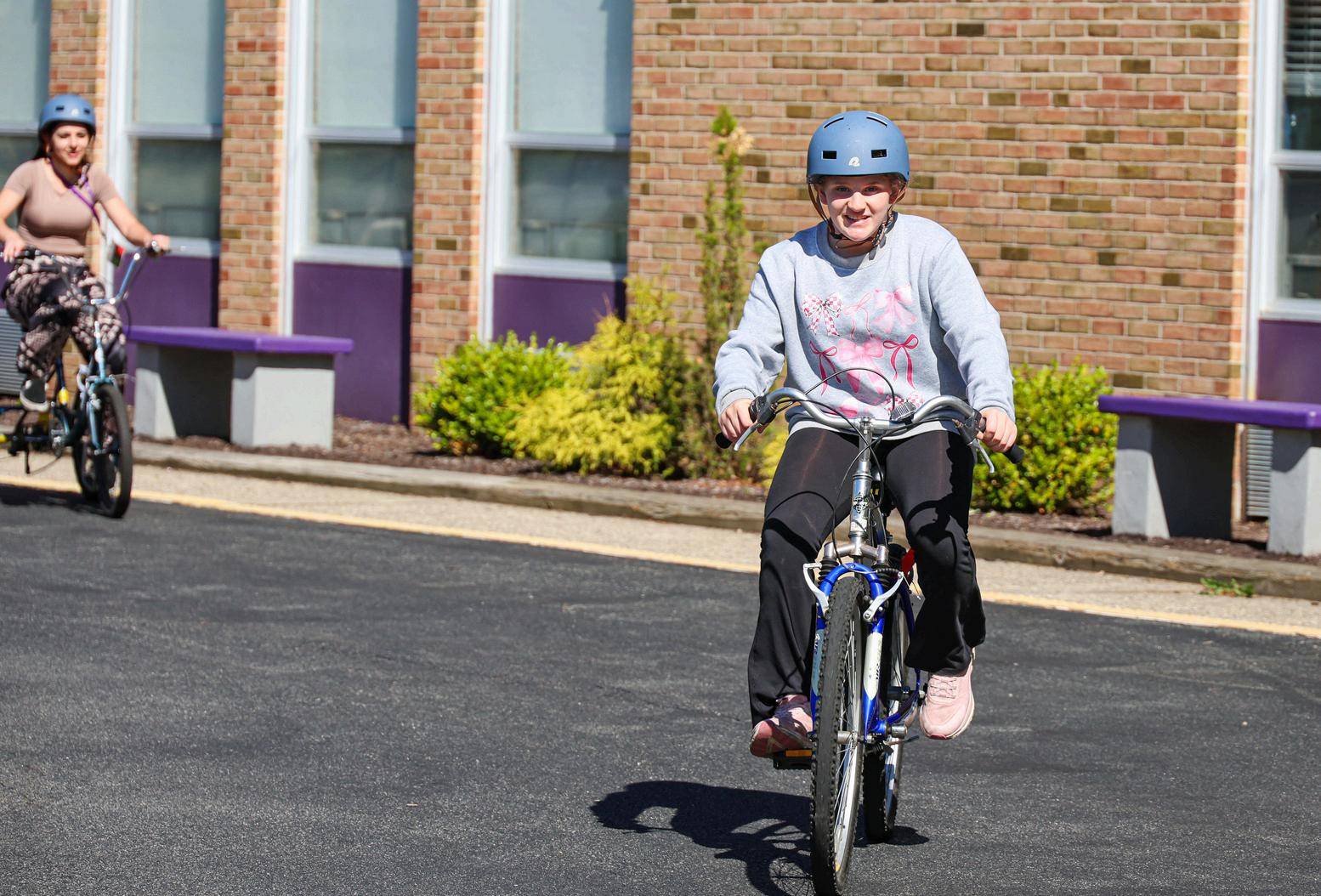
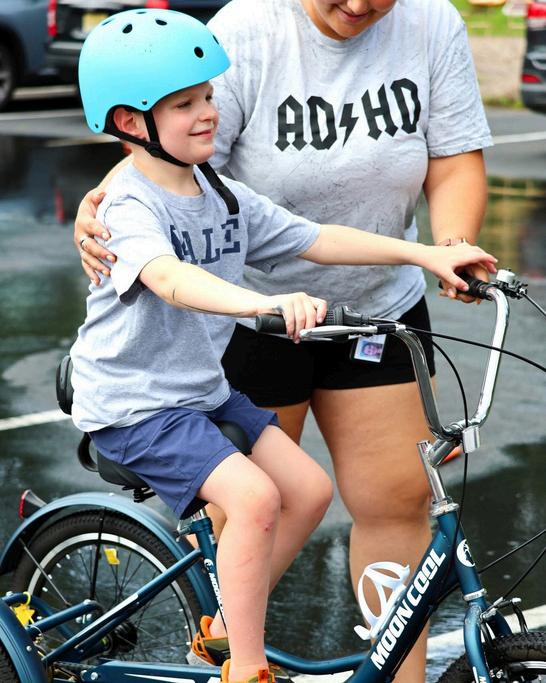
As some of you might know, Celebrate the Children (CTC) has a bike program called Wheels in Motion (WIM) This month, I decided to learn more about the program and how it works.
To find out more, my teacher, Kevin, suggested that I speak with Daniela, who helps run the program. After several emails and scheduling difficulties, I finally managed to interview her on Wednesday, May 20th Daniela explained that, in addition to her other responsibilities at CTC, she helps operate the bike program. Her duties include locking and unlocking the sheds, keeping track of the bikes and other equipment, documenting broken items so they can be repaired and organizing the equipment when time allows However, she was not one of the founders of the program
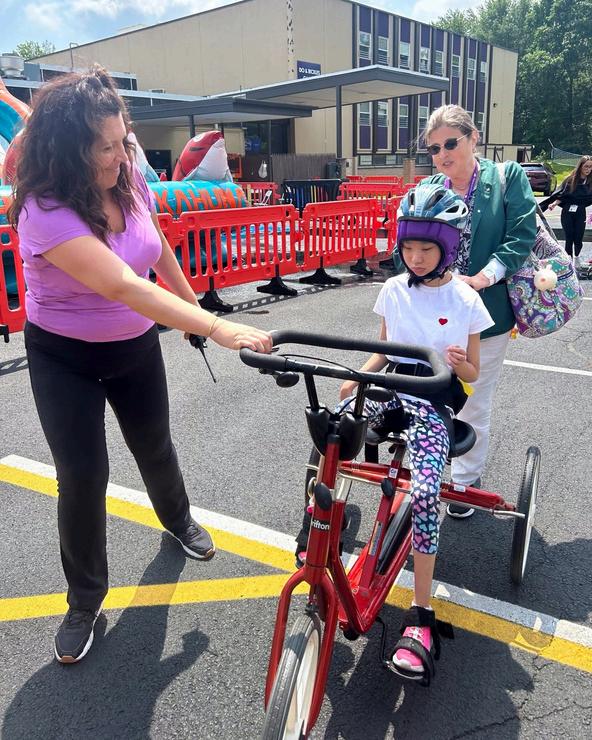
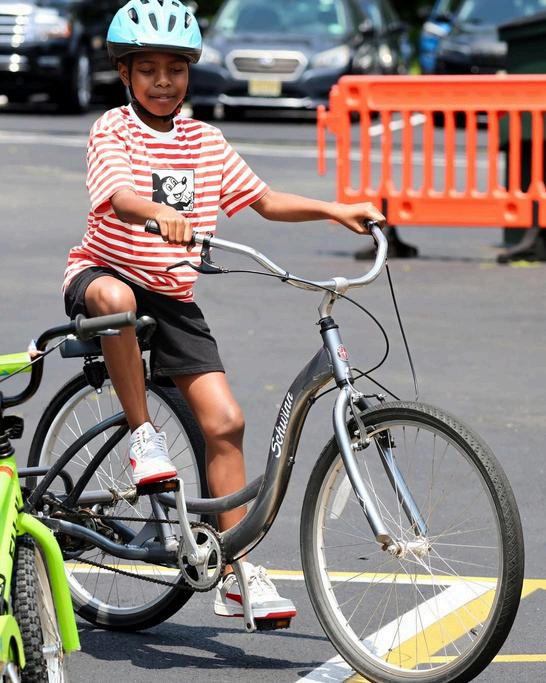
According to Daniela, the program was founded around 2022 after students, teachers, and parents had expressed interest in having something like it at CTC The program was started by several OTs Although it is often called a bike program, bikes are not the only equipment available The program also includes scooters and other wheeled equipment designed to accommodate different students’ needs and abilities. Wheels in Motion allows students to ride around the school campus, which is like a large track area
There are also two different versions of the program: a more structured version and a more informal one The structured version is mainly used by younger classrooms that have assigned OTs and PTs. These classes often schedule specific times once or twice a week for students to ride. The informal version allows students to ride during free times as long as it does not interfere with their schedules
There are two storage sheds for the program The larger shed is used mainly for the structured program and is located near the front of the school, close to where many students are dropped off and near the Young Adult Program (YAP) The smaller shed is located farther back on campus and is mainly used for the informal program. The informal shed is usually unlocked in the morning before the school day begins and locked again near the end of the day It was once secured with a combination lock, but it now uses a key lock The larger structured-program shed still uses a combination lock.
The bikes and other equipment are labeled by both number and color. The colors show which shed the equipment belongs in and which part of the program it is usually used for Yellow labels are for the structured-program shed, while red labels are for the informal shed Daniela explained that the colors were switched at one point because there were more yellow bikes available, which made it easier to organize the larger structured groups She also mentioned that if a student needs a specific bike or piece of equipment that is unavailable in the informal shed, they are allowed to use equipment from the structured-program shed
Wheels in Motion has become an important part of the CTC community since it was founded The program gives students a chance to exercise, release energy, and practice important skills such as coordination and independence. It also provides students with different options that can accommodate a wide range of needs and abilities
After learning more about Wheels in Motion, it is easy to see why so many students and staff members enjoy the program and why it has become such a valued part of life at CTC
- Written by Y A P Student Menachem
Floortime Floortime
Floortime is the heartbeat of CTC.
Learn more about Floortime and the DIR® model here each month.
FloortimeSummer! Floortime Summer!
Make this summer a Floortime Summer!
For many children on the autism spectrum, summer can be more challenging than the school year The loss of routine, increased downtime, and lack of daily structure can often lead to boredom, dysregulation, anxiety, or challenging behaviors. During the summer months, families may notice that long, unstructured days can feel overwhelming for children who thrive on predictability and engagement
One effective way to support children during this transition is through Floortime-based activities. A Floortime-focused summer is not about filling every moment with rigid schedules or structured therapy. Instead, it is about creating meaningful, child-led opportunities for connection, engagement, and shared joy throughout the day
Floortime encourages parents and caregivers to enter the child’s world by following their interests and turning everyday moments into interactive experiences. By replacing extended downtime with playful, engaging interactions, families can help children stay connected, emotionally regulated, and actively involved in their environment.
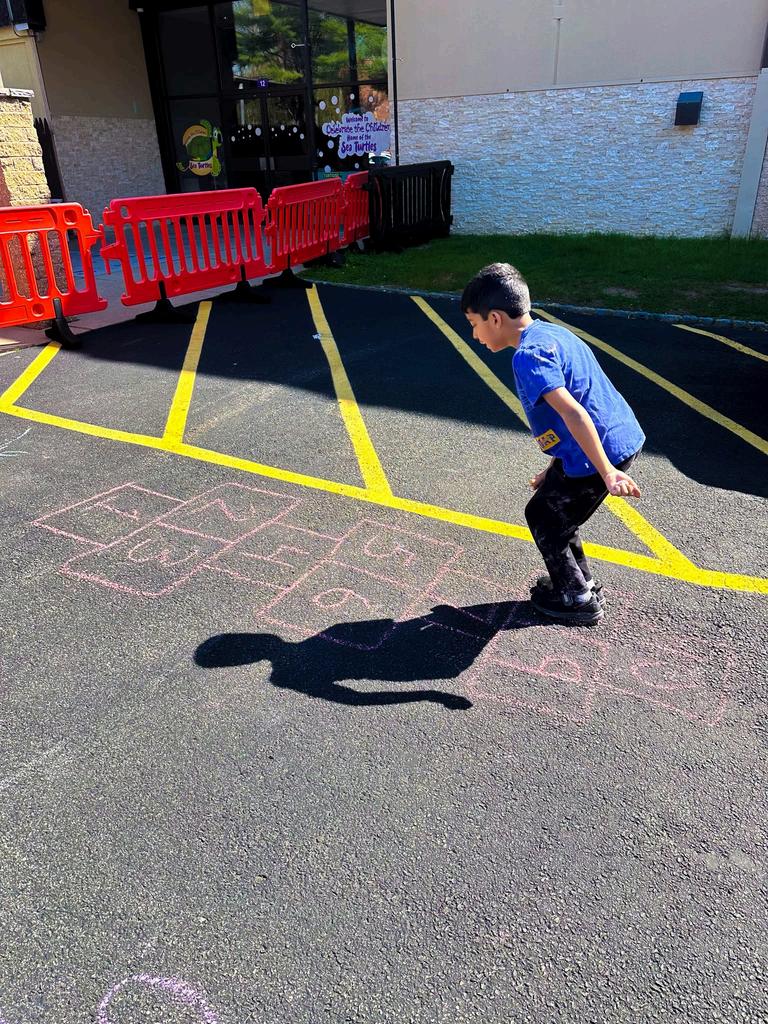
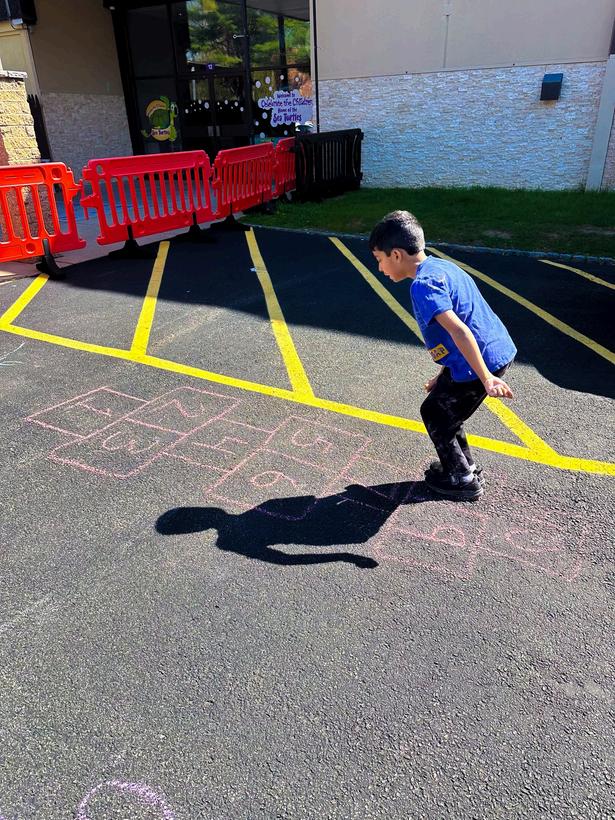
Simple summer activities can easily become opportunities for engagement Backyard mud-pie bakeries, water balloon games, and pretend car washes for plastic dinosaurs can all encourage interaction and communication. Even quieter moments such as drawing giant sidewalk chalk towns, racing leaves through puddles, or watching ants crawl across the patio can become meaningful opportunities for shared attention and playful back-and-forth interaction
beauty of Floortime during the summer is that it transforms ordinary activities into rtunities for connection. Rainy afternoons can become indoor blanket-fort safaris, k time can turn into imaginative floor picnics with stuffed animals, and beach trips can inspire collaborative digging projects and sensory exploration When children become restless, caregivers can simply follow their lead and join in their interests, whether that means splashing in a kiddie pool filled with ice cubes or building towering structures out of cups and blocks.
By using Floortime strategies to support engagement throughout the day, families can help reduce the stress that often comes with unstructured summer schedules. These shared experiences not only help minimize boredom and dysregulation, but also naturally support communication, social interaction, emotional connection, and creativity Most importantly, they create meaningful summer memories built around connection, joy, and meeting children at their developmental level.
- Kelsey Lovenberg, Floortime Specialist at Celebrate The Children
SpellingtoCommunicate Spelling to Communicate
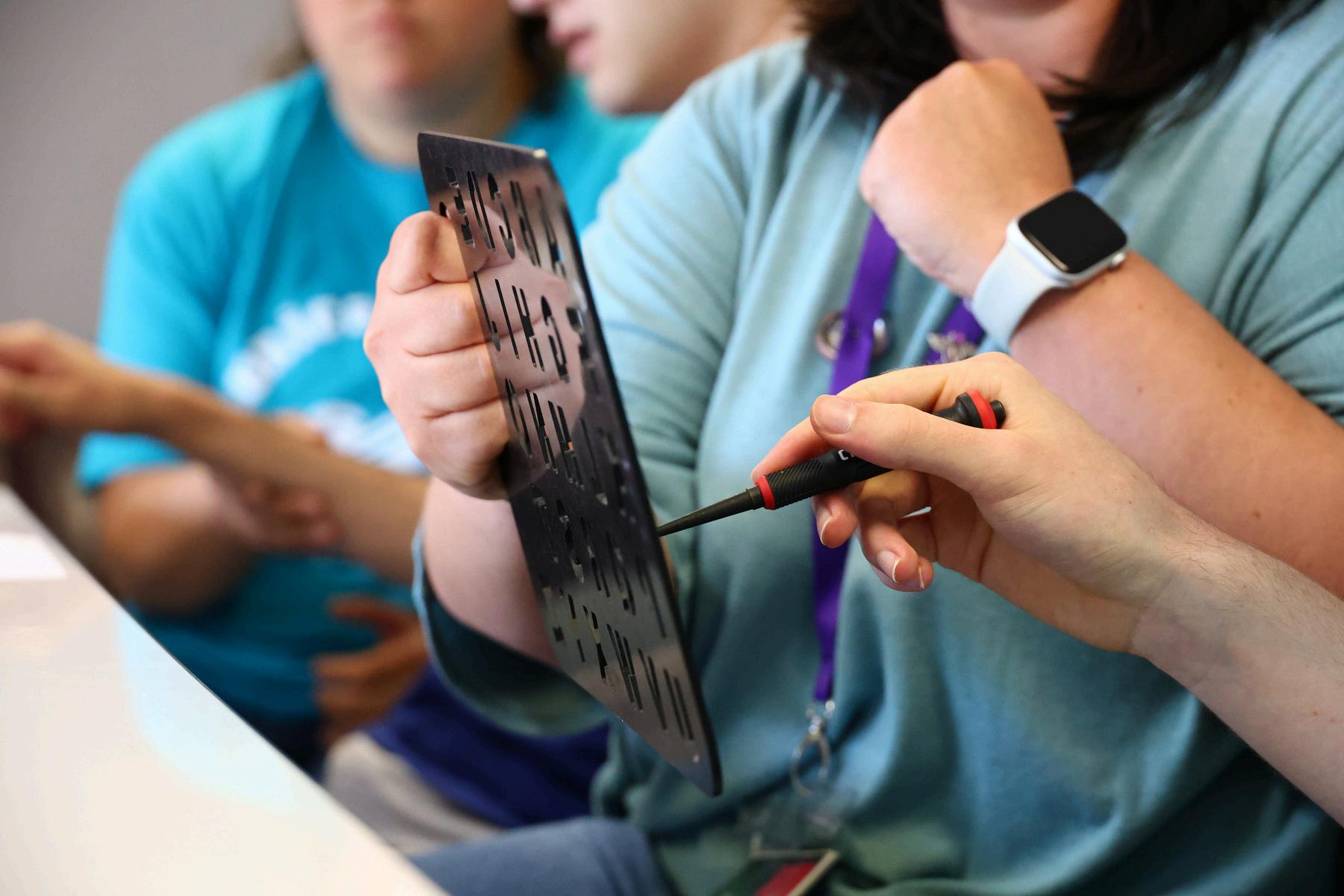
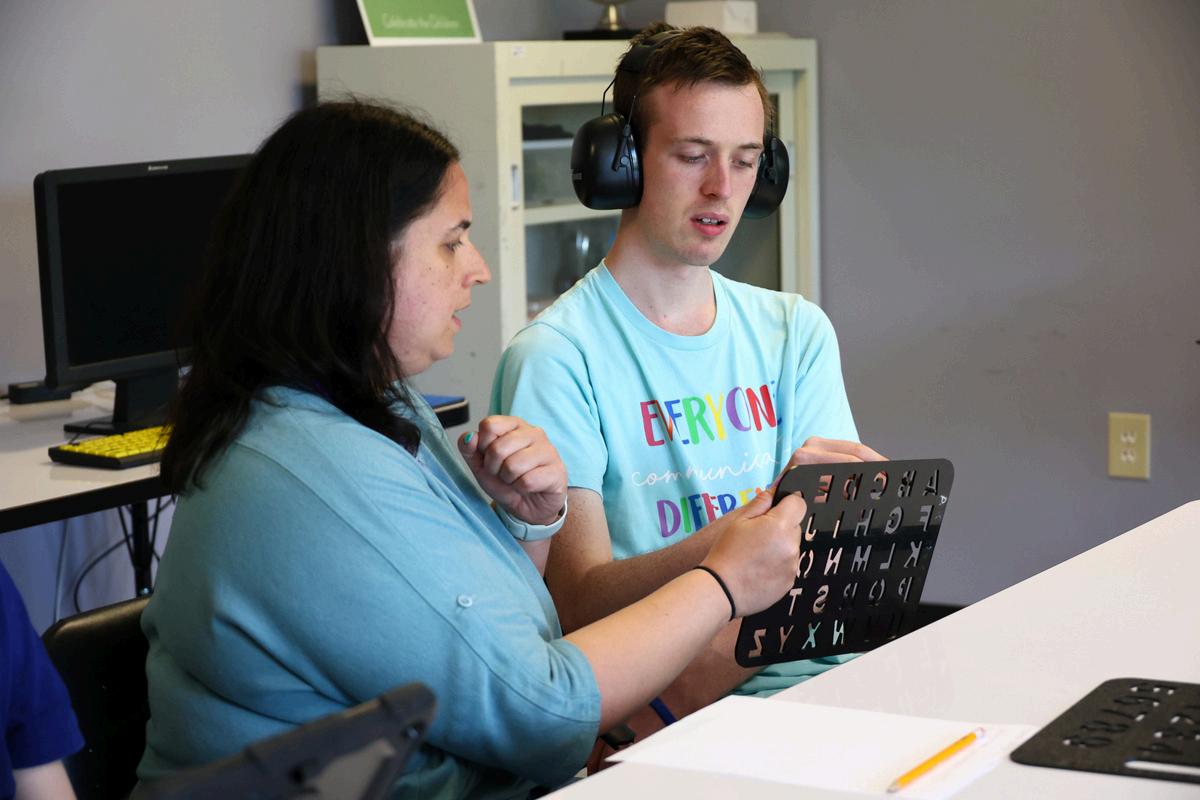
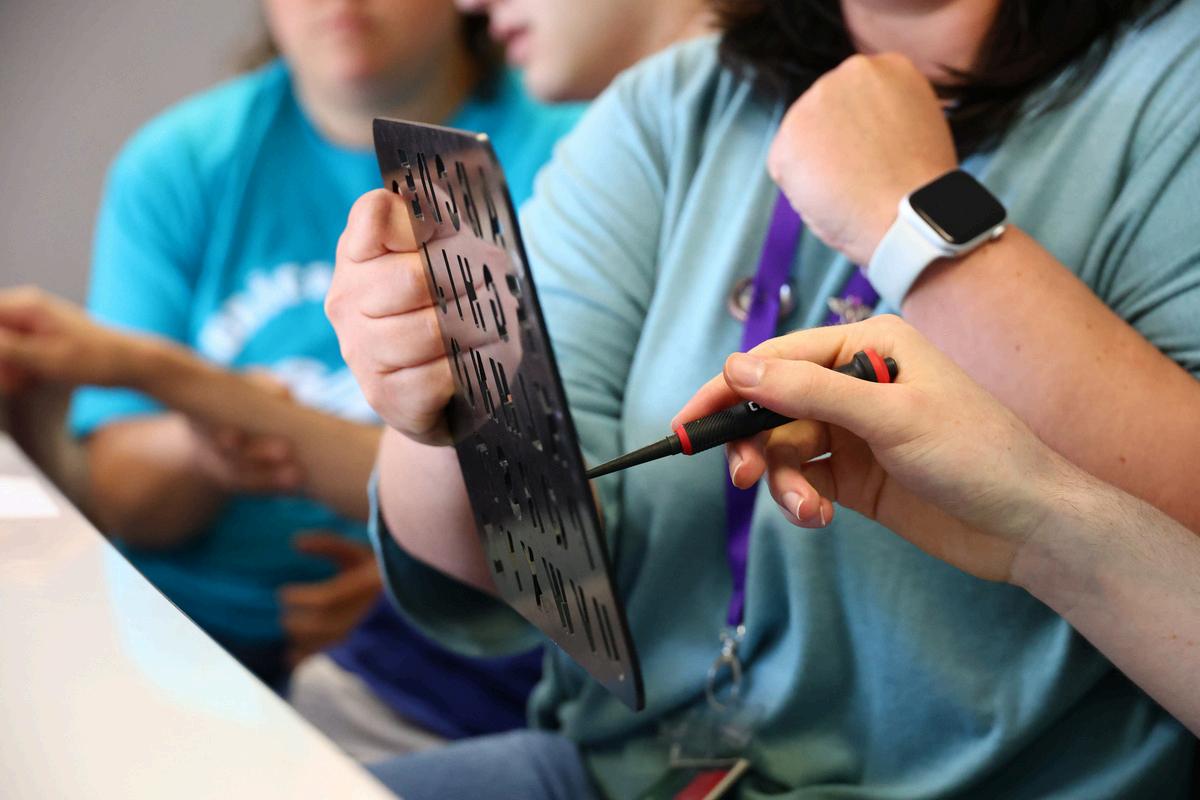
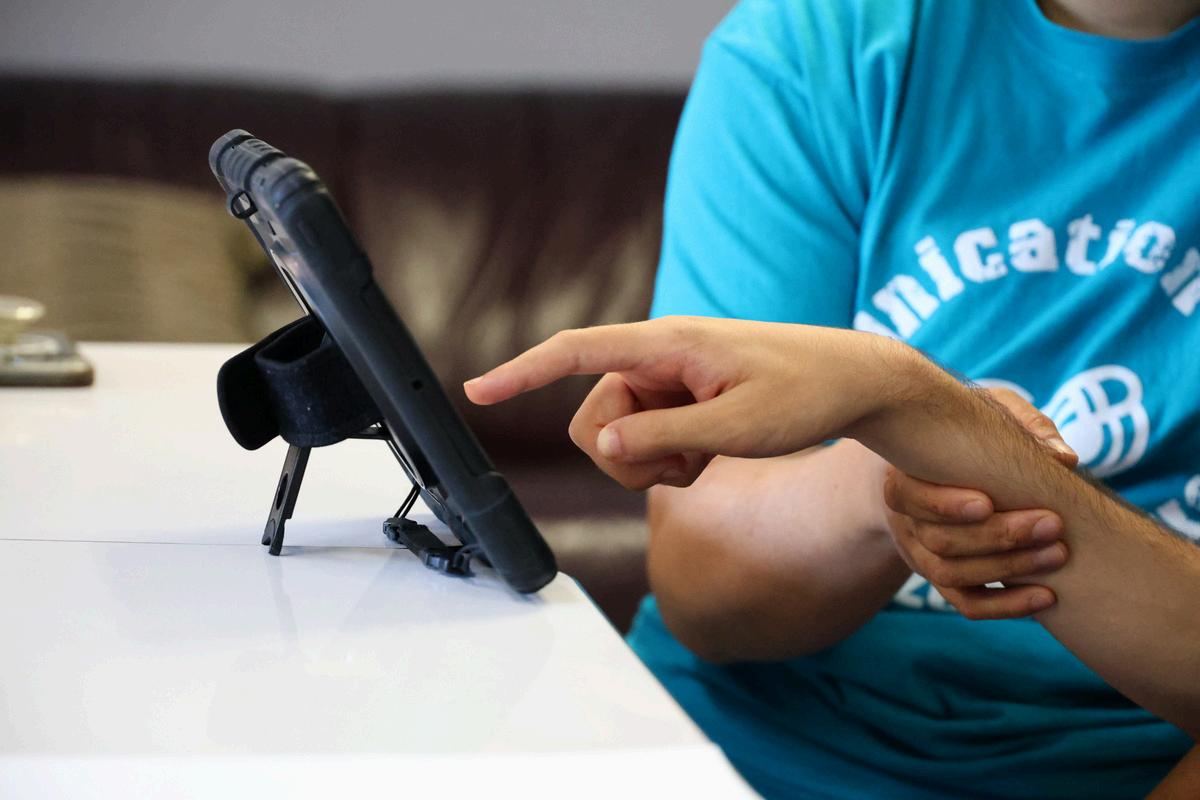
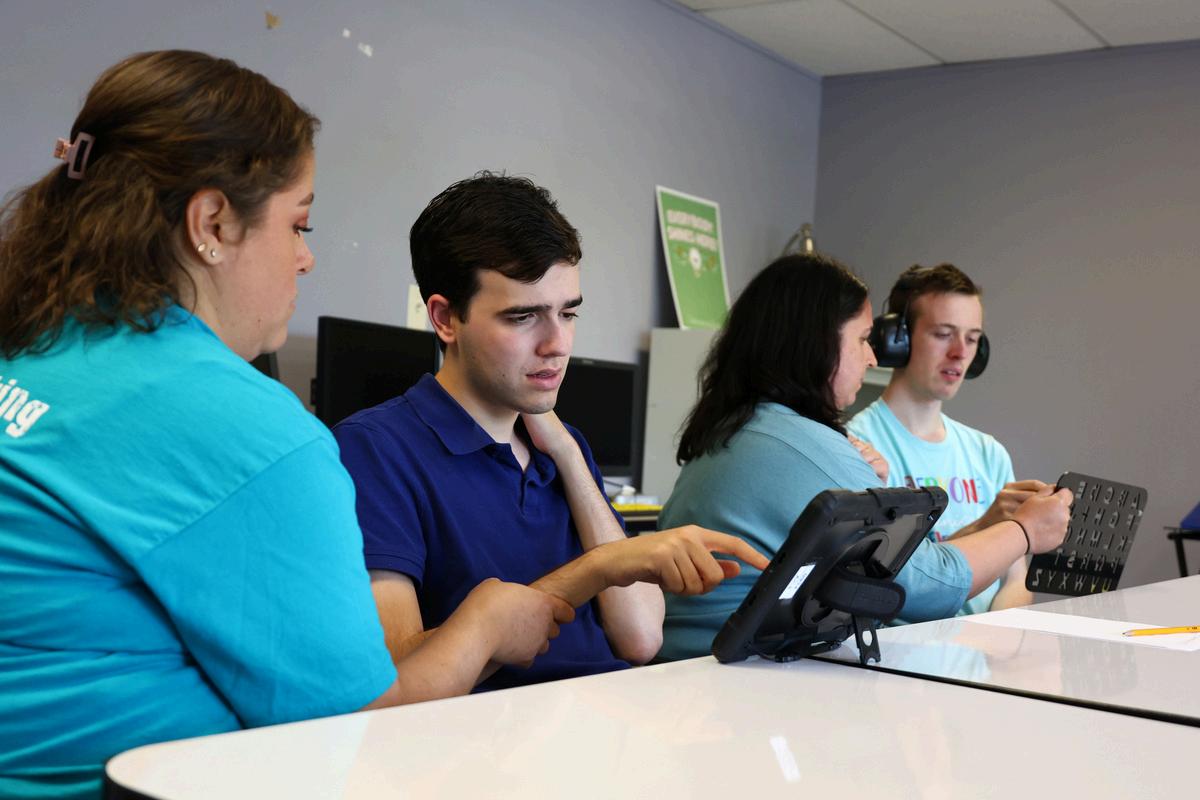
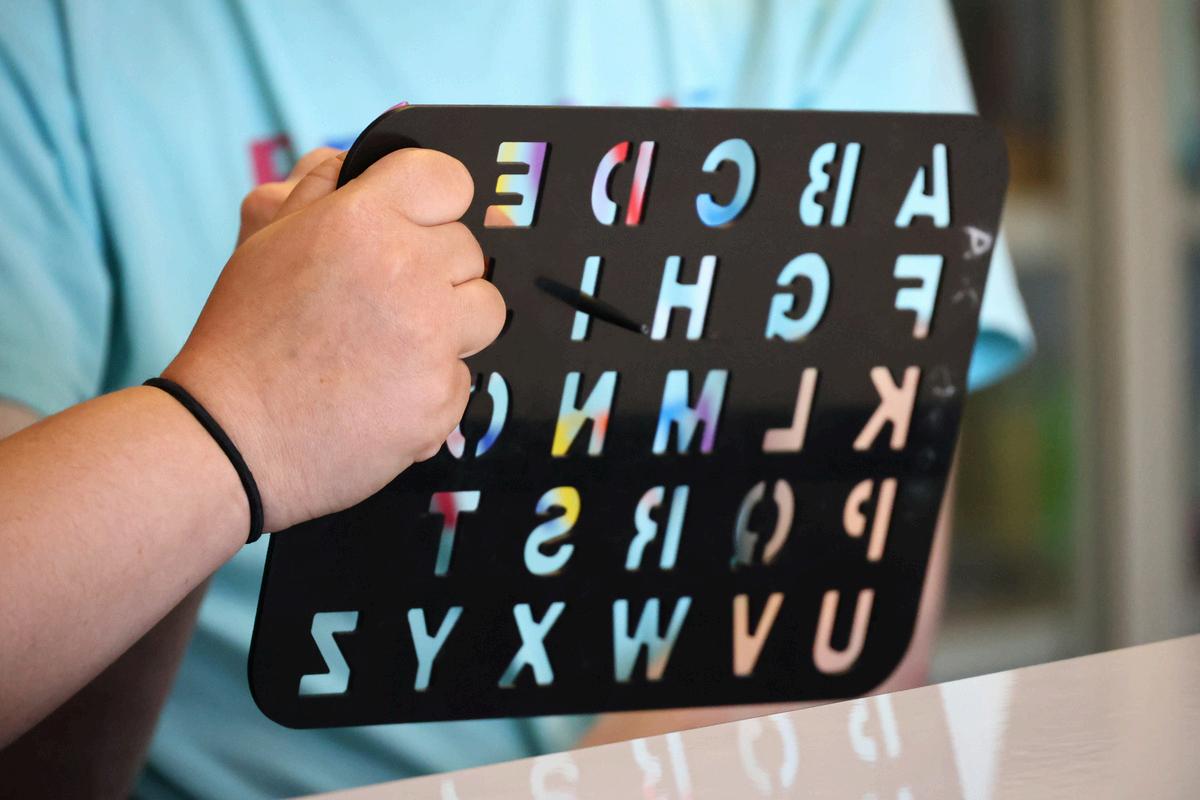
Spelling to Communicate (S2C) is a powerful practice that allows non-speaking individuals to communicate their thoughts through typing or utilizing a letterboard. Celebrate the Children is proud to empower and amplify their voices.
Summer is the perfect time to build communication skills in natural, meaningful ways. Remember communication practice doesn't have to happen at a table at a scheduled time Some of the best learning happens during everyday experiences
Here are a few simple ideas:
Create a Summer Journal
Encourage your speller to type or write one word, a sentence, a list, or a short reflection about each day Photos can help spark memories and conversation
Practice During Outings
The beach, zoo, amusement park, or grocery store are perfect opportunities to get short, meaningful practice in
Read Together
Share articles, books, menus, maps, or travel brochures Discuss favorite parts, surprising facts, or connections to personal experiences
Current Events Conversations
Choose one news story each week and discuss what happened, why it matters, and how it relates to your life
Presume Competence Everywhere
Continue speaking age-respectfully, including your communicator in family conversations, and providing opportunities to share thoughts and opinions.
Most importantly, focus on connection rather than perfection. A few minutes of meaningful communication practice each day can help maintain skills and build confidence throughout the summer.
REMEMBER: Listening does not have a look.
Continue to present conversation and activities even if your child does not seem to be "paying attention”...they are.
All of the above activities can be adapted to your level of communication support ability with your child Spell one word about what you see (known), ask which area they would like to explore next (semi open), ask open-ended questions that encourage opinions, predictions, and observations The only incorrect way to practice is to not practice at all!
Have a wonderful summer filled with learning, adventure, and authentic communication!
- Lisa Romaine, S2C
BehaviorTeam Behavior Team
The Behavior Team provides insights and tools to support student success, at school and at home
EndofYearTransitions End of Year Transitions
With this school year winding down, we are preparing our graduating students for the transition into the next grade as early as possible. By wly exposing our graduating students to their new classrooms, teachers, and potential classmates, it allows them to be more comfortable within their environment. Familiarity lowers anxiety and increases predictability within our students’ day-to-day activities.
Peer matches are identified and times to socialize with those peers are created to start the relationship building process. Staff facilitate activities that are tied to students’ passions that may ignite new friendships. The work being put in now will benefit our students tremendously once they begin the next school year in their new classrooms!
ally, our graduating students are excited for their time uring their graduation ceremonies. To set our students ess, we are practicing this routine as much as possible g up to the big day. An important factor in the success students during this ceremony is keeping in mind their dual differences and what we can do to support them gh this event. Students will be provided headphones if , visual reminders on the floor to help cue them where needed to remain focused, and/or alternative seating egulation. Noise levels and lighting are also monitored throughout the ceremony to address any sensory sensitiivies our students may have.
- Anthony Hellman, Board-Certified Behavior Analyst at Celebrate the Children
CARES stands for Counseling, Advocacy and Resources for Educational SupportOur School Social Workers and Counselors are here to support you and your child.
MusicasaBridgetoLearning Music as a Bridge to Learning CARESCorner CARES Corner
At CTC, we believe that every student learns best when their individual differences, strengths, interests, and passions are recognized and valued Through the DIR (Developmental, Individual-differences, Relationship-based) approach, we take the time to understand what motivates each child and use those interests as meaningful pathways for learning, communication, connection, and growth Whether a student is passionate about art, animals, movement, technology, or music, those interests become powerful tools that help us build relationships, foster engagement, and support each child's unique developmental journey
One student’s experience this year beautifully illustrates the impact of this individualized approach
Some people enjoy listening to music, and some people enjoy dancing to music But we know a student for whom music is much more than a hobby or pastime Music is a language he uses to understand the world, connect with others, and express himself
When Joey started at CTC last year, it quickly became clear that music was not simply a passion; it was an essential part of how he experiences and engages with the world around him Recognizing this, his educational team worked together to thoughtfully weave music throughout his school day in ways that supported his learning, regulation, communication, and emotional growth
Joey began meeting weekly with Dane, CTC’s music therapist Their sessions often took place without words Instead, they connected through the back-and-forth exchange of musical instruments, creating melodies together and building a trusting relationship through shared musical experiences Through these interactions, Joey and Dane developed a meaningful connection rooted in Joey’s strongest area of interest
Music also became a bridge to academic learning Joey developed a strong interest in researching countries around the world and the native music associated with them His teacher, Laura, incorporated this interest into social studies lessons, allowing Joey to explore different cultures through music He completed a passion project on Rastafarian music, researching the instruments, geographic origins, and influential artists connected to the genre By connecting curriculum to Joey’s interests, learning became more engaging, meaningful, and motivating
Within his classroom, Joey also embraced a special leadership role Each morning, he helps lead the class meeting and enthusiastically participates in the songs that are part of this daily routine His knowledge of the music and confidence in sharing it with others have helped him become an active contributor to his classroom community
Music also provided support during a difficult time After experiencing a significant loss, Joey worked with Kelly, his counselor, and Dane, his music therapist, to process his feelings through music For Joey, music often provides a pathway to emotions and experiences that can be difficult to express through words alone Through a DIR® lens, counseling becomes individualized as well, incorporating each student's unique ways ofcommunicating, processing experiences, and finding connection
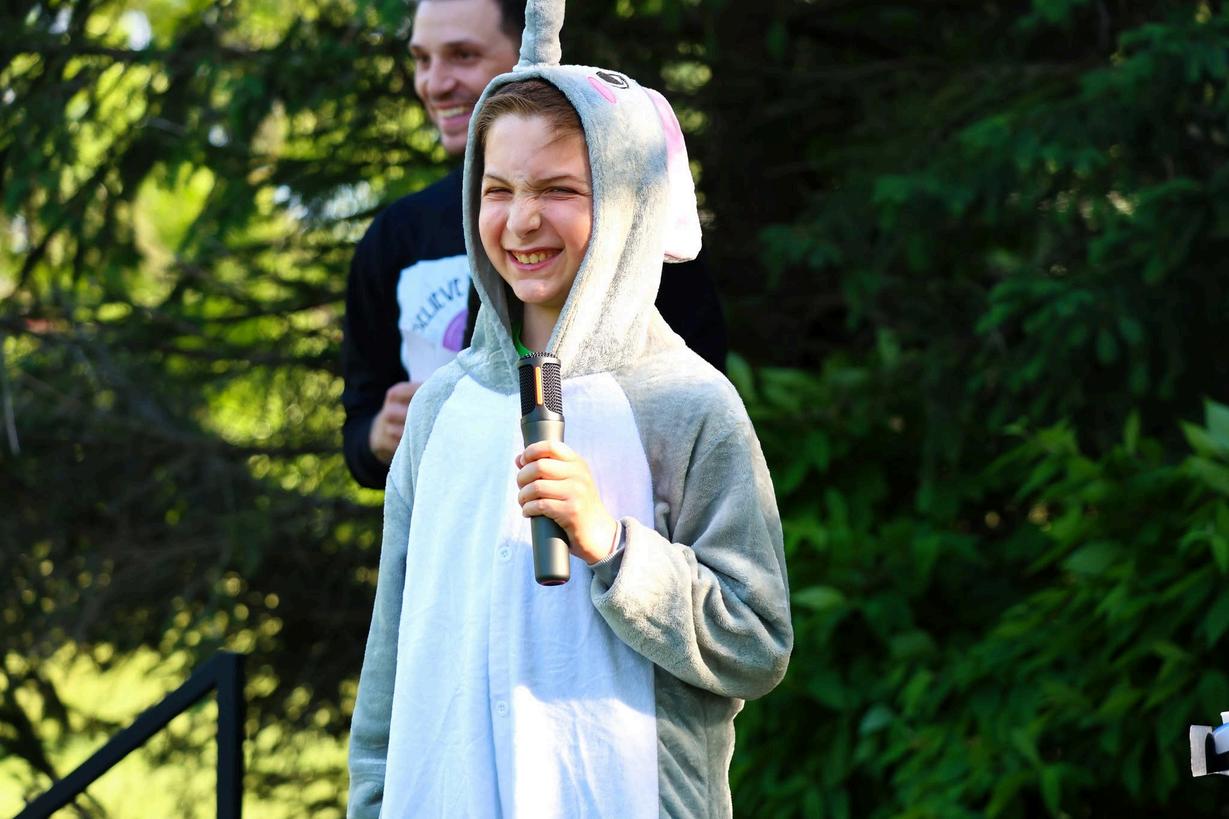
As the school year progressed, Joey shared a new goal: he wanted to sing a solo during the pre-show for the Spring Concert He had never performed on stage before and had never sung in front of an audience, but he spoke often about how much he wanted to participate Joey selected "Three Little Birds" by Bob Marley and remained committed to preparing for the performance, practicing diligently in the weeks leading up to the concert
When the evening of the Spring Concert arrived, Joey was surrounded by support Family members filled the audience, and CTC staff members gathered to cheer him on As he stepped onto the stage and began to sing, it became clear that this performance represented much more than a musical achievement It was an opportunity for Joey to share something meaningful with the people who cared about him.
His voice began softly, then grew stronger and more confident as it carried across the auditorium Looking out into the audience for the familiar faces supporting him, he sang, “Don’t worry about a thing, ’ cause every little thing is gonna be alright ”
For Joey, music opened doors to learning, relationships, self-expression, healing, and confidence His journey reminds us of an important principle at the heart of the DIR approach: when we take the time to understand what matters most to each student, we create opportunities for growth that are both meaningful and lasting
Thank you, Joey, for sharing your passion with us and reminding us of the power of meeting every child where they are
- Kelly Parrella, School Social Worker at Celebrate The Children
PhysicalTherapy Physical Therapy
Initiatives and activity recommendations from our Physical Therapists.
ports Group at CTC: Building Motor Skills Through Meaningful Play
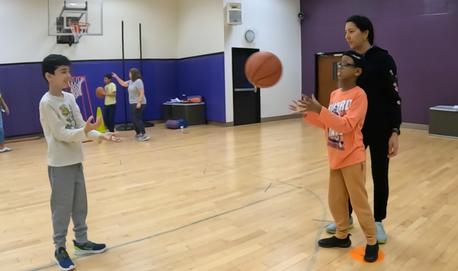
This month in the Sports Group at CTC, physical therapists are introducing students to the game of kickball to reinforce gross motor skills while promoting functional endurance, balance, and bilateral coordination The goal of the Sports Group is to provide students with a holistic physical experience alongside their peers in a functional and engaging setting.
The Sports Group respects and supports each child's unique developmental profile while promoting foundational motor skills through meaningful, relationship-based experiences The program targets development from the earliest foundations of self-regulation and engagement through the execution of movement, higher-level thinking skills, and the generalization of motor abilities within a sports environment.
General movement and thinking skills involve understanding the motions required to perform an action rather than simply imitating a learned performance These complex skills require movement across different body planes and axes while engaging both the right and left hemispheres of the brain. This is one reason why activities such as cross crawls and jumping jacks can be challenging for many of our students
The Sports Group provides numerous opportunities for students to practice motor planning, execute movements, and adapt those movements as needed in a leisure-based setting For example, when throwing a ball to a target with the right hand, a student must step forward with the left foot and rotate the trunk to the opposite side This movement pattern engages reciprocal upper and lower extremity coordination while promoting midline crossing, balance, and bilateral coordination. Through repeated practice, students develop mastery of these foundational skills, improving functional mobility and gross motor abilities while establishing the groundwork for more refined and discriminative movement patterns
The Sports Group also actively incorporates principles of the MNRI® (Masgutova Neurosensorimotor Reflex Integration) program, developed by Dr Svetlana Masgutova, which focuses on postural reflex integration and motor development This approach supports motor development, balance, proprioceptive processing, sensory-motor integration, emotional regulation, speech development, and communication skills. For example, specific MNRI exercises performed during warm-up and cool-down activities help strengthen motorcognitive functioning and support each student's developmental potential
Sports Group sessions are led by one or more physical therapists and include instruction in sport-specific skills as well as teamwork and social participation. The program is organized seasonally and divided into three parts throughout the school year to align with school schedules and weather conditions Fall focuses on football and soccer, winter emphasizes indoor sports such as basketball, and spring highlights softball, baseball, and kickball
Each session begins with warm-up activities that include stretching, endurance exercises, and strength training performed in both standing and seated positions Students then participate in sport-specific ball drills and activities that prepare them to engage in scrimmages with their peers. These experiences promote teamwork, cooperation, and positive social interactions. Sessions conclude with a cool-down phase designed to help students reset, regulate, and transition successfully
In conclusion, the Sports Group at CTC is grounded in DIR® principles and supports the development of the 5 C's: Comfort, Competence, Confidence, Control, and Communication. Through meaningful participation in sports and recreational activities, students strengthen foundational motor skills while building the confidence and connections necessary for lifelong success
- Damanpreet Kohli, Physical Therapist at Celebrate The Children
A look into our Occupational Therapists’ involvement in student development at CTC.
This month, CTC's Occupational Therapy Department is focusing on supporting student autonomy across school-based activities and daily routines. Recently, the department participated in a professional development course, Supporting Autonomy, presented by Autism Awareness Inc The training emphasized the importance of creating opportunities for individuals with autism to develop autonomy at home, in school, and within their communities
The key components of fostering autonomy align closely with the DIR® Floortime model These components include understanding an individual's developmental level, recognizing their unique profile and interests, and building trusting relationships that support the development of a strong sense of self.
A thorough understanding of each student's developmental abilities allows therapists and educators to select activities that are appropriately challenging while supporting progress toward individualized goals Equally important is understanding the many aspects of a student's individual profile to determine meaningful autonomy goals and identify the level of support needed for success. These areas may include:
Communication skills
Sensory processing abilities
Self-regulation skills
Motor abilities
Interoception (awareness of internal body signals)
Developing autonomy often begins with simple responsibilities at home, such as sorting laundry, setting the table, or washing dishes As students build skills and confidence, opportunities can expand into the school setting, where they can engage in activities that promote social interaction, self-regulation, and independence These experiences can eventually extend into volunteer opportunities and participation within the community
Incorporating a student's passions and interests is an essential part of supporting autonomy, as it helps maintain motivation, engagement, and a sense of purpose Strategies that support individual needs and promote independence include:
Using visual supports
Creating structured play and social opportunities
Incorporating personal interests and passions
Supporting sensory needs through tools such as noise-reducing headphones, quiet workspaces, and movement breaks
Supporting motor needs through appropriate positioning and environmental modifications
Encouraging self-regulation through calming strategies, preferred music, and co-regulation
Establishing predictable routines
Offering meaningful choices
Using timers and schedules to support time awareness and transitions
Fostering autonomy helps build self-esteem, confidence, problem-solving abilities, and resilience Most importantly, it prepares students for greater independence and participation in adulthood by empowering them to take an active role in their daily lives and communities.
- Morgan Wolken, Occupational Therapist at Celebrate The Children
Speech-Language Pathologists detail their work at CTC and provide options for furthering communication at home.
ContinuingOurInternationalCollaboration C
ontinuing Our International Collaboration
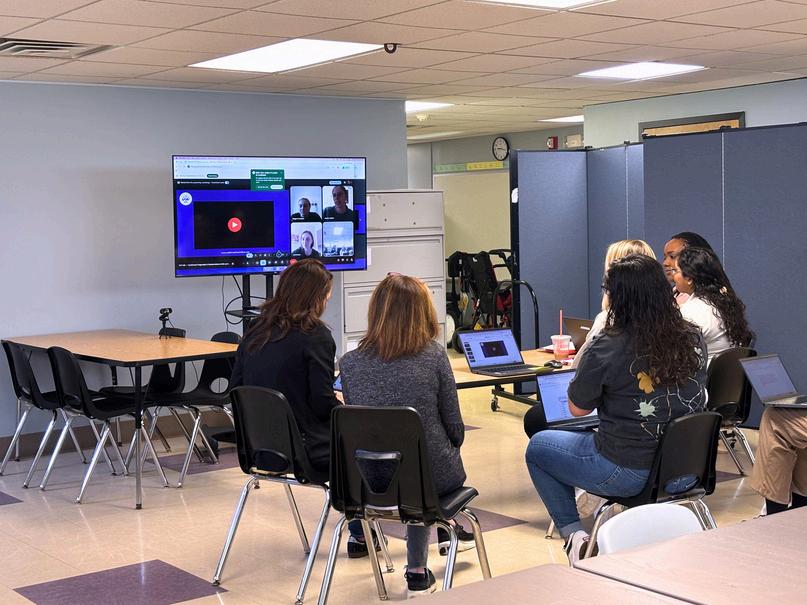
The Speech-Language Pathology Department recently had the incre opportunity to participate in a collaborative exchange with therapis clinicians from Khanyisa Developmental Centre in Durban, South Afr Khanyisa Developmental Centre is dedicated to supporting children diverse developmental and educational needs through specialized educational and therapeutic interventions. Their mission focuses on empowering children and families by providing individualized suppo nurtures growth, communication, meaningful relationships and lifelo learning Staff from the Kaneyisa Center met with the speech depar as a follow up to their September visit to CTC, focusing on AAC (Augmentative and Alternative Communication) and how it can be integrated within the DIR model to further support students’ commun skills.
Throughout the virtual meeting, clinicians engaged in rich discussions surrounding DIR strategies from a speech language perspective while sharing ideas, experiences, and therapeutic approaches that support regulation, engagement, communication and connection for children with diverse needs The collaboration created an inspiring space for professionals to reflect on meaningful, relationship based practices that honor each child’s individual strengths and developmental profile Clinicians also explored the use of AAC, including ways to model language through AAC systems, promote functional communication, and create inclusive opportunities for children to express themselves across everyday routines, play experiences, and social interactions.
Clinicians from CTC and Khanyisa shared effective therapeutic approaches regarding staff training, parent support, classroom strategies, and practical ways to support communication development in daily routines and natural environments CTC clinicians also shared videos of students using AAC and provided valuable insight into their experiences supporting children who use a variety of AAC systems and modalities to increase engagement, participation, social interaction and functional communication Although our cultures, communities, and educational systems may differ, it quickly became clear that we were united by the same purpose, helping students feel heard, valued, and empowered. Together, we reflected on the importance of helping students discover their voice, build trusting relationships and develop meaningful connections with others in ways that foster confidence, increase independence and support child agency
One of the most powerful themes throughout the discussion was that communication goes far beyond spoken words The DIR model reinforces this foundation by emphasizing that communication is best supported through relationships, shared interactions and everyday experiences. Together, these approaches give students meaningful opportunities to communicate and express themselves while building strong foundations for lifelong communication skills
The exchange created a powerful opportunity for professionals to learn from one another, reflect on clinical practice, and celebrate our students as they find their voice and connect with the world around them This collaboration was not only professionally enriching, but also personally uplifting and affirming. It served as a beautiful reminder that when professionals come together with a shared purpose, we strengthen not only our practice, but also the lives of the students, families, and communities we serve.
- Ernesty Laurore, Speech-Language Pathologist at Celebrate The Children
ParentTrainings Parent Trainings
Upcoming workshops and events designed to strengthen the home–school connection Highlighting opportunities for parents to learn, share, and partner with the school in supporting every child’s growth and success
Join us June 16, 2026 at 10:00am for an end-of-year Parent Partnering Group reflection of this year and plan on topics for next year.
Email, aprice@celebratethechildren.org to respond or if you have any questions.
As we wrap up another meaningful year of our Parent Partnering Group Trainings, we want to extend our heartfelt gratitude to all of our incredible families. Your dedication, openness, and active participation helped make this year truly special
Throughout the year, we explored important DIR® strategies together including regulation, coregulation, functional play, connection, and supporting our children through meaningful relationships and shared experiences Your willingness to engage, ask questions, share successes, and support one another created a warm and collaborative community where everyone could learn and grow.
One of the most powerful parts of this year was seeing the strong connections formed between parents, caregivers, and staff. Your involvement showed how valuable parent engagement is in helping children thrive both at home and at school. Through conversations, shared experiences, and practical strategies, we strengthened our understanding of how connection is at the heart of development.
Thank you for trusting us, partnering with us, and bringing your voices, ideas, and experiences into every training session. Your commitment to learning and growing alongside your child is truly inspiring.
We are so proud of all we accomplished together this year and look forward to continuing this journey with you next year as we build even more opportunities for connection, support, and growth through DIR®.
With appreciation,
Celebrate the Children’s Parent Partnering Team, Antoinette Price and Beth Ribaudo