230 Diamond Spring Road Denville, New Jersey 07834
Dear CTC Families and Stakeholders,
Happy May! We have a lot of wonderful things very much excitement that we share that our 2026. The commercial will air regionally throu in New Jersey during Peak Hours, 7:00am - 11:4 Hours 6:00pm - 11:45pm. Our documentary wi premiers the week of May 25, 2026 nationally networks: CNN, CNBC, FOX, FOX Business, TLC Travel Channel, Food Network, HGTV, BRAVO Discovery. So exciting!
Concert fever is in the air! We look forward to our 14th Annual Spring Concert - A CTC Production: Believe in the Magic, Wonder and Amazement for All! Please check our website to sponsor or purchase a booster ad to congratulate your favorite student. Hope to see you at St. Elizabeth University on Thursday, May 28, 2026 as we cheer on our students and their amazing abilities and talent.
Thank you to everyone who participated in our 2nd Annual Neurodiversity Walk- what an amazing day! We were honored to have Assemblywoman Aura Dunn attend and kick off the event with opening remarks. The event raised over $ 53K! We are so appreciative of your support and generosity.
If you have any questions about our events, please contact Kristin Polster at kpolster@celebratethechildren org Looking to visit or tour our program?
Please contact Katie McColligan at kmccolligan@celebratethechildren.org.
Regards,
Lauren Blaszak, Executive Director & Co-Founder of Celebrate the Children
StudentSpotlight Student Spotlight
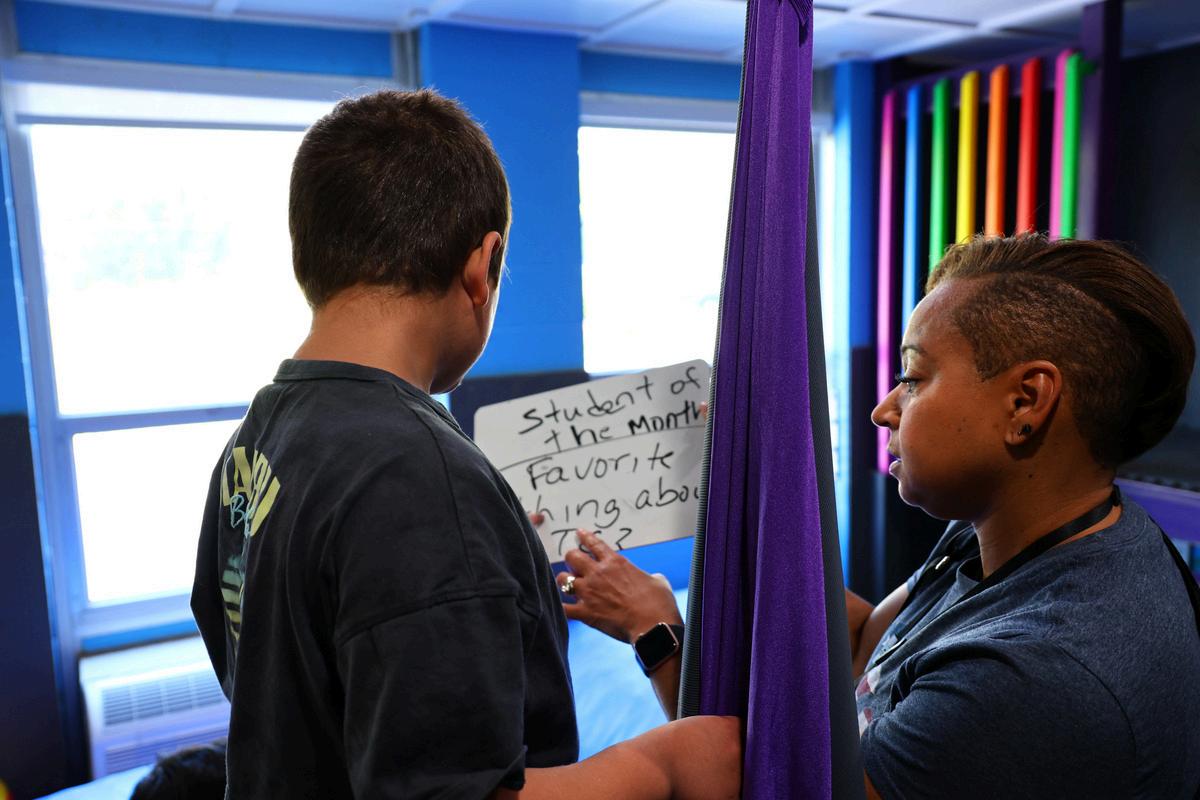
Each month, one randomly selected CTC student shares their school experience and what makes them unique!
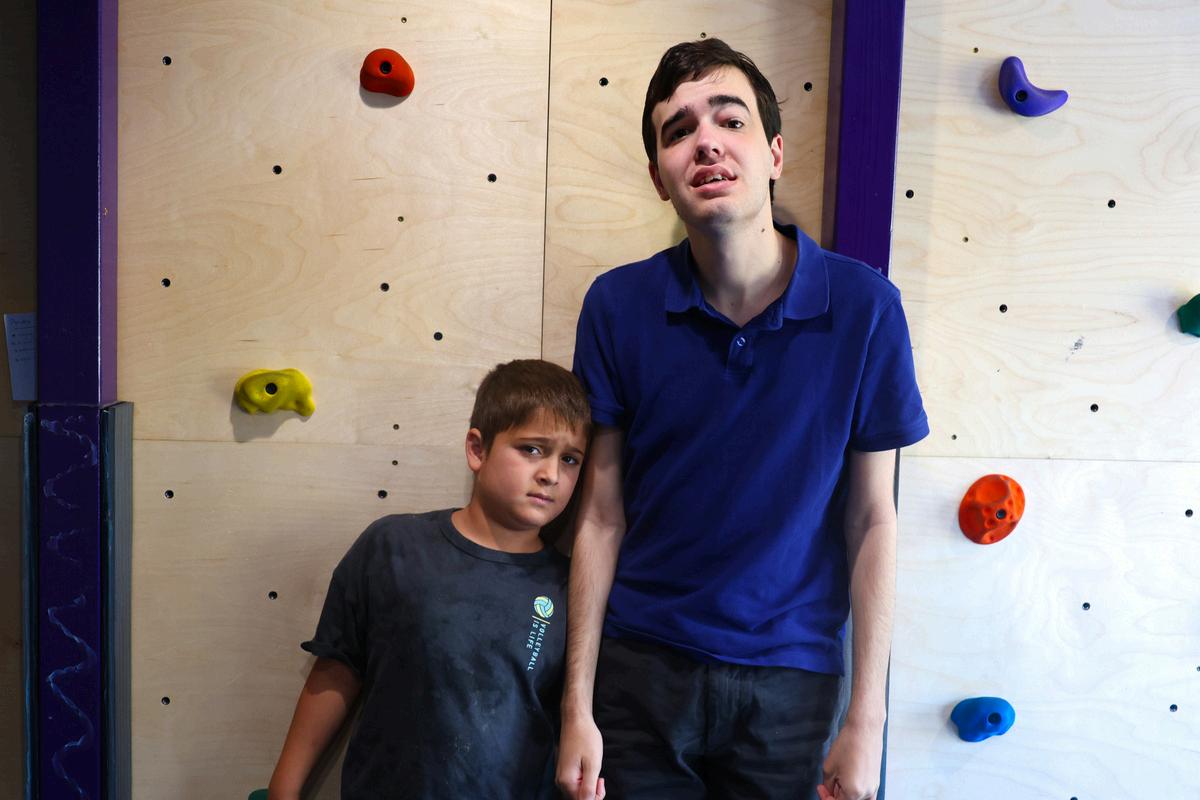
MayStudentoftheMonth: May Student of the Month: Andre! Andre!
Max: Andre, congrats on Student Spotlight!
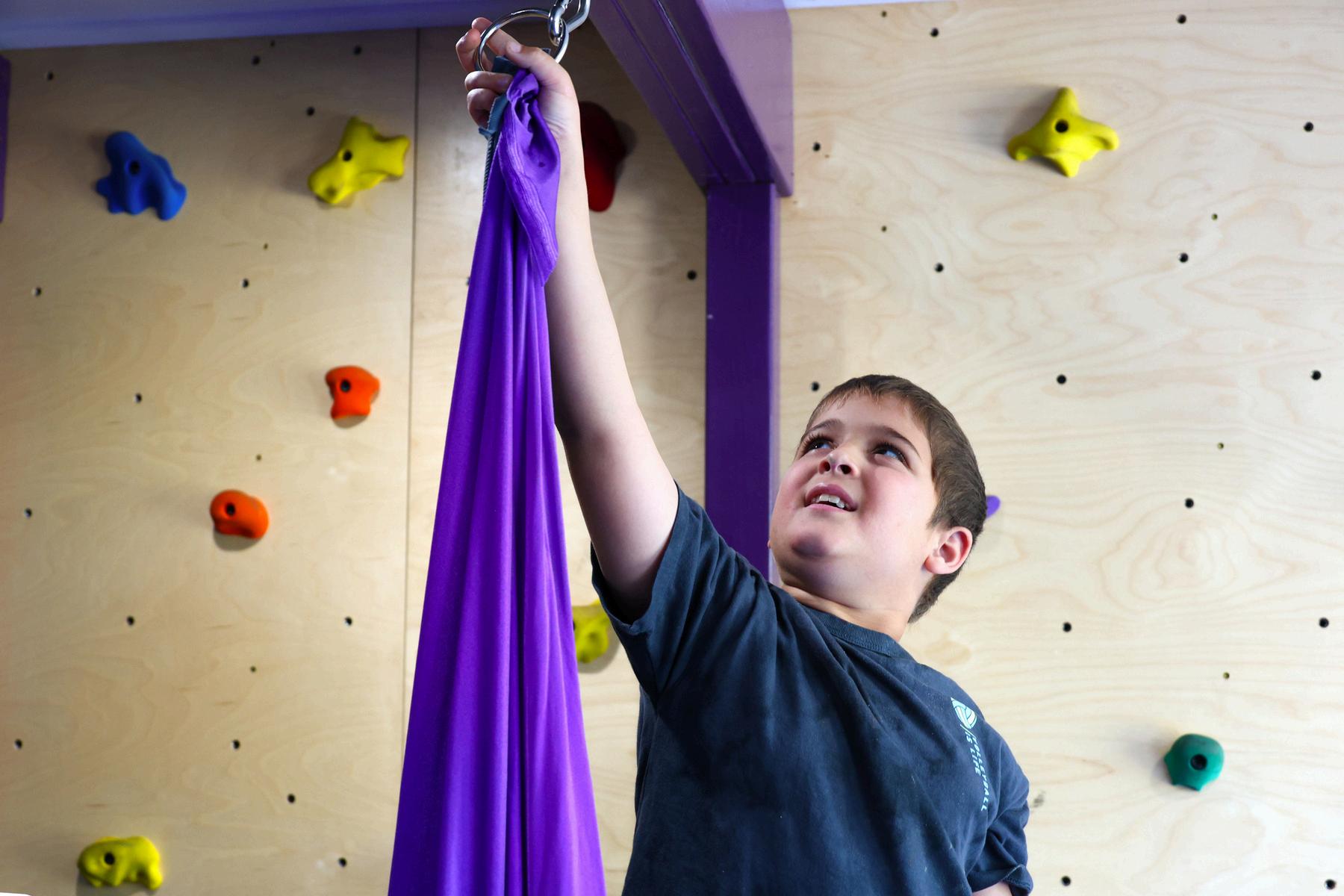
What is your favorite sensory activity?
Andre: Swings.
Max: That’s cool. Besides swings, what is your favorite things about CTC?
Andre: Friends.
Max: What is your favorite animal?
Andre: Cows and chickens.
Max: What is your favorite food?
Andre: Cookies!
Max: What do you want to be when you grow up?
Andre: An aide.
Max: Last one: who is your favorite person?
Andre: Mom.
Max: Good job, Andre.
Good luck on your spelling journey!
Interview conducted by Y.A.P. student Max. Thank you to Ms. Nicole and Ms. Angela for facilitating!
fSpotlight f Spotlight
Members of our amazing staff share their CTC stories, personal hobbies, and professional motivations!
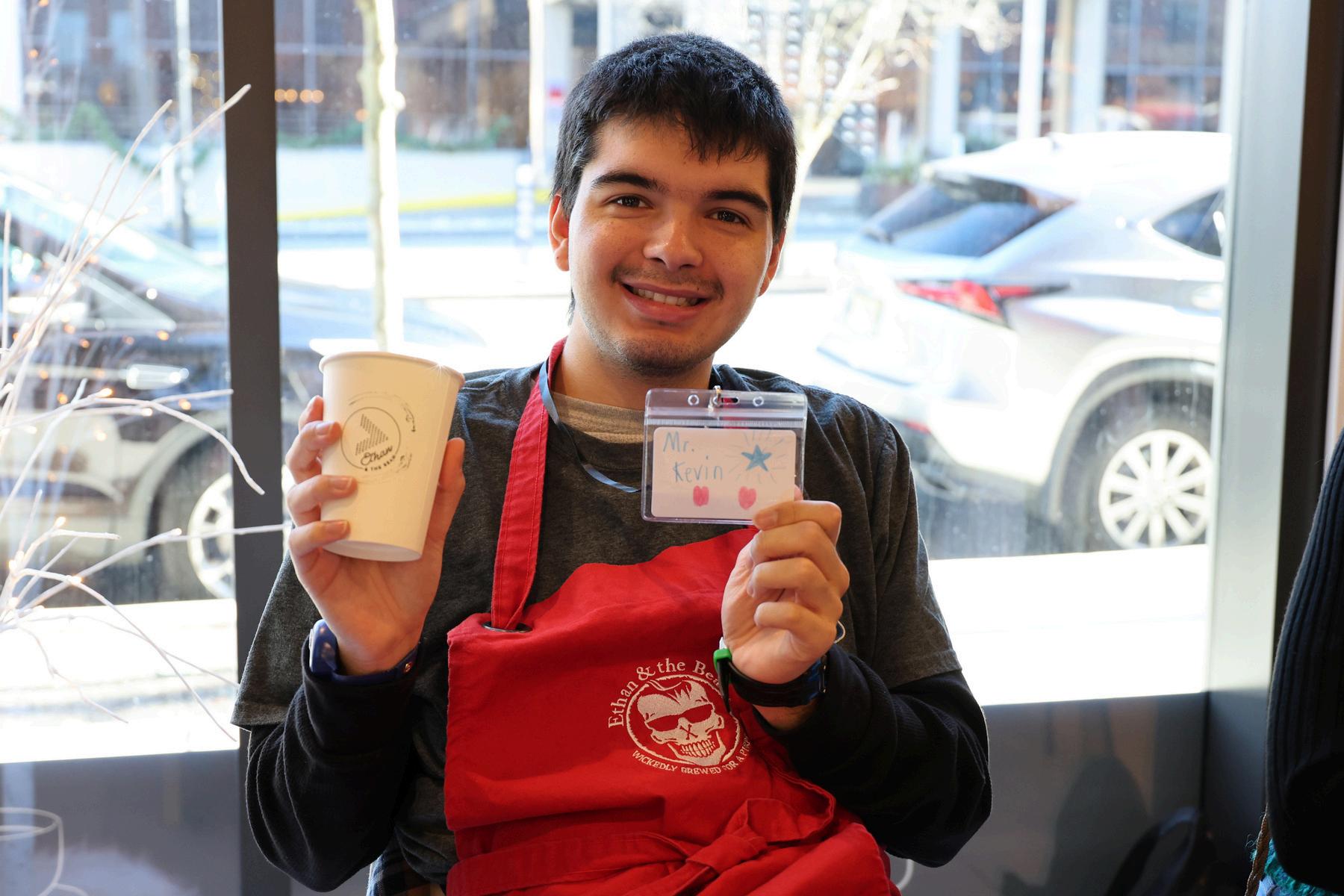
Menachem: When did you start working here and how long have you been working here?
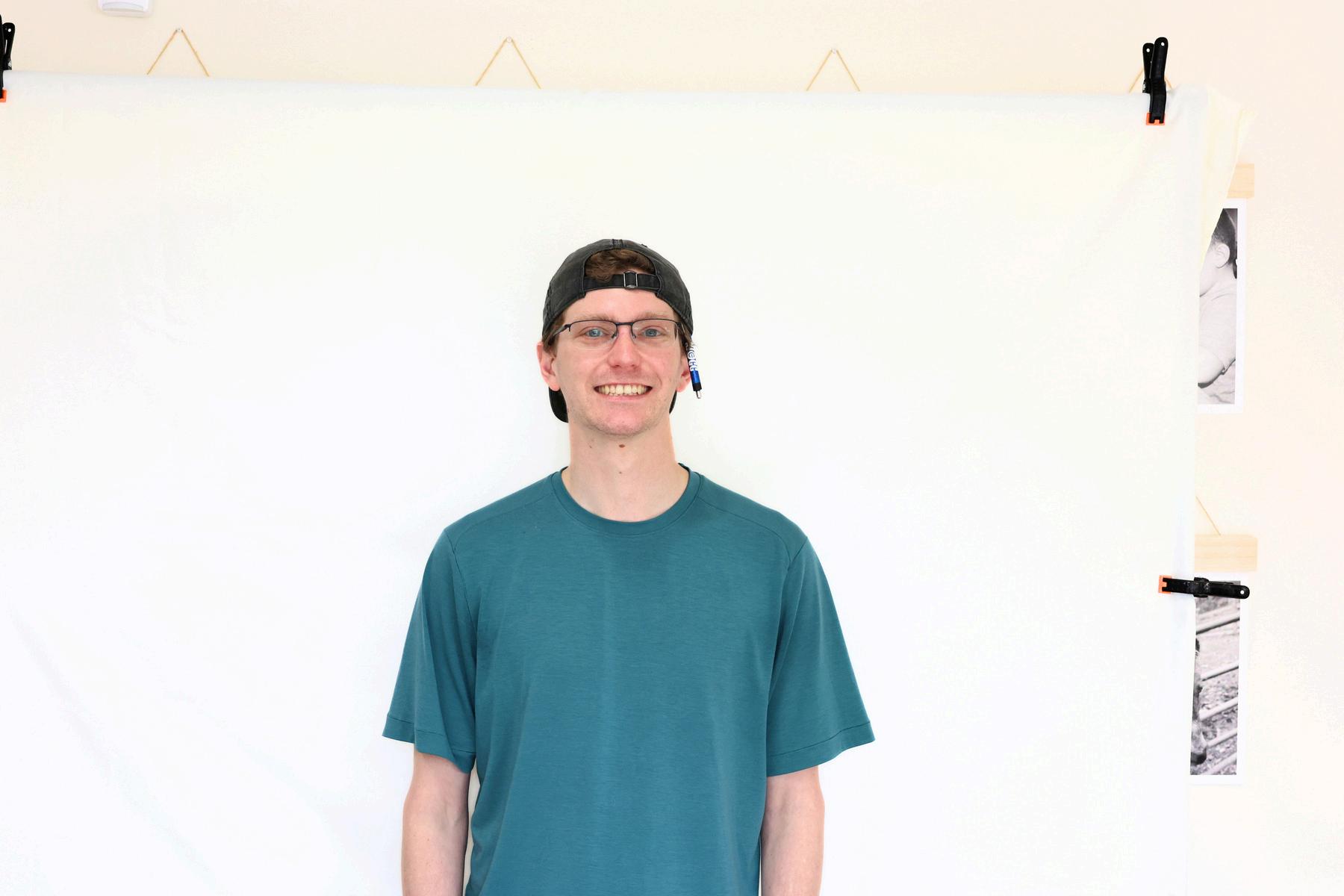
Kevin: I started working here in the summer of 2013 so 12 years.
Menachem: What were the things you did before coming to CTC?
Kevin: I worked in a public middle school as a paraprofessional.
Menachem: Where were you born?
Kevin: I was born in New Brunswick.
Menachem: Is there any student you like interacting with a lot?
Kevin: I really enjoy interacting with all students Every student has their own personality and style which makes them fun.
Menachem: Is there anything at the job you especially like?
Kevin: I enjoy my staff and students They make the days fun and bring a smile to my face
Menachem: How do you train for your job?
Kevin: I went to Bloomsburg University to get my teaching degree. They had a lot of classes on education and then they put us into a lot of practicums where you go into the classroom to teach and work with teachers to get experience. They also put us in different environments like urban and rural along with different grades so I did an elementary and middle school one so we can find what we liked best.
Menachem: What schools did you go to?
Kevin: I went to West Morris Central high school and Bloomsburg University for college.
Menachem: Why do you choose to go to CTC?
Kevin: I enjoy the staff and students If we can learn something and have fun while doing it, that is a win
CTCC CTC Community ommunity
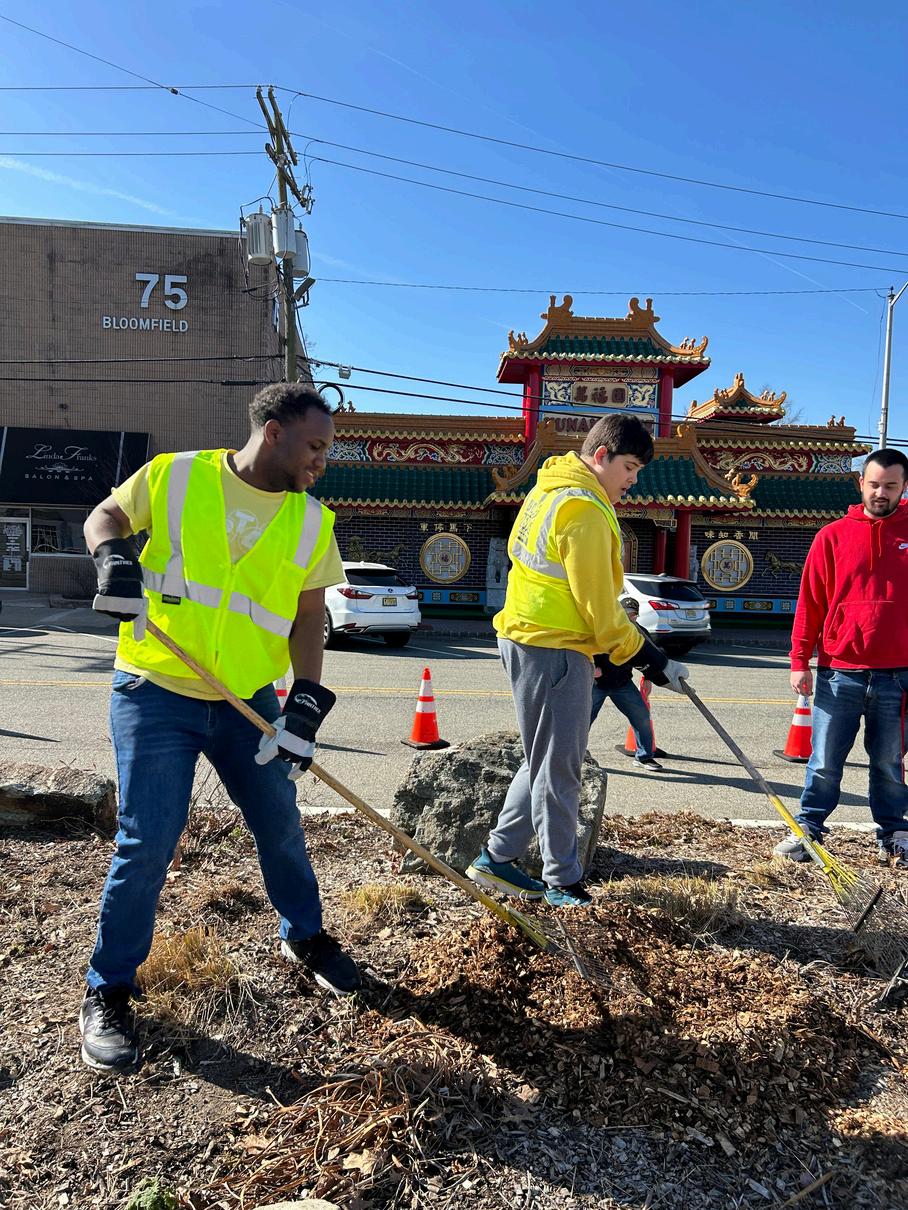
Celebrate the Children is deeply grateful for all of the wonderful community partners we and our students are fortunate to work with. Every month, we shine a light on just one of the many amazing establishments in our community.
RethinkingtheInterview-UniversityofMichigan Rethinking the Interview - University of Michigan
At Celebrate the Children, we actively seek ways to connect our work to the broader landscap autism research and advocacy. This year, some students in our High School and Young Adult Program are participating in an ongoing national research study, in partnership with the Unive of Michigan and the Kessler Foundation, strengthening how employment preparation is design and delivered for individuals on the autism spectrum nationwide
The study, Interview TIME (Training Inspired Minds for Employment), focuses on one of the mos significant barriers to employment: the job interview
According to Daniel Sullivan, Senior Research Assistant on the project, “ many individuals on the autism spectrum have the skills needed to perform well in a job, but often encounter barriers during the interview process, which relies heavily on social communication ” The challenge is not the ability to do the job itself, but the process of getting there
Through this partnership, participating students are engaging with a Virtual Interview Training program that allows them to practice interviews in a structured, supportive, and low-pressure way Students interact with virtual hiring managers, experience a range of interview styles, and receive feedback that helps build both skill and confidence over time
This work reflects a shift in how we think about employment preparation. Rather than relying solely on traditional role-play, this approach uses technology to add an enhanced layer of consistency, repetition, and meaningful feedback, all grounded in research.
The partnership itself is intentional. Sullivan shared that Celebrate the Children stood out to the research team for its deep understanding of the autism community, its innovative and individua approaches to supporting students, and its strong commitment to helping young people prepar life beyond school and reach their individual goals.
Staff have been trained in implementing research-based protocols, and both families and indiv students have chosen to take part. Together, this allows the work to happen in a real school set helping ensure it is meaningful, practical, and able to support individuals across a wide range o communities
At its core, this effort connects to something much bigger “Employment is tied to independence, social inclusion, and quality of life,” Sullivan noted, reinforcing why this work matters Developing these interviewing skills can expand opportunities and support individuals in accessing work that best aligns with their strengths and interests
Through this collaboration, our students, staff, and families are not only supporting their own grow but helping bring this work into a broader national context We are deeply grateful to be in partnership with the University of Michigan and the Kessler Foundation, and proud to contribute to work that extends far beyond our own community
- Vanessa Graves Foster, High School and Y A P Vice Principal at Celebrate the Children School
EducationHQ Education HQ
From internships, to specials, C.B.I.s, and more, Education HQ features topical program initiatives each month!
MetLifeStadium MetLife Stadium
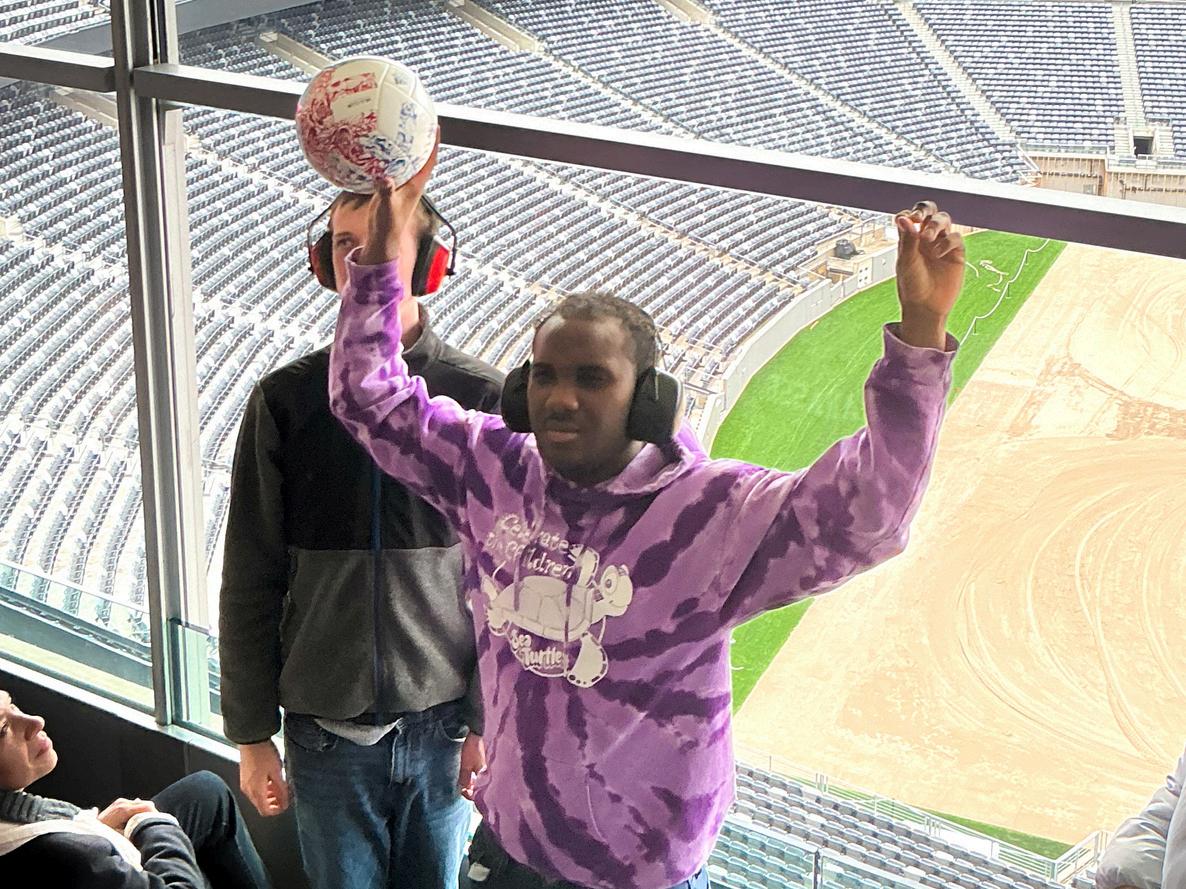
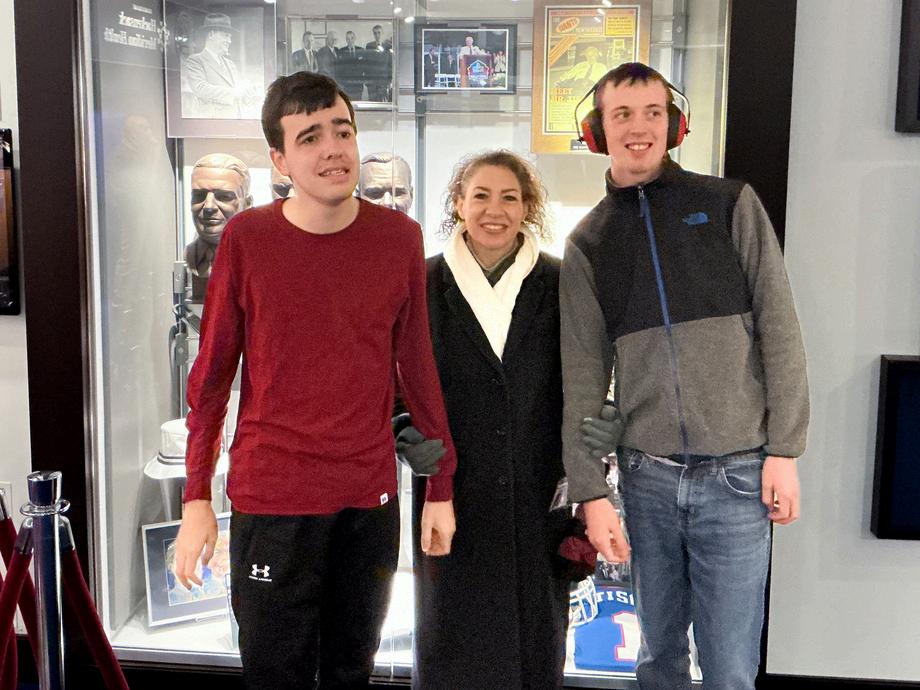
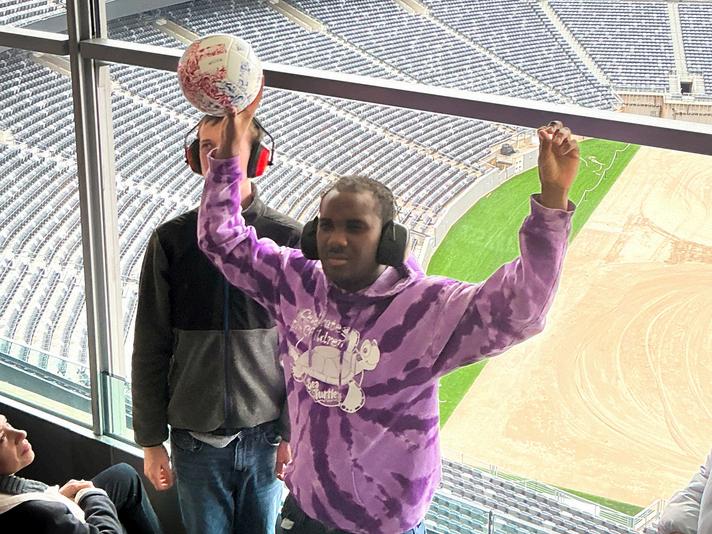
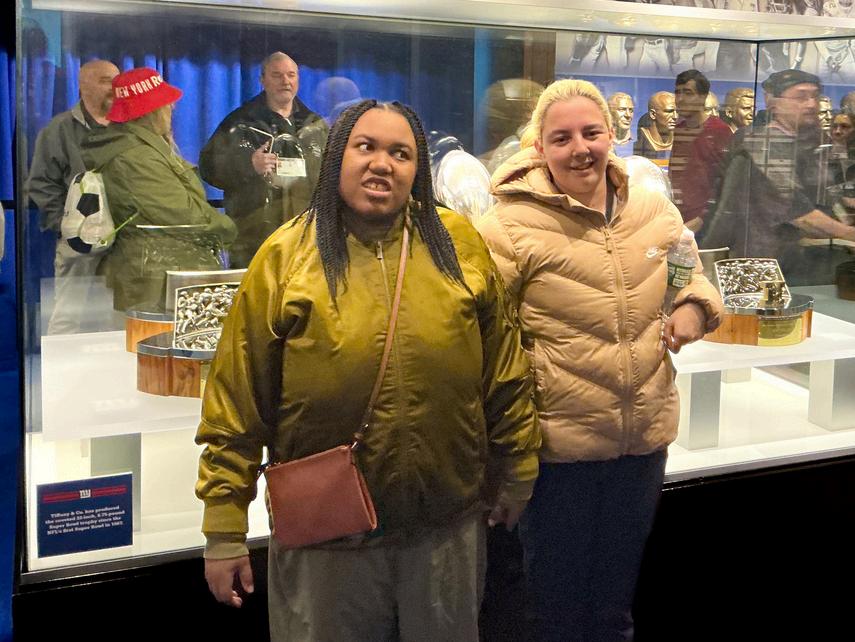
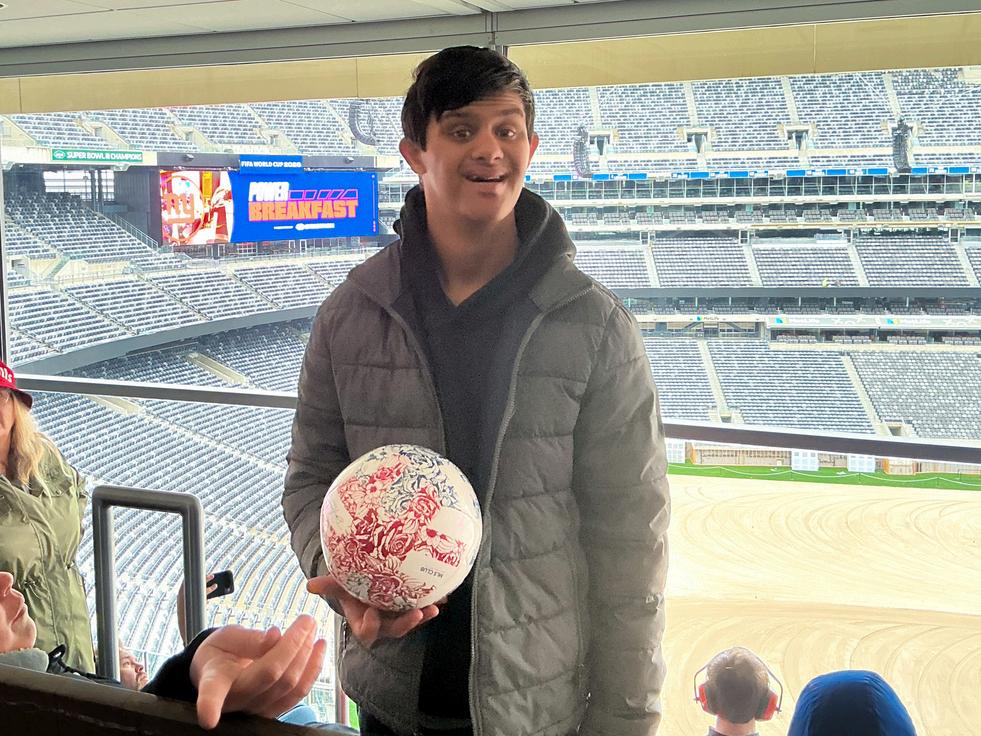
MetLife Stadium, located in East Rutherford, NJ, is the home of the New York Jets and New York Giants. It is one of the largest stadiums in the National Football League with a capacity of 82,500. It hosts the world's biggest events on the world's biggest stage and will serve as host stadium for the FIFA World Cup Final Soccer fans can expect to pay as much as $85,000 for their Pitchside Lounge ticket! The YAP was most fortunate enough to get a tour of the stadium on Wednesday April 22nd. The Stadium tour ran about 120 minutes and included access to the Legacy Room, Press Box, and suites.
I had a few questions that I wanted to ask our tour guide. I wanted to know how many events were held at the stadium each year and what the highest-grossing event had been so far. Luckily, our tour guide, Scott, had the answers. He explained that MetLife hosts around 300 events a year, with about 40 of them being major events He also shared that the highest-grossing event so far was a WrestleMania event One of our own staff members, Regina, had even more insight into what is coming up next at MetLife. She shared that MetLife has been intensively preparing for the World Cup since January, including hiring and training over 1,000 new staff members focused on hospitality, medical care, and safety. The stadium is also undergoing upgrades such as new pocket stages for pop-up performances, field transformations to create a soccer pitch, and enhanced security measures including drone surveillance and increased presence of the New Jersey State Police. Medical response teams and the stadium infirmary are also being expanded to support the scale of the event.
After the World Cup Final on July 19, MetLife will continue the excitement with a summer concert series featuring AC/DC, Guns N' Roses, and Bruno Mars. In addition to the upcoming National Football League season, the stadium will also host the Army–Navy Game on December 12. As Regina shared, the entire world is coming to East Rutherford this summer, and MetLife is ready to welcome them with big stadium energy
Overall, it was a great field trip. I got to see parts of the stadium that people normally would not get to see and learned a lot about how MetLife operates and prepares for major events.
- Written by Y.A.P. Student James
Floortime Floortime
Floortime is the heartbeat of CTC.
Learn more about Floortime and the DIR® model here each month.
TheTrailYourWay:HikingasaSocialandSoloExperience
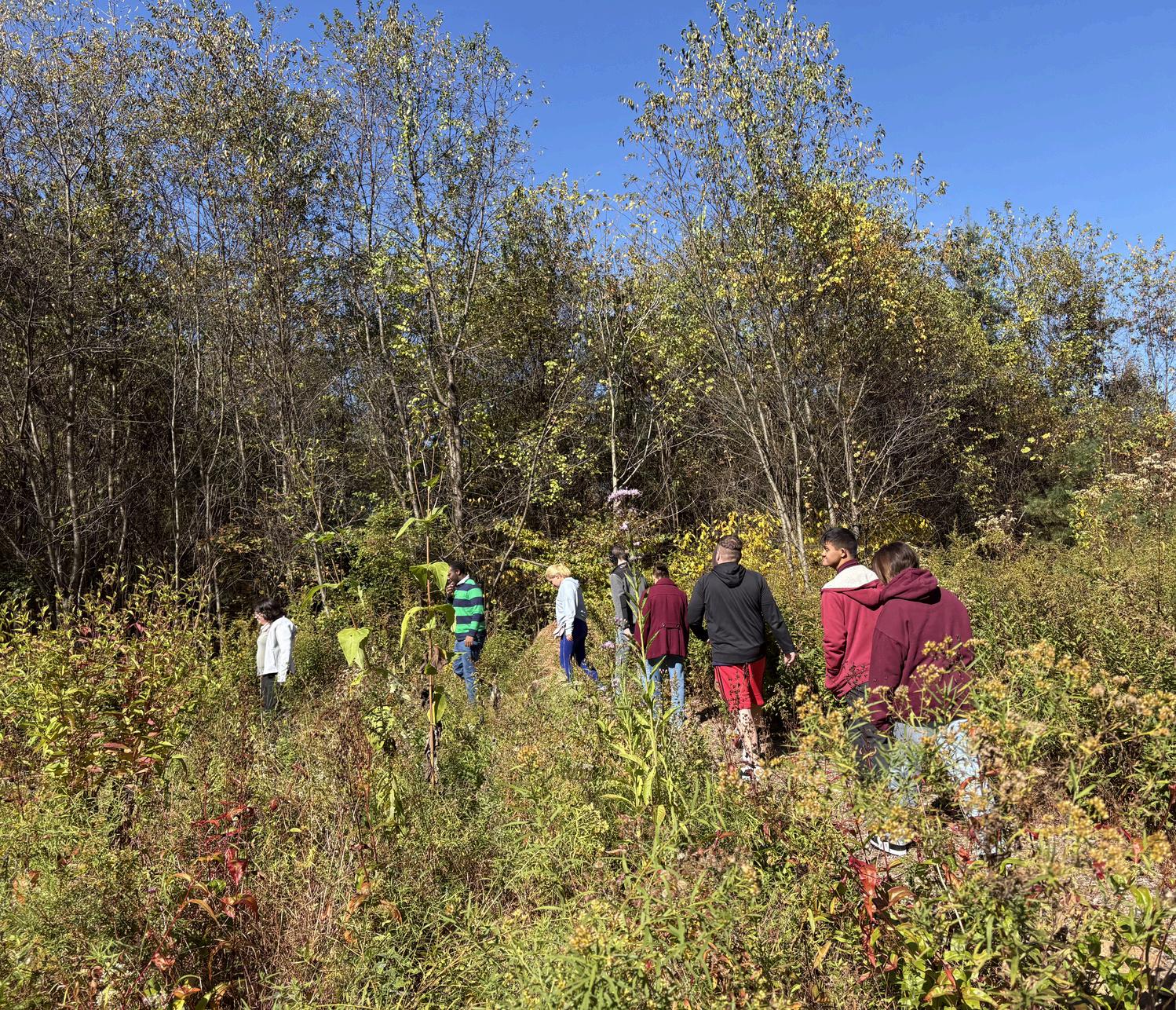
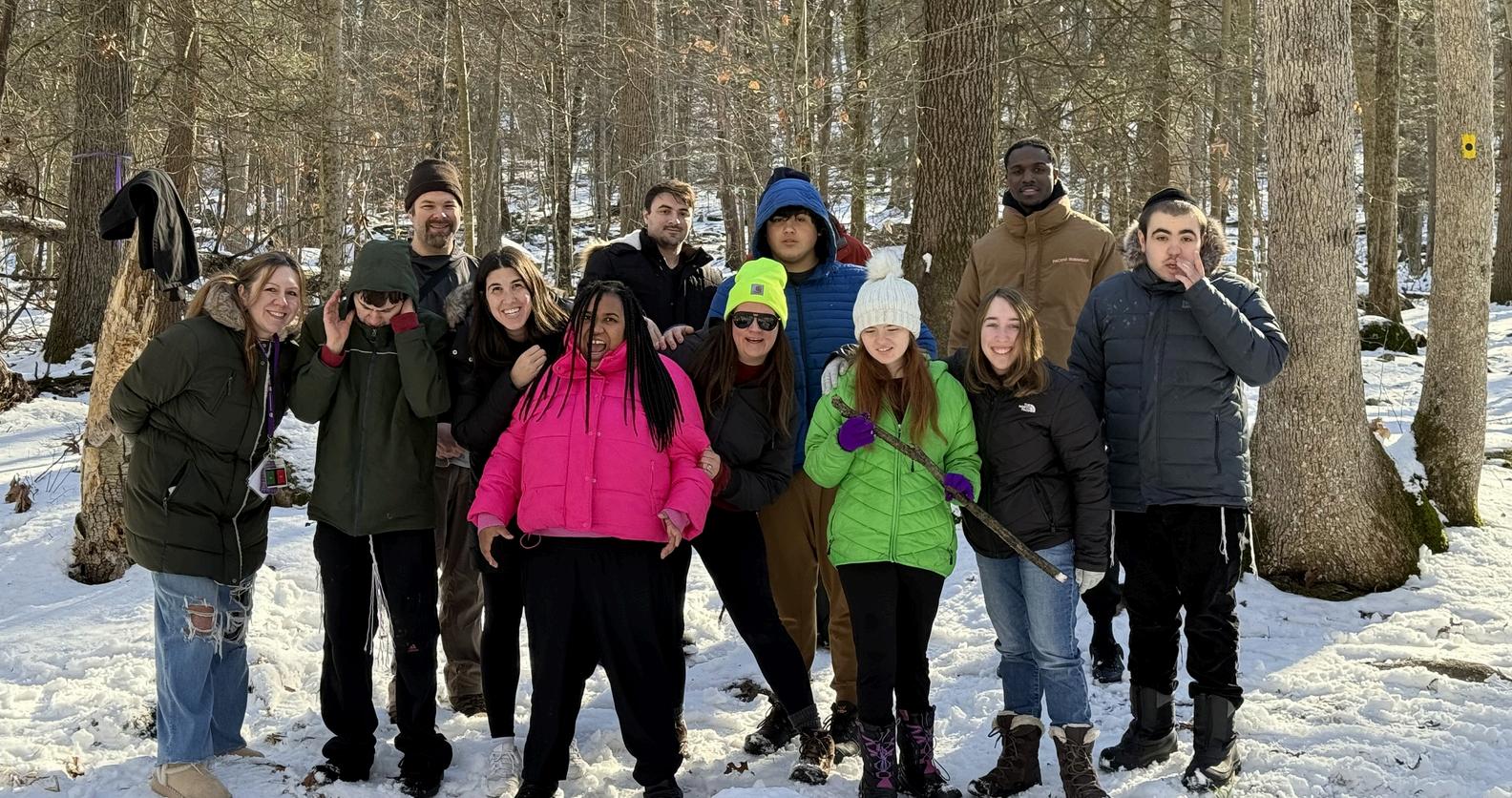
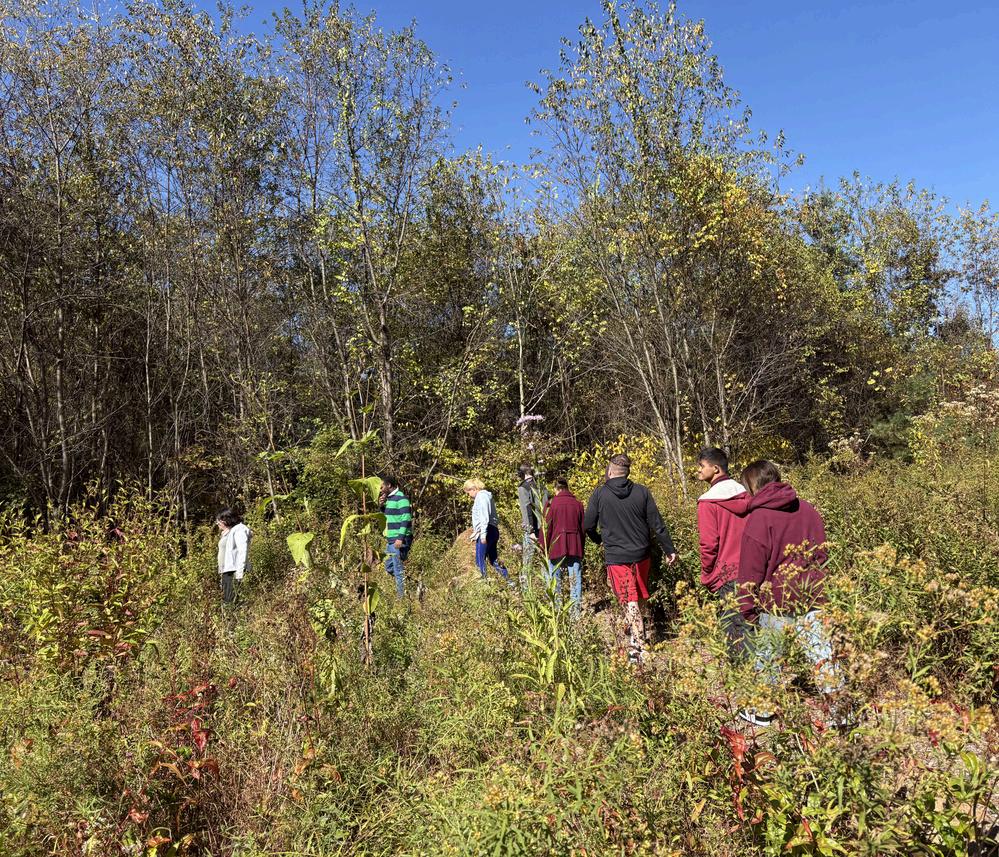
For many of our students , a hike isn't just a walk in the woods; it’s a sensory experience that can be either deeply restorative, or incredibly overwhelming To make a hike truly meaningful, the focus might shift from "reaching the summit" to "engaging with the environment "
As the weather warms up, many students are hitting the local trails. For our community, hiking offers a unique "choose your own adventure" appeal Unlike team sports or crowded gyms, the great outdoors provides a flexible environment where students can find exactly what they need whether that’s a quiet moment of solitude or a low-pressure way to connect with others.
For some students, the school day may be a marathon of sensory input bright lights, loud hallways, and constant social demands A solo hike supports:
Autonomy: On the trail, the hiker is the boss. They choose the pace, the path, and when to stop.
Soft Fascination: The natural world provides "soft" sensory input the sound of wind through pines or the rhythm of footsteps which helps reduce anxiety and restores the ability to focus
Total Presence: Without the need to mask or perform socially, students can engage in "stimming" (repetitive movements) or deep-dive into observing nature without judgment.
Social Hiking offers an organic opportunity for connection without face to face pressure While hiking is often seen as a solitary act, it can be one of the most inclusive social activities available A social hike provides:
Parallel Play for Teens: Hiking is a "side-by-side" activity. Because everyone is walking in the same direction, there is less pressure to maintain constant eye contact, which can make conversation feel more natural and less draining.
Shared Focus: Having a "mission" like finding a specific waterfall or reaching a milestone provides a structured topic of conversation, reducing the stress of small talk
Tips for a Successful Hike:
Utilize Social Stories & Visual Maps: Provide a simple one-page "Social Story" that describes the hike: "First, we will walk on a dirt path Then, we will see a wooden bridge Finally, we will sit on a bench for a snack "
Virtual Preview: If the trail has a Google Street View or a YouTube "POV" video, share it Knowing what the terrain looks like can prevent " sensory shock."
The "Exit Strategy": Make it clear that it’s okay to turn back. Knowing there is a plan for "if I feel overwhelmed" can actually provide the confidence needed to keep going
Go play outside and remember, process not product!
- Regina Frandano, Floortime Specialist at Celebrate
SpellingtoCommunicate Spelling to Communicate
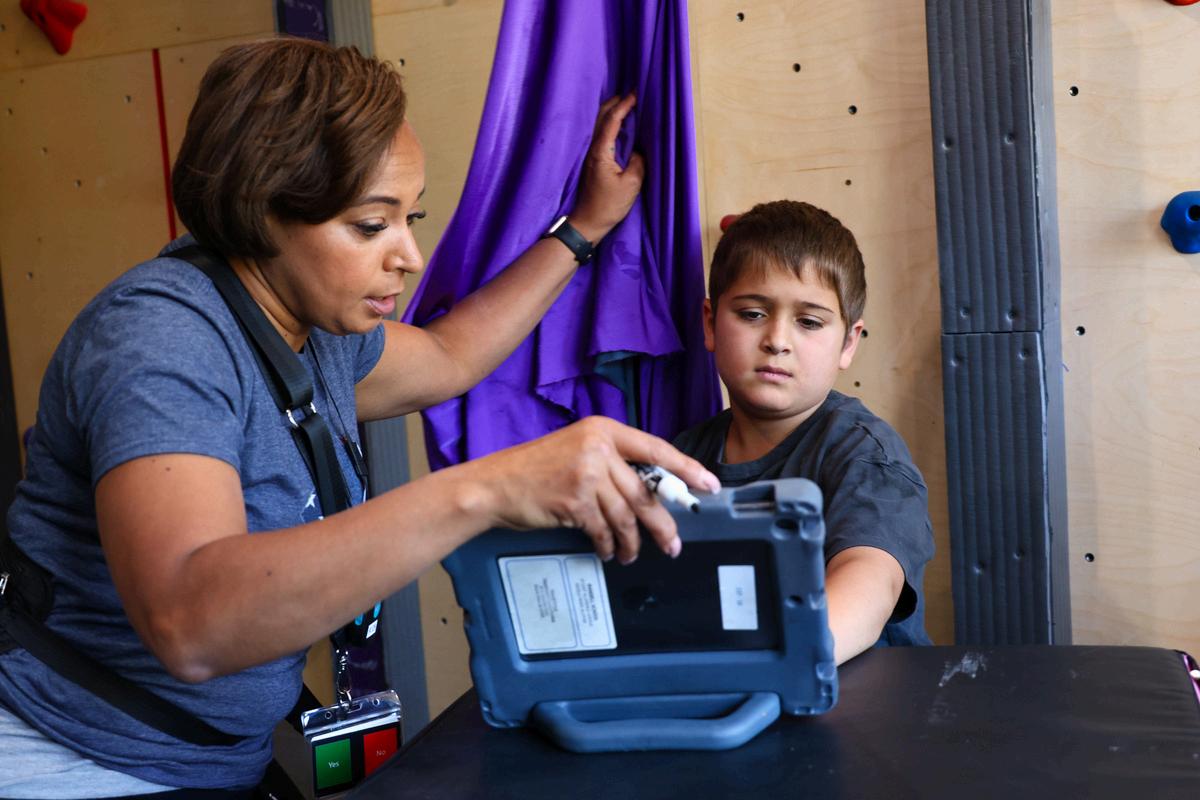
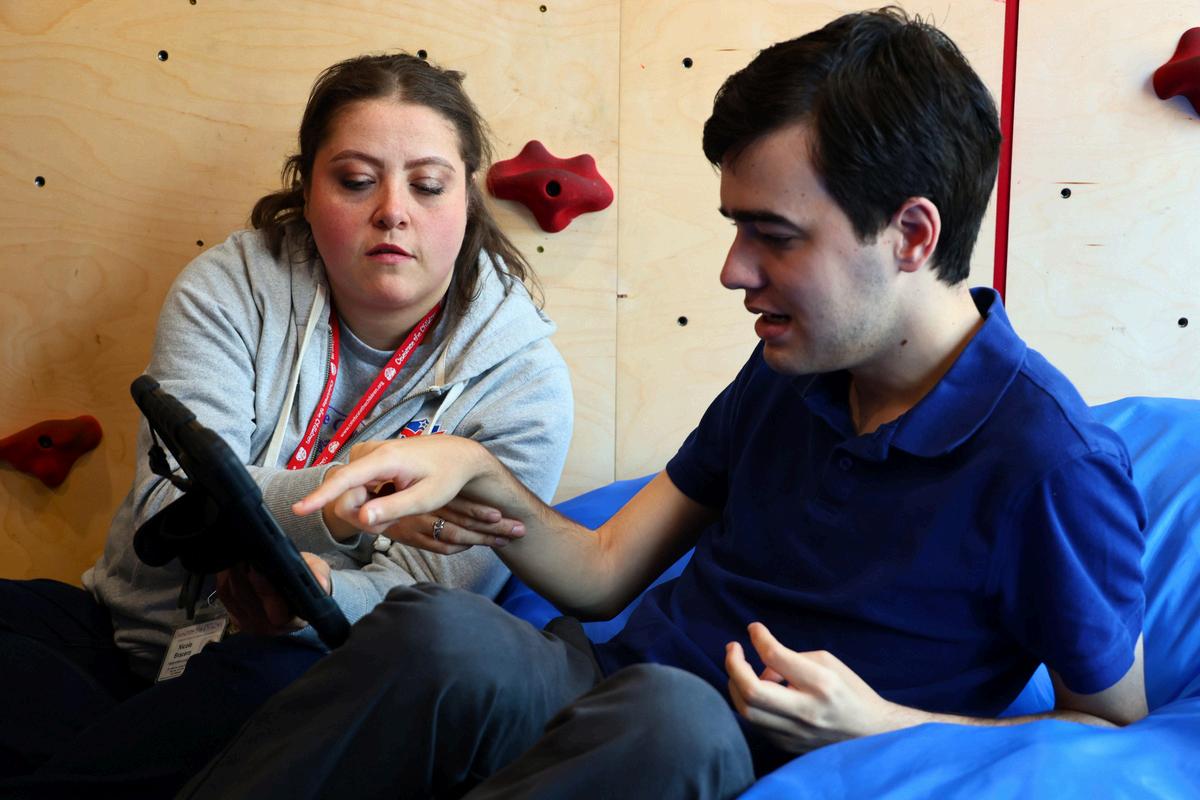
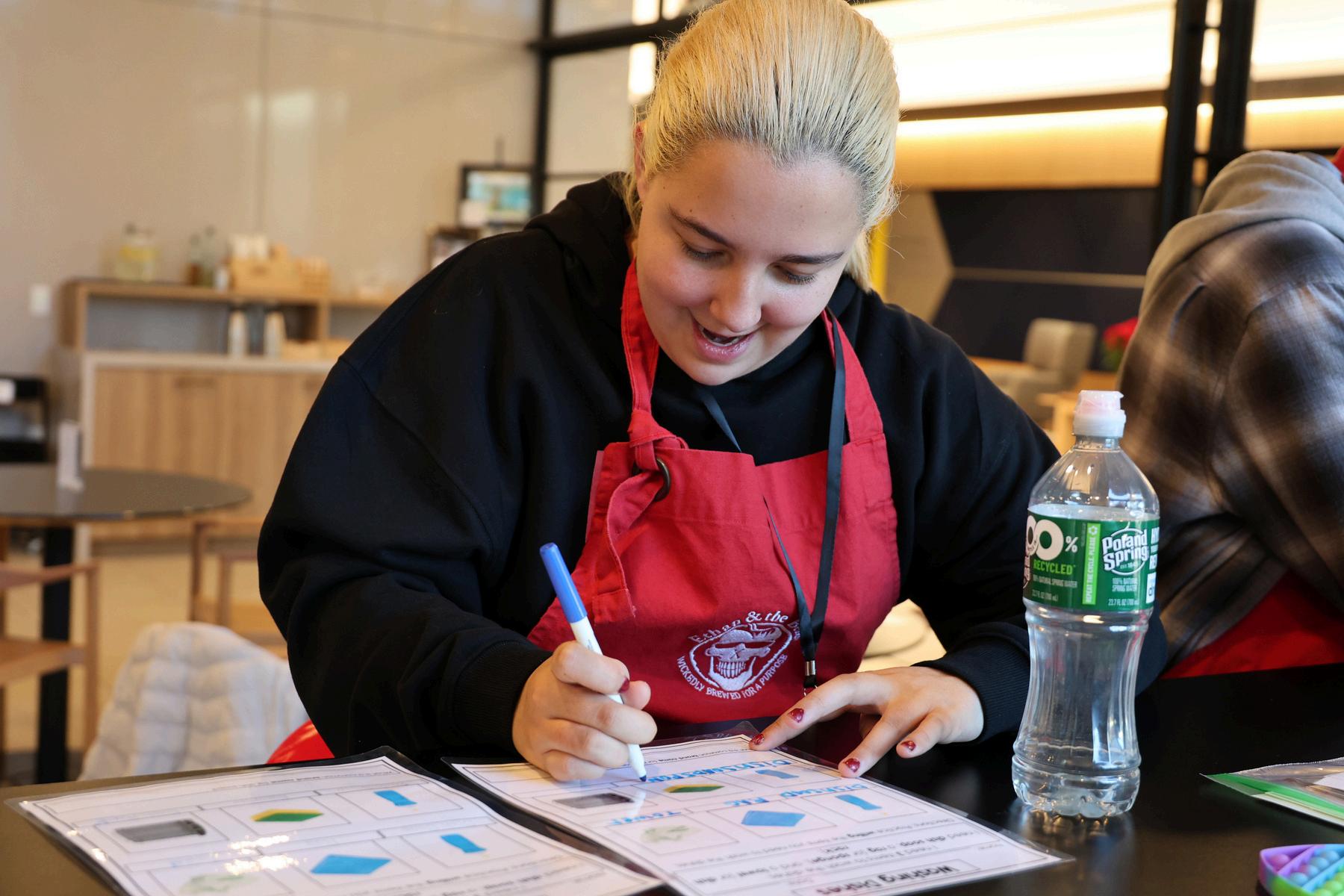
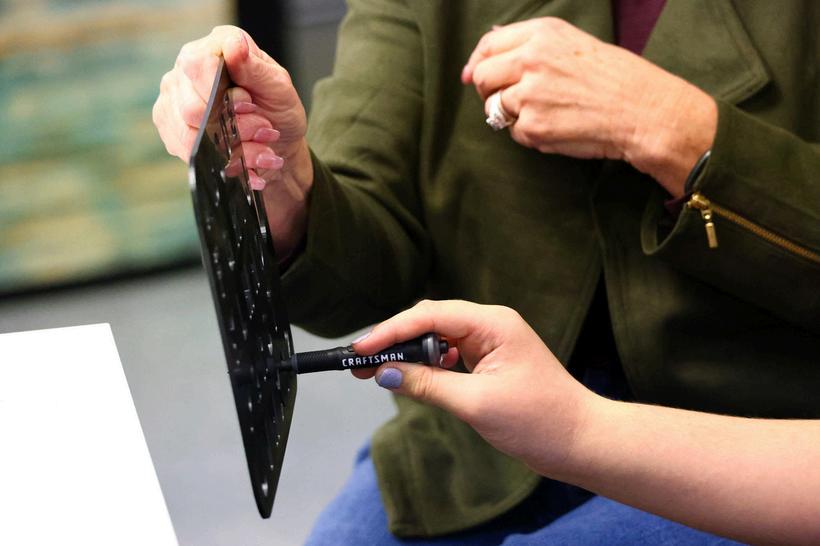
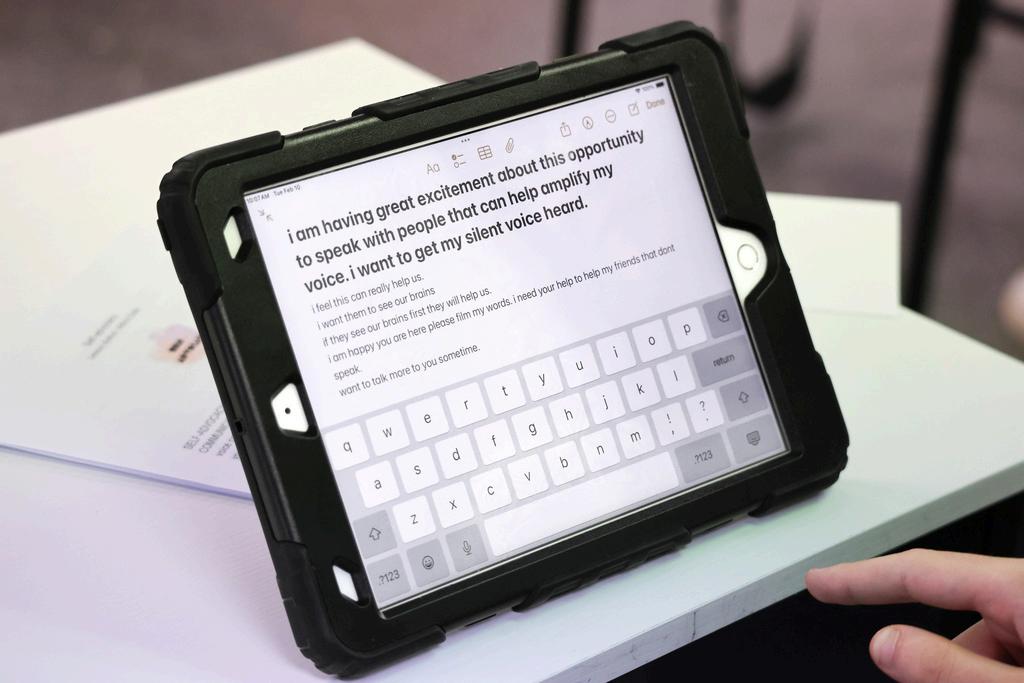
Spelling to Communicate (S2C) is a powerful practice that allows non-speaking individuals to communicate their thoughts through typing or utilizing a letterboard. Celebrate the Children is proud to empower and amplify their voices.
One thing I’ve come to understand is that being able to show letter recognition isn’t always the same as actually knowing it, especially for individuals with apraxia. Because apraxia affects motor planning, a child might know their letters but have a hard time pointing to or identifying them on demand. It can look like the skill isn’t there, when really the body just isn’t cooperating at that moment. I’ve seen many individuals who couldn’t reliably demonstrate letter recognition in traditional ways, yet when given the opportunity to start spelling, they began to show clear understanding and meaningful communication.
For families, this can feel confusing, especially when we ’ re often told that skills need to be proven before moving forward. But in this case, waiting for a consistent demonstration can sometimes delay access to communication. When we gently offer opportunities to spell and approach it with trus curiosity, we create space for skills to emerge It’s not about pushing it’s about opening the d allowing our kids to show us what they know in that works for them.
- Lisa Romaine, S2C Practitioner at Celebrate the Children
BehaviorTeam Behavior Team
The Behavior Team provides insights and tools to support student success, at school and at home
ShapingBehaviors Shaping Behaviors
At Celebrate the Children, one of our core values when working with our students is to “meet them where they are. ” We focus on our students strengths first and then expand on their skills by breaking down tasks step by step to promote success
The terminology behind this process is called “shaping.” Shaping behavior means breaking down a skill into smaller, manageable steps and acknowledging progress while working towards the final goal. Instead of expecting a child to do something perfectly right away, we celebrate each step they take in the right direction.
Why is “Shaping” important?
1.It builds confidence as students experience more frequent success
2.It reduces frustration, as skills are taught in small, achievable steps
3.It encourages learning as students continuously receive reinforcement. This then motivates students to keep trying.
If you have any questions on how you can use this method at home, we are here to help!
- Anthony Hellman, Board-Certified Behavior Analyst at Celebrate the Children
CARESCorner CARES Corner
CARES stands for Counseling, Advocacy and Resources for Educational SupportOur School Social Workers and Counselors are here to support you and your child.
Counseling and CTC’s DIR® philosophy meld beautifully together Here at CTC School, we take our play time very seriously! Our CARES department, made up of School Social Workers and Counselors strongly believe that play compliments the therapeutic work that we carry out with our students daily.
Because of the commitment that CTC School has to the DIR® philosophy, multiple members of our CARES team have earned their DIR® Level 1 Certification. This certification provides our staff with knowledge and pragmatic skills that enable us to support individuals and families in a deeply impactful and relationship-based way. This certification process spanned over a year and utilized coursework, mentorship and culminated in creating a final case study.
Our department has also begun reflective supervision with Ruby Moye Salazar, LCSW, BCD. Ruby is a child and family consultant and developmental therapist as well as an internationally recognized expert in early childhood development and autism Ruby has practiced, consulted, published, lectured, and trained with a focus on developmental and family care. She is also a founding member of the Profectum Academy. The CARES reflective supervision time will support our department’s focus on how to infuse even more DIR® into the therapeutic time we spend with students
Focusing on our student’s passions helps us build a strong relationship. A secure attachment fosters our students’ level of comfort, control, confidence, competence and communication Once the 5 C’s are attained it sets a robust foundation for therapy.
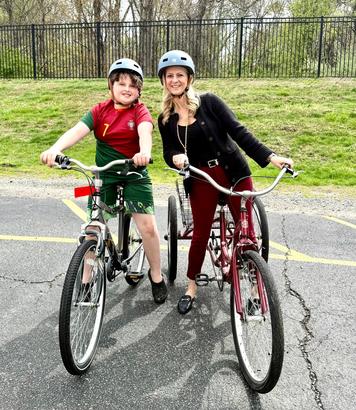
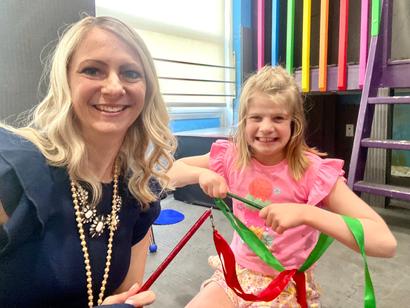
So while you may see the members of our department riding bikes, completing scavenger hunts, playing board games, crafting, singing and dancing with our students. Please know that we are hard at work climbing the DIR® developmental ladder through therapeutic play!
- Kelly Parrella, School Social Worker at Celebrate The Children
PhysicalTherapy Physical Therapy
Initiatives and activity recommendations from our Physical Therapists.
WheelsinMotion:BuildingConfidence,Independence,andJoy Wheels in Motion: Building Confiden
, In
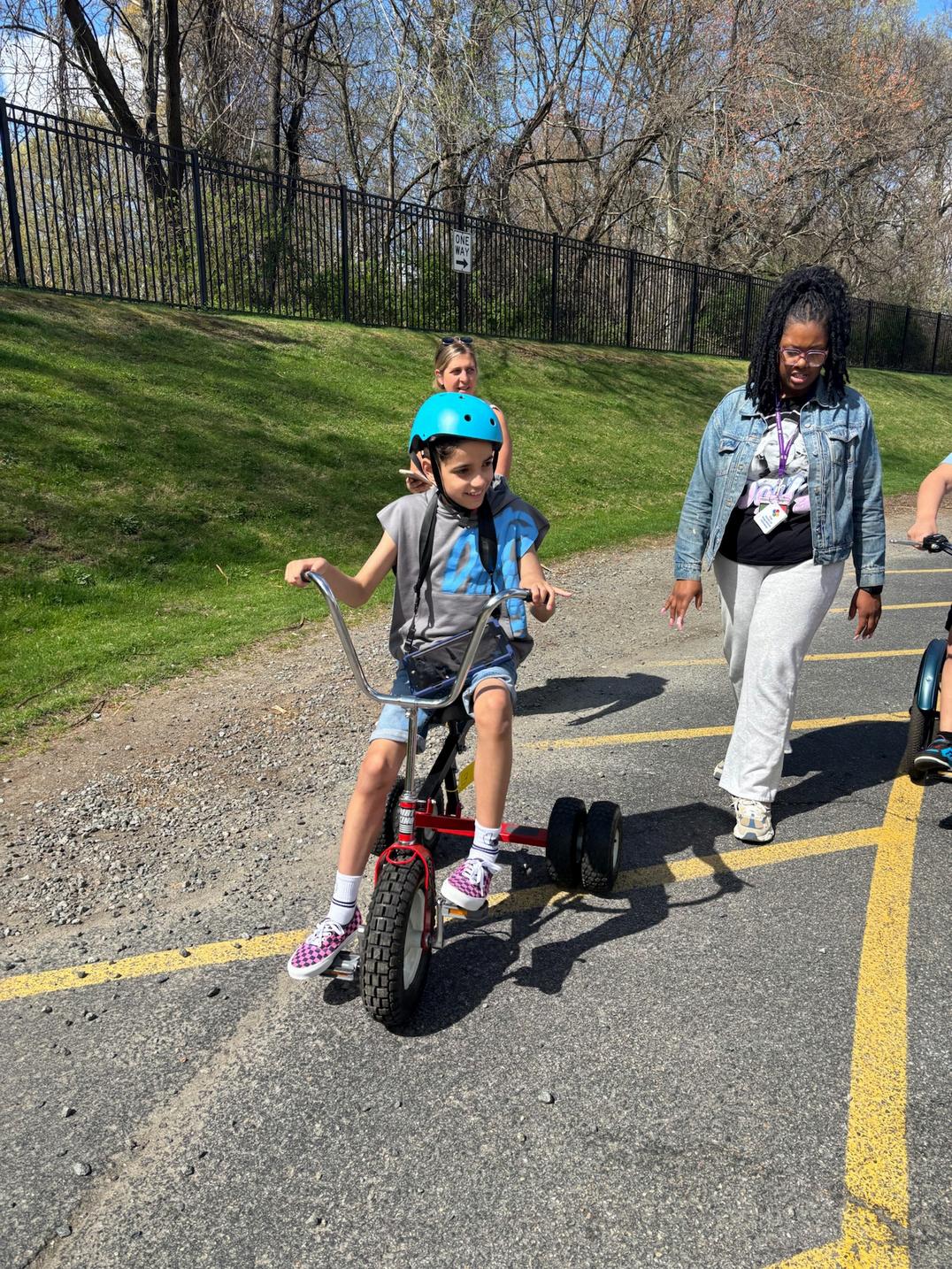
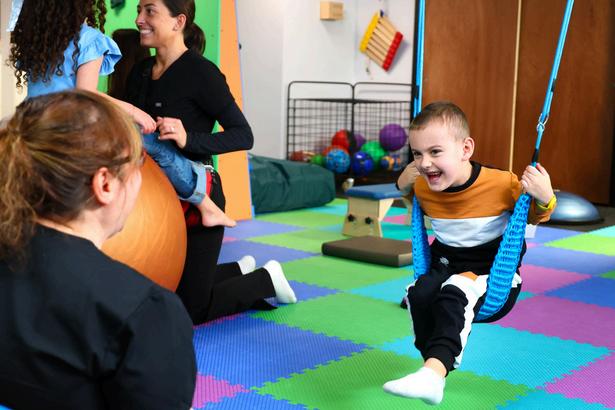
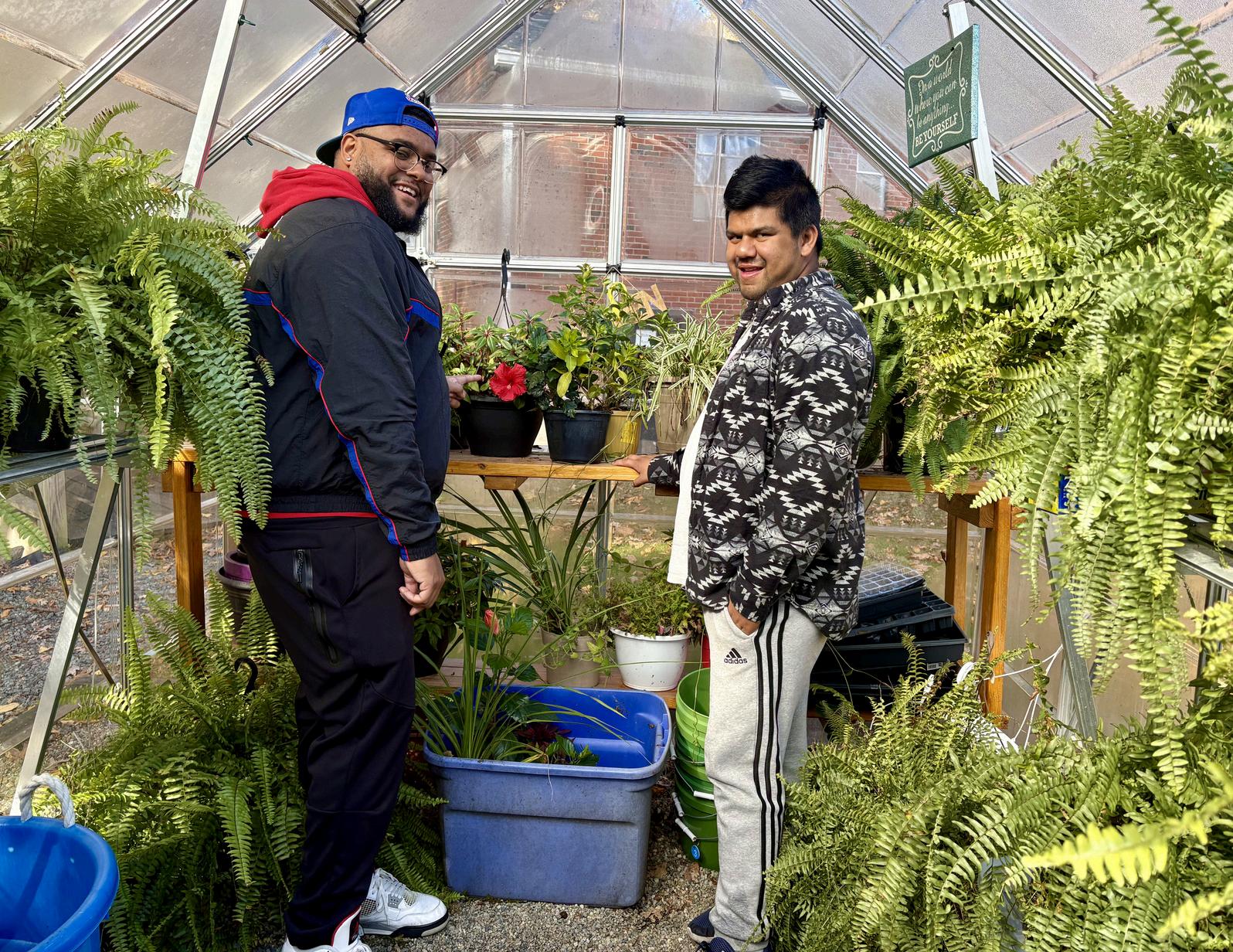
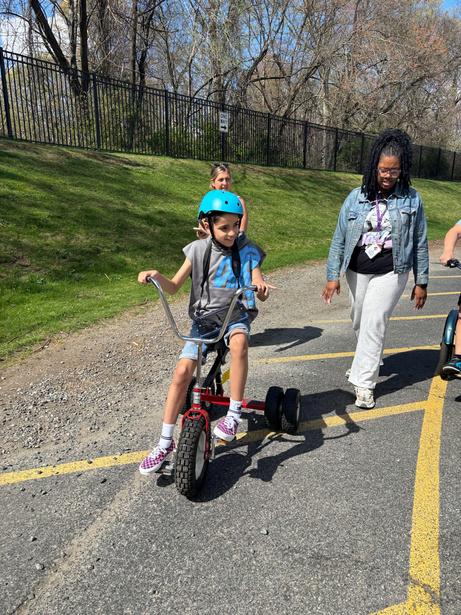
Since 2023, Wheels in Motion has been growing into one o most exciting and empowering programs at Celebrate The Children. Led by our physical and occupational therapists, this program gives students, from Pre-K through our Young Adult Program, the chance to experience the joy of riding bikes while building important motoric and life skills.
Thanks to the generosity of the ADD Network and ongoing Bike to the Beach fundraising efforts, our program continue expand. Today, students have access to a wide range of equipment, including bicycles, tricycles, adaptive Rifton bik and scooters, ensuring that every child can participate in a needs.
Before getting started, each student is carefully evaluated by a physical therapist to determine readiness. We look at important skills, including balance, core strength, coordination, and attention, to ensure a safe and successful experience. Our trained paraprofessionals provide the right level of support during sessions, helping students gradually build independence and confidence at their own pace.
Wheels in Motion is more than just riding; it’s about growth. In a supportive group setting, students strengthen skills such as focus, self-regulation, and motor planning; all while connecting with peers. Most importantly, they experience the pride that comes from trying something new and the joy of shared success.
From first rides to newfound confidence, every moment on the bike is a step forward, and we ’ re proud to ride alongside each student on their journey.
- Cindy Kenworthy, Physcial Therapist at Celebrate The Children
A look into our Occupational Therapists’ involvement in student development at CTC. Face-DownFunforEveryone! Face-Down Fun for E
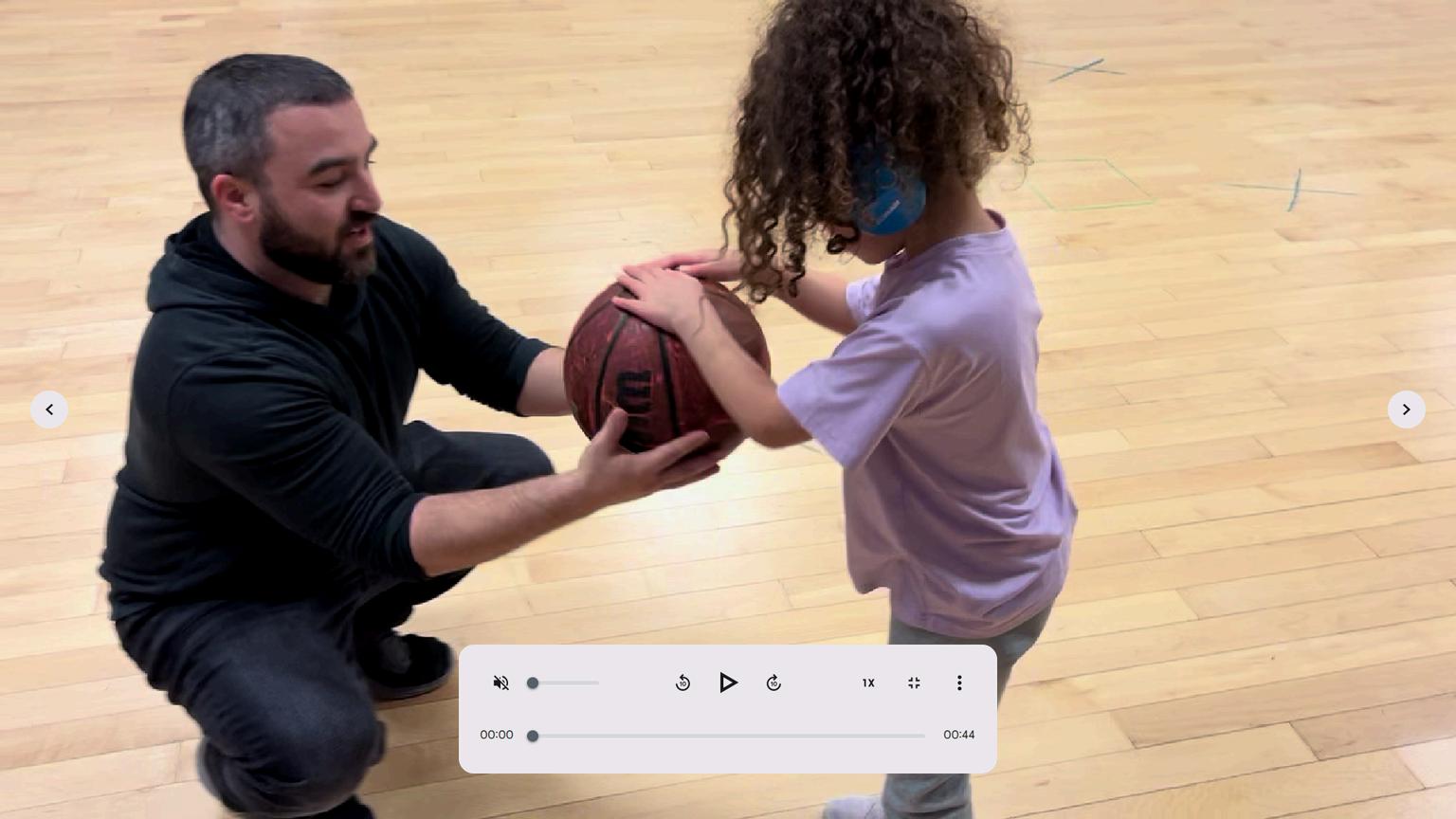
This month occupational therapists are focusing on activities in the prone position to assist and support toilet training Occupational Therapy (OT) focuses on improving functional abilities and independence in daily activities. One key position used in OT exercises is the prone position: lying on the stomach, which helps strengthen muscles, improve posture, and develop coordination Incorporating activities that allow students to push up on their arms (weight bearing) while in this position benefits their development even further At school, peer participation is encouraged with scooter races, animal walks, and crawling through tunnels as part of an obstacle course. At home, a parent or sibling can join in, bringing a social and fun dynamic to the activity. Here are some effective occupational therapy home activities that can be done in a prone position to enhance strength, endurance, and motor skills
1. Puzzle and Board Games: Placing a puzzle or board game in front of a person while they lie in the prone position encourages weight-bearing through the arms. This helps strengthen the shoulder girdle and improve fine motor coordination Try placing pieces slightly out of reach to encourage reaching and shifting weight side to side
2. Coloring or Writing Activities: Set up a coloring book, paper, or whiteboard on the floor in front of the individual while they lie on their stomach. This promotes hand strength, wrist extension, and coordination while also improving focus and attention
3. Propelling on a Scooter Board: For older children and adults, using a scooter board while lying prone is an excellent way to engage the core, shoulders, and arms. Try moving forward using just the hands or engaging in obstacle courses for added challenge
4. Animal Crawls: Activities such as army crawling, inchworm movements, or snake slithering encourage full-body coordination and strength. These movements enhance body awareness and help develop motor planning skills.
5. Reading or Tablet Activities: Using a book, tablet, or flashcards in the prone position is a simple way to improve attention while encouraging postural control. This is beneficial for individuals who need to work on endurance in this position, without active movement
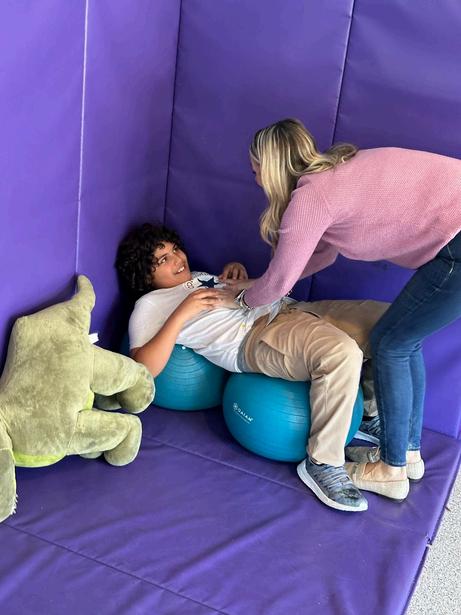
6. Therapy Ball Exercises: Lying over a therapy ball while reaching for objects, doing push-ups, or rolling forward and backward, strengthens core muscles and improves balance. This is a fun way to build endurance and coordination in a supportive way
Incorporating prone activities into daily routines can greatly benefit strength, coordination, and overall functional abilities. These activities support motor development and postural control, allowing for more meaningful and improved participation in everyday activities - Chelsea Davis, Occupational Therapist at Celebrate The Children
Speech-Language Pathologists detail their work at CTC and provide options for furthering communication at home.
TurningMealtimesintoMeaningfulMoments Turning Mealtimes into Meaningful Moments
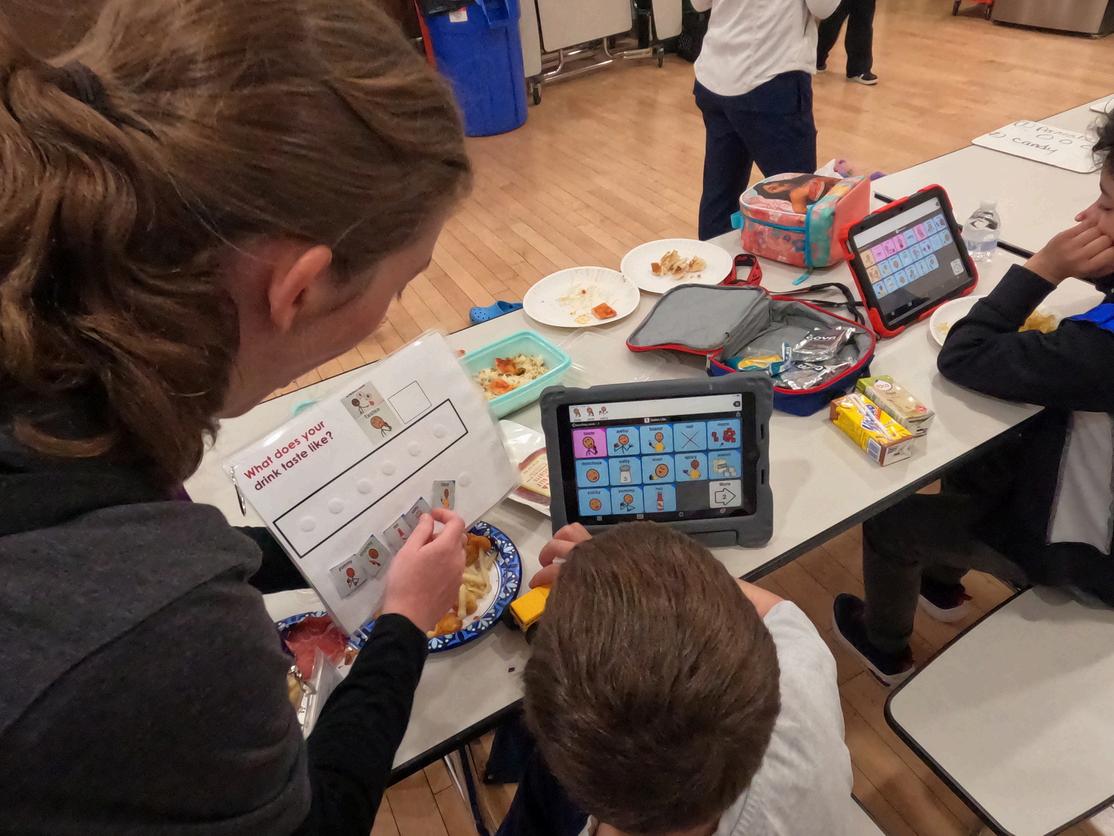
Mealtimes are so much more than a time to fuel our bodies; They can be a powerful opportunity to build communication, language, social skills, and meaningful connections with others Breakfast, lunch, and dinner are natural opportunities to converse, engage, and grow together. By intentionally using these routines, we can help children practice expressing themselves, making choices, and participating in social interactions in a relaxed, familiar setting
This month and moving forward, some of our kindergarten and lower element students have been participating in an interactive mealtime story during th lunch period This story can be used with AAC (Augmentative and Alternative Communication), signs, gestures, spoken language, or a combination of all I designed to help children understand what to expect at mealtimes, practice language, and engage with peers and adults in a positive, social environmen
How to Use This Story at Home
Add your visuals: Include symbols, AAC icons, pictures, or symbols to support understanding (see link).
Model language and use of AAC: Modeling phrases such as “I want to eat,” and “I have , ” can help support your child’s communication level Focus on core words such as eat, more, like, dislike, and all done and accept all forms of communication (i.e., AAC, writing, pointing, or speaking)
Encourage the whole family to participate in mealtime
Keep it positive and pressure-free: Celebrate every attempt to communicate!
General Mealtime Tips for Success
Minimize distractions: Removing electronics helps to create a calm environment.
Offer choices: When possible, provide opportunities for choice by asking “milk or water?” or “apples or bananas?” This helps promote decision making, as well as shows children that their words have meaning
Supportive seating: Ensure your child’s feet are grounded, and posture is supported to help with focus and engagement.
Model language: Describe actions, tastes, and feelings (“I’m pouring milk,” “This apple is crunchy”)
Allow turn-taking: Practice listening and responding to create a natural back-and-forth flow of conversation Mealtimes are a wonderful way to help children build language and social skills while spending quality time together. With consistent support and positive reinforcement, even simple routines can become meaningful, interactive learning experiences
- Megen Cunningham, Speech-Language Pathologist at Celebrate The Children
“Time for Lunch” Story Link
ParentTrainings Parent Trainings
Upcoming workshops and events designed to strengthen the home–school connection
Highlighting opportunities for parents to learn, share, and partner with the school in supporting every child’s growth and success.
May 2026 Parent Trainings
Tuesday, May 5th 12:00pm - Transitioning to Adulthood with Progressive Partnerships (Virtual Event)
Wednesday, May 6th 1:30pm - Parent Healing Group with Glenn (In-Person Event)
Wednesday, May 20th 1:30pm - Parent Healing Group with Glenn (In-Person Event)
ComingSoonfromtheParentPartneringDepartment... Coming Soon from the Parent Partn
We’re excited to share a preview of a topic in our upcoming training series, featuring many parent-led topics designed around what you want and need most Join us in June for our end-of-year reflection session, where we’ll look back on this year ’ s growth and collaborate to plan topics for next year ’ s parent training series
As always you can schedule individual Floortime sessions all year with Antoinette. Please email aprice@celebratethechildren org with any questions or to schedule a time to “Play”!
Executive Functioning & Flexibility: Through a DIR® Lens
Executive functioning skills like planning, shifting, and problem-solving are often seen as “thinking skills.” In the DIR® model, we understand them as skills that grow from regulation, relationship, and emotional safety
What is Cognitive Flexibility?
Cognitive flexibility is the ability to:
Adapt when plans change
Try new solutions
Shift between ideas
Tolerate “Plan B”
When children struggle with flexibility, it is often a sign of overload, stress, or difficulty regulating, not defiance
DIR Key Idea: Children cannot think flexibly when they are dysregulated
Regulation → Engagement → Communication → Thinking
Flexibility grows when children feel safe, connected, and supported.
How Parents Can Help
Co-regulate first: “That change feels hard I’m here with you ”
Use play to practice flexibility: small, safe changes in games or routines
Model flexible thinking: “Let’s try a different way. ”
Validate before problem-solving
Flexibility is not compliance It is the ability to stay connected and adapt when things change With support, children build flexibility through their relationships.