
Understanding and removing barriers to women’s cycling


Problem
delivery in 2026 and beyond.
Several common themes emerged from deli
Road safety
For many women, the prospect of cycling on roads was
daunting. With no prior experience of navigating traffic,
busy junctions felt particularly intimidating — especially in
areas lacking protected cycling infrastructure. Concerns
about motorist behaviour, such as close passing, were
frequently cited and women often described feeling

Solution
"I was scared of traffic and people watching, but now I feel more confident going out."
Gradual exposure to increase confidence
What made the difference for these women was a carefully
staged approach to building confidence. Sessions began in
enclosed, traffic-free spaces before progressing to quiet
paths and, eventually, shared routes — a gradual exposure
that prevented overwhelm and allowed skills to develop at a
manageable pace.
Equally important was the atmosphere that instructors
created: non-judgemental, unhurried, and consistently
supportive. Patient instruction, repetition, and familiar
locations gave participants the psychological safety they
needed to take each new step. Participants were supported
in live traffic environments and it was this real-road
experience, taken incrementally, that truly shifted their
confiden
Personal safety
Women reported fears of verbal abuse, harassment,
and bei
ng stared at or challenged while cycling. These
experiences were often compounded by concerns
about visibility in public spaces, including for women
whose clothing or faith made them feel more
conspicuous. Poorly lit routes, isolated paths, and
unfamiliar areas presented additional concerns,
especially during the darker winter months.
Small and supportive groups
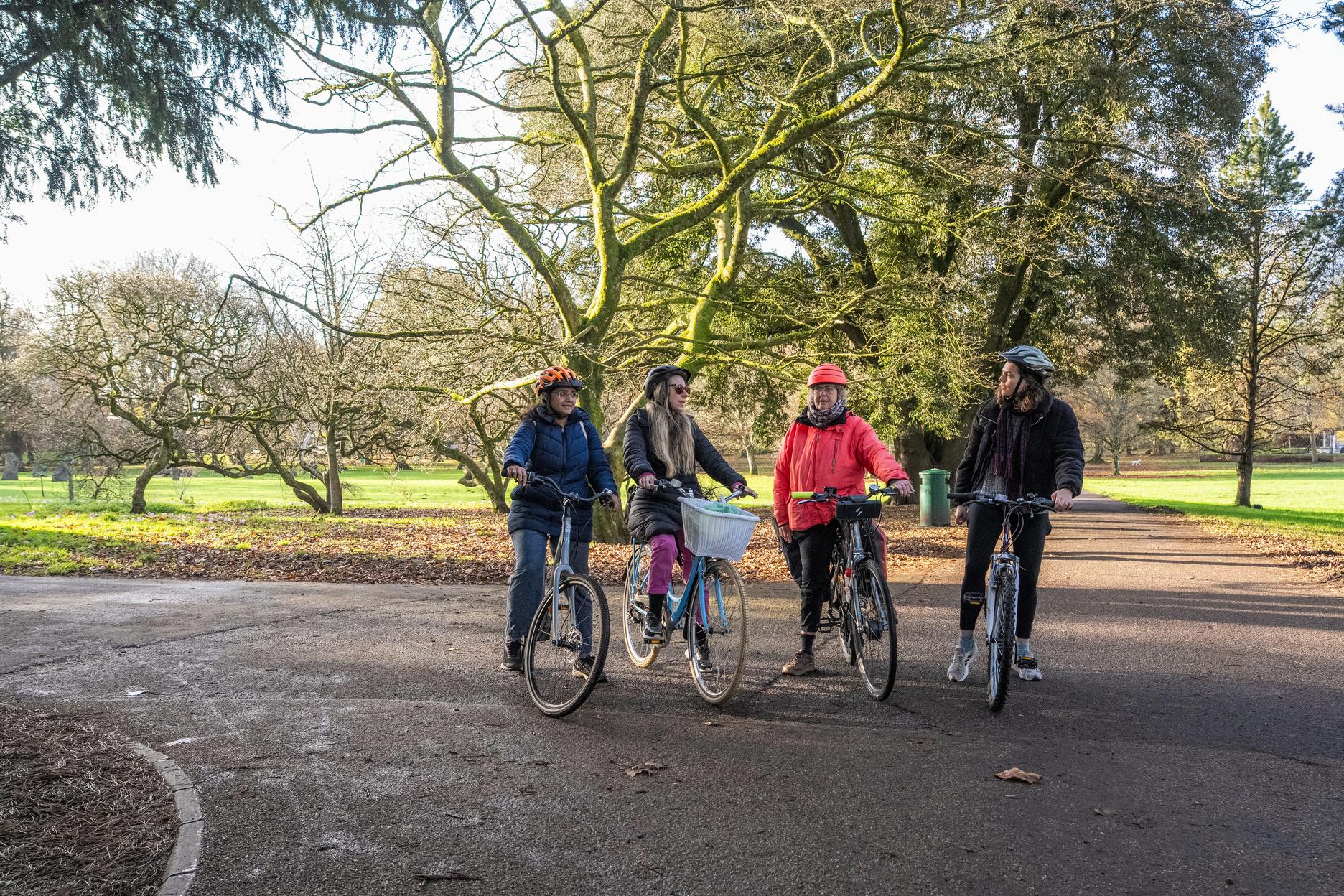
Small, supportive group sessions proved to be the most effective
response to these concerns. Cycling within a trusted group of
peers significantly reduced the sense of vulnerability that many
participants associated with being visible in public, offering both
practical safety and a sense of solidarity. Knowing that they would
not be cycling alone and that they would be surrounded by
others who shared similar experiences and concerns — gave
participants the confidence to venture into spaces they would
otherwise have avoided.
Short group rides to nearby, familiar destinations such as local
parks were particularly valuable in building their confidence. By
keeping routes accessible and well-known, group leaders helped
participants establish a sense of ownership over local spaces that
had previously felt unwelcoming. Over time, this supported a
gradual transition towards greater independence, bridging the gap
between the security of group cycling and the ability to ride alone.

“I avoided parks for years and now I come alone”
Cultural norms
For some women, deep-rooted cultural norms meant
that cycling felt alien and inaccessible. The absence of
visible role models from similar backgrounds
reinforced the belief that cycling was not intended for
them. In addition, fear of judgment from male or
younger experienced cyclists added a further layer of worry.

Peer reassurance
Women-only sessions, delivered consistently with the same
familiar faces each week, created the conditions in which these
barriers could be meaningfully addressed. Being surrounded by
women of a similar age, background and ability level was
transformative for many women. Creating a new belief that cycling
was for “ women like them” .
Peer reassurance was central to this shift. Participants drew
confidence not just from female instructors but from one another,
sharing experiences and normalising the process of learning at any
age or stage. The sessions were deliberately structured to remove
pressure participants were given permission to stop and rest,
progress at their own pace, and remain at a level they felt
comfortable with for as long as they needed.
“I only cycled when I was a child, and I had to stop because it wasn’t really accepted for me as I got older. For many years I didn’t think I would ever ride a bike again. Coming to these sessions brought back happy memories and made me feel free and proud of myself. It felt really good to do something I wasn’t allowed to continue before.”
Lack of cycling equipment
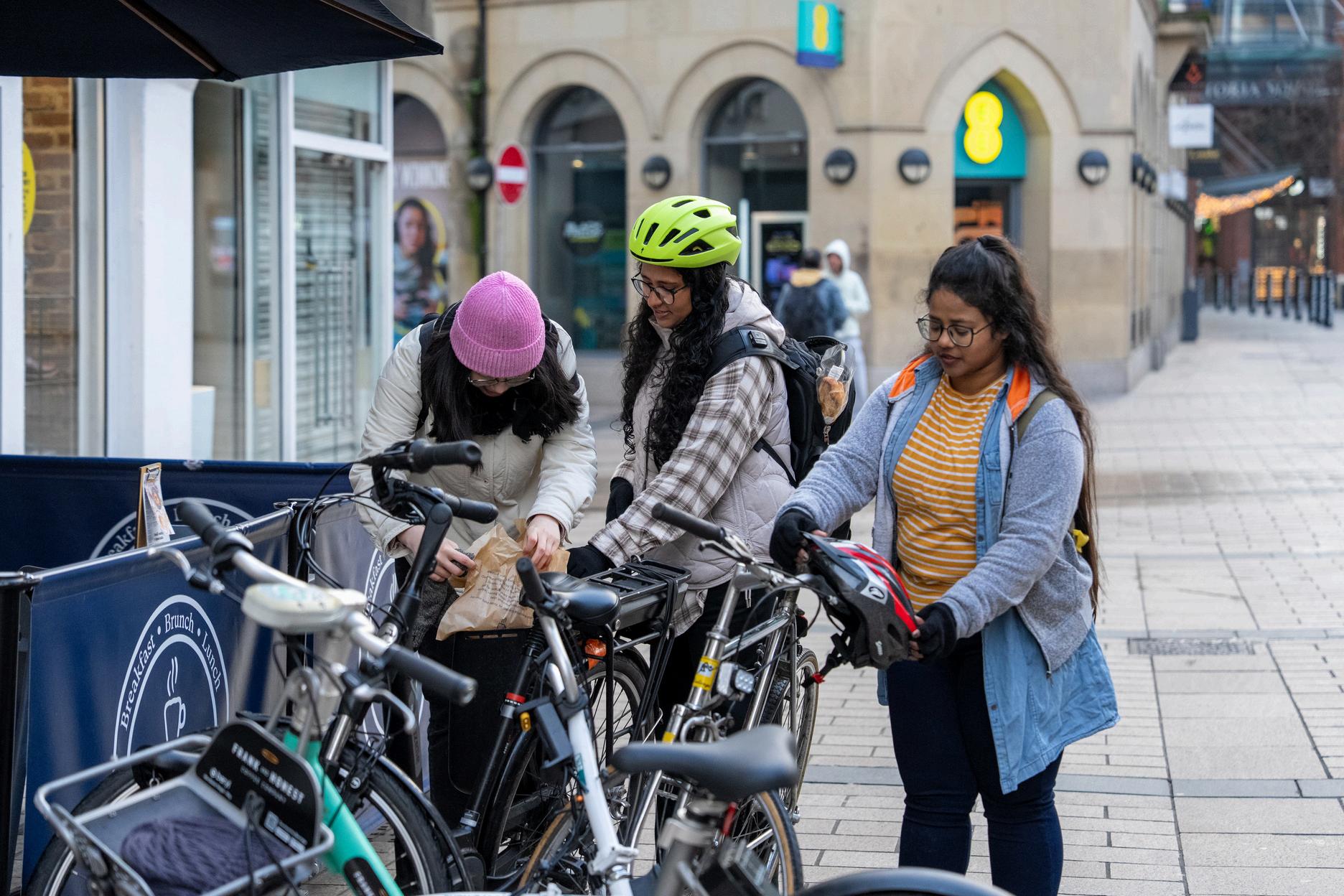
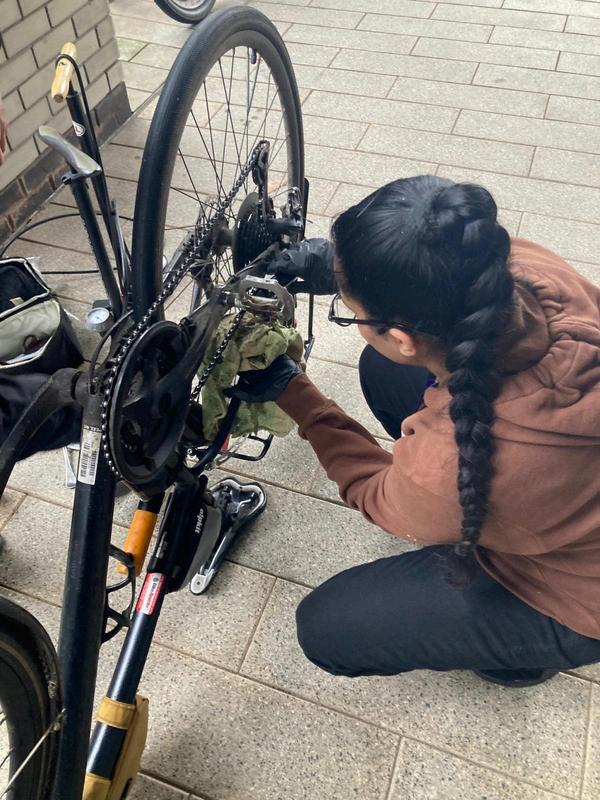
Access to appropriate equipment presented a significant practical barrier for many women. The cost of purchasing a bike, helmet, lock and lights placed
cycling out of reach for those on lower incomes and for participants living in flats or properties without
dedicated storage.
Access to shared equipment
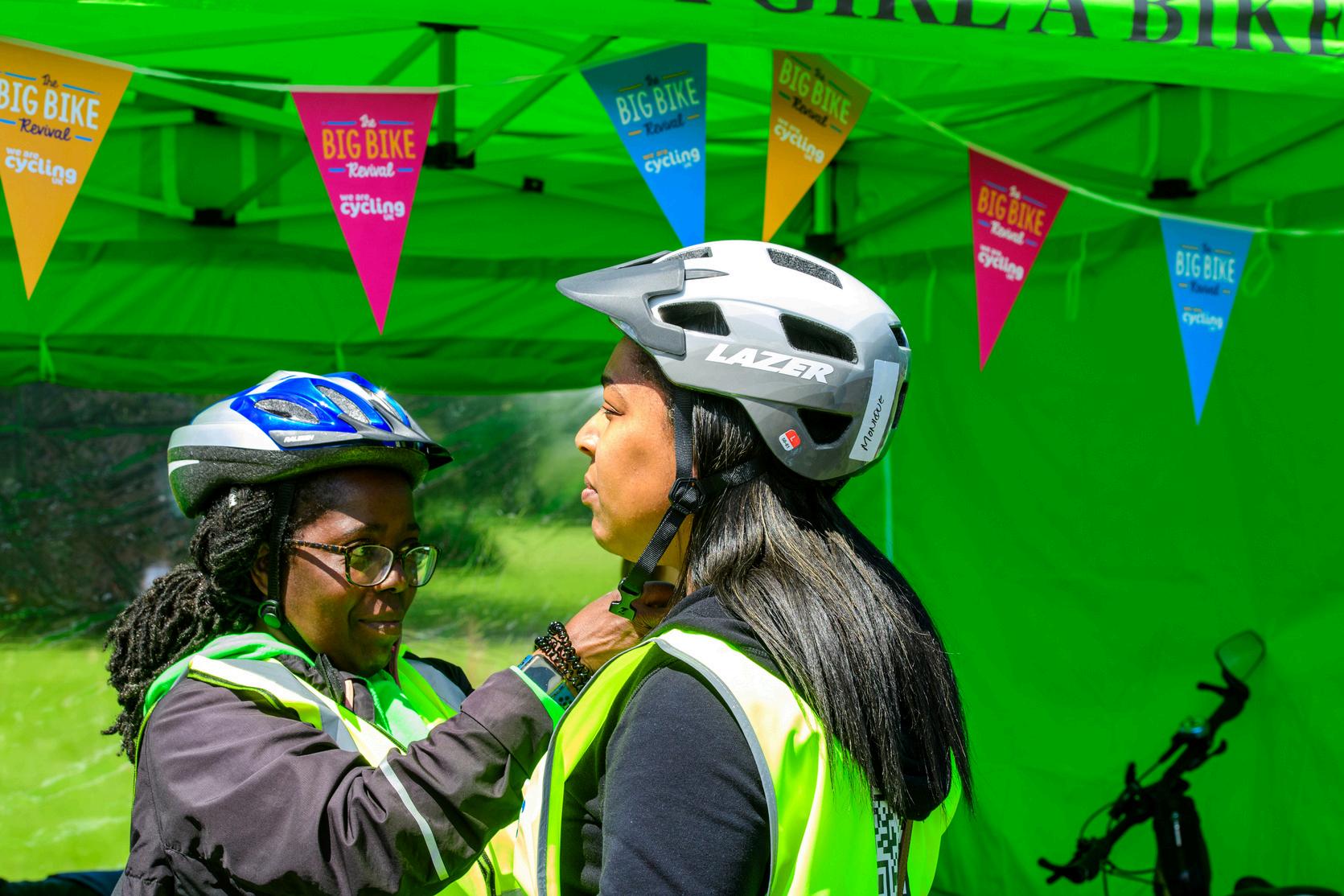
Big Bike Revival delivery partners offered a meaningful route
around these barriers. Access to shared equipment such as bikes, helmets and accessories allowed participants to learn and ride
without the immediate pressure of purchasing their own kit. This
not only reduced financial obstacles, but also
opportunity to try different types of equ
to buying their own.
Family responsibilities
Family responsibilities presented a distinct and often
overlooked set of challenges. For women with young
children, the practical demands of cycling with a family
created barriers that standard cycling provision was not
always equipped to address.
Practical advice and access to family friendly equipment
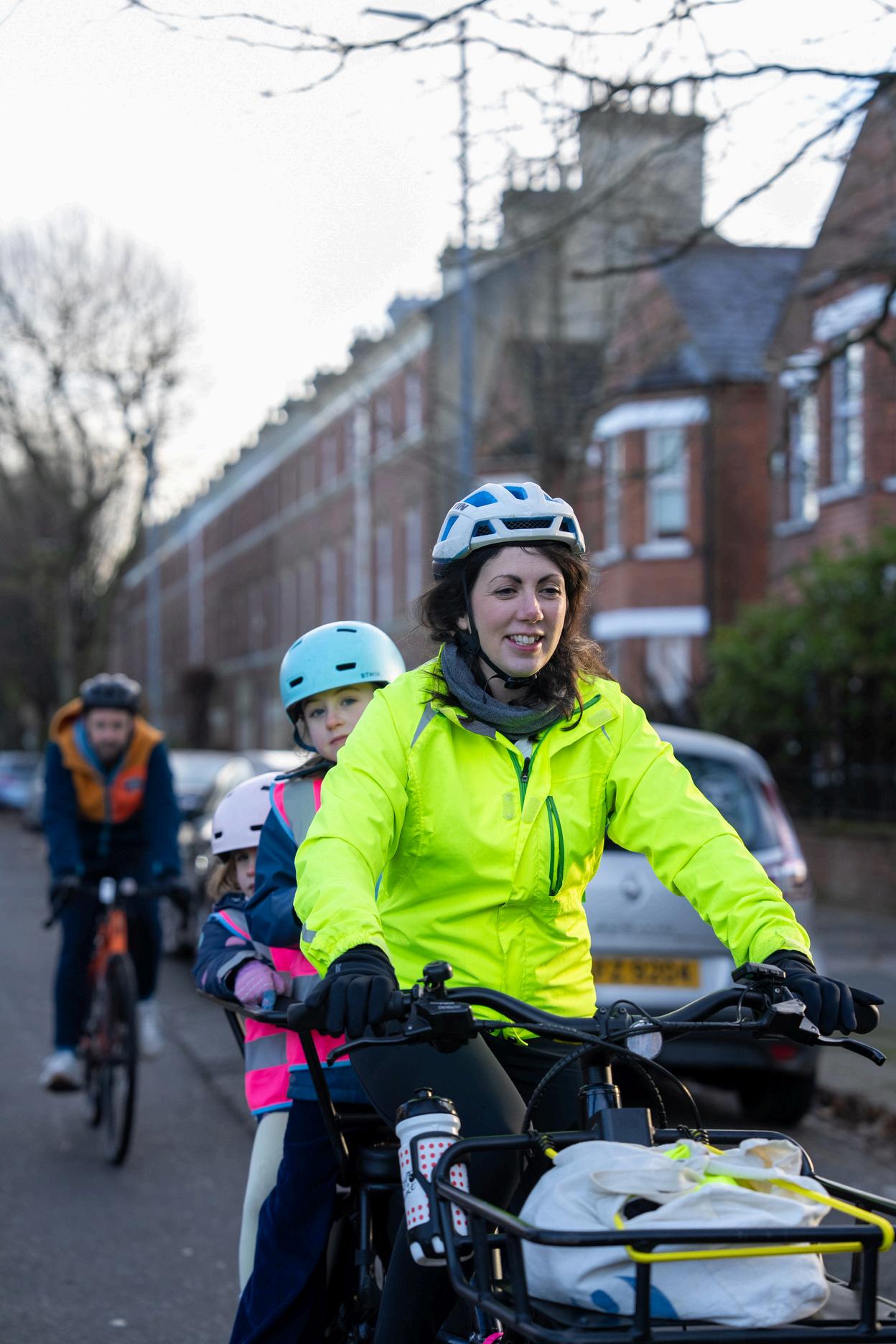
Delivery partners played a practical and hands-on role in
supporting mothers to cycle confidently with children of different
ages and abilities. This included guidance on safely loading and
unloading young children from bike seats a manoeuvre that can
be physically demanding and destabilising without the right
technique as well as help navigating family-friendly routes and
managing the challenges of cycling with children on busier roads.
Some delivery partners also offered access to specialist
equipment, including cargo bikes and Follow-Me Tandems, giving
participants the opportunity to try options that would typically be
difficult or impossible to test through conventional retailers. This
was particularly valuable for mothers weighing up solutions for
children who had outgrown child seats, but were not yet able to
cycle independently over longer distances. Being able to
experience different equipment in a supported setting gave
women the confidence to make informed decisions before
committing to what can be a significant financial investment.
"My daughter is at an age where she is too heavy to use the child seat on my bike, but doesn't have the stamina to cycle that far on her own. Having some sort of middle options where I could tow her bike for a bit would be liberating!"
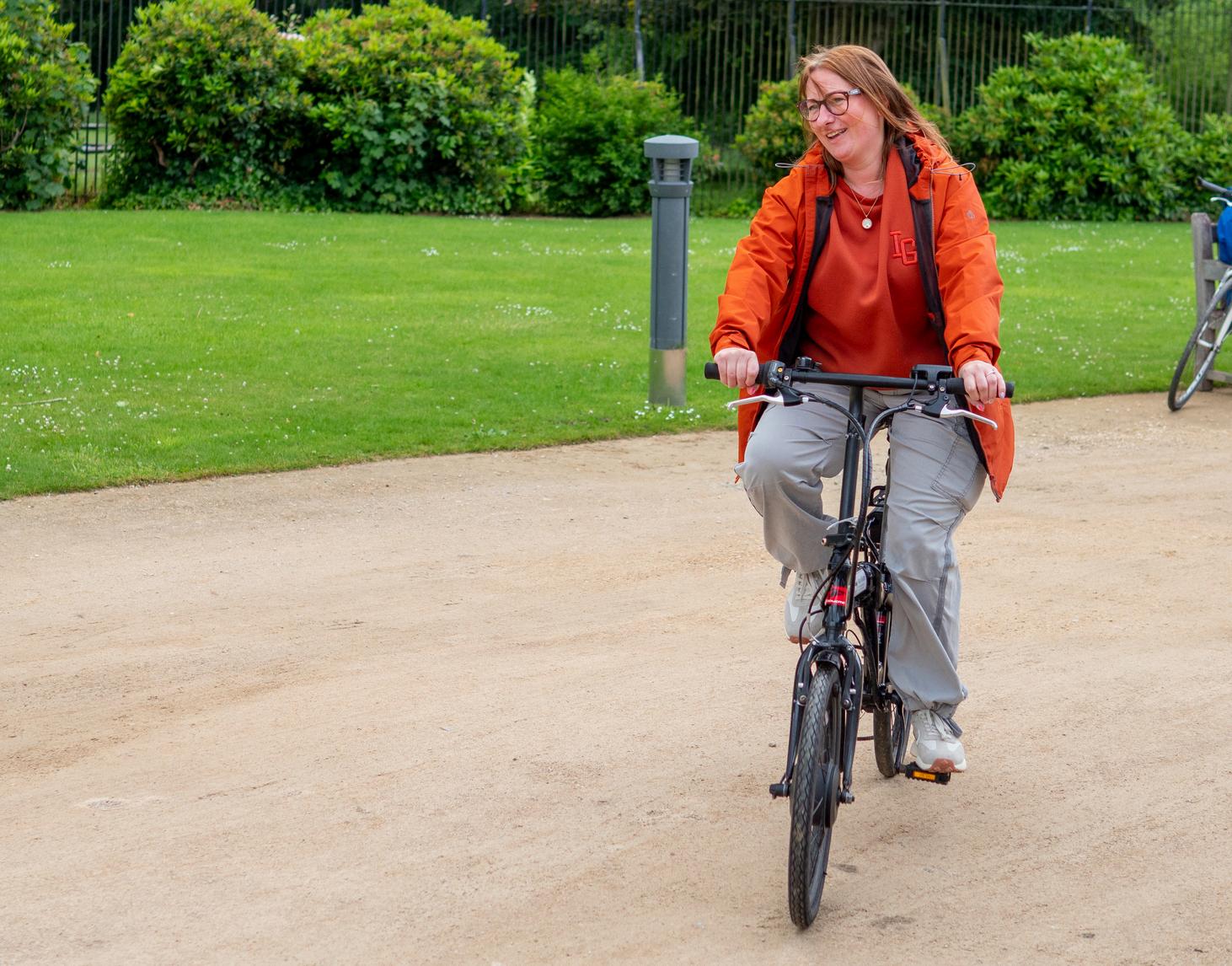
We would like to thank all The Big Bike Revival delivery partners
who supported women through their events, and in particular
the following partners. Their insight has helped us better
understand the barriers many women face and what practical
support can make cycling feel possible, safe and welcoming.
Aaina Community Hub
KRIMMZ Girls Youth Club
Ride on Sistas
Bike Hive
Westwood and Coldhurst Women’s Association
Women in Tandem
Women Together