Matthew Paul Warner-Davies: Getting to Nowhere
Matthew Paul Warner-Davies: Getting to Nowhere - represents a chance to view the wonderful work of Matthew Paul Warner-Davies. Over the years, I am always interested to see how many people say they are leaving Northern California, “For a better place.” Only to find themselves returning to Northern California, a place close to their hearts. We live in an area of immense beauty and richness that we sometimes fail to appreciate. But with time and experience, we come to understand and truly appreciate, the majesty within Northern California. Matthew is clearly inspired by the beauty of his surroundings and is able to create interesting and inspiring work.
A few years ago, the University Art Gallery’s exhibition titled “Close to Home” featured the work of the faculty of Merced College and Modesto Junior College. Through this joint exhibition a new program of solo exhibitions of our colleagues was created. Matthew is one of our colleagues from Merced College.
Many of my colleagues here at California State University, Stanislaus, have had the opportunity to interact with students who received an excellent education, in the arts, from Merced College. These students come to us ready and eager to learn. We are fortunate to have artists like Matthew provide outstanding foundations for his students’ learning. I am very happy to be able to exhibit his work for others to enjoy.
I would like to thank the many colleagues that have been instrumental in presenting this exhibition. Matthew Paul Warner-Davies for the opportunity to exhibiting his remarkable work, Brad Peatross of the School of the Arts, California State University, Stanislaus for the catalog design and Parks Printing for the printing this catalog.
Much gratitude is also extended to the Instructionally Related Activities Program of California State University, Stanislaus, as well as anonymous donors for the funding of the exhibition and catalogue. Their support is greatly appreciated.
Dean De Cocker
Director, University Art Galleries
California State University, Stanislaus
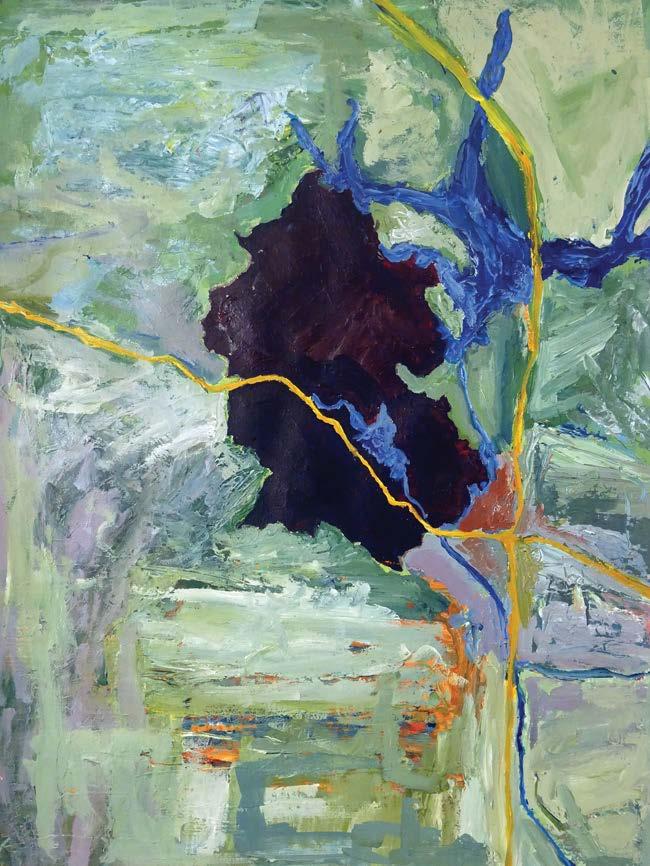
Whiskeytown, acrylic on paper, 22.5” x 30.5”, 2021
Matthew Paul Warner-Davies
Biography
Matthew Warner-Davies grew up in the Northern Californian city of Redding and received his MFA from UC Irvine. He is a professor of Sculpture at Merced College. He is a process-based conceptual artist who works in several different 3-d and 2-d mediums including casting, printmaking, painting, ceramics, and installation art. He conceives of his artistic work as a house built from four interrelated but distinct themes. The four themes of functionality, aesthetics, semiotics, and the social and personal nature of art objects. His work often plays with the tension between the autonomous art object and the exhibition space. Matthew Warner-Davies resides in Sonora, California with his wife and two sons.
Special Thanks
A special thanks to my wife Kirsten. I wouldn’t want to be on this journey with anyone else. As the Beach Boy’s song says “God only knows what I’d be without you”.
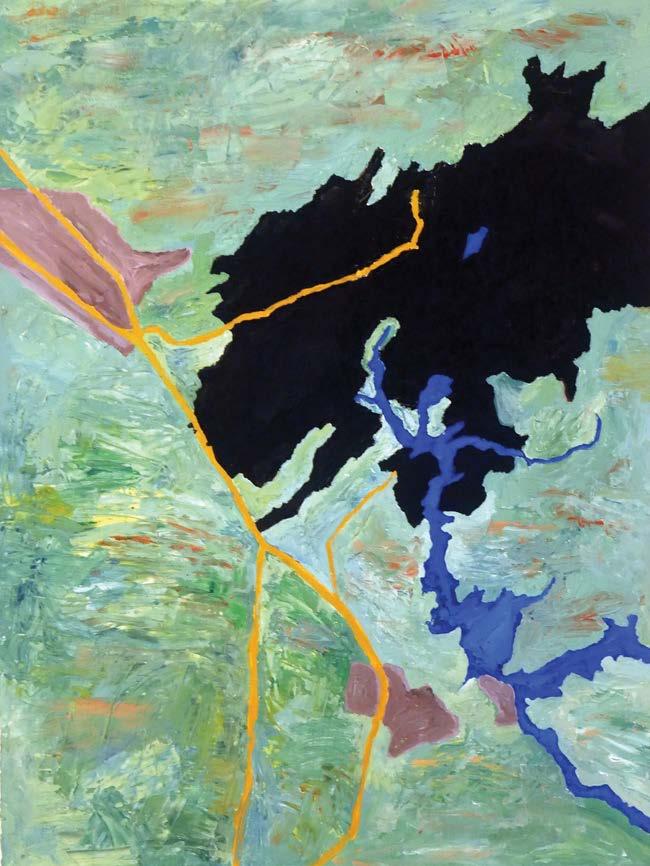
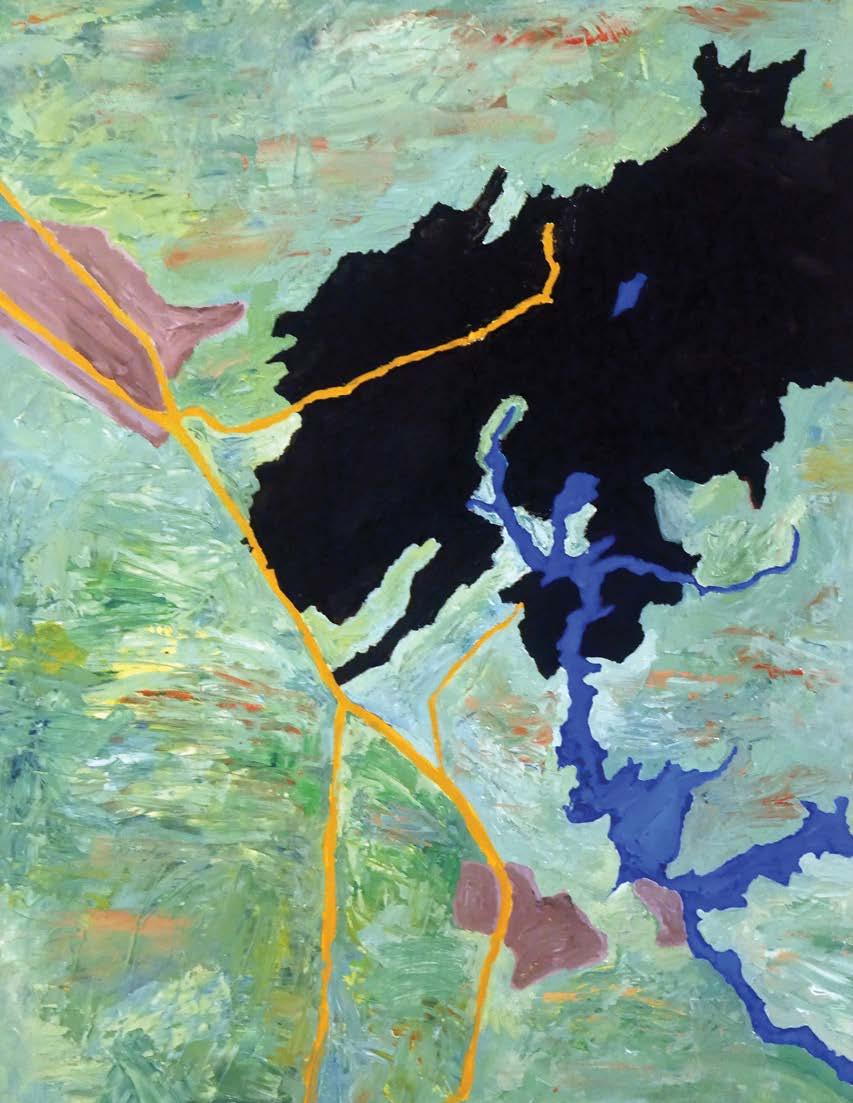
Paradise, acrylic on paper, 22.5” x 30.5”, 2021
Getting to Nowhere
I spent my early and teenage years in rural Northern California. When I left at eighteen, I purposed to never return to this corner of the world. However, the impact of that landscape stayed deep in my psyche and continued to reflect my sense of home.
A place is never just a piece of ground but the action upon it and the meaning it is imbued with. Places bear witness to the events that have happened within them. An example of this would be the site of a famous battle.
In many ways, it would reflect the landscape around it, but buried within the dirt there might be old bullet casings and there would probably be small hills where bunkers were created. Most places are not marked by famous events and would be considered unremarkable. These places are often said to be in the middle of nowhere. Yet, they are not without their significance, stories, and histories.
Much of contemporary life seems to cause us to be disconnected from the natural world, and the origins of things, ideas, and history. The Western world has a potted plant and cut flower quality to it. Things are made to be non-fixed, and the origins of the ideas we believe and the things we use are often overlooked or unknown. There is a hunger for what is real and an ever-increasing engagement with the digital and virtual.
“The hunger that we feel at the loss of contact with the natural world and its ancient stories is not a physical, but a kind of spiritual and emotional starvation. Yet feeding this hunger may involve nothing more than walking out into the landscape and looking at it with the eye of the imagination.” (Massey,4)
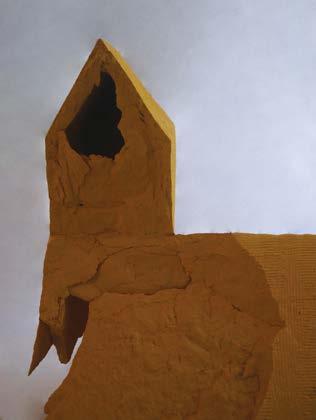
A sense of disconnection from place can cause a sense of disconnection within our memories. The works of simplified architecture in this show are based on my memories. They are capturing the felt sensibility of places I have a connection with. The works are made with a colorful palette for emotional effect. Buildings have an interesting relationship with vessels and people. In a way, they are like vessels for people. The function of structures is reflected in their designs. As a whole, we know what a barn looks like as compared to a church. We all have a shorthand of symbols and images embedded into our memories which allows us to navigate and name things in the world. The simplicity of the depiction of these structures allows them serves as a trigger for the viewer to access their memory (shorthand) of these forms and recall their experiences of places.
When learning to draw from life an artist practices the ability to set aside their shorthand and to learn to see. The paintings on canvas have an upside-down “L” shape painted into the picture. These marks are used by many artists when drawing from observation. The images include these marks to contrast memory and sight. These works were not made from observation and the light and dark in them is as though it were from a single point and the structure was on the stage of the landscape. I am embracing illogical representations of perspective and the play of light to contrast the way art can operate as an illusory window into another world and as a vision of the world that happens within a viewer/participant. The famous filmmaker and critic, Francois Truffaut, said he hoped for a film to “Tell something of the world and of cinema.” (Truffaut, 28). I feel that way about artworks. I want them to tell something of the world and of art itself.
In 2018, and again more recently, I’ve watched places that I remember so well burn on the nightly news. I’ve
begun to map my memories of these places, and the spread of the fire with acrylic paint on paper. These painted maps of the fires spread, serve as symbols of the effect of the fire on the landscape. They are made with thickly applied paint and have simplified and abstract shapes and thus are also about mapping abstraction, color, and texture as elements in the language of visual art.
The abruptness and intensity of the fires and the loss of childhood places is a specific instance of the fleeting nature of life and reminded me of the importance of places in the middle of nowhere. These works seek to be a map of this concern, a specific and particular imaging of it. “If we want to understand ultimate concerns, she claims [Flannery O’Conner], we must see them through the real, particular circumstances we experience here in the world.”, (Craft, 679).
The sculptures also serve as specific and concrete place-makers in the gallery, a site for reflection, personal memory, and critique. Ceramic sculptures go through an intensely hot firing process. The process solidified some forms and broke others. As such, these works serve as indexical signs of permanence and loss, and the larger abundance and loss we all experience in family, community, and nowhere.
Within the gallery are three sets of stairs which are identical castings of a form painted in different colors. Unlike the other forms, they are not structures one would normally see in the landscape, but have a relationship to going from one place to another. They are placed throughout the gallery space, and while small in scale, they allow for the projection of one’s self into them. This speaks to the works communicating with each other and the viewer as a participant Getting to Nowhere.
Bibliography
Craft, Jennifer Allen. Placemaking and the ARTS: Cultivating the Christian Life. Kindle ed., IVP Academic, an Imprint of InterVarsity Press, 2018. p.679
The Films in My Life: By FRANÇOIS TRUFFAUT, by Truffaut François, Kindle ed., Simon and Schuster, 1978, p. 28. Massey, Eithne. Legendary Ireland: Myths and Legends of Ireland. E-Book, The O’Brien Press, Dublin 2013. p. 4
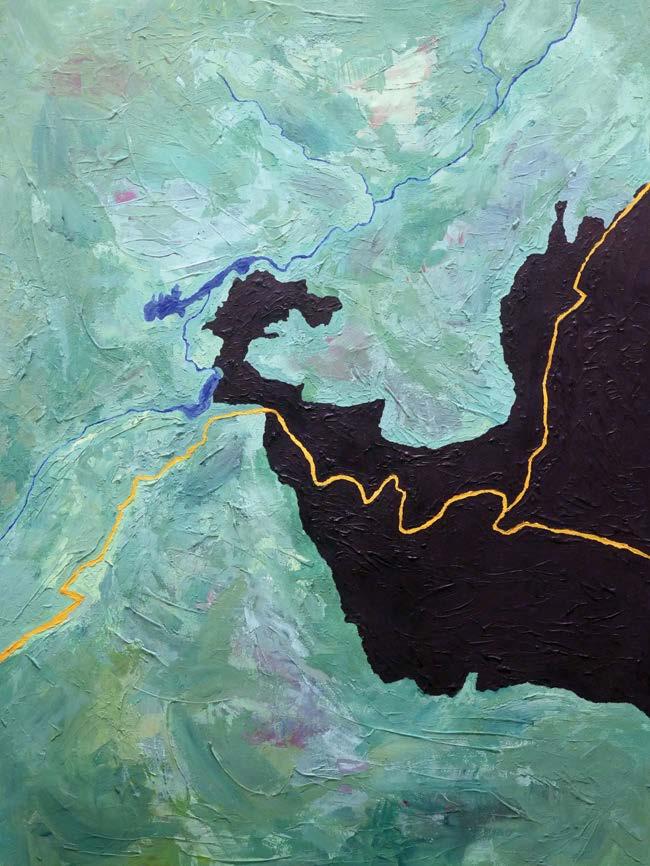
Dardanelles, acrylic on paper, 22.5” x 30.5”, 2021
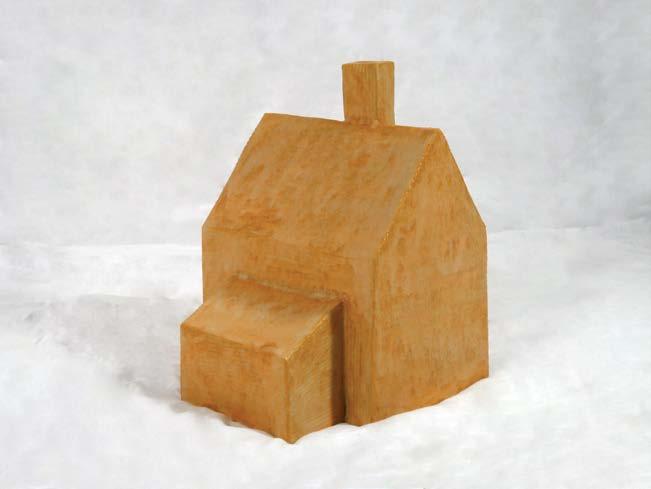
There is Always More to Tell Than Can Be Told , glazed ceramic, 16” x 11” x 12”, 2021
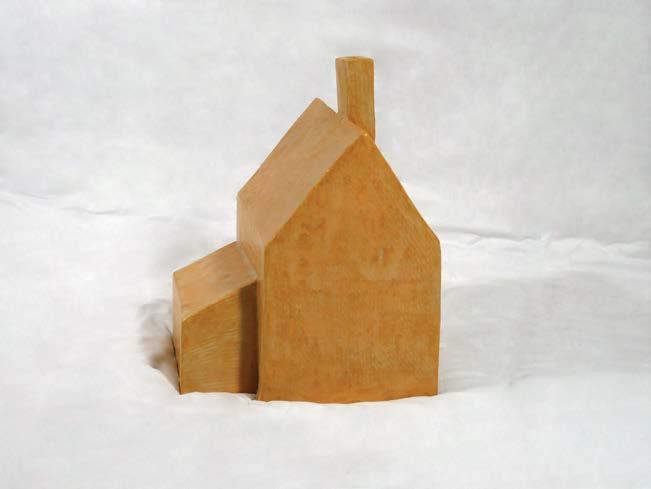
There is Always More to Tell Than Can Be Told , glazed ceramic, 16” x 11” x 12”, 2021
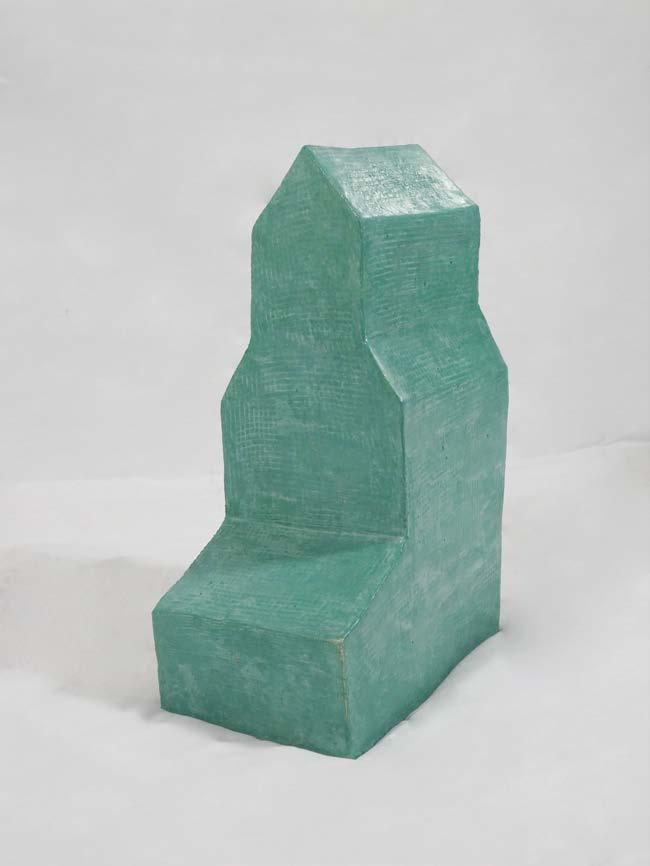
Be Joyful Though You Have Considered All the Facts, glazed ceramic, 16” x 7” x 10.5”, 2021
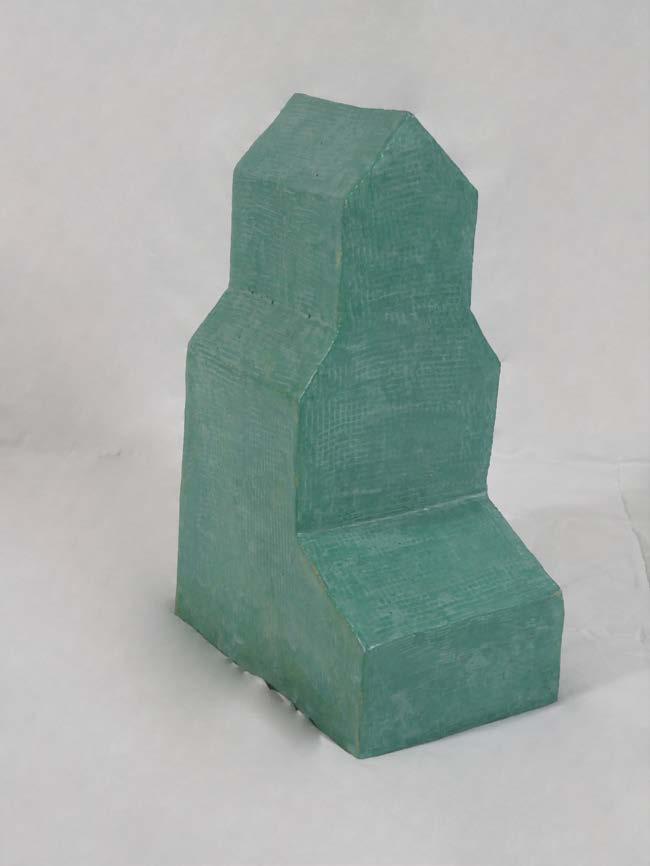
Be Joyful Though You Have Considered All the Facts, glazed ceramic, 16” x 7” x 10.5”, 2021
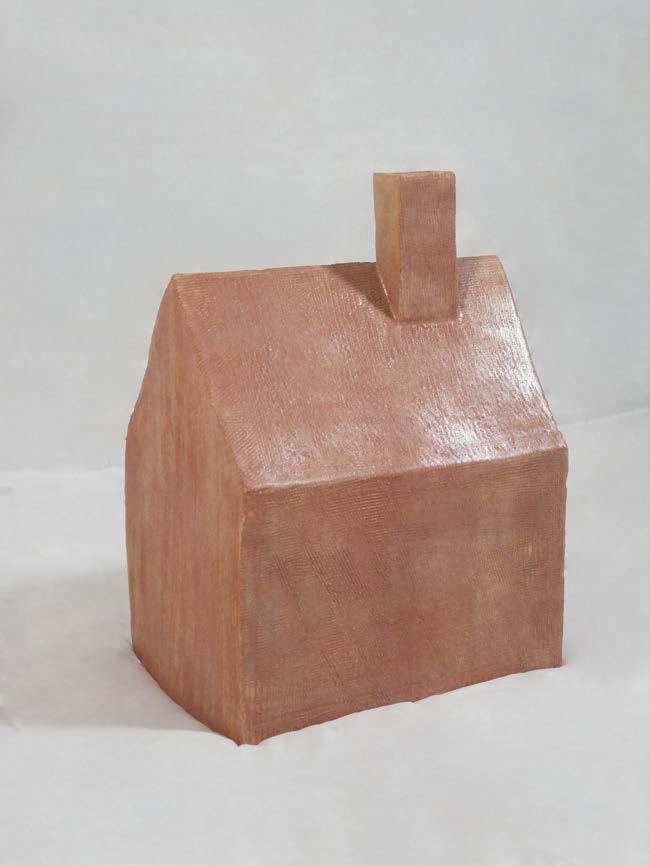
Nobody Can Discover the World for Someone Else, glazed ceramic, 15” x 11”
2021
x 7.5”,
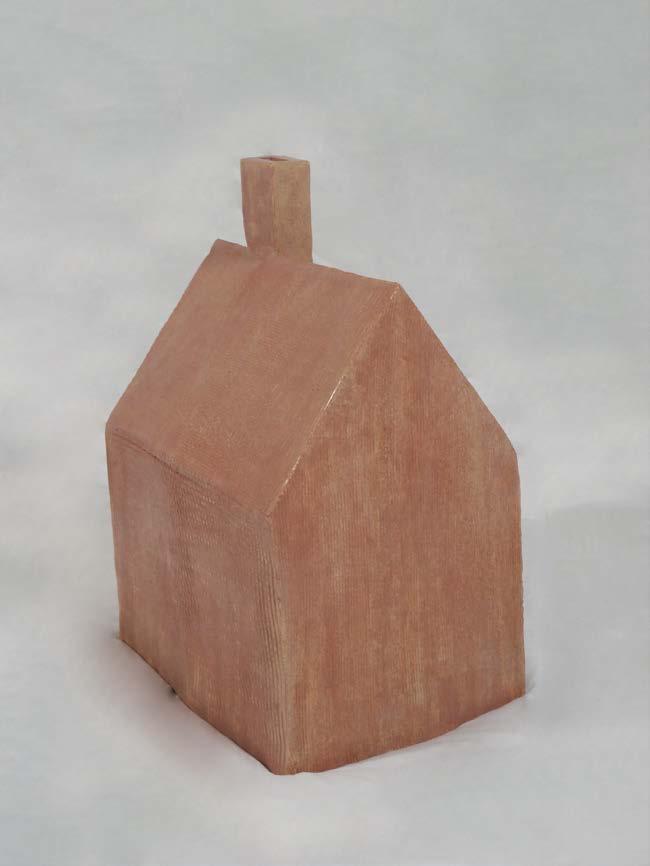
Nobody Can Discover the World for Someone Else, glazed ceramic, 15”
x 11” x 7.5”, 2021
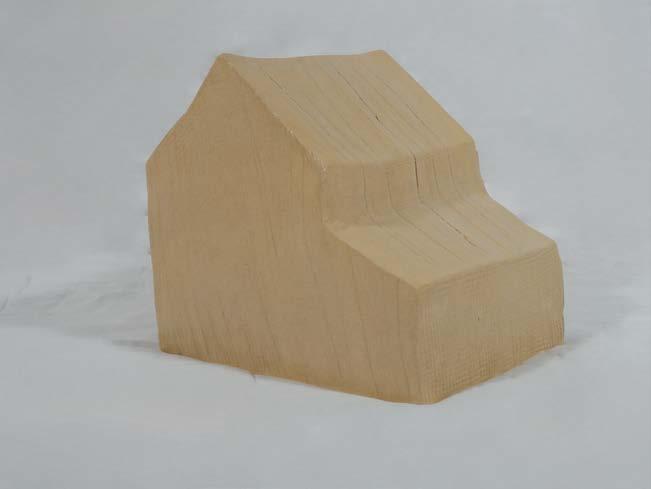
Nature is Party to All Our Deals and Decisions, glazed ceramic, 15” x 11” x 7.5”, 2021
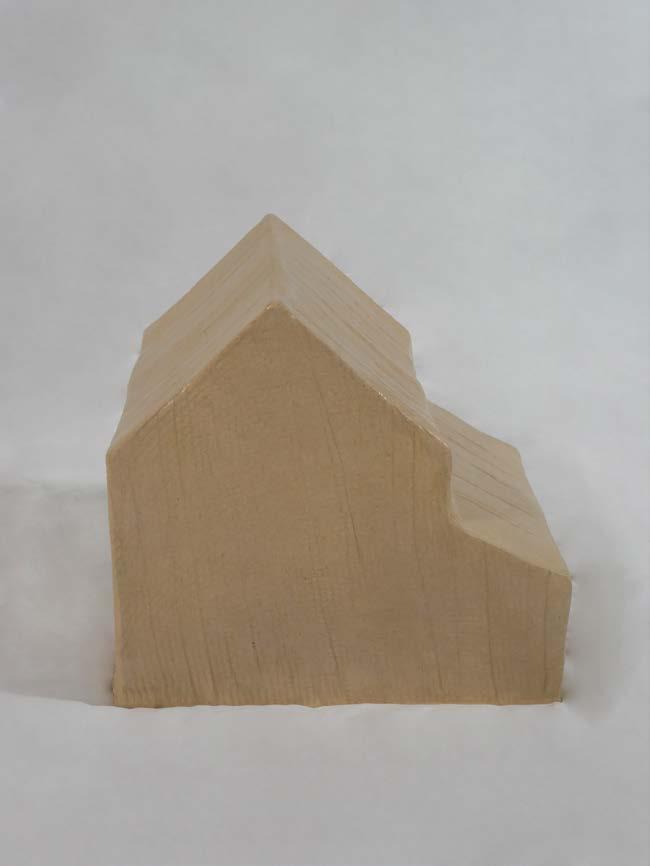
Nature is Party to All Our Deals and Decisions, glazed ceramic, 15”
2021
x 11” x 7.5”,
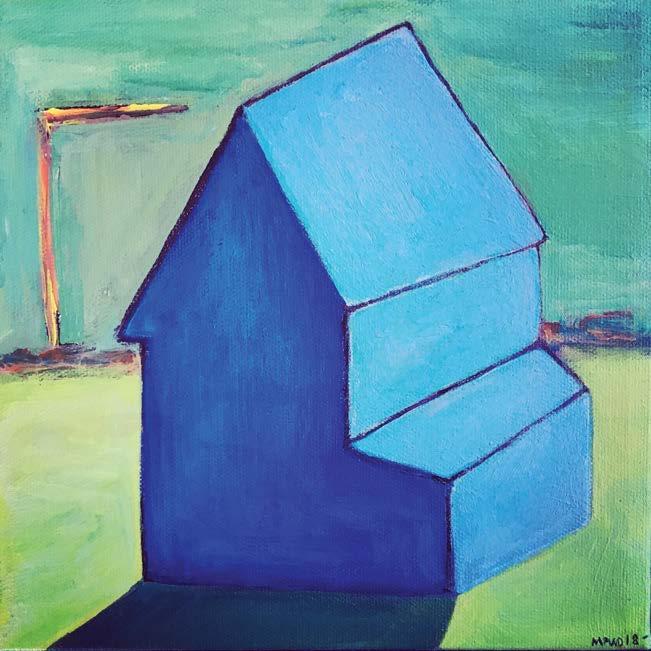
Locust Street, acrylic on canvas, 8” x 8”, 2018
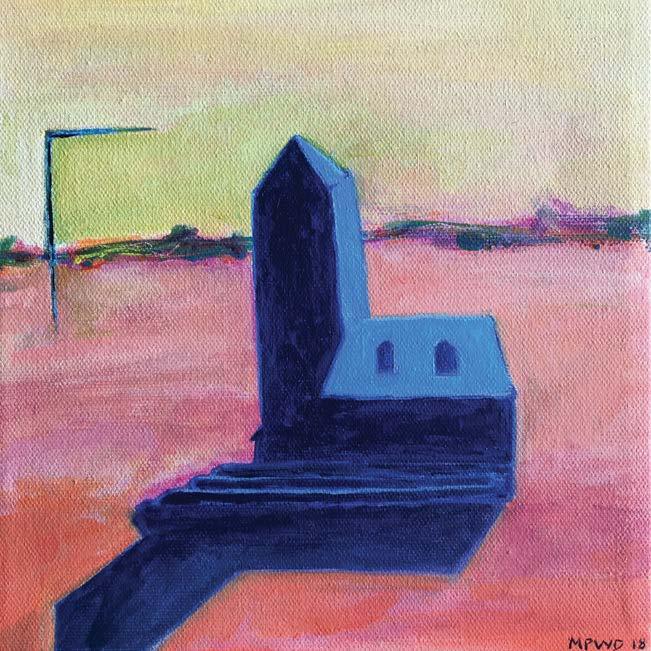
Bechelli Lane North, acrylic on canvas, 8” x 8”, 2018
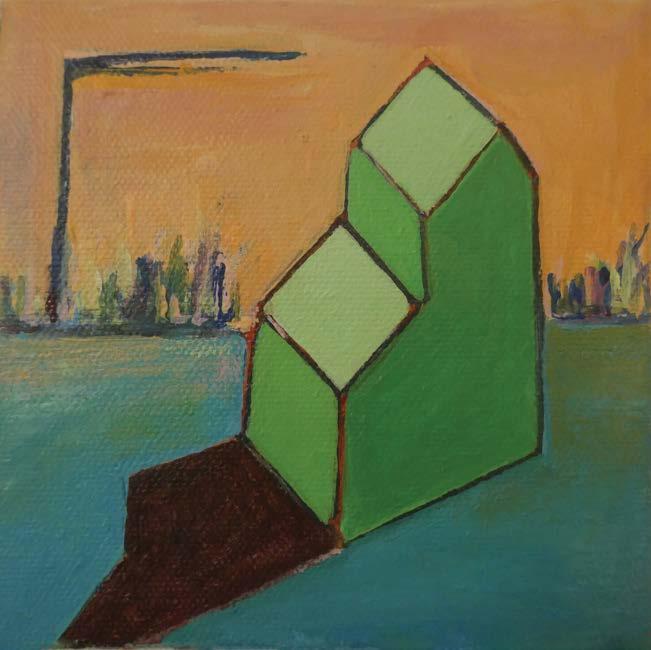
Gas Point Road, acrylic on canvas, 5” x 5”, 2021
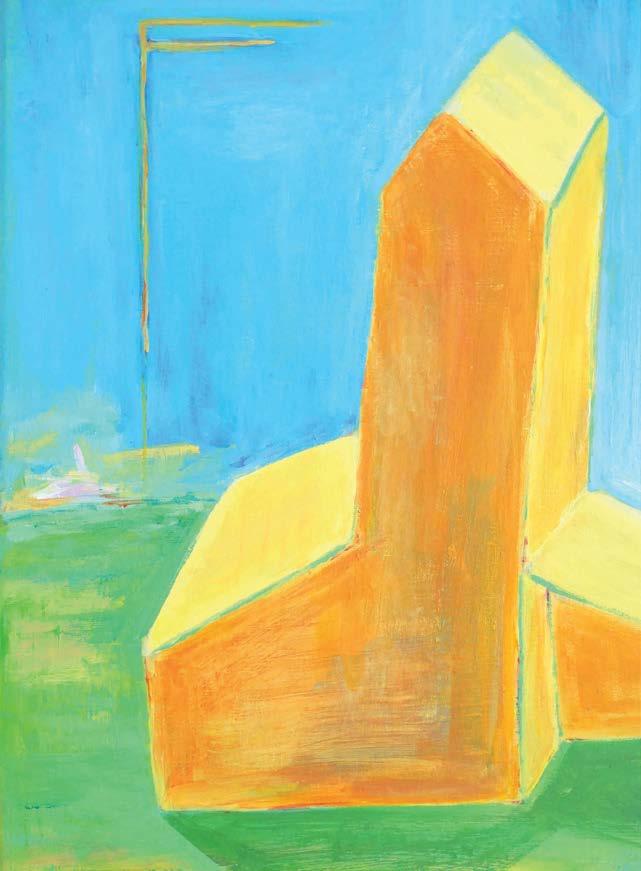
Oakdale Waterford Highway, acrylic on canvas, 12” x 16”, 2018
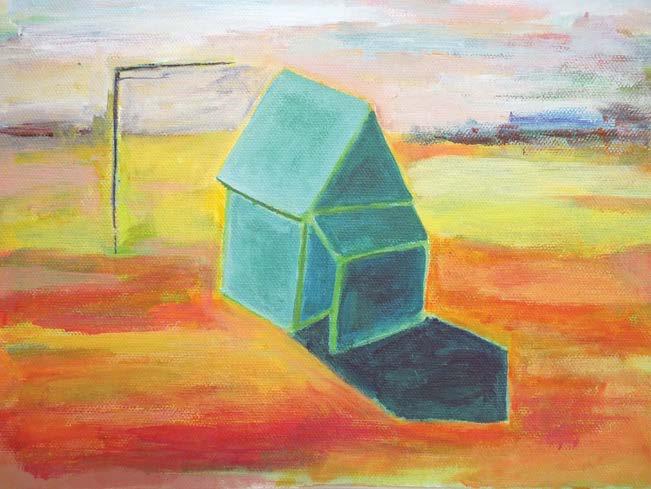
Miners Gulch Road, acrylic on canvas, 9” x 12”, 2018
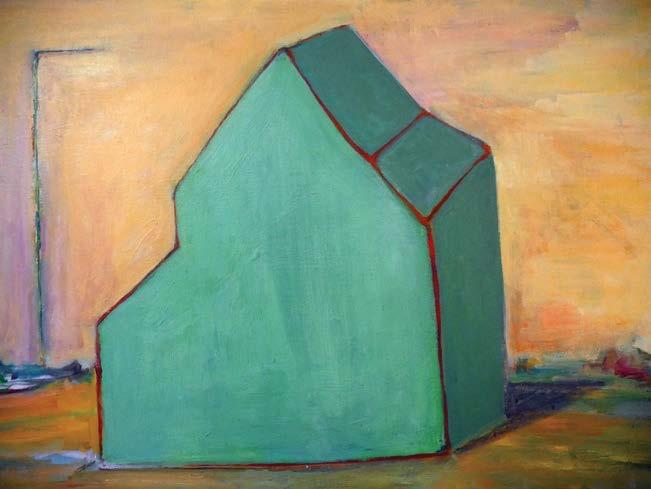
Clark Road (HWY 191), acrylic on canvas, 12” x 16”, 2018
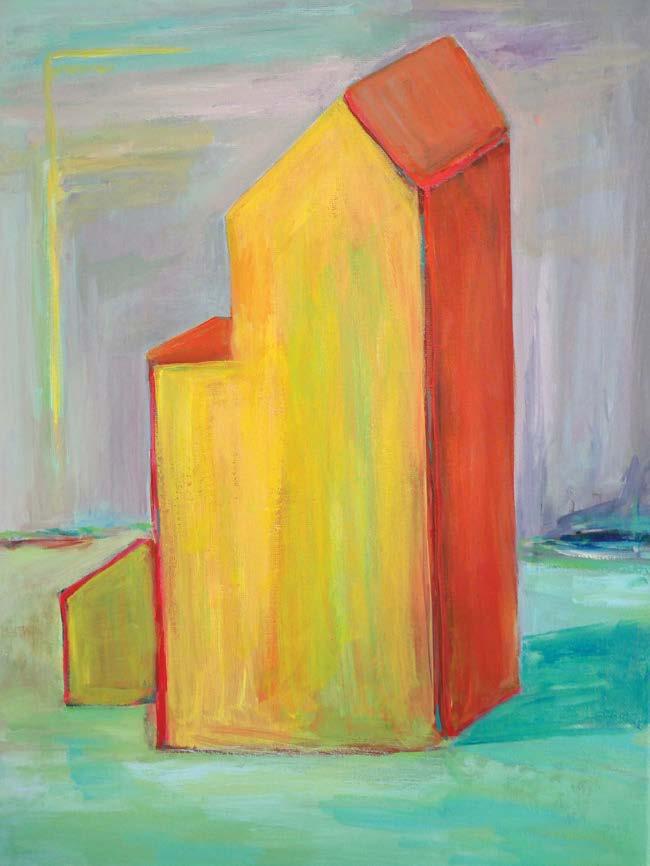
Skyway, acrylic on canvas, 12” x 16”, 2018
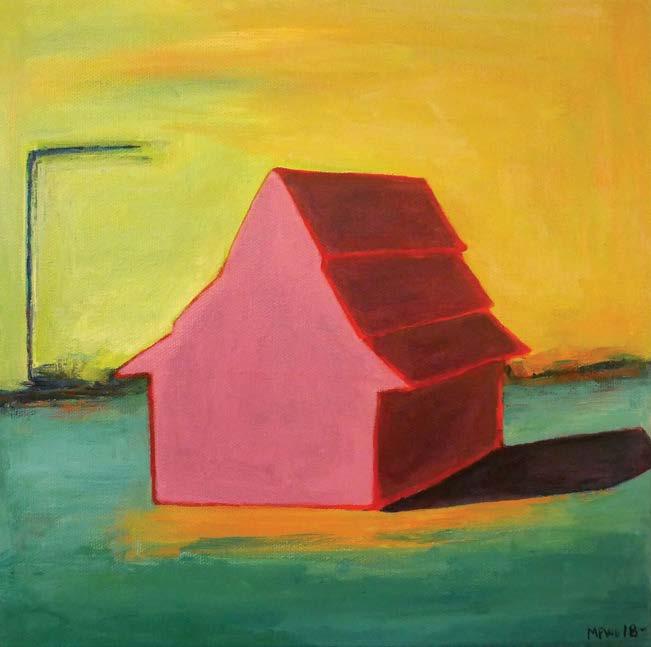
Old Airport Road, acrylic on canvas, 10” x 10”, 2018
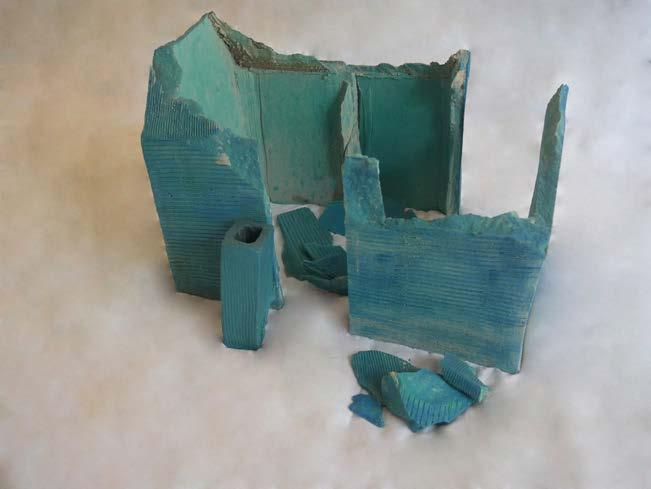
We Have Come to Our Real Work, ceramic and paint, 10” x 12” x 8”, 2021
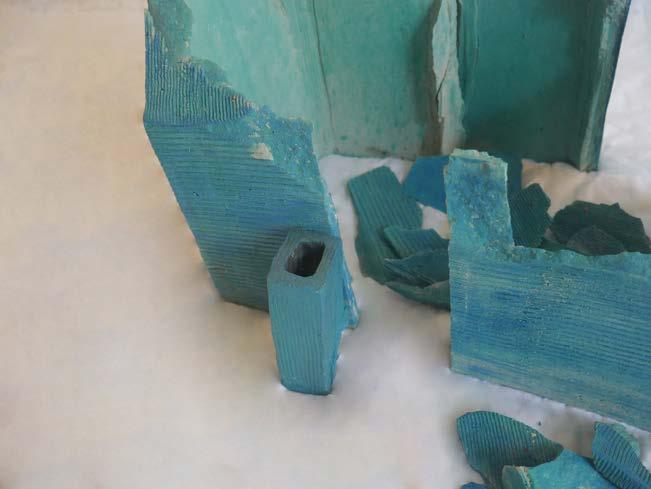
We Have Come to Our Real Work (detail), ceramic and paint, 10” x 12” x 8”, 2021
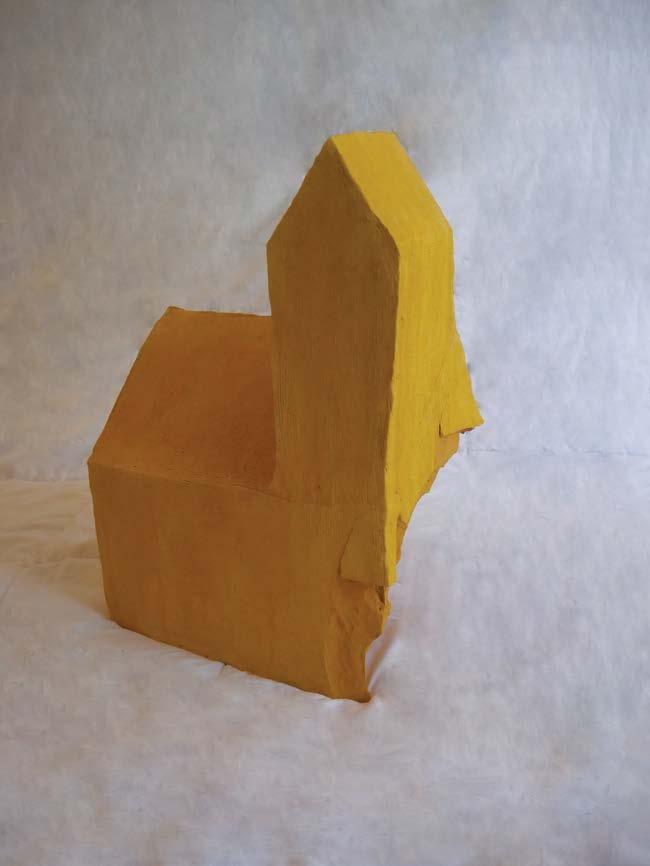
Peace of Wild Things, ceramic and paint, 18” x 12.5” x 9.5”, 2021
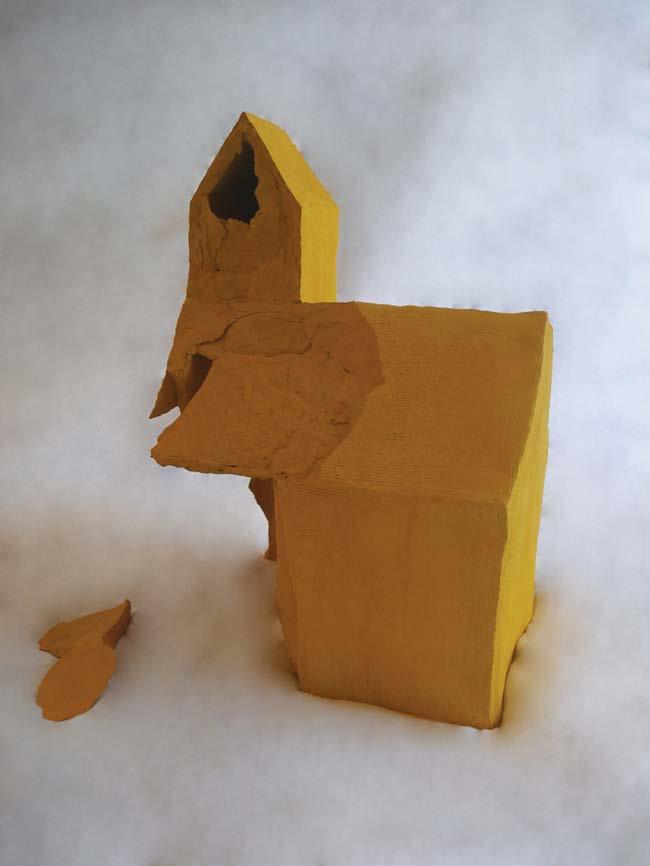
Peace of Wild Things, ceramic and paint, 18” x 12.5” x 9.5”, 2021
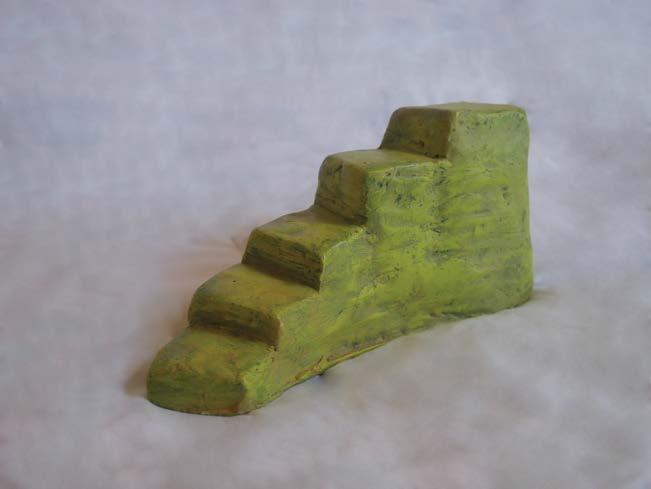
The Law of Contradiction, cast plaster and paint, 3.75” x 7.25” x 2”, 2021
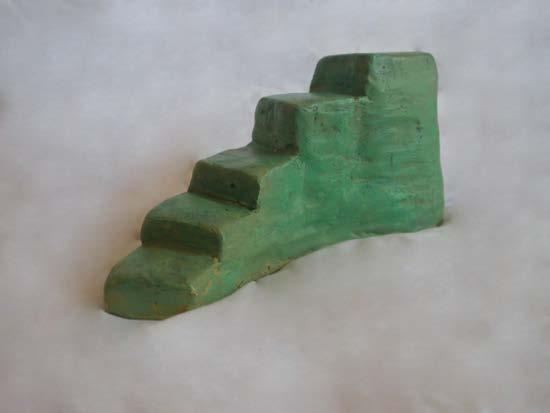
The Law of Excluded Middle, cast plaster and paint, 3.75” x 7.25” x 2”, 2021
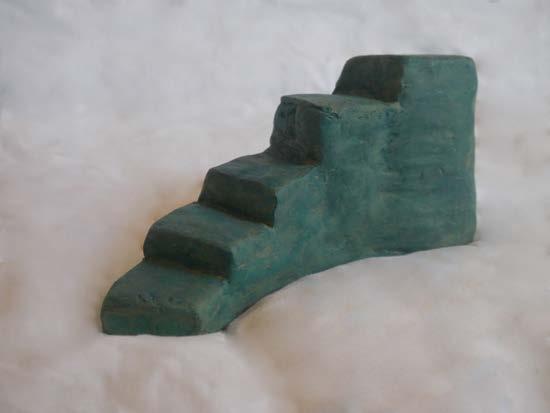
The Principle of Identity, cast plaster and paint, 3.75” x 7.25” x 2”, 2021
Matthew Paul Warner-Davies CV
EDUCATION
2015 Master of Fine Art in Studio Art, University of California Irvine
2011 Bachelor of Fine Arts in Sculpture, CSU Long Beach, Ca, Magna Cum Laude
SELECTED EXHIBITIONS
2019 Faculty Art Show, College Gallery, Merced College, Ca
2018 Faculty Art Show, College Gallery, Merced College, Ca
2017 Bound and Unbound IV, University Library, University of South Dakota
Creative Mission , Vargas Gallery, Mission College, Santa Clara, Ca
Faculty Art Show, Vargas Gallery, Mission College, Santa Clara, Ca
2016 Bound and Covered, Library, Mission College, Santa Clara, Ca
2015 Back to School, Vargas Gallery, Mission College, Santa Clara, Ca
Ellipsis, Frank M. Doyle Pavilion, Orange Coast College, Ca
Book-ish, University Art Gallery, UC Irvine, Ca
2014 GLAMFA, Gatov Gallery, CSU Long Beach, Ca
Second Year Show, University Art Gallery, UC Irvine, Ca
2012 Unrest, UC Irvine, Curated by Allyson Unziker, Ca
2011 BFA Exhibition , Gatov Gallery, CSU Long Beach, Ca
Wont, Etc. Space, Second City Art Walk, Long Beach, Ca
Entropy and Empathy, Merlino Gallery, CSU Long Beach, Ca (collaboration with Chris Denson) Show, Gatov Gallery, CSU Long Beach, Ca
Indeterminacy, A&E Gallery, Long Beach, Ca
Being and Appearing, A&E Gallery, Long Beach, Ca
Metal Group Show, Gatov Gallery, CSU Long Beach, Ca
2008 Foundation Group Show, Gatov Gallery, CSU Long Beach, Ca
2007 Annual Student Show , Shasta College Gallery, Curated by Tom Marioni, Redding, Ca
ARTIST TALKS & PERFORMANCES
2015 Ellipsis Gallery Talk, artist talk accompanying the exhibition, Orange Coast College, Ca
2014 Catalyst Lecture Series, annual graduate artist lecture series, UC Irvine, Ca
2011 Three Guys on an Island, Performance, Chora Gallery, CSU Long Beach, Ca
2010 Magic Show, Performance, Chora Gallery, CSU Long Beach, Ca
CURATION
2016 Art on Campus Committee, Mission College, Ca
2011–13 Wont, co-founder and member, An artist collective and pop-up gallery.
2011 Transitions, Chora Gallery, CSU Long Beach, Ca
Acknowledgements
California State University, Stanislaus
Dr. Ellen Junn, President
Dr. Kimberly Greer, Provost/Vice President of Academic Affairs
Dr. James A. Tuedio, Dean, College of the Arts, Humanities and Social Sciences
Department of Art
Martin Azevedo, Associate Professor, Chair
Tricia Cooper, Lecturer
Dean De Cocker, Professor
James Deitz, Lecturer
Daniel Edwards, Associate Professor
Patrica Eshagh, Lecturer
Jessica Gomula-Kruzic, Professor
Daniel Heskamp, Lecturer
Chad Hunter, Lecturer
Dr. Carmen Robbin, Professor
Ellen Roehne, Lecturer
Dr. Staci Scheiwiller, Associate Professor
Susan Stephenson, Associate Professor
Jake Weigel, Associate Professor
Mirabel Wigon, Assistant Professor
Meg Broderick, Administrative Support Assistant II
Kyle Rambatt, Equipment Technician II
University Art Galleries
Dean De Cocker, Director
School of the Arts
Brad Peatross, Graphic Specialist II
Matthew Paul Warner-Davies - Getting to Nowhere
November 10–December 22, 2021 | Stan State Art Space, California State University, Stanislaus | 226 N. First St., Turlock, CA 95380
300 copies printed. Copyright © 2021 California State University, Stanislaus • ISBN 978-1-940753-63-8
All rights reserved. No part of this publication may be reproduced or transmitted in any form without the written permission of the publisher. This exhibition and catalog have been funded by Associated Students Instructionally Related Activities, California State University, Stanislaus.