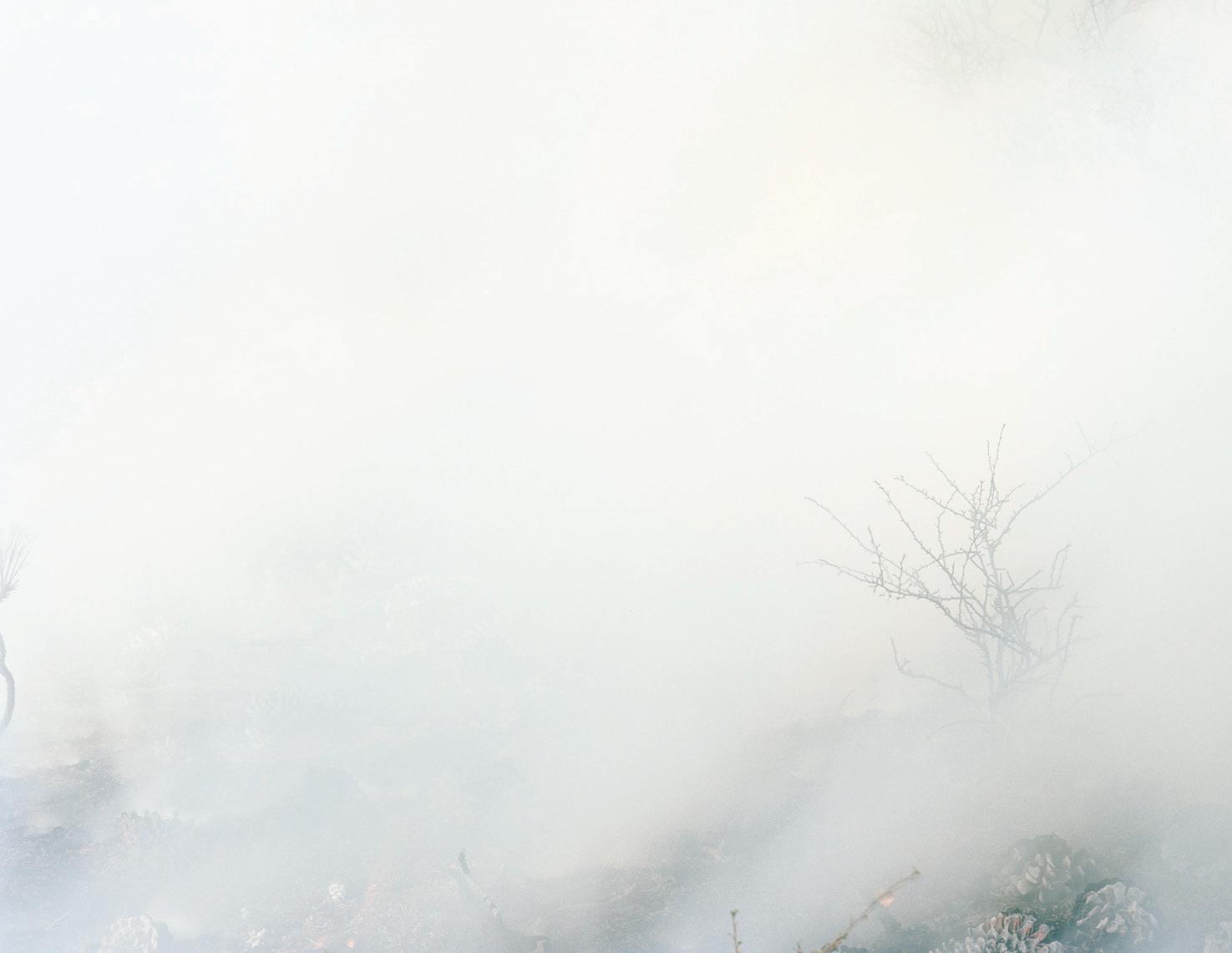
Youngsuk s uh
500 copies printed
Youngsuk Suh: Let It Burn
University Art Gallery
Department of Art College of the Arts
California State University, Stanislaus
October 17 - December 16, 2011
This exhibition and catalog have been funded by:
Associated Students Instructionally Related Activities, California State University, Stanislaus
Copyright © 2011 California State University, Stanislaus
All rights reserved. No part of this publication may be reproduced or transmitted in any form without the written permission of the publisher.
University Art Gallery College of the Arts
California State University, Stanislaus
One University Circle Turlock, CA 95382
Catalog Design: Kristina Stamper, College of the Arts, California State University, Stanislaus
Catalog Printing: The Print Shop, California State University, Stanislaus
ISBN: 978-0-9830998-5-7
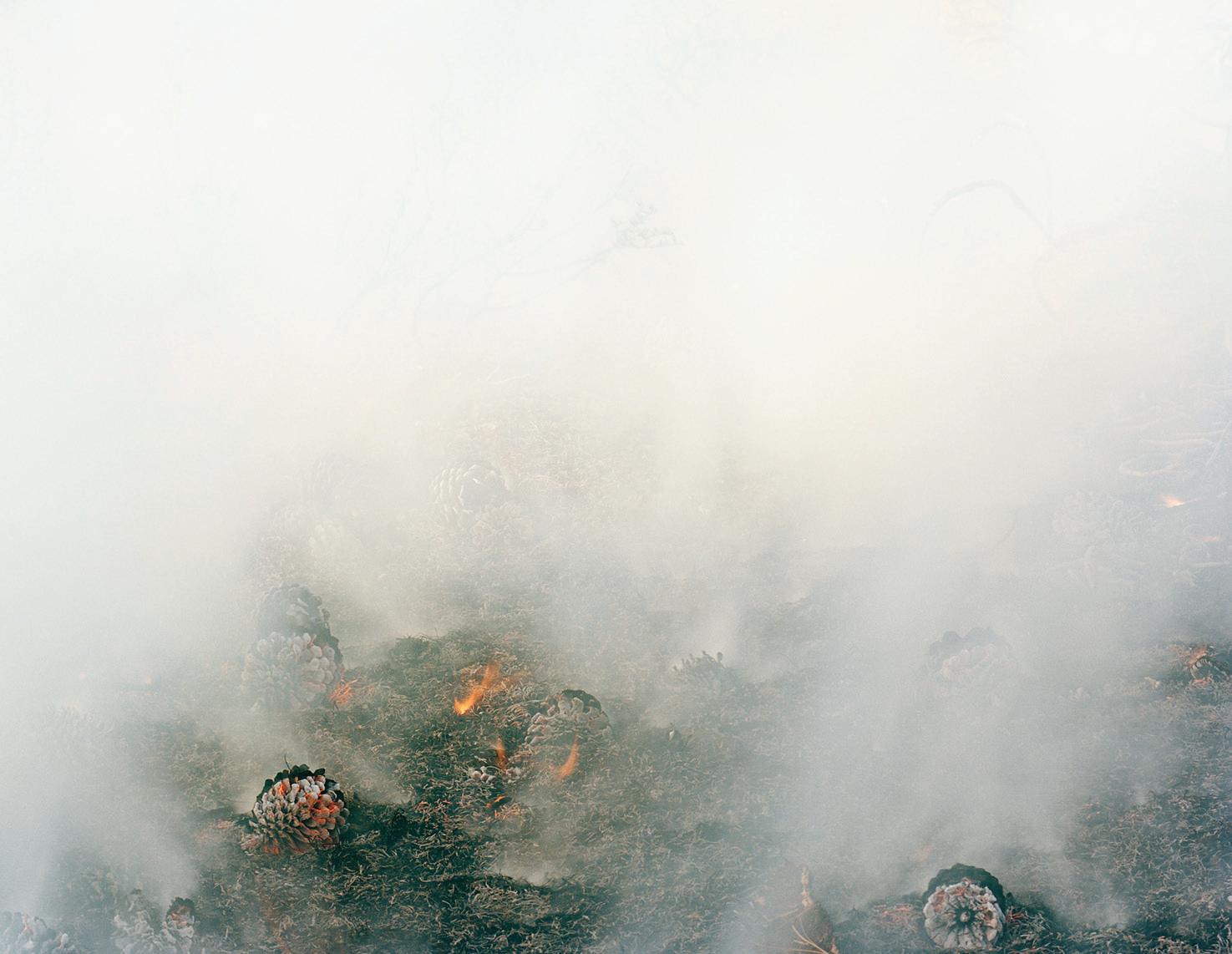
Cover Image: Untitled (INF638), 2011, 36x46”, Pigment Inkjet Print
D IR e CTOR ’ S F OR ew ORD
Youngsuk Suh: Let It Burn, represents two amazing bodies of work.
This powerful work shows not only the worries of fire but its beauty. On a recent visit to the University Art Gallery, Youngsuk brought the first body of work to see how it looked in the gallery. As we looked over the work I could almost smell the smoke. I am very pleased to be able to exhibit his work for others to enjoy.
I would like to thank the many colleagues that have been instrumental in presenting this exhibition. Youngsuk Suh for the opportunity of exhibiting his incredible work, Renny Pritikin, Director of The Richard L. Nelson Gallery & The Fine Arts Collection, University of California, Davis for the wonderful essay, The College of the Arts, California State University, Stanislaus for the catalog design and the Print Shop for the printing this catalog.
A great thanks is also extended to the Instructionally Related Activities Program of California State University, Stanislaus as well as anonymous donors for the funding of the exhibition and catalog. Their support is greatly appreciated.
Dean De Cocker, Director
University Art Gallery
California State University, Stanislaus
e SSA Y
Soon after California became of interest to Americans in the first half of the 19th century, painters like Albert Bierstadt and Thomas Moran (respectively from Germany and england) commoditized the west by documenting its outsized scale and marketing those images to amazed audiences in the east. On the other hand, a photographer like San Francisco’s Carleton watkins made images of the first tentative human impact on nature, usually depicting rickety wooden build-outs dwarfed by the mountains. This diminutive human presence brings up the sublime.
The sublime refers to human perception of the enormity—both in time and physicality—of nature, which causes us to experience aesthetic pleasure and at the same time terror in the light of our own frail mortality. Youngsuk Suh, born in 1970 in Korea, moved to California to teach at UC Davis in 2006, after getting his MFA from the Museum of Fine Arts Studio School in Boston in 2001. Suh was as attracted to the Sierras as were his european predecessors 150 years ago.
At one time we could make the sweeping statement that nature is the world that we are born into, and culture is what we do with it. In recent times it has become clear that such a neat separation—between what we find and what we make of it—has eroded. Nature has increasingly become subject to the plans, whims and intentions of people. The world is undeniably dangerous and beautiful, and largely out of human control, but the industrialization of nature into systems of national parks and logging districts, habitat controls, dams and reservoirs and oil pipelines, roads and waterways et al, changes its context
and much of its meaning. Youngsuk Suh’s work adds the firefighting industry to this long list of the ways we attempt to put nature under our rationalized and systematized control.
Starting with the summer of 2008, Young (as he is known) began to chase fires in Northern California wilderness areas, and soon spread his travels around the west. The results are two bodies of work, which make up this exhibition at California State University, Stanislaus. The first set of images combines enormous drifts of smoke that part like theatrical curtains to reveal mundane human or animal activity. The effect is the most profound kind of humor, that which reveals our foibles not with contempt but with bemusement, and in the shadow of the sublime: beauty and death. The second, most recent suite is denser, as though the artist has chosen to move from the periphery into the center of his subject. Almost the entire image is churning smoke; with close attention the viewer can make out a branch here, a stump there. It’s a metaphor for being lost, completely unable to find one’s emotional bearings, with only occasional half-recognized signposts by which to keep from panicking, to keep a grip on one’s sanity.
The irony is that these images are made of controlled burns, manufactured fires, for forest management or agricultural purposes, on set schedules. The images feign danger but are in fact theatrical devices. Like David Lynch’s “man-made chicken” in Eraserhead , the terror is in the banality, the Frankenstein dumbness of the manmade conflagration.
Suh relishes the complex beauty of the roiling smoke of forest fires, which function as a Turneresque impressionistic landscape. In Turner the enormous storms at sea reveal in a corner the punishing travails of a sailing ship, tiny in the frame. In Young’s photographs, the sea mist is replaced by the choking layer of smoke, but when it parts what is revealed is a chipmunk on two legs waiting for a tourist to feed him, or an abandoned gas station’s plastic inflated dancing man.
Suh loves the humor of accidental visual discoveries—firefighters enjoying a cigarette break, people romantically strolling through a devastated landscape. Thus the work falls into the narrative tradition of photography, especially in prints such as Bather at Sunset, in which a solitary figure wades shin-deep in a wretched looking pond. In 1987
Joel Sternfeld’s American Prospects book included a classic image of a fireman buying a pumpkin at a farmer’s market in the foreground while a house is burning in the background; Young’s work takes up that conversation. (Young uses a 4x5 view camera; Sternfeld’s was 8x10.) Sternfeld’s work was often likened to the New Topographics movement that documented human destruction of the land, though his work was colorful and lively, like Young’s, and unlike bleak and pessimistic work like Lewis Baltz’s. Young is more of a concerned aesthete than a political agitator.
Clearly there is an ongoing undercurrent to the photographs that is in conversation with painting. The conventional wisdom is that photography’s literalness put painting’s documentary role into question, resulting in the increasingly subjective nature of painting epitomized by Impressionism merely years after photography was introduced. Suh is a postmodern photographer, for whom all former styles and genres are fair game for utilization and exploration. His densest pieces are virtual color-field paintings. Young’s prints depicting smoke and one
revealed image can be seen to refer to the 1950s Bay Area figurative abstraction school (eg David Park, elmer Bischoff), in which color field abstraction was mitigated by the presence of figures occupying the space like bathers in a steam room.
Nature renews forests by fire, burning out the dead underbrush and making room for new trees; bees dump their dead out of the hive to keep things sanitary. we fight fire in a retrograde attempt to keep things the same, to protect culture (built things) from nature but under the guise of protecting nature from itself. Young’s humor is at the border where these inaccuracies reveal themselves. The subtext is that Young himself cannot help but make culture, squares of colored paper, photographs that halt time, based on the natural state of process, of renewal, and change. His digital prints of course make no claim to permanence, with an uncertain life span ahead of them.
Young has said of these prints, “smoke is the medium through which we read the light.” when most animals are grazing in the forest and hear a loud sound in the distance, they put their noses up in the air as their primary means of finding out what is going on, to smell for changes in the environment. A man in the same situation will turn and look for the source of the sound with his eyes. we read the light as the most basic way to make our way through the world. I once heard the filmmaker Stan Brakhage say, “I have seen light fall like rain.” Suh’s photographs frustrate our innate light-centrism, with objects and even flames looming about the viewer, hidden from us by the near invisibility of imminent danger.
Renny
Pritikin Director, The Richard L. Nelson Gallery & The Fine Arts Collection University of California, Davis
A RTIST S TAT e M e NT
I was once invited to a controlled burn by the US Forest Service, that was being held in the area inside a prison land in Southern California where they train firefighters. Across from the highway is a Six Flags whose giant roller coaster structure was remotely visible from the top of the barren hills through the haze of the 110 degree California sun. I spent a day walking around in a heat that seemed not so much different from the fire I was supposed to be observing, no trees left to give me a shelter and one bottle of water.
I was wearing a fire retardant shirt and pants, yellow on the top and green on the bottom, shades of color that failed to resemble anything natural, let alone the environment that surrounded me. Still the suit gave me a sense of comfort. I was protected by it: a strange reminder of the official term, PPe , personal protective equipment. My newly bought pair of firefighter’s boots was so stiff that my feet were already blistered everywhere a bone hit the inside of the shoe.
My walk was a physical reminder of the landscape I was in. The hard inside surface of the shoe rubbed against the peeled skin over and over. when there is not much you can do about the pain, it seems to make sense. You take it as part of your existence. The scar represents your being, but at the same time you don’t want to make such a big deal out of it. It would be impossible to even consider taking the boots off and walk barefoot. The landscape was oddly familiar but utterly invisible. It is the invisibility offered by the landscape, and by fire that I am interested.
Smoke is the medium through which light is made visible and it renders everything invisible. I am irresistibly attracted to its brilliance and at the same time saddened by its disappearance and by the things that disappear with it. Perhaps it explains why I often feel exhilarated with a sense of being lost in the smoke. I think of the irony of Casper David Friedrich’s wanderer Above the Sea of Fog. we are betrayed by our desire to climb high and see everything underneath. we end up only looking at the mist, blinded by our own desire.
when you step inside smoke, it is not easy to find air. The particles get through your nostril and fill your lungs. They seem heavy inside you and it is history that weighs down your body. It is the same weight that buoyed the minds of the 19th century men like Bierstadt and Gifford. The layers of oil paint that once built the glory of an upcoming history, and the haze in many of their paintings so thick it diminishes the sun, are both stuffed in our collective lungs and immobilize us. The smoke will scatter away, but it will leave its weight for us to carry.
I wonder if trees ever dream. we swim through the density of our desire and the debris of what we have become while nature, violated and gone wild, is fully awake and crackles her question to us, “ what on earth do you see?” As if she already knew our loss in the thickness of our reverie.
Youngsuk Suh
Le T IT BURN : P ART I
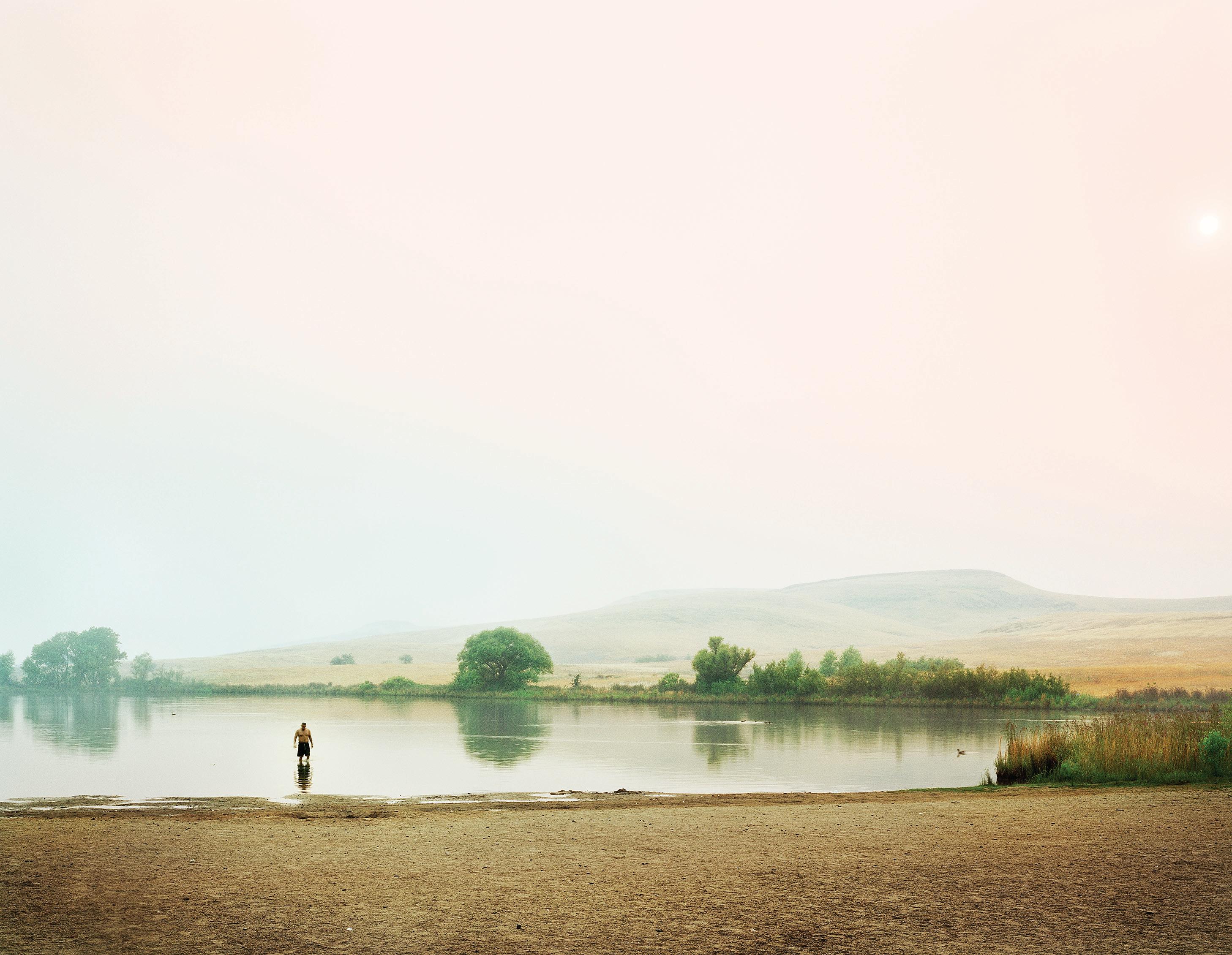
Bather at Sunset, 2009, 36x46”, Pigment Inkjet Print
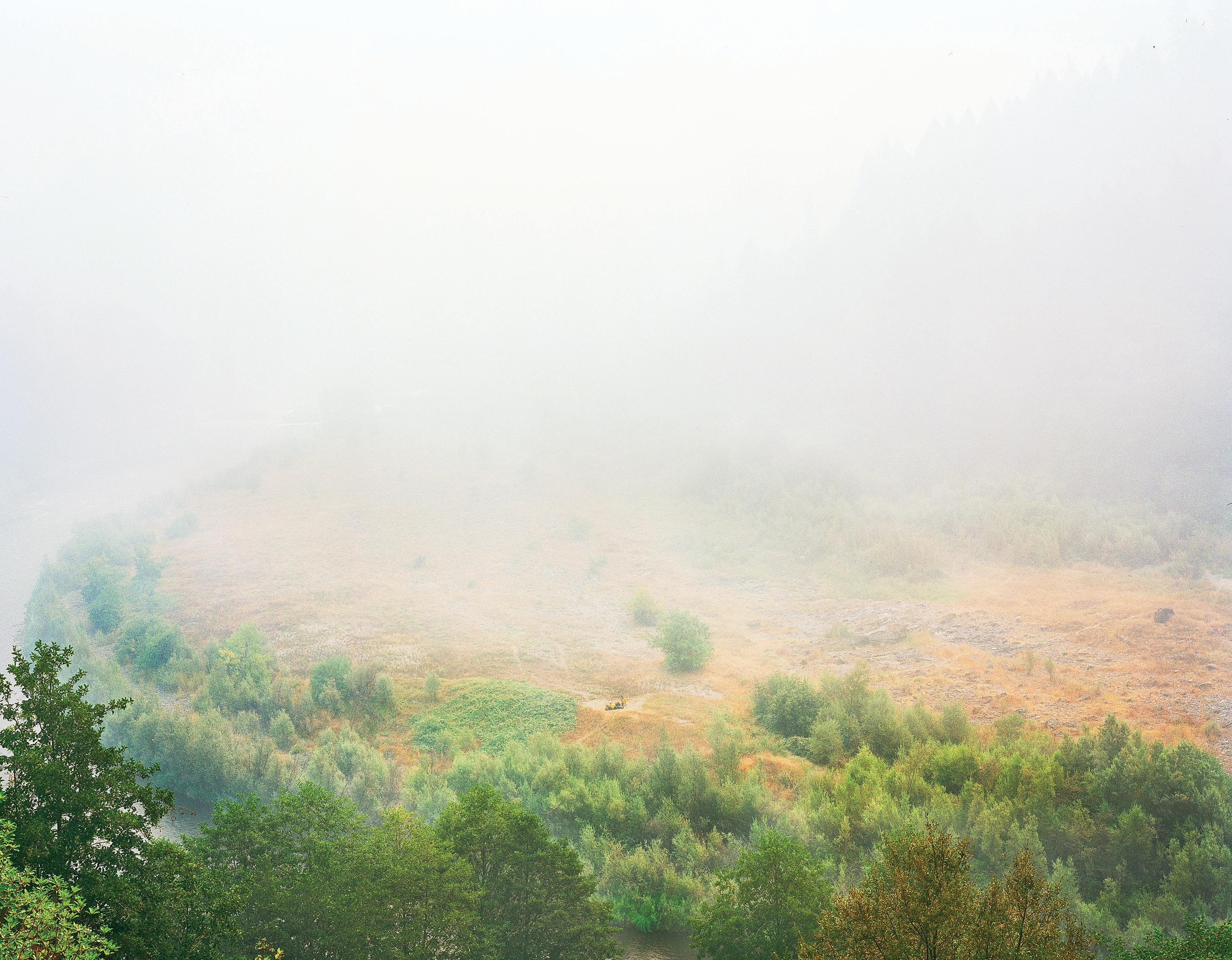
Firefighters, 2009, 36x46”, Pigment Inkjet Print
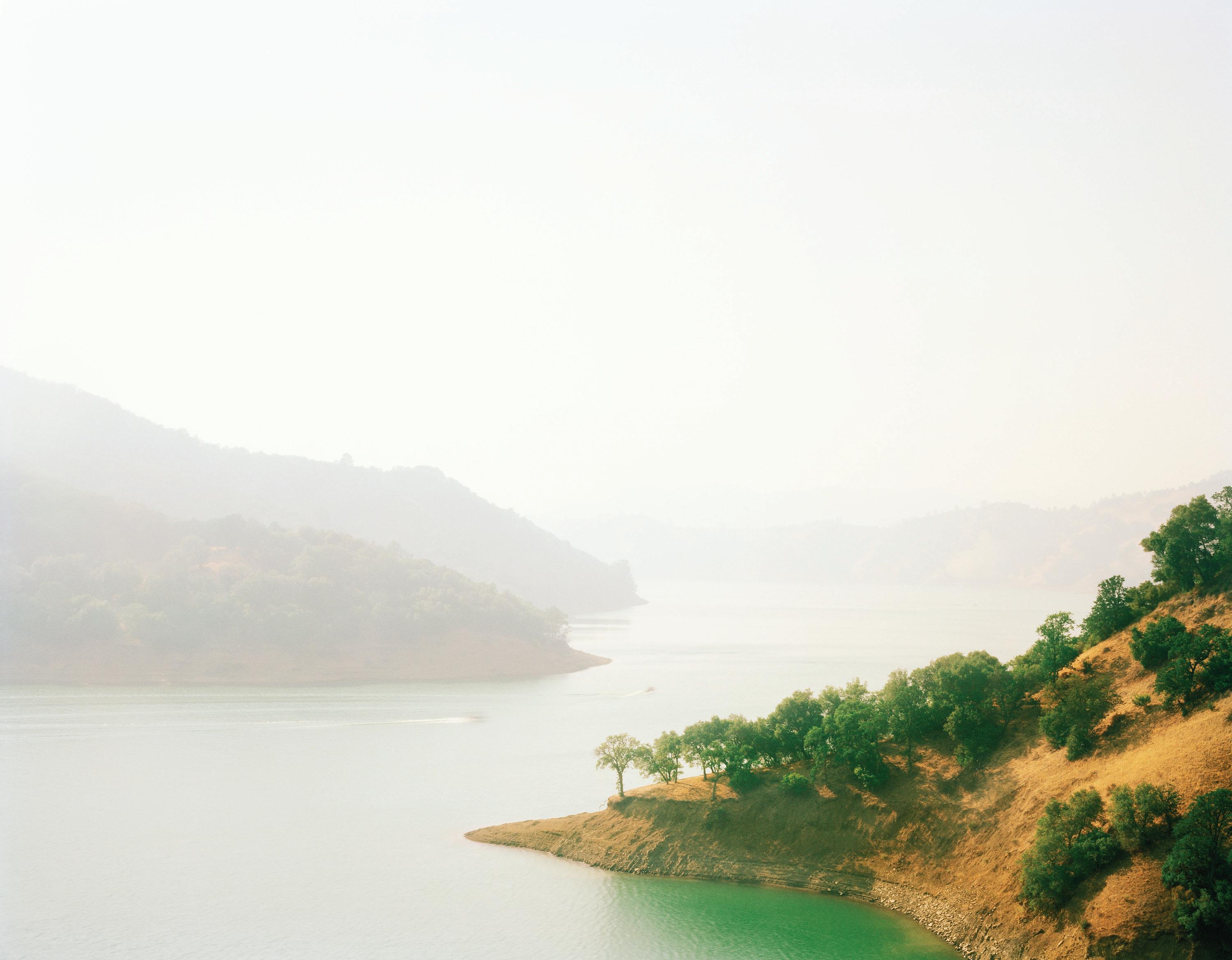
waterskiing, 2008, 36x46”, Pigment Inkjet Print
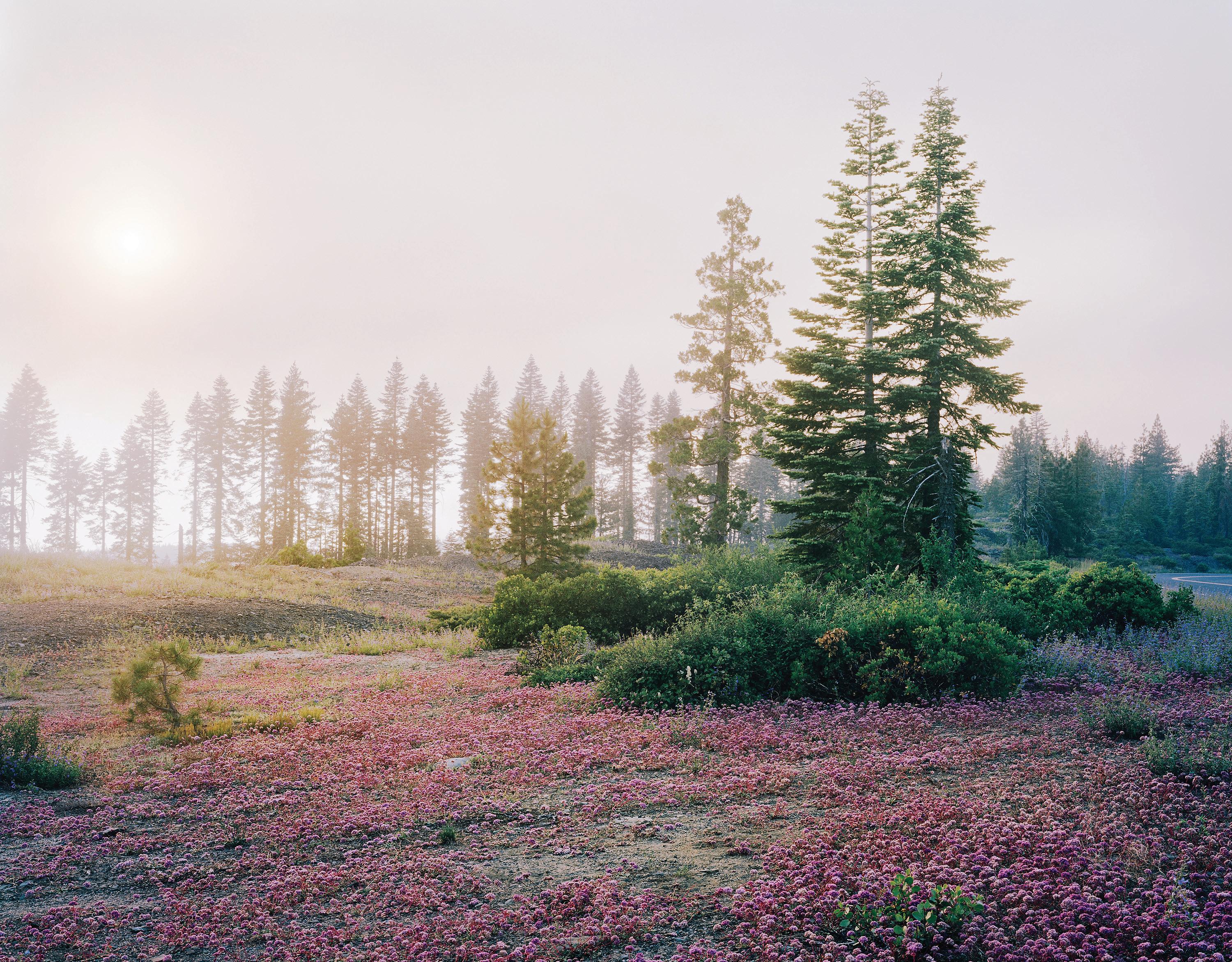
Sunset I, 2008, 36x46”, Pigment Inkjet Print
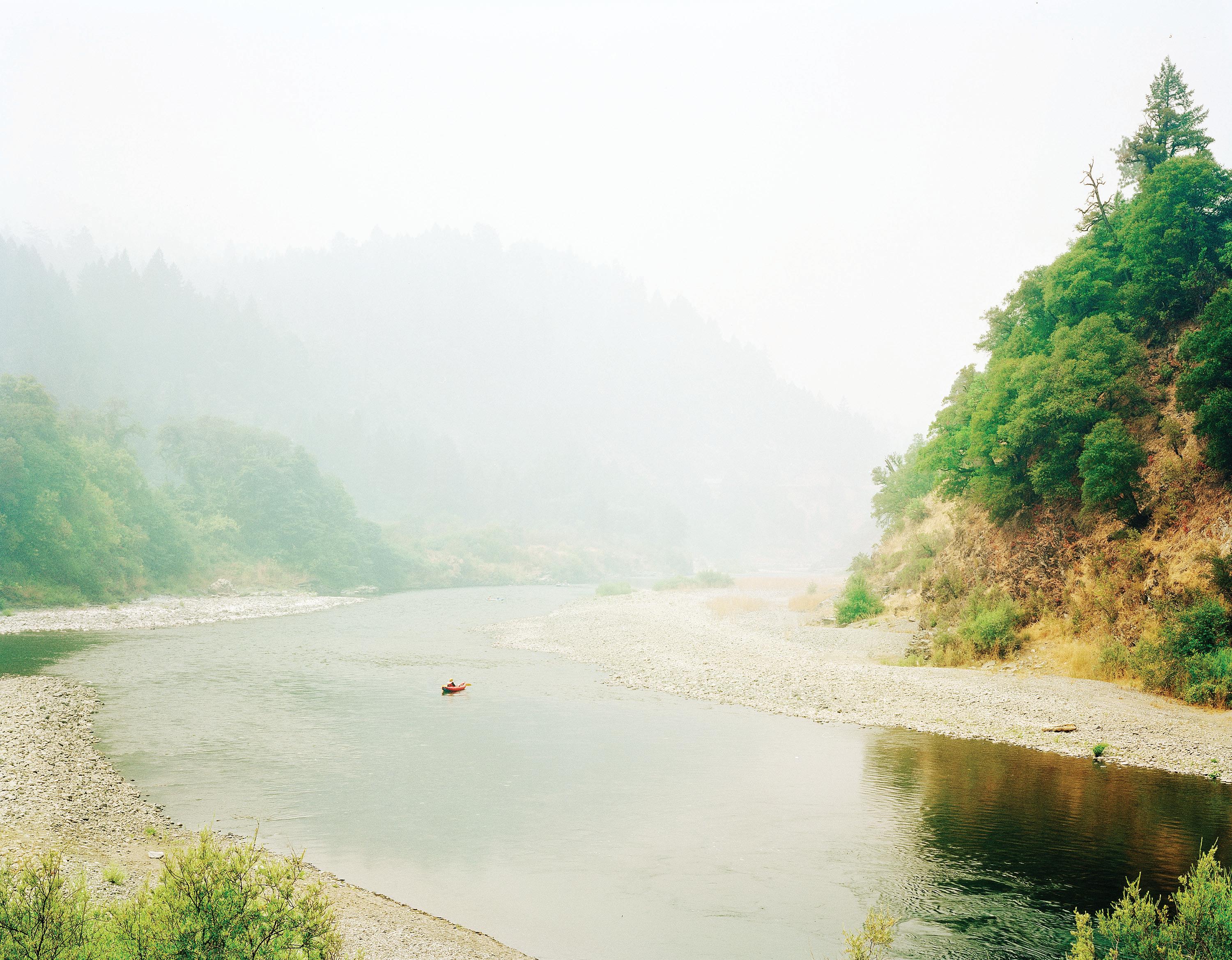
Rafting, 2009, 36x46”, Pigment Inkjet Print
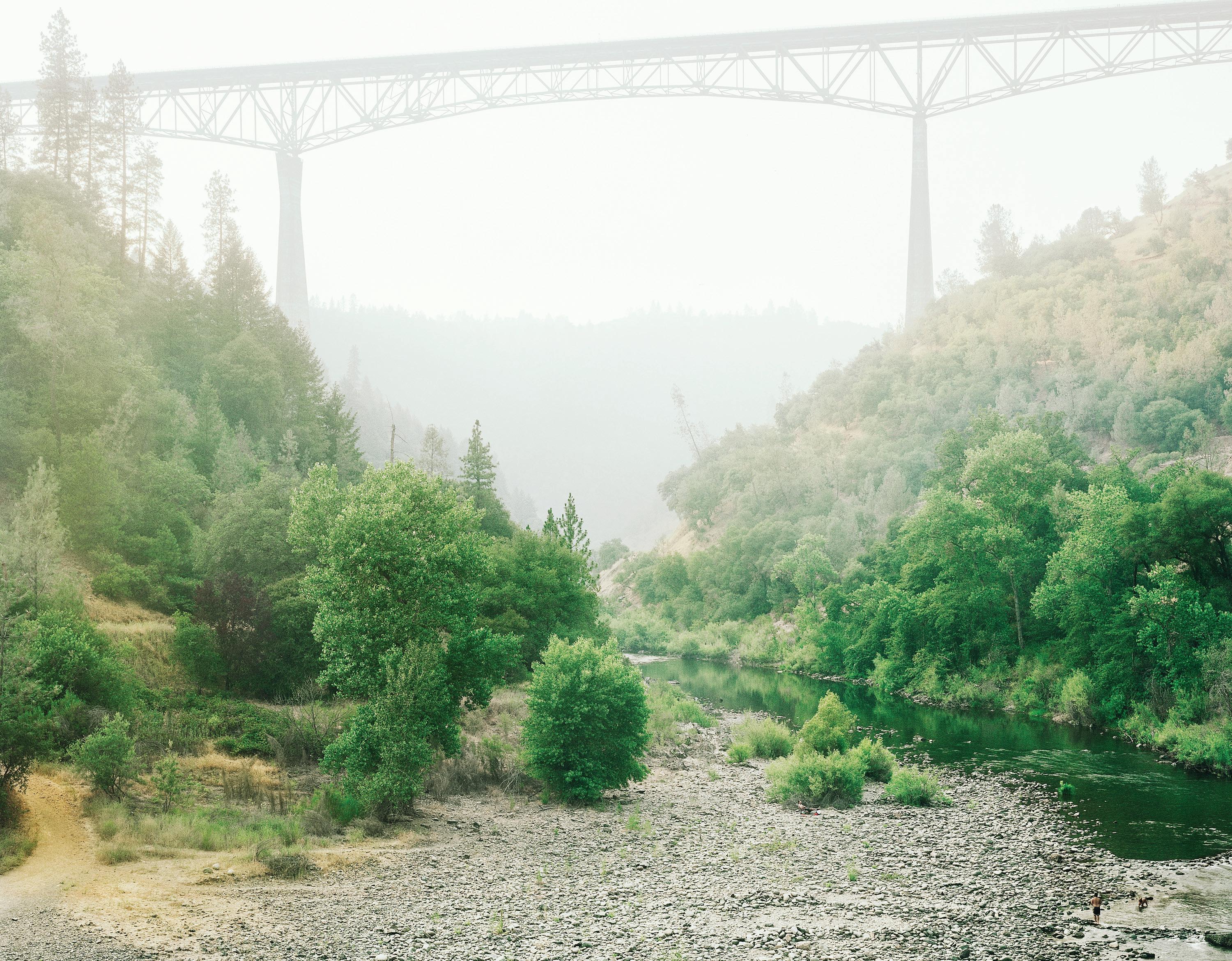
Bathers and a Dog, 2008, 36x46”, Pigment Inkjet Print
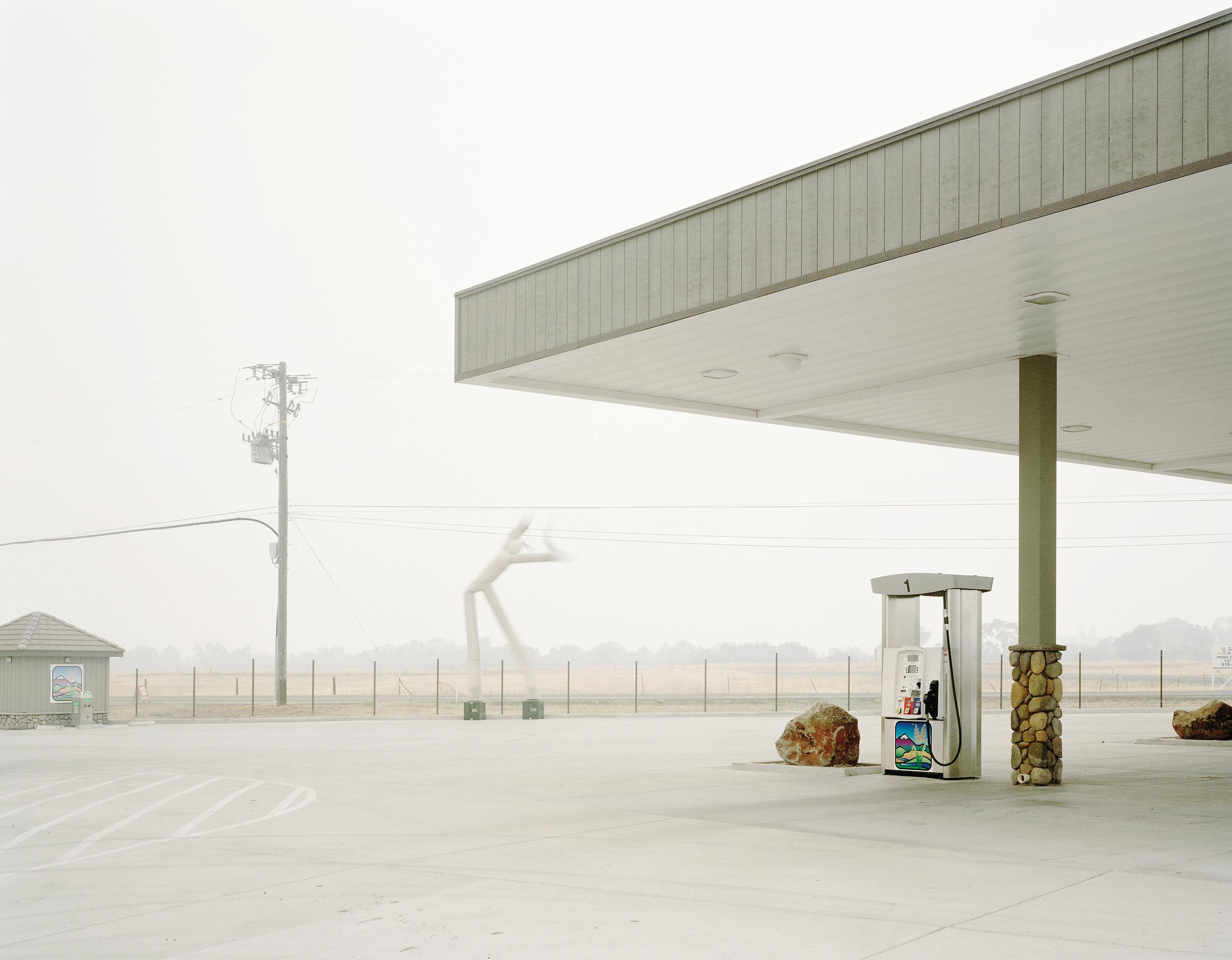
Gas Station, 2008, 36x46”, Pigment Inkjet Print
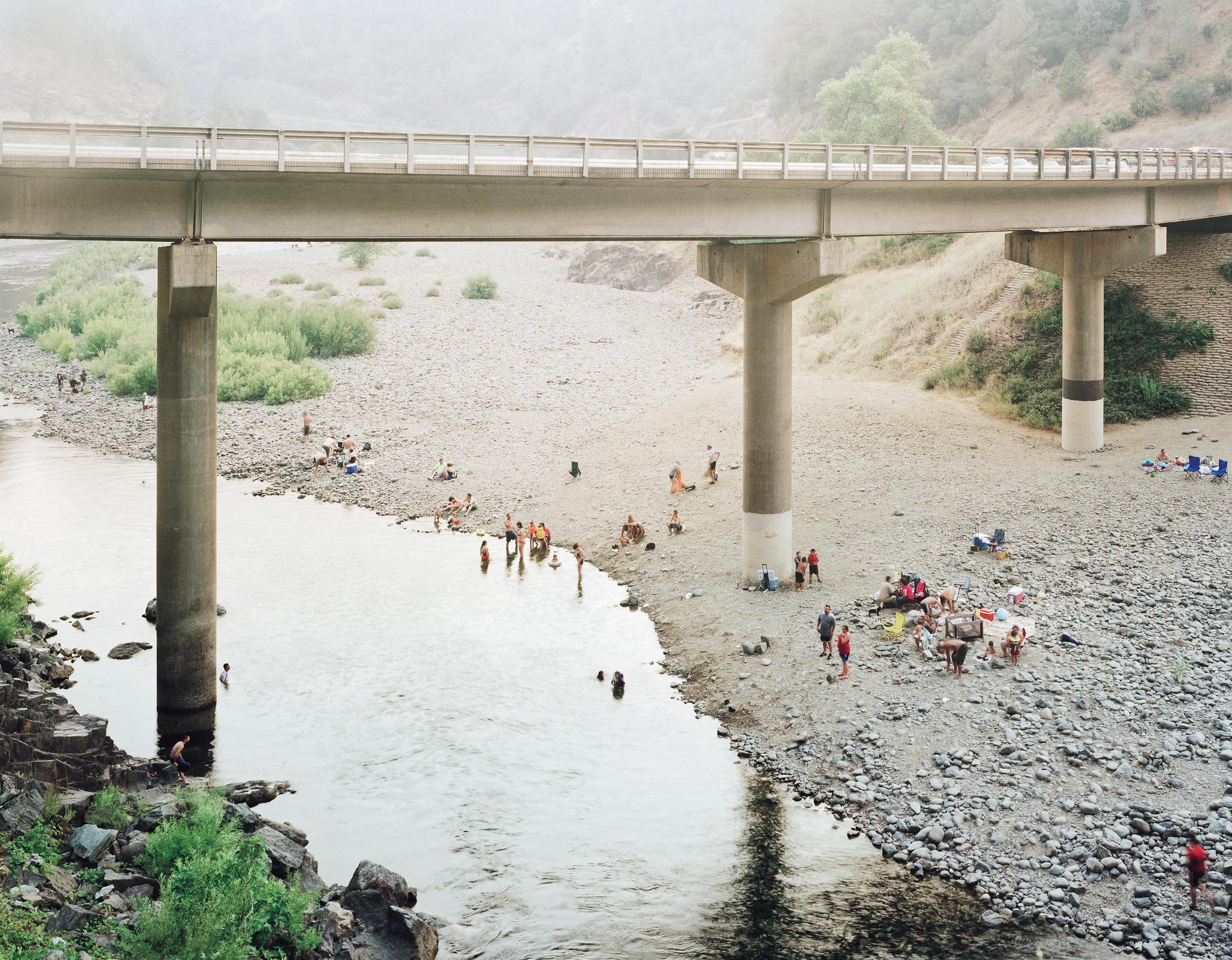
Bathers Under Bridge, 2008, 36x46”, Pigment Inkjet Print
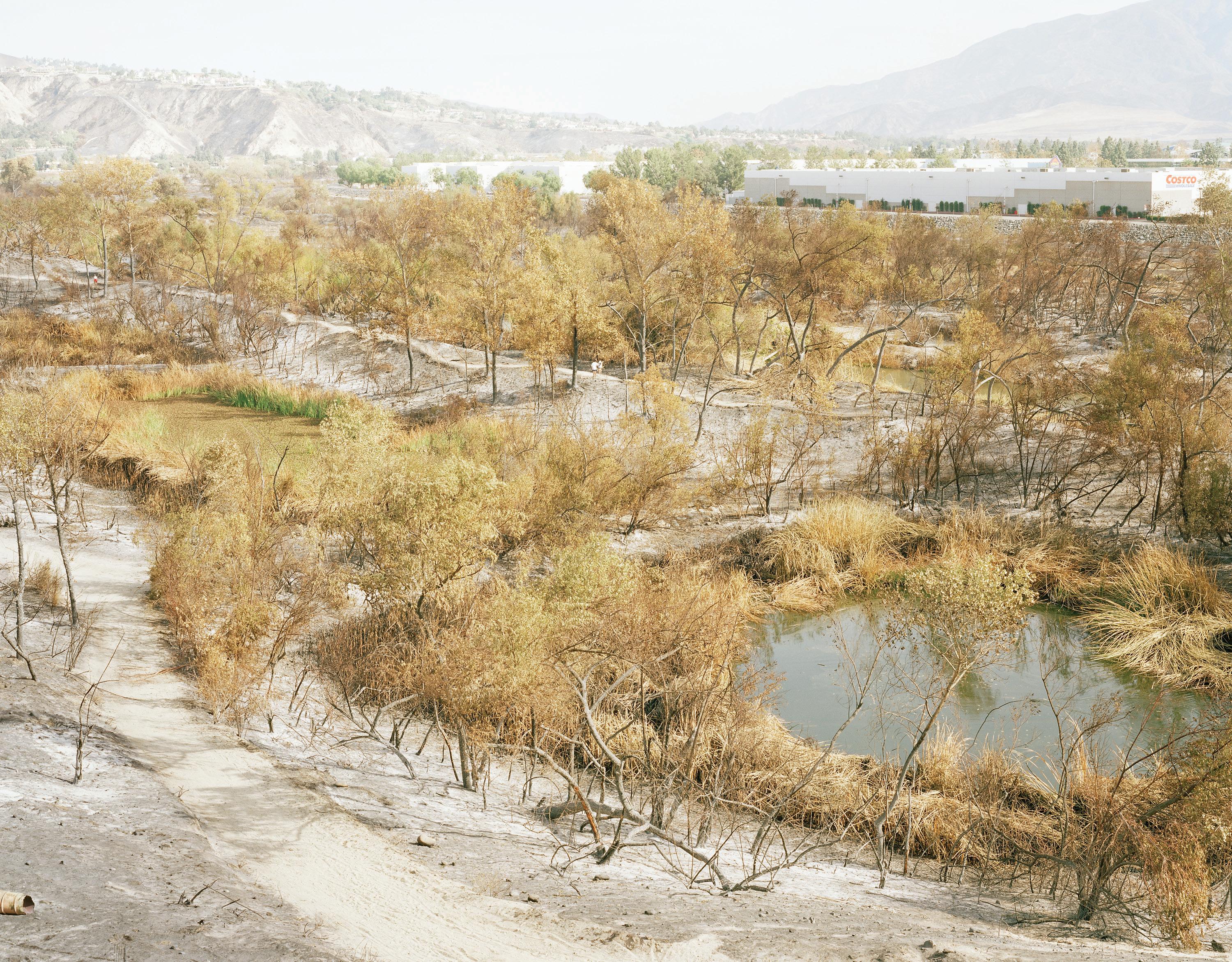
Conversation, 2009, 36x46”, Pigment Inkjet Print
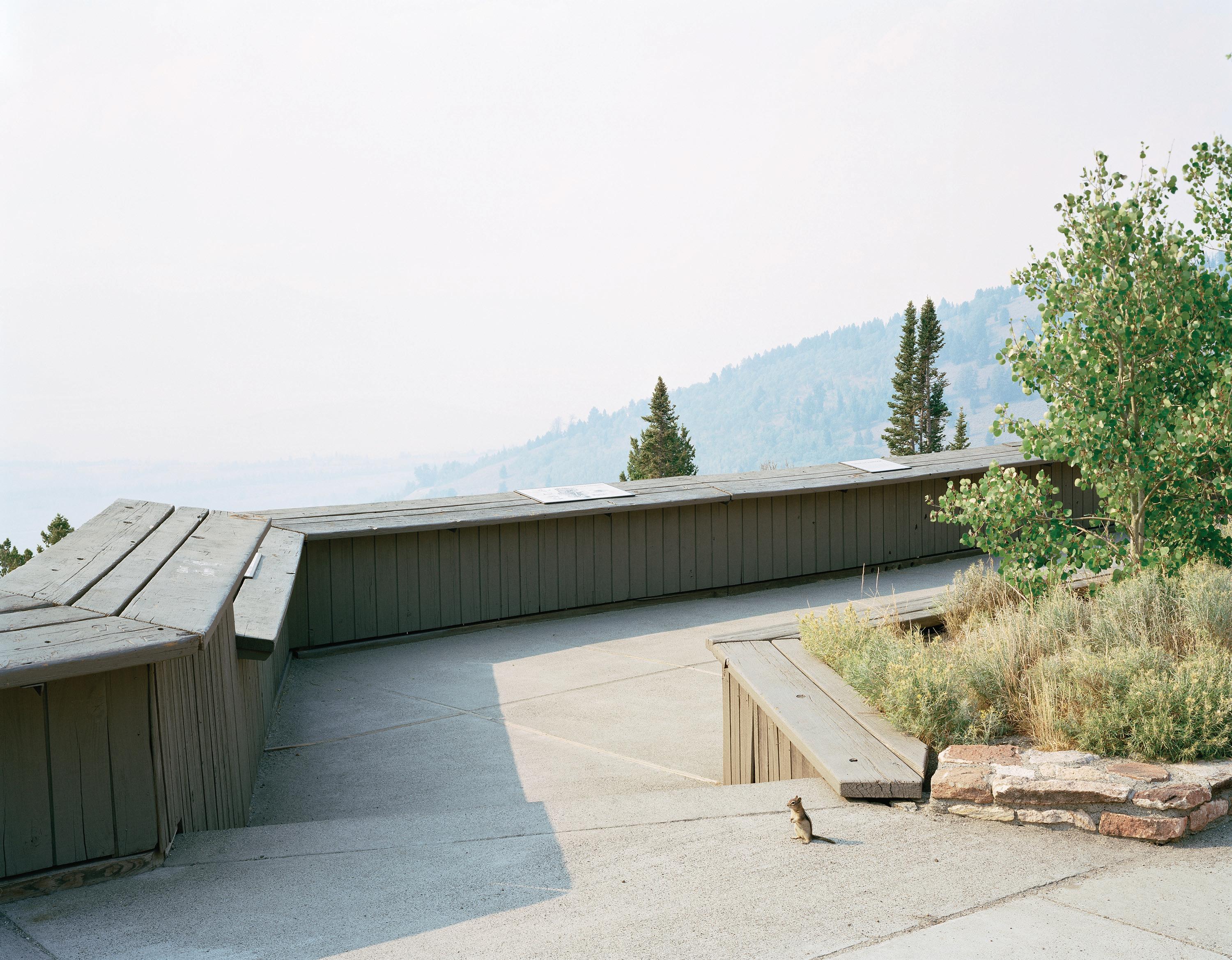
Chipmunk, 2009, 36x46”, Pigment Inkjet Print
Le T IT BURN : P ART II
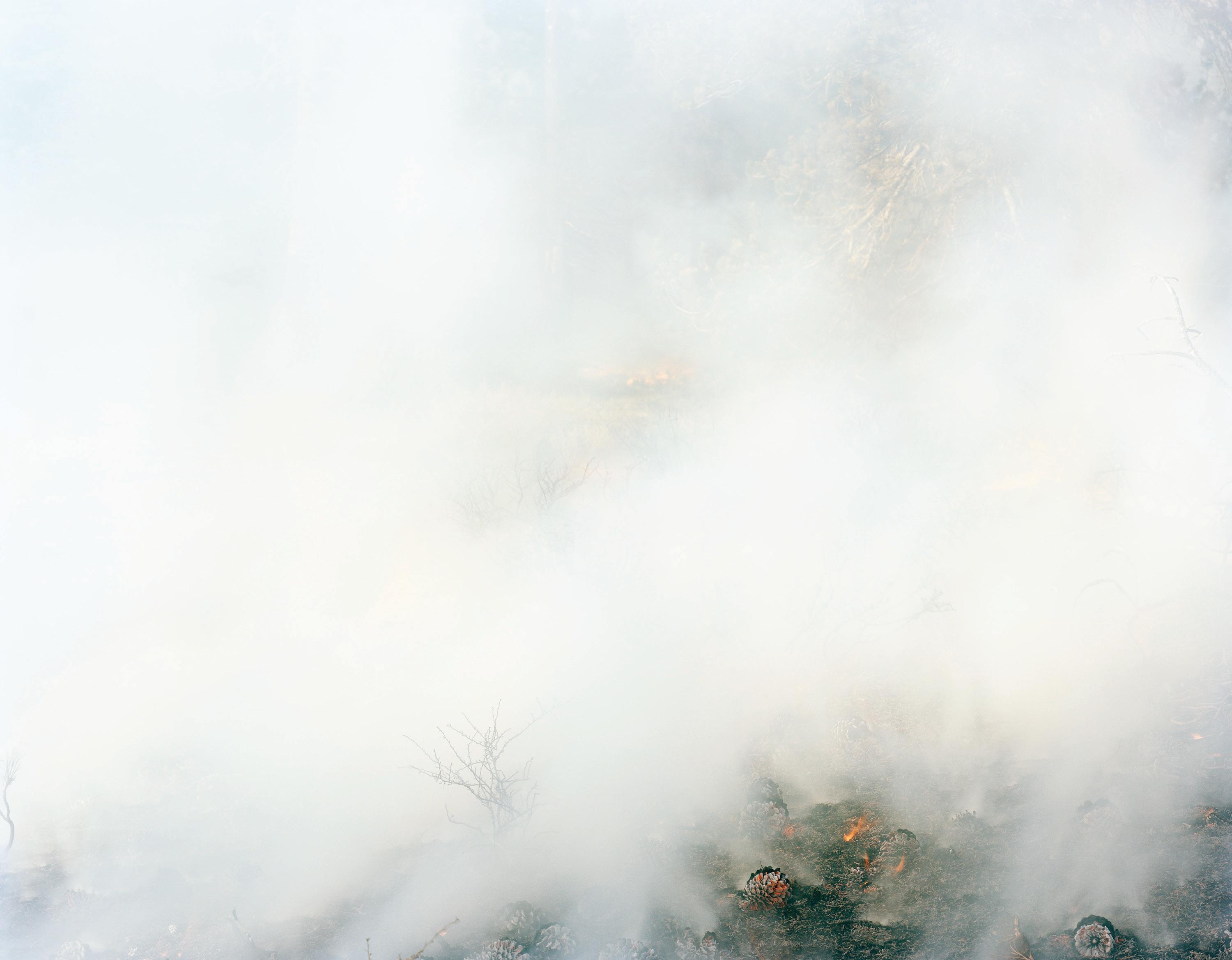
Untitled (INF638), 2011, 36x46”, Pigment Inkjet Print
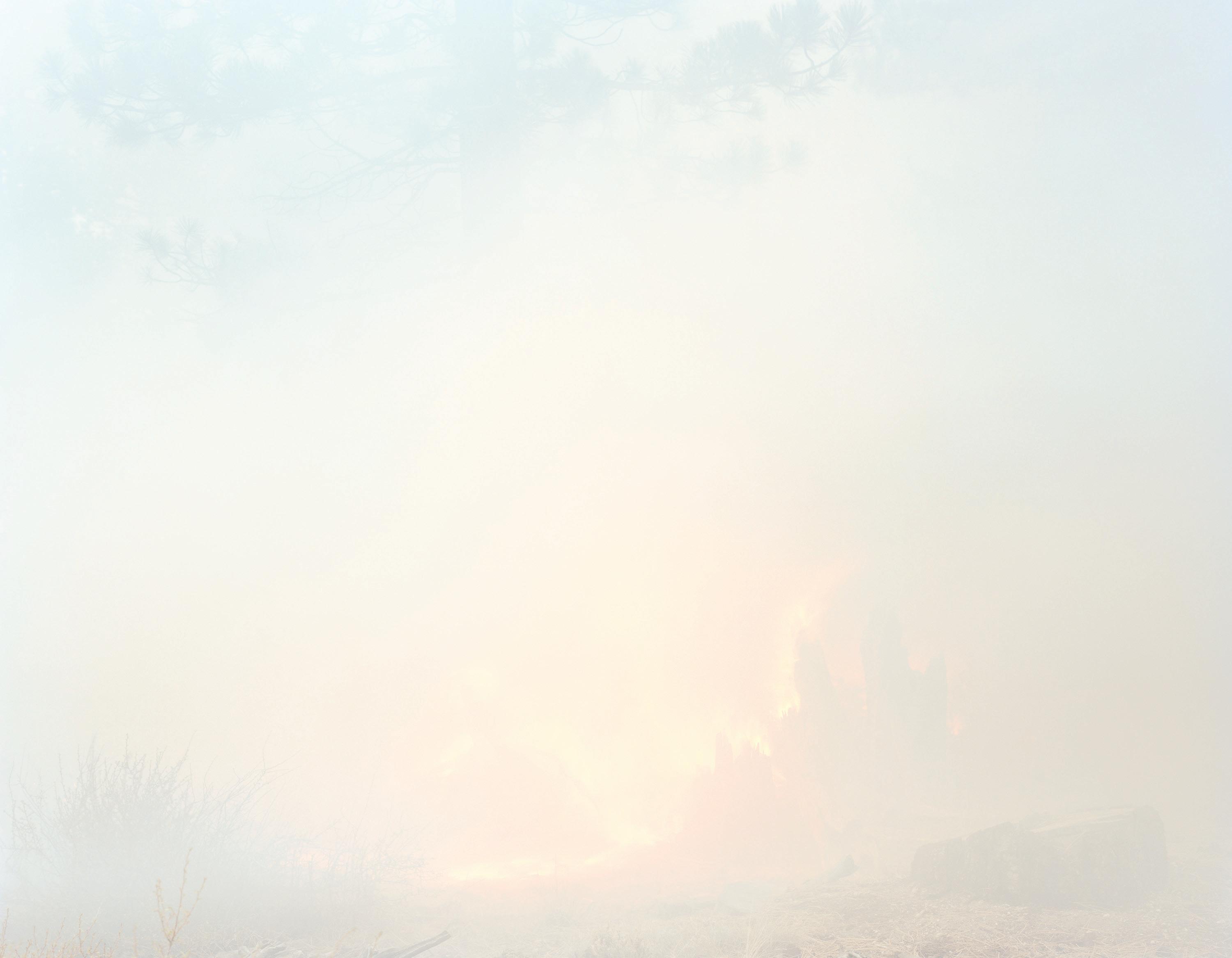
Untitled (INF648), 2011, 36x46”, Pigment Inkjet Print
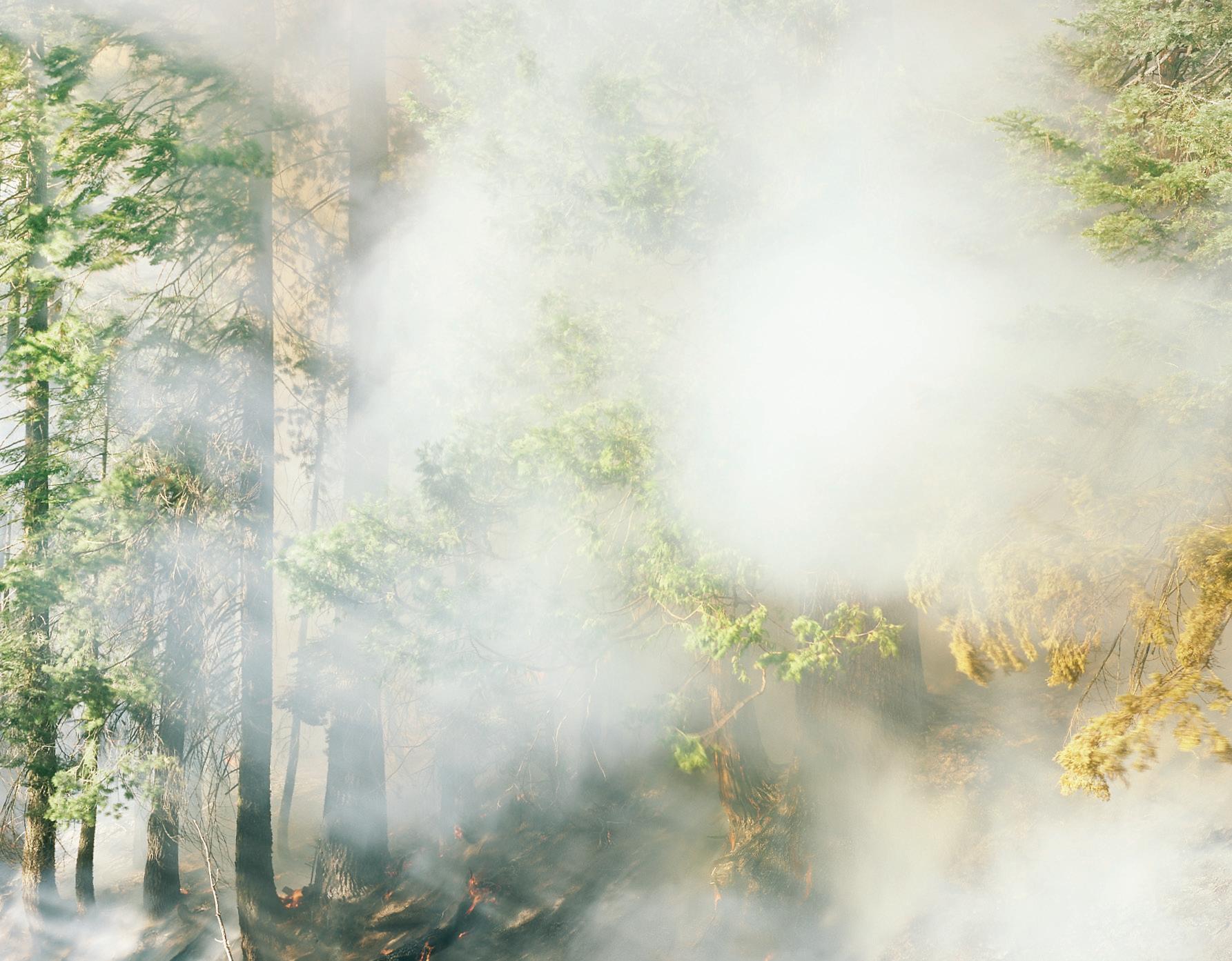
Untitled (YNP215), 2011, 36x46”, Pigment Inkjet Print
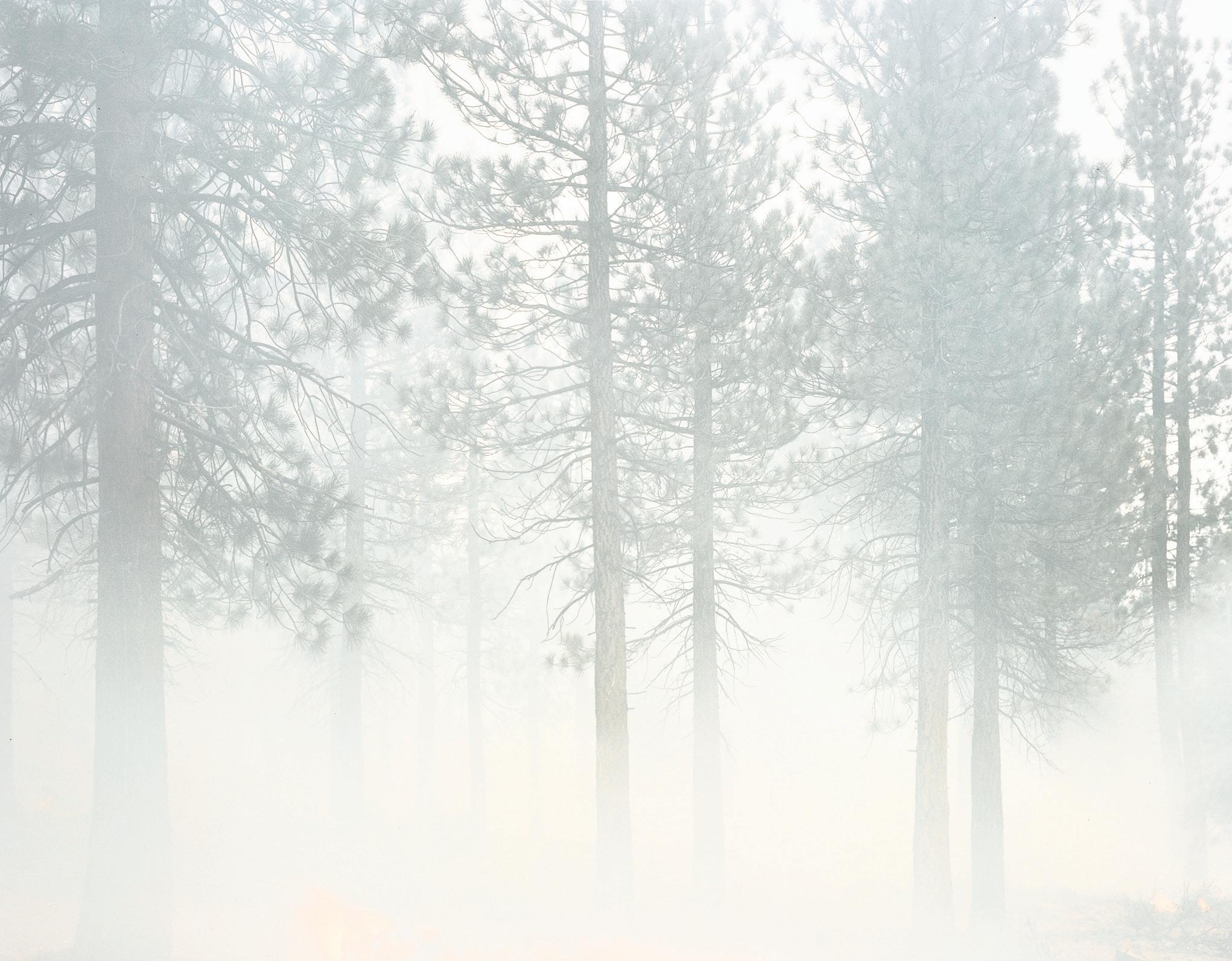
Untitled (INF523), 2011, 36x46”, Pigment Inkjet Print
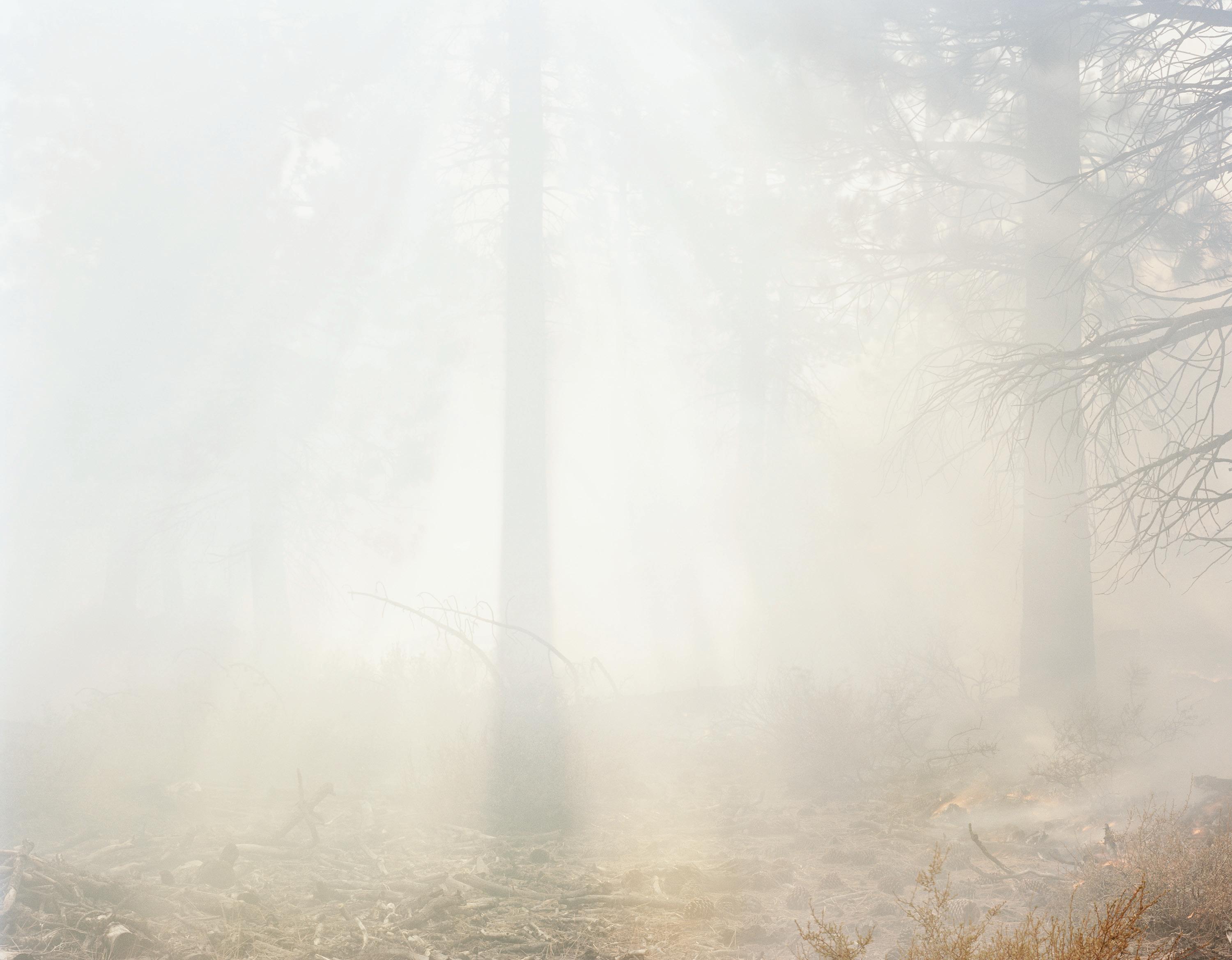
Untitled (INF621), 2011, 36x46”, Pigment Inkjet Print
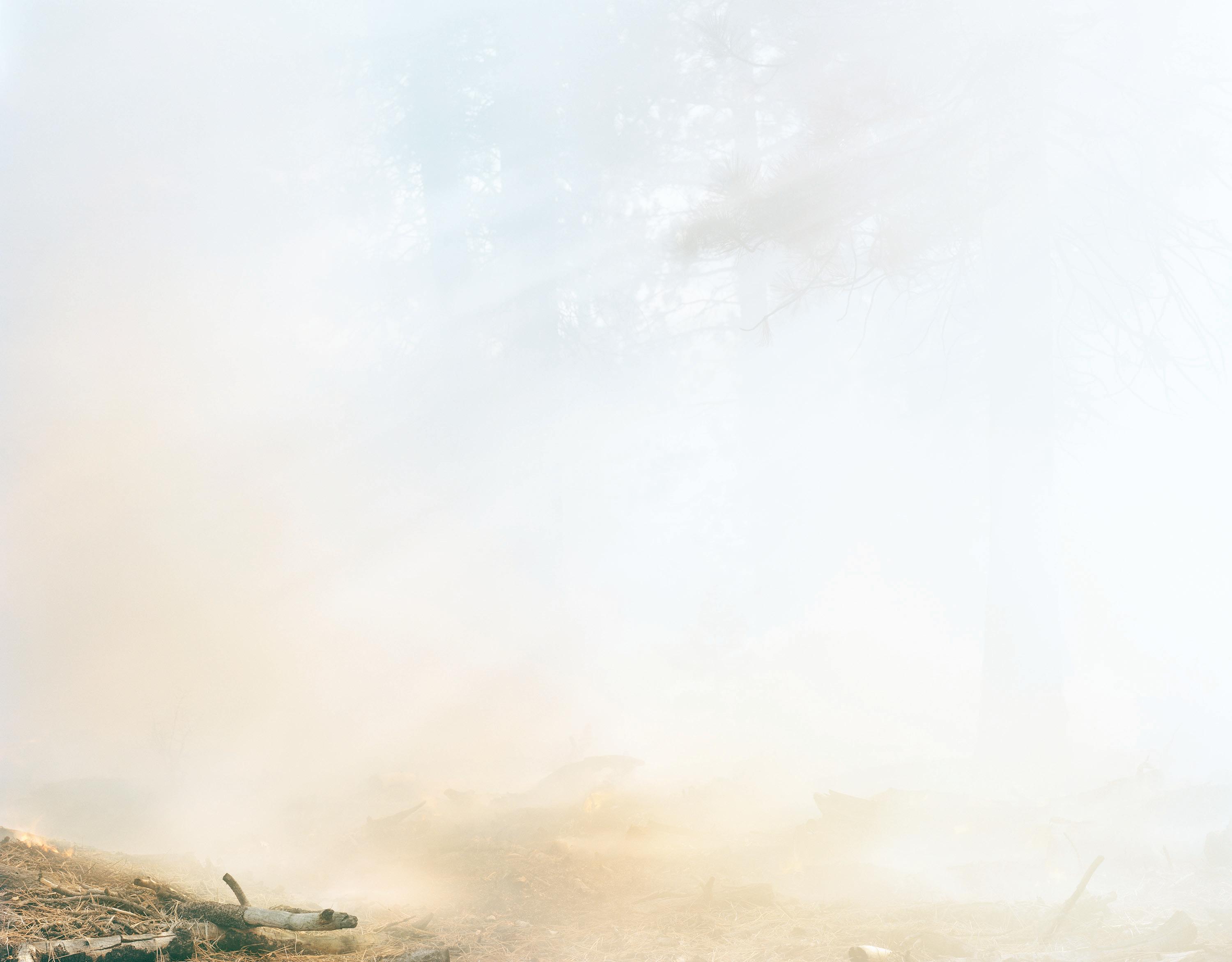
Untitled (INF620), 2011, 36x46”, Pigment Inkjet Print
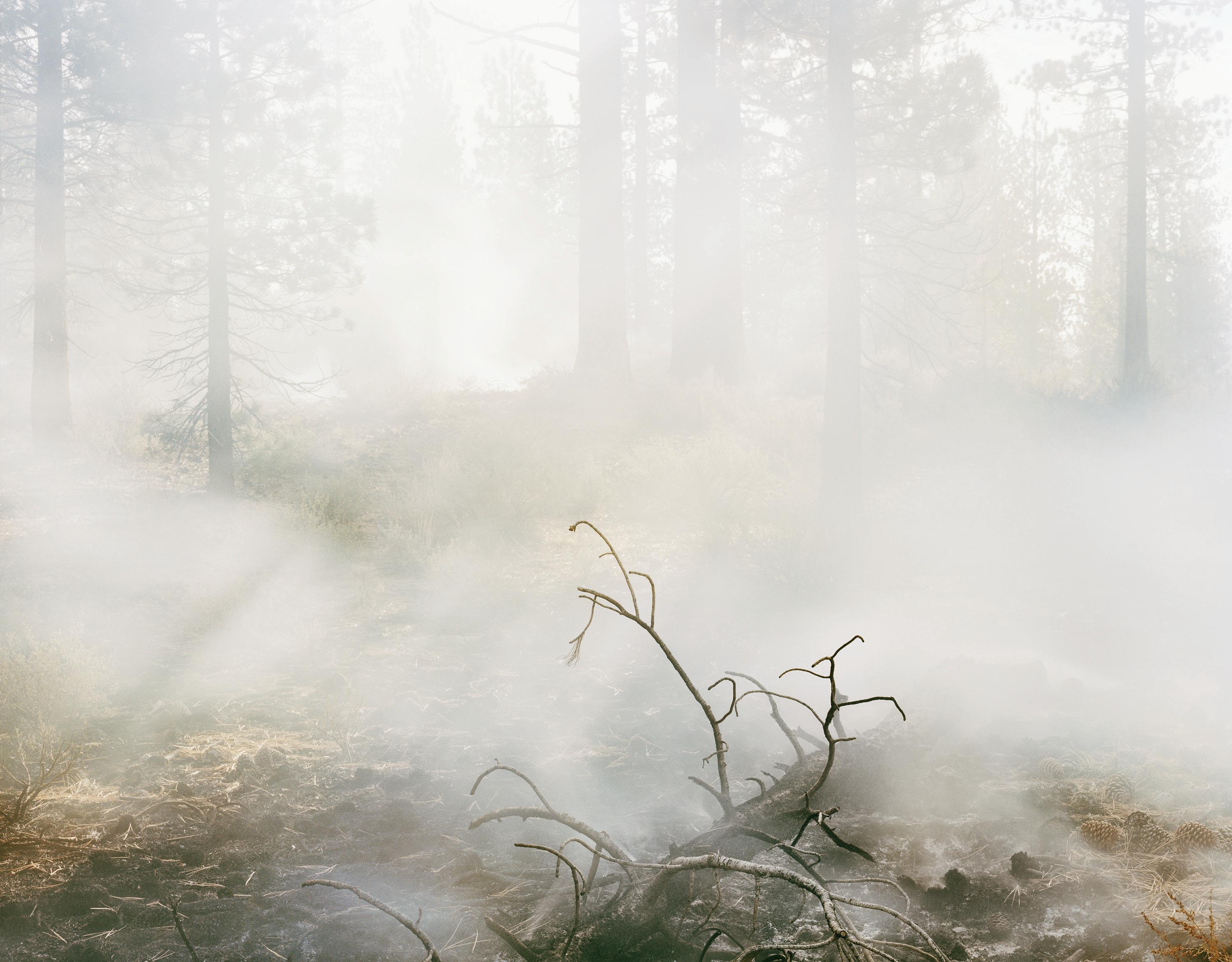
Untitled (INF553), 2011, 36x46”, Pigment Inkjet Print
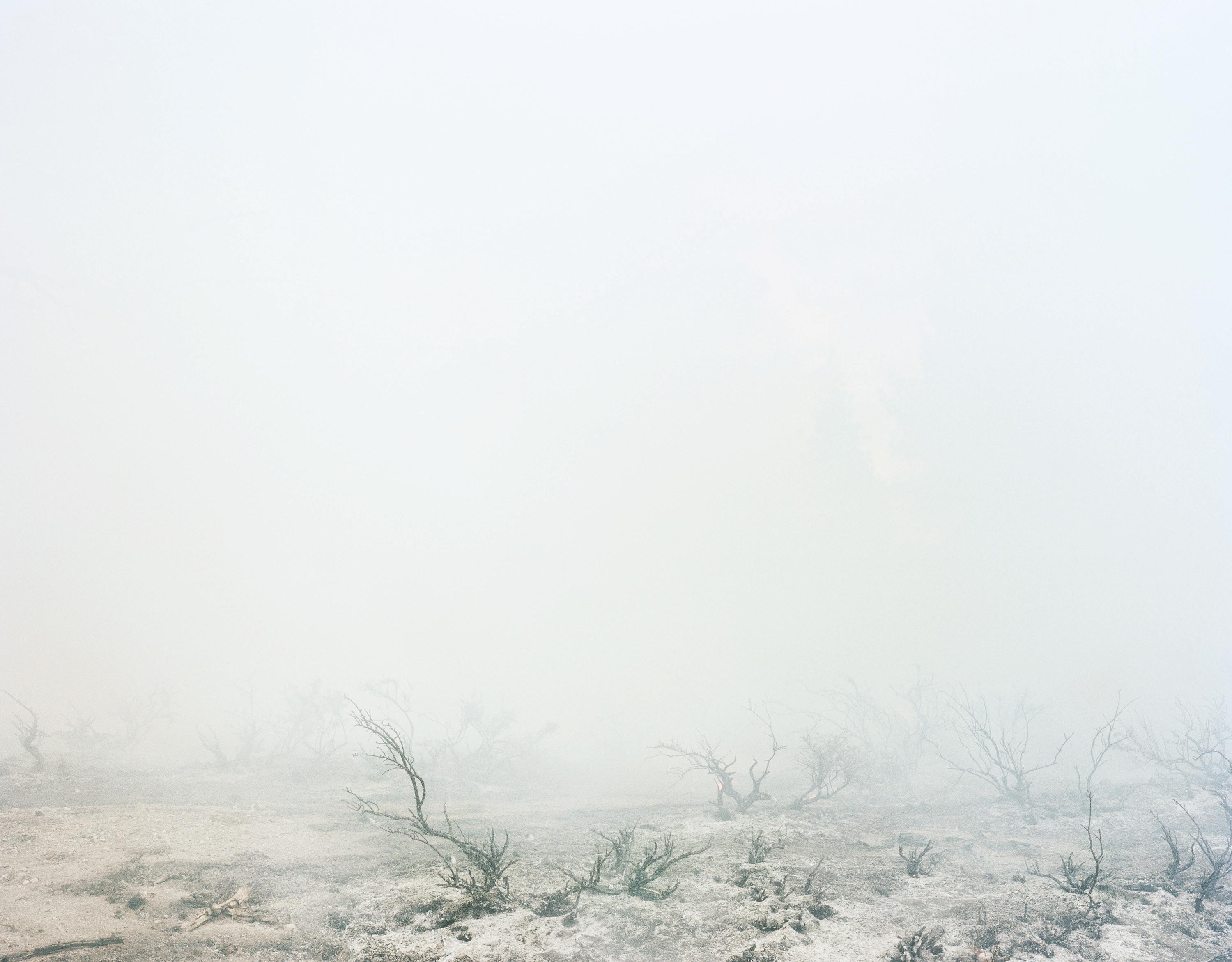
Untitled (INFM602), 2011, 36x46”, Pigment Inkjet Print
Y OUNGSUK S UH
Solo Exhibitions
2011 “Calm in the Landscape: wildfires and wilderness,” Jane Deering Gallery, Santa Barbara, CA
2010 “ wildfires,” Haines Gallery, San Francisco, CA
“ wildfires,” Center for Contemporary Art, Sacramento, CA
2009 “ wildfires,” Angie Newman Johnson Gallery, Alexandria, VA
“Calm in the Landscape: American wildfires and wilderness,” Jane Deering Gallery, Gloucester, MA
“ wanderers,” Gallery 64, Chung-Ang University, Ansung, Korea
“ wanderers,” Gallery ON, Seoul, Korea
2006 “Instant Traveler, ”wallace L. Anderson Gallery, Bridgewater State College, Bridgewater, MA
2004 “Instant Traveler: New Work”, Clifford•Smith Gallery, Boston
2002 “Instant Traveler”, Clifford•Smith Gallery, Boston
Selected Group Exhibitions
2011 “Residency Projects I,” Kala Art Institute, Berkeley, CA
“Altered State,” Foley Gallery, New York, NY
“A Live Animal,” Root Division, San Francisco, CA
“The Collector’s Guide to New Art Photography,” Chelsea Art Museum, New York, NY
“Braking Ranks: Human/Nature,” The Headlands Center for the Arts, Sausalito, CA
2010 “Fresh work,” Kala Art Institute, Berkeley, CA
“Verge @ Axis,” Axis Gallery, Sacramento, CA
“eco-logic,” Community Artists’ Collective, Houston, TX
“Group Show Taschen,” Taschen Store, New York, NY
“everyday Realities,” Santa Barbara Museum of Art, Santa Barbara, CA
AN AUTOBIOGRAPHY OF THe SAN FRANCISCO BAY AReA, Part 2, SF Camerawork, San Francisco, CA
2008 Seoul International Photography Festival, Seoul, Korea
“Flatlanders,” Nelson Gallery, Davis, CA
2007 “Currents in Photography”, Center for Contemporary Art, Sacramento, CA
“Formalism”, Jane Deering Gallery, Boston, MA
2006 “Chicken: a Dance in Photography,” Collaboration with Ann Carlson, Radcliffe Institute for Advanced Study, Cambridge, CA
“In a Certain Place,” Nicole Klagsbrun Gallery, New York, NY
2005 “ wish: Mediated Desire”, BAG Gallery, School of the Museum of Fine Arts
“Fresh Fiction”, The Museum of Fine Arts, Boston
“Photographers 7”, Jane Deering Gallery, Gloucester, MA
2004 “Leisure”, North Haven Gallery, North Haven, Maine
2003 “Construction-Coincidence?!”, Momentum Gallery, Berlin, Germany
2002 Two Person exhibition with Joy episala, “Surroundings”, Clifford Smith Gallery, Boston
“Altered Landscape”, LFL Gallery, New York, NY
“Instant Traveler”, Aidekman Arts Center
2000 “Open”, LFL Gallery, New York, NY
Grants, Awards and Residencies
2011 Artist-in-Residence, Yaddo, Saratoga Sprints, NY, July-August
Artist-in-Residence, Ucross Foundation, Clearmont, wY, March
2010 Kala Art Institute Fellowship, Kala Art Institute, Berkeley, CA
Artist-in-Residence, MacDowell Colony, Peterborough, NH, August–September
Hellman Fellowship 2010–2011, University of California, Davis, CA
California Cultures Faculty Research Seminar Award, Davis Humanities Institute, University of California, Davis, CA
Teaching
2006–Present Assistant Professor, Studio Art Department, University of California, Davis
2003–2005 Full-time Visiting Faculty, School of the Museum of Fine Arts, Boston
2001–2003 Adjunct Faculty, School of the Museum of Fine Arts, Boston
Education
2001 MFA in Studio Art, School of the Museum of Fine Arts, Boston
1998 BFA in Photography, Pratt Institute, Brooklyn, NY
1989-1991 Sogang University, Biology, Seoul, South Korea
Public & Corporate Collections
Santa Barbara Museum of Art General electric Collection
Fidelity Investment Collection
wellington Management Collection
Richard L. Nelson Gallery & the Fine Arts Collection, University of California, Davis
Lectures and Artist Talks
2011 Fellowship Artists Lecture Series, Kala Art Institute, Berkeley, CA
2010 Artist Lecture, Center for Contemporary Art, Sacramento, CA
2007 Visiting Artist Lecture Series, Southern Utah University, Cedar City, UT
2006 Artist Lecture Series, Department of Photography, California College of Art, Oakland, CA
2004 Public Lecture on Contemporary Landscape Photography, Clifford Smith Gallery, Boston, MA
Press and Reviews
• Josef Woodard, “Natural and Unnatural Angles,” Santa Barbara News Press (January 7, 2011)
• Michele Carlson, “Youngsuk Suh at Haines Gallery,” Art in America online (July 21, 2010)
• David Roth, “Youngsuk Suh @ Center for Contemporary Art, Sacramento,” SquareCylinder.com (June 22, 2010)
• Diane Chin Lui, “Smoke Gets in Their Eyes,” The Davis Enterprise (June 16, 2010)
• Victoria Dalkey, “Views of the World Through Smoke,” The Sacramento Bee (June 11, 2010)
• Cate McQuaid, “Whence Wilderness,” The Boston Globe (July 8, 2009)
• Interview by Sungyong Kim, “Youngsuk Suh, Wanderers,’ Photonet Monthly, (June, 2009)
• Cate McQuaid, “A Journey from Techno to Mellow,” The Boston Globe (August 16, 2007)
• Victoria Dalkey, “Picture This,” The Sacramento Bee (March 11, 2007)
• Cate McQuaid, “Frieze as Sublime as a Cool Breeze,” The Boston Globe (August 17, 2006)
• Sunsoon Park, “Monthly Photographer”, Photography Monthly, Korea (April, 2005)
• Cate McQuaid, “A New Take on Adventure Tourism”, The Boston Globe (March 19, 2004)
• Thomas Garvey, “Vacation Nation”, South End News (March 18, 2004)
• Shawn Hill, “Visiting Hours and Vistas”, Arts Media (March 2004)
• “Short List: Altered Landscape”, The New Yorker (July 23, 2001)
A CKNO w L e DG e M e NTS
California State University, Stanislaus
Dr. Hamid Shirvani, President
Dr. James T. Strong, Provost/Vice President of Academic Affairs
Mr. Daryl Joseph Moore frsa, Founding Dean, College of the Arts
Ms. Susana Gajic-Bruyea, Vice President for University Advancement
Department of Art
Richard Savini, Chair, Professor
Dean De Cocker, Associate Professor
Jessica Gomula, Associate Professor
David Olivant, Professor
Gordon Senior, Professor
Dr. Roxanne Robbin, Professor
Dr. Staci Scheiwiller, Assistant Professor
Christian Hali, Instructional Support Technician II
Jon Kithcart, equipment Technician II
Meg Broderick, Administrative Support Assistant
University Art Gallery
Dean De Cocker, Director