o F s i G h T, Knowin G and
p ossession: The p ho T o GR aphs o F Moha MM ad Reza Tah M asbpou R1
The usual assumption about photographs is that they should or must show “what has been there” 2 in front of the camera’s eye—that somehow photographs are reflections of reality, but that is not the case, at least not literally. w hen looking at the images taken by photographer Mohammad Reza Tahmasbpour (b. 1967), their close-ups, compressed spaces, sharp angles, lingering curves, and compositions arranged around forms are reminiscent of high modernist photography, which invoked similar motifs, subjects, and approaches. part of the impetus of twentiethcentury n ew Vision photographs was to make the viewer see the world in a different way, with a “new vision,” through the eye of the photographer, seen through his lens.
Tahmasbpour’s photographs, however, create a subtext that questions this tradition of photography that marshaled in abstract photography based on forms, which proposed that a new vision would be activated and automatic, or that it would even be possible, thus both revealing and denying a strange sort of optimism associated with modernist photography. i t seems that Tahmasbpour’s images work against what has been assumed in photography, and in particular, modernist photography, as his photographs are about form, angle, and composition that force the viewer to look at the world in a different way, but they are also very much about the forms, angles, and colors that you cannot see, hence questioning the enterprise that has been the vision of photography. Furthermore, his photographs create desire and longing to see more, but the viewer cannot, thus making this yearning to see deeper and stronger. There is much presence in the absence; it is the absence or the obstruction of clarity that calls one forward to be inside a frame that ultimately one cannot trespass—they are labyrinths that cannot be entered. There is longing and searching in an enveloped reticence of the forms themselves that are contained by the frames of the photographs, but there are also tensions present. h is photographs are unsettling in their discontent, because their emotive qualities stir the viewer into a type of discomfort that is also very visually pleasurable.
The title of the show “Composing poetry with p hotographs” confers that the photographs themselves are poems, indicating that there is a certain impenetrability and elusiveness present in the images. poetry itself is an indirect language that speaks in metaphor and never says its message directly or bluntly. o n another level, if one wants to speak of the artifice of language itself, the persian language (and persian poetry no less), is poetic in of itself due to its high contextual nature being continuously engaged in metaphors. e ven when one wants to be direct and straightforward, one’s bluntness is shrouded in layers of meaning that must be read between the lines. h ence, when one speaks of “straight photography” in a modernist, photographic vernacular, that is not the case here in Tahmasbpour’s photographs, which can at times seem in line with this type of aesthetic, but there are many subtexts to be read through each frame, through each form, and through each vision. There is nothing clear-cut or
empirical pictured within his frames, as his photographs require the viewer to traverse many levels, “leading the viewer to the expression and longing of just one personal worldview.” 3
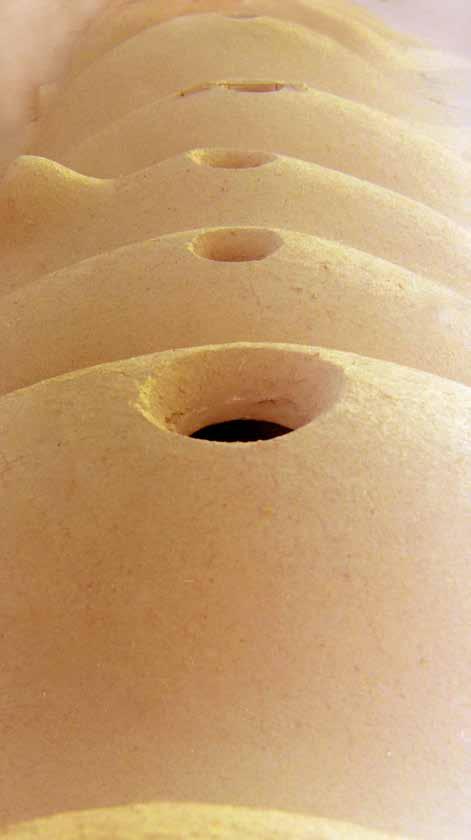
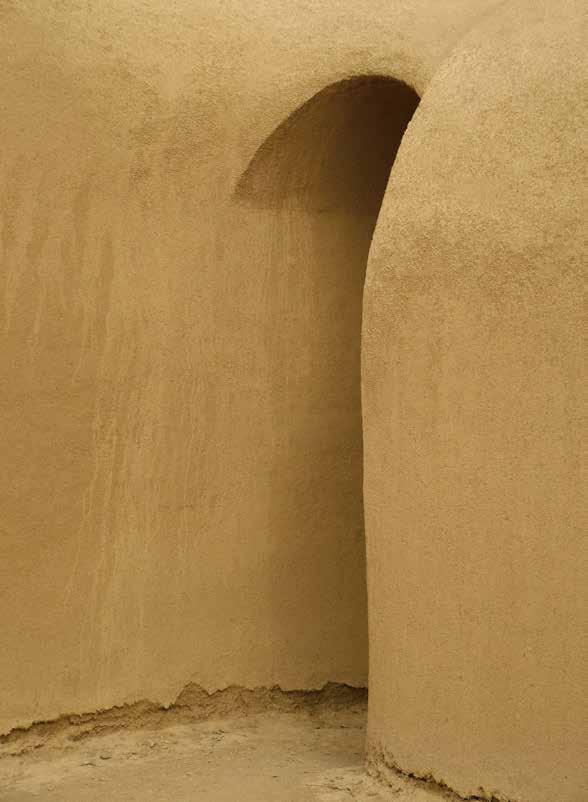
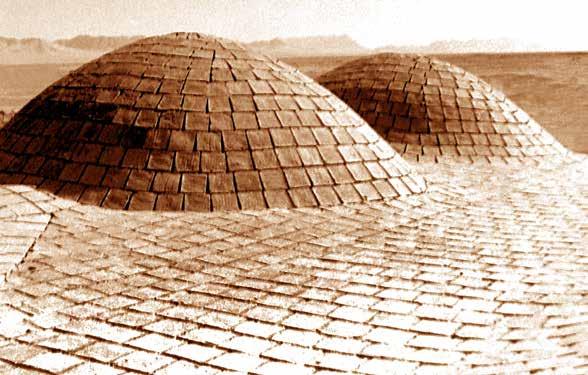
Tahmasbpour’s images are so beckoning, because the forms and colors depicted are exceedingly sensual—sometimes burgeoning on the side of being sexual—that one longs to touch these figures, to be enwrapped in them, and to feel them against the skin, and yet the abstracted forms emerge as only representations. i n that transaction of the moment, it becomes ever elusive as the hunger cannot ever be satisfied, and the thirst never quenched—if the photograph is truly capable of transfixing a moment or an emotion, then Tahmasbpour’s images depict transfixed desires, forever waiting for some deliverance. For example, both Skylights of the Roof of the Bazaar, Kashan (1993) and Arched Entryway of the Caravanserai between the Plains on the Way to Mashhad from Semnan ( nd ) present openings to be encroached, and yet they also seem dark, foreboding, and unknown, almost creating a sense of the sublime, because they appear to be doorways to other worlds unknown. These passageways, from which darkness emanates, are also surrounded by lighter, voluptuous curvilinear forms that caress them lovingly, transforming these passages into bodily orifices that call for penetration. 4 o n one hand, the deceptive softness of the curves, as they are made from dried mud, entices one to touch these shapes, and apertures invite one to pass through. o n the other hand, the viewer cannot truly cross into the frame, into the darkened spaces that offer no clue as to what is beyond their thresholds. In this regard, one is continually confronted and even stymied by the inability to fulfill the urge to move forward into these unknown places. Here, tensions become magnified, as the visual candy of the photographs keeps one’s eyes mesmerized and enamored, while at the same time, immobilized by incomplete possession.
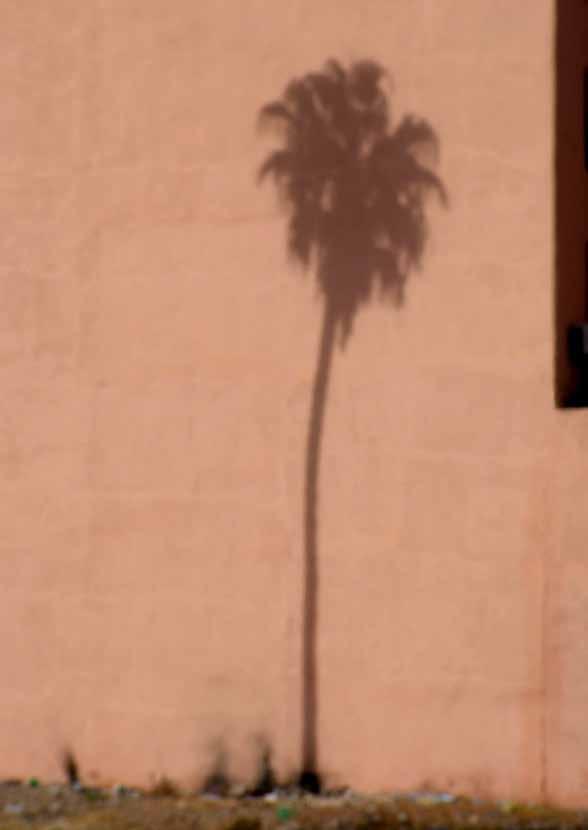
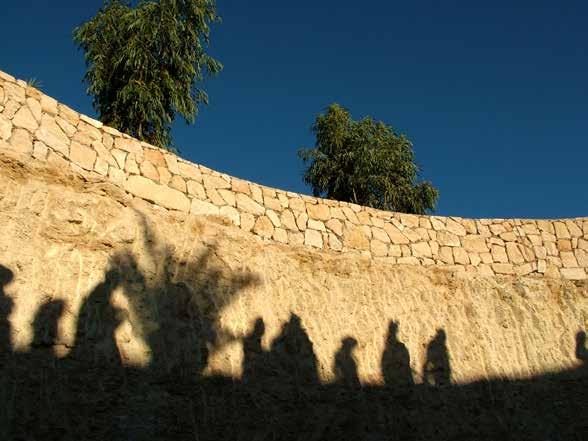
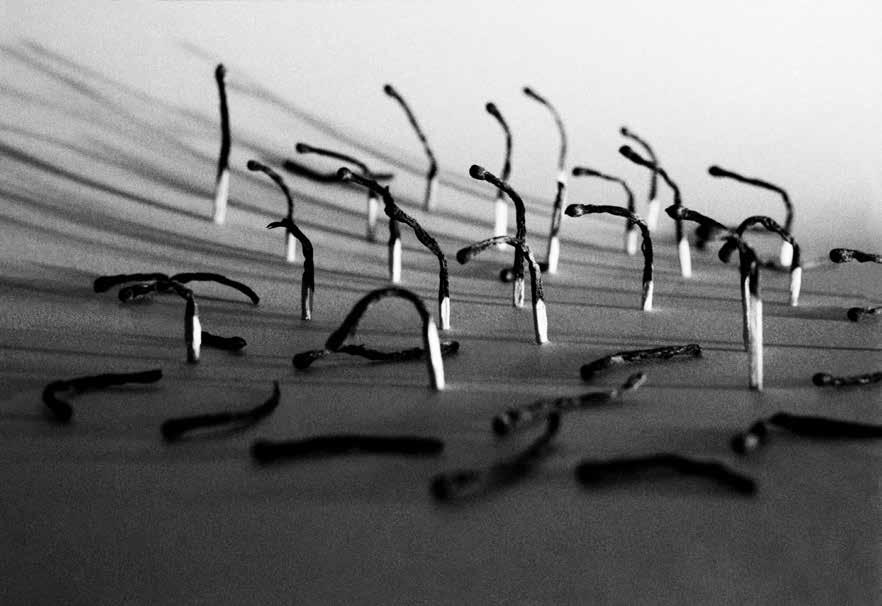
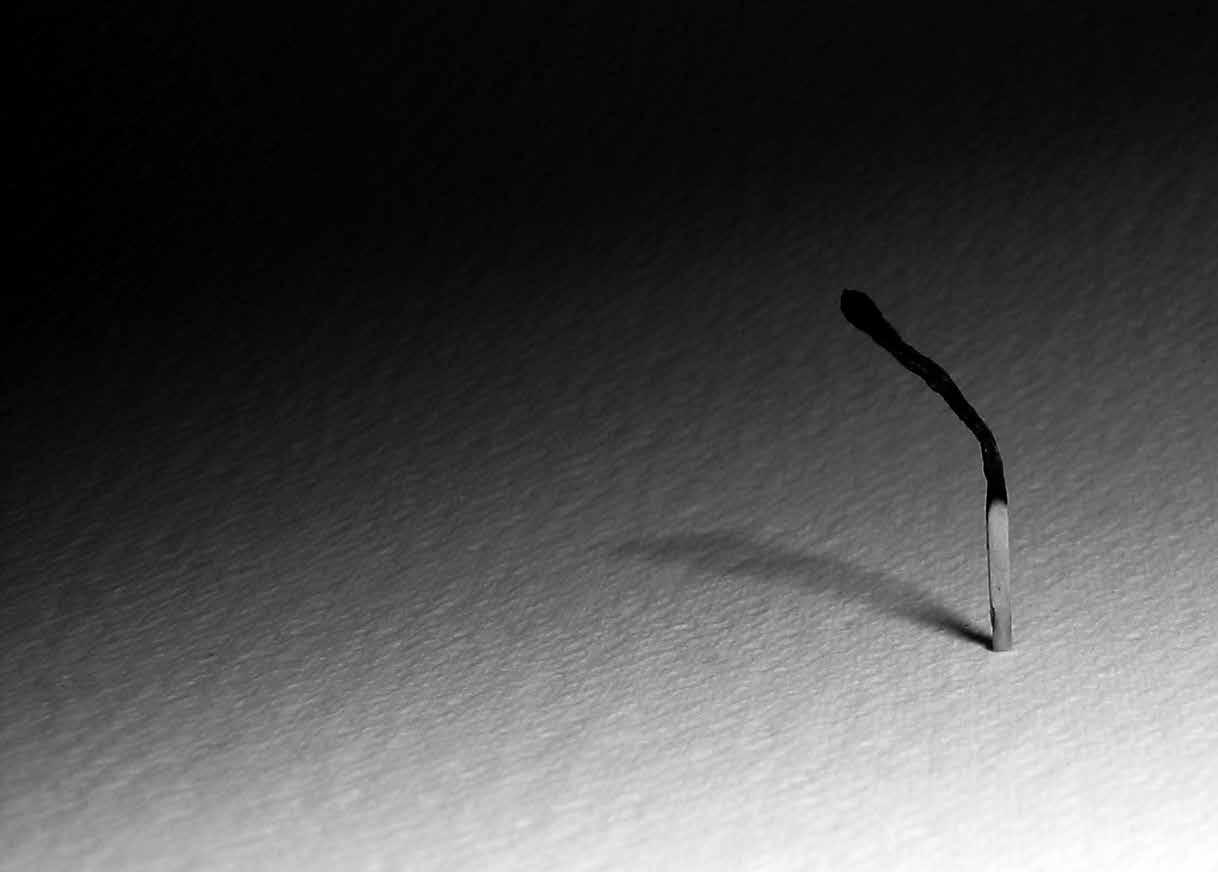
yet the tenderness depicted in the forms and their sensuality of colors also make the figures themselves very poetic and deserving of sympathy from the viewer. s ome images convey such a sense of solitude and loneliness; the forms long to tell stories, but who is listening to their tales? Thus their sadness and alienation are amplified, such as the lone tree in s hadow of a Palm Tree on the Wall, Marrakesh (2012), which is not really there but only the remnant of a shadow, or the match who hangs his head down in Standing at the Threshold (2006). i n Burnt Matches (1999), the match actually exists in a sea of lonely matches, but all of them are engulfed in their own existential sad states or just plain “dead” to notice the presence others. The anthropomorphic qualities of the matches animate them, 5 with their heads bent over in dejection and impotence. i n that respect, there is a sense of surreality portrayed, but it appears much more than surrealist doubling that triggers the return of the repressed. i n modernist photography, it is always difficult to tell if the forms are a metaphor for the own artist’s possible alienation, or if the figures themselves are attempting to speak on their own terms, and the photographer is simply giving space to those voices.
i f one thinks of the existence of a match, it is a quickly spent one that once the fire is lit, it immediately goes out. i n Standing at the Threshold , this wooden shaft has not been allowed to burn through completely like a candle or to incinerate into ashes like a moth completely possesed by the fire’s burning flames. The matches that have been
burnt through, such as in Burnt Matches , look undignified, like charred worms whose sacrifices go unnoticed with ingratitude. The lone match is no burnt lover, as the residue of his half-burnt body left behind becomes useless, meaningless, forgotten, and disposable, making his worldly purpose half fulfilled and politically stunted in his arrested development, implied by the title of the image. s imilar to the viewing processes of Skylights of the Roof of the Bazaar, Kashan and Arched Entryway of the Caravanserai between the Plains on the Way to Mashhad from Semnan , as the viewer is impeded by the frame from fully entering unreachable spaces, the match stands at the threshold, already dead before he could fully live. a ll the potential and possibility awaiting the match at the threshold of his life can never be actualized or realized. The only unchanging phenomenon is his eternal despair. a gain, is the artist whispering something deeper to the viewer about himself, have his eyes come across a forlorn form that weeps over an unfulfilled existence among many in the world, or was there something that resonated in the artist that the match caught his glance in the first place?
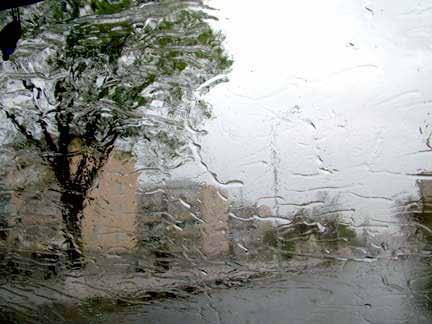
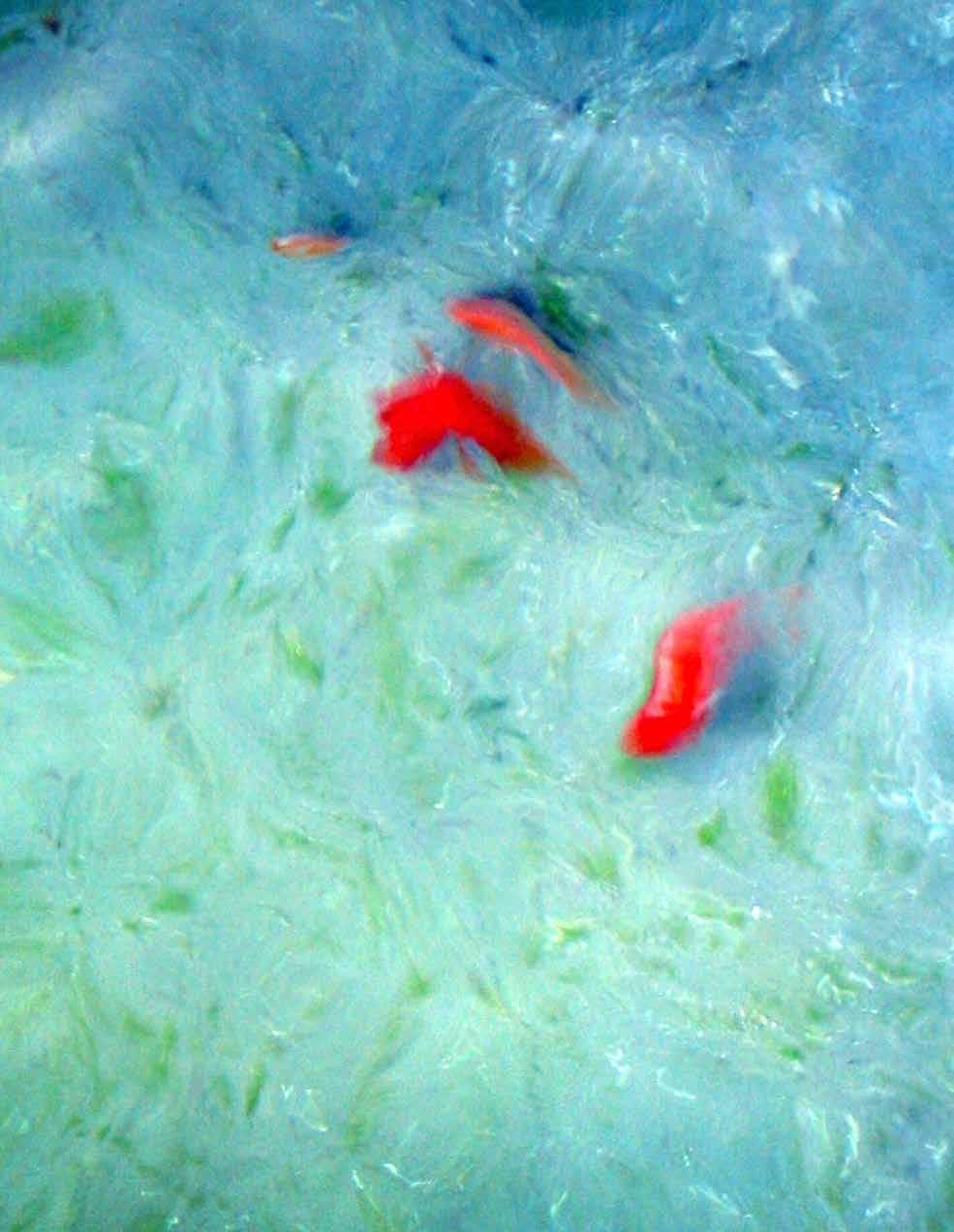
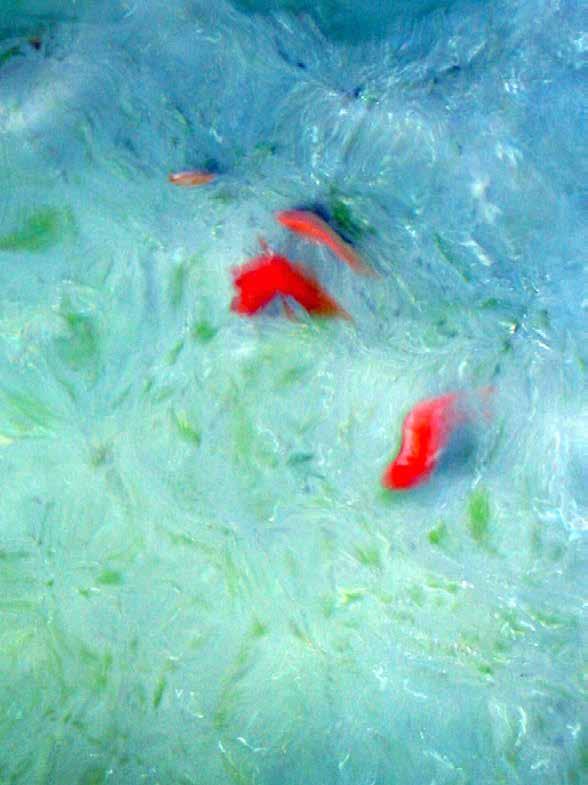
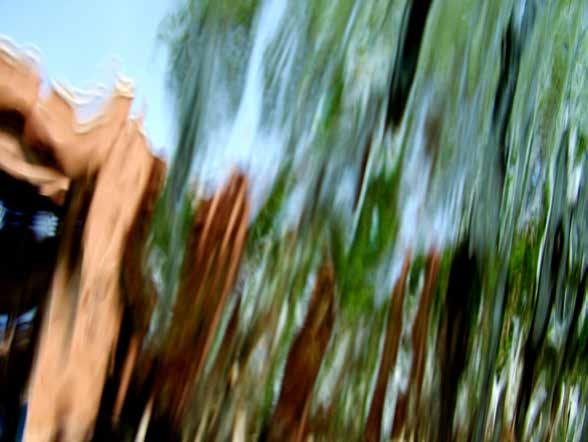
Finally, the photographs Rain on the Windshield, Nakhchivan (2002, left) and Fish in the Water of Sanandaj, Kurdistan (2000) repeat this motif of obstruction of clarity, but this time through the pretense of water, which creates an ambiance that is both mysterious and poignant, as the viewer attempts to see what cannot be fully seen, although water is deceptive in that one can observe figures in the frame but not with transparency. i n one way, Rain on the Windshield, Nakhchivan acts like a painting. The raindrops become iconic, as the water becomes the paint’s referent, 6 and the lens cum windshield works like a canvas, developing into a cityscape of watercolors, so to speak. yet the water operates in this photograph, as well as in Fish in the Water of Sanandaj, Kurdistan , as layers of paint that cover the photograph cum canvas. o ne can see outlines of the forms underneath, but the water ultimately makes them opaque, thus mediating the viewer’s experience of the photographs and its depiction of figures. i n addition to the frame of the photograph, the water in both photographs works like a seemingly thin barrier that separates two different worlds between the subject and the viewer. The cityscape outside the moving car cannot be directly experienced from within, and this experience is twice removed by both the windshield and then the raindrops. i n the world of fish, they occupy their own ecosystem, and despite their visual prominence in i ranian cultures, they move silently through own their demarcated spaces without thought to the land dwellers lest they are disturbed.
i f photography is about fixing a particular vision, then what constitutes that vision, and most importantly, how does one see? a nd if the sense of seeing evokes a visceral response, is the sensation merely empirical or internalized
intuitively on a deeper level of the psyche? The photographs of Mohammad Reza Tahmasbpour question this process of seeing through the styles of modernist and straight photography, yet the implications of these abstracted forms displayed in his images are more than just seeing the world with a new vision or from a different perspective, which often takes the general tenets of modernist photography for granted. s eeing is about desire, and that need does not always meet with placation, because vision involves more than just the eyes. The motivation to see more can be an eternal quest, even though the photograph appears as a static image. The photograph can be in flux, offering no absolutes to the seekers. yet in those tensions of insatiable longings to see and to know can also be the pleasure of anticipation, of wanting, and of continual searching, which can provide a pathway to give meaning to one’s human existence. a s elucidated in Tahmasbpour’s artist statement, both artists and art historians struggle to see or struggle to help others see the world around them. Vision is not a given privilege or an easy task but a continual process that has no boundaries or resolutions.
s taci Gem s cheiwiller, p h. d California s tate u niversity, s tanislaus
1 i am very grateful to Mohammad Reza Tahmasbpour for his time, patience, and willingness to answer my many e-mails and inquiries, as well as his effort to critique this essay. Thank you so much.
2 Roland barthes, Camera Lucida: Reflections on Photography, trans. Richard howard (new york: Farrar, straus and Giroux, 1981), 85.
3 Mohammad Reza Tahmasbpour, artist statement, “Composing poetry with photographs,” 5-6
4 To explain further this sense of eroticism in his architectural photographs, Tahmasbpour notes that sohrab sepehri’s book Otaq-e abi made a lasting impression in his mind when sepehri wrote about the breast-like nature of a rooftop. see sepehri, Otaq-e abi [The blue room and two other writings] (Tehran: soroush, 1990), 19. Mohammad Reza Tahmasbpour, e-mail to the author, June 7, 2013.
5 in his artist statement, Tahmasbpour ruminates on the whether the photographed entity enters a transformation: “whether i have taken a photograph or not, what happens to the existence of the potential photographic entity in the world?” analogous to the philosophical inquiry of the tree falling in the forest (park), do these inanimate subjects need to be mediated by a human mind and by a narrative to exist, or do they already have an existence a priori?
6 Mieke bal, “seeing signs: The use of semiotics for understanding Visual art,” in The Subjects of Art History: Historical Objects in Contemporary Perspectives, ed. Mark a. Cheetham et al. (new york: Cambridge university press, 1998), 73-94.
7 i would like to thank nicole archer for this insight on attempting “to see” an artwork in her lecture “Looming Terrors,” March 14, 2013, California state university, stanislaus.
iM a G es
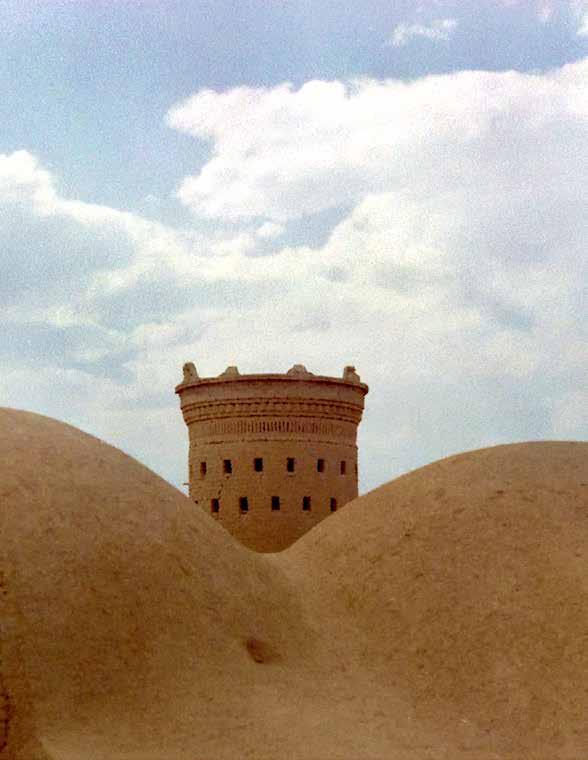
page 12 From Between Two Domes, Kashan. 1993. silver Gelatin print.
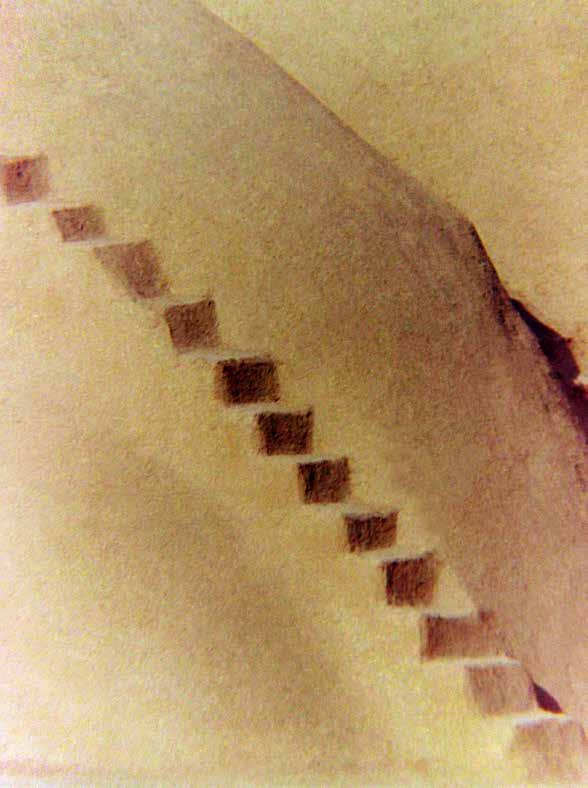
page 13 Adobe Steps on the Back Roof of the Bazaar, Kashan. 1993. silver Gelatin print.
page 14 Skylights of the Roof of the Bazaar, Kashan. 1993. silver Gelatin print.
page 15 Arched Entryway of the Caravanserai between the Plains on the Way to Mashhad from Semnan nd digital photograph.
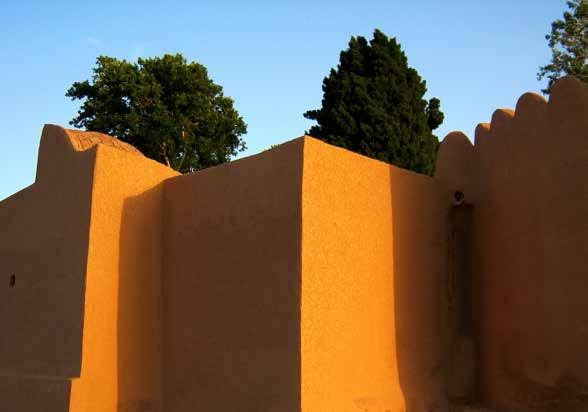
page 16 Sunset on the Outer Wall of the Shazdeh Garden, Mahan, Kerman Province. 2009. digital photograph.
page 17 Shadow of a Palm Tree on the Wall, Marrakesh. 2012. digital photograph.
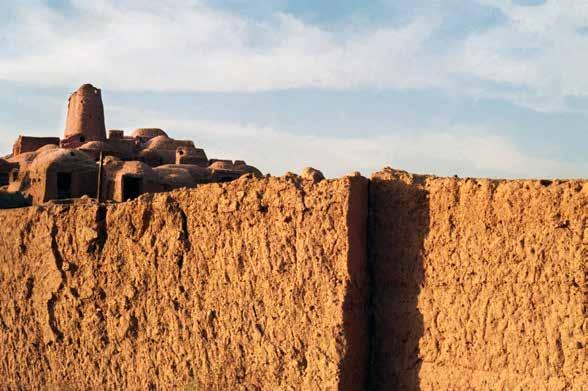
page 18 The Village of Dehuk in the Vicinity of Tabas. 1997. silver Gelatin print.
page 19 Two Domes on the back of the Roof of a Caravanserai, near Fahraj, Yazd. 1990. silver Gelatin print.
page 20 Fish in the Water of Sanandaj, Kuridstan. 2000. digital photograph.
page 21 Buildings of the Niasar Gardens in the Vicinity of Kashan. 1995. digital photograph.
page 22 Forest of Branches, Tonkabon, Mazandaran. 2008. digital photograph.
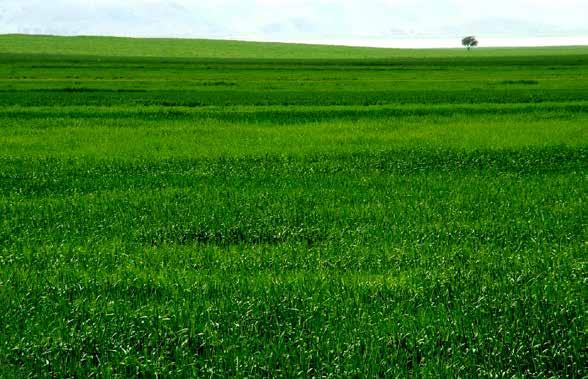
page 23 A Single Tree and Gravestone, Northern Plains of Khuzestan. 1998. silver Gelatin print.
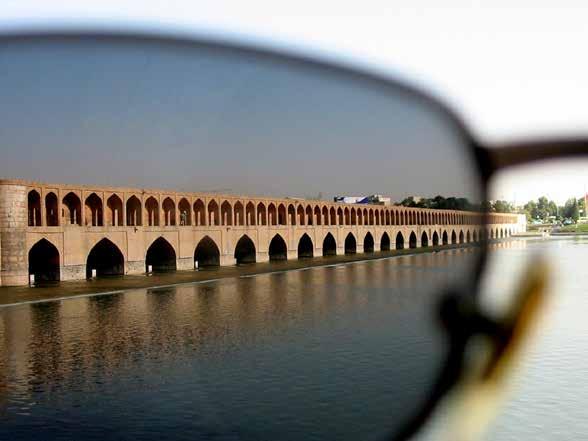
page 24 Siosepol, Isfahan. 2008. digital photograph.
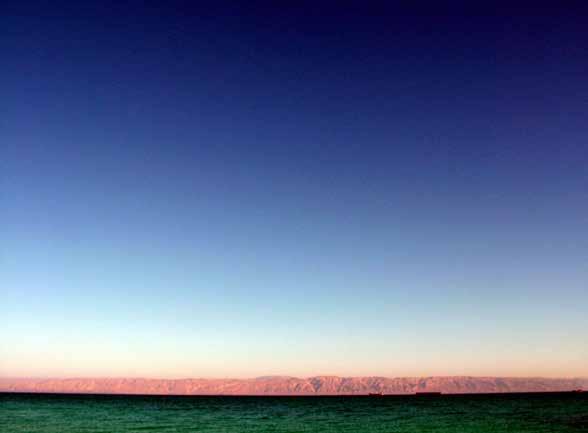
page 25 The Persian Gulf from the Island of Kish. 2004. digital photograph.
page 26 An Historical Reservoir on the Island of Kish. 2004. digital photograph.
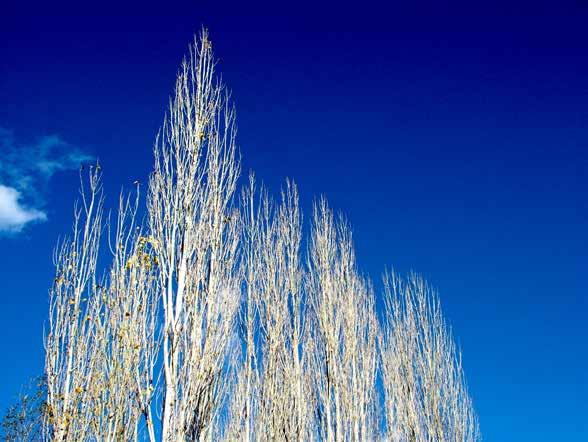
page 27 Bare Trees in Winter, Taleqan. 2003. digital photograph.
page 28 Burnt Matches. Taken in Tehran, 1999. silver Gelatin print.
page 29 Standing at the Threshold. 2006. Taken in Tehran, 2006. digital photograph.
Translated by staci Gem scheiwiller
Moha MM ad Reza Tah M asbpou R
EDUCATION:
The Faculty of Fine Arts at Tehran University
M.a., photography, 1997
Thesis: “Research on Qajar photographic Manuscripts” practical project: “non-silver processes of nineteenth-Century photography” advisers: yahya zoka and seyyed hossein Mobini
The Faculty of Fine Arts at Tehran University b a., photography, 1994
Thesis: “The story of photography” practical project: “pictures of Kashan for posters” advisers: Gholamreza haji hoseinnejad and Morteza Momayez
EXHIBITIONS:
2012 Group exhibition of Gum bichromate prints, Rangotorang Gallery, Tonkabon, iran
2010 Iranian Pictorial Heritage, iranian artists house, Tehran, iran
2009 Aksiyyeh, Group exhibition of historical photographs, Laleh Gallery, Tehran, iran
2007 An Italian Summer, Group exhibition, yassaman Gallery, Tehran, iran
2004 eighth international photography Gathering, Le pont Gallery, aleppo, syria
2004 solo exhibition of Gum bichromate art prints, aban Gallery, Tehran, iran
2003 In Memory of the Bam Earthquake, artists house, Tehran, iran
2003 iranshahr society Group exhibition, Laleh Gallery, Tehran, iran
2002 From Behind the Head, Group exhibition, haft samar Gallery, Tehran, iran
2001 solo exhibition of Gum bichromate art prints, Faramarzi Gallery, Tehran, iran
1995 Group exhibition of documentary photography, in support of Jailed Juveniles, Farhangsaraye andishe, Tehran, iran
1995 Heritage Mirror, Group exhibition, niavaran palace, Tehran, iran
1993 solo photograph exhibition, zahedan, iran
1992 With Those Who Dwell on the Margin of the Gulf, Laleh Gallery, Tehran, iran
1992 national association of photography, Group exhibition, Laleh Gallery, Tehran, iran
1991 Man and Work, Group exhibition, The Faculty of Fine arts, Tehran, iran
1990 Theatre Photography, The Faculty of Fine arts, Tehran, iran
1989 Architectural Photography, The Faculty of Fine arts, Tehran, iran
PROFESSIONAL EXPERIENCE:
2010-present photohistorian and adviser to the women’s worlds in Qajar iran photography project (harvard university)
1998-present adviser and committee member of students’ theses
1997-present developer of new vocational courses in photography for the Ministry of education, Tehran, iran
1997-2011 Member of the special Committee on Curriculum programming for art courses at the Ministry of education, Tehran, iran
1997-2011 Co-administrator and Jury Member at the Ministry of education for the visual art festivals for students, Tehran, iran
2001-10 photohistorian, adviser, and photography layout editor to the international Qajar studies association (santa barbara, C a, usa)
2010 Workshop Organizer, “Identifications of Old Photographic Process,” Iran Academy of Art, Tehran, Iran
2009 head of Qajar photography studies Group, iran academy of art, Tehran, iran
2008 Fellow at Leiden university, conducting research in the hotz Collection, the netherlands
2003-07 head of photography studies Group, islamic Culture and Relations organization, Tehran, iran
2007 Curator of iranian photographers’ exhibition in Venice, italy
TEACHING EXPERIENCE:
2011 professional photography (Levels one and Two) for graphic design courses, islamic azad university, Tonkabon, iran
2010 professional photography (Levels one and Two) for graphic design courses, shariaty Teacher Training institute, Tehran, iran
2009 professional photography for photography teachers, shariaty Teacher Training institute, Tehran, iran
2003-09 illustrations editor (international Qajar studies association), IQSA Journal, Volumes iii-Vii, iX
2004 basic photography, The school of Crafts and Restoration of Cultural heritage of applied sciences, Tehran, iran
2003 illustrations editor, Qajar-Era Health, Hygiene and Beauty (Rotterdam: iQsa publications, 2003)
1996-2001 basic, advanced, and professional photography and the history of photography for photographer courses, islamic azad university, Tehran, iran
2000 Color photography and professional photography in graphic and industrial design courses, alzahra university, Tehran, iran
2000 history of photography for photographer courses, art university of Tehran, iran
1997 basic and professional photography for graphic design and painting courses, Royan art institute, nowshahr, iran
PUBLICATIONS:
booKs:
Five Essays Describing Linear Correction in Qajar Photography (Forthcoming 2014)
Great Encyclopedia of Iran: 100 Titles about the iranian photography (Forthcoming 2014)
Photography level 2: A Technical Guide for the Polytechnic Students (Tehran: Ministry of education, 2012)
Az nuqreh va nur: Justarha-ye dar tarikh-e akkasi-e Iran [of silver and light: Research in the history of photography of iran] (Tehran: nashr-e Tarikh-e iran, 2010)
Naser-od-din: Shah-e akaas [nasir al-din: The photographer king] rev. ed. (2002; repr., Tehran: nashr-e Tarikh-e iran, 2009)
Italiaiha va akkasi dar Iran [italians and photography in iran] (Tehran: swan publications, 2007)
Aqa Reza Akkasbashi: Works and Life of the First Iranian Professional Photographer (Tehran: City photo Museum, 2006) [co-written with dr. Mohammad sattary]
La perse vue par Jacques de Morgan (Tehran: Golestan palace publications, 2001) [co-written with dr. nader nasiry Moghaddam]
aRTiCLes:
“eighty-Three-year heritage of Qajar photography,” in The Indigenous Lens: Early Photography in the Near and Middle East [Conference proceedings of the university of zurich, 2011] (Forthcoming 2013)
“photography in iran: a Chronology, history of photography,” History of Photography 37, no. 1 (2013): 7-13
“Facing the ordinary people” HAST E-Magazine 5 (winter 2013): 98-107
“hashtad o seh sal akkasi dar duran-e Qajar [eighty-three years of photography of the Qajar era],” Aks Magazine 308 (azar-dey 1391/december 2012-January 2013): 24-33
“introducing an old iranian photograph album from nineteenth-Century isfahan,” Asnad-e- Baharestan [baharestan documents] 8 (summer 2012):435-68
“illustrators of the nineteenth century,” HAST E-Magazine 4 (Fall 1391/2012): 136-53
“akkasi va mottaelat-e ejtemaei [photography and social studies],” HAST E-Magazine 3 (summer 1391/2012): 136-53
“bar amad bad-e sohb o buye noruz… [wind arose in the morning and the smell of spring ...,” HAST E-Magazine 2 (spring 1391/2012): 158-62
“do zendani, chahar aks [Two prisoners, four photographs],” HAST E-Magazine 1 (winter 1390/2012): 158-63
“do noskheh-ye khatti-e tazeh yab darbaraye akkasi-e duran-e Qajar [Two newly discovered manuscripts about photography of the Qajar era],” Aks Magazine 295 (aban 1390/november 2011): 28-33
“Miras-e tasviri [Visual heritage],” HAST E-Magazine, pre-issue (Fall 1390/2011): 202-11
“Ganjineh ha-ye akkasi-e duran-e Pahlavi va ghaflat-e ma [Pahlavi photographic treasures and our negligence],” Herfeh Honarmand 40 (winter 1390/2011): 54-5
‘“From i love you’: shahrzad Changalvaee,” Dide Online Photography Magazine 11 (February 2011): http://www. didemag.com/11/en06.htm
“Majmueh-ye aksha-ye iran dar arshivha-ye holand[The collection of iranian photographs in the archives of the netherlands],” Aks Magazine 290 (Khordad 1390/June 2011): 20-7
“Creative photography in the early year of photography in iran,” PhotoResearcher 13 (2010): 36-41
“degargoniha va chalesh-haye pish-e ru dar amuzesh-e akkasi dar iran [Changes and challenges ahead in iranian photography Training],” Herfeh Honarmand 35 (winter 1389/2010): 92-4
“entekhab-e dah aks [Top ten pictures],” Herfeh Honarmand 32 (spring 1389/2010): 32-51
“Fehrest-e onvanha-ye pazhuheshi-e tarikh-e akkasi-e iran [a list of research on the history of photography of iran],” Aks Magazine 269 (Mehr 1388/september 2009): 22-5
“akkasi dar khaterat neveshteh ha-ye duran-e mashruteh [photography in a diary written during the Constitutional Revolution],” Aks Magazine 267 (Tir 1388/July 2009): 24-7
“Kashf-e nokhostin daguerreotype az tasvir-e yek Irani [The first daguerreotype discovery of an Iranian image,” Aks Magazine 266 (Khordad 1388/June 2009): 33-5
“From the sky to earth: zainab salarvand,” Dide Online Photography Magazine 2 (May 2009): http://www.didemag. com/02/en07.htm
“akkasi dar Tehran [photography in Tehran],” Aks Magazine 260 (azar 1387/december 2008): 24-31
“Malijak-e akaas [Malijak the photographer],” Aksnameh 28 (Fall/winter 1387/2008): 14-22 [co-written with Khadijeh Mohammadi nameghi]
“az negah-e anirany [Look at the photographs of the dr. sewen hadin and other foreigners from iran],” Aks
Magazine 250 (bahman 1386/February 2008): 50-3
“Majmueh-ye aksha va albumha-ye doctor Tholoson dar kalej-e mottaelat-e sharqi-e daneshgah-e oxford [Collection of photographs and albums of dr. Tholoson in the university of oxford-st. anthony’s College, uK,” Aksnameh 25 (spring 1386/2007): 52-9
“165 sal akkasi dar iran [165 years of photography in iran],” Aks Magazine 244 (Mordad 1386/august 2007): 46
“Karkardha-ye siasi-ejtemaei-e akkasi dar duran-e mashruteh [socio-political functions of photography during the Constitutional Revolution],” Faslnameh-ye akkasi-e khalaq [Creative photography quarterly] (spring 1384/2005): 32-5
“ashnai ba ganjineh ha-ye aks ha-ye ghadimi-e iran [The treasures of historic photographs],” Ketab-e Mah-e Honar 87-8 (1384/2005): 54-62, http://www.ensani.ir/fa/content/88866/default.aspx
“The Montabone album,” in The Montabone Album, ed. Mike Jansen et al. (Rotterdam: barjesteh & Co publications, 2004)
“akkasi-e khalaq dar saraghaz-e peydayesh-e akkasi dar iran [Creative photography in the beginning of photography in iran],” Faslnameh-ye akkassi-e khalaq [Creative photography quarterly] (winter 1383/2004): 53-7
“Filsof va akaas [philosopher and photographer],” Herfeh Honarmand 10 (winter 1383/2004): 67-8
“italiaiha dar saraghaz-e akkasi dar iran [italians at the beginning of photography in iran],” Honarha-ye Ziba [Fine arts] 20 (winter 1383/2004): 89-98, http://journals.ut.ac.ir/page/article-frame.html?articleid=3051
“Morfi-e ganjineh ha-ye aksha-ye tarikhi-e Iran [The treasures of historic photographs],” Ketab-e Mah-e Honar 87-8 (1380/2001): 54-62
“Literary events in Qajar photographic books and Manuscripts,” Aks Magazine 175, 176, & 177 (2000-01): 42-7
“Fonun-e arzeh va namayesh-e aks dar duran-e Qajar [Techniques of presentation and display of photographs in the Qajar era],” Aks Magazine 166, 167, 168, 169, & 170 (1380/2000): 42-7
“pishineh-ye karbord-e akkasi dar pazhuhesh ha-ye bastanshenasi dar iran [prescription of the uses of photography in archeological research in iran],” Aks Magazine 164 &165(1379/1999): 42-3
“The selection of Technical words and Terminology in photography in iran since 1854,” Aks Magazine 159, 160, & 161 (1999): 14-18, 37, 42
“daguerreotype dar ketabha va neveshteh ha-ye akkasi-e duran-e Qajar [daguerreotypes in photography books and manuscripts of the Qajar era],” Faslnameh-ye honar [The art quarterly] (1378/1999): 112-24
“Ketabha va neveshteh ha-ye nashenakhteh dar tarikh-e akkasi-e iran [unknown books and manuscripts in the history of photography of iran],” Aksnameh (1377/1998): 102-106
“zaban-e tasvir, aks va tasavir-e amuzeshi [The language of pictures, photographs and images of teaching],” Roshd-e teknolozhi-e amuzeshi [Roshd educational technology journal] (1375/1996):12-16
“Honarha-ye grafiki, savad-e basri [Graphic arts, visual literacy],” Roshd-e teknolozhi-e amuzeshi [Roshd educational technology journal] (1375/1996): 31-7
INTERVIEWS:
early photojournalism in iran, (a multi-media), Centre for Research and Training institute, Hamshahri Newspaper, 2011, http://www.hamshahritraining.ir/news-3484.aspx
“don’t Tell history not to Record Me,” Shargh Newspaper, 2010, http://sharghdaily.ir/?news_id=2635
“photographers who Make history,” Jadid Online, september 2009, http://www.jadidonline.com/ nazila Fathi, “a Rare Glimpse of 19th-Century iran,” The International Herald Tribune, June 1, 2007, Feature, 22 diary of a documentary program on the glass of a hidden treasure, TV channel four islamic Republic of iran, 2007
“The First Miracles of Light,” Hamshahri Newspaper, 2005, http://www.hamshahrionline.ir/hamnews/1384/840826/ irshahr/darsh.htm
“images of Medicine and public health in the Qajar era,” Cultural heritage news agency, 2005, http://chn.ir/nsite/ Fullstory/news/?id=88770&serv=0&sGr=0
interview with iranian photography Magazine, Aks 242 (July 2007): 50-8
LECTURES:
2013 “a survey of the Motif of nature in the works of iranian photographers from the Qajar era to the present” iran academy of art, Tehran, iran
2013 “The Future of the digital image,” iran academy of art, Tehran, iran
2010 “developments Relating to the history of photography in Recent decades,” international Qajar studies association conference, university of oxford-st. anthony’s College, uK
2009 “eighty-Three-year heritage of Qajar photography,” iran academy of art, Tehran, iran
2008 “irony in Qajar photography,” art university of Tehran, iran
2008 “The Times and Lives of Three Qajar-era photographers,” The silver windows seminar, Tehran Museum Contemporary of arts, iran
2007 “Looking at Contemporary photography in iran,” art Center of Mestre, Venice, italy
2006 “pictorial anthropology in Qajar-era photography,” Visual anthropology symposium, school of social sciences, Tehran university, iran
2006 “The social and political Functions of photography in the iranian Constitutional Revolution,” university of oxford-wadham College, uK
2005 “pictures of health, hygiene, and beauty during the Qajar era,” institut Français de Recherche en iran (iFRi), Tehran, iran
2004 “early photography in iran,” The eight international exhibition and Conference on photography, aleppo, syria
2002 A series of talks on a radio program (pol-e firouzeh), Voice of the Islamic Republic of Iran
2001 “pictorial Reports in the Qajar era,” Qajar photography Conference (iQsa), Leiden university, the netherlands
2001 “Reading early photographs: Visual sources for the interpretation of iranian Qajar history,” Leiden university, Research school Cnws, the netherlands
2000 “The selection of Technical words and Terminology of photography in iran since 1854,” Centennial Congress, the academy of persian Language and Literature, Tehran, iran
1999 “naser-ol-din, the photographer King,” Qajar art and architecture Conference, Middle east studies (soas), London university, uK
WORKSHOPS:
2012 “The Middle east photograph preservation initiative,” Conservation photography workshop at the national Library of Middle eastern Moroccan Meppi, bnRM, Rabat, Morocco
2011 “The Middle east photo preservation initiative,” The arab image Foundation workshop on Conservation photographs, Middle east aiF, beirut, Lebanon
2009 Workshop on the identification and preservation techniques of the nineteenth-century photographs, Razavi islamic Research Foundation, Mashhad, iran
2008 “how to Care for a housed Collection,” Laleh Gallery, Tehran, iran