ARTUR DA SILVA
Day Shift / Night Shift / Forest Time
Day Shift / Night Shift / Forest Time
Artur Da Silva - Day Shift/Night Shift/Forest Time, represents a chance to view Artur Da Silva’s amazing work. Da Silva’s earliest memories living in Brazil under a right-wing dictatorship, influenced his art practice that uses digital media. He developed an interest in a place between memories and political reality, with a keen interest in imperial histories. In his learning of the circulations of plants, people and cultural artifacts he has been able to create work that makes the viewer feel compelled to seriously consider the complex world of imperial transactions and their incredible mutations over time.
Digital Media in all forms is fundamental area of educating artists in the Art Department. Having exceptional exhibitions of Digital media in our galleries helps to generate meaningful discussions and lifelong learning about these mediums. The University Art Gallery’s programing helps to support our faculty’s teaching. It is usually through faculty recommendations that many exhibitions come to our galleries. This very special exhibition comes to our galleries as a celebration of the recent hiring of Artur Da Silva and a chance to see his most recent work.
I would like to thank the many colleagues that have been instrumental in presenting this exhibition. Artur Da Silva for the chance of exhibiting his incredible work, Noely Ortiz, the Administrative Support Coordinator for her tireless work in organizing and arranging the show details. I would also like to thank, Brad Peatross of the School of the Arts and California State University, Stanislaus for the catalog design and Stan State Print Shop for the printing this catalog, the Instructionally Related Activates Program of California State University, Stanislaus, as well as anonymous donors for the funding of the exhibition and catalogue. The support is greatly appreciated.

Dean De Cocker, Director
University Art Gallery
California State University, Stanislaus
My earliest memories are stamped with the constrictive imaginary of a conservative, right-wing military dictatorship in Brazil, subsidized by the United States. As I spent my formative years during the transition between a military regime to a democracy and the writing of a new constitution in 1988, my interest in history grew, eventually leading my art practice to explore a place between memory and political reality. My lived experiences caused me to be very interested in imperial histories. I learn about them by researching the circulation of plants, foods, people, cultural artifacts, ideas, etc.
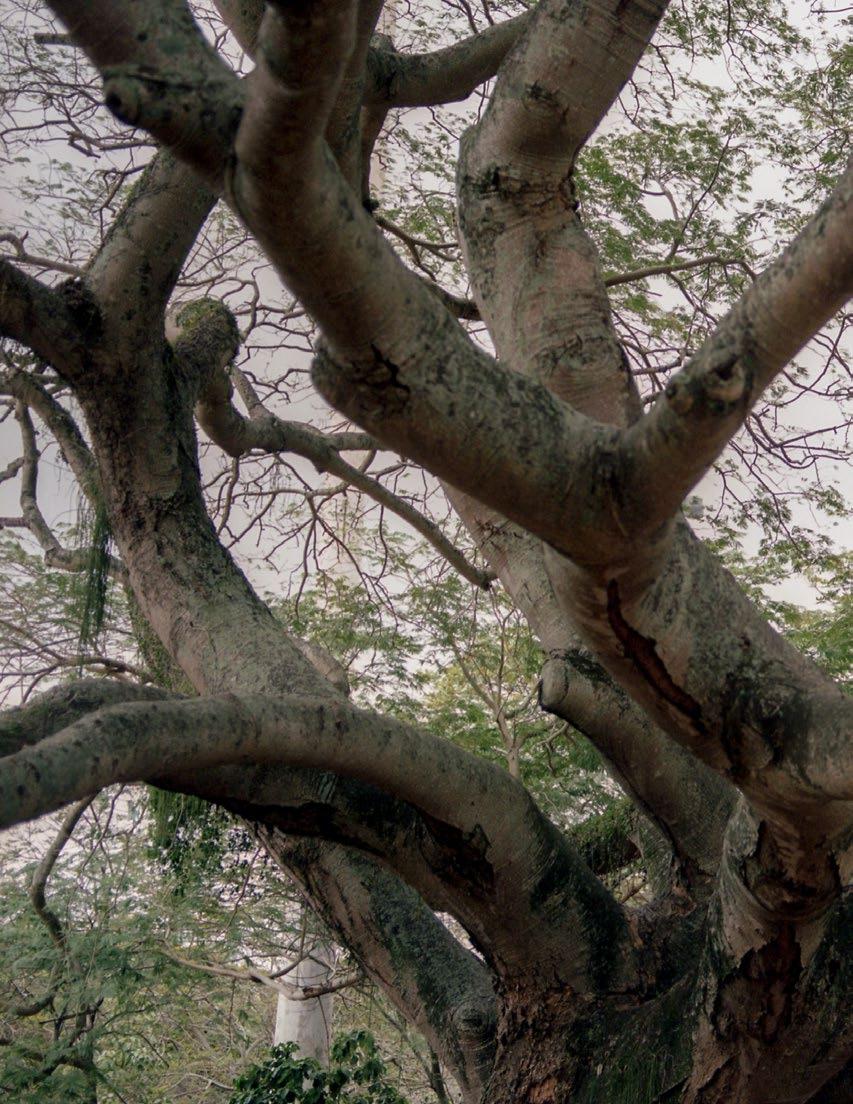
I spent the summer of 2025 in Rio de Janeiro, Brazil, photographing a sample of the Atlantic Forest (Mata Atlantica in Portuguese) of which only 15% is left in the entire country. My focus was in the dense rainforest located in The Tijuca National Park. Though its green rainforest seems untouched today, it was deforested by multiple colonial economic cycles, specifically the need for space to cultivate sugar cane and coffee crops and the demand for timber and fuel for the growing capital city of Rio de Janeiro. The Atlantic Forest pre-colonization occupied the entire city.
By the second half of the XIX century, as water shortages intensified, emperor Dom Pedro II appointed a reforestation czar, who assigned 11 enslaved people to replant 185,000 trees, forming what we now know as the Tijuca National Park.
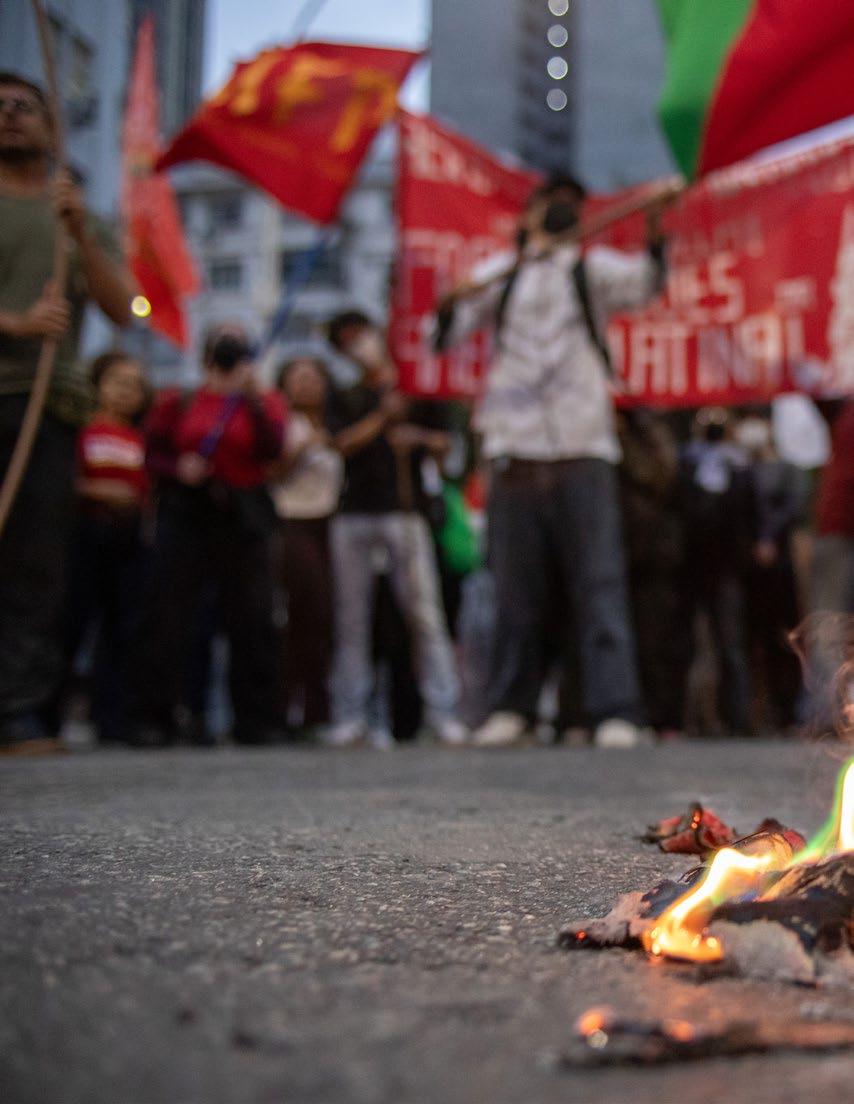
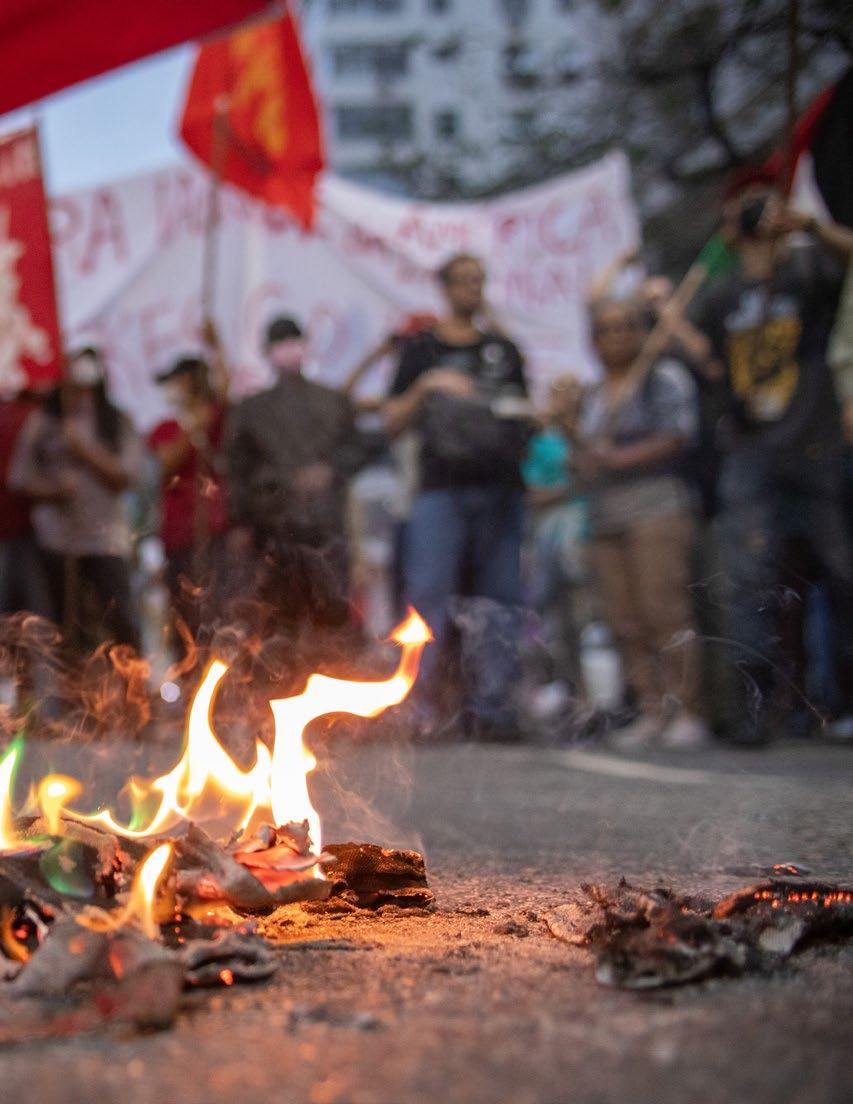
This history of extraction, crisis, and labor provides the critical context for my street photography in the city center. My images, categorized into Day Shift and Night Shift, explore the relationship between the city, the forest, and the labor that sustains their axes.
Throughout the Summer, I went out everyday to photograph Rio de Janeiro’s Centro neighborhood where I partially live. It’s a combination of narrow roads built in the colonial period and tall buildings built by financial institutions, oil companies, the government, etc. I wanted to spend time with my camera, to really get to know it technically and also to understand its limitations, to attempt to operate near those limits.
I didn’t intend for labor to become a synthesizing theme in this body of work. I proposed myself to develop the perception that makes visible what would otherwise be seen and archived outside my peripheral vision, trapped in familiarity created by my own routine. I saw everyday people, circulating through an infrastructure that depends so much on them and offers so little in return for their labor.
In a way, street photography is similar to walking meditation: to be present and aware in a way most people grappling with their routines won’t be. In The Decisive Moment, Henri Cartier-Bresson talks
about the photographer being ready to “trap” life as it unfolds. I think many of the people in the frame might be trapped in realities they haven’t chosen. The photography I want to practice is, in its core, liberational. It duels with a certain kind of intersubject relationship in which the camera is a tool of social awareness collecting fragments to construct a more complete collective subjectivity.
Rio de Janeiro Centro went from a colonial town to an industrious neighborhood occupied by brands we know on a first name basis such as Petrobras, Santander and Starbucks. While creating this work I thought about the anonymous crowds of laborers who participate in construction and maintenance of this urban apparatus. The reality is that Rio exists because Tijuca Forest exists. Tijuca exists because of the eleven people who replanted 185,000 trees. I dedicate this publication to their memory: Eleutério, Constantino, Manoel, Mateus, Leopoldo, Maria, Sabino, Macário, Clemente, Antônio, and Francisco.
Artur Da Silva is a visual artist and educator. He was born in Belo Horizonte, Brazil where he attended the Escola de Arte Guignard. He holds an MFA from the California Institute of the Arts.
His work has been displayed at institutions such as the Van Abbe Museum in The Netherlands, the Ludwig Foundation in Havana, the Smart Museum in Chicago, the Indianapolis Museum of Art, Centro Cultural de España in Mexico City, Indiana State Museum, Bemis Center for Contemporary Art, among others.
Artur has received a number of awards including a Pollock-Krasner Grant (NYC), NALAC grant (San Antonio), Efroymson Contemporary Art Fellowship (Indianapolis), two times recipient of the Christel DeHaan Artist of Distinction Award (Indianapolis Arts Council), Foundation for Contemporary Arts (NYC), Nominated for a Joan Mitchell Award, among others.
Some publications featuring Artur’s work include The New York Times, Art in America, Forbes, PBS’ Many Rivers To Cross series, among others.
As an educator he has taught at Indiana University in South Bend, DePauw University, Herron School of Art & Design and he currently teaches at CSU Stanislaus, California.
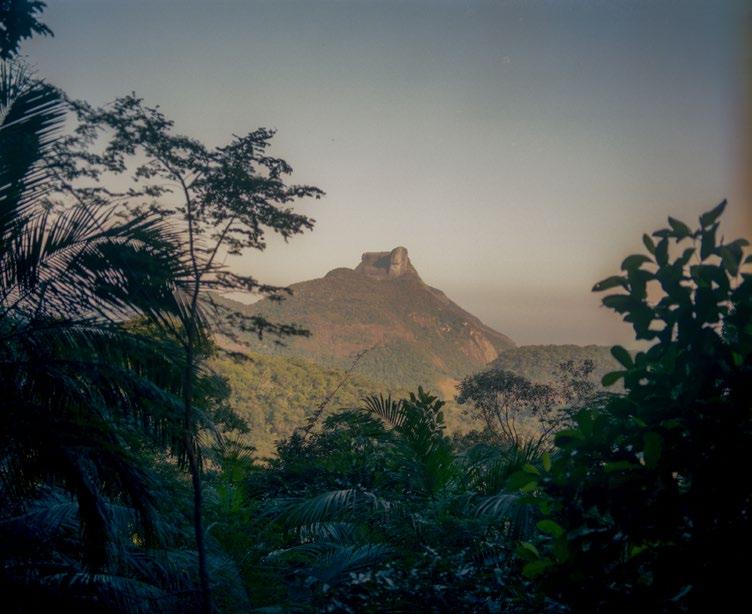
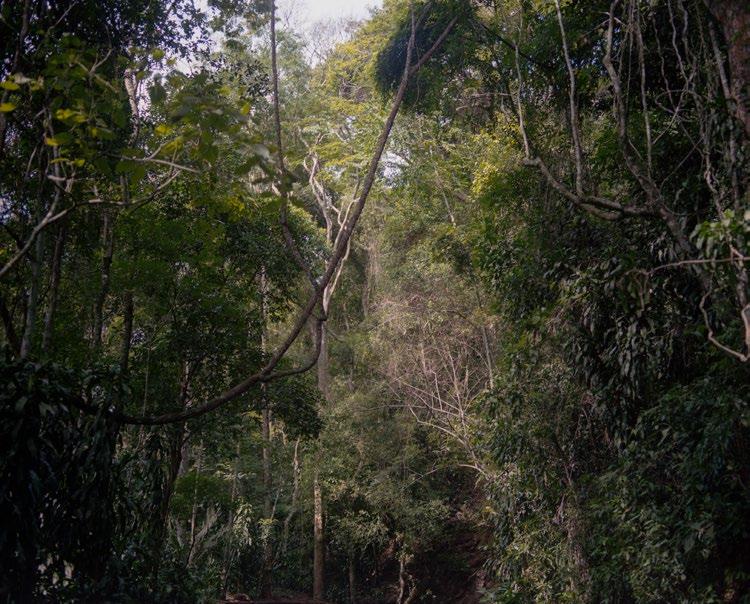
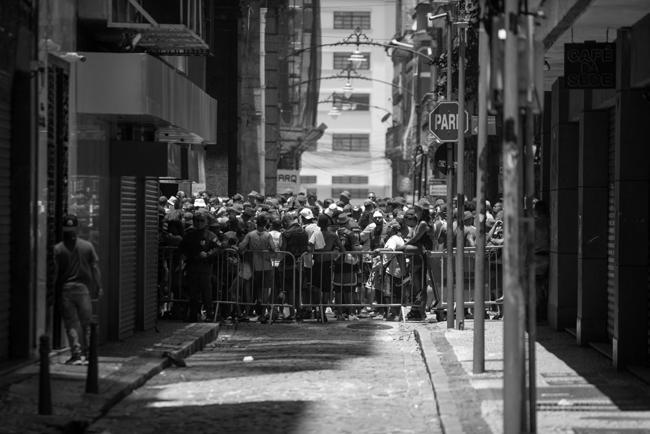
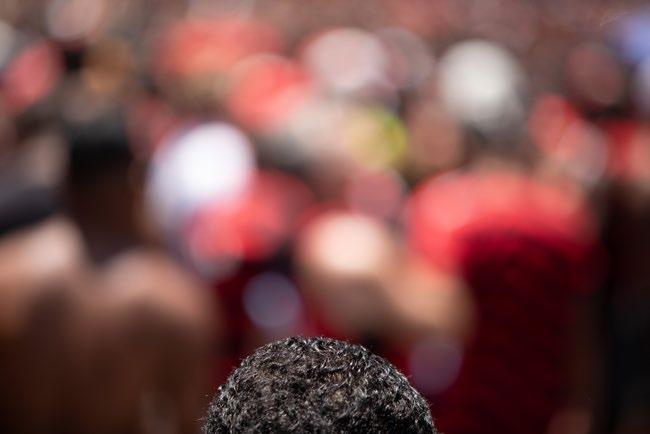
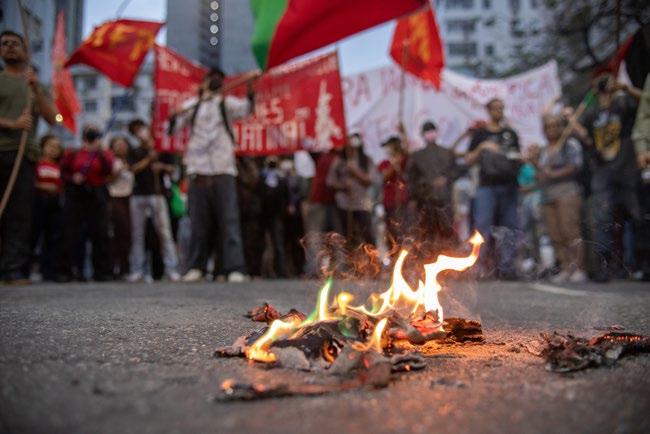
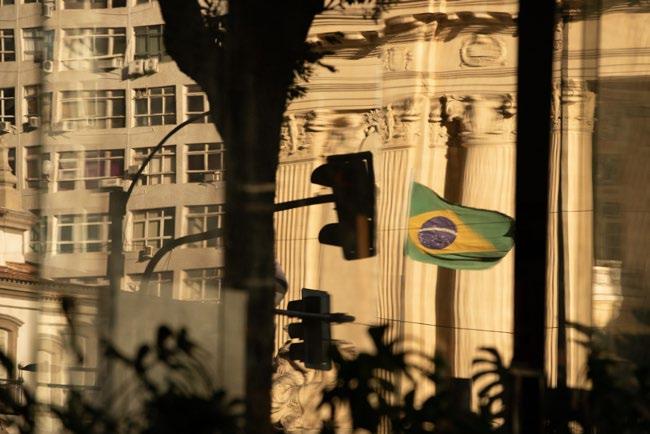
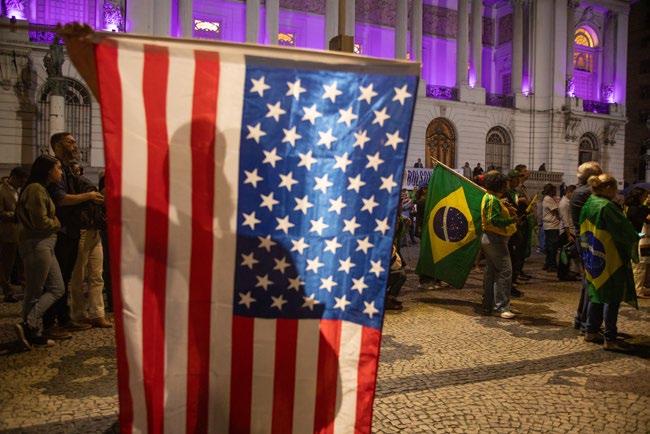
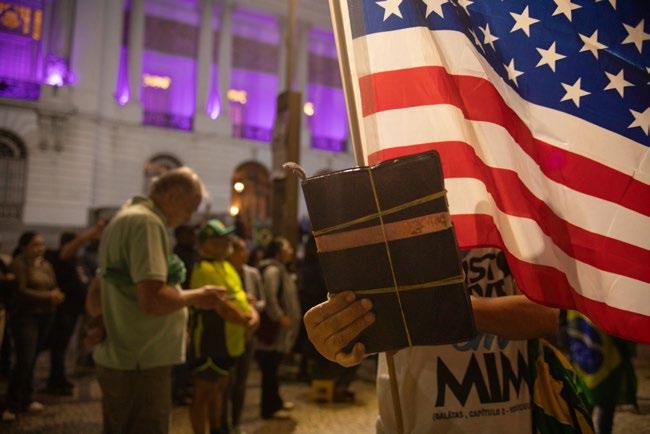
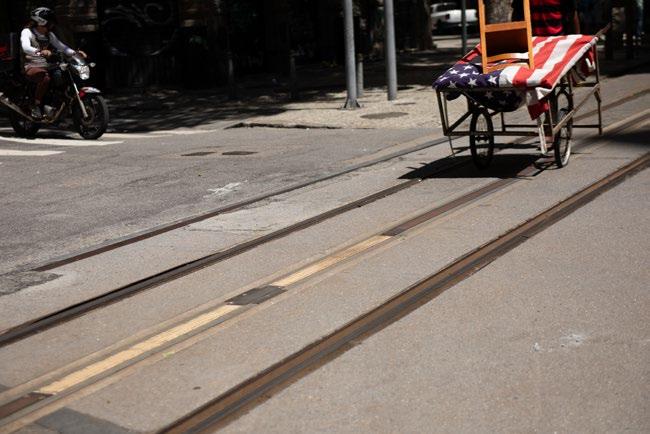
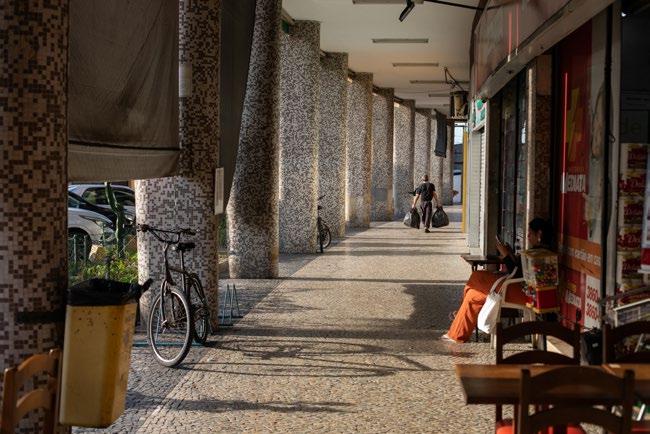
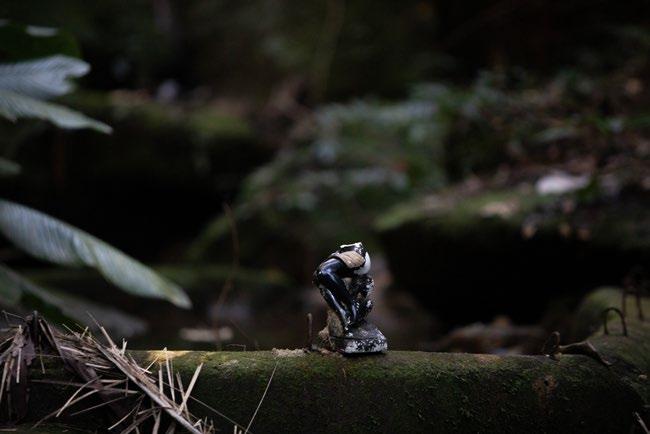
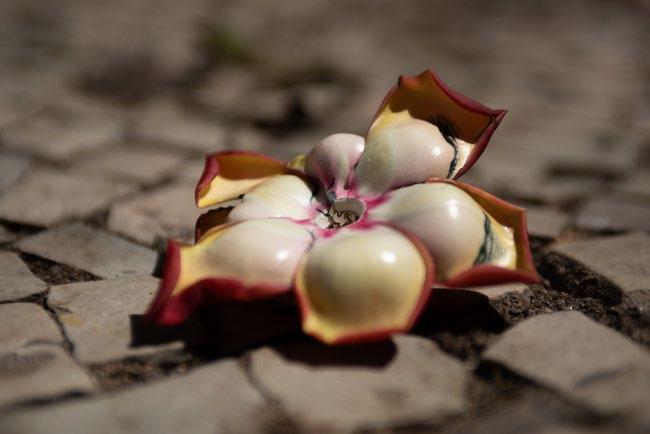
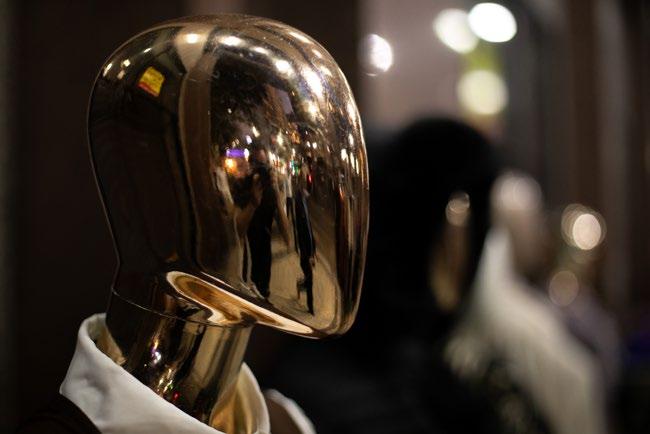
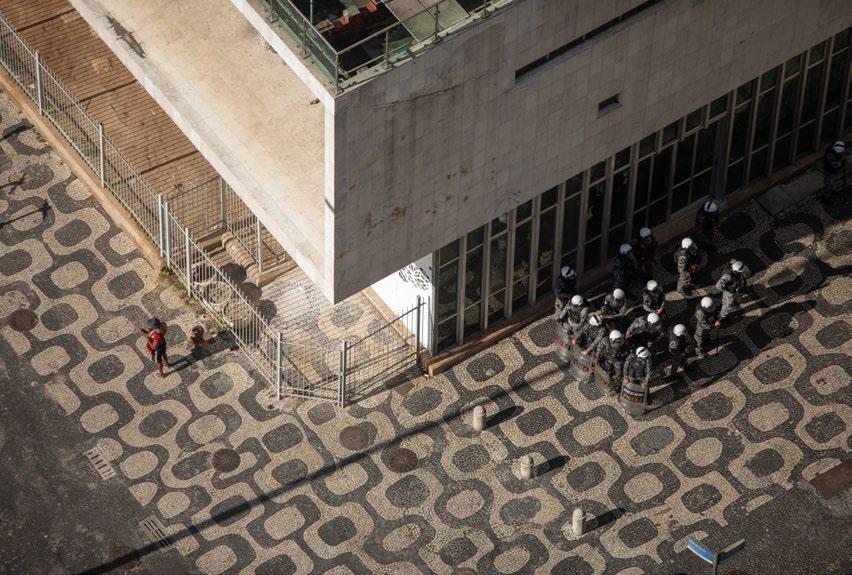
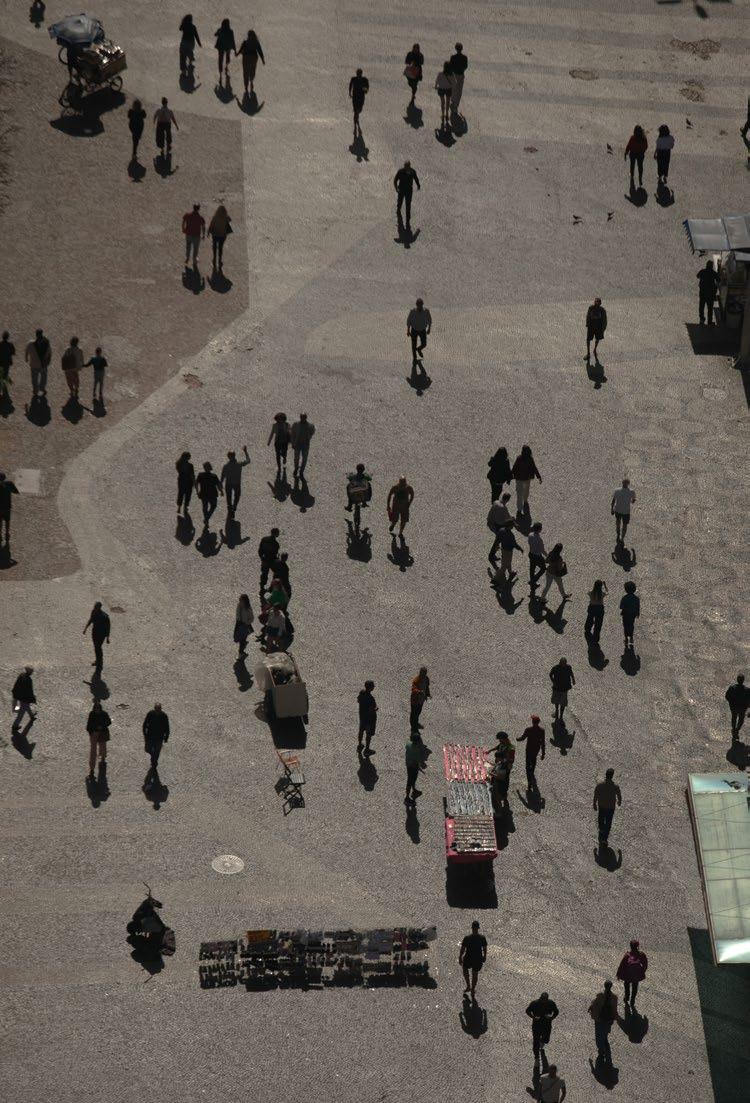
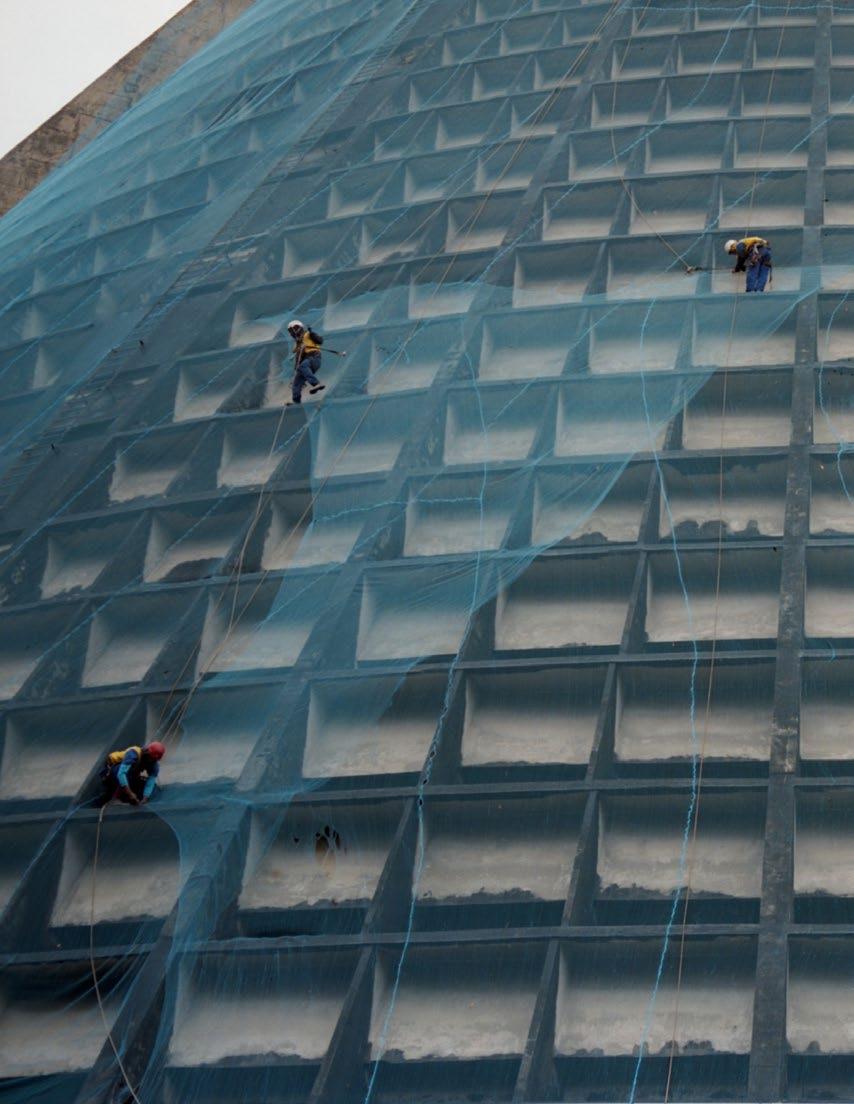
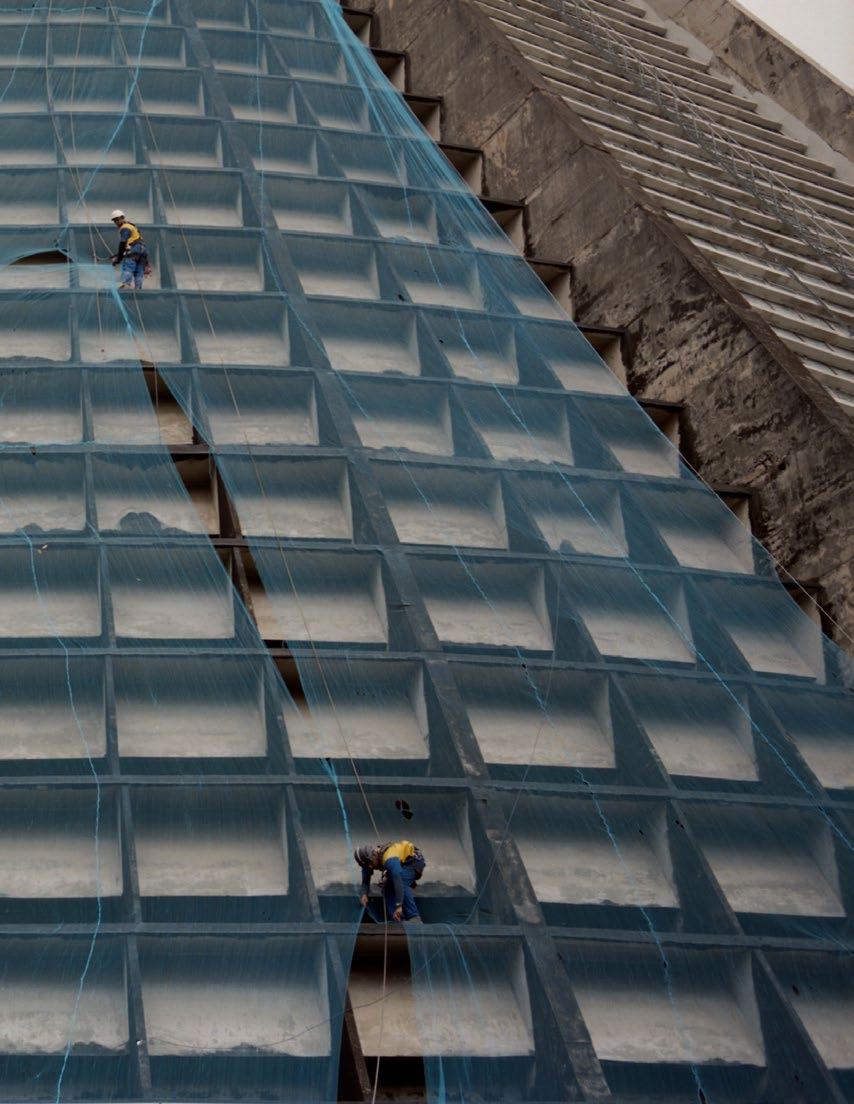
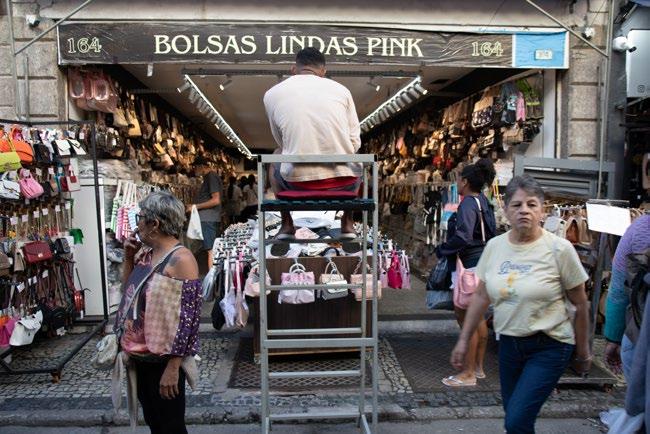
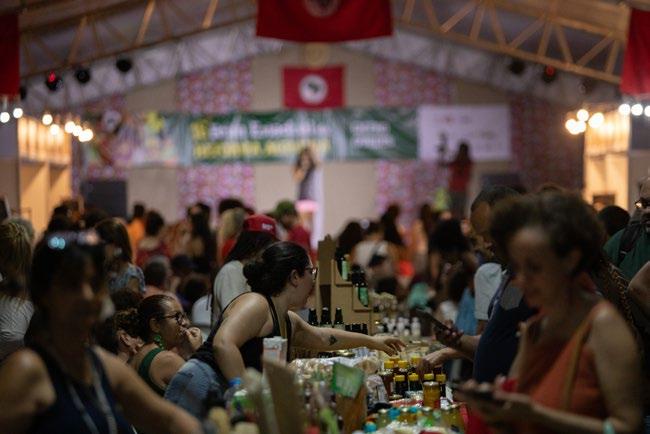
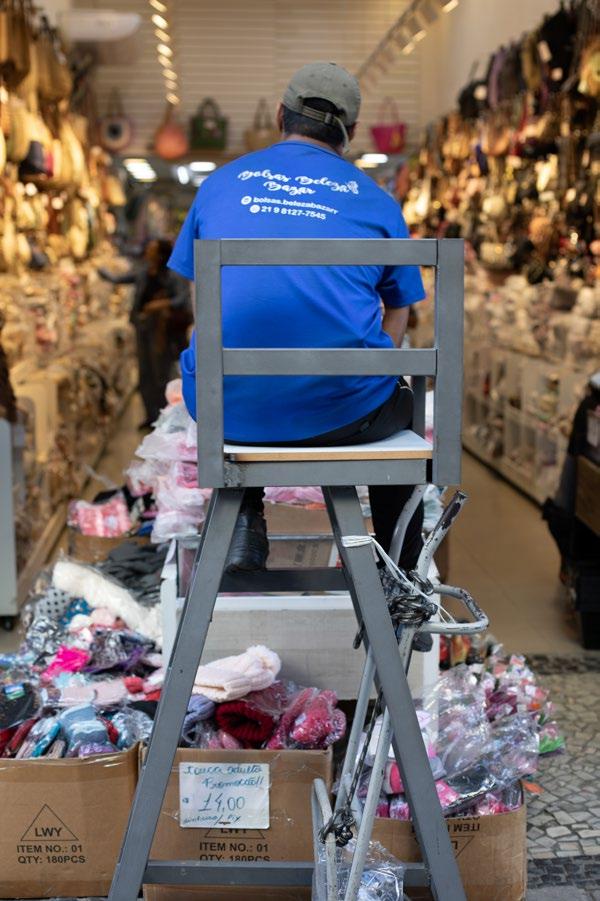
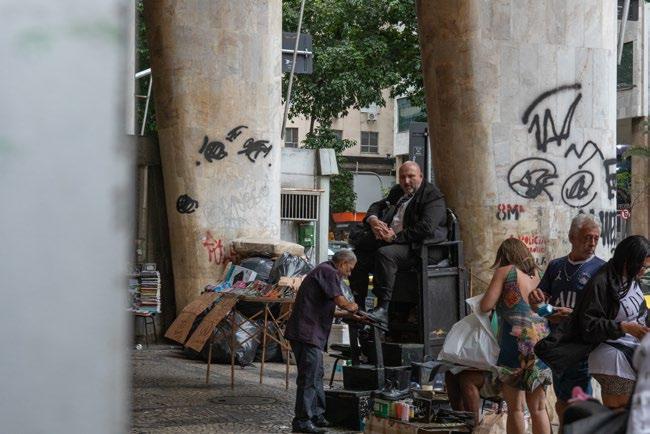
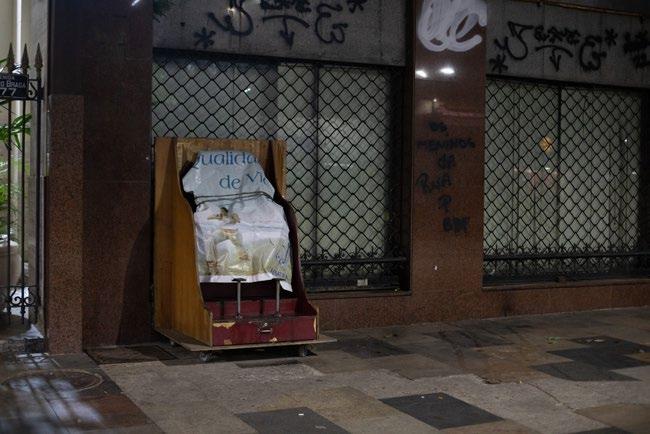
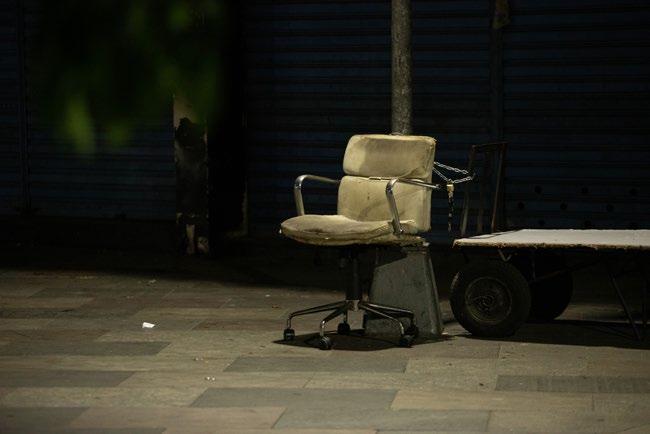
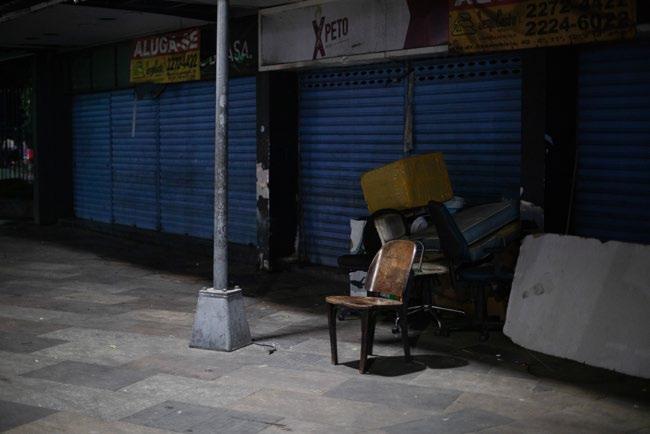
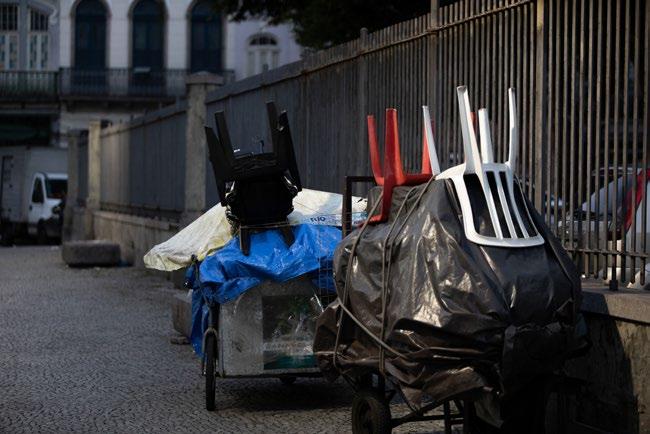
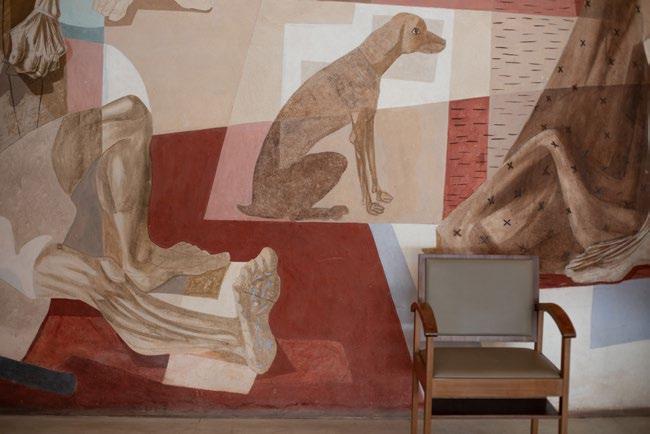
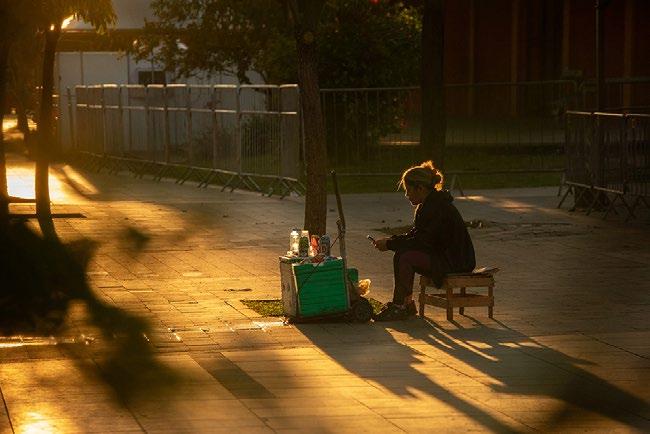
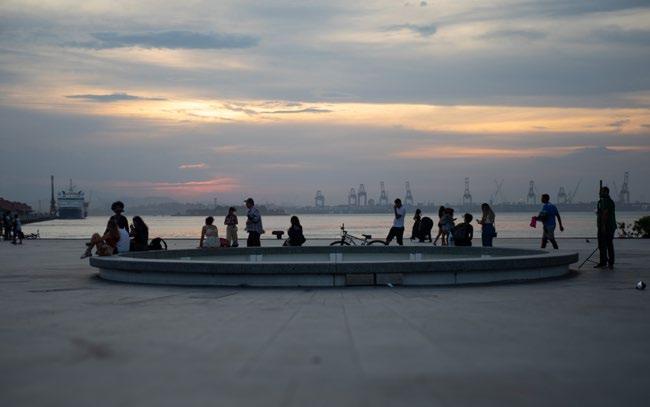
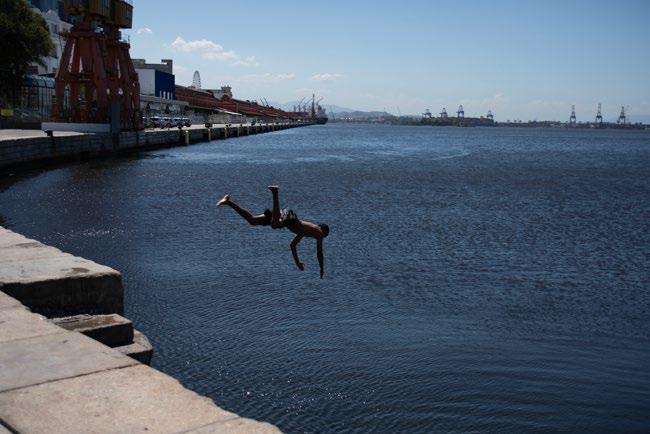
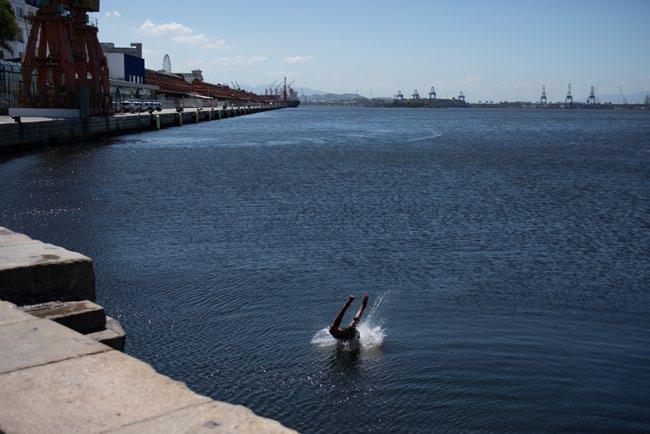
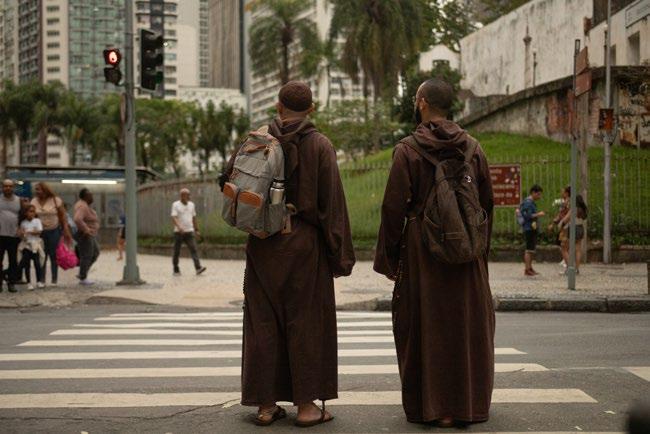
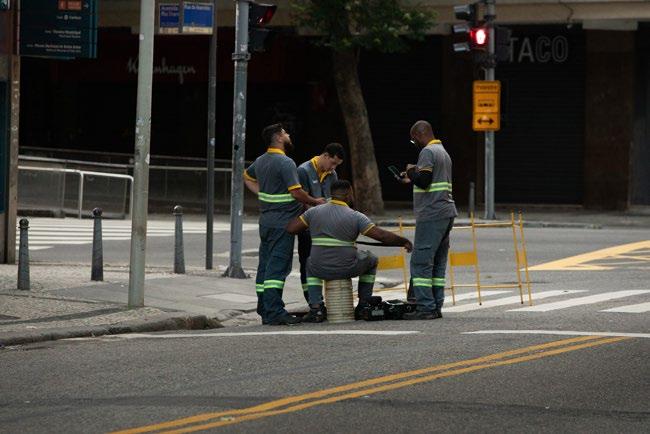
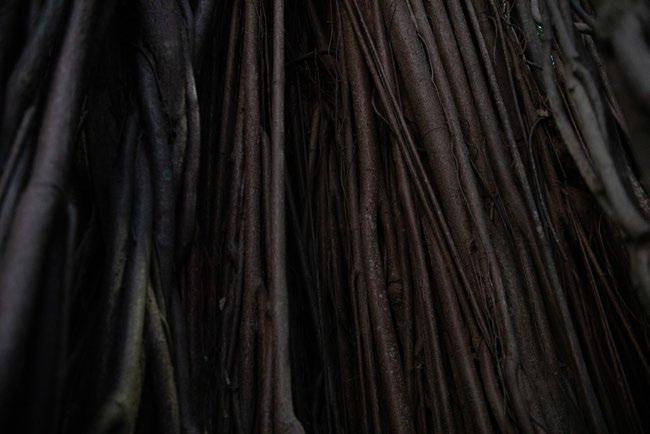
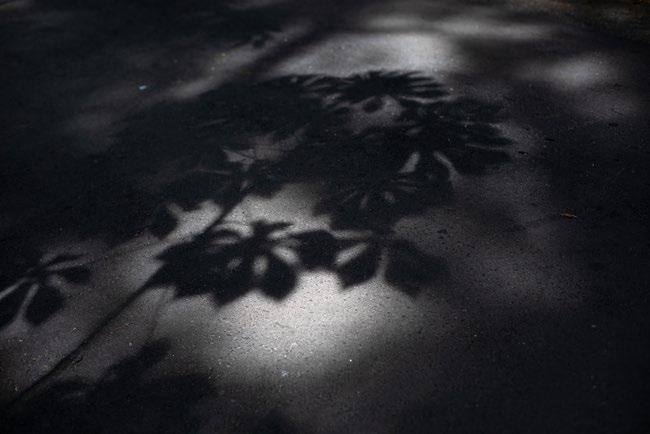
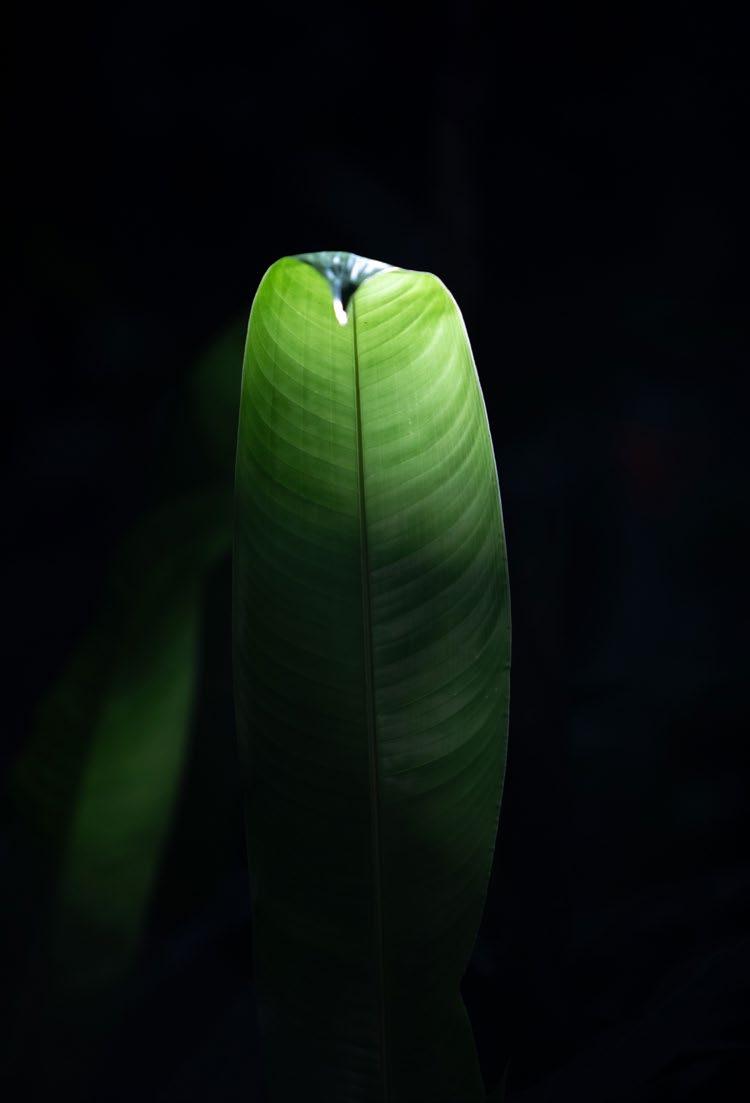
Image sequence begins with page 2.
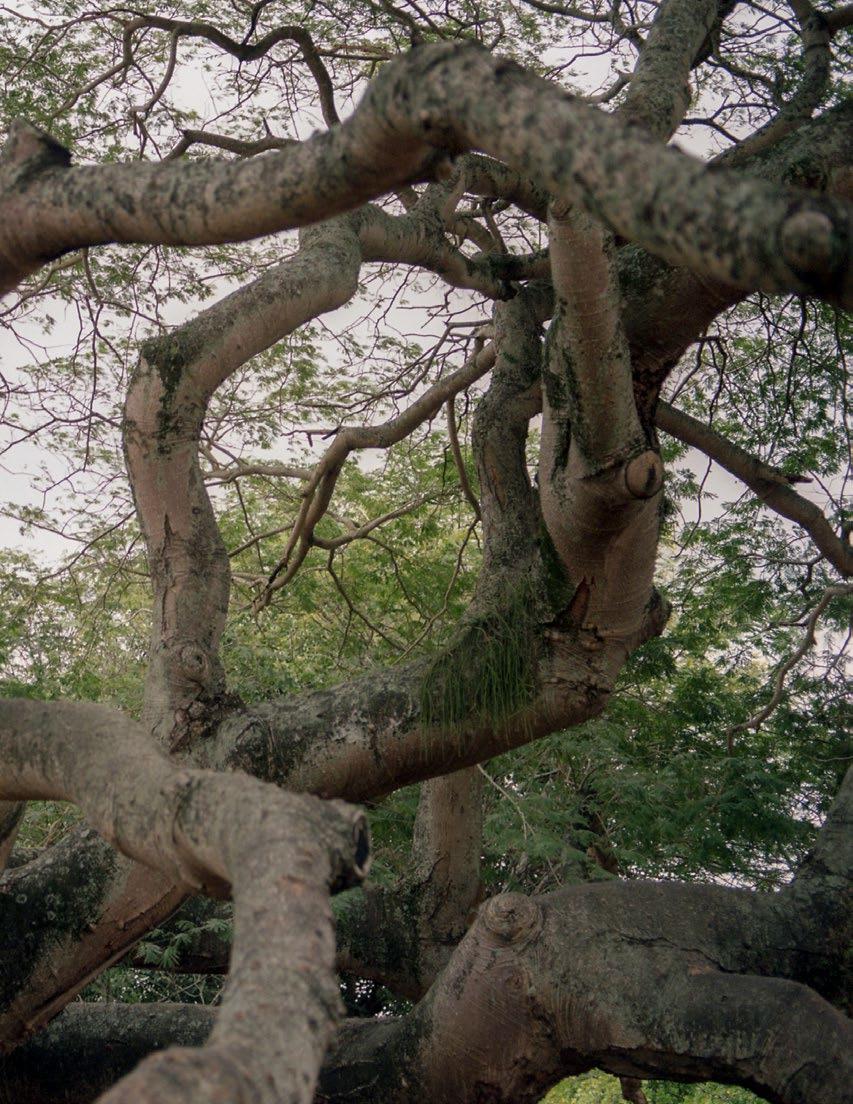
1 Giant Flamboyant, Aterro do Flamengo, Rio de Janeiro, inkjet on archival paper, 2025
2 Pico da Tijuca, Tijuca National Park, Rio de Janeiro, inkjet on archival paper, 2025
3 Tijuca Forest, Tijuca National Park, Rio de Janeiro, inkjet on archival paper, 2025
4 Libertadores, Rio de Janeiro Historic Center, inkjet on archival paper, 2025
5 Libertadores, Rio de Janeiro Historic Center, inkjet on archival paper, 2025
6 Anti-imperialism Protest, Cinelandia, Rio de Janeiro, inkjet on archival paper, 2026
7 State Capitol, City Center, Rio de Janeiro, inkjet on archival paper, 2025
8 American Flag at Protest, Cinelandia, Rio de Janeiro, inkjet on archival paper, 2025
9 Bible Flag, Cinelandia, Rio de Janeiro, inkjet on archival paper, 2025
10 American Flag on Cart, Ave. Rio Branco, Rio de Janeiro, inkjet on archival paper, 2025
11 CADEG, Benfica, Rio de Janeiro, inkjet on archival paper, 2025
12 Tijuca National Park, Rio de Janeiro, inkjet on archival paper, 2025
13 Tijuca National Park, Rio de Janeiro, inkjet on archival paper, 2025
14 Lapa, Rio de Janeiro, inkjet on archival paper, 2025
15 Self Portrait on Mannequin, City Center, Rio de Janeiro, inkjet on archival paper, 2025
16 Largo da Carioca, Rio de Janeiro, inkjet on archival paper, 2025
17 Largo da Carioca, Rio de Janeiro, inkjet on archival paper, 2025
18 Metropolitan Cathedral, City Center, Rio de Janeiro, inkjet on archival paper, 2025
19 Saara, Rio de Janeiro, inkjet on archival paper, 2025
20 Movimento dos Sem Terra, Largo da Carioca, Rio de Janeiro, inkjet on archival paper, 2025
21 Saara, Rio de Janeiro, inkjet on archival paper, 2025
22 Avenida Rio Branco, City Center, Rio de Janeiro, inkjet on archival paper, 2025
23- Shoe Shining Chair, City Center, Rio de Janeiro, inkjet on archival paper, 2025
24 Empty Chair, City Center, Rio de Janeiro, inkjet on archival paper, 2025
25 Empty Chair, City Center, Rio de Janeiro, inkjet on archival paper, 2025
26 Empty Chair, Largo São Francisco de Paula, Rio de Janeiro, inkjet on archival paper, 2025
27 Empty Chair, São Francisco Chapel, Belo Horizonte, inkjet on archival paper, 2025
28 Street Vendor, Zona Portuária, Rio de Janeiro, inkjet on archival paper, 2025
29 Museu do Amanhã, Zona Portuária, Rio de Janeiro, inkjet on archival paper, 2025
30 Praça XV, Rio de Janeiro, inkjet on archival paper, 2025
31 Feira da Glória, Rio de Janeiro, inkjet on archival paper, 2025
32 Guanabara Bay Jump 1, Rio de Janeiro, inkjet on archival paper, 2025
33 Guanabara Bay Jump 2, Rio de Janeiro, inkjet on archival paper, 2025
34 Largo da Carioca, Rio de Janeiro, inkjet on archival paper, 2025
35 Maintenance, City Center, Rio de Janeiro, inkjet on archival paper, 2025
36 Roots, Aterro do Flamengo, Rio de Janeiro, inkjet on archival paper, 2025
37 Tijuca National Park, Rio de Janeiro, inkjet on archival paper, 2025
38 Tijuca National Park, Rio de Janeiro, inkjet on archival paper, 2025
EDUCATION
2016 M.F.A., Integrated Media, California Institute of the Arts (CalArts), Los Angeles, CA
ACADEMIC APPOINTMENTS (Selected)
2024 Assistant Professor of Art, CSU Stanislaus, Turlock, CA
2022-23 Visiting Assistant Professor of Digital Art and Art History, DePauw University
RESEARCH & CREATIVE PRACTICE (Selected)
Documentary & Photography
Video Art project Americae, investigating 16th-century visual representation in the Americas, filming in Spain, Portugal, and the US (2019–2021).
Foley Work
Created Foley work for the award-winning film Jebel Banat (Tribeca Film Festival Prize Winner).
Critical Geography
Co-founder of LATlab (Laboratory for Latin & American Art and Thinking), a Los Angeles-based platform investigating modern and contemporary Latin American art, politics, and alternative articulations of creative practice (2017).
Fieldwork Abroad
Conducted research in Cuba (2013–2016) exploring syncretism and dynamics of cultural resistance in the Americas informing decolonial themes in subsequent work.
GRANTS, FELLOWSHIPS, & AWARDS (Selected)
Pollock-Krasner Foundation Grant Recipient (2011)
Efroymson Contemporary Art Fellowship (2010)
Foundation for Contemporary Arts grant, NYC (2017)
NALAC grant, San Antonio, TX (2008)
Christel DeHaan Artist of Distinction Award (2022 & 2018)
Artists’ Fellowship Inc. Grant Recipient, NYC (2017)
Creative Renewal Fellowship (Lilly Endowment funded, 2014 & 2005)
ART & ACADEMIC RESIDENCIES (Selected)
Lado B Centro Cultural, Rio de Janeiro 2023
Scholar in Residence, IUPUI Arts and Humanities Institute (2019-2021)
MASS MoCA Residency, North Adams, MA (2017)
The Reef, year long residency, Los Angeles (2017)
Tropical Lab Residency, Singapore (2016)
SOLO & MAJOR PROJECTS
2026 Day Shift/Night Shift, Stan State Art Space, Turlock, CA, Summer research presentation
2023 Finders Keepers, Lulo Pampoulides Gallery, London, England, First solo exhibit in London
2017 Transaction Boundaries, Centro Cultural de España en México, Mexico City, Exhibition resulting from research in Cuba, Brazil and Mexico
GROUP EXHIBITIONS AND SCREENINGS (Selected)
2025 La Gran Bienal Tropical 3rd edition, Loiza, Puerto Rico, Curated by Pablo Leon de la Barra
2023 Tutti Frutti, Sainte Anne Gallery, Paris, France, International group exhibition
2024 In Pursuit, National Liberty Museum, Philadelphia, PA, Focus on the 1964 military coup in Brazil.
2016 Fictive Dream, Institute of Contemporary Art, Singapore, International exhibition of video work.
2008 Heartland, Smart Museum, University of Chicago & Van Abbe Museum, Eindhoven, Netherlands, Major traveling museum exhibition with catalog
PUBLIC ENGAGEMENT & ACADEMIC SPEAKING (Selected)
2025 Guest Lecture. Universidad Complutense, Madrid, Spain
2023 Guest Speaker. Africana Studies Department, IU Indianapolis
2020 Guest Speaker, Pacific School of Religion, Berkeley, California
ARTWORK IN PUBLIC COLLECTIONS (Selected)
Indiana State Museum (Permanent Installation Commission) Cummins Inc.
Institute of Contemporary Arts, Singapore
John Michael Kohler Art Center
Dr. Britt Rios-Ellis, President
Dr. Richard Ogle, Provost/Vice President of Academic Affairs
Dr. James A. Tuedio, Dean, College of the Arts, Humanities and Social Sciences
Martin Azevedo, Professor, Chair
Artur Da Silva, Assistant Professor
Dean De Cocker, Professor
Daniel Edwards, Professor
Jessica Gomula-Kruzic, Professor
Dr. Carmen Robbin, Professor
Ellen Roehne, Lecturer
Dr. Staci Scheiwiller, Professor
Susan Stephenson, Professor
Jake Weigel, Professor
Mirabel Wigon, Assistant Professor
Noely Ortiz, Administrative Support Coordinator
Alex Quinones, Instructional Tech II
Matt Hayes, Equipment Technician II
Dean De Cocker, Director
Noely Ortiz, Administrative Support Coordinator
School of the Arts
Brad Peatross, Graphic Specialist II
Artur Da Silva - Day Shift / Night Shift / Forest Time
January 30 – March 13, 2026 | Stan State Art Space, California State University, Stanislaus | 226 N. First St., Turlock, CA 95380
200 copies printed. Copyright © 2026 California State University, Stanislaus • ISBN 978-1-940753-97-3
All rights reserved. No part of this publication may be reproduced or transmitted in any form without the written permission of the publisher. This exhibition and catalog have been funded by Associated Students Instructionally Related Activities, California State University, Stanislaus.