Issue 8| Spring 2026
Issue 8| Spring 2026

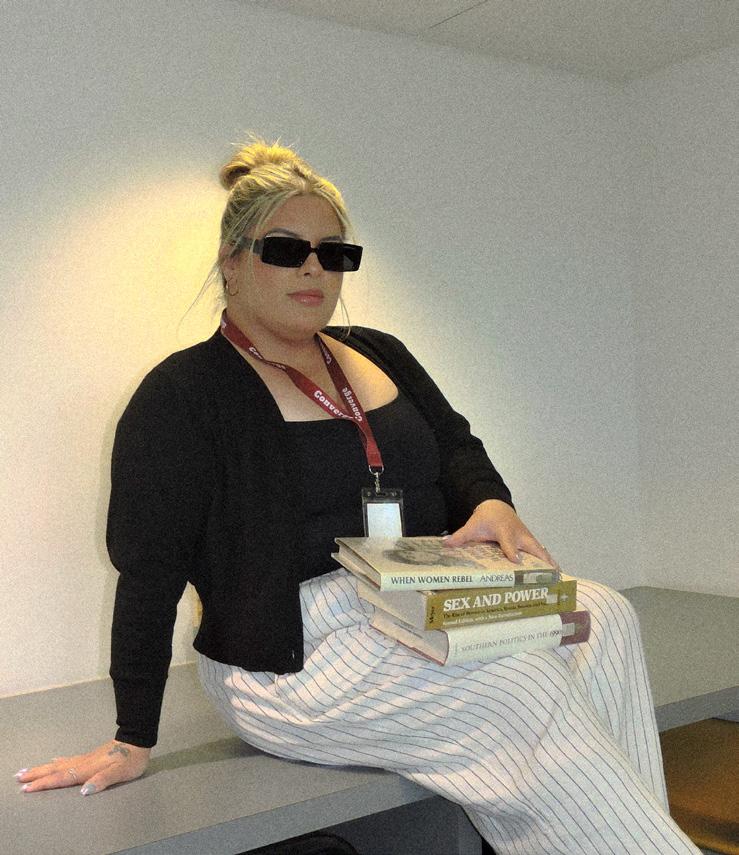
Hey there! Once again I am Angela Torres, this semester’s Converge magazine editor. This is my last time introducing myself to you all because I am now graduating and leaving this chapter of my life. Although each ending of each magazine has been bitter sweet this one is especially melancholic.
Our goal for this magazine was to help our readers identify the meanings of love, lust, passion, and devotion through stories of people from our Kern Community basking within their elements. Whether that be their relationship, hobbies, businesses, or their preferred art forms. I wanted our students to indulge in defining words that matter and hold weight when defined with connections.
I feel honored to once again bring you a new issue of Converge and showcase all the hard work our staff has put into the 8th issue of Converge. This magazine wouldn’t have been possible without this semesters staff writers, through their rigor and dedication they once again bring you quality work. Our advisor Bianca Moreno has been by our side through this whole process giving us positive reassurance and honest but needed critiques.
I feel honored to have been able to experience and lead my teams’ stories from start to finish. We started with an idea and finished with a quality product. We hope that by the end of this magazine you are able to feel a deeper connection to the words: Love, Lust, Passion and Devotion.
In Converge, we strive to promote our communities’ artists, businesses, and also share stories that will make you feel through our words, pictures, and designs. Converge has had sven issues, and with each issue, we get a step closer to our goal of sharing our small but resilient Kern County community.
Whats up! My name is Zachary Trevino and I am so excited to have been a part of being able to deliver to you all the next issue of Converge. I fell in love with this artform so much during my pervious semester writing for the magazine.
I knew I wanted to give it my all in my last hurrah before I move on to the next adventure life has in store for me.
When we sat down and planned the theme for this next issue, I wanted to think of something that would be multidimensional and allow for our writers to flourish in their own special ways. Coming up with the theme of combining love, lust, passion and devotion was a celebration of people and the many unique ways that they choose to express themselves.
While I would love to stand here and take all the credit, the best part of this position has been being able to see the staff that we curated be able to come together and create works that are emotional, beautiful, and all feelings in between. I get emotional thinking about all of the great work that will come of these writers and count my luck every single day that I had the ability to spend this short time with them.
I also would love to give special shout outs to my amazing adviser, Bianca Moreno. She has been the person who has believed in me the most and saw the potental that I had not when I began. It was through her guidance that I attribute a large amount of my success.
Converge has been something not like anything else I had done before. A beautiful canvas to tell incredible stories is something that is truly a gift that comes by once in a lifetime, and it has been a gift that will stay with me for the rest of my life.

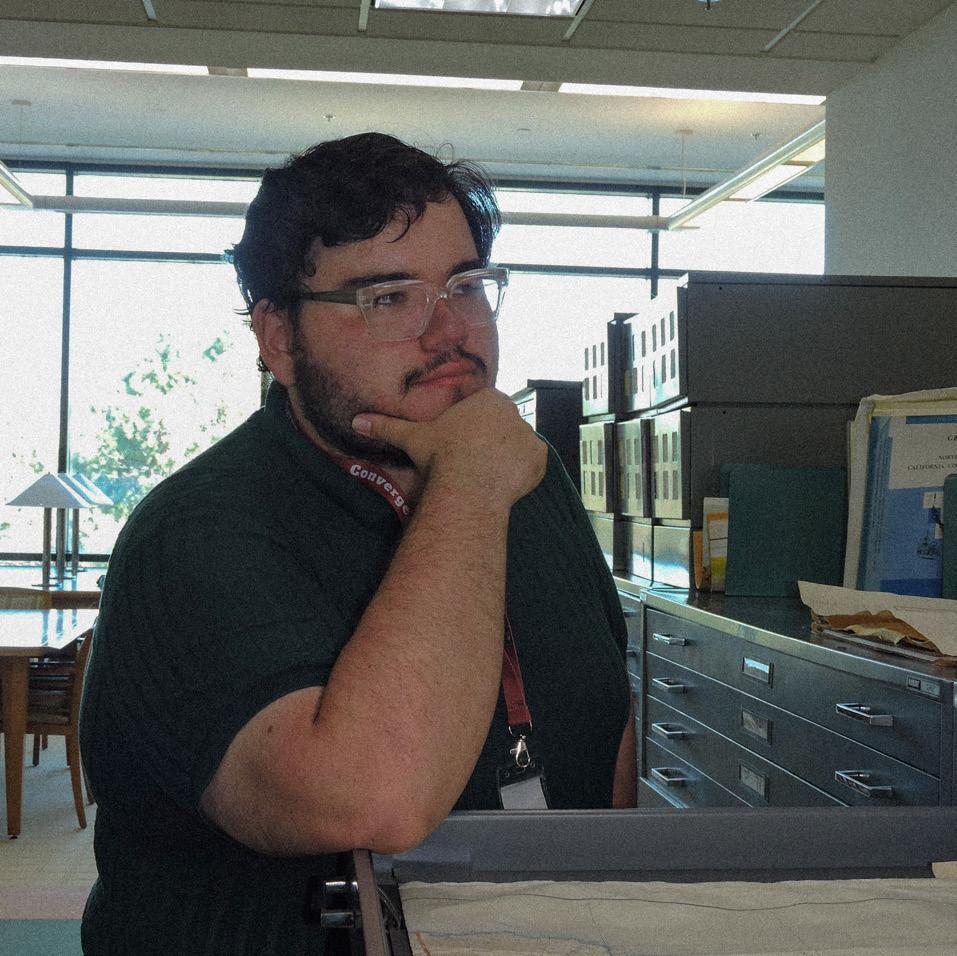
& Zachary Trevino

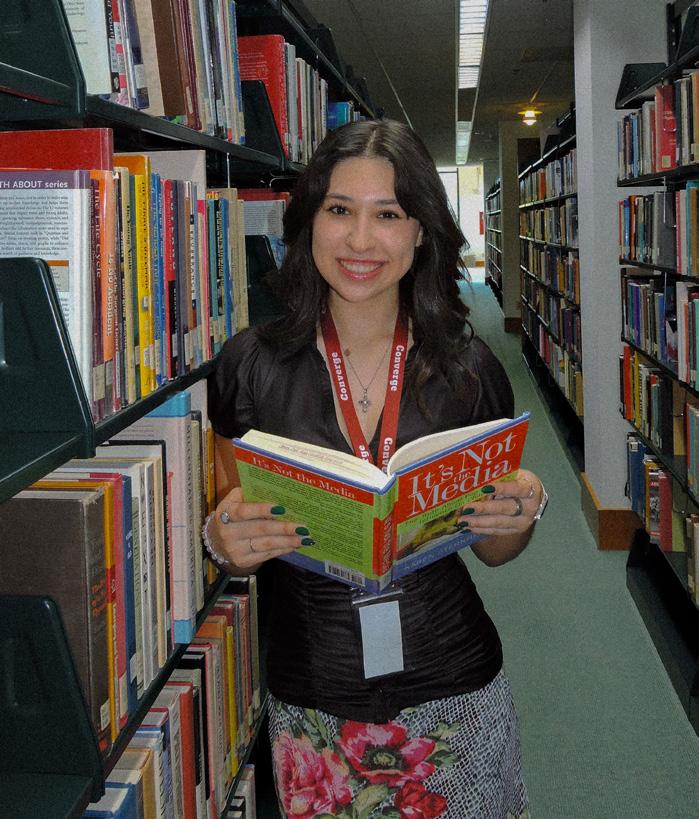
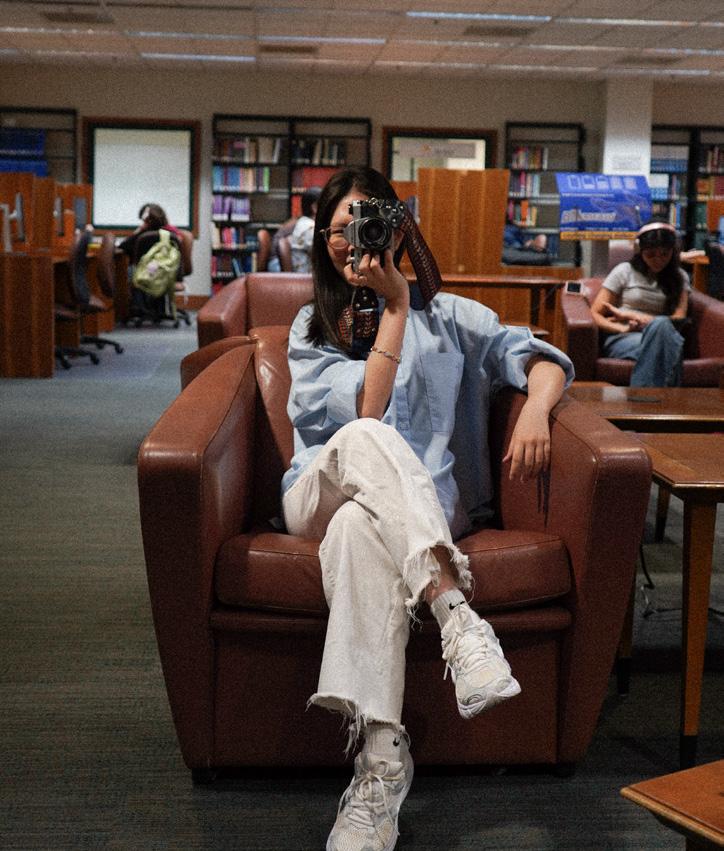
Converge Magazine’s mission is to inspire readers by sharing compelling stories that explore the intersections of art, culture and community, fostering deeper understanding and connection in a diverse world. All stories, artwork and most photography in the magazine are produced by students at California State University, Bakersfield. Converge is a product of The Runner, the independent student newspaper produced as a learning lab in the Department of Communications at CSUB.
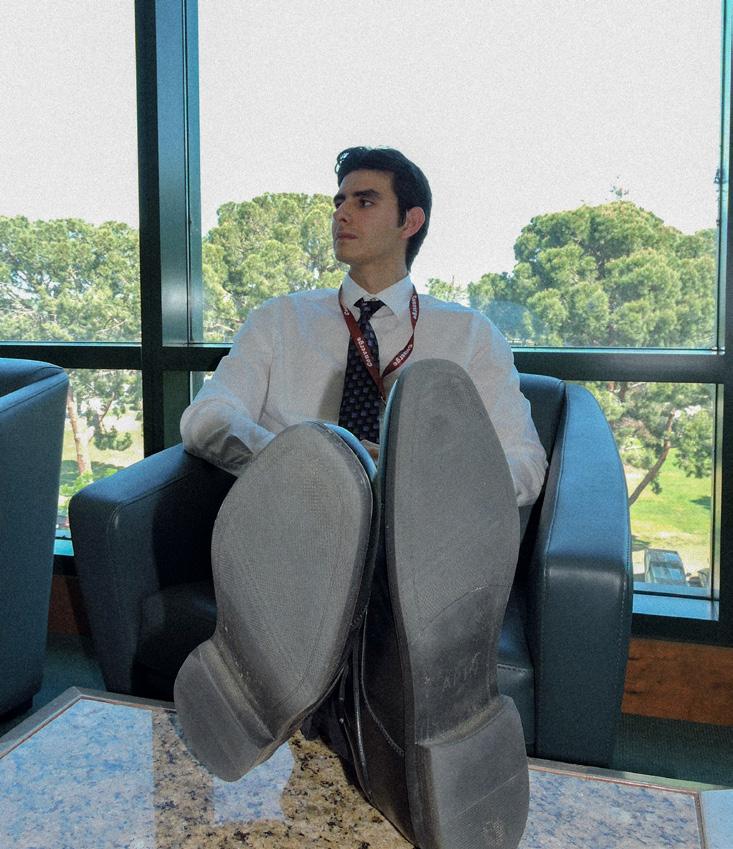
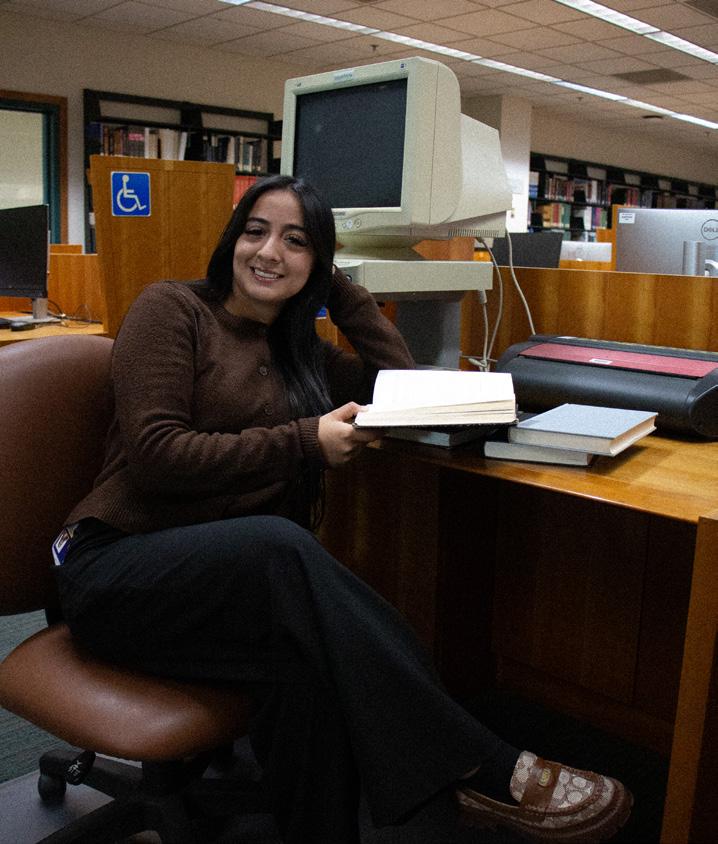

2026
For tips, corrections, or other editorial inquiries: Email runner@csub.edu, DM us on Instagram @convergemagazine
4|Spring 2026
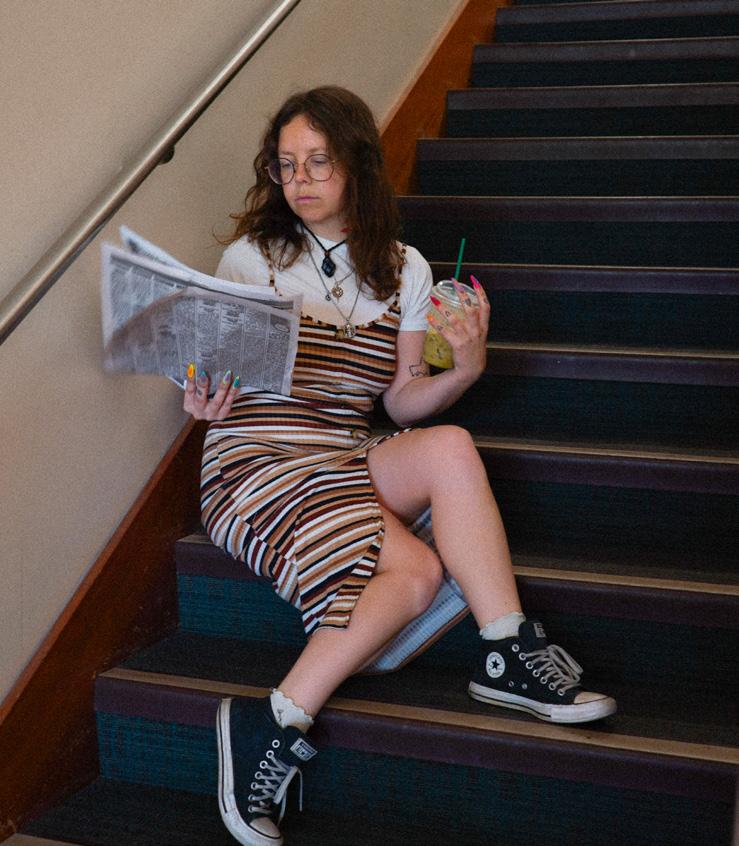
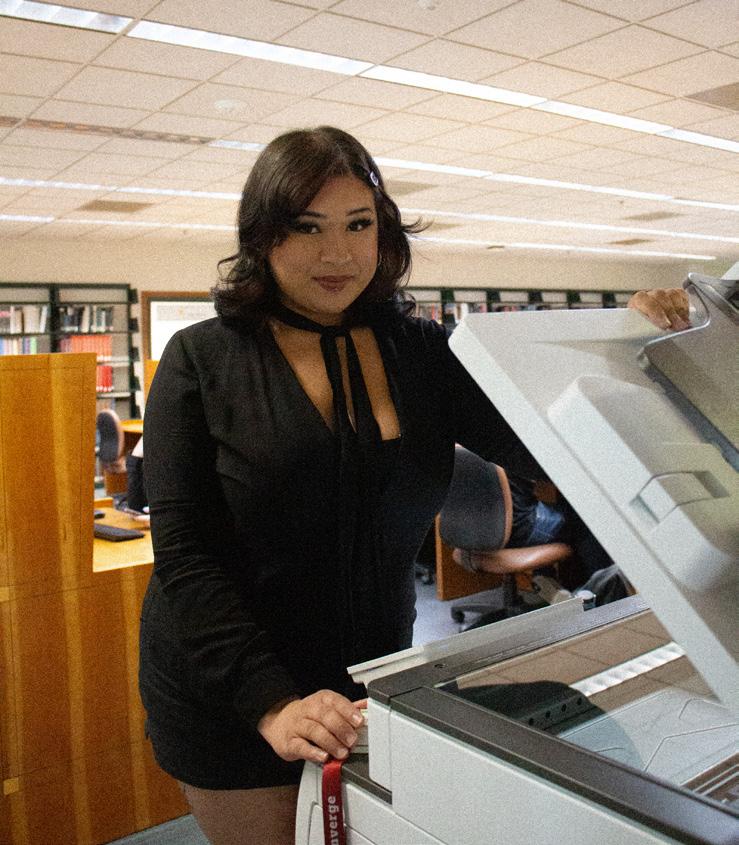
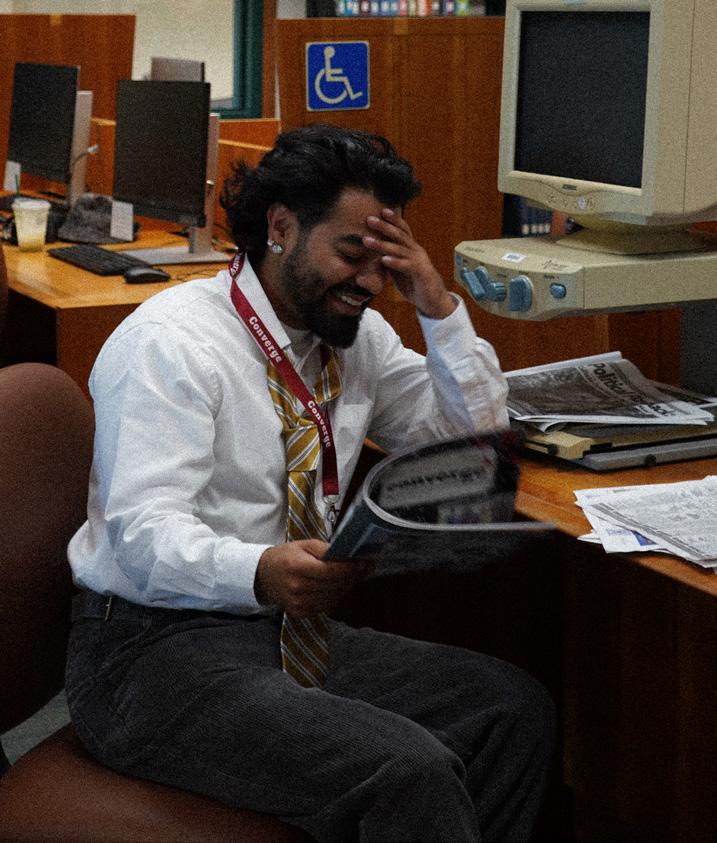
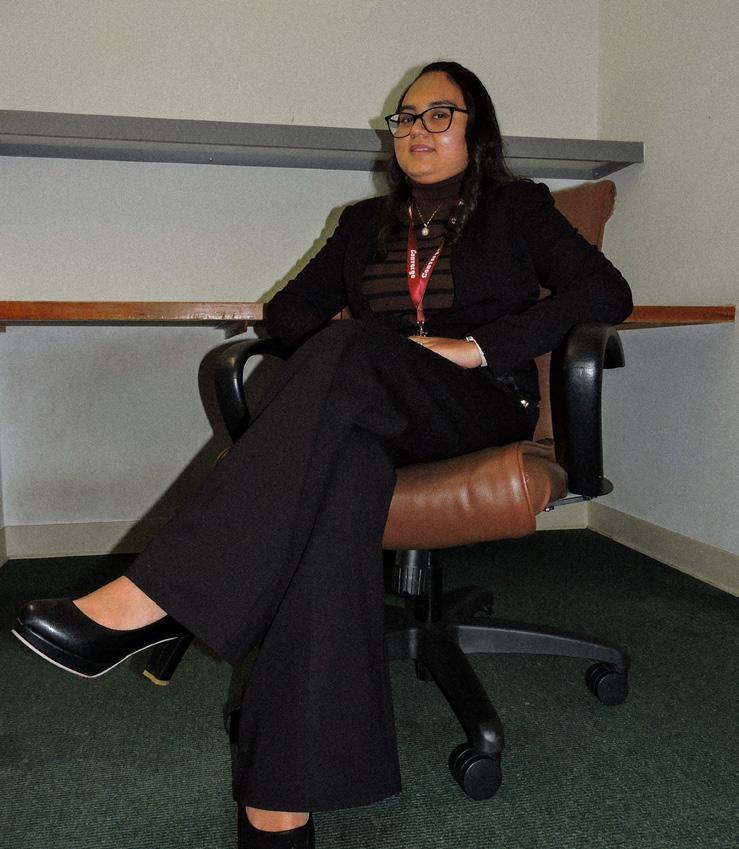
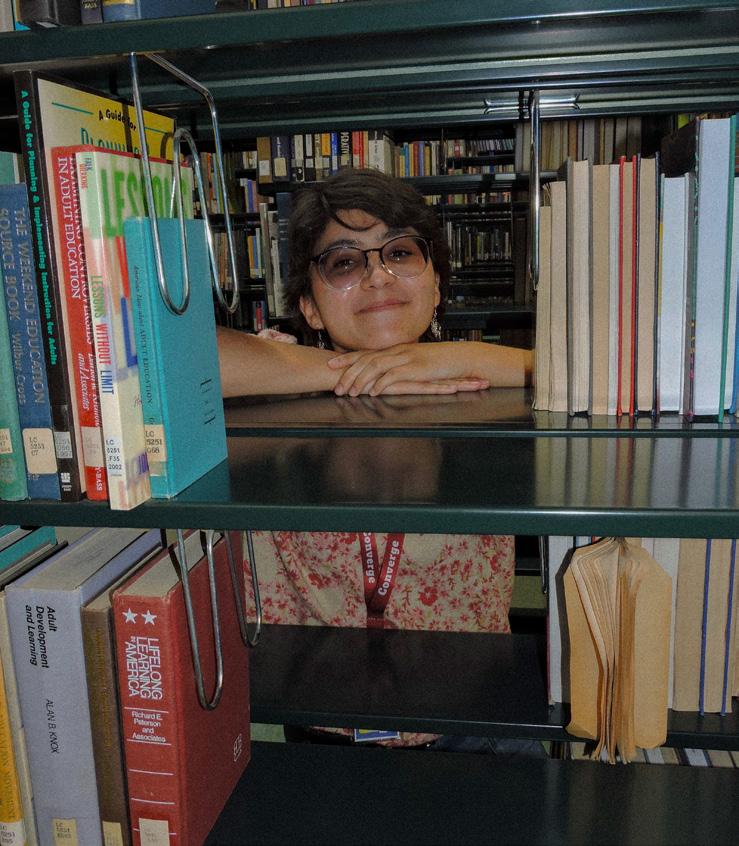
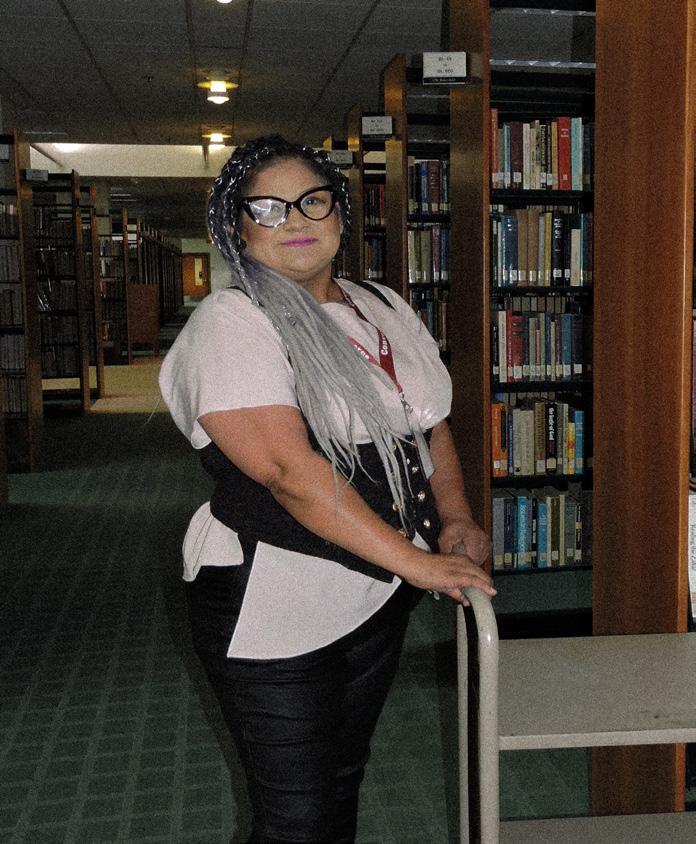
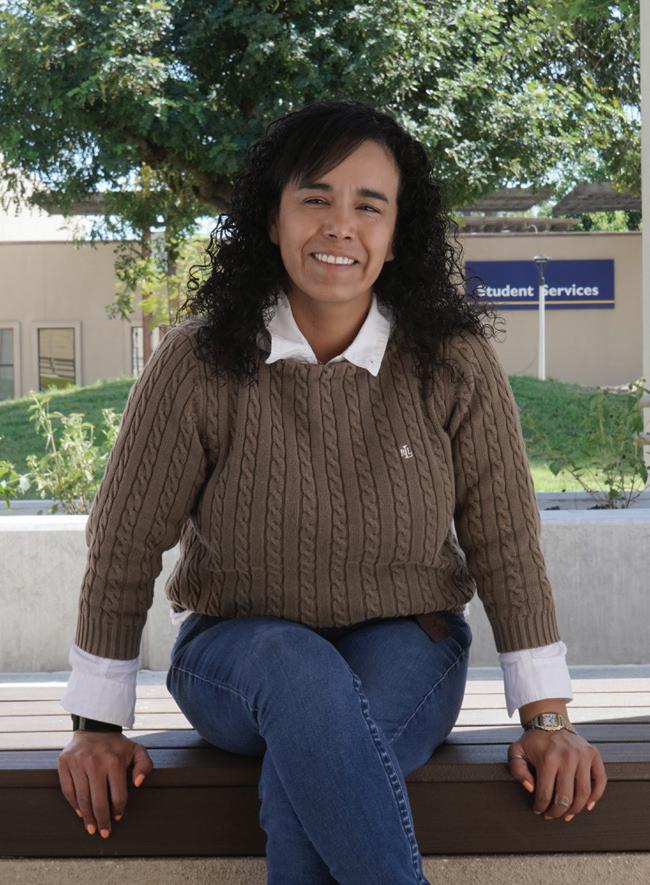
Adviser - Bianca Moreno

I’ve had the privilege of watching the growth and beauty of Converge unfold. I’ve learned alongside them and reflected on my own experiences in the process. Throughout the semester, the staff has interviewed, written, designed, and put their heart into it in so many ways. I watched every moment with a smile… and, admittedly, a little stress. As this magazine comes to a close and each element was meant, I can’t help but feel both pride and heartache as many sign off for the last time. The bittersweet part of advising is seeing the fulfillment of everything they have accomplished, while also feeling the weight of letting go as some graduate.
To Angela, thank you for continuing to advocate since that first year I met you. I’m grateful to end this chapter by your side. And Zachary, seeing the editor you have become has made me smile.
To the staff, thank you for inviting me in. It has been my favorite part of this job and has only enhanced my passion. And to our interviewees, thank you for trusting us with your stories and letting us be part of them. To our audience, take your time with this magazine and soak it in. This is why investing in these spaces matters. May we continue to build them and remain in awe of the work they inspire.
It has been a privilege. That’s all.

Spring 2026


Story by Sophie Nava
Do you like rap? How about pop? Maybe rock is more your style? What about country?
All these genres are important in their own amazing way. Music diversity is what allows all these genres to exist and thrive on their own spectrum. It can describe the many different genres of music, labeled or not, that exist. Not only is it important to artists, but also listeners. Music diversity and the creation of genres is valuable as everyone is able to find a place of belonging and community. If a new artist is trying to reach out to grow their following, the best way they can do that is by reaching a bigger audience of another similar artist. This is easily done by the community a genre can create.
Music is known for bringing people of all different places together and creating a community among listeners in specific genres While some of it can be strongly opinionated thoughts, people are still coming together to celebrate the art form that is music. And while oftentimes people argue over one genre being better than others, they really can’t exist without each other as most recently, we’ve seen collaborations between the most random genres you normally wouldn’t expect to see. For example, Mexican artist Carín León is well known for collaborating and incorporating different styles in his music. Most recently, he has collaborated with country artist Kacey Musgraves for their song ”Lost in Translation.” which has in turn created a place of where artists can feel free to collaborate with other artists in their genre and make something that is better than the sum of their parts.
There are so many genres that are well known but there’s also many that are often overshadowed. According to the Grammy Awards, there are 11 genres that they give awards to but there is definitely more diversity out there. Some of the 11 the Grammy’s recognized categories are, pop, dance/electric, rock, alternative, R&B, rap, country, and latin. Just in these eight listed there are more that can branch from these general categories. Not only can they mix such as alternative rap, but they can also become hyperspecific. Which is the creation of micro-genres such as bedroom pop, indie, and latin trap. Many artists have found a sense of pride in coming from a micro-genre like Bad Bunny, a now globally known artist. But while some artists take pride in their genre, others can feel confined to a specific one. Other artists such as Tyler, the Creator, who after being nominated and winning Best Rap Album in 2020 for his album “IGOR” stated the discomfort he felt in receiving the award in the rap category specifically The album itself is exactly how Tyler,
the Creator described it, it is genre bending and doesn’t fall into a specific category. There are many songs that feel R&B or switch up to give off a more rap vibe. It’s his most unique album to date because of the genre diversity it has.
He stated in an interview after the win, “I’m half and half on it. On one side, I’m very grateful that what I make can be acknowledged in a world like this, but also it sucks that whenever we – and I mean guys that look like me – do anything that’s genre-bending, they always put it in the rap or urban category.”
For some artists, while they find comfort in the idea of their genre, others can feel disappointed and categorized in being placed in something they feel they don’t represent. Which is exactly why music diversity and genre fluidity is so important in the first place. With genre fluidity, artists also don’t have to feel restricted to make one specific type of music and can feel free to explore the bounds of other genres. Such as Post Malone who has commercially dominated the rap field in the past and is now happily thriving in country. Similarly, artists like Faye Webster are bringing in different genres to compliment their own style. Faye has worked with rappers and orchestras and each time it adds exactly the specific vibe the song needed. Another example of this is A$AP Rocky, who recently in his new album incorporated more rock and jazz elements in so many of his songs. This created a beautiful diversity that made every song on the album feel different. Genre fluidity allows more creativity for artists to grow and develop their sound which as a music listener, is all we ever really want from our favorite artists. Music diversity is important, whether you are a listener or an artist, because not only does it bring a sense of belonging but also a community. It creates a space where people can experiment with the magic of a sound and easily venture into whatever their creative hearts desire. Music is such an important aspect in so many people’s lives. It has the power to do monumental things and by having music diversity, everyone can feel, create, experiment or learn something new. If none of that persuaded you to branch into a new genre, maybe this playlist will convince you to try something new.
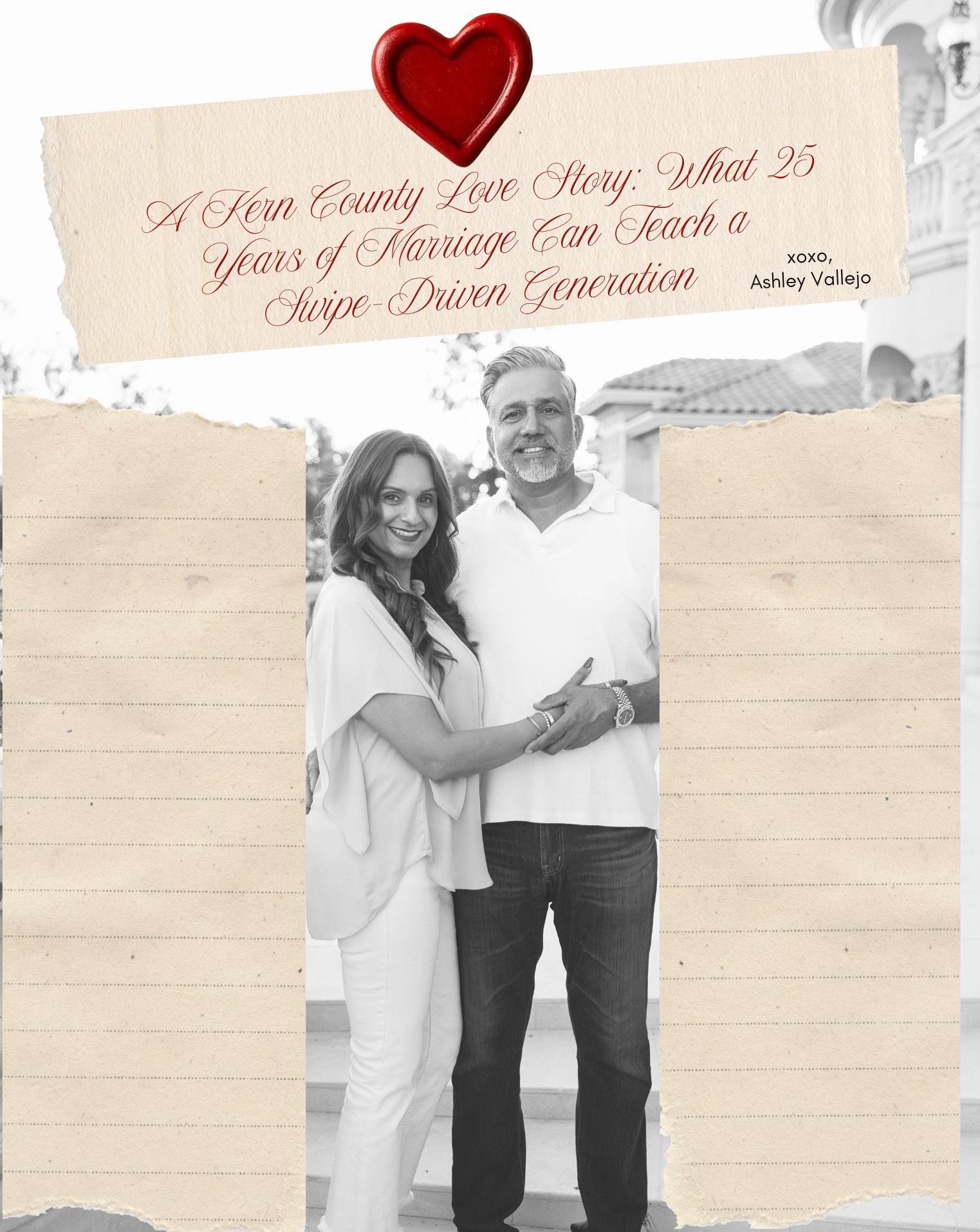
On a quiet morning, before the rest of the house wakes up, one cup of coffee waits.
“I don’t want to make my coffee until she’s up,” Babu Brar says.
After more than two decades together, love, at least for them, has settled into moments like this: small, intentional, and shared moments. In an era defined by dating apps, digital connection, and what many describe as emotional distance, their marriage offers something increasingly rare; a story of love that was not only found, but fought for, built, and sustained.
Raji Brar, 50, is a first-generation Punjabi-Sikh American and co-owner of Countryside Corporation. Born in Fresno, she moved to Bakersfield at 11, leaving behind extended family but gaining exposure to a more diverse and cultural landscape, except with fewer people who shared her own background. Babu Brar, 51, also co-owns Countryside Corporation. Born in India, he moved to Fresno at age seven and later relocated to Bakersfield, after finishing his senior year of high school. Though neither are Bakersfield natives by birth, their families are deeply rooted in the region, having worked as farm laborers during the agricultural labor movements that shaped Kern County and surrounding areas. Their story is not just one of romance, but of migration, identity, and generational progress.
Their paths nearly crossed long before they ever met. Their families knew of each other back in India and remained loosely connected after immigrating to California, part of a Sikh community spread across Fresno,
Yuba City, and Bakersfield. But it wasn’t until a Punjabi concert in Sacramento in the 1990s that their love story really began.
Among a crowd of young people “thirsty for culture,” Babu spotted Raji with a cousin he recognized. Encouraged by a friend, he walked over and introduced himself, delivering what Raji later described as a “cheesy” line, but one memorable enough to leave an impression.
Nothing came of that first meeting. Not yet. A year later, after Babu moved to Shafter, fate intervened again, this time in the most ordinary of places. Raji was working at her father’s convenience store when Babu walked in, not realizing she was the same girl from the concert.
It wasn’t until weeks later, after reconnecting through Raji’s brother, that their relationship truly began to take shape. What started as a group friendship, long summer days spent together, quickly grew into something deeper. By the fall, they were attending Bakersfield College together. They married at 25 and 26, respectfully.
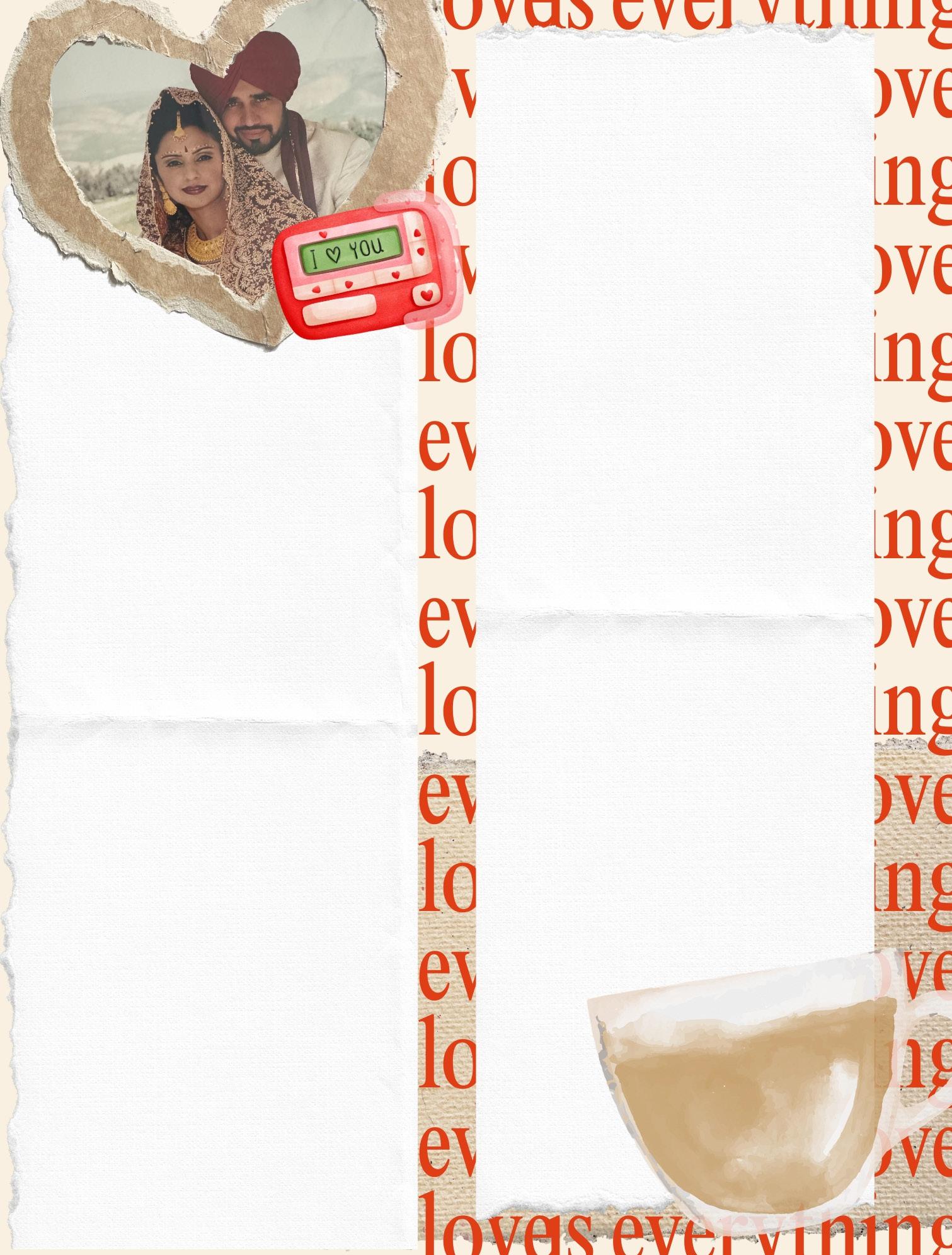
Their relationship didn’t follow a traditional path. In their culture, dating was not the norm, and relationships were often arranged. What Raji and Babu had was what Babu called a “love marriage,” the first in his family. “We broke barriers,” he says. Their love unfolded in secret, shaped by coded pager messages and stolen moments. The challenge of maintaining their relationship under strict scrutiny only intensified their bond. But the resistance they faced was real. Their parents disapproved and at one point, Raji was temporarily disowned. “To stick through that because you know it’s worth
it,” she recalls. “I just knew this is my person.”
Today, the irony isn’t lost on them. The same families who once resisted their union now seek their advice on relationships and matchmaking. Like many couples, their early years were filled with intensity. “I still remember not being able to go to sleep,” Babu says, laughing. “Just tossing and turning… I’ve got to get to sleep!” “We couldn’t help ourselves,” Raji adds. But after 25 years of marriage, they are quick to point out that the “real love” came later, after the honeymoon phase faded.
For their 25th anniversary, they didn’t plan anything extravagant. They went to church in gratitude, shared pizza with their children, and spent the evening at home. To them, it was perfect. Love, now, looks like consideration. Like waiting to share coffee. Like offering to move a parent into your home so they’re not alone. “That’s love,” Raji says.
Ask them how they’ve maintained their bond over decades, and their answer is simple:
“We’re each other’s champions,” Raji says. There’s a system of balance between them, a pairing of support with accountability. They believe growth is necessary, but it has to be mutual. “You need that in a partnership,” Babu adds.
In a time when many marriages end within a decade, their perspective is shaped by both experience and intention. The challenges they faced early on such as cultural resistance and family pressure, helped strengthen their commitment. They emphasize though, that parenthood brought its own test. “You have to understand that your children didn’t ask to be here,” Raji says. “You wanted them… so there’s a commitment that comes with that.”
For them, commitment extends beyond emotion and becomes responsibility when they embark on their journey of parenthood.
Today’s dating culture looks vastly different from when they met. With dating apps now a dominant way people connect, the couple worries something essential has been lost. “I think what we’re losing is human touch,”
Raji says. They speak of a generation experiencing dating fatigue, loneliness, and a reliance on digital connection. To them, phones and social media can act as a “security blanket,” preventing people from taking emotional risks. “We hope our kids get to feel that pitter-patter,” Raji says. “When you see someone… isn’t that what life is about?”
For Babu, love is something larger than choice. “Love finds you,” he says. “What are those chances? And who put those chances together?” Their story of near encounters, shared geography, and timing, feels to him, like fate. Raji agrees, though her certainty came quickly and instinctively. “Three months in, I knew,” she says. “I could never be without him.”
When it comes to modern relationships, they offer two perspectives. Both different, but complementary. “People are more selfish now,” Babu says. “They commit to themselves more than anyone else.” Raji sees nuance in that shift. “That can also be good,” she counters. “There was a time when women had to sacrifice a lot for the sake of marriage or kids… There’s more self-love now.” Together, their views reflect a broader truth: relationships today are evolving, and so is the meaning of commitment.
If there’s one thing they agree on without hesitation, it’s this: “We’re best friends,” Babu says. “He was like home,” Raji adds. “Familiar. He was the culture I longed for.” Their connection extends beyond romance into something strong and solidified. Shared understanding, conversation, and mutual respect.
After 25 years, success in marriage isn’t measured in grand gestures, it’s waking up and wanting to share the day with the same person. It’s never dread coming home. It’s growing together, holding each other accountable, and building a life that feels full. “I can’t wait to wake up and have coffee with him,” Raji says. “It sounds so cheesy, but we just really enjoy those moments.”
For younger generations navigating modern relationships who wonder if marriage in the modern world is built to last, their message is clear: “I do think it’s realistic,” Raji says. “You have to be optimistic.”
In a world that often feels fast, fragmented and uncertain, their story offers something steady, a reminder that love doesn’t just happen once. Love evolves, deepens, and, if nurtured–it endures. And sometimes, it starts with something as simple as a conversation… or a cup of coffee waiting to be shared.
Photos by Jonathon Cortes

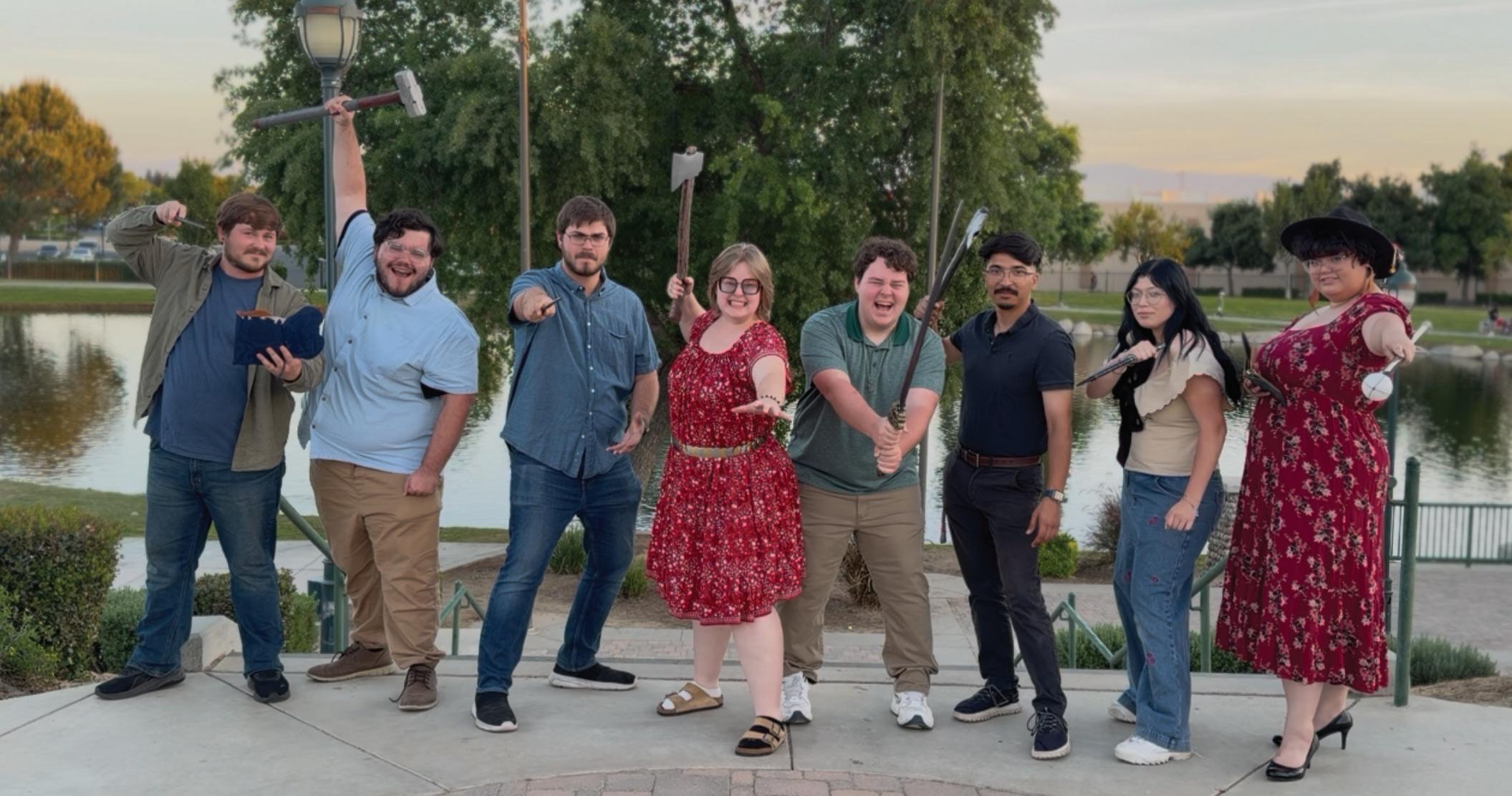
Sunday is often seen as the final day before the work week kicks back into high gear, so for most, it’s the perfect time to unwind. But for myself and a select group of others, Sundays are the most exciting–they are the days that everything we work for comes together and we truly get to shine.


Story and Photos by Zachary Trevino
aspects of my life that I truly have come to be lieve has shaped me as a person. It has created connections amongst all players that run incredi bly deep.
“I could play D&D for the next 20 years and never play a game that was quite like the last,” player Miles Miniard states.

outcome for whatever choice they make, they roll a 20-sided dice to be able to see how well they do in said action. The players are not unguided in this journey as there is one person who is at the table, but not playing the game as they are the nucleus of the story known as the Dungeon Master. At my table, that person is my dear friend Zach Nelson.

For the last five years had the opportunity group regularly playing the game Dungeons And Dragons. It has become one of the foundational
The medium of D&D, and all other games like it, have exploded into the modern zeitgeist through popular pieces of media such as Netflix’s “Stranger Things” and the growing livestream series “Critical Role.” However, mass enjoyment from this game is not found through the consumption of mass media outlets, but the many small subsets of individuals that congregate and sit around with dice in hand and endlessly expanding the world in their mind.
For those uninitiated, the game is basically improv with rules where you have a set of players who make characters, normally in a fantasy setting, and act in the ways of those characters. When it comes to determining an
“My goal is for the players to be having fun and enjoying the story I made for them…I guide them on a journey as to what their character’s backstory is and what it means to them and it really is tailored to each person,” Nelson said.
On the other side of the table, the players have just as much of a hand in crafting a narrative in the illustrious sandbox provid ed to them as the DM, but in much more of a reactionary way. You have the ability to craft a narrative as a group that can last as long as years where you begin with rather scrappy




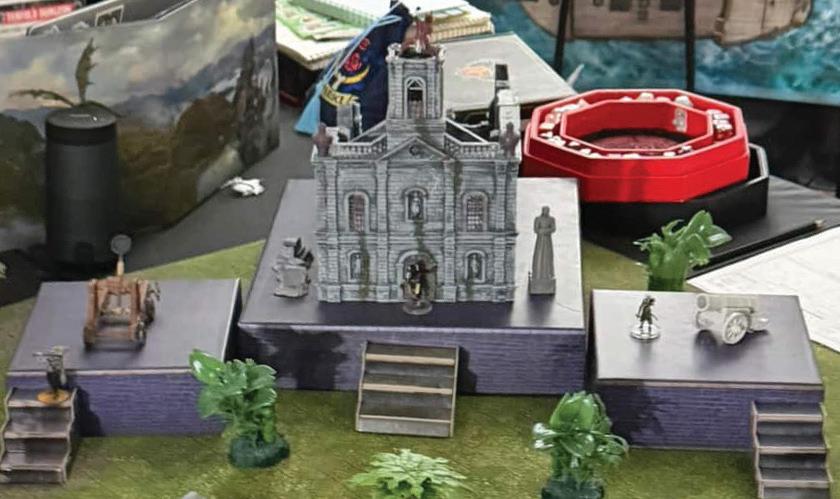
A battle map made by Zach Nelson where the party fought at an overgrown cathedral small-town adventures and through trial and tribulations become powerful enough to rival the power of gods.
“[The best part is] the endless possibility of it all. You can really do anything. One session you can be just super involved and running the main part of the story…then the next session, you can observe the actions your friends take. It’s all endless,” fellow player Mathilda Suorez states.
One favored aspect of this game is how much a character can stand as an extension of whoever is playing them and how vulnerable you can be opening up to the people you care about. It is a great branching point for those that are less inclined to be normally outgoing, as they have a factor of control that isn’t present in other outlets. At the end of the day, they are surrounded by supporting people who only want the best for all.
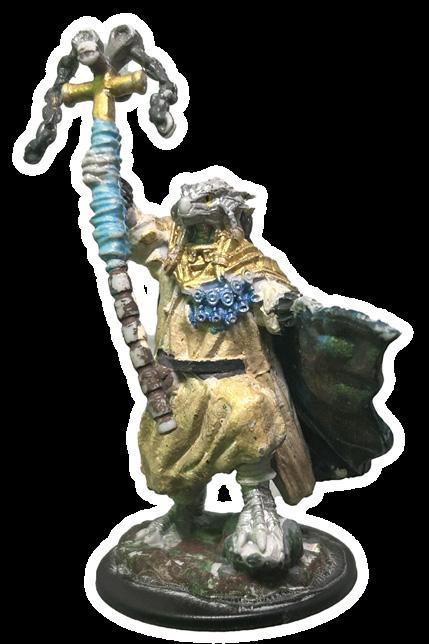
each character different, but they’re also me,” player Rachel Woodard states.
More than anything created in the game, the best thing that has come from our years together has been the strengthened bonds that

“My characters end up an aspect of my personality…it’s a mix between that and just what I feel this character has gone through, and how I would feel she would take in new information. I try to make

amongst us all. While our characters are celebrating victories of overthrowing prisons and felling dragons, us, the players, are celebrating birthdays, vacationing, and attending group members’ weddings together. All of this is not done just for the sake of telling a great story, though that is a perk. We all dedicate so much of our time because this, at its heart, is being able to spend quality time amongst friends.
“[It’s] like you’re living lifetimes with the same six people five times over. You learn to become more comfortable and you just get to know these people, and now I can say that these are the best friends I’ve ever had,” player Joseph Jaquette said.
I cannot imagine living a life where I am not able to do what I do with all of my friends, and if you were to ask any of them, they would sing a similar song. In this game, my characters
have learned, loved, and lost, but in the real world, I have only gained something invaluable. I am proud to say I have friends that I love and cherish deeply, and would go to the ends of the earth for.
“This friend group is probably the closest I have been with a friend group in my life. And honestly, I hope to keep them, they are wonderful friends. They irritate me, sure, but they’re amazing,” Woodard states.
We all began playing this game in 2021, and we all have changed a lot since we began. When we first picked up the dice most of us were freshly getting out of high school. As we stand now, most of us are circling the end of our time in college. This game and the people we’ve surrounded ourselves with have been the backbone of our lives and we have all grown into the people we are due in part to this hobby we all share. There will be a day when we all won’t be able to crowd around a table to valiantly talk about our missions and conquests, but the moments, the laughs, and the victories we share will always be something we carry with us.

***
Spring 2026
Story by Penny Lanae

An increasing phenomenon where you can fill your sexual desires without the extra commitment. The real question is on how to define “friend” in this type of situation. What qualifies this person to be the right choice to have sexual relations with, without the emotional commitment? Do friends with benefits actually work or does it end up in a one sided situationship? What does it take mentally to have a successful friend with benefits? In modern day, friends with benefits seem to amount to different outcomes that are due to two types of mindsets. These mindsets are: someone who fears emotions and someone who is secure in their emotions.
The longing to feel someone next to you. To have casual conversations and feel attended to. To feel a facade of love even if it’s temporary. To imagine for an hour, a night, that this dynamic could turn into something more. To feed into the delusion that this small seed of intimacy will incrementally nourish your perception of love, hoping to keep it alive. In the moment you feel cared for. A body-to-body sensation that distracts your mind from the deeper truth of your reality. As your routined days continue on, your phone is empty with inconsistency, yet filled with the feeling of convenience. That temporary desire waters your cup, but does it water your mind?
If both people are secure in their emotions and have awareness of where their priorities lie, friends with benefits can work for both parties quite well; you can even say it’ll flourish. Due to having emotional security they are able to approach the situation honestly and with transparency. This requires being genuinely honest with yourself in where you’re at mentally, emotionally, and physically. If both parties have this form of self-awareness, their type of friends with benefits will look a lot different from the latter; someone who fears emotions. Someone who fears emotional intimacy is less likely to want to partake in activities as well as have as many conversations a secure pair would have. For someone who avoids emotional intimacy out of fear, a friend with benefits allows them to still have physical intimacy. This situation helps them keep a safe distance from forming a deeper connection that requires vulnerability they are not ready to experience. From both sides, it is human nature to crave intimacy with another person.
“Friends with benefits” can be just a phrase that drips with the word “uncomfortability.” It’s uncomfortable to wear your heart on your sleeve. It’s uncomfortable to trust another person’s said intentions. We are human, with very complex emotions. At the end of the day we all yearn for love, to be seen and heard, to feel safe and protected. Lust is the easy way out. “Friends with benefits” for most people is just a situation that’s soaked in complacency. Emotional distance feels safe. The aspect of being okay with accepting the bare minimum and ignoring the shadows within you, that hide your heart underneath your comforter, deep beneath your sheets. You convince yourself that you are fine with just sex. Your heart is saying one thing, but your nervous system wants the quickest and safest way to experience intimacy. A hard truth? Look a little deeper within yourself and others, everyone’s scared to open their chests and be vulnerable. We’ve been hurt before: rejected, abandoned, and used. We’ve deemed love to be scary and settle for lust. Are the nights with someone running their fingers through your hair, caressing your body, and listening like they care worth it in the end? Or is it time to take the risk, romanticize life, and leap back into love?
Story by Penny Lanae
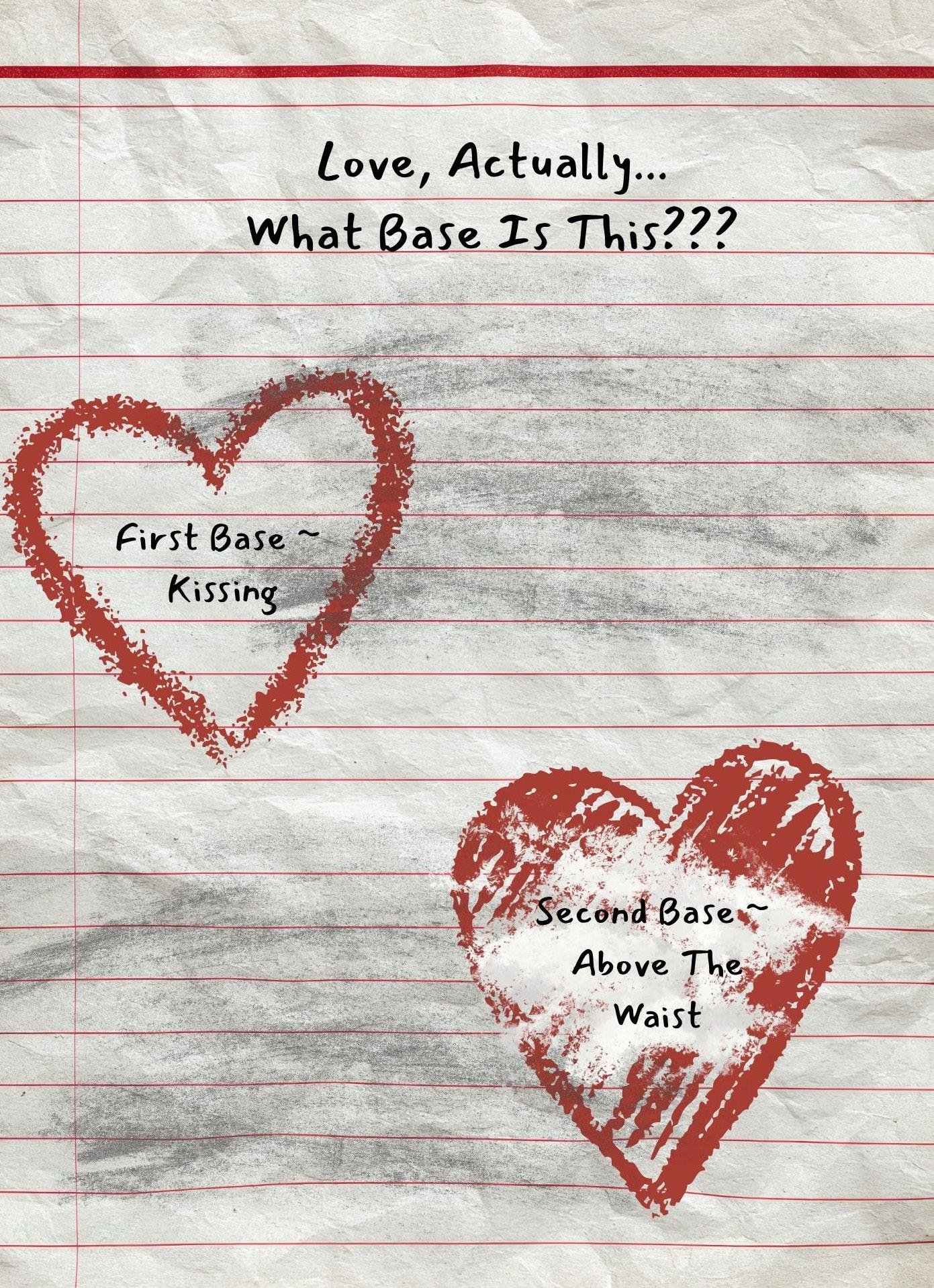
Things get a little more sensual when we move onto second base. Second Base can entail anything above the waist! The second sexual sensation can be categorized as touching their hips, caressing their arms, chest, or breasts. This is where the bases become more intimate and can occur after date 3, 4, or whatever you desire. However long or quick it comes to reaching second base, this is close to third. Always remember, consent is important and asking questions is hot.
Dating can definitely be awkward when it comes to the aspect of bases. Most of the time, this term comes up in Junior High or High School but do any of us really know or remember what they are? Are bases in dating even a thing still or do people bypass and go straight for the homerun? Whatever your cup of tea is, I am here to fill in the holes and spread some knowledge on bases and what this can entail!
We can all assure each other first base is kissing. However, kissing doesn’t mean you’re dating, but we can make kissing more meaningful by changing how soon we kiss someone. First Base in dating means you’ve been on a couple dates after getting to know each other, maybe even the first date, kissing can become passionate or simple. You feel that connection enough to where you’re willing to lock lips. This could be a sweet simple smooch or even a passionate French kiss. This can often lead to pursuing a more romantic relationship leaving you with butterflies in your stomach.
After you understand your partners turn-ons and turn-offs above the waist, the desire for Third Base gets steamier. The sexual indulgence to please your partner with third base can prolong the occurrence of the most intimate and sensual base that we will get to later. Below the waist can be touching and fondling or oral sex, so make sure you’re clean! On top of this, make sure to go slow–foreplay shouldn’t be skipped or fast. Ask questions, see what your partner likes and what they don’t like for the most enjoyable and sensual experience.

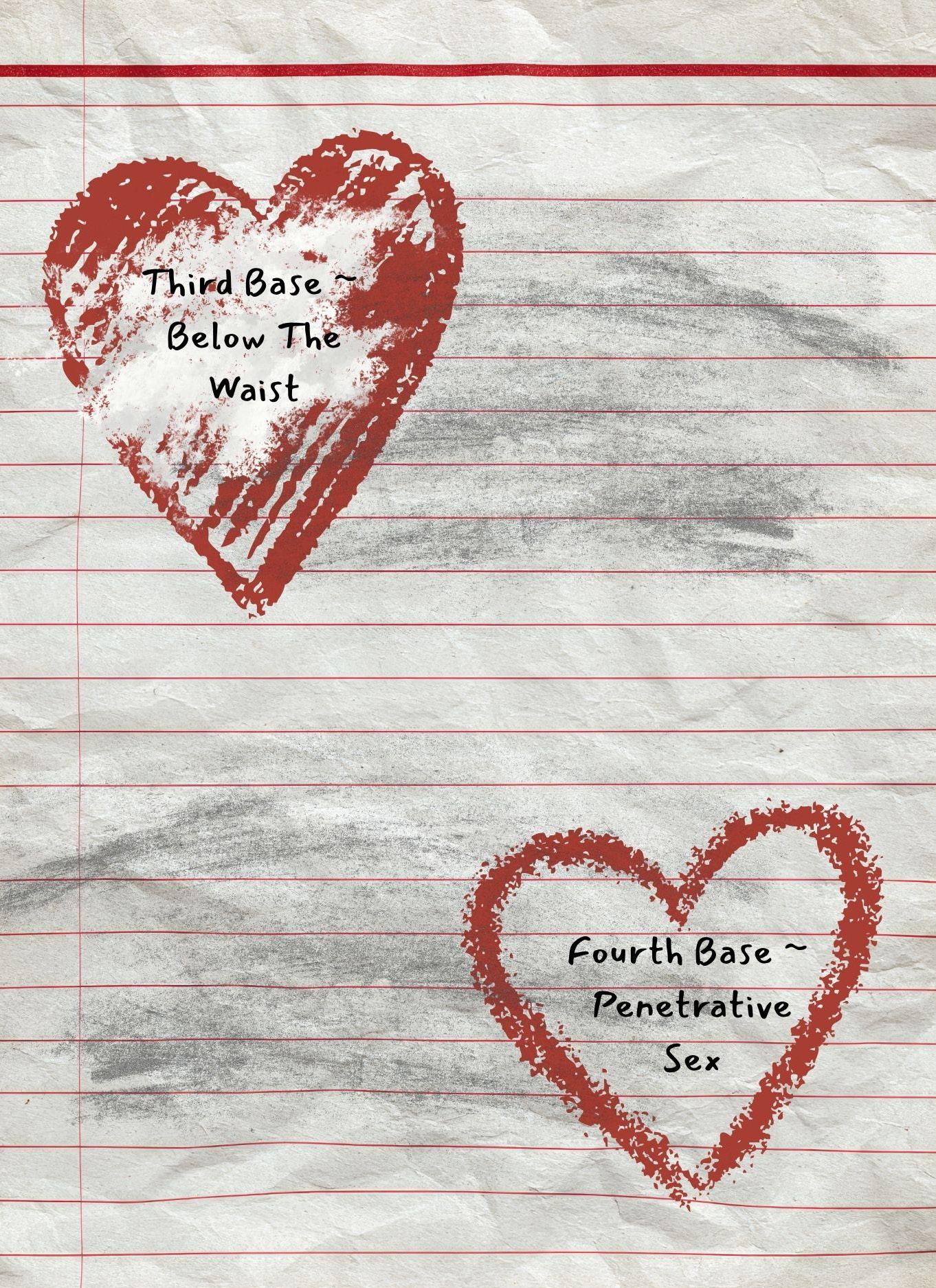
The Fourth Base, otherwise known as a homerun, is the finality to the long run through the bases. This is the most important base when it comes to checking on your partner and being able to communicate open and honestly. Again, ask questions, it is hot! Make sure you are being safe using protection and keeping your hygiene well-attained. Fourth Base is incredibly sensual, intimate, and opens a lot of doors for both of your sexual journeys. Within dating, this is the true moment where trust deepens to new levels.

Story by Kassie Herrera
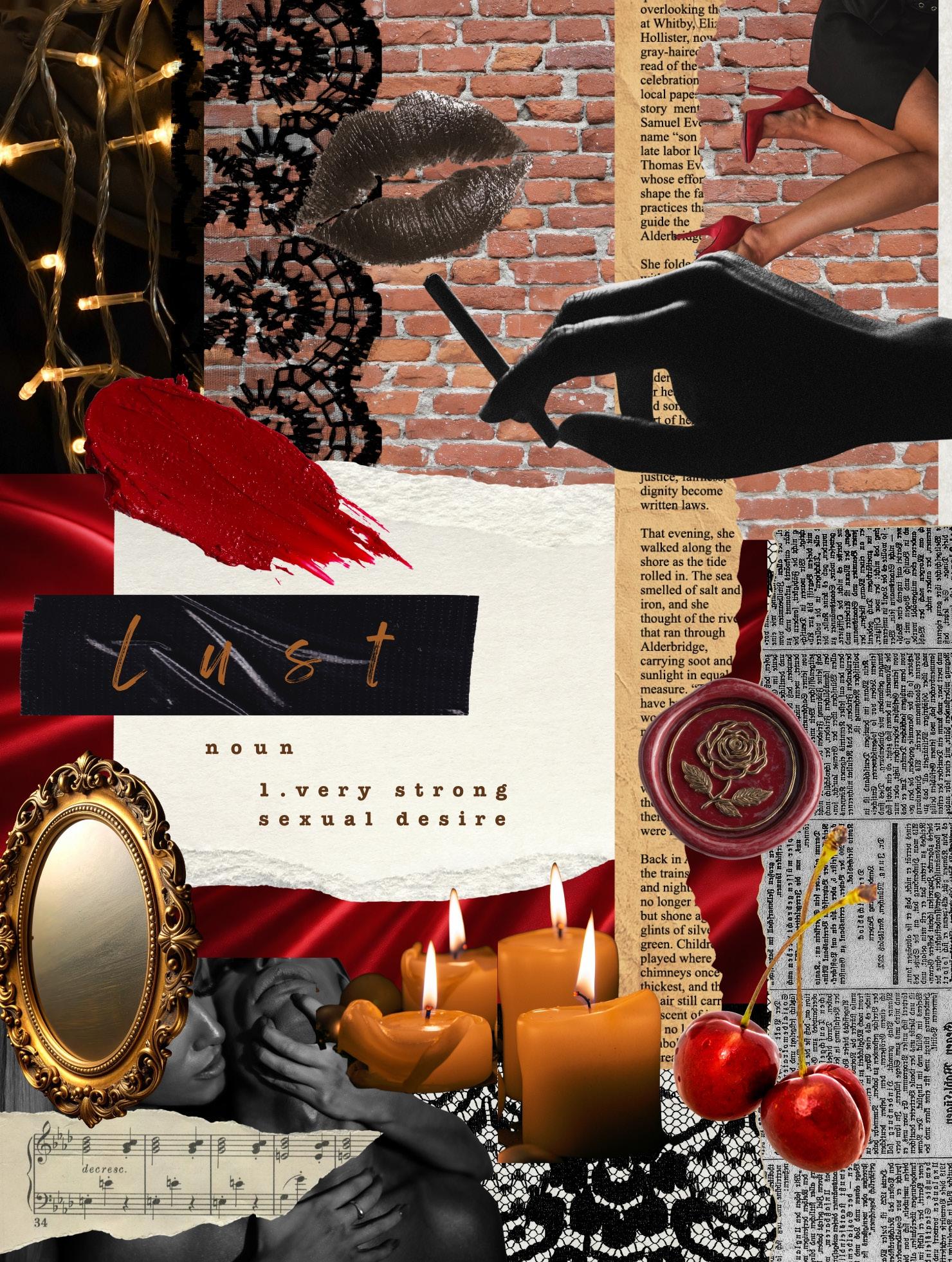
Lust is powerful. Some may even say it has a stronger hold on a person than love does. Others can’t even tell the difference between the two. What is lust? By definition, lust is an uncontrollable desire one can acquire. Love is more subjective but to me love is a choice along with a desire for someone. Although we’d like to assume love is the most powerful feeling a person can carry, it’s not too far-fetched to assume lust is right underneath it if not on par.
In this day in age, lust seems to be more dominant than love. People search for love but don’t always end up finding it. Instead, they get stuck in lust and are motivated strictly through physical pleasure validation from people who don’t matter and value appearances from the surface rather than from the heart. The world becomes an ugly place when love becomes more about physical pleasure than giving someone your all.
Love is like a blanket fresh out of the dryer, so warm and comforting. Love is patient, kind, and understanding. However, loving someone can be challenging. Loving someone can be scary, especially with past traumas and failed relationships. There will always be hardships when it comes to love but, healthy love teaches us that even in those times of desperation and disparity, you can count on one another. Love helps people grow and it brings joy to people’s lives.
“It [love] makes me feel warm on the inside, always having someone to play around with...” Desiree Borroel a student from Cal. State Bakersfield stated.
Lust, however, is the opposite of that. Being stuck in this cycle of lust can be so draining. It’s like always being thirsty, despite the amount of water you drink. Now this isn’t something that happens




purposely. Most of the time, when someone falls into lust it’s because of sexual desires and a want for something simpler.
Hook up culture is also a good example of how people use lust to feel validation temporarily. It is so normalized today for someone to sleep with whoever and however many people they want. In times like that, I find that a person has the most self-hate and feels the world owes them something because no one is willing to do the same for them. That is where love and lust get mixed up with one another.
It’s easiest to assume someone loves you when they are only using you for their sexual needs. Some people will go lengths just to get into your pants. They will play the part of a loving partner, but their intentions are not pure. They know deep down that they are there for one thing and one thing only. They will go beyond measures for you, take you out, compliment you, talk to you all day and night, but once you both agree to “do the deed,” they decide to leave.
“One time I dated this guy for four months, and he was steady. As soon as we decided to, you know, he told me he wasn’t ready for anything serious and stopped talking to me,” said a CSUB student when asked if they’ve ever felt played before.
Sometimes even after loving each other first, relationships can turn into lust. There have been scenarios where a couple has been together for so long and they only stick together because they are stuck in this cycle of lust. Now there is nothing wrong with having these desires and needs. Nevertheless, lust has the power to give off the illusion of a person and only gives eyes to see what you want to see.
With love you see a person fully through their strengths, flaws, fears, and dreams, but you’re still able to be present for them. That’s what makes love so unique and important. Despite all of loves complexities it’s refreshing to the soul.
Lust and love are two of the worlds’ passions and desires. Everyone wants to be loved or in love but it’s not as easy as it seems. Uncontrollable desires, temporary validation, and self-acceptance are all elements a lustful person wants to fulfill, even if that means breaking a few hearts along the way.
Story and Photos by Mariana Abad
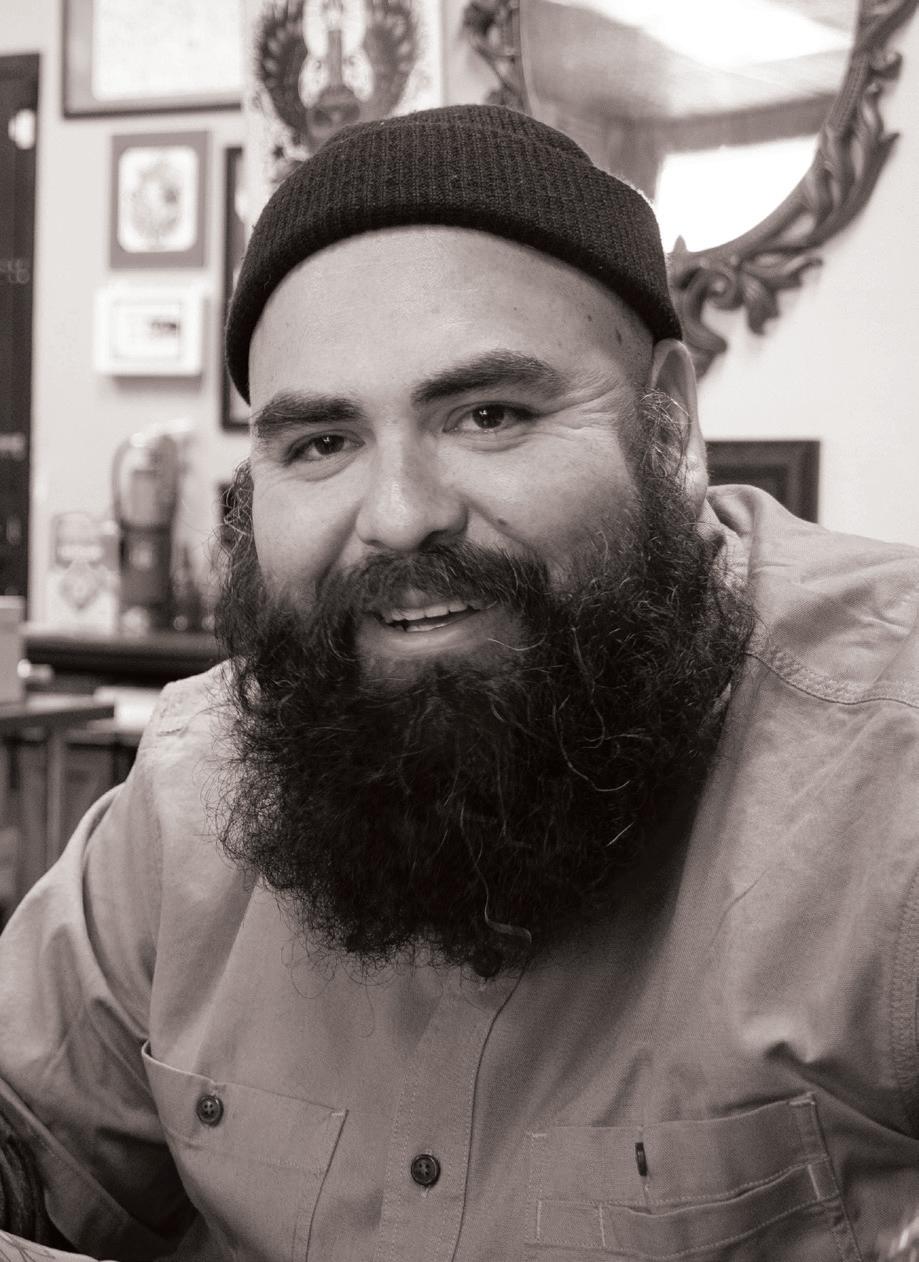
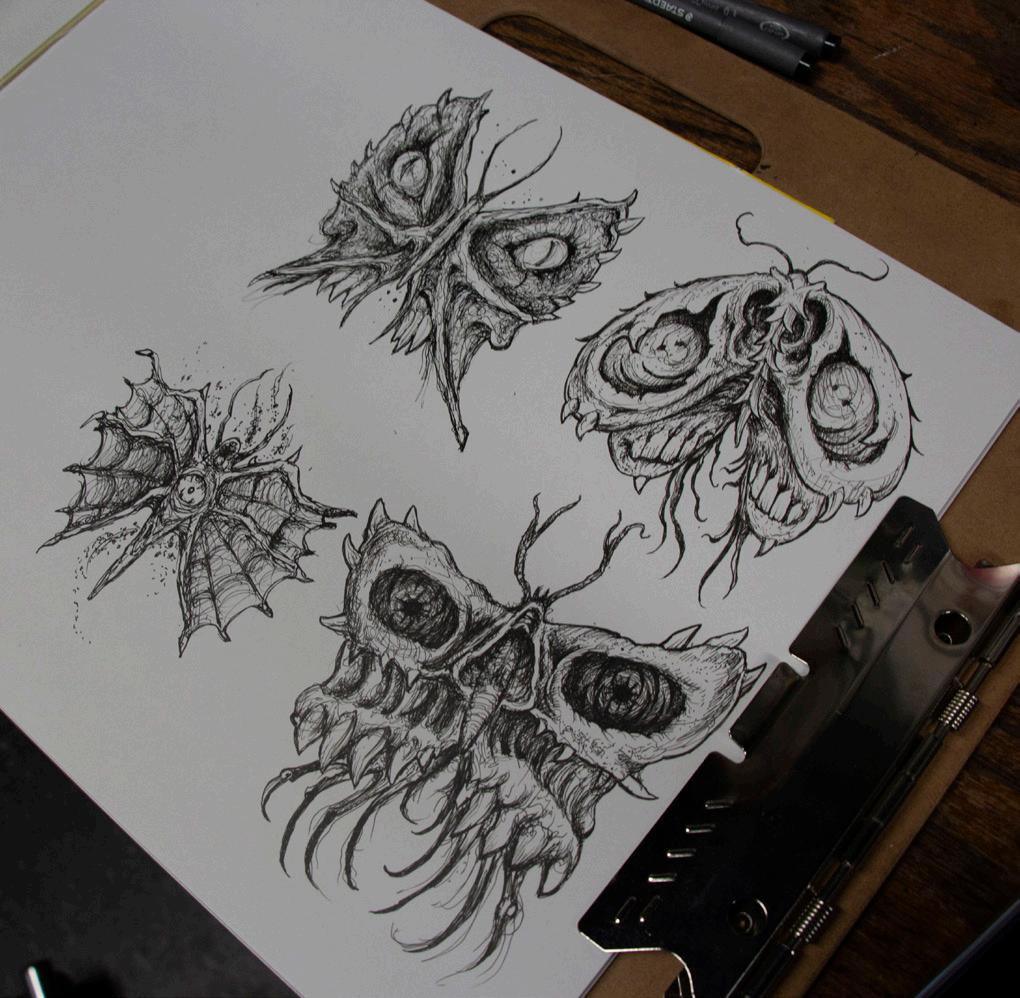
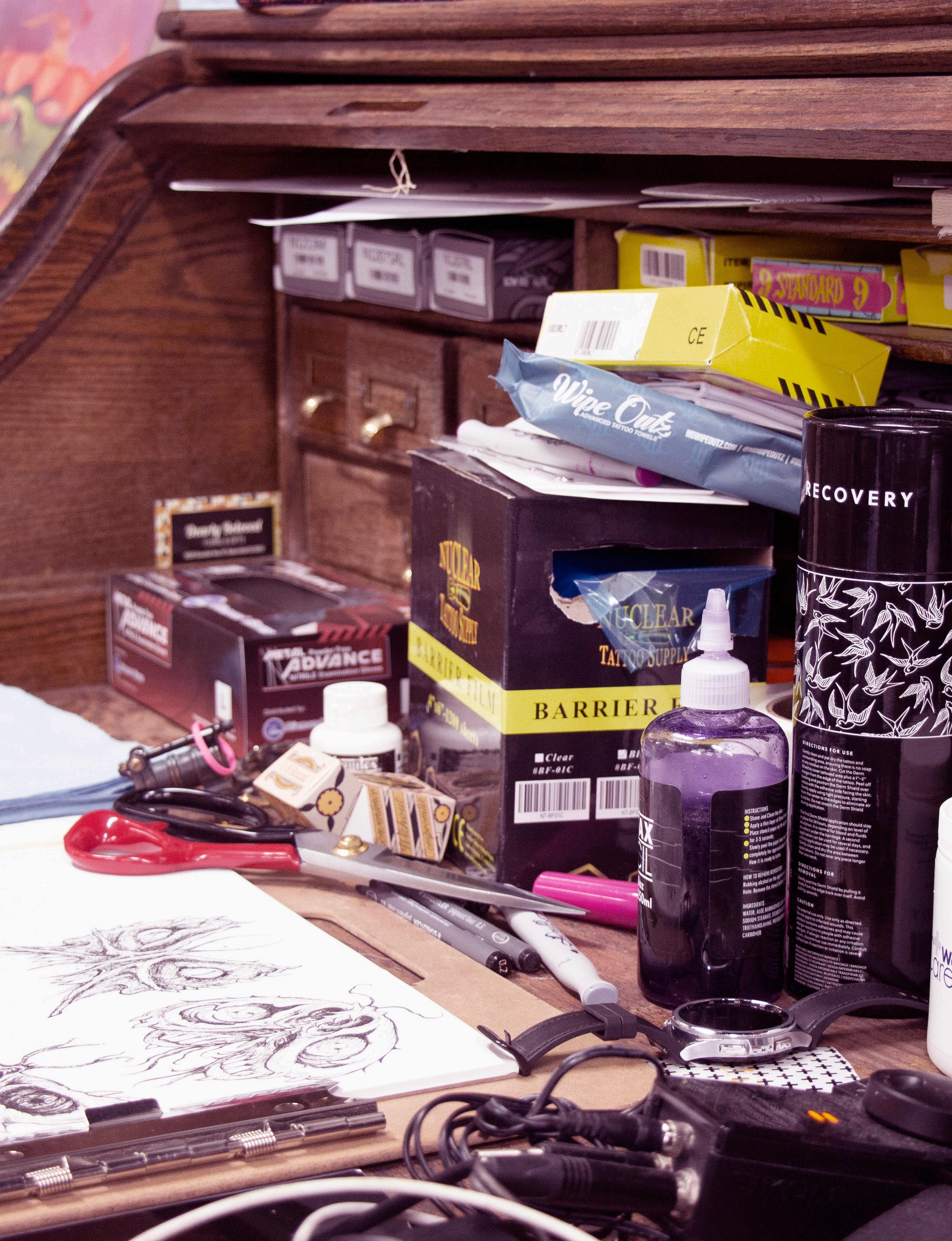
In the right-hand corner of True Grit Tattoo Company lies a desk that’s witnessed an abundance of creative output throughout the years. Terrifying yet curiosity-inducing, creatures cling to the walls. They’re vibrant, reminiscent of the monsters that children fear are in their closets and are entirely the creation of tattoo artist Juan Martinez.
Coming from humble beginnings, becoming a tattoo artist wasn’t the life Martinez envisioned for himself, but it was one he grew to love. His desire to create was fostered in his junior year of high school, albeit unwillingly.
“I really wanted to be in drama class. Not because of the drama, but because there were a lot of beautiful women in that class,” Martinez recounted humorously. He wanted to switch his elective, but his art teacher first gave him a challenge: transfer an outline of baby Simba from one page to another. Easy enough, right? Martinez worked meticulously, folding his transfer page, scribbling his own grid, and filling out what he saw. To him, this was just another class assignment; work on it, turn it in, and go.
Yet, his teacher viewed his submission differently than he did, seeing an inkling of creativity through Martinez’s work. “I was like, ‘It’s what you wanted, right?’ She’s like ‘Yes, but this is really good’” he recalled.
Although Martinez couldn’t swap classes because the drama class was full, this compliment wasn’t the end of his teacher’s support. Throughout his junior year, his teacher subtly encouraged him to draw more often, even allowing him to wear headphones and a hoodie during class – a privilege he later found out his other classmates weren’t granted.
This minor assignment revealed a newfound love for drawing. Growing up without much, Martinez found solace in this imaginative and inexpensive hobby.
“Some days I wouldn’t even take a backpack to school. You could get a pencil from somebody, a piece of paper, and you’re good,” Martinez said.
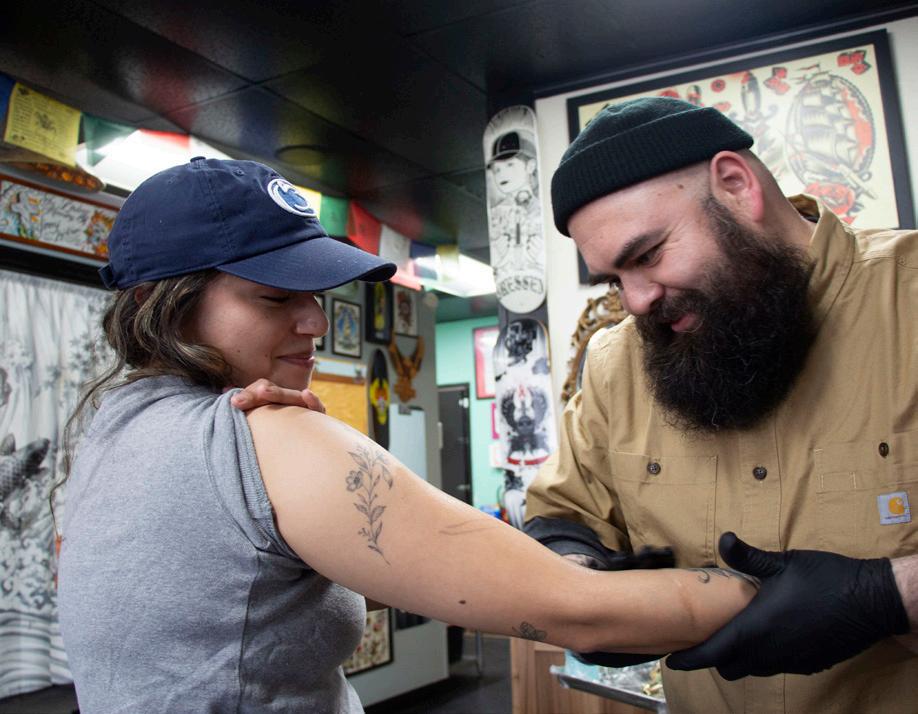
Juan Martinez placing a stencil on his client, Alice
As a child, Martinez spent hours watching cartoons – from Pokémon to Disney movies. Unbeknownst to him, actual people spent their time developing intricate characters and detailed fictional worlds plastered on his television screen. It wasn’t until his junior year art class that he discovered he could make a living out of drawing.
He started carrying a ‘black book’ – a tradition within the graffiti community where artists have a sketchbook to fill with their creations, eventually compiling a collection. Instead of colorful tags, Martinez focused on drawing detailed real-life objects such as hands or chairs. Recognizing the possibilities before him, he practiced realism to improve his work.
“Dude, you know people are making money from this?” Martinez exclaimed once as friends questioned him on the inclusion of realism in his black book.
Martinez would consistently draw, even during his other classes. One classmate would pass him scribbles, persuading him to create something out of them. One of his identifiable features in his tattoo work burgeoned from these drawing
exercises – creepy, crawly monsters. Through this experience, along with his art teacher’s subtle encouragement, drawing became more than a simple class assignment. Drawing became his passion; he sought to improve and excel in his craft.
Martinez spent his early twenties working at a diesel mechanic shop, feeling content to continue working in the industry for as long as possible. Even though the idea of tattooing was out of the picture, he still continued to draw persistently. During those eight years, he met his wife Shelby, who gradually persuaded him to quit his job and start pursuing his dreams.
Despite his ambivalence, Martinez took the plunge towards this new, unfamiliar adventure as soon as he clocked into work.
“It was a big scene at work that day. They were like “‘You can’t quit,’”. Martinez said, “Maybe no one else can quit, but I can! Big boss at home said I could quit. I’m not coming back.”
In the aftermath of this decision, Martinez sat trembling in his car. Nonetheless, he was even more determined to become a tattoo artist; no more excuses.
“No doubt, I needed to put my whole head into this and try”. Martinez said.
After quitting, everything happened in rapid succession– he married the love of his life, turned 28 ten days later, and began his apprenticeship a few months after that.
Nine years have passed since then – two years as an apprentice and seven years professionally – and his passion for tattooing hasn’t dwindled. At True Grit Tattoo Co., Martinez has inked a variety of designs ranging from Pinterest-esque fine line tattoos to his recognizable style.
Online, Martinez goes by the moniker ‘Among the Ugly’. To him, the monsters he designs are intentionally grotesque, often reflecting the starkness of life and still finding beauty in it. With their bulging eyes, long tendrils, and sharpened teeth, his creations don’t cater to aestheticism; they’re badges of courage. Having the opportunity to ink his clients feels rewarding to Martinez because these creatures follow them through the happiest and toughest chapters of their lives.
“They’re ugly creatures. I’m not going to say they’re cute, but they’re old ugly things,” Martinez said.
Transforming from a student who wasn’t eager to draw to an imaginative, creative who still considers himself to be learning, Martinez finds his ‘why’ in people who put their entire soul into their work. From the sleepless go-getter to the tenacious dreamer, the easy route may be the most straightforward, but the winding roads of the hard route produce the most fruit.
Story by Ryan Petitt

Spring 2026



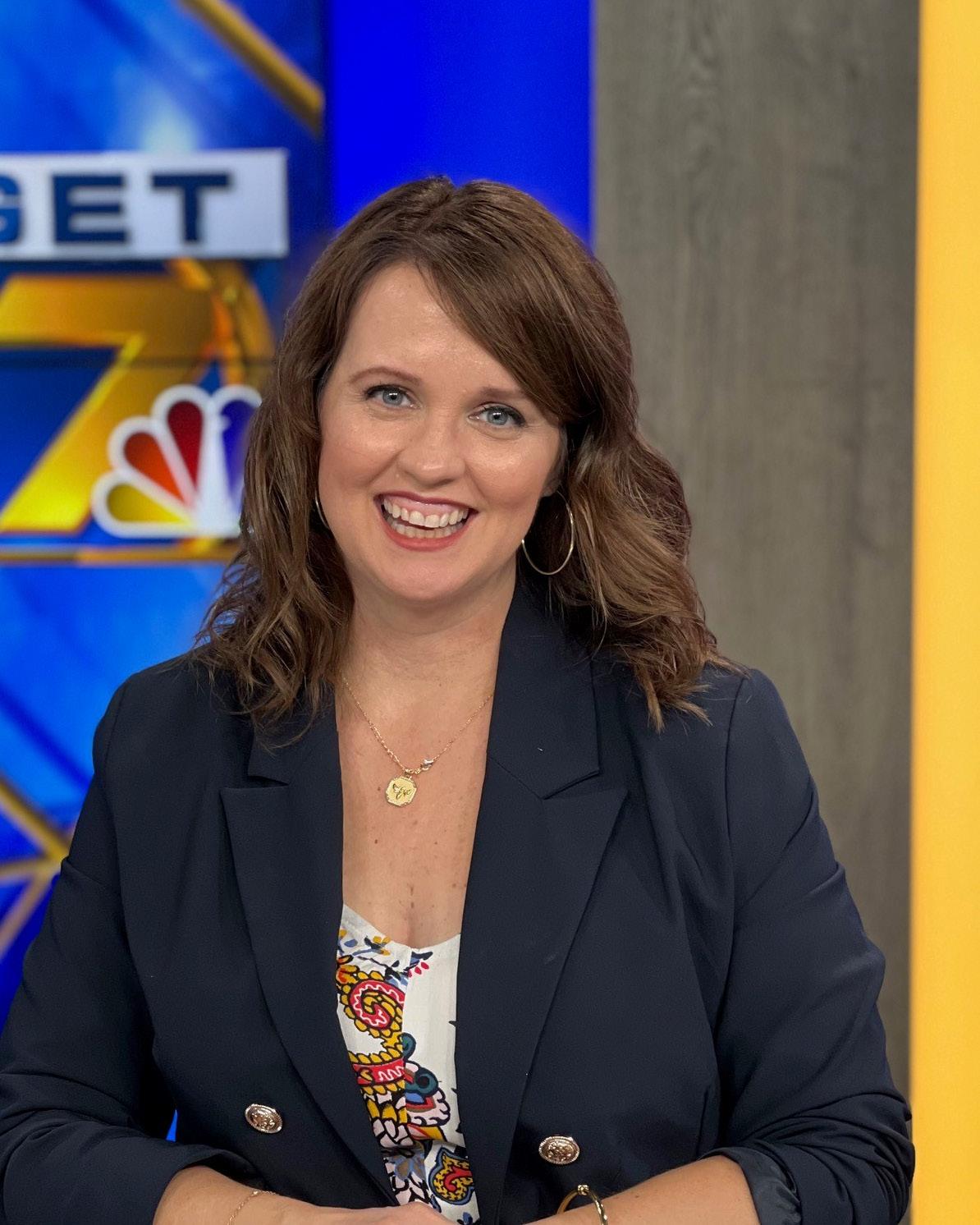
The local news is something a city or rather community relies on, to present the facts in a timely, unbiased and intriguing matter. Megan Simpson was a dedicated journalist in the Kern Community, who crafted hour-long broadcasts all of us have likely seen, and she did so for 17 years. She has won an Emmy for her work, but that alone does not define her success.
As a mother of two, she is the City of Bakersfield’s Communication & Marketing manager. She is responsible for ensuring the city has a voice and is transparent in knowing and reporting what the city is actively doing. Her ultimate goal is to make this city desirable; a place people would want to live in, explore, find meaning. She does so through her greatest strength, storytelling.
This passion began when she was writing for the school newspaper at West High School. She simply enjoyed telling stories about other people and got a beckoning opportunity to work at 23ABC (KERO-TV). As an Engineer/News Producer, she worked behind the scenes, creating the 5 o’clock hour long newscast, but has also crafted the 6 o’clock, 11 o’clock and morning newscast. Along with that, she also wrote stories for the station’s website, and she did all of this full-time while also getting her B.A. in Communications.
In this role, she decided how to present stories within a one-hour limit. This included where reporters would be, the length of stories and the format they were presented in, such as voice-over, anchor or video package. She built graphics to accompany the story, wrote text for the lower third — the scrolling bar towards the bottom of the screen — and made room for predetermined subjects like weather or sports. Most importantly, she had to write scripts that were both conversational and easily understood by the community.
Once she got her B.A., Simpson found out KGET-TV, better known as 17 News, was hiring and decided to apply. Simpson had put in 6 years at 23ABC and believed she should’ve been compensated more for her work, which she deemed “extra.” 17 News had a lot to offer her. For starters, she would be working at the number one ranked news station in town, ensuring a higher income and elite personnel she would be collaborating with. Also, her boyfriend, now husband, was already working there, so for her to join him made the change all the more fun and exciting.
Things only got better for Simpson at 17 News, because she got rightfully recognized for her work in journalism. Holding down the same position she had at 23ABC, Simpson won two decorated awards for her hour-long newscast, most notably a regional Emmy and the Edward R. Murrow award. Both awards reflected her superb quality in hour long newscast. However, Simpson did not see these accolades as her greatest achievement, that honor belongs to her status as a mother.
Simpson spent 10 plus years at 17 News, a place she considers home and the people their family, but she needed a change. She was starting a family of her own, and the hours had gotten too long for her. She wanted to spend more time with her kids, so yet again, another opportunity came knocking, working in healthcare.
The prospect of working at Adventist Health seemed intimidating to Simpson at first, but after a few months, she got accustomed to her new role, Communications and Marketing Manager. Her background in news production made her a definitive candidate for a role like this. The skills she learned in storytelling and news production transferred wonderfully in the healthcare environment, simply because she was telling the stories of different figures. Whether it was healthcare professionals, such as doctors and nurses, or patients who were either
succumbing to deadly diseases and or living in tragedy, Simpson told their stories with compassion and unapologetic truth.
Amongst her main objective, Simpson would share information, craft targeted ads and served as a spokesperson for the brand transition of San Joaquin Community Hospital in 2017. Her success did not stop either, because she won a bronze Telly award for her “Inspire Hope” video series. It focused on the achievements, personal stories and community contributions of staff and associates across Adventist Health’s Kern County locations, one project of many that showcased her passion and love for helping people as well her community. Things were looking fantastic for Simpson, but unexpectedly, an event so abysmal, resulted in her leaving a place she considered calling “home.”
Simpson needed a reset, something familiar to reconnect with, find her voice and remind herself why she was passionate about news to begin with. When she came back to 17 News, she wanted to try different roles. News Director Michael Trihey granted her that opportunity and for a year, she got to wear many hats. She anchored, reported out in the field and tried her hand in the weather segment. Simpson was reinvigorated, and continued to produce the 5 o’clock newscast, however her homecoming venture was abruptly ended when one final opportunity caught her attention.
Simpson’s current role did not even exist. Her friends heard of an opening available to work for the city, claiming it was her “dream job.” Upon hearing this news, Simpson jumped at the opportunity; once she got hired, she was presented with a new challenge, understanding local government.
In the span of two years, Simpson has created a plethora of projects, aimed for transparency, wide reach and strengthening the community’s identity. Some of her most notable projects include “The Something Better” podcast, which features staff and community leaders discussing local projects, public safety, and quality-of-life improvements. There is also the Distracted Driving campaign, a collaborative multi-media effort aimed at educating the public on the dangers of phone use while driving and debunking common misconceptions.
Simpson’s decorated journalism career has provided keen insights into the field. She says that journalism inspires inquisitiveness and that everyone has a story worth telling. Beyond curiosity, she notes that being outgoing is beneficial, as it bolstered her confidence when interviewing strangers and encouraged her to ask difficult questions. That outgoing nature served as motivation when she was stuck on a story.
Now among all the various places her career took her, Simpson stayed central to Bakersfield through it all, and that is simply because it has given her so much. She was born and raised here, established relationships that supported and assisted her career, which flourished through the many opportunities she sought out. Now, she is in a position that can generate similar opportunities she was given, not just for the community, but also for her children. She truly loves this place and unapologetically takes pride in living here.
Megan Simpson is not just a definitive example for women’s empowerment; she is living proof that passion can fuel a career, one where there is success, recognition and even fame. Dear reader, use her story and insight as a reminder, a reminder that passion can achieve those goals, but it must be worked on, applied and utilized. An arranged position is not where a career stops, for it takes the character and dedication of someone like Megan Simpson, to achieve fulfillment in the places life will take them. That dear reader, is what you should aspire to.
Story by: Jacqueline Villatoro
Photos by: Angela Torres
Spring 2026
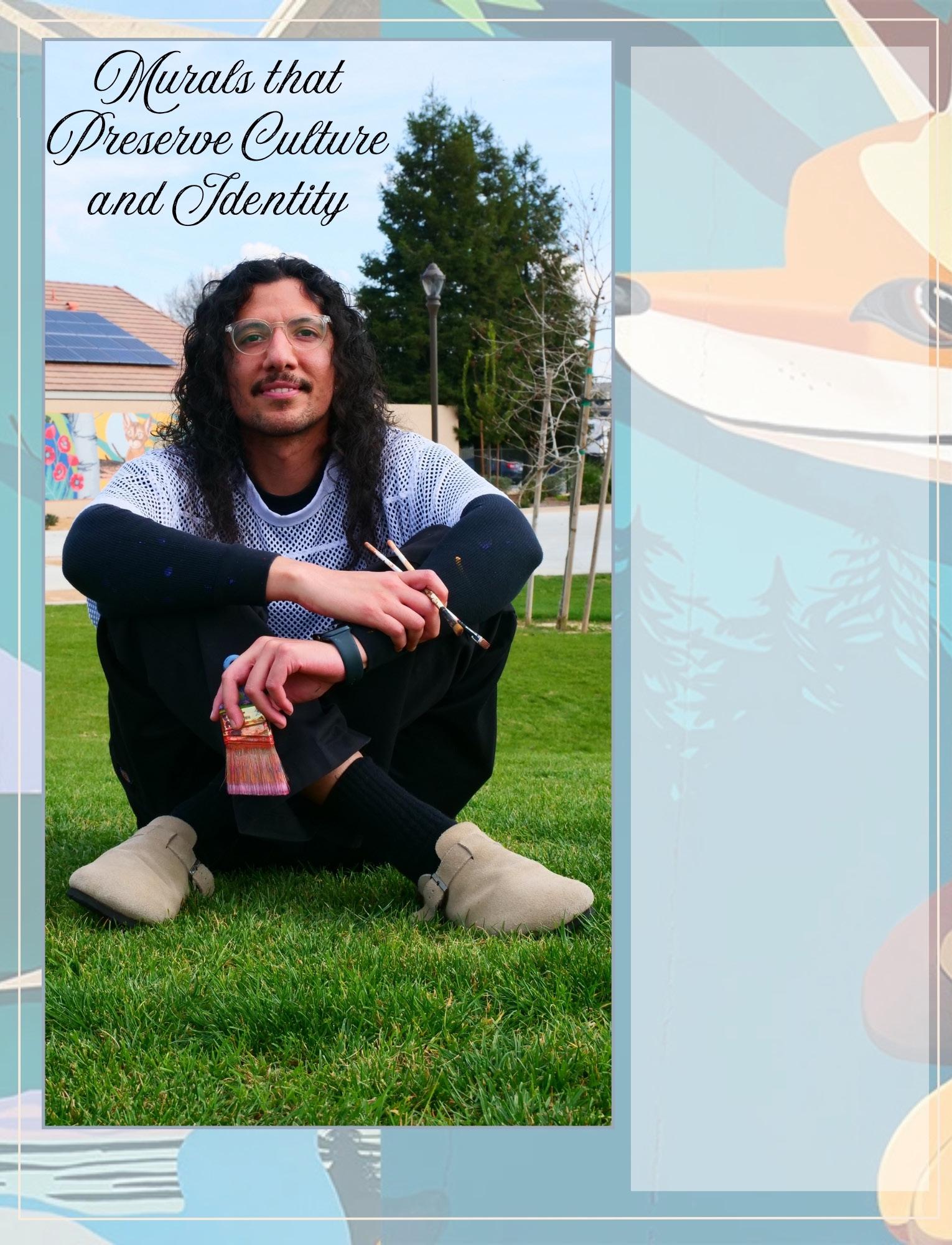
For as long as Jesse Moreno can remember, art has been more than a hobby; it has been a way of understanding himself and connecting with others. Murals, in particular, represent something bigger than art alone. They represent the community.
What began as drawings in elementary school eventually grew into large-scale murals across Kern County, digital design work and animation. He first realized art mattered to him in first grade. While other students focused on the lessons being taught, he often found himself getting lost in drawings. Even then, he knew creating was something he wanted to do for the rest of his life. He did not yet understand what the future was holding, but he knew he understood the feeling of creating.
One of his earliest inspirations came from watching his uncle draw the logo from the video game “Mortal Kombat.” Line by line, a blank sheet of paper became something recognizable.
“It felt like magic,” Moreno said. That moment showed him that art had power, the ability to take something in his mind, and make it visible to others.
As a teenager in Delano, CA, Moreno experimented with graffiti, creating larger pieces of clothing around the city. Although he was proud of the work, he also understood the risks.
“I wanted people to see it,” he explained. “But I also had to be safe.” That experience planted the seed for what would later become his passion for large public murals.
A turning point came when he began working at a sign shop and helped paint murals for local schools. While still a student himself, he worked on projects displayed on school property. When his classmates found out he had helped create it, their support gave him a new sense of confidence. That was when he realized art could be both legitimate and professional.
Over time, murals became one of the most meaningful parts of his work. Unlike private pieces, murals belong to everyone. “At the end of the day, the mural isn’t really mine,” he said. “It’s for the community.”
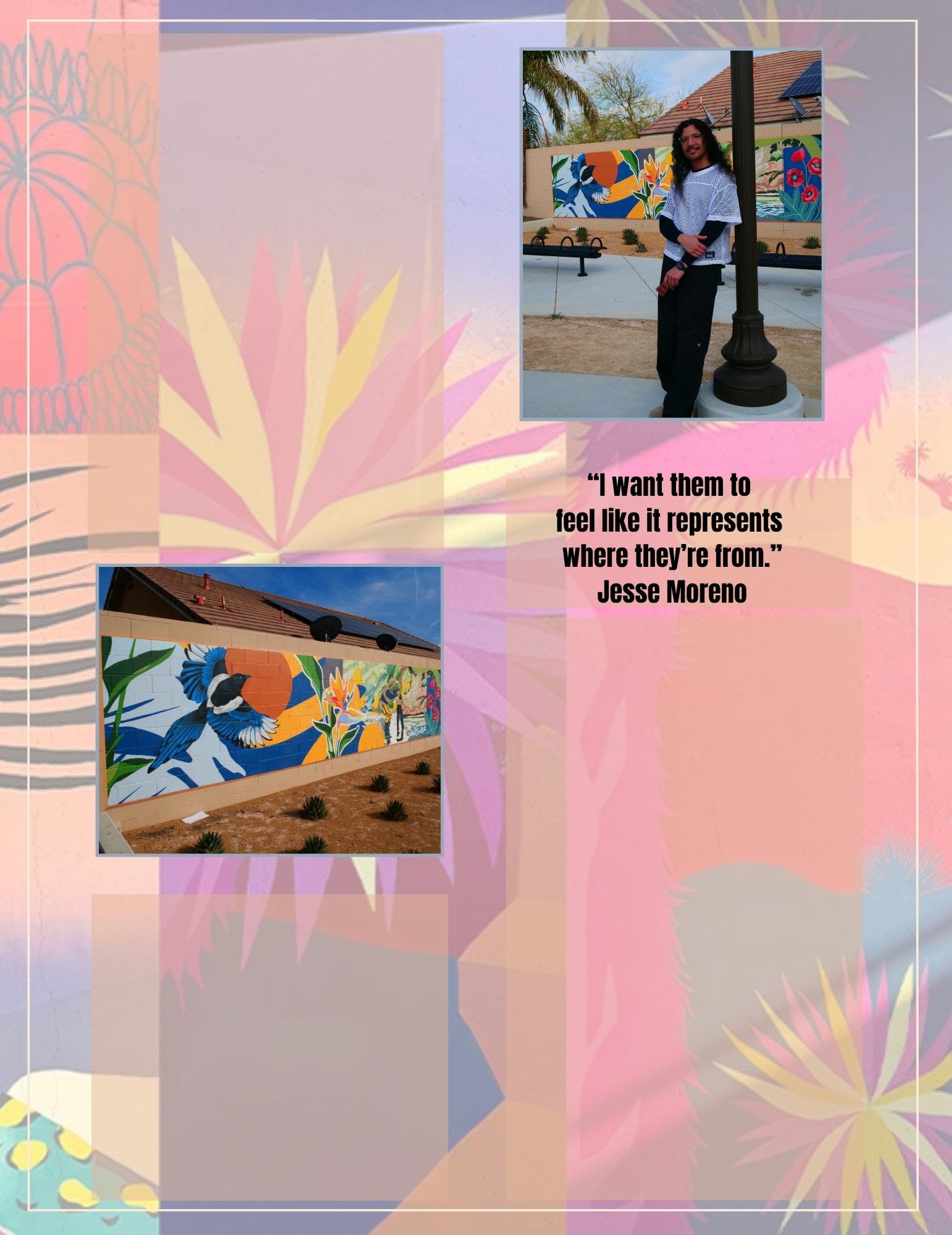
When designing murals in Bakersfield, Ca, he intentionally incorporates local imagery, poppies, the Kern River, roadrunners, kit foxes and landmarks like the Fox Theater. He wants people to see something familiar and feel represented.
For one park project, Moreno invited neighborhood children and families to participate in
a painting day. He put up signs, sent emails, and welcomed about 20 kids to help paint sections of the mural. Moreno wanted them to feel ownership.
“They’re going to come to this park for years,” he said. “They’re going to look at that mural for years. I wanted them to feel like they were part of it.”
Moreno also worked on a large-scale project at Q Street and Highway 204, where he collaborated with 10 local artists from Kern County. Instead of working alone, he saw it as an opportunity to uplift other creatives.
“There are artists just as good as me who don’t always get those opportunities,” he said. “Bringing them into the project allowed more people, and their audiences, to feel connected to the mural.”
Despite his success, one of his biggest challenges was simply believing he was an artist, as he hesitated to claim the title for years.
“I didn’t know if I was an artist yet,” he confessed, pausing to take a breath as he looked down.
Learning to confidently label himself, as one required growth and self-trust. Now, that confidence allows him to focus on creating without constantly second-guessing.
Not every design works out, and often many sketches and concepts are left as that. However, he does not see discarded ideas as failures.
“Nothing goes to waste,” he explained. Elements from one project often resurface in another; each attempt builds experience.
Looking ahead five years, he hopes to own his own studio and continue expanding his murals throughout Kern
County, eventually hoping to have worked in Delano, Shafter, Wasco and Taft. He wants his studio to be a space where other artists can thrive.
When asked what message he would give if his art had a voice, his answer was simple: “Be creative.” He wants people to see his murals and feel that they have them to be able to create something truly inspiring.
If he could speak to his younger self, his advice would be simple: keep believing. The doubts about whether art could become a career eventually fade. What remains is the impact—on himself and on the community.
For him, murals are more than painting on a wall. They are pride, collaboration, and shared identities. And in every piece he creates, his goal is clear: inspire the community and remind people that creativity belongs to everyone.
Story
Photos by Penny Lanae
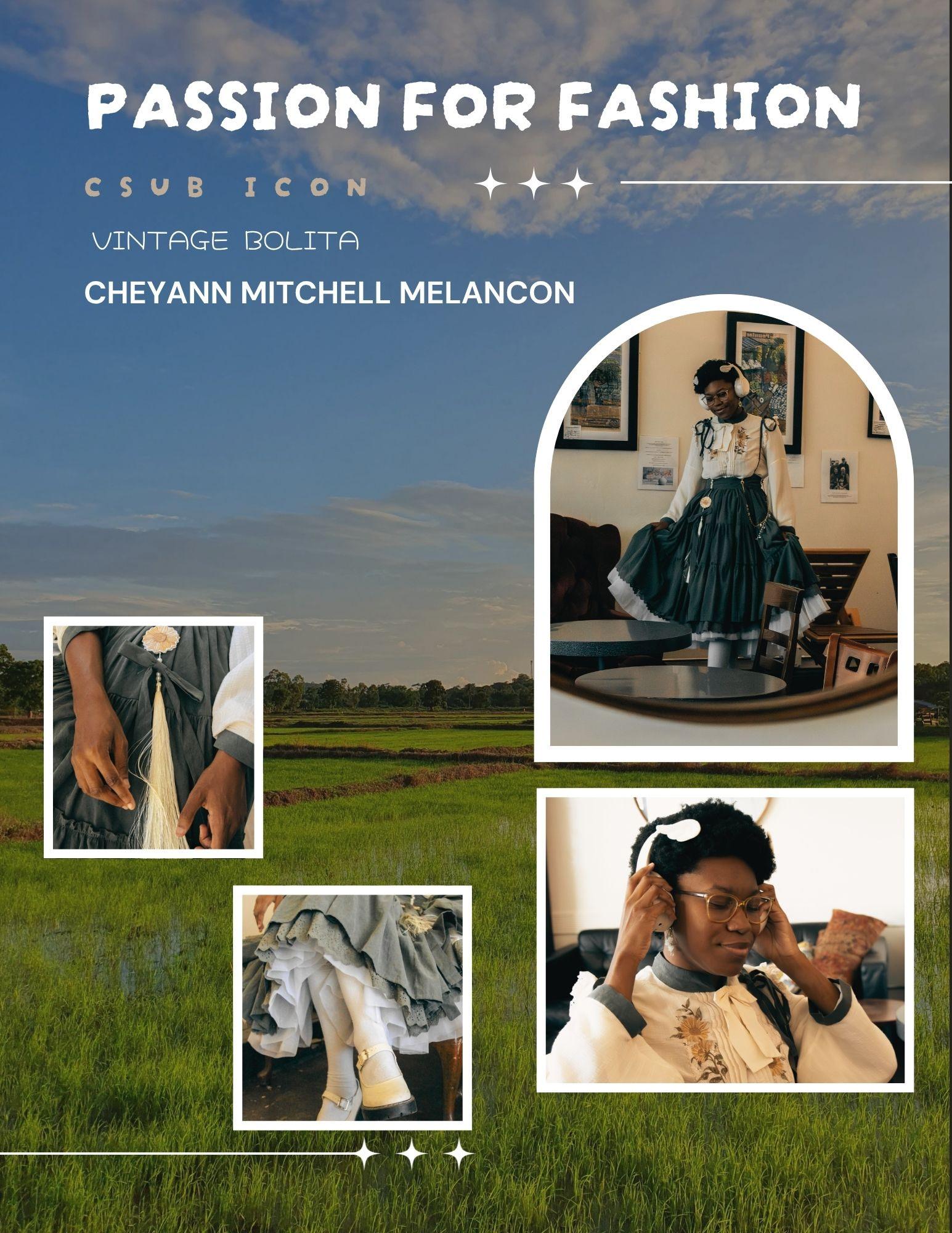
“Clothes shouldn’t have limitations on how you express yourself... One of my favorite things about fashion is that you don’t have to fit in. You have your own choice to make, even if society says differently. My initial fashion at first was cottage core. I tried numerous types of fashions. I’ve gotten into more bolita fashion which was founded in Japan in the 1980’s. It’s a lifestyle, not just a fashion statement.”
Cheyann tells us that her favorite piece from this outfit is her earrings and jewelry accents.
“I feel like it ties into the rest of the fashion.”
She explains to us that ‘cords’ are pieces of anything that can be used for mixing pieces.
cord
“I’m wearing a penny coat to help make my dress into a bell shape”
We asked Cheyann if she had any advice for those who are too scared to express themselves through fashion.
“I feel like the first thing to start is to take the first step. I’d rather have someone dress the way they want and express themselves than regret not trying at all.”
Spring 2026
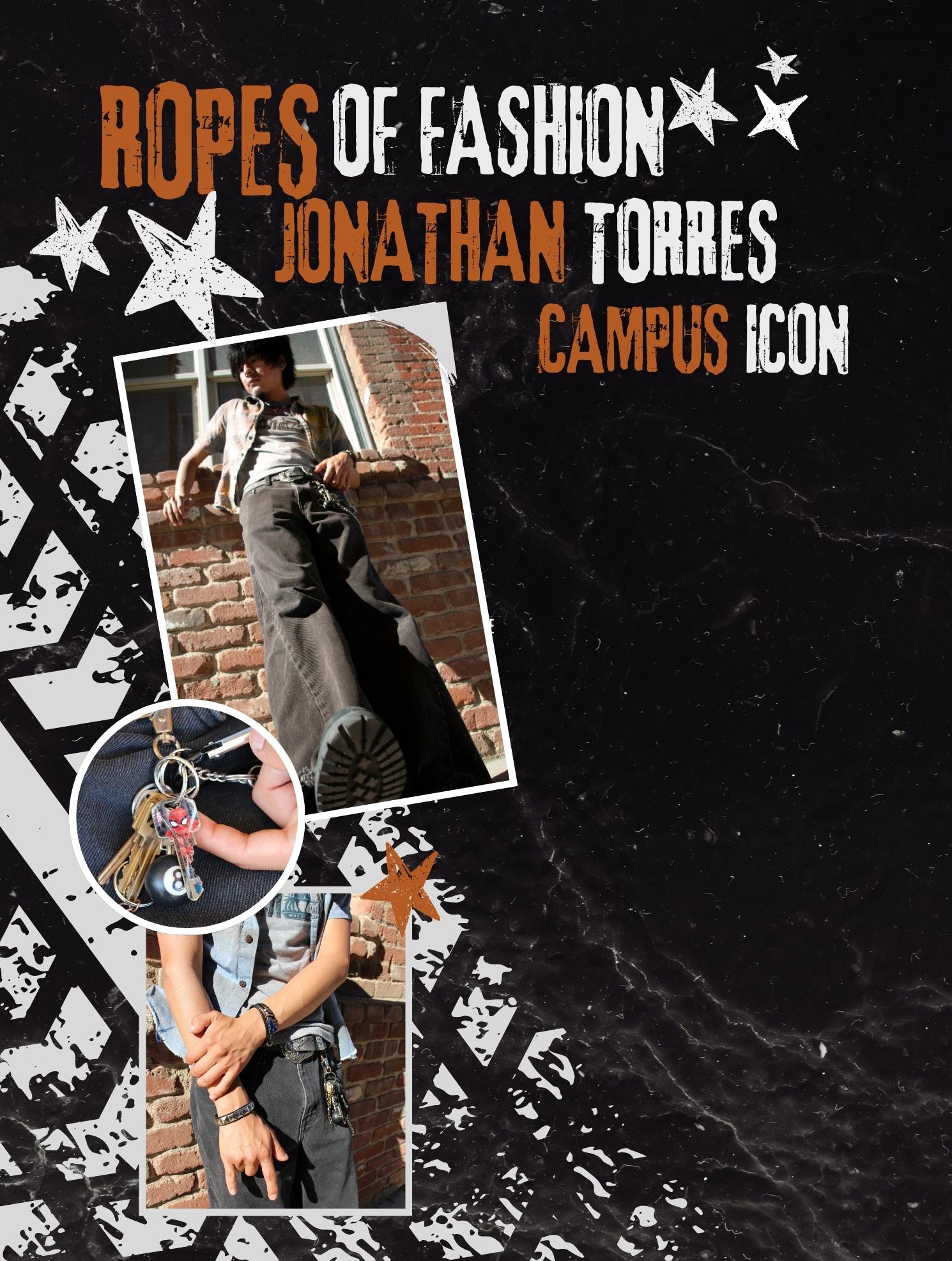
Jonathan Torres doesn’t dress for attention, though it tends to find him anyway. Walking across campus, his outfits feel intentional without trying too hard, layered with pieces that shouldn’t work together but somehow do. A gray tank, flared jeans, a button-up, and a repurposed tie turned belt, this style is less about rules and more about instinct.
“I just mix random things,” Torres says. “If it makes sense to me, I go with it.” That mindset is what makes him stand out. While others default to comfort, Jonathan treats getting dressed like a creative exercise. Some days take more effort than others, but even when he’s not trying, people tend to notice. That unpredictability is part of the appeal.
For Torres, fashion isn’t a career goal it’s something more personal. A hobby, a routine, and a quiet form of self-expression. “When people actually care about what they wear, you can kind of see who they are,” he explains.
His favorite accessory says just as much. A Spider-Man keychain, a trinket that has become worn from years of use, reminds him of a childhood moment with his dad. It’s simple, but meaningful. Next to it hangs a broken key, no longer useful for its original purpose. Now, it doubles as a bottle opener. Together, they represent both memory and adaptation holding onto the past while finding new uses in the present.
Jonathan’s advice is simple: Start small. “If you’re scared, just take it slow. Add one piece at a time.” Because in the end, style isn’t about perfection, it’s about showing up as yourself.
Story
Photos By Oyuki Lopez
In the heart of Kern County’s growing creative scene, where backyard shows turn into core memories and local venues become launchpads, one band is steadily carving out its place Andy Markus. What started as a solo project has evolved into a collaborative force rooted in friendship, passion, and the unmistakable energy of live music.
“I was originally just me, my guitar, and singing,” frontman Andy Andrade explains. “I used to play at bars and pubs… and then it just kind of grew from there.”
Today, the band consists of Andy Andrade on guitar and vocals, Robert Ramos on drums, and Kota Guerra on bass—each bringing their own story and sound into the mix. Their chemistry isn’t manufactured; it’s built on years of connection. Guerra, a lifelong friend, naturally found his way into the group, while Ramo’s entry came through a chance opportunity that he calls his “golden ticket.”
“I really wanted to join a band—and I really wanted to join Andy Markus too,” Ramos says. “So when the opportunity came, I took it.”
Like many local artists, Andy Markus was shaped by the DIY nature of Kern County’s music scene. Their early shows weren’t in polished venues. They were in backyards,
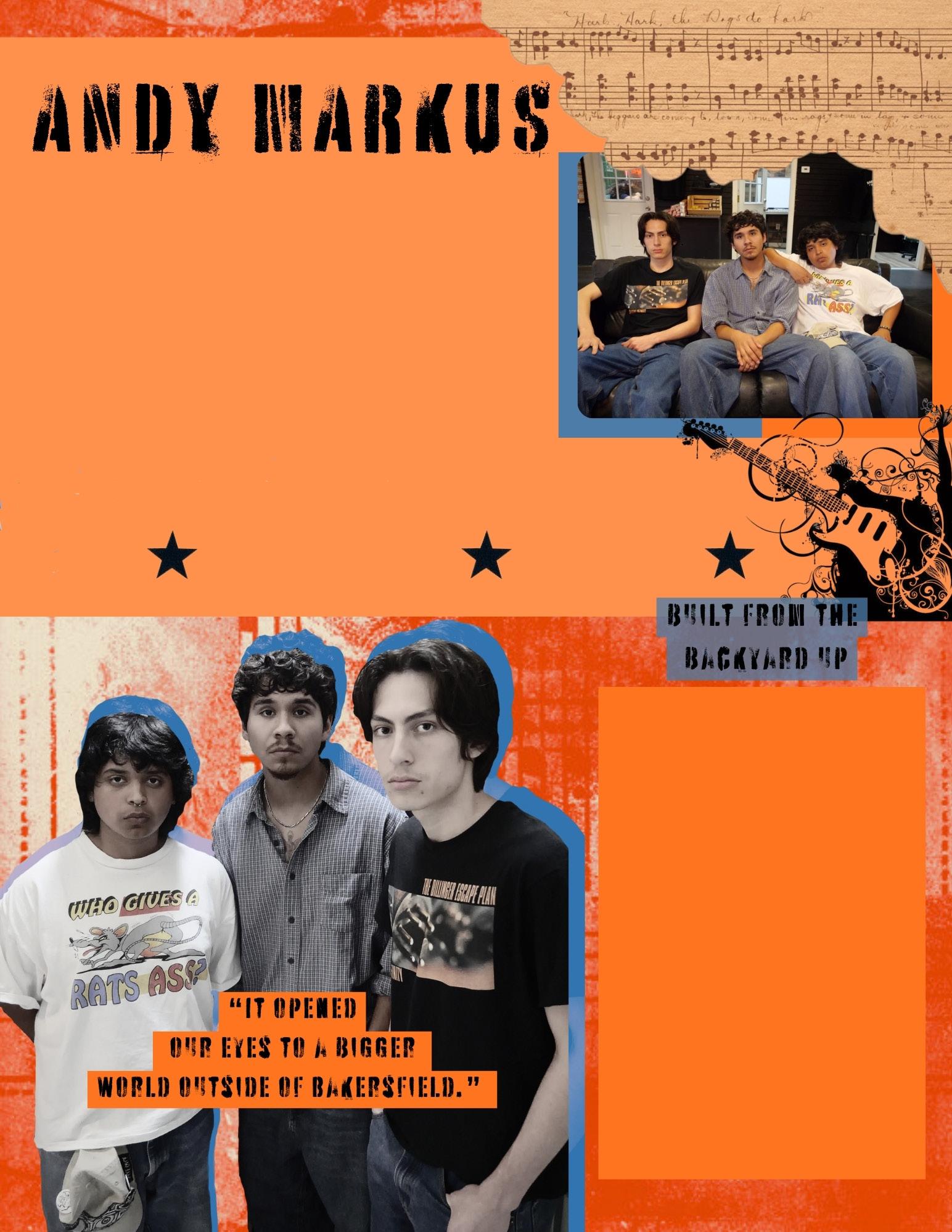
surrounded by friends, community, and raw energy.
“I think the most memorable one was the first backyard show we put together,” Andrade recalls. “Everyone we knew was there… it was just a super fun experience.”
That sense of community remains central to their identity. Even as they’ve begun playing outside of Bakersfield, those roots continue to influence how they approach music and connection.
Their first out-of-town show in Atascadero marked a turning point.
“We played to a completely new crowd and they went crazy for us,” Ramos says. “It opened our eyes to a bigger world outside of Bakersfield.”
What started as a random conversation at a Chick-fil-A led to that opportunity, proof that in the world of local music, networking can happen anywhere.
When it comes to creating music, Andy Markus thrives on a balance between structure and spontaneity.
“There’s two ways we write,” Andrande explains. “Sometimes I’ll come in with a full idea, guitar, vocals, everything—and the guys build on it. Other times, we’re
just messing around and something clicks.”
That “click” is where the magic happens.
“It turns into something bigger because everyone adds their own idea,” he says. “It becomes like a mix of three different songs.”
For the band, collaboration isn’t just about sound, it’s about trust. They lean on each other not only creatively, but emotionally as well.
“If you can’t take honesty in a band, it’s not going to work,” Andrade admits. “Sometimes I feel like what I write is corny… but they’ll tell me if it’s good or how to make it better.”
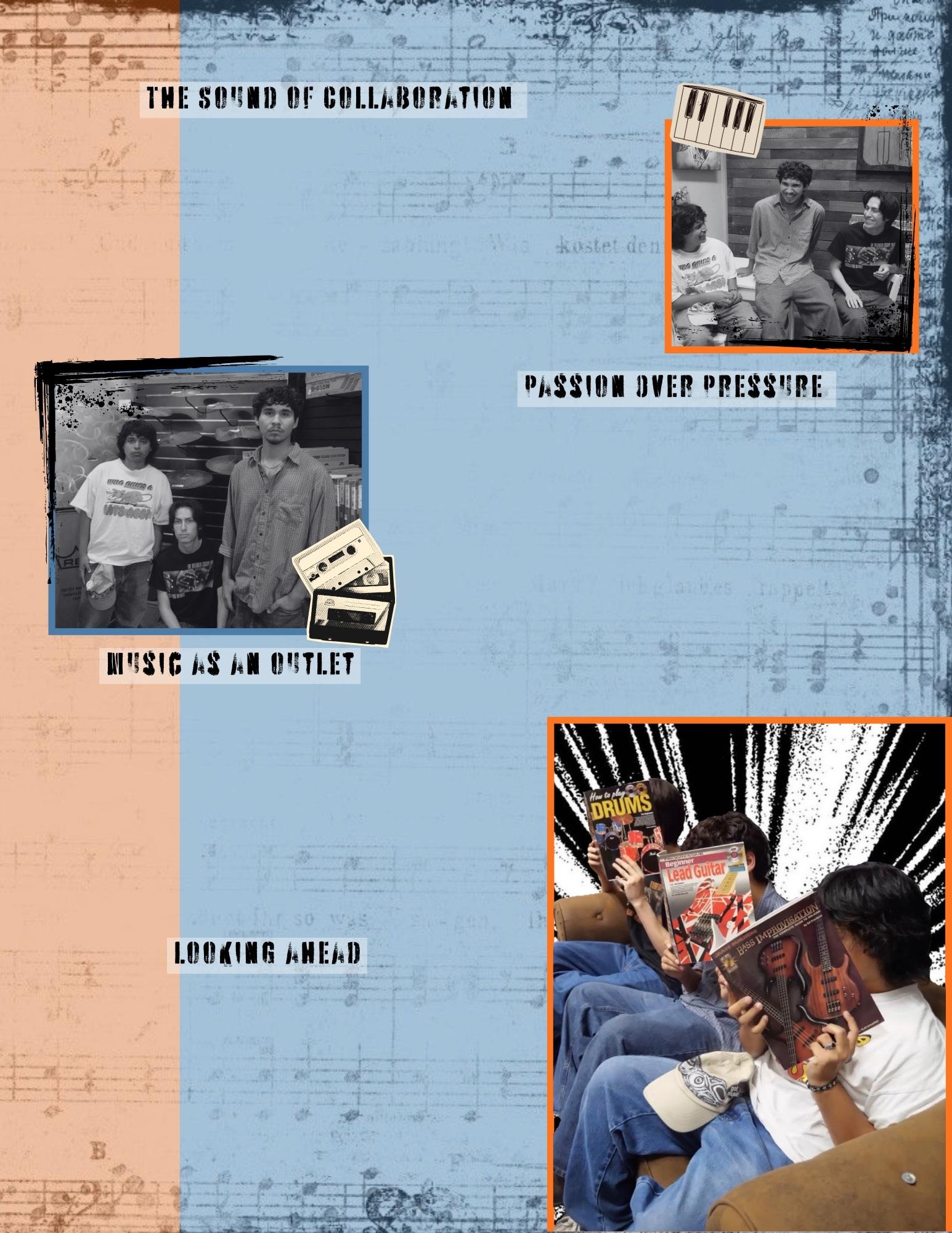
Being an artist in a smaller city comes with its own challenges from limited exposure, fewer venues, and the constant question of “what’s next” can feel overwhelming.
“Sometimes it’s not clear where to start or how to get bigger,” Ramos shares. “But once you see other scenes, you realize there’s so much more out there.”
Still, the band doesn’t view their environment as a limitation, but as a foundation.
“I feel like there shouldn’t be competition here,” Andrade says. “There should be growth. The more we support each other, the better the scene becomes.”
That mindset reflects a larger shift happening in Kern County. A creative community that’s becoming more open, collaborative, and supportive.
For Andrade, songwriting is more than just creating; it’s processing.
“It’s kind of like therapy,” Andrade says. “I write based on how I’m feeling, or even things
from the past. It helps me be more at peace with it.”
That emotional honesty carries into their performances.
“It’s so validating to see people enjoy the music,” Andrande says. “That fear of it being ‘too much’ or ‘too corny’ just goes away.”
For Ramos, it’s all about the crowd.
“I love seeing people enjoy themselves,” he says. “Just being part of that energy...it’s everything.”
While their foundation is local, their ambitions stretch far beyond Kern County.
But growth doesn’t mean losing what makes them unique. As they move forward, the band is focused on refining their sound, expanding their reach, and continuing to build meaningful connections with each other and their audience.
“I want people to feel however they want to feel when they hear our music,” Andrade says. “That’s the beauty of it—it’s theirs once it’s out there.”
From backyard beginnings to bigger stages ahead, Andy Markus represents the spirit of Kern County’s evolving music scene: raw, real, and full of possibility.
If you’ve ever been thrifting downtown at In Your Wildest Dreams thrift store and noticed that cute little coffee bar to your left, you’ve just found your new favorite coffee. Jittery Geeks Coffee, located inside this consignment has a variety of drink and pastry options for everyone to choose from.
This booth is in the most perfect spot of the thrift store and has plenty of cozy seating all around just begging for a sip and chat with your closest friend. With fast and the kindest service, you’ll get your drink in no time. Whether you choose to sit and sip at the bar or wander through the store with your drink, there’s no doubt you won’t want to stop on your way out for another drink.
With plenty of drink options not limited to coffee such as matcha, teas and lemonades, there’s something for everyone. But for those who are craving their coffee fix, the iced Hazelnut Truffle Latte is so chocolatey yet still keeps that strong coffee taste. While the coffee is to die for, their Honey Matcha Lemonade is a must for those who might not want something as strong as coffee but would prefer something more sour instead. While it is a lemonade, the honey contrasts nicely and sweetens it perfectly. And the pastries always come warmed, such as their jalapeno cheddar bagel, which was a classic mix of spicy and cheesy.
The overall vibe of Jittery Geeks is so homey, comforting and welcoming. But that all thanks to owner Claudia Rivera. Having used baking as a creative outlet in the past, her passion for experimenting with flavors and coffees mixed with side hustle soon became a fulltime job. As a family-owned business, together they have created a great way to connect with the community.
“As we got going, I realized it was the perfect way to truly connect with our community,” Rivera said.
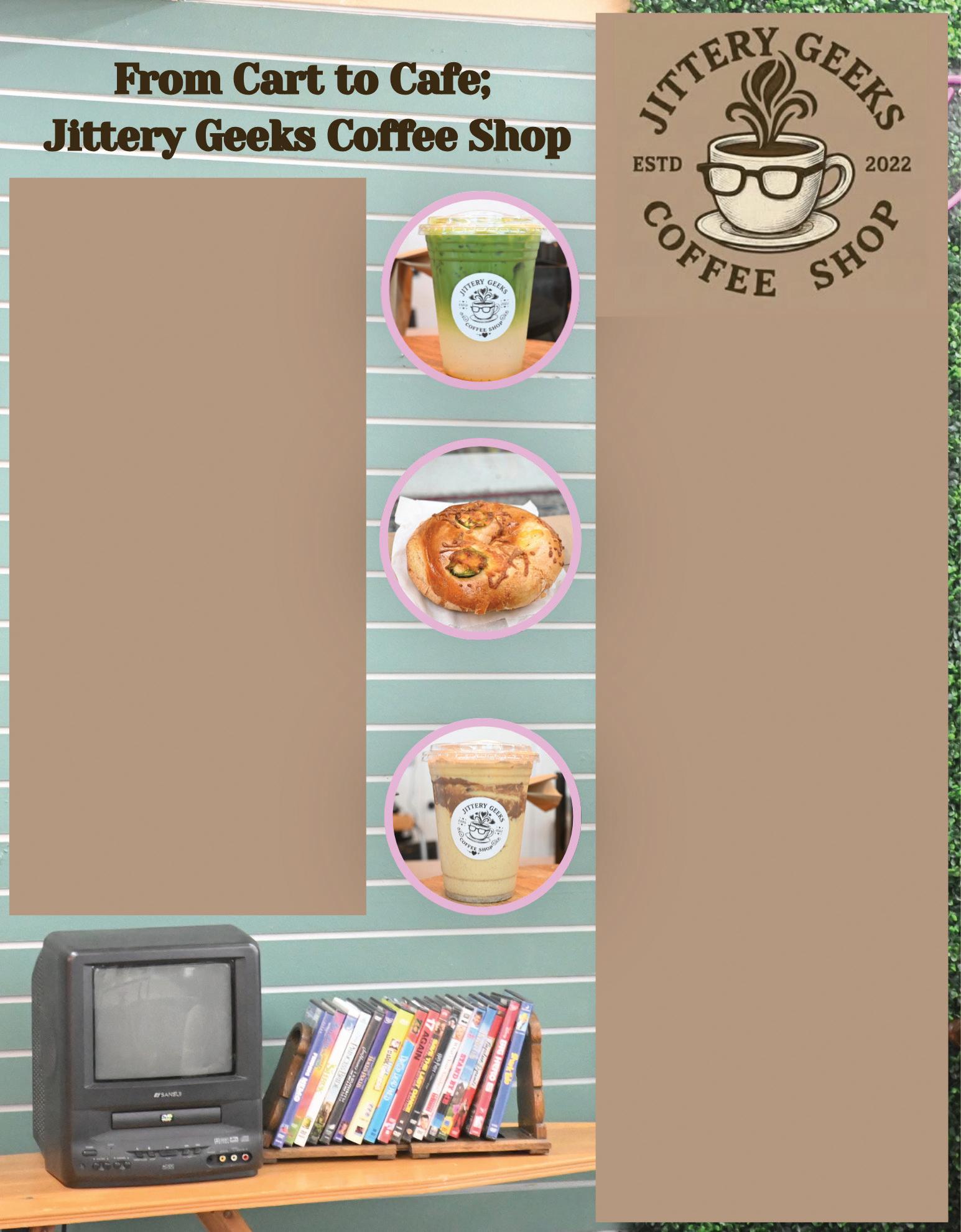
Most recently, Jittery Geeks has opened up a new location on, ironically enough, Coffee Rd along with their booth in the shop and a pop up at the Haggin Oaks Farmers Market. With three locations now, she finds it a little harder to bake as she is busy working on providing the most high-quality same taste at each location. It’s easy to say, she’s nailed it.
But she hasn’t done it alone, as they are a family-owned business, she has the support of her husband and nieces and also credits the local community for their growth. They thrive to “make sure our family brings the same welcoming energy everywhere we go.” They instill this dynamic in many ways such as the customer service you get whenever you’re at any location. With patience and a nice smile everyone behind the counter is ready to help you.
These delicious drinks are what keeps the community coming back along with their seasonal menus. Rivera described how baking got her into making in-house syrups for many of the drinks they have now. These syrups, used in drinks like one of their many recommendations, Cafe De Olla Latte which has a homemade Mexican brown sugar syrup, is what makes each drink so special.
While Jittery Geeks is up and running with three locations under their belt now, Rivera’s passion for what she does has inspired her to help others who want to start their own coffee shop.
“Because the hands-on experience of building this from the ground up was so invaluable to me, I actually love helping others who are trying to start their own coffee businesses now,” she described.
Rivera provides courses and hands-on training for those who want to learn and start their own business based on the stuff she has learned along the way.
“Whether you take a course or learn as you go, my biggest advice is to stay focused on high quality, stay completely true to your vision, and let your passion drive you forward.”
To join a session on starting a coffee business or to check out their menu, go to @jitterygeeksllc on Instagram. Or check out any of their locations at 6077 Coffee Rd, inside In Your Wildest Dreams on 2819 F St, or their pop-up at the Haggin Oaks Farmers Market.
Story by Linda Gonzalez
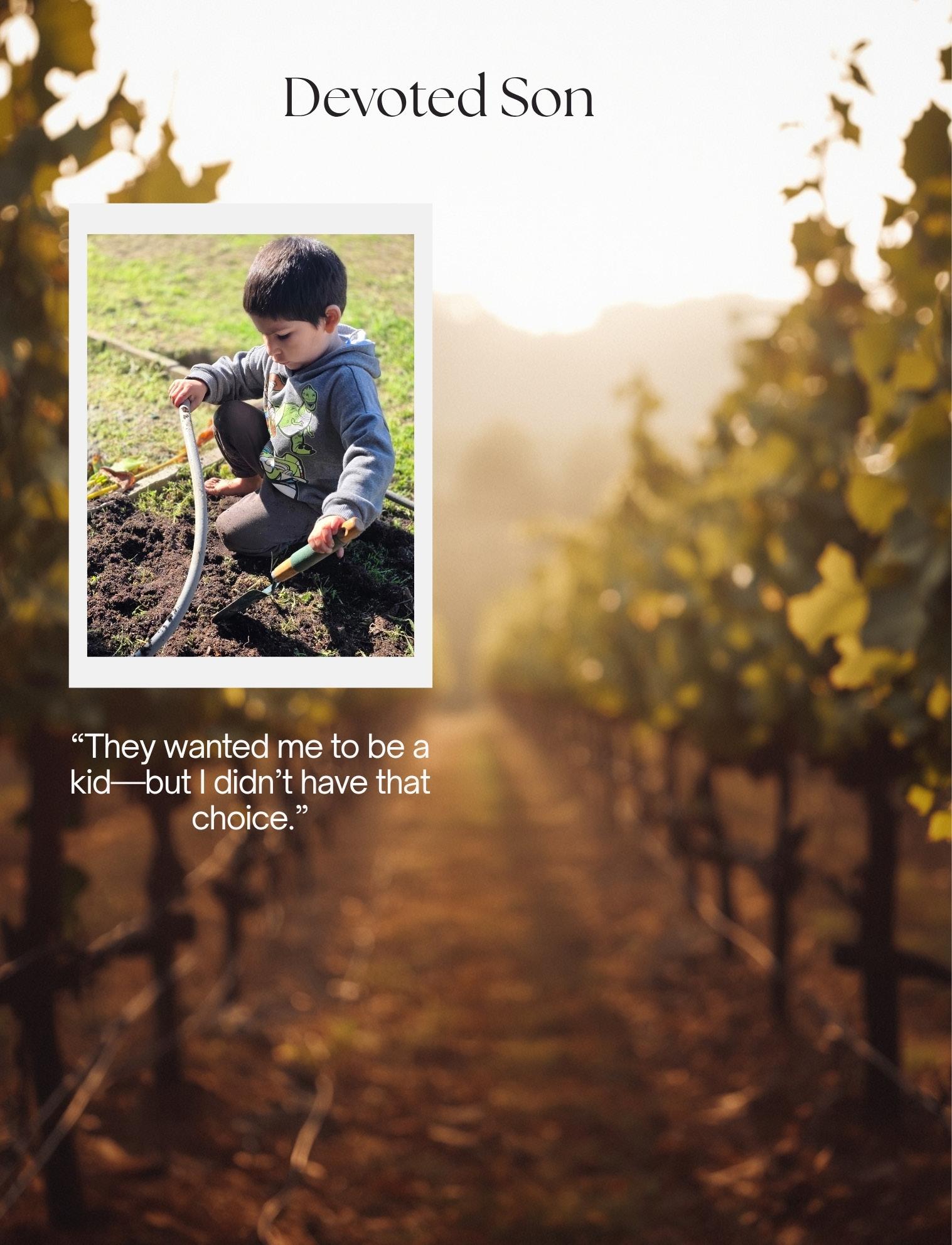
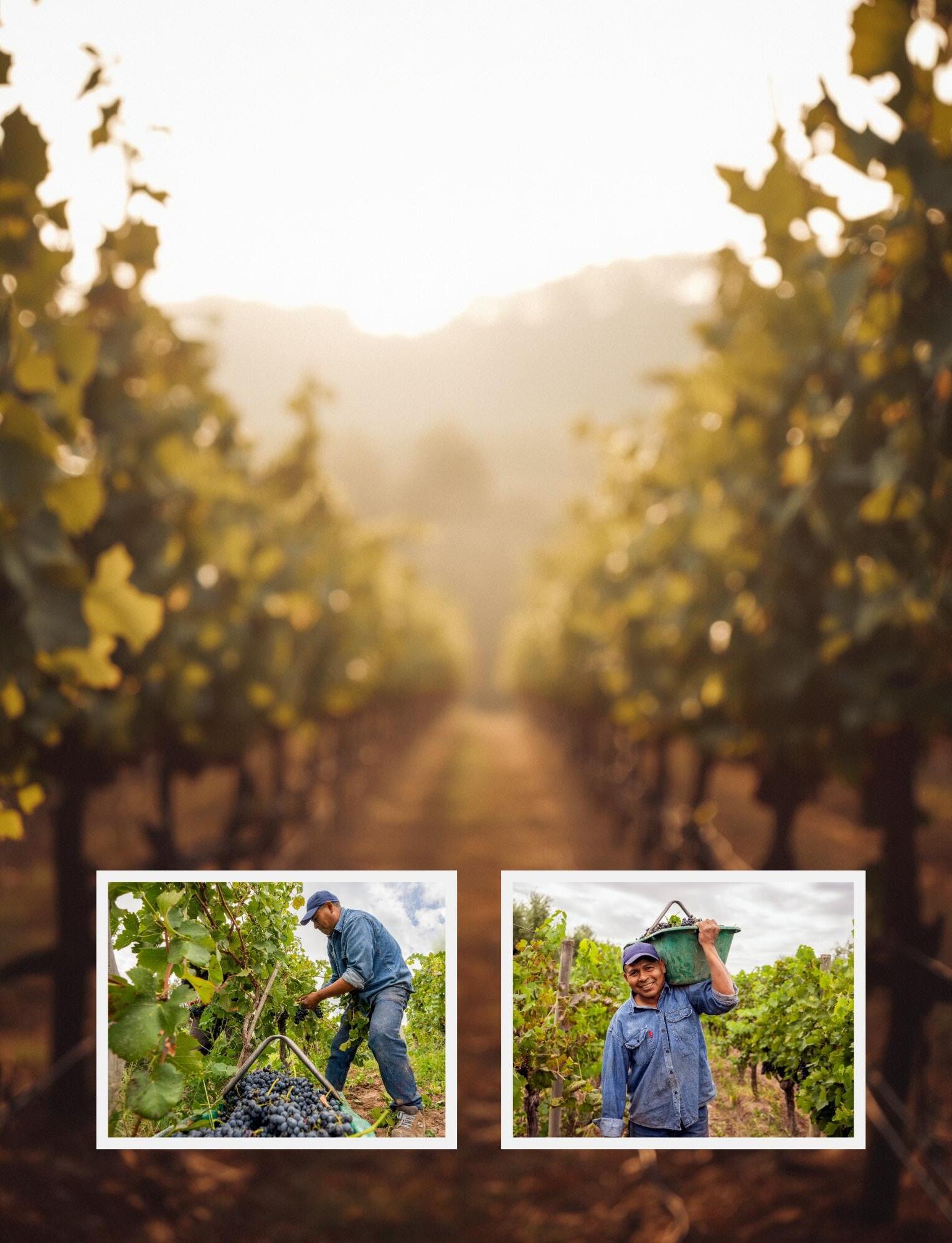
The alarm rings at four in the morning. The smell of fresh hot coffee fills the air as the day begins with a father and son grabbing their lunches and heading to work. Today, they are off to Arvin, CA, a 45 minute drive. Early mornings and long commutes like this are the daily reality for many farm-working families in California: waking up before dawn and traveling far to reach the fields.
At 18, Gerardo Reyes Jr. knew he had to get a full-time job after graduating high school. As the oldest in his family, he grew up knowing the value of a hard day’s work. For the last three summers before graduation, he worked with his father and uncles, picking grapes in Delano, California for minimum wage.
Reyes is the son of immigrant farm-workers who arrived in this country with only the clothes on their backs. Reflecting on his childhood, he recalls waking up early to be dropped off at the babysitter’s. His mom
would wake up very early to cook their meal for the day so that the babysitter could just heat it up and serve it. A home-cooked meal was a way for him to remember his mom while being cared for by a stranger.
Grape picking is not easy. The harvest typically runs from May to January, depending on California’s weather. The work requires harvesting rows of grapevines and picking only the ripest bunches, workers carefully packing the fruit into containers. All this is done for minimum wage for a physical and demanding job. The work is especially hard in winter, when it’s cold and foggy. During the misty cold winter, the dewiness of the air clings to the workers’ clothing making them even colder.
“I grew up watching my parents sacrifice their bodies just to feed us and make ends meet. It would be over a hundred degrees, and they would still be out there working the fields,” Reyes explained. A person has to condition their body to work these seasonal elements. There is a high vulnerability for agricultural workers because of their high chances of getting heat stroke or exhaustion. The labor contractors must provide water and shade for their workers often providing pop up canopies and ich chests with cold water. However, this does not prevent heat-related injuries.
He witnessed his parents work every day, and they hardly ever stayed home except on Sundays, when they went on family outings. Some of his memories include driving to Carmel, California to spend the weekend at the beach, staying with relatives in San Jose. One of his fondest memories is when he was taken to Lake Tahoe during the winter.
Lake Tahoe during the winter is magical, especially for a child who had never traveled outside of the Central Valley. “It was like being in the North Pole. There was so much snow on the ground. It was amazing to witness.”
While others spent their afternoons relaxing or socializing, he began his days early, drove considerable distances, and worked extended hours. Nevertheless, he experienced a quiet sense of pride, recognizing that his sacrifices were meaningful and that each paycheck, regardless of its size, contributed to easing his family’s financial burden. For Reyes, being a son entailed more than residing under his parents’ roof; it required assuming responsibility well before it was expected. He chose to help bear the financial burden, exchanging moments of youth for the opportunity to support those who had consistently supported him. Through these actions, he became not only a member of the family but also one of its providers, demonstrating that love is often expressed through sacrifice.
“When I turned 18 , I went to work in the fields to help my dad. Every check I got, I gave most of it to my parents for rent, bills, and always saved a little money to take my family to eat somewhere on Sundays.” Whenever they went out to eat, which was a rare occasion, his parents would share a meal. He recalled that he would say he was full after eating half of his plate so that his parents could eat the other half. His parents tried to indulge his cravings, but lacked the funds to do so. Reyes says that after he got his first paycheck, he treated his
Spring 2026
family to the Outback steakhouse and told his parents to order whatever they wanted. He felt proud as a devoted son.
Instead of spending afternoons hanging out or pursuing hobbies, Reyes often rested for the next early shift or helped around the house. He never complained. He understood that supporting his family was more important than any personal desire. His parents did not buy his affection, but rather spent whatever time they had to indulge them with love. They would camp out in their backyard and pretend to be on the show Man vs. Wild. They would chop firewood, start the grill, prepare the meals, and learn how to cook. These moments are some that he will carry in his heart forever.
Being the oldest child means taking on responsibilities’ that others do not. The oldest worries about the lights being shut off and eating the same pot of beans for a week when money runs out. They comfort their siblings like a parent and hide tough situations that might worry them. For Reyes, these duties were both a heavy weight and a source of pride throughout his teenage years. He felt the stress of keeping his family stable, but also pride in providing for them and setting an example for his younger brother. In Mexican culture, family is the top priority. Children often learn early on how important it is to support their family, whether by helping with money, looking after siblings, or respecting their parents’ hard work.
“I would hear my parents talking about not being able to pay the light or gas bill. It frustrated me. I was not old enough to work, not able to help them,” Reyes shares.
His parents kept telling him not to worry about adult problems. They asked him to focus on graduating from high school. In the back of his mind, he understood that his parents wanted better for him. They did not want him to feel the pressure of working at such an early age.
“They wanted me to be a kid—but I didn’t have that choice.”
Reyes understands not everyone agrees with his decision on not enrolling in college. The priority of so many children of immigrants is to better their family’s living situation. Oftentimes, this means putting their own needs and wants second. For Reyes, getting a job would benefit their living situation which is a priority.
“Everyone grows up differently. Some focus on school, others on
sports, some get sidetracked, but for me, I made the only decision that would allow me to assist my household,” Reyes states.
Reyes says they currently live with his aunt in a three bedroom home. Growing up, his family of four slept in one bedroom, with his parents opting for the floor. As he grew older, his parents allowed him to share the room with his brother, while they slept in another room. He longs for the day that he can finally have his own room.
As graduation neared, he applied to places like Walmart, Dollar Tree, and other businesses in Delano, prioritizing a job nearby because he lacked transportation. Reyes chose not to attend college, since it would add to his parents’ expenses. He briefly considered scholarships and community college, but felt working right away was the best way to support his family.
“I needed a job to help my parents. Watching them go to work every day, unable to call in sick, was a real awakening for me.”
When graduation came, his parents gifted him a white, two-door, 2016 Chevy Camaro: his dream car. All the money he gave his parents had been saved to buy him this car as a thank-you.
“It’s such a beautiful feeling to see my dream turn into reality,” said Reyes. Reyes was so busy worrying about his family and their needs, he never put his needs first.
Today, Reyes works full-time at Walmart in Wasco, California. While he still hopes to enroll in college one day, he stands by his choices and the sacrifices he’s made.
“I am who I am today because my parents taught me the value of hard work. They instilled in me the power to be devoted to my job, and that is a lesson I can apply to every part of my life.”
Reyes speaks with pride about his journey, confident that his dedication has shaped his future.
Story by Jonathon Cortes
“People explore, then find themselves. Then, they get a boost of confidence. This is exactly my experience with my best friend’s brand, and this is why I do it.”
“F orget the mask that you have for the world. What makes YOU feel comfortable? ... I’m even getting chills because it’s the truth.”
“People dress to be comfortable but also to feel seen...”
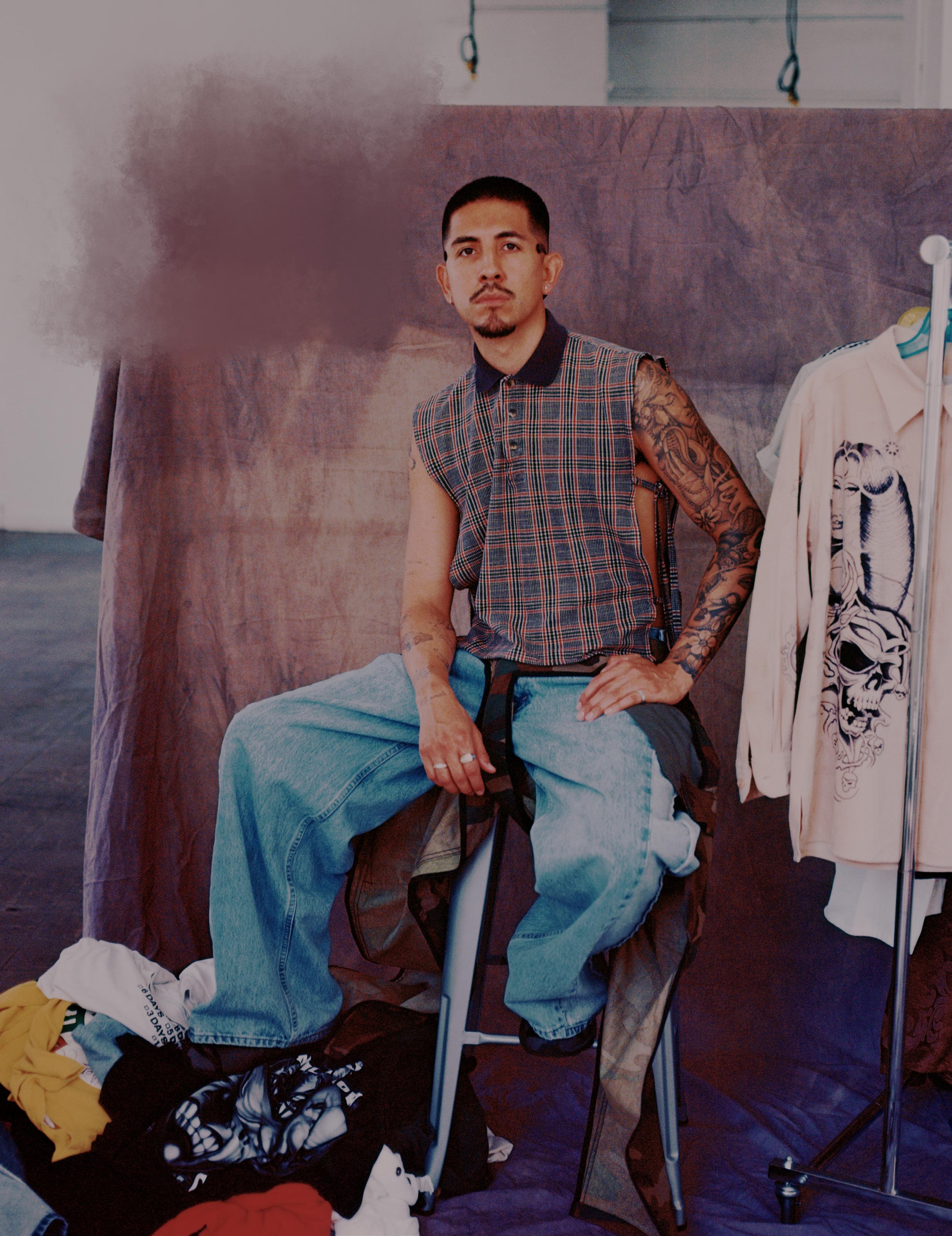
Richard Resendez, 35, was born and raised in Delano, California. His advice is to always move with good intentions; be bold, don’t dilute yourself, and align yourself with people that you can learn from. Resendez’s journey helped to shape the way he runs his business and carries himself in the fashion industry.
For Resendez it is important that he expresses himself artistically to avoid living the mundane life. Graduating from California State University, Bakersfield with a degree in Public Relations, Resendez went from Delano to Orange County before finding himself in Los Angeles. The money he made managing retail stores would be used to fund his dream: expressing himself through fashion.
At first, Resendiz admits it was just for extra money to be able to purchase whatever he wanted to splurge on for fun. Not wanting to just work, go home and repeat. Not expecting to fall in love with the feeling of styling people. It may have started as being for extra cash but now it became something way bigger.
However, giving half his time to the business and the other half to a more stable part time job wouldn’t work out in the long run.
“That’s where this stemmed from, to make extra money, and then it took off in a way where, that wasn’t even the intention for me. It was just to have extra money to pay for rent, I’m not lying, for real.”
“I got fired a year and a half ago and the thing is, I was shitting it, dude. I was like, what the fuck am I gonna do? Am I gonna move back home? Like, what? And he [business partner] was just, why would you do that? Why would you think like that? Don’t think like that. And I’m just like, I just don’t know how to do this and flourish in this.”
“And then it just happens where, you make ends meet, it’s just like yeah, it’s possible. Just taking a chance on yourself and just believing in it and just really investing in yourself and betting on yourself. With a store like this, you can’t have one foot out.”
In just a couple of years, Resendez went from working a regular day job and fashion designing in his spare time. To a successful full-time business owner, partnering with his best friend to create a store space called Planeta, showcasing over 30 designers on consignment. Also, making custom pieces himself. Pieces so unique they appeal to creatives and blessed the Super Bowl stage donned by Bad Bunny’s back up dancers.
Resendez wants to set the record straight. He did not dress Bad Bunny; Zara dressed the halftime performer. Planeta’s pieces were worn by the backup dancers.
“I don’t want people to think that I’m over here styling Bad Bunny, because that’s not [what happened]. “but that’s another thing why I also wanted, to clarify so we could talk about, the reality of things and paint a picture, because people love, click bait and love to just, read a small part.”
Although Planeta has reached popular culture, being seen on the Superbowl stage. It wasn’t always smooth sailing for Resendez. From a fashion designers’ perspective, Resendez admits there is no formula. He can put his heart, soul and money into a piece thinking it will take off only to be met with no sales. Learning from his early mistakes was crucial for Resendez and Planeta’s success.
Reflecting on times when he would pour thousands of dollars int o one design, putting himself in the hole for apparel that didn’t move off the shelves. He eventually taught himself how to pivot. For example, carrying only a couple pieces rather than an entire rack of the same style like H&M or Forever 21, and revamping old pieces that have become stale rather than tossing them into a warehouse or into a trash heap much like fast fashion does.
This style of wearable art is evident when you see the pieces in Planeta. Most things in the store are one of one. Every piece is custom wearable art that you cannot find anywhere else that some are too intimated to live in these eye-catching articles of clothing. Resendez, however, loves encouraging his clients to branch out and think outside the box and style things in unique ways to avoid the monotony.
“People dress to be comfortable but also to feel seen... For me, you can gravitate to different pieces, different items. I feel like your closet should have a variety of sizes because some days you want a baggy fit. ... I always encourage to be playful with it because it all comes down to how you style it.”
He further explained “I’m getting chills before I even answer this, but it’s just, to have, so much chaos as a person that, overthinks. But then you have this idea of an item, and it’s in your mind. Then you make it tangible... and then I put it out for sale, and someone gravitates to it. So now you’re telling me that you own a piece of mine that belongs to you, that now you can wear whenever you want, however you want, and it allows you to feel like yourself. I can’t ask for anything better in this lifetime. I cannot, I’m not even exaggerating. Sorry I’m getting emotional, but it’s really that for me.”
Resendez was in fact fighting back tears as you can hear his love for art and expression in his words. For Resendez it’s more than just about cool clothing and looking stylish. Planeta offers a home for people that rarely feel seen. Resendez blazed a trail and stamped his flag for other Chicano designers to express their creativity and contribute to the popular culture.
“I think I am where I am is because, I move in life treating people how I wanna be treated. I say that because when I had my own new collection, I couldn’t think of a space where it could exist. So, all it was, was online. But I so badly wanted a shop, where I can do consignment or something in a store. So, people can see my stuff, and have it be tangible, and have people try it on.”
Planeta is not a traditional store front by any means. First off, many pieces have embellishments and patchwork that have never been seen before. Not only do they carry 30 different designers on consignment; Resendez, and his business partner also take pride in the fact that most of the designers they host are Mexican. This, along with the exclusive nature of being appointment based is what catches the attention of many popular artists in the Los Angeles zeitgeist.
Located on the 3rd floor of a histor ical building in Downtown Los Angeles, Planeta is smack dab in the middle of the downtown LA where many have tried and failed to run a successful business.
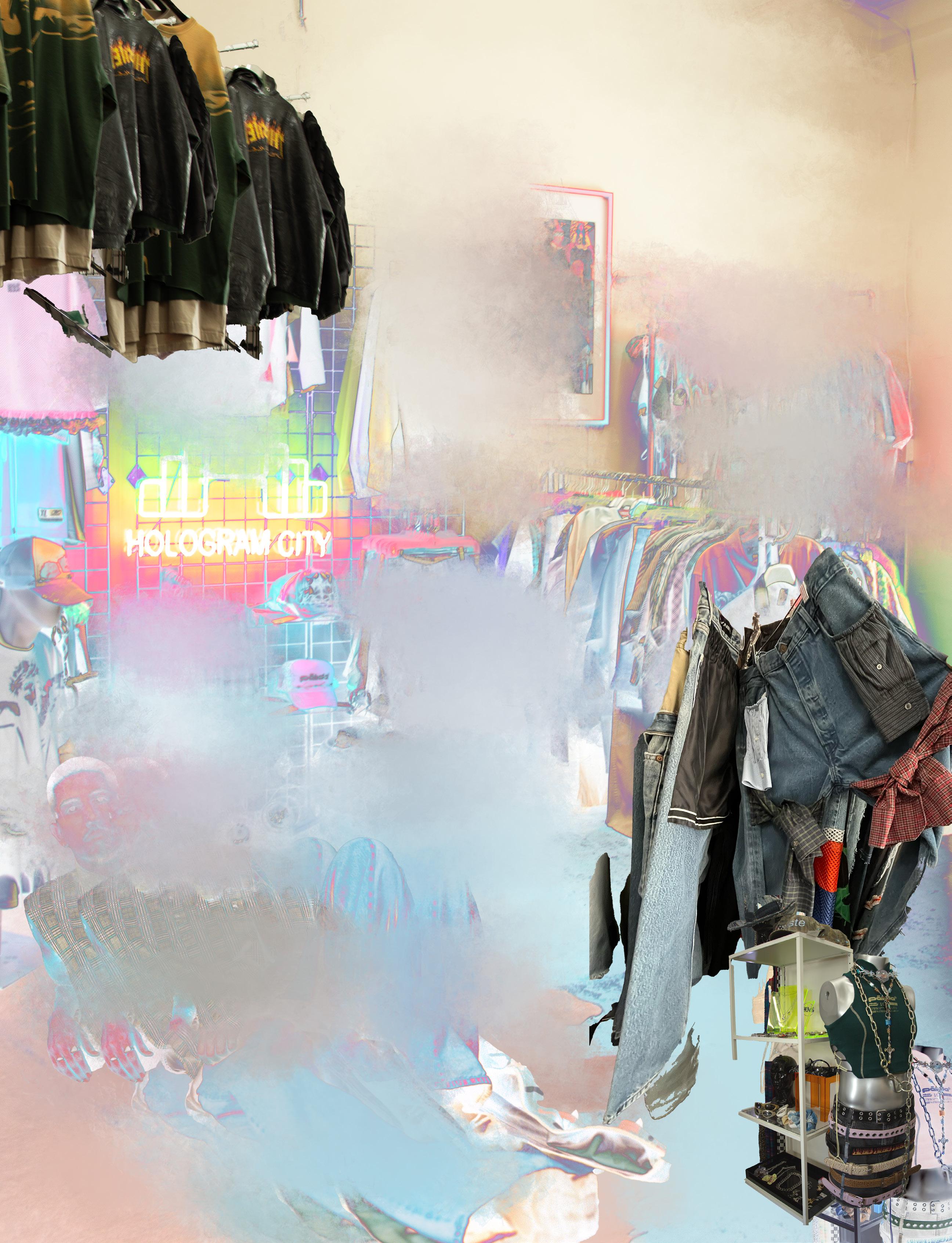
“So, in a time, right now, where they don’t see it for us, and they’re saying, like, go back to your country, and stuff like that.”
“No. I’m gonna be here, I’m gonna exist, and I’m gonna be in your face, and you’re gonna see my items, and people are gonna rock them, and we’re gonna look fly. We’re gonna look super sick and you’re just gonna have to take it and if you can’t take it, then I don’t know what to tell you.”
Resendez looks back on the feeling of community in Kern County with admiration now that he’s been in Los Angeles for a while. Feeling the love that he has gotten from his people back home helps to keep him grounded in LA where the fast pace and huge population may make a person feel unimportant. He feels pride being able to represent Kern County and inspire people from the central valley to chase their dreams and stay devoted to their cause.
Resendez admits at first that the logistics were the toughest part of running the business. Often mistakenly investing too much money into designs and telling designers on consignment that he was willing to purchase pieces with his own money from working part time if they didn’t sell.
Through the struggle of uncertainty and fear of failure, Resendez stuck with his dream and went all in. I simply asked, what keeps you so devoted? Resendez’s reply was just as simple.
“I don’t know if it’s a good thing, I don’t know if it’s a bad thing. It’s just a thing. I need to express myself.”
Most known for their one of one
Story by Zachary Trevino
In general, most people strive to find success in whatever they do, but some even go the extra mile to try to be the best at what they do and stand above all the rest. It surely is a tantalizing idea to reside at the top, but as the saying goes, you have to beat the best to be the best. This idea has sparked what has become some of the greatest character studies in film history. To see how characters in these films rationalize that the destination is worth the journey is inherently interesting and it is left to us the audience to see if they fall short of their goals or see what is left of our characters once they reach the “top”.
Two films that craft the strongest sense of relentless devotion in its characters are Damien Chazelle’s “Whiplash” (2014) and Darren Aronofsky’s “Black Swan” (2010). Both of these films see the gritty and harsh reality of being pushed to the limit within their passions.

in this instance is the performance of swan lake, and by the end of it she gave her own mortal being in the name of the performance, which may seem outlandish to us, seems all but logical to Nina who is completely unrecognizable when compared to the woman who opened this film.
In “Whiplash” we see how Andrew Neiman wants to excel in the world of jazz drumming and is initially welcomed into this shared vision with his instructor Terrance Fletcher. Once he truly gets ingrained into the world, he is met with ferocity that is unmatched in Fletcher’s teachings. Andrew literally gives blood, sweat, and tears for his shot, but is cast aside by Fletcher. It is not until Andrew challenges his master and breaks away from this subservient mentality that both the former student and the teacher realize that what Andrew has become is something truly great. But in that process, Neiman pushed away all of his personal relationships to get here, leaving with him a modicum of success, but a lonely victory nonetheless.
“Black Swan” also has similar ideas of there being friction, but in this film it stems more from within. Nina Sayers wants nothing more than to be the main attraction of her studio’s run of Swan Lake, but what comes from her devotion is a spiraling of the mind. Hallucinations of her own mind mar the world around her and the questionable actions taken by her own demanding ballet instructor Thomas and overbearing and protective mother skew Nina’s world and cause it to fall apart around her. Her only guiding light
There lies another dimension to the archetypes of this kind of film and that lies in the apparent egotistical nature that this kind of movie gives off. A common trait in these kinds of characters is that they feel a sense of superiority over others from the jump; that they are different from the herd and deserving of the accolades of success. A film that I feel grasps this concept to a high degree is Josh Safdie’s “Marty Supreme” (2025). This film has special distinction from the rest of films that play with this idea of devotion and really captures a visualization into the ego and the aspect of self sabotage within egotistical nature.
See, Marty is a table tennis prodigy that can only envision himself as being the best, even if reality puts his mark from that spot. The film is a pressure cooker of Marty’s own design with every step closer to success that ends up with him moving three steps backwards to the end of the movie where we are left with Marty “winning” in a scenario that honestly only counts as a win to him. This comes off as not very impressive and even embarrassing to those watching Marty’s journey.
The idea of “being the best” really is a trap as what lies ahead of those who truly commit is a sense of tunnel vision where these characters disregard all external and internal aspects of their life and they are left to face demons that hound them on their way to fame or fortune. There are so many examples of stories that go over this kind of character that it’d be a fool’s errand to name them all here, but there is one commonality between all of them. All characters, whether they succeed or not, give their pound of flesh in their pursuit of success.
Vietnam is a country where everyday life carries deep meaning. From its diverse landscape to its rich traditions, the essence of Vietnam is not only seen, but felt through the way its people live and connect. Whether it is through shared meals, vibrant cities or long-standing customs, Vietnam reflects a unique balance between emotion and identity. These spirits can be best understood through three interconnected elements: Love, passion, and devotion - each shaping the culture, the people, and the story of the nation.
Love: The Heart of Vietnam’s People and Land Love in Vietnam is often quiet but deeply rooted. This can be seen in the strong bonds with families, where parents dedicate lives to their children and respect for the elders is a fundamental value.
The geography in Vietnam itself nurtures this sense of connection. From small villages to bustling cities, communities are closely linked, and people rely on each other in daily life. Love is not individual, it is shared, collective, and deeply embedded in social relationships.
One of the most powerful expressions of love in Vietnam is food. Meals are more than nourishment; they serve as a space for connection and social bonding. Dishes like Pho, Bún bò, and bánh Chung are prepared with care and often shared among family members. Even something as simple as banh mì carries cultural meaning. Its recognition in the Oxford English Dictionary highlights not only its global recognition but also how a humble, everyday food can represent the warmth, creativity, and identity of Vietnamese people. In this way, food becomes a language of love, bringing people together and preserving memories across generations.
Traditional clothing, especially Áo Dài, also reflects this gentle love. Its elegant and modest design represents respect for tradition while celebrating beauty. Whether worn at school or during special occasions, it carries emotional meaning beyond appearance.
In Vietnam, love is steady and enduring. It exists in the small, consistent acts that shape everyday life.
Passion: The Energy of Culture and National Spirit While love forms the emotional foundation, passion is the energy that brings Vietnam’s culture to life. This is not only seen in progress or change, but in the way, traditions are celebrated, preserved, and shared across generations.
Passion is found in Vietnam’s culture festivals. Celebrations such as Tut (Lunar New Year), the Mid-Autumn festival, and local village festivals are filled with color, music, and energy. Streets come alive
Story by Quy Nyu Nguyen
with lanterns, traditional performances, and joyful gatherings creating a vibrant atmosphere.
Traditional arts also carry this spirit of passion with traditions like; water puppet theater, folk music, and traditional dance have been preserved for centuries, telling a history and daily life. Each performance requires dedication, skill, and a deep emotional connection to culture.
This passion appears in the way Vietnamese people take pride in their country’s history; the stories of resilience to the preservation of historical sites. There is a strong awareness of the past and its importance in shaping the present. People actively participate in remembering and honoring these moments, whether through education ceremonies, or national holidays.
Up to now and everyday life, this passion is alive and visible. It exists in the energy of local markets, the liveliness of street life, and the strong sense of community in both rural and urban areas. In Vietnam, passion is about culture expression, national pride, and the collective energy that keeps traditions alive.
Devotion: The Soul of Vietnam Traditions and Values At the heart of Vietnam lies devotion - a deep sense of responsibility, respect, and commitment. Devotion is what sustains the country’s traditions and values across generations.
Family devotion is central to Vietnamese culture. Children are taught to honor their parents and ancestors, a value known as filial piety. This is reflected in practices such as ancestor worship, where families maintain altars and offer food and incest as a sign of respect and remembrance.
Traditions and rituals are acts of devotion rather than mere customs. During Tut (Lunar New Year), for example, people clean their homes, prepare traditional foods, and visit relatives to honor both the past and the future. These practices strengthen family bonds and cultural identity that they keep alive with devotion
Devotion is evident in daily work and craftsmanship. Whether it is a tailor carefully sewing an Áo Dài, a vendor perfecting a recipe, or a farmer cultivating rice, there is pride and dedication in every task. This commitment reflects a deeper respect for one’s role in society.
Spiritual beliefs further reinforce this devotion. Influenced by Confucianism, Buddhism, and Taoism, Vietnamese culture emphasizes balance, respect, and moral responsibility. These values guide behavior and create harmony within communities.
Even in a rapidly modernizing word, this devotion remains strong and allows Vietnam to grow while staying connected to its roots. Vietnam can be understood through the lens of love, passion, and devotion. Love shapes relationships and everyday life, passion drives creativity and progress, and devotion preserves traditions and values.
Together, these elements create not just a country, but a living expression of identity. The one that continues to inspire, evolve, and connect with the world.
Story
Photos by Oyuki Lopez
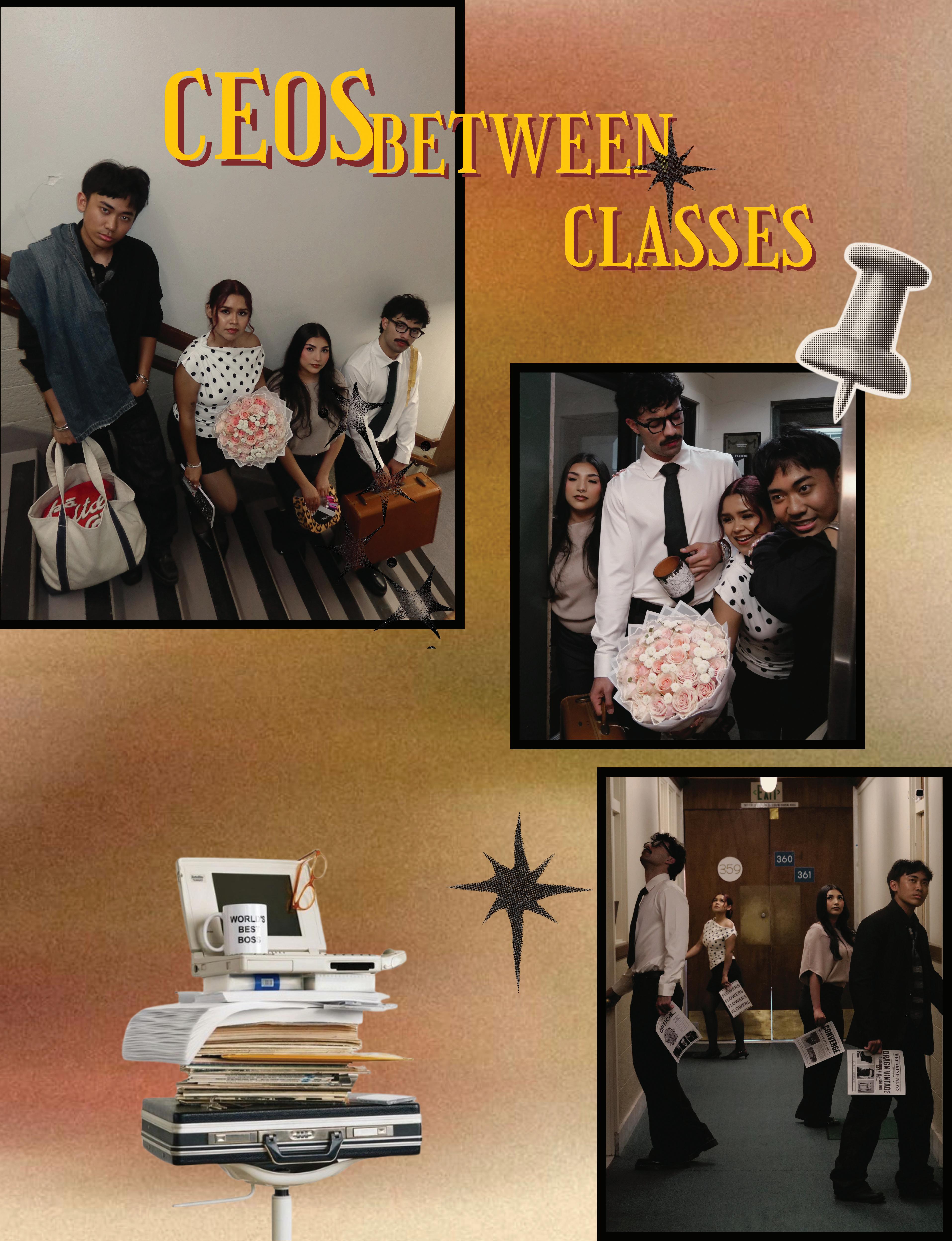
At any given moment, somewhere on campus, a student is building something. For these CSUB students work, that doesn’t just stop in the classroom; their schedules don’t end when class does. Instead, they shift roles. Students by day CEO in between. They all share that same desire to create something personal; something meaningful which is where each of these stories begins. Not with profit, but with passion.
What started as a silly joke about creating DIY arrangements only for loved ones quickly became an actual appreciation for something more. Alexys Morales is a recent 2025 Bakersfield College Graduate and plans to attend CSUB in Fall 2026.
She launched her business “Lexysflowerco” in the Summer of 2023 and has been continuously pouring her heart into creating beautiful floral arrangements for the community.
Growing a business is definitely not easy, so for Morales, there were definitely some ups and downs. Especially when you’re trying to figure things out on your own. On top of being a brand-new small business, she was also a newly enrolled college student. So, she soon figured out balancing school and orders also is not easy, but she’s learned to adapt and so when time comes, she is ready to take on college life at California State University, Bakersfield.
“Between classes I had to message people about orders. And I was getting orders out after or before class...at first, it was hard but then I had a routine going. I would go to class, then drop off orders, work on orders at home and then lastly do homework,” she said. “As time went on, it did get a little easier.”
With the encouragement of her parents and full support of her family, Morales believed that taking this leap of faith into something new would benefit her creative spark.
“I love working with people, talking to people and knowing the things I create is going to make them happy,” she said. “My customers always say thank you much, they came out so cute, so I feel accomplished that I was able to make their day.”
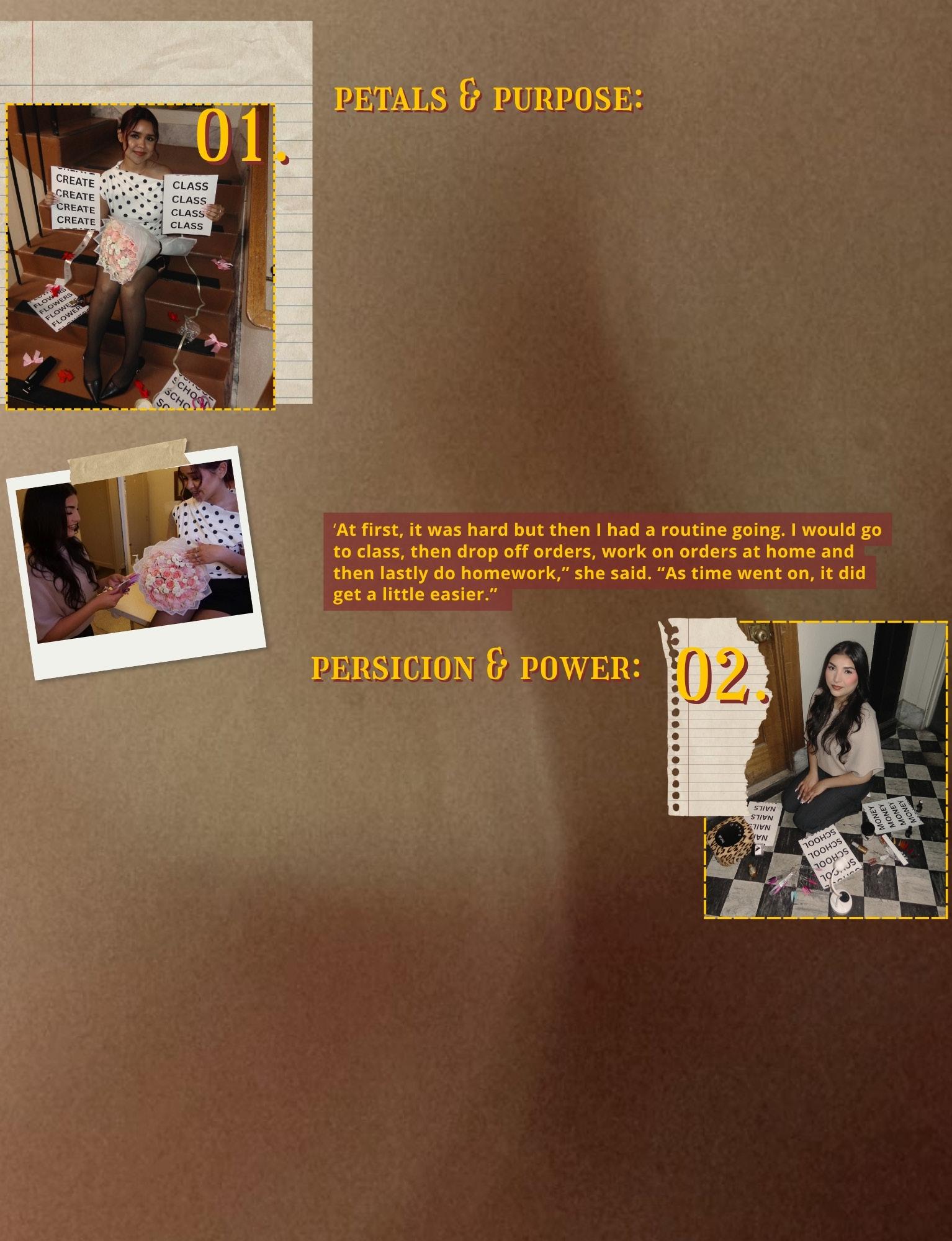
Alexys
There’s a level of precision in nail work that requires more than skill; it requires obsession. Mariana Jasso built her business from scratch A 25-year-old psychology major, Jasso first picked up nails in 2019 as a simple hobby, a creative outlet she shared casually with friends and family online.
“I had it for funsies”, she recalls, “I would just post my progress. It was just a fun way to show my work.” It wasn’t until 2022 that something shifted. What once felt like experimentation turned into intention, and she began taking clients, stepping fully into her craft.
Balancing school and business wasn’t something she mastered overnight. After switching from biology to psychology, searching for a path that felt right.
“I felt stuck...I wasn’t moving forward,” she reveals.
She attends classes early in the week, dedicating the rest of her days to clients, carefully structuring her schedule so neither school nor her business gets left behind. That balance, she explains, is everything.
“I have days just for school and days just for nails,” she says, emphasizing the importance of not overworking herself while still being committed.
Operating out of a small town like Arvin came with challenges. Building a clientele in a space where her style; bold, maximalist, and heavily inspired by kawaii and Japanese nail art wasn’t the norm it what pushed her to stay patient and consistent.
“Definitely the tea,” she jokes when asked what she looks forward to most. “Just picking up where we left off...and the laughs.”
Even as she looks toward a future in psychology, hoping to work with children and possibly become a clinical psychologist, Jasso doesn’t see nails as something temporary. Instead, it remains a constant passion she plans to carry with her long-term, even if only on the side. Because for her, this isn’t just about business. It’s about creativity, community, and carving out a space where both she and her clients can feel seen.
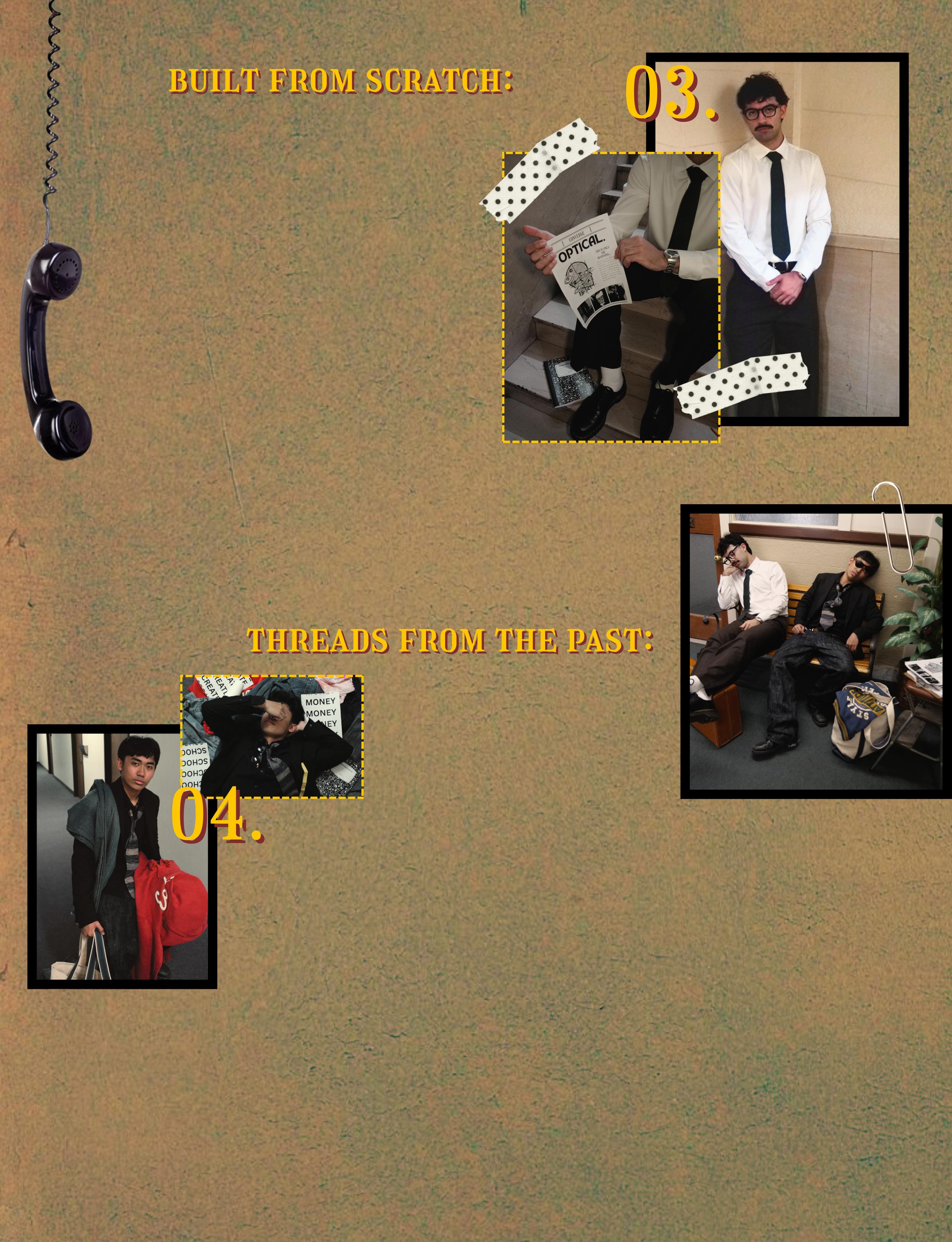
For Emilio Buenrostro, passion started with identity. As a business marketing major, CEO is right up his alley. His passion for business and creation was something he’s had the drive for since he was a kid. What started as frustration in retail stores, wishing the affordable clothes looked a little more authentic and “fashionable” slowly turned into something bigger. At just 16 in 2022, he decided to turn that mindset into action, launching his clothing brand “Optical”, with nothing but saved birthday money and a willingness to learn as he went.
“I didn’t know how a business worked”, he admits. “I spent everything I had on my first drop and had to start over”.
The trial-and-error beginning became the foundation of how he operates today. Now balancing full-time classes, a part-time job, and a growing brand, Buenrostro treats his work with a level of discipline that mirrors his studies. Continually finding time to build his brand whether that’s late nights at friends’ houses, coffee shop meetings, between classes, building a brand into a business into an empire piece by piece doesn’t just happen overnight.
Optical began as just a clothing brand with a couple of t-shirts; he has now expanded into a creative outlet that blends fashion, photography, and film. An evolving platform rooted in community. Buenrostro collaborates with other creatives, works with photographers and even envisions hosting spaces for every genre of creative.
“The best part is seeing someone wear something I made,” he says. “Especially when they don’t even know me.”
That simple, quiet validation, the kind that happens when you least expect it, is what continues to drive him. For Emilio, passion is not just about creating something new; it’s about building something lasting even while still figuring it out along the way.
Then there’s 18-year-old Brandon Aquinde, a business marketing major at California State University, Bakersfield, who’s passion for fashion didn’t start as a business but as a necessity. Long before dragnvintage became a growing resale shop, thrifting was simply a way of life. thrifting was simply a way of life “I remember thrifting with my family because we were
struggling with bills,” he says. “I never thought anything of it, it just felt normal.”
That familiarity slowly evolved into something deeper. Years later as a freshman in high school, Aquinde launched his business in 2021 with limited resources, but he had passion. It started small, funding was low; almost none, and no way to tell what would even become of his business-quickly became something much more purposeful. By his junior year there were bigger obstacles that came into the picture. Car payments, insurance, and real financial responsibility pushed him to fully take advantage of what he started.
“I fell in love with the thrill of thrifting again,” he says. “That’s when it stopped feeling like a side hustle.” What keeps Brandon going isn’t just profit, it’s the story behind every piece. He remembers a moment at a
yard sale that shifted his perspective entirely: racks of worn clothing, each item carrying years of history. Listening to the owners talk about their children and grandchildren wearing those same pieces gave him a new understanding of fashion, not just as style, but as memory. But like many student entrepreneurs, his biggest challenge isn’t creativity. It’s time.
“Every day I thrift,” he says. “Between classes, I’m going to yard sales, swap meets, wherever I can find something.”
Still, beyond the numbes, it’s the connection that matters most. At pop-ups, he watches people interact with his pieces, seeing their faces light up when they find something they love. It’s a reminder of why he started in the first place. For Aquinde, thrifting isn’t just about clothing; it’s about sustainability, storytelling, and community. And while he’s learning balancing school and a business comes with its challenges, especially something as simple as storage space, his vision remains clear.
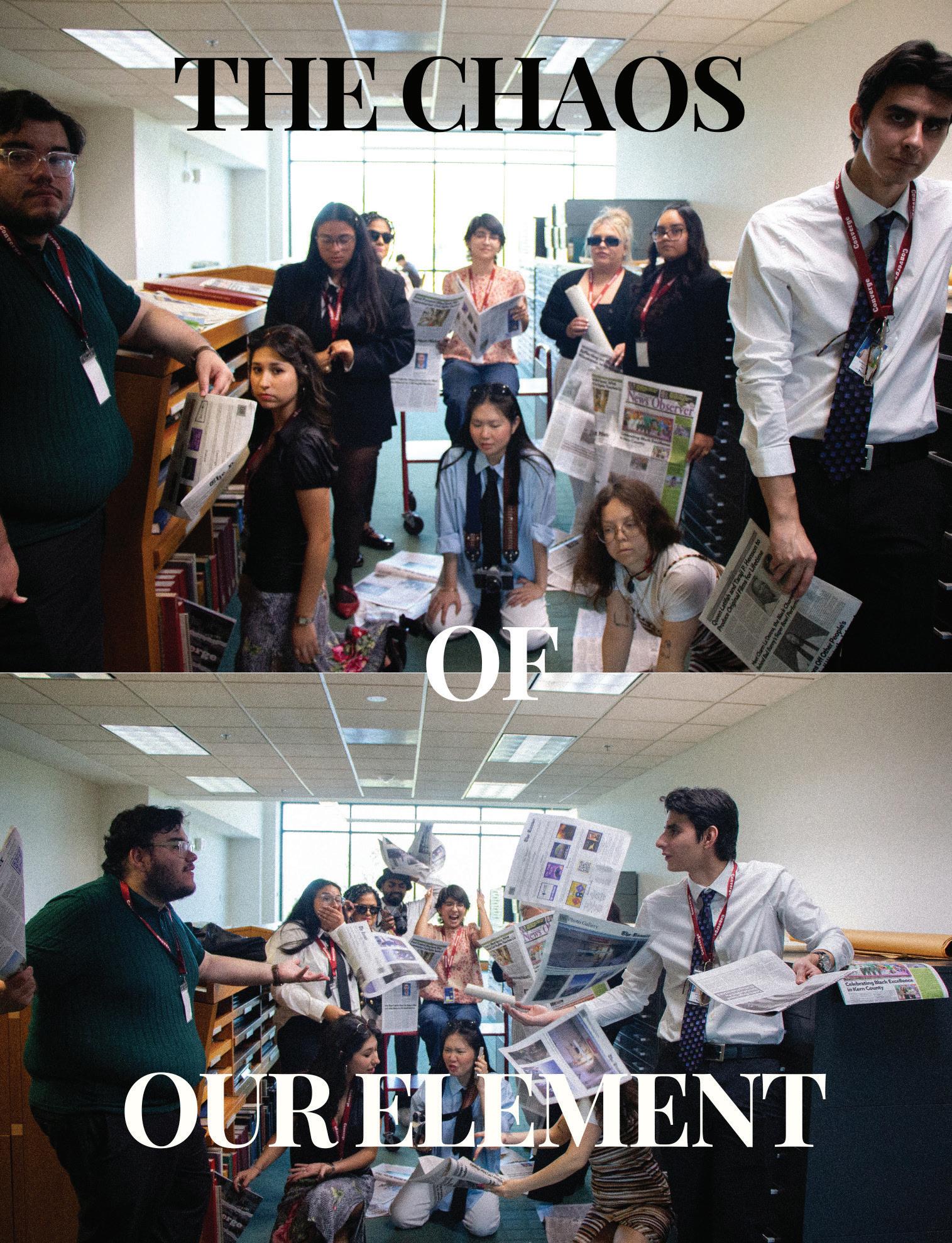
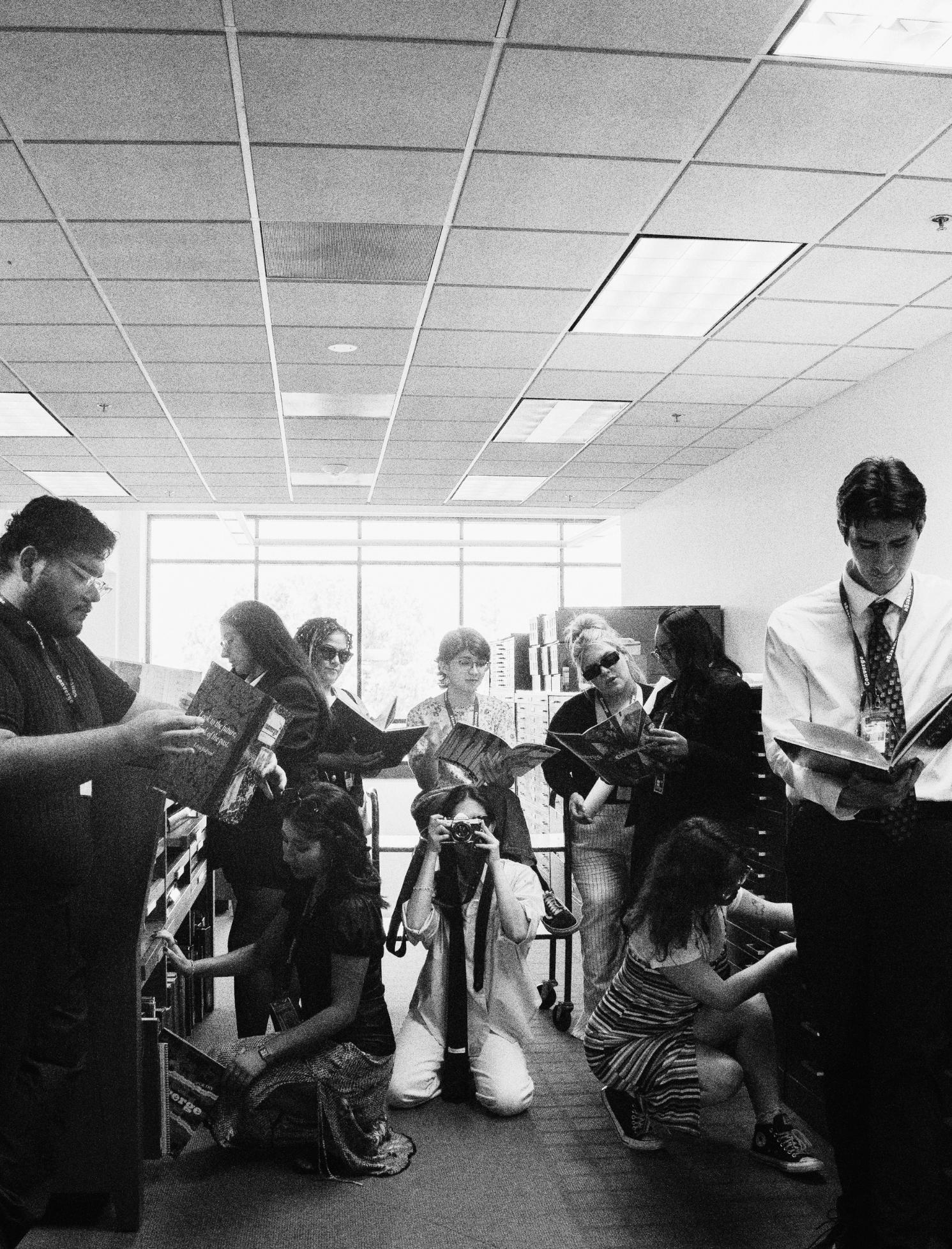
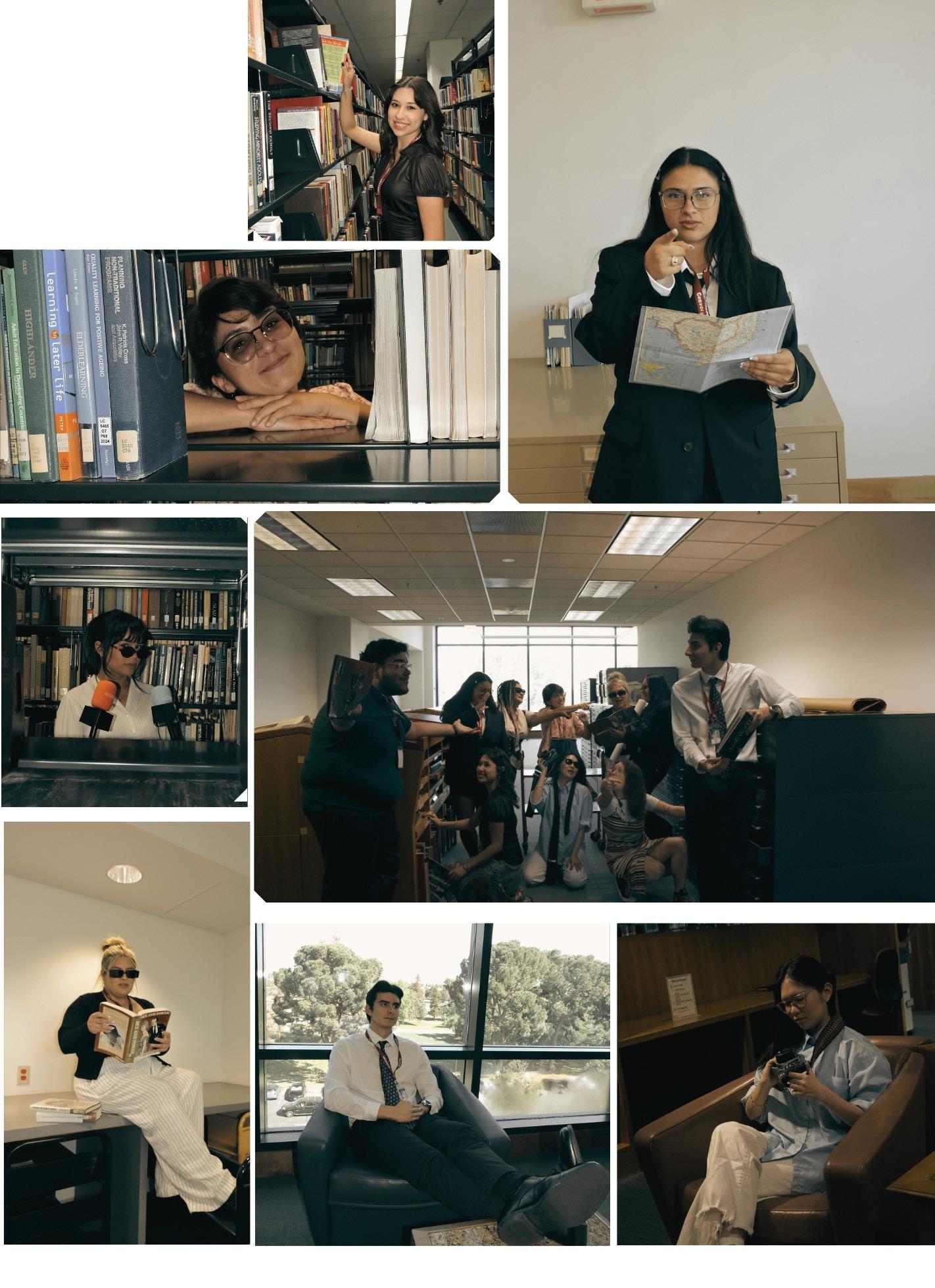

Issue 8| Spring 2026