The Crystal Valley Echo


By the Crystal Valley Echo Staff
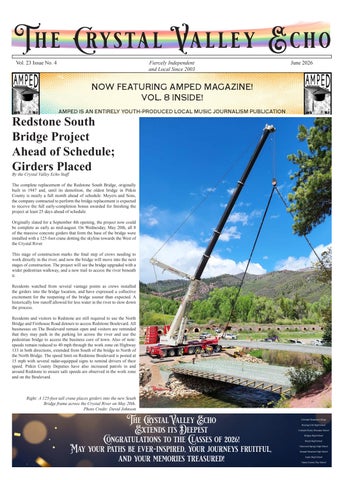
The complete replacement of the Redstone South Bridge, originally built in 1947 and, until its demoliton, the oldest bridge in Pitkin County is nearly a full month ahead of schedule. Meyers and Sons, the company contracted to perform the bridge replacement is expected to receive the full early-completion bonus awarded for fnishing the project at least 25 days ahead of schedule.
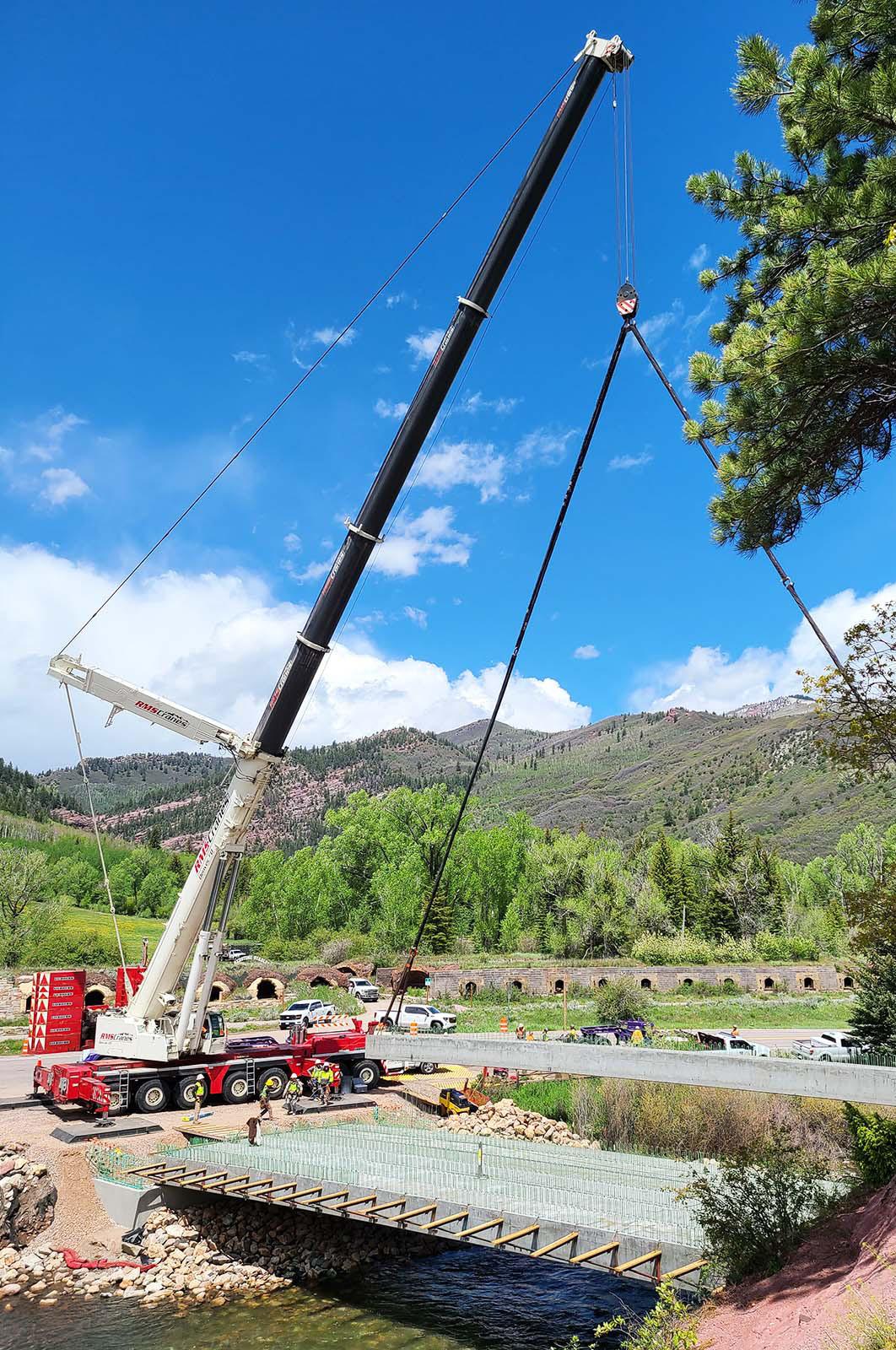
Originally slated for a September 4th opening, the project now could be complete as early as mid-august. On Wednesday, May 20th, all 8 of the massive concrete girders that form the base of the bridge were installed with a 125-foot crane dotting the skyline towards the West of the Crystal River.
This stage of construction marks the fnal step of crews needing to work directly in the river, and now the bridge will move into the next stages of construction. The project will see the bridge upgraded with a wider pedestrian walkway, and a new trail to access the river beneath it.
Residents watched from several vantage points as crews installed the girders into the bridge location, and have expressed a collective excitement for the reopening of the bridge sooner than expected. A historically low runoff allowed for less water in the river to slow down the process.
Residents and visitors to Redstone are still required to use the North Bridge and Firehouse Road detours to access Redstone Boulevard. All businesses on The Boulevard remain open and visitors are reminded that they may park in the parking lot across the river and use the pedestrian bridge to access the business core of town. Also of note: speeds remain reduced to 40 mph through the work zone on Highway 133 in both directions, extended from South of the bridge to North of the North Bridge. The speed limit on Redstone Boulevard is posted at 15 mph with several radar-equipped signs to remind drivers of their speed. Pitkin County Deputies have also increased patrols in and around Redstone to ensure safe speeds are observed in the work zone and on the Boulevard.




June 11th Bonfre Coffee Roastery Grand Opening Party 304 Center Dr. Unit 106, Glenwood Springs 4:30-7:00pm June 12th - Composition 101 with Dione Holt at Joy & Wylde $55 includes coffee, tea and snacks. Register at www.joywylde.com
June 12th-14th "Marble Rocks A Gem and Mineral Show" in Marble at Meri Daes campground. From mineral to metaphysical, free to the public with lots of fun for all. For info call 970 309 1543
June 13th 7:00pm-9:00pm Music On the Mountain Los Cheesies, Glenwood Caverns
June 13 7:00pm-10:00pm The Intaglios with Special Guest Martin Pipho play live at Townline Trucks in Carbondale, 111 Main Street
June 15th -19th Day Camp at The Orchard 110 Snowmass Drive Carbondale 9:00am-4:00pm, Ages 6-12 Cost is $275.00 more info at eaglelakecamps.com/theorchard
June 16th - Join the Roaring Fork Drawing club for an evening of sketching and socializing at Joy & Wylde from 6:30pm. Free and open to all. June 17th -August 12th Basalt Summer Concerts (6:00pm opener, 7:30pm Headliner) @ Basalt River Park

June 18th - 4-6pm - Artist talk with Scott Ruthven at the Redstone Gallery. Wine and appetizers provided. Free to all. June 18th Snowmass Concert Series Float Like a Buffalo, Opener: Starfsh Enterprise (Doors 5:30, Show 6:30 @ Fanny Hill) June 18th - 21st - 3 day plein air workshop with Scott Ruthven. Scott is an award winning Fort Collins based artist who will be participating in the 2026 Redstone Plein Air Festival. $450 includes lunch daily and expert instruction while painting outdoors. Register at www.joywylde.com June 19th-June21st 129th Annual Strawberry Days Festival, Two Rivers Park Glenwood Springs Hours: Friday June 19 12:00-10:00pm, Saturday June 20 10:00am-10:00pm, Sunday June 21 10:00am-4:00pm June 19th Teen Night: Open Mic Night @ 7:00pm @ TACAW Tickets here: https://shorturl.at/mv0WM June 20th Dine & Drive @ 502 Diner Carbondale
6:00pm-10:00pm exclusive dining experience, golden hour photo opportunity, following by a scenic drive to Glenwood Springs (location to be disclosed at the event) Carbondale Farmer’s Market, every Wednesday, June 3 - September 30 from 10 AM -3 PM at 4th and Main St, Carbondale Carbondale Wild West Rodeo: Rain or shine every Thursday, June 4th through August 20th, 2026. Parking is tighter this year - park at the Orchard Church or at 4th Street and Colorado Ave (Town Hall) and ride the FREE shuttle bus. June 20th Smuggler Social @ Smuggler Mine from 6:00-9:00pm Tickets here: https://shorturl.at/pj4qs June 21st Carbondale Summer Music in the Park 5:00pm @ Sopris Park Opener: Starfsh Enterprise, Headliner: Banshee Tree
June 21st, Snowmass Bike Park Opening Day @ 10:00am June 22nd - 28th - 2026 Redstone Plein air festival - A week long celebration of outdoor painting in the beautiful Crystal Valley with classes, demonstrations and live music. Sponsored by Hailie Mickley State Farm and Jamie Maybon of Coldwell Banker Mason Morse. June 25th Snowmass Concert Series Low Cut Connie, Opener: Garland Burton (Doors 5:30, Show 6:30 @ Fanny Hill) Friday June 26th - 9am - 12pm - Introduction to Urban Nature Sketching with Glenwood Springs Artist Romana Davies. $30 for members of the Redstone Art Foundation or $60 for non-members. Register at www.redstoneartfoundation.org
June 27th Snowmass Rendezvous 2026, Snowmass Village Mall 4-8pm, tickets at: https://shorturl.at/0EZMo June 27th Sunlight Showdown 5k Bib pickup from 8:00am8:45am @ Sunlight Main Lodge, Day of Registration between 8:00&8:30 Register Here: https://shorturl.at/mBmr8
To Submit Events for the Community Happenings Section, Email Details to: editor@CrystalValleyEcho.com
Include Date, Time, & Location

Mission Statement: To provide a voice for the residents of the Crystal River Valley; to bring attention to the individuals and local businesses that are the fabric of the Crystal Valley region; to contribute to the vitality of our small town life.

Editor-in-Chief: Tucker D. Farris Editor@crystalvalleyecho.com
For advertising sales contact: Advertising@crystalvalleyecho.com Or call our advertising manager at +1(970)618-6812
The Crystal Valley Echo is published monthly, And is distributed throughout the Crystal Valley.
The Crystal Valley Echo is 100% Human-Created And does not condone, elicit, perform, or implement creative, Journalistic, or logistical usages of generative artifcial intelligence.
No part of this newspaper may be used in the training Of artifcial intelligence, doing so will result in legal action.



All rights of works by contributing authors and photographers Remain the sole property of their creators in perpetuity.
Marble Business Tour June 10th
We will be having our annual business tour on June 10th! This is a great way for us to support each other and keep front line workers informed so they can better promote local businesses. The tour includes a look inside the new "Freight Farms", a tour of Treasure Mountain Bible Camp, and a presentation on the plans for Treasure Mountain Ranch (Crystal). Those going on the Crystal River Jeep Tour will depart for after the business tour!
This year's Schedule (All times approximate):
Beaver Lake Lodge: 9am
Jyoti's Seeds for Change Marble Farm Campus: 9:30
Marble Hub: 10am
Marble Museum (Swift House): 10:30
Abstract Marble: 11am
Treasure Mountain Bible Camp: (Leave at 11:15, about 15 minute drive)
The Marble Gallery: 12:30 Raspberry Ridge Cafe and Inn: 12:45 Chair Mountain Ranch: 1-2:15 (Refreshements and Food at Chair Mountain Ranch, Presentation By Treasure Mountain Ranch (Crystal).
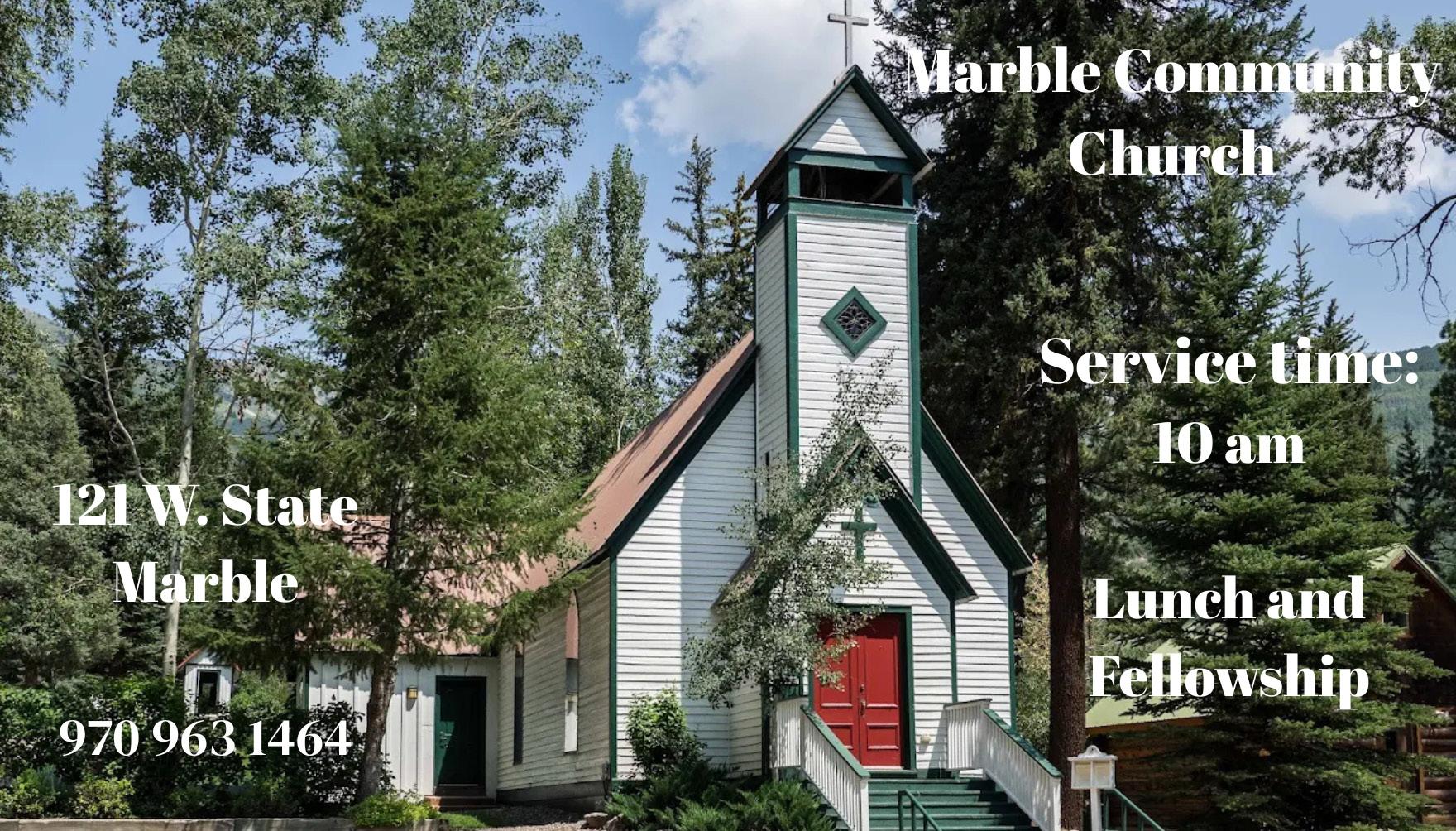
Marble Community Church 2:30
Crystal River Jeep Tour and Departure for Tour: 3pm
Please RSVP to Amber at 970 355-5558 if you are planning to attend (We have already counted those with businesses!
Marble Cleanup Days
Town Clean up Days will be June 6th and 7th at the Millsite Park Truck and Trailer Parking Area. Again this year we will be collecting brush to be chipped at the hockey rink. NEW this year Ecolectronics will be there from 10-4 each day to collect electoronic recycling! They are giving us a 50% discount as well! Thank you as always to the Town of Marble and the Branson family for sponsoring this event!
Marble Museum Now Open
The Marble Historical Society’s museum is open daily except Monday, 11-4. The museum is located on West Main Street, across from the old school.
City of Aspen partners with Red Brick Center for the Arts on Galena Street public art mural
Aspen, CO - The city of Aspen is partnering with the Red Brick Center for the Arts Public Art Program to bring "In Bloom," a new temporary public art mural by artist Chris Erickson to Galena Street, transforming a downtown space into a vibrant visual experience for residents and visitors alike.
The mural project is a collaborative effort between the city’s engineering department and the Public Art Program and is designed to complement ongoing work in the area while improving the pedestrian experience
through creativity. The mural will be created by local artist Chris Erickson.
The installation refects Aspen’s continued commitment to integrating public art into civic spaces and infrastructure projects, creating opportunities to support local artists while bringing energy and character to the downtown core.
“This project is a great example of how safety improvements can also create opportunities for community connection and artistic expression,” said Jack Danneberg, senior project manager. “We’re excited to partner with the Red Brick and Chris Erickson to activate this space in a creative and meaningful way.”
The mural will be installed on Galena Street on May 26, 2026, and will remain in place as a temporary public art feature. Community members are encouraged to visit the area, engage with the artwork, and follow project updates through city of Aspen and Red Brick Center for the Arts communication channels.
Carbondale artist Chris Erickson is known for work that refects mountain culture, movement, and the natural environment, making the project a strong ft for the character and identity of Aspen. Erickson's concept for "In Bloom" is designed to "celebrate and pay homage to the fowers that have chosen the hillsides and mountaintops of this unique region as their home." The mural shares a palette with the adjacent "Shifting Light" installation by Rachel B. Hayes, both of which are part of Mall Fest 50, the city's public art celebration of the 50th anniversary of the Aspen Pedestrian Mall.
The city appreciates the collaboration and support from project partners, local artists, and the surrounding business community throughout the installation process.
To learn more about the city of Aspen’s public art program, visit, redbrickaspen. com and on Instagram at @redbrickaspen.
Building Better Relationships with Nature
An Evening of Conversation at TACAW Plus an Exclusive Members-Only Hike at Coal Basin Ranch
Basalt, CO May 26, 2026 - Roaring Fork Outdoor Volunteers (RFOV) is thrilled to welcome acclaimed environmental writer Emma Marris to the Roaring Fork Valley for a special evening exploring our evolving relationship with the natural world. The event, “Building Better Relationships with Nature,” takes place on Wednesday, June 17, 2026 at 7 pm at The Arts Campus at Willits (TACAW).
Emma Marris is an award-winning journalist and author of Rambunctious Garden: Saving Nature in a Post-Wild World and Wild Souls: Freedom and Flourishing in the Non-Human World. Her writing and TED Talk—viewed over 1.4 million times—challenge us to rethink what “nature” means in the 21st century. Rather than mourning a pristine wilderness that never truly existed, Marris makes a compelling case for building active, joyful, and intentional relationships with the landscapes around us.
For RFOV, bringing Emma Marris to the valley is a natural extension of our mission. Stewardship is not just about the work we do on the ground—it’s about the way we think about our connection to the land. Marris’ ideas push us to move beyond guilt and toward engagement,
beyond preservation of an imagined past and toward a future where humans and nature thrive together. Her message speaks directly to what RFOV works to build every day: a community that doesn’t just enjoy the outdoors but actively participates in its care.
RFOV believes that a culture of stewardship starts with understanding. Understanding our impact, our responsibility, and our capacity to restore and renew the places we love. Marris’ perspective offers a hopeful, science-backed framework that empowers communities to take meaningful action, making this event an essential opportunity for anyone who cares about the future of our environment.
In addition to the TACAW event, RFOV is partnering with Coal Basin Ranch, near Redstone, to offer an exclusive membersonly hike and exploration with Emma Marris. This guided experience will take participants through Coal Basin Ranch—a former industrial coal mining site that has been transformed through years of dedicated restoration into a living example of ecological recovery in action.
RFOV has been a close partner in Coal Basin Ranch's restoration since 2022, contributing hundreds of volunteer hours to replanting native vegetation, rebuilding streambanks, and managing invasive species. The hike with Marris will offer attendees a chance to learn the rich history of the area—from its roots as a coal mining operation that yielded millions of tons of coking coal for US steel mills to its current transformation into a community asset where recreation and restoration coexist. Participants will experience frsthand how stewardship can turn a heavily impacted landscape into a place of renewal and connection.
This members-only experience is one of the benefts of RFOV membership. To join RFOV and gain access to this exclusive event and other programs, visit rfov.org/ support.
About RFOV
RFOV is a 501(c)(3) conservation organization that specializes in the planning and coordination of volunteer stewardship projects and in stewardship education. Since its founding in 1995, RFOV's work has provided signifcant enduring benefts for our regional public lands, wildlife, people and communities. These benefts include restoration of key habitat and wildfre sites, construction of and annual maintenance on beloved trails and the promotion of sustainable recreation practices. Over 30 years, RFOV has contributed more than $6.5 million dollars of volunteer in-kind donations towards the stewardship of regional public lands, built and maintained 800 miles of trail, restored 150 acres of habitat and open space, and empowered 16,668 youth to become lifelong stewards. RFOV serves adult and youth volunteers (including families), business and non-proft groups (as volunteers), and regional land managers at the local, state and Federal level. RFOV also serves a wide range of community partners, including schools, youth-serving organizations, and other nonprofts.
Carbondale Aquatics Center Now Open
The Carbondale Aquatics Center is now open and ready for the community to enjoy. Visit the website for hours of operation, daily admission rates, swimming lesson information, programs, and much more. Whether you’re looking to swim laps,
take lessons, or cool off with family and friends, there’s something for everyone at the Aquatics Center.
Keep Carbondale Flowing- Conserve Water
The Town’s water system relies on real-time river fows and groundwater - conserving water helps reduce peak demand and prepare our community should restrictions become necessary later this summer.
Even though recent rain and moisture are helpful, they are not enough to eliminate drought conditions or fully replenish water supplies. Continuing simple conservation efforts now can make a meaningful difference throughout the summer months.
Residents and businesses can help by:
Watering lawns and landscaping early in the morning or later in the evening Checking irrigation systems and household plumbing for leaks
Using water effciently indoors and outdoors
Running full loads in dishwashers and washing machines
Carbondale residents have historically responded well to conservation efforts, reducing water use signifcantly when needed. Small actions today can help protect our shared water resources tomorrow.
Letter to the Editor:
We would like to thank the RE-1 School District for the beautiful retirement celebration honoring employees who have dedicated their lives to the children and families of this community.
The evening was heartfelt and deeply moving, flled with stories that reminded all of us what makes a school district truly special. From transportation, custodial and maintenance staff, paraprofessionals, teachers, principals, administration, and support staff, each retiree represented years of dedication, compassion, and service. Together, they represented more than 453 years of combined service to our children and community. It was especially meaningful to hear that the transportation department alone represented more than 100 years of combined service, a remarkable refection of loyalty, commitment, and care for generations of students.
The presentation honoring each retiree was especially meaningful. Every individual’s story and contribution was recognized with warmth, dignity, and genuine appreciation. It was clear how much care went into making the evening memorable.
A special thank you to Aimee Brockman, Chief of Human Resources and Talent, whose leadership and compassion shined throughout the celebration.
As Gene retires after nearly fve decades of safely transporting children to and from school, we were reminded that the true impact of these employees can never fully be measured in years alone. Their kindness, reliability, and quiet dedication helped shape generations of students. To all RE-1 employees, past and present, thank you for the difference you make every day.
Sincerely,
Gene and Stephanie Schilling
A Monthly Literature Column by Izzy
Stringham
Ruins,
by
Lily Brooks-Dalton
Ruins, by Lily Brooks-Dalton, is a thoughtful adventure story that tells the tale of Ember Agni, a fawed and complicated archeologist on the brink of a major discovery. Ember works as a university professor, but longs to be in the feld digging again. She’s obsessed with the past, and wants to prove her theories about ancient cultures. When she receives an artifact from a friend, it sets in motion a journey to fnd and prove its provenance. What begins as a story of ambition gradually widens into a view of our future, and the importance of the long ago past, as the world has changed and evolved. Ruins is an adventure and an expedition story, but also a meditation on place, continuity and belonging. Ember’s discoveries are truly once in a lifetime, but will her obsession with fnding more artifacts be her undoing? Brooks-Dalton keeps you guessing until the very end in this quietly satisfying read.
Carralon Ridge, Australia is a town slowly dying. As a nearby mine encroaches and buys up the local pastures and family homes, the town is hollowing out. When Ro returns to the town to memorialize the 5th anniversary of her son’s disappearance, she starts to realize there were things overlooked in the case. When her son Sam vanished, it caused her relationships with her husband and friends in the town to fray. As she revisits the day it happened, new evidence leads to a shocking discovery that might give her the answers she desperately wants.
Jane Harper is known for her slow burn, psychological thrillers. She builds a complex plot, leaving little clues for the reader and always gets down into the grittiness of her characters and their emotions and faws. It’s always a treat to see her bring everything into focus at the satisfying conclusion. In Last One Out, the town of Carralon Ridge plays a role almost like another character. The quiet devastation of the mine takeover, along with the sense that the place is a has-been, its best days behind it, lend to the drama and sadness the characters are dealing with. A place can change beyond recognition, but as people whose lives are entwined in a town, we can treasure the past but move forward into the future.

Caro Claire Burk
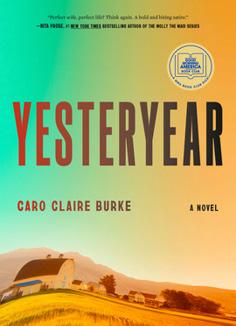
Caro Claire Burk does not hold back in this biting, but also hilarious, satire on tradwife infuencer culture. With the intense current interest in the idea that everything would be so much better if we just did things the way we did 150 years ago, Burk opens her story about Natalie, who makes a living posting about her life as a traditional homemaker with a bunch of kids on a ranch. But Burk also shows the background; the family’s many nannies, ranch staff, producers and flmmakers, along with regular old appliances hidden in the walls that enable Natalie to pull off the farce that living in a “traditional” 1800’s-kind-of-way is something modern women should aspire to. Natalie is selling a lie, and only has to really face up to it when she wakes up one morning and fnds herself actually living in the real 1800’s. Without her staff and props and Instagram feed, what’s an infuencer to do!?
Burk’s book is a compulsive page-turner that has a few great twists, and it skewers everything: infuencer culture, progressive feminism, the manosphere, current politics, conservatives, liberals. But she does it with humor, allowing the absurdity of our veryonline era to prove its own insanity. I found the book got a little dark toward the end, as the consequences of Natalie’s obsessions ripple outward, and the true damage she has inficted starts to become apparent. It’s a book about our ridiculous online culture to laugh at and shake your head, but it’s also a cautionary tale, one that parents who want to use their children as internet props might do well to heed.


Carbondale's Top-10 Books in May:
Theo of Golden by Allen Levi
Yesteryear by Caro Claire Burk
The Morningside by Tea Obreht
The World Appears by Michael Pollan
Strangers by Belle Burden
Wild Dark Shore by Charlotte McConnaghy
Road to Tender Hearts by Annie Hartnett
Whalebone Theater by Joanna Quin

London Falling by Patrick Radden Keefe
Skylark by Paula McLain

11:00 a.m. – Yoga ($5)
With Anna Raphael. Open to all ages and abilities.
12:00 p.m. – Lunch ($10)
RSVP by noon the Friday prior – space is limited. Plated lunch served. Gluten-free option available. 12:45 p.m. – Program
• Tuesday, June 9:
Wild About Mushrooms
Mushroom master Hamilton
Pevec will share the basics of mushroom biology, identification features, safe foraging practices and more.
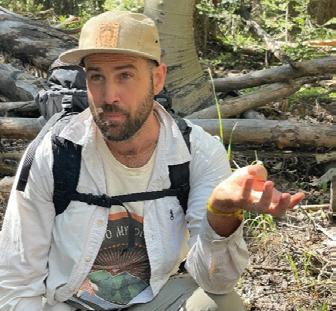
• Tuesday, June 23: Wildfire Mitigation
Join Pablo Herr from the Carbondale & Rural Fire Protection District for a chat about the upcoming wildfire season, focusing on preparation and prevention.
College Celebrates Milestones and the Traveler
By The Crystal Valley Echo Staff
Aspen- On May 7th and 8th, Colorado Mountain College hosted its annual CMC Days event, an end-of-term celebration and academic conference at their Aspen campus and the Aspen Institute. The conference, subtitled, Caminante, was grounded in the many paths that college educators, staff and administrators walk in the ever-changing world of higher education as well as celebrating the many diverse paths walked in the past school year.
The event featured many various adventures that attendees could choose in a layout reminiscent of 1980s Choose Your Own Adventure novels and included such activities as fy fshing lessons on the Roaring Fork River, a curated exhibition of cultural artifacts from CMC’s Terry Glasenapp including original Woodstock posters, Paul Winter’s Common Ground, and many other pieces of ephemera from local and national music and pop culture history. Also on offer were intimate tours of Owl Farm, Hunter S. Thompsons “fortifed compound” on Woody Creek Road, local history lectures, beading workshops, coffee sampling, international cuisine seminars, history tours in Aspen, and an overall celebration of the collaborative working spirit of CMC’s many communities coming together for an end-of-year celebration of their achievements.
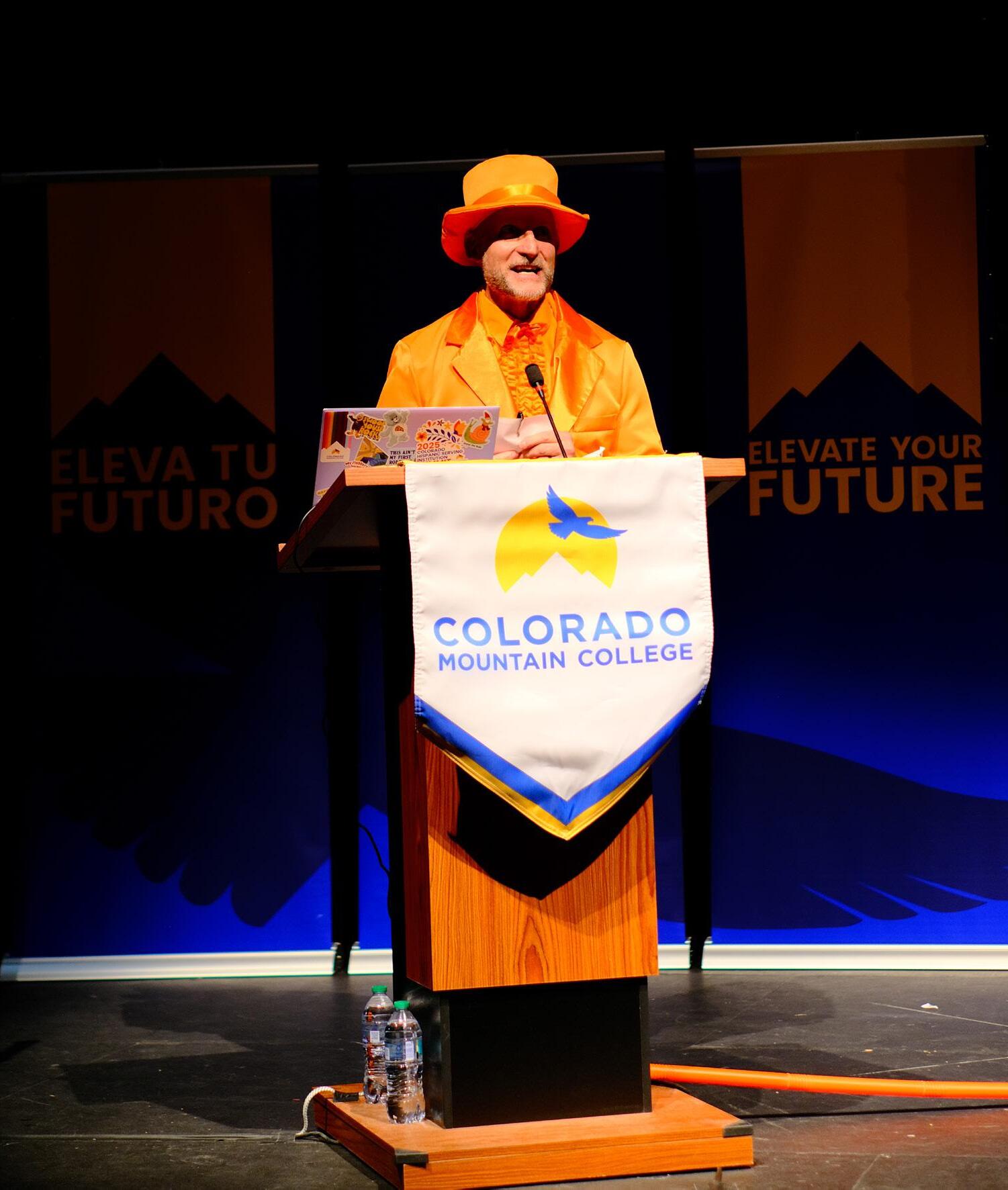
The achievements celebrated were indeed worthy of celebration. During opening remarks, CMC president Dr. Matt Gianneschi proudly announced that CMC has granted degrees and certifcates to over 2000 students across its campuses in the 2025-2026 school year, the largest graduating class in the college’s history and a 20% increase in graduation rates from the previous year. Gianneschi stressed that this achievement was one he was extremely proud of and credited the faculty and staff of CMC for going above and beyond for their students.
Also of note in Gianneschi’s remarks, was the announcement that Colorado Mountain College is among one of the 25 semifnalists across the nation for the 2027 Aspen Prize for Community College Excellence. This award is one of the most prestigious awards a community college may be awarded and it specifcally recognizes student success, workforce outcomes and institutional impacts. Dr. Gianneschi wrote in a college-wide letter that “These exceptional outcomes are not the result of any one effort or intiative, but refect the confuee of myriad efforts from every part of the college intended to improve student success at CMC.” “This is not an accident” he wrote. “CMC’s recent performance is the logical outcome of thousands of creative, thoughtful, and often selfess decisions to put the interests of students frst.”
Gianneschi offered his gratitude to CMC staff and faculty for “demonstrating that complex institutions like [CMC] can be nimble and student-centered.”
Following a day of choose your own adventure sessions, the college gathered in the District Theatre on the Aspen School District Campus for opening remarks from Aspen/Carbondale Campus Vice President (and former Aspen mayor) Steve Skadron who spoke on the unique reality of Aspen and the stories and adventures that can be had in and around town while also expressing deep gratitude to his campus staff and faculty in Aspen and Carbondale.
Following Skadron’s remarks, Gianneschi, having entered the stage under a clip from the flm Dumb & Dumber in full costume on a bicycle spoke to the achievements of the college in its mission to provide local, accessible and meaningful higher education to the college’s students.
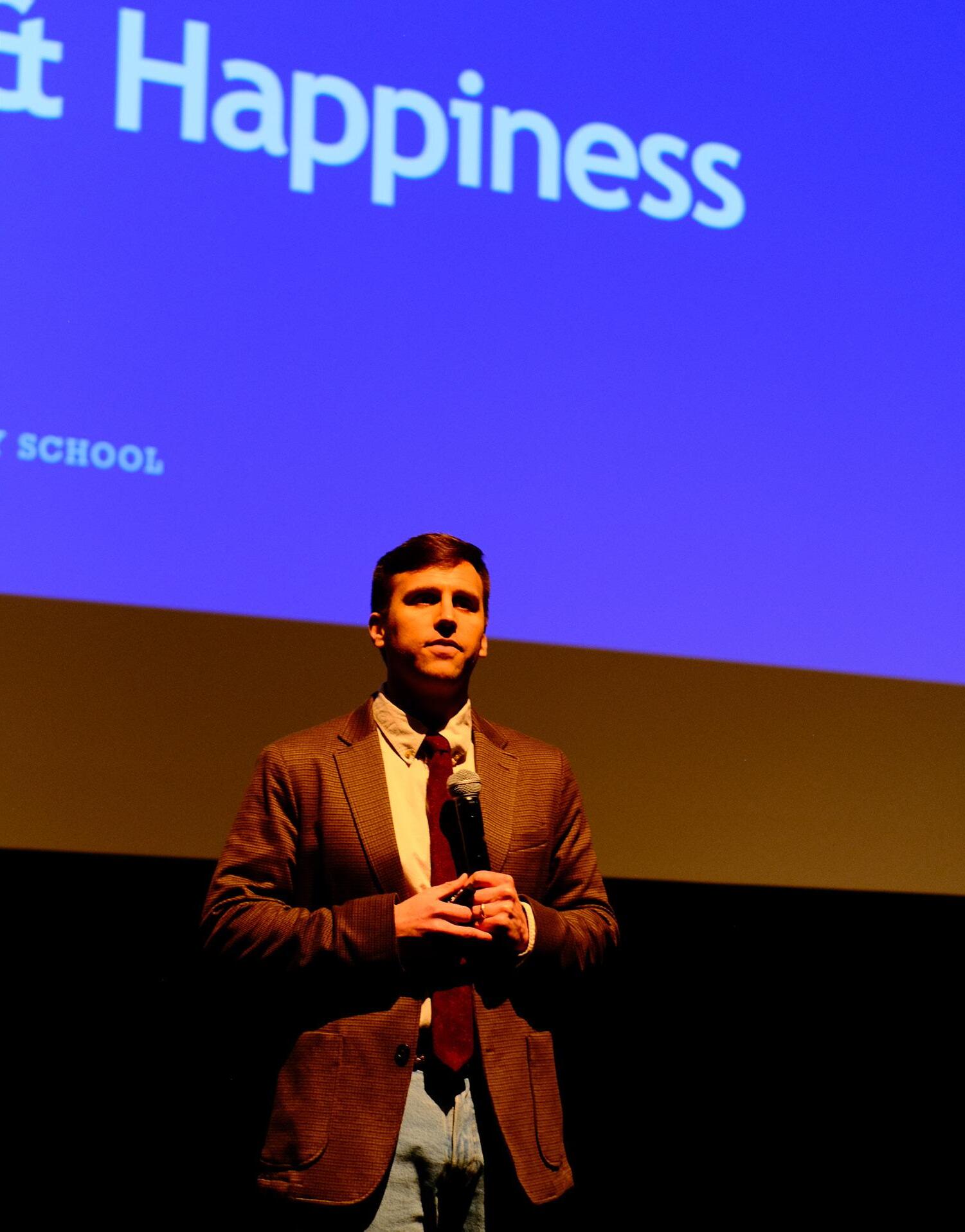
Following opening remarks, Gianneschi introduced keynote speaker Bryce Fuemmeler of the John F. Kennedy School of Government at Harvard University who is a senior research associate of the Leadership & Happiness Lab under Professor Arthur Brooks (author of From Strength to Strength: Finding Success, Happiness and Deep Purpose in the Second Half of Life, and many other titles).
Fuemmeler’s keynote address explored the concept of happiness from an evolutionary biology perspective and invited attendees to refect on how happiness is formed as a combination of many experiential states working in concert with one another.
The entire event also situated itself in a continual discussion of civics and democracy as part of the larger venture of Colorado Mountain Colleges new Center for Civics Education & Engagement. The center seeks to act as both an academic learning environment and community engagement vector to foster civic engagement for all, skills for life, career and community, and place-based civic engagement. This new initiative at CMC is funded in part by a federal grant and sponsors many civics-aligned events free for the community to attend. More information can be found online at www. coloradomtn.edu/civics.
The event concluded with a closing address by Dr. Gianneschi and a recital of the poem Caminante, no hay camino/Traveler, There is No Road by Antonio Machado, with attendees from across the college being reminded to follow their own roads, to mark their own journeys with purpose, and to revel in the marks our walked paths leave upon us as we grow and continue to wander.
Jack Roberts Scholarship Recipients Represent the Vibrant Landscape of Local Arts
By The Crystal Valley Echo Staff
Redstone-Five students were the recipients of the annual Jack Roberts Memorial Scholarship, managed and distributed by the Redstone Art Foundation, each recipient was awarded $2000 dollars to help facilitate their journeys in pursuing art in college upon their graduations this May.
The Jack Roberts Memorial Scholarship honors Roberts, a local painter who lived in Redstone for over 30 years. It seeks to support local high school seniors who plan to study and pursue art as a major or minor feld in college, and a second scholarship, open to community members interested in taking non-academic classes and workshops in the arts. The 2026 awardees include:
Sofa Harwood who will attend the University of Michigan, where she plans to study Architecture and Urban Planning.
Kali Thomas who will attend Arizona State University to study Architecture.
Kevin Castillo who will attend Pratt Munson and later Pratt Institute in New York City, studying Fine Arts with an emphasis in Painting.
Giselle “Gigi” Rascon who will attend the Laboratory Institute of Merchandising (LIM) in New York City, majoring in Visual Studies for a Bachelor of Business Administration degree with a minor in Fashion Styling.
Sofa Carmona Diaz who will attend Colorado Mountain College, majoring in Studio Art with a minor in Graphic Design.
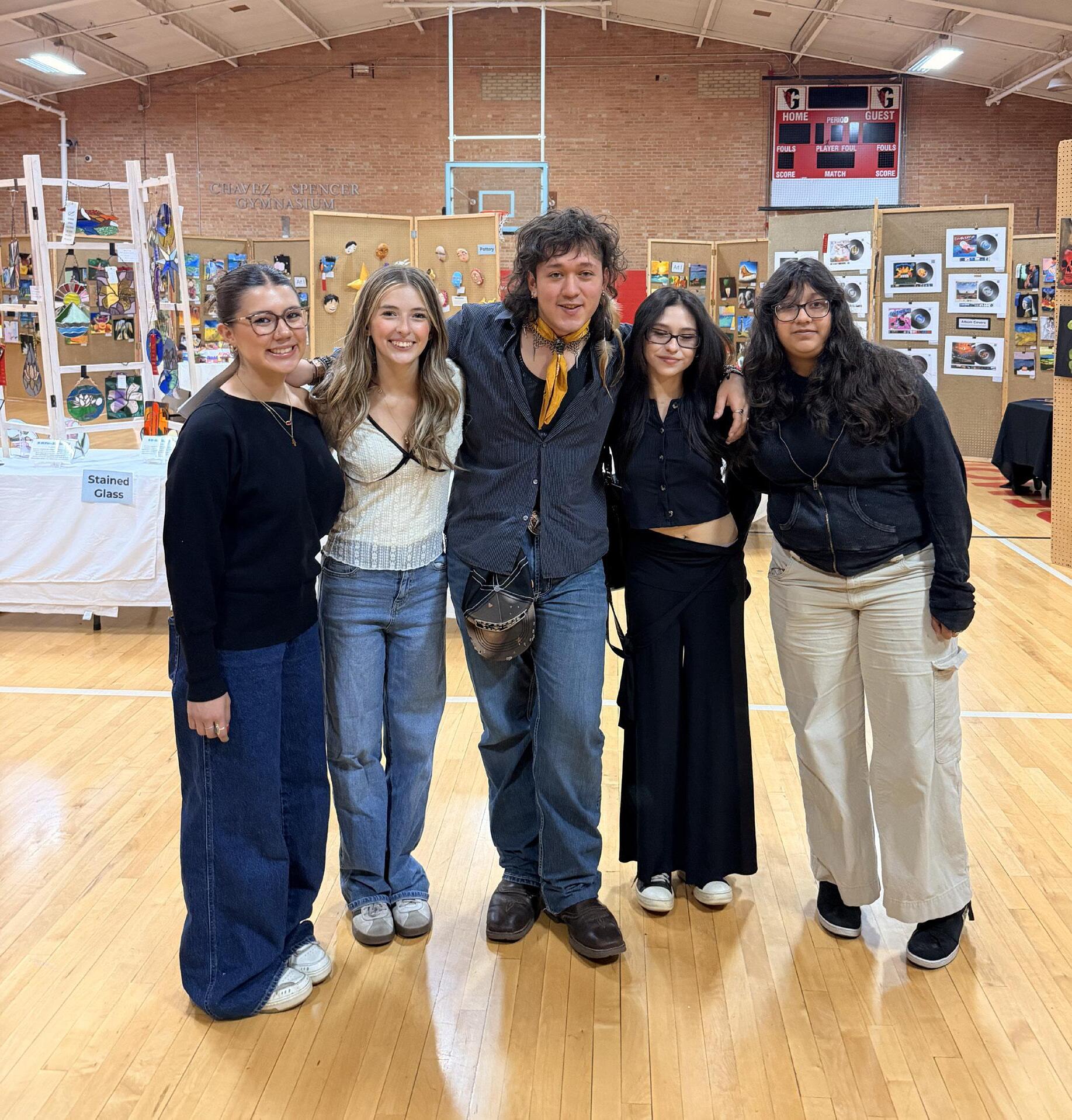
The Foundation was deeply impressed by the artistic talent, creativity, commitment, and academic promise demonstrated by each of the students selected for this year’s awards. With this year’s scholarship winners, the Redstone Art Foundation has now awarded more than $90,000 in scholarships since the founding of the Jack Roberts Memorial Scholarship program. The Art Foundation extends its deep congratulations to each student and looks forward to seeing their contributions to their selected felds of study in years to come.
For more information contact Bill Kelly, The Redstone Art Foundation wnkelly2004@yahoo.com or visit www.redstoneartfoundation.org
By Tyler Alpern
The enchanting, talented and adored Carol Joyce Alpern slipped away on March 4, 2026. Her presence and infuence were profoundly impactful on those who knew her.
As an artist, she left behind magnifcent paintings, and her creativity expressed itself in everything she did. She saw the world through an independent and unconventional lens which shocked, amused and enlightened anyone around her.
Born in Indiana in January 1943, Carol Joyce Bagan was the eldest of her siblings. A rebellious teen with an independent spirit, she did things her way, leaving home early and becoming a nurse. She met her husband Jerry while working in that capacity, leaving her job when she became a mother. As soon as her kids were in school, she began studying art.
After discovering the Aspen valley on a road trip, Carol invited her family to join her there, because that’s where she was meant to be! After leaving Indiana in 1976, she opened a lively studio art gallery in the Hotel Jerome in Aspen.
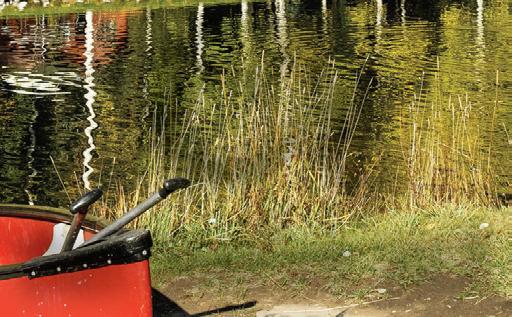
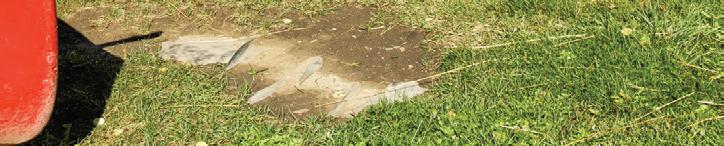
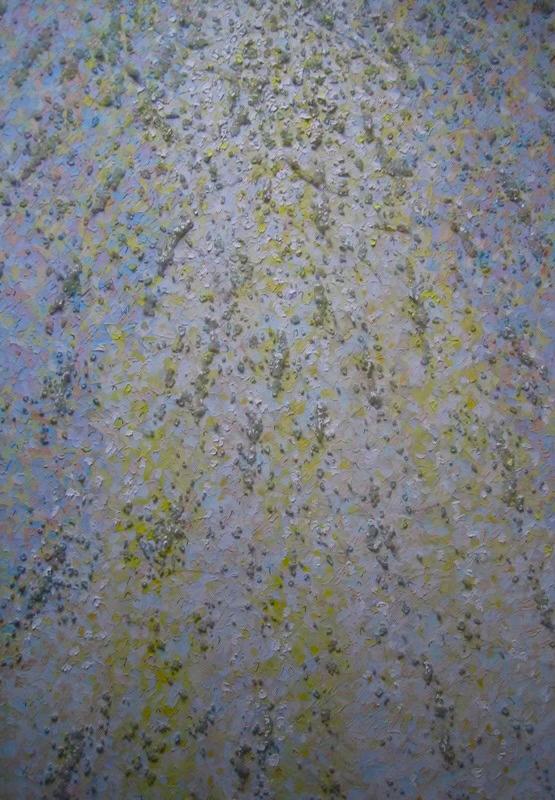
In 1987, a dear friend died after a crash outside Redstone. Carol took windshield shards from the site and incorporated them into one of her large abstract paintings. She then produced her own shards over the decades creating a large body of artwork combining broken glass and paint.
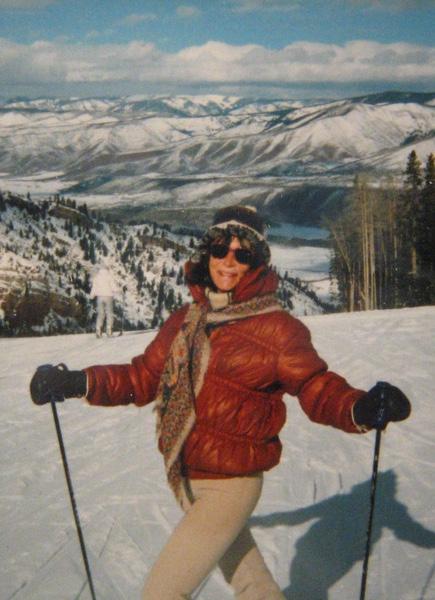
In 2007 she and Jerry moved downvalley to Carbondale. Carol loved to ski, hike, garden, camp and travel. She will be sorely missed.
Carol Joyce Alpern was a cherished sister to Loree Huebner, Richard, John and Tony Bagan, a wife to Jerry, a mother to Tyler and Tom, and grandmother to Eli, Sadie Alpern and Jordan Galloway. Jordan’s parents Dan Julio, Sharin Berger, Robin Galloway, plus Eli and Sadie’s mom Therese Alpern, and Diana Flores were her family as well.
A memorial service took place May 16th in Redstone and a video tribute to Carol may be found here:
https://www.youtube.com/watch?v=SXlL3GzcU60
Kennedy, Broker/Owner 970-379-3907 mikekennedy@sopris.net ColoradoHomesRanches.com



By Alyssa Ohnmacht
Longtime stained-glass and mosaic artist Michael Ohnmacht passed away quietly at home in Glenwood Springs while listening to the Austrian Alpine Tyrolean music he loved from his youth.
Michael lived a life flled with art, travel, adventure, friendship, and deep connection to family. He was born and raised in Austria, where at the age of fourteen he began apprenticing with the monks at the stained-glass studio of the Zisterzienser Monastery in Schlierbach, Upper Austria. It was there that he learned the craft that would become his lifelong passion and artistic legacy.
In 1959, Michael immigrated to the United States, eventually settling in Aspen, Colorado. During his early years in Aspen, he worked for Duvall Studios, contributing to many stained-glass projects, including work on the Prince of Peace steeple in Aspen. In the seventies and eighties, his stained-glass artistry could be found throughout Aspen and in the homes of many well-known residents and celebrities. Michael operated a stained-glass studio in the Patio Building and became known for both his craftsmanship and his creative spirit.
It was during his early years in Aspen that Michael married and became a father to his two children, John and Alyssa. He taught them both to ski, shared his love of the outdoors, and encouraged their creativity from an early age.
Michael embraced Colorado mountain life fully. He worked on the Aspen ski patrol, climbed Capitol Peak, spent countless hours cycling with friends, and loved camping and fy fshing in the Rockies. He was also an accomplished carpenter who helped build several homes throughout the Roaring Fork Valley.
Michael spent many winters in Brazil, over more than thirtyfve years, traveling extensively throughout the country in his dune buggy before eventually settling in Diamantina, Minas Gerais. There he formed deep and lasting friendships that felt like family.
February 20, 1940 — April 25, 2026
An avid chess player, Michael competed in tournaments and continued playing well into his eighties.
Over the years, Michael lived in Marble and later in Redstone, where he created beautiful mosaics, outdoors near the Redstone General Store. He enjoyed being part of the small community and sharing his stories and art work with locals and visitors alike.
Michael’s later years were spent in Glenwood Springs at his daughter’s home, with many extended stays in Louisville, Colorado at his son’s home.
He is survived by his children, John Ohnmacht and Alyssa Ohnmacht and her husband Dwight Whitehead; granddaughters Olivia and Erica Savard; his ex-wife, Dana Cayton; his twin sister Hildegard Gamper of Italy; brother Karl Ohnmacht and his wife Hilda of Austria; nieces Annemarie, Lisi, and Ursula; nephew Kristoph; along with six grand-nephews and two grand-nieces and one greatgrand-niece.
He was preceded in death by his younger brother Florian; older sister Gertrude; his parents Karl and Maria Ohnmacht; niece Cornelia Gamper; and nephew Karl Ohnmacht Jr.
Michael will be remembered for his artistry, adventurous spirit, independent nature, feistiness, and the lasting beauty he created.
In lieu of fowers, donations may be made to Hospice of the Valley. A celebration of life is planned for later this summer. Please email alyohn963@gmail.com for updates and information about the gathering.
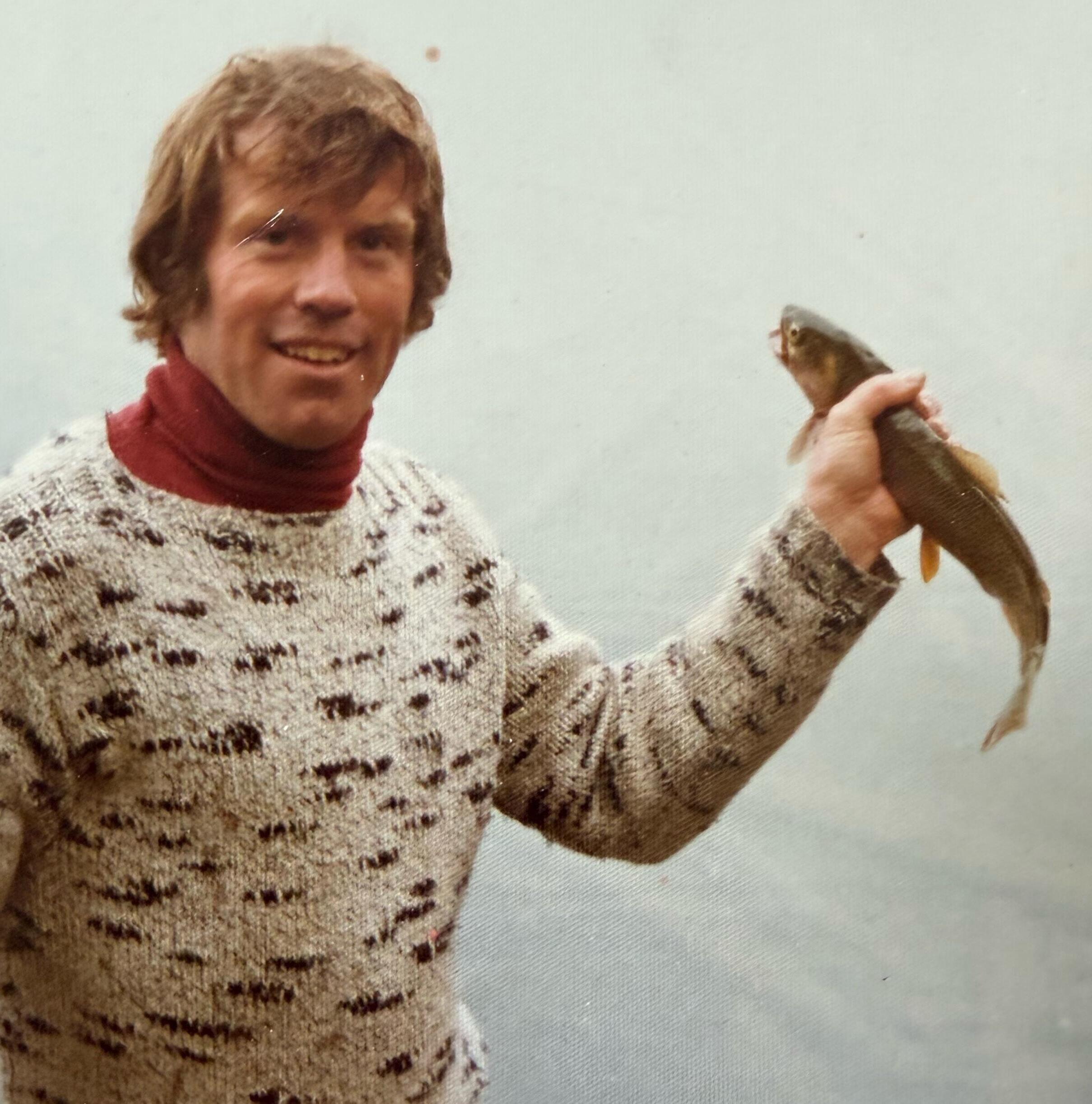
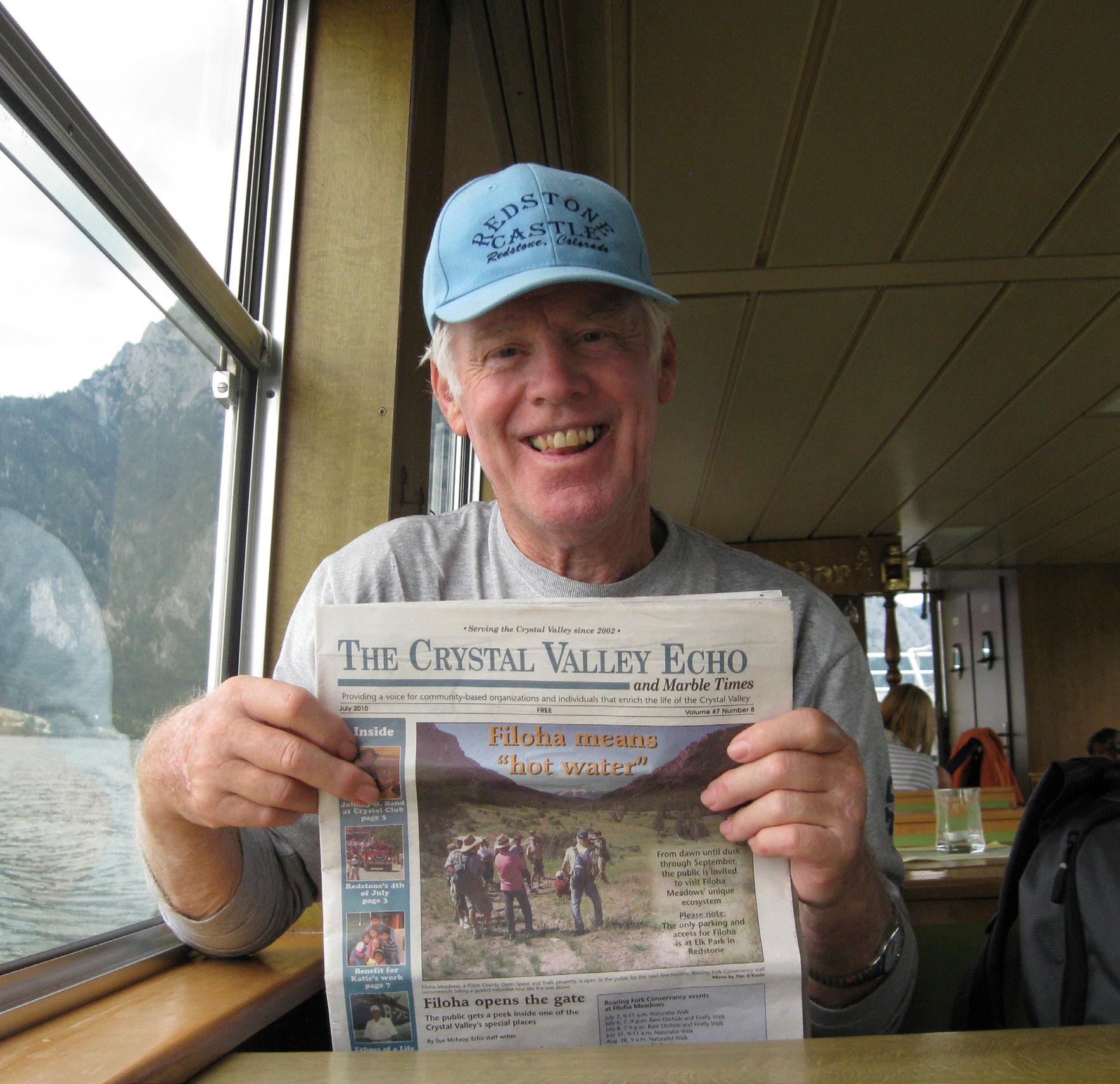
Photos Courtesy of Alyssa Ohnmacht


Oneal Bogan
Death is an uncomfortable subject. Human, animal - it doesn’t really matter. We naturally do not want to confront the topic of mortality because in doing so we must consider our own. It’s understandable. You may wonder why this is the intro for a veterinary column, especially as our magnifcent valley is encased in the new life spring brings. I am writing this because it is heavy on my mind, and often is. I am writing this because so many people ask me about it, and I am writing this to share an experience that only veterinarians and their team can explain.
Over the past few years, I’ve been called to help my clients say goodbye to some of my most loved patients. Patients that I’ve known since I started working as a vet. I remember someone telling me that the joy of being a veterinary general practitioner is to be able to see the same pets throughout their entire life. At the time this did not resonate with me, but it certainly does now. As I administer medication I know will end a life, I remember my patients through the years, from when they were young and vibrant to when they became wise and their faces turned grey. These are the pets that have been given a full life, and while our pets are never here long enough, I am so grateful for the ones we can help have a good death.
Sometimes we don’t get so lucky. Some patients are robbed of this chance, and it is those cases that break us as vets. The patients we grow to love but cannot help. The patients that have not been able to experience the wonders of life. The patients who are so sick they pass before we can help them. These are the ones who keep me up at night, these are the ones that make me question the order of our world and doubt the fairness of the universe.
Veterinarians who make house calls like I do see a fair share of euthanasias. Offering pets the chance to pass at home is something I strongly believe in, and after years of loyalty and love, this is the least we can do for them in return. I cannot count the number of times someone has said to me and my team “I don’t know how you handle doing this over and over.” It’s not an unkind statement, and euthanasia is a perplexing subject. Yes, it’s diffcult for us. And yes, some visits are worse than others and while we show strength at the time of the visit, we cry once we have left. Being present while people experience such loss is something I will never get used to.

But allowing animals to forgo pain and have a dignifed and calm transition to death is something that they need from us. Something we must be able to do.
Death for veterinarians holds a different meaning than for most. Yes, death is loss, and it creates extreme sorrow, for the pet parents and also for us. Some days we face so much loss that we become numb. But there is also a beautiful peace that is given to pets by our hand. So go home, and hug your companion. Love them everyday as much as you can. And next time you see your vet, remember that we carry a heavy burden with our job, but it’s a burden we shoulder with grace and gratitude.



Musings by Melissa Forsyth on Indigenous healing and Circle Medicine
In the last column, I discussed how a sense of identity and belonging is foundational to inner healing. One can fnd hope in relation to another; the healing circle brings connection that is lost in a colonial world. Teachings of the Coast Salish are built on the principles of truth, connection and the idea that ‘we are one’, open heartedness and open mind, making up your mind to be strong and do your best. How does one fnd hope in the aftermath of painstaking loss, navigating the murky waters of grief? As I sit in the circle as a facilitator, the medicine takes on a life of its own as each person begins to share, often letting a story be told that has never been told before, and most often stories of loss. I am amazed by the resilience of Indigenous people and their ability to love their families despite abuses endured at their hand due to effects of intergenerational trauma and substance use. I am also witness to their humor, as laughter is often the best medicine; laughter and tears blend together as the layers of untold stories unfold.
An elder in the circle I will call ‘Tommy’, told his story about losing his daughter to overdose on the downtown Eastside of Vancouver, an area notorious for deaths from overdose, and heavily populated by Indigenous people experiencing homelessness. As he allowed tears to fow for the frst time, as he had not even been able to cry at her funeral, the circle held him, and he shared about his journey through substance use himself and recovery, and how he wants to continue to heal for his grandchildren. He spoke how he had been taught not to cry as a child, and how he turned to drinking alcohol as a way to endure the pain of being native and displaced. A core belief for Indigenous healing is that when one person heals, there is healing offered for seven generations back and seven generations forward. I fnd this most comforting because how many of us have an unblemished history in our family line that lingers forward as an untold tale or an unhealed family dynamic that continues to cause pain? Looking at present reality via the circular lens allows us to break intergenerational cycles of trauma.
Tommy ended his share by playing the drum and singing, an art he had forgotten about. Creativity is often blocked by trauma and grief responses. He also shared some jokes, and the circle ended our session in laughter. I fnd the spirit of these survivors awe inspiring; they're the most resilient and persevering people I know, as well as the most loving. I see how they begin to care for one another like they were a blood family in the context of the communal circle. Tommy has a sparkle in his eye that I see and marvel at considering his unfathomable losses. Abuses and harm have been endured due to systemic oppression, and disconnection from community and culture. When this is provided in the healing house and the circle, authenticity and real truth emerges. I often ponder, if only we could all live this way? This work is critical for decolonization and equality, and also for freedom of us all; freedom from the snares of oppression in a dark, colonial, political, and economic present. Surely a new collective consciousness could emerge? One of equality, relationality and respect for one another. The heart truly wants to heal when given the right context, and indeed the human heart and spirit can heal, ‘holding hands and standing Together’ (this is the name of our circle program).
In circle medicine, the idea is to move through grief and loss so that one can go from surviving to thriving. In a sense, grief can be our best friend because it takes us through the dark and into the light that is hope, and the essence of human lived experience. One of my groups named themselves ‘Spirits of the light” in honor of the children killed at residential schools, and also in honour of themselves moving through grief and their own abandonment as children. Many have grown up in foster homes or residential schools, displaced from their families and communities. Indigenous people have often suffered from multiple losses. One lady I will call Arlene, an elder, lost two daughters from overdose, and both her parents within 5 months. When she frst arrived to circle she was a woman in extreme despair. For Indigenous people, their losses are most often related to substance use and/or illness. Indigenous people have signifcant health disparities in Canada. Over one-quarter of Indigenous people have unmet health care needs.
Indigenous people often face barriers to health care that contribute to health disparities, including navigating complex health care policies and funding, and sometimes even having to travel outside their communities to access services. (Statistics Canada) One elder in our care has been battling cancer without a doctor and only relying on traditional medicine. Also many meet systemic racism in the hospitals, so are afraid to seek help. We do our best to offer resources in these cases, meeting the gap of unmet needs physically, spiritually and mentally.
Back to hope. The way forward is through the pain and by releasing all that is held within. When there is not a space to release pain, there is suffering of mind, body and spirit. So my belief is that no matter what, fnd a way to move through pain, by releasing. Arlene found her way through it by wailing and weeping within the safety of the circle. We validated her and witnessed her sorrow. We cried with her. She left our program a new version of herself and committed to her grandchildren. It makes my heart happy to see them transform, faces brighter, heads held higher, carrying themselves with honour, and a sense of hope for the future. Grief losing its grip. It's always there but no longer running every aspect of their lives into destruction.
Arlene also found her voice, and her songs through her stories shared. She found her language speaking in her native tongue again, a language she had lost as a child. She found laughter again too, along with self worth and confdence to carry forward. I will never forget these beautiful lights. Witnessing their journey gives me hope for us all to heal individually and collectively, as when one person heals, there is a ripple effect outward to families and communities that benefts everyone;, no matter what we have been through, we must never lose hope, as to hope is to love, and this is the good medicine needed today. Reach out. Connect. Share your stories because you matter. The world needs your heart healed and your truth, so that we can all stand together and hold one another up in love and compassion. Hope emerges when pain is moved through, honoured, held and witnessed. Anything less destroys the human spirit, so I salute the good medicine of the Coast Salish and I humbly learn from those most displaced. Their lived experiences and open hearts to healing teaches me more than all my degrees combined. Yes, reach for hope. Speak your truth. Tell your own story. We are building a bridge to a better future, one step at a time.” – (Indigenous Leader) and I will add, one heart at a time. We are all spirits of the light when we choose light over darkness.
To protect privacy, certain names and details have been modifed.
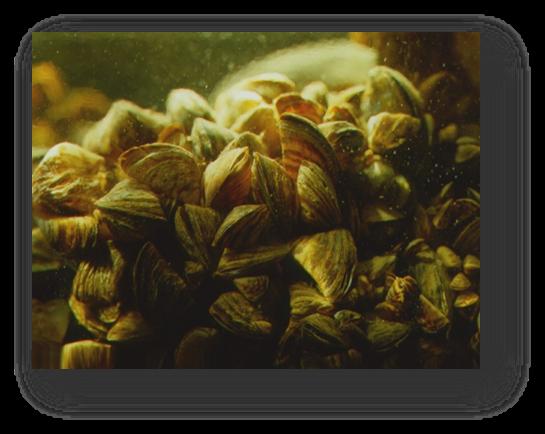
Our rivers have zebra mussels and New Zealand mudsnails Only you can prevent their spread.
Don’t take them home with you and don’t bring any other invasive species here, either!
Protect our rivers Clean, drain, and dry all water-related gear

eep your distance rom storm drains and new bodies o water while cleaning all e uipment
emove all visible plant material, animals, and mud rom the board, in, and associated plugs
Clean all e uipment used including paddles, personal lotation devices, and leashes.


nsure all water is drained rom your watercra t ponge or towel dry areas where water is unable to drain.
ind a place where the watercra t can continue to dry completely.
3rd/ 4th grade essays for book "Animals with Bizarre Adaptations"
Published by Ms. Lani's 3/4 class May 2026
Pangolins
By Amira
Did you know that pangolins are the only mammals completely covered in scales? Pangolins have long, strong claws that help them climb trees. Furthermore, pangolins are usually the size of a house cat. In addition, Pangolins also have long snouts and small heads. In fact, pangolins do not have teeth.
Some adaptations that pangolins have are scales made out of keratin, which is the same material that our hair and fngernails are made out of. They also have 40 cm long, sticky tongues that help them grab food. When their food fghts back, they activate special muscles then they close their nostrils and ears. Their most common adaptation is curling up into a ball that is impenetrable to animals but not poachers.
Pangolins are often known as scaly ant eaters with their long sticky tongues to eat insects. Another fact about pangolins is they have long sharp claws to dig up anthills or get to worms; their claws can also help get other foods such as termites, larvae, fies, and crickets.
Pangolins are solitary animals. However, a baby pangolin will stay with their mothers until they are ready to leave. A baby pangolin will ride on their mothers back by clinging onto their mothers scales. Pangolins can swim but they usually stay on land.
There are many different species of pangolin but they are split into two groups: the Africa group of four types of pangolins and the Asia group of four pangolins.
A pangolin's main predator is poachers or in other words humans. Their meat is known as a delicacy and they are hunted for their scales too. On the other hand when being faced by an animal who is ready to eat them, they might curl up into a ball, strike down with their tails, release a foul smelling smell, or they can climb up trees.
Did you know baby pangolins are called pangopups?
Pangolins give live birth to pangopups. Pangolins usually live up to 20 years.
Pangolins are an endangered species because of humans' greedy needs. They are dying out because people are killing them. Likewise, pangolin meat is supposed to be highly prized for its deliciousness and its scales are too but not for the delicious part.
In conclusion, we should save these beautiful animals from dying out because they are an important part of the ecosystem.
Tardigrades
By August
Tardigrades (water bear) have many features and adaptations like how tardigrades are usually about 0.5 mm (0.02 in) long when fully grown.
Tardigrades (water bear) also look like bears but smaller and live in the water and that's also how it got its name. Another thing is that there are thousands of tardigrades on the moon, in tree sap and also at the tops of very high mountains.
Furthermore, the tardigrades can live in very, very cold temperatures and they die in hot temperatures of 104F. Females lay up to 1-30 eggs a month. Tardigrades also can live without drinking water for years and years.
There are two things that will hunt or kill a tardigrade: The frst thing is a toobworm and the second thing is a human. Another thing is the color of a tardigrade is brown. Tardigrades on average live for weeks or months. However, tardigrades can live up to 90 million years old and the oldest tardigrade ever to live that scientists know about was close to 500 million years old.
Another thing is that they have a gender and they also have DNA. In addition, a tardigrade has 11 hearts. Tardigrades also have spear poop and square poop. They also live in almost every earth environment in the world. The third to last thing is that tardigrades eat other tardigrades, algae, moss and plant fuids. Tardigrades also swim. Tardigrades are very solitary animals. Tardigrades are not nocturnal and they are also active when they are wet.
Some day you might want to see a tardigrade in a microscope and they do not have any eyes.
Spiny Bush Vipers By Dylan
S.
The spiny bush vipers are famous for their dragon-like scales. They grow 50 - 70 cm long.They come in colors like olive, red, green, and brown. Furthermore they live in tropical rainforests, woodlands and swamps in central Africa.
Spiny bush vipers have many adaptations.Their bite can kill you in twelve days .They have neurotoxic venom. They are one of the top ten most venomous snakes. There is no antivenom for their bite. Their adaptations are that they can camoufage and their scales resemble thorns or dried leaves. Its scaly skin helps it stick to stuff.
The spiny bush viper has many predators. Their main predators are bigger snakes and other bush vipers. Also birds of prey like hawks, owls, eagles and carnivorous mammals. The spiny bush viper is a natural, arboreal, and solitary snake. It sits and waits to ambush their predator.
Spiny bush vipers are carnivorous animals. They eat small mammals, frogs, snails, and lizards. They mate in trees during the wet seasons. The mom gives birth to 6-12 snakelets. They live 10-12 years. They are in danger of extinction due to habitat loss.
Fun fact: they have live births unlike other reptiles like mammals. They do not lay eggs like reptiles.
A Column by Ted Benge
The propeller’s tiny radius seemed almost insuffcient to pull our little metal craft through the brisk April morning air, but our tires lifted off the Aspen runway, and Brush Creek dropped away below.
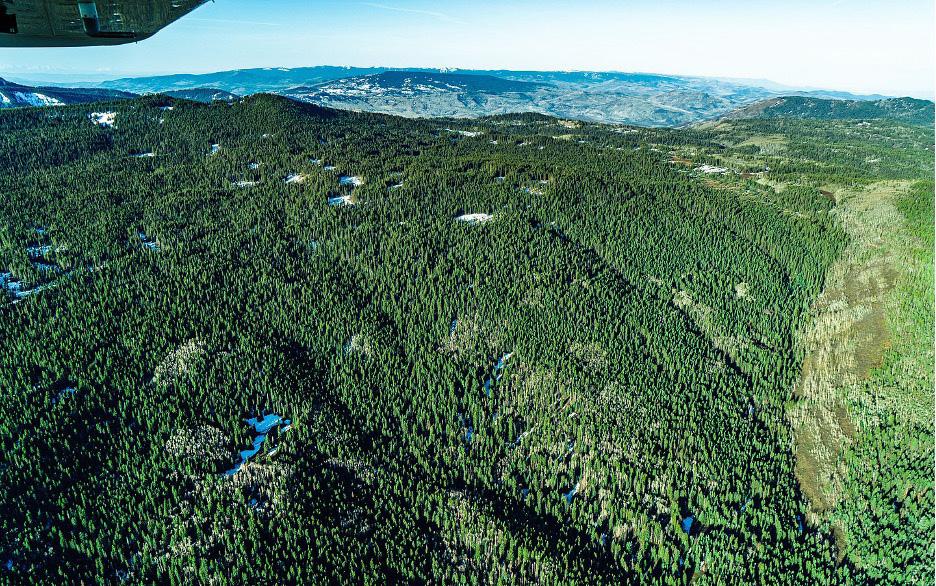
Our EcoFlight traveled west from Aspen over the Crown, where new growth was budding, and my home town of Carbondale before circling North, Middle and South Thompson creeks.
Today’s fight was to document environmental conditions in the face of a new threat to the Thompson Divide: commercial timber harvest.
Gary Kraft, our pilot, opened a window, and I stiffened in my seat as cold air blasted into the cockpit of the single-engine Cessna 210. Behind me, Lea Linse-Hirro snapped pictures of the forest and meadows below. Deer bounded through a meadow and the tan sides of elk caught the sun as they fed across hillsides.
We few over Coal Basin, which still bears the scars of its coal mining history, past Chair Mountain, and down the rugged Crystal valley. The little Cessna circled Sopris, Carbondale’s center of gravity, and its snowy grey granite ridges before fying up the Capitol Creek drainage.
EcoFlight is a non-proft that uses small aircraft to provide the aerial perspective “to educate and advocate for our remaining wildlands, watersheds, and culturally important landscapes,” its website reads. Their staff fy with policy makers and other stakeholders to infuence environmental outcomes.
The USDA Forest Service has proposed a project to undertake “vegetation management,” meaning logging, on 2,617 acres above the head of Middle Thompson, accessed via Fourmile road.
The project’s primary stated objective, according to the draft environmental assessment, is to “provide a sustainable supply of commercial timber,” as well as improve forest resilience and fre defensibility.
When I was growing up, the Thompson Divide, which comprises roughly 250,000 acres from Carbondale, to Glenwood, to the North Fork, was an ever-present part of life. In summer camp, led by the kind Teri McDuffey, our mob of kids made forays to a Thompson Creek campsite to frolic. I remember examining deer tracks, digging in the shale, and falling (I maintain I was pushed) off a bank into the muddy creek.
From sledding and cross-country skiing trips with school, to early mornings hunting turkey and elk with my dad, to sleeping in my car after high school parties, to helping gather cattle on horseback, Thompson has played stage to some of my richest memories. It is wild and diverse country, with high sage meadows, twisted pinyon juniper forests climbing craggy hillsides, rocky cliffs, cool aspen groves, verdant meadows and dark expanses of timber. The Divide represents a large and contiguous swath of critical year-round habitat for a host of mammals, birds and insects, from grouse to Shiras moose. It is central to our community fabric and identity, and provides important rangeland for local ranchers as well as hiking, hunting, climbing, mountain biking, camping, and cross-country skiing opportunities.
Inevitably, bound up in all of that beauty is extractive value. The Divide in the past was the site of multiple past logging excursions; from our plane we could see natural-gas storage facilities that are still operated as part of the Wolf Creek Storage Field lease. In 2024, in a victory for conservation, the area was withdrawn from mineral development eligibility.
This most recent logging proposal follows the Trump administration’s 2025 executive order calling for further exploitation of national timber resources. A 30-day public comment period, which few in our community seemed to know about, opened on January 30.
It is undeniable that, as with oil and gas, our economy and society rely on timber resources, especially for homebuilding - a hot topic. It is also evident that decades of human fre suppression have altered natural forest cycles, and true vegetation management and fre mitigation endeavors are overdue to improve forest health, forage availability and habitat.
In the case of the Thompson Divide proposal, offcially called the Twin Peaks Project, it remains unclear as to whether the economic upside, potential fre-mitigation effects and forest revitalization benefts outweigh the impacts to wildlife, agriculture, and local enjoyment.
John Groves, District Wildlife Manager for the CPW, predicts limited lasting effects on wildlife, “as long as mitigation efforts (full closures of trails and roads, etc.) are adhered to. We will see better forest health and better habitat in the long run.” Groves says that the CPW advised on the project and pushed for a later seasonal start date of July 1 to minimize project impact on wildlife during the critical spring season.
Vegetation management, such as logging in mosaic patterns instead of clear-cutting, says Kurtis Tesch, another District Wildlife Manager for the CPW, can “open the forest canopy and create new shoots and grasses while still maintaining cover for animal movement.”
Lea Linse-Hirro, Conservation Policy Director at EcoFlight, says that there has been an infux of logging proposals across the state and country following the 2025 Trump EO, “lots of them under ‘vegetation management’ and packaged with other forest management tactics.” She says that while not all extractive projects are negative, some will be. “When a logging proposal pops up somewhere as special as the Thompson Divide, it’s important that we give it a critical look so that the USFS and other agencies know that stakeholders are paying attention.”
I do not yet know whether the long-term environmental effects of logging in the Thompson Divide will outweigh or balance the damage to the existing ecosystem. We as a community will need to closely follow the process to shape an outcome that improves forest health while minimizing destruction. The Forest Service will continue to release updates through the Twin Peaks project page, and look out for more coverage in local news sources, like the Crystal Valley Echo.
First Roaring Fork Media & Democracy Symposium Fosters Collaborative
By The Crystal Valley Echo Staff
Aspen-On May 29th, various news organizations from across the Roaring Fork and Crystal Valleys gathered to share in a day of conversations about the media landscape of the valley, and the role of local journalism in democracy, community life, and mountain town vitality. Organized by Steve Skadron of Colorado Mountain College and Megan Tackett of the Aspen Daily News, the event featured panel discussions on business models, community funding, processing donations, editorial integrity, and an outlook on the future of adaptable models for news agencies.
Breeze Richardson from Aspen Public Radio presented on The Women’s Desk at APR, a new news desk created in March 2025, which seeks to understand the status of women through economic, sociocultural, regulatory, technological and news-making contexts. The desk is funded by women who were inspired by the initiative to fund a full-time reporter to center on women’s voices and bring their perspectives to listeners.
Todd Chamberlin of the Sopris Sun spoke about the Sun’s unique history as one of the frst nonproft community newspapers in the country, and the challenges and successes that come with that territory, including high praise (that was shared collectively among attendees) for the Sopris Sun’s Sopris Stars youth newspaper, which has its own newsroom, editor and reporters who cover important youth issues in the valley with contributing students from Carbondale to Parachute.
Tucker Farris, representing The Crystal Valley Echo; spoke on the growth and expansion of The Echo under his leadership and the unique position of coming to own and revitalize a newspaper in an era when most newspapers are folding or selling. He also spoke on building and maintaining community trust in journalism, and the power of keeping community journalism fercely independent and locally owned.
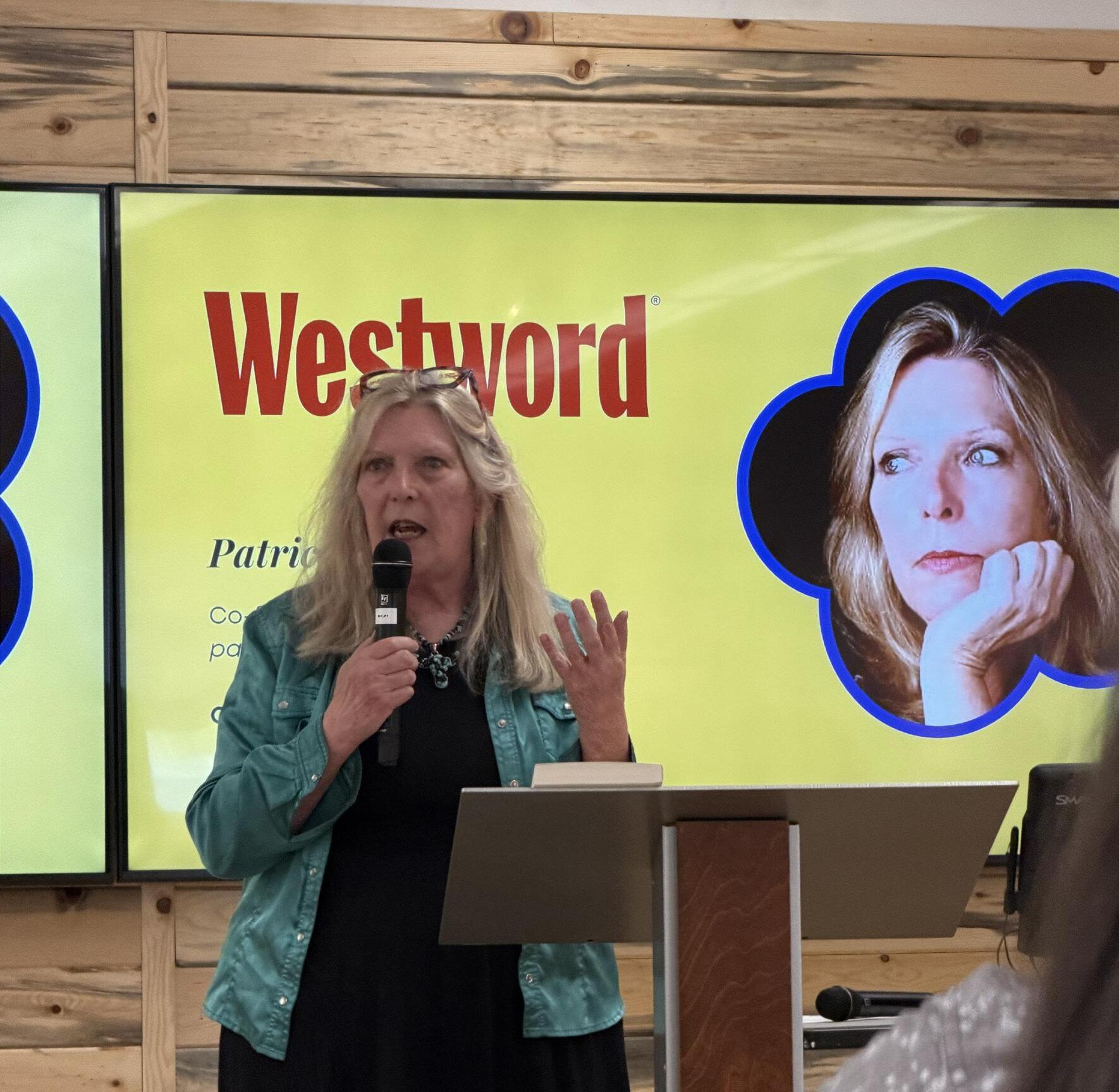
The keynote address was led by Patricia Calhoun (pictured top right), editor-in-chief of Westword, Denver’s alt-weekly newspaper she co-founded in 1977. She spoke on the history of Westword and the role of alternative news sources in the media landscape of a large city like Denver. She highlighted the richness of community news in the Roaring Fork Valley, with two daily papers (Aspen Times and Daily News) the weekly Sopris Sun, Aspen Journalism, Aspen Public Radio, KDNK and The Crystal Valley Echo being a major beneft to the preservation and engagements of community voices in the region for many areas including civics, media representation, investigative reporting, community journalism, and ultimately the telling of stories important to the communities served.
Across all discussions, local journalists explored the future of the media landscape in the valley, collaborative initiatives and the roles that their various mediums play in telling the fuller story of the region.
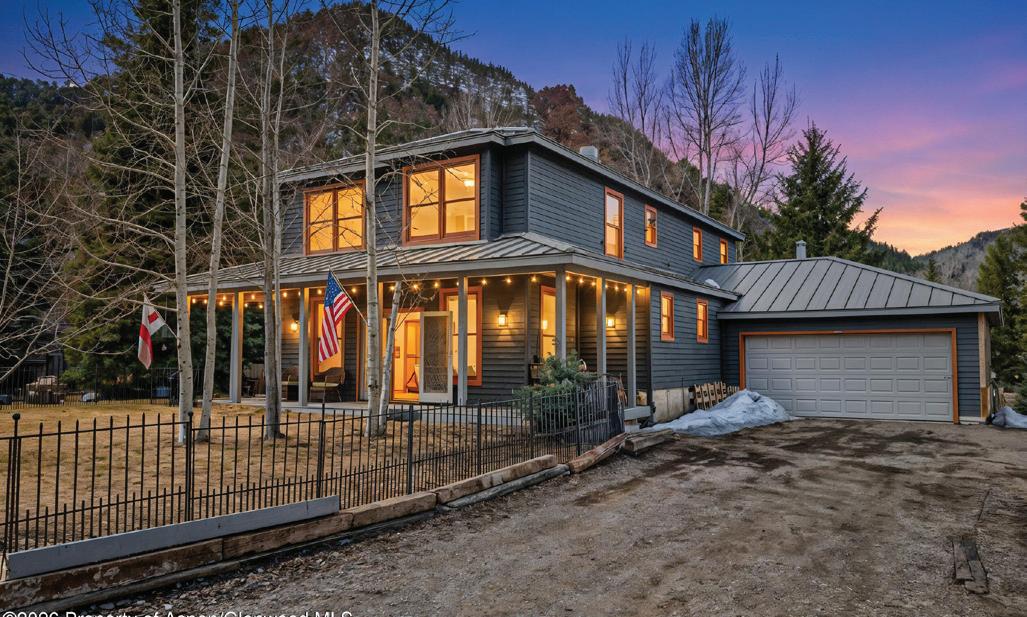
Residental, commercial, and mixed use possibilites await at this unique riverfront property on Redstone Boulevard. Creatve uses for a buyer with vision combines with a 3 bedroom residence, a two-car garage, and ample parking. Priced at under $500 per square foot.
3 BD | 3 BA | 3,888 Sq Ft | Redstone, CO
$1,845,000 | MLS#: 192065
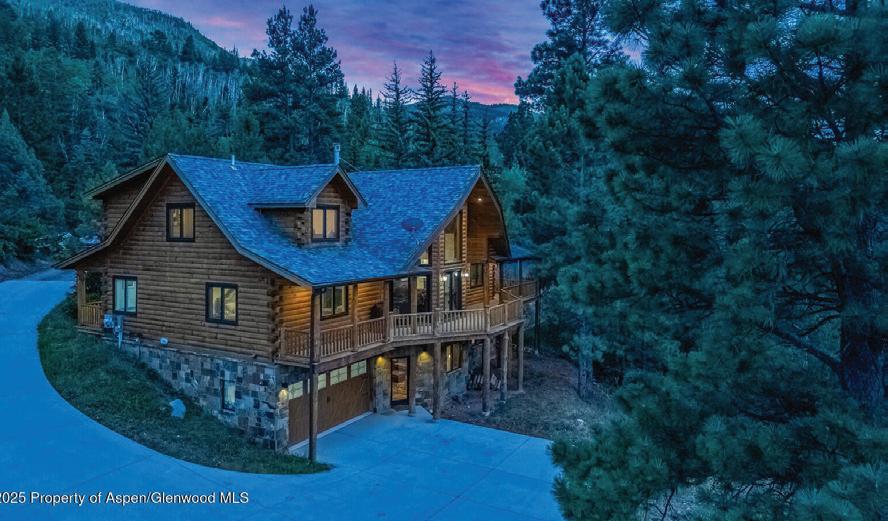

Riverfront elegance and elevated crafsmanship are paired with an enchantng setng at this “one of a kind” tmber frame home located within walking distance of Redstone. 350 Feet of pristne Crystal River frontage, 3 plus acres of tranquility, and a spacious 4 bedroom, 4 bath home designed with luxury in mind.
4 BD | 4 BA | 3,720 Sq Ft | Redstone, CO
$3,900,000 | MLS#: 192090
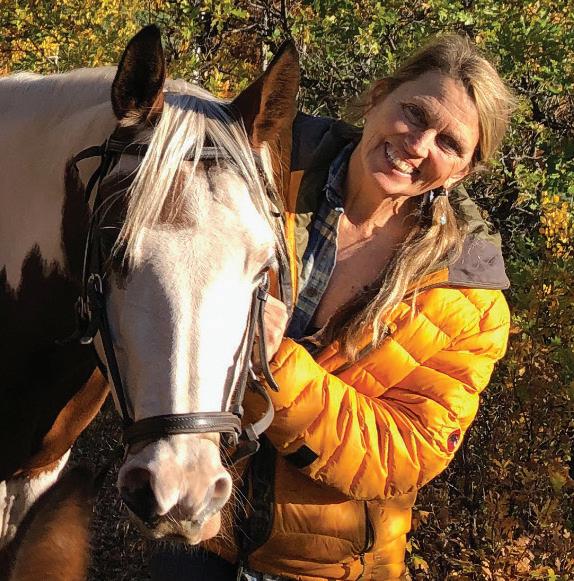

4 BD | 4.5 BA | 5,165 Sq Ft | Redstone, CO
$2,500,000 | MLS#: 192918
Historic intergovernmental agreement commits to preserving the Crystal River’s free-fowing character, agricultural heritage, and ecological integrity
Marble, Colo. — Five Colorado governments and water entities have entered into a landmark intergovernmental agreement to protect the Crystal River from mainstem dams and outof-basin water diversions. The agreement is the result of a recommendation made by the Crystal River Wild and Scenic and Other Alternatives Steering Committee in March 2024 as one of three potential long-term preservation measures.
The agreement, signed by the Colorado River Water Conservation District, Gunnison County, Pitkin County, Town of Marble, and West Divide Water Conservancy District, formalizes a shared commitment to oppose any new on-channel reservoirs on the mainstem of the Crystal River and any trans-basin diversions that would export water out of the watershed.
The Crystal River, a treasured tributary of the Colorado River, provides vital benefts to local communities, agriculture, fsh and wildlife, recreation, and tourism. It is one of the last free-fowing rivers in the West and is still connected to a natural food regime which supports riparian communities, fsh and wildlife habitat and recreation. The Crystal’s ecological, scenic, recreational and historical values are beloved by the local community and continue to be a uniting force among diverse stakeholders up and down the river corridor.
“The River District is proud to have been a partner in this effort,” said Zane Kessler, Director of Government Relations for the Colorado River District and Steering Committee co-chair. “This agreement demonstrates that conservation and protection of working landscapes, local agriculture, recreation, and existing water rights are not mutually exclusive. By working together, the parties were able to develop a balanced framework that serves to protect the Crystal River from transbasin diversions and new mainstem dams while preserving local control and respecting existing water uses.”
“The Crystal River means many things to many people,” said Elizabeth Smith, Gunnison County Commissioner and Steering Committee co-chair. “It supports agriculture and working lands, provides extraordinary recreational opportunities, sustains wildlife habitat, and is vital to the character of the communities connected to it. I’m deeply appreciative of the diligence and collaboration shown by so many partners over many years to develop this agreement and move it forward. Protecting a river as special as the Crystal requires people to stay at the table for hard conversations and thoughtfully consider a wide range of tools that can work together to preserve the river for future generations.”
“This agreement comes after years of cooperation between local governments and stakeholders and it’s a meaningful step for protection of the Crystal River. It shows progress toward stronger protections like Wild and Scenic, which the County continues working on,” said Francie Jacober, Pitkin County Commissioner and Steering Committee Co-chair.
"The Town of Marble is pleased to be participating in the process that will protect the Crystal River into the future," said Ron Leach, Town of Marble Administrator and Steering Committee co-chair.
"The more the process, the better the product."
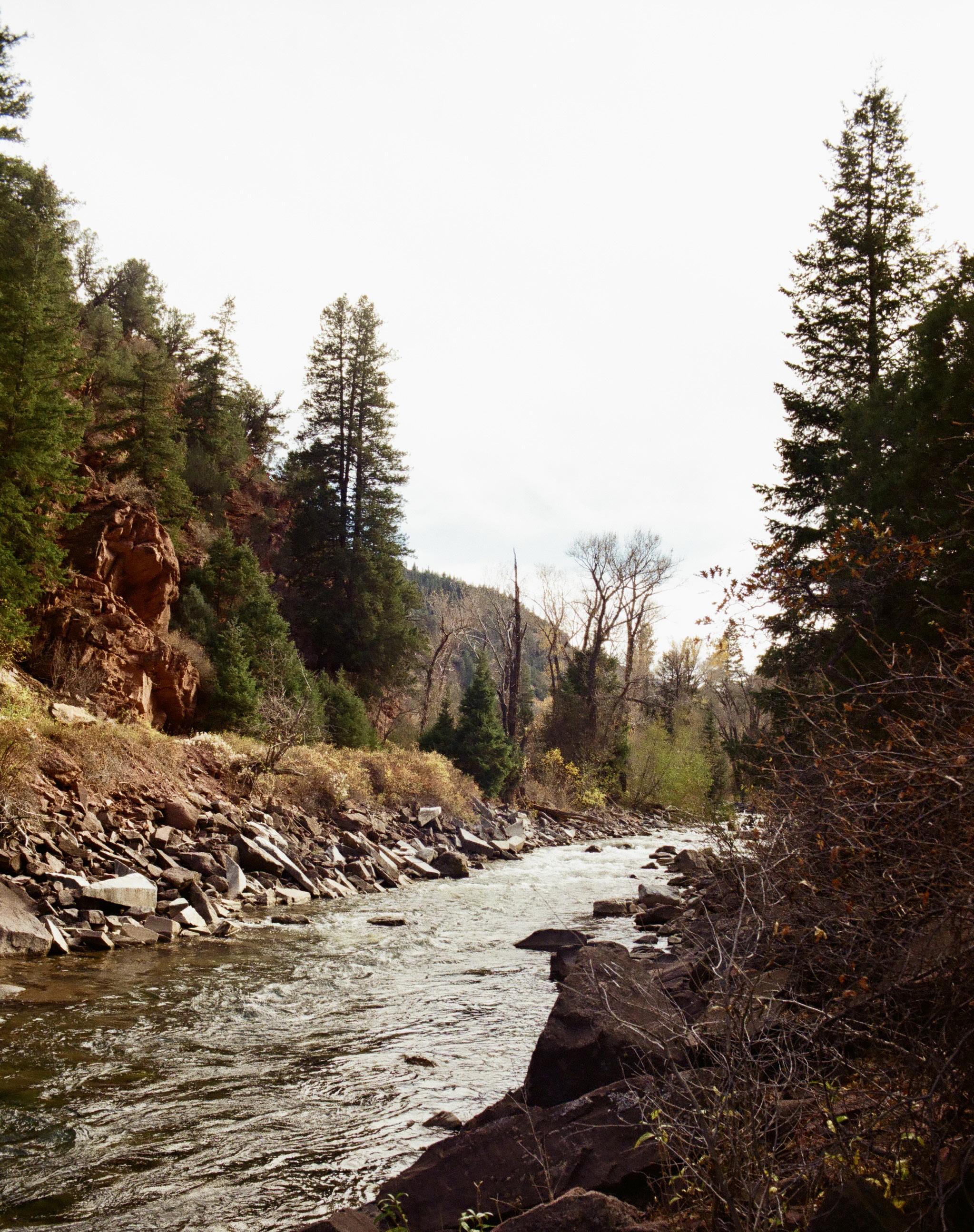
The signatories of the agreement commit to not advocate for or support any new on-channel reservoir or impoundment on the mainstem of the Crystal River and will oppose any water rights application or project that would divert water from the Crystal River basin to another watershed. The agreement also acknowledges the critical role of senior downstream water rights in maintaining streamfows and ensuring that ranching and farming operations remain viable throughout the valley. Central to the agreement is preserving local authority, property rights and existing legal processes.
Wilderness Workshop Campaign Director Michael Gorman added the following statement: This agreement is a big deal for the Crystal River, one of the last free-fowing rivers in Colorado. We’re thrilled that these parties are in agreement to oppose dams and out-of-basin diversions, and we’re grateful for the community process which led to getting this important commitment on the page. Community members in and around the Crystal Valley have been working for decades to protect the river from the possibility of big water developments. Now, thanks to those efforts and the leadership of Pitkin and Gunnison Counties, the Town of Marble, and the River District, our communities are taking meaningful steps to protect the Crystal River. This IGA is a real investment in the river’s health. We are excited to continue working with the stakeholder group on durable solutions for the watershed, including instream fows and a Wild and Scenic designation.
By Deb Strom
"Francis Galton, a half-cousin of Charles Darwin, coined the term eugenics in 1883. It refers to a pseudoscientifc philosophy that promotes an intelligent and healthy human race through the manipulation of heredity. Specifc manipulations of heredity by eugenicists included forced sterilization, forced institutionalization, forced abortion, and euthanasia. Eugenics fourished in the early 1900s as a response to the infux of eastern and southern Europeans into America, since these immigrants were seen as a threat to the quality of the American gene pool. Perhaps the most prominent practitioner of this ideology in Colorado during its heyday was Dr. Richard Warren Corwin."
Race was a fuid concept during Corwin’s lifetime. It not only referred to the color of a person’s skin, but sometimes ethnicity or even a group of people’s collective intelligence. Corwin’s available eugenics-related statements suggest a broader effort at achieving white solidarity against a growing Mexican and Mexican American population that eugenic supporters saw as a threat. That perceived threat arose not from simple racism, but from couching those racist beliefs in the cover of a pseudoscience that strengthened greatly over the last two decades of Corwin’s life. The purpose in describing Corwin’s beliefs is not to deride the legacy of a man who did so many positive things for Puebloans of all races, but to illustrate the changing racial divide in southern Colorado from the early 1910s through the late 1920s." -- Colorado History's March 18, 2021 article by Jonathan Rees, Professor of History at Colorado State University, Pueblo. Young Dr. Corwin came west to organize its medical department of General Palmer's Colorado Coal and Iron Company in 1881 based in Pueblo where they were developing a steel mill. In 1892 General Palmer's company was struggling and it merged with John Osgood's Colorado Fuel and Iron Company to become the publicly traded Colorado Fuel and Iron (CF&I) commanding 28 coal mines, 6 coking operations and the only steel mill west of the Mississippi. John Osgood was elected by the board to be the president.
CF&I successfully weathered the United Mine Workers of America's Coal strike of 1901, but there appeared to be a shift in Colorado public opinion due to the notoriously poor living and working conditions in the coal felds. Osgood understood that future efforts to unionize would upset operations. Furthermore, "Osgood calculated that a program designed to enhance the workers' moral character and physical quality of life would improve his corporation's public image." (Darell F Munsell, From Redstone to Ludlow). Osgood was the frst coal baron and among the earliest industrialists to adopt a program of Industrial Betterment as a strategy to improve labor relations. Notable examples of industrial betterment included Hershey, Pennsylvania (chocolate), Pullman, Illinois (railcars), and Lowell, Massachusetts (textiles). These settlements featured superior housing, schools, and parks for their workers. Dr Corwin was charged with creating the Sociological Department in 1901.
Meetings and Legal Notices:
Town of Marble: The Marble Town Council meets the frst Thursday of each month at 7:00 PM at the Marble Community Church Fellowship Hall. This Month's Meeting will take place Thursday, June 4th.
Crystal River Caucus: Meetings are held on the second Thursday of odd-numbered months at 7:00 p.m. at the Church of Redstone, 213 Redstone Blvd, Redstone, CO 81623. Virtual attendance is available, and meeting links will be sent to everyone on the Caucus email list. To join the email list, send a message to crcaucus@gmail.com.
Redstone Community Association: Meets the frst Tuesday of Each month at 5:30 pm in the Redstone Inn Library

This department handled the planning and execution of social betterment programs for CF&I. CF&I General Manager Julian Kebler announced that "This department will have general charge of all matters pertaining to education and sanitary conditions and any other matters should assist in bettering the conditions under which our men live, but to put them in the way of information that will arouse their ambition and make them desirous of doing the best they can for themselves, as well as for their employer." Corwin was well suited for this position with his scientifc, medical and hospital management experience.
With lightning speed, the CF&I coal camps became villages with decent housing, schools and clubhouses with reading rooms. Redstone was the showpiece of this project. A massive effort to update the Steel Mill in Pueblo that began in 1899, was now also focused on the development of the Pueblo's Minnequa Hospital and its outreach to the 28 coal felds and 6 coke oven operations. Corwin appointed 18 physicians to care for the well being of the miners. Dr Taylor became the physician for the newly built Crystal Valley Railroad that connected the workers at Placita, Coal Basin, Spring Gulch, and Redstone.
By 1902 Osgood was strapped for capital funds (he spent 3 million on Redstone alone, over 116 million in 2026 dollars) but survived an unsuccessful "hostile take-over" attempt. In 1903 he was able to make a sweetheart deal with John D. Rockefeller Jr., son of the famous oil baron. Osgood and his associates resigned on November 23, 1903. Osgood was able to rebuild as Victor America in the southern coalfelds and continue to own Redstone. Notably he abandoned his Industrial Betterment strategy and ran some of the worst company towns.
Rockefeller's CF&I also abandoned Industrial Betterment efforts. In 1908 Rockefeller closed the Redstone coke ovens and Coalbasin mine and drastically cut the Sociological Department's budget to pull CF&I out of debt. Meanwhile, "Rockefeller spent at least $100 million dollars on eugenics-related programs nationwide."
-- Jonathan Rees, Professor of History at Colorado State University, Pueblo.
Dr. Corwin's efforts now focused the darker side of eugenics. Instead of the 1902 efforts to boost employee education and morale, it became the practice to use eugenics to blame the deteriorating condition of the schools on the “racially inferior” quality of the students enrolled. During the 1918 Infuenza epidemic, Corwin instituted a three-tier care system that blatantly favored the white employees.
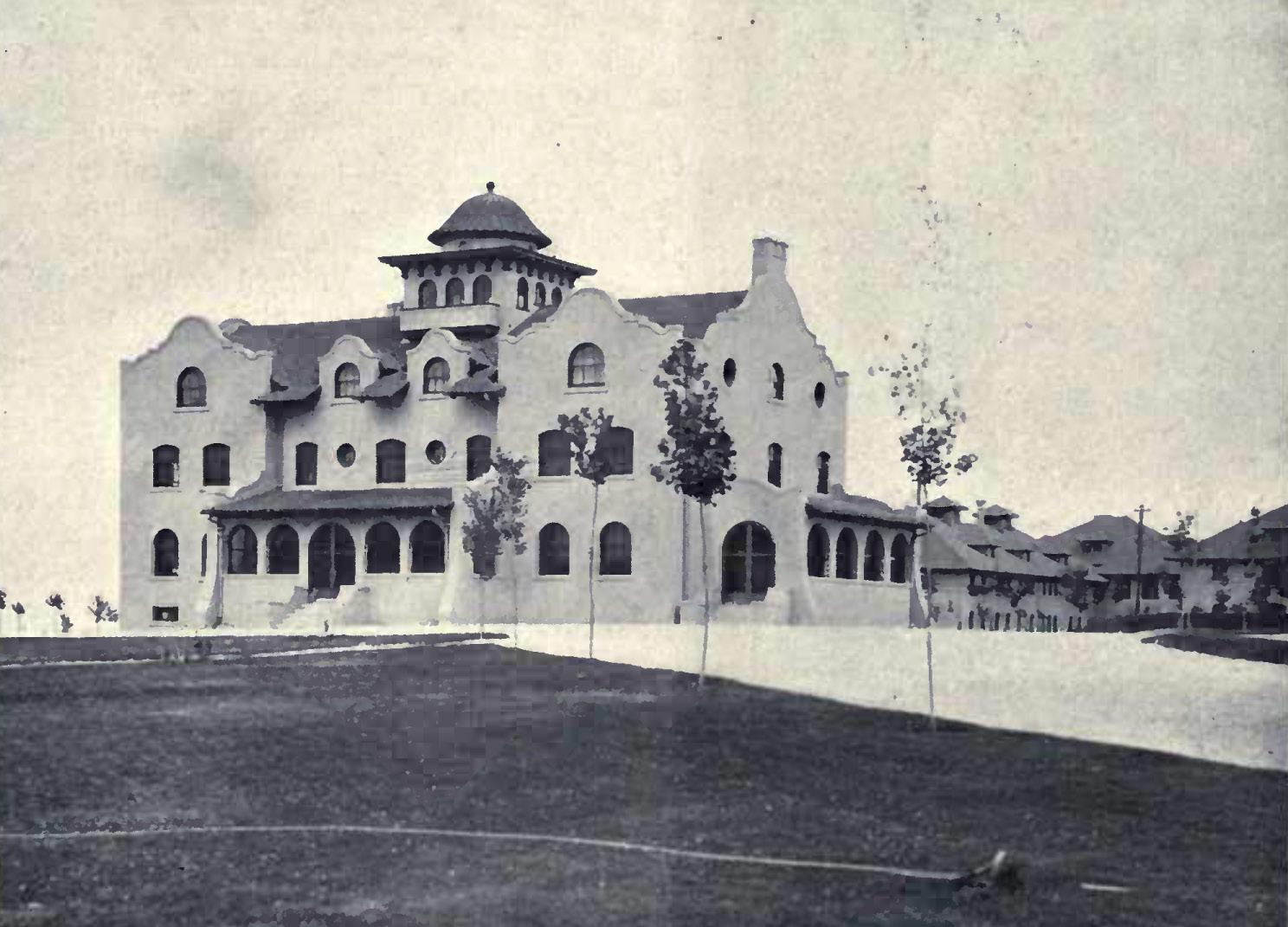
Below: "New Minnequa Hospital of C.F.&I. Most Complete in World in Construction, Detail and Sanitation" - Camp and Plant magazine, August 6, 1902 (Now the Steelworks museum)
Continued on Page 18...
Corwin Continued...
"In 1922, Corwin announced the need for mental examinations to screen for the unft among the applicants for employment at CF&I, referencing the army’s use of mental tests, along with schools and juvenile courts that used them as well. The mental exams at CF&I bore a striking resemblance to the literacy tests aimed at disenfranchising southern Black voters during and after Reconstruction, since both aimed at disempowering a class considered inferior to the white elite." -- Jonathan Rees, Professor of History at Colorado State University, Pueblo.
Dr Corwin retired from CF&I in 1928. In Pueblo he has been honored for his work. To his credit he expanded Pueblo's Minnequa Hospital to be among the best in the West. There was a 'better side' to Corwin’s legacy that we see in his pre-1908 work in social betterment, and a darker side that we witness in his later career. He died in 1929 shortly before the public appeal of eugenics shifted dramatically.
Research for this article was based on Colorado History's March 18, 2021 article by Jonathan Rees, Professor of History at Colorado State University, Pueblo and Darrell Munsell, FROM REDSTONE TO LUDLOW, John Cleveholm Osgood's Struggle against the United Mine Workers of America, Dr Corwin's Background
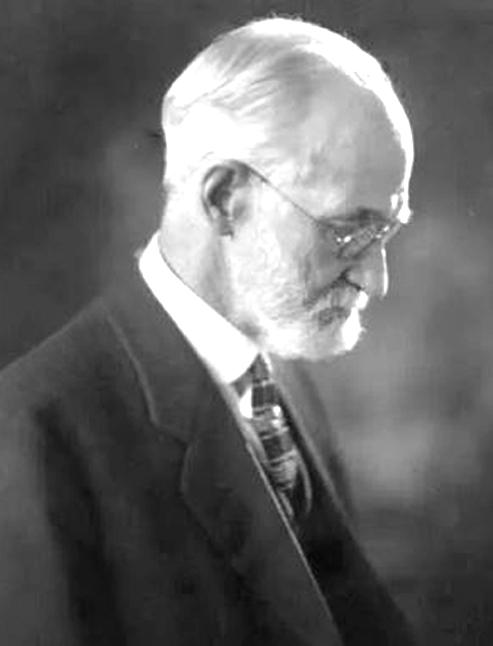
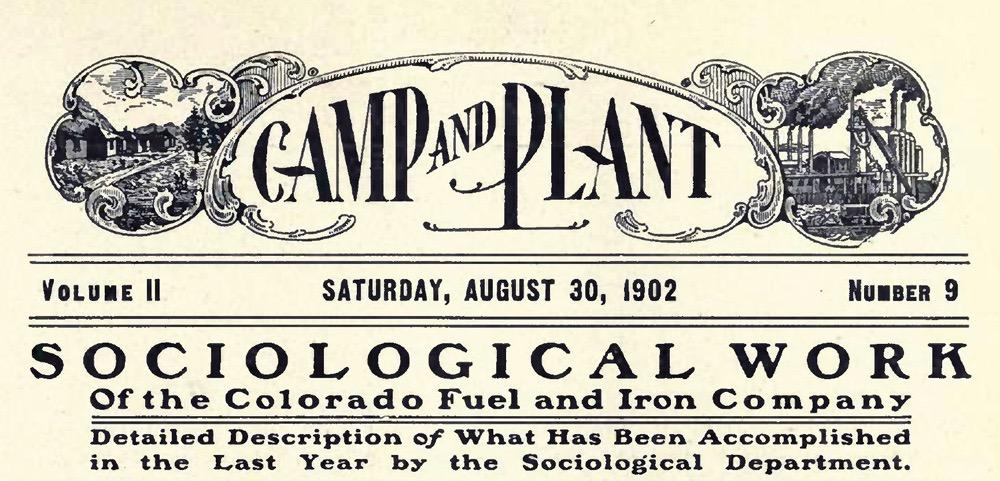
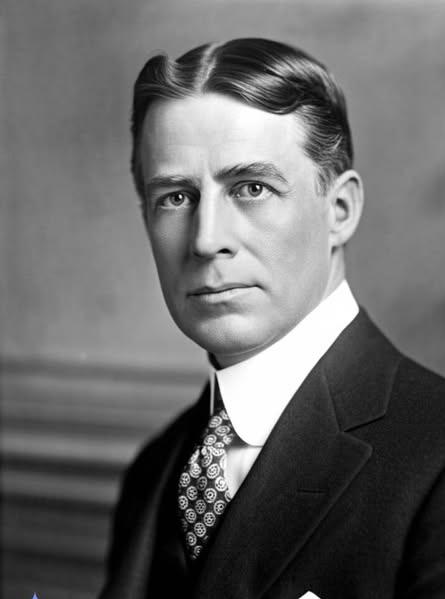
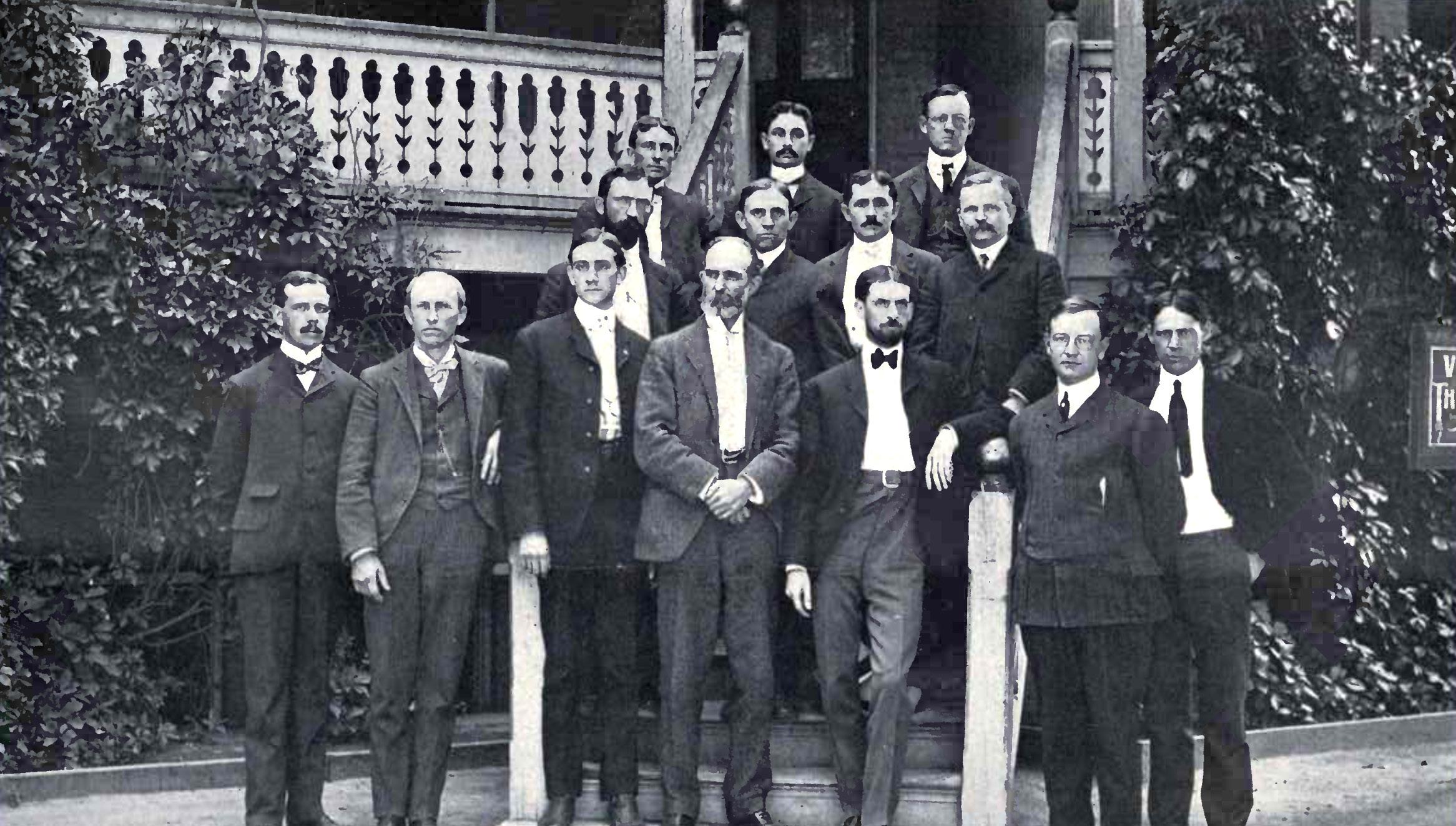
Pictured Clockwise from Top: Camp and Plant Magazine Sociological Work Headline (RHS Collection), John D Rockefeller Jr spent at least $100 million dollars on eugenics-related programs nationwide - photo: Pueblo Steelworks, Doctors of the Minnequa HospitalCamp and Plant magazine, 1902 Dr Richard Corwin "Introduced the latest surgical methods and discoveries at the Minnequa Hospital. A man of pronounced ability, continuous study has resulted in the development of his powers until he stands today among the ablest medical and surgical practitioners of the west."Pueblo Chieftain

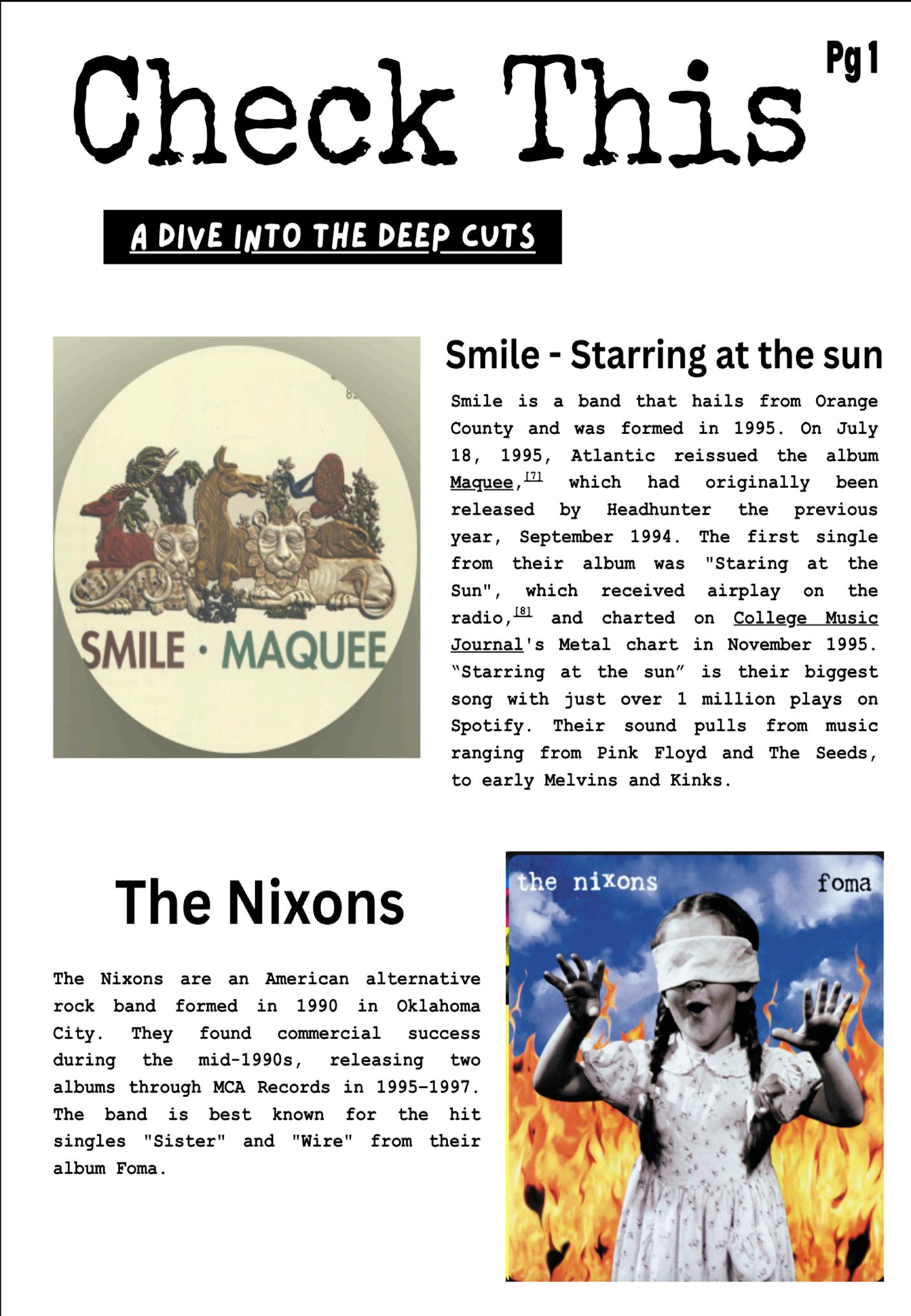
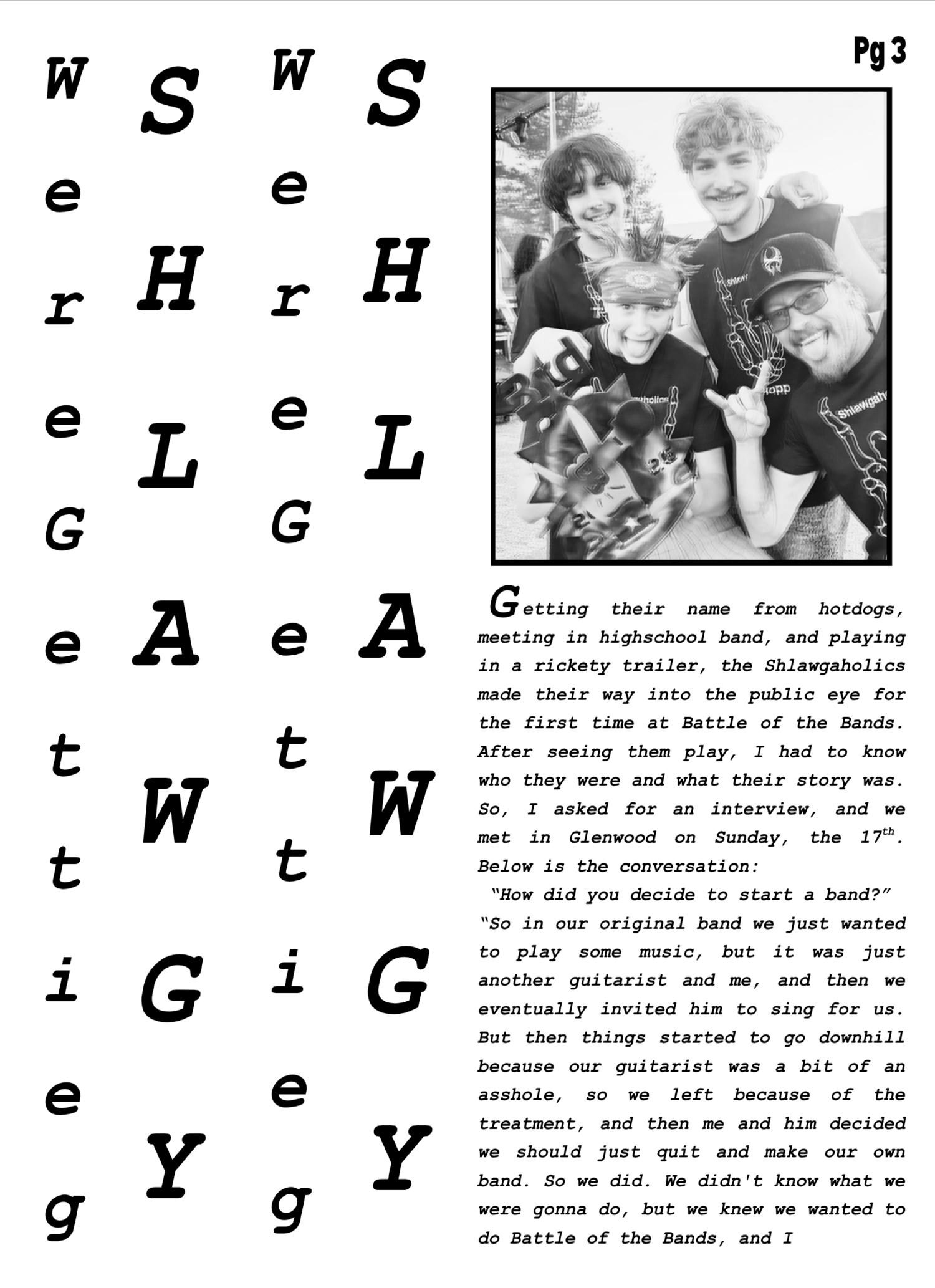
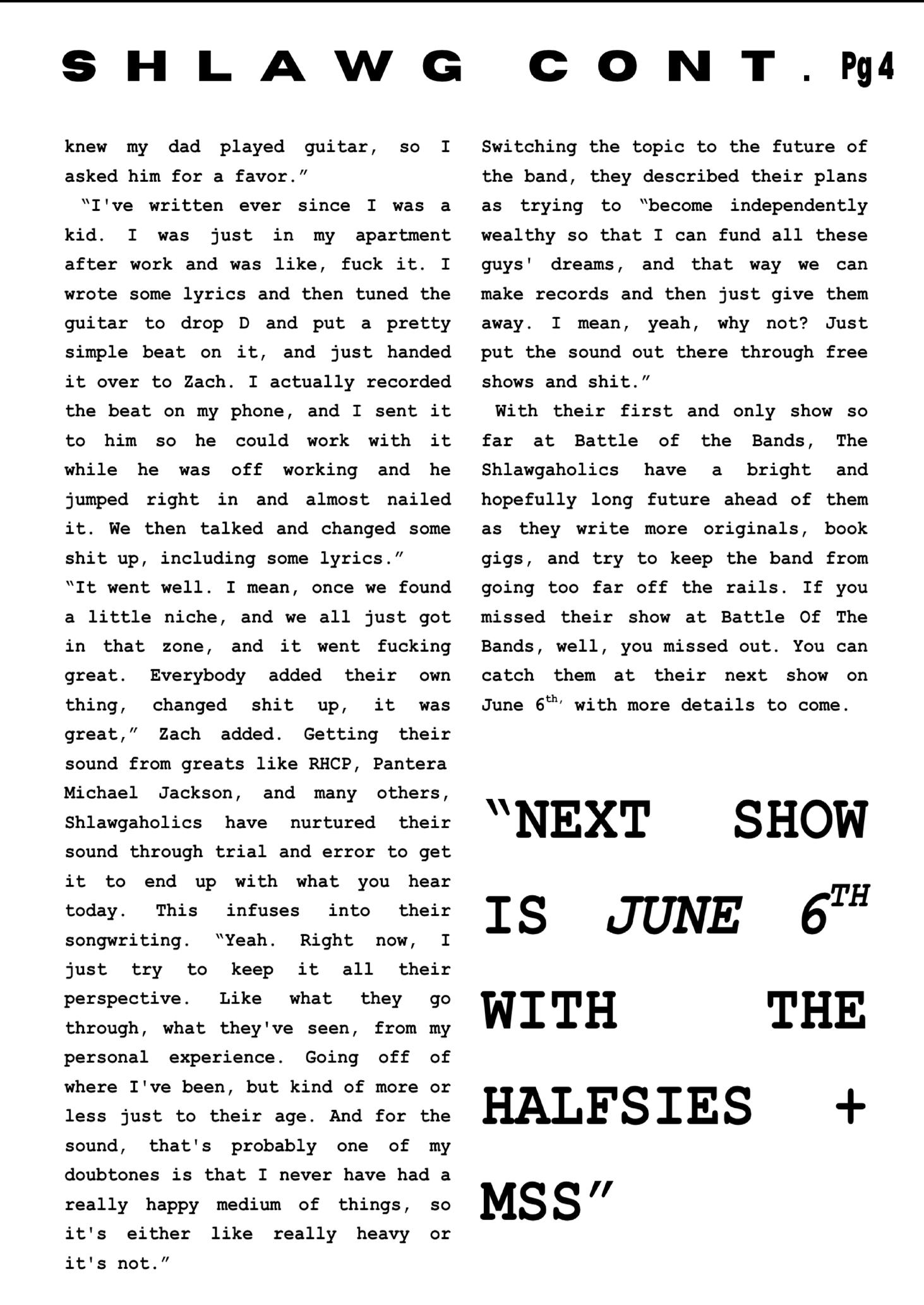
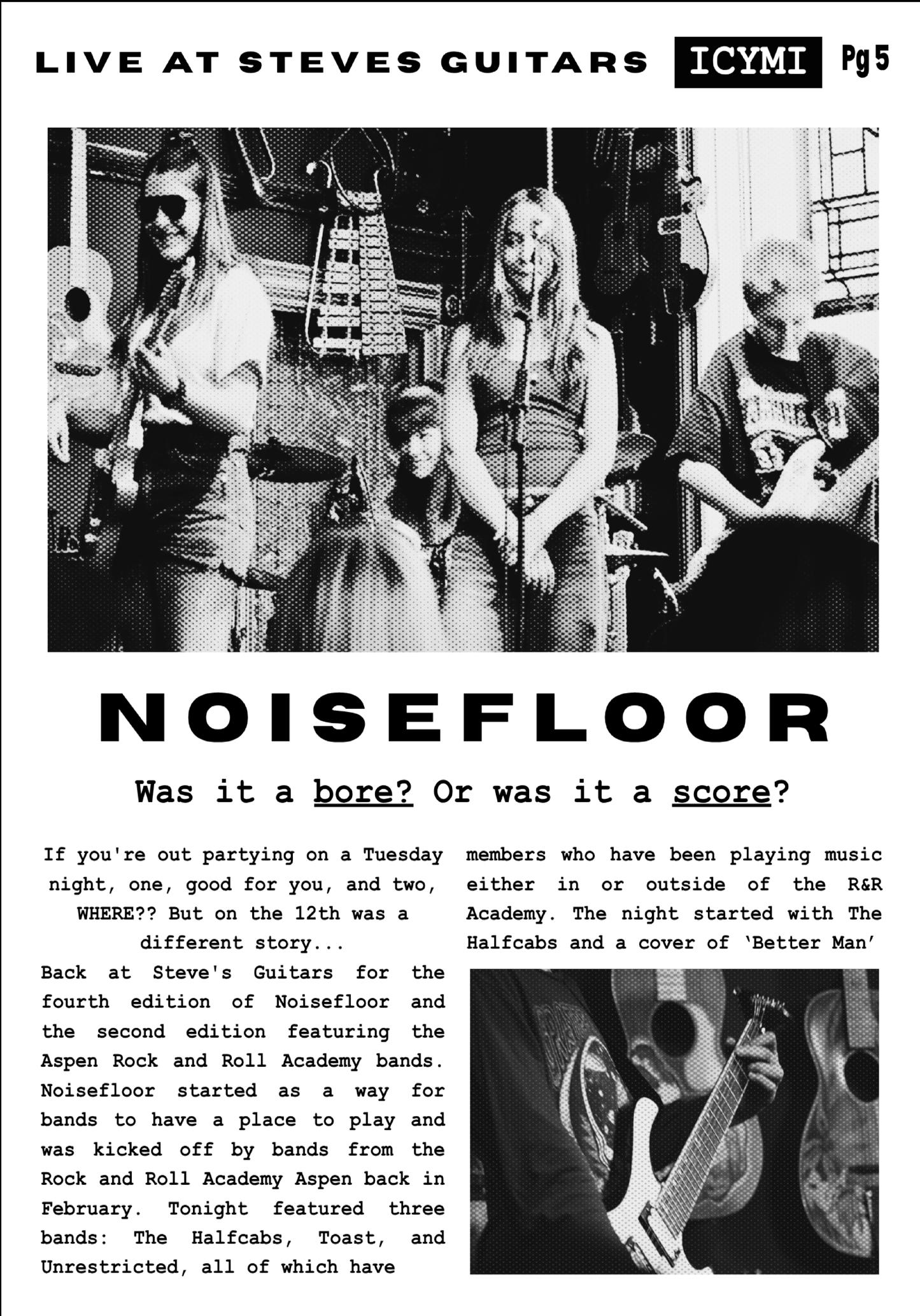
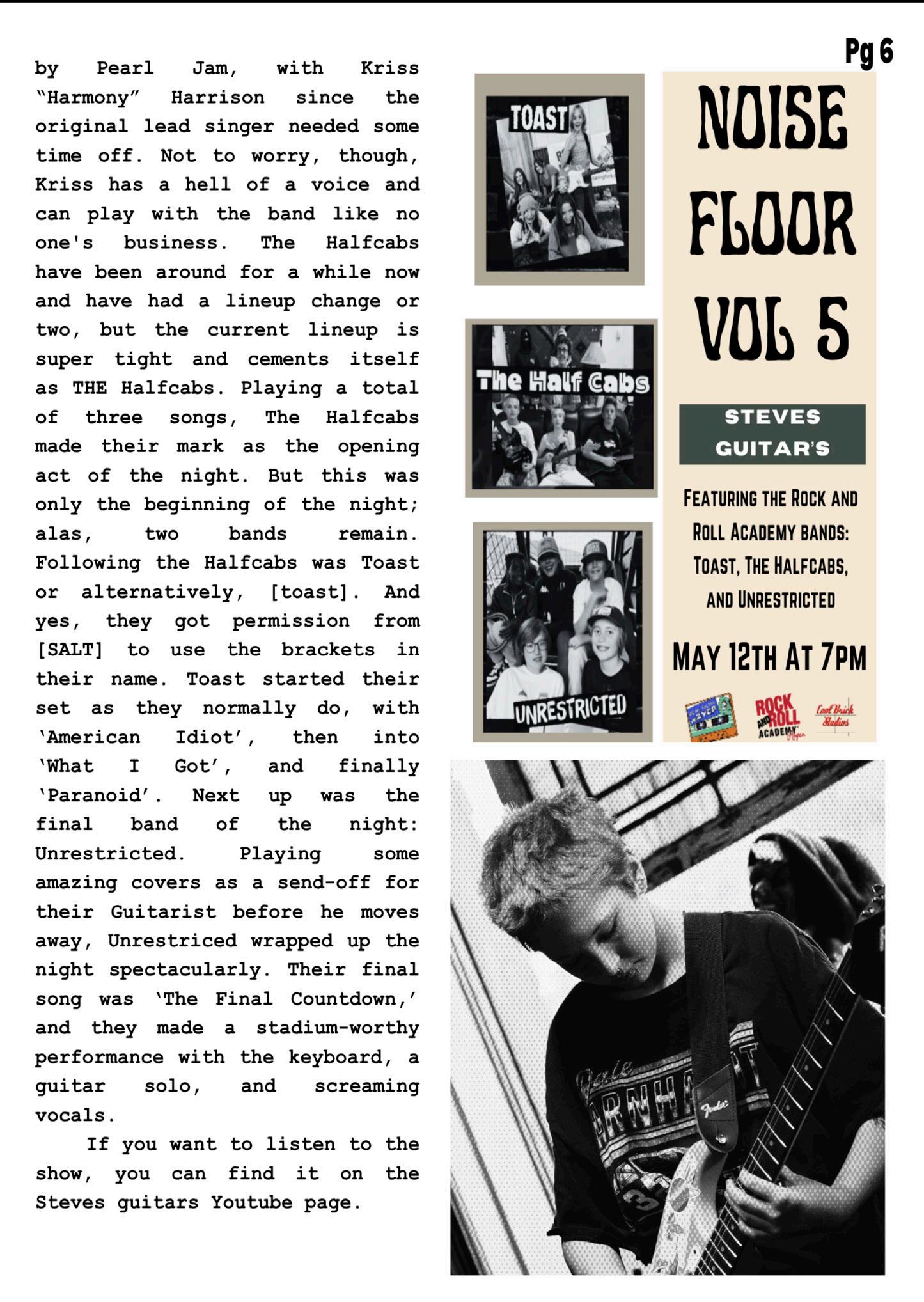
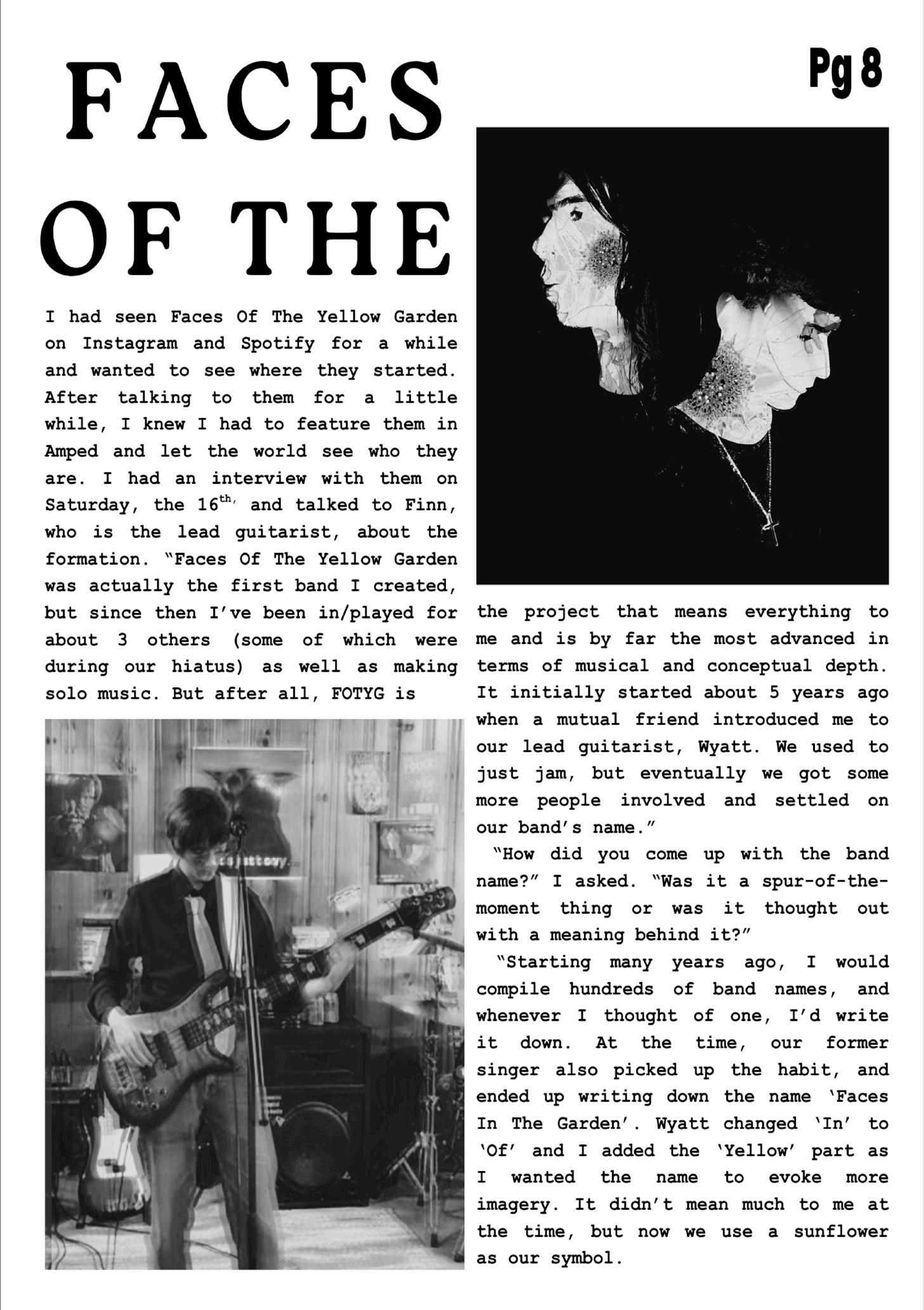
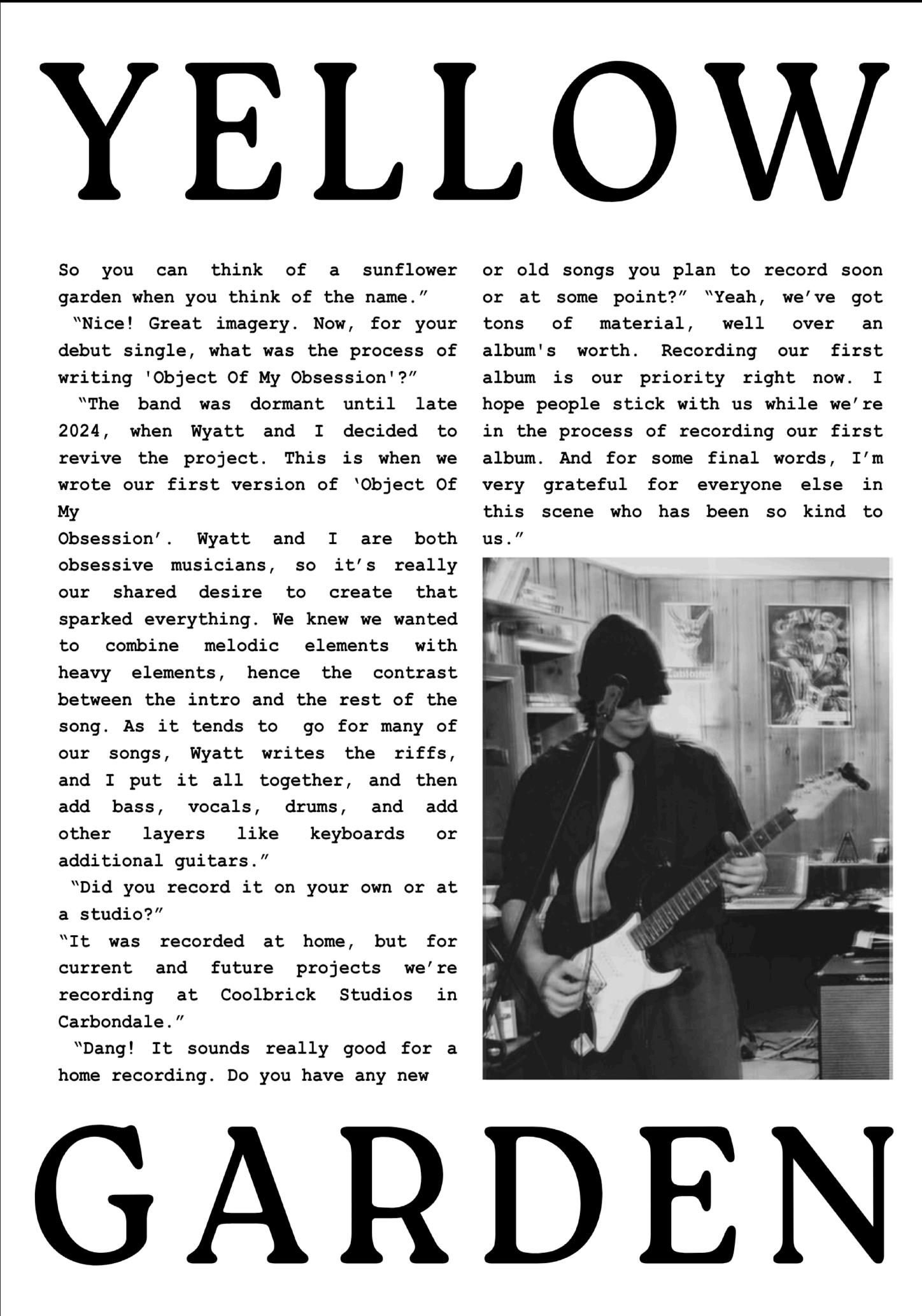
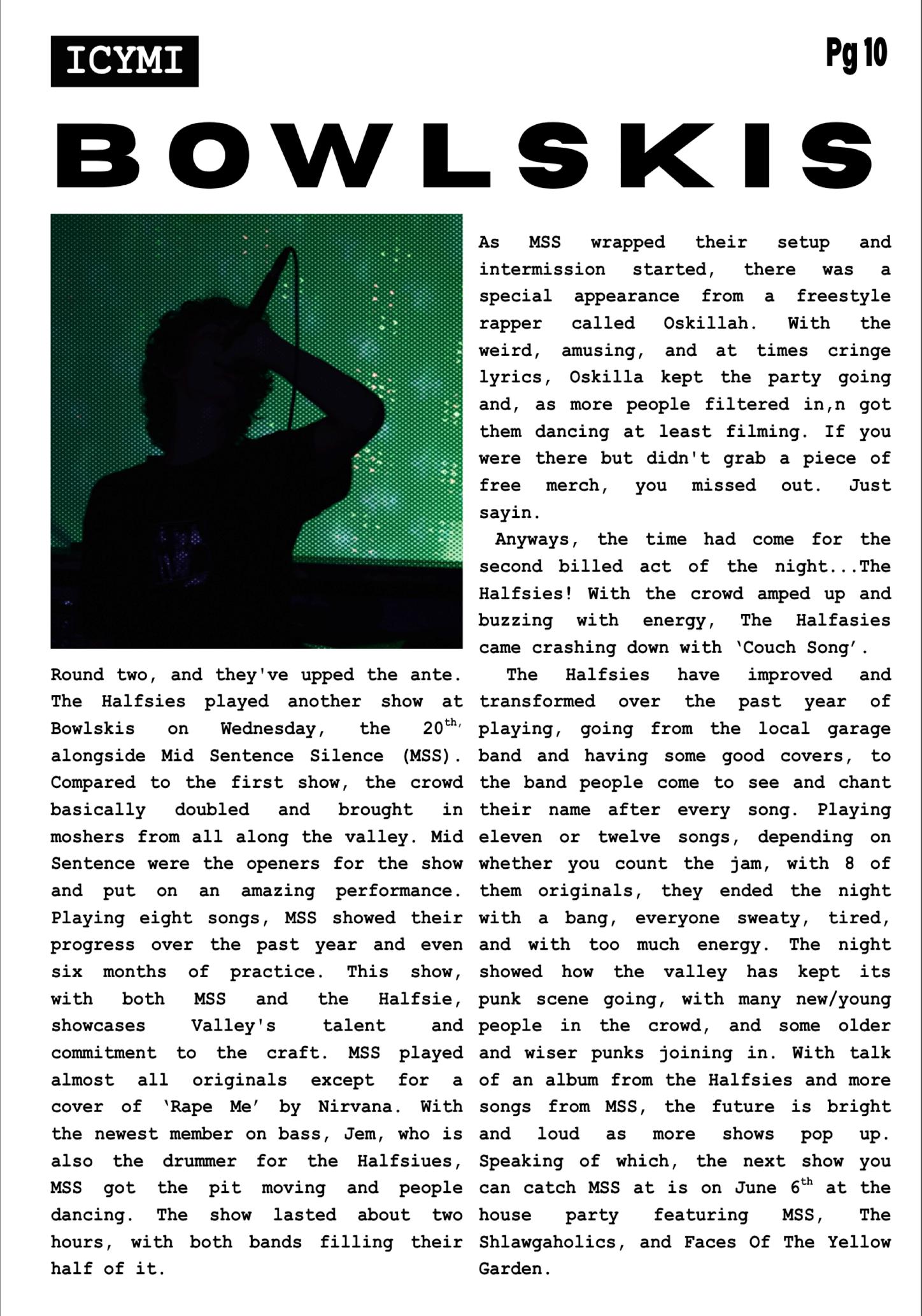
Amped is a 100% youth-created and run music journalism publication covering the youth music scene in the Roaring Fork Valley. To date, they have produced over 100 pages of local youth music journalism entirely one their own including concert photos, album reviews, gig coverage and much more. Amped follows the youth music scene from Aspen to Grand Junction and is 100% edited, formatted, produced and written by their own staff. The Crystal valley Echo is proud to offer Amped a permanent physical home in print and expansion to wider audiences as part of our regular distribution. We care deeply about supporting youth journalism, youth music, and the rights of all people to share their voices through creative expression. The Echo does not impose any editorial control or oversight to the production of Amped. Amped is sponsored in part through advertising revenue from The Echo with the staff of Amped receiving 75% of all sponsorhip revenue (25% goes to printing costs). If you are interested in sponsoring local youth music journalism please write to editor@crystalvalleyecho.com for an updated rate sheet. Additional donations to support Amped may be done via the gofundme QR code on this page. Thank you to our generous supporters for their help in fostering a vibrant scene of youth music, creativity and journalism.
Amped in the echo is generously sponsored by:






Across
4. Old-fashioned term for a cheap, unreliable car
5. Fuel blend of gasoline and alcohol
6. Early machine for transmitting typed messages
9. early movie theater charging only fve cents
11. Automobile, in older usage
12. Offce worker who took dictation, informally
13. Message sent by radio transmission
14. Work pants that became a fashion staple
15. Railroad worker who directs trains onto different tracks
Down
1. Famous brand of jukebox and organs
2. Short flm of current events shown before movies
3. Telephone operator’s workstation
7. Slang term for a jail
8. Small convertible automobile style
10. Refrigerator’s predecessor


This summer's features are from a comic strip titled "Private Lives by Edwin Cox. Candid Cartoons of the World's Celebrities. The Unconventional News of the News-names". It was syndicated to American newspapers by Edwin Cox and Jack Bliss from November 1938 to May 1943. Jack Bliss was the artist for the complete series. Usually appearing in the Sunday Comics section, it consists of a single large cartoon panel surrounded by smaller cartoon boxes. It features famous people of the the day, including politicians and media celebrities.




To submit art, features, or other oddities to adorn this page, Kindly send word to The Echo at: Editor@CrystalValleyEcho.com
All submissions considered. Few accepted.
“What we call the present is usually nothing more than a combination of a fragment of the past with a fragment of the future.”
-Georg

Start