Photograph from Emma Bielski

From Emma Bielski
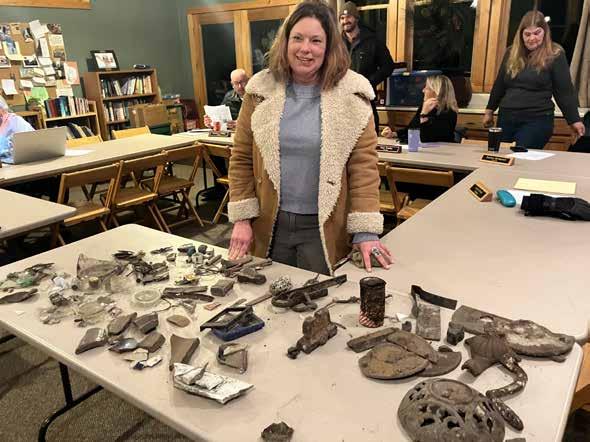
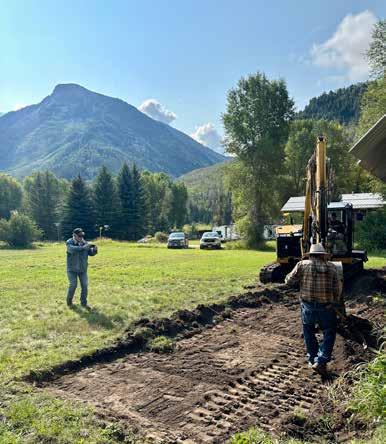
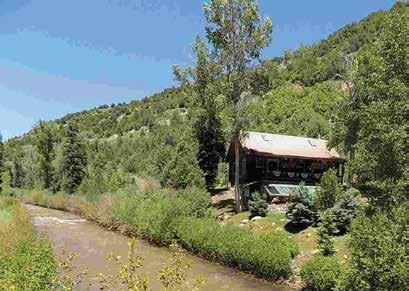
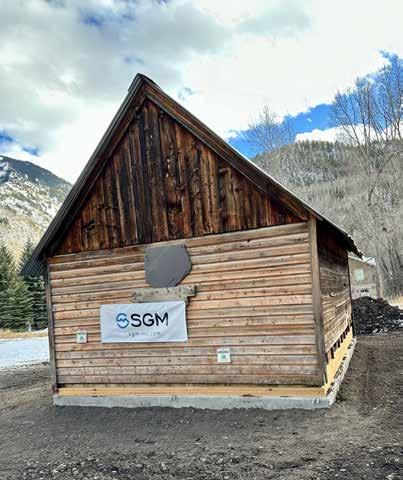
The Historic Marble Jailhouse received its new foundation this past fall. The preservation project began nine years ago when Ron Leach, the Town Administrator, and the board of trustees, at the time, prioritized the town's historic preservation efforts and contracted with Yours Truly to secure the necessary funds to preserve the structure.
The Jailhouse was not yet registered with the National Registrar of Historic Places. Hence, the project began with lengthy research and writing to get it listed as a historic site in the state and nation. In October 2016, the Marble Jailhouse joined a handful of nationally recognized historical sites located in Marble, Colo. You can read the nomination for yourself by visiting the History Colorado Website, or by
entering “Marble Jailhouse” into your browser and clicking on History Colorado.
The town then applied for a non-competitive grant through the State Historical Fund called a Historical Structural Assessment (HSA); the assessment itself was conducted by Peak Architecture based out of Basalt, Colo., and took two years to complete. This step was necessary to determine the extent of work needed and the cost to complete the work. In 2020, we applied for a competitive grant from the State Historical Fund and, unfortunately, did not receive the funds needed to complete the preservation work.
After being denied the grant, and because I was then serving on the board of trustees for the

With 10 years of experience supporting youth and families in a school setting, Emma Bielski, SWC is now offering one-on-one counseling services.
Providing

historic MArble JAilhouse continued. . .
town, I offered to get the job done on a volunteer basis and suggested we go about securing the funds through donations and in-kind work. It took five years to gather and piece together the necessary funds to complete phase one: The new foundation; a total cost estimated at $56,000.
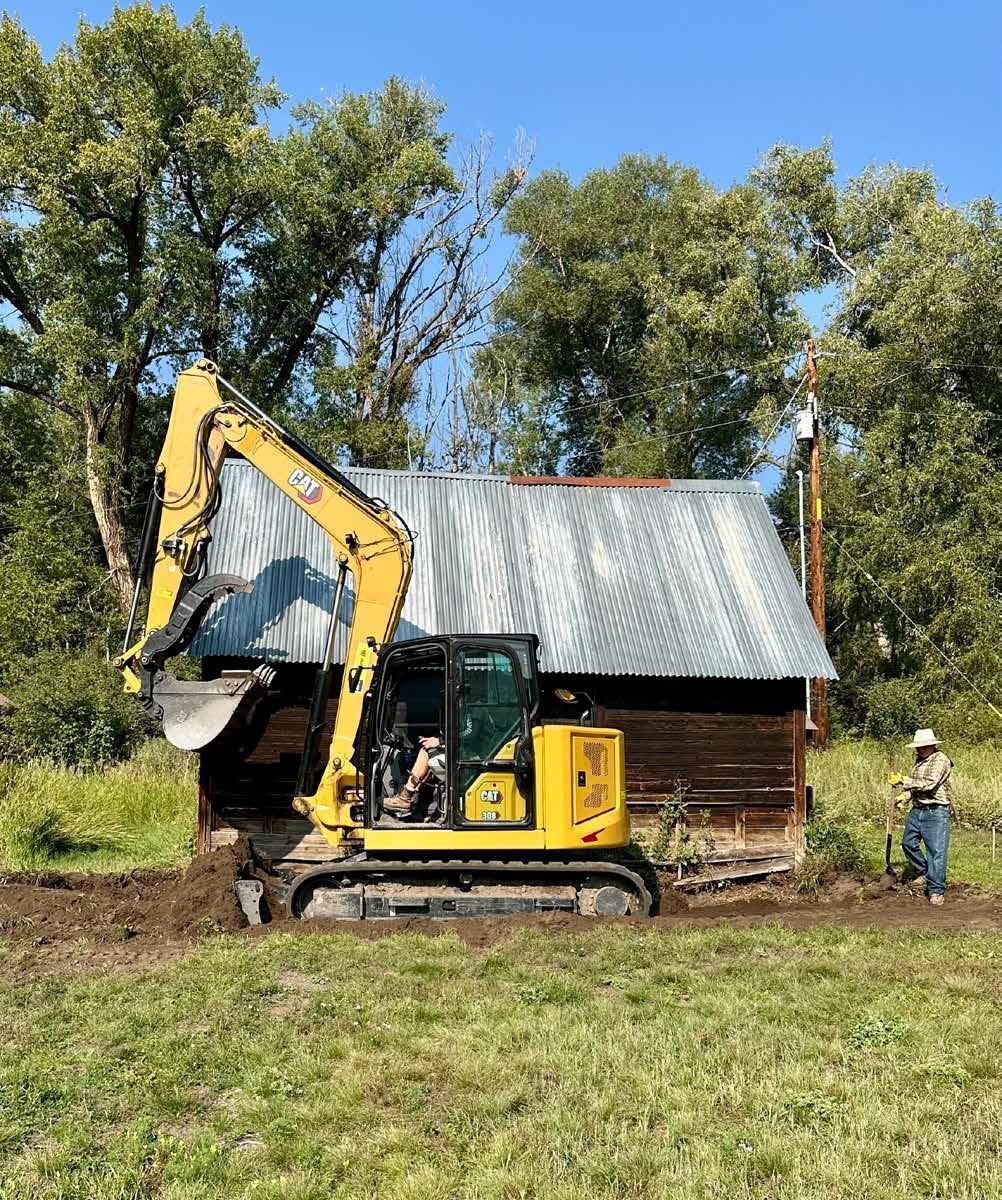
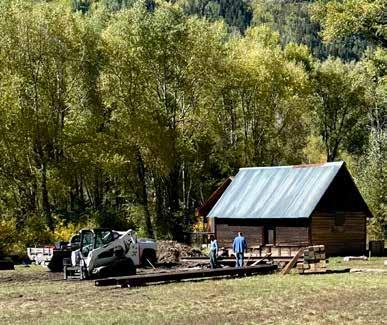
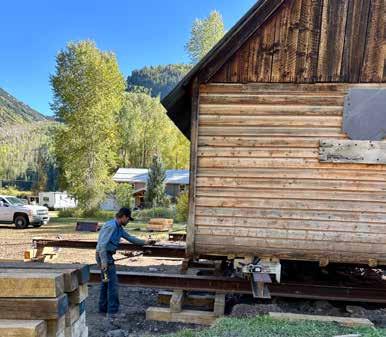
The project began with the generous support of SGM Engineering who donated their expertise to determine how much concrete was needed for the new foundation. Next, Matt Piffer with Piffer Excavation donated the excavation work to the project and cleared the land around the structure to make way for the talented Bill Bailey. Bailey’s House Movers lifted and moved the incredibly fragile structure.
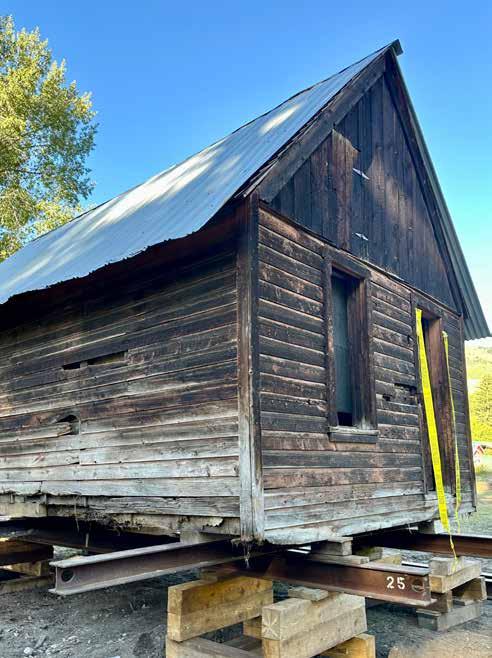
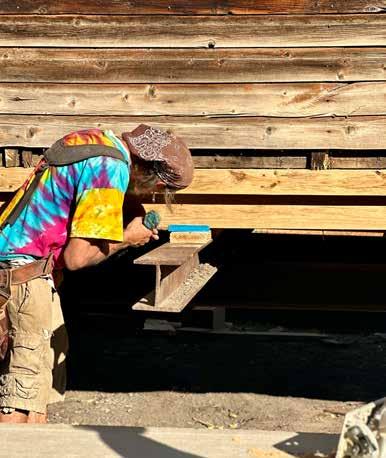
The Jailhouse was placed on wood blocks and metal beams mere feet away from its original location where the new foundation was to go. The concrete mono slab once poured needed seven days to cure before the building could be moved back and secured to its new foundation. During this time, Mike Yellico with Grateful Builders donated his time and talents to shore up the structure with reinforcement beams underneath the building. The materials for which were generously donated by Builders First Source.
Days before winter settled in, and the ground was preparing to freeze Bailey’s House Movers returned to move the building back onto the foundation in its original location. Directly followed by Piffer Excavation for final grade work surrounding the Marble Jailhouse. Heroes!
Ultimately, the Historic Marble Jailhouse was saved to live on as part of our community’s history because of the patience, perseverance, and generous financial support from Gunnison County, the Town of Marble, Aspen Valley Land Trust alongside Great Outdoors Colorado, Colorado Stone Quarries, and several contributors on a GoFundMe campaign. This financial support is coupled with
Mission Statement: To provide a voice for the residents of the Crystal River Valley; to bring attention to the individuals and local businesses that are the fabric of the Crystal Valley region; to contribute to the vitality of our small town life.
EDITOR AND ADVERTISING SALES
Gentrye Houghton gentryeh@hotmail.com
CONTRIBUTORS
DJ Sugar Monkey
Amber McMahill
DISTRIBUTION AND LAYOUT DESIGN
Ryan Kenney
The Crystal Valley Echo is published monthly, and is distributed throughout the Crystal Valley.
NEWSPAPER BOX LOCATIONS:
Third Street Center • Village Smithy Carbondale Post Office • Carbondale Park & Ride
The Marble Hub • Redstone General Store

Tune in every second Friday at 6 pm on KDNK for the monthly VOICES Radio Hour, where we share stories and conversations from community members of our collective history, tradition, and heritage.
January 10: Revisiting Newcomers (Spanish)
February 14: Love Overcomes
March 14: Common Ground: Politics
April 11: Sober Living
May 9: Sage Stories
June 13: Common Ground: Faith
July 11: The Way Here (English/Spanish)
August 8: Our Land, Our Voices

September 12: Common Ground: Learning vs. Teaching
October 10: Nuestras VOCES (Spanish)
November 14: Coming Out for the Holidays
December 10: Common Ground: These are the People in Your Neighborhood
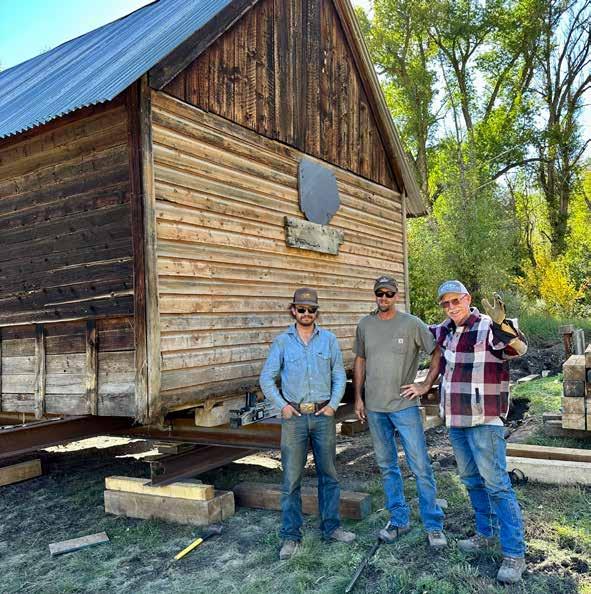


in-kind support from SGM Engineering, Piffer Excavation, Grateful Builders, Builders First Source, and Bailey's House Movers. To all of those who donated their time, tools, expertise, and talents, it is what allowed the Marble Jailhouse to live on for another one hundred years. We did it!
So many people, organizations, businesses, and government entities came together for the love of history and our Marble community alike to make it all happen. There is nothing better than incredible groups of people coming together to make cool things happen.
Thank you very much to every person, business, and agency who came together to help save our Jailhouse. The structure itself would not have lasted another year without its new foundation, a structural protective barrier from the harsh elements. Hats off to all of you who helped make this a real community success story.




A letter of thAnks
To the Redstone Knitters :
Due to a recent illness, I had to experience a short stay at Valley View Hospital over the New Year holiday. The kind Redstone Knitters — Jimmie, Frances, Kay, Mary D., Brigitte, Alicia, Mirka, Cathy, and Paula — delivered a beautiful handmade shawl to me. This is the kindest gesture warming and comforting to aid in my recovery. May it cradle me with all the love, and joy these hands created.
Thank you to the wonderful women of the Redstone Knitters.
Sincerely,
Kathy Enman Redstone





From Darrell Munsell
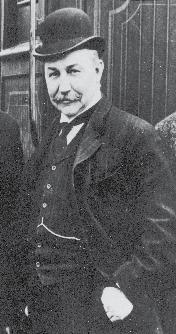
Known as an expert judge of character and competence, John C. Osgood selected a number of men from Iowa to help him develop a coal empire in Colorado. The "Iowa Group," as they came to be called, were talented and experienced men, who had been associated with Osgood in the Whitebreast Coal and Mining Company of Burlington, Iowa, or the Chicago, Burlington, and Quincy Railroad.
Each brought special expertise to the management table. Among the first to arrive were Julian A. Kebler, who worked in mining technology; Alfred C. Cass, who worked in marketing; and David C. Beaman, who worked in legal counsel. Over the years, more than a dozen former associates had become a part of Osgood's Colorado enterprise. Charles M. Schenck was one of the last of the "Iowa Group" to join his close friend and former associate at the Whitebreast Coal and Mining Company in the operation of the huge Colorado Fuel and Iron Corporation.
C.M. Schenck's friendship and association with J.C. Osgood is told in the family papers now kept by Robert Schenck, a grandson, at his home on Missouri Heights outside Carbondale. The large collection of letters, newspaper cuttings, and photos provides valuable information on the Iowa Group as well.
The friendship between Schenck and Osgood began as early as 1875. Both champion oarsmen were team members of the famous Old Burlington (Iowa) Roaring Crews and the original organizers of the Whitebreast Coal and Mining Company, Osgood brought Schenck into the company in 1877 as a cashier and then secretary.
Schenck's reputation as a superb manager was well known to Kebler, Osgood's "right-hand man" in Colorado. In 1886, Kebler wrote to Schenck to invite him to come to Colorado to accept a position in Osgood's Colorado Fuel Company. Schenck declined the offer, preferring to conduct the business of the Whitebreast Company from its headquarters in Chicago, Ill.
On September 5th, 1892, Osgood offered Schenck the position of secretary and general auditor of the newly formed Colorado Fuel and Iron Company (CF&I). This time Schenck accepted.
Schenck's tenure as secretary and general auditor of CF&I was short-lived, as Osgood had other ideas for him. He became president of CF&I's Colorado and Wyoming Railroad and, in September 1893, was appointed president of the Colorado Supply Company, a subsidiary of CF&I.

vintAge vAlleY continued... deaths, as outlined in our December 2024 article, other former associates including Beaman and Schenck continued to live productive lives after the conflicts involving CF&I. David Beaman was a lawyer Osgood used to purchase land and coal claims in western Colorado, including the Crystal River Ranch. He did join other lawyers in negotiating with Osgood over Victor Fuel claims raised by John Jerome, and as a legal counsel for CF&I was an outspoken critic of organized labor.
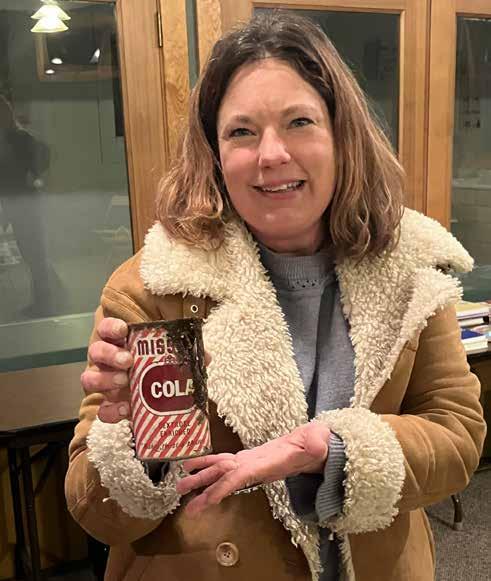
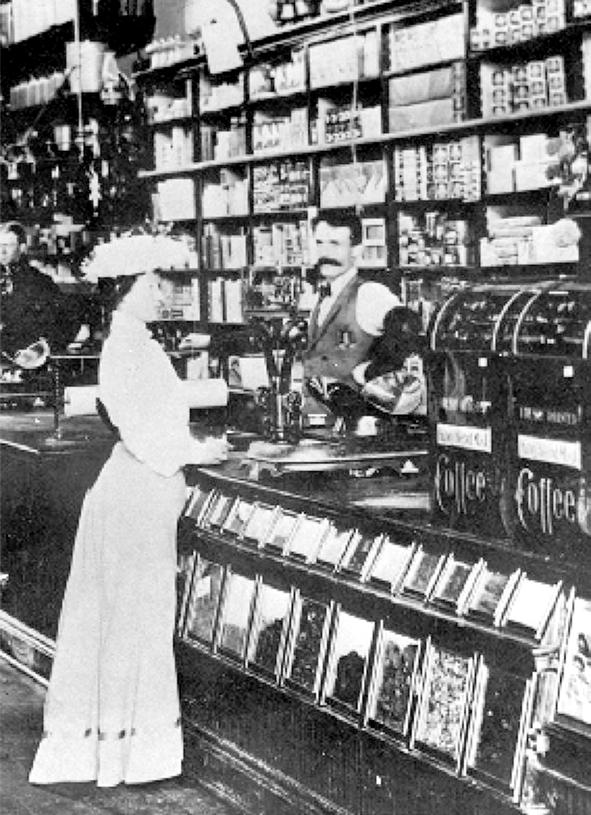
Organized by Osgood and associates in 1888, the company over the years opened 37 company stores in the major CF&I coal, coking, and mill towns and camps. Completed in 1900, Redstone's Colorado Supply Store was one of the largest and best-equipped company stores in the system. Schenck was particularly proud of the store, which stocked a wide array of household goods, tools, clothing, and groceries. It also contained a soda fountain. He was fond of Redstone and was a frequent guest at Osgood's Cleveholm Manor, now known as the Redstone Castle.
Although Schenck retired from CF&I in 1915, he remained active in civic and church affairs and in 1917 was elected to the Denver Board of Education. He served on the board until 1933, first as treasurer and then as president. He died in November 1933. As one of the trusted Iowa Group, he played an important role in the development of CF&I as a major corporation.
**Author’s Footnote: While the careers of Jerome, Cass, and Kebler, considered to be Osgood's top business associates, ended with their untimely
Darrell Munsell, professor emeritus, West Texas A&M University, is the author of From Redstone to Ludlow: John Osgood's Struggle Against the United Mine Workers of America published by University Press of Colorado. He is a past president of the Redstone Historical Society, and a former Redstone resident.
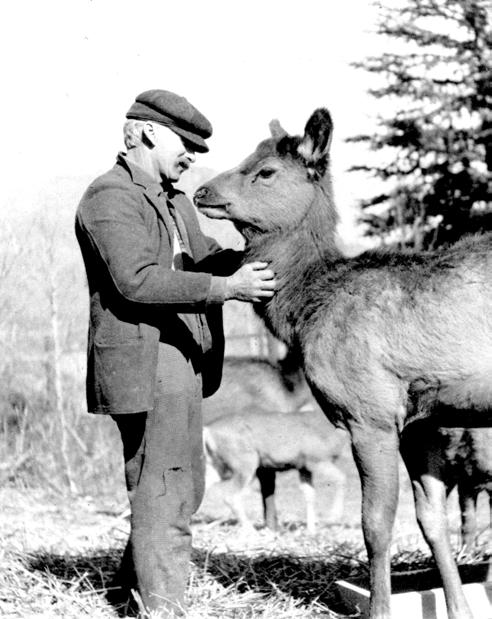









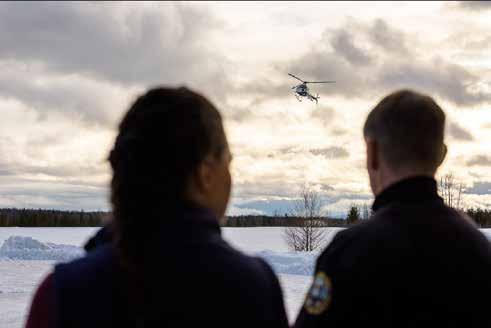
Last month, Colorado Parks and Wildlife (CPW) completed capture and release work for the second gray wolf reintroduction season in support of the Colorado Gray Wolf Restoration and Management Plan. Fifteen wolves were translocated from the central interior of British Columbia to Colorado.
“This binational effort was conducted by a professional team of experts from two jurisdictions,” said CPW Director Jeff Davis. “From the veterinarians and biologists to the helicopter pilots and wildlife officers, this team worked to ensure a safe and successful outcome for this year’s capture and release efforts that also prioritized the health and safety of staff and animals.”
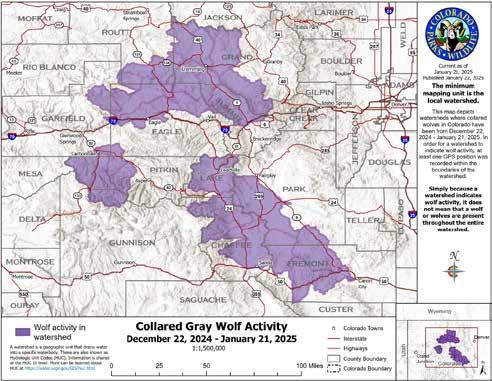
Separately, the agency also completed the release of five members from the original Copper Creek Pack. All wolves were released in Eagle and Pitkin counties, continuing the agency’s efforts to create a permanent, self-sustaining gray wolf population in Colorado. No further releases are planned for the 2024-2025 capture season. This is the second of three to five release seasons of wolves.
CPW has a responsibility to balance the safety of staff and the animals with the level and timing of information provided during this complex wildlife operation. Unfortunately, staff safety was threatened as CPW offices were watched and threat ening social media posts and phone calls were received. Two

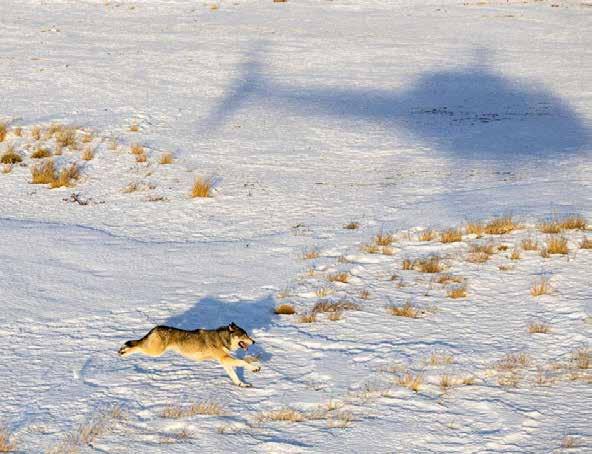

of the ten wolves reintroduced in 2023 have been illegally shot.
The gray wolf in Colorado is protected by the federal Endangered Species Act (ESA) and state law. Penalties for illegally killing a wolf can vary and include fines up to $100,000, jail time, and loss of hunting privileges. Because of the safety risk and security needs of our staff and the animals, CPW did not share wolf release details while the operation was underway.
british coluMbiA oPerAtion
Over six days wolves were captured in British Columbia and released in Colorado. Seven males and eight females were translocated.
Wolves were captured from areas in British Columbia where predator reduction is occurring to support caribou recovery. CPW was responsible for all costs associated with the capture and transport of these gray wolves and there was no compensation or payment for the wolves themselves. The British Columbia government engaged and consulted with First Nations in the areas where
wolves were identified for capture. Three First Nations were represented in the planning and operational phases of this project.
The capture, transport, and holding of the wolves was authorized under British Columbia’s Wildlife Act. The export of wolves from British Colum bia to Colorado is permitted under the Convention on International Trade in Endangered Species of Wild Fauna and Flora (CITES), administered by the Canadian Wildlife Service.
Animal welfare and safety were


Colorado Wolf Restoration and Management Plan. Animals with major injuries — such as several nonfunctional canines, missing eyes, fractured or missing limbs — or mange or lice infection were not chosen for reintroduction. Gray wolves from this area of B.C. do not overlap with areas where livestock are present, so there are no concerns that the wolves selected have been involved in repeated livestock depredations.

Join us for the Redstone S-Bridge Open House at Propaganda Pie Feb 19th from 5–9 PM - Stop by to learn more about the upcoming bridge project, view plans, and share your input with the team Enjoy a casual evening connecting with neighbors while getting the latest updates on this important community project
Senior Center temporarily closed following burst pipe
The Pitkin County Senior Center is temporarily closed due to damage from a burst pipe during the recent cold snap, but services, including lunches and programming, will now be offered at the Pitkin County Human Services Building, 0405 Castle Creek Road Call (970) 920-5432 with any questions
Licensing your dog is required in Pitkin County Pitkin County has partnered with DocuPet to provide an enhanced pet licensing experience Twenty percent of every tag purchased is donated to Aspen Animal Shelter Pet licenses are required for all dogs living in unincorporated Pitkin County
Pitkin County Vision 2050
Stay informed about the progress of Pitkin County Vision 2050 and how we're shaping the future of our community!
Subscribe to the Vision 2050 newsletter for updates, insights, and opportunities to get involved
Apply for LEAP assistance now
The Low-Income Energy Assistance Program (LEAP) is designed to help low-income households with their heating expense and water bills The LEAP program typically accepts applications from November through April annually Scan the code to apply




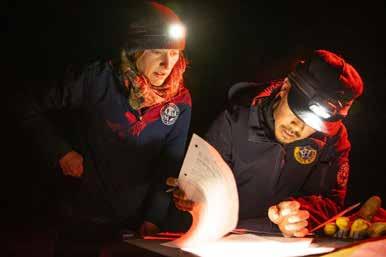
wolves were good candidates for translocation, biological samples of the animals were collected as part of standard protocol. In addition, the wolves were given treatments for internal and external parasites. Wolves were vaccinated against rabies, canine distemper virus, canine adenovirus, canine parainfluenza virus, and canine parvovirus.
Before transport, the 15 wolves were placed in individual crates, again with hay and an ice block, for the flight from B.C. to Colorado and then transported to the release sites. CPW staff were on board to monitor the wolves’ health throughout the flight.
The transport of the wolves to Colorado was made possible by LightHawk, a conservation-focused organization that utilizes aircraft. LightHawk’s volunteer pilot donated over 30 hours of turbine aircraft time to facilitate the movement of the 15

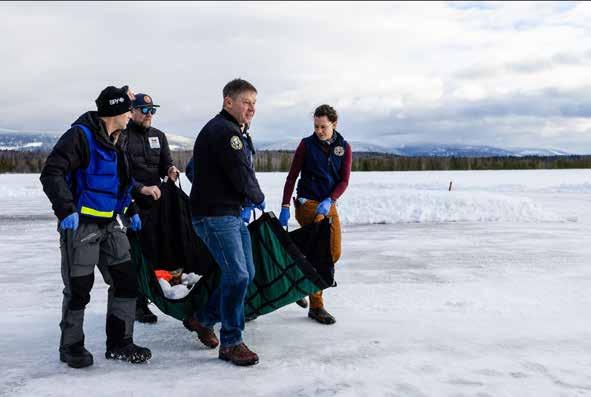
Appropriate permits and inspections were conducted at the airport before transport to the Pitkin and Eagle County release sites. There are no USDA/USFWS quarantine requirements for the reintroduction of wolves. All animals were issued a Health Certificate from a British Columbia veterinarian.
CPW released five wolves in Colorado on each of three dates, including January 12th , 14th, and 16th. CPW worked to release the
animals as expeditiously as possible post-capture in British Columbia. Due to lengthy travel times from B.C. to Colorado and border inspections, all three releases occurred during the evening. January 12th, coincidentally, marked the 30th anniversary of wolves first being reintroduced from Canada to Yellowstone National Park.
“It has been an honor to work with Colorado Parks and Wildlife staff to support their conservation priority. It is a great example of collaboration and the connections we have
We can’t do it without you. In an economic climate where many established news outlets continue to scale back or close, your support goes directly to writers living in the Crystal Valley!
At the Redstone Inn
Redstone programs are open to all!
RSVP: (970) 920-5432
FEBRUARY 11 & 25
• 12:00 p.m. – Lunch ($10)
RSVP by noon the Friday prior – space is limited. Plated lunch will be served. There will be a gluten-free option.
• 12:45 p.m. – Program
February 11: History’s Mysteries with Christi Couch from Aspen Historical Society
February 25: Organ Donation Trivia Bingo with Jessi Rochel, Chris Klug Foundation
Send us your email address: (970) 920-5432 • seniors@pitkincounty.com


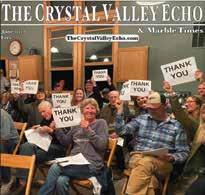

Considering signing up for a subscription, $60 for print or $35 for digital, or making a monetary contribution online or by sending a check to
in the large landscapes of North America” said Hillary Ward, Regional Director of Resource Management with the B.C. Ministry of Water, Land and Resource Stewardship
British Columbia has an abundant gray wolf population, estimated to be in the range of 5,300 to 11,600 animals. They are widely distributed throughout the province and their status is not currently considered to be a conservation concern.
“I want to express my sincere thanks to the CPW teams involved in these efforts in both British Columbia and Colorado, and the team from the British Columbia Ministry of Water, Land and Resource Stewardship, LightHawk, and many others for their partnership and expertise in this historic conservation effort,” said Davis.
coPPer creek oPerAtion
On January 18th, CPW successfully relocated the Copper Creek female and four pups. CPW wildlife veterinarians evaluated the health status of the female and the four pups while at the secure facility where they had been since last year from late August to early September and determined that they were in good condition. The pups were released with the female to ensure their ability to learn to hunt. This gives the animals the best chance at survival, furthering the goal of successfully restoring wolves in Colorado.
The capture of the pack was a management action that was taken to change the behavior of the animals to reduce depredations and could further impact the adult female's behavior moving forward.
"As I said at the time, options in the case of the Copper Creek
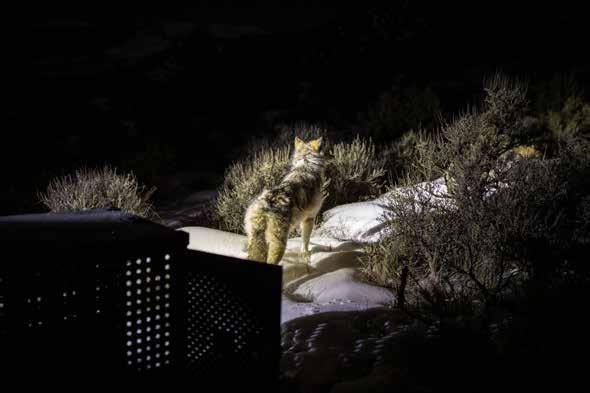
Pack were very limited, and this action is by no means a precedent for how CPW will resolve the wolf-livestock conflict moving forward. The male adult wolf was involved in multiple depredations. Removing the male at that time, while he was the sole source of food and the female was denning, would likely have been fatal to the pups and counter to the restoration mandate,” said Davis.
All five animals are collared and will be closely monitored. This agency's decision to re-release the Copper Creek animals consid-
ered multiple factors, including the health of the animals, the timing of the B.C. releases this year, and the potential proximity to new wolves on the landscape. This strategy gives the animals the best chance for survival, advancing Colorado’s gray wolf restoration efforts.
“As restoration efforts continue, CPW is committed to working with livestock owners, communities, state agencies, and all partners to reduce the likelihood of wolf-livestock conflict. Our goal is to keep ranchers up and





running, while at the same time restoring a healthy, sustainable population of gray wolves to Colorado as mandated,” said Davis.
The expanded and improved capabilities the agency has available for producers this year are outlined through the Conflict Minimization program and will allow for faster response to conflicts and a higher likelihood of effective non-lethal deployment. This work results in improved strategies for altering depredation behavior early and reducing the potential for repeated depredations.
The full Wolf-Livestock Conflict Minimization Program Guide can be viewed by visiting: cpw.widencollective.com/assets/share/asset/pzqhipzb13

to help educate the public and producers on effectively handling encounters with wolves. Anyone interested in this event may register by visiting: ag.colorado.gov/events/nonlethal-wolf-conflict-reduction-
CPW asks that anyone claiming to see wolves in their area fill out a wolf sighting form, especially if they have photos or videos, to understand whether this sighting is credible
and determine the level of investigation needed. The wolf sighting form can be found at cpw.state.co.us/ wolf-sightings; more information about Living with Wolves is available on our website at cpw.state.co.us/ living-wolves



Feb. 11 & 25
puede ayudar a calentar su casa. (LEAP = Programa de asistencia energética para personas de bajos ingresos) ÚNASE A NOSOTROS para APRENDER sobre LEAP y CÓMO SOLICITAR antes del 30 de Abril.
Abierto a Todos | Comida



cAPtivitY is cruel
By Sumner Siemon, 5th Grade
Animals in captivity is a conflicting topic. An example of this is a Siberian tiger named Tatiana, who escaped from her enclosure and attacked three people. One of the people died. Tatiana got shot down because of her actions. This true story involving animals in captivity is sad, and shows that keeping wild animals in captivity is unfair and dangerous. I think animals should be free and not in captivity.
Captivity is cruel because it is harmful to the animals mental or psychological health. According to the story about Lucy the chimpanzee, their health can get really bad when they're in captivity, and sometimes they can get really hurt. Another example was this killer whale in Orlando Florida. Her name was Katina, and she had 7 calves.There was even a trainer named John Jett who said it is morally wrong to keep killer whales in captivity. All these reasons support that captivity is cruel.
Some believe that animals belong in nature. For instance, animals should be with their family in the wild so they can learn skills to live in the wild. An example that shows this is the story of Lucy the chimpanzee. Lucy spent half her life in captivity, and once she got released from captivity she died in the wild. As you can see, Lucy’s story is an example that animals should be with their family in their natural habitat.
Some believe that animals become violent against their captors. For example, as I stated earlier, the tiger Tatiana escaped from her enclosure and attacked 3 people killing one of the young men. In addition, the source states, “since 1990, there have been at least 220 incidents in 40 states involving big cats. Four children and 15 adults have lost their lives, and more than 50 other people lost limbs or suffered other injuries after being mauled.” Tatiana’s story is of animals becoming violent against people and their captors.
In conclusion , I think animals should be free in the wild with their family and not get taken away from their home. This will keep the animals and people safe from future attacks and harm. It could also be healthier for the animals mental health to not be in captivity. That is why I think captivity is cruel.
By Jack Howland, 3rd Grade
Imagine you are an animal trapped in a small cage forever and you can't get out or see your family and you just watch people go by and by. If that were me I would be really sad. Zoos are really bad for animals because animals are not in their natural habitat. For example, they are in small spaces. Animals should not be kept in captivity because it is cruel but in some extreme cases like if they're hurt or sick.
Animals should be free because it is bad for their mental health. It is bad for their mental health because animals have to pace back and forth to stay healthy. ”Critics say that zoos are like prisons and that zoos drive many animals crazy by confining them”. It is scientifically proven that animals live longer in the wild than in zoos but there are some exceptions like if they are sick or really hurt.
Once animals are in captivity they can't go back to the wild. Lucy the chimpanzee was living in a couples home and then Lucy got too strong for the people and got into cabinets and refrigerators so they had to let her back to the wild. One day they found Lucy’s body. She died because she did not know how to survive in the wild.
Ultimately, I think animals should be free. Some people might say that some animals belong in a zoo. They might argue that it’s the only way for people to see animals. But animals belong in the wild with their families in their homes in their natural habitat where they can be happy.

From Miss Jaime [Fiske]
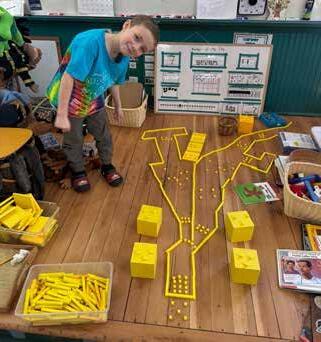
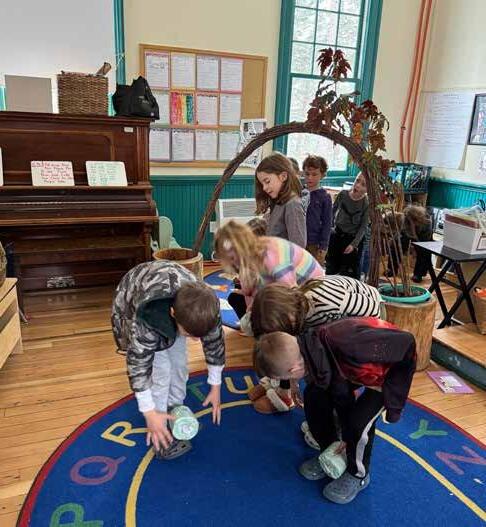
Last month in science class, we had so much fun learning about how penguins keep their eggs warm in the snow. Marble Charter School students did an activity where they waddled like penguins while balancing an "egg" on their feet, just like real penguins do! It was a great way to connect movement and learning, and they all had a blast.
If you’d like to try this at home, here’s how it works:
1. Use a roll of toilet paper as your penguin egg.
2. Stand on your heels, balancing the "egg" on your feet.
3. Waddle like a penguin while trying not to drop the egg!
4. Challenge family members to see who can waddle the farthest without dropping it.








TO WHOM IT MAY CONCERN, and, particularly, to the electors of the Redstone Water & Sanitation District of Pitkin County, Colorado.
NOTICE IS HEREBY GIVEN that an election will be held on the 6TH day of May, 2025, between the hours of 7:00 a.m. and 7:00 p.m. At that time, three (3) directors will be elected to serve 4-year terms. Eligible electors of the Redstone Water & Sanitation District interested in serving on the board of directors may obtain a Self-Nomination and Acceptance form from the District Designated Election Official (DEO):
Ryan Kenney 1091 Redstone Blvd. Redstone, CO 81623 (970) 963-1495

The Office of the DEO is open on the following days: Monday - Friday from 8 a.m. to 1 p.m.
The deadline to submit a Self-Nomination and Acceptance is close of business on February 28TH, 2025
Affidavit of Intent To Be A Write-In-Candidate forms must be submitted to the office of the designated election official by the close of business on March 3RD, 2025
NOTICE IS FURTHER GIVEN, an application for an absentee ballot shall be filed with the designated election official no later than the close of business on Tuesday preceding the election, April 29TH, 2025