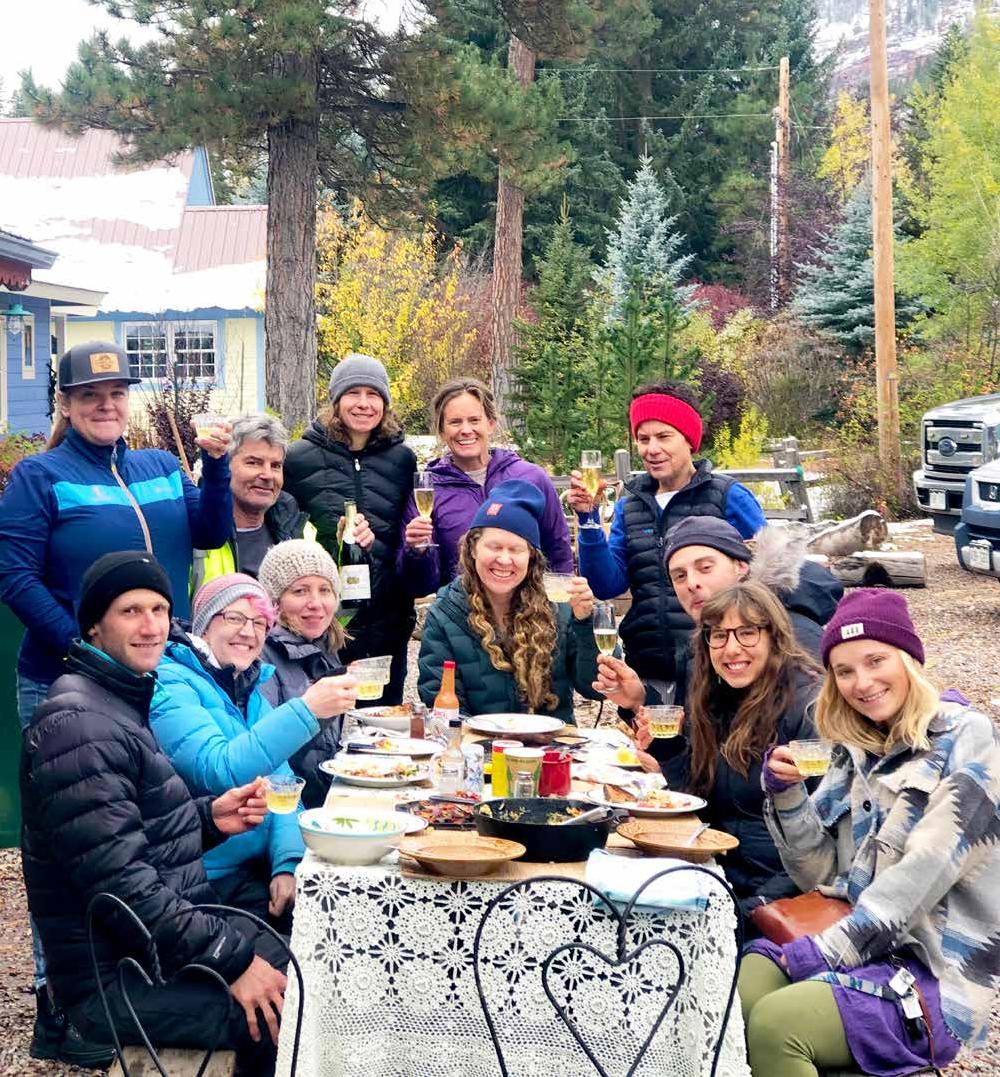


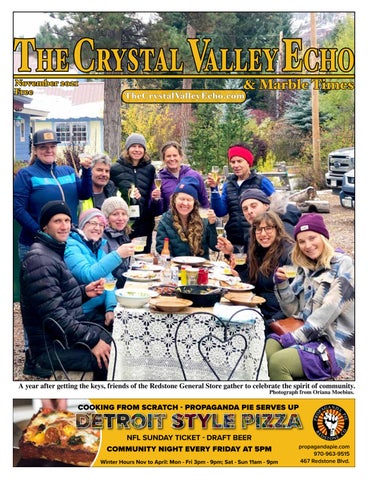
Photograph
Over the years the lunch program at the Marble Charter School (MCS) has taken many forms. From the early days, when parents cooked large batches of homemade meals to COVID restricted picnic-style lunches served outdoors — even in the thick of winter, the school has always had to get creative to feed their students.
So, when a grant funding the use of locally sourced food for schools came across Jen Cox's desk, she immediately applied. With sustainability and stewardship already core tenets of MCS the grant was a perfect fit for the school.

by Amber McMahill
Once the grant was awarded, Cox, MCS’s Facilities Manager, set to work figuring out the logistics of how to economically bring a regular supply of local food to the mountains. Luckily, a company out of Hotchkiss was already working on just that question.
Farm Runners, a regional food distributor, works with farms across the Western Slope to distribute their products. The majority of participating farms are small, family-run, or beginning enterprises, and their goods range from dairy, meats, and produce to pasta, beans, and bread. Along with a CSA-type delivery service, they sell direct order wholesale to many restaurants, including Slow Groovin'.
The school will start receiving deliveries starting in November from farms and food producers within a 100-mile radius of the school.
exclusive. We want our students to have access to this high level of nutrition and food no matter their economic situation."
Despite the recent grant, Cox's goal will be hard to achieve. Every year the school struggles to afford the quality lunch program while keeping prices affordable for local families. This year, they finally increased the price of lunch, by a mere fifty cents, from three dollars.
"It was a really hard decision,” explains Cox, “but we are adding in a very simple breakfast option. More and more kids are hungry when they get here and it is hard to learn when you are hungry."
Further taxing the budget for the program is the looming need for new equipment. "We had to replace our stove and fridge this year,” says Cox, “but the huge expense is our hood. We are on borrowed time in needing it replaced and that alone is a $10,000 project."
If it’s not pulling it’s weight, let’s gure out what’s working and what’s not.
There is also a vast educational component to the program; "Beyond just getting healthy food, there is a chance to teach students where food is coming from and the process to get it from the farmer to their plate,” says Cox.
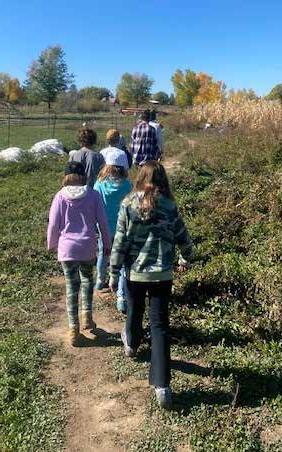
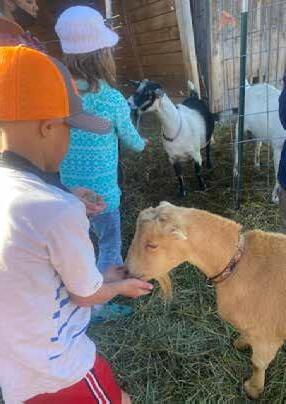
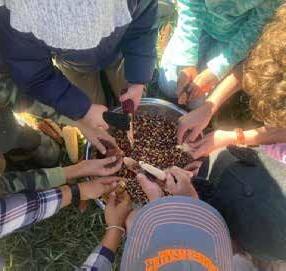
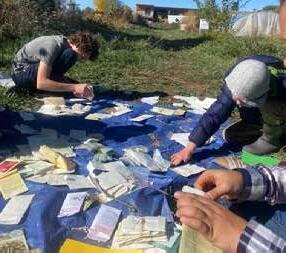
At the end of October, the whole school got a chance to visit one of the farms that their food will be sourced from, Thistle Whistle Farm in Paonia. There, the children were able to feed baby goats, process corn into popcorn, and work various educational stations the farm set up. They also got a chance to learn about and taste different greens and herbs that will soon be part of their lunches.
"One of the goals we have is in trying to pay these small farmers a fair price. We aren't asking for huge discounts, we want to help local food producers thrive,” explains Cox. “The kids were able to get a feel of just how much work goes into producing food in a small-scale and natural way and how valuable it is. How valuable nutritious food is."
This grant was only a first step, however, and there is no assured funding for next year. Aside from this grant, the food program at MCS comes directly out of their budget. They are too small to qualify for most funding for school lunch programs and even fall short of qualifying for the lunch program that reimburses schools for free lunches for students who meet income requirements.
"We still provide the free lunches though, and hope that enough parents donate to the program to keep it going,” says Cox. “We strive for all organic food and have this whole time, which can get expensive. Now we are adding in the element of local as well. I worry that more and more organic and natural food is becoming
Even with the coming expenses Cox and the rest of the school are determined to keep providing hot and nutritious meals for their students.
"More and more we are learning about the link between what we put in our bodies and brain function,” says Cox. “If we expect children to absorb information and learn in the best way they can, we have to make sure we provide them with the fuel they need to do that."


Crystal River Annual Caucus Meeting via Zoom, Thursday November 11th at 7 p.m.
The agenda will include election of new board members, as well as presentations on the following: Methane Emissions and Potential Capture from the Coal Basin Mining Complex (Chris Caskey, Environmental Scientist); Capabilities and Resources for the Redstone Firehouse (Rob Goodwin, Carbondale and Rural Fire Chief), and Sunfire Ranch Progress and Plans moving forward with their Master Plan (Jason Sewell, Sunfire Ranch). Also included will be updates on Wild and Scenic Designation for the Crystal River and the Yule Creek Quarry. If you are not on the Caucus email list but would like to attend, contact crcaucus@gmail.com, and you will be sent a link.