History of the Neuroscience Program
Neuroscience at Storrs Event Faculty Highlights in Molecular, Cellular, Behavioral & Systems Neuroscience
Student Experiences
Graduate/Undergraduate
Collaboration at UConn: An Example from the McNair Scholar Program
Advice for Current Students
Alumni Highlights
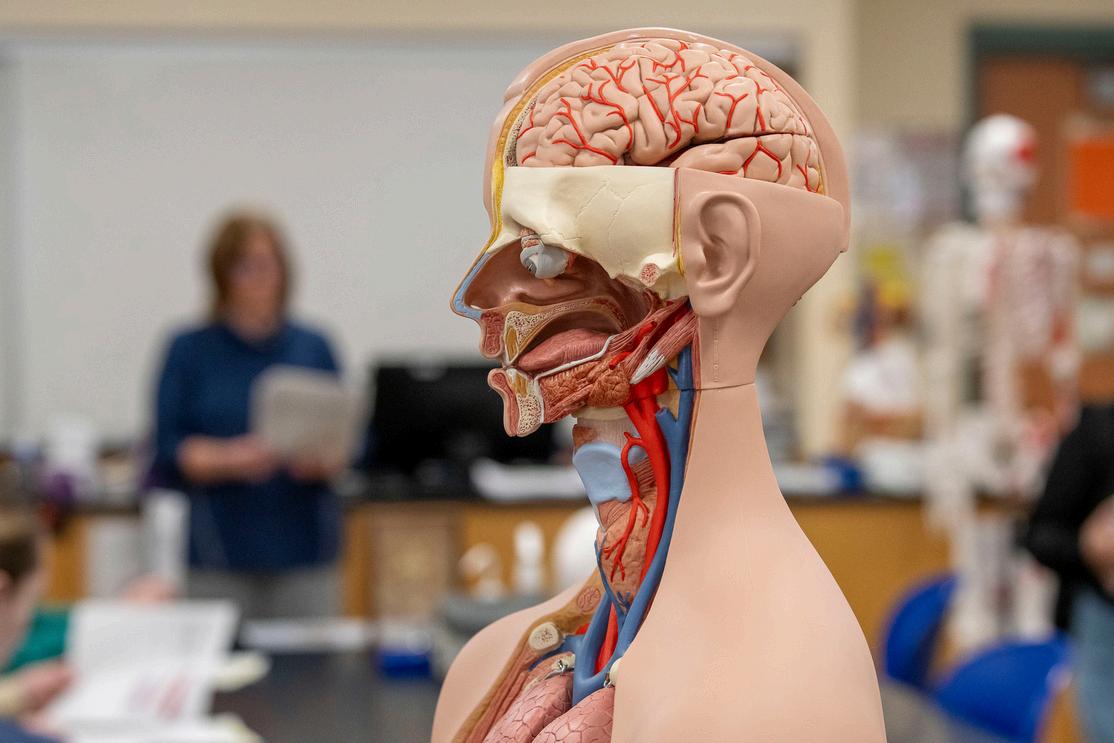
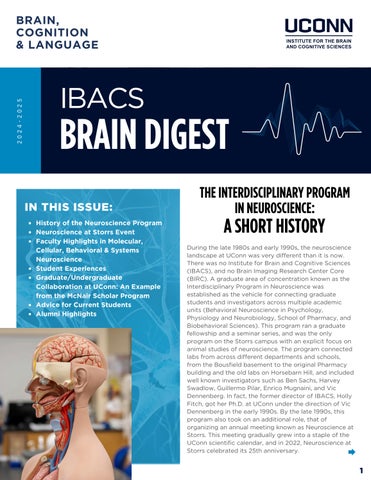
During the late 1980s and early 1990s, the neuroscience landscape at UConn was very different than it is now There was no Institute for Brain and Cognitive Sciences (IBACS), and no Brain Imaging Research Center Core (BIRC). A graduate area of concentration known as the Interdisciplinary Program in Neuroscience was established as the vehicle for connecting graduate students and investigators across multiple academic units (Behavioral Neuroscience in Psychology, Physiology and Neurobiology, School of Pharmacy, and Biobehavioral Sciences) This program ran a graduate fellowship and a seminar series, and was the only program on the Storrs campus with an explicit focus on animal studies of neuroscience The program connected labs from across different departments and schools, from the Bousfield basement to the original Pharmacy building and the old labs on Horsebarn Hill, and included well known investigators such as Ben Sachs, Harvey Swadlow, Guillermo Pilar, Enrico Mugnaini, and Vic Dennenberg. In fact, the former director of IBACS, Holly Fitch, got her Ph D at UConn under the direction of Vic Dennenberg in the early 1990s By the late 1990s, this program also took on an additional role, that of organizing an annual meeting known as Neuroscience at Storrs This meeting gradually grew into a staple of the UConn scientific calendar, and in 2022, Neuroscience at Storrs celebrated its 25th anniversary.
Neuroscience at Storrs is an annual event that provides a unique platform for interdisciplinary collaboration and knowledge exchange among UConn's diverse brain research community. This event not only highlights the breadth of research excellence across academic units but also fosters a sense of unity and shared identity from the Storrs campus to the UConn Health Center.
Over the years, there has been a great expansion of brain science research at UConn With the hiring of Deborah Fein in the late 1980s, the seeds were sown for the ultimate development of a clinical neuropsychology training program
This year’s keynote speaker was Dr Dayu Lin, PhD, Professor in the Departments of Psychiatry and Neuroscience and Physiology, at the New York University Grossman School of Medicine Dr Lin is an internationally recognized scholar and leader in the field of circuit neuroscience. She is a pioneer in the study of geneticallydefined neural circuits underlying innate social behaviors that include aggression, defense, predation, mating and parenting Her research is particularly exciting given her interdisciplinary expertise that ranges from molecular genetics to circuits, behavior and computation, as well as her leadership within the neuroscience community
The neuropsychological studies of language, a historically strong area at UConn dating back to the seminal work of Al Lieberman, Don Shankweiler and Len Katz, has grown into a large and exceptionally successful interdisciplinary group of researchers IBACS and BIRC were established at UConn in the 2010s, demonstrating broad support for the expansion of brain sciences here at UConn Against the backdrop of these developments, the Interdisciplinary Program in Neuroscience changed missions from running a graduate fellowship program to focusing on connecting researchers with diverse interests in molecular, cellular, systems and behavioral neuroscience. A new wave of hiring neuroscience faculty in schools and colleges across campus, including Pharmacy, Engineering, and Nursing in addition to CLAS, has added strength to the program Moreover, Neuroscience at Storrs has developed into a large-scale meeting that requires considerable planning and organization, typically including graduate and postdoc presentations, career panels, and a keynote speaker The steering committee for the Interdisciplinary Program in Neuroscience now includes John Salamone (BNS PSYC), Heather Read (PSYC and Biomedical Engineering (BME)), Sabato Santaniello (BME), Alex Jackson (Physiology and Neurobiology (PNB)), and Greg Sartor (Pharmaceutical Sciences (PHARM)). Thus, over the last four decades, this group has evolved from a fledgling graduate program into one of the core faculty concentrations in IBACS
N E U R O S C I E N C E . . .
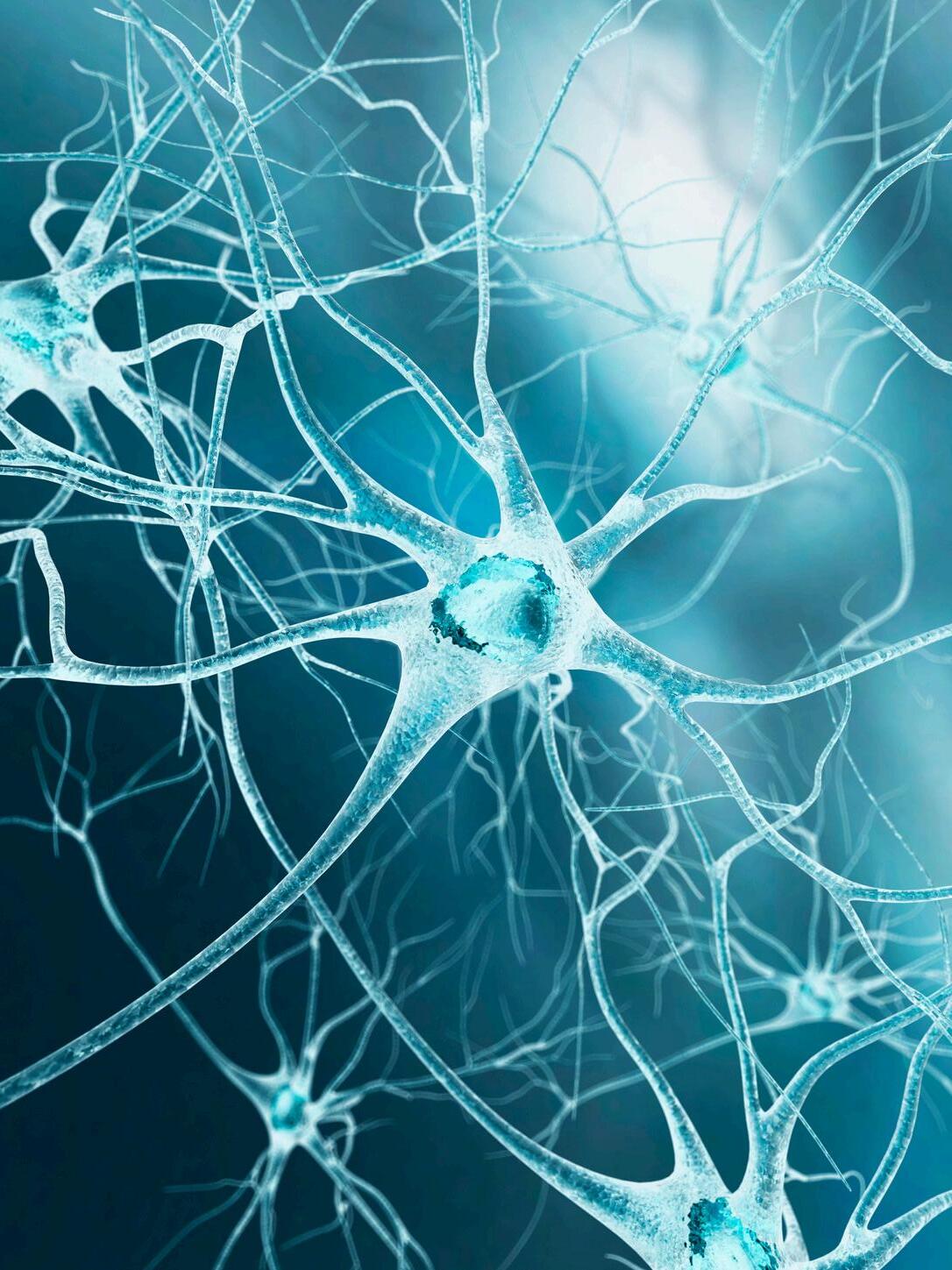
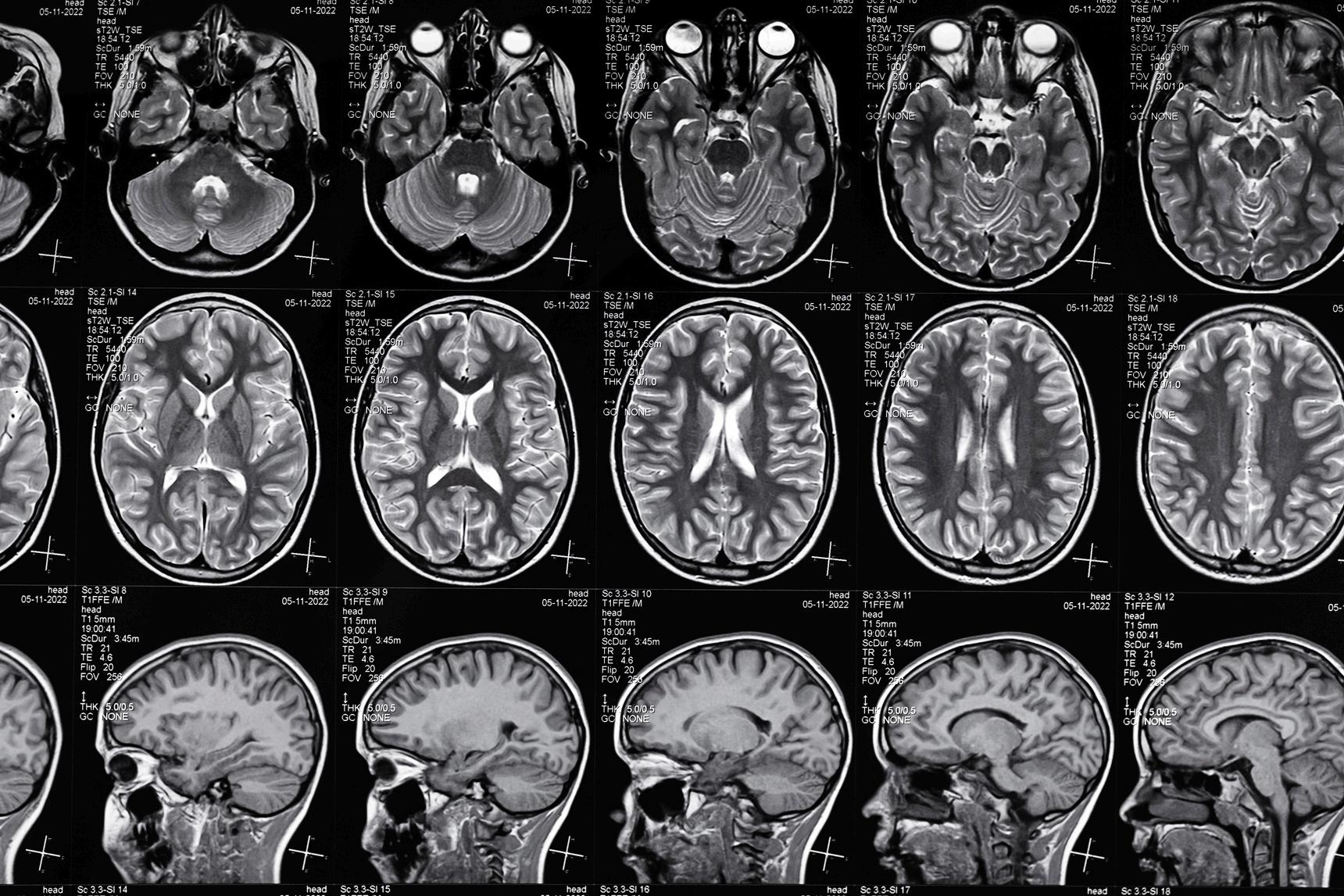
is the study of the entire nervous system - from structure to function, development to degeneration in health and in disease, with a primary focus on the brain.

Heather Read (PSYC and BME) was inspired by growing up in a family that had several members with backgrounds in science and engineering With a graduate training that included biophysics, synaptic pharmacology, and plasticity of hippocampus and frontal cortex circuits that was obtained at Northwestern University and Loyola Medical School, Heather later moved on to post-doctoral studies at Rockefeller University As Heather notes, these experiences “sparked my interest in building computational models to simulate and predict how our brains encode complex sounds including musical tones, vocal communications and ultimately speech ” Heather’s research at UConn focuses on multiple aspects of auditory neuroscience, which involves the development of computational models predicting how timing cues in sounds are discriminated, including naturalistic sounds presented to animals and humans, and brain/computer interfaces Playing natural sounds locked to attentionrelated brainwaves alters sound-evoked brain potentials as well as attentional brainwaves Heather has several collaborators both at UConn (Monty Escabi, Ian Stevenson, James Chrobak) and at other institutions
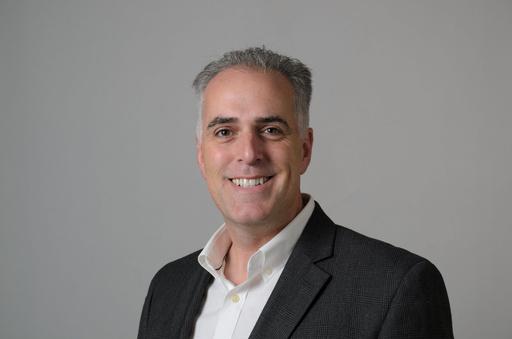
Steve Kinsey (NURS and BNS) was initially interested in how stress biochemistry affects mental and physical health As an undergraduate
student, Steve got the chance to study this topic in South African titi monkeys and continued on to study the effects of stress on immune function in graduate school. It wasn’t until he was a post-doc that Steve shifted into endocannabinoid pharmacology which is the main focus of his research lab at UConn. As Steve notes, “my lab studies not only show how various cannabinoids affect clinical relevant issues including pain, anxiety, and depression, but also how physical dependence acts as a neuroendocrine stressor.” The main motivators for Steve and the members of his lab include the urgency to identify new approaches for pain management, the ongoing opioid crisis, and the many cannabis products that are being sold for medical and recreational use in Connecticut and New England Currently, the Kinsey Lab has found that increasing the levels of some of the naturally occurring
(Ed Boyden, Nir Grossman), and states that “our goal is to use human EEG brain activity and sound statistics to build naturalistic computational models that can predict our ability to recognize and remember speech in naturalistic ‘speech-in-noise’ tasks ” In addition to being a scientist, Heather is a musician, which has provided insights into how this affects the ability to discriminate the pitch of different musical notes Such insights are shared with students in Heather’s classes, and these personal stories “explain not only how we all vary perceptually and behaviorally but how our attention-related brainwaves vary with development and experience as well.” Although Heather recently had the opportunity to leave academia, “I chose to stay in academia because I love mentoring next generation scientists and developing diagnostic and potentially clinically relevant tools in a creative and collaborative academic environment”. Advice to students? “You should not be afraid to build computer programming skills alongside other skills you hope to develop as this can strengthen many careers I believe that being collaborative across scientific disciplines can fuel creative science and academics I would advise students to focus and work hard to establish their research and/or writing skills and to work hard to develop a strong scientific, academic and mentoring network”
endocannabinoids can counteract some of the negative effects of opioid use, an important finding for research dedicated towards treatment for opioid use disorder In addition to his research, Steve currently teaches courses for UConn’s online Pain Management Graduate Certificate program The content taught in these courses is very close to the research done in the Kinsey Lab, which allows Steve to incorporate data from recent or ongoing experiments and give students a “preview of what I hope will be some future pain treatments ” Despite joining UConn right as the COVID-19 pandemic was in full swing, Steve regards his experience over the past few years at UConn as very positive thanks to the “openness to collaboration and support for our students.” Although Steve’s path to academia and his area of research were not straightforward, he found his best opportunity ended up being a faculty member When asked what advice he has for students, Steve said, “be active and flexible and ask honest people to look at your CV and provide constructive feedback The point is to be open to different experiences, and the opportunities will increase ”
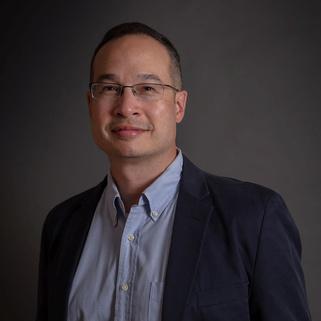
Alex Jackson (PNB) took what he refers to as “as circuitous route” to a career to neuroscience Initially being interested in history, art and architecture, it wasn’t until his later high school and early college years that Alex’s career aspirations swung towards medicine. After taking an opportunity to work in a neuroscience lab at the Montreal Neurological Institute, where he spent as much time in the lab as he could studying neuropeptide receptor trafficking, he “found that my love of art and architecture translated into an appreciation for the beauty of cellular architecture and neuronal ultrastructure ” After this experience, Alex was hooked on research Alex then pursued a PhD in the Program in Neuroscience at Harvard where he studied the role of ionic currents that underlie spontaneous firing in the hypothalamic pacemaker neurons that drive sleep-wake rhythms Later into his postdoc training, Alex followed up on his long-term interest in the hypothalamus, and since starting his own lab at UConn has continued work on the hypothalamic circuit function Alex explains, “the broad goal of research in my lab is to understand how the hypothalamus coordinates fundamental behavioral states through a precise dissection of its constituent cell types and circuits ” The fast-moving and dynamic field of hypothalamus research is what excites Alex about his line of work Through ongoing collaborations with Single Cell Biology Facility at the Jackson Laboratory, Alex’s Lab at UConn is leveraging gene expression data to ask more mechanistic questions about the hypothalamic circuits that links molecules > cells > synapses > circuits > and behavior. In addition to his research, Alex has a number of memorable teaching experiences at UConn Alex mentioned two aspects of teaching that he finds particularly gratifying including, “seeing the material you’re conveying as a teacher spark genuine curiosity and kickstarting self-directed learning” and “seeing how you’ve made an impact, however large or small, on someone’s career path ” Although Alex considered a number of career paths early on, he has been laserfocused on a career in neuroscience research which has led him to a faculty position at UConn where he’d had the opportunity “to build a team, make scientific home and work with awesome students and colleagues ” For students at an early stage in their training, Alex offers the following advice, “1) Read as many papers as you can that you find inspiring, 2) take courses that interest you and keep you motivated, 3) attend departmental seminars / webinars, 4) don’t hesitate to reach out and talk to scientists whose work you find
interesting; 5) look for opportunities to participate in research as early as possible ”
Sabato Santaniello (BME) has a background in Computer Science Engineering from his undergraduate studies and a graduate degree in BME with a focus on Systems and Control Theory. In the beginning of his graduate school career, Sabato hypothesized that “Systems and Control Theory could have a huge impact in improving the design of interventions that may restore important functions in impaired subjects ” This hypothesis led him to apply his ideas to the treatment of motor symptoms in Parkinson’s Disease and Essential Tremors At UConn, Sabato helped to improve the engineering aspects of deep brain stimulation (DBS) for Parkinson’s Disease with the goal in mind of making DBS “truly amenable for larger populations ” A current project focuses on using cerebellar transcranial magnetic stimulation (TMS) to control tremors in patients with Essential Tremor Cerebellar TMS is a challenging procedure to perform, however Sabato’s Lab has been working on a software that recreates a 3D image of the cerebellum from an MRI scan, creating a “virtual cerebellum.” With this software, Sabato says “we can now study in simulation how TMS pulses would affect neural oscillations in the cerebellum, which are reliable biomarkers of the tremor and test out the safety and efficacy of new TMS pulses ” Sabato has also recently started a collaboration with colleagues in PNB (Dr. Rich), UConn Health (Dr Conner), and other institutions outside of Connecticut, to investigate the activity of sensory and motor cortices in patients with Parkinson’s Disease When discussing this research Sabato explains, “the idea is to find biomarkers in the cortical field potentials that may help us decide which contact on the deep brain stimulation electrode lead should be activated and what stimulation setting should be used to maximize the therapeutic outcomes ” Sabato and his collaborators hope to better understand the neural underpinnings of these traits and refine algorithms to detect and use these trains for optimizing the therapeutic response to deep brain stimulation In addition to his research, Sabato teaches technical courses that introduce BME students to principles of modeling, machine learning, and signal processing. Sabato likes to use active learning paradigms incorporating certain topics, software, or tools that are the core of his research, and the greatest benefit and intellectual satisfaction to his students “always comes from applying new methods or software presented in class to actual
neural recordings ” When picking his career path, Sabato did not really consider any other option besides academia, as it was his reason for staying in school after graduation and moving to the US for a postdoctoral training opportunity What excites him about academia is that “it requires you to ‘push the boundaries’ in a subject of your choice.” With that being said, his advice to students is to choose your research topic as early as you can in graduate school and have a “translational mindset”, which gives you the ability to think about how your research or project can ultimately become a tool, a device, or a guideline that can be applied to increasing care for patients.

Natale Sciolino (PNB) grew up wanting to be a teacher and even went to school at Buffalo State to become a teacher. However, after taking a comparative psychology course, Natale notes that it “opened my eyes to the field of animal research and the intersection of psychology and neuroscience ”
Soon after, Natale joined a research lab and found her true passion for research science When asked how she ended up in her area of research, Natale calls it “fate”, as the lab she ended up doing her PhD in studied the locus coeruleus (LC) and exercise Now, Natale is looking at LC neurons involvement in taste processing and how norepinephrine signaling may influence taste processing. Specifically, a main ongoing project in the Sciolino Lab focuses on understanding the brain mechanisms that go awry in obesity and comorbid conditions such as anxiety, in human patient and animal models. In addition to her exciting research, Natale mentioned that as a newer faculty member, UConn “is a very supportive environment and other faculty tend to be very supportive of junior faculty. It’s great to be research active, and fun to work closely with my research team ” In the classroom, Natale enjoys utilizing examples with raw data and having her students draw and interpret conclusions She mentions that this allows students to “evaluate gaps and weaknesses in the data and to ultimately see where the next steps can be and where the students, themselves, can take the next steps ” When exploring the different career paths in research science, Natale was not sure at first that academia was going to be it for her After exploring opportunities with pharmaceutical companies and other teaching positions, it was not until she did a post-doc in government that she realized she wanted an academic environment for her
research lab Natale noted that she, “likes the freedom of being able to lead her own research team, you have more intellectual freedom ” The advice Natale would give to students interested in pursuing a career in her field is, “to get input from many people Everyone is going to have a different experience, so make sure you can get as many data points and interview people about what their job is like Make sure you get your own experience in different environments, it is the only way to know what is going to be a good fit for you This may change along your career development because you grow, but it is important to keep touching base with what fuels you.”
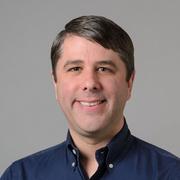
Greg Sartor (PHARM) found his love for pharmacology after enrolling in a Drugs and Behavior course in PSYC Greg went on to recieve a bachelor’s degree in biology and psychology and a PhD in neuroscience where he studied the neural circuits involved in drug-seeking behaviors Now, as a faculty member at UConn, he is working with his colleagues in the School of Pharmacy and other departments to develop more effective therapeutics for substance use disorder. The Sartor Lab focuses on molecular mechanisms altered by drug use, such as epigenetic factors and noncoding RNAs. Recently, they have investigated the therapeutic effects of ketamine metabolites as treatment for opioid use disorders. As a new professor here at UConn, Greg mentioned, “my greatest satisfaction comes from seeing my students succeed and grow as scientists Playing a small role in their success is very rewarding and makes me appreciate my job at UConn ” In the classroom, Greg enjoys utilizing in-person demonstrations that allow his students to better understand various animal models and their usefulness in developing new treatments for substance use disorder A career involved in science was always the plan for Greg, but after gaining experience in a research lab as an undergraduate, he quickly realized that he wanted to be an academic researcher Advice to students? “Try to identify what topic interests you, find a professor that works on that topic and ask if you can work in their lab Be persistent!”
IBACS has consistently provided students with exceptional educational and research opportunities across multiple disciplines, including molecular, cellular, behavioral and systems neuroscience. UConn neuroscience students explore diverse areas of research, improve their technical skills, and make significant steps in career development. Through a combination of resources, dedicated mentorship, and a strong emphasis on interdisciplinary collaboration, IBACS has become very successful at training aspiring neuroscientists. The following sections present the experiences of UConn students doing basic neuroscience research in PSYC BNS, ENGR, PNB, PHARM, and NURS. These students, graduate and undergraduate, present and past, highlight how their education and research at UConn have shaped their professional journeys, and offer valuable insights for current and future students.

I originally began my undergraduate education at UConn in psychology with little exposure to neuroscience. After taking a few classes, I added neuroscience as a
minor and have since pursued a graduate education in the field My neuroscience education at UConn is the foundation of my career. I feel fortunate to have had the research experience I did, as the community of researchers at UConn has created an environment that allows students flexibility in exploring their research interests while also
Harlow prioritizing strong research methodologies ”
–
Tylor
PhD STUDENT IN PSYCHOLOGICAL SCIENCES
My multidisciplinary neuroscience education at UConn helped me expand my understanding of the potential implications of neuroscience research.
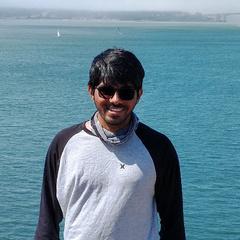
My previous research experience was primarily experimental, but my current focus is o analyzing large electrophysiological datasets. This dual exposure to experimental and computational research has allowed me to think more holistically about real-world applications. Collaboration with other labs has further enhanced my understanding of
brain from various perspectives Through these collaborative projects, UConn definitely makes you feel like the whole department is just one big lab I am quite happy that I got to work with various faculty and graduate students in these projects funded by IBACS Seed grants.”
– Abhijith Mankill
PhD STUDENT IN PSYCHOLOGICAL SCIENCES
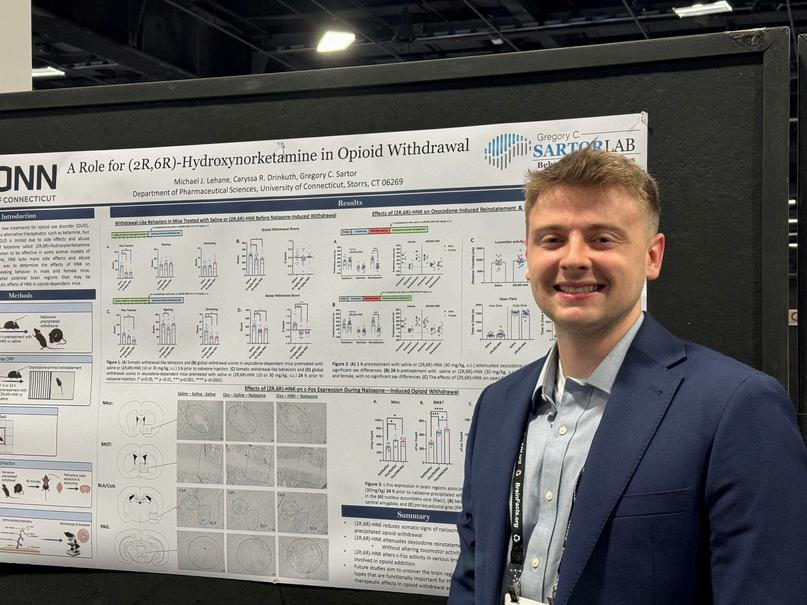

My neuroscience education at UConn is one of the main reasons I chose to pursue graduate school in the first place. Through both classes and research, I gained significant knowledge and skills that I use daily as a graduate student and will continue to use throughout my career. My undergraduate research experience in two behavioral neuroscience labs within the psychology department was instrumental in my decision to attend graduate school. Working in these labs with both humans and animals provided
me with a broad range of research experiences and allowed me to gain valuable insights and skills necessary for my current graduate program ”
– Michael Lehane
PhD STUDENT IN PHARMACEUTICAL SCIENCES
I heard about the accelerated MS program through the graduate students in my lab. I chose to apply to the program because of the love for my lab and wanting
to contribute more to it, my interests in behavioral neuroscience, and the information I received from the graduate students already in the program As someone who is interested in pursuing medical school, this program provides an opportunity to experience graduate school in a familiar environment and give me a different knowledge

on a topic that I am enthusiastic about that I would not receive during medical school. The program encourages further exploration in not only the research I was doing as an undergraduate, but also provides me the knowledge and opportunity to gain experience how to conduct my own research, delegate to others, and the knowledge to understand and present other research With this program being only a year, I get accelerated learning experience but create amazing connections with the other graduate students in multiple departments.”
– Mya Davis
ACCELERATED MASTERS STUDENT IN PSYCHOLOGICAL SCIENCES
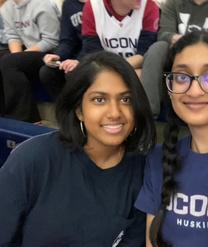
My neuroscience education at UConn provided me with a comprehensive understanding of careers in the field. Professors like Dr. Fitch and Dr. Salamone have delivered informative lectures and valuable learning experiences that I will carry forward into my future career My research experience began as an undergraduate research assistant in the Fitch lab, where I was inspired by a PhD candidate to continue research as a woman in STEM. Later, my experience in the Salamone lab, working with a
– Keshya Dharmaratne team, further solidified my interest in neuroscience research.”
UNDERGRADUATE STUDENT

My neuroscience education at UConn allowed me to delve deeper into various subtopics within neuroscience, helping me understand the different areas and
decide on my specific research interests by the end of college. My positive research experience at UConn has encouraged me to continue research after college, with multiple undergraduate research opportunities available throughout my time at UConn.”
– Sheela Tavakoli
UNDERGRADUATE STUDENT
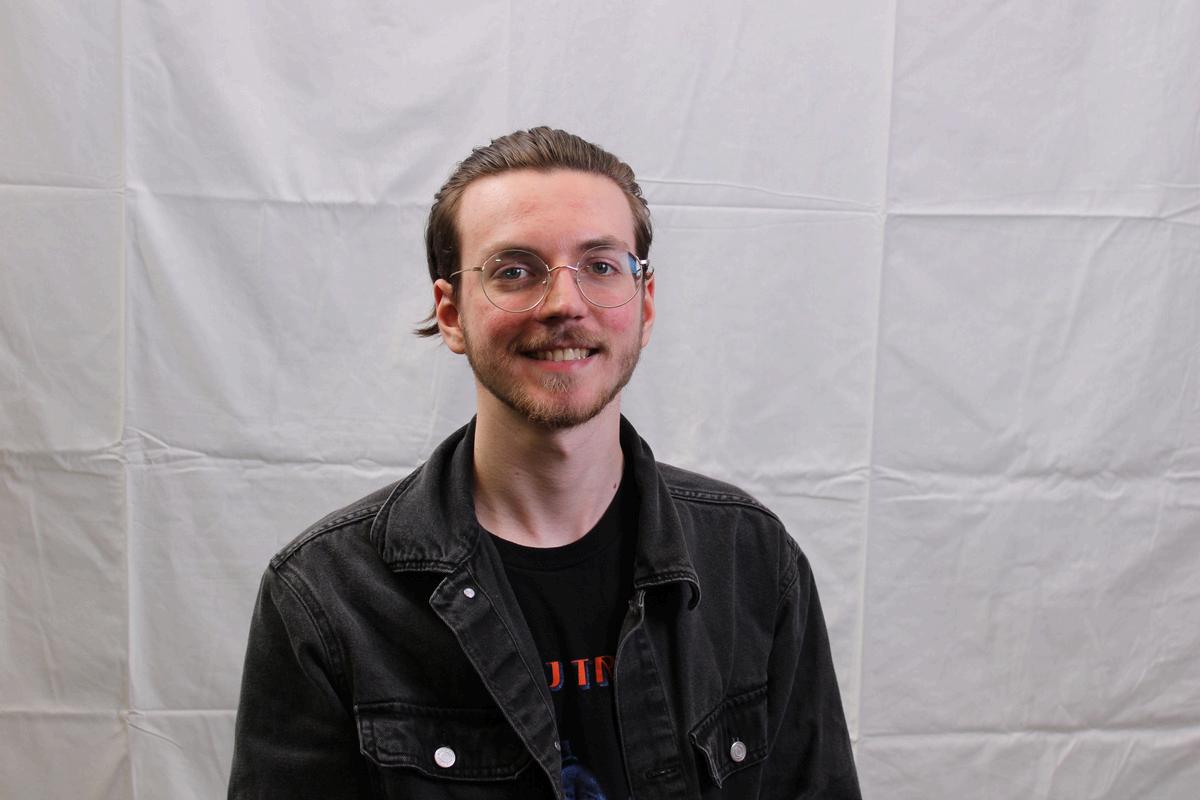
experience ”
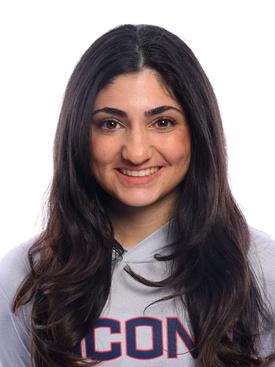
My neuroscience education at UConn has solidified my interest in the field and provided me with a strong foundational knowledge, even as a psychology student with a previously limited background in life sciences My research experience at UConn has been extremely fulfilling and extensive. I am very passionate about neuroscientific research and have been granted opportunities to learn advanced techniques and work closely with graduate students in my lab, which has greatly enhanced my learning
– Nicholas Cyr
UNDERGRADUATE STUDENT
My neuroscience education at UConn has significantly broadened my understanding of neural processes beyond my primary research focus. Couses
such as Advanced Pharmacology and Mechanisms of Acute and Chronic Pain have made me a more versatile scientist and a better consumer of knowledge. My research experience has been transformative, with successful collaborations with the School of Pharmacy and the School of Dental Medicine exposing me to new areas and techniques
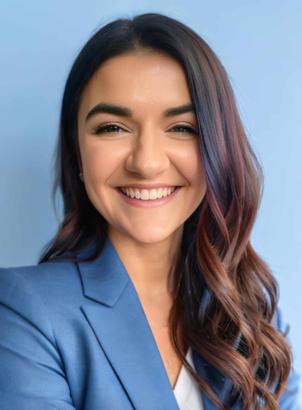
These experiences exposed me to new areas of neuroscience and cutting-edge techniques that I would not have had access to otherwise. Resources like the IBACS graduate summer research fellowship, along with regular guidance from top behavioral researchers in the field, have made UConn a truly valuable training experience ”
– Olivia Vanegas PhD STUDENT IN PSYCHOLOGICAL SCIENCES

As a Ph.D. student, I had plenty of academic freedom at UConn to seek out my areas of interest. Before coming to UConn, I worked primarily in coding, but my direction changed when I entered UConn and began working on micro-fabrication to create tiny devices My education at UConn has opened doors to areas I never imagined before, and I'm proud of the work I'm doing now, making real devices to solve real problems. UConn provides access to a wide array of cutting-edge instruments to support
my research, and I could easily find collaborators within UConn or from other universities Additionally, the natural ecology around UConn provides a relaxing environment that balances the rigors of academic life ”
– Yuxuan Zhang
I started my neuroscience education at UConn as an undergraduate student majoring in Physiology and Neurobiology (PNB). Initially, my interest in
neuroscience was driven by a desire to pursue a medical career However, after taking introductory PNB courses, I became fascinated by the biology and circuitry underlyin the brain. This intrigue led me to join Dr. Alex Jackson's lab, where I gained hands-on research experience. Over time, I fell in love with the scientific inquiry process, which
has propelled me into my current role as a fourth-year Ph D candidate in the Jackson Lab My education at UConn has been pivotal in igniting my passion for neuroscience research and driving me to push the boundaries of scientific innovation. Throughout my undergraduate and graduate years at UConn, I have been fortunate to work in a collaborative and inclusive department. The mentorship and support from my doctoral advisor, Dr. Alex Jackson, and other PNB faculty have been instrumental in shaping my critical thinking and reasoning skills. I appreciate that our research keeps us at the forefront of knowledge, continuously pushing the boundaries of what we know about brain physiology.”
– Monica Antony PhD STUDENT IN PHYSIOLOGY & NEUROBIOLOGY

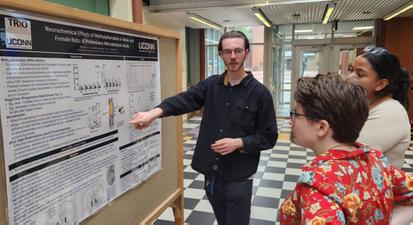
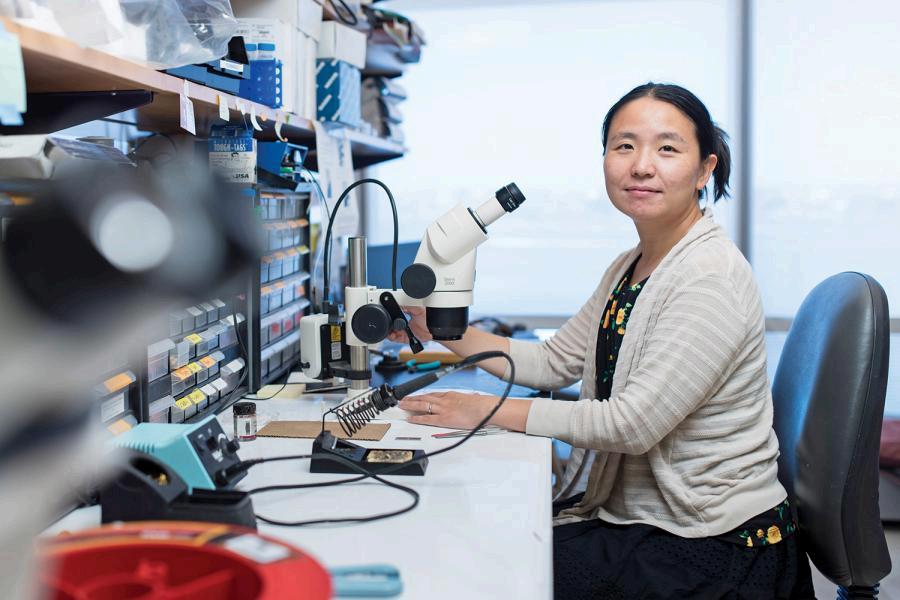
At UConn, graduate and undergraduate students collaborate on research projects that advance neuroscience. This synergy accelerates scientific discovery and enriches the educational experience for mentors and mentees alike Graduate students mentor undergraduates through every stage of the research process from experimental design to data analysis fostering skills in research methodology and critical thinking This mentorship provides undergraduates with hands-on experience operating sophisticated equipment and conducting experiments Simultaneously, graduate students benefit by reinforcing their own understanding of research processes and developing leadership and communication skills essential for academic and professional growth For example, graduate student Alev Ecevitoglu (Behavioral Neuroscience, PSYC), is studying the motivational and neurochemical effects of methylphenidate in male and female rats, including its actions on brain dopamine transmission. Undergraduate McNair Scholar Nick Cyr worked closely with Alev on this project, which not only contributed to the study but also enhanced his understanding of neurochemical analysis and experimental protocols. Nick, pictured above, presented some of his work at the McNair program poster session in August.
UConn provides a robust foundation for many undergraduate and graduate students, allowing them to explore the field and develop a deep interest in neuroscience This education has often led them to pursue further studies and careers in neuroscience, psychology, and related fields. IBACS undergraduate and graduate research opportunities and funding allow students to gain hands-on experience, work closely with mentors, submit grants, and explore various aspects of neuroscience This exposure often leads to significant contributions in the field and successful careers in academia, industry, and beyond The following advice (left), gathered from current UConn students, offers valuable insights and guidance for those interested in pursuing a career in neuroscience. These perspectives highlight the importance of curiosity, collaboration, and continuous learning in achieving success in this dynamic and evolving field
Follow your curiosity and keep an open mind: Explore various areas of neuroscience to discover your niche. Be willing to engage in diverse research and techniques.
Build connections with instructors and researchers: Don’t be shy! Reach out, ask questions, and build relationships with those who share your interests They could become your future collaborators.
Develop a broad skill set: Expand your skills to explore new interests, broaden your education, and keep future opportunities open
Utilize available resources: Take advantage of UConn's wide range of courses, labs, and events to support your academic and research pursuits. Reach out to labs of interest: Gain valuable research experience and expand your network by connecting with labs that align with your interests
Consider your ideal daily work life: Seek a research lab that aligns with your interests for job satisfaction If unsure, explore opportunities in different labs to find your fit
FOLLOW YOUR CURIOSITY AND KEEP AN OPEN MINDxt

How has your neuroscience education at UConn affected your career? While at UConn, one of the classes that most profoundly impacted my neuroscience education and future career success was Neuropsychopharmacology with Dr. John Salamone. This course shed light on many of the basic principles of neuropsychology, which set a framework for my understanding, while also diving deep into some of the more intricate concepts of neuropharmacology and psychiatric disease mechanisms and physiology, which I apply almost daily in my current career Classes like these may be offered at other universities, but the enthusiasm and expertise of Dr Salamone is what made this course impactful, in my opinion I was also offered the opportunity to teach undergraduate laboratory courses such as Physiological Psychology Lab and Drugs & Behavior Lab as a graduate TA This opportunity provided me with an entirely new perspective on what it means to be an effective educator and communicator of scientific data to an audience with a variety of backgrounds, something I do now in my current career. How has your research experience at UConn been? In my five years as a PhD student and postdoc at UConn, I was actively involved in a Psychological Sciences Behavioral Neuroscience research lab under the supervision of Dr. John Salamone I felt my research experience was thorough, as I received training in various rodent behavioral paradigms, surgical procedures, drug administration techniques, data analysis and interpretation, and wet lab procedures such as tissue extraction and slicing, histochemistry, and highperformance liquid chromatography Since my first year of graduate work in 2016, my research at UConn resulted in five first-author publications and contributions as a co-author on 14 total publications in peer-reviewed scientific journals While facilitating my ongoing research projects and teaching on a daily basis, being a senior member of a research lab also introduced a mentorship responsibility Our lab took on many honors students, which meant my colleagues and I worked closely with undergraduates who were passionate about completing a research project in BNS Many of these students went on to medical or graduate school, or to pursue research careers, which feels extremely rewarding knowing I may have had a part in supporting their goals. I felt UConn prioritized cross-departmental research collaboration in a way that benefited growth and productivity. In addition to forming relationships with PSYC faculty, I
collaborated with investigators and students in the Biomedical Engineering Department, Physiology & Neurobiology Department, and the Department of Pharmaceutical Sciences (one of whom later served as a member of my PhD committee). I still keep in touch with many of these faculty who have shown that they truly care about me as a person well beyond my time at UConn What advice would you give to current students who are interested in pursuing a career in neuroscience? Just do it! In all seriousness, neuroscience is a constantly evolving field with many rewarding career options If you are not sure about what type of career you would like to pursue, you should request "informational interviews" from individuals who are currently working in a position that may be of interest to you Make sure you plan extensively for these conversations with a list of questions so you are able to get the most information while being respectful of their time Some neuroscience careers are more elusive than others, so it might take some "digging" to find one that best suits your interests My only other advice is that while you may not know exactly which career in neuroscience is best for you right away, more experience in the field will shine light on new opportunities that you may not have initially considered
How has your neuroscience education at UConn affected your career? My neuroscience education at UConn has profoundly shaped my career trajectory The diversity of research I have been trained on and variety of expertise I have found at UConn provided me a strong foundation in neuropharmacology, neurobiology, and psychiatry, essential for my role as a neuroscientist The exposure to cutting-edge research techniques, including EEGbased brain-computer interfaces and advanced MRI methods, has been instrumental in honing my technical skills and research acumen The interdisciplinary approach at UConn fostered a collaborative environment, allowing me to work alongside experts from various fields, thus broadening my perspective and enhancing my ability to integrate diverse methodologies in my research The mentorship and guidance from distinguished faculty members have been invaluable, providing not only knowledge but also the inspiration to push the boundaries of my scientific inquiry After almost 6 years I feel equipped with the critical thinking and problem-solving skills necessary for tackling
complex neurological conditions, ultimately positioning me to make significant contributions to
skills, understanding the research process, and building a track record of scientific contributions
The Institute for the Brain and Cognitive Science publishes its Brain, Cognition & Language Research Digest for the purpose of community outreach. This issue includes research from Psychological Sciences (Behavioral Neuroscience Division), Physiology and Neurobiology, Biomedical Engineering, Pharmaceutical Sciences, and Nursing.
IBACS Stats (Fall 2024)
$2.5MILLION in seed grants, fellowships, and awards since inception (2015) 281 affiliates across 34 departments
99 seed grants
277 student awards & fellowships
183 directly supported supported external grant applications
$31.8MILLION in directly supported awarded external grants
The Institute for the Brain and Cognitive Sciences (IBACS) serves as an incubator for research across the brain and cognitive sciences at UConn and beyond, promoting and supporting the interdisciplinary science of the mind and its realization in biological and artificial systems The Institute is a collaboration between multiple departments and campuses of the University of Connecticut Educational seminars and workshops, community outreach, graduate and undergraduate fellowships, and pilot grant opportunities are available to our affiliates Through these various mechanisms for fostering novel research across the biological and related physical, psychological, and computational sciences, IBACS provides support for the first steps in the many research programs that go on to receive subsequent federal funding from public agencies such as the National Institutes of Health (NIH) and the National Science Foundation (NSF)
The Digest is an annual publication intended to highlight research conducted by IBACS-affiliated scientists across UConn Each issue focuses on a di!erent theme among the many that run through our research community In this issue, we focused on providing a snapshot of the neuroscience program’s history. We talked to the program’s current students and alumni, as well as faculty affiliates
Gayle Edelstein & Alev Ecevitoglu
Online: neuroscience uconn edu
LEARN MORE ABOUT IBACS
Online: braincognitivesciences institute uconn edu Call Us: 860 486 4937 Email Us: ibacs@uconn.edu