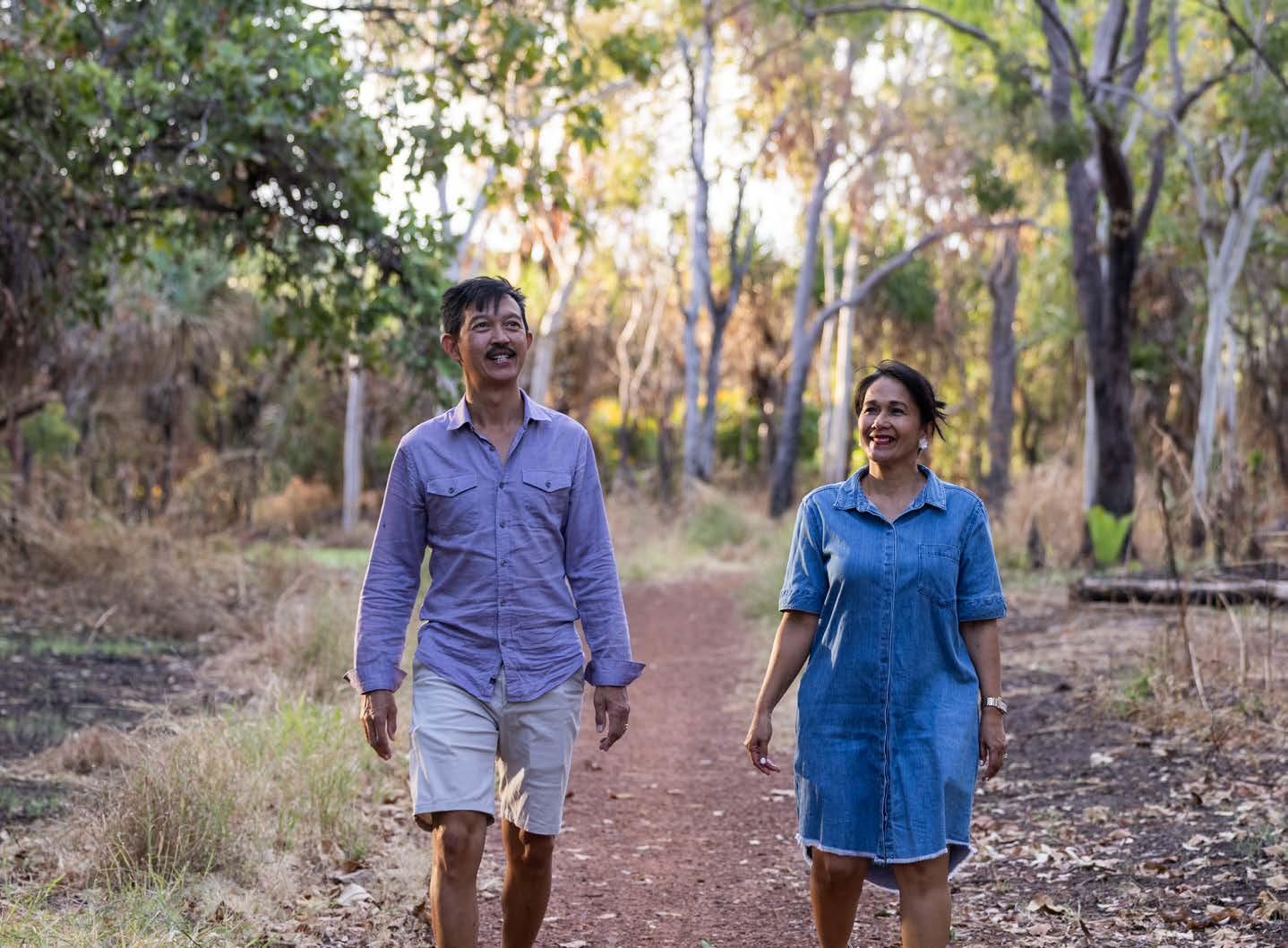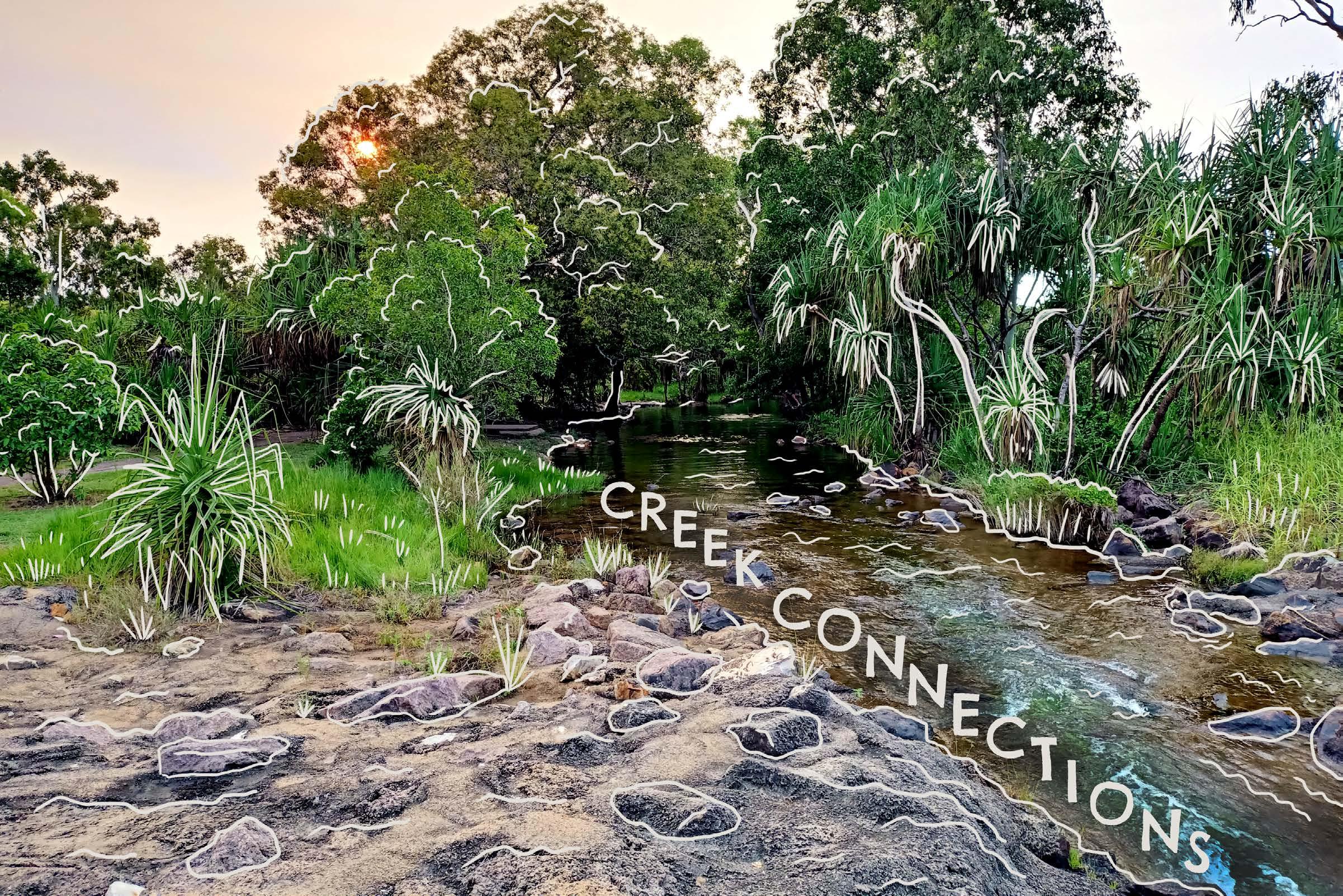
This publication is an invitation — to walk slowly, to listen deeply, and to connect with the creeks that flow through our comtmunities. These waterways hold stories far older than any of us, and their health is tied to the wellbeing of everything around them: people, plants, animals, and place.
Creek Connections is part of the Darwin Harbour Catchment Waterways Project, an initiative supported by the Australian Government and led by Landcare Northern Territory (NT) in collaboration with Larrakia people, Landcare groups, educators, scientists, artists, and community members. Together, we’re working to care for Rapid Creek, Ludmilla Creek, Sandy Creek, and Mitchell Creek — each with its own rhythm, history, and community.
This work takes place on Larrakia Country, and we acknowledge the ongoing custodianship and deep knowledge of Larrakia people, whose connection to these
lands and waters continues to guide us. We are grateful for the relationships that ground this project and the conversations, care, and commitments shared along the way.
Inside these pages you’ll find upcoming events, reflections from contributors, and ways to get involved. Whether you’ve lived near these creeks your whole life or are just getting to know them, we hope this publication offers moments of recognition, curiosity, and care.
Creek Steps –Morning Walks
Start your morning with a gentle walk by the creek, open to women and female-identifying people. Move, connect, and tune in to the seasonal rhythms of plants, animals, and weather along the way.
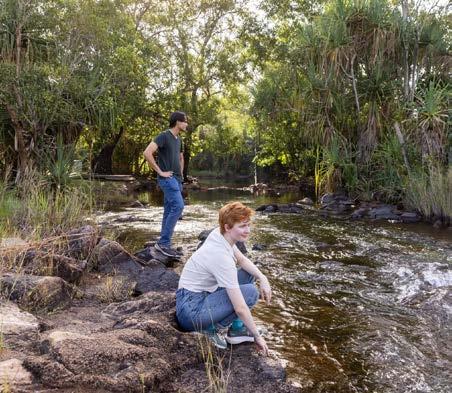
Sandy Creek
Every Mon from 8 Dec 2025 | 6:30–7:30am
Rapid Creek
Every Wed from 10 Dec 2025
6:30–7:30am
For more information about events and to book Click here for what's on
Our Creeks, Our Stories Workshops
Bring your memories, drawings, and photos of our creeks to help build a living archive of local knowledge. Try storytelling, memory-mapping, drawing and photography activities that celebrate the deep connections between people, place, and water.
Dates & Locations
Sat 13 Dec 2025 | 2-4pm Coconut Grove - Darwin Community Arts
Thu 5 Feb 2026 | 4-6pm Palmerston Library
Sat 7 Feb 2026 | 9:30-11:30am Casuarina Library
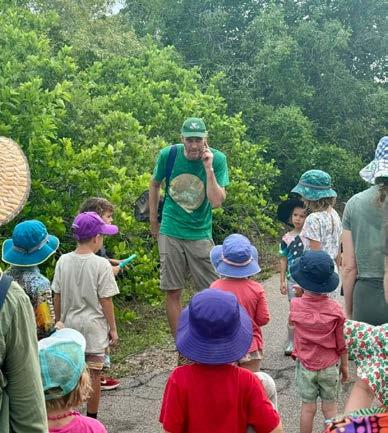
Or you can share your memories through our online portal here
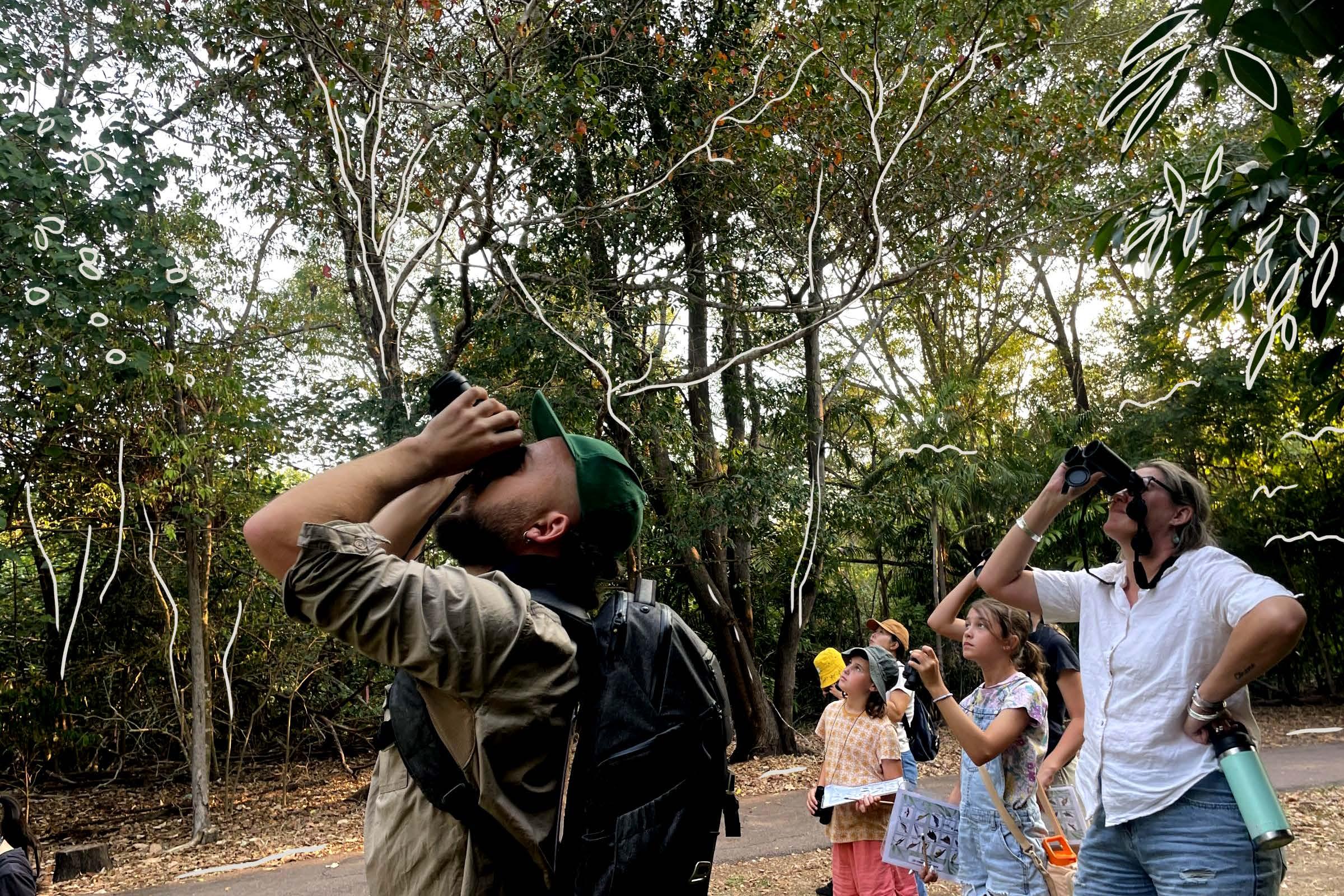
Discover the beauty and biodiversity of our local creeks through birdwatching. Learn to identify species, conduct simple surveys, and contribute to local conservation through citizen science.
Ages 10 – 16
Mon 22 Dec 2025
8:30–10:30am | Rapid Creek
Ages 10 – 16
Sat 7 Mar 2026 | 8:30–10:30am
Mitchell Creek
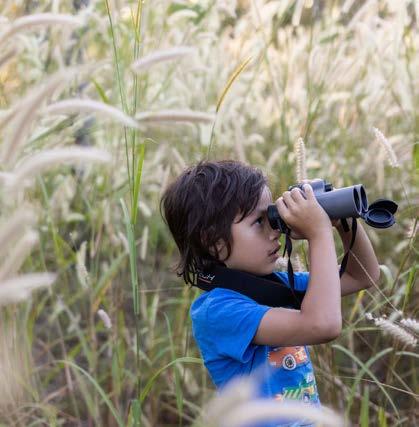
people
Celebrate the Wet Season with days full of outdoor adventure, nature exploration, and art-making. Learn about local ecosystems through creative workshops, wildlife spotting, and time spent by the creeks as they come to life with rain. Led by local artists, youth workers and wildlife experts. Book in for one day or sign up for the whole camp!
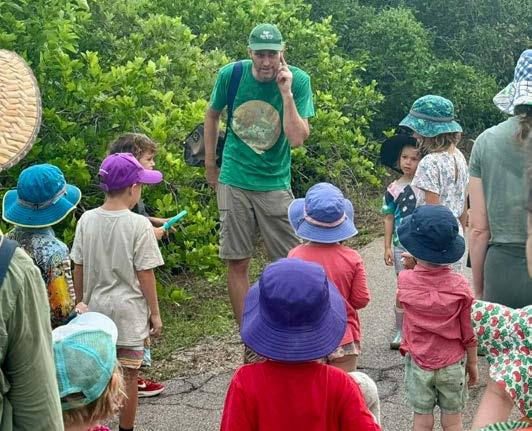
Ages 12 – 17
Mon 12 – Thu 15 Jan 2026 | Rapid Creek, Sandy Creek & Ludmilla Creek
Ages 12 – 17
Tue 20 – Thu 22 Jan 2026 | Mitchell Creek
Learn how water moves through our local creeks and explore practical ways to improve creek health through erosion management and revegetation. A hands-on day for anyone interested in strengthening the resilience of our local landscapes.
Wed 4 Feb 2026 & Thu 5 2026
More details soon
Create layered, colourful prints using foraged natural materials and simple printmaking techniques. A creative, mindful way to explore the textures and colours of our creek environments.
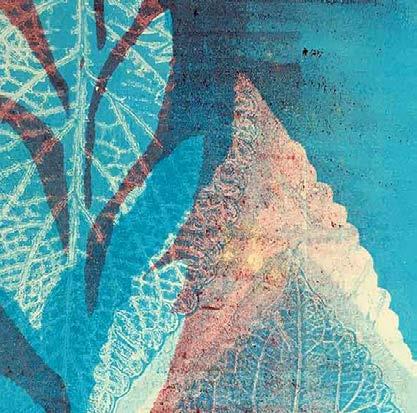
Ages 12 – 18
Sun 15 Feb 2026 | Rapid Creek | 9.30–11.30am
Ages 6 – 12
Sun 15 Mar 2026 | Mitchell Creek | 9.30–11.30am


Share food, stories, and connection at a relaxed community gathering celebrating our shared care for place. This dinner is about slowing down, listening, and celebrating the life of the creeks and learning about how you can be a part of caring for them into the future.
Sun 22 Feb 2026 | 5–7pm | Meet on Nemarluk Drive
Enjoy an evening of shared food and conversation by Mitchell Creek. Come together to connect with neighbours and celebrate the stories, relationships and conservation work that flow through our local waterways.
Sun 22 Mar 2026 | 5–7pm
Near Mitchell Creek
For more information about events and to book Click here for what's on
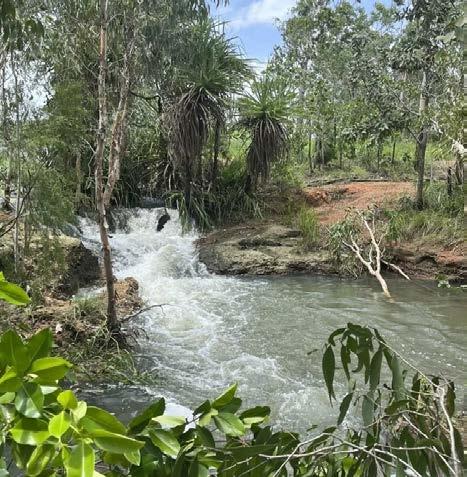
Full venue and accessibility information Click here
Discover how simple community science tools can track creek health — from camera traps to flora and fauna monitoring with Land for Wildlife. Build confidence in collecting and using local data to guide conservation efforts.
Late Feb 2026 | 9am–4pm | More details soon

Crocodylus porosus
Hundreds of the reptiles will make their way into Darwin Harbour in any given year.
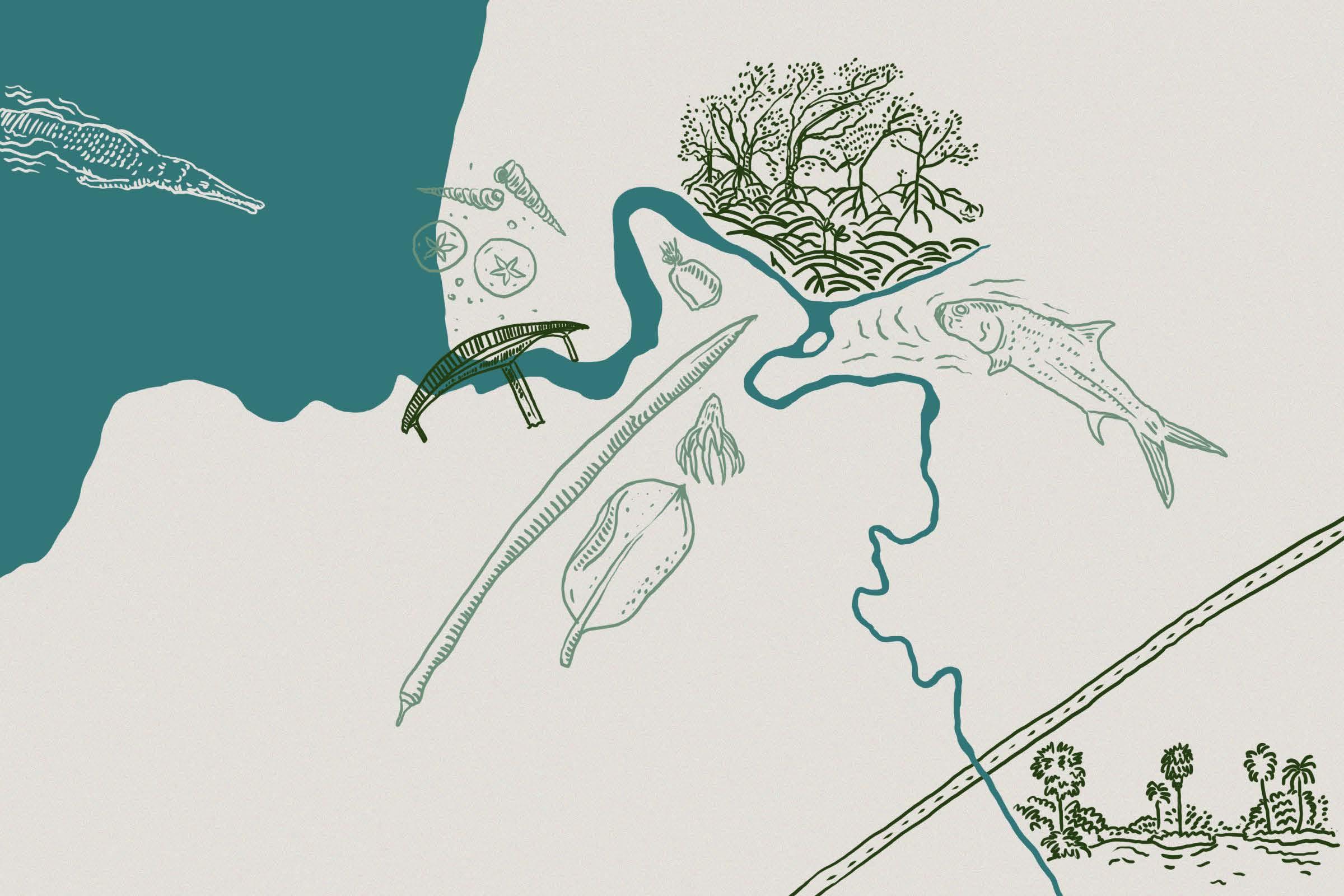
Gurambai is the Larrakia name for Rapid Creek and means ‘elbow’, referring to the shape of the creek at its mouth. Take this pleasant walk and enjoy a typical natural ‘Top End’ environment.
Mangrove "seeds" are unique because they are viviparous, meaning they germinate while still attached to the parent tree, developing into a long, cigar-shaped seedling called a propagule.
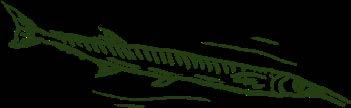
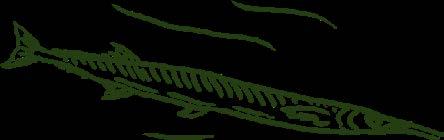
Tarpon adults are generally found at sea, but young inhabit river mouths, inner bays, and mangrove lined estuaries.

By Cyan Sue-Lee
rowing up on your banks, a
topia amongst the asphalt & concrete ain swelled, reclaiming the surrounding roads lways was, always will be
A
M
B A I
y sanctuary to return to when the city pressure gets too much alnba, your season to flourish
haven for wildlife, mircobat highway have known you from before I held this physical form
By Britt Guy
Icame to work at Landcare NT not just because I care about the environment, but because I care about relationships — between people, places, and what holds us together. My relationship with Rapid Creek, or Gurambai, has been a slow-growing one. It deepened through walking, listening, and spending time with Larrakia Elder— Uncle T — who reminded me that this place isn’t just a waterway, but a living ancestor.
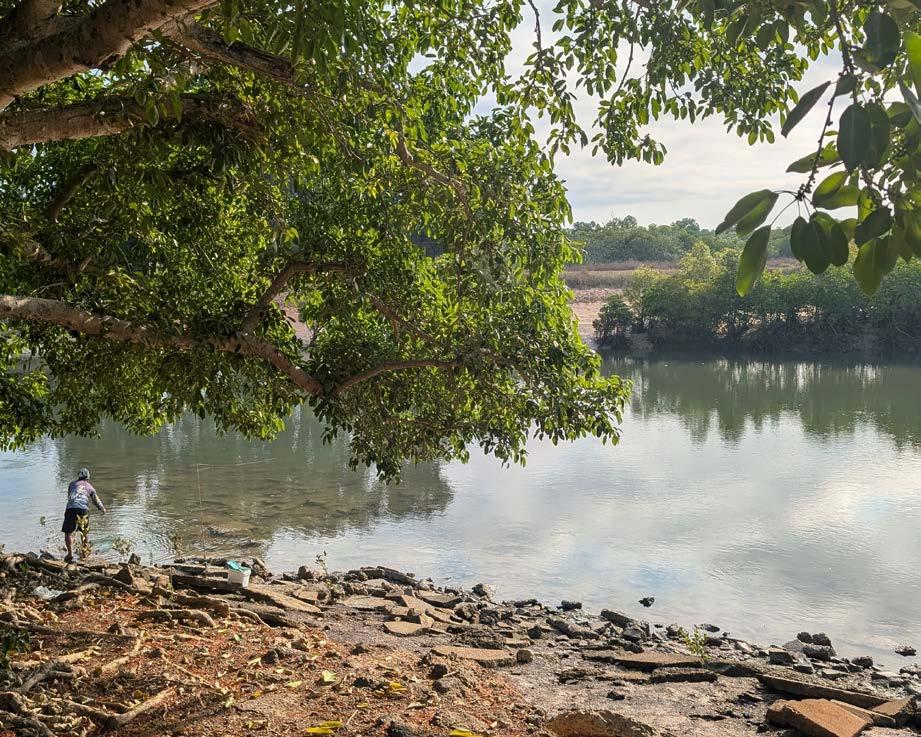
I’ve learned a lot just by paying attention — to the creek, the changing light, the shifting sounds. Over time, I’ve started to notice my own seasonal patterns: when the air thickens with humidity and the frogs begin their chorus; when the creek runs high and fast, turning everything green and alive; when it quiets and the earth hardens underfoot. These rhythms mark time in a way that feels more grounded than any calendar. They teach me to notice, to adapt, and to be present.
Uncle T’s way of being with Country — slow, respectful, always listening — helped shape how I now move through this work. He didn’t rush wisdom. He let the place speak for itself. I try to do the same, letting my relationship with Gurambai grow through experience, reflection, and care.
For me, Gurambai is a teacher. A place that slows me down, grounds me, and gently reminds me what matters. Sometimes I walk the creek after rain and feel how alive everything becomes — frogs calling, water rushing, birds darting between pandanus. It reminds me that the health of this place reflects the health of our communities.
My work now is about helping others build that connection too — especially young people. I want them to know that caring for a creek isn’t just a science job or a bushwalk — it’s a relationship. It’s noticing. It’s remembering. It’s being part of something bigger than yourself.
Whether you’re planting trees, picking up rubbish, or just sitting quietly by the water, Gurambai will meet you where you are. You have to show up, and keep listening.
Lake Alexander
East Point Reserve
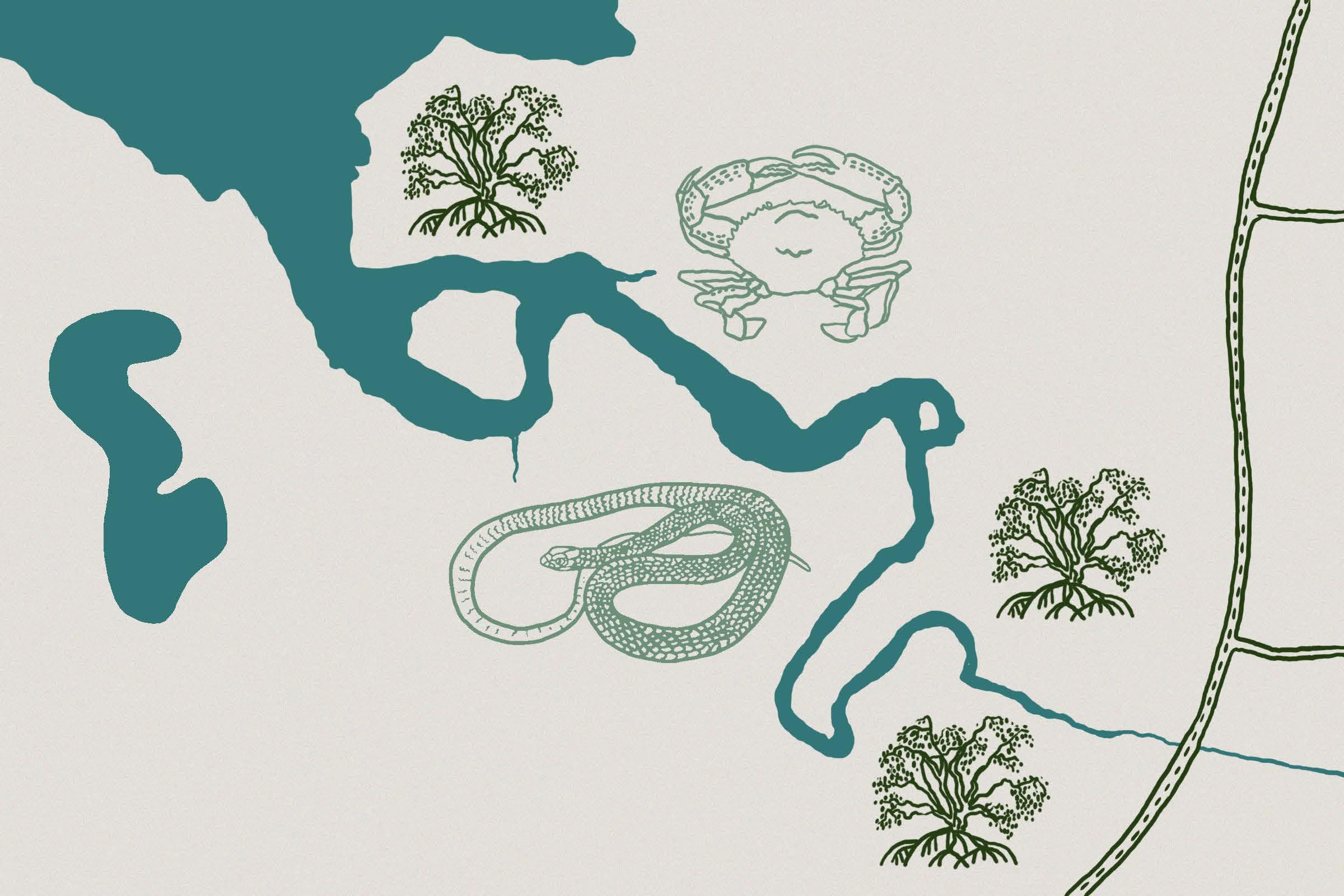
Ludmilla Creek extends through much of urban Darwin, before it flows through the floodplains and mangroves of Ludmilla into Darwin Harbour.
An ecologically important species of crab found in estuaries and mangroves. In their most common forms, their shell colours vary from a deep, mottled green to very dark brown.
Has a constant light to dark brown or black colouration, and a tan coloured head with small dark spots. The species is able to reach up to 1.5 m
By Deb Hall
Inside the houses air conditioning and fans are switched ON. Outside the heat is building and sometimes, there’s a downpour that dials up the humidity. Let’s not think about melting, instead I invite you to take a trip down Sandy Creek. I promise we’ll finish in a beautiful spot and see some interesting things along the way.
Sandy Creek starts near Lee Point Road in what is now the suburb of Lyons. Before Lyons there was open woodland and even echidnas in the leaf litter. The creek was fringed by Cycads and native trees and in The Dry the creek was dry.
Fast forward to a settled suburb, green grass, a parkland, a reshaped open riverbed and a little creek that flows all through the year. At this time of year, a lot
of trees have dropped their leaves and are waking up for the green and growing season of The Wet.
Imagine you are one of the brown leaves that’s fallen off a tree beside Sandy Creek.
The first part of your journey will be in a concrete gutter. Nearby kids are climbing on the playground equipment, a couple are taking their dogs for a walk and someone is running.
As you float along and leave Lyons you see the trees are bigger and older, vines reach out across the water and the Carpentaria palms are lush and green. You slow down for a while as you get stuck in an eddy next to some tree roots, but then you’re floating free again and down the creek.
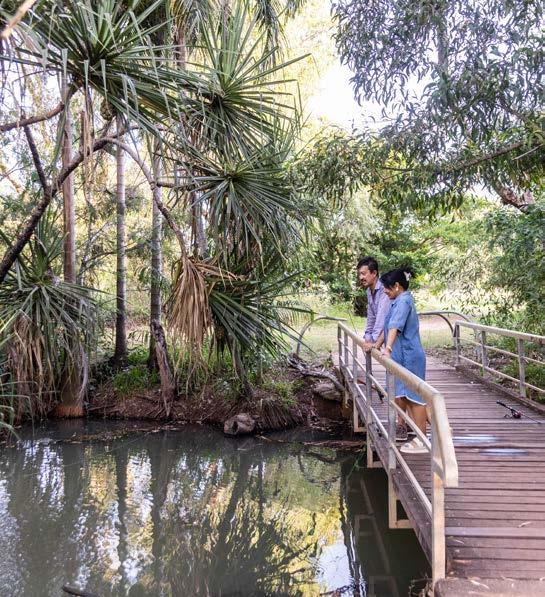

At the Hospital entrance you pass under a bridge. Thousands of people drive over this every day, on their way to work or to get medical care. You float past the dead woody stems of Candle Bushes (Senna alata). The yellow and orange flowers of the Candle Bushes looked pretty, but these weeds have been poisoned because they increase sediment build up and take the place of local natives.
The trees bend over the creek and it’s cool and shady. Little fish are darting around in the shallows. Leaves belong in this creek and so do the fish, but not the plastic bags and straws that are also making their way to the sea. Along the edge you see someone with a bag collecting rubbish and give them a silent thumbs up.
Sandy Creek has more water now, you’re floating free. At this time of the year the water is brown, the heavy downpours have stirred up lots of silt. You pass
under one footbridge and then another. The pull of the outgoing tide is strong, you’re racing along.
The edge of the creek is all mangrove roots and mud. There’s a flash of black and red, and you see a Black Butcher Bird balancing on a tree root as it feasts on a Mangrove Crab.
Onward and the mangroves meet overhead while the Butcher Birds’ calls echo through the trees. You can see a sandy bottom, the water is deep, clear and glassy green. A Reef Egret is watching as you pass, alert for any movement that might be a fish. Beside the sea a small group of Far Eastern Curlews have tucked their beaks into their feathers for a nap before spreading out on the mudflats for a feed at low tide.
The next part of your trip will take you into Darwin Harbour, where the water from Sandy Creek joins up with the Arafura Sea. Go well.

Sandy Creek runs through the Casuarina Coastal Reserve which is home to a wide range of plants, insects, reptiles, mammals and birds, including many endangered species.
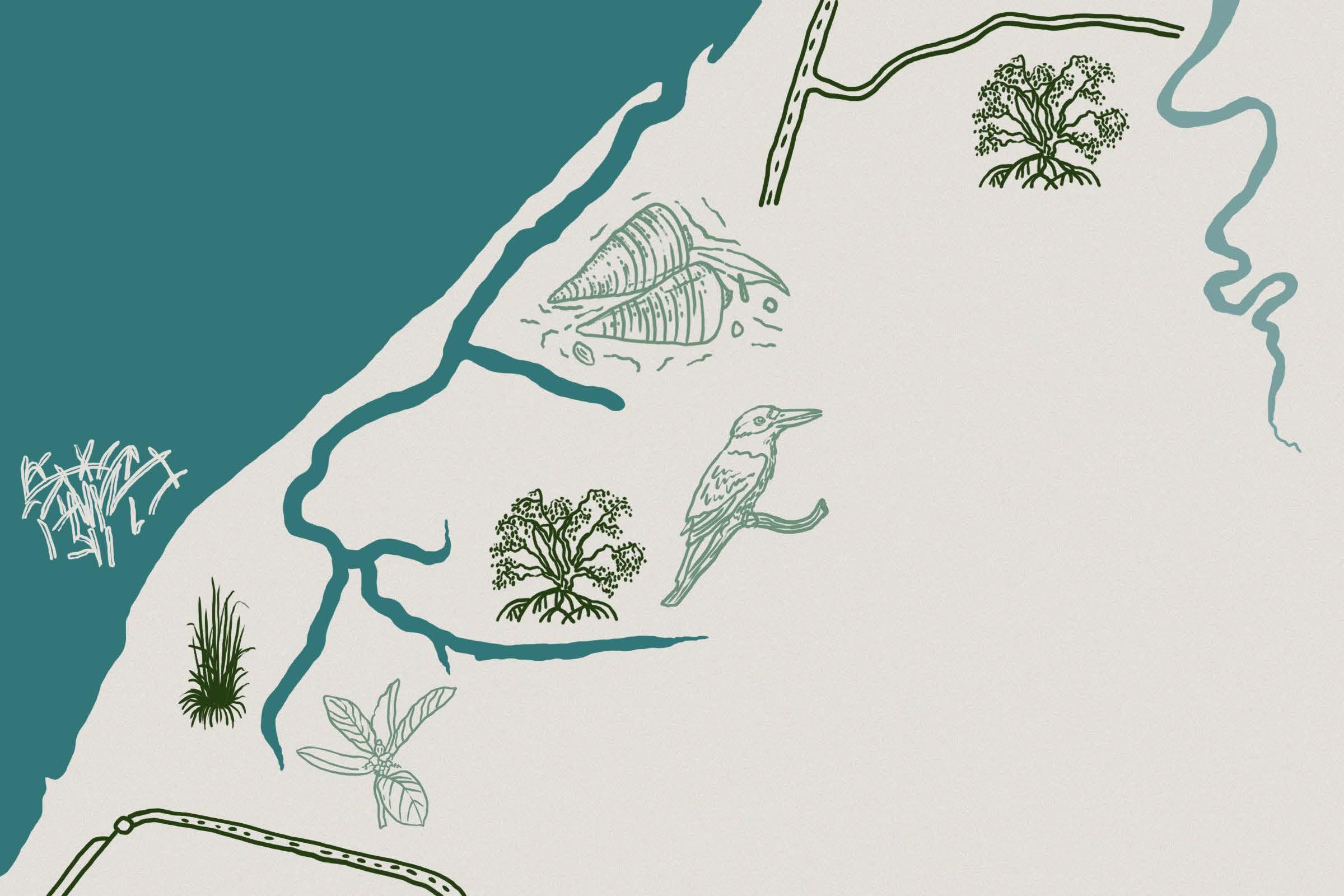
Trower Road
Royal Darwin Hospital
Lee Point Road
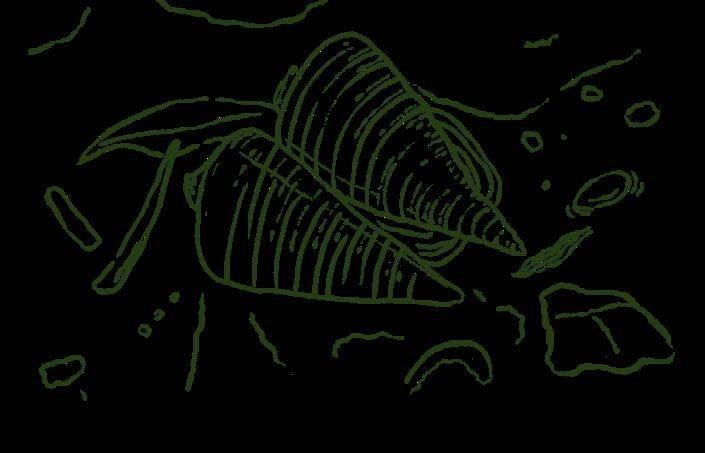
A species in the horn snail family Potamididae found in mangrove habitats. They are large snails that can grow up to 10 cm in length and are easily recognizable by their cone - shaped shell.
Forest Kingfishers live across the north and north-east of Australia. They are found in open forest as well as around watercourses. They feed on beetles, bugs and spiders, larvae and small lizards and frogs.
Muirhead
A small deciduous tree, endemic to Australia and found in coastal & riparian vine thickets throughout Darwin. Very important food source for the vulnerable Atlas Moth.
by Ian Hutton
Get Connected they said! 'I am connected', I replied: but that was to the Internet, to WiFi, to Facebook, twitter, ect; what I thought was the whole shebang. We talk of being connected in business, of our connections with sporting clubs, as badges of honour.
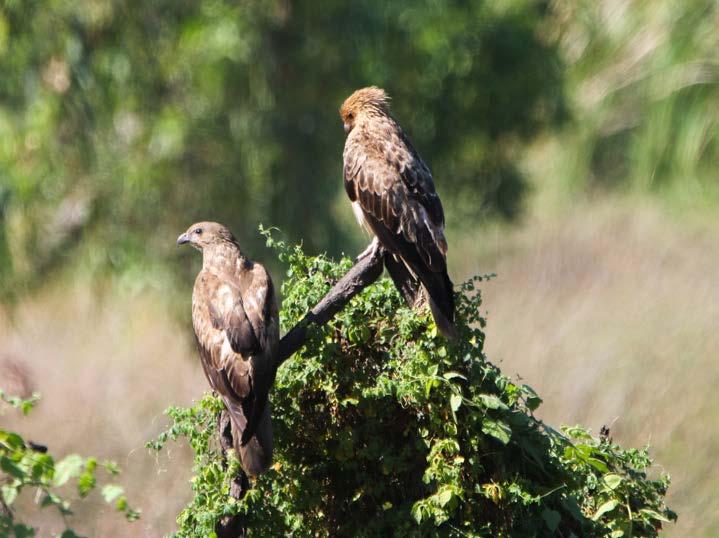

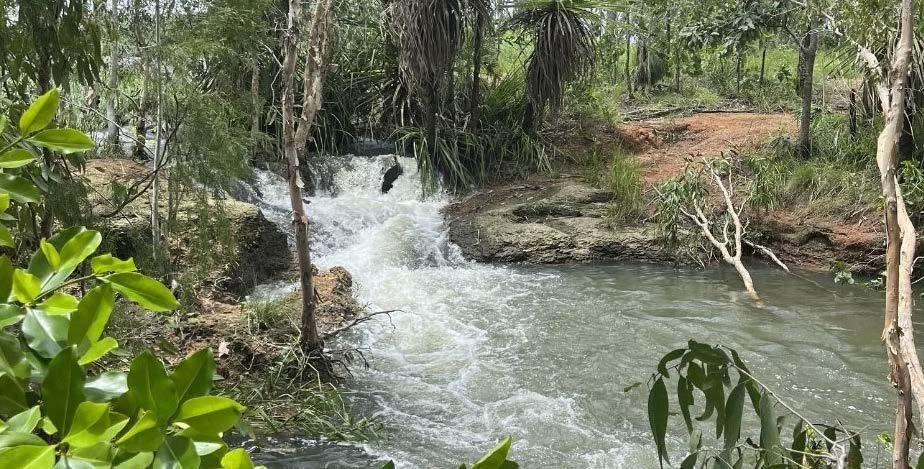
But how connected are you to where you came from? To the natural world, the soil, the air, the water? Palmerston community hosts a fantastic creek system called Mitchell Creek, and we are all custodians of this part of the urban landscape.
The Mitchell Creek connects the headwaters around Palmerton Hospital and the escarpments in Bakewell and the lakes of Gunn to the saltwater of the Elizabeth River. The Palmerston eastern area connects the suburbs of Bakewell, Bellamack, Farrar, Gunn, Johnston, Mitchell, and Zuccoli via Mitchell Creek. What happens in those suburbs affects Mitchell Creek, via the creeks and
drains. We build road bridges to drive across the creek, and with the necessary clearing of trees for housing, and the hardening of footpaths and driveways, and the construction of water management structures all affecting the creek. The water that falls on your roof, and when you wash your car, the chemicals that you use on your garden all are connected to Mitchell Creek and then to the Elizabeth River and into the Arafura Sea.
Consider your place and your role in the Mitchell Creek catchment.
Make a start on your new meaningful connection with nature close to your home. Get the kids in touch with nature, lead the dog on a walk, join a local nature group, read up on the plants, learn about the Larrakia connections and reflect on the military history, savour the sights and sounds of Mitchell Creek environs.
Get connected with Mitchell Creek in Palmerston.
Eucalyptus atrovirens
A small to medium tree with grey flaky bark over a greyish or orange trunk. It produces small creamy white flowers. It has only been recently described as endemic to the NT and previously only known from low rocky hills east of Annaburroo.
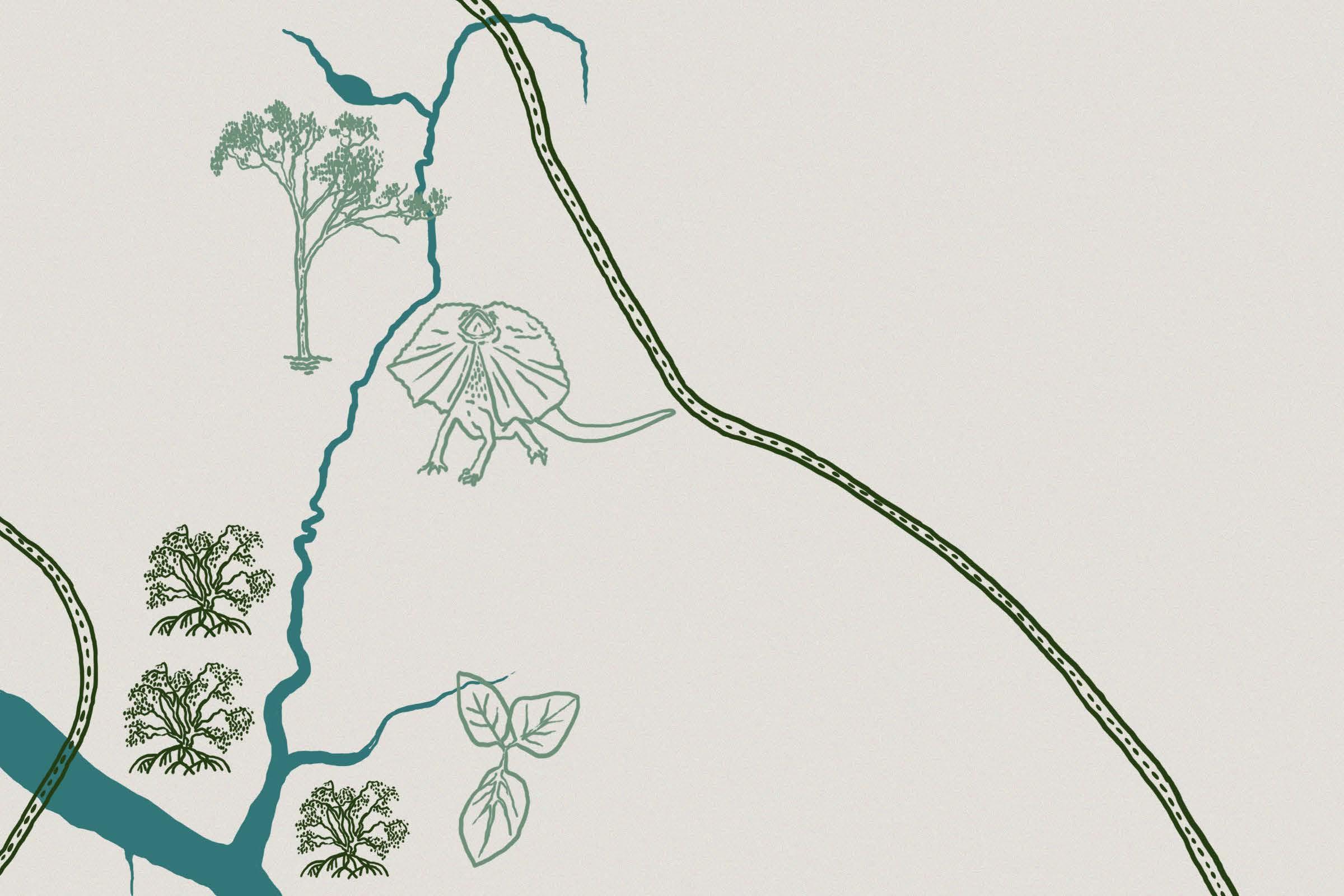
Mitchell Creek flows through the Palmerston region. It is now heavily impacted by new urban development in the region. A reserve was formed around the banks of the Mitchell Creek, thanks to lobbying by the Friends of Mitchell Creek Catchment. The reserve contains the last remnants of habitat around the Mitchell Creek, making it an important corridor for wildlife.
A protected species in the NT. The frilled neck lizard belongs to the dragon family and can grow up to 1m in length. Males are a lot larger than females.
Recently described Ground herb found in the catchment. It is a rare and endangered species and is currently assigned 1K status. 1" indicates that the plant is known only from the locality and K indicates that the status of the plant is poorly known but expected to be rare or restricted in occurrence.
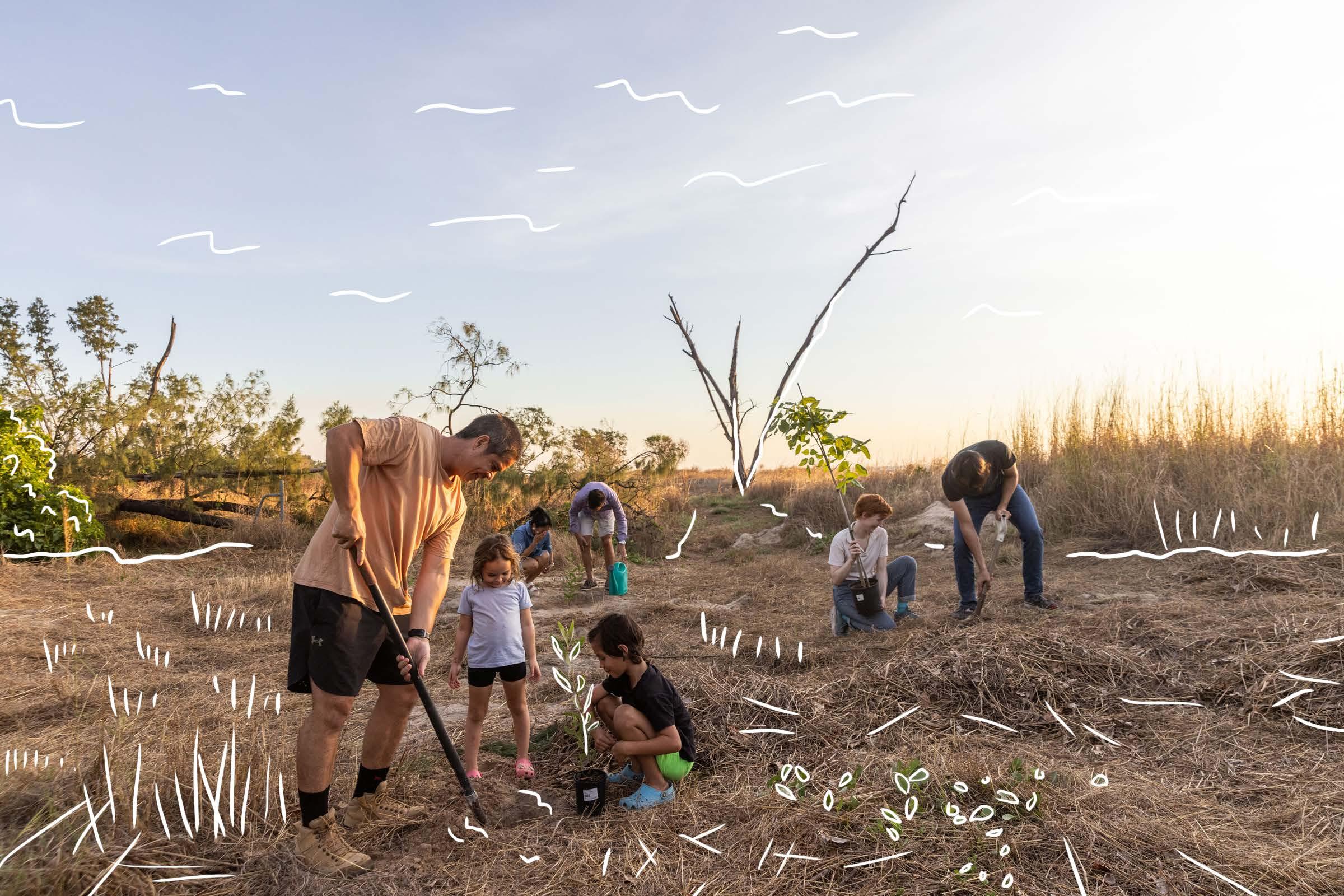
Landcare groups across Darwin and Palmerston are getting their hands dirty to care for local creeks, bushland, and wildlife. Most hold regular working bees and welcome new faces — no experience needed. If you’re keen to connect with nature, meet great people, and help our natural environment thrive, reach out and join in.
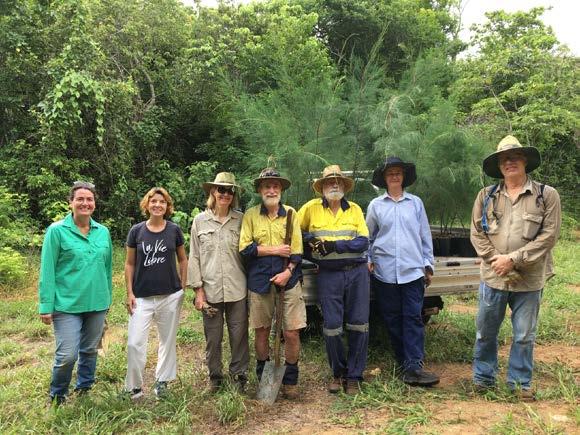

Love long beach walks and shady trails? So do they — and they’re working hard to protect them. This group restores coastal forest and dunes, battling weeds and bringing back native plants. Join them for a working bee, spot a treerat, and help keep this wild coastline thriving.
Email | Website | Facebook
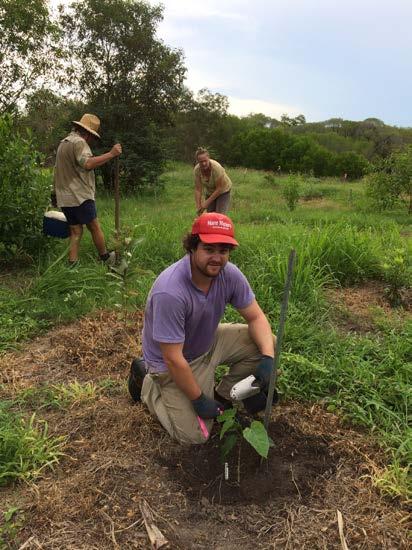
Right in the heart of the suburbs, Ludmilla Creek is alive with birds, mangroves, and stories. This group has helped care for the creek through planting, weeding, and community events — but it’s currently in a pause phase. Through this project, we hope to revitalise the group. If you’re interested in getting involved, we’d love to hear from you. We will be delivering a BioBlitz in April - watch this space!
Email | Website | Facebook
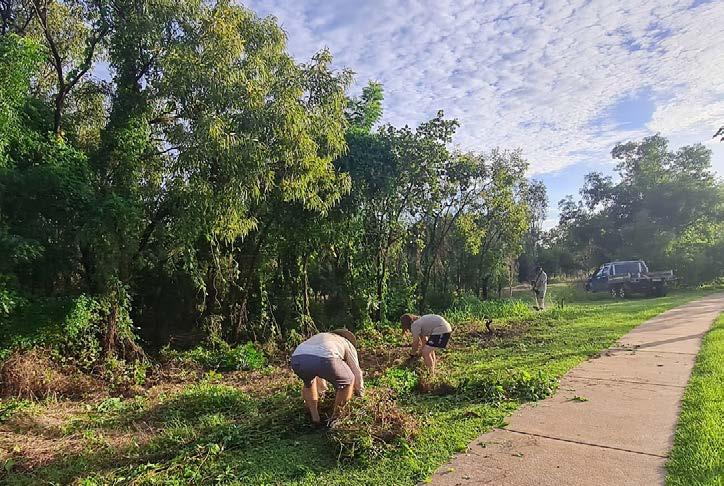
Wild bushland in the middle of a growing city?
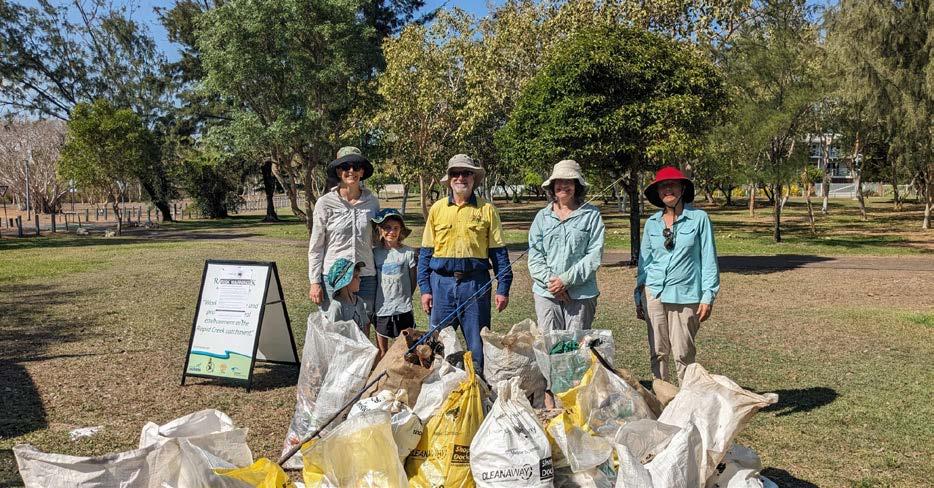
Yes, and this group is keeping it that way. They protect native plants and creeks across Palmerston, run fun events, and welcome anyone who wants to make a difference — no experience needed.
Email | Website | Facebook
Rapid Creek — known as Gurambai in Larrakia — is Darwin’s most significant freshwater system. This long-standing group has spent decades restoring its banks, planting native species, and protecting this vital part of our community. Their hands-on care helps the creek stay healthy for all who rely on it — human and more-than-human.
Email | Website | Facebook

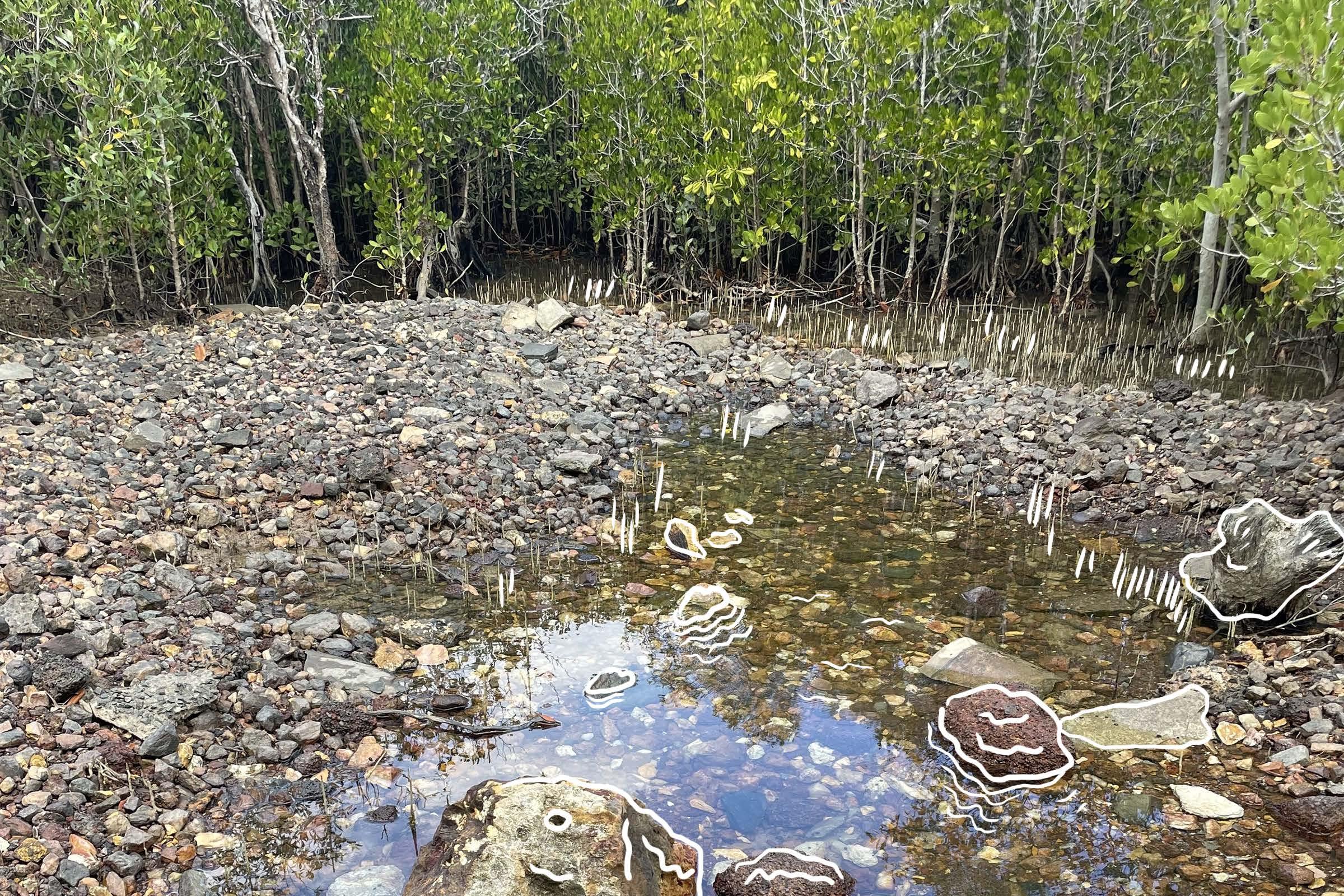
Dive into the voices and stories of our waterways with the Creek Currents podcast. Each episode shares personal reflections and collective memories from creeks across Darwin and Palmerston on Larrakia Country.
Tune in to hear how people connect, care for, and are shaped by these vital places –and celebrate our deep connections to water, place, and community.
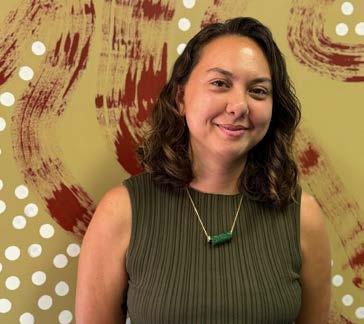
Creek Currents Episode 1
Cyan Sue-Lee
Listen on Bandcamp
Creek Currents Episode 2
Katie Grimshaw
Listen on Bandcamp

Introduction and Welcome by

This podcast is produced by Landcare NT. The views and opinions expressed by hosts and guests are their own and do not necessarily reflect those of Landcare NT its funders, or partners. The content is provided for general information and storytelling purposes only and should not be taken as professional advice. All rights reserved. No part of this podcast may be reproduced without permission.
There are lots of ways to connect with your local creeks and the communities who care for them

Attend an event
Walk, learn, plant, listen — our seasonal events are open to all and a great way to experience your local catchment.
Follow our socials
Stay updated on citizen science projects, creek stories, and volunteer opportunities.
Explore the Media Hub
Dive into stories, soundscapes, and videos that will grow over time as the project unfolds. Join a Landcare group
Become a Landcare member
Click here
Get your hands dirty and meet like-minded people helping to restore native ecosystems.

With thanks to our community contributors, Landcare groups, and project partners.
This project received funding from the Australian Government’s Urban Rivers and Catchments Program. This project is supported by the NT Government and Larrakia Nation, facilitated by Landcare NT.
www.creekconnections.org