Spring is here, and we couldn’t be more excited at the Detroit Zoo and Belle Isle Nature Center. This time of year always brings a sense of renewal — flowers are beginning to bloom, as the days warm up the animals are full of energy and ready to show their wild side, and everything seems to come back to life.
It’s a wonderful time to visit, explore and maybe even meet some of our newest residents. But it’s also a reminder of why our work matters. Today, more than 48,000 species worldwide are threatened with extinction. The good news is that there is hope, and you can be part of it.
From tiny Panamanian golden frogs to majestic lions, we’re proud to support conservation research and fieldwork that is helping protect wildlife across the globe. Every time you visit the Zoo and Nature Center, you help support that work while learning about the threats these species face and connecting with the animals in our care.
I hope you’ll take a moment to read more in this issue of Habitat — and then visit us to be part of the positive change we can ignite together.
AN INTERVIEW WITH CHARLIE RAMSEY, CURATOR OF BIRDS
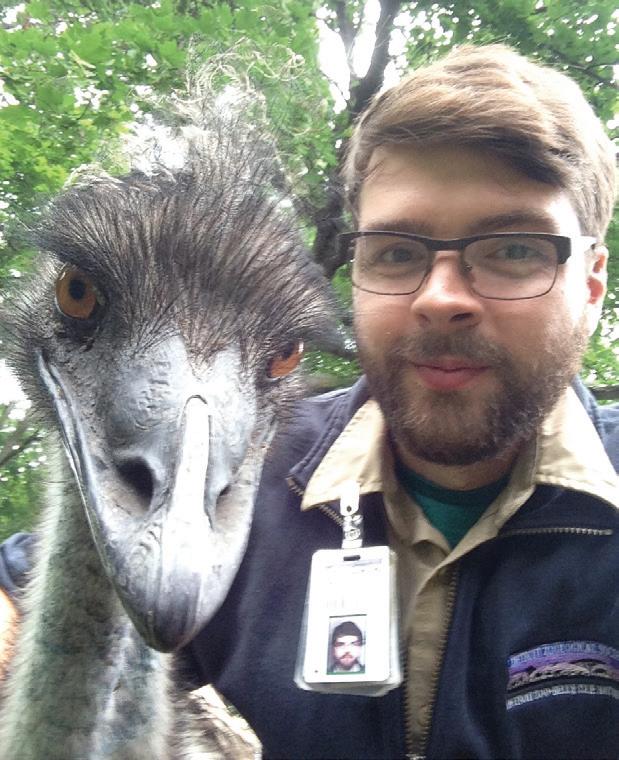
Charlie Ramsey is the curator of birds for the Detroit Zoo, overseeing the care and management of the nearly 400 birds who call the Zoo home. He started at the Zoo as a zookeeper more than 15 years ago and has worked in several positions at multiple institutions before moving into the curator position earlier this year.
What do you do at the Detroit Zoo?
I manage the bird department and our incredible team of supervisors and zookeepers. I make sure that all the birds in our care are healthy and maintain great welfare. I work a lot with Association of Zoos and Aquariums partners on transfers and our conservation goals. I do more administrative work now than when I was a zookeeper.
Do you have a favorite bird at the Zoo?
I can narrow it down to a favorite habitat. I love the Matilda R. Wilson Free-Flight Aviary. As a zookeeper, I spent a lot of time as the primary zookeeper in that area. I like how natural it is there and how the birds exhibit a wide range of natural behaviors.
How did you get into the animal care field?
I’ve always loved animals. I grew up in Berkley, Michigan, so I went to the Detroit Zoo all the time. I studied zoology and interned here at the Zoo before graduating. After graduation, I worked on a conservation project for the San Diego Zoo. When I found out there was a zookeeper opening here, I applied, and the rest is history.
"I’ve always loved animals. I grew up in Berkley, Michigan, so I went to the Detroit Zoo all the time."
What is your favorite part of your job?
I love being with my team. The bird department here is exceptional. The supervisors and zookeepers are incredibly dedicated to their jobs and the animals, ensuring that every animal living here receives the utmost care and welfare. They are also very passionate about wildlife conservation, so I get to work on a lot of really cool conservation projects. That’s my absolute favorite thing.
Do you have any advice for young people looking to enter the animal care field? Animal care is a super competitive field to get into. Putting yourself out there and looking for opportunities for internships and volunteer work is something you should do as much as possible. Get yourself out of your comfort zone and seek out those opportunities — don’t be afraid to hear “no.” Stick with it because the opportunities exist.
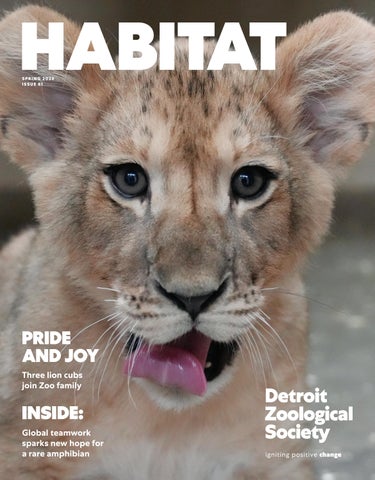
PRIDE AND JOY
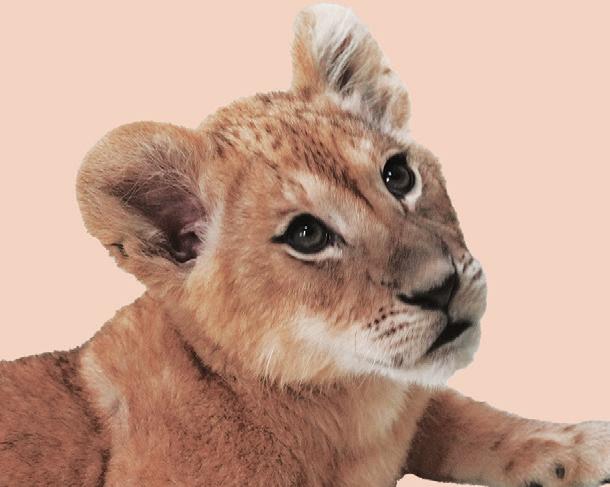
A new generation emerges as three lion cubs join the Zoo family
By Sarah Culton, Communications Manager
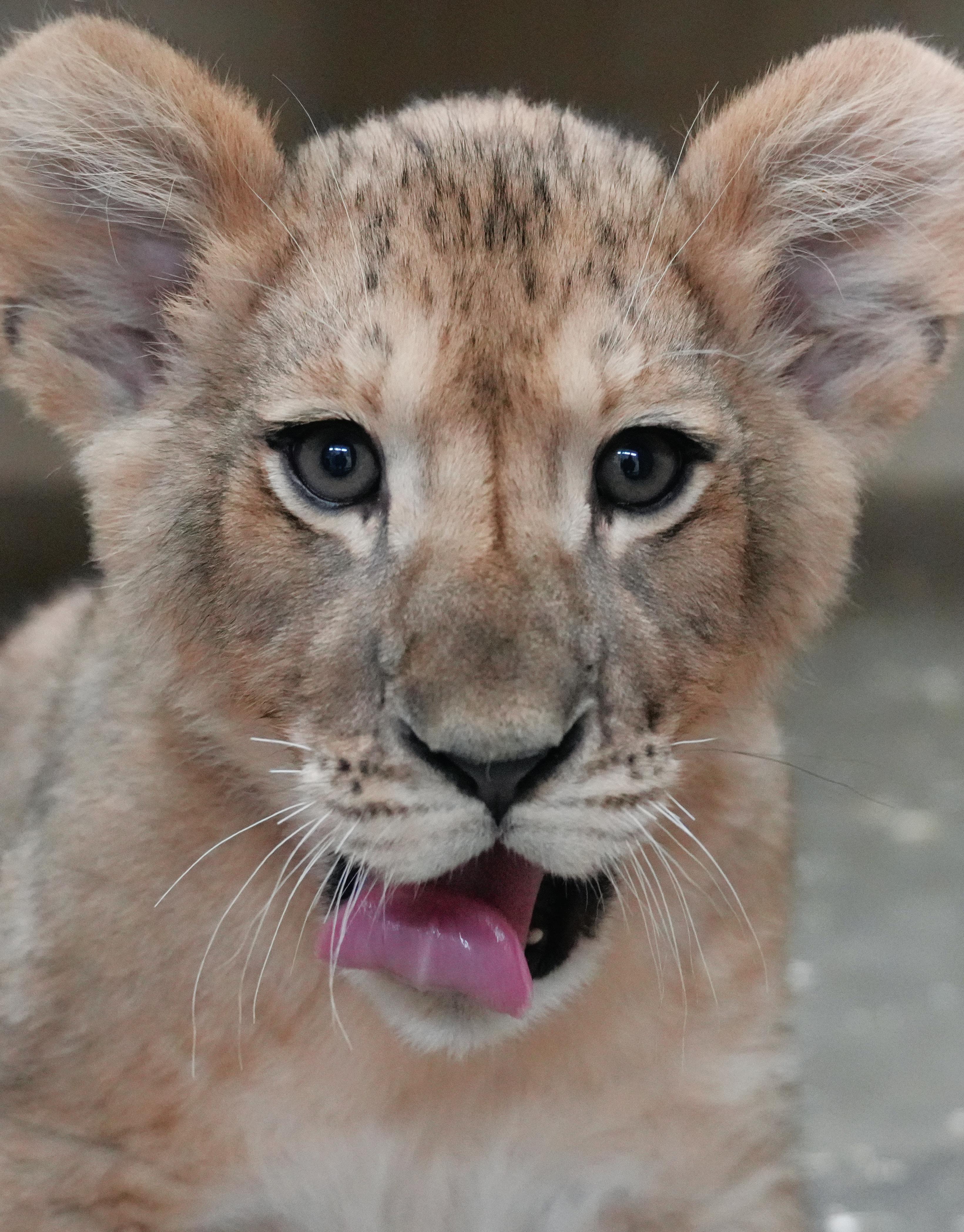
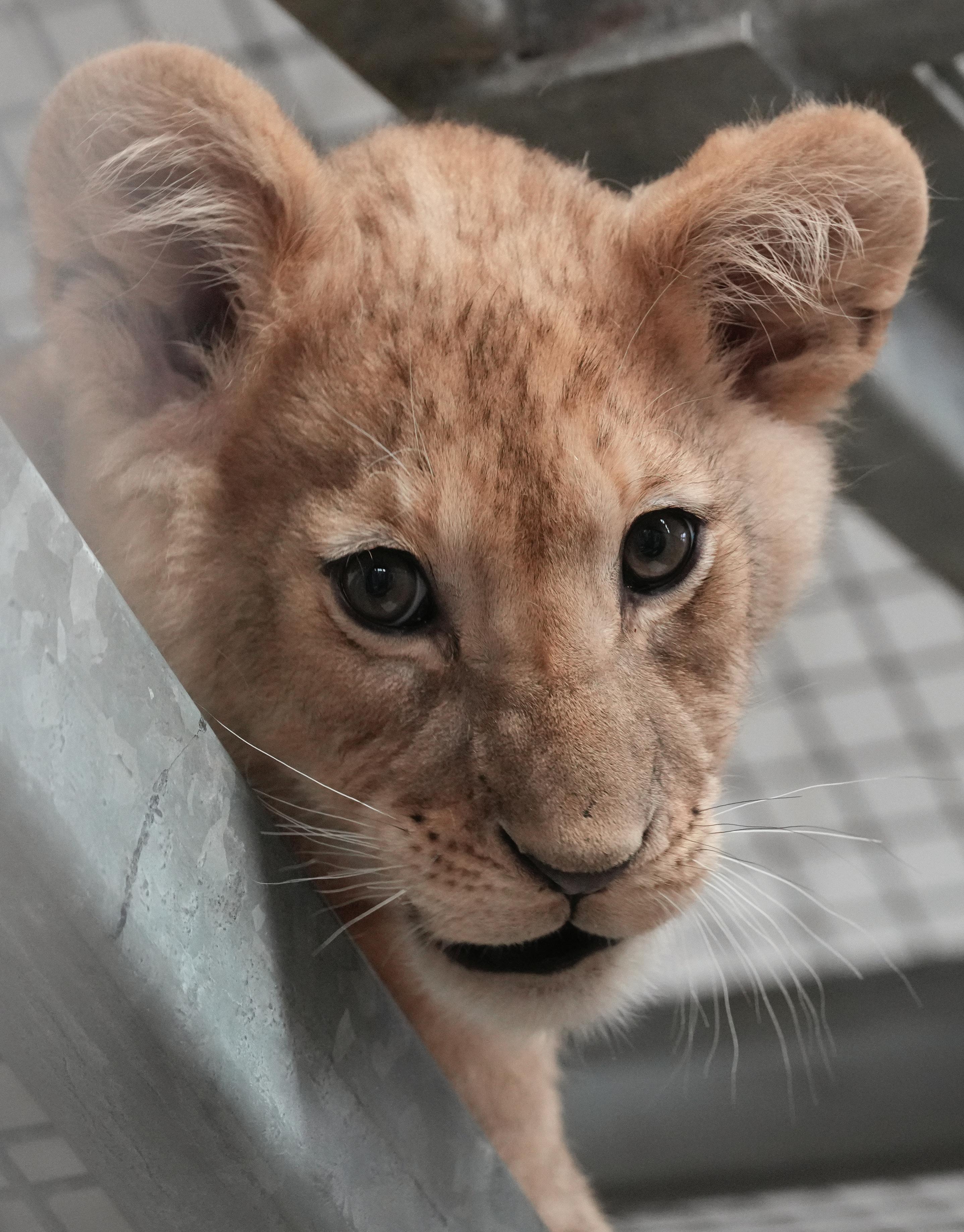
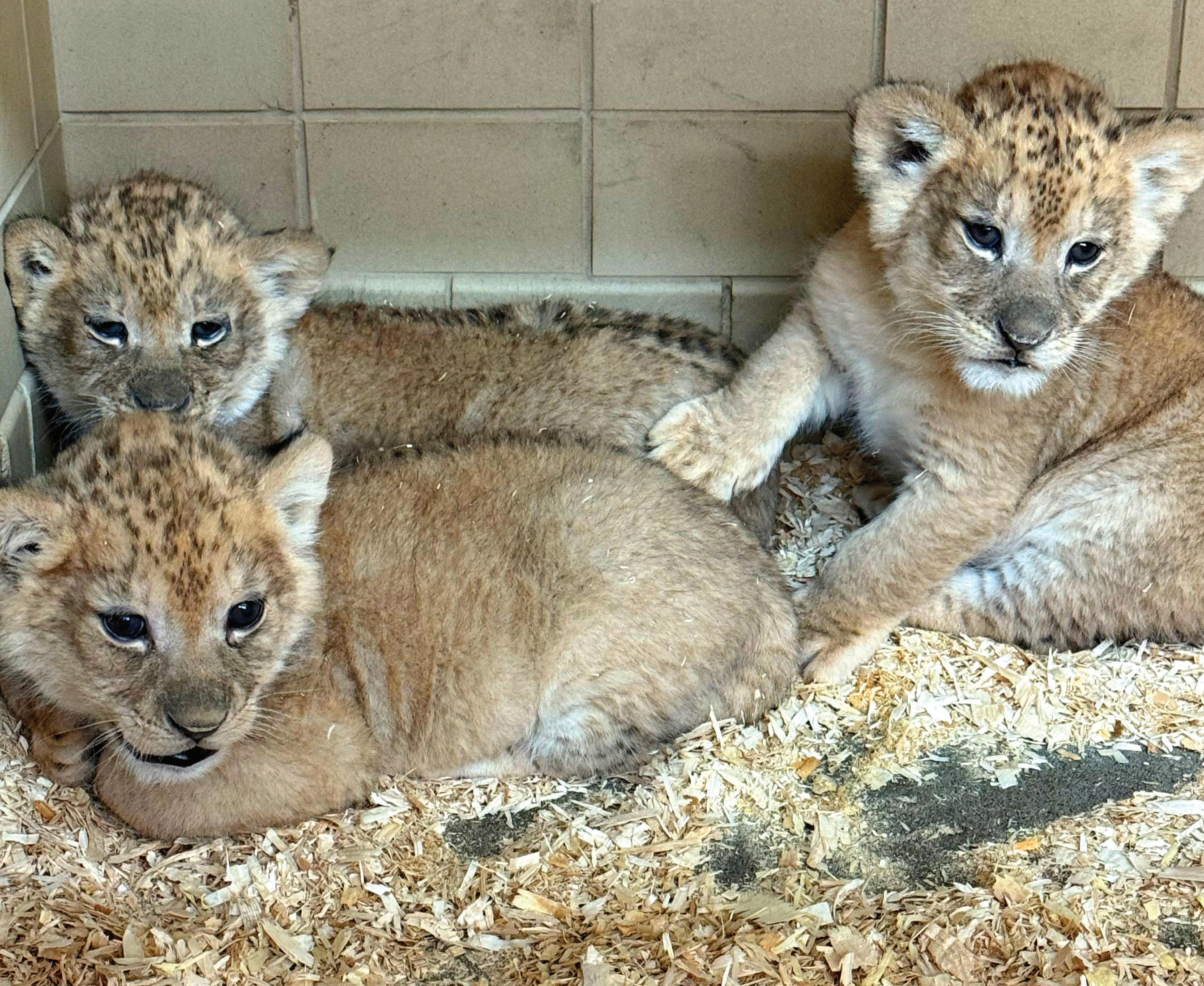
Last fall, the lion pride at the Detroit Zoo grew overnight, doubling in size with the arrival of three cubs.
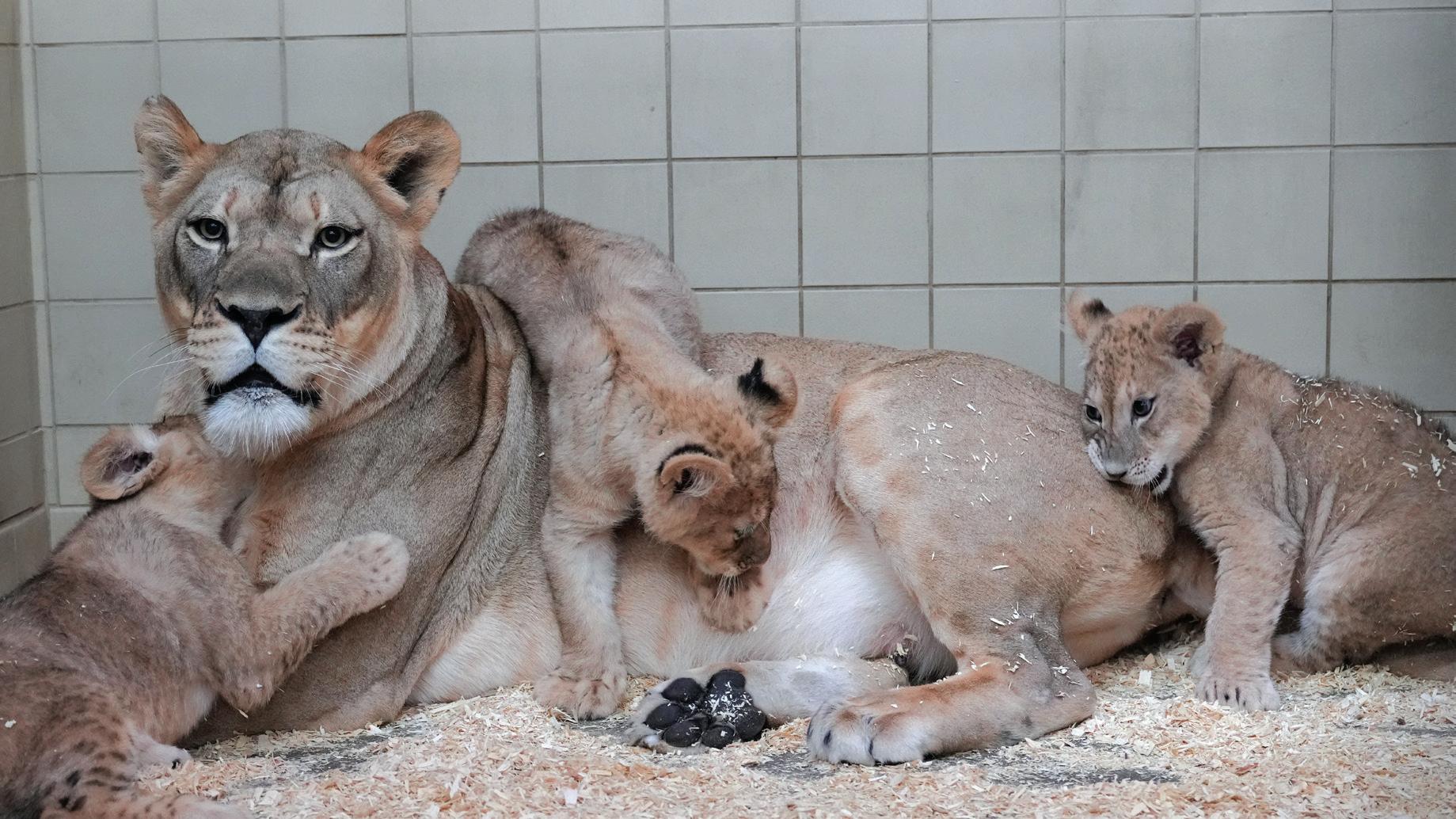
In the late hours of Nov. 23, 2025, and early hours Nov. 24, 2025, 9-year-old lion Amirah welcomed three healthy cubs into the world. The trio includes the eldest female Mosi (meaning “she is first” in Swahili), female Aziza (meaning “powerful”) and male Fahari (meaning “proud”). The cubs’ father is Kalu, a 10-year-old lion who moved to the Zoo in 2024. The new cubs also share a habitat with their aunt Asha, who is Amirah's sister.
“They are perfect. They just melt your heart and are so special. Watching them play and grow is a true joy.”
—Flo Yates, mammal supervisor
A fourth cub, born significantly later than the others, did not survive. While this is a natural part of life for many wild species, the entire Zoo team is grateful that Amirah is doing well, and the three healthy cubs have thrived over the past several months.
“They are perfect,” says Flo Yates, mammal supervisor. “They just melt your heart and are so special. Watching them play and grow is a true joy.”
WORLD’S BEST MOM
Preparation to help the three cubs thrive began long before they were born.
For months, the animal care team focused on supporting Amirah through a healthy pregnancy while also preparing her for motherhood with specialized training. In truth, though, Amirah needed very little help, according to Yates.
This was 9-year-old mom Amirah's first litter. The new cubs share a habitat with their father, Kalu, and their aunt, Amirah’s sister, Asha.
CAN YOU TELL THE CUBS APART?
• Mosi has darker coloring around her face.
• Azizia has a lighter face.
• Fahari is most likely to be spotted close to his mom’s side.
Despite this being her first litter, Amirah had already helped raise a cub. In 2020, a cub named Binti was born to Amirah’s sister, Asha — the first lion cub born at the Zoo in 40 years. When Asha experienced complications during the birth and was unable to care for her newborn, Zoo staff stepped in to hand-raise Binti. Once she was old enough to be reintroduced to the pride, Binti formed a close bond with Amirah. Amirah naturally stepped into a surrogate role, guiding and nurturing Binti as she grew.
Preparation to help the three cubs thrive began long before they were born.
Amirah’s instincts proved strong. Binti grew into a healthy, confident lion and eventually moved to another zoo as part of an expert-recommended breeding program, where she continues to thrive today.
“Because of Amirah’s relationship with Binti, we knew she would be a great mom,” Yates says. “But Binti was a bit older when she first joined the pride, so Amirah had never been around a very young cub, let alone three. She’s done so well. The cubs are thriving, and that’s all because of her. She’s providing the best care. She’s the world’s best mom.”
THE BEST THINGS COME IN THREES
At nearly 6 months old, the cubs are growing quickly and learning the skills they’ll need as members of the pride while beginning to show off their own unique personalities.
Here’s how the care team describes each one:
Mosi is the explorer. As the firstborn, she is often the first to investigate new toys or venture into unfamiliar spaces, usually staying close behind Amirah. She also has a big enthusiasm for mealtime.
GO LIONS!
In partnership with the Detroit Lions, we hosted a naming contest to choose the names for these three special arrivals. Here is what our community voted for!
MOSI — meaning “she is first,” in honor of Martha Firestone Ford’s legacy as the first female owner of the Detroit Lions
AZIZA — meaning powerful, just like our Detroit Lions defense
FAHARI — meaning proud, the feeling Detroiters feel for our home team
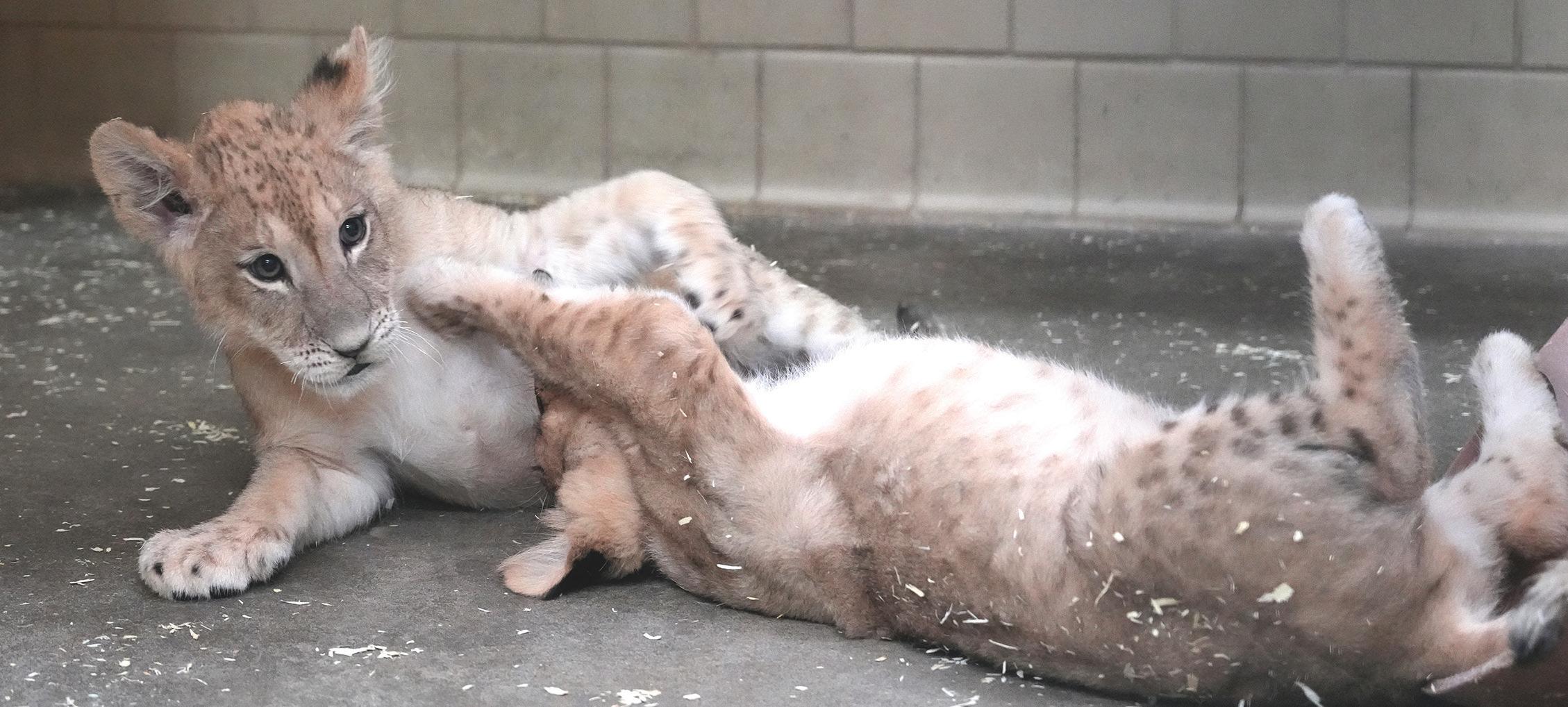
Aziza may be shy at first, but she has a fierce side. While she might run away when something startles her, she quickly bounces back and often initiates playful wrestling matches with her siblings. Her zookeepers describe her as especially spunky.
Fahari, the youngest, stays closest to his mom. Curious and observant, he tends to watch what’s happening before jumping in. More often than not, he can be found right by Amirah’s side.
Yates says the two sisters have formed an especially strong bond and tend to do just about everything together — much like their mother, Amirah, and their aunt, Asha. Together, Yates says the sisters are a pair of “little stinkers.”
“The girls are fun and feisty,” Yates says. “The boy is a little more sensitive and definitely a mama’s boy. They are each perfection and really special in their own ways.”
in the habitat is especially rewarding after months of preparation and care.
“I think everyone should be excited because these cubs are amazing, this pride is amazing and this story is amazing,” Yates says. “Asha and Amirah have always been closely bonded, so being able to bring in Kalu, quickly integrate him into the pride and welcome cubs within a year is a big accomplishment.”
A PROUD FUTURE
With spring underway and the cubs growing more independent, they are beginning to explore their outdoor habitat for the first time and make their public debut.
For Yates and the rest of the care team, it’s a milestone they’ve been eagerly awaiting. Watching the cubs roam, climb and play
Even as they enjoy these early moments, the Zoo team is already looking ahead to what the future holds. Over the next year or two, they can’t wait to see Fahari’s scruffy mane begin to grow in and hear the cubs’ vocalizations develop into powerful roars. One day, they will grow into strong, healthy lions and move on to join new prides of their own. No matter where life may take them, Yates knows the cubs will be incredible ambassadors for lions everywhere, helping to raise awareness about the need for lion conservation around the world.
“The bittersweet part is knowing they won’t be here forever. They’ll go on to start new families and help support lion populations in different Association of Zoos and Aquariums institutions,” Yates says. “But right now, they’re here, and we’re enjoying every second of it. We want to set them up for success and give them the best life possible with the rest of the pride.”
One day, the cubs will grow into strong, healthy lions and move on to join new prides of their own.
MARK YOUR CALENDARS FRED AND BARBARA ERB
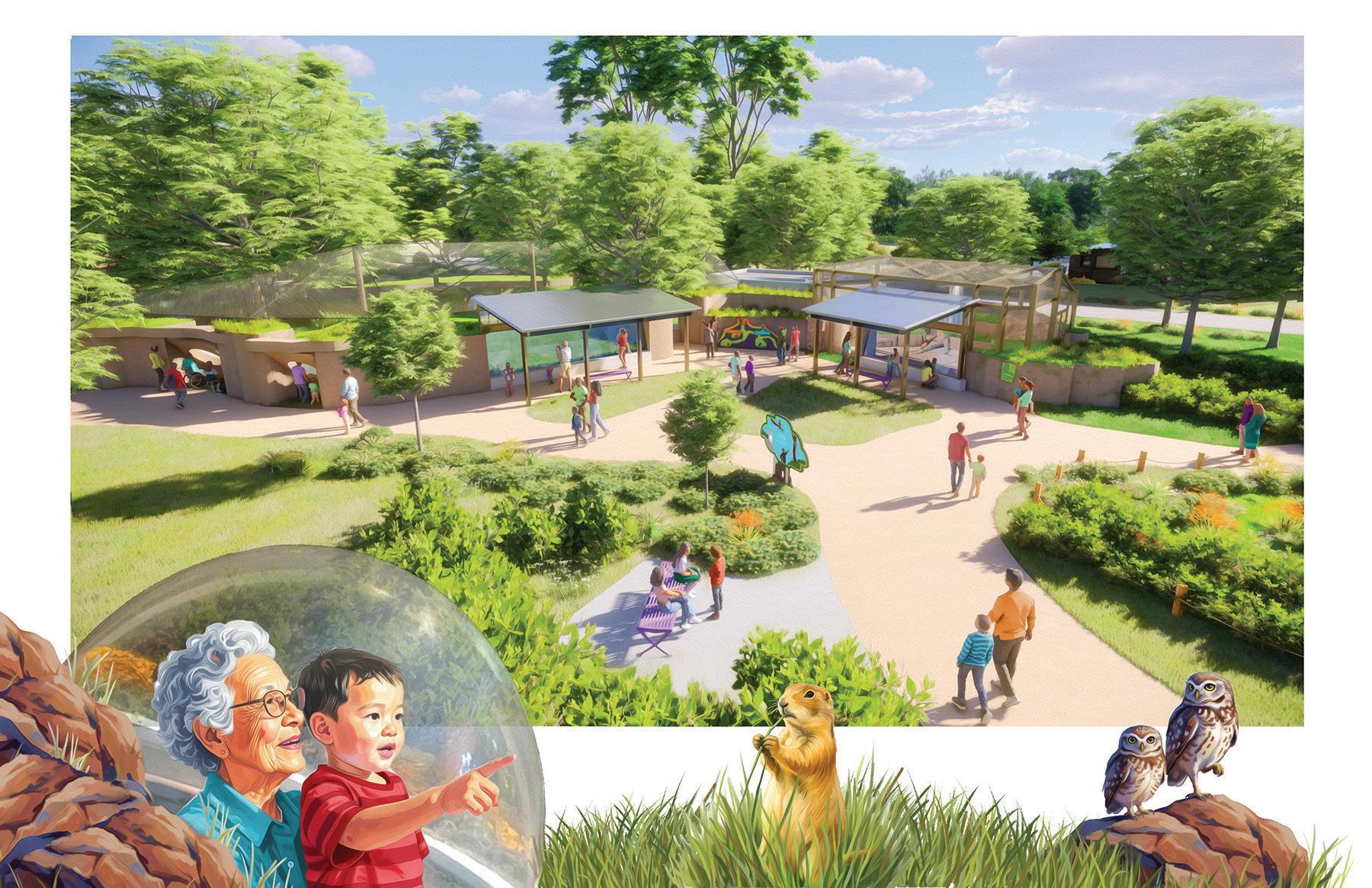
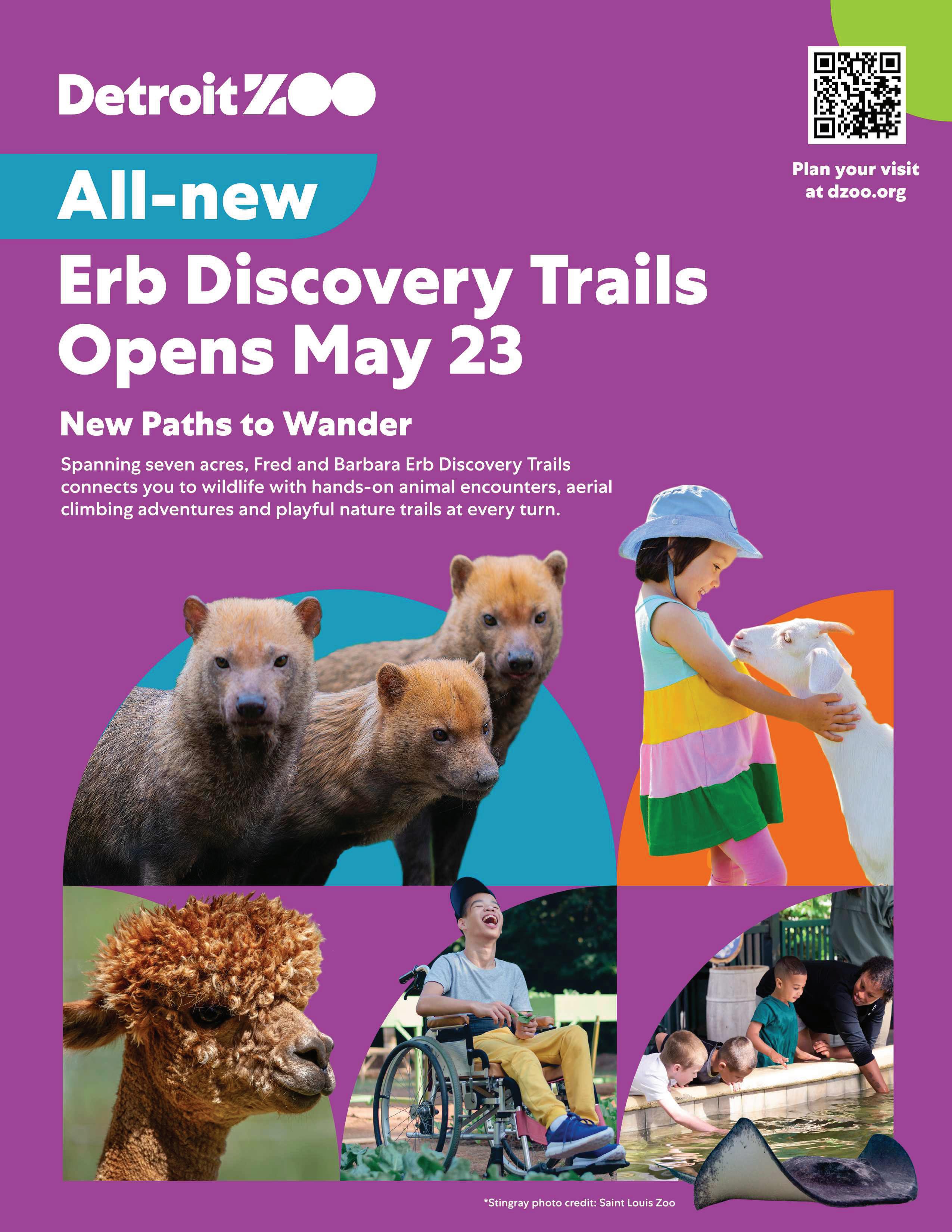
Mark your calendars! Fred and Barabara Erb Discovery Trails officially opens at the Zoo on Saturday, May 23. This incredible new experience will be filled with 7 acres of animals, adventures and connections. Here are five reasons to add a trip to Erb Discovery Trails to your spring and summer plans.
1
NEW ANIMAL ENCOUNTERS AWAIT
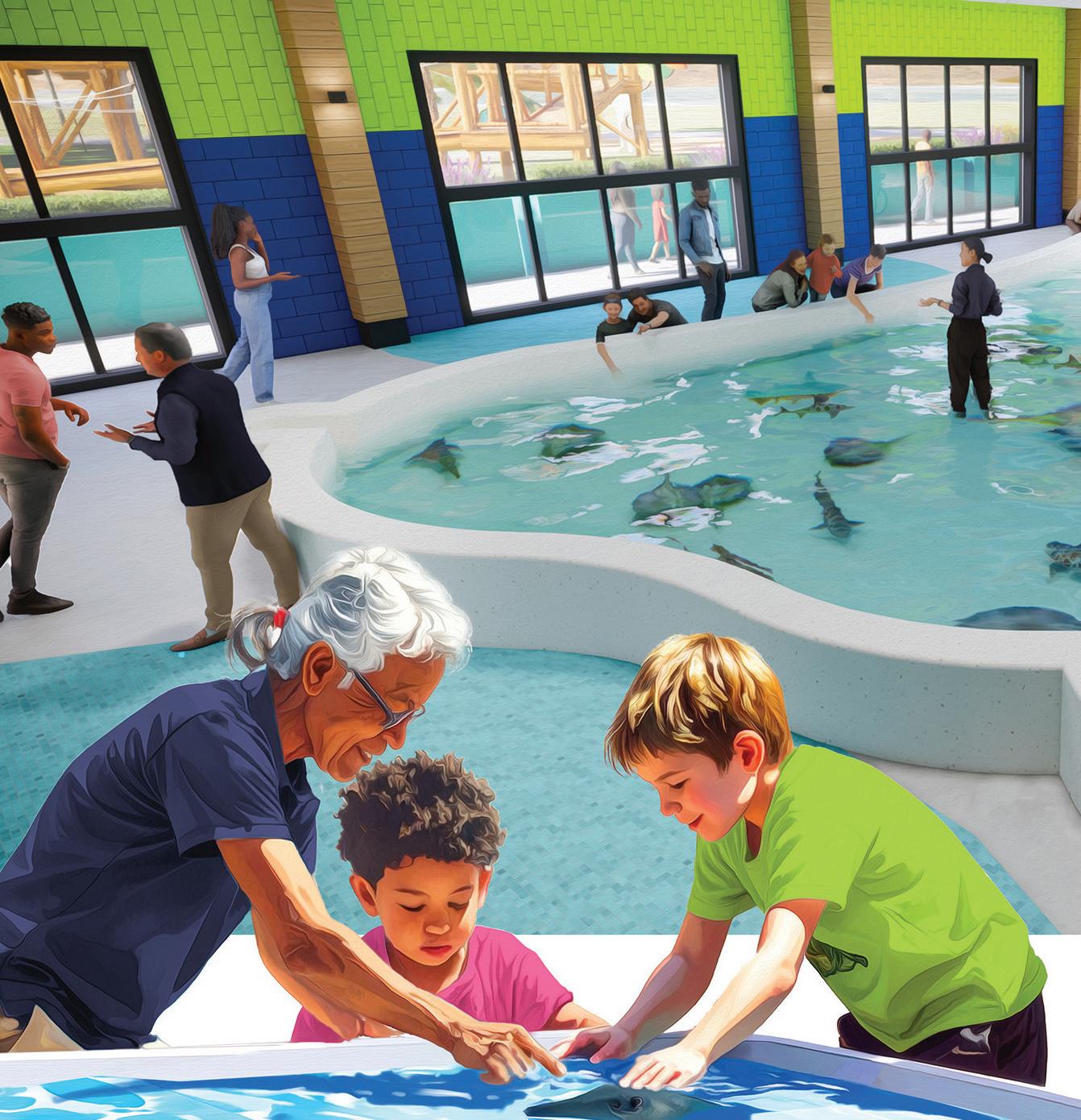
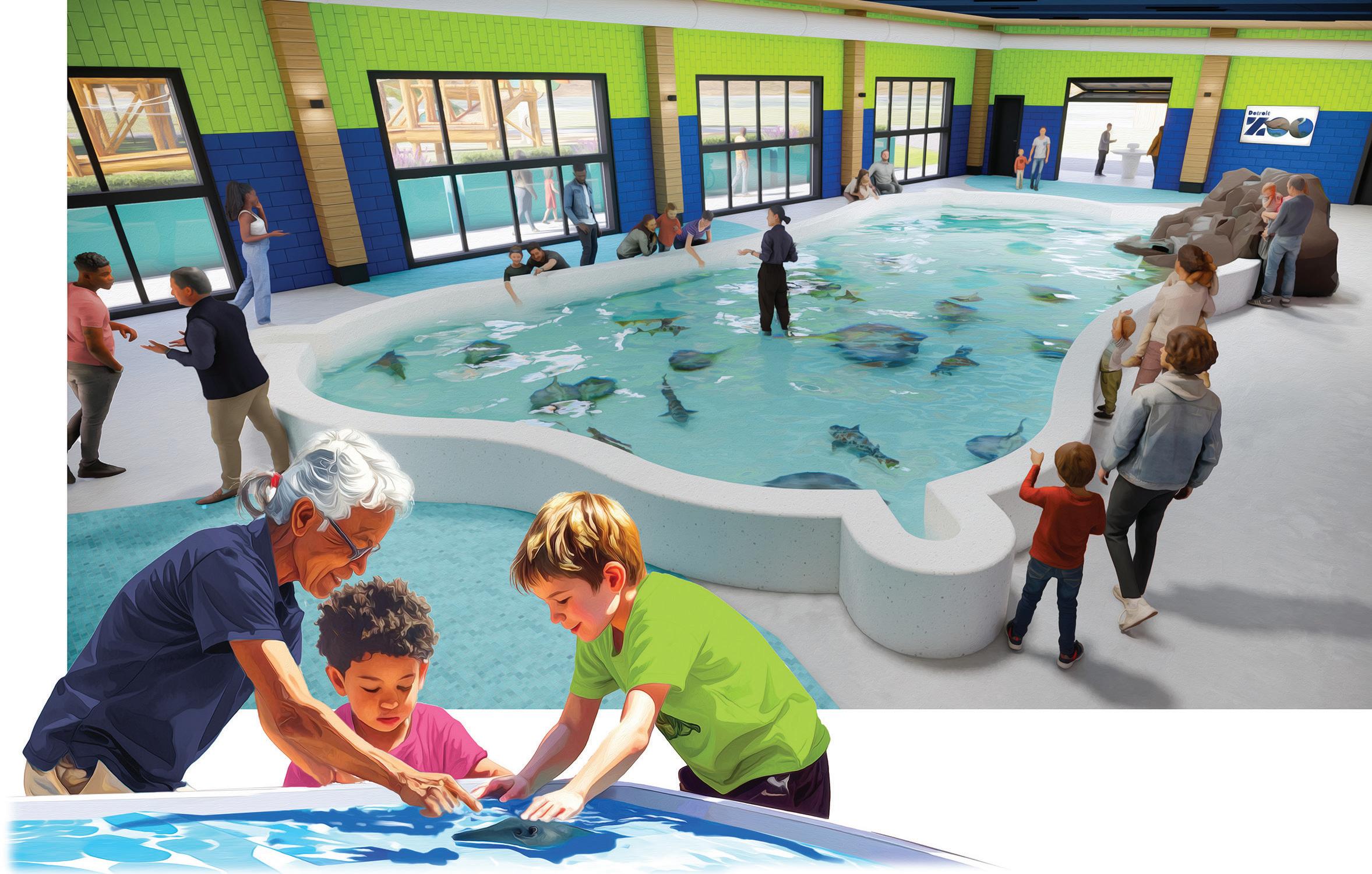
Have you ever wanted to feed a stingray or brush a goat? Erb Discovery Trails is your chance. Special encounters like the Barnyard and Stingray Cove will let you get closer to the animals than ever before and connect in an all-new way.
FUN FACT:
Erb Discovery Trails is the largest project of its kind in Detroit Zoo history!
2
NEW ANIMALS AND OLD FAVORITES
There’s no shortage of animals in Erb Discovery Trails — 11 different species will call it home! You’ll meet new additions like alpacas, burrowing owls and bamboo sharks and say “hello, again” to past favorites like anteaters, bush dogs and prairie dogs.
Stingray Cove
Prairie dog and burrowing owl habitats
FOR THE OPENING OF DISCOVERY TRAILS
3
IT’S DESIGNED FOR EVERYONE
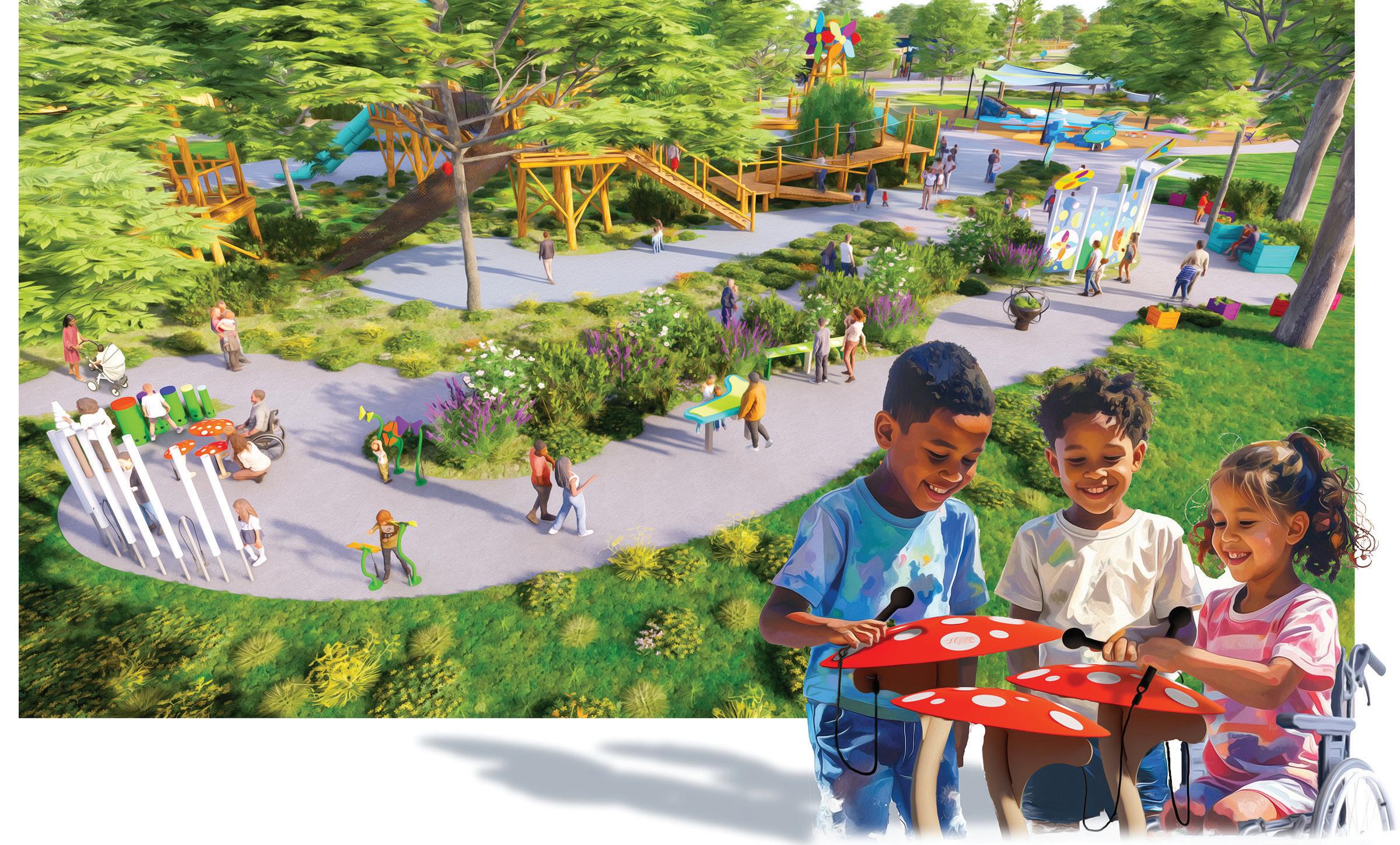
Everyone belongs at Erb Discovery Trails, and that's why we’ve built inclusion into every inch of the 7 acres. Our youngest guests will be able to explore a pretend pond area designed just for them. Wheelchair users and those with mobility needs can get a birds-eye view from Treetop Crossing. And anyone who needs just a little break can rest and refuel in the Gather Area.
5
4
YOUR SENSES WILL BE ENGAGED
Experience something “sense-sational” when you walk along the Senses Trail, which is filled with experiences that you can see, feel, hear and smell. Plus, you can give your eyes something to explore inside the all-new Mosaic Plaza, featuring work from local artist Hubert Massey.
THERE’S ALWAYS A LITTLE SOMETHING EXTRA
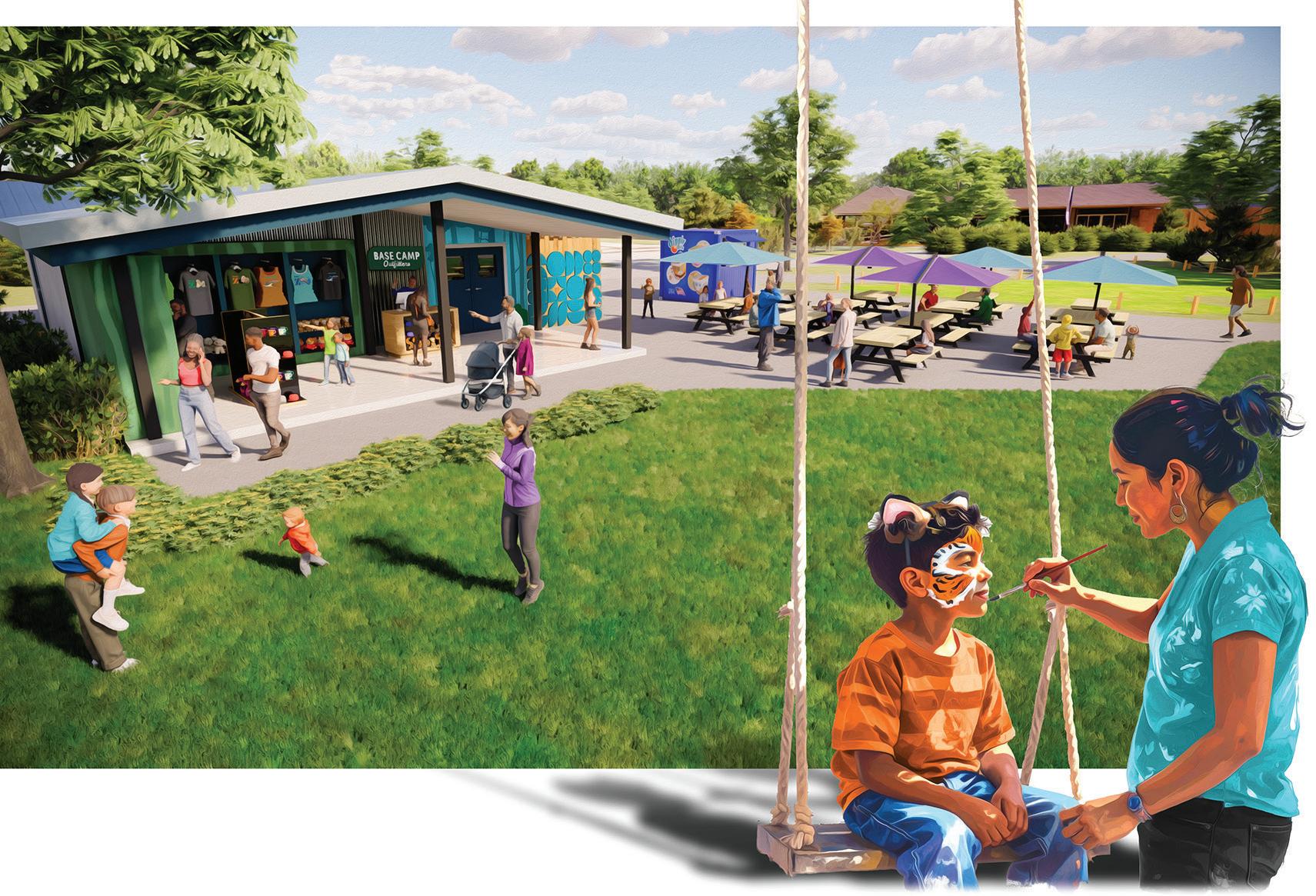
Take a virtual journey with the allnew Wild Explorer VR experience. Taste something new at Trail Mix or leave with a special souvenir from Base Camp shop. With so much to see and do, you’ll want to visit Erb Discovery Trails again and again.
Senses Trail
Base Camp Gift Shop
GLOBAL PARTNERSHIPS, GOLDEN RESULTS
An international effort sparks new hope for a critically endangered amphibian
By Karen Dybis, Contributing Writer
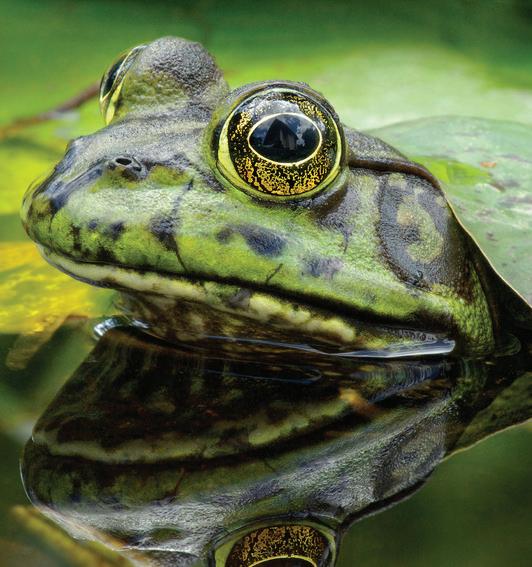
Decades-long efforts to save the Panamanian golden frog from extinction took a major leap in January 2026 when a team, including the Detroit Zoological Society’s (DZS) Mark Vassallo, released the first tadpoles raised under human care into outdoor pods.
“For the first time in 20 years, a Panamanian golden frog has experienced natural sunlight and rain. It’s a pivotal moment,” says Vassallo, the Detroit Zoo’s curator of amphibians, who has worked since 2015 to get to this all-important moment.
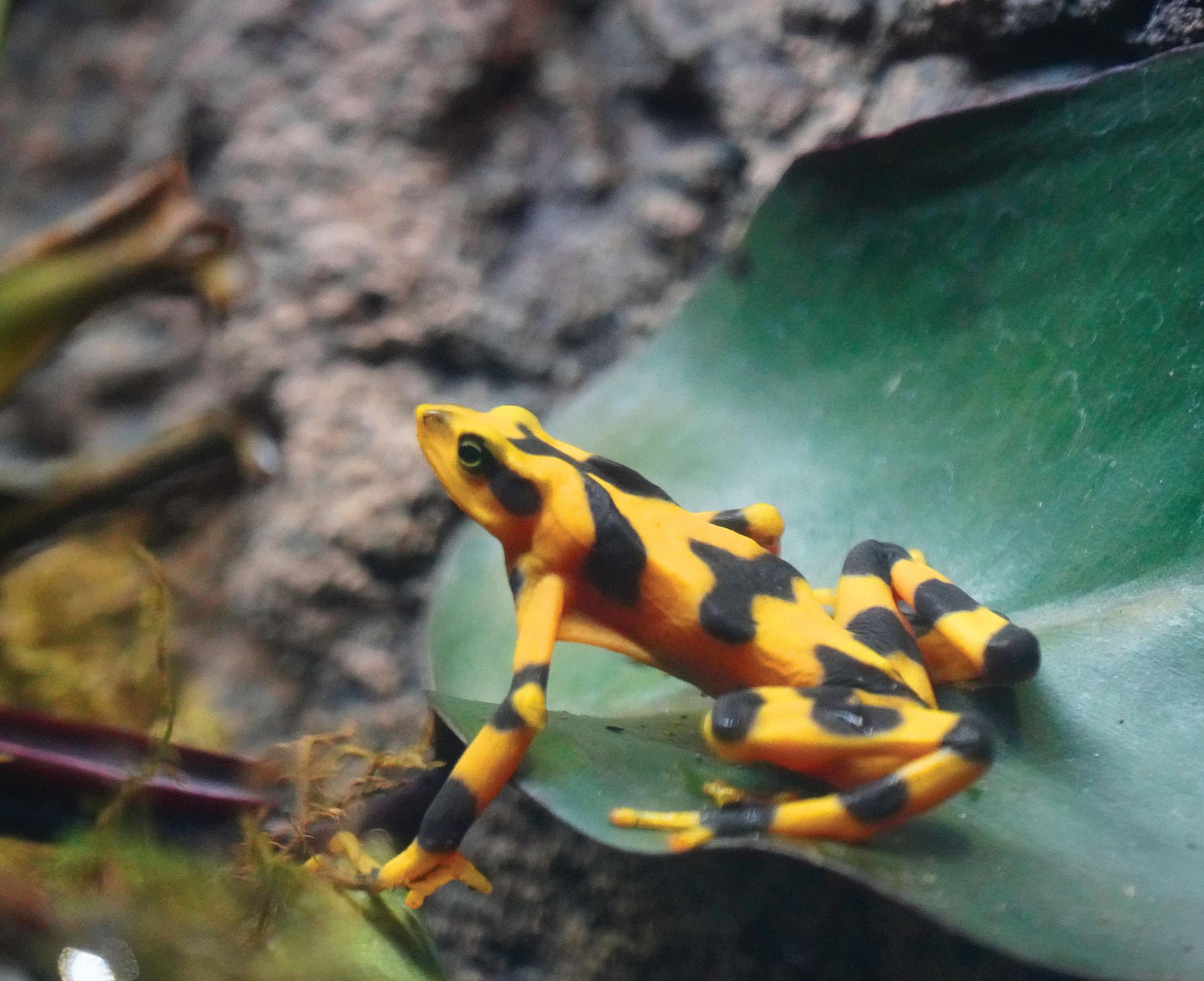
Known for their brilliant yellow color and black spots, Panamanian golden frogs are a national symbol of good luck within their home country. But the species is
critically endangered, with the last ones seen in the wild back in 2009. Today, only a few colonies exist within Panama and select zoos, like Detroit.
That is why January’s big move is so important, says Vassallo. He and members of the El Valle Amphibian Conservation Center (EVACC) in El Valle, Panama, moved metamorphosizing tadpoles into protected outdoor enclosures within modified shipping containers. A screen keeps the tadpoles safe from predators while still allowing sun and moisture to reach them.
It’s a win well worth celebrating, Vassallo says. But now, another phase of research begins. EVACC, through its husband-andwife team of Heidi Ross and Edgardo Griffith, will compare how these outdoorexposed Panamanian golden frogs compare
to those in human care. The hope, Vassallo says, is that this new outdoor population will have the same (or better) health and growth rates as those bred indoors.
“It’s a big moment for the Detroit Zoo, EVACC and everyone involved,” Vassallo says. “It’s been a hard road to date, and this first step represents significant forward movement for the program. To see the tadpoles out there, feeling the sun, it was emotional for us and for our partners.”
If all goes well, Vassallo says the next step is a soft release where EVACC will create screened areas in Panamanian jungles. This gives the golden frogs access to water, food and their natural habitat, truly bringing a species back from likely extinction. While there’s no date on this soft-release step, it feels more like a reality
“For the first time in 20 years, a Panamanian golden frog has experienced natural sunlight and rain. It’s a pivotal moment."
Vassallo, Detroit Zoological Society
than a dream because of the progress EVACC has accomplished through its international partnerships like the one with DZS.
Vassallo and the Detroit Zoo team have roles in Panama as well as in Royal Oak that affect the golden frog’s fate. Vassallo, who has traveled to the Central American country since 2015 to help the EVACC set up its facilities, also breeds the Panamanian golden frog in a bio-secure room within the Detroit Zoo’s National Amphibian Conservation Center.
Since 2000, the Detroit Zoo, through the Association of Zoos & Aquariums, has participated in the Panamanian Golden Frog Species Survival Plan, a cooperative management program developed to reproduce, manage and reintroduce endangered amphibians back into the wild.
Ross says the EVACC started in May 2006, after researchers started noticing that the Panamanian golden frog was disappearing from its native forests. The pet trade, human impact on the frog’s natural habitat and an outbreak of the deadly chytrid fungus was decimating the amphibian’s population.
“When we started finding deceased and dying frogs in the El Valle area, we knew that it was now or never,” says Ross. “EVACC stepped up and helped the most vulnerable species during the actual disease outbreak and decline.”
Ross says Vassallo and the Detroit Zoo have been “an incredible resource” for EVACC, allowing its talented, dedicated employees
offer their skills in making the conservation group’s efforts not only look beautiful, but operate as they need to in protecting the Panamanian golden frog in human care.
“We absolutely would not be where we are today without the support of our international team of zoos and incredible people they send,” Ross says. “Being part of a connected community, all working towards achieving the same goals for the golden frog, is a privilege and an honor.”
The January effort to put the Panamanian golden frog back into a natural environment to reacquaint it with the sun, water and weather was monumental, adds Ross.
“No more artificial lights and air conditioners for these individuals placed in this outdoor setting as emerging embryos. Today we have froglets and tadpoles living ‘al tiempo’ in their native range, monitoring growth and survivorship,” Ross says. “We will continue to learn from these animals as we guide them back into more natural living, right in our backyard.”
Conservation is challenging mentally, physically and financially, and getting to this moment is why Vassallo says he and the many others worldwide do this work.
“We have a Panamanian golden frog on our water tower, and I’m very proud of that, of our team effort and of our longterm collaborations,” says Vassallo. “It’s an example of people who care about the species and biodiversity working together.”
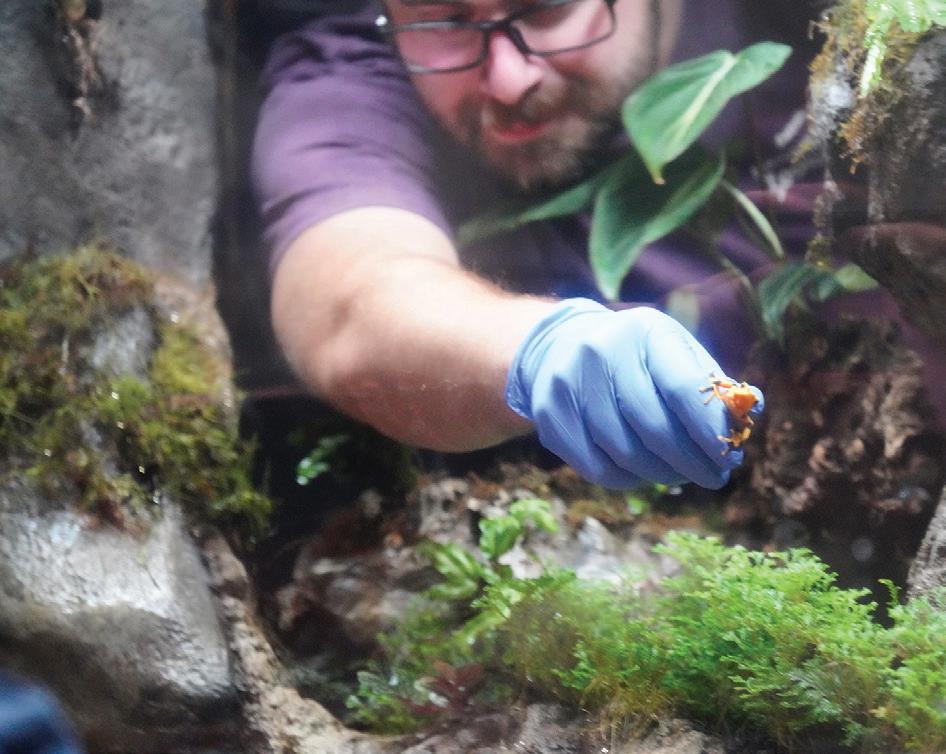
Detroit Zoo Amphibian Zookeeper David Vardukyan cares for a Panamanian golden frog inside the Zoo's National Amphibian Conservation Center.
Mark
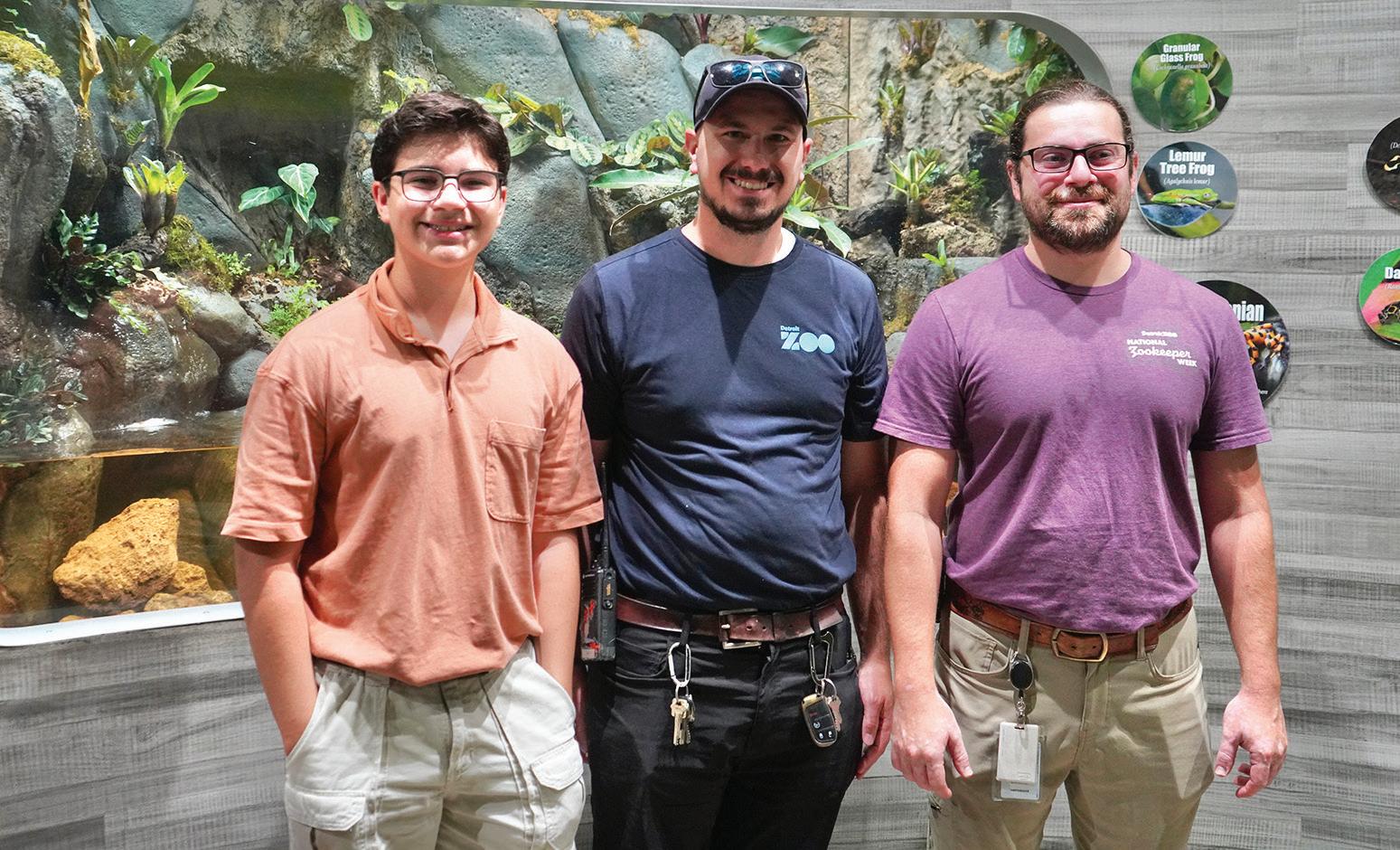
Detroit Zoo Mayor of Amphibiville Blake Myers joins Amphibians Supervisor Mike Andrus and Zookeeper David Vardukyan inside the Zoo's National Amphibian Conservation Center.
LEAVE A LEGACY
Wildlife Legacy Circle members making a lasting difference
The Wildlife Legacy Circle is a community of compassionate supporters who have chosen to make a meaningful difference by including the Detroit Zoological Society in their estate plans. Through their planned gift s, members of the Wildlife Legacy Circle create a lasting legacy that ignites positive change for animals and nature around the world.
We are honored to recognize the thoughtful individuals who have joined this circle of care and commitment.
Wildlife Legacy Circle
Nancy Albright
Sharon Alexander
Luther and Diane Aman
Anonymous (14)
Sally Arrivee
Suzanne L. Baber
Christine Baker and Kelly Karr
Margaret L. Barrus
George and Voila Baughman
Allan M. Bercaw
Dr. Barbara S. Beresford and Ms. Lee Haymon
Mandell and Madeleine
Berman Foundation
Virginia B. Bertram
Lauri Besler
Albert and Rachel Boomgaert
Audrey J. Boyes
Kay Brady and Jim Doyon
Janet M. Brandon and Joseph D. Collins Jr.
Lisa and Michael Brode
John Burgher
Nancy J. Byder
Gail Caldarea
Karen and Ray Caloia
Ms. Susan B. Carlin
Celia K. Carr
Patricia Ann Ceanga
Priscilla Cheever
William S. Cohn
Docia Coker
Pam and Gary Collens
Roseann Comstock
Ralph E. Condit
Katherine Coomer
Charles and Kathryn Counts
Laura Crossley
Leslie Cameron Devereaux
Marjorie DeVlieg
Marjorie E. Diedrich
David Dolan
Sidney J. Dowding
Clover E. Downs
Edward T. Dryer
Elizabeth Duell
Henry Duluk
Bette Dyer
Joan Earl
Ms. Marion Elder
Lee J. Ennest
Laura Evans Ford
June M. Everett
Charlotte Failing
Burton D. Farbman
Claudine Farrand and Daniel Moerman
Geraldine Anne Fielder
Tina Fisher
Carl E. Fleischer and Mary
Ann Fleischer
Ms. Lydia Foley
Pamela R. Francis
Doreen Gordon Frankel
Mark and Donna Frentrup
Margaret Frischkorn
Josephine S. Gehringer
John and Claudia Gibson
Nicholas and Dayna Gjurovski
Shirley Glass
Mr.& Mrs. Robert R. Gross
Martha Grovenstein
Major Gwyllt
Rita C. and John M. Haddow
Foundation
Dorothy E. Haden
Dennis M. Haggerty
Kenneth E. Hart
Margaret Hasler
Edward J. Havlena & Betty L. Havlena
Anne E. Hengesbach
Glenn Henry, Jr.
Jura Hill
Mary L. Hobart
Ernie and Shirley Hodas
Esther Hofley
Kelly A. Holmes
Terry and Margaret Hoover
Carol and Andy Howell
Linda Nelson Hypio
John J. Janowicz
Ms. Joyce M. Jipson
Cathy L. Johnson
Corie Lynn Johnson
Annette Johnston
Harvey L. Katchan
William Kernan
Ms. King
Ms. Marjorie Kissick
Anne Knowlton Kleene, II
Anna Louise Knight
Kevin C. Koch
James M. Kozlowicz
Roberta Kunin
Leo LaDouceur
Bonnie Ann Larson
Ms. Agnes LeClair
Sharon and Richard Ledoux
Raymond LeVeque
Martha Sue Levere
Samantha Lewis
Lester London
Lisa and Paul Machala
Marshall S. Mahoney
Henry Maloney
Leokadia L. Marshall
Jack B. Marshall and Catherine Marks
George E. Martin
Mr. William L. Martin, Jr.
Mary Kay Mason
Mary Mattiello
Ms. Alexandria Maylou
Kathy McConlogue
Mary E. Mellor
Melissa Merkau
Vincent and Marilou Messina
Barbara J. Frankel
Madeline Mikolic
Charlene B. Miller
Frances C. Moceri
Miriam Mondry
Christine Morrison
Elizabeth Mosuk
Jill Murphy
Ms. Marilyn Nachman
Claudia J. Nickel
Cara and David Nims
Clarice Odgers Percox
Edith Ogg
William Oram
Robert Oren and Lynn Sarosik
Diane Paglia
Evangeline Patsalis
Randy Pattee
Dorothy Petit
Nancy Philippart and Thomas McGrail
Julie Phillips
John Pickles
Frank Pietraszewski
Thad and Alicia Podmokly
Albina Pogorzelski
The Estate of Thomas H. Porter
Doris B. Pratt
Mary Carol Prokop
Joanne A. Rackham and Katherine M. Rackham
Jennifer Lynn Reid and Tearis
Michelson-Dewayne Reid
Dorothy J. Reidel
Deborah J. Remer
Helen G. Reyhl Trust
Richard R. Reyhl
Dr. John and Shirley
Richardson
Jack and Margaret Ricketts
Katherine D. Rines
Susan Kingsepp-Ring and Robert Ring
Marian M. Risebrough
David W. Janeway and Sylvia A. Ritchie
Richard and Joanie Rizzio
Joan Robb
David and Susan Rugenstein
Thomas R. Saccaro
Mrs. Shirley W. Sarver
Richard and Lynn Scarlett
Irene and Charles Scheffler
Eric and Eva Schoettle
Gloria and Donald Schultz
Gary Charles and Claire L. Schwartz
Robert J. Scolari
Lisa A. Shamie
Mary A. Smith
Anthony Smolak
Sandra M. Souter
Barbara Spreitzer-Berent
H. Georgie St. Amour
Shirley Steele
Marlene Stoll
Mary Cay Sullivan
Casimer Frank Surletta
Virginia Sutherland
Flora Temple
Philip Thibodeau
Allen and Terri (Groff)
Thomalla
Marion Catherine Thomas
Mary T. Trambush
Judith Trapp
Janette and Thomas Treuter
Marie. A. Tront
Janice and Joel Ungar
Elizabeth Van Leeuwen
Donna Voytush
Ms. Norma J. Wagner
Elaine Waldecker
Linda Wandrei
Mr. Gordon H. Ward
Jackie and Mark Ward
Anne S. Waterman
Margaret Watkins
Jared Welsh, Jr.
Sarah Jane L. Wiant
Barbara Widdis
Dorothy M. Williams
The Wood Family
Amy Yenumulapally
Cathy Young
Brecca Youngert
Patricia J. Zadorozny
For more information or to inform us that the Detroit Zoological Society is in your estate plans, contact Nora Rhein at nrhein@dzs.org or (248) 336-5725.
EVENTS
From family-friendly events to 21+ outings, our spring event lineup features something for everyone! Explore all our events at dzoo.org/events.
BUNNYVILLE
April 3-4, 9 a.m. to 3 p.m.; Free with Zoo admission; Free for members
Celebrate springtime! Whether you want to meet the Easter Bunny, have whiskers painted on your face, search for golden eggs, give back to the community or simply explore all the Zoo has to offer, this event is sure to put a hop in your step.
PRESENTED BY
GREENFEST AT THE DETROIT ZOO
April 11-12, 9 a.m. to 3 p.m.; Free with Zoo admission; Free for members
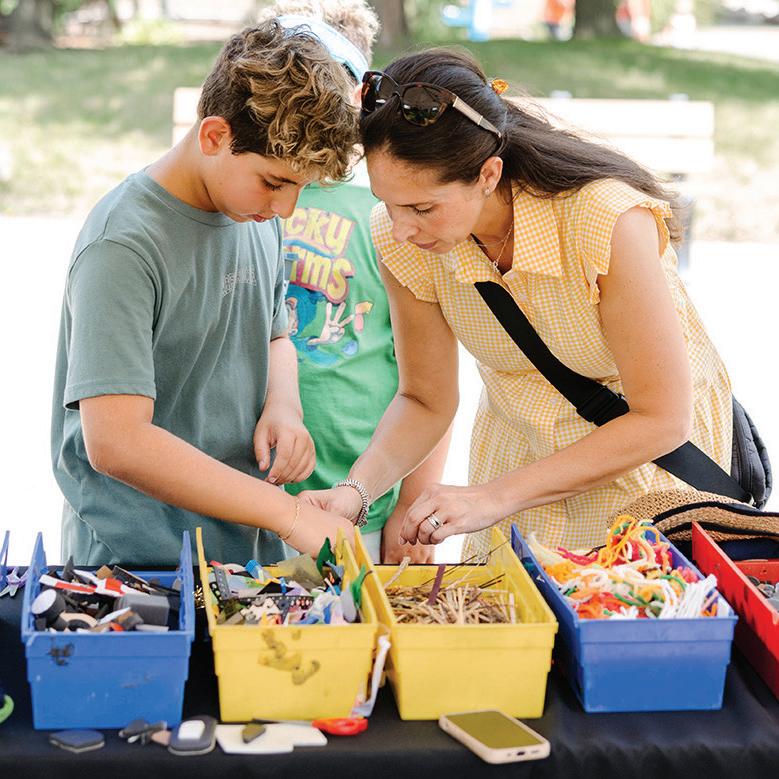
Explore how simple actions can support a healthier environment for people, animals and nature. It’s two days of hands-on learning, creative exploration and community connection that promises to spark curiosity.
PRESENTED BY
E-RECYCLING
April 18-19, 9 a.m. to noon; Free to participate; Earn free Zoo tickets
Bring your old, unwanted electronics to the Detroit Zoo’s 10 Mile Road parking lot and earn Zoo tickets while you help protect wildlife habitats.
DETROIT TIGERS DAY
April 26, 11 a.m. to 2 p.m.; Free with Zoo admission; Free for members
Join us for the first-ever Detroit Tigers Day at the Detroit Zoo. Rally the whole lineup — grandparents, kiddos, jersey-wearing toddlers and die-hard fans alike — for an experience blending the spirit of Opening Day with the wonder of wildlife.
Bunnyville
Dinosauria
SENSORYFRIENDLY MORNINGS
Second Monday of every month, Zoo opening to noon; Free with admission; Free for members
These special hours, hosted once a month from opening until noon, are tailored to meet the needs of guests with sensory sensitivities and different sensory needs. During this time, the Zoo and its attractions remain open to all, with thoughtful adjustments to ensure everyone can enjoy a welcoming and accessible experience.
ANIMAL DAY
CELEBRATIONS
Select dates throughout 2025
These special days spotlight different species with zookeeper chats, hands-on activities and conservation education throughout the year.
SENIOR DAY
May 27 and Sept. 9, 9 a.m. to 3 p.m.; Free for tri-county seniors and one adult guest Seniors living in Macomb, Oakland and Wayne counties, along with one adult guest, are invited to enjoy free admission, parking, live entertainment and special activities.
PRESENTED BY
DINOSAURIA
May 23-Sept. 7, Zoo hours
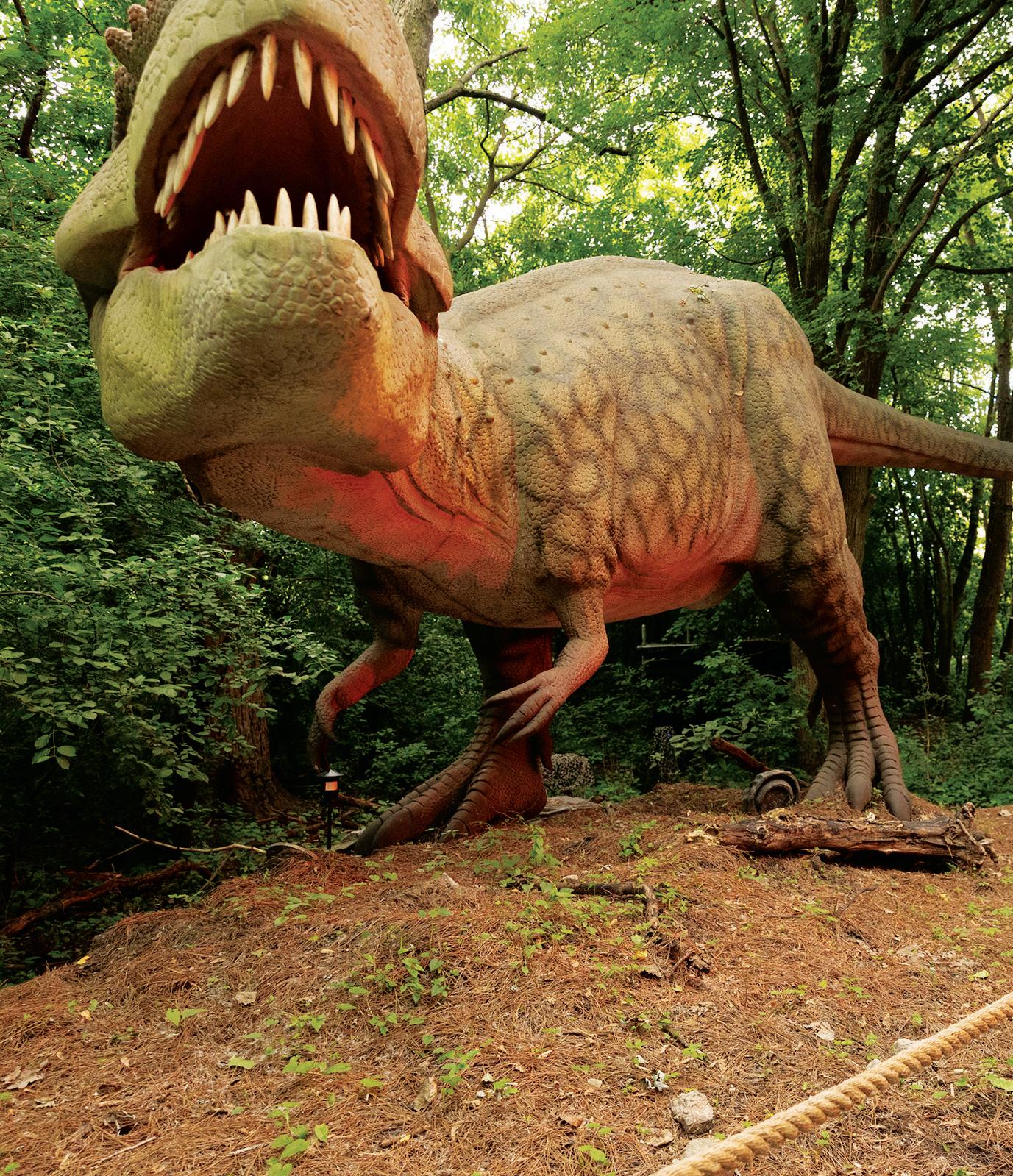
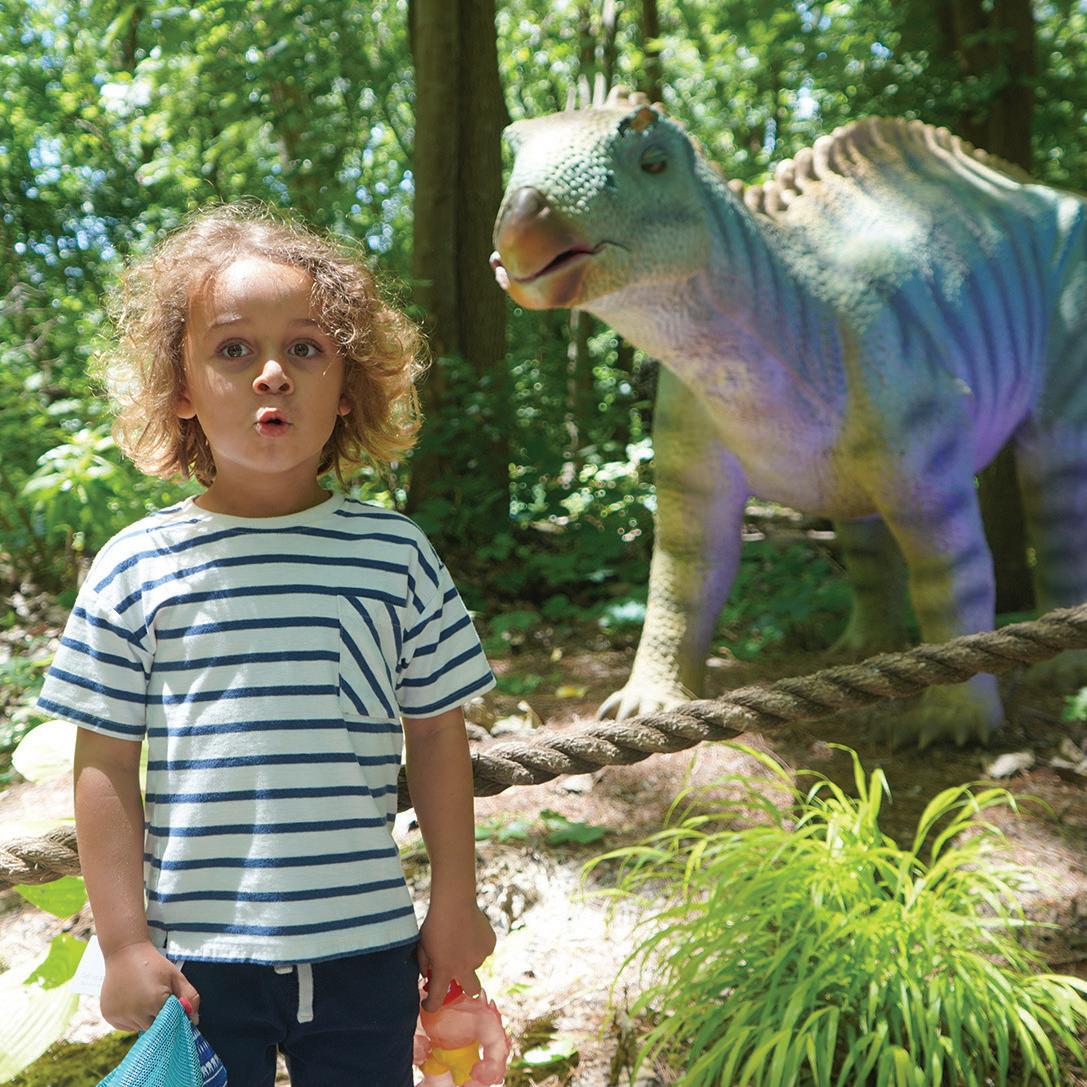
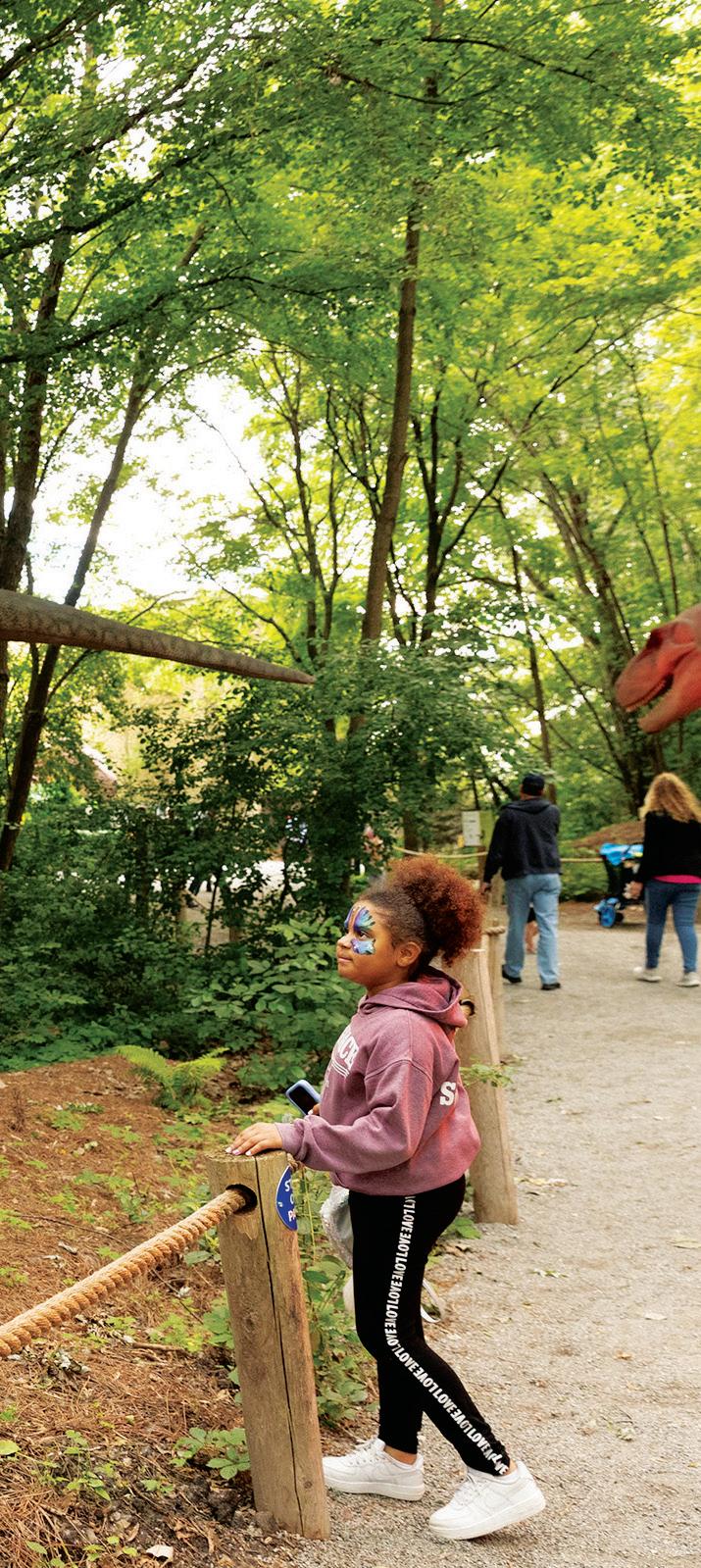
The dinos are back! All season long, you can explore a trail filled with adventure, learning and larger-than-life animatronic dinosaurs.
PRESENTED BY
ZOO BREW
May 15, 6:30-10 p.m.; Tickets on sale now
Go wild at our spring 21+ event! This exclusive tasting event features a local selection of delicious brews to enjoy as you adventure through the Zoo’s 125 acres.
Presented by
SUNSET AT THE ZOO
June 18, 7 to 11 p.m.; Tickets on sale now
Join us for our annual fundraiser and celebration of the wildlife we protect. Stroll the Zoo with a craft cocktail in hand, enjoy delicious local bites, bid on incredible prizes, dance to live music and experience the Zoo in exciting new ways — all while supporting our mission and wildlife around the world.
PRESENTED BY
RUN WILD
Sept. 13, 8 a.m.; Registration open
Help raise funds that support incredible veterinary care for all your favorite animals! With 5K run and 1.25 mile fun walk options, this is the perfect way to put your steps toward a cause.
PRESENTED BY
Above: Sunset at the Zoo; Below Zoo: Greenfest
WELCOME
Zoo Says ‘hello’ to new residents
TO THE ZOO
A new season brings new residents!
Four mammals recently debuted at the Detroit Zoo. Get to know them better by reading all about them — then say hello on your next visit to the Zoo!
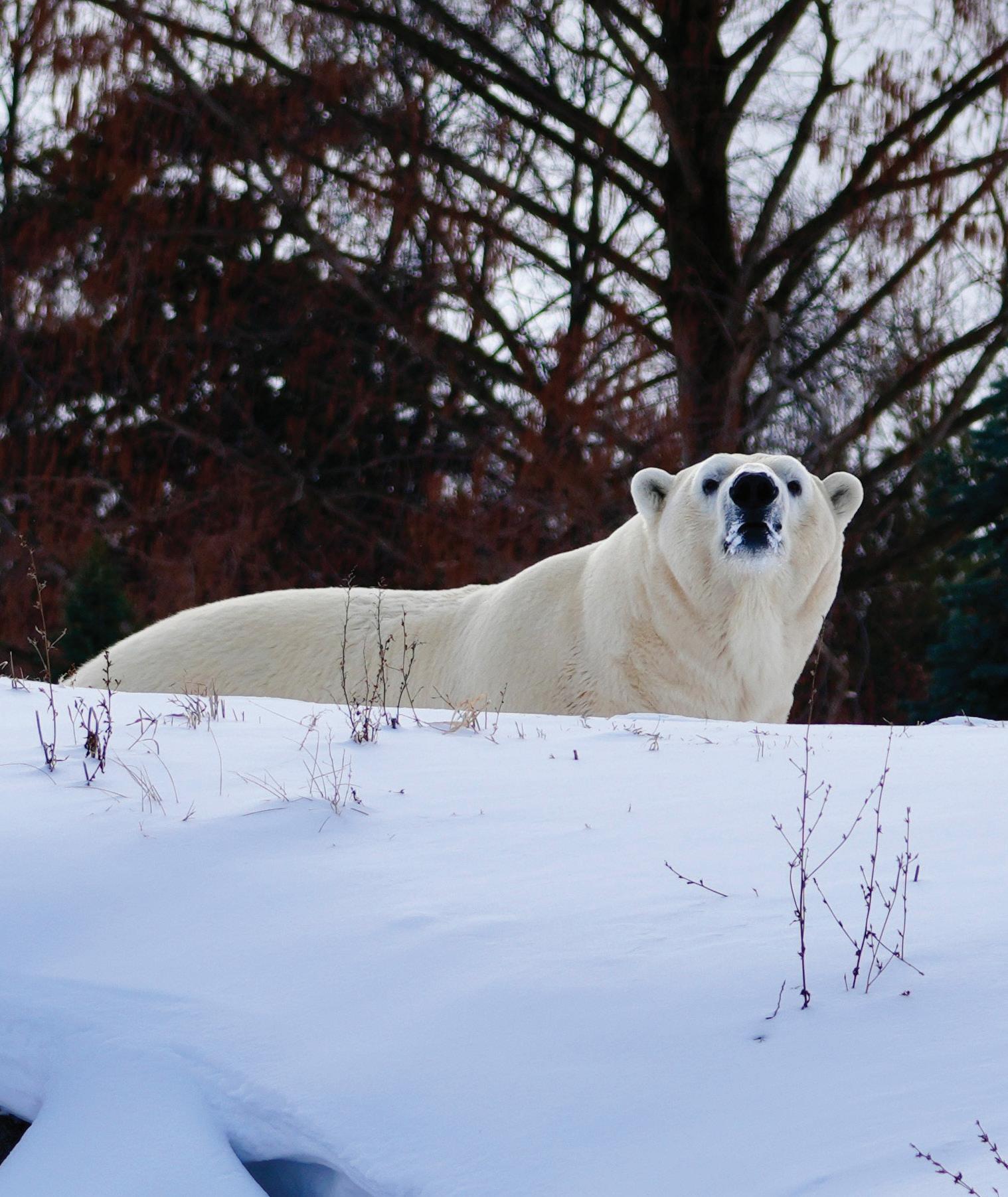
KALI THE POLAR BEAR
A new polar bear is in town — and he’s already making a splash
In January, the Detroit Zoo partnered with Toledo Zoo on a carefully coordinated, expert-recommended transfer designed to support the long-term sustainability of polar bear populations in accredited zoos around the world. As part of the move, Detroit resident Nuka relocated to Toledo, while former Toledo resident Kali now calls the Detroit Zoo’s iconic Arctic Ring of Life habitat home. Both bears are thriving in their new homes.
Kali, 13, was rescued as a cub after being found orphaned by residents of the Native Village of Point Lay, Alaska in 2013. Kali was then released to the care of the U.S. Fish and Wildlife Service. He spent many years at the Saint Louis Zoo, before finally relocating to the Toledo Zoo in 2025. Kali is known for his strength and smarts to solve puzzles that benefit his enrichment and well-being – and his caretakers describe him as social, curious and intelligent.
Today, Kali spends his time exploring his spacious home and getting to know resident females Suka and Haley. He’s already stolen all our hearts, so visit him today!
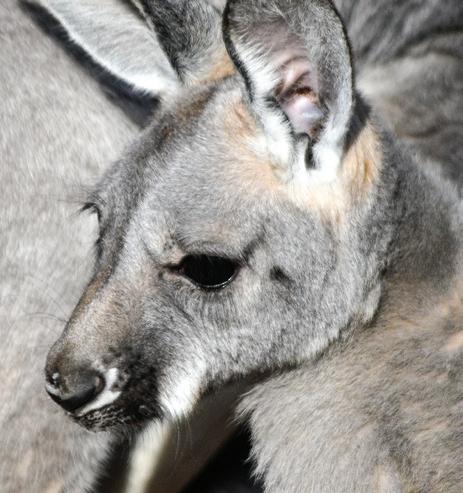
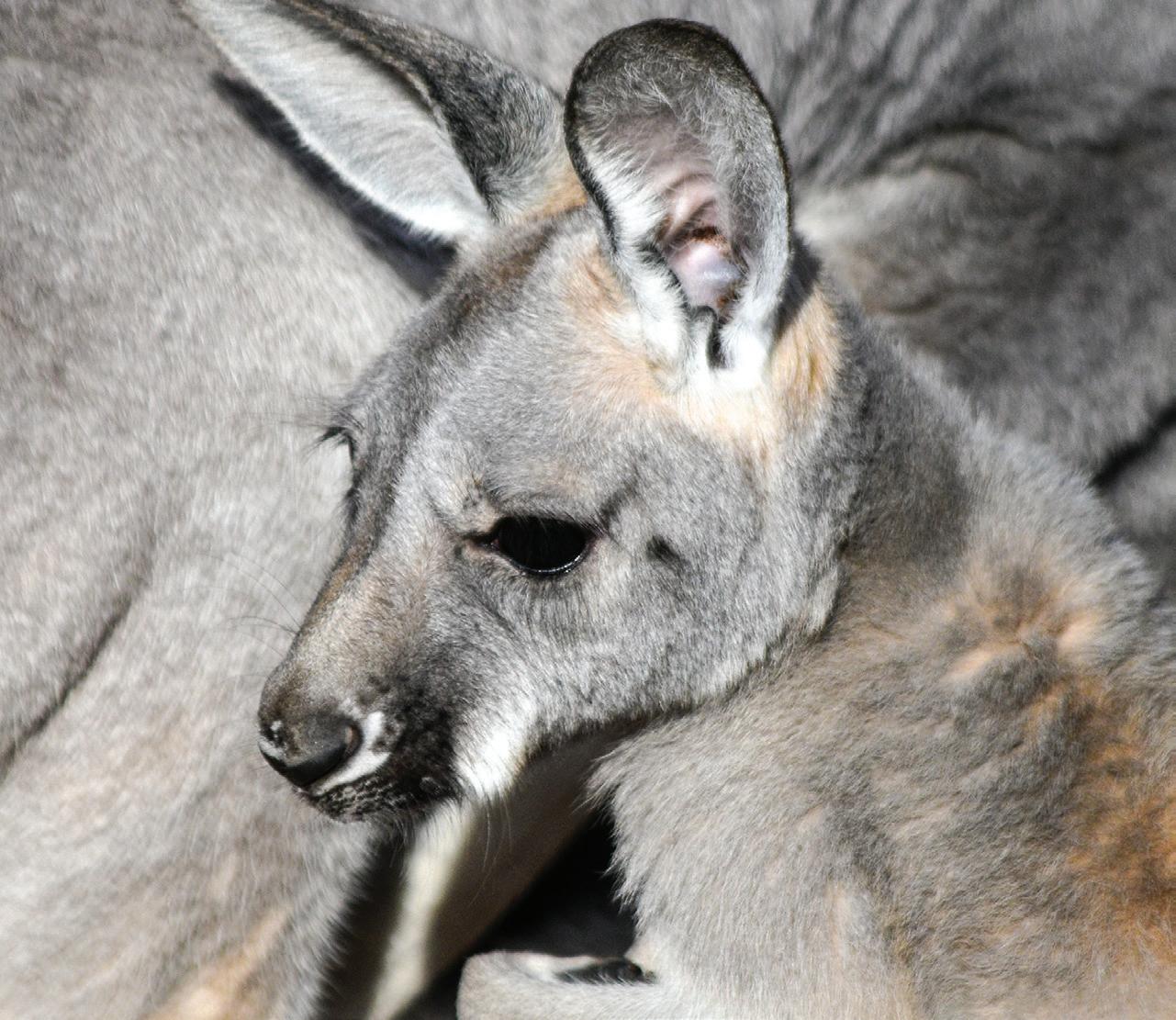
The two newest residents of the Australian Outback Adventure are so new they don’t even have names yet.
Two kangaroo joeys have recently begun venturing out of their mothers’ pouches after months of growing safely inside. Kangaroos are marsupials that give birth to tiny-sized young after a 32- to 34-day gestation. The newborn joeys then crawl into their mothers’ pouches, where they continue developing for about eight months.
The joeys at the Detroit Zoo, born to male Haru and females Bo and Leia, respectively, are close to the end of this period, but are still growing and staying close to their mothers. Our team has not yet intervened to determine their sexes. Once that information is known, their names will be announced as well.
For now, the life sciences team reports that both joeys are healthy and doing well. On a warm day, you are likely to see them poking out of their mothers’ pouches. We can’t wait to watch them continue to grow!
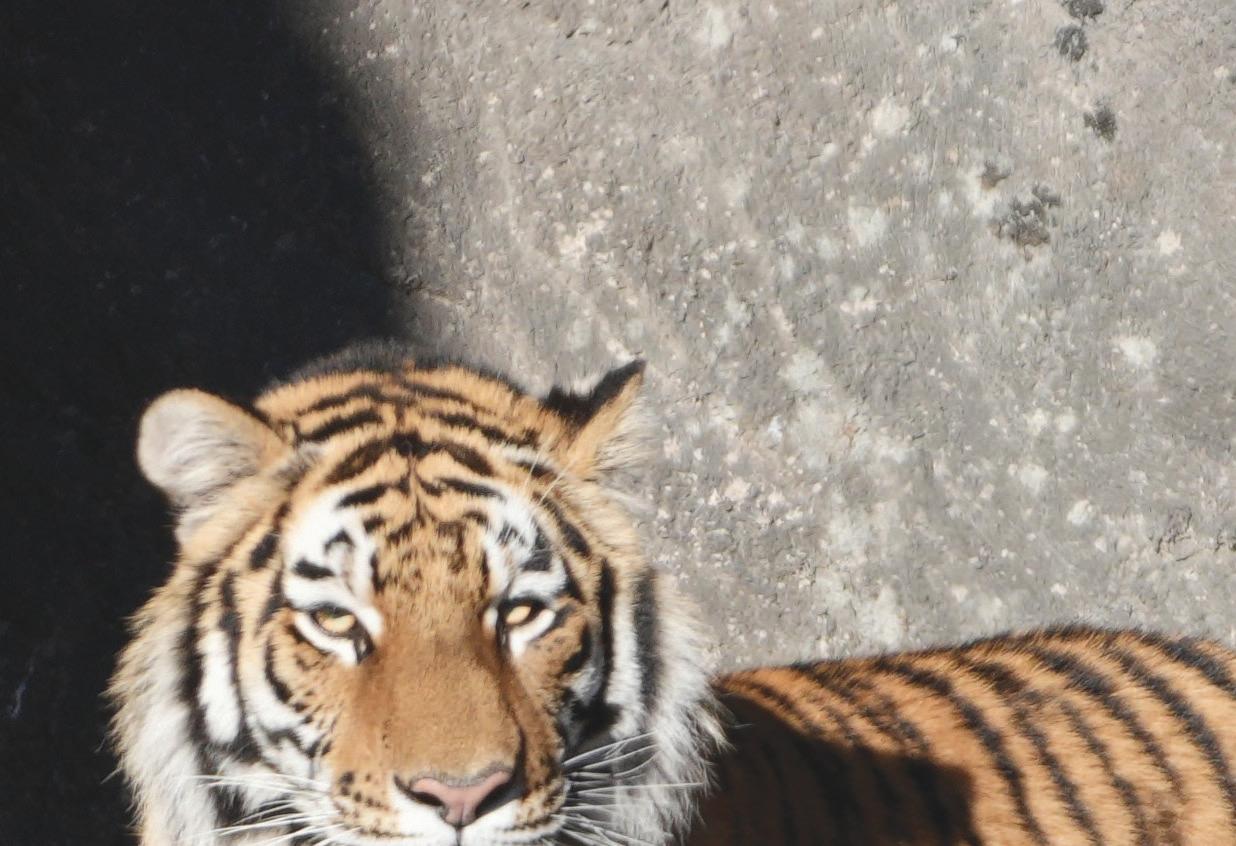
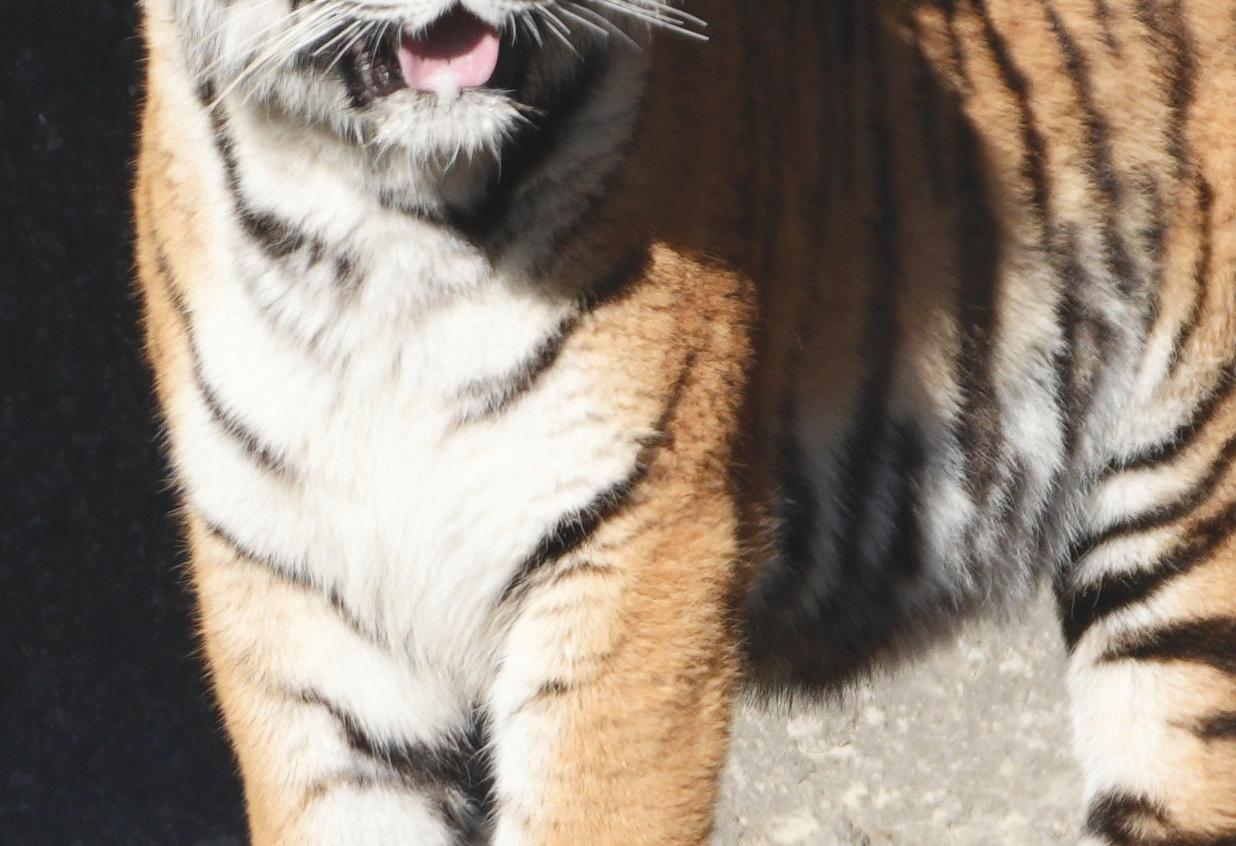
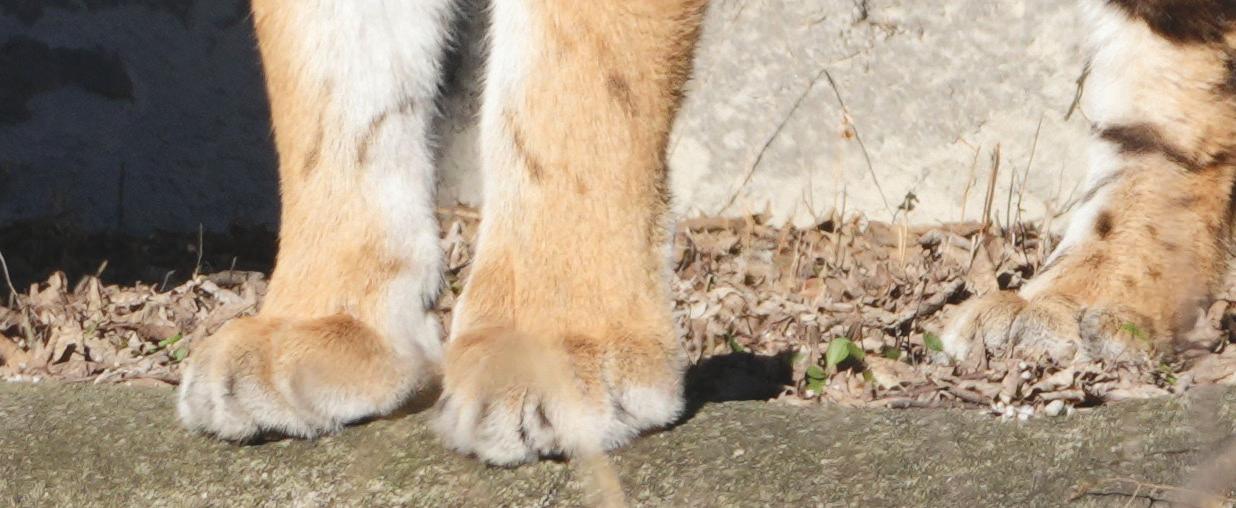
DARYA THE TIGER
The newest feline at the Zoo is completely “purr-fect.”
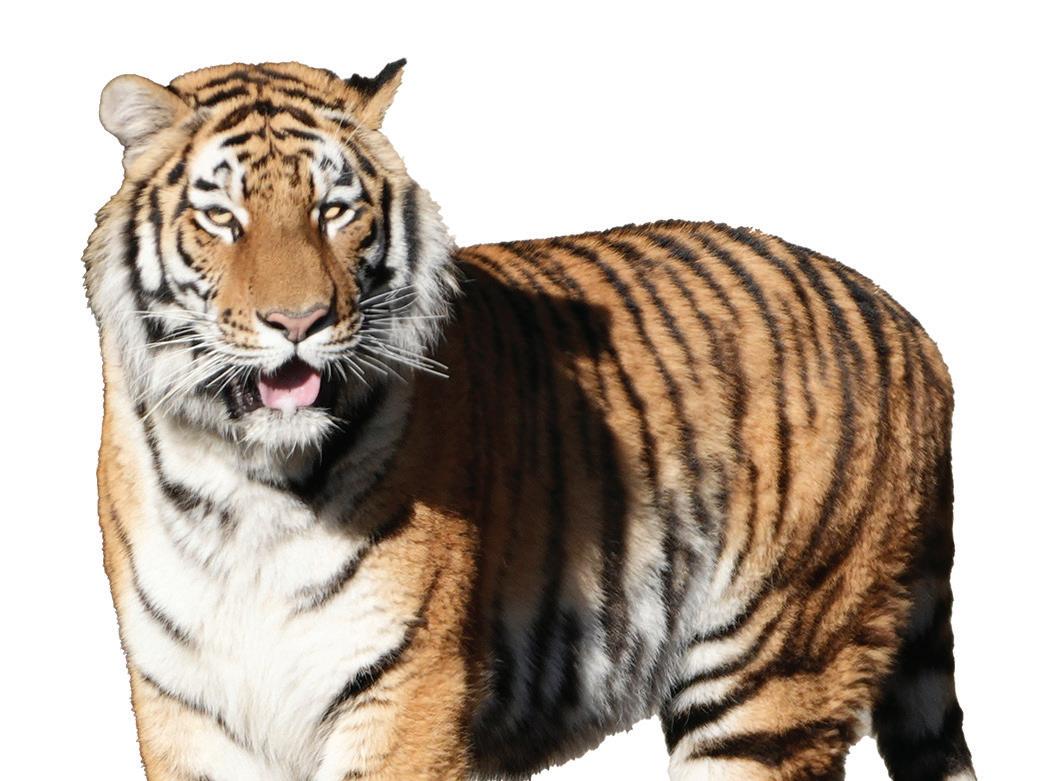
Darya, a 2-year-old Amur tiger, joined the Detroit Zoo’s Devereaux Tiger Forest habitat on a breeding recommendation from the Association of Zoos & Aquariums’ (AZA) Species Survival Plan (SSP) in early 2026. SSPs are cooperative management programs that ensure animal populations in human care are sustainable, healthy, genetically diverse and demographically varied. She joins the Zoo’s two other Amur tigers – male Nikolai (born in 2017) and female Ameliya (born in 2011).
Darya was born Nov. 13, 2023, at the Saint Louis Zoo and is named after the Amu Darya, a river in central Asia. She and her brothers, Sungari and Ussuri, were the first successful tiger births at the Saint Louis Zoo in more than a decade. Her mother, Reka; father, Maxim; and brother, Ussuri remain in Saint Louis, while brother Sungari moved to the Buffalo Zoo in 2025.
In Detroit, Darya is settling in well and has begun to explore every part of her new home. Her caretakers say she is playful, energetic and curious. At this time, Darya will be splitting time in her public-facing habitat with Nikolai and Ameliya, so there will be periods when she is not viewable to guests, but you can still plan your visit today for your chance to wish her a warm welcome.
KANGAROO JOEYS
A GOLDEN BIRTHDAY
Rockhopper penguin turns 40
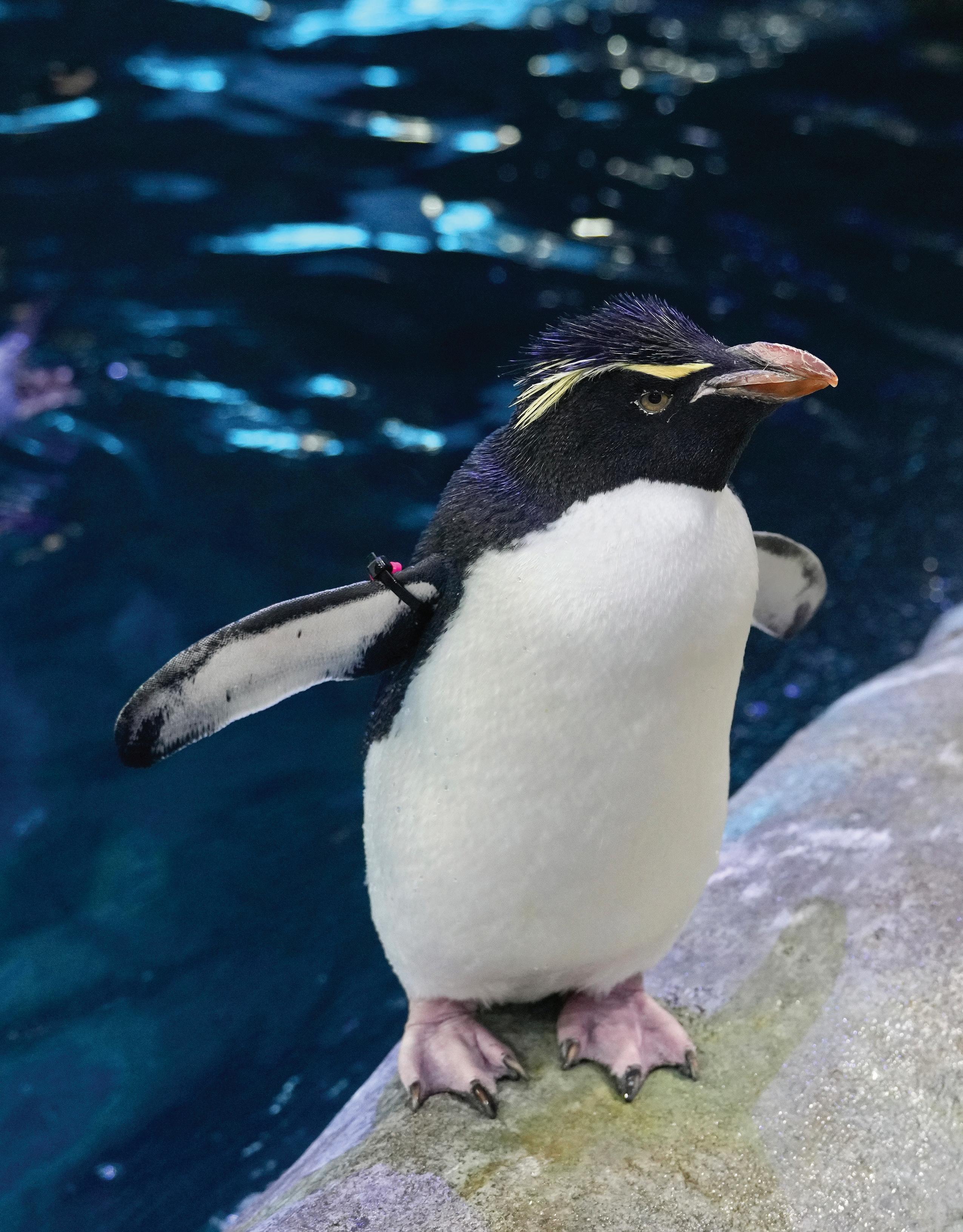
WANT TO SPOT ROSEANNE AT THE POLK PENGUIN CONSERVATION CENTER?
Look for a rockhopper with black and pink arm bands! These bands are humanely used to identify the penguins and ensure they receive specialized, individualized care.
For one penguin at the Detroit Zoo, age is more than just a number — it’s a milestone.
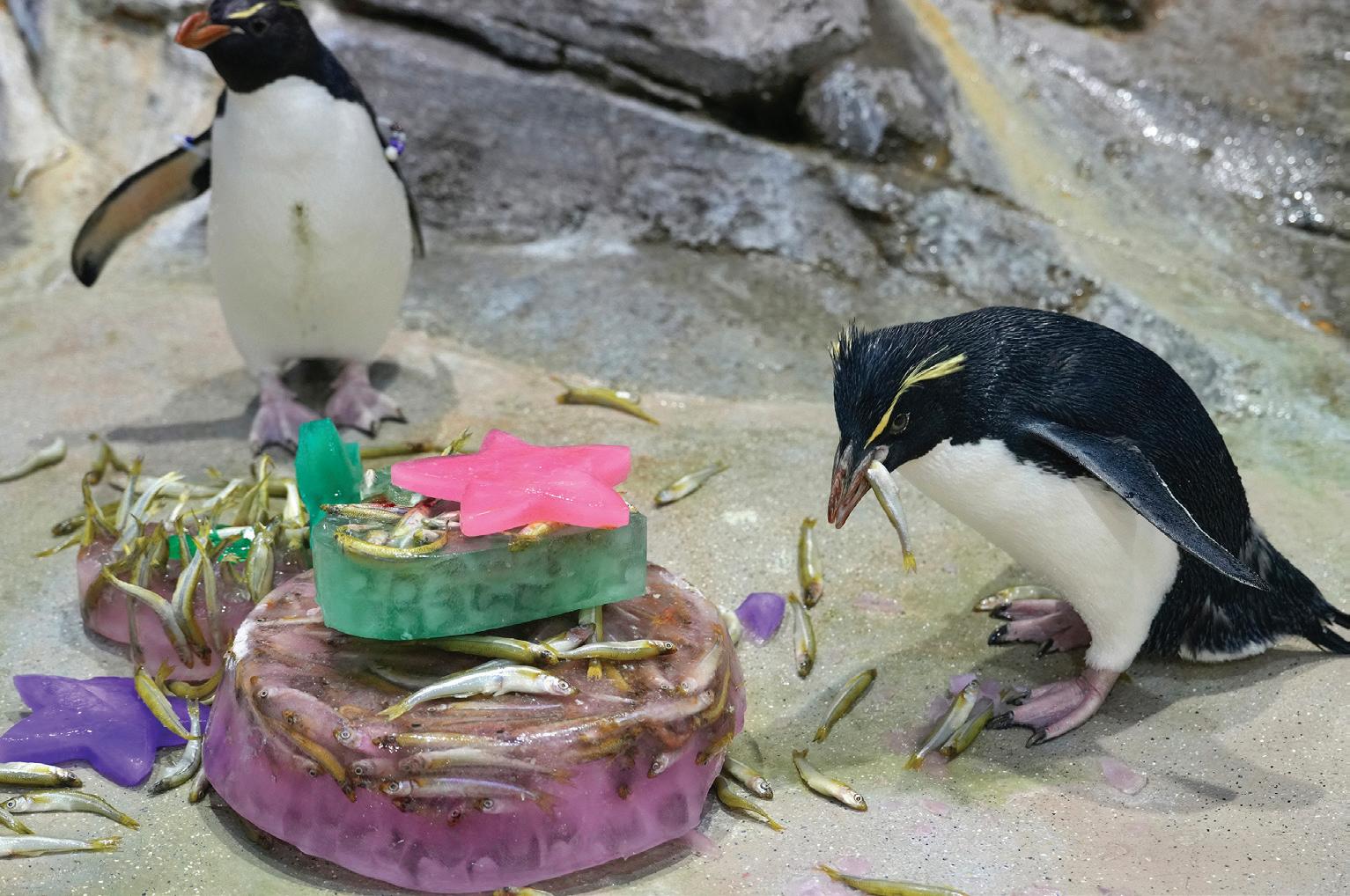
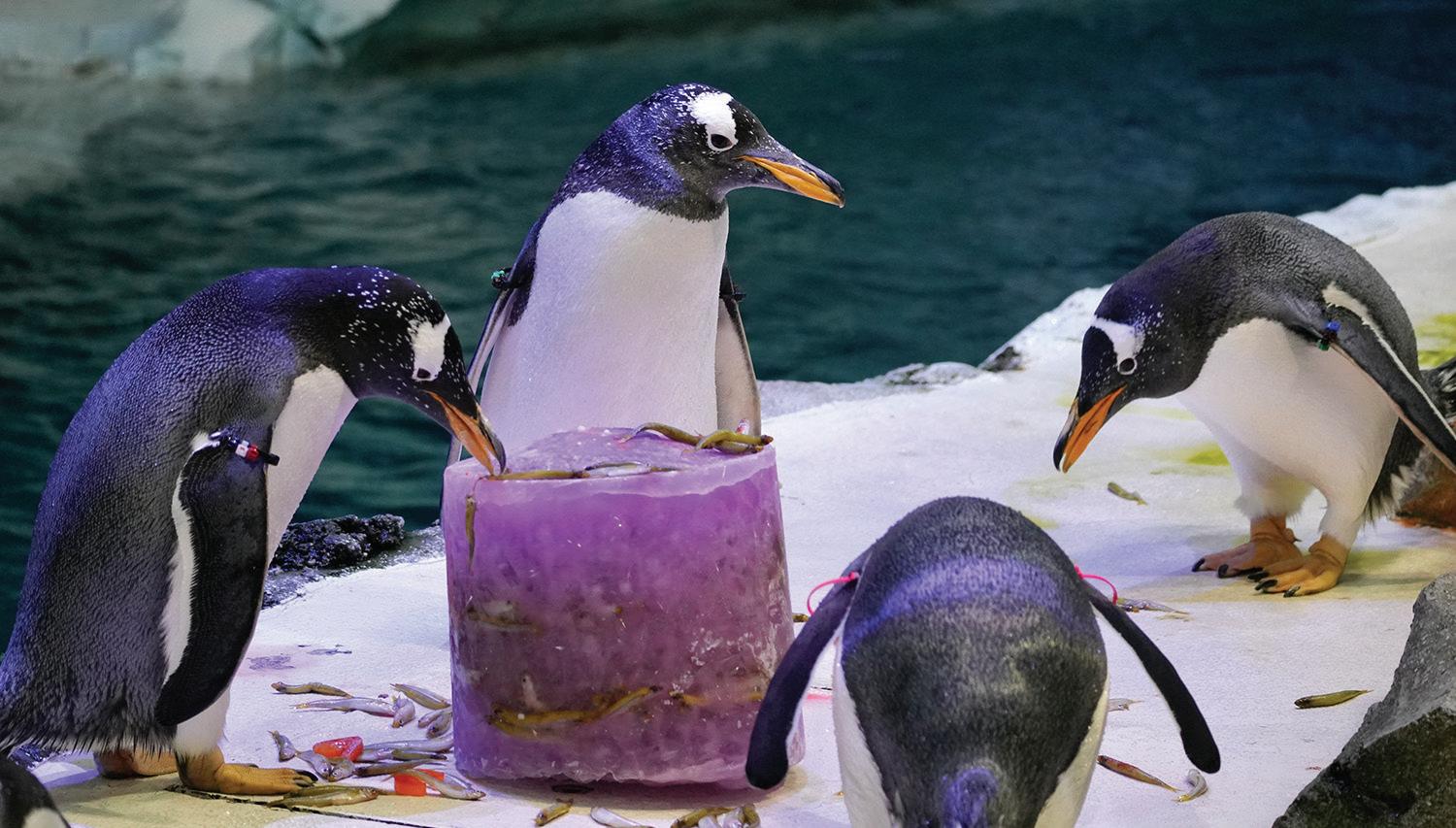
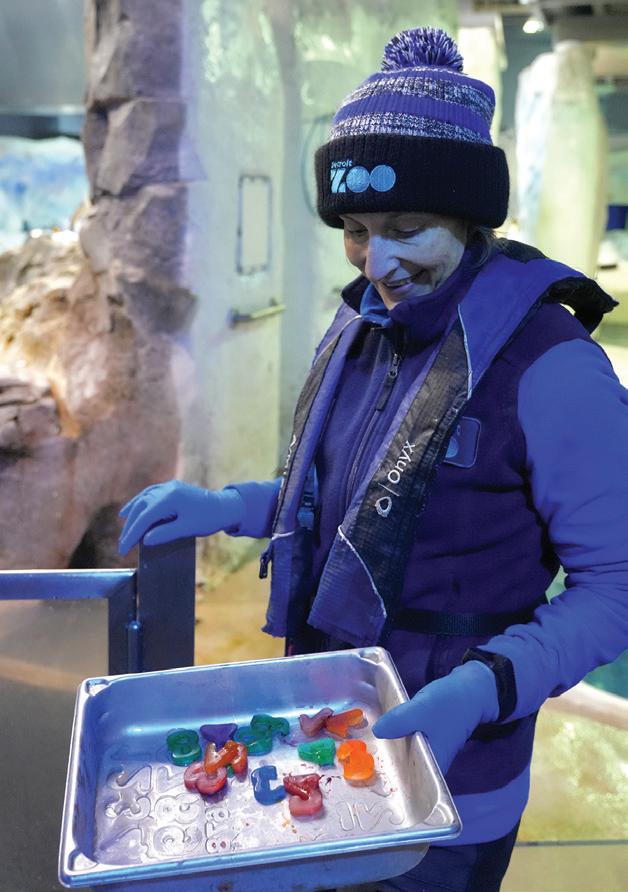
Last December, Roseanne, a beloved rockhopper penguin, turned 40 years old. Her party was extra special because now, she is one of the oldest penguins in human care in the world. Her hatch day party was filled with treats and love from her dedicated animal care team. She celebrated with a special fish-decorated ice “cake.”
Roseanne hatched on Dec. 11, 1985, and was hand-raised at a penguin facility in California. When she was about 7 months old, she moved to an aquarium in Orlando where she lived for the first 12 years of her life. Later, in 1998, Roseanne moved to Chicago’s Lincoln Park Zoo, where she hatched her first penguin chick in 2003.
Roseanne has produced 11 chicks throughout her lifetime. She currently has 27 living descendants, including eight great-grandchicks.
“That’s a legacy worth celebrating,” says Zookeeper Lauren Brown. “Roseanne is a very special penguin, and we were very excited to celebrate with her.”
Roseanne has called the Detroit Zoo home since 2011, and today, she lives with nearly 100 other penguins inside the Polk Penguin Conservation Center habitat. Among those are two of her sons, Finn and Casper, who hatched at Lincoln Park Zoo.
Even at 40 years old, Roseanne is still thriving — thanks to the specialized care she receives from the veterinary and animal care teams at the Detroit Zoo. With continued care, Brown hopes Roseanne will continue to break milestones and bring smiles to many for a long time to come.
“Roseanne is very sweet, and all the zookeepers really love her,” Brown says.
GET TO KNOW ROCKHOPPERS
Southern rockhopper penguins are native to the remote islands off the southern coast of South America. Their population numbers are declining in the wild, resulting in the International Union for Conservation of Nature (IUCN) classifying them with a "vulnerable" conservation status. Zoos and aquariums work together to protect the species through a coordinated Species Survival Plan, which manages the population across facilities accredited by the Association of Zoos and Aquariums. Today, there are approximately 370 southern rockhopper penguins living in 19 institutions throughout North America, including 18 who call the Detroit Zoo home. You can visit all the rockhoppers — especially Roseanne — at the Polk Penguin Conservation Center. Plan your visit today and connect further with daily feedings at the penguin habitat!
Roseanne digs in to her special fish-decorated ice “cake.”
Zookeeper Lauren Brown served up some treats, and Roseanne's friends joined in on the fun.
SHOW YOUR STRIPES!
Tigers are some of the coolest cats on the planet — and now it’s your turn to show your stripes. Get to know this special species better with these fun, kid-friendly activities. Then, take your tiger knowledge off the page and into the real world with a visit to the Zoo to meet Amur tigers Nikolai, Ameliya and Darya!
LARGE AND IN CHARGE
Amur tigers — like the ones who live at the Detroit Zoo — are the largest cat species in the world!
WEATHER READY
Amur tigers are adapted to thrive in freezing winters and warm summers by growing then shedding their thick winter coats.
SIX OF A KIND
Did you know there are six kinds of tigers living in the world today? They are called Amur, Bengal, Indochinese, Malayan, South China and Sumatran.
QUIZ
1. How much does an adult male Amur tiger weigh?
A. Around 450 pounds
FUN FACTS
B. Around 350 pounds
C. Around 300 pounds
D. Around 200 pounds
2. True or False: Every tiger has a unique stripe pattern.
A. True
B. False
Answers: 1, A; 2, A; 3. D; 4; C
3. How far away can you hear a tiger’s roar?
A. 100 feet
B. 100 miles
C. 1 kilometer
D. 3 kilometers
4. When do tigers hunt for food?
A. Morning
B. Afternoon
C. Night
CAMOUFLAGE COORDINATES
Review the directions on the compass.
Pick one person to be the Leader.
The Leader secretly chooses a spot on the grid. That’s where the tiger is hiding!
Other players take turns guessing the spot using ordered pairs.
After each guess, the Leader gives a direction clue (North, South, East or West) to help them get closer.
Notes: players should track their guesses and clues. Want a bigger challenge? Try hiding more than one tiger on the same grid!
ANIMAL CROSSING
Watch for moving wildlife this spring
Spring is one of the best times to visit Belle Isle. The flowers are blooming, the birds are chirping and people are coming back to the island after a long winter indoors. But for many animals, this beautiful season can also be one of the most dangerous.
WANT TO SEE NATIVE AMPHIBIANS AND REPTILES IN A SAFE WAY?
Visit the Belle Isle Nature Center, open daily from 10 a.m. to 5 p.m.!
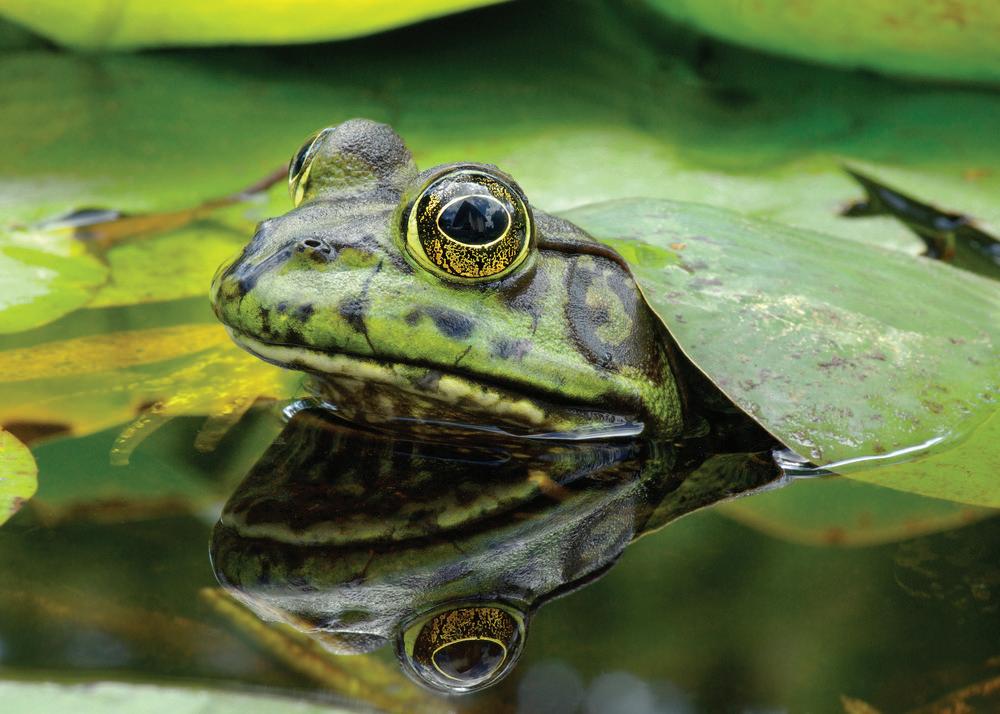
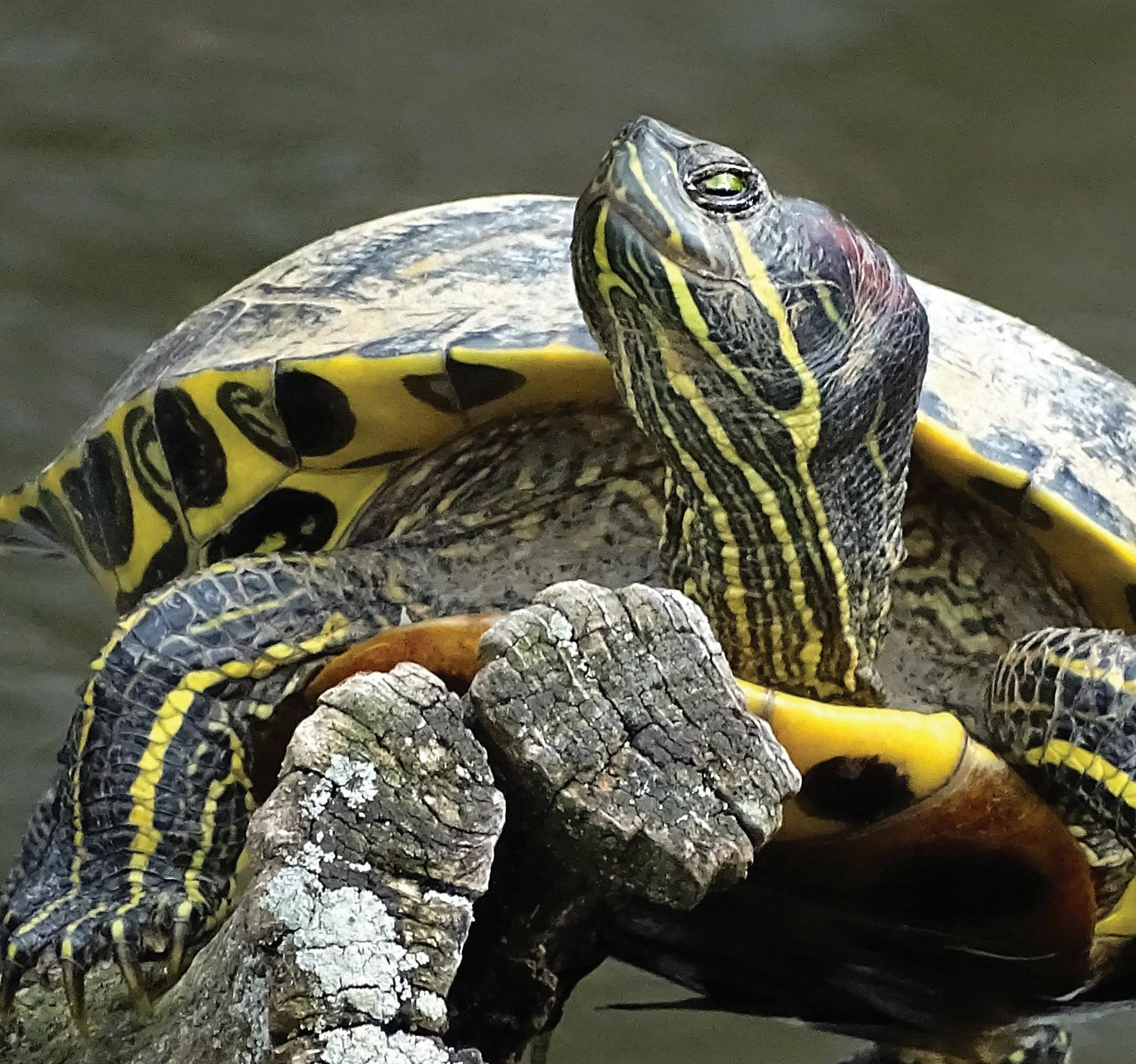
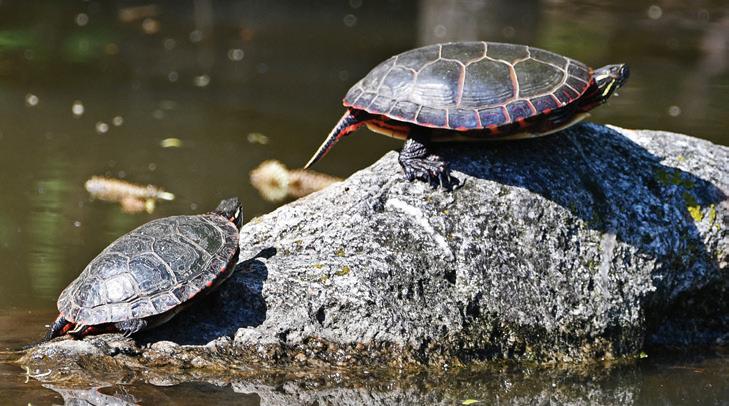
Each spring, frogs, toads and other amphibians — along with the occasional turtle — are busy breeding, hatching young and moving across the island to reach wetlands and nesting sites. In doing so, many must cross the island’s roads, where they become especially vulnerable. One of their greatest threats is vehicle traffic.
Thousands of turtles and frogs are killed on roads each year, particularly during the spring and summer mating and nesting seasons. Because these animals move
slowly and often travel at night or during rainy conditions, drivers may not see them in time to avoid them. During one study on Belle Isle alone, volunteers recorded more than 80 dead reptiles and amphibians on the road in just 26 hours of monitoring.
While these numbers are heartbreaking, there are simple ways you can help protect wildlife while visiting the island.
Slow down. When driving through Belle Isle — or even through your own neighborhood — reduce your speed and keep an eye out for wildlife crossing the road.
Stop safely. If you see an animal and can safely stop, turn on your hazard lights to alert other drivers.
Help them across. If it is safe to do so, you can gently help move the animal across the road in the same direction it was heading. Never move it to a different location, and always handle wildlife carefully to avoid causing harm.
By taking these small steps, you can help make Belle Isle a safer place for the animals that call it home.
Then enjoy the rest of your visit — and consider stopping by the Belle Isle Nature Center to see some of the island’s incredible reptiles and amphibians up close.
Protect wildlife like turtles and frogs by watching for crossing animals as you drive.
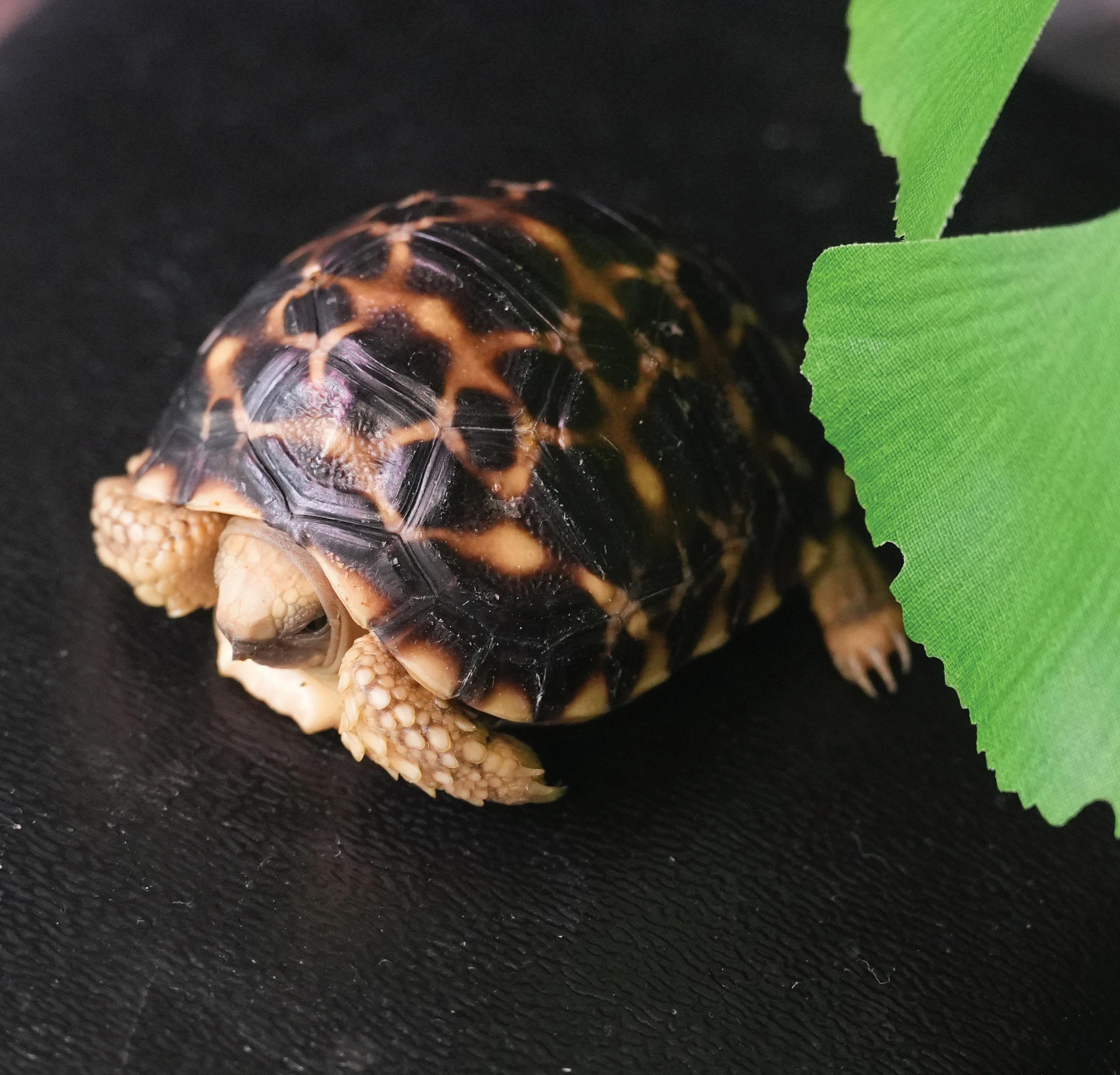
The Zoo recently hatched some hope with the arrival of five Burmese star tortoise hatchlings. Native to southeast Asia, this critically endangered species faces serious threats in the wild. These new arrivals serve as important ambassadors, helping raise awareness and support for their conservation. For now, the hatchlings are growing behind the scenes, but guests can visit their parents — along with more than 60 species — at the Holden Reptile Conservation Center. Every visit helps make a difference, as each ticket sold supports the conservation of wildlife and the habitats they call home.
WANT TO HELP HATCHLINGS LIKE THESE THRIVE?
Donate today to support all your favorite reptiles in the Zoo — and the wild. Visit dzoo.org/donate.