
INTRODUCTION Research for Impact
At the Cape Peninsula University of Technology, research is driven by the goal of creating meaningful impact. Tech Buzz 2025 highlights innovations developed at CPUT that are designed to address real-world challenges and improve lives.
Our research focuses on delivering practical solutions across diverse fields—from health and engineering to environmental sustainability and social development. These innovations reflect CPUT’s commitment to advancing knowledge that not only pushes academic boundaries but also delivers tangible benefits to communities, industries, and society at large.
Through this showcase, we invite partners and stakeholders to engage with our research outputs to help bring them to scale, ensuring that the benefits reach those who need them most.
CPUT is proud to contribute research that matters—research for impact.


AT CPUT, OUR RESEARCH IS DRIVEN BY ONE CLEAR PURPOSE: TO CREATE IMPACT. WE FOCUS ON GENERATING KNOWLEDGE AND DEVELOPING TECHNOLOGIES THAT ADDRESS REAL CHALLENGES AND IMPROVE LIVES. THROUGH INNOVATION ROOTED IN PRACTICAL SOLUTIONS, CPUT’S RESEARCH CONTRIBUTES DIRECTLY TO SOCIAL DEVELOPMENT, ECONOMIC GROWTH, AND ENVIRONMENTAL SUSTAINABILITY. THIS COMMITMENT ENSURES THAT OUR WORK GOES BEYOND THE LAB AND INTO COMMUNITIES AND INDUSTRIES WHERE IT CAN MAKE A DIFFERENCE. ”



1. INNOVATION SUPPORT

≥ Agrifood Technology Station
≥ Technology Station: Clothing and Textiles
≥ Deep Tech Venture Builder
≥ Business Innovation and Incubation Centre
AGRIFOOD
TECHNOLOGY STATION
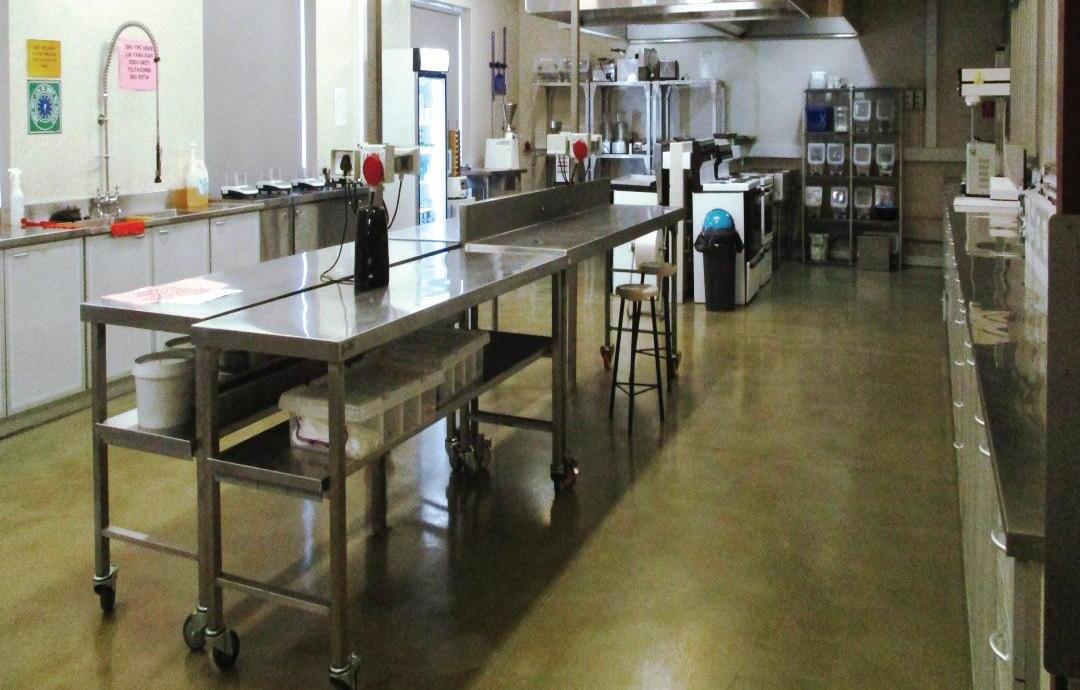
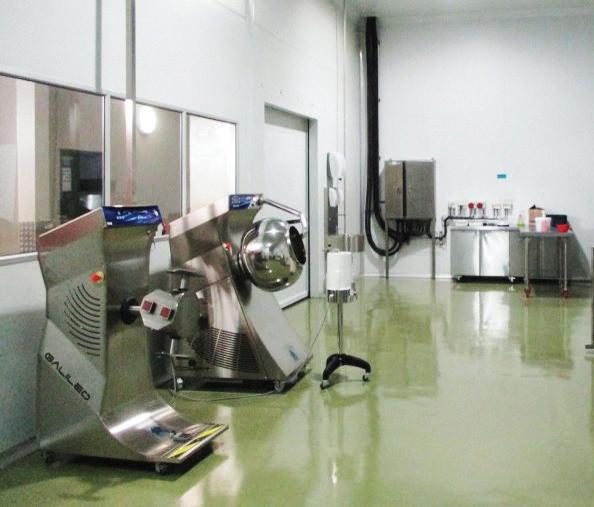
The mandate of the station is to assist small and medium food industry enterprises primarily, but also all other appropriate companies as a secondary goal, to improve their use of technology in innovative practices, implied improvement of efficiencies and also concomitant improved ability to employ more staff and empower such persons. We offer a wide range of services that assist food and related companies in developing, enhancing and maintaining safe, efficient and cost-effective food production and processing technologies. We use the assistance of a host of highly qualified and experienced CPUT staff, including scientists, technologists and technical assistants to assist with delivering this service to companies. Where any specific expertise does not exist in the university, the academic and industrial networks of the station are also called in to assist on a consultancy basis.
The following is a list of services that can be provided directly using the capacity of the University staff and its different academic departments:
• New product and process development from concept to final packaged product.
• Niche analytical services
• Sensory evaluation
• Shelf-life evaluation
• Small-scale trials
• Training
• Free-standing research projects
All companies, institutions and organisations in the field are invited to submit innovative proposals for researchable projects which they may wish to carry out together with the assistance of ATS. Where such projects are approved for further action, funding may be accessible via the Station.

TECHNOLOGY STATION: CLOTHING AND TEXTILES
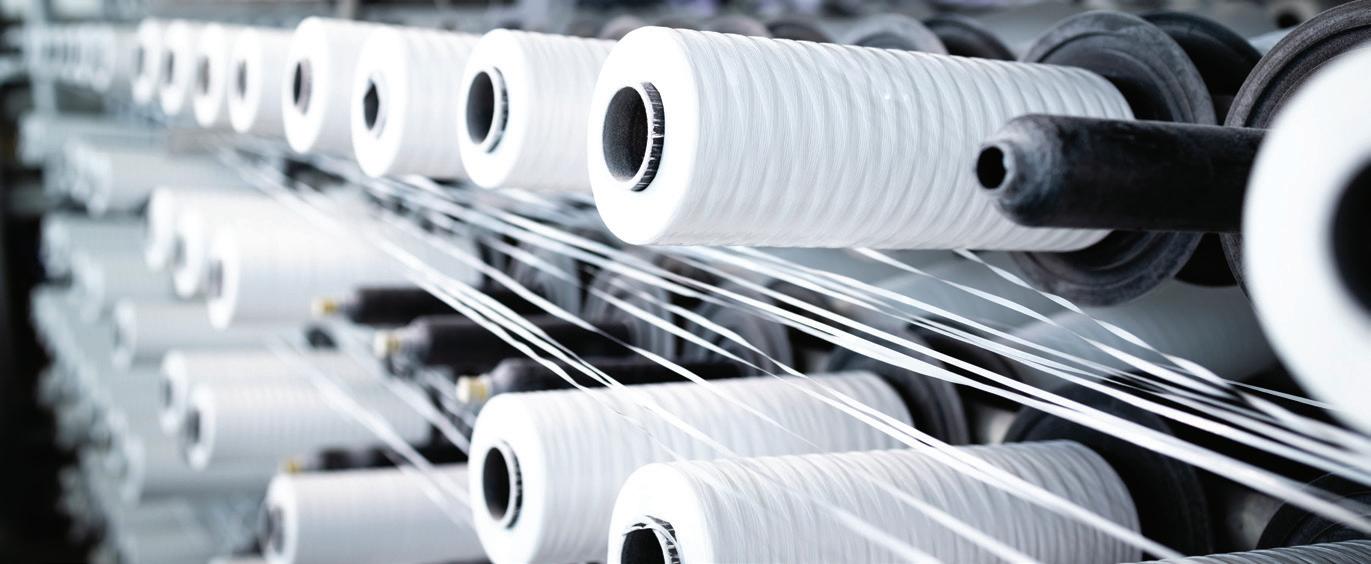
The Clothing and Textile Technology Station (TSCT) was established in 2002 to provide innovation support to the clothing and textile and related industries to become more competitive. Through this provision of direct feedback and services provided via staff and student engagement the Clothing and Textile Technology Station has become a responsive mechanism for meeting industry needs. In 2018 alone, the TSCT has supported 167 SMME’s.
The following range of specific services is provided to the clothing, textiles and related sectors:
• Manufacturing advisory services
• Technology support centre
• Product testing and analysis
• Human capital development
• Product development
DEEP TECH VENTURE BUILDER
The DTVB encompasses a robust tech ecosystem, initiated by CPUT, that that brings together varies players within the innovation space - 26 South African universities, industry, government, investors, science councils and the broader community to accelerate the commercialisation of university technologies. Through expert mentorship and training participants will be upskilled as technopreneurs. If successful in their training, they may be awarded the chance to commercialise University IP emanating from the collective pool of the participating universities. The DTVB is established to address the lack of funding, technopreneur capacity and scalable business models that hinder the rate of commercialisation activities within the HEI within south Africa with the ultimate aim being to impact on society.
OVERVIEW OF THE
BUSINESS
INNOVATION AND INCUBATION CENTRE (BIIC)
Introduction
The Business Innovation and Incubation Centre (BiiC) is a student venture and entrepreneurship centre dedicated to developing innovative, business-minded graduates. It provides training, mentorship, and incubation support to help students transform their business ideas into viable enterprises.
The centre offers targeted support through entrepreneurship workshops, innovation mentorship programmes, and cross-institutional collaborations—all with a core focus on empowering students. BiiC plays a vital role in bridging education and enterprise, nurturing student-led innovation for social and economic impact.
BiiC runs a range of high-impact projects that give students hands-on experience in innovation, entrepreneurship, and problem-solving. These initiatives often utilise technology to tackle real-world challenges. For instance, students are involved in piloting a digital marketplace in a township to support local trade, developing an AI-powered learning platform to expand access to entrepreneurship education, and creating immersive training tools using virtual and augmented reality for technical skills development.

Other activities include blockchain-focused hackathons, campus tools that enhance the student experience, and mentorship programmes that assist young entrepreneurs— particularly in sectors like tourism. These projects not only equip students with practical skills but also promote inclusive economic development through studentdriven innovation.
LOOKING
AHEAD, BIIC AIMS TO SCALE ITS DIGITAL LEARNING TOOLS AND LAUNCH A
FULL-SCALE BUSINESS ACCELERATOR.
TO ACHIEVE THIS, THE CENTRE IS ACTIVELY SEEKING FUNDERS AND INVESTMENT PARTNERS TO SUPPORT ITS GROWTH AND IMPACT.

2. HEALTH INNOVATIONS
≥ SlowRedT
≥ Omega Caro E Portfolio
- Omega Caro-E Xtra
- Omega Caro Emulsion
- Omega Caro-E Canine Emulsion
≥ Micro-nutrient Supplement
≥ High Protein Fortified Biscuit
≥ Bambara Groundnut Portfolio
- Bambara Groundnut
- Bambara Groundnut Dietary Fibre
- Bambara Groundnut Probiotic Beverage
- Ambara Groundnut and Moringa Oleifera
Leaf Protein (BAMOLP)
- STASOL - a Natural, Functional Stabiliser for Food Systems
≥ Male Circumcision Underwear

SLOWREDT®
INVENTORS: JEANINE MARNEWICK; MARILIZE LE ROES-HILL; JOHAN NEETHLING; JOSIAS HAMMAN
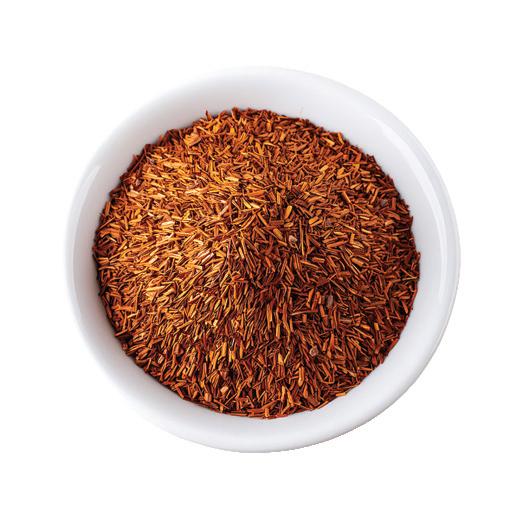
SlowRedT® is an innovation of Cape Peninsula University of Technology that involves a modified release delivery system of Rooibos extract (Aspalathus linearis) to be used as a nutraceutical or dietary supplement that will deliver specific Rooibos polyphenolic constituents immediately as well as over an extended period. Rooibos herbal tea with its unique phenolic constituents has been well reported for its anti-oxidant potential and other bioactivities, which is associated with disease prevention and various health benefits. The key novelty of the technology is that it uses a controlled release matrix type mini-tablet in capsule system to deliver the recommended daily requirement of 6 cups of tea over a period of 24 hours. This requires an individual to consume one capsule twice-a-day.
Benefits
• The delivery system eliminates the need to drink multiple cups of tea to receive the nutritional benefit of Rooibos
• SlowRedT can improve on the relatively short duration of the Rooibos rare nutrients quercetin and bioflavanoids that assist in good blood circulation and obstructs haemorrhaging constituents in the systemic circulation due to rapid elimination
• Provides slow-release minerals from Rooibos that assist in maintaining good bone structure and stronger teeth
Offering
We are seeking a licensee who would like to license and commercialize the product.
Intellectual Property Rights
Region: South Africa
Number: ZA 2015/06423; PCT/ IB2016/055193; US 12,558,391 B2


OMEGA CARO-E PORTFOLIO: OMEGA
CARO-E XTRA
INVENTORS: J. BENADÈ; M. OPPERMAN
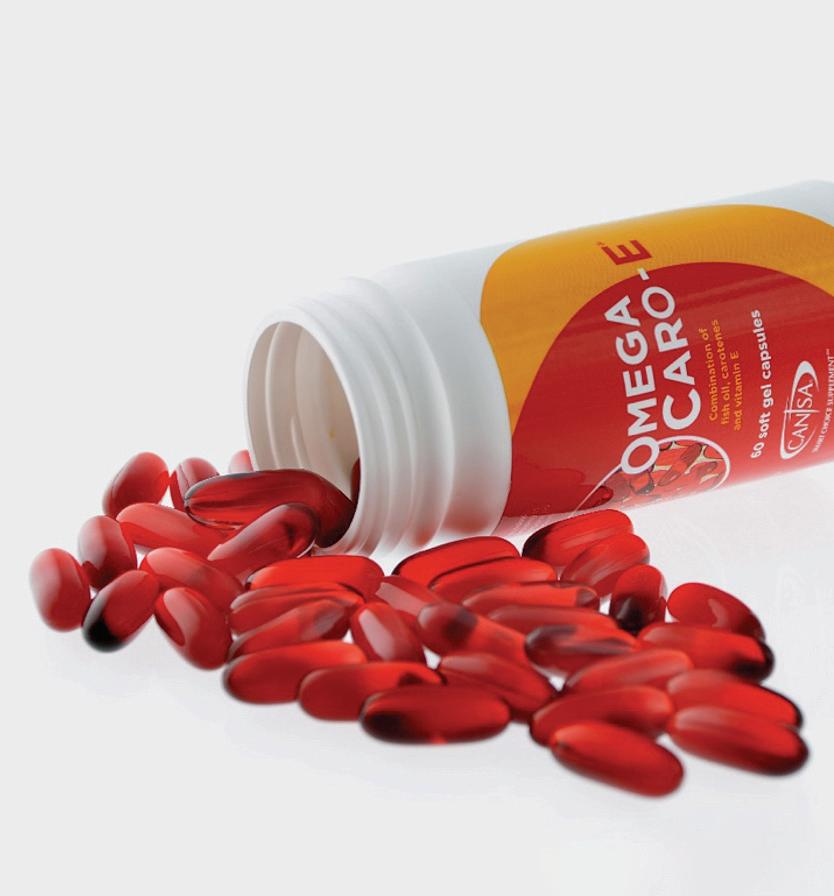
Omega Caro-E Xtra combines Omega-3 fatty acids with 11 different carotenoids and five different forms of vitamin E, all derived from Palm Oil and manufactured by a patented process in Malaysia. In addition, it also contains 50% of the daily requirement for vitamin D. The concept was created and developed in the RSA, and it is only now that international companies are following suit. The current consensus is that this approach will become the method of choice in the near future. Users of the product claim that problems such as eczema, psoriasis, arthritis and general health improves with regular use of the product.
Benefits
• Omega-3 fatty acids are essential for good health, brain function and normal growth and development
• Unique combination of high-quality omega-3 oils as well as 11 different carotenes and 5 different forms of vitamin E
• Contains no artificial colourants or preservatives and adhere to all international recommendations regarding pesticide and heavy metal contents
Offering
We are seeking licensees who would like to license and commercialise the product.
OMEGA CARO-E EMULSION
INVENTORS: J. BENADÈ; M. OPPERMAN
Omega Caro-E Emulsion is created through a patent process developed at the Cape Peninsula University of Technology. It is used in the production of a range of Omega Caro-E products that combines Omega-3 fatty acids with 11 different carotenoids and five different forms of vitamin E, all derived from Palm Oil and manufactured by a world-patented process in Malaysia. It also contains 50% of the daily requirement for vitamin D. The concept was created and developed in the RSA and it is only now that international companies are following suit. The current consensus is that this approach will become the method of choice in the near future. Users of the product claim that problems such as eczema, psoriasis, arthritis and general health improves with regular use of the product.
Benefits
• Omega-3 fatty acids are essential for good health, brain function and normal growth and development
• Unique combination of high quality omega-3 oils as well as 11 different carotenes and 5 different forms of vitamin E
• Contains no artificial colourants or preservatives and adhere to all international recommendations regarding pesticide and heavy metal contents
Offering
We are seeking licensees who would like to license and commercialise the product. Intellectual Property Rights
Region: South Africa
Number: ZA2013/07825
OMEGA CARO-E CANINE EMULSION
INVENTORS: J. BENADÈ; M. OPPERMAN
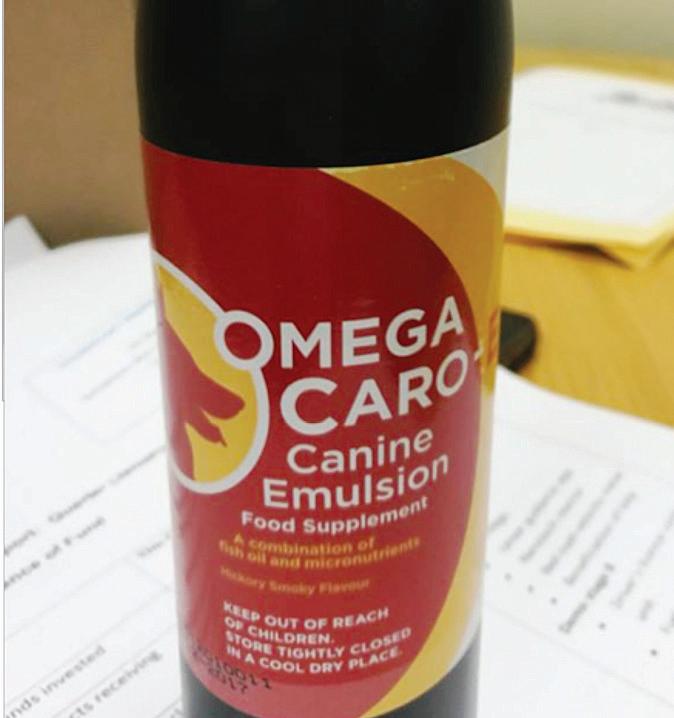
Omega Canine emulsion combines the benefits of Omega-3, Carotene and Vitamin E for the benefit of man’s best friend. This product has been approved by the RSA Department of Agriculture, Forestry and Fisheries and has a number of approvals. Omega Canine emulsion has also been approved in Canada. The product comes in a squeeze-bottle, which makes dispensing of the emulsion onto food easy. The product has a smoky flavour and is liked by canines. Reports by owners claim that it improves the coat of the animals, becoming shinier and that animals are more active and show general improvement in their skin condition. As dogs are prone to iodine deficiency, the emulsion also contains iodide to supplement iodine stores. This product is unique in RSA and the world.
Benefits
• Omega-3 fatty acids are essential for good health, brain function and normal growth and development
• Unique combination of high quality omega-3 oils as well as 11 different carotenes and 5 different forms of vitamin E
• Contains no artificial colourants or preservatives and adheres to all international recommendations regarding pesticide and heavy metal contents
Offering
We are seeking licensees who would like to license and commercialize the product.
MICRO-NUTRIENT SUPPLEMENT
INVENTORS: J. BENADÈ; M. OPPERMAN
The versatile micro-nutrient supplement developed at CPUT can be used in a variety of products such as biscuits, baby cereal, porridge etc. All the ingredients are bio-available and contains natural vitamin E, pro-vitamin A and other carotenes. Biscuits baked with this premix were used in an intervention study on pre-school children attending informal crèches in Bethelsdorp, Eastern Cape. Consuming two biscuits per day, showed definite improvements in the health and nutritional status of these children. These benefits disappeared when the biscuits were no longer provided. This is indicated by the blood levels of carotenes and vitamin E during supplementation and the return to pre-intervention very low levels, three months after supplementation ended.
Benefits
• It contains the micronutrients Iron, Copper, Selenium, Zinc and Manganese as chelates, where the micronutrient is in the form of a complex with an amino acid, which is the natural form in which micronutrients are obtained from foods. It has also been shown that Iron, zinc and copper are better absorbed in the chelated form than in the inorganic form which means it is more bioavailable and effective for alleviating these deficiencies
• It contains a natural plant extract concentrate which has a whole spectrum of 13 different carotenes with provitamin A alpha and beta carotene as the major carotenes and five different forms of vitamin E with Tocotrienols as the major vitamin E component
Offering
We are seeking licensees who would like to license and commercialise the product.

HIGH-PROTEIN FORTIFIED BISCUIT
INVENTORS:
M. OPPERMAN
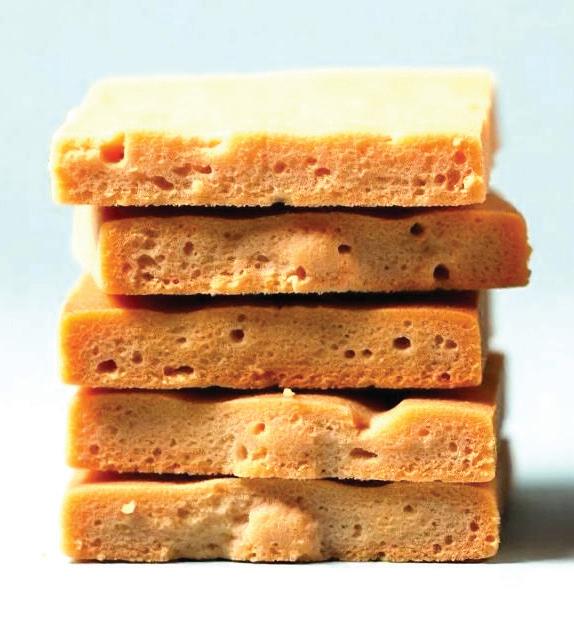
The high-protein fortified biscuit is an innovative food product designed to address protein-energy malnutrition and micronutrient deficiencies. This biscuit is formulated with a combination of complementary plant proteins pea protein, isolate and soy protein isolate to create a protein profile comparable to animal protein. Fortified with essential micronutrients as per the South African government's mandatory fortification protocol for bread flour and maize meal, this product offers a nutrient-dense meal replacer that can be used in various settings, particularly in early childhood development (ECD) centres and among food-insecure populations.
Benefits
• Provides a nutrient-dense, high-protein meal replacement
• Helps combat protein-energy malnutrition and micronutrient deficiencies
• Supports cognitive and physical development in children
• Offers a cost-effective and scalable solution for food aid programmes
• Requires no refrigeration, ensuring easy storage and distribution
• Vegan and allergy-friendly formulation for wider consumer acceptance
• Long shelf life, reducing food wastage and ensuring availability over time
• Enhances food security by supplementing existing feeding schemes and food aid initiatives
Offering
We are seeking licensees who would like to license and commercialise the product
ZA2013/049395
BAMBARA GROUNDNUT PORTFOLIO: BAMBARA GROUNDNUT
INVENTORS:
V. JIDEANI; Y. MUREVANHEMA
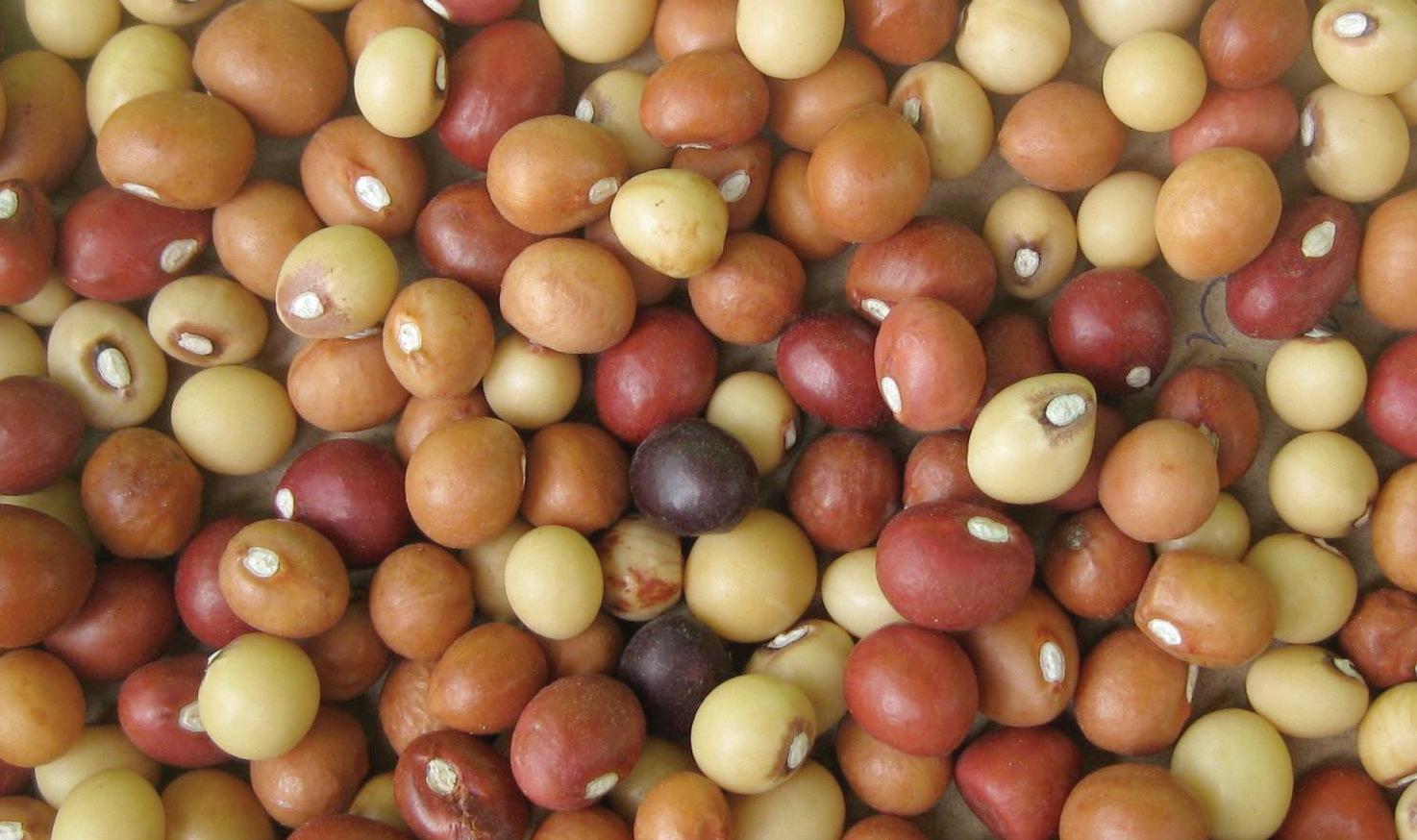
The Bambara Groundnut, or round bean, is widespread in Africa where it is known by various names. It has potential as a cash crop, owing to its nutritional composition, functional properties and antioxidant potential. Consequently, we at CPUT have used the Bambara Groundnut as a raw material to create several value-added products. These include dairy-substitutes, baked goods, meat-substitutes, and beverages. These products are gluten-, lactose- and cholesterol-free.
The advantages of this range are that it:
• lowers cholesterol
• stabilises blood glucose levels
• And acts as an effective detox aid.
This groundnut is able to grow under drought conditions. This offers a great opportunity to South African farmers as the Bambara Groundnut is less risky to grow with a lead time of merely 4-5 months. There is a growing consciousness and demand towards healthier diets. Furthermore, the cases of lactose intolerance are growing. This has created an opportunity that we believe the Bambara Groundnut can fulfil. This is a high margin market that can lead to better returns. Aonyx Holdings (Pty) Ltd (a wholly owned subsidiary of CPUT ) is looking to create a manufacturing business, vertically integrating with other sectors in the country.
We are seeking investors who would like to invest in a new spin off company directed at manufacturing and distributing a range of Bambara-based products.
BAMBARA GROUNDNUT DIETARY
FIBRE
INVENTORS: V. JIDEANI; Y. MUREVANHEMA
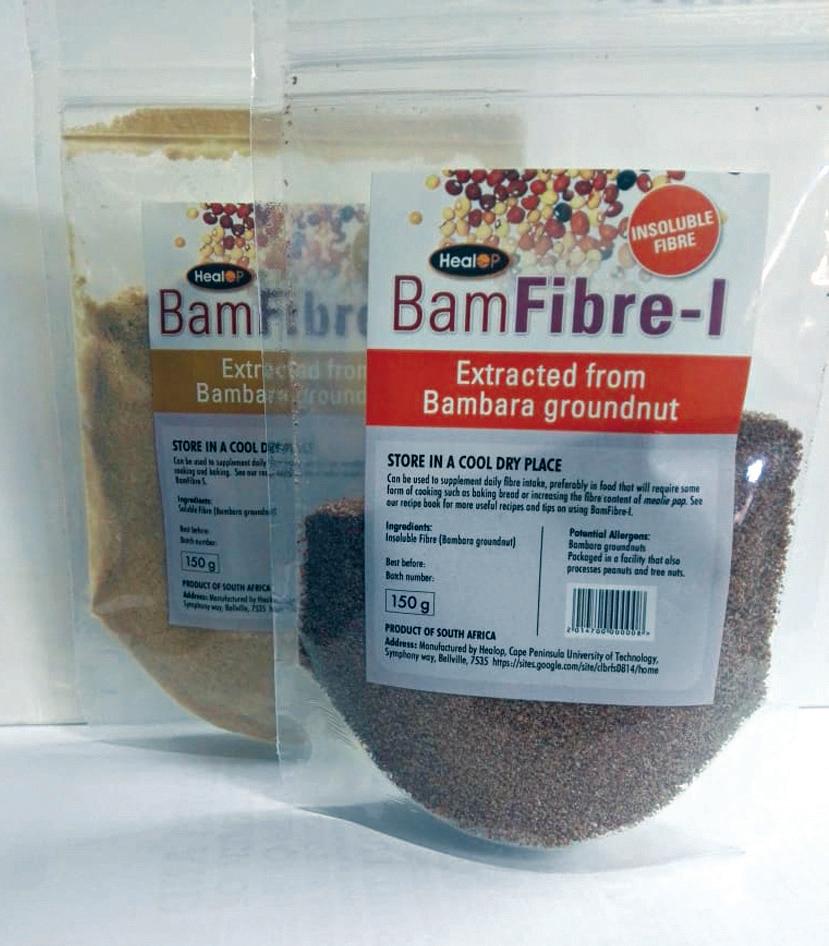
(BamFibre-I & BamFibre-S) BamFibre is a natural, gluten-, lactose- and cholesterolfree soluble and insoluble fibre developed at the Cape Peninsula University of Technology. BamFibre acts as a stabiliser and cryoprotectant in food, aids detoxification and waste excretion and is suitable for high temperature application such as baking. The recommended daily dietary fibre intake ranges from 30 – 40 g/day, with suggestions made by most nutritionists and dieticians that 20 – 30% of dietary fibre intake should be from soluble dietary fibre. Commercially, cotyledon and hull fibres from peas are available for food applications; however fibres from other pulse sources are scarce. Hence, it is necessary to obtain additional food sources of dietary fibre, in particular those with superior functional properties for use in various food applications.
Benefits
• BamFibre provides gluten-free dietary fibre with superior functional properties
• Bamfibre produces a higher yield of insoluble and soluble dietary fibres compared to other pulse fibres
• BamFibre-I: Lowers cholesterol levels, blood glucose and is a source of insoluble dietary fibre
• BamFibre-S: Lowers cholesterol and blood glucose and is a detoxing aid. It supports the growth of probiotic bacteria with the potential for use in weaning foods
• BamFibre can be used to considerably increase the fibre content of food and beverages with improved physicochemical properties
Offering
We are seeking investors who would like to invest in a new spinoff company directed at manufacturing and distributing a range of Bambara based products.
BAMBARA GROUNDNUT
PROBIOTIC BEVERAGE
INVENTORS: V. JIDEANI; Y. MUREVANHEMA
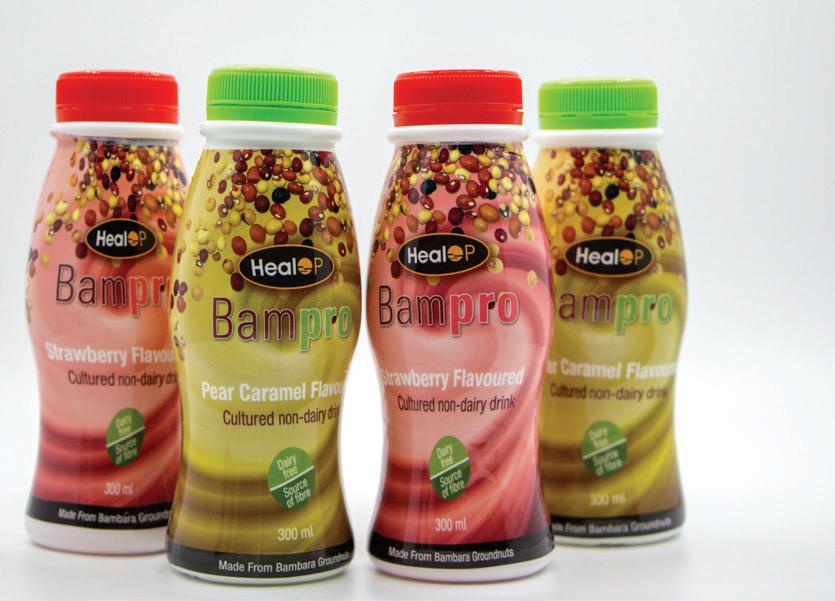
BamPro is a natural, great tasting, lactose and cholesterol free yoghurt-like drink. It is naturally low in fat and rich in protein, fibre and antioxidants with added probiotics for maintaining good balance and composition of intestinal flora. BamPro is produced from whole milled Bambara fermented with lactic acid bacteria to produce Bambara groundnut probiotic beverage. It contains all the goodness of the seeds especially the pigments on the hulls that includes phenolic and flavonoids contributing to nutritional wellbeing of the consumers. Further, it is high in proteins and total dietary fibre with antioxidant activity, which protects the probiotics during storage and provides a longer shelf life of 28 days at 5°C.
Benefits
• Used to produce range of non-diary probiotic products including beverages, in scoopable, drinkable and frozen forms with different flavours.
• Addresses problems of lactose intolerance and the unfavourable cholesterol dairy products.
• Targets increasing demand for vegetarian probiotic products.
• It can serve as a replacement for dairy product to individuals with milk allergy, vegetarians and health-conscious individuals.
Offering
We are seeking investors who would like to invest in a new spin off company directed at manufacturing and distributing a range of Bambara-based products.
BAMBARA GROUNDNUT AND MORINGA OLEIFERA LEAF PROTEIN (BAMOLP)
INVENTORS: V. JIDEANI, O. ADEWUMI
Bambara Groundnut and Moringa Oleifera Leaf Protein (BAMOLP) is a novel, plantbased protein blend combining the nutritional strengths of Bambara groundnut and Moringa oleifera leaves. This unique formulation leverages the high protein content, essential amino acids, and bioactive compounds from both sources to deliver a sustainable, nutrient-dense ingredient. BAMOLP is designed to meet the rising demand for alternative, natural protein sources with potential health benefits, including antioxidant and anti-inflammatory effects. It is suitable for use in functional foods, supplements, and nutritional applications focused on improving health and wellness.
Benefits
• As a complete source of all essential amino acids, it supports muscle growth and overall health.
• DUE to its rich methionine and antioxidant content, it aids in detoxification, protects against oxidative stress, and supports liver function
• Free from lactose and gluten, it’s suitable for those with intolerances or sensitivities.
• Packed with essential vitamins and minerals, it helps boost immunity and reduce fatigue.
• With heart-supporting plant-based proteins, it contributes to lower cholesterol and improved cardiovascular health
• Its high fibre content promotes healthy digestion and supports a balanced gut microbiome
•
Offering
We are seeking investors who would like to invest in a new spin off company directed at manufacturing and distributing a range of Bambara-based products
STASOL - A NATURAL, FUNCTIONAL STABILISER FOR FOOD SYSTEMS
INVENTOR: V. JIDEANI, Y MAPHOSA, D. OMOREGBE
STASOL is an innovative nanocomposite stabiliser developed from Bambara groundnut starch and soluble dietary fibre. Designed to overcome the limitations of conventional stabilisers, STASOL delivers enhanced functionality, improved nutritional value, and targeted bioactive compound delivery. With its natural origin and multifunctional profile, STASOL meets the growing consumer demand for clean label, health-promoting food additives.
Benefits
• It possesses therapeutic properties due to its rich polyphenol and uronic acid content.
• It has probiotic properties that promote gut health
• It enhances the energy and dietary fibre content of food systems.
• It is a natural, biocompatible, biodegradable, non-toxic, and cost-effective ingredient.
Offering
We are seeking investors who would like to invest in a new spin off company directed at manufacturing and distributing a range of Bambara-based products.

MALE CIRCUMCISION UNDERWEAR
INVENTOR: M. MORGAN
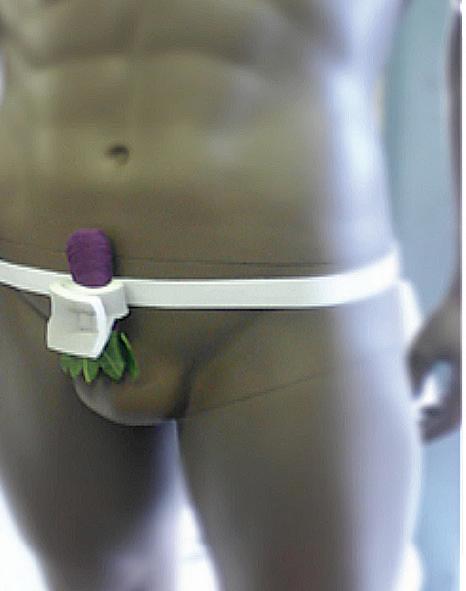
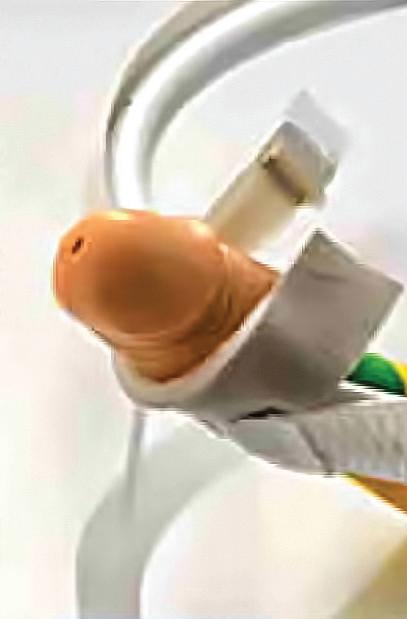
The Male Circumcision Underwear is a specially designed male underwear developed to aid the healing process after circumcision. The underwear keeps the penis in an upright position, preventing downward and outward blood flow from the wound. Penile injuries associated with circumcision are usually the result of poor post wound care on the part of the patient.
Effective wound care involves:
(i)minimising vigorous movement of the penis;
(ii)washing and cleaning the wound as prescribed by the doctor; and
(iii) most importantly, keeping the penis in an elevated position.
The use of MCU contributes to the aforementioned effective wound care by maintaining the penis in an elevated position after circumcision. In addition, this leads to less frequent checkups due to a decreased probability of the patient experiencing complications. The overall effect is better healing at a net lower cost.
Benefits
• MCU can significantly reduce healing time by reducing swelling and pain post-circumcision
• Prevents post circumcision infection
• Possibly increases the prevention of HIV infections attributed to circumcision
• Aids post operation movement (patient can walk comfortably)
Offering
We are seeking a licensee who would like to license and commercialise the medical male circumcision underwear innovation.
Property Rights Region: South Africa Number: ZA 2011/07798
3.APPLIED TECHNOLOGIES

≥ Inverse Class – F Amplifier
≥ Rotatable Fish Drying Frame
≥ The Braai Tool
≥ Locally manufactured single-sensor 3D
Coordinate Measuring Machine (CMM)
≥ T he Bed-Load Velocity Meter
≥ Textile Wastewater Reactor
≥ T he biological sand filtration
INVERSE CLASS-F POWER AMPLIFIER
INVENTORS:
S. MOISE; C. WHAITS
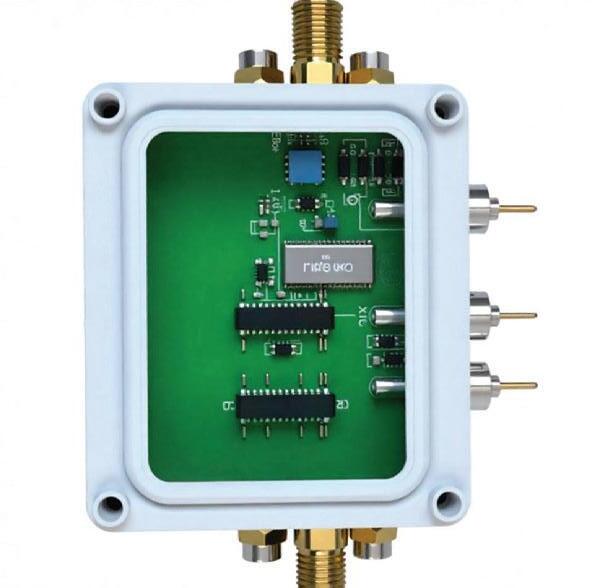
The inverse Class-F power amplifier (PA) comprises an appropriately biased GaN active device, input matching network, output wave-shaping and matching network. The novel design of the wave-shaping and output matching network ensures minimal overlap of the drain voltage and current waveforms and also presents the appropriate impedances to the drain of the active device at the fundamental frequency of operation and harmonic frequencies thereof. In modern wireless communication systems, power amplifiers are one of the main consumers of DC power and the overall efficiency of existing radio frequency PAs are undesirably low. Innovative design techniques used in the design of the input matching network and the output wave-shaping and matching network resulted in a PA which provides an exceptionally high power conversion efficiency (PE ).
Benefits
• The innovative design provides higher power conversion efficiency, which ensures optimum conversion of DC input power to RF output power and hence a longer batter lifetime in battery operated systems.
• The design minimizes the energy losses in the Inverse Class F PA circuit by ensurin that the active device is optimally loaded at the fundamental and harmonic frequencies.
• The designed PA delivers a maximum PE of 95% at an operating frequency of 2.2 GHz.
• A maximum output power of 40.6 dBm at an operating frequency of 2.2 GHz.
Offering
We are seeking either investors who would like to invest in a new spin-off company directed at manufacturing and supplying inverse Class-F power amplifiers or a licensee who would like to license and commercialise the product.

ROTATABLE FISH DRYING FRAME
INVENTOR: L. DOLLY
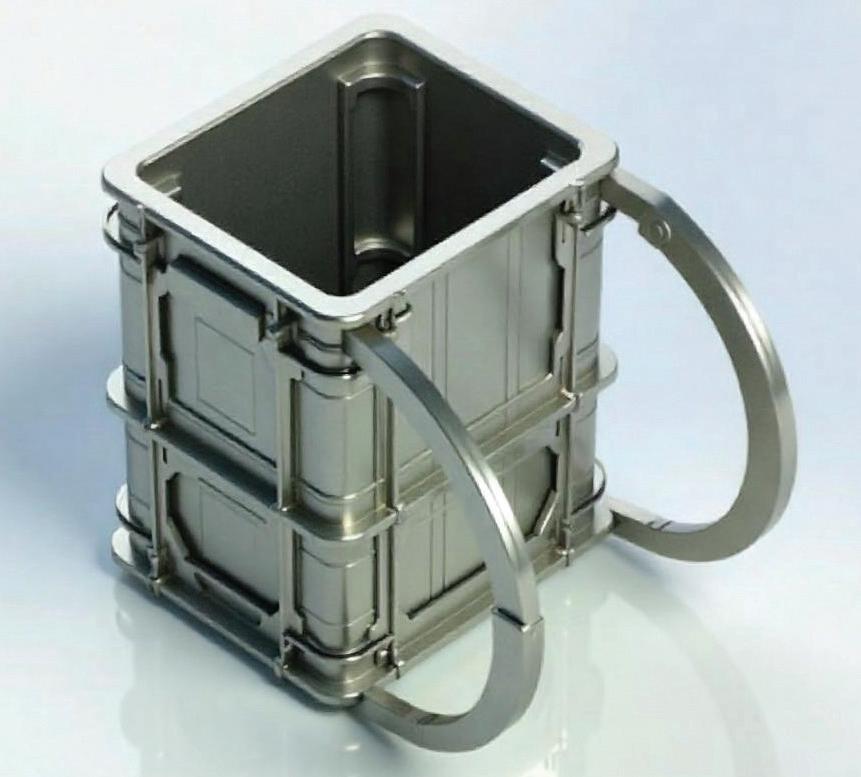
The Rotatable Fish Drying Frame is aimed at formalising a specific fish-drying process already used by different communities in Africa. The frame allows for the drying of up to 100 kg of fresh fish at a time using the existing iteration. The key principle is that after one week of drying the drum containing the fish may easily be rotated 180o in a rural or coastal setting without mechanical or electrical assistance. At this point the drying process may run (2 weeks) to completion after removing the drying bin and the frame itself, the latter which can then be used for the next batch to be dried. The concept is best applied where there is an abundance of fish (whether primary or by-catch) but a lack of services and utilities. In an ideal situation, this drying process would take place in a basic venue or processing area prior to the dried fish being packed and stored. The low water activity and other ingredients used would then also contribute to the shelf life of the product for local consumption or export to a large African market.
Benefits
• The drying method itself is a proven one, both in terms of microbiological safety and shelf-life of dried product
• It is easy to rotate and dry multiple batches of fish with no need for electricity and/or further mechanical assistance in remote coastal or riverine areas

• It may be used in remote sites where access to market for the sale of fresh fish is not easy
• It may be used for drying by-catch species, which generally has a low selling price or which is dumped
Offering
We are seeking an investor who would like to invest in a new spin-off company or a licensee who would like to license and commercialise the product.
Intellectual Property Rights
Region: South Africa
Number: F2016/00702

THE BRAAI TOOL
INVENTORS: S. BOSMAN; S. BOTHA; A. OLIVERA; S. NORTJE
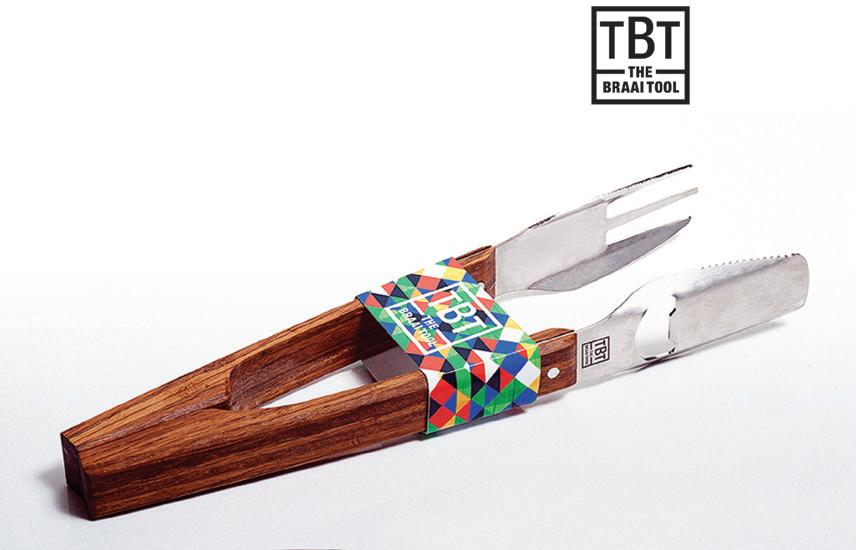
The Braai Tool (TBT) is an innovate, unique and ultimate solution tool for braaing that was produced at the Cape Peninsula University of Technology. This product integrates five key braai utensils into one highly functional, sleek and efficient product. This is in the context of a saturated market with a range of dysfunctional braai tools. Unfortunately, these conventional tools perform different functions, thereby making it compulsory for end-users to purchase multiple tools which inevitably result in clutter in the braai area. TBT boasts a novel design and multi-functionality achieved by incorporating a magnetic detachable hinge and groove system which serves as the underlying principle of the innovation. The device can be split into two parts, affording the user the possibility to make use of the knife, fork, spatula and bottle opener on a 2-piece tool. When magnetically combined, the magnetic hinge and groove system mimics the action of a tensioned spring of a braai tong.
Benefits
• The invention incorporates five key braaing utensils into one multi-functional product
• T he handle design is made from an exceptionally strong and sustainable bamboo
• The metal utensils are cut and bent from food grade stainless steel that does not rust
Offering
We are seeking a licensee who would like to license and commercialize the product.
LOCALLY MANUFACTURED SINGLESENSOR 3D COORDINATE MEASURING MACHINE (CMM)
INVENTORS:
B JAMA, A. RUGBANI
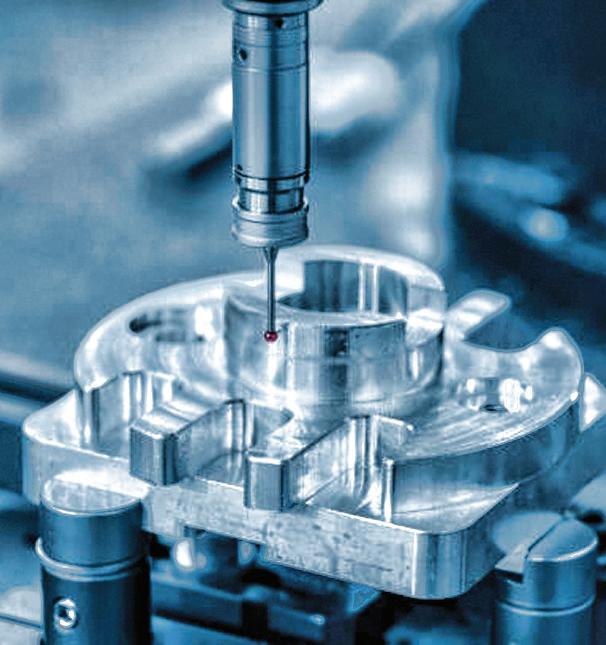
This innovation is a locally designed and manufactured high-precision 3D Coordinate Measuring Machine (CMM) that uniquely employs a single displacement sensor to achieve exceptional measurement accuracy. While traditional CMMs rely on multiple sensors—adding complexity, calibration challenges, and high costs—this CMM leverages a novel configuration aligned with Abbe’s principle to maintain sub-micron precision with just one sensor. This breakthrough simplifies the system architecture, reduces production and maintenance costs, and makes precision metrology equipment more accessible to South African manufacturers, supporting improved quality control and global competitiveness.
Benefits
• Achieves high-accuracy 3D measurements using only one displacement sensor, reducing system complexity and calibration challenges.
• Locally manufactured to eliminate import costs, lowering the price barrier for precision metrology equipment.
• Ensures enhanced geometric measurement accuracy at sub-micron levels.
• Fewer components and local support make servicing easier and more affordable.
Offering
The technology presents a licensing opportunity for manufacturers, metrology firms, or equipment suppliers seeking to expand their product offerings with a locally developed, precision measurement solution.
Intellectual Property Rights
Region: PCT Number: WO 2024/116134 A1
THE BED-LOAD VELOCITY METER
INVENTOR: INVENTORS R. KOTZE; A. SUTHERLAND
The Bed-Load Velocity Meter represents a significant advancement in monitoring technologies for coarse particle transportation. It addresses critical issues such as blockages in pipelines and the need for optimal operational velocities. In South Africa, where mining operations often face environmental regulations and resource constraints, this technology could be highly beneficial. The ability to monitor particle velocities in real-time can help companies avoid costly downtime and repairs due to blockages. By addressing both environmental and financial risks associated with pipeline operations, it not only enhances operational efficiency but also promotes sustainable practices in resource management.
Benefits
• Prevention of Blockages: One of the primary advantages of this technology is its ability to detect slow-moving or stationary particles early
• Prevention of blockages by detecting slow-moving or stationary particles early
• Provide continuous, real-time data on particle velocities and solid distribution within the pipeline.
• Allows for optimisation of operational velocity without compromising safety, thereby conserving both energy and water resources.
• Ensures a more sustainable and cost-effective approach to managing coarse particle transportation.
Offering
The technology is currently at TRL 5 indicating that it has been validated in a relevant environment. Further development and testing in collaboration with industry partners would accelerate its progress to higher TRLs and pave the way for commercialisation.
TEXTILE WASTEWATER REACTOR
INVENTORS:
V. FESTER; M. CHOWDHURY; G. VISSER
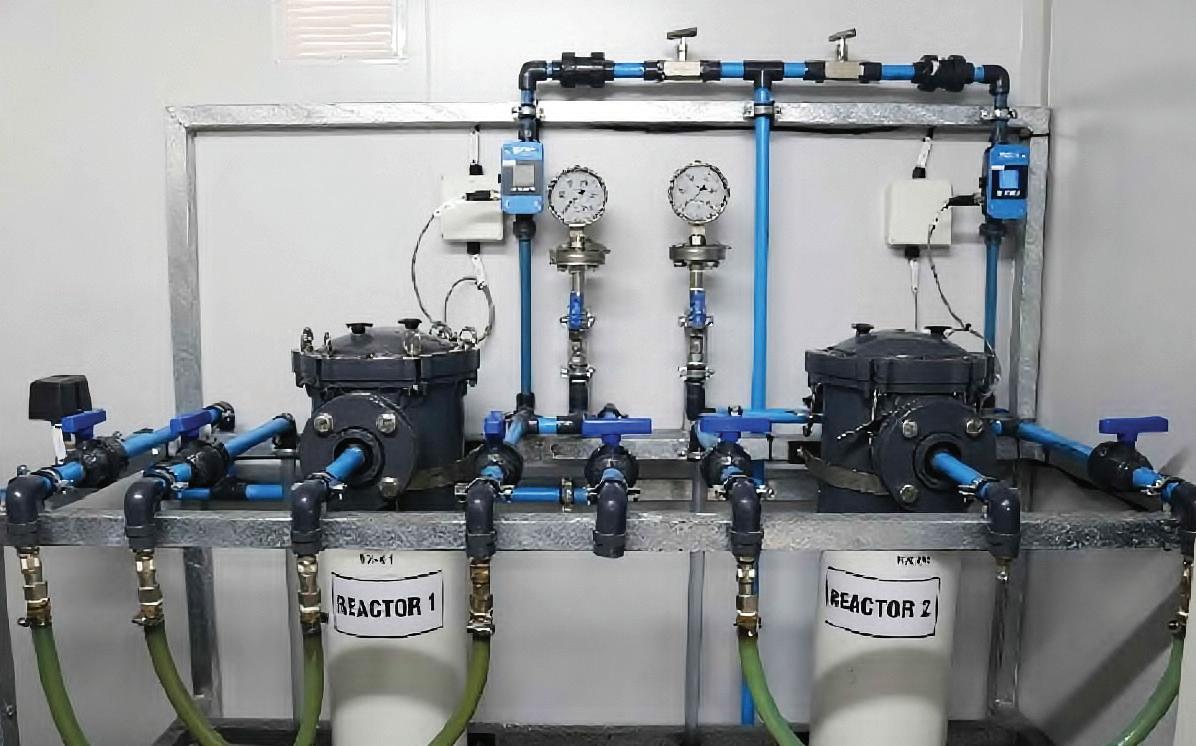
The Textile Wastewater Reactor System developed at the Cape Peninsula University of Technology is a one-step wastewater treatment system consisting of highly reactive nanoparticles immobilized in a specialised reactor system for the purpose of treating industrial wastewater.
The system utilizes a nanoparticle catalyst, which activates an oxidizer in order to produce sulphate radicals that attack and degrade organic pollutants (dyes) in the textile wastewater. The system allows the re-usage of effluent water in one continuous process, thereby reducing the use of input water and lowering operating cost.
Benefits
• The technology eliminates the extra operating step and cost of removing catalyst residues and sludge from the effluent water
• The system does not produce by-products which fouls the membranes
• The reactor operates at a competitively low pressure (max 4 kPa) relative to membrane technology, which requires a minimum pressure of 100 kPa
• The Textile Wastewater Reactor can be incorporated into existing wastewater
We are seeking partners who would like to invest in the technology development directed
THE BIOLOGICAL SAND FILTRATION
INVENTOR - G. HOLTMAN
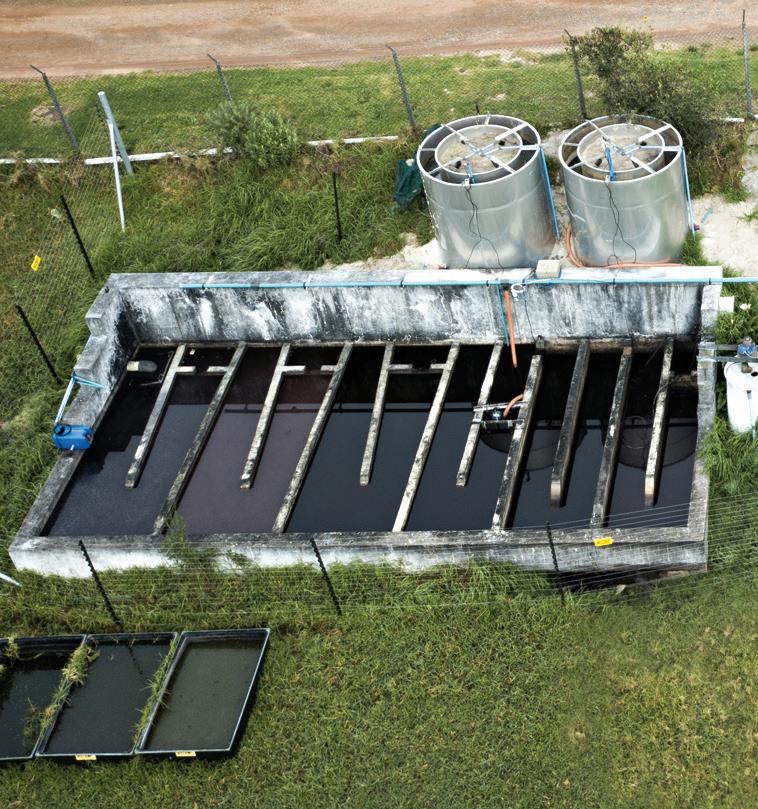
The Biological Sand Filtration (BSF) system is a cost-effective, off-grid solution for treating winery wastewater for reuse, such as in irrigation. It uses solar power and gravity, requiring no external energy input. Microbial communities degrade organic matter, while mineral interactions in the sand reduce sodicity. The system stabilises influent pH, typically acidic (pH 3–4) or alkaline, to a neutral range (6.5–7.5) via biotic and abiotic processes
BSF does not remove dissolved salts, but downstream use of salt-tolerant plants— currently under evaluation by the Agricultural Research Commission—addresses this. Many wineries still dispose of effluent directly to land, but increasing environmental pressures are driving the need for low-impact treatment options.
After years of research, BSF has proven to be viable for small to medium-sized wineries in South Africa. It is energy-efficient, low maintenance, and provides a sustainable means of improving wastewater quality for beneficial reuse.
Benefits:
• Easily installed and adapted to work with existing infrastructure
• Easily installed and adapted to work with existing infrastructure
• Modular approach which allows for the addition or subtraction of modules to suit the required treatment capacity
• R equires minimal maintenance and skilled labour to operate
• Reduces the organic load, neutralises and decreases the sodium absorption ratio of generally acidic winery effluent
Offering:
CPUT is seeking an investor who would like to invest in a new spin-off company or a licensee who would like to license and commercialise the product. Intellectual Property
NOTES