From the





Hallo everyone!

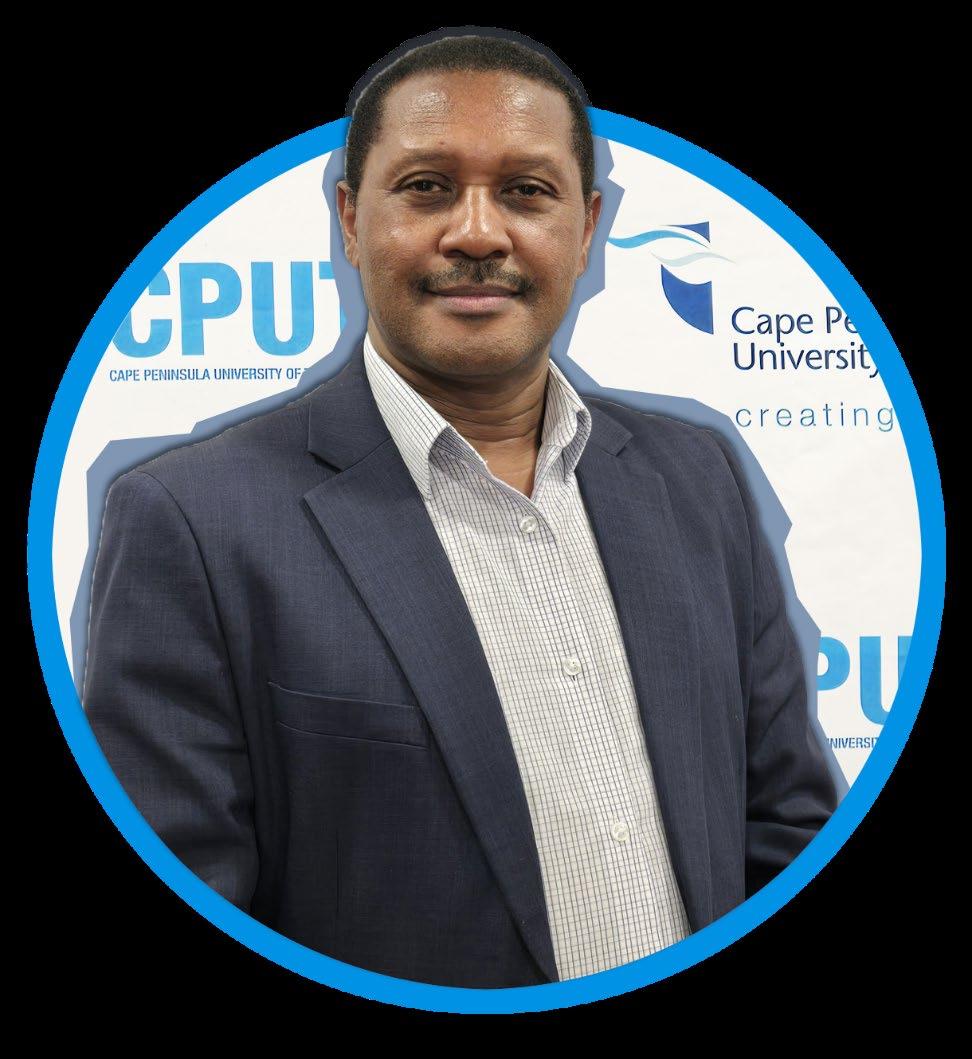

Prof Joseph I. Kioko Dean: Faculty of Applied Sciences
Cape Peninsula University of Technology

As we head towards the end of the first Semester of 2026, I am delighted to introduce the latest issue of the Faculty of Applied Sciences Newsletter. This edition shares some of the activities that took place in the Faculty in the period leading to the end of last Semester/early this Semester. It reflects some of the remarkable achievements, innovations, and scholarly excellence that continue to flow from, and define our Faculty.
Importantly, this Newsletter highlights not just the activities, but the people behind these achievements, hence reflecting the all-important human side of our Faculty. Amid demanding academic schedules and some disruptions/challenges that we went through, our staff continued to demonstrate exemplary commitment, professionalism, and collegiality. The end-of-year staff celebration and Faculty Awards event celebrated excellence not as an individual but a collective achievement, through teamwork, mutual support, and shared purpose. We must cherish and strengthen these in the Faculty.
On the academic front, this edition showcases exciting developments in sustainable Oceans research, food security, artificial intelligence, marine biodiversity, community engagement, and interdisciplinary collaboration. We also celebrate producing a record nine doctoral graduates during the December 2025 graduation ceremony – evidence of a strengthening postgraduate culture and a strong supervisory ecosystem within the Faculty. I’d like to heartfully congratulate both the graduates and their supervisors for contributing to the advancement of knowledge and for strengthening the Faculty’s research profile.
Among the individual achievements highlighted in this edition is the inspiring inaugural professorial address of Prof Sjirk Geerts; and the outstanding achievements of Dr Vusi Mshayisa, whose international fellowship and National University Teaching Award (NUTA) win continue to elevate the Faculty’s profile nationally and internationally - to name just two of many staff members.
I would like to extend my sincere appreciation to every member of the Faculty community. Your individual contribution matters, takes the Faculty forward, and is acknowledged. Many thanks to the Editorial Team and all contributors who made this publication possible.
I trust that this edition will inspire pride in the excellent work taking place across the various facets of our Faculty and encourage us all to continue striving for excellence and impact.





A record nine new doctoral graduates!
The December 2025 graduation ceremony was a special one in that we had a record nine graduates from the Faculty getting their doctoral degrees. This is a seminal milestone in our academic journey, and we congratulate the students and their supervisors for the inspiring achievement.





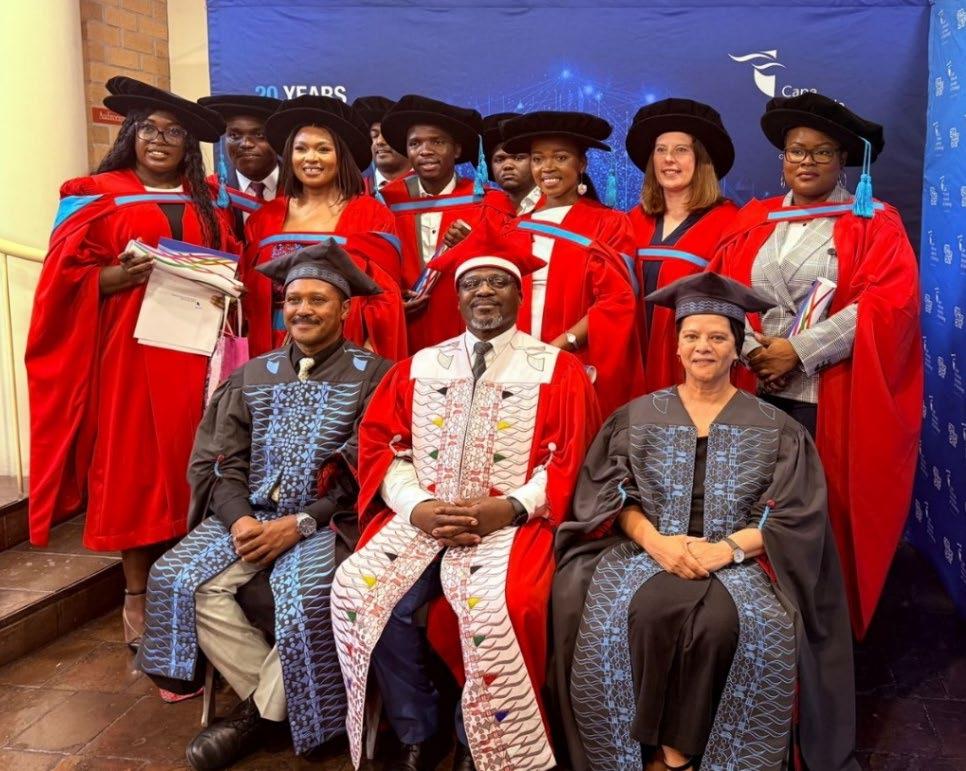
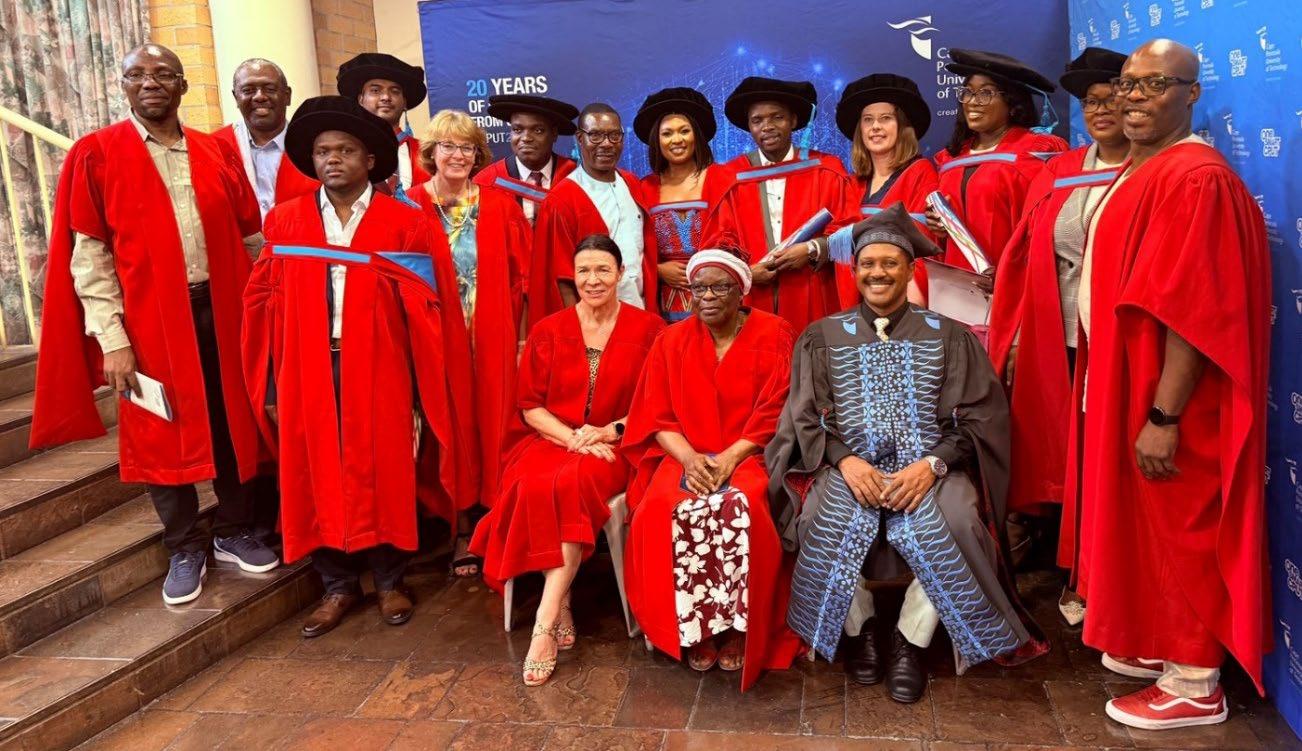
Standing (L-R): Dr Olakunbi Olubi; Dr Rendani Mulaudzi; Dr Sibusiso Xego; Dr Duran Chetty; Dr Sihle Ngxabi; Dr Avela Sogoni; Dr Bongisiwe Zozo; Dr Carolyn Wilmot; Dr Kadidiatou Ossamy
Seated: Prof J Kioko (Dean); Prof C Nhlapo (Vice-Chancellor); Prof R Toefy (Asst Dean)
A group photograph of the graduates (with caps and hoods) and their supervisors.
Inaugural Professorial lecture: Prof Sjirk Geerts
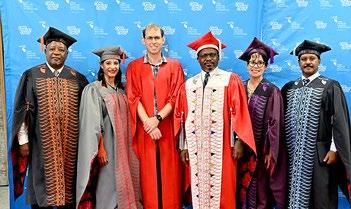
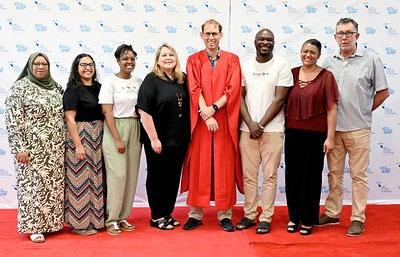
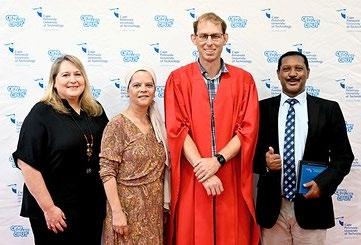
Heartfelt and special Congratulations to Prof Sjirk Geerts who delivered his inaugural professorial address. The address, titled “Pollination in a changing world,” offered an insightful exploration of how human-induced environmental change is reshaping plant–pollinator interactions in the Cape Floristic Region.
Drawing on research that he has done together with his students and collaborators, Prof Geerts shone a bright light on the critical role of pollination as both a measure of ecosystem health and a pathway to practical conservation solutions. This address was a powerful testimony to the Faculty’s commitment to research excellence, societal relevance, and the advancement of knowledge that supports a better world.
Full Professorship is the pinnacle of the academic ladder and a truly great achievement. Congratulations Prof Geerts. We are truly inspired!
Author: Prof Joseph Kioko
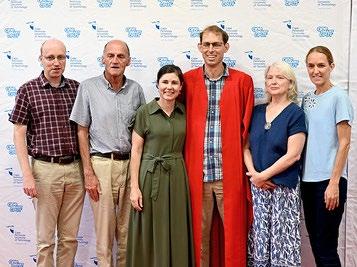

Prof Geerts with his family at the Inaugural lecture
Prof Geerts with some staff members of the Department of Conservation and Marine Sciences
Prof Geerts with the Acting HOD for Conservation and Marine Sciences (Prof Snyman), the Asst Dean (Prof Toefy) and the Dean (Prof Kioko).
Prof Geerts with the Vice Chancellor some members of CPUT Senior leadership
Ending off 2025 in High Spirits
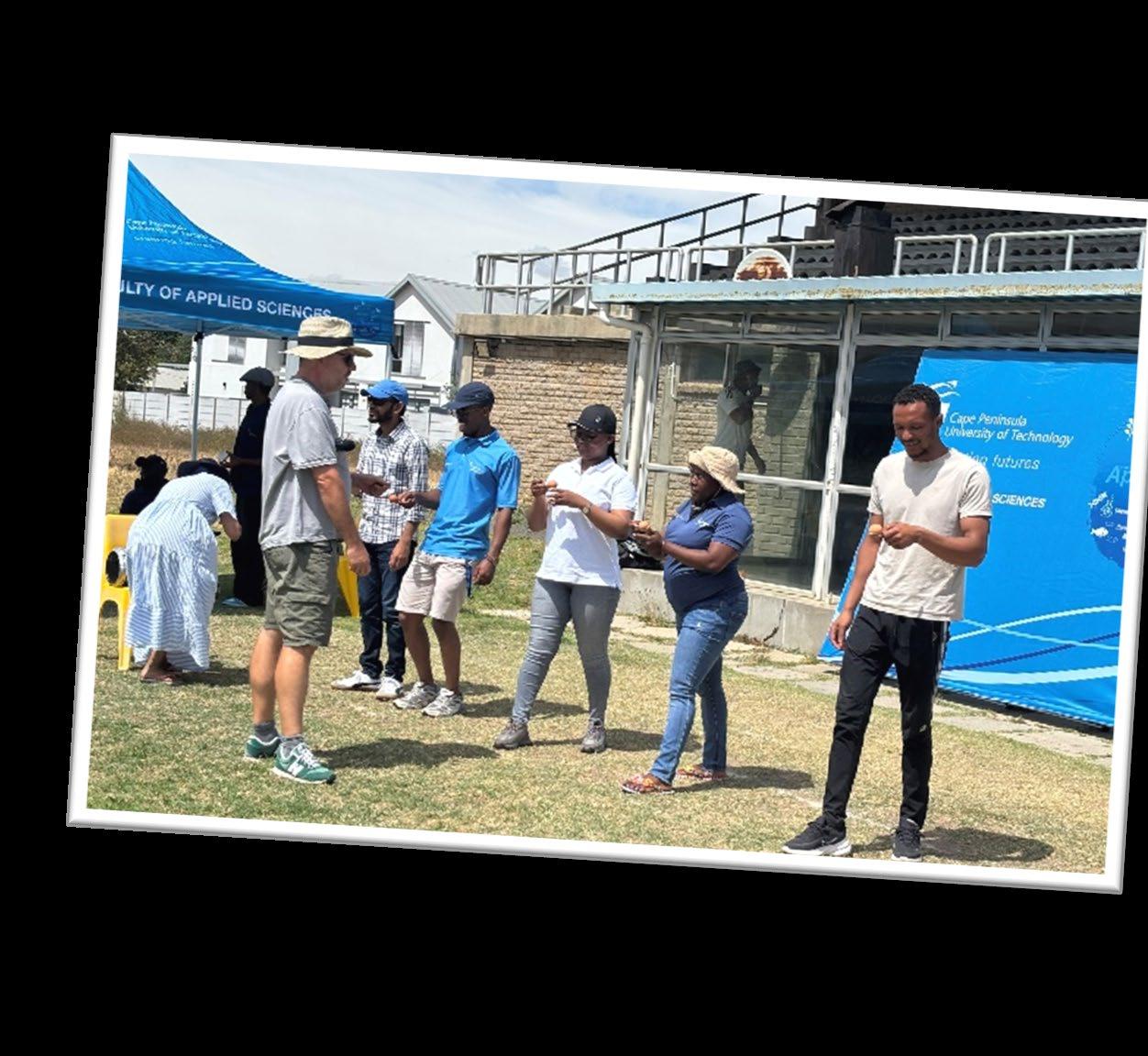


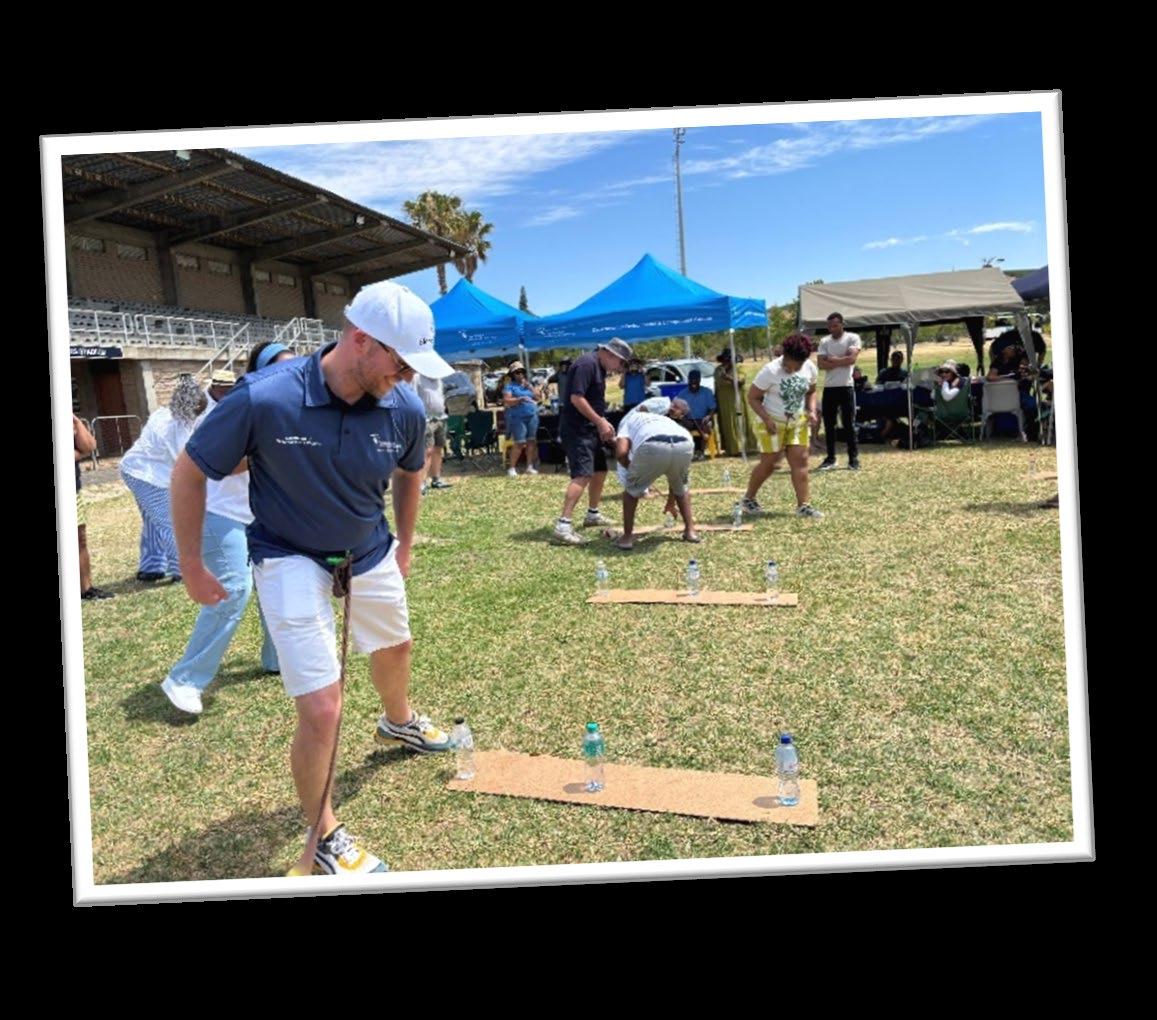
Once again, the staff of the Faculty of Applied Sciences ended off the year with an unforgettable end-of-year team-building event. The 9 December 2025 rolled in amidst end of year excitement and graduation week. The event took place at the Wellington campus stadium, hosted by our Agriculture Department. Staff gathered for a day filled with fun, games, very good food, not forgetting the friendly competition between departments. Some staff members were also recognised for their achievements in 2025. The effort that each staff member puts in to make our faculty work so well was acknowledged by the Dean, Prof Kioko.
The games started in earnest in the morning. The musical chairs was indeed ‘very serious’ with some staff members really being able to show their dance moves. Staff from departments battled it out in the egg and spoon race, 3legged races, water bottle bashing race and the 30seconds quiz. All eight departments participated well and
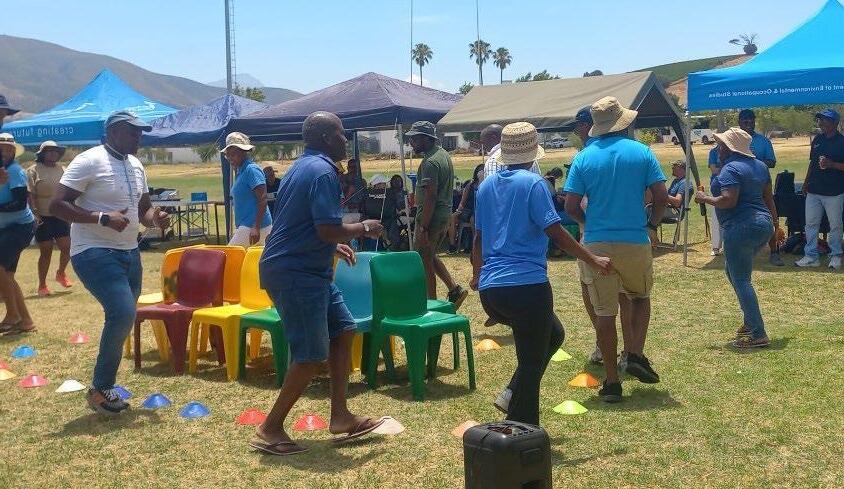
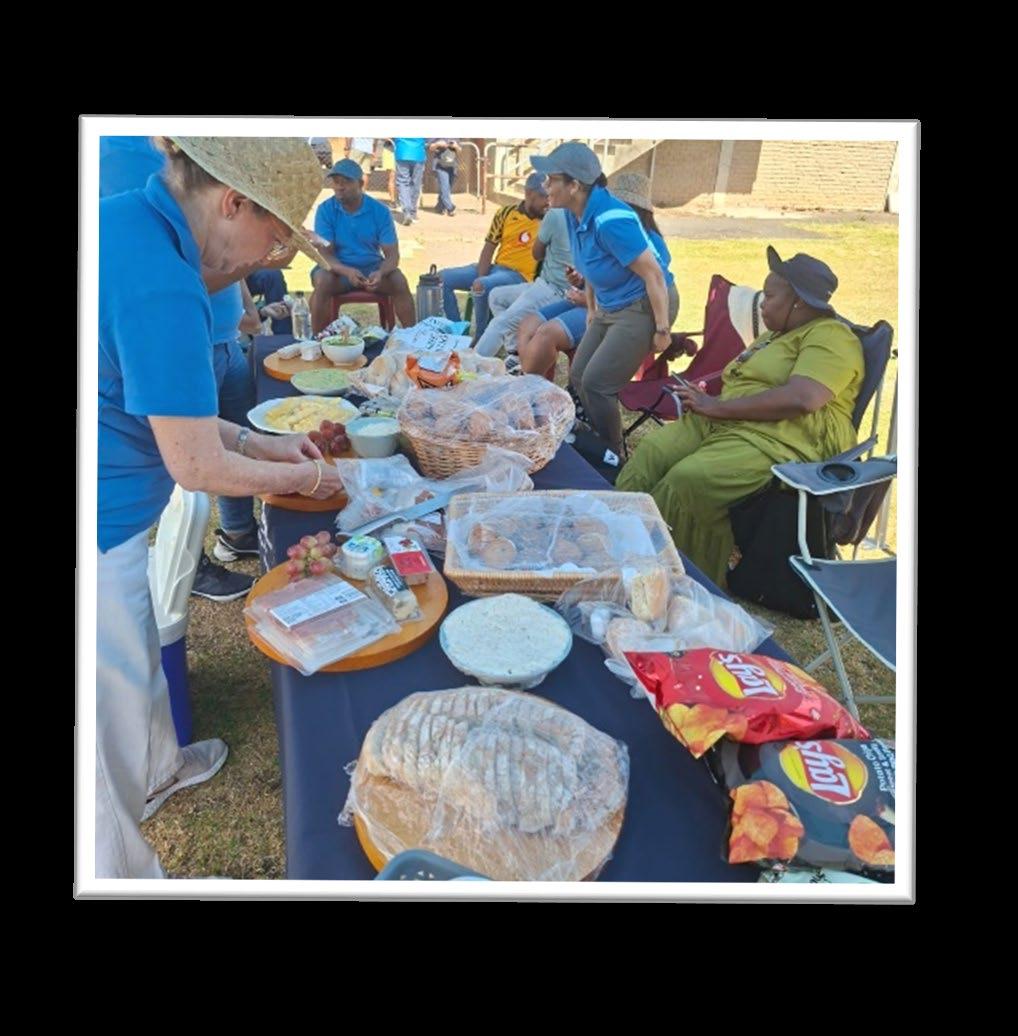
this year, we decided that all departments were winners, keeping score with so much pandemonium was not easy!!!. Some staff enjoyed the 360-photo booth, definitely showing that some have better dance moves than others. These events, from the years that the faculty has been hosting them, remain focussed on bonding, laughter, and having a great time. It was amazing to see colleagues from different departments work together, have fun, and support each other and enjoy the relaxation after a very gruelling year.
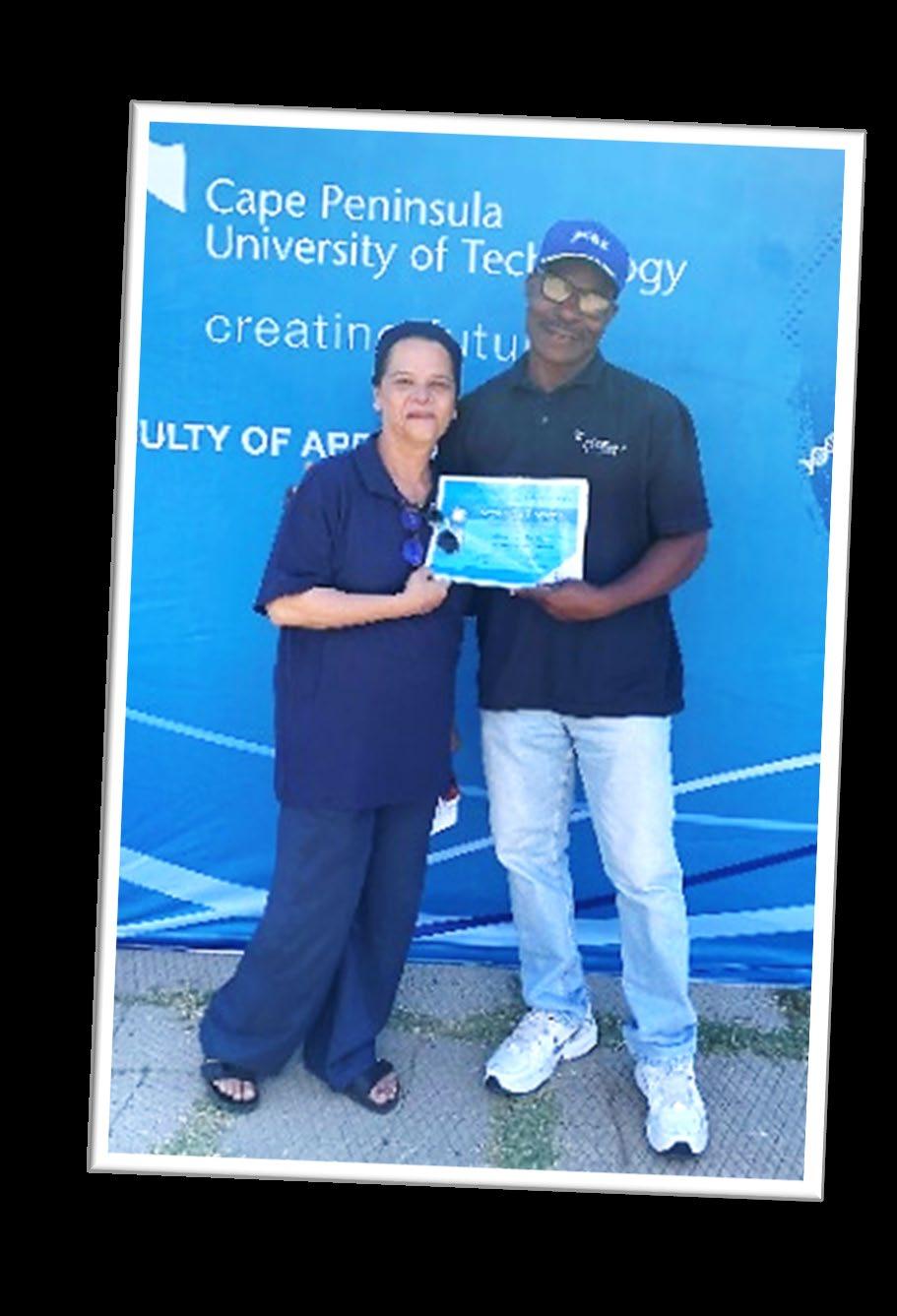
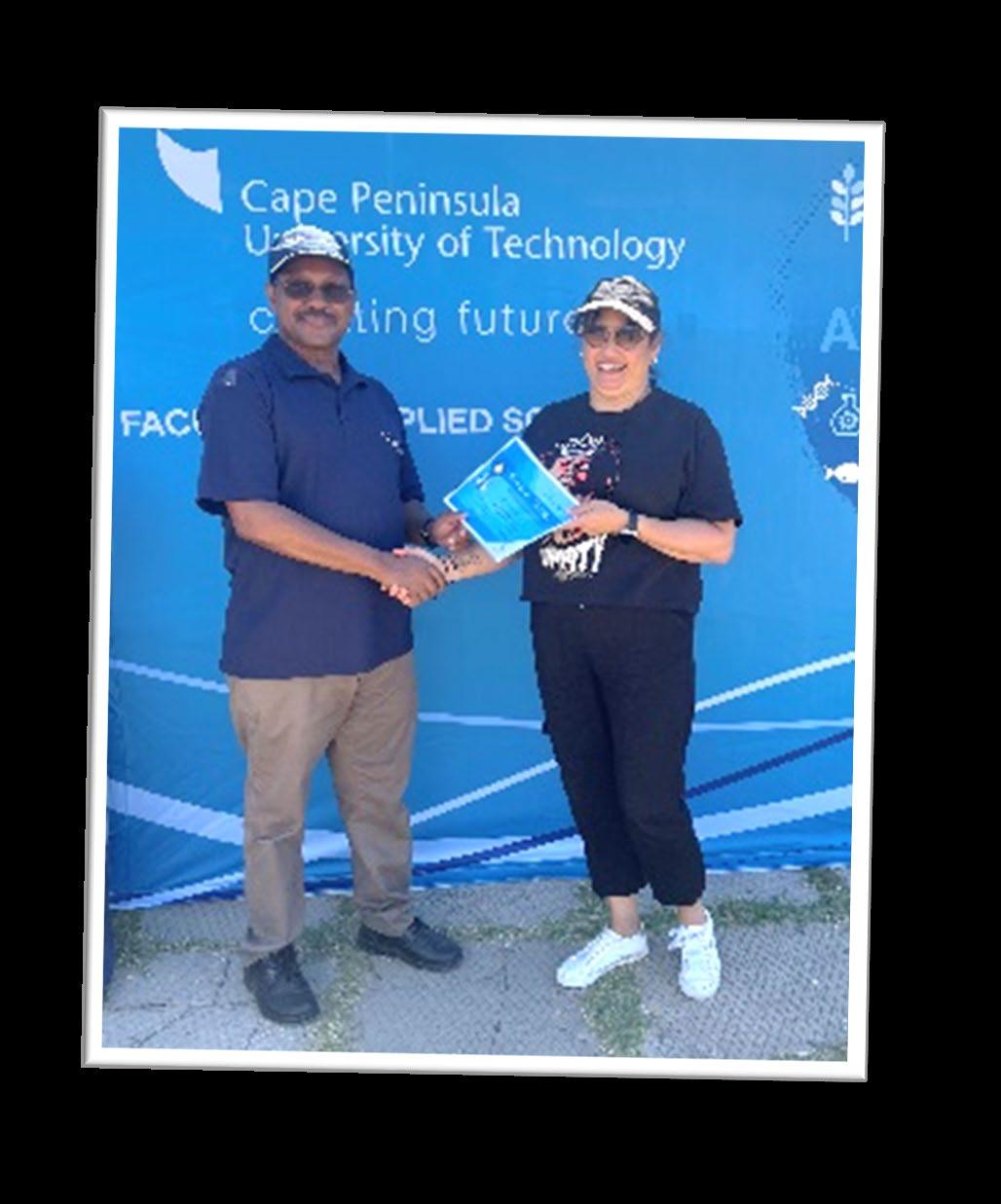
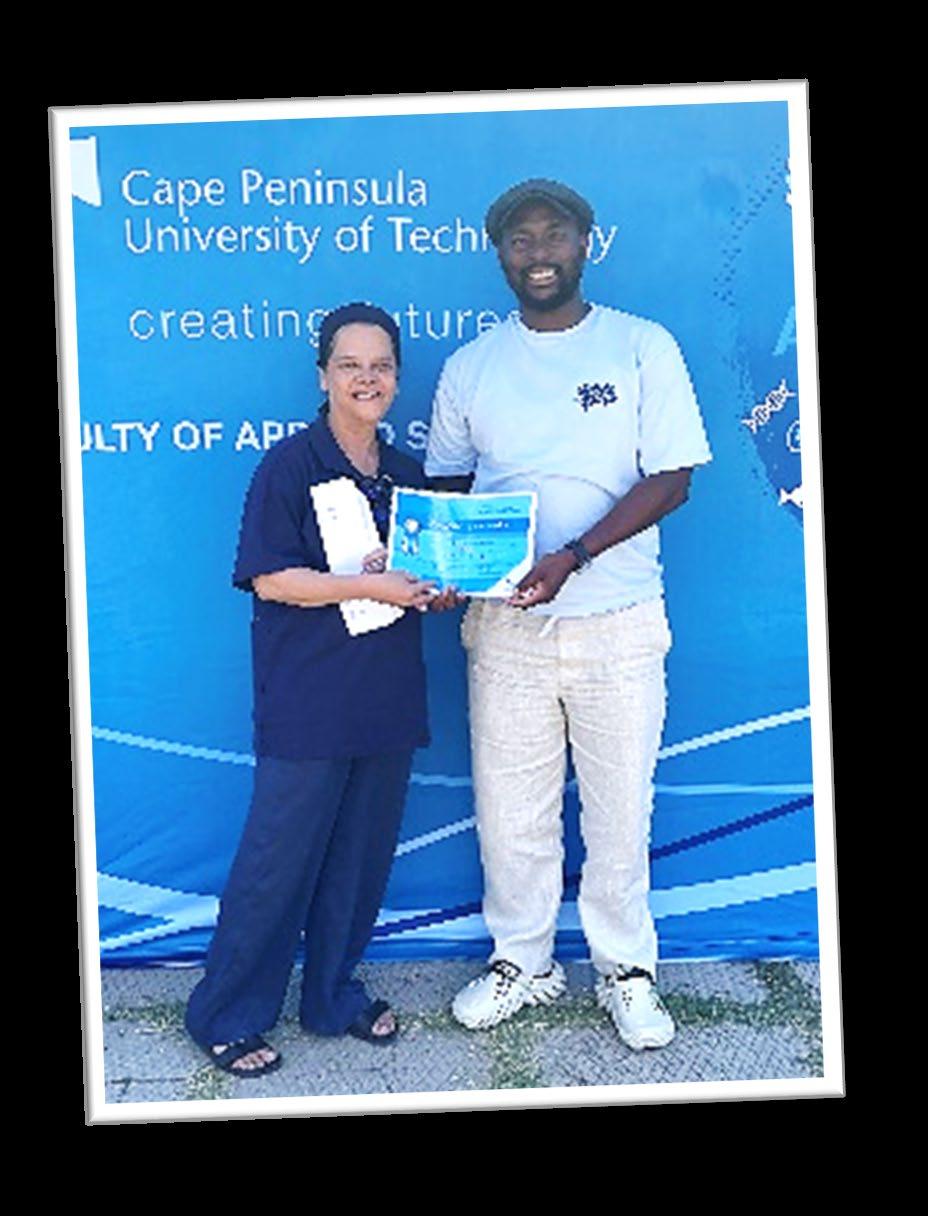
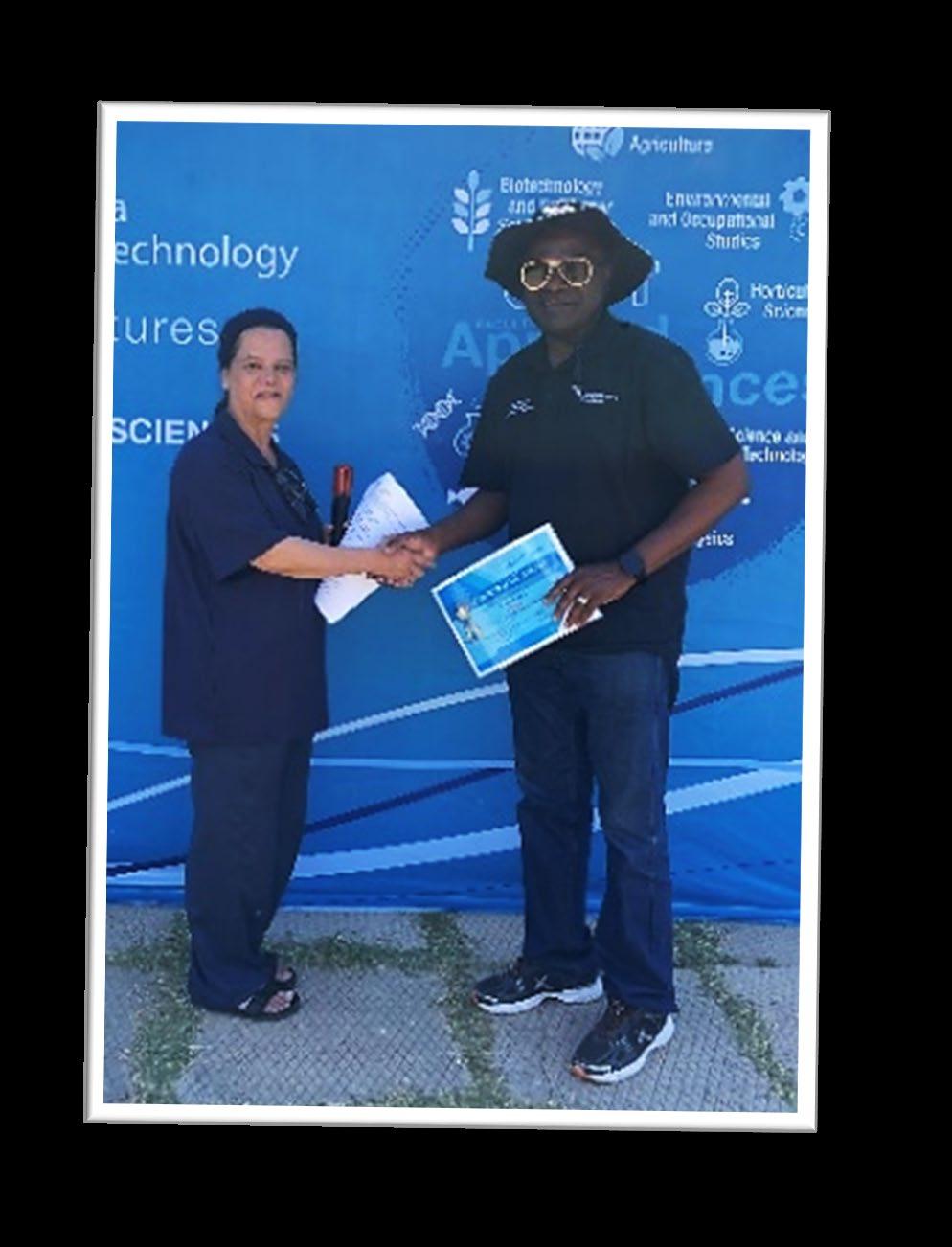
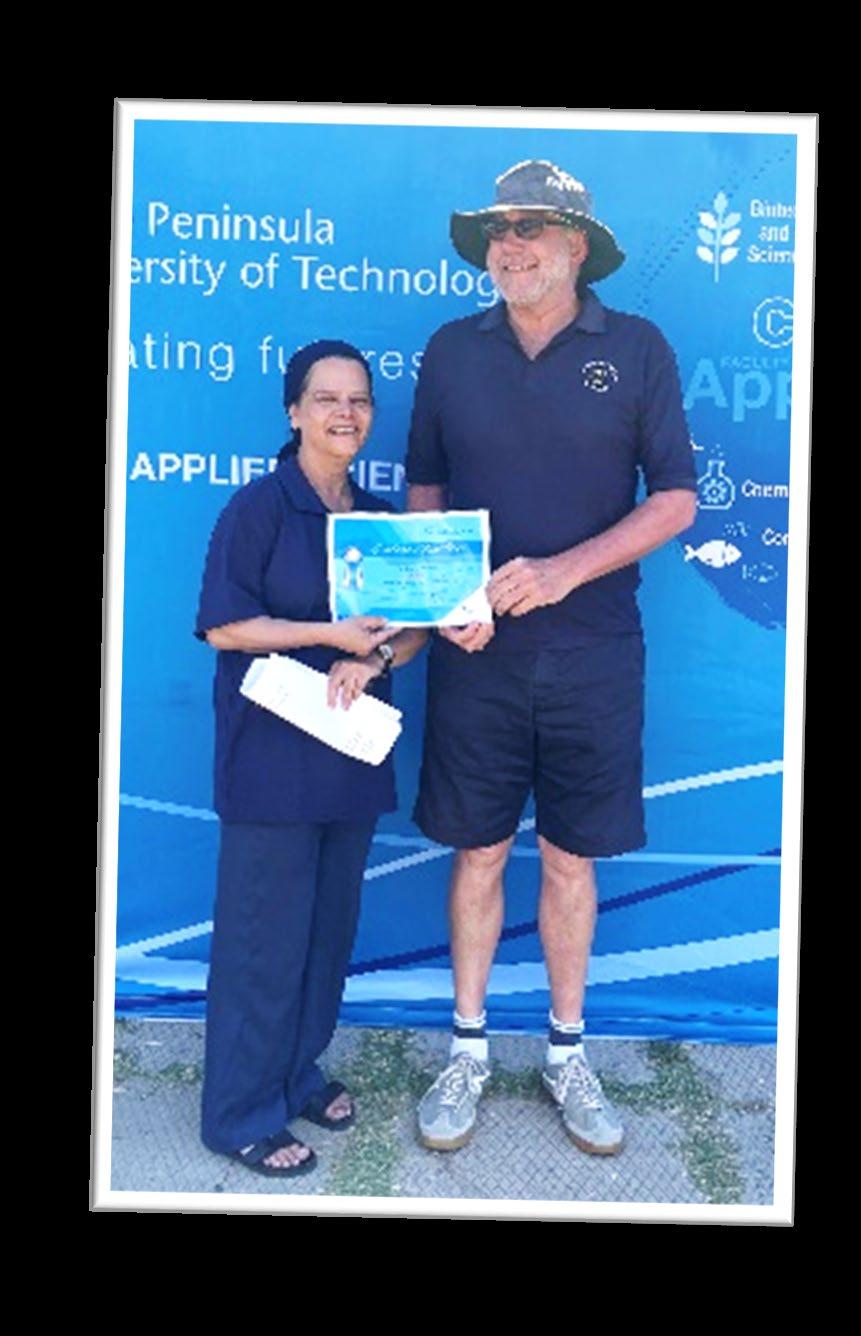
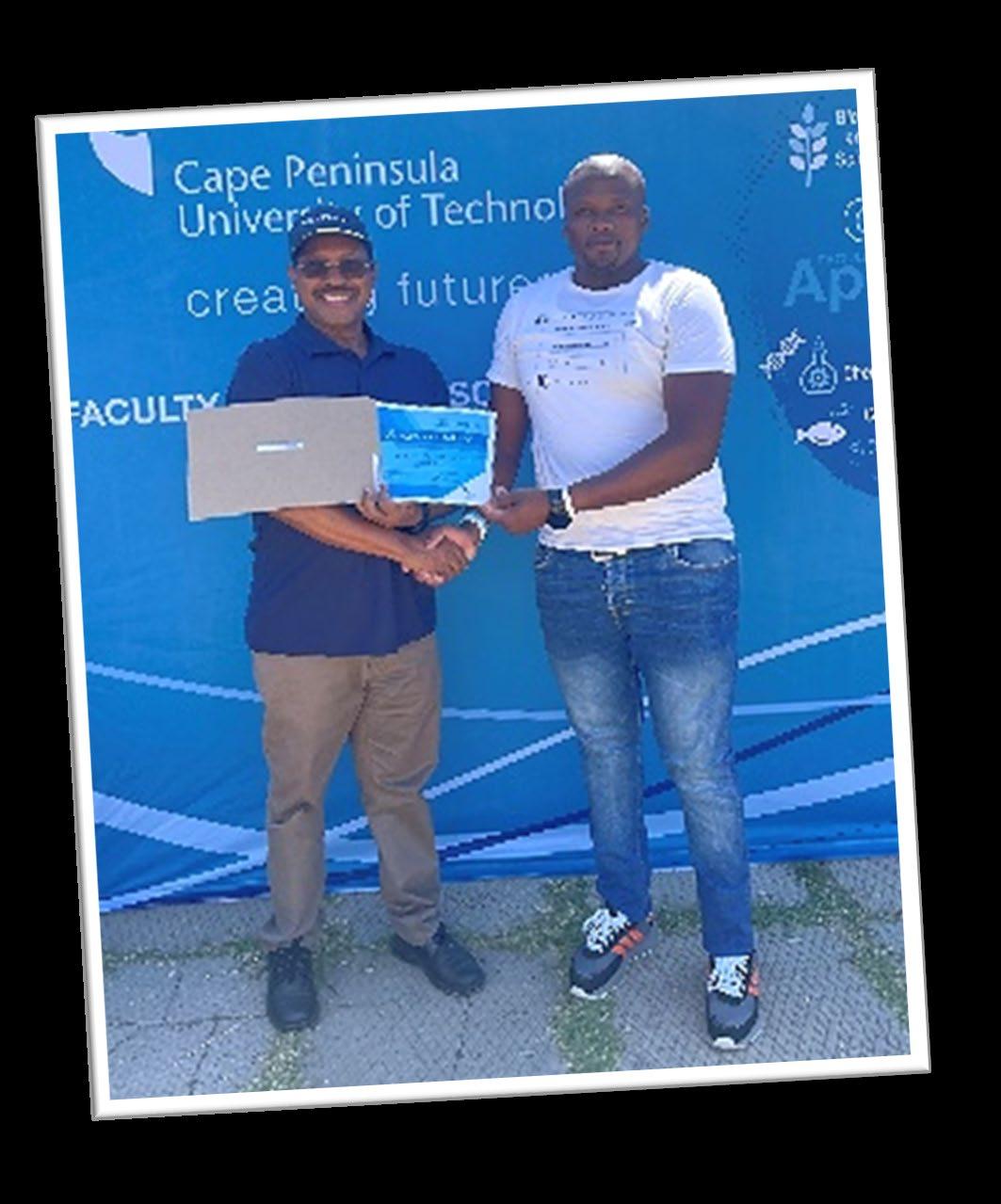
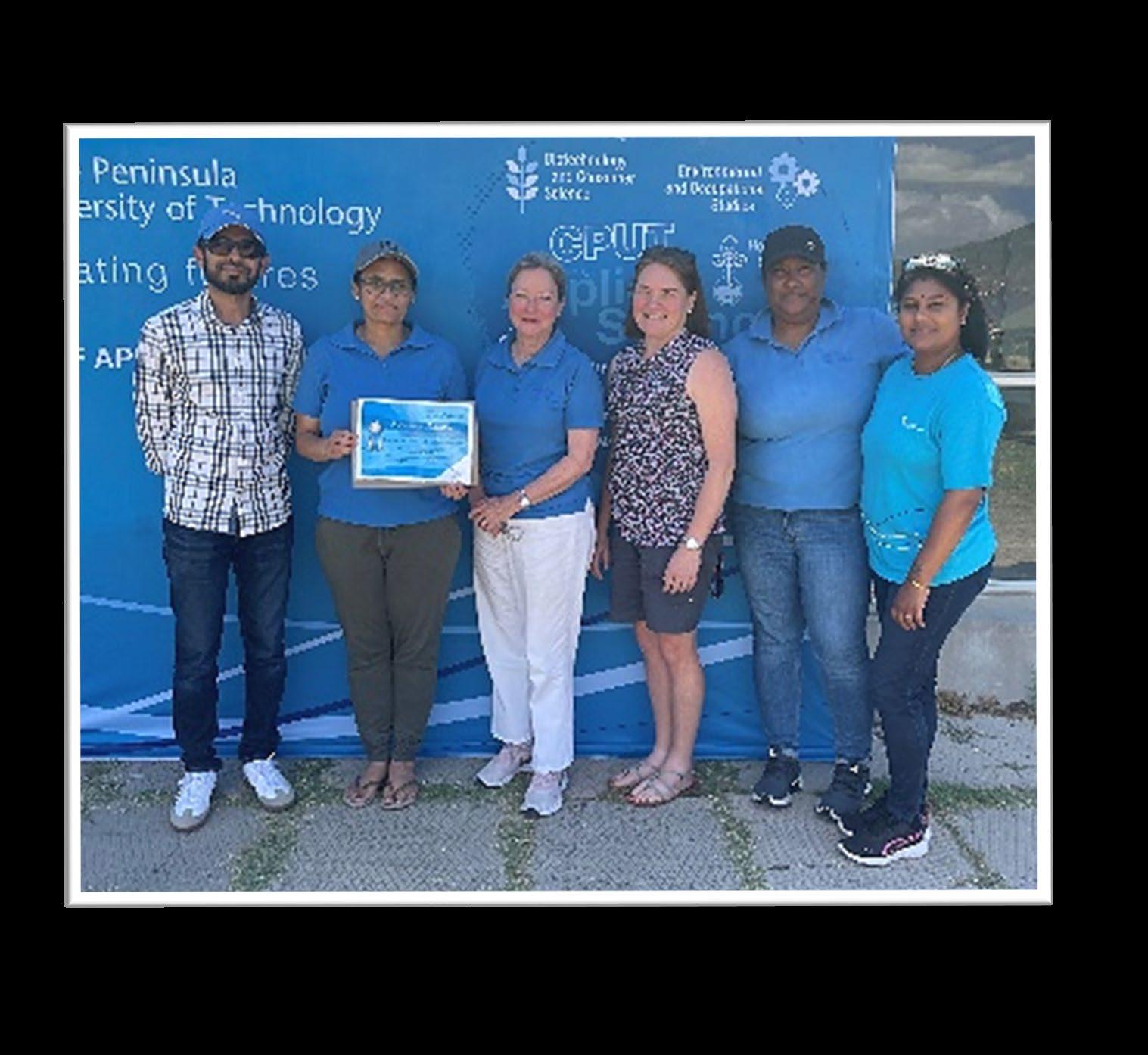
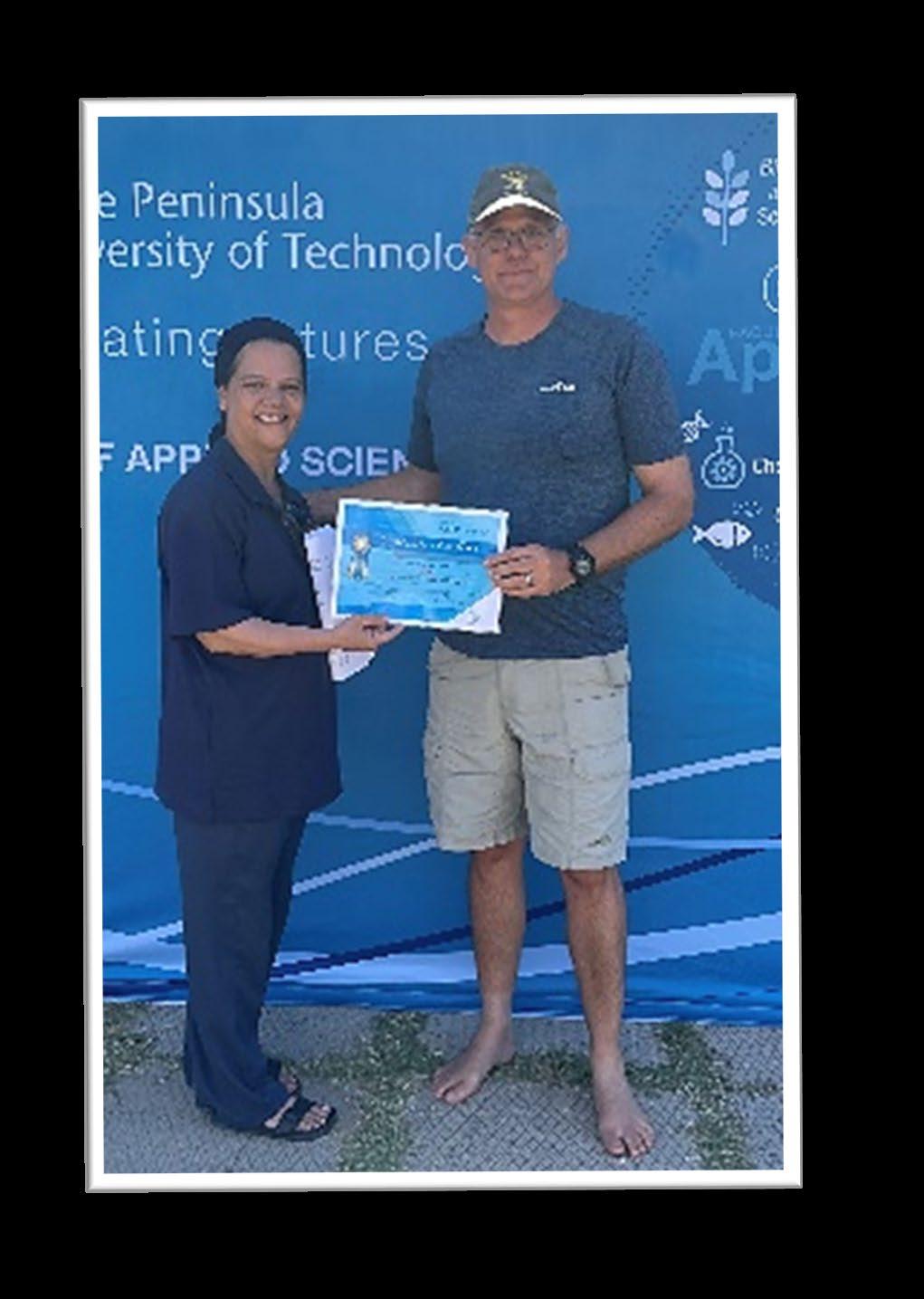
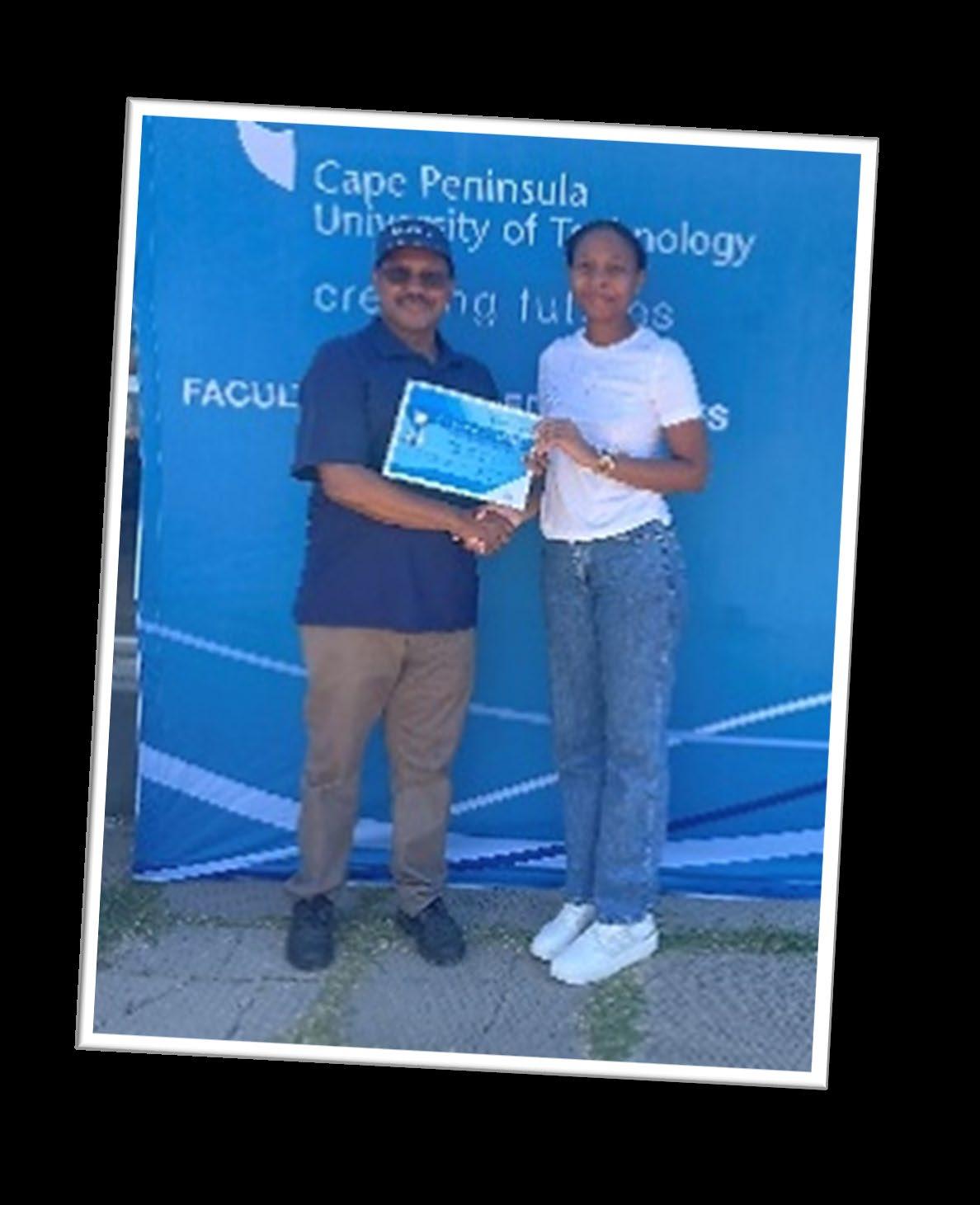
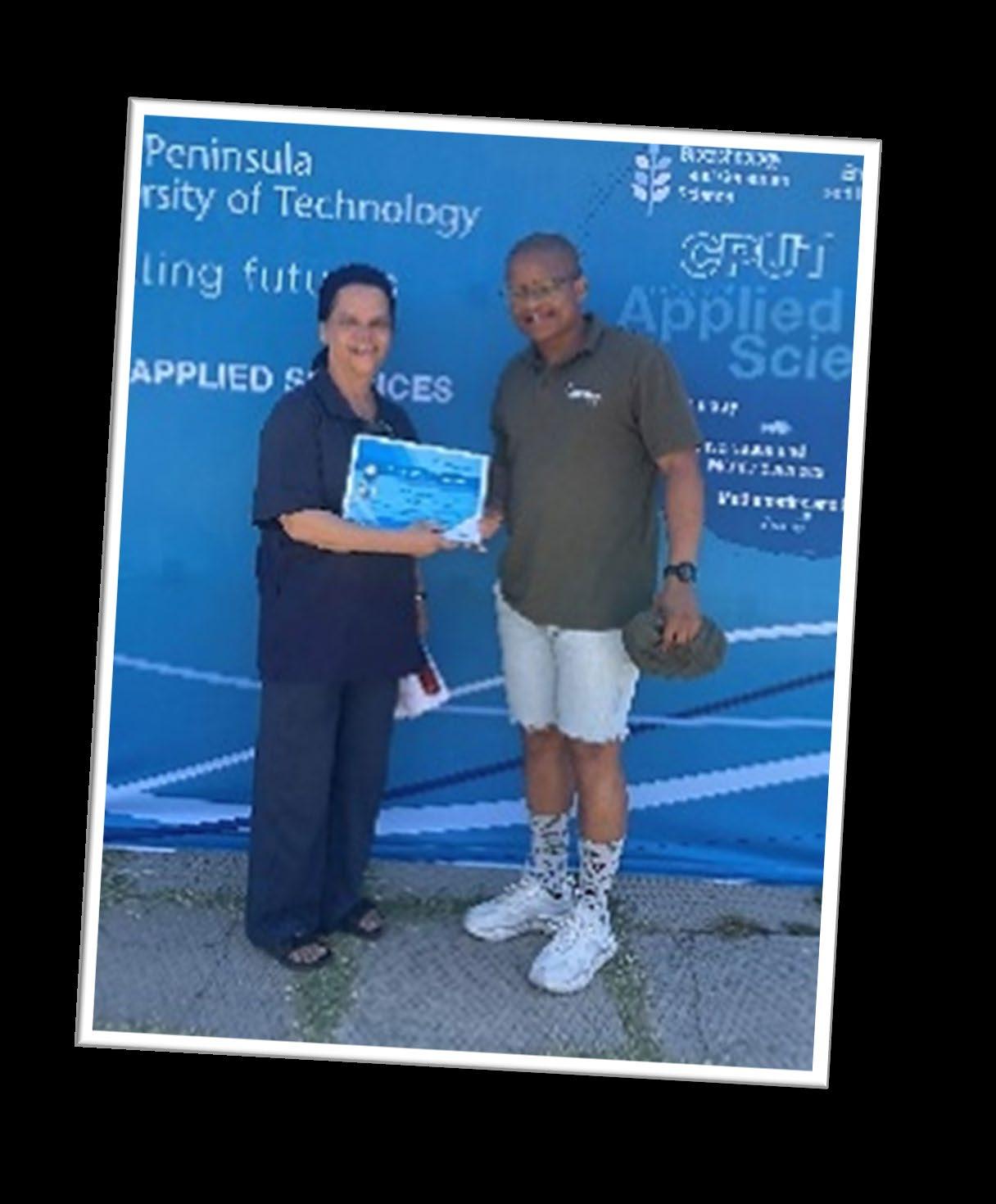
The Faculty staff are an incredible group of hardworking, committed individuals that make the Faculty excellent. At the end of a wonderful day, the staff gathered for the awards ceremony led by the Dean. This is an important part of the end of the year, which recognises the commitment of staff to excellence. The awards recognized outstanding achievements in various categories, including teaching, research, service, and leadership.
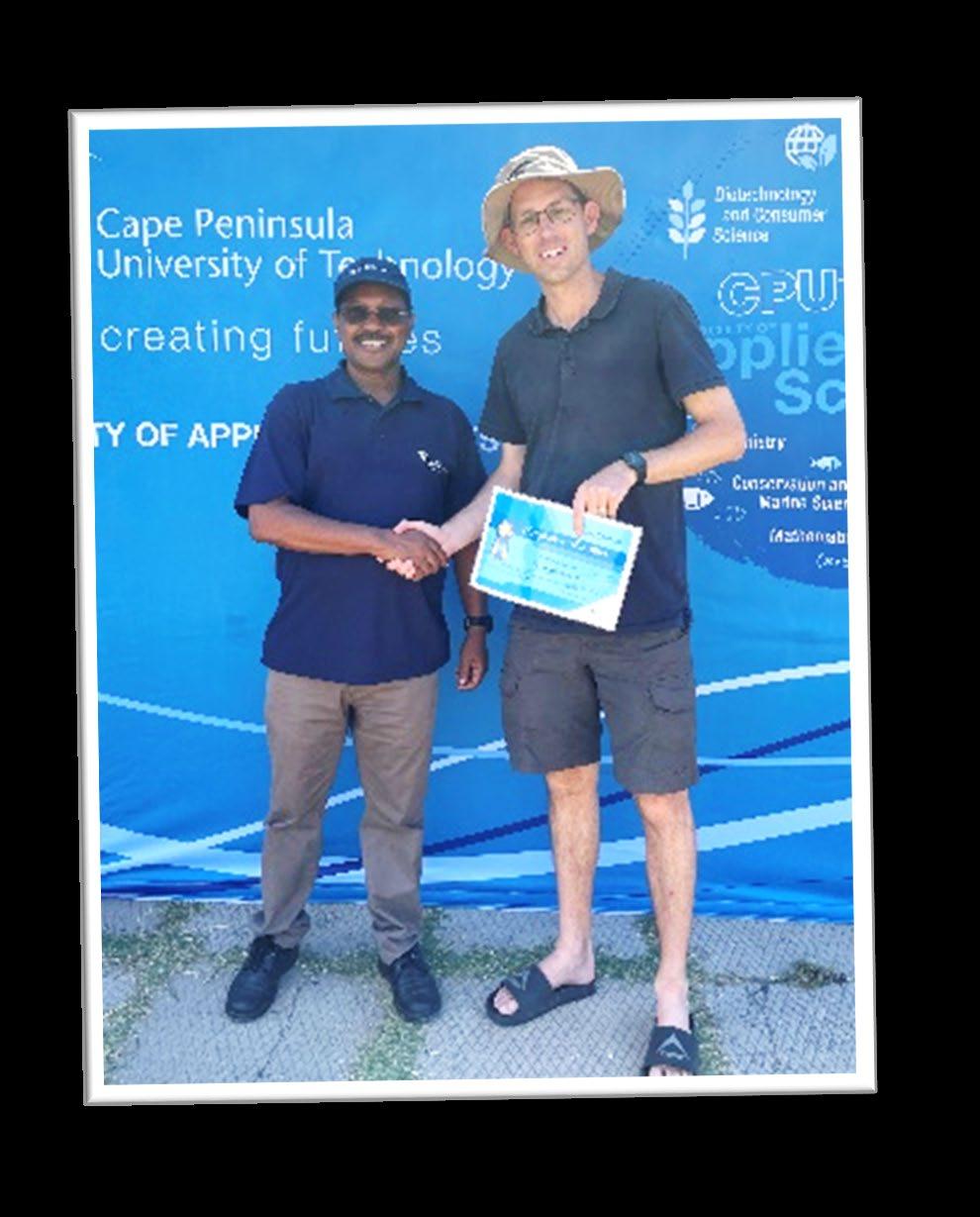

Cape Peninsula
STAFF ACADEMIC QUALIFICATION AWARDS
Staff Obtaining Doctorates in 2025
Technical Staff obtaining Masters Degree in 2025
SUPPORT STAFF AWARDS
Outstanding Secretary/ Office Administrator
Outstanding Technical Staff Member Award
Outstanding Non-academic Staff member for the whole Faculty
POSITIVE SPIRIT AWARD

• Dr Bongisiwe Zozo (PhD in Chemistry)
• Dr Duran Chetty (Doctor of Horticulture)
• Dr Sibusiso Xego (Doctor of Horticulture)
• Dr Carolyn Wilmot (Doctor of Horticulture)
• Dr Zukisani Gomomo (Doctor of Agriculture)
• Dr Samukelisiwe Vilakazi (PhD in Soil Science)
• Ms Gilian Fennessy-Yon: Master of Science in Pharmaceutical Sciences, Summa Cum Laude
• Ms Aphiwe Gusha
• Mr Phumlani Roto
• Ms Lucille Peterson
RESEARCH AWARDS
Attracting External Funding
Staff Obtaining new or renewing NRF Rating in 2025
Dr William Manamela
• Dr Conrad Sparks: Total of R14,25 million over the last two years
• Prof Vincent Okudoh: About R880 000 in 2025
• Prof Maretha Van Heerden: R1,685m over the last 2yrs
• Prof Sjirk Geerts: From Y rating to C2 rating
FACULTY AWARDS
LEARNING AND TEACHING AWARDS
For a National Teaching Excellence (NUTA) Award, 2025
Dean’s Commendation for Innovation in Learning and Teaching
ALL-ROUND ACADEMIC AWARDS
Recently Promoted Colleagues
• Dr Vusi Mshayisa
• Consumer Science: Food and Nutrition
• Analytical Chemistry
• Dr Boredi Chidi – Promoted to Senior Lecturer
• Dr Vusi Mshayisa – Promoted to Senior Lecturer
• Prof Sjirk Geerts - Promoted to Full Professor
STUDENT SUPERVISION 2025
For the most masters students graduated in 2024
For the most masters students graduated in 2025
• Tied 2nd Place – Dr Elie Tombo : 3 students – All as Main supervisor
• Tied 2nd Place – Prof Victoria Jideani: 3 students: 2 as main and 1 co-supervisor
• 1st Place – Dr Benett Madonsela: 5 students: 2 as Main and 3 as cosupervisor
• Tied 2nd Place - Prof Frans Radloff: main supervision of 2 Master’s students
• Tied 2nd Place – Dr Thembalethu Seti: main supervision of 2 Master’s students;
• Tied 2nd Place - Dr David Walker: main supervision of 2 Master’s students;
• 1st Place – Prof Sjirk Geerts: Main supervision of 3 Master’s students
For graduating doctoral students
• Prof Izanne Human (2024)
• Prof Morris Fanadzo (2025)
• Prof Sjirk Geerts (2025)
• Prof Learnmore Kambizi (2025)
• Prof Merrill Wicht (2025)
FACULTY AWARDS
For graduating doctoral students (continued)
• Prof Ahmed Mohammed (2025)
• Prof Joseph Kioko (2025)
• Prof Victoria Jideani (2025)
RESEARCH PUBLICATION OUTPUT IN 2024
Established Researchers:
• 3rd Prof Learnmore Kambizi: 2.44 units
• 2nd Prof Ahmed Mohammed: 2.89 units
• 1st Prof Felix Nchu: 3.28 units
Emerging Researchers: No Doctoral degree or attained Doctoral degree in the past 3 years
Highest Per Capita Research Output in 2024
Author: Prof Rashieda Toefy
• Dr Benett Madonsela: 1.7 units
• Babalwa Gqomfa: 1.2 units
• 3rd Place - Department of Conservation and Marine Sciences: 8.9 units
• 2nd Place - Department of Environmental and Occupational Studies: 11.7 units
• 1st Place – Department of Horticultural Sciences: 15.6 units
FACULTY AWARDS
TWAS-DFG Fellowship Awarded to Dr Vusi Mshayisa Positions CPUT as a Global Leader in Food Science Innovation
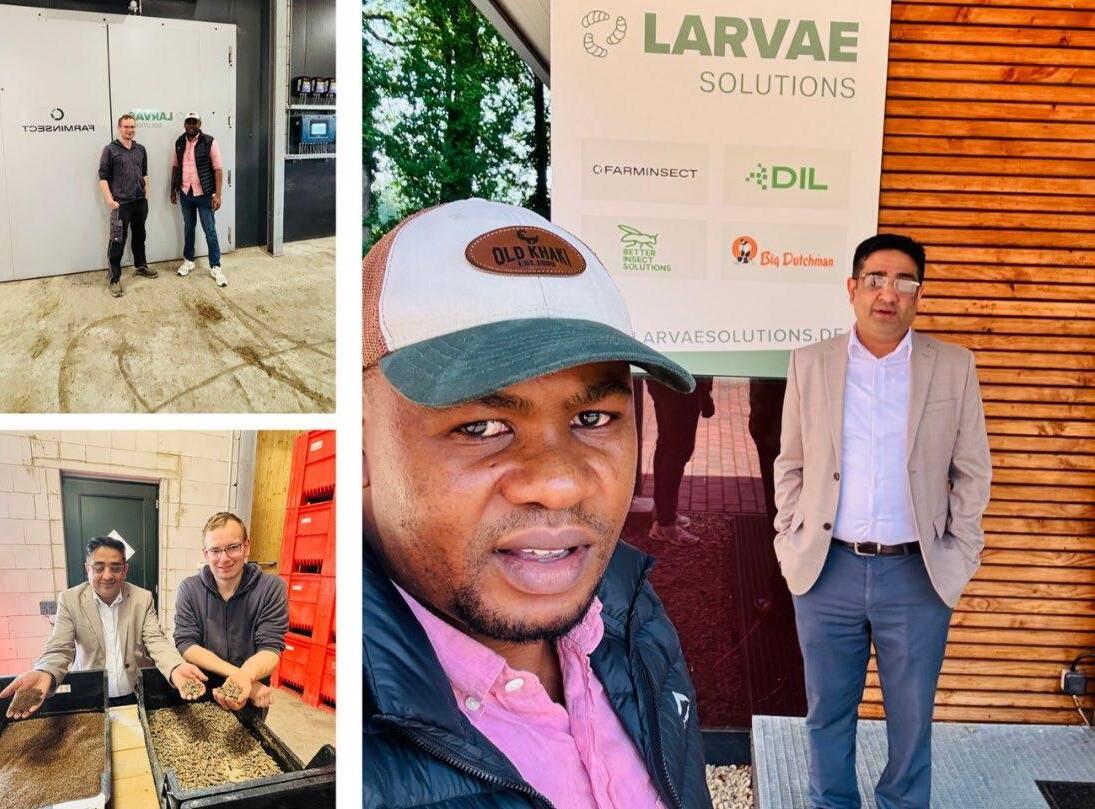
The Cape Peninsula University of Technology (CPUT) has once again demonstrated its research excellence on the world stage. Dr Vusi Vincent Mshayisa, Senior Lecturer in the Department of Food Science and Technology (DFST) and an NRF Y2-rated researcher, has been awarded the TWAS-DFG Cooperation Visit Fellowship, a prestigious programme supporting collaboration between African scientists and Germany’s top research institutes.
Through this fellowship, Dr Mshayisa will conduct advanced research at the German Institute of Food Technologies (DIL), a partnership that strengthens CPUT’s global footprint in sustainable food systems and alternative proteins.
“This fellowship affirms the high-impact work emerging from our department,” says Dr Mshayisa. “It reflects years of dedication to building Africa-led research capacity in food security.” As founder and research lead of CPUT’s Edible Insects Research Group (EIRG), Dr Mshayisa has built a thriving research ecosystem focusing on edible insects as functional ingredients. His team integrates modern analytical techniques, indigenous knowledge systems, and sustainable processing technologies to
develop protein-rich food products rooted in African biodiversity.
“Our vision is to position DFST as a continental hub for innovation where science, culture, and sustainability intersect,” he explains.
At DIL, Dr Mshayisa will collaborate with Dr Kashif ur Rehman on projects involving insect protein extraction, breeding, and product development. The outcomes are expected to inform industry applications, student training, and policy formulation across Africa.
Acknowledging the support of Dr John Kinyuru (JKUAT, Kenya), Dr George Charimba (DFST head of Department), and Prof Joseph Kioko (Dean of Applied Sciences), as well as the contributions of his postgraduate students, Dr Mshayisa emphasises that the fellowship is a shared triumph for CPUT and its growing network of African scientists.
This recognition reinforces CPUT’s strategic vision to be a research-intensive university driving innovation, sustainability, and impact across the continent.
Author: Dr Vusi Mshayisa

We’re not just joining the global conversation, we’re leading it… on African terms. “ ”


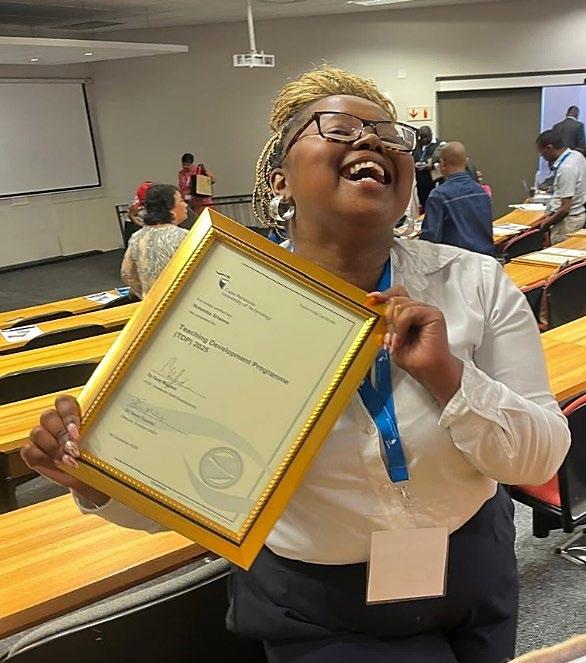
Chemistry Department staff participated and completed the Fundani Teaching Development Programme (TDP)
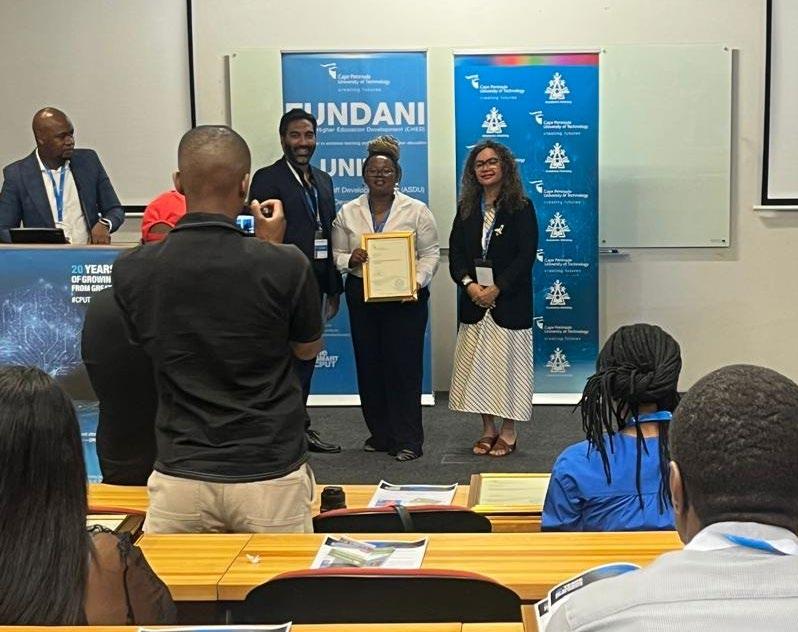
We have found that the Teaching Development Programme (TDP) at CPUT functions as a critical space for "soul-connecting work," where academics align their classroom reality with the National Framework for Enhancing Academics as University teachers, in line with the mandates of CPUT’s Vision 2030.
This journey has represented an opportunity for the professionalization of teaching, seeing that some lecturing staff do not have a teaching background. It plays the bridging role of educating the educator in key and foundational knowledge around education. It moves teaching beyond a mere "vocation" toward a theoretical, practical and socially just practice that ensures epistemological access for a diverse student body.
We have below a few of lessons and tools learned and experienced through the program:
As reflected by Dr. C Eze

Enhanced Teaching Skills
The sessions provided practical strategies for improving lesson planning, assessment design, and student engagement. I gained clearer insight into how to structure learning activities that promote deeper understanding and active participation. e.g. the use of mentimeter to engage students during online lectures and class activities in f2f lectures. This is a game changer for gauging student comprehension.
Reflective Teaching Practice
A major takeaway was the emphasis on reflective practice. The programme encouraged me to evaluate my teaching methods more critically and use student feedback and data more effectively to refine my approach in the classroom.
Supportive Professional Community
Engaging with colleagues across departments was highly beneficial. It created opportunities for collaboration, sharing best practices, and building a supportive teaching community.

As reflected by Ms N Silwana
The Transition from Rote to Constructivism
My evolution as an educator is rooted in a personal "origin story" of transition. Growing up with parents who were both teachers this gave me a privileged footing in teaching; the identity of a pedagogue was an inherent quality. Yet, as an undergraduate student at the then Cape Technikon, I initially survived through rote memorization a method I used primarily to secure grades rather than depth of understanding. My transformation into a Social Constructivist facilitator was sparked by the realisation that my own students needed more than a "collection of abstract concepts."
I have moved from the "authority" model of teaching to one where I dismantle the chemistry "intimidation barrier" through the following shifts that inform my teaching philosophy:
• Rote Memorization (The Passive Past): Knowledge as a static commodity; focus on grade acquisition; reliance on the reproduction of isolated facts; students as empty vessels.
• Social Constructivism (The Facilitative Present): Knowledge as an active construction; focus on inquirybased learning and Socratic dialogue; dismantling the "intimidation barrier" by centring the student’s reasoning and voice; promoting higher-order cognitive skills (HOCS) and critical thinking skills.
Philosophy of Ubuntu in STEM
The principle of Ubuntu ("I am because you are") is the cornerstone of my decolonization strategy. In STEM classrooms, particularly for students from quintile 1, 2, and 3 schools, Ubuntu creates a "safe space" for those who have been historically marginalized. This philosophy manifests through a specific lexicological approach and linguistic flexibility(flexibility (these are things that I have recently introduced that have decolonized my own way of teaching):
• Bridging the Linguistic Divide: While English is the medium instruction, switching to IsiXhosa, dabbling in IsiZulu, and Sesotho and Afrikaans fosters engagement and inclusivity.
• Lexicological Scaffolding: I break down complex scientific terms into their building blocks. For example, "Polyprotic" is dismantled (Poly- meaning more than one; -protic relating to the proton H+) to enable students to construct meaning from the word itself rather than memorizing a definition.
• Communal Responsibility: Encouraging interdependence through cooperative learning, ensuring that the "intimidation barrier" of chemistry is dismantled through collective academic confidence.
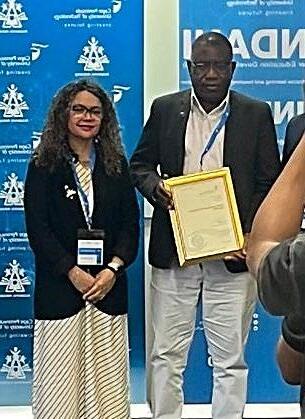
We would like to thank our department head for the opportunity allotted to us to be able to take part in the CPUT-TDP program which we completed over the course of 2025, a rigorous and full year programme for which we received certification, on the 08/12/2025
Authors: Dr. Chuks Eze and Ms Notemba Silwana
Dr Vusi Mshayisa Wins Prestigious National University Teaching Award
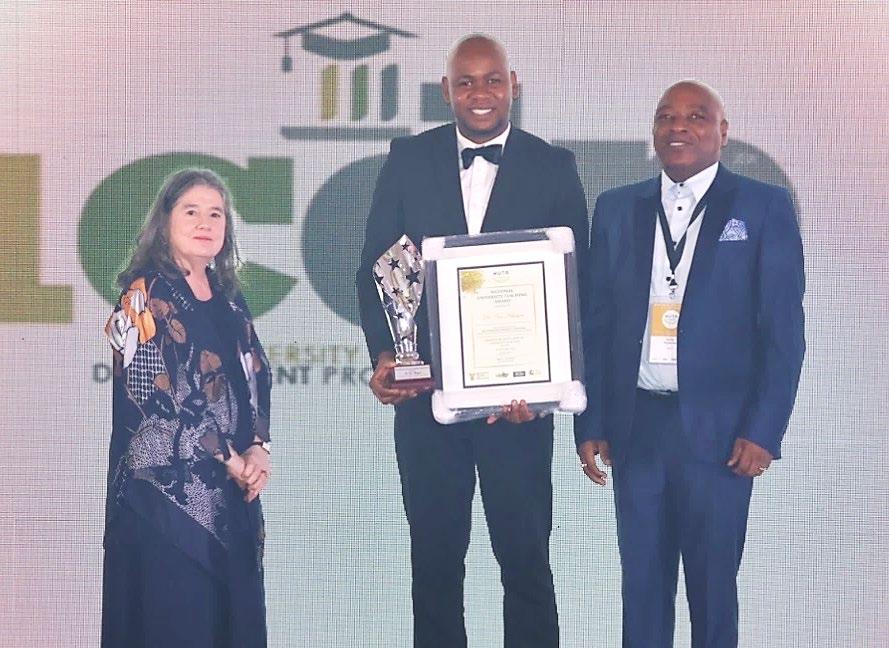


Department of Food Science and Technology (DFST) are celebrating a major milestone as Dr Vusi Mshayisa, Senior Lecturer and Curriculum Officer at the Department of Food Science and Technology (DFST), was announced as a winner of the 2025 National University Teaching Award (NUTA), a national recognition of excellence in higher education teaching.
Organised by the South African University Teachers (SAUT), the NUTA awards recognise academics whose innovative teaching practices inspire transformation and elevate learning across institutions. In its citation, NUTA commended Dr Mshayisa as “a highly committed and influential teacher whose creative, inclusive, and thoughtprovoking pedagogical approaches have impacted not only students but also departmental, institutional, and global teaching contexts.”
As CPUT’s first doctoral graduate in Food Science and Technology, Dr Mshayisa continues to lead by example, pioneering student-centred learning models that integrate technology, blended learning, and innovation in assessment design.
“ This award is both humbling and affirming,” said Dr Mshayisa. “It reflects years of resilience and commitment to transforming how we teach and how students learn. It is a shared victory with my colleagues and students who make this journey meaningful.”
He expressed gratitude to Dr Zandisile Sitoyi and Dr Xena Cupido (Fundani Centre for Higher Education Development), Dr George Charimba (Head of Department), and Prof Muhammad Nakhooda for their mentorship and support.
Dr Mshayisa’s philosophy, “no student should be left behind”, continues to guide his innovative teaching and his research on food security and edible insects, positioning CPUT as a national leader in teaching excellence and research innovation.
The award was officially conferred at the NUTA Gala Ceremony on 21 November 2025 at Emperor’s Palace, Johannesburg.



Networking to Build Postgraduate Supervision Capacity in Statistics

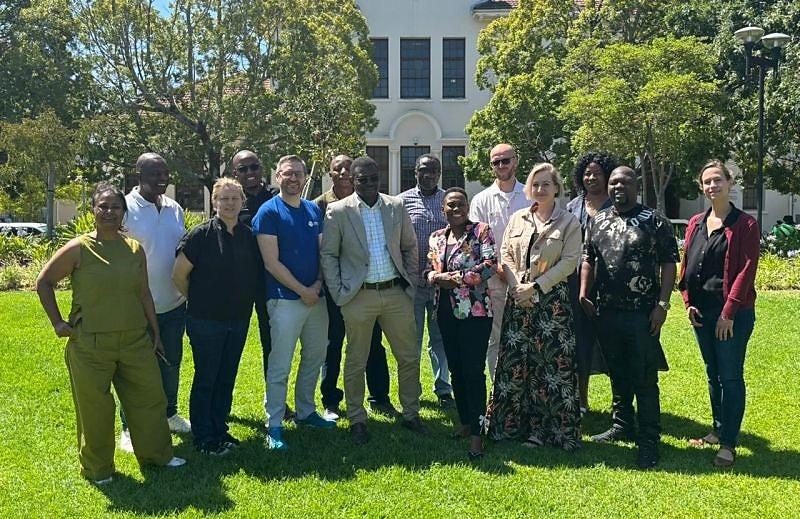
On 28-29 January 2026, I (Thomas Farrar) had the opportunity to attend a two-day StatSNetSA workshop held at the head offices in Stellenbosch University’s Merensky Building. Let me pause to explain those two acronyms. StatSNetSA stands for Statistics Super vision Network South Africa, a network of early and mid-career academic statisticians from different South African universities who collaborate to build postgraduate supervision and research capacity.
NITheCS stands for the National Institute for Theoretical and Computational Sciences. It is a government-funded institute of which all 26 South African universities are branches, CPUT included. The theme of this workshop was writing for impact to ensure that research reaches a wide audience. Participation in this network has been, and will continue to be, very helpful for building the Department of
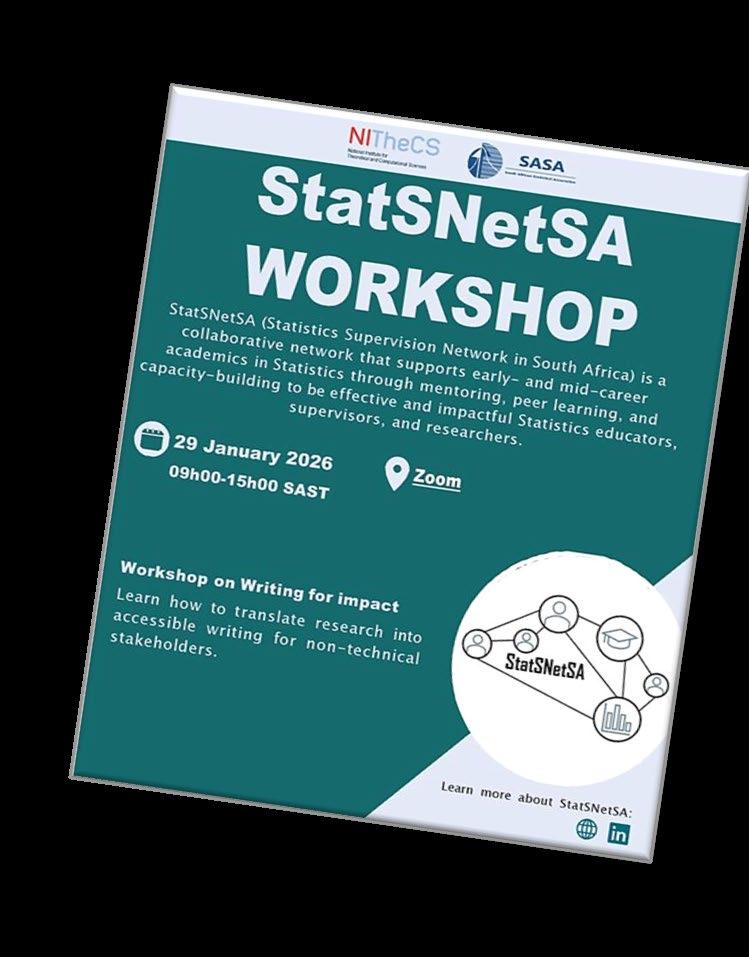
Mathematics and Physics’ capacity to offer a Master’s qualification in Statistical and Data Science at CPUT, which has just been developed and is working its way through internal approval processes. Last year, I had the opportunity to present ideas about our planned Master’s programme to the network and got feedback, which was very useful.
The networking aspect of the network is also important, as I was able to secure a Masters co-supervision arrangement at University of Limpopo starting this year. External cosupervision opportunities are very important for academics in the Department of Mathematics and Physics, since we don't yet have our own Master’s qualifications, but want to be ready to hit the ground running when we do.
Author: Dr Thomas Farrar

CPUT Faculty of Applied Sciences Showcases Science Engagement at NRF–SAASTA Event in Grabow
The Faculty of Applied Sciences continues to strengthen its commitment to community engagement, transformation and science advocacy through strategic outreach and marketing initiatives.
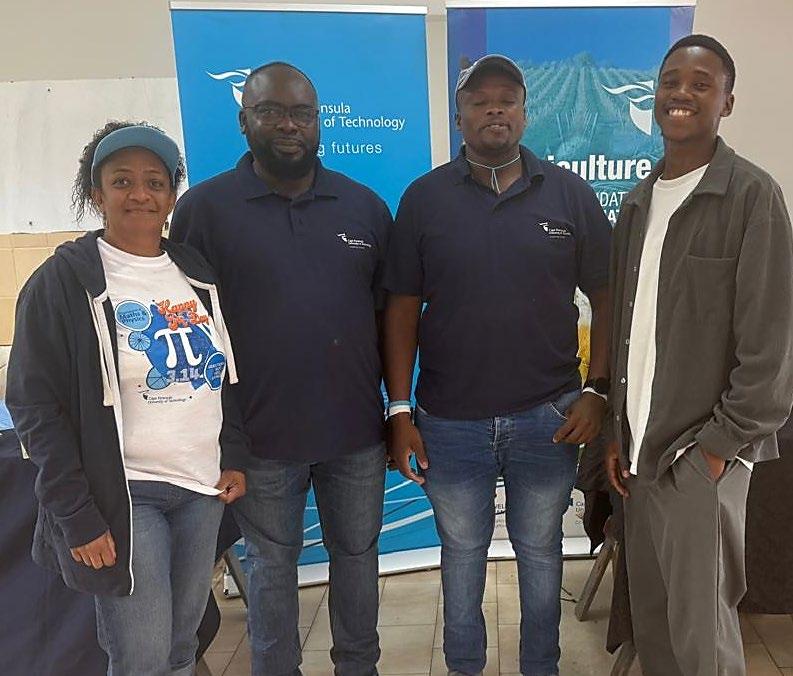
On Saturday, 14 February 2026, members of the Faculty Marketing Committee, namely Ms Lucille Peterson, Mr Mesuli Mehlo, Dr Ignatius Ticha and Dr Zukisani Gomomo from the Department of Agriculture, participated in a Science Engagement Event hosted by NRF–SAASTA (National Research Foundation - South African Agency for Science and Technology Advancement) in collaboration with Mr Aldrin October, owner of Kaapschon Boerdery Farm in Grabow.
The event, intended to commemorate Human Rights Day, brought together representatives from academia, government, science agencies, and industry to promote science awareness and access, particularly among learners from under-resourced communities.
In his opening remarks, Mr Aldrin October expressed his appreciation to the institutions represented at the event, two of which were academic institutions, including CPUT and the University of the Western Cape.
He underscored the importance of commemorating Human Rights Day through science engagement, particularly by reaching out to children in communities such as Grabow, where exposure to science education and career pathways is often limited.
Mr October further highlighted the role of entrepreneurial ventures in creating science education opportunities, drawing from his experience in agriculture to demonstrate how innovation and enterprise can serve as vehicles for learning, empowerment, and development.
This theme was echoed by Mr Shadrack Mkansi of SAASTA, who delivered a focused address on the commemoration of Human Rights Day in the context of science, reinforcing the idea that access to scientific knowledge is a critical human right and a key driver of social transformation.
The Keynote Address was delivered by Professor Amanda Gouws, Distinguished Professor of Political Science at Stellenbosch University, providing critical insights into the intersection of science, society, and democratic participation. Her address was well received and set the tone for meaningful dialogue throughout the programme.
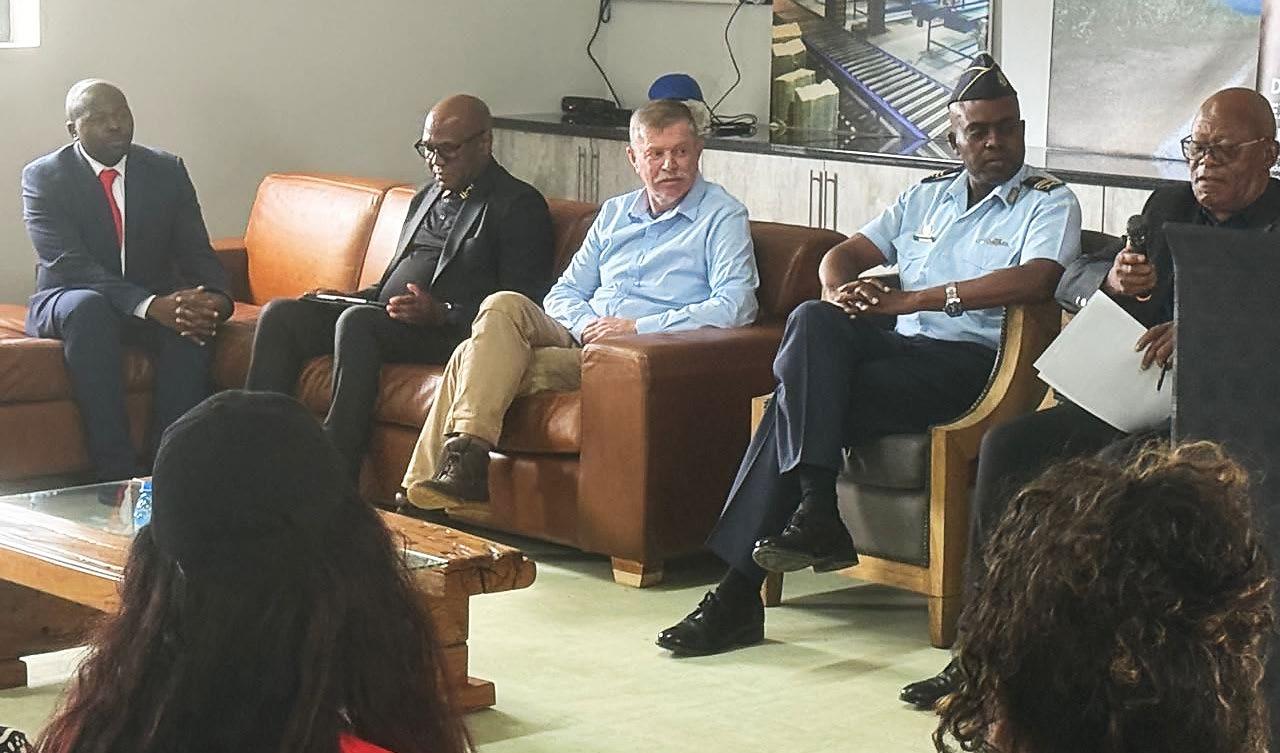
The event concluded with a panel discussion, facilitated by Mr Thandile Vuntu from the South African National Space Agency (SANSA). The panel featured a diverse group of leaders from science, government, and industry, including:

• Mr Tsepo Monaheng (Group Chief Executive Officer Denel)
• Dr Mogale Sebobetsa (HoD: Western Cape Government: Agriculture) and a colleague from the same department.
• Major General Mathebula (South African Defence Force – Air Force)
• Mr Sam Zungu (Department of Higher Education and Training: Deputy Director-General: TVET)
• Mr Humbulani Mudau (Chief Executive Officer CEO) of the South African National Space Agency (SANSA).

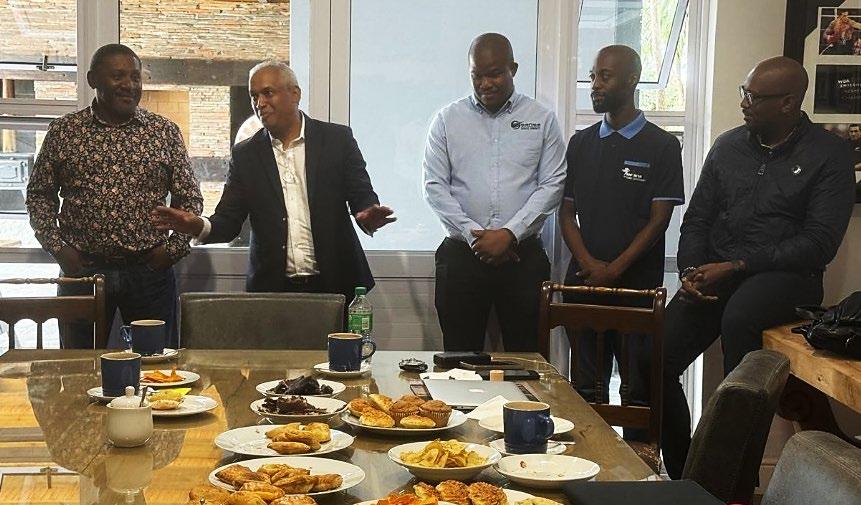
A standout feature of the day was the Faculty of Applied Science’s exhibition stall, which showcased artefacts and displays from across the Faculty’s disciplines, with a dedicated focus on Agriculture. The stall attracted significant interest from learners, educators, and community members and effectively served to market not only the Faculty but CPUT as a whole.
A further highlight was the invitation extended to Ignatius Ticha (Communication and Language Coordinator in the Faculty of Applied Sciences, CPUT and Chair of the Faculty Marketing Committee) and a UWC colleague to attend a

breakfast with all the other stakeholders and speakers ahead of the event, providing an opportunity for meaningful engagement with the stakeholders.
The Faculty’s Marketing Committee regards this initiative as a valuable outreach and marketing programme that has the potential to expose high-performing learners from the Grabow community to CPUT’s academic offerings. Importantly, the initiative also aligns with transformation imperatives, ensuring that communities historically excluded from science opportunities benefit from targeted engagement.

Author: Dr Ignatius Ticha
Centre for Sustainable Oceans (CSO)
Research Activities:
CPUT in SA-Norway Collaboration
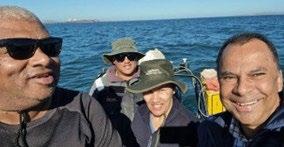
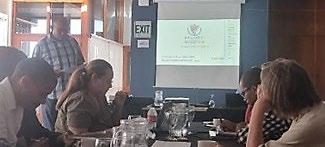
To kick-off the NRF SA-Norway SUMUSANO research project (NRF funding awarded to CPUT), Dr Sparks accompanied staff from the Department of Forestry Fisheries and the Environment in April 2025, during their routine monitoring trip to Saldanha Bay aquaculture farms. The 3-day activities included a trip out to sea to assess the sites where the research may be undertaken.
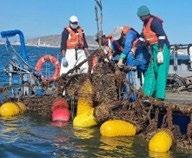
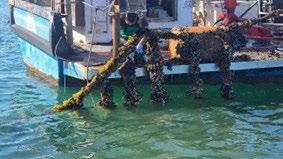
Part of the project is to assess the impact of fouling on aquaculture farms and assess the potential for alternative usage of fouling material (see picture to the right). CPUT will focus on the prevalence of microplastics in aquaculture facilities and the potential characteristics of microplastics in the mussels farmed in various areas . The second day of the trip included engaging with various stakeholders involved in aquaculture activities in Saldanha Bay (including communities, local municipalities, provincial agencies, DFFE, training bodies and farm owners.

Microplastic Baboon Scat Project
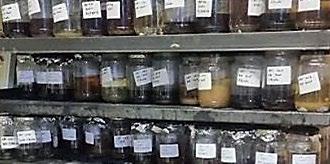
The Microplastic Baboon Scat Project originated from a collaboration request by a PhD student and supervisor from Nelson Mandela University (NMU), seeking assistance from the Centre of Sustainable Oceans (CSO) to conduct laboratory analysis on baboon scat samples for the presence of microplastics. The collaboration initially began as a trial to determine whether these samples could be successfully analysed for microplastics.
During laboratory analysis, numerous challenges arose, requiring the CSO’s microplastics team to employ multiple approaches to Scat samples being processed to optimise microplastic detection in the scat samples. Despite these difficulties, the team successfully analysed a total of 493 scat samples.
The project was led by Ms Aldean Esau (Microplastics Lab Technician), with support from the Microplastics team: Ms Venecia van Balla (Microplastics Ecotoxicology Technician), Ms Sarah Kerr (Research Assistant) and Mr Kabelo Matlala (Research Assistant). Their combined efforts ensured the successful completion of this pioneering study, contributing valuable data on microplastic contamination in terrestrial wildlife.

Turning Textile Waste into Research Initiative: Collaborative Solution to Microplastic Pollution
A collaborative research activity was conducted with Prof. Patnaik from the Department of Clothing and Textile Technology to explore the link between textile manufacturing, laundry processes, and microplastic pollution. The initiative stemmed from two main challenges: the difficulty of obtaining suitable microplastic fibres for laboratory exposure experiments, and the urgent need to reduce microplastic emissions originating from the textile industry.
Microfibres released during the washing of synthetic fabrics are a major source of microplastic pollution in aquatic environments. Recognizing this, the collaboration aimed to investigate whether fibres generated through controlled laundry processes could be recovered and repurposed for use in ecotoxicological studies. This approach not only provides a realistic and environmentally relevant source of microplastic fibres but also promotes a sustainable alternative to purchasing costly commercial microplastics.
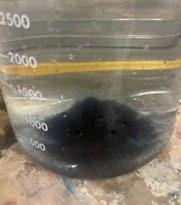
During the activity, textile materials were washed, and the fibres shed during the process were successfully collected from washing machine filters. These recovered fibres can now be used within exposure systems to assess their uptake and interaction with marine organisms.
The findings from this initiative were promising, demonstrating that textile-derived microfibres can be both captured and reused, highlighting a potential dual benefit:
• reducing microplastic pollution at the source and • enhancing microplastic research capacity.
This project showcases the value of interdisciplinary collaboration in developing innovative and cost-effective solutions that bridge industrial and environmental research. It contributes meaningfully to the ongoing goal of establishing standardized, sustainable experimental protocols for microplastic ecotoxicology.

Training
Primer Training
The Centre for Sustainable Oceans (CSO) hosted a PRIMER training session for its staff and students.
PRIMER is a specialised statistical software package used for multivariate ecological and environmental data analysis, making it a valuable tool for analysing microplastic, coastal and marine environmental data. The session was held on the 12th of June in a hybrid format, allowing participants to attend either in person or online.
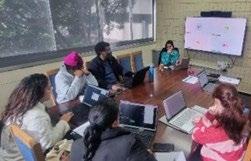
It was led by the CSO associate member Dr Jaime Johnson, who has extensive experience working with PRIMER. During the session, attendees gained a broad understanding of the essential analytical methods available in the software.
Topics covered during the session included preparing the data for analysis, importing data into PRIMER and applying
data pre-treatments. The purpose of the training session was to support continuous professional growth, encourage collaboration and strengthen the skill sets of both staff and students by equipping them with the knowledge to use PRIMER in future research and enhance their overall effectiveness.
Microplastics Ecotoxicology Lab
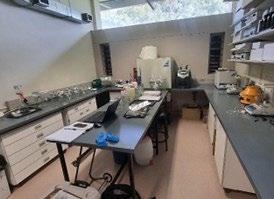
The Microplastics Ecotoxicology Laboratory, based within the Oxidative Stress Research Centre (OSRC) at the CPUT Bellville Campus, serves as a dedicated research space for studying the interactions between microplastics and aquatic organisms under controlled laboratory conditions. Established in 2025, the laboratory operates in collaboration with the Applied Microbial and Health Biotechnology Institute (AMBHI), combining expertise in ecotoxicology, environmental chemistry, and molecular biology.
AMHBI is a multi- and transdisciplinary research institute with a focus on CPUT’s Research, Technology and Innovation Blueprint. AMHBI's research aims to develop bio-based products that can be applied to reduce health risks, such as selected chronic diseases plaguing the African continent. Together, these research units focus on
understanding the environmental fate, biological effects, and potential health implications of microplastic pollution, with an emphasis on standardizing experimental exposure methods and advancing sustainable ocean research within the African context.
Introducing our new Staff Member
Dr. Shanika Reddy – Postdoctoral Fellow
Dr. Shanika Reddy commenced her postdoctoral fellowship at the Centre for Sustainable Oceans on 1 August 2025, marking the beginning of her integration into the microplastics and ocean health research program. The initial phase of her fellowship focused on familiarization with the research environment, engagement with interdisciplinary teams, and establishing her research trajectory within microplastic ecotoxicology and human health impacts.
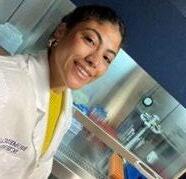
During this period, Dr. Reddy contributed to multiple laboratory and research activities, including method optimization for microplastic identification, quantification, and biological testing in both mussels and liver cells. She actively assisted with water quality testing, filtration workflows, and pilot exposure assays, contributing to the refinement of experimental methodologies within the ecotoxicology lab.
Leveraging her background in metabolic disease and toxicology, Dr. Reddy began developing a conceptual research framework to investigate the metabolic and cellular signalling consequences of microplastic exposure to human health, bridging her previous expertise with the Centre’s microplastic-focused research direction.
In addition to research development, she participated in student mentorship, experimental planning, and project supervision, while also contributing to the drafting of manuscripts, literature reviews, and concept papers. Dr. Reddy’s involvement in academic discussions, internal seminars, and collaborative project proposals has supported both her own professional development and the strategic growth of the CSO’s ecotoxicology research capacity.
Her first months at the Centre have laid a strong foundation for ongoing collaboration, innovation, and mentorship within the growing field of microplastic ecotoxicology.

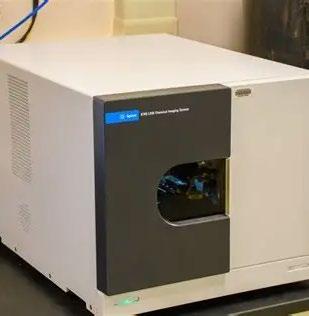
Acquisition of Agilent 8700 LDIR – 1st in Africa
The Centre for Sustainable Oceans (CSO) is pleased to announce that it has received funding for the acquisition of a Laser Direct Infrared (LDIR) system which will be used for microplastic analysis.
The LDIR is an advanced chemical imaging system which produces high quality imaging and spectral data, providing precise polymer identification. The system will support both ongoing and future research focused on the characterisation of microplastics as it will be able to provide detailed information on individual particles, significantly enhancing analytical accuracy and efficiency.
With this acquisition, the CSO and CPUT, will become the first institution in Africa to house and operate an LDIR system.
Author: Dr Conrad Sparks
Edible Insect Research Group Showcases Traditional Foods at Heritage Day Celebration
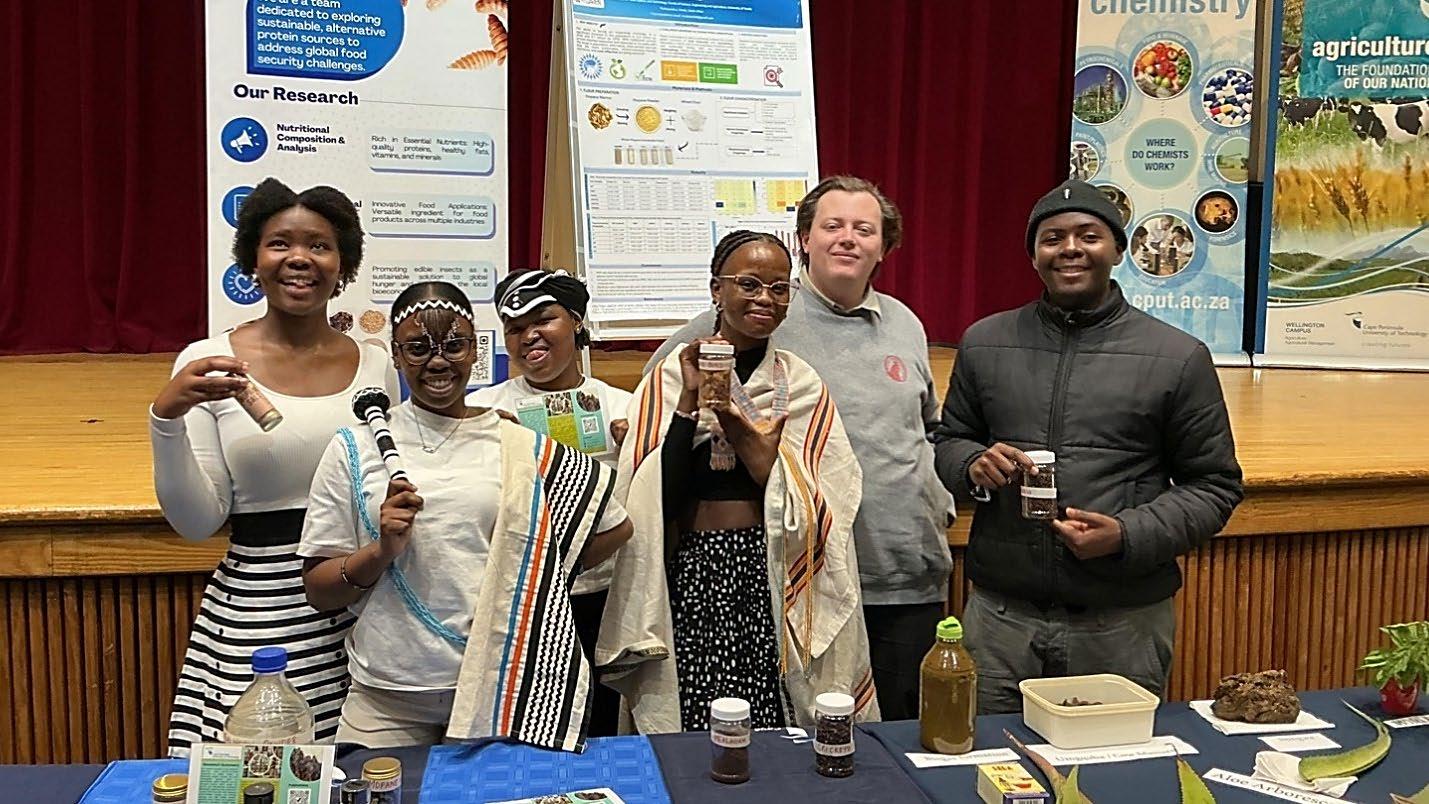
Students from the Edible Insect Research Group proudly represented the Department of Food Science and Technology during the Faculty of Applied Sciences Heritage Day Celebration. Under the leadership of Dr Vusi Mshayisa, the team delivered an engaging presentation on “Edible Insects as Traditional Foods” and highlighted the pioneering research currently taking place within the department.
The event was a rewarding experience for the group, offering an opportunity to showcase their work, celebrate cultural heritage through food, and engage with peers and academics across the faculty.
Beyond the presentations, the students appreciated the opportunity to network, exchange ideas, and form meaningful connections within the Faculty of Applied Sciences community.
The following students participated and presented:
Mosa Mojela, Thabile Biyela, Sikelelwa Kili, Thuliswa Phindani, Ridodzula Netshiavha, Phathutshedzo Netsianda, Wayne Gilmour Lindeque, and Philasande Ngxishe.
Author: Dr Vusi Mshayisa
“This was not only a platform to share science but also to celebrate identity, innovation, and the spirit of Ubuntu through food.”
Faculty of Applied Sciences Represented at the CHPC National Conference 2025

Dr Dawit S. Worku and Mr William Manamela from the Department of Mathematics & Physics represented the Faculty of Applied Sciences at the CHPC National Conference 2025, held from 30 November to 3 December 2025 at the Century City Conference Centre in Cape Town.
The conference was hosted by the Centre for High Performance Computing (CHPC) in collaboration with the Data-Intensive Research Initiative of South Africa (DIRISA) and the South African National Research Network (SANReN) under the theme “From Data to Decisions: Leveraging Cyber-Infrastructure.”
It brought together researchers, postgraduate students, government stakeholders, and industry partners working in high-performance computing (HPC), artificial intelligence (AI), data science, and advanced digital research infrastructure.
A major focus of the conference was South Africa’s national cyber-infrastructure strategy and the critical role of HPC in supporting data-driven research, digital transformation, and scientific innovation. Keynote and invited speakers from leading international and local institutions addressed topics such as exascale computing, cloud–HPC integration, AIenabled scientific workflows, and emerging developments in quantum computing.
The programme included technical sessions, hands-on workshops, poster presentations, student research showcases, and industry exhibitions. Training sessions covered scientific machine learning, high-performance numerical simulations, data-intensive research pipelines, and research software engineering. Student activities demonstrated the application of supercomputing across disciplines, including computational physics, astrophysics, climate modelling, materials science, and artificial intelligence.
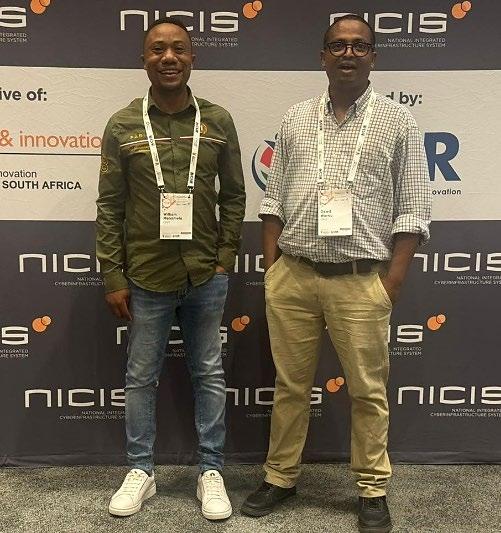
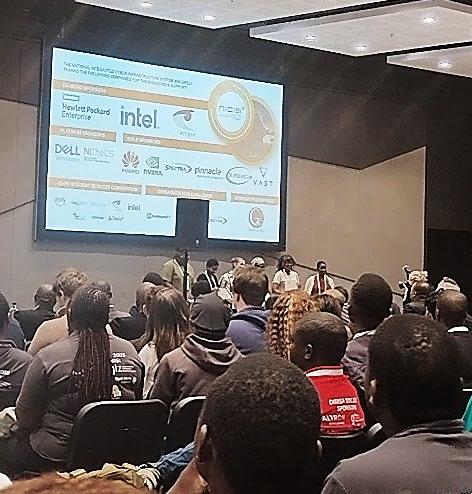
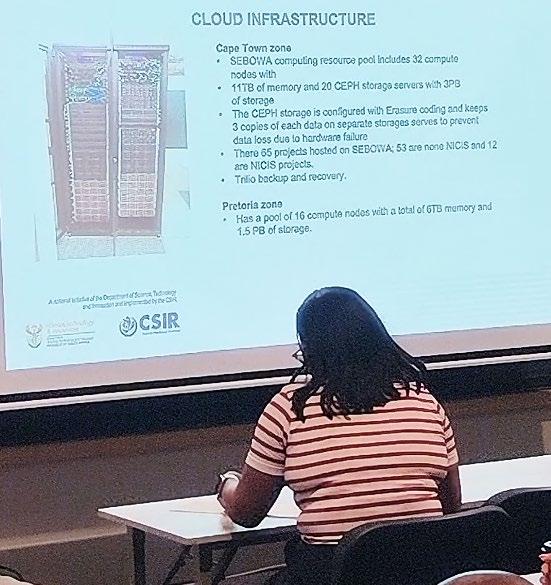
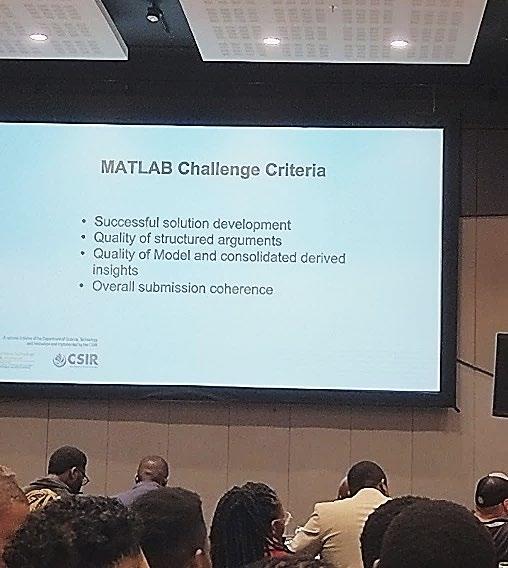
The conference highlighted several opportunities relevant to CPUT and the Faculty of Applied Sciences, including access to national supercomputing resources through CHPC, participation in HPC training programmes, student data science competitions, and collaborative research initiatives with CHPC, CSIR, DIRISA, and partner universities. These engagements support postgraduate supervision, the development of computational skills, and applied research aligned with national priorities.
Participation in the CHPC National Conference 2025 strengthens CPUT’s contribution to digital science, high-performance computing, and data-driven research.
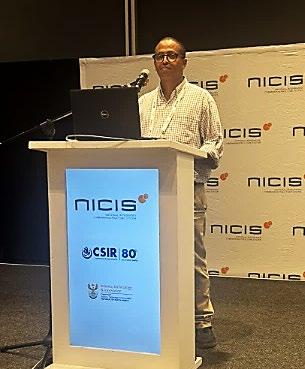

It reinforces the Faculty of Applied Sciences’ role in advancing innovation and postgraduate development.
Useful links:
• Centre for High Performance Computing (CHPC): https://www.chpc.ac.za
• Data-Intensive Research Initiative of South Africa (DIRISA): https://www.dirisa.ac.za
• South African National Research Network (SANReN): https://www.sanren.ac.za
Author: Dr Dawit Worku

Makanda Hosts International Ocean Census Species Identification Workshop
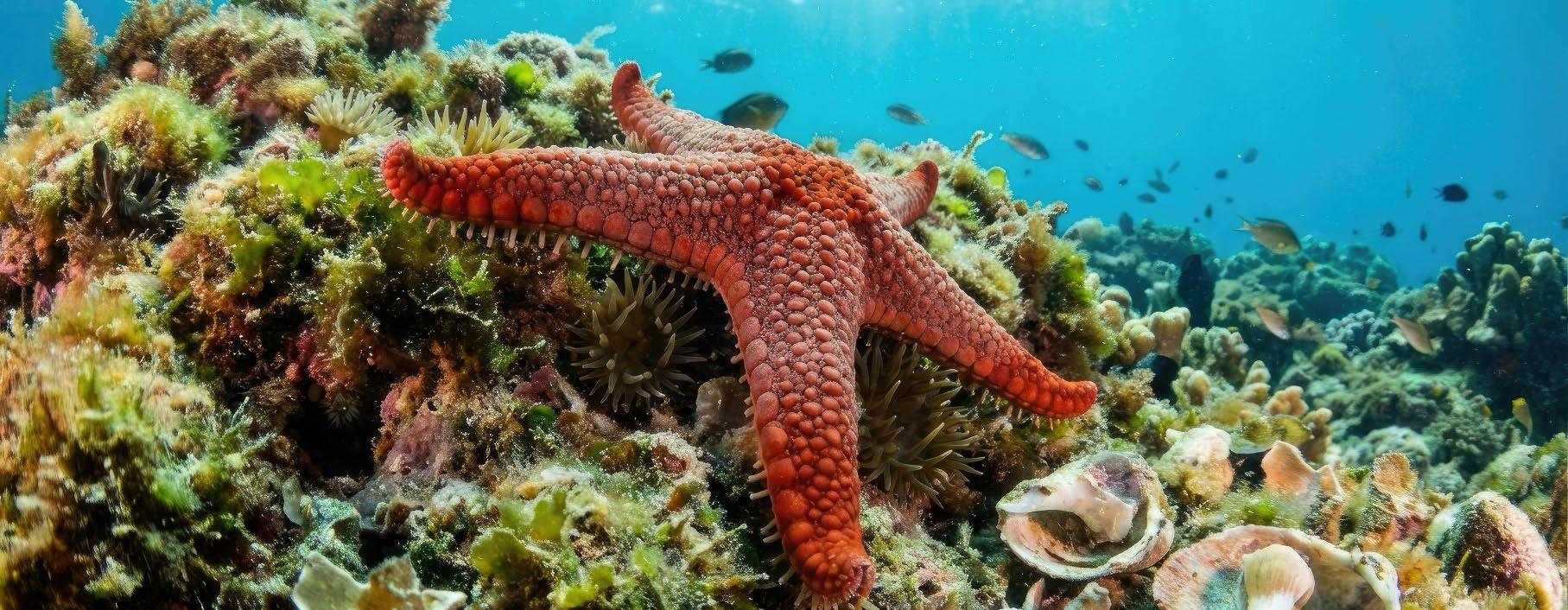
A recent Species Identification Workshop was held in Makanda (formerly Grahamstown) under the global scientific initiative Ocean Census, co-funded by The Nippon Foundation and Nekton Foundation. The initiative hosted collaboratively by the South African Institute for Aquatic Biodiversity (NRF-SAIAB) and Rhodes University was an intensive taxonomic training event, focused on analysing specimens collected from the Comoros Sea.
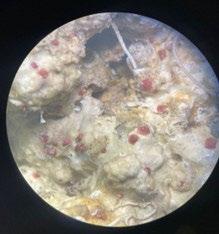
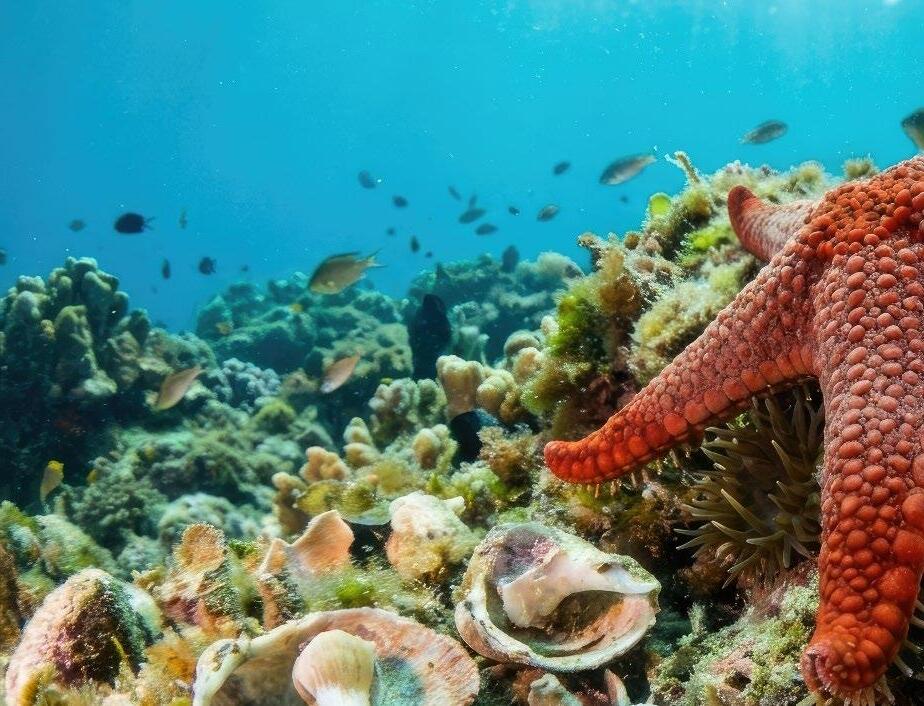
The workshop brought together a diverse team of taxonomic specialists to identify species across multiple phyla, including Cnidaria (Dr Isabel Núnez Lendo), Isopoda (Dr Anja Erasmus), Annelida (Dr Laetitia Gunton and Amore Malan), Echinodermata (Dr Marek Lipinski) and Porifera (Dr Toufiek Samaai). Under the leadership of Dr Toufiek Samaai, the Porifera identification team included Liesl Janson and two CPUT students, Naidine Haricombe and Salizwa Mtombeni. The team worked collaboratively to conduct morphological assessments, prepare spicule mounts, skeleton slides and samples for additional genetic analysis, and determine genuslevel identifications of sponge specimens.
Beyond sponge taxonomy, the workshop provided a rare interdisciplinary learning environment. Naidine and Salizwa gained exposure to identification techniques across various taxa, broadening their understanding of diagnostic morphological traits.
This included learning:
• various polychaete staining techniques with Dr Laetitia Gunton and Mrs Amore Malan to enhance diagnostic visibility under a compound microscope;
• how to distinguish between parasitic and non-parasitic isopods based on limb structure and family-level characteristics with Dr Anja Erasmus and Ms Nuria Rico Seijo;
• how to differentiate between hard, soft, and white corals, and understanding ecological interactions such as sponge settlement on coral skeletons with Dr Isabel Nunez Lendo. Additionally, Naidine and Salizwa learnt how to dissect ascidians and all about cephalopod
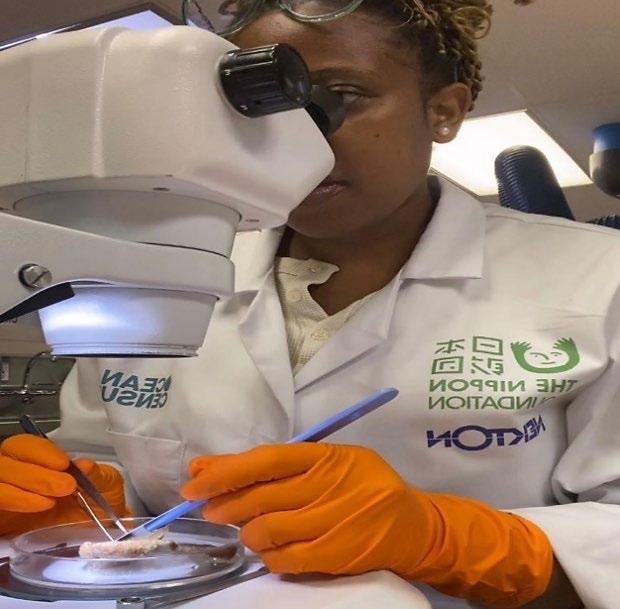
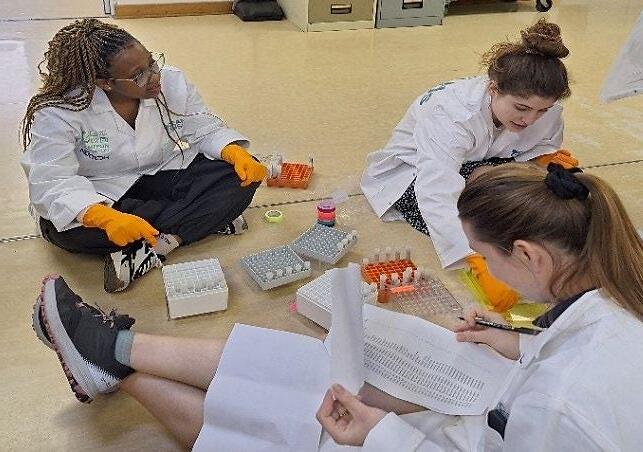
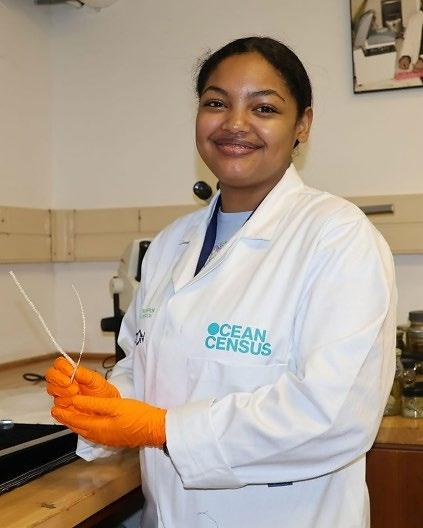
On the image above is Salizwa, on the right is Nuria, and on the bottom right is Nina (Image credit: SAIAB/NRF)
Salizwa dissecting a Pyura sp. Acadian (Image credit: Salizwa Mtombeni)
(Image credit: Salizwa Mtombeni)
biology, which further enriched their taxonomic experience. With the help of the coordinators, Nuria Rico Seijo and Nina de Villiers, the students were able to work efficiently and effectively and in unison and enjoyed great meals in between all that hard work.
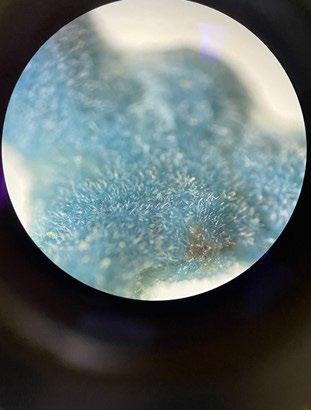
One of Salizwa’s most memorable moments of the workshop involved examining oceanic rocks under high -resolution dissecting microscopes to uncover microorganisms inhabiting internal crevices, an exercise that highlighted the hidden biodiversity within marine substrates. Naidine enjoyed showcasing her new taxonomic skills and looks forward to developing the skills required to communicate the significance of newly discovered species and share insights into the remarkable life in our oceans.
Both Naidine and Salizwa found that this workshop was an invaluable and inspiring experience, reinforcing their strong commitment to pursuing a career in taxonomy. It has played an important role in shaping the way they conduct their research, with Salizwa pursuing her Masters degree and Naidine her Postgraduate Diploma, with plans to continue to a Masters degree. Both agreed that this opportunity has deepened their understanding of their aspirations to become marine taxonomists. The opportunity to attend was generously supported by Dr Toufeik Sammai, who is a cosupervisor to both these students. His mentorship and support to our department continue to play a pivotal role in developing the foundational skills required for an emerging taxonomist.
Authors: Naidine Haricombe, Salizwa Mtombeni and Dr Jyothi Kara
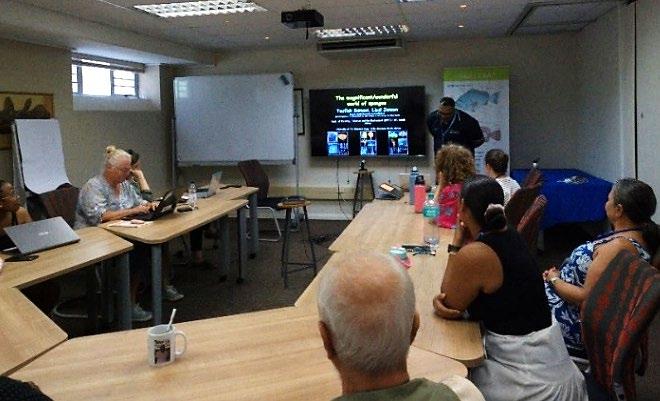
Dr Toufeik Sammai presenting the phylum Porifera (Image credit: Nina de Villiers)
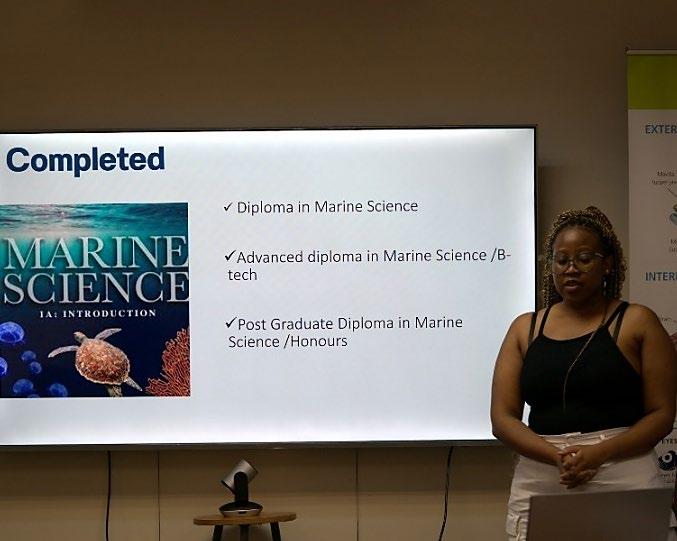
Salizwa’s presentation on academic journey ( Image credit: Nina de Villiers)
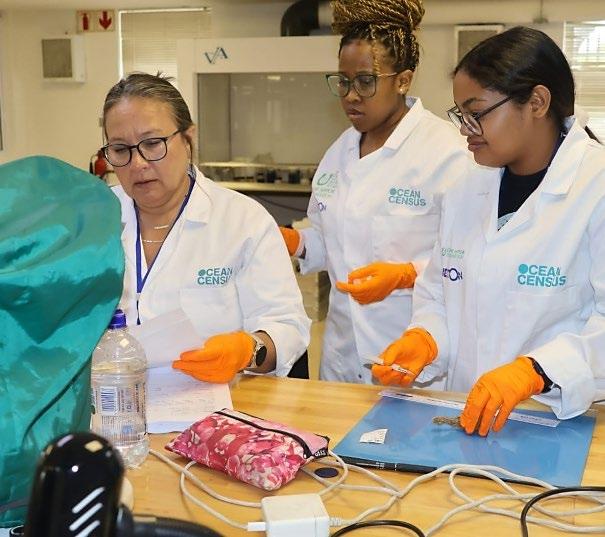
Liesl Janson (left) teaching Salizwa Mtombeni (middle) and Naidine Haricombe (right) how to morphologically identify sponges and do spicule preps (Image credit to SAIAB)
Naidine pictured with a coral species (Image credit Ocean Census)
SAMOS launches academic year
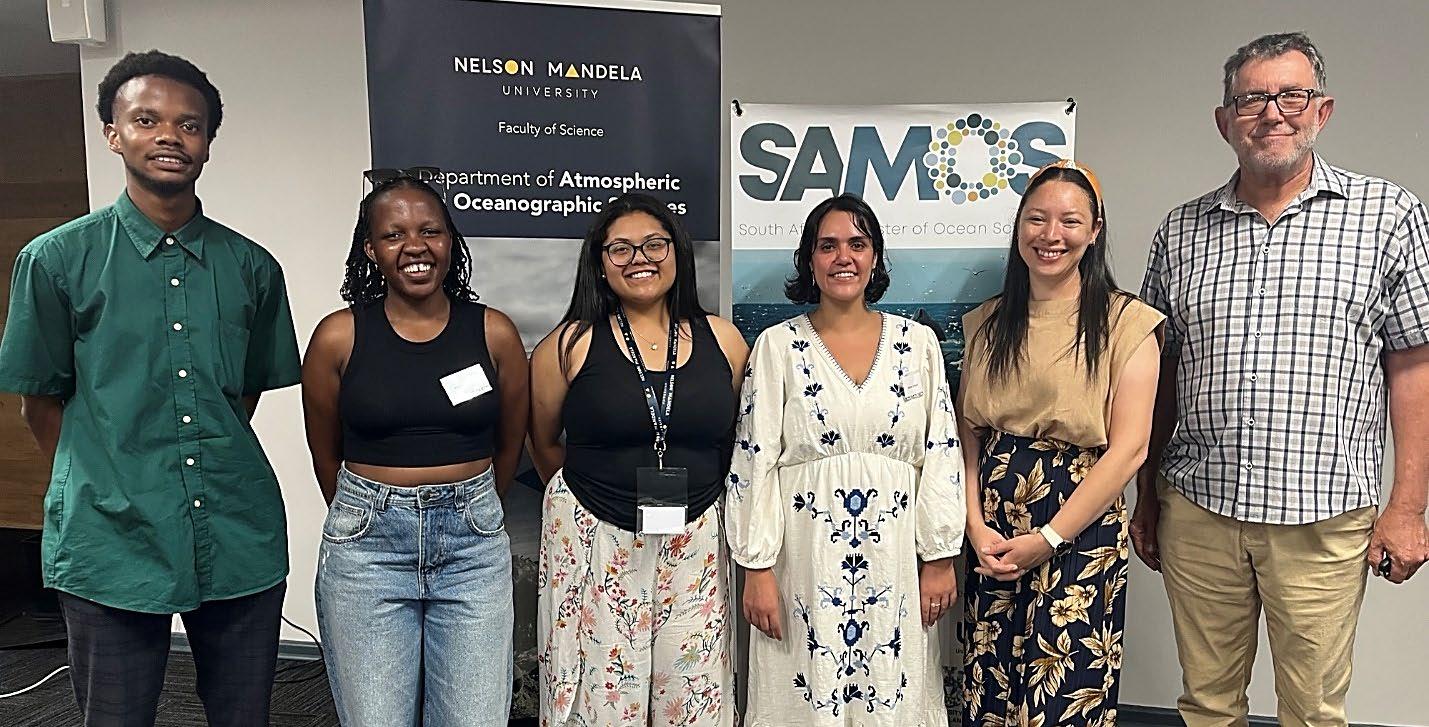
The Department of Conservation and Marine Sciences, in the Faculty of Applied Sciences at CPUT is a founding partner of the South African Master of Ocean Science (SAMOS) coursework degree, co-funded by the European Union. The very first academic year was launched at Nelson Mandela University in Port Elizabeth in February this 2026.
From 2-6 February 2026, SAMOS marked a major milestone with the successful completion of its inaugural week at the Ocean Sciences Campus of Nelson Mandela University. The programme brought together its first student cohort, registered at the University of Cape Town, alongside lecturers and consortium partners from across South Africa and internationally, in preparation for the start of teaching and the next phase of the project.
Following orientation, the formal teaching commenced on Monday, 9 February, launching nine months of coursework that will equip the students with foundational knowledge in socio-ecological systems, dynamics of African marine ecosystems and quantitative skills, among others. Students
will later tailor their learning through elective modules, specialising in fields such as marine biology or operational oceanography. Diverse seminar programmes and invited guest lecturers will further expand exposure to international research, innovation, and career pathways. Upon completion of the coursework, students will undertake their minor dissertation at one of the SAMOS partner institutions.
CPUT has two students registered on the course. These are Mr Mahlatse Motubatse and Ms Shaakirah Sulaiman, and their dissertations will be supervised by Drs Puckree-Padua and Peters respectively.
Drs Walker, Johnson and Puckree-Padua will be lecturing on the SAMOS programme this year on a variety of topics ranging from pelagic and inter-tidal to estuarine ecosystems.
For more information, please visit the SAMOS website: https://samos-edu.eu/
Authors: Drs Walker, Puckree-Padua and Johnson
CPUT students and staff at the start of SAMOS 2026 at Nelson Mandela University. From left: Mr Mahlatse Motubatse, Ms Yibanathi Marasi, Ms Shaakirah Sulaiman, Dr Jaime Johnson, Dr Courtney Puckree-Padua, Dr David Walker
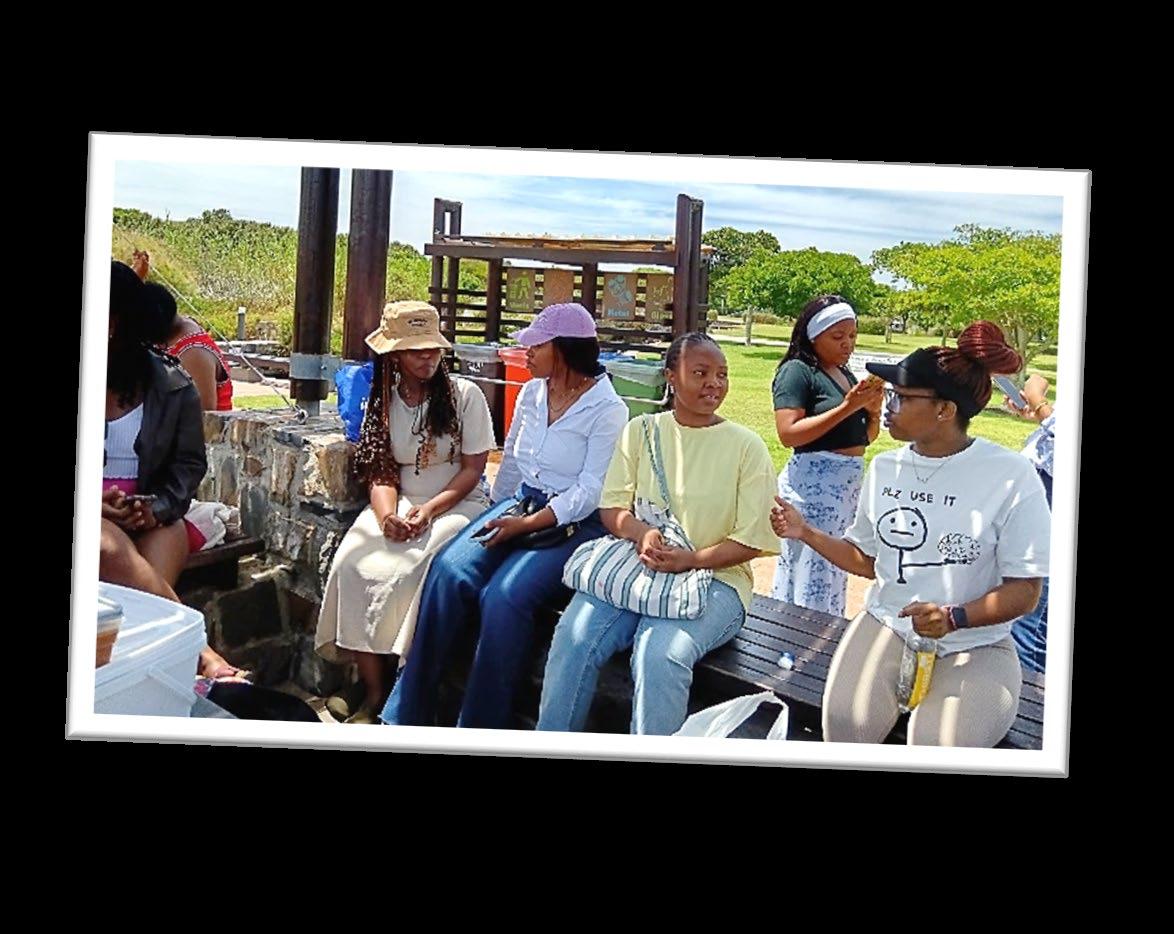
Reconnecting Through Reflection: Consumer Science 3rd Year Students Day Out at the Park
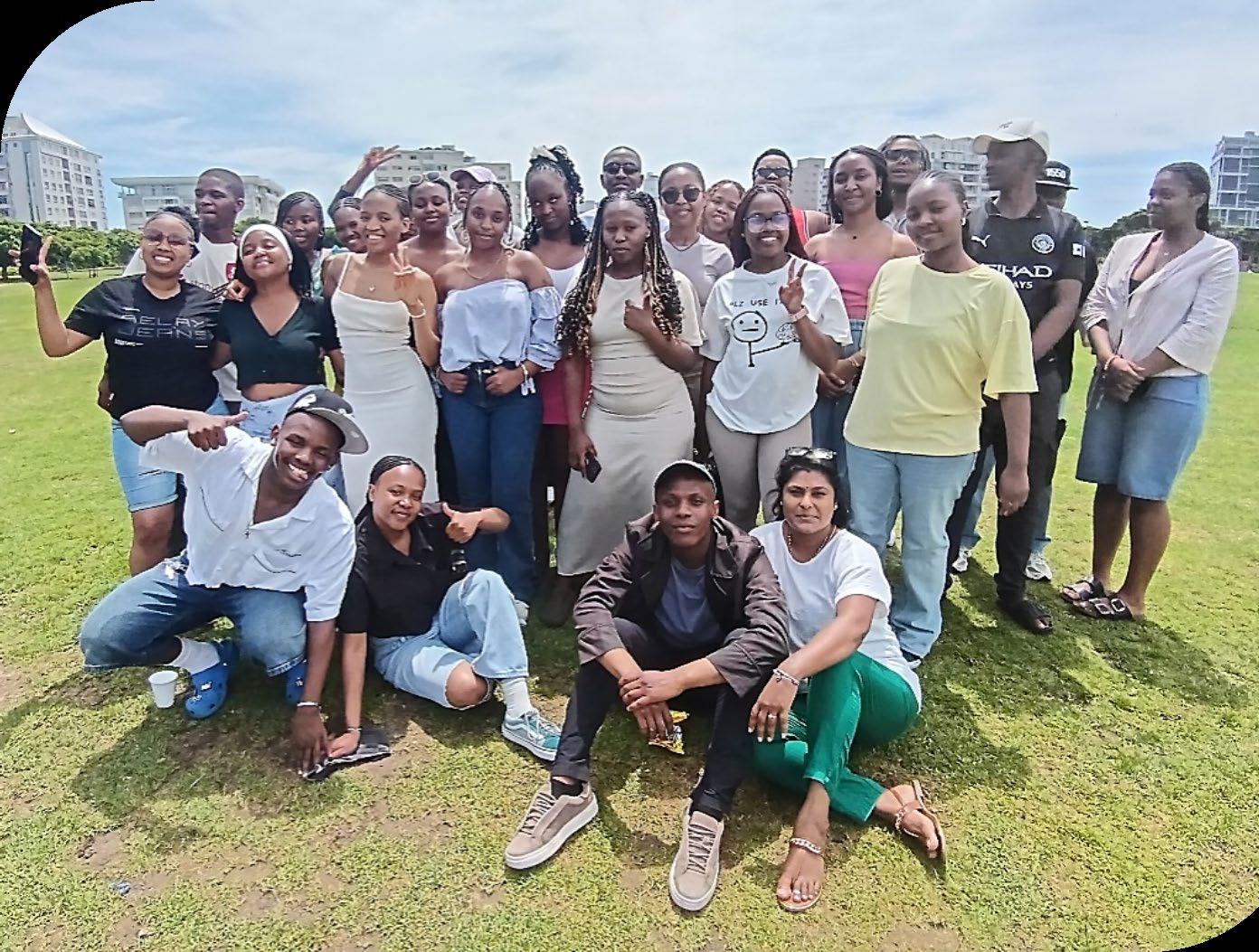
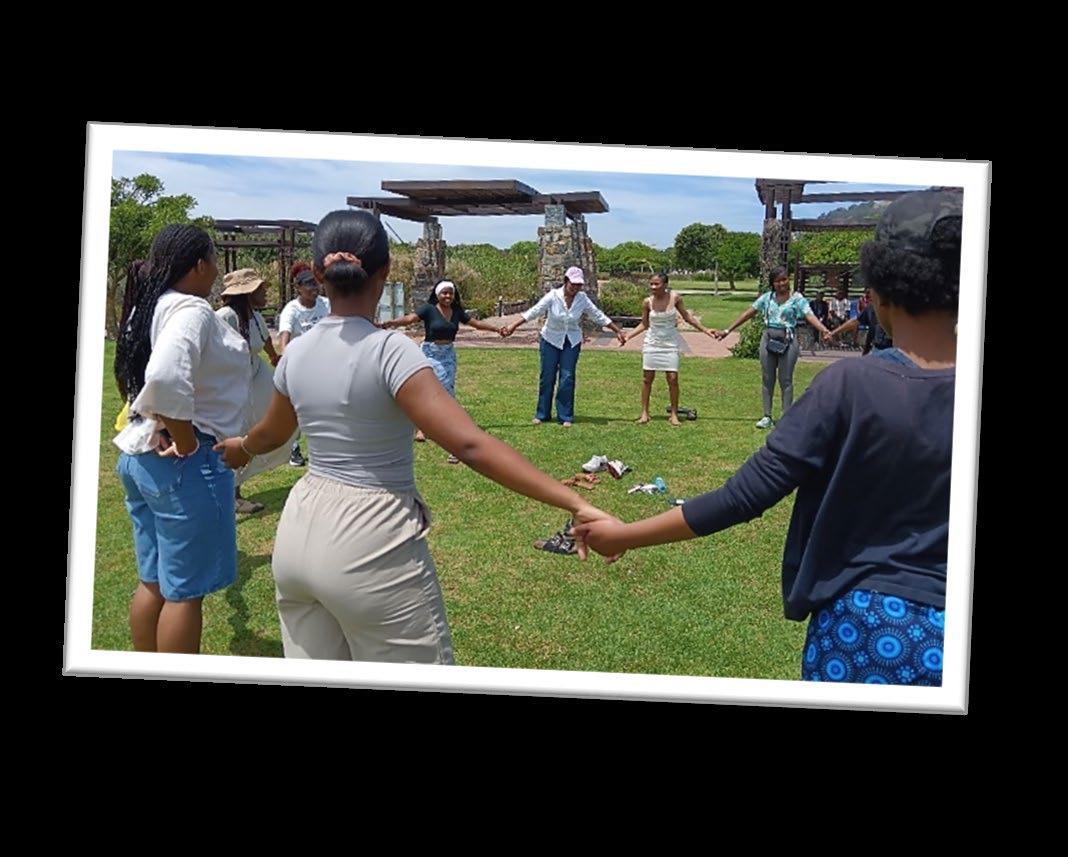
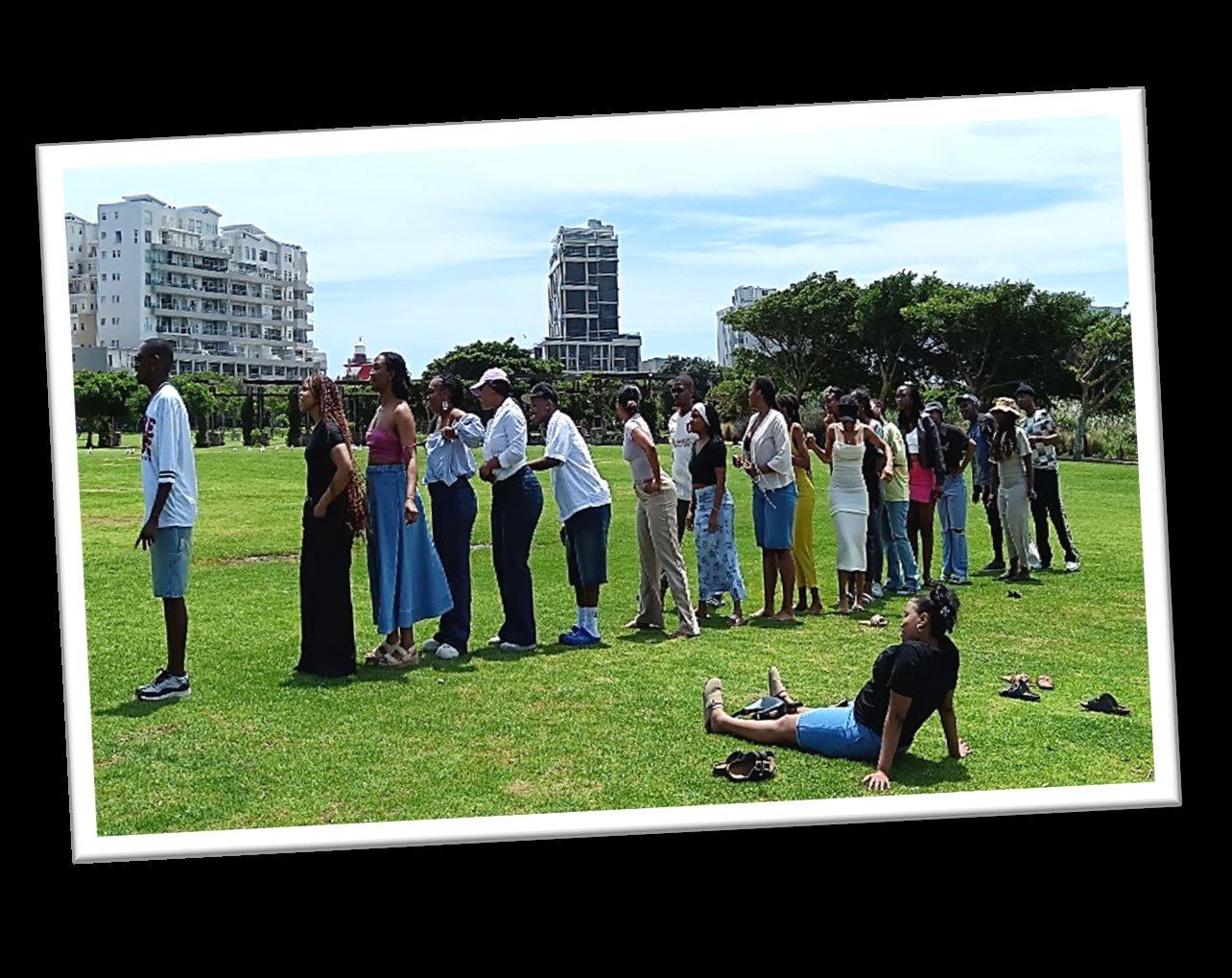
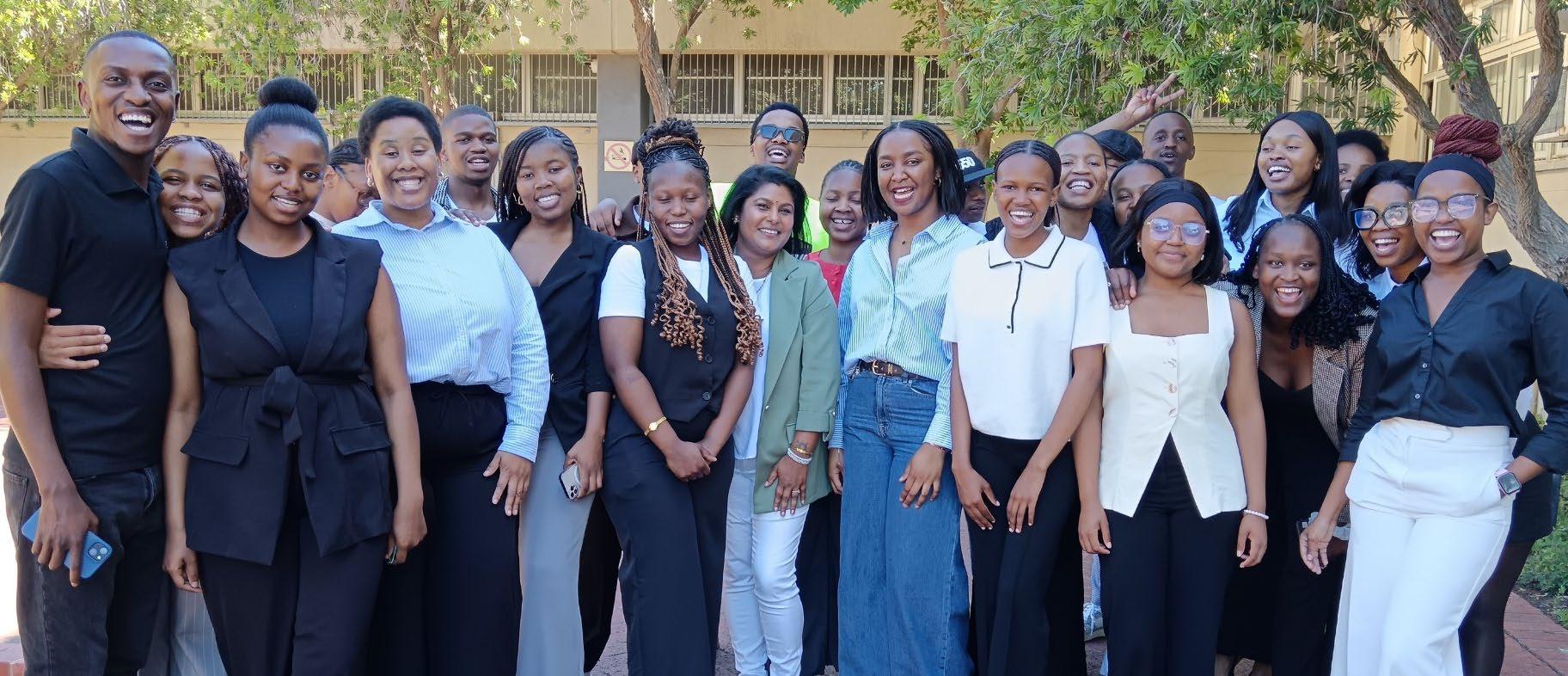
The recent team outing at the Green Point park proved to be a wonderful opportunity to reconnect with the 3rd-year Consumer Science students following their three-month internship in the food industry.
After an intense period of hands-on learning, the outing offered a refreshing break filled with games, snacks, and laughter. More importantly, it created a meaningful space beyond the classroom to reflect on their Work-Integrated Learning (WIL) experiences. The vibrant green surroundings, warm sunshine, and shared excitement set the tone for an uplifting and engaging day.
What stood out most was how the outdoor environment transformed the quality of our conversations. The relaxed, open atmosphere encouraged students to express themselves more freely, reminding me that meaningful learning and reflection do not always need to take place within the walls of a classroom or office. Sometimes, a change of scenery can open the door to deeper and more genuine dialogue.
One of the most valuable aspects of the outing was the chance to connect with students on a more personal level. Without the formal pressures of academic settings, they felt more comfortable sharing their thoughts, challenges, and insights gained from their internship journey. These informal interactions provided a richer understanding of their growth during WIL and revealed the personal impact of their industry experience.
The day also highlighted the importance of balancing work with well-being. Watching the students unwind, laugh, and enjoy themselves outside of their usual academic environment served as a powerful reminder of the need to nurture community and connection. It reinforced how essential it is to support not just academic development, but also the social and emotional well-being of student.
Author: Mrs T Govender

Consumer Science Work-Integrated Learning Programme: Connecting Skills to Real-World Success
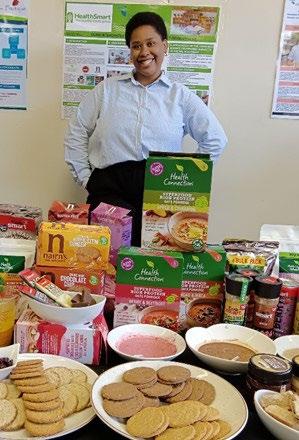
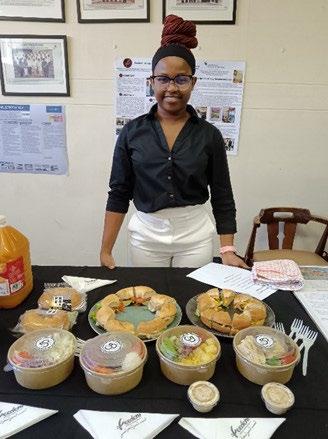
The Consumer Science Work-Integrated Learning (WIL) programme provides students with hands-on experiences that bridge classroom knowledge with real-world applications. Through placements in a variety of fields including food production, food service, food retail, food manufacturing, small entrepreneurial food operations, fresh convenience food factories, and ingredient supply companies, students gained valuable insight into the daily decisions and systems that support consumer wellbeing.
This group of students has learned, grown and persevered throughout the many layers of their academic journey, ultimately showcasing their development through their poster presentations.
During the WIL experience, students develop essential practical skills such as communication, problemsolving, customer service, and workplace professionalism. These opportunities enable them to apply theories studied in class, including consumer behaviour, communication, and sustainable decisionmaking, while building confidence in professional environments.
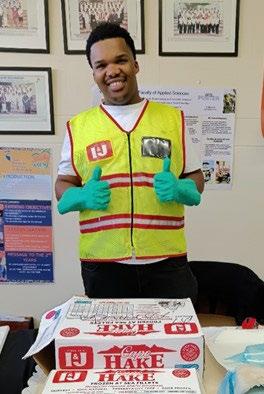
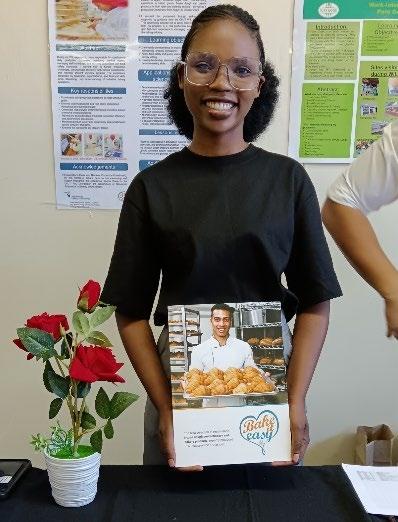
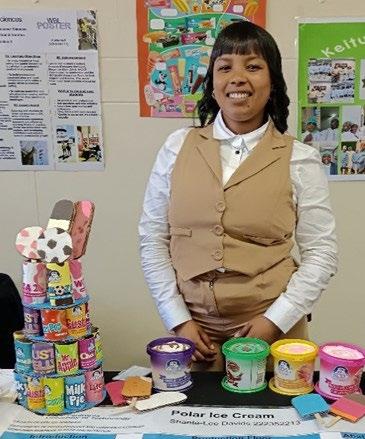



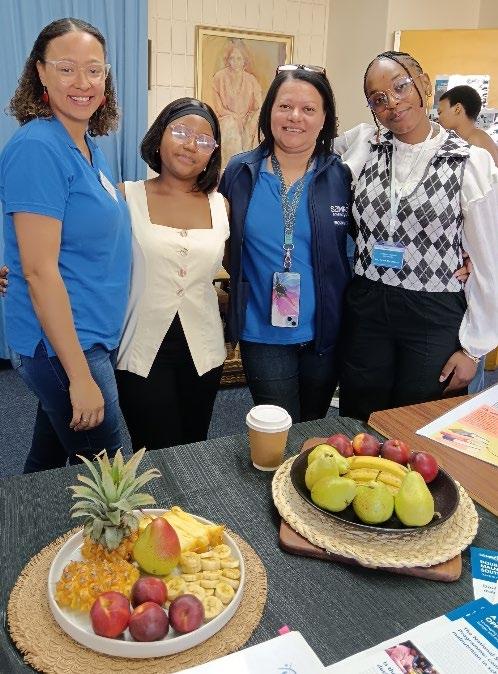
By collaborating with mentors, observing real operations, and completing meaningful tasks, students deepen their understanding of how consumer science impacts individuals, families, and communities. This experience not only prepares them for future careers in the food industry but also empowers them to make informed, responsible choices as consumers and professionals.
Work-Integrated Learning transforms classroom lessons into authentic learning moments, supporting students as they gain the skills, knowledge, and character needed for success beyond university.
This event also provides the second-year students with valuable exposure to the diverse opportunities within the food industry, helping them broaden their understanding of possible career paths and see how classroom learning connects to real world practice.

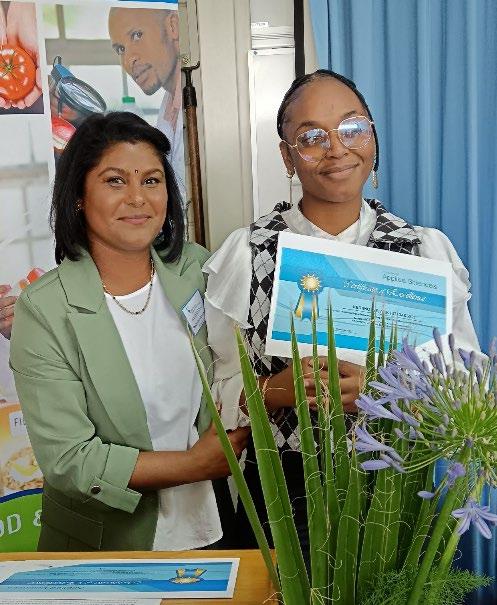
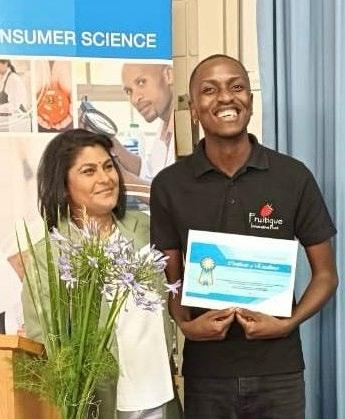
Congratulations to our Top WIL Student for 2026, Ms. Kedimotse, and to our Poster Presentation Winners, Ms. Kedimotse and Mr. Sibeko. Your hard work, dedication, and excellence are truly commendable.


Author: Mrs T Govender
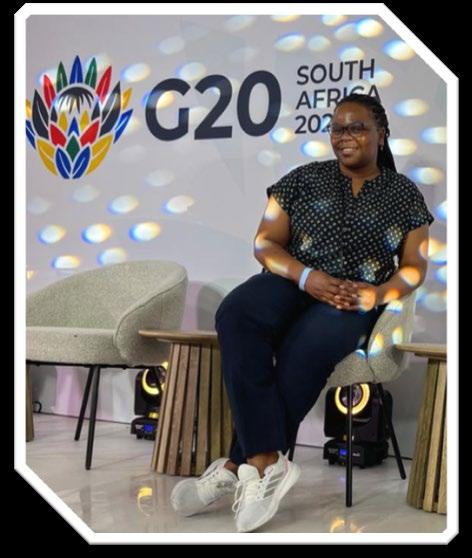
Dr D Zide showcases her research activities at the G20 Ministerial Research and Innovation Meeting 2025
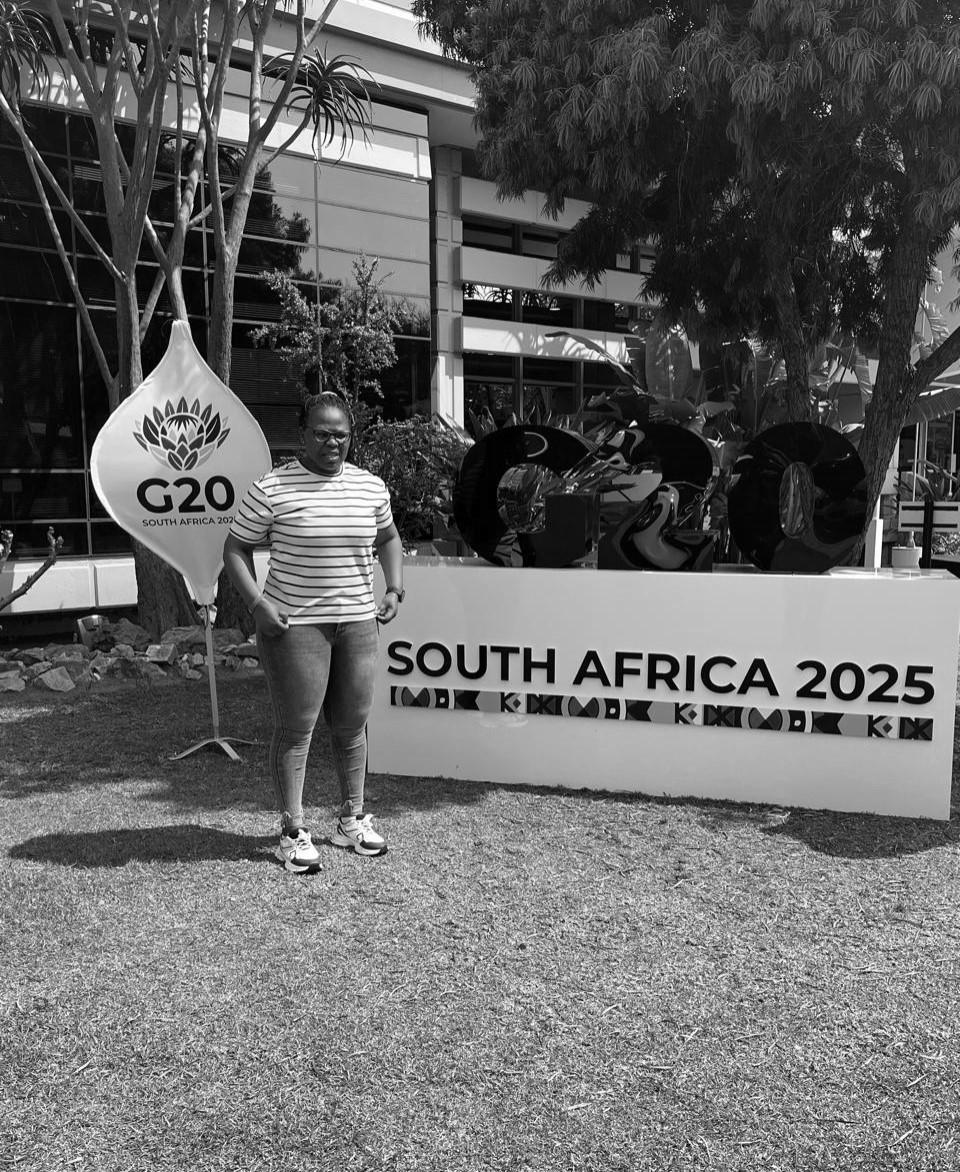

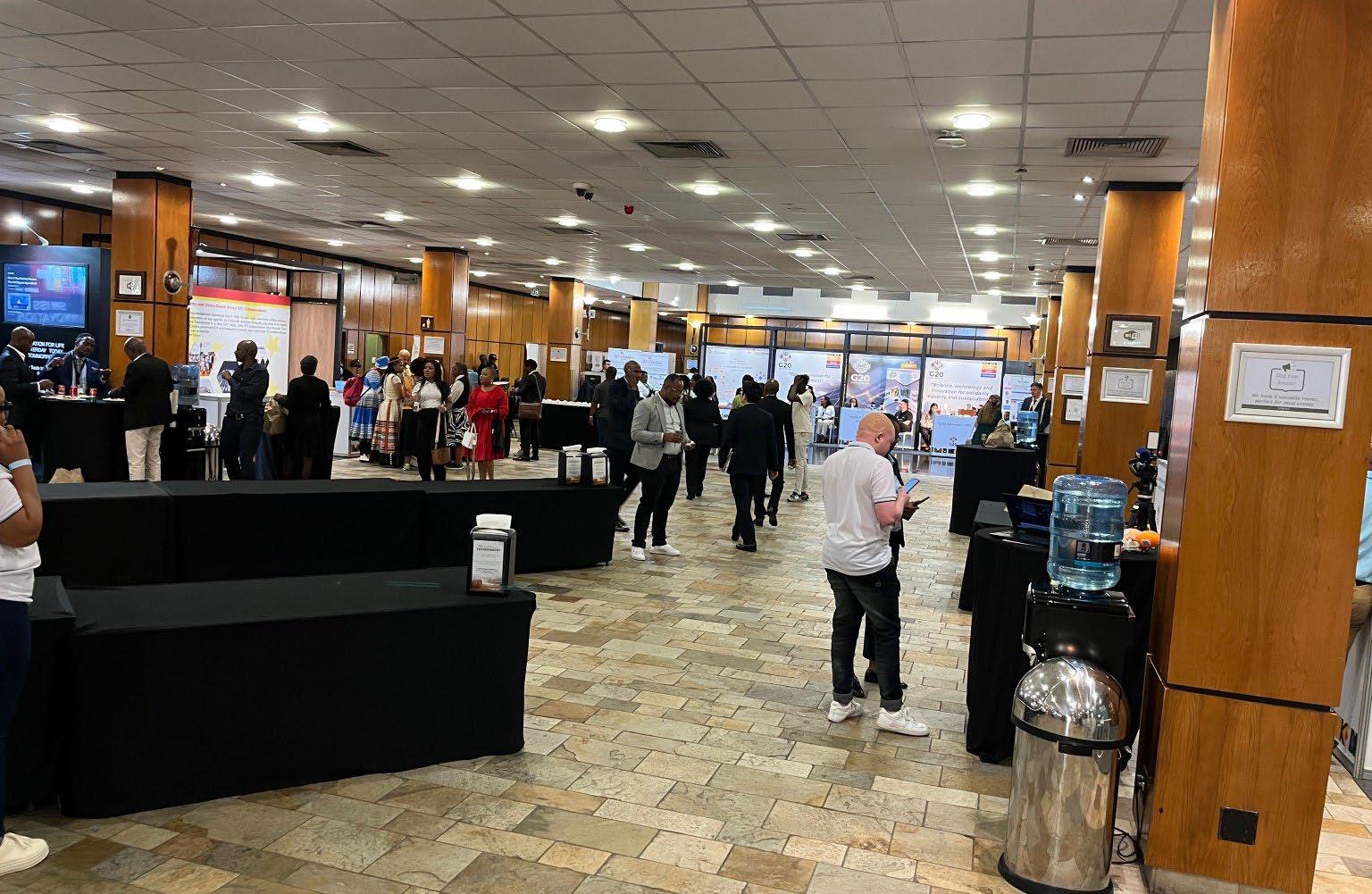
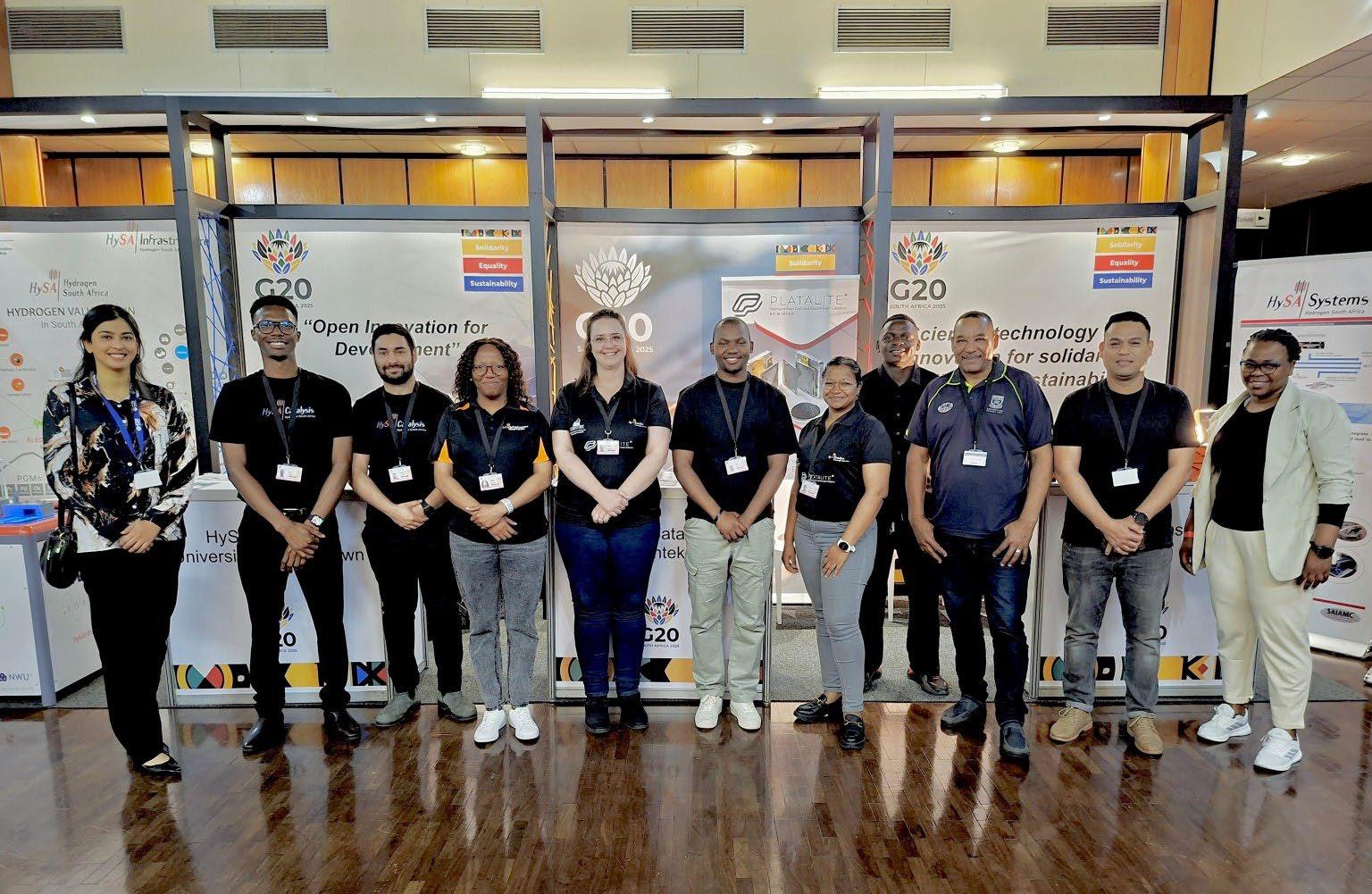
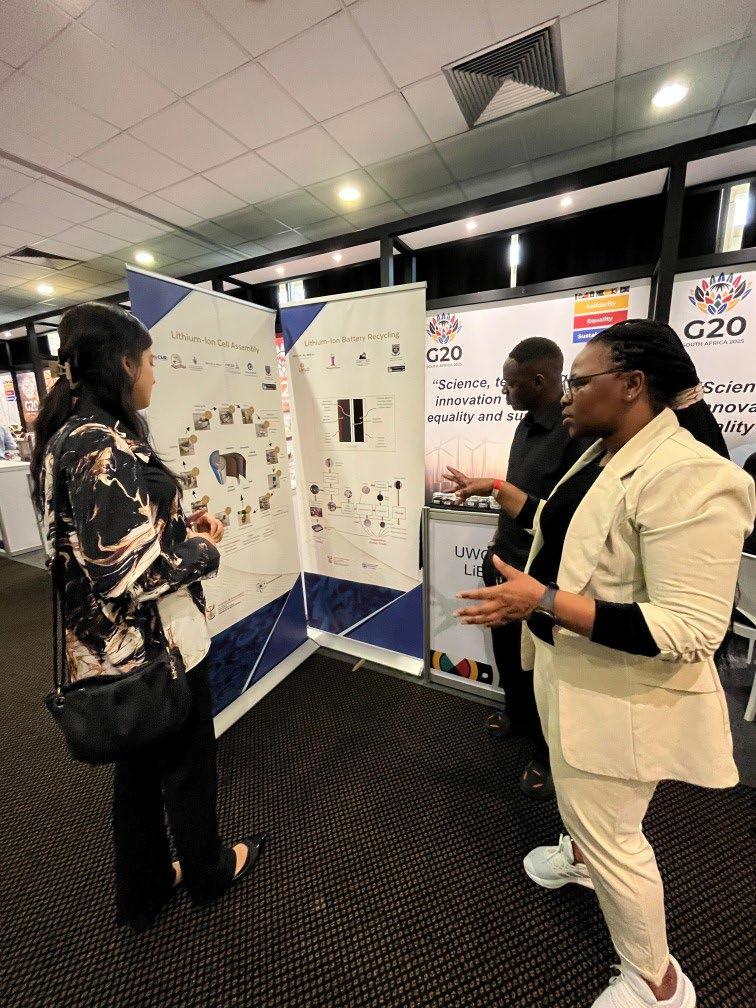
The Department of Chemistry, CPUT, in collaboration with the South African Institute for Advanced Materials Chemistry (SAIAMC), UWC, proudly contributed to the G20 Ministerial Research and Innovation Meeting 2025, held from 18 - 23 September at the CSIR International Convention Centre in Pretoria under the theme “Open Innovation.”
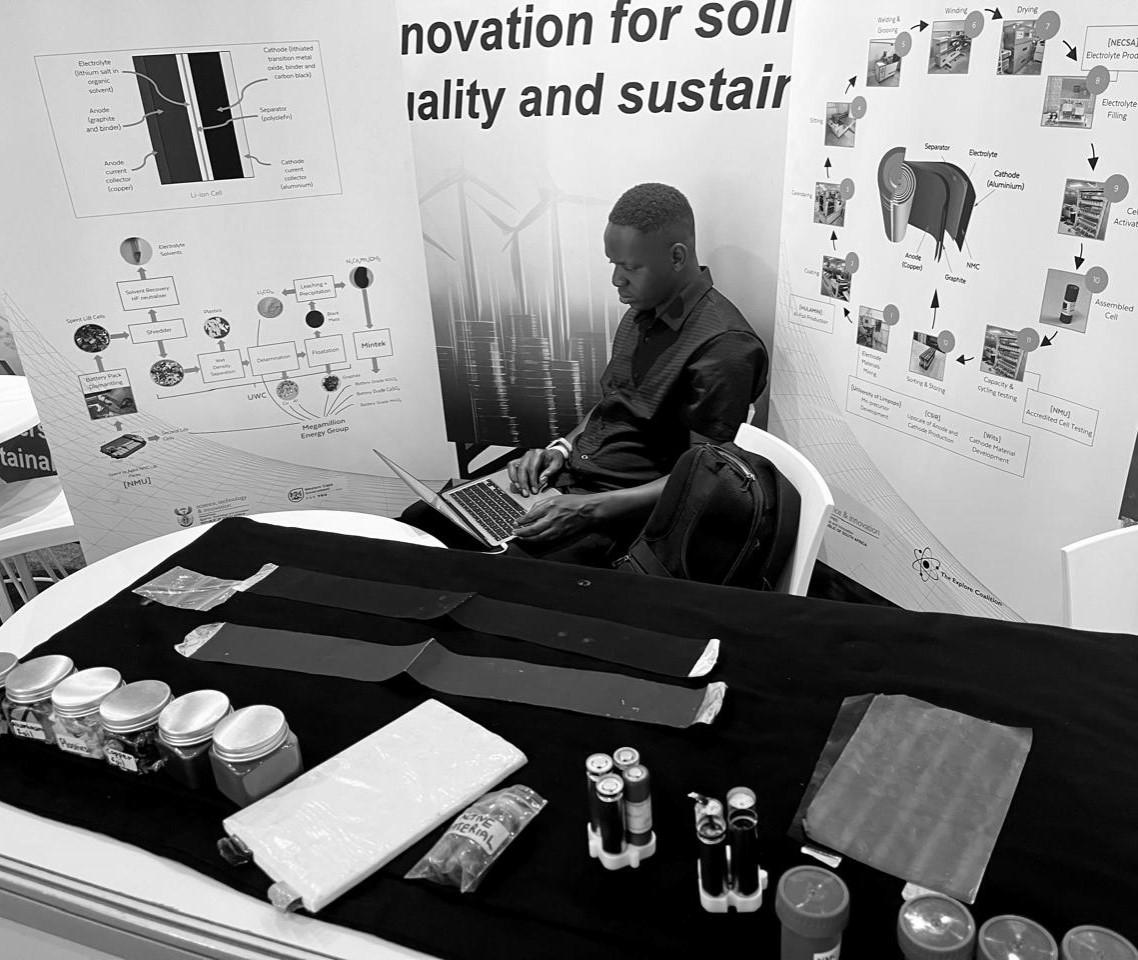
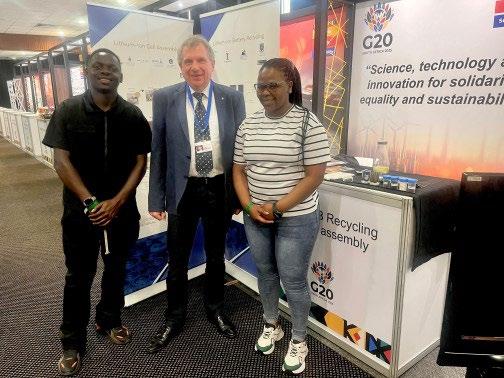
Dr Dorcas Zide, together with her former PhD student and recent graduate, Dr Tendai Tawonezvi, participated as exhibitors in a side event showcasing South African innovation. Their work focused on lithium-ion battery
recycling and battery cell assembly, demonstrating practical solutions for the circular economy and sustainable energy systems.
The exhibit highlighted the recovery of critical raw materials, reduced environmental risks, and the importance of energy storage technologies in enabling renewable energy adoption. This engagement strengthened links between research and industry while positioning CPUT and South Africa as contributors to the G20’s global innovation agenda.
Dr Dorcas Zide at the G20 Ministerial Research and Innovation Meeting 2025, held from 18–23 September at the CSIR International Convention Centre in Pretoria under the theme “Open Innovation.”

Funding Acknowledgement:
This research was supported by the Department of Science, Technology and Innovation (DSTI) through the Waste RDI Roadmap Grant (CSIR/BEI/WRIU/2021/052).
Additional financial and strategic support from the Western Cape Department of Mobility (Motor Transport Division) is sincerely appreciated. Also, the support was provided by the South African National Energy
Development Institute (SANEDI) and the Energy and Water Sector Education and Training Authority (EWSETA). Furthermore, gratitude is extended to the Local Government Sector Education and Training Authority (LGSETA) for funding provided through the Discretionary Grants (DG) 2025/2026 Programme.
Authors: Dr Dorcas Zide
Consumer Science Department Attends Beautiful Gate South Africa Annual Celebration

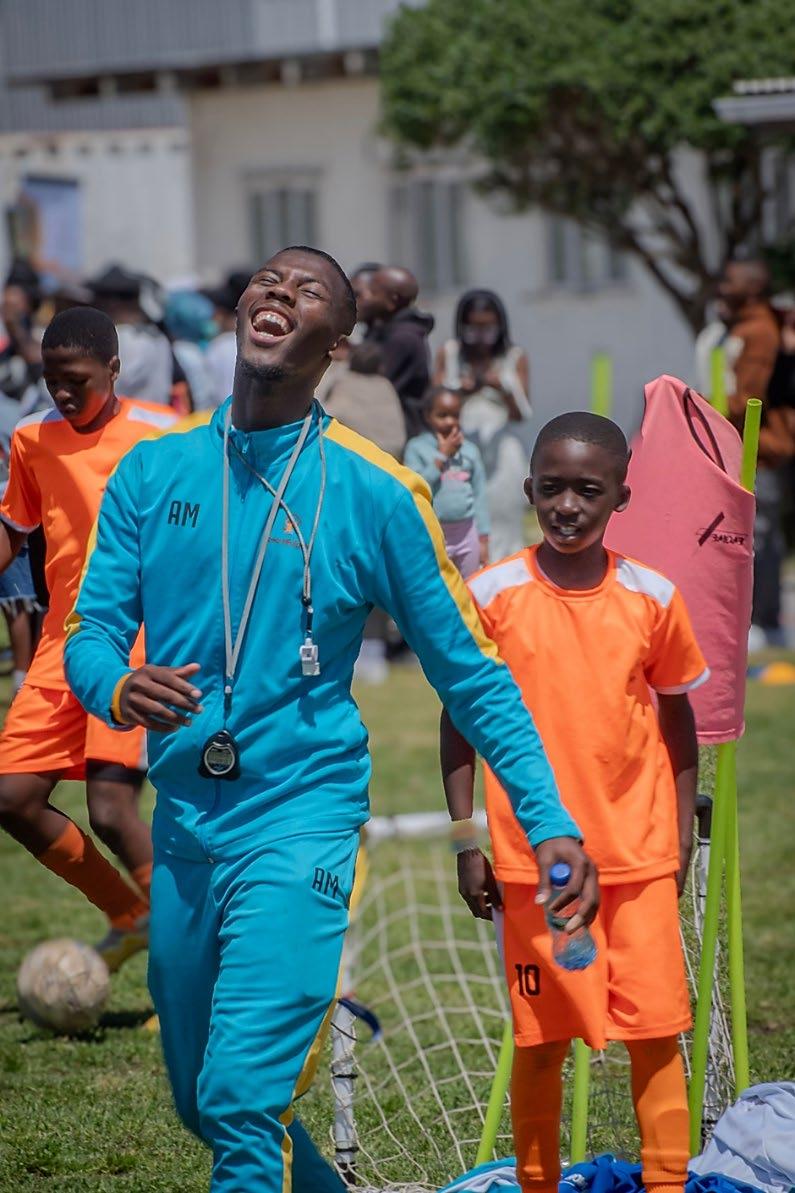
Representative from the Consumer Science Department, Mrs T Govender attended the event to show support for Beautiful Gate’s transformative work and to strengthen the ongoing relationship between the university and the organisation. The department has been actively involved in community engagement projects, student volunteer activities, and collaborative initiatives aimed at empowering young people and improving household wellbeing.
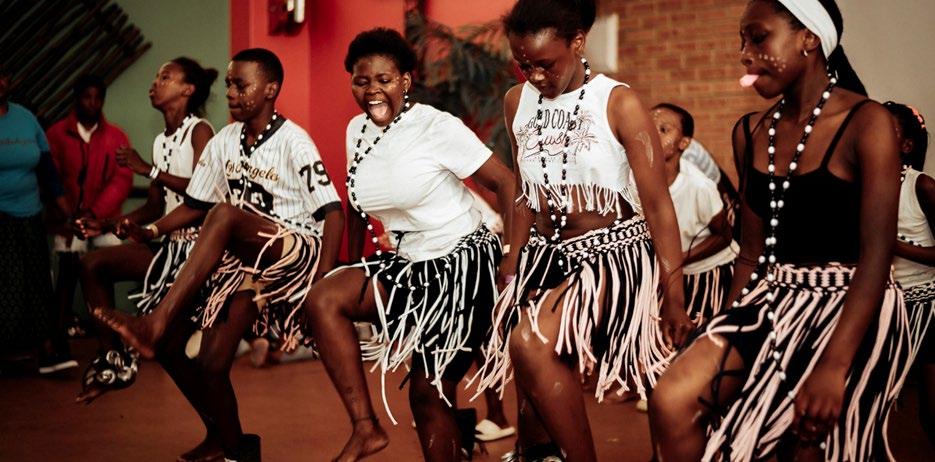
The Consumer Science Department proudly participated in the Beautiful Gate South Africa, “Ilima” Annual Celebration, an inspiring event that brought together partners, supporters, and community members to reflect on the organisation’s impact over the past year.
The celebration highlighted Beautiful Gate’s ongoing commitment to supporting children, youth, and families in the surrounding communities through education, health services, and family strengthening initiatives.

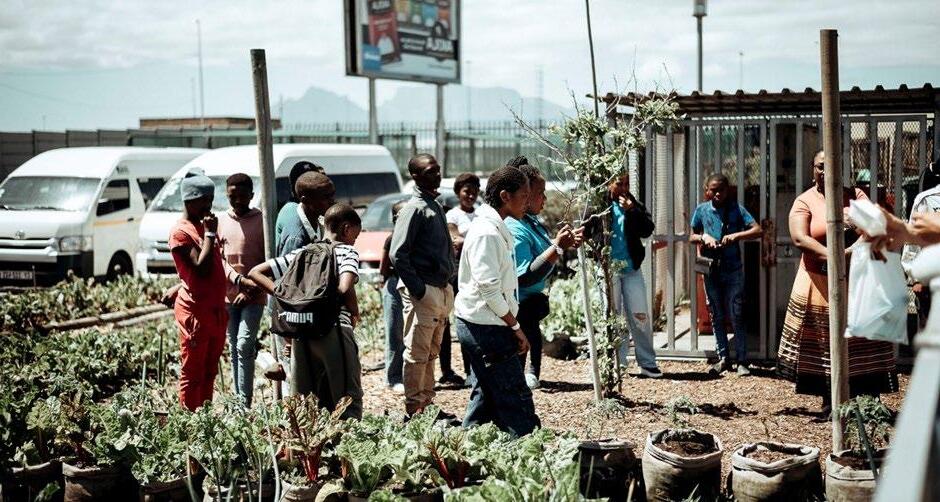
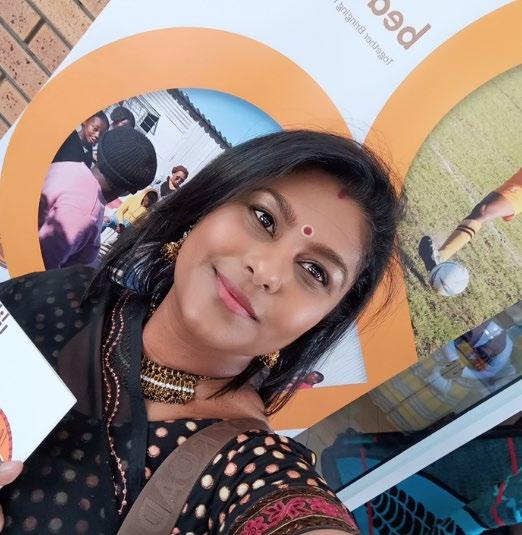
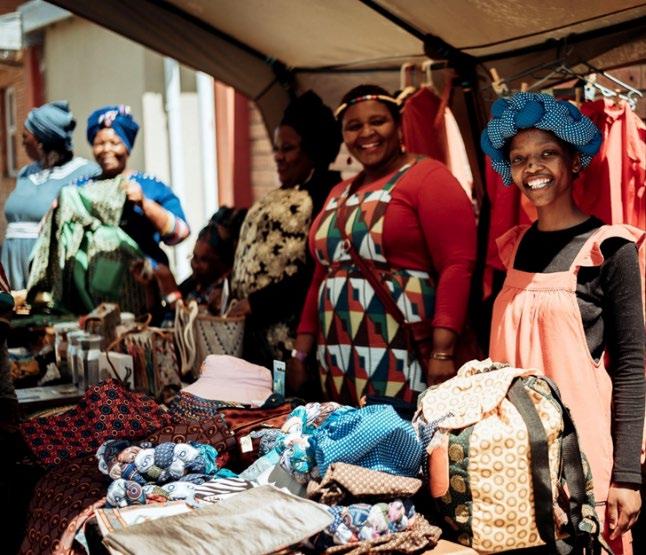
During the celebration, attendees were given insight into the various programmes run by Beautiful Gate, including youth development, academic support, early childhood development, and food security projects. The event also served as an opportunity for networking, partnership building, and acknowledging the contributions of volunteers and stakeholders who help make the organisation’s work possible.
The Consumer Science Department expressed appreciation for the invitation and commended Beautiful Gate South Africa for its continued dedication to uplifting communities. The event reaffirmed the department’s commitment to service learning and community engagement, with staff noting the importance of equipping students not only with academic knowledge but also with a sense of social responsibility.
The department looks forward to further collaboration with Beautiful Gate South Africa and to exploring new opportunities for students to contribute meaningfully to community-centred initiatives.
Author:
Mrs T Govender
NOTE: Images were provided by the organization to be used in the Newsletter only. Permission must be acquired from the organisation if the images are to be used in any other platform. PA to Mrs Minah Koela (CEO) is 'Cindy Duvel' cindyd@beautifulgate.org.

FACULTY OF APPLIED SCIENCES
Tel: +27 21 460 3151
Email: AppliedSciences@cput.ac.za www.cput.ac.za/academic/faculties/appliedsciences