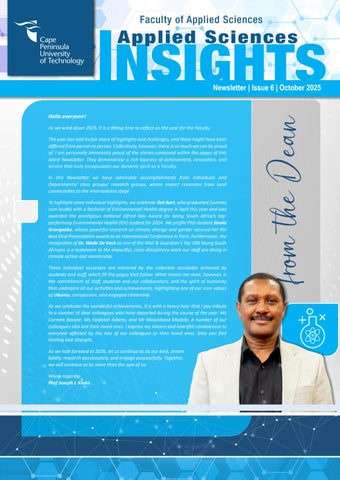
As we wind down 2025, it is a fitting time to reflect on the year for the Faculty.
The year has had its fair share of highlights and challenges, and these might have been differed from person to person. Collectively, however, there is so much we can be proud of. I am personally immensely proud of the stories contained within the pages of this latest Newsletter. They demonstrate a rich tapestry of achievement, innovation, and service that truly encapsulates our dynamic spirit as a Faculty.
In this Newsletter we have admirable accomplishments from individuals and Departments/ class groups/ research groups, whose impact resonates from local communities to the international stage.
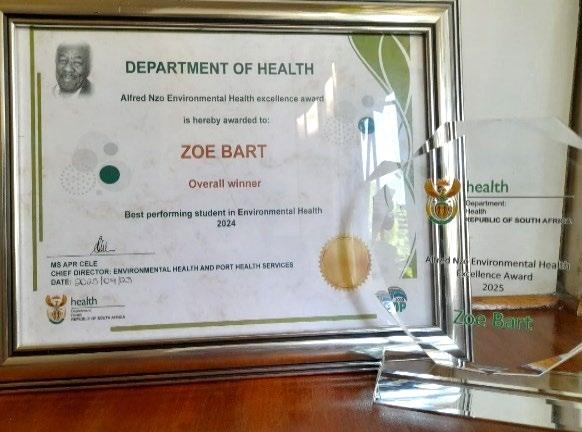
To highlight some individual highlights, we celebrate Zoë Bart, who graduated (summa cum laude) with a Bachelor of Environmental Health degree in April this year and was awarded the prestigious national Alfred Nzo Award for being South Africa’s topperforming Environmental Health (EH) student for 2024. We profile PhD student Sinalo Grangxabe, whose powerful research on climate change and gender secured her the Best Oral Presentation award at an International Conference in Paris. Furthermore, the recognition of Dr. Wade De Kock as one of the Mail & Guardian's Top 200 Young South Africans is a testament to the impactful, cross-disciplinary work our staff are doing in climate action and mentorship.
These individual successes are mirrored by the collective accolades achieved by students and staff, which fill the pages that follow. What moves me most, however, is the commitment of staff, students and our collaborators; and the spirit of humanity that underpins all our activities and achievements, highlighting one of our core values of Ubuntu, compassion, and engaged citizenship.
As we celebrate the wonderful achievements, it is with a heavy hear that I pay tribute to a number of dear colleagues who have departed during the course of the year: Ms Carmen Booyse, Ms Faldelah Adams, and Mr Nkosikhona Madolo. A number of our colleagues also lost their loved ones. I express my sincere and heartfelt condolences to everyone affected by the loss of our colleagues or their loved ones. May you find healing and strength.
As we look forward to 2026, let us continue to do our best, dream boldly, research passionately, and engage purposefully. Together, we will continue to be more than the sum of us
Warm regards,
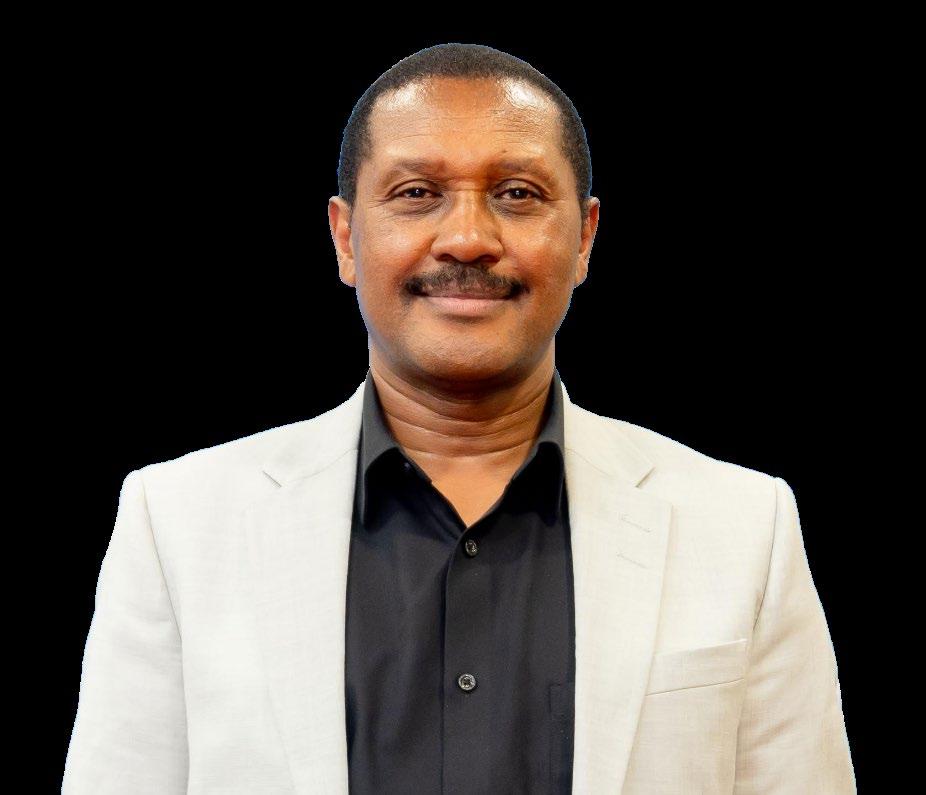
Prof Joseph I. Kioko
from the Dean
In memoriam
A letter of love and remembrance to a dear friend and colleague – Faldelah Adams
Dela, not a day goes past without me thinking about you. It’s even harder going into the faculty office at times. Sometimes I expect you to come down the passage when you hear my voice, like you used to. In my imagination, I still hear you calling my name when you hear me greeting colleagues.
I’ll never forget our random visits to Garden Centre, Food Lovers Market, how you always bought Bananas for Zion, because it was his favourite fruit, and how you would stare at the Shushi, after the Doctors advised you not to have it anymore.
I learnt from you how to give so much of oneself to others in simple but impactful acts like your usual smiles, your warm hugs, your time and the calls you made to different people every day. I still don’t know how you managed to show such care to us all while at the same time working very hard.
I miss our conversations, our jokes, and just hanging out together in the staff room. I miss your presence in the office. Your laughter still echoes in my heart. I miss the comments you made when we didn’t take your calls, but you could see we were online.
I miss stealing your fundraising ideas for church. We would have been busy with candles for Advent now, discussing Christmas Decorations, Christmas lunch ideas. And what we were going to put into the Santa Shoe boxes for the children. Dela, I want to thank you for the memories that you made. I want to thank you for having my back during my difficult times. You'll never be forgotten.
You'll always have a place in my heart and in the hearts of those who were blessed to cross paths with you.
Rest peacefully.
Mrs. Lucille Peterson
A Triumph in Paris: Sinalo Grangxabe Shines on the International Stage
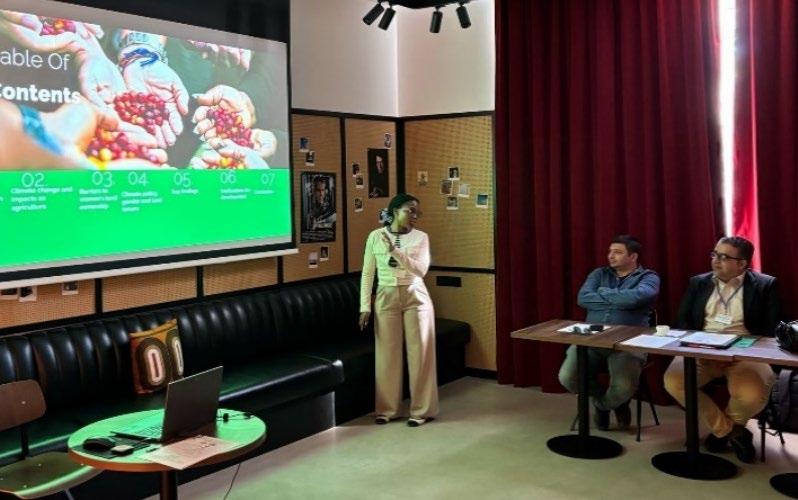
On a crisp spring morning (30 April 2025) in Paris, the conference hall at ibis Styles Paris Villejuif buzzed with anticipation. Scholars from across the globe had gathered for the 43rd PARIS International Conference on “Agricultural, Biological and Environmental Sciences” under the banner of Asia Europa International Conferences (2025), eager to share insights and innovations. Among them stood Xolisiwe Sinalo Grangxabe, a PhD student (Environmental Management) from the CPUT’s Department of Environmental and Occupational Studies, ready to present her research on a topic close to her heart: The Interplay of Climate Change, Food Security and Women Land Ownership.
Guided by her supervisors, Dr. Thabang Maphanga, Prof Karabo Ntwampe and Dr. Boredi Silas Chidi, Sinalo had spent months weaving together data, narratives, and policy implications that highlighted the unique challenges faced by women in rural South Africa. Her presentation, delivered with clarity and conviction, captivated the audience. She spoke not only as a researcher but as a voice for communities often overlooked in global discourse.
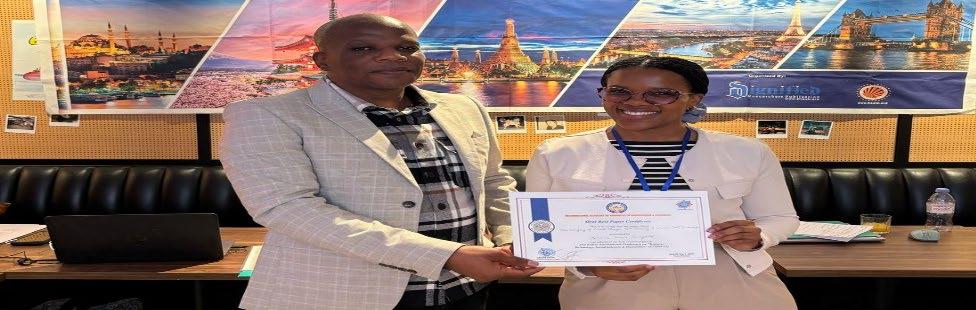
The session (chaired by Drs BS Chidi and Maxwell MewaNgongang) was filled with compelling talks, yet it was Sinalo’s that sparked the most discussion. Her ability to connect climate science with socio-economic realities earned her the Best Oral Presentation Award a recognition that marked a defining moment in her academic journey.
As she accepted the award, Sinalo acknowledged her mentors and the communities that inspired her work. “This is not just my achievement,” she said, “but a testament to the power of collaboration, mentorship, and the stories that need to be told.” Her success in Paris was more than a personal milestone it was a beacon for emerging scholars across Africa, proving that with dedication and support, their voices could resonate on the world stage.
Authors:
• Dr Boredi Chidi
(Department of Biotechnology and Consumer Sciences)
• Dr Thabang Maphanga
(Department of Environmental and Occupational Studies)
• Prof Karabo Ntwampe
(Department of Environmental and Occupational Studies)
• Dr Maxwell Mewa-Ngongang
(Department of Biotechnology and Consumer Sciences)
• Ms Xolisiwe Sinalo Grangxabe
(Department of Environmental and Occupational Studies)
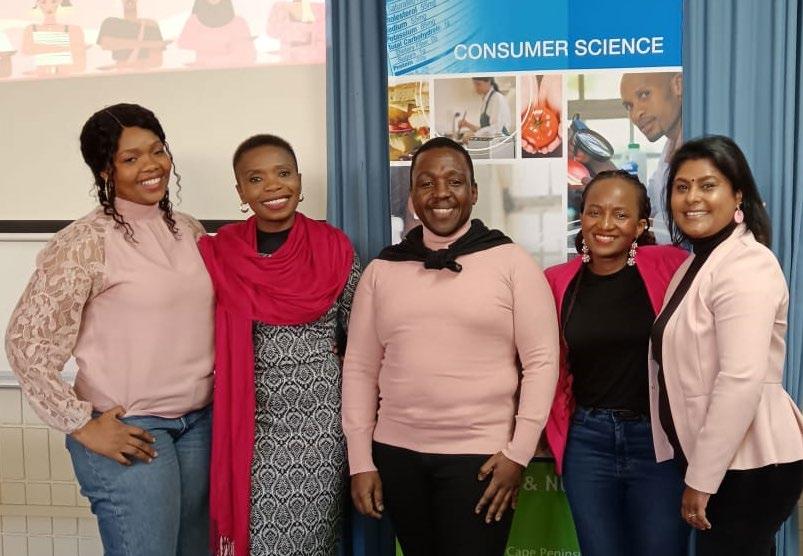
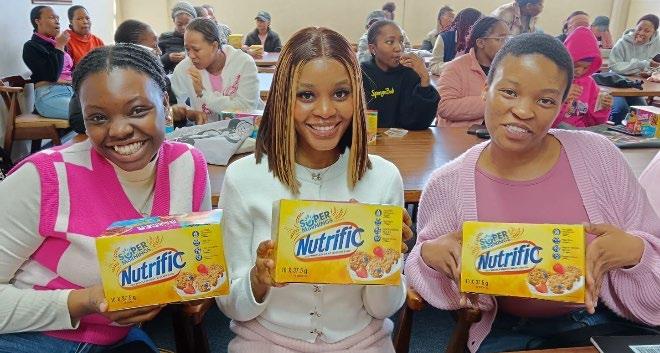
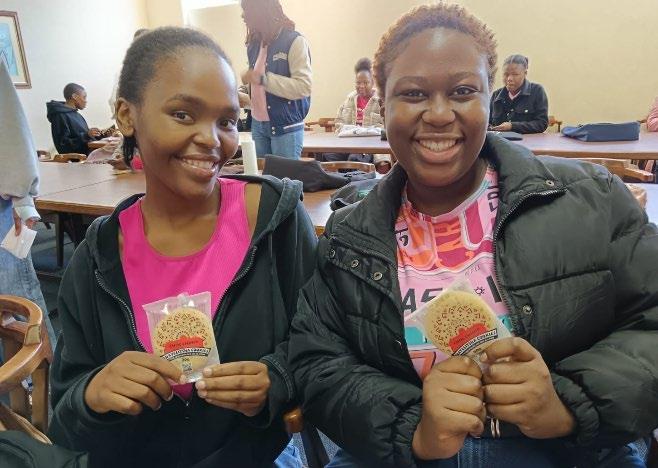
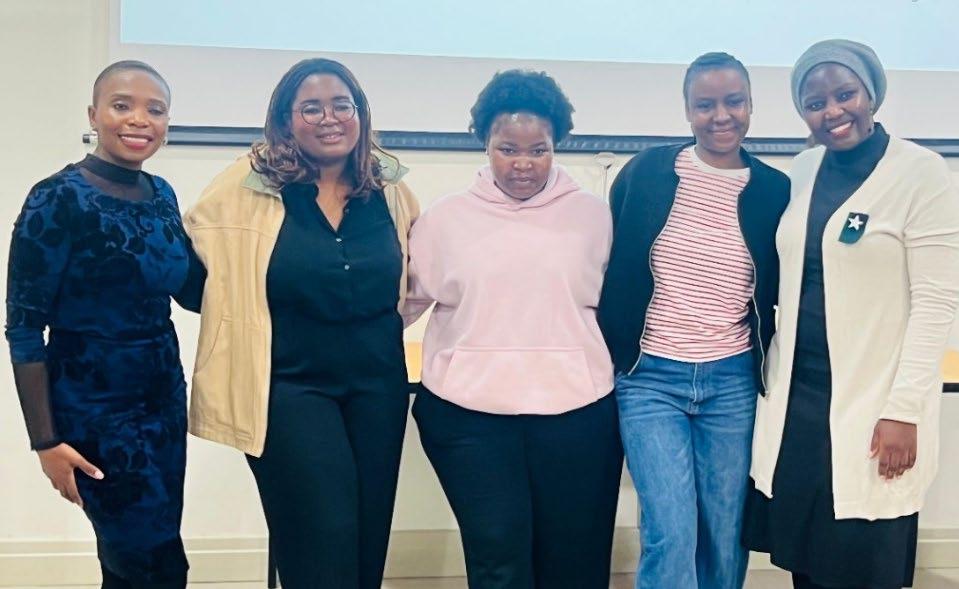
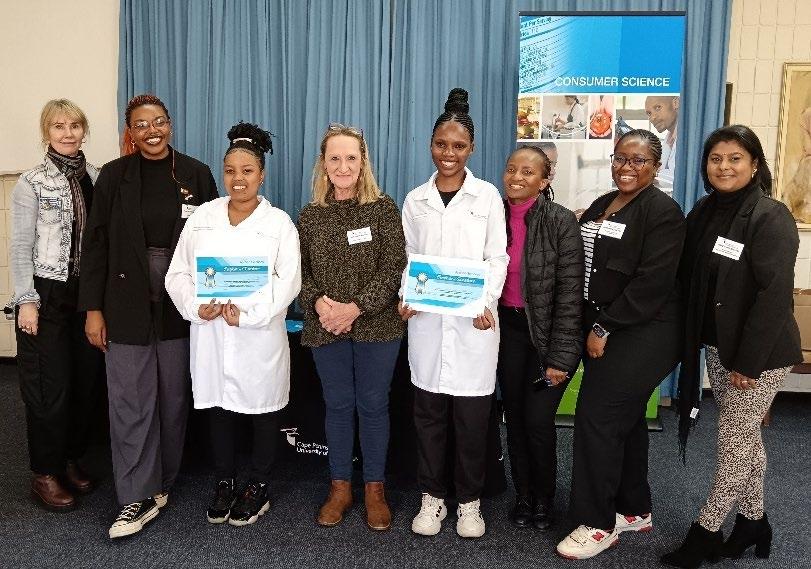
As part of the commemoration of Women’s Month 2025, the Consumer Science Programme proudly celebrated Women in Science with our 2nd-year students, joined by inspiring voices from both Academia and the Food Industry.
The Consumer Science programme was honoured to welcome back alumna Mrs A Feni, now thriving as a Technical Manager at Alpen Food Company Pty Ltd, who shared her journey and invaluable insights into building a career in science.
The Consumer Science and Food Science & Technology academic team (Dr L Vhangani, Ms D Tshikovhi and Mrs T Govender) also engaged students in meaningful conversations about the power of science, leadership, and innovation in shaping healthier and more sustainable communities.
The session was not only a celebration of women in science, but also a powerful reminder of the importance of mentorship, education, and collaboration in empowering the next generation of leaders. Students were also invited to reflect and share a message to their younger selves, honouring their personal journeys and growth.
Students left the session encouraged to dream boldly, lead with confidence, and embrace the limitless possibilities that science holds.
A heartfelt thank you to our sponsors, Khayelitsha Cookies and Alpen Food Company Pty Ltd, for their generous support.
Author: T Govender, Department of Biotechnology and Consumer Science
First-Year Marine Science Camp: A Journey of Discovery, Teamwork, and Ocean Awareness
On the 14th April, 2025, First-year Marine Science students at CPUT set off on an unforgettable educational adventure, unaware of the excitement and learning that lay ahead.
Their journey began with a visit to the Zandvlei Estuary, a vital part of Cape Town’s natural heritage. At Zandvlei, students were welcomed by Dr. Walker, Acting Head of the Department of Conservation and Marine Science. Drawing from his own research on phytoplankton, Dr. Walker introduced the estuary as a crucial ecological zone where freshwater meets the sea. He emphasized the importance of estuaries as nurseries for marine life and encouraged students to take part in conservation efforts, such as pollution clean-ups and biodiversity monitoring.
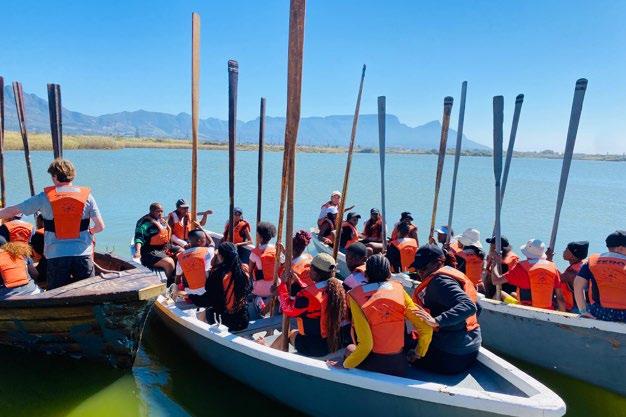
The students then took to the water in groups aboard former whaling boats many for the first time. After a rowing demonstration and a brief history of South Africa’s whaling past, the students competed in a friendly race along the estuary. Teamwork was key, and the victorious group, proudly named Poseidon’s Chosen, rowed away with triumph.
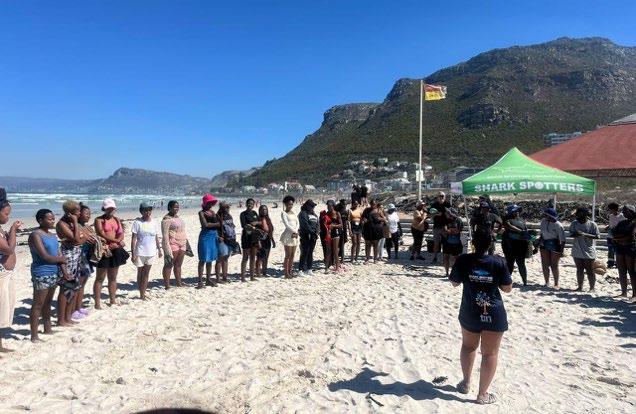
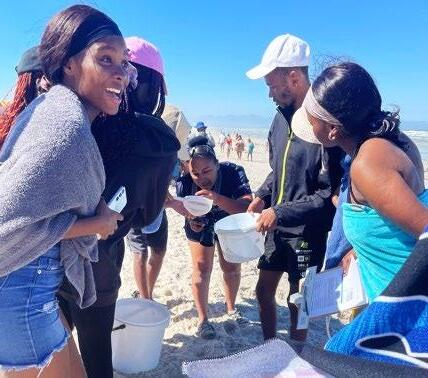
Next, the group visited the Shark Spotters Information Centre in Muizenberg. Led by Education Manager Taryn van Neel, students enjoyed icebreaker games before diving into hands-on activities. These included collecting microplastic data and learning how to measure wave dynamics skills that connect directly to their coursework.
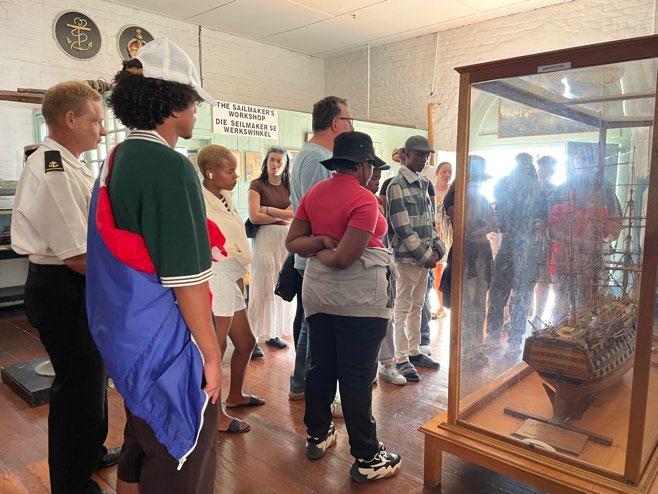
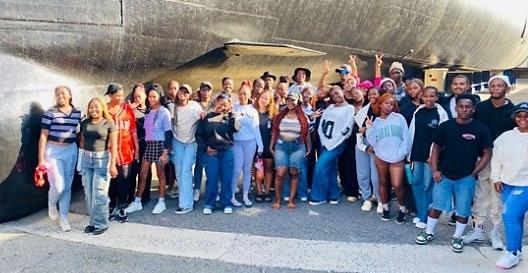
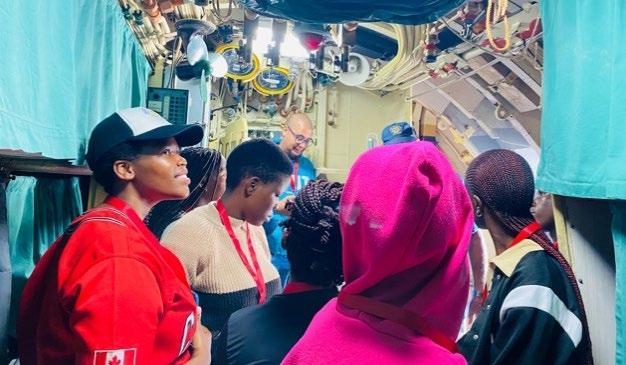
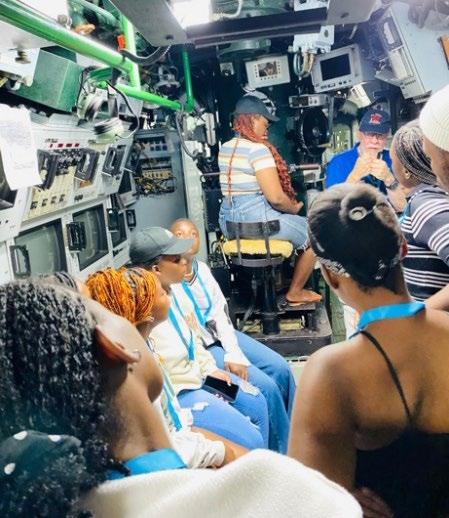
Day two brought more enriching experiences. Students explored Simon’s Town’s maritime heritage with visits to the SAS Assegaai Submarine Museum, learning about life aboard a Daphne-class submarine and the evolution of naval technology, and the South African Naval Museum, where they explored the Navy’s history, technological advancements, and the transformation toward inclusivity and diversity since 1994. Exhibits on women in the Navy and hydrographic survey vessels offered powerful insights into the changing face of maritime service.
To conclude the camp, students visited the Boulders Beach area to observe African penguins in their natural habitat and enjoy a refreshing swim an inspiring end to a memorable trip.
on Zandvlei Estuary. (Photo credit: N. Zincume)
on Zandvlei Estuary. (Photo credit: N. Zincume)
Marine Science students preparing to start rowing the boats on Zandvlei Estuary. (Photo credit: N. Zincume)
Why It Matters
This camp wasn’t just about fun and field trips it was a vital opportunity for students to connect theory with practice. By engaging directly with South Africa’s marine environments, students deepened their understanding of marine science and its real-world applications.
Student Reflections
Two students who participated in the camp commented:
“The camp was amazing. We had a lot of fun like boat racing and swimming at the beach. Not only was it fun but also educational… Definitely a camp I’ll never forget.”
“Marine science is a good course there’s more to it than we think. If you love the ocean and aquatic animals, then this is the course for you.”
Authors: Carmen de Beer and Nqubeko Yolanda Zincume (Advanced Diploma Students, Department of Conservation and Marine Science)
Marine Science students at the Assegaai Submarine Museum in Simon’s Town (Photo credit: N. Zincume)
Marine Science students on a tour of the South African Naval Museum in Simon’s Town (Photo credit: C. de Beer)
Marine Science students on a tour of a submarine at the Assegaai Submarine Museum in Simon’s Town (Photo credit: N. Zincume)
Marine Science students on a tour of a submarine at the Submarine Museum in Simon’s Town (Photo credit: N. Zincume)
Conservation Science Lecturer Dr Wade De Kock selected for 2025 Mail & Guardian Top 200 Youth of South Africa
The Department of Conservation and Marine Sciences at CPUT is proud to receive the news that Dr Wade De Kock, Lecturer in the department, has been selected for the prestigious Mail & Guardian Top 200 Young South Africans for 2025. Dr De Kock was recognised in the category of Climate Change and the Environment, joining the ranks of influential past recipients such as Trevor Noah, Bryan Habana, Julius Malema, and Dr Nandipha Magudumana.
At just 32 years old, Dr De Kock has demonstrated a deep and sustained commitment to environmental advocacy, active citizenship, and sustainability - both on land and at sea. His work spans the green and blue economies, reflecting a holistic approach to environmental stewardship.
He brings expertise to the circular economy, having contributed to national dialogues and innovation through his role with the South African Plastics Pact and various industry collaborations aimed at improving packaging design and recyclability across South Africa.
Dr De Kock has also been actively involved in supporting South Africa’s Just Transition to renewable energy. He has engaged with local municipalities, community-based organisations, and schools along the country’s coastal provinces to promote environmental awareness and active citizenship at grassroots levels.
In the marine and polar sciences, Dr De Kock has shown a strong commitment to building inclusive and transformative research spaces. Through his involvement with the South African Polar Research Infrastructure (SAPRI), he has visited numerous inland tertiary institutions to raise awareness about opportunities in polar and marine research.
A strong advocate for mentorship, Dr De Kock served as the Engagement Manager for SAPRI and is the co-creator of the Mahlalela Mentorship Programme (MMP) , a national initiative named in honour of the late Dr Precious Mahlalela. The programme supports early-career researchers and professionals in the marine and polar fields, fostering development through mentorship, networking, and skills-building beyond the traditional scope of academic supervision. Dr De Kock also serves as a mentor in the programme himself.
“We make a living by what we get, but we make a life by what we give”
Additionally, he contributes to environmental education as an active participant in SANCOR’s Marine and Coastal Educators Network (MCEN), further demonstrating his dedication to public engagement and capacity-building.
Dr De Kock’s recognition by the Mail & Guardian highlights not only his individual achievements but also the broader importance of inclusive, interdisciplinary, and actiondriven approaches to environmental challenges. His work continues to inspire transformation and meaningful dialogue within both marine and climate-related fields in South Africa.
See full article here: https://mg.co.za/200youngsouthafricans/2025/wade-dekock/
Author:
Dr Wade De Kock
South Africa’s Top Performing Environmental Health Student is a CPUT Graduate from the Faculty of Applied Sciences
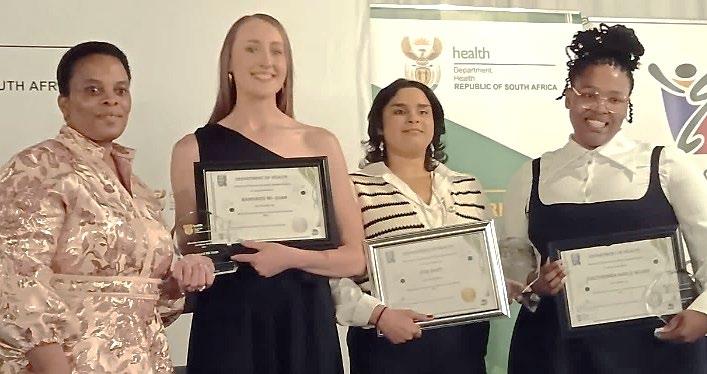
Zoë Bart, a student in the Faculty’s Environmental Health Programme, was awarded her Bachelor of Environmental Health degree Summa Cum Laude at the institution’s Autumn Graduation in April 2025. While this alone is an exceptional achievement, Zoë was both surprised and honoured to later be named South Africa’s top-performing Environmental Health (EH) student for 2024 – a remarkable and outstanding national achievement. What truly sets Zoë apart is her remarkable academic performance: 31 distinctions and a final average of 88% over the duration of her degree.
Earlier this year, the National Department of Health (NDoH) invited the seven accredited Environmental Health training institutions in South Africa to nominate their topperforming students for national recognition as part of the 2025 World Environmental Health Day (WEHD) celebrations. From these submissions, the NDoH shortlisted three exceptional candidates, who were formally recognised at the prestigious WEHD Gala Dinner, held on 25 September at the Birchwood Hotel in Ekurhuleni, Gauteng.
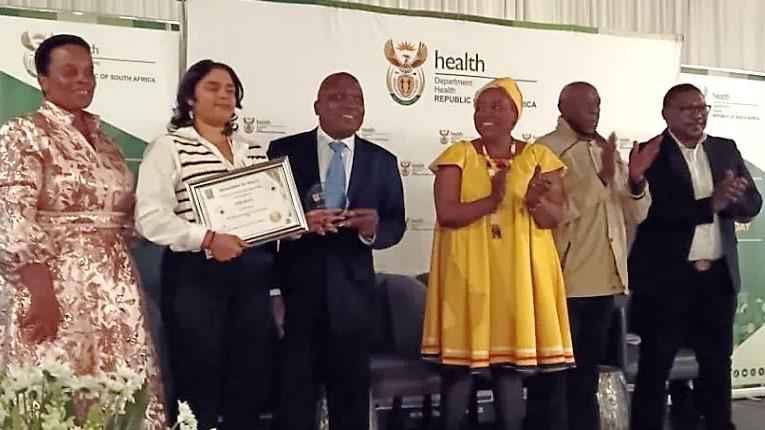
At this event, Zoë was announced as the recipient of the National Alfred Nzo Environmental Health Excellence Award the highest accolade that an Environmental Health Practitioner can receive in South Africa. The award is named in honour of the late Mr Alfred Baphethuxolo Nzo (1925–2000), who was South Africa’s first black “health inspector,” having begun his career in KwaDukathole, Germiston. He later served at the Alexandra Health and Community Centre and went on to become the longestserving Secretary-General of the African National Congress
(ANC) and South Africa’s first Minister of Foreign Affairs in the democratic era.
In addition to her academic excellence, Zoë consistently displayed strong leadership skills. She served as class leader throughout her studies, often guiding group projects with professionalism, empathy, and a collaborative spirit. Her integrity, passion, and dedicati on to the profession make her not only an exemplary student but also a promising ambassador for both Environmental Health and CPUT.
Zoë is currently completing her one-year compulsory community service at Cape Town International Airport, after which she will be eligible to register as an Environmental Health Practitioner (EHP) in the independent practice category with the Health Professions Council of South Africa (HPCSA).
Author: Dr Mike Agenbag (Senior Lecturer: Environmental Health)
Zoë Bart (second from left) pictured with the National Chief Director for Environmental Health, the Deputy Minister of Health, and the Nzo family at the 2025 World Environmental Health Day Gala Dinner.
Zoë Bart (second from right) pictured with the National Chief Director for Environmental Health and the 2nd runner up and the 1st runner up from the Nelson Mandela University, and Tshwane University of Technology, respectively.
Faculty of Applied Sciences Shines at Eskom Expo for Young Scientists
Cape Town, South Africa – 19 August 2025
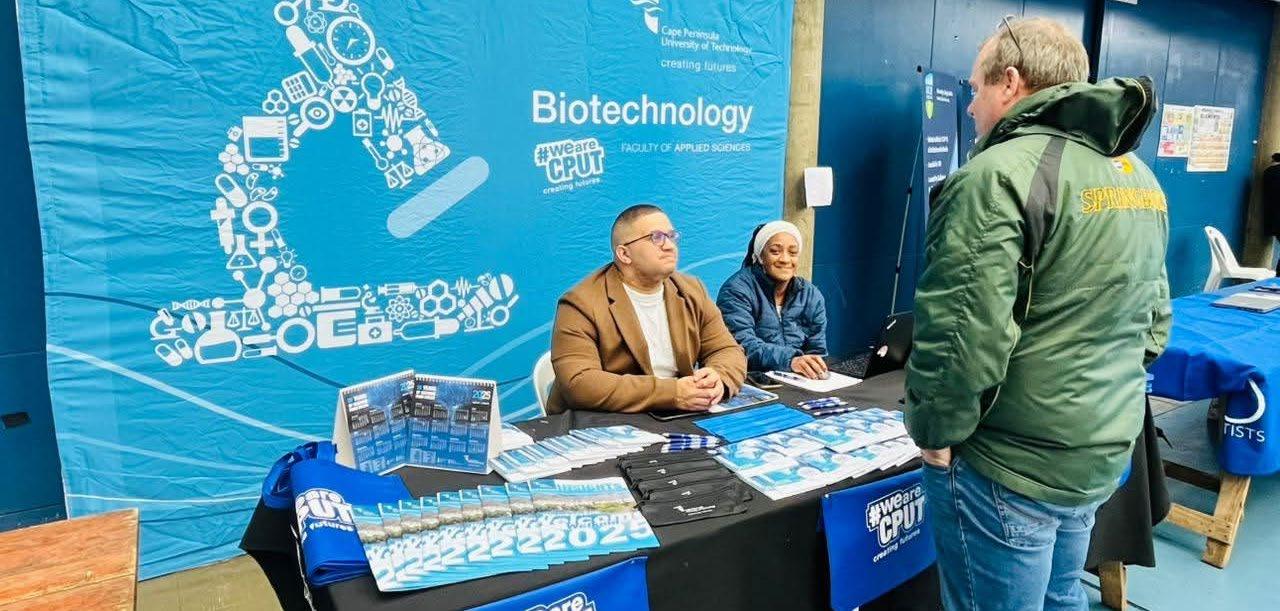
The Faculty of Applied Sciences at the Cape Peninsula University of Technology (CPUT) proudly participated in the prestigious Eskom Expo for Young Scientists, held recently in Cape Town. This annual science fair brings together bright young minds from across the region, offering them a platform to showcase their scientific investigations and innovative projects.
For CPUT, the event was more than just an exhibition it was a strategic opportunity to engage with future scientists and promote the faculty’s dynamic offerings.
A Platform for Innovation and Inspiration
The Eskom Expo is widely recognized for nurturing scientific curiosity and innovation among school learners. This year’s event featured hundreds of projects spanning disciplines such as environmental science, engineering, health sciences, and information technology. Learners presented their work to panels of judges, educators, and industry professionals, gaining valuable feedback and recognition.
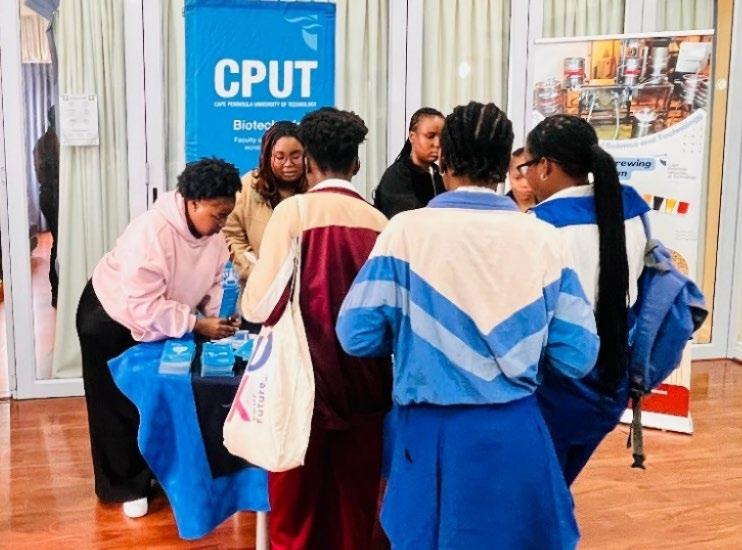
CPUT’s Faculty of Applied Sciences was represented by a vibrant marketing team who set up an eye-catching exhibition stall. The stall served as a hub of interaction, drawing curious learners, educators, and parents eager to learn more about the faculty’s academic programs, research opportunities, and student support services.
Connecting with Future Scientists
The faculty’s presence at the Expo was driven by a dual purpose: to market the faculty’s academic and research excellence and to engage directly with prospective students. Staff members enthusiastically shared information about undergraduate and postgraduate programs, career pathways in applied sciences, and the faculty’s commitment to innovation and community impact.
Interactive displays and hands-on demonstrations added excitement to the stall, allowing visitors to experience the practical applications of science and technology. The team also distributed brochures, branded merchandise, and contact information to encourage follow-up engagement.
A Visit from the Mayor
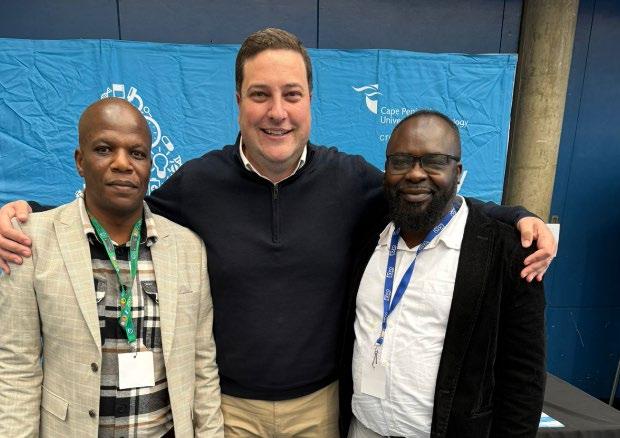
One of the highlights of the event was a visit from Cape Town Mayor Geordin Hill-Lewis, who took time to tour the exhibition and interact with participants. The mayor stopped by the CPUT stall, where he was warmly welcomed by the faculty team. His visit underscored the importance of collaboration between educational institutions and local government in fostering youth development and scientific literacy.
The mayor commended the faculty’s efforts to inspire young learners and emphasized the role of science and technology in shaping Cape Town’s future. His presence added a layer of prestige to the event and reinforced the value of public engagement in education.
Looking Ahead
Participation in the Eskom Expo aligns with CPUT’s broader mission to empower students through experiential learning and community outreach. By engaging with learners at an early stage, the Faculty of Applied Sciences is helping to cultivate the next generation of scientists, researchers, and innovators.
The faculty’s involvement also reflects its commitment to inclusivity and accessibility in science education.
Events like the Eskom Expo provide a vital bridge between secondary and tertiary education, encouraging learners from diverse backgrounds to pursue careers in STEM fields.
As the faculty continues to grow and evolve, initiatives like this will remain central to its outreach strategy. The team looks forward to future collaborations and hopes to welcome many of the Expo’s young scientists to CPUT in the years to come.
Author: Boredi Chidi
Strengthening International Research Ties: Exchange Internships at CPUT
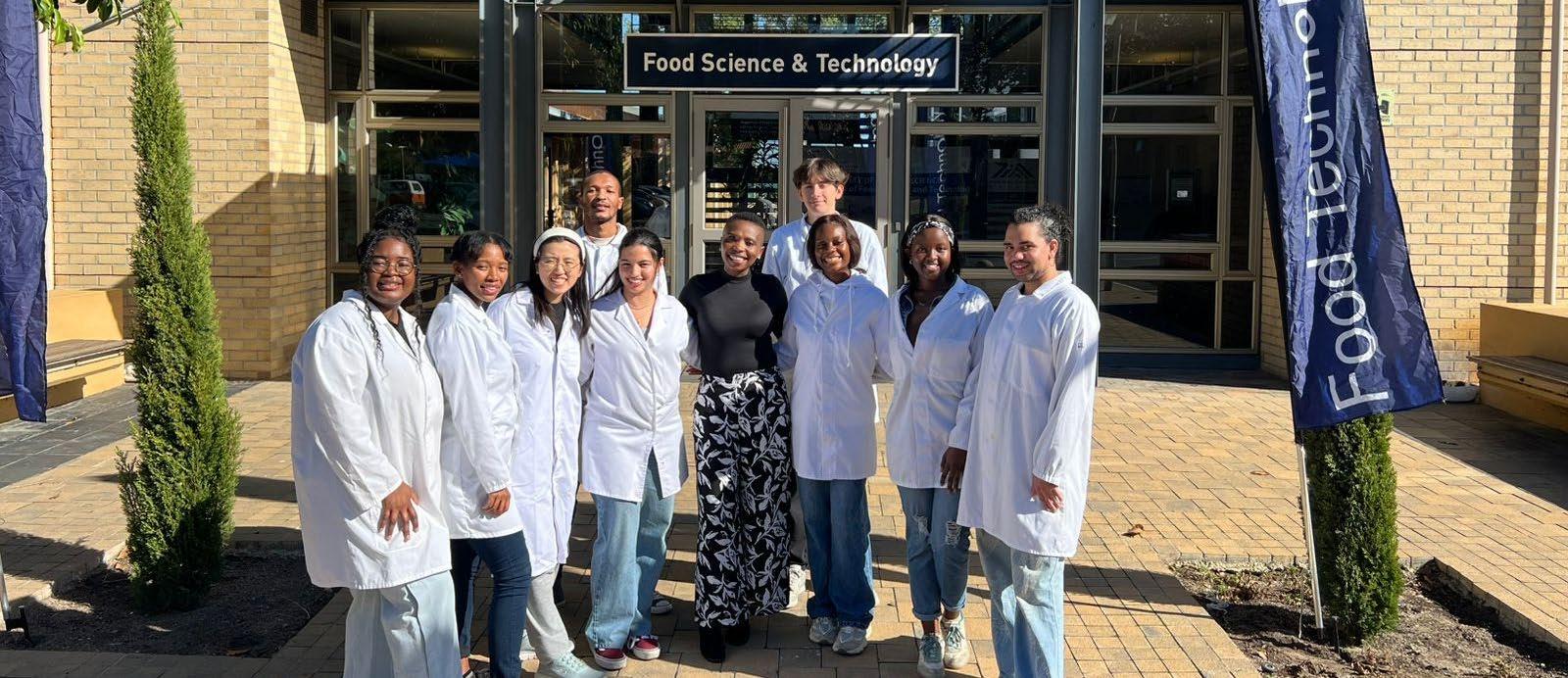
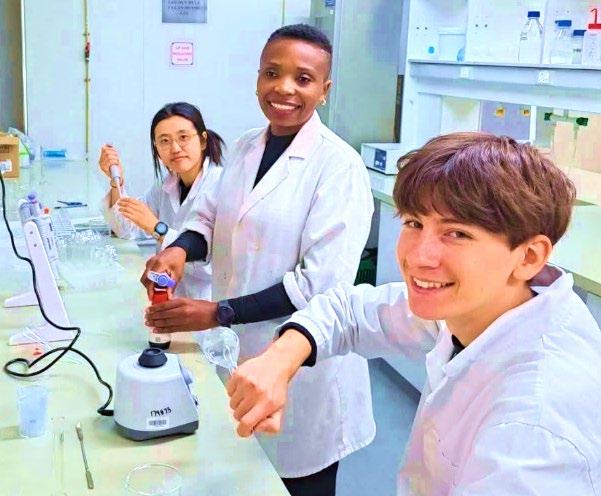
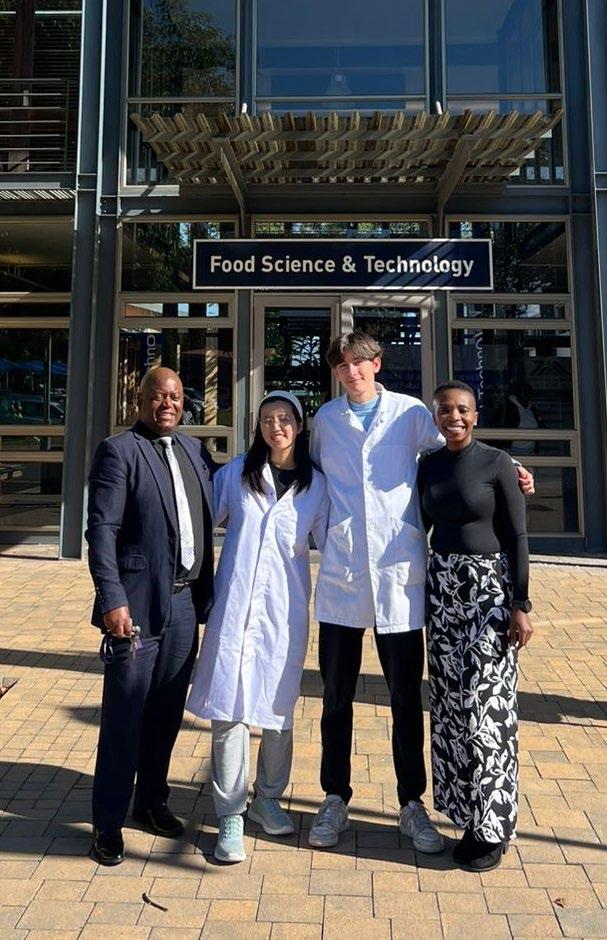
The Department of Food Science and Technology recently hosted two exchange interns from the Department of Biological Engineering, at the Université Paris-Est Créteil (UPEC), France
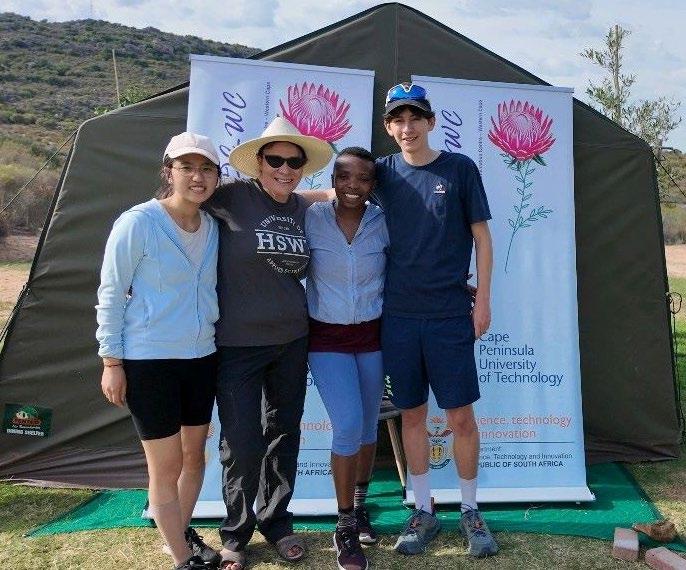
Dorian Grillon and Catherine Phonchareun’s internships reflected not only scientific excellence but also the value of cross-cultural collaboration, teamwork, and community engagement. Under the supervision of Dr. Lusani Norah Vhangani, the students undertook innovative research projects on non-thermal food processing techniques and sustainable product development.
Dorian Grillon worked on the application of Pulsed Electric Field treatment in enhancing the antioxidants of a fermented beverage produced by valorising waste seed meal. Catherine Phonchareun investigated the Browning Kinetics of Baobab Pulp during Storage. Her work provided valuable insights into post-harvest stability and the storage potential of baobab.
Both students not only achieved their research goals but also collaborated actively with peers in their research group. This spirit of teamwork enriched their projects and fostered lifelong friendships.
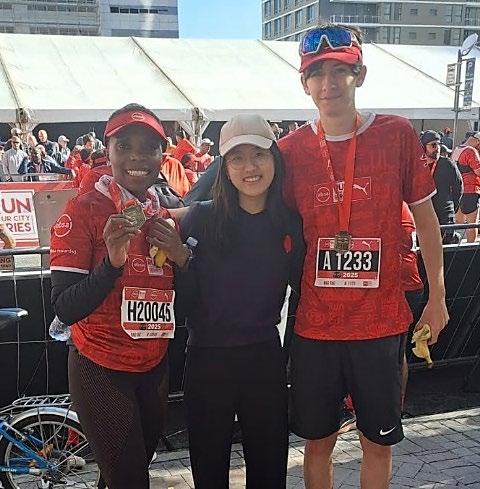
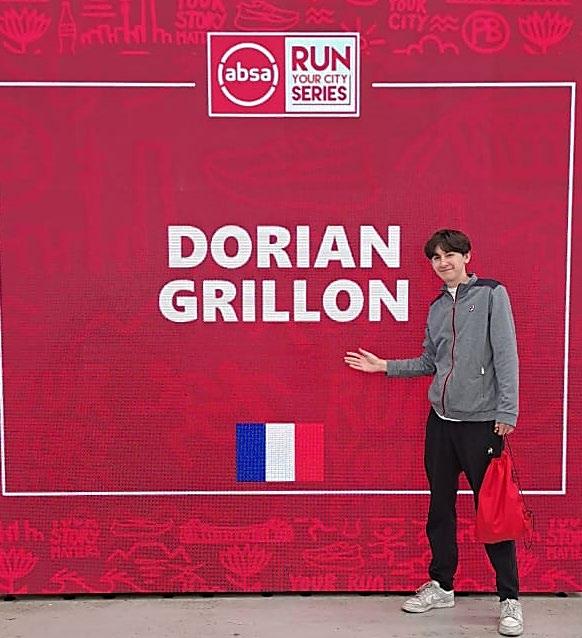
On the social/sporting front, Dorian and Dr. Vhangani took on the ABSA Cape Town 10km Race, with Catherine cheering them on from the sidelines. True to the phrase “fast in the lab, faster on the track,” Dorian smashed his PB with a time of 38:11, securing 103rd place out of 12,837 runners. Quite impressive!!
We extend our gratitude to: Dr George Charimba, UPEC’s Laurent Thevenet, Fondation de France, and Prof Jessy Vanwyk at IKSDC for making this exchange possible.
Author: Dr Lusani Norah Vhangani
Beyond the laboratory, the two students joined a community outreach initiative led by Prof. Jessy Van Wyk of the Indigenous Knowledge Systems Documentation Centre (IKSDC).
As trained dietitians preparing to embark on their journey toward becoming Food Engineers in 2026, they drew on their nutrition expertise to support local initiatives in Sandberg. Their contributions included sharing knowledge on healthy eating and sustainable food practices, which added meaningful impact to the engagement.
The cultural immersion trip to Donkieskraal in Sandberg further exposed them to indigenous paintings, music, dance, and heritage, deepening their appreciation of South Africa’s rich cultural landscape.
Chemistry Department Strengthens Global Research Ties as Dr Dorcas Zide Showcased Chemistry Innovation at JINR
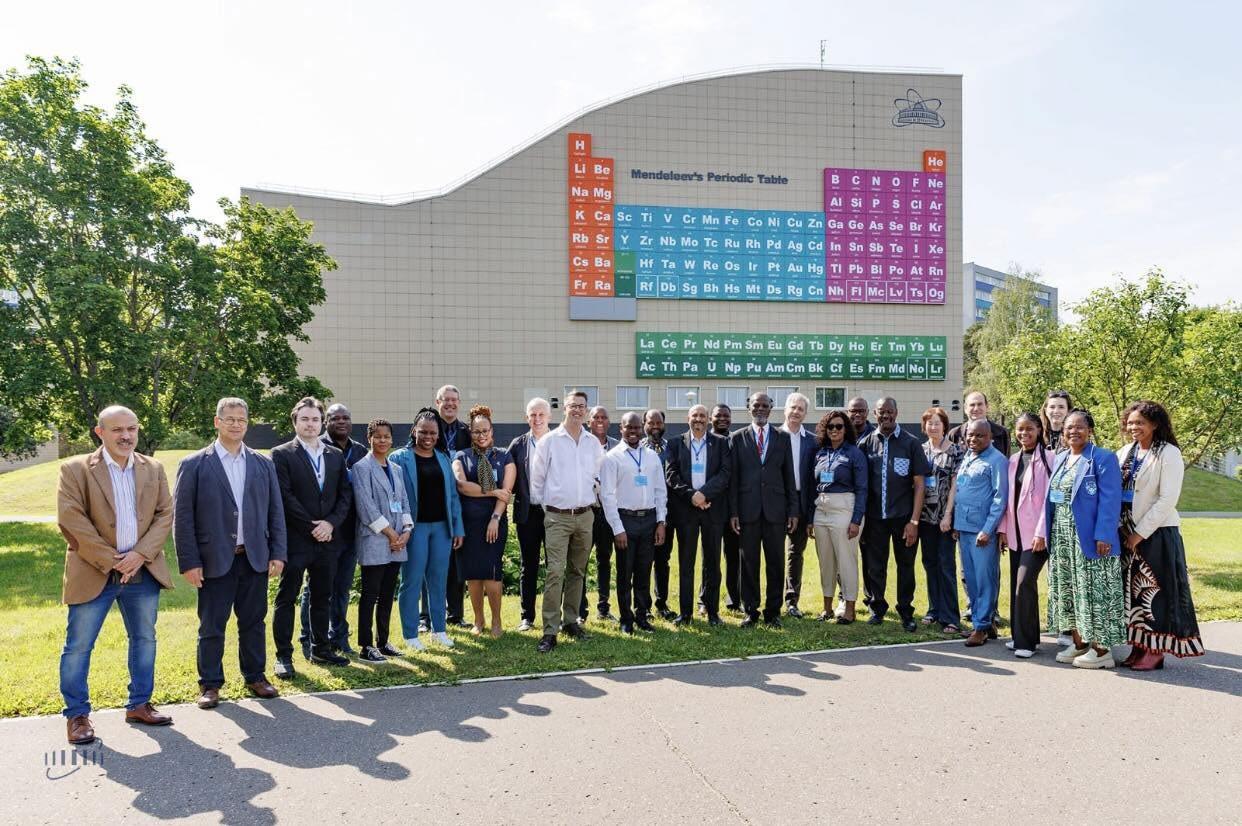
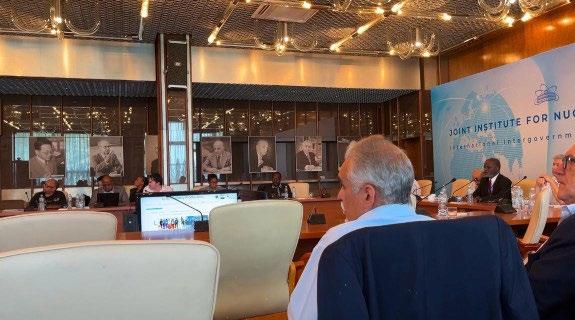
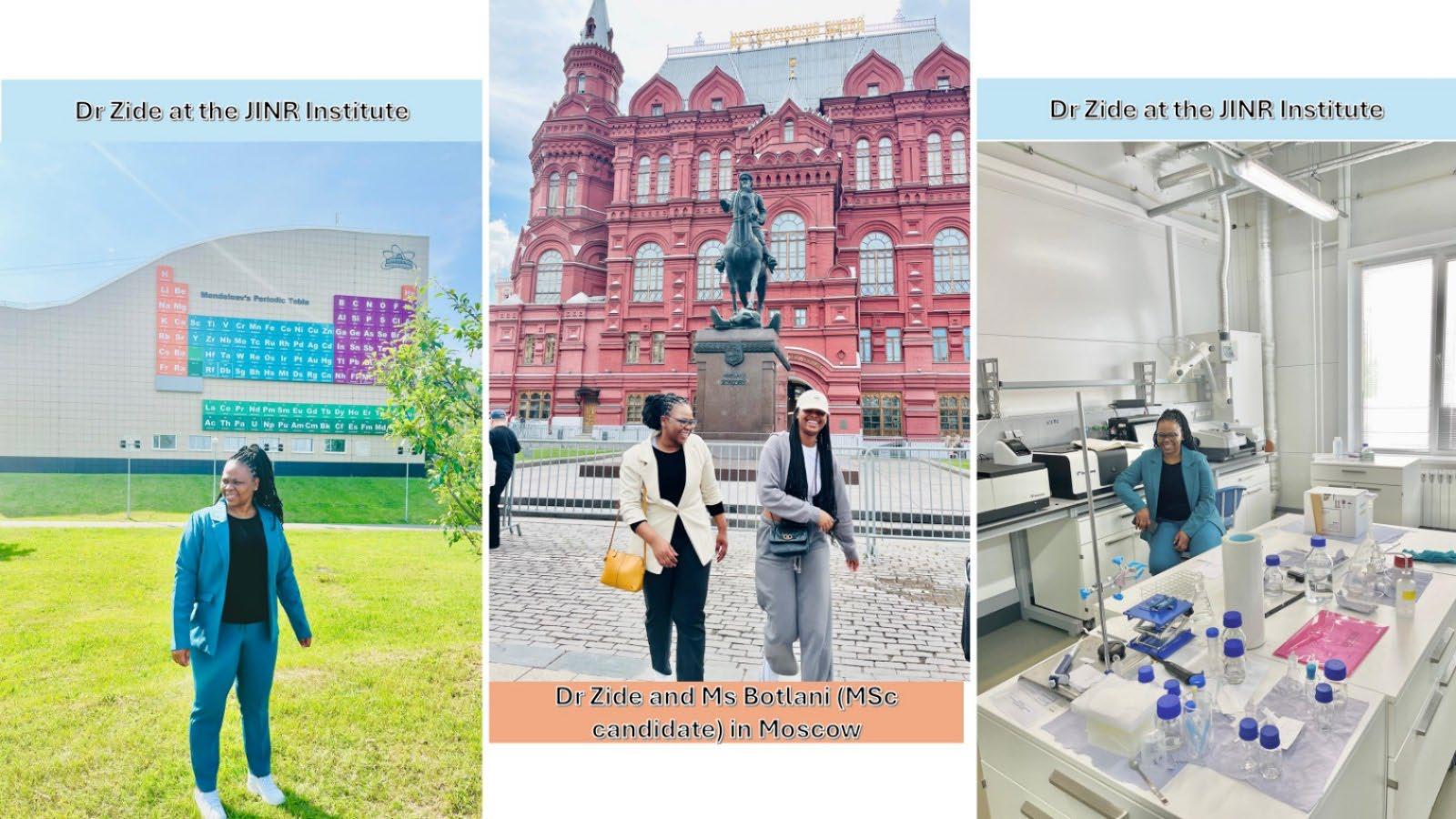
Academic and researcher in the Department of Chemistry at the Cape Peninsula University of Technology (CPUT), visited the Joint Institute for Nuclear Research (JINR) in Dubna, Moscow region, from 15 June to 8 July 2025. She was accompanied by her MSc student, Ms Ayabonga Botlani (supervised by Dr Ndube-Ntsolekile and cosupervised by Dr Zide), as part of joint scientific activities at the Flerov Laboratory of Nuclear Reactions.
Dr Zide spent three weeks in Russia as part of her research collaboration. In the first week, she gave presentations, toured laboratories, and engaged in discussions with stakeholders from various institutes, including fellow South African representatives. In the following two weeks, she conducted experimental work in the laboratory and held in-depth discussions with her collaborators, strengthening ties for future joint projects.
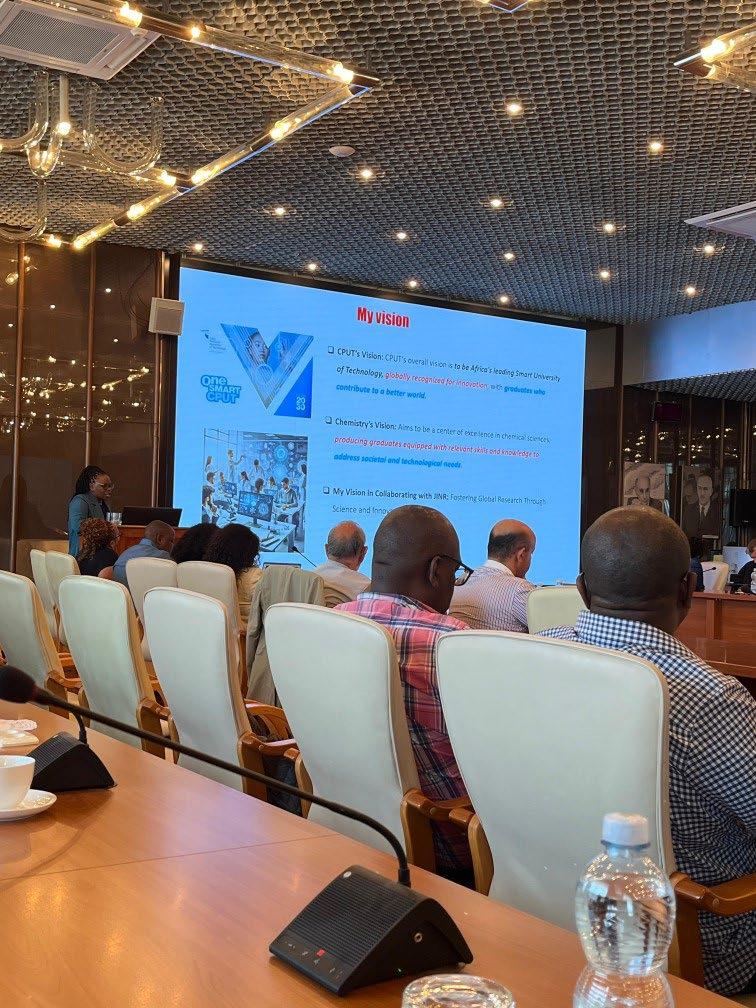
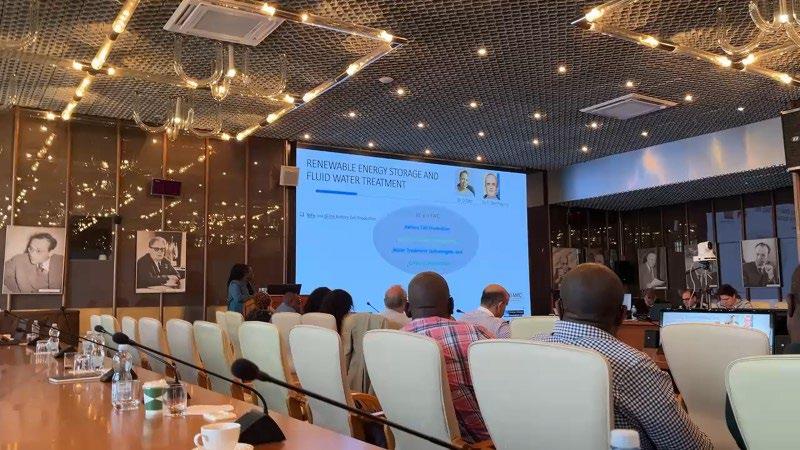
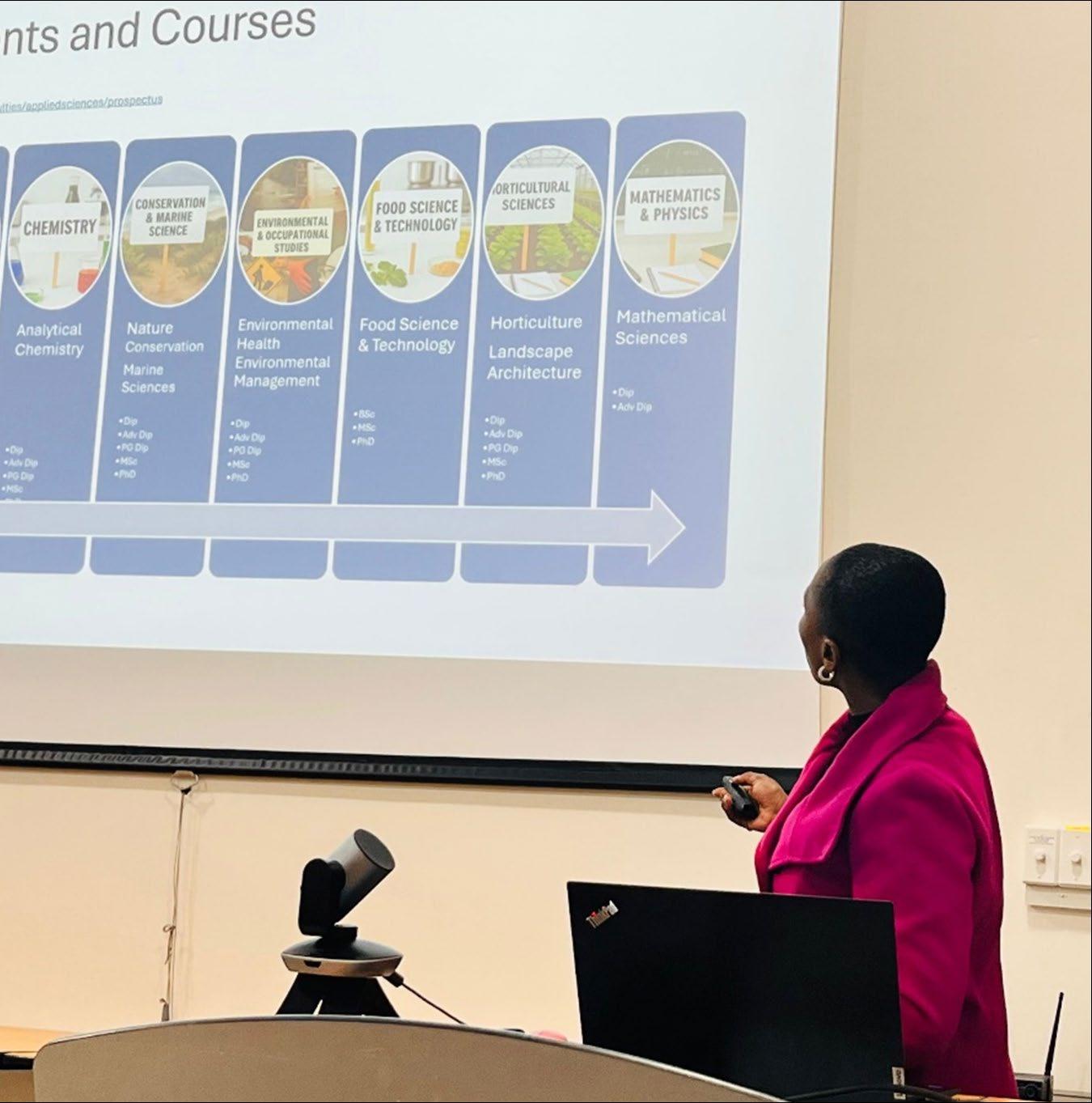
On the first day of her visit, Dr Zide participated in the “South African Days at JINR” workshop (15–20 June 2025), where she delivered a presentation titled: “Fostering Global Research Through Science and Innovation: CPUT’s Emerging Role in JINR Collaborations.”
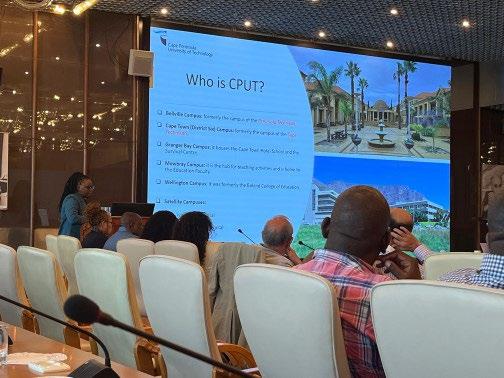
In her presentation, Dr Zide introduced CPUT, outlining the university’s history, its six faculties, and a special focus on the Faculty of Applied Sciences and the Department of Chemistry. She highlighted the wide range of qualifications offered in Chemistry from Diploma to PhD along with the department’s dedicated staff who combine teaching excellence with applied research and postgraduate supervision.
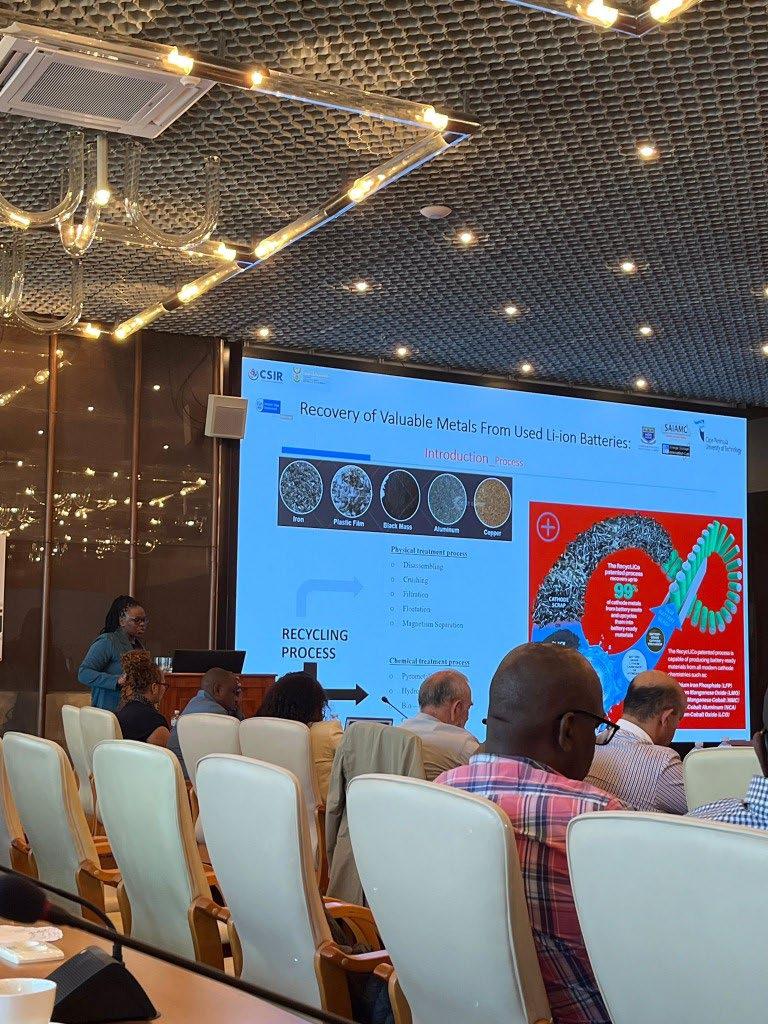
Dr Zide presenting at “South African Days at JINR” workshop, 15–20 June 2025 at the Joint Institute for Nuclear Research (JINR) in Dubna, Moscow region
She also spoke about her research portfolio, which addresses some of today’s most pressing global challenges through applied, interdisciplinary, and collaborative projects in:
• Sustainable Energy Technologies – NiFe and Li-ion batteries, E-waste recycling, and green hydrogen production.
• Water Research – desalination, membrane capacitive deionization (MCDI), and metal–organic
frameworks (MOFs) for atmospheric water harvesting.
The key message of her presentation was CPUT’s role as a strategic international research partner, reinforcing the university’s commitment to advancing technology-driven education and contributing to cutting-edge global science through partnerships with leading institutes such as JINR.
Dr Zide’s visit to JINR not only showcased CPUT’s research excellence on a global stage but also strengthened valuable international collaborations that will pave the way for future scientific breakthroughs. Her engagement
highlighted the university’s ongoing commitment to innovation, knowledge exchange, and solving pressing global challenges through interdisciplinary research.
Students in the Postgraduate Diploma in Biotechnology Programme Visit Immobazyme (Stellenbosch) and the Applied Microbial and Health Biotechnology Institute (AMHBI) at CPUT’s Bellville Campus
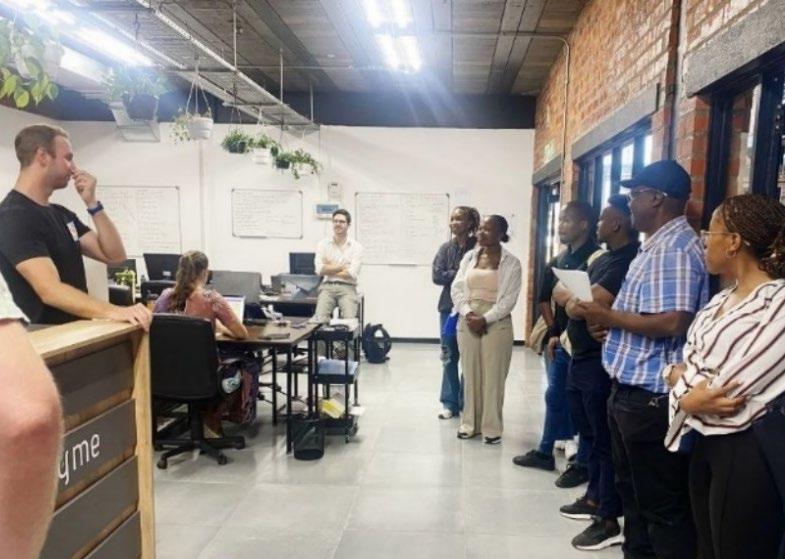
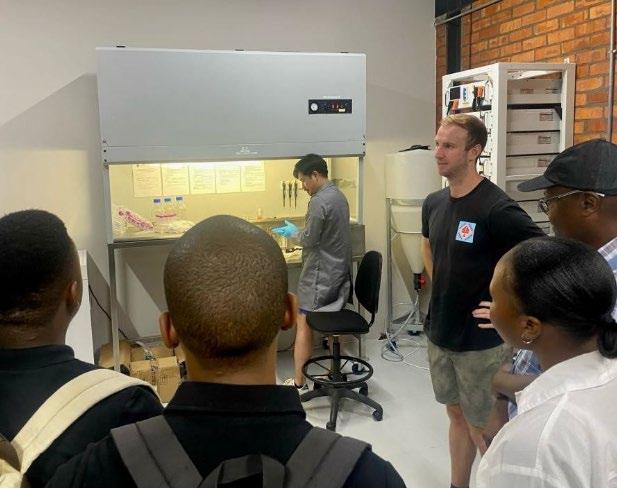
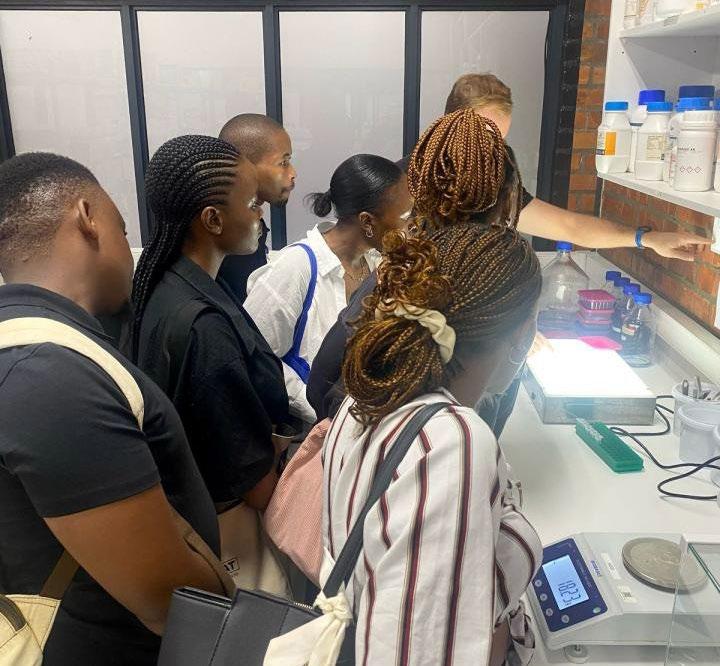
As part of their induction week, the new cohort of students in the Postgraduate Diploma in Biotechnology (PGDip) programme had the opportunity to visit Immobazyme in Stellenbosch and the Applied Microbial and Health Biotechnology Institute (AMHBI) at the Bellville campus on 21 February 2025.
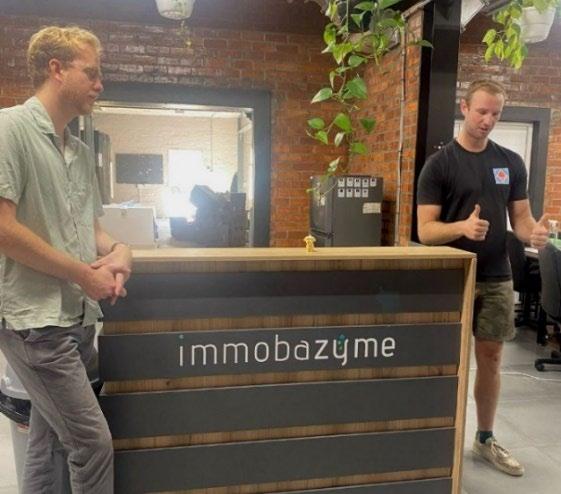
The first stop was Immobazyme, a biotech startup founded in 2019 when three friends came together over a beer and envisioned a company that would drive sustainable growth in scientific research and development through innovation and environmentally responsible practices. Since its inception, Immobazyme has raised over 24 million Rand in capital and was named Best Start- up of 2024.
The visit began with an inspiring story of how Immobazyme was founded and the entrepreneurial challenges its founders faced. This gave students a realistic perspective on launching a biotech business and valuable insights into navigating the industry.
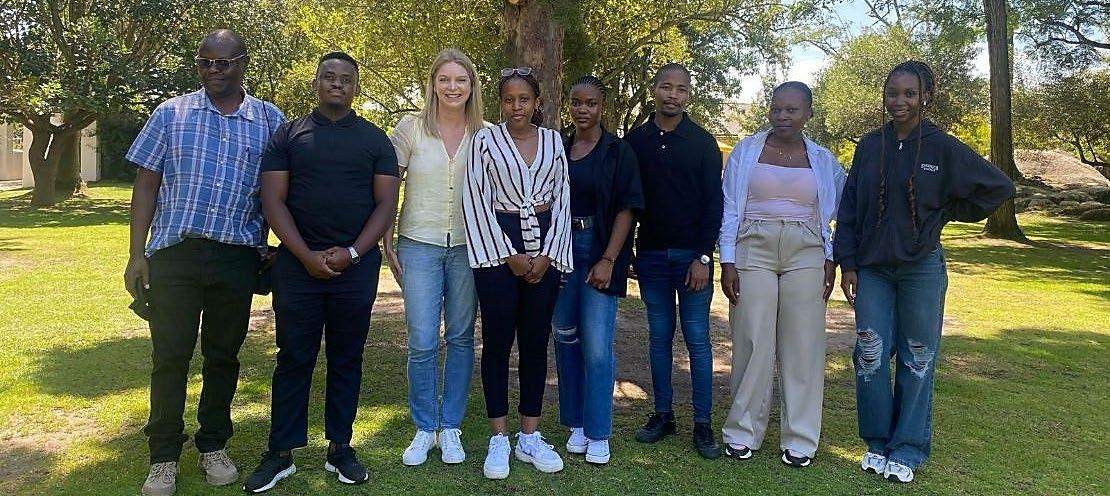
From left to right: Dr. Richard Mundembe (lecturer), Akanyang Shomojakgosi, Dr. Liezel Gouws (lecturer), Reah Nkoe, Tania Tengile, Anele Mafika, Phumla Shange, Aphiwe Ncipha.
The tour continued in the lab, where the three founding members Nick Enslin, Ethan Hunter, and Dominic Nicolas introduced students to their products, ongoing projects, and the product development journey. They shared the challenges they encountered, the solutions they implemented, and the importance of adaptability highlighting how their ability to pivot multiple times contributed to their success.
One key takeaway for students was the importance of diversification beyond product development in sustaining a biotech company. Hearing about both the struggles and triumphs of Immobazyme’s early years gave the group a deeper appreciation of what it takes to build a thriving biotech startup.
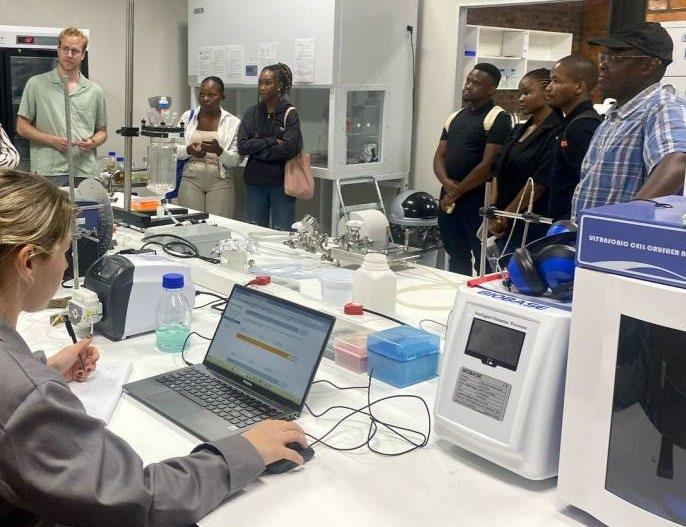
Next, students visited AMHBI at CPUT Bellville, where Dr. Taskeen Docrat and Dr. Alaric Prins welcomed them with an overview of the institute’s research activities. The team presented potential student research projects for the year, covering exciting topics such as oxidative stress in health and disease development, biocatalysis, Actinomycete biology, and wastewater remediation and reuse. Following the presentation, students embarked on a lab tour, met researchers, and explored the facilities, gaining a first-hand look at cutting-edge biotechnology research.
This excursion provided students with invaluable knowledge and inspiration, exposing them to real-world biotechnology applications, research opportunities, and the entrepreneurial mindset needed for success. By engaging with leading scientists and biotech entrepreneurs, students learned that with grit, determination, and perseverance, they can make a meaningful impact in the biotechnology sector in South Africa.
Author: Dr. Liezel Gouws
CPUT Agriculture Students Shine at Intervarsity Pruning Competition
On Friday, 15 August 2025, L’Avenir Wine Estate in Stellenbosch hosted the annual Intervarsity Student Pruning Competition. Since its launch in 2014, this event has brought together class champions from Stellenbosch University (SU), Elsenburg Agricultural Training Institute, and Cape Peninsula University of Technology (CPUT) to vie for the prestigious Student Pruner of the Year title.
The competition formed part of a Knowledge Donation Day, presented by the Primary Production Council of the South African Wine Industry Professional Body (SAWIPB) through SA Wine. Felco SA sponsored the main prizes, with support from AgriMark Stellenbosch. Dr Hanlé Theron, Chair of the SAWIPB Primary Production Council, opened the day with a warm welcome. Viticulture consultant Jaco Engelbrecht, founder of Visual Viticulture, reviewed the competition rules before students took to the vineyard. Each participant pruned three panels of about 15 vines using the short-bearer system, applying the Casenave half-long bearer method where appropriate.
The Knowledge Donation segment proved a highlight, as judges demonstrated pruning best practices and addressed common errors. KWV viticulturist Oursula Leneé shared her inspiring career journey and offered insights into the challenges and opportunities of the profession. Later, Mabatho Selebeli, director at M3 Human Capital Management, equipped students with practical tips on CV writing and interview preparation skills especially valuable for CPUT’s second-year students applying for workplace-based learning
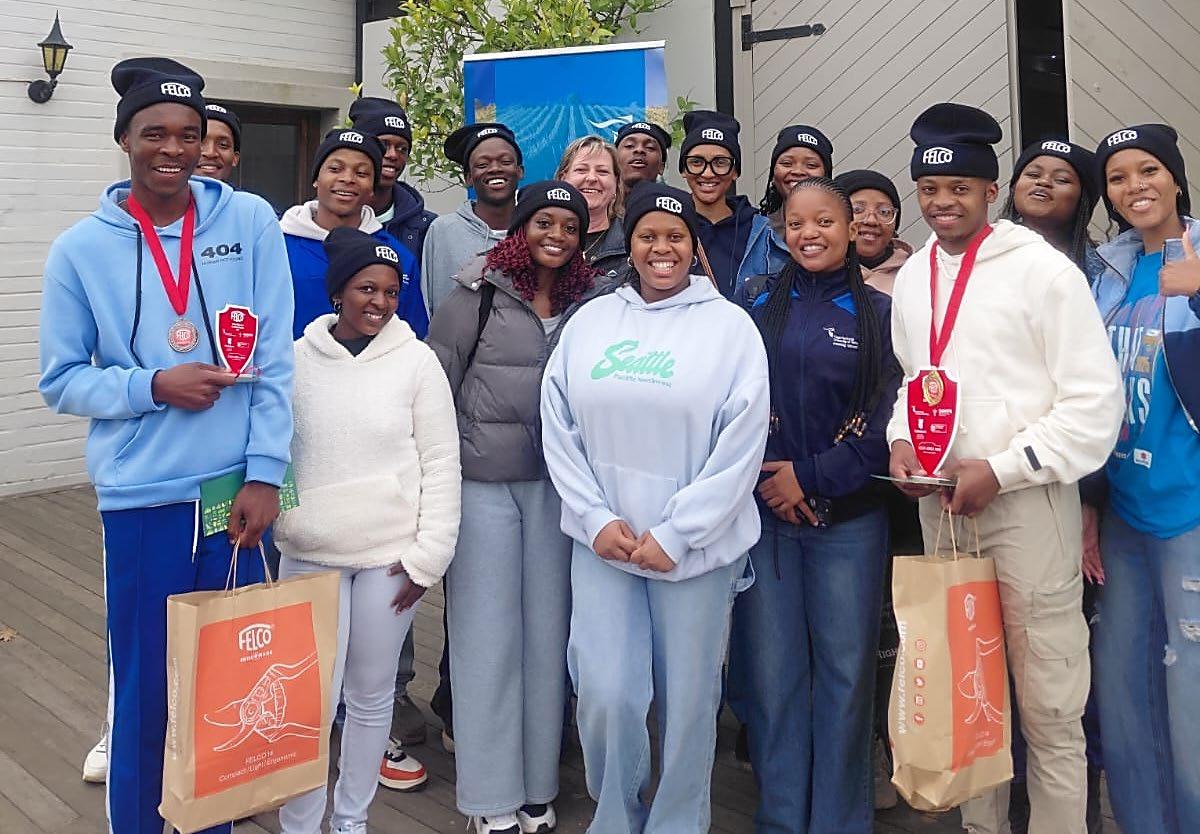
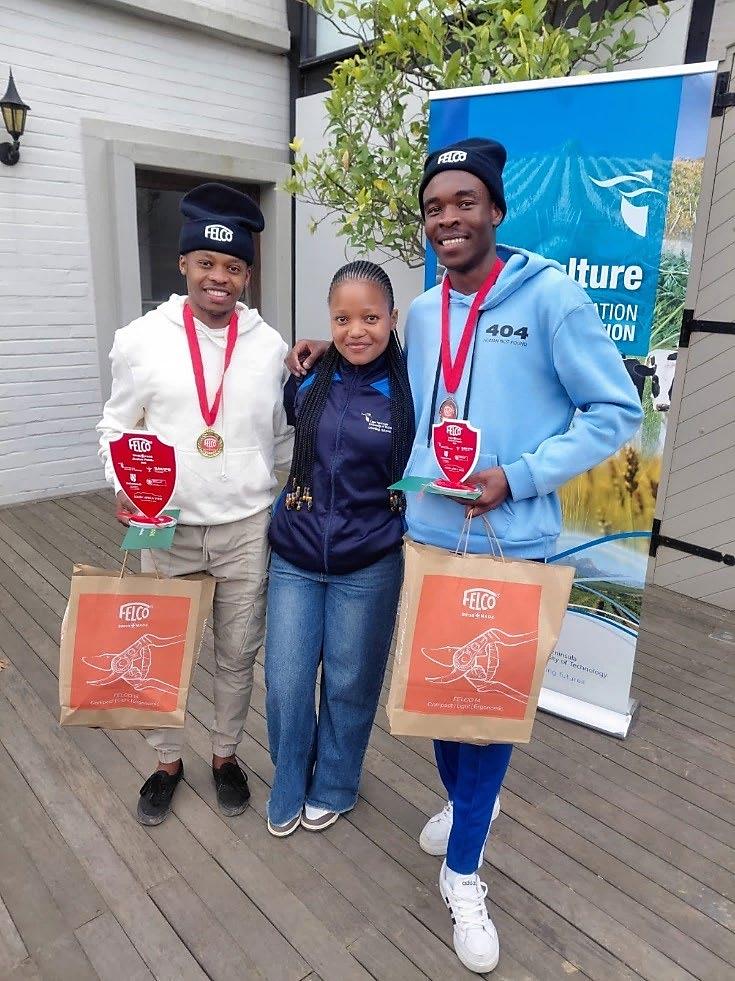
The day culminated in the much anticipated prizegiving. Winners received Felco tools and AgriMark vouchers. CPUT celebrated strong results: Siyanda Nokwatsheka secured third place, while Mlungiseleli Mafongwana triumphed as the overall winner of the 2025 competition.
The Department of Agriculture proudly congratulates both students on their outstanding achievements and thanks SAWIPB, Felco SA, and AgriMark for their continued support of this important educational initiative.
Author: Hanlé Theron
CPUT competitors in the pruning competition (fltr): Mlungiseleli Mafongwana, Sinenhlanhla Mqadi and Siyanda Nokwatsheka A very proud Viticulture class!
Inspiring Future Scientists: Showcasing Biotechnology in the Eastern Cape
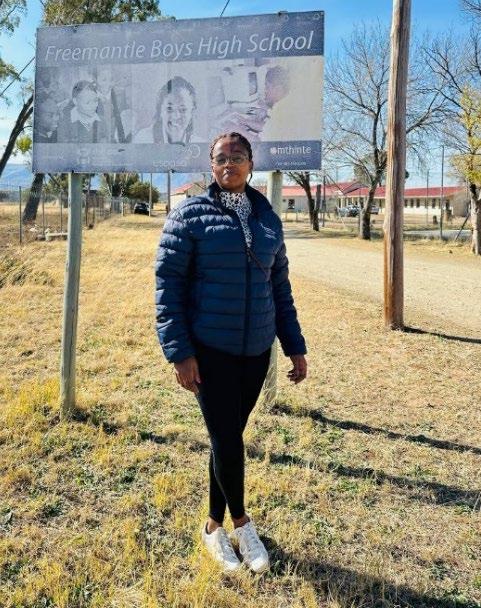
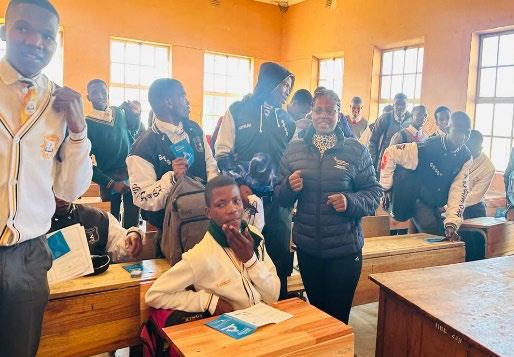
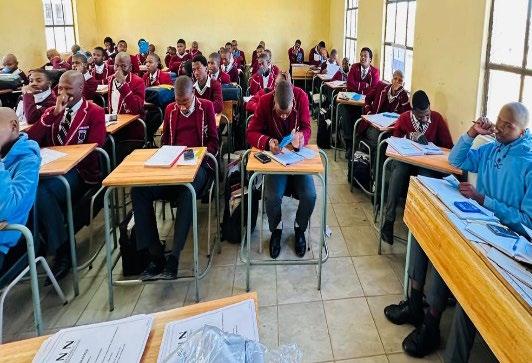
During the June/July mid -semester break, Ms Vuyiseka Nkqenkqa, a lecturer in the Biotechnology Programme had the privilege of returning to her home province, the Eastern Cape, to engage with bright young minds at two high schools: Freemantle Boys High School in Cacadu (Chris Hani District) and Fort Malan Senior Secondary School in Willowvale. These visits were part of a personal initiative to promote opportunities in higher education and raise awareness about the exciting field of Biotechnology at CPUT.
The aim of the outreach was simple yet powerful: to inspire Grade 12 learners from rural communities to dream bigger, work harder, and transform their futures by applying to universities on time. She introduced them to CPUT and provided an overview of the Biotechnology program highlighting its relevance, career opportunities, and the kind of impact graduates can make in the world.
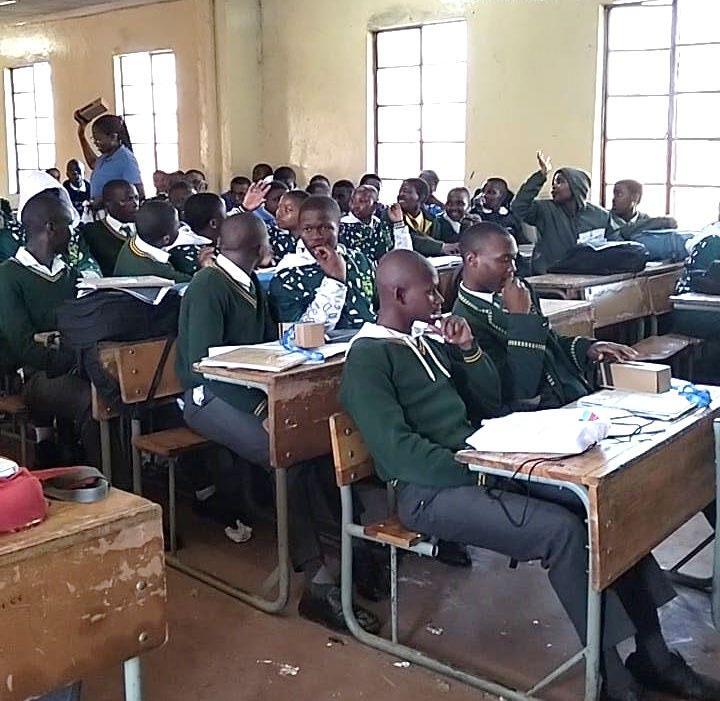
Learners were eager to know about the program, and Ms Knqenkqa shared practical advice on how to prepare for and gain admission into the Biotechnology Programme. Each session lasted about 20 to 30 minutes and concluded with a lively Q&A session. To make the experience more engaging, she handed out brochures with detailed course information and rewarded correct answers with small goodies provided by the department.
These visits were more than just presentations they were moments of connection, encouragement, and empowerment. By bringing universitylevel science into rural classrooms, we hope to spark curiosity and open doors for the next generation of scientists and innovators.
Author: Ms Vuyiseka Nkqenkqa, Biotechnology and Consumer Sciences
Ms Vuyiseka Nkqenkqa is engaging with learners at Fort Malan Senior Secondary School and Freemantle Boys High School
Inspiring the Next Generation: Girls in STEM Workforce of the Future
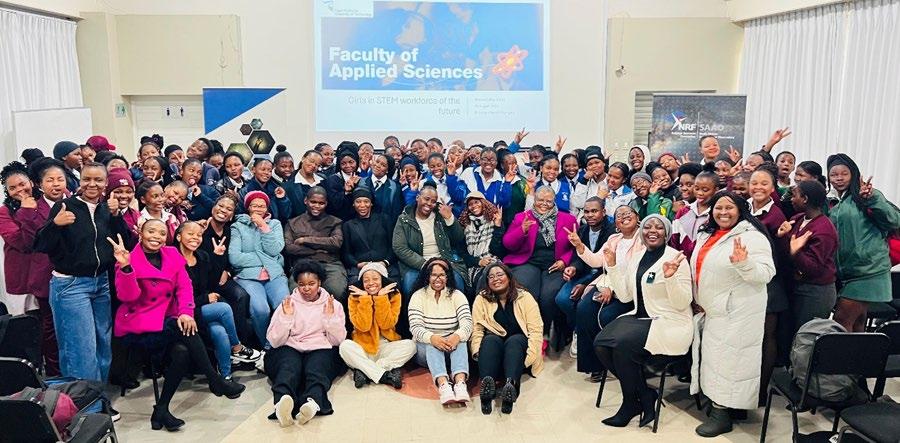
This year’s annual NRF–SAAO Girls in STEM: Workforce of the Future Women’s Day event, held on 16 August 2025.It was another milestone in community engagement and outreach. Although usually hosted on 9 August (National Women’s Day) alongside SAASTA’s National Science Week, this year’s event took place a week later. However, the theme, “Science, Technology and Innovation are for Everyone”, resonated throughout the day.
The initiative showcased diverse STEM careers to Grade 10–11 learners from schools across Cape Town. While NRF–SAAO has historically spotlighted astronomy and computer science, since 2019 the programme has broadened to embrace the Applied Sciences.
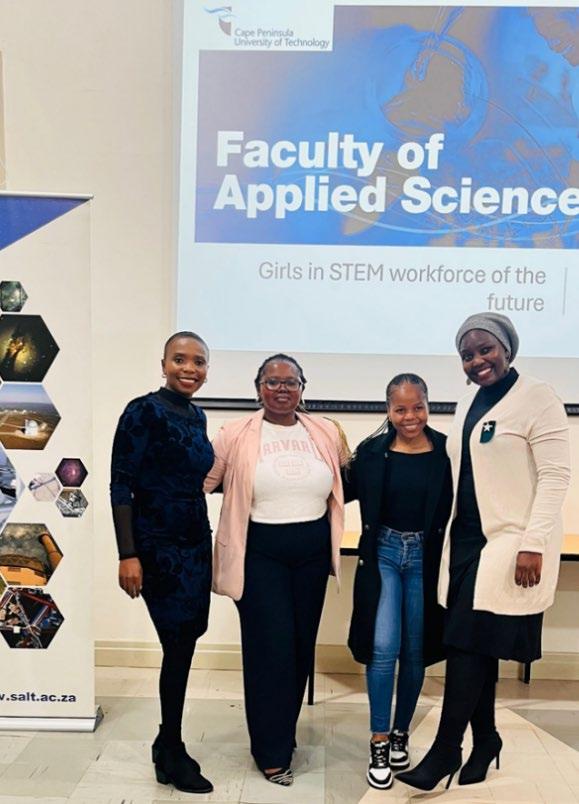
The speakers were Ms Moneah Monyethabeng (DFST), Ms Nothemba Silwana and Ms Sapokazi Timakwe (Chemistry) and Dr Lusani Vhangani (DFST) as a program director. In addition to her role, Dr Vhangani presented an overview of the FAS courses, highlighting the different qualifications and admission requirements.
FAS lecturers
Learners also engaged with DFST 4th-year students who are NRF Honours bursary holders; Nombulelo Madzimbamuto Nyamayaro, Thabile Biyela, and Thembisile Nkosi, who demonstrated microscopy and food analysis principles while distributing FAS brochures.
Learners from Sophumelela, Isilimela Comprehensive, Sinethemba, Langa High, and Zukhanye Senior Secondary Schools were inspired by speakers who shared their journeys as astronomers, chemists, computer scientists, and food scientists.
The day was vibrant, with Ms Silwana leading a lively “Amagumba” dance challenge icebreaker, and speakers reflected on the global opportunities made possible through STEM, from bursaries and awards to international travel and collaborations. With ubuntu, passion, and commitment, our students and colleagues inspired the next generation of scientists, truly reflecting the core values of the Cape Peninsula University of Technology (CPUT)
We extend our heartfelt gratitude to the NRF–SAAO team, particularly Ms Buzani Khumalo (Education Officer), for their continued partnership.
Special thanks also go to the following FAS colleagues who ensured success through their support with banners, brochures, and logistics: Agriculture (Ms Mfeka & Mr Tembinkosi) Biotechnology & Consumer Science (Ms Govender, Mr Tshikovhi); Maths and Physics (Mr Manamela); Horticultural Sciences (Mr Mabela); Food Science and Technology (Ms Mayekiso & Mr Xolo); Chemistry (Ms Petersen).
Authors: Dr Lusani Norah Vhangani, Ms Moneah Monyethabeng, Ms Nothemba Silwana
DFST Lecturers and 4th year students
out FAS brochures
Emerging Researcher Showcases Doctoral Findings on the International Stage
Dr Mike Agenbag, who graduated with his PhD in Environmental Health in 2023 recently took a bold step onto the international stage by presenting his doctoral research at the prestigious Housing, Health and Extreme Events online conference, hosted by the Birmingham Institute for Sustainability and Climate Action at the University of Birmingham.
Initially invited to serve on the international specialist committee, Dr Agenbag was later asked to be one of only six keynote speakers at the event. “My first reaction was, ‘No, I can't do this I’m not ready for an international platform, especially in a field that’s somewhat new to me.’ But then I thought, when will I ever feel fully ready? So, I said yes. I decided to jump and learn to swim as I go. As they say, the rest is history.”
On the opening day of the conference, Dr Agenbag delivered his keynote presentation titled "Bridging Policy and Practice Gaps in Extreme Event Management –Countering Psychological Biases." Drawing from his PhD research, he explored how psychological and institutional biases can widen the gap between policy intentions and
real-world outcomes an issue relevant not only to preventive environmental health services, but also to global approaches in managing extreme events.
In addition to the keynote, Dr Agenbag submitted a conference paper based on his retrospective policy analysis model, developed and tested during his doctoral study. The model provides a framework to assess the disconnect between policy design and implementation. a
Recognition and Impact
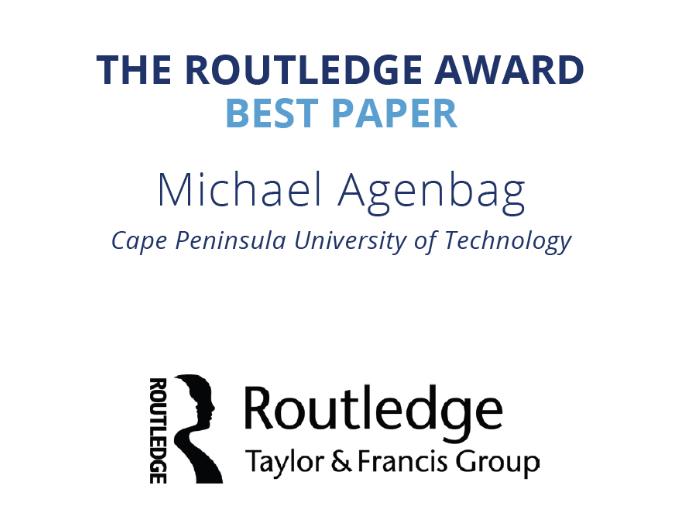
His keynote address earned him the Routledge Best Paper Award, with the judging panel praising the high quality and relevance of his submission. Out of 12 excellent papers, only one was selected as the winner with three others receiving commendations.
"12 papers were submitted to the conference, all of high quality. The winning paper was submitted by Dr Mike Agenbag from Cape Peninsula University of Technology, with three highly commended papers by Dr Ang Li (University of Melbourne), Dr Jamila Zanna and Dr Cyril Effiong (University of Birmingham)."
– Excerpt from the Conference Summary Report
Routledge sponsored the prize, which included £200 worth of academic books and a certificate of recognition. Importantly, the summarised findings of the conference including Dr Agenbag’s contributions will be submitted as part of the knowledge briefings to COP30 and are set to be published in a forthcoming Routledge book.
Author: Dr Mike Agenbag
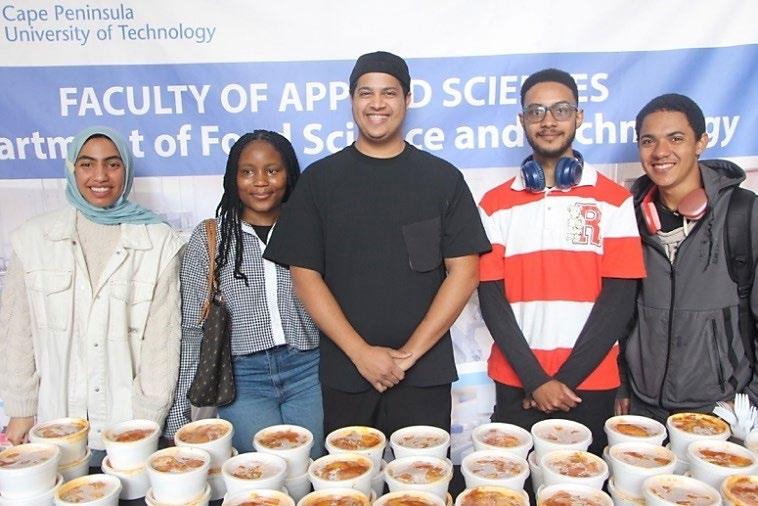
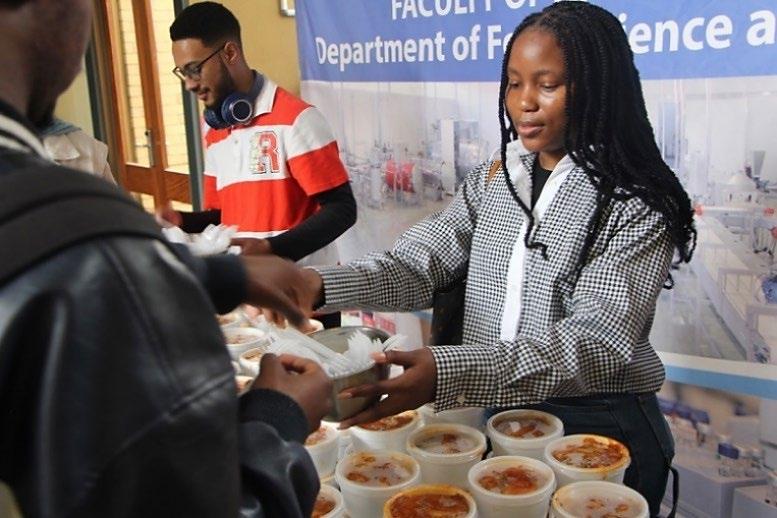
DFST Students and Staff Step Up to Combat Hunger
The staff didn’t just donate groceries and money – they gave their time and hearts to create a dignified solution. By recognizing the importance of protecting students’ pride, the department chose to open the initiative to all students. A safe and stigma-free space was created for anyone who may be struggling.
The Muslim Student Association (MSA) played a pivotal role in this initiative, led by Vice-Chair Ma’roof Paleker, a third year Food Science student. The MSA has been combating student hunger since 2023, when it launched their successful sandwich drive. The MSA has distributed over 70 000 sandwiches to date to students across
At the Department for Food Science and Technology (DFST), the staff have gone beyond professional duties to address a growing challenge: student hunger.
This initiative started when staff members began noticing some students fainting during practical sessions and lecture sessions, often due to exhaustion but also hunger. This was deeply concerning, and the Department decided to take action. What started as a small act of kindness quickly grew into a compassionate coordinated food drive. DFST has hosted two successful food drives to date. First, serving soup and bread and second, chicken curry and rice. These meals were prepared and distributed by staff and students working side by side.
campus, regardless of background and religion. Their experience and humanitarian spirit in tackling food insecurity amongst our ents has played an important role in strengthening the DFST food dive.
Their contributions, whether through funding, ingredients, or just hands-on involvement, made it possible to provide meals for students in need. It is important to note that by joining hands to tackle food insecurity head-on, we are not just filling empty stomachs but nurturing potential and supporting academic success. As the food drives grow, we hope to inspire others to join in to ensure that no student must face the challenge of hunger alone.
The Drive has been further supported by external partners and sponsors. We would like to extend a special thanks to Ma’roof Palekar, who was instrumental in connecting us with these key collaborators.
Members of MSA (Muslim Student Association)
Ma'roof Palekar
Salwa Tibini
Aqeel Benjamin
Faeez Isaacs
Aishah Achilles
Cocoa Emporium
Marlon Williams
GIFFT FOUNDATION NPC
Zyda Rylands
Wedaad Adams
Jurie Geldenhuys
Authors: Z Keyser, O Wilson - Department of Food Science and Technology
Department of Mathematics and Physics hosts National Science Week
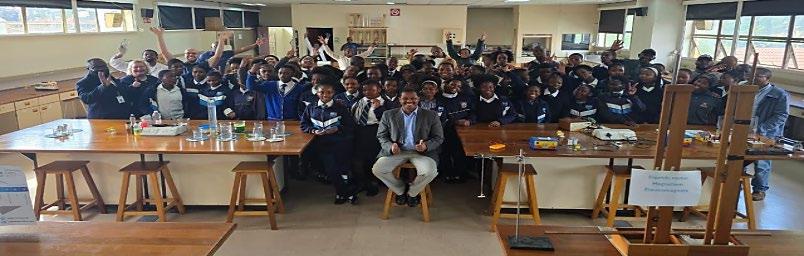
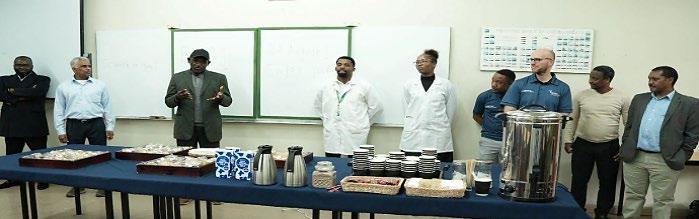
The Department of Mathematics and Physics at CPUT hosted an exciting Science Fun Day on 28 August 2025 as part of National Science Week. The event that held at the Bellville Campus, welcomed 53 Grade 9 learners from Vuyiseka, Phandulwazi, and Phakama High Schools, brought in through the Beautiful Gate after-school program.
The day kicked off with a warm welcome from Faculty Dean, Prof. Joseph Kioko, and the Head of Department, Dr. Thomas Farrar, who inspired learners with words of encouragement.
Beautiful Gate’s Education Manager, Kerstin Kühlcke, also addressed the audience, proudly highlighting alumni links between CPUT and the community.
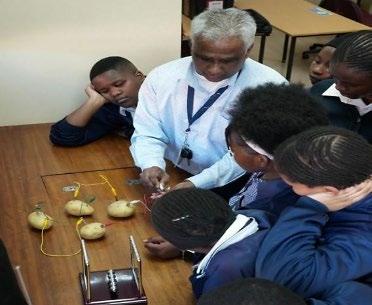
Learners eagerly participated in a boat-building competition, showcasing creativity and teamwork. They then rotated through engaging experiments and demonstrations, from potato batteries and hydrogen fuel cells to static electricity tricks and magnetic braking. A chemistry highlight involved testing the pH of everyday household solutions, giving learners a chance to connect science to daily life.
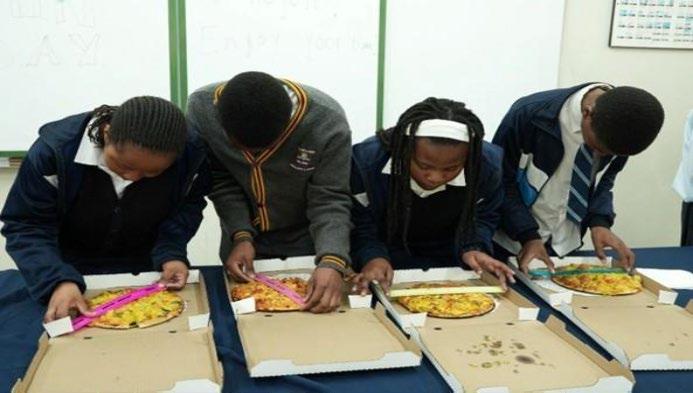
Interactive learning added to the fun, measuring pizzas for math practice and estimating building heights with trigonometry. Learners expressed excitement, asked thoughtful questions, and left with a deeper appreciation for science and its role in shaping their futures.
The Science Fun Day proved to be an inspiring and impactful initiative, sparking curiosity and enthusiasm for science among Grade 9 learners, who need to choose Science as their major subject from Grade 10 onwards. Despite challenges, the event strengthened community partnerships and motivated learners to explore science pathways. With better preparation and support, future events can grow even more successfully in shaping the next generation of scientists.
The event received funding support from NRFSAASTA, and we are thankful to them for their support.
Author:
Nompumelelo Kayise
Innovative Sorghum PBL Project Bridges Food Science and Nutrition in the Consumer Science Programme
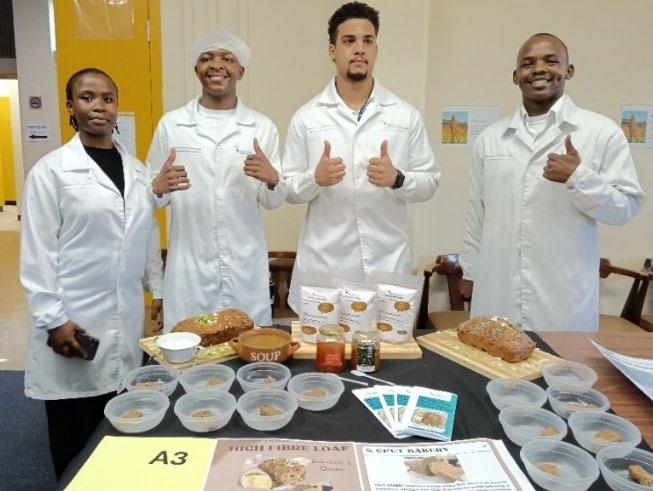
In an exciting interdisciplinary collaboration, students from the Department of Biotechnology and Consumer Science embarked on a cutting-edge Problem-Based Learning (PBL) project focusing on sorghum, a resilient, gluten-free grain gaining global attention for its nutritional benefits.
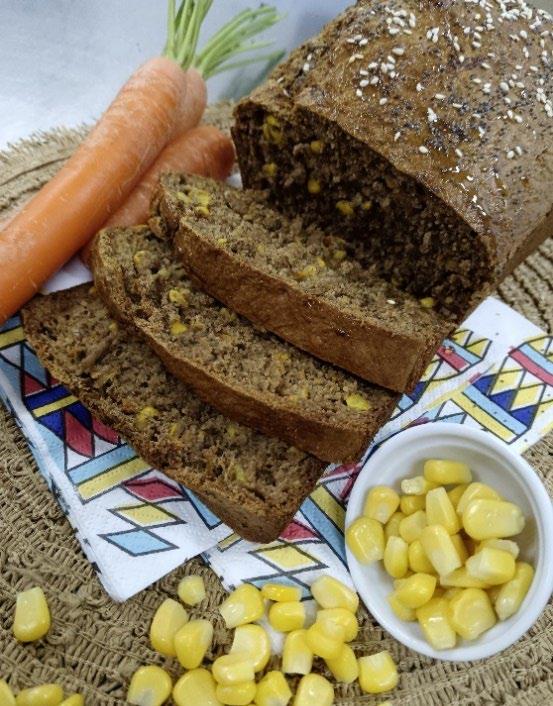
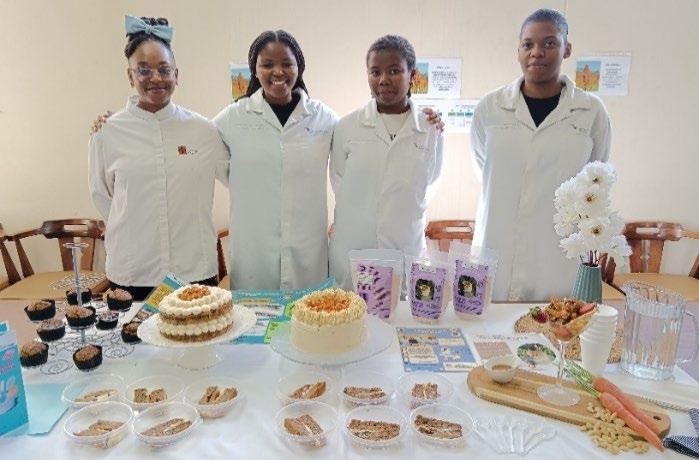
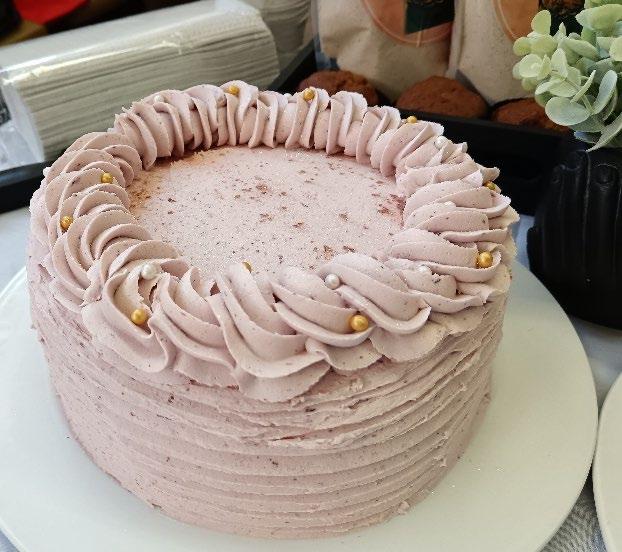
The project challenges final-year students in the Diploma in Consumer Science in Food and Nutrition to develop innovative premixes incorporating 40% sorghum flour for two distinct baked products: 1) Savoury loaf and 2) Special occasion cake. This initiative not only promotes the utilisation of underexplored indigenous grains but also fosters creativity and practical skills in recipe development.
Over the course of the semester, students applied their combined expertise in recipe formulation, nutrition profiling, and sensory evaluation to create nutritionally balanced, consumer appealing, and market-ready products. The collaboration encourages students to address both the technical aspects of food science and the wellness implications of ingredient choices.
Developers: A. Xhekeshe, K. Mashele, M.W Wiliams and K.H Morabe,
ALMOND AND CARROT SPICE CAKE
Developers: N. Kedimotse, L. Mncwabe, L. Dube and J. Motaung
CARROT AND SWEETCORN LOAF Developers: S. Maphisa, S. Makhetha and W.S Xulu
CHEESE AND SPRING ONION LOAF
BEETROOT AND CHEESE LOAF
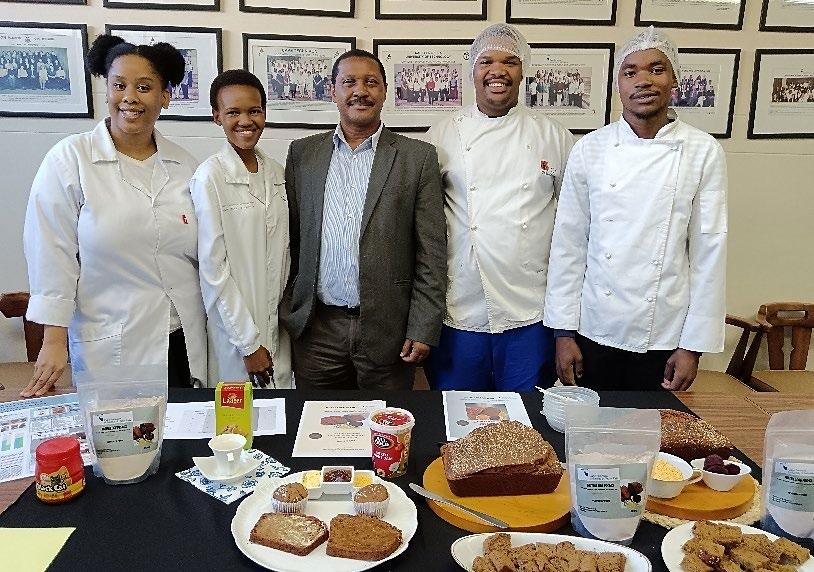
Phungula, M, Ndovela, T, Prof. J. Kioko, A. Malindi And S. Siralile
COFFEE AND MIXED BERRY CAKE
Developers: K.R Kashindi, S. Khoza, S.S Mthembu and M. Boto
K. Sexton (Woolworths, SA), Z. Finxa (Woolworths, SA), S. Davids (Student), E. Hinrichsen (Mrs H – All about Food), S. Jikityala (Student), M. Tshikovhi (Consumer Science Academic), F. Hlatshwayo (Woolworths, SA and CPUT Alumni) and T Govender (Consumer Science Academic)
To complete the project, students presented their premixes and finished baked products at a showcase event involving key food industry partners. This platform offerered valuable real-world feedback and networking opportunities, preparing students for future careers in food innovation and recipe development.
The sorghum PBL project exemplifies CPUT’s commitment to experiential learning and interdisciplinary cooperation, equipping students with the skills and confidence to contribute to sustainable food solutions that honour local crops and meet consumer demands.
Author: T Govender, Department of Biotechnology and Consumer Science
Consumer Science and Photography Programmes Collaborate to Capture Recipes Developed by Students
An exciting interdisciplinary collaboration between Mr Govender from the Department of Biotechnology and Consumer Science, and Dr. Bussiahn from the Department of Media and Communication, recently brought together the expertise and creativity of final-year students to explore current food trends.
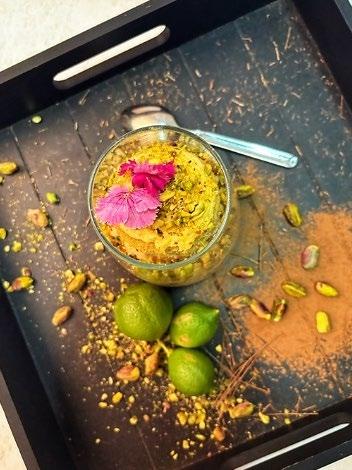
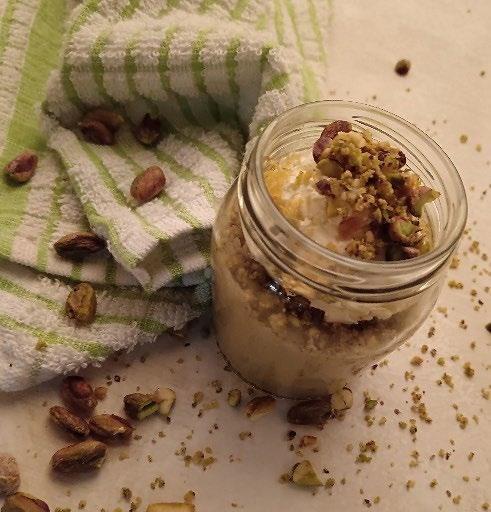
Consumer Science students were tasked with developing innovative recipes using two trending ingredients popular on social media: pistachios, inspired by the Dubai chocolate trend, and 2-minute noodles, reflecting the “pimped-up noodles” craze. A key part of the assignment required students to consider retail cost constraints, ensuring the recipe did not exceed R200 in total cost. Additionally, nutrient calculations per 100g and per serving had to be included for each developed recipe.
In a unique twist, the final recipes were photographed by photography students, effectively showcasing the visual appeal and creativity behind each dish.
The collaboration between Departments at CPUT is a pioneering model of interdisciplinary learning. It enriches the student experience with real-world food trends and consumer demands, fosters innovation, and highlights the university’s commitment to holistic education.
Below are a number of styled dishes that were photographed, with both groups of students managing to get professional looking images for their different portfolios.
Authors: T Govender, Department of Biotechnology and Consumer Science, Dr. W Bussiahn, Department of Media and Communication
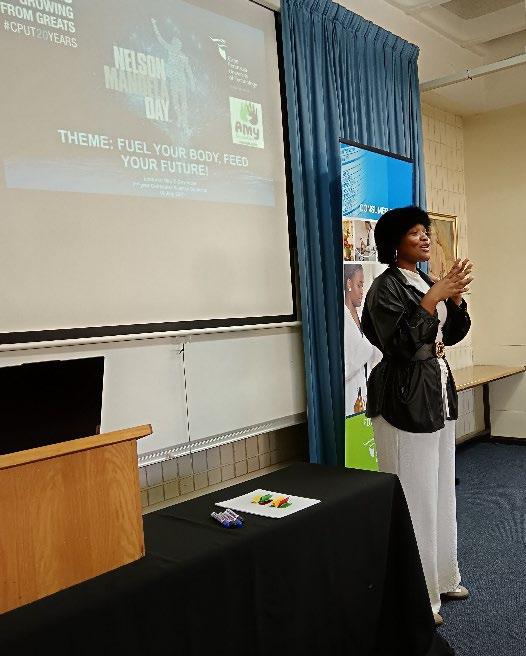
Mandela Day: Second-year Consumer Science Students Engage in an Interactive Nutrition Collaboration with the Amy Foundation
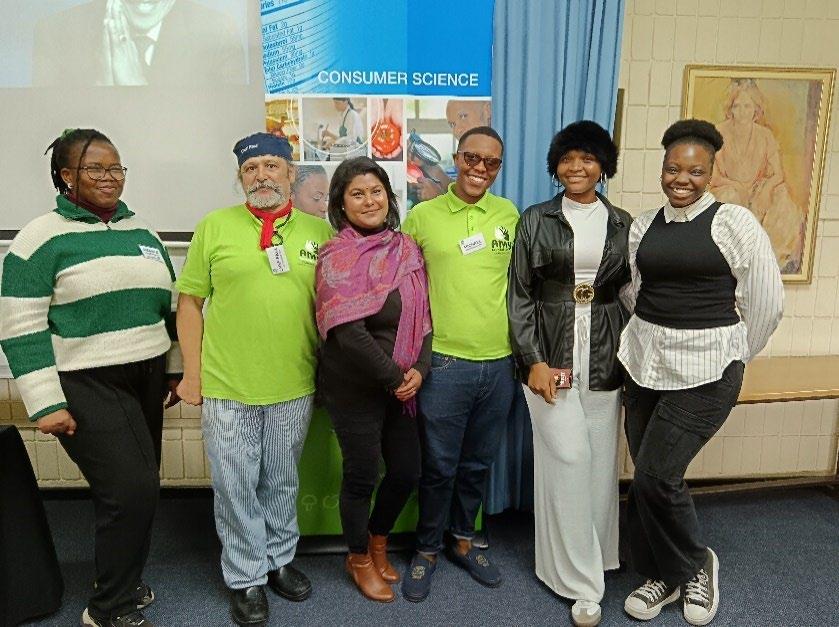
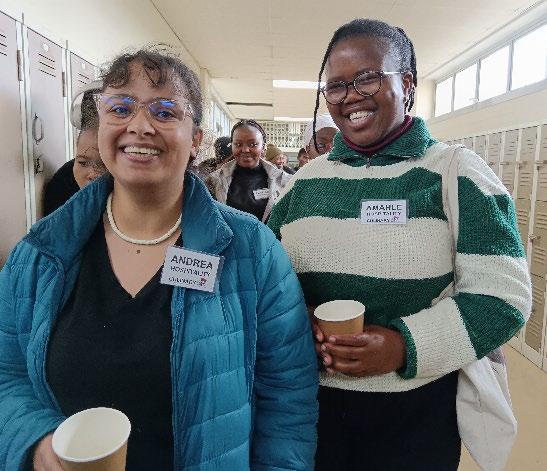
In celebration of Mandela Day, the Department of Biotechnology and Consumer Science partnered with the Amy Foundation in an interactive nutrition and well-being initiative.
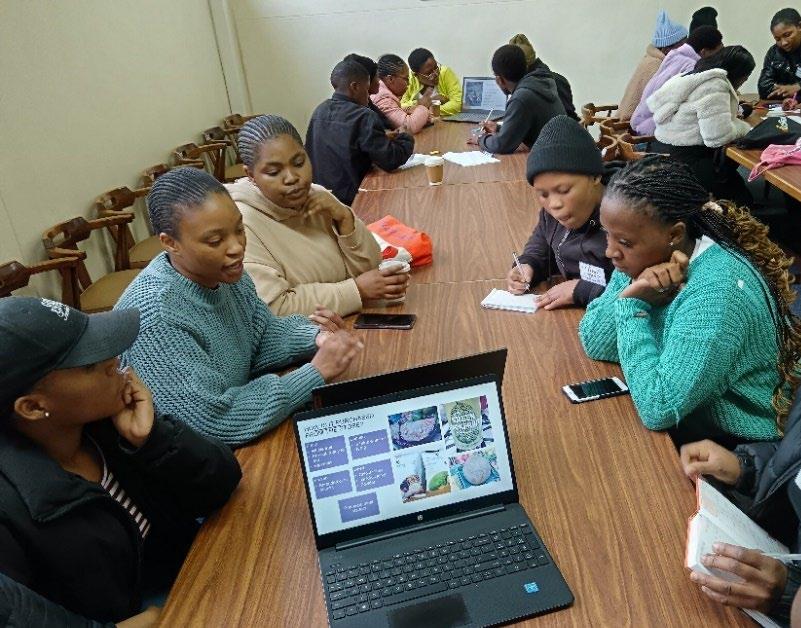
Guided by the theme Fuel Your Body, Feed Your Future, the initiative aimed to inspire participants with practical knowledge on healthy eating, a balanced diet, and the power of making informed food choices. In the collaboration, Consumer Science students were placed in groups and assigned a specific fruit and vegetable to research.
Each group was responsible for gathering and presenting key nutritional information in a way that helps learners from the Amy Foundation better understand the benefits of incorporating these foods into their diets. Through interactive activities, the students shared their knowledge and passion for promoting healthier lifestyles, making a lasting impact in the community while honouring Madiba’s legacy of service.
Author:
and Consumer Science
This collaboration highlights CPUT’s commitment to community engagement and practical learning, enabling students to apply their academic knowledge in real-world settings while making a positive impact.
T Govender, Department of Biotechnology
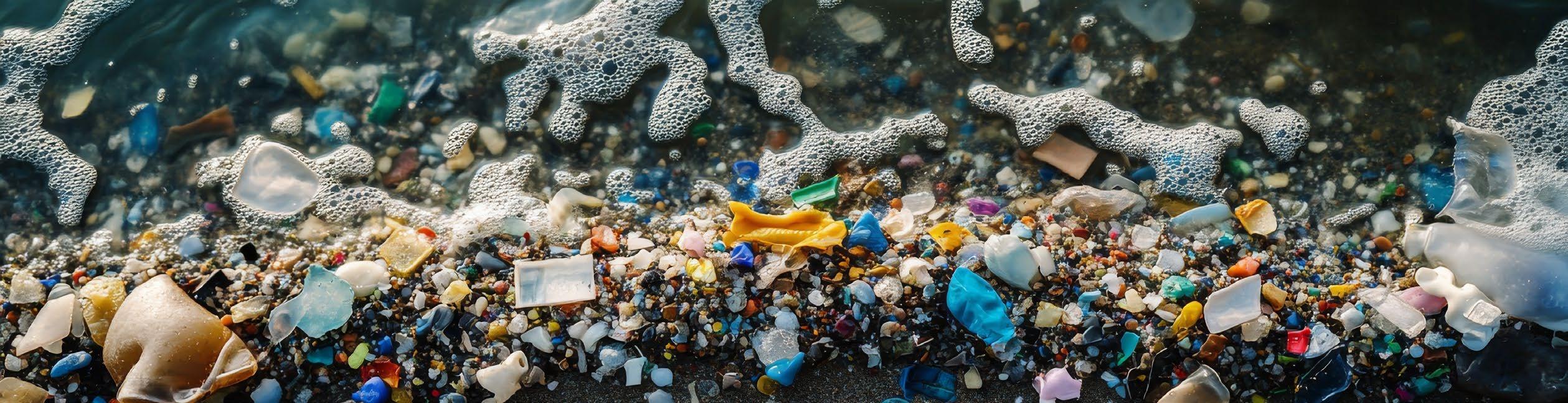
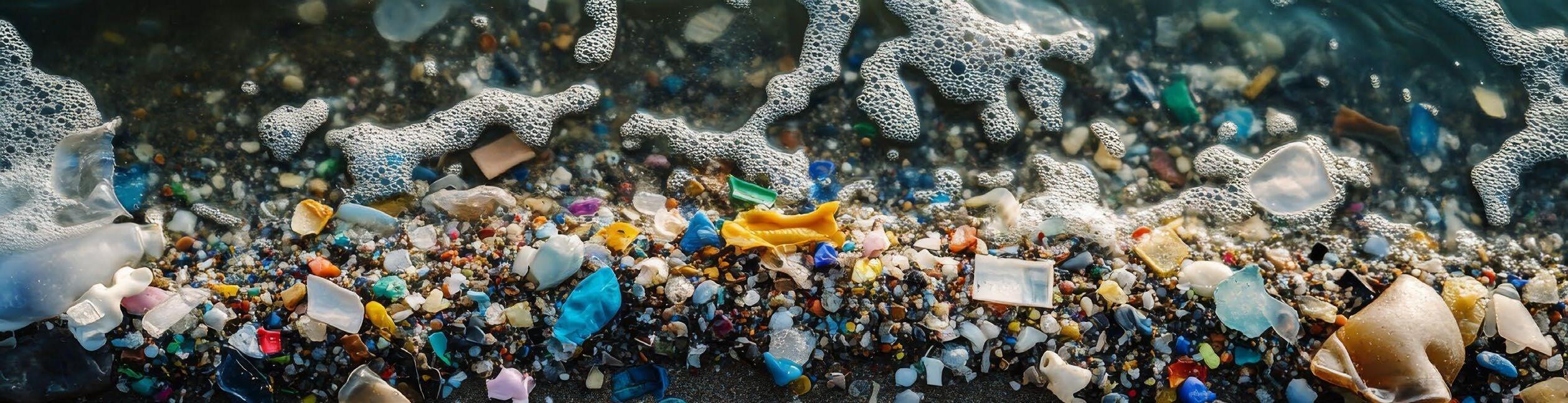
Nanoplastics, Microplastics, and the Global Plastics Treaty: Insights from CPUT Research
The issue of plastic pollution continues to draw significant international attention. From 5–14 August 2025, world leaders convened in Geneva, Switzerland, to negotiate the terms of the United Nations Global Plastics Treaty. Despite extensive discussions, consensus has yet to be reached, leaving the future of a binding global framework uncertain. While these debates unfold, countries in the Southern African Development Community (SADC) region face an escalating environmental challenge linked to nanoplastics and microplastics.
Ms Babalwa Gqomfa, a PhD candidate in Environmental Management at the Cape Peninsula University of Technology (CPUT), has contributed important research to this field. Her recent study, published in *Discover Environment* (Springer, 2025), presents evidence of widespread nanoplastic and microplastic contamination across the SADC region. These microscopic particles, which can enter water systems, soil, and even human biological systems, pose significant ecological and health risks.
Gqomfa’s findings come at a critical time. Her study highlights that the SADC region faces structural disadvantages in managing plastic waste. Most member states rely on imported plastics, often of low quality and limited recyclability. Furthermore, existing recycling infrastructure remains insufficient to address the growing volume of waste. Gqomfa notes that less than nine percent of plastics are recycled globally, with significantly lower rates in many parts of Africa.
The research identified the presence of microplastics in approximately 80 percent of freshwater systems sampled across SADC countries. These findings indicate substantial environmental implications, including contamination of aquatic ecosystems and potential effects on human health. Gqomfa’s research calls attention to the vulnerability of local communities, particularly those dependent on fisheries and agriculture, where contamination has economic as well as ecological impacts.
The study also underscores the contribution of informal waste pickers, who recover an estimated 90 percent of polyethylene terephthalate (PET) bottles recycled in South Africa. However, these workers face significant health risks associated with exposure to micro- and nanoplastics.
In Mozambique, plastic pollution has been shown to affect coastal fisheries, while in Botswana, transboundary plastic waste threatens sensitive ecosystems such as the Okavango Delta, a UNESCO World Heritage Site.
To address these challenges, Gqomfa’s research recommends regionally tailored strategies, including restrictions on single-use plastic imports, promotion of biodegradable alternatives such as bamboo and sisal, and support for community-led waste management initiatives. These approaches, she argues, would complement global frameworks while empowering local actors to implement practical solutions.
Gqomfa emphasises the importance of aligning scientific evidence with policy development. “This is not only a scientific issue but a matter of environmental justice,” she explains. “Communities across Africa experience the direct effects of plastic pollution, and effective policy must prioritise both people and ecosystems.”
Her research continues under the guidance of colleagues affiliated with Ecological Biotechnology Research group (EcoBio) from the Department of Environmental and Occupational Studies and the Department of
Biotechnology and Consumer Sciences, including Dr Cynthia Dlangamandla, Dr. Thabang Maphanga, Dr. Boredi Chidi, and Prof. Karabo Ntwampe. The team’s ongoing work aims to identify pollution hotspots across South Africa and develop data-driven strategies for mitigation.
This research reflects CPUT’s commitment to advancing scientific inquiry that contributes to sustainable development and equity through evidence-based environmental management. Authors:
Dr. Thabang Maphanga (Department of Environmental and Occupational Studies)
Dr. Boredi Chidi (Department of Biotechnology and Consumer Sciences) Prof. Karabo Ntwampe (Department of Environmental and Occupational Studies) Ms. Babalwa Gqomfa (Department of Environmental and Occupational Studies)
Dr. Cynthia Dlangamandla (Department of Environmental and Occupational Studies
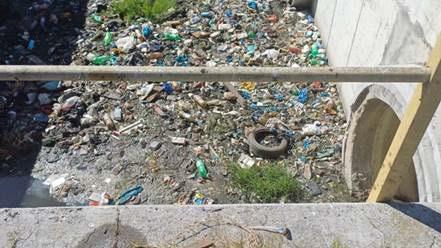
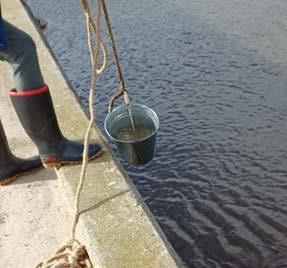
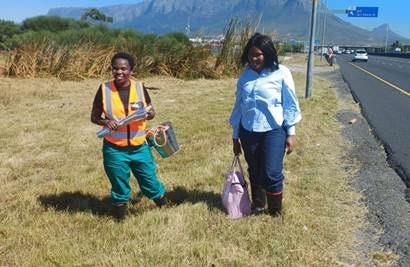
– Langa site and Athlone Wastewater Treatment Plant. Photos by B Gqomfa (2025)
Our “Unruly” Experience
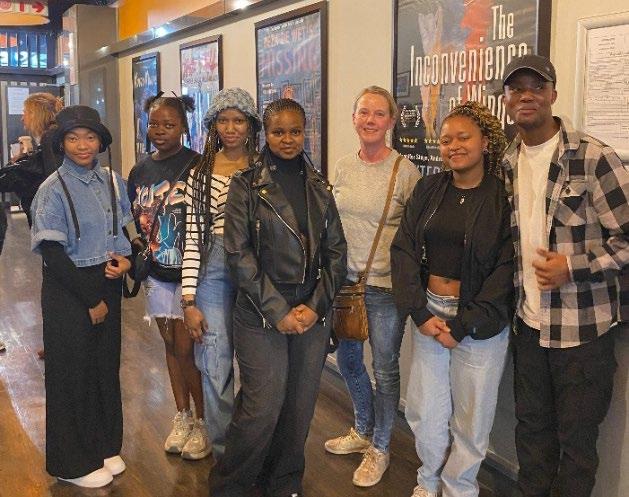
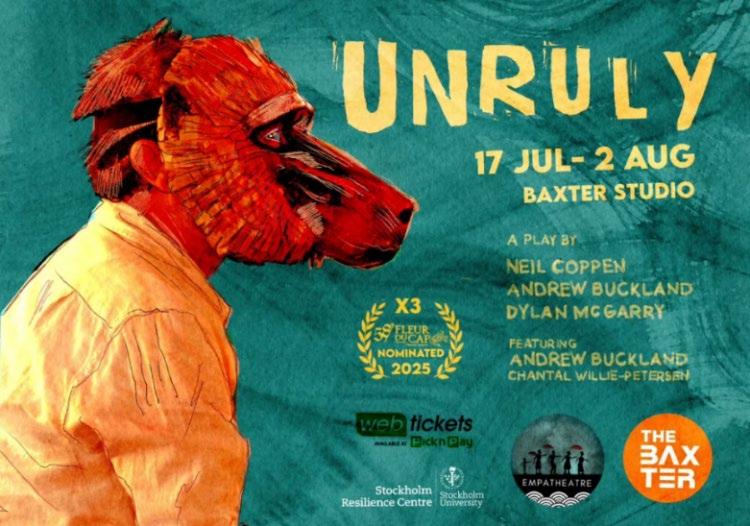
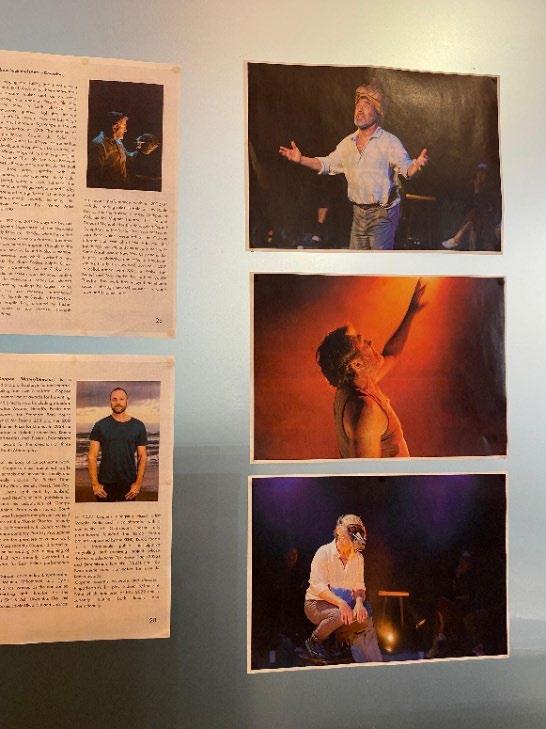
On 2 August 2025, the Environmental Management ECP 2 students, together with their lecturer, Dr Megan Lukas-Sithole, had the privilege of attending a one man act titled “Unruly” at the Baxter Theatre, performed by the talented Andrew Buckland, accompanied by his double bassist Chantal Petersen.
“Unruly” is an expressive storytelling performance based on a scientific research project about the relationship between people and baboons on the Cape Peninsula. The oneman theatre performance explores the coexistence of urban baboons and humans in the fictional town of Skemer Baai, where the sudden disappearance of a baboon matriarch causes tensions between the community of the town and the baboons, to rise.
The Unruly Natures project is based at Stockholm University in Sweden and aims to better understand how people experience and interact with baboons in an urban setting. The ongoing tension between the baboons and residents in the South Peninsula of Cape Town is a perfect place to conduct the research and then present it to the interested and affected communities. Showcasing the research through theatre personifies and contextualises the scientific facts and the real emotions experienced by the primates and humans in a way that all people can understand and relate to. Thus, the production shows how scientific research can be disseminated to all people through theatre and is a very novel example of science communication.
“The performer’s talent for transforming into different roles was impressive and his control over the audience’s emotions was captivating” said one student, while another thought: “The performer is really a character, he really killed the performance and for some time, I forgot it was just acting because he was really good”.
Going into the show, the students did not know what to expect. For a few students, this was their first time setting foot in a theatre, and only one student was familiar with theatre. At first, it was difficult for the students to grasp the intention behind the story being told, or even the fact that it was one man playing multiple roles. A few tears were shed, as the performance reached an emotional climax, pulling the strings of our hearts and everyone present within the theatre.
The performance required us to think about our place as humans and the relationship we have with nature and the animals that we share our spaces with. In a way, the performance highlighted how insensitive humans can be to animals. Instead of trying to compromise and share habitats that humans encroach on, we often treat animals as if they are the invaders, even relying on violence to exterminate them - in this case, the baboons in the Cape mountainside. Not only did Andrew Buckland show the perspective of the human, but he also managed to show us the perspective of the baboons, which happens to be a difficult, but notable feat.
Overall, the students found the performance to be enriching and impactful, with many of them being impressed with the storytelling, the emotional performance and the passion which was expressed through the acting. For many, it was their first experience, but they vow it will certainly not be their last!
Author: Amila Makwabe
Faculty of Applied Sciences celebrates 20 years with WIL/CE/SL partners Granger Bay Campus, Cape Town, South Africa – 4 September 2025
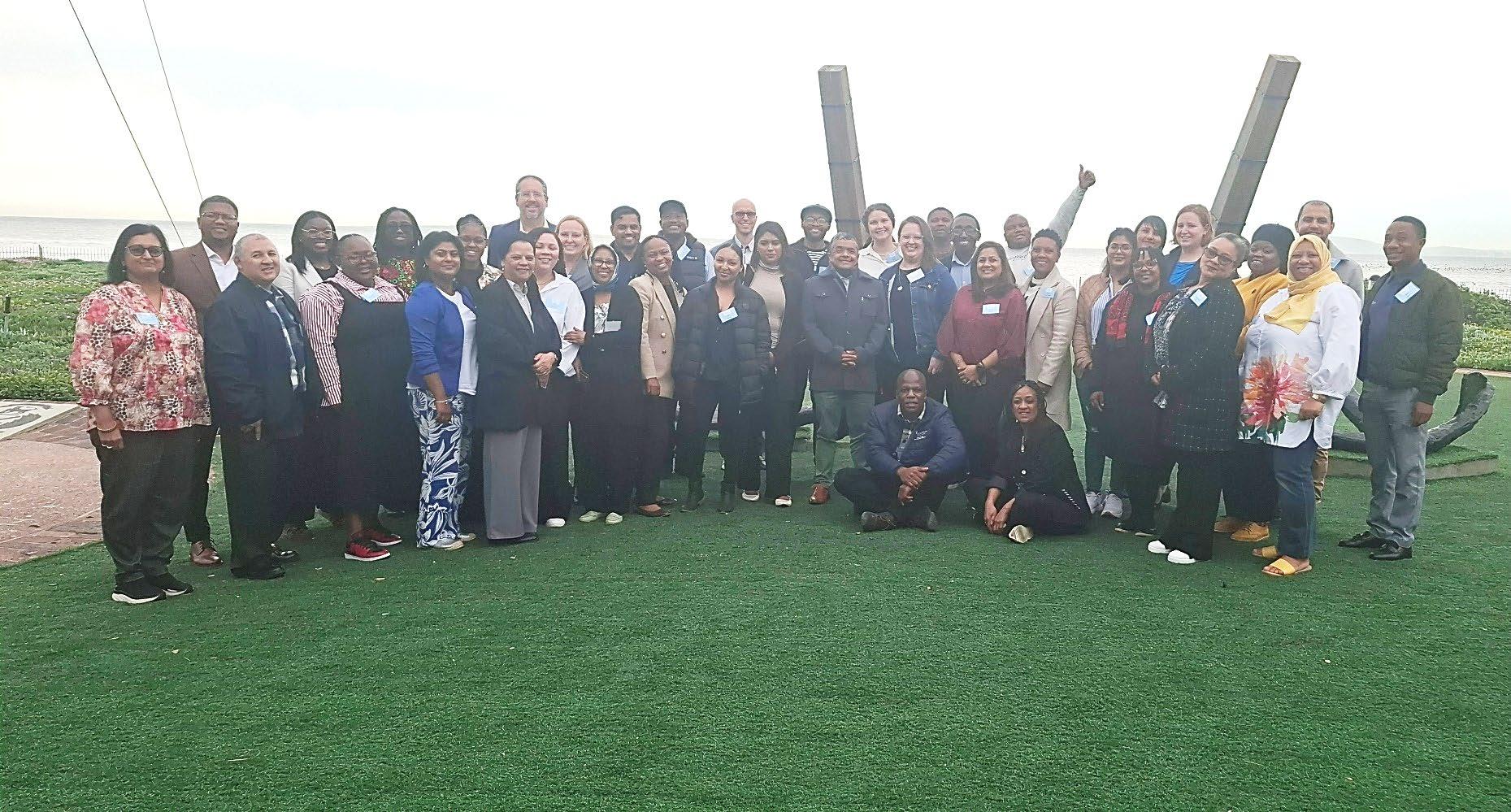
The Faculty of Applied Sciences at the Cape Peninsula University of Technology (CPUT) recently celebrated a milestone – 20 years of collaborative partnerships with industry, government, and academia – at its annual Partnership Brunch. Held on September 4, 2025, at the Granger Bay Campus in Cape Town, South Africa, the event held under the theme "Growing from Greats."
The Faculty expressed gratitude to its partners, acknowledging their continued commitment to Cooperative Education and community engagement. Representatives from over 25 organizations attended, including government departments, private companies, and academic institutions. These partners play a vital role in advancing the Faculty's mission to produce enterprising graduates who contribute to society, drive technological advancement, and improve quality of life.
The organizations represented on the day included: Agricultural Research Council (Infruitec-Nietvoorbij), Boost Africa Foundation, City of Cape Town, Department of Environmental Affairs and Development Planning, Department of Social Development, DGB (Pty) Ltd, Duram Smart Paint, Eastern Cape Provincial Economic Development Environmental Affairs & Tourism, Eskom Koeberg Nuclear Power Station, Intertek, Kwanza Sands
Minerals, Merieux NutriSciences - Hortec, Nature Connect, SAEON/SAPRI, Shark Spotters, Shoprite Holdings (Pty) Limited, Southern Oil (Pty) Ltd, Statistics South Africa, Transnet National Ports Authority, Two Oceans Aquarium, University of Cape Town and the SAMRC, University of the Western Cape, UVU Bio, Western Cape Department of Agriculture, Woolworths.
The event featured a presentation by Mr. Andrew Rand, Acting WIL/CE/SL Co -Ordinator, highlighting the Faculty's Cooperative Education initiatives, which include placing over 700 students in work-integrated learning (WIL) opportunities annually. Additional projects were also showcased, including the ERASMUS+ COPAFEU project. This ongoing initiative involves academic staff from three programmes – the Faculty Language Unit, Consumer Science: Food and Nutrition, Environmental Health, and Environmental Management – and aims to enhance the employability and entrepreneurial skills of graduates while promoting sustainable local growth.
Mr. Luvuyo Kakaza, Institutional WIL Manager, presented the university's broader engagement with industry partners, highlighting collaborations across faculties and university-level initiatives. Prof. Lalini Reddy introduced the THENSA UNIICO Entrepreneurship project for SADC universities and industry, inviting guests to express interest in further engagement.
Industry feedback was overwhelmingly positive, with attendees engaging in robust discussions on future projects and activities. The event underscored the importance of partnerships in driving innovation, student development, and societal impact. Events such as this contribute to advancing the Faculty of Applied Sciences’ Mission: “With an ethos of Ubuntu, the Faculty of Applied Sciences, through smart teaching, learning, research and community engagement, will produce enterprising graduates that contribute to society, leading to technological advancement and improved quality of life”.