




There are plenty of ways to enjoy good food this summer, from finding a new favourite restaurant to experimenting in the kitchen or planning a well-earned getaway.
To start, we’ve rounded up the restaurants worth visiting this summer, from exciting new openings to chef-recommended favourites across the UAE. If you’re looking for your next meal out, turn to page 14 for plenty of inspiration.
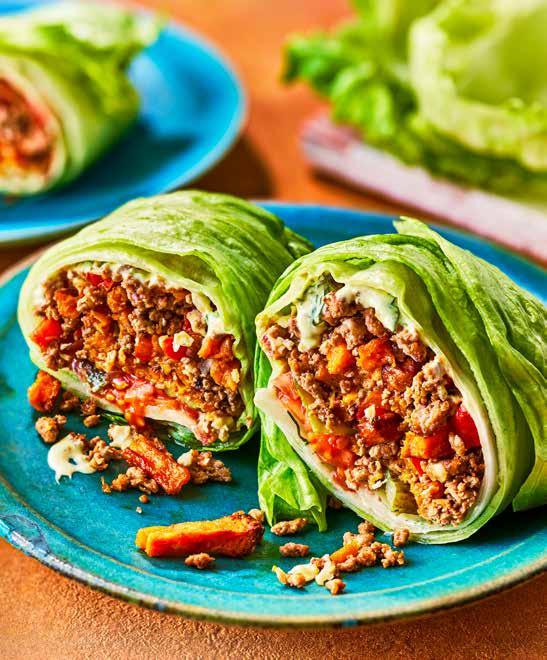
In the kitchen, we’ve gathered recipes that prove everyday ingredients can go a long way, with clever ideas for adding more flavour to your meals. On page 22, you’ll find clever ways to use jarred condiments to add plenty of flavour to simple meals, while our loaded air fryer suppers (p28) prove that quick dinners don’t have to be boring. Expect Croque-monsieur loaded waffles, Fish & chip loaded wedges, and Turkey burger lettuce wraps.
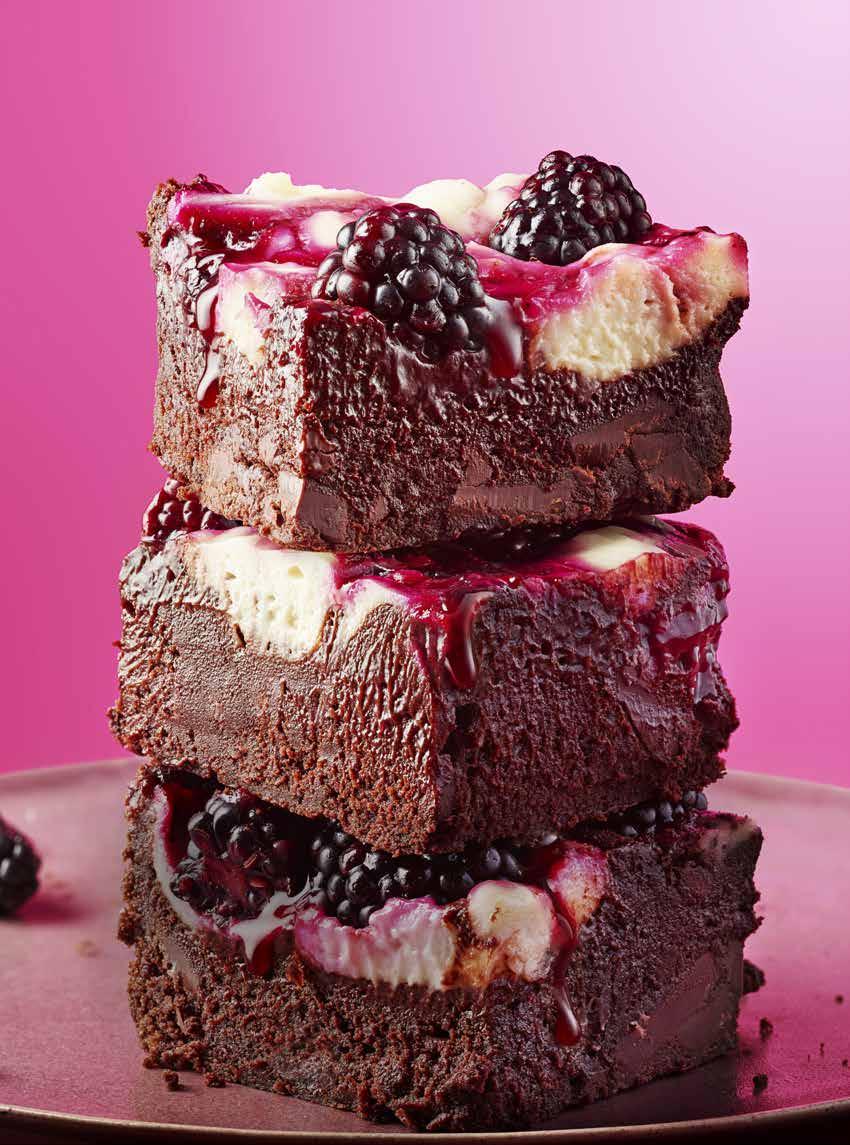
I’m especially excited to introduce a brand-new feature this month: the Good Food Baking Club. Each issue, we’ll share recipes, techniques and seasonal bakes from the Good Food Test Kitchen, beginning with our cover star, Blackberry-swirled cheesecake brownies on page 50. Whether you’re a confident baker or just getting started, I hope you’ll enjoy baking along with us.
Don’t forget our 16-page special, The truth about protein (p85). With protein dominating supermarket shelves and social media feeds, we wanted to take a closer look at what our bodies actually need, the best sources to choose from, and whether we’re giving this particular nutrient more attention than it deserves.
And if a summer escape is still on the cards, don’t miss our guide to some of the GCC’s best staycation destinations on page 102, from Dubai’s beachfront resorts to Oman’s mountains and the Red Sea coast.
Wherever you’re spending the rest of the summer, I hope this issue inspires a few memorable meals, introduces you to somewhere new and encourages you to try something different in the kitchen.
Happy reading!

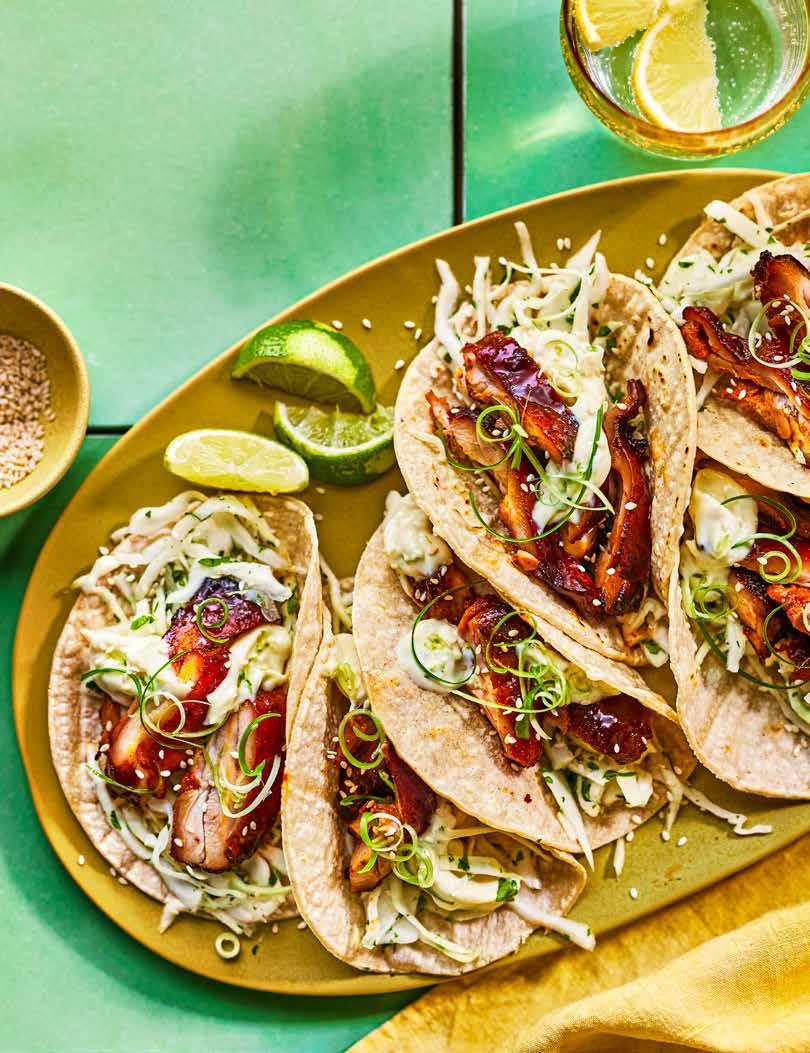
Gochujang-maple chicken tacos with sesame cabbage & lime mayo
EDITORIAL
ASSISTANT EDITOR: Blanche D’mello blanche.dmello@cpimediagroup.com
ADVERTISING
GROUP SALES DIRECTOR: Liz Smyth liz.smyth@cpimediagroup.com
SALES DIRECTOR: Gill Fairclough gill.fairclough@cpimediagroup.com
CONSULTANT: Ivan Grbic ivan.grbic@cpimediagroup.com info@cpimediagroup.com
MARKETING marketing@cpimediagroup.com
DESIGN
Froilan A. Cosgafa IV
FOR OTHER ENQUIRIES, PLEASE VISIT: www.bbcgoodfoodme.com
FOUNDER CPI MEDIA GROUP Dominic De Sousa (1959-2015)
PRINTED BY Wellpack Printing Press LLC
PUBLISHED BY
Head Office:
Office 1307, DSC Tower, Dubai Studio City, Dubai, United Arab Emirates, PO Box 13700 Tel: +971 4 568 2993
Email: info@cpimediagroup.com
A publication licensed by Dubai Production City, DCCA
© Copyright 2026 CPI Media Group FZ LLC. All rights reserved.
While the publishers have made every effort to ensure the accuracy of all information in this magazine, they will not be held responsible for any errors therein. www.cpimediagroup.com
Good Food, UK
GROUP MANAGING DIRECTOR, FOOD: Jessica Norell Neeson GROUP EDITOR-IN-CHIEF: Christine Hayes COMMERCIAL DIRECTOR: Simon Carrington GROUP MAGAZINES EDITOR: Keith Kendrick
Immediate Media Co Ltd
CEO: Sean Cornwell
CFO/COO: Dan Constanda
DIRECTOR, SUPPLY CHAIN & LICENSING: Alfie Lewis
DIRECTOR INTERNATIONAL, LICENSING & TOP GEAR MAGAZINE, UK: Tim Hudson
HEAD OF LICENSING: Tom Shaw
HEAD OF PARTNERS, BRAND MANAGEMENT & ETHICAL COMPLIANCE: Molly Hope-Seton
HEAD OF SYNDICATION: Richard Bentley
Good Food Middle East magazine is published by CPI Media Group under licence from Immediate Media Company Limited, Vineyard House, 44 Brook Green, Hammersmith, London W6 7BT.
© Immediate Media Company London Limited, 2026. Good Food and the Good Food logo are unregistered trade marks of Immediate Media Company London Limited and used under licence. All rights reserved.
4 YOUR SAY
Find out if you won the Star Letter prize
5 LOCAL ICON
Get to know Jhovani Manolo
6 FLAVOURS OF THE MONTH
Experiences to try across the region
8 CHEFS’ PICK FOR THE SEASON
Five Dubai chefs share their favourite summer dishes
10 TRIED AND TASTED
Venues to dine at this month
14 NEW ON THE TABLE Restaurants, cafés and bars opening across the UAE
18 GADGET REVIEW
We put the HexClad cookware to the test EASY
22 COOK SMART TONIGHT
Smart ways to use condiments
28 LOADED AIR FRYER SUPPERS Quick dinner ideas made easy
33 PASTA SALADS REIMAGINED
Fresh takes on classic summer salads
40 MONDAY MASH-UP
Prepare this Buffalo chicken pasta bake
42 JAPANESE AT HOME
Learn how to make Kappa maki and Japanese jiggly yuzu cheesecake
46 JOIN THE CLUB
Master baking with simple tips
54 THE MODERN MEDITERRANEAN
Mediterranean recipes for sunny days
59 AT ITS BEST
Incorporate summer produce into your meals
70 MY FAVOURITE DISH
Jesse Jenkins shares his favourite dish
74 NEXT LEVEL
Master cheese scones
76 THE MEXICAN SOUL KITCHEN
Inside KOL’s Mexican cuisine
78 BOOKS FOR COOKS
Fiona Forman reviews the latest cookbooks
82 THE CUCUMBER HALVES OF SHAME
Recipes with food waste in mind
85 THE TRUTH ABOUT PROTEIN
Protein: how much do we need?
108 GIFT VOUCHERS, MEALS AND PLENTY MORE 46
Our recipe descriptions
Suitable for vegetarians. You can freeze it.
Not suitable for freezing.
Easy Simple recipes even beginners can make.
A little effort These require a bit more skill and confidence – such as making pastry. More of a challenge Recipes aimed at experienced cooks.
Low fat 12g or less per portion.
Low cal 500 calories or less per main.
102 STAY IN, SWITCH OFF
Here’s where to book your next stay
106 THE AUSTRIAN OUTDOORS
Discover a mountain escape for all ages
Superhealthy Low in saturated fat, 5g or less per portion; low in salt, 1.5g or less; and at least one of the following: provides onethird or more of your daily requirement of fibre, iron, calcium, folic acid and/or vitamin C, or counts at least one portion of your recommended 5-a-day fruit and veg.
Good for you Low in saturated fat, low in salt.
Heart healthy Low in saturated fat, with 5g or less, and low in salt, with 1.5g or less, and high in omega-3 fatty acids.
1 of 5-a-day The number of portions of fruit and/or veg contained in a serving.
Vit C Iron Omega-3 Calcium Folate Fibre
Indicating recipes that are good sources of useful nutrients.
GLUTEN FREE Indicates a recipe is free from gluten. Some recipes contain pork. They are clearly marked and are for non-Muslims only. Look for this symbol: P Contains pork.
This month’s edition was such a delightful read, especially the section featuring the weekend dishes. The recipes looked absolutely mouth-watering and perfect to enjoy with family and friends during the relaxed summer season. What I loved most was how simple and approachable the dishes were, yet still packed with incredible flavour.
Summer is all about slowing down, unwinding, and spending quality time with loved ones, and these easy recipes truly complement that feeling. They make cooking feel effortless while still creating vibrant, delicious dishes. I genuinely enjoyed exploring the different flavours and spices highlighted throughout the feature.
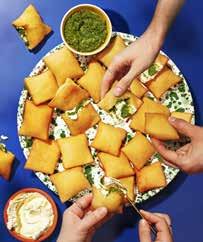
I also tried the Gnocco Fritto with lemony mascarpone and pistachio pesto recipe, and it turned out superbly.
My friends absolutely loved it and kept asking me for the recipe afterwards. Overall, this section was one of my favourite parts of the magazine, and I thoroughly enjoyed every bit of it.
Varsha Sirnani M

I especially enjoyed the variety of easy yet creative recipes in this month’s issue, particularly the dishes that added a modern Middle Eastern twist to classic comfort foods. The cooking tips, seasonal ingredient ideas, and beautiful food photography made the magazine both inspiring and practical. I also loved how the recipes catered to different skill levels, making it enjoyable for both beginner and experienced home cooks.
Hina Javed
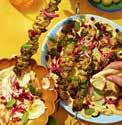
I thoroughly enjoyed reading the previous issue of Good Food Middle East. What stood out most to me was the wonderful mix of inspiring recipes, vibrant food photography, and practical cooking ideas that are perfect for both everyday meals and special gatherings.
I especially loved the feature on sharing platters and long weekend feasts, particularly the cumin & mint lamb skewers with hummus and the fresh seasonal dishes. The magazine beautifully captured the joy of bringing family and friends together through food. The live-fire cooking and BBQ inspiration sections were also exciting and ideal for the summer season.
Another aspect I appreciated was the balance between international flavours and easy-to-follow recipes that home cooks can confidently recreate. The layout, styling, and food presentation throughout the issue were visually stunning and highly engaging.
Overall, this month’s issue felt fresh, creative, and full of practical inspiration for food lovers across the region.
Rakesh Prasad Gupta
TWO SUPPERCLUB
AND BRUNCH FOR TWO AT ANANTARA THE PALM, WORTH OVER AED1,450
To celebrate the launch of the new SupperClub Global mobile app, which allows members to seamlessly explore more than 1,000 venues worldwide, the premium dining and lifestyle platform is giving you the chance to not only win memberships but also enjoy a brunch for two at Anatara’s Fork & Cork restaurant.
To send in your Star Letter and win this prize, visit the Competitions page on bbcgoodfoodme.com
Get a breakfast fix for my kid, eat together, laugh over silly conversations, exchange hugs and kisses with the family, and let positive flow naturally throughout the day. That’s always my default.
What’s the one dish you love creating?
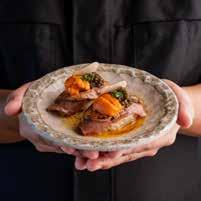
Nigiri from scratch; from fish prep to sushi rice to assembling, it just feels truly therapeutic
Your favourite restaurant in the UAE and elsewhere in the GCC MANĀO
Drink Order
Green tea or Hojicha tea

Jhovani Manolo has been part of 3Fils since its early days, cooking through the moments that took the restaurant from Jumeirah fishing harbour to the top of the MENA 50 Best list and into the MICHELIN Bib Gourmand.


Favourite dining experience
Dining at NOI by Paulo Airaudo in Hong Kong
Piping hot white steamed rice paired with Sinaing na Tulingan (braised bullet tuna) and chillimansi on the side, savoured hands-on. Absolute bliss


Currently listening to… Bad Friends fridge staples 3
Knorr seasoning, Pinakurat (Spiced vinegar), Rufina fish sauce
You’re hosting a dinner party with three guests, who would you invite and what would you serve?
I’d like to invite my wife and kid; they’re always the best company and I’d probably enjoy serving them 20 varieties of sushi from scratch and yakitori



If you could only dine on dishes from one TV series, which would you choose?
Of course “Anthony Bourdain: No reservations”
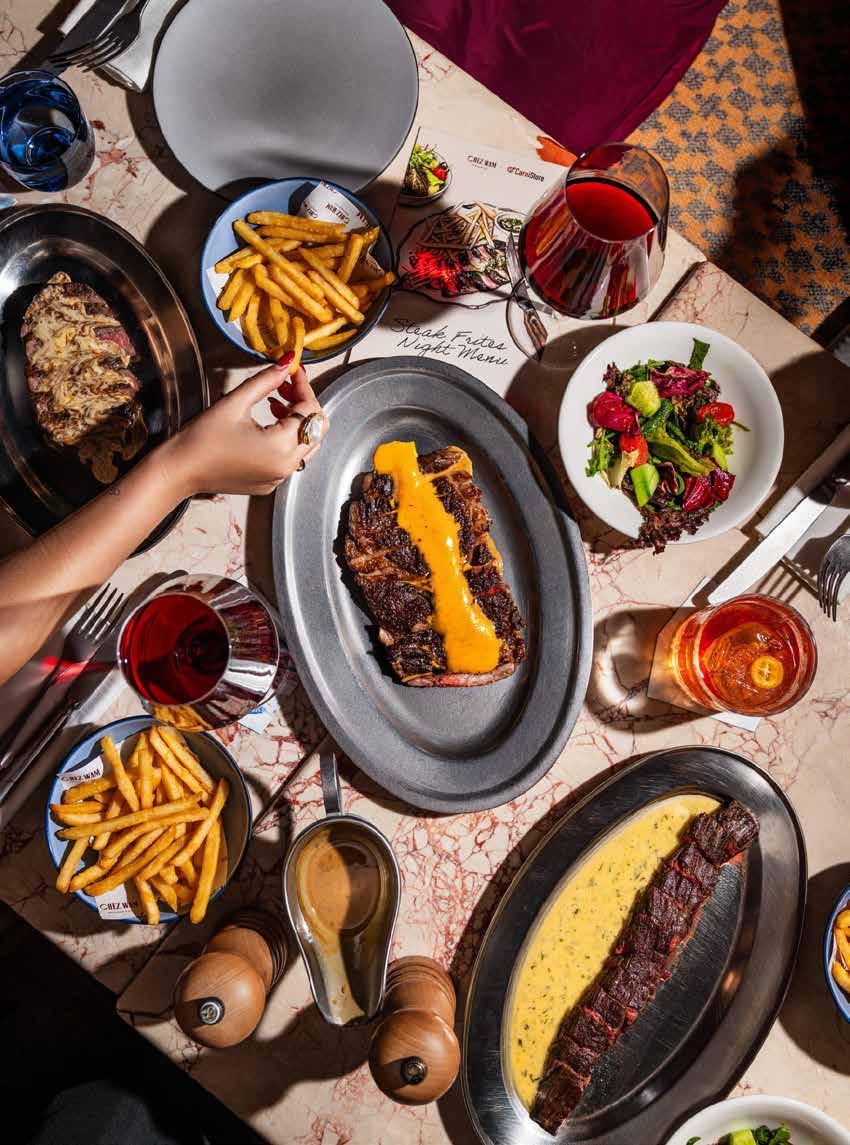
Chez Wam and CarniStore have extended their Steak Frites Nights through the end of August. The midweek collaboration features premium cuts including striploin, wagyu tenderloin and ribeye, served with green salad, French fries and a choice of classic sauces such as peppercorn, mustard cream and béarnaise.
Visit chezwam.ae
Looking for your next dining destination this summer? Dubai Summer Restaurant Week returns from 13 July to 2 August, offering specially curated menus at walletfriendly prices. More than 50 restaurants across the city are serving set menus, with two-course lunches for AED80 and three-course dinners for AED120, including still or sparkling water. This year’s line-up includes Leña Dubai, piehaus, Yù & Mì, The Beach House, Duo Gastrobar, NETTE, Lila Molino and many more.
Visit visitdubai.com.
Experience the flavours of a Japanese summer at KIGO with Tsumugi, a six-course tasting menu available until 6 September. Served at the restaurant’s intimate 12-seat sushi counter, the experience combines the traditions of Kaiseki and Sushi Omakase, showcasing seasonal ingredients and Japanese techniques in a thoughtfully curated menu.
AED980 per person (+AED520 for Premium Nigiri Selection including Sea Urchin and Fatty Tuna). Visit kigodubai.com.
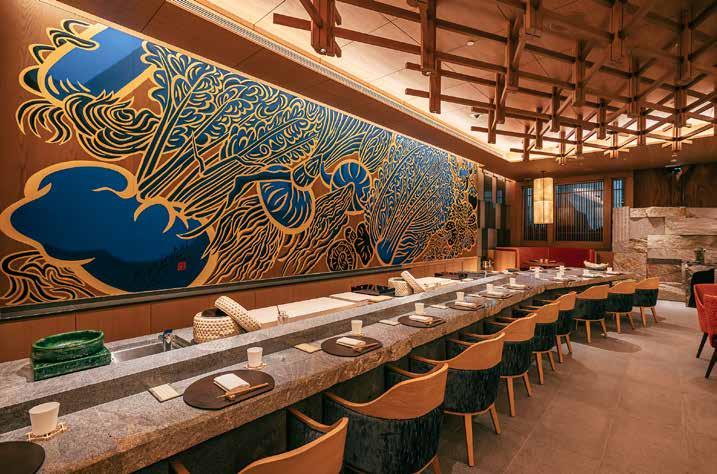

As the sun sets, Il Gattopardo introduces La Cenetta, a three-course early dinner menu available daily from 6pm to 9pm for AED250 per person. The sharing-style menu features antipasti, a pasta course, a choice of main including Scaloppine Limone or Risotto Fave e Piselli, and a selection of desserts including Tiramisu.
Available everyday, 6pm-9pm. AED250 per person. Visit gattopardo.restaurant.
From a deconstructed lemon pie to cold yogurt pasta, we asked five chefs across Dubai to share the dish from their menu that best captures summer.
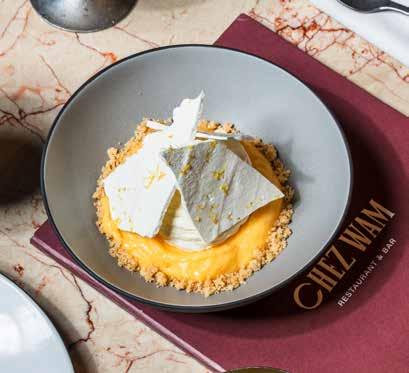

“My favourite summer dish is our Deconstructed lemon pie. It’s cold, fresh, bright and full of acidity. The lemon and raspberry complement each other while the biscuit crumb and crisp meringue add texture to every bite. Instead of a traditional Italian meringue, we use a light white chocolate whipped ganache, creating something less sweet, more delicate and balanced.
This dessert is also deeply personal. It’s my tribute to my late mum, Danielle, who made the best lemon tart I’ve ever tasted, probably because of the amount of butter she used in her curd. We always made it together during family holidays, laughing as she ignored every measurement. Even though I stood beside her and tried to memorise every step, I’ve never been able to recreate it exactly. It reminds me that cooking is never just about a recipe; it’s about the hands that make it, the people you share it with, and the memories they leave behind.”

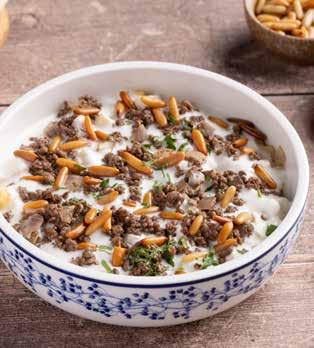
“One of my favourite summer dishes is our Yogurt pasta with meat. There is something about cold yogurt in the warmer months that I have always loved. It cools the dish down, while the pasta and meat still make it feel generous and satisfying. For me, it is the kind of food you crave when it is hot outside but you still want a proper home cooked meal. I also love the contrast of flavours and textures, the tanginess of the yogurt with the warmth and richness of the meat. It is simple, familiar and the kind of dish I never get tired of.”

“Steak tartare is the dish I feel most connected to because it reflects the way I like to cook, with patience and precision, respecting great ingredients and letting

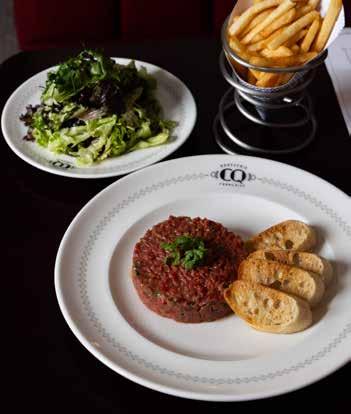
simple techniques speak for themselves. It’s a dish where every detail matters; there’s no room for error.
I take pride in preparing each portion consistently, ensuring the beef maintains its natural texture while every ingredient complements rather than overpowers it. Paired with a fresh salad, toasted baguette and crispy fries, steak tartare is fresh, light and suited to warmer days. Seeing guests enjoy it and come back to CQ for it is what makes it rewarding.”

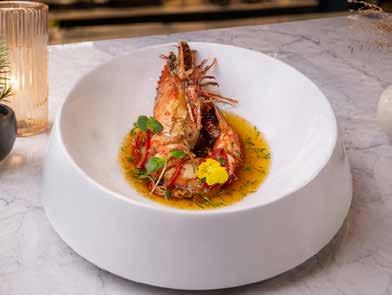
“Summer always reminds me of the Greek islands, where fresh seafood and simple ingredients create memorable meals. At The Dish by ChefSperxos in Dubai, I bring that Mediterranean inspiration to every plate. Our Woodfire chilli garlic prawns are made with jumbo prawns, fresh chilli, garlic and butter, creating a balance of fresh and bold flavours. Prawns are a good choice for summer, offering a light yet satisfying dish that’s ideal for sharing. Whether you’re enjoying lunch or dinner, this dish captures the relaxed spirit of a Mediterranean summer while reflecting Dubai’s dining scene.”
Milan Jurkovic, Executive Chef of piehaus

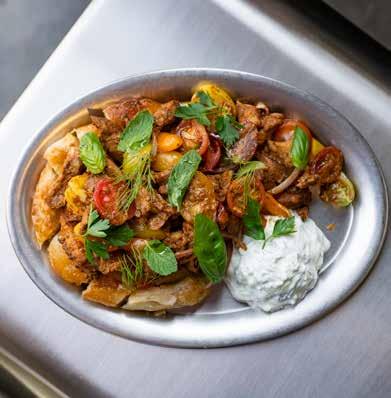
“My favourite summer dish is our gyros chicken phyllo pie. It’s fresh, vibrant and satisfying, making it the perfect pie for the summer.”
Marwari cuisine from Rajasthan remains one of India’s most distinctive food cultures, and Jodhpur Bar & Kitchen brings that heritage to Dubai. Located on the ground floor of Hyatt Place Dubai Jumeirah, the restaurant takes inspiration from Jodhpur’s Blue City, with arched details, deep-blue interiors, and thoughtful touches dotted throughout the space.
Once you find your seat, take a moment to wander and spot the royal ornaments, embroidered fabrics, and portraits of Jodhpur’s past royalty.
The menu is a journey through Rajasthan’s royal culinary heritage,
moving from lighter street-food-inspired plates to richly spiced mains, rooted in tradition yet presented with a contemporary edge.
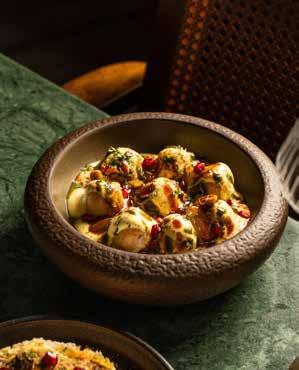
We started with the Makhaniya Dahi Vada, lentil dumplings arriving in a pool of saffron yoghurt, soft and yielding against a sharp hit of house chutney. The Nagauri Methi Paneer Tikka followed, paneer marinated in fenugreek and finished with a punchy kachri chutney that cut cleanly through the richness. The Rajwadi Safed Maas was our favourite from the starters: delicate chicken slow-cooked in a cream and nut marinade in the tandoor.
For mains, the Sindhi Mutton is highly recommended. Slow-cooked in a Sindhi spice blend, the meat was deeply

flavoured and falling off the bone. Tear into it with warm butter naan.
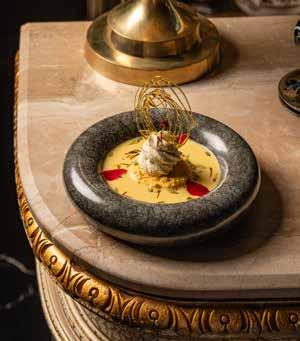
The Gulab Jamun ki Sabzi is worth singling out: gulab jamun in a delicately spiced saffron curry, finished with silver. It is an unlikely combination, yet the dumpling against the savoury curry is the kind of pairing you keep returning to. The Gatte ka Pulao offered a gentler counterpoint: fragrant rice cooked on dum with spiced gram flour dumplings Dessert was the Thandai Rasmalai, showcasing soft ras malai that sits in a pool of golden saffron milk, scattered with pistachios, dried rose petals, and threads of saffron, and crowned with a delicate spun-sugar design. Rich, fragrant and a comforting note to finish on.
BOOK NOW
For reservations, call +97156 546 6600.
Bâoli Dubai has launched House of Bâoli, a new Sunday brunch and after-party concept that shifts from laid-back afternoon dining into a high-energy evening crowd. Starting from 1:30pm, the experience centres around sharing-style dishes, sushi, robata grills and individually served mains, before moving into a louder, music-led atmosphere as the day progresses. Resident DJs and live performers take over from late afternoon, amping up the experience.
Guests can choose between three beverage packages, ranging from mocktails and soft drinks to concoctions, bubbly and grape, with premium table access included in the higher-tier option. For those staying later, the optional Sunset Lounge extends the experience into the evening with drinks and lounge seating overlooking the Dubai skyline.
There’s usually one dish at brunch that gets left behind or politely picked at, but at Bâoli, almost everything on the table disappeared quickly. The brunch moves between Japanese, Mediterranean and Asian flavours without feeling overdone, and we paired the experience with The Ritual beverage package, which featured an incredible beverage selection that matched the pace and energy of the afternoon.
The table starts filling up almost immediately. The Wagyu Gyoza arrived with crisp golden bottoms and rich, juicy filling, while the Fried Calamari stayed light and crunchy with a hint of spice. The Hamachi Carpaccio kept things fresh with delicate slices of fish and bright dressing. At the same time, the Tomato Carpaccio combined Pink Uzbek Coeur de Bœuf tomatoes with yuzu crème fraîche, fresh tomato vinaigrette, and tanoki crumbs.
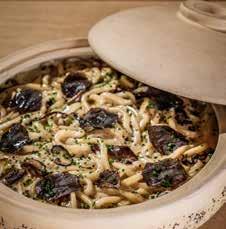

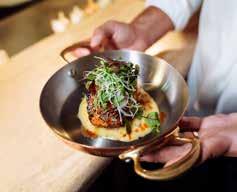
The premium maki platter was beautifully presented with a selection of three. Our favourite was the Crispy Volcano Roll, layered with rock shrimp tempura, crispy ebi, avocado and volcano sauce for a mix of crunch, creaminess and heat. The Crispy Ebi Steamed Buns landed slightly later than the rest of the starters, but were worth the wait. The soft bao contrasted perfectly with the crunchy prawns inside, and they were gone within minutes at the table.
For the nigiri course, my dining partner and I both chose the Wagyu Smoked Chimichurri, which combined rich beef with sharp, herbaceous notes that cut through the richness nicely. You can also choose from other options, including Sake Aburi Chilli Garlic, Classic Akami, Hamachi Truffle Aburi and Chutoro & Chalakita.
For mains, the Wagyu Short Ribs Donburi fully delivered on comfort food energy. The beef was soft enough to pull apart easily, soaking into the rice
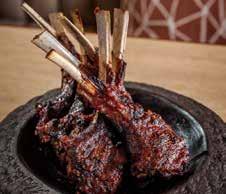
underneath. My dining partner went for the Grilled Lamb Chops with spicy kimchi and red miso glaze, cooked to her preferred temperature. To accompany the mains, we went for the robata potato and broccolini.
For the finale, a glamorous dessert platter arrived at the table, of course, with a touch of dry ice. The Basque Cheesecake had caramelised burnt edges with a sharp citrus finish paired with strawberry yuzu, while the Coconut & Mango dessert brought a fresh tropical hit through the calamansi gel. The Tiramisu Tart closed things out with deeper coffee and cocoa flavours that felt classic, but with a twist.
J1 Beach. House of Baoli: Sunday, from 1:30-5pm. The Wave: AED450 for soft beverages, The Ritual: AED650 for house beverages, and The Sundown: AED750 for bubbly and preferred access to high-energy tables near the DJ. Call +9714 491 5500.
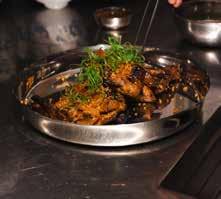

LahKee is the spot that essentially spreads by word of mouth. You hear about it from a friend, then another, and each recommendation stays with you until you finally head out to explore this secret treasure yourself. As you may have predicted, I found it the same way.
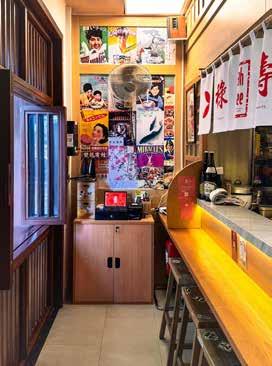
Tucked into Al Safa Park Complex, the space is compact and walk-in only, carrying an old-school charm with every detail serving a clear purpose throughout. Cassette players, dial phones, and Polaroids adorn one corner, while counter seating pulls diners into the kitchen, and the playlist seems like songs plucked from your list of favourites.
It feels like you’re right in the comfort of home, and that’s exactly the atmosphere the founders aimed to create. Behind it is a close-knit circle of friends and family led by husband-andwife duo Mark and Mary Calbay alongside co-founder Andrea Zampolini. Together, they have built LahKee, bringing their distinct experiences into one shared vision.
The menu mainly draws on Filipino, Japanese, and Chinese influences with dishes that land somewhere between comfort and curiosity, familiar enough

to recognise, but layered with just enough creativity to keep you coming back for more. Once settled into our seats, the experience opened with the Chicken & Prawn Wonton. The filling combined corn-fed chicken with prawn, wrapped in a delicate parcel. On top sat houseblend chilli oil crisps, adding texture and a gentle heat. It was served in a ponzu sauce, bringing a tangy citrus edge with garlic and a soft spice lift. Our meal was paired with an
imported Chinese fizzy drink, which offers a more restrained sweetness and a cleaner finish than your typical soft drink.
Next came the Truffle Gyu. Wagyu beef aburi sat over a base of rice and was finished with truffle sauce, truffle carpaccio, and a light sprinkle of salt. The truffle was layered rather than dominant, adding depth and earthiness without overpowering the wagyu. A final touch of Tultul, an artisanal heritage salt from Guimaras in the Philippines, made using coconut milk, added a unique touch.
The LahKee Five followed, and a highly-awaited dish for my dining partner and me. Soft homemade bao buns were filled with shredded black Angus brisket, cucumber, and pickled onion. The brisket was tender and juicy, with enough richness to carry through each bite, while the pickled onion lifted the flavour and kept it from feeling heavy.
The dish was inspired by Mark’s mother-in-law and her love for bao, which gave it a personal touch that came through in its comfort-forward style with an elevated touch. A house-made chilli oil was served on the table and added a deeper spice note when spooned over the filling.
Then came the Phuc-up Chicken, a grilled chicken dish glazed with teriyaki sauce and served with a chimichurri featuring roasted coriander seeds, tamarind, and a generous squeeze of lime juice. It was presented with a muddler, encouraging the chicken to be smashed to absorb more of the delicious sauce.
To finish, the LahKee Eight delivered a strong final course. It featured caramelised beurre toast topped with vanilla ice cream, pistachio, and crispy sweet potatoes. A drizzle of teriyaki sauce tied it all together, adding a savoury-sweet contrast that deepened the dessert’s profile.
It’s the kind of experience that has us already planning our next visit. We can’t wait to be back!
BOOK NOW
For reservations, call +9714 575 6183.

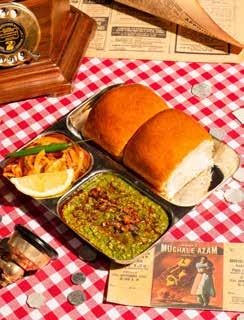
Mumbai’s Irani café culture comes to Dubai with Batliwala & Co, introducing a dining tradition that traces back to Persian families who made Bombay (now Mumbai) their home, where Irani cafés evolved into iconic neighbourhood institutions.
Walk in through a recreated Bombaystyle provisions store, its shelves lined with pantry jars and familiar staples you can explore, and the space features a colourful sweet shop that gives way to the main dining room before the whole thing spills out onto a terrace with an uninterrupted view of the Burj Khalifa. Vintage gramophones share corners with retro sewing machines, tiffin boxes are stacked beside framed black-and-white photographs, and old radios line the shelves. Old Indian coins are pressed into tabletops alongside pages from vintage editions of The Times of India and cinema tickets from back in the day.
Arriving at the table, the first thing that catches your eye is the menu itself: a rustic clipboard of dark wood and brass clip, nodding to the humble, no-frills charm of a neighbourhood diner. The menu is a deep dive into a cuisine that doesn’t get nearly enough attention. Snacks, sharers, appetisers, mains, curries, and a dedicated bread section, all made in-house using traditional methods. The menu is expansive enough to reward repeat visits, with new dishes to discover each time.
We opened with the Parsi Cutlet: four crisp, golden chicken cutlets seasoned with warming classic spices, arriving hot
and crunchy. The house mint chutney brought an extra kick of heat, while a light slaw offered a sweeter, cooling counterpoint. They were dangerously moreish; we genuinely debated ordering a second round. Following that, the Bambai Fry Naan Chap delivered a soft milk bun packed with fiery pepper mutton. Both starters were excellent.
For mains, the Britannia’s Berry Pulao was the centrepiece: a fragrant, mildly spiced rice dish available with mixed vegetables or chicken (we chose chicken), topped with jewel-like zereshk berries (dried barberries that lend a gentle tartness), toasted cashew nuts, and crispy brown onions. The trick here is to dig all the way to the bottom of the dish, where the rice and chicken have
absorbed the most flavour. We paired it with a side of raita (a cool, lightly spiced yoghurt condiment) and the combination was spot on.
Alongside it, the Salli Boti earned every bit of praise it gets: tender mutton slow-cooked in a rich, sweet, spicy gravy, crowned with a generous mound of thin, crisp potato salli. We tore into garlic naan to scoop up the gravy.
Dessert was a Mango Kesar Kulfi (a dense, creamy Indian ice cream), topped with crispy sesame crackers and finely chopped pistachios. The textures played off each other brilliantly: creamy, crunchy, and nutty.
BOOK NOW
Contact +97150 272 8727.
Here are the newest restaurants, cafes and bars opening across the UAE


Third Avenue Boutique is opening a new branch in Al Qarayen, Sharjah, this summer, bringing together a 25-seat restaurant and Khaltat Boutique under one roof. Following its Dubai Mall success, the intimate, design-led space combines dining, coffee, desserts and fragrance in a seamless experience, with nature-inspired interiors and a curated menu featuring favourites like Chilli Crunch Salad, Dynamite Shrimps, Short Ribs Pizza, Katsu Chicken Sando and Pistachio Ice Cream.
WatchHouse has opened its first Abu Dhabi House at The Arcades in Al Khail Square, located within the Abu Dhabi Equestrian Club. The London-born specialty coffee brand brings its signature coffee programme, all-day dining and design-led “House” concept to the capital, with a space inspired by equestrian heritage. Guests can enjoy precisionbrewed coffees, seasonal single origins and a dedicated rarities bar, alongside an all-day menu featuring dishes like Turkish eggs, sweetcorn and polenta pancakes, brisket baguettes, and fresh bakes including banana bread and cinnamon rolls.

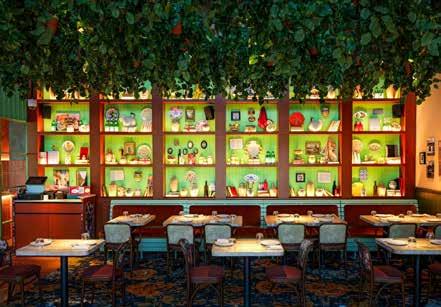
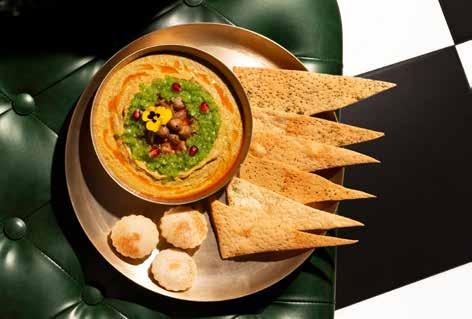
Gymkhana, the two Michelin-starred London restaurant, will open in Dubai this September, marking its UAE debut. Inspired by India’s elite social clubs, Gymkhana’s Dubai outpost will span two levels plus a terrace. The interiors will feature lantern lighting, patterned ceilings, booth seating, mirrored ceilings, chandeliers and a peacock bar. The menu will stay rooted in Indian culinary traditions, with signature dishes across chaat-style plates, tandoori specialities, curries and biryanis, alongside exclusive creations for the Dubai location.
The neighbourhood Italian eatery centres around an open kitchen with a copper-clad wood-fired pizza oven serving New York-style thin-crust pizzas made with double-zero flour. Rooted in Italian tradition with subtle Mediterranean influences, the menu features comforting favourites including spicy rigatoni rosa, Diavolo pizza, chicken parmigiana, and Isabella steak Tagliata.
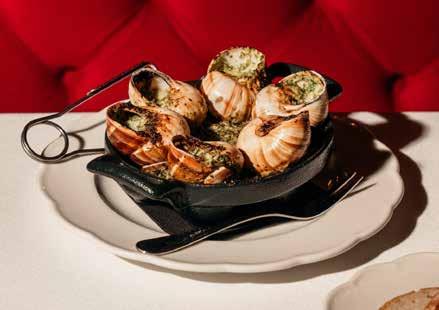
Paris Society is bringing its renowned piano-bar concept, Le Piaf, to Dubai, marking the brand’s first opening outside Europe. Launching on 20 May at Jumeirah Emirates Towers, the restaurant and bar combines French dining with live music in an intimate setting defined by red velvet interiors, crystal chandeliers and a nightly piano performance that gradually transforms dinner into a singalong before a DJ takes over later in the evening. The menu features French classics and indulgent sharing dishes, including Gillardeau oysters, Wagyu carpaccio, escargots, chicken and caviar, sole meunière, roasted lobster and signature desserts.



Nazaara has opened in DIFC, bringing modern Indian cuisine and Burj Khalifa views to the heart of Dubai. Led by Chef Pradeep Khullar, the restaurant serves contemporary Indian dishes that draw on traditional flavours while incorporating modern techniques and presentation. Alongside the food menu, guests can expect a beverage programme created to complement the dining experience.
The Char’d Club is a modern neighbourhood restaurant focused on live-fire cooking, inspired by South African braai, Argentinian parrilla and Australian barbecue traditions. The menu focuses on premium Australian O’Connor beef, alongside signature dishes such as the Old School Burger, slow-smoked short rib, soy-garlic-glazed Galbi short rib, Sichuan-basted beef skewers and spiced lamb merguez. From 10:30pm, the venue transitions into a late-night dessert lounge, serving creative desserts and mocktails.
Oro Verde is a new waterfront bar and restaurant coming soon to Yas Bay Waterfront, bringing a fresh take on Nikkei dining to Abu Dhabi. Inspired by the flavours of Peru and Japan, the venue will serve bold dishes and creative cocktails in a design-led setting overlooking the waterfront.
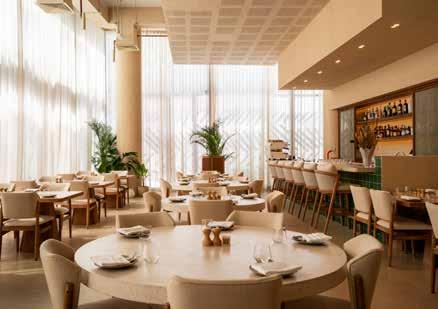
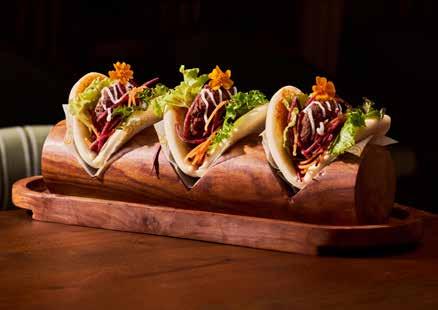

La Lupa has opened in Dubai Design District, marking the first permanent restaurant from the founders of luxury catering company MonChef. The all-day dining venue draws inspiration from Mediterranean Europe, combining coastal European cuisine with handmade pastas, wood-fired dishes and seasonal ingredients. The interiors feature warm tones, natural materials and a relaxed design, creating a space suited for breakfast, lunch, coffee and dinner. Menu highlights include house-made pastas, Ravioli di Mele, Pappardelle al Tartufo, Poulet à la Bordelaise and Risotto aux Fruits de Mer.
ROOH by Priya is now open at Jewel of the Creek, bringing a modern take on Indian dining to Dubai. Created by chef Priya Joseph, the waterfront restaurant combines contemporary Indian cuisine with global influences, rooted in traditional flavours and thoughtful cooking. Having built her career in Singapore and trained alongside Michelinstarred chefs, Chef Priya brings her culinary approach to Dubai through a menu that focuses on quality ingredients, balanced spices and sharing-style dishes.
LOOP has opened in Business Bay, bringing a Mediterranean-inspired all-day dining and lounge concept to Trillionaire Residences by Binghatti overlooking the Dubai Canal. The venue serves breakfast, business lunches, dinner and late-night offerings
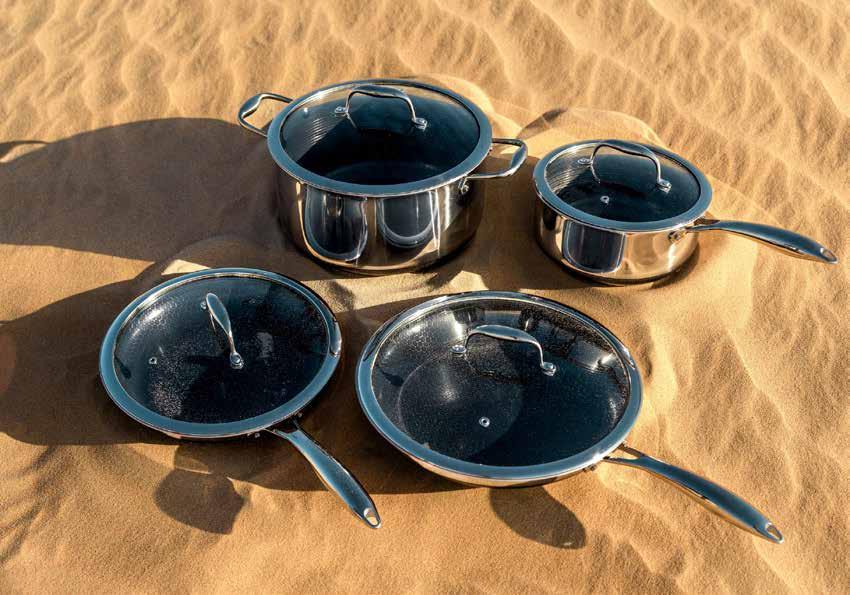

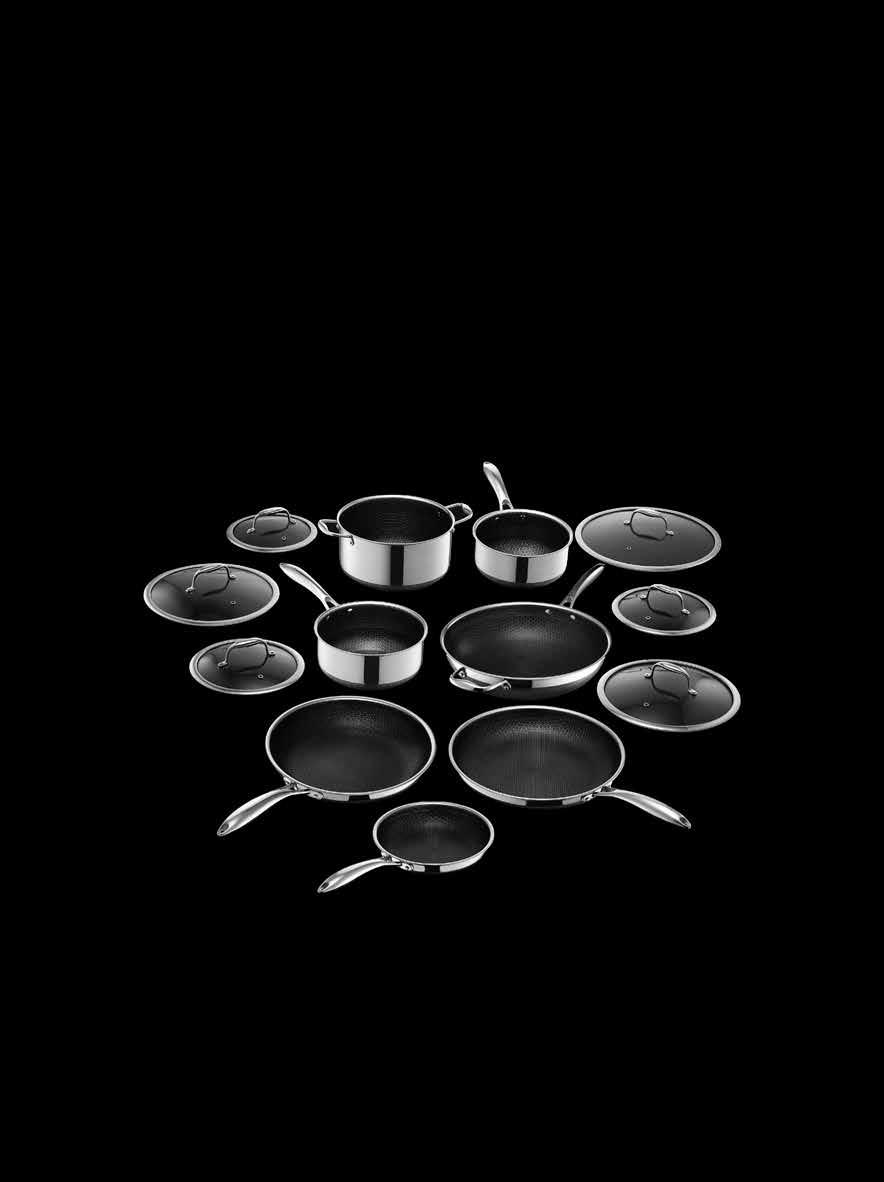
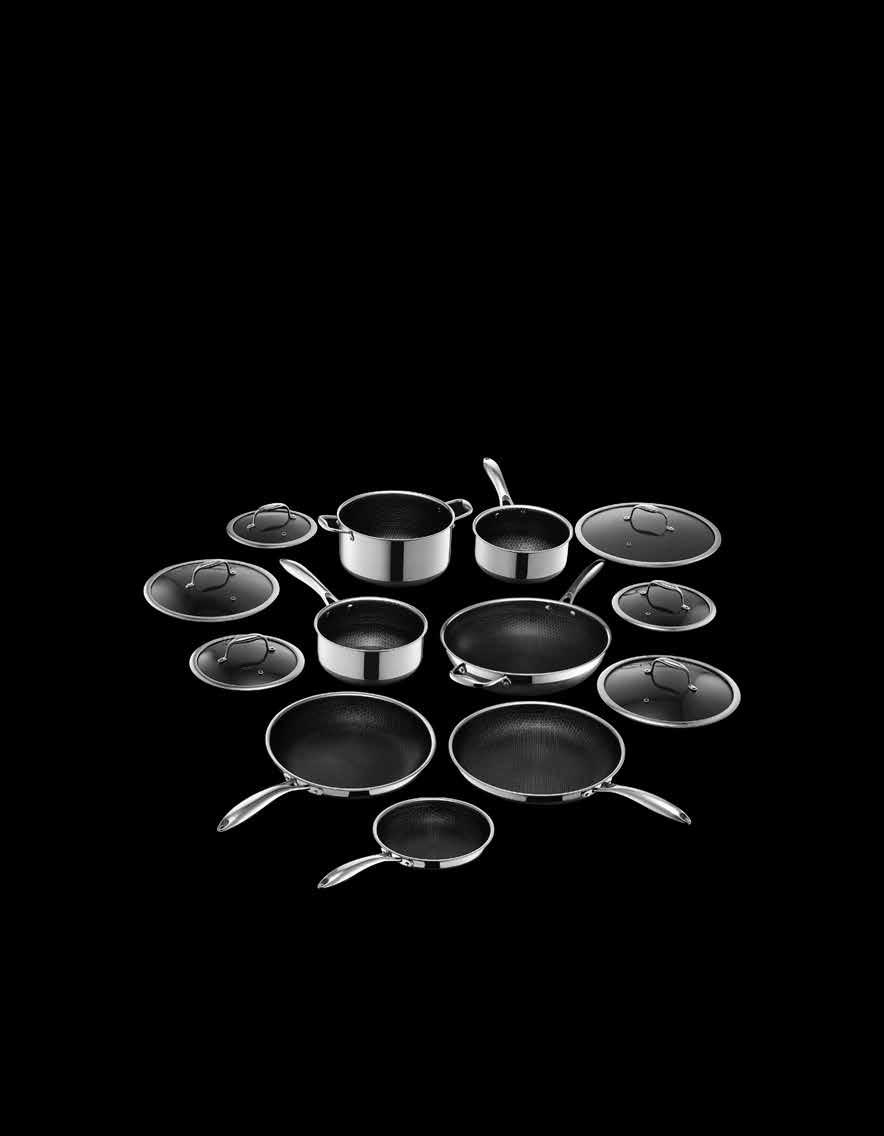
If you are going to spend serious money on cookware, you want to know whether it is worth it. HexClad’s hybrid cookware isn’t cheap, but it is built to last and created to do the work of several pans at once. We tested both the pan and saucepan across a range of everyday dishes to see how they perform for a home cook.
The global cookware brand, long favoured in Michelin-starred kitchens and endorsed by Gordon Ramsay, has launched its hybrid cookware range in the UAE. From individual pans and saucepans to sauté pans and specialty sets, the collection can be ordered online with free same-day delivery to Dubai and Abu Dhabi when placed before midday.
How does it work?
Stainless steel heats beautifully but sticks. Cast iron is tough but heavy. Traditional non-stick pans are easy to use but delicate and short-lived. HexClad’s patented hybrid design brings together the best of all three.
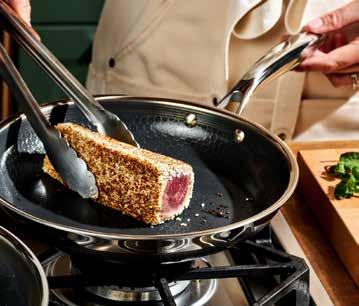
The secret lies in the surface. A laser-etched stainless steel hexagon pattern creates raised peaks across the pan, delivering exceptional searing power and even heat distribution. Between those peaks sit protected non-stick valleys, coated in a high-grade layer for effortless release. The result is a surface that sears like stainless steel and cleans like non-stick, at the same time.
Beneath the surface, triply construction combines a magnetic stainless steel base, an aluminium core and a stainless steel interior, heating quickly and evenly for excellent temperature control. The heavy-gauge build is built to last: metal utensils are safe to use, every pan is dishwasher-safe and oven-safe to 480ºC, and the stay-cool handle works across all hob types including induction. Each pan carries a lifetime warranty, backed by a 30day money-back guarantee.
HexClad’s latest cookware features its proprietary TerraBond ceramic non-stick coating, which is entirely free from PFAS, the synthetic chemicals found in many traditional non-stick surfaces. The result is a pan that performs at a high level while being safer for everyday cooking, without sacrificing the easyrelease qualities home cooks rely on.
Before first use, make sure to season the pan by spreading a teaspoon of oil across the surface on medium-low heat for two to three minutes, and performance will continue to improve naturally with each use over time.
Sturdy and well-made, the pan is available in four sizes (20cm, 25cm, 30cm, and 35cm), and a matching lid can be purchased separately. It should only be used at low to medium temperatures, but heats up surprisingly quickly.
The handle stayed cool throughout testing, and omelettes slipped from the surface with ease. A noodle stir-fry simmered away without issue. The surface helped achieve a solid sear on steaks, and the curved sides kept ingredients contained while sautéing. Delicate crêpes and pancakes released cleanly without any additional oil or butter in the pan.
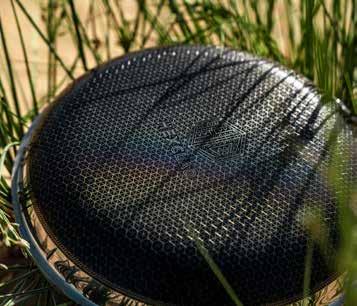
One thing to note: the stainless steel hexagons mean the pan does need to be properly preheated and used with a little oil; otherwise, ingredients such as fried eggs can catch. However, a small amount of oil resolved this immediately.
Cleaning is where the pan truly earns its place; a quick rinse with warm soapy water is all it takes.
Hybrid saucepan (2-litre,
The hybrid saucepan handles everyday cooking tasks without fuss. A béchamel sauce made from scratch came together well and cleaned up easily after a short soak in water.
Rice cooked evenly without catching at the base, and both lentil soup and a simmering tomato pasta sauce lifted cleanly from the surface after a short soak.
As with the frying pan, resisting the urge to turn up the heat pays off. Keeping it at a low to medium setting produces consistently better results and makes clean-up considerably easier.
For those who cook regularly and want a pan that genuinely bridges the gap between professional performance and everyday convenience, HexClad makes a compelling case. Personally, it has become a firm fixture in my everyday cooking rotation, and one I find myself reaching for over other pans consistently.
1. Lifetime warranty on all cookware
2. Range of products and sizes available, from frying pans to woks and saucepans
3. Dishwasher-safe, oven-safe (up to 480ºC) and metal utensilfriendly
4. Free from PFAS chemicals
5. Pans benefit from being seasoned with oil during the first few weeks of use
6. Best used on low to medium heat
Free same-day delivery in Dubai & Abu Dhabi on orders placed before midday. For more information, visit hexclad.ae.


There’s still time to nominate your favourite restaurants, hotels, cafés and food and beverage brands for the Good Food Middle East Awards 2026. If there’s a venue or brand you believe deserves recognition, make sure to submit your nomination before entries close on 31 August 2026. Visit bbcgoodfoodme.com/awards/2026.
Until 31 August 2026
Delicious, simple, and easy-to-make recipes
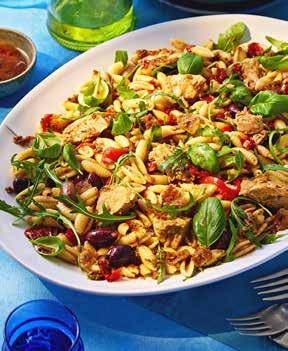
salads reimagined p33
cook smart tonight p22
Make the most of jarred condiments to elevate your everyday meals recipes ANNA
• Gochujang
• Capers
• Garam masala
• Sherry vinegar

Gochujang-maple chicken tacos with sesame cabbage & lime mayo
SERVES 2 PREP 20 mins
COOK 35 mins EASY
1 tbsp dark soy sauce
2 tbsp gochujang
1 tbsp maple syrup
thumb-sized piece of ginger
2 garlic cloves
4 skinless chicken thighs
6-8 small corn tortillas
2 spring onions
For the sesame cabbage
1/4 white cabbage
1 tbsp sesame seeds, plus extra to serve
1 tbsp rice vinegar
small handful of coriander
For the lime mayo
3 tbsp mayonnaise
1 lime
1 Heat the oven to 200C/180C fan/ gas 6 or the air fryer to 180C. Put the soy sauce, gochujang and maple syrup in a large bowl. Grate in the ginger, then peel and grate in the garlic. Stir everything together, then toss the chicken in the marinade. Tip into a roasting tray or the air fryer basket (directly in, rather than on a grate, if you can) and roast for 30-35 mins, stirring occasionally to stop the syrup from catching, until the chicken is sticky and cooked through.
2 Meanwhile, shred the cabbage as finely as you can (a mandoline works well) and tip into a bowl. Mix with the sesame seeds, vinegar and a pinch of salt. Finely chop the coriander and stir it through.
3 Put the mayonnaise in a small bowl. Zest and juice half the lime into the bowl and stir, then cut the other lime half into wedges and set aside.
4 Slice the chicken into strips, then toss in any leftover sauce from the air fryer or tray. Warm the tortillas in the microwave or a dry frying pan for a few seconds on each side. Finely slice the spring onions. Load up the tortillas with the sesame cabbage, the chicken and sauce, spring onions and another sprinkle of sesame seeds. Drizzle over the mayo and serve with the lime wedges for squeezing over
We’ll point out any swaps
If you can use things like yogurt instead of crème fraîche, chives instead of spring onions or butter beans instead of cannellini beans, we’ll let you know so you’re not buying extra ingredients. This also helps prevent food waste.
Optional extras are your choice
If you have them, great, but if you don’t, don’t worry! We’re talking the final garnishes of nuts, seeds or lime wedges – don’t put them in your shopping basket just for one recipe.
All meals will serve at least two ...and any dishes with larger servings will be designed to be freezable in portions, so you can batch-cook them.
Dishes will be quick to make
We know time is of the essence in the week, but you still want inventive and delicious dinners. Our promise is that dinner will be on the table within an hour – and often in less time.
We’ll use storecupboard staples
All the recipes in this series will aim to include items that are already in your storecupboard. This means that if you cook from this series regularly, you’ll get to explore new ways to use up the rest of the ingredient, rather than having it linger in the back of your fridge until you make the same meal again.
Gadgets will be go-tos
We love a gadget here at Good Food, especially if it means avoiding turning the oven on midweek. So, we’ll give you options for the air fryer and other gadgets where we can, but try to avoid anything that requires extra washing-up, like food processors, stand mixers or excessive pans, where possible.
All the prep is in the method ...in this feature, to help you cook the recipe with no missteps.
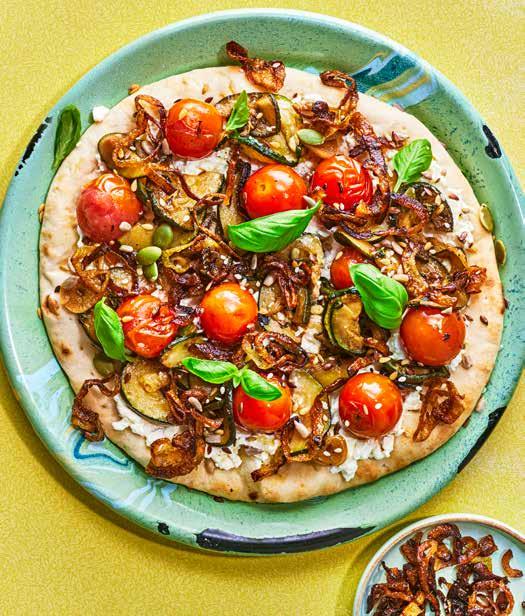
Loaded flatbreads with cottage cheese, blistered courgettes, tomatoes & sizzled onions
Use crispy onions for an even quicker midweek meal, or stir a spoonful of harissa through the cottage cheese for a spicy kick.
SERVES 2 PREP 10 mins
COOK 30 mins EASY V
1 onion
2 tbsp olive oil
1 courgette
200g cherry tomatoes
2 thyme sprigs
2 garlic cloves
1 tbsp sherry vinegar
2 fluffy flatbreads
4 tbsp cottage cheese
handful of basil or rocket
2 tbsp mixed seeds
1 Finely slice the onion. Heat the oil in a frying pan over a medium heat and fry the onion for 20 mins until
deeply golden and crisp. Add a splash of water during the initial cook to speed up the softening of the onions, and make sure they don’t catch. Season, scoop out of the pan and set aside. Meanwhile, halve and slice the courgette.
2 Turn up the heat and cook the courgette slices in the pan for 5 mins until lightly golden, then add the tomatoes and thyme. Cook for 4-5 mins more, tossing the pan a few times until starting to soften and darken. Finely slice the garlic and add to the pan. Cook for another minute, then add the vinegar and remove from the heat.
3 Toast or warm the flatbreads, then load up with the cottage cheese, tomatoes and courgettes, along with the dressing from the pan. Scatter over the basil and seeds to serve.
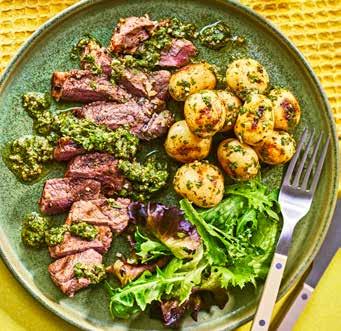
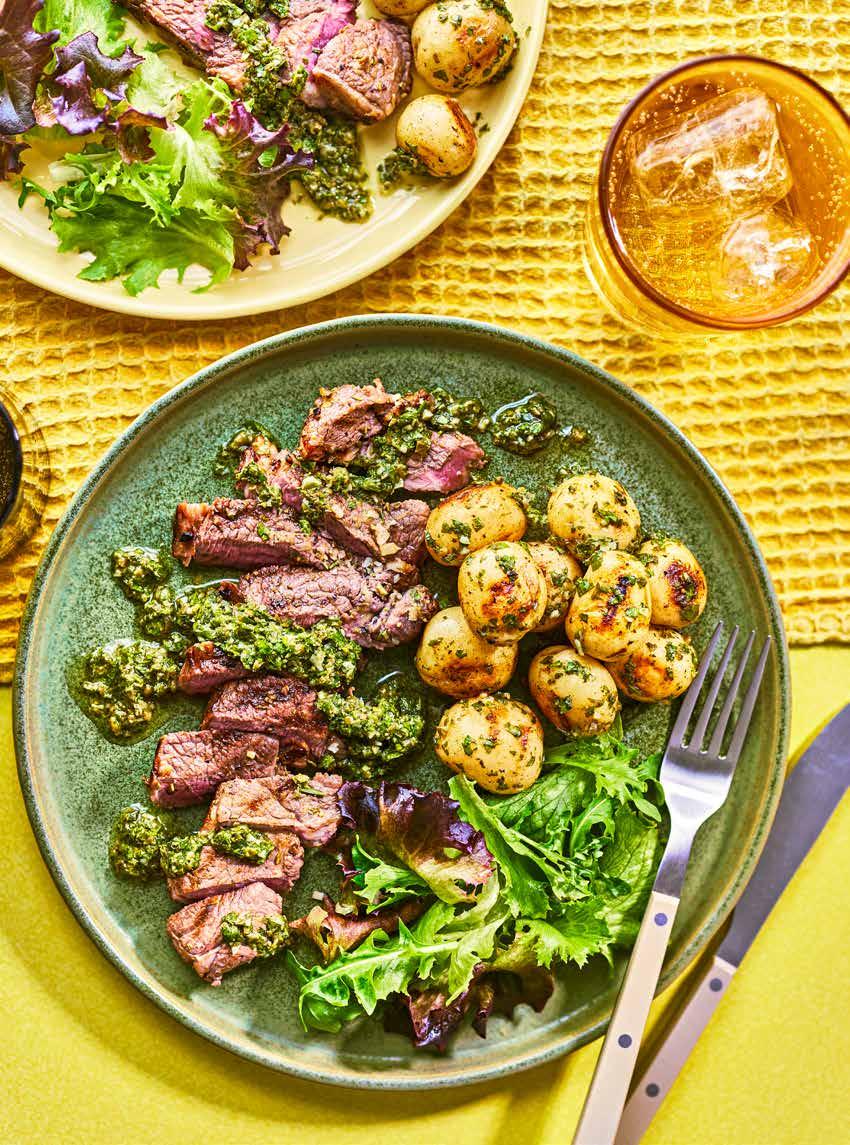
Herby griddled lamb steaks with charred salsa verde new potatoes
SERVES 2 PREP 15 mins
COOK 20 mins EASY
250g new potatoes
1/2 lemon
1 garlic clove
1 rosemary sprig
1 tbsp olive oil
2 lamb leg steaks green salad, to serve For the salsa verde
1 garlic clove
1 tbsp capers
handful of parsley
2 tbsp red or white wine vinegar
2 tbsp extra virgin olive oil
1 Halve any larger potatoes, then cook all the potatoes in a pan of boiling salted water for 15 mins, or until tender. Zest and juice the lemon half into a large bowl. Peel and finely chop the garlic, then chop the rosemary and add both to the lemon. Add the oil and season. Toss the lamb steaks in the dressing to coat.
2 Heat a griddle pan over a high heat until very hot. Sear the lamb steaks for 2-4 mins on each side until cooked to your liking (2 mins for medium rare, 4 mins for well done, depending on the thickness of the steaks). Set aside to rest.
3 Meanwhile, make the salsa verde. Peel and finely chop the garlic, then finely chop the capers and parsley. Scrape everything into a bowl, stir in the vinegar and olive oil and season well.
4 Drain the potatoes, then tip into the hot griddle pan and cook until char lines appear and they pick up a smoky flavour, if you like. Add 1 tbsp of the salsa verde and toss the potatoes a few times to coat.
5 Slice the lamb steaks against the grain. Spoon over the rest of the salsa verde and serve with the potatoes and a green salad
SERVES 2 PREP 15 mins
COOK 15 mins EASY
175g basmati rice
4 tbsp coconut milk
2 limes, plus extra to serve
2 tbsp sriracha or other chilli sauce
3 tsp honey
2 trout fillets or other sustainable firm fish
1/4 cucumber
handful of radishes
1 carrot
100g frozen edamame or peas handful of coriander
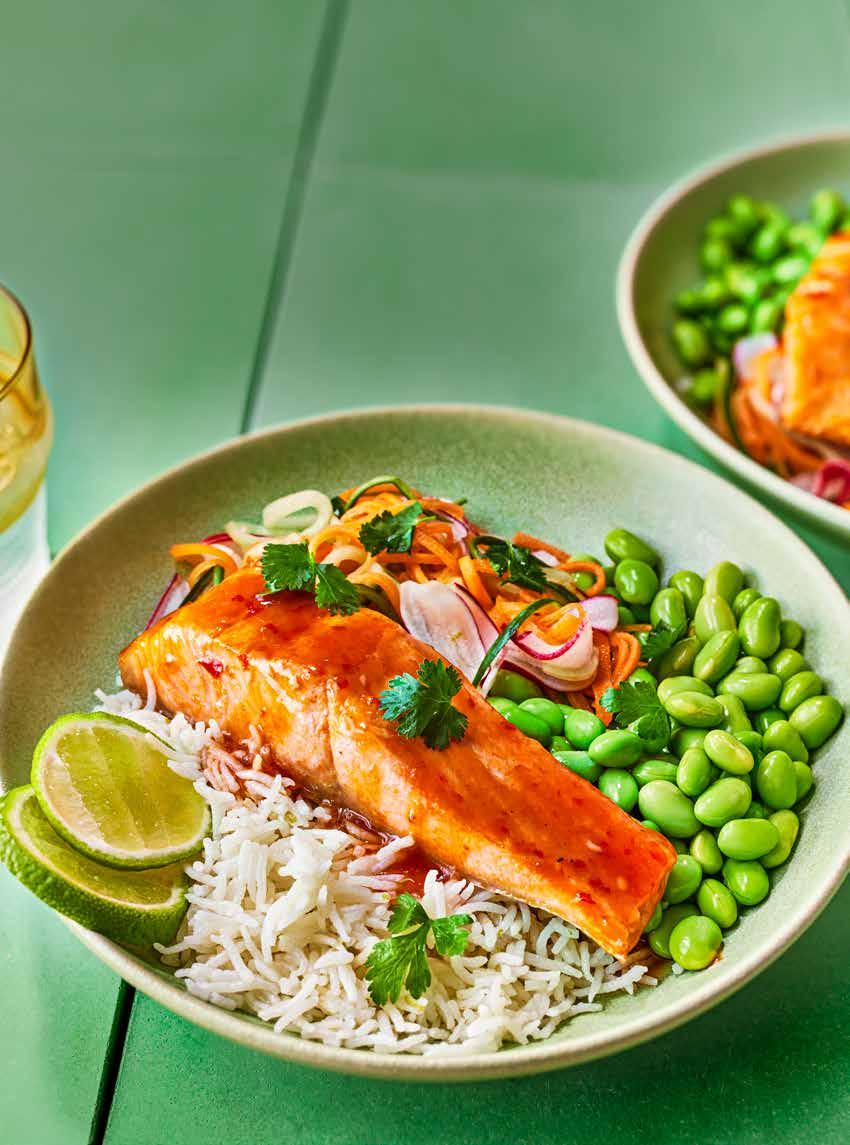
1 Wash the rice a few times, then tip into a small saucepan. Add the coconut milk, then zest the limes into the pan, season with a pinch of salt and add enough water to cover the rice by about 3cm Stir, bring to a simmer, cover with a lid, turn the heat to low and cook for 10 mins. Keeping the lid on, remove from the heat and set aside to steam until you’re ready to serve.
2 Meanwhile, juice one of the zested limes and mix with the sriracha and 2 tsp of the honey in a small bowl. Heat the grill to high or the air fryer to 200C. Pour the sauce over the trout, then air-fry or grill for 6-8 mins until the fish is cooked through and lightly blistered on top.
3 Finely shred the cucumber, radishes and carrot. Tip into a bowl Juice the other lime into the bowl and add the rest of the honey and a pinch of salt. Steam or microwave the edamame until tender.
4 Fluff the rice using a fork. Divide between two shallow bowls, then top with the trout and veg. Pick the leaves off the coriander or chop and scatter over. Spoon over any leftover dressing from the veg bowl, and serve with more lime for squeezing over.
GOOD
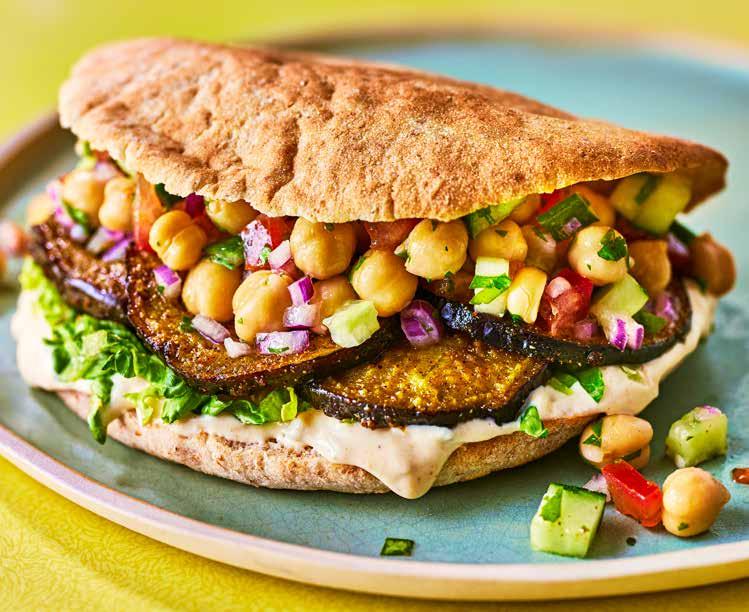
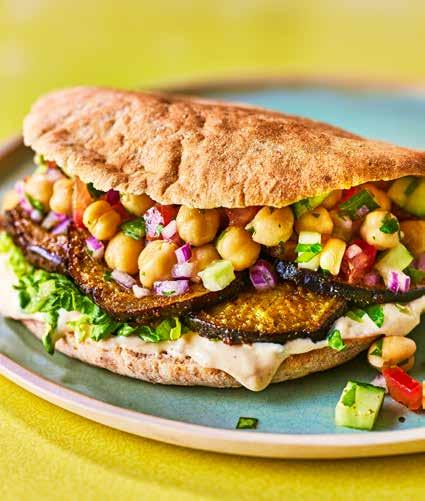
Spiced aubergine stuffed pittas with chopped chickpea salad & mango yogurt
SERVES 2 PREP 15 mins
COOK 20 mins EASY V
1 aubergine
1 tbsp garam masala, plus a pinch pinch of chilli flakes or powder
4 tbsp olive oil, plus a drizzle
1 lemon
4 tbsp Greek yogurt
2 tbsp mango chutney
1 Little Gem lettuce
2 large or 4 small pittas
For the salad
1 small red onion
1/2 cucumber
3 vine tomatoes
handful of soft herbs (like parsley, mint or coriander)
400g can chickpeas
1 Heat the oven to 200C/180C fan/ gas 6 or air fryer to 180C. Cut the aubergine into 5mm-thick slices. Put the garam masala, chilli flakes and 2 tbsp of the oil in a bowl. Cut the lemon in half and squeeze the juice of one half into the bowl, then whisk and season well. Brush the spiced oil over the aubergine slices on both sides, then arrange on a baking tray or in the air-fryer basket in a single layer so they’re not overlapping. Cook for 20-25 mins until browned and soft through the middle. Tip into a bowl, drizzle over a little more oil and toss well
2 Meanwhile, make the salad. Finely slice the onion, cucumber, tomatoes and herbs. Drain the chickpeas. Tip everything into a bowl, season, squeeze in the juice of the remaining lemon half and add the remaining 2 tbsp oil. Toss well. Stir the yogurt, mango
chutney and a pinch of garam masala together with a pinch of salt. Finely shred the lettuce.
3 Toast the pittas or warm in the oven or air fryer. Split and add a spoonful of the mango yogurt, some shredded lettuce and a few aubergine slices. Pile in some of the chopped salad and serve with more of the salad alongside
Serve dinner in a flash with ideas from our food editor Alice Shields that use an easy-to-cook base and simple, flavour-packed additions photographs TOM REGESTER
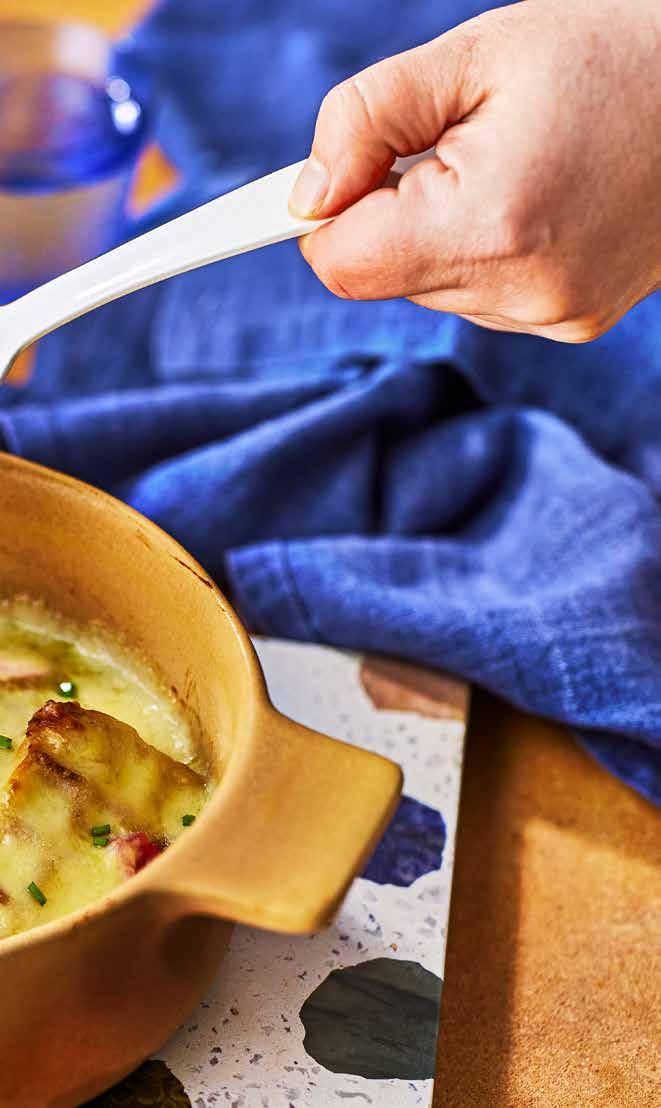
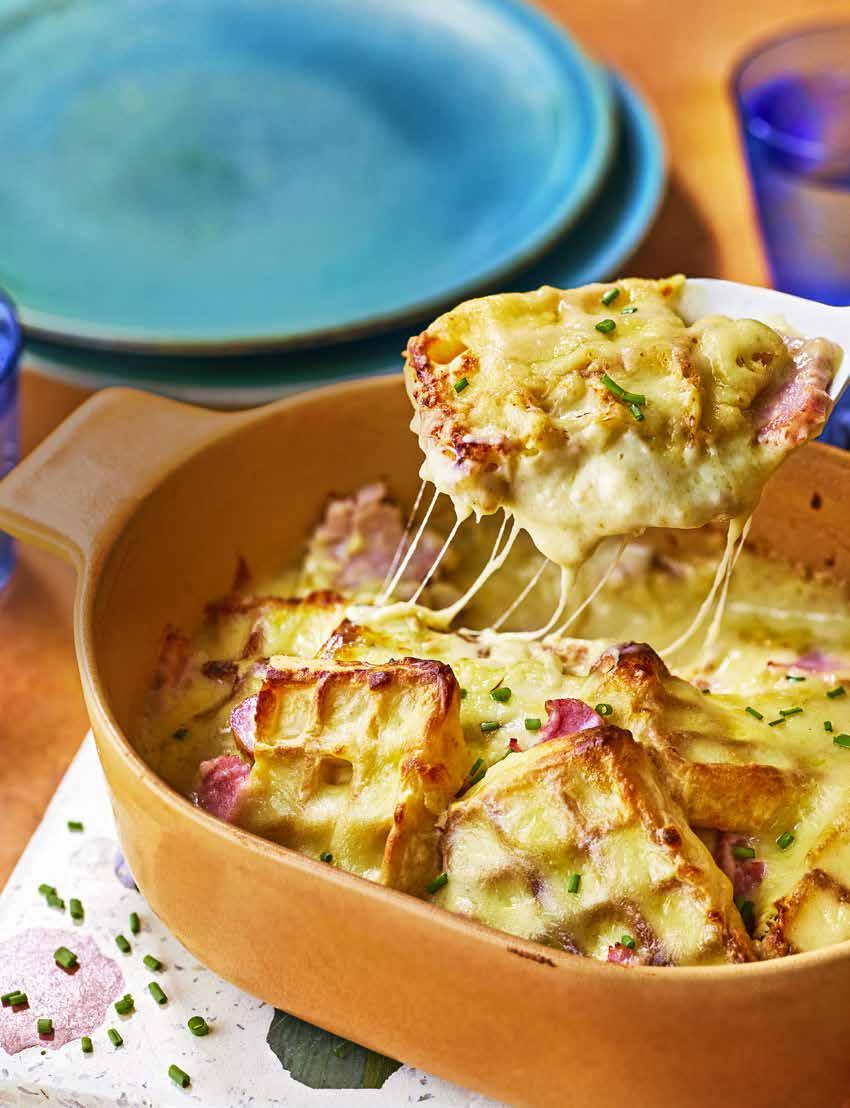
Making traditional croque monsieurs for a crowd is timeconsuming, but these loaded waffles have all the flavour with none of the fuss. Hash browns, potato waffles or halved croissants would all make delicious bases, too.
SERVES 4 PREP 20 mins
COOK 20 mins EASY
6-8 fresh or frozen toasting waffles (about 240g; defrosted, if needed), halved
25g butter
2 tsp Dijon mustard
25g plain flour
300ml milk
150g gruyère, grated
4 slices thick-cut ham
1 tsp finely chopped chives green salad, to serve
1 Heat the air fryer to 180C, or the oven to 200C/180C fan/gas 6. Arrange the waffles in a baking dish, overlapping as needed to fit.
2 Melt the butter and mustard together in a large saucepan over a low heat. Stir in the flour and cook for 1 min. Gradually pour in the milk, stirring continuously to prevent lumps. Turn the heat up to medium and cook, stirring occasionally until thickened. Remove from the heat and stir through 100g of the cheese and plenty of seasoning.
3 Roughly tear the ham and nestle it between the waffles. Pour over the cheese sauce, then sprinkle over the remaining grated cheese. Cook in the air fryer for 5-7 mins or oven for 10-15 mins until golden and bubbling. Sprinkle over the chives and serve with a green salad.
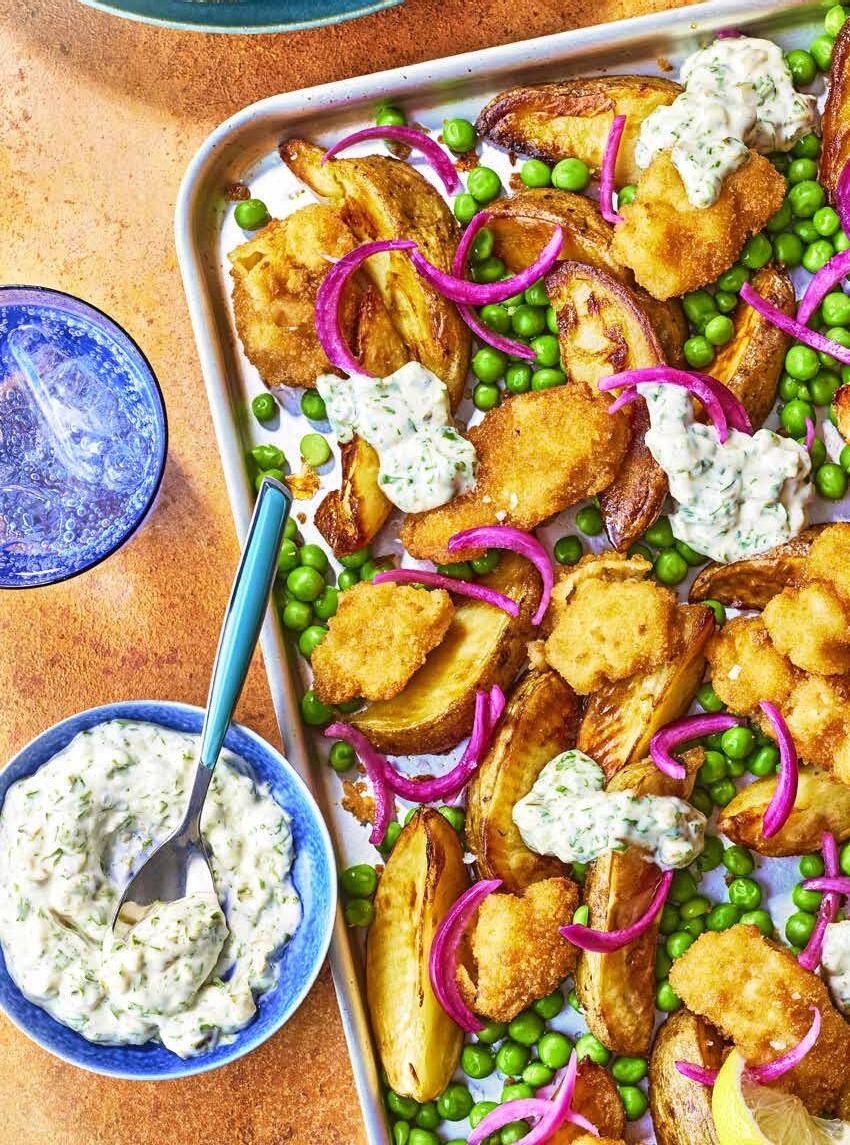
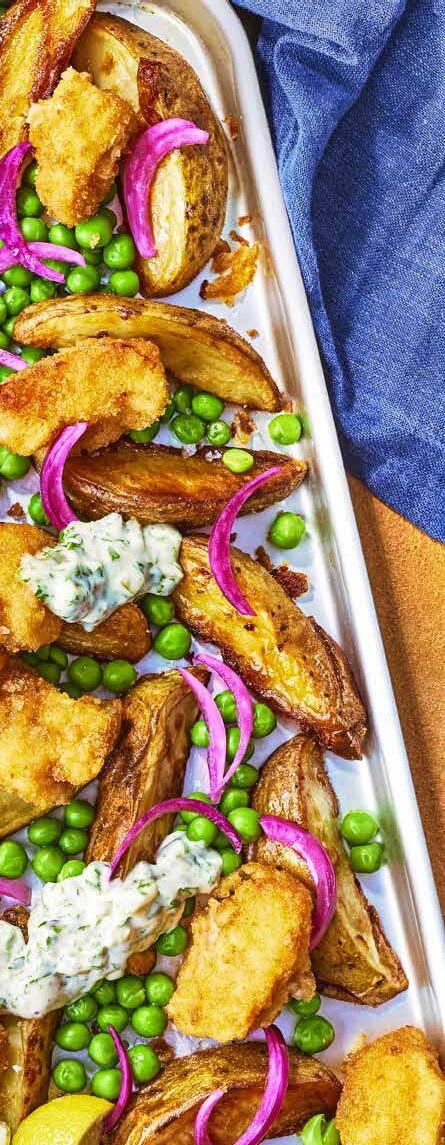
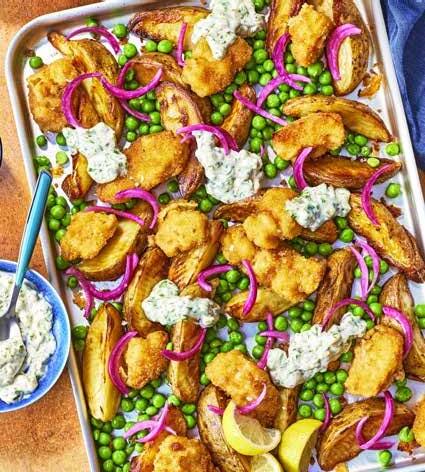
If you’re after a simple Friday night supper, swap the takeaway for this all-in-one option. You can use fish fingers or goujons instead of the scampi, if you like, just adjust the cooking time as needed.
SERVES 2 PREP 20 mins plus soaking COOK 45 mins EASY
700g floury potatoes (such as Maris Piper), cut into chunky wedges
1 tbsp vegetable oil
250-280g frozen breaded scampi
150g frozen peas
For the pickled red onion
1/2 red onion, thinly sliced
1/2 tbsp vinegar (white wine, red wine or cider)
1 tsp caster sugar
For the tartar sauce
50g mayonnaise
1 gherkin, finely chopped
1/2 tbsp capers, drained and roughly chopped small handful of parsley, finely chopped
1/2 tsp lemon juice, plus lemon wedges to serve
1 Put the potato wedges in a bowl of cold water and leave to soak for 15 mins (see tip). Drain, rinse well then drain again. Pat dry using kitchen paper.
2 Tip the wedges into an ovenproof dish, drizzle over the oil and season well, then toss to combine. Heat the air fryer to 180C or the oven to 200C/180C fan/gas 6. Cook the wedges for 30 mins, turning halfway, until starting to brown.
3 Meanwhile, combine the pickled onion ingredients in a non-metallic bowl and set aside. Combine the tartar sauce ingredients in a separate bowl and season well.
4 Arrange the scampi over the wedges in the dish and cook for 10 mins more. Scatter over the peas, and cook for another 5 mins until the scampi and peas are cooked through and the wedges are crispy.
5 Drain the pickled onions, if needed, then spoon them over the wedges and scampi. Dollop over the tartar sauce, then serve with lemon wedges for squeezing over.
Soaking and rinsing the wedges before baking helps get rid of some of the excess starch, so they cook more evenly.
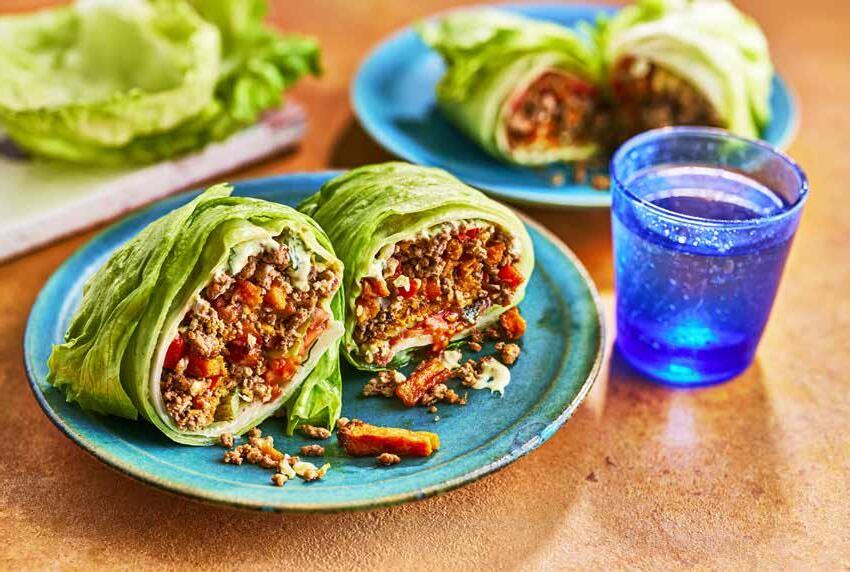
Here, all the best bits of a burger are stuffed into lighter lettuce ‘wraps’. We’ve kept things lean by using turkey mince, but you could swap it for beef, if you like.
SERVES 4 PREP 25 mins
COOK 20 mins EASY
500g pack Strong Roots Crispy
Sweet Potato Fries
2 tsp olive oil
1 red onion, finely chopped
1 pepper (any colour), deseeded and roughly chopped
500g turkey mince
1 tsp dried mixed herbs
1 tsp smoked paprika
1 beef stock cube
75g cheddar, grated
To serve
75g Greek yogurt
50g pickled gherkin slices, drained, plus 1/2 tbsp brine from the jar
1 tbsp American-style mustard
1 tsp finely chopped dill
1 large or 2 small iceberg lettuces (about 700g; see tip)
2 large tomatoes, sliced
1 Heat the air fryer to 180C or the oven to 200C/180C fan/gas
6. Tip the fries into a heatproof dish, shake into an even layer and cook for 15 mins, turning halfway, until starting to crisp.
2 Meanwhile, heat the oil in a large, deep frying pan over a medium-high heat and cook the onions and peppers for 5 mins until starting to soften. Add the mince, mixed herbs and paprika, and cook until the mince is browned all over, breaking it up using a wooden spoon as you go.
3 Dissolve the stock cube in 150ml boiling water, then stir this into the pan with the mince. Continue to cook until the mince is fully cooked through and the liquid has thickened slightly. Season lightly.
4 Remove the fries from the air fryer or oven, and spoon over the mince mixture. Sprinkle over the cheese and return to the air fryer or oven for 5 mins until the cheese has melted and the mince has caramelised in spots.
5 Meanwhile, combine the yogurt, gherkin brine, mustard and dill, and season well. Tear off eight large outer leaves from the lettuce and set aside. If the leaves aren’t very large or have torn, patch them with some of the smaller leaves. Roughly chop the remaining lettuce.
6 Spoon the mince and sweet potato fry mixture over the lettuce ‘wraps’, then top with the gherkins, tomatoes, chopped lettuce and yogurt sauce. Carefully roll the wraps up to serve
Alice’s tip
You’ll need enough large leaves to make eight wraps. If you don’t want to serve the filling in wraps, roughly chop all the lettuce and toss it with the yogurt sauce. Serve the salad alongside the mince-topped fries with the tomatoes and pickles.

Esther Clark explains the problem with classic tuna pasta salad and shares a Sicilian-style version, along with three inventive ideas using charcuterie and aubergines from Helena Busiakiewicz
words ESTHER CLARK photographs MELISSA REYNOLDS-JAMES
My problem with classic tuna pasta salad is the flavour profile: it’s all creamy mayonnaise, sad tuna and squishy, sugary sweetcorn. No acid, no punch – and that just doesn’t cut it for me. It surprises me how people still default to that combination of mayo and sweetcorn when it’s so bland. In any case, to make a good tuna pasta salad, you can’t just take out the mayonnaise – you need to rethink the whole thing.
So, let’s talk about the ingredients list for my best tuna pasta salad...
• CAPERS I like them either brined or salted; the salted ones are better for cooking, while I use brined in a salad or sandwich.

anchovies – can make a quick bite so much more exciting. You can use them as snacks on Friday night or build them into a proper dish.
• TUNA I always say, you don’t need loads – a few chunks with good flavour will do. I like to keep it in big chunks if I can.
• PASTA I like smaller pasta shapes, like shells, so it feels more like a salad rather than cold leftover pasta. I like Rummo, and Garofalo has a huge range of shapes – I get weirdly excited to choose a new one! Toss in olive oil once it’s cooled so it doesn’t clump together – no one wants that.
It surprises me how people still default to that combination of mayo and sweetcorn when it’s so bland
• HERBS I love basil in the summer, or flat-leaf parsley. Nothing woody, just fresh.
• OLIVES I tend to use Kalamata because they’re easy to find, juicy and meaty. My partner is a black olive person, but you could also use green olives. I love how all these preserved things – jars of veg, olives and
For a Sicilian touch, I sometimes think about adding raisins or currants for a sweet-savoury combo. I haven’t done it yet, but it would be a nod to that sweetcorn-like flavour, just in a more interesting way.
If you’re serving my pasta salad for lunch –even in the office – it’s perfect. That’s why I like these shelf-stable ingredients – they just sit there, ready to go.
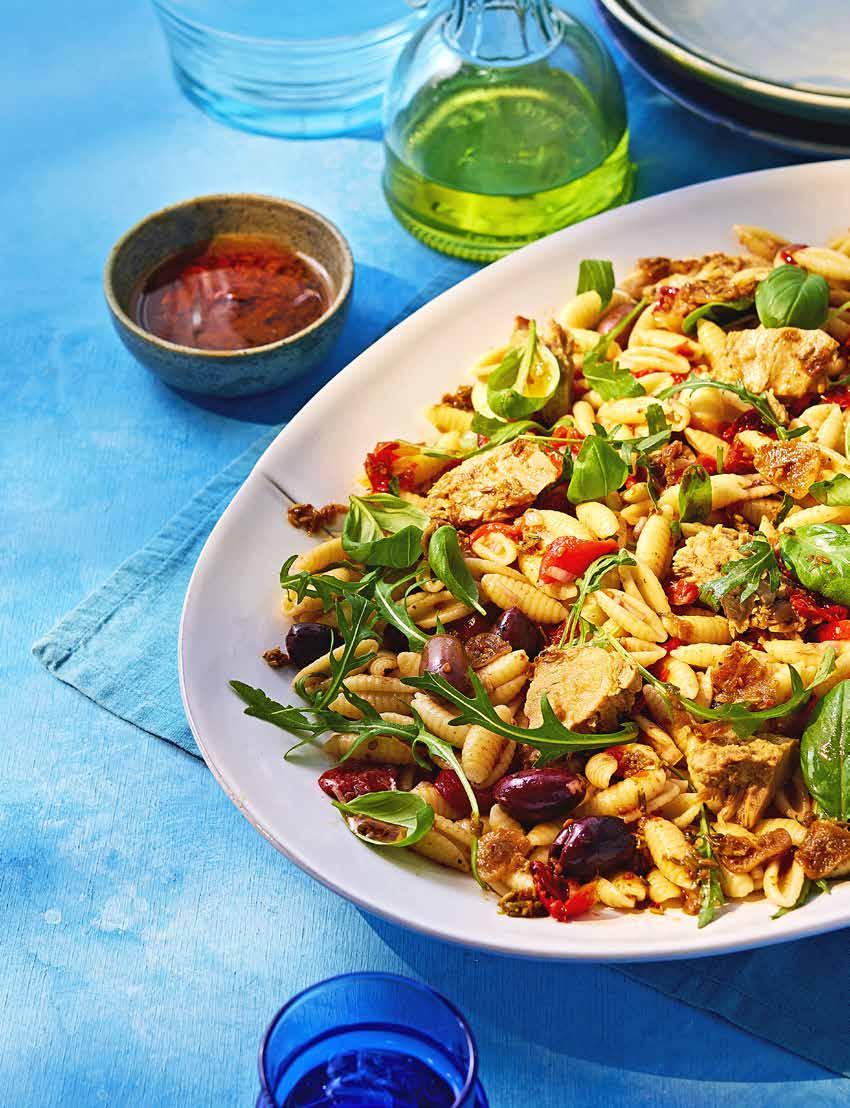
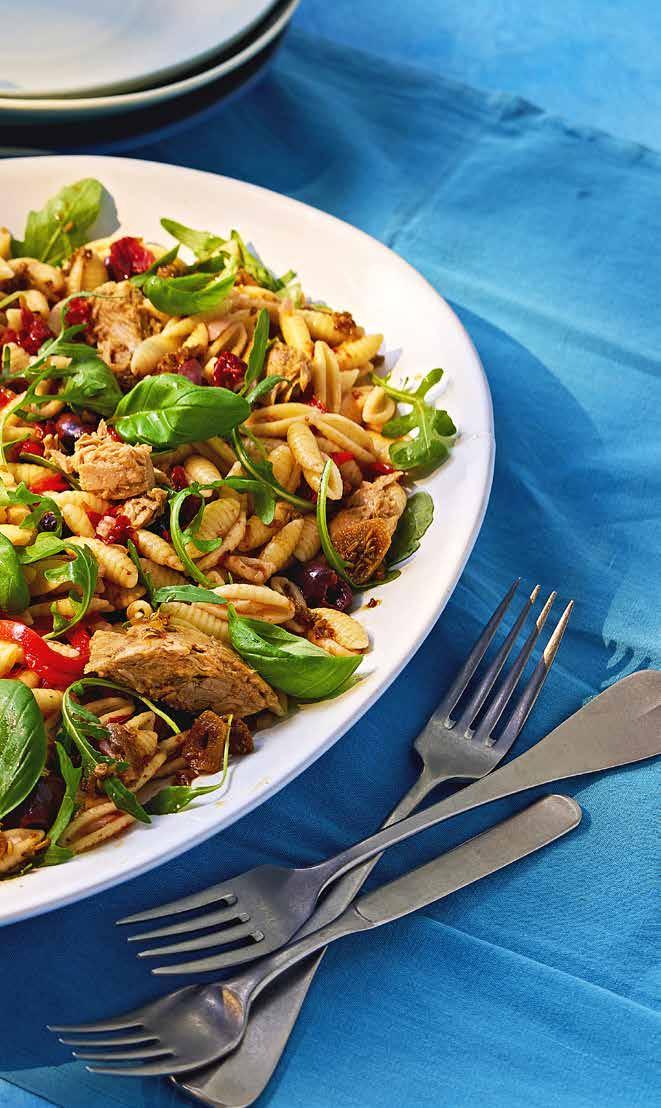
SERVES 4 PREP 20 mins
COOK 6 mins EASY
250g small pasta shells (I like gnocchetti sardi)
160ml extra virgin olive oil
1 tsp fennel seeds, crushed 1/2 tsp chilli flakes (I use aleppo pepper)
2 large garlic cloves, thinly sliced
1 lemon, zested and juiced
1 banana shallot, finely chopped
3 roasted red peppers, thinly sliced (about 170g)
100g semi-dried cherry tomatoes, chopped
100g pitted Kalamata olives
2 tbsp capers
large handful of rocket
1 small bunch of basil, torn 220g tuna in oil, drained (depending on how good the oil from the can is, you could use it as part of the total 160ml oil)
1 Cook the pasta in a large pan of boiling salted water following pack instructions. Drain, then toss with 2 tbsp of the oil. Cool. Toast the fennel seeds and chilli flakes in a small, dry frying pan over a medium heat for 2 mins. Tip into a bowl.
2 Heat the remaining oil in the same pan you used to cook the spices. Fry the garlic over a low heat for 2-3 mins, or until golden brown. Remove from the heat and cool. Add the lemon zest and juice.
3 Pour the garlic oil mixture into a large bowl and whisk in the toasted fennel seeds and chilli flakes and 1/2 tsp sea salt flakes. Add the shallot, peppers, tomatoes, olives and capers, then stir all this into the cooked pasta. Toss everything together well and season to taste. Just before serving, toss in the rocket and basil so they don’t wilt. Flake in the tuna in large chunks and finish with an extra drizzle of olive oil, if you like
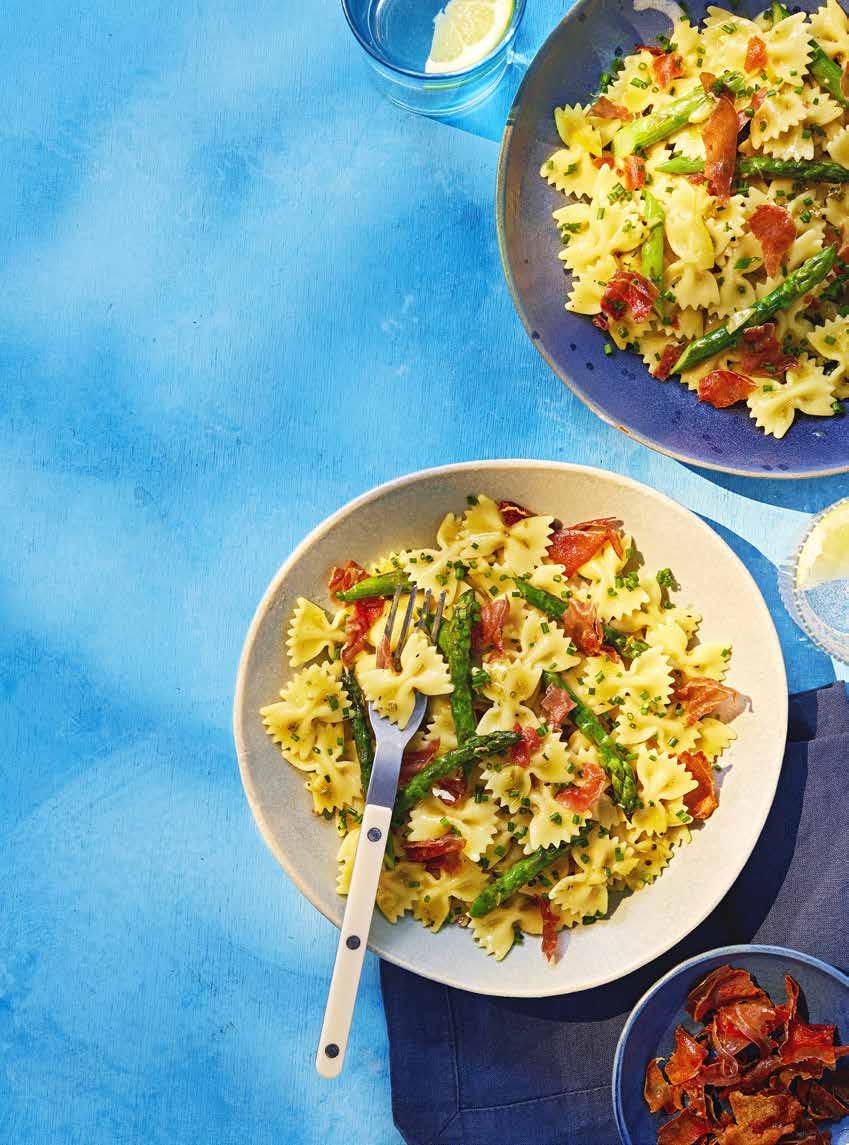
Charred asparagus, fennel seed & lemon pasta salad with crispy prosciutto
This is a bright, light and zesty take on pasta salad, with no thick, claggy dressing. Don’t be put off by cooking and eating the lemon slices – they soften well and provide refreshing acidity.
SERVES 4-6 PREP 5 mins
COOK 25 mins EASY
300g farfalle
180g bunch of asparagus
85ml olive oil (we used extra virgin) 80g prosciutto
1 lemon, 1/2 thinly sliced, 1/2 juiced
2 tsp fennel seeds, toasted and lightly crushed using a pestle and mortar
2 tbsp Dijon
2 tbsp honey
15g chives, finely chopped
1 Cook the pasta in a pan of boiling salted water following pack instructions. Add the asparagus to the pan in the final 2 mins. Use tongs to pick and plunge the asparagus spears into a bowl of iced water to halt the cooking process. Drain the pasta, then rinse under cold water to cool. When the asparagus spears are cool, trim and discard the woody ends, then chop into thirds on an angle. Leave the pasta in the colander while you prepare the rest of the salad.
2 Heat 1 tsp of the olive oil in the frying pan over a medium heat and fry 2-3 pieces prosciutto for 1-2 mins on each side until golden and crisp. Drain on kitchen paper and repeat with the rest of the prosciutto.
3 Scatter the asparagus spears into the pan with the leftover prosciutto fat and cook over a high heat for 3-4 mins until tender, golden and slightly charred in places. Season with a little salt and pepper, then transfer to a plate.
4 Wipe out the pan, then heat another 1 tsp olive oil and cook the lemon slices for 2-3 mins on each side until golden, bubbling and starting to fall apart. Transfer to a chopping board and chop into
small pieces, then put in a bowl along with the fennel seeds.
5 Pour the remaining olive oil into the bowl with the lemon slices and fennel seeds, then whisk in the lemon juice, mustard and honey. Season and whisk to combine. Toss the dressing through the pasta along with the asparagus, chives and most of the crispy prosciutto, crumbling it in.
6 Transfer to a serving platter or bowl and crumble over the remaining prosciutto just before serving. If you’re packing this for lunch, store in airtight containers with any extra fried prosciutto in a smaller container to add just before eating. Will keep chilled for up to three days
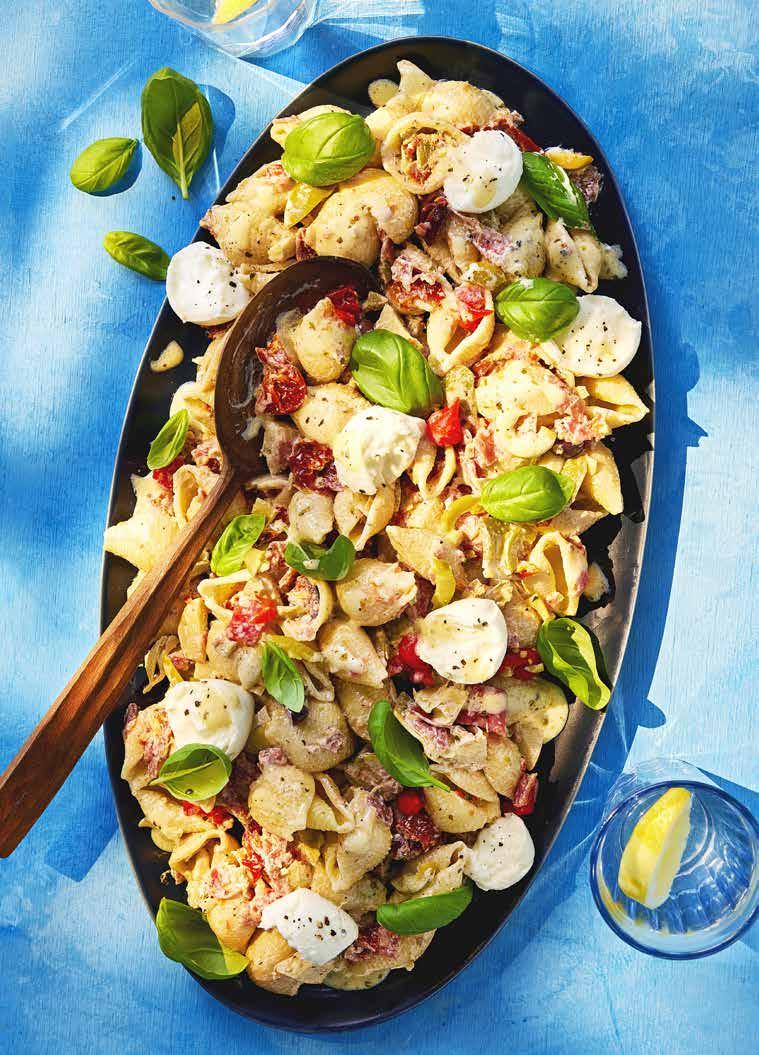
Inspired by loaded Italian-American sub sandwiches, this pasta salad is packed full of pickled veg, meat and cheese. Feel free to substitute in your favourites – some shavings of parmesan would be great, or chopped giardiniera pickles.
SERVES 4-6 PREP 15 mins
COOK 15 mins EASY
350g conchiglie
50ml olive oil
100g mixed antipasti vegetables in olive oil (ours had sundried tomatoes, red peppers and olives), roughly chopped, plus 50ml oil from the jar
50g sweet red pepper drops, plus 1 tbsp liquid from the jar
1/2 tbsp Dijon mustard
21/2 heaped tbsp Greek yogurt
11/2 tsp dried oregano
70g artichoke hearts, roughly chopped
90g salami Napoli, sliced into small pieces
90g olives stuffed with garlic, roughly chopped
170g bocconcini, drained and torn in half, if large
20g basil leaves, roughly chopped, plus a few whole leaves to garnish
1 Cook the pasta in a pan of boiling salted water following pack instructions. Once cooked, drain and rinse under cold water to cool.
2 Whisk the olive oil, the oil from the antipasti, the liquid from the red pepper drops, the mustard, yogurt and oregano together in a large bowl. Season with salt and pepper.
3 Toss the cooked pasta, antipasti veg, artichoke hearts, peppers, salami, olives, bocconcini and basil through the dressing until well coated. Tip onto a serving platter or into a bowl, and garnish with more basil leaves to serve
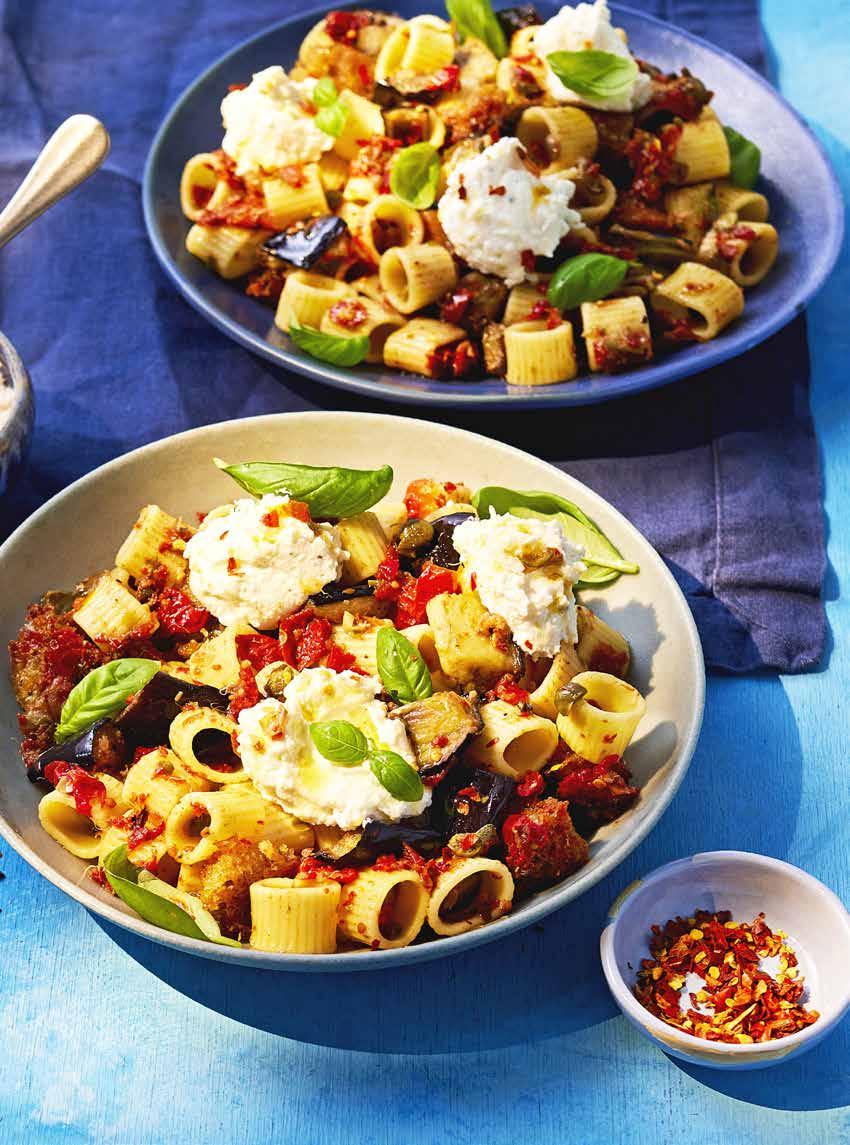
Pasta salad alla norma Pasta alla norma is a Sicilian dish typically made with penne or other pasta, covered in a tomato-based sauce, fried aubergines and ricotta salata. This takes inspiration from those flavours, using roasted aubergine, plus sourdough chunks that act as a kind of pangrattato.
SERVES 4-6 PREP 15 mins COOK 40 mins EASY V
2 aubergines, chopped into 3-4cm chunks
100g sourdough, chopped into 3-4cm chunks
115ml olive oil
350g boccole pasta (any tube-shaped pasta will do)
75g sundried tomatoes, finely chopped, plus 30ml oil from the jar
2 tbsp capers, roughly chopped 1/2 tsp chilli flakes, plus extra to serve
2 tbsp red wine vinegar
150g ricotta
1 lemon, zested and juiced 20g basil, chopped, plus a few leaves to serve
1 Heat the oven to 200C/180C fan/ gas 6. Scatter the aubergine and sourdough chunks over a large baking tray lined with baking
parchment. Drizzle over 3 tbsp of the olive oil and season well. Bake for 30 mins, shaking the tray halfway through, until the bread is golden and the aubergine chunks are lightly golden and soft. Cool slightly (it can still be slightly warm when you’re ready to assemble).
2 Cook the pasta in a pan of boiling salted water following pack instructions. Drain well and rinse under cold water to cool.
3 Meanwhile, combine the sundried tomatoes and the oil from the jar, the capers and chilli flakes in a large bowl. Whisk in the remaining olive oil, the red wine vinegar and some seasoning to combine. Set aside.
4 Beat the ricotta in a medium bowl to loosen, and whisk in the lemon zest and juice. It may split slightly, but continue whisking – it will thicken. Season and set aside.
5 Stir the cooked pasta, aubergines, crispy sourdough and chopped basil into the dressing. Transfer to a serving dish or platter, then spoon over dollops of the ricotta mixture. Sprinkle over some chilli flakes and a few basil leaves to serve. Will keep chilled for up to three days, but the bread will soften slightly over time.
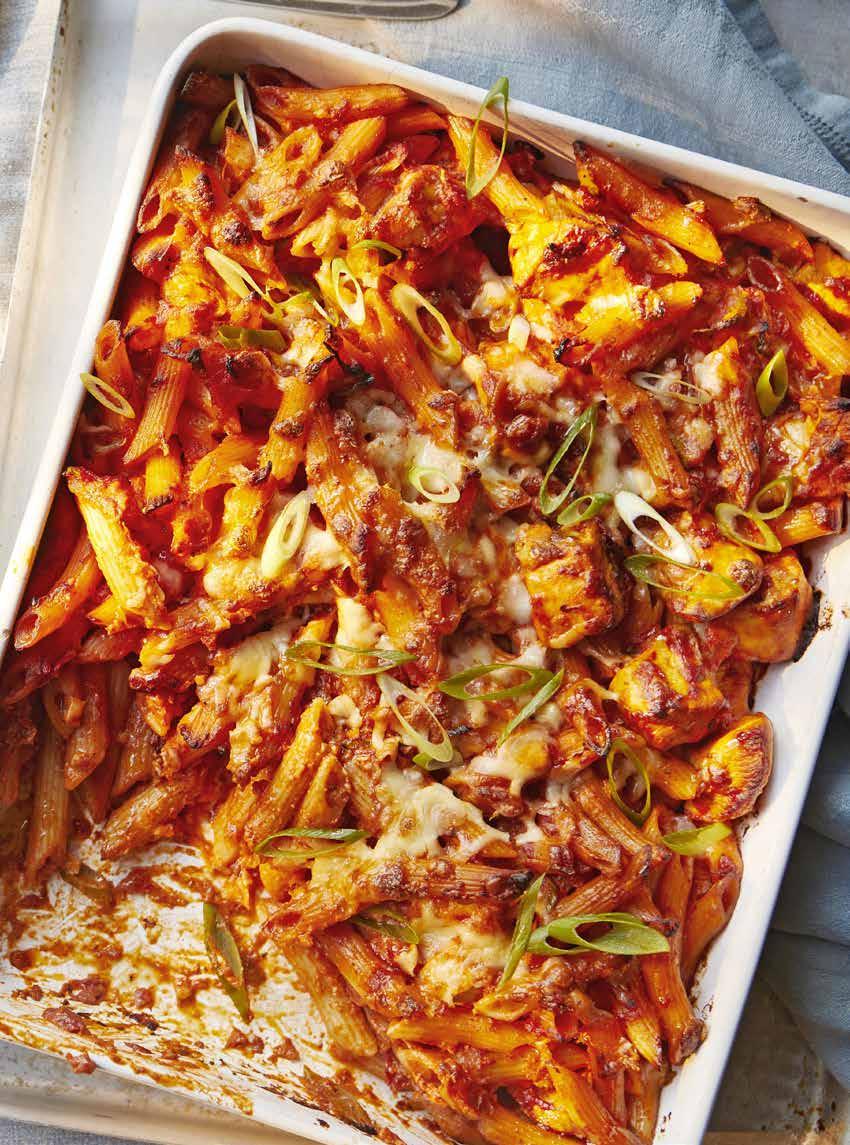
Spicy, smoky wings meet penne in a creamy tomato sauce for this crowd-pleaser recipe BARNEY DESMAZERY photograph MAJA SMEND
We’ve kept the ingredients to a minimum, but if you want to stay true to the flavour of buffalo wings, top with crumbled blue cheese before baking.
SERVES 6 PREP 30 mins
COOK 45 mins EASY
4 tbsp olive oil
2 garlic cloves, crushed
1/4 tsp chilli flakes
4 skinless chicken breasts, cut into bite-sized pieces
2 x 400g cans chopped tomatoes
6-8 tbsp buffalo hot sauce, plus extra to serve (optional)
1 tsp dried oregano
100g mascarpone
400g penne
4 spring onions, finely sliced
70g extra mature cheddar, grated
50g grated mozzarella
1 Heat 2 tbsp of the oil in a large, deep frying pan over a medium heat and cook the garlic and chilli flakes for 1 min. Tip in the chicken, season and cook for 5-6 mins
more, stirring until browned all over (the chicken doesn’t need to be cooked through at this stage).
2 Add the tomatoes, buffalo sauce and oregano. Bring to a simmer and cook, uncovered, for 15-20 mins until the sauce has thickened a little and the chicken is cooked through. Stir in the mascarpone.
3 Meanwhile, cook the penne in a large pan of boiling salted water following pack instructions. Drain, then toss with the remaining 2 tbsp oil. Stir the cooked pasta, most of the spring onions and about a third of the cheeses into the chicken sauce mixture, then tip everything into a medium ovenproof dish. Scatter over the rest of the cheese and remaining spring onions. Will keep covered and chilled for two days.To cook, heat the oven to 220C/200C fan/gas 7 and bake for 20 mins, or until golden and bubbling. Serve with extra buffalo sauce on the side, if you like.
GOOD

Chef Yuki Gomi transforms a few Japanese storecupboard ingredients – including sushi rice, soy sauce and yuzu juice – into simple but impressive dishes you can make at home
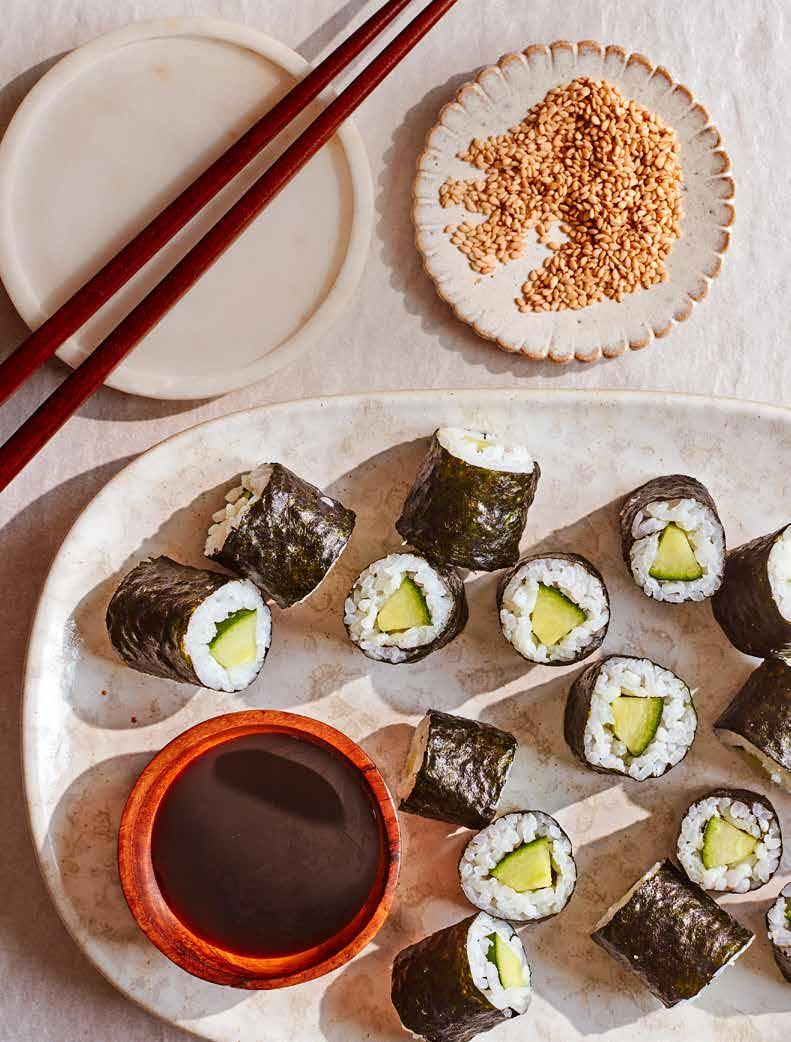
Hoso maki is a small sushi roll – ‘hoso’ meaning petite or slim –and kappa maki is the most famous vegetable roll, with a simple filling of cucumber. I don’t peel the cucumber, as I love the texture with the skin on. Japanese cucumbers are slightly thinner than Western ones, but taste pretty much the same. Try to choose a cucumber that is as straight as possible, as this makes it easier to roll. You could add a small amount of lettuce or herbs, such as shiso leaves, chives or basil.
MAKES 4 rolls (24-32 pieces)
PREP 20 mins NO COOK MORE EFFORT V
1 cucumber
2 nori sheets
4 half-handfuls (about 320g) cooked and cooled sushi rice wasabi, to taste (optional)
2 tsp toasted white sesame seeds, to serve (optional)
You’ll also need sushi mat (if using a bamboo mat, wrap tightly before using) bowl of cold water
1 Trim the ends off the cucumber and cut it to the same length as the nori sheets (about 20cm). Cut the cucumber into quarters lengthways, then remove the seeds using a spoon or a knife. Cut the sticks in half lengthways again so you have 8 cucumber sticks – you’ll need 4 for this recipe, so wrap the rest and chill for up to two days to use in other sushi or eat as a snack.
2 You’ll be able to see thin lines on the nori sheets – following one of these lines, cut each sheet in half
using kitchen scissors, being careful as they break easily. Put a half-sheet of nori, shiny-side down, on the bottom half of the sushi mat, with the lines of the nori sheet crosswise across the mat.
3 Wet your fingers in the cold water, shaking off any excess. (This helps make handling sticky sushi rice easier.) Look for a line in the nori sheet, about 1cm from the top. Keeping that top 1cm clear, spread roughly 80g rice evenly over the sheet and gently press using your fingertips – it must be a very thin layer of rice (about the thickness of a grain of rice). Put the cucumber stick in the centre of the rice. (If you like, add some wasabi to the centre before you add the cucumber.)
4 To roll the sushi, hold the filling in place using your index fingers, then start rolling up, using the mat to help you, from the bottom edge of the nori towards the top of the rice edge. Make sure both the rice and filling are held in place tightly. Open the mat – you should see the 1cm exposed section of nori that does not have rice on it. Finish rolling up.
5 To cut the rolls, remove the sushi from the mat and put on a clean, dry chopping board. Cut each roll into six or eight pieces using a sharp, dampened knife – slice it smoothly and quickly, cleaning the knife after every cut to ensure the cuts are clean. Repeat with the remaining nori sheet and filling ingredients. Put the rolls on a plate and sprinkle over the sesame seeds.

Yuki Gomi is a Japanese chef, food writer and cookery teacher whose mission is to share just how simple, nourishing and delicious Japanese food can be. She’s also the author of Sushi at Home. @yukiskitchen
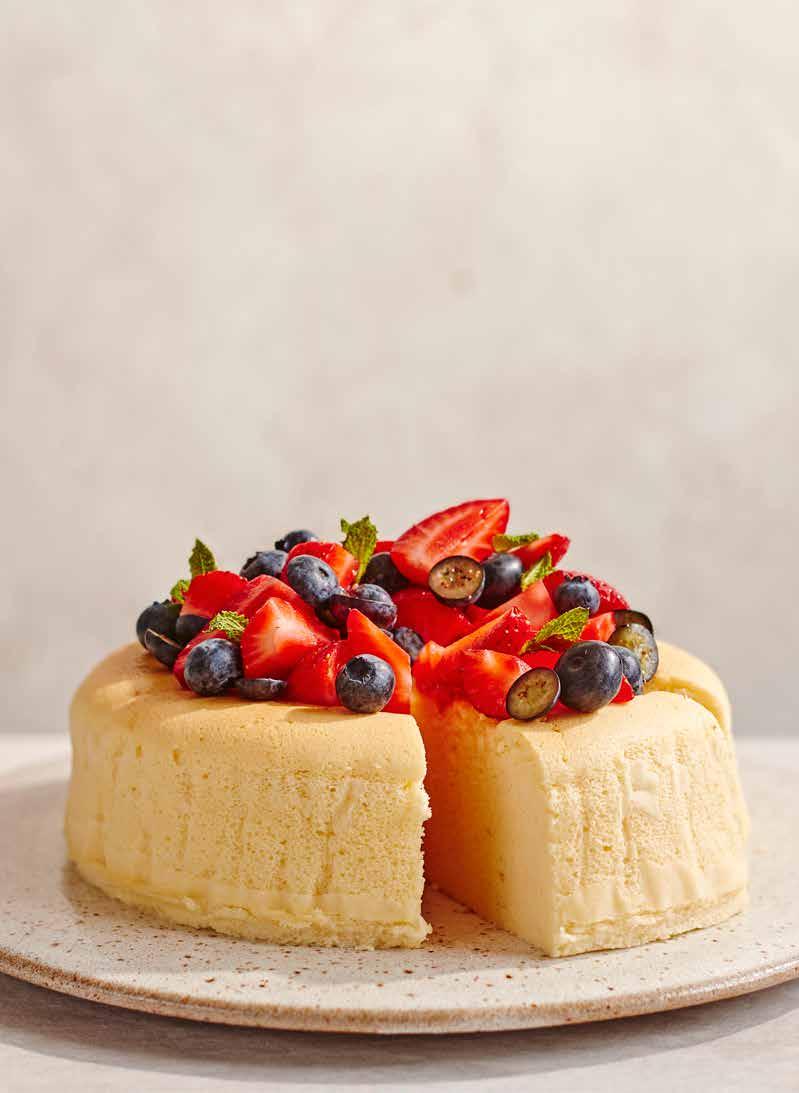
keki)
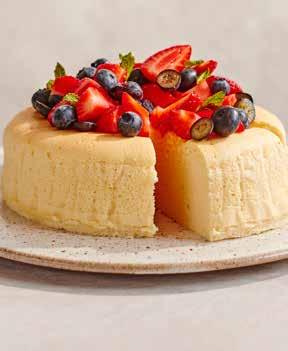
Japanese-style cheesecake has a soufflé-like texture, and is lighter and less sweet than standard versions. Here, yuzu juice provides a subtle citrussy note, similar to lemon juice – but it’s more zingy and fun, with flavours of lemon, lime and grapefruit all in one fruit.
SERVES 8-10 PREP 20 mins plus cooling COOK 1 hr 20 mins
MORE EFFORT V
250g soft cheese, at room temperature
35g unsalted butter, at room temperature
60ml milk
3 eggs, separated
2 tbsp yuzu juice
20g cornflour, sifted
15g plain flour, sifted
75g golden caster sugar strawberries, blueberries and a few mint leaves, to decorate
1 Heat the oven to 200C/180C fan/ gas 6, and line the base and sides of an 18cm springform cake tin with baking parchment. Wrap the outside of the tin tightly with foil to make it watertight.
2 Fill a small heatproof bowl or pan with boiled water from the kettle. Put the soft cheese, butter and milk in a large heatproof bowl and set it over the pan of hot water. Let stand for a few minutes until the butter starts to melt, then stir until it’s fully melted and the mixture is smooth. Remove from the heat. Add the egg yolks and yuzu juice, then gently mix in the sifted flours until just combined. Strain the mixture through a sieve into another bowl to ensure it’s smooth. Chill while you prepare the rest of the cheesecake.
3 Whisk the egg whites in a clean bowl, gradually adding the sugar, until the mixture reaches soft peaks
(taking care not to over-whisk). Stir a third of the whipped egg whites into the cheese mixture to loosen, then gently fold in the rest in two batches, creating a light, airy batter. Pour into the prepared cake tin.
4 Put the cake tin inside a medium roasting tin, then fill the roasting tin halfway with boiled water. Bake the cheesecake for 20 mins, then reduce the oven to 110C/90C fan/ gas 1/4 and bake for 1 hr more, or until the top is golden.
5 Remove from the oven and immediately lift out of the water bath. Carefully remove the foil and leave to cool completely in the tin – this is crucial to prevent the cake from shrinking. Will keep covered and chilled for up to five days. Serve topped with strawberries, blueberries and mint leaves.
Mouthwatering dishes to dig into with your family and friends
Love to bake? Every month, we’ll share new recipes and smart techniques, along with simple tips that make good bakers even better.
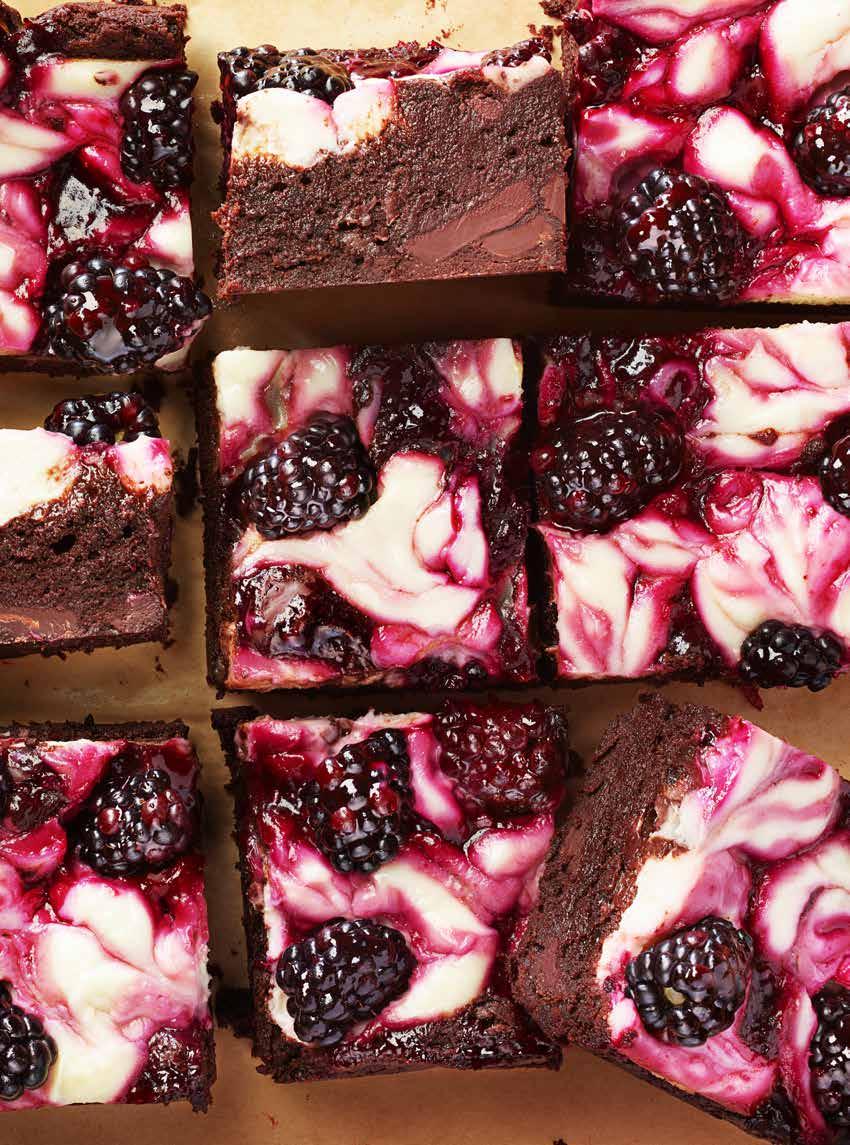
Welcome to the first instalment of the Good Food Baking Club, a new monthly feature dedicated to the joys of home baking. Each month, we’ll bring you recipes from the Good Food Test Kitchen inspired by seasonal ingredients, new techniques and trends and, often, the things we simply can’t stop making at home.
Like many of us, my earliest baking memories are tied to the family kitchen, making flapjacks and fairy cakes with my Mum and discovering how a handful of everyday ingredients can become something celebratory. Baking has always felt grounding to me – one of the simplest ways to create comfort, mark an occasion or share joy. Now, I bake at home with my own children, who have inherited that same enthusiasm.
Working in food means I’m endlessly curious about new techniques, ingredients and trends, and always looking for ways to improve my bakes.
Alongside fellow enthusiasts on the Good Food cookery team, I’ll be sharing those discoveries here each month – from practical tips to the recipes we think are worth returning to again and again.
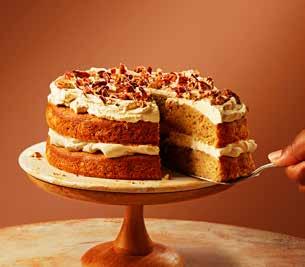
This time, I’ve chosen three of my go-to bakes: deeply fudgy cheesecake brownies swirled with fresh blackberry sauce, chewy almond-studded cookies with puddles of salty almond butter and a banana coffee cake inspired by a slice eaten in a New York café that I still think about. I hope you enjoy baking them as much as I enjoyed creating them.
Cassie Best, head of food
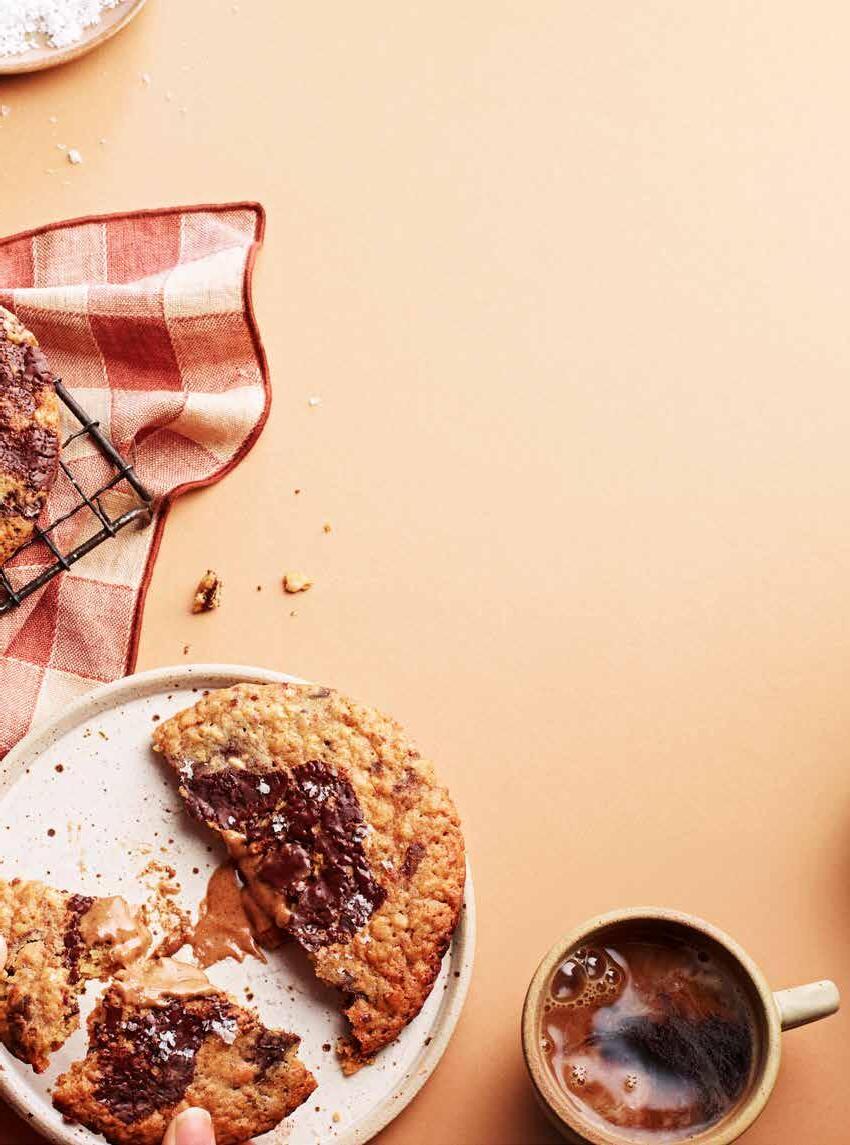
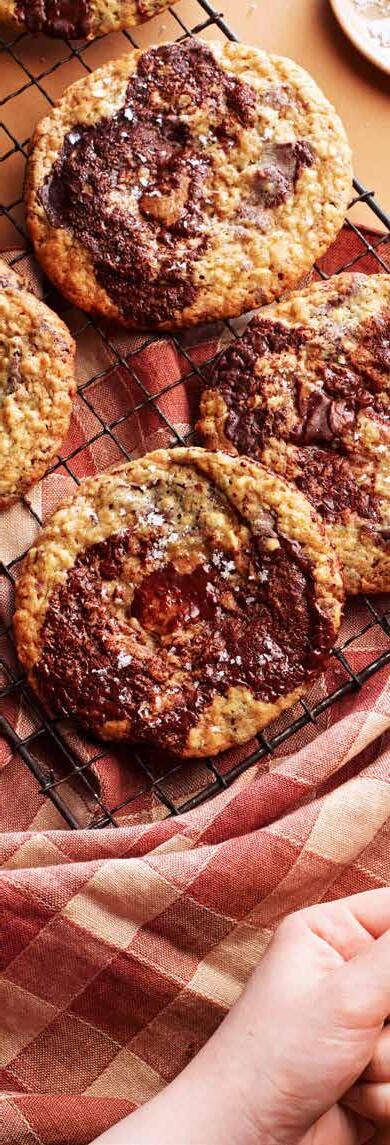
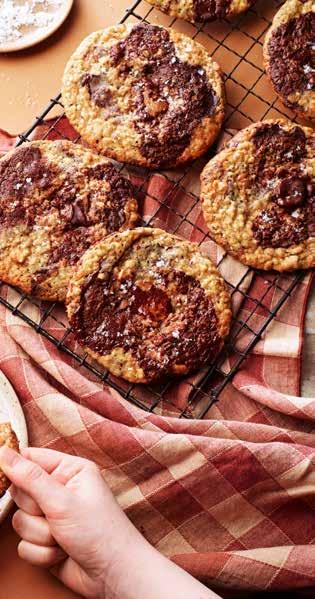
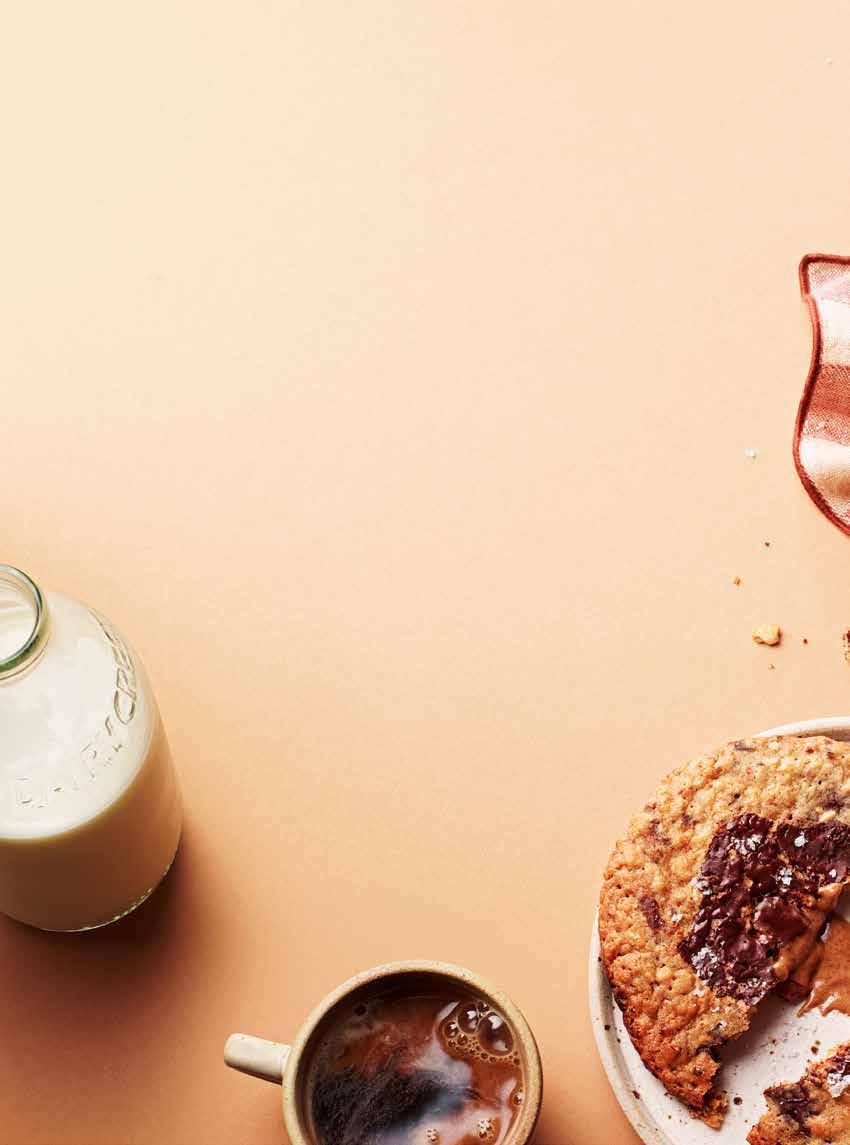
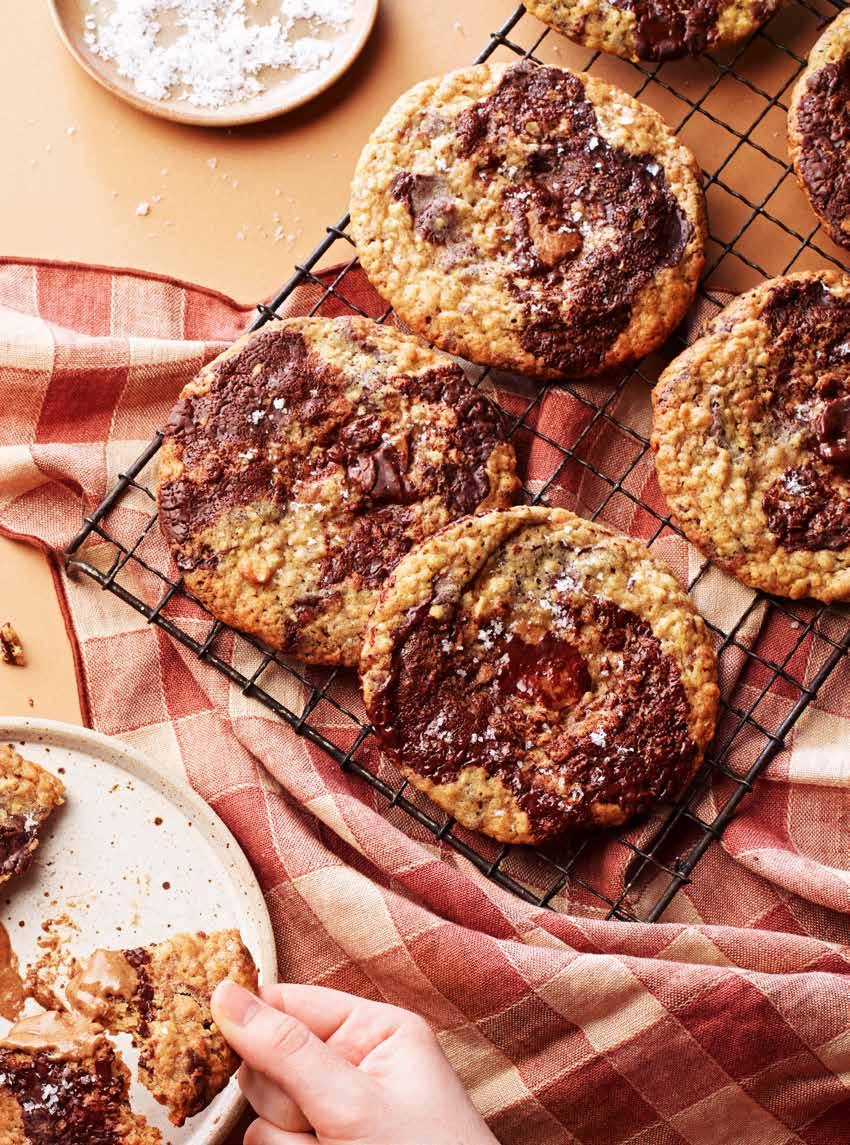
Knobbly salted almond & chocolate chunk cookies
These moreish cookies are a cross between classic chocolate chip and crunchy Hobnobs. There are plenty of almonds and oats for texture, plus a flapjack-style chew thanks to the golden syrup, big chunks of chocolate and a puddle of sweetsalty almond butter. Serve with a glass of milk for dunking.
MAKES 12 PREP 25 mins plus cooling, 1 hr chilling and 1 hr freezing COOK 15 mins EASY V ❄
75g flaked almonds
50g porridge oats
175g plain flour
1 tsp baking powder
1 tsp sea salt flakes, plus a sprinkling
125g salted butter, softened
175g light brown soft sugar
75g golden caster sugar
1 tbsp golden syrup
75g almond butter, plus 1 tbsp
2 tsp vanilla or almond extract (almond extract will result in a more pronounced almond flavour)
2 eggs
200g dark chocolate (at least 70% cocoa solids), roughly chopped
1 Toast the almonds in a large, dry frying pan over a low-medium heat for 3-4 mins, shaking the pan often until just golden and fragrant (watch closely, as they burn easily). Transfer to a bowl and gently crush using the end of a rolling pin – you want the pieces to be roughly the same size as the oats.
2 Toast the oats in the same pan for 2-3 mins until lightly golden – they should smell nutty. Tip into the bowl with the almonds and leave to cool. Stir in the flour, baking powder and sea salt flakes.
3 Put the butter, both sugars, the golden syrup, 1 tbsp almond butter and the vanilla in a large bowl. Beat using an electric whisk until smooth. Add the eggs, one at a time, beating well after each addition until fully incorporated.
4 Tip the dry ingredients into the wet mixture and stir until no pockets of flour remain. Fold through most of the chopped chocolate, reserving a small handful. Chill the dough for at least 1 hr, or until firm.
5 Scoop the dough into small satsuma-sized portions (about 80-85g each) and roll into balls. Arrange on a tray or plate. Use a teaspoon, melon baller or your
thumb to press a small indent into the centre of each cookie, then fill the gaps with 1 tsp each of almond butter. Press over the reserved chocolate chunks and lightly sprinkle over some sea salt flakes. Freeze for at least 1 hr before baking – this helps prevent the cookies from spreading too much. Will keep frozen for up to three months. Bake from frozen as needed; you may need to add 1-2 mins to the baking time.
6 Heat the oven to 180C/160C fan/ gas 4. Arrange the cookies on a baking tray lined with baking parchment, leaving plenty of space between them. Bake for 15 mins for a soft-centred cookie, or a few minutes longer for a firmer texture. For neater bakery-style cookies, put a round cutter or bowl that’s slightly larger than the cookies on top of them while still hot, then gently swirl to nudge the edges into a neat round shape. Leave to cool on the tray for 10-15 mins before serving. Once completely cool, the cookies will keep in an airtight container for up to three days.
Rest the dough
Chilling improves the flavour and controls spread during baking. Baking from frozen results in thicker, chewier cookies – plus, it means you can have fresh cookies whenever you like!
Reshape after baking
Swirling a cutter around hot cookies creates a neater shape and makes the centre thicker.
Toast your ingredients
Boost the flavour of nuts and oats in a big way by briefly toasting in a dry pan.
Blackberry-swirled cheesecake brownies
Rich, fudgy brownies meet creamy cheesecake in this showstopping traybake that’s punctuated by sharp blackberry sauce swirls. The fruit cuts through the chocolate nicely, while the cheesecake layer ensures every bite is soft and luxurious. This is equally good enjoyed with coffee or served warm for dessert – plus, it’s an excellent way to showcase seasonal blackberries.
MAKES 16 PREP 25 mins plus cooling COOK 30 mins EASY V ❄
200g blackberries
1 tsp cornflour
50g caster sugar
For the cheesecake filling
200g full-fat soft cheese
1 tbsp plain flour
2 tbsp caster sugar (ideally white, rather than golden)
1 tsp vanilla extract
1 egg white (use the yolk in the brownie batter, below)
For the brownie batter
200g salted butter
300g dark chocolate (at least 70% cocoa solids), roughly chopped
3 eggs, plus 1 egg yolk
200g light brown soft sugar
1 tsp vanilla extract
100g plain flour
50g cocoa powder

1 Heat the oven to 180C/160C fan/ gas 4 and line a 20cm square brownie tin with baking parchment. Tip half the blackberries into a small saucepan with the cornflour and caster sugar, stirring to evenly coat. Add 2 tsp water and cook over a medium heat for 3-4 mins, mashing the berries until they’ve softened and the juices have thickened into a glossy sauce. Push the sauce through a sieve and discard the seeds. Set aside to cool slightly.
2 Put all the cheesecake ingredients in a bowl and beat using an electric whisk until smooth. Set aside.
3 For the brownie batter, melt the butter and 200g of the chopped chocolate in a saucepan over a low-medium heat, stirring often until smooth. Remove from the heat and leave to cool for a few minutes.
4 Tip the eggs, egg yolk, brown sugar, vanilla and a pinch of salt into a bowl, and whisk using an electric whisk for a few minutes until pale, thick and mousse-like. Rub a little of the mixture between your fingertips – if it feels gritty, continue whisking until the sugar has fully dissolved.
5 Sift the flour and cocoa powder over the egg mixture, then pour in the chocolate mixture and gently fold everything together using a spatula until fully combined with no pockets of flour or cocoa
remaining. Stir through the rest of the chopped chocolate, then pour the batter into the prepared tin, spreading it out to the corners. 6 Spoon dollops of the cheesecake filling over the brownie batter, then do the same with the blackberry sauce. Gently swirl together using the handle of a spoon or a skewer to create a marbled effect, then lightly press the rest of the berries into the surface. Bake for 25 mins until the brownies look set but still have a slight wobble in the centre. Leave to cool completely in the tin before slicing into squares or, if serving for dessert, cut while still warm and gooey. Once completely cool, will keep frozen in an airtight container for up to three months. Defrost completely before serving.
PER SERVING 367 kcals • fat 23g • saturates 14g • carbs 32g • sugars 23g • fibre 3g • protein 5g • salt 0.38g
Use the right tin
Larger tins make thinner brownies, which will bake faster but lose their fudgy centre. Choose good-quality chocolate
Brownies rely heavily on the chocolate for flavour, so quality makes a noticeable difference here. Trust the wobble
Unlike cakes, brownies shouldn’t pass a clean skewer test. Remove them while the centre still has a slight wobble – they’ll finish setting as they cool.
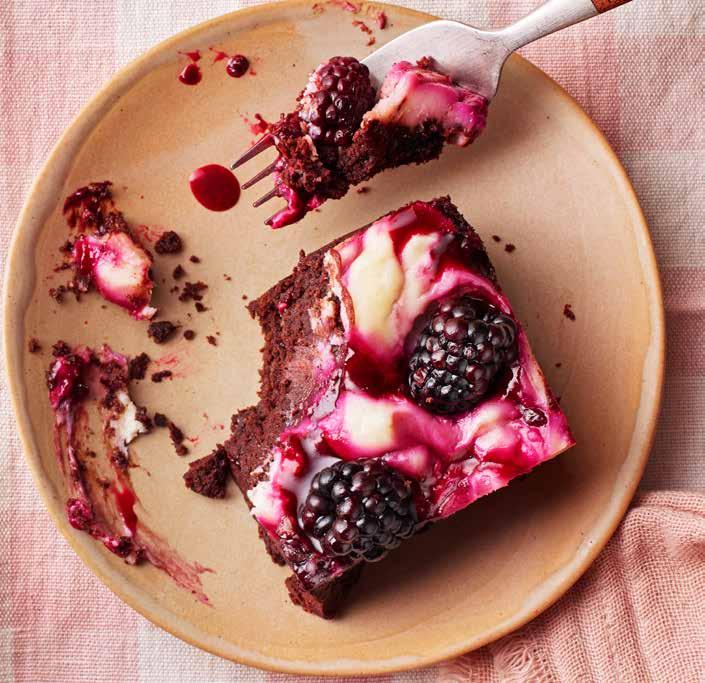
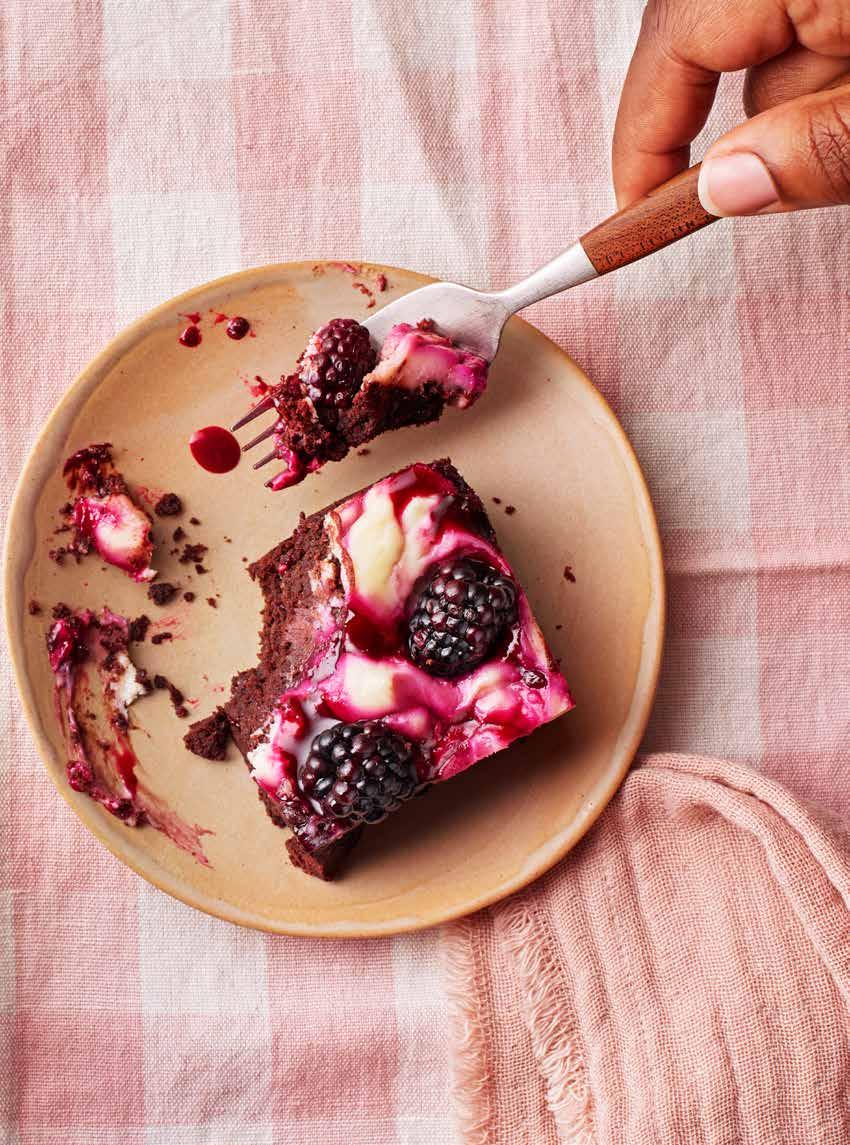
Banana bread may have surged in popularity during lockdown, but for me, it’s a year-round cake tin fixture: dependable, forgiving and ideal for using up neglected fruit. This cake version borrows something from classic coffee & walnut cake, but swaps walnuts for pecans – their maple-y sweetness works beautifully with banana and coffee. Inspired by a slice of cake eaten in a New York coffee shop, it balances the bitterness of strong coffee with the sweetness of the ripe bananas. Plus, the lightly whipped mascarpone icing is rich without being overly sweet. Like most banana cakes, it improves after a day in the fridge, so it’s a great make-ahead bake.
SERVES 12 PREP 25 mins plus cooling COOK 30 mins EASY V
❄ baked sponges only
250g butter, softened, plus extra for the tin
75g pecans
200g light brown soft sugar
2 overripe bananas (150g peeled weight)
4 eggs
200ml strong coffee (we used
1 tbsp instant coffee granules dissolved in 200ml boiling water), cooled
300g self-raising flour
1/2 tsp ground cinnamon For the icing
250g mascarpone
200g double cream
2 tbsp light brown soft sugar
1 Heat the oven to 180C/160C fan/ gas 4. Lightly butter two 20cm loose-bottomed cake tins and line the bases with baking parchment. Tip the pecans into a dry frying pan and toast over a low-medium heat
for 3-4 mins until fragrant. Leave to cool, then roughly chop.
2 Beat the butter and sugar together in a large bowl using an electric whisk for about 3 mins until pale and fluffy. In a separate bowl, mash the bananas until mostly smooth, then whisk in the eggs and 100ml of the cooled coffee.
3 Pour the banana mixture into the butter mixture, and beat until combined. Add the flour, cinnamon and a pinch of salt, then mix again until smooth. Stir through half the toasted chopped pecans.
4 Divide the batter evenly between the prepared tins and bake for 25 mins, or until risen, golden and a skewer inserted into the centre comes out clean. Leave the cakes to cool in the tins for 10 mins before carefully turning out onto a wire rack. While the cakes are still slightly warm, spoon 2 tbsp of the remaining coffee over each sponge and leave to soak in as they cool completely. Once cool, will keep wrapped and frozen for up to three months. Defrost completely before icing and serving
5 For the icing, beat the mascarpone, double cream, brown sugar and remaining coffee together to soft peaks using an electric whisk. Be careful not to overwhip, as the mascarpone can seize quickly. If it becomes too thick, loosen with a splash more cream. Chill until needed.
6 Once the cakes are completely cool, spread half the icing over one sponge and top with the second. Spread over the remaining icing and scatter over the remaining pecans. Will keep chilled for up to four days
Use truly overripe bananas
Think: black skins and soft, almost collapsing flesh – the kind you’d no longer choose to eat. The riper the banana, the sweeter, softer and more flavourful your cake will be. Keep bananas in the freezer If you bake often, freeze overripe bananas whole in their skins so they don’t go past the point of being useable. Defrost for about 30 mins before peeling and mashing. It’s an easy way to reduce waste, and means you’re always halfway to a banana cake. Add spice to deepen the flavour Banana cakes are often improved by warm spices. Cinnamon works well, but nutmeg, ginger or cardamom all add extra depth and round out the flavour.

SALTED OR UNSALTED BUTTER: DOES IT MATTER?
Many baking recipes call for unsalted butter, mainly because it gives you complete control over seasoning. But, in reality, most sweet bakes benefit from salt, as it sharpens flavour, balances sweetness and can intensify chocolate. At home, I bake with salted butter because it’s what I usually have in the fridge, then adjust from there.
Rich bakes in particular – brownies, cookies or anything caramel-based – often welcome an extra pinch of salt. The type matters, though: unless a recipe specifies otherwise, measurements generally refer to fine table salt. Sea salt flakes behave very differently – it tastes less intense by volume and is added for texture as much as flavour, giving bakes that satisfying sweet-salty finish.
Use fine salt within a recipe and save flaky salt for scattering, but don’t underestimate what a little salt can do for sweet bakes.
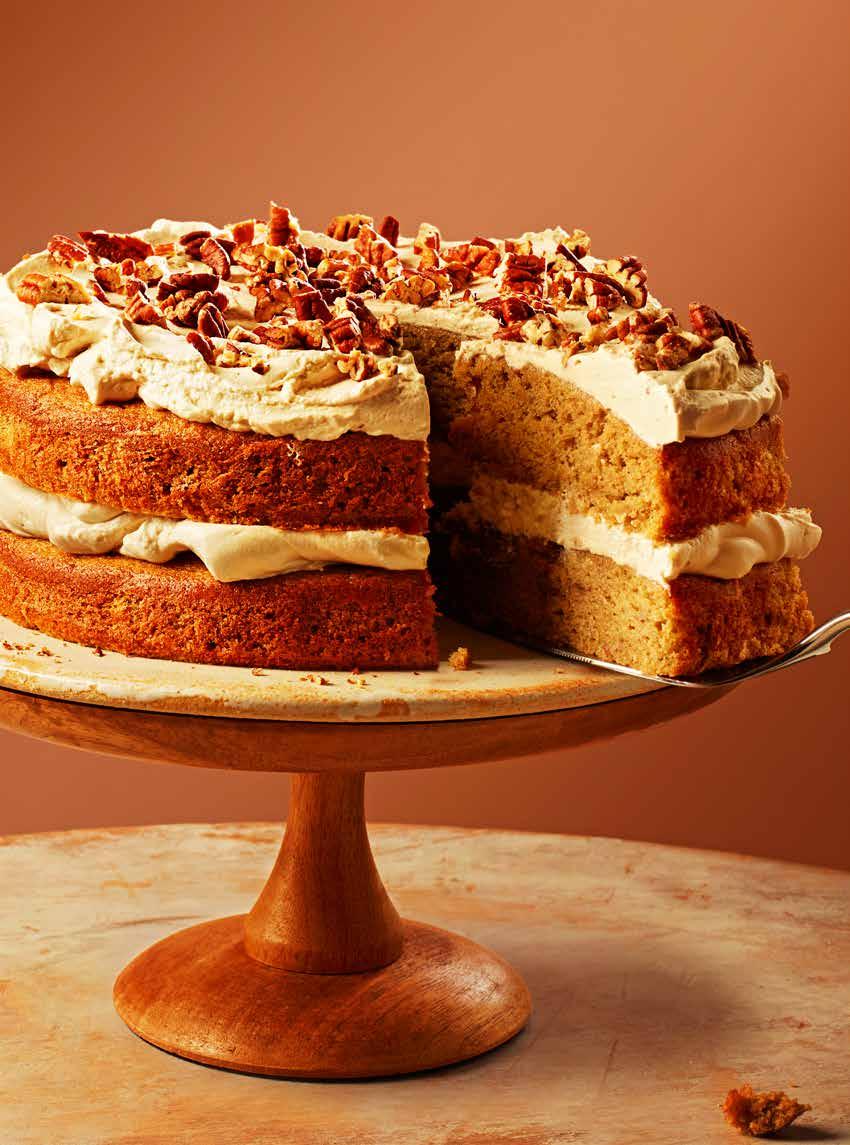
COOK THIS WEEKEND
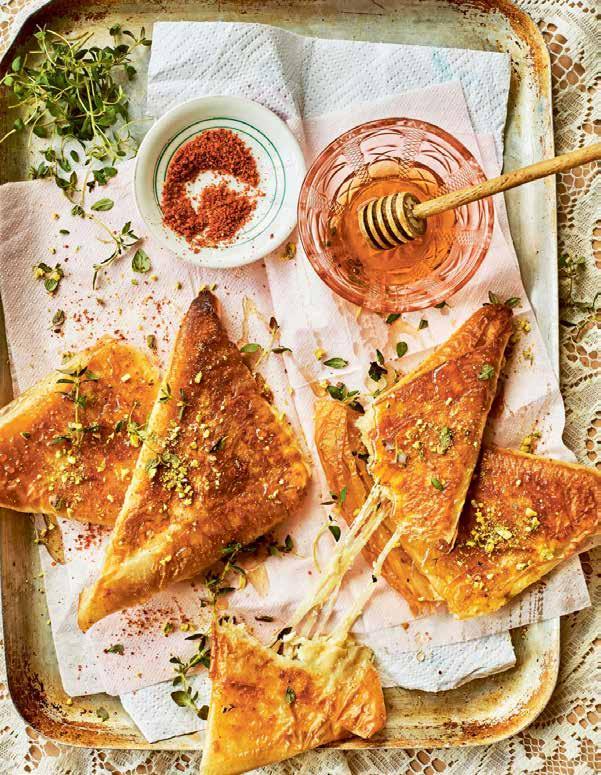
Be transported to sunnier climes with food writer Georgina Hayden sharing Greek, Italian and Spanish-inspired recipes photographs LAURA EDWARDS

Georgina Hayden is a food writer, cook and presenter. She grew up above her grandparents’ GreekCypriot taverna in London, where she developed her love of cooking. She regularly features on BBC One’s Saturday Kitchen and was a judge on Great Cookbook Challenge. @georginahayden
You are covering three bases here: feta, filo and honey. It’s an easily achievable version of a Mediterranean theme, the love child of an Italian-Greek-Middle Eastern delicacy, all sharing that lovely, saltysweet combination. Seadas, from Sardinia, is a sweet, deep-fried pecorino cheese ravioli; Greek saganaki is fried cheese drizzled with honey; knafeh is their Middle Eastern cousin, of syrup-soaked kataifi pastry layered over cheese. Truth be told, these can be eaten at any time of day, but are lovely at breakfast.
SERVES 4 PREP 20 mins
COOK 25 mins EASY V
100g feta, crumbled (vegetarian, if needed)
40g pecorino or vegetarian alternative, finely grated
1/2 unwaxed lemon, zested
100g grated mozzarella (vegetarian, if needed)
a few thyme sprigs, leaves picked 8 sheets of filo pastry (or 4 larger sheets) olive oil, for brushing and frying
2 tbsp honey
30g shelled pistachios, finely chopped
1 tsp Aleppo pepper or a pinch of chilli flakes, to serve (optional)
1 In a large bowl, combine the feta, pecorino, lemon zest, mozzarella and most of the thyme leaves. Set aside.
2 When you are ready to make the triangles, take the filo out of the fridge. Lay a sheet out in front of you, short side closest to you, and brush with olive oil, then lay a second sheet on top (or, if using the larger sheets, brush one with oil and fold it in half).
3 Spoon a quarter of the cheese mixture over the bottom corner of the filo, leaving a gap around the edge, then fold that corner over into a triangle shape. Repeat, folding the triangle away from you up the filo sheet, tucking in the edges as you go, until you have a sealed, folded parcel. Repeat with the remaining filo and cheese filling. When you have made all the triangles, set a large frying pan over a medium heat and pour in enough olive oil to just cover the base.
4 Fry the parcels for 2-3 mins on each side, in batches if needed so as not to crowd the pan, until golden all over. Once cooked, remove to a plate lined with kitchen paper to blot off excess oil, then transfer to a serving plate.
5 Drizzle each triangle with 1/2 tbsp honey and sprinkle over a good pinch of seasoning, some of the chopped pistachios, a few thyme leaves and a pinch of Aleppo pepper, if you like. Serve immediately.
Making a good traditional moussaka is a wholesome but time-consuming process. That’s not the case with this version – this is a recipe that you can easily make on a weeknight. It’ll impress while also absolutely satisfying that Greek holiday moussaka craving we all get from time to time.
SERVES 4-6 PREP 10 mins plus resting
COOK 1 hr 15 mins EASY
olive oil, for frying and drizzling
1 large aubergine, peeled and cut into 1.5-2cm cubes
400g mince (I like half beef and half pork, but use what you like; lamb works, too)
1 tsp ground cinnamon
1 tsp dried oregano, plus more for the top
1/4 tsp cayenne pepper
2 red onions, finely chopped
2 garlic cloves, finely chopped
2 tbsp tomato purée
400ml beef stock
750g waxy potatoes (red-skinned if possible), finely sliced (2-3mm thick)
250g mascarpone
250g Greek yogurt
1 egg, plus 1 egg yolk (freeze the white for another recipe)
50g parmesan, finely grated
1 Set a wide, shallow, flameproof casserole dish with a lid over a medium heat and add enough olive oil to cover the base. Cook the aubergine for around 5 mins until golden. Season as you go and stir just a couple of times; you want to get a nice crust.
2 When it’s golden, add the mince and increase the heat to high. Break the meat up using a wooden spoon and season it well. Add the cinnamon, oregano and cayenne. Cook for a few minutes more until the mince is browned, then add the onions and garlic and fry for a further 10 mins.
3 Heat the oven to 190C/170 fan/gas 5. Stir the tomato purée into the meat, cook for a few minutes, then pour in the beef stock. Bring to the boil, then reduce the heat to a simmer.
4 Remove the casserole from the hob and arrange the potatoes on top, overlapping them as you go, a bit like a hotpot. Season and sprinkle with a little extra oregano, drizzle with olive oil and cover the casserole with the lid. Roast in the oven for 30 mins, removing the lid for the last 10 mins, until the potatoes are tender.
5 Combine the mascarpone, Greek yogurt, egg, egg yolk and most of the parmesan in a medium bowl. Season and mix everything together. Remove the casserole from the oven, pour over the sauce, then scatter over the remaining parmesan.
6 Return to the oven without the lid and bake for a further 25-30 mins until bubbling and golden all over. Leave to rest for 5 mins before serving
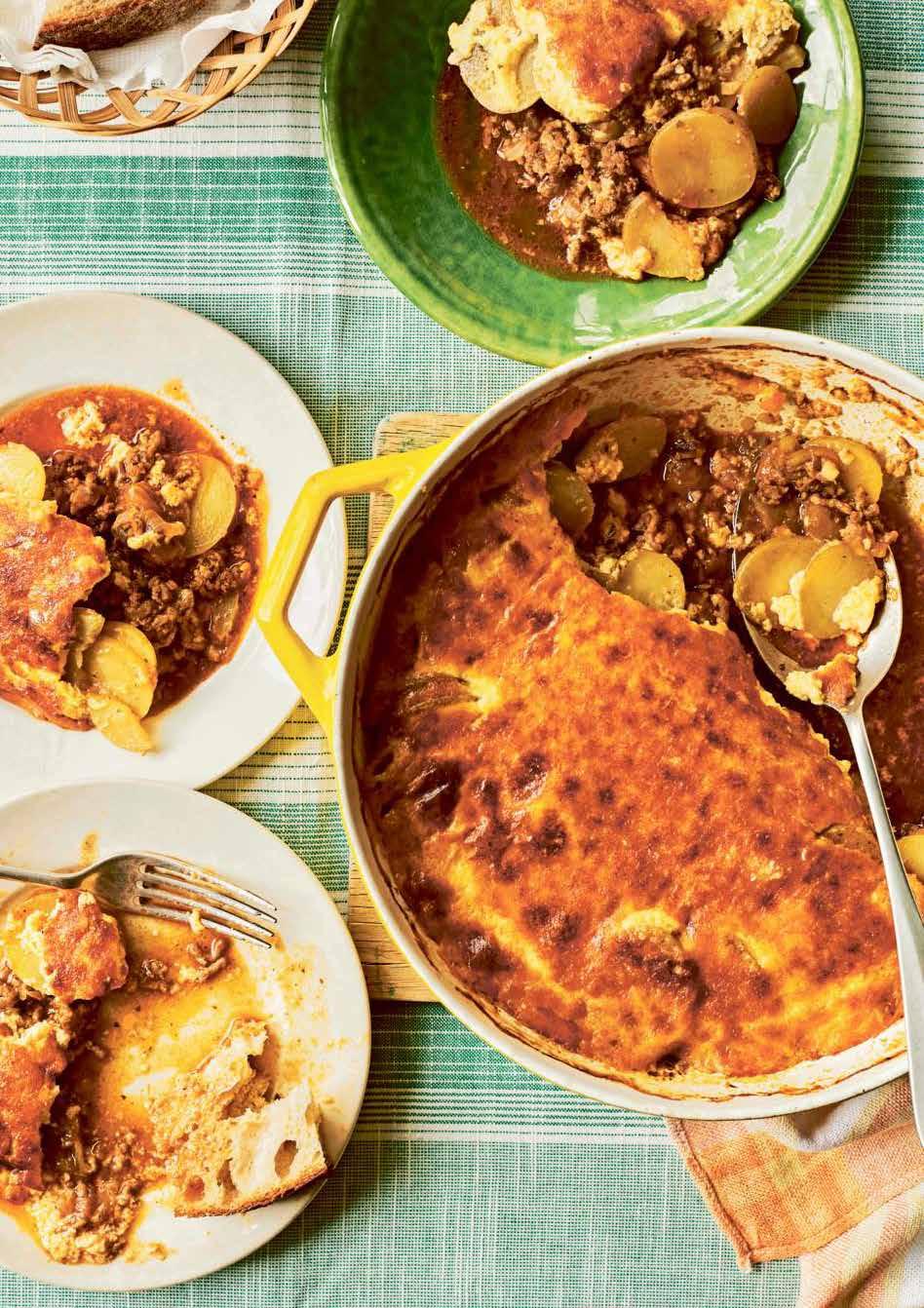
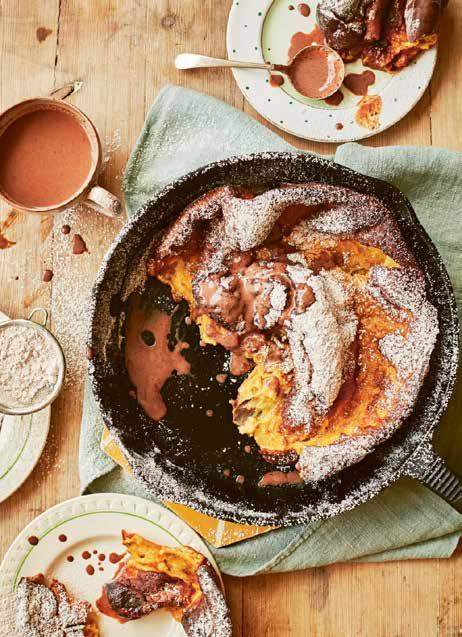
I love classic Spanish churros for breakfast

Recipes extracted from Medesque by Georgina Hayden (Bloomsbury Publishing) and not retested by us. Photographs © Laura Edwards.
– who doesn’t? Dipped in hot chocolate, they’re such a treat, but deep-frying is not something I want to be doing on a weekday morning (or any morning, come to that). This is a striking, fun alternative. As with all good batters, you can just leave this one in the fridge overnight for next-level effortlessness. My kids’ dream breakfast.
SERVES 4 PREP 10 mins plus optional resting COOK 25 mins EASY V
85g plain flour
275ml whole milk
3 eggs
1 tsp vanilla extract
50g unsalted butter, cut into cubes
4 tbsp icing sugar
1 tsp ground cinnamon
150g chocolate (I like a mixture of dark and milk)
200ml single cream
1 Blitz the flour with 175ml of the milk, the eggs, vanilla and a sprinkle of sea salt in a blender until smooth. (You can also do this by hand with a whisk.) If you can, cover and leave the mixture to rest for 30 mins, or in the fridge if leaving longer (though bring the batter to room temperature before cooking).
2 Heat the oven to 220C/200C fan/gas 7. Put the cubed butter in a large ovenproof frying pan or cast-iron pan, then put in the oven until the butter has melted and is browned (this adds loads of flavour) – you don’t want it to burn, so keep an eye on it. Working quickly and carefully, leave the pan in the oven, pour in the batter and shut the door. Bake untouched for 20 mins, then reduce the temperature to 180C/160C fan/gas 4 and bake for a further 5 mins.
3 While the pancake is baking, make the cinnamon sugar and the hot chocolate. Mix the icing sugar and ground cinnamon in a small bowl and set aside. Cut or break the chocolate into small, equal-sized pieces and put in a heatproof bowl. When the dutch baby is almost ready, heat the single cream and remaining 100ml milk in a small saucepan over a medium heat, so it’s hot but not boiling. Remove from the hob before it starts to bubble, then pour it over the chocolate. Leave for 1 min, then stir until you have a thick, smooth chocolate sauce.
4 When the dutch baby is ready, remove from the oven and dust straightaway with the cinnamon sugar, as evenly as you can. Serve with the chocolate sauce on the side to pour over
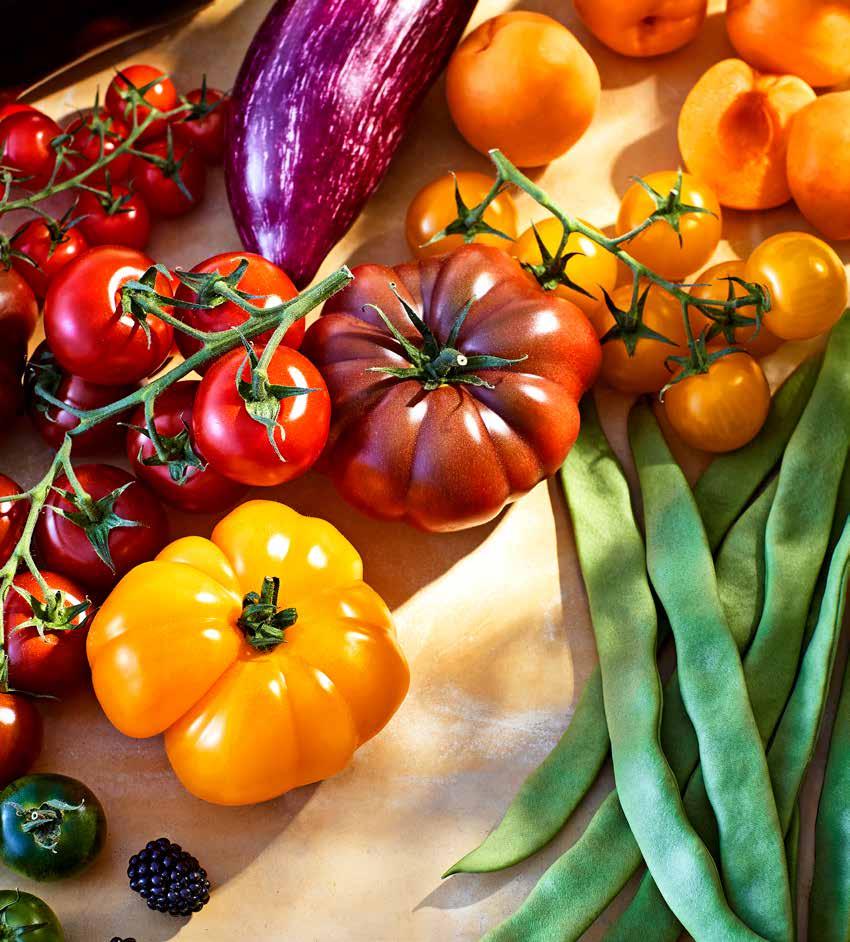
At its best


Make the most of summer’s abundance with recipes using blackberries, runner beans, apricots, aubergines and tomatoes from our head of food Cassie Best photographs NASSIMA ROTHACKER
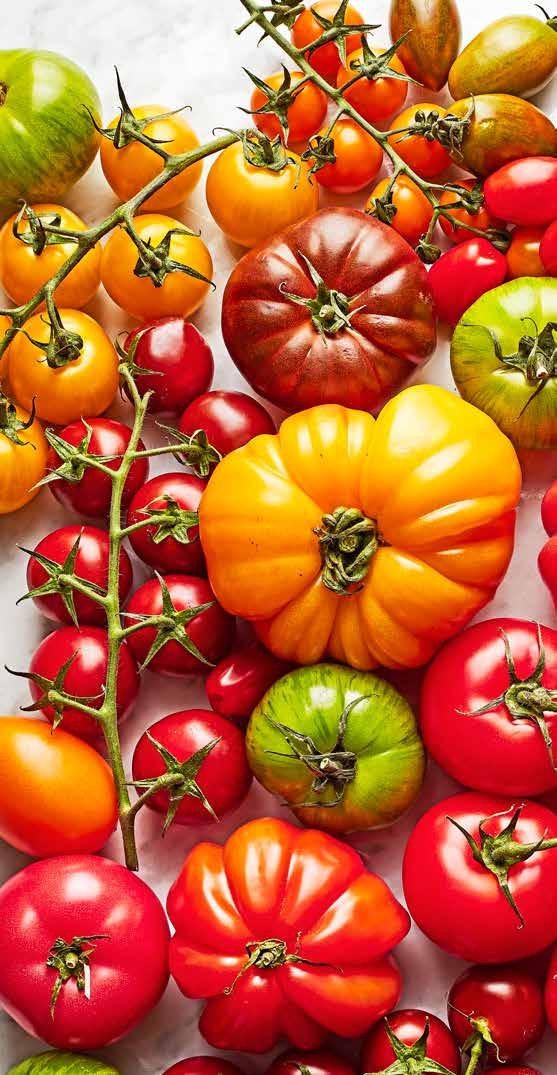
Step into a greenhouse laden with ripe tomatoes, and you’ll understand why their scent is synonymous with summer. Sweet, green and almost grassy, for me, it’s one of the most evocative, joy-inducing aromas. I love it so much, I even have a tomato-onthe-vine scented candle in the kitchen!
British tomatoes are available to buy year-round these days, but July and August is their peak, when they need very little to shine: a pinch of flaky salt, drizzle of good olive oil and perhaps a few basil leaves. But, when they’re less than perfect, a slow roast works wonders, concentrating their flavour into something richer, sweeter and also deeply savoury.
If you happen to have a late-season glut of green tomatoes, try frying them in polenta, or pickling and turning them into chutney.
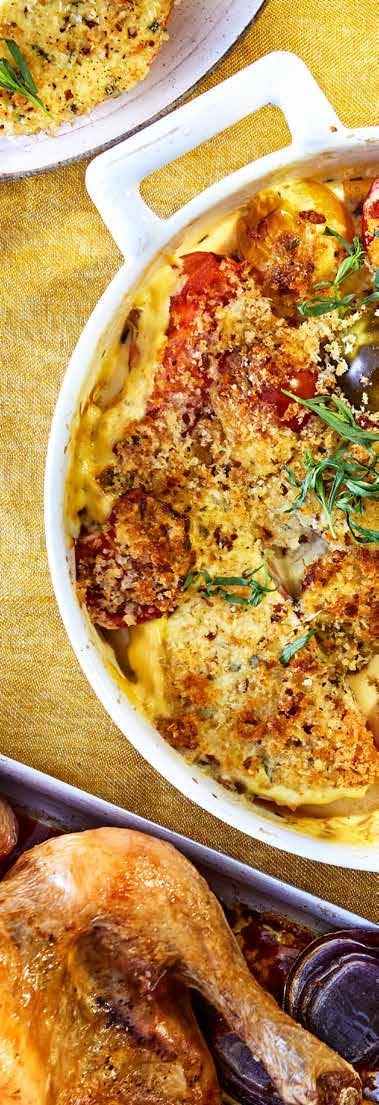
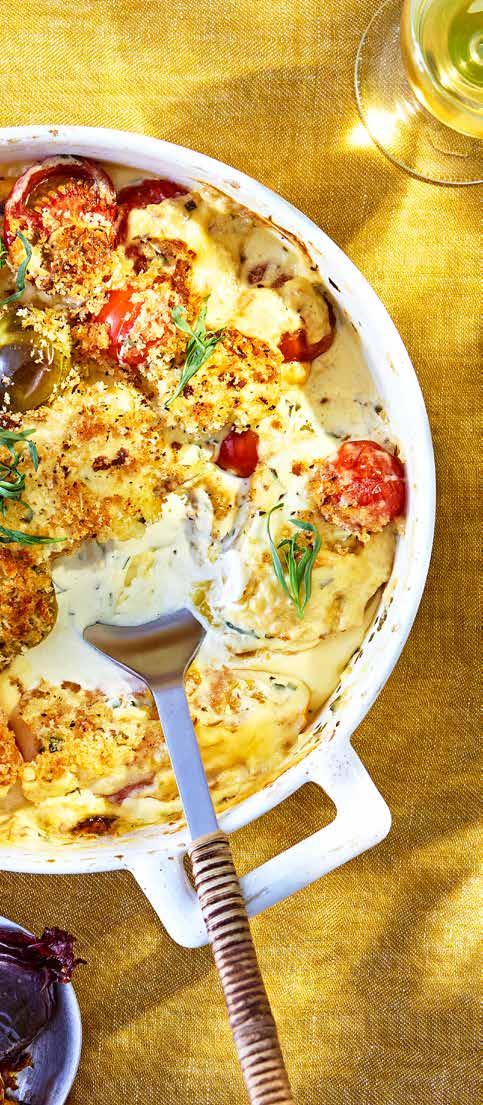
For a lighter take on Sunday lunch during the summer months, serve this alongside roast chicken with good, fresh bread for mopping up the sauce.
SERVES 4 PREP 10 mins plus infusing and cooling COOK 45 mins EASY V
250ml double cream
2 tsp Dijon mustard
3 garlic cloves, thinly sliced 6-8 tarragon sprigs, leaves picked and chopped
800g ripe tomatoes (a mixture of sizes and colours is nice)
35g fresh breadcrumbs drizzle of olive oil
15g grated parmesan
1 Warm the cream, mustard, garlic and most of the tarragon in a small pan over a medium heat until just steaming – don’t let it boil. Turn off the heat, season the cream with salt and pepper, and leave to infuse for 5 mins.
2 Heat the oven to 200C/180C fan/gas 6. Cut any larger tomatoes in half and arrange them cut-side up in a baking dish (ours was 24cm round), then tuck any smaller whole tomatoes snugly into any gaps. Pour the warm infused cream over the tomatoes.
3 Toss the breadcrumbs with a drizzle of olive oil and the grated parmesan, then scatter evenly over the tomatoes and season with a twist of black pepper.
4 Bake for 40 mins until the tomatoes are soft and bursting, the cream is bubbling and the top is golden and crisp. If needed, slide under a hot grill for a few minutes to deepen the colour. Cool for 5-10 mins, then scatter over the remaining tarragon. Serve warm with crusty bread, or alongside grilled meat or fish.
GOOD TO KNOW vit c 1 of 5-a-day
PER SERVING 411 kcals fat 38g saturates 22g carbs 12g sugars 7g • fibre 2g • protein 5g • salt 0.49g

The giants of the veg patch, runner beans are as joyful to grow as they are to eat. Given a wigwam of canes and a bit of sun, they’ll climb enthusiastically skywards, often reaching well over a metre in a matter of weeks.
When picked young, the pods are tender, sweet and delicate, with none of the stringiness that puts some people off. These barely need more than a quick slice and blanch before being tossed into salads and pastas, or simply dressed with butter and a squeeze of lemon juice. Leave them a little longer, and the pods grow larger, fuzzy and more robust, developing those fibrous seams that benefit from a bit of prep and longer cooking. If you let them fully mature, you’ll find beautiful beans inside that can be dried for later, ready for adding to slow-cooked dishes during winter.
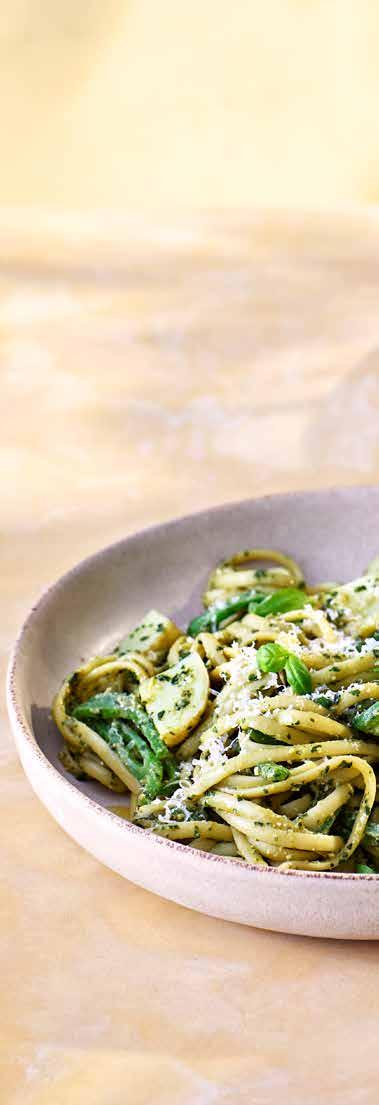
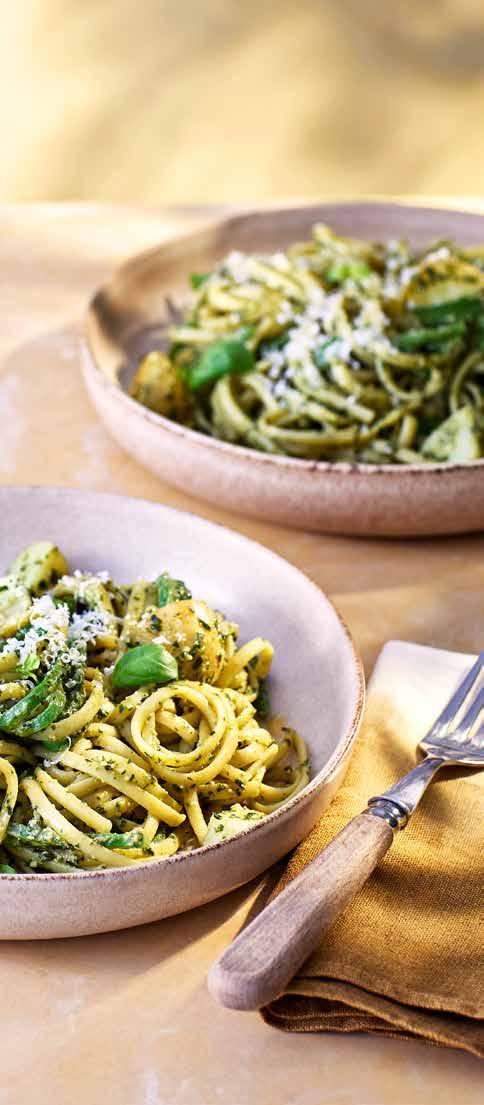
This is the ultimate double-carb dinner –classic Genovese pasta is made with green beans and pesto, tossed through pasta with soft, waxy potatoes. Here, we’re using fresh runner beans instead. You can use young, tender beans or older, tougher beans, but be mindful that the tougher the beans, the more finely you should slice them.
SERVES 4 PREP 20 mins COOK 25 mins EASY V ❄ pesto only
300g small waxy potatoes (such as Charlotte), cut into small chunks 200g runner beans, stalks and strings removed, if needed, and finely sliced 300g linguine
For the pesto
50g pine nuts
1 large garlic clove
60g bunch of basil
25g parmesan or vegetarian alternative, grated, plus extra to serve
50ml extra virgin olive oil, plus extra to serve squeeze of lemon juice
1 First, make the pesto. Toast the pine nuts in a dry pan until lightly golden – watch closely, as they can burn easily. Crush the toasted pine nuts, garlic and a pinch of salt to make a rough paste using a pestle and mortar or blitz in a small food processor. Add most of the basil (reserving a few leaves to serve) and pound or blitz again to make a paste. Stir in the parmesan, olive oil and a squeeze of lemon juice to loosen. Season well. Will keep chilled in an airtight container for up to five days, or frozen for up to three months
2 Bring a large pan of salted water to the boil and cook the potatoes for 10-12 mins until tender. Remove to a bowl using a slotted spoon and set aside to cool slightly. Cook the runner beans in the same pan for 2-3 mins until tender with a slight bite. Scoop out into the bowl with the potatoes. Cook the linguine in the pan following pack instructions, then drain, reserving a mugful of the water.
3 Return the drained pasta to the pan along with the runner beans and potatoes. Add the pesto and a splash of the reserved cooking water, tossing together until everything is glossy and well coated. Don’t worry if the potatoes start to break down a little – this adds to the creaminess of the sauce.
4 Divide between bowls. Scatter over more parmesan and the reserved basil leaves, then drizzle with a little more olive oil and season with a twist of black pepper.

Though technically a fruit (a berry, in fact), the aubergine is treated firmly as a vegetable in the kitchen. Native to Southeast Asia but now grown worldwide, it comes in many shapes and sizes, from the familiar glossy, deep-purple variety to small, pale or striped versions less commonly used in the UK.
Its mild flavour and sponge-like texture mean it acts as a brilliant carrier for whatever you pair it with. When cooked properly, it becomes meltingly soft, silky and rich. That transformation is key –undercooked aubergine is disappointing, but give it time – and don’t be shy with oil – then you’ll be rewarded with deeper flavour and an almost creamy texture.
You’ll often hear that aubergines should be salted before cooking, but modern varieties have largely had their bitterness bred out, so it’s no longer essential. That said, seasoning well as you cook is a good idea – the salt helps soften the flesh and draw out excess moisture, resulting in that perfect velvety finish.
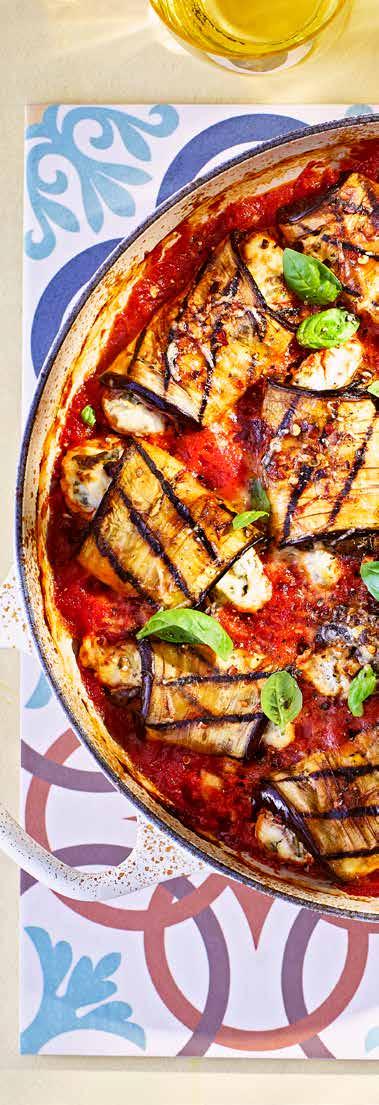
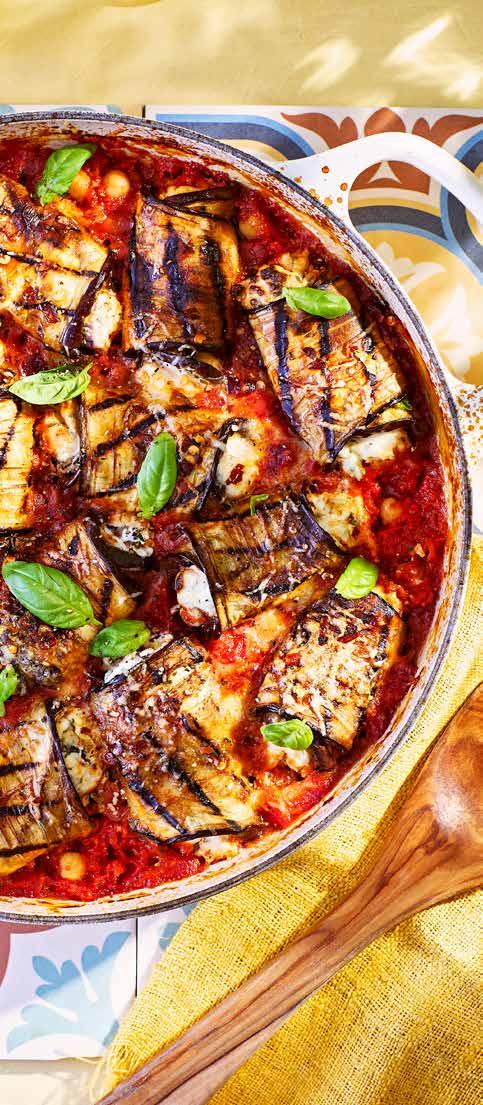
Involtini is the Italian expression for ‘little bundles’ – in this case, aubergine is the wrapper. Use a large, firm variety for this dish as you’ll need long, thin slices taken from the middles. Chill the offcuts for another recipe.
SERVES 4 PREP 20 mins plus cooling COOK 1 hr 20 mins EASY V ❄ unbaked
3 aubergines
4 tbsp olive oil, plus a drizzle
500g ricotta
20g grated parmesan or vegetarian alternative, plus extra to serve
1 lemon, zested pinch of chilli flakes (optional), plus extra to serve
30g bunch of basil
10g mint leaves
For the sauce
1 tbsp olive oil
3 garlic cloves
2 x 400g cans chopped or crushed tomatoes
1 tsp chilli flakes (optional)
2 tsp red wine vinegar
2 tsp sugar
400g can chickpeas, drained
1 Heat the oven to 200C/180C fan/gas 6.
Trim the ends from the aubergines, then slice lengthways into 5mm-thick strips (Chill the ends for another recipe.) You’ll get 6-7 slices from each. Lightly brush each with olive oil, season with salt, then cook in a griddle pan over a medium heat for 3-4 mins on each side until lightly charred and soft. Transfer to a plate and set aside to cool.
2 For the sauce, heat the oil in a wide, shallow ovenproof pan over a low-medium heat and cook the garlic for 1-2 mins until fragrant, not coloured. Add the tomatoes, chilli flakes (if using), vinegar, sugar and seasoning. Simmer for 15 mins until slightly thickened. Stir in the chickpeas and remove from the heat.
3 Tip the ricotta into a bowl and mix with the parmesan, lemon zest, chilli flakes (if using), most of the basil and all the mint. Season well.
4 Working with one aubergine slice at a time, spoon a small dollop of the ricotta mixture over one end, then roll up neatly Arrange seam-side down in the pan of sauce. Repeat with the remaining slices and filling. Will keep wrapped and frozen for up to three months. Defrost overnight in the fridge before baking Scatter over more parmesan and another pinch of chilli flakes, if you like. Drizzle over a little more oil and bake for 40-45 mins until bubbling and golden on top. Scatter over the remaining basil to serve.

Apricots, alongside their cousins peaches and nectarines, come into their own this month. When perfectly ripe, they strike that elusive balance between sweetness and gentle sharpness, with a soft, almost buttery texture.
Roasting transforms apricots completely, as their flesh collapses and becomes tender and jammy, with sticky, fragrant juices that can be spooned over yogurt, folded into cream or drizzled over cakes and puddings.
Apricots pair well with more floral flavours, like honey, orange blossom or lavender, and work well in rich dairy desserts, from panna cotta to creamtopped pavlova.
If you find yourself with a surplus, they also make a beautiful jam that will capture a taste of summer for later in the year.
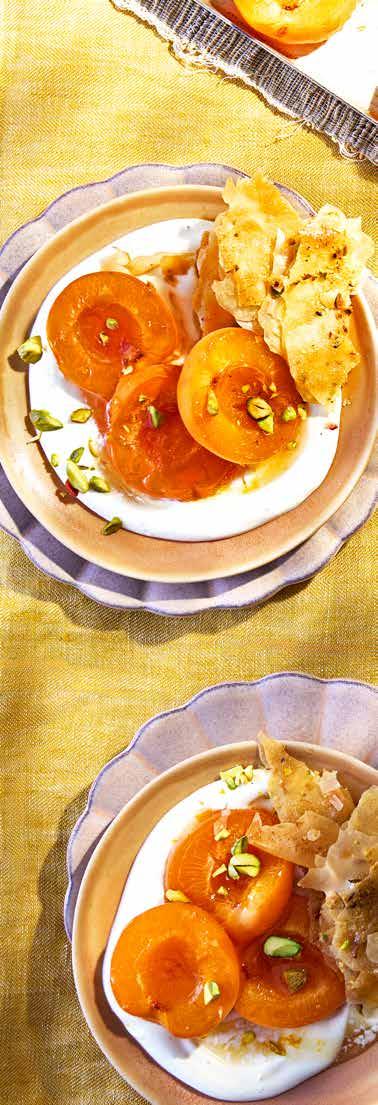
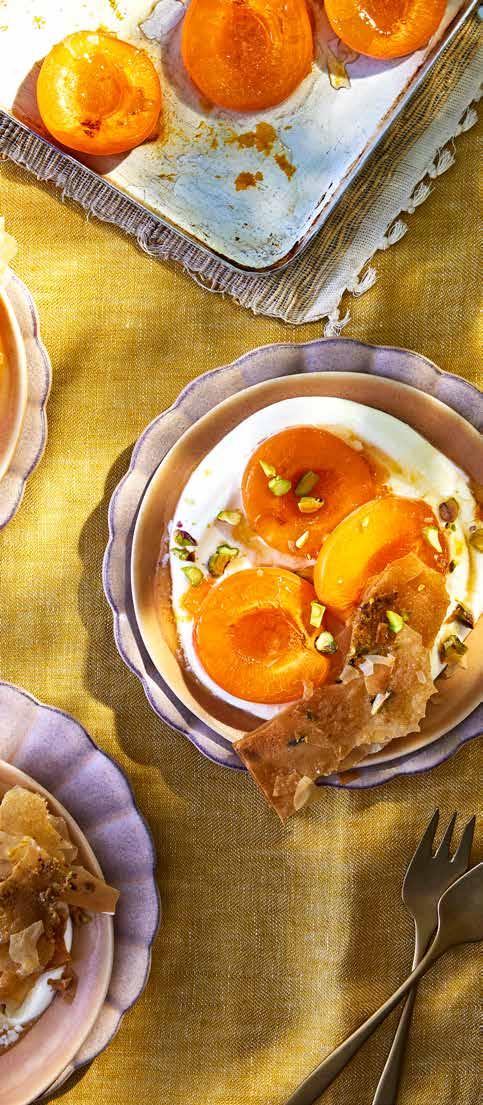
& pistachio filo crisps
Roasted stone fruits are a simple but impressive dessert for summertime dinner parties, and these apricots are wonderful spooned over lightly whipped yogurt and served with crispy filo shards and pistachios. A light but delicious end to any meal.
SERVES 4 PREP 15 mins plus cooling COOK 10 mins EASY V
3 sheets of filo pastry
50g butter, melted
3 tbsp light brown soft sugar
50g pistachios, roughly chopped, plus extra to serve
10-12 apricots, halved and stoned
3 tbsp honey
2 tsp orange blossom water
200ml double cream
250g thick Greek yogurt
1 tsp sugar
5 cardamom pods, seeds crushed using a pestle and mortar
1 Heat the oven to 200C/180C fan/gas 6. Lay the filo sheets on the work surface and brush each one lightly with the melted butter, then scatter over the brown sugar and pistachios. Arrange on a baking tray – don’t worry much about the size or being particularly neat. Bake for 8-10 mins until golden and crisp. Leave to cool, then break into shards. The crispy filo can be made up to two days ahead and kept in an airtight container in a cool, dry place
2 Arrange the apricots cut-side up in a roasting tin. Drizzle over the honey and 1 tsp of the orange blossom water, and roast for 10 mins alongside the filo sheets until the fruit is soft and sticky. Spoon over any roasting juices from the tin, then set aside to cool slightly.
3 Combine the cream, yogurt, remaining orange blossom water, sugar and cardamom in a bowl. Whip until the cream has thickened just enough to be spreadable, then check the sweetness – add a little more honey, if you like.
4 Spread some of the honeyed cream over each plate, then spoon over the roasted apricots and pour over the roasting juices. Scatter over the crispy filo shards and more pistachios. Serve straightaway while the filo is still crisp and the apricots just warm.
GOOD TO KNOW 1 of 5-a-day
PER SERVING 702 kcals • fat 50g • saturates 28g • carbs 50g • sugars 38g • fibre 5g • protein 10g • salt 0.56g

Blackberries begin to fill hedgerows from mid-July and carry us right through to early autumn. They’re one of the great British free foods – abundant and there for the taking, if you know where to look.
There’s something exciting about spotting a perfect berry – inky black, plump, glossy and ready to slip easily from the stem. For my family, blackberry picking has become a school holiday ritual. Long sleeves are essential to avoid bramble scratches, as the sweetest berries are often just out of reach, higher up the bush. Bring along a step ladder (or tall friend!).
As with all foraging, it pays to be mindful – avoid any berries that are low to the ground (where dogs may have marked) and leave plenty behind for wildlife.
Foraged berries tend to be sharper than shop-bought ones, which makes them incredibly versatile – a little sugar or honey softens their edge, and they cook down beautifully into jams or compotes. They’ll also bring bright, tangy contrast to richer savoury dishes, like roasted duck or goat’s cheese salad.
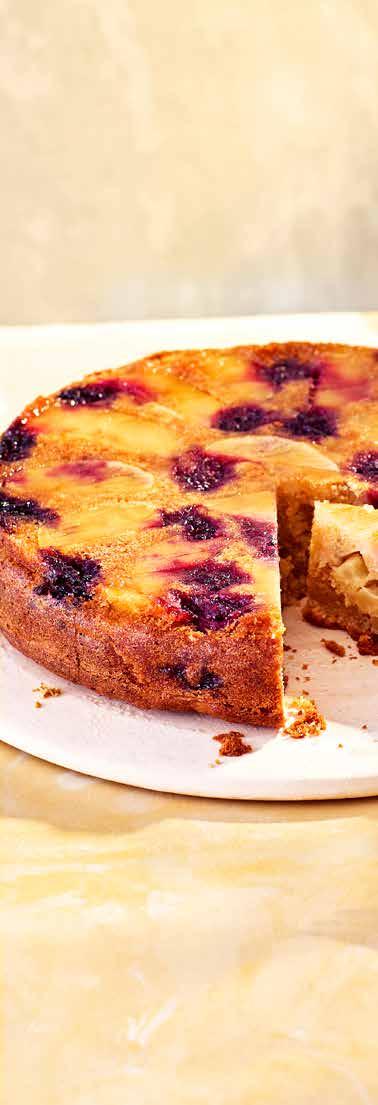
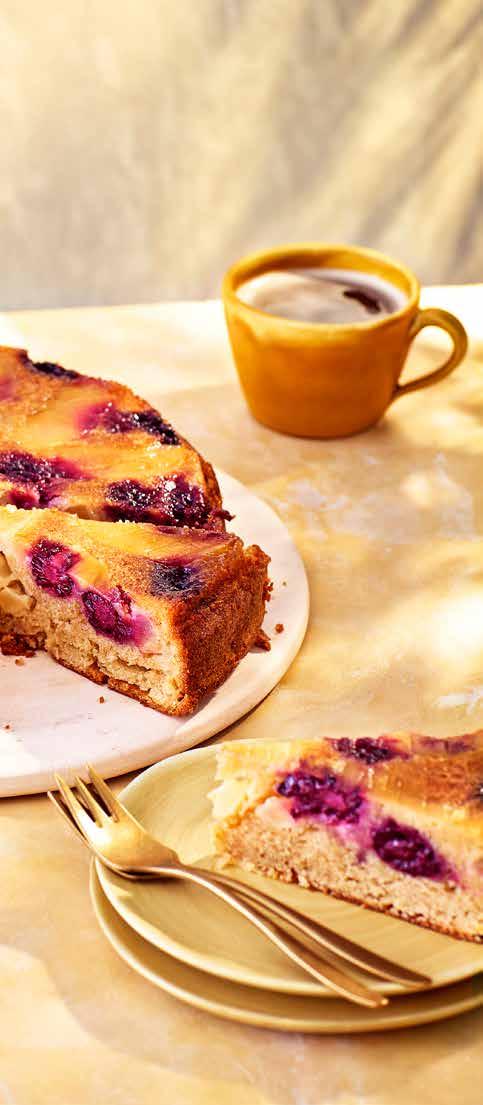
This simple cake is a great way to highlight seasonal fruits – you can swap the apples for pears or plums, or the blackberries for raspberries if that’s what you have. Serve warm with cold cream or custard.
SERVES 8-10 PREP 20 mins plus cooling COOK 45 mins EASY V ❄
200g butter, softened, plus extra for the tin
200g light brown soft sugar, plus 2 tbsp
2 Bramley apples (about 300g), peeled, 1 thinly sliced, 1 chopped into small chunks
225g blackberries
4 medium eggs
2 tsp vanilla extract
225g self-raising flour
1 1/2 tsp ground cinnamon
50ml milk cream or custard, to serve
1 Heat the oven to 180C/160C fan/gas 4. Butter a 23cm round cake tin and line the base with baking parchment, then sprinkle over a couple tablespoons of the sugar (this will help the fruit caramelise as it bakes). Arrange the apple slices over the base of the tin, then scatter over half the blackberries, filling in any gaps.
2 Beat the rest of the butter and sugar together in a large bowl using an electric whisk until pale and fluffy. Add the eggs, one at a time, beating well after each addition, then stir in the vanilla extract.
3 Fold in the flour, cinnamon and a pinch of salt, then mix in the milk until the batter can softly drop off a spoon. Gently fold through the chopped apple and remaining blackberries. Spoon the batter over the fruit in the tin, gently spreading it out to cover evenly. Bake for 40-45 mins until golden and a skewer inserted into the centre comes out clean. Leave to cool in the tin for 10 mins.
4 Carefully turn the cake out onto a serving plate, lifting away the tin, then peeling away the parchment. Serve warm with cold cream or custard. Best served the day it’s made, but leftovers will keep chilled for up to three days. Refresh slices in the microwave for 15 seconds before serving. Or, wrap and freeze for up to two months, then defrost thoroughly
PER SERVING (10) 377 kcals • fat 19g • saturates 11g • carbs 44g • sugars 27g • fibre 3g • protein 5g • salt 0.67g


Jesse Jenkins was a pro skateboarder in LA, then moved to London to work as a chef and photographer. Now a social media star, he quickly became known for his vegfocused cooking and videos shared on his account, Another Day in Paradise (@adip_food ). Cooking with Vegetables is his debut cookbook.
Jesse shares his journey from pro skateboarder to chef, plus his favourite vegetarian dinner recipe photograph JESSE JENKINS
My favourite dish is smoky aubergine parm (p110). It’s my biggest video on social media and was responsible for growing my account. It’s also my most copied dish, but that’s pretty cool – if people are copying you, you know you’re doing something right.
I’ve worked in kitchens since I was a kid. I started out as a skateboarder and worked as a busboy clearing tables in restaurants on the side to earn some money. I’ve done it all – prep chef, line cook. I wanted to be a professional skateboarder from the age of 12. I was already sponsored, but when I could see that it wasn’t going to happen the way I wanted it to, the thing I knew most about next was food. I moved to London when I was 20 and worked in a restaurant in Chiswick. But, after about six months, I was really struggling to make ends meet. The most important thing about being a sponsored skateboarder is filming tricks, and I realised I was obsessed with the way videos looked. So, when I was trying to figure out what to do next, I asked a photographer who was taking some pictures of me for a job. Crazily, he said yes, and made me his first assistant after a few months.
I’d never been on a proper set before. Skateboarding was illegal – you’re breaking into schools at night, getting arrested a lot and constantly getting kicked out of places for damaging property. It’s not the same as working on a set at all. Skateboarding is a lot more mainstream and accepted now.
I grew up in the city in LA, and it was a chaotic household – there were three of us kids with three different dads, and I was a very hyper kid. With skateboarding, you can just do your thing and express yourself.
Recipe adapted from Cooking with Vegetables by Jesse Jenkins (Bluebird). Photographs © Jesse Jenkins, 2025.
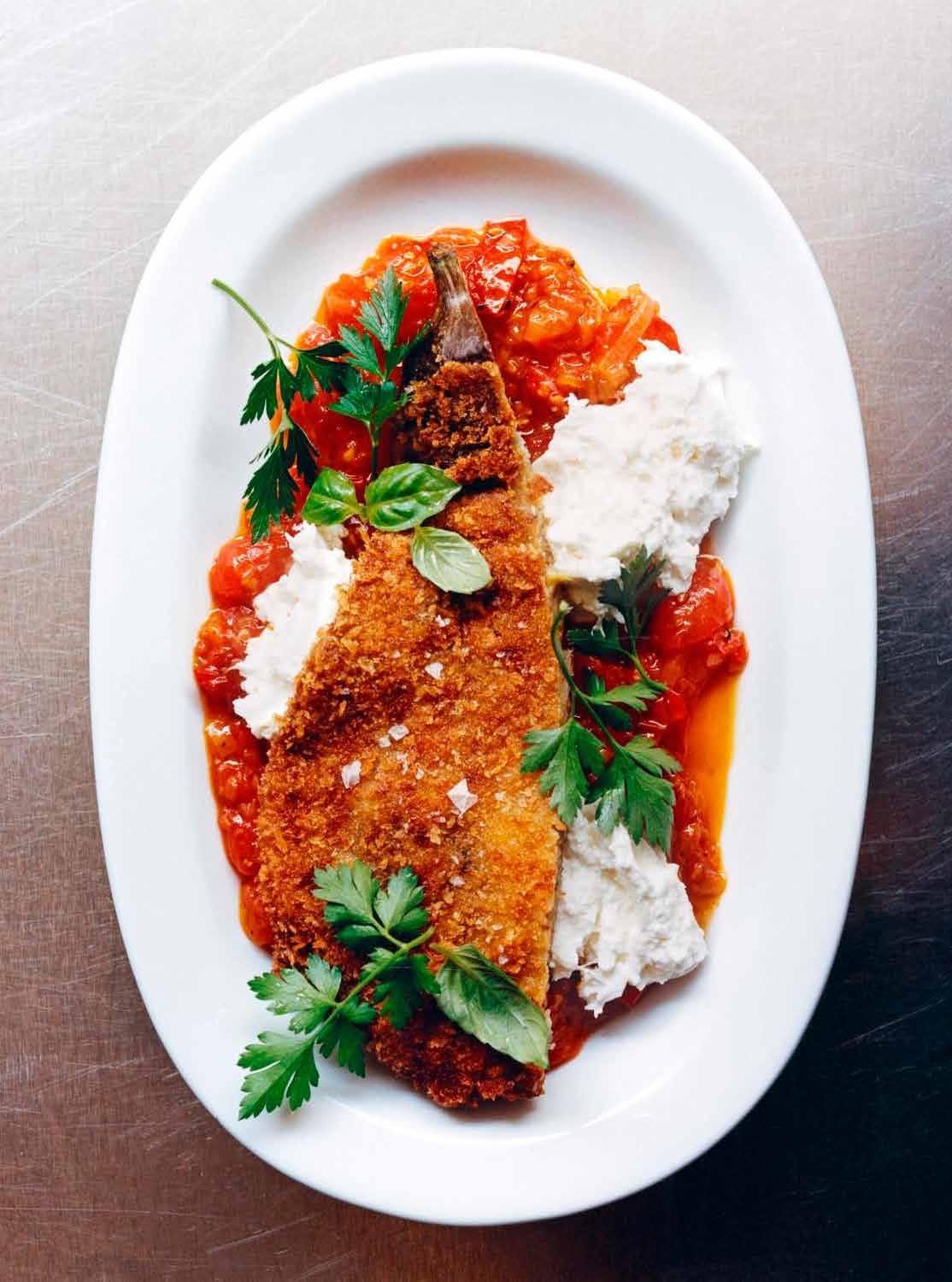

In restaurants, they don’t care who your parents are or where you came from. I fit in there
I didn’t feel like I had to pretend to be like someone else. I think there’s a similar type of person that ends up in a kitchen. There’s a lot of broken homes, waifs and strays – in restaurants, they don’t care who your parents are or where you came from. They only care if you are ready to work. I fit in there.
I’ve always wanted to make a cookbook, but it was the writing part of it that got in the way. I struggled through high school and barely graduated. But on Instagram, I could show I had recipes and a vision. From the moment I made my account to the first video going viral, I was trying to figure out how to get a book deal. I knew I wanted to start with vegetables. There were a lot of people cooking vegetables for health, and a lot of scrutiny around whether vegetables could really be a complete meal, but as kids, my mom was able to get us to sit at the table and fight over who got the artichoke heart. For me, it’s more challenging and exciting to think about how to make a beautiful meal out of some green beans than do yet another crispy chicken recipe.
My favourite meals are always the ones made for me by other people. I think home cooking is the definition of good food. It’s such a lovely thing and you learn a lot about people and where they come from.
SERVES 2 PREP 20 mins plus cooling COOK 40 mins
MORE EFFORT V
2 aubergines
50g plain flour
1 egg, lightly beaten with 120ml milk
100g panko breadcrumbs
neutral oil, for shallow-frying (I use rapeseed)
100g burrata (vegetarian, if needed)
handful each of parsley and basil
1 tsp white wine vinegar
quick pickled chilli (optional; see below)
For the confit garlic
1 garlic bulb, cloves peeled neutral oil, to cover the garlic
For the sauce
1 bunch of basil
1 tbsp extra virgin olive oil
250g cherry tomatoes
2 shallots, thinly sliced
1 tbsp white wine vinegar
1 tsp caster sugar
1 First, confit the garlic. Put the garlic cloves in a saucepan and pour over enough oil to cover, then cook over a low heat for 30 mins.
2 Meanwhile, pierce a few holes in both of the aubergines using the tip of a knife, then cook over an open flame, rotating every 3-4 mins, or under a hot grill for 20 mins, flipping them halfway through. They should be charred on all sides, and the insides should be soft. Transfer to a bowl, cover with a lid and leave to steam and cool for 5 mins. Remove the burnt skin, keeping the aubergines in one piece.
Combine equal parts sugar and salt in a bowl. Stir in some sliced chillies and leave for 5-10 mins, then cover with any white or red vinegar. Leave for 10 mins, then it’s ready to use.
3 While the aubergines are cooking, lightly fry the basil for the sauce in the olive oil for about 30 seconds over a medium-high heat, then remove. Set aside to add back to the sauce later. Turn up the heat and cook the tomatoes for 5 mins until lightly blistered. Turn the heat down to medium and add the shallots. When they have softened, add 6 confit garlic cloves and carefully smash them along with the tomatoes using the back of the spatula or spoon. Add the vinegar, sugar and some salt and pepper, and cook for about 1 min, then set aside.
4 Gently press the aubergine flesh into a flattened pear shape and season. Set up a pané station. Use three shallow trays or bowls: one with the flour, one with the beaten egg and one with the breadcrumbs. Dredge the aubergines in the egg, then the flour and breadcrumbs.
5 Heat the oil in a frying pan over a high heat and shallow-fry the aubergines until golden brown on both sides. Remove the aubergine and season with salt.
6 Add the basil to the warm sauce. Top with the aubergine, then tear over the burrata and garnish with the herbs, vinegar and pickled chilli, if using.

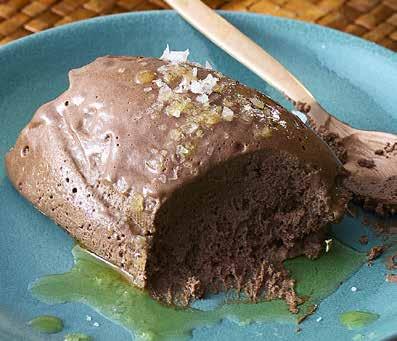

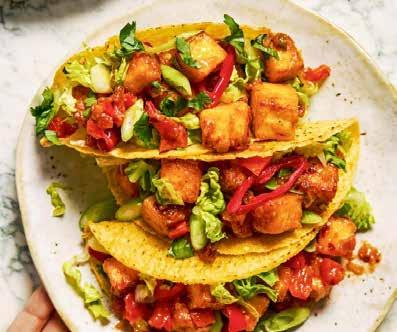

Our skills & shows editor Barney Desmazery elevates a much-loved dessert photograph NASSIMA ROTHACKER
In recent years, more restaurants have been favouring chocolate crémeux over chocolate mousse – a rich, velvety dessert that’s closer to a silky ganache, rather than light and airy. It’s a trend we very much approve of, but we wondered what the result would be if we borrowed that texture and turned it back into a mousse. The result is a little more work than your average version, but that’s exactly what makes it next level – bringing the best bits of both desserts into one. A cré-mousse, if you will!
SERVES 6-8 PREP 30 mins plus at least 6 hrs chilling COOK 10 mins MORE EFFORT V
100ml whole milk
350ml double cream
1 tsp vanilla extract
2 tbsp espresso or very strong black coffee
4 egg yolks and 3 egg whites (freeze the leftover egg white to use in another recipe)
125g golden caster sugar
200g dark chocolate (at least 70% cocoa solids), finely chopped
25g cold unsalted butter, cut into cubes extra virgin olive oil and sea salt flakes, to serve
1 Pour the milk, 200ml of the cream, the vanilla and espresso into a small pan set over a low-medium heat and bring to a simmer. Meanwhile, put the egg yolks and 50g of the sugar in a heatproof bowl and beat using an electric whisk for 1-2 mins until

slightly paler and thickened a little. Gradually pour the hot cream mixture over the yolks, whisking continuously, then return everything to the pan.
2 Cook over a low heat, stirring continuously using a heatproof spatula and scraping the bottom of the pan, until the mixture thickens lightly and coats the back of the spatula – don’t let it boil. Tip the chocolate and butter into a large heatproof bowl, then pour over the hot custard. Let stand for 30 seconds, then stir gently until the chocolate melts and the mixture is smooth and glossy. Leave to cool to room temperature, stirring occasionally – this is the crémeux.
3 For the mousse part, put the egg whites in a clean bowl, and beat to soft peaks using an electric whisk. Scatter in the remaining sugar and whisk again to stiff peaks.
4 In a separate bowl, whisk the remaining 150ml double cream to soft peaks. Stir a large spoonful
of the whipped cream into the cooled chocolate crémeux to loosen it. Gently fold in the rest of the cream using a large metal spoon or spatula. Next, fold in a third of the meringue to lighten the mixture, then carefully fold in the rest until no white streaks remain. Make sure you scoop right to the bottom of the bowl so you don’t leave any dense chocolate crémeux behind. Spoon into a large serving dish and chill for at least 6 hrs or ideally overnight until the mousse is softly set.
5 To serve, dip a large serving spoon into a bowl of hot water, and drag it gently through the mousse to form smooth oval scoops. Serve in shallow bowls. For an extra flourish, use the back of the spoon to make a small dimple in the top. Drizzle over extra virgin olive oil and finish with a pinch of sea salt.
SILKY TOUCH
Making a custardbased crémeux first ensures the finished mousse has a silkier texture, which makes it more luxurious to eat.
The espresso doesn’t make the mousse taste of coffee – it just quietly boosts the complexity of the chocolate to create a grown-up dinner party dessert.

Using chocolate with 70% cocoa solids results in intense cocoa flavour. Adding milk and cream softens the bitter notes.
MAKE IT SHINE
Adding a little butter rounds out the flavour and gives the mousse a subtle, restaurant-style, glossy finish.
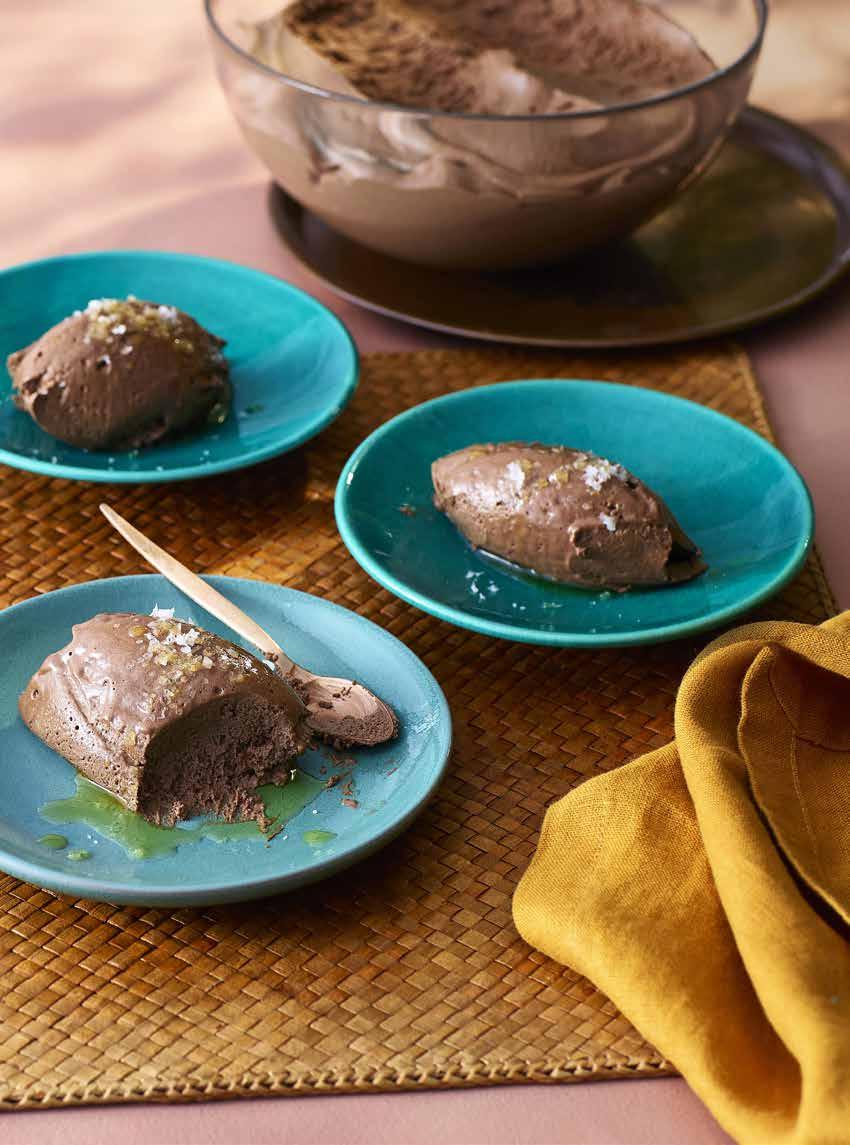
We’ve made a French meringue base for ease. It contains uncooked eggs, but eggs with the British Lion stamp are safe to eat raw, even for vulnerable groups.
Mousse recipes usually have either an egg or cream base, but this has a combination of the two for extra texture and richness.
A rest in the fridge gives the mousse time to firm up and develop flavour. The result? A smoother mousse with more intense chocolate notes.
A final drizzle of grassy extra virgin olive oil and a few salt flakes cut through the richness and sharpen the cocoa flavour.


Chef Santiago Lastra at Michelin-starred KOL in London reveals how he turns British ingredients into Mexican favourites
My style of cooking is to get inspiration from Mexican food and flavours and apply that to British ingredients. We use quite a lot of flavour science to go a little bit deeper into how we can translate the flavours of Mexico using the local ingredients here. Sometimes, it can be an ingredient that literally translates, but sometimes it needs a little bit of chemistry to understand its compounds and aromas. We create our own condiments by using that flavour chemistry and trying different foods
and ingredients that grow around the UK – the only ones we bring in from Mexico are corn and dried chillies. This concept was originally complicated, but it’s been slowly becoming more real and natural, to a point where it transforms into a style of cooking in itself. It’s about taking the approach of seeing ingredients in a Mexican way – that goes for foraging in the wild and searching through your fridge and storecupboard, and thinking, “Actually, with that, I can do this Mexican thing.”


Mexican dried chillies bring complexity to dishes. They’re not just there to make things spicy – you can use them almost like a bay leaf, providing fragrance, depth and warmth.
Ancho chillies have slight smokiness, lots of raisin-y flavour and a medium spice level, so you can use quite a lot. I like them in beans, soups, adobos, barbacoa and other slow-cooked dishes.
Guajillo is a super-red, floral, slightly sweet and fruity, but not very spicy chilli. It’s amazing for colour. I like it in hot sauces, broths and stews, especially if I want the dish to be really vibrant and red.
Pasilla means “little raisin”, and these have a very fruity, dry, raisin-y aroma. They’re used in oils and sometimes sweet dishes. I also love them alongside ancho and guajillo for marinades and slow-cooked meat dishes.
These are smoked, dried jalapeños. They’re smoky, sweet, sour and deeply umami. Add to almost anything – even a little in soup can make a dish brighter and more complex.
DRIED
Use them as they are – whole or broken up – to infuse beans, broths, oils and sauces with gentle heat and deep flavour.
REHYDRATED
Soak in hot water to soften, then blend into smooth pastes, salsas, adobos and marinades.
TOASTED
Toast briefly in a dry pan to release the oils and aroma before blending or grinding.
GROUND
Grind to a powder and use in rubs, spice mixes, soups and stews. Smaller chillies work best for this.
In Mexico, tortillas are traditionally made with corn-based masa, but it’s one of the most difficult things to do at home because no one really sells fresh masa. If you use mash instead and add potato starch, you get dough that’s very similar to masa. Press and cook the same way you would a traditional tortilla, flipping it in a pan, then you can make your own tacos and other dishes using potato tortillas.

...British ingredient we should cook with more often? Meadowsweet – people don’t know it enough. The fresh leaves and dried flowers are both incredible.
...misconception people have about Mexican food? That what people get in the UK is all there is. There’s a whole world of Mexican techniques and cooking that still hasn’t really arrived here yet.
...mistake people make when cooking Mexican food? Not using fresh ingredients. Mexican food is made fresh, and that’s the beauty of it. If everything comes from cans and packets, it loses that feeling.
...essential piece of kit for Mexican cooking? A tortilla press. Even for potato tortillas, you need one.
...smell that transports you straight back to Mexico? Toasted chillies and corn in all shapes and forms: fresh, boiling, tortillas, husks.
...Mexican ingredient or technique you use most?
Dried chillies, for complexity, depth and aroma. I use them all the time – not just for heat, but almost like a condiment.
...British ingredient that best captures the spirit of Mexico?
Bramley apples. They’ve got sharpness and brightness, and they can add the same lift you’d usually get from lime.
...way that British seasonality has changed how you cook Mexican food?
It made me think about what Mexican food tastes like in winter. Here, seasonality guides not just ingredients but what people actually want to eat.
A tostada is basically a crispy tortilla – why not use poppadums instead? Fry them, then top how you like – raw tuna, roast salmon or beetroot with burrata and salsa. It’s that same crunch and contrast, but made with something you can get easily. It’s a good example of seeing ingredients in a Mexican way.


Santiago Lastra is chef-owner of Michelin-starred restaurant KOL (ranked among the World’s 50 Best Restaurants) and the more casual Fonda, both in central London. His cookbook, Mexican Soul, is out in early August and available to preorder now (Quadrille). @santiagolas | @kol.restaurant | @fondarestaurant kolrestaurant.com | fondalondon.com

Our resident reviewer Fiona Forman tries a fun Friday night fakeaway from Spice Tonight by Kausar Raja , and casts her eye over other new titles
Ilove Indian food so much I could eat it every day, and I’m always looking for quick dinners with only around 20 minutes after work before the kids get hangry. So, Kausar Raja’s new book, Spice Tonight, ticks all the boxes. Her everyday meals are delicious, quick and easy South Asian twists on familiar favourites – think keema-loaded jacket potatoes, tandoori chicken traybake, and butter chicken mac & cheese.
It’s one of those rare cookbooks from which you want to make every single recipe – an impressive debut, considering Kausar didn’t intend to become a food writer. She was an optometrist, but during the first Covid lockdown, when opticians were forced to close temporarily, she began sharing cooking videos online as a creative outlet. Her following quickly grew into a community of hundreds of thousands.
Before all that, her love of cooking was handed down by her mum. She says, “Her Pakistani recipes and cooking have massively influenced my approach to food, inspiring the South Asian twists you’ll find in the recipes. From the bold spices to the comforting flavours, each dish carries a taste of home… there’s a hint of a South Asian mum’s magic and a sense of familiarity in every bite.”
I wanted a fun dish for a Friday evening, and Kausar’s chilli paneer tacos (opposite) fit the bill. You can quickly prep the paneer and sauce in the morning, so you can have dinner on the table in 20 minutes later on. They are sweet and spicy, and the soft paneer works perfectly with the crunchy tacos. Take it all to the table and let everyone assemble their own – plus an ice-cold beer for the grown-ups.
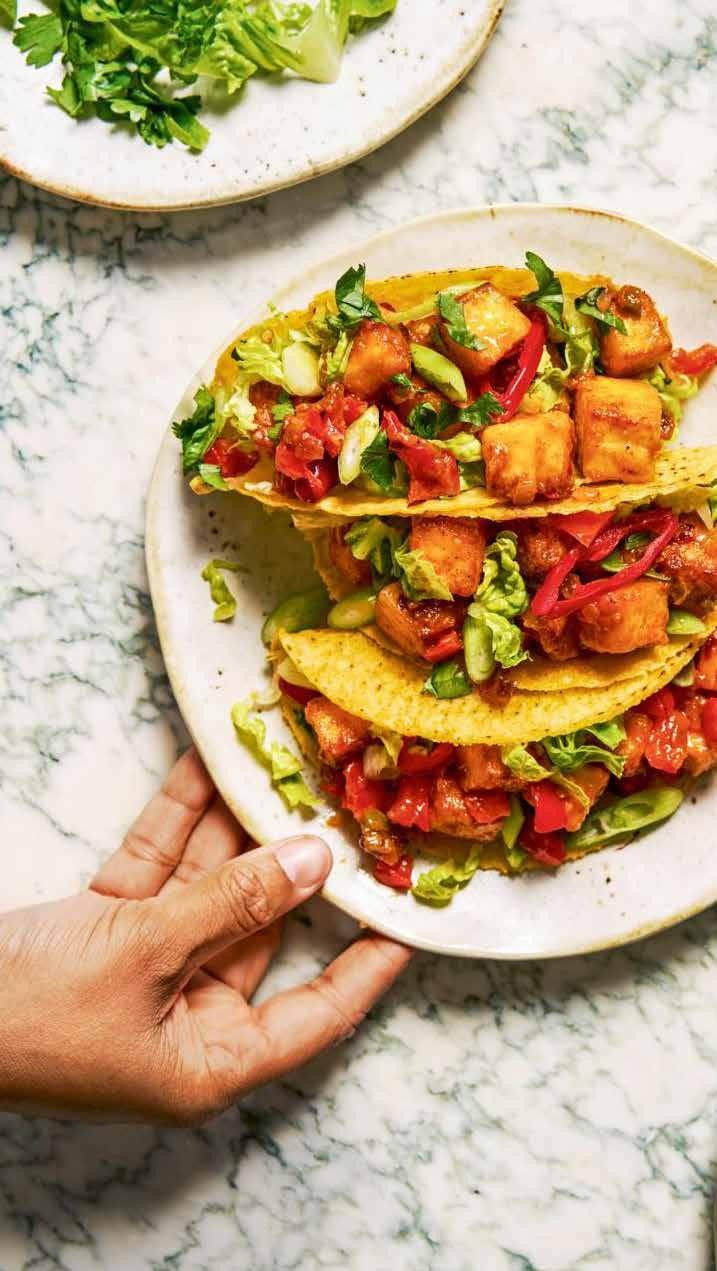
Each dish carries a taste of home – there’s a hint of a South Asian mum’s magic and a sense of familiarity in every bite

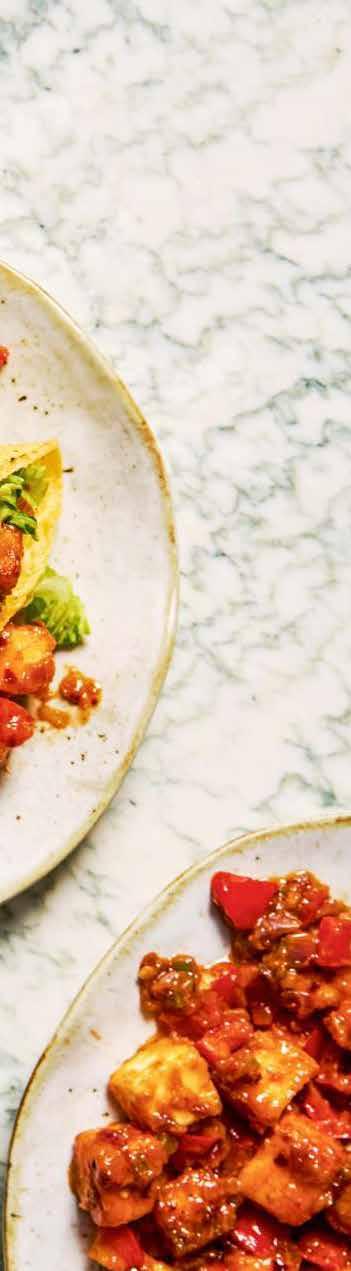
Food recommends

A bold fusion that brings together the best of Indo-Chinese and Mexican flavours. These tacos are loaded with delicious paneer tossed in a glossy sauce, all tucked into crunchy shells with fresh toppings. They’re fun to assemble, quick to cook and guaranteed to liven up any fakeaway night.
SERVES 4 PREP 10 mins COOK 20 mins EASY V
For the paneer
250g paneer, cut into small cubes
2 tbsp cornflour
1/2 tsp Kashmiri red chilli powder
neutral oil (such as vegetable), for frying
For the sauce
1 tbsp neutral oil (such as vegetable)
1 red onion, diced
1 small green or red pepper, diced
3 garlic cloves, minced
1 green chilli, finely chopped
1/2 tsp red chilli flakes
1 tsp sugar
1 tbsp dark soy sauce
2 tbsp chilli sauce
1 tbsp ketchup
1 tsp vinegar
2 tsp cornflour
To assemble
8 taco shells
shredded lettuce
2 spring onions, sliced
2 red chillies, sliced
2 tbsp chopped coriander
You’re Welcome by Raymond Tan & Audrey Payne (Murdoch
Books)
Malaysian baker Raymond Tan adds a South Asian twist to his sweet and savoury bakes – plus a huge amount of fun and creativity, from matcha & white chocolate cookies and pandan chiffon cake, to chive dumplings and curry buns. You can also learn to make kueh (traditional Malaysian sweets), mooncakes (Chinese pastries) and Japanese milk bread. Joyful and vibrant.
1 In a bowl, mix the paneer cubes with the cornflour, chilli powder and 1/2 tsp salt until evenly coated.
2 Heat a drizzle of oil in a frying pan over a medium heat and shallow-fry the paneer in batches until golden and crisp on all sides. Remove to a bowl of boiling water while the sauce is being made – this helps keep the paneer soft. Drain just before adding to the sauce.
3 In a separate pan, heat the oil for the sauce over a medium heat and cook the onion and pepper for 3-4 mins until slightly softened. Add the garlic and green chilli, and cook for another 2-3 mins until fragrant.
4 Stir in the red chilli flakes, 1/4 tsp black pepper, the sugar, soy sauce, chilli sauce, ketchup and vinegar. In a small bowl, mix the cornflour with 100ml water to make a slurry. Pour this into the pan and cook for 2-3 minutes until the sauce thickens and becomes glossy. Taste and add salt as needed (the soy sauce will already be salty).
5 Add the drained paneer to the sauce and toss gently to coat. Let it heat through for 1-2 mins, then remove from the heat.
6 Warm the taco shells following pack instructions. Add a layer of shredded lettuce to the base of each shell, then generously spoon in the hot chilli paneer. Top with sliced spring onions, red chillies and fresh coriander. Serve immediately while the shells are still crisp.

Eat Like a Greek by Marina Georgallides (Hamlyn)
Holiday at home with Greek-Cypriot food writer Marina who shares recipes from her childhood. There’s classic meze that will transport you to a Greek taverna – cheese croquettes, calamari, Greek meatballs – plus everyday dinners and weekend feasts, including gyros, moussaka and slow-cooked lamb. It’s a beautiful book that comes in handy for summer entertaining.
Want to introduce your culinary offerings, restaurant, chef or FMCG/CPG brand to our targeted foodie audience? Let Good Food Middle East source the perfect venue, manage the guest list and take care of everything you need to showcase your concept to our loyal community via a fun, foodie event.


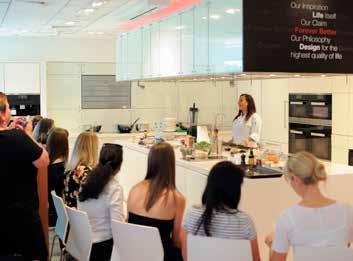
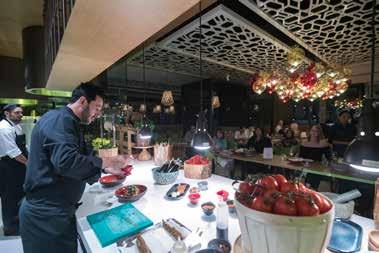
For more information, email info@cpimediagroup.com
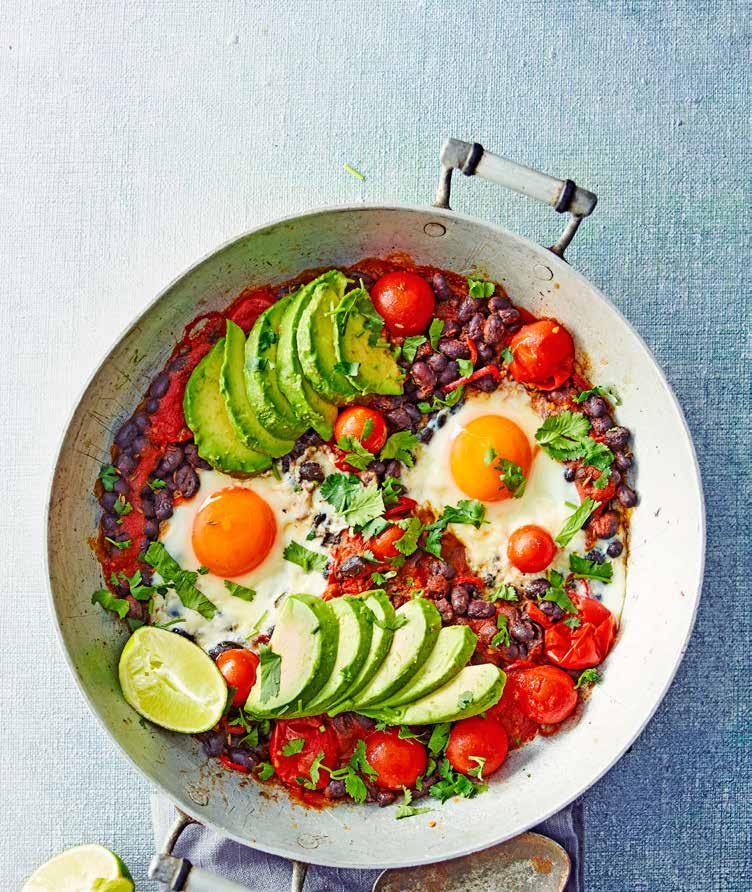

Food waste is to be avoided, but do recipe writers do enough to help home cooks avoid it?
words LULU GRIMES
Keeping on top of food waste in the Good Food Test
Kitchen is a full-time job – or it would be, if I didn’t already have a full-time job. My bugbear at this time of year? Unused chunks of cucumber.
This isn’t to throw shade – I often find myself with half a cucumber or possibly two if I haven’t been vigilant. The same goes for ends of bags of spinach, sorry-looking salad, wilted herbs and, often, floppy celery leftovers. Here’s the conundrum: if, while developing recipes and shopping for ingredients, we end up with a fridge full of bits and bobs, how is everyone coping at home? Are we giving our recipe users a fair shot at eliminating food waste, or do those halves of cucumber and leftover bits of salad languish unloved until they turn into swamp monsters? A disintegrating cucumber is particularly unlovely, so let’s get to it before it’s too late. While chatting with the team, we concluded that we don’t write enough recipes that make cucumbers the hero, requiring the use of the whole vegetable. Instead, we tend to relegate cucumbers to sides or use them as an add-on ingredient. Ditto salad leaves – recipes often cite a ‘handful’. Herbs, likewise. Celery? A few sticks is a common ask. And, cucumber fatigue can set in at this time of year. They are so obvious, so there on the chiller shelf (or pouring off the plants if you grow them) – they’re part of the ingredient lexicon that shouts, “It’s summer, buy me.”
We have written a lot of recipes over the years, of course. If you want a cooling soup, quick pickles,
smacked cucumber noodles or a cucumber spritz, we’re there for you. We have salads aplenty and, of course, a slew of great sandwich fillings, including the classic afternoon tea stalwart. We are British, after all. But cooked cucumber? Not so much. We need to up our game.
Karan Gokani posted a cucumber curry on Instagram last year that’s worth a try (@karancooks), and I do occasionally barbecue cucumber to give it a smoky edge, or stir-fry chunks. For this, you do need firm cucumbers – you don’t want them giving up too much water into your finished dish. If your cucumbers are watery, salt them after cutting and leave in a sieve so they release some of their liquid, then rinse before using.
The other reason you might end up with a load of cucumbers is growing your own, and you can’t control what they end up looking like. Mine, if they progress at all, are wonky at best. At least now we can often buy different types of cucumbers – the straight telegraph isn’t your only option, though it does seem to be a default. And, Burpless is the best name ever. Wonky cucumbers are the best.
My fridge was a graveyard of herbs and I had a couple of green tomatoes, so I made a very green ‘swamp salad’ (p128) – an excellent pasta stirthrough or bed for grilled meat, chicken or fish.
If while developing recipes we end up with a fridge full of bits and bobs, are we giving our recipe users a fair shot at eliminating food waste?
(aka, whatever’s-in-the-fridge salad)

turn over for the full recipe and three more quick cucumber ideas
Parsley and dill are my choice, because that’s what I had. Basil would also be good, as would a smattering of oregano or that rare beast, chervil. If you adore coriander, then that can also work.
The dressing is based on a technique for using lemon segments and juice that I saw in April Bloomfield’s book, A Girl and Her Pig, which made quite the stir when it came out. Food52 named it a ‘genius’ recipe. My version includes the zest. The sugar is essential to take the edge off, so don’t be tempted to skip it. April’s recipe is mustardy and has capers in it, but feel free to add what you like. This recipe also includes a little crème fraîche, because that’s another thing I always have scrapings of in the fridge. Skip it if you don’t. (Yogurt, cream or buttermilk are also options.)
Non-negotiable. A lime won’t work in the same way, but you might get away with a sourish orange.
I’ve bulked my salad up with mozzarella, because I like the sharpness of the dressing against the milky cheese, and the textures of crunchy cucumber, pistachios and tomato flesh need something substantial and soft. You could spread goat’s curd or labneh on a plate and pile the salad on top, or crumble in some mild goat’s cheese instead (or skip the cheese entirely). If you want some pings of flavour, add capers, chopped olives or a spoonful or two of Vadasz hot & sweet jalapeño relish. The latter is essential to my fridge.
When it comes to those boxes of mixed tomato varieties, I have form – hence the green tomatoes (variety, not ripeness), which are juicy and not as sweet as the red ones I usually use. You could also use yellow, if that’s what you have, or even red – you’ll just have to rename the salad!
SERVES 2 as a main, 4 as a side PREP 15 mins NO COOK EASY V
1 lemon
3 tbsp extra virgin olive oil, plus extra to serve
1 tbsp crème fraîche, cream or yogurt (or more, if you want a creamier dressing)
1/2 tsp caster sugar
1/2 cucumber, several cucumber ends or two small cucumbers, cut into chunks or slices
2 green (or other) tomatoes, cut into wedges
small bunch of parsley, roughly chopped small bunch of dill, roughly chopped handful of pistachios, shelled and roughly chopped
1 large mozzarella ball (optional)
1 Grate the lemon zest into a bowl, then slice off the rind and pith. Use a small, sharp knife to slice between the membrane and release the segments into the bowl. Squeeze in any juice, including any that might be in the skin you’ve cut off.
2 Add the oil, crème fraîche, plenty of seasoning and the sugar, then whisk everything together. The lemon juice will emulsify with the oil and the crème fraîche will provide creaminess.
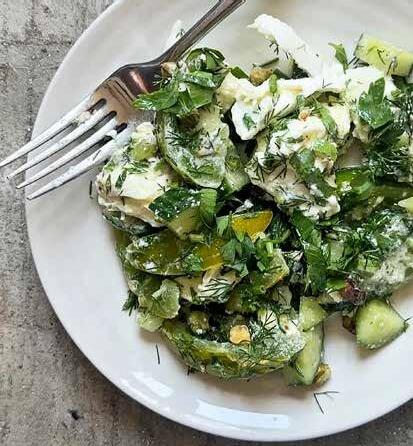
3 Put the cucumber and tomatoes in a bowl, then add most of the herbs and pistachios, and pour over most of the dressing. Toss everything together. Tear the mozzarella into the salad, if using. Add the remaining dressing and scatter over the remaining herbs and pistachios. Drizzle over a little more olive oil, if you like. If you’re

Trim the ends off 1 large cucumber, then halve crosswise and spiralize or peel into thick ribbons. Toss with 1 tsp sea salt flakes, put in a colander and let stand for 15 mins. Squeeze out the excess liquid using your hands, then pat dry using a tea towel. Combine 1 tbsp caster sugar, 1/2 tsp coriander seeds and a small handful of chopped dill in a bowl, then stir in the cucumber ribbons.
Roughly chop 1 cucumber and set aside. Cut a third off another cucumber and finely chop, then roughly chop the rest of that cucumber. Tip all the roughly chopped cucumber into a blender or food processor with 150g Greek yogurt, the juice of 1 lime, the leaves from 3 mint sprigs and a small bunch of chives, chopped. Blitz until smooth. Taste and add a little more lime juice, if needed. Divide the soup between bowls and scatter over the finely chopped cucumber and more mint and chives. Drizzle with rapeseed oil just before serving.
not eating this straightaway or eating this over more than one day, it will continue to give off liquid in the fridge – it will taste nice, but look even more swampy. Don’t leave it too long, though.
Heat 2 tbsp olive oil in a large saucepan and cook a small handful of mint, chopped, for 1 min. Cut 2 cucumbers into thin ribbons using a vegetable peeler, then stir these into the mint. Toss and cook for 2-3 mins to warm through. Remove from the heat and toss through a small handful each of parsley and dill, chopped, and a splash of lemon juice. Tip onto a platter and season with more lemon juice, if you like, and a sprinkle of lemon zest.
I’ll let you in on a secret: the most popular recipe collections on the Good Food website and app mostly focus on protein. Added to that the prevalence of protein powders, bars and snacks, the data agrees that we’re all getting our fill of this particular macro. This edition, we’re investigating the why, what and how much – with an eye on the best plant sources, since filling up on chicken breast and T-bone steak is neither necessary nor especially healthy for you, your wallet or the planet. I hope you find this useful!
Emma Hartfield, health editor




KERRY TORRENS, REGISTERED NUTRITIONIST
Kerry has a postgraduate diploma in personalised nutrition


ISSIE KEELING, DEPUTY HEALTH EDITOR
Issie looks after all health content for Good Food and our sister title, olive


MELISSA KUMAN, SOCIAL MEDIA CREATOR
Melissa is also a registered nutritionist, posting for @GoodHealth
ByGoodFood
Protein bars and shakes are run of the mill, but protein coffee, crisps and water? Why do these products exist, and who is actually buying them? Protein has become one of the most hyped nutrients, moving from simply a specialist interest among athletes to a fully mainstream dietary focus. The fascination with ‘high protein’ now seems established in the national consciousness, and plenty of us are seeking to squeeze more into our diets, often without really knowing why.
Protein is one of the three essential macronutrients, alongside carbs and fat. It’s made up of amino acids, which are the building blocks required by the body for muscle repair and growth, as well as the maintenance of healthy bones, production of enzymes and hormones, immune function and much more. As the body can’t store excess amino acids, we need to regularly include protein in our diets.
Protein has become one of the most hyped nutrients, moving from a specialist interest among athletes to a mainstream dietary focus
As we age, maintaining muscle mass and bone strength becomes increasingly important, because ageing is naturally accompanied by a gradual loss of muscle – a process known as sarcopenia, which may lead to frailty and reduced mobility. Protein may help slow this decline by preserving lean muscle and supporting bone density. For older adults, getting enough protein is essential to stay strong, mobile and independent. In fact, research suggests that protein requirements increase as we get older and a higher intake may help support better physical function and recovery after illness or injury.
Eating more protein is synonymous with body building and supporting muscle growth and repair. Protein is necessary for building muscle tissue, making it essential for anyone engaged in resistance training or regular exercise. After exercise, the body uses protein to repair and build new muscle fibres, which is why athletes and body builders focus on consuming high-quality protein. The combination of regular resistance exercise and sufficient protein is key to achieving this muscle development. Even for those who aren’t aiming for muscle gain, maintaining muscle mass is important for metabolic health and overall strength.
High-protein diets are nothing new – the well-known Atkins and Dukan diets centre on the values of protein, including its high-calorie burn during digestion, ability to keep you full and protection of your metabolic rate. Being slow to digest, protein not only keeps you feeling fuller for longer, it helps reduce overall calorie intake by curbing hunger. Including more protein in the diet is thought to regulate blood sugar levels, reduce energy dips and cravings for sugary snacks. Many weight-loss plans now emphasise protein-rich foods such as lean meats, fish, eggs, dairy, pulses and nuts as a way to support healthy weight management without feeling deprived. However, don’t forget that diets that simultaneously limit the amount of carbs or other foods you eat may result in you missing out on some important nutrients.
As a woman, you can expect your protein needs to fluctuate throughout life, but protein becomes particularly important during the years around the menopause. As oestrogen levels decline, women are at greater risk of losing muscle and bone mass, which can affect strength, mobility, balance and bone health. Eating sufficient protein during this time may help counteract these changes, supporting the maintenance of muscle and bone and helping with recovery and energy levels. Protein also plays a role in hormone production, which is especially relevant during the hormonal shifts of menopause. For women, prioritising protein may help manage the physical changes associated with this stage of life.
Another reason for protein’s popularity is its effect on metabolism. Digesting and metabolising protein burns more calories than digesting the equivalent amount of carbs or fat. In addition, because muscle tissue burns more calories at rest than fat tissue, maintaining or increasing your muscle mass through a higher protein intake, combined with exercise, may support your overall metabolic rate. For those seeking to improve their body composition or who simply want to feel more energetic, increasing protein intake may be an effective strategy.
Being slow to digest, protein not only keeps you feeling fuller for longer, it helps reduce overall calorie intake by curbing hunger
Beyond these headline reasons, protein is involved in numerous other aspects of health. It supports immune function, helps with the repair of tissues throughout the body and is necessary for the production of neurotransmitters that affect mood, memory and sleep. Protein also contributes to healthy hair, skin and nails, and plays a role in recovery from illness or injury.
Discover why some might benefit from eating more than the recommended intake
The answer you’re likely to hear is that the average healthy adult needs around 0.75g of protein per kilogram of body weight each day. This provides a baseline amount to support the general maintenance of a healthy, sedentary adult. However, protein needs are not one-size-fits-all and can vary depending on factors such as age, activity levels, overall health and fitness goals.
Many people already consume more than this baseline amount, and eating above the recommended minimum is not necessarily a concern. These guidelines are created to meet the needs of the majority of the population, but certain groups may benefit from higher protein intake, including older adults, people recovering from illness or injury, pregnant and breastfeeding women, and those who are highly active.
People looking to build or maintain muscle mass, particularly those doing regular strength training, may require more protein, with some recommendations suggesting around 1.2–1.6g per kilogram of body weight per day depending on individual needs and goals.
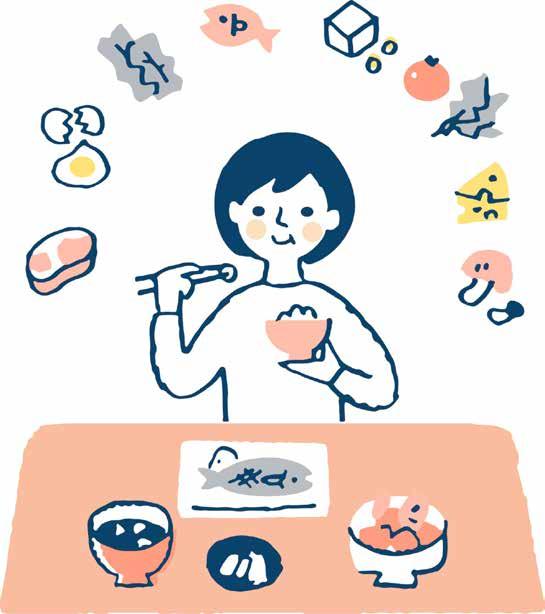
ANIMAL-BASED SOURCES (protein per 100g) • Chicken breast (grilled, skinless) 32g • Cheddar 25.4g • Salmon (grilled) 24.6g • Eggs (boiled) 14.1g • Plain Greek-style yogurt 5.7g
PLANT-BASED SOURCES (protein per 100g) • Almonds 21.1g • Tofu (steamed) 8.1g • Red lentils (boiled) 7.6g
• Chickpeas (canned) 7.2g • Quinoa (cooked) 4.4g
1
Include protein in every meal
Distributing protein intake evenly across all three meals of the day is more effective for muscle maintenance and appetite control than consuming most of it in one sitting. Aim for two to three meals, each containing 25-30g of high-quality protein.
2
Swap out red and processed meats
It is advised to eat no more than 70g (cooked weight) of red and processed meat per day because of the potential link with bowel cancer, heart disease and type-2 diabetes. Choose lean poultry, fish, eggs and plant-based sources, such as beans, lentils and tofu, more often.
3
Add pulses, nuts and seeds
Beans, lentils, chickpeas, nuts and seeds are excellent choices for both protein and overall health, as they’re naturally low in fat and high in fibre. Add chickpeas to salads and lentils to soups, or enjoy a handful of nuts as a snack.
4
Include dairy and fortified plant-based alternatives
Dairy products such as yogurt, cottage cheese and milk are good sources of protein and provide important nutrients like calcium and the B vitamins. For plant-based diets, fortified soya milk and yogurt are useful alternatives.
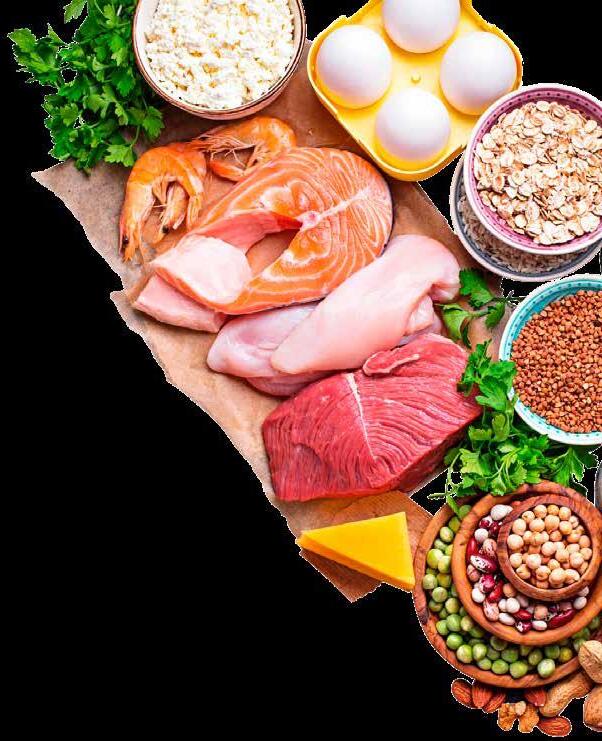
5
Combine plant protein for variety
Although most plant proteins are not ‘complete’, eating a range of pulses, grains, nuts and seeds over the course of the day ensures you get all the essential amino acids. For example, pair lentils with wholegrain rice, or enjoy peanut butter on wholemeal toast.
6
Eat fish regularly
Aim for two portions of fish per week, including one portion of oily fish, like sardines or MSC-certified salmon, which provide protein as well as the beneficial omega-3 fats.
For most healthy adults, long-term consumption of up to 2g of protein per kg of body weight per day is considered safe. But, as ever, the balance, variety and quality of your diet is what is important. Protein comes in many shapes and forms, and not all protein sources are equal. Animalbased foods, such as meat, fish, eggs and dairy, are considered high-quality or ‘complete’ because they contain all nine of the essential amino acids in adequate amounts. Some plant-based foods, such as soya, quinoa and buckwheat, are also complete proteins, while other plant sources, including pulses, nuts and grains, provide some but not all essential amino acids in the amounts needed, so eating a varied diet is key.
Choosing what to eat doesn’t just affect our health – it shapes the world around us. So, which is the protein source that’s healthiest for the planet?
These are among the most planet-friendly proteins available, as they require a fraction of the water and land that animal proteins demand, will grow in many different climates and actively improve the soil they grow in by fixing nitrogen, reducing the need for synthetic fertilisers.
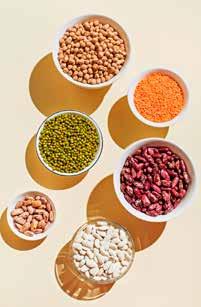
Fish often carries a lighter carbon footprint than meat, but our oceans are under enormous strain: an estimated 35.5 per cent of the world’s fish stocks are overexploited or depleted. Meanwhile, fish and shellfish farming has boomed and, while it tends to have a lower carbon footprint than beef production, it brings its own challenges around water pollution, land use and fish welfare. Choosing local, fast-growing, more abundant varieties makes a big difference – mussels are a good choice.
When it comes to red meat, the uncomfortable truth is that raising livestock such as cattle and sheep has a significant environmental impact. Livestock farming accounts for a notable share of global greenhouse gas emissions, while beef and lamb are among the most resource-intensive proteins to produce, requiring significantly more land per gram of protein than plantbased options such as peas or soybeans used to make tofu. A 1kg cut of beef can require thousands of litres of water to reach your plate. Cattle also produce methane, a greenhouse gas far more potent than CO₂. While work is underway to reduce emissions through solutions such as improved feed and farming practices, beef and lamb currently remain among the least planet-friendly protein choices.
Of course, chicken is hugely popular and, while it is better than red meat from an environmental standpoint – it requires less land and water and produces fewer methane emissions – we farm an enormous number of chickens per year. Better than beef, yes, but not as good as a plant.
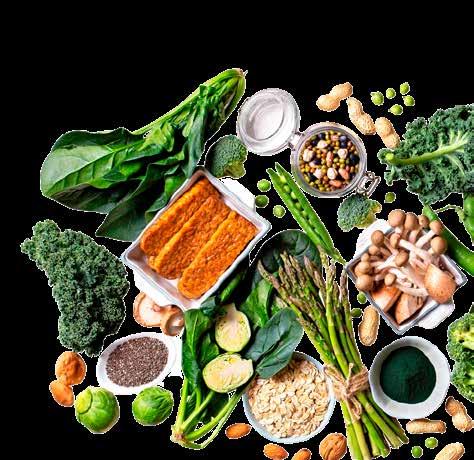
When it comes to picking a protein, plants win. They’re nutritious, affordable and carry a fraction of the carbon footprint of animal-based alternatives. You don’t have to go fully plant-focused overnight – simply shifting the balance and eating a little less meat can make a meaningful difference to both your health and the planet’s.
all with at least 20g protein per serving, so there’s no need for meat
Avocado & black bean eggs
Protein for breakfast keeps you feeling full, so eggs and beans are a great way to start the day.
SERVES 2 PREP 5 mins COOK 5 mins EASY V
2 tsp rapeseed oil
1 red chilli, deseeded and thinly sliced
1 large garlic clove, sliced
2 eggs
400g can black beans
1/2 x 400g can cherry tomatoes
1/4 tsp cumin seeds
1 small avocado, halved, stoned, peeled and sliced handful of coriander, chopped 1 lime, cut into wedges

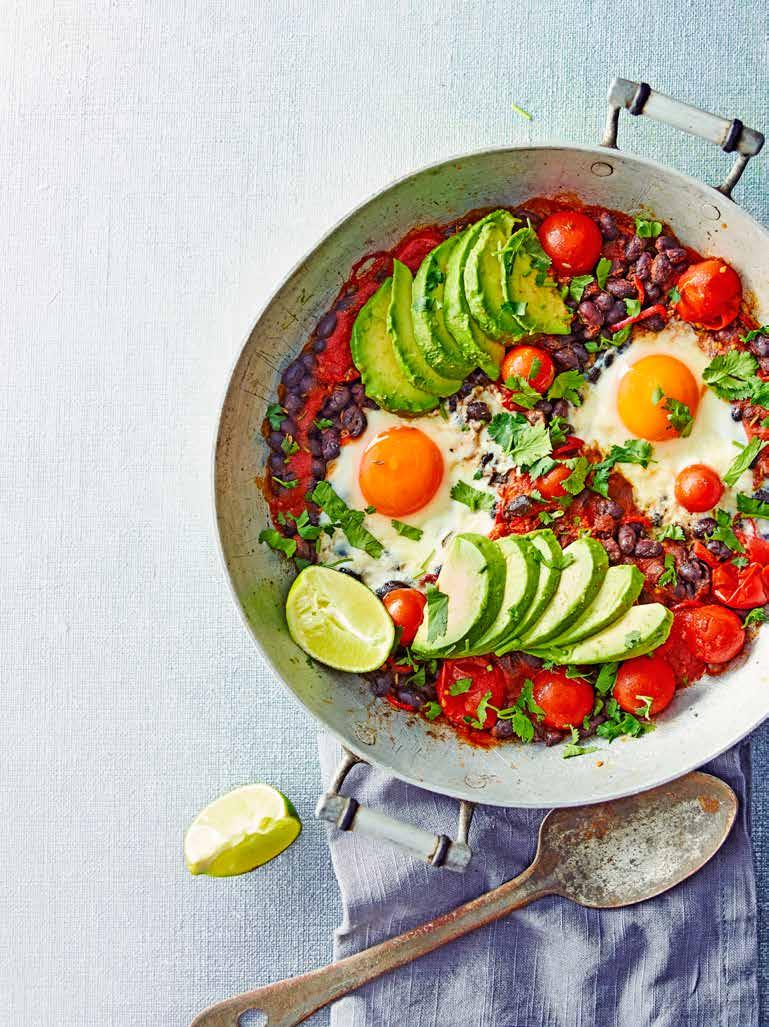
1 Heat the oil in a large non-stick frying pan and cook the chilli and garlic until softened and starting to colour. Crack the eggs into either side of the pan and, once they start to set, spoon the beans along with the liquid from the can and the tomatoes around the pan. Sprinkle over the cumin seeds. You’re aiming to warm the beans and tomatoes, not cook them.
2 Remove from the heat, then scatter over the avocado and coriander. Squeeze over half the lime. Serve with the remaining lime wedges on the side for squeezing over.
Rice noodle salad with peanut butter tempeh
SERVES 2 PREP 10 mins
COOK 20-22 mins EASY V
rapeseed oil, for the baking tray
2 tbsp crunchy peanut butter
1 large garlic clove, finely grated
100g tempeh, thinly sliced and cut into bite-size pieces
For the salad
100g vermicelli rice noodles
1 large lime, zested and juiced
1 tbsp sweet chilli sauce
1 large carrot (160g), cut into matchsticks
160g cucumber, halved, deseeded and thinly sliced at an angle
2 spring onions, finely chopped
2 tbsp chopped mint
2-3 tbsp chopped coriander
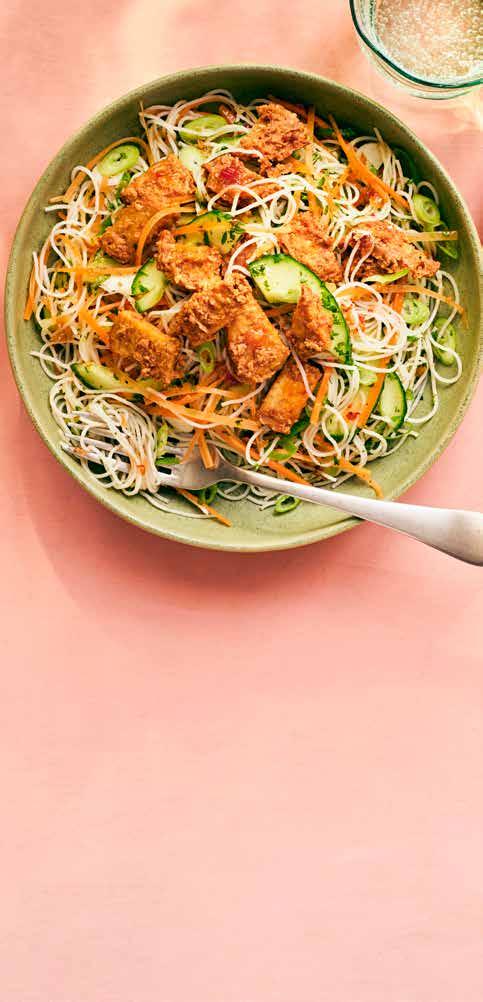
1 Heat the oven to 200C/180C fan/ gas 6. Line a baking tray with foil and rub over a few drops of oil. Put the peanut butter in a small heatproof bowl and mix with 2 tbsp boiling water and the garlic. Stir in the tempeh to coat. Arrange the pieces, spaced apart, on the prepared baking tray, and bake for 10-12 mins until golden.
2 Meanwhile, make the salad. Cook the rice noodles following pack instructions, then rinse and drain. Mix the lime zest and juice with the chilli sauce in a large bowl, and stir in the carrot, cucumber and spring onions. Toss through the drained noodles, then the mint and coriander. Pile into bowls, top with the baked tempeh and serve.
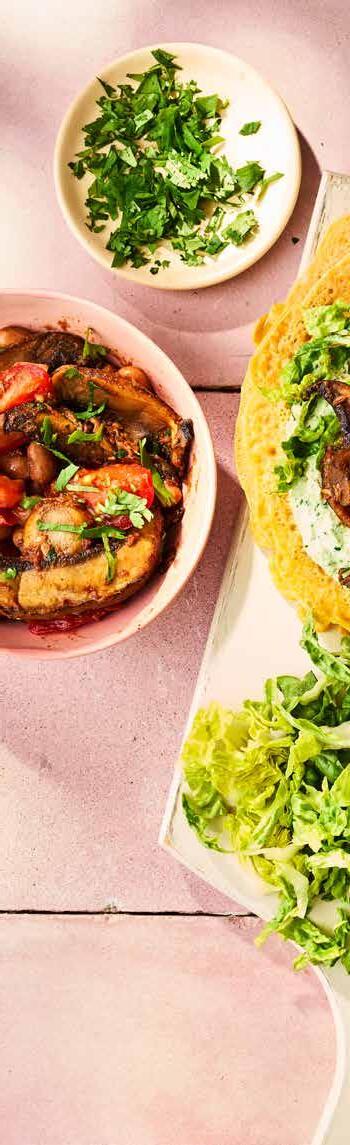

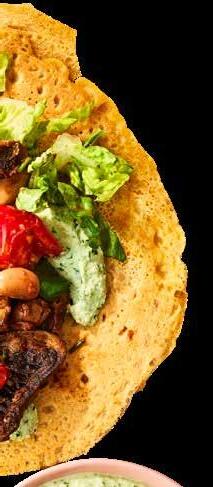
Mushroom tacos
Using cashew cream instead of yogurt increases the protein here, as well as keeping the dish suitable for vegans.
SERVES 4 PREP 30 mins COOK 30 mins EASY V
For the taco wraps
250g gram (chickpea) flour
2 tbsp fine cornmeal (optional)
1/2 tsp rapeseed oil
For the cashew cream
100g cashew nuts (not roasted)
2 tbsp lime juice
20g coriander
For the mushrooms
1 tbsp rapeseed oil
4 large, flat mushrooms (about 400g), thickly sliced
2 large garlic cloves, finely grated
1 tsp cumin seeds
1 tsp hot chilli powder
1 tsp ground coriander
400g pinto beans, drained and liquid reserved
2 tsp tomato purée
3 For the mushrooms, heat the oil in a large, non-stick pan. Stir in the mushrooms and garlic, then cover with a lid for about 5 mins until the mushrooms start to steam in their own liquid. Stir, uncovered, for a few minutes more until softened, stirring occasionally. Add the cumin seeds, chilli powder and ground coriander, then stir in the pinto beans and tomato purée. Cook for 2-3 mins, adding a splash of the reserved bean liquid to loosen. Add the tomatoes and cook for a few minutes until softened, but not completely broken down. Stir in the remaining coriander from making the cashew cream, then cover and set aside.
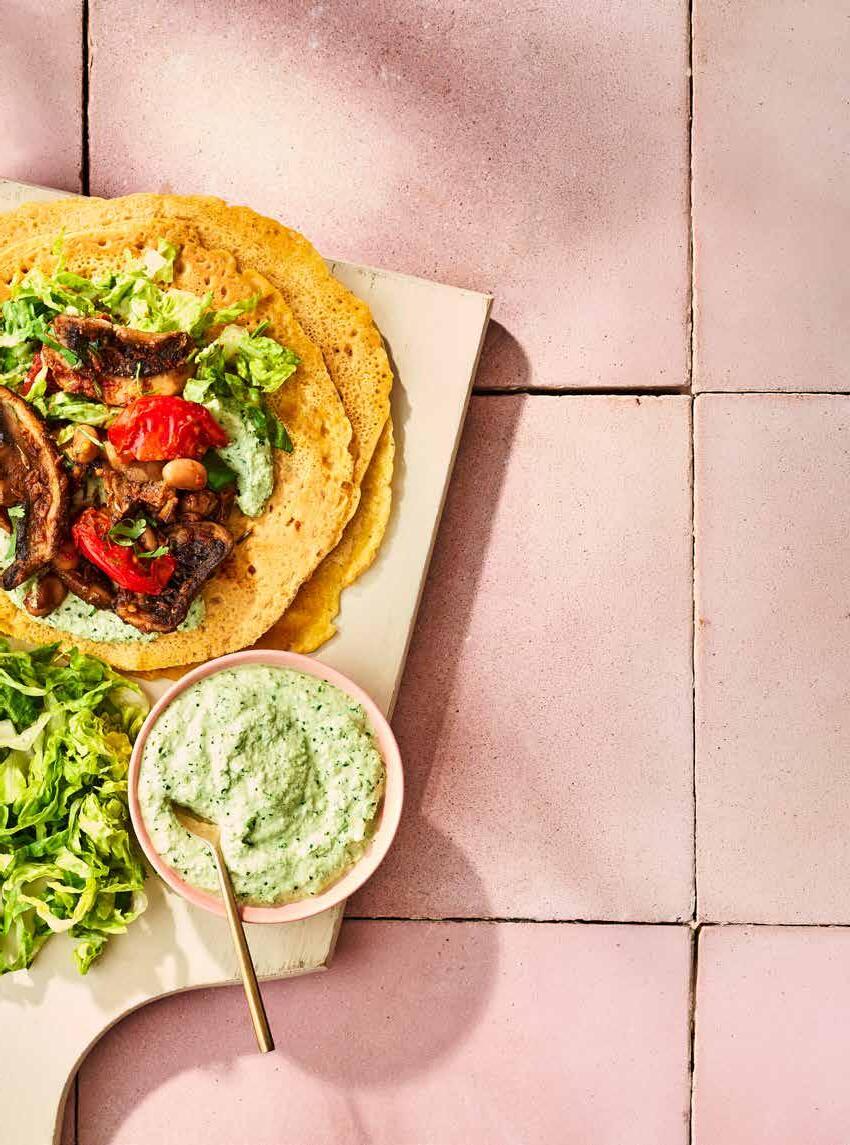
4 tomatoes, cut into wedges
4 handfuls of shredded lettuce
1 Sift the gram flour and cornmeal into a bowl and make a well in the centre. Gradually whisk in 400ml water to make a smooth, thick batter. Set aside.
2 For the cashew cream, put the cashews in a heatproof bowl with 100ml boiling water, the lime juice and half the coriander, then blitz with a hand blender until smooth and creamy. Add 1 tbsp more water to loosen, if needed.
4 Heat the oil for the tacos in a 20cm non-stick frying pan. For one taco, add 4 tbsp of the batter to the pan and swirl to cover the base. Cook for 1-2 mins on each side until browning in spots. Make the rest in the same way, keeping the cooked ones warm in a low oven. The uncooked batter will keep chilled for up to three days.
5 Divide the shredded lettuce, cashew cream and mushrooms between the tacos, then serve Any leftover fillings will keep chilled for up to three days. Reheat the mushrooms in the microwave and make wraps using leftover chilled batter, or heat cooked tacos in a dry frying pan over a medium heat until warmed through.
This budget veggie meal is high in fibre as well as protein – an all-round winner.
SERVES 4 PREP 20 mins
COOK 45 mins EASY V
1 tbsp rapeseed oil
2 onions (320g), roughly chopped
2 green peppers, deseeded and cut into cubes
2 tsp hot chilli powder
1 tbsp ground coriander
1 tsp ground cumin
500ml passata
2 x 400g cans chickpeas
2 tsp vegetable bouillon powder
40g flame raisins
1/2 lemon, juiced, flesh scooped out and white pith removed, then zest finely chopped (you’ll need 2 tsp)
350g cauliflower florets
15g parsley, chopped 140g wholemeal couscous
40g toasted flaked almonds
1 Heat the oil in a large lidded pan over a medium heat and fry the onions for 10 mins, stirring often until golden. Stir in the peppers and cook for 5 mins more.
2 Add the chilli powder, coriander and cumin, stir briefly, then tip in the passata and chickpeas along with the liquid from the cans.
3 Stir in the bouillon powder, raisins and lemon zest, then add the cauliflower. Cover tightly and simmer over a medium heat for 15-20 mins until the cauliflower is tender. Stir in half the parsley.
4 Meanwhile, put the couscous in a heatproof bowl and pour over
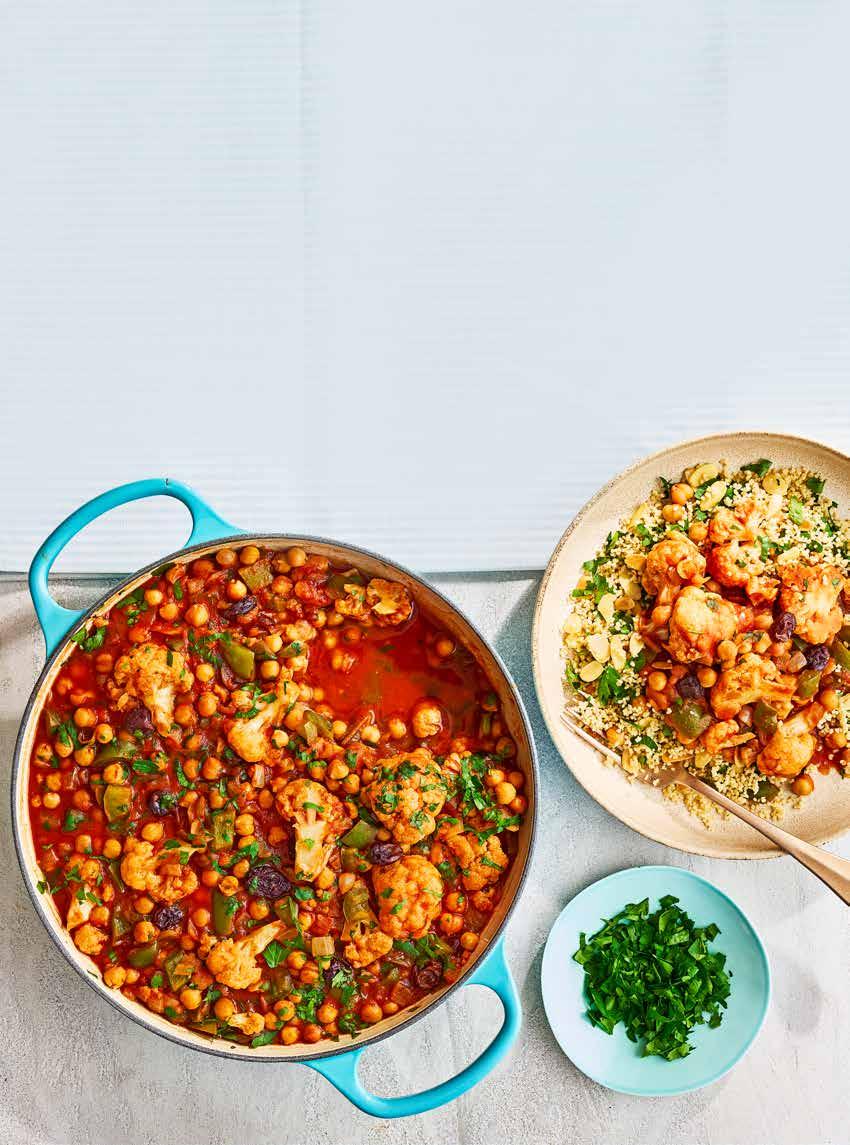
175ml boiling water from the kettle. Stir in the lemon juice, then cover and let stand for about 10 mins until the couscous has absorbed the liquid and is tender. Stir in the flaked almonds and most of the remaining parsley.
5 Serve the couscous topped with the chickpea stew and remaining parsley. Leftovers will keep covered and chilled for up to three days
Reheat the stew in a pan over a low heat with a splash of water until piping hot. Reheat the couscous in the microwave.
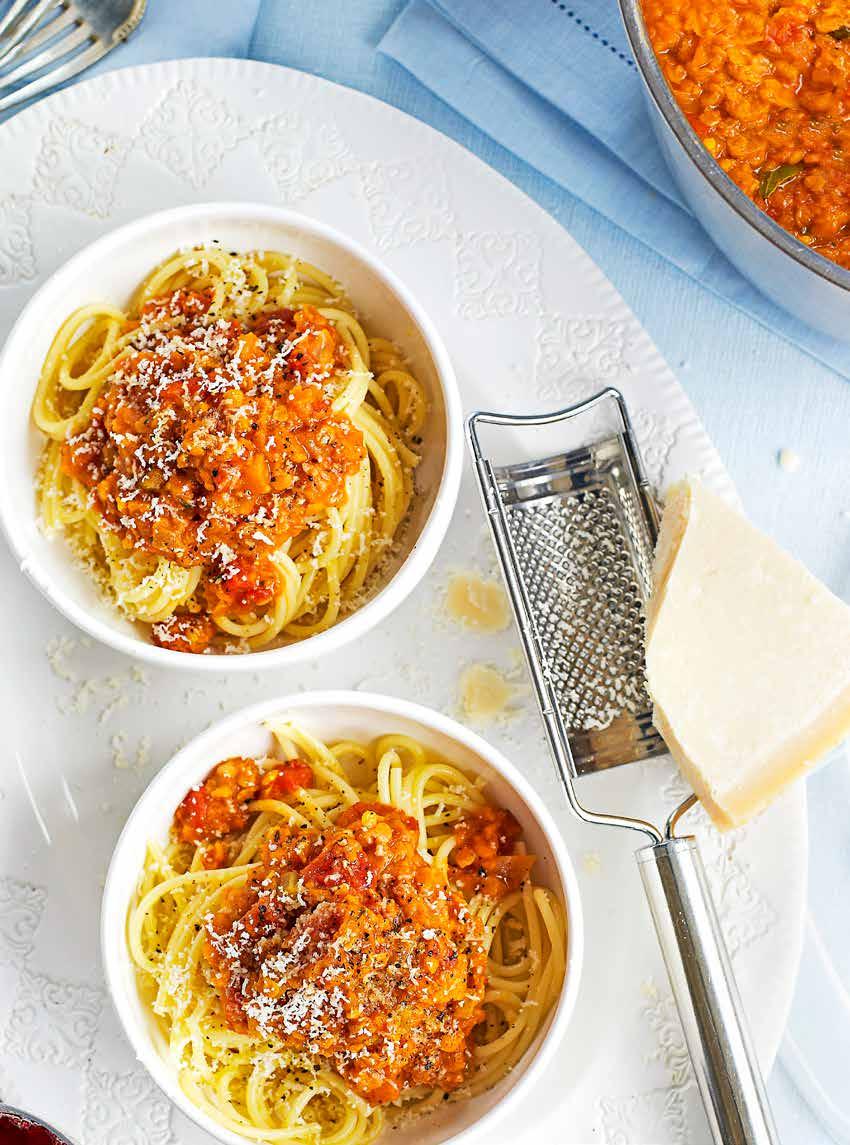
Lentils are rich in iron as well as protein, making them an important ingredient for vegetarians.
SERVES 6 PREP 15 mins
COOK 1 hr 15 mins EASY V
3 tbsp olive oil
2 onions, finely chopped
3 carrots, finely chopped
3 celery sticks, finely chopped
3 garlic cloves, crushed
500g dried red lentils
2 x 400g cans chopped tomatoes
2 tbsp tomato purée
2 tsp dried oregano
2 tsp dried thyme
3 bay leaves
1 litre vegetable stock
500g spaghetti
vegetarian hard cheese, grated, to serve
1 Heat the oil in a large saucepan and and cook the onions, carrots, celery and garlic for 15-20 mins until everything has softened. Stir in the lentils, chopped tomatoes, tomato purée, herbs and stock. Bring to a simmer, then cook for 40-50 mins until the lentils are tender and saucy – add a splash of water to loosen, if needed. Season. 2 Keep the sauce warm over a low heat while you cook the spaghetti following pack instructions. Drain, divide between pasta bowls or plates, spoon over the sauce and grate over some cheese. Leftover sauce will keep chilled for up to three days, or frozen for up to three months. Defrost portions at room temperature overnight, then reheat gently to serve.
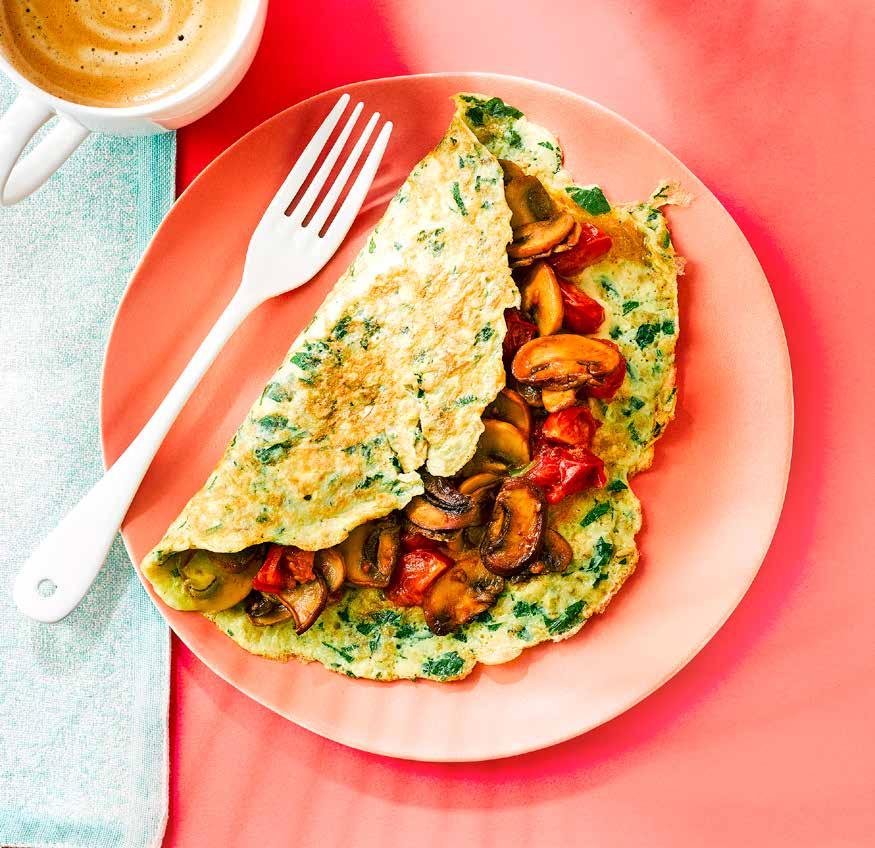
Taking flavour inspiration from a fry-up, this is a quick and easy start to your day that provides two of your five-a-day alongside a good helping of protein.
SERVES 4 PREP 5 mins COOK 7 mins EASY V
4 tsp cold-pressed rapeseed oil, plus 4 drops
500g closed-cup mushrooms, thickly sliced
320g cherry tomatoes, halved, or 8 tomatoes, cut into wedges
10 eggs
2 large handfuls of parsley, finely chopped
8 tbsp porridge oats (40g)
4 tsp English mustard powder, made up with water
1 Heat the 4 tsp oil in a non-stick frying pan over a medium heat and cook the mushrooms, covered, for 6-8 mins. Stir in the tomatoes and cook, uncovered, for 1-2 mins more until softened.
2 Crack the eggs into a bowl and beat in the parsley and oats. Heat a drop of oil in a large non-stick frying pan and fry a quarter of the egg mixture for 1 min until almost set,
then flip as if making a pancake. Tip onto a plate, spread over a quarter of the mustard, then spoon a quarter of the veg filling down the centre and roll up. Repeat the process to make another three wraps before serving.
GOOD TO KNOW healthy • folate • fibre • iron • 2 of 5-a-day PER SERVING 429 kcals
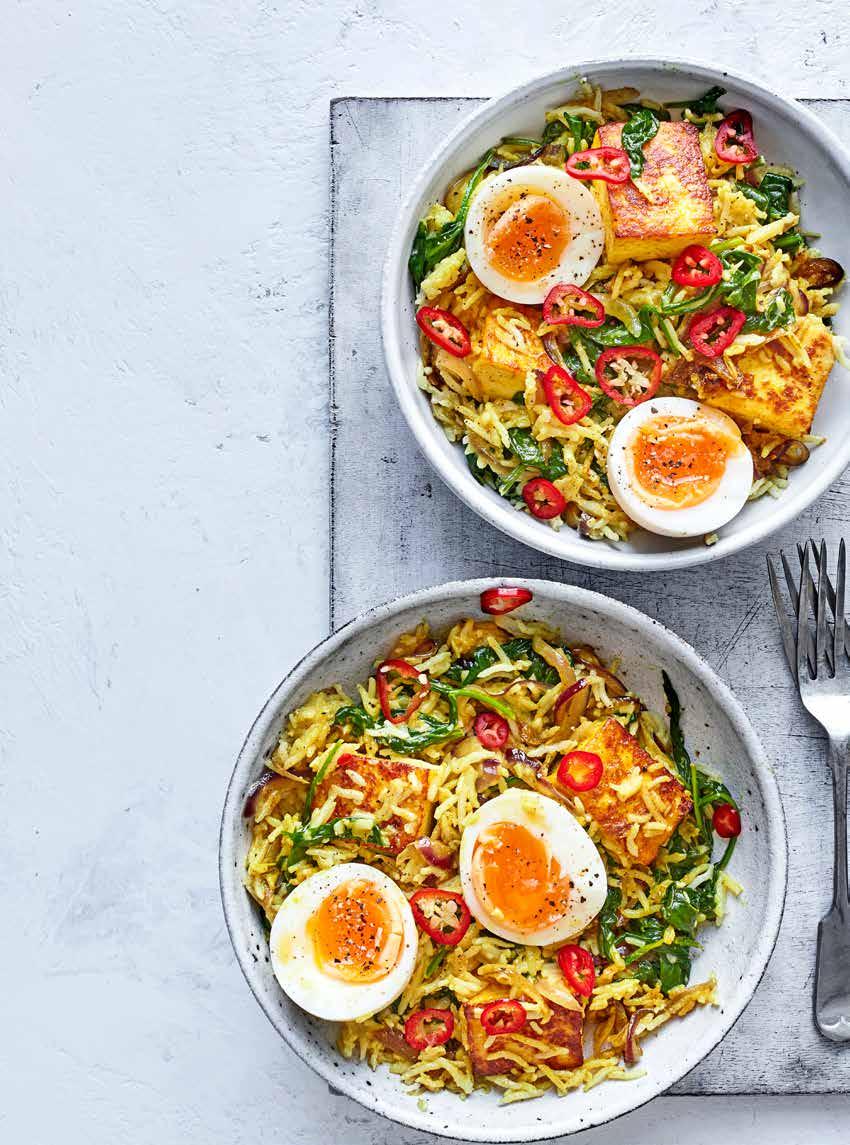
SERVES 2 PREP 5 mins
COOK 15 mins EASY V
2 eggs
1 tbsp vegetable oil
1 red onion, finely sliced
115g paneer, cut into 2-3cm cubes
2 tbsp medium curry powder
250g frozen spinach
200g pouch microwave coconut rice, cooked following pack instructions
1/2 red chilli, finely sliced (optional)
1 Cook the eggs in a medium pan of boiling water for 7 mins, then transfer to a bowl of cold water and set aside to cool.
2 Meanwhile, heat the oil in a large non-stick frying pan or shallow casserole dish over a medium-high heat and fry the onion for 5 mins. Tip in the paneer and fry for 5 mins more, or until the paneer is evenly browned and the onion is starting to caramelise.
3 Add the curry powder and fry for 1 min, then add the spinach. Cover with a lid and cook for a few minutes so the spinach defrosts. Uncover, add the rice, turn up the heat and cook for a few minutes more, or until everything is piping hot. Season. Peel and halve the eggs, then arrange on top of the rice. Scatter over the chilli and season with black pepper.
Whether you’re looking at bars, shakes or scoops of protein powder, the biggest decision is whether to choose animal- or plant-based protein. Whey and casein are derived from cow’s milk and contain all nine essential amino acids – whey is absorbed quickly by the body, while casein is digested more gradually. Both have been shown to support athletic performance, muscle growth and recovery. On the other hand, plant-based proteins, such as pea and soy, can also be highly effective, though some may be lower in certain amino acids, so are often blended to provide a more balanced profile.
Once the preserve of body builders and serious athletes only, regular gym-goers and supermarket shoppers are now also being tempted by the vast array of high-protein snacks and drinks available. Add to this the many fitness influencers promoting the latest protein powder or seducing us with easy recipes for protein-rich breakfast shakes, and you can see how the craze for protein has gone viral.
Protein supplements are often seen as a convenient and effective way to hit your goals, whether that be building muscle, aiding recovery after exercise or harnessing its weight-loss benefits. For some, such as those with reduced appetites, certain medical conditions or those recovering from illness or surgery, supplements can also provide a palatable and convenient source.
There’s now a huge variety of protein powders available, including animal-based options such as whey and casein, or plant-based alternatives like pea, soy, rice and hemp. They come in a host of flavours and can be mixed into shakes and smoothies, or even added to foods like porridge and pancakes, making them a versatile product.

Despite their convenience, protein supplements are not without their drawbacks. Firstly, they’re classified as an ultra-processed food (UPF), because the manufacturing process significantly alters the original structure of the food – most powders contain ingredients not typically found in a home kitchen, such as emulsifiers, sweeteners, anti-caking agents and preservatives. Regular consumption of UPFs has been associated with poorer health outcomes, including increased risks of obesity, cancer and depression. However, it’s not clear what aspects of UPFs are driving these risks. Another concern is that protein powders lack the micronutrients and beneficial compounds naturally present in whole foods. While supplements can help meet protein needs, they fail to provide the fibre, healthy fats, vitamins and minerals found in foods like meat, fish, dairy, eggs, nuts, seeds, beans and legumes. Relying too heavily on supplements may lead to nutrient imbalances, and could mean missing out on the broader benefits of eating a varied diet.
Protein shakes and powders sometimes also contain added sugars or artificial sweeteners, which may not be desirable for everyone. Be sure to read labels carefully and be mindful of what’s included in the product you’re considering.
Relying too heavily on supplements may lead to nutrient imbalances and could mean missing out on the broader benefits of eating a varied diet
The majority of us are able to meet our protein needs by eating a balanced, varied diet. We’ve already looked at the groups that might need additional protein – whether due to intense physical activity, restricted diets or following illness or surgery. But there are also groups who should avoid protein supplements, including children (unless advised by a healthcare professional) and individuals with kidney problems or those at risk of osteoporosis – for these people, an excessive protein intake may exacerbate their condition. People with allergies or intolerances must check labels for potential allergens and be aware of the risk of cross-contamination. Pregnant or breastfeeding women and those with existing medical conditions should also consult their doctor before starting any new supplement.
If you decide to use a protein supplement, it’s important to view it as an addition to, rather than a replacement for, a healthy, balanced diet. Whole food sources of protein provide a wider range of nutrients and health benefits beyond protein alone, so supplements should complement your diet rather than replace them. Always read product labels, follow the recommended serving size and consider your total protein intake from all sources throughout the day. Protein requirements vary depending on factors such as age, activity levels and individual health goals, so what works for one person may not be suitable for another. If choosing a protein powder, opt for a reputable brand with clear ingredient lists, quality standards and, where possible, independent testing. For most people, a varied diet that includes a range of natural protein sources remains the best approach, with supplements used only when they support specific dietary needs or fitness goals.
In this chapter of Mohini’s Travel Diary, Mohini Singh and Chef Mohammed Arif explore the deep cultural and culinary ties between India and the UAE, drawing inspiration from shared histories, local ingredients, vibrant food traditions, and centuries-old trade connections to create dishes that celebrate the UAE’s rich multicultural heritage.
Monday to Friday 6:00 PM – 11:30 PM
Saturday & Sunday 1:00 PM – 11:30 PM



From Dubai’s beachfront to Oman’s mountains and the Red Sea coast, here’s where to stay this summer

This summer, Anantara Al Jabal Al Akhdar Resort offers a collection of seasonal experiences available from 1 May to 30 September 2026. Set high on Oman’s Jebel Akhdar, the offers include a day pass to the infinity pool, a 60-minute Anantara Signature Massage with spa access, guided village hikes, curated wellness
sessions, floating breakfasts, private in-villa BBQs and afternoon tea experiences, alongside savings of up to 15% on food and beverage and additional benefits on room and villa bookings.
Visit anantara.com/en/jabal-akhdar.


The staycation offer includes a 100% food and beverage credit and 30% discount on spa treatments throughout the stay, along with early check-in from 9am and late check-out until 7pm, subject to availability. Guests can also enjoy a complimentary room upgrade, also subject to availability.
Visit fairmont.com/en/hotels/dubai/ fairmont-the-palm.
Miraval The Red Sea is inviting guests to embrace summer with The Season of Stillness, an adults-only wellness offering on Shura Island. The experience includes all-inclusive dining, more than 20 daily wellness activities, a SAR 700 daily resort credit, and 30% savings, alongside mindfulness, creative and spa experiences curated to promote relaxation and personal wellbeing.
Visit miravalresorts.com/theredsea.


AL BALEED RESORT SALALAH BY ANANTARA
To celebrate Anantara Hotels & Resorts’ 25th anniversary, Al Baleed Resort Salalah by Anantara is offering The Magic of Salalah – 25th Anniversary Experience, available until 31 December 2026. Guests can book the experience as an add-on or as part of a minimum two-night private pool villa stay package from OMR 475 for two, which includes luxury accommodation, a welcome anniversary cake, a 60-minute spa treatment for two, a Designer Dining experience, a half-day Salalah Insider Tour, a symbolic frankincense tree-planting ceremony, and a commemorative departure gift.
Visit anantara.com/en/al-baleed-salalah.
LE ROYAL MERIDIEN BEACH RESORT & SPA
Le Royal Meridien Beach Resort & Spa is offering a UAE Staycation package that includes daily breakfast and dinner at Brasserie 2.0, 30% off food and beverage across the resort, and 30% off spa treatments. The offer provides UAE residents with a summer escape combining accommodation, dining and wellness benefits.
Visit leroyalmeridien-dubai.com.





Head to the mountains for a family getaway that perfectly blends outdoor activities and relaxation for adults
words LILY BARCLAY
Set high in the Salzburg mountains, Moar Gut delivers the kind of alpine escape that makes travelling with children feel refreshingly easy
The hotel has been thoughtfully designed to create an abundance of experiences to keep kids happy, whether you’re visiting in winter or summer.
The working farm is at the heart of the experience, giving children a genuine opportunity to immerse themselves in nature. On arrival, children can choose to adopt an animal – llamas, bunnies, goats and ponies are all up for grabs – and are given feeding responsibilities throughout their stay (their names are even hung outside the
animal pens). There’s also the chance to care for and ride ponies.
Beyond that, there’s an impressive range of activities to keep younger guests occupied: an indoor trampoline park, climbing wall, basketball and football courts, and a well-equipped gaming centre, to name just a few. Meanwhile, the hotel’s beautiful interiors offer plenty of space for adults to relax with an aperitif and take in the mountain views. In summer, there’s a natural outdoor lake, while in winter, the hotel offers a ski school on its own mountain just outside, along with a private ski slope.
The spa offering reinforces the balance between family time and adult downtime. There’s a generous indoor
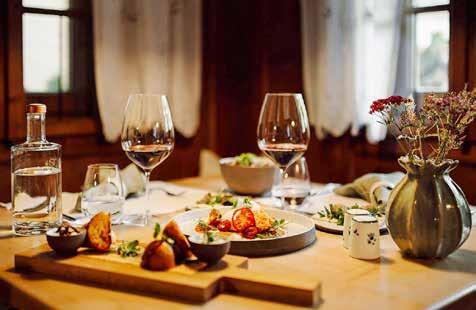

family pool with a splash slide, baby pool and even a child-friendly sauna, alongside a spectacular heated outdoor pool overlooking the mountains. This sits alongside exclusive adult-only areas, including saunas, steam rooms and a heated whirlpool. It’s entirely possible to spend time together and still slip away for a moment of proper relaxation.
Rooms strike a thoughtful balance between modern alpine design and practical family living. Expect warm woods, soft textures and plenty of space, with layouts that genuinely work – separate sleeping areas for children, generous storage and balconies framing wide, uninterrupted mountain views. The hotel runs on a full-board basis, with a series of offerings throughout
The working farm is at the heart of the experience

the day. Between meals, homemade Austrian doughnuts, cakes and savoury snacks are available. Breakfast is a highlight, with both an à la carte menu and generous buffet featuring produce from the surrounding area as well as the hotel’s own farm – think fresh breads, eggs, local cheeses and cured meats, freshly prepared fruit, juices and even champagne. The coffee is excellent, too. Lunch is simple, but focused on high-quality, fresh ingredients, with soups, salads, breads and a small selection of main courses, alongside an ice cream bar that’s a hit with children. Dinner is a more elevated affair, with a six-course menu featuring dishes such as truffle linguine, seasonal soups and perfectly seared steak.
To get there, fly to Salzburg, then transfer by car (it’s around one hour and the hotel can arrange a private taxi for you). At Moar Gut, childcare, spa access and activities are included, making it easy to budget once you’re there. Rooms are designed with families in mind, with options to suit different group sizes.
Rates start from AED2,180 per night for a double room, including gourmet fullboard and professional childcare. moargut.com/en
Fabulous prizes, from dining vouchers to gourmet goodies, up for grabs
One lucky winner will receive a dining voucher for 45 Bistro Bluewaters. Enjoy European-inspired dishes such as Traditional Borscht with Smoked Sour Cream, Slow-Braised Duck Leg with Cherry and Mashed Potatoes, and Homemade Wafer Cake. With all-day dining, speciality coffee and views of Ain Dubai, it’s the perfect spot for a memorable meal by the water. Enter now for your chance to win.
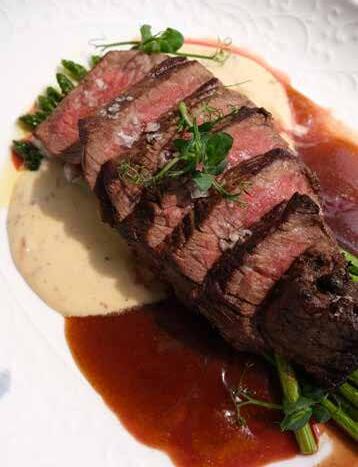

Experience the flavours of Indonesia without leaving Dubai at Andaliman. Taking place every Sunday at The Link in One&Only One Za’abeel, the brunch showcases bold, aromatic Indonesian dishes inspired by the country’s rich culinary traditions, served in a laid-back setting with warm hospitality and panoramic city views.

We’re giving one lucky winner the chance to enjoy the city’s favourite homegrown dining concepts under one roof at Souk Al Bahar. Enter now for your chance to win a dining voucher and discover 17 food and beverage concepts, three bars and stunning Burj Khalifa views.
To be in with a chance of winning these prizes, visit our competitions page on bbcgoodfoodme.com, or simply scan this QR code with your mobile to directly to the website.
*Terms & conditions apply. Employees of CPI Media Group and entrants below 21 years old are not eligible to enter. Winners will be selected on random basis from correct entries.
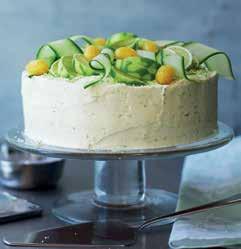

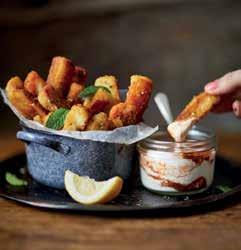
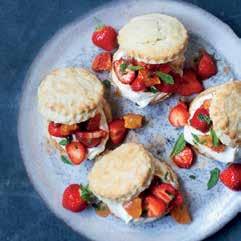

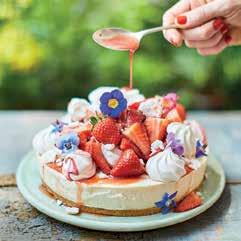
For daily inspiration, behind-the-scenes snaps and gooey videos, join the goodfood Instagram community today