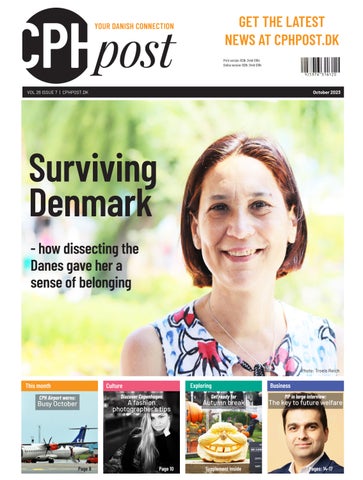
October 2023 Culture Exploring Business Print version ISSN: 2446-0184 Online version ISSN: 2446-0184 Page 10 Pages: 14-17 Surviving Denmark GET THE LATEST NEWS AT CPHPOST.DK Supplement inside This month Page 8 - how dissecting the Danes gave her a sense of belonging
VOL 26 ISSUE 7 | CPHPOST.DK MP in large interview: The key to future welfare Discover Copenhagen A fashion photographer’s tips Get ready for Autumn break CPH Airport warns: Busy October
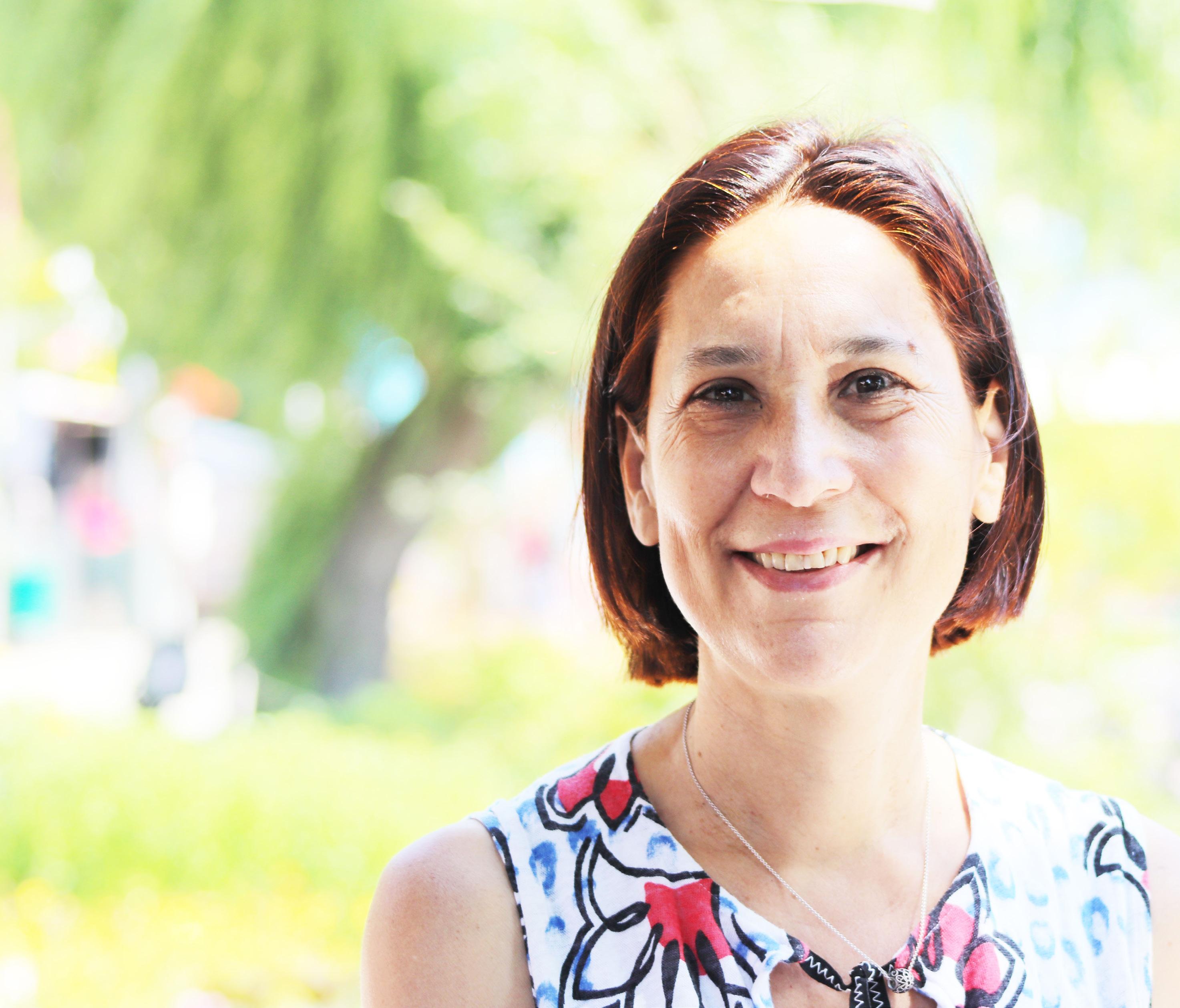
Photo: Troels Reich
THE COPENHAGEN POST SAYS: Dear Minister: Wake up, it’s 2023
Every year on the first Tuesday in October, the Folketing opens and a new parliamentary season begins.
The debate on bringing more internationals into Denmark acquired new traction this summer.
But if you ask me, it’s like time is standing still; nothing is really happening.
And it looks like nothing is going to happen despite an obvious need for more internationals.
But it’s 2023. And Minister of Employment Ane Halsboe-Jørgensen and her colleagues in the government and parliament should wake up and get their hands into the matter in the coming political season.
Here are four jobs that need to be done:
1. A SMOOTHER PATH
According to various organisations – from trade unions to employee associations – Denmark needs to attract a lot more internationals to keep up with industry development in the years to come.
At the same time, other European countries are facing the exact same problems, leading to tough international competition for skilled workers.
But we also know that coming to Denmark can be a challenge because of the bureaucracy for both the individual and the hiring companies.
It’s crucial that responsible MPs crack that nut and ensure a smoother path into the Danish labor market.
2. TELL THE TRUTH
For decades the Danish political debate has been harsh when it comes to immigration from certain countries or regions.
It’s time to openly tell the Danish people that if we want to develop the Welfare State, ensuring that it won’t turn into a shadow of itself, everyone has to understand and recognise the need for newcomers from all over the world.
Yes, it may – at least for a period of time – lead to English speaking doctors, engineers, teachers, nurses and the like.
Some MPs already embraced this approach. But we need many more to do the same.
3. INCLUSION

Too many internationals leave Denmark too soon.
Some, because they are transferred to another division in the company they work for.
But too many leave for other reasons, such as the lack of feeling welcomed or a sense of belonging.
How can cooperation between companies and authorities be strengthened in order to ensure a smoother inclusion in Danish society in general, and local communities in particular?
4. WHAT ELVIS SANG
“A little less conversation, a little more action, please…”
The song by Elvis Presley is obviously about something else, but it’s absolutely relevant.
It’s hard to find a report, statistics, or companies that don’t demonstrate a need for more internationals in Denmark.
The platform is burning. So, what are we waiting for?
Best regards,

Cover photos: Troels Reich (main) Pixabay, Vittoria Gasbarrino, Tivoli and Marie Hald
For decades it has been the standard in Danish politics that if you want to reach out for power, you must be tough on integration and immigration.
It’s time to change that.
It’s time to embrace internationals in Denmark.
Jesper Skeel CEO jesper@cphpost.dk
Lennart Nielsen Head of Sales lennart@cphpost.dk
Hans Hermansen Contact Director hans@cphpost.dk
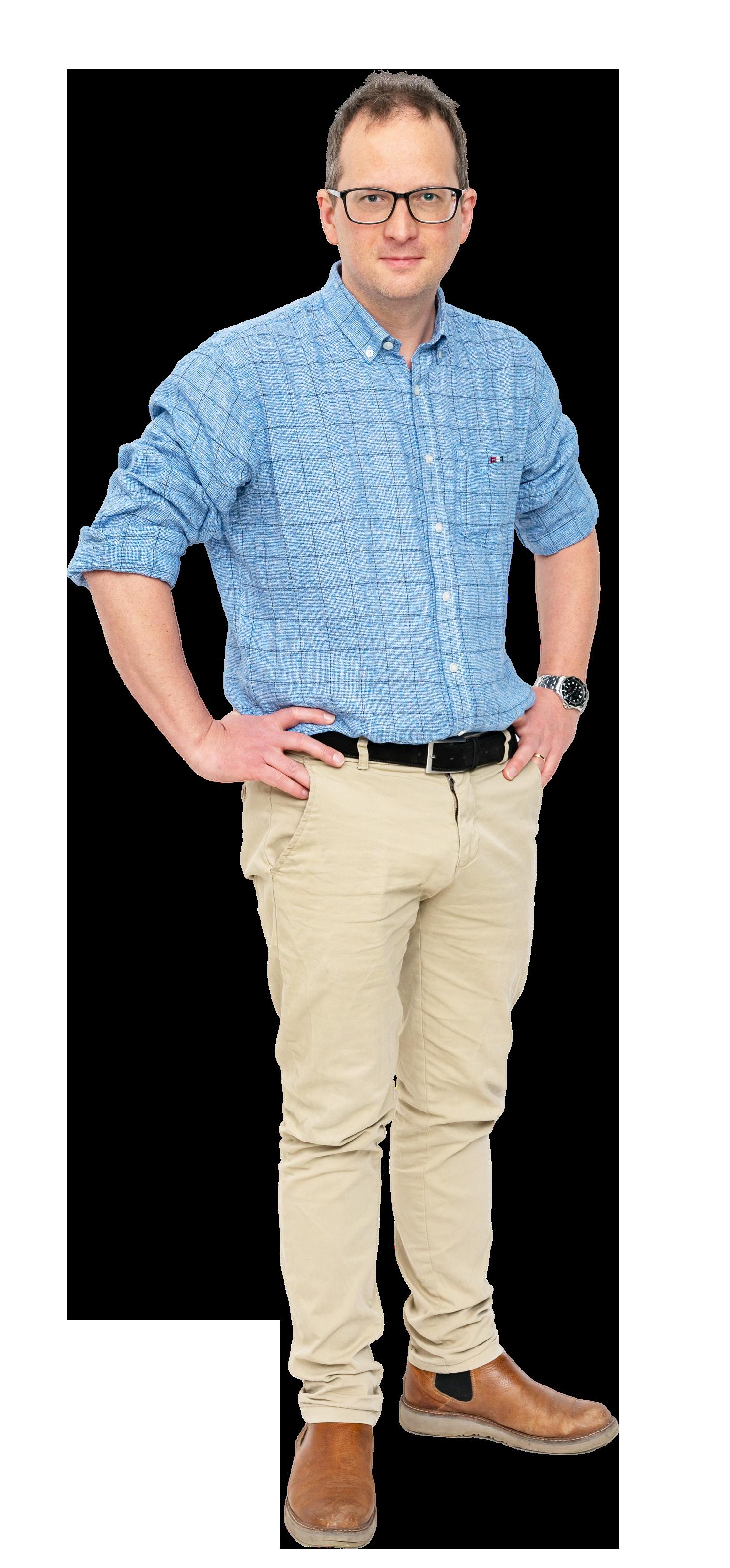
Uffe Jørgensen Odde Editor-In-Chief
Uffe Jørgensen Odde Ansvarshavende chefredaktør/Editor-in-Chief uffe@cphpost.dk
Nicolai Kampmann Co-Editor nicolai@cphpost.dk
Lena Hunter Editor lena@cphpost.dk
Christian Wenande
The Copenhagen Post | CPHPOST.DK October 2023 2
Editorial Offices: The Copenhagen Post Ryesgade 106A, 2. th 2100 Copenhagen Ø www.cphpost.dk Founded in 1998 All rights reserved Published by The Post ApS CVR: 43916181 Design: Scandinavian Branding Printed by Erritsø Tryk
Layout
Photo: Bjørn Pierri Enevoldsen
We are responsible for the content and are registered with The Danish Press Council.
A story of hilarious horror which will make you die laughing!
40th
Crazy Christmas
The thing that wouldn't die!
NOVEMBER 14TH - DECEMBER 30TH
Glassalen Tivoli
TICKETS: 3315 1001, BILLETLUGEN.DK OR TEATERBILLETTER.DK


A survival guide to Denmark
- how dissecting the Danes gave a French-Haitian author a sense of belonging
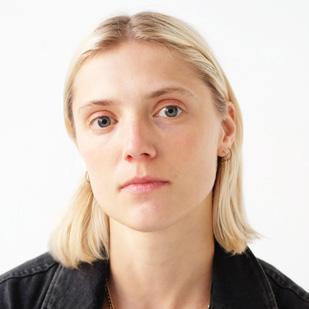
The Copenhagen Post caught up with the Frenchborn, Haiti-raised author and photographer
What’s so special about the Danes?”
By Lena Hunter Editor lena@cphpost.dk
That’s the question that French-born, Haiti-raised author and photographer Stefanee Madsen has dedicated 15 years to answering.
In that time, she has self-published two books on the matter, and has journeyed all over Denmark dissecting the Danish psyche.
But she has spent just as long in the US, studying and working in California. Today, she works remotely as the community manager of the billion-Euro neuroscience research platform Human Brain Project.
In fact, in this constellation of achievements and travel, writing is her 'side gig'. That's what she tells me when we meet, at golden hour late on a sunny Friday afternoon, at a café in Østerbro.
We're here to talk about her latest book ‘SWEET LEGOLAND’.
Containing over 100 photos and 25 interviews, it unpicks the Danish mind via insights from businesspeople, politicians, researchers, and her own experiences.
A waitress brings our coffees. Madsen is about to distill fifteen years of research to reveal 'what is so special about the Danes' - but she is still something of a question-mark herself.
TRACING HER ANCESTRY
“My mother is French and my father Haitian. We moved to Haiti when I was seven - so that’s where I got my identity,” says Madsen.
She speaks straightforwardly, with a musical French accent, and is well-versed on the subject of her own cultural belonging.
"I have relocated multiple times. First, when I was 17, I moved back to France. It was a culture shock to be in Paris. I was sent to an all-girl’s Catho-
For ‘SWEET LEGOLAND’, Stefanee Madsen interviewed more than 25 Danes
lic school and I only made two friends in the class," she recalls.
"But it made me focus more on my studies. I graduated with honors, which opened the door for me to study in California afterwards. I ended up living in San Diego for 15 years.”
But, between Haiti, France and the US, where did she pick up a curiosity for Denmark?
“My grandfather was half Danish, so I was always interested in the Danes," she says.
That's how, in San Diego, she became the Vice President of the Danish House: "it was a
community house that you could join if you had Danish blood," she explains.
“I was dating the President of the House of Denmark. One day, he said ‘Stefanee, I’m moving back to Denmark. What are you going to do?’”
Madsen moved to Denmark in 2008 and, thanks to her strong academic background, scooped a job at the sustainable energy company Vestas, which took her all over the country.
“Traveling around, I was impressed by Denmark and Danish culture. I wanted to understand
The Copenhagen Post | CPHPOST.DK October 2023 4
In her book ‘SWEET LEGOLAND’, Stefanee Madsen blends personal experience and expert opinions to give tips for internationals on ‘what to do and what not to do in Denmark.’ But what’s so special about the Danes?
and non-Danes, living in Denmark
what was so special about Denmark. What are the secrets behind the successful Danish lifestyle? Why, of all the countries in the
world, would Denmark be considered the happiest?” she says.
In the process of searching for answers, she collated her findings in two books: What’s So Special About the Danes? and the newly released ‘SWEET LEGOLAND’.
WHY ARE THE DANES HAPPY?
So how, according to Madsen, do the Dane's perceive happiness, in comparison to people in other countries?
For ‘SWEET LEGOLAND’, Madsen interviewed more than 25 Danes and non-Danes, living in Denmark.
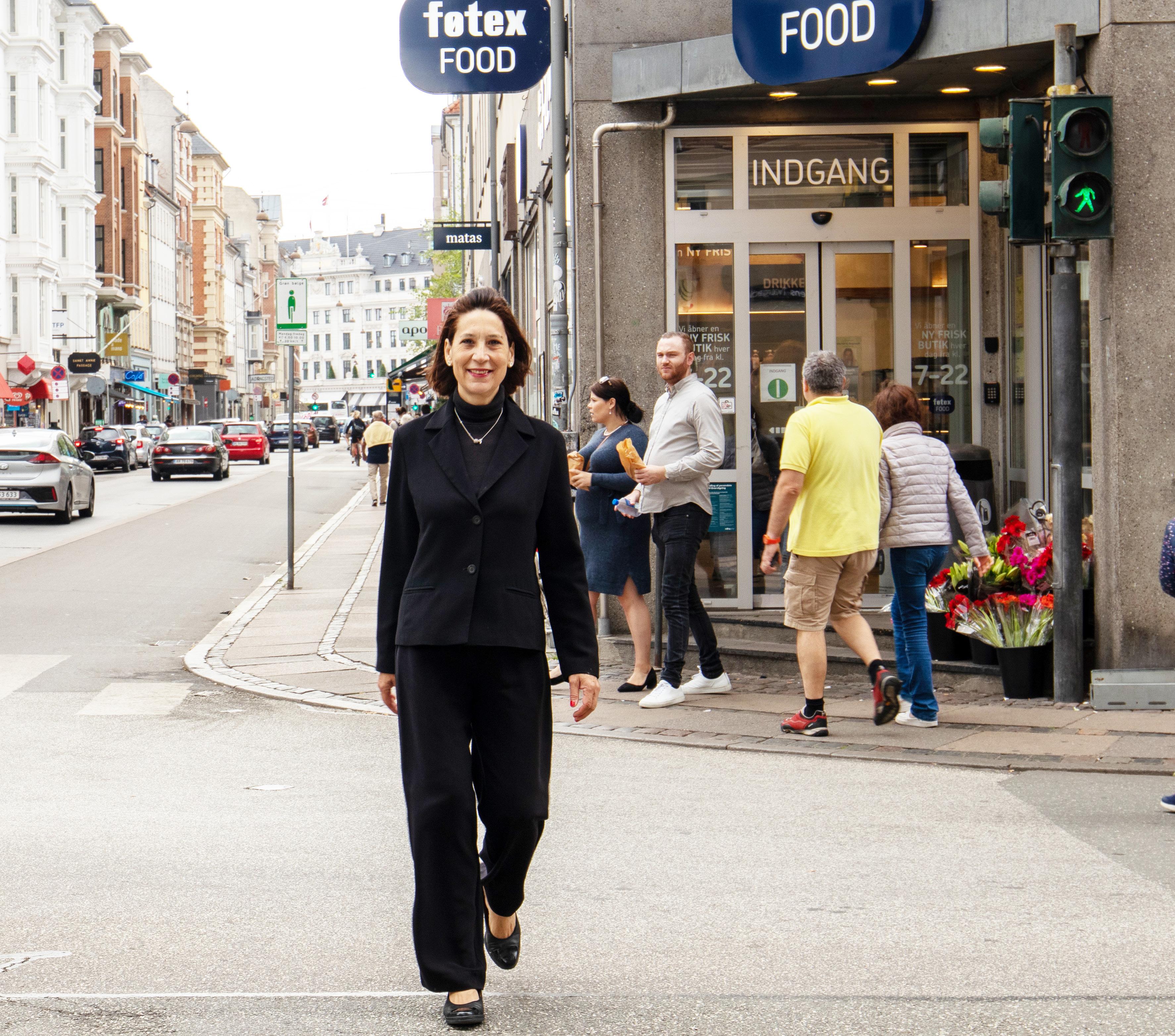
“In general, Danes agree to say that they are satisfied. They don’t say they’re happy because for them, ‘happy’ means happy all the time. But I think it's a question of defini-
Quick-fire favourites with Stefanee Madsen
Café: Bertel because it's next door and I was the first customer.
Restaurant: Poonchai thai because I love Thai food and I don't know how to cook it.
Park: Kongens Have for the alleys that remind me of my Tao.
People-watching spot: I usually watch people when I walk (I walk 12km every day).
Market: Hallerne in Nørreport.
Museum: Louisiana because it's modern art.
Networking event: Coffee after church at Marmorkirken.
The Copenhagen Post | CPHPOST.DK October 2023 5
Traveling around, I was impressed by Denmark and Danish culture. I wanted to understand what was so special about Denmark
- Stefanee Madsen, author and photographer
Photo: Troels Reich
Because the Danes trust each other so much and they have their own identity, culture, and ways of behaving, when a foreigner comes in, they are a little bit lost. So there is hardship there, Madsen says
tion. To me, they are,” she says.
Madsen points to the level of social trust and kinship as the biggest factors: “for example, if you have a bike accident, Danes will run to help you."
"I interviewed a man who worked in China who said that there, people don't want to help in these scenarios because it can be interpreted that they are at fault. They don’t want a lawsuit. By comparison, Denmark is small. Everybody knows everybody.”
But the country size alone does not explain it. “Haiti is a small country and they're not like that. The happiness and trust in Denmark also stems from the fact that Danes are taught the social skills to get along since kindergarten."
“When I meet a Dane, they always make me feel like they know me already. This kinship is very good for business. Where there is trust and kinship, you don't spend so much on security, because there's low crime. It makes it cheaper to run the country.”
WELFARE SUPPORTS CONTENTMENT
She points to free healthcare as another safety net that fosters happiness: “in the US, healthcare is so expensive that it can ruin you, whereas Danes feel supported by their welfare state.”
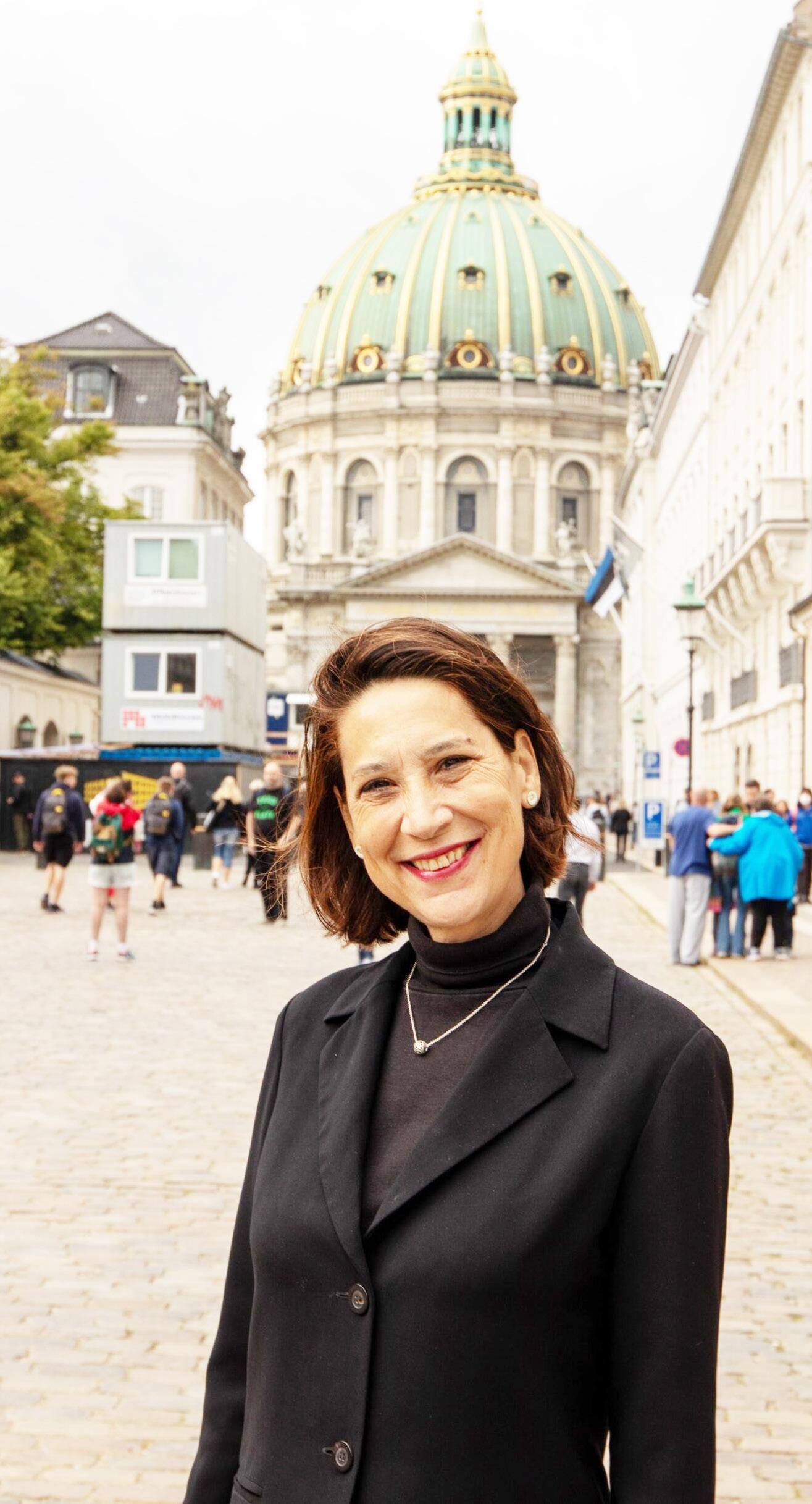
Recently, much talk is circulating in global news on the success of the Danish pharmaceutical giant Novo Nordisk, which is buoying up the Danish economy, while the economy in broader Scandinavia is stagnating.
“These huge state-of-the-art companies like Novo Nordisk and Mærsk fund the welfare state in Denmark, so the average Dane has access to free healthcare and free education. This is how trust, kinship and happiness form a full circle,” says Madsen.
15 YEARS OF IMMIGRATION POLICY
It’s hard to reconcile Madsen’s positive experience with Danish kinship with the usual discourse about Danes' unfriendliness towards internationals.
And when Stefanee relocated to Denmark, it was in the wake of notoriously tough immigration laws, which had passed with votes from the anti-immigrant Danish People’s Party in 2002.
Did she feel the kinship even then? And has she noticed a change in Danish perceptions of foreigners, over the past 15 years?
“When I first moved here, my whole network thought I was crazy. They didn't understand it,” she says. “And Danes, too. When I arrived they said ‘why did you move here?’ It didn't make sense to them, either.”
“Today, politicians are saying we need foreign workers and telling Danes that internationals are good. This was not the case 15 years ago,” she continues.
But she recognises that there are still social hurdles to integration:
“Because the Danes trust each other so much and they have their own identity, culture, and ways of behaving, when a foreigner comes in,
Stefanee Madsen
Age: 57
Nationality: French-born, Haiti-raised
Profession: Author and photographer
In Denmark since: January 2008
The Copenhagen Post | CPHPOST.DK October 2023 6
Photo: Troels Reich
they are a little bit lost. So there is hardship there.”
A HIGHLY COMPETITIVE LANDSCAPE
In ‘SWEET LEGOLAND’, Madsen blends personal experience and expert opinions to give tips for internationals on ‘what to do and what not to do in Denmark.’
She illustrates this with a story: “I met a Haitian woman here who couldn't find work. She said, ‘Stefanee the Danes are racist’. I said no, you don't understand. The reason I got my job at Vestas is because I studied at the University of California, which is a university with high global rankings.”
“Your university is from Haiti, nobody knows it. Don't say that the Danes are racist - your diploma means nothing to them. If you want to work in Denmark, maybe you need to get a better university qualification."
"There are many ways that foreigners experience difficulties in Denmark, but it's a highly competitive landscape, the Danes are highly qualified and you are
up against high competition,” she asserts.
“The Danes attract the best talents. They recruit people from the best universities in the US. Even though I had the degrees, I worked really hard,” she says.
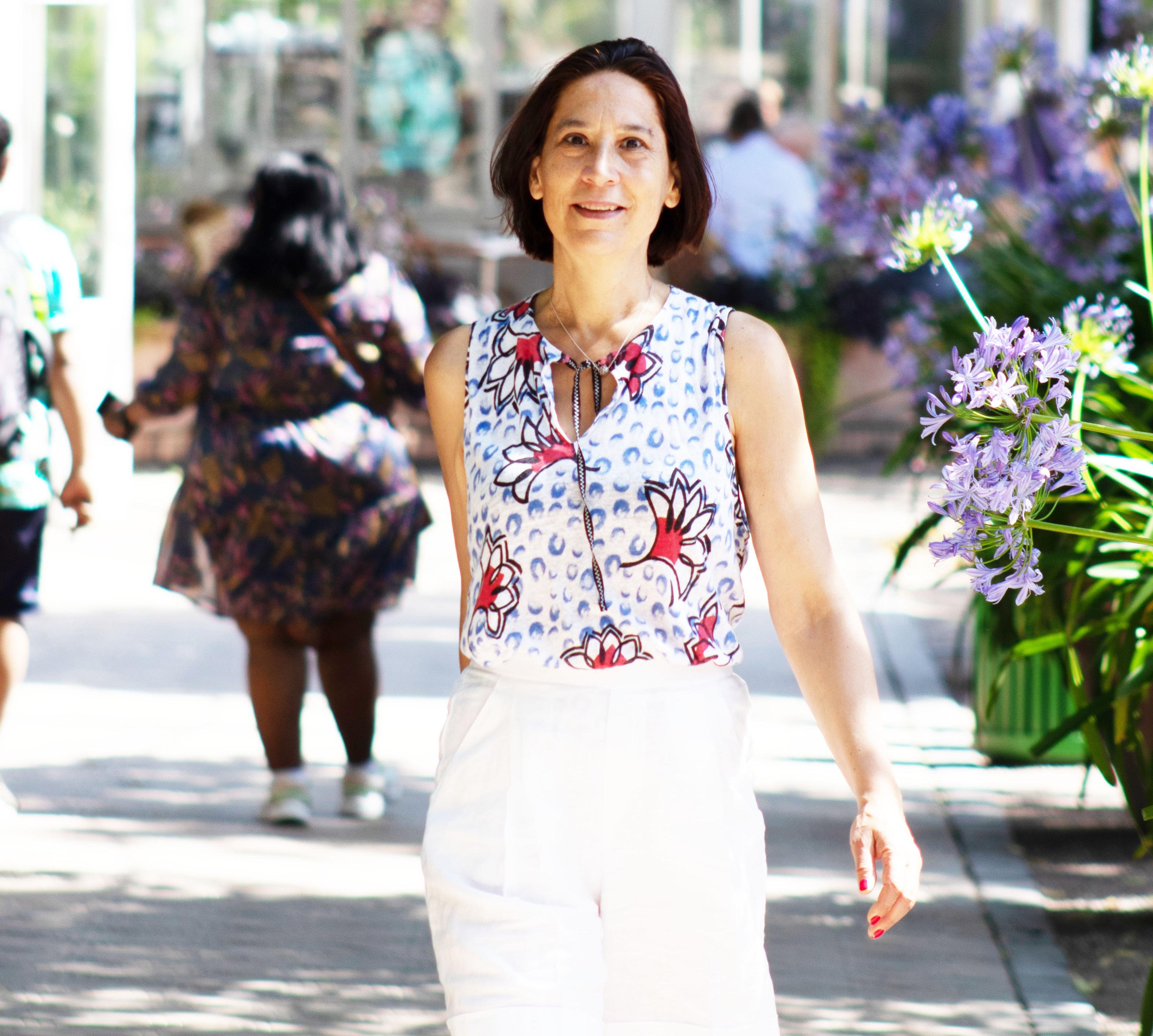
"I wanted to be happy"
Overall, however, Madsen brims with positivity about Danish life. Indeed, when a friend visited her from the US, he noticed it straight away: 'Stefanee, you’re happy!' he said.
“Of course! I was attracted to Denmark’s happiness. I also wanted to be happy,” she says simply. “Also, I love the work-life balance. I take advantage of that.”
“Working from home is so easy here that I work 100 percent remote. And I still have time to focus on my book and my photography. I feel complete.”
A MULTICULTURALIST
So, after dedicating 15 years to the study of cultural identity, and living in Haiti, France, the US and Den-
mark, how does Madsen think of her own identity today?
“For sure, I'm multicultural,” she replies. “I cannot identify with Haiti anymore. The country has changed so much. Now, I don't have a country."
"France wants to claim me, but I don't feel so French," she adds. "France was always where we went in the summers when I was growing up in Haiti.”
In this respect, writing ‘SWEET LEGOLAND’ has given Madsen more than knowledge - it has given her a sense of belonging:
“Having a project gave me the opportunity to reach out, and it gave me the drive to learn the language. When I could speak and understand Danish, it opened a lot of doors for me."
She makes a point of calling herself an optimist. Perhaps this, combined with her pragmatism, has always made her a good match for the famously happy and methodical Nordics.
“I always think things will work out,” she says. “Maybe it’s the Danish in me.”
The Copenhagen Post | CPHPOST.DK October 2023 7
Writing ‘SWEET LEGOLAND’ has given Madsen more than knowledge - it has given her a sense of belonging
Photo: Troels Reich
CPH Airport warns of busy October
By Lena Hunter
It has been a good summer for Copenhagen Airport.
In August, 2.6 million passengers passed through the terminals at the airport. This brings the number of passengers to nearly eight million passengers for June, July and August combined.
That’s a higher number than expected. The desire to fly and travel is approaching the level before covid-19. The summer of 2023 was the busiest for Copenhagen Airport since 2019 – the year before the pandemic broke out.
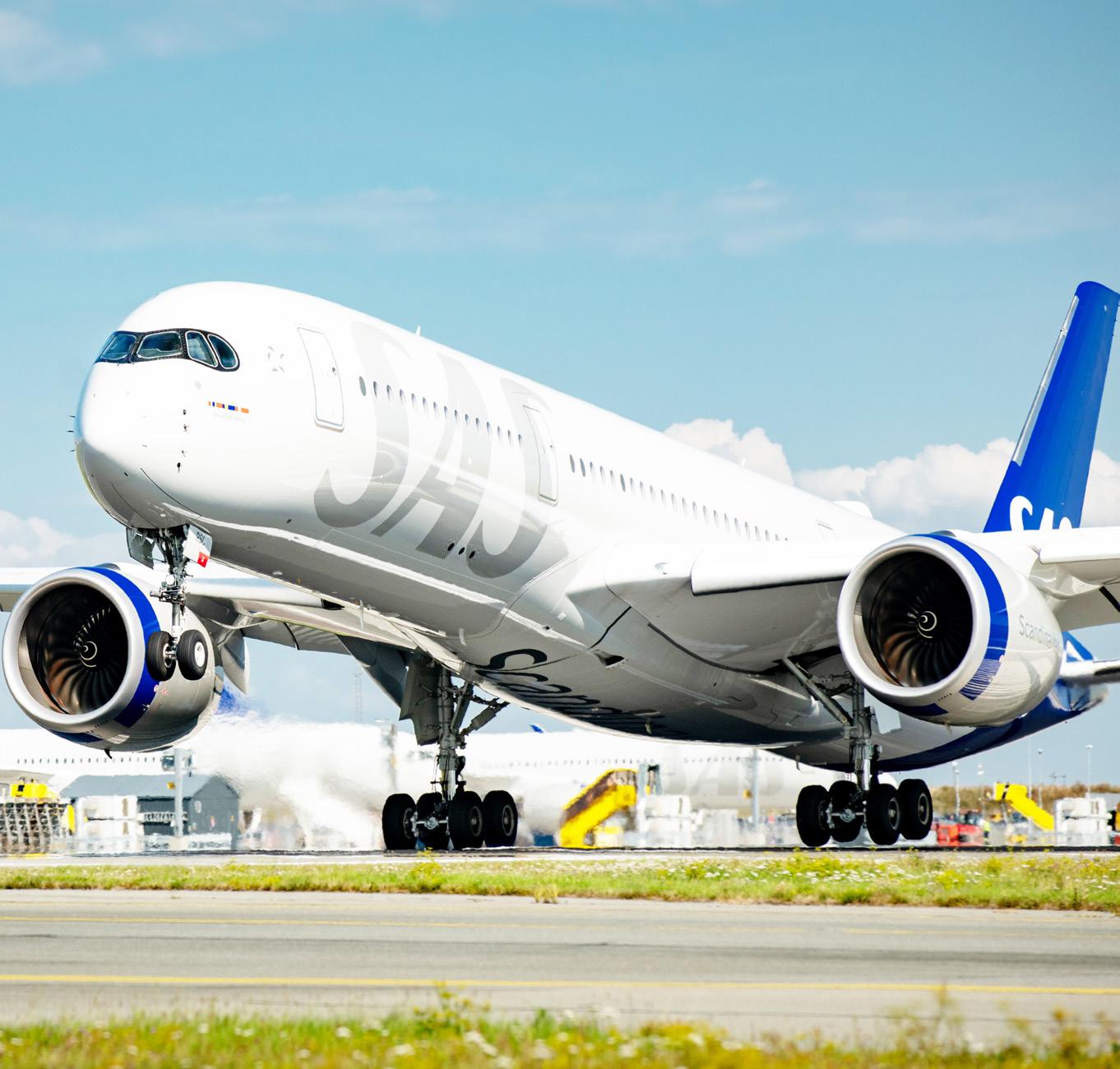
In 2019, nine million passengers traveled through the airport during the summer period.
“We are experiencing a continuing increase in the desire to travel, and in the three summer months the number of passengers has increased by as much as 14 percent compared to last year. This summer many spent their holiday on a trip to the sun and heat of
the south.” says Peter Krogsgaard, commercial director of Copenhagen Airport. A particularly popular destination from Copenhagen is London. 168,000 passengers traveled to London in August (almost 1.2 million passengers so far in 2023), ranking the English capital as destination number one. Otherwise, it is large cities and capitals in Europe to which the largest part of the traffic flies.
OCTOBER BUSY AS WELL
The desire to travel is expected to continue during the autumn. It can be a late summer trip to the sun or a weekend trip to one of Europe’s beckoning cities. In addition, October is a huge travel month, as Danish schools hold autumn holidays in week 42 (from October 13 through October 22nd).
“We expect busy travel days in the autumn, which typically fall on Friday and Sunday, when we reach over 95,000 passengers”, says Peter Krogsgaard.
Copenhagen Airport expects to reach 26 million passengers in 2023 in total.
Emily in Paris is worth ‘ad’ lot to Copenhagen
Collins, obviously happy with life in Denmark, documents the city for her 28 million followers on Instagram
 By Lena Hunter
The actress Lily Collins, known from the Netflix-series ‘Emily in Paris’, is so fond of Copenhagen that she often posts stories of life in the city, where she has bought a house in the Kartoffelrækkerne area of Østerbro.
“If you have to pay someone like her, I will estimate that we are in the range of millions. If it had been a tourist agency that was behind her posting, I would estimate that the payment would be over a million kroner,” Mia Jensen, Sales Director at CUBE, told TV 2.
The Copenhagen Post | CPHPOST.DK October 2023 8
The number of passengers at Copenhagen Airport is approaching pre-covid times. Hectic days ahead this fall
Almost 30 million followers and living it up in Copenhagen
The desire to travel is expected to continue during the autumn
Photo: Claus Andersen / Copenhagen Airport
Photo: Instagram

“Copenhagen is the right city if you want to reinvent yourself”
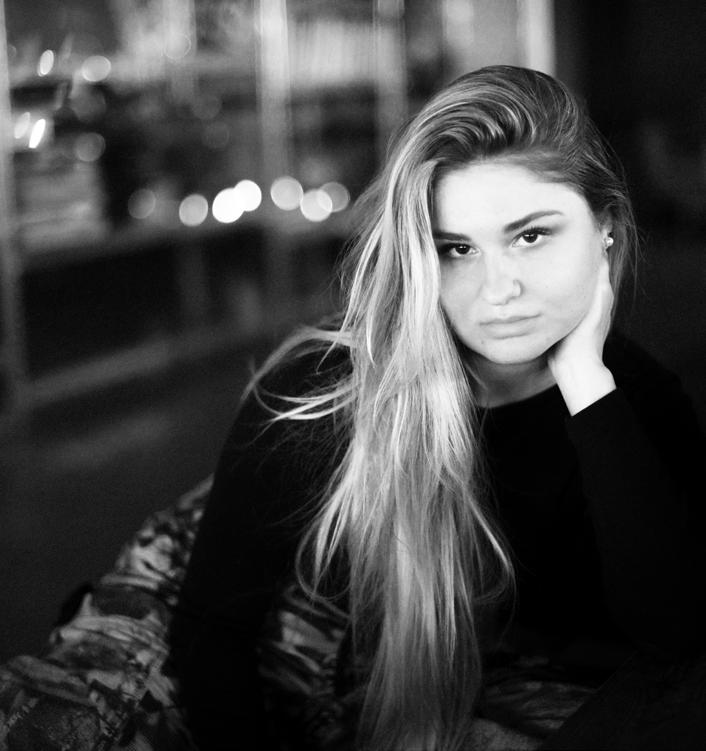
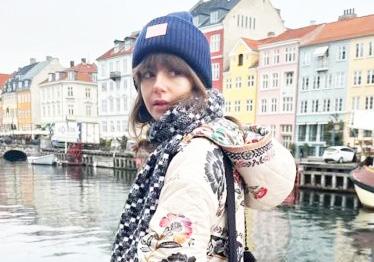
23-year-old Tania Ferrari is a freelance fashion photographer from Italy. This year she relocated to Copenhagen
 By Sarah Faouzia Oueslati
Ifirst came to Denmark … in February. I always knew I wanted to live abroad, so I packed up my suitcase and bought a one-way ticket. I had no idea what to expect. I showed up in Copenhagen with no job prospects and no apartment. For the first month I lived in a hostel in Nørrebro. Although I knew I wanted to work in fashion, I first got a job as a barista before becoming a freelance photographer.
If you asked me if it was love at first sight … I would say yes. I had never visited the city before I moved here, so I literally jumped into the situation, but I think Copenhagen is the right city if you want to reinvent
yourself and figure out who you are.
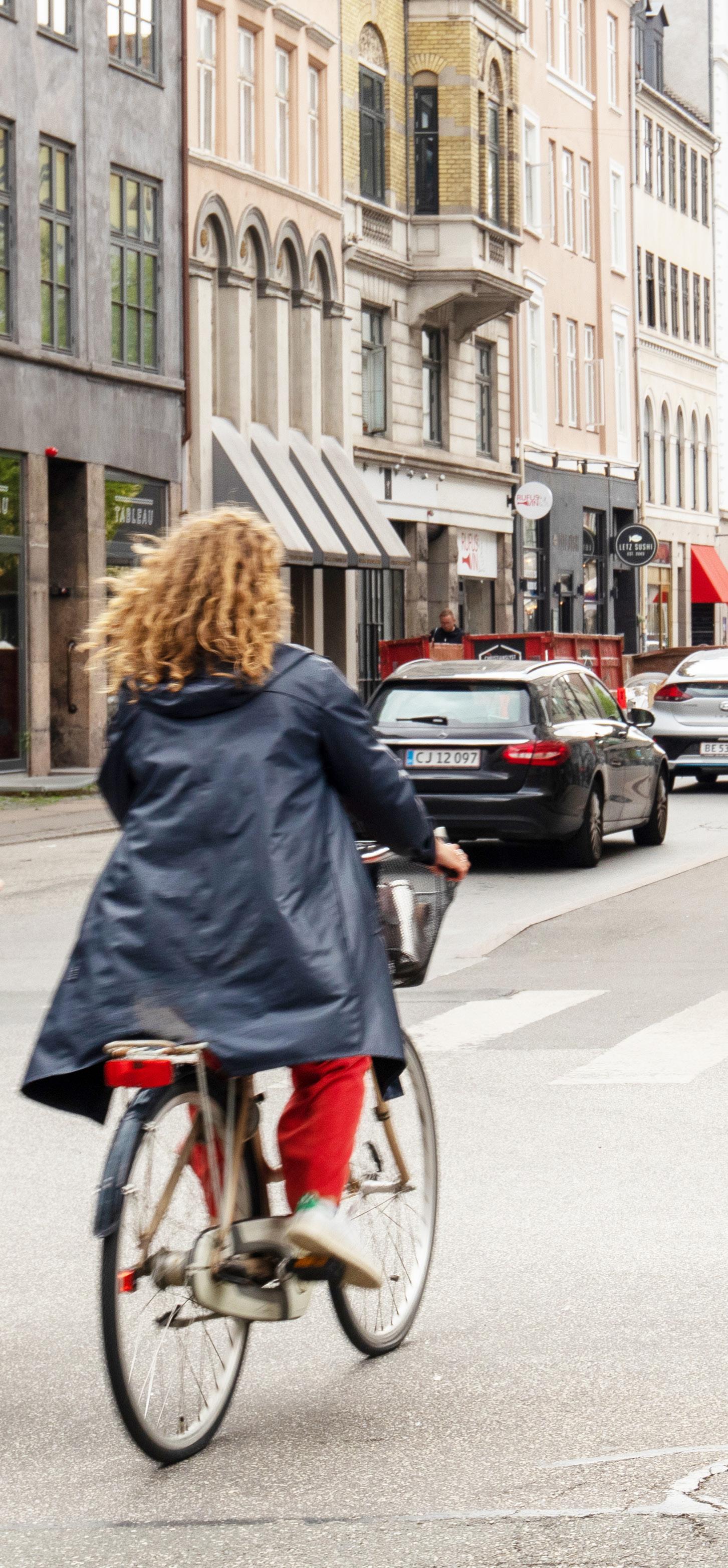
My favourite thing about living in Copenhagen is … the way you travel the city. I love biking, it’s a beautiful way to see the scenery. I also think the hygge lifestyle fits me because I like living in a relaxed way.
My favourite observation about the Danes is … They are a bit closed off, but I don't think this is so different from other parts of Europe.
The best way of making Danish friends is … through public relations, if you know someone that knows a Dane, then take the chance to get in touch with them. Hobbies like
playing tennis or going to dance school are also a really good way to meet new people.
I have more international friends in my social circle because … I have a lot of Italian friends. I knew that there were lots of Italians here but I didn't expect this many. I have friends from Spain, Iceland, and from the east of Europe.
I recommend that visitors to the city go to … Nyhavn, because it's really famous. Skip the mermaid - it's really small. I think Copenhagen is a better city to live in than to come to as a tourist. Of course, there are a lot of beautiful things and monuments to see, but it's more a city for experiences, I think.
The best places to visit on a budget are … just the outdoors. Rent a bike, because that way you’re able to see a lot of the city. There are also a lot of free art galleries.
The three words that I think best describe Copenhagen are … Liveable, happy and colourful. I think when the weather is that grey all the time the city needs to be colourful.
Tania Ferrari
Age: 23
Nationality: Italian
Profession: Photographer
The Copenhagen Post | CPHPOST.DK October 2023 10
Míriam Enguita moved to Copenhagen to pursue contemporary dance
Photo: Vittoria Gasbarrino
MY ♥ CPH
Well-educated immigrants report more discrimination
By Leticia Bossi
Anew study from the University of Copenhagen reveals that better-established immigrants – from the middle class, with good education, jobs and language skills – are more likely to report discrimination.
"Better integration seems to go hand in hand with more reports of discrimination and exclusion. We see that people who actually have good access to middle-class society report more experiences of exclusion. It is counterintuitive and somehow paradoxical," Merlin Schaeffer, Professor at the Faculty of Social Sciences, said.
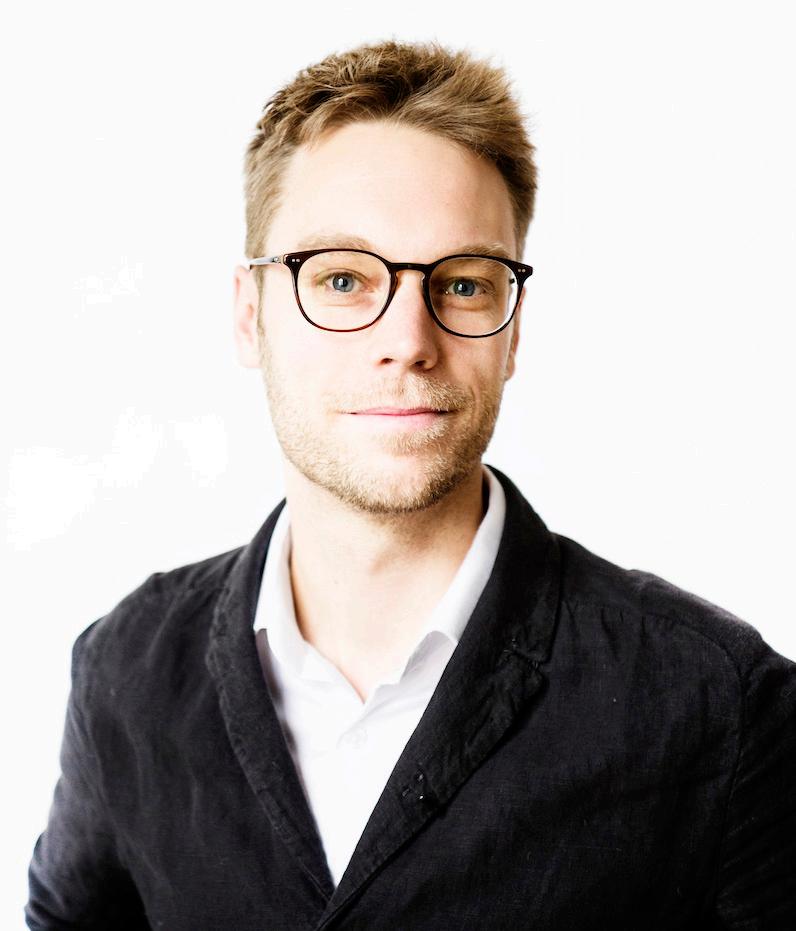
He conducted the study together with Judith Kas from the WZB Berlin Social Science Centre.
A BETTER RECOGNITION
Ultimately, it comes down to what degree the individual immigrant or descendant is able to recognise and speak up about discrimination in everyday life. This ability grows with better education, language skills and more social contact with the surrounding society. At the same time, immigrants will experience more discrimination if they clearly stand out from the majority, for example through their way of dress.
"In my opinion, there is no whining among immigrants. Rather, with better integration, they get a better understanding of the remaining inequalities. They become more visible, and the immigrants themselves become more sensitive to inequalities that seemed less important in the times with more discrimination,” Schaeffer said.
A POLITICAL CHALLENGE
According to Schaeffer, another variant of the integration paradox is the political challenges it creates.
In Merlin Schaeffer's opinion, "Politicians may rightly ask why people complain when things have actually improved. Here, the results suggest that it is important to understand the reasons for dissatisfaction before concluding whether complaints are unjustified or not. Conversely, the absence of reports of discrimination does not necessarily mean that everything is fine. Both point to the importance of seeking dialogue with the people in question before reacting politically".
About the study
The new study 'The Integration Paradox: A Review and Meta-Analysis of the Complex Relationship Between Integration and Reports of Discrimination' has been published in the journal International Migration Review.
By analysing a total of 280 statistical estimates from 42 individual studies, the meta-analysis confirms the existence of the integration paradox and suggests some underlying mechanisms.
Source: University of Copenhagen.
The Copenhagen Post | CPHPOST.DK October 2023 11
Better integration seems to go hand in hand with more discrimination and exclusion
Merlin Schaeffer, Professor at the Faculty of Social Sciences at the University of Copenhagen
Photo: PR
Why Danes are so obsessed with their flag
By Leticia Bossi
In Denmark the Danish flag, called the Dannebrog, makes a frequent appearance – to say the least.
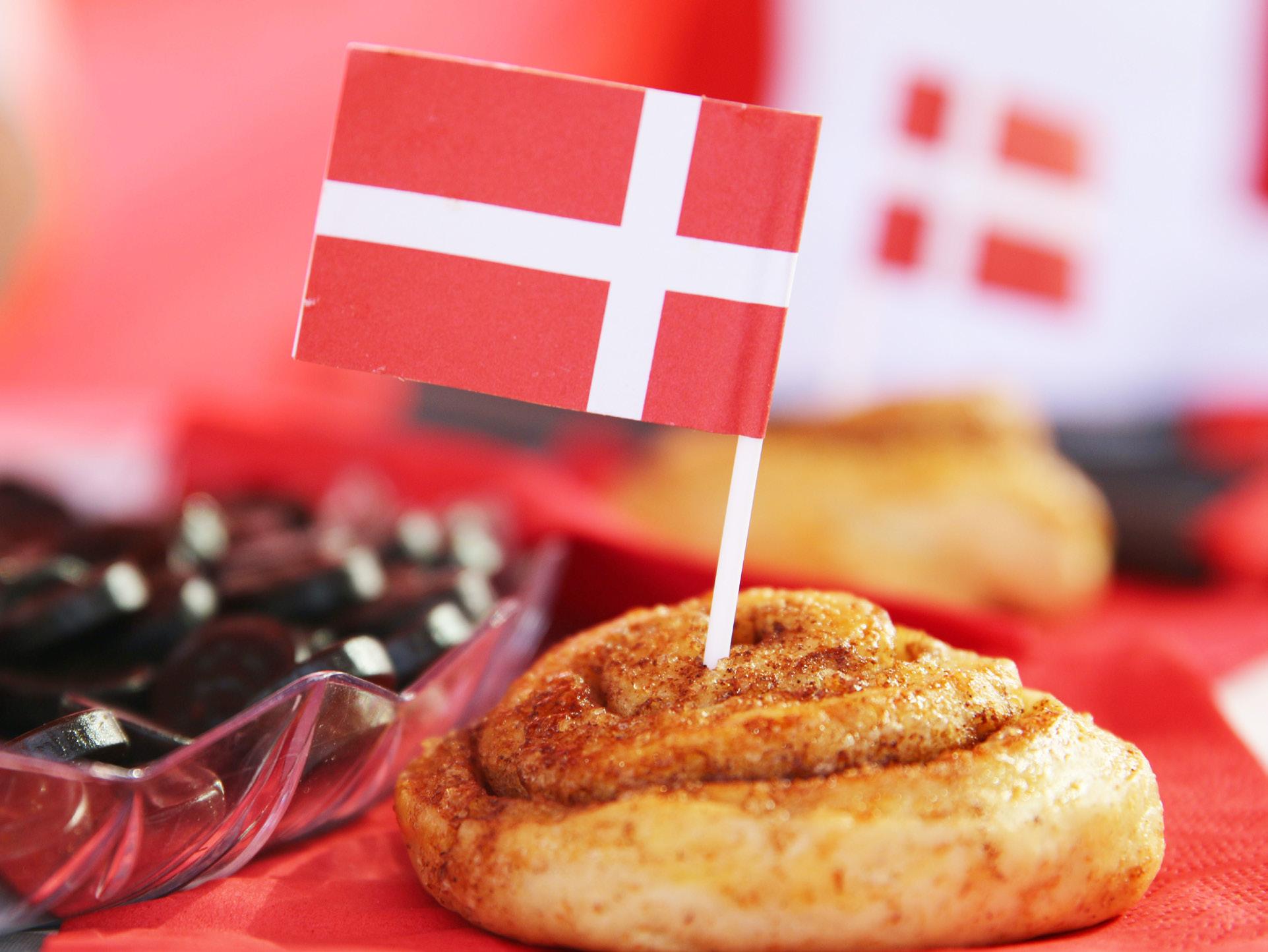
One of the most popular uses is to decorate birthday cakes and buns with small paper flags. Other uses include painting the Danish flag on the faces of fans of the national soccer team. Sewing it on backpacks for journeys abroad. Hanging it on the Christmas tree along with other decorations. Or raising it over allotment gardens at weekends.
A SYMBOL OF HAPPINESS
This is confusing for many internationals who associate flag-bearing with patriotism or nationalism. In fact, Danes do not perceive the Dannebrog though this lens, but see their flag as a symbol of celebration and joy.
This perspective is reinforced in Danish custom. From a very young age, Danes use their flag on every festive occasion.
“For birthdays and other joyful events, the Danish
flag is used as a symbol of happiness. At the other end of the scale, when flown at half-mast for funerals, the flag symbolises mourning and helps people cope with the loss of a loved one,” says Torben Kjersgaard Nielsen, a historian at Aalborg University in Denmark and author of a book on the Danish flag, on Denmark.dk.
FELL FROM THE SKY
In 1219, legend has it, the Danish flag fell from heaven during a battle in present-day Estonia, helping the Danish army to an unexpected victory.
This early account - dubious as it soundsmakes the Dannebrog the oldest flag in the world still used by an independent country.
Still today, in many homes in Denmark, parents tell their children the legend of how the Danish flag came about.
“When parents in Denmark tell their children the legend of the flag, they become part of a tradition of people who have told this story for centuries. This is delightful and reassuring,” Kjersgaard Nielsen concludes.
The Copenhagen Post | CPHPOST.DK October 2023 SURPRISINGLY DENMARK
The red and white flag is widely used in Denmark for birthdays, funerals – and practically everything in between
According to the legend the Danish flag fell from heaven during a battle in Estonia
Photo: Unsplash
… than it does at Studieskolen
Sign up for a course now, and soon you will be speaking Danish –no matter how strange it sounds! We offer free Danish Education as well as private classes.
Read more about your possibilities at studieskolen.dk.
How Moderaterne’s fast-track would benefit internationals
On 29 August, the leader of Moderaterne Lars Løkke Rasmussen proposed a new ‘fasttrack’ work permit for skilled internationals seeking employment in Denmark.
He explained that the initiative, which would be available at companies with trade union agreements, would help businesses to hire foreign talents more quickly, without waiting for permits to be cleared by immigration services.
The idea was welcomed by the chairman of Denmark’s largest trade union 3F, Henning Overgaard, who said “I have been vocal about this for a very long time.”
The proposal is yet to be approved by the government, but Løkke is hopeful:
“This should speak directly to the heart of a good
Social Democrat. It is a boost to the Danish trade union movement at a time when it is difficult to make the trade union movement attractive,” he said.
A deep dive
But why, beyond Løkke’s simple explanation, is this initiative a good thing for international job applicants and Danish businesses?
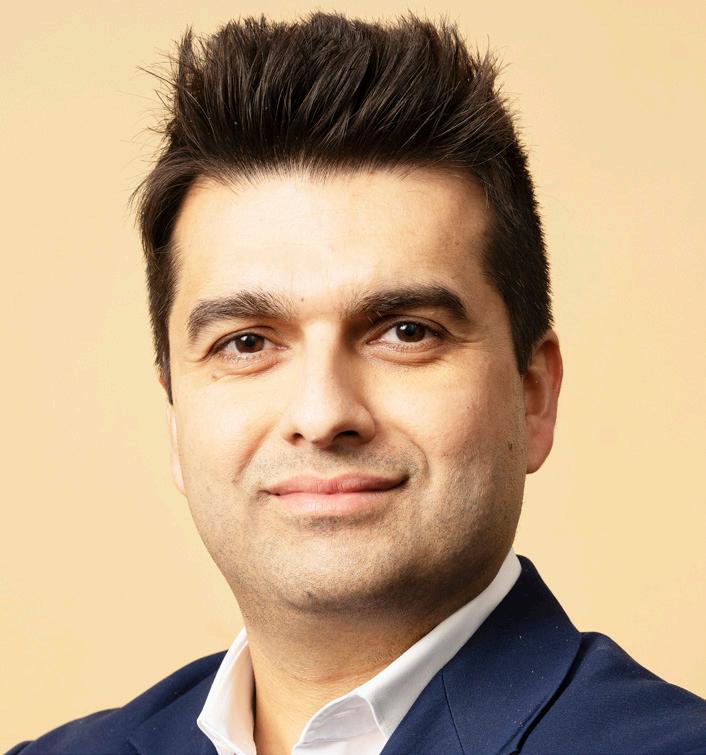
Moderaterne’s deputy chairman Mohammad Rona calls the fast-track ‘a necessary step if we want to continue to uphold a high standard in the Danish labour market’, but cautions that new arrivals need to ‘be at a Danish level of expertise’.
He says Denmark needs 90-100,000 skilled workers, across industries, to stay competitive.
“We need these people by 2030. This is a late warning. This proposal can get people in right now,
By Lena Hunter Editor lena@cphpost.dk
and we need that,” he says.
“Many of the people coming today are from Romania, Germany, Poland, Australia and the US. Everybody needs more workers - we are in high competition with other countries.”
Would the fast-track solve the common problem of foreign qualifications not being recognised in Denmark?
“It’s something we’d have to look into,” says Rona. Troubled recent history
Denmark has a troubled recent history when it comes to welcoming international migrants.
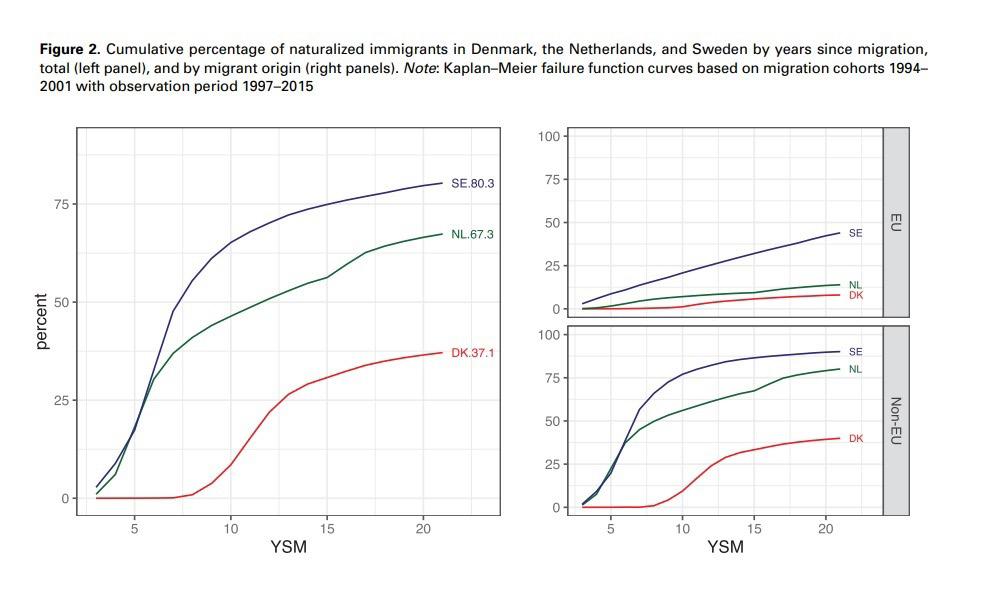
In 2021, a collaborative study by universities in Malmö, Lund, Maastricht and Florence found that Denmark drastically underperforms in naturalizing immigrants up to 21 years after migration, com-
The Copenhagen Post | CPHPOST.DK October 2023 14
This summer, Moderaterne put forward a fast-track solution for Danish businesses to hire internationals without involving Immigration Services. Let’s examine how this would benefit internationals
Moderaterne’s deputy chairman Mohammad Rona
Photo: Marie Hald
BUSINESS
pared with Sweden and the Netherlands.’
“After two decades in the destination country, cumulative naturalization rates vary remarkably with over 80 per cent of migrants in Sweden, two-thirds in the Netherlands, and only around a third in Denmark having acquired citizenship,” write the authors.
The research reveals that strict citizenship policy is the cause of low integration in Denmark – not lifestyle or financial reasons.
‘Language requirements and integration tests’ are especially detrimental:
“We observe lower naturalization for migrants after language requirements and integration tests were introduced in Denmark and the Netherlands,” write the authors.
In Denmark, these tests and requirements apply not only to citizenship, but to work and residence permits.
Based on this research, Moderaterne’s fasttrack could not only bring skilled professionals into Denmark faster, but have a direct positive impact on their sense of belonging for decades after the permit is granted.
A good idea - for other reasons
In Danish politics, ‘integration policy’ fails because it is treated as an isolated legislative field that does not intersect with work or residence policy.
In fact, every policy that affects international people is a matter of integration policy. It’s not a narrow
field, but an umbrella term.
Even Moderaterne, while pushing for more migrants with the fast-track proposal, completely miss the ball on this:
“It’s important to separate integration and labour market policy. They are two different, incomparable areas,” says Rona.
“This is crucial because in Denmark integration policy has been a battleground for election campaigns. The labour market has, separately, been under pressure in Denmark for many years. I hope this measure can do something about it.”
What this perspective misses is that the fasttrack is a good suggestion, but not because it is faster. Rather, it’s because it is kinder.
When a state is kind to its people, they feel a greater sense of belonging. The fast-track is therefore not just a workforce solution, it’s a broader integration solution.
Workplaces need to do more
If Danish businesses want happy skilled workers in long-term roles, they have to take an interest in their employees’ lives outside the workplace.
Denmark frequently ranks low in studies on the ease of making friends. So, if a fast-track brings 90-100,000 newcomers, how can we make them feel at home?
“I have heard about those findings before. It’s difficult to see that when you’re raised here in Denmark.
We’re friendly, but hard to make friends with. It won’t change overnight,” says Rona.
He acknowledges social integration as a key part of worker experience: “I had a chat with two students in Aalborg and they said if they could spend more of their spare time with Danish friends, they could more easily enter the culture.”
“I think the key to integrating new international students and workers is to invite them into our spare time.”
Happy internationals
So the light seems to be dawning, far away, amongst politicians, that work policy and integration policy are the same thing.
Rona makes the classic case for working in Denmark: “there is something unique about Denmark. We have a high level of job security, good working conditions, a great work-life balance, culture, flexibility - and the Danish model of leadership where having lunch with the CEO is normal, even in big companies.”
But neither he, nor any other politician, can claim that Denmark is friendly. So, could a friendly work-permit system be the beginning of a more broadly welcoming Danish society?
Mounting research says yes. So, with initiatives like the fast-track, perhaps Denmark won’t rank so low on social-life surveys in 2030.
The Copenhagen Post | CPHPOST.DK October 2023 15
Source: European Sociological Review, Volume 37, Issue 5, October 2021, Pages 751–765
Rejects call for greater international workforce
By Uffe Jørgensen Odde Editor-in-Chief uffe@cphpost.dk
Minister of Employment Ane Halsboe-Jørgensen fears that the cohesion in Denmark will be threatened by excessive immigration.
In an interview with Politiken the minister representing Socialdemokratiet states that “as a government, we have to look at it as a whole.”
“The question I must ask myself as a minister, which the individual employer does not have to ask, is if they get those employees, let’s say from an African country, what does that mean for cohesion,” Halsboe-Jørgensen said.
She added:
"The individual person from Kenya can be a great gain for Denmark, but I believe that numbers matter. Socialdemokratiet believes that numbers
matter. And that is why I also insist that it is part of that discussion.”
CALLS FOR REFORMS
In reaction to the minister’s statements the Confederation of Danish Industries (DI) calls for ambitious reforms:
“We must dare to think new and initiate real reforms, and there are plenty of tools to choose from,” Steen Nielsen, deputy director of DI, tells The Copenhagen Post.
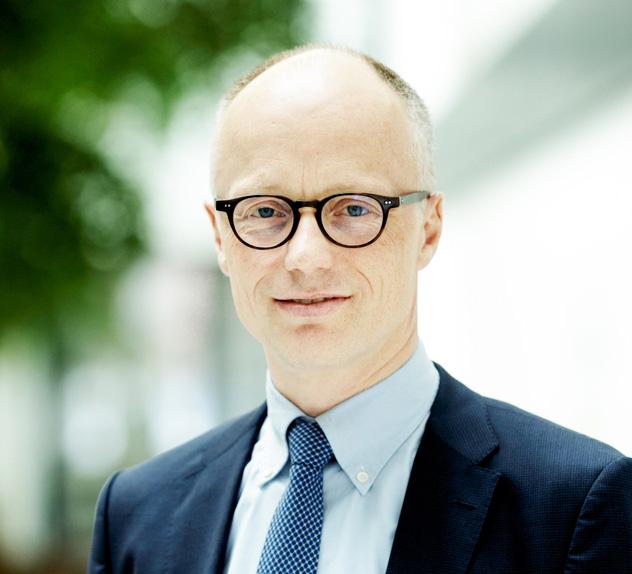

“We must e.g. increase the incentive to work through lower taxes, get significantly more parttime workers to work full-time, and then we need more young people as well as older people to be
part of the workforce.”
NOT ENOUGH LABOUR
With the statement the minister made it clear that Socialdemokratiet – the largest party in the SVM government – refuses to invite e.g. African skilled labour to Denmark as proposed by Moderaterne this summer.
But according to Nielsen Denmark needs “to attract more international labour, because we will not be able to carry out the tasks with Danish labour alone.”
“If we do not have enough labour we cannot conclude the green transition and companies will have to say no to orders,” Nielsen concludes.
The Copenhagen Post | CPHPOST.DK October 2023 16
The fast track is not the way forward, the Minister of Employment states, while DI calls for ambitious reforms
Minister of Employment Ane Halsboe-Jørgensen
Photo: Marie Hald
Steen Nielsen, deputy director of Dansk Industri
Photo: Hans Søndergaard
Revealed: Why digital talents leave Denmark
By Uffe Jørgensen Odde
Adigital talent is more likely to leave Denmark too soon if his or her international partner can’t find a way into the Danish labour market.
That is one of the main conclusions in a new report conducted by Digital Hub Denmark and HBS Economics.
According to the report 25 percent of the international digital specialists who came to Denmark between 2010 and 2018 left the country less than a year upon arrival.
But those who come with a Danish partner are twice as likely to stay at least five years in Denmark compared to talents without partners.
Similarly, if they come with an international partner they are also more likely to stay longer than five years.
This indicates that partner employment status is a key to retaining talent, which is something Denmark has struggled with.
HARD TO ENTER
And the report finds that international partners are struggling to integrate into the Danish labour market. Only 53 percent are employed compared to 94 percent of Danish partners.
For the digital specialists relocating to Denmark, this means that if their partner is employed about 80 percent will remain in Denmark for more than five years.
On the contrary, if their partner is unemployed, only 31 percent will remain in Denmark for the same period of time.
Two of the largest employee organisations, the Danish Confederation of Industries and the Danish Chamber of Commerce, agree that the report reveals that action is needed – and that it’s obvious that retention remains a challenge.
A new report reveals why digital talents leave Denmark
“If we want Denmark to become a melting pot for knowledge, ideas and new technology we need the most talented people. We need international students and expats to come to Denmark and stay here. That requires a renewed and stronger commitment to making life less difficult and more attractive for those who wish to pursue a career in Denmark,” Nikolaj Juncher Wædergaard, Vice President of Digital Policy, Technology and Telecoms at Danish Chamber of Commerce, said.
POSITIVE NET INFLOW
Since 2014, there has been a positive net inflow of digital talent to Denmark.
2022 marked the highest level over the past decade with a net inflow of close to 1,000 talents.
In 2022 around 2,700 digital talents relocated to Denmark, while approximately 1,700 digital talents left the country again.
About 2/3 of the international digital specialists come to Denmark from non-EU countries. Many of them relocate from India. Some 45 percent of the international digital specialists relocate to Denmark with a partner.
THE DETERMINING FACTOR
And according to the report there is one big determining factor on whether digital talents coming to Denmark with their non-Danes partners will remain in Denmark for a longer period of time: their partner’s employment status.
“It’s time we reflect on what we can do to be more inclusive towards foreign digital talent and their partners. These represent an often overlooked source of talent which is easy to tap into,” Jakob Lindmark Frier, director of communications at Digital Hub Denmark, said in a press release.
The Copenhagen Post | CPHPOST.DK October 2023 17
A new report finds one big determining factor on whether international digital talents will remain in Denmark for a longer period of time
Photo: Digital Hub Denmark
Ben’s Brainteasers
1
WHAT LINKS ……
Work out what connects each selection of clues, and deduce what links your six answers to solve the grid!
Answers will be revealed in the next edition of The Copenhagen Post
? ? ? ? ?
? ?
2
WHAT AM I DOING?
I turn, I wiggle, I curse, I boil, I scald, I oil, I open

LAST ISSUE ANSWERS:
WHAT LINKS
CLOCKWISE FROM TOP LEFT: Married somebody with same christian name; commonly known by initials; elder brother died young; father called Joseph; brought down by entity with three names; Oscar-nominated film features name.
Link to all six: John F Kennedy
WHAT AM I DOING
I am playing chess
The Copenhagen Post | CPHPOST.DK October 2023 18
Per Kirkeby, Garey Busey, Evel Knievel, Sharon Stone, Ozzy Osbourne
Joseph Fiennes, Rudolph the reindeer, Vilde Rolf, Thelma Fried, Piggy (kind of)
Stephen Hendry, Floyd Mayweather, Valentino Rossi, Lewis Hamilton, Tom Kristensen +2
Prince Frederik, Gwyneth Paltrow, Michel Trudeau, Sony Bono, Natasha Richardson, Blofeld in OHMSS
Paul Newman, Owen Wilson, Michael Keaton, Jeremy Clarkson, Jay Leno, Mads Mikkelsen
Gerard Depardieu, Catherine Deneuve, Zinedine Zidane, Amelie Mauresmo, Monica Bellucci, Roberto Benigni
By Owen O'Sullivan
A sober month in Copenhagen
Podcast
For all those good reasons there are to take a month off drinking, I decided to do Dry July this year.
With regards to my relationship with alcohol, I would say I fall under the category of ‘winces when sees recommended weekly units’ –not bad, not great, getting better.
And so I set myself this challenge (seeing it as a challenge is not a great start) not only to stop drinking for a month, but also to run two laps of the Copenhagen lakes – roughly 13 km – by the end of the 31 days.
Because if I was going to lose nights out and wine with bad detective shows, I might as well try and gain something – like health. The plan was to do it in increments: 6.5 km, 9.5km and finishing off with the big 13 km, followed by a celebratory beer. For reference, I could already run a pretty solid 27 minute 5k at the start of this endeavour.
Also, I’m 35 and Irish. Make of that what you will.
BUILD UP TO THE FIRST LAP
The first two weeks were the toughest adjustment. Only after making this pact with myself did I realise I had sworn off alcohol during arguably the best time to drink in Denmark.
I kept thinking of those cold cans of Classic hurriedly picked up at a kiosk to be consumed with friends who had found a “great spot” by the water next to the black diamond. Or about lounging outside in the evening with a glass of wine at one of those, equally trendy and indistinguishable wine bars in Nørrebro, the walls still warm from the sun.
Mercifully, the Danish weather took care of most of those options this year.
In my continued pursuit of distraction, I went to my local library, where I found a wide selection of English books and magazines. I decided I would not only become healthy this month, I would become learned, too. I left with tree books.
6.5 KM
My first lap of the lakes went pretty well. Running alongside those other fit and geared-up Danes, I thought, “yes, I am making good decisions with my life!”
I was sleeping better, my mood had improved. I had more energy.
My partner and I went camping by Esrum Lake and I did something I haven’t done in years. To celebrate my two weeks of sobriety, I smoked a joint.
Having never been a big smoker, I always felt I had missed out on the whole Christiania experience while living in Copenhagen. Now I was thinking “maybe I’m one of those high-functioning creative stoner types. This is the key to my creativity!”
I haven’t smoked since.
9.5 KM
This one was tough. My legs were burning, but I was feeling good. At this stage, I was considering staying off alcohol for six months, maybe forever! I mean, the benefits were there and I was getting through the month easily.
With this new found confidence, I ventured out to meet friends. For drinks.
I was surprised to see two others at the table also drinking non-alcoholic beers. “Has it always been this way?” I wondered. Was I always surrounded by stealthy sobriety on nights out, but had never
noticed?
Come 11:30 PM, the gap between the sober and living became too great. And, after four non-alcoholic Carlsbergs, your brain has figured out the trick. So off I went on the S train, thoroughly contented by my social interactions from the evening.
13 KM
Legs like jelly, lungs on fire and drenched in sweat. I wobble into a bar at the top of the lakes for a well deserved pint, truly thinking I’d entered some sort of new chapter of my life.
Four beers, two cocktails and a hangover later, and I’m pretty much back to where I started.
But I’ve realised that alcohol wasn’t a problem – just a distraction. One that I had replaced with running, and reading, and smoking. I couldn’t stop and just be me.
Now, where exactly does that come from? I’ll have to try and find out.
But if you’re going to live a life of distractions, Copenhagen is full of them.
The Copenhagen Post | CPHPOST.DK October 2023 19
Owen O'Sullivan is 35 and from Ireland
Photo: Owen O'Sullivan
Comedian and 1/3 of the Coping In Copenhagen
Owen O'Sullivan
On kicking the booze, running twice around the lakes, and being a master of self-distraction
Owen co-hosts the podcast Coping in Copenhagen.
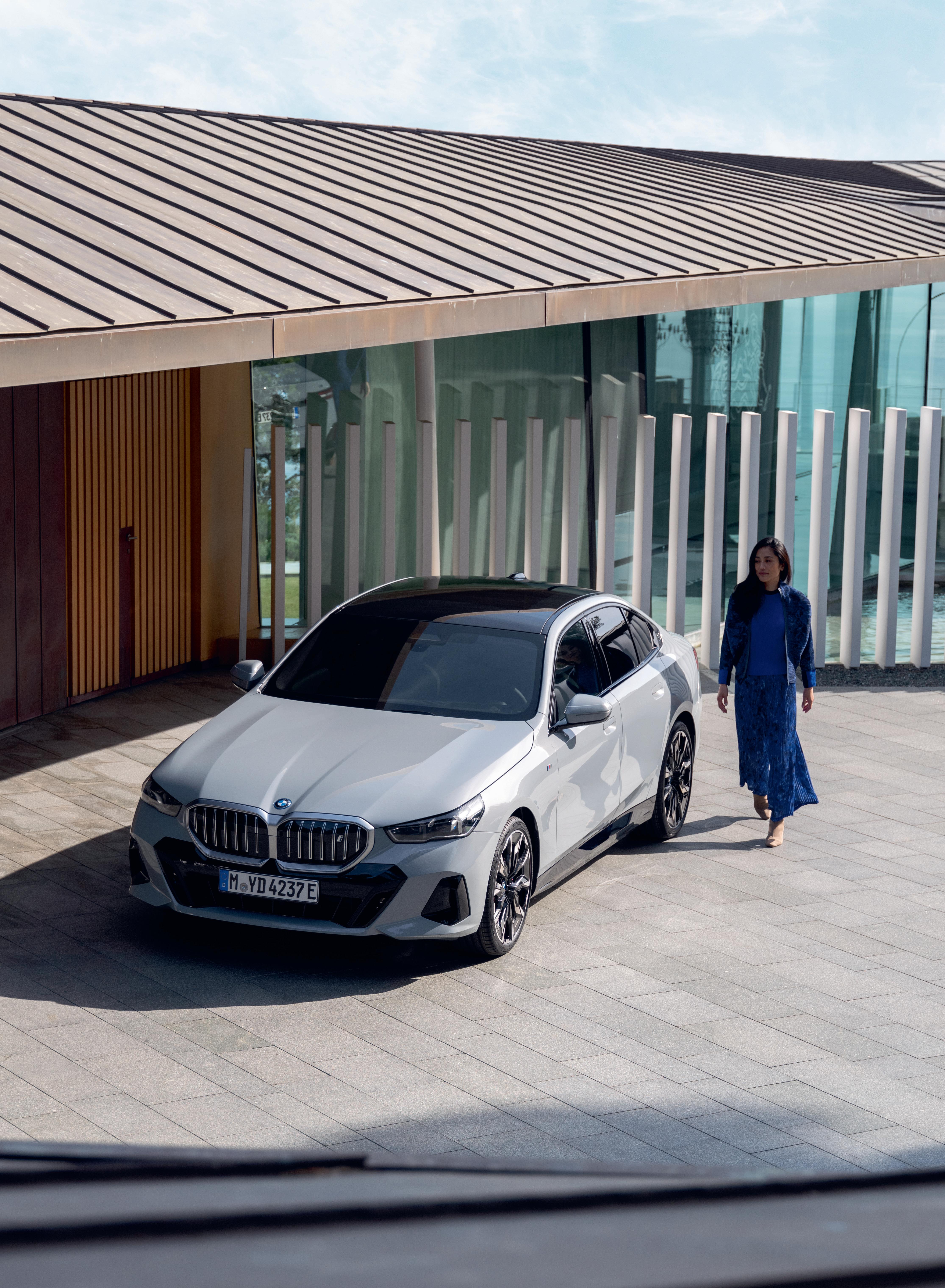
DIPLOMATIC PRICE FROM DKK 408.157 100% ELECTRIC THE NEW BMW i5 Jan Nygaard AS www.jan-nygaard.dk Hillerød Lodbrogsvej 5, 3400 Hillerød +45 7070 7667 Kgs. Lyngby Firskovvej 33, 2800 Kgs. Lyngby +45 4588 6600 København Englandsvej 389, 2770 Kastrup +45 3259 4611 BMW i5 eDrive40. 340 hp. WLTP usage 0 km/l. CO2 0 g/km. Range 477-285 km. Charge time 0-100% with 11 kW: 8,25 hours. These figures may not reflect real life driving results, which will depend upon a number of factors including the starting charge of the battery, accessories fitted (post-registration), variations in weather, driving styles and vehicle load. The car is shown with optoinal equipment. Price are indicative and not including VAT and vehicle registration tax. Reservations are made for typing errors and price adjustments.