Community. Growth. UNI.
2025 Annual Report



2025 Annual Report
UNI Financial Cooperation Headquarters
295 Saint-Pierre Boulevard West
P.O. Box 5554
Caraquet NB E1W 1B7
© UNI is a registered trademark licensed to Caisse populaire acadienne ltée for use in Canada.

UNI and UNI Insurance turned out in force for the Everest Challenge in Dieppe. With 74 employees divided into 14 teams, we climbed the equivalent of Mount Everest more than 12 times! The event raised over $150,000 for myeloma research and P.R.O.
, in an energetic atmosphere that perfectly reflected our values of solidarity and community.
ItiswithgratitudethatIpresent UNI’s2025AnnualReport.
2025 was a true turning point for UNI—a year that saw us regain our focus and return to what matters most.
Throughout the year, my first full year at the helm as Chief Executive Officer, we moved forward with empathy, determination and transparency in service of our members and clients. After a period of transformation, we returned to our roots: listening to and understanding our members and clients, our employees and our communities, with authenticity.


ERIC ST-PIERRE Chief Executive Officer

All year long, UNI was guided by inspiring and deeply human values: moving forward and acting with agility, innovating with courage, collaborating in solidarity, making decisions with integrity and placing people at the centre of every choice. This mindset has become a common thread that nurtures a culture of openness and transparency.
This Annual Report speaks to a meaningful shift—one defined by the steady rebuilding of stability, a thoughtfully restructured and more grounded organization, greater accountability, and, above all, renewed trust.
It highlights the depth of the work accomplished and, at the same time, serves as a springboard for the future.
The year 2025 tells the story of a financial cooperative that decided to do things differently. It was a year when every decision was intentional and every action taken to bolster our solid foundation. This was a shared journey with our employees, rooted in open dialogue and the conviction that we always go further when we work in alignment in pursuit of a common goal.
UNI’s financial results demonstrate remarkable stability and strength. We ended the year with $5.3 billion in assets, $10.8 million in surpluses before other items and $199.6 million in operating income. These results reflect a stable and resilient financial cooperative—one that can innovate and adapt in a changing economic landscape. These indicators confirm UNI’s sustainable trajectory and its capacity for growth.
UNI continues to play a vital role within its communities by investing $2.4 million in donations, sponsorships and scholarships, creating a real, lasting and meaningful impact for the collective good. These contributions are made possible thanks to the strong presence and loyalty of our members and clients who are the lifeblood of our local economies. Their loyalty,
year after year, confirms the strength of the bonds we build and the importance of pursuing our cooperative mission by staying accountable, impactful, and rooted in our communities.
Grounded in our authentic, human roots, we remain true to who we are and where we come from. What we built together yesterday continues to inspire us; what we achieve today strengthens and unites us; and what we set our sights on for tomorrow brings us together with a shared purpose that will propel us even further.
I would like to express my gratitude to our members and clients, whose trust, year after year, continues to inspire and motivate us to always reach higher. Your loyalty gives profound meaning to our cooperative mission. I also wish to extend a heartfelt thank you to our employees and directors, who lead UNI with commitment, integrity and care. Their dedication, receptiveness and collaborative spirit are essential to everything we do. Together—members, clients and employees—we form a united force that moves forward with momentum and empathy, day after day, ensuring our financial cooperative continues to grow, assert itself and confidently embrace the future.



Chief Executive Officer


Vice-President, Chief Operating Officer


Vice-President, Chief Human Ressources
















Vice-President, Chief Finance

Vice-President, Chief of Personal and Business Services

Vice-President, Chief Information Officer

Vice-President, Chief Subsidiaries, Wealth Management and Executive Director Acadia Life








Vice-President, Chief Risk Officer

Vice-President, Chief Marketing and Strategy




Fondation des caisses populaires acadiennes

Itisatruehonourtopresent thisannualreport.
A year shaped by a meaningful shift toward hope, stability and a renewed direction for our financial cooperative.
The Board of Directors was supported by a dedicated team focused on getting it right, guided by a sense of collective responsibility with every step taken and every decision made.
On behalf of the Board of Directors, and personally, I would like to sincerely thank Eric St-Pierre for his leadership and dedication, core values that keep UNI running smoothly. His impact has been instrumental, driven by a people-first approach that is truly remarkable.


DAVID LOSIER Chairman of the Board


In 2025, we continued our commitment to strengthening our governance practices and ensure they meet our members’ expectations and the demands of the cooperative financial sector. The Board of Directors has enhanced its election and recruitment process to attract qualified candidates, with an emphasis on transparency, diversity and competence.
Driven by an inclusive approach, we have implemented best practices to attract skilled and motivated candidates who reflect the diversity of our members and clients, our communities and the financial and business sectors in Canada.
As we look ahead, we remain resolutely focused on what defines us—the shared world that is our cooperative, built by and for our members and clients, and our communities. This year’s achievements reflect the strength of our collective efforts, and our future success will continue to rely on our ability to move forward together with determination and ambition.
My sincere thanks go to our leaders and all our teams. Their commitment, loyalty and trust drive our momentum and reinforce our conviction that UNI’s future shines brightest when we work side by side, in a true spirit of collaboration.
I would like to extend my personal gratitude to my fellow board members for their dedication and commitment to the success of UNI. Backed by its financial strength and the trust of our members and clients, our financial cooperative plays an active role in strengthening the social and economic fabric—both regionally and provincially.




David Losier CFA, CPA, CGA, ICD.D
Chairman 2024-2027
→ Governance




Vice-Chair 2024-2027
→ Audit, Chair
→ Human Resources






Director 2025-2028


→ Governance, Chair
→ Human Resources
→ Pension Plan
→ Risk Management

Brian L. Comeau
Director 2023-2026


Roland T. Cormier
Director 2025-2028
→ Audit
→ Election, Chair
→ Human Resources
→ Pension Plan, Chair

Bertin Cyr LL. B., C.I.M.
Director 2024-2027
→ Governance
→ Human Resources


Director 2024-2027
→ Election


→ Governance
→ Risk Management




Diane Pelletier
Director 2023-2026
→ Governance
→ Human Resources, Chair






Director 2025-2028
→ Audit
→ Risk Management, Chair

Director 2025-2028
→ Election
→ Governance
→ Risk Management




Director 2025-2028
→ Audit
→ Risk Management




Director 2024-2026




Director 2025-2028
→ Audit
→ Election
→ Governance


→ Human Resources
→ Risk Management

UNI is a financial cooperative that focuses on the
89 YEARS, of UNI and its members.
For over UNI has contributed to the economic stability of the communities in which it operates.
Through its cooperative mission, SUSTAINABLE PROSPERITY

34 branches
4 regional offices –UNI Business
2 regional offices –UNI Wealth Management
2 regional offices –UNI Insurance –Acadia General Insurance
citizen participation in a changing world.


EMPLOYEES 1,100
SURPLUS BEFORE OTHER ITEMS IN OPERATING INCOME
$5.3 B $10.8 M $199.6 M IN ASSETS
COMMUNITY IMPACT
$2.4 M 610
36 MEMBERS IN DONATIONS, SPONSORSHIPS AND SCHOLARSHIPS
ORGANIZATIONS SUPPORTED NEARLY SITTING ON 3 REGIONAL COOPERATIVE COMMITTEES
Thanks to you, UNI invests in local communities by supporting:
→ Youth and their development
→ Social causes that leave a tangible mark on the lives of local people
→ Enriching initiatives
Our purpose defines us and gives meaning to our actions.
Our commitment values represent guides for action and light the way toward achieving our purpose.

At UNI,
Agility, means creating a dynamic of continuous improvement, growth and innovation.
Courage, means taking a stand in our decisions and committing ourselves to defending ethical and sustainable choices.
Mutual Aid, means encouraging cooperation and mutual support to build a better, fairer future together.
Humanity, means placing people at the heart of our actions, with a benevolent approach that values diversity and inclusiveness.
Integrity, means acting with transparency and honesty, in compliance with rigorous ethical and regulatory standards.
Northeast Region
Bathurst, Beresford, Caraquet, Lamèque, Neguac, Paquetville, Petit-Rocher, Sheila, Shippagan, Tracadie
Northwest Region
Clair, Campbellton, Edmundston: Canada Road and Victoria Street, Eel River Crossing, Grand Falls, Kedgwick, Saint-Léonard, Saint-Quentin
Southeast Region


Baie Sainte-Anne, Bouctouche, Cap-Pelé, Cocagne, Dieppe, Fredericton, Grand-Barachois, Moncton: Morton Avenue and Tannery Place, Memramcook, Richibucto, Rogersville, Saint-Antoine, Saint-Louis-de-Kent, Shediac



facebook.com/unicooperation instagram.com/unicooperation linkedin.com/company/uni-cooperation-financiere





















UNI Insurance Dieppe, Shippagan

UNI Business
Bathurst, Dieppe, Edmundston, Tracadie






Bathurst, Moncton Regional offices youtube.com/caissespopulaires x.com/UNIcooperation

UNI Wealth Management











Aligned with its strategic plan, UNI continually strives to be an employer of choice that retains, develops and attracts top talent while promoting a culture rooted in its core values of engagement. This culture supports both collective and individual success.


Throughout the year, UNI strengthened its efforts to enhance talent retention and foster human-centred leadership within a context of strategic transformation. The first year of the three-year strategic plan enabled us to finalize requirements related to our technology transition and reaffirm our commitment to work-life balance. Key initiatives supported employee health, psychological safety and engagement.
UNI continued to foster a highly engaging work culture by focusing on ongoing dialogue and continuous feedback. Through the Officevibe platform, employees can share perceptions of their workplace at any time, while managers have access to reliable data to identify opportunities that support a healthy and fulfilling environment.
Embodying our “Proudtobeattheheart ofyourdreams”philosophy guided a deeper integration of our values, reinforced through consultations and increased alignment across all our practices.
In June 2025, more than 70 leaders adopted a human-centred leadership model, which now serves as a cornerstone of our strategy. By placing employee well-being and development at the heart of performance, UNI continues to demonstrate its human-focused approach to value creation.
These advancements strengthen UNI’s position as an employer of choice and prepare our leaders to thrive in an evolving environment.
Results speak for themselves: the overall employee satisfaction score of 8.1/10, rated as “verygood” and “aboveaverage” within the industry.
Our indicators confirm strong engagement levels and highlight the importance of continuous dialogue in supporting employee commitment and well-being.

UNI continued to optimize UNIversité , our training platform, to offer learning opportunities aligned with both operational and regulatory requirements. The addition of new mandatory courses reinforces our compliance while supporting skill development. With enhanced tracking tools, employee progress and results are now visible in real time, allowing us to adapt training strategies with greater agility. UNIversité remains a key strategic lever for building a culture of continuous learning.
UNI reinforced leadership development by implementing initiatives aligned with its organizational transformation. In a rapidly evolving technological environment, human-centred skills remain essential.
The progressive integration of our human-centred leadership model prepares our leaders to navigate complexity while maintaining the importance of the people at the heart of our mission. In 2026, several leaders will be evaluated using this model to create personalized development plans.
UNI continued supporting its leaders through individual coaching. This personalized approach strengthens confidence, communication, decision-making and stress management while building emotional intelligence and adaptability. This support contributes to elevating performance, improve team dynamics, and foster a culture of continuous learning. Strong leadership remains essential to sustaining engagement and motivation across the organization.
In 2025, UNI further solidified its reputation for corporate excellence, earning recertification as one of Canada’s Most Admired™ Corporate Cultures by Waterstone Human Capital and being named one of Atlantic Canada’s Top Employers by Mediacorp Canada Inc.
As a three-time consecutive winner, UNI continues to build on its national reputation for building a strong and engaging culture. This distinction
provides valuable opportunities to collaborate and share best practices with some of the country’s highest-performing organizations.
This award, presented to 50 leading employers, highlights UNI’s commitment to a collaborative, human-scale workplace with deep roots in the communities it serves. The evaluation criteria include work atmosphere, benefits and community involvement.

A corporate culture where every member feels valued and supported. “
Throughout the year, UNI formalized its internal communications through an annual calendar covering key talent-management priorities: mandatory activities, corporate culture and employer branding, workforce movements, benefits and professional development. This planning allowed us to better target our audiences, select the most effective channels and optimize delivery of written communications and virtual meetings.

Since April 2025, our monthly newsletter, Le CommUNIqué, has provided all employees with clear, consistent content aligned with organizational priorities. The development of these communications is the result of integrated collaboration among the talent management, communications, marketing and business process teams, ensuring information that is uniform, accessible, and ultimately enhancing the employee experience and organizational engagement.
In 2025, UNI entered the final year of its first three-year accessibility plan, a significant step toward our goal of being fully accessible by
This plan includes 2040.
37 actions covering all priority areas identified by the Accessible Canada Act.

Significant progress was made this year in information technology, the built environment and employment, reinforcing our commitment to providing an inclusive and accessible workspace.



In December, UNI launched the premiere of the UNI-T podcast dedicated to accessibility, highlighting our progress and raise awareness among our teams—particularly in connection with the International Day of Persons with Disabilities.
These initiatives show our commitment to building an organization where everyone can fully contribute to our collective success.







































Service recognition is a meaningful moment where we honour the loyalty and dedication woven into the very fabric of UNI.
In October 2025, UNI had the honour of recognizing 137 employees for their years of service. Among them, 45 employees reached the impressive milestone of 25 years or more with us.
This year also marked a truly exceptional celebration: one employee reached 50 years of service, an inspiring achievement that reflects the profound bond between our employees and our mission.

















































In 2025, internal referrals remained a key component of our talent-acquisition strategy. Thanks to employee recommendations, 46 new talents joined the organization.
This recruitment method helps attract candidates who share UNI’s values while reinforcing the engagement and pride among employees who refer a peer. It is a powerful driver of internal mobilization.

In total,
$126,750
in referral bonuses were distributed in 2025, providing tangible recognition of our employees’ contribution to enriching our human capital.


At UNI, community engagement lies at the heart of our cooperative identity. Every year, we invest in initiatives that strengthen the vitality and prosperity of New Brunswick communities. Through donations, sponsorships and support for local businesses and contributions to meaningful and sustainable projects, we help build a stronger and more inclusive future for all.
Our employees also play a vital role in this commitment. With access to an annual bank of one paid volunteer day, they devote time to causes that matter most to them. Over the year, this commitment resulted in 325 volunteer requests, totalling 2,017 hours dedicated to our local communities. These contributions support
initiatives such as LegsforLiteracy, various sports associations and several regional festivals.
Together, we reaffirm our commitment to being a present, engaged partner—deeply rooted in the community life of New Brunswick.



In 2025, UNI’s outstanding Net Promoter Score (NPS) results reflect the strong trust our members and clients place in us. Beyond the numbers, the comments we received highlight what truly sets us apart: the empathy, attentiveness, and professionalism of our employees. The daily commitment of our staff is the cornerstone of our collective success and remains, now more than ever, our greatest strength.







In 2025, UNI affirmed its role as a financial partner committed to its community by placing people, listening and relationships at the core of its decisions, investments and actions. Behind every product, service and project lie real-life realities, personal journeys, family projects and individual ambitions that our teams support with respect, care and commitment.










strength, stability and long-term prosperity.
In a challenging and evolving economic context, UNI has chosen a clear position: to move forward with agility, act with integrity, make bold decisions and always keep people at the heart of its priorities. Our teams worked with rigour, responsibility and a strong sense of community to offer concrete, accessible solutions tailored to the real needs of our members and clients, while bolstering our strength, stability and long-term prosperity.





This balanced approach—empathetic, strategic and responsible—allows UNI to build healthy growth based on trust, proximity and long-term sustainability.













Contributing to the growth and development of young people



Fostering access to health care and research for a better quality of life






Supporting community and social development projects





Contributing to the vitality of communities



$2.4 M in donations, sponsorships and scholarships

Fostering the development of new talent and stimulating the cultural industry



Encouraging synergy with the business community








119 O AN 200 A L , 327, $645,727 $568,300 $375,261 $374,376


4 $10 million Over the past UNI has given back more than years, in member dividends to communities.



The year was marked by a strategic repositioning of our key offerings, particularly in mortgage financing, to better address the realities of families, young professionals and new buyers. This initiative was driven not only by a desire to enhance product competitiveness, but above all by a commitment to making financial services simpler, more accessible and more human, aligned with life’s important moments.
Given the challenges associated with access to home ownership, the rapid evolution of digital expectations and increasingly complex financial journeys, UNI has shown courage and agility in its strategic choices, favouring a balanced approach blending performance, proximity and support.
These pivotal choices helped sustain the organization’s financial performance, strengthen the soundness of its economic model and create the conditions for responsible, sustainable growth that is aligned with the concrete needs of its clientele.










Being at the heart of our members and clients first means, above all, listening to them with authenticity and respect. In 2025, UNI strengthened its structured engagement channels through surveys, consultations, feedback tools and community outreach initiatives, to better understand the expectations, frustrations, priorities and realities of its clientele.
This active engagement approach has become a real catalyst for transformation.
It helped translate member and client voices into concrete actions, such as adjusting offers, improving financial journeys, evolving services, modernizing tools, adapting internal practices and prioritizing foundational projects.
Decisions are no longer solely operational; they are human, strategic and guided by a clear desire to act with consistency, integrity and responsibility.
The lessons learned from this engagement have directly contributed to the evolution of our services, digital platforms and technology tools. The goal is clear: to simplify the financial journey, make interactions more fluid, improve service accessibility and provide a consistent, human-centred and high-performance experience across all channels.
This continuous improvement dynamic is based on a philosophy of agility and strategic restructuring, bolstering solid systems, modernizing processes, securing organizational foundations and creating a sustainable environment capable of supporting future growth.
It helps nurture a lasting relationship of trust with our members and clients, while boosting the institution’s stability, credibility and maturity.






By combining competitive offerings, active engagement, organizational collaboration, rigorous management, market intelligence and responsible innovation, UNI is honing an integrated approach where improving financial performance and the member and client experience go hand in hand.
Performance is not an end in itself; it is a lever for protection, stability and sustainability in the service of members and clients, teams, the community and the future of the financial cooperative.
This approach enables UNI to develop responsibly, sustainably and in line with its core purpose: Proud to be at the heart of your dreams.








As part of the 29th Atlantic Visual Arts Festival (Festival des arts visuels en Atlantique - FAVA), UNI collaborated with artist Carole Bherer to create a collective work entitled “L’Arbre UNI” (The UNI Tree). This unifying canvas was enhanced by the creativity of children and families at the festival, who added their personal touch to the work. The unveiling took place on August 7th at the UNI branch in Caraquet.

In December 2025, in response to an urgent need, UNI provided a total of $50,000 to 20 UNI member food banks and centres for victims of violence. Choosing UNI means choosing to show solidarity and make a concrete impact.

UNI and its teams have proudly supported Operation Red Nose, a key initiative for road safety during the holidays. Thanks to our employees’ dedication, UNI is making a positive impact in the community while supporting a vital cause.
Choosing UNI, means choosing a financial cooperative that belongs to its members and clients.
Choosing UNI means understanding where we come from to better shape our future. It means choosing a financial cooperative that belongs to its members and clients, one that puts their well-being, and that of their communities, at the heart of its mission.
Our commitment is clear: to empower our members and clients and give our communities the means to take charge of their future and to pass on through our cooperative model a sustainable legacy to future generations. Thanks to your trust, we are making a meaningful collective impact across New Brunswick. Together, we are meeting today’s challenges and building a more united, vibrant and prosperous future.
In 2025, thanks to you, $2.4 million was distributed in donations, sponsorships and scholarships, supporting nearly 610 community organizations.







Choosing UNI means making a commitment to our youth. We place education, literacy and physical activity at the heart of our mission to ensure that every young person can reach their full potential. We support over 200 schools, youth camps, sports teams and initiatives promoting sports and health across New Brunswick, awarding over $225,000 in scholarships, for a total investment of $1 million dedicated to local youth.

UNI has committed $10,000 per year from 2025 to 2029 (for a total of $50,000) to this philanthropic endowment that AEFNB launched to mitigate the impact of child poverty and to support the development of the full potential of every student in the Acadian and francophone school system.
The AEFNB Children’s Fund is a philanthropic initiative of the Association des enseignantes et des enseignants francophones du Nouveau-Brunswick (AEFNB) The funds raised enable school administrators to intervene directly with young people in precarious situations, according to local priorities and realities.
At UNI, we are committed to giving every child an equal opportunity to reach their full potential.











The 12th Edition of the Fondation des caisses populaires acadiennes Golf Tournament Was a
On August 28, 2025, UNI proudly celebrated the success of its 12th annual golf tournament held at the Royal Oaks in Moncton, where participants rallied to support education. Thanks to the commitment of the golfers and
the support of generous partners, the Foundation raised $121,335, all of which will go toward the development of literacy, academic achievement and the full potential of New Brunswick’s youth.

In September 2025, the Town of Caraquet announced that its new sports and community centre will be named Centre UNI, in recognition of a major $500,000 contribution from UNI Financial Cooperation.
This modern and inclusive space will become a hub for sports, culture and community activities; an inviting, accessible place designed to foster well-being, mutual support and civic participation—a place where we can build the future together.




Choosing UNI means contributing to the cultural vitality of our communities and celebrating those who have shaped our identity. Among them, Antonine Maillet remains an iconic figure, a guiding light and a source of pride for all of Acadia.
Through her unforgettable characters and exceptional talent for making the Acadian language sing, she has given our people the strength to see themselves reflected in their own stories and to celebrate a culture that is vibrant, strong, and deeply rooted in its history. It is in this spirit that we supported the Moncton Tribute Show, a celebration highlighting the lasting influence of her work on New Brunswick’s culture and on the Francophonie as a whole.

A
writer, with just a pen and some imagination, gives life to what is invisible and unexpected.
— Antonine Maillet 1929-2025

Awarded the prestigious Prix Goncourt in 1979 for Pélagie-la-Charrette , Antonine Maillet has been instrumental in elevating Acadian culture globally. Her vast collection of work, comprising over 50 titles translated into multiple languages, is a peerless cultural treasure. She passed away on February 17, 2025, but her legacy continues to unite us and inspire present and future generations.
Founded in 1998 to mark the 50th anniversary of Acadie Vie, the Prix littéraire Antonine-Maillet-Acadie Vie aims to recognize Acadian authors whose
outstanding work elevates Acadian culture on the world stage. Through the creation of this award, Acadie Vie—an insurance subsidiary affiliated with UNI—sought to celebrate its golden jubilee by honouring the greatest Acadian writer and the broader Acadian literary community.
These authors inspire our collective imagination, shape our identity and enrich our arts and culture. Thanks to their words, Acadia continues to shine far beyond its borders.
YEAR ENDED December 31, 2025
This management report provides a general overview of UNI Financial Cooperation. It complements the information provided in the consolidated financial statements of Caisse populaire acadienne ltée and must therefore be read together with these statements and accompanying notes for the year ended December 31, 2025.
This report also presents the results analysis and main modifications observed in UNI Financial Cooperation’s balance sheet for the fiscal year ended December 31, 2025. Additional information is available on its website at www.uni.ca.
The year 2025 was marked by political tensions between the United States and its trading partners—including Canada—as well as the continued easing of monetary policy by the Bank of Canada. After beginning a marked monetary easing cycle in 2024 with a 175-basis-point reduction in its policy interest rate, the Bank of Canada continued this normalization process in 2025 at a more moderate pace, totalling an additional decrease of 100 basis points. This direction by the Bank of Canada reflects the gradual convergence of inflation toward the set target of 2% while remaining attentive to sectors of the economy where inflationary pressures persist and considering the need to mitigate the risks of an economic slowdown in the short and medium term.
In comparison, the U.S. Federal Reserve and the European Central Bank lowered their policy rates by 75 basis points in 2025, while the Bank of England reduced its rate by 100 basis points. These rate cuts aim to stimulate the economy. Although positive, economic growth in Canada remained modest over recent quarters. The Bank of Canada forecasts growth of 1.1% in 2026 and 1.5% in 2027. Meanwhile, employment remained stable in Canada: approximately 211,000 jobs were created in 2025, the increase of about 260,000 in the labour force kept the unemployment rate stable at 6.8%.
Bank of Canada Interest Rate Trend, 2024−2026
As a significant portion of Canada’s economy is based on natural resource industries, the country remains highly dependent on international trade. While current geopolitical tensions have somewhat diminished the relative weight of the United States in Canada’s trade flows, the U.S. remains by far our largest trading partner. Canada-U.S. economic relations, as well as currency fluctuations, have a significant influence on our economy. In the short term, the appreciation of the Canadian dollar poses a challenge for exporters, as it reduces the price competitiveness of Canadian products in global markets. Conversely, a stronger dollar helps curb inflation by reducing the cost of imported goods. Furthermore, the relative strength of the U.S. economy, combined with free trade between the two countries, remains a significant supporting factor for the Canadian economy.
The imposition of new tariffs by the U.S. administration has created additional friction in global trade flows. Canada, however, remains relatively spared, as most trade with the United States is protected under CUSMA, the trade agreement governing relations between the two countries. According to a recent Desjardins analysis, the effective average tariff rate stood at 3.9% last October. The same study highlights that the percentage of CUSMA-compliant exports rose from 34.3% in January 2025 to 89.3% in October 2025 and is expected to reach 95% by the end of 2026. Before the imposition of tariffs, exporting firms perceived little benefit in declaring their goods CUSMA-compliant, which is no longer the case. Exporting companies are now taking the necessary steps to obtain this certification. Ultimately, it is businesses and consumers—both Canadian and American—bear the costs of these tariff measures and experience their negative effects.
Source: Bank of Canada
According to Statistics Canada estimates, population growth slowed in 2025, both in New Brunswick and across the country. This decline is primarily due to the federal government’s intention to reduce immigration levels. For the province, population growth reportedly fell from 3.1% to 1.5%, while for the rest of Canada, it fell from 3.5% to 2.2%. This represents an increase of approximately 10,600 people in New Brunswick and 750,200 people in Canada.
As shown in the table below, despite the creation of 5,000 jobs, the unemployment rate in New Brunswick rose slightly
by 0.1%. Employment growth of 1.3% remains comparable to the 1.4% observed nationally. At the regional level, two regions stand out: the Southeast and the Northeast. The Southeast accounts for most of the province’s labour force growth, while the Northeast shows a reversal of past trends, with a renewed increase in its labour force. In terms of unemployment rates, all regions—except the Southeast and Southwest—recorded a decrease. Regarding the quality of jobs created, the province saw an increase in full-time jobs (6,900), and a decrease in part-time employment (-1,700). The Northeast stands out in this regard with 5,200 new jobs, whereas the Southwest experienced a reduction of 4,400 jobs.
In terms of inflation, the trend in New Brunswick has been higher than in the rest of Canada. In 2025, the Consumer Price Index increased by 3.06% in the province, while price growth was 2.3% nationally. This gap is explained largely by a significant decline in gasoline prices across the country, mainly attributable to the elimination of the carbon tax. However, food prices rose significantly in Canada this year, up 6.22%.
International trade continues to be a key pillar of the provincial economy. Two areas of concentration are noteworthy. First, the high share of energy products in both imports and exports exposes the province to fluctuations in global energy prices. Second, the concentration of more than 90% of exports directed to the United States increases the province’s exposure to currency risks associated with reliance on a single major trading partner. However, given the uncertainty of trade relations and the prevailing tariff environment, the risks become more significant and harder to quantify. They depend largely on the Americans’ ability to replace exported products with domestically produced alternative at competitive prices. As noted above, most exported products remain protected by CUSMA, which helps mitigate some of the risks.
Net financial income represents the difference between the revenues generated by assets, such as loans and securities, and the financial costs associated with liabilities, including deposits and borrowings. Net financial income also includes revenues from insurance and annuity business.
In 2025, net financial income totalled $149.4 million, an increase of $24.4 million compared with 2024, when it stood at $125 million. This growth is attributable to higher financial revenues with a decrease in financial costs. As a result, the financial margin between loans and deposits improved greatly.
Despite a decline in the volume of securities during the year, driven by predominant growth in the loan portfolio, securities revenue still increased. They rose by $2.4 million in 2025, reaching $16.63 million. The increase is mainly due to a favourable interest rate environment, greater exposure to credit spreads, and the performance of equity investments, which generated a market value gain in 2025.
The interest income generated by UNI’s loan portfolio increased by $4.6 million compared with 2024. It reached $215.1 million, compared with $210.5 million in 2024. This growth is the result of the renewal of several loans at higher interest rates, as well as the $111.5 million increase in the loan portfolio recorded on UNI’s balance sheet. In a higher interest rate environment than in the past, net interest margin naturally improves, directly contributing to the growth of UNI’s net interest income.
Despite an increase of $73.6 million in the deposit portfolio during the year, interest expense related to depositors decreased from $88.7 million in 2024 to $76.6 million in 2025, a reduction of $12.1 million. This is mainly due to the migration of several fixed-term deposits toward demand deposits. This shift in product preferences among our members reduced interest expenses, lowering the institution’s average funding cost and improving its net interest margin.
UNI’s securitization program remains its main source of borrowing. Interest expenses related to borrowings declined from $10.9 million in 2024 to $9.5 million in 2025, a decrease of $1.4 million. This reduction is due to the reduction in the amount borrowed. In 2025, ten maturities reached their term—one in the first quarter, three in the second quarter and six in the fourth quarter—totalling $52.0 million. No new securitization borrowings were issued in 2025. UNI nonetheless continues its securitization activities through off-balance sheet vehicles. This mechanism remains an important source of funding for the institution and supports the significant growth of its loan portfolio.
The provision for loan losses amounted to $5.3 million in 2025, an increase of $0.9 million compared with 2024. This provision is calculated in accordance with International Financial Reporting Standard (IFRS) 9, which governs the classification, measurement and impairment of financial instruments. The standard is based on expected credit losses (forward-looking information). Loan portfolios are segmented into three stages based on changes in credit risk, with each stage associated with different probabilities of default. For mortgage and commercial products classified in Stage 3, provisions are calculated using an individual assessment of loans identified as being at risk.
Other income is derived from several sources, as shown in the table below:
Overall, other income increased by $2 million in 2025, reaching $46.3 million. Service fee income rose compared to the previous fiscal year, mainly due to fee increases implemented in 2025. Gain from securitization activities remained
stable and continue to represent an important revenue source for the institution. Lastly, commission income is also up, largely driven by the increase in the volume of investment funds under management.
The following table presents the detailed operating expenses: (in
Operating expenses increased in 2025, mainly due to two factors. First, UNI continued its investments to enhance its technological platform to better meet the needs of its members and clients.
These investments are reflected mainly in higher personnel and IT-related costs. Second, inflation also had a significant impact on overall operating expenses, contributing to the increase observed.
The subsidiaries Acadia Life and AVie make up this line of business. Results for 2025 were below expectations due to a decline in sales that has persisted in recent years, creating downward pressure on the profitability of the products offered. Income from operations before tax amounted to $2.9 million in 2025, compared with $5.4 million in 2024.
The following table presents the main sources of revenues and expenses for Acadia Life:
Results before other consolidated items improved significantly in 2025, making a return to profitability. As at December 31, 2025, these results show a surplus of $10.8 million, compared with a deficit of $2.9 million in 2024. In the two previous fiscal years, the transition to the new financial platform had generated non-recurring but necessary expenses to equip UNI with modern,
high-performance tools adapted to future needs. In 2025, the efficiency gains achieved through this transformation stabilized operations enabling the organization to generate higher revenues by sustained business volume growth.
Net results amounted to $4.4 million. These results included $4.0 million in market value losses on derivative financial instruments, as well as $2.5 million in income tax expense.
BALANCE SHEET EVOLUTION
As at December 31, 2025, UNI’s total assets amounted to $5.3 billion, representing an increase of $45 million or 1% compared with 2024.
Change in UNI’s liquidity and securities depend primarily on three factors: growth of member deposits, increased use of lending services, and the organization’s financing activities. Operational expenses, as well as initiatives related to donations and sponsorships, also influence the variations.
In 2025, UNI recorded a $38 million decrease in liquidity, despite member deposits growth totalling $73.6 million, which would normally have increased liquidity. This increase was impacted by growth of the loan portfolio on the balance sheet, which increased by $111 million, thereby reducing the organization’s net liquidity.
UNI also recorded growth in off-balance sheet loans, attributable to securitization activities carried out under the Canada Mortgage and Housing Corporation (CMHC) program. This approach is consistent with the organization’s strategic self-financing efforts to support its growth and development plan.
The loan portfolio, net of allowances, continued to grow in 2025, reaching $4.3 billion as at December 31, 2025. Compared with 2024, this represents an increase of $113 million, or 2.6%. This growth is primarily driven by residential and residential rental mortgage loans.
Net of Allowances
The table below presents the breakdown of the loan portfolio by business line:
The residential mortgage portfolio recorded notable growth in 2025, reaching $1.80 billion, an increase of $63.54 million compared with 2024. This progress reflects the fact that new loans originations exceeded portfolio repayments, resulting in a significant net increase.
Despite a slight decline in home sales in New Brunswick in 2025, the expansion of the portfolio growth reflects renewed confidence among members and clients. This growth occurred in a context where residential prices continued to rise and the provincial real estate market, less active in volume, remained supported by stable demand and higher average property values.
This loan portfolio decreased slightly in 2025 compared to 2024, standing at $598 million. It includes branches financing, which underperformed in 2025. The economic environment, marked by persistent inflation and interest rates that have decreased more slowly than expected, placed additional pressure on households, contributing in part to the decline observed.
The business loan portfolio continued to grow in 2025, increasing by $48 million to reach $1.96 billion, compared with $1.91 billion in 2024, representing growth of 2.6%. However, this growth is understated, as it excludes derecognized loans, totalling $216.9 million. Residential rental real estate stood out, with a notable performance over the past year.
The deposit portfolio totalled $4.3 billion as at December 31, 2025, an increase of $73.6 million from the previous year. Deposit growth remains a cornerstone of UNI’s financial strength, as it provides a stable and diversified source of funding while supporting loan portfolio expansion. Sustained deposit growth also contributes to stronger liquidity and helps maintain robust prudential indicators. It reflects the ongoing confidence members place in their institution.
Fiscal 2025 was marked by a reallocation of fixed-term deposits to demand deposits. This is a less expensive source of funding for UNI, although it is important to highlight the stability provided by fixed-term deposits. Here is the breakdown of trends in demand and fixed-term deposit balances.
(in thousands of dollars)
The securitization of mortgages that meet Canada Mortgage and Housing Corporation (CMHC) requirements remains UNI’s primary source of borrowing-based funding. This mechanism consists of pooling certain loans and financing them by issuing securities on the financial markets, which are purchased by investors. It allows the institution to obtain liquidity while continuing to manage the loans, providing a complementary source of funding to support activities.
In 2025, maturities totalling $52.0 million reached their term, reducing the institution’s total borrowings. UNI issued no new on-balance sheet securitization borrowings in 2025. UNI continues to use off-balance sheet securitization structures as part of its funding strategy. This approach optimizes balance sheet
management, allows the institution to mobilize additional liquidity, and helps adjust the composition of its assets, while maintaining lending growth.
The institution’s equity represents the financial resources owned by its members. It is composed of members’ shares held within UNI as well as retained earnings generated through the cooperative’s business activities. Equity serves as a cushion to absorb potential losses and is a key indicator of the institution’s financial strength and capacity to support its business activities and future growth.
In 2025, UNI’s equity increased by $7 million, rising from $481 million to $488 million. This represents a 1.46% increase compared with the previous year. This growth is mainly attributable to the institution’s profitability during 2025. It strengthens member’s equity and enhances UNI’s financial capacity to develop value-added initiatives.
Liquidity risk management ensures that the financial cooperative has, in an efficient manner, the necessary funds to meet all its financial obligations, both under normal conditions and during periods of stress.
Sound liquidity management is ensured by the Treasury team through a set of mechanisms and tools, including:
• The Liquidity Risk Management Policy, which establishes practices and thresholds to be respected.
• The Investment Policy, regularly reviewed by the Board of Directors to ensure alignment with strategic objectives.
• Daily management of the liquidity position, allowing for rigorous monitoring of cash flows.
• Quarterly reporting to the Board of Directors.
• Monitoring of the five-year funding plan, supporting strategic planning and future needs.
• Stress simulations, used to assess liquidity resilience in adverse conditions.
• Liquidity stress testing, which measures the potential impact of extreme scenarios on funding requirements.
The primary indicator UNI uses to assess liquidity adequacy is the Liquidity Coverage Ratio (LCR).
This ratio measures UNI’s ability to meet its financial obligations over a 30-day period in a stress scenario. The Office of the Superintendent of Financial Institutions (OSFI), through its “Liquidity Adequacy Requirements” Guideline, imposes a minimum threshold that financial institutions must maintain. UNI remains comfortably above this regulatory requirement.
The decrease in the ratio observed in 2025 mainly reflects the evolution of operational activities and does not call into question the institution’s financial strength. It is mainly explained by the strong loan portfolio growth and by investments made as part of the organization’s development. An LCR of 158% indicates that UNI holds a level of liquidity equivalent to 1.58 times the amount required to meet its short-term obligations in a crisis scenario.
UNI recognizes the importance of sound capital management and relies on several key mechanisms to ensure the institution’s financial strength, including:
• Annual review of the Capital Risk Management Policy by the Board of Directors.
• Annual internal production of the Capital Adequacy Assessment Process.
• Quarterly reporting on capital management to the Board of Directors.
• Monthly monitoring of various capital indicators.
• Annual five-year capitalization plan, updated quarterly, to ensure long-term capital adequacy.
UNI uses two ratios to monitor the strength of its capital base: the capital to at-risk assets ratio and the leverage ratio.
This ratio assesses risk-weighted capital adequacy. The Office of the Superintendent of Financial Institutions (OSFI) through its Capital Adequacy Requirements Guideline,
imposes a minimum level that financial institutions must meet. UNI comfortably exceeds this regulatory threshold. Capital consists of members’ shares and retained earnings.
In 2025, UNI generated capital through institutional profitability and the recovery of capital deductions related to past strategic technology investments. Given the strong loan growth recorded during the year, the portfolio’s impact on the capital ratio increased. Overall, UNI’s regulatory capital grew throughout the year, improving its CET1 risk asset capital ratio.
OSFI’s Leverage Requirements Guideline calls for compliance with another capital ratio, namely the leverage ratio. The minimum requirement is 3% of non-risk-weighted assets. UNI meets OSFI’s requirements with a ratio of 7.5%.
UNI benefits from a dedicated risk management oversight function reporting to the Chief Risk Officer (CRO). The latter coordinates the implementation of a risk management framework for UNI and its subsidiaries to ensure compliance with requirements established by OSFI and other regulatory authorities.
The risk management framework is designed to be prudent, comprehensive, effective and consistent across the organization. It covers all UNI and subsidiary activities and is built on a global and coordinated approach that
ensures integrated risk management. The compliance management framework is fully embedded within it. The risk management framework supported by robust, formal and dynamic governance, a transparent risk culture grounded in strong ethics, guiding sustainable business development and overseeing risk monitoring and control throughout the organization. In addition to a structured set of processes to identify, measure, monitor, manage and mitigate risks across the organization.
Together, these elements ensure proactive and integrated risk management, aligned with sector best practices and with the requirements of regulatory authorities.
Board of Directors and its Committees Management and Oversight Functions Common Risk Infrastructure
Three Lines of Defence People Processes Tools
• Policies and mandates of committees and oversight functions
• Risk Management Committee
• Risk appetite and tolerance
• Risk culture and guiding principles
• Directives
• Reporting
• Internal Risk Management Committee
• Risk management processes
• Procedures
• Expertise and training
• Communication
• Internal controls
• Data and tool availability
Risk Management Process
Identify Assess and Measure Manage Control Monitor
Risk Identification and Taxonomy
UNI’s risk management framework is built on a governance structure adapted to its organizational and legal reality. The Board of Directors has established a Risk Management Committee, an Audit Committee and other specialized committees to oversee the organization’s specific activities and the risks associated with them. It also relies on several oversight functions (e.g., Integrated Risk Management, Compliance, Finance, Internal Audit and Credit) to ensure access to the information required to fulfill its mandate and oversight role.
The Board of Directors expresses its strategic directions, including those related to risk, through the Risk-Taking Propensity Framework (RTPF). This framework defines the level of risk UNI is willing to assume across all its activities, including those of its subsidiaries. UNI manages its risk using three lines of defence model, which provides the Board of Directors and Executive Management with assurance
that risks remain within the tolerance levels established in the RTPF. In other words, it represents the level of risk UNI is prepared to take. The RTPF applies to all activities of UNI and its subsidiaries. The risk management oversight function provides day-to-day coordination of this framework in alignment with the Board of Directors orientations.
UNI is committed to continuous improvement, consistently seeking to strengthen the effectiveness of its three lines of defence. This approach ensures robust risk governance, tailored to the organization’s needs and aligned with high industry standards, which are also constantly evolving.
The Board of Directors promotes a balanced risk-taking approach offering adequate return on equity to maintain a solid capital position that supports the collective objectives of its members and clients or communities.
Risk Appetite (Target)
Is the level of risk that UNI aims to achieve or maintain in order to meet its strategic and business objectives.
Risk Tolerance (Threshold and Limit)
Corresponds to the threshold and limit established and defined based on UNI’s risk-taking ability. UNI aims to remain within the safe zone, not the limit zone.
Capacity
Corresponds to UNI’s capital, actual and anticipated earnings, tools, expertise, knowledge and personnel available to manage a given risk. In terms of risk level, regulatory thresholds also frame and limit the amount of risk that UNI can assume.
One of the key factors of a strong risk management culture is the use of a common language. Being able to categorize risks and consistently and cohesively define them across the organization helps establish a solid foundation for the common language
of risk management. UNI classifies its risks into nine major categories. Due to its heterogeneous nature, operational risk includes twelve risk components, including third-party risk as well as technology and cybersecurity risk.
Strategic risk corresponds to a material deviation between UNI’s actual financial results (including those of its subsidiaries) and the anticipated results set out in its strategic plan. This financial gap may be linked to:
• Inadequate strategic choices—whether related to business models, strategic partnerships or operating plans—depending on its financial situation, operational capacity, expertise, competitive positioning, or business or economic environment
• Adequacy of the allocation of human, financial and material resources to realize its strategy
• Misalignment of sectoral plans with UNI’s strategic plan
• A lack of action—whether intentional or not—in response to significant changes in the economy or in the competitive or business environment
• Undercapitalization, overcapitalization or inadequate use of UNI’s equity
• Loss of income or balance sheet value due to an unfavourable external environment (e.g., economic crisis)
The Board of Directors adopts a strategic plan, which includes quantitative and organizational objectives. It reviews progress quarterly with members of Executive Management, who implement the operational plans required to achieve the strategic objectives.
UNI maintains a high level of capital, consistent with its risk appetite. The institution takes pride in this financial strength, which benefits its members and clients. Ongoing initiatives are implemented to maintain an adequate level of comfort that ensures the sustainable prosperity of UNI and its members.
Every year, UNI performs crisis simulations to assess the organization’s level of resilience in the event it had to manage extreme situations. By leveraging these management measures, UNI successfully remains above regulatory capital ratios in all scenarios tested.
Revenue losses may occur when UNI’s activities, actions or practices fall significantly below the expectations of members, clients, employees or the public. This risk often arises due to ineffective management of one or more other risk categories, leading to a loss of confidence or significant negative comments in traditional or social media and in the community.
UNI places great importance on its reputation. It continuously ensures that its actions, practices, and behaviours reflect its cooperative values and fiduciary responsibilities. Executive Management exercises rigorous oversight over the launch of new products, services and other initiatives, as well as any changes to its existing products and services.
Climate change can have significant impacts on UNI’s security and soundness.
These associated risks, known as Climate changeriskorClimaterisk , are generally classified into two categories: Physical risks and Transition risks:
• Physical risks: Refer to financial risks arising from the increasing frequency and severity of extreme weather events and climate change–related events (i.e., acute physical risks), from long-term gradual climate changes (i.e., chronic physical risks), and from indirect effects of climate change such as public health consequences (e.g., impacts on morbidity and mortality).
• Transition risks: Refer to the financial risks associated with the shift toward a low greenhouse gas (GHG) economy. These risks may arise from current or future government policies, laws and regulations aimed at limiting GHG emissions, as well as from technological advancements and changes in market sentiment and client preferences towards a low-GHG economy.
UNI has formally introduced climate risk into its risk monitoring framework and is continuing its work to comply with the Office of the Superintendent of Financial Institutions (OSFI) guideline on climate risk management.
Refers to potential losses that may occur when the organization must resort to costly and unplanned sources of funding in order to meet its financial obligations in a time. Financial obligations include commitments to depositors, borrowers (disbursement of approved loans), suppliers, members and clients or insured individuals. This risk is due primarily from the mismatch between the cash inflows related to assets and cash outflows related to liabilities, including payments owed to suppliers and the distribution of individual patronage dividends to members.
UNI presents a favourable liquidity level within the Canadian financial institutions market. The main source of liquidity continues to be personal and business member and client deposits, but it also uses CMHC-backed mortgage securitization channels to diversify its sources. In addition, UNI also has lines of credit in place with other Canadian financial institutions. UNI and its life insurance subsidiary, Acadia Life, apply an asset-liability matching strategy, improving the alignment of cash flows. UNI has established monitoring indicators, alerts, thresholds and limits, and a contingency funding plan to ensure an adequate liquidity level at all times—beyond regulatory requirements. The specific purpose of alerts is to detect a potential liquidity crisis.
This represents the possibility that the institution or its subsidiaries may incur financial losses, sanctions (monetary or otherwise), or increased regulatory scrutiny due to practices, processes or decisions that fail to comply with applicable legal, regulatory or normative requirements. This risk arises from any deviation from applicable laws, regulations, guidelines, standards or prudential expectations. It also includes significant, unexpected or recurring costs associated with achieving compliance or adapting to regulatory changes. Compliance risk can affect UNI’s reputation, operational stability and ability to operate effectively and sustainably.
UNI has implemented a regulatory risk management framework tailored to the nature of its operations. This framework ensures that all activities are carried out within the applicable regulatory parameters, while respecting the organization’s defined risk appetite. This includes monitoring, identifying, measuring and managing changes to legislation, regulations and other regulatory requirements. When applicable, UNI adjusts its internal policies and procedures as promptly as possible to comply with regulations.
As a reporting entity subject to the ProceedsofCrime(MoneyLaundering) andTerroristFinancingAct (the Act/ PCMLTFA), UNI has implemented a program to meet the regulatory obligations required by the Financial Transactions and Reports Analysis Centre of Canada (FINTRAC).
Unplanned financial losses due to the inability or refusal of a borrower, endorser, guarantor or counterparty to fulfill its entire contractual obligations to repay a loan or to meet any other pre-existing financial obligation.
Credit risk includes the risks of default, concentration and exposure to major commitments with a single counterparty.
Credit risk represents the most significant risk for UNI. Our credit portfolio is composed of residential mortgage loans, personal loans and business credit.
UNI’s Board of Directors establishes the policy on credit risk management, which is implemented by the teams responsible for granting loans and managing credit products.
UNI’s Board of Directors establishes approval limits for the Credit Committee and Chief Credit Officer (CCO). The latter then delegates approval limits for the various staff members responsible for approving credit applications. Credit decisions are based on a risk evaluation and on factors such as the Credit Risk Management Policy, credit practices and procedures, compliance requirements and available collateral.
Our personal loan portfolio is composed of residential mortgages, personal loans and lines of credit, as well as branch financing. Each credit decision is made under an authorization level within our independent business line risk management teams. Credit approval methods and portfolio management practices aim to standardize the credit-granting process and rapidly detect problem loans.
The business loan category consists of three portfolios—one for loans to small businesses (retail businesses), a portfolio of loans to mid-sized businesses and a portfolio of loans to large businesses.
For these main portfolios, the internal rating process includes 10 grades.
The following table compares internal ratings with external agency ratings:
As at December 31, 2025
Rating S&P Description
1 to 2 AAA to BBB+ Prime quality
3 BBB to BBB-
4 à 5 BB+ to BB- Satisfactory quality
6 à 7 B+ to B-
8 à 9 CCC+ to C Under supervision
10 D Impaired and defaulted loans
When a loan is granted to a member or client, UNI secures collateral for certain products in order to mitigate certain borrowers’ credit risk. This collateral typically takes the form of assets, such as capital, accounts receivable, stocks, investments, government securities or shares. As needed, UNI uses available risk-sharing mechanisms with other financial institutions.
Mortgage
Consumer loans and other personal loans
Business (including residential rental)
As at December 31, 2025
(in thousands of dollars and %)
Gross impaired loans Gross impaired loan ratio
UNI continues to maintain a high-quality loan portfolio. As at December 31, 2025, gross impaired loans totalled $57.6 million, a decrease of $20.5 million compared with 2024. This decline reflects sustained efforts in recent months to reduce this volume. Multiple personal files were recently remediated or written off, contributing significantly to this improvement.
Market risk refers to possible losses resulting from changes in interest or exchange rate, the market prices of shares, credit gaps or desynchronization of market indexes or liquidity. Exposure to this risk arises from trading activities or investments creating on- and off-balance sheet positions.
• Interest rate risk: UNI maintains a strategy through focused on keeping interest rate risk at a very low level. This strategy uses interest rate swaps to reduce the duration gap between assets and liabilities while keeping it within the parameters set by the Board of Directors. Interest rate risk is managed using deterministic scenarios that show the potential impact of interest rate fluctuations on the capital ratio and financial results. Risk limits have been established to ensure alignment between UNI’s risk profile and the risk appetite determined by the Board of Directors.
• Foreign exchange risk: UNI does not maintain any significant positions on exchange markets. It holds only the foreign currencies (mainly U.S. dollars) required to meet the anticipated needs of its members and clients. Therefore, it does not require any protection against exchange rate risk.
• Investment management: An investment policy covers the composition and quality of securities in our portfolios as well as the various portfolio management parameters for all funds under management associated with liquidity risk management.
Insurance risk refers to possible losses incurred when paid compensation differs in practice from the actuarial assumptions (mortality, lapse, etc.) incorporated into the planning and pricing of insurance products.
UNI assumes life insurance risks (mortality, morbidity) only for life insurance and annuity products offered by Acadia Life. This subsidiary does not offer complex insurance products and maintains a capital level exceeding regulatory requirement.
Operational risk arises from events resulting from shortcomings or failures related to internal procedures, employees, internal systems or external events that may lead to financial losses or non-financial impacts.
Because of its heterogeneous nature, this risk is divided into 12 distinct sub-risks:
• Damage to or limited access to tangible assets and buildings
• Process implementation, delivery and management
• Internal fraud
• External fraud
• Program and project management
• Financial and management data integrity
• Service interruption and IT system malfunction
• Products, services and commercial practices
• Human resources
• Information security
• Technology and cyber risk
• Third party
UNI has implemented a comprehensive set of policies, guidelines, procedures, IT systems, rules, standards, business continuity plans and internal controls to these risks. Additionally, UNI maintains extensive corporate insurance coverage to avoid any significant financial losses.
As at December 31, 2025
The consolidated financial statements of Caisse populaire acadienne ltée as well as the information included in this Annual Report are the responsibility of its management, whose duty is to ensure their integrity and fairness.
The consolidated financial statements have been prepared in accordance with IFRS Accounting Standards. The consolidated financial statements necessarily contain amounts established by management based on estimates that it deems to be fair and reasonable. These estimates include, among other things, the valuation of actuarial liabilities performed by valuation actuaries of Caisse populaire acadienne ltée, the valuation of the employee benefit liability, and the fair value measurement of the financial instruments. All financial information presented in the Annual Report is consistent with the audited consolidated financial statements.
The Board of Directors of Caisse populaire acadienne ltée ensures that management fulfills its responsibilities with regard to the presentation of financial information and the approval of the consolidated financial statements. The Board of Directors exercises this role mainly through the Audit Committees, which meet with the auditor in accordance with their mandates.
The consolidated financial statements were audited by the independent auditor appointed by the Board of Directors, Deloitte LLP, whose report follows. The auditor may meet with the Audit Committee at any time to discuss its audit and any questions related thereto, notably the integrity of the financial information provided.

Eric St-Pierre, CPA, CMA President and Chief Executive Officer
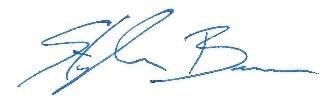
Stéphane Breau, CPA, CGA, CFA Vice-President, Chief Financial Officer
Caraquet, Canada March 26, 2026

To the members of Caisse populaire acadienne ltée
We have audited the consolidated financial statements of Caisse populaire acadienne ltée (the “Caisse”), which comprise the consolidated statement of financial position as at December 31, 2025, and the consolidated statements of income, comprehensive income, changes in equity, and cash flows for the year then ended, and notes to the consolidated financial statements, including material accounting policy information (collectively referred to as the “financial statements”).
In our opinion, the accompanying financial statements present fairly, in all material respects, the financial position of the Caisse as at December 31, 2025, and its financial performance and its cash flows for the year then ended in accordance with IFRS Accounting Standards as issued by the International Accounting Standards Board (IASB).
We conducted our audit in accordance with Canadian generally accepted auditing standards (“Canadian GAAS”). Our responsibilities under those standards are further described in the Auditor’s Responsibilities for the Audit of the Financial Statements section of this auditor’s report. We are independent of the Caisse in accordance with the ethical requirements that are relevant to our audit of the financial statements in Canada, and we have fulfilled our other ethical responsibilities in accordance with these requirements. We believe that the audit evidence we have obtained is sufficient and appropriate to provide a basis for our opinion.
Management is responsible for the other information. The other information comprises the information in the Annual Report other than the financial statements and our auditor’s report thereon.
Our opinion on the financial statements does not cover the other information and we do not express any form of assurance conclusion thereon. In connection with our audit of the financial statements, our responsibility is to read the other information identified above and, in doing so, consider whether the other information is materially inconsistent with the financial statements or our knowledge obtained in the audit, or otherwise appears to be materially misstated.
We obtained the Annual Report prior to the date of this auditor’s report. If, based on the work we have performed on this other information, we conclude that there is a material misstatement of this other information, we are required to report that fact in this auditor’s report. We have nothing to report in this regard.
Management is responsible for the preparation and fair presentation of the financial statements in accordance with IFRS Accounting Standards as issued by the IASB, and for such internal control as management determines is necessary to enable the preparation of financial statements that are free from material misstatement, whether due to fraud or error.
In preparing the financial statements, management is responsible for assessing the Caisse’s ability to continue as a going concern, disclosing, as applicable, matters related to going concern and using the going concern basis of accounting unless management either intends to liquidate the Caisse or to cease operations, or has no realistic alternative but to do so.
Those charged with governance are responsible for overseeing the Caisse’s financial reporting process.
Our objectives are to obtain reasonable assurance about whether the financial statements as a whole are free from material misstatement, whet her due to fraud or error, and to issue an auditor’s report that includes our opinion. Reasonable assurance is a high level of assurance, but is not a guarantee that an audit conducted in accordance with Canadian GAAS will always detect a material misstatement when it exists. Misstatements can arise from fraud or error and are considered material if, individually or in the aggregate, they could reasonably be expected to influence the economic decisions of users taken on the basis of these financial statements.
As part of an audit in accordance with Canadian GAAS, we exercise professional judgment and maintain professional skepticism throughout the audit. We also:
Identify and assess the risks of material misstatement of the financial statements, whether due to fraud or error, design and perform audit procedures responsive to those risks, and obtain audit evidence that is sufficient and appropriate to provide a basis for our opinion. The risk of not detecting a material misstatement resulting from fraud is higher than for one resulting from error, as fraud may involve collusion, forgery, intentional omissions, misrepresentations, or the override of internal control.
Obtain an understanding of internal control relevant to the audit in order to design audit procedures that are appropriate in the circumstances, but not for the purpose of expressing an opinion on the effectiveness of the Caisse’s internal control.
Evaluate the appropriateness of accounting policies used and the reasonableness of accounting estimates and related disclosures made by management.
Conclude on the appropriateness of management’s use of the going concern basis of accounting and, based on the audit evidence obtained, whether a material uncertainty exists related to events or conditions that may cast significant doubt on the Caisse’s ability to continue as a going concern. If we conclude that a material uncertainty exists, we are required to draw attention in our auditor’s report to the related disclosures in the financial statements or, if such disclosures are inadequate, to modify our opinion. Our conclusions are based on the audit evidence obtained up to the date of our auditor’s report. However, future events or conditions may cause the Caisse to cease to continue as a going concern.
Evaluate the overall presentation, structure and content of the financial statements, including the note disclosures, and whether the financial statements represent the underlying transactions and events in a manner that achieves fair presentation.
Plan and perform the group audit to obtain sufficient appropriate audit evidence regarding the financial information of the entities or business units within the Caisse as a basis for forming an opinion on the group financial statements. We are responsible for the direction, supervision and review of the audit work performed for purposes of the group audit. We remain solely responsible for our audit opinion.
We communicate with those charged with governance regarding, among other matters, the planned scope and timing of the audit and significant audit findings, including any significant deficiencies in internal control that we identify during our audit.

Chartered Professional Accountants
March 26, 2026
As at December 31, 2025 (In thousands of dollars)
The accompanying notes are an integral part of the consolidated financial statements. O behalf of the Board of Directors

David Losier, CFA, CPA, CGA, ICD.D

Jean-François Saucier, M.Sc., CPA, CA Chair of the Board Chair of the Audit Committee
Consolidated statement of income
Year ended December 31, 2025 (In thousands of dollars)
The accompanying notes are an integral part of the consolidated
Consolidated statement of comprehensive income
Year ended December 31, 2025 (In thousands of dollars)
Other comprehensive income (loss)
Items that will not be subsequently reclassified to the consolidated statement of income
Items that will be subsequently reclassified to the consolidated statement of
change in fair value on securities
The accompanying notes are an integral part of the consolidated financial statements.
Consolidated statement of changes in equity
Year ended December 31, 2025 (In thousands of dollars)
The accompanying notes are an integral part of the consolidated financial statements.
Consolidated statement of cash flows
Year ended December 31, 2025 (In thousands of dollars)
Operating activities
Investing activities
Financing activities
The accompanying notes are an integral part of the consolidated financial statements.
Notes to the consolidated financial statements
December 31, 2025
(In thousands of dollars)
Caisse populaire acadienne ltée (the “Caisse”), operating under UNI Financial Cooperation, is a co-operative chartered under the Bank Act, and its activities are governed, in particular, by the Office of the Superintendent of Financial Institutions (“OSFI”) of Canada and the Financial Consumer Agency of Canada. The Caisse is also a member of the Canada Deposit Insurance Corporation. The Caisse provides a complete range of financial products and services, including banking services to individuals and businesses, asset management, personal insurance, and damage insurance.
The headquarters of the Caisse is located at 295 St-Pierre Boulevard West, Caraquet, New Brunswick, Canada.
The Board of Directors approved these consolidated financial statements and notes on March 26, 2026.
IFRS® Accounting Standards
These consolidated financial statements have been prepared by the Caisse’s management in accordance with IFRS Accounting Standards, as issued by the International Accounting Standards Board (“IASB”).
These consolidated financial statements have been prepared on a historical cost basis, except for the remeasurement of certain financial assets and liabilities at fair value, notably securities at fair value through profit or loss, securities at fair value through other comprehensive income, and derivative financial instruments.
The items included in the consolidated statement of financial position are based on liquidity, and each item includes both short-term balances and long-term balances, if applicable.
Functional currency and presentation currency
These consolidated financial statements are presented in Canadian dollars, which is also the Caisse’s functional currency.
Statement of compliance
The Caisse’s consolidated financial statements are established according to the IFRS Accounting Standards in effect on December 31, 2025.
Basis of consolidation
The Caisse’s consolidated financial statements include the financial statements of the Caisse and those of its wholly owned subsidiaries, i.e., Financière Acadie Inc. and Société de Services Acadie Inc.
The financial statements of all entities of the Caisse have been prepared for the same reference period using consistent accounting policies. All intra-group balances, income and expenses as well as gains and losses on internal transactions have been eliminated.
The preparation of consolidated financial statements in accordance with IFRS Accounting Standards requires management to make estimates and assumptions that affect the reported amounts of assets and liabilities and the presentation of contingent assets and liabilities as of the date of the consolidated financial statements and the reported amounts of revenues and expenses during the year. Actual results could differ from these estimates.
The main items for which management had to make estimates mainly include insurance contract liabilities and reinsurance contract assets, the allowance for loan losses, the measurement of financial instruments at fair value, income taxes, and measurement of the employee benefit liability. The estimates and assumptions related to these items are presented below.
The model for determining the allowance for expected credit losses considers a number of factors and methodologies specific to credit risk, including changes in the notion of risk, the integration of prospective scenarios, and the estimated life of revolving exposures. The results of the model are then examined by taking into account management’s judgment regarding external factors such as portfolio quality, economic conditions, and credit market conditions.
The Caisse separately establishes, loan by loan, individual allowances for each loan that is considered impaired. To determine the estimated recoverable amount, the Caisse discounts expected future cash flows at the effective interest rate inherent to the loan. When the amounts and timing of future cash flows cannot be estimated with reasonable reliability, the estimated recoverable amount is determined using the fair value of the collateral underlying the loan. Given the significance of the amounts and their inherent uncertainty, a change in the estimates and judgments could materially affect the amounts of the allowances.
The fair value of financial instruments is measured using a fair value hierarchy that depends on whether the inputs used for measurement are observable or not. Note 22 shows how fair value measurements are allocated to the three levels of the hierarchy. Given the role of judgment in the application of a large number of acceptable valuation techniques and estimates for the calculation of fair values, they are not necessarily comparable among financial institutions. Fair value reflects market conditions at a given date and, therefore, may not be representative of future fair value. It also cannot be interpreted as a realizable amount in the event of immediate settlement.
Judgment is involved in determining the provision for income taxes. The calculation of income taxes is based on the tax treatment of the transactions recorded in the consolidated financial statements. The Caisse recognizes a liability for anticipated tax adjustments based on an estimate of the additional taxes payable. When the amount payable is different from that originally recorded, the difference affects income tax expense, and the provision for income taxes could increase or decrease in subsequent years.
Use of estimates and judgment (continued)
Income taxes (continued)
Deferred tax assets and liabilities reflect management’s estimate of the value of loss carryforwards and other temporary differences. Deferred tax asset values are determined using assumptions regarding the results of operations of future fiscal years, timing of reversal of temporary differences, and tax rates in effect on the date of reversals, which may change depending on government fiscal policies.
Management must also assess whether it is more likely than not that deferred income tax assets will be realized before they expire and, according to all available evidence, determine whether it is necessary to not recognize all or a portion of deferred tax assets. Moreover, in determining income taxes recorded in the consolidated statement of income, management interprets tax legislation in various jurisdictions.
Using other assumptions or interpretations could lead to significantly different income tax expenses.
The present value of the defined benefit pension plan obligation is calculated on an actuarial basis using a number of assumptions. Any change in these assumptions would have an impact on the carrying amount of the employee benefit liability. The assumptions used and additional information can be found in Note 13.
Derecognition of financial assets
In determining the application of derecognition to financial assets, judgment is exercised in determining whether the Caisse has transferred substantially all the risks and rewards of the rights by transferring the assets to another entity, or whether the rights to the cash flows from the asset have expired.
Critical judgments in applying the Caisse’s accounting policies for insurance and reinsurance contracts
The following are the critical judgments, apart from those involving estimations, that management has made in the process of applying the Caisse’s accounting policies and that will have the most significant effect on the amounts recognized in the consolidated financial statements relating to insurance and reinsurance contracts:
Assessment of the significance of the insurance risk: The Caisse uses judgment to determine whether a contract transfers significant insurance risk to the insurer. A contract transfers significant risk if and only if an insured event could cause the Caisse to pay additional amounts that are significant in any scenario and only whether there is any scenario with commercial substance in which the issuer has a possibility of a loss on a present value basis upon an occurrence of the insured event, regardless of whether the insured event is extremely unlikely. The assessment of whether additional amounts payable on the occurrence of an insured event are significant and whether there is any scenario with commercial substance in which the issuer has a possibility of a loss on a present value basis involves significant judgment and is performed at initial recognition on a contract-bycontract basis. The type of contracts where this judgment is required are those that transfer financial and insurance risk and result in the latter being the smaller benefit provided.
Critical judgments in applying the Caisse’s accounting policies for insurance and reinsurance contracts (continued)
Consideration whether there are investment components: The Caisse considers all terms of the contracts it issues to determine whether there are amounts payable to policyholders in all circumstances, regardless of contract cancellation, maturity, and the occurrence or nonoccurrence of the insured event. Some amounts, once paid by the policyholder, are repayable to the policyholder in all circumstances. The Caisse considers such payments to meet the definition of an investment component, irrespective of whether the amount repayable varies over the term of the contract, as the amount is repayable only after it has first been paid by the policyholder.
Separation of non-insurance components from insurance contracts: The Caisse issues some insurance contracts that have several elements in addition to the provision of the insurance coverage service, such as a deposit component. Some of these elements must be separated and accounted for by applying other standards, while other elements can remain within the insurance measurement model. In assessing whether components meet the separation criteria and should be separated, the Caisse applies significant judgment.
Separation of insurance components of an insurance contract: The Caisse issues some insurance contracts that combine protection for the policyholder against different types of insurance risks in a single contract. IFRS 17 does not require or permit separating the insurance components of an insurance contract unless the legal form of a single contract does not reflect the substance of its contractual rights and obligations. In this case, separate insurance items must be recognized. Overriding the "single contract" unit of account presumption involves significant judgment and is not an accounting policy choice. When determining whether a legal contract reflects its substance or not, the Caisse considers the interdependency between different risks to be covered, the ability of all components to lapse independently with the ability to price and sell the components separately.
Determining the contract boundary: Evaluating a group of insurance contracts includes all of the future cash flows that fall within a contract boundary. In determining which cash flows fall within a contract boundary, the Caisse considers its substantive rights and obligations arising from the terms of the contract, from applicable law, regulation, and customary business practices. Cash flows are considered as being outside of the contract boundary if the Caisse has the practical ability to reprice existing contracts to reflect their reassessed risks, and if the contract’s pricing for coverage up to the date of reassessment only considers the risks until the next reassessment date. The Caisse applies its judgment in assessing whether it has the practical ability to set a price that fully reflects all risks in the contract or portfolio. The Caisse considers contractual, legal, and regulatory restrictions when making its assessment and applies judgment to decide whether these restrictions have commercial substance.
Critical judgments in applying the Caisse’s accounting policies for insurance and reinsurance contracts (continued)
Identification of portfolios: The Caisse defines a portfolio as a collection of insurance contracts that have similar risks and that are managed together. Contracts within a product line would be expected to have similar risks and hence would be expected to be in the same portfolio if they are managed together. The assessment of which risks are similar and how contracts are managed requires the exercise of judgment. The Caisse may acquire insurance contracts as part of a business combination or a portfolio transfer. Unlike originally issued contracts, contracts acquired in a settlement phase transfer an insurance risk of adverse claims development. The Caisse considers such risk to be different from the contracts it originally issues and aggregates such contracts in separate portfolios by product line.
Level of aggregation: The Caisse applies judgment when distinguishing between contracts that have no significant possibility of becoming onerous and other profitable contracts.
Assessment of directly attributable cash flows: The Caisse uses judgment in assessing whether cash flows are directly attributable to a specific portfolio of insurance contracts. Insurance acquisition cash flows are included in the measurement of a group of insurance contracts only if they are directly attributable to the individual contracts in a group, or to the group itself, or the portfolio of insurance contracts to which the group belongs. When estimating fulfillment cash flows, the Caisse also allocates fixed and variable overheads fulfillment cash flows that are directly attributable to the fulfillment of insurance contracts.
Assessment of significance of modification: The Caisse derecognizes the original contract and recognizes the modified contract as a new contract if the derecognition criteria are met. The Caisse applies judgment to assess whether the modified terms of the contract would result in the original contract meeting the criteria for derecognition.
Level of aggregation for determining the risk adjustment for non-financial risk: IFRS 17 does not define the level at which the risk adjustment for non-financial risk should be determined. The level of aggregation for determining the risk adjustment for non-financial risk is not an accounting policy choice and involves judgment. The Caisse considers that the benefits of diversification occur at the level of each portfolio and determines the risk adjustment for non-financial risk at that level. The benefit of diversification reflects the diversification in the portfolio, but not that between the portfolio, since it is this diversification level that is used during the pricing of goods. The Caisse allocates the total adjustment to each contract in the portfolio through the addition of margins to each assumption of the best estimate.
Selecting a method of allocation of coverage units: IFRS 17 establishes a principle for determining coverage units rather than a set of detailed requirements or methods. The selection of the appropriate method for determining the amount of coverage units is not an accounting policy choice. It involves the exercise of significant judgment and development of estimates considering individual facts and circumstances. The Caisse selects the appropriate method on a portfolio-by-portfolio basis. In determining the appropriate method, the Caisse considers the likelihood of insured events occurring to the extent that they affect the expected period of coverage in the group, different levels of service across the period, and the quantity of benefits expected to be received by the policyholder.
Key sources of estimation uncertainty relating to insurance and reinsurance contracts
The following are key estimations that management has used in the process of applying the Caisse’s accounting policies and that have had the most significant effect on the amounts recognized in the consolidated financial statements relating to insurance and reinsurance contracts.
Insurance contract liabilities (assets) and reinsurance contract assets (liabilities)
To measure insurance contracts issued and reinsurance contracts held in accordance with IFRS 17, the Caisse has made estimations in the following key areas. These estimates form part of the overall balances of insurance contract assets and liabilities and reinsurance contract assets and liabilities:
• Future cash flows
• Discount rate
• Risk adjustment for non-financial risk
Every area, including the Caisse’s estimation methods and assumptions used as well as other sources of estimation uncertainty, are discussed below.
Sensitivity analysis of carrying amounts to changes in assumptions
Key sources of estimation uncertainty relating to insurance and reinsurance contracts (continued)
Sensitivity analysis of carrying amounts to changes in assumptions (continued)
In estimating fulfillment cash flows included in the contract boundary, the Caisse considers the range of all possible outcomes in an unbiased way specifying the amount of cash flows, timing and probability of each scenario reflecting conditions existing at the measurement date (using a probability-weighted average expectation). The probability-weighted average represents the probability-weighted mean of all possible scenarios. In determining possible scenarios, the Caisse uses all the reasonable and supportable information available to them without undue cost and effort, which includes information about past events, current conditions, and future forecasts.
Cash flow estimates include both market variables directly observed in the market or derived directly from markets and non-market variables such as mortality rates, accident rates, average claim costs, probabilities of severe claims, and policy surrender rates. The Caisse maximizes the use of observable inputs for market variables and utilizes internally generated group-specific data. For life insurance contracts, the Caisse uses national statistical data to estimate the mortality rates, which it combines with the data from its own internal analyses.
Key sources of estimation uncertainty relating to insurance and reinsurance contracts (continued)
Method for estimating discount rates
The Caisse measures the time value of money using discount rates that reflect the liquidity characteristics of the insurance contracts and the characteristics of the cash flows, consistent with observable current market prices. They exclude the effect of factors that influence such observable market prices, but do not affect the future cash flows of the insurance contracts (e.g., credit risk).
To determine the discount rates, the Caisse uses a modified bottom-up approach to estimate the discount rates, based on risk-free yield rates and an illiquidity premium. The illiquidity premium is based on the reference portfolio and adjusted by a constant to reflect the difference between the liquidity characteristics of insurance contracts and the reference portfolio assets. The resulting illiquidity premium is added to the risk-free rate to derive the discount curve. One of the key sources of estimation uncertainty is estimating the illiquidity premium of a reference portfolio.
The risk-free rates are calculated using Government of Canada bonds for the 30 first years since the data are sufficient to develop a curve. After 30 years, the method used is that suggested by the Canadian Institute of Actuaries (CIA), which begins at the last observable point and results in an ultimate risk-free rate.
The illiquidity premium for the 30 first years is determined as the implicit yield related to the fair value of a reference portfolio, less the adjusted risk-free interest rates to consider the differences between the reference portfolio assets and the corresponding cash flow liabilities. The reference portfolio is composed of corporate and provincial bonds usually included in the public bond indexes.
Given that corporate bonds are less liquid than provincial bonds, the discount rate curves consider a different proportion for corporate bonds than for provincial bonds to reflect the liquidity of contracts. The return of the reference portfolio is adjusted to eliminate the expected and unexpected credit return using the information from observed default historical levels concerning the bonds included in the reference portfolio. The historical default levels may be adjusted in light of a particular credit event. After 30 years, the illiquidity premium refers to an ultimate illiquidity premium based on the ultimate illiquidity premium recommended by the CIA.
The Caisse uses the following rate curves to discount cash flows:
Key sources of estimation uncertainty relating to insurance and reinsurance contracts (continued)
Method for estimating discount rates (continued)
The risk adjustment for non-financial risk is the compensation that the Caisse requires for bearing the uncertainty about the amount and timing of the cash flows arising from insurance risk and other non-financial risks, such as lapse risk and expense risk. It measures the degree of variability of expected future cash flows and the Caisse-specific price for bearing that risk and reflects the degree of the Caisse’s risk aversion. The Caisse estimates the risk adjustment based on the build-up approach. This method consists in estimating the risk adjustment for each portfolio by adding margins for adverse deviations to each assumption given the degree of uncertainty to reproduce an overall risk adjustment. The resulting risk adjustment corresponds to a 93% confidence level (83% as at December 31, 2024).
To determine the risk adjustment for non-financial risk for reinsurance contracts, the Caisse calculates the amount of risk transferred to the reinsurer as the difference between the risk adjustment for non-financial risk determined on a gross reinsurance basis and the risk adjustment for non-financial risk determined on a net reinsurance basis.
All financial assets, upon initial recognition, must be recognized at fair value and classified either as at fair value through profit or loss, at fair value through other comprehensive income, or at amortized cost, according to the characteristics of the contractual cash flows of the financial assets and the business model relating to the management of these financial assets. Financial liabilities must be measured at amortized cost or classified at fair value through profit or loss. Purchases and sales of financial assets are recorded using the trade date.
Financial instruments (continued)
Financial instruments at fair value through profit or loss
Financial instruments at fair value through profit or loss are measured at fair value, and any change in fair value is recorded in profit or loss in the year in which these changes occur. Financial instruments can be classified in this category either because they are classified at fair value through profit or loss or because, upon initial recognition, they were designated as at fair value through profit or loss. This designation may be made if it eliminates or significantly reduces a measurement or recognition inconsistency that would otherwise arise from measuring assets or liabilities or recognizing the gains or losses on them on different bases or if a group of financial assets, financial liabilities or both is managed and its performance is evaluated on a fair value basis, in accordance with a documented risk management or investment strategy and information about the group is provided internally on that basis to key management personnel. With the exception of the derivative financial instruments and instruments that do not meet the criteria of the test of the characteristics of the contractual cash flows corresponding solely to payments of principal and interest, financial instruments at fair value through profit or loss are classified in this category through initial designation. Interest income earned, amortization of premiums and discounts, and dividends received are included in financial income using the accrual method.
Financial assets at fair value through other comprehensive income are measured at fair value, and any unrealized gains or losses are recorded in other comprehensive income. Financial assets can be classified in this category either because they are classified at fair value through other comprehensive income or, if they are equity instruments, because, at initial recognition, they were designated at fair value through other comprehensive income.
Interest income earned, amortization of premiums and discounts, and dividends received are included in financial income using the accrual method.
For financial assets classified at fair value through other comprehensive income, gains and losses are reclassified to the consolidated statement of income when the asset is derecognized, whereas for financial assets designated at fair value through other comprehensive income, gains and losses are never subsequently reclassified to the consolidated statement of income and are reclassified immediately to distributable income.
Financial assets classified at fair value through other comprehensive income include debt instruments for which the holding is part of a business model whose objective is achieved by both collecting contractual cash flows and selling financial assets and that meet the criteria of the test of contractual cash flows corresponding solely to payments of principal and interest.
Financial instruments (continued)
Financial assets at fair value through other comprehensive income (continued)
Designated at fair value through other comprehensive income
Financial assets designated at fair value through other comprehensive income include equity instruments that were subject to an irrevocable choice, instrument by instrument. The Caisse has not designated any financial asset in this measurement category.
Financial instruments at amortized cost
Financial instruments at amortized cost are financial assets for which the holding is part of a business model whose objective is to collect the contractual cash flows and which meet the criteria of the test of contractual cash flows corresponding solely to payments of principal and interest.
Financial instruments at amortized cost are carried at amortized cost using the effective interest method. The effective interest rate is the rate that exactly discounts future cash outflows or receipts over the expected life of the financial instrument or, as the case may be, over a shorter period of time to obtain the net carrying amount of the financial asset or liability.
Interest arising from these financial instruments are included in financial income and expense for the year.
Transaction costs relating to the acquisition of investments at fair value through other comprehensive income are capitalized and then amortized over the term of the investment using the effective interest method, while those relating to the acquisition of investments at fair value through profit or loss are recognized in net income. Those arising from the disposition of investments are deducted from the proceeds of disposition. Investment management fees are expensed as incurred. Transaction costs attributable to financial instruments at amortized cost are capitalized and amortized using the effective interest method.
Classification and recognition of financial assets and liabilities
Financial assets and liabilities are classified using the methods described below.
Cash is classified at amortized cost and includes cash on hand and current accounts.
Securities
Debt securities include money market securities and bonds. Income from securities is accounted for on an accrual basis.
Money market securities held by Acadia Life are designated at fair value through profit or loss. Other money market securities are classified at fair value through other comprehensive income.
Financial instruments (continued)
Classification and recognition of financial assets and liabilities (continued)
Securities (continued)
Bonds held by Acadia Life are designated at fair value through profit or loss. Other bonds are classified at fair value through other comprehensive income.
Equity securities include equities, investment funds, and other investments.
Equities are classified at fair value through profit or loss.
Investment funds are classified at fair value through profit or loss.
Other investments mainly consist of equity securities in unrelated entities and are classified at fair value through profit or loss.
For items designated at fair value through profit or loss, they are designated in this manner, as this significantly reduces a recognition inconsistency (sometimes referred to as an “accounting mismatch”) arising from recognizing gains or losses on these financial assets and assets/liabilities from insurance contracts on different bases. As the assets/liabilities from insurance contracts take into account a part of the volatility in credit spreads, changes in the fair value of designated assets are related to the change in insurance finance expense. As a result, any change in the fair value of designated financial assets is considered in net income.
Loans
Loans are classified at amortized cost and recognized at amortized cost using the effective interest method, net of the allowance for loan losses. The allowance for losses on impaired loans is charged immediately to net income.
Aside from derivative financial instruments and certain lines of credit receivable, financial assets included in other assets are classified at amortized cost.
Derivative financial instruments
Derivative financial instruments are financial contracts whose value depends on assets, interest rates, foreign exchange rates, and other financial indices. Derivative financial instruments are negotiated by mutual agreement between the Caisse and the counterparty and include interest rate swaps, foreign exchange contracts, and stock index options.
(In thousands of dollars)
Financial instruments (continued)
Classification and recognition of financial assets and liabilities (continued)
Derivative financial instruments (continued)
The Caisse recognizes derivative financial instruments at fair value, whether they are stand-alone or embedded in financial liabilities or other contracts not closely related to the financial instrument or the host contract. Stand-alone derivative financial instruments are recognized in the consolidated statement of financial position in other assets and liabilities, while embedded derivative financial instruments are reported with their host contract in accordance with their characteristics, under deposits payable on a fixed date. Changes in the fair value of stand-alone derivative financial instruments are recognized in the consolidated statement of income in gains related to the recognition of derivative financial instruments at fair value, except for changes in market-linked term deposits, which are recognized as a financial expense, as well as interest rate swaps designated in a cash flow hedging relationship. Changes in the fair value of embedded derivative financial instruments are recorded as a financial expense adjustment.
The Caisse essentially uses derivative financial instruments primarily for asset-liability management.
Derivative financial instruments are mainly used to manage the interest rate risk exposure of the assets and liabilities in the consolidated statement of financial position, firm commitments, and forecasted transactions.
Interest rate swaps are transactions in which two parties exchange interest flows on a specified notional amount for a predetermined period based on agreed-upon fixed and floating rates. Principal amounts are not exchanged.
The foreign exchange contracts to which the Caisse is party consist of forward contracts. Forward contracts are commitments to exchange, at a future date, two currencies based on a rate agreed upon by both parties at the inception of the contract.
The Caisse has opted to apply hedge accounting only for interest rate swaps contracted since January 1, 2019. The Caisse applies the hedge accounting requirements in IFRS 9.
Deposits are classified at amortized cost. Deposits are carried at amortized cost using the effective interest method.
Demand deposits are interest-bearing or non-interest-bearing deposits typically held in chequing accounts and savings accounts. Deposits payable on a fixed date are interest-bearing deposits usually held in fixed-term deposit accounts, guaranteed investment certificates or other similar instruments, with terms generally varying from one day to five years and maturing on a predetermined date.
Borrowings and financial liabilities included in other liabilities, excluding derivative financial instruments, are classified at amortized cost and are carried at amortized cost using the effective interest method.
Financial instruments (continued)
Derecognition of financial assets and securitization
A financial asset is considered for derecognition when the Caisse has transferred contractual rights to receive the cash flows or assumed an obligation to transfer these cash flows to a third party. The Caisse derecognizes a financial asset when it considers that substantially all the risks and rewards of ownership of the asset have been transferred or when the contractual rights to the cash flows of the financial asset expire. When the Caisse considers that it has retained substantially all the risks and rewards of ownership of the transferred asset, it continues to recognize the financial asset and, if applicable, recognizes a financial liability in the consolidated statement of financial position. If, due to a derivative financial instrument, the transfer of a financial asset does not result in derecognition, this derivative financial instrument is not recognized in the consolidated statement of financial position.
When derecognizing only part of a financial asset, the Caisse allocates the carrying amount of the financial asset between the portion it will continue to recognize and the portion it no longer recognizes based on the portions’ relative fair values on the date of transfer. The difference between the carrying amount assigned to the portion no longer recognized and the amount of the consideration received for the portion no longer recognized is recognized in the consolidated statement of income.
As part of its liquidity and capital management strategy, the Caisse participates in two Canada Mortgage and Housing Corporation (“CMHC”) securitization programs: the Mortgage-Backed Securities Program under the National Housing Act (“NHA”) and the Canada Mortgage Bond (“CMB”) Program. Under the first program, the Caisse issues NHA securities backed by insured mortgage loans and, under the second, the Caisse sells NHA securities to Canada Housing Trust (“CHT”).
In some of these transactions, the Caisse retains substantially all of the risks and rewards of ownership of the transferred mortgages. As a result, where the Caisse retains substantially all the risks and rewards of ownership of the transferred mortgages, the insured mortgages securitized under the CMB program continue to be recorded as Loans on the Caisse's consolidated statement of financial position. The Caisse may not subsequently transfer or sell these assets or pledge them as collateral, since they have been sold to the CHT, and it may not repurchase them before maturity. The Caisse treats these transfers as collateralized financing transactions and recognizes a liability in that respect because it substantially retains certain prepayment and interest risks. This liability is equal to the consideration received from the CHT for the loans that do not meet the derecognition criteria. For its part, the CHT funds these purchases by issuing CMBs to investors. The cash received for these transferred assets is treated as a secured borrowing, and a corresponding liability is recorded in Borrowings in the consolidated statement of financial position. The legal guarantee of third parties holding CMBs is limited to the transferred assets.
When the transaction is structured in such a way that the Caisse transfers substantially all of the risks and rewards of ownership of the mortgage loans sold, the Caisse derecognizes the portion of the loans sold. The portion that the Caisse continues to recognize represents the interest margin receivable, which is intended to be the present value of the difference between the interest payments on the underlying mortgages and the interest on the NHA security. The interest margins receivable are classified either at amortized cost or at fair value through profit or loss depending on the strategy used to achieve derecognition.
Financial instruments (continued)
Impairment of financial assets
At the end of the year, the Caisse recognizes an allowance for expected credit losses for debt instruments classified at amortized cost or at fair value through other comprehensive income, as well as for some specific off-balance-sheet items, i.e., credit commitments.
The estimate of the allowance for expected credit losses is based on an impairment model that includes three different stages:
• Stage 1: For financial instruments whose credit risk has not increased significantly since initial recognition and which are not considered to be impaired, an allowance for the next 12-month expected credit losses is recognized;
• Stage 2: For financial instruments whose credit has increased significantly since initial recognition, but which are not considered impaired, an allowance for the lifetime expected credit losses is recognized;
• Stage 3: For financial instruments considered to be impaired, an allowance for lifetime expected credit losses continues to be recognized.
Over the life of the financial instruments, they may move from one stage of the impairment model to another depending on the improvement or deterioration of their credit risk. The categorization of instruments between the various stages of the impairment model is always done by comparing the change in credit risk between the end-of-year date and the initial recognition date of the financial instrument and analyzing the objective evidence of impairment.
In determining if the credit risk of the financial instrument has significantly increased since the initial date, the Caisse bases its assessment on the change in the risk of default over the expected lifetime of the financial instrument.
To achieve this, the Caisse compares the risk rating of the financial instrument at the reporting date with the risk rating on the date of initial recognition. In addition, reasonable and supportable information that is indicative of significant increases in credit risk since initial recognition are also taken into account, including qualitative information and future economic condition information; to the extent that these affect the assessment of the probability of default of the instrument. The criteria used to determine the significant increase in credit risk are based primarily on a change in the increase in credit rating by member type. A simplification linked to the low credit risk allows the Caisse to consider that there has not been a significant increase in credit risk since initial recognition for instruments whose risk is considered low at the reporting date. All instruments that are 30 days past due and commercial financing on the “watch list” are also migrated to Stage 2 of the impairment model.
Financial instruments (continued)
Impairment of financial assets (continued)
Measurement of the allowance for expected credit losses
The allowance for expected credit losses on impaired loans is measured individually, whereas the allowance for performing loans is measured collectively. Financial instruments for which credit losses are measured on a collective basis are grouped according to the similarity of the credit risk characteristics.
Changes in the allowance for losses due to the passage of time are recognized in financial income, while those attributable to the revision of expected cash inflows are recognized in the allowance for loan losses.
Loan portfolios that have not been subject to an allowance for impaired loans are included in a group of assets with similar credit risk characteristics and are subject to an allowance for expected credit losses.
The method used by the Caisse to measure the allowance takes into account the risk parameters of the various loan portfolios. Models used to determine the allowance take a number of factors into account, including probabilities of default (frequency of losses), losses given default (size of losses) and exposures at default. These parameters are based on historical loss patterns and are determined by the member types, namely, personal retail, business retail, and non-retail. In addition, for each of these member types, two types of products are identified: line of credit or term loan.
The measurement of the allowance for expected credit losses is estimated for each exposure at the reporting date and is based on the result of the multiplication of the three credit risk parameters, namely, probability of default (“PD”), loss given default (“LGD”), and exposure at default (“EAD”).
The result of this multiplication is then discounted using the effective interest rate. The parameters are estimated using appropriate segmentation that takes into account common credit risk characteristics. For financial instruments in Stage 1 of the impairment model, the projection of credit risk parameters is performed over a maximum horizon of 12 months, while for those in Stage 2, the projection is performed on the remaining life of the instrument. The allowance for expected credit losses also takes into account information on future economic conditions. The measurement of the allowance relies heavily on management’s judgment and depends on its assessment of current credit quality trends in relation to business segments, impact of changes in its credit policies, and economic conditions.
Finally, the allowance on off-balance-sheet items, such as unrecognized credit commitments, is recognized in other liabilities.
(In thousands of dollars)
Financial instruments (continued)
Impairment of financial assets (continued)
Maturity date and expected life
The expected life corresponds to the maximum contractual maturity date during which the Caisse is exposed to credit risk, including when the options for extension are at the discretion of the borrower. The exception of this guidance is revolving exposures, consisting of lines of credit and Atout margins for which the life is estimated and corresponds to the period for which there is exposure to credit risk without the expected credit losses being mitigated by normal credit risk management measures.
Inclusion of the passage of time in the calculation of allowance
Measurement of expected credit losses takes the time value of money into account. The effective discount rate used is based on the different types of financial instruments as well as the nature of the rate at initial recognition, either fixed or variable.
The definition of default for determining financial instruments that will be classified in Stage 3 is the same as that used for the Caisse’s internal credit risk management. This definition considers observable data about quantitative and qualitative events that have a detrimental effect on estimated future cash flows.
The Caisse assesses whether there is objective evidence that a financial asset or a group of financial assets is impaired. A loan is considered to be impaired if such evidence exists, specifically when one of the following conditions is met: (a) there is reason to believe that a portion of the principal or interest cannot be collected; (b) the interest or principal repayment is contractually more than 90 days past due. A loan is considered to be past due when a borrower has failed to make a payment when contractually due.
When a loan becomes impaired, the interest previously accrued but not collected is capitalized to the loan. However, for loans fully secured by government or impaired by contagion, interest will not be capitalized to the loan. Payments subsequently received are recorded as a reduction of the principal. Interest income on impaired loans is calculated on the net value of the loan. A loan ceases to be considered impaired when principal and interest payments are up to date and there is no longer any doubt as to the collection of the loan, or when it is restructured, in which case it is treated as a new loan, and there is no longer any doubt as to the collection of the principal and interest.
A loan is written off when all attempts at restructuring or collection have been made and the likelihood of future recovery is remote. When a loan is written off completely, any subsequent payments are recorded in net income.
Financial instruments (continued)
Impairment of financial assets (continued)
Collateral is obtained if deemed necessary for a member’s loan facility, after an assessment of their creditworthiness. Collateral usually takes the form of an asset such as cash, government securities, stocks, receivables, inventories, or property and equipment.
Assets foreclosed to settle impaired loans are recognized on the date of foreclosure at their fair value less costs of disposal. The fair value of foreclosed assets is determined by using a comparative market analysis, based on the optimal use of the assets, and considering the characteristics, location and market of each foreclosed asset.
Transaction prices for similar assets are used, but certain adjustments are made to take into account the differences between assets on the market and the foreclosed assets being evaluated. Any subsequent change in fair value is recorded in the statement of income.
The Caisse designates certain derivatives as hedges of interest rate risk in fair value or cash flow hedges.
At the inception of the hedge relationship, the Caisse documents the relationship between the hedging instrument and the hedged item, along with its risk management objectives and its strategy for undertaking various hedge transactions. Furthermore, at the inception of the hedge and on an ongoing basis, the Caisse indicates whether the hedging relationship meets all of the following hedge effectiveness requirements:
– There is an economic relationship between the hedged item and the hedging instrument;
– The effect of credit risk does not dominate the value changes that result from that economic relationship;
– The hedge ratio of the hedging relationship is the same as that resulting from the quantity of the hedged item that the Caisse actually hedges and the quantity of the hedging instrument that the Caisse actually uses to hedge that quantity of hedged item.
Changes in the fair value of qualifying hedging instruments are included in profit or loss.
The carrying value of a hedged item not already measured at fair value is adjusted according to the fair value change attributable to the hedged risk and an equivalent amount is included in profit or loss.
Net profits or net losses representing the ineffectiveness of hedges recognized in profit or loss are presented under Other income in the statement of income.
The Caisse discontinues hedge accounting only in the case where a hedging relationship (or a portion of the hedging relationship) no longer satisfies the eligibility criteria (following rebalancing, if applicable).
Hedge accounting (continued)
Fair value hedges (continued)
This includes situations in which the hedging instrument expires or is sold, terminated or exercised. The discontinuation of hedge accounting applies prospectively. Any adjustment to the carrying value of the hedged instrument resulting from the hedged risk is amortized to profit or loss starting on the date of discontinuation.
Cash flow hedges
The effective portion of changes in the fair value of qualifying derivatives is recognized in other comprehensive income and accumulated in the cash flow hedge reserve, for an amount not exceeding the cumulative change in the fair value of the hedged item since the inception of the hedge. The profit or loss relating to the ineffective portion is immediately recognized in profit or loss, under Other items.
Amounts recognized previously as other comprehensive income and accumulated in equity are reclassified in profit or loss in periods where:
The hedged item affects profit or loss, in the same line as the recognized hedged item. If the Caisse expects that all or a portion of a cumulative loss will not be recovered in the cash flow hedge reserve during future periods, this amount is immediately reclassified to profit or loss;
The Caisse discontinues hedge accounting only in the case where a hedging relationship (or a portion of the hedging relationship) no longer satisfies the eligibility criteria (following rebalancing, if applicable). This includes situations in which the hedging instrument expires or is sold, terminated or exercised;
The discontinuation of hedge accounting applies prospectively. Any profit or loss recognized in other comprehensive income and accumulated in the cash flow hedge reserve at that time remains in equity and is reclassified in net income when the anticipated transaction has an impact on net income. When an anticipated transaction is no longer expected to occur, the profit or loss accumulated in the cash flow hedge reserve is immediately reclassified to profit or loss.
Land is recorded at cost. Buildings and equipment and other are recorded at cost less accumulated depreciation and are depreciated over their estimated useful lives on a straightline basis. Gains and losses from disposal are included in net income in the year in which they occur and are included in Other income. Property and equipment are tested for impairment whenever events or changes in circumstances indicate that their carrying amount may not be recoverable. When the carrying value exceeds the fair value, the carrying value is adjusted and an impairment loss is recognized in profit or loss.
Buildings 5 to 60 years
Equipment and other 1 to 30 years
Intangible assets
Intangible assets include software, acquired or internally generated, and are recorded at cost. They are amortized over their useful lives on a straight-line basis and using terms of 1-15 years. Intangible assets are tested for impairment whenever events or changes in circumstances indicate that their carrying amount may not be recoverable. When the carrying amount exceeds the recoverable amount, the carrying amount is adjusted and an impairment loss is recognized in profit or loss.
Assets held for sale
An asset is classified as held for sale if its carrying amount is expected to be recovered, principally through a sale transaction rather than through continuing use, and such a sale transaction is highly probable. An asset held for sale is measured at the lower of its carrying amount and its fair value less costs to sell.
The fair value of assets held for sale is determined by using a comparative market analysis based on the optimal use of the assets, as well as the characteristics, location and market of each asset. Transaction prices for similar assets are used and certain adjustments are made to take into account the differences between assets on the market and assets held for sale.
The Caisse elected to expense its short-term leases (term of 12 months or less) and leases of low-value assets, such as computer equipment, on a straight-line basis over the term of the lease.
For its other contracts, the Caisse assesses whether its new or amended contracts contain a lease.
A lease represents the right to control the use of an identified asset for a period of time in exchange for consideration. To determine whether a contract conveys the right to control the use of an identified asset, the Caisse assesses the following:
– Is the identified asset directly or indirectly specified in the contract, or does it represent substantially all of the capacity of an asset that is physically distinct?
– Does the right of use cover substantially all of the economic benefits from use of the identified asset for a period of time?
– Does the Caisse have the right to direct the use of the identified asset? In cases where the use is predetermined, does the Caisse operate the asset or did the Caisse design the asset in a way that predetermines how and for what purpose the asset will be used?
When a lease is identified, the Caisse allocates the consideration payable under the contract to each of the lease components, separately from the non-lease components, on the basis of their relative stand-alone price.
A right-of-use asset (a “lease asset”) and a lease liability are recognized in the statement of financial position at the date on which the asset is made available to the Caisse.
A lease asset is initially recognized at cost, which comprises the amount of the initial measurement of the lease liability, minus any lease payments made or any lease incentives received at or before the commencement date, plus any initial direct costs incurred by the Caisse and an estimate of costs to be incurred in dismantling, removing or restoring the asset or site, as required by the terms and conditions of the lease.
The lease asset is subsequently depreciated on a straight-line basis from the commencement date to the earlier of the end of the useful life of the lease asset or the end of the lease term. The useful life of a lease asset is measured on the same basis as the Caisse’s other property and equipment.
The Caisse presents its lease assets with its other property and equipment in Note 8.
A lease liability is initially measured at the present value of the lease payments that are not paid at that date using the interest rate implicit in the lease or, if that rate cannot be readily determined, the Caisse uses its incremental borrowing rate, which is generally used by the Caisse. The lease payments comprise the following: fixed payments; variable lease payments that depend on an index or a rate, using the index or rate as at the commencement date; an estimate of the amounts to be payable under residual value guarantees; as well as amounts that the Caisse is reasonably certain to pay as the exercise price of a purchase or extension option, or as a penalty.
The lease liability is subsequently remeasured at amortized cost using the effective interest method. It is remeasured when there is a change in contractual lease payments resulting from a change, an index, a rate, or another factor that could have an impact. The amount of such an adjustment is offset in the unamortized cost of the lease asset or reported in the consolidated statement of income when the lease asset is fully impaired.
The Caisse presents its lease liabilities with its other borrowings (see Note 11) and the interest on its lease liabilities (calculated at the effective interest rate) with its other interest expenses in the consolidated statement of income.
At the reporting date, the Caisse assesses whether there is evidence that an asset may be impaired. An impairment loss is recognized when the carrying amount of the asset exceeds its recoverable amount. The recoverable amount is the higher of the following two values: fair value less costs of disposal and its value in use. Fair value is the best estimate of the amount that can be obtained from a sale during an arm’s length transaction between knowledgeable, willing parties, less costs of disposal. Value in use is calculated using the most appropriate method, generally by discounting recoverable future cash flows. Impairment losses on that asset may be subsequently reversed and are recognized in the statement of income in the period in which they occur.
Estimating the recoverable amount of a non-financial asset to determine if it is impaired also requires that management make estimates and assumptions, and any change in these estimates and assumptions could impact the determination of the recoverable amount of nonfinancial assets and, therefore, the outcome of the impairment test.
Insurance and reinsurance contracts
i) Classification of contracts
Products sold by the Caisse are classified as insurance contracts when the Caisse accepts significant insurance risk from a policyholder by agreeing to compensate the policyholder if a specified uncertain future event adversely affects the policyholder. This assessment is made on a contract-by-contract basis at the contract issue date. In making this assessment, the Caisse considers all its substantive rights and obligations, whether they arise from contract, law, or regulation. The Caisse determines whether a contract contains significant insurance risk by assessing if an insured event could cause the Caisse to pay to the policyholder additional amounts that are significant in any single scenario with commercial substance—even if the insured event is extremely unlikely or the expected present value of the contingent cash flows is a small proportion of the expected present value of the remaining cash flows from the insurance contract. Contracts that do not meet the definition of an insurance contract in accordance with IFRS Accounting Standards are classified either as investment contracts or service contracts.
Contracts issued by the Caisse that transfer significant insurance risk have been classified as insurance contracts in accordance with IFRS 17, Insurance Contracts. The contracts issued by the Caisse that do not meet the definition of an insurance contract are classified as investment contracts, in accordance with IFRS 9, Financial Instruments, or as service contracts, under IFRS 15, Revenues From Contracts with Customers. The Caisse has not issued any investment or service contract.
When a contract has been classified as an insurance contract, it remains an insurance contract for the rest of its term, even if the insurance risk decreases significantly during this period, until its expiry or the expiration of all rights and obligations.
ii) Combining a set or series of contracts
Sometimes, the Caisse enters into two or more contracts at the same time with the same or related counterparties to achieve an overall commercial effect. The Caisse accounts for such a set of contracts as a single insurance contract when this reflects the substance of the contracts. To proceed with this assessment, the Caisse must determine if:
• the rights and obligations are different when looked at together compared to when looked at individually;
• the Caisse is unable to measure one contract without considering the other.
iii) Separating components from insurance and reinsurance contracts
In addition to the provision of the insurance coverage service, some insurance contracts issued by the Caisse have other components, such as an investment component.
The Caisse assesses its products to determine whether some of these components are distinct and need to be separated and accounted for applying other IFRS Accounting Standards. When these non-insurance components are non-distinct, they are accounted for together with the insurance component by applying IFRS 17.
Insurance and reinsurance contracts (continued)
iii) Separating components from insurance and reinsurance contracts (continued)
Separation of investment components
The Caisse issues certain insurance and reinsurance contracts that comprise an investment component under which the Caisse is required to repay a policyholder in all circumstances, regardless of whether or not an insured event occurs.
In assessing whether an investment component is distinct and therefore required to be accounted for separately under IFRS 9, the Caisse considers if the investment and insurance components are highly interrelated or not.
A contract with equivalent terms to the investment component is sold (or could be sold) separately in the same market or in the same jurisdiction by other entities, including those issuing insurance contracts.
In determining whether investment and insurance components are highly interrelated, the Caisse assesses whether it is unable to measure one component without considering the other and whether the policyholder is unable to benefit from one component unless the other component is present, i.e., whether cancelling one component also terminates the other. The Caisse has not identified any distinct investment components.
The Caisse applies IFRS 17 to account for non-distinct investment components that are part of its insurance contracts.
Separating insurance components of a single insurance contract
Once the investment components are separated, the Caisse assesses whether the contract should be separated into several insurance components that, in substance, should be treated as separate contracts to reflect the substance of the transaction.
To determine whether insurance components should be recognized and measured separately, the Caisse considers whether there is an interdependency between the different risks covered, whether components can lapse independently of each other or terminated independently of each other, and whether the components can be priced and sold separately.
When the Caisse enters into one legal contract with different insurance components operating independently of each other, the insurance components are recognized and measured separately under IFRS 17.
The Caisse identifies portfolios by aggregating insurance contracts that are subject to similar risks and managed together. In aggregating insurance contracts into portfolios, the Caisse considers the similarity of risks rather than the specific labelling of product lines. The Caisse has determined that all contracts within each product line, as defined for management purposes, have similar risks. Therefore, when contracts are managed together, they represent a portfolio of contracts.
Insurance and reinsurance contracts (continued)
iv) Level of aggregation (continued)
The Caisse may acquire insurance contracts in connection with a business combination or portfolio transfer. Unlike originally issued contracts, contracts acquired in a settlement phase transfer an insurance risk of adverse claims development. The Caisse considers such risk to be different from contracts it originally issues and aggregates such contracts in separate portfolios by product line.
Each portfolio is subdivided into groups of contracts to which the recognition and measurement requirements of IFRS 17 are applied.
At initial recognition, the Caisse segregates contracts based on when they were issued. A cohort contains all contracts that were issued within a 12-month period. Each cohort is then further disaggregated into three groups of contracts:
• contracts that are onerous at initial recognition;
• contracts that, at initial recognition, do not have a significant possibility of becoming onerous subsequently;
• and any other contracts, if such contracts exist.
The determination of whether a contract or a group of contracts is onerous is based on the expectations as at the date of initial recognition, with fulfillment cash flow expectations determined on a probability-weighted basis. The Caisse determines the appropriate level at which reasonable and supportable information is available to assess whether the contracts are onerous at initial recognition and whether the contracts not onerous at initial recognition have a significant possibility of becoming onerous subsequently. The Caisse applies significant judgment in determining at what level of granularity it has sufficient information to conclude that all contracts within a set will be in the same group. In the absence of such information, the Caisse assesses each contract individually.
The composition of groups established at initial recognition is not subsequently reassessed.
The Caisse recognizes groups of insurance contracts issued from the earliest of the following:
• the beginning of the coverage period of the group of contracts;
• the date when the first payment from a policyholder in the group becomes due (if there is no contractual maturity date, this date is deemed to be the date on which the first payment is received);
• the date on which a group of contracts becomes onerous.
The Caisse only recognizes at year-end contracts issued during a one-year period that satisfy the criteria for recognition. Subject to this limit, a group of insurance contracts can remain open after the end of the current reporting period. New contracts are included in the group if they meet the criteria for recognition in subsequent reporting periods, until such time that all contracts to be included in the group have been recognized.
Insurance and reinsurance contracts (continued)
vi) Contract boundaries
The measurement of the group of insurance contracts includes all future cash flows that should be included within the boundary of each contract in the group.
In determining which cash flows fall within a contract boundary, the Caisse considers its substantive rights and obligations arising from the terms of the contract, and from applicable laws, regulations, and customary business practices. The Caisse determines that cash flows are within the boundary of a contract if they arise from substantive rights and obligations that exist during the reporting period, in which the entity can compel the policyholder to pay the premiums or in which the Caisse has a substantive obligation to provide the policyholder with insurance contract services.
A substantive obligation to provide insurance contract services ends when the Caisse has the practical ability to reassess the risks of the particular policyholder and, as a result, change the price charged or the level of benefits provided for the price to fully reflect the new level of risk. If the boundary assessment is performed at a portfolio rather than individual contract level, the Caisse must have the practical ability to reprice the portfolio to fully reflect risk from all policyholders. The Caisse’s pricing must not take into account any risks beyond the next reassessment date.
In determining whether all risks have been taken into account in the premium or the level of benefits, the Caisse considers all risks that would be transferred by policyholders if the Caisse had issued the contracts (or the portfolio of contracts) at the reassessment date. Moreover, the Caisse reaches a conclusion as to its practical ability to set a price that fully reflects the risks in a contract or portfolio at the date of renewal, while considering all the risks that it would consider when underwriting equivalent contracts on the renewal date for the remaining service. The assessment of the Caisse’s practical ability to reprice existing contracts takes into account all contractual, legal and regulatory restrictions. In so doing, the Caisse disregards restrictions with no commercial substance. The Caisse also takes into consideration the impacts of market competitiveness and commercial considerations on its practical ability to price new contracts and reprice existing ones. The Caisse exercises judgment to determine whether such business considerations are relevant in concluding whether such practical ability exists at the reporting date.
The Caisse issues insurance contracts that include an option to add insurance coverage at a later date. Since the Caisse does not have the right to require policyholders to pay premiums, the option to add insurance coverage at a later date is an insurance component that is not measured separately from the insurance contract. When the insurance option is not, in substance, a separate contract and when the terms are guaranteed by the Caisse, the cash flows arising from the option are included within the contract boundary. When the option is not a separate contract and the terms are not guaranteed by the Caisse, the cash flows arising from the option are either included within or excluded from the boundary of the contract, depending on whether the Caisse has the practical ability to set a price that fully reflects the risks in the contract, as remeasured. If the Caisse does not have the practical ability to fully reprice the contract when the policyholder exercises the option to add insurance coverage, the expected cash flows from the additional premiums after the date on which the option was exercised will be included within the boundary of the initial contract.
Insurance and reinsurance contracts (continued)
vi) Contract boundaries (continued)
When estimating future cash flows expected to arise from a group of insurance contracts, the Caisse exercises judgment in assessing whether policyholders will exercise the options available to them. This includes the surrender options and other options included within the boundary of the contract.
The Caisse determines the boundary of an insurance contract upon initial recognition and at each subsequent reporting date to take into account the impacts of changes in circumstances on its substantive rights and obligations.
vii) Initial measurement
The Caisse accounts for its insurance and reinsurance contracts according to the general model.
Upon initial recognition, the Caisse measures a group of contracts as the sum of the expected fulfillment cash flows within the boundary of the contract and the contractual service margin, which represents the unearned profit on contracts pertaining to services to be provided under the contracts.
Fulfillment cash flows within the boundary of the contract
Fulfillment cash flows are current, objective and probability-weighted estimates of the present value of future cash flows, including a risk adjustment for non-financial risk. To calculate the probability-weighted mean, the Caisse considers various scenarios to anticipate the full range of possible outcomes, incorporating all reasonable and supportable information that is available without undue cost or effort about the amount, timing and uncertainty of those expected future cash flows. Estimated future cash flows reflect the conditions existing at the measurement date, including assumptions at that date about the future.
The Caisse estimates expected future cash flows for a group of contracts at a portfolio level, while allocating these cash flows to the groups within the portfolio using a systematic and rational method.
When estimating future cash flows, the Caisse considers the boundary of the contract, i.e., the following:
• Premiums and additional cash flows that result from those premiums;
• Claims that have been reported but that have not yet been paid, events that have occurred but for which claims have not been reported, future claims that may result from the contract and potential cash inflows resulting from recoveries on future claims covered by existing insurance contracts;
• An allocation of insurance acquisition cash flows attributable to the portfolio to which the contract belongs;
• Claim handling costs;
• Policy administration and maintenance costs, including recurring commissions that the Caisse expects to pay to intermediaries for policy administration services only (recurring commissions that are insurance acquisition cash flows are treated as such in estimating future cash flows);
• Transaction-based taxes;
Insurance and reinsurance contracts (continued)
vii) Initial measurement (continued)
Fulfillment cash flows within the boundary of the contract (continued)
• An allocation of fixed and variable overheads that are directly attributable to fulfilling insurance contracts, such as the costs of accounting, human resources, information technology and technical support, building depreciation, rent, and maintenance and utilities;
• Other costs specifically chargeable to the policyholder under the terms of the contract.
The Caisse recognizes and measures the liability in respect of unpaid amounts arising from all groups on an overall basis. It does not allocate these fulfillment cash flows to specific groups when contract coverage has been provided.
Estimated cash flows take into account both market variables, which are consistent with observable market prices, and non-market variables, which do not conflict with market information and which are based on information obtained from external or internal sources.
The Caisse updates its estimates at the end of each financial reporting period by using all newly available information, in addition to historical evidence and information about trends. The Caisse determines its current expectations as to the likelihood that future events will occur at the end of the financial reporting period. In establishing new estimates, the Caisse considers the most recent experience, the earlier experience, and other information.
The time value of money and financial risk are measured separately from expected future cash flows, and changes in financial risks are recognized in profit or loss at the end of each financial reporting period, unless the Caisse has elected to present the time value of money separately in profit or loss and in other comprehensive income. The Caisse has not made such a choice and therefore recognizes everything in profit or loss.
The Caisse measures the time value of money using discount rates that reflect the liquidity characteristics of the insurance contracts and the characteristics of the cash flows, consistent with observable current market prices. They exclude the effect of factors that influence such observable market prices, but do not affect the future cash flows of the insurance contracts (e.g., credit risk).
To determine the discount rates, the Caisse uses a modified bottom-up approach to estimate the discount rates, based on risk-free yield rates and an illiquidity premium. The illiquidity premium is based on the reference portfolio and adjusted by a constant to reflect the difference between the liquidity characteristics of insurance contracts and the reference portfolio assets. The resulting illiquidity premium is added to the risk-free rate to derive the discount curve.
Insurance and reinsurance contracts (continued)
vii) Initial measurement (continued)
Discount rate (continued)
The Caisse estimates the discount rate that applies to each group of contracts, which is based on contracts accounted for upon initial recognition. During the subsequent financial reporting period, unless new contracts are added to the group, the discount rate that applies to the group upon initial recognition is revised from the start of the financial reporting period during which new contracts are added to the group. The Caisse revises the discount rate that applies to the group upon initial recognition, using a weighted average discount rate over the period during which the group’s contracts were issued.
The Caisse measures separately, as a risk adjustment for non-financial risk, the compensation that it would require for bearing the uncertainty about the amount and timing of the cash flows that arise from the insurance contracts, other than the financial risk. The Caisse uses a build-up approach to estimate the risk adjustment. This approach includes a quantitative measurement of the overall risk adjustment by calculating the present value of the compensation required to bear the financial risks. A target percentile range has been determined and margins are calibrated for each assumption so that the adjustment for the overall non-financial risk remains within this range. These margins become the tool used to calculate and allocate the overall risk adjustment for non-financial risk.
The Caisse’s build-up approach, and the calculation of the resulting risk adjustment, reflect the benefits of diversifying each portfolio, since this best corresponds to the level of diversification recognized in the pricing of Caisse products. This amount is allocated to all groups of insurance contracts.
The CSM is a component of the total carrying value of a group of insurance contracts, which represents the unearned profit recognized by the Caisse as it provides the insurance contract services during the coverage period.
Upon initial recognition, the Caisse measures the CSM to be an amount in respect of which no profit is recognized in profit or loss, unless a group of insurance contracts is onerous, due to:
• The group’s expected fulfillment cash flows;
• Any other asset or liability previously recognized for cash flows related to the group;
• Cash flows that have already occurred on contracts at that date.
If a group of contracts is onerous, the Caisse recognizes a loss upon initial recognition. Therefore, the carrying amount of the liability for the group will be equal to the fulfillment cash flows, and the CSM of the group will be zero. A loss component is recorded for any loss accounted for upon initial recognition of the group of insurance contracts.
Insurance and reinsurance contracts (continued)
vii) Initial measurement (continued)
Contractual service margin (CSM) (continued)
The Caisse determines the coverage units in the group upon initial recognition. It then apportions the CSM for the group according to the coverage units provided during the period.
The Caisse allocates acquired contracts that include claims being settled into annual groups according to the expected profitability of the contracts at the acquisition date. It uses the consideration received or paid as a proxy for the premiums to calculate the CSM upon initial recognition. If, upon initial recognition, the contracts acquired as part of a portfolio transfer are considered to be onerous, the excess of the fulfillment cash flows over the consideration received is recognized in profit or loss. Where contracts acquired in a business combination are concerned, the excess—which represents the extent to which the contract is onerous—is recognized in goodwill (or the profit resulting from a bargain purchase).
The Caisse includes insurance acquisition cash flows in the measurement of a group of insurance contracts if they are directly attributable to the individual contracts in the group, the group itself, or the portfolio of insurance contracts to which the group belongs.
The Caisse estimates, at a portfolio level, the insurance acquisition cash flows that are not directly attributable to the group, but that are directly attributable to the portfolio.
Insurance acquisition cash flows include selling and underwriting costs when such costs are incurred before recognizing the group of insurance contracts to which these costs relate.
viii)
When estimating total future fulfillment cash flows, the Caisse makes a distinction between cash flows for incurred claims and those related to future services.
At the end of each reporting period, the carrying amount of the group of insurance contracts reflects a current estimate of the liability for remaining coverage (LRC) as at that date as well as a current estimate of the liability for incurred claims (LIC).
The LIC represents the Caisse’s obligation to investigate and pay valid claims under existing insurance contracts for insured events that have not yet occurred, at the amounts relating to other insurance contract services that have not yet been provided and the investment components and at other amounts not related to insurance contract services that were not transferred to the LIC. The LRC is comprised of a) fulfillment cash flows related to future services, b) the CSM yet to be earned and c) any outstanding premiums for insurance contract services already provided.
Insurance and reinsurance contracts (continued)
viii) Subsequent measurement (continued)
The LIC includes the Caisse’s liability for the settlement of valid claims for insured events that have already occurred, other insurance service expenses incurred as a result of past coverage services and the liability for claims for events that have occurred but for which claims have not been reported. It also includes the Caisse’s liability for amounts that the Caisse is required to pay to the policyholder under the contract. This includes the repayment of investment components when a contract is derecognized. The current estimate of the LIC comprises the fulfillment cash flows for current services or past services allocated to the group at the reporting date.
At the end of each reporting period, the Caisse updates the fulfillment cash flows, for both LIC and LRC, to reflect the current estimates of the amounts, timing, and uncertainty of future cash flows, as well as the discount rates and other financial variables.
The experience adjustments correspond to the difference between:
• Estimated cash flows expected at the beginning of the period and actual cash flows relating to premiums received during the period;
• Estimated cash flows expected at the beginning of the period and the actual amount of insurance service expenses incurred during the period (excluding insurance acquisition expenses).
Experience adjustments for current or past services are recognized in profit or loss. The experience adjustments for incurred claims (which include claims for events that have occurred but for which claims have not been reported) as well as other insurance service expenses incurred always relate to current or past services. They are reported under insurance service expenses on the consolidated income statement.
Experience adjustments for future services are reported in the LRC after adjusting the CSM.
At the end of the reporting period, the Caisse remeasures the fulfillment cash flows for the LRC, updating the assumptions for financial and non-financial risks to reflect changes in these assumptions.
The following changes to the fulfillment cash flows are considered to relate to future services and lead to an adjustment to the CSM for the group of insurance contracts:
• Experience adjustments arising from premiums received in the period that relate to future service, and related cash flows measured at the applicable discount rates upon initial recognition of the group;
• The change in the estimated present value of future cash flows expected to arise from the LRC relating to non-financial variables, measured at the applicable discount rates upon initial recognition of the contracts in the group. All financial variables are set upon initial recognition;
Insurance and reinsurance contracts (continued)
viii) Subsequent measurement (continued)
Adjustments to the CSM (continued)
• Changes to the risk adjustment for non-financial risk relating to future service. The Caisse has elected to disaggregate the change in the risk adjustment for non-financial risk between (i) the change related to non-financial risk, presented under insurance revenue, and (ii) the effect of the time value of money and changes in the time value of money, reported under insurance finance income or expenses;
• Differences between any investment component expected to become payable in the period and the actual investment component that becomes payable in the period. The amount of investment components expected to become payable in the period is measured using the discount rates that are applicable before the amount becomes payable.
The following adjustments are not related to future services and do not result in an adjustment to the CSM:
• Changes in fulfillment cash flows relating to the effect of the time value of money and the effect of financial risk and changes in financial risk;
• Changes in fulfillment cash flows relating to the LIC;
• Experience adjustments relating to insurance service expenses (with the exception of insurance acquisition cash flows).
Any further increase in fulfillment cash flows relating to future coverage is recognized in profit or loss as it occurs, which increases the loss component of the group of insurance contracts. The subsequent decrease in fulfillment cash flows relating to future coverage does not result in an adjustment to the CSM provided that the loss component for the group was not fully reversed through profit or loss.
At the end of the reporting period, the carrying amount of the CSM for a group of insurance contracts corresponds to its carrying amount at the beginning of the period, adjusted for the following:
• The effect of any new contracts added to the group;
• lnterest accreted on the carrying amount of the CSM, measured at the discount rates established upon initial recognition;
• The changes in fulfillment cash flows relating to future service, except to the extent that:
Increases in the fulfillment cash flows exceed the carrying amount of the CSM, giving rise to a loss that causes the group of contracts to become onerous or more onerous,
Decreases in fulfillment cash flows that reverse a previously recognized loss in an onerous group of insurance contracts;
• The amount recognized as insurance revenue because of the transfer of insurance contract services in the period, determined by the allocation of the CSM remaining at the end of the reporting period over the current and remaining coverage period.
Insurance and reinsurance contracts (continued)
viii) Subsequent measurement (continued)
Recognition of the CSM in net income
Part of the CSM is recognized in net income in each period when the insurance contract services are provided.
To determine the amount of CSM that will be recognized in each period, the Caisse follows three steps:
• Identifying the total number of coverage units in the group. The amount of coverage units in a group is determined by considering, for each contract, the quantity of the benefits provided under a contract and its expected coverage period.
• Allocating the CSM at the end of the period (before recognizing any amounts in profit or loss to reflect the insurance contract services provided in the period) equally to each coverage unit provided in the current period and expected to be provided in the future.
• Recognizing in profit or loss the amount of CSM allocated to coverage units provided in the period.
The number of coverage units varies as the insurance contract services are provided, or as contracts expire, lapse or are surrendered, and as new contracts are added to the group. The total number of coverage units depends on the expected duration of the Caisse's obligations under its contracts. These may differ from the legal maturity of the contract, due to the impact of policyholder behaviour and the uncertainty about future insured events. In determining the number of coverage units, the Caisse uses its judgment to estimate the probability of insured events occurring and the behaviour of policyholders, as they affect the expected coverage period in the group, the different levels of service offered in each reporting period (e.g., when the policyholder exercises an option and adds additional coverage for a previously guaranteed price) and the “quantity of the benefits” provided under the contract.
To determine the number of coverage units, the Caisse applies the following methods:
• For term and permanent life insurance contracts, life insurance on loans and their riders, the Caisse applies a two-factor method under which coverage units correspond to a weighting of the quantity and expected survival of the contract. The quantity is mainly based on the amount payable upon death, excluding the surrender value, if applicable. For annuity contracts, the same method is applied, but the volume corresponds to the benefit amount.
• For reinsurance contracts, the number of coverage units reflects the service benefits covered by the underlying contracts, as the level of services provided depends on the number of underlying contracts in force and their service benefits.
The total coverage units for each group of contracts are reassessed at the end of each financial statement date.
(continued)
Insurance and reinsurance contracts (continued)
viii) Subsequent measurement (continued)
Recognition of the CSM in net income (continued)
The amount of CSM allocated to each coverage unit varies over time, as does the amount of the CSM. The CSM is allocated to the coverage units at the end of the period, after taking into account all other adjustments to the CSM (capitalization of interest and the impact of changes in assumptions relating to future coverage), but before any recognition in profit or loss. The CSM amount remaining as at the balance sheet date is allocated equally between the coverage units provided during the period and the remaining coverage units relating to future periods.
ix) Onerous contracts
The Caisse considers an insurance contract to be onerous if the sum of the expected fulfillment cash flows allocated to the contract, any previously recognized acquisition cash flows and any cash flows arising from the contract at the date of initial recognition are a net outflow.
Upon initial recognition, the assessment of whether a contract is onerous is performed at the level of the individual contract: the Caisse assesses expected future cash flows on a probability weighted basis, which includes a risk adjustment for non-financial risk. Contracts that are expected to be recognized initially as onerous are grouped together, and these groups are measured and presented separately. Once allocated to a group, contracts are not reallocated to another group unless they are substantially modified.
Upon initial recognition, the CSM of the group of onerous contracts is zero and the measurement of the group consists entirely of fulfillment cash flows. An expected net outflow from a group of contracts that is deemed to be onerous is considered to be the “loss component” of the group. It is initially calculated when the group is first deemed to be loss-making and recognized in profit or loss as at that date. The amount of the group's loss component is monitored for financial reporting purposes and subsequent measurement. After recognition of the loss element, the Caisse allocates, on a systematic basis, subsequent changes in fulfillment cash flows from the LRC between the loss component and the LRC, excluding the loss component.
The Caisse uses the discount rates determined at initial recognition to calculate changes in estimates of future cash flows relating to future service (changes in a loss component and reversals of a loss component).
For all contracts issued by the Caisse, the subsequent changes in the fulfillment cash flows of the LRC to be allocated are as follows:
• Insurance finance income or expenses;
• Changes in the risk adjustment for non-financial risk, which are recognized in profit or loss and correspond to the release from risk during the period;
• Estimates of the present value of future cash flows for claims and expenses that are released from the LRC because insurance service expenses were incurred during the period.
Insurance and reinsurance contracts (continued)
ix) Onerous contracts (continued)
The Caisse determines the systematic allocation of insurance service expenses incurred on the basis of the percentage of the loss component in relation to the total fulfillment cash outflows included in the LRC, taking into account the risk adjustment for non-financial risk, but not the amount of the investment component.
The Caisse does not disaggregate total insurance finance income or expenses between net income and OCI. For any subsequent change in fulfillment cash flows related to the implementation of the LRC, the total insurance finance income or expenses is recognized in profit or loss.
Any subsequent decrease, relating to future service, in the fulfillment insurance cash flows allocated to the group (due to a change in estimates of future cash flows and the risk adjustment for non-financial risk) is allocated first and solely to the loss component. Once this has been reduced to zero, any subsequent decrease in fulfillment cash flows relating to future service leads to establishment of the group's CSM.
For groups of onerous contracts, income corresponds to the amount of expected insurance service expenses at the beginning of the period, which make up income and reflect only:
• The change in the risk adjustment for non-financial risk attributable to the release from the risk during the period (with the exception of the amount systematically allocated to the loss component);
• Estimates of the present value of future cash flows related to expected claims during the period (excluding systematic allocations to the loss component);
• The allocation, based on coverage units, of the portion of the premiums that relate to the recovery of insurance acquisition cash flows.
All these amounts are recorded as a reduction in the LRC, excluding the loss component.
The Caisse recognizes in insurance service expenses the amounts related to the loss component, arising from:
• Changes in fulfillment cash flows arising from changes in estimates relating to future service that create or increase the loss component;
• Subsequent decreases in fulfillment cash flows that are related to future service and that reduce the loss component until that component is reduced to zero;
• The systematic allocation to the loss component of amounts arising from both changes in the risk adjustment for non-financial risk and incurred insurance service expenses.
x) Reinsurance contracts held
Recognition
The Caisse uses reinsurance to mitigate some of its risk exposures. Reinsurance contracts held are recognized in accordance with IFRS 17 if they meet the definition of an insurance contract. This includes the condition that the contract must transfer significant insurance risk.
Insurance and reinsurance contracts (continued)
x) Reinsurance contracts held (continued)
Recognition (continued)
Even if reinsurance contracts do not expose the issuer (the reinsurer) to the possibility of a significant loss, they transfer significant insurance risk only if they transfer to the reinsurer substantially all of the insurance risk relating to the reinsured portions of the underlying insurance contracts.
Reinsurance contracts held are accounted for separately from the underlying insurance contracts issued and are measured individually. To group reinsurance contracts held, the Caisse delineates the portfolios in the same way as it delineates the portfolios of underlying insurance contracts issued. The Caisse considers each reinsured product line as a separate portfolio.
The Caisse allocates the reinsurance contracts held in a portfolio into three groups:
• Contracts that, upon initial recognition, have a net gain;
• Contracts that, upon initial recognition, have no significant possibility of resulting in a net gain subsequently;
• Any remaining reinsurance contracts held in the portfolio.
In determining the timing of initial recognition of a reinsurance contract held, the Caisse assesses whether the reinsurance contract’s terms provide protection on losses on a proportionate basis. The Caisse recognizes a group of reinsurance contracts held that provide proportionate coverage:
• At the start of the coverage period of the group of reinsurance contracts held;
• At the initial recognition of any of the underlying insurance contracts, whichever is later.
The Caisse recognizes a group of non-proportional reinsurance contracts on the earlier of the following dates: the beginning of the group's coverage period and the date on which the Caisse recognizes an onerous group of underlying contracts.
The boundary of a reinsurance contract held includes the cash flows arising from the underlying contracts covered by the reinsurance contract held. This includes cash flows related to insurance contracts that the Caisse expects to issue in the future if it expects to issue them within the boundary of the reinsurance contract held.
Cash flows are included within the boundary of a reinsurance contract held if they arise from a substantive right or obligation of the ceding company during the reporting period in which the Caisse is obliged to pay premiums to the reinsurer or has a substantive right to receive services from the reinsurer.
The Caisse's reinsurance contracts held are accounted for by applying the measurement requirements of the general model for estimates of cash flows and discount rates. The Caisse measures reinsurance contracts held and the underlying insurance contracts issued using consistent assumptions. It includes in the estimates of the present value of expected future cash flows of a group of reinsurance contracts held the effect of any risk of nonperformance by the reinsurer, including the effects of collateral and losses from disputes. The effect of the risk of non-performance by the reinsurer is assessed at the end of each reporting period.
Insurance and reinsurance contracts (continued)
x) Reinsurance contracts held (continued)
Reinsurance contracts held measured using the general model (continued)
To determine the asset representing the adjustment for the non-financial risk transferred to the reinsurer, the Caisse measures the amount of risk transferred by the Caisse to the reinsurer by calculating the risk adjustment of the underlying contracts before and after the effects of the reinsurance contracts held. The difference is recognized as the asset representing the adjustment for reinsured risk.
Upon initial recognition, the Caisse recognizes any net cost or net gain on purchasing the group of reinsurance contracts held as a reinsurance CSM. Unless the net cost of purchasing reinsurance coverage relates to events that occurred before the purchase of the group of reinsurance contracts held, the Caisse recognizes such a cost immediately in profit or loss as an expense in insurance service result.
For a group of reinsurance contracts held upon initial recognition of an underlying group of onerous insurance contracts or upon addition of onerous underlying insurance contracts to a group, the Caisse establishes a loss-recovery component and recognizes a net gain accordingly. The amount of the loss-recovery component is used to adjust the CSM of a group of reinsurance contracts held. Its amount is determined by multiplying the recognized loss on the underlying insurance contracts by the percentage of claims on the underlying insurance contracts that the Caisse expects to recover from the group of reinsurance contracts held. Subsequent to initial recognition, the carrying amount of the loss-recovery component shall not exceed the portion of the carrying amount of the loss component of the onerous group of underlying insurance contracts that the entity expects to recover from the group of reinsurance contracts held. When the reinsurance lossrecovery component is established, except for additions of onerous contracts to the underlying groups, its amount is adjusted to take into account the following items:
• Changes in the fulfillment cash flows of the underlying insurance contracts relating to future service, without adjusting the CSM of their respective groups;
• Reversals of a loss-recovery component, to the extent that those reversals are not changes in the fulfillment cash flows of the group of reinsurance contracts held.
These adjustments are calculated and presented in profit or loss.
The Caisse adjusts the carrying amount of the CSM of a group of reinsurance contracts held at the end of a reporting period, to reflect changes in the fulfillment cash flows, using the same method as for insurance contracts issued, except where the underlying contract is onerous and the change in the fulfillment cash flows of the underlying insurance contracts is recognized in profit or loss by adjusting the loss component. The respective changes in reinsurance contracts held are also recognized in profit or loss (by adjusting the lossrecovery component).
xi)
The Caisse derecognizes the original contract and recognizes the modified contract as a new contract if the terms of the insurance contract are modified and the following conditions are met:
• If the modified terms had been included at contract inception, the Caisse would have concluded that the modified contract:
Insurance and reinsurance contracts (continued)
xi) Modification and derecognition (continued)
Is not within the scope of IFRS 17;
Gives rise to a different insurance contract after separation of the components from the host contract;
Gives rise to a substantially different contract boundary;
Would have been included in a different group of insurance contracts.
If the contract modification meets any of these conditions, the Caisse performs all of the assessments applicable to initial recognition, derecognizes the original contract, and recognizes the new modified contract as if it had been entered into for the first time.
If none of these conditions for modifying the contract are met, the Caisse treats the effect of the modification as changes in estimates of fulfillment cash flows.
A change in the estimates of fulfillment cash flows leads to a revision of the CSM at the end of the period (prior to the allocation of the current period). A portion of the revised CSM at the end of the period is allocated to the current period, in the same way as the revised CSM amount applied from the beginning of the period, but reflecting the change in coverage units attributable to the modification during the period. This portion is calculated using the updated coverage unit amounts, determined at the end of the period and weighted to reflect the fact that the revised coverage existed for only part of the current period.
The Caisse derecognizes an insurance contract if, and only if, the contract is:
• Extinguished (when the obligation specified in the insurance contract expires or is discharged or cancelled); or
• Modified (and the modification meets the criteria for derecognition).
When the Caisse derecognizes an insurance contract allocated to a group of contracts:
• It adjusts the fulfillment cash flows allocated to the group to eliminate the present value of future cash flows and the risk adjustment for non-financial risk relating to the rights and obligations that have been derecognized from the group;
• It adjusts the CSM of the group for the change in fulfillment cash flows (unless it relates to the increase or reversal of the loss component);
• It adjusts the number of coverage units for expected remaining insurance contract services to reflect the coverage units derecognized from the group, and recognizes the amount of CSM in profit or loss in the period based on that adjusted number.
When the Caisse transfers an insurance contract to a third party and this gives rise to the derecognition of this contract, it adjusts the CSM of the group from which the contract has been removed, based on the difference between the change in the carrying amount of the group of insurance contracts resulting from the derecognition of the fulfillment cash flows and the premium charged by the third party for the transfer.
Insurance and reinsurance contracts (continued)
xi) Modification and derecognition (continued)
When the Caisse derecognizes an insurance contract due to a modification, it derecognizes the original insurance contract and recognizes a new one. The Caisse adjusts the CSM of the group from which the modified contract was derecognized to take into account the difference between the change in the carrying value of the group arising from the adjustment to the fulfillment cash flows due to derecognition, and the premium that the Caisse would have charged had it entered into a contract with equivalent terms as the new contract at the date of the contract modification, less any additional premium charged for the modification.
xii) Presentation
The Caisse has presented separately in the consolidated statement of financial position: the carrying amount of the insurance contracts that are assets and the carrying amount of those that are liabilities, and the reinsurance contracts held that are assets and those that are liabilities.
The Caisse does not disaggregate the amounts recognized in net income and in other comprehensive income between the subtotal net insurance income/expenses, which includes insurance income and insurance expenses, and, separately from net insurance income/expenses, the subtotal “net insurance finance income or expenses.” It records all of this in the consolidated statement of income.
The Caisse disaggregates the change in the risk adjustment for non-financial risk between financial risk and non-financial risk between net insurance income and insurance finance income (expenses).
Monetary assets and liabilities in foreign currencies are translated at the exchange rate in effect at year-end. Other assets and liabilities are translated at historical exchange rates. Statement of income items are translated at the average exchange rate for the year. Exchange gains and losses are recognized in the statement of income for the year.
Revenue and expense recognition
Revenue
As the Caisse provides insurance services under a group of insurance contracts issued, it reduces its LRC and recognizes insurance revenue, which is measured at the amount of the consideration to which the Caisse believes it is entitled in exchange for those services.
Insurance revenue corresponds to the sum of the changes in LRC attributable to the following:
• Insurance service expenses incurred during the period, valued at the amounts expected at the beginning of the period, excluding:
o amounts allocated to the loss component,
o repayments of investment components,
o amounts that relate to transaction-based taxes collected on behalf of third parties,
o insurance acquisition expenses,
Revenue and expense recognition (continued)
Revenue (continued)
o amounts related to the risk adjustment for non-financial risk;
• The change in the risk adjustment for non-financial risk, excluding:
o changes related to future service that adjust the CSM,
o amounts allocated to the loss component,
• The amount of CSM for current service;
• Other amounts, for example, experience adjustments for premium receipts for current service and for past service, if any.
Insurance revenue also includes the portion of the premiums that relate to recovering insurance acquisition cash flows included in insurance service expenses in each period. Both amounts are measured systematically according to the passage of time.
Financial income is recognized using the accrual basis of accounting. Revenues related to the administration of deposits consist primarily of fees relating to payment orders issued without sufficient funds and of service fees. These revenues are recognized when the transaction occurs in accordance with the prevailing fee agreement with the member.
Other income related mainly to the administration of deposits is recognized as revenue when services are rendered, either over time or at a specific point in time. Other income related to the administration of other services consists mainly of commissions, management fees, and miscellaneous revenues, and is recognized as revenue when services are rendered, either over time or at a specific point in time. Some commission revenues include variable consideration based on variable parameters and are recognized as revenue when it is highly probable that no significant reversal in the amount of cumulative revenue recognized will occur.
i) Insurance service expenses
Insurance service expenses arising from a group of insurance contracts issued include:
• Changes in the LIC related to claims and expenses incurred in the period, excluding the reimbursement of investment components;
• Changes in LIC related to claims and expenses incurred in previous periods (concerning past service);
• Other directly attributable insurance service expenses incurred in the period;
• The amortization of insurance acquisition cash flows, of which the amount recognized is the same as insurance service expenses and insurance revenue;
• The loss component of onerous groups of insurance contracts initially recognized during the period;
• Changes in the LRC for future service that do not adjust the CSM, as they are changes in the loss components of groups of onerous contracts.
Revenue and expense recognition (continued)
ii) Income or expenses from insurance contracts held
The Caisse presents, in profit or loss, the income or expenses related to a group of reinsurance contracts held and the reinsurance finance income or expenses for the period. Net income (expenses) from reinsurance contracts is presented on a single line in the consolidated statement of income and allocated between the following two amounts in Note 17:
• Amounts recovered from reinsurers;
• The allocation of reinsurance premiums paid.
The Caisse presents cash flows that are contingent on claims as part of the amount recovered from reinsurers. Ceding commissions that are not contingent on claims covered by the underlying contracts are presented as a reduction in premiums payable to the reinsurer, which is then recorded in profit or loss.
The Caisse establishes a loss-recovery component of the asset for remaining coverage of a group of reinsurance contracts held, which represents the recovery of losses recognized upon initial recognition of an onerous group of underlying insurance contracts or upon addition of onerous underlying insurance contracts to a group. The loss-recovery component adjusts the CSM of the group of reinsurance contracts held. The loss-recovery component is then adjusted to reflect:
• Changes in the fulfillment cash flows of the underlying insurance contracts that relate to future service, without adjusting the CSM of the respective groups to which the underlying insurance contracts belong;
• Reversals of a loss-recovery component to the extent those reversals are not changes in the fulfillment cash flows of the group of reinsurance contracts held;
• Allocations of the loss-recovery component to amounts recovered from reinsurers in respect of related reinsurance incurred claims or incurred expenses.
Insurance finance income or expenses reflects the effect of the time value of money and the change in the time value of money, as well as the effect of the financial risk and the change in the financial risk of a group of insurance contracts and a group of reinsurance contracts held.
The Caisse can choose whether to present the total insurance finance income or insurance finance expenses for the period as profit or loss, or to disaggregate this amount between net income and other comprehensive income. The Caisse has elected to present all insurance finance income or insurance finance expenses in profit or loss.
Member dividends are a distribution of net income for the year based on the volume of activity of each member. As such, they are recognized in the consolidated statement of income.
The Caisse uses the tax asset and liability method of accounting for income taxes. Under this method, income taxes include both current taxes and deferred taxes. Current taxes represent the taxes on the year’s taxable income. Current tax assets and liabilities for the current and prior years are measured at the amount expected to be paid to or recovered from the tax authorities, using the tax rates that were enacted or substantively enacted at the reporting date.
Deferred taxes are recognized based on the expected tax consequences of the differences between the carrying value of items in the statement of financial position and their tax basis, using the tax rates that are enacted or substantively enacted for the years in which the differences are expected to reverse. A deferred tax asset is recognized to the extent that future realization of the tax benefit is more likely than not.
Until December 31, 2013, the Caisse participated in the Mouvement des caisses populaires acadiennes employee pension plan, as part of a multi-employer defined benefit plan that guaranteed the payment of pension benefits. Since January 1, 2014, the Caisse participates in the Régime de pension à risques partagés des employés d’UNI Coopération financière. Due to the conversion to a shared-risk pension plan, the Caisse has committed to pay temporary contributions under certain conditions. The liability for these payments is determined through an analysis of probabilities and is discounted using a yield curve that takes into consideration the expected schedule of payments. The liability’s annual interest expense is recorded in net income. Actuarial gains and losses are recognized in other comprehensive income in the period in which they arise. These gains and losses are also recognized immediately in distributable net income and are not reclassified to net income in a subsequent period.
Under the shared-risk pension plan, the actuarial and investment risks are assumed by employees. As a result, the pension plan is recorded as if it were a defined contribution pension plan.
The Caisse also participates in two other defined benefit pension plans. Pension plan benefits are calculated similarly to those in the shared-risk plan. The Caisse accounts for these plans as defined benefit plans. The cost of the benefits is determined using the Projected Unit Credit Method. The employee benefit liability is measured using an actuarial valuation in accordance with IFRS Accounting Standards. Actuarial gains and losses are recognized in other comprehensive income in the period in which they arise. These gains and losses are also recognized immediately in distributable net income and are not reclassified to net income in a subsequent period.
The Caisse also offers employees a retirement benefit by way of a lump-sum payment. This benefit is based on the employee’s salary and the number of years worked within the Caisse.
December 31, 2025
(In thousands of dollars)
These standards or amendments apply to financial statements beginning on or after January 1, 2025.
On August 15, 2023, the IASB issued an amendment to IAS 21, Lack of Exchangeability, which contains guidance that clarifies when a currency is exchangeable and how to determine the exchange rate when it is not. The amendments, which contain specific transition relief for the first reporting period in which an entity applies the amendments, are applicable prospectively for annual periods beginning on or after January 1, 2025. The Caisse has determined that this amendment has no impact on the consolidated financial statements.
Presented below are accounting standards and amendments issued by the IASB but not yet in effect as at December 31, 2025.
On April 9, 2024, the IASB issued IFRS 18 Presentation and Disclosure in Financial Statements, which replaces IAS 1 Presentation of Financial Statements and carries forward several of its requirements. IFRS 18:
establishes a defined structure for the statement of income by classifying income and expenses into separate defined categories and by requiring new subtotals that improve comparability;
requires that specific information about management-defined performance indicators, which consists of income and expense subtotals published outside the financial statements, be disclosed in a separate note to the financial statements to improve the transparency of these management-defined performance indicators;
provides guidance on how to classify information in the primary financial statements or notes.
The provisions in the new IFRS 18 standard will apply retrospectively in the financial statements beginning on or after January 1, 2027. Early adoption is permitted. The Caisse is currently evaluating the impact of this standard on its financial statements.
On May 30, 2024, the IASB issued an amendment to IFRS 9 Financial Instruments and to IFRS 7 Financial Instruments: Disclosures. The amendment, entitled Amendments to the Classification and Measurement of Financial Instruments introduces an accounting policy choice regarding the derecognition of financial liabilities settled through electronic payment systems, clarifies the classification and characteristics of certain types of financial assets, and adds disclosure requirements about investments in equity instruments designated at fair value through other comprehensive income and about financial instruments with contractual terms.
The provisions of this amendment apply the modified retrospective approach to the financial statements beginning on or after January 1, 2026. Early adoption is permitted. The Caisse is currently evaluating the impact of this amendment on its financial statements.
Carrying value of loans and allowance for expected credit losses
The following table presents the carrying amount of the loans, the exposure amount of the credit commitments, and the balances of their respective allowances according to the stage in which they are classified:
Allowance for credit losses
The following tables show the changes in the allowance for expected credit losses on loans and credit commitments.
Personal – Mortgages
6. Loans and allowance for loan losses (continued)
Allowance for credit losses (continued) Personal – Consumer and other
6. Loans and allowance for loan losses (continued)
Allowance for credit losses (continued) Business
to the consolidated financial statements December 31, 2025
thousands of dollars)
6. Loans and allowance for loan losses (continued)
loans, past due but not impaired
Loan securitization
The following table presents the securitized loans that were not derecognized as well as the related liabilities:
The Caisse rents office space under leases expiring in 2034. It also leases rolling stock with an average term of three years. In addition, the Caisse leases computer equipment and office space under low-value leases or for terms of less than one year. The Caisse's commitment under these leases as at December 31, 2025 was $73 ($129 as at December 31, 2024) for which no lease asset and no lease liability were recognized.
amortization
Acquired software includes an amount of $571 (2024 – $1,581) for software that was not amortized since it was not ready for use as at December 31, 2025.
to the consolidated financial statements
December 31, 2025
(In thousands of dollars)
Portfolios of insurance and reinsurance contract assets and liabilities
The carrying amounts of assets and liabilities of portfolios of insurance and reinsurance contracts at the reporting date, by line of business, are as follows:
of dollars)
Insurance contract assets and liabilities
Life insurance business
The following table shows the reconciliation from the opening to the closing balances of the net liability for the remaining coverage and the liability for incurred claims on insurance contracts.
(continued)
to the consolidated financial statements December 31, 2025 (In thousands of dollars)
(continued)
Insurance contract assets and liabilities (continued)
Life insurance business (continued)
The following table shows the reconciliation from the opening to the closing balances of the net insurance contract liability analyzed by component:
Changes in the statement of income
Changes
(continued)
Changes
Changes
10.
of insurance and reinsurance contract assets and liabilities (continued)
Insurance contract assets and liabilities (continued)
Life insurance business (continued)
An analysis of contracts initially recognized during the year is shown in the table below.
10. Portfolios of insurance and reinsurance contract assets and liabilities (continued)
Insurance contract assets and liabilities (continued)
(continued)
of dollars)
(continued)
Insurance contract assets and liabilities (continued)
Group insurance business
The following table shows the reconciliation from the opening to the closing balances of the net liability for the remaining coverage and the liability for incurred claims on insurance contracts.
(continued)
Insurance contract assets and liabilities (continued)
Group insurance business (continued)
December 31, 2025 (In thousands of dollars)
Insurance contract assets and liabilities (continued)
Group insurance business (continued)
The following table shows the reconciliation from the opening to the closing balances of the net insurance contract liability analyzed by component:
Changes in the statement of income
Changes
(continued)
Insurance contract assets and liabilities (continued)
Group insurance business (continued)
10.
of insurance and reinsurance contract assets and liabilities (continued)
Insurance contract assets and liabilities (continued)
Group insurance business (continued)
An analysis of contracts initially recognized during the year is shown in the table below.
10.
of insurance and reinsurance contract assets and liabilities (continued)
Insurance contract assets and liabilities (continued)
Group insurance business (continued)
Insurance contract assets and liabilities (continued)
Annuities
The following table shows the reconciliation from the opening to the closing balances of the net liability for the remaining coverage and the liability for incurred claims on annuity contracts.
10. Portfolios of insurance and reinsurance contract assets and liabilities (continued)
Insurance contract assets and liabilities (continued)
Annuities (continued)
December 31, 2025
thousands of dollars)
(continued)
Insurance contract assets and liabilities (continued)
Annuities (continued)
The following table shows the reconciliation from the opening to the closing balances of the net insurance contract liability analyzed by component:
(continued)
Insurance contract assets and liabilities (continued)
Annuities (continued)
Reinsurance contract assets and liabilities
Reinsurance contracts held – Life business
The following table shows the reconciliation from the opening to the closing balances of the net asset for the remaining coverage and the assets for incurred claims recoverable from reinsurance.
10.
of insurance and reinsurance contract assets and liabilities (continued)
Reinsurance contract assets and liabilities (continued)
Reinsurance contracts held – Life business (continued)
Reinsurance contract assets and liabilities (continued)
Reinsurance contracts held – Life business (continued)
The following table shows the reconciliation from the opening to the closing balances of the net asset for reinsurance contracts held analyzed by component:
Changes
Changes
10. Portfolios of insurance and reinsurance contract assets and liabilities (continued)
Reinsurance contract assets and liabilities (continued)
Reinsurance contracts held – Life business (continued)
to the consolidated financial statements
December 31, 2025 (In thousands of dollars)
10.
of insurance and reinsurance contract assets and liabilities (continued)
Reinsurance contract assets and liabilities (continued)
Reinsurance contracts held – Life business (continued)
The following table provides an analysis of reinsurance contracts held initially recognized during the year. 2025
(continued)
Reinsurance contract assets and liabilities (continued)
Reinsurance contracts held – Group business
The following table shows the reconciliation from the opening to the closing balances of the net asset for the remaining coverage and the assets for incurred claims recoverable from reinsurance.
10. Portfolios of insurance and reinsurance contract assets and liabilities (continued)
Reinsurance contract assets and liabilities (continued)
Reinsurance contracts held – Group business (continued)
(continued)
Reinsurance contract assets and liabilities (continued)
Reinsurance contracts held – Group business (continued)
The following table shows the reconciliation from the opening to the closing balances of the net asset for reinsurance contracts held analyzed by component:
Changes in
Changes
10.
of insurance and reinsurance contract assets and liabilities (continued)
Reinsurance contract assets and liabilities (continued)
Reinsurance contracts held – Group business (continued)
(continued)
Reinsurance contract assets and liabilities (continued)
Reinsurance contracts held – Group business (continued)
The following table provides an analysis of reinsurance contracts held initially recognized during the year.
CSM
The following table shows an analysis of the expected recognition of the CSM remaining at the end of reporting period in profit or loss:
December 31, 2025
(In thousands of dollars)
Securitized borrowings, secured by mortgage loans as described in Note 6, repayable in monthly instalments and the balance at maturity, interest payable monthly at rates varying from 0.64% to 4.04%, and maturities varying from May 2026 to November 2033
The projected securitized borrowing principal repayments over the next five years are as follows:
The Caisse also has an operating credit facility with an authorized amount of $12,500 bearing interest at the prime rate plus 0.75% and renewable annually, an operating credit facility with an authorized amount of $50,000 bearing interest at CORRA plus 1.02% and renewable in November 2026, a revolving term loan with an authorized amount of $100,000 bearing interest at CORRA plus 1.20% and renewable in November 2028, and a revolving term loan with an authorized amount of $100,000 bearing interest at CORRA plus 1.32% and renewable in November 2030.
Lease liability
The following table presents the change in the lease liability:
Notes to the consolidated financial statements
December 31, 2025
(In thousands of dollars)
Lease liability (continued)
The following table presents the total future minimum payments to be made under the leases.
The “Financial expenses” item in the consolidated statement of income for the year ended December 31, 2025 includes an amount of $371 (2024 – $438) in interest on the lease liability. The Caisse has recognized a rental expense of $223 (2024 – $280) for its short-term and lowvalue leases. The Caisse’s total cash outflow for its leases in 2025 represents an amount of $382 (2024 – $574).
Until December 31, 2013, the Caisse had participated in a funded defined benefit pension plan through the Mouvement des caisses populaires acadiennes employee pension plan, date at which the plan was converted to a shared-risk pension plan for the active employees. For those already retired, annuities were purchased in 2014 by the pension plan from an insurance company and the plan was thus wound up.
In addition, the Caisse participates in two other unfunded defined benefit pension plans. Therefore, the Caisse records, in the consolidated statement of financial position, the liability for these supplementary plans. Benefits under these other two plans were modified and are calculated similarly to those in the shared-risk plan.
December 31, 2025 (In thousands of dollars)
Principal actuarial assumptions
The principal actuarial assumptions used in measuring the defined benefit obligation are as follows:
3.50% Mortality CPM2014 CPM2014 MI-2017 MI-2017 Public Public
Defined benefit pension plans
The following tables show the liabilities and costs recognized in respect of the Caisse’s defined benefit pension plans.
Costs recognized in respect of the defined benefit pension plans
The amounts recognized in the statement of income under “Salaries and employee benefits” for the year ended December 31 are as follows:
Notes to the consolidated financial statements
December 31, 2025
(In thousands of dollars)
Costs recognized in respect of the defined benefit pension plans (continued)
The amounts recognized in other comprehensive income for the year ended December 31 are as follows:
Gains (losses) for the year (134 ) (156 )
Sensitivity of key assumptions
Due to the long-term nature of employee benefits, there are significant uncertainties in recognizing balances related to the assumptions made.
The following table shows the impact of a one-percentage-point change in the key assumptions (all other assumptions unchanged) on the defined benefit plan obligation as at December 31:
The above sensitivity analysis was developed using a method that extrapolates the impact on the defined benefit plan obligation of reasonable changes in the key assumptions at the closing date.
Expected contributions for 2026
The Caisse expects to contribute $207 (2025 - $108) to the defined benefit pension plans in the next year.
December 31, 2025
(In thousands of dollars)
Other retirement benefits
The Caisse also offers employees a retirement benefit by way of a lump-sum payment. This benefit is based on the salary and the number of years worked for the Caisse at the time of retirement. The liability recorded for these benefits amounts to $1,402 (2024 — $1,531).
Amount recognized under “Employee benefit liability”
The “Employee benefit liability” in Note 12 consists of the following items:
Shared-risk pension plan
During the year, the Caisse contributed $7,714 (2024 — $6,790) to the shared-risk pension plan.
The Caisse applies hedge accounting in accordance with the provisions of IFRS 9 to derivative financial instruments that it trades as part of its interest rate risk management.
The following table presents the notional amounts and average contractual rates by maturity of derivative financial instruments designated in hedging relationships as well as their fair value by type of hedging relationships.
1The fair value of the derivative financial instruments designated in hedging relationships is presented in the statement of financial position under Derivative financial instruments in other assets and liabilities.
The Caisse uses fixed-to-floating interest rate swaps as hedging instruments in its strategies for hedging interest rate risk, where the net interest on each leg of the swap is settled periodically. Interest for the floating leg of such swaps is based on CORRA quoted daily and is compounded for each interest period.
December 31, 2025
(In thousands of dollars)
A fair value hedge consists of using derivative financial instruments to mitigate the risk of fluctuations in the fair value of fixed-rate financial instruments resulting from changes in interest rates. The risk being hedged represents that portion of the overall change in fair value of the hedged item that is attributable to the change in a benchmark interest rate index, i.e., the rate on the fixed leg of an interest rate swap at par on the daily CORRA index with terms corresponding to those of the hedged item. The hedged item in these hedges represents groups of term savings products issued by the network of Caisse branches. These are zero-coupon products, which means that periodic interest is compounded and paid only at maturity. Depending on the composition of a particular group of term savings products, there may be a discrepancy between the average maturity date for the group and the maturity date of the interest rate swap designated as a hedging instrument. Given the discrepancy between the terms hedged item and hedging instrument with respect to the frequency of interest payments and their respective maturity dates, the Caisse relies on qualitative analysis to conclude that an economic relationship exists between the hedging instrument and the hedged item.
Hedge ineffectiveness is attributable to the discrepancy between the aforementioned terms and the credit adjustment applied in determining the fair value of a hedging instrument.
To maximize the monetary compensation of the risk being hedged by the hedging instrument, the Caisse uses a hedge ratio typically other than 100% for this type of hedge, which is determined to balance the anticipated interest rate sensitivity of the hedging instrument and the hedged item.
Fair value hedges (continued)
The following table presents amounts related to the hedged items and the results of fair value hedges. All amounts are presented on a pre-tax basis.
As at December 31
Carrying amount of hedged items (1)
100,146 27,458
Cumulative amount of adjustments to active hedges (2) (390 ) (345 )
Cumulative amount of adjustments to discontinued hedges (3) (85 ) (259 )
For the year ended December 31
Gains (losses) on hedged items for the purpose of measuring ineffectiveness 45 (1,413 )
Gains (losses) on hedging instruments for the purpose of measuring ineffectiveness
Ineffectiveness of hedging relationships (3) 147 392
(1) The carrying amount of the hedged items is presented in the statement of financial position under Payable on a fixed date, in Borrowings.
(2) Included in the carrying amounts of the hedged items.
(3) The ineffectiveness is presented under Gains (losses) on the recognition of derivative financial instruments at fair value in the statement of income.
A cash flow hedge consists of using derivative financial instruments to mitigate the risk posed by fluctuating cash flows from variable-rate financial instruments. The hedged item in cash flow hedges is a component of the interest rate on prime-rate loan portfolios.
The risk being hedged represents that portion of the overall change in cash flows from the hedged item that is attributable to the change in a benchmark interest rate index, i.e., the daily CORRA index.
Payments on prime-rate loans are made either weekly, bi-weekly or monthly whereas payments on the hedging instrument are typically made on a semi-annual basis. Given that interest on the hedged item and the variable leg of the hedging instrument are both based on a daily interest rate, this discrepancy in terms of the frequency of interest payments has a minimal impact on the monetary compensation of the risk being hedged by the hedging instrument. Moreover, interest calculated daily on prime-rate loans is not compounded based on payment frequency although it is compounded based on the payment frequency of the hedging instrument. This discrepancy in terms of the composition of payments also has a minimal impact on the monetary compensation of the risk being hedged by the hedging instrument. Consequently, the Caisse relies on qualitative analysis to conclude that an economic relationship exists between the hedging instrument and the hedged item.
Cash flow hedges (continued)
Hedge ineffectiveness is attributable to the discrepancies between the terms discussed above in terms of the payment frequency and composition of interest, as well as the credit adjustment applied in determining the fair value of the hedging instrument.
To maximize the monetary compensation of the risk being hedged by the hedging instrument, the Caisse uses a hedge ratio of 100% for this type of hedge.
The following table presents amounts related to the hedged items and the results of cash flow hedges. All amounts are presented on a pre-tax basis.
As at December 31
Accumulated other comprehensive income (loss) on active hedges 1,043 107
For the year ended December 31
Gains (losses) on hedged items for the purpose of measuring ineffectiveness (815 ) (12,676 )
Gains (losses)
(1) The ineffectiveness is presented under Gains (losses) on the recognition of derivative financial instruments at fair value in the statement of income.
14. Hedging activities (continued)
Reconciliation of equity components
The following table presents a reconciliation of Accumulated other comprehensive income attributable to cash flow hedges.
15. Share capital
Authorized
The share capital is made up of membership shares.
The Caisse may issue an unlimited number of membership shares, redeemable under certain conditions stipulated in the Bank Act, in the by-laws and articles of incorporation of the Caisse. Members have only one vote regardless of the number of membership shares they hold according to the requirements set out in the by-laws of the Caisse.
The shares issued and paid are distributed as follows:
16. Accumulated other comprehensive income (loss)
Accumulated other comprehensive income (loss) consists of the following:
December 31, 2025 (In thousands of dollars)
The following tables present an analysis of the insurance revenue during the year.
to the consolidated financial statements
December 31, 2025 (In thousands of dollars)
The tables below show an analysis of insurance service expenses recognized during the year. 2025
of dollars)
An analysis of allocation of reinsurance premiums paid and amounts recovered from reinsurers is shown in the tables below.
Amounts relating to changes in liabilities for remaining coverage
December 31, 2025 (In thousands of dollars)
December 31, 2025 (In thousands of dollars)
The following tables show an analysis of the insurance and reinsurance finance income (expenses) recognized in profit or loss for the year.
Insurance finance income (expenses)
) Impact of changes to interest rates and to other financial assumptions and of changes in fulfillment cash flows at the current rate when the CSM is adjusted
(expenses)
18. Insurance and reinsurance finance income (expenses) (continued)
Impact of changes to interest rates and to other financial assumptions and of changes in fulfillment cash flows at the current rate when the CSM is adjusted at the
Impact of changes to interest rates and to other financial assumptions and of changes in fulfillment cash flows at the current rate when the CSM is adjusted at the initial rate
18. Insurance and reinsurance finance income (expenses) (continued)
finance income (expenses)
Impact of changes to interest rates and to other financial assumptions and of changes in fulfillment cash flows at the current rate when the CSM is adjusted at the initial rate
19. Income taxes
Income tax expense (recovery) presented in the consolidated statement of income is comprised of the following items:
December 31, 2025 (In thousands of dollars)
The provision for income taxes in the consolidated statement of income differs from that established by application of the Canadian statutory tax rate for the following reasons:
The deferred tax assets (liabilities) by type of temporary difference and carryforward are as follows:
December 31, 2025
(In thousands of dollars)
Deferred tax assets (liabilities), net amount Property and equipment and
Pursuant to the Bank Act, the distribution of surplus earnings is the responsibility of the Caisse’s management. As a result, the statement of income for the year reflects a transfer to the general reserve.
In the normal course of business, the Caisse enters into financial transactions with its member officers and their related parties. The Caisse’s policy is to offer the same interest rates to member officers who are employees as the rates offered to preferred members.
At year-end, loans and deposits to member officers who are employees and their related parties with the Caisse are as follows:
No individual allowance was deemed necessary on these loans.
December 31, 2025
(In thousands of dollars)
Key management personnel compensation
The key management personnel of the Caisse are the members of the Board of Directors and senior management. This personnel have the authority and responsibility for planning, directing, and controlling the Caisse’s activities.
For the year ended December 31, the compensation of the Caisse’s key management personnel was as follows:
Key management personnel entered into life insurance contracts with the Caisse. During the year, no key management personnel benefited from any advantage whatsoever, other than the terms granted to all members of the Cooperative. As at December 31, 2025 and 2024, no key management personnel was delinquent or in default of payment under their insurance contracts.
Fair value is the consideration that would be received to sell an asset or paid to transfer a liability in an orderly transaction between market participants at the measurement date. The following methods and assumptions have been used to estimate the fair value of the financial instruments:
Short-term financial instruments
The fair value of cash, accrued interest receivable, receivables, accrued interest payable and payables approximates their carrying value due to their short-term nature.
Securities
The fair value of securities is based on quoted market prices. Fair values are based on closing bid prices.
The fair values of securities are determined as follows:
The fair value of money market securities is equal to the sum of the purchase price and accumulated interest;
The fair value of equities is based on their daily quotations on the stock exchange or in the market where they are primarily traded;
The fair value of non-publicly-traded fixed income securities is determined daily based on prices obtained from market participants or recognized securities dealers;
Securities (continued)
The fair value of the commercial mortgage fund is equal to the discounted value of future cash flows of commercial mortgages, established monthly based on current market rates;
The fair value of mutual fund units is the net asset value per unit on each valuation date.
Derivative financial instruments
The fair values of derivative financial instruments are determined as follows:
The fair value of interest rate swaps is determined by discounting contractual cash flows until maturity of the contract;
The fair value of call options is determined by various assumptions that consider the underlying asset, the remaining term, and the market volatility;
The fair value of forward contracts is determined based on the spot rate adjusted for the forward rate between the current date and the settlement date of the contract.
For certain variable-rate loans, whose rates are revised frequently, the estimated fair value is assumed to be equal to the carrying value. The fair value of the other loans is estimated using a discounted cash flow calculation method that uses market interest rates currently charged for similar new loans as of December 31, applied to expected maturity amounts. Changes in interest rates as well as in borrowers’ creditworthiness are the main reasons for fluctuations in the fair value of the loans. For impaired loans, fair value is equal to carrying value in accordance with the valuation techniques described in Note 3.
The fair value of the interest margin receivable is determined by discounting the contractual cash flows until maturity of the contract.
Deposits
The fair value of deposits with no stated maturity is assumed to be equal to the carrying value. The estimated fair value of fixed-rate deposits is determined by discounting contractual cash flows using market interest rates currently offered for deposits with relatively similar remaining terms to maturity.
Borrowings
For the operating credit facilities and the securitization borrowings, fair value equals the book value because they bear interest either at a variable rate or at rates that approximate the market rate.
The following tables present the carrying amount and fair value of all financial assets and liabilities and the related items of income, expense and net gain, according to their classification determined by the financial instrument standards.
December 31, 2025
(In thousands of dollars)
Classification of fair value measurements in the fair value hierarchy
IFRS 13, Fair Value Measurement, establishes a fair value hierarchy that reflects the relative weight of the data used for valuation. The hierarchy consists of the following levels:
Level 1 – Quoted prices in active markets for identical financial instruments.
Level 2 – Inputs other than quoted prices included in Level 1 that are observable for the financial instrument, either directly or indirectly.
Level 3 – Inputs for the financial instrument that are not based on observable market data.
Measurement process of financial instruments for each level
Securities
Exchange-traded equity securities are classified in Level 1. For marketable bonds, the Caisse determines fair value through, where available, quoted prices related to recent trading activities on identical assets or with characteristics similar to those of the measured bond. Securities measured using these methods are usually classified in Level 2.
Derivative financial instruments
Usually, prices obtained from models should be used at a lower level, in the hierarchy of price sources, than prices that can be observed directly. Where they exist, industry standard models should be used whenever possible; observable market inputs are therefore classified in Level 2.
There is no quoted price in an active market for these financial instruments; they are therefore classified in Level 3.
The Caisse establishes the fair value of the interest margin receivable using instruments with similar characteristics; it is therefore classified in Level 2.
Cash flows are discounted using market interest rates for deposits with substantially the same terms and conditions to measure the fair value of deposits; it is therefore classified in Level 2.
The following tables present the measurement levels according to the fair value hierarchy:
instruments for which fair value is disclosed in the notes
December 31, 2025
(In thousands of dollars)
for which fair value is disclosed in the
Standby letters of credit and credit commitments
The primary purpose of financial instruments that present a credit risk is to ensure that members and clients have funds available when necessary for variable terms and under specific conditions. The collateral security policy of the Caisse with respect to these credit instruments is generally the same as that applied to loans.
Notes to the consolidated financial statements
December 31, 2025
(In thousands of dollars)
Standby letters of credit and credit commitments (continued)
Standby letters of credit are irrevocable commitments by the Caisse to make payments for members or clients who might not be able to meet their financial obligations to third parties and represent the same credit risk as loans.
Credit commitments represent unused portions of authorizations to extend credit in the form of loans or standby letters of credit.
The total amount of credit instruments does not necessarily represent future cash requirements since many of these instruments will expire or terminate without being funded. The maximum amount of standby letters of credit and credit commitments is presented in Note 24.
The Caisse is party to various business litigation matters, lawsuits, and potential claims arising in the course of normal business activities. In management’s opinion, the total amount of contingent liabilities resulting from these lawsuits will not have a material impact on the financial position of the Caisse.
The Caisse is exposed to different types of risk in the normal course of operations, including credit risk, liquidity risk, and market risk. The Caisse’s risk management objective is to optimize the risk-return trade-off, within set limits, by applying integrated risk management and control strategies, policies and procedures throughout its activities.
Under the Caisse’s risk management approach, its entities and units are accountable for the consolidated results and the quality of risk management practices. The Boards of Directors of the Caisse’s components also play a pivotal role in monitoring the risks and results of those units and entities. Several committees support the Boards of Directors and management teams of each component in their efforts to fulfill their risk management responsibilities.
Credit risk is the risk of losses resulting from a borrower’s or a counterparty’s failure to honour its contractual obligations, whether or not these obligations appear on the consolidated statement of financial position.
Most of the loans and deposits of the Caisse are related to the New Brunswick market.
The Caisse upholds its goal of effectively serving all of its members. To this end, it has developed distribution channels specialized by product and member type. The units and components that make up these channels are considered centres of expertise and are accountable for their performance in their respective markets, including credit risk. In this regard, they have latitude regarding the framework they use and credit granting and are also equipped with the corresponding management and monitoring tools and structures.
Credit risk (continued)
Framework
A set of policies and standards govern all aspects of credit risk management for the Caisse. These frameworks define:
the minimal framework that governs risk management and control activities;
the roles and responsibilities of the parties involved.
These frameworks are supplemented by the Caisse’s credit practices. They define:
the guidelines relating to commitment, authorization, review and delegation limits;
the policies regarding the management and control of credit activities;
the financing terms and conditions applicable to borrowers.
To assess the risk of credit activities with individuals and smaller businesses, credit rating systems, based on proven statistics, are generally used. These systems were developed using a history of borrower behaviour with a profile or characteristics similar to those of the applicant to determine the risk of a particular transaction. The performance of these systems is analyzed on an ongoing basis and adjustments are made regularly with a view to assessing transaction and borrower risk as accurately as possible.
The granting of credit to businesses is based on an analysis of the various parameters of each file, where each borrower is assigned a risk rating. These ratings are assigned individually following a detailed examination of the financial, market and management characteristics of the business.
The depth of the analysis and the approval level required depend on the product characteristics as well as the complexity and scope of the transaction risk. Riskier loans are approved by the credit department in the Caisse’s head office.
File monitoring and management of more significant risks
Portfolios are monitored by the Caisse using credit policies that set out the degree of depth and frequency of review based on the quality and extent of the risk related to the commitments.
The management of higher-risk loans involves follow-up controls adapted to their particular circumstances.
In its lending operations, the Caisse obtains collateral if deemed necessary for a member’s loan facility following an assessment of their creditworthiness. Collateral normally comprises assets such as cash, government securities, stocks, receivables, inventory or capital assets. For some portfolios, programs offered by organizations such as the CMHC are used in addition to the customary collateral.
24. Financial instrument risk management (continued)
Credit risk (continued)
Credit risk mitigation (continued)
As of December 31, loans guaranteed by the CMHC represented 27% (2024 — 30%) of the mortgage portfolio.
1,258,420
24. Financial instrument risk management (continued)
Credit risk (continued)
Credit quality
The following table presents the credit quality of the money market security and bond portfolios, evaluated in accordance with external credit risk ratings. The Caisse’s other financial assets are not rated.
Allowance for loss on investments
The following table shows the change in the allowance for loss on investments:
Credit risk (continued)
Insurance contracts issued and reinsurance contracts held
The following table shows the amounts representing the maximum exposure to credit risk at the end of the reporting period. The Caisse’s main reinsurer has a credit rating of AA- according to the Standard & Poor's rating agency.
Liquidity risk refers to the Caisse’s capacity to raise the necessary funds (by increasing liabilities or converting assets) to meet a financial obligation, whether or not it appears on the consolidated statement of financial position, on the date it is due or otherwise.
The Caisse manages liquidity risk in order to ensure that it has access, on a timely basis and in a profitable manner, to the funds needed to meet its financial obligations as they become due, in both normal and stressed conditions. Managing this risk involves maintaining a minimum level of liquid securities, stable and diversified sources of funding, and an action plan to implement in extraordinary circumstances. Liquidity risk management is a key component in an overall risk management strategy because it is essential to preserving market and depositor confidence.
Policies setting out the principles, limits and procedures that apply to liquidity risk management have been established. The Caisse also has a liquidity contingency plan including an action plan for a stress-case scenario. This plan also identifies sources of liquidities that are available in extraordinary situations. This plan allows for effective intervention in order to minimize disruptions caused by sudden changes in member and client behaviour and potential disruptions in markets or economic conditions.
The minimum level of liquidity that the Caisse must maintain is prescribed by the OSFI guideline entitled “Liquidity Adequacy Requirements.” This liquidity level is centrally managed by the Caisse’s Treasury function and is monitored on a daily basis. Eligible securities must meet high security and negotiability standards. The securities portfolio comprises mostly securities issued by governments, public bodies and private companies with high credit ratings, i.e., R1-L or better.
The Caisse’s Treasury function ensures stable sources of funding by type, source, and maturity.
to the consolidated financial statements
December 31, 2025 (In thousands of dollars)
Liquidity risk (continued)
The following table presents certain financial instruments by remaining contractual maturity:
Liquidity risk (continued)
The following table sets out the carrying amounts of the insurance contract liabilities that are payable on demand.
The amounts repayable on demand represent contract surrender values and relate to insurance contracts issued that are liabilities.
Market risk
Market risk refers to the potential losses resulting from changes in interest rates, exchange rates, stock prices, credit spreads, decoupling of indices or liquidity in the markets. The exposure to this risk results from trading and investing activities that may or may not be reflected in the statement of financial position.
The Caisse is mainly exposed to interest rate risk through positions related to its traditional financing and deposit-taking activities.
The Caisse is exposed to interest rate risk, which represents the potential impact of interest rate fluctuations on net financial income and the economic value of its equity.
Dynamic and prudent management is applied to optimize net financial income while minimizing the unfavourable impact of interest rate movements. Simulations are used to measure the impact of different variables on net financial income and the economic value of equity. The assumptions used in the simulations are based on an analysis of historical data and the impact of different interest rate conditions on the data, and affect changes in the structure of the statement of financial position, member behaviour and pricing. The Caisse’s Risk Management Committee is responsible for analyzing and adopting the global matching strategy to ensure sound management.
Market risk (continued)
Interest rate risk management (continued)
The following table presents the potential impact, before income taxes, of a sudden and sustained 10-basis-point increase or decrease in interest rates on the economic value of the Caisse’s equity:
The following table presents the potential impact before income taxes of a sudden and sustained 100-basis-point increase or decrease in interest rates on the Caisse’s net income and equity for financial instruments, insurance contracts and reinsurance contracts:
The extent of the interest rate risk depends on the gap between assets, liabilities and offstatement-of-financial-position instruments. The situation presented reflects the position as at that date, and may change depending on members’ behaviour, the interest rate environment, and the strategies adopted by the Caisse’s Risk Management Committee.
to the consolidated financial statements December 31, 2025 (In thousands of dollars)
Market risk (continued)
Interest rate risk management (continued)
The following table summarizes the matching of the maturities of the Caisse’s assets and liabilities at year-end.
Sensitivity gap in items recognized in the consolidated statement of financial
Sensitivity gap in derivative financial instruments according to notional amounts
Market risk (continued)
Interest rate risk management (continued)
in
Market risk (continued)
Interest rate risk management (continued)
The net gap position in the consolidated statement of financial position is based on maturity dates or, if they are closer, the interest rate revision dates of fixed-rate assets and liabilities. This gap position represents the difference between the total assets and the total liabilities and equity for a given period.
The above tables show year-end balances, except in the case of certain non-interest ratesensitive assets and liabilities for which the average monthly balance is provided as it is used for managing sharply fluctuating daily balances.
The impact attributable to derivative financial instruments represents the cumulative net notional amount related to interest rate swaps used to control interest rate risk. At yearend, the conditions for these swaps were such that they had offsetting impacts for some periods reported in the table. Swaps are transactions under which two parties exchange fixed- and variable-rate payments, based on a notional amount. At year-end, this notional amount totalled $979,900 (2024 – $1,345,500).
A positive total gap for a given period indicates that a sustained rise in interest rates would have the effect of increasing the net financial income of the Caisse, while a sustained decline in interest rates would decrease net financial income. The reverse occurs when the gap is negative.
Foreign exchange risk arises when the actual or expected value of assets denominated in a foreign currency is higher or lower than that of liabilities denominated in the same currency.
Certain components have adopted specific policies to manage foreign exchange risk. The Caisse, except for Acadia Life, limits the gap between the assets and liabilities denominated in U.S. dollars by validating its position on a daily basis and by purchasing/selling U.S. dollars, as needed. Exposure of Acadia Life to this risk is limited, since the majority of transactions are conducted in Canadian dollars. However, the Caisse’s overall exposure to this risk is limited because the majority of its transactions are conducted in Canadian dollars.
The statement of financial position includes the following amounts in Canadian dollars with respect to financial assets and liabilities with cash flows denominated in U.S. dollars: 2025 2024 $ $
23,215 20,453 Loans — 5
(22,317 ) (17,999 )
(4 ) (2,379 )
Market risk (continued)
Foreign exchange risk management (continued)
The following table presents the potential pre-tax impact on net income of an immediate and sustained $0.01 increase and decrease of the U.S. dollar on the Caisse's capital:
A change in the exchange rate would have no impact on other comprehensive income.
In the normal course of business, the Caisse is exposed to insurance risk. It is defined as the risk that initial pricing is inadequate or becoming so; it results from the selection of risks, the settlement of claims, and the management of contractual clauses.
In general, the Caisse is exposed to the following categories of insurance risk:
Mortality risk
Risk of loss due to the fact that the policyholder dies earlier than expected.
Morbidity risk
Risk of loss due to the fact that the health of the policyholder differs from the forecast.
Longevity risk
Risk of loss due to the fact that an annuitant lives longer than expected.
Expense risk
Risk of loss due to higher-than-expected expenses.
Risk of policyholder’s decisions
Risk of loss due to the fact that the policyholder's decisions (lapse and redemption) differ from the forecasts.
For life insurance policies where death or disability is the insured risk, the most significant factors that could increase the amount and frequency of claims are epidemics or widespread changes in lifestyle, resulting in earlier or more claims than expected.
For annuity contracts where longevity is the main insurance risk, the most significant factor which could increase the amount and frequency of claims is improvement in medical science.
December 31, 2025 (In thousands of dollars)
To properly manage these risks, the Caisse conducts regular experience studies to be as up-todate as possible with the industry’s data and the Caisse’s internal data.
The Caisse has also put in place supply management guidance to prudently manage and control the risks associated with the design and pricing of its products. This guidance allows insurance work tables to provide uniform oversight in setting pricing for insurance products.
The Caisse also has reinsurance agreements with two main objectives:
1. the sharing of financial risk with a reinsurer, and
2. to benefit from the expertise of these reinsurers in the design of insurance products.
Reinsurance is mainly carried out with a single reinsurer.
The Caisse attempts to limit the risk of loss to a single insured or a catastrophic event affecting multiple policyholders and to recover a portion of the benefits paid through reinsurance arrangements.
In the event that reinsurers are unable to meet their contractual obligations, the Caisse would be liable for any potential risks associated with the retrocession.
The objective of the Caisse’s capital risk management is to ensure that the level and mix of capital of the Caisse and its subsidiaries are adequate when compared to the risks taken by the organization, the profitability and growth goals, and the requirements of the regulators. Furthermore, the Caisse must optimize the capital allocation and the internal circulation mechanisms while supporting the growth, development, and risk management of its assets.
December 31, 2025 (In thousands of dollars)
The minimum capital requirements that the Caisse must uphold are defined in the OSFI guidelines entitled “Capital Adequacy Requirements” and “Leverage Requirements Guideline.” The Caisse met its regulatory requirements throughout the year. A summary of the ratios is presented below.
net of deductions
The Company’s capital consists of its equity. The New Brunswick Financial and Consumer Services Commission, which is the regulatory authority of Acadia Life, requires that it comply with the Office of the Superintendent of Financial Institutions (“OSFI”) guideline defining the Life Insurance Capital AdequacyÉ Test (“LICAT”). This guideline establishes standards, based on a risk-based approach, which are used to measure a life insurer’s specific risks and to aggregate the results of the risk measurement to calculate the amount of regulatory capital required to cover those risks.
The professional standards of the CIA also require that the designated actuary annually perform a dynamic review of capital adequacy. This review serves to show management the changes in the surplus and the threats to the Company’s solvency. This process requires the actuary to analyze and project, using scenarios, trends in the Company’s financial situation, considering the current circumstances, its recent past, and its business plan.
Within this process, regulatory formulas are used as standards for capital adequacy. Currently, the required minimum LICAT is 90%.
Acadia Life (continued)
As at December 31, 2025 and 2024, the Company presented a LICAT that met the requirements.
Certain comparative figures have been reclassified to conform to the presentation of the current year. These reclassifications had no impact on the Caisse’s net income.