CENTENARY OUR
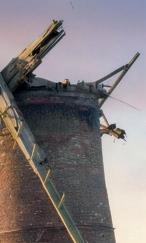
Wood Norton
The most significant habitat creation project in our 100-year history
enquiries@infocusoptics.co.uk
www.at-infocus.co.uk

Our members make a difference
Norfolk Wildlife Trust is a charity dedicated to all aspects of wildlife conservation in Norfolk. Our members help us to create a county where there is space for nature to thrive and more people are inspired to take action for nature.
Thank you so much for being a member. Why not give the gift of wildlife to someone else? A gift membership is a unique present for wildlife watchers, outdoors enthusiasts, or families keen to explore Norfolk further. We can even post a welcome pack with a message directly to the recipient on your behalf. They will also receive three copies of Tern each year, access to local events, and be able to explore NWT nature reserves for free.
Visit our website to buy your gift or call 01603 625540.
If you're not already a member of NWT, please join us today by visiting our website, calling our friendly team using the details below, or asking a member of staff at one of our visitor centres. Help us create a wilder Norfolk for all. norfolkwildlifetrust.org.uk/Join or 01603 625540
Tern
Tern is published three times a year by Norfolk Wildlife Trust. Advertising sales by Countrywide Publications.
Printed by Micropress Printers Ltd.
Editor Vicky Boorman
Design Hannah Moulton
While every care is taken when accepting advertisements neither Norfolk Wildlife Trust nor Countrywide Publications can accept responsibility for unsatisfactory transactions that may arise. The views expressed in this magazine are those of the contributors and not necessarily those of Norfolk Wildlife Trust.
All contents
© Norfolk Wildlife Trust. Registered charity no. 208734
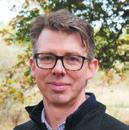
A word from our CEO
There have been several times in my life when I have reflected on my own upcoming milestones and, given that they are usually birthdays with a zero, it is rarely with anticipation and excitement.
But there is no bigger milestone in my career than being at the helm of Norfolk Wildlife Trust at our centenary. I feel an immense sense of pride and fortune to be in this role, and a strong calling to do it justice.
So much has come before, and so much is yet to come. At this moment, though, we pause to acknowledge that it is a fantastic thing to have arrived at our 100th birthday. In rude health. With passion, commitment, and purpose. In many arenas of life, momentum is everything — look at a great sports team, orchestra or choir (to take a couple of my personal interests). They will say that taking confidence from recent successes allows them to strive for ever greater and more impactful performances. There are plenty of such successes at NWT to choose from. We closed our 99th year with record membership and now care for more land for wildlife than ever before, for example. A great platform from which to look forward to the next 100 years with hope.
I'm delighted to be celebrating our centenary with the announcement of our most significant habitat creation project. We have purchased 336 acres of land, near NWT Foxley Wood in mid-Norfolk, and will bring it back to life by creating a wild and beautiful place full of nature. This is a huge step towards creating a wilder future for everyone. It has been an enormous team effort to get us to this point — and I'm so excited to see our vision unfold.
There is no doubt that we are operating in a troubling context, with government support for our agenda waning and climate change increasingly impacting wildlife and our way of life. Yet through the lens of history, our century as a Trust allows us to zoom out and see that, many times over the past hundred years, our sector and our country have collectively prevailed through challenges far greater than those we face today. It is never too late. To misquote the ancient Chinese proverb ‘the best time to act for nature was yesterday; the second-best time is now’.
With many thanks for your continued support,
Eliot Lyne
‘This issue marks a remarkable milestone: our centenary year.’

A warm welcome to spring Tern magazine. This issue marks a remarkable milestone: our centenary year. We’ve got so many exciting activities planned — and we’d love you to take part. Why not start by pledging to ‘Do one thing for wildlife’, from learning about our top 100 species to planting a tree, it all makes a difference — read more on p33.
To celebrate our 100th birthday, we capture our history, achievements and ambitions in our lead story — and focus on some of the amazing people who have played a part, today and in the past. And aptly for our centenary year, we’re announcing the start of one of the most significant habitat creation projects in our 100-year history — read more on p23.
Finally, a huge thank you to everyone who took part in our magazine survey. Happily, most of you already thought Tern was excellent, so we’ve not changed too much! We’ve added more of what you said you enjoyed most — photos and local conservation news, different types of articles, and inspirational stories of people acting for nature in Norfolk.
I hope you enjoy reading the magazine as much as I enjoyed putting it together. Thanks so much for being part of our journey.
Vicky Boorman Editor of Tern magazine
16 Wild spring
Alternative ways to read Tern
The magazine can be read on our website as a text-only document. You can make changes to font size and background colour, for easier reading, and enjoy Tern using a screen reader. This issue is available to download at norfolkwildlifetrust.org.uk/ PlainTextTern
6 Conservation in action
A snapshot of our latest conservation work
8 My wild life
Catering Manager Janine Shea shares the best parts of her job
10 Wild news
Nature news from Norfolk and The Wildlife Trusts
Explore and enjoy the nature on your patch this spring
32 Get involved Take action for Norfolk's nature
35 Wild people
Stories from our community of nature lovers
40 Wildlife roundup Robin Chittenden looks back on some wildlife highlights
42 Learn with Tern
Nick Acheson discusses six of our dabbling ducks
44 Wilde Tales
Norfolk folklore from Sarah Wilde
45 Spot the difference
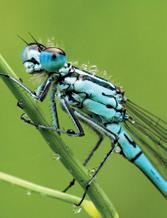
Can you tell the difference between two damselfly species?
46 From our President
Patrick Barkham's thoughts on our centenary year

RICHARD OSBOURNE, ROB SMITH, JON HAWKINS, MATTHEW ROBERTS, MARK HAMBLIN/2020VISION
FEATURES
14 A ten-year love song to nature in Norfolk
Revealing our special centenary book — This Wild Dream
20 100 species in our 100th year
How many Norfolk species can you spot in our centenary year?
23 Introducing Wood Norton
Read about one of our most significant habitat creation projects
26 100 years of Trust, 100 years of hope
A spotlight on the people, places and passions that have shaped us
WELCOME
Centenary Appeal
Help us continue to protect Norfolk's precious nature for the next 100 years, read more on p26
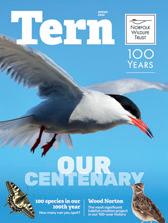
On the cover
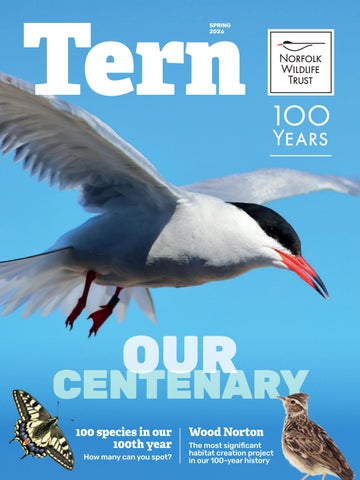
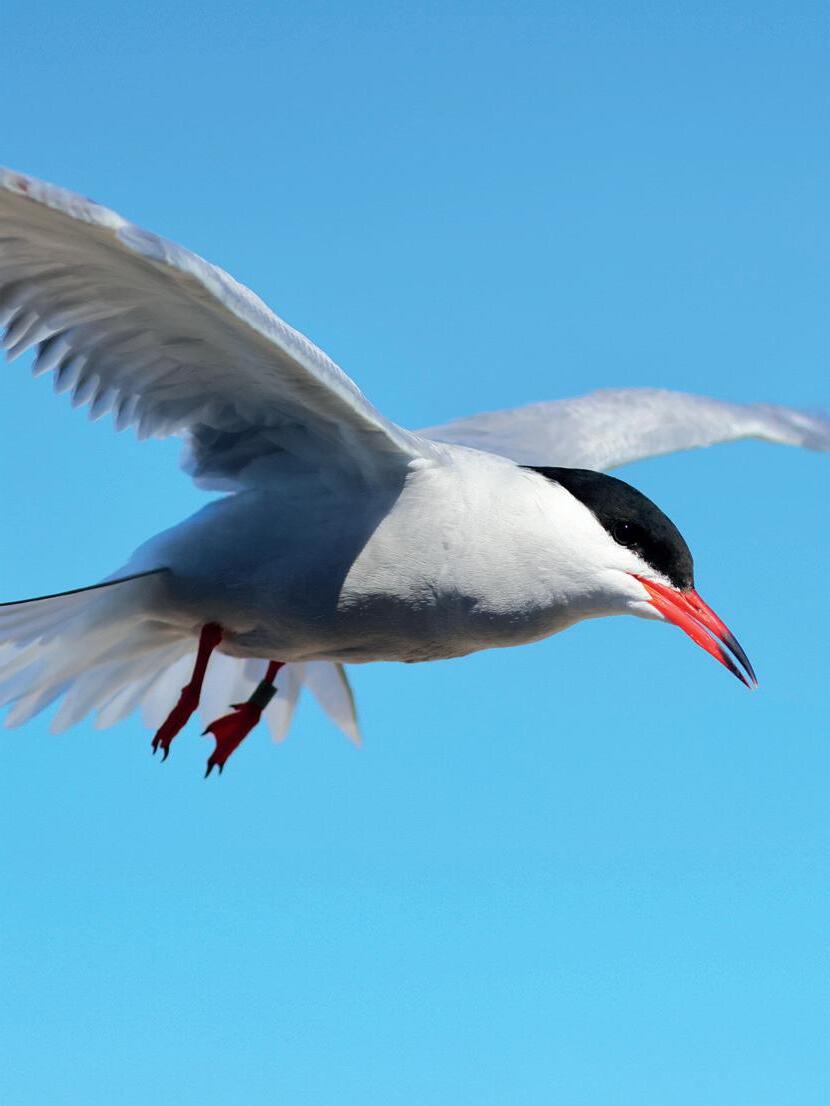
COMMON TERN
BY ADOBE STOCK/THOMAS
The common tern has been our emblem since we began as Norfolk Naturalists' Trust. This magazine began in the mid-1970s, adopting ‘Tern’ as its title in recognition of this. For more, turn to page 17.
Keep in touch
Keep up to date with the latest nature news, campaigns and wildlife highlights
@norfolkwt /NorfolkWildlifeTrust norfolkwildlifetrust.org.uk norfolkwildlifetrust.org.uk/SignUp
If you want to share an inspirational wildlife story, or something you’ve done to help nature, it could feature in our magazine. Get in touch editor@norfolkwildlifetrust.org.uk
Conservation in action
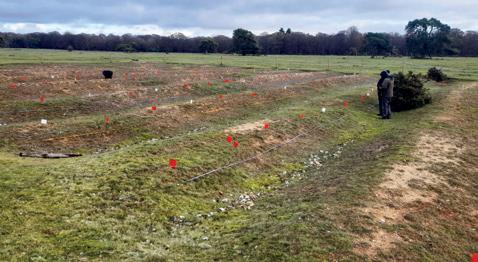
Last spring, we reintroduced one of England's rarest lichens, the scrambled egg lichen, to the Brecks in partnership with the charity Plantlife. This bright yellow, crumbly-looking species is one of three specialist lichens lost to the region. Hundreds of small pieces of the lichen were transplanted into a section of specially prepared undulating ground at NWT Weeting Heath. We're delighted that most are showing signs of growth, despite dry conditions last year. Red flags mark areas where the lichen has made a positive start.
Thanks to the hard work of volunteers and reserve staff, we have now completed a 360m stretch of boardwalk leading up to the hides at NWT Cley and Salthouse Marshes. Much of our infrastructure work can only take place outside of the bird breeding season, and over short periods so as not to disrupt visitor access. This means it can take years to finish. Paths like this ensure our nature reserves are more accessible, so we think it's worth the wait!
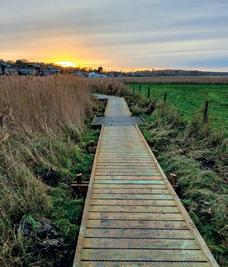
A snapshot of our latest conservation work, successes and favourite wildlife photos across Norfolk
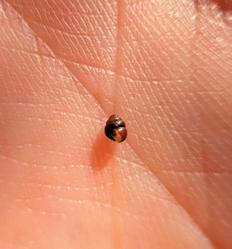
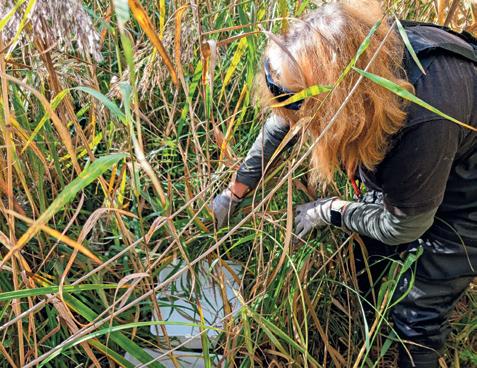
Our reserve staff have been surveying Desmoulin's whorl snails! This rare and declining species is an excellent indicator of the health of our fen habitats. If we see lots of snails, we know the site is in a healthy ecological condition.
Desmoulin's whorl snail
Conservation grazing updates
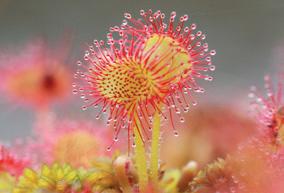
Our grazing stock at NWT Roydon Common and Tony Hallatt Memorial nature reserve has been fitted with high-tech collars. Already used successfully on some of our other reserves, the collars allow us to keep track of where the cows are grazing and the difference it is making for nature. At Roydon, the collars help us direct grazing efforts in the wetlands here. This benefits a multitude of scarce and threatened plants species, such as round-leaved sundew.
Our conservation ponies get twice yearly visits from the farrier who trims their hooves as needed. This will keep them mobile and help avoid health issues.
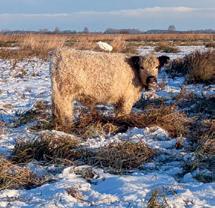
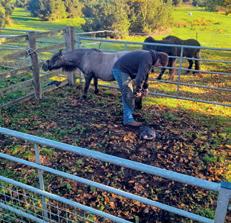
Last year, our cattle, ponies, sheep and goats delivered over 110,000 grazing days across about 2,000 hectares of NWT-managed land, maintaining and enhancing habitats for biodiversity. This is one of our Galloway cows giving a friend a lift!
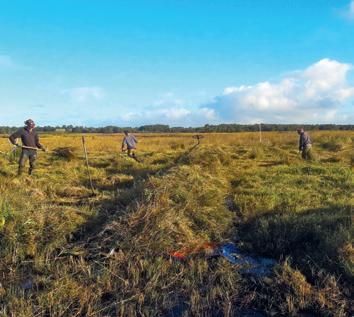
Over the autumn and winter, volunteers worked hard to clear overzealous vegetation from the peatlands at NWT Roydon Common nature reserve. This helps to maintain the open conditions required by a host of rare plants and invertebrates. Thanks to funding from the Shared Prosperity Fund, we were able to purchase a low ground pressure, rubber-tracked machine to help remove the cuttings from the mire. This work will help to ensure the continued recovery of the internationally important peatland communities at Roydon Common.
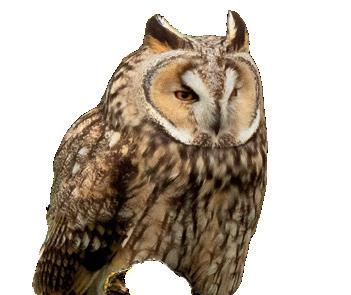
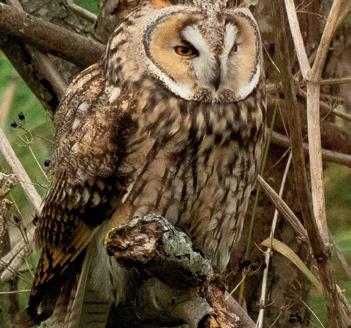
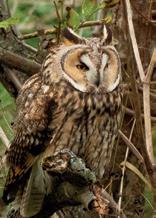
This gorgeous long-eared owl was spotted coming in off the sea, and then at roost at Warham Greens in North Norfolk. Autumn migration sees many thrushes, finches and wildfowl either returning to Norfolk, or just passing through. Our nature reserves create perfect resting or returning spots for migrant birds. Easterly winds brought some surprising small migrating birds to Norfolk this past autumn, read more on p40.
Long-eared owl
Round-leaved sundew
© ELLA BROOM, JAMES SYMONDS, VICKY NALL/2020VISION
© ROB SMITH
My Life Wild
Janine Shea, Catering Manager at NWT Cley and Salthouse Marshes and NWT Holme Dunes
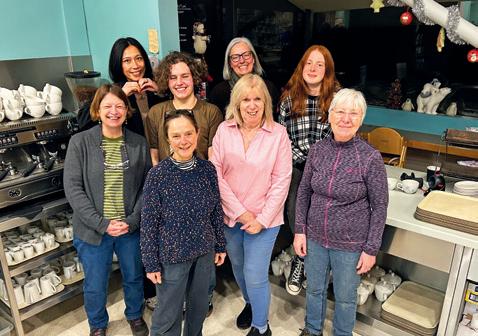
How did you get into your job, and what made you want the role?
I've always loved cooking. I used to play cafe in my mum's kitchen, giving my teddies tea parties!
I worked in big hotels in Norfolk and Suffolk before getting the job at Cley. The fact that NWT is a charity was a big appeal. I wanted to be part of making a difference while gaining more knowledge about our county and wildlife.
What do you enjoy most about working at Cley?
No two days are the same. The cafe is a busy place where people from all walks of life get together, from those very interested in wildlife to those who come for the scones and coffee. My favourite times of day are first thing in the morning and early evening — it's great to step outside and hear what's going on over on the marshes.
I've been so lucky with my staff teams. They've come from all different walks of life, some just starting out, others
who have worked for years in different trades and want something more visitor and environment focused.
What are your most memorable moments?
A major personal highlight must be providing refreshments to Sir David Attenborough when he opened the Simon Aspinall Wildlife Education Centre here.
A team highlight is when we cater for summer and off-site events. These take lots of planning and preparation, but I love experimenting with differently themed foods and take pride in what we achieve.
It was a sad and devastating time, but being involved with supporting the USAF and RAF following the tragic helicopter crash at Cley Marshes was an experience I'll never forget. It was such a moving time, working alongside the chefs in their mess tent and introducing scones to the American AirForce.

Janine shares her experience of heading up the kitchen at our iconic visitor centre at Cley — the first NWT nature reserve.
What makes Cley such a special nature reserve?
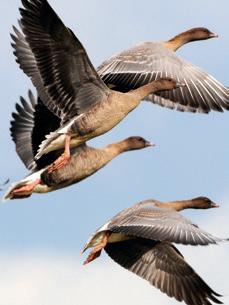
The views you get here. I love watching the geese coming over the centre, chattering away at each other — I would love to know what they are saying! I also enjoy watching the marsh harriers — they look so magnificent over the reeds.
What do you get up to outside work? I love to try new places to eat and pinch ideas from the menus, go on walks and explore the countryside. I also look after my grandchildren — they love coming to Granny's work. My hobbies include crafting and baking cakes — often for birthdays and weddings.

Fancy a visit?
Try one of Janine's legendary scones after a scenic walk on the reserve. Read more about Cley Marshes on p18.
ONE WITH NATURE

News Wild
Highlights from Norfolk and national news from The Wildlife Trusts
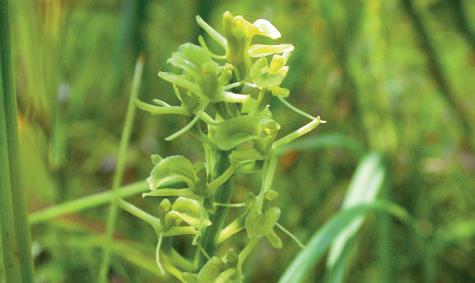
Rare wild orchid brought back from brink of extinction
After decades of conservation work, including by Norfolk Wildlife Trust, the rare fen orchid is officially no longer considered threatened.
A new Red List for Great Britain's vascular plants has shown that while a quarter of species are threatened, there have been success stories, including the fen orchid.
Fen orchids have small yellow flowers and distinctive green leaves that wrap around the base of a single stem. In Norfolk they grow on moss or sedge tussocks within open fens. NWT Reserves Assistant Ella Broom explains how our conservation work has contributed to its comeback.
‘On NWT Upton Broad and Marshes, work has been carried out over decades to improve our population of fen orchid. Cutting trials were conducted in the late 1990s which showed that a yearly cut of the fen in late summer benefited the plant the most. Around this time, the woodland edge was pushed back across the reserve and scrub removed from the open areas that remained, reclaiming lost fen and giving the vegetation more space and light to grow and thrive.
‘Upton fen has unique hydrology and chemistry that suits the fen orchid. It is fed by natural springs that flow up from the chalk aquifer giving the fen consistent alkaline hydrology.
‘We cut approximately 1.5 hectares at Upton every summer for the orchid and, with help from volunteers, rake and remove the cuttings. This ensures the fen remains nutrient poor and keeps the vegetation low. The fen orchid can then grow with less competition.
‘In mid-June we carry out a thorough fen orchid survey. We line up with our volunteers and count every flowering and non-flowering plant we find across the main growing site. The population has grown from only a handful of orchids up to 3,500 plants in recent years. The return of the fen orchid is a great example that targeted conservation work across organisations can make a massive, positive impact.’
Generous support from many funders including Biffa Award and FCC Communities Foundation has helped us improve conditions for fen orchid and other wildlife at Upton Broad and Marshes.
Marsh gentians make a comeback
Purple moor grass tussocks have increased over the past 60 years in response to atmospheric pollution and climate change. Under the National Highways' funded Networks for Nature projects, we removed tussocks from sensitive areas of NWT East Winch Common. Exposing the damp peat layer to sunlight has prompted a resurgence of declining species. Hundreds of petty whin plants, not seen on site since 1988, have now colonised the scrapes, and last year a patch of marsh gentians reappeared in a location where they had been absent for decades.
The intense blue of the trumpetlike flowers was once a regular sight on the common, but had dwindled to just two small, fenced patches. The re-emergence of these flowers shows that they are suppressed by purple moor grass and that their seed can persist for many decades. It also demonstrates that clearance of the tussocks can promote the conditions necessary for this species to thrive once again.
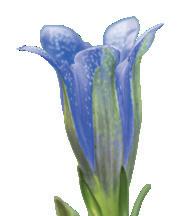
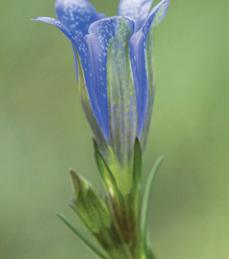
Marsh gentian
Fen orchid
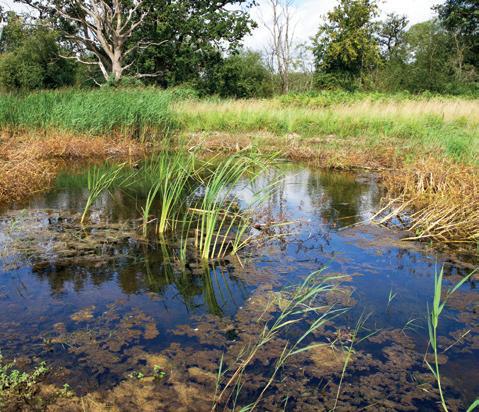
Pond restoration success
Aquatic wildlife now has 49 improved ponds in which to thrive, thanks to the pond restoration work carried out by our Wilder Landscapes team last year. This included restoring 43 existing ponds and six ‘ghost’ (filled in) ponds, primarily in the South Norfolk Claylands and the Wensum catchment area.
Our advisers work with landowners and managers to identify ponds that have recently become overgrown or filled up with silt and debris. Shaded ponds do have ecological value but typically host less species than more open ponds. Sensitive restoration to restore overgrown ponds can often increase biodiversity.
NWT Wilder Landscapes Team services
Our team works with farmers and landowners to provide advice, support and access to funding to enhance biodiversity across Norfolk. We offer a free advice visit to land managers and services such as grassland creation and enhancement, surveying, invasive species management and woodland management. We also have funding for the restoration of eligible ponds. For more information:
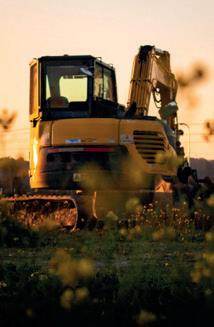
Performed by a skilled digger operator, restoration work opens up ponds through a combination of scrub clearance and excavation. This increases light, improving water quality and plant diversity. Uncovering seeds from the seedbank at the bottom of the pond can promote the return of plants — within just 18 months of
restoration. A greater variety of plants attracts associated invertebrates and amphibians, including the protected great crested newt.
Join in
If you are interested in learning more about pond ecology, surveying ponds, and tackling invasive species, visit: norfolkwildlifetrust.org.uk/Ponds
norfolkwildlifetrust.org.uk/WilderLandscapes wilderlandscapes@norfolkwildlifetrust.org.uk
New species for Norfolk discovered at Sweet Briar Marshes
A species of pseudoscorpion previously not found in Norfolk has been discovered
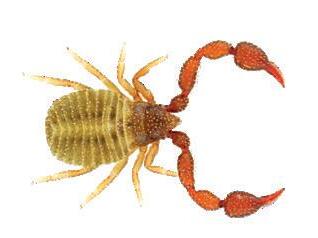
The pseudoscorpion was found during a survey session by the Norfolk and Norwich Naturalists' Society (NNNS) last October. NNNS are working alongside the Trust to explore and record wildlife and plants at the nature reserve.
Pseudoscorpions or false scorpions get their name from their large, pincer-like claws that give them a passing resemblance to scorpions although they lack the stinging tail of true scorpions. They belong to the same class of animals as scorpions,
the Arachnida, along with spiders and mites. Pseudoscorpions are rarely encountered as they are so small; most species are only 2–3mm long.
The pseudoscorpions were found in a piece of decaying wood that had fallen off a large oak tree. Their identity has been confirmed as Allochernes wideri. NNNS will continue to work alongside the Trust to help discover more about the unique ecosystem at Sweet Briar Marshes.
Pseudoscorpion
Restored pond
A huge win for the River Wensum
Last November, we supported Norwich City councillors to submit a ‘Rights of the River’ motion for the River Wensum. The Universal Declaration of River Rights outlines among other things the right to flow, to be free from pollution and to have native biodiversity.
Ahead of the motion being discussed and voted for by Norwich City Council, we sent an open letter to all Norwich City councillors. The letter was signed by over 120 people, including other eNGOs, and user groups such as wild swimmers and anglers. This demonstrated that there is widespread support for our rivers to have additional rights and protections.
On the 25 of November, the Rights of the River motion for the Wensum was passed at the Council meeting unanimously. This is a bold and positive stand for a river under immense pressure. It also provides a framework for stronger stewardship and long-term restoration. Thanks to everyone who helped secure this important victory. We now look forward to working with the Council and other stakeholders to help take this forward so we can see real change for the river.
Read more about the River Rights movement: norfolkwildlifetrust.org.uk/ RiverRights
Welcoming our new Chair
We are pleased to announce Matthew Bradbury as our new Chair of Trustees. Matthew takes over from Alice Liddle, who is stepping down after reaching her maximum term.
Matthew lives in Norfolk and has worked in environmental organisations across the UK for nearly 40 years. He is passionate about wildlife and the environment and the positive impact it has on our lives. From an early career in farming and sustainable land management, Matthew has worked in senior roles for environmental organisations, including The Land Trust and for four years back in the ‘noughties’,
Then and now
Natterjack news
In the 1978 issue of the Tern newsletter, we celebrated acquiring the lease on ‘60 acres of Syderstone Common, a major site for Natterjack Toad’. The article explained: ‘The pools and marshy area are an important breeding ground for amphibia. Crested Newt, Smooth Newt, Frog, Toad and Natterjack all breed in them. The success of their breeding depends on water levels in the valley’.
In winter Tern 2024, we announced that natterjacks had reached record numbers at Syderstone Common. Our habitat management has been key to their success. Natterjacks have relatively short legs so need open terrain with sparse vegetation
he was Head of Nature Reserves at Norfolk Wildlife Trust. He is currently Chief Executive at Nene Park Trust.
Matthew says: ‘I am absolutely delighted to be Chair of Norfolk Wildlife Trust. I hope that my broad experience and passion for wildlife will make a positive difference to the organisation and its mission to secure nature recovery in Norfolk. It feels very special to be reconnecting with an organisation that has meant so much to me over the years — even more so in our centenary year.’
Alice says: ‘NWT was a robust and successful organisation when I first joined as a trustee in 2016. It is even more so now, thanks to its dedicated and expert staff and trustees — and its wonderful members, donors and partners. I feel proud of having left NWT at a time when it is in a good place, and to know I played a part in that. I was recently asked what I hope for NWT's future, and my hope is for another 100 years in which Norfolk's people and visitors can feel the same joy in nature that I have.’
Find out more about Matthew and our other trustees by visiting: norfolkwildlifetrust.org.uk/ Trustees

so they can move around. They also need access to sandy soil in which to burrow, places to shelter during the day and shallow, gravelly-bottomed pools in which to breed. As we identified all those years ago, water levels play a major factor in breeding success. Our reserve staff have been known to conduct ‘rescue missions’ with tanks of water to prevent the ponds from drying up before the toadlets are ready!
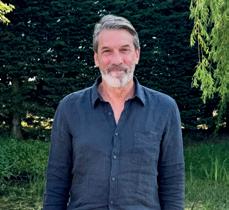
Matthew Bradbury
John Patrick Barkham, 1942 – 2025
Our President Patrick Barkham reflects on his dad's lifelong connection with nature and NWT.
John Barkham was a trustee, vicechair and then chair of Norfolk Wildlife Trust through a period of great change in the 1980s and 1990s.
He moved to Norfolk in 1969 to become UEA's first ecologist and was drawn to the nature found on our coast, broads and ancient woodlands, his particular area of expertise. He was soon taking students to study the flora of Foxley Wood, three miles from his home in Reepham.
Martin Shaw, vice-president and another former chair, described John as ‘a breath of fresh air’ as chair, which was traditionally occupied by a Norfolk landowner. ‘In particular his insistence on sound science as a basis for acquiring land and managing reserves injected a new and welcome rigour to our deliberations on Council; and that approach has continued to guide Trust decisions,’ says Martin.
Planning Bill passes without key nature protections
At the end of 2025, the Planning and Infrastructure Bill became law. Despite valiant efforts from environmental campaigners, it was passed without the final amendments we were supporting.
Made in haste and against public opinion, we are still concerned that the final version of the Bill poses a threat to nature in Norfolk.
John worked closely with colleagues including Richard Hobbs to ensure that NWT bought and protected Foxley Wood. The purchase from 1988–92 was a fraught process but NWT's restoration of the wood (restoring coppicing and — on John and Richard's advice — allowing natural regeneration in areas where conifers were removed) was a great success.
In 1992, when John announced a new membership drive, the EDP reported him calling the lack of positive support for the Trust in Norfolk ‘a disgrace’. I think we'd be a little more positive these days!
One innovation John pushed for was controversial at the time: changing our name from Norfolk Naturalists' Trust to Norfolk Wildlife Trust, which was finally voted through in 1994.
In 1995, John made his greatest mistake: he and the selection panel chose someone who wasn't Brendan Joyce as the new chief executive! Fortunately, as John later recounted, that person didn't take the job so they
offered it to Brendan, who led the Trust for 23 years through a period of great success and expansion.
After retiring to Devon, John returned to Norfolk in 2023 and hugely enjoyed revisiting our nature reserves, including Foxley, Ranworth and Barton Broad. One of his favourite weekly questions to me was, ‘How is Eliot Lyne getting on?’ to which I'd reply, ‘Very well!’
Norfolk — contacted MPs, signed open letters and shared the campaign online. Our collective pressure made a difference. In July, the government amended the Bill to include new environmental safeguards. Two further amendments were passed in the House of Lords, including proposals to limit damage to nature and strengthen legal protections for chalk streams. Read more about how the Bishop of Norwich stood up for chalk streams in the Lords on p36. While these amendments were ultimately rejected by the government, they led to important commitments for future action.
Alongside Wildlife Trusts across the country, we will monitor the impact of the Bill and continue to campaign against any future government policy that threatens nature. As always, your support will be vital in making sure nature's voice is heard.
It is incredibly frustrating, but without your support it could have been much worse. Tens of thousands of people across the country — including thousands in Sign up
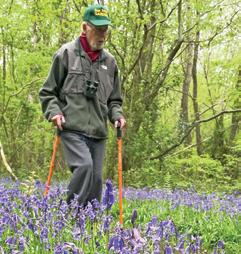
John Patrick Barkham
A ten-year love song to nature in Norfolk
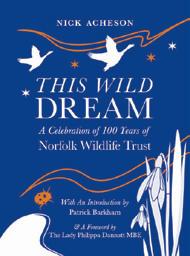
We are thrilled to announce the publication of our centenary book This Wild Dream — A Celebration of 100 years of Norfolk Wildlife Trust in collaboration with The Book Hive.
How to buy
This Wild Dream
• From The Book Hive’s online shop: thebookhive.co.uk/shop
• At the Book Hive shop in Norwich or Aylsham
• NWT visitor centres at Cley, Hickling and Ranworth
Early bird offer: Pre-orders received online between 1 February and 20 March 2026 will get a special early bird price of £20 using the discount code NWT100 at checkout
Orders received after 20 March 2026 will be priced at £22. There will be a small P&P cost for books sent out by The Book Hive of approximately £3.
All profits from This Wild Dream will go directly to Norfolk Wildlife Trust. The book is a collaboration between NWT and Propolis Books of The Book Hive.
Created from columns our Ambassador Nick Acheson has written for over a decade for Norfolk Magazine, this sumptuous-looking hardback book is a seasonal journey celebrating the glory of nature in our county and the vital work of Norfolk Wildlife Trust.
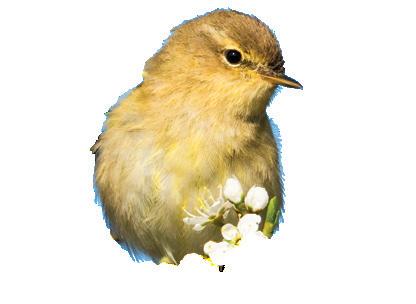
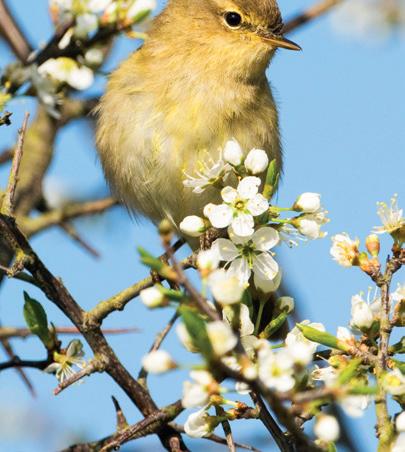
‘If you want to discover hedgehogs or barn owls or pink-footed geese or chiffchaffs or have your eyes opened to a thousand other joys of March or May or September or even December, there is no finer guide,’ says Patrick Barkham who has written the foreword for This Wild Dream. ‘If you would like to find out more about our precious county of Norfolk, what makes it hum, buzz, thrive and prosper — what makes it sing — there is no better teacher than Nick. If you'd like to feel wild joy, experience the peace or exhilaration that is available, for free, in all kinds of unlikely corners of our county, from inner city Norwich to the fenny edgelands, it is all here.’
‘I see the book as a ten-year love song to nature in Norfolk,’ says Nick. ‘Henry Layte from The Book Hive has artfully chosen articles to illustrate each of the seasons, and to tell a story of NWT's ambitions — and he's done a beautiful job of it. Each season has an introduction by an acclaimed Norfolk writer. Through this book, I want to show people how wondrous and precious Norfolk biodiversity is. To remind them that by working together, we can preserve for the future what has so nearly been lost in the past. We want everyone in Norfolk excited about nature, clamouring for more, because it's what we need as a society. That's the wild dream!’

Through this book, I want to show people how wondrous and precious Norfolk biodiversity is.
Chiffchaff
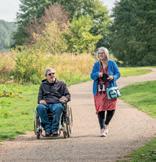
Accessible Days Out
Watch
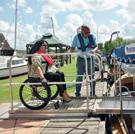

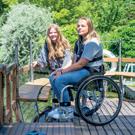
in the Broads National Park For
WILDLIFE TRAVEL


supporting nature conservation since 1988 ALL our profits are donated to the Wildlife Trusts natural history holidays small friendly groups relaxed pace expert leaders


2026-27 trips


Bavarian Alps: wildlife by train
Estonia: spring wildlife of the Baltic
France: Dordogne, Cevennes, Vercors
Svalbard: arctic wildlife cruise
South Africa: Kalahari & Karoo safari
Brazil: Pantanal & Atlantic Forest
Danube Delta: autumn wildlife cruise
Chile: botanising the Atacama
Tasmania: marsupials and wild flowers 01954 713575 www.wildlife-travel.co.uk
Journey into nature

Start your adventure and book online for an additional discount
Wader aviary, flamingos, cranes, 7 bird hides, an extensive 700 acres of natural reserve to explore along with indoor and outdoor play areas, a newly extended and improved café and our fantastic gift shop.
Spring Wild
Explore and enjoy the nature on your patch
Wild but true
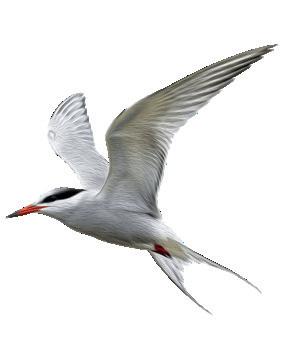
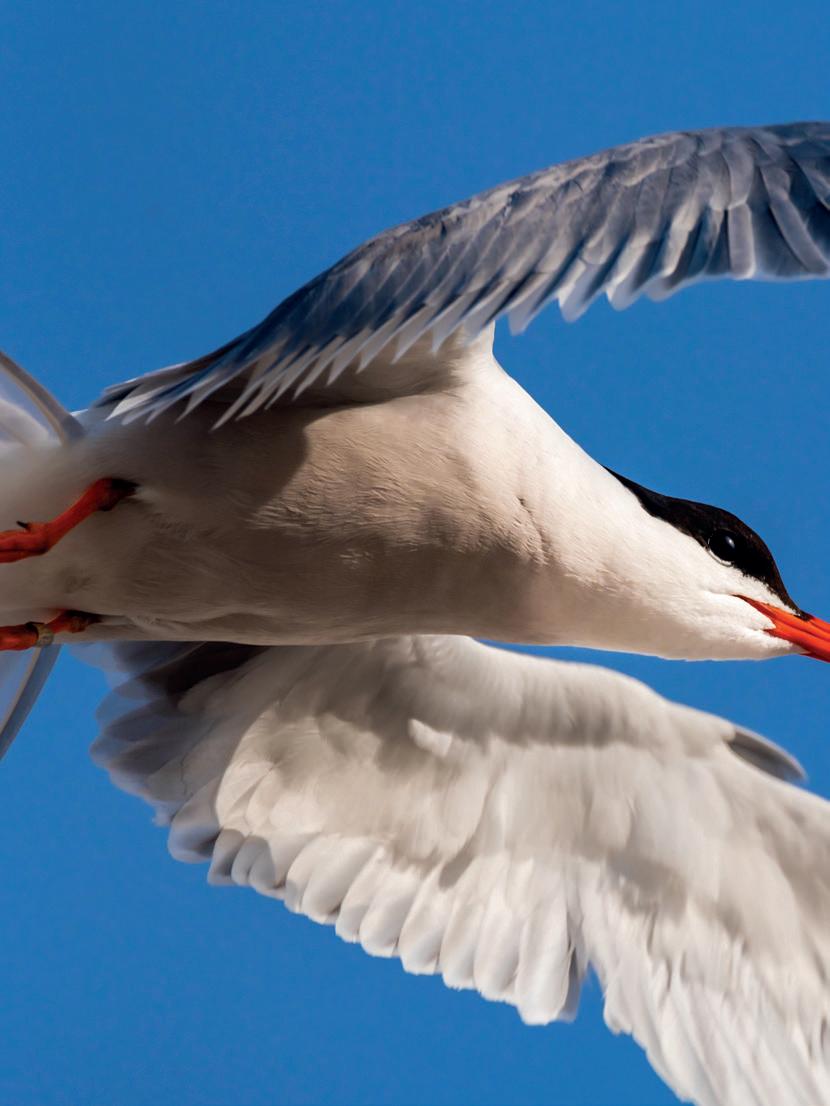
Common tern have one of the longest migrations of all birds, with an average round trip of 35,000km each year.
Common
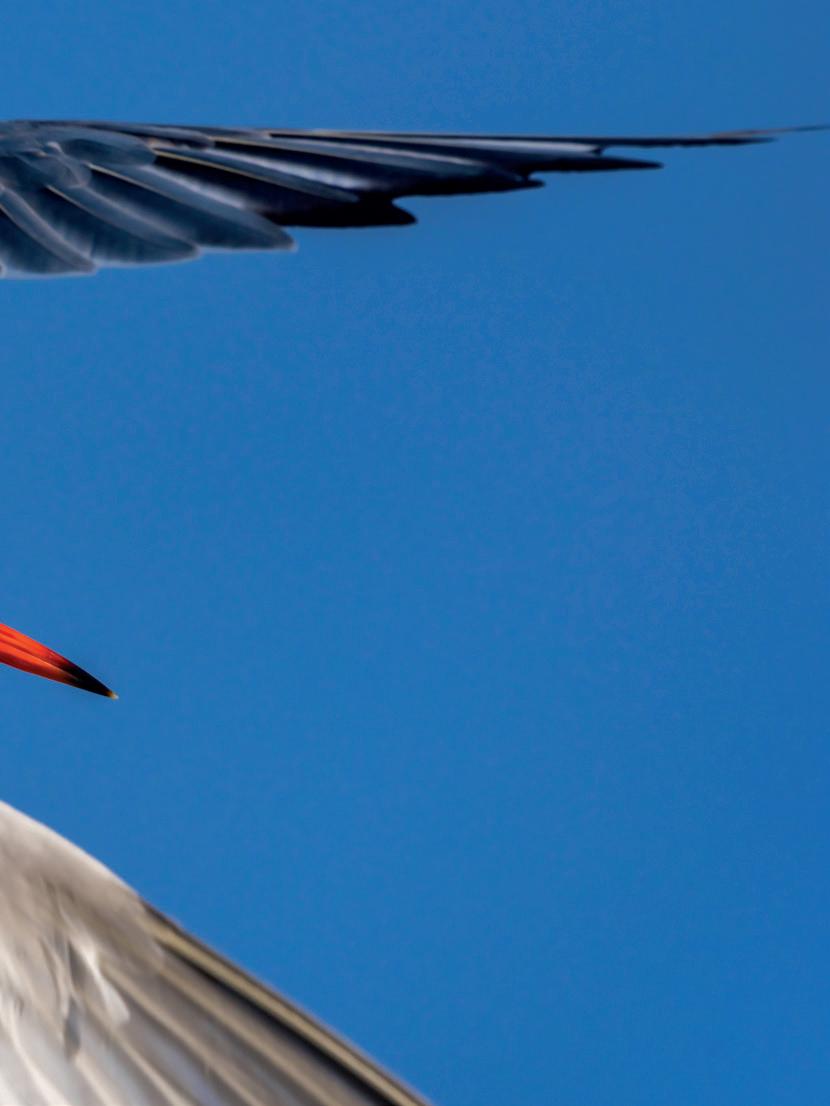
The common tern, often referred to as ‘sea swallow’, is as much a harbinger of spring as its namesake. It arrives in the UK in April from West Africa and departs again in October. As its name implies, it is the most common of the British terns, and although they will feed and nest along our coastline, this species is most often seen inland. Noisy and gregarious, they can be found patrolling rivers, or fishing over large lakes. It is the tern that many of us are most familiar with, due to its readiness to nest colonially on the floating rafts provided for them.
NWT Ranworth Broad is a great place to see common tern, as they nest on the rafts very close to the visitor centre. Common tern are pale grey and white in colour with a black cap, black tipped red bill and a swallow-like forked tail. They have a habit of hovering over water, then plunging like an arrow to catch small fish in their delicate pointed bill. The very similar Arctic tern, its close cousin, is slightly darker grey, with no black tip to its blood-red bill, it also has longer tail streamers. There are fewer Arctic terns in Norfolk, and they generally favour the coast. SPECIES SPOTLIGHT
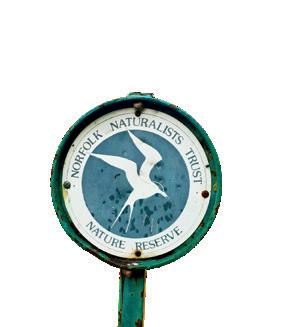
The common tern has been our emblem since we began as Norfolk Naturalists’ Trust. This magazine began in the mid-1970s, adopting ‘Tern’ as its title in recognition of this. The bird’s original hovering pose suggests that it was vigilantly watching over the county’s wildlife. Our tern emblem was changed into the
Explore the wonderful waterways of the Norfolk Broads and see if you can spot common tern on a guided wildlife boat trip: norfolkwildlifetrust.org.uk/BoatTrips
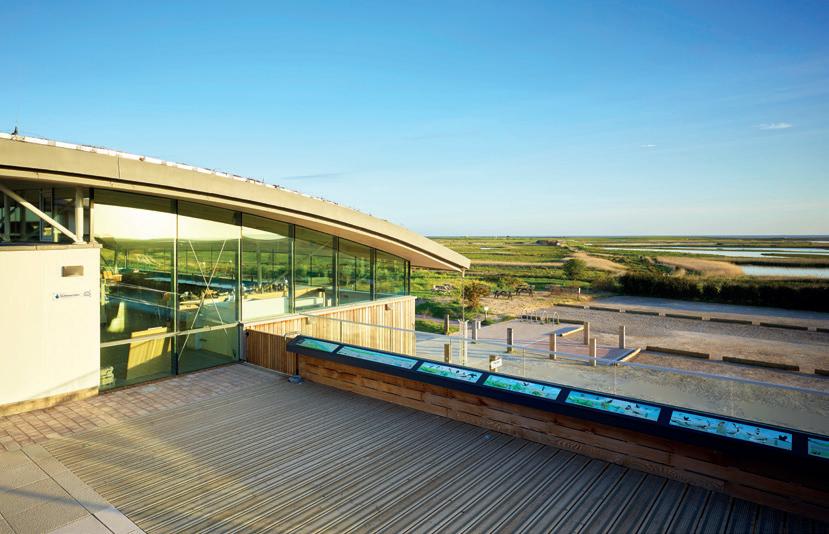
CLEY MARSHES
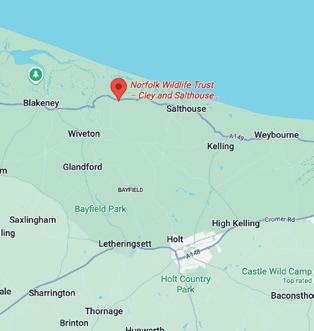
Plan your visit
We have lots of wonderful events and exhibitions at Cley Marshes. Why not build in a little more time and combine your spring walk with some culture too! Find out what’s on and get more information to prepare for your visit: norfolkwildlifetrust.org.uk/ CleyMarshes
Purchased by Norfolk Naturalists' Trust in 1926, Cley and Salthouse Marshes was the first of our nature reserves and, to this day, it still holds a special place in the hearts of naturalists. There can be few birdwatchers that haven't heard of Cley Marshes, and it is a place of pilgrimage for many new enthusiasts. The reserve offers a wide variety of habitats including salt and freshwater marshes, scrapes, reedbeds and saline lagoons. Our award-winning visitor centre is situated along the coast road. This modern, spacious building hosts events and exhibitions. There is also a wellstocked gift and book shop, and a cafe with a spectacular view.
Several boardwalks and hardened paths run out to seven hides, and the variety and quantity of birds to see from them is impressive. Year round you will find little and great white egrets, with spoonbill, glossy ibis and common crane also possible among the avian regulars. Redshank, avocet and ringed plover breed and, in autumn, migrant waders including whimbrel,
green sandpiper and spotted redshank stop over. In winter the reserve hosts large numbers of wildfowl, including teal, wigeon and pintail. In summer the reedbeds are alive with warblers, calling cuckoo and dragon-hunting hobby. New pathways, such as the Attenborough's walk to the Babcock hide, or the portable Gillmor Discovery Hide are great new additions and allow visitors up close to flocks of brent and pink-footed geese.
How to get there

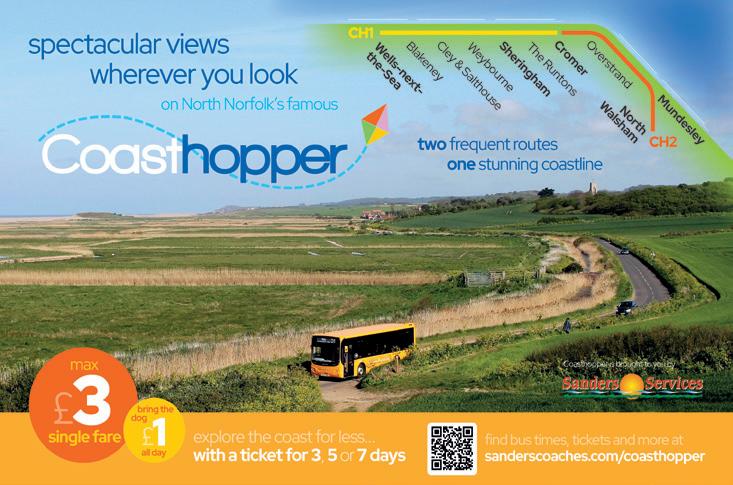
Cley Marshes is on the north Norfolk coast, on the A149 coast road, 6km north of Holt. The visitor centre and car park are easily accessible on the landward side of the road. Entrance to the nature reserve is located directly across the A149 coast road from the car park. The Coasthopper bus service stops just outside the nature reserve. Holt, Norfolk, NR25 7SA
We'd love to hear which of our reserves is your favourite. Let us know what you love about it: editor@norfolkwildlifetrust.org.uk
Hear this
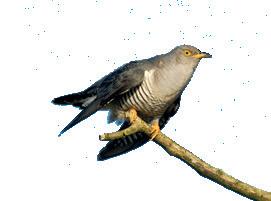
The repetitive call of the cuckoo is a dwindling feature of our countryside. Although Norfolk's reedbeds and heathlands remain a stronghold for the species. A trip in May to Hickling Broad or Roydon Common rarely disappoints.
Smell this
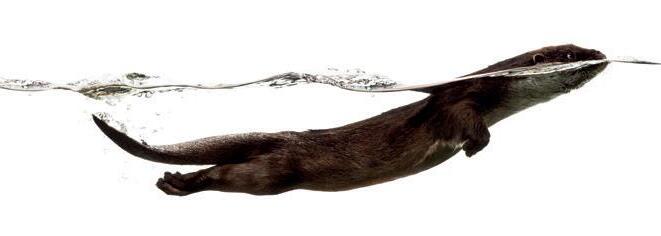
Otter spraints (their excrement) can be found on prominent objects by water; perhaps a log, quay-heading or boardwalk. It is grey in colour and contains lots of fish scales. It has a surprisingly sweet inoffensive smell of
Why I love
Cley Marshes

David North is a volunteer guide at Cley
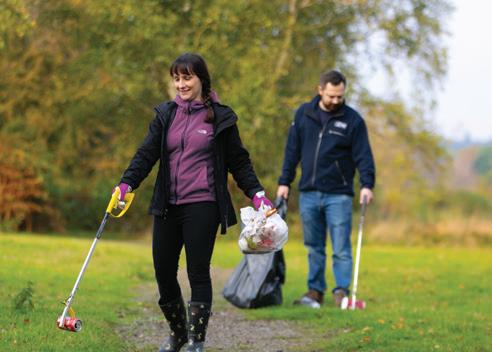
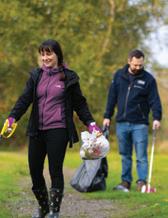
When you have finished litter picking, give yourself a pat on the back with those well-washed hands. Welcome spring with hundreds or even thousands of fewer pieces of litter! This spring...
My weekly visits to the reserve make me very aware of the changing wildlife, seasons and landscape. Spring is always a special time when wheatears, warblers, swallows and terns arrive. However, every season at Cley is special. In autumn and winter flocks of pinkfeet, brent geese and wigeon add their voices to the marsh. Every visit to Cley brings wildlife bonuses — marsh harriers over the reedbed, perhaps a glimpse of a kingfisher or just sharing a close view of some of the commoner species. Who could not be inspired by the plumage of a drake teal in sunlight or watching a flock of waders twist and turn over the scrape pools.
Spring cleaning for nature
1 2 3 4 5 6
Get equipped
Welcome spring pickers! You’ll need heavy-duty gloves, appropriate footwear, a litter picker (to protect hands and backs) and two bags: one for general waste and one for recycling. Check with your local council or library for free litter pickers and bags.
Pick the right spot
Although you might notice rubbish on roadsides or in waterways, it’s important to stay safe and avoid these areas. Keep to well-lit areas with accessible paths. Think carefully about your litter pick and plan your route beforehand.
Safety first
Bottles, bags, food wrappers, toys and clothing are common finds. But some things are best to avoid, including sharp metal and glass. Report hazardous materials, like needles and syringes, to your local council instead.
Look out for wildlife
Enjoy spotting wildlife and taking action for nature at the same time. Joyful birdsong, erupting golden daffodils and brimstone butterflies on the wing are just some of spring’s delights.
A team effort
Invite family and friends, join an organised litter pick, beach clean or set up a spring pickers challenge in your local community. If you’re going solo, make sure you let someone know where you’re going.
A clean sweep
100 species in our 100th year
Get to know and love Norfolk’s wildlife by taking part in our centenary
wildlife challenge
In celebration of our centenary, with the help of colleagues, I've compiled a list of 100 species iconic to Norfolk. Some are nationally, or even internationally, scarce. A few aren't found anywhere else in the UK. Others are part of conservation success stories, or species that are a ‘must see’ in Norfolk. This list is a snapshot of our county's wildlife in 2026; the common and familiar to the exceptional and rare. It ranges from a tiny obscure reedbed moth to our large spectacular grey seal colonies.
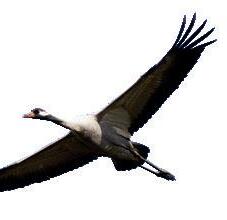
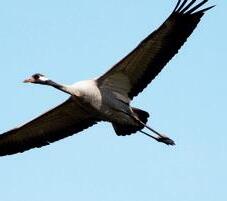
Common crane
The UK's tallest bird has long legs and a long neck, with powder-grey plumage and a distinctive black, white, and red head.
It was driven to extinction in the UK many hundreds of years ago. Since its surprise return as a breeding bird to the Norfolk Broads in the 1980s, it has made a steady recovery and can now be found across the East of England. A breeding and release programme in the Somerset Levels has helped boost the population.
It favours undisturbed marshes and fens, preferring reedbeds for nesting. It can be seen all year round and is best observed from the Raptor Roost at NWT Hickling Broad and Marshes.

Robert Morgan NWT Nature Conservation Officer
Here are the ‘Top Ten’ to spot during our centenary year. All are celebrated as conservation successes for the county and can be seen, with patience, on at least one of our nature reserves. You may want to challenge yourself and try to find more — if so, head to our website for the full 100 list. However, it is important to point out that some of the species are endangered, in sensitive areas, or protected by law and must not be disturbed.
Norfolk hawker
3
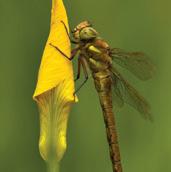
This large brown dragonfly with clear wings is distinguished by its unique green eyes.
Today, this species is much more common than a few decades ago and even found in small garden ponds. Better water quality and climate change may be factors for its increase.
2
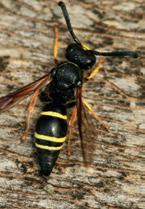
Fen mason wasp
It can be found on the wing in June and July at all NWT Broadland reserves.
A solitary wasp with a shiny black body and distinctive ivory marks on its shoulders and abdomen.
The species was thought to be extinct in Britain until its rediscovery in the Norfolk Broads in 1986. Its population has grown, but it is still largely concentrated in the Broads, although fen mason wasps have been found along the coast of Suffolk and Essex.
Found in fens and marshy areas, it requires dry, compacted bare and exposed ground to build its characteristic tunnels with ‘chimneys’ at the entrance. Pathways seem to be the most popular locations, so care must be taken to discover and protect the colonies. Spot this species at NWT Hickling Broad and Marshes in June and July.
Bittern
4
A streaky brown heron, that's more often heard than seen. Hiding deep in the reedbeds, it delivers a loud far-carrying ‘booming’ call.
The bittern became extinct in the UK, but in the early 20th century returned to breed at Hickling Broad and Marshes nature reserve. Its numbers have fluctuated since then, nearly becoming extinct as a breeding bird in the 1970s. Recent habitat improvements and reedbed creation have seen numbers and distribution around the UK significantly improve.
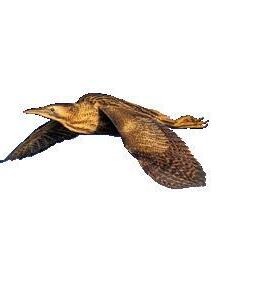
Breeding in large stands of reed, it can now be found at NWT Hickling Broad all year round but visit in early spring to hear the booming males.

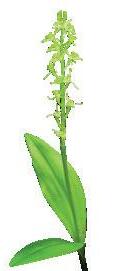
conservation management of its favoured sites, including translocation projects has seen the fen orchid expand its range, as well as its population. From a few dozen flowering plants, the annual count is now in the thousands.
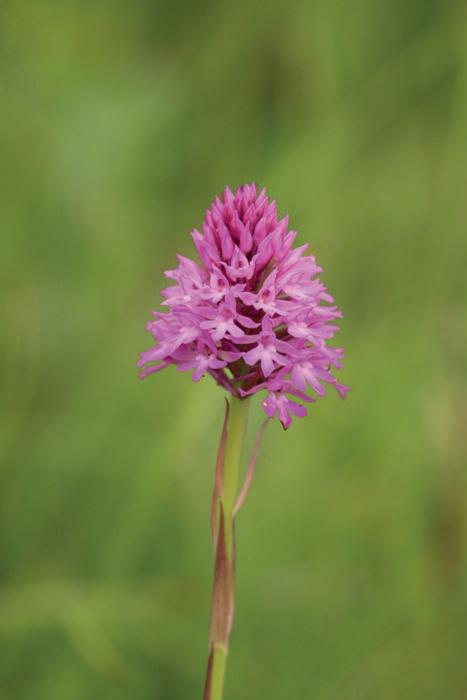
Growing in moss and flowering in June, this orchid requires a particular type of poor fen which can be found at NWT Upton Fen. Please remain on the paths and observe only plants marked out by staff.
Stone curlew
species to decline. However, better
improvement and reedbed creation work has increased its population over the last 100 years. However, it remains a threatened butterfly.
feeds exclusively on milk parsley,
Anglian reedbeds. Best seen at NWT Hickling Broad, Upton Fen and Ranworth Broad in late May–June.
Milk parsley
Belonging to the umbellifer (carrot) family, its green leaves resemble carrot tops. The plant flowers from July to September producing clusters of small white flowers.
Drainage in the 19th century and scrub invasion in the 20th century restricted the plant’s prime habitat. Reedbed creation and a return to traditional reed harvesting has seen an increase in its population. However, mildew/fungal disease is currently having a detrimental effect at some sites. The plant is restricted to East Anglia, and the Norfolk Broads remain its main stronghold. It can be found across all NWT Broadland reserves, but alongside boardwalks at NWT Hickling Broad is a particularly good place to look.
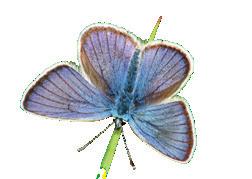
The silver-studded blue is a small, but dazzling, butterfly, which gets its name from the pale blue reflective scales on the underside of the hindwings. The upper wings of the male are shimmering blue with a dark outer rim. The female is chocolate brown, but often with a hint of blue at the base of the wings.
It is a nationally rare butterfly, generally found in heathland habitats that have shorter, sparsely vegetated areas. Despite once disappearing from Norfolk, a successful reintroduction project has seen it thriving on several of the county's heathlands. NWT Buxton Heath nature reserve is one of the best UK sites for the species. This butterfly emerges in June and is usually on the wing until late August.
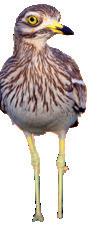
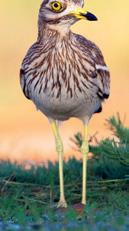
Although a wader, it is not related to true curlews; it has a short bill and belongs to the ‘thick-knee’ family. ‘Stonies’ are pigeon-sized birds, with brown and sandy plumage that forms excellent camouflage. Its large yellow eyes are useful for a predominantly nocturnal lifestyle.
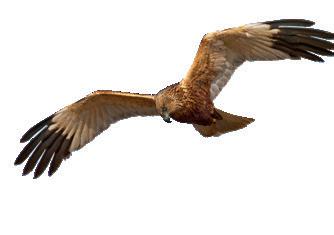
Marsh harrier
The stone curlew suffered population decline as agricultural practices became more mechanised and intensive. They have remained a conservation challenge due to nest predation and habitat loss; however, the population appears to be holding steady. NWT Weeting Heath has been, for decades, the go-to place for birdwatchers to see this strange bird from April through to August.
A raptor with a long tail and broad wings. The male has streaked brown plumage with grey wing panels and black tips. The female is chocolate brown with a cream-coloured head.
A hundred years ago only a handful of marsh harriers bred, confined to the Norfolk Broads. It is now found right across eastern and southern England, with recent breeding success in Wales, Scotland and Northern Ireland.
Formally only a summer visitor, the marsh harrier can now be found year-round. It can often be spotted over large stretches of reedbed. Our Raptor Roost at Hickling Broad nature reserve offers great views of marsh harrier in winter.
How to take part
How many of our 100 species can you find? Aim to spot our Top Ten or set out on an adventure to see, hear or learn about even more! Head to our website for more information on how to take part: norfolkwildlifetrust.org.uk/100Species
NORFOLK TEA C AT Wiveton Hall café
A BREW WITH A VIEW A BREW WITH A VIEW
Swap the daily grind for a gentle brew with Norfolk Tea Co. at Wiveton Café. Our small-batch teas and coast-roasted co ees arrive steaming beside homemade cakes, sea-view tables and the cry of curlews across the marsh.
Swap the daily grind for a gentle brew with Norfolk Tea Co. at Wiveton Café. Our small-batch teas and coast-roasted coffees arrive steaming beside homemade cakes, sea-view tables and the cry of curlews across the marsh.
NORFOLK TEA C AT Wiveton Hall café
Three Exceptional European Wildlife Adventures
Extensive tea and co ee menu. Seasonal brunch and home baked pastries. Beautiful outdoor seating area overlooking the marshes and sea. Dogs, children and well-behaved adults, sandy shoes and muddy bikes welcome.
Wiveton Hall Cafe, Wiveton, NR25 7TE

Northern Pindos: Greece & Albania 10-19 May
A unique 10-day transboundary tour through Northern Greece and Southern Albania, exploring the Northern Pindos National Park’s dramatic mountains, traditional villages, and pristine Balkan landscapes, far from mass tourism.
The Italian Dolomites 20-27 June
daily grind for a gentle brew with Norfolk Tea Co. at Wiveton Café. small-batch teas and coast-roasted co ees arrive steaming beside homemade cakes, sea-view tables and the cry of curlews across the marsh.
Between Cley-Next-The-Sea and Blakeney on the coast road
Open daily 10am to 5pm (seasonal variations may apply) norfolktea.co
Extensive tea and coffee menu. Seasonal brunch and home baked pastries. Beautiful outdoor seating area overlooking the marshes and sea. Dogs, children and well-behaved adults, sandy shoes and muddy bikes welcome.
Wiveton Hall Cafe, Wiveton, NR25 7TE
tea and co ee menu. Seasonal brunch and home baked pastries. outdoor seating area overlooking the marshes and sea. Dogs, and well-behaved adults, sandy shoes and muddy bikes welcome.
Between Cley-Next-The-Sea and Blakeney on the coast road
Wiveton Hall Cafe, Wiveton, NR25 7TE Between Cley-Next-The-Sea and Blakeney on the coast road Open daily 10am to 5pm (seasonal variations may apply) norfolktea.co
For up-to-date seasonal opening times, please check our website and click on the ‘cafe’ tab norfolktea.co


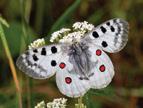
Enjoy a wealth of wildflowers, butterflies, birds, and more among the spectacular scenery of the Italian Dolomites! Exclusive small group tour led by an elite team of Paul Harcourt Davies and Lois Ferguson, residents & citizens in Italy for 20+ years.
Picos de Europa
28 June-5 July
Explore the heart of the Cantabrian Mountains in Spain with lofty peaks of limestone, a land rich in lepidoptera! Butterflies will be our main focus, but birds and wildflowers will also be enjoyed on this relaxed pace one centre tour.
Start the adventure by visiting our website! 01473 254658 www.greenwings.co.uk
Norfolk’s rural history across 50 acres of glorious countryside.
the workhouse museum, farming galleries, village row, cottage gardens, and meet rare-breed animals down on the farm - plus much more!
New exhibition for 2026: The Jacket Women: Single Mothers of the Workhouse by Maria Pavledis.
A great day out, whatever the weather!
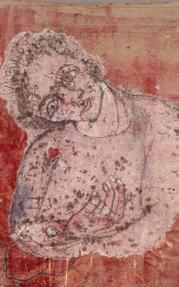
Credit: Print and mixed media, by Maria Pavledis. © Norfolk Museums
Wood Norton
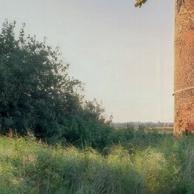
We are delighted to begin our centenary celebrations by announcing the start of one of the most significant habitat creation projects in our 100-year history.
We have purchased 136 hectares (336 acres) of mostly arable land in mid-north Norfolk, previously Manor Farm, and will bring it back to life by creating a wild and beautiful place full of nature.
Our vision is to restore and create a resilient, ecologically rich landscape forming a mosaic of diverse habitats that will benefit wildlife and people for generations to come.
Over time, woodlands of the future will begin to grow, leaves unfurling and bark thickening. They will offer food and shelter to countless creatures.
Found less than 5km from NWT Foxley Wood nature reserve, this wildlife haven will add to an important ‘arc’ of ancient woodland in this area of Norfolk. It will offer a vital stepping stone, helping animals and plants spread through the landscape as they adapt to our rapidly changing world.
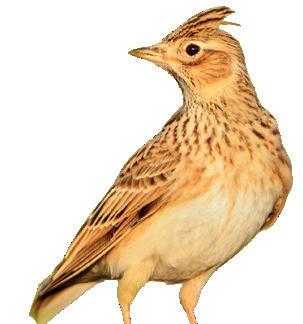
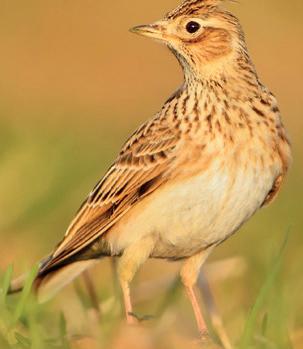
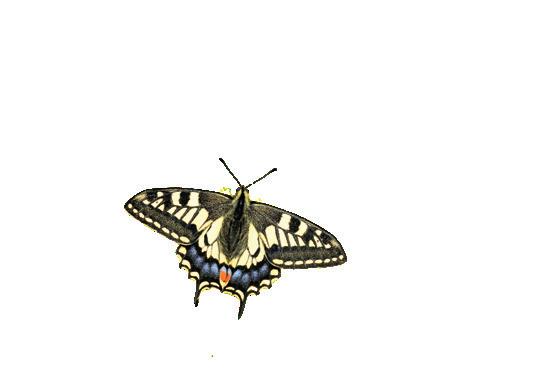
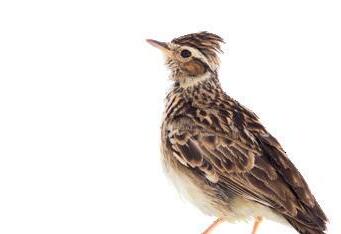
Ponds will punctuate the landscape, the glittering trails of dragonflies offering evidence of life below the surface. Skylark song will create a joyous summer soundtrack, as butterflies dance above meadows and grasslands brimming with vibrant wildflowers and the buzz of pollinating insects.
Found close to our Foxley Wood nature reserve, we will be adding to an important ‘arc’ of

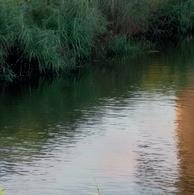
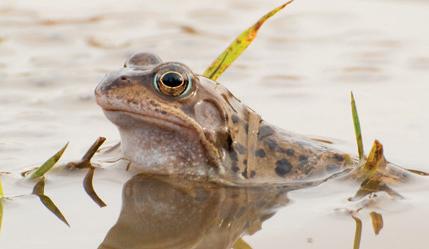
We will also bring the Norton Beck river back to life — a tributary of the River Wensum. Right now, it is straight and unnatural, but we will restore its natural meandering course, letting it bend and flow the way it used to. This will allow it to once again act as a life-giving artery running through the site. It will help support a diversity of aquatic and wetland species such as fish, frogs and wading birds, as well as acting as the lifeblood of our newly created wildlife habitats. Read more on pages 24–25.
This project isn't just about saving nature. As well as creating a living landscape that restores natural function and beauty, we are creating a space where people can explore, learn, and feel connected to the wild. Future generations will enjoy the magic of the natural world here.
This spring, we are celebrating our birthday with a big step towards a greener, wilder future for everyone.
Find out more: norfolkwildlifetrust.org.uk/ WoodNorton
Skylark
Remeandering the Norton Beck
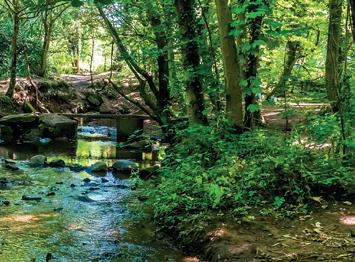
One of our first plans for the site is to restore sections of the Norton Beck that have been straightened or altered, helping to reinstate its natural meandering path.
This creates a wide range of brilliant features that can help wildlife, slow down water flow and reconnect rivers with their floodplains — improving biodiversity, reducing flooding, and enhancing water quality.
The newly restored river will provide a home to a rich variety of aquatic life. It will also offer crucial support for the other wildlife-rich habitats on the site to thrive — including many hectares of new woodland.
Leaky log dams create upstream pools for fish and provide shelter for crayfish and amphibians.
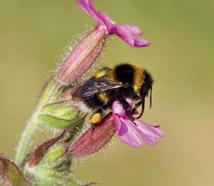
Berms are shelves found in the banks of winding rivers. They support wildflowers like buttercups and red campion, attracting bees and butterflies and providing shelter for small mammals. They are also one of the features of a river that can help protect nearby areas from flooding.
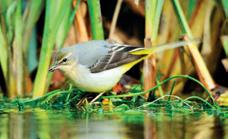
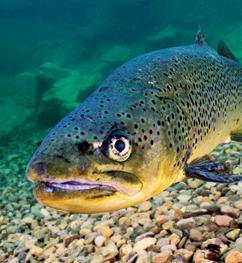
The riffles are short segments of the stream where water flow is agitated by rocks to produce fast, turbulent water. These areas are essential for trout and other oxygen-loving fish. They are home to a range of insect larvae which makes a great wild buffet for birds such as grey wagtail.
spawning grounds for fish such as salmon and trout.
Gravel beds provide
Bumblebee on red campion
Grey wagtail
Trout
Common frog

plants such as pond lilies and pond weeds, which provide aquatic life with much-needed food, shelter and oxygen.
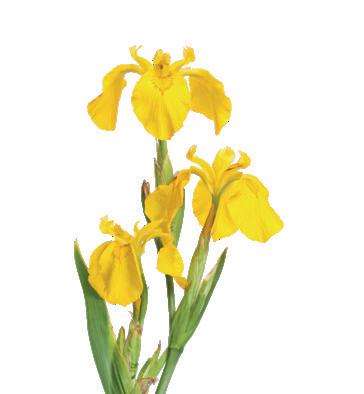
Meanders or ‘bends’ in a river provide diverse habitats, from slow pools that support fish such as brown trout and stickleback to varied flows that help mayfly larvae thrive. Plants like water mint and yellow flag iris (right) will thrive here, providing cover and food for aquatic wildlife.
Riparian woodland weaves together benefits for wildlife, climate and water in a single, living system. Tree cover shades rivers and streams, keeping waters cool and clean while roots slow flows, lock up carbon and reduce flooding downstream. At the same time, these wooded corridors provide rich habitat and vital movement routes for wildlife, stitching rivers back into the wider landscape.
How did we pay for the land?
An example illustration showing the features of a remeandered river
The purchase of Manor Farm, Wood Norton, enabled us to access funds from Natural England’s Nutrient Mitigation Scheme, which raised a significant proportion of the cost of the land. As well as creating much-needed space for nature, this means that we are helping to protect the water quality of the River Wensum, and the wildlife that relies on it, whilst enabling much-needed homes to be built in the area.
The rest of the purchase cost will be raised through the sale of the existing farmhouse and associated barns found on the land.
We are very grateful to have received financial support from two generous donors and the Esmée Fairbairn Foundation who through short-term loans have enabled us to purchase the land in advance of receiving the payment from Natural England.
Find out more about how we have accessed Natural England’s Nutrient Mitigation Scheme to benefit wildlife, whilst supporting the creation of homes within the River Wensum catchment: norfolkwildlifetrust.org.uk/GreenFinance
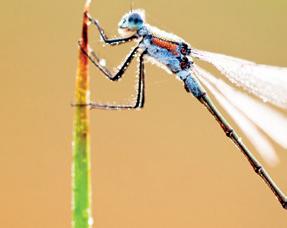
Emerald damselfly
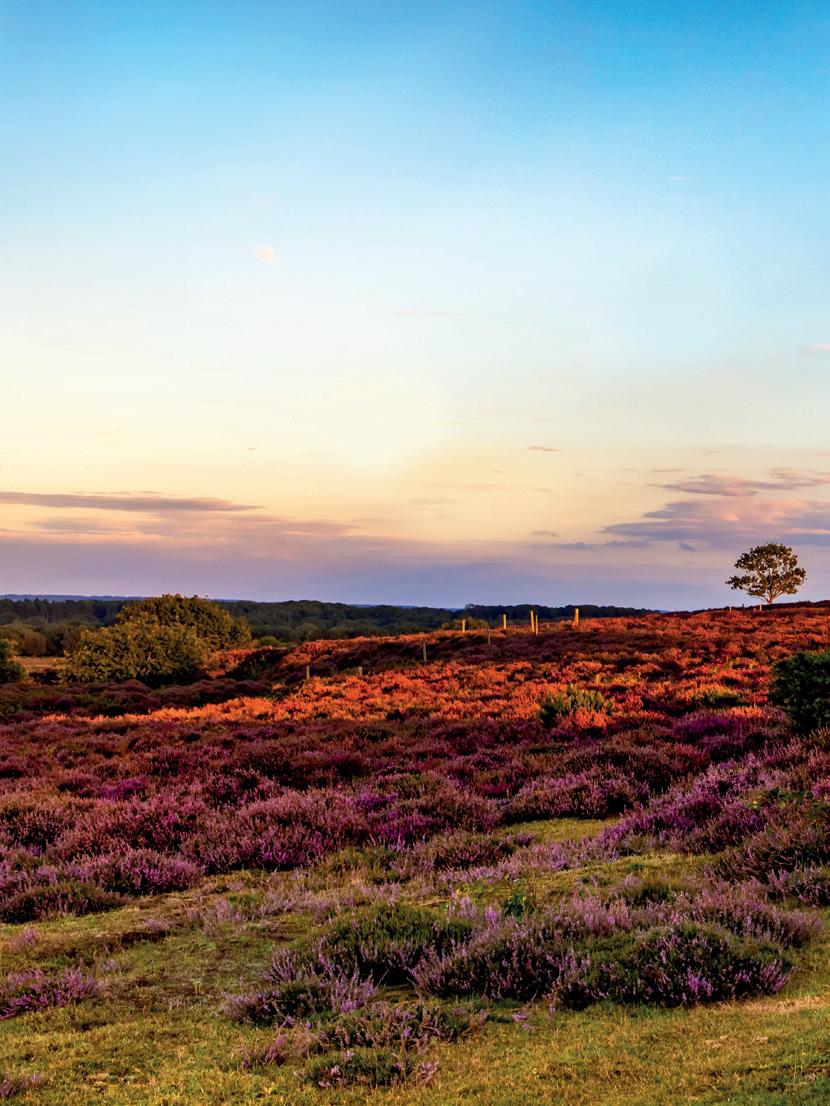
As we reach our 100th year, we spotlight the people, places and passions that have shaped us — and invite you to join us for the next part of our journey.
Roydon Common
Over the past few weeks, for our centenary year, we have been reflecting on Norfolk Wildlife Trust's history, our achievements and ambitions. We have spoken to many NWT colleagues, some long-serving, some recently arrived, and some retired. Inevitably, we have also thought about the people who built the dynamic organisation that we know today.
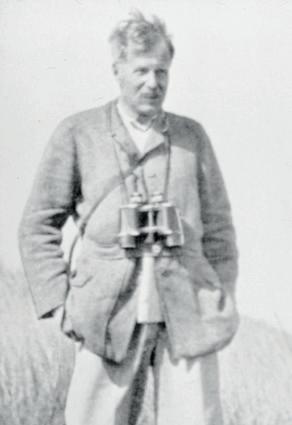
Those people begin with Dr Sydney Long, our founder, who led the purchase of Cley Marshes in 1926 and the creation of a trust to care for nature in our county. We know all too little about him, much of it gleaned from tributes after his death in 1939. That year the NNT Christmas card, painted by J. C. Harrison, featured a wheatear in his honour. An accompanying note announced the purchase of East Wretham Heath, where wheatears still nested at the time, fulfilling a long-held ambition of Sydney Long's to protect the rare wildlife of Breckland:
‘This bird has been chosen because it was a favourite of the late Dr. S. H. Long, the founder of the Trust and its Honorary Secretary for twelve years. No one looked forward more eagerly than he to the arrival of the Wheatear in early spring of each year and he was usually the first to record its appearance in Norfolk.’
Love is a big word, not used often enough when talking about conservation, but it is love for nature that has motivated every one of you who has donated to an NWT appeal or left a legacy.
What motivated Sydney Long, to buy Cley Marshes in 1926 and found a trust, was love for Norfolk birds like the wheatear. Love is a big word, not used often enough when talking about conservation, but it is love for nature that has motivated every one of you who has donated to an NWT appeal or left a legacy. It is love that drives our staff and volunteers each day. We are an organisation built on love for the natural world.
Even from NWT's earliest days, love has been supported by ambition. In an article published in the Eastern Daily Press on 15 November 1926, Sydney Long wrote: ‘When one considers the changes in the face of the county that are being made ... one is anxious to preserve for future generations areas of marsh, heath, woods and undrained fenland (of which there still remain a few acres in the county) with their natural wealth of flora and fauna.’
Just as in Sydney Long's day, land management for wildlife is at the very heart of who we are and what we do. We now manage over 5,100 hectares of land in Norfolk for nature and, of course, for people to enjoy. But increasingly, given the catastrophic loss of wildlife from the wider countryside since our foundation, we are ambitious to expand and connect our nature reserves across the landscape.
Founder of Norfolk Wildlife Trust, Dr Sydney Long, led the purchase of Cley Marshes in 1926
Several recent and current projects illustrate this bold approach. In 1999, when Muriel Hallatt approached us, wanting to donate a nature reserve in memory of her late husband Tony, we purchased half of Grimston Warren, beside Roydon Common. At the time, the whole site was under non-native conifers, its priceless heathland flora apparently destroyed. But NWT removed the conifers and scraped back 40 years of cones and twigs and needles to expose the natural soil horizon. Almost miraculously, the heath recovered. Heather germinated, nightjars and woodlarks bred even while heavy machinery was at work, and rare insects flooded back. A few years later we bought the other half of Grimston Warren to complete the job.
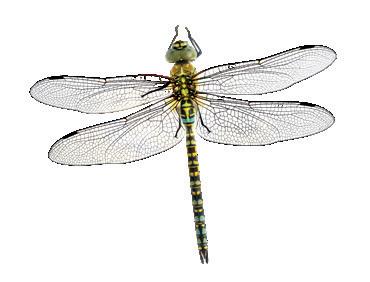
Wading birds, such as snipe, as well as dragonflies, have benefited from restoration work at Roydon Common and Grimston Warren.
Anne Simpson-Large has worked for NWT in West Norfolk for the past 10 years. Since 2023, she has contributed to the Grimston Wetscapes project which, thanks to generous support from the FCC Communities Foundation, has allowed the restoration of significant areas of wet heath at both Roydon Common and Grimston Warren.
‘We've now got ponds of all shapes and sizes,’ she says, ‘a stream with sinuous meanders, wet flushes, leaky dams, waterlogged areas where peat can build up. There are opportunities for a huge range of species, from wading birds to sphagnum mosses and dragonflies.’

Breeding pairs of woodlark can now be seen at Hockwold following work to restore grassland

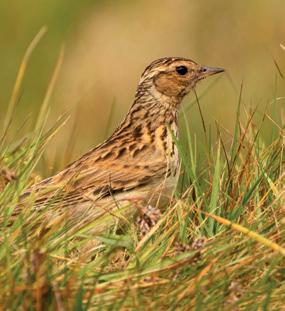
I can walk over a site like Hockwold now and see many breeding pairs of woodlarks... I take that as success.

Further south, under the Brecks Heath Partnership, NWT has worked with Forestry England to restore eight sites to Brecks grassland of enormous value for wildlife. ‘It was a real learning process,’ says James Symonds from the Brecks team. ‘The work doesn't mean just taking the conifers off and scraping off the humic layers. It takes years of birch and bracken control. But the fact I can walk over a site like Hockwold now and see many breeding pairs of woodlarks, and several pairs of stone curlews and nightjars, and a good Brecks grassland flora ... I take that as success.’
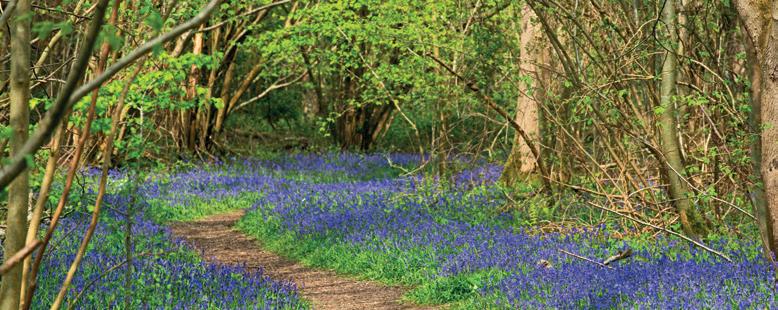
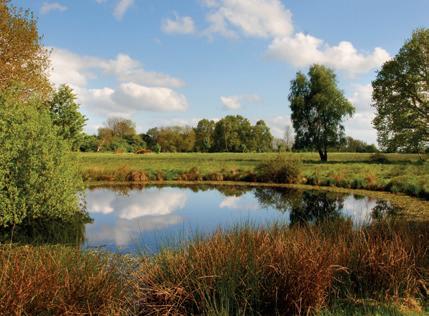
Since 1988 we have been custodians of Foxley Wood, Norfolk's largest patch of ancient woodland. Foxley too required years of restoration, to remove commercial conifers and restore the precious ground flora. In 2020 we added Foxley Enclave, a small field on the south side of the wood. And in 2025 we purchased 100 acres of arable land to the north, which we will nurture back to woodland and wood pasture.

‘Modern nature conservation isn't only about safeguarding our most special protected sites,’ says Nature Conservation Manager Steve Collin ‘It's about buffering and expanding them into the wider countryside, rebuilding abundance as well as protecting rarity, and doing so through both traditional supporter generosity and emerging green finance mechanisms that can unlock the scale of restoration we need.’

Even away from our reserves, we work with hundreds of landowners and partners, conserving both habitat and species. Helen Baczkowska of the Nature Recovery team is developing action plans for priority species. ‘In the Claylands,’ she says, ‘we're restoring ponds for great crested newts at pace, funded by district-level licensing. We know that in terms of return for investment, ponds give you such a huge lift for biodiversity.’
Also in the Claylands and along the Wensum — two priority landscapes for NWT — Helen wants to see bats as a driving force for nature recovery. ‘What we learned from the barbastelle work along the proposed Wensum Link Road was how bats are a litmus test of the health of the landscape. If you put back hedges, and you manage woodlands properly, and you put in lovely meadows and ponds, you're giving bats what they need — and in doing so, you're providing what much of nature needs.’
Snipe
Claylands Tree planting
Foxley Wood
© M WATSON, RICHARD OSBOURNE

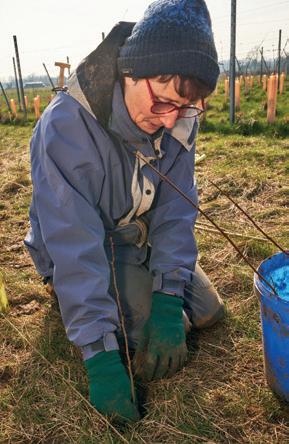
Meanwhile, in Norwich, Urban Reserves Assistant Sarah Wilde is excited by her work at Sweet Briar Marshes. Here, in partnership with Aviva, NWT is improving habitat both for wildlife and — crucially — for local people. ‘I feel so lucky with my job,’ she says. ‘It's just such an unbelievable feeling to do something to a landscape and it makes a difference.'
Sarah is committed to making Sweet Briar Marshes feel like home to local people too: ‘I love the fact our vision aims to make people feel seen. It's got diversity, inclusion and accessibility 100% at its heart. It's in every single aspect of the decisions we make for the site.’
And Sweet Briar Marshes is just the start. ‘My big dream is not really about Sweet Briar,’ she says. ‘It's about Norwich. I want Sweet Briar to be as amazing and loved as it possibly can be. But I really want Norwich to be the city that shows the UK that this is how it needs to be. And I only have that dream because it's already working.’
We could fill an entire edition of Tern with stories of ambition and hope from our remarkable NWT colleagues. At 100 years of age, NWT is more focused and determined than ever before. In our centenary year we plan to make the most extensive land purchases — for nature, people and the environment — of any year in our history. And, as ever, we could do none of this without you.
It’s just such an unbelievable feeling to do something to a landscape and it makes a difference.
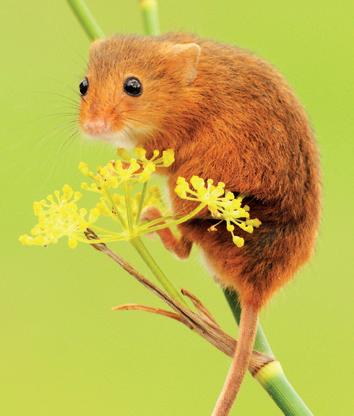
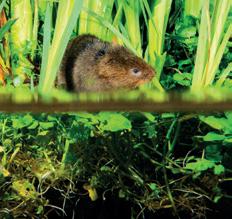
Harvest mouse
Barn owl
Sweet Briar Marshes
Centenary Appeal
As we mark our centenary year, Norfolk's nature is at a tipping point. Our wildlife is under more pressure than ever before and, without our protection, the future of the places and species we have all worked so hard to care for is in jeopardy.
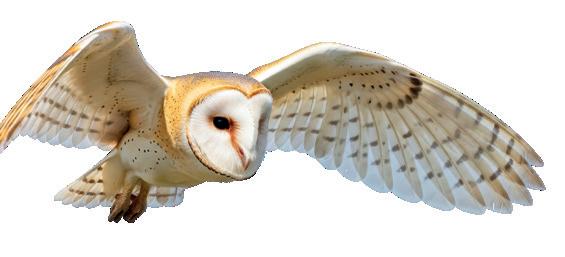
That's why we need your help to raise £100,000 to help secure the future of nature in Norfolk. Your donations could allow us to continue cutting reed on our reserves, maintaining habitat for bitterns and for marsh harriers. They could enable us to work with farmers to restore hedges and field margins for harvest mice, for barn owls and grey partridges. They could keep our ponies and our cattle in the best of health, so they in turn can preserve and expand our rarest habitats. They could help us maintain benches, paths, signs and facilities for visiting schoolchildren. They could support all of these hopeful projects — and so many more — across Norfolk.
Uniquely this year, you can become part of the story of Norfolk's nature forever. Since 2023, our President Patrick Barkham has been growing 100 centenary oaks from acorns he collected under ancient trees in Foxley Wood. As a thank you, those who gift or fundraise £500 or more will be invited to an event to help plant our centenary oaks, in the newly purchased land north of the wood. These centenary oaks will be a first step in the land's recovery, bearing genes from Foxley's prehistoric past into the distant future.
For a century we have been grateful for the generous support of Norfolk people. And in our centenary year we thank our members, donors, supporters and many friends for everything you do for Norfolk's wildlife. It is your donations, your signatures, and your support that keep us fighting for wildlife and the environment. And it is you who — in all the ways you support us — give us a future full of hope. Thank you.

Yes, I will help give Norfolk’s nature a fighting chance.
Every donation, no matter the size, will help secure the future for wildlife in Norfolk.
Donate at norfolkwildlifetrust.org.uk/CentenaryAppeal
Donate by calling 01603 598351

Donate by card/cheque using this form. Send to Freepost Plus RTKH-LGSA-TCJS, Centenary Appeal, Norfolk Wildlife Trust, Bewick House, 22 Thorpe Road, Norwich, Norfolk, NR1 1RY
I would like to give: £30
My own amount: £
£100
£200
£500
I have donated £500 or more and I am interested in the centenary oak event, artwork and acknowledgement. Please contact me using (phone/email address):
Name and address of payer:
Your name:
Your address:
Postcode:
number:
Expiry date:
Cheque donation I enclose my cheque payable to Norfolk Wildlife Trust
Boost your donation with 25p of Gift Aid for every £1 you give. If we already have a Gift Aid declaration on record for you, we will claim Gift Aid on your donation unless you opt out below.

Are you happy for us to claim Gift Aid on this donation?
Yes, claim Gift Aid No, I can’t Gift Aid
Are you happy for us to claim Gift Aid on any donations made in the last 4 years?
Yes, claim Gift Aid No, I can’t Gift Aid
Cley Marshes
Involved Get
Our centenary celebrations begin in earnest this spring, and there's lots to look forward to — from books, films and music to talks, walks and workshops.
We are offering a special programme of events that tell the story of our achievements over the past 100 years and share our hopes and ambitions for Norfolk's wildlife and people during the next century. If you would like to enjoy Norfolk's wildlife in new ways this year, there's something for everyone.
We are thrilled to announce the publication of a new book featuring a compilation of articles authored by our Ambassador, Nick Acheson, for Norfolk Magazine over the past 10 years. It gives a beautiful and moving account of the work of Norfolk Wildlife Trust, and the life and times of Norfolk's incredible wildlife and wild spaces (p14).
Find out more: norfolkwildlifetrust.org.uk/Centenary
Head to Ranworth, Cley, Hickling or Holme this year and you will see our visitor centres have the celebratory bunting out and, as well as the usual warm welcome, offer an enticing display of centenary products to mark this noteworthy year.
And for the first time in a while, we are pleased to offer a hybrid Annual General Meeting to members this November. As well as being able to attend the event online, you'll also be welcome to join us in person at Cley Marshes, for an event that will include a walk and talks from special guests.
As with every year, we continue to encourage everyone to join us in supporting Norfolk's wildlife — and this year is no different. From new fundraising appeals to our ‘Do one thing for wildlife’ initiative, we encourage you to make this year your wildest yet!
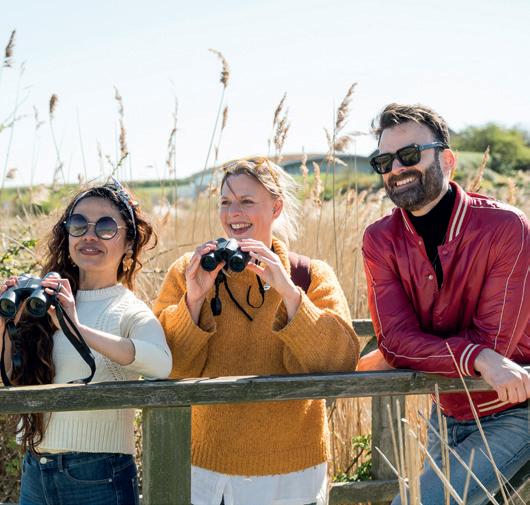
Centenary events highlights
March: We will be premiering our special centenary film at an event and panel discussion on the 26 March.
22 April: You are invited to join naturalist, Chris Packham and NWT President, Patrick Barkham for a lively discussion at the University of East Anglia.
17 May: Get a sneak peek at the Bishop of Norwich's beautiful garden at Norwich Cathedral, which will generously be opened in aid of NWT.
30–31 May: Enjoy special events across our nature reserves as we host a Big Wild Weekend of celebrations.
June: The 100th birthday edition of our annual nature photography competition launches.
September: Enjoy our ‘Wild by Design’ programme of events, which explores the intersection between nature and culture. And why not take a ‘walk on the wild side’ as part of our annual fundraising event?
In addition to these highlights, there'll be many more events
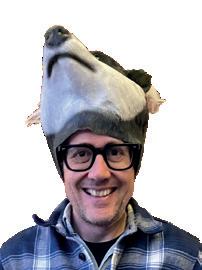
Back the badger at the London Marathon!
We're excited to share that our brilliant President, Patrick Barkham, will be running the London Marathon this year to celebrate our centenary — dressed as a badger! Patrick will be raising money for Norfolk Wildlife Trust, and we want to say a huge thank you to all those who donate to him, as well as to Patrick for taking on the challenge. As Patrick explains: ‘In its centenary year, I'd love to help NWT raise a tonne of money for wildlife. To do this, I am running dressed as a badger — the symbol of the Wildlife Trusts. The badger is a much-loved animal but,
like 51-year-old men (ie, me), they are not known for their long-distance running prowess. It will be hot, uncomfortable and painful but I will channel all the best badger tenacity to complete the course.’
If you'd like to support Patrick, please do donate via the QR code:
If you are interested in taking part in fundraising activities yourself in our centenary year, please email: fundraising@norfolkwildlifetrust.org.uk
Join in
Do one thing for wildlife
Thanks to your support, we have achieved some amazing wins for wildlife during the last century, and we are only just getting started!
As we reach this significant milestone, we know that wildlife faces new challenges. But, after 100 years of nature conservation, we also know how to create a brighter future for Norfolk's plants, animals, wild places, and people. And that is where you come in!
For our birthday this year, we would love you to give wildlife a gift! Celebrate with us by pledging to do one new thing for wildlife.
One good deed deserves another
For every pledge you make, we’ll plant one square metre of wildflower meadow on an NWT nature reserve — so wildlife benefits twice!

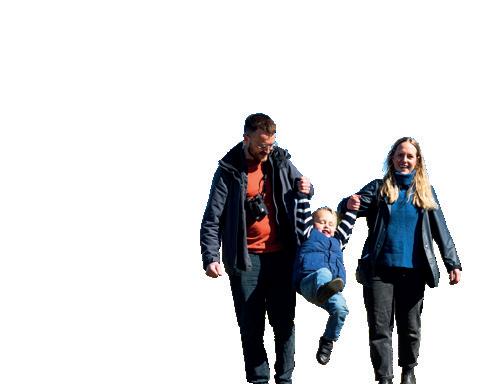
Make your pledge
We have created a list of 10 pledges that we know will help wildlife thrive into the next century.
Provide water for wildlife
Plant a pollinator
Together, we'll form a growing community that has nature's back. Every pledge will help create stepping stones of wildlife habitat. Each of these — no matter how small — will join up our nature reserves, County Wildlife Sites and other wildlife-rich areas, providing plants and animals with new food, shelter, and routes to spread out across our landscape.
And as well as making nature's future a little bit brighter, you’ll also make your world a little bit wilder!
Nurture a native tree
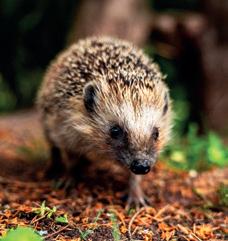
Help a hedgehog
Volunteer
Give nature a voice
Become a member
Raise funds or donate to Norfolk Wildlife Trust
Get to know Norfolk's wildlife
Put wildlife on the map
To make your pledge, head to one of our visitor centres, or visit: norfolkwildlifetrust.org.uk/ DoOneThing
Join in
Hedgehog
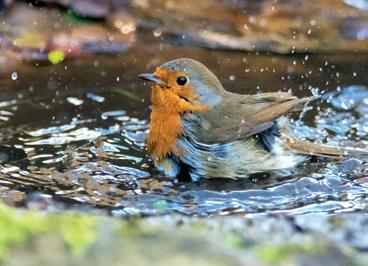
Robin




















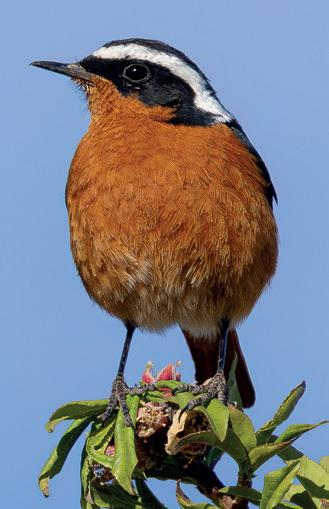
People Wild Stories from our community of nature lovers
LEAVE A LEGACY
A lifelong love of Norfolk’s wild places: Peter and Linda Croot’s legacy gift to NWT
For Peter and Linda, supporting Norfolk Wildlife Trust through a legacy gift is the natural continuation of a lifelong love of the county’s landscapes and wildlife.
Peter's connection with Norfolk's countryside began in childhood. Growing up among its woods and fields, where he still lives today, he spent countless hours outdoors with local friends, building dens, climbing trees, and searching for birds' nests. They even formed their own bird club. These early adventures sparked a deep and enduring passion for nature that stayed with Peter throughout his life, even as careers and family took centre stage. ‘Nature,’ he says, ‘was always a source of comfort and a welcome escape from life's pressures.’
Early retirement brought the opportunity for him to reconnect even more strongly with conservation. Peter became the Parish Tree Warden for Coltishall, a role he relished. He undertook training, advised parishioners, and most rewarding of all, helping to plant trees, hedges and a community orchard, and a wildflower meadow. He later joined the North Norfolk Community Woodland Trust as a trustee, supporting the purchase and care of Pigneys Wood near North Walsham. Now part of Norfolk Wildlife Trust, Pigneys Wood continues to thrive as a precious local resource.
Linda entered Peter's life further down the road, and together they discovered the joy of sharing a mutual love of nature — a pleasure they say is doubled when experienced together. Long-standing members of Norfolk Wildlife Trust, they look to the charity as a guardian of the county's remarkable wildlife and landscapes.
Both Peter and Linda feel reassured knowing that NWT's work, acquiring land, educating young people, and protecting vulnerable habitats, will safeguard Norfolk's natural heritage for generations to come. Their decision to leave a legacy gift in their wills is rooted in this confidence. ‘As the time comes when we can no longer enjoy all that Norfolk's
nature has to offer,’ they say, ‘it comforts us to know that our legacy to Norfolk Wildlife Trust will help protect these special places — and help others to cherish them too.’
Peter and Linda's thoughtful gift will ensure that the wild places which shaped their lives continue to inspire, enrich, and sustain future generations. It comforts us
If you would like to discuss leaving a gift to Norfolk Wildlife Trust or would like to let us know that you have remembered us in your will, please do not hesitate to contact us on 01603 625540 or legacies@norfolkwildlifetrust.org.uk
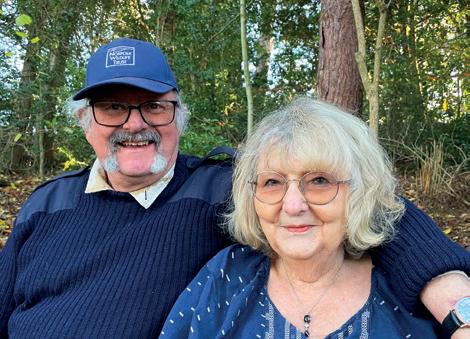
Peter and Linda Croot — in the background is a tree that Peter planted with his father in 1974.
Speaking up for our chalk streams
The Babingly, the Glaven, the Gadder, the Ingol, the Hun, the Tiffey, the Tas, the Wissey and the Wensum.
These are just some of the chalk streams that flow through Norfolk. The names are delightful, evocative of storybook rivers winding through landscapes brimming with wildlife.
Of the 200-plus chalk streams in the world, most are in England, and many of those are in Norfolk. They bubble up from chalk aquifers to emerge clear and mineral-rich to nurture a vibrant mix of plant and animal life.
But this internationally important treasure is under threat.
People are rightly horrified by the destruction of rainforests thousands of miles away — but sometimes seem less concerned about collapsing ecosystems almost literally on our doorstep.

The River Wensum, which flows within a couple of minutes walk of my home, begins as a chalk stream. It is also a river in urgent need of help.
My first degree was in ecology, before I studied theology, and I am the Church of England's lead bishop for the environment. I am also privileged to be one of the bishops who sits in the House of Lords, with the chance to help shape legislation.
As the Planning and Infrastructure Bill made its way through Parliament, I argued for an amendment that would require strategic planning authorities to identify chalk streams, and outline measures to enhance them and protect them from environmental harm.
The House of Lords passed my amendment by 196 votes to 137 votes, but it was subsequently not approved by the House of Commons.
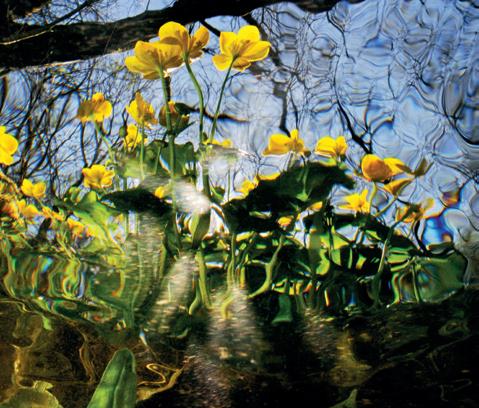
The Bishop of Norwich, The Rt Revd Graham Usher, tells us about his fight to get extra protection for precious watercourses and why he's not giving up.
I am disappointed but determined to keep pushing for a planning system that works with, rather than against, the natural world.
There were three concessions from the government. Chalk streams will feature prominently in Local Nature Recovery Strategies; ways to improve chalk streams will be part of a Water White Paper leading towards new legislation; and explicit recognition of chalk streams will be part of a consultation on national policies for development.
I will be watching, to ensure these happen, so that future generations of children can play in pristine chalk streams, as I did as a child in the Yorkshire Wolds. Cool, clear water fed an abundance of wildlife — and my own fascination with the natural world. These beautiful ecosystems should be a birthright and blessing for all, not left vulnerable to pollution, exploitation and extinction.
I am called to advocate for God's creation. In our nature-impoverished land, this means protecting our heritage of natural wonders including the Babingly, Glaven, Gadder, Tiffey, Tas, Wensum and the rest.
They are not only vital to the fragile ecosystems they support, but vital to human physical and spiritual health, and a vital part of our single planet home.
Find out more about Norfolk chalk streams and our work to protect them: norfolkwildlifetrust.org.uk/
CORPORATE SUPPORT
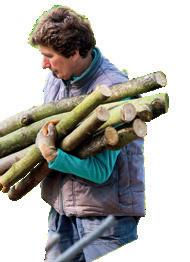
Volunteering can unite your workforce behind a shared purpose.
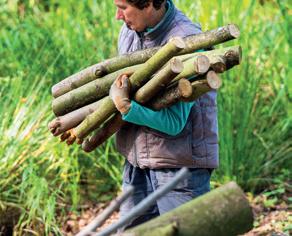
A special year to stand with nature
Join Norfolk Wildlife Trust as a Charity of the Year partner as we celebrate 100 years of nature conservation.
Support from local businesses has been vital to our success throughout our 100-year history. Today more companies than ever are helping us protect and restore Norfolk's nature.
In our centenary year, we will be celebrating all we have achieved. Importantly, we will be looking forward to meeting the challenges of the next 100 years, as nature here in Norfolk faces threats that were unimagined in our early days.
By nominating NWT as your Charity of the Year in 2026, this special year for Norfolk’s nature, you can showcase your business as a vital ally to our work and join us in our celebrations!
A Charity of the Year partnership with NWT directly helps us continue our vital conservation work. It also offers tangible benefits for your business. Through fundraising initiatives, volunteering opportunities, and educational activities, you can unite your workforce behind a shared purpose. You can also
Join in
CASE STUDY
A blue corridor for Mile Cross
The residents of Mile Cross have stepped up for nature by installing 10 new wildlife ponds across a defined area of their historic estate to create a thriving ‘blue corridor’. Designed and initiated 100 years ago, the Mile Cross estate in Norwich was built as a garden city template. It is already a haven for lots of endangered species, such as hedgehogs, sparrows, and swifts. Now local people are acting for freshwater species too, providing new habitat for frogs, toads, damselflies and aquatic insects.
enhance employee wellbeing and demonstrate your commitment to sustainability and biodiversity.
Successful collaborations, such as our recent partnership with our newest Wildlife Champion, Tropic, illustrate the impact of corporate support. Tropic are a fantastic organisation working to develop new varieties of tropical crops that are hardier, less reliant on pesticides and fertilisers, and more resilient to climate change. Tropic launched our partnership at a company-wide event, embedding the partnership with NWT at the heart of their workplace culture and values. Their creative fundraising involving an art auction at their end of year party raised nearly £1,400 for NWT, demonstrating how meaningful collaboration delivers incredible impact.
A thriving natural world benefits us all. By choosing NWT as your Charity of the Year, you will help protect Norfolk's wildlife while fostering a positive, engaged, and purpose-driven culture within your organisation.
Our Corporate Partnerships team will work with you to develop a tailored plan, including fundraising activities, a communications plan, and educational opportunities.
To explore partnership opportunities, contact us at wilderbusiness@norfolkwildlifetrust.org.uk. Together, we can shape the next 100 years of conservation.
The Mile Cross Green Hearts, Common Lot, MIND (Nature Connect) and NWT made a successful bid for the National Trust's Freshwater Community Grant to enable the project. These 10 ponds add to the existing chain of wildlife ponds stretching from the River Wensum and NWT Sweet Briar Marshes, across the Valpy Avenue allotments and into the heart of Mile Cross. The hope is that more residents are inspired to add a pond to their gardens and that this chain grows increasingly intricate and connected.
This project is being supported with a grant from the National Trust's Freshwater Community Grant Fund, which is funded by the government's Species Survival Fund. The fund was developed by Defra and its Arm'sLength Bodies. It is being delivered by The National Lottery Heritage Fund in partnership with Natural England and the Environment Agency.
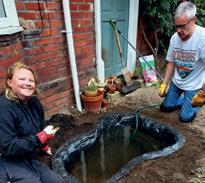
News and views from our Youth Forum
WILD YOUTH ACTION
Evie from our Youth Forum tells us why the future of nature depends on young people stepping up today

Sloughbottom Meadows update
We've started some species lists in the meadows (identifying grasses, flowers, and insect species) and carried out some Biodiversity Net Gain assessments to figure out the level of health in the forested segment. We're beginning to understand not only the wildlife there but the use and wider significance of it locally. I think this has been down to a lot of team building and connecting as a group of young people, building new friendships and making new memories, almost mirroring this more intangible relationship with the space. By becoming in tune with our environment and each other, we're beginning to reflect on the needs of the site and how we are going to spark visible change.
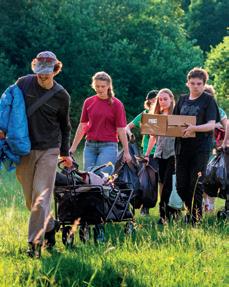
Why is it important for young people to care about wildlife and nature?
To put it simply, it is ours. I believe that as a sentient species, we have a duty to protect our nature and wild spaces, especially as young people. We need to be innovating and use the technology we have available to do better in the world. Currently, the people with governmental power are making decisions that will result in effects that they will not be here to witness. It is our duty as young people to be the change we want to see and build a future we want to live in. There is so much data to support the argument that we are in a crisis; humans are causing detriment to their environment, and it is vital that we take action. Nature plays a key role in our ability to have a future. Nature plays a key role in health, identity, industry, and culture. I understand that it is a big weight to carry as a generation, but by coming together we can make a true difference.
What are your hopes for the future?
I would like to see more empathy in people, as well as stronger communities built on mutual trust and effort. Building from this, I would like to see a national relationship rebuilt with our landscape and the organisms within it. Something I feel has been lost is an awareness of our dependency on nature; our environment funds the very lifestyle we love, and that includes fossil fuels, concrete, food, textiles and water. They still come from the very specific and unique conditions of our planet, which has allowed life to thrive for so long. I would like people to be more aware.
I also want to see more programmes such as Wild Youth Action available and advertised to young people. I want young people to have better
Sign up
Find out more about Youth Forum and sign up to our e-newsletter norfolkwildlifetrust.org.uk/ YouthAction
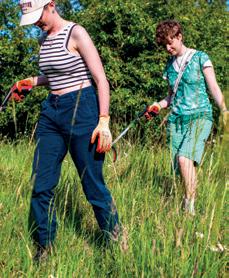
access to green spaces and a deeper appreciation for them. While I believe that learning from the past and supporting our elders, and those who have come before us, is important, I'd like to see more youth governance over nature; it is our future that is being decided by people who won't experience it.
I am truly grateful to be a part of Youth Action and be part of the community as NWT. It has opened so many doors for me. I encourage any reader to get young people involved — whether that's you or someone you know — try and get involved locally. You don't have to be part of a board or a committee to make a change. Buy a litter picker and go out with your friends. Find your community. Find your space.
The new initiative is part of the wider Building Foundations for the Future programme which aims to help us engage new audiences with nature, made possible with funding from The National Lottery Heritage Fund with thanks to National Lottery Players.




See page 20 for species to spot in our centenary year. Join in
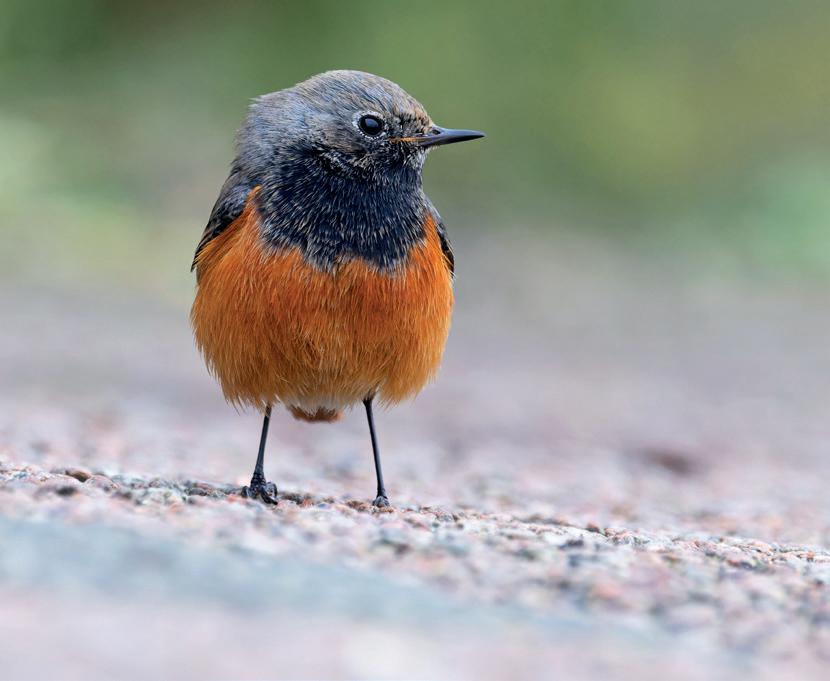
Wildlife ROUNDUP

Dusky warblers and a black-bellied dipper were among the wildlife highlights for writer and photographer Robin Chittenden.
Last autumn was quiet in terms of small migrating birds, but a change in wind direction brought a lastminute flurry from the east. There was the remarkable arrival of both dusky warblers and Hume's leaf warblers. Sparkling Pallas's warblers also made an appearance. Together with the goldcrest and firecrest, the Pallas's warbler ranks among the UK's smallest birds. You had a good chance of finding any of these migrant birds at any bit of woodland or scrub around the Norfolk coastline.
To cap it all, an Eastern black redstart was seen at Sheringham. It's a bit like a robin but it has a black chest, bloodorange underparts, and a red tail —
strikingly pretty. They are normally found far to the east, from Iran to China. This was only the third time that this subspecies of black redstart has been found in Norfolk — making it a popular bird for people to spot over Christmas.
Dippers are more often associated with fast flowing rivers on the north and west side of the UK. Once in every two or three years a dipper will arrive in Norfolk from Scandinavia for the winter. These are known as blackbellied dippers, and one was found this winter by the River Wensum at Bintree Mill. It had the habit, though, of disappearing for days at a time. It would not have helped that much of the river runs through private land, and that a perfect area had been created
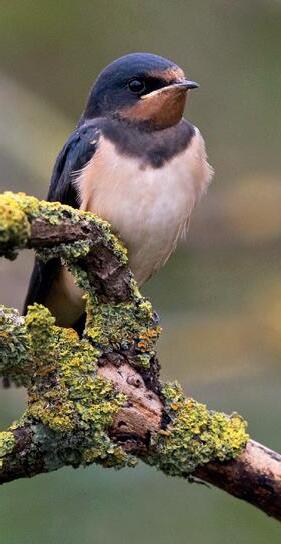
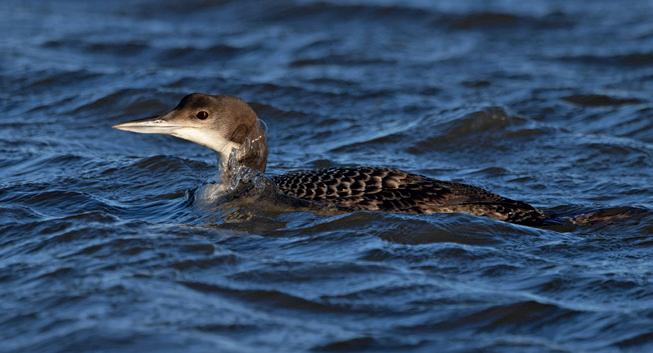
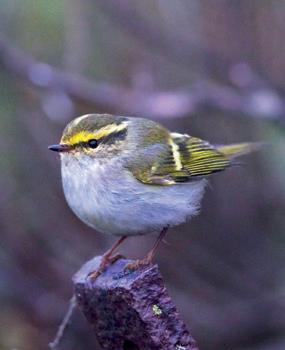
Together with the goldcrest and firecrest, the Pallas warbler ranks among the UK's smallest birds.
Pallas's warblers made an appearance in the autumn. Did you know?
right:
A swallow, a late summer visitor seen at Kelling;
Up to four great northern divers were spotted in the channel at Wells;
in an unviewable section, downsteam from the Mill. The river there has been ‘re-naturalised’ with riffles and a stoney bed. This was created for barbel fish to spawn. This habitat would also suit the black-bellied dipper down to a tee.
Following the mass arrival of glossy ibises in early autumn, a few ended up staying for winter. NWT Cley Marshes had up to three but, somehow, they managed to hide most of the time, feeding in obscure ditches during the day. This is surprising, as ibises are distinct, with a downcurved bill and can be very colourful in good light. They often returned to roost on
the North Scrape, where you could view them from the new moveable converted shipping container, known as The Gillmor Discovery Hide.
Winter is a good time to see a varied selection of seabirds off the Norfolk coast. This winter, so far, there has been a black-throated diver at Brancaster Staithe and another on the River Thurne near Ludham; two long-tailed ducks on the pits at RSPB Snettisham; a red-necked grebe at King's Lynn and Filby Broad; a Slavonian grebe at Barton Broad; and up to four great northern divers in the channel at Wells.
Exceptional late summer visitors seen in December included a whinchat at King's Lynn, a swallow at Kelling, Northern wheatear at Hunstanton and a garganey at RSPB Buckenham Marshes. Could it be the start of some summer visitors becoming semi-resident? If climate change continues on the current trajectory, it seems there will be no pressure for them to go and hence there will be no advantage for them to migrate. So yes, expect summer birds to overwinter here in small numbers.
Left to
Eastern black redstart were seen at Sheringham;
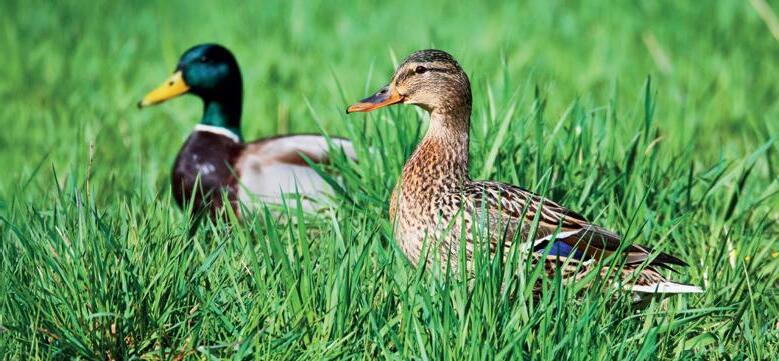

Learn Tern with
ix surface-feeding ducks — termed dabbling ducks — can be seen in Norfolk from autumn to spring. All of them are sexually dimorphic, meaning there is a marked difference between the sexes. In the case of Northern Hemisphere dabbling ducks, females are brown and intricately mottled. As they alone incubate their eggs, they need to be camouflaged among the grasses, sedges and tundra vegetation beneath which they nest. (Though not closely related, the shelduck is also a surface-feeder. As her favoured nest site is a rabbit burrow, a female shelduck can afford to be as brightly coloured as a male.)
Male dabbling ducks, by contrast with females, are gaudily plumaged in winter and spring and each species is unmistakable. The plumage of drakes reflects their role in reproduction: to attract a female, defend her from other potential mates, and father her offspring. The metallic green head of a mallard, the bold chestnut flanks of a shoveler, the chocolate hood and quivering tail of a pintail, the butter yellow forehead of a wigeon: these are all fine devices for luring a female. They are, however, a hindrance outside the courting and mating seasons.
Unlike the overwhelming majority of birds, almost all the world's swans, geese and ducks moult all their wing feathers together after breeding. For a few days, while they regrow them, they are flightless. This would be a catastrophe for most birds,
for which flight is essential to evade predators, but waterfowl can retreat to the relative safety of ponds and lakes. Even so, at this most vulnerable time of year, male dabbling ducks moult into a discreet, female-like plumage, known as eclipse.
All six of our winter dabbling ducks have been known to breed in Norfolk, though pintail and wigeon have done so only exceptionally, teal are very scarce breeders and shoveler are by no means common. Most of the many thousands of ducks which winter along the North Norfolk coast, in the Broads, and in the Fens, migrate north in spring, heading to Russia, Fennoscandia, Scandinavia and in some cases to Iceland.
The four oldest Norfolk Wildlife Trust reserves are all wintering sites for dabbling ducks: Cley Marshes acquired in 1926, Starch Grass at Martham in 1928, Alderfen Broad in 1930 and East Wretham Heath in 1939. All four were well known to our founder Dr Sydney Long (though East Wretham was purchased a few months after his death). It is humbling, as we enter our centenary year, to reflect that the descendants of wigeon, pintail, shoveler, gadwall, mallard and teal to which Sydney Long raised his Edwardian field glasses are still protected on the reserves he so brilliantly conceived; that people still explore and love these places, as was his wish; and that the organisation he created is stronger and more ambitious now than ever before.
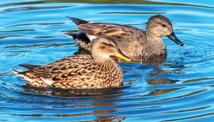
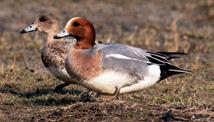
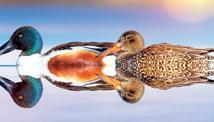

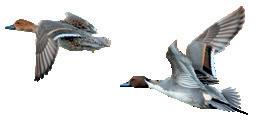
Nick Acheson is an author and NWT Ambassador
Mallard
Gadwall
Shoveler
Dabbling ducks
Wigeon
Teal
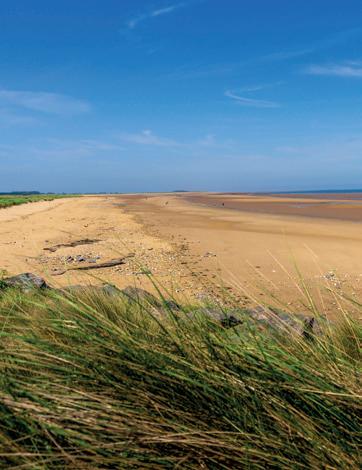












Tales
Oak and ash, a rain forecast
Growing up, my mother taught me a rhyme that many may be familiar with. This rhyme has been loyally used by people every spring since the 16th century, to predict the summer weather.
‘If the oak comes out before the ash, we will surely have a splash, If the ash comes out before the oak, we will surely have a soak.’
Often concluded with the cynical comment, ‘either way, you're getting wet’.
The rhyme explains that if oak trees bud before ash trees in the spring, then we are in for a warmer summer than if ash budded first. Many may believe this rhyme to be superstitious nonsense, but there is science behind it.
Oak trees are packed with water and therefore sensitive to frost. If there is a cold spring, they take longer to bud. Whereas the steadfast ash trees produce leaves at the same time each year, no matter the weather.
Back in the days before Carol Kirkwood and Liam Dutton, people had to predict weather using the hints nature gave them. These hints were passed down orally by forebears. ‘Clear moon, frost soon’, ‘Red sky at night, shepherds delight’ and so on. In this case, the phenology
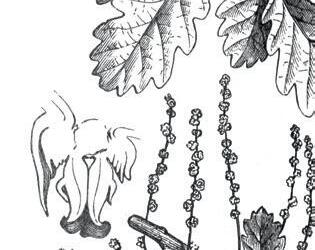
Sadly, however, this phrase is becoming a relic of the past. Climate change means springs are warmer. Oak trees will usually bud before ash trees. Phrases such as these have truly shown their importance when it comes to providing an anchor to the conditions of the past. With climate change we suffer from something called shifting baseline syndrome. This is when each generation is born into a different environment from the generation before them, and they normalise it. For example, my mother's generation grew up with vast flocks of lapwings nesting on farmers' fields, and my grandmother's generation grew up with cuckoos being the spring soundtrack; I grew up with neither. We lose these historical way-markers when generations die and can no longer provide these memories of the past.
Therefore, let's not let the baseline shift. This spring let us all remember the oak and ash being a rain forecast. Don't normalise the effects of climate change. Repeat the rhyme, even though you know the answer.
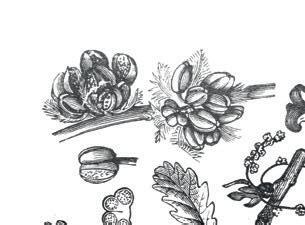
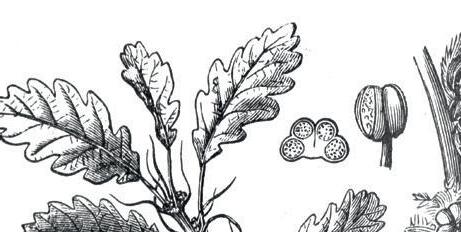
Many may believe this rhyme to be superstitious nonsense, but there is science behind it.
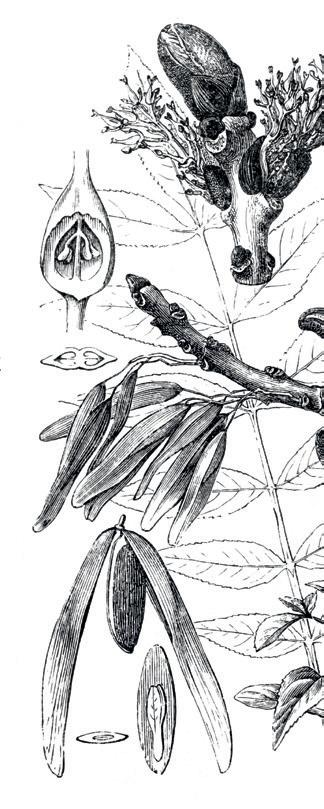


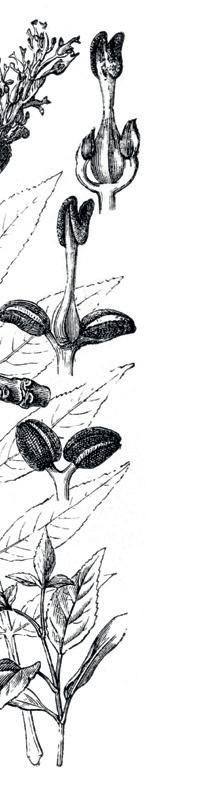
Black mark Males have a mushroomshaped marking below the base of the wings.
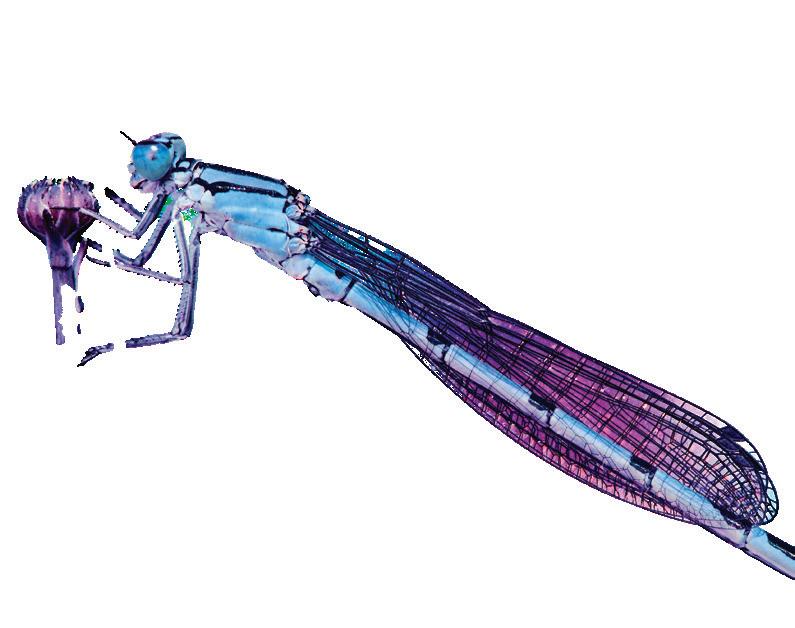
Thorax Broad blue or pale stripes on the top.
Thorax No black spur on the side.
Common blue damselfly
When April to October
Where Most waterbodies. Visits open water more than other blue damselflies.
Females Blue/dull green and black. Have a spine beneath segment eight (near the end of the body).
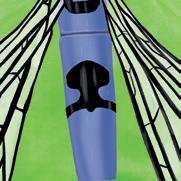
Spot the difference Damselflies
Two of our most common damselflies, easily confused at a glance. So how do you spot the difference?
Azure damselfly
When April to September
Where Prefers smaller, sheltered ponds and streams. Stays near the edges of larger lakes.
Females Green (occasionally blue) and black. No spine beneath segment eight of the abdomen.
AZUREDAMSELFLY
Thorax Narrow blue or pale stripes on the top of the thorax.
Thorax Black spur on the side of the thorax.
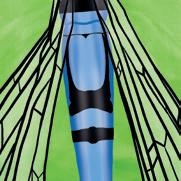
Black mark Males have a U-shaped marking, detached from the black ring below.

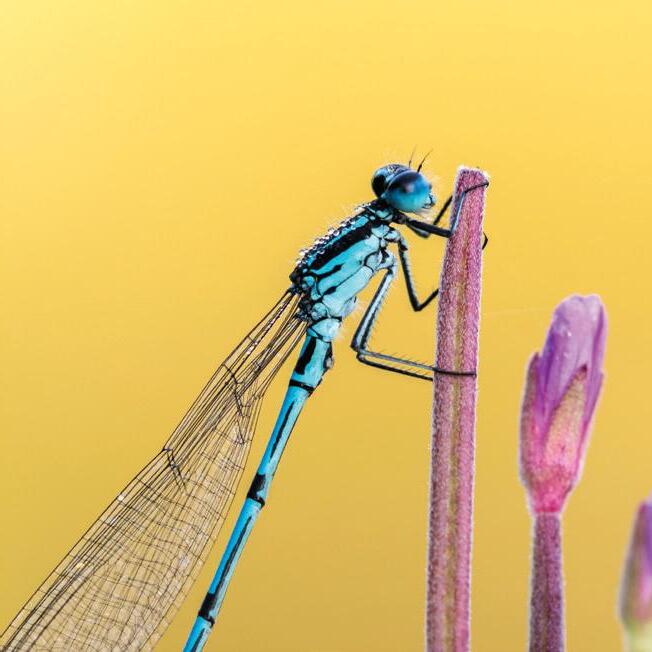
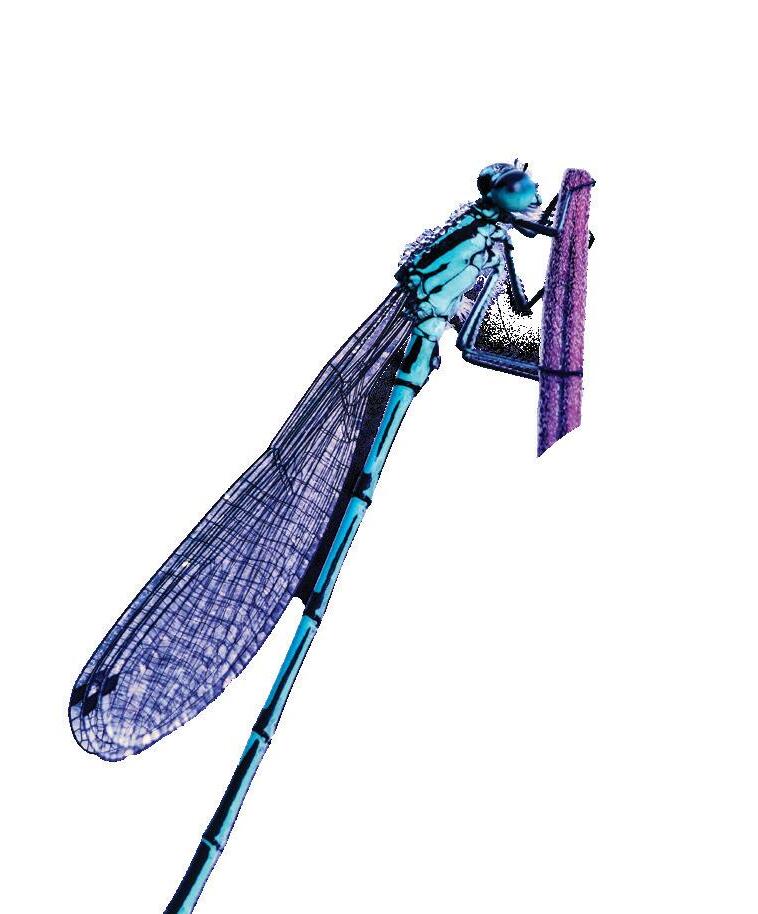
From our President
Patrick Barkham natural history writer and President of Norfolk Wildlife Trust

We are a county of people who are proud to ‘do different’.
One of Norfolk's ‘differences’ is that we are innovators in saving nature. We stake a good claim for being the cradle of Britain's nature conservation movement.
The Breydon Wild Birds Protection Society was founded in 1888, predating the RSPB. In 1912, Blakeney Point became Britain's first coastal nature reserve, after an appeal by the pioneering Norfolk and Norwich Naturalists' Society. And, in 1926, we became the first county in Britain to form its own wildlife trust. Norfolk Wildlife Trust was born when Norwich doctor Sydney Long persuaded 11 fellow wildlife enthusiasts to purchase Cley Marshes to safeguard it ‘as a bird-breeding sanctuary for all time’.
One hundred years later, the growth of NWT would astonish Sydney Long: 12 subscribers have become 40,000 members; one nature reserve has become 60 — 1% of Norfolk land protected in perpetuity, for wildlife and people.
This is worthy of celebration. Cherishing our precious reserves, and appreciating the labours of all those wardens, volunteers, leaders and legends — from Ted and Phyllis Ellis to Brendan Joyce — is a joyful act, and a reminder that however gloomy the wider outlook we can always improve our local environment.
Our centenary is also an opportunity to look forwards. If our first century
If our first century has been about protection, our second must deliver restoration.
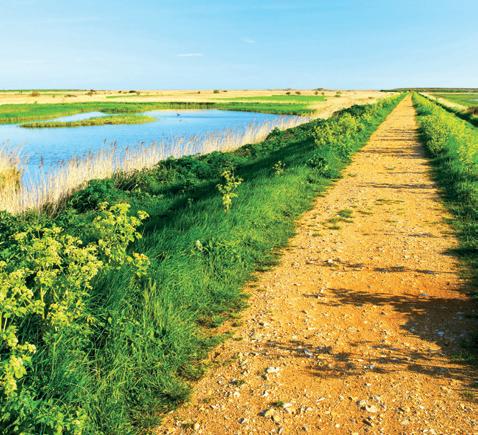
has been about protection, our second must deliver restoration. Bringing back some of what we've lost is an exciting enterprise, and we need hope because, frankly, wildlife is under threat in our county like never before.
My celebrations this year will look to the future. I'm thrilled to be hosting Chris Packham in Norwich on April 22 for an inspiring NWT fundraiser with lots of young nature-lovers in attendance. Four days later, I'm running the London Marathon dressed as a badger to raise money for NWT. Please laugh at me and ask your friends if they will sponsor me: we want to raise as much as possible this year because there could be some thrilling opportunities to expand our nature reserves and bring back wildlife in new ways (watch this space!).
If sponsoring a badger is just too silly, please consider supporting our Centenary Appeal — every donation, no matter the size, will help secure the future for wildlife in Norfolk. Those of you who feel able to donate £500 or more will be invited to join us at Foxley Wood to plant one of 100 centenary oak saplings I've been raising from acorns foraged from the woodland floor — each one, in time, a miniature nature reserve in its own right.
Please join our celebrations in whatever way you wish, and please tell your friends and family — it is only by working together that we will make Norfolk more beautiful, richer in wildlife and a welcoming place for all of us, alongside wild species, in the century to come.
Cley Marshes
© RICHARD OSBOURNE