


































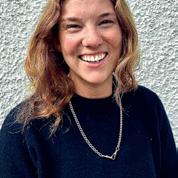
TEDITOR Megan Williams
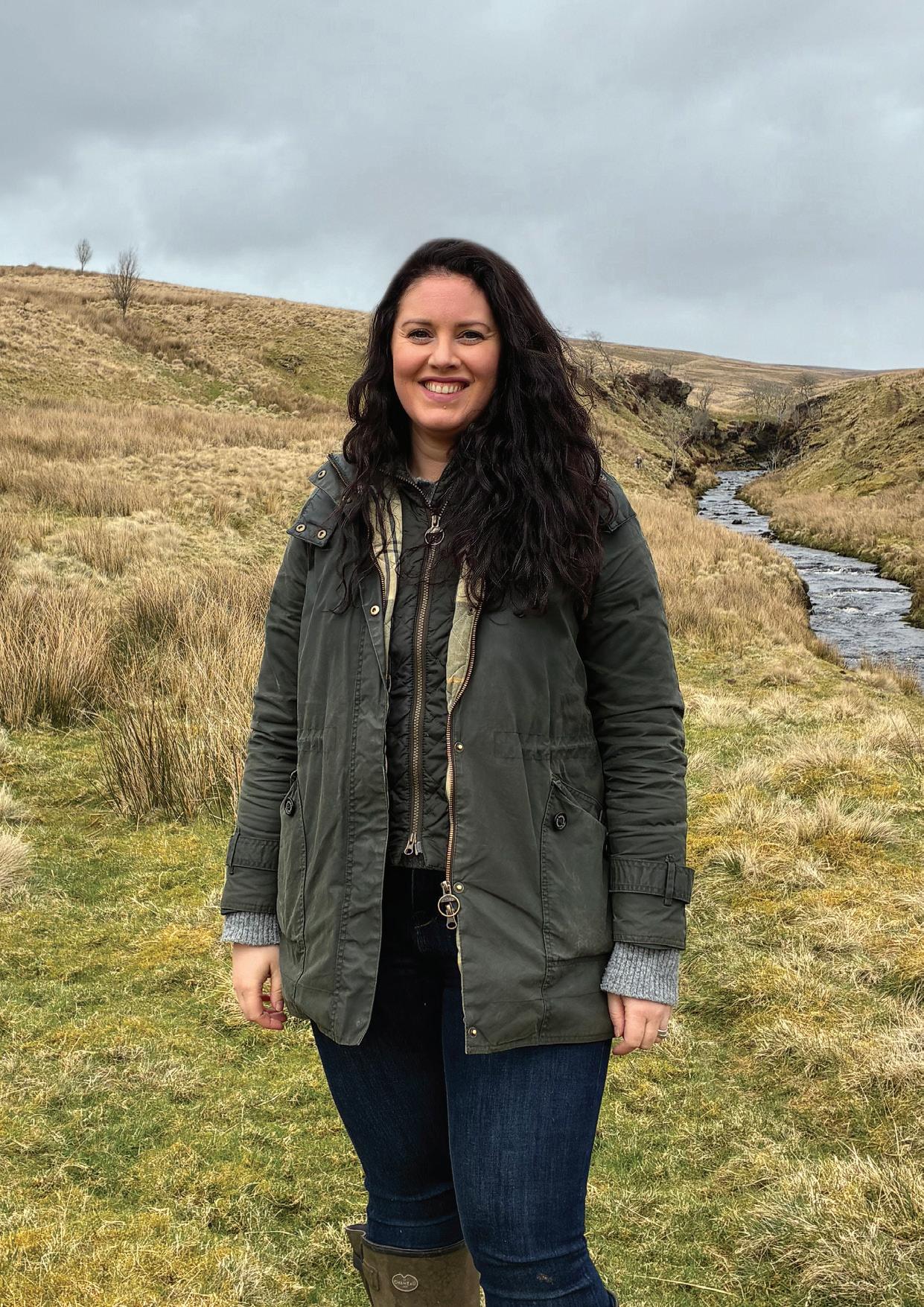
he theme of diversification was raised at last year’s Editorial Board meeting through the many channels that bring members’ voices to the table. In discussing it, a clear picture emerged: there is scepticism, certainly, but also interest. Because once you strip away the tired assumption that diversification is a universal fix, what remains is a far more honest, and useful, discussion.
I am not a farmer, but I can imagine the frustration of being told to “just put up a shepherd’s hut” in response to cracks in a food production system – off hand comments delivered as a quick, tidy solution to problems that are neither simple, nor yours to fix.
So before this edition could take shape, we needed to reset the conversation. Duncan’s piece does this very well (p7). Diversification is not a silver bullet. It is not always appropriate, profitable, or desirable. What it is, and what this edition sets out to explore, is a possibility – a starting point for the curious, not a prescription.
Across this edition, case studies from Plockton (p28) to Orkney (p40) to Argyll (p24), demonstrate one of the Union’s greatest strengths: members learning from one another. These are not polished success stories stripped of context, but shared experiences, honest about missteps and realistic about returns. Stories about the whole journey, not just the outcome. On page 36, our practical guide draws those threads together, setting out the pitfalls, the practicalities, and the hard-won lessons
Keep up to date with all the news on
or
NFU Scotland, Rural Centre, West Mains Ingliston, Edinburgh EH28 8LT
NFU Scotland, Rural Centre, West Mains Ingliston, Edinburgh EH28 8LT
passed from member to member.
Tel: 0131 472 4000 www.nfus.org.uk nfuscotland @NFUStweets
Editor Diana McGowan editor@nfus.org.uk
Editor Diana McGowan editor@nfus.org.uk
Managing Editor Craig Gibson
Managing Editor Craig Gibson
Design & Production Ryan Swinney
Design & Production Ryan Swinney
One of the most striking moments in putting this edition together came during a day spent with Cora Cooper, vice ELU chair, on their farm in Ayrshire. What I had planned to be as a diversification feature, focused on their peatland restoration project, became something else entirely. Instead, it’s a story about openness to new ideas that strengthen the core business, rather than simply adding new enterprises. In a magazine exploring diversification, it felt important to make space for that perspective – and to challenge the assumption that nature restoration sits neatly within that definition.
And finally, this edition is written in the shadow of the Middle East conflict, and against a backdrop of growing concern among members about rising input costs. As Andrew Connon explores in From shipping lanes to supermarket shelves (p9) – there is a hidden fragility of Scottish food security of which the latest strain on global shipping routes illustrates.
Advertising Sales Clare Stebbing clare@connect communications.co.uk Tel: 0131 561 0024
Advertising Sales Clare Stebbing clare@connect communications.co.uk Tel: 0131 561 0024
Published on behalf of NFU Scotland by Connect Publications (Scotland) Ltd.
Diversification, focus, collaboration, resilience, none of these exist in isolation. Taken together, they reflect the reality of farming today: complex, pressured, and deeply interconnected. I hope this edition provides some food for thought.
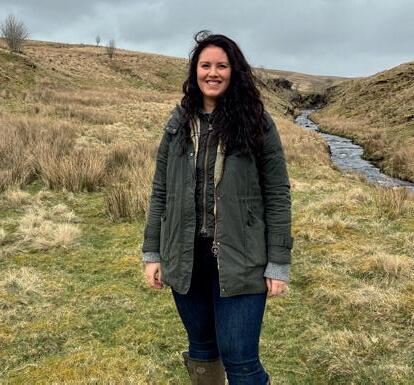
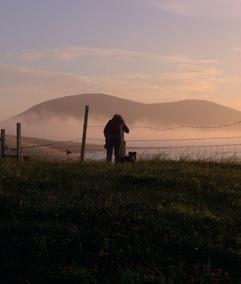
HHrealise that positive thought/ silent commitment? Possibly too
never actually realise that positive thought/ silent commitment? Possibly too
In this month’s magazine, our two features cover inspiring stories and highlight just how rewarding delivering on such thoughts can be both for the individual involved and others who may benefit along
In this month’s magazine, our two features cover inspiring stories and highlight just how rewarding delivering on such thoughts can be both for the individual involved and others who may benefit along
Tel: 0131 472 4000 www.nfus.org.uk nfuscotland @NFUStweets a
Published on behalf of NFU Scotland by Connect Publications (Scotland) Ltd. Studio 2001, Mile End, 12 Seedhill Road, Paisley PA1 1JS
Vice President Updates News Political Round-up
Policy & Practice
Studio 2001, Mile End, 12 Seedhill Road, Paisley PA1 1JS
As always, I encourage you to share your opinions with me at Editor@nfus.org.uk.

@nfuscotland For the weekly news sent to your email, please send your name and membership number to contactus@nfus.org.uk
Editor Megan Williams editor@nfus.org.uk
Design & Production
Mark Shreeve mark.shreeve@micropress.co.uk
Andrew Hirst andrew.hirst@micropress.co.uk
Advertising Sales
Danny Lewis 01502 725862 danny.lewis@micropress.co.uk
Lawrence Kenny 01502 725860 lawrence.kenny@micropress.co.uk
NFU Scotland Rural Centre, West Mains Ingliston, Edinburgh EH28 8LT 0131 472 4000 www.nfus.org.uk
Published on behalf of NFU Scotland by Countrywide Publications Fountain Way, Reydon Business Park, Reydon, Suffolk IP18 6SZ 01502 725800
Printed by Micropress Printers Ltd Fountain Way, Reydon Business Park, Reydon, Suffolk IP18 6SZ 01502 725800
Regional Activity
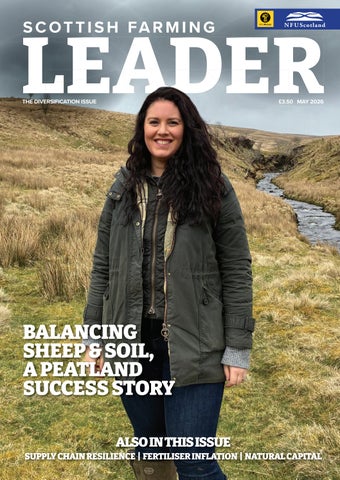
Balancing sheep & soil, a peatland success story
Diversification: a practical guide
Five questions with Emma Moore
We’re only a few weeks away from the Royal Highland Show. Over the course of four days, thousands will flock to the show to compete, judge, exhibit, organise, educate and socialise. We’ll see the best of the best and relish the atmosphere. Among the highlights and away from the main show ring, this year will see the welcome return of the Golden Shears Sheep Shearing and Woolhandling World Championships. Taking place at the MacRobert Theatre, the 2023 Worlds will see more than 30 countries compete for the prestigious title and it promises to be an action packed showcase of the art, skill and techniques required to be a world champion. Perhaps a less well known event taking place at this year’s Highland is the final qualifying round of the 2023 Britain’s Fittest Farmer competition. Taking part in this event for the first time is Kyla Graham from Kirkcudbrightshire. Kyla first spotted
We’re only a few weeks away from the Royal Highland Show. Over the course of four days, thousands will flock to the show to compete, judge, exhibit, organise, educate and socialise. We’ll see the best of the best and relish the atmosphere. Among the highlights and away from the main show ring, this year will see the welcome return of the Golden Shears Sheep Shearing and Woolhandling World Championships. Taking place at the MacRobert Theatre, the 2023 Worlds will see more than 30 countries compete for the prestigious title and it promises to be an action packed showcase of the art, skill and techniques required to be a world champion. Perhaps a less well known event taking place at this year’s Highland is the final qualifying round of the 2023 Britain’s Fittest Farmer competition. Taking part in this event for the first time is Kyla Graham from Kirkcudbrightshire. Kyla first spotted the event at the Show last year and
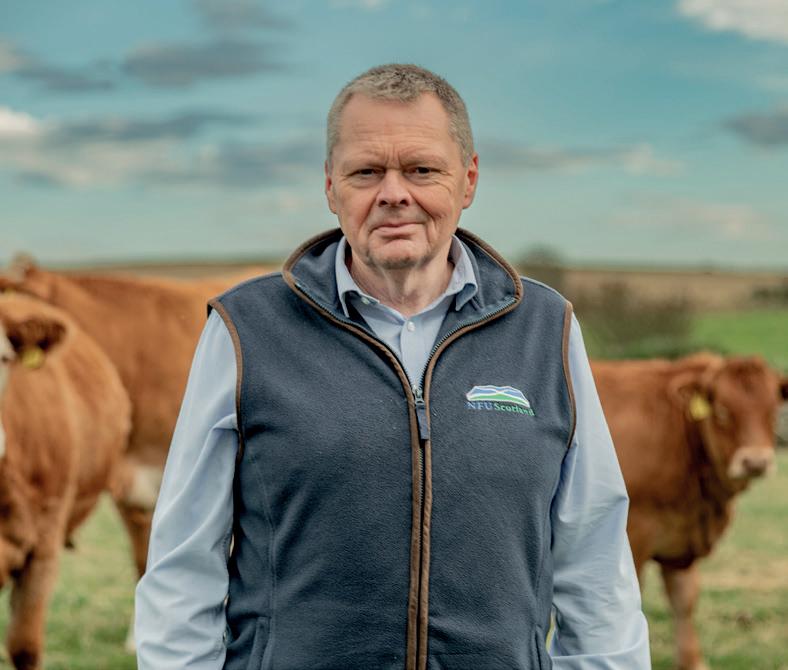

From the PRESIDENT Andrew Connon

Rising fuel prices, often confi rmed just prior to delivery, alongside escalating fertiliser costs and growing uncertainty over the long-term availability of both, have become the dominant topics of conversation across the sector. This is unfolding at one of the most critical times of the year, with spring work well underway.
A conversation with one large scale cereals, tatties and veg grower put it into perspective. Pre-crisis, red diesel cost 67p per litre; by early April, this had surged to £1.26 per litre – an 88% increase. With a tractor fl eet operating at full capacity and consuming around 12,000 litres per week, this equates to an additional £7,000 in weekly fuel costs alone. As he put it plainly, “it will be disastrous should these costs continue.”
The pressure does not stop there. Despite agreeing seasonal pricing in advance, his plastic supplier imposed an
immediate 15% increase on packaging costs. Irrespective of the scale of a business, unsustainable increases in input costs, placing enormous strain on running our businesses.
Having undertaken multiple press, radio and television interviews on this issue, the message to both government and consumers must be clear: this is not just about fuel and fertiliser security –this is fundamentally about food supply and food security. That reality should resonate strongly with policymakers and the public alike. The World Trade Organization has identifi ed fertilisers as the number one issue of concern globally, while the UN World Food Programme warns that the number of people facing acute hunger could reach record levels if current geopolitical tensions persist. The threats are real.
In response, I wrote to the Prime Minister on 11 March, at an early stage in the crisis, pushing for a UK-wide stakeholder roundtable discussion on impacts of the Middle East crisis. We also pressed for a targeted reduction in red diesel duty, urgent scrutiny of fuel and fertiliser availability, greater pricing transparency, and a postponement of the proposed Carbon Border Adjustment Mechanism (CBAM) on imported fertiliser,
due to come into effect in January 2027. Crucially, we have stressed that agriculture and food production must be included on both the Fuel Priority List and the Critical National Infrastructure list.
We have also highlighted the need to review fuel and fertiliser stock levels to ensure security of supply, while building greater domestic resilience through increased UK-based production. The era of relying on “just-in-time” supply chains is no longer fi t for purpose, nor can we afford to remain exposed to the decisions of other nations.
It is notable that several EU countries have already introduced support packages to help their farmers manage rising fuel and fertiliser costs. We have again pushed UK Government, and the Prime Minister, to follow suit without delay.
Alongside government engagement, we have met with major retailers to underline the direct threat these cost pressures pose to food production. Our key message is the threat to food production and the essential need to see enhanced prices paid to growers to off set crippling increases in input costs. At the same time, we highlighted our concerns around the Easter “deep discounting” war between retailers, with 4p for a bag of vegetables doing nothing other than devaluing food and encouraging food waste. It is clear that this seasonal discounting is a brutal battle which none of the retailers welcome, but the “we shall not be beaten” attitude continues to drive this shocking activity.
As this edition of the Leader lands on doorsteps, it will be election week where at least 42 MSPs will be new to Parliament – presenting a good opportunity for policy makers to recognise the strategic importance of agriculture and provide the backing the sector urgently needs. Our manifesto sets out exactly what can be achieved with long-term funding certainty, fairer supply chains and a clear committment to supporting food production at its core.
A thriving farming and crofting sector cannot be taken for granted. It requires the right policy framework, the right level of support, and a clear commitment to domestic food production. Our focus now must be on working with government, and all the new MSPs, to create the conditions for a resilient, profi table and sustainable future for Scotland’s farmers and crofters. Because if farming and crofting succeeds, Scotland succeeds.

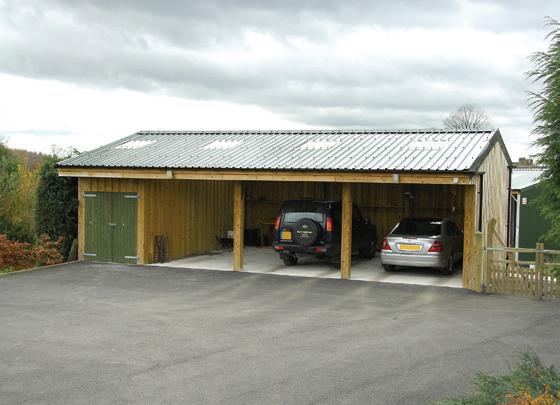
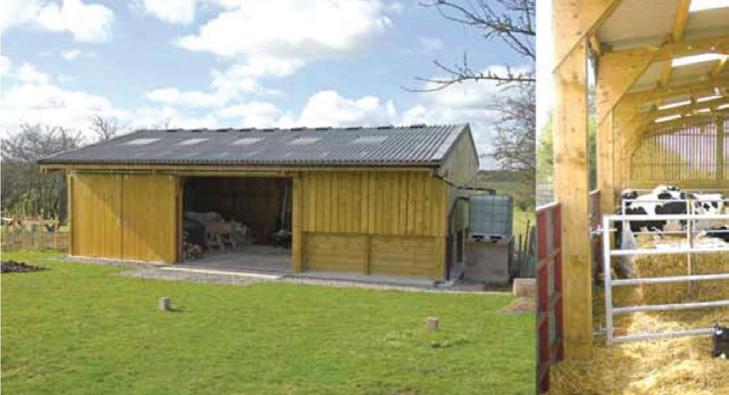
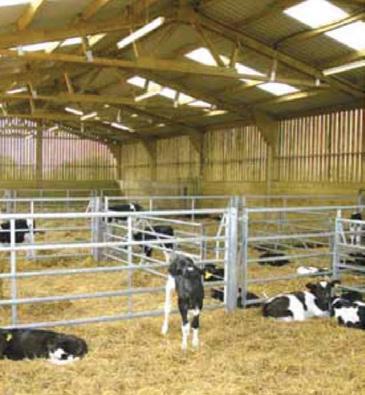
Natural products from renewable sources. Caring for the environment.
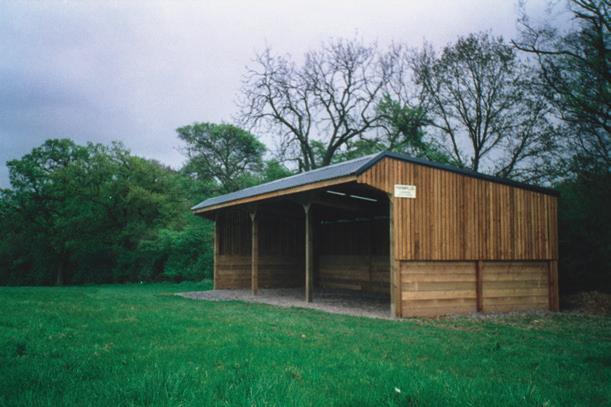
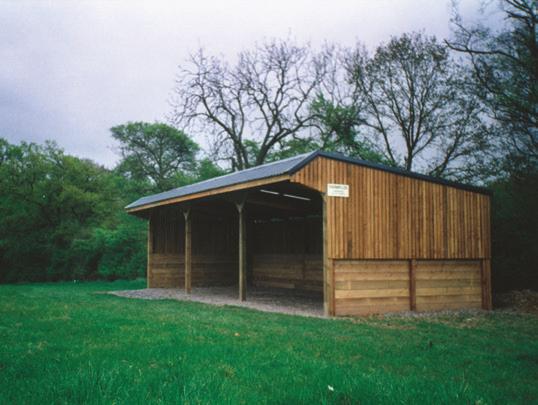
EXAMPLE (TOP LEFT) as shown £7,500 + VAT
3 BAY MONOPITCH
45ft x 17ft x 10ft 6in eaves £9,000 incl VAT + many other options available, please see our website. Prices correct as of December 2025

STUMP REMOVAL
• Large areas covered quickly with ease
• Grind large stumps into mulch in minutes
EXCAVATOR & MULCHING HEAD
• Can be used in areas of soft and steep ground with ease
• Minimal ground disturbance
VEGETATION CLEARANCE
• Effective removing Gorse, Willow and Rhododendron
ROBOTIC MULCHER & FLAIL
• High performance Fixed Tooth mulching head
• Can be hired with an operator on a daily rate
BRASH CHIPPING
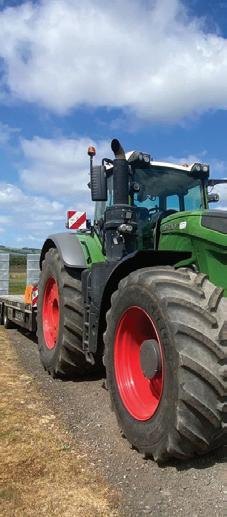
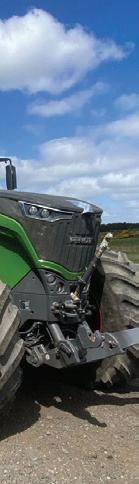
• Our Jenz Chipper is powered by a 500 HP Fendt to maximise productivity
TREE HARVESTING
• Clear felling & wind-blown trees
• Timber forwarding



DDuncan Macalister Vice President
iversifi cation gets talked about a lot, almost as if it’s something everyone has to do. I’m not sure that’s right. For many farms and crofts, there is a strong case for sticking with what you know – and doing it well. Chasing something new for the sake of it can end up being a distraction more than an opportunity.
That said, most of you will be sitting on assets beyond the core farming enterprise – land, buildings, location, infrastructure, skills – it’s only sensible to ask whether you’re making the most of it. And that’s where diversification comes in.
It is not an obligation, but it is an option. And for some businesses, it can be a very good one. It could be anything: a caravan park, on-farm retail, contract services, or a niche production. But the starting point isn’t the idea – it’s the homework. You’ve got to properly understand what you’re getting into.
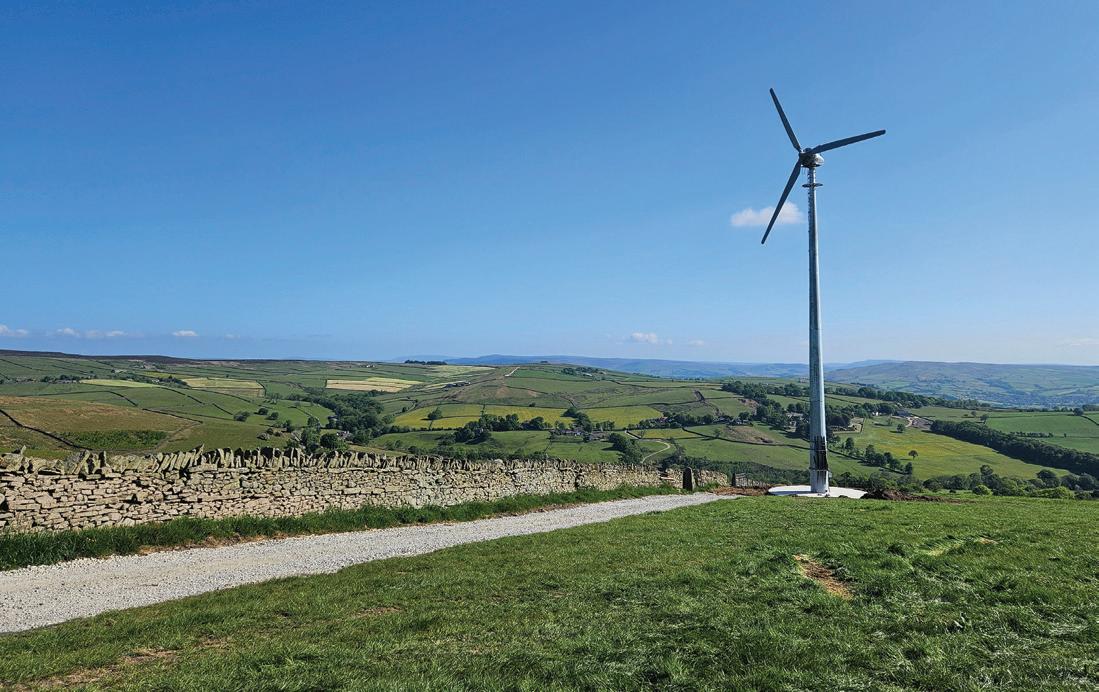
In my case, location dictated a lot. We’re not near big populations, so anything relying on footfall was a non-starter. That pushed me towards renewables. Even then, it wasn’t a simple choice. There were planning hurdles, environmental considerations, fi nance - all of it. And one bit of advice stuck: if you’re going to do it, know everything there is to know. Not a surface understanding – the real detail. Enough to sit across from a banker or a lawyer and hold your own.
Because once you’re in, it can take over. What starts as a side idea can become the main business. I’ve seen people build successful diversifi ed enterprises, but they’re not really farming anymore – they’re running shops or visitor businesses with staff and overheads to match. So it’s not a must. It’s an option. If you believe in it, and you’ve done the work, then go for it. And whatever route that takes you down, use the Union. When it comes to collaboration, it is one of the most powerful tools we have. If you’re thinking about exploring something new, chances are someone has already done the groundwork. So speak up, ask questions, and make use of the support that’s there.

IHT or I Am Maximus
One to
(F&M, ASF, AI, BVD, BT the list goes on!)
Robert Neill Vice President
What a difference a year makes. Last spring, everyone basking in the sunshine reported that ewes weren’t lambing as they were too hot. This year, Scotland has seen a clear division from east to west: relatively dry conditions in the east, with spring drilling and planting completed in good conditions, but horrendous conditions in the west, making lambing and calving a real challenge. This, in turn, puts serious pressure on all of us trying to keep all new life safe from the weather or predation. We have been working closely with NatureScot on this, keeping the pressure on and highlighting the financial impact and the wellbeing of everyone involved.
Last month I had a very interesting meeting on our farm with a postgraduate student from Sweden. Her topic and the aspects she was interested in were post-Brexit life in the rural sector, and how our government supports us compared with the other devolved nations. She kept mentioning “subsidy”; my reply to this was that we do not receive subsidy. It’s a food security payment to support the rural economy, which we need to keep flowing into our sector and which in turn flows down every road in Scotland.
May will see the start of show season, which we will all be attending in some form. It will be great to catch up with lots of members and hear how things are back on the farm. For me, I love May: long days, everything green, and the bulk of the work behind us – time to reflect on calving, what went well or not so well, and how we can improve the system. We also have a couple of discussion groups booked in for a visit. These visits are all about knowledge transfer, and hopefully we all get something out of these get-togethers that improves our businesses.
Here’s to a positive May ahead, with good weather, safe working, and time to catch up with many of you at shows and visits.
Demand for urgent intervention as global instability drives up
NFU Scotland is calling for urgent action from both the UK and Scottish Governments as global instability, including tensions in the Middle East, continues to drive volatility in input costs. Farmers are facing sustained pressure from rising fuel, fertiliser and energy prices alongside uncertain global markets. The Union is urging for targeted support measures, including assistance with fuel and fertiliser costs, extended energy relief, improved price transparency, supply chain assurances, and prioritisation of fuel access for food production.
Reminder to stay vigilant as rural crime reports
NFU Scotland is urging members to remain alert following a rise in rural crime reports across Scotland. Members are encouraged to review on-farm security and ensure machinery, fuel tanks, sheds, gates and quads are properly secured. Simple preventative steps – including removing keys, locking buildings and improving lighting – can significantly reduce risk. Any suspicious activity should be reported to Police Scotland immediately, no matter how minor it may seem. Members are also encouraged to sign up to Rural Watch, which provides free local alerts and updates to help protect rural communities and businesses.
Tax remains unfinished business
NFU Scotland continues to raise serious concerns following changes to Inheritance Tax and Agricultural Property Relief, which came into force on 6 April. The reforms reduce long-standing certainty for family farms and risk undermining succession, investment and the long-term viability of generational businesses.
With relief now capped at £2.5 million of qualifying assets per individual and reduced relief beyond that threshold, many asset-rich but cash-poor farms face potential tax liabilities of up to 20%. The Union is urging members to seek urgent professional tax and legal advice and continues to call for a fairer system that protects working family farms.
NFU Scotland continues to raise concerns over ongoing ferry disruption, which is having a significant impact on island communities. Delays and cancellations are affecting animal welfare, business operations and seasonal planning.
The Union is engaging with CalMac to push for improved reliability and clearer prioritisation for livestock and essential supplies. NFU Scotland is also calling for longer-term solutions to ensure resilient and dependable lifeline services for island agriculture.
by Lisa Hislop, Supply Chain Manager
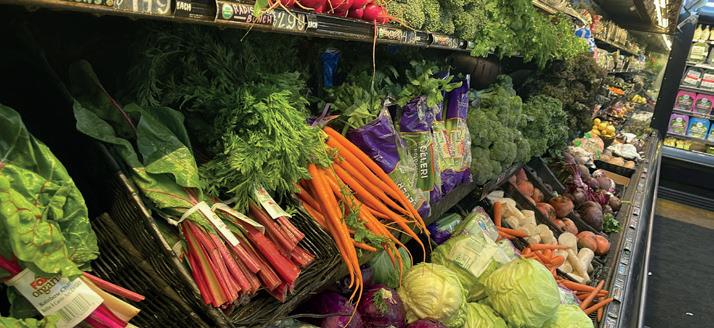
During Easter, we observed retailers extending festive deep discounting into another public holiday. Carrots, potatoes, and swedes were sold for as little as 4p per item. While such prices might have seemed attractive to consumers, they exposed a deeper problem in the supply chain.
Farmers and growers were already under mounting pressure. Margins had always been tight, but the significant increases in energy, fertiliser, and fuel costs – driven in part by geopolitical instability in Iran – added an extra layer of strain. For instance, potato production costs alone reportedly rose by an additional £5 per tonne.
These extreme discounts were unsustainable. They risked reinforcing a ‘race to the bottom,’ widening the disconnect between the realities of production and consumer expectations. When vegetables were sold for pennies, it misrepresented the true value of fresh, high-quality produce, while encouraging waste. Scottish growers, working under increasingly difficult conditions, faced the double challenge of meeting demand while safeguarding profitability.
Moreover, these promotions caused volatility across the supply chain. Sudden spikes in demand made planning and inventory management almost impossible, amplifying risk for both producers and retailers. We urged retailers to reflect on the signals these pricing strategies sent. Promotions could be effective when they were transparent, fair, and developed in collaboration with producers – but no single retailer could address this alone. A collective, sector-wide commitment was necessary to protect the integrity and sustainability of Scottish agriculture.
Beyond pricing, there remained a broader concern: the reliance on imports during periods of domestic instability. We continued to call on retailers to prioritise Scottish produce and maintain long-term, transparent, and fair commitments. Such measures were essential to build a resilient supply chain capable of weathering external shocks. This aligned with our ongoing work on Fair Dealing Obligations, ensuring that both current and proposed regulations reflected the true cost and value of food production.
Throughout the year, our ShelfWatch data provided a critical evidence base, monitoring retailer sourcing and highlighting both successes and ongoing challenges. This evidence enabled us to engage in constructive, evidence-driven dialogue with retailers and underscored the importance of policies that balanced consumer appeal with producer sustainability.
Ultimately, the Easter discounting episode was more than a pricing issue – it was a stress test for the supply chain, a reminder that short-term consumer gains cannot come at the expense of long-term agricultural viability. Scottish farmers and crofters had proven resilient, but the sector’s future depended on responsible retail practices, fair pricing, and a shared commitment to sustaining the value of homegrown food.
Words by Andrew Connon,
Half the world’s food depends on fertiliser. That blunt assessment from the UN World Food Programme rarely cuts through in public debate, but it should. It explains why distant geopolitical shocks are now landing so heavily on Scottish farms and crofts, and why their consequences ultimately reach every supermarket shelf.
We are used to thinking of disruption as temporary. Markets spike, attention shifts, and the story moves on. But agriculture does not move on. It absorbs shock slowly and cumulatively – season by season, decision by decision – until the effects become visible where they matter most: in the food we produce and the prices consumers pay.
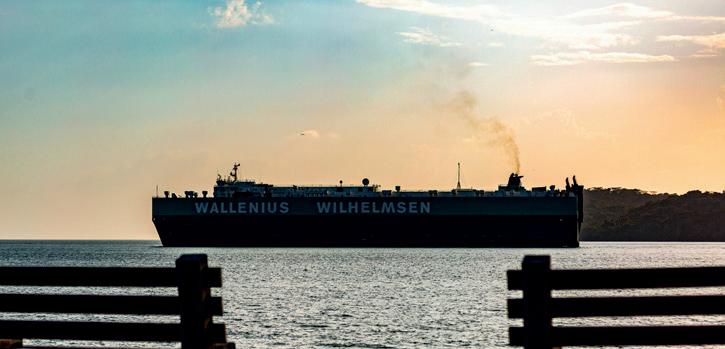
The latest strain on global shipping routes illustrates this clearly. Much of the attention has focused on energy markets and headline oil prices, but beneath that sits a quieter and more persistent pressure: fertiliser supply. It is here, not in the daily noise of commodity trading, that longerterm risks to food production are building.
Fertiliser is not simply another input cost. It is foundational to modern agriculture – determining yield, shaping land use, and ultimately governing how much food reaches the supply chain. When fertiliser becomes volatile, so too does the system that depends on it.
Events in the Middle East, particularly tensions around key maritime chokepoints such as the Strait of Hormuz, underline this exposure. Oil at $110 a barrel is not just an energy issue; it is a fertiliser issue, and therefore a food issue. Nitrogen fertiliser production is closely tied to natural gas prices, meaning volatility in global energy markets feeds directly into farmgate costs. For the likes of the UK, heavily reliant on imported inputs, that transmission is immediate.
The result is what economists increasingly refer to as “agflation”: rising input costs alongside weakening returns. The consequence is not only margin pressure but a growing risk of contraction in production – reduced output, pressure on business viability, and ultimately a tightening of supply that feeds through into food inflation. When costs rise and returns fall, farmers respond rationally: they reduce risk exposure. That means
Oil at $110 a barrel is not just an energy issue; it is a fertiliser issue, and therefore a food issue.
lower fertiliser application rates, changes to cropping plans, and a shift towards lower-input, lower-output systems.
Each decision is entirely logical in isolation. Taken together, they reshape national food production capacity.
This is the defining challenge of modern food systems: cause and effect are separated by time. Fertiliser prices react within days; food production responds over months. By the time the impact appears in the supply chain, the trigger is often long gone. We saw this clearly during Covid-19 and again following the war in Ukraine. The difference now is frequency. Volatility is no longer episodic – it is becoming structural.
For Scotland, this is landing on an already stretched system, characterised by high input costs, persistent labour shortages and ongoing policy uncertainty. New volatility in energy and fertiliser markets compounds an existing fragility across the sector.
This is not yet a crisis of empty shelves, but it is a clear test of resilience. That is why policy response matters now – not as a short-term intervention, but as a stabilising framework for domestic food production. Priorities should include targeted input support for fertiliser and fuel, including
enhanced red diesel rebates; extension of energy cost relief to agriculture, particularly horticulture and intensive livestock sectors; improved transparency in fertiliser and fuel markets; and contingency supply measures that recognise agriculture as a priority sector during periods of shortage. It also requires explicit recognition of food production within national resilience and energy planning.
At its core, this raises a wider question about how food production is valued. If treated purely as a market outcome, it remains permanently exposed to global shocks. If recognised as a strategic national asset – essential to economic stability, environmental management and public welfare – then the case for proactive support becomes far harder to ignore.
European governments are responding by moving decisively to shield their agricultural sectors through enhanced subsidy frameworks, targeted fertiliser support and tax relief measures. This growing divergence raises serious questions about the UK’s preparedness. At the time of writing, our engagement and lobbying activity continues at pace. We have formally written to the Prime Minister setting out these concerns in detail, and have followed this up with direct discussions in Westminster to reinforce the urgency of the situation.
For consumers, the link is direct.
Fertiliser, fuel and feed sit behind every loaf of bread, litre of milk and bag of vegetables. When confidence in those inputs weakens, production follows – not immediately, but inevitably.
By the time it reaches the supermarket shelf, the outcome is already locked in, shaped months earlier on Scottish farms responding to pressures that began far beyond them. The cost of acting now is far lower than the cost of inaction later.
…and no more, Jonnie Hall writes
The Scottish Government’s recently published Code of Practice on Sustainable and Regenerative Agriculture is broadly constructive. As we move towards the new agricultural support framework, with greater emphasis on climate and biodiversity outcomes, practical guidance for farmers and crofters is needed.
The Code has the potential to play a useful role in that transition, provided it remains true to its stated purpose as a practical, non-regulatory guide for agricultural businesses.
Upfront, there is explicit recognition that the Code is not mandatory and does not create new legal obligations. This is critically important.
There is a strong case for more user-friendly, practical guidance based on the Code via short, accessible documents
Farmers and crofters already operate within a complex and often demanding regulatory environment, and any perception that the Code might evolve into a compliance or eligibility requirement would risk undermining confidence in it from the outset.
The Scottish Government has been clear that the Code is intended as guidance – a toolkit that farms and crofts can use, adapt and apply according to their own circumstances.
The Code also wisely avoids becoming drawn into the often futile exercise of trying to rigidly define what constitutes ‘sustainable’ or ‘regenerative’ agriculture. These terms can mean different things in different systems, sectors and geographies.
Attempting to impose definitions risks creating unnecessary division and confusion.
The Code also recognises that sustainability rests on three pillars – economic, environmental, and social. Too often, discussions around sustainable agriculture focus narrowly on environmental measures alone.
Farm businesses make decisions based on a combination of environmental responsibility, economic viability and the longterm resilience of the business and the people within it. The Code’s inclusion of business management, skills development and profitability alongside environmental measures reflects how real farm businesses operate.
From a practical farming perspective, it is also important to note that many of the measures outlined in the Code will already be familiar to farmers and crofters across Scotland.
Nutrient management planning, improving soil structure, rotational grazing, responsible use of inputs, and maintaining and enhancing biodiversity features are not new concepts. Many businesses are already implementing these practices, often because they make good business sense as well as environmental sense.
The Code’s recognition of existing good farming practice is vital. However, the Code also highlights some challenges. For many farmers and crofters – particularly smaller businesses or those with limited access to advisory support – the sheer volume of information and the range of potential actions outlined in the Code may be overwhelming.
The document is comprehensive, but that in itself can make it difficult to identify clear priorities or practical starting points. There is a risk that without clearer signposting, practical examples or simple entry-level guidance, some businesses may struggle to translate the Code from policy speak into practical actions.
As ever, there is a strong case for more user-friendly, practical guidance based on the Code via short, accessible documents that set out key actions for different types of farming systems.
Related to this is the issue of proportionality and practicality. Not every measure outlined in the Code will be suitable or economically viable for every agricultural business.
Some regenerative practices or infrastructure investments may be easier to adopt on larger or more capital-intensive farms than on smaller farms or crofts with limited resources. While the Code does state that actions should be tailored to individual circumstances, more practical examples or case studies would help demonstrate how different types of businesses might realistically engage with the guidance.
Another area where balance will be required is in the relationship between the Code and future agricultural support.
The economic context in which farmers and crofters operate must always be recognised
The Code refers to alignment with the future four-tier support framework, but we must tread with care. If the Code becomes a precursor to conditionality or an implied requirement for receiving support payments, it could quickly shift from supportive guidance to compliance requirement.
Maintaining a clear and visible distinction between voluntary best practice guidance and any future regulatory or funding conditions is essential for trust and engagement.
It is also clear the Code’s environmental ambitions align with Scotland’s broader climate and biodiversity goals, promoting practices that improve soil health and reduce emissions. Importantly, it also highlights the business benefits – lower input costs, higher productivity, healthier soils, and better livestock performance. This reinforces a message we consistently make: environmental and economic outcomes are not mutually exclusive. In many cases, they reinforce one another.
That said, the economic context in which farmers and crofters operate must always be recognised. Market volatility, input costs, labour availability and output prices all influence business decisions. Guidance alone will not drive change unless the recommended actions are economically realistic and, where necessary, are targeted by financial support through the new agricultural policy framework.
I see the Code of Practice on Sustainable and Regenerative Agriculture as a well-intentioned and broadly well-designed piece of guidance. Its key strengths lie in its flexibility, its recognition of existing good practice, and its realistic approach to economic, environmental and social sustainability.
There are areas where clarity, prioritisation and practical application could and should be improved, but these are refinements rather than fundamental flaws.
The most important thing now is how the Code is communicated and used. It must remain what it was intended to be – supportive guidance to help farmers and crofters make informed decisions for the future of their businesses, and not an obligation by stealth or a backdoor route to additional regulation. If that balance is maintained, the Code of Practice can play a useful and constructive role in helping Scottish agriculture meet the challenges and seize the opportunities that lie ahead.
by David Michie
Fertiliser’s expensive, its future availability is uncertain, and prices are rapidly shifting – with some of you having to place orders without even knowing the cost. This isn’t just a Scotland problem. Farmers around the world, from Australia to Zimbabwe, are having to deal with this. The way the Middle East conflict is going, it looks like food could be scarce next year.
Food inflation is going to happen. But when? Without higher returns, farmers could find it difficult to buy much more expensive inputs. Especially with interest rates going up. There’s a massive disconnect between the current reality of high supplies of grain, potatoes, milk, and other commodities, and probable future scarcity. Plenty of produce is keeping prices down.
From a combinable crops point of view, there is far too much barley sitting in farmers’, merchants’, and maltsters’ sheds. The supply chain needs to shift grain, and farm businesses should prepare for another winter of grain storage. Otherwise, we could potentially see low post-harvest grain prices. Depending, of course, on sowing and agronomic decisions in other parts of the world.
If you have SQC farm assurance, you should seriously consider ticking the ‘long-term storage’ box. The 2025 derogations can’t be counted on this year. It is also worth checking AHDB’s guidance on grain storage. It provides information to help you minimise loss of premiums, through claims and rejections. It looks at how to identify and manage hazards/risks, and details the main grain storage targets (moisture, temperature and cooling).
But more storage is needed across the supply chain. Not just on farms. We want to see investments at ports, and by grain co-
Food inflation is going to happen. But when? Without higher returns, farmers could find it difficult to buy much more expensive inputs.
ops and other merchants. This will support supplying new export markets. We also want to see more supply chain dialogue. Both are needed to help manage this unusual period, with definite high supply and low prices today, and probable low supply and high prices tomorrow (unfortunately not literally tomorrow!)
A new supply chain capital grant scheme, the FDPSS technically should support applications. But with limited funds, short deadlines, and a focus on food and drink manufacture, it might not provide the strategic supply chain investments needed to significantly benefit arable farmers in Scotland. We will be engaging with government to shape a future capital grant scheme that takes a strategic supply chain approach and doesn’t just fund big projects in isolation.
Effective storage will provide a practical way to manage market volatility, protect premiums, and give Scottish growers a stronger chance of securing better returns – even in an unpredictable global market. NFUS will continue to advocate for strategic investment, to ensure members have the tools to protect their businesses in these challenging conditions.












REDUCED PRICES
SINGLE PHASE, 3.5HP, 1800PSI, 11LPM.. £2,800
SINGLE PHASE, 5HP, 2200PSI, 14LPM..... £3,025
THREE PHASE, 7.5HP, 2700PSI, 25LPM... £2,950
THREE PHASE, 10HP, 3000PSI, 18LPM.... £3,300
PETROL, 16HP, 3625PSI, 25 LPM ..............£6,075
COMMERCIALMETAL BUNDEDFUEL TANKS STANDARDSPECIFICATIONS
•3mmBritishsteel
•230 volt /60litreper min pump
•6m deliveryhose
•Water &particulate filter
•Mechanical flowmetre
•Autoshutoffnozzle
•Contentsgauge
•Deadlockwith 2keys
•LiftingEyes
•Steel box sectionacrossthe base forforkliftaccess andtoraisethe tankfromthe floor
•Paintedgreenasstandard(Anti -corrosionpaint)
•BS799,OFST200 & SSAFOcompliant
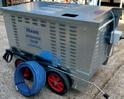
WATERPRESSURE WASHERSSTANDARD SPECIFICATIONS
•Heavy dutygalvanised steelcabinet
•Hawk pump
•Mainswaterfeedorwillsuckfrom bowser /IBC
•Ravelelectricmotor /Briggs &Stratton
petrolengine
• 10 or20metreshighpressurehose
•Complete lance
•8 metresofelectric cable
•Diesel firedboilercomplete with 20litrefueltank
•20litredetergenttank
•Maxtemp80Corcanberunas a cold pressurewasher
•Pressure can beregulatedfrom maxto500PSI







by Fraser Vandal, Employment Law Partner, Gillespie Macandrew
Since the Brexit Referendum in 2016 and the subsequent implementation of the exit deal with the European Union in 2020, the availability of skilled labour has been a growing concern for farmers. With the current UK Government further tightening work visa routes –including the existing visa concession for sheep shearers coming to an end in June 2026 – finding suitably skilled workers is becoming increasingly challenging.
What is the sheep-shearing visa concession?
Since 2011, the Home Office has operated a temporary seasonal visa concession that allowed sheep shearers from overseas to live and work in the UK visa-free for around 3 months per year. This will end in June 2026.
Why is it being brought to an end?
The UK Government is quoted stating that: the sector has been supported for 14 years to enable them to train up British workers, reduce their reliance on migrant labour, and provide a fully sustained workforce within the United Kingdom. A final extension has been provided to the sector. We now expect the sector to complete its transition to using domestic labour.
Many workers and employers believe that the arrangements – although introduced as a temporary concession in 2011 – have worked well and should not be changed. NFU Scotland, whilst welcoming the extension
of the concession for 2026, has also raised concerns. In its view, the arrangement posed a low immigration risk and believes that a permanent solution is required to ensure that farmers have reliable access to the skilled shearers moving forward.
Could the concession be extended?
The comments from the UK Government suggest the definitive end to the concession in 2026. While the current Government has made late policy changes in other areas, it is uncertain whether its position on the concession could shift. Therefore, it remains prudent to plan resourcing on the basis that the concession will indeed end in June 2026.
What other options are open to farms for recruiting staff?
There are potentially a number of alternative recruitment avenues for farmers, both in relation to sheep shearers and the farming workforce more generally. These include:
Home-grown staff: The UK Government has been vocal regarding the need for the sector to make greater use home-grown workers. Such individuals automatically have the right to work in the UK and may be a viable option for various roles. However; rural depopulation and attracting staff to work in rural areas remains challenging.
Seasonal Work visa: The UK still operates a visa scheme for temporary seasonal work in certain roles. This allows overseas individuals to work in horticulture for six months of the year and in poultry production for a specified three month period at the end of a calendar year. This could be of particular relevance for fruit and veg farmers, nurseries and poultry farms at times of peak demand. An applicant’s UK visa must be sponsored by an approved operator under the Seasonal Work Scheme.
Youth Mobility Scheme: The UK has visa programmes that allow 18-30 year olds from specified countries (including Australia, New Zealand and Canada) to live and work in the UK for 2 years. This visa is not agriculturespecific, but work in agricultural roles would be permitted.
Skilled Worker Visa: If a farm holds a Home Office Sponsor Licence, continuing the existing sponsorship of a Skilled Worker visa holder may be possible. However; due to changes in the Skilled Worker visa regime, the majority of farm-based roles are no longer eligible for sponsorship for new applicants.
Other individuals with right to work: Although there are significant barriers to entry for EU nationals looking to take up their first role in the UK, those currently in the UK with status under the EU Settlement Scheme continue to have the right to live and work in the UK. There are also other visas that generally permit work – including Skilled Worker Dependant, Family and Student visas – and individuals in these categories would often be eligible to work in the UK. Student visa holders are subject to restrictions on the number of hours that can be worked.
Irrespective of whether a proposed new hire is a UK national or a visa holder, their right to work should be checked prior to them taking up employment. Home Office guidance is regularly updated and the check should be carried out in accordance with the version of the guidance that is in force at the time of the check. A compliance check will give an employer a “statutory excuse” against Home Office civil penalties should it transpire that the individual in question was working illegally in the UK. Illegal worker penalties are costly – starting at £45,000 per worker for a first offence and £60,000 per worker for repeat offenders – so there is a significant premium on ensuring that checks are carried out pre-employment in the required manner. With the scope of the checking regime likely to be extended to cover additional worker categories, farm employers may wish to consider an audit of their existing checks and onboarding procedures to ensure they remain compliant in an increasingly challenging landscape. Taking proactive steps now will help ensure farms are well prepared for the changes ahead.
NFUS Future Leaders Programme
We are hosting a Future Leaders Programme event to identify and support members with the potential to represent farmers and crofters on the 3 June. Speak to your Regional Manager for more information.
Royal Highland Show
Join NFU Scotland at the Royal Highland Show (18-21 June) to hear the latest updates on key policy issues, meet the team, and discuss the challenges and opportunities facing Scottish agriculture. Visit us for member briefings, campaign insights, and the chance to speak directly with our policy experts and leadership team.
Autumn Conference
NFU Scotland Annual Autumn Conference returns on 29 October, with leading voices from across agriculture and politics set to debate the key issues facing Scottish farming, including future policy, profitability and supply chain fairness.
NFU Mutual has launched its 2026 Centenary Award - with this year’s scheme now open for applications.
Our annual award scheme provides bursaries to pay up to 75% of course fees for selected students who are undertaking a postgraduate course in agriculture (master’s or PhD) within the UK.
The Centenary Award was created by the NFU Mutual Charitable Trust in 2010 to celebrate NFU Mutual’s 100th anniversary, with the objective of creating a legacy for the future. To date, 57 agricultural students have received bursaries to help further their studies.
The 2026 award is open to individuals who have gained, or are expected to gain, a 2:1 or above in agriculture or a related degree and have been accepted or provisionally accepted on a master’s or PhD course in agriculture in the UK commencing in the 2026/2027 academic year.
The NFU Mutual Charitable Trust has also identified four areas of interest for eligible students. At least one of these areas must form part of the applicant’s postgraduate course:
• The application of science and innovative technologies to enhance productivity, efficiency, and profitability for UK farming businesses
• Building resilience and safeguarding the physical and mental wellbeing of those living and working in the UK agricultural industry
• Tackling the risks of climate change, whilst maintaining food security, to improve the sustainability of UK agriculture
• Identifying opportunities for supporting nature and biodiversity in the development of farming and land management practices in the UK.
To select the award recipients, the judging panel will be looking for applicants who are not only excellent academic performers, but also students who have a real passion for UK agriculture and demonstrate potential to become a future industry leader.
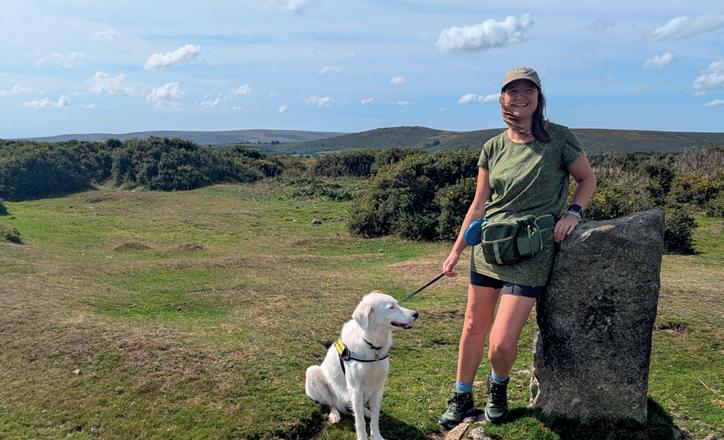
A promising postgraduate student from Holne in Devon was selected to receive a Centenary Award bursary in 2025. Maeve Leith was selected for the award to support her PhD at the University of Exeter. Focusing on Dartmoor National Park, Maeve’s research will explore the voices of farmers, conservationists and other stakeholders to understand how land-use decisions are made. By exploring both conflict and common ground, she aims to help understand approaches that enable people and nature to thrive together.
Maeve explained more: “I grew up on Dartmoor and have a deep connection to the national park. My study will explore how different stakeholders define and interpret the concept of landscape ‘health’ in a protected upland landscape, and I am passionate about engaging with, listening to, and supporting the farmers who look after the land.”
Maeve added: “My long-term aspiration is to continue working at the interface between farming, ecology, and rural policy, helping to build more trusting, collaborative relationships across sectors. I am very grateful for the opportunity to

enhance my knowledge and advance my career position with the support of this prestigious award.”
Announcing Maeve’s Centenary Award bursary, Jim McLaren MBE, NFU Mutual Chairman, said: “Our Centenary Award bursary scheme aims to champion research and innovation for the UK agricultural industry, whilst also supporting passionate individuals to advance their careers. We are delighted to be supporting Maeve’s postgraduate course with our Centenary Award bursary and wish her all the very best for her studies.”

The application closing date for the 2026 award is midnight 30th June 2026. Find more information, along with the application form at nfumutual.co.uk by searching ‘Centenary Award’, or by emailing centenary_award@nfumutual.co.uk






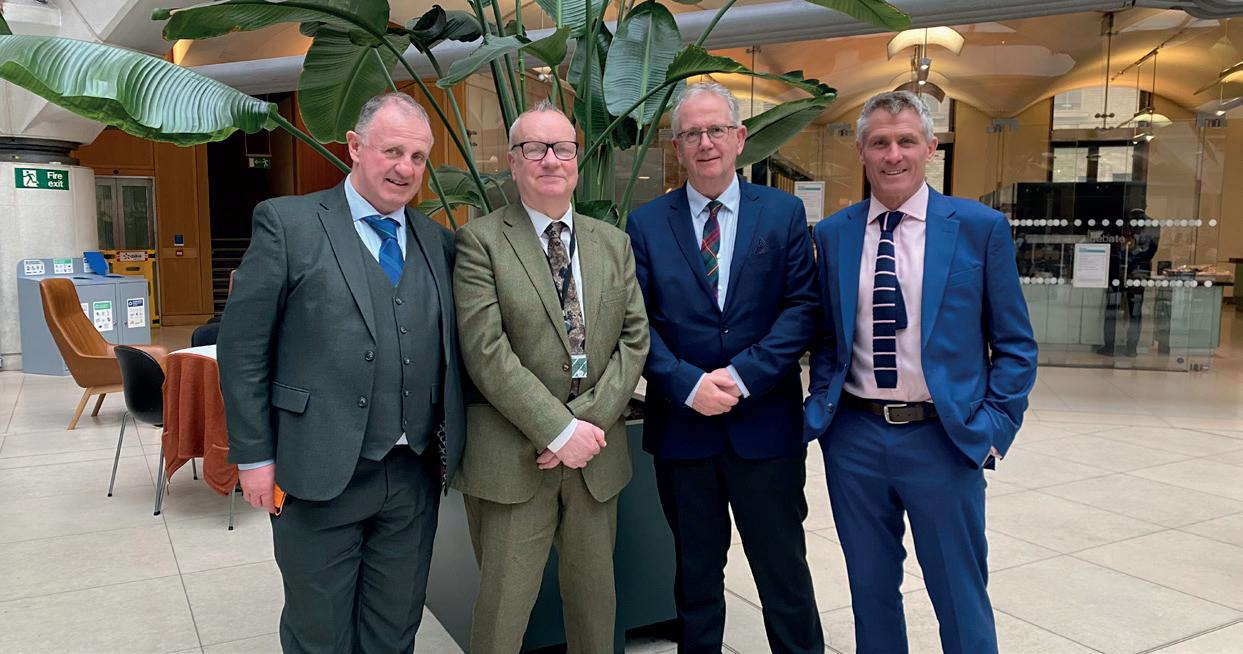
Last month, NFU Scotland Vice President Duncan Macalister and Deputy CEO and Director of Policy Jonnie Hall travelled to Westminster to meet MPs from across the political spectrum, raising urgent concerns about the ongoing impact of instability in the Middle East on Scottish agriculture.
The visit followed our letter to the Prime Minister in March, where we set out the growing pressures facing the sector as a result of geopolitical disruption. In particular, we highlighted the significant impact on energy costs, alongside the availability and affordability of fertiliser –both critical inputs for food production. As members know all too well, volatility in global energy markets feeds quickly into farm businesses here in Scotland, driving up costs and increasing uncertainty at key points in the production cycle.
Since then, the situation in the Middle East has remained highly fluid, with continued tension around key shipping routes and energy infrastructure maintaining upward pressure on global oil and gas markets. While markets have not reached the extreme peaks seen in previous crises, ongoing uncertainty is sustaining volatility – particularly in fertiliser markets, where production remains closely tied to energy prices. This reinforces the concern that we are not facing a short-term spike, but a period of prolonged instability that will continue


Beatrice Morrice Head of External Affairs
to feed through into input costs over the coming months.
The meetings in Westminster therefore provided an important opportunity to reinforce these messages directly with policymakers and to build cross-party understanding of the risks facing domestic food production. Alongside energy and fertiliser, we also raised concerns around the proposed Carbon Border Adjustment Mechanism (CBAM), due to come into force in 2027, and the potential implications this may have for the sector. We also discussed our ongoing call for a review of food labelling regulations, highlighting the need for clear, consistent and transparent information so that consumers can make informed decisions at the point of purchase and properly support Scottish produce.
Overall, the visit was a valuable step in ensuring that the challenges facing Scottish agriculture are understood across Westminster, and that the case for a resilient and sustainable sector continues to be heard.
With the current Scottish Parliamentary term now concluded, attention turns to the upcoming election and the formation of a new Government in the weeks after. Throughout this pre-election period, NFU Scotland has been actively promoting the key asks set out in our manifesto, which was published earlier this year and shared with all prospective parliamentary


candidates. Engagement has taken place across all major political parties, with a series of regional hustings held across the country, as well as a national event that took place at United Auctions Stirling Mart on 28 April.
As party manifestos are published, we are continuing to analyse commitments, identifying where our priorities are reflected and where further engagement will be needed. Plans are already in place to ensure early and constructive dialogue with both new and returning MSPs once the election has concluded.
However, one of the most effective voices in that engagement is you – our members.
The summer months present a valuable opportunity to connect directly with MSPs, whether at local agricultural shows or by hosting visits on farm. These conversations provide a chance to demonstrate firsthand the work you do to produce highquality food, enhance the environment and support rural communities, while also highlighting the real challenges facing your business – particularly as global instability continues to shape the cost of production here at home.
We would strongly encourage members to liaise with their Regional Manager to organise and support these meetings, ensuring that the voice of Scottish agriculture continues to be heard clearly and consistently at every level.




























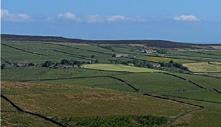










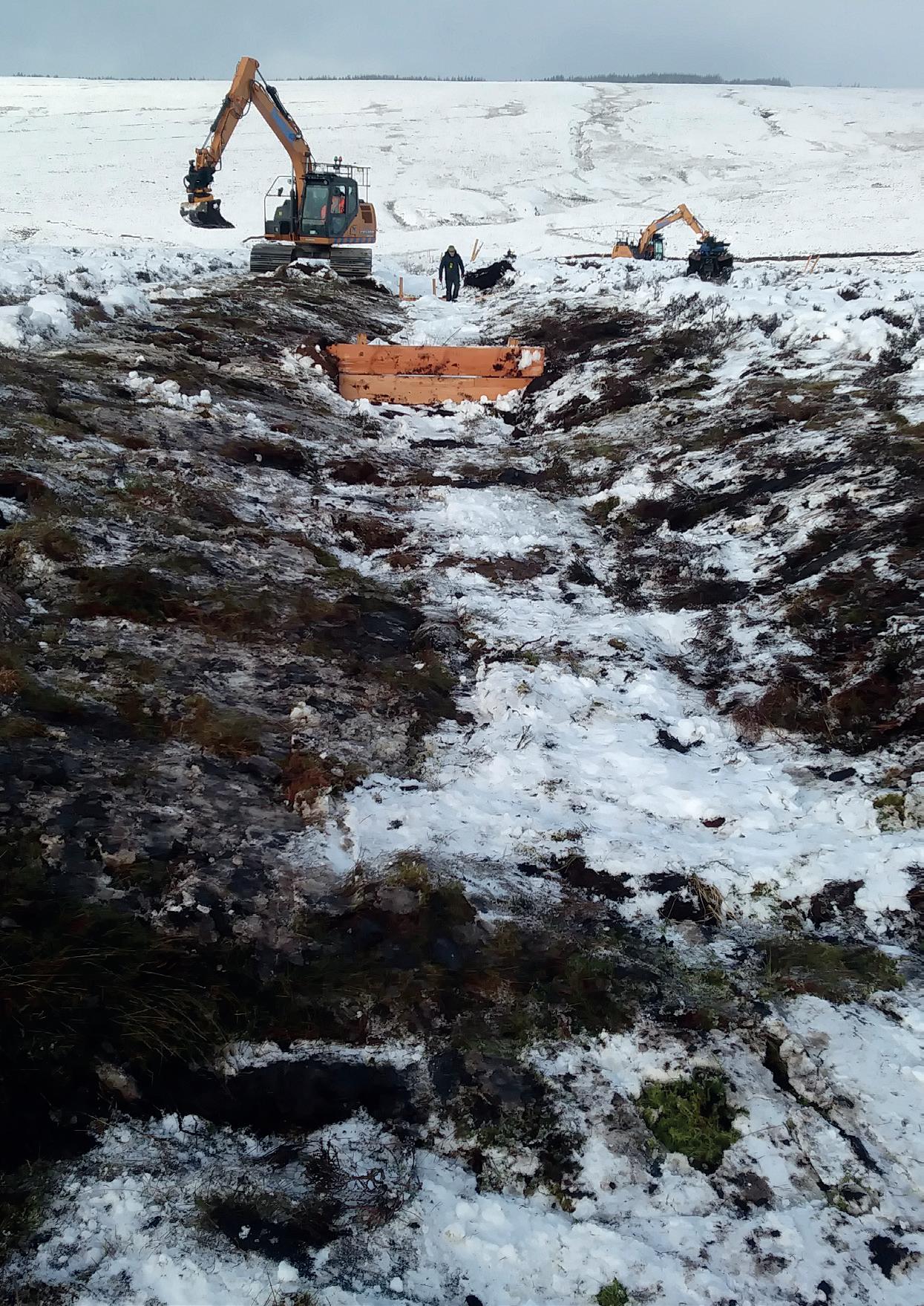
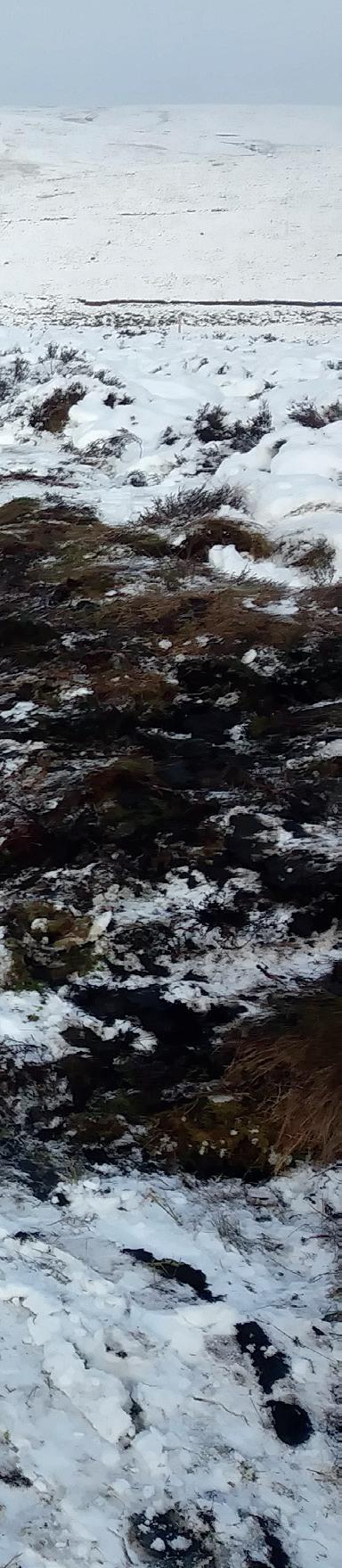
On their Ayrshire farm, Cora and David Cooper have restored over 800 hectares of damaged peatland without compromising their sheep farming system. Their work improves the hill’s ecology, strengthens farm resilience, and demonstrates how nature restoration can work alongside productive agriculture, Megan Williams writes
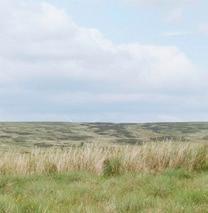
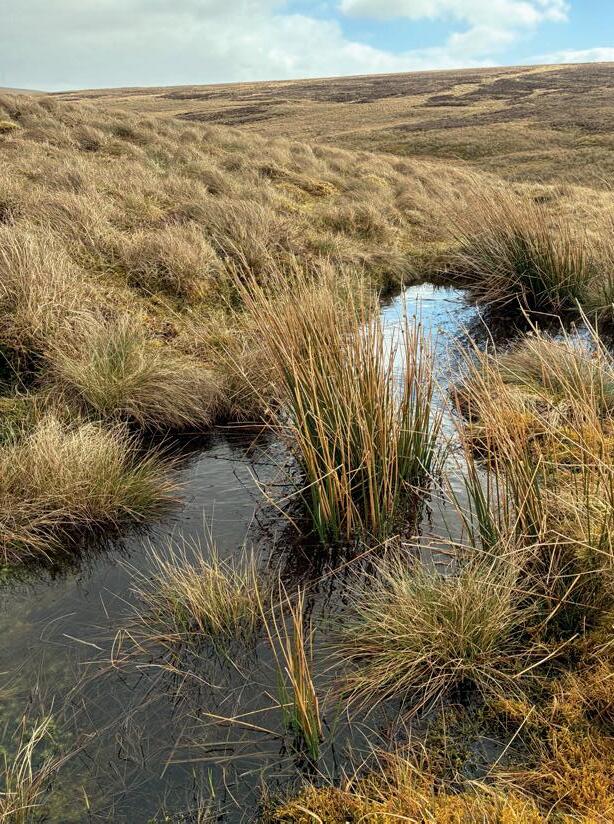
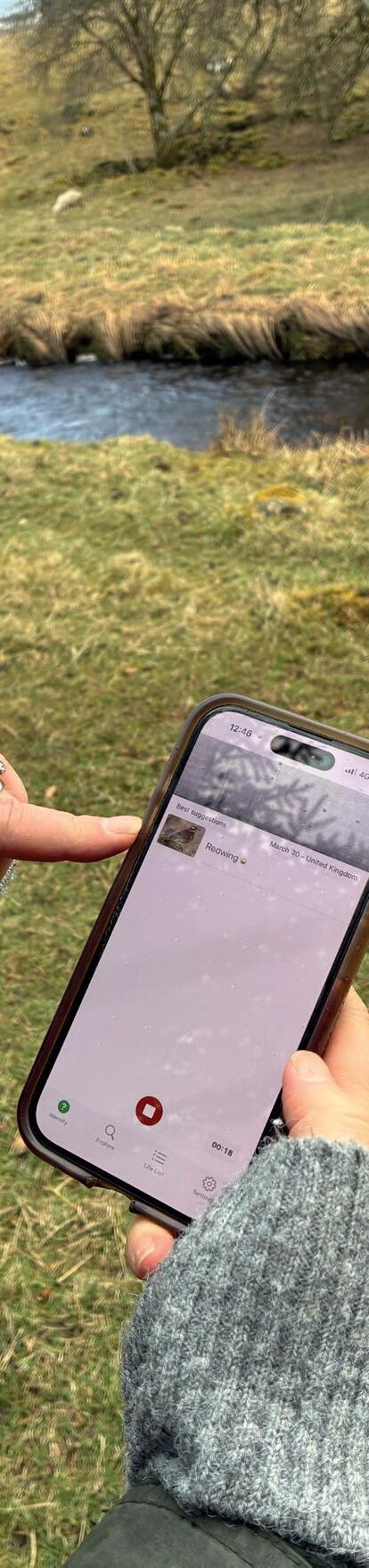
Oh my goodness, stop, that is a Hen Harrier I think.” A bird had flown quickly across the landscape in front of us, giving us a passing glimpse through the front windscreen. Cora Cooper slams on the breaks and swiftly exits the car, scanning hillside down to our left – heather, marshy grassland with a little pond attracting birds of all shapes and sizes. “Of all the days to forget my binoculars,” she exhaled, visibly gutted.
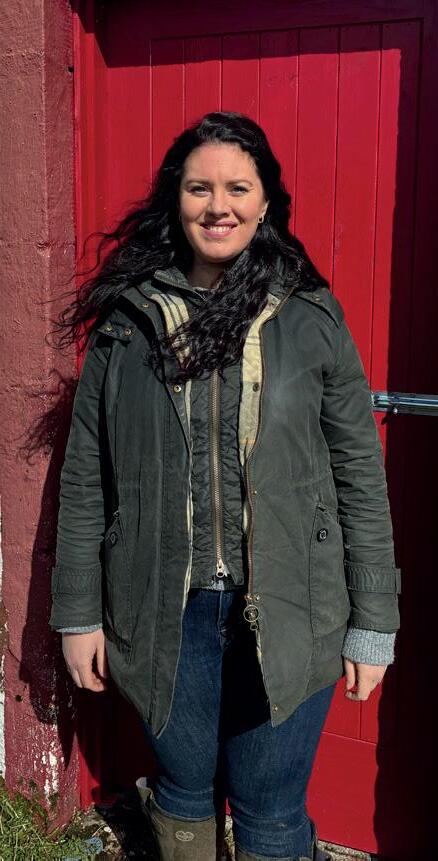
I venture to ask her if she’s seen one here before and she tells me no; she never has, this would have been the first time. There are rumours of hen harriers previously living on this hillside, and, whilst they’ve seen the return of so many other species (grouse, snipe, curlew, lapwing, golden plover, red kite) the hen harrier has never been one. It’s late March and I’m spending the day on the Cooper’s farm to learn more about their peatland project. A member of NFU Scotland, Cora has also recently become vice chair of the Environment and Land Use Committee too, as well as chair of Women in Agriculture.
told me how they managed it all. “We are just shepherds, we haven’t reinvented the wheel, it’s a system that’s been developed over thousands of years. And for us, it’s about sustainability – what’s sustainable for the land, and what’s sustainable for us. We are never going to maximise output if it’s not sustainable”.
We are never going to maximise output if it’s not sustainable
It’s this mindset that led Cora to quit her job and decide to go all in on the farm when they had their first child – it’s seemed, after all, a sustainable solution to living in an area where no childcare was available. The same mindset led them to say yes to Clive Walton from RSPB who chapped on their door back in 2018, asking if they’d be interested in a peatland project on their land. With the first response being, if it improves the resilience of the land, and in turn our business, then ‘yes’. Like everything Cora and David do, it feels very intentional.
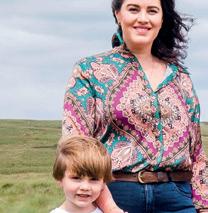
Cora farms Tardoes Farm in the Muirkirk Uplands of Ayrshire, with her husband David, three little helpers, aged five, eight and ten; and a team of nine Huntaway and collie sheepdogs. It’s no small operation, built up over the past 20 years with over 5050 acres and a flock of 4,000 Herdwick and Welsh Mountain sheep. But Cora, despite a childhood dream of becoming Eliza Doolittle (which now makes a lot of sense), spent most of her younger years in Glasgow, studying law before leading on PR and events for big organisations, simply giggled when she
The project was spearheaded by RSPB Scotland which was looking for suitable sites on designated land to carry out peatland restoration as part of the EU Collaboration Across Borders for Collaboration (CABB) programme. Clive Walton was tasked with looking for suitable sites on designated land which led him to Tardoes Farm – with an existing Special Protected Area (SPA) status, experience restoring the peatland scarring from former drainage trenches, believed to have been dug to increase food production post war.
These great chasms in the peat had continued to be weathered over the past decades, until, what Cora and David were


faced with, was a death trap for livestock and increasingly inaccessible via quad, which in turn placed more grazing pressure on other areas of the farm. The way the peatland was heading was beginning to really compromise Cooper’s adaptive mob grazing system of farming.
When approached with the idea of reforming and reprofi ling their peatlands, Cora and David put their cards clearly on the table – this project had to work for them and the farming system they have in place. This was something new for Peatland Action, who had previously recommended stocking rates should be reduced following a restoration. This was something the Cooper’s would not, and could not, compromise on. Having sheep on this hillside was vital for them –not only did it help manage the heather growth, it formed part of one of their core values – that land benefi ts from livestock. It was a challenge accepted by the project developers and over the space of two winters Cora, David, Clive Walton and Richard Johnstone co-designed a peatland restoration project that worked not only with, but to benefi t, farming. The three-phase restoration project
Restoring these peatlands has massively improved the ecological health of the hill, but has not negatively impacted our sheep farming business at all
saw over 800ha of the most damaged peatlands on the Cooper’s farm put on the road to recovery between 2019-2021. Over that time contractors used a wide range of techniques to block the drains and revegetate the hags and gullies, including ditch reprofi ling, hagged bank reprofi ling, peat, plastic, pile, timber, wide and narrow composite, and mineral damming, applying pegged coir matting for bare peat stabilisation, and installing peat bunds.
In Cora’s own words, “Restoring these peatlands has massively improved the ecological health of the hill, but has not negatively impacted our sheep farming
business at all, it’s added to its resilience. The value of the land for farming has increased tenfold.”
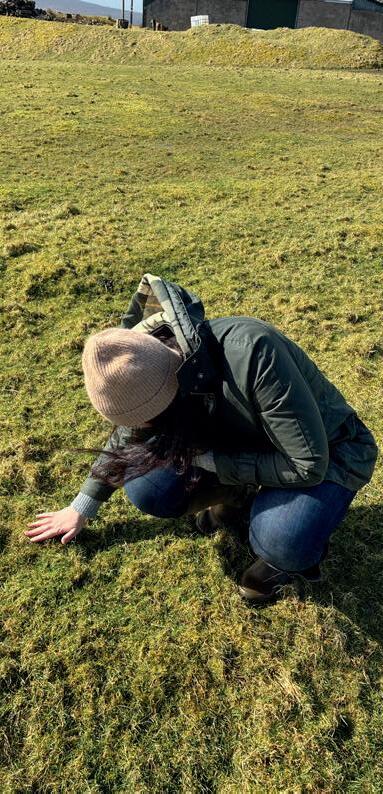
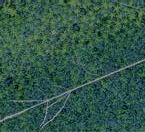
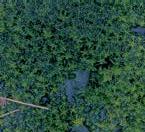
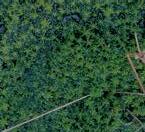
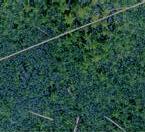
Walking the hillside with Cora, we spend a lot of time hunkered down exploring the minutia of life that have taken up residence in the hillside, from pools of sphagnum moss to the first brave bright green buds of spring emerging. We let rich, dark soil, alive with invertebrate life, trickle through our hands, a world away from the lifeless industrial soil of decades past the farm had seen before. Whilst walking alongside one burn on the farm with steep sides, Cora points out an apiary of bees and some new native trees planted with visiting geoscientists from America, keen to find out more about the role of sheep grazing in the restoration of a former coal opencast. “Farming,” she says, “is about adding nature where the land isn’t top-grade. Restoration should work alongside food production, building resilience and food security. And when you look at Scotland’s landscape, you’ll realise that’s been happening for hundreds and thousands of years. Farmers have always cared”.
Towards the end of the day, Cora took
It has, singlehandedly, been one of the best risks we’ve taken on the farm
me to a spot on the farm with a view of both the restored peatland and, to its right, the harsh, damaged peatlands, with huge swathes of exposed peat and steep, almost cliff -edge gullies. “We’ll get this done too,” she says pensively. Reflecting on saying yes to the project, she tells me, “It has, single-handedly, been one of the best risks we’ve taken on the farm.” She laughs and follows up, “And we’ve taken a lot of them.”
The first, she recalls, was turning up at Tardoes Farm for the very first time to help out in the sheep pens on shearing day in a dress.
Cora’s love for her land is infectious; she cares deeply, and when I ask her why, she simply says her farm gives her hope.


If you could wave a magic wand with policy?
More flexibility and case-by-case approach to agri-environmental schemes. LFASS which supports current farming practices.
With public perception?
Less focus on carbon emissions, more on livestock’s role in soil carbon sequestration.
Advice to other farmers?
Stop and notice what’s happening on your farm – it’s given me the most hope.


Farm CCTV • Intruder & Perimeter Alarms • Livestock Monitoring Cameras
Remote Area Internet • Farm WiFi • Vehicle Security • Electric Gates Unit 1, Shepherds Mill, Selkirk, Scottish Borders ( 07914434491 * james@jabsecurity.info 8 www.jabsecurity.info


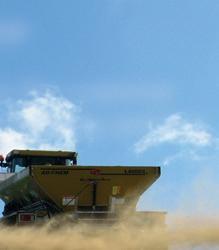
• High output LGP machines to minimise soil and crop damage
• Weighing systems and auto steer fitted
• We supply our own loader & fuel to minimise disturbance to the customer
• Blanket or variable rate lime spreading compatible with all mapping systems
• The following can be supplied and accurately applied: Lime, Compost, Slag, Henpen, Fibrophos, FYM, Gypsum, as well as other organic materials
Soil Mapping Service
• Correct variations across fields • Independent analysis
• 4 samples/ha for accurate pH maps
• All nutrients can be tested • Recommendations to suit your enterprise


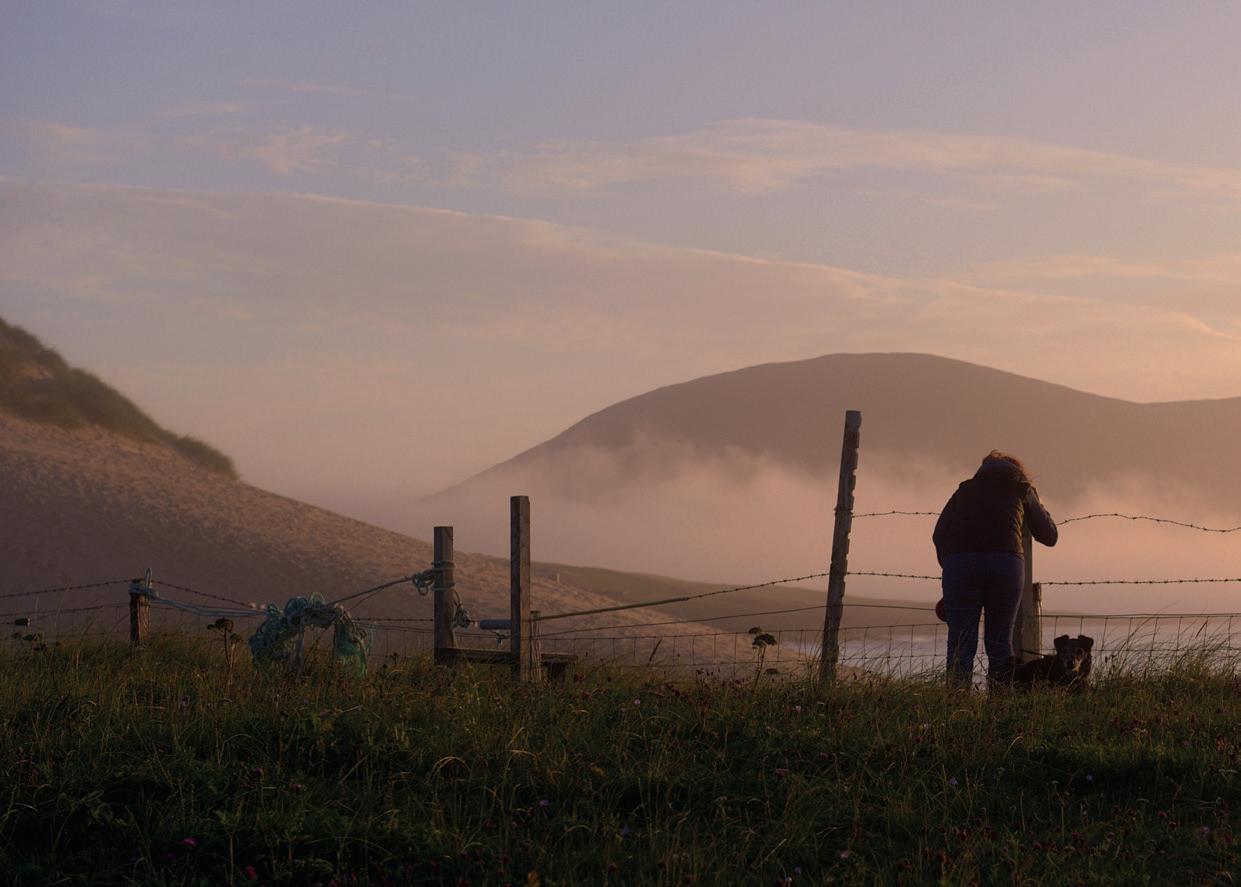


TJonnie Hall Deputy CEO/Director of Policy
he publication of the Scottish Government’s Rural Support Plan (RSP), a requirement under the Agricultural and Rural Communities (Scotland) Act 2024, marks an important and significant step in the evolution of agricultural support in Scotland. For NFU Scotland members, it is a crucial step in understanding how future support will be structured and delivered.
The transition from the EU’s Common Agricultural Policy to a domestically designed system has always brought both opportunities and risks. The RSP provides an articulation of the Scottish Government’s ambitions: active farming and crofting producing high-quality food
while contributing to climate, nature, and rural communities. I see it as a ‘statement of intent’.
Agreed, it lacks full operational detail. But at this stage, and in the current context, for me the stability, certainty, and intent it offers are vital. Significantly, it outlines how funding will be structured and delivered through to 2030.
From my perspective, there are some important and hard-won successes within the RSP. Commitments to stability have been consistent priorities for the Union throughout the policy development process, and it is important to recognise where progress has been made.
Most notably, the commitment to a multi-year funding framework through to 2030 is a significant achievement. For years, we have argued that longterm certainty is essential to underpin
investment, business planning and confidence across the agricultural sector. Without a clear line of sight on future support, it is extremely difficult for businesses to plan, invest or adapt. The combination of the Scottish Government Budget, associated Spending Plans and now the Rural Support Plan provides that line of sight for the first time in the postCAP era. That certainty matters.
The commitment to maintain agricultural support funding at £677 million per year for each of the fi ve years of the RSP is also important. While we have consistently argued that the overall budget must increase in real terms, securing a defined and ring-fenced level of funding for agriculture over a fi veyear period provides an unprecedented degree of stability in the post-Brexit era. Within that overall funding envelope,
the allocation to direct support is particularly important. RSP sets out that around 70 per cent of funding will be allocated to Tiers 1 and 2, with a 70:30 split between those two tiers. This confirms the commitments we secured from successive First Ministers.
In practice, the figures set out in the Plan show approximately £399 million for Tier 1 and £142 million for Tier 2, representing around £541 million in
RSP also has the potential to provide a more coherent and structured policy framework than has existed previously.
We have long argued for a system that recognises and supports active farming and crofting – where high-quality food production, climate action and biodiversity delivery are not competing objectives but are complementary.
The RSP begins to reflect that approach, particularly in its recognition
direct support each year. That equates to roughly 80 per cent of the total budget being directed toward active farming and crofting businesses.
This is a major and welcome outcome and reflects our sustained lobbying to ensure that direct support remains the foundation of agricultural viability.
The four-tier framework set out in the
that Tier 2 measures should be designed to integrate with and support sustainable food production systems, rather than displacing them.
However, while the framework and funding allocations represent progress, the detail of how current schemes such as Basic Payment, LFASS and Voluntary Coupled Support will transition into Tier 1
is not yet fully defined. This detail will be critical. Tier 1 must remain focused on active agricultural activity and must continue to provide meaningful income stability for those producing food and managing land. Similarly, Tier 2 payments must be designed and implemented in a way that properly reflects the climate and nature benefits delivered through agricultural practices.
Unsurprisingly, the RSP places strong emphasis on climate action and biodiversity recovery. These are important and necessary objectives, and Scottish farmers and crofters are already delivering significant environmental benefits through the way they manage land and livestock.
However, we have consistently made the case that environmental outcomes cannot be delivered without economically viable and profitable agricultural businesses. Profitability and sustainability go hand in hand. If farm profitability declines, the ability to invest in the delivery of environmental outcomes declines with it.
For that reason, it is important that the policy framework set out in the RSP maintains a clear and explicit commitment to high-quality food production and food security. Recent global events have once again demonstrated the importance of domestic food production capacity.
Scotland has a natural advantage in producing high-quality beef, lamb, dairy, cereals, and fresh produce more often with a lower carbon footprint and to higher environmental and animal welfare standards than imported alternatives. Maintaining that productive capacity is not only an economic issue, but a strategic one for the country.
Finally, delivery will be critical. The success of the new support framework will depend not only on policy design but on effective implementation.
Farmers and crofters have experienced too many examples in the past of delayed and half-baked schemes, administrative complexity, and inconsistent guidance. The transition to the new four-tier framework must be practical, collaborative and grounded in on-farm reality.
The RSP may only be a statement of intent rather than a fully detailed policy manual. But it does provide a greater certainty on funding, confirms the central role of direct support, and sets out a framework for future policy delivery.
Those are significant to the agricultural industry, and reflect sustained engagement and pressure from your Union over several years.


Lorna Scott Policy Manager
By the time this issue reaches you, I’ll be back home in Shetland, in the lambing shed. Lambing in the Northern Isles always starts a
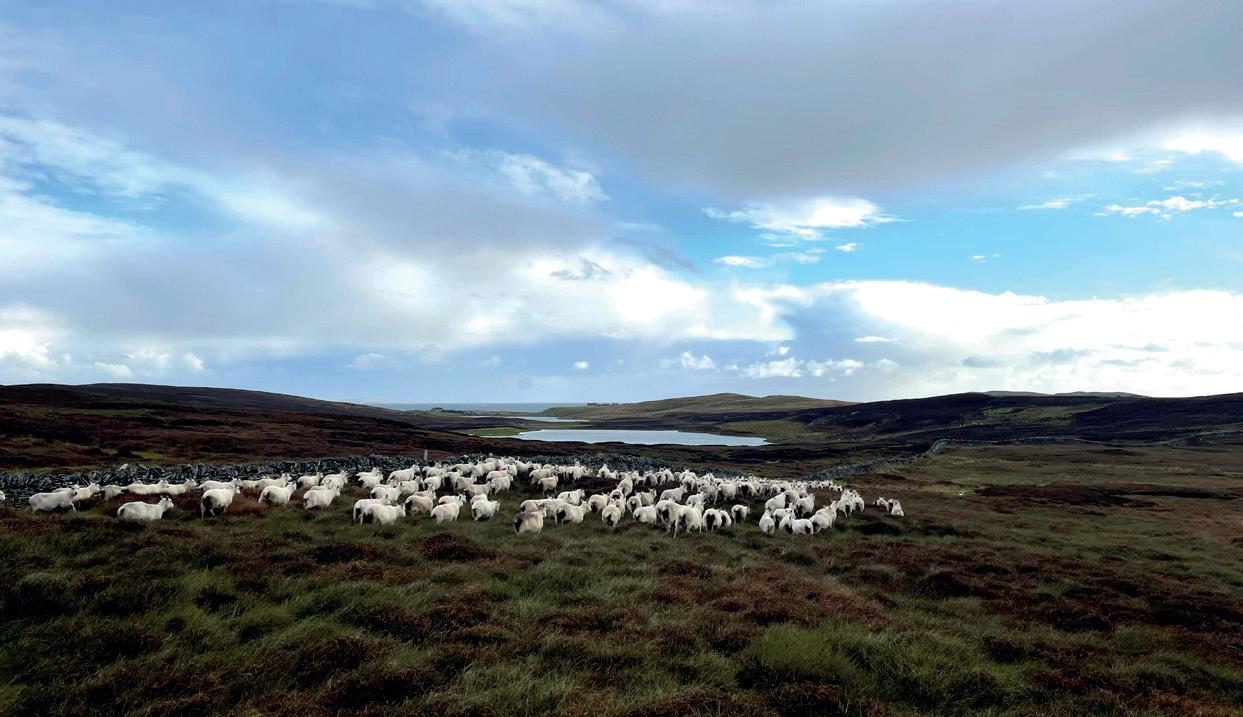
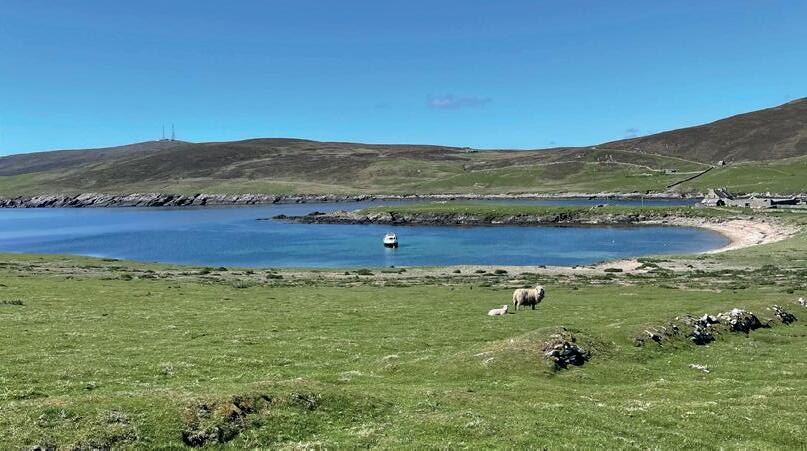
fi rsthand how farming and nature can thrive together within a managed system. Looking to diversify is pretty common in Shetland. One neighbour runs croft tours, which are particularly popular during Shetland Wool Week at the end of September every year. Another has some wind turbines, and another sells some of their produce directly to local restaurants and shops, supporting local procurement,
little later than on the mainland. However, our seasons have also noticeably shifted, grass arrives later in spring but grows further into the autumn. Climate change is making its mark here, as it is across the country, and adapting is now part of everyday farming decision-making. Farms and crofts right across Scotland are feeling the pressure, and many are looking to diversification to build resilience.
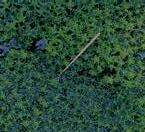
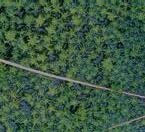
Part of our own farm is an island designated as a National Nature Reserve, where we run a purebred Shetland sheep fl ock (see pictures). We’ve chosen to manage the island in partnership with NatureScot, opening it up to the public so visitors can experience the landscape, its seabirds, its wildlife, and also see
and becoming a key part of marketing for the wider local economy. These ventures refl ect the range of possibilities available in the far north, but crucially, they work because they complement core farming activities.
That balance is key. For us, production remains the absolute priority. However, well-chosen diversifi cation can support and strengthen the business, improving resilience and, importantly, the bottom line. Active farming and crofting must always come fi rst, but where opportunities exist alongside it, they shouldn’t be overlooked.


Penny Middleton Policy Manager
Scotland’s livestock transport rules, under The Welfare of Animals (Transport) (Scotland) Regulations 2006, have now been in place for 20 years. Despite several attempts to introduce significant changes, the regulations remain largely unchanged.
Even with the stability of the rules, there is still confusion around the types of authorisations and certificates required for different journeys.
The key requirements, which apply to all journeys regardless of distance, include:
• No one should transport an animal in a way likely to cause injury or undue suffering to that animal
• All animals must be ‘fit for transport’ For journeys under 65 km, or for longer journeys when transporting a single animal, neither a Certificate of Competence nor vehicle authorisation is required. For journeys over 65 km but under 8 hours,
a Certificate of Competence is needed, and the vehicle must have a Type 1 Authorisation. For journeys exceeding 8 hours, a Certificate of Competence for long journeys is required, and the vehicle must hold a Type 2 Authorisation.
Fitness for transport is where most issues arise and officials are concerned about the numbers of animal arriving at processing plants in very poor condition, or heavily pregnant, that they believe should not have been allowed to travel and would not have been ‘fit for transport’ at the point of loading. Prosecutions for these types of offences have been unusual, but we have been warned that officials will be likely to be taking a firmer line going forwards.
To be considered fit for transport animals must be able to walk freely, be weight bearing on all four feet without pain or assistance. Animals not considered fit for travel include the following:
• Injured, ill, fatigued, with a severe open wound or prolapse
• Very young animals
• Heavily pregnant females
• Females who have given birth in the
previous 7 days
• Newborn animals where the navel hasn’t completely healed
• Shorn sheep during cold weather (particularly November – March)
The SPS trade agreement has brought livestock transport into uncertain territory, as the UK will need to align with EU welfare rules. While current alignment means the trade deal does not immediately affect livestock transport, the EU is revising its welfare regulations – considering changes similar to those proposed by Defra six years ago.
Proposals, which have faced resistance across Europe, include shorter journey times, increased space allowances, more headroom, and temperature limits. Although the UK has no formal input in these discussions, we are working closely with our Brussels office to influence the process where possible.
For members, staying informed and planning ahead is key – keeping up with these potential changes will help ensure compliance, protect livestock welfare, and avoid disruption to your business.


Watson Climate, Land & Business Policy Manager
As farmers and crofters look for ways to strengthen and diversify their incomes, natural capital initiatives are increasingly being put forward as part of the solution. Key milestones signalling the Scottish Government’s intent to drive this activity include the publication of the Natural Capital Framework and the Strategic Framework for Biodiversity in Scotland in 2024. More recently, the Scottish Government has highlighted that Scotland’s economic output – and around 260,000 jobs – relies directly on natural capital, with only 27% of ecosystem services theoretically replaceable through engineering solutions. In other words, the value of nature is significant, and largely irreplaceable.
Many of you will already be aware of the two existing carbon codes – the Woodland Carbon Code and the Peatland Code –which aim to channel responsible private investment into nature restoration. In late March, the Scottish Government published
a Competent Model for the Ecosystem Restoration Code, which aims to attract investment for other habitats, species and ecosystems, beyond woodland and peatland.
Alongside these codes, voluntary standards have been introduced for peatland restoration and woodland creation. These set out eligibility rules, how projects are validated, how long they are expected to run, and when tradeable carbon credits become available. They also cover practical issues such as what happens if land changes hands, or if natural events – like storms – impact the expected outcomes. More recently, the British Standards Institution (BSI) published a broader framework for nature markets in 2025, aiming to bring greater consistency and credibility to how these markets operate.
Despite this growing framework, it’s clear that many members remain cautious about getting involved. In January, NFU Scotland committees and forums met to discuss the main concerns being raised. These included ensuring any system works fairly for all farm sizes and tenures, understanding what it means to measure and potentially monetise natural assets on farm, and the knock-on implications for land values and tax. There are also questions around the length of
commitments, who carries the risk if things go wrong, and how farm data may be used or shared.
There was a strong sense that, while opportunities may be emerging, these markets are still in their early stages. Many members feel they need much greater clarity – particularly around regulation, legal frameworks and taxation – before they can make fully informed decisions.
At the same time, some practical examples are starting to come through. The Facility for Investment Ready Nature in Scotland (FIRNS) has provided around £4.8 million since 2023 to support nature-based investment projects. One project of particular interest is the Dreel Burn Investment Readiness Partnership in Fife, which is being supported in 2026. This will test the Ecosystem Restoration Code in practice, including the potential to deliver “stacked” credits, combining different environmental outcomes. across a catchment of around 5,000 hectares, largely made up of arable farms and organic meat producers.
For many, seeing how these schemes work in practice, and hearing directly from other farmers and crofters who have engaged with them, will be key. Building that real-world understanding will be essential if confidence is to grow and wider uptake is to follow.


Rhianna Montgomery Policy Manager
Crofters Committee member Alex Townend lives and works on his family croft in Plockton, Lochalsh, alongside his wife and son. In recent years, the family has transformed their croft into a successful example of rural diversification, balancing traditional crofting with innovative, community focused enterprise.
From mobile food trailer to on croft takeaway
Off the Croft Takeaway, began as an idea from Alex’s son, Trent, just before the COVID19 pandemic. His plan was simple: use a trailer to create a mobile takeaway, parking in nearby laybys to sell food made from produce grown or reared on the croft.
The concept proved popular. When the pandemic changed travel patterns and community habits, the family decided to set the enterprise up permanently on the croft itself, serving both locals and visitors directly from the heart of their land. Today, Off the Croft Takeaway is open year round, offering freshly prepared meals including burgers, sausages, and classic fish and chips.
A key strength of the venture is the direct link between croft and kitchen. Alex raises Shetland cattle, which are finished on grass rather than concentrates. While the breed doesn’t always achieve strong prices in the local mart, it is wellsuited to oncroft finishing, enabling the family to add value through their takeaway.
Animals are sent to Dingwall for butchering, with the meat returned to the croft for use in the business. The family also buys in Hebridean lambs, finishing them on grass to produce lamb mince for burgers. They work with local estates for venison, ensuring further supply variety.
Pigs are also bought as weaners and reared for sausage making, although these require bought-in feed, making them a more resource intensive part of the operation.
Diversification doesn’t stop at hot food. Alex’s wife Lenice plays a central role by producing artisan jams and chutneys made from fruit and vegetables grown on the croft. The family cultivates:
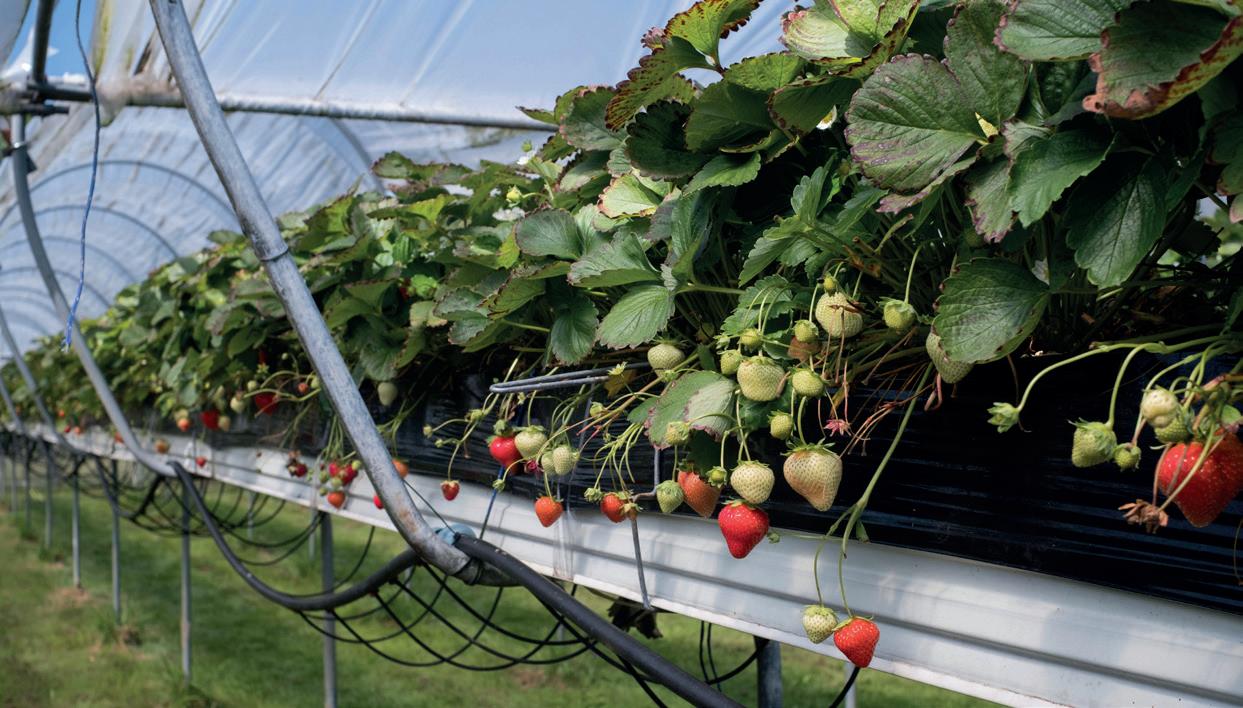
• Strawberries grown in polytunnels
• Fruit bushes including blackcurrants, Jostaberries, gooseberries, & raspberries
• Apples from oncroft trees
• Raised bed vegetables such as beetroot and red onions
• Courgettes, Tomatoes, Pumpkins and French beans flourish in tunnels too.
These products are sold through an honesty shed beside the takeaway, along with fresh eggs from the family’s hens. The honesty system has proved reliable, with visitors and locals using an IOU board when needed – something that reflects the strong trust and closeknit nature of the Plockton community. Lenice also attends craft fairs to sell her preserves and meet customers beyond the village.
Despite being located in a small and remote community, Off the Croft Takeaway and the honesty shed have become a popular stop for both residents and tourists. Visitors frequently leave notes of thanks, appreciating the chance to enjoy food “from the croft, on the croft,” while supporting a local family business.
The combination of high quality homegrown produce, low food miles meals, and a welcoming atmosphere has turned this diversified croft into a thriving rural enterprise, one that shows how creativity and a strong family effort can keep crofting sustainable in the modern era.


David Michie Senior Policy Manager
Exporting seed potatoes can be a risky business. Last season, hold-ups at Grangemouth Port made things difficult for our members exporting to North Africa.
Growers have a very tight window between getting potatoes harvested, graded, hauled to the port, and lading (the date the boat must leave). In a tight timeframe, issues quickly become problems.
Seed potato export volumes, as a proportion of the port’s total, are small. But valuable in mid-winter which unfortunately coincides with pre-Christmas busyness, adding pressure.
Earlier this year, we met with Grangemouth Port, along with the Agri Export Hub and exporters, to find solutions for next season. Regular dialogue between the port, shipping agents, and potato exporters has been agreed. Transparency, openness, and highlighting and taking rapid responsibility for problems should smooth operations. Hopefully this will make a difference this season – assuming it will be back to business as usual in North Africa and the Middle East by the time we’re loading boats.
The potential for the Iran conflict to spill out to neighbouring countries is high. And the political consequences of less energy, food, and desalinated water on countries in this region could have a significant longer-term economic (and very human) impact
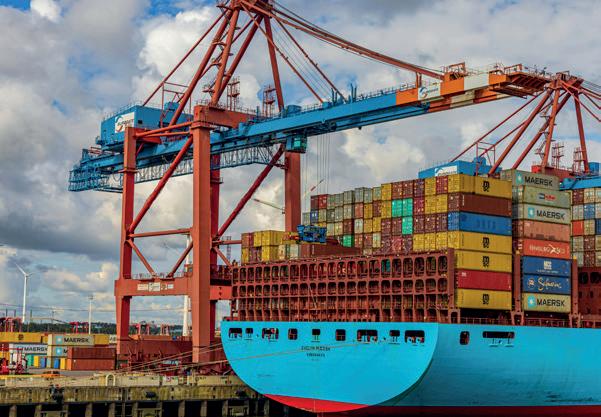
on the region. This highlights the importance of finding new and increasing volumes to existing export markets. But who does this, in the absence of Agricultural and Horticultural Development Board (AHDB) potatoes?
Exporters continue to service and develop their own markets. But commercial realities get in the way of a co-ordinated, whole sector approach. The Agri Export Hub can do, and has done, a lot from the sidelines. But with little funds, and little certainty of funds, it’s ambitions must remain small.
A few hundred thousand pounds each year could make a big difference. Funding inward and outward missions to develop export markets, attendance at international trade events, and an individual to proactively support industry. Scotland exports about 100,000 t of seed potatoes each year. A levy of £1.50 per tonne, used for a very tight and defined export market development remit, could raise enough to do this.
What would growers think? Would they worry about raising the spectre of AHDB Potatoes? Or is it a small price to pay to de-risk the future?

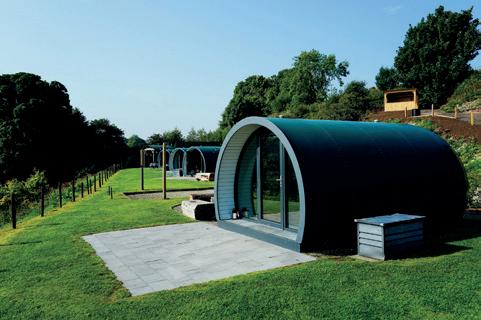
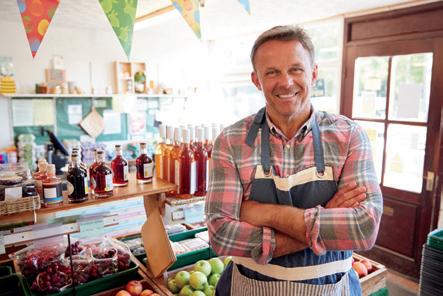
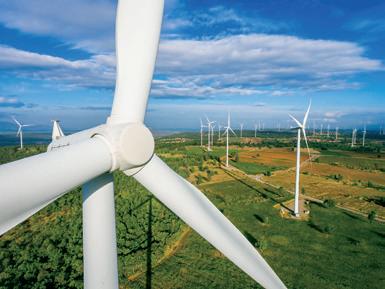
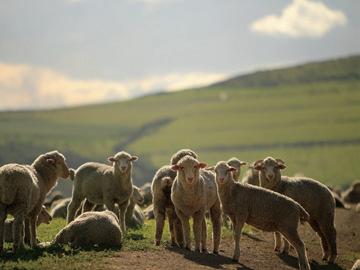




OLisa Hislop Policy Manager
ver the past year, our supply chain work has rightly focused on shining a light on retailer behaviour through our ShelfWatch initiative. That work has been essential. It has challenged assumptions, exposed inconsistencies, and – crucially – started a more honest conversation about how Scottish produce is valued and sourced.
But retail is only part of the story. It is a significant route to market, yes, but it is not the only one. And if the last few years have taught us anything, it is that resilience comes from diversity. A food system that relies too heavily on one route to market is a food system exposed to risk. Quite simply, we cannot afford to have all our eggs in one basket.
That is why, as we move through 2026, increasing our engagement with the hospitality sector has become a key priority. This is a vast and influential part of the food system – one that shapes consumer experience, perception, and demand every single day. On the ground, this means strengthening relationships with wholesalers, caterers and hospitality groups. Areas which play a critical role in getting Scottish produce onto plates.
Our message to the sector is clear, and it is consistent with what we have asked of retailers and public procurement. We need clearer and more consistent commitments to sourcing Scottish produce. We need greater transparency. And we need honest, visible labelling so that consumers understand where their
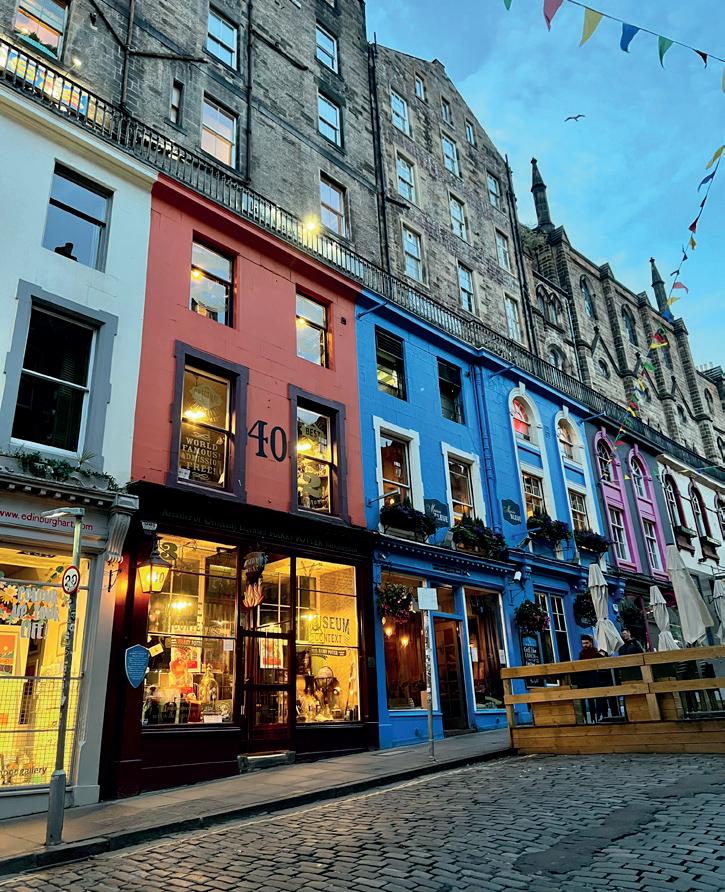
food comes from and can make informed choices.
We are under no illusions about the challenges facing the hospitality sector. Businesses are navigating rising costs, workforce pressures, and ongoing economic uncertainty. Our approach recognises that reality. This is not about imposing unrealistic demands – it is about working in partnership to identify opportunities, remove barriers, and create value for both producers and businesses. Done right, this is a shared opportunity. For hospitality, sourcing Scottish can mean quality, provenance, and a stronger story to tell customers. For farmers and growers, it means more stable and diverse routes to market, reducing reliance on any single outlet and strengthening long-term
resilience.
And that resilience matters. Because a strong food system is not just about production – it is about connection. It is about ensuring that what is produced on Scotland’s farms has a clear, fair, and transparent path to the people who consume it.
If we are serious about supporting Scottish agriculture – about backing our farmers, our rural economy, and our food security – then we must think beyond traditional supply chains. We must broaden our focus, deepen our partnerships, and build a system that is as diverse as it is strong.
The work we have started with ShelfWatch has opened the door. Now it is time to go further.
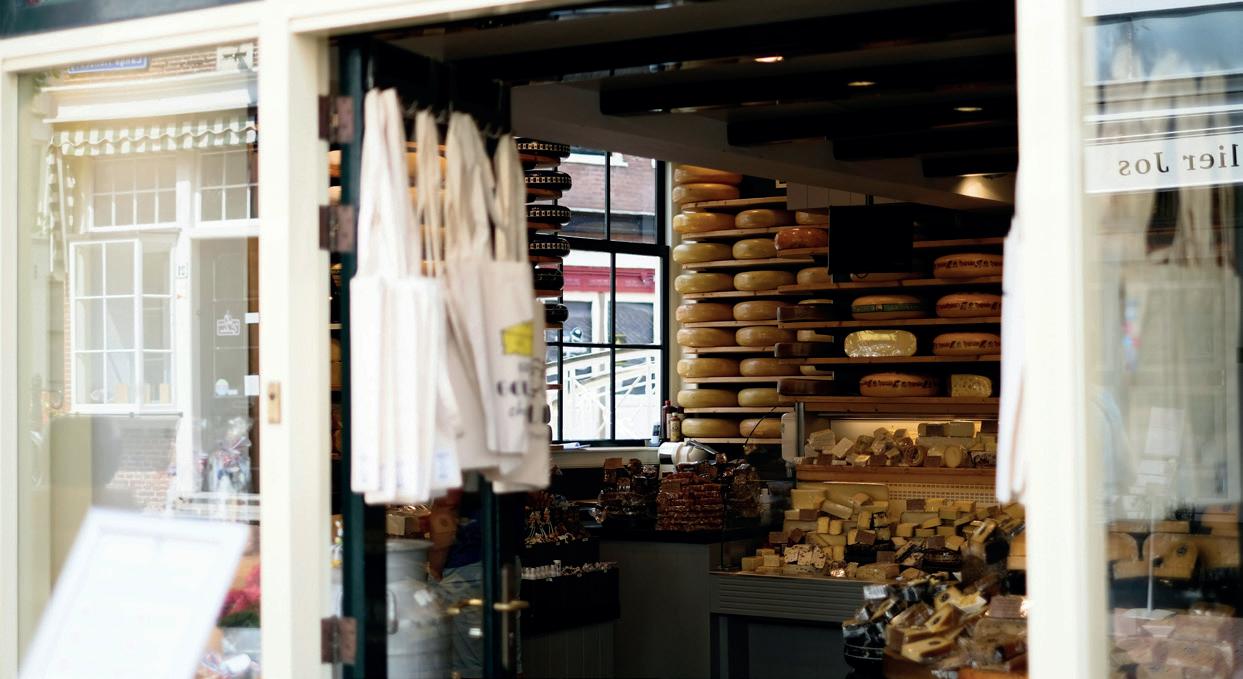


Bob Carruth Policy Manager
It is important to focus on the positives at a time when markets are incredibly challenging, as these may offer opportunities for innovation and diversification for some Scottish dairy farmers.
Within the dairy sector, there are some significant growth areas. These are being driven by lifestyle choices as consumers look to healthier, higher protein, unprocessed foods, some of which is linked to the increased use of GLP-1 weight loss
seeing a 1.8% increase year-on-year. Cheddar, which represents more than 40% of all cheese sales, saw a 0.5% increase. However, the categories that have seen huge growth of more than 10% due to consumers wanting a healthier, high protein option are cottage cheese and cheese snack packs.
Even block butter is seeing volume growth (+5.1%), due to consumers wanting less ultra-processed and more natural foods.
Top of the league for growth, however, is good old standard plain yoghurt with sales up 20.8% year-on-year. In addition, an extra 4.7m kilos of fat-free yoghurt made from cow’s milk was purchased last year.
The demand for nutrient-dense, natural foods presents opportunities
In Ayrshire, a new soft blue cheese trial is nearly complete
injections amongst the population. While small declines continue to be recorded in consumption of semi-skimmed and skimmed milk, there is volume growth in whole milk, organic and Jersey milk, with a 3% increase year-on-year, due to more buyers.
Cheese remains in volume growth,
for those dairy farms considering a diversifi cation project.
The Digital Dairy Chain, the project set up to transform dairying across Renfrewshire, Lanarkshire, Ayrshire, Dumfries and Galloway and Cumbria, now has three ‘maker spaces’ in operation. These are dedicated lab-based sites in
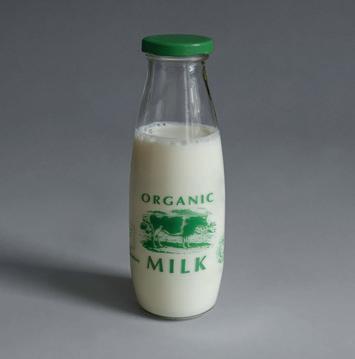
Ayrshire, Dumfriesshire and Cumbria set up to assist farms and business with dairy produce development.
The Dumfriesshire maker space has several clients and, in the last three months, has assisted businesses launch to market a new Greek style yoghurt, a new soft fl avoured cheese and a new artisan gelato.
In Ayrshire, a new soft blue cheese trial is nearly complete and, since opening the new Ayrshire facility, it has been approached by 11 new Ayrshirebased businesses, looking at developing dairy projects.
If diversification into manufacturing and processing is in your business plans, then get in touch with ‘maker space’ Mark on mark.robertson@sruc.ac.uk
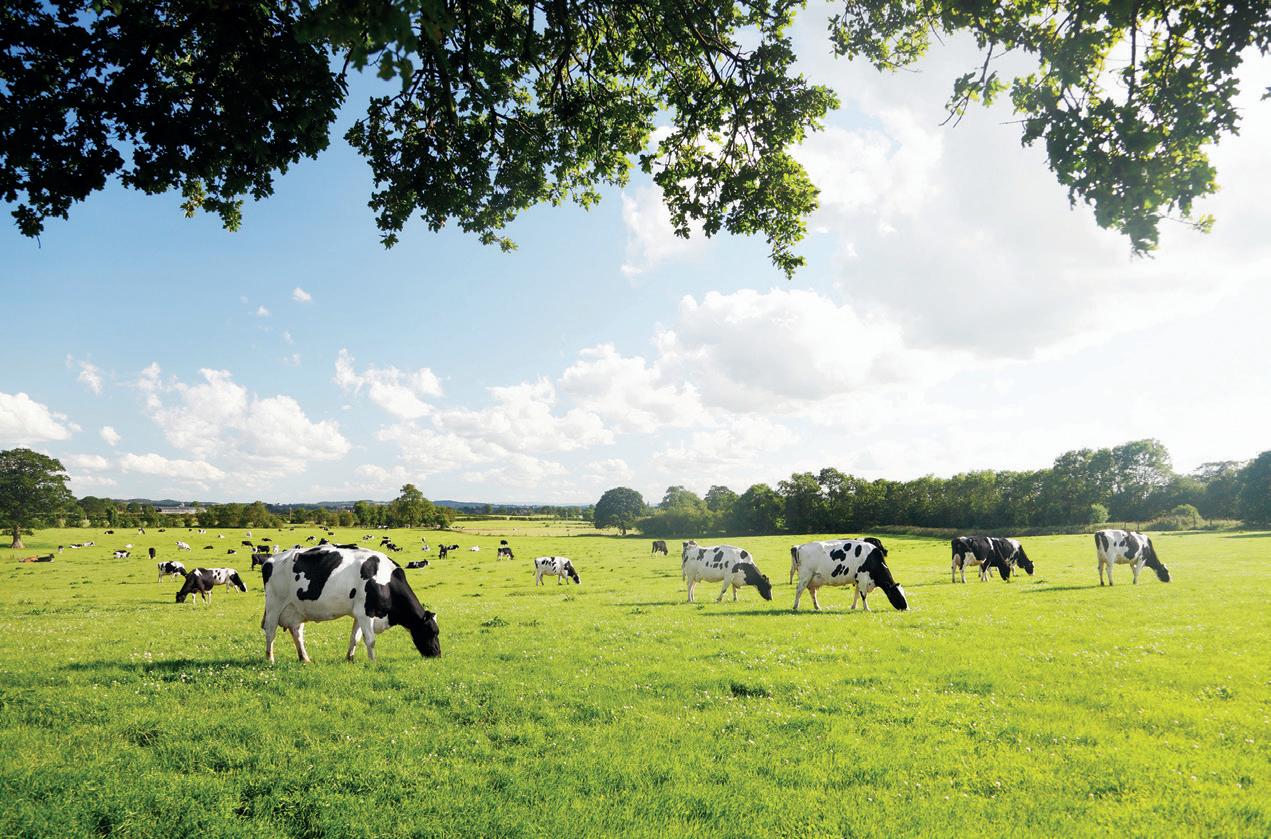
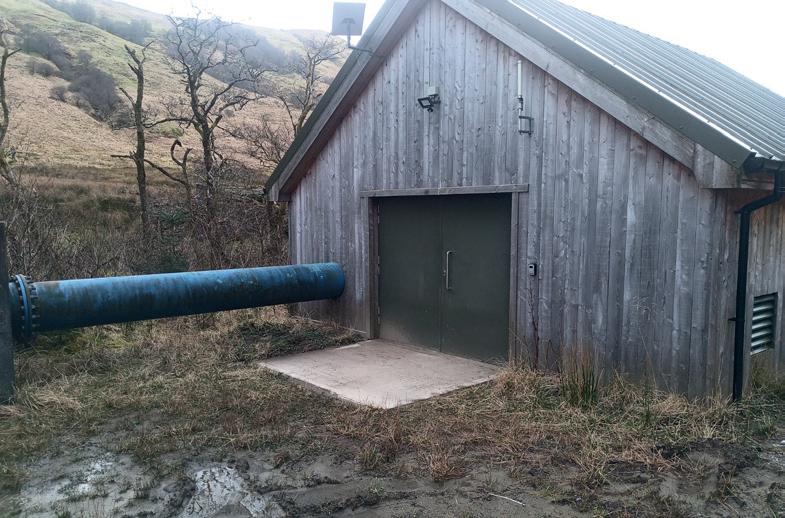


TLucy McGillivray Policy Manager
o keep on theme with diversification, I spoke to our LFA Chair, Peter Kennedy, who gave me an overview of his business and how he has diversified his upland unit.
Peter and his wife, Rebecca, farm in the village of Glendaruel in Argyll, and round onto Loch Fyne side. They started the business in 1996, when Dunans Estate came on the market and managed to purchase some of it. Over the years, they have built the business up and now currently own approximately 1600 acres and rent approximately a further 1400 acres.
In terms of stock, Peter and Rebecca run 80 hill cows and followers which are a mix of Blue Greys and Shorthorn crosses that are all outwintered. They are all in a spring calving block to the Charolais and Saler bulls. The vast majority of calves are sold in October at Dalmally around 6 months old, with a few of the later born calves overwintered and sold the following spring.
They also run approximately 1000 hill ewes, and all produce is mainly sold in August through to November. All lambs are sold store, with around 250 lambs being sold with their mothers in May/June to ease cash flow, and also allows them to make round bale silage on the ground the sheep have been grazing.
The main diversification of the farm business has been the move into
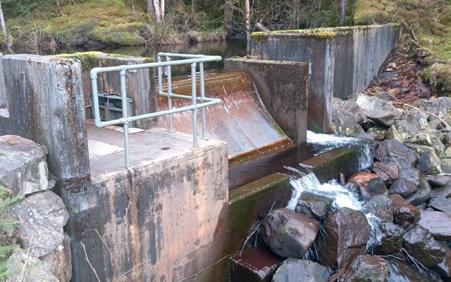
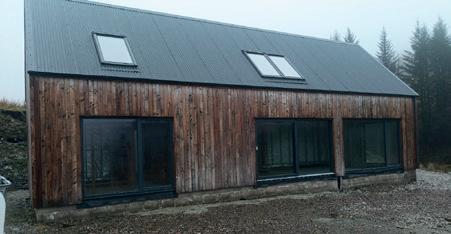
renewables in 2017. Within a partnership, Dunans Hydro Scheme was built, which is a 130 kilowatt scheme with the electricity going to the national grid. This brings an additional income to the business. This enterprise is suited to the geography of the business, due to the high rainfall. It’s a productive scheme with the plant running night and day.
Another part of their diversification is their contract farming agreement with the local estate to manage their sheep flock. The latest diversification project that has been undertaken is building a house to provide the business with another asset.
Peter commented “Finding opportunities to diversify on an upland unit can be challenging. Diversifying is an individual business choice, which can provide additional income, but it shouldn’t be a ‘must’ for farming enterprises. The main purpose of the business is still the farming enterprise. Diversification isn’t for everyone, as there can be challenges if you’re a tenant etc, but there are opportunities out there.”


Gemma Cooper Head of Policy
At the time of writing, the Iran conflict rumbles on, and members are continuing to pay the price of geopolitical instability. As a sector that is incredibly reliant on importing our key inputs, it is no surprise that the cost of red diesel, kerosene, fertiliser and energy have all seen significant increases. We know that some members have forward bought inputs such as fertiliser or energy, but
many of you have felt the full effect of unplanned and significant price increases.
We wrote to the UK Government at the outset, requesting a roundtable discussion and immediate assistance with mitigating the impacts of increased costs. We made several other key asks, including extending the role of the agricultural supply chain adjudicator, enhanced monitoring of key input prices, and pushing back the planned introduction of the Carbon Border Adjustment Mechanism (CBAM).
President Andrew Connon, and CEO, John Davidson, attended a UK Unions meeting in Northern Ireland, where the conflict was a key area of focus for
discussions. At a policy level, the Unions have been working in partnership with our Brussels office to monitor and understand supply chain impacts at a UK and EU level. Your input to our online member survey has been invaluable to informing our policy discussions.
There are no easy solutions for how exposed the UK is in terms of security of supply for essential inputs like fertiliser and fuel. Whilst the conflict may lead to some opportunities in the future for commodities such as seed potatoes, there are longer-term conversations about what needs to happen for us to become more resilient. This is a mantle that we continue to take up on behalf of members.

















WWords by Megan Willliams
ithin a world of uncertainly, there is probably only one certainty I can give you right now and that is: across Scotland, farm and crofting businesses have always adapted, and always will.



At a certain point, every farm business faces the same question, what could the future look like here?
For many, the answer is not just about production or acreage. It’s about building something that lasts: something capable of supporting a family, something that encourages younger people to step into the fold, something that is more resilient to variables beyond our control, and something that can be passed on in better shape than it was received.







For some, this thinking naturally leads to diversifi cation (sometimes referred to as enterprise stacking). It might mean adding value to what they already produce: a farm shop or vending machine, or hosting farm-to-table events that connect directly

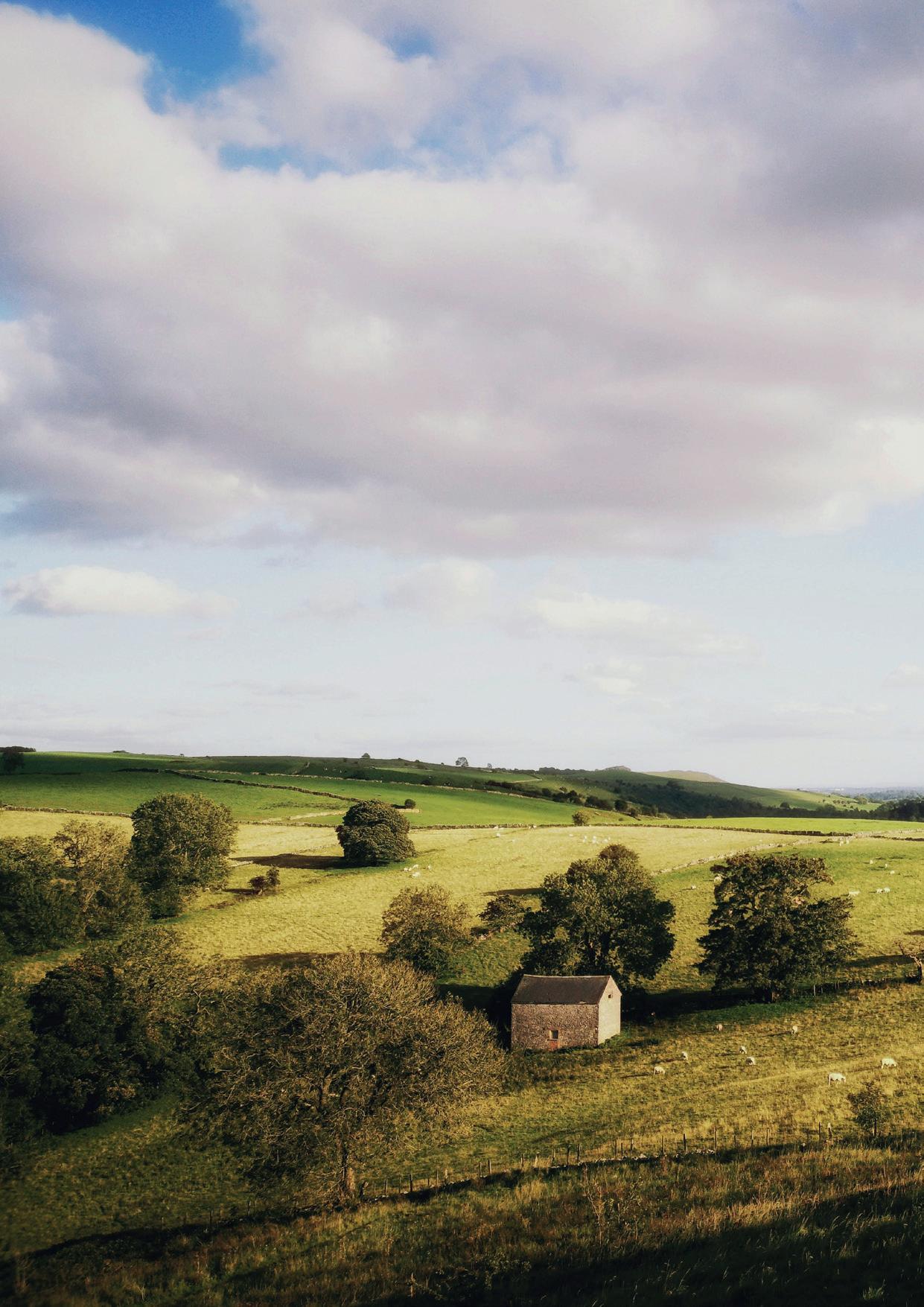











with customers. For others, it’s creating something entirely new: gelato from the farm’s milk, biltong, craft cider, or pickled vegetables. And for many, it’s about making use of assets that would otherwise sit idle; unproductive land, a redundant farm building, or machinery put to work in local contracting. In each case, the goal is the same: unlocking hidden potential and turning it into something tangible.
If you’re still reading at this stage, and feeling the faint tickle of an idea building, this is the stage to sit down with others who play a role in the business and put pen to paper; brainstorm, scribble things out, go back to the old fashioned pros and cons list. Give everyone the opportunity to put their ideas forward – after all, ruling out is the easy bit.

What becomes clear when you look across successful examples is that there is no single model. The strongest diversifi ed businesses are not copies of others – they are shaped by their own circumstances.






At a certain point, every farm business faces the same question – what could the future look like here?








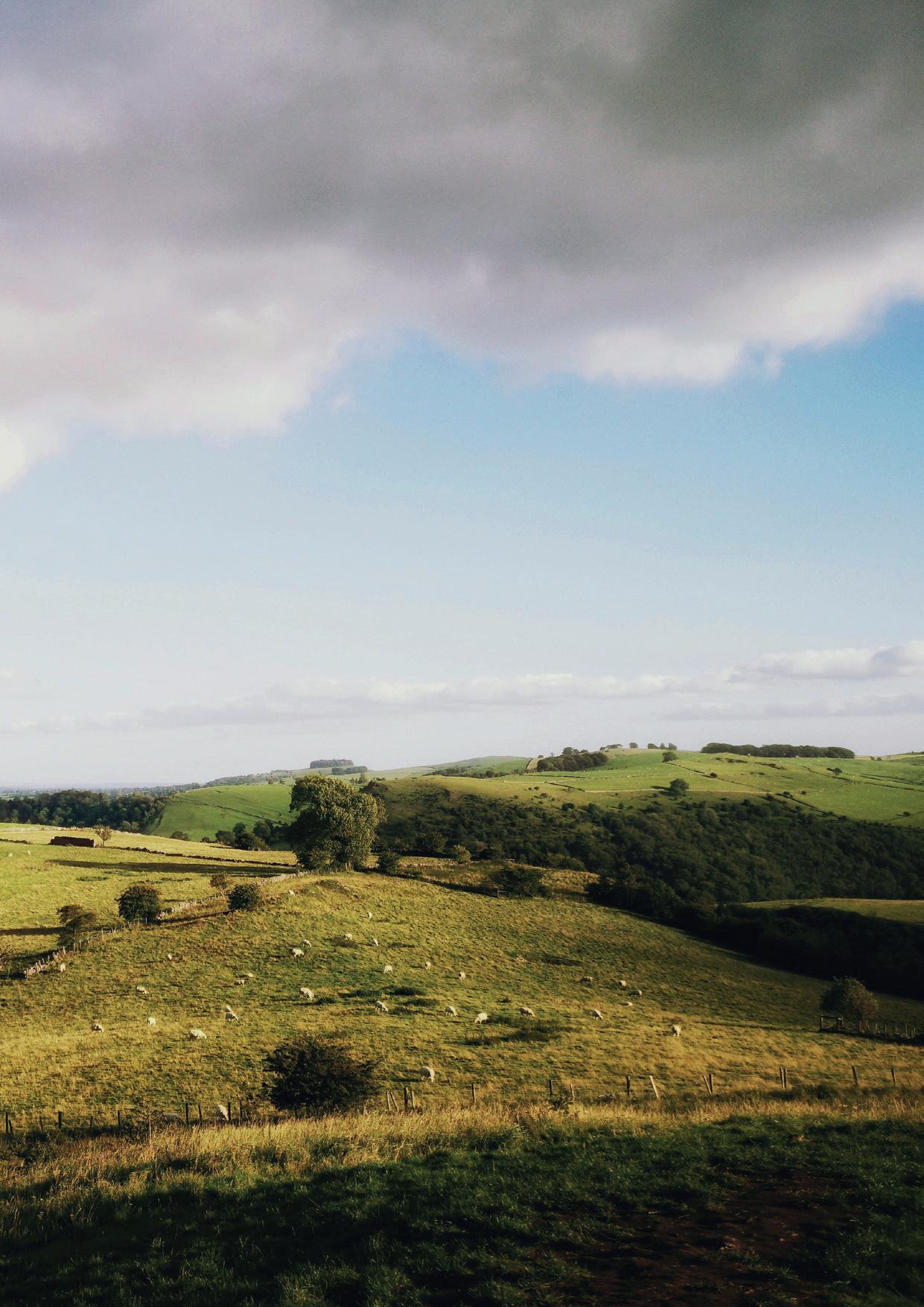
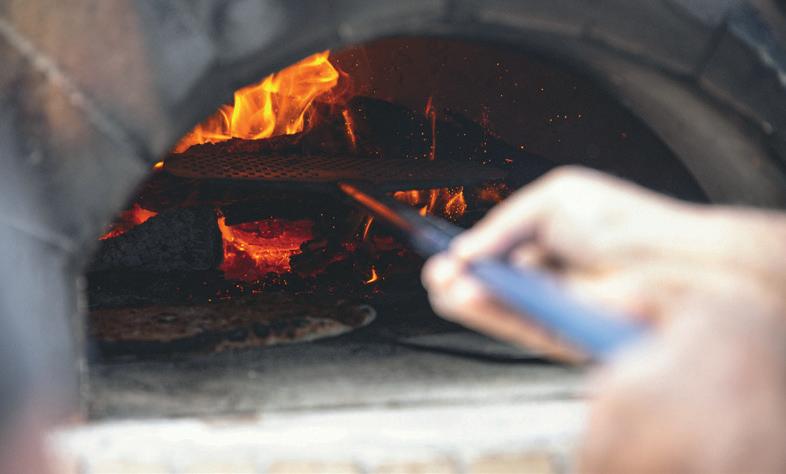
But there are common threads. We’ve gone through and picked out six:
1. Grounded in reality
The most successful ventures are rooted in the business’s existing strengths – its people, its location, and its assets. They are discerning with the trends they follow, and confident with those that they do, theirs will both stand – both out, and the test of time. This may sound obvious, but it’s often the difference between a project that merely exists and one that truly succeeds. Diversification works best when it aligns with the skills, expertise, and passions already present in the family or team. Take the time to map these out.
2. Get the details right early on
Ideas need solid foundations.
Professional advice is often the difference between ventures that stall and those that flourish. Accountants, business advisors, and consultants can help with feasibility, realistic budgets, and the practicalities that matter most: tax,
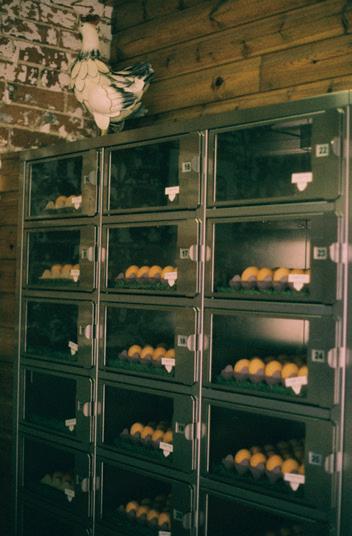
legal, insurance, planning, and regulatory requirements. Engaging experts early gives clarity and confidence, particularly for new or unfamiliar ventures, and ensures that additional activities complement the core business rather than stretch it too thin. It’s also a good time to explore funding and grant options, with guidance to navigate complex eligibility rules.
3. Treat it like a business
Even small initiatives need a business mindset, and they need a founder’s time, energy and passion to drive it forward. Thinking through costs, pricing, responsibilities, and compliance can be just as important as the initial idea itself. Successful ventures assign clear leadership, set achievable short-term goals alongside long-term ambitions, and keep administrative processes simple but structured. Spreadsheets, basic CRM systems, or project management tools can track sales, costs, and customer engagement. For visibility and decisionmaking, separate financial tracking –even just a dedicated bank account – can make a real difference.
4. Start small
Resilient ventures often begin modestly. Soft launches reduce risk and prevent overcommitment, while modular approaches – pop-up markets, seasonal events, or flexible accommodation –allow operations to adapt as they grow. Keeping options open for scaling,
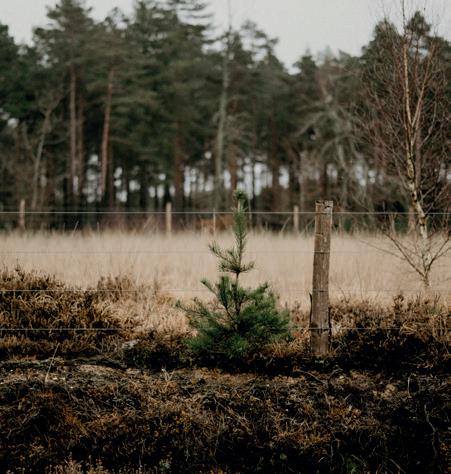
collaboration, or complementary expansion ensures the business evolves without losing focus.
5. Risk-aware but not risk-averse
Diversification requires balancing creativity with caution. The most successful ventures manage risk intelligently, without letting fear stifle experimentation. Realistic risk assessments – covering financial exposure, operational demands, and market uncertainty – are essential. Keep investment proportionate to expected returns, and use insurance, contracts, and contingency planning to safeguard the core business.
6. Think long-term, act short-term
Sustainable diversification combines ambition with practicality. A clear vision for the next three to five years, supported by achievable quarterly or seasonal goals, keeps progress on track. Review and adjust plans regularly, guided by experience, market feedback, and operational lessons.
But perhaps the most important point is this: diversification is not about doing more for the sake of it. For many farm and crofting businesses, focusing on core production remains the strongest strategy. Diversification is simply another option – one that, with the right approach, can deliver strong results that add an element of resilience to this period of significant transition; with policy evolving, changing support mechanisms, and at a time when expectations around climate and environmental delivery continue to grow. Through this lens, diversification is not about moving away from food production – it is about underpinning it.
Like all decisions in agriculture, it starts with truly knowing your business, what you have, what you want from it, and where opportunities lie, and then making choices that fit that vision.







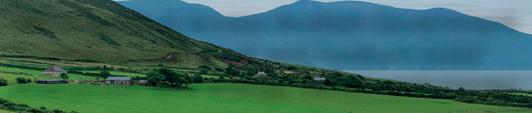

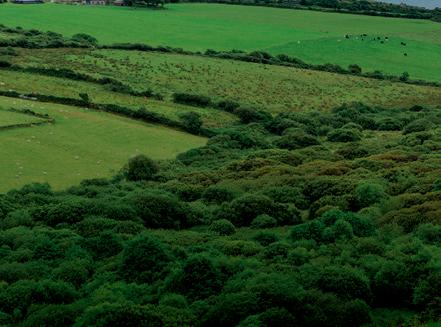

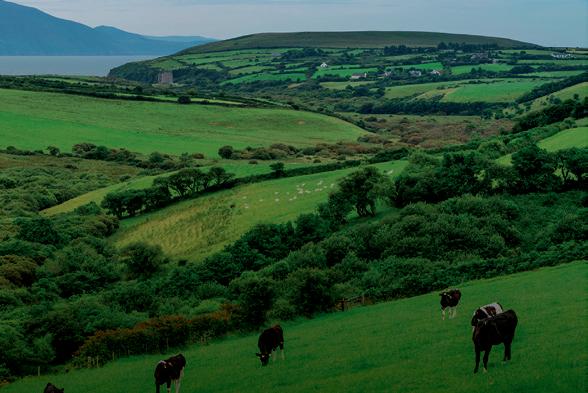





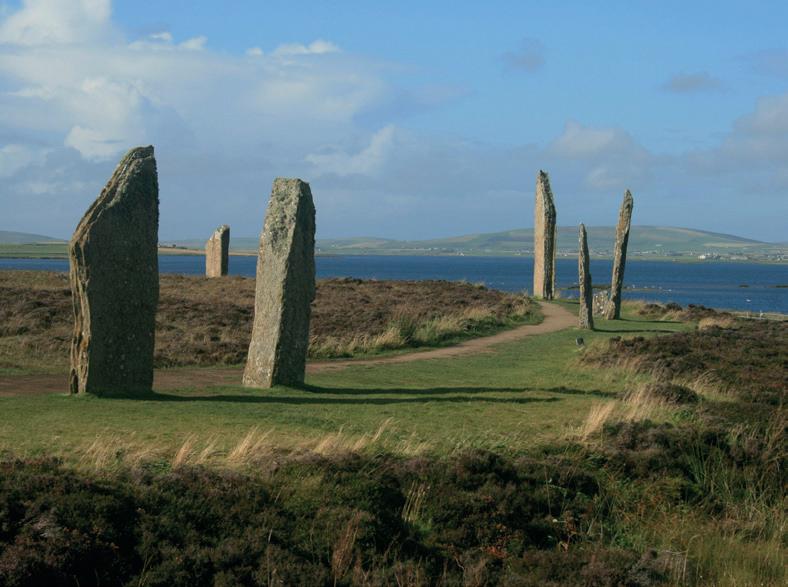
additional income streams whilst ensuring that the core farm business remains central.


REGIONAL POLICY ADVISOR
John Laughton
01856 872 048 john_laughton@nfus.org.uk
It is widely accepted that Orkney farmers have always been entrepreneurial and have been at the forefront of farm diversification, identifying opportunities to generate
Orkney is regarded as having one of the best wind resources in Europe with a significant number of Orkney farmers having invested in on-farm wind turbines 10-15 years ago. Some of these wind turbines are now approaching 20 years old with even smaller 20kw turbines close to generating 1M kwh. A big investment at the time but one which has generated significant returns.
Orkney has become one of the top UK holiday destinations due to its abundance of historical sites, wildlife, clean air, stunning landscapes and high-quality food & drink. The ‘Orkney Visitor Survey 2024’ demonstrates the scale of the sector – 173,000 visits to Orkney generating £77.9M of income. Many farm businesses have seen this as an opportunity to diversify with a significant increase in onfarm self-catering accommodation having been developed over the past 10-15 years. Those with established properties are reporting strong levels of bookings this year with many repeat visitors. The war in the Middle East has driven many holiday goers to look at holidaying closer to home with Orkney benefi tting from this.
What are the next opportunities to diversify income streams for Orkney’s farmers and landowners? Only each individual farm business will know, as this is very reliant on location, physical assets of the farm, the skills of the individuals and the desire/drive/passion to do it. Farm diversification isn’t for everyone and should not be seen as something you have to do. If you are interested in farm diversification, financial assistance towards eligible projects is available through the Orkney Island Council’s Farm Diversification Grant Scheme. Grants of up to £40,000 for diversification projects, at a maximum of up to 30% of the total eligible costs, are still available. Contact the Council’s Economic Development team for further information.


07919 001 23 kate.maitland@nfus.org.uk
Facilitated by Forth Rivers Trust, the Leven Catchment Farmer Network brings together farmers, land managers and landowners to share knowledge, access funding and collaborate on practical topics like soil health, nutrient management, crop rotations, grazing techniques, water
management and more to support thriving farms and resilient landscapes. As a farmer-led initiative, the network is shaped by its members, ensuring it reflects what farmers find most valuable.
So far, we have shared learnings through farm walks on, for example, adaptive grazing. We have provided financial support for farmers to attend training, conferences and access individual advice, while identifying opportunities for collaborative action.
In partnership with Landscape Enterprise Networks (LENs Co), Forth Rivers Trust also provides funding for practices that support farm and landscape resilience. In 2025, £100,000
was distributed to 10 farms in the Leven Catchment.
• We have farm walks planned in April and May on soil health and different fertilisers – open to all farmers
• We are offering free tickets to Groundswell, a farming festival in July –for farmers in the catchment
To learn more, visit: https://catchmentcollective.scot/. You can join our WhatsApp group by sending your name, farm name and location to 07864 367101.

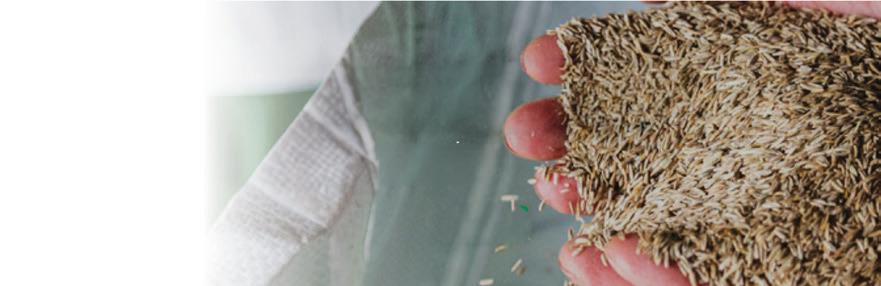

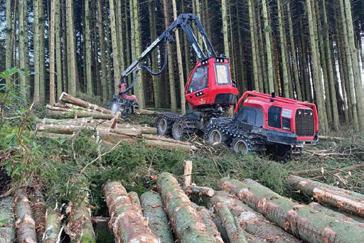
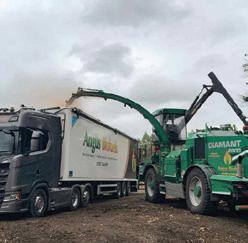
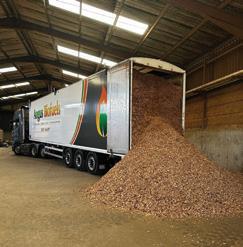



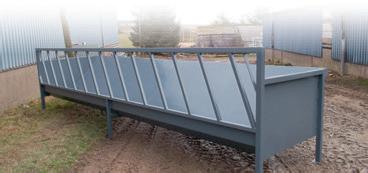
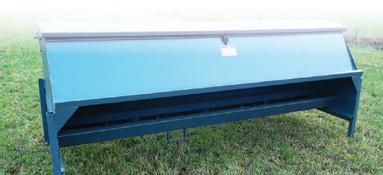
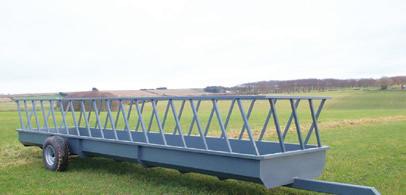
ARGYLL & ISLANDS


OREGIONAL MANAGER
Lucy Sumsion 07787 434 104 lucy.sumsion@nfus.org.uk
n Thursday 26 March, RHET
Argyll & Bute held a very successful Food & Farming event at Oban Livestock Centre, with 160 schoolchildren attending from schools in the Oban area and from as far away as Dalmally. Among a range of activities, the children were able to see a livestock lorry being loaded and learn about sheep and wool, dairy, arable, and venison production. Police Scotland
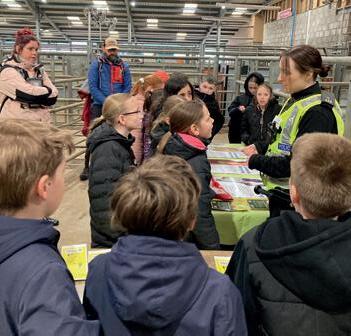
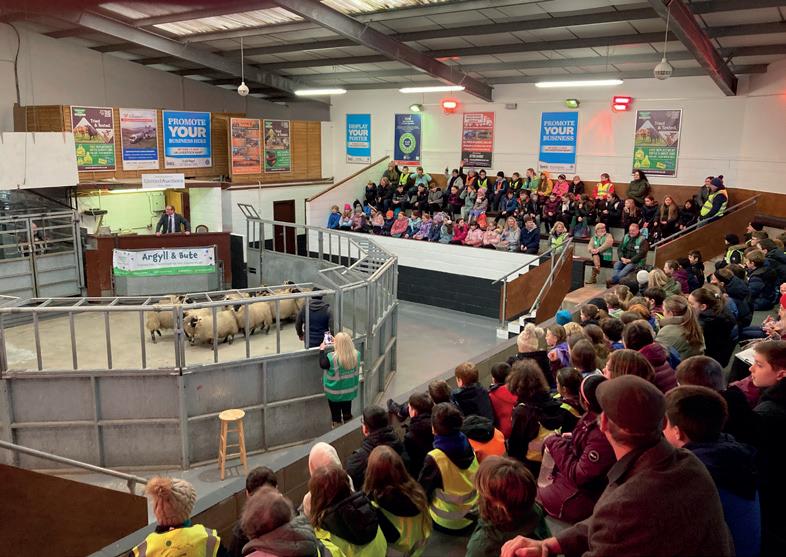
were also in attendance, highlighting the importance of keeping dogs under control to prevent livestock attacks.
The event finished with the excitement of the children experiencing a mock live auction. Raymond Kennedy from United Auctions sold a pen of Blackface hoggs for a record-breaking £2,000 to a somewhat surprised wee boy from Dalmally!
The event would not have been possible without the many volunteers who helped run the stands and steward the children. Twenty-fi ve local volunteers, including NFUS members and others from further afield such as Bute and Tiree, travelled to help. The work of RHET would not be possible without these tireless and dedicated volunteers. There are many ways to get involved by volunteering your time, even if you are not a farmer or
working in the agriculture sector. RHET Argyll & Bute is keen to welcome more volunteers. If you are interested in getting involved, please contact the local RHET Co-ordinator, Katherine Dempster, by email at argyllbute@rhet.org.uk
In late March, the Argyll & Islands region held an online hustings event with candidates from the main political parties represented. Members were able to ask questions covering a range of topics, including future agricultural support, the next generation, LFASS, and species management.
More local topics included the future of veterinary services in remote and island areas, support for the Highlands & Islands Veterinary Service, and a commitment to finding a long-term solution to the Rest & Be Thankful.
LOTHIAN AND BORDERS


REGIONAL MANAGER
Lindsay Brown 07780 441 750 lindsay.brown@nfus.org.uk
In March, we hosted an informative meeting on the BPS 2026 Enhanced Greening changes, with staff from the RPID Gala and Edinburgh offices sharing essential updates. With more farms than ever now required to implement greening measures, there was strong interest from members in understanding their options and making the right choices for their land.
The RPID team delivered a detailed
presentation, explaining all the available greening options and illustrating how each could work in practice. Members had ample opportunities to ask questions and clarify their understanding directly with the experts. After the main session concluded, the RPID staff kindly stayed on to provide one-to-one advice for those needing more detailed guidance.
Enhanced Greening can seem complex, but the meeting highlighted that support is available at every stage – from choosing the right options to practical implementation. RPID staff in Gala are ready to assist, helping you get it right for 2026 and beyond. For the most upto-date guidance, visit Rural Payments Scotland – Enhanced Greening.
• More farms are required to undertake greening measures for the first time.
• Expert advice is available to guide you through all the options.
• Practical examples and one-toone support can help ensure compliance.
By taking advantage of these resources, you can ensure your farm meets the new requirements while maximising efficiency and sustainability.




We carry out all roofing and roughcasting works including: - SLATING AND TILING
- BUILT UP FELT SYTEMS
- GUTTER REPAIRS AND RENEWAL
- VELUX SUPPLIED AND FITTED
- ALL LEAD WORKS
- RENDER AND HARLING
- MEWP WORKS
- ROPE ACCESS WORKS
- DRONE REPORTS





I am pleased to welcome John Cowan as the new Regional Manager for Dumfries & Galloway. John will be well known to many, and I am sure he is looking forward to his first regional board meeting on 14 May as he settles into the role.
At the time of writing, we are in the midst of the Scottish election campaign, with all party manifestos now published. While the outcome remains unknown, NFU Scotland stands ready to work with and lobby whoever forms the next Scottish Government. It is encouraging




to see agriculture recognised across the manifestos and, while we would not support some of the more ambitious proposals, it is clear that all parties acknowledge the importance of farmers and crofters to Scotland.
With a significant number of MSPs standing down at the end of the last Parliament, there will be many new faces at Holyrood and building relationships with these individuals will be a key priority for NFU Scotland.
On the ground, much of the spring work across the region will now be complete, with silage season fast approaching in earlier areas. However, the cost and availability of fuel and fertiliser remain major concerns. NFU Scotland, alongside the other UK farming unions, continues to press the UK Government on these issues.


Across the region, much of the spring work will now be complete, although the cost of establishing crops has varied significantly depending on when inputs were purchased. The ongoing cost and availability of fuel and fertiliser remain a serious concern as we move through 2026. Without meaningful change, difficult decisions may need to be made around cropping plans for the 2027 harvest. NFU Scotland and the other UK farming unions continue to lobby the Government on these challenges.
By the time this is published, many Single Application Forms (SAFs) will have been submitted. Hopefully, those affected by the 2026 Greening rule changes
have been able to adapt without too much disruption. However, further changes are expected for those with Permanent Grass areas declared on their SAF forms. While details are still being developed and the timeline for introduction is not yet confirmed, there will be an opportunity to help shape these proposals.
This will be discussed at the Highland regional board meeting on 19 May, where we will be joined by Director of Policy, Jonnie Hall. If you have any questions or suggestions, please contact your regional board member or myself.
As elsewhere, the changing political landscape means there will be many new MSPs following the election. Once the results are known and a government is formed, I will ensure plans are in place to engage with both new and returning representatives.
A final plea from me is to make sure you are up to date with the recent changes to the Sporting rates.
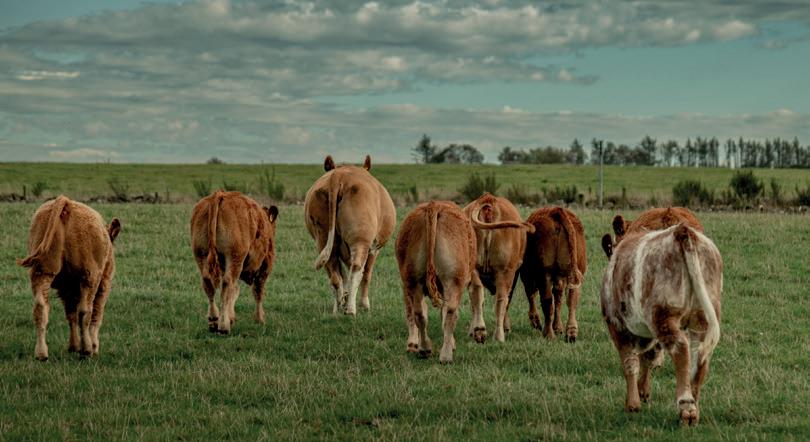


AREGIONAL MANAGER Holly Fitzsimmons
07775 838 926
holly.fitzsimmons@nfus.org.uk
yrshire NFUS and SAYFC members came together in March for a well-attended regional hustings event, where candidates from all major political parties were invited to make their case ahead of the Scottish elections in May.
The event provided a valuable platform for members to engage directly with candidates and highlight the vital role that farmers and crofters play in sustaining
rural communities. The discussion reinforced how this “silent army” of food producers and land managers underpins the economic, environmental and social fabric of Ayrshire, and why their knowledge and resilience must not be taken for granted.
Ayrshire Regional Chair, John Kerr, reflected on the evening, noting that it demonstrated the importance of engaging with whoever is elected to Holyrood. He emphasised that candidates’ understanding of the industry must be challenged and strengthened, regardless of their political background, particularly at a time when many MSPs are stepping down and new voices will shape future policy.
SAYFC Agri and Rural Affairs Committee Chair, Fraser Graham, also highlighted the importance of the event:
“Being able to give politicians and candidates an opportunity to hear the thoughts and feelings directly from our members is incredibly valuable. It’s about having constructive conversations about the future of farming which benefi ts every single voter, regardless of the political landscape.”
Overall, the event underlined the importance of collaboration, ensuring that the voice of agriculture continues to be heard and understood at the highest levels of decision-making.
Building on this theme, a new pilot programme by the Digital Dairy Chain (DDC) is opening doors for Armed Forces personnel into UK dairy farming. Delivered with partners including Lantra, Ruralink, CTP, and UWS, the initiative provides structured training and handson experience while addressing skills shortages in the sector.
The programme connects military strengths – leadership, resilience, teamwork – to modern dairy farming needs. Early success stories, like former Royal Navy Second Officer Becca managing a 1,000cow herd, show the potential for service leavers to thrive in agriculture.
Looking ahead, similar initiatives will expand across other agricultural sectors, creating more opportunities for people to contribute to and shape the future of farming.
Both the hustings and dairy pilot show how engagement, education, and practical opportunities are vital to securing the future of agriculture – empowering today’s farmers and tomorrow’s workforce.
FORTH & CLYDE


TREGIONAL MANAGER
Sheena Foster 07789 796 582 sheena.foster@nfus.org.uk
hroughout February and March, Forth and Clyde joined forces with colleagues in Ayrshire and Dumfries & Galloway to deliver a useful and informative series of roadshow meetings with agricultural officers from the Ayr and Hamilton Rural Payments and Inspections Division (RPID) teams. Designed to give members a clearer understanding of inspections and upcoming scheme changes, the sessions were held in Ballantrae, the McRobert Skills
Centre at Dumfries House, and Howwood.
The purpose of the roadshow was simple: to help members understand exactly what to expect during cattle, sheep and land inspections, while also shedding light on the changes to greening and EFA requirements that will come into play as we move toward the 2026 Single Application Form (SAF). With rules constantly evolving and inspections often feeling daunting, the sessions offered a welcome chance to hear directly from the officers who conduct them. Their straightforward explanations helped break down what inspectors look for, the documentation required, and the areas where misunderstandings or simple oversights most commonly occur.
A significant portion of the meetings focused on the changes to greening and
EFA as we move towards the 2026 SAF. With further adjustments on the horizon, these updates were particularly useful in helping businesses prepare early and consider how future requirements may influence on-farm decisions.
This roadshow demonstrated the real value of collaboration across NFU Scotland regions. By pooling resources and working closely with RPID, we were able to deliver accessible, informative meetings that supported members at a time when clarity is essential. We hope to build on this approach and continue offering similar opportunities in the future.
For anyone who was unable to attend but would like more information or support on inspections, greening changes, or SAF queries, your regional team is always here to help.


Paterson


07786 860 453
lorna.paterson@nfus.org.uk
At the time of writing, our members are juggling calving, lambing, and drilling alongside branch and regional monitor meetings. The very changeable weather makes this all the more challenging.
A very successful Livestock and LFA meeting was recently hosted at Turriff ’s Baden Powell Centre, where discussions on permanent pasture proposals under EFA and the rebasing of LFA were key topics. Davie Smith, Patrick Sleigh, Alistair Sinclair, and Jason Lancaster also met with Haley Bouma from STV for interviews on concerns regarding apex predation and its effects on nature and biodiversity
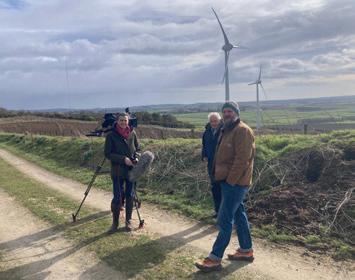
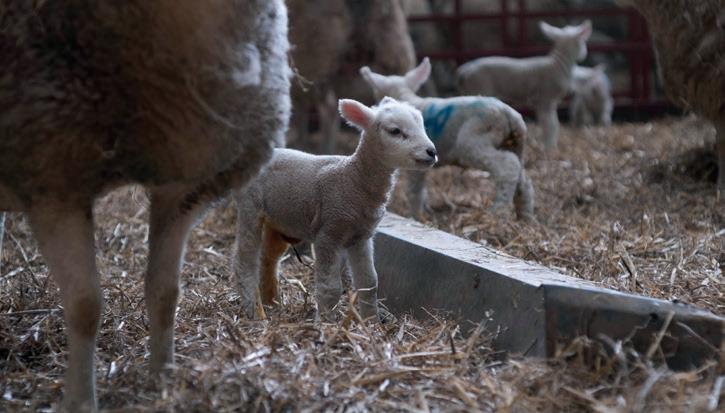
(see picture below). Similarly, Patrick and Alistair are navigating how best to respond to Aberdeenshire Council’s newly launched Draft Aberdeenshire Nature Network consultation.
Our Regional Board met last week to discuss policy issues, our hustings event, and local plans for Fettercairn, New Deer, Turriff, and Keith shows. Other highlights include the NFUS North East SAYFC mock auction in May at Kirton of Kinellar, Kintore, and Open Farm Sunday in June at Mains of Thornton, Inverurie, along with a host of other initiatives.
We are delighted to be working closely with Turriff Show Association to support their Business Hub plans, as well as arranging meetings with SQC (Monday morning) and politicians (Monday
lunchtime) within our own marquee. Generous donations of three pigs from Russell Rennie (Tillyangus), Danny Skinner (Ladyfauld), and David Smith (Inkhorn) will allow us to serve hot pork rolls on both days and at our Unsung Hero Drinks Reception on Sunday evening. That evening will also feature an auction to raise funds for the Sma Wids and Deveron, Bogie & Isla charities. All donations are very welcome.
Davie Smith, Chair of our Recruitment Focus Group, is keen to engage members to help increase recruitment activities once spring work is complete. Our Group Secretaries are also making arrangements for visits from both of our Vice Presidents, who will be supporting recruitment appointments this summer.
by the Small Business Bonus Scheme to subsidise rates, relief, or exemption.


REGIONAL POLICY ADVISOR
Lee Smith


07554 741 030
lee.smith@nfus.org.uk
Recent issues in Shetland have been in regard to sporting rates and changes to the Small Business Bonus Scheme. While sporting rates apply to shooting game including grouse or rabbits, it also supports land management. Shetland land is not used for sporting purposes, crofters and farmers are usually supported
Crofters and farmers on the Island are worried that changes to this scheme may cause undue worry and have financial implications to already stretched businesses.
Talking to local crofters and farmers they believe they may be exempt. These exemptions are put in place where:
• Shooting rights are exercised solely for environmental management or to prevent damage to woodland or agricultural production (or a combination of these purposes),
• Provided deer shot enters the human food chain.
• No shooting rights are exercised.
• Crofts, agricultural and small landholding tenancies, new entrant leases and
• Environmental leases (as set out in Budget 2026-27) apply.
Shetland Island Council confirms Crofters will be exempt from paying sporting rates.
The local council are in the process of putting Minimal Financial Assistance legislation into place which will assist in supporting this change.
Crofters should now have information around Shooting Rights alongside an application form which includes a declaration. This must be completed and returned to ensure you are exempt from these rates. If you have any queries regarding this, either contact myself of Shetland Island Council: Donal Hay 01595 744654.
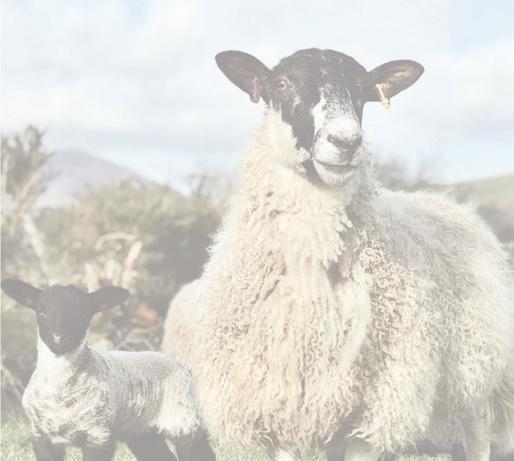
Making Tax Digital
Preparation of Accounts
Auditing
Taxation Services
Payroll & VAT Services
Capital Gains Tax
Inheritance Tax Planning
Business Forecasts / Budgets
Business Start-ups
Renewable Energy Projects
GUIDANCE YOU CAN COUNT ON
Agriculture, Accounts, Audit, Tax, Wind & Renewable Energy Projects
Providing expertise in your field
www.stewartgilmour.co.uk • enquiries@stewartgilmour.co.uk





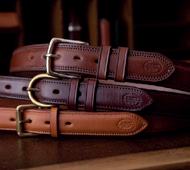
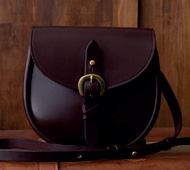
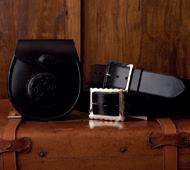

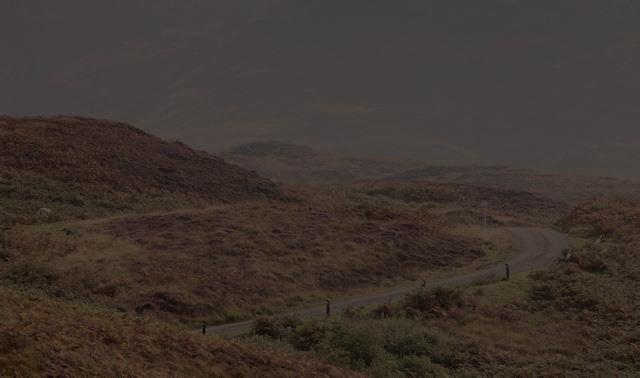



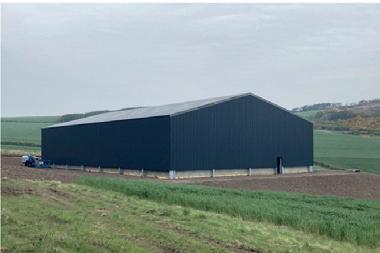

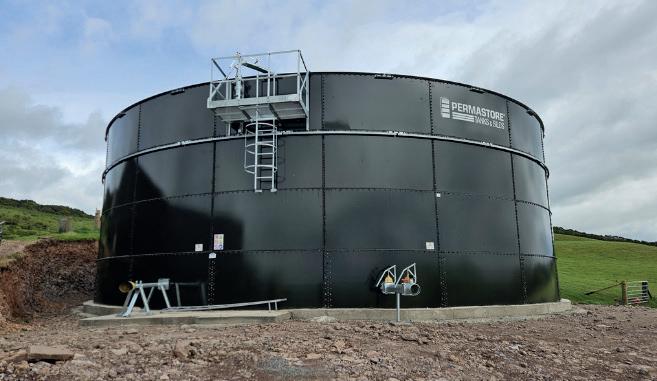


Emma Moore,
Manager with
Why is broiler production an attractive option for farmers looking to diversify their business?
Broiler farming is an attractive diversification opportunity for a number of reasons. Not only does it provide an opportunity to generate a competitive financial return, there is a regular cashflow with income generated every seven weeks. Plus, a poultry farm doesn’t require a significant amount of land, just 10-15 acres, which can make good use of lower-quality marginal land. It complements existing farming systems, can make efficient use of labour with the added bonus that the litter (manure) produced is an ideal fertiliser, particularly for those growing arable crops. Is now a good time to diversify into broilers as part of a farming enterprise?
We feel that now is a great time to look into diversifying into broilers. In the short-term there is a need for additional farming space to enable the transition to produce high-welfare chicken. 2 Sisters Food Group (2SFG) and others in the industry have moved from a stocking density baseline of 38kg/sqm to 30kg, and this means there is a need for 20% more space just to grow the same number of birds. There is an immediate need to address that change, but also plans are in place, and planning permission received for a new 2 Sisters factory at Coupar
flat, has good road access, is close to key utilities (water and electricity) and is within two hours’ drive of Coupar Angus. Ideal locations are isolated from settlements or residential properties (a suggested minimum is 400m), and sufficiently away from any SSSI’s or other environmentally sensitive designations to ensure that an environmental permit can be obtained.
What’s involved in setting up a modern broiler shed?
Any new unit requires Full Planning Permission, a Building Warrant, an environmental permit and other consents may be applicable. We recommend early engagement with the relevant local planning authorities and SEPA in order to gain advice prior to progressing with full applications. We have an internal team who are here to support and who can guide you through the process, and also introduce you to relevant specialists whether they be planning consultants, ecological advisors, or building contractors.
What opportunities are currently available through 2Agriculture, and how can you support farmers considering broiler production?



There are various opportunities available. Firstly, we are keen to find new entrants –
For landowners or farmers who don’t wish to farm themselves, but who would like a competitive return on investment, we offer a rental opportunity
Angus... We are now starting to build the additional farming space to supply the increased volume that the new factory will require, but we need a significant number of new sheds over the next 3-4 years.
What factors make an ideal site for a broiler unit?
A good broiler site is one that’s typically
people who wish to develop a poultry unit and operate it themselves. In this scenario, we offer financial support towards the cost of the new sheds.
Secondly, for landowners or farmers who don’t wish to farm themselves, but who would like a competitive return on investment, we offer a rental opportunity
The investor would develop the farm and we would enter into a lease agreement which provides a regular, stable income over a long-period.
The third option is land sale as we are keen to acquire land to develop our own farms (we already have more than 20 in Scotland). In this scenario, we would agree an Option agreement which would be subject to obtaining Full Planning Permission. Assuming consent was granted, we would exercise the Option and complete the purchase at a preagreed price, which would be at a level above agricultural value.
If anyone is considering broiler production, then we would be pleased to hear from them and can offer as much help and support as is required. We have a local team in Scotland who are expert in all aspects of both the development process, and the growing of chickens.
Please get in touch with Emma to find out more: Emma.moore@areil.co.uk