100 YEARS OF STIHL CELEBRATING 100 YEARS OF STIHL INNOVATION.
ROOTED IN TRADITION. INSPIRED BY INNOVATION.
stihl.co.uk
We're celebrating working in nature with you for 100 years. Since 1926, STIHL has led the way in both petrol and battery technology - helping you tackle every job with confidence. Thank you for being an essential part of our journey.
STIHL STG1 TWO-MAN CHAINSAW (1926)
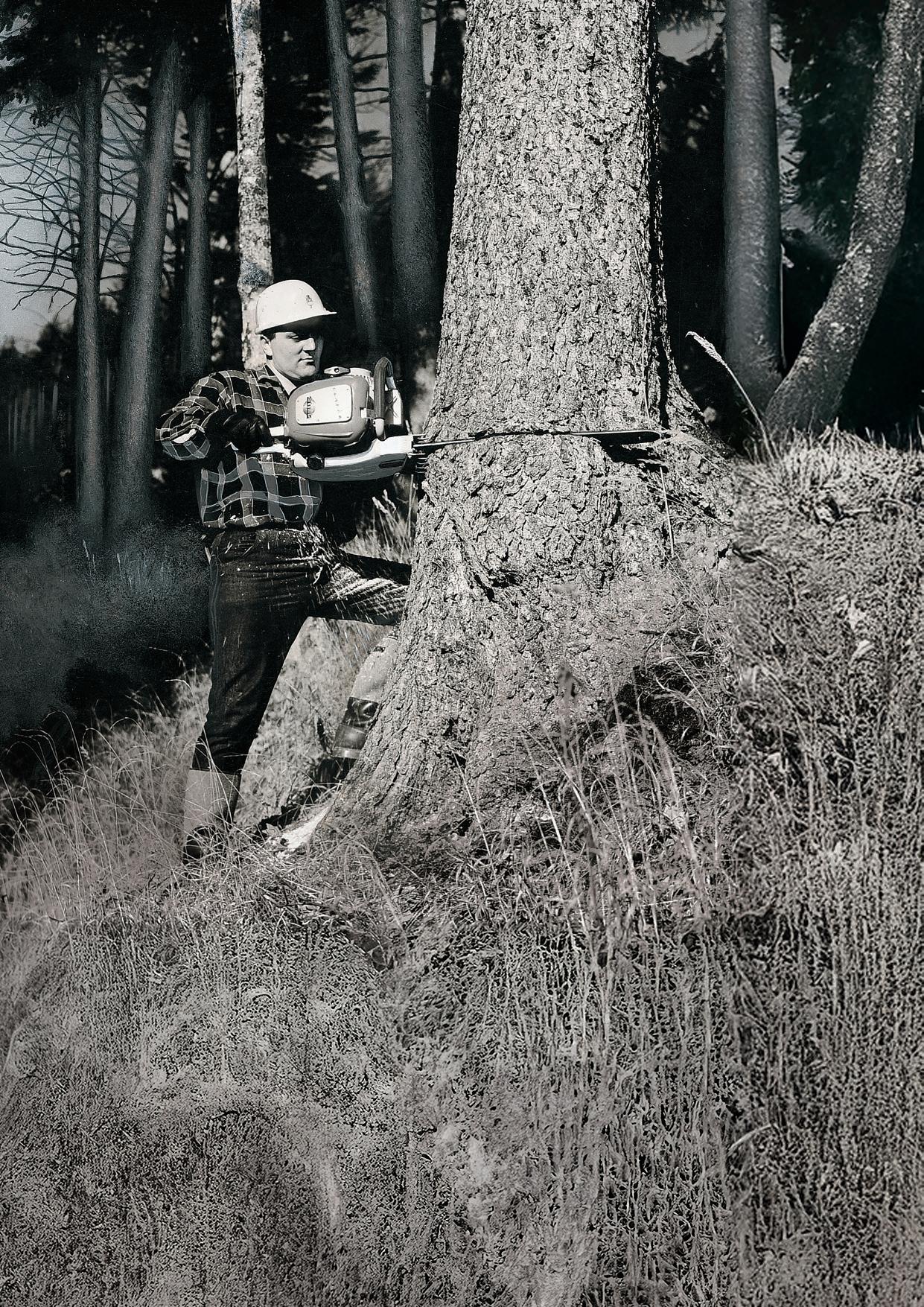
STIHL CONTRA CHAINSAW (1959)
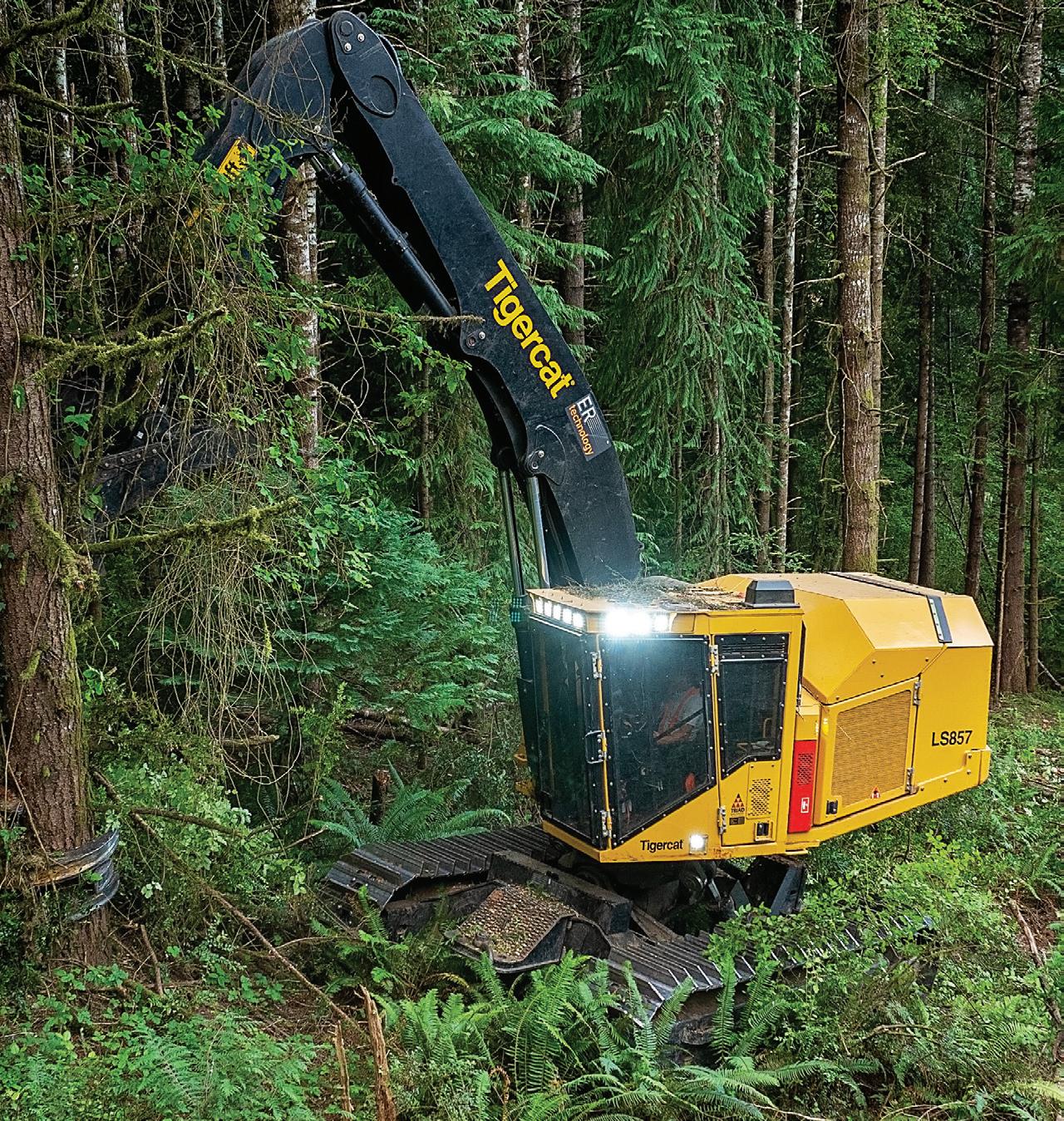
STIHL MSA 300 CHAINSAW (2023)
Timber security is national security –and the UK is falling behind
STUART GOODALL CHIEF EXECUTIVE, CONFOR
National security is no longer defined solely by armed forces and defence hardware. As the UK Government’s own National Security Strategy 2025 makes clear, resilience now depends on secure supply chains, access to critical goods, and the ability to withstand global shocks. Yet one essential material remains largely overlooked in this debate: timber.
Global demand for wood is forecast to rise dramatically, potentially quadrupling by 2050. At the same time, the expansion of productive forests worldwide is too slow to meet future needs. Supplies of softwood – the backbone of construction, infrastructure and packaging – are tightening across Europe and North America. Only Russia holds significant untapped reserves. Against this backdrop, the UK stands exposed.
We import more than 80% of the timber we use and if demand continues to grow at recent rates, UK timber consumption could rise by more than 70% by mid-century. This reliance on global markets leaves us vulnerable to price volatility, trade disruption and geopolitical risk –a lesson underlined during the Covid pandemic, when timber and forestry were rightly classified as “essential industries”.
Yet policy choices are moving in the wrong direction. While broadleaf woodland in England
Confor is a membership organisation that promotes sustainable forestry and wood-using businesses. Confor members receive Forestry and Timber News for free as part of their membership. For more information on membership, visit www.confor.org.uk/join-us
Past issues and articles can be accessed online at www.confor.org.uk/news/ftn-magazine
Non-member subscriptions: £77.99/(£84 overseas)
Contact FTN@confor.org.uk
Forestry and Timber News is published by Countrywide Publications on behalf of Confor.
For advertising, contact Danny Lewis 01502 725858
danny.lewis@micropress.co.uk
Printed by Micropress Printers Ltd
has expanded significantly, conifer woodland – which supplies over 90% of UK-grown timber – has declined sharply. New woodland creation is overwhelmingly broadleaf, with conifers accounting for barely 10–12% of planting, far short of what is needed to support net zero, replace lost forests and maintain domestic supply.
Scotland has fared better, but the harsh cut to the 2024 planting budget seriously damaged industry confidence. Approval times for large, productive schemes have slipped badly as regulators appear to struggle to deal with difficult stakeholder consultation and political attention has been diverted towards ‘simpler’ small schemes that won’t enable Government to meet its planting and net zero targets.
In Wales and Northern Ireland, progress is slow and still far short of what is needed.
If the UK is serious about resilience, it must recognise timber security as national security –and act accordingly. That means planting more productive forests, improving yields and using more homegrown wood in housebuilding. The industry stands ready. What is needed now is political recognition and resolve.
A major first step was taken at Confor’s All Party Westminster Group to get their backing for a report and recommended actions, but there is still a lot of work to do.
Stuart Goodall
Chief Executive
T: 0131 240 1416
E: stuartg@confor.org.uk
Andy Leitch
Deputy Chief Executive
M: 07881 510171
E: Andy.leitch@confor.org.uk
Eliza Hibbins-Cline Membership and Marketing
M: 07918 880285
E: eliza@confor.org.uk
Eleanor O’Neill
Communications Manager M: 07918 255930
E: eleanor.oneill@confor.org.uk
Dr Kate Palmer
Technical and Industry
Support Manager
E: kate@confor.org.uk
John Bruce
National Manager for England
E: john.bruce@confor.org.uk
Richard Hunter
National Manager for Scotland E: richard.hunter@confor.org.uk
Elaine Heckley
National Manager for Wales
E: elaine.heckley@confor.org.uk
Confor head office and editorial office 22 LG1 Forth Street, Edinburgh EH1 3LH
Follow @forestsandwood on Twitter for the latest Confor news and updates
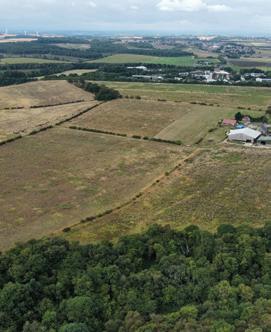
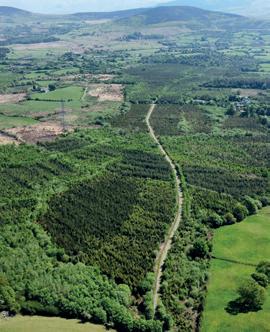
EDDER ACRES WOODLAND
Shotton Colliery, Co. Durham
175.82 acres / 71.15 ha
A p2023 mixed plantation registered and validated under the Woodland Carbon Code. Mix of conifer and broadleaved species with Scots pine, Norway spruce and Western red cedar. Also includes oak and silver birch. Regular maintenance has been carried out. Good growth across the plantation.
Sporting rights owned and included. Good access. Freehold.
Guide price
£1,250,000
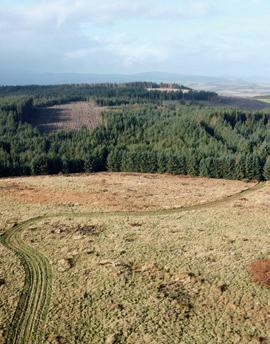
AMERSIDELAW FOREST
Chillingham, Nr Wooler, Northumberland
391.06 Acres / 158.25 Ha
A large, well-managed commercial forest entering a new rotation in good condition. This forest, with its stunning location and all of its productive ingredients, is an extremely attractive forestry investment and includes a forest lodge and wild swimming pond.
Sporting rights owned and included in the sale.
Freehold.
Guide price £2,150,000
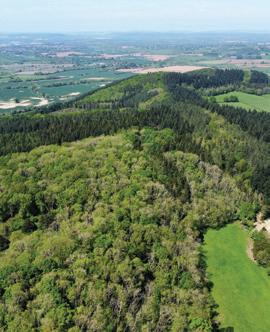
FOWNHOPE PARK WOODLAND
Fownhope, Herefordshire
188.61 Acres / 76.33 Ha
A well-managed woodland featuring a diverse mix of conifer species ranging from 1964 to 2022 as well as mixed broadleaves. Felling licence expiring 2029. Sporting rights owned and included. Good access.
Freehold.
Offers over £900,000
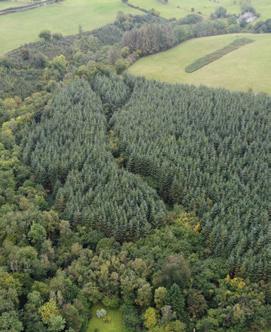
SELATTYN WOODS
Selattyn, Oswestry, Shropshire
Lot 1: 48.32 acres / 19.55 ha
Lot 2: 20.31 acres / 8.22 ha
Lot 3: 40.39 acres / 16.35 ha
The woods are second rotation timber resource developing fast and approaching first thinning. Sporting rights owned and included. Good access. Freehold.
Guide price Lot 1 £250,000 Lot 2 sold (STC) Lot 3 sold (STC)
PEN-Y-FFRITH
Alwen Reservoir, Cerrigydrudion, Denbighshire
180.14 Acres / 72.90 Ha
Three plantations of mainly late rotation Sitka spruce planted in the late 1980s on a technically excellent site and now with large quantities of mature timber available to harvest subject to felling licence. Good access. Freehold.
Sporting rights owned and included.
Guide price £950,000
BLAEN Y CAE
Penisa’r Waun, Nr Caernarfon, Gwynedd
130.03 Acres / 52.62 Ha
A maturing commercial forest comprising Mainly Sitka spruce with Norway spruce and Lodgepole pine also featuring. Planting years 2012, 2015 and 2017. Some 1970s Sitka.
Sporting rights owned and included.
Offers over £675,000
Recognition for industry icons and rising stars
The Confor Dinner & Awards champion the efforts of inspirational individuals and organisations going above and beyond in the forestry and wood-using industry.
We asked you to nominate colleagues and peers who deserved recognition for their work to drive the sector ahead, whether that be through forward-thinking leadership, championing forest products, preparing the industry for tomorrow, or contributing to net zero.
This shortlist of nominees showcases the breadth of skill and achievement present across the wide-reaching spectrum of the industry.
Winners will be announced at the Confor Dinner & Awards event at Surgeons Quarter, Edinburgh on 11
March. Ipswich-based woodturner Shaun Clifford has handcrafted awards to be presented on the night, and guests will be welcomed by a drinks reception kindly sponsored by Green-tech Ltd.
Stuart Goodall, Confor Chief Executive, commented: “The annual Confor Awards have become firmly established as the most prestigious event in the calendar, recognising excellence and determination to succeed across the forestry and timber sector.
“In these times of global insecurity and economic and climate challenges, our industry can make a valuable contribution
needs great people and businesses who can promote the industry and who can demonstrate excellence and drive growth – those shortlisted for this year’s awards fit the bill.
“I look forward to seeing many of you at the event next month for the chance to celebrate some of the best in our industry and to look ahead positively to how we can shape our future.”
Forestry Operations New Entrants Programme
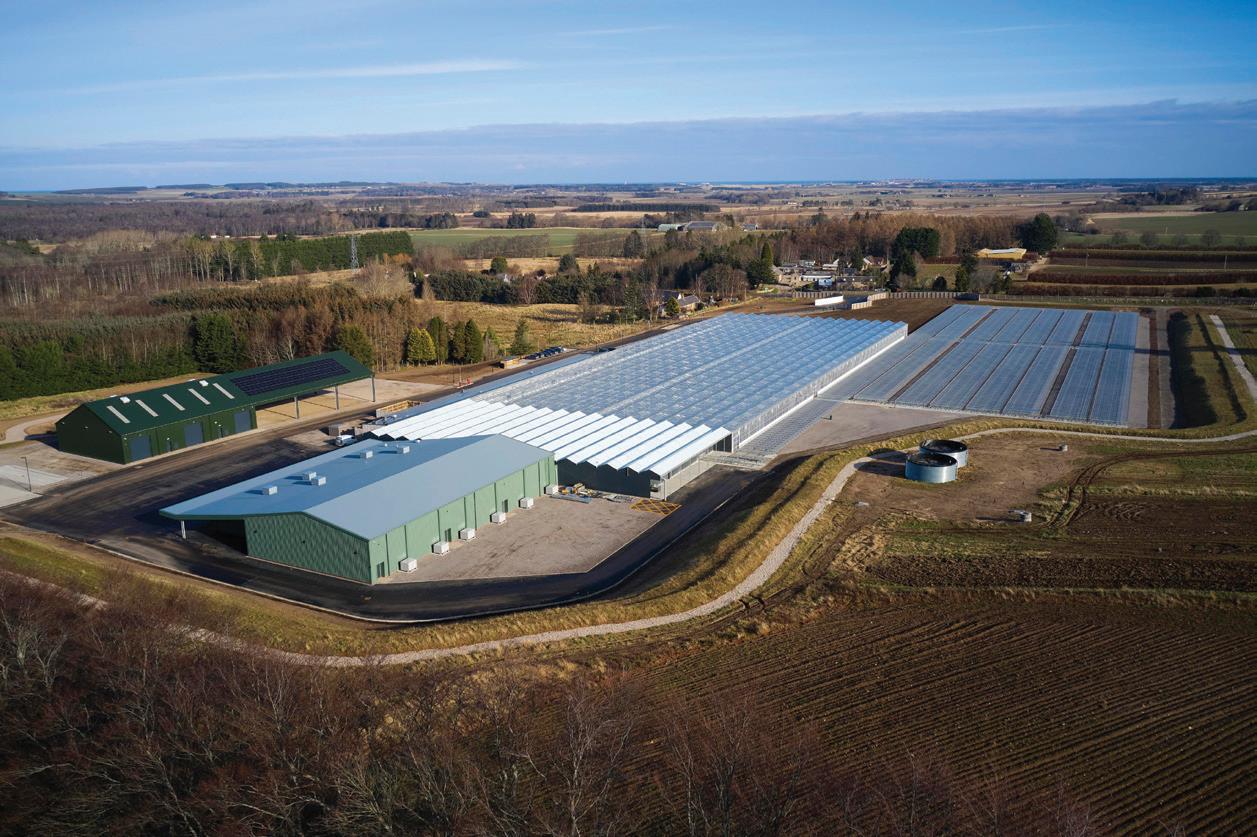
FLS Newton Nursery Redevelopment
who has made an outstanding positive contribution to the forestry industry over the course of their career.
The ICF Professional Forester of the Year title and Scottish Forestry Trust Dr Cyril Hart Memorial Award will also be announced at the event.
BUILDING INDUSTRY RESILIENCE
Sponsored by Forestry Commission and Forestry & Land Scotland
This award is presented to an individual, business or organisation taking action to futureproof the forestry and wood sector through impactful research, innovative technology development, or skills-building initiatives.
FLS NEWTON NURSERY REDEVELOPMENT
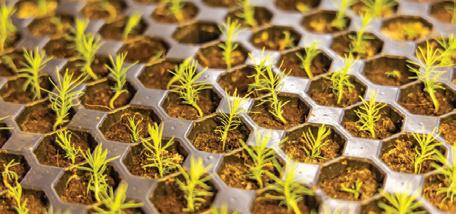
The Newton Tree Nursery Redevelopment represents a strategically important investment in the long-term resilience of the UK forestry and timber sector. By transforming outdated nursery infrastructure into a modern, highcapacity, biosecure growing facility, Forestry & Land Scotland has contributed to a more stable future forest resource that underpins woodland creation, restocking, and long-term wood supply for processors and markets.
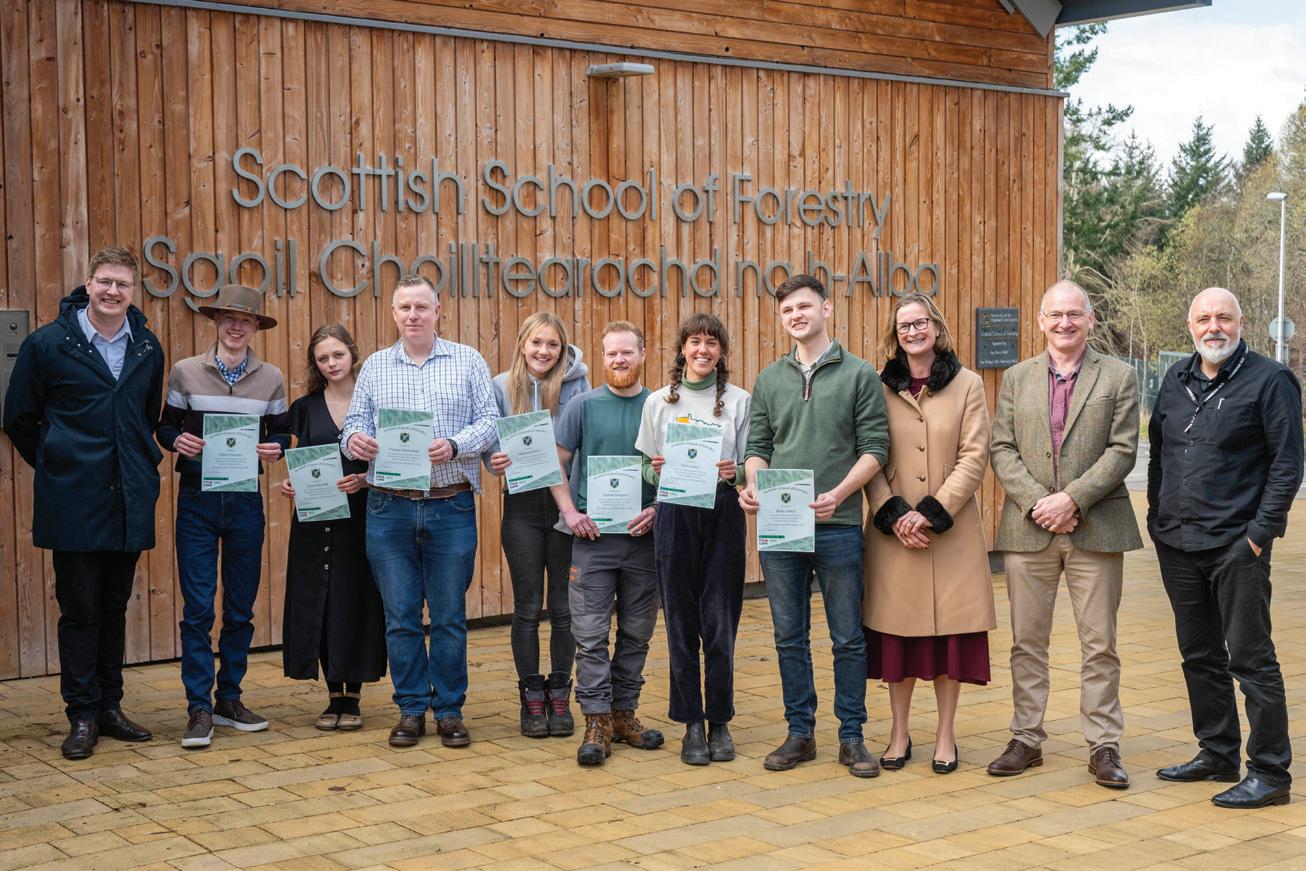
FORESTRY OPERATIONS NEW ENTRANTS
PROGRAMME
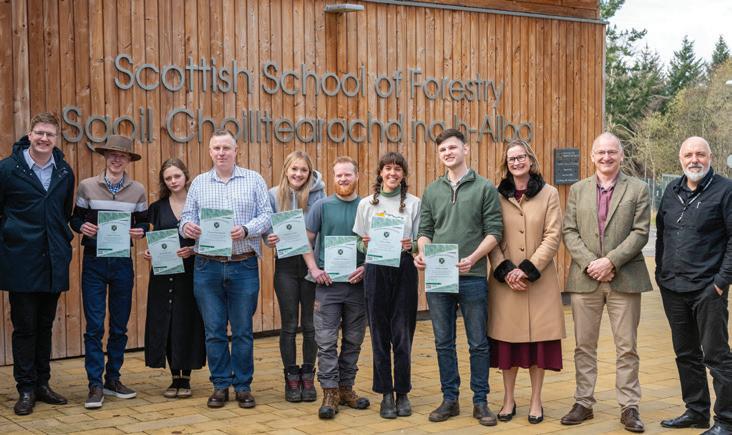
Launched in 2025 at the UHI Scottish School of Forestry (SSF), this innovative,
continued on p10
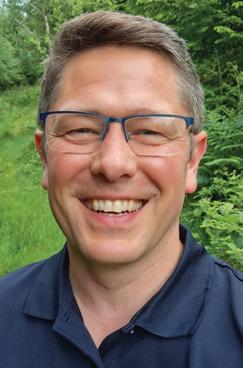
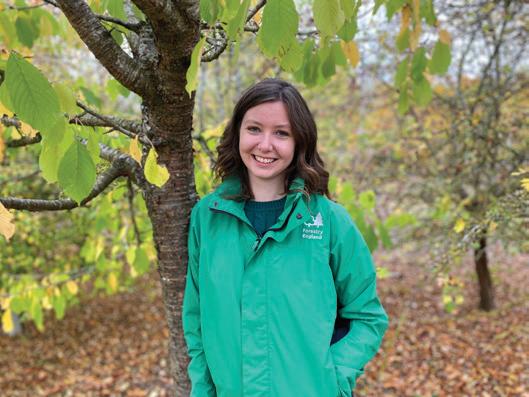
Clockwise from top left: Trust UK C16 Campaign; Dr Eleanor Tew; Forestry Commission Trees to Timber Campaign and Andrew Sowerby.
CHAMPIONING FORESTRY & TIMBER PRODUCTS
Sponsored by Scottish Woodlands Ltd
This award is presented to an individual, business or organisation promoting the forestry and wood sector through personal engagement, campaigning, or communication.
ANDREW SOWERBY FICFor
Andrew has taken the lead to promote the sector and professionalism in forestry on YouTube with his ‘Friendly Neighbourhood Forester’ series of videos. Drawing in hundreds of viewers, he has broken down simple and complex forestry concepts for audiences outside the sector. Andrew is a frequent speaker at industry and adjacent events, credited with tireless effort to champion high professional standards and safeguard the reputation of foresters.
DR ELEANOR TEW MICFor
Dr Eleanor Tew is a respected leader in UK forestry with a deep commitment to science, sustainability, and public engagement. She has been the driving force behind Forestry England’s Forest Resilience Strategy and fronted a coordinated communications effort hat secured sector-wide visibility. Her ability to translate complex science into compelling public narrative
has significantly raised awareness of resilience within the sector and beyond.
FORESTRY COMMISSION TREES TO TIMBER CAMPAIGN
The Trees to Timber campaign translated complex technical information into clear, credible messages, aimed at raising awareness of the importance of UK grown timber. Through tailored content and stakeholder engagement, the campaign reinforced the importance of timber as a contributor to both the economy and environment, encouraging landowners to develop new commercial enterprises, highlighting innovation in the sector, and repositioning modern forestry.
TRUST UK C16 CAMPAIGN
In an industry first, BSW Timber, James Jones & Sons and Glennon Brothers have joined forces in a landmark collaboration to promote the use of domestically grown and manufactured timber. The initiative has launched a unified umbrella brand, Trust UK C16 Timber, under which a highprofile industry campaign has been initiated to reshape perceptions and raise awareness around four pillars reflecting the journey from tree to timber: Grow, Manufacture, Specify, and Build.
ICF Professional Forester of the Year
This award honours Chartered Arboriculturists or Chartered Foresters who have made significant contributions to forestry at a community, regional, national, or international level. The Professional Forester of the Year award is given for a particular project or a series of activities carried out by a Chartered member of the Institute of Chartered Foresters within the past three years.
TOM COATES MICFor
Area Supply Manager at James Jones & Sons Ltd
Tom stands out as an enthusiastic and inspiring professional. His rapid career progression and passion for outreach have helped engage others in sustainable forestry practices. In his role with Scotland’s largest sawmill group, Tom promotes responsible woodland management and champions collaboration across the sector. His ability to motivate and connect with people reflects a strong commitment to advancing forestry science and practice.
CATHERINE NUTTGENS MICFor Director of Nuttgens
Urban Forestry
Catherine is celebrated as an innovative communicator and advocate for change. Her work redefines public engagement with trees and green spaces, balancing wellbeing, nature, and climate priorities. Catherine’s influence extends into media, academia, and community initiatives where she champions diversity and creativity. Her efforts to raise awareness of the sector’s vital role in society exemplify leadership and vision for the future of forestry.
Charles is recognised for his outstanding achievements as both a forester and business leader. He inspires and supports his team to realise their potential, fostering a culture of trust, respect, and continuous improvement. He has played a pivotal role in the industry as a conference speaker, Member Network Chair, PME Assessor, and as a representative on the UKFS Review Panel. Part of the Institute’s 2024 Emerging Leader Programme and awarded Fellowship of the ICF in 2025.
continued from p9
targeted programme tackles acute industry skills shortages. Fully funded and industry-backed, the training was delivered by SSF experts and targeted at young people and career changers. Funding was provided by Aviva Investors (supported by Par Equity) and equipment supplied by Scottish Woodlands –a powerful blend of industry, investors, and training providers.
ICF SPRINGPOD PROGRAMME
The Institute of Chartered Foresters’ Springpod virtual work-experience programme is an accessible, interactive, and professionally designed digital experience, opening the sector to thousands of young people who may never have considered forestry as a viable, modern, and meaningful career path. Developed in collaboration with the Forestry Commission, this initiative directly strengthens the future workforce pipeline.
RHIZOCORE TECHNOLOGIES
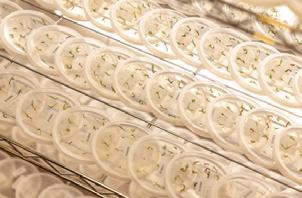
Rhizocore has recently secured £4.5 million in investment to scale its innovative approach to forestry and woodland restoration. The company specialises in the production of locally adapted mycorrhizal fungi to
support woodland regeneration and tree planting success. Their flagship product, the RhizoPellet™ has delivered unprecedented results across numerous sites. This latest investment will allow the company to increase supply to meet future demand.
continued on p13
ICF Springpod Programme
Rhizocore Technologies
Celebrating home-grown timber
From building and heating our homes, to packaging, furniture and much more, explore timber's story, for people, nature and climate.
Find out more at gov.uk/forestry/timber
#TreesTo
Timber
CarbonStore simplifies the process of securing carbon accreditation with the Woodland
With over 6,000 hectares of woodland registered with the Code, we are one of the UK’s leading project developers.
Contact CarbonStore for clear, trustworthy, and impartial advice in woodland carbon accreditation.
07500 950832 | info@carbonstoreuk.com
continued from p10
NET ZERO INNOVATION
Sponsored by Tilhill Forestry
This award is presented to an individual, business or organisation making a specific and measurable contribution to the forestry and wood industry’s efforts to deliver the UK’s net zero ambitions.
ALEXANDER MACKINNON
As a founding member of the UK Project Developer Association, Alexander has helped shape high standards for the sector. His leadership in highquality woodland creation, commitment to integrity, and focus on real environmental outcomes make him an outstanding champion of the UK’s net-zero ambition. He approaches challenges with optimism and his ability to bring people together, promote constructive dialogue and focus on shared outcomes has had a positive impact on the sector.
CHESHIRE EAST COUNCIL NET ZERO WOODLAND CREATION PROGRAMME
Cheshire East Council and its delivery partners navigated demanding planning and EIA processes to bring a flagship carbon-offsetting project to reality. One of the first councils to act decisively on climate change, the multi-organisational team worked to commit valuable land and resources to a complex woodland creation programme spanning 138 hectares. In addition to carbon sequestration, the programme also focused on establishing productive and biodiversity-rich woodland.
LAND ENERGY
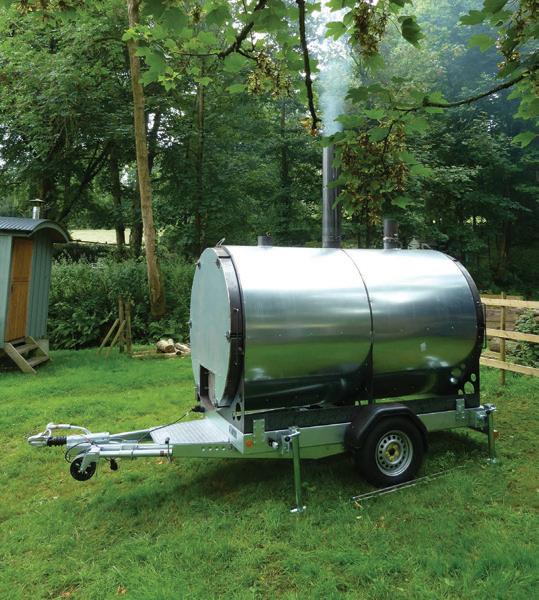
Land Energy’s goal is to make wood pellet energy a “mainstream” choice for commercial and domestic users. They have the lowest carbon footprint in the business and guarantee a minimum of 4,800 KWh of heat per tonne. Virtually no fossil fuels are used in Land Energy’s production process, and they have been
Jake Burton Jillian Kennedy Ricky Dallow
THE TOM A BRUCE JONES MEMORIAL AWARD FOR FUTURE LEADER IN THE FORESTRY INDUSTRY
Sponsored by James Jones & Sons
This award is presented to an individual with outstanding skills, who has the potential to be a leader in the forestry and timber sector - someone showing initiative, passion and making a real difference to the sector.
JAKE BURTON MICFor
As well as dedication to furthering his own knowledge and expertise, Jake has been recognised as an inspiring career mentor and an empathetic, considerate mediator with members of the public. Jake has navigated several complex and sensitive projects at Natural Resources Wales, demonstrating outstanding community engagement skills in addition to professional capability. He has completed the ICF Emerging Leaders Programme and volunteers with the North Wales Wildlife Trust.
JILLIAN KENNEDY
Jillian joined the Scottish Woodlands Graduate Development Programme
awarded the only globally recognised Certification Mark for Sustainability for being part of UNESCO’s Galloway and Southern Ayrshire Biosphere Reserve.
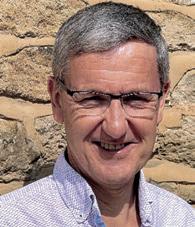
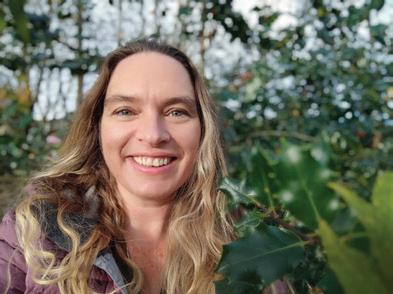
DR VICKY WEST MICFor (Right)
With a background in climate science and forestry policy development, Vicky played a vital role in the
in 2017 and is now a Senior Forest Manager. She has displayed great leadership qualities, both within Scottish Woodlands and on UK and European policy stages. As National Chair of the Scottish Association of Young Farmers Clubs and a Director of the Perthshire Agricultural Society, Jillian works to foster greater understanding between farmers and foresters and build stronger rural communities.
RICKY DALLOW MICFor
Ricky leads a team of young foresters at Tilhill Forestry and sets an example of continuous self-improvement. He is a steadfast professional, delivering beyond expectations in challenging circumstances and striving to provide the best service possible to his clients. Ricky consistently seeks CPD opportunities and recently completed the ICF Emerging Leaders Programme. He is a talented forester, creating a supportive and motivational environment for colleagues.
development of the Woodland Carbon Code and has been overseeing its management since it was launched in 2011. There are now over 845 projects validated to the code which are predicted to remove 14.8 million tonnes of carbon dioxide equivalent. Vicky is passionate about and committed to seeing the Code succeed as an effective tool to combat climate change.
Cheshire East Council Net Zero Woodland Creation Programme
Land Energy
Securing a place for timber
Stuart Goodall, Confor
Chief Executive,
lays out the ongoing political engagement keeping timber in conversation.
The recent period has been an exceptionally busy and strategically important one, marked by sustained political engagement across Scotland and Wales and a growing focus on the importance of timber as a key component of economic resilience, climate policy, and national security.
A significant strand of work has centred on developing and promoting forestry and timber manifestos ahead of the forthcoming Scottish and Welsh elections.
enables long-term investment by businesses along the supply chain and of all sizes.
The aim has been to ensure that climate and nature legislation properly reflects the contribution that forestry can make to emissions reduction, biodiversity enhancement, and economic resilience.
This advocacy work delivered a tangible result in the Scottish Budget, where Confor and Woodland Trust Scotland successfully lobbied for an uplift in funding for tree planting. At a time when planting rates have been under pressure and costs have risen sharply, this additional support is vital. It sends a positive signal to land managers and investors that the Scottish Government remains committed to woodland expansion and the delivery of climate targets.
Political engagement has extended beyond formal policy processes.
Attendance at the SNP Conference provided an opportunity for informal discussions with ministers, MSPs, advisers, and party activists, reinforcing key messages around forestry, timber supply, and the need for policy certainty. Conferences remain an important forum for shaping thinking and building relationships ahead of legislative and manifesto commitments.
employment,
Engagement with political parties has focused on ensuring that forestry and timber are recognised not only for their environmental benefits, but also for their role in economic growth, rural employment, and the supply of timber for key policies like housing.
Alongside this, a high-level meeting was organised between Scotland’s Deputy First Minister, Kate Forbes, and major businesses that have invested substantial capital in Scotland. The discussion focused on how the Scottish Government can work more effectively with these investors to unlock further investment and growth.
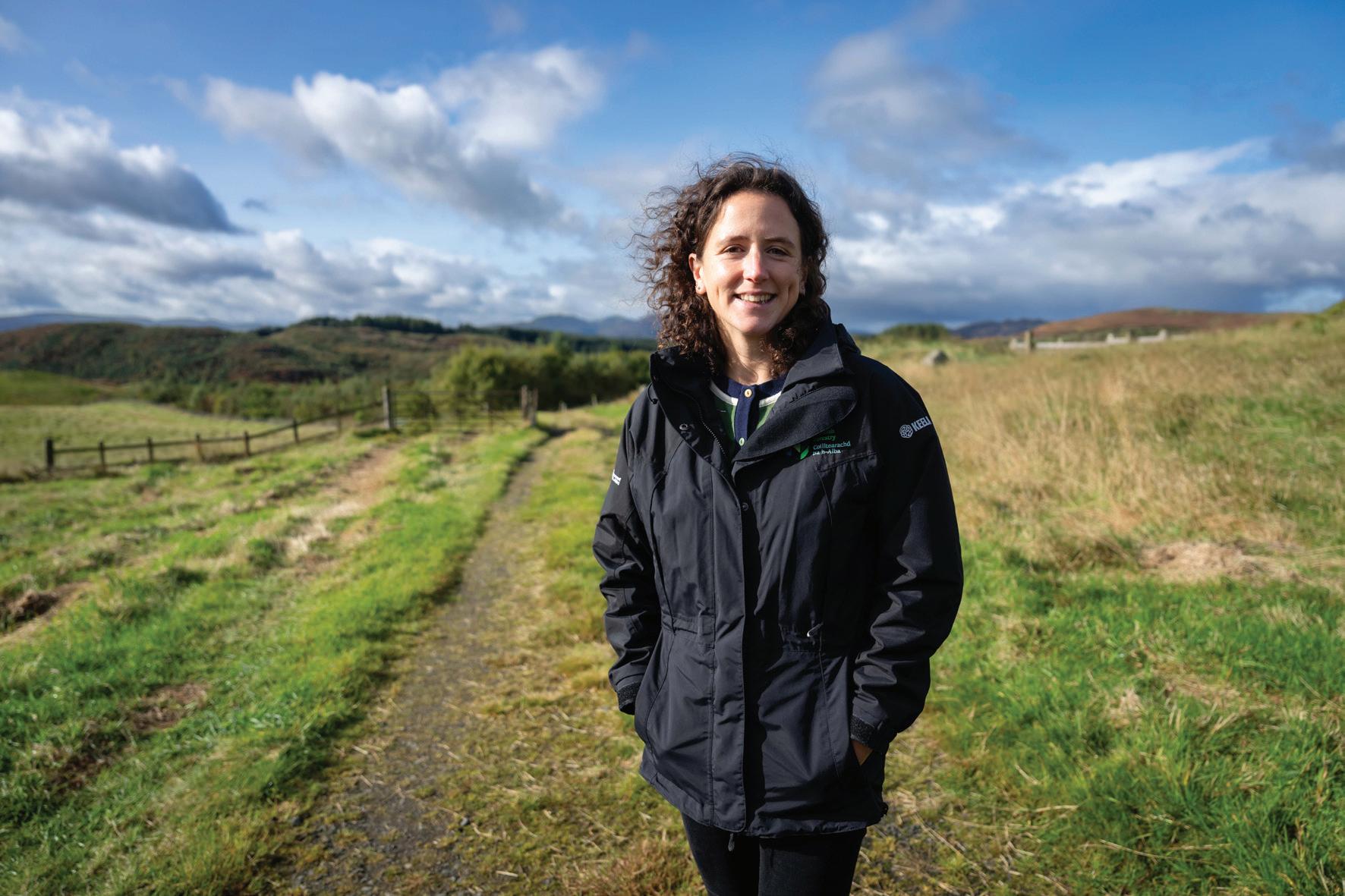
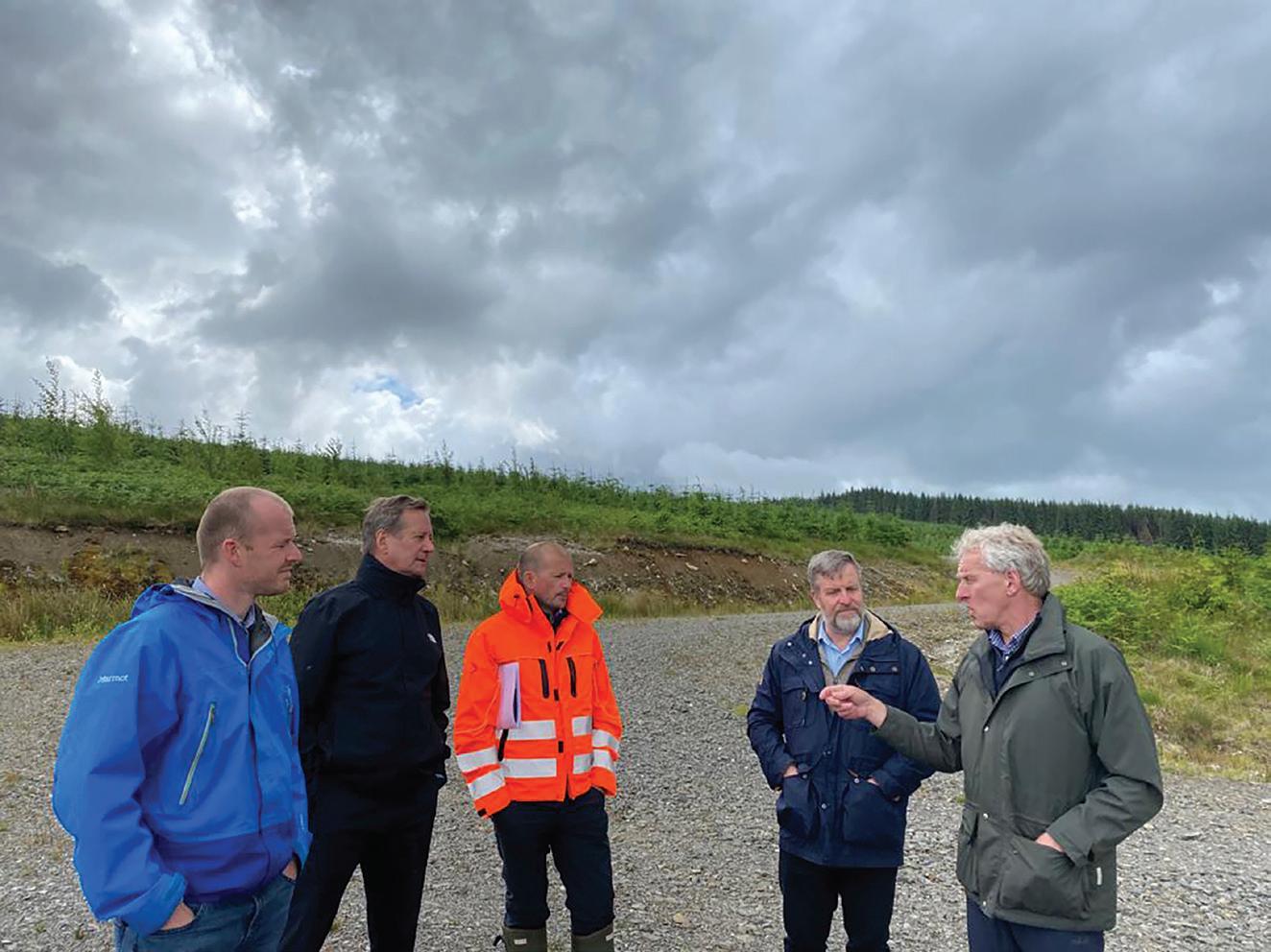
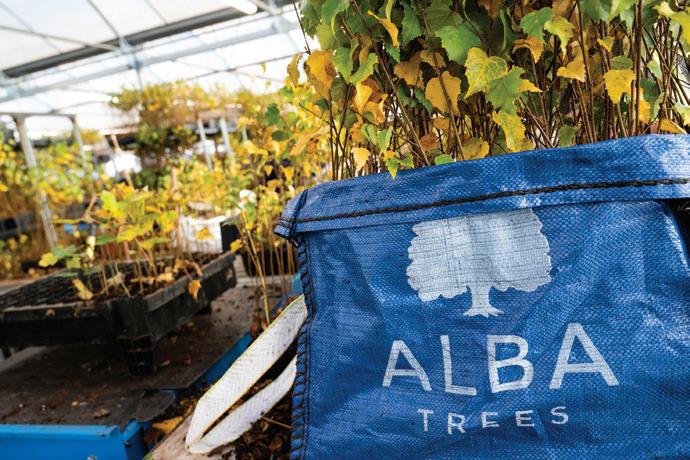
Below: Secretary of State for Scotland, Douglas Alexander’s visit to Alba Trees allowed for a direct discussion about the role of timber in UK national security.
At the UK level, arrangements were made for the Secretary of State for Scotland, Douglas Alexander, to visit Alba Trees. This visit allowed for a direct discussion about future funding for tree planting and, crucially, the role of timber in UK national security. With growing awareness of global supply risks and strategic materials, domestic timber production needs to be recognised as a national asset.
Forestry and timber were positioned as long-term, patient investments that align closely with Scotland’s net zero ambitions while also supporting jobs and productivity in rural areas.
Parliamentary engagement has also been intensive. Evidence was submitted to the Scottish Parliament on both the Scottish Government’s Climate Change Plan and the Natural Environment Bill. These submissions highlighted the importance of productive forestry, sustainable land management, and a stable policy framework that
In Wales, a successful hustings was held in Cardiff, bringing together representatives from Labour, Plaid Cymru, the Green Party, and Reform. The event also featured a presentation from the Deputy First Minister, Huw Irranca-Davies. This provided a valuable platform to test party positions, raise the profile of forestry and timber issues, and encourage cross-party understanding of the sector’s challenges and opportunities.
Finally, the All-Party Parliamentary Group (APPG) on Forestry and Timber Security met to discuss timber security and its links to national security. The meeting followed closely on from a Farming Today interview I gave and coverage of a Sunday Times article by the Chairs of the Forestry Commission and Natural England, both of which helped elevate the issue.
forestry to government agenda, for also
The APPG gave its backing for Confor to prepare a substantive report on timber security, including advice for parliamentarians and government on the actions needed to strengthen domestic supply and resilience. Taken together, this period reflects a concerted effort to place forestry and timber firmly on the political agenda, not just as environmental tools for net zero, but also as strategic economic and security assets.
Breadth, depth and passion: A sector that stands out
Cabinet Secretary Mairi Gougeon MSP reflects on the progress forestry has made in Scotland and the opportunities that lie ahead for her successor.
When I look back at what has been achieved over the past decade during my time in the Scottish Parliament, the sector has delivered so much for Scotland. Today, our forests cover just over 1.5 million hectares, or 19% of Scotland’s land area - an increase from around 5% a century agoand now represent 46% of the UK’s forest area and 64% of the UK timber harvest.
Since 2015, we have approved over 100,000 hectares of new woodland, with more than 200 million trees planted. This includes 50,000 hectares of new native woodland, 47,000 hectares of commercial conifers, 3,000 hectares of productive broadleaves, and 10% established through natural regeneration - an incredible achievement, that reflects the close working between the sector, landowners, and the government.
The forestry sector is worth over £1.1 billion per year to the Scottish economy and supports more than 34,000 jobs - a real success story. However, we must keep striving to do more. Despite the challenges and difficult choices we have had to make with our budget, we have a strong foundation to build upon from the past decade.
There are so many positive examples I have had the privilege of seeing first hand, some of which stand out.
The award-winning Integrating Trees Network, a farmer-led initiative encouraging more farmers and crofters to plant trees, has delivered multiple benefits to agricultural businesses. It has hosted over 50 events in the last five years, sharing the objectives, challenges, and financial and environmental benefits
of planting trees. In parallel, refreshed guidance for good practice was launched, developed in collaboration with Confor, aimed at helping communities to engage more effectively in forestry schemes proposed in their areas.
Investing in people and skills has been a key policy priority. Up to £1 million has been invested in a comprehensive skills training programme for frontline staff to support increased tree planting levels in Scotland and tackle skilled labour shortages critical to driving woodland creation. Engaging schools and young people has been vital and supporting both Outdoor Woodland Learning and Scotland’s Finest Woods Awards has been particularly rewarding.
Capital and infrastructure investment by the Scottish Government has acted as a catalyst for business growth. More than £46 million has been awarded through the Scottish Timber Transport Scheme (STTS), helping deliver £77 million of road improvement projects by co-funding partnerships with local authorities and forest businesses. This has helped reduce the impacts of 89 million tonnes of timber transport on Scotland’s roads and rural communities.
Alongside this, government funding, delivered in partnership with local authorities and forest businesses, has backed innovation to decarbonise timber haulage, including the EV Timhaul project with James Jones & Sons Ltd and Scotlog Haulage. EV Timhaul represents the UK’s first deployment of 44 tonne battery electric HGVs in the timber sector. Now in year two of three, the trucks have collectively driven more than 88,000 miles
and avoided 165 tonnes CO₂e, building awareness and demonstrating the future potential to decarbonise timber transport and reach Net Zero targets.
Connecting island economies has also been critical to supporting thriving communities. TimberLINK has shipped 893,000 tonnes of timber, reducing traffic on the Rest and Be Thankful by 39,000 one-way lorry journeys and avoiding 16,000 tonnes of CO₂e emissions.
Over the past decade, we have worked together to improve the management and sustainability of our forests. The new UK Forestry Standard (UKFS) forms the foundation for Scotland’s next generation of forests, woodlands, and rainforest restoration, ensuring resilience of this growing natural asset. It balances environmental, economic, and social needs while reflecting advances in scientific knowledge, international forestry approaches, legislative improvements, and best practice - all against the backdrop of adverse weather events and the twin challenges of the climate emergency and biodiversity crisis.
We will continue to engage closely with the sector to ensure the sustainable management of our forests and to address the matters raised during the passage of the Natural Environment Bill, including deer management, invasive species, and community participation. The new powers provided by the Bill will enable the development of proportionate regulations to support the effective implementation of the UK Forestry Standard and strengthen the reputation of the sector as forestry stewards. Any new regulations will be
• Protects saplings from Rabbits, Hares, and Systemic
• Expands with the natural growth of the tree
• Can be supplied ventilated if required
• Available in clear, brown or green finishes
• 40mm and 50mm diameter tube sizes
• Order direct from the manufacturer
Why we need a practical, forward looking vision for Scotland’s forestry sector
Finlay Carson, MSP for Galloway and West Dumfries, shares his view of the sector’s value ahead of the Holyrood elections in May.
Scotland’s forestry sector sits at the heart of our rural economy, shaping landscapes, supporting thousands of jobs, and contributing directly to our climate ambitions. As Convenor of the Rural Affairs and Islands Committee, and living in Galloway for all my life, I’m reminded daily that forestry is a long term industry where today’s decisions shape outcomes decades ahead.
That is exactly why the sector needs stability, predictable funding, and a policy environment that encourages investment rather than uncertainty.
Across the UK, there is growing recognition that timber will be one of the key low carbon materials of the future. It is adaptable, renewable, and highly suited to modern construction methods. Using more homegrown Scottish timber not only strengthens rural economies but also helps reduce our dependence on imports and supports the wider transition to net zero.
A Window of Opportunity for Scotland
Long term forecasts show Scotland maintaining a substantial share of the UK’s timber supply well into the 2030s and 2040s. This gives us a valuable period to expand markets, modernise processing capacity, and develop higher value wood products. But to seize that opportunity, the sector needs policy clarity.
A Scottish Timber Industrial Strategynow gaining cross party interest - would provide the long term direction needed to encourage investment, support innovation, and ensure more of the timber we grow is processed and used here at home.
The Need for Stability and Long Term Confidence
Confidence is the foundation of forestry. Farmers and landowners need reliable woodland creation grants. Processors need clear signals about future timber availability. Investors need assurance that Scotland is committed to productive forestry.
Recent debates around woodland creation have shown how quickly that confidence can be shaken. Proposals that add cost, delay or uncertainty, even when well intentioned, risk undermining planting rates at a time when our climate and rural economies
need more woodland, not less. Scotland already benefits from the UK Forestry Standard, a robust and science based framework that balances environmental, landscape and economic considerations. Strengthening that approach, rather than introducing piecemeal regulatory changes, is essential for maintaining confidence and ensuring sustainable planting at scale.
We cannot have constant reviews in a long-term industry which constantly moves the goalposts.
Innovation and Low Carbon Construction
There is huge potential for Scotland to lead in modern timber construction. Engineered wood products, new building systems, and off site manufacturing all present opportunities to grow domestic markets for Scottish timber. To unlock this, we need continued investment in research on strength grading, durability, and new engineered solutions, as well as ongoing collaboration with insurers, regulators and lenders to build confidence in mass timber construction.
Increasing the use of Scottish timber in new homes and public buildings
would deliver major benefits - from reducing imports to supporting rural jobs and lowering the carbon footprint of the construction sector.
Integrating Forestry and Agriculture
A strong future for forestry cannot be separated from the future of farming. Scotland needs a land use approach that recognises forestry and agriculture as complementary, not competing, sectors. Integrated land management can improve soil health, provide shelter for livestock, diversify farm income, and create new habitats while still delivering productive timber.
To make this work, incentives must be designed so that farmers feel supported, not pushed, towards integrating woodland into their businesses. That means flexible, transparent grant schemes that reward mixed land use; agroforestry options that suit different farm types; and clear guidance that helps farmers understand how trees can enhance, rather than displace, their core agricultural activity.
If done well, forestry and farming can work side by side to improve resilience, profitability, and environmental outcomes across rural Scotland.
Building a Skilled Workforce for the Future
No strategy will succeed without the people needed to deliver it. Forestry offers a diverse range of careers—from tree planting and nursery production to machine operators, forest designers, ecologists, engineers, and timber construction specialists. Yet too few young people are aware of these opportunities.
We need stronger partnerships between schools, colleges, universities, and employers to promote forestry as a modern, skilled, future focused sector. Apprenticeships and training programmes must be scaled up to meet future demand, and young people should be able to see clear pathways into both forest management and wood processing careers.
A Path Scotland Can Lead Forestry embodies the long term, responsible and innovative thinking that Scotland needs. With clear funding, an aligned industrial strategy, better integration with agriculture, support for skills, and continued investment in research, Scotland can grow its timber sector, strengthen rural communities, and lock carbon into our built environment for generations.
continued from p16
consulted on and require parliamentary scrutiny.
Building on this, and working closely with our partners, we have launched our ‘call to action’ - the Route Map to Resilience. Forged through industrywide collaboration, it aims to futureproof Scotland’s forests by setting out the strategic direction and actions needed to ensure our future woodlands are resilient and can adapt to all the threats that climate change brings.
One of the first key actions has already been delivered: commissioning and publishing a productive species list for future forests. This will help futureproof Scotland’s forests to maintain a sustainable supply of timber while continuing to deliver economic, environmental, and social benefits. We are already seeing the stark global impacts of climate change, with hotter, drier summers and warmer, wetter winters, so it is essential that our forests can thrive in the decades ahead.
The woodland carbon market has grown substantially in recent years through the Woodland Carbon Code. The Code has been further strengthened to boost investor confidence in its integrity, ensuring that it aligns with national and international frameworks. Steps have also been taken to help the Code provide farmers and crofters with a viable way of integrating new woodlands on their holdings, providing carbon and other benefits for their businesses.
Sector engagement has positively shaped the Reform (Scotland) Act 2025 - a generational step change in how we use Scotland’s finite land resources. It has been a privilege to serve at such a pivotal time and help deliver that Act.
Despite current funding challenges and strong public views on land use in Scotland, expanding woodland cover and driving capital investment in timber processing and innovation in wood technologies remain essential. These actions are critical in tackling the climate
and biodiversity crises and taking our green economy from strength to strength.
The latest Public Opinion of Forestry Survey clearly demonstrates strong public recognition of the importance of trees in removing and storing CO₂, and public support for planting more trees to tackle climate change. This aligns strongly with our goals: expanding Scotland’s forests and woodlands sensitively, putting the right tree in the right place, all the while engaging local communities.
Fully utilising grown C16 construction timber in sustainable timber frame and modular frame off site buildings – such as schools, bus shelters, and energyefficient affordable homes – can help tackle the housing crisis and support efforts to address rural depopulation. This approach showcases the full breadth of Scotland’s timber industry, from nurseries through to large-scale industrial processing facilities and singleowner enterprises.
Few sectors boast such breadth, depth and passion. As a result, I have built a strong understanding of the sector’s needs, capacity, and aspirations, and I trust my successor will continue making a strong case for further investment in the years ahead.
Finally, it has been an incredible honour to meet and work with so many across the industry during my time serving in the Scottish Government. I deeply appreciate the importance of trees - not only to our economy, environment, and society, but to humanity itself. In many ways, our day-today lives are built on sustainable wood, and the long-term thinking required for good forestry holds lessons for us all.
I wish you all continued success, and I know that a walk in the forests or woodlands will always bring me a sense of gratitude for all you have achieved and for everything you continue to deliver for the benefit of our nation now, and for future generations.
Confor calls for timber focus in upcoming Welsh election
Growing and using more timber has the potential to unlock critical progress on political priorities for the next Welsh Government.
Confor has released a manifesto for the 2026 Welsh Parliament elections that calls for a twin-track approach to creating new productive woodlands and increasing the use of Welsh timber.
The manifesto is targeted at all parties contesting the elections to the Senedd in May 2026 and emphasises the importance of the next Government delivering the Welsh Timber Industrial Strategy to create a circular Welsh forestry-timber economy rooted in rural communities.
details
• Economy: Growing the Welsh economy through timber;
It details how the forestry and timber sector has the potential to deliver for Wales across four key areas:
• Housing: Putting Welsh timber at the heart of homebuilding;
• Climate Change: Woodland creation and management for Net Zero;
• Health: Forestry at the heart of wellbeing.
Speaking on the manifesto’s publication, Confor National Manager for Wales Elaine Heckley MICFor said: “The forestry and timber sector in Wales already delivers so many vital benefits for the economy and public. There is a real opportunity to grow the industry and bring more business, jobs and climate supporting woodlands into the domestic supply chain.
“The Welsh Timber Industrial Strategy provides a clear blueprint for action, and it is crucial for political support to maintain momentum past the next election to see it through.
“Confor is committed to continuing a productive relationship with Welsh government to secure a secure green economic future for Wales.”
Growing the economy, creating jobs, improving health, building more homes, and meeting climate targets are among the most pressing priorities for the next Welsh Government.
Statistics published in June 2025 show that the UK forestry and timber industry contributes nearly £3 billion to the
economy. This is a success story Wales can – and should – build upon.
By increasing domestic supply and processing capacity, Wales can reduce imports, strengthen resilience against volatile global markets, and build a circular economy that keeps value, jobs and skills within the nation.
The manifesto calls for timber supply targets to be linked to housing delivery. Wales is experiencing a housing emergency, with over 10,000 people homeless, more than 170,000 on social housing waiting lists, and record spending on temporary accommodation.
Timber-framed homes are faster to build, highly energy-efficient, lower carbon, and deliver healthier indoor environments. Prioritising locally sourced Welsh timber in public housing and infrastructure procurement would strengthen supply chains while delivering the homes Wales urgently needs.
Achieving the timber production necessary for these targets will require the planting of new, well-designed, productive mixed species woodlands. These have been proven to capture carbon, reduce flood risk in vulnerable areas, and contribute jobs to the rural economy.
Woodlands also play a vital role in improving physical and mental health. Access to forests reduces stress, improves mood, and encourages physical activity.
Forest Research estimates that the mental health benefits of woodland access are worth £13 million annually to the NHS in Wales.
Confor Chief Executive Stuart Goodall added: “There was cross-party support for the Timber Industrial Strategy when it was launched in the Senedd. Hopefully that means the next Welsh Government will continue to work at pace with Confor and the wider industry to realise the many benefits that well managed productive forests and increased use of Welsh timber can deliver for the people of Wales.”
Failure to support forestry and timber growth risks higher climate costs, continued reliance on imports, missed Net Zero targets, economic stagnation in rural areas, and worsening public health outcomes.
The opportunity is clear. With leadership, partnership and strategic investment, forestry can help shape a resilient, prosperous and low-carbon future for Wales.
Wood can work for Wales
Confor National Manager for Wales Elaine Heckley MICFor hosted a cross-party breakfast event in January to open the discussion on forestry and timber’s role in the upcoming Welsh elections.
Confor brought together key representatives from Wales’ main political parties in Cardiff Bay to discuss how the industry and government can support each other. With the next Senedd election coming up in May, we wanted to explore how the forestry and wood processing sector can deliver economic and environmental benefit and the support we need to unlock opportunity.
The Timber Industrial Strategy, ‘Making Wood Work for Wales’, was published last year and marked the first time Welsh Government and the Senedd had officially recognized forestry and timber in Wales as an industry that has future economic importance for the nation.
MEMBER UPDATE
In the 2026 Confor Welsh Election Manifesto, we call for full support of the Timber Industrial Strategy to help increase our timber supply and processing capacity. By supporting homegrown timber, we can help grow the economy, become the heart of housebuilding in Wales, make progress towards net zero targets and continue forestry’s vital role in public health and wellbeing.
This was the central theme of the event and the speech given by Deputy First Minister Huw Irrancia-Davies, where he outlines what has already been achieved by and for the industry.
A panel discussion between Llŷr Gruffydd MS (Plaid Cymru), Anthony Slaughter (Green), Lee Waters MS
Stay up to date with us in 2026
Eliza Hibbins-Cline, Membership & Marketing Manager
Happy 2026! I hope you had a restful festive period and are looking forward to the year ahead!
Over the festive break, you should have received your December 2025/ January 2026 issue of Forestry & Timber News, as well as your regular
wallplanner and a new and improved Confor notebook. If you didn’t receive any of these items in the post, please contact members@confor.org.uk so we can get a copy to you.
The start of the year is often a time for reflection, so if you have any feedback or concerns about your membership, do feel free to get in touch with myself or your national manager! We are always keen to hear from you.
As a kind reminder, if you wish to
(Labour & Co-operative) and Vince Edmunds (Reform UK) revealed unanimous support from all parties for the Timber Industry Strategy and willingness to drive this work forward.
It was recognised that, going forward, politicians need to be braver, to challenge and change the narrative around forestry and timber. A strategic approach needs to be applied to policymaking and setting targets for tree planting to ensure they can be actioned and achieved.
On local and community scales, there was acknowledgement that small mills, micro businesses and rural employers need as much support as the big players in the industry and are vital lynchpins for growth and engagement.
The importance of timber security and its relevance to national security was also discussed, with recognition that the topic is important and needs further exploration for what it means in Wales.
The key word was ‘collaboration’. Wood can work for Wales, provided industry has the political backing needed for sustainable growth and the opportunity to deliver on its potential.
update or change the information we hold about you, such as your mailing address, point of contact or new employees, please let us know. We are here to help and to ensure you and your team get the most out of your Confor benefits.
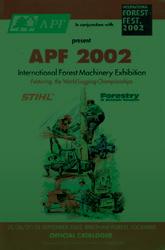
We have the APF to look forward to in September 2026 and I hope to see many of you there! If you have any interest in sponsorship opportunities, again let us know at members@confor.org.uk.
Moving forward, looking back
APF Exhibition Secretary Ian Millward gives an update on plans for the 2026 show.
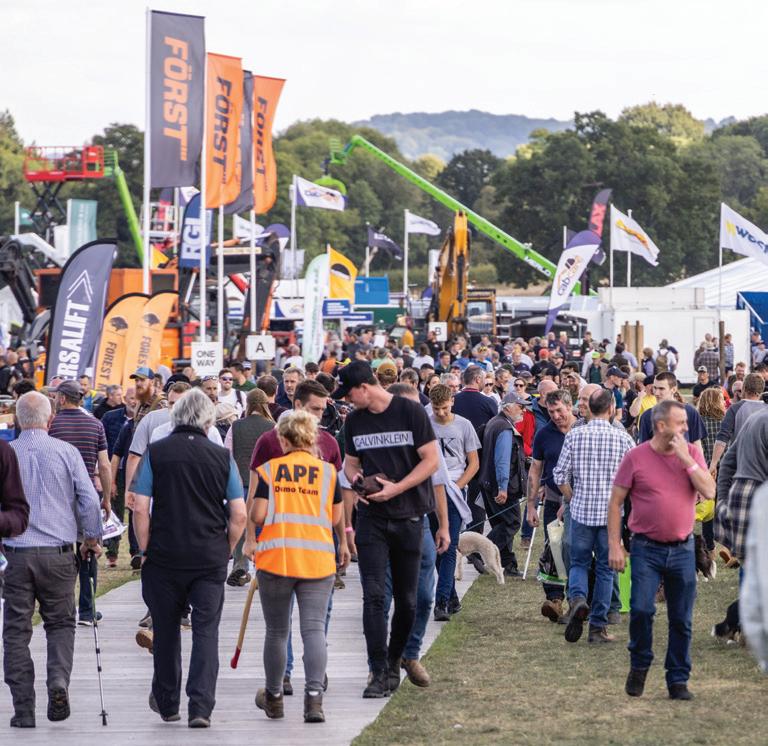
As we move into the new year, planning for APF 2026 on 24-26 September is well advanced. We are delighted with the level of bookings from exhibitors to date with around 200 already signed up.
The recent announcement that the Arboricultural Association has cancelled its 2026 Arb Show means that the APF Show is now the only event specifically for the forestry and arboricultural industries taking place this year.
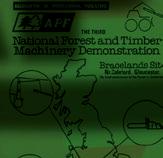
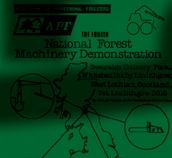
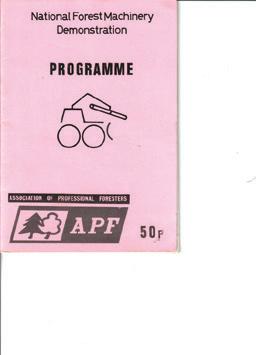
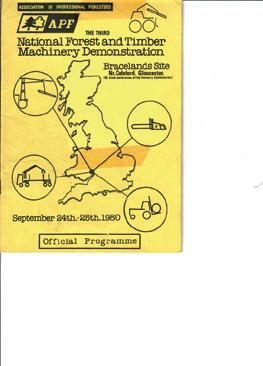
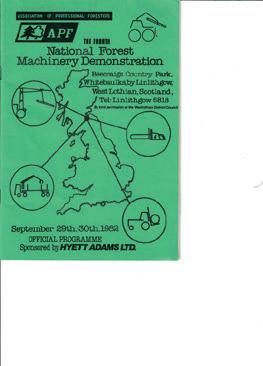
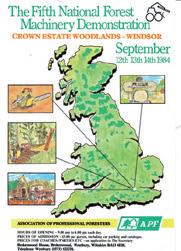
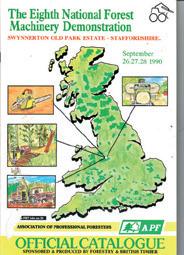
This show will be our golden anniversary, marking 50 years since our first event at Longleat in 1976. This is a significant achievement as so many shows have closed down in recent years. We plan to celebrate the event with a special 50th anniversary display of both the APF show and forestry in general, showing how much has changed over the last 50 years.
This will include displays of old vehicles, equipment and chainsaws as well as photographs and other memorabilia from past shows. We would
like your help with this – if you have any old photos of past shows or stories to tell, please let me know. In particular, I would love to get copies of two show catalogues that are missing from our collection; those of 1978 at Lowther and 1986 at Clumber Park.
A fun fact about the first show at Longleat is that an Elephant call Wamba was giving timber extraction demonstrations! We can’t promise a repeat of anything that exotic this year, but we will have a return of the everpopular timber horses.
Visitors to Longleat were also treated to a display of airborne firefighting by a plane. Apparently the pilot got confused and waterbombed the car park and visitors by mistake – can you imagine such a thing happening today?
We are delighted with the level of sponsorship received so far. The show would not be half the event it is without their support. A special thanks to all our current sponsors: Agri Workwear, A W Jenkinson, Euroforest, Forestry Journal, Husqvarna, Rainbow Professional, Nicholsons, Tilhill Forestry, Outwear, Coombes Forestry, Richard Court Foresty Engineering, McVeigh Parker and M & M Timber.
If you are interested in getting involved and increasing your company profile by sponsoring the event, please get in touch. Opportunities currently exist for co-sponsorship of competitions including the European Chainsaw Carving Championships and the APF Speed Tree Climbing championships, and at our gates and entrances.
Remember Confor members get free entrance to the showground! It is shaping up to be a memorable show and we hope to see you there. info@apfexhibition.co.uk
Confor response to Grey Squirrel Policy Statement
Defra published its Grey Squirrel Policy Statement on 29 January 2026, setting out the government’s policy position on managing the impacts of grey squirrels over the next five years.
The document brings together existing evidence on the economic, environmental and ecological impacts of grey squirrels, restates government objectives, and outlines broad areas of activity, including landowner incentives, partnerships, research and development, communications, and guidance, training and skills. Defra and the Forestry Commission confirm they will continue to take a leading role, working with partners across the sector.
This policy statement is intended to serve as the action plan for grey squirrel management over the next five years, setting out the following actions:
• Encouraging landowners to take greater action through financial incentives and advice;
• Backing conservation volunteers and landowners by leading communication on the impacts of grey squirrel and providing support for training in grey squirrel management;
• Supporting research into novel forms of population management.
While the direction of travel is clear, these priorities are framed at a high level and do not yet set out how delivery will be implemented on the ground. Confor will therefore be engaging with Defra and the Forestry Commission to clarify how this policy statement is intended to function as a delivery framework.
Grey squirrels remain one of the most significant barriers to establishing resilient broadleaf woodlands and producing quality English timber. With 2025 classed as a mast year in many parts of England, the risk of increased damage into 2026 is a real concern for woodland owners and managers.
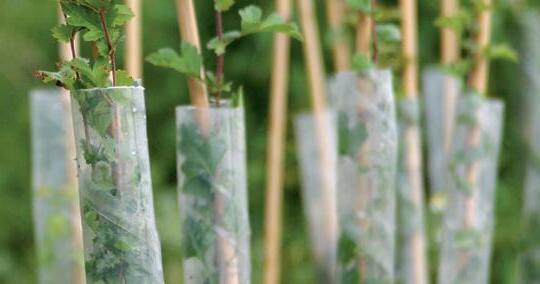
VIGILIS BIO MESH SHELTERS
SOIL BIODEGRADABLE MESH SHELTERS DESIGNED FOR PROTECTING NATURE
Introducing Vigilis Bio Mesh Shelters, the latest addition to Vigilis's 100% soil biodegradable and non-toxic Vigilis Bio range of tree guards, hedge wraps and cable ties.
Vigilis Bio Mesh Shelters are strong, rigid mesh shelters designed to protect young trees during the early development, then degrade naturally in normal soil conditions.
Available in a range of heights, from 0.60m to 1.80m, to protect against different browsing animals
Manufactured with a 130mm diameter, Vigilis Bio Mesh Shelters are wider than standard tree shelters, offering increased space for trees to grow, ideal for species with fast outward growth.
Pre-fitted with a soil biodegradable Vigilis BioTies to make installation with a tree stake or bamboo easy.
Flat-packed in bundles of 50 for easy handling on-site and efficient transportation - optimal for remote planting projects
Vigilis Bio Mesh Shelters are the ideal soil biodegradable solution for protecting trees that require additional light, airflow and space to grow.
sales@albatrees.co.uk 01620 825058
Available through our UK Distributors:
vigilis@sure-green.com 01376 503869
Manufacturer of tree, hedge, shrub and vine guards
www.vigilistreeshelters.com
sales@vigilistreeshelters.com
The presence of absence: what should a healthy woodland actually look like?
In the first of a new article series, WildTrackPro’s Oliver Smith talks about the pervasive problem of understory degradation.
When talking to an FC Deer Officer last year, he mentioned a concern that the generation of new foresters coming out of university have never seen what normal understory looks like.
That comment stuck, because it neatly captures the problem facing much of the UK’s woodland estate: we have normalised degradation.
Around 13% of the UK is wooded, largely broadleaf, and historically dominated by oak, beech and birch. These systems evolved with disturbance, grazing, and regeneration in balance. What many now experience as “typical” woodland conditions would, only a few decades ago, have been recognised as symptomatic of failure.
Over the last year, repeated woodland impact assessments across lowland and upland sites show the same pattern: intact canopy above, ecological collapse below. The absence of regeneration and understory is so widespread it often goes unnoticed – until it is pointed out.
A healthy woodland is layered, messy, and regenerating
deadwood and a floristically rich ground layer. Bluebells, wood anemone, dog’s mercury, ferns and grasses are not decorative extras — they are indicators that light, soil, and browsing pressure are within tolerable limits.
Where native species dominate across all layers, resilience follows. Diverse woodlands resist pests, recover faster from disturbance, and support far broader ecological networks than simplified systems. When regeneration is continuous – not episodic, fenced, or artificial – the woodland is doing its job unaided.
Soil tells the truth first
Healthy woodland soils are loose, biologically active and rich in organic matter. Fungal networks drive nutrient exchange, water retention and disease
resistance. Where soil is compacted, stripped of litter, or repeatedly disturbed, regeneration fails long before trees die.
Across many sites, the soil profile already reflects chronic pressure: reduced leaf litter, broken fungal networks, surface compaction and erosion. These are not subtle changes – they are visible, measurable, and cumulative.
Structure matters more than species lists
You cannot compensate for the absence of structure with planting schemes alone. Multi-layered woodland supports more birds, insects and mammals, buffers climate extremes, and limits invasive pressure. Simplified stands – even if nominally “native” – are fragile.
continued from p25
Fragmentation further compounds this. Connected habitats allow recolonisation and genetic exchange; isolated woods bleed species over time. Edge habitat can be beneficial, but only when there is something left to connect to.
Grey squirrels: silent structural damage
Grey squirrels are no longer just a red squirrel issue. Their impact on woodland structure is now unavoidable.
Bark stripping on oak and beech selectively removes future canopy trees, distorts age structure, and devalues timber. The damage is not random – it targets precisely the cohort needed for long-term continuity. Regeneration failure follows, not because trees won’t grow, but because they are never allowed to mature.
Seed predation compounds this. High levels of acorn and mast consumption reduce natural recruitment before browsing even begins. The result is a hollowed-out age profile: old trees above, nothing coming through.
Deer: chronic pressure, not acute damage
Deer are the dominant ecological force shaping modern UK woodlands – and in many places, they are shaping them into failure.
Sustained browsing pressure suppresses regeneration year after year, removing the shrub layer, flattening species diversity and simplifying structure. Oak, ash, hazel and rowan are
all selectively removed from the system. Ground flora follows, then invertebrates, then birds.
What matters here is not visible damage, but cumulative absence. Saplings that never get past knee height. Flowers that stop seeding. Woodland floors that become green deserts.
Soil suffers too. Repeated trampling compacts ground, reduces infiltration and accelerates erosion. Nutrient cycling slows, fungal activity declines, and the woodland’s capacity to recover narrows further.
Management: realism over rhetoric
Grey squirrels
Where grey squirrels are present, control is not optional if timber quality, regeneration or red squirrel conservation are objectives. Targeted, sustained intervention works. Doing nothing does not.
Deer
Deer density must be aligned with ecological capacity, not social comfort. In many woods, current levels are incompatible with regeneration - full stop. Culling, fencing of sensitive areas, and clearly defined objectives are all tools, not ideological positions.
Predator reintroduction is often raised, but remains a long-term, landscape-scale discussion. Woodland managers need practical solutions now.
Restoration
Replanting without addressing browsing and bark damage simply creates expensive feeding stations. Recovery requires pressure reduction first, then protection, then patience. Where that sequence is followed, natural regeneration often outperforms planting.
Conclusion
A healthy woodland is not quiet, tidy or empty beneath the trees. It is dense, uneven, regenerating and alive at every level. The widespread absence of understory and regeneration across the UK is not a mystery — it is the predictable outcome of unmanaged deer pressure and unchecked grey squirrel impact.
If new foresters are no longer seeing what “normal” looks like, the risk is not ignorance – it is acceptance. And once absence becomes the baseline, recovery becomes harder to justify, harder to fund, and easier to delay.
The science is clear. The impacts are visible. What remains is the willingness
Growing Timber in Fine Mesh Shelters
OUR FINE MESH SHELTERS blend in with the landscape, and because of their ventilation, are happy in our warmer and changing climate, wind blow resistant, and bird friendly, (they can climb in and out). Trees may grow a little slower, but have stronger stems.
MANUFACTURERS of Spiral Guards and WHOLESALERS of Fine Mesh Shelters, Plastic Mesh Deer Fencing, canes, stakes, mulch mats, etc etc and Forestry & Hedge Plants of Native Provenance
‘The One Stop Forestry Shop’ Large Stocks Ensures Fast Service
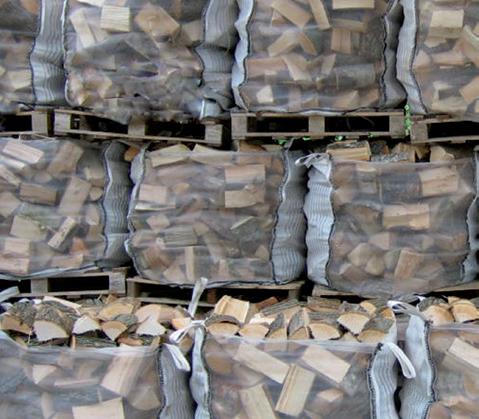
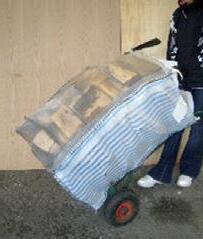
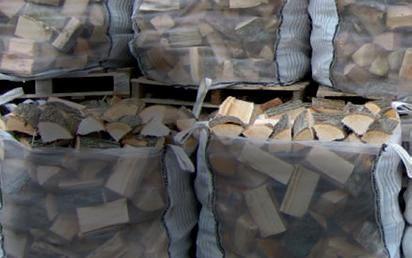
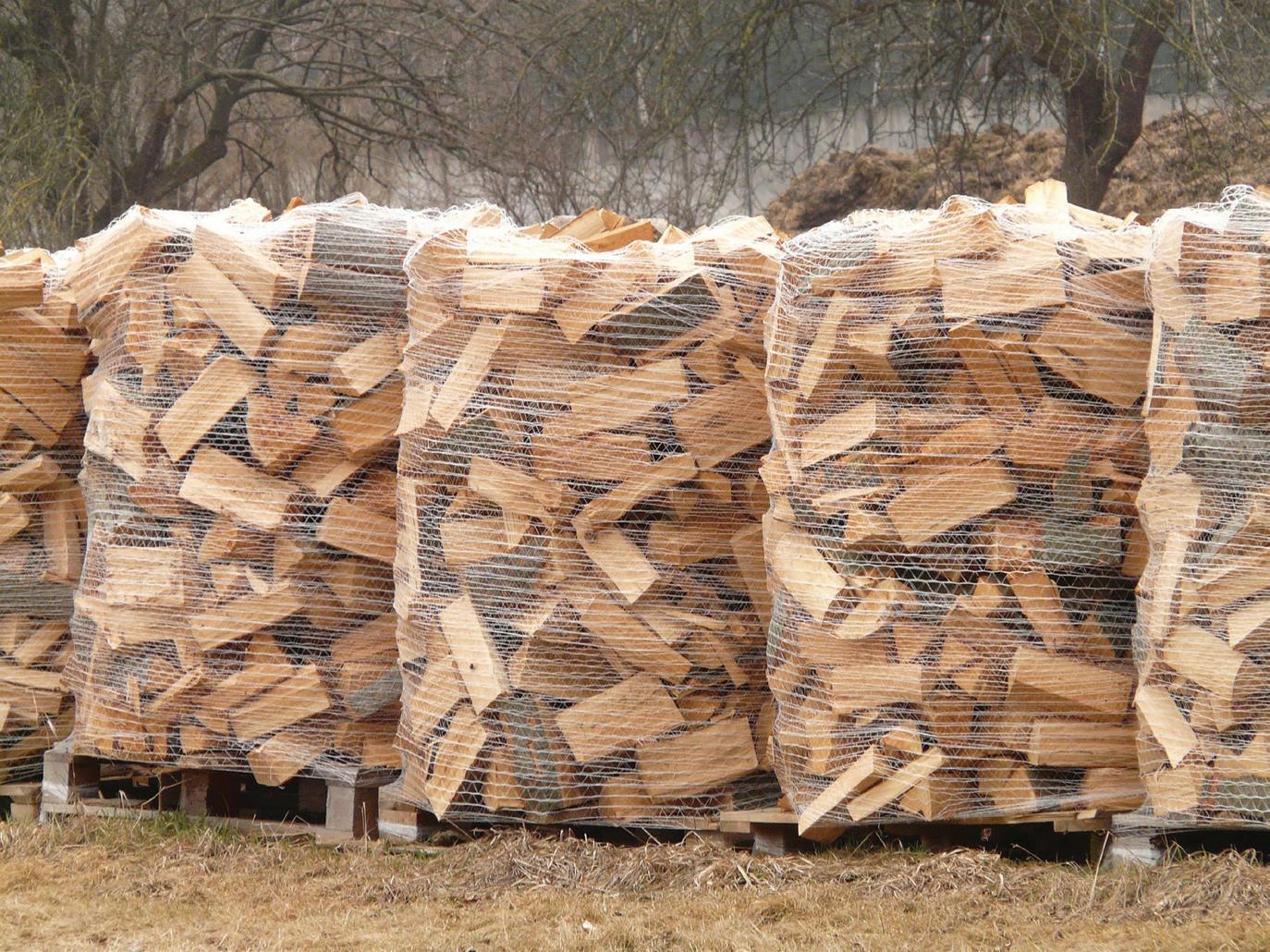
We specialise in the supply of all types of firewood and kindling net bags, ventilated bulk bags, holding frames, bag loading trays, polypropylene sacks, standard bulk bags, LDPE sacks and storage tarpaulins.
We carry a large range of stock in various sizes at our warehouse for delivery within 48 hours of your order. We even offer a free personalised print and design service so your nets/bags can be ordered with your logo or design.
mesh air space = 47% of total surface area = less carbon
Packaging suppliers covering the UK and Europe
BROAD SUPPORT FOR LETHAL CONTROL OF WILD DEER AMONG NATURE ORGANISATION SUBSCRIBERS
Deer hold multiple values across society; ecological, cultural, aesthetic, and economic, yet they can also pose real challenges to managing and creating woodland. Drs Elena Cini and Freya St John led research at Bangor University to investigate perceptions toward wild deer and their management in England and Wales.
Across the northern hemisphere, wild deer populations have expanded in both range and density, bringing a complex mix of benefits and challenges for woodland managers. Deer play a valuable ecological role, contributing to natural processes such as seed dispersal, and they support rural economies through tourism, stalking, and venison production.
However, increasing numbers may pose challenges to the environment and people. Heavy browsing and grazing may suppress tree regeneration, weaken
woodland resilience, and reduce the diversity of plants, insects, and birds that use these habitats. In farming and forestry landscapes, deer may damage crops, strip bark from mature trees, and threaten productive timber stands.
Elevated deer densities also raise concerns over the risk of vehicle collisions and the spread of disease to livestock and people.
In the UK, achieving government net-zero targets for woodland expansion will require effective mitigation of deer impacts to both new and existing woodlands. Options to achieve this
Crucially, effective deer management works best when delivered at a landscape scale, requiring collaboration between neighbouring landowners and broad public support. However, differences in opinions towards deer and their management can hinder collaborative, landscape-scale implementation. Thus, understanding how people view deer is important for sustainable management.
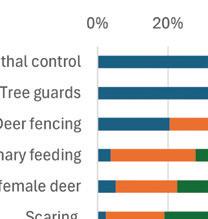
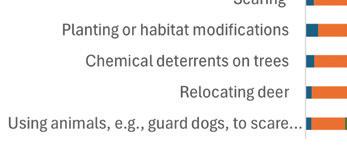
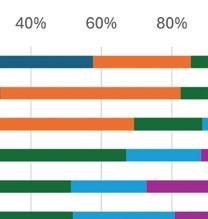
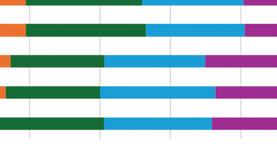
Figure 1. Data from 3,936 respondents reporting how much they support or oppose the use of each action to reduce the number and impacts of deer.
To investigate people’s perceptions toward deer and their management in England and Wales, we designed a questionnaire to collect information on respondent’s involvement in land management, deer species on their property, and types of deer damage experienced. We also collected data on respondents’ beliefs regarding the aesthetic, environmental, economic, and cultural values of deer, and their level of support for ten actions to manage deer impacts (e.g., lethal control, tree guards, deer fencing).
To survey people within and outside land management sectors, our questionnaire was distributed online to subscribers of five national nature organisations. Two of these organisations (Sylva Foundation; The Woodland Trust) focus on woodland management, while three (British Association for Shooting and Conservation; British Deer Society;
Results
Of the 3,936 people surveyed, 85% either supported or strongly supported lethal control, followed by tree guards (82%), and deer fencing (69%) (Figure 1).
Of the 1,434 respondents that manage impacts of wild deer on their land, most reported current use of lethal control (71%) or tree guards (65%); deer fencing was used by far fewer (39%) and other management practices were used by less than 6%.
Many of these respondents (39%) feel it would be easy to work with their neighbours to control wild deer populations and their impacts on the land they manage. However, 30% stated collaborating on this issue is difficult due to differences of opinions on deer and their impacts, and on land management objectives.
Our analysis grouped respondents into clusters, based on detected associations between the nature of respondents’ involvement in land management, and their beliefs toward deer. Interestingly, the cluster dominated by deer stalkers held the most positive perceptions of deer across all belief statements, while the cluster with the highest proportion of farmers reported more neutral and negative views. Previous research suggests direct
perceptions of deer, and our findings support this notion.
Summary
Past studies involving diverse actors have sometimes reported low support for lethal control of deer. Our study reveals high levels of support for regulated lethal control among subscribers of woodland and wildlife management organisations in England and Wales.
Most of our respondents reported having deer on their property and experiencing deer impacts including damage to established trees, saplings and hedges. Consequently, the observed strong support for lethal control likely reflects respondents’ direct experience with deer impacts and their involvement in land management sectors, where lethal control is viewed as a necessary management tool.
The impacts of deer on ecosystem services are complex and contextdependent, with positive values attributed to venison production, existence, and cultural values juxtaposed against declines in woodland biodiversity, woodland structural complexity, and timber production when deer are at higher densities.
Our results are perhaps consistent with a growing appreciation of these complexities and acceptance among
to achieve multiple-use aims for a deerimpacted landscapes.
Our finding that lethal control has strong support among subscribers of nature organisations in England and Wales provides insight into attitudes within these groups of actors, which may be relevant for decision-makers seeking to understand public opinion on wild deer management approaches.
About the team
The questionnaire was designed by researchers at Bangor, Reading and Southampton universities in collaboration with colleagues at Forest Research, Woodland Trust, Sylva Foundation and Game and Wildlife Conservation Trust. The research team also includes academics from Victoria University of Wellington, New Zealand, and the University of Leeds.
The research was funded by the UK Research and Innovation (UKRI) project iDeer, led by Dr Becks Spake, University of Southampton. iDeer aims to enhance strategic woodland creation and management that minimises deer impacts.
Dr Freya St John is a Reader in Conservation Science at Bangor University where she leads the Conservation and Human Behaviour Research group.
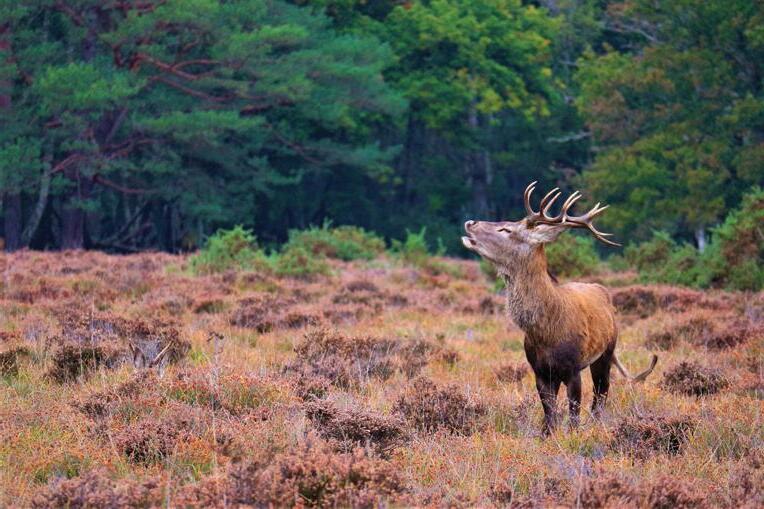
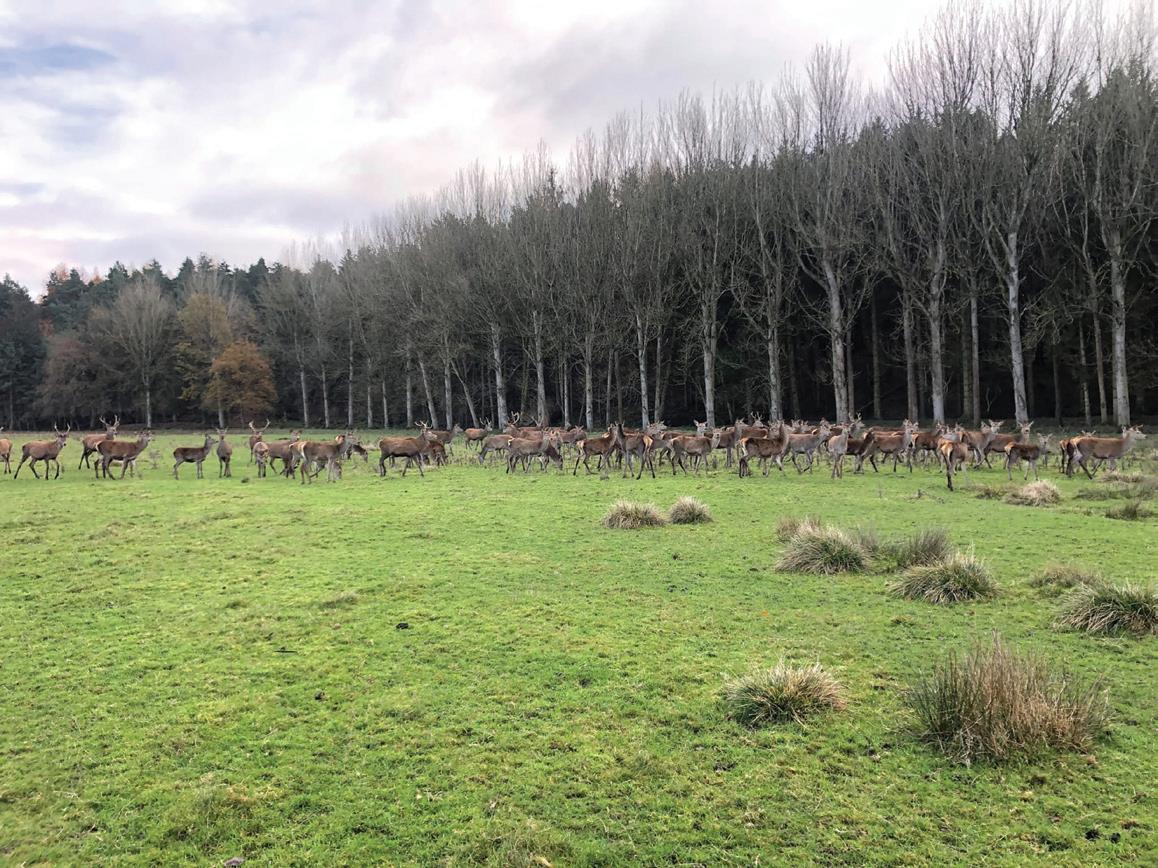
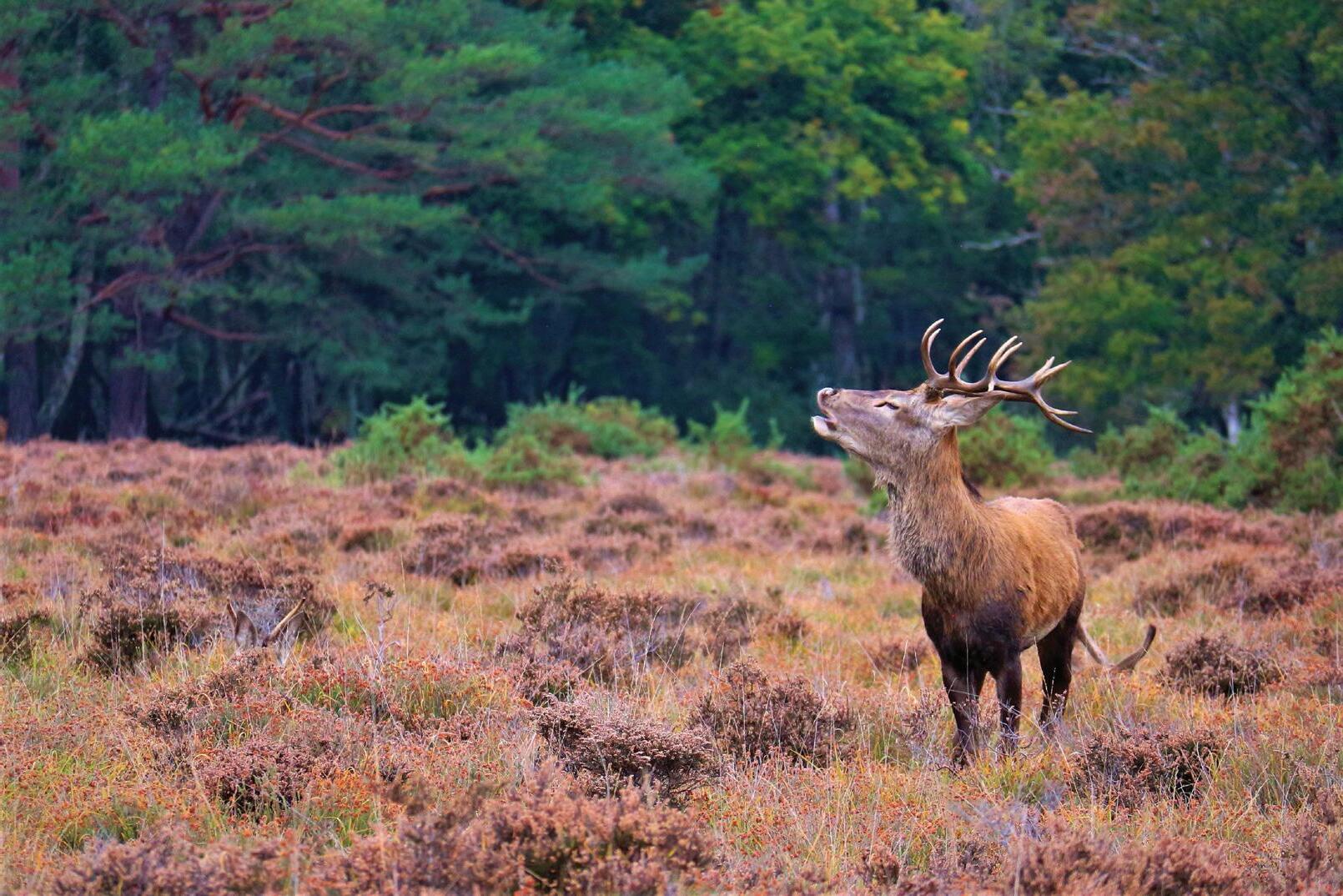
A red deer stag in the New Forest National Park.
Photo by Becks Spake.
RESILIENCE GROWS FROM THE GROUND UP
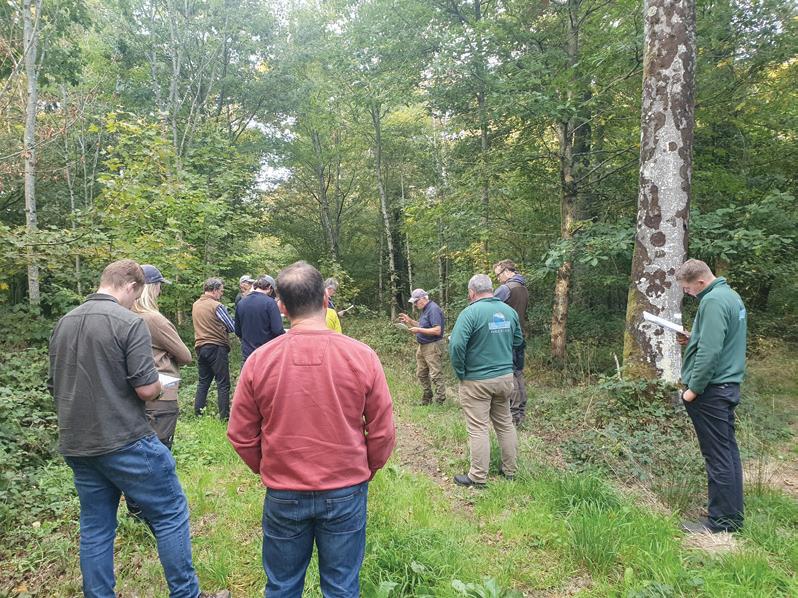
John Bruce, Confor National Manager for England, met Jon Bates, Forestry England Head of Land Management, in Dalby Forest to see how Forest Development Types are helping the Yorkshire Forest District build productive, climate-ready forests.
Forestry England’s new Forest Resilience Strategy and Action Plan as reported in our December edition was a welcome sign that longterm thinking is once again central to the management of the nation’s forests. Its ambition is clear: to prepare every forest for a more uncertain future.
But as Jon Bates, Head of Land Management for the Yorkshire Forest District, explained: “Real resilience doesn’t just come from headline numbers or administrative targets – it grows from the ground up.”
From strategy to practice In Yorkshire, resilience is already part of everyday management.
“We’re re-stocking roughly 160 hectares a year,” Jon said. “Every one of those sites has an Ecological Site Classification (ESC) assessment and a provisional Forest Development Type assigned to it.”
The District has used ESC for almost a decade to guide species choice and match trees to soils and future climate conditions. Over the past four years, across all restocking, the district has also applied Forest Development Types (FDTs), which have been developed by Forest Research.
“It’s not just about ticking boxes,” Jon explained. “It’s about creating robust mixtures that suit the site and the future climate and there’s good research behind that.”
That research draws on work by Gary Kerr, formerly of Forest Research, whose studies on robust species mixtures show that resilience comes from complementary species design, not token diversity. The Yorkshire approach puts that science directly into practice.
Right tree, right site – and the right mix
“Forest Development Types enhance resilience right from the outset,” Jon said. “They make sure you’re choosing the right species for the right site, looking at soil, climate and exposure. They prompt you to think about mixtures, including minor components, that build a stand’s overall strength.”
Each FDT provides a clear management pathway across the rotation, supporting decisions that reduce pest and
disease risks. Future climate projections are embedded through ESC modelling, ensuring species are well matched for the decades ahead.
“The flashcards are easy to use,” Jon added. “They’re written in plain English but grounded in science and experience not just from the UK, but from how similar forests are managed across Europe.”
After 40 years in forestry, Jon has seen the concept mature.
“We’ve really championed FDTs here. They’re one of the best ways to pass on knowledge to the next generation to help new foresters understand how stands should be managed for the long term.”
Productivity first
Jon is clear that resilience doesn’t mean sacrificing yield.
“Timber production is a key objective and needs to be front and foremost of any forester’s mind when planning restocking or regeneration,” he said. “A productive woodland is one that’s well managed and well thinned. It gives you options - whether that’s clear-felling or moving towards continuous cover. If it’s not productive, you limit your choices very
early in the crop’s life.”
FDTs reinforce that focus on productivity.
“The framework lends itself really well to productive forestry. You can design robust mixtures - for example Sitka spruce and Douglas fir - and it guides you on thinning interventions and how to develop that stand through its rotation.”
That principle underpins the district’s work, where Sitka spruce remains central to the timber economy but is increasingly being complemented by Douglas fir, western red cedar, and a range of broadleaf components.
By maintaining productivity, these forests continue to support the local wood-processing sector while adapting to change.
Balancing markets and mixtures
Market demand remains a central consideration in how resilient forests are designed. During the visit, the continuing
need for whitewood in construction was raised as a fundamental driver for species choice and restocking decisions.
Jon agreed - but stressed that market awareness must be applied with professional judgement.
“The construction industry still needs whitewood - that’s a fundamental driver,” he said. “The challenge is recognising what the industry requires and building that into your planning. As ever, it’s about the right species on the right site. Some areas will suit spruce as a component; others might favour pine. It really is horses for courses.”
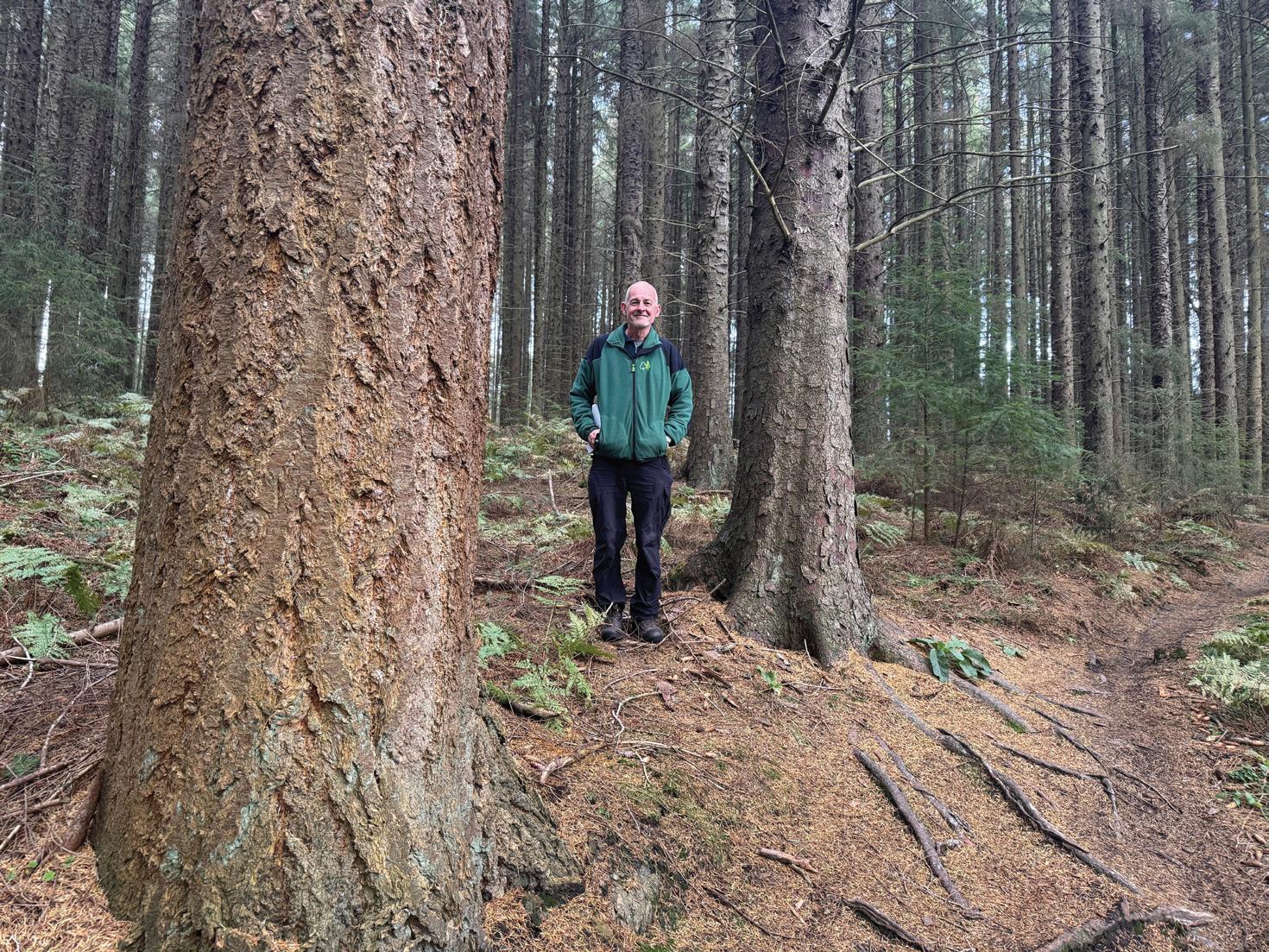
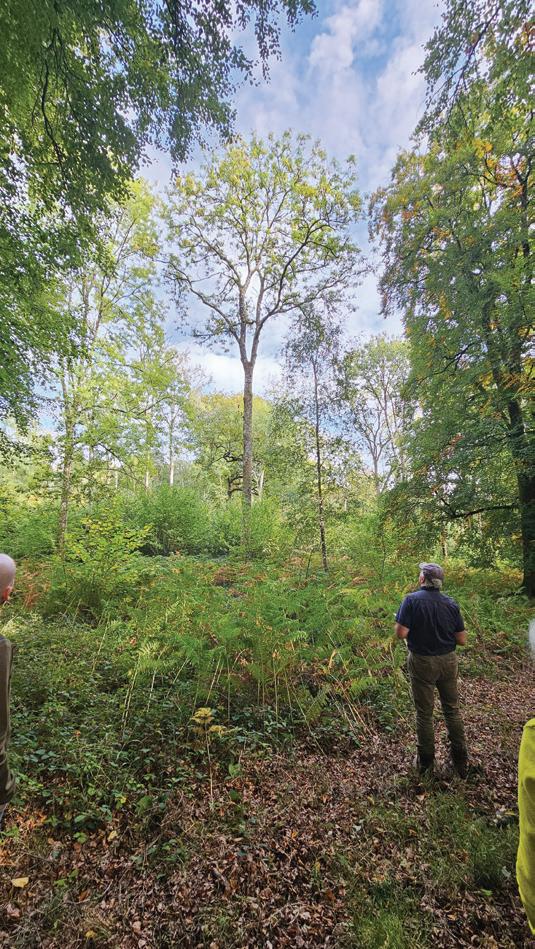
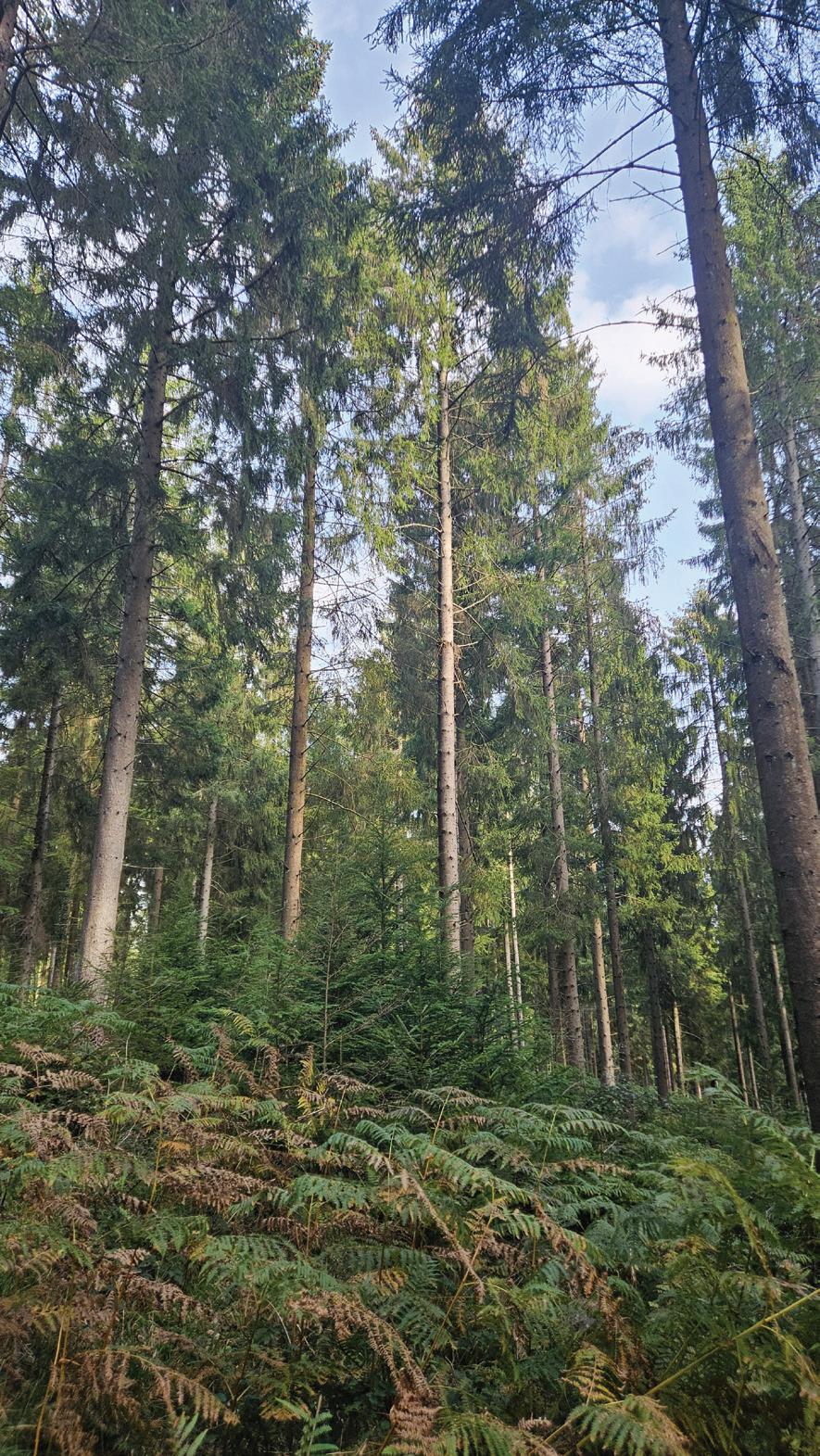
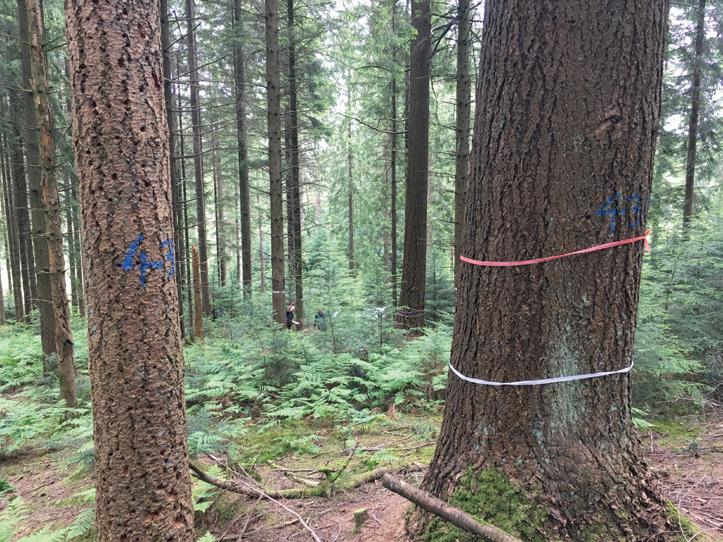
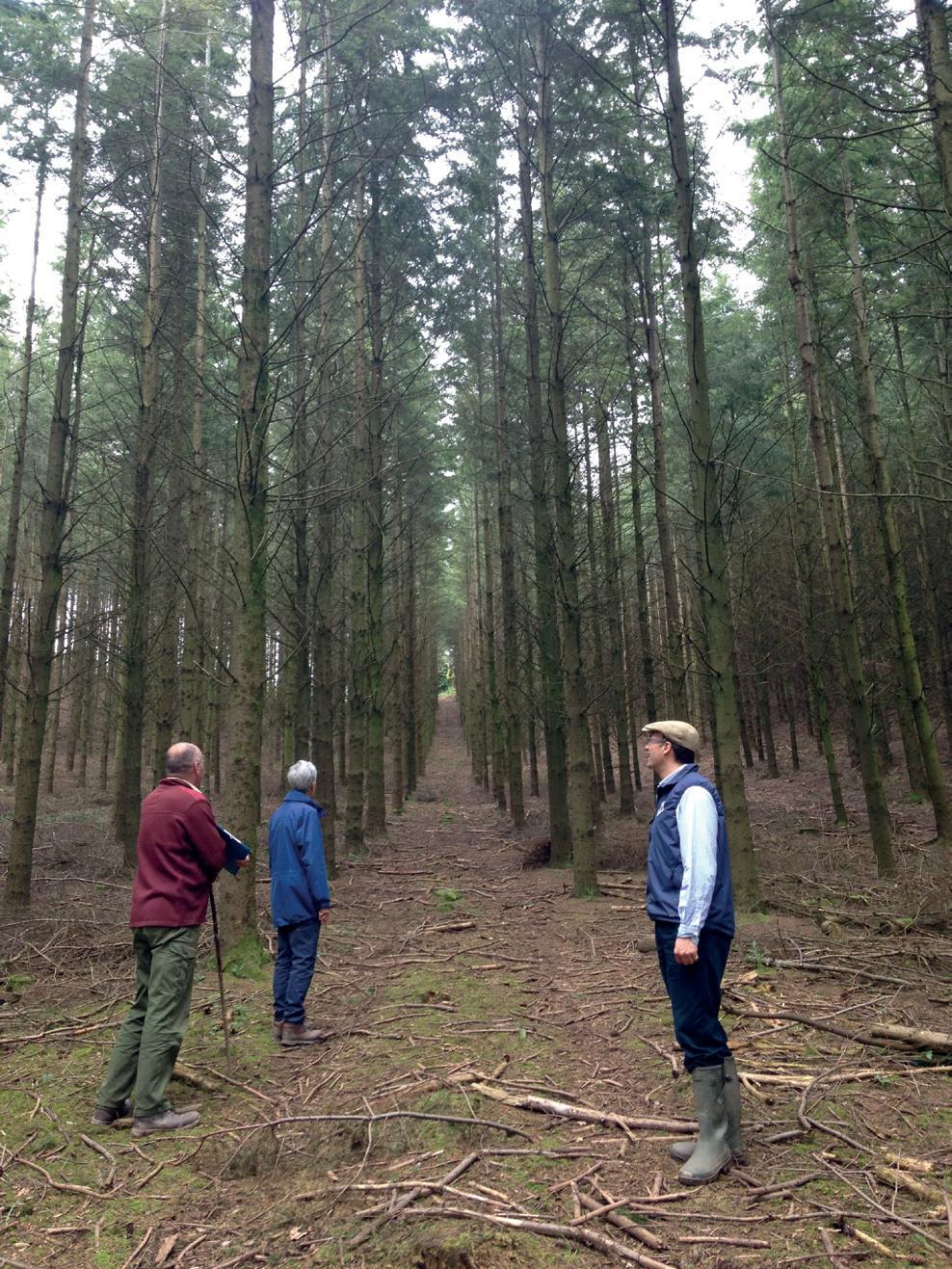
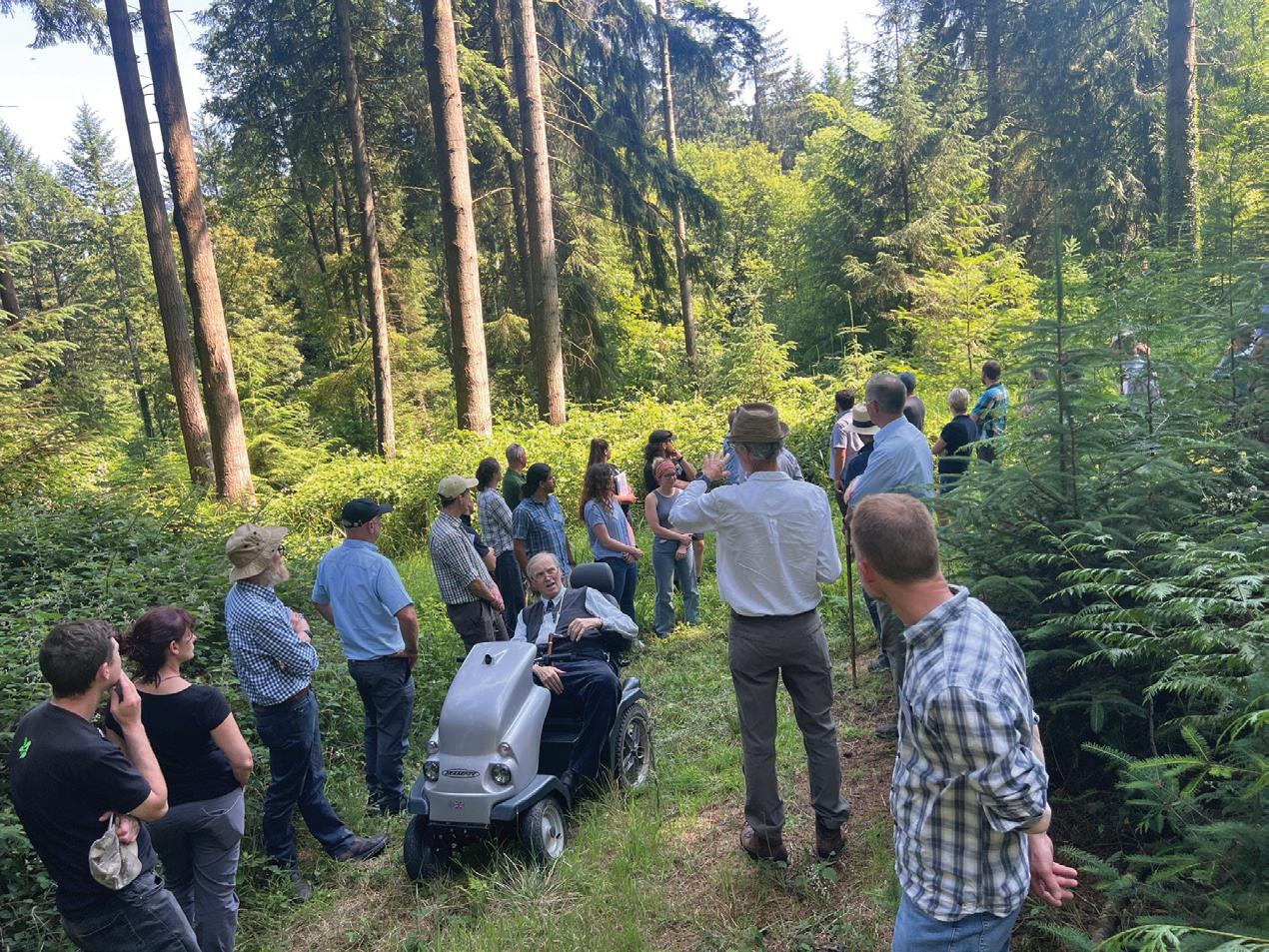
A walk through the District’s forests illustrated how that thinking is already being applied on the ground, with mixed stands of spruce, Douglas fir and western hemlock demonstrating how productive species can be combined to suit both site conditions and management objectives.
“Hemlock is much under-utilised,” Jon noted. “It’s a shade bearer, so it plays a valuable role in continuous-cover systems. On the west coast of North America, you’ll find spruce, Douglas fir, hemlock and western red cedar all growing together in compatible mixtures - and there’s no reason we can’t do more of that here.”
Practice before policy
A visit to Combe Sydenham Estate on Exmoor in early 2025 provided a striking example of how these principles are already being applied in practice.
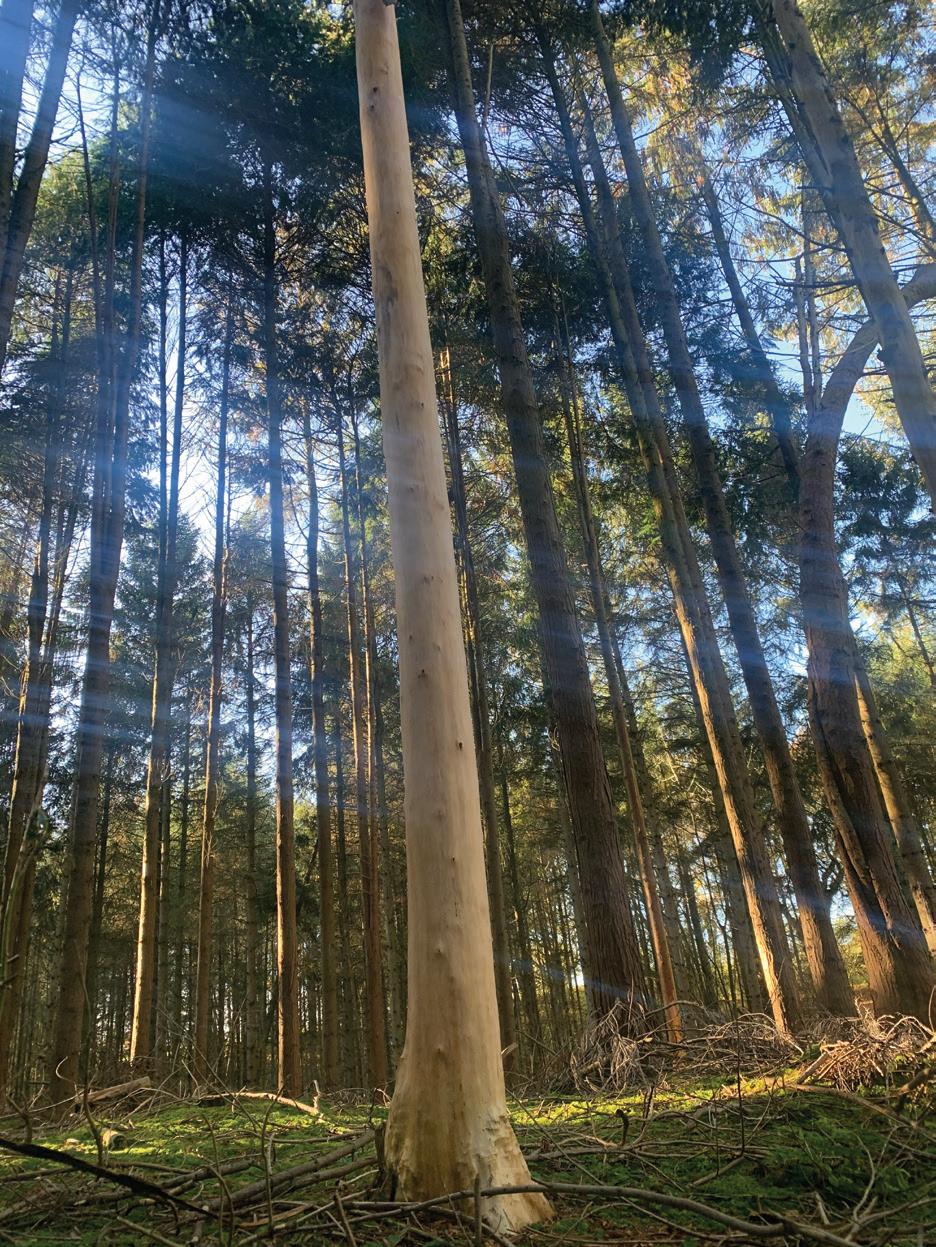
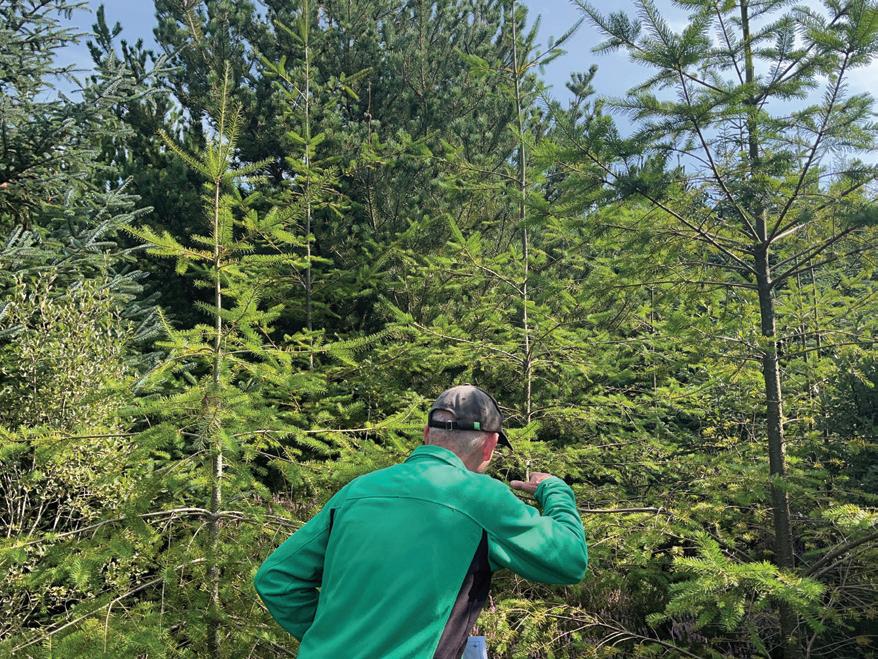
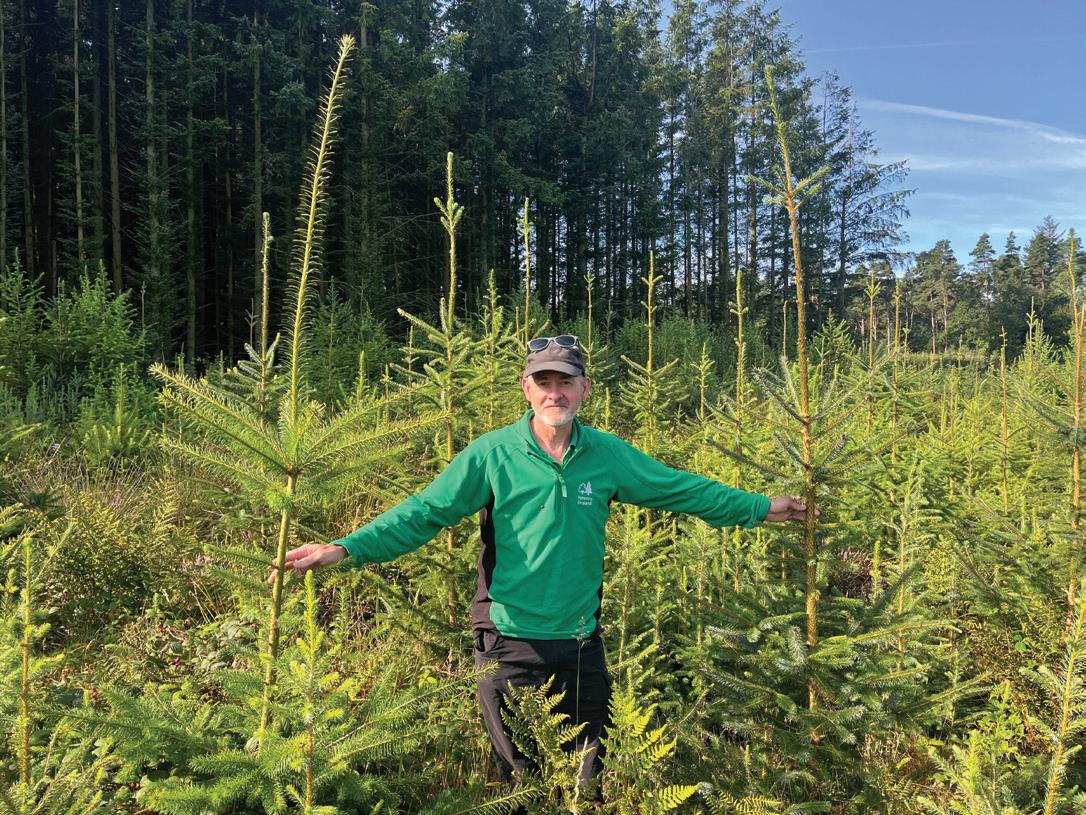
On highly productive soils, owner William Theed* has established a 60% / 40% respective mixture of Sitka spruce and Douglas fir, delivering exceptional early growth. Leader extensions of over a metre were evident, and the crop is already being prepared for early thinning and respacing, with interventions planned from around 12 years old, if not earlier.
What is particularly reassuring is that William had not set out to follow FDTshe had not encountered the framework at the time, yet his silvicultural approach closely mirrors the principles they promote. The mixture is robust, siteappropriate and deliberately designed to create future options.
His long-term plan is clear: to remove Sitka spruce once it reaches merchantable size, while allowing Douglas fir to grow on for longer rotations targeting higher-value premium markets. It is a practical example of how productivity, resilience and market awareness can be designed into a stand from the outset - with or without formal labels.
continued on p32
What are Forest Development types?
Forest Development Types (FDTs), developed by Forest Research, are long-term descriptions of how a forest stand is intended to develop under sustainable management. Rather than prescribing how a woodland must look at a particular point in time, they provide a clear framework for species composition, stand structure and management pathways across a full rotation and beyond.
The current FDT framework includes 61 Forest Development Types, covering the full range of British forestry conditions, management systems and species options. Of these, 15 FDTs include spruce as a core component, reflecting the continued role of productive conifers on suitable sites. Species choice is informed by Ecological Site Classification (ESC), ensuring that soils, moisture regime, exposure and future climate projections are built into planning from the outset.
Although FDTs were originally developed to support more diverse, longer-term forest structures
Science backing practice
Recent Forest Research trials are reinforcing the Yorkshire experience. A paper in Forest Ecology and Management (Ovenden et al., 2024), co-authored by Gary Kerr, compared the early growth and survival of lesser-known species for climate adaptation in Britain.
The study found that Douglas fir performed strongly across multiple sites, often matching or exceeding Sitka spruce for early height growth - even in northern and wetter conditions.
Jon highlighted the finding in a note to Confor: “Douglas fir showed good early height growth in four out of five trials. In the three experiments where it was planted alongside Sitka spruce, there were no differences in tree height between the species after six years. Given that these two species coexist in their native range, understanding how they perform in mixed stands in Britain could be particularly valuable.”
This evidence directly supports the Sitka–Douglas robust mixture model being promoted through FDT 1.1.3 in Yorkshire - showing that diversification within productive conifers is not a compromise but a science-backed route to climate resilience and timber security.
Knowing the limits
Jon was clear that Forest Development Types and robust mixtures are not a onesize-fits-all solution.
and, in some cases, continuous cover forestry, they are deliberately flexible tools. As demonstrated in Yorkshire, the same principles can be applied within clearfell and restocking systems to design robust mixtures, manage risk and retain future management options. In mixed Sitka spruce and Douglas fir stands, this can include deliberately growing Douglas fir on longer rotations to access premium markets, while maintaining Sitka spruce as a productive core species where site conditions allow.
Used in this way, Forest Development Types help foresters demonstrate that productivity, resilience and professional judgement are not competing objectives, but complementary ones.
Further information
Forest Development Types guidance and the full suite of FDT flashcards are available via Forestry England and Forest Research: https://www.forestresearch.gov.uk/tools-andresources/forest-development-types/
During an earlier visit to Yorkshire Forest District, he pointed out a sharp contrast between sites. On the better, more freely draining soils in Wykeham, mixed stands of Sitka spruce and Douglas fir were performing strongly. But just a short distance away, in Langdale forest on surface water gleys, the picture was very different.
Douglas fir had been planted on these wetter soils to help dry and diversify the site, but the results were mixed at best. Some trees were visibly stressed, with pockets of mortality, while the real success story was the natural regeneration of Sitka spruce, which was clearly better suited to the conditions.
The lesson was clear: intimate, robust mixtures will not work everywhere. Soil moisture, drainage and exposure remain decisive factors, and in some situations blocky mixtures or species separation may be the more resilient and practical option.
Where site conditions do allow species to grow well together, however, robust mixtures remain a powerful tool - offering diversification, flexibility and long-term resilience. The challenge is knowing where each approach is appropriate.
Targets versus judgement
Jon welcomed Forestry England’s Resilience Strategy and Action Plan as “a positive step in the right direction,” but is cautious about one headline figurethe aim that no more than 20% of any
district’s area should comprise a single species.
“With any number, there’s always a risk that it’ll be misinterpreted,” he said. “It really relies on the skills of the forester on the ground to decide what species should be present on that site and in what proportion.”
For him, Forest Development Types provide a more practical and auditable route: they demonstrate resilience through how a stand will develop, not through percentages on a spreadsheet.
Indeed, Forestry England’s Forest Resilience Strategy and Action Plan also includes actions to roll-out the use of FDTs right across the nation’s forests, incorporating them more consistently into planning and operational decisions. Forestry England stress the importance of considering all these targets in the round, recognising there are many ways to increase forest diversity and resilience.
Communicating resilience
“Forest Development Types are also a really useful way of communicating how a forest will evolve,” Jon explained. “They help us describe to partners and the public how different stands are composed and how they’ll be managed over the course of a rotation. That clarity is important - it makes long-term forest planning more transparent.”
He stressed their flexibility.
“They work just as effectively within clear-fell systems as they do under
continued from p31
continuous cover. If you’ve got the right site type and a well-thinned stand, FDTs give you options - and that’s what resilience is about.”
Finding balance
When asked whether there’s tension between FDT planning and the Districtlevel 20% species cap, Jon’s response was measured.
“I don’t think there’s any real tension. What matters is understanding what that percentage figure is trying to achieve – diversifying species at the broader landscape scale – while still using the right Forest Development Types for the right reasons on the right sites.
“As long as foresters keep that front and foremost in their minds, you shouldn’t compromise the end objectives.”
A site-led future
The lesson from Yorkshire is clear: resilience doesn’t come from administrative quotas, but from professional judgement grounded in science and experience.
Tools like Forest Development Types give foresters the framework to show that productive forestry and resilient forestry are one and the same.
As Jon Bates put it: “If you chase productivity, you’ll often find resilience follows.”
*The estate visit detailed in this article took place prior to William Theed’s passing earlier this year.
Local Nature Recovery Strategies: What comes next for woodlands?
As strategies for delivery of nature recovery become more common across the English rural landscape, Dougie Handford, Senior Environment Officer for the Cornwall Council Nature Recovery Team, explains how these roadmaps work in practice.
In May, Cornwall and the Isles of Scilly became the third region in England to publish a Local Nature Recovery Strategy (LNRS) - an important milestone in shaping how nature recovery will be delivered across our landscapes. With other regions now publishing their own strategies, we are entering what could become a transformational phase for nature recovery nationwide.
LNRSs form a new, statutory, England wide system of spatial strategies. Their role is clear: to identify what nature needs, where it can be delivered, and how partners can work together to create a coherent national Nature Recovery Network. Each LNRS contains two core components:
1. A set of written priorities and actions for nature; and
2. A mapped spatial strategy showing where those actions can be delivered most effectively.
As the strategies begin to move from publication to implementation, attention is turning to delivery, and the woodland sector will be integral to making that happen.
The role of responsible authorities
As the designated Responsible Authority for developing the LNRS
for Cornwall and the Isles of Scilly, Cornwall Council has taken on several devolved duties from Defra. These responsibilities will help shape future woodland creation, active management, commercial forestry, and natural capital investment. They include:
1. Leading and convening a Delivery Partnership
2. Embedding LNRS priorities in local decision making
3. Identifying strategic projects and supporting delivery
4. Monitoring and reporting outcomes
Our work now is focused on bringing together foresters, farmers, community groups, environmental specialists and businesses to translate strategic ambition into practical, place-based action.
Forest for Cornwall: A practical model for LNRS delivery
One example of where this is already happening is the Forest for Cornwall programme - one of the UK’s most ambitious tree planting and woodland creation initiatives. With more than 1.6 million trees planted across nearly 1,000 locations, it offers a useful blueprint for how the woodland sector can lead
continued on p34
LNRS delivery in partnership with landowners and communities.
A landowner first, accessible approach
With funding from DEFRA Nature for Climate Forest for Cornwall supports LNRS implementation by helping farmers, estates, and small landholders integrate trees into productive landscapes – whether through woodland creation, agroforestry, shelterbelts, or riparian planting. A total of 625 hectares has been delivered within LNRS priority areas across Cornwall.
The approach is intentionally pragmatic:
• Straightforward advice and design support
• Clear, accessible steer through complex funding mechanisms
• Close liaison with partners to ensure “the right tree in the right place”
• Alignment with the spatial priorities set out in the LNRS
This simplicity has proven essential in helping landholders navigate complex funding, long term maintenance and stewardship considerations.
Partnership at the core
The Forest for Cornwall partnership brings together woodland, forestry and land management organisations to steer delivery and maintain ambition. It now operates as a formal Delivery Partnership of the Cornwall and Isles of Scilly Local Nature Partnership, giving it a direct mandate in LNRS implementation.
One of the biggest uptakes from landholders has been through adopting innovative agroforestry planting –combining trees and a productive business. An organic farm in midCornwall has planted the largest area of silvo-arable (trees grown in combination
with crops) that we have seen so far –15 hectares!
The planting includes orchard trees, 3.6 km of new hedgerow and tree alleys. The alleys are planted in straight lines in pasture and arable fields to allow the livestock to graze in and around them and for the crops to be managed. The 2,262 trees in the alleys are all productive fruit trees and will also provide shade and shelter for the animals, as well as another crop for the farm. This ambitious project is now being complimented with an additional 24 hectares of nut orchard.
Embedding the LNRS in Woodland decision making
A major strength of the LNRS is that it provides a spatially robust evidence base for identifying the best opportunities for woodland creation, enhancement and management.
While Forest for Cornwall has always excelled in responding to landowners actively seeking projects, the LNRS enables a complementary strategic
• Integration with wider nature-based solutions
As a result, the Forest for Cornwall team is now engaged in landscape scale programmes including Fal Rivers to Reef and Lizard Living Landscapes, both of which aim to deliver largescale habitat creation and restoration aligned with LNRS priorities.
What comes next for the woodland sector?
With LNRSs being published across the country and delivery gaining momentum, woodland professionals have a brilliant opportunity to shape the next decade of nature recovery. To get the most out of LNRS driven opportunities, woodland managers and professionals may want to:
• Engage early with your local LNRS Delivery Partnership to understand emerging priorities, governance and funding pathways.
• Align woodland management plans with LNRS spatial priorities, especially where actions contribute measurable biodiversity outcomes.
• Explore opportunities for woodland restoration, diversification or agroforestry, particularly where they intersect with climate adaptation and water management goals.
• Collaborate at landscape scale, forming multi farm or multi estate clusters similar to Forest for Calstock.
• Develop proposals with clear, evidence-based biodiversity benefits, strengthening eligibility for emerging funding streams and private finance.
The woodlands already play a pivotal role in shaping a healthier, more resilient landscape. The LNRS now provides the roadmap to scale up that impact, turning shared ambition into long term, place based change. The more we do for nature, the more nature can do for us.
continued from p33
Cellgrowntrees.co.uk
The UK’s longest established woodland tree cell grower
We offer British grown woodland trees, hedging and shrubs
Fruit/ornamental trees
Cell grown
Container grown
Field grown
Guards - Stakes - etc
Planting service available
Nationwide delivery service
Plant Healthy Certification Scheme Accredited We &UKSGare Plant Healthy
Heathwood Nurseries Ltd
Growers of Quality Trees, Shrubs & Hedging Plants www.heathwood.co.uk
sales@heathwood.co.uk
The Meadows, Higher Heath, Whitchurch, Shropshire SY13 2JA Tel 01948 840 120
CREATING CANOPY COVER IN CORNWALL
For the past five years, Forests for Cornwall has been helping farmers and landowners action tree planting projects across the Cornish countryside. Sorcha Hitchcox, Cornwall Council, explains how providing support has gotten 1.7 million trees in the ground.
Forest for Cornwall (F4C) is now celebrating its fifth year of delivering tree planting projects with partners across Cornwall, with over 1.7 million trees in the ground so far, rising to 2 million by the end of the planting season in April.
This flagship project was started in the winter of 2019, when Cornwall Council declared a climate emergency. Cornwall has an extremely low canopy cover (8% compared to the national average of 13%) due largely to clearing from mining and agricultural activity. Our aim is to turn this around by supporting farmers and landholders with planting projects that work with their current production and land-use plans.
Our main funding was provided by the DEFRA Trees for Nature & Climate Fund, which has enabled us to develop
an extremely flexible approach to the development of schemes in a wide variety of landscapes. Alongside additional funding from the Woodland Trust and Cornwall Council. We have also developed strong partnerships with local and national organisations such as Confor, who are members of our F4C Partnership, creating an inspiring and productive network that works together to achieve optimal planting in Cornwall.
Our relationship with organisations such as National Landscapes also assists in working in areas with high levels of designation.
The recent hurricane force winds meted out by Storm Goretti had a devastating impact on lives and livelihoods, as well as the heavy loss of magnificent ancient and veteran trees. As the impacts of climate change
continue to grow, we can expect more frequent and intense weather events.
By choosing the right plants and trees for the right locations we aim to strengthen natural defences, provide shelter, and reduce the risk of flooding, with climate resilience being a major factor in tree species choice across our projects.
Opportunities for large scale forestry and timber production are limited in Cornwall by the landscape, field patterns and the physical and meteorological characteristics of being surrounded by the sea. However, our facilitative approach has been highly effective in overcoming barriers to planting such as complex grant application processes.
As a result of active support, Cornwall now records some of the highest numbers of the Forestry Commission’s England Woodland Creation Offer (EWCO) applications nationally. To date, Forest for Cornwall has supported 112 EWCO applications, which will deliver over 460 hectares of new woodland and the planting of more than half a million trees across the region. These new woodland owners will also benefit from 15 years of maintenance payments, helping to ensure that new planting is successfully established and well managed in the long term.
Alongside this work, Cornwall Council, as part of its commitment to achieving organisational carbon neutrality by 2035, has worked with tenant farmers to identify marginal land suitable for woodland creation to help sequester unavoidable carbon emissions. This collaboration has delivered several high-quality and highly visible projects, including the new woodland at Menerdue on the banks of Stithians Reservoir.
This scheme comprises 15 hectares of new woodland across two deerfenced enclosures. In addition to its carbon benefits, the site improves public access through connections
to the existing footpath network and strengthens landscape-scale connectivity with other Forest for Cornwall-funded planting initiatives within the catchment, supporting wider objectives such as water quality improvement.
Additionally, the team is now nationally recognised for their innovative work with agroforestry, demonstrating that targeted tree planting on farms and landholdings can increase or maintain agricultural productivity. Our funding enabled the creation of ten exemplar pilot projects, all of which are now completed and provide valuable case studies for the inclusion of trees on landholdings.
Hundreds of other projects have also been completed, including examples such as Cornhill Farm, on the north coast, which produces free range eggs and arable, including their own feed. Last
year they planted 12.5 hectares of lowdensity tree planting to provide sheltered areas in exposed fields. Some of the trees will create small ‘living barns’ for the hens to shelter from predators and the weather, whilst additional planting will encourage the poultry to forage the full extent of their habitat and will improve animal welfare and egg quality.
Tregerles Farm, near Newquay, has received F4C funding to create a 14ha system of silvo-arable agroforestry. This consists of alleys of apple trees and soft fruit bushes, planted directly into arable fields to improve shelter, reduce soil erosion and – most importantly – provide an additional crop for the farmer. The rows between the alleys will continue to be sown with arable crops and also offer rotational grazing for livestock (see Agroforestry video). The project is being further enhanced with an additional 24ha
of nut orchard being planted this winter. We also work widely with communities, schools and residents to increase tree canopy in urban areas, planting street trees, parks, mini-forests for outside learning, verges and public green spaces, as well as encouraging planting in private gardens with free tree giveaways.
Ensuring that we create larger, healthier, and better connected habitats is now more important than ever in supporting the long term resilience of our landscapes and the nature they sustain.
Hear from the farmers and landowners benefitting from F4C: https:// bit.ly/F4Cvideo
If you are interested in finding out more about planting trees on your land or in your community in Cornwall, please get in touch: http://bit.ly/4tvaNEu
MORE THAN 125 YEARS IN THE MAKING
With a long and varied history of serving the rural sector, Bell Ingram is showcasing how combining trusted experiencewith new approaches can deliver success for customers across a range of specialties. Eleanor O’Neill caught up with the forestry team to find out more.
Having started off in 1899 as a Perth-based small rural practice offering surveying and valuation services to the local landscape, Bell Ingram is truly a heritage brand.
After more than 125 years in business, the company has grown to over 100 staff, occupying 10 offices across Scotland and England, and with expertise in everything from residential property and farm management to peatland restoration and woodland creation.
Stuart McArtney, Senior Associate – Forestry, commented: “We can offer a lot of services as a company. Land management, forestry, renewable energy; we have the expertise, we’ve got somebody in the business that’s experienced in almost any rural business issue.”
Embracing new challenges, technologies and ways of working is central to Bell Ingram’s ethos, and clients benefit from utilising every aspect of the business.
“People come to us for just one service but then that leads on to advice or management services in another part of the business as well,” Stuart said. “We quite often get a client coming in asking about wayleave or renewable energy advice, who then tells us they have a block of woodland on their land, and we go out and do an appraisal.”
Holding such a broad range of expertise while still operating as a relatively small organisation is an enviable trait, enabling agile thinking and the opportunity to think outside the box when delivering solutions.
One current example is with one of
Bell Ingram’s largest corporate clients, Scottish Water. For the first time in the UK, heavy lift drones have been licensed to operate to beyond the line of sight while dispersing pelletised tree seeds in remote areas in the hills surrounding Talla Reservoir.
Forming part of an envisaged 80-hectare woodland creation scheme on land surrounding the reservoir, the first drone seeding phase focused on a 20-hectare area where Scottish Water hopes to enrich existing woodland across the upper slopes of the catchment.
The aim is to help stabilise the soil surrounding the reservoir so that less organic matter is washed into the water during periods of extreme rainfall which are increasing in frequency due to climate change. This will make the treatment process simpler and less energy intensive.
Sam Guthrie, Forest Manager at Bell Ingram, has been leading on the project.
“We were sort of involved already with the site in conversation, having done a woodland creation for Scottish Water just across the other edge of the reservoir on their landholding,” he explained. “We have major contracts with them, establishing various types of woodland creation as part of their plans to be net zero by 2040.
“They chose to purchase the Talla Water Woods land area for the purpose of safeguarding it from potential issues to the reservoir, which supplies drinking water to Edinburgh but also is a tributary to the River Tweed – a Site of Special Scientific Interest and Special Area of Conservation.
“So, from a landscape point of view, the hills are a major aspect. It’s a very challenging topography with high altitude, thin soils, sensitive habitats, important
bryophyte communities and schedule 1 birds, in addition to the public drinking water supply reservoir. There’s a list of constraints as long as your arm.
“Whatever we did had to be very carefully designed and delivered in such a way to mitigate the risks. We ultimately decided to mirror what Borders Forest Trust have done in the wildland area, which they call the Wild Heart, in creating upland native woodlands, and particularly the rarer montane scrub and birch belt ecotone woodlands.”
Advanced drone technology has been deployed on the site to seed over two million native trees across the topographically challenging upland. Proposals for the Talla Water Woods project could additionally see thousands of native broadleaves such as aspen, rowan, oak, alder and downy birch planted at the site towards the southeastern end of the reservoir, as well as establishing up to 55 hectares of montane woodland in the higher altitude areas of the site.
“The reason this was such an innovative thing, I think, is that we were specifically targeting areas that have very challenging access, extremely steep topography, thin soils, and there are areas that have wet flushes that need to be avoided. It really allows the GPS system and the flight capabilities of the drones to show us what it is capable of,” Sam said.
“It was a real test for AutoSpray Systems and their technology, but also a real test for us as an organisation to plan and deliver this.”
The uniqueness of the project presented its own obstacles, Sam pointed out, noting that the drones were
secure standalone approval in time.
It’s an issue also touched on by Stuart, even beyond the bounds of uncommon technological solutions. “The grant application process is getting tougher, I believe. There are uncertainties if plans are going to be approved or not, and on what timescale.
“Scottish Water in particular tend to have quite a tricky time because they have some tight time constraints to get applications through and approved. We are probably quite fortunate that they are the sort of client that’s willing to work with us - and work quickly.
“It does also help that we have developed some good relationships with Scottish Forestry to push some of these applications through a wee bit quicker as well, I think.”
“In working with Scottish Water as much as we have in a forestry capacity, we’ve developed probably quite a unique skill set in managing very complicated sites with a number of constraints,” Sam added. “Also, Bell Ingram has a strong track record in commercial forestry for private portfolios. It’s a kind of backbone of everything, and we’ve been developing skills in how to do these extremely sensitive schemes.”
Looking to the next 125 years, Bell Ingram’s forestry team is looking forward to working with more clients, gaining more expertise, and leveraging the experience and history behind brand as an asset to their service offering.
“Sometimes you speak to people – even within the industry - who didn’t realise Bell Ingram do forestry. And that was the case for me before I joined the company as well,” Stuart admitted.
LtR (back): Reg Briars (Forester, Ayr), Stuart McArtney (Senior Associate, Perth) & Tony Wilson (Forester, Perth); LtR (front): Sam Doctor (Forestry Student, Perth), Geoff Brown (Partner, Ayr) & Sam Guthrie (Forest Manager, Perth).
Irregular Silviculture in Practice
In September 2025, the Education Fund supported three attendees on the ‘Continuous Cover Forestry - Irregular Silviculture in the Lowlands: Transformation in Practice’ course delivered by David Pengelly and Andy Poore.
FREDDIE HEMINGWAY
Forest Manager,
when they reach their economic optimum. The optimum diameter varies by species and grade, so it is vital to know your stands well.
A key takeaway was the four key stages of transformation – preparatory harvesting and initiating regeneration, progressing to developing stand structure, and finally reaching the equilibrium stage, where the structure of the stand is fully developed and management can continue indefinitely by “harvesting the increment”. There are very few UK stands currently at this equilibrium stage due to the long timeframes involved; for example, Stage 2 (initiating regeneration) can take 30–35 years or more to complete.
The use of the marteloscope was incredibly valuable in translating theory into practice. The process of tree selection followed by detailed analysis demonstrated how marking decisions directly influence initial yield, but more importantly, future yield potential, retained standing value, and changes to structural diversity.
The exercise was done in pairs - we primarily targeted larger-diameter trees above the optimum diameter (e.g. ~90 cm for high-grade Douglas fir), as well as removing poor-form and diseased trees. I’m proud to say our team won, as we came closest to the selection made by David, producing the highest revenue while mostly targeting the best trees. We did however remove a few too many midaged trees, which could limit the future production of the stand.
Applying irregular silviculture
in broadleaves requires different considerations, such as crown efficiency, vegetation control, and seedbed management. Managing the understorey correctly is a vital component of broadleaved irregular silviculture, as promoting regeneration without encouraging grass and bramble presents a very delicate balance. In most cases, a combination of natural regeneration and supplementary planting will be required to initiate the transformation.
The course challenged my previous perception of irregular silviculture as being primarily about creating gaps for light and regeneration. The emphasis on tree-by-tree selection for the benefit of the entire stand highlighted
Andy Poore at Rushmore Estate Estate. Photo: Freddie Hemingway.
Norway Spruce stand on Rushmore Estate. Photo: Freddie Hemingway.
how considered and deliberate the approach must be to be successful. This encourages foresters to actively “read” the stand by evaluating stem form and tree vigour, identifying where canopy opening will most effectively promote diameter increment, and assessing ground conditions to determine regeneration potential.
These assessments, supported by detailed economics and growth predictions, are key to sustaining irregular stand structures over the long term.
The learning is directly applicable to my current role. I manage several estates where the transition to irregular silviculture has already begun, as well as many stands where it could be
implemented. I am fortunate to manage stands of Douglas fir and western red cedar that have been managed to promote regeneration, and the course has provided me with a strong technical framework to support ongoing interventions and to carry out marking with greater confidence.
The course has also given me the confidence to promote irregular silviculture to woodland owners who are more familiar with traditional clearfell systems. Being able to explain how selective systems can balance timber revenue, resilience and biodiversity is very useful when proposing alternative management approaches.
Two phrases have stuck with me since the course:
1. “Clumpiness is good!” – highlighting that irregularity is the goal, not the enemy.
2. “If in doubt, take it out” – encouraging confident decision-making in the woods without being overly cautious.
I am grateful for the support from the Education Fund. Access to technical training of this nature is vital in developing the skills needed to manage woodlands and to support wider uptake of irregular silviculture across the sector.
HOLLY WHITEHOUSE
Woodland Manager, Joe Court Forestry, was with English Woodlands Forestry It may be a bit bonkers extracting the years of knowledge, practise and experience that David Pengelley and Andy Poore’s brains contain and squeezing it into a two-day course; as such I may have slightly underestimated the deep dive into CCF I was about to embark upon.
The first day and a half was a vast stream of information: annual increments, yield classes, growth curves, species responses over time, accompanied with slides of graphs, charts and tables linking age, structure, and productivity. I have to admit that when about 3/4 of the way through some slides appeared just in French, I felt a bit lost. However, sticking with it I tried to understand the practise behind all the data.
Then we made it outside. Standing within a mature conifer woodland, everything began to click. The light filtering through the canopy, the layered structure, the birds and insect life, the graphs, figures, and theory had context. This was CCF made tangible.
The woodland was a flagship of classic CCF principles: a diversity of species and age classes, carefully selected trees marked for removal, and others deliberately retained, pruned, and tended to develop into high-quality future stems. Management here was not
Marking exercise on Marteloscope plot (above), mixed conifer stand at Stourhead Western Estate (left).
Photos: David Pengelly. continued
about uniformity, but about observation, patience, and informed decision-making.
What struck me most was the level of understanding required to manage a woodland in this way. CCF demands an intimate knowledge of site conditions, species behaviour, growth rates, and long-term objectives. I don’t expect to measure up to decades of CCF experience overnight and definitely not to have the ability to apply it perfectly the first time.
But one of the strongest messages from the course was that aside from all the facts and figures the best way to start was to just to start doing it. Start marking, start selecting, identifying the trees to retain and trees to fell, and begin to understand how much space is needed for each species’ specific regeneration habits.
Thanks to David and Andy for a peek into the inner workings of their minds and support from the Education Fund,
I’ve been able to access this training and take a step forward in my professional development. I’ve already identified several woodlands I manage that would benefit, particularly those that have seen minimal intervention in recent years.
My next step is to begin those conversations with landowners and start the transition from unmanaged stands towards a more resilient and diverse continuous cover system.
SIMON MASKREY
Independent Forestry Consultant
By sheer accident, I have found myself living in what turns out to be something of a hotspot for the practice of irregular silviculture. Through attendance at Wessex Silviculture Group meetings in recent years, I have visited lots of irregular stands and heard both Andy and David extolling the virtues of irregular silviculture.
These one-day meetings always left me with lots of unanswered questions,
and I needed a deeper dive into the technical details.
To my eyes irregular stands had always looked understocked, and I was sceptical about the volume production that they could achieve. This point was addressed by pointing out that the stands in the UK are still in the transformation phase, and that there will indeed be a loss of cumulative volume production until the optimum structure is achieved.
Working primarily as a survey contractor, I have been frustrated at the lack of any standard mensuration protocols for uneven aged stands, which seems to be a glaring gap in UK forestry practice. We are often stuck trying to utilise tariffing procedures and Yield Class models in situations where they just do not work!
I was hoping to walk away from this course with a clear protocol for surveying uneven stands, and a clear understanding of how to make a meaningful comparison of productive potential between even-aged or irregular as alternative management options. I didn’t really get that – that would be too easy!
What I did get was a series of signposts towards a framework that could be used to begin to answer these questions. The approach to irregular silviculture outlined by Andy and David is so completely different to the evenaged approach, that it felt like learning a whole new language, and it is difficult to translate between the two.
A key concept is that of concentrating increment growth onto the best performing trees in order to maximise economic returns. A very sophisticated approach to economic analysis was outlined. What was clear throughout the course was that detailed ongoing monitoring in order to build up a picture of stand performance is the essential basis upon which management must be based. The course has certainly given me more confidence to go out and apply these approaches.
About the Forest Industries Education and Provident Fund
The Education Fund supports career development for Confor members. Applicants can be individuals or companies, they must present clear reasons for doing the course, show how it will further their careers, and provide some background information.
Applicants can be at any stage in their careers and can pursue a wide range of training including attendance at
conferences, participation on specialist courses (e.g, ecology, tree health, timber technologies, GIS) or management skills or practical training (e.g. chainsaw, drones, mechanical).
Trustees are also interested in requests to co-fund with other bodies as this may broaden the scope of training opportunities available.
Awards can only be offered prior to
training. It generally takes about three weeks to process an application, with offers of up to £1,000 per application. For more details and an application form, visit the Confor website.
The Provident Fund is available in cases of hardship, for example long-term illness, personal injury or death. It has more flexibility, and all applications are treated in confidence by the Trustees.
Mixed broadleaf stand on Cranborne Estate. Credit: Simon Maskrey. continued from p41
Moss Lane, Hesketh Bank Preston, PR4 6XJ
COMPLEXITIES AND CHALLENGES
Jon Lambert MRICS, Founding Partner of Goldcrest Land & Forestry Group, shares his view on how the market is faring as we enter into the new year.
Reflecting on my previous report for FTN in July 2025, I titled the article, ‘The busy, curious, proactive purchaser replaces caution and selectiveness.’ Fast forward six months—has that sentiment held true? I’m not so sure. While deals are still being made, the process has become considerably more challenging.
Purchasers are increasingly thorough in their due diligence before making offers, and some lawyers, on both sides
of the transaction seem to be taking longer than ever to finalise contracts. Timber prices remain stubbornly low. But if I had to pinpoint the single biggest influence on the market, I would say it’s Government Intervention.
Government interference comes in many forms. On a global scale, the ongoing conflicts, such as the war in Ukraine are consuming vast quantities of commodities, including timber. Meanwhile, President Trump’s frequent international trade tariffs are reshaping
global markets, with Canada, a major timber producer, caught in a delicate balancing act regarding its relationship with the US.
On the domestic front, the UK forestry market has seen its confidence erode, primarily due to inconsistent government behaviour. Issues such as the looming changes to Business Property Relief, long delays in forestry authorities’ decision-making on tree planting grants, and the temporary halt on timber imports from certain parts
82 hectares in the Scottish Borders
of Scotland to Ireland have created uncertainty. Add to that the ever-shifting rules around carbon regulations, further land reform in Scotland, and the acquisition of land and woodlands with taxpayers’ money via Land Funds, and it’s no surprise the market is experiencing some turbulence.
This century has seen the market recover from a low point in the early 2000s, followed by significant capital appreciation between 2005 and 2022. However, 2023 marked a sharp downturn, with a smaller dip in 2024, and a flat line in 2025. Activity picked up earlier last year, but it’s now showing signs of stalling due to some of the factors mentioned above. Some “old chestnuts” have been languishing on the market.
Despite this, Goldcrest Land & Forestry Group has successfully sold forests in England, Scotland, and Wales off-market in the last quarter, with more transactions under offer. Could this be a growing trend? Possibly but, as always, there’s no one-size-fits-all recipe for success. Off-market deals can work well for purchasers, and in some cases, they can benefit vendors too, provided they are properly advised by independent experts.
For example, we recently concluded the sale of Headshaw Plantation, an 82-hectare commercial forest in a welllocated area. The final price exceeded
the guide of £825,000, representing £15,000 per stocked hectare.
Additionally, off-market Goldcrest sold 175 hectares of mixed commercial woodland in the North East of England for over £16,000 per stocked hectare for 20-year-old crops.
In Wales, we sold properties for £15,000 per stocked hectare for 16-yearold crops and £11,000 per stocked hectare for 11-year-old crops. Another sale in Wales fetched over £18,000 per stocked hectare for 25-year-old crops
that had been heavily thinned.
However, while these numbers can be illustrative, it’s crucial to recognise that location, yield class, access, and site conditions can significantly impact sale prices. Stats alone can be deceptive.
There have been very few sales of plantable land in recent months, with a small number of deals transacted in the price range of £7,000-£11,000 per hectare.
A common question I’ve been asked lately is whether it is a Sellers’ or Buyers’ market. When compared to three years ago, there’s undoubtedly better value in the market today. Timber prices, in particular, seem to be alarmingly low. How long can this last? It’s hard to say, but I don’t foresee any significant rise until we see more enthusiasm from housebuilders.
The UK government’s promise of 1.5 million new homes has yet to materialise on a meaningful scale, and although timber frame homes in Scotland exceed 90%, the figure in England is only around 23%. As the workforce of bricklayers ages, coupled with the growing demand for better insulation and environmentally friendly materials, demand for UK timber is likely to increase, which I am sure will lead to a rise in timber prices. For now, though, it still seems very much like a Buyers’ advantage.
In summary, the market remains somewhat stodgy. While there are still opportunities for the right buyer or seller, the environment is far more complex than it was just a couple of years ago.
50 hectares in Wales sold by Off Market
175 hectares in England sold by Off Market
Edwin Thompson Forestry Department THIRTY YEARS AND COUNTING
Edwin Thompson is a well-recognised multi-discipline property management firm based in the North of England and South Scotland. 2026 marks the 30th Anniversary of the firm’s Forestry team which now manages the interests of more than 150 woodland owners and around 20,000 hectares of woodland.
Dave Atkinson, the firm’s Senior Forestry Manager and Partner, commented, “We are a small team but are well supported by our Land Agents and Property Professionals, giving us flexibility and wide expertise with our Forestry Services. Our focus is always about keeping things simple, robust, and cost-effective. Each year we have seen continued growth, and whilst there are challenges ahead, there are also opportunities.”
Edwin Thompson also recently welcomed Matthew Gaskell, a graduate from the Forestry Commission (FC) - University of Cumbria Degree Apprenticeship programme. Mathew is using his experience with the FC to secure new Countryside Stewardship Woodland Grants in England which offer excellent support for woodlands at all scales.
The team is also active in Woodland Creation projects, both sides of the Border, and this includes supporting land purchases and sales. Dave Atkinson highlights
that, “planting land and woodland sales are areas in our business that is expanding with the growth of digital platforms, greater competition, and regionalisation in the market. We will be expanding our offer this year and can support owners and buyers. If you are considering sales or purchases anywhere across the UK, we can help.”
The Forestry Team
Pictured left to right: Beth Frizell, Dave Atkinson, Matthew Gaskell
Diversification: “The first thing we do, let’s kill all the lawyers”
Adam
Corbin, Barrister
and
Partner at
Michelmores covers some of the broad themes regularly dealt with in advising on diversification opportunities.
The line “Let’s kill all the lawyers” is widely cited as Shakespeare’s support for lawyers and the rule of law, but in practice we are rightly required to demonstrate, and prove our worth, not least in advising upon diversification opportunities.
Diversification is often presented as a panacea for woodland management. The sentiment seems to be: “Make your woodland deliver triple the benefits and triple the income! Grow timber, host mountain bikes, and sell ice creams, all on the same land!”
We do have to accept that there will be a limit to the number of different commercial and social opportunities a single piece of woodland can deliver without compromises, and in fact that there will always be compromises once management moves from ‘only’ conservation or commercial timber.
Practicing in this sector, I am constantly amazed at the amount of opportunities I am asked to help document. For instance, I thought ‘Forest Bathing’ was going to involve a plunge in a freezing cold, dark, quarry, probably naked or just wearing a hat; but it turns out that no water (or nudity) is involved!
Similarly, when asked to look at a ‘Skywalk’ I was ready to confront a deep-seated, generational dichotomy between the immense potential for good and a fatalistic pull toward darkness, perhaps asking my construction team to assist with a Death Star; but it turns out this is rather more wholesome opportunity to be up high amongst the canopy of some fantastic veteran trees.
Most of the legal work involved in assisting clients in engaging with new opportunities tends to cover two broad areas: unlocking the opportunity, or documenting a deal.
A common commercial ‘unlocking’ challenge is obtaining a licence to breach a lease covenant to enable some form of use beyond “forestry”. Of course, the unlocking extends to interpreting the covenant, and drafting the licence; then the commercial deal is for the surveyors.
Regulatory challenges are often more challenging due to the perceived uncertainty of regulation, and the tendency to err on the side of caution. Erring on the side of caution is understandable in the context of criminal sanctions, but I would suggest not always necessary. Many regulatory requirements, particularly environmental ones, are binary, they are met or they are not met.
For instance, the requirement to seek and gain consent for an operation affecting a SSSI under section 28E of the Wildlife and Countryside Act 1981 is unavoidable, but once gained obligations are clear (provided the operation remains in scope of the consent). Where regulatory requirements are more subjective, such as those involving the fulfilment of management objectives, clearly there is a need to take a more precautionary approach, but by and large early and detailed regulatory engagement should result in better outcomes.
The predominant issue we are currently experiencing in practice is policy uncertainty, which leads to
regulatory uncertainty, particularly in environmental and town and county planning decisions. Biodiversity Net Gain Credit sales and Nutrient Neutrality credit sales have been hampered by Government (and therefore policy) changes, and the delay and uncertainty caused by statutory changes. This has meant that these valuable land management opportunities have been considered by some to be high risk.
There are approaches to drafting which can mitigate the risks to these opportunities which come as a result of statutory or policy changes, such that there may be no net loss to either party (except the professional fees and parties time thrown away).
A further common pitfall is that historic approaches to land management are often the forerunners to lost opportunities. A laissez faire approach to public access may result in a public right of way, community asset, or village green later. Don’t give away for free something you might want to charge for later!
We see the same with loose occupation arrangements for land or buildings which merge into tenancies, such as those protected under the Landlord and Tenant Act 1954, Rent Act
continued from p47
1977, or Agricultural Holdings Act 1986.
Moving onto the documentation of deals, I am well known for my frustration with practitioners rigidly adhering to well-trodden paths for the documentation of deals. The tools we have available to help our clients are actually much more diverse, if only the lawyers would think outside the box! Partnerships are great for sharing risk and reward, companies are the thing for ring-fencing liabilities, and contractual joint ventures are the thing for flexible and nuanced collaborations. A lease is sometimes a coarse tool for sharing occupation of land and sharing the topics against these other options.
Another common area of challenge is the need to tailor together a mixture of documented opportunities, perhaps with some environmental constraints. There is often plenty of shared realm between mountain bike operators, food and beverage, and other occupiers, making occupation agreements sometimes resemble shopping centre leases. It is also often the case that requirements to open, trade, and provide a quality offering should align between operators/partners. It is fair for clients to complain where their legal documents do not speak to each other (provided that those documents have been supplied)!
In closing, my message is that readers should go out and reach for the skies in selecting and negotiating diversification opportunities, then expect their lawyers to flexibly and efficiently deliver a drafting solution which meets their objectives!
CONFOR MEMBERS
FREE LEGAL CONSULTATION
Confor Members have access to a free legal helpline, administered by Brodies LLP. Get in touch for guidance on key issues that impact forest owners and the forestry sector.
Whether your query is employment law, health & safety, planning, tax or property-related, one of our experts will be happy to give you a free initial consultation.
More info: https://bit.ly/3yPGRI1
For members based anywhere in the UK Brodies LLP 0131 228 3777 www.brodies.com confor@brodies.com
For members based in England/Wales Michelmores LLP 0333 004 3456 www.michelmores.com
Inheritance tax and family woodlands: Update and next steps
John Bruce, National Manager for England, outlines what the 2026 IHT changes mean for estates and what actions Confor is taking to mitigate impact.
Confor has been actively engaging with government on the implications of inheritance tax (IHT) for forestry, particularly for family-owned and mixed estates, which are important contributors to long-term productive forestry and wider environmental and economic outcomes.
Recent government announcements are welcome and represent progress. However, they do not fully resolve the challenges faced by some woodland owners. This update sets out what has changed, what Confor has been doing on behalf of members, and the next steps we are taking to support long-term woodland ownership and good woodland management
What has changed?
In December 2025, the government announced an increase in the threshold at which 100% Agricultural Property Relief (APR) and Business Property Relief (BPR) apply for inheritance tax.
The threshold rises from £1 million to £2.5 million per estate
With spousal or civil partner transfers, this allows up to £5 million of qualifying
agricultural and business assets to pass free of inheritance tax. Above this level, 50% relief applies, giving an effective inheritance tax rate of 20% on qualifying assets above the threshold. Importantly, this is a single combined cap. On mixed farm-forestry estates, APR and BPR cannot be aggregated, meaning forestry values can still create inheritance tax exposure where estates exceed the threshold.
While the change will reduce inheritance tax exposure for smaller estates, it is likely to remain a live issue for larger family estates, including those with mixed land holdings, where woodland ownership and management are inherently multi-generational and involve retaining significant timber value over longer rotations, including under continuous cover forestry regimes.
What Confor has been doing
Throughout 2025, Confor worked closely with the Country Land and Business Association (CLA) and the Royal Forestry Society (RFS) to engage government on the inheritance tax implications for forestry.
and Defra to direct engagement with HM Treasury, ensuring that forestry-specific issues were properly understood.
Key points consistently raised by Confor and its partners include:
• The importance of long-term custodianship of family-owned woodlands.
• The risk of woodland management decisions being driven by tax considerations rather than good silviculture.
• The potential for woodland fragmentation, as estates sell woodland to meet IHT liabilities, adding to the existing issue of unmanaged woodland.
• Misalignment with government objectives on nature recovery, climate resilience and woodland creation.
• Implications for domestic timber supply and delivery of the Timber in Construction Roadmap.
• Concerns that existing inheritance tax arrangements for forestry do not reflect the realities of modern, actively managed woodland.
Confor has been coordinating engagement with Defra, HM Treasury and partner organisations, and has been in regular contact with members raising concerns about inheritance tax and its implications for family-owned woodlands.
Woodlands Relief and the need for reform
Following the changes to BPR, some Confor members who contacted government were directed towards Woodlands Relief as the inheritance tax mechanism for forestry. This has reinforced the need for Confor and its partners to be clear about what
Woodlands Relief operates in practice as an inheritance tax deferral rather than a full relief. Under the current framework, inheritance tax on the timber value of a woodland can be deferred, while the underlying land value remains chargeable, effectively splitting woodland into two components for tax purposes. When inheritance tax does eventually crystallise, there is no equivalent 50% relief above a threshold, as now applies under BPR.
Confor and its partners have therefore been clear that, without reform, Woodlands Relief cannot be regarded as a like-for-like replacement for the previous position under 100% Business Property Relief for actively managed woodlands.
In practice, the current structure can also discourage routine woodland management, including thinning, where woodland owners are concerned that generating income or making timber value more visible may increase inheritance tax exposure at an inopportune time. This runs counter to good silviculture and long-term woodland stewardship.
Confor and its partners are therefore seeking reform of the existing Woodlands Relief, so that it better supports:
• Long-term, multi-generational family ownership of woodlands;
• Active, sustainable woodland management, including thinning and other routine operations;
• Management decisions driven by good silviculture rather than tax considerations.
The aim is not to introduce a new relief, but to ensure that the existing deferral framework works as intended for modern forestry, supports long-term investment in
woodland condition and resilience, and aligns with the government’s objectives for nature recovery, climate resilience and domestic timber supply.
This remains an active area of engagement with government, alongside work to strengthen the evidence base on real-world inheritance tax impacts.
Building the evidence: IHT impact
woodland owner member survey
One of the challenges in progressing this issue is the lack of hard evidence on how widespread inheritance tax impacts are across woodland estates, particularly as the new BPR threshold has only recently taken effect. Confor is therefore working jointly with the CLA and RFS on a short, anonymised member survey, which will be available from mid-February 2026.
Confor will be encouraging its woodland owner members to complete the survey directly. We will also ask our agent and management company members to pass the survey on to woodland owners they work with, to ensure the widest possible evidence base.
The survey has been designed to be flexible; woodland owners may complete it themselves or can ask their agent or manager to complete the survey on their behalf.
All responses are anonymous, and no identifying information is required. The survey found here also includes an optional free-text section, where respondents may choose to describe their experience or attach a case study, which Confor and its partners can use to help illustrate real-world impacts in further engagement with government.
If you have any questions about the survey, please contact john.bruce@confor. org.uk.
Key message
The increase in the APR/BPR threshold is welcome, but inheritance tax is likely to remain a live issue for some woodland estates. This is a complex and highly estate-specific topic. We strongly encourage members to seek professional advice.
The joint Confor-CLA-RFS survey will help clarify where impacts persist and strengthen ongoing engagement with government, and relevant members are encouraged to take part.
Confor will continue to represent family woodland owners and work with partners to support practical, long-term solutions that enable active woodland management and the delivery of environmental and timber objectives.
Forestry Commission appoints new Chair and Non-Exec Commissioner
Baroness Barbara Young of Old Scone has been announced as the new Chair of the Forestry Commission, succeeding Sir William Worsley.
By Royal Warrant, His Majesty King Charles III has appointed Baroness Barbara Young of Old Scone as the new Chair of the Forestry Commission (FC).
The announcement comes as Sir William Worsley’s tenure as Chair ends after six years in post. Baroness Young has been appointed for a four-year term, commencing on 10 February 2026.
Sir William commented: “It has been a great honour to serve as Chair of the Forestry Commission. Together with dedicated colleagues, we have strengthened the organisation and helped lay firm foundations for the future of our nation’s trees, woods and forests.
“As I step down, I am delighted to welcome Baroness Young as the new Chair. Her deep experience and commitment to the environment will serve the Commission exceptionally well.”
The new Chair has previously served as Chair of the Woodland Trust and has had a distinguished career at the head of large, complex public and not-for-profit organisations. She is currently Chair of
communities, resilience and security, climate change, biodiversity, and human health and wellbeing is great and growing.
“The Forestry Commission has a huge contribution to make, and I look forward to helping take that forward.”
at a time when the importance of trees, woods and forests for the economy, local
Mary Creagh CBE MP, Parliamentary Under-Secretary of State for Nature, added: “Baroness Young brings a wealth of experience in environmental protection and land management to this vital role. She is therefore ideally placed to champion England’s trees, woodlands and forests, and I look forward to working with her to help restore our natural environment.
“I’d also like to thank Sir William Worsley for his service and dedication throughout his tenure.”
Paul Brannen has also been appointed to FC as a Non-Executive Commissioner for a three-year term, commencing on 1 December 2025.
Paul is an experienced leader in public affairs, sustainability and advocacy, with a career spanning senior roles across European institutions, industry bodies and the charity sector. He has served as Public Affairs Director for the European Confederation of Woodworking Industries, the European Organisation of the Sawmill Industry, and the UK Confederation of Timber Industries since 2020.
Douglas fir leading trials for future timber production
In the UK, commercial timber production is dominated by conifer forests consisting primarily of just nine introduced species, with Sitka spruce making up by far the largest proportion. Diversifying the range of species planted would therefore help to reduce the extent of impacts in the event of a catastrophic failure of one of the UK’s principal timber species.
To address this, researchers at Forest Research have set up a network of nine large scale experiments across the UK, in partnership with Forestry England and Forestry and Land Scotland, to test the suitability of 17 tree species as potential alternatives for future commercial timber production. Early results from this
long-term research have recently been published in Forestry: An International Journal of Forest Research.
Dr Ian Willoughby FICFor, Principal Scientist, Forest Research said: “Future climate change and the rise in damaging pests and diseases, makes our current over reliance on such a small range of species for UK commercial timber production a major risk.
“Our trials demonstrate that five years after the 17 species were planted, many had successfully established. In fact, many were performing at least as well as standard species and exceeded expectations.”
The research highlighted that Douglas fir established well on most
sites and may be a more versatile species than is often assumed in the UK. In the long-term, it could prove to be a productive alternative to Sitka spruce on some sites and has potential for wider use in the south and east of the country, where the climate is forecast to become significantly hotter and drier.
Maritime pine also established well and may have good potential in our future climate as a fast growing, robust species on suitable sheltered, lowland, freely draining sites.
Further monitoring of these trial sites is required to determine whether the early promise showed by many species is fulfilled in the long-term.
Baroness Barbara Young and Paul Brannen (right)
New Association formed to promote UK nature-based projects
Five of the UK’s leading developers of nature-based projects have joined forces to form a new coalition.
The UK Nature Projects Association (UKNPA) has been created to promote and accelerate woodland creation and peatland restoration schemes carried out to deliver climate and biodiversity benefits.
The five founding companies –ADL Nature, Caledonian Climate Partners, CarbonStore, Forest Carbon, and Scottish Woodlands Ltd – are encouraging other project developers to come on board, investors to deliver finance to grow the market, and policymakers to lend their support.
Freddie Ingleby, Managing Director of Caledonian Climate Partners, said: “We set up the Association to bring together those with dirt under their fingers, taking action to create new woodlands and restore peatlands across the UK – and give them a collective voice.”
“Planting trees and restoring peatlands are vital for a greener future,” added Emma Kerr, Head of Carbon at Scottish Woodlands Ltd. “Both activities make a significant contribution to removing carbon dioxide out of the
atmosphere – vital in combating the damaging effects of climate change.”
Emma appears alongside George Hepburne Scott, Director of Forest Carbon, in a short film produced to explain the reasons for creating the Association. The video was filmed at Lauder Common, a small woodland creation project in the Scottish Borders that is expected to soak up around 8,000 tonnes of CO₂ in its lifetime.
Commenting on the formation of the UKNPA, George said: “Woodland creation and peatland restoration provide a whole range of benefits for society - carbon sequestration, enhancing biodiversity, improving water quality, and reducing flood risk.”
Also featured in the film, Freddie Ingleby continued: “If we want to have a positive impact on our country’s nature as a whole, it is essential we get the scale of delivery for woodland creation and peatland restoration accelerating.
“The key driver for that is getting policy and governance correct, getting the investment community behind it, and the corporate end user group wanting to partake – to make it sustainable over the long term.”
Interviewed at a London launch event for the Association, Angus Davidson, Managing Director of ADL Nature, said: “[This] event is the five companies that
have come together, to get the message out there that we are here and we want to be inclusive and want to scale nature recovery.”
David McCulloch, Head of CarbonStore (part of Tilhill Forestry), added: “Our message to investors is that we need your input. It is your financial power that is going to help this market work, so please work with us to create a really vibrant, thriving market for naturebased credits.”
There has been widespread support for the new Association. Pat Snowdon, Head of the Woodland Carbon Code, Scottish Forestry, commented: “I welcome the formation of the association. I think it’s a really good step forward in the way the market is starting to mature. There’s a lot of expertise across this group, which they could really bring together for everyone’s benefit.”
Andy Grundy, Head of Climate and Landscape at Soil Association Certification, agreed: “We’re really pleased to see the creation of this association. In the early days of an industry like this, you need to put away the competition a little and work together collaboratively to let the sector grow and learn from each other’s experiences.”
Find out more: https://www.uknpa.com
EMBRACING GREEN FINANCE
Andy Howard, Director at Pennine Forestry and CEO of CSX Carbon, explains the opportunities presented for landowners by the carbon and BNG markets.
As Climate and Nature
Related Financial Disclosure requirements begin to come into effect through to the end of this decade, the developing Natural Capital markets are in desperate need of quality assured carbon, biodiversity and nature metrics and supply. Two of the currently monetisable elements of these markets are carbon and Biodiversity Net Gain (BNG).
These are leading the way in developing the systems necessary for the impending carbon and nature accounting that’s going to be needed within supply chains.
At CSX we apply a scientific approach
presents landowners with opportunities to be rewarded for the natural assets in their fields, trees and peatland, including creating a valuable new income stream, while benefitting their communities and the environment.
to the digital twins we create, using data analysis to add value to repeatable and scalable environmental earth observation data. Connecting the dots between landowners and businesses to deliver nature-based solutions. Using data to facilitate positive trading, measuring and monitoring the impact these solutions have over time.
CSX’s vision is to empower landowners and managers to obtain a sustainable financial return for managing their land in ways that benefit the environment. Providing businesses transparent, audited and quality assured carbon & biodiversity metrics and data to ensure confidence their climate actions are genuine.
With the government’s ambitious plans to lead a new growth market and cement the UK as the green finance capital of the world, there are many ways that landowners can embrace the burgeoning opportunities to connect with carbon and BNG offsetting initiatives. Moreover, in the medium to long term carbon and nature positive products should be able to secure added value within supply chain accounting.
As companies and organisations develop and implement their strategies for climate and nature related financial disclosure, landowners are in an ideal position to both meet their own environmental targets and commitments, as well as boost their income by working in harmony with businesses to sell carbon, biodiversity and nature credits.
Organisations and businesses can buy carbon credits to compensate for their unavoidable emissions that they cannot yet reduce as they create a pathway to their net zero vision. Whilst on the other
side of the equation, landowners can develop a new income stream.
Increasing carbon storage on land, in trees and by restoring and protecting peatlands can bring financial benefits through the sale of carbon credits to businesses or organisations looking to offset their own emissions as demand increases for net zero supply chains.
Farmers and landowners can generate income to invest into further sustainable land management projects that could add further environmental benefits. They must ensure their land management changes produce measurable, impactful results in carbon emission reduction or active carbon sequestration. For example, restoring peat moorland and raising the water table – which CSX can monitor daily with water table loggers – can protect the stored carbon within and produce an income to help landowners maintain their peatlands.
Creating woodlands or restoring peatlands can have a major impact on protecting local wildlife habitats and ecosystems, that can foster further biodiversity. Planting woodlands can create corridors that support wildlife movement, while improving air quality. The projects can also improve water quality and reduce flood risks.
Landowners can hence also earn additional income through biodiversity net gain (BNG) payments by supplying off-site BNG units to developers who must secure them for new projects.
Since February 2024, developers have been legally required to deliver at least a 10% improvement in biodiversity – the ‘net gain’ – as part of each building project. BNG has created opportunities for landowners to generate income by establishing and managing habitat banks. Crucially, all BNG commitments must be maintained and monitored for at least 30 years, a long-term vision for embedding nature recovery in the heart of our built environment.
A developer will therefore be paying in advance for the landowner to deliver their BNG obligations for them over the 30 years.
Demonstrating a genuine commitment to sustainable land management will also, in time, enhance a landowner or farmer’s value within supply chains. For instance, if they supply to a major retail chain, they will most likely be required under the Corporate Sustainability Reporting Directive (CSRD) to submit detailed reports about their sustainability measures, carbon and nature footprint.
A word of warning, though - making exaggerated claims can lead to
allegations of ‘greenwashing’. Producing relevant, verified data about a carbon and biodiversity footprint can add value to the product entering the supply chain, and is essential to avoid undermining the perceived value of the environmental enhancement project.
CSX has been pioneering advanced data analysis systems that empower landowners to gain fair returns through ecological land management. We support landowners to properly plan, monitor and execute their environmental projects, connecting directly with carbon and biodiversity credit buyers, while producing verified positive climate actions.
With increasing numbers of consumers expecting businesses to take sustainability seriously, farmers and landowners play a vital role in ensuring carbon, biodiversity and nature offsetting and supply chain accounting is credible and impactful. CSX can assist in this process.
There has never been a more important time to help tackle the climate emergency. Contact us today to discover how our wide-ranging experience in dealing with carbon, biodiversity and nature credits can help you. Call 01609 786655, email us at contact@csxcarbon. com, or visit csxcarbon.com.
THE PEST RISKS ASSOCIATED WITH FIREWOOD
Dr Matt Elliot, Plant Health & Biosecurity Scientist at the Royal Botanic Garden Edinburgh, stresses the need for biosecurity vigilance around the movement of firewood.
The pest and disease threats to trees are wide and varied. These threats come from both introduced species as well as species that are already present within Great Britain. They can be moved into new areas by various means, such as on planting stock, these are often termed as ‘pathways’ in biosecurity terminology. One of the potential pathways of introduction and spread of tree pests and diseases is the movement of firewood. Perhaps the most extreme example of this issue is the impact of emerald ash borer (Agrilus planipennis) in North America. This small beetle (up to 14mm long) was first discovered in Detroit, Michigan and Windsor, Ontario in 2002 and has rapidly spread, killing millions of ash trees in the areas where it has been introduced.
the goldspotted oak borer (A. auroguttatus). All of these species can be spread in firewood.
Fortunately, these species are not yet in Great Britian. However, there are risks to native broadleaf trees and coniferous forests due to bark beetles. For example, the beetle that spreads Dutch elm disease can be introduced into new areas on firewood. There are still some parts of Scotland where native elm trees have escaped infection, it is therefore important that infected wood is not introduced into these areas.
In addition, conifer bark beetles are concerning. A pest of European forestry is Ips typographus which is distributed in most areas where spruce is found in Europe and has occasionally caused extensive forest damage. Ips species can disperse long distances in the wind, but they can also be moved in timber, particularly if it has not been debarked.
It is thought that this pest was introduced into Michigan from Asia in wood packaging material in the 1990s. Once established, the main way that it has spread within North America is via firewood. It can fly, but only up to 10 kilometres and generally it does not stray far from the immediate area where it emerges. However, it is known to have been inadvertently transported many kilometres into new areas within infested firewood.
The issue with such pests is that the host species in the areas where they have been introduced have not evolved with the pest, and as a result have no defences against them. For example,
emerald ash borer is a minor pest in Asia because the native ash species have defence mechanisms to counter an attack. However, North American ash species do not have such mechanisms and as a result 99% mortality rates have been recorded in some areas. This process is also very rapid as populations of the pests build up to very high levels. Most trees die within three years of the initial infestation.
Emerald ash borer is only one species of jewel beetle (Agrilus species) which has become problematic globally. Impacts are also being seen from bronze birch borer (A. anxius), the twolined chestnut borer (A. bilineatus), and
Dutch elm disease is not the only disease that can be spread within firewood. For example, plane wilt is a severe disease caused by an aggressive fungal pathogen called Ceratocystis platani which is currently present in France. The spores of this pathogen can be easily spread on firewood and once introduced into new areas it causes the rapid death of plane trees. This would be particularly impactful in cities such as London that rely on plane (Platanus x hispanica) as an important urban species.
In light of these threats, Scotland’s Plant Health Centre have funded a research project looking at the threats to forestry from the trade in firewood. A team of researchers from the Royal Botanic Garden Edinburgh, Sylva Foundation, Forest Research, and the Cromarty Firth watershed environmental trust, are assessing these risks.
A survey was conducted as well as discussions with those involved in firewood regulation, certification, and movement. The researchers will use the data from these respondents to build a picture of the firewood supply chain. In addition, the UK Plant Health Risk Register has been used to identify the pests and diseases which could be an issue. This project is due to be published later this year when it will help clarify the firewood supply chain, the potential pest and disease risk levels, and if and how they can be addressed.
For more information on pests of concern, you can download pest factsheets from the Plant Health Centre: https://bit.ly/3Oa6iiw
FISA – Past, present, and beyond
The arrival of 2026 marks the 14th year of the Forest Industry Safety Accord (FISA), bringing with it a variety of forward-reaching plans and activities for the year, as the structure of the Accord evolves and its value to the forest industry deepens.
FISA began as a seed of an idea backed by urgent demand to improve the safety of the industry, after the shock of unveiling the true forest industry safety statistics, when separated from Arb by the HSE. It revealed a fatal accident rate in forestry for 2005 to 2010 of 10.4 per 100,000 workers. In context, construction was 2.8 and all UK industry 0.7 per 100,000 workers.
These statistics galvanised representatives from across the industry, backed by the HSE, to come together and form a purpose-driven safety accord tasked with improving the safety of the forestry industry.
FISA launched at the APF in 2012, with companies, organisations, and individuals across the industry signing up to the Accord’s aims and ambitions and becoming members, from which a Steering Group formed. By 2014, a CEO had been appointed to work with the Steering Group and Directors to drive the Accord forward.
A glance over the intervening years shows how the Accord has grown, now boasting a membership of around 670, with nine Working Groups and four sub-groups producing and maintaining a suite of Guides that form the cornerstone of forestry safety. FISA’s working groups consist of industry professionals volunteering their time and expertise; without them, FISA couldn’t function. This year sees FISA acknowledging its growth and the need to evolve. Last year saw the appointment of dedicated admin support, this year will see the appointment of an Accord Manager, tasked with the push for strategic development and delivery of an ambitious programme of milestones for its small core team, with the aid of its working groups.
Events
APF: FISA will attend the APF in September this year. Come and chat about the benefits of being a FISA member and share your safety ideas with us.
Summit: Due to the success of our Summit in 2025, members voted
to hold it annually. Keep an eye on our e-updates for the 2026 date and location.
Roadside
Working Awareness
Events: One exciting advance FISA made last year was the formation of the Roadside Working Group, a sub-group of the FWM Working Group. The group has been tasked to produce a Guide on Roadside Working, a document that is in great demand by the industry. Launch plans include workshop-style events towards the end of the year.
Young Professionals Seminar: The FISA Learning & Behaviour Group is working to provide clear and proactive leadership to change attitudes and behaviour at every level in the forest industry whilst maintaining and improving the competency of those working in the industry.
A seminar has been planned aimed specifically at young industry professionals. The agenda will focus on the following non-technical skills: Situational Awareness; Decision-making; Task Management; Cognitive readiness; Teamwork and Leadership. Date to be announced. Location: Penrith area.
Working Groups
FISA couldn’t function without its Working Groups and is extremely grateful for their inputs.
The FWM Working Group published the FWM framework on the FISA website at the end of 2025, the details of which appeared in last edition of this publication.
The Plant & Equipment WG will be producing a public safety film on risk zones this year and the Landowner WG will focus on a series of films clarifying the responsibilities of the various roles on sites.
New FISA Guidance and Technical Notes
2026 will see the working groups deliver the following:
• Drones In Forestry Guide
• Chippers – refresh of existing guide and a new guide for machine-fed chippers
• Debogging Guide
• Managing Public Safety in Forestry Guide
• Roadside Working Guide
• Technical Note to accompany FISA 808 CDM in Forestry
• Update of the ATV guide
• Refresh of GMHSF
• Review of guides and technical notes in terms of Chainshot
• Goalposts Technical Note
• Underground Services Technical Note
• Refresh of Firefighting Guide – now called ‘Wild Fires’.
Student Membership
A free student membership category will come into effect in May giving students access to the FISA guides and events, providing them with a solid safety foundation at the start of their careers.
Risk Zone Campaign
This theme will be ongoing across the year kicking off with a focus on Chainshot and educating the public of the dangers of straying into active forestry sites.
Health and Wellbeing Matters Too
FISA has taken a shift into providing wellbeing support information in addition to the prevention of physical harm.
E-Updates have included topics such as sleep apnoea, raising awareness of stress, and providing mental health information.
In all, a busy year ahead for FISA both in terms of structure and activities. Keep an eye out for our e-updates for members and visit our website (www.ukfisa.com) for details becoming a FISA member.
Stakeholder workshops help set research agenda
Scientists at Forest Research are drawing on experience from across the forestry sector to shape their research projects.
Two new Centre for Forest Protection (CFP) research projects, funded by Defra, called ‘Wind Within the Trees’ and ‘EXPLORATION’, recently held stakeholder workshops.
Wind within the trees
‘Wind Within the Trees’ in October 2025 saw forestry advisors and land managers from across the UK meet at Queen Elizabeth Forest Park near Aberfoyle in Scotland to discuss Continuous Cover Forestry (CCF), wind risk, and the ways in which the project could address diverse sector needs.
“Wind risk poses a significant
ongoing threat to UK forests and it was important – and exciting – to hear people’s experiences of CCF, the reality of changing established forestry methods and some of the key management considerations,” said project lead, Dr Tom Locatelli.
Overall, the project aims to understand how CCF can adapt to reduce wind risk, investigate the impact of wind on timber quality in CCF and develop the ForestGALES decision support tool to include structurally diverse CCF forests.
The project is also exploring multiple perspectives on cultural attachment to forest species and types, perceptions of wind risk and the feasibility of CCF as a management strategy.
www.forestprotection.uk/project/cfp2516
EXPLORATION – Drought, resilience and adaptation
The EXPLORATION project brought together representatives from public and
private forestry organisations to learn about the latest research into drought, resilience and adaptation. These insights helped shape group discussions on which species mixtures to prioritise and additional candidate mixtures to consider for future research.
The insights and expertise of everyone who attended the workshop, held at Forest Research’s Northern Research Station in November 2025, will help the project to better understand the responses to drought conditions within mixed species stands in newly established forests and provide new guidance for policy and practice.
“The input of the sector in shaping the direction of our research cannot be understated,” said Dr George Xenakis, Senior Climate Change Scientist at Forest Research. “It means that we remain rooted in reality and our research can address real-world challenges.”
www.forestprotection.uk/project/cfp2507
Clockwise from top left: Anna Cumming demonstrating how to use a pressure chamber, an instrument that measures water stress in tree stems and leaves. Credit: EXPLORATION Project Team; Seeing CCF in practice at a mixed Sitka and Norway spruce stand. Photo: WWTT Project Team; Stakeholders hearing about CCF at Queen Elizabeth Forest Park. Photo: WWTT Project Team; Engaging conversations between stakeholders and researchers. Photo: WWTT Project Team and organisations from Scotland, England and Wales joined researchers at the Forest Research Northern Research Station. Photo: EXPLORATION Project Team.
MAKING THE MOST OF OPPORTUNITY
A number of forestry students and apprentices attended the 2025 Confor Policy Conference with support from Lantra UK.
‘Timber in Construction: From Roadmap to Reality’ invited representatives from around the sector and beyond to gather in London on 20 November to discuss finding the wood supply, workforce and money necessary to achieve the goals set out by the Timber in Construction Roadmap.
With the kind support of Lantra UK, seven apprentices and students in forestry related fields were able to attend the conference, which is an excellent opportunity for industry to gain insight, network with current leaders and professionals, and get an idea of what their future careers may have in store.
The bursary recipients shared some of their key takeaways from the event with Forestry & Timber News.
ESTHER CONSTABLE
As a fresh trainee Forester, entering into the sector on the Forestry Commission’s Development Woodland Officer programme, I was delighted to be offered the opportunity to attend the conference. My thanks to Lantra UK for their support.
The lively discussion at the conference highlighted several of the challenges the forestry industry faces, many of which also bear distinct similarities to those I have encountered in my previous career in the third sector. Reflecting on effective tools to catalyse change in the face of challenges, I’d like in this short perspective to highlight three that recur as effective solutions; that of communication, stakeholder engagement (specifically public awareness of the fundamental need for a thriving forestry industry in the UK) and training. I name check Cora Pfarre, Isla Campbell, Andy
Leitch, Steve Fowkes and Anna Brown as speakers who eloquently discussed both the challenges and presented practicable solutions that included skilful use of those three tools.
What endures for me along this theme, is summed up in the somewhat staggering statistic that “41% of people agree a tree should not be felled in any circumstances”. Clearly there is more nuance to offer this view of tree felling. Appreciating the physical realities of our reliance on wood and wood products, their provenance, and potential as a sustainable resource is a powerful industry asset.
SARAH HALEY
I was really grateful to be awarded a Lantra UK bursary to attend the Confor conference. The keynote address from Mary Creagh MP provided a positive vision of the benefits of productive forestry, and how the timber industry can impact on society in diverse ways, including rural employment, skills, economic resilience, homebuilding and the quest to achieve Net Zero.
As a student on the University of Cumbria BSc in Professional Forestry and as an apprentice, this positive opening statement across the industry, demonstrated the future possibilities for new joiners and career changers like myself.
Inspiring speakers and panel members delivered insights on a wide variety of topics including carbon sequestration, regulatory developments and the challenges of timber supply. Each presentation provided food for thought and, for me personally, increased my resolve to find a place in this industry at the end of my course.
EMILY HOCKNEY
The ‘Timber in Construction: From Roadmap to Reality’ conference was a genuinely valuable day that helped me understand the wider landscape of the sector I’m entering. A key theme throughout was how the UK can realistically increase the use of homegrown timber, and the changes needed across the supply chain to support that shift. The long-term wood fibre forecast highlighted the risk of future shortages, linking to discussions around climate-resilient species choice and the need for a more diverse, productive resource.
Sustainability and embodied carbon were central topics, particularly how timber only delivers its full climate benefit when buildings are designed to be adaptable, demountable and part of a circular system. I also learned more about the role of C16 timber, and how normalising its use across construction could significantly strengthen the domestic industry.
Overall, the conference gave me a much clearer understanding of the challenges and opportunities ahead. I left with a stronger sense of how homegrown timber fits into our climate goals, the innovation happening across the sector, and the role I’ll be stepping into as part of the next generation in forestry.
MARCUS LING
The Confor UK Policy Conference 2025 encouraged foresters, investors, policymakers and students to step away from the day-to-day demands of work and come together to consider the future of UK timber production. As a current apprentice and a student at the
University of Cumbria, I was delighted to receive a bursary through Lantra UK.
One of the most influential sessions for me was delivered by David Edwards, who outlined the methodology behind the recently published Future Productive Species for Scotland. This type of research is critical not only for educating current students training to manage tomorrow’s forests, but also for investors and sawmills seeking to forecast future trends, supply and required adaptations to machinery.
For early-career professionals like me, the conference was a powerful reminder of what is possible when research, industry and education align. It reinforced my ambition to contribute to a sector where resilient, productive and sustainable forests produce quality UK-grown timber that can serve as a dependable cornerstone of UK construction.
PERLA REY
Motivated by a dream to work in forestry, I changed careers from being a Research Scientist and last September joined the Forestry Commission as a
Development Woodland Officer through the apprenticeship programme delivered jointly with the University of Cumbria.
Attending the Confor conference was a valuable opportunity to build on what I am learning during these first few months of training. Forums like this can provide new apprentices with insight into the challenges and opportunities facing the sector. A particular emphasis was placed on the need for better communication - not only within the forestry sector but also across the wider spectrum, including the timber industry and suppliers, architects, engineers, environmental agencies, and local communities.
There was a consensus on the importance of continuing to develop and deliver training to strengthen sector capabilities and attract new talent, from young people to career changers. Several organisations are now offering a variety of training and apprenticeship programmes, making this an exciting time to join the sector.
HENRY SHAW
Attending the Confor Policy Conference 2025 was, once again, a fascinating
experience. It was an excellent l earning opportunity that allowed me to network with many industry players in one space.
The issues surrounding embodied and whole-life carbon are incredibly pressing, especially in the face of a housing crisis; therefore, it was great to see them at the forefront of the agenda.
As a student, I gained unique insights into the future of forestry, from species selection and silvicultural research to issues facing investment. It was especially interesting to hear about the state of training from the Forestry Commission and new Forestry Training Service, amongst others.
We are a small industry that needs to grow, so it was great to hear that efforts are being directed towards future members, like me. Direct contact with key industry members opened doors to potential collaborations and career pathways that I may not have accessed otherwise. This experience has informed my work and, hopefully, I will be able to contribute to the sector in a way that balances productivity with biodiversity and climate resilience.
Award recipients pictured with Daisy Hooper, Director of Policy, Research and External Relations, Lantra UK (top left).
Pontrilas Group joins the Glennon Brothers family
Glennon Brothers is delighted to announce that the Pontrilas Group is joining the Glennon Brothers family.
Founded in 1947 by the Hickman family, the Pontrilas Group is a well invested family-owned timber processing business, with a rich legacy spanning over 70 years. Strategically situated on the Welsh border, it holds established long-term relationships with both suppliers and customers.
Significant, continued investment over the years has positioned Pontrilas as one of the UK’s leading independent sawmill and packaging businesses, boasting the largest timber processing mill in England and Wales. With a team of over 530 people, it is led by an experienced long serving management team and has a turnover of £120m.
Commenting on the sale of the Pontrilas business, the Group stated: “Jeremy Hickman and the Hickman family are pleased to wish Glennon Brothers and the Pontrilas Group every success in the future.”
Jonathan Poynton, Pontrilas CEO, added: “The team at Pontrilas are delighted to be joining the Glennon Brothers family of companies, and we look forward to exciting times ahead for the enlarged business.”
Glennon Brothers is a thirdgeneration timber processing
business, founded in Longford, Ireland. It has been at the forefront of green technology solutions within the sawmilling, timber frame home manufacturing, and energy sectors. The addition of the Pontrilas group offers further opportunities, as well as reinforcing the business’ green credentials and overall commitment to sustainability.
Mike Glennon commented: “This is a significant milestone in Glennon Brothers history, which dates back to 1913. This provides our customers with an enhanced product and service offering, as well as increased overall production capacity for the future. This acquisition allows us to continue fulfilling our commitment to our customers of offering a one stop shop solution for sawn softwood across the UK and Ireland”.
Pat Glennon said: “The opportunity to add value to our established supply chain and core business is extremely exciting. We are thrilled to welcome the Pontrilas team into the Glennon Brothers family, and are excited to start working with them collaboratively, sharing ideas and developing best practice across the wider business.
“By adding Pontrilas to our existing business, it further enhances our capability to operate fully from forest to front door.”
Wolman Enhances UK Customer Service and Expands into Ireland
Wolman Wood and Fire Protection has announced the establishment of a new UK warehousing and distribution setup, in a move to continue improving service for customers.
This development allows UK customers to purchase and pay directly within the UK, ensuring significantly faster deliveries and smoother supply chain integration. The goal is to keep production processes running seamlessly, which has already proven successful.
Wolman, part of Sika, is one of the world’s leading companies in the wood
preservation industry. Their product portfolio offers protection against wooddestroying fungi and insects, extending the life of the wood and thus increasing its sustainable use.
In addition to this latest expansion, Wolman has gained approval to sell two key products in the Republic of Ireland: Wolmanit® CX for high-pressure treatment and Sinesto® for antisapstain treatment. This enables the business to support a broader range of customers in Ireland, reinforcing their commitment to providing reliable solutions across the UK and the Republic of Ireland.
Forestry and arb professionals invited to exclusive two-day machinery showcase
Forestry and arb professionals are being invited to a free machinery showcase hosted by Global Machinery Solutions and Field & Forest on 5-6 March 2026 at Global Machinery Solutions’ headquarters in Long Bennington, Nottinghamshire.
The event offers a unique opportunity for contractors, operators, and decision-makers to see live demonstrations of forestry, construction, and recycling machinery.
Visitors can view and test equipment in Global’s live demo dig zone and speak directly with experts about their operational needs.
Forestry machinery on display will include Bandit high-output woodchippers, Pezzolato biomass chippers, Norwood sawmills, GMT Equipment log grapples and Westtech tree shears. SANY construction and Pronar recycling machinery will also be demonstrated as part of the wider showcase.
Dean Embling, Global Machinery Solutions’ Forestry Sales Manager, said: “This event is all about giving forestry contractors and operators the chance to see the latest machinery in action and get expert advice tailored to their business.
“We’re proud to work with Field & Forest to deliver an experience that’s practical, informative, and accessible to everyone in the industry.”
Attendance is free, with food, refreshments, and free parking provided. Registration is required.
Learn more and sign up to attend at https://bit.ly/4absOQv.
Dean Embling
Gresham House announces €250m first close of its Sustainable International Forestry Strategy Platform
Gresham House, the specialist alternative asset manager and one of the world’s largest commercial forestry managers, has announced the first close of its Sustainable International Forestry Strategy Platform (the “Strategy Platform”) at over €250 million, anchored by commitments from both Worcestershire Pension Fund and NGS Super.
NGS Super’s investment represents the first Australian superannuation fund investor in a Gresham House Strategy Platform, marking an important step in the further globalisation of the firm’s natural capital platform.
Forestry has historically exhibited distinct characteristics compared with mainstream asset classes, including alignment to long-term inflation dynamics.
Alba Trees acquires the assets of Christies of Fochabers
Alba Trees, a Cibus Fund II Portfolio Company, is pleased to announce the acquisition of the business and assets of Christies of Fochabers, the long-established Scottish bare-root tree nursery.
The acquisition secures the core operational assets of the Christies’ nursery and enables continuity of production, customer supply and specialist growing expertise under Alba Trees’ ownership.
Graham Smith and Michelle Elliot of FRP Advisory completed the sale, which saw all 32 employees transfer to Alba Trees, ensuring continuity for staff, customers and suppliers.
Christies of Fochabers has a strong heritage in bare-root tree production, supplying restocking and new woodland
These features have contributed to its role within diversified portfolios across multiple economic cycles.
The Strategy Platform targets a diversified, mixed-age and multi-species portfolio of productive, sustainably managed timberland and afforestation assets across Australia, New Zealand, the UK, Ireland and continental Europe with additional co-investment opportunities.
The Strategy is classified as an Article 9 product under SFDR based on its stated sustainable investment objective.
In addition, the Strategy Platform reflects the Gresham House Forestry Charter, which embeds ESG principles across the investment cycle, and ensures that each asset is managed for long-term ecological and community impact and
Tony Dalwood, CEO, Gresham House, said: “Reaching over €250 million in this first close with two cornerstone investors underscores both the strength of the forestry asset class and our track record managing it at scale. We’re delighted to deepen our UK LGPS relationships and welcome NGS Super as our first Australian superannuation fund investor. The Strategy Platform is designed to capture long-term opportunities associated with sustainable forestry and natural capital. We are proud to partner with forward-looking investors who recognise the role forestry plays in addressing climate change and biodiversity loss.”
Investment and asset management will be guided by Gresham House’s Sustainable Investment Policy and Forestry Charter, which align with national and international standards of sustainable forest management and embed ESG considerations including climate change, biodiversity and community impacts. Gresham House also participates in a global partnership with other forestry companies to promote sustainable forest management internationally through the International Sustainable Forestry
creation projects across forestry and land management markets. The acquired assets materially enhance Alba Trees’ production footprint and capability, strengthening its position as one of the leading suppliers to the UK forestry sector.
The acquisition allows Alba Trees to supply in-house bare-root production alongside its existing cell-grown offering, broaden its presence in restocking, new woodland creation and hedging stock. Alba will have the capability to serve new
customers while deepening relationships with existing clients and provide a more resilient, flexible one-stop solution across stock types and planting needs.
Alba Trees will invest in the longterm development of Christies’ nursery, applying best practice in operations, biosecurity and agronomic practices to supply premium quality stock. The acquisition reinforces Alba Trees’ commitment to supporting the UK forest nursery sector and local rural economy in Moray and the north-east of Scotland.
Foresight Natural Capital signs agreement to support forestry community projects
Foresight Natural Capital and Dumfries & Galloway Woodlands have agreed a new three-year collaboration to support practical, community-led projects that enhance biodiversity, public access and wellbeing across woodlands in Dumfries and Galloway.
Under the agreement, Foresight will provide funding to support D&G Woodlands’ charitable activities, and they in turn will work with local stakeholders to deliver projects on a number of afforestation and forestry sites in and around Foresight’s natural capital portfolio across the region.
Projects supported through the collaboration will focus on creating tangible benefits for local communities. The projects can include upgrading and creating paths, benches, signage, wildlife hides, ponds and boardwalks, improving parking and access, and hosting public events. Alongside physical improvements, the partnership will support educational visits from schools, colleges and community groups, as well as initiatives aimed at improving access to woodlands for people facing mental health, physical or learning challenges.
The collaboration will also support skills development and training, including pre-apprenticeship work experience placements with local forestry companies, targeted promotion
of training opportunities, and assistance with Foresight’s UK Forestry Skills Training Programme. DGW will also work with Foresight to explore opportunities including regenerative and conservation grazing, farming partnerships, tree planting in riparian zones, wetland restoration and peatland restoration.
The agreement builds on the success of the Glaister’s Bridge Community Site project, delivered by the Upper Urr Environmental Trust (UUET), with which DGW has strong links. The Glaisters Bridge project included the signing of a first-of-a-kind 20-year lease between Foresight Natural Capital and the UUET.
Robert Guest, Co-lead of Foresight Natural Capital, said: “Projects like the Glaister’s Bridge Community Site near Corsock showed us what’s possible when investors and communities work together. Often, the hardest part is bridging the communication gap. That’s where D&G Woodlands excel and we’re excited about what we can achieve next, working together.
“Community projects need to be tailored to the site and shaped collaboratively. There must be space for constructive, practical discussion, and co-creation. On their own, these initiatives can look small, but when momentum builds and good ideas start to spread, the positive impact really adds up. It’s infectious.”
McNabb Laurie, Manager of D&G
Woodlands, added: “These two ‘added value’ natural capital agreements strengthen relationships with Foresight and EJDF and have the potential to unlock £120,000 of investment for community projects in Dumfries and Galloway over the next three years. This will be used to work with local communities and partners, delivering social, economic and ecological benefits – both on the established woodland creation projects themselves but also on a region-wide basis.”
Foresight’s operational partner EJD Forestry, closely involved in the Glaisters project, has also signed a similar collaboration agreement with DGW, reflecting a shared commitment across the sector to community-focused forestry. Encouragingly, other industry participants have since approached DGW following the success of Glaister’s Bridge, showing that a catalytic effect is starting to take hold.
Edward Downs, Managing Director, EJD Forestry, said: “Working with the Upper Urr Environmental Trust on developing the Glaister’s Bridge project was a very rewarding experience which proved that involving community groups in forestry projects can deliver tangible community benefits. The collaboration gives us the opportunity to work with D&G Woodlands on delivering more community projects and we are delighted to be involved.”
Tilhill Forestry launches UK’s first cold chain tree delivery service
The new cold chain transport system will protect young trees from weather-related stress damage.
In an industry first, Maelor Forest Nurseries, part of Tilhill Forestry and a member of BSW Group, has introduced a market leading national delivery model for young trees. The new service integrates cold chain vehicles, specialist flatbeds, and truck mounted forklifts to protect tree health from nursery to planting site and significantly improve woodland establishment outcomes.
The system has been developed to safeguard bare root and cell grown trees from weather-related and handling stress, ensuring safer, more efficient delivery and better long-term performance for woodlands across the UK.
As the UK’s largest commercial tree nursery, Maelor already offers highly controlled growing environments through its advanced mini-plug facility and ongoing investment in improved tree genetics. However, temperature fluctuations during transport remain a critical threat to tree health, particularly during the vulnerable period between
Green-tech announces collaboration with British Hardwood Tree Nursery
Green-tech, the UK’s leading supplier of professional landscaping products, is pleased to announce an enhanced partnership with British Hardwood Tree Nursery, a specialist provider of bare root and cell grown trees, shrubs, hedging and planting accessories. Both companies are part of the
lifting and planting.
When bare root trees are exposed to temperatures of 4°C and above, they begin to respire. This rapidly consumes vital carbohydrate reserves and can irreversibly damage fine root tissues, reducing the tree’s capacity to reestablish in soil. Recent years have seen increasingly erratic spring and autumn weather, increasing the risk of trees breaking dormancy while still in storage or transit.
Origin Enterprises PLC group, and the collaboration will see Green-tech offering British Hardwood Trees Nursery’s range of high-quality planting stock to its customer base.
This strategic initiative brings together two historically complementary businesses, enabling forestry and landscape contractors, as well as landowners, to access a wide range of planting materials alongside Greentech’s existing extensive product portfolio. The collaboration reflects a shared commitment to supporting thriving landscapes and providing exceptional service to customers across the UK.
Kris Nellist, Managing Director at Green-tech, said: “This partnership allows us to bring together two leading names in the landscaping and forestry
Cold chain transport prevents this by maintaining saplings in a stable, dormant state. By keeping temperatures consistently low, respiration is suppressed, energy stores are preserved and the risk of dehydration and disease is minimised. Trees therefore arrive on site in optimal physiological condition, ready for rapid rooting and improved establishment, even within today’s compressed and unpredictable planting windows.
sector to better serve our customers. By offering trees and shrubs through Green-tech, we can provide a complete solution, from the planting stock to the full range of professional landscaping materials. It’s a natural fit that reflects our shared values of quality, reliability, and outstanding customer service.”
Established in 1989, British Hardwood Tree Nursery is renowned for the quality of their plants. Contract grown and sourced from select British growers, their range includes native and non-native species, grown from UK provenance seed where available. Plant Healthy certified, they are also proud holders of the King’s Royal Warrant. The partnership will provide Green-tech’s customers with access to this high-quality planting stock alongside their own professional-grade landscaping and forestry materials.
More than 200 UK species rely on the Scots pine for survival
Researchers at the James Hutton Institute have found that no single alternative tree can replace the biodiversity role played by Scots pine in UK forests.
Arecent study led by The James Hutton Institute has highlighted the importance of protecting the UK’s Scots pine woodland by showing that 23 separate tree species would be needed to support even 41% of the biodiversity which is supported by Scots pine.
The study, which brought together experts from the Hutton, the RSPB, the Royal Botanic Garden Edinburgh, and the Woodland Trust, assessed whether increased tree species diversity would improve the resilience of biodiversity and ecosystem functioning in Scots pine forests.
Scots pine is the most widespread and commercially important of the UK’s three native conifers, providing a keystone for biodiversity and a softwood timber which is widely used in construction and joinery. However, diseases and the changes brought by climate change present a threat to this invaluable species and the woodlands it creates.
To discover if any other trees could provide increased resilience for the biodiversity associated with Scots pine, and to better understand how any diversification would impact their ecosystems, researchers created a first-
of-its kind list cataloguing every species which is supported by Scots pine.
They found that 1,589 species within the UK use Scots pine for either living or feeding on – 17 birds, 130 bryophytes, 539 fungi, 420 invertebrates, 468 lichens and 15 mammals. Of these, 199 fungi, 16 invertebrates and 12 lichens are obligates, meaning they depend exclusively on Scots pine for survival. The researchers then compared the list of non-obligate species against 47 other tree species to see what percentage of the Scots pine-associated biodiversity they could support.
Their findings showed that the most promising alternative species were
sessile/pedunculate oak, European beech, and silver/downy birch which all supported 15% of Scots pine-associated biodiversity. Meanwhile, 11% of the species supported by Scots pine could survive on only one of the 47 alternative tree species assessed, and a total of 23 alternative species would be needed to support even 41% of Scots pine-associated biodiversity.
Researchers also found that diversifying with native broad-leaved trees could speed up nutrient cycling in Scot’s pine woodlands, while diversifying with other conifers would maintain a similar rate.
The study demonstrates that tree species diversification will only provide improved resilience for a fraction of the biodiversity associated with the UK’s Scots pine forests and underlines the importance of protecting this vital species and the ecosystems it supports.
Dr Ruth Mitchell, a woodland ecologist at the Hutton and the study’s lead author, said: “We generally think of trees as good for biodiversity, but not all trees are equal, and not all tree associated biodiversity can use every tree.
“Generally, we are trying to promote tree species diversification of our forests to increase resilience. This study shows that if the aim is to provide resilience for tree associated biodiversity we need to think carefully about which trees we establish.”
Scots pine. Photo credit: James Hutton Institute.
Quality refurbished woodchippers and stump grinders
All makes and models of chipper and grinder 3” to 12” tracked, road tow and PTO
All refurbished machines sold with 30 day warranty
Call us on 01325 377 475 or 07484 081 795 Email john@masonwoodchippers.com www.masonwoodchippers.com
The Exeter Retort is available to order. Produces high quality barbeque charcoal/biochar in a fraction of the time taken by traditional ring kilns.
07515 683908
www.carboncompost.co.uk admin@carboncompost.co.uk
A life in forestry
Longtime Confor member and advocate for forestry
William Theed of Combe Sydenham is remembered by National Manager for England John Bruce.
William Theed of Combe Sydenham passed away peacefully on 10 January 2026. A Service of Thanksgiving was held at St Andrew’s Church, Wiveliscombe, on Friday 6 February.
I had the privilege of spending a full day with William on his estate in January 2025, and it remains one of the most memorable visits I have made in my time at Confor. It was impossible not to be struck by the depth of his passion, innovation and sheer experience. Driving around the woods with him, you could see not only what he had achieved, but the thought and care behind every decision.
When I arrived from my hotel that morning, a little early to make sure I wasn’t late, William was already waiting for me – sitting in the passenger seat of his Land Rover, ready for me to take the steering wheel and head out into the woods. What followed was an extraordinary day. We covered a huge amount of ground, and I saw so many wonderful examples of his work, all within a working forest that was financially self-sustaining.
What struck me most was the clarity of his thinking. William recognised the value of habitats and spoke with real conviction about the importance of dung beetles and their role in the wider ecosystem, while at the same time growing high-quality timber crops. He knew exactly when different stands would go to market and how they fitted into the long-term future of the forest. It was forestry practised with both heart and head – productive, thoughtful and grounded in experience. What a legacy.
Inside his house, over a wonderful lunch prepared by his wife Tessa, I could see copies of Forestry & Timber News and Confor newsletters stacked beside him in the living room. It said everything
As well as being a passionate advocate for productive forests nationally, William was also an outstanding custodian of his own woodland, managing it with a clear sense of responsibility to future generations.” “
about how closely he followed the sector and how strongly he felt part of the Confor community. He wasn’t just interested in forestry in theory; he lived it, followed it, and cared deeply about it.
William was a strong advocate of planting more resilient, mixed-species forests, which included the use of robust mixtures of Douglas fir and Sitka spruce. His approach combined productivity with long-term resilience, and his woodland at Combe Sydenham Country Park stands
as a lasting example of what thoughtful, well-managed forestry can deliver.
As well as being a passionate advocate for productive forests nationally, William was also an outstanding custodian of his own woodland, managing it with a clear sense of responsibility to future generations. His work will continue to be enjoyed by visitors to the Country Park for many years to come.
continued from p67
William was a long-standing supporter of Confor and an active member of the Devon & Cornwall Committee. Despite ill health and reduced mobility in later years, he remained fully engaged with the sector. He was a familiar figure at APF shows, and he also attended last year’s joint South West committee meeting at
Stourhead, where he was, as ever, fully involved in the discussion throughout the day.
Nick Hoare, Chair of the Wessex Committee and former Secretary of the Confor Woodland Show, said: “William will be greatly missed. He was a TGA, FTA and Confor stalwart throughout, and someone who always fought hard for British forestry.”
William was a lovely man, a true inspiration, and someone whose enthusiasm for forestry never faded. He cared deeply about the future of the industry and about getting things right on the ground. He will be greatly missed by all who knew him, but his influence will live on in the woods he shaped and in the people he encouraged along the way.
A tribute from Francis Fulford, Chair of the Devon & Cornwall Committee
There are grey men and then there is William.
I was elected Chairman of the Devon & Cornwall branch of the old FTA in the early nineties. Those with long memories will remember those times. Tax breaks had been abolished. Prices were in freefall as the market was swamped with timber coming in from Eastern Europe. And there was a mantra among many landowners who, shaking their heads woefully said; ‘there’s no money in trees.’
Not William of course. He was a believer. His religion was forestry. Proper forestry, economically sustainable forestry in other words, with the emphasis on economical.
Back in those darks days he was
a “voice crying in the wilderness” and what a voice it was. Booming across my dining room table at committee meetings and echoing though woodlands on forestry walks. William was happy to share his copious knowledge of forestry with all and sundry, and also share his views on some new forestry stupidity being foisted on woodland owners.
An example of his enthusiasm was his early belief in biomass boilers for central heating. Some of us visited William one day to see this ‘wonder’ at work. It looked impressive and William, of course, waxed lyrical about its benefits. But something puzzled me.
“Why,” I asked, “is it so far from the house?” “Oh,” William replied off-
handedly “It sometimes catches fire and we have to call the fire brigade.”
William’s support to me as Chairman was unfailing over the last 30-odd years. Though it did fall to me - sometimes - to try and rein William in when he was in full flood. A difficult job, but one which he accepted with good grace.
Thinking of William when I first met him and I was a new boy in this forestry world a quote from Henry Newbolt poem springs to mind:
The Captain’s hand on his shoulder smote; Play up, Play up, and Play the game
It was William’s hand and it was my shoulder he smote, and how right he was.
More than management
Julian Evans highlights the importance of building a network of support around your woodland.
Afew days before writing this, I was chatting to a colleague and good friend who revealed that she regularly reads my column, having fairly recently purchased their own small wood. It set me thinking as this issue focuses on management; a term that embraces most things we do in our forests and woods.
Good management is as much about networking and working well with colleagues and our teams as it is delivering end results and outputs. The former underpins success with the latter. Sorry to begin with ‘management-speak’, but relationships are key.
At the beginning of the year, we planted a yew tree to commemorate the death exactly 30 years before of our wood’s co-owner’s father. Wood turning had become a hobby of his and he loved yew the most. The tree itself was a wilding from the garden of a friend in church who had given us one once before (eight years ago) and which is now well over 2m tall: thus, two relationships strengthened.
Two weeks later more friends from church gathered to ‘redeem’ a harvest thanksgiving ‘offering’ (gifts made to a charity working in Ukraine) which was to cut coasters from a massive oak limb brought down in 2021 by Storm Eunice. As readers will know, oak can be left for years and still be sound, all that decays is the sapwood that is rarely more than 15-20 rings wide.
The group present ranged from 8 to 80 years old, and a mix of small and large coasters were cut - with varying degrees of accuracy(!) but all adequate for the job. Of course, coasters recall hot mugs of tea and coffee, and this was provided in the wood as well, along with a coffee and walnut cake my wife baked the day before. It was a lovely mild and sunny winter’s day for us to enjoy. More
relationships encouraged and it led to questions about sourcing firewood for wood-burners, local suppliers, seasoning requirements etc.
More widely, informal networking is a boon and aid to woodland management. And this is one of the great blessings of our sector; the numerous events and visits to woodlands and forests organised by the many membership bodies we enjoy. Across southern England alone, within a couple of hours drive from where I live in Hampshire, there are field and site meetings about once every 10 days from mid-spring to mid-autumn.
Do make use of this remarkable provision to assist one’s own woodland management through contacts, seeing and experiencing another’s silviculture and operations, often garnering the research advice, and hearing firsthand the latest policy development and
how it’s being applied. It’s all about relationships, this time with fellow practitioners and with those seeking to support our sector.
I’m hugely impressed by my colleague’s enthusiasm for her wood and all that she and her husband have achieved in the first few years. As we chatted, she asked if I was writing any more books? My last about trees in the Bible (God’s Trees) had come out in a 2nd edition eight years ago but I think it was a sequel to the two about my own wood that she had in mind. 24 years has elapsed since last writing about it, and I demurred.
The problem is that I have fully embraced the best advice of all of keeping a diary of every visit! How do I distil so much into a readable account – a narrative – to hold your attention far beyond just one page like this?
FORESTRY IN PICTURES
In lieu of a car review in this issue, regular Forestry & Timber News contributor Eamonn Wall has shared this stunning snap from a drive in Glencoe at the end of last year.
We’re sure both he and the Jaguar were happy to catch some wintery sunshine before the seemingly never-ending rain of 2026 thus far!
COMING UP IN APR / MAY 26 – GET
INVOLVED
Want to see your picture here?
Forestry in Pictures is a regular feature in FTN. For every issue, we select the most impacting photograph sent by a reader. If you have a photo you would like to see published here, please send your file to ftn@confor.org.uk. Please include your name, a short comment text to go with the picture, and an image credit.
Photos should relate to forestry and timber and be of high-quality (minimum resolution 300dpi). Exceptional pictures might be considered for the front cover of a future FTN issue.
By submitting a picture to Forestry in Pictures you give Confor permission to use the file for noncommercial purposes in Forestry and Timber News or the Confor website. Photos will always be credited.
In our April / May issue we will be focusing on Skills & Training and Career Development. Remember that FTN is your magazine – get in touch if you want to suggest editorial or give us feedback on articles we have published in the past. Confor members, send us your company’s news updates or pitches for feature articles.