The Norfolk & Norwich Hospitals Charity (1048170) supports better care for NHS patients at the N&N, Cromer & District and Jenny Lind Children’s Hospitals. It does this by providing resources, over and above what the NHS must and should fund.
Double your impact for children like Erin
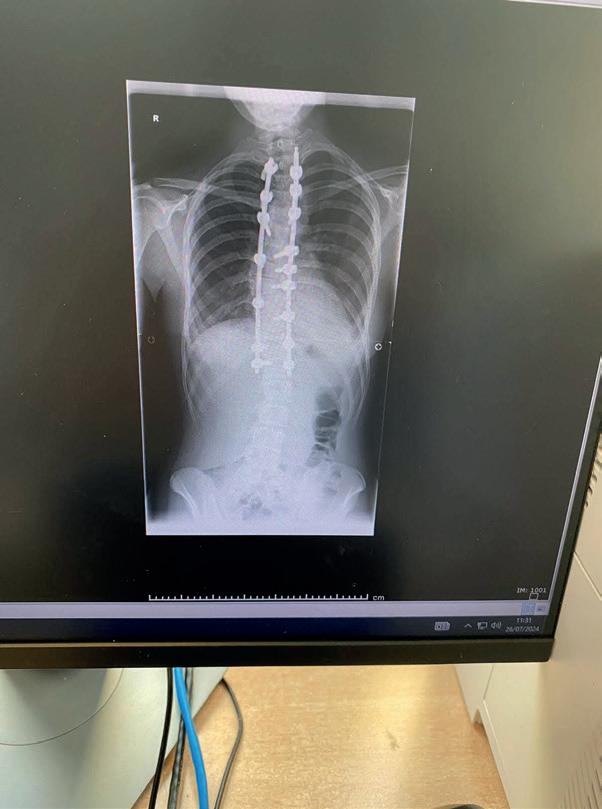
Erin was just 12 when she began having X‐rays every six months to monitor her scoliosis. Each scan was vital, but over time they added to her exposure to radiation while her body was still growing.
Right now, many children like Erin still have to travel long distances for safer scans. We have the chance to change that but only if we act now.
By pledging a minimum of £100 by 28 August to our Big Give Christmas Challenge, your gift will be matched, doubling your impact and helping bring safer, low‐ dose imaging to Norfolk .
Scan the QR code to pledge a minimum of £100 by 28 August and help protect children like Erin while your donation can still be doubled.
Pledgers Your funds could be worth up to four times for our
n 08/12/2026 - they are conditional funding that we redeem n the campaign. ps://biggive.org/christmas- challenge/
Pledg
charit
Prioritise safety during sweltering summer
• Fatalities increase year-on-year
• Machinery risks remain highest
• Heatwaves add fresh hazards
Farmers and growers are being reminded to prioritise on-farm safety amid repeated heatwaves this summer as new figures show a rise in agricultural fatalities.
Some 29 people died while working in agriculture in the year ending 31 March 2026 – an increase of six on the previous year, according to the latest annual report from the Health and Safety Executive.
NFU vice-president Robyn Munt said the industry was working hard to improve attitudes and practices to help prevent serious injuries and fatalities on farm – but the numbers clearly showed that further change needs to happen.
“These latest figures from the HSE serve as a stark reminder that farm safety is something we must all take
Essential Farm Machinery
Editor:
Johann Tasker | T: 07967 634971
E: johann@ruralcity.co.uk
Advertising sales: Danny Lewis | T: 01502 725862 E: danny.lewis@micropress.co.uk
seriously. Behind each of these num bers is a person whose life and the lives of their loved ones have been changed forever.
“We know farming can be an in tensely pressured job, particular ly during harvest when farmers are working around the clock to get crops out of the ground to produce the coun try’s food.
“However, even during these extra busy periods it is so important to keep safety at the forefront of our minds. The NFU is working with others across the industry to make changes to help reduce the number of deaths and se rious injuries on farm.”
Five minutes
The NFU’s Take 5, Stay Alive paign asks farmers to take five min utes to assess potential risks, prevent accidents and protect your mental health – whether that be replacing worn machinery or reaching out to a neighbour.
and assessing risks before undertaking a task.
Essential Farm Machinery is published monthly for farmers and growers in the eastern counties and the Midlands. It is mailed with Anglia Farmer and Midland Farmer magazines and is also available at selected farm machinery and supplies outlets.
Ms Munt said: “Health and safety practices are about far more than ticking a box, they are about keeping you, your employees and even family members out of harm’s way. Remember, nothing on farm is as valuable as you are.”
The highest number of deaths in agriculture for 2025/26 occurred as a result of working with machinery,says the HSE – underlining the importance of safe practices with harvest and autumn cultivations under way.
This includes routine maintenance of vehicles and machinery such as combine harvesters, ensuring employees are sufficiently trained to use farming equipment, avoiding shortcuts
Stay alert
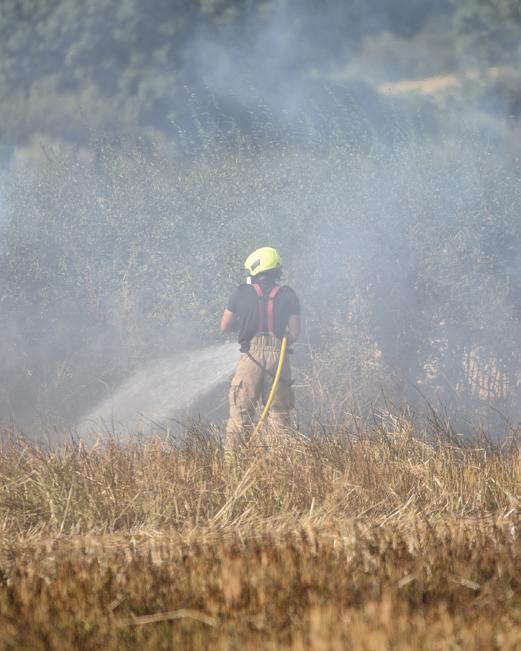
Amid the ongoing hot weather, the NFU is also highlighting the need to keep hydrated, take sufficient rest periods to stay alert and remain vigilant for the increased risk of wildfires on farmland and around farm machinery.
Ms Munt said: “British farmers are adaptable to changing weather conditions, but the extremely high temperatures we have been seeing in recent weeks is not without its challenges and safety risks.
“We encourage farmers to combine at night as temperatures remain high to help keep them safe while bringing in the crop this harvest.”
soaring temperatures this summer
Photo M Barratt / Shutterstock.com
Used machinery demand drives £23m quarter for Cheffins
Auctioneer Cheffins sold £23 million of second-hand farm machinery during the three months to June as farmers sought out quality used equipment.
Some 11,741 were offered lots during the quarter, with the average sale price rising to £8,459. Turnover increased 85 per cent from £12.4m in the first quarter –some 30 per cent higher than the same time last year.
The figures suggest farmers are still prepared to invest where machinery offers clear value, despite uncertainty over harvest prospects, changing grant support and difficult weather.
Demand grows
The strongest performance came from on-farm auctions, which generated £11.3m, compared to £3.5m a year earlier, despite fewer sales taking place.
•
•
•
•
Cambridge Machinery Sales contrib uted £9.45m, while the April vintage sale added a further £2.3m
“Farmers continue to invest in ma chinery, but many are opting for highquality second-hand equipment rather than buying new,” said Charles Wads ley, senior director at Cheffins.
Buyers had invested ahead of harvest, while demand had remained strong across both monthly collective sales and direct-from-farm auctions.
Export demand also supported the market. Cheffins shipped 158 machines overseas during the quarter, including 102 tractors, to destinations including Poland, Sweden, Germany, Ireland, Spain, Cyprus and the Netherlands.
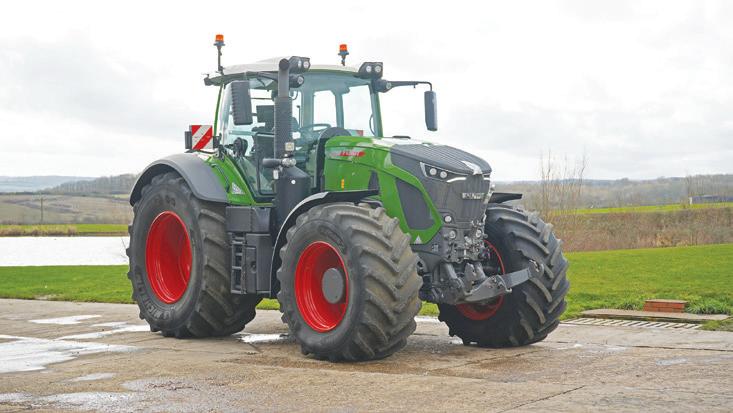
The quarter’s highest-priced lot was a 2023 Fendt 942 Vario Profi+ tractor, which achieved £257,000.
This 2023 Fendt 942 Vario Profi+ Tractor sold for £257,000.
“Farmers continue to invest in machinery
Other leading sales included combines from Claas and New Holland, together with a Bateman self-propelled sprayer and a JCB Fastrac tractor.
Around half of Cheffins sales at the moment are full dispersal auctions as farmer retire or leave the industry, while others are restructuring businesses or releasing capital to reinvest elsewhere, said Mr Wadsley.
“Demand remains resilient, particularly for well-maintained machinery with a clear provenance and we expect this trend to continue through the remainder of the year.”
•
•
•
•
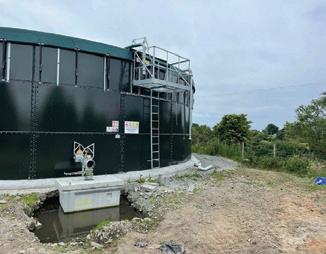
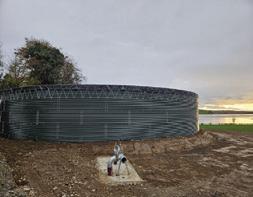
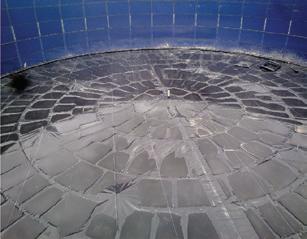
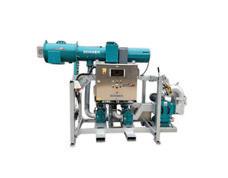
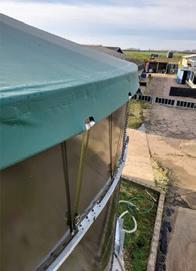
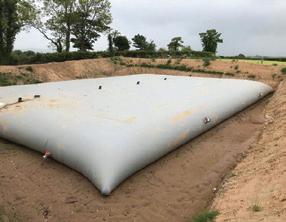
• Closed self-support tank
• 10 year warranty
• Simple mixing system
•
•
•
•
•
New tractor range targets lower running costs
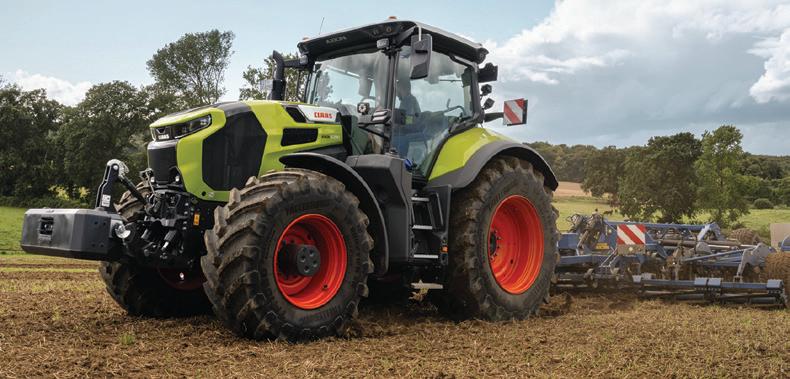
Claas has unveiled a new generation of mid-range six-cylinder tractors designed to cut fuel use and reduce ownership costs for arable and mixed farms.
The new Axion 8 Cmatic range replaces the Axion 800 series. Available in three models delivering 240hp to 313hp with Dynamic Power, the Axion 8 combines powertrain technology with new digital systems, automated operation and a redesigned cab.
The strongest commercial gains come from improved efficiency. Claas says the new Cemos Auto Powertrain automatically manages engine output, transmission and auxiliary systems to match demand, reducing fuel use while maintaining productivity.
“The system continuously analyses electrical power requirements, optimises the settings and thus ensures high productivity and low fuel consumption,” said the tractor maker.
Oil service intervals have increased from 600 to 750 hours. Key filter replacement intervals have also been extended. Engines are approved for hydrotreated vegetable oil, which Claas
says can reduce the tractor’s carbon footprint by up to 90 per cent.
More automation
The tractors feature adaptive drivetrain management, Autro Droop engine control and new electronic architecture designed to simplify operation. Claas says even less experienced operators can achieve high levels of performance and efficiency.
The Axion 8 Cmatic is available from this summer.
Driver-supervised autonomous operation is also possible when used with a Vehicle Control Unit and pre-planned work orders, while Claas connect provides remote digital connectivity and machine management.
The redesigned cab reduces maximum noise levels to 67 dB(A) and includes new premium seating, the latest Cebis connect terminal and improved controls.
Farm sector tops pipeline risk for ninth year
Farmers and agricultural contractors are responsible for more than half of all pipeline safety infringements – raising concerns over avoidable legal, financial and safety risks.
Agriculture accounted for 51 per cent of all pipeline infringements in 2025, suggests he latest Linewatch infringement report – up from 41 per cent in 2024. It makes farming the UK’s highest-risk sector for the ninth consecutive year.
More than one-quarter of incidents occurred on farmland, while the sector was responsible for four-fifths of all high-risk infringements. The figures suggest awareness alone is failing to prevent dangerous working practices.
Rising concern
Almost half of all infringements happened despite those carrying out the work knowing a pipeline was present. Landowners and their contractors accounted for half of those incidents, highlighting what Linewatch described as growing complacency.
Fencing became the biggest cause
of pipeline infringements, accounting for 23 per cent of reported incidents. Tree planting, ditching and drainage work also featured prominently.
“There is no such thing as a ‘low risk’ project when high-pressure pipe lines are involved,” said Murray Peat, manager at Linewatch.
Some work created a significant strike risk despite the farmer know ing the pipeline was there, he added.
Stark warning
One serious incident involved a farmer reducing the protective cover above a pipeline from 900mm to 520mm dur ing ditching and tree clearance with out first obtaining consent from the pipeline operator.
Reports peaked between February and April and again during August, reflecting periods of intensive fenc ing and drainage work. Mr Peat urged farmers and contractors to search for underground pipelines before starting work using the free Linewatch service.
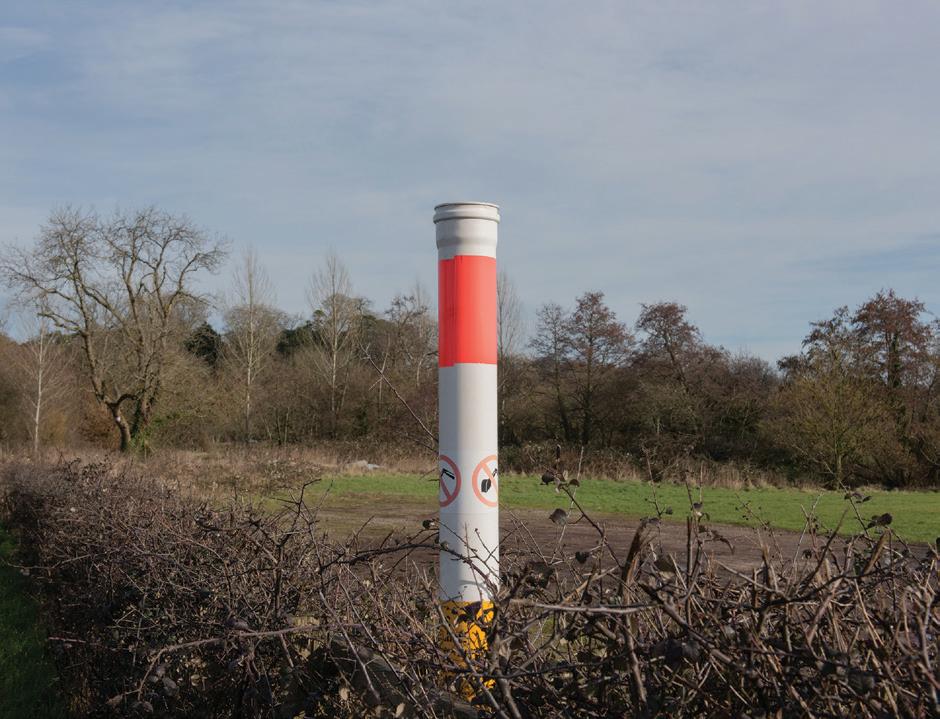
> Fencing and ditching operations increase pipeline strike risks across Britain’s farmland every season.