Anglia Farmer

News
Warning
Arable
How
Soil and water
Waterlogged
Sugar beet
New
Livestock
Special focus on beef and sheep
Fen Tiger
Important spray in the spotlight












News
Warning
Arable
How
Soil and water
Waterlogged
Sugar beet
New
Livestock
Special focus on beef and sheep
Fen Tiger
Important spray in the spotlight
SAFETY FIRST
A
UKCA/CE safety specification at an amazing price. With the look of Oz you love combing strength with light weight that redefines the notion that cheaper equates to lesser.
A

Wider fitting with breathable water resistant leather uppers and a premium comfort insole - this is a boot you can wear all day, every day.

EDITORIAL
Editor:
Johann Tasker | T: 07967 634971
E: johann@ruralcity.co.uk
Design:
Mark Shreeve | T: 01502 725839
E: mark.shreeve@micropress.co.uk
Advertisement production:
Jade Soanes | T: 01502 725840
E: jade.soanes@micropress.co.uk
Polly Coleman | T: 01502 725841
E: polly.coleman@micropress.co.uk
ADVERTISING SALES
Danny Lewis | T: 01502 725862
E: danny.lewis@micropress.co.uk
Lawrence Kenny | T: 01502 725860
E: lawrence.kenny@micropress.co.uk
Oscar Grob | T: 01502 725851
E: oscar.grob@micropress.co.uk
Anglia Farmer is a controlled circulation magazine published monthly for farmers and growers in the eastern counties. To be included on the circulation list, a farmer must have a minimum of 70 acres of land, or 50 dairy/beef stock, or 50 breeding sows/250 growing stock, or 15,000 laying hens/broiler chickens. Intensive horticulture units are required to have a minimum of two hectares. Subscription is £18 a year (including postage). No responsibility can be accepted by the publishers for the opinions expressed by contributors.
If you no longer wish to receive this magazine, please email gemma.mathers@micropress.co.uk
© Countrywide Publications 2026
Published by Countrywide Publications, Fountain Way, Reydon Business Park, Reydon Suffolk IP18 6DH T: 01502 725800
Printed by Micropress Ltd, Suffolk.


Visit our website for all the latest farming news
The government says its revamped Sustainable Farming Incentive will be “simpler and fairer”. It needs to be – because confidence in the countryside remains brittle.
Under the new SFI offer, farmers will choose from 71 actions rather than 102, with a single agreement per business capped at £100,000 a year. The aim is to make the budget go further – and keep land in food production.
Defra secretary Emma Reynolds says she has weeded out options that weren’t delivering. Payments for herbal leys, winter bird food and legume fallow will fall. Other options are being rejigged to stop too much land being taken out of production.
There is logic here. Previous spending patterns showed 90% of funding went to fewer than 40 actions, and a quarter to just 4% of farms. Government argues that is unfair – especially to smaller farms.
Moorland payments will rise, five-year actions become three-year agreements, and enhanced overwinter stubble joins the list of actions restricted to 25% of the farmed area. But reform alone does not equal reassurance.
As farm leader Tom Bradshaw told last month’s NFU annual conference: “We cannot

have the goalposts constantly moving – the rug endlessly pulled from under our feet.” Farmers need clarity, not constant redesign.
This matters because the wider landscape is hardly buoyant. Farmland supply in the East has fallen sharply and values have softened. Investment decisions – whether in soil health, machinery or infrastructure – depend on predictable returns.
Environmental schemes are now embedded in business planning. If their terms shift too often, risk rises. Confidence drains away when those schemes are withdrawn completely without adequate warning or replacement.
The new SFI structure may correct distortions and spread funding more evenly. But its success will hinge on stability. Farmers can adapt to lower payments. They can adapt to caps. What they cannot adapt to is uncertainty. If this truly is the new offer, it must now remain steady long enough for confidence – and investment – to recover. The question remains whether the total budget will be enough for farmers to deliver a meaningful difference.
Johann Tasker Editor



• Simpler with fewer options
• £100k limit per application
• Changes to
Arevamped Sustainable Farming Incentive will include reduced payments for three key options when it launches this summer.
Lower payments will be made for the three most popular actions – herbal leys, winter bird food and legume fallow, Defra secretary Emma Reynolds told last month’s NFU annual conference in Birmingham.
Defra wants farmers to choose a wider range of actions on the most productive farmland. In a further move, enhanced overwinter stubble will be added to the list of actions that in combination cannot be used on more than 25% of land.
Previous spending patterns show most funding going to a small number of actions and farms, with 90% going towards fewer than 40 of the 102 actions available and a quarter of fund-
ing going to just 4% of farms. The gov ernment says this is unfair.
The new offer will be simpler and fair er, says Defra. Farmers will be able to choose from 71 actions, down from 102 last year. Applicants will limited to one single SFI agreement capped at £100,000 per year.
Ms Reynolds said: “We have weed ed out those that were duplicative or weren't delivering enough for food production or the environment – and judging by the low uptake, those which weren't working for you either.”
With around 97% of agreements already within the £100,000 limit, the new cap would help ensure funding was shared more fairly and reached more small and medium sized farms, she added.

The relaunched SFI will open for applications in June, says Emma Reynolds.
Applications will open in June for farms under 50ha and those without an existing Environmental Land Management (ELM) agreement. A second application window will open to all farmers in September, with further details to follow.
Speaking earlier, NFU president Tom Bradshaw suggested the old SFI was overly bureaucratic and outdat-
Higher payments for some moorland
UPL1: Moderate livestock grazing: £35/ha (was £20/ha)
UPL2: Low livestock grazing: £89/ha (was £53/ha)
UPL3: Limited livestock grazing: £111/ha (was £66/ha)
UPL8: Shepherding livestock (remove stock for at least 4 months): £74/ha (was £43/ha)
UPL10: Shepherding livestock (remove stock for at least 8 months): £102/ha (was £48/ha)
Lower payments for:
CSAM3: Herbal leys: £382/ha (was £224/ha)
CAHL2: Winter bird food: £853/ha (was £648/ha)
CNUM3: Legume fallow: £593/ha (was £532/ha)
Defra says rates are being reduced because it was previously too attractive to take highly productive land out of food production. It says they are being recalibrated to reflect current margins and keep more land in production.
“We have weeded out options which weren’t working
ed. To keep delivering for the environment, farms must be profitable and resilient, with a clear strategy from government.
“We cannot have the goalposts constantly moving – the rug endlessly pulled from under our feet,” Mr Badshaw told the conference. “Farming is a long-term investment, measured in years, even decades, not months.
“Clarity is absolutely essential for confidence. Transparency around the farming budget is crucial to this. Without transparency, farmers and growers are unable to plan for their future.”
• Enhanced overwinter stubble will be added to list of 10 actions which together cannot cover more than 25% of the farm area. This is to prevent too much land being taken out of production.
• There will be a single cap which means no SFI26 agreement can be worth more than £100,000 per year. This is so funding can be shared across more farms.
• Each farm business can have only one SFI26 agreement. This rule – and the agreement value cap – will help ensure Defra can afford to offer agreements to more farmers.
• Actions with a five-year duration will become three-year actions. This aims to make these actions more accessible for short-term tenant farmers.
For full details, visit bit.ly/SFI2026













To include vintage, classic & modern tractors, plant, vehicles, implements & trailers; together with a range of livestock & building equipment, tools, models, literature & spares. To Include



Via www.clarkeandsimpson.co.uk www.bidspotter.co.uk and www.i-bidder.com opens 9am Wednesday 25th March 2026 & closes from 9am Wednesday 1st April 2026. Bidding
Viewing


9am - 4pm on Friday 27th, Saturday 28th and Monday 30th March 2026.


Is your property o the main sewage network? Do you have a septic tank? If so, we can install a new sewage treatment plant and provide a maintenance service. As well as servicing existing treatment plants.

For viewing times and catalogues, visit us at www.clarkeandsimpson.co.uk

Campsea Ashe, Nr. Wickham Market, Suffolk IP13 0PS T: 01728 746323. E: auctions@clarkeandsimpson.co.uk
CandSAuctions @CandSAuctions



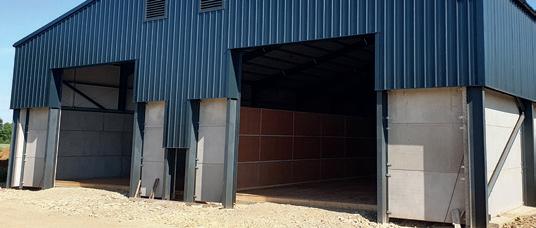




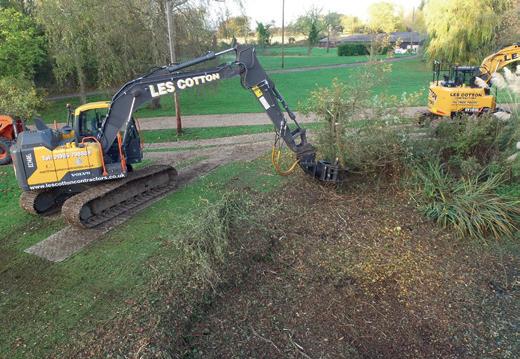

Acrackdown on fly-tipping aims to target criminals illegally dumping waste – but industry leaders say farmers are often still left picking up the clean-up bill.
The NFU said it welcomed renewed efforts from the Environment Agency to target fly-tipping. It will see drones carrying laser mapping technology to create detailed maps of illegal waste sites, capturing evidence to help secure prosecutions.
A new screening tool will see HGV operator licence applications crosschecked against waste permit records. It has already been used to uncover a gang that secretly relocated their HGV operations to evade enforcement.
Defra secretary Emma Reynolds said: “By increasing the Environment Agency’s enforcement budget by over 50% to £15.6m, we’re investing in cutting-edge technology that allows us to shut down illegal operators faster and more effectively.
“From advanced laser-mapping to drone surveillance and new vehicle-scanning tools, this technology is helping us track, expose and stop waste crime, ensuring those who blight our communities are held to account.”
The Joint Unit for Waste Crime will also see a boost in numbers – the unit brings together police forces and the National Crime Agency, together with Environment Agency enforcement officers to help disrupt waste crime.
An NFU spokesperson said: “Any
investment that helps crack down on waste crime is welcome, and the an nouncement shows real intent. But farmers continue to bear the cost and consequences of fly tipping, and tech nology alone won’t solve that.
"We need proper coordination be tween all enforcement bodies, penal ties that genuinely deter offenders and a simple, single reporting system so victims aren’t forced to navigate mul tiple agencies.
Raising public awareness of house hold waste responsibilities is also es sential so that we can collectively stop the issue at source. Farmers are ready to play their part, but we need a sys tem that works with us, not one that leaves us picking up the bill.”
Local councils dealt with 1.26 million fly-tipping incidents in 2024/2025, though these figures only account for waste illegally dumped on public land that has been reported to the author ities. It is a 9% increase on the year before.
Country Land and Business As sociation president Gavin Lane said: “Farmers and land managers have had enough. The countryside is increasingly being targeted by organised crime gangs – often violent – who know that rural areas are under-policed.

“It’s not just litter blotting the landscape, but tonnes of household and commercial waste which can often be hazardous – even asbestos and chemicals – endangering wildlife, livestock, crops and the environment.
Fly-tipping incidents rose by 8% last year, according to government figures
Mr Lane added: “Farmers are victims yet have to pay clean-up costs themselves.”
“We need to see penalties being enforced that better reflect the severity of the crime, and the seizure of vehicles must be the default penalty to send a clear signal that criminals will face real consequences if they are caught fly-tipping.”
Farmers facing a dog attack on livestock are advised to ask someone to film or photograph what is happening while they try to deal with the incident.
A new law coming into effect this month gives police more powers to combat the attacks – allowing them to take DNA samples or mouth impressions from dogs they suspect of worrying livestock.
Offenders now face bigger penalties. Police can detain dogs they suspect of worrying livestock where nobody is present to accept responsibility for the animal. Courts can order offenders to pay the costs incurred
by seizing and detaining the dog.
Easter is seen as a key time for dog attacks. NFU Mutual figures suggest 57% of people let their dogs off lead in the countryside, with 1 in 10 admitting their dog has no recall, and 44% saying their dog comes back only some or most of the time.
NFU Mutual rural affairs spokesperson Hannah Binns said: “We continue to hear reports of dogs injuring or killing sheep while owners are either unable to control their pets or are nowhere to be found.
Some 74% of dog owners believe the new legislation will help reduce livestock wor-
rying. NFU livestock chairman David Barton urged people to keep dogs on a short lead – expecially with ther lambing season well under way.
UK Police NPCC lead for livestock attacks Rob Taylor said he believed the new law, coming into effect in March, “will make a real difference in how cases are investigated and dealt with by our courts”.
“Additionally, we are now working with the Blue Cross to help educate dog owners about the dangers of allowing a dog to roam in the countryside and what it means to be responsible.”
Oliver Maxey, Virgin Money Head of Agriculture - England
Periods of low grain prices are a recurring feature of arable farming, driven by global oversupply, geopolitical volatility, currency movements, and growing competition from low cost producing regions. For combinable crop farmers growing cereals, oilseeds and pulses the challenge is not only surviving these cycles but positioning the business to remain resilient and pro table in the longer term. Coping e ectively requires a blend of cost control, agronomic optimisation, risk management, and diversi cation.
Reducing costs without sacri cing output: One of the most immediate levers available to farmers is controlling variable and xed costs. However, cost cutting must be intelligent. Stripping inputs back too far can depress yields and worsen margins. It’s vital that any input reduction is done alongside soil testing, nutrient mapping, variable rate application, and more precise drilling techniques. What may seem like small reductions in cost per hectare do add up when saved across the whole farm area.
Machinery rationalisation:
Machinery costs continue to rise and now often account for 25–35% of total costs on arable farms. One or two initiatives to consider are extending replacement cycles. Machinery can and does last longer. It may be prudent to take out extended warranty packages but don’t rush to swap machines as soon as the machine nance has been fully repaid. Sharing expensive key machinery such as combine
harvesters is also possible with likeminded, sensible farmers. All you need to agree are the terms and cost of sharing. If you can nd key machine sharing opportunities, these can easily lead to labour sharing and saving. Hiring specialist expensive kit can sometimes be nancially e cient particularly if done in conjunction with other likeminded farmers. And nally, min till systems depending on soil type and range in soil types can reduce cost.
Crop Rotation: Low grain prices mean that every hectare must deliver consistent, reliable performance. Well-designed rotations reduce risk and improve both soil health and gross margins. Over recent years there has been a shift back to longer rotations with the objective of improving soil structure, reducing pest and disease pressure, and spreading workloads particularly at peak times like harvest. Careful variety selection for disease resistance and drought tolerance can save inputs with minimal sacri ce on output, allowing improved margins even in low price years.
E ective grain selling strategies: If only we had a crystal ball! The starting point must be understanding at harvest what the individual crops have cost to grow. It’s not di cult to calculate. If you know what the input costs are for each crop and you know what the overhead costs are per hectare multiplied up to the crop area, and you know what the yield of each crop is then you can calculate the cost of producing a ton of wheat or a ton of barley etc. Once you know this you can work

towards avoiding selling grain at a loss. It also pays to try and gain an understanding of global drivers of crop prices, so monitoring US corn harvests and Black Sea wheat exports, South American soybean supply and indeed currency movements can all help farmers make informed selling decisions that can improve average selling prices. The internet has all this information at your ngertips.
Exploring new income streams:
Low, unpro table grain prices highlight the vulnerability of a business reliant solely on combinable crops. Diversi cation will always provide more stability and pro t opportunity. There are so many diversi cation opportunities depending on your resource interest and location, but to name a few: environmental schemes, processing or adding value to farm produce aimed at the retail market, livestock integration, energy production, property rental and tourism. Obtaining bank funding to establish any of these examples may or may not be easy but if not, then consideration should be given to whether it makes sense to release some capital from land ownership and redeploy this capital into a diversi cation initiative.
Ultimately, coping with low grain prices comes down to strong business fundamentals including creating mixed / diversi ed income streams, identifying e ciencies, tight and e ective cost control, business planning, nancial forecasting and pursuing a sensible, achievable long term vision.


Oliver Maxey Head of Agriculture - England 07884 117825 oliver.maxey@virginmoney.com













• Keep close eye on conditions
• Target surviving weeds early
• Timing and technique critical
Spring-emerging grassweeds and those that survived winter will need special management in the coming weeks despite generally strong autumn weed control,
Most residual herbicides have performed well, says Hutchinsons technical manager Dick Neale. In the main, weaker results have been limited to early-drilled crops or where dry conditions restricted activation.
“In many dry situations, lower-cost products were used initially, followed by more robust residual options once rainfall arrived,” says Mr Neale. “That strategy, combined with wider use of mixtures has driven improved control.”
Those mixtures include products containing cynmethylin, bixlozone, aclonifen, metribuzin, flufenacet and diflufenican. Sequencing has also played a key role in efficacy.
Follow-up residual applications –applied when conditions allowed – have significantly strengthened overall performance. Gradual wetting and mild weather supported active weed growth, aiding uptake without excessive leaching.

Cultural control has further reduced blackgrass pressure, Mr Neale points out.

“Even where drilling dates were stretched, lower background populations meant residual chemistry faced less pressure. In many cases, seed return in 2025 was minimal – something to bear in mind if pressure rises again in 2026.”




Spring decisions
Choosing between spring residuals and contact ALS herbicides depends on weed species, growth stage and expected spring emergence. Pendimethalin remains the main spring residual option this year.
“It controls spring-emerging blackgrass, ryegrass, wild oats and bromes, as well as broadleaved weeds. It is the only residual available up to GS30 in winter cereals – aside from limited stocks of Lantern – but established grassweeds will not be controlled effectively by residual chemistry.
“ALS products remain highly effective on bromes and wild oats when applied before stem extension. Control of established blackgrass and ryegrass will be poor, and early applications may miss later-emerging
Winter-sown crops will need careful attention this spring
suggest increasing Phase II (95% MSO oil) from 0.5% to 1% with Broadway Star or Ultra improved brome control by up to 20%.
Ryegrass responses differ though. Adding Phase II alongside Biopower or Probe reduced control from mesosulfuron + iodosulfuron products, whereas including 0.5% Validate improved ryegrass control by up to 30%.
“Control of established blackgrass will be poor
“For these mixtures, Biopower or Probe must be included as per label, with Validate used additionally where appropriate,” says Mr Neale.







adjuvant choice. They

Dick Neale: a good spray strategyis vital
Leaf drying within three to four hours is essential for contact products. “With crops and weeds continuing to grow, applications should be made promptly when conditions allow.
“Water quality is also critical. ALS graminicides respond well to conditioning, and most water supplies will benefit from treatment.”
Finally, nozzle choice must not be overlooked, he says. “Most labels specify a medium spray quality; very coarse 3-star LERAP nozzles will compromise whole-field performance. Correct setup remains key to consistent, reliable weed control this spring.” weeds.”
Sugar beet growers have the opportunity to sell some of their 2027/28 crop forward – before annual price negotiations.
The chance to trial a new index-linked contract option will enable growers to market sugar beet on a longer-term basis. It has been created by NFU Sugar, British Sugar and the agri-commodity and supply chain experts Czarnikow.
“Farmers are used to being able to forward sell other commodities and this pilot allows growers to do the same for sugar beet,” said NFU Sugar chairman and Norfolk farmer Kit Papworth.
“While world prices are low now, the market is highly volatile, and this scheme will allow growers to lock in prices if market conditions become attractive.”
Growers have been able to sell beet on a one-year contract – indexed to world sugar prices – for the past five years. But they are still required to contract their tonnage well before be-
ing able to lock in a known price.
The idea of the forward index-linked contract will enable growers to sell further forward at a known price – in a similar way to wheat and other major crops. If the price is unattractive, there is no compulsion for growers to contract.
Under the new system, beet growers will be able to see the forward price available. But they will commit to sell only at the point they want to price the beet – unlike the current one-year system.
British Sugar agriculture director Dan Green said: “We’re pleased to launch this pilot contract option. It gives greater choice and flexibility to those growers wishing to price some of their tonnage further ahead.”
The pilot scheme launches on 2 March 2026. It will give growers the opportunity to sell a total of 50,000
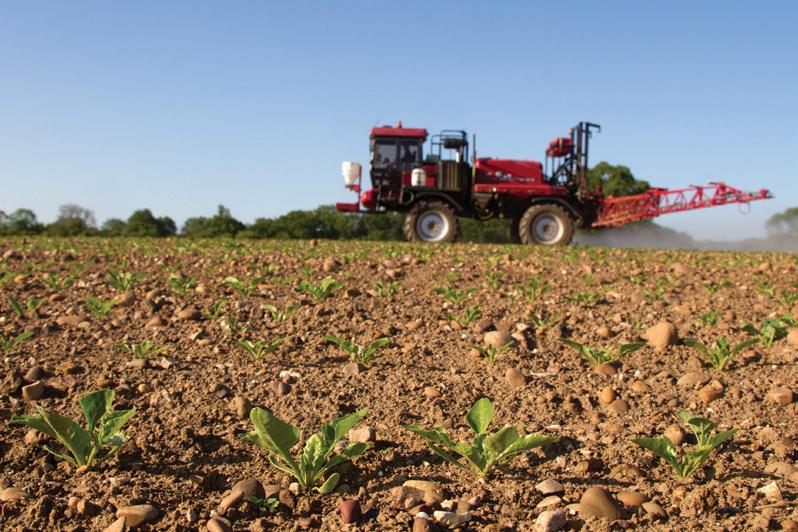
The futures contract is available this spring for the 2027/28 crop
tract and December 2027 sterling-dollar exchange market.
The contract is being offered through the Czarnikow app in collaboration with the NFU and British Sugar. Andrew Charlton, head of Europe at Czarnikow, said it would give UK
Beet yields have improved in trials carried out on biostimulants – with better tolerance against key diseases too.
Two plot trials during the 2024/25 growing season were carried out by Michael Rodger of Richard Austin Agriculture. Yields increased by 9% with improved disease tolerance against cercospora leaf spot, rust and powdery mildew.
Green leaf coverage was much better in crops treated with products from biostimulant specialist Orion FT compared to a control crop which was only given a standard fertiliser and fungicide, said Mr Rodger.
The best result came from using a combination of Sirius and Pluton. Sirius is a silicon-based biostimulant and Pluton is liquid plant growth-promoting rhizobacteria (PGPR) containing the naturally occurring bacteria Bacillus velezensis.
“Plants treated with the biostimulants established faster and grew deeper seeking roots, which was of particular benefit in a year that we experienced severe drought conditions,”

Four 10-metre plots were used for the trial. Sugar content rose from 17.3% to 18% in beet treated with Sirius and Pluton. A full field trial is planned to further explore the effect of the biostimulants on sugar beet.
A second simultaneous trial of the same crop size was treated with Trident Plus, a biostimulant that incorporates copper, zinc and cobalt micronutrients, using natural citric polymer to boost nutrient uptake.

Differences were visible in treated and untreated trial plots
Trident Plus was found to be the best performing treatment for rust but a trial crop with Sirius and Pluton showed better results for cercospora and powdery mildew. Both crops were better equipped to deal with disease and pest pressures.
“Trident Plus performed better on overall yield,” said Mr Rodger. “We saw a 10% increase, but Sirius and Pluton were more effective at helping reduce cercospora and powdery mildew damage.”


“We didn’t set out to launch another generic prothioconazole – we created a new formulation that delivers clear benefits beyond existing options.”
Jonny Oosthuizen




Portfolio and Campaign manager, ADAMA UK








Prothioconazole*












SORATEL® features ‘AsorbitalTM ’ formulation technology
Developed at ADAMA’s global R&D centre in Neot Hovav, Israel, SORATEL®’s unique mix of two solvents and an adjuvant improves uptake and drives the active through the plant for powerful systemic activity against fungal cells.
Unique formulation
Built in adjuvant that enhances uptake
Two solvents that create improved ai dynamics
Superior efficacy and reliability
Superior disease control compared to leading PTZ, in cereals and OSR
Consistent and reliable under a range of conditions
Visit www.adama.com/uk/en
Fully optimised
Improved uptake into the leaf
Excellent systemic activity within the plant
• Pest is major concern for sector
• Drought fuels severe infestations
• IPM to replace reactive spraying
Akey pest has risen up the risk agenda for sugar beet growers, with the 2025 season marking a shift from isolated cases to economically damaging infestations.
First noticed in UK crops just five years ago, beet moth is now here to stay, agronomists were told at the recent Association of Independent Crop Consultants (AICC) conference, held at Towcester, Northamptonshire.
“Unfortunately, I think it’s established itself and it’s one that we’re going to have to keep a very close eye on going forward,” said Mark Stevens, crop protection lead at the British Beet Research Organisation.
Widespread damage last season was most evident during prolonged warm, dry spells, particularly on lighter soils where drought stress left crops exposed and allowed moths easier access to the beet crown.
‘Exceptional levels’
“The worst impacts went hand-inhand with drought conditions. Where crops collapsed and the canopy opened up, adults were easily able to get in, reproduce, lay eggs and continue reproducing right through the summer.”
In badly affected fields, populations reached exceptional levels. “We found 50-60 caterpillars per plant in some samples,” said Prof Stevens. Feeding led to secondary infection and, in some cases, total defoliation.
Beet moth causes major crop damage –especially on lighter soils

diamide product Coragen (chlorantraniliprole).
Unfortunately, I think it’s established itself “
For 2026, Prof Stevens suggests that beet moth must be managed through integrated pest management rather than reactive spraying once damage is visible.
“I get very nervous about pyrethroid use late in the season, particularly in August and September, when beneficials and aphids are building for the following season.
“The last thing you want to do is remove those beneficials and create problems for the next crop.”
barrier
“There are no UK thresholds at the moment. The French use 10% of plants showing damage, but I’d argue that’s
Suffolk grower Tim Martin had seen beet moth locally for several seasons. It became a major issue last year, particularly on light Breckland soils, he says.
“Where beet was already under drought stress, it tipped crops over the edge. In severe cases, complete defoliation occurred in some areas within crops by mid-September, and yield loss would have been 30-35%.”
For the coming season, he stresses the importance of strong establishment and early canopy growth. Reducing compaction, encouraging deeper rooting and conserving soil moisture all help crops grow away from damage.
Irrigation, where available, can limit impact in dry periods. Cultivation may also play a role. Beet moth can overwinter as pupae and larvae in beet crowns.


“By ploughing them deep into the soil, you make emergence more difficult in spring. Evidence is still limited, but it’s a pragmatic step where problems have been severe.”



probably too late, given what we now know. Instead, early canopy development and reducing crop stress is important.”
Early sowing to get that canopy up – and water where it’s available – are important, says Prof Stevens. “The canopy is a physical barrier and where heavy rain kept canopies intact in 2025, we saw far less impact.”
Monitoring will take on greater importance. “There’s no point monitoring if we’re not getting that information out quickly.”
Further approvals or new chemistry may emerge, but growers are warned not to rely solely on products.
“If we get another prolonged drought, everything is going to have to come into play to keep on top of it.”
condition. Timing remains critical, making BBRO monitoring data important.


Insecticides remain a last resort, but 2025 showed they can have value. Coragen performed better than early assessments suggested, with treated crops finishing in stronger





“Ideally, you would target adults, but that’s very difficult. Larvae feeding on treated leaves can be controlled, but spraying when larvae are small and before they are deep in crowns is crucial. “Essentially, it comes down to monitoring conditions and carrying out a risk assessment. If it’s dry again then action may be required.”
Tim Martin: Tipped some crops over the edge




















• Sharper focus on nutrition
• Target crop inputs efficiently
• Use biostimulants carefully
Targeted input strategies will be essential if sugar beet is to remain profitable in 2025, as falling prices intensify pressure on margins.
A £10/t price drop between 2024 and 2025 – with further reductions adding to the squeeze – means growers must extract more from every kilogramme of fertiliser and every pass across the field, say advisers.

Sugar beet remains a valuable break crop in arable rotations, interrupting pest and disease cycles including nematodes, aphids, septoria tritici and grass weeds. But establishment continues to test growers.
David Newton, technical product manager at Timac Agro, says integrating a biostimulant programme is gaining traction among UK growers. Trials inde-


Newton:
signed to optimise early growth; followed by a foliar product such as Seactiv Gold, enhanced with boron and molybdenum, to prevent stress-related growth interruption.
These formulations – of seaweed extracts, amino acids and humates enhances photosynthesis – can help to produce more sugar and optimise its distribution within the plant, while maintaining its hunger for absorption of nutrition via the roots.
Trial crops received 5l/ha of each product, with the starter at around the four-leaf stage and Seactiv Gold at full canopy. Results showed a significant uplift in growth, and a yield uplift of 30%, as well as higher sugar content and fewer impurities.
discipline

“Biostimulants have an increasing role to reduce crop losses and maximise the efficiency of nutritional inputs,” says Mr Newton. Establishment sets the base for yield, but nutrition must remain balanced as canopy and root de-
Growers should take a balanced approach to nutrition, agrees David Harrod, commercial director at Payne Crop Nutrition, who warns against chasing early greenness with nitrogen.
“Too much nitrogen will increase foliage but reduce sucrose content and juice purity, while also increasing the risk of nutrient losses through leach-
“I recommend aiming for around 120kg of nitrogen per hectare as an optimum, adjusting for field conditions, and use split applications to better match crop demand throughout the growing

This is where a foliar application can also be considered, says Mr Harrod. Starter fertilisers help maintain readily available nutrients close to the rooting zone, supporting early root growth and more uniform establishment, he adds.
“Band placing nitrogen 5–10cm to the side and below the seed can improve uptake and result in a 10–20% reduction in application rate without compromising performance,” explains Mr Harrod.
ulation and leaf function; applying agricultural salt ahead of drilling, or including it in a bespoke blend, can support root development and sugar yield, particularly on lighter, sandy soils.
“Sulphur and magnesium also need to be on the checklist, with an ideal nitrogen to sulphur ratio of around 15:1.”
With tighter margins forecast, some growers may look to trim costs by removing leaf testing from this season’s plan. But Mr Newton again urges caution.
Biostimulants have an increasing role
This is particularly relevant on high pH soils where phosphate availability can be restricted. Growers should aim for a potassium index of 2 – and bear in mind that sugar beet generally only responds to fresh potassium on very low-index soils.
“The addition of sodium can also help in improving water reg-
“The extra £50 you might spend per sample could highlight a nutrient deficiency that once rectified, could result in a significantly higher yield.”
Leaf testing between the fourto six-leaf stage and canopy closure provides a clear picture of plant nutrient status, identifying deficiencies before they limit yield, says Mr Newton.
When price pressure leaves little room for inefficiency, precision – not volume – is likely to determine profitability.












• Improved nutrient use efficiency
• Creates the ideal conditions for soil microbes to thrive
• Calcium enhances soil structure and root development
Speak to our expert team about LimeX Customer service 0800 090 2376

















Wheat growers are being urged to reassess their fungicide strategies after a new race of yellow rust overcame the widely used YR15 resistance gene in winter varieties.
Speaking at the Association of Independent Crop Consultants (AICC) annual technical conference, Jonathan Blake of ADAS said the breakdown marked a significant shift in yellow rust epidemiology.
It may also expose weaknesses in septoria-focused spray programmes, said Mr Blake. “That gene has been widely used in wheat breeding programmes, and ratings and susceptibilities have changed.
“But they’ve changed by varying degrees, depending on the variety, with some more reliant on the YR15 resistance gene than others. It makes monitoring of crops more critical than ever this year.”
Mr Blake reported an “almost exponential rise” in yellow rust over the past two to three years. Although last season was less conducive — with widespread frosts and dry conditions — rust persisted into June in some regions.
“Despite this, yellow rust was still observed in crops well into June across some regions. My fear is if we have a season that is more conducive to yellow rust, this could be a major problem.”
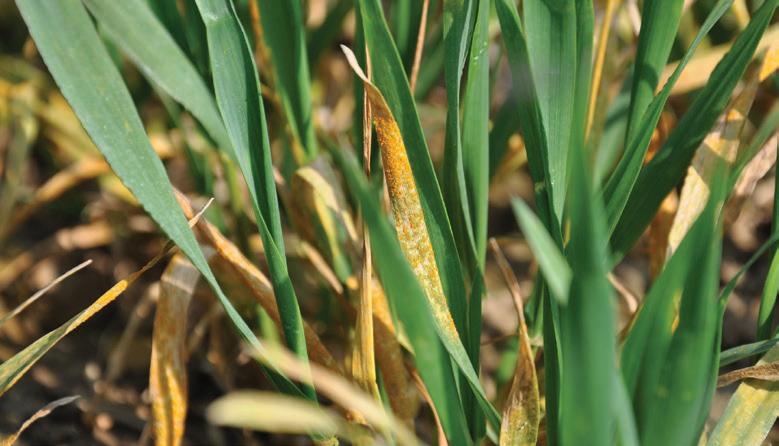








Mr Blake highlighted differences between yellow rust and septoria, particularly cycling speed. Septoria has a latent period of just over three weeks in May with temperatures averaging 10C. But yellow rust is closer to 15 days during the same period







With four weeks typically separating T1 and T2, yellow rust can complete at least one infection cycle between sprays, leaving leaf two exposed. Severity is often highest on leaf two rather than leaf three –the opposite of septoria.
“This explains why trials often show a clean leaf 3 and flag leaf,

Sub-zero temperatures in January may have reduced inoculum, but yellow rust can still be found, particularly in susceptible varieties such as Scope and Extase, says independent agronomist David Boulton, of Indigro.
“Much of the focus this season will understandably fall on the breakdown of YR15, but it is important not to overlook the continued need to actively monitor and manage so-called ‘classic’ yellow rust susceptible varieties.
“Early detection and a proactive approach remain
critical,” says Mr Boulton. Control need not be expensive, he added, with several low-cost actives still effective when used correctly.
“Where active yellow rust is present, I would recommend a minimum of a half label rate of tebuconazole and azoxystrobin at early stem extension (T0 timing), followed by the inclusion of prothioconazole later in the programme.”
Growers should check product labels carefully, as most tebuconazole products are not approved before GS30. Where possible, Mr Boulton will prioritise the 250g/litre emulsion over the 430g/litre suspension concentrate.
“Anecdotally, this formulation has delivered more consistent on-farm performance, a trend that has also been reflected in ADAS trials,” he says.
but a heavily infected leaf 2. Our programmes are timed around septoria control, but yellow rust is quite a different beast.”
Given the shorter latent period, Mr Blake suggests reconsidering the role of a T1.5 spray on susceptible varieties or where rust is present early.
In a high-pressure trial at ADAS Terrington, a five-week gap between T1 and T2 allowed yellow rust to dominate. Adding a T1.5 spray targeting leaf two changed the outcome.

“If you’ve got yellow rust present at T1 and you’re applying a treatment, then walking away and expecting to come back four weeks later and not see any disease – that’s optimistic.”
With weakened resistance, T0 sprays should also be considered routine on susceptible varieties. “T0 is a given. It is one way to reduce that initial inoculum at T1 and make sure we’re in a preventative scenario.”
While product choice matters, timing is critical. Reliance on ratings alone is no longer sufficient. “I am concerned that varietal susceptibility may have been underestimated. If the YR15 race is ubiquitous next year, things could be very different.”
Mr Blake advises early monitoring, tailoring programmes to rust risk and ensuring leaf two is protected.
• Forward crops face disease risk
• Avoid false sense of security
• Watch carefully for yellow rust
Growers are advised to maintain their guard against cereal diseases in well-established winter crops this spring.
Most winter wheat has established well and looks promising after early autumn drilling. But septoria risk could be higher in larger biomass crops. So too could yellow rust – especially in varieties affected by the YR15 resistance gene breakdown.
Risk management
Most crops look promising and need protection, says Katie Davies
“It is a very tricky
the ground longer to capture spores, he explains.
“Prolonged cold is likely to have slowed and delayed rust arrival in crops, but to what extent is always challenging to predict until we get to spring, and it is unlikely to have gone completely.”
Growers should avoid being lulled into a false sense of security by relatively low disease incidence last season, when a cold January and February – followed by a dry spring and summer – helped keep a lid on problems.
“The situation could be very different with more normal weather patterns this season. Higher soil nitrogen may further increase disease risk, especially where large first doses are applied.”

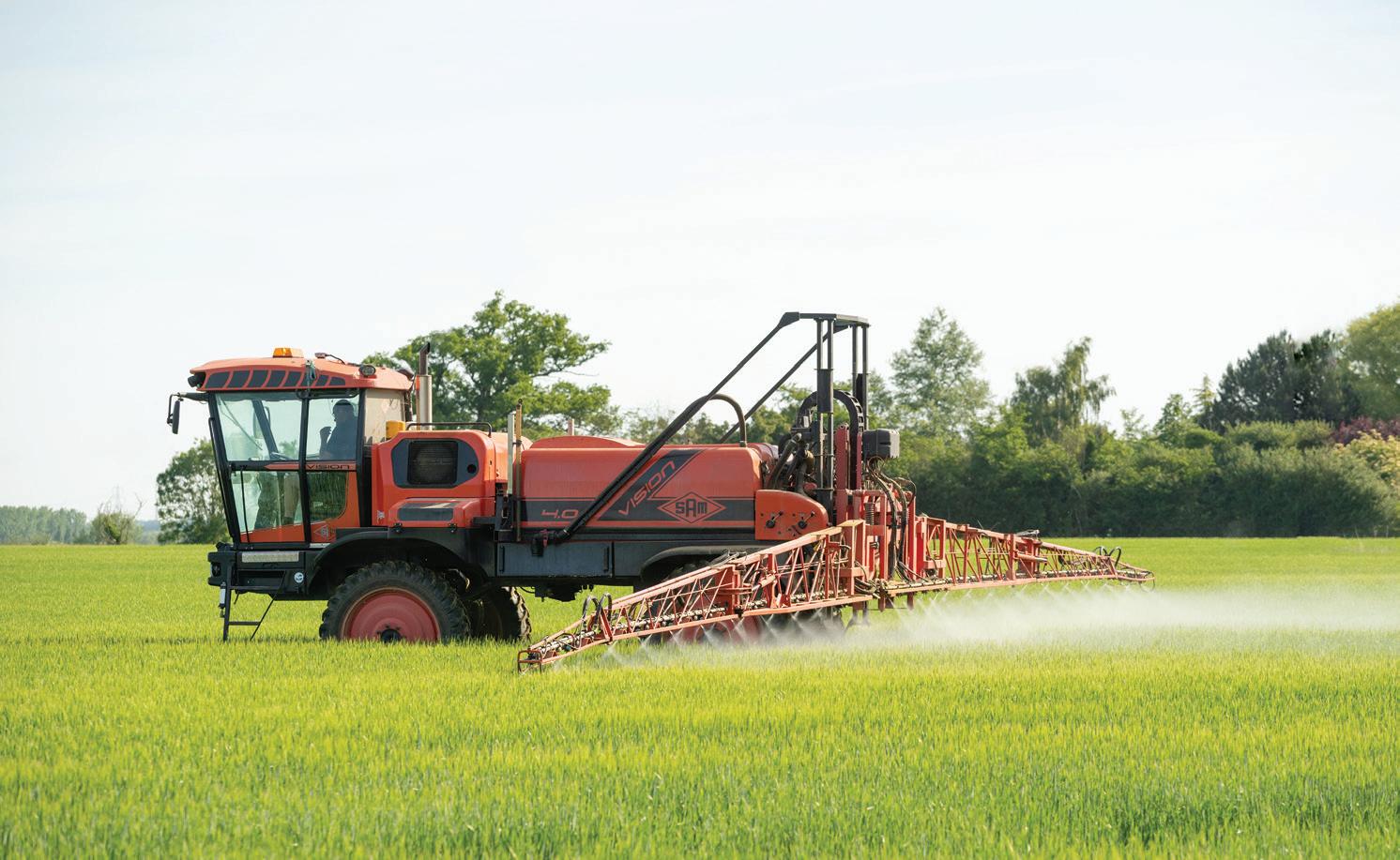













“Crops look good, but they are certainly going to need protecting because disease and lodging pressure is likely to be high. A robust programme will be essential in many cases to realise this potential.
“Growers need to be careful they don't cut too much spend out of the programme, however tempting it is to do so. Ultimately, on-farm decisions will depend on an individual’s appetite to risk.”
Early fungicides at pre-T0 or T0 should generally focus on yellow rust control, with Septoria pressure remaining the biggest determinant of mainline T1 and T2 fungicides. But folpet should be considered too where Septoria pressure is particularly high by T0.
“Don’t overlook mildew pressure either,” says Mr Howard. “Use chemistry wisely to its best effect, considering the strengths of individual actives, and where they are best used in the programme.
Label restrictions prevent the use of some products before Growth Stage 30 – so biological controls may be an option to keep disease at manageable levels when fungicide options are lim-
ited, although they are a protectant and not curative.
Azoles, such as tebuconazole, prothioconazole and metconazole, generally offer good curative rust activity and are relatively cost-effective, although longevity may not be as good as strobilurins
“Strobilurins have good activity and longevity for rust control, but only on leaves present at the time of application. This longevity benefit reduces where new leaves emerge after treatment, so strobs may be better at T1/T2 to protect key yield-building leaves.”
Another implication of early drilling is to extend the phyllochron – the gap between leaf emergence, says Mr Howard. This challenges traditional T-fungicide timings, which are designed around Septoria management and its 360 day-degrees latent period.
“Yellow rust in contrast, operates on a much shorter timeline, nearer 180 day-degrees, so there may be a need for interim sprays, such as a T1.5, in higher-risk crops.”
Increasing inputs at a time when gross margins are already strained is unpalatable, acknowledges Mr How-
1. Identify disease risk for every field, considering variety, drilling date, and weather
2. Act early to prevent disease populations building
3. Focus early sprays on yellow rust, but don’t overlook Septoria or mildew if pressure is high
4. Use chemistry wisely to its best effect
5. Use an appropriate dose to control disease present and maximise protection to the next treatment
6. Plan for shorter intervals/ interim sprays to maintain effective control where variety resistance is compromised and rust pressure is high.
ard. But maintaining yield potential will be essential if disease pressure builds, he adds.
“Assess individual fields and varieties for risk and look for efficiencies across all inputs, rather than arbitrarily reducing the fungicide budget, given they offer one of the most consistent returns on investment.”













By Richard Cogman, Managing Director Strube-RAGT
Strube-RAGT are pleased to offer four varieties for 2026 sowing in line with the recently announced 2027 Recommended List (RL).
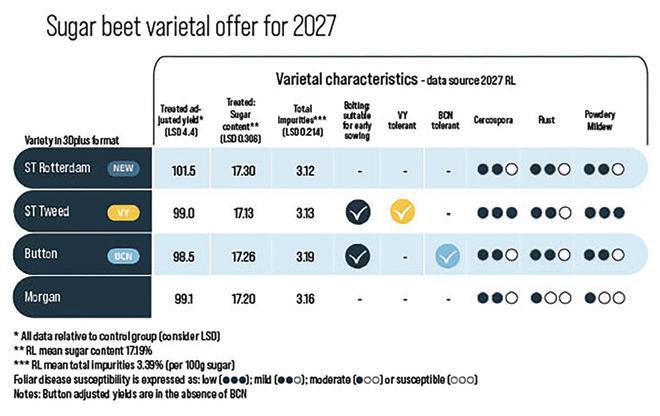
ST Rotterdam is our proven, but new to the UK market, high yielding variety. RL adjusted yield is 101.5% of control in combination with our ‘3D Plus’ prime and pellet, which puts it up with the very highest yielding varieties! It offers above average sugar content with very low total impurities and has good foliar disease scores. ST Rotterdam is not suitable for early sowing.
ST Tweed is the highest yielding virus yellows tolerant variety on the RL at 99.0% of control and is suitable for early sowing. It has average sugar content and very low total impurities. Furthermore, ST Tweed shows low susceptibility to all three of the major foliar diseases.
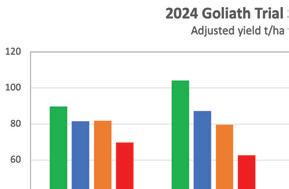
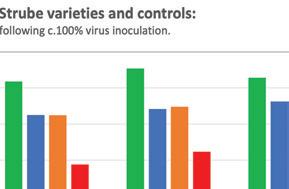
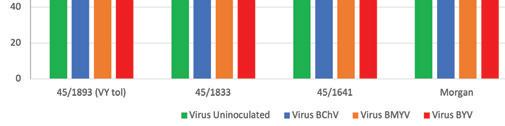
The table (right) shows the relative performance of ST Tweed in the 2024 BBRO ‘Goliath’ variety trial demonstrating its maintained performance under 100% inoculation with each of the three primary aphid borne viruses.
Results show the comparative adjusted yield performance of ST Tweed against controls, including Morgan, for uninoculated and 100% inoculated with Beet Chlorosis Virus, Beet Mild Yellows Virus and Beet Yellows virus; and the relative yield summary table.
Overall, whilst Morgan delivered highest uninoculated yield, ST Tweed retained c.95% of its uninoculated yield when exposed to 100% beet mild yellows virus infection, with reduced yield loss for all three viruses. This resilience shows the breeding progress Strube-RAGT have achieved in a decade of tolerance breeding and trials investment that we can now offer cost effectively to growers!
Button remains a well proven choice for growers that require a BCN tolerant variety, yielding 98.5% of control in the absence of nematodes. It is suitable for early sowing, offering above average sugar content with low total impurity. Furthermore, in 2025 Button gave its best yearly performance to date in the RL trials that reflect its resilience to perform under dry, stressed conditions where it outperformed almost every other variety for adjusted yield.
Seed quality and seed treatment Strube-RAGT have a reputation for the highest sugar beet seed quality which is reliant on every step of preparation from the multiplication crops in France and Italy to the priming, pelleting and packing in Germany.
In addition, our raw seed preparation for the Germains prime and pelleting is as exacting as that for our own ‘3Dplus’ prime and pellet.
We polish and grade our seed with great experience and carefully select not only on seed size but also the true seed weight or embryo fill in the seed case –this ensures that germination and vigour will support uniform and early field establishment to assist crop management decision making and the drive towards



Dependable when you need it most!
Morgan continues to be a reliable and dependable choice, although it has no tolerance trait may not suitable for the earliest sowing. At 99.1% of control for adjusted yield with average sugar content and low impurities, it remains a competitive variety. Similarly to Button, its RL trial performance in 2025 was its best yet and showed resilience to perform very well under dry, stressed conditions.
early canopy development.
The latest RL format provides the comparative performance of breeder genetic in combination with the available prime and pellet options. In this performance area growers can select our genetic in combination with our ‘3Dplus’ that is offered at highly competitive pricing delivering excellent value.
Fodder-Energy beet varieties for 2026
Our fodder-energy beet varieties offer dry matter of around 19-21%, and in combination with a seed rate of 1.1-1.2 units per hectare well managed crops can produce yields in excess of 100t/ha under UK conditions; equivalent to c.20 t/ha dry matter, or more.
Clemens with the added benefit of seed priming advancement may be the variety of choice for early planting and on colder soils. Our unprimed varieties Degas and Gahan have consistently proven themselves over the past four years in the UK and Ireland, delivering exceptional performance.
All three are suitable for sowing from mid-March onwards and are low bolting. Being produced to the same standard as our sugar beet varieties, growers can expect highly vigorous and uniform crops from each variety.
Our standard Seed treatment with Tachigaren and Force for fodder beet is exactly as for our sugar beet, however it should be noted that for energy beet use Tachigaren is not permitted.
For more information contact Richard Cogman, Strube-RAGT. 07983 314424 or r.cogman@strube.net
Two companies behind a new crop nutrition programme say it is delivering strong results for growers across a range of arable enterprises.
Cope Nutrition was launched by Lincolnshire-based seed and grain specialist Cope in partnership with crop nutrition specialists BioNature. It aims to help growers achieve higher, more resilient yields.
The programme is delivering results across a range of crops and farming systems, says Cope seed production manager Tom Siswick. It is helping growers increase output while reducing inputs, he adds.
“The data shows significant yield gains, stronger crops and more efficient nitrogen use. It’s a practical, evidence-backed solution for growers looking to build resilience and profitability into their system.”
Wheat yields increased by an average of 0.47 t/ha across eight trial farms using the nutrition programme during the 2025 drought, explains Mr Siswick.
The highest-yielding wheat plot delivered an additional 1.5 t/ha, with consistent gains also recorded in barley and oilseed rape. Winter barley delivered the strongest response, with yield increases of up to 39% in some trial blocks.
Crops grown using the programme have achieved world records in wheat, barley, oats, potatoes, sugar beet and
oilseed rape, recognised through multiple Yield Enhancement Network Gold Awards.
Lincolnshire farmer Tim Lamyman achieved an oilseed rape yield of 7.71t/ ha; John Anderson achieved a spring oat delivered a yield of 10.9 t/ha; and Mark Popplewell secured a winter barley yield of 12.62 t/ha.
“We started using the nutrition programme just over six years ago,” says Mr Popplewell. “We now use it across the whole of our 2000ha farm, covering winter wheat, winter barley, spring barley, record breaking Merlin spring oats, and spring beans.”
One of the programme’s strengths is its ability to improve nutrient efficiency. Trial data suggests nitrogen-use efficiency (NUE) is up to 38% higher – with 27% less nitrogen required per tonne of grain produced.
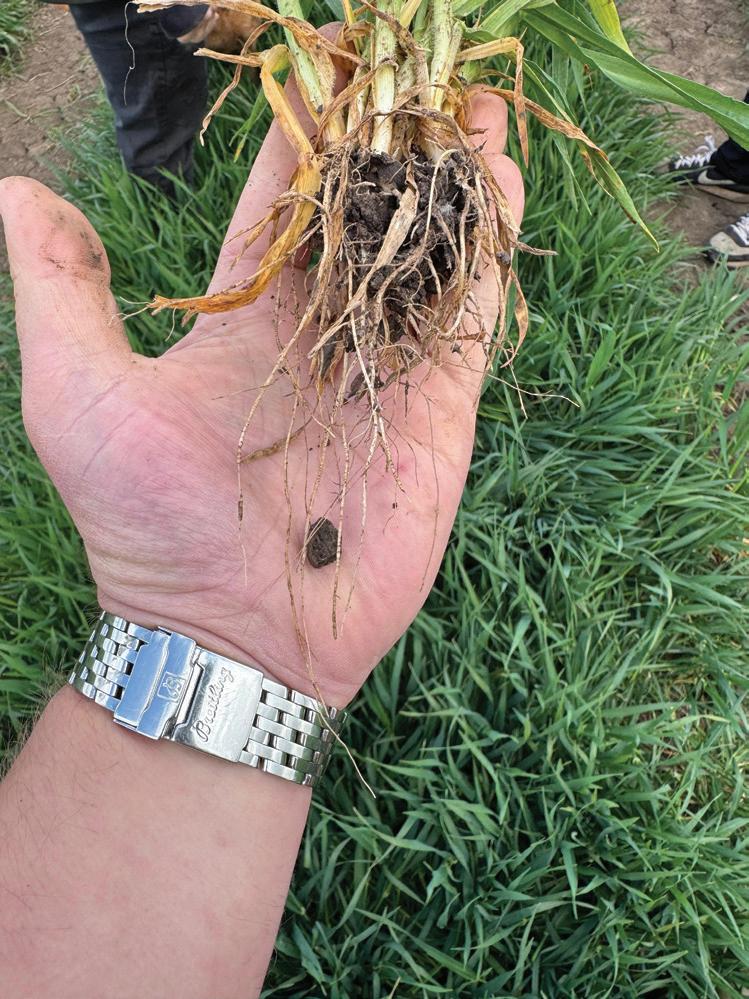
Growers report crops with stronger, deeper root systems; better drought and stress tolerance; more even, uniform growth and better grain fill –helping crops maintain performance when untreated areas struggle.
Results from the 2025 potato trials at Dyson Farming Research show a clear yield and value advantage from the Cope Nutrition programme compared with a standard management programme.
A trial crop of potato variety Elland saw yield increase from 65.85t to 87.13t/ha, a gain of 21.28 tonnes (32.3%). Meanwhile, Caledonian Rose
after Soil Health
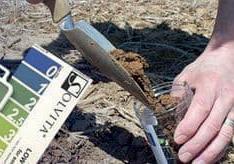
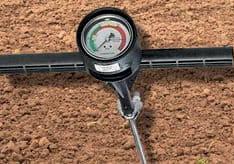
Agricultural Supply Services supply kit to comply with FETF214P Soil Health Monitor Package. Three items supplied that carry out 5 functions; Compaction, pH, EC, Temperature & Moisture to comply. This is a very useful grant Soil health needs attention on most farms.
Specifically – Increasingly heavy equipment + cattle footprint cause compaction, which reduces plant roots’ ability to move down worm holes, towards moisture in a dry summer, as well as limiting moisture escape in a wet winter.
Crops have deeper and stronger root systems
hanced nutrient uptake and tuber bulking, reduced calcium-related disorders, and more uniform tuber size and improved skin finish – all key for processing and premium markets.
EC (Electrical Conductivity) is helping farmers to identify Nutrient Availability EC is directly affected by ability of Worms + Microbes to breakdown organic matter (straw, manure etc) to make natural Soil nutrients more readily available, ie to reduce inputs.
+ Of course – pH, temperature & moisture all very important!
Charles Goldingham
www.agrisupplyservices.co.uk


















































Farmers seeking profitable alternatives to traditional break crops flocked to last month’s maize growers’ conference.
Almost 190 farmers and maize specialists attended the two-day event on 4-5 February in Leicestershire. Organised by the Maize Growers' Association, it marked the highest attendance in the conference’s recent history.
Some 240,000 hectares of maize were grown in 2025. A bigger area is set to be drilled this spring – although for many growers, the issue is how to integrate the crop on their farm.
“The numbers of delegates, trade stands, sponsors, researchers, advisers and most importantly growers here today are the strongest we’ve seen in recent years,” said MGA chairman Michael Jarmuz.
“The council is genuinely delighted, not just because the event is bigger, but because it reflects a crop, a multi-market sector – and a grower community that is moving forward with confidence. The question for many farmers is no longer: “should we consider maize?” but: “how do we make it work on our farm?”
NFU Midlands crops board vice-chairman Will Oliver hosted delegates on the first day of the conference at his
Top: Will Oliver hosted the first day at Fenn Lane Farm, near Nuneaton
Right: MGA chairman Michael Jarmuz opens the second day of the conference

“Justify every decision with information: test, test, test,” Mr Oliver urged attendees. Describing the need for regular soil and nitrogen testing, he said maize margins had outperformed wheat and oilseed rape when combined with SFI options.
with confidence
Mr Oliver also pointed to collaboration. “It’s not just the information available; it’s speaking to other people growing maize and sharing that knowledge.
“The stronger the MGA membership is the more funds we have available for crop trials, the more maize is available, and we can fulfil the supply to more markets - there are opportunities for grain maize with additional markets opening up.”
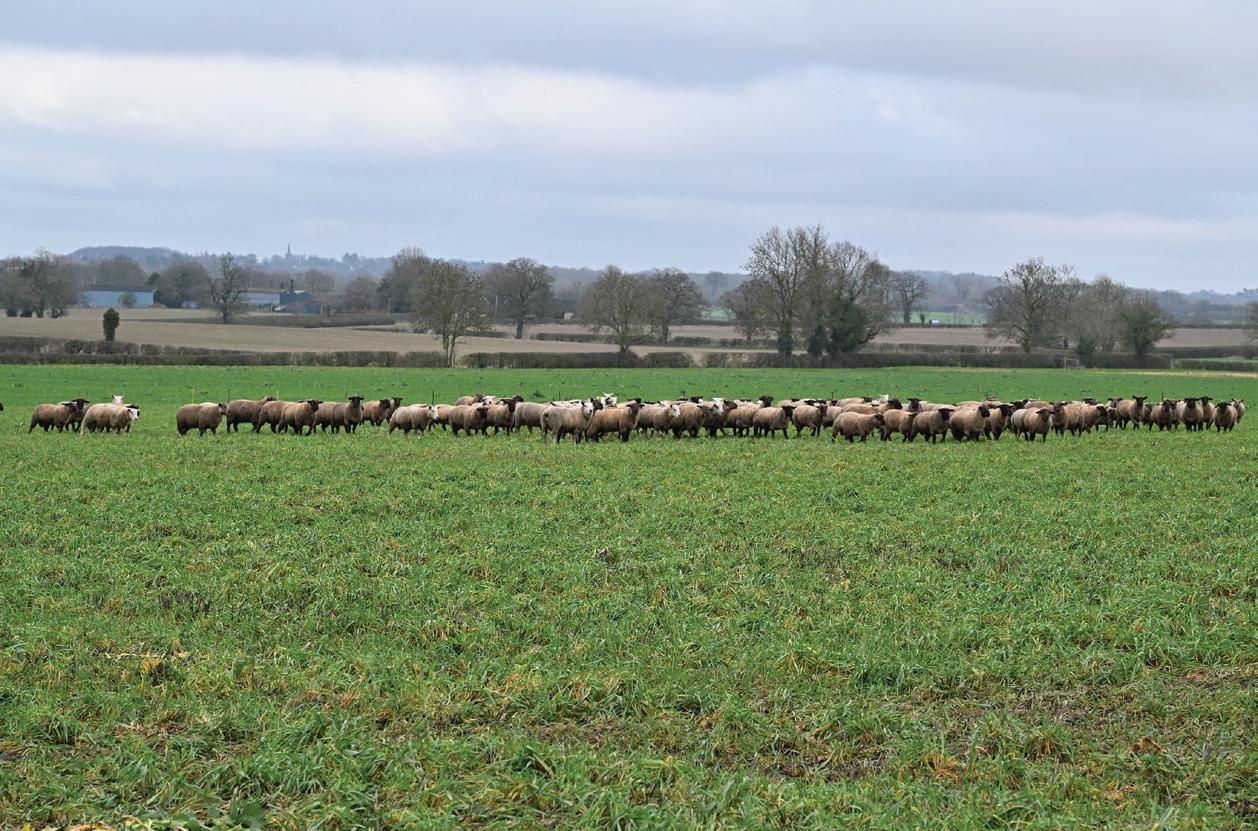
Delegates saw sheep grazing cover crops ahead of maize drilling. Local shepherd Matt Harding rotates Bentley Suffolks across fields. The system returns about £140/ha in nutrients and improves soil structure.
Day two centred on agronomy. Ben Abell, head of agronomy at Dy-
son Farming, discussed the Bilberry smart-spraying system for spot weed control to cut chemical use.
MGA Technical Lead Jon Myhill presented trial data. Nitrogen rates can fall to 125–150kg N/ha without harming yield, he said. Foliar nitrogen improved nutrient use efficiency by as much as 20-30%.
“Nitrogen timing is crucial to avoid hungry periods during reproductive times,” Mr Myhill explained. Trials suggested foliar applications could save £30 per hectare while maintaining energy and starch levels.
Oilseed rape remains risky. Spring barley can struggle in dry seasons. Beans and peas face volatile markets. Many growers see maize as a steadier option. “Resilience in farming is key, we need diversity of cropping,” said NFU deputy president David Exwood.
“Maize creates diversity, profit, and ability to use it right across the rotation. The NFU Confidence Survey showed low farmer confidence, which means low investment, but maize is offering a solution to allow farming to progress, to increase returns.”
• Oilseed rape area up by one third
• Established crops look promising
• Different variety merits debated
Aforecast 30% rise in the UK oilseed rape area is looking good in the field, with well-established crops thriving as spring approaches.
After several difficult seasons, growers returning to the crop report reduced pigeon damage and lower pressure from cabbage stem flea beetle across many key arable regions. But disciplined agronomy remains key.
For James Warner, managing director of farmer-owned cooperative United Oilseeds, the improvement reflects a turning point for a crop that fell out of favour just a few years ago – and a victory for the industry-led OSR Reboot campaign.
“Addressing the rapid decline in area since the neonics ban in 2018 was an immediate necessity, given the UK’s future need for increased food security and to protect the UK jobs and infrastructure we have in place to produce home-grown rape seed oil.
Great strides
“We’ve made great strides with crop genetics advancing rapidly and breeders responding brilliantly to the challenges ahead with new varieties offering improved genetic traits to support and defend rape crops against key pests and diseases.”
Mr Warner points to more flexible drilling dates, closer attention to soil moisture, companion cropping and rapid post-harvest cultivations to disrupt the flea beetle lifecycle as practical steps helping restore confidence.
Marc Lanham, northern seed manager with Agrovista, agrees that the crop is regaining trust among farmers. Grown successfully, oilseed rape is still one of the highest gross margin break crop options – and still rotationally important, he says.
“Things have definitely improved in the last two years, linked largely to better establishment conditions, kinder weather, adoption of flexible drilling strategies as well as more focus


from both growers and agronomists on varietal selection.”
The market has shifted towards hybrids in recent seasons. But Mr Lanham argues there remains a role for conventional rape. Additional resistant genes found in many new hybrid varieties such as RLM7, LepR1 and RLMS come at a price, he says.
“When growers are dealing with a heavily front-loaded crop in terms of cost, I believe there’s a strong case for combining both hybrid and conventional varieties in rotations as part of a risk mitigation strategy.”
The
The best performing conventionals can still compete with hybrids in terms of early vigour and yield, adds Mr Lanham. Conventional varities can be sown at up to 100 seeds/m2 – an important consideration when establishment conditions favour a higher seed rate option.

Left James Warner
Right Beckii Gibbs
Below Kurtis Scarboro

“
nal year of trials, she sees Ocean, from Elsoms Seeds, as a replacement for older varieties such as Annika.
“It has the all-important Turnip Yellows Virus (TuYV) resistance gene, has consistently achieved high yields across several trials and should fill a key gap in our current portfolio once it is approved by the Recommended List later this year.”
Elsoms Seeds crop manager Kurtis Scarboro says good establishment remains critical to crop success.


“Avoiding drilling around the dates of peak flea beetle migration is a must, and, if there’s not adequate moisture in the soil then the best advice has to be ‘don’t drill’.




Beckii Gibbs, seed manager at United Oilseeds, also supports a mixed varietal approach. Having assessed the new conventionals currently in their fi-






“Oilseed rape is still a fantastic crop and, despite being frontloaded on input costs, there are a number of ways that growers can successfully manage the risks involved at that critical early development stage.


“However, if soil moisture levels are right and flea beetle pressure is low then growers must have a positive approach and commit fully to early herbicide and nitrogen inputs giving the crop the best chance possible to establish well.”


Cereal growers must have a stronger voice to ensure a fairer supply chain, the government has been told.
Fairer contracts are needed for combinable crops, said the NFU in its response to a government consultation on this issue. The union is calling for a marketplace where growers’ contracts are clear and consistent. It says this will help to provide fair returns and give confidence for farmers to make long-term business decisions and invest in the future of the industry.
Transparency
NFU combinable crops chairman and Hertfordshire grower Jamie Burrows said: “The review is a once in a generation opportunity to enact positive change for a sector in which the scales have been tipped against growers for far too long.”
The AIC No.1 Contract – on which almost all grain sales from farm are traded – should be adapted to reflect a fairer balance of power and include greater clarity over specific contract terms and definitions, said Mr Burrows.
Importantly, the NFU says grain pur-
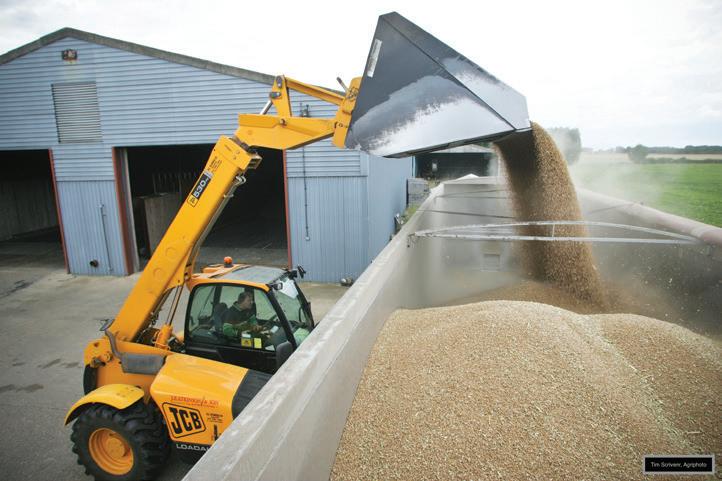
at each point of sale. It also wants a change in the sampling process to enable farmers to have more involvement.
It says farmers need the ability to take a representative sample either before or at the point of loading – and for this sample to be used for either the basis of payment or, at the very least, the sample for an independent test in the case of a dispute.
paigned extensively for government to review how the crops sector operates, with the goal of bringing it in line with other reformed sectors like dairy and pigs.
“For years, arable farmers have shouldered the largest burden of risk while receiving the smallest share of the final value – whether it is volatile input costs, challenging weather or unpredictable global markets.”



• ‘Game-changing’ £2.5m project
• Commercial farms to host trials
• Aim to revive rape crop fortunes
A£2.5m project will see the first precision-bred oilseed rape grown on UK commercial farms – marking a major step towards the largescale growing of the crop.
The project is being led by the British On-Farm Innovation Network (BOFIN). It is being funded through Defra’s Farming Innovation Programme, which is delivered in partnership with Innovate UK.
The aim is to tackle light leaf spot – oilseed rape’s most damaging disease – using precision breeding alongside new disease-management tools. Called LLS-Erased, the project in volves growers, plant breeders, crop scientists and agronomists.
Disease threat
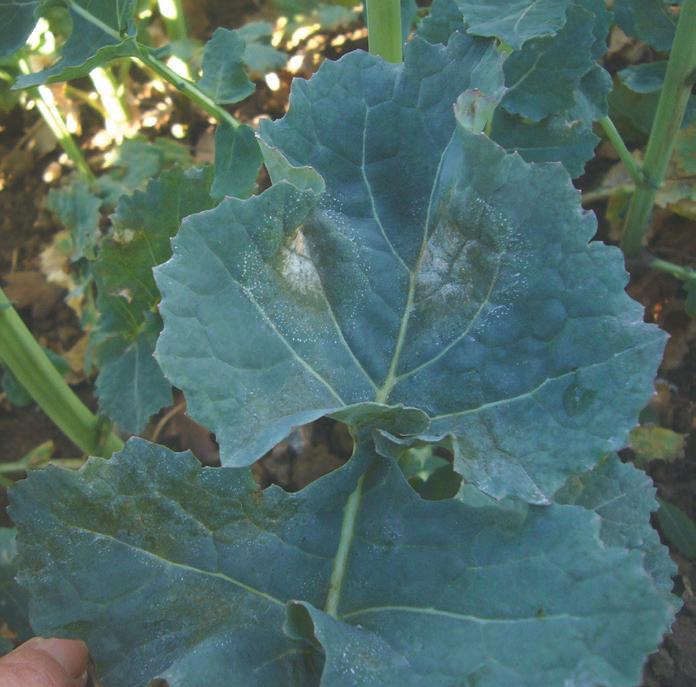
Light leaf spot has become the number one disease threat to UK oilseed rape in recent years. Yield losses have ris en from £94m in 2017 to more than £300m in 2022 – prompting many growers to stop growing the crop.
control has become increasingly unre liable as pathogen populations evolve and resistance to azole fungicides spreads. At the same time, current

“This project is gamechanging for farmers.
ly available varieties struggle to offer strong, durable resistance.
LLS-Erased aims to deliver rape va rieties with significantly reduced sus ceptibility to light leaf spot, developed using precision-breeding techniques that accelerate the introduction of beneficial traits without introduc ing foreign DNA.
Commercial farms
Crucially, the project will move these traits beyond the laboratory and into farmer-led field trials on commercial farms, supported by real-time disease forecasting and decision-support tools.

Clockwise from above: Rachel Wells, from the John Innes Centre; and Tom Allen Stevens, of BOFIN; and Yongju Huang, from Hertfordshire University
“This project is game-changing for farmers,” says LLS- Erased project lead Tom Allen-Stevens, of BOsion breeding, researchers have shown it is possible to reduce the ability of the light leaf spot pathogen to infect the crop.
This offers the crop a more durable form of protection than tradition-















UK Agri-Tech Centre is overseeing project delivery and integration, supporting effective collaboration across partners and ensuring outputs remain focused on adoption, scalability and real-world impact.
A key element of the project is collaboration with US-based precision breeding experts Cibus, whose Rapid Trait Development System (RTDS) includes a suite of technologies including non-transgenic processes.
The RTDS system enables precise genetic edits to be introduced directly into elite breeding lines with scale and speed, dramatically shortening the time needed to bring new traits to market.
“I am really excited to move our resistant material from the laboratory to field scale trials to see how it performs in a real-world setting,” says LLS-Erased technical lead Rachel Wells, of the John Innes Centre.
“Precision Breeding offers us an excellent opportunity to develop material to combat our pests and pathogens while supporting sustainable farming,” says Dr Wells.
A trusted pipeline to streamline variety development is seen as invaluable for crop improvement. “Bringing this work together in an integrated pest management package looking at multiple, combined solutions, is the future of crop protection.”
For airborne diseases like light leaf spot, information on timing of pathogen spore release and virulence in pathogen populations is essential for effective disease control, adds Yongju Huang, Professor of plant pathology at University of Hertfordshire. “Combined with host resistance information about the pathogen, this project will de-
The LLS-Erased project offers a well-timed opportunity to focus on improving the control of light leaf spot, and the field-based guidance available.
“Farmer collaboration and knowledge is essential to build effective disease management tools and IPM testing protocols that are practical and cost-effective,” says Faye Ritchie, technical director at ADAS
Farmers will play a central role in LLS-ERASED through on-farm trials across England, feeding results directly into a grower-led knowledgeexchange network. The approach is designed not only to bring the first

“By combining precision breeding with integrated disease management and farmer-led testing, the project positions the UK at the forefront of efforts to rebuild oilseed rape production in a more resilient, sustainable
Alongside new varieties, LLSErased will deliver a farmer-led delivery platform designed to support


traits. This has potential benefits for farm profitability, pesticide reduction and food security, not just for the UK, but across Europe, as the EU moves towards greater acceptance of new genomic techniques.”
the adoption of precision-bred crops. This includes a new disease-management tool combining weather data, pathogen monitoring and on-farm trial results to guide fungicide use more accurately, reducing unnecessary applications while protecting yield.







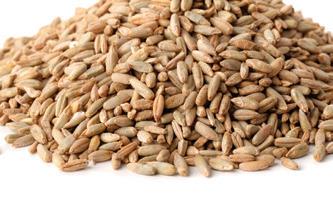











Soya





New Industrial Millet contract now allows growers to sign up for a fixed price
Mammoth Millet is a very productive, crop normally sown in early May and harvested 135 days later in mid-September.


Harvest to December

Jan / Feb
March / April
Crops moved to store in May


£320/t ex-farm

£330/t ex-farm
£340/t ex-farm
£350/t ex-farm
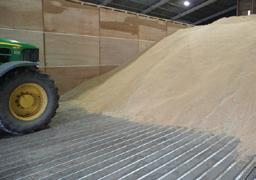
All crops will be moved by late May. New drying and storage options also available.

Gross margins over £950 per Ha.
Longways House, Burnetts Lane, West End, Southampton, Hampshire SO30 2HH www.soya-uk.com T: 02380 696922 email: enquiries@soya-uk.com

SoyaUKLtd
Sustainable water resource management
Abstraction licence renewals
Borehole, reservoirs, surface abstraction, infrastructure, IT control
Grant aid applications
Reservoir planning, construction and management
Water efficiency Water quality issues Contact:

• Well proved design • Single, twin and three legged machines available • Mounted and trailed T: 01604 686216 M: 07973 265378







• Wet winter takes toll on crops
• Undertake soil test if possible
• How to save potential yields
Waterlogged fields will need special attention to salvage yields this season following one of the wettest starts to the year, say experts.
The wettest January for almost 120 years means root stress could lead to failed crops. High rainfall during the last two months following a huge dump of water from Storm Goretti has left ground saturated and crops struggling from root stress.
Shane Brewer, from soil testing specialists Eurofins Agro UK, suggests that waterlogged cereals and other crops trapped under flood water for more than 15 days will almost certainly be lost.
Soil testing
Longer-term damage to soil health can only be ascertained by testing regularly once the flood waters have subsided, says Mr Brewer. Soil testing will identify the levels of bacteria, fungi and protozoa in the soil, he adds.
The roots of flooded plants stop taking up nutrients and methane is produced in the soil instead of carbon dioxide. Ethylene also builds up in the plant roots which will subsequently af-

“A soil test will be vital this season
fect the way any new seeds germinate.
“Should a farm choose to abandon a winter crop and sow a spring crop, a soil test will be vital to understanding how that crop will need to be treated,” adds Mr Brewer.
Microbial populations decline when soils are flooded, and aerobic bacteria are replaced with anaerobic bacteria which produce gases like methane and nitrous oxide. The reduction in oxygen in the soil will also mean lower earthworm numbers.
Crop growth
“Topsoil contains the phosphorus, nitrogen and carbon that will help a new crop grow and, without it, farmers will need to understand what levels of inputs are needed to help soil recover.”
Soil compaction is a growing concern, because, when hit by heavy rain, compacted soil lacks the air space to absorb water. This sees rain run off the land, taking topsoil and nutrients with it.
“Deeper soil can absorb more rain, but in the UK we have large areas that have suffered years of compaction and lack the depth needed to cope with the sort of rain we have experienced this winter.
Many fields remain saturated following weeks of rainfall
Left: Shane Brewer
“To get the most out of compacted soil, testing will be required to help cultivation decisions such as whether to plough, if minimum tillage options are not deemed suitable.”
Biostimulants could help struggling crops get back on their feet by restoring root systems, improving tillering and boosting growth.
“Prolonged soil saturation impacts rooting and can cause roots to die off, says Mike Stoker, an agronomist from biostimulant specialist Orion FT.
“Using a silicon biostimulant to strengthen the root can improve the plant’s ability to obtain nutrients and recover from the lack of oxygen caused when soils are saturated,” Mr Stoker explains.
Silicon improves root nutrient uptake and how efficient the plant is at converting nutrients, he adds. Applying it to a winter wheat crop will help it photosynthesise more effectively in spring and summer.
Plants that have sat in wet soils over winter, and into spring, will have ‘lazy’ roots, suggests Mr Stoker, who also identifies that a spring or summer drought is still probable based on previous years’ weather patterns.
“It would not be extraordinary for cereal crops to soon be experiencing drought, as many did in June last year. Lazy roots fail to reach deep enough in these conditions to find sufficient moisture. This will have a significant impact on yield if not addressed.”
Silicon can be applied at every crop growth stage using a variety of application methods. This season it is likely to be best utilised as a foliar spray but it can also be applied direct to soil, as a seed treatment or via fertigation.
“For those struggling to deal with weather extremes, biostimulants offer a cost-effective and sustainable option to




• January deluge eases drought fears
• Aquifers replenished after dry year
• Flooding follows persistent storms
Awet winter which saw dou ble the usual rainfall in Jan uary has helped to replenish aquifers and reduce fears of a repeat drought this summer.
Drought-hit areas suffering follow ing lack of rain began to recover fol lowing a wet November which received 149% of long-term average rainfall. This helped kick-start drought recov ery – but also brought flooding.
National Drought Group chair and Environment Agency water director Helen Wakeham said the rain had helped some depleted rivers and res ervoirs. But she warned: “We are not out of the woods yet.”
Spring 2025 was the driest in 132 years. And with four heatwaves, the Met Office declared the summer of 2025 as the hottest since records began in 1884. Eight months of the year saw below average rainfall.

This year already looks different. January 2026 was a notably unsettled with persistent spells of heavy rain and strong winds. The UK saw above-average rainfall, slightly below-average temperatures, and sunshine levels close to average.
Rain fell frequently throughout January as a series of low-pressure systems brought repeated rounds of
rainfall had a greater impact.” A succession of Atlantic systems was the main reason rainfall totals were well above average for many areas.
Overall, the UK recorded 17% more rainfall than the long-term meteorological average for January. Northern Ireland recorded 70% more than its January average, making it the second wettest January since the series began in 1836.
England was also very wet, with the nation recording 50% more rainfall

Many fields have been under water
than average. There was a clear northsouth divide, with northern England recording 10% more than average, while southern England saw 74% more rainfall than average.
This made January the sixth wettest on record for southern England.
Scotland was the only home nation to record below-average rainfall, with 87% of its usual amount. But it was varialble, with east Scotland seeing 48% more than average; and north and west Scotland seeing much less.





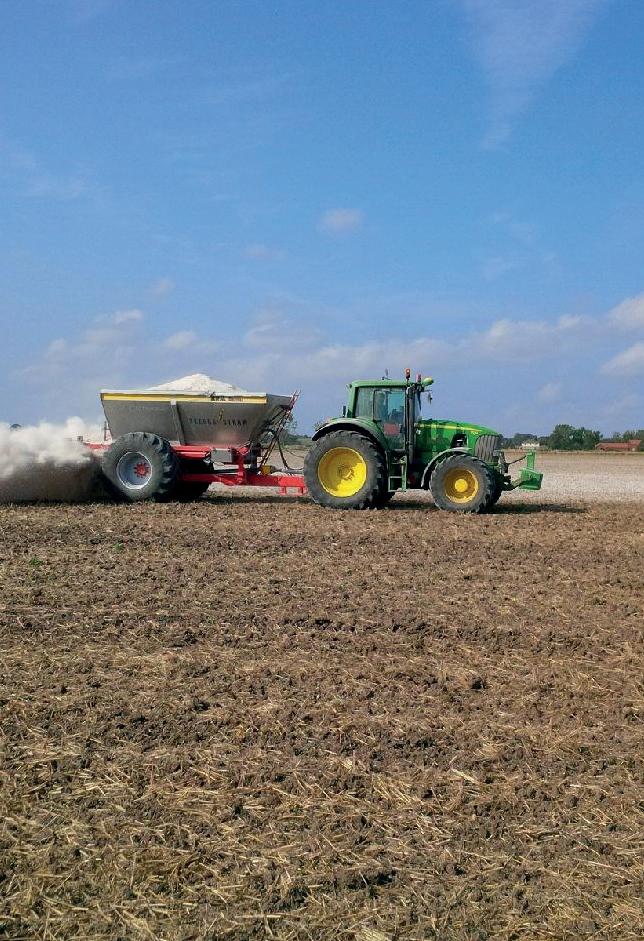
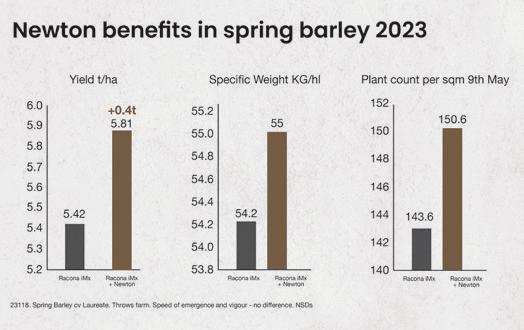
Every successful harvest begins with high-quality seed. Selecting varieties with robust vigour scores and disease-free, high Thousand Grain Weight (TGW) samples is essential. Seed with high vitality establishes rapidly, enabling the crop to outcompete grass weeds and make efficient use of sunlight and accumulated heat units during the spring. As growers, we are prepared to invest more in top-grade seed, making it all the more important to protect this investment. Newton Seed Treatment offers a solution, with research showing it enhances seedling vigour, promotes emergence 4–5 days earlier, and consistently delivers higher yields compared to naked, untreated and seed treated with a single-purpose dressing.
The accelerated emergence provided by Newton Seed Treatment is especially beneficial when sowing early in the spring into cool, heavy soils. Those additional 4–5 days can be vital for overcoming slug pressure and preventing patchy stands. In the case of spring cereals, where the growing period is already shorter than that of winter crops, every day counts, and early crop vigour becomes a key trait. If you have selected your variety for its early strength, it is imperative to maximise your investment.
For regenerative farming systems and organic crops, Newton delivers the crop vigour required








to grow away from pest and disease pressure, which can otherwise be challenging to manage. In these systems, crop vigour is even more critical to achieving success. Newton has been specifically developed with the needs of organic growers in mind and carries organic certification.
Even within conventional farming systems, the application threshold for plant protection products is often determined by whether the crop is growing away faster than it is being damaged, or if the number of emerged plants is low. Newton has demonstrated improvements in both these parameters, contributing to a robust Integrated Pest Management (IPM) strategy.


• Organic matter levels are falling
• A focus on NPK misses biology
• Test soil to underpin decisions
Declining soil health is emerging as a business risk for UK farms, with experts urging growers to monitor fields.
In many instances, organic matter and carbon levels – despite a renewed interest in healthy soils. Input costs are increasing as growers try to compensate for rising compaction, with crops are struggling with drought and heavy rainfall.
Agronomists say many of these pressures stem from a narrow focus on nutrition rather than function. Soil is often treated as a delivery system for nitrogen, phosphate and potash. Physical structure and biological life receive less attention.
“Without adequate soil maintenance, the consequences are there for everyone to see in the fields,” says Paul O’Hora, of fertiliser manufacturer SoilWorx.
Symptoms of declining soil function include areas that underperform year after year, waterlogging after heavy rain and increasing reliance on inputs to maintain yields. “Every farmer already knows which parts of their farm are affected.”
Soil health rests on three pillars: chemical, physical and biological, says Mr O’Hora. Each influences the others. “Having the wrong pH locks up nutrients even when they’re abundant,” he adds.
Micronutrient deficiencies limit yields even when crops have adequate nitrogen, phosphate and potash. Physical health determines whether water infiltrates or runs off, whether



roots can penetrate or hit compaction. Dr O’Hara says: “Biological health – the microbes and earthworms working in your soil – determines whether organic matter breaks down and releases nutrients, or whether it sits inactive.”
The commercial implications are significant. When soil biology is weak, any nutrients already present remain unavailable. Rather than addressing the cause of the problem, many farmers apply more synthetic fertiliser to bridge the gap.
“Synthetic fertilisers deliver nitrogen, phosphorus, and potassium,” says Dr O’Hora.
“What they don’t deliver is organic matter, micronutrients, or any support for soil structure or biology. They do nothing to improve your soil’s ability to hold water, resist compaction, or cycle nutrients naturally.”
Access to organic matter has historically depended on livestock manures. But commercial suppliers now offer pelleted organic and organo-mineral fertilisers suitable for conventional spreading on arable farms with fewer options.
Waterlogged fields often indicate an underlying problem
The consequences are there for all to see
lows growers to track change and assess returns, he adds.
“When you understand your starting point, you can measure the impact of your organic interventions and demonstrate return on investment. When soil biology starts functioning well, multiple benefits emerge.
These include better soil structure and the need for fewer inputs. “Improved monitoring indicators including increased earthworm counts – a simple but effective measure any farmer can conduct simply by digging down with a spade.”
Laboratory analysis suggests a single application of its natural fertilisers can result in a 19% increase in microbial activity and respiration. Organic matter breaks down gradually, releasing nutrients over time rather than in a single spike.
The business case extends beyond fertiliser efficiency, says Dr O’Hora. Soil with good organic matter has genuine resilience. In drought, better water-holding means crops remain stress-free for longer. When it’s wet, waterlogging is reduced.

Paul O’Hora: Poor soil structure means underperforming crops





Products such as SoilWorx Dynamo pellets, which contain 75% organic matter, mix macronutrients, micronutrients and carbon in a single application. They help build structure, improve water-holding capacity and reduces the risk of compaction.


February and March provide a useful window for soil testing before spring growth accelerates, says Dr O’Hora. Establishing a baseline al-



Building resilience, though, takes time. Meaningful structural and biological changes typically take three to ten years of consistent organic matter additions. Some gains appear sooner, but the full dividend accrues gradually.



“Soil is your biggest asset,” says Dr O’Hora. “Every farmer, regardless of their system, scale, or location, can now access the organic matter they need for complete nutrition, conditioning and better soil health.”


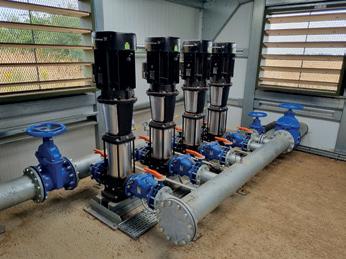
























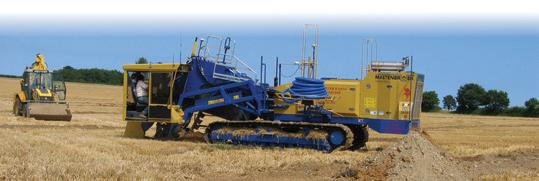








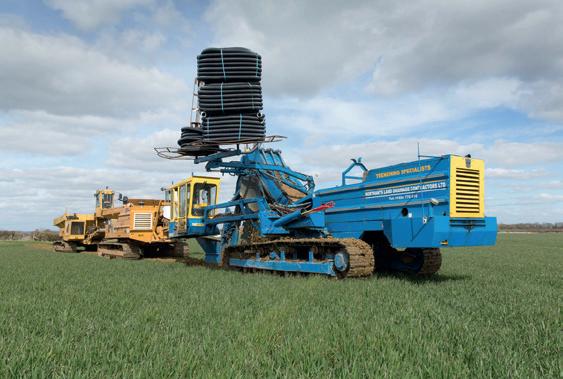









• Farmers to face tighter controls
• Permits to target river pollution
• Ministers promise clearer rules
Tighter controls on sewage sludge spreading will improve water quality and reduce river pollution, says the government.
Some 41% of England’s rivers, lakes and streams are currently affected by agricultural pollution, says the government. If approved, the new rules will increase oversight on sewage sludge spreading on farmland.
Options include bringing sewage sludge spreading under the government’s Environmental Permitting Regulations. Defra says this will protect human health and the environment from harmful contaminants.
At the same time, it says existing agricultural water rules will be simplified, cutting unnecessary duplication and complexity and making it easier for farmers to understand and follow the rules.
The measures form part of Defra’s Environmental Improvement Plan, reducing ammonia emissions from farming; and the Water White Paper – an overhaul of how England’s water system is regulated and managed.
Water minister Emma Hardy and farm minister Angela Eagle set out the plans at a roundtable meeting with key farming, water and environmen tal stakeholders as part of the govern ment’s plan to transform Britain’s wa ter system.
Ms Hardy said she wanted to work with farmers on water pollution. “By setting clearer guidelines and provid ing better support, we’re making it simpler for farmers to meet standards, farm sustainably and protect our en vironment.”
Funding to double the number of advice-led inspections has already been introduced. It means there will be at least 6,000 inspections a year by 2029.
Environment Agency director Jennie Donovan said her preferred option was to move sludge spreading into envi ronmental permitting regulations. And she pledged to work closely with
farmers to support regulatory reform.
“Our aim is to ensure that sewage sludge can be recycled to agricultural land in a safe and sustainable way. We will continue to work closely with the water industry, farmers and partner organisations to support this regulatory reform.”
A simplified, clearer regulatory approach alongside support schemes, grants and advice programmes would help farm businesses reduce pollution, protect water and strengthen their long-term resilience, said Ms Donovan.
The changes build on a ministerial roundtable last summer, where the government established the Addressing Pollution from Agriculture programme, working with farming and environmental stakeholders to drive reform of agricultural water regulations.
Livestock numbers
Responding to the announcement, Soil Association policy director Brendan Costelloe said there needed to be lower thresholds for intensive pig and poultry production – effectively limiting livestock numbers.
Mr Costelloe said: "There is undoubtedly scope to simplify aspects of the regulations that are intended to protect our rivers from agricultural pollution – but the focus needs to be on making them effective.”
Proposals for tightening sewage sludge rules require a supply chain approach, says farm leader Tom Bradshaw.
“Investment from both industry and government in research and technology is essential to ensure the material farmers take is high quality, safe and fit for purpose,” said Mr Bradshaw.
Sludge was a valuable input over manufactured fertiliser, said Mr Bradshaw. It was an important part of the circular economy and said pleasing to see Defra commit to work with the industry on ways to ensure it was safe.
This included the government’s partnership approach and focus on advice – as well as its commitment to collaborate with the industry on ways to reduce the amount of ‘forever chemicals’ contained in sludge.
“Farmers and growers are committed to caring for the environment, but regulatory change must not place additional cost burdens on farm businesses, many of which are struggling to be profitable.
“We will continue to engage with the water supply chain and Defra and will work with members to gather feedback on the consultation.”
Stronger controls on sewage sludge spreading were welcome – but better treatment and monitoring was also needed so the benefits of sludge were realised without any of the unwant-
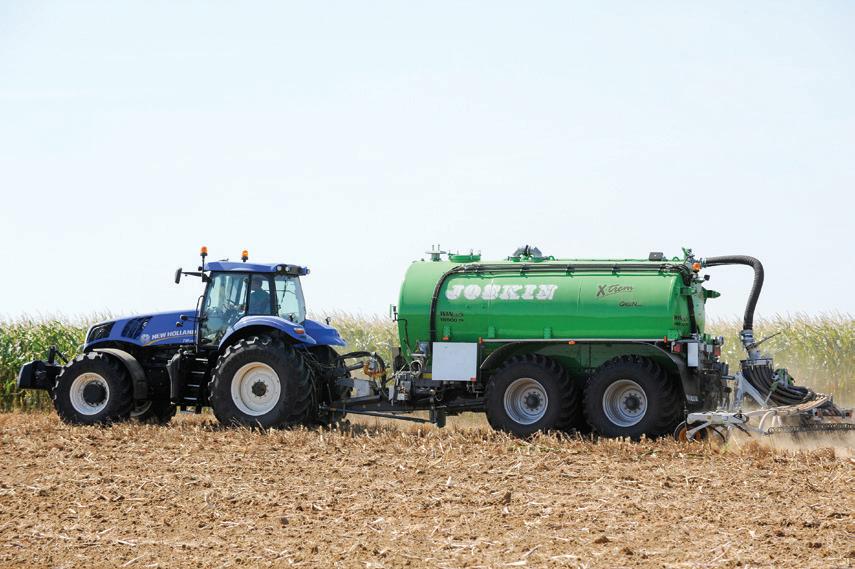
“It should be able to play a key role in delivering a more circular economy with less waste. But in practice it's full of nasty microplastics and PFAS that





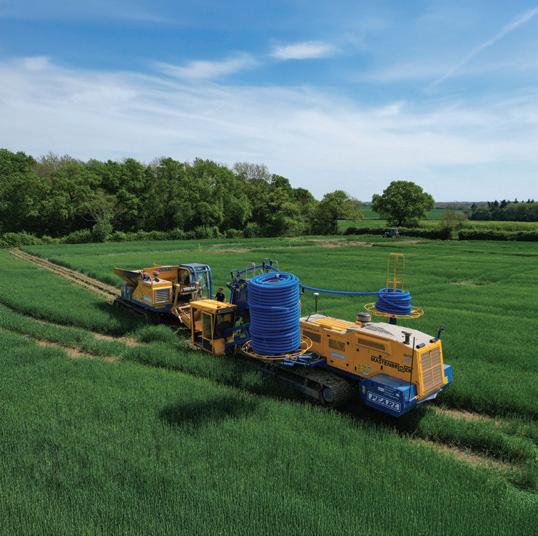







Wetter winters and warmer summers are forcing a rethink in agronomy. Adam Clarke investigates
Arace against time is developing as agronomists and seed breeders adapt to increasingly frequent extreme weather.
Wetter winters and warmer summers are forcing a rethink in UK agronomy. Crop performance is shifting. So too are pest and disease risks. The challenge now is adapting management and variety choice fast enough to protect yield.
The situation was highlighted by ADAS senior crop research scientist Christina Baxter at the recent Association of Independ-
ity from around 2006 onwards.
“The fact that both datasets show the same pattern of fluctuation tells us that they are dealing with the same limitations coming from the environment and changing weather patterns,” she said.
A four-year rolling average from 2002 to 2025 shows RL yields rising by about 0.5t/ha. On-farm yields have remained static or declined slightly. The result is a yield gap of roughly 2.5t/ha.
“Some of this can be attributed to changing weather patterns and the fact that we may


flowering time,” said Dr Baxter. “What we believe is happening is that earlier varieties are flowering and filling their grains earlier in the season, under cooler
YEN data increased by about 0.5°C, with June and July rising by 0.8°C. The grain fill period has shortened by around 10 days.
“The production phase is influenced by degree days. Therefore, temperature increases are resulting in a grain fill period that is around 10 days shorter, which has a negative impact on thousand grain weight.”
Management still matters. Good soil water capture, robust fungicide timing at flowering and adequate canopy nutrient levels are critical. Nitrogen, phosphorus, sulphur and zinc deficiencies can accelerate senescence.
Grain nutrient concentrations now fluctuate more sharply between seasons. In 2025, grain nitrogen was higher because uptake occurred earlier and was concentrated by lower yields. Grain phosphorus was lower after a dry spring.
“When rainfall data was compared with grain nutrient concentrations, phosphorus, manganese and sulphur were all strongly influenced by spring rainfall,” said Dr Baxter.
“Greater rainfall from April to June increased phosphorus and manganese uptake. For sulphur, which is highly soluble, higher early spring rainfall reduced concentrations due to in

Water Supply Engineers and Borehole Drillers
Suppliers and Installers of Pumps and Water Treatment Equipment
For over 90 years, TW Page & Son Ltd has been serving the agricultural community of East Anglia
• Borehole drilling
• Submersible pumps for fresh water supply
• Iron, manganese & nitrate removal
• Reverse osmosis units
• Ultra-violet disinfection
• Water softeners
• Water main laying & trenching services
7 Buxton Road, Frettenham, Norwich NR12 7NQ
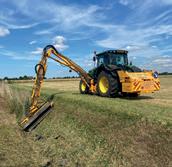
Ditching & Land Drainage
Vegetation Management Long Reach Equipment
Wetland Creation Irrigation Reservoirs Dredging Plant & Piling Embankment Protection


• Irrigation Reservoirs / water control structure installations
• Dredging & Piling operations
• Embankment protection installations
• Roadway & Track Installations
• Ground & Earthworks
• Plant and Operator Hire






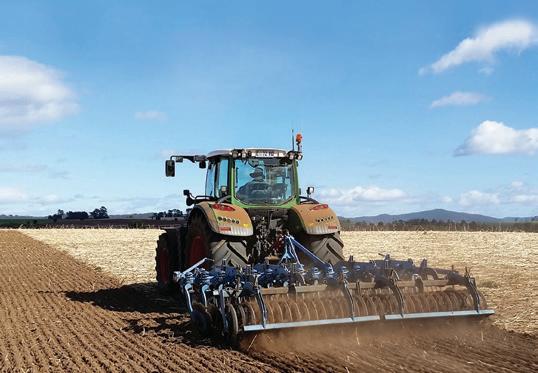







er in the season. Drilling just two or three days earlier can significantly increase root length in warm soils.
But early drilling can raise disease and lodging risk. Flexibility is essential.
Future suitability
Process-based models developed by the UK Centre for Ecology and Hydrology estimate climate-constrained yield potential at 1km? resolution.
Professor Richard Pywell said modelling under +2°C and +4°C warming scenarios shows wheat yield potential increasing in northern regions but declining in parts of southern England by mid-century.
Under +4°C warming towards 2080, wheat becomes more questionable in southern England. Oilseed rape also begins to suffer.
A digital tool allows farmers to input postcode and farm data to assess climate risks and adaptation options, including soil organic matter improvements to increase water-holding capacity.
“It tracks performance over time so farmers can see how things are changing and improving,” said Prof Pywell.
Climate change is already shaping decision-making and the way risk is managed on farm, says independent agronomist Ben Boothman.
While UK growers have historically relied on locally adapted varieties, there is increasing interest in material from northern Europe as agronomists and breeders assess how best to build resilience against climate trends.
Whole-system thinking, including more flexible rotations and cultivation strategies, will be key, and spring cropping
decisions are increasingly being shaped by drought risk, soil type and the reliability of agrochemicals under dry conditions.
“Five years ago, drought probably never really entered our heads, but now it’s not just about whether the crop will reach its potential, but whether the herbicides we’re putting on are going to work.”
Navigating this adds Mr Boothman. “You can’t just go off a playbook like some have in the past. Everything must be tailored for a specific field or farm.
Crop suitability may shift. In some southern areas, modelling suggests reduced wheat and oat suitability but improved prospects for durum wheat, chickpeas or soybean. Trials will be essential.
Climate change will also reshape pest and disease pressure. Research at Exeter University shows pathogens adapting. Yellow rust populations are adjusting to warmer conditions.

“Adapt to the new reality
“In an increasingly volatile climate, the role of independent agronomists who horizon scan, walk crops and proactively derisk decisions for clients has never been more important.”
Fusarium species composition is shifting. Septoria, which thrives in warm, wet weather, may become more problematic in parts of the UK.
“Predicting and mitigating disease risks under climate change requires understanding pathogens as well as plants,” said Dr Helen Fones. The message is clear: variety choice, drilling date, nutrition and disease control must adapt to the new reality.
Growing miscanthus could help lock more carbon into the soil, improving yields while helping to tackle climate change, say scientists.
Well-suited to poorer land, miscanthus is typically grown as an energy crop. The woody stems are also used for green manufacturing and chemicals production, as a construction material and for animal bedding in livestock farming.
The crop can also store carbon deep underground, helping to reduce greenhouse gas emissions – boosting soil health while maintaining high yields, say scientists at Aberystwyth University.
Published in the journal Frontiers in Plant Science, the findings suggest that the most effective miscanthus varieties for tackling climate change are those with large underground growth and roots with lower lignin levels.
Researchers examined 11 miscanthus varieties. They found that miscanthus rhizomes move carbon deeper into the soil, where it can remain stable. But roots with lower levels of lignin store more carbon near the soil surface.
“This is an important break through,” said study leader Paul Rob son, from the Institute of Biological, Environmental and Rural Sciences.
Different miscanthus varieties store carbon differently – and un derstanding these relationships helps guide breeding strategies that deliver climate and agricultural benefits to gether, added Dr Robson.
“The UK needs to reduce CO2 emissions in order to mitigate cli mate change, and we also need to de

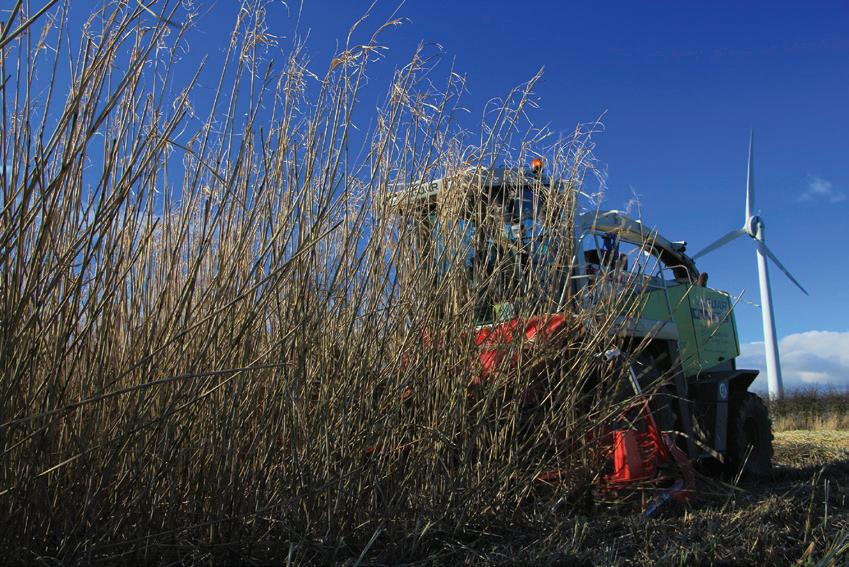
soil is good for yields and climate change mitigation
Dr Amanda Holder
Better nutrient management is helping to improve soil health in
An award-winning grower says reconsidering his crop nutrition choices has helped improve his farm business –and soil health.
Herefordshire farmer John Joseph, of Trecorras Farm, near Rosson-Wye, says better nutrient management on his 100ha holding was key to being crowned Farm Carbon Toolkit Soil Farmer of the Year in 2025.
Soils are mainly sandy loam. The farm, which was purchased in 2013 specialises in seed production and wheat for the Wildfarmed brand. But Mr Joseph says it failed to see proportional returns during the early days after he took it on.
“Our margins were tightening, our yields were very stagnant, if not declining, and our soils were unhealthy.
and getting less return, which was put ting the business in financial uncer tainty.”
Soil biology
Realisation that his current fertil iser application was not delivering, and was detrimental to the soil, fur ther encouraged Mr Joseph to explore regenerative farming practices aimed at repairing the soil biology and im proving efficiency.
“We realised that the soil-applied fertilisers we’d been using were very inefficient and acidic – reducing the health of the soils,” he says. “I didn’t want to admit it, but the cost-to-ben efit ratio was clear.”
Mr Joseph found a solution in re ducing fertiliser application rates and using more targeted, foliar tech niques. “We focused on feeding to the crop need, rather than covering it in a blanket fertiliser application,” he ex

“We started to include multi-min erals and foliar treatments in the pro gramme to spoon-feed the crops, en suring they had access to a range of nutrients to grow robustly and with stand disease and pest threats,” he
Although the upfront cost of target ed fertiliser application can be higher, Mr Joseph says he quickly recognised that the long-term benefits were going to far outweigh the initial investment.
“The efficiency of foliar feeding is much higher, with some products boasting 90-98% efficiency, compared to soil-applied or granular fertilisers, which are often only 60% efficient at best," he explains.
“Essentially, these products were much more cost-effective as I was getting the full value of the nutrients
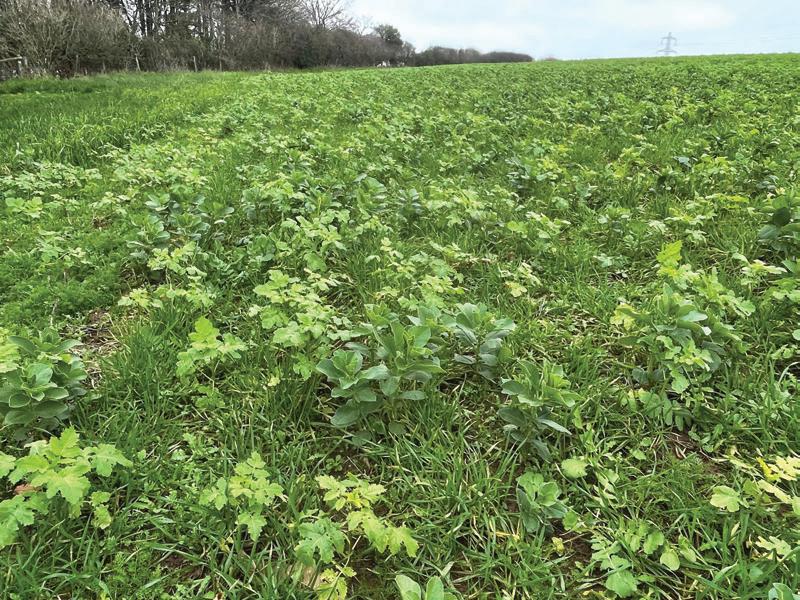
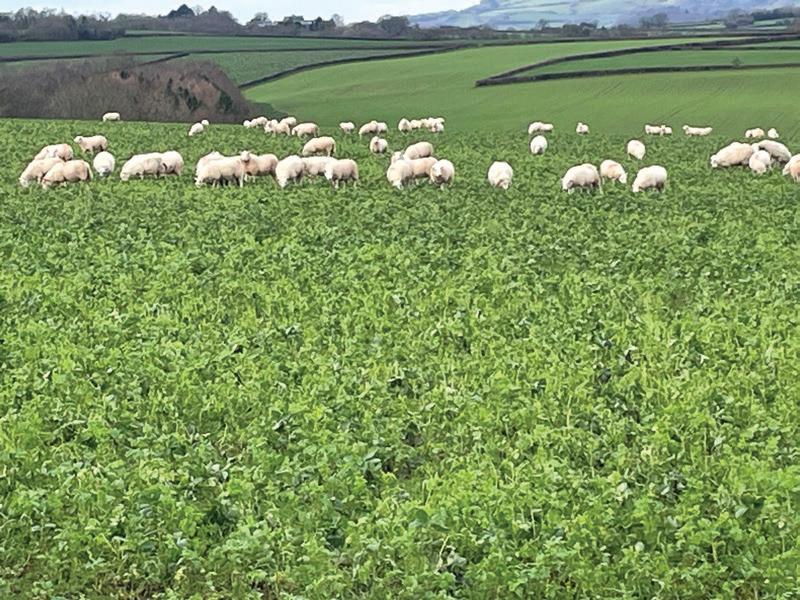

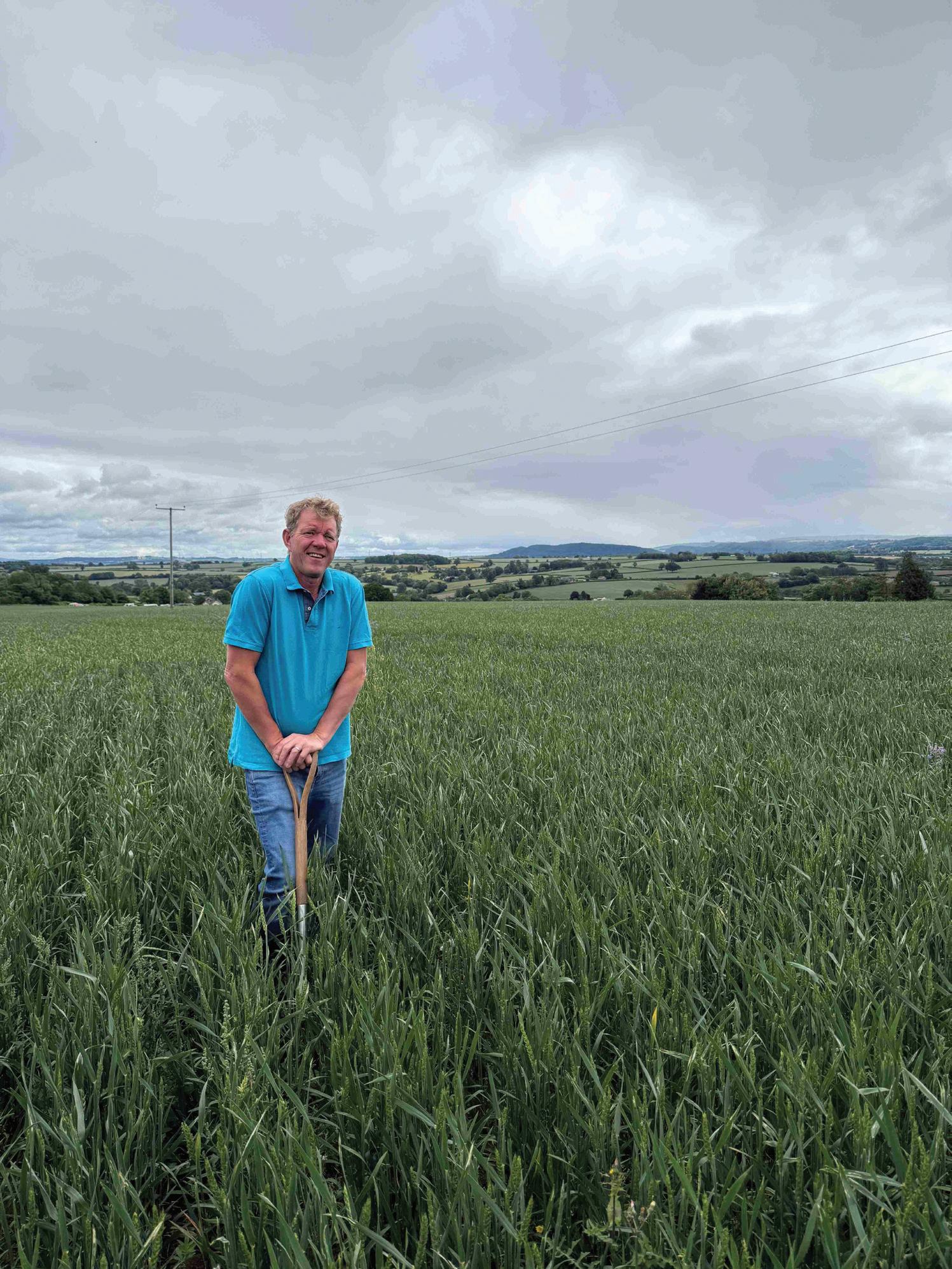
wards precision fertilisation requires more than just technical adjustments – it calls for a change in mindset. Mr Joseph admits this was a challenge, but changes in the fertiliser market helped.
“Moving away from more traditional farming methods was a challenge to begin with, particularly when results weren’t immediate,” he says.
“It went against everything I was taught at agricultural college and
The cost-tobenefit ratio is

costs and learning what blanket fertilisers were doing to the soils definitely helped to shift my mindset.
“I soon learnt that if a plant was nutritionally healthy, and not a wash with nitrogen, it could better withstand disease and pest threats,” Mr Joseph adds.
Growers considering a more targeted approach should consider incorporating it into the latter stages of their plant growth because doing so can have the biggest impact.
“Just do it – you’ll have a much healthier plant and soil as a result,” he says. "The more precise we can be, the more efficient and sustainable farming will become."
Only about 60% of soil-applied nitrogen is taken up by crops. The re-
maining 40% is lost to the wider environment. For farms already facing tight margins and high input costs, that has a direct impact on the bottom line.
The scale of that loss is prompting calls for a shift away from blanket fertiliser strategies towards more targeted approach. And it’s clear that uniform soil application and standard rates fail to reflect field variability or crop demand.
The industry must rethink established practice, says Andrew Sincock, managing director at Agro-Vital. Each unit of nutrient that fails to be used by the crop represents a direct cost to the farmer.
“It’s time for the industry to challenge the norm – not only to optimise crop performance, but to cut avoidable losses and demonstrate responsible nutrient management.”
Agronomy is moving towards closer alignment between nutrient supply and crop need, argues Mr Sincock. “The agronomy sector is progressing towards more targeted fertiliser application to match supply more closely with crop demand.”
Agro-Vital has developed a crop nutrition system that uses soil or sap analysis from individual farms to create tailored fertiliser programmes. The aim is to replace one-size-fits-all field treatment with adaptable formulations based on crop condition.
“Nutrition needs to be done differently,” says Mr Sincock. “Triplex is designed to deliver nutrients precisely where and when they’re needed, offering a practical, rapid and crucially, sustainable solution for farmers.”
The system analyses farm data and generates bespoke foliar blends. Mr Sincock says speed is central to its value. It can create a tailored fertiliser programme in as little as 48 hours, allowing farmers to act quickly and efficiently.
For growers, the business case rests on measurable gains in efficiency and output. That’s why bespoke foliar fertiliser products are delivered on farm in IBC containers, ready to be applied.
“The speed of implementation is crucial, especially during key planting or growing periods, when timely nutrient applications can make a significant difference to crop performance,” says Mr Sincock.
The technology was introduced at the LAMMA Show 2026 and received the IAgrE Ivel Award for overall innovation. Early work in the Netherlands has been followed by initial UK trials ahead of a full operational season in 2026.
The question now is whether improved nutrient use efficiency can translate into stronger margins while meeting environmental scrutiny. If targeted nutrition cuts waste and lifts performance, more growers will make the switch.
Clockwise from sbove left
John Joseph: Focused on feeding to the crop need
Winter wheat with companion of mustard and beans
Anaerobic compost
Grazing with wheat and companion Soil profile, crop of OSR plus vetch and clover Wheat and beans and mustard three weeks after planting













• Resilience drives crop choices
• Highly attractive energy yields
• Good drought-risk mitigation
Seed suppliers report increased interest in fodder beet this spring following a difficult forage season last year.
Fodder beet is appealing to farmers looking to ensure adequate supplies in the event of a repeat summer drought. Once fodder beet gets its roots down, it can be quite drought tolerant, says ProCam agronomist Nick Duggan.
“Although inputs can be quite high, fodder beet does offer a big crop of en ergy,” he says.
“There’s also the flexibility to feed fodder beet to sheep, beef or dairy, and to lift or graze it, although it’s impor tant to ‘wean’ livestock onto it gradu ally, especially cattle, because its high energy content can cause acidosis.”
ProCam has been evaluating the performance of fodder beet varieties over multiple seasons, with on-farm trials conducted in the North and West of the country as well as other locations country wide.
Fodder beet can yield as much as 20 tonnes of dry matter per hectare com pared to stubble turnips yielding about 4-6t DM/ha. And, at around 12.5ME, the energy content of its roots is similar to grass.
Fodder beet offers a big crop of
at harvest by measuring yields, says Nick, with beets lifted and tops and roots weighed separately. Yields per hectare are then calculated, corrected for %DM.
“Also at harvest, each variety is assessed for disease resilience, and for the amount of root protruding above the soil. More root protruding is helpful if grazing. If lifting beet, you want more root in the ground for protection from frost.
“Agronomically, we encourage all farmers to keep the tops as healthy
programme. As well as helping to protect roots from frost, a healthy canopy helps sustain the crop into winter.”
In addition to evaluating varieties, ProCam also evaluates the performance of primed seed – available with certain fodder beet varieties. Pre-germinated for faster emergence, it tends to produce more uniform plants at the cotyledon stage.
“Faster establishment, in turn, helps with weed suppression, and once fodder beet reaches 12 leaves, it becomes more tolerant to virus yellows.
“Plus, primed seed can deliver higher yields. Results can vary, but in five years of trials on the variety Geronimo we saw a yield uplift of approximately 1.5t DM/ha from Active Boost primed seed compared with con

But farmers must farmers grow the right varieties for their situation.
“We test a range of varieties,” says Mr Duggan. “These range from low DM beets for grazing, to high energy types for lifting and chopping for livestock, or for use in anaerobic digestion (AD) plants.
Procam typically tests about 20 or so varieties annually in replicated trial plots, with 4-5 new varieties included each year. Many of the established varieties have been in the trial for maybe six years, so new varieties can be robustly benchmarked.
Assessments begin with variety emergence and vigour, and conclude
The application window for the next round of the Farming Equipment and Technology Fund (FETF) opens on 17 March.
A total of £50 million will be available to farmers, growers, foresters and their contractors to invest in equipment and technology – largely focusing on livestock production.
Funding is split across 3 themes: £20m for farm productivity, £20m for animal health and welfare; and £10m for slurry management. Famers can apply for grants towards the cost of equipment from an approved list of 290 eligible items.
Grants range from £1,000 to £25,000 per theme. Farmers can apply for items under more than one theme, up to a combined maximum of £75,000. Defra will pay a proportion of the cost of each item.
There are over 100 animal health and welfare items available in this round. Farmers can apply for a grant towards any of them. Items include ventilation equipment such as fans and chimneys to improve airflow in housing. For full details and application guidance, visit bit.ly/FETF2026




• Bio oil fired heaters

• Oil and gas fired cabinet heaters
• Suspended oil and gas fired unit heaters
• Portable and mobile heaters
• Electric heaters
MAIN OFFICE: 02476 357960
SALES CONTACTS: Andy Wallis 07850 988382 andy@thermobile.co.uk | John Hall 07775 635527 john@thermobile.co.uk WEB: www.thermobile.co.uk
Advert.pdf 1 23/02/2026 10:43
• High-starch, high digestible fibre, pelleted feed
• Maintain body condition at lush grass
• Optimise rumen function - firmer dung
• Improve protein utilisation and increase output £/ha
• Increase DLWG/ha





















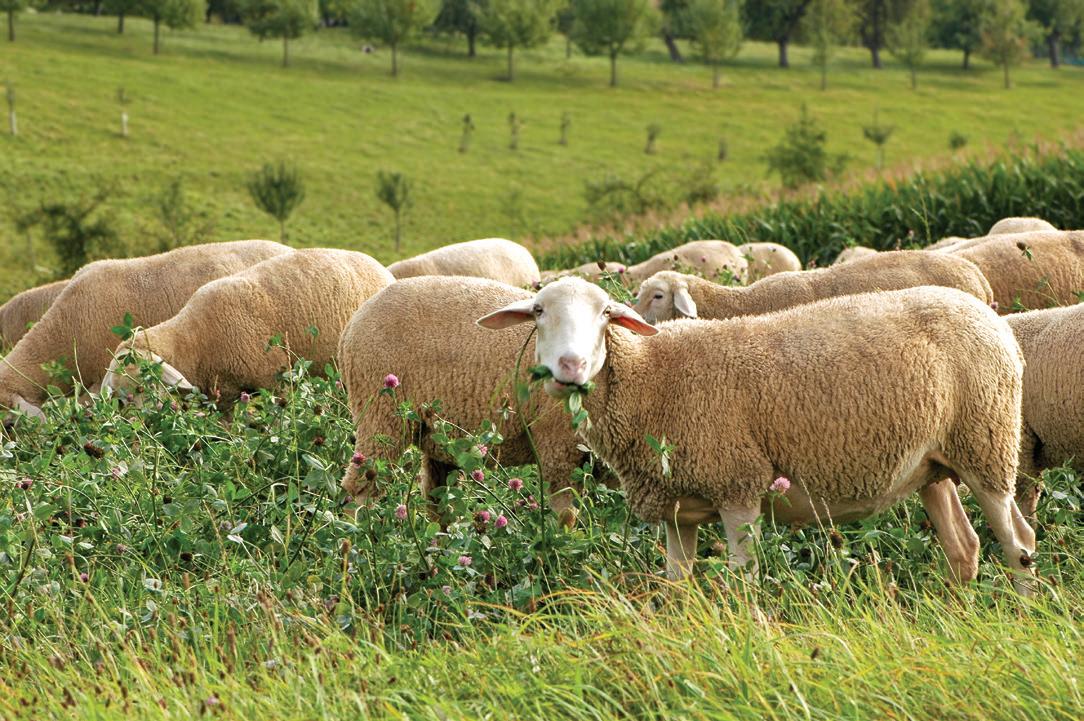
• Trial cuts reliance on nitrogen
• Clover crop targets emissions
• On-farm data shows promise
An innovative project to reduce emissions from livestock farming is yielding promising results, say researchers.
Scientists from Aberystwyth University are working with Pilgrim’s Europe to eliminate the UK’s dependence on applied nitrogen fertilisers in grassland by using three specially developed legume species.
Funded by Defra and Innovate UK, the Nitrogen Utilisation Efficiency of Legumes (NUE-Leg) project project combines scientific research with on-farm trials and knowledge transfer among farmers and food industry leaders.
Christina Marley, who leads the Agricultural Systems Research Group at Aberystwyth University, is trialling red clover, hybrid white clover and Birdsfoot Trefoil to address specific challenges in sustainable grassland management.
A specific objective of the project is to enable farms to use clover and fix up to 300kg of nitrogen per hectare per year. The project includes testing clo-
Specially-bred red clover is among three legumes being trialled
ver varieties in real farm conditions to identify the best performers.
Daniel Owen, lamb supply chain development manager at Pilgrim's Europe, said: “The aim of this trial is to reduce inorganic nitrogen requirements while boosting productivity and cutting on-farm emissions.”
Results so far are promising. “Our ultimate ambition is to enhance business productivity and profitability, while strengthening sustainability credentials and supporting producers in meeting their future environmental commitments.”
Dafydd Parry Jones, organic beef and sheep farmer at Maesllwyni, a trial farm who has supplied Pilgrim’s Europe lamb for over 20 years, said: “Being part of the NUE-Leg project has been a real eye-opener.
A UK-produced forage fibre feed ingredient can help to reduce the carbon footprint of milk, suggest independently verified figures.
Nutritionally-improved straw (NIS) has been added to the Global Feed Lifecycle Analysis Institute (GFLI) database with a carbon dioxide equivalent value of just 177kg/t CO?e.
The carbon footprint of animal feed is under growing scrutiny. Feed remains one of the largest contributors to the overall carbon footprint of milk production, making ingredient choice
The NIS carbon value compares favourably with commonly used imported fibre ingredients – such as palm kernel and soya hulls – which are typically imported and carry higher emissions linked to transport and land use.
David Cubitt, director of UK feed manufacturer Sundown Products, said inclusion of NIS in the GFLI database underlined the potential of UK by-products to reduce the carbon footprint of milk production.
“One of the biggest carbon impacts in the production of milk comes from feed,” said Mr Cubbitt. “If you include low-carbon ingredients in that feed,
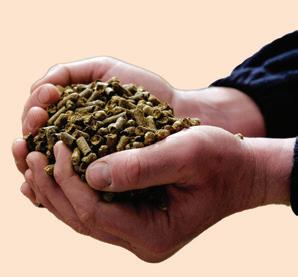
The aim is to cut inorganic nitrogen requirements
“It’s not just about trials in a field – it’s about finding solutions that work for farmers day-to-day, helping us build more resilient, productive systems that are better for the environment too.”
Pilgrim’s Europe is also helping to breed more efficient maternal sheep with a naturally lower carbon footprint. It believes this will help to reduce agricultural emissions, enhance soil health and builde resilience across its UK supply chain.
“This should give confidence to dairy processors supplying supermarkets who are increasingly looking to reduce their carbon footprint, without raising prices for consumers,” he says.
Beyond its carbon credentials, NIS buffers the rumen more effectively than seed coat fibres, and enables higher levels of starch and sugars to be fed. In turn, this can improve protein utilisation and ultimately reduce protein usage per unit of output
This is particularly relevant in grazed and grass silage based dairy systems, says Mr Cubitt.

Banning livestock from upland areas could threaten the longterm storage of stable soil carbon, say scientists.
Grasslands hold around one third of the world’s terrestrial carbon. Responsible grazing has an important role to play in sustainable land management, according to the study by researchers at Manchester University.
Environmental groups have long argued for sheep to be taken off the hills. Instead of being used for grazing, they believe upland areas should be planted with trees or rewilded and returned to nature.
Balanced grazing is important in upland areas
But supporters of grazing argue that sheep have a vital role in the environmental management of some of England’s most iconic landscapes – as well as providing a key source of lambs for lowland producers.
While grazing exclusion can increase short-lived plant carbon above ground, it can also lead to lower levels of durable, mineral-associated organic carbon in soils – a form of carbon seen as crucial for long-term climate change mitigation.
National Sheep Association chief executive Phil Stocker said: “Proposals to remove livestock from long-es-
tablished grazing systems are increasingly being put forward as a large-scale
“This evidence, alongside other research, implies there are alternative management strategies for achieving climate targets, which should be considered in environmental policy and
Results recently shared from a Forage for CH4nge project in the Yorkshire Dales National Park underscore how upland sheep systems, traditional breeds and pasture management can contribute to climate-smart
NSA project manager Nicola Noble said the findings complemented the active Grazing for Good project in the Lake District and surrounding areas of Cumbria which reinforced the importance of balanced grazing in up-
Evidence from the Manchester study, Forage for CH4nge and the Grazing for Good project would further enhance the critical need for sheep farmers and their grazing flocks as key allies in delivering climate-resilient land management.
“These systems also deliver a plethora of other public goods alongside the production of protein-rich food and sustainable fibre," said Ms Noble.
The NSA said it would continue to encourage sustainable upland farming practices. Properly managed sheep grazing could maintain long-term soil carbon stocks while contributing to the sector’s net-zero goals, it added.
Calves are failing to achieve adequate passive transfer of immunity – even when colostrum quality appears good, suggests a study.
More than three-quarters of calves tested in a seasonal-calving dairy herd had inadequate passive immunity – despite colostrum testing at the recommended 22% Brix or above. All calves later developed scours.
Authored by Ryan Davies of Veterinary Technical Consulting and Dr Katie Denholm of Glasgow University, the study highlights the importance of testing calves for passive transfer using blood samples before they are seven days old.
The findings – from a herd in Northern Ireland – are particularly relevant for herds investing in dry cow vaccination, which provides antibodies in the colostrum to reduce clinical signs of diarrhoea caused by C. parvum bacteria.
This is because even when vaccine-derived antibodies are present in colostrum, calves
will not benefit if absorption fails. The findings support the Royal Veterinary College findings which found failure of passive transfer in more than one in four UK herds.
The latest results were reported in the Vet Record. Dr Davies said: “It can often be a case of farmers jabbing the dry cows and thinking the job is done, and when they then see diarrhoea in calves, they assume the vaccine isn’t working.”
“As the case study in our paper has shown, that wasn’t the case at all. Calves were still getting scours, despite being vaccinated, as a result of inadequate colostrum management protocols.
In response, the Northern Irish farm introduced earlier feeding, so all calves were fed within 30 minutes of birth, colostrum enrichment using whole bovine colostrum powder to standardise quality.
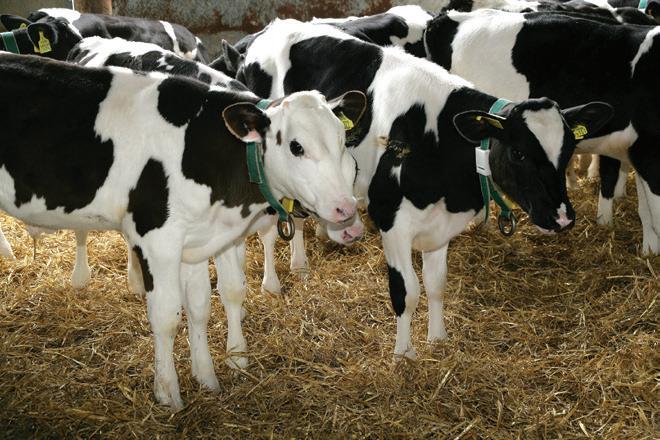
Extended colostrum feeding was undertaken using whole bovine colostrum powder for the first 10 days of life. This offers local
Good colostrum needs to be properly absorbed
gut health benefits even after antibody absorption declines – although good hygiene is a critical factor.





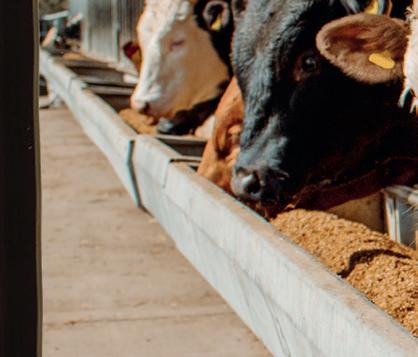






Drive
Maximise
Flexible
Wide







See us at Agri Expo -March 7th






See us at Agri Expo -March 7th •INDUSTRIAL,



NTERNAL OR EXTERNAL
•STEEL FIXING
RUSH, TAMP OR POWER
FLOATFINISHES
•FOUNDATIONS
POULTRYUNITS AND STABLE YARDS
• POULTRYUNITS AND STABLE YARDS
• POULTRYUNITS AND STABLE YARDS


MATERIAL ADVICE AND COSTING
• MATERIAL ADVICE AND COSTING
MATERIAL ADVICE AND COSTING
•SILO BASES
•SILO BASES
•SILO BASES
Wisbech, Cambs
PRONS &SHED FLOORS
RONS &SHED FLOORS
•APRONS &SHED FLOORS •ANAEROBIC DIGESTION TANK BASES
•ANAEROBIC DIGESTION
NAEROBIC DIGESTION TANK BASES
TANK BASES
•GRAIN, POTATO& MACHINERYSTORES
•GRAIN, POTATO& MACHINERYSTORES •PATHS, PATIOS AND DRIVEWAYS
•GRAIN, POTATO& MACHINERYSTORES
•PATHS, PATIOS AND DRIVEWAYS •GROUNDWORKS & PREPARATION
•PATHS, PATIOS AND DRIVEWAYS
•GROUNDWORKS & PREPARATION
& PREPARATION





Suckler cows at Craigens Farm, Argyllshire
a profitable terms of overall calf margin. They included some cows which Mr Archbald had previously thought were borderline performers.
The B herd – the lower ranking females who are less suited to the system so may need more feed or winter housing – will be put to a terminal sire to produce store calves. The split approach means the herd can be improved without losing too many females.
Ms Shaw said: “The main aim with this project was to develop a tool for starting to look at profitability. Tools like this can often grow arms and legs, but we wanted something which required minimal data input. It will work for all suckler systems.”
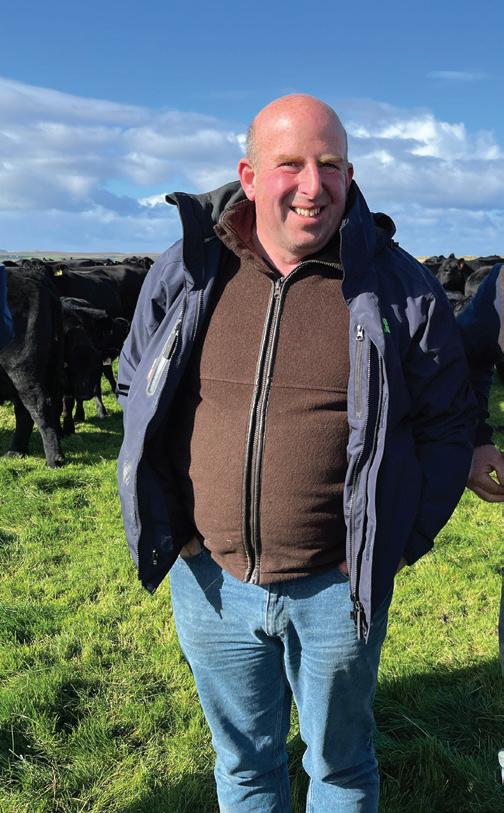
It feels like it’s been raining all year with many flocks still battling the consequences of an exceptionally wet winter – and it’s shaping both ewe condition and forage stocks, writes Nerys Wright.
Huge variations in scanning percentages have been reported in March and April lambing flocks – especially in younger ewes, with many shearlings already under pressure following last summer’s drought.
For flocks heavily reliant on grass to build condition in the autumn and early winter, saturated soils and low dry matter (DM) feeds have made that uphill struggle even steeper.
Energy requirements
The wetter the forage, the less dry matter ewes can physically consume. Lush winter grass or wet silage might look plentiful, but ewes simply can’t eat enough of it to meet their energy requirements.
Intakes are restricted by rumen capacity, not motivation. This means that even where grass covers look reasonable



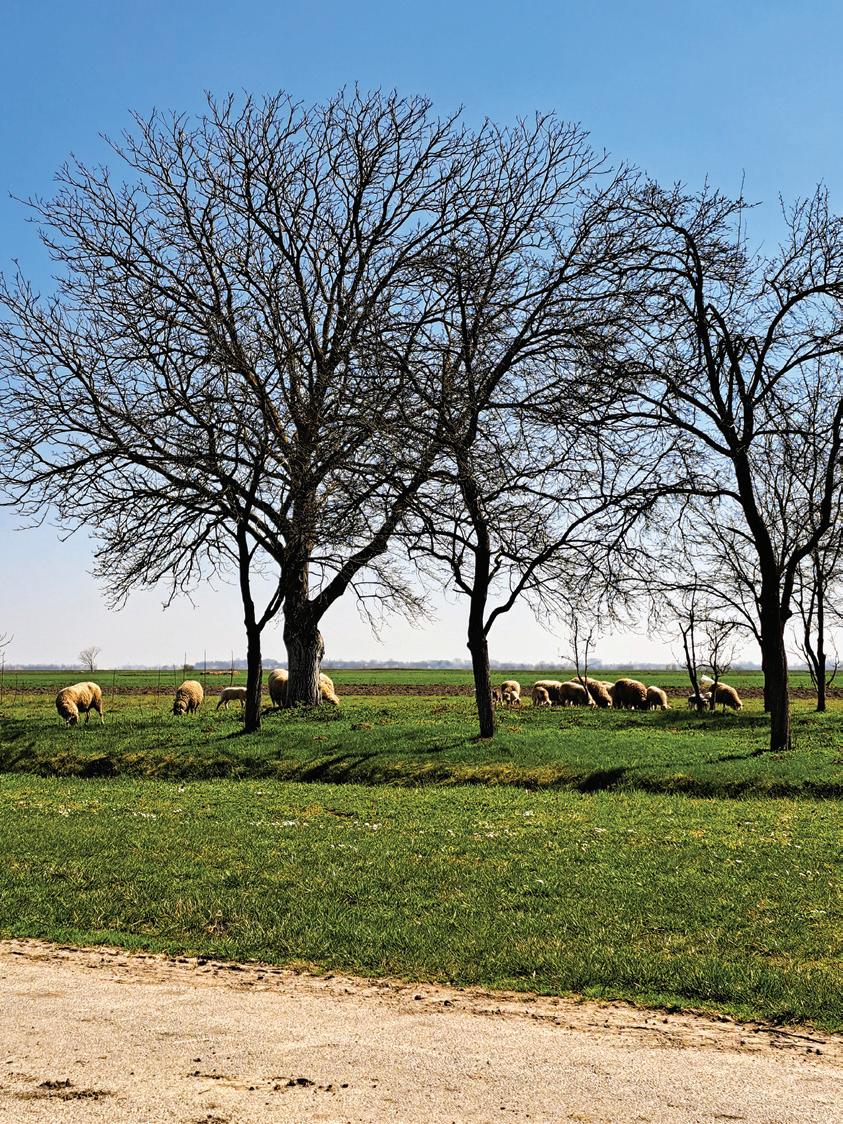





On farm trials suggested treating pigs with in-water peracetic acid (PAA) can support gut health, tackle scours and reduce reliance on antibiotics.
The UK pig sector has already reduced antibiotic usage by 75% over the past decade. But new tools are needed following the ban on zinc oxide and growing concern about antimicrobial resistance, says Adrian Fellows, of R&D company Aga2Tech.
Supported by the UK Agri-Tech Centre, the trials have been conducted in collaboration with the Yorkshire Farmers cooperative, on two bed-andbreakfast pig units in Yorkshire. The follow positive results in commercial poultry trials.
Tested across multiple batches of pigs, the trials involved administering a precise dosage of 2% of Peranan concentrate, giving up to 150ppm PAA via the water system, starting just after weaning and continuing through the early stages of growth.
“The initial results have been very encouraging, with improvements in several key areas,” says Mr Fellows.
A marked reduction in scours was observed especially during the weaning phase. Treated pigs on PAA had much firmer stools compared to un
The water system was used to deliver peracetic acid – with
treated pigs – a huge win in terms of their overall gut health, he adds.
“As a result, the trial farms were able to reduce or even eliminate the use of blanket antibiotics during the weaning phase – presenting a real cost-saving for farmers, and a big step forward in helping tackle the problem of antimicrobial resistance.”
PAA had drier and cleaner bedding, with less build-up of wet litter – not only improving the pigs' living quarters – but improving the work environment for the farmer.
Pigs also seemed calmer and quieter. “We observed fewer stress-related issues like tail biting, which is crucial because a reduction in stress means fewer health problems and less risk of infections that can spread in a stressed environment.”
Mr Fellows added: “As the industry faces growing pressure to reduce antibiotics, we believe PAA can offer a practical, cost-effective, and sustain-
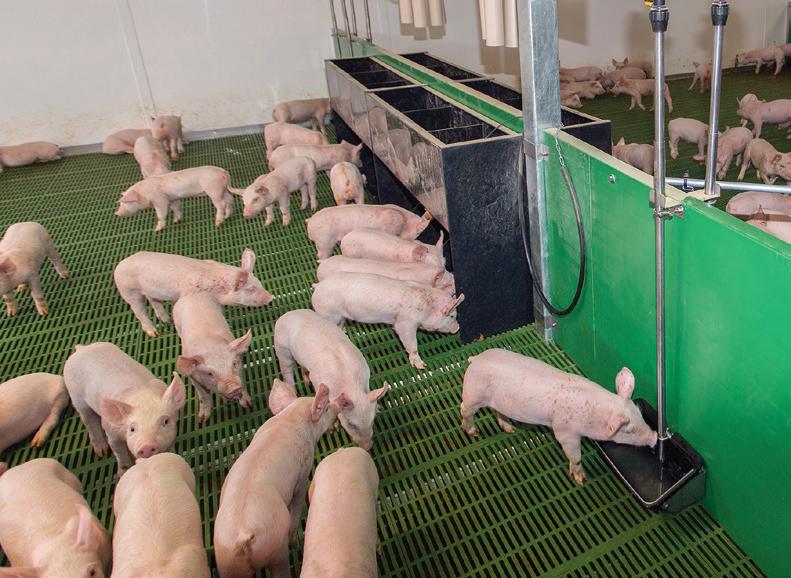
Tributes have been paid to Essex turkey producer Derek Kelly, who died aged 95 at his home in Danbury.
Credited with restoring the traditional bronze-feathered turkey – with its widely acclaimed flavour – to the Christmas table, Derek and his wife Mollie founded Kelly Tur keys in 1971. Today, the KellyBronze is one of the most successful turkey brands.
Although Derek stepped back from lead ing the company almost 20 years ago, he con tinued to play a lifelong role in the UK poul try industry and was recently honoured by recognition in its UK Hall of Fame.
It was a different story in the early days: white-feathered turkeys dominated the market and the Kellys were hatching dayold poults for farmers around the country and producing Christmas turkeys for their own customers.

With over 20 years in the solar trade we can help you with your energy needs.

As farmers grapple with rising energy costs, DNB Electrics is leading the charge in making solar energy an affordable, practical solution. Their solar panel installations on farm buildings are delivering returns on investment in as little as two years – a game-changer for local agriculture.
DNB Electrics takes their time to understand each farm’s needs, ensuring systems are tailored for seasonal energy demands and future growth. Installations are quick and cause minimal disruptions; keeping farmers focused on their core business.
The benefits go beyond just savings. Solar energy reduces farms’ carbon footprints, help meet environmental standards, and demonstrates a commitment to sustainability – all while turning unused roof space into a revenue generator.


If you are looking for a way to cut costs, improve sustainaibility, and take control of your energy future, contact Dave Bullett at DNB Electrics for a no obligation quotation.

Your barn roof might just be your farm’s most valuable asset yet.
dnbelectrics@gmail.com | 01284 706932 | 07798 790695
The Granary, Sir Johns, Hengrave, Bury St Edmunds, Suffolk, IP28 6NB

As UK farming businesses navigate rising costs, complex sustainability regulations, and volatile market conditions, the need to diversify income streams has never been more pressing. With external pressures already unpredictable, leaving energy supply to chance exposes farms to avoidable financial risk.



to avoid peak tariffs, improve return on investment and strengthen operational resilience; an increasingly attractive proposition for CapEx constrained or Opex intensive businesses.
Ground mounted solar arrays remain a strong diversification option for many farms, but with public sentiment concerning the use of agricultural fields for anything but farming, and increasingly challenging development hurdles such as planning conditions and grid constraints, they aren’t always viable. This makes existing buildings and under-used spaces an increasingly attractive alternative for renewable generation. By turning rooftops, storage units and ancillary structures into productive assets, and complementing them with technologies such as roof-mounted solar arrays, solar vehicle ports and energy storage, businesses can unlock new income potential while maximising the value of every acre.
As the agricultural sector electrifies, energy demand across farms is increasing. Farm vehicles, machinery, irrigation and other systems are all moving away from diesel, heightening the need for consistent, resilient power sources. This shift creates an opportunity: investing in renewable energy cuts operational costs and introduces an additional revenue stream.
Solar solutions can be tailored to different farming businesses and infrastructure. Roof mounted arrays allow producers to harness real estate to drive energy savings without compromising productive land. Carports and agri voltaic systems offer dual use models that integrate energy generation with day to day operations or crop production, helping farms extract maximum value from unused or multifunctional spaces.

Beyond generation, smart technologies such as battery energy storage systems (BESS) support farms during high demand periods by storing solar or off peak grid power for later use. This enables producers

With flexible financing models, including power purchase agreements, solar diversification becomes a realistic pathway for farms looking to stabilise costs while investing in long term sustainability. As agri businesses adapt to economic and environmental pressures, renewable energy stands out as a diversification strategy that supports the balance sheet.


To explore how renewable energy can strengthen and diversify your farming business, visit www.renenergy.co.uk. You can also meet the RenEnergy team at www.thecerealsevent.co.uk, Stand #232, where they’ll be sharing insights throughout the event. Don’t miss their seminar, The Challenges + Opportunities of Electrification, taking place at 10am on Wednesday 10th June on the Seed to Shelf Stage.




• Farmland supply shrinks sharply
• Valuations slide across region
• Premium farms defy downturn
Fewer than 17,500 acres of farmland were publicly marketed in the East of England last year –a drop of 16% which was accompanied by a fall in values.
Overall, a total of 17,378 acres of farmland were publicly marketed across the eastern region, according to the latest survey by land agents Savills. At the same time, prime arable land values dropped by an average of 4.4%.
Essex topped the region (4,982 acres sold), followed by Cambridgeshire (4,493 acres), Bedfordshire (2,882 acres), Suffolk (2,290 acres),
The farmland market remains variable across the eastern region
Inset Jamie Elbourn: economic headwinds
Norfolk (1,515 acres) and Hertfordshire (1,216 acres).
Taken together, the eastern counties accounted for 15% of all farmland sold in England.
Average prices dropped by 4.4% to an average of £9,481 an acre, compared to £9,914 for the 12 months before.
Grade 3 arable land is trading at an average of £9,109 an acre – a drop of 1.9% compared to 12 months previously, while the average value for ‘all types’ of farmland sits at £9,952 an acre (compared to £9,290 12 months ago).
Jamie Elbourn, an associate in the rural agency team for Savills in Essex, said: “Overall the UK witnessed a 12% drop in farmland coming to the market in 2025 – so the figures are not unexpected.
Farmland values are expected to remain robust in the coming months as the market steadies following two years of uncertainty.
Oliver Carr, who leads the rural agency team for Savills in Cambridgeshire, said: “We expect values to remain broadly firm through the next two years before entering a phase of steady growth as policy clarity improves and profitability prospects stabilise.

land for sale it’s mostly been due to one or two larger sales, or here in Essex we have continued to see a regular stream of smaller scale farming units coming to the market.”
While commercial pressures had resulted in a drop in average values, there remained large variations based on locational factors, said Mr Elbourn.
“Best in class farms that are in good order continue to command a premium – with parts of the region achieving values in excess of £12,000 an acre. There continues to be a lot of variation. Prices varied according to location, soil type, quality of buildings and the presence – or absence – of good infrastructure. The buyer pool also reduced, although those who are still looking remain very committed, in part due to the lack of supply.
“We continue to see strong interest from those seeking to benefit from capital gains tax rollover relief and institutional and corporate buyers, as well as growing interest from natural capital led purchasers.”
Nationally, the UK witnessed a 12% year-on-year fall in publicly marketed farmland to 165,000 acres across 882 properties in 2025. Average farmland values meanwhile dipped by around 1%.

•
•
•
A10-year government plan for farmers aims to reduce the damaging impacts of deer on trees and woodlands.
One-third of England's woodlands are believed to be affected by deer damage. Excessive browsing and trampling is preventing young trees from establishing, degrading habitats, and damaging crops.
Streamlined processes to enable faster action – including changes to night shooting and close season licensing, will allow land managers to protect crops, timber and habitats, says the government.
Without urgent action, Defra says deer damage risks undermining woodland creation, nature recovery and domestic timber production. It says grants and licences will help farmers combat the problem.
Current management approaches have not kept pace with rising impacts, says Defra. There is a need to reduce reliance on fencing and tree shelters and increase effective, active deer management at landscape scale.
"Our trees and native wildlife are under huge strain,” said Defra minister Mary Creagh. “This government is
helping landowners and farmers man age deer impacts more effectively so woodlands can flourish and crops are better protected.”
The package of measures includes dedicated deer officers to provide clear er, more accessible advice and coordina tion. Grant funding will support effec tive deer management activity.
Non-native deer are seen as a key part of the problem. Three of the six deer species present in England are invasive non-native, further intensifying pressure on sensitive environments.

Forestry Commission chief executive Richard Stanford said deer damage was one of the biggest negative impacts on trees and woodlands.
“Action has been long-overdue and these welcome measures will give land managers the tools they need to reduce pressures from excessive deer browsing to protect trees and restore biodiversity in our woodlands.
"This will help trees, and other plants to thrive, enable nature to recover and provide much needed habitat for woodland birds and other wildlife. We can all help in this endeavour by eating wild venison, the most climate-friendly red meat there is."
Support for the domestic wild venison market will help to offset the costs of managing deer impacts by lethal control – including supporting the British Quality Wild Venison Standard to boost consumer confidence.
The government says it will also support research to improve the effectiveness and efficiency of managing deer impacts, including the use of drone surveying to identify national priority areas and target action at a landscape scale.
Making it easier for foresters, farmers and land managers to reduce deer damage, allowing woodlands to recover and thrive. This will benefit woodland wildlife species and support the government's wider nature recovery goals.
Rural landlords with rental properties are being urged to prepare for new legislation that aims to raise the energy efficiency of privately rented homes.
As part of its Warm Homes Plan, the government recently confirmed that the majority of privately rented residential properties must have a minimum Energy Performance Certificate (EPC) rating of C or above by October 2030.
An EPC outlines how energy efficient a property is – rated from A (the most efficient) to G (the least efficient). But buildings that rely on gas or fossil fuels as their primary heating source are unlikely to reach the new target, says land agents Savills.
can be used to maximise efficiency.
EPCs issued under the old system will still be valid until their expiry date. But eligible properties that fail to comply could face a fine of up to £30,000 – although there are exemptions relating to cost, third party restrictions and works already completed.
Amber Whelan-Jones, associate in the rural management team at Savills in Cam-
Levels of insulation, window quality and whether the property is airtight will be looked at, alongside either the heating system of the home or alternatively how smart technology Continued on p60


Hire Purchase Finance Lease Contract Hire Loans
We are Agrilend – where others fail, we succeed


Amber Whelan-Jones from Savills says rural landlords and estate managers should prepare now for sweeping changes to the residential rental sector
The residential rental sector in England is undergoing significant change – with a raft of measures on the horizon that could impact rural landlords and estate managers
From 1 May this year the first phase of the Renters’ Rights Act comes into force, spelling the end of Assured Shorthold Tenancies (ASTs) and ‘no fault’ evictions
Instead, agreements will roll from month to month with no fixed end date, and landlords must meet specific grounds for regaining possession
Among other changes, increases in rent will only be allowed once a year and any rise must be in line with local market conditions Pets also cannot be unreasonably refused, while later this year all landlords will have to register on a Private Rented Sector database

Launched in 2023, G&V Tait has become the leading firm of professional valuers and consultants dedicated to the pig industry. We deliver precise, impartial assessments backed by RICS quality standards
Launched in 2023, G&V Tait has become the leading firm of professional valuers and consultants dedicated to the pig industry. We deliver precise, impartial assessments backed by RICS quality standards
Launched in 2023, G&V Tait has become the leading firm of professional valuers and consultants dedicated to the pig industry. We deliver precise, impartial assessments backed by RICS quality standards
Launched in 2023, G&V Tait has become the leading firm of professional valuers and consultants dedicated to the pig industry. We deliver precise, impartial assessments backed by RICS quality standards
Launched in 2023, G&V Tait has become the leading firm of professional valuers and consultants dedicated to the pig industry. We deliver precise, impartial assessments backed by RICS quality standards
Launched in 2023, G&V Tait has become the leading firm of professional valuers and consultants dedicated to the pig industry. We deliver precise, impartial assessments backed by RICS quality standards
Pig farm valuations - sector-specific insight of over 15 farms to date
Pig farm valuations - sector-specific insight of over 15 farms to date
Launched in 2023, G&V Tait has become the leading firm of professional valuers and consultants dedicated to the pig industry. We deliver precise, impartial assessments backed by RICS quality standards
Pig farm valuations - sector-specific insight of over 15 farms to date
Pig farm valuations - sector-specific insight of over 15 farms to date
By the final phase of implementation, all properties will have to comply with the Decent Homes Standard and tenants will have access to a new private rented sector landlord ombudsman
Separately, the government has also confirmed plans to improve the energy efficiency of privately rented homes – with all properties having to obtain a minimum Energy Performance Certificate (EPC) rating of C or above by October 2030
Pig farm valuations - sector-specific insight of over 15 farms to date
Equipment and livestock valuations - valuing over £16m in pig-related assets
Although there are exemptions – and current EPCs will still be valid until their expiry date –those with eligible properties that fail to comply could face a fine
Pig farm valuations - sector-specific insight of over 15 farms to date
Equipment and livestock valuations - valuing over £16m in pig-related assets
Equipment and livestock valuations - valuing over £16m in pig-related assets
Pig farm valuations - sector-specific insight of over 15 farms to date
Equipment and livestock valuations - valuing over £16m in pig-related assets
Used equipment brokerage - £70,000 in used equipment transacted to date
Equipment and livestock valuations - valuing over £16m in pig-related assets
Used equipment brokerage - £70,000 in used equipment transacted to date
Now is a good time for rural landlords and estate managers who have rental properties to review existing tenancy agreements, and where necessary seek professional advice
Equipment and livestock valuations - valuing over £16m in pig-related assets
Used equipment brokerage - £70,000 in used equipment transacted to date
Equipment and livestock valuations - valuing over £16m in pig-related assets
Used equipment brokerage - £70,000 in used equipment transacted to date
Used equipment brokerage - £70,000 in used equipment transacted to date
On -farm auctions - two retirement auctions successfully completed
On -farm auctions - two retirement auctions successfully completed
Used equipment brokerage - £70,000 in used equipment transacted to date
On -farm auctions - two retirement auctions successfully completed
Used equipment brokerage - £70,000 in used equipment transacted to date
On -farm auctions - two retirement auctions successfully completed
On -farm auctions - two retirement auctions successfully completed
Whether you're buying, selling, or managing your pig farming assets, G&V Tait is here to provide the expert support you need.
On -farm auctions - two retirement auctions successfully completed
Whether you're buying, selling, or managing your pig farming assets, G&V Tait is here to provide the expert support you need.
On -farm auctions - two retirement auctions successfully completed
Whether you're buying, selling, or managing your pig farming assets, G&V Tait is here to provide the expert support you need.
Whether you're buying, selling, or managing your pig farming assets, G&V Tait is here to provide the expert support you need.
It’s also an opportunity to establish the energy performance of any rental properties so that future improvements can be budgeted and work completed in good time Depending on the age and listed status of the property, some work may need planning permission and it could be necessary to notify your insurer
Ultimately, preparing early should pay dividends in the long run – helping to manage cashflow and expenditure
Whether you're buying, selling, or managing your pig farming assets, G&V Tait is here to provide the expert support you need.
Contact us today to discuss the requirements of your pig farming business.
Whether you're buying, selling, or managing your pig farming assets, G&V Tait is here to provide the expert support you need.
For more information, please contact:
Contact us today to discuss the requirements of your pig farming business.
Contact us today to discuss the requirements of your pig farming business.
Whether you're buying, selling, or managing your pig farming assets, G&V Tait is here to provide the expert support you need.
Tel: 07900 605349
Tel: 07900 605349
Contact us today to discuss the requirements of your pig farming business.
Email: info@gandvtait.com
Contact us today to discuss the requirements of your pig farming business.
Tel: 07900 605349
Website: www.gandvtait.com
Email: info@gandvtait.com
Tel: 07900 605349
Contact us today to discuss the requirements of your pig farming business.
Website: www.gandvtait.com
Email: info@gandvtait.com
Tel: 07900 605349

Contact us today to discuss the requirements of your pig farming business.

Amber Whelan-Jones Rural Management 07866 203413 amber whelanjones@savills com savills co uk
Email: info@gandvtait.com
Website: www.gandvtait.com
Tel: 07900 605349
Website: www.gandvtait.com
Email: info@gandvtait.com
Tel: 07900 605349
Website: www.gandvtait.com
Email: info@gandvtait.com
Email: info@gandvtait.com
Website: www.gandvtait.com
Website: www.gandvtait.com
Reviewing agreement terms, including sensible break clauses, could help unlock farm investment, says John Barrett
Listening recently to Minette Batters talk about the investments she has been able to make to grow and devel op her own lifetime tenancy made me ques tion ‘how viable is it to invest under a shortterm agreement?’
With an estimated 468,000 hectares now farmed under “other agreements”, includ ing contract farming agreements (CFAs), ac cording to Defra in 2025, this is not a niche issue. If meaningful investment isn’t pos sible, how can a farming business genuine ly succeed and thrive?
We are seeing more longer-term contracts be ing negotiated. In the pig sector, Pilgrim’s has recently advertised 20-year contracts; poultry broiler units typically come with at least a 10-year agreement; and the Crown Estate has launched 10-year environmental farm business tenancies.

The motivation behind these longer terms is clear: to drive investment. That may be capital investment in machinery or buildings, or longer-term management practices that support crop performance, livestock productivity or soil health. There is growing recognition that willingness to invest is un
poultry and sugar beet - has continued to rise. That progress has been driven by investment: in breeding, health, welfare, land management, machinery, and attention to detail. The same principle applies to arable farming. Investment also needs to include people. Yet if you’re operating on a three-year contract, what incentive is there to invest in the teams and skills required to deliver sustained improvements?
structure - grain stores, chemical stores or reservoirs - and use that scale to support multiple CFAs. But those investments need time to pay back. Longer-term agreements are far more likely to deliver a fair return.
There is no single “right” agreement length. But it is worth questioning whether three years genuinely works for either party. Reviewing agreement terms, including sensible break clauses, could unlock the in


Chartered Surveyors, Auctioneers, Valuers, Land and Estate Agents since 1792 March 01354 602030 | Wisbech 01945 428830




WITH OVER 150 YEARS OF EXPERIENCE IN THE EASTERN COUNTIES OFFERING E PERTISE AND PROFESSIONALISM IN ALL RURAL SECTORS
• Agricultural Farm, Estate and Land Sales and Lettings
• Estate Management
• Agricultural Tenancy Advice
• Farm Machinery and Specialist Sales
• Basic Payment Scheme
• Country Side Stewardship Scheme
• Professional Valuations

• AMC Agents


News that bio-tech giant Bayer has offered £5.35 billion to definitively resolve a legal battle in the USA over glyphosate has propelled the controversial weedkiller into the headlines once again. It comes amid a series of lawsuits over whether glyphosate has caused cancer. Bayer maintains that its product is safe. It has so far resolved more than 130,000 claims but still faces 65,000 others.
Glyphosate is a key product for many growers. It is a cost-effective broad-spectrum herbicide. It is also used as a dessicant and important harvest aid. Farming without it is not something many growers would relish.
We are still allowed to use glyphosate in the UK. It remains approved for use until 15 December 2026, after ministers extended its authorisation to give regulators time to review new data..
The Health and Safety Executive is due to launch a major public consultation ahead of a final approval decision on the renewal of glyphosate’s licence expected during the fourth quarter of 2026. Arguments over whether the licence should be renewed are divisive. Some believe it should be banned. Others believe it is a vital weapon against weeds and must remain. Certainly, science has shifted to a more cautious approach over the years. The rules over a number of sprays and their application have been tightened. And it is clear that agri-chemical usage should be monitored. It is clear too that we all need to be safe. With that in mind, glyphosate should be monitored and science should have a hand in its
future use – and not to the detriment of farmers, farm workers or contractors.
After all, it is the spray operator who is at the coalface. Thankfully, we have come a long way and made much progress since the pre-induction hopper days and the need to hump 20 litre cans up a sprayer ladder and pour into the sprayer lid.
It was almost impossible to try tipping a can without either spilling some or having to prevent the spray from splashing up your arms or face, let alone having to use the rubber gauntlets to remove the foils on the cans or change a spray nozzle.
These days, stricter rules govern the use of pesticides – and with good reason. We are more aware of the need to use plant protection products responsibly than ever before – both for ourselves and the environment.
But as the decision day for a longer term licence draws nearer, it won't be long before glyphosate is in the spotlight once again.