Bumper Bamford: Soft wheat tightens grip on UK market
ROBOTIC AUTOMATION AND HANDLING
Suitable to automate and reduce labour anywhere in the production cycle
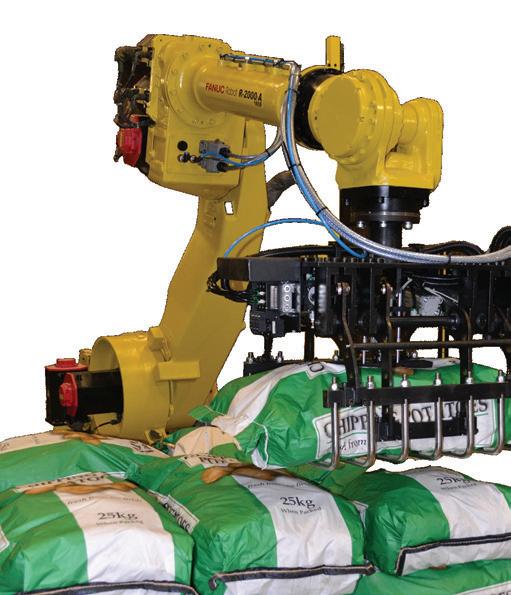
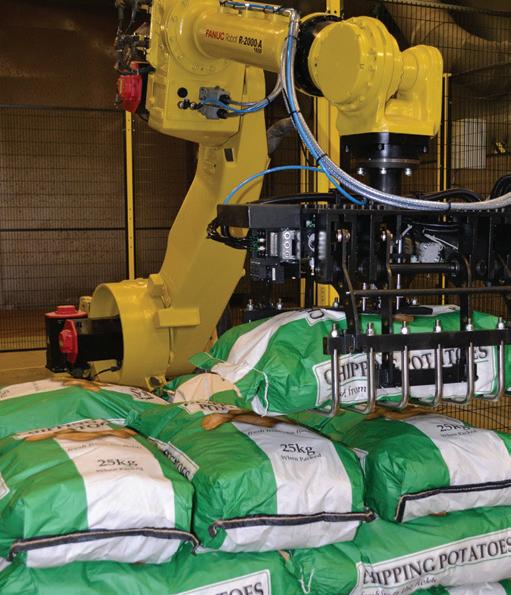
ROBOTIC PALLETISERS
up to 15 tonnes per hour. Boxes/Trays/Cartons/Nets
Competitive pricing to suit all budgets
AGRIPACK Stitching lines/ Sack placers and weighing for all pack sizes and products
High speed 15 tonnes per hour
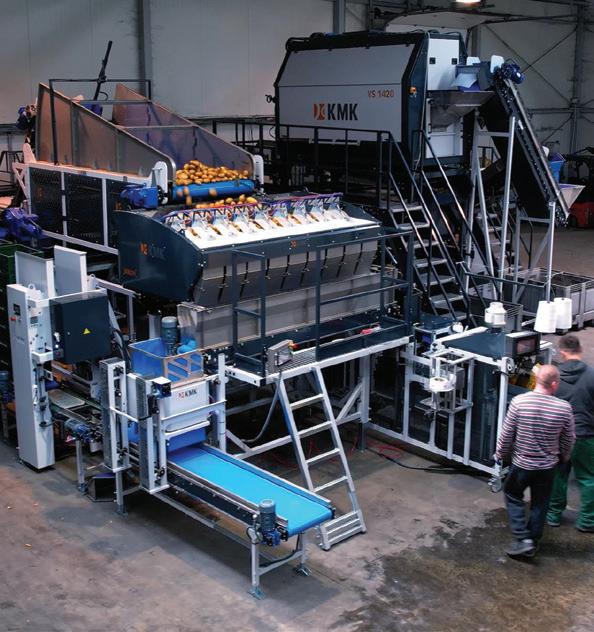
KMK Washing/ Polishing/ Handling/ Packing
Anglia Farmer
EDITORIAL
Editor:
Johann Tasker | T: 07967 634971
E: johann@ruralcity.co.uk
Design:
Mark Shreeve | T: 01502 725839
E: mark.shreeve@micropress.co.uk
Advertisement production:
Jade Soanes | T: 01502 725840
E: jade.soanes@micropress.co.uk
Polly Coleman | T: 01502 725841
E: polly.coleman@micropress.co.uk
ADVERTISING SALES
Danny Lewis | T: 01502 725862
E: danny.lewis@micropress.co.uk
Lawrence Kenny | T: 01502 725860
E: lawrence.kenny@micropress.co.uk
Oscar Grob | T: 01502 725851
E: oscar.grob@micropress.co.uk
Anglia Farmer is a controlled circulation magazine published monthly for farmers and growers in the eastern counties. To be included on the circulation list, a farmer must have a minimum of 70 acres of land, or 50 dairy/beef stock, or 50 breeding sows/250 growing stock, or 15,000 laying hens/broiler chickens. Intensive horticulture units are required to have a minimum of two hectares. Subscription is £18 a year (including postage). No responsibility can be accepted by the publishers for the opinions expressed by contributors.
If you no longer wish to receive this magazine, please email gemma.mathers@micropress.co.uk
Published by Countrywide Publications, Fountain Way, Reydon Business Park, Reydon Suffolk IP18 6DH T: 01502 725800
Printed by Micropress Ltd, Suffolk.
Visit our website for all the latest farming news
Britain’s farmers cannot absorb another squeeze
Once again, Britain's farmers are being asked to do more with less.
Just weeks before harvest, growers and livestock producers have seen a triple wwhammy of rising input costs, political uncertainty and mounting public scrutiny.
Fertiliser prices are surging because of the Iran war. Contractors are increasing charges as diesel costs climb. At the same time, farmers face another bruising row over glyphosate use just as combines prepare to roll.
Individually, none of these pressures is new. Together, they point to something more worrying: a farming industry being pulled in too many directions at once.
Tight returns
The Andersons Centre says agricultural inflation reached 8.4 per cent in April while farmgate prices have fallen 5.8 per cent yearon-year. That is not trivial. It represents a serious margin squeeze affecting businesses already operating on tight returns.
Livestock producers are particularly exposed. Milk prices are lower. Pig prices are down. Even beef producers, buoyed by recent strong values, are seeing prices ease back.
Meanwhile, contractors are warning that fuel volatility linked to the Iran conflict is forcing up machinery and labour charges. Some operations are seeing price hikes of 15 per cent. The concern is not simply profitability. It is whether it is possible to invest in machinery, soils and environmental improvements while margins continue to tighten.
Polarised debate
Against that backdrop comes the increasingly polarised debate over glyphosate. Campaigners raise legitimate consumer concerns about chemical residues in food. But growers rightly point out that losing pre-harvest glyphosate would increase costs, delay harvests and undermine domestic oilseed rape production. Both sides have arguments worth hearing. But the real danger is expecting farmers to absorb yet another shock while remaining profitable enough to survive.
In deciding the future of glyphosate, policymakers must remain grounded in evidence, practicality and food security – not slogans.
Johann Tasker Editor
Harvest traffic sparks rural road warning
• Crash risk climbs sharply
• Holiday traffic adds pressure
• Drivers urged stay patient
Road safety campaigners are warning of a “perfect storm” this summer with accidents involving agricultural vehicles expected to rise sharply.
NFU Mutual data shows collisions between agricultural vehicles and third parties are 56 per cent more likely between May and September than during the rest of the year.
The figures reflect the busiest time of the farming year – including silaging and harvest – and the higher number of tractors, trailers and wide machinery on rural roads at a time when tourists are travelling to holiday destinations.
Claims surge
The rural insurer recorded an average of 391 collisions a month involving agricultural vehicles during the harvest period last year, compared with 251 a month during January to April and October to December.
NFU Mutual rural road safety specialist Andrew Chalk said rural roads continue to unsettle many drivers. Its survey found 35 per cent of motorists feel uncomfortable navigating agricultural vehicles on country lanes.
Mr Chalk said: “The fact that harvesting needs to be done in good weather creates a perfect storm when it comes to road safety, with the summer seeing farmers and holidaymakers and day trippers
rush to make the most of the sun.
“NFU Mutual claims data has consistently shown that this causes a spike in the number of collisions between agricultural vehicles and other road users, and so it’s vital that everybody does what they can to keep our rural roads safe this summer.”
Driver concerns
Some 23 per cent of motorists have been involved in a collision on a rural road, reveals the survey. Meanwhile 26 per cent of new drivers feel unprepared to drive on countryside roads after passing their test.
Almost 10,000 people lost their lives on rural roads in the decade to 2024, according to official statistics. Contributory factors include unfamiliarity with country lanes, driving too fast and poor visibility.
Motorists are urged to stay behind slow-moving machinery unless the way is clear and there are no field entrances nearby. Farmers and contractors are encouraged to pull over where possible to let traffic pass.
Mr Chalk said: “Agricultural machinery is larger, wider and slower than other vehicles, which can tempt road users to overtake, but it’s vital to overtake only when safe.”
He added: “Motorists and cyclists should remember they are likely driving only a few miles or to the next field opening, so be patient, give agricultural vehicles room to turn and don’t drive too closely to them.”
For our harvest preview, see pages 35-44.
Farm costs surge as fertiliser prices spike
Rising fuel and fertiliser costs linked to the Iran conflict are creating a widening farm profitability squeeze, say consultants.
Agricultural input inflation –known as agflation – reached 8.4% in April, far outpacing consumer inflation and food prices, according to the latest analysis from The Andersons Centre.
At the same time, agricultural output prices have fallen 5.8% year-onyear, leaving many farm businesses facing sharply reduced margins. The figures suggest a growing “cost of farming crisis,” says Andersons consultant Michael Haverty.
Disruption
The pressure is being driven largely by disruption to global energy and fertiliser markets following tensions in the Middle East. Around 20% of global oil and gas flows through the Strait of Hormuz, alongside roughly 30% of global urea supply.
That has pushed UK farmgate urea fertiliser prices to £650-£700/t, with ammonium nitrate values also climbing due to higher gas costs. The rise is impacting profitability for the 2027 harvest as well as for this year.
Livestock producers face some of the greatest pressure. Milk prices are about 25% lower than a year ago, while pig prices have fallen 12%. Beef prices are down by about 10%, although they remain historically strong following record highs.
Arable growers have seen some recent improvement in cereal markets, with UK wheat prices rising about 12% year-on-year amid global supply concerns linked to the Middle East conflict.
Rising energy costs continue to feed through into machinery, fuel and electricity prices, with disruption expected to continue for some time.
Farm businesses will need increasingly detailed budgeting and cost analysis to manage volatility and purchasing decisions over the coming year, says Mr Haverty.
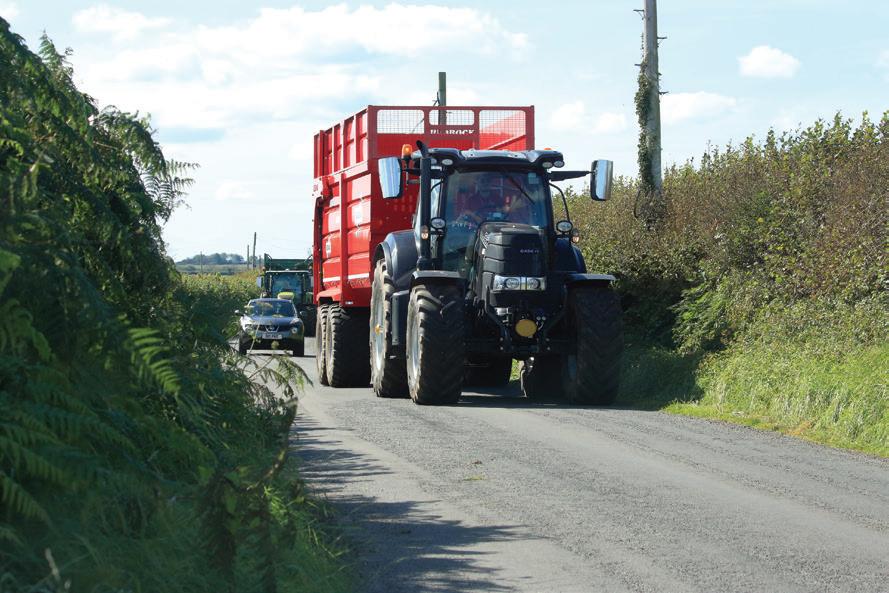
Collisions involving farm vehicles are 56 per cent more likely during the summer months
over 90 years, TW Page & Son Ltd has been serving the agricultural community of East Anglia
• Borehole drilling
• Submersible pumps for fresh water supply
• Iron, manganese & nitrate removal
• Reverse osmosis units
• Ultra-violet disinfection
• Water softeners
• Water main laying & trenching services
a free
Trimble
Tendring Show targets stronger ties with local communities
Farming at heart of event
An Essex farmer who spent months visiting local clubs and voluntary groups is using this year’s Tendring Show to strengthen links with the wider community.
Matt Swain, president of the 2026 Tendring Show, has travelled across the Tendring Hundred meeting more than 100 organisations ahead of the event, which takes place at Lawford House Park on 11 July.
The initiative forms the centrepiece of this year’s “Our Community, Our Show” theme. It reflects a broader effort by organisers to widen the appeal of one of Essex’s largest agricultural events while retaining its farming roots.
Mr Swain, who advises more than 100 farming families through his agri-business consultancy work, said the project had revealed the scale and diversity of lo cal voluntary activity across the district.
“I’ve lived in Tendring for 45 years, yet I had no idea how the 150,000 of us spend our time,” he said. “It turns out, we do quite a lot – so many clubs, groups and societies, so many rev elations, so many cups of tea.”
The Tendring Hundred Farmers Club believes the stronger communi-
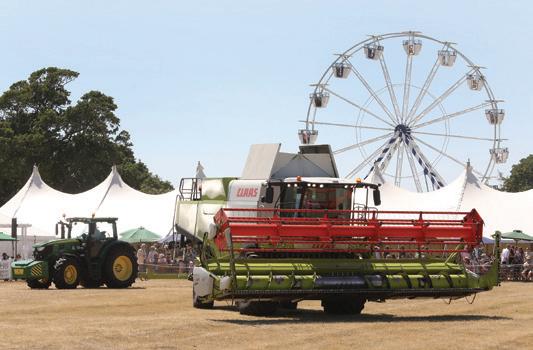
Livestock remain a key draw at the Tendring Show – as do the Farming on the Move machinery displays (below)
ty focus will help attract new audiences – showcasing the best of agriculture and reinforcing the event’s role within the local rural economy.
Mr Swain said the experience highlighted the importance of social interaction alongside shared interests and activities. “What I’ve truly observed this year is that our need to commune with others is often as important as the activity itself.
“At this year’s show we want to celebrate that, and help visitors discover a group or club they never knew ex-
Machinery displays
The show will continue to feature core agricultural attractions including livestock competitions, heavy horses and Farming on the Move machinery displays.
Alongside the farming programme, organisers are expanding family entertainment and skills-based activities. The Family Arena will host strongman displays, Shetland pony racing and dinosaur experiences from Colchester Zoological Society.
A separate Sports for All area will feature rugby, baseball, football, climbing and pickleball delivered through local clubs.
The show’s apprenticeship area has also expanded and will include employers, colleges and military recruiters promoting careers in agriculture, engineering, construction and other industries.
Next generation
Glen Ball, of headline sponsors the Pickering Group, said: “We have a responsibility to the next generation in Tendring. The Apprenticeship Area at the show isn’t about a quick fix for recruitment. It’s about investing in the grassroots of our community.”
Investment in infrastructure has upgraded the showground and surrounding landscape.
Working with Wix Young Farmers, the club has planted more than 2,000 metres of hedgerows to improve biodiversity and enhance the venue environment.
Catherine Parker, chairman of the Tendring Hundred Farmers’ Club, said volunteer support remained central to the event’s success.
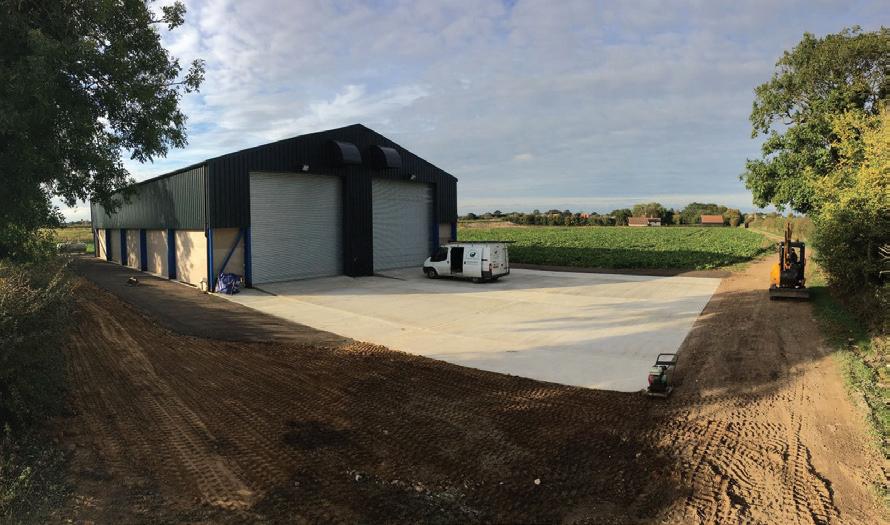
Grain storage and handling
Steel framed buildings
Groundworks
All types of concrete
Turnkey projects
Phone: 01379 678459
Email: info@jhvaudrey.co.uk
Global Instability and Extreme Weather Add to Farming Pressures
Mark Schuurman, Director - Agriculture for East Anglia, Virgin Money
British farmers are being urged to plan ahead and focus on resilience as rising input costs, unpredictable weather and continued global uncertainty place increasing pressure on the agricultural sector.
As the war in the Middle East creates another major headache for agriculture in the UK, Mark Schuurman, Virgin Money’s Director - Agriculture for East Anglia and the East Midlands, outlines the importance of strategic consideration to mitigate risks.
“The UK is heavily influenced by global markets for fuel, fertiliser, machinery and feed, so on top of low grain prices, labour shortages, and adverse weather, being a farmer has never been so challenging.
With 20% of global oil and gas supplies passing through the Strait of Hormuz, fuel prices have risen dramatically since the beginning of the war. UK farmers rely on red diesel to power the very thirsty machinery essential to day-to-day operations and even a few pence can have a massive effect on the bottom line.
Fertiliser prices have also risen dramatically because nitrogen fertiliser is made using natural gas, and the Middle East is an important global supplier of ammonia and urea. AHDB have reported that prices have risen between 13% and 36% since the start of the conflict. This particularly affects cereal farmers with rotations of wheat and OSR who face a stark choice: reduce application and run the risk of lower yields or apply and run the risk of
poor grain prices.
Dairy farmers have seen energy costs for milking and refrigeration jump significantly, with both poultry and pig farmers reliant on global imports of soyameal and maize, livestock farmers are also under pressure. Transport costs have increased UK-wide and it’s likely we will continue to see food prices rise across the supermarkets.
Alongside the impact of war, extreme and changeable weather patterns have become ever harder to predict. The winters are getting wetter and the summers drier. Heavier rain has impacted autumn drilling and can damage crops due to waterlogging. Dry summers are reducing grass growth for livestock and lowering crop yields. In a time of rising costs, output prices are unpredictable thanks to the vagaries of the growing season, making it harder to budget accurately.
Despite these challenges, there are several actions farmers can take to mitigate their risks. Deciding now what the autumn cropping is going to look like can help you get ahead of the curve both in terms of what crops are going in the ground and the varieties which will work best with your farm, as the weather can be incredibly localised. Managing planting dates to avoid waterlogged soils is important and knowing your own soil type is critical.
Precision farming can substantially reduce input costs if done effectively and adopting technology to assess weather patterns allows you to spray and drill more efficiently.
Having a clearer understanding
of where the money is coming from and where it is going, makes you better prepared for swings of cash flow. So ensure to update your cash flow forecasts and projections, and if necessary secure professional help. In doing so this will allow you to discuss with your finance provider, the support you will need going forward. The earlier you have these discussions with your bank the better. Government subsidies and grants are there to provide support to keep an eye on what is available to ensure you are receiving all the funding that you can. The SFI for 2026 is due to open again in June, with the first application window for farms under 50 hectares and those without an ELM agreement already in place. As of September 2026, it should then be open to all farm businesses again. There will be a cap of £100k per annum and fewer schemes will be available, so it’s important to plan ahead and get involved as quickly as possible.
To broaden your income streams, keep looking into diversification opportunities. Not all diversifications fit all farms and location is often key. You will know your local area better than most, so see where the demand is and the potential your farm has to offer.
This is a particularly challenging time for farmers. As a farmer, you are generally reliant on external factors outside your control, however, if you put all your energy into those aspects of your business you can control, you will give yourself the best chance of ensuring your longterm viability and future.
Flagship show looks to secure better future for UK farming
• Regenerative movement gathers pace
• Soil health drives business decisions
• Markets reshape agri-food strategy
Farmers, landowners and food businesses will gather in Hertfordshire for the return of the Groundswell regenerative agriculture festival next month.
The two-day event, which takes place on 1-2 July at Lannock Farm near Hitchin, has become one of the UK’s most influential forums for farming and land management.
Now celebrating its 10th anniversary, this year’s two-day showcase comes amid growing pressure on the industry to cut costs, improve soil health and adapt to changing environmental policy.
What began as a specialist gathering focused on soil health and direct drilling has evolved into a broader event. The festival now attracts livestock and arable farmers, environmental groups, scientists, retailers and agri-tech businesses.
Organisers say Groundswell provides a forum for “farmers, growers and anyone interested in agroecolog-
ical systems to learn about producing food and fibre while regenerating the soil and land”.
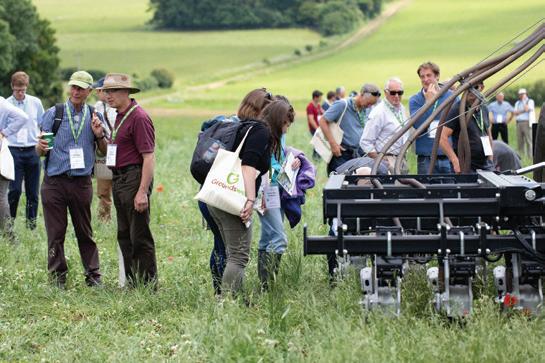
The event is hosted by the Cherry family on their Hertfordshire farm and combines conference sessions with field demonstrations, machinery displays and practical workshops.
More than 10,500 people attended in 2025, say organisers, with a similar number expected this year. Some 350 organisations are due to exhibit or demonstrate at the event.
The programme for 2026 will include talks, panel discussions and infield demonstrations covering regenerative systems, no-till farming, cover crops, livestock integration and agritech innovation.
Meeting point
Groundswell has increasingly become a meeting point for commercial discussions around natural capital, environmental markets and the economics of lower-input farming systems.
What to expect at Groundswell 2026
Groundswell 2026 will take place on 1-2 July at Lannock Farm, near Hitchen, Hertfordshire, about an hour north of London.
The event opens from 7am until midnight on both days, with camping available from the evening of 30 June. Organisers provide shuttle buses from Stevenage station and expect thousands of visitors to attend.
This year’s programme is expected to include technical workshops, machinery demonstrations, livestock discussions and policy debates focused on regenerative farming systems.
Sessions will cover topics including soil health, cover crops, agroforestry, grazing systems, water management and agri-tech. Demonstration stands, trial plots and livestock displays are also planned.
The event has become known for blending practical farming content with broader environmental and commercial discussions.
Exhibitors will include machinery manufacturers, environmental businesses, advisers and farming organisations.
Groundswell maintains its ‘by farmers for farmers’ ethos
Industry organisations are already announcing appearances. The Country Land and Business Association says it will host roundtables and discussions featuring speakers including Ben
That reflects wider pressure on farm businesses as support payments continue to change and input costs remain volatile. This year’s event will come hot on the heels of relaunched Sustainable Farming Incentive.
The event’s informal structure has helped distinguish it from more traditional agricultural shows. Many visitors camp on-site and the programme extends into evening networking events centred around the Earthworm Arms bar.
Safari tours
The festival also retains a practical focus. Organisers emphasise in-field demonstrations and “safaris” around the farm alongside the conference programme. Speakers and sessions for 2026 are being finalised.
Previous years have featured farmers, policymakers, researchers and environmental campaigners discussing issues ranging from soil carbon to water quality and farm profitability.
Groundswell says the event remains focused on knowledge exchange and practical decision-making for working farms. This includes the goal of supporting soil-focused, productive farming practices and regenerative agricultural systems.
Global speakers to debate key issues at Lannock Farm
Farming experts from across the world in discussion
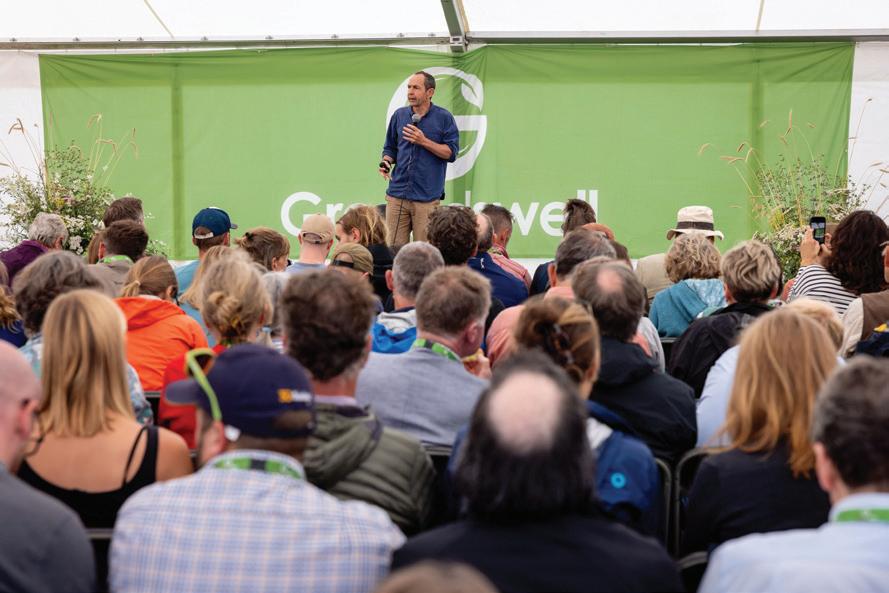
More than 350 exhibitors and hundreds of speakers will attend Groundswell next month – as the two-day festival hosts its most expansive programme yet.
Farmers, scientists, food businesses and environmental campaigners will gather at Lannock Farm near Hitchin to debate regenerative agriculture, soil health and sustainable food production.
Groundswell has become one of UK agriculture’s most influential forums for discussion – and this year’s programme reflects how those discussions have moved beyond niche farming circles into mainstream business and policy conversations.
Sessions will span arable production, livestock systems, carbon markets, biodiversity, food branding and agricultural finance.
Among the headline names is Andy Cato, the musician-turned-farmer and co-founder of Wildfarmed, who will discuss regenerative supply chains and consumer demand for lower-impact food production.
Transition movement
Food systems expert Professor Tim Benton is also due to appear. Other speakers include transition movement pioneer Rob Hopkins and Tom Macmillan, of the Centre for Agricultural Research Impact.
The speaker line-up highlights how regenerative farming is increasingly intersecting with politics, finance and environmental regulation.
Senior figures from the Country Land and Business Association will host discussions examining land use policy, environmental delivery
Framed Buildings
schemes and private-sector invest ment in natural capital.
Other sessions include talks featur ing environmentalist Ben Goldsmith and ecologist John Lawton, alongside politicians and land managers debat ing future countryside policy.
Alistair Carmichael, chairman of the Environment, Food and Rural Affairs Committee, is expected to address concerns about agricultural support schemes and regulatory bur dens facing farmers.
Tighter margins
The event comes as many farms face tighter margins following weaker commodity prices and continuing uncertainty over environmental payments. Technical sessions remain central to the programme despite Groundswell’s rapid growth.
programme includes hundreds of speakers
practical farm management, including cover cropping, direct drilling, mob grazing, biological inputs and integrated livestock systems.
Farmers will also hear from businesses developing alternative supply chains and food brands linked to regenerative farming methods.
Organisers say the aim is to combine practical field-scale learning with wider strategic discussions about the future economics of agriculture.
Market demands
Groundswell’s growth mirrors wider changes across the food and farming sector as retailers, processors and investors place greater emphasis on environmental performance throughout supply chains.
Now celebrating its 10th year, the festival has evolved from a small gathering of direct-drill farmers into a major industry event attracting corporates, policymakers and institutional investors alongside growers and agronomists.
Alongside the main conference programme, visitors will attend machinery demonstrations, crop walks, livestock discussions and workshops exploring biodiversity, water management and natural capital markets.
Organisers describe the festival as “a forum for farmers, growers and anyone interested in agroecological systems to learn about producing food and fibre while regenerating the soil and land”.
River Cottage brings long-table dining to Groundswell
Celebrity chef Hugh Fearnley-Whittingstall will headline two long-table dining events at this year’s Groundswell Festival 2026 as organisers seek to strengthen links between farming, food production and consumers.
The feasts, hosted in the restored Lannock Barn at Lannock Farm on 30 June and 1 July, will showcase produce from a range of regenerative and artisan food businesses, including River Cottage, Hodmedod’s and the Isle of Wight Garlic Farm.
The five-course menu has been curated by Mr Fearnley-Whittingstall alongside River Cottage fire chef James Whetlor. It will feature Shorthorn beef and local eggs produced at Lannock Farm.
Tickets cost £125 a head and include welcome drinks from Sapling Spirits, Coates & Seely and Fielden Whisky, alongside Tillingham wines served during the meal. The idea is to combine farm-to-table food with informative conversation.
Demonstration farm planned to showcase drills
Weaving
Machinery to show farmers the benefits of each drill type in varying soil types.
Moving to a reduced or no-till age system on a farm with varying soil types is a chal lenge familiar to many farmers. What works in one field could be an abject fail ure in another. Similarly, what drill system do you go for?
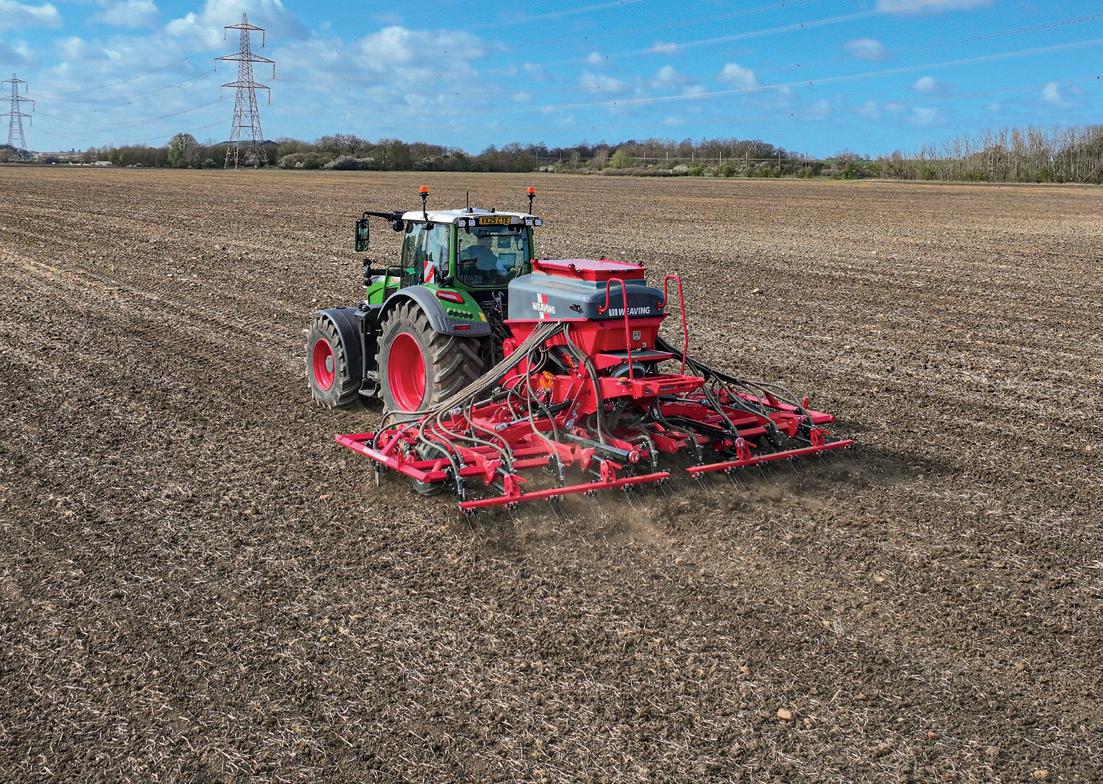
A tine drill will give greater flex ibility in suboptimal conditions, by shattering and mineralising the soil around the seed, reducing the risk of localised compaction. In contrast, a disc drill causes less disturbance and better manages trash and weed control.
When the farm you are transition ing to no-till surrounds the Weaving Machinery factory, then those chal lenges become opportunities to show case the capabilities of the brand’s flag ship drills: the Sabre Tine and GD.
In-hand farm
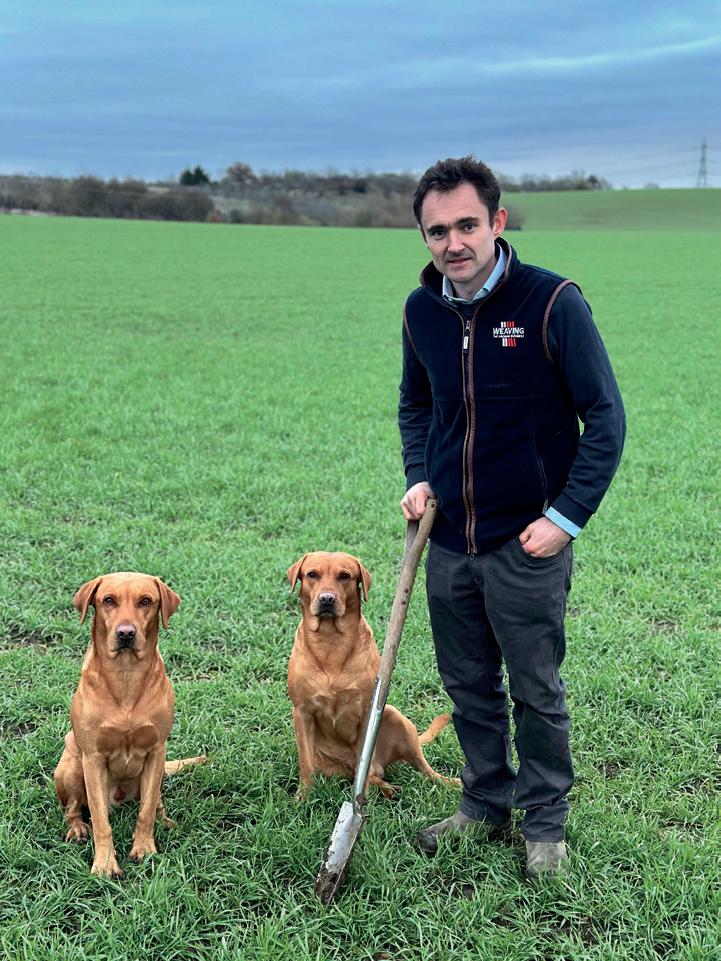
That is one of the reasons why Simon Weaving, sales director at Weaving Ma chinery, decided to bring the farm back under their management two years ago, following years of rental agreements, much of it for veg production as well as Italian rye grass for an AD plant.
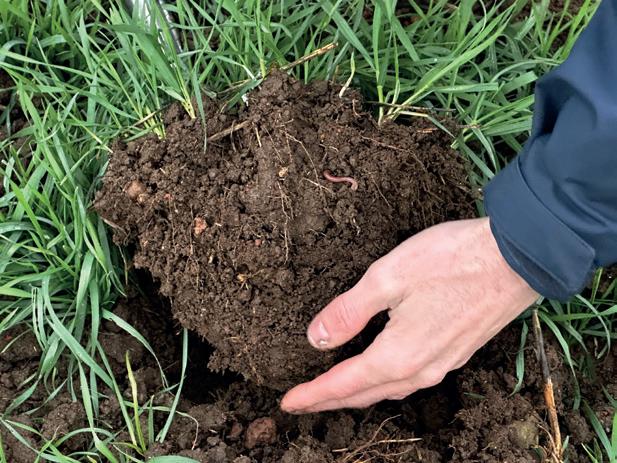
Utilising low disturbance farming principles, Simon is astonished by the progress in restoring the farm’s grade one and grade two soils. As well as testing Weaving’s equipment in different situations, he wants to see their farm’s soil restored.
“Much of the land has grown onions, leeks, pumpkins, and other veg crops for the last 15 years. There has been a lot of soil movement, which has com-
Simon (above) is delighted with the rooting from using the Sabre Tine (top).
Below: "You would think from the accuracy of the plant stand in the row that it is drilled with a disc drill," says Simon.
tivated with one of our Raptor cultivators, partly to manage the trash from the preceding spring oat crop. We also needed to create a tilth to remediate soil compaction, particularly in the areas used for biogas cropping while the farm was rented out. We would’ve used an LD low-disturbance subsoiler, but it was too dry at depth,” explains Simon.
He decided to use a Sabre Tine drill across the whole area in the autumn, primarily to save time and costs on what would otherwise have required an additional cultivation pass if the GD disc drill had been used, due to lumpy
The tilth created directly in the seed row by the Sabre Tine meant the drill could go straight in, followed by rolling. “Looking at the field, you would think from the accuracy of the plant stand in the row that it is drilled with
“That’s the big selling point of the Sabre Tine. It’s a more rigid tine than other tine drills, which means there’s very little movement in the ground, and you get better seed placement.
“We are tremendously excited about having access to the new offices and showroom,” says Simon. Farmers are always fascinated to see how we make our equipment, and now we have a facility to host and entertain farmers and agronomists too.”
Weaving Machinery is exhibiting at Groundswell this year. If you are a farmer and wish to visit the Worcestershire site first-hand, can contact Weaving Machinery at info@weaving-machinery.com to arrange a tour.
“We also use a rubber exhaust, which diffuses 50% of the air, so the seed free-falls as it funnels into the slot,” explains Simon.
As well as improving the soil, they are also significantly investing in the farm's infrastructure to get the most out of it as a facility for demonstrating Weaving’s machinery and drills.
A gravel track is being built to ring the farm and provide access for open days, which Simon plans to begin once Weaving’s new showroom opens.
Arable
Wheat varieties promise more resilient yields
• Disease pressure continues to rise
• Growers focus on resilient margins
• Genes support crop performance
Two new winter wheat varieties give growers more opportunities to achieve higher yields amid an increasingly unpredictable climate and market conditions
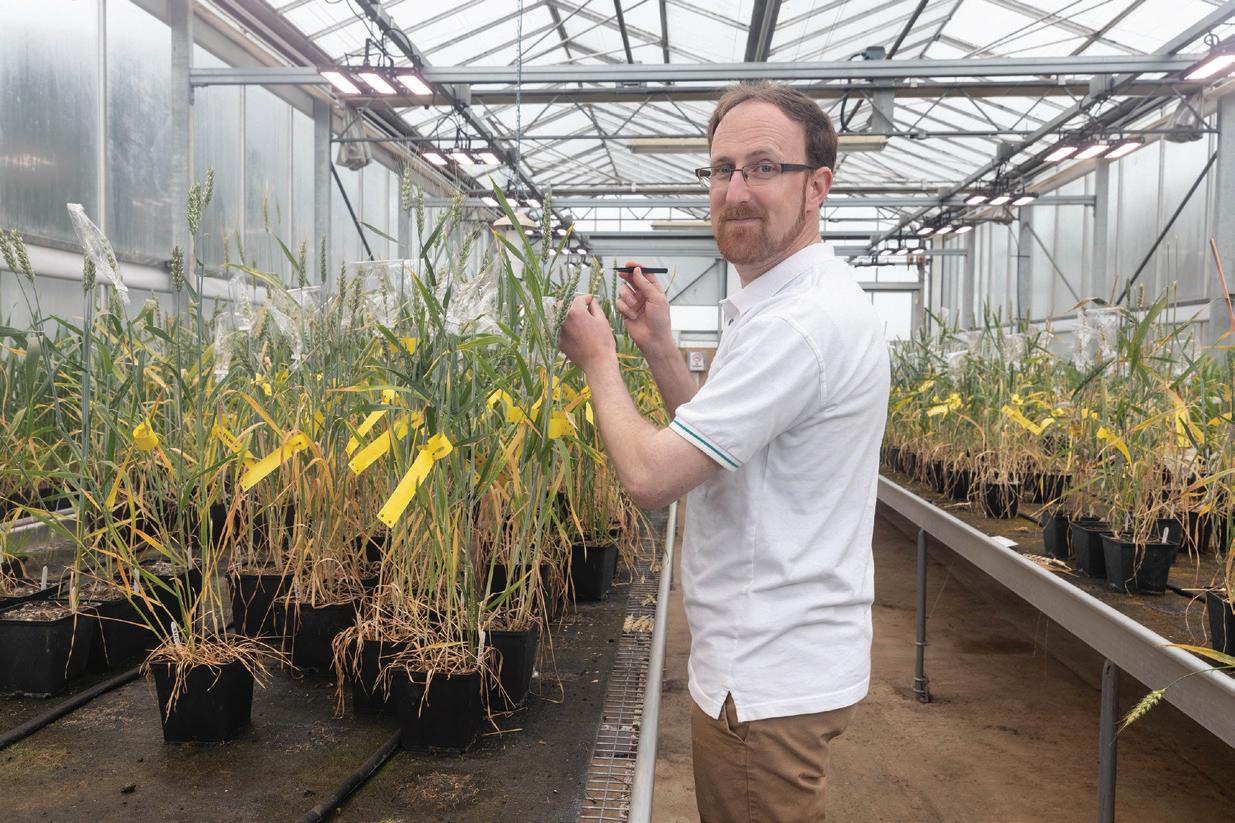
LG Defiance and LG Challenger are both Group 4 hard wheats from Limagrain Field Seeds. The breeder says they have shown consistently high yield potential across different regions, seasons, soil types and rotational positions.
"LG Defiance has the highest untreated yield on the 2026/27 AHDB Recommended List (95%), which is very rare for a hard feed wheat," says Limagrain arable technical manager Ron Granger."
Good pedigree
"LG Challenger is third-best untreated yield on the list, illustrating the strength of genetics underpinning both varieties. Both contain good pedigrees, but the key is what we as breeders can get out of that parent material to deliver on-farm."
Both varieties offer good agronomic characteristics to deliver strong returns, says Mr Granger. They are close to the best in terms of UK treated yield – at 109 for LG Defiance and 107 for LG Challenger, he adds.
LG Defiance pairs this with disease scores for yellow rust (rated 8) and a 6 rating for septoria, while LG Challenger is rated 7 and 6 respectively.
"With the changes to Yr15 resistance we've seen, selecting a variety with better yellow rust resistance, supported by an appropriate fungicide programme, is becoming an increasing priority," notes Mr Granger.
"Although everyone is talking about yellow rust, we can't forget that
septoria is still the biggest yield-rob ber on most farms."
Selecting good genetics to reduce risk and build resilience across the rota tion is crucial amid rising costs, unpre dictable weather patterns, and evolving disease pressures, says Frontier national technical manager Kirsty Richards.
"Yield is a big attraction of LG Defiance and LG Challenger, but it cannot be at any cost. Remember that 80% of crop potential is harnessed by putting the right variety in the right place, at the right time, for your situation."
Risk management
Dr Richards says its agronomic characteristics make LG Defiance a good choice for later drilling or second wheat situations, while LG Challenger's growth habit and straw strength better suit earlier sowing.
Mr Granger agrees, but adds that both varieties have shown excellent yield potential when sown during the main October drilling window. "LG Defiance is a taller variety that will require a good split PGR programme, he explains.
“Limagrain trials support the fact
Septoria is still the biggest yield-robber
that it responds well to PGRs and the reduced height has no impact on final yield potential, similar to varieties such as LG Skyscraper and LG Redwald."
A further characteristic that builds resilience and helps meet market requirements under tough conditions is the excellent grain quality of both varieties, particularly their high specific weights at 77 kg/hl and 78.6 kg/hl respectively, notes Dr Richards.
Best crop
Staffordshire farmer Rob Atkin is growing a small area of LG Defiance this season to test whether the variety suits his farm, and so far he says it is the "cleanest and best looking crop on the farm".
"In the past, we grew a lot of KWS Extase and Gleam, so when we saw these were in the parentage of LG Defiance, we thought it made sense to give it a try. We like to trial new varieties every year to see what works. So far, LG Defiance looks really good, but the real proof will come at harvest."
Yield is a big consideration when choosing varieties, but Mr Atkin says robustness to diseases like septoria and yellow rust is perhaps more important. "I want a variety that's robust enough to stay clean and potentially give us the opportunity to reduce input costs while still maximising yield."
While recent rises in fuel and fertiliser prices may prompt some growers
Rob Atkin is growing a trial crop of LG Defiance
Arable
to consider cutting inputs, ADAS senior crop research scientist Christina Baxter says productivity should remain the focus – yield is still 'king'.
Analysis of results from more than 1,200 Yield Enhancement Network (YEN) wheat crops between 2013 and 2022 shows a "very convincing" relationship between gross margin and yield, dispelling any suggestion that high yields cost more to produce.
"On a per tonne basis, variable costs decline as yield increases, as does the carbon footprint," says Ms Baxter. "There's often a criticism that high-yielding crops cost too much, are too risky, and are bad for the environment. But YEN data proves that is not the case."
There are many building blocks to a high-yielding crop, not least the weather and husbandry,
but a key starting point is understanding the potential of individual fields and selecting a variety with the genetic profile that can deliver most in that situation.
"The general approach to high yields has been to grow a crop that stays green for as long as possible. To support canopy longevity, you need to keep leaves clean so the crop gets maximum benefit from that leaf area and captures the most sunlight — in addition to ensuring sufficient rooting depth for late-season water uptake.
"Attention to detail, effective management, and good varieties support strong productivity."
Rob Atkin is hosting an open day on 22 June for growers to see the varieties he is growing this season. For details, visit bit.ly/robatkin
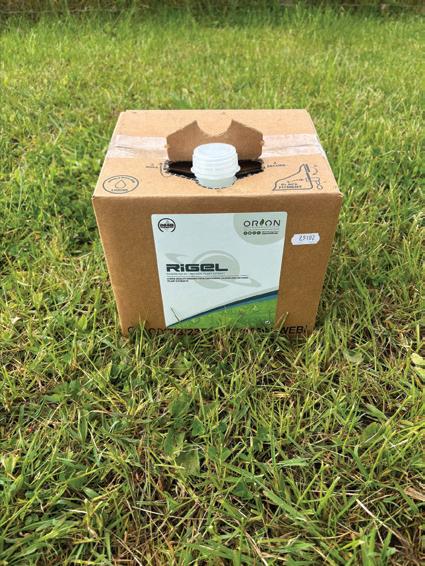
AUK biostimulants manufacturer is switching to “bag in a box” packaging amid rising plastic costs and pressure to cut farm waste.
Orion Future Technologies says the move will reduce plastic use by 63% while lowering transport, storage and recycling costs for growers using its plant nutrition products. The price of plastic has risen by more than 40 per cent since the Iran/Israel conflict started in February.
Opportunity
“As a UK manufacturer of biostimulants, Orion has seen this as an opportunity to manage our cost of production and protect our customers by reducing the plastic needed to package our biostimulant products,” says agronomist Mike Stoker.
The company says the new packaging format extends shelf life by limiting air exposure once opened. Similar systems are widely used in the food and drinks sector.
Best crop
Mr Stoker says: “The bag in a box reduces plastic use by 63 per cent, which helps us to keep prices down and has knock-on benefits including reduced storage and transport costs which brings down the carbon footprint of our products.”
The packaging is said to be easier for growers to store, recycle and dispose of than conventional hard plastic containers. It is likely to appeal to buying groups looking to promote sustainable credentials.
“We have targeted more sustain
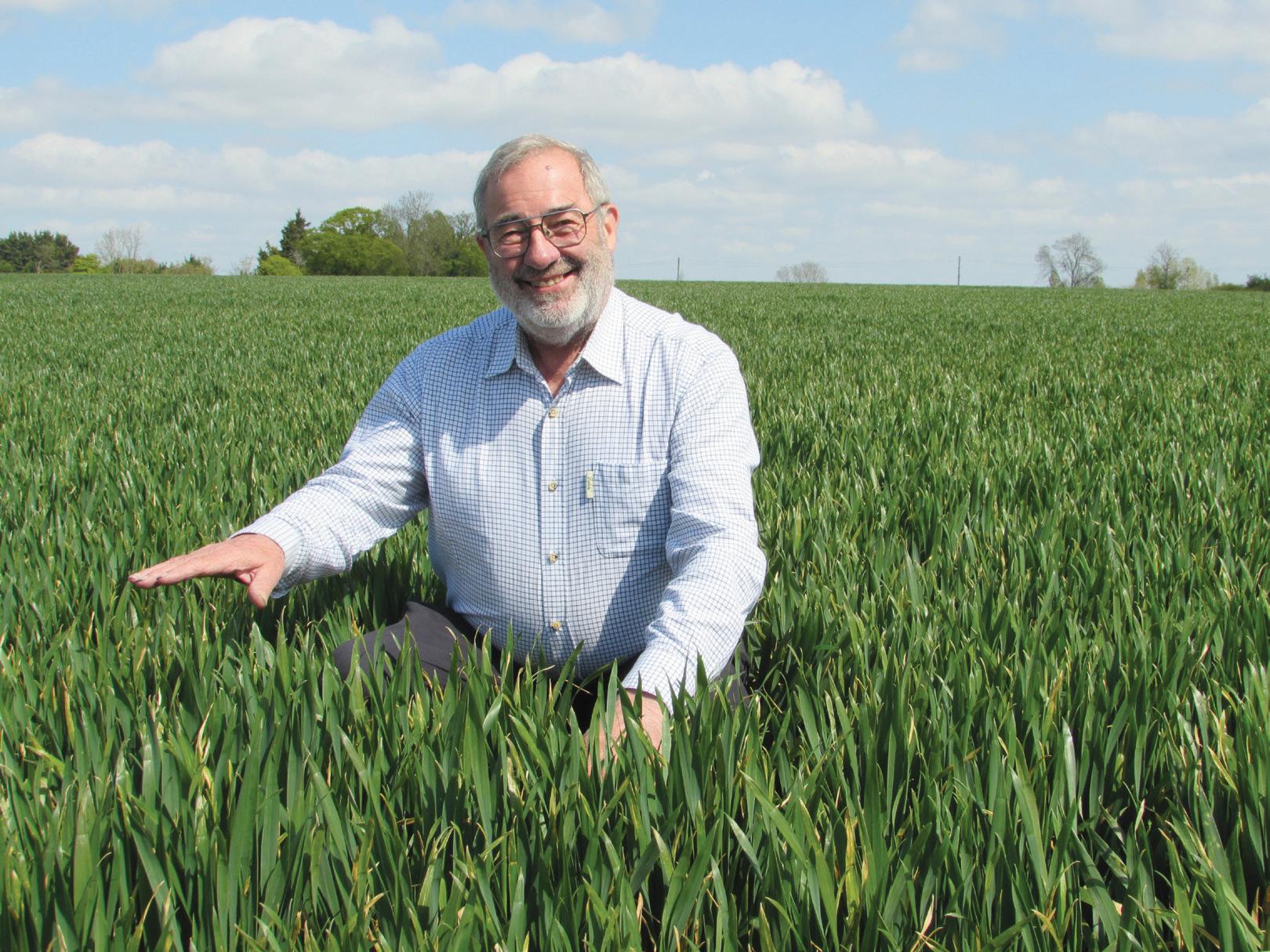
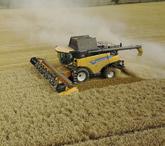
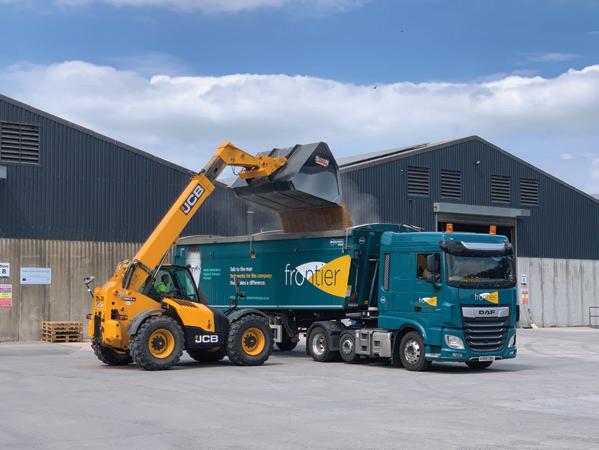
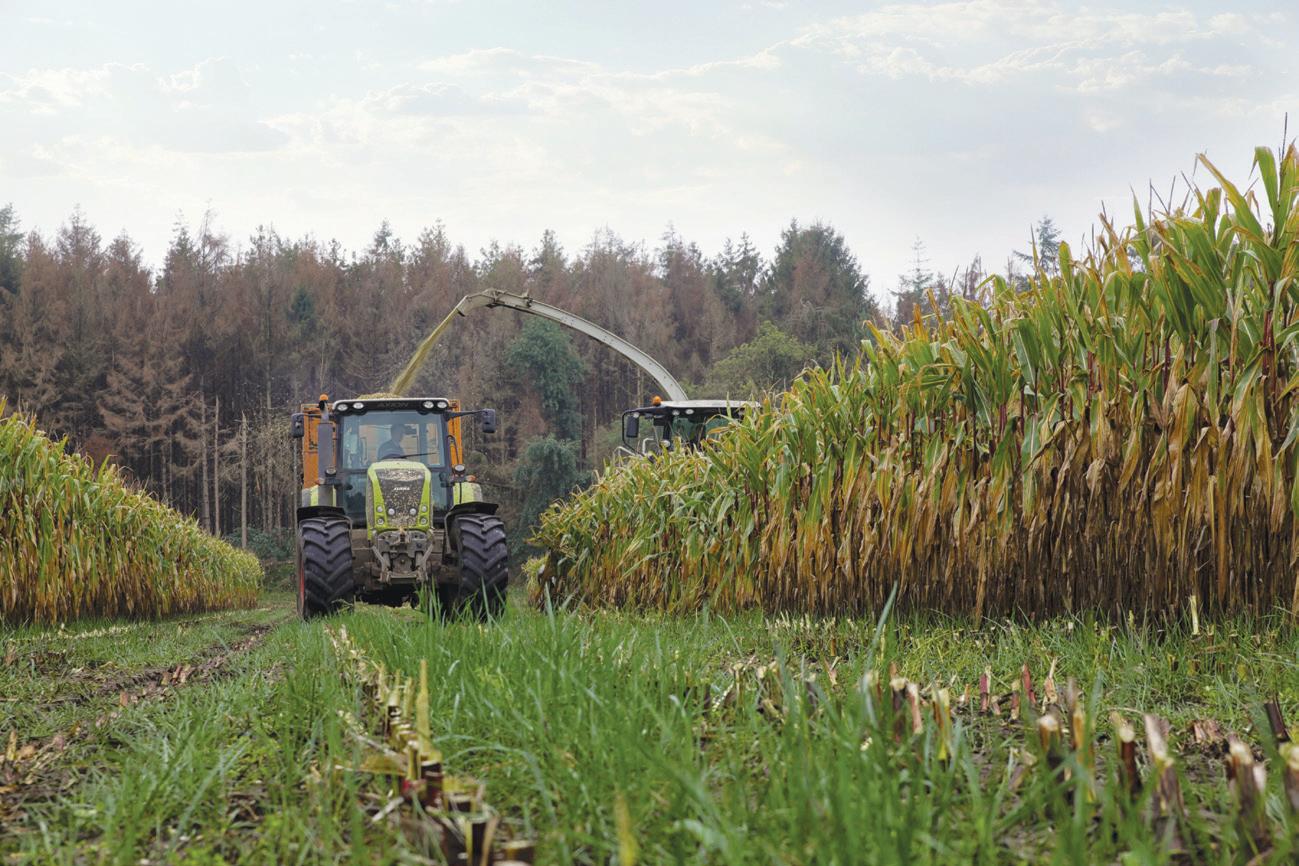
Bamford has become Britain’s best-selling winter wheat – less than three years after joining the AHDB Recommended List.
The achievement marks the first time since Robigus in 2005 that a Group 3 soft wheat has taken the top spot.
Bamford accounted for more than 14 per cent of commercial seed sales for 2025, according to Hutchinsons – against what is described as a competitive line-up of other varieties.
The speed of Bamford’s rise in a market long dominated by hard Group 4 feed wheats reflects a wider shift as farmers look for varieties capable of combining strong feed yields with access to premium distilling, export and biscuit markets.
For merchants and processors, Bamford also arrives at a time when supply chains are seeking more consistent quality wheat with stronger sustainability credentials and broader market flexibility.
Market momentum
Bamford’s appeal lies in its ability to deliver across multiple fronts, says Hutchinsons national seed manager David Bouch. The variety has performed consistently since it burst onto the scene, he adds.
“With three end markets and a yield still rivalling the best hard Group 4 feed wheats, it’s not hard to understand why Bamford has been on a continuous upward curve,” says Mr Bouch.
“For any variety to become a market leader it, has to perform consistently well from Day One –and Bamford has done that since I first observed it in 2022.”
That consistency has proved important during a volatile period for UK arable growers. The past three seasons have included two exceptionally dry years – and one dominated by relentless rainfall.
Disease management remains critical but many growers have handled the risk effectively. Even last season’s concerns over weak-
ening yellow rust resistance in some wheats failed to significant ly dent confidence.
“Bamford was judged as being safer than many other popular varieties. I didn’t see much yellow rust in the crops I inspected last year, and, as of late April, I’m not hearing anything of significance on its yellow rust levels this season either.”
“It’s
a variety on an upward curve
The variety still has untapped potential if weather conditions improve, says Mr Bouch. “Have we seen the best of Bamford yet in terms of its yield performances? Based on a broad assessment of the last three seasons, I’m tempted to say no.”
Mr Bouch says Bamford has already proven itself across differing soil types and growing regions. And while competition from newer varieties will intensify, he expects it to remain the dominant Group 3 soft wheat for the foreseeable future.
“On treated yield, it competes favourably against other popular Group 4 feed varieties – and, importantly, it possesses both a higher untreated yield and far superior end market potential than all of them.”
Suffolk farmer and machinery manufacturer Jeff Claydon
farms some 380ha near Wickhambrook, in what is a “very dry part” of the county. He began growing Bamford after seeing the variety in Elsoms trial plots during 2023.
The business moved away from oilseed rape following cabbage stem flea beetle pressure and changes linked to the Sustainable Farming Incentive. It now operates a simplified rotation centred on spring oats and winter wheat.
“Beyond low annual rainfall, heavy land and long term issues from our historically narrow wheat / rape rotation, our most significant opponent has always been blackgrass,” says Mr Claydon.
Improvements in drilling sys-
ered average yields of 9t/ha.
Mr Claydon says grain quality and competitiveness remain Bamford’s key strengths. “In the first season we grew it, there were no rejections from any of the homes it went to - everything made specification.”
Although Bamford has a solid disease package, Mr Claydon says its stand-out traits are its competitiveness and grain quality. The current crop looks “strong and exceptionally clean” after inter-row hoeing and a four-spray fungicide programme.
“We’ve always used a 4-spray fungicide program – applying both a T0 and T1, with a ‘safety-first’ approach to controlling both rust and, more importantly, septoria.”
Like Mr Bouch, Mr Claydon believes the variety’s best yields may still lie ahead.
“Hopefully this season we’ll receive a bit more rain through late spring and summer and see an 11-12t/ha yield that I believe the variety fully merits.”
Disease pressure
Farmacy agronomist Tom Smith advises six growers cultivating almost 500ha of Bamford across Essex and Suffolk. The variety's popularity reflects a combination of agronomic performance and market opportunity, he says.
“With many of Jeff’s fields carrying blackgrass, good seed-
Below: Tom Smith
Arable
bed preparation with use of glyphosate based products such as Azural followed by tactical use of Avadex post-drilling is key to ensuring winter wheat crops get away well.”
Mr Smith says Mr Claydon’s system combines direct drilling, rotational planning and inten sive fungicide protection to re duce risk.”
Forward-thinking
“He’s also a forward-thinking, risk-adverse arable farmer who has successfully utilised the benefits of direct drilling and a four-spray fungicide program for many years now.”
That management philosophy aligns closely with Bamford’s characteristics, he says.
“I can see the link with his choice of Bamford in terms of its high yield potential, wide marketability, high specific weight and consistent grain quality.”
Mr Smith believes Bamford’s rise has helped rebal-
become overly focused on hard feed wheats.
“There’s a strong argument that Bamford’s rapid market growth as a soft wheat has definitely helped to rebalance a grain market that had become very hard wheat centric.”
Frontier Agriculture technical manager Kirsty Richards says Bamford arrived at the right moment for the soft
wheat sector. The Group 3 category had “completely stagnated” before Bamford’s arrival.
“The offer of distilling, soft biscuit and export giving growers multiple opportunities to achieve a premium with the fall back of also being a high yielding feed wheat ensured Bamford’s success.”
The variety quickly gained support from Frontier Agriculture and Pladis, owner of McVitie’s and other biscuit brands. It did so through the Back to Farm programme, which focuses on soil health and supply chains.
By harvest 2025, the programme supplied 36,000t of grain to Pladis — enough to produce 50m packets of biscuits. Bamford now forms a central part of the wheat tonnage supplied into the scheme.
“With continued interest in high-quality Soft wheat from partners such as Pladis, and, provided that Bamford continues to deliver on yield, disease resistance and grain quality, it certainly has the right credentials for market longevity.”
Broader change
Bamford’s rapid rise signals a broader change in the economics of UK wheat production. For processors and grain buyers, the appeal lies in supply consistency and grain quality.
For growers squeezed by volatile weather, rising input costs and tighter margins, varieties capable of securing multiple premium opportunities are becoming increasingly attractive.
Whether Bamford retains its position as Britain’s top-selling winter wheat remains uncertain as new candidates emerge. But after only two commercial seasons, few in the trade believe its growth story has yet run its course.
Kirsty Richards: rapid growth
SCAN ME
PLANNING FOR PROFIT IN AN UNPREDICTABLE WORLD
We are operating in an increasingly fragmented global trade environment showing no signs of easing; every input purchase a farmer makes is affected, and we seem to be operating in a just-in-time economy, where availability and price are often unknowns.
The Hutchinson’s Gross Margin Guide for 2027 offers farmers a practical framework for making smarter cropping decisions. Ella Rowe, Hutchinsons farm business consultant covering north east Anglia and Fenland, explores why flexibility and a firm grip on cost of production matter more than ever.
Cropping Plan Flexibility
Each crop requires its own sensitivity analysis, with a contingency plan in place for sudden shifts in fertiliser prices, fuel costs, or spray availability. Understanding the fertiliser yield response curve is also keyrecognising where diminishing returns begin and what that means for your margins.
Cost of Production
Central to The Guide is a firm understanding of cost of production per tonne – something too many growers still approach too loosely. When considering forward sales for harvest 2027, it is essential to know what your strike price needs to be to ensure profitability.
Both milling wheat and oilseed rape warrant caution, due to their substantial outlay before potential is realised. For oilseed rape, growers should consider produce-of-area contracts over fixed tonnage commitments. These contracts tie obligations to a specific acreage rather than physical quantity, protecting the grower where yield variability is high.
Manure and Straw
Organic manures are often undervalued, yet with synthetic fertiliser prices still elevated, it’s more
important than ever to carry out accurate nutrient analysis — especially for potassium and phosphate. Likewise, the choice to bale or chop straw should never be made in isolation; the nutrient removal associated with straw must be weighed against the potential value of sales.
Break Crops and SFI
Achieving genuinely profitable break crops remains a challenge for many arable growers, particularly those without access to an anaerobic digestion plant or suitable land for potatoes and vegetables.
While peas and beans are less affected by fertiliser price volatility, their variable performance and relatively modest gross margins often dampen enthusiasm. In some cases, spring beans can deliver slightly stronger returns than their winter counterpart, but they also carry significantly greater weatherrelated risk.
Increasingly, Sustainable Farming Incentive (SFI) options compare favourably to traditional break crops. Despite reduction in payment rates for some under the reformed 2026 offer, many SFI actions remain more financially attractive in the current climate. However, SFI is not a one-year fix but a three-year commitment, so these options must also fit into future crop rotation planning.
Hybrid rye ‘stacks up for season ahead’
Switching to hybrid rye as an alternative to wheat this autumn could improve cropping security, says a plant breeder.
Decent margins and market demand from anaerobic digestion plants has sparked renewed interest in hybrid rye for the coming season, says KWS seed specialist and product manager Rory Hannam.
Once viewed as a niche crop, hybrid rye is rapidly growing in popularity, says Mr Hannam – especially as second and third wheat margins are
squeezed by high input costs, lower commodity prices and increasingly variable yields.
Guaranteed market
“There is a guaranteed market provided by anaerobic digestion,” he explains. “There are 438 of a total of 640 plants in the UK currently running on feedstocks derived from 40,000ha of hybrid rye crops.
“Most plant operators offer staged payments; 30 per cent at drilling in September or October, 30 per cent in
“It’s a crop with a guaranteed market
March or April, and 40 per cent on intake. Mr Hannam says this benefitsbenefit farmers in terms of cashflow.
From an arable perspective, hybrid rye fits well with the direction of UK agriculture, with specific advantages over other cereals. That’s because the crop can outperform wheat as a second or third cereal.
“Its wide drilling window from early to mid-September to early-November also spreads the autumn workload, and if whole-cropped in June, it also provides an opportunity to get on top of grassweeds and provide early entry for oilseed rape.
Drought tolerance
The field good wheat!
“It’s extensive, deep-rooting habits make it one of the most drought-tolerant crops available, requiring much less water than wheat.
“At negligible risk from take-all, septoria, eyespot and BYDV, hybrid rye also has excellent resistance to yellow rust, which is becoming a bigger concern in other cereals.”
Group 1 Winter Wheat
n New high-quality breadmaking wheat with full UKFM Group 1 approval
n The highest grain protein under a milling regime which helps growers achieve contract specifications
n High untreated yield driven by best-in-class yellow rust resistance in combination with high Septoria resistance
Another crop benefit is its lower nitrogen and fungicide input requirement, at 100kgN/ha less than second or third wheat. “Grain yields of 10-13t/ha are common, with higher straw yields providing a useful additional income for livestock farmers.
Established varieties KWS Serafino and KWS Tayo were joined on the 2026/27 AHDB Descriptive List by KWS Emphor, KWS’s highest yielding variety, for grain or wholecrop.
“KWS Emphor features strong brown rust resistance and excellent drought tolerance and was the highest yielding variety on the AHDB Descriptive List in the dry harvest of 2025,” says Mr Hannam.
Hybrid rye is a well-suited to wheat growers who are seeking more security this autumn, he adds. It has consistent yield potential, attractive economic credentials, excellent weather resilience and secure end markets.
Digital agronomy tools including AI-powered disease sensors have increased gross margins by almost £138/ha in winter wheat.
Agrii trials at the Revesby Estate in Lincolnshire compared the farm’s conventional agronomy programme against a technology-led system using drone imagery, satellite mapping, disease forecasting and variable-rate applications.
The aim was to grow a 10t/ha crop of LG Redwald feed wheat at 9 per cent protein on a medium soil; and an 8.5t/ ha crop at the same protein on lighter soil – both targets based on trials undertaken the previous year.
Technology-led
Agrii said the technology-led wheat crop yielded 0.82t/ha more than the farm standard. This was on top of reduced fertiliser spending and higher output which delivered an extra gross margin of £137.63/ha.
“The technology-led side of the field spent 15% less on nitrogen than the farm strategy,” says Agrii technology trials manager Jonathan Trotter. On the sandy part of the field, this dropped to 40 per cent. Overall, this was a £30/ha saving on nitrogen.”
Mr Trotter used RHIZA soil sam-
pling to create comparable zones be fore building a programme around Skippy Scout drone analysis, satel lite imagery from the Contour plat form and variable-rate nitrogen ap plications.
Drone analysis was used to create a crop-specific green area index (GAI), measuring points across all the dif ferent soil zones. The Contour plat form was then used to produce a nitro gen application map for each timing.
Revesby Estate farmer manager, Peter Cartwright says the benefits of variable-rate nitrogen were a key lesson learned from the trials so far – especially when it comes to the second spring application.
“We started looking more at our nutrient use efficiency and the savings we can make,” he explains. It’s about paying more attention to what the maps are telling us in Contour, and the variable rate application after that.”
Cautious adoption
Fungicide decisions were shaped by disease forecasting software and a BioScout smart spore trap. It captures airborne fungal spores before using a microscope and artificial intelligence to identify disease threats automatically.
“We knew the variety was LG Red-
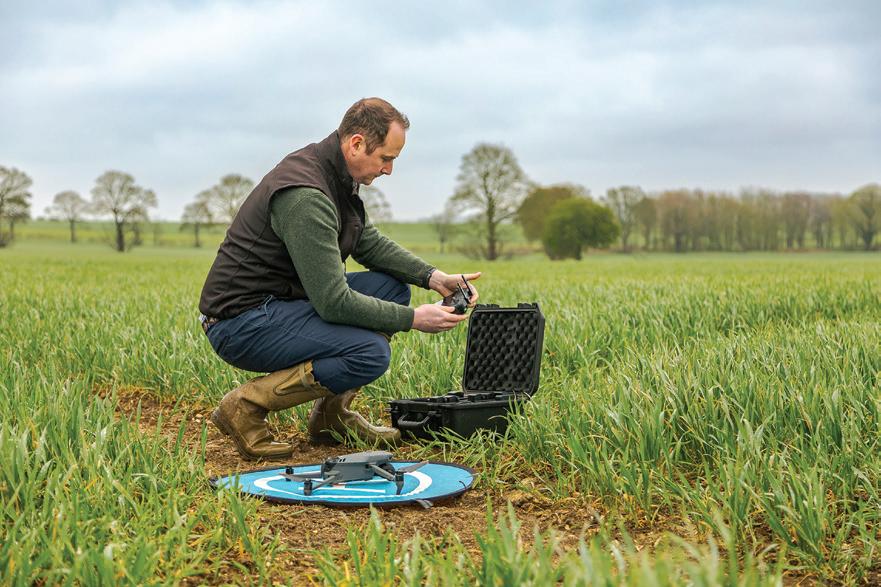
Jonathan Trotter with the Skippy Scout drone
“
We achieved 60% nitrogen use efficiency with less fertiliser
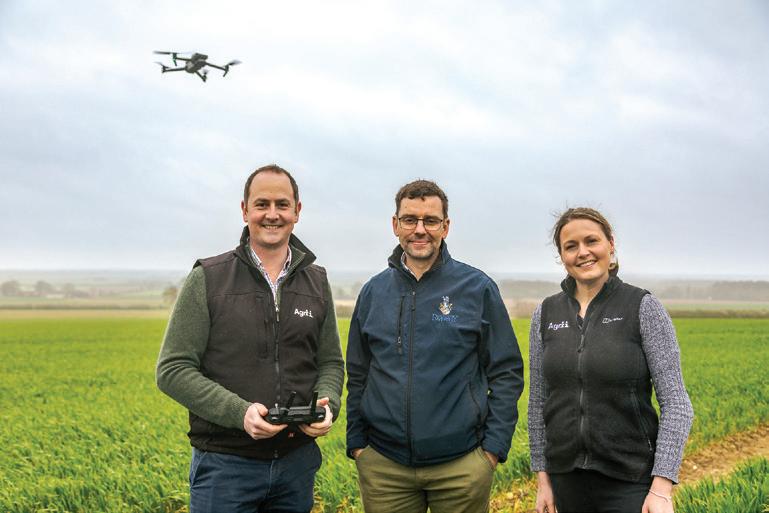
Jonathan Trotter, Peter Cartwright (centre) and Lucy Cottingham
wald, which gave us an understand ing of what the disease pressure might be,” said Lucy Cottingham, Agrii’s digital agronomy development manager.
“One of the learnings from the dry season last year was that we didn’t necessarily get the benefit of pushing late green leaf area retention because the crop droughted by the time you would expect to see the benefit.”
Mr Cartwright is now using Contour more widely across day-to-day operations, while testing more emerging technologies. He believes autonomous drone systems scanning crops without could now be used by other large estates.
Technology has an increasing role – but physical crop-walking remains vital. “At the moment, I don’t want to risk my whole farm area because a piece of technology is telling us not to do anything because there’s no disease.”
How farming is embracing new tools
Agrii is expanding its trials this season with three new systems aimed at improving disease detection, crop mapping and soil assessment.
It says the additions reflect growing interest in technologies that support agronomic decisions without replacing farm management experience.
OptiGene’s portable DNA testing kit will be used to identify latent disease in wheat leaves within 20 minutes. The technology could eventually become a standard tool for agronomists during spring crop inspections.
PerPlant, a Danish tractor-mounted camera system records crop health data during field operations. The platform captures imagery as machinery moves through the crop, creating maps for variable-rate applications and spot spraying.
Soil Acoustics uses underground microphones to record biological activity in topsoil, measuring sounds created by worms, beetles and other organisms. The data is then used as an indicator of soil health and resilience.
We’ve taken the idea behind the Indestructible Hilux and applied it to slug pellets. See how we put our Top quality Gear to the test!
Organo-mineral fertiliser 'lifts barley yields'
• Trials show yield gains
• Boost for microbial soil activity
• Margins up without extra passes
Independent trials suggest organo-mineral fertiliser could increase grain yields and improve soil biology without changing farm operations.
An organo-mineral fertiliser developed by SoilWorx has delivered a 27.7% increase in spring barley yields compared with standard mineral nitrogen in independent trials at Rothamsted Research.
The trial yielded of 9t/ha using the organo-mineral fertiliser compared with 7.05t/ha from conventional mineral nitrogen at the same rate of 160kg N/ha. At current prices, the difference equates to an extral £205/ha in gross output.
The results come amid increasing pressure from volatile input costs, tighter margins and increasingly extreme weather patterns. Alternative nutrients are seen as one way to improve crop resilience while reducing dependence on synthetic fertiliser.
Significance
SoilWorx sales director Paul O’Hora says the significance of the trials lies in the consistency of performance across contrasting seasons. “It’s really important for farmers to know that we’ve now got two bookends in a cropping cycle,” he says.
“We’re not getting a typical year anymore. We’re getting extremes of weather, and it’s possible that very dry springs may actually be the future. So it’s important that we’ve been able to show in two seasons that it works regardless of conditions.”
The Rothamsted work followed ear lier trials in Suffolk and Devon. The organo-mineral fertiliser tested car ried an NPK analysis of 10-4-4 and closely reflected SoilWorx’s commer cial Agrii-Fortis OMF range developed with Agrii.
The first year took place during a notably wet season, raising sugges tions that the advantage may simply have reflected mineral nitrogen leach ing from the soil. A much drier spring in 2025 challenged that theory.
the organo-mineral plots remained visibly greener and under less moisture stress. “It’s proof that if you get the soil foundation right, you’ll see it in the crop,” says Dr O’Hora.
“Farmers need to know it works
The commercial implications are straightforward, he adds. The organo-mineral fertiliser delivered higher output without requiring additional field operations or changes to crop management.
The fertiliser was applied as a standard top dressing in two passes, mirroring conventional mineral nitrogen programmes. “All we did was replace the fertiliser – like for like. You can put it out in the same spreader at the same timings.”
Using AHDB April 2026 grain prices, SoilWorx calculates the barley crop generated £939/ha in gross income compared with £734/ha from conventional mineral nitrogen.
The trials also suggest growers could choose between pursuing higher yields or reducing fertiliser inputs while maintaining output.
“Either take the additional yield and the associated revenue, or apply the findings to reduce fertiliser input and cut costs,” says Dr O’Hora. “Either route, points in the same financial direction.”
The trials also recorded a 272% increase in microbial biomass following a single application. Dr O’Hora says this may prove equally significant over the longer term because it points towards improved nutrient cycling and stronger soil function.
harmoniously, that’s where you start to see the exchange of nutrients, cycling, nitrogen fixation,” he says.
The fertiliser operates as a hybrid system, combining immediately available mineral nutrition with an organic component that mineralises more slowly through the season.
That phased nutrient release is emerging as a possible explanation for the yield uplift. As the mineral fraction declines, nutrients continue to become available rather than leaving crops reliant on diminishing soil reserves.
The trials have also prompted discussion around root development and crop resilience.
Where synthetic fertiliser provides abundant nutrition immediately, there is evidence suggesting crops may have less incentive to extend rooting systems deeply into the soil profile.
Validation
By contrast, Dr O’Hora believes the hybrid nutrient model encourages stronger interaction between roots and soil microbes, potentially improving resilience during periods of stress.
Year three of the Rothamsted trials is already underway and will introduce comparisons between the organo-mineral product and standard organic fertiliser systems. The company is also extending trials into winter wheat, potatoes and grassland.
The importance of the Rothamsted work lies in providing independent evidence at a time when growers are increasingly cautious about unproven inputs, says Dr O’Hora.
The trials were carried out at Rothamsted Research, in Hertfordshire
Paul O’Hora: Arable growers don’t need niceties
New test helps assess onion disease risk
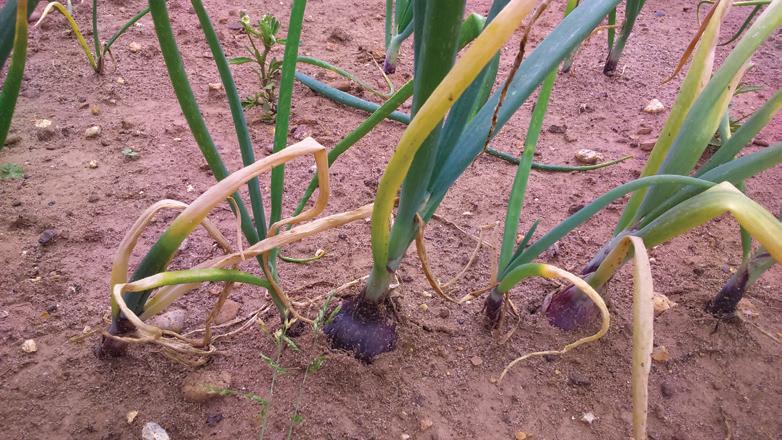
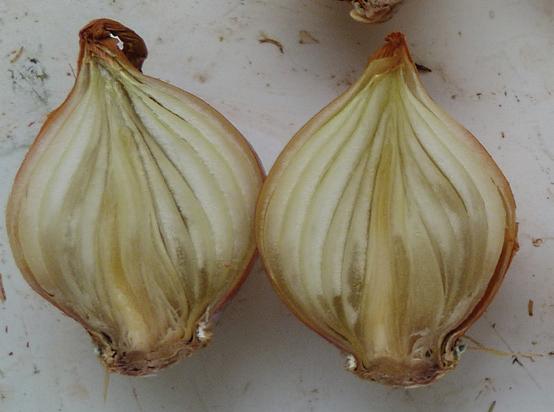
Anew DNA-based soil test designed to detect fusarium basal rot before planting has been launched commercially for UK onion growers.
Developed by the University of Warwick’s Crop Centre in partnership with ADAS, the test identifies the soil-borne pathogen which causes the fusarium – offering a potential tool to reduce losses from one of the sector’s most costly diseases.
Fusarium basal rot is estimated to cost the UK onion industry about £10m annually. Researchers say the test could help growers make earlier decisions about field selection and planting risk at a time when there are no effective treatments.
John Clarkson, professor of plant pathologist at Warwick University, said historical detection methods had limited growers’ ability to manage the disease effectively.
“Through a process of enrichment
and DNA extraction, we are now able to confirm how prevalent the patho gen is in a given soil sample.”
The test was developed under the two-year Innovate UK and Defra-fund ed FUSED project and is now available commercially through ADAS. Results are typically returned within 15 days.
Ben Maddison, managing director of ADAS Biotechnology, said: “The re sults come with a traffic light system to indicate how serious the risk to crop may be and the damage it could do, al lowing growers to plan their planting accordingly.”
Ben Collins, chairman of the Brit ish Onion Producers’ Association, said the disease had intensified across the sector over the past 15 years.
“We’re pleased this new soil test will help growers make informed de cisions on cropping prior to planting and in turn help reduce the financial impact caused by this soil borne dis ease,” he said.
17th June 2026
Guest Speakers:
Hosted by:
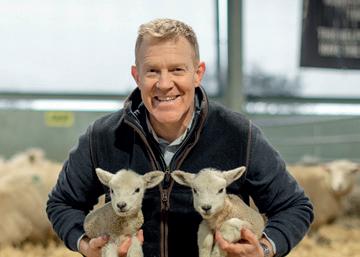
Adam Henson
Tom Rees
Richard Corbett
Roy Jackson
Claire Smith &
Varieties of C2 Seed for Autumn 2026
WINTER WHEAT
Brand New – KWS Aintree
Brand New – LG Defiance
KWS Vibe
KWS Arnie
KWS Extase
KWS Palladium
KWS Dawsum
KWS Solitaire
KWS Zyatt
LG Beowulf
Bamford
Champion
Bell Farm, Colesden, Bedford, MK44 3DB
T: 01234 376 284
E: office@ragibson.co.uk www.ragibson.co.uk
Agricultural
Water Management
Sustainable water resource management
Abstraction licence renewals
Borehole, reservoirs, surface abstraction, infrastructure, IT control
Grant aid applications
Reservoir planning, construction and management
Water efficiency
Water quality issues
Contact: 01263 733395 07785 935498
andrew.alston@farmline.com www.awmcl.co.uk
lgseeds.co.uk/lg-caravelle
Farm trials aim to secure future of leek production
• Genetics drive grower resilience
• Fenland farm trials new varieties
• Breeders look beyond chemistry
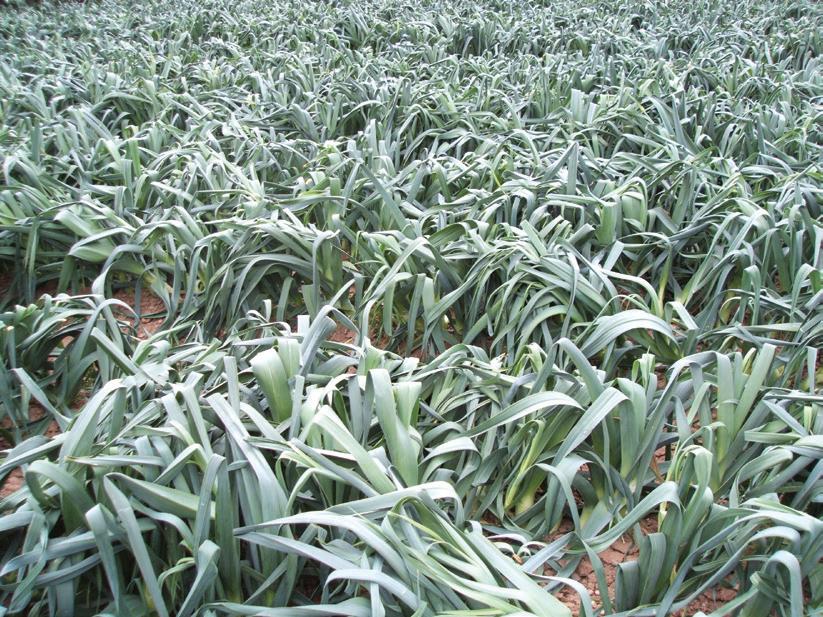
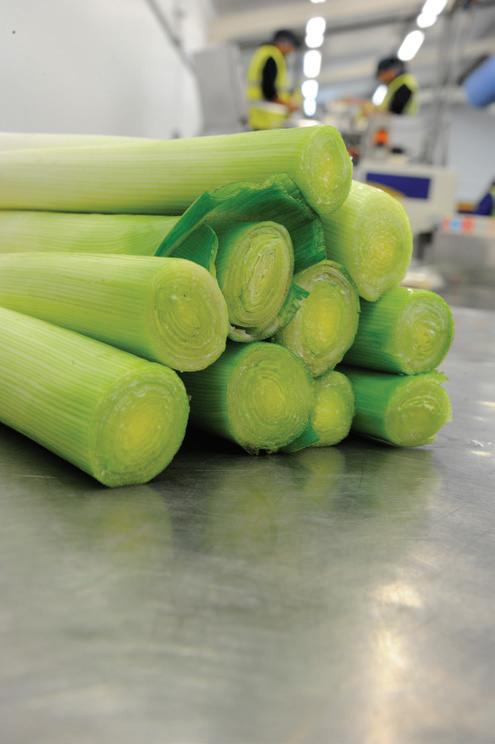
Seed trials on a Cambridgeshire farm are helping to secure the future of UK leek production, says a major grower.
Patrick Allpress has been growing leeks for decades. But recent years have seen him change his approach to help mitigate the impact of climate volatility, rising input costs, fewer crop protection products and tighter market margins.
Today, Mr Allpress is in the process of moving from drilling to planting, embedding integrated pest management – and using digestate from the farm’s cutting-edge anaerobic digester to improve his soils.
Based in the heart of the Fens near Chatteris, Mr Allpress is also hosting a series of leek variety trials – testing various traits from enhanced pest and disease development to improved colour and flavour.
Founded in 1965, Allpress Farms totals some 1000ha of onions and leeks
ness has its own packing facility, 100 full-time staff and supplies supermarkets across the UK.
“Being in the fens, we’re in the heartland of UK veg production,” says Mr Allpress.
Latest genetics
Fenland peaty soils are ideal for allium crops such as leeks. But the withdrawal of many active ingredients and crop protection products has seen the crop increasingly challenged by weeds, pests and disease.
Genetics have a massive role to play in securing a viable future for UK leek production, believes Mr Allpress.
Allpress Farms hosts field trials for BASF Nunhems, which has a portfolio of 17 leek varieties. The farm is testing the latest varieties for their suitability for UK production, disease resistance and traits which appeal to retailers and consumers.
“Variety choice is crucial,” says Mr
that are well-suited to the pre-pack market, with resistance to disease, thrips and pink stripe.
“Their researchers are extremely thorough, gathering a vast array of data throughout the growing cycle. Validating performance with data in real-world conditions is essential for the future of our industry.”
Advances in genomics and gene editing could also mean that even the complex tetraploid leek genome can be improved faster than ever, shortening the breeding cycle and accelerating the availability of new varieties.
Risk reduction
Meanwhile on-farm, Mr Allpress is reducing risk by moving towards a plantbased sowing system – a shift away from drilling which has been driven by the loss of seed treatments and the need to reduce weed pressure.
“Seedlings are vulnerable and we’re finding that without these tools we’re losing more and more plants. By moving to a purely planting system, we will reduce risk.”
While planting costs more, crops are in the ground for less time – cutting the window for pests and diseases to take hold. The new approach will also lower pesticide usage, which fits with the company’s wider sustainability objectives.
Soil health is central to the longterm sustainability of leek production,
Continued on p32
Farm director Patrick Allpress
Good soil health is central to quality leek production
Anglia
Arable
Continued from page 30
says Mr Allpress. His strategy centres on building organic matter and protecting the peaty substrate that makes the farm’s alliums so successful.
“Originally farms here would have been mixed and the organic content of soils was largely maintained through manure. However, as farmers specialised, we’ve started taking more from soils than we’ve put back in.”
“The right varieties are crucial
To counter this, the farm uses digestate from its on farm anaerobic digester and cover crops in the winter. Precision applications of fertiliser ensure crops receive the right nutrients for healthy growth.
Other growers are enhancing soil health too. Mr Allpress is a founding member of Fenland Soil which helps farmers with research, and shares soil protection knowledge, mitigating climate change and measuring greenhouse gas emissions.
Variety choice
Varieties which meet supermarket specification are key. Yield comes
into the decision-making too – as does cleanability and packability. That means long leeks with good shaft length, decent colour and flavour.
Pest and disease resistance also come into the equation. So too is a combination that offers sequential planting and harvesting. This year, the conventionally grown crops are Bokston, Maxton, Krypton, Flexiton, Ronton with Laston.
“These are proving to be robust varieties that perform well on our farm. Cleanability helps reduce labour requirements. Varieties such as Flexiton, with improved efficiencies during handling, reducing the labour required by up to 25%.
When it comes to pests and disease, thrips and fusarium are the farm’s biggest enemies, especially with fewer chemical options. It is a huge challenge – and thrips and basal rot fusarium are particularly difficult to control.
Thrip traps and forecasts are used to forecast infestations – including for disease resistant leeks. For organic production, varieties such as Maxton, Bokston and Yeston are chosen specifically for their natural resistance to thrips and yellow rust.
“When you’ve no crop protection
Leeks are grown and packed for supemarkets
of crop protection products are prob ably all playing a role. Fortunately, breeders are picking up that mantle.”
Harvest Preview
Battle over future of harvest glyphosate
• Growers warn over higher costs
• Campaigners cite health fears
• Ministers face renewal decision
Farmers and environmental campaigners have clashed over the future of pre-harvest glyphosate – and whether it should be used on crops for human consumption
Commonly used as pre-harvest desiccant on cereals and oilseed rape crops, glyphosate has been found to be safe by multiple regulatory reports. But some scientific studies have suggested possible links between glyphosate use and cancer.
Call for action
The Soil Association has called for action on glyphosate residues found in breakfast foods and cereals. In a report published last month, the charity said: “No one wants a chemical linked to cancer in their breakfast.”
Farmer-owned cooperative United Oilseeds responded by releasing data from 767 growers across Great Britain arguing that a ban on pre-harvest use would have economic and environmental consequences.
The clash comes ahead of a consultation by the Health and Safety Executive which will take place later this year before a government decision due by the end of 2026 on whether glypho-
‘Prioritise
Aby
Some 76 per cent of growers say they rely on glyphosate to desiccate oilseed rape before harvest.
Two-thirds of rape growers say they would suffer greater crop losses without glyphosate losses – reducing domestic production and increasing reliance on imported food produced to lower standards.
sate approval should be renewed.
The Soil Association says that glyphosate has become embedded in intensive food production. It argues that farming policy should reduce dependence on chemical inputs and accelerate alternative approaches to weed control and crop management.
Complex reality
It points to a study by the International Agency for Research on Cancer, which classified glyphosate as “probably carcinogenic” in 2015. But other regulators – including the HSE – say glyphosate is unlikely to pose a cancer
Colin McGregor, a Scottish farmer and director at United Oilseeds, said: “If pre-harvest glyphosate is removed and harvests are pushed later, the whole system starts to break down.”
Mr McGregor added: “It means higher costs, more fuel use, more drying, and ultimately higher food prices. In some areas, it could make crops like oilseed rape unviable.”
Farmers also argue removing glyphosate could increase ploughing and cultivation, potentially undermining gains in soil health and carbon reduction linked to reduced tillage systems.
fuel for food this summer’
ccess to fuel may need to be prioritised to avoid crops rotting in fields this summer.
“Reviews of the oil market by sector experts point to a tipping point in supplies in early June, with critically low global levels by the end of May and stocks exhausted by the end of June,” says Jeremy Mood, of the Central Association of Agricultural Valueers.
Domestic wheat and barley production could be severely curtailed if fuel prices re-
main high due to the Iran war, says the Central Association of Agricultural Valuers. Some growers may opt not to plant crops at all, it warns.
Red diesel costs have soared from 65ppl, at one point to almost 140ppl, with nitrogen fertiliser up 53% on last year. Harvest 2026 is predicted to lose an average of £56/ acre, rising to a loss of £139/acre for harvest 2027.
“Across a 500-acre farm that equates to losses of £28,000 and £69,500, respective-
ly,” says Mr Moody.
“The cumulative losses point to a significant strain on cash flow and credit, limiting farmers’ ability to plant even where they are minded to do so.”
The impact of the war could warrant official intervention under the 2020 Agriculture Act 2020, adds Mr Moody.
“The situation should be under close review by the UK Government’s Market Monitoring Group, and appropriate options identified.”
Sponsored
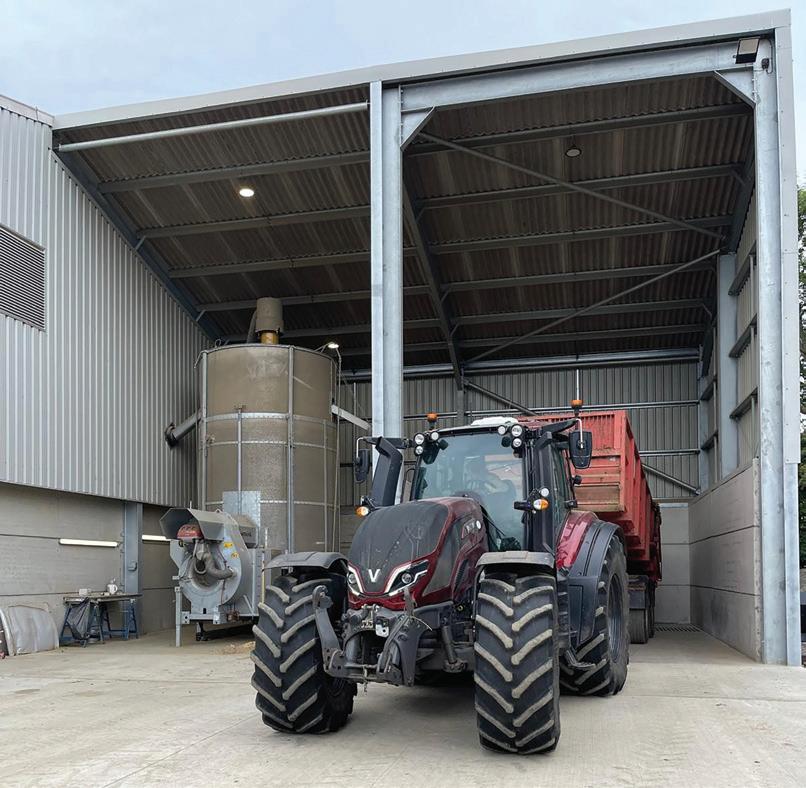
Pre-harvest preparation pays dividends for grain storage
• Faster cooling cuts pest risk
• Hygiene drives grain quality
• Storage demand is growing
Timely pre-harvest preparation is paying off for large-scale grain store operators who en force strict hygiene and treatment protocols.
Colin and Sarah Godwin own and run Keysley Store – a full-service grain and commodity storage and drying facility. Harvest preparation starts as soon as the previous crop leaves the store, which handles grain from over 100 farms.
The Godwins bought Keysley Farm in 1990. Good hygiene and biosecurity measures keep pest pressure under con trol throughout the season right across the site, near Warminster in Wiltshire.
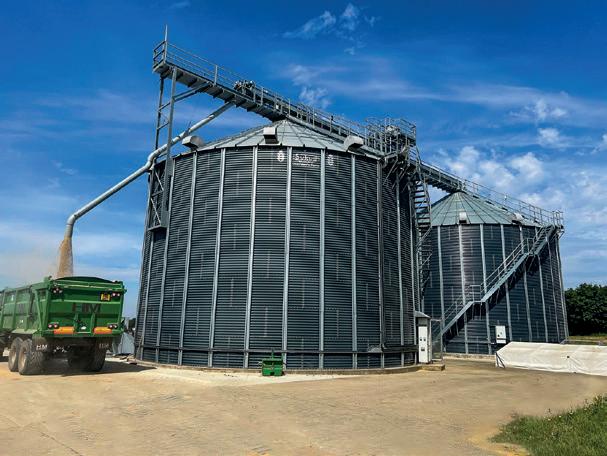
The couple have invested heavily in their infrastructure, adding four large grain stores and increasing capacity from 6,500 tonnes to a state-of-theart facility capable of storing 44,750 tonnes of grain and animal feed.
Originally, they stored a range of crops. But the past 10 years have seen feed wheat stored predominantly on behalf of Frontier Agriculture on an annual contract.
“The relationship with Frontier has worked well,” says Mr Godwin. “They move grain into store during the harvest period and thereafter for farmers with short-term storage, out-taking grain as needed – usually May to July.”
Comprehensive service
The storage and drying facility runs alongside a wider 300ha arable enter prise and wedding venue in the farm’s former stable yard. Demand for stor age has expanded steadily over the years with proximity to the A303 eas ing deliveries and collections.
“Farmers receive a full service with an 80 tonne per hour Perry grain dry er, Perry elevators and conveyor sys tem capable of moving 120 tonnes per hour and an optical colour sorter to further condition grain and remove ergot," says Mr Godwin.
“The machine uses cameras to dis tinguish between light and dark grains
FARM FACTS
Four large grain stores
Total capacity 44,750t
80t per hour grain dryer
120t/hr elevator & conveyor
Grain cooling system
On-site laboratory
Public weighbridge
Colour sorter available
to remove ergot from grain using air-operated jets, expelling the contaminated grains as they pass through the machine.”
Preparation
With a vast capacity for grain, preparing and cleaning the stores is a largescale operation for Mr Godwin. “My priority is to thoroughly empty the
The store handles grain for more than 100 farms
Key customers include Frontier Agriculture
sprayer and a scissor lift to reach the roof space.
“After application, the store is left for the recommended 48 hours and once dry, it remains active for two months after application and works by killing the pests when they come into contact with the surface,” he explains.
Incoming grain
Lorries are sampled on the weighbridge. Samples are then sieved and monitored for any pest activity. Moisture and temperature control are also vital, as grain can leave the dryer at 2530°C, creating warm conditions where pests can thrive.
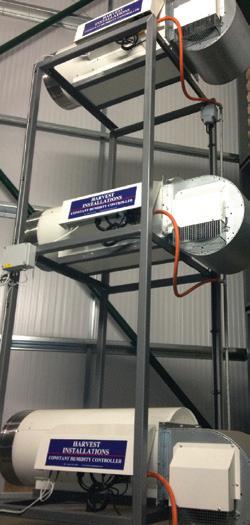
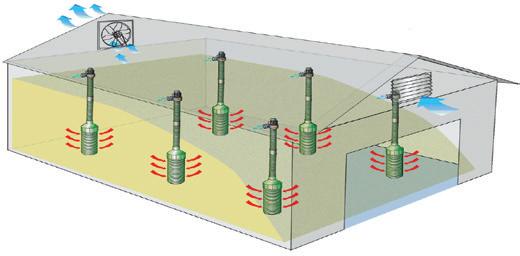
“It’s a priority to get the grain below 15 degrees as quickly as possible to avoid pest activity. We use a vertical pedestal cooling system, then continue cooling until the grain reaches an optimum of 5 degrees.”
Common grain pests like weevils and saw tooth beetles can reproduce in temperatures of around 12 degrees, making constant monitoring vital. Instore temperatures are recorded weekly and tracked across the store.”
Probes help confirm the cooling system is working effectively. Good hygiene, rapid temperature reduction and pre-harvest treatments all help manage low-level pest activity that can be difficult to detect.
Plant-based insecticide targets grain store pests
• Organic approval secured
• Offers broad-spectrum control
• Multiple treatment options
Organic and low-input farmers have a new option for tackling insect pressure in grain stores ahead of harvest following the launch of a plant-based insecticide.
Approved for use in organic systems, Organ-X Pro is designed to control pests including flies, midges, ants, cockroaches and stored product insects such as beetles, grain weevils and red mites.
The treatment offers farmers another tool to help protect stored crops and maintain hygiene standards, says Roger Simpson, managing director at manufacturer and pest control specialists Lodi UK.
“With this product, we’re now covering all bases, offering a complete solution for pest management across grain storage while supporting low-input and organic farming practices,” says Mr Simpson.
Flexibility
“Organ-X Pro is designed for flexibility, with multiple application methods to suit a variety of farming environments, including use as a surface
“It’s designed for flexibility
spray, pressure spray, or thermal and cold fogging.”
For surface and pressure spraying, which are aimed at controlling crawling insects such as red mites and litter beetles, Mr Simpson says Organ-X Pro should be diluted to 8% with water.
“I’d advise spraying 50ml of the diluted solution per square metre in infested areas, such as walls, door jambs, and cracks where pests typically settle. The treated area should be ventilated during treatment and for up to two hours afterwards.”
The product can also be applied through thermal and cold fogging systems to tackle flies and other flying insects in enclosed storage areas.
Treatment
“For fogging, which is especially effective for controlling flies and other flying insects, the product should be diluted to 20% with water and applied to indoor spaces at a rate of 200ml per 1,000m?.”
Mr Simpson adds: “When fogging, grain should be removed from the treated space, and surfaces should be covered to avoid contamination. The room should be left to act for four hours, followed by thorough ventilation before re-entry.”
Organ-X Pro is produced using a natural extract from Chrysanthemum
Roger Simpson: A complete solution
cinerariaefolium and is approved for up to 11 applications a year. Approval makes it particularly relevant for businesses seeking pest control options compatible with organic standards.
“We’re proud to offer such a versatile product that gives farmers a flexible option for managing insect pressure in empty grain stores and other farm environments, where organic-approved products are required,” says Mr Simpson.
Kidi says the treatment can be used across a range of farm environments where insect pressure threatens crop quality, storage standards and operational hygiene – including in the runup to harvest.
Arlington secures top-tier milling wheat status
confirmed what we have seen throughout
Joe Brennan, head of technical and regulatory affairs, at UK Flour Millers said: “We hope new Group 1 varieties such as Arlington establish themselves and provide millers a consistent source of high-quality home-
The breeder said Arlington was the highest-yielding Group 1 wheat in the eastern region and the highest-yielding second wheat in the category. Dr Kerton said the variety had been bred to combine end-use quality
Arlington has a protein content of 12.5 per cent, a Hagberg Falling Number of 309 seconds and a specific weight of 78.9kg/hl. UK millers have also highlighted its gluten quality, loaf volume and water absorption
New partnership launched to boost cereal margins
• Lower storage costs
• Stronger grain
• Better grower returns
Anew partnership aims to improve farm profitability by combining lower-cost input purchasing with grain storage and marketing services.
The collaboration brings together AF Group’s buying power on farm inputs with Camgrain’s grain handling, drying and marketing operation across eastern and central England.
The two farmer-owned co-operatives believe the agreement will help growers strengthen cereal margins at a time of rising production costs and volatile commodity markets.
Under the arrangement, farmers will be able to access discounted services, grain cleaning and storage, along-
side a range of marketing options including forward contracts, pooled marketing and direct sales routes.
Camgrain said growers could choose how actively involved they wished to be in selling grain, while relying on the co-operative to manage storage, logistics and quality assurance.
Margin focus
Camgrain group chief executive Simon Willis says closer collaboration between farming co-operatives is increasingly important for arable businesses.
“As a farmer owned co-operative, Camgrain is delighted to be collaborating with AF Group – a similar farming co-operative,” he said.
“In these challenging times for UK arable crop farmers, I believe it is vital that we work together with other farming co-operatives, to reduce the
Right: The partnership widens farm input and grain storage options for growers
Far right: Grower Andrew Pitts (centre) – a member of both cooperatives –with Amanda Sim and Jamie Hamilton, both of Camgrain.
Inset:John Barrett: opportunity for farmers
costs each other’s farmer members in cur operating their businesses.”
Camgrain operates grain storage facilities in Cambridgeshire, Northamptonshire and Warwickshire, handling crops including wheat, barley, oilseed rape, oats, beans and organic produce.
The business has continued invest-
ing in grain sorting and drying tech nology to improve crop values and tar get premium markets.
Technology investment
Its facilities include colour sort ers capable of removing con taminants such as ergot at rates of up to 100 tonnes an
hour, alongside a BoMill protein sorting plant designed to segre-
al officer John Barrett said efficient storage and assurance systems were becoming increasingly important for growers seeking to maximise returns.
“What do Camgrain do? They store grain well, giving you the best opportunity to be able to sell that grain to buyers who know what they’re going to get,” he said.
Shared services
“They will dry it at the lowest cost, store it at the lowest cost, and assure it to the highest standard so you can get the best value out of your crop.”
Mr Barrett said combining grain marketing with input purchasing could improve overall business performance.
“Combine this with AF’s specialists procuring inputs at best value, this collaboration presents an excellent opportunity for farmers to maximise returns on their crops at a time when
Farm cuts bottlenecks with auto drying system
A modern approach to grain handling is helping to streamline harvest
An estate farm has invested in a fully automated grain drying and handling system to replace its ageing post-harvest infrastructure.
Farm manager Mark Heritage says his 1960s grain set-up could no longer cope with the scale and speed of modern harvest operations after bringing farmland back in-hand in 2022.
Limited storage and lack of a grain dryer at Titch Hill Farm prompted the overhaul amid growing pressure as arable output expanded on the Sompting Estate near Worthing, West Sussex.
Wider trend
The investment reflects a wider trend across UK agriculture as farms modernise post-harvest systems to improve efficiency, reduce labour demands and increase flexibility during increasingly unpredictable harvest conditions.
“We were losing valuable harvesting time waiting for moisture to drop,” says Mr Heritage. “With more arable, we had outgrown the old system.”
Titch Hill Farm comprises 360ha of downland, including 190ha of arable crops such as winter wheat, win-
ter barley, spring barley and oilseed rape alongside herbal leys.
The previous storage system forced the business to move grain quickly to create space for incoming crops. If grain exceeded target moisture levels, harvesting had to stop.
Capacity
Ahead of harvest 2024, the farm constructed a new grain store before installing a larger intake and drying system to handle increased throughput with minimal manual input.
Mr Heritage first came across grain handling experts McArthur BDC after watching a YouTube video featuring contractor and farming influencer Olly Harrison discussing his Mecmar dryer.
Further discussions convinced him the company could deliver a broader operational solution rather than simply supply equipment. This included an integrated post-harvest system tailored to the site layout and expected crop volumes.
“The McArthur BDC team understood exactly what I was trying to achieve. When the plans came through, they matched what I had in
mind,” says Mr Heritage.
At the centre of the installation is a D20t automatic electric mobile grain dryer from Mecmar, linked to a Skandia 40tph trench intake conveyor system. The design balances intake speed, drying capacity and discharge flow to avoid bottlenecks.
Installing the largest suitable drier within the available footprint was only part of the challenge. Intake capacity also had to feed the drier consistently without overwhelming storage infrastructure.
Automation
Reducing labour requirements during harvest was a major objective. The Mecmar drier operates through a touchscreen control system with remote monitoring capability via mobile devices or desktop computers.
“My partner Natalie works alongside me, and I wanted to be able to help remotely if needed – even if I was driving the combine,” says Mr Heritage. “Being able to monitor and control the drier from my iPad was a massive plus.”
Grain tipped into the trench intake is automatically conveyed into the drying system. Sensors regulate intake flow, burner activation and drying cycles, while built-in aspirators remove dust and chaff.
The new system includes a Skandia trench intake and Mecmar dryer
“We were losing valuable harvesting time
Once the crop reaches target temperature, the system moves into cooling mode before integrated moisture sensors verify final grain moisture levels. Grain is then either discharged into store or retained for outloading.
The control system also records operational performance data, including fuel consumption, drying times and moisture trends. That information allows the farm to review harvest efficiency and assess long-term operating performance.
Reliability
Given the farm’s coastal location near Worthing, corrosion resistance was another factor behind the investment decision. The Mecmar’s galvanised construction offers protection against salt-laden air and long-term weather exposure.
McArthur BDC completed installation and commissioning ahead of harvest. Mr Heritage says he couldn’t have been happier. “Throughout the project, communication was excellent and the install team worked to a very high standard.”
The new system now allows the business to harvest crops, dry grain and manage storage independently of immediate haulage or marketing pressures, he adds.
High-performance telehandlers showcased at Cereals
Telehandlers and a range of post-harvest equipment will be showcased at Cereals this month – taking place on 10-11 June at Diddly Squat Farm, Oxfordshire.
Merlo will exhibit a targeted lineup of high-performance agricultural machinery – including the TF45.11 TCS?170 CVTronic HF, a flagship model engineered for high-throughput grain handling and large Hestontype bale handling.
Life capacity
Offering a 4.5t lift capacity and 10.8m lift height, the TF45.11 is powered by a 170hp Stage V engine. It is equipped with Merlo’s CVTronic continuously variable transmission, delivering smooth power transfer, optimal traction and reduced driveline losses during sustained loading cycles.
The High Flow specification, featuring a larger-capacity hydraulic pump, delivers increased oil flow for faster cycle times and consistent per-
formance when loading grain trailers or operating high-demand attachments.
Also on the stand will be the TF38.10 TTCS-145 CVTronic, providing a 3.8-tonne lift capacity with a 9.7?metre lift height. Well suited to fertiliser bag handling, bale stacking and grain store work, the TF38.10 combines a compact footprint with CVT drive and hydraulic control.
The TT system, incorporating hy draulic frame levelling and boom sideshift, allows for accurate load positioning at height as well as offer ing excellent manoeuvrability with out compromising reach or stability.
Both models feature hydraulic frame levelling, hydropneumatic cab suspension for increased oper ator comfort, and boom suspension technology to enhance load stabili ty and control when operating across uneven ground or during road travel, supporting high productivity during long working days.
Merlo will also display key arable attachments, including the V7000 MX bale spike and A2420 bag handler, engineered to provide safe, controlled handling of bales and bulk fertiliser bags while maximising operational efficiency.
Merlo will showcase a range of handling equipment
All machines feature Merlo’s advanced safety and stability systems, intuitive operator interfaces and robust chassis design - supporting high usage rates, reduced operating costs and long-term durability.
Mammoth Millet
● Full buy-back contract.
● High value niche markets.
● Cheap and easy to grow.
● Simple agronomy.
● Very good break crop.
● Markets prefer UK-grown crop.
● 130 - 135 day crop.
● Sow early May.
● Combine in mid September.
● No problems with pest / diseases.
● Very resistant to rabbits / pigeons etc.
● High yield - up to 1.85 tonnes per acre.
● Suits all areas south of the Vale of York.
● Suits any soil.
● Good choice of effective herbicides.
● Excellent gross margins.
to www.soya-uk.com to download further information and to
Now you can choose your preferred InSyst formulation to prevent the spread of aphid-borne virus in your potato crops.
InSyst gives quick knockdown on contact and persists in existing foliage and new growth*. With new, improved formulations, you can opt for InSyst SG water-soluble granule or InSyst SL soluble concentrate that comes with an easyconnect cap.
Aphid control your way: learn more at certisbelchim.co.uk/insyst-sl
Sugar Beet Growers warned over rising virus yellows risk
Three-spray strategy advised as aphid pressure increases
Sugar beet growers are being urged to prepare for a prolonged aphid control campaign as virus yellows pressure builds across eastern England.
Many crops are likely to require a three-spray aphicide programme this season after warm spring conditions encouraged early pest activity, says the latest bulletin from the British Beet Research Organisation (BBRO).
Peach-potato aphid Myzus persicae remain the dominant species detected in monitoring traps, increasing the threat of virus transmission as temperatures rise, says the BBRO.
The warning comes as growers contend with patchy crop emergence, flea beetle damage and dry conditions that have complicated weed control decisions across the beet-growing region.
Pest pressure
Crops are particularly vulnerable to infection between the four and six true leaf stage. The recommends a sequence of acetamiprid, flupyradifurone and flonicamid products to help manage insecticide resistance.
“Crops must be checked regularly as sugar beet is more susceptible to VY infection between 4-6 true leaves – if at threshold do not delay treatment,” says the bulletin.
The organisation also repeated warnings against using pyrethroid-based insecticides because they
“do not control our target aphids but will harm beneficial predatory insect populations”.
Field conditions
Growers are reporting widespread flea beetle and thrips damage, with some crops showing shot-holing and stunted growth. The dry, hot spring has favoured beet moth activity, particularly around the A14 and A11 corridor with clear hotspots emerging.
Weed control programmes have become more difficult because of uneven crop growth and hardening weeds. The BBRO is advising growers to pay closer attention to nozzle choice and adjuvant use where weeds remain small.
Cultivation lessons
The bulletin says another dry spring had exposed differences in cultivation strategy across the region. Land ploughed late had dried out quickly, while autumn-cultivated fields had generally performed better.
Growers are review establishment performance ahead of next season and continue monitoring pest pressure through the BBRO’s CropWatch and AphidWatch services.
The organisation also reminded growers to prioritise on-farm hygiene measures, including removing spoil heaps and root remnants, to reduce local disease and pest sources.
Dry spring exposes cultivation differences
Farmers face mounting pest and establishment pressures after another dry spring triggered uneven crop growth and rising aphid activity, the British Beet Research Organisation has warned.
Many crops are expected to require three aphicide sprays this season as virus yellows risk increases. With the likelihood of infection increasing as temperatures recover, growers are advised to inspect crops regularly
Complicated
The dry conditions have also complicated weed control. Mixed crop maturity within fields and tougher, waxier weeds are making post-emergence decisions harder, particularly where growers are balancing adjuvant use and nozzle choice.
The BBRO says establishment differences were becoming clear across the region. Fields cultivated in autumn had generally performed better than land ploughed late, which dried out quickly during the spring.
Emergence
Patchy crop emergence is visible across much of the beet-growing region after prolonged dry weather. Autumn-ploughed land has generally retained moisture better, with some crops struggling to establish evenly on late-ploughed fields.
The findings could influence cultivation decisions ahead of next season as growers seek to improve crop resilience against increasingly erratic spring weather over a number
Farmers to use this year’s conditions to assess which establishment systems had performed best on their own farms.
“Check what has worked on your own land in order
cultivations for next year,” says the
Weaker market poses challenge for growers
ritish Sugar and its grower base are facing mounting pressure after Associated British Foods warned there is “no evidence yet of a
The group said its sugar division fell to a £27m adjusted operating loss
ropean prices hit margins and export sales weakened. The downturn has sharpened concerns across the UK beet sector after a smaller domestic
Unleash the Power of Weed Control
ket oversupply.
ABF said UK sugar production for the 2025-26 campaign was about one million tonnes, down on the previous year because of an intended reduction in acreage. Lower negotiated beet prices partly offset the impact of falling sugar prices.
The results underline growing pressure on the UK sugar industry as growers contend with volatile returns, rising production costs and difficult growing conditions.
Crop threat
The financial pressure comes as UK beet growers battle a difficult spring. The British Beet Research Organisation has warned of heightened virus yellows risk, patchy emergence and growing pest pressure following prolonged dry weather.
BBRO said many crops may require a three-spray aphicide programme this season and urged growers not to delay treatment once thresholds are reached. Reports of flea beetle, thrips and beet moth activity are also increasing across eastern England.
Despite the weaker market, ABF said it continued to manage costs and expected the wider group to improve performance in the second half of the year.
For UK beet growers, however, the outlook remains uncertain as low European prices continue to weigh on profitability and planting decisions for future campaigns.
Empowering Agriculture
Market pressure
ABF said sugar sales fell 9pc in the first half while the division moved from an £8m adjusted operating profit last year into loss. The company blamed “low European sugar prices” and higher production costs.
George Weston, chief executive of ABF, said: “In sugar, the results were below our expectations and given the current market conditions, we are more cautious on the outlook.”
The company warned the European sugar market was likely to remain oversupplied into 2027.
“At this stage of the year, we have limited visibility of the size and quality of the 2026/27 beet crop in Europe, but early indications are that the European sugar market will remain in surplus in 2027,” ABF said.
“Given the current market environment, including a lack of visible inflection point in European sugar prices, there is no evidence yet of a recovery in our Sugar business in 2027.”
Outlook remains uncertain for UK beet growers.
Stacked-trait varieties shape beet future
Plant breeders are urging sugar beet growers to rethink their seed strategies as weed pressure, disease risk and difficult drilling conditions reshape crop prospects.
The focus comes as growers face mounting challenges from weed beet, beet cyst nematode, virus yellows and cercospora, prompting greater interest in varieties with multiple resistance traits.
Breeding programmes have moved beyond single-trait resistance to varieties with multiple protections, says KWS sugar beet product manager Martin Brown. “It wasn’t long ago that rhizomania resistance was a niche trait – now it is universal.
“Since then, we’ve added BCN tolerance, Conviso Smart for weed beet control, virus yellows tolerance, and most recently CR+ for cercospora. Each trait addresses a specific onfarm challenge.”
Mr Brown says growers can’t
change the conditions they have drilled into, but they can assess how crops establish, how well they cope with field-specific pressures and where different varietal traits could add value in future seasons.
Weed beet remains a major factor shaping future variety choices. “If weed beet is limiting, Conviso Smart can open that land back up,” says Mr Brown.
“Stacked-trait Conviso Smart varieties such as Smart Nelda have opened up ground that was previously off limits by combining weed beet control with BCN tolerance.”
Soil structure
Alongside genetics, crop establishment remains central to yield performance, particularly after a difficult spring. Mr Brown warns that rushed cultivations and poor seedbeds continued to hold crops back, especially on heavier land.
“Heavier kit, paired with a temptation to push on regardless of soil condition, can come back to bite growers,” he says Despite volatility in recent seasons, Mr Brown says sugar beet continued to compare favourably with cereals financially.
“Sugar beet has been up and down in recent years, but in general its margins still compare favourably with cereals/ “It remains a reliable crop to bank on, provided the growing process is properly managed.”
Conviso beet aims to help growers produce more for less
When it comes to sugar beet, Revystar ® XE is unbeetable. With proven, long-lasting control against key diseases like cercospora, rust, XE helps your crop stay cleaner, greener
diseases powdery mildew and ramularia, Revystar and more productive for longer. Visit agricentre.basf.co.uk/Revystar-XE to find out more.
Sugar Beet
Trial tests low-input sugar beet at Elveden
Acommercial-scale low-input sugar beet trial is under the spotlight amid mounting pressure to cut costs and improve environmental performance.
Hosted at the Elveden Estate in Suffolk, an open day on 18 June will bring together growers, agronomists and supply chain businesses to assess how different cultivation and nitrogen strategies perform under practical farm conditions.
The event is being staged by the Elveden Estate alongside Syngenta and British Sugar as part of an “innovation field” project examining the commercial viability of more sustainable farming systems.
This year marks the first time the trial has focused on a root crop, with sugar beet replacing previous work on winter wheat, spring barley and beans.
Growers attending the event will compare cultivation systems ranging from strip-till to plough-based
establishment. Different nitrogen approaches will also be assessed, including placement techniques and conventional spreading methods.
The trial also examines integrated pest management measures, including cover crops, clover living mulch and biodiverse flower strips designed to support soil health and beneficial insects.
Organisers say the aim is to help growers evaluate sustainable approaches alongside standard commercial practice rather than promote a single farming model.
Rotation focus
The event reflects wider debate across UK arable farming about how to maintain yields while reducing reliance on fertiliser, cultivations and crop protection inputs.
Sugar beet remains an important break crop for eastern England growers. But rising production costs and tighter environmental scrutiny have
increased pressure on margins.
Visitors will hear from the Elveden Estate, Syngenta, British Sugar and industry partners during guided field walks and open discussions throughout the day. Topics will include crop establishment, rotational planning and low-input systems at scale.
The event will run in two sessions, at 9am and 1pm, at Elveden Estate near Thetford. Organisers said BASIS and NRoSO points would be available, alongside refreshments using local produce.
For more details, visit www.britishsugar.co.uk
The trials aim to make beet more sustainable
Thinking about 2027 sugar beet seed order?
Varietal selection
As growers and advisors consider the Recommended List of Sugar Beet Varieties for 2027 (RL), the increased choice of genetic and seed prime and pellet options will be immediately apparent.
In addition to the list of familiar and new variety names there are a number of varieties available with the breeder’s own prime and pellet and with the Germains Seed Technology option.
What is also significant is that tolerance traits are now available with yield levels comparable to the highest yielding varieties; where the RL yield ‘lsd’ (least significant difference) of 4.4% should not be overlooked.
When selecting a variety for the following season, the risk of beet cyst nematode (BCN) can be more readily predicted on land that is known or suspected to have this pest problem, whereas predicting the risk of virus yellows (VY) and other foliar diseases is imprecise.
For example, the Rothamsted Research model in March predicted a 62% incidence of VY at the end of August for Bury, Cantley and Wissington in the absence of control, and 49% for Newark – these numbers were revised by the BBRO in early April with the proportion of crops which could be infected with VY is also estimated to have increased by around 15% in the North and 10% in the East.
The risk to yield from VY can be reduced by selecting RAGT’s ST Tweed which is the highest yielding virus yellows tolerant variety on the RL at 99.0% and is suitable for early sowing. ST Tweed has average sugar content with very low total impurities and shows low susceptibility to all three of the major foliar diseases. It will be offered again at a highly competitive price for this added virus yellows yield protection, representing low-cost insurance when making seed selection choices later this summer/autumn.
In the 2024 BBRO ‘Goliath’ virus yellows trial, ST Tweed retained c.95% of its uninoculated yield when exposed to 100%
Seed quality and seed treatment
beet mild yellows virus infection and 88% when exposed to 100% beet chlorosis virus infection. Following a decade of intense tolerance breeding we can now offer this trait cost effectively to growers.
If the selection criteria focus is total yield, ST Rotterdam is RAGT’s newest variety for the UK market that is already proven in other European countries in BCN and SBR affected regions. With an RL adjusted yield of 101.5% compared to the control in combination with our ‘3Dplus’ prime and pellet, this puts it up with the very highest yielding varieties. Furthermore, it offers above average sugar content, very low total impurities and good foliar disease scores. However, it is not suitable for early sowing.
Where BCN tolerance is a priority, Button is a proven choice for growers yielding 98.5% of control in the absence of nematodes. It is suitable for early sowing, offering above average sugar content with low total impurity. Furthermore, in 2025 Button gave its best performance in the 2025 RL trials that reflected its resilience under dry, stressed conditions – it is dependable when you need it most.
Like Button, the performance of Morgan in 2025 was its best yet and showed resilience to perform very well under dry, stressed conditions – it remains a reliable and dependable choice. At 99.1% of control for adjusted yield with average sugar content and low impurities it is a competitive and reliable variety with excellent establishment. Morgan is not suitable for early sowing.
With the Strube business now an integral part of RAGT, we are unique in the range of more than 40 rotational species offered and our sugar beet expertise remains a core pillar within our diverse business; so if you need a BCN hatch crop, such as oil radish or white mustard think RAGT, or if is a cereal or oilseed variety again, think RAGT! Our sugar beet portfolio for the UK combines varieties that are well proven and additionally newer varieties that bring virus yellow tolerance or yield progression to broaden choice for growers.
Breeding progress and genetic improvement continues to drive yield in conjunction with tolerance traits. This continuous genetic improvement is part of the total seed package we offer.
Our reputation for the highest sugar beet seed quality reflects focus at every preparation step from multiplication, grading, polishing and our ‘3Dplus’ prime and pellet combination.
The RL list is available on the BBRO website, showing the comparative performance of breeder genetic in combination with the prime and pellet options.
Growers selecting ‘3Dplus’ will experience reliable and dependable performance that is offered with highly competitive pricing, delivering excellent value on farm.
Choose RAGT with confidence for 2027.
Robots target labour crisis in sugar beet production
Robotic weed control systems could help sugar beet growers address labour shortages, rising costs and tighter pesticide regulation.
The technology will be a major focus of SugarBeet Expo 2026, an open-air exhibition launched by the German Agricultural Society (DLG), which aims to showcase ways improve the long-term viability of growing sugar beet.
It comes as growers face mounting pressure from declining crop protection options and rising labour costs, particularly in organic production systems where hand weeding remains expensive and difficult to source.
The SugarBeet Expo event takes place near Hanover on 9-10 September. Organisers say field robotics could become one of the most commercially significant developments in sugar beet cultivation over the next decade.
The exhibition will run alongside
PotatoEurope. It will focus exclusive ly on sugar beet production, combin ing machinery demonstrations, tech nical workshops and field trials under working conditions.
Weed control has emerged as one of the sector’s biggest challenges as approved herbicide options continue to decline across Europe.
At the same time, growers are bat tling increasing disease pressure from threats including the SBR/Stolbur complex and cercospora.
Labour pressure
The economics of weed management have shifted sharply in recent years. Labour-intensive hand weeding re mains common in – but rising wage costs and reduced worker availability are forcing farms to seek alternatives.
Autonomous hoeing systems are in creasingly being viewed as a practical replacement. Trials carried out at the
SIGNIFICANTLY DIFFERENT
Tolerance: Rhizomania
Highest yielding variety on the BBRO
Recommended List 2027
High adjusted tonnes: 103.4% treated / 103.8% untreated
Stable yield over several seasons and challenging weather conditions
SugarBeet Expo takes place this September
www.betaseed.com/uk/en
The findings underline how rapidly robotics is moving from experimental technology towards commercial field application. Sugar beet remains one of Europe’s highest-value arable crops, but production costs have risen stead-
Input inflation, volatile energy markets and restrictions on crop protection chemistry have intensified pressure on margins. For many growers, mechanised weed control is increasingly viewed as both a cost-saving tool and a risk-management strategy.
The DLG believes practical demonstrations will be critical to accelerat-
Like PotatoEurope, SugarBeet Expo will operate as a field-based exhibition rather than a conventional indoor trade show. Manufacturers from the seed, machinery, crop protection and digital technology sectors will demonstrate working equipment Organisers say the format is designed to allow growers to assess systems in realistic commercial scenarios rather than through static displays. Wilfried Wolf, project manager
for both SugarBeet Expo and PotatoEurope, said the events had been designed to complement one another rather than compete. “With SugarBeet Expo, we are creating a platform that consciously focuses on proximity rather than competition,” he said.
“In arable farming, potatoes and sugar beets are strategic cropping partners on many farms – and this is exactly how we understand our exhi-
bition concept: two independent specialist worlds that benefit from each other through targeted interfaces.”
The event reflects wider investment across European agriculture in automation and precision technology as growers attempt to maintain productivity while reducing labour dependence and input use.
For full details, visit www.sugarbeet-expo.de/en
All about SugarBeet Expo 2026
SugarBeet Expo is a new international trade fair dedicated exclusively to professional sugar beet production.
The two-day open-air event will run alongside PotatoEurope at Rittergut Gestorf near Hanover, Germany, on 9-10 September. It will focus on practical farming technology, digitalisation and sustainability across the sugar beet sector.
Organised by the German Agricultural Society (DLG), the event will bring together growers, contractors, researchers and agri-tech companies. Visitors will see machinery demonstrations, technical presentations and cropping systems.
Topics will include robotics, precision farming, soil health, crop protection and climate adaptation strategies. Organisers say the exhibition has been designed as a platform for innovation and investment decisions within the beet sector.
The exhibition is in one of Germany’s main sugar beet growing regions and already hosts the established PotatoEurope event. Many exhibitors are expected to serve both sectors because of the close links between potato and sugar beet rotations.
Wilfried Wolf, project manager for both exhibitions, said the aim was to create “two independent specialist worlds that benefit from each other.”
ommended
Highly recommended for all regions of the UK, this top-performing conventional variety boasts the highest yield. Featuring large pods and abundant seeds, it ranks as the No.1 choice. Developed in Britain specifically for British farmers, its superior yield, vigour, and establishment surpass even that of Campus.
in Britain specifically for British farmers, its superior yield, vigour, and establishment surpass even that of Campus.
ommended for all regions of the UK, this top-performing conventional variety boasts the highest yield. Featuring large pods and abundant seeds, it ranks as the No.1 choice. Developed in Britain specifically for British farmers, its superior yield, vigour, and establishment surpass even that of Campus.
Livestock
AI tool aims to transform herbal ley measurement
•
Smartphone
app
measures herbal leys
• Farmers improve grazing decisions
• Trials boost pasture performance
Afarmer-led project is testing a smartphone tool which makes it easier to measure the dry matter yield of herbal leys – helping to boost pasture performance.
The multiple benefits herbal leys bring to productivity, soil health, biodiversity and improved resilience are well recognised, but there are few ways to measure the amount of feed available from them quickly and reliably.
Currently farmers with herbal leys rely on visual estimates. But these are often inaccurate and make it difficult to allocate the required amount grazing and forage area. This in turn affects livestock performance and productivity performance.
“Tools such as plate meters and satellite prediction models are calibrated for ryegrass but don't perform well on multispecies mixes,” says project facilitator Becky Willson.
en by farmers in the field with a machine learning model to estimate grass yields and provide information able to improve the use of herbal leys and overall grazing management.”
Funded through Defra’s ADOPT programme, the new system is designed to deliver results in seconds. It doesn’t require any specialist equipment or internet connectivity – making it ideal for everyday use on farm.
Commercial trials
The new system also tells farmers how much grass they are growing within diverse mixes at different time points throughout the season. Commercial-scale testing is taking place across livestock systems.
The data helps build confidence herbal leys can perform well and be integrated into cropping rotations, and by making the most of their for-
FOCUS ON BEEF & DAIRY PIG & POULTRY
prove profitability.
The trial is being carried out across a mix of dairy, beef and sheep farms in England to ensure the tool is robust across different grazing setups and soil types. Researchers started by collecting pasture samples at the beginning of April.
“We have collected more than 500 pasture samples across eight farm sites, with the samples being processed in the lab to determine dry matter content and which can be used to train the model.”
ley being used to analyse performance in
Real conditions
App-based predictions are being compared against traditional cut-andweigh measurements, to validate the model and refine it for both accuracy and ease of use under real farm conditions.
The ADOPT programme supports farmer-led, on-farm trials addressing real-world challenges to generate practical, scalable solutions for the sector. In this case, the lead farmer is Devon-based Chris Berry.
Results from the project will be shared through on-farm events and industry channels as the work progresses, said Mr Berry.
“The application process was well communicated and straightforward, and by allowing the work to be completed on a variety of farms and land conditions, the results will have a wider reach and be relevant to farmers running a diverse range of systems.”
Herbal
Collecting pasture samples to measure herbal ley performance
How under-sowing with grass protects maize soil health
Choose species carefully to avoid potential weed burden, growers warned
Growers are being urged to consider under-sowing maize with grass – and reap the benefits of better soil health.
Retention of important nutrients, reduced topsoil loss and improved harvestability are just some of the benefits – but timing and species selection are crucial, says David Linton, commercial manager for grass seed breeder Barenbrug.
“We all recognise that maize is a highrisk crop for soil health - and a cover crop like grass is probably the single best move a grower can make to reduce that risk. Yet it remains something of a niche undertaking.”.
Right species
Water quality is potentially the biggest win, says Mr Linton. Grass will help retain recognised ‘problem’ nutrients such as phosphorus and nitrates, which water companies regard as potential pollutants along with excess sediment.
“Retaining those nutrients in the soil makes them available for the following crop. Trials have shown how under-sowing maize provides a greater reduction in nitrate leaching than autumn-established cover crops after maize.”
Some growers remain reluctant to under-sow maize crops with grass because of the perceived impact on yield or quality. But Mr Linton sasys trials have proved that under-sowing has no significant effect on yield, metabolisable energy or starch content.
He attributes this concern to inappropriate species selection for under-sowing. “There’s been a tendency to recommend Italian ryegrass, but that can be absolutely the
wrong choice, particularly if sown too ear ly,” he warns.
“It’s one of the fastest-growing grasses; that’s why farmers like it. But those same attributes – rapid germination and swift es tablishment – present a competition prob lem for maize, particularly during the first six weeks post-emergence.
“There’s also the consideration, especially where arable farms have added maize to the rotation – for example for AD – that IRG is a weed species. You want to avoid purposely in troducing what may become a weed burden.”
Mr Linton has a two-fold suggestion: let the maize establish first without grass and avoid the ‘Italian mistake’ by sowing alter native varieties when the maize has reached 6-8 leaves.
Branched rooting
“There’s further benefit from a species like tall fescue because of its deeper, branched rooting system. This provides a much bigger boost to soil structure and health post-har vest, as well as being able to soak up nutri ents from a greater volume of soil.”
What’s more, fescue’s branched rooting also improves the soil’s bearing capacity –essentially allowing the soil to take a great er load without damage, a worthy consider ation if conditions turn wet before or during harvest.
Barenbrug has developed a ‘maize-friendly’ green cover option, utilising tall fescue genetics. It has been selected for a combination of traits – including those that favour fast germination. This gets the seedling out of the soil quickly,” says Mr Linton.
mendation for Proterra Maize is to wait until the maize has reached the 6-8 leaf stage, then sow at 12kg/ha with an inter-row drill.
Mr Linton says: “Proterra Maize is a better option than Italian ryegrass, especially in an arable rotation. "This is a cover crop that won’t rob the maize of sunlight, moisture or nutrients,” he adds.
David Linton: Two-fold suggestion Below: Reap the benefits of better soil health
Powering the Future of UK Farming Through Electrification
Energy is becoming one of the defining challenges for UK agriculture. Rising electricity prices, increasing pressure to decarbonise and growing on-farm energy demand are forcing farming businesses to rethink how they generate and manage power. For many farms, renewable energy is no longer simply a sustainability initiative, it is becoming a practical strategy for improving resilience, reducing long-term costs and supporting future growth.
Modern farms depend heavily on reliable electricity supplies to maintain productivity and protect supply chains. Grain drying, cold storage, irrigation systems, packhouses and livestock facilities all require consistent energy. As agricultural operations modernise further, electricity demand is expected to increase through the adoption of automated handling systems, refrigeration, electric vehicles and future machinery electrification.
At the same time, grid instability and connection delays are creating additional challenges for rural businesses that rely on uninterrupted power. This has accelerated interest in on-site renewable energy generation and storage solutions that can reduce dependence on the grid while improving operational security.
RenEnergy UK Ltd supports farming businesses through tailored Solar PV and Battery Energy Storage System (BESS) solutions designed specifically for agricultural operations. By generating and storing electricity on-site, farms can improve energy resilience, gain greater control over operational costs and support long-term sustainability goals.
RenEnergy’s combines roof-mounted and ground-mounted Solar PV systems, solar vehicle ports with EV charging infrastructure and battery storage technologies to create integrated renewable energy solutions. Systems are tailored around each farm’s infrastructure, operational requirements and future ambitions.
Flexible financing options, including Power Purchase Agreements (PPAs), alongside consultancy and post-installation asset management support, help ensure projects continue delivering value over the long term.
One of the major advantages of Solar PV within agriculture is the ability to maximise existing infrastructure. Buildings such as grain stores, livestock sheds and packing facilities can be transformed into energygenerating assets without disrupting productivity. RenEnergy works closely with customers during installation to minimise disruption and ensure projects align with seasonal workloads and daily farm operations.
Farmers attending Cereals 2026 will have the opportunity to explore how renewable technologies can support their own operations by visiting RenEnergy UK Ltd on Stand 232. The team will showcase its Solar PV Vehicle Port and discuss how Solar PV, EV charging infrastructure and battery storage technologies can be integrated into modern farming operations.
As farming businesses continue balancing economic pressures with environmental responsibilities, renewable energy is increasingly proving to be a commercially viable route to building stronger, more resilient and future-ready agricultural operations. Through tailored solutions and proven expertise, RenEnergy continues to help farms across the UK take greater control of their energy future.
Electrification of Farming: Challenges + Opportunities
Wednesday 10th June, 10.30am & Thursday 11th June, 2.30pm Seed to Shelf Stage sponsored by KWS
– and reduced
costs
Farmer cuts feed bill with home-grown grain
A Northamptonshire beef unit has reduced ration costs using Harbro’s Super Bruiser service
ANorthamptonshire beef and arable farmer has halved his feed costs by switching to home-grown cereals.
Harry Brown, who farms 1,700 acres at Potcote Farm, near Towcester, said rising production costs and weak grain markets pushed him to rethink his feeding strategy.
Instead of selling more oats and barley into depressed commodity markets, the farm now feeds much of the grain to weaned calves using a mobile bruising and mixing service supplied by Harbro.
Reduced exposure
The move to Harbro’s Super Bruiser service has reduced ration costs by as much as 50 per cent compared with bought-in feed, while maintaining cattle performance.
“We run 200 Salers here and bull them with a Hereford to calve in the spring, with the resultant calves sold as yearlings,” said Mr Brown.
“In the past, we would have fed the weaned calves on silage and a standard beef nut, but with oats and barley proving difficult to sell, we’ve been using our own cereals to make a home-grown feed, which is when Harbro’s Super Bruiser service is used.”
Other farmers are also reducing exposure to volatile input prices and weak commodity
demand. Feed us one of the largest costs in beef production, particularly during winter.
Mr Brown said lower cereal prices had strengthened the economics of feeding grain on farm rather than selling it.
“It can work out up to 50% cheaper depending on the value of the feeds used at the time, compared to an equivalent bought-in ration,” he said.
Oat prices have been particularly weak over the past year. Mr Brown said values had slipped to about £130/t, compared with more typical prices of £160-£170/t.
The farm grows wheat, barley and spring beans across predominantly arable land. Historically, much of the crop was sold into milling and distilling markets. But weaker demand for some cereals has altered that balance.
Lower values
“It all depends on the value of the individual feeds you have on farm as to how much you can save,” said Mr Brown.
The Harbro machine bruises and mixes cereals on farm. Mr Brown said the system was significantly faster and more efficient than conventional on-farm mixing equipment.
“We have mixed our own rations before, but when the Harbro machine comes into
bruise, it is so much more efficient, when it can bruise/mix 30-40 tonnes an hour.”
The business adjusts rations depending on cattle age and production stage. Young calves receive a ration based mainly on oats and beans, with molasses added to improve palatability. Barley inclusion increases after weaning.
“We don’t creep feed the calves until the end of July/beginning of August, depending on grass availability,” Mr Brown said.
“At this stage, we mix a feed made up of mostly oats and beans with molasses added for palatability. Once the calves are weaned, we increase the percentage of barley in the ration and provide ad-lib grass silage taken from two cuts per year.”
Feeding strategy
The farm previously relied on grass silage, maize and purchased beef nuts during the winter months. Mr Brown said cattle had performed equally well on the revised system.
“We have fed the calves grass silage and maize alongside a beef nut over the winter in the past, but we have found that they do just as well and they’re just as healthy when they’re fed a home-grown ration.”
The approach also gives the business greater flexibility when feed markets move sharply.
“Super bruising is a very efficient way of utilising the arable crops you have on farm, compared to a traditional mixing/bruising machine,” Mr Brown said.
“We use it to mix our beans, barley and oats, but you don’t have to use those three crops. It can be used on cereals with a boughtin protein, or whatever is of good value at the time.”
The machine only needs to visit the farm every four or five weeks during autumn and winter because of its throughput.
“We’ve relied on Harbro’s Super Bruiser for a couple of years now, and I would have to say the machine is extremely efficient. It goes at a phenomenal speed and therefore is only needed every four or five weeks during the autumn and winter months.”
Margin pressure
The shift comes as livestock producers face continued pressure on margins from high input costs and uncertain farmgate returns.
Mr Brown said controlling costs had become increasingly important because farmers had little influence over the prices they received for their produce.
Since changing the feeding system, cattle performance has remained stable while overall production costs have fallen sharply.
For the business, the biggest gain has not been higher output but improved resilience.
With volatility across both arable and livestock markets, feeding more home-grown grain has allowed the farm to extract greater value from crops already in the rotation while reducing reliance on purchased feed, explained Mr Brown.
Harry Brown has revised his cropping strategy
his input
Your Next Machine Starts Here FINANCE OFFER
Explore Our Exclusive Finance Offers Today!
MLT RANGE
MANITOU LOADER TELESCOPIC
MLA 533
MANITOU ARTICULATED LOADER
Experience the new Manitou: Where brute strength meets intelligent design.
With our reinforced octagonal boom and fuel-slashing Stop & Start technology, you’ll tackle the heaviest loads in less time, using less fuel, and with total precision thanks to the Smart Counting System that tracks every bucket for you
Limited offer for business users only, terms & conditions apply*
*Terms and Conditions: Available for business purposes only, subject to acceptance and affordability checks. United Kingdom only. Applicants must be 18 or over and valid for units delivered and warranty registered by 30 June 2026. The offer is available on new Manitou MLT and MLA533 models only. The finance products available under this promotion are Hire Purchase and Finance Lease. For Hire Purchase, full VAT and 3 equivalent rentals are due on signing followed by 33 monthly rentals. An option-to purchase fee of £100 (plus VAT) will be collected with the final payment. You will own the machine when all payments have been made. A documentation fee of £150 (plus VAT) will be collected with the first rental. Alternative finance products are available, terms and conditions apply. The maximum balance to finance is £50,000 per unit for UK transactions. Images are for illustrative purposes only and specifications may vary. Finance provided by Manitou Finance Limited, Midpoint, Alencon Link, RG21 7PP. Registered in England No. 2308212. As a funder Manitou Finance Limited typically pay a commission, fee or other remuneration to credit brokers who introduce business to them, please contact the broker if you require more information. Manitou Finance is authorised and regulated by the Financial Conduct Authority (662409).
Pressure and profitability for pig and poultry producers
• Processors tackle backlog
• Producers fear disease outbreaks
• Planning rules stalling expansion
Pig producers remain wellplaced to meet consumer needs – despite a challenging market which has seen some farmers served notice on their contracts.
The decision by retailer Morrisons to call time on an unspecified number of contracts cast a shadow over last month’s Pig & Poultry Fair. But a steely determination remains among producers determined to see better times ahead.
Falling prices, oversupply and factory failures have seen some pigs kept back on farm. But there is only so long stock can be kept before failing to meet specification and becoming uneconomic.
Fabio Brancher, operations director at Pilgrim's Europe, outlined how the processor is working to reduce the slaughter backlog, opening nine additional factories in March to ease pressure on the congested supply chain.
The business slaughtered a record 48,000 pigs during the second week of May compared with its usual target of 43,000, Mr Brancher told visitors to the fair at the NEC Birmingham on 13-14 May.
Swine
fever
Concerns around African Swine Fever remain high within the sector, with the industry continuing to strengthen contingency planning. Increased vigilance against illegal imports at UK borders is seen as vital.
Hundreds of tonnes of unchecked imported pigment are continuing to come into the country. National Pig Association chief executive Lizzie Wilson said the sector was lobbying the government on the issue.
“We are still waiting for the government to provide a plan, but it still hasn’t. In the meantime, we’ve been carrying out simulation exercises with the whole supply chain and working through contingency plans if it happened tomorrow.”
Consumer demand for high-quality animal protein is rising – particularly where it is affordable and convenient.
“
We’re still waiting on the government
But tightening animal welfare legislation and restrictive planning policies are hampering sector growth.
ABN commercial director Tessa Seymour said: “Bringing the supply chain together is so important –to help foster understanding and encourage collaborative approaches to overcome hurdles and make the most of the opportunities available.”
Poultry and eggs
Egg consumption has risen by 20% since 2019 but remains behind many other countries on a per-capita basis, said Barney Kay, agricultural director at Noble Foods.
Organic and golden yolk brands are doing well. So too are processed products. But proposals to phase out colony systems and restrictive planning policies will make it hard to keep up with demand.
“We’re seeing a huge influx of Ukrainian eggs,” said Nick Allen, chief executive at the British Egg Industry Council. “If you’re going to ban systems of production in this country, you have to ban imports produced to those same standards.
Pig and poultry producers face mixed fortunes, said speakers
“The regulatory environment is in flux all the time – there’s no stability,” added Mr Allen. Employment, tax, health and environmental departments don’t talk to each other, so one
policy ends up undermining another. “We need a joined-up approach.” Avian influenza is another significant threat. There is hope that a vaccine trial in turkeys will prove successful, said Mark Gorton, of Traditional Norfolk Poultry. “But it’s worldwide problem not a UK problem, and it won’t be an overnight success.”
Trade barriers
Removing trade barriers would enable more widespread use of the vaccine, suggested David Neilson, agriculture director at Avara Foods. “I wouldn’t be prepared to grow my Christmas turkey business without the vaccine – it’s not worth the risk.”
Many producers remain keen to invest – but they need the confidence and cash flow tp do so, said Sam Drummond, director of poultry at EC Drummond. “It’s very hard to expand –planning permission is our biggest challenge.”
Another area of both challenge and opportunity is the food service and public procurement sector, said Mr Gorton. “We’ve got products like wings and drumsticks that we struggle to sell – the procedures and protocols are so restrictive.” But rather than serving Chinese chicken in schools, they should instead be signposted to high-quality, local value cuts.
• DOTD Farms 27.5Kg/m² max stocking density.
• New Builds or conversions of exis=ng buildings
• Brood and Move Chicks 19Kg/m² max stocking density.
• Brooding Seasonal Turkeys - use as a one crop break from broilers.
JDP supports the modern farm with products and solutions for livestock and equine feeding, cleaning and hygiene.
Wool prices for the 2026 cut could rise by a further 25p-30p/kg, suggests British Wool – meaning some wool could realise prices more than £1 per kilo.
With the shearing season underway, the forecast has prompted suggestions from clipper manufacturer Heiniger that there has seldom been a better opportunity for farms to realise the best price for wool.
“The average payment increased to 68p per kilo last year, which was up from just 40p,” says Heiniger’s Hefin Rowlands.
“Higher grade wools from breeds such as Cheviots are returning 85p per kilo.”
This makes the preparation for shearing and the shearing process all the more important,” says Mr Rowlands, who points to the need for preparation to make the process
A flock of 250 ewes could return £1000 this year following an increase in wool prices
better for shearers and sheep.
“Fasting, dagging and separating ewes from lambs will help, whether a farm is bringing in professional shearers or not. Straw, dirt and dung in fleeces seriously detracts from wool value, so both sheep and the shearing area should be as clean as possible.”
Factory sharp blades and the correct clothing are essential. Good equipment will also play a big part in efficient shearing process, says Mr Rowlands. Heiniger has been manufacturing world-leading shears since 1946, he adds.
“We know how important the right shears are to getting the best cut. But even the best
shears need to have clean, sharp combs and cutters, which is why we offer free postage for servicing our equipment.
“Investing in equipment and a good set of shears has never been more important for farms looking to take advantage of rising wool prices. But nothing beats experience and this is where professional shearers can help make all the difference.
“The average fleece weight is around four kilos which means a flock of 250 ewes could return upwards of £1000 this year –and that makes investing time and effort in shearing a worthy choice to maximise returns.”
Watch the sheep, not the calendar
Weaning should not be driven by the calendar – but by what the flock is telling us through lamb performance, ewe body condition and grazing availability, writes Nerys Wright.
Many flocks may wean at a similar point each year, but the right timing can shift depending on the season, grass supply and how ewes and lambs are performing. A timely weaning decision can support the current lamb crop while also influencing next season’s scanning results.
At the time of writing, we were experiencing a colder spell, although conditions were still dry. If it turns out like last year, with dry weather and short grass, the temptation can be to delay weaning and keep lambs on the ewes for longer.
False economy
However, that can be a false economy. By around 12 weeks of age, very little of the lamb’s nu-
trition is still coming from the ewe’s milk, and under tighter grazing conditions the ewe and lamb are effectively competing for the same feed.
As a guide, ewes should be weaned at a body condition score of 2.5, giving them time to gain around one condition score before tupping. If ewes need to regain condition before tupping, the sooner they are weaned and managed separately, the better their chance of reaching target condition at the right time.
The impact of ewe condition at weaning was a key finding of my PhD, but it is also some-
thing we have seen repeatedly in practice. Weaning gives ewes the opportunity to stop milking, recover body reserves and be better prepared for the next breeding cycle.
It also allows lambs to be managed separately according to weight, growth rate and finishing potential. Most recently, I have seen this again through a project I am working on, where the benefits of timely weaning and better management are being documented.
If you’d like to know more about this project – and see some of the results as they happen, visit the Weston Farm YouTube channel. You can find the channel by searching for Farmweston on YouTube.
Nerys Wright is an independent sheep consultant. For more details, call 07891 187643 or visit sheepconsultancy.co.uk.
We have the power
The new Isuzu D-Max and Masters of the Universe
Witness a fully electric, fully capable warrior
Contractors raise their charges as fuel costs bite
• Middle East conflict sees costs rise
• Contractors add diesel surcharge
• Inflation pushes farm rates higher
Farm contracting charges for in dividual operations have risen by up to 15 per cent following cost increases caused by the Iran war.
Results from the latest survey by the National Association of Agricul tural Contractors (NAAC) show that prices have generally risen a few per cent higher than 2025 – but some are much higher than others and expect ed to rise further.
Prices published last month were based on red diesel at 70p per litre and do not include AdBlue. But ongoing in stability in the Middle East has seen prices rise much higher, prompting the NAAC to suggest contractors should add a fuel surcharge.
rises from zero to 15 per cent.
“Transparent costs ensure both parties benefi
"The professional service provided by a contractor remained a high priority, said Ms Hewitt, ensuring landowners and other farming customers could be confident their assets were protected, whether that is cropping, livestock, soil or the environment.
“This comes at a price, and 2026 rates have generally increased to take account of inflation and employment costs. Transparent, well-calculated costs on both sides will help maintain strong partnerships and ensure both parties benefit.”
Prices rose last year by an average of about 5.7 per cent – caused by increases in national insurance and other costs. The variation was similarly wide then too, ranging from 2-12 per cent for individual operations.
Regional variation
The NAAC survey is intended as a guide only, based on responses from
further.
its members. Actual charges may vary considerably, said Ms Hewitt. They would depend on region, soil type, distance travelled, size of contract, type of equipment used and the amount of product applied.
Contractors may also have separate arrangements with individual customers regarding fuel. This can include, for example, a separate fuel surcharge, or fuel provided on-farm by the landowner or farmer.
Fuel theft warning as oil prices soar
Rural insurer NFU Mutual is urging farmers and rural homeowners to ensure fuel tanks are secure amid theft concern sparked by soaring oil prices.
Past incidents have seen fuel thieves fit out panel vans with containers and a pump who then scour the countryside looking for farm fuel tanks, parked vehicles and home heating oil tanks to empty and sell on the contents.
NFU Mutual rural affairs specialist Hannah Binns said: “Thieves steal whatever they can get their hands on and sell on for a profit, and high diesel and heating oil prices often trigger an increase in thefts from farm fuel tanks.
“Fuel theft is a crime which often leaves a trail of destruction as thieves frequently smash valves and even drill into tanks to get the oil out. This can lead to pollution as any remaining oil seeps into the ground.”
Fuel costs are expected to rise
Jill Hewitt: fuel surcharge above 70p per litre
Police step up action to protect against hare coursers
Police have pledged a tougher crackdown on hare coursing gangs after mounting pressure from farmers facing repeated attacks and intimidation.
A package of measures announced by the force includes faster emergency responses, specialist officer training, drone deployment and plans to seize all dogs used in hare coursing incidents.
It follows a sharp rise in offences linked to organised criminal gangs operating on farmland. The NFU said the measures marked an important step for farmers struggling with escalating costs linked to criminal damage.
The announcement came during a meeting hosted by Essex farmer Matthew Register, who has suffered more than 200 hare coursing incidents in eight months, alongside assaults and more than £30,000 of destroyed crops.
Rural pressure
Mr Register, who farms near Great Dunmow, said he had been locked in a grain store to prevent him calling police, pinned against a tree, targeted with catapults and knocked from his bicycle.
“It was so valuable for me to speak directly to the chief constable about what I’ve been through,” he said.
“The NFU has done some excellent work with Essex Police to get to this stage. This will take time but if these actions come to fruition, we could see real change for the better.”
The meeting was led by NFU vice-president Robyn Munt and at-
Essex farmer
Matthew Register has suffered more than 200 hare coursing incidents [photo credit: NFU]
ing with farming communities, said chief constable Harrington.
Wider links
We could see real change for the better “
Ms Munt said: “I was shocked to hear about the nightmare Matthew, and other Essex farmers have experienced with hare coursing gangs. Farmers can feel like sitting ducks and our rural communities need better protection.”
Essex Police said emergency calls reporting hare coursing would now be treated with the same urgency as robberies in progress.
The force also pledged to ensure specialist units and off-road vehicles were available during peak hare coursing periods. Officers will receive additional training on rural crime powers and tactics.
Police also plan to create a Rural Independent Advisory Group to improve accountability and intelligence-shar-
“I am grateful to the farming community for their openness and support. There is a huge amount of willingness to work together to tackle this issue and ensure our farming communities feel safer.”
The NFU says hare coursing is increasingly associated with organised crime, including theft, money laundering, drugs and violent assault. Mr Hirst said: “We now have the framework of a proactive action plan to make a real difference.”
The renewed focus on enforcement comes as new Sentencing Council guidelines aim to ensure courts better recognise the impact of hare coursing on farming businesses and rural communities.
Farmland market treads water as supply falls
Sland agents Kinght Frank.
settled over the market in 2025 has shown few signs of dissipating this year – largely due to continued political and economic uncertainty, exacerbated by the ongoing Middle East conflict,
ing for fuel and fertiliser – combined with poor weather at the start of the year, have meant that few new farms, blocks of land or estates were put up for sale during the traditional spring selling season.
itics and the economy in general. Obviously, what is happening in the Middle East won’t have helped the mood either.”
Despite a perception by vendors that now is not a good time to sell, demand remains firm from a range of buyers. As a result, average values have remained largely unchanged, says Mr Matthews.
According to the latest results from the Index, which tracks the value of all types of bare agricultural land in England and Wales, prices dropped by just 0.9% to £8,622/acre in the first quarter of 2026. Over a 12-month period, average values are down only 5%.
tended by chief constable Ben-Julian Harrington; police, fire and crime commissioner Roger Hirst; and local NFU county leaders.
Bylaugh,
Royal Highland Show prepares for record crowds
Thousands of farmers, food producers and rural businesses will descend on Edinburgh next month as the Royal Highland Show returns for its 2026 event.
Organisers expect strong visitor numbers for the four-day show at Ingliston, which has become one of the UK’s biggest agricultural events and a key date in the farming calendar.
The show, which runs from 18-21 June, will bring together livestock competitions, machinery demonstrations, food and drink producers, equestrian events and rural trade exhibitors.
Showcase
More than 1,000 exhibitors and thousands of livestock entries are expected to attend, alongside visitors from across the UK and overseas. Organisers say the event continues to provide an important commercial showcase for farming, food production and the wider rural economy.
been staged since the 19th century. It remains Scotland’s largest annual ag ricultural event.
Livestock judging will again form the centrepiece of the show, with cat tle, sheep, horses, goats and poul try classes attracting breeders from across Britain. Heavy horse turn outs and showjumping competitions are also expected to draw large crowds.
Trade stands will feature machin ery manufacturers, agricultural sup pliers and rural businesses, reflecting continued investment interest despite pressure on farm incomes and ongoing policy uncertainty facing the sector.
Scottish food and drink produc ers will also have a strong presence, with demonstration kitchens, tasting events and retail stands forming a ma jor part of the programme.
The Royal Highland Show is organ ised by the Royal Highland and Agri cultural Society of Scotland and has
The event has increasingly broad ened beyond its agricultural roots, attracting families, tourists and consumers alongside farmers and industry professionals. But its commercial importance to the rural economy
The show remains Scotland’s largest annual agricultural event
Located close to Edinburgh air-
port, the showground and the fourday show itself have become a major destination for agricultural networking, product launches and business development.
AF DIRECTORY
FINAL SAY Fen Tiger
What has happened to agricultural banking?
Farmers are being abandoned by banks chasing profits and closing local branches, says Fen Tiger
With more bank closures sweeping the country, I find I am increasingly frustrated at how hard it is to resolve even the simplest issue with my account.
I’ve banked with the same bank for more than 50 years. They no longer want to see me in person. In fact, I find it difficult to visit a branch at all. The answer, apparently, is to move everything to a “banking hub”.
These hubs are shared spaces on high streets that provide face-to-face banking services. Customers from most major banks can access basic facilities including deposits and cash withdrawals.
More importantly, representatives from individual banks are meant to attend on specific days to provide specialist advice.
That is the theory.
Locked out
Having been locked out of my business account because a card reader stopped working, I visited not one but two separate banking hubs. My banking representative, I was informed, only attended on Fridays.
An assistant – probably barely out of nappies – told me she did not recognise the card reader and that they did not deal with such things there. If I wanted help sooner, I could travel 18 miles to another hub where I could get help on Monday.
So, 18 miles and a few days later, I joined a queue of four people who had all been waiting for more than two hours despite having appointments. Eventually, I gave up and rang
the 0345 business banking number.
I was told that my card reader had stopped working and that I needed to order a new one online. The irony, of course, was that I could not log on to online banking because the card reader was defective.
After being cut off and calling back, I finally managed to explain this to another adviser, who agreed to order a replacement. Delivery time: 10 working days.
This experience says much about the state of modern banking. Specialist agricultural managers have all but disappeared. High street branches continue to close. Decision-making has become centralised, remote and impersonal.
Where once there was a local manager who understood farming, rural business and seasonal cashflow, there is now a call centre, a 0345 number and a series of checkpoints before you can speak to someone who often has little understanding of either agriculture or business.
Yet these same banks continue to post enormous profits.
Big money
My particular bank reported a 2025 pretax profit approaching £7bn last year – up 12% on the previous year. Total income increased by 8%, despite the group setting aside around £968m for potential motor finance complaints.
The chief executive received bumper pay package in 2025, up by more than £1m on the previous year. Not bad for a bank that claims it cannot afford to maintain a meaningful presence on the high street.
From an agricultural perspective, extending or securing new borrowing facilities is increasingly difficult. Farmers require longterm relationships with people who understand the industry, not generic customer service scripts.
Farm businesses need lenders who understand the realities of the sector: harvest cycles, cereal and root crop production, volatile commodity prices and increasingly uncertain support payments.
Gone are the days when a December government payment reliably arrived in the farm account. The replacement schemes do not provide the same certainty or scale of income. That makes access to flexible finance more important than ever.
Specialist lenders
Banks need to understand this. They need to structure lending around the realities of farming rather than forcing agriculture into systems designed for urban businesses and monthly salaries.
No surprise that more and more farmers are turning to specialist lenders who work with farmers rather than treating growers and livestock producers as an inconvenience.
Banks are crucial to every sector of the economy. Without their support and understanding, businesses decline. Rural businesses are no different.
As I write this, I have now been informed that my business banking charges will rise again from July. It seems that even loyalty built over half a century no longer counts for very much. Maybe it is time for me to make the switch too.
Flexible finance is more important than ever “
Chartered Surveyors, Auctioneers, Valuers, Land and Estate Agents since 1792 March 01354 602030 | Wisbech 01945 428830
WITH OVER 150 YEARS OF EXPERIENCE IN THE EASTERN COUNTIES OFFERING E PERTISE AND PROFESSIONALISM IN ALL RURAL SECTORS
• Agricultural Farm, Estate and Land Sales and Lettings
• Estate Management
• Agricultural Tenancy Advice
• Farm Machinery and Specialist Sales
• Basic Payment Scheme
• Country Side Stewardship Scheme
• Professional Valuations
• AMC Agents
Moisture Meter Clinic 2026
Marrison Agriculture are holding our annual moisture meter clinic in Hingham on Wednesday 6th and Thursday 7th May 2026. Please call to make an appointment.
Call now for special offers on moisture meters, aeration pedestals and post-harvest storage equipment