Anglia Farmer is a controlled circulation magazine published monthly for farmers and growers in the eastern counties. To be included on the circulation list, a farmer must have a minimum of 70 acres of land, or 50 dairy/beef stock, or 50 breeding sows/250 growing stock, or 15,000 laying hens/broiler chickens. Intensive horticulture units are required to have a minimum of two hectares. Subscription is £18 a year (including postage). No responsibility can be accepted by the publishers for the opinions expressed by contributors.
If you no longer wish to receive this magazine, please email gemma.mathers@micropress.co.uk
Published by Countrywide Publications, Fountain Way, Reydon Business Park, Reydon Suffolk IP18 6DH T: 01502 725800
Printed by Micropress Ltd, Suffolk.
Visit our website for all the latest farming news
Farming needs a growth plan, not more uncertainty
British farming is entering a decisive period. For many farmers, this autumn will not simply mark the start of another season. It will be a test of confidence, cashflow and political intent.
The warning signs are clear. Cereal margins are under severe pressure. Grain prices remain weak. Fertiliser, fuel and other input costs are still exposed to global shocks. Some land is already being withdrawn from production because the figures no longer stack up.
That should concern everyone, not just farmers. Arable farming underpins food manufacturing, animal feed, malting, milling and energy supply chains. When growers question whether land is worth cropping, the issue is no longer confined to the farm gate.
Geo-politics
Government has a role here. It cannot control the Strait of Hormuz. It cannot dictate world grain markets. But it can decide whether domestic food production is treated as a strategic industry or left to absorb each new shock alone.
That means practical action. Farmers need fairer, more transparent fertiliser markets. They need sensible transition arrangements on plant protection products as UK-EU rules evolve. They need policy schemes, including SFI 2026, that are properly administered, adequately funded and open in a way that does
not penalise businesses caught by avoidable bureaucracy.
But farming must also look hard at itself. The loss of basic payments has exposed the difference between businesses with a clear plan and those relying on historic support. Rotations, input use, soil resilience, machinery costs and management performance all need renewed scrutiny.
Perfect policy
The best businesses will not wait for perfect policy. They will measure, adapt and focus on what delivers a return. They will question whether every acre should be cropped in the same way. They will build systems that can withstand dry springs, volatile markets and higher working capital demands.
Yet ambition needs a framework. Calls for farming to grow from 0.6% to 1% of GDP deserves serious consideration. It is a simple target, but an important one. It says farming should be seen as a contributor to national growth, not merely a sector to be managed. Farmers are used to uncertainty. What they need now is a government willing to back efficient production, honest markets and longterm investment. Food security depends on it.
Johann Tasker Editor
Check records before applying for SFI 2026
• Ensure maps are up to date
• Correct contact details vital
• Avoid rush of applications
Vital checks should be undertaken in good time before before applying to join the relaunched Sustainable Farming Incentive (SFI), say advisers.
Launched last month, SFI 2026 is now open to farmers without an existing Environmental Land Management agreement and those with less than 50ha. Other eligible farmers will be able to apply from September.
The SFI budget is widely expected to come under significant pressure when the scheme opens to all eligible applicants – so submitting tinely applications could prove critical for farmers wishing to secure an agreement.
First-come, first-served
“With SFI26 operating on a first-come, firstserved basis, it’s important farmers don’t get held up by avoidable admin issues,” says Ian Ashbridge, a director with Strutt & Parker who advises farm businesses across eastern England.
“I’d strongly advise checking Rural Payment Agency records and maps now and correcting anything that doesn’t look right. Sorting issues early could make the difference between getting an agreement in place and missing out.”
maps showing incorrect land cover and land use for each land parcel, or maps not showing all the land parcels you want to include in your appli cation, says Mr Ashbridge.
Many farmers used to check digital maps as part of their annual Basic Payment Scheme (BPS) claim. But with BPS now gone, that rou tine has disappeared so applicants may find their maps and RPA records are out of date.
Avoiding delays
“These are issues which tend to need fixing to avoid delays when it comes to submitting an SFI26 application. If a land parcel is incorrectly recorded as permanent grassland and you want to apply for an arable option, then the system will not allow it.”
feeding boosts bird numbers
Equally, land incorrectly shown as temporary grass will need updating to apply for the no insecticides on arable crops action (IPM4). This makes it important to amend the land cover and land use, so it correctly reflects the situation on the ground.
Requests to add land or make changes to maps can be made online or using an RLE1 form. Other checks worth making include ensuring that the contact email address held by the RPA is up to date.
Applicants with agents should also ensure the correct permissions have been assigned to their representative so they can resolve any outstanding errors and make the application on the
Farms providing supplementary feeding are supporting higher numbers of many important farmland bird species.
Run by the Game & Wildlife Conservation Trust (GWCT) and sponsored by the NFU, the annual Big Farmland Bird Count encourages farmers and land managers to record the bird species and numbers on their farms every February.
Submissions
Despite poor weather this spring, more than 1,200 submissions were received for the 2026 survey, with the most counts submitted from Suffolk, Norfolk, and Lincolnshire.
Some 275,024 birds were counted over 292,828ha of farmland. Some 67% of farms surveyed were in an agri-environment scheme, with 64% providing supplementary feeding for birds on their farm.
In total, more than 69,000 red-listed birds were counted. They included 34 different species, with the most abundant of those being starling (25,306), lapwing (19,198), and fieldfare (15,816).
Many rare species were found in large winter numbers on farmland – despite severe long-term declines shown by the British Trust for Ornithology, said GWCT science communicator Jayna Connelly.
“This suggests that well managed farmland, with supplementary feeding and improved habitat features, helps provide important winter refuge and food when it is scarce elsewhere.
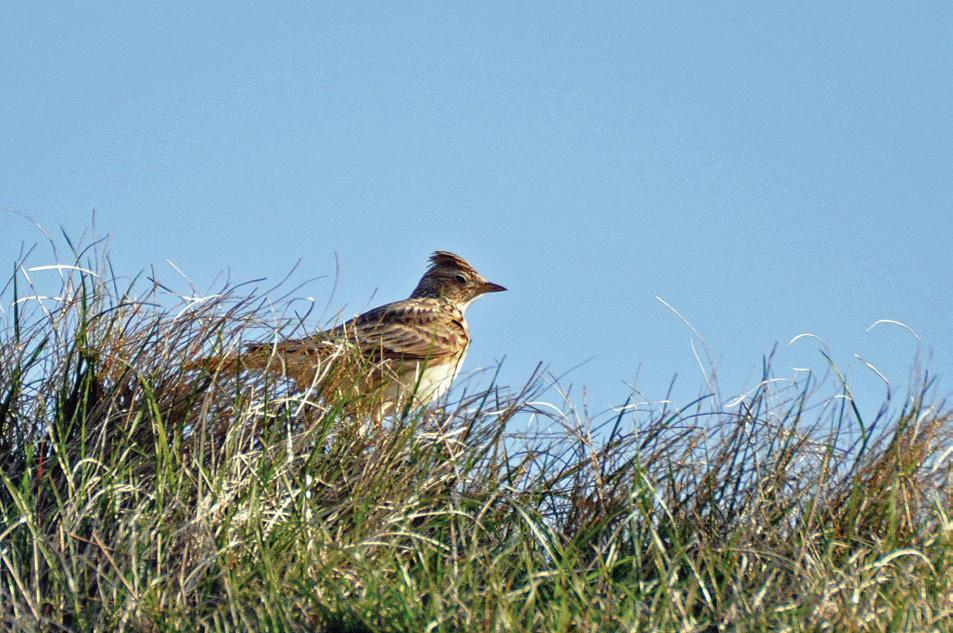
Skylark, a farmland favourite
Royal recognition for farmer's open days
More than 119,000 visitors welcomed
Afenland farmer who has welcomed more than 119,000 visitors has received royal recognition for connecting consumers with British agriculture.
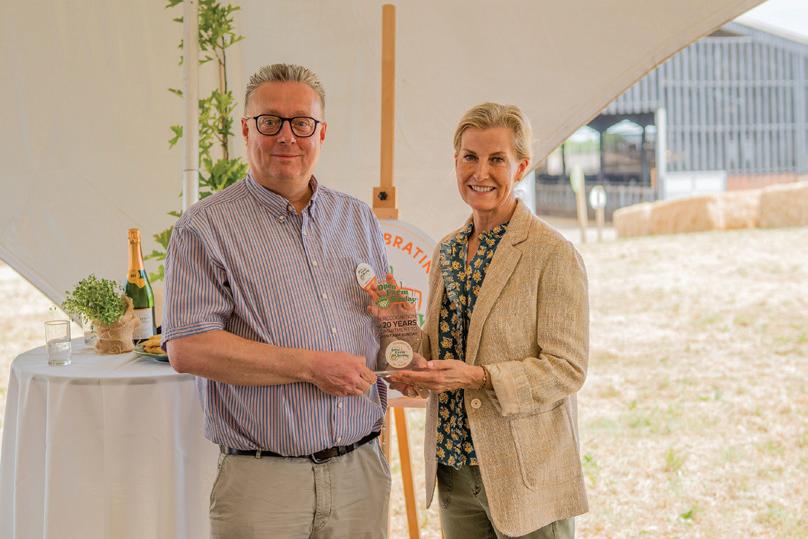
Michael Sly, of Park Farm, Thorney, near Peterborough, received a special award from the Duchess of Edinburgh in recognition of his support for Open Farm Sunday. The presentation took place at a LEAF event in Hampshire marking the initiative’s 20th anniversary.
Mr Sly and his team have hosted
award is for everyone at Park Farm who has been involved and all the volunteers that have helped us over the years.
“We do this to help the public to understand more about British food and farming, to learn about how their food is produced and show them how we look after the countryside.”
Since launching in 2006, Open Farm Sunday has enabled more than 3.5 million people to visit working farms across the UK. This year’s event was held on Sunday, 7 June, with farms participating across the being.”
NFU eastern region director Zoe Leach said the award recognised years of commitment by the Park Farm team. Open Farm Sunday remained an rectly with consumers and explain how
“From starting with just 12 people ing more than 119,000 visitors over the years is a remarkable achievement and they have clearly put so much work into making this event the success it
Michael Sly receives the award from the Duchess of Edinburgh
Servicing, parts and accessories
Off-road demo track
Free
High
Arable
Growers prepare to leave crops undrilled
Arable margins need careful scrutiny
Tight margins and high input costs are set to see some growers leaving winter crops undrilled this autumn.
Fertiliser prices remain stubbornly high – making growing some crops unprofitable. It comes amid NFU calls for the government to implement a Fertiliser Resilience Plan to help protect domestic food production from extreme market volatility.
The NFU plan demands immediate government action to help growers mitigate the impact of high input costs driven by the Middle East conflict which continue to pile pressure farm margins.
Urea prices reached £635/t this season. The NFU says UK farmers remain especially vulnerable, because 60% of British nitrogen fertiliser is imported – as is all ammonia required for domestic processing.
Market pressure
NFU president Tom Bradshaw said: “We can't keep being collateral damage to global politics. We need to find ways to build fairness, transparency and support into our domestic food production system so we can continue to feed 70m people.”
The resilience plan proposes a formal compensation mechanism. If imported ammonium nitrate hits £500/t, the government should mirror EU schemes. This would allow growers to claim 70% of additional costs, up to a £50,000 limit.
The union is also lobbying to postpone the Carbon Border Adjustment Mechanism (CBAM). Scheduled for 1 January, the tax could add £70/t to
We can't keep being collateral damage to global politics
The NFU wants the AHDB to provide better data on fertiliser stocks, usage, and pricing. This would address current market failures and allow growers to make “rational decisions at the point of purchase”.
The Middle East crisis prompted the AHDB to start publishing weekly fertiliser prices earlier this year. Growers can access an AHDB fertiliser calculator so growers can see wheth-
er applying fertiliser is cost effective. The Central Association of Agricultural Valuers has also warned that farmers may not drill crops. CAVV adviser Jeremy Moody said: “My suspicion is that not all land will be worth that gamble – some is already being withdrawn from production.”
LEAF passes million tonne milestone
More than one million tonnes of UK cereals are now produced by LEAF Marque certified growers – accounting for over 5% of the UK national harvest.
The Linking Environment and Farming (LEAF) charity says certified growers meeting independently audited environmental standards produce an estimated 1.09 million tonnes of wheat, barley and oat each year.
This comprises 736,884
tonnes of wheat (6.1%), 303,462t of barley (4.7%) and 52,695t of oats (5.5%). Production estimates were calculated using reported crop areas alongside Defra published UK average yields.
The results place LEAF Marque among the most significant voluntary assurance systems operating within UK arable farming – a whole-farm approach that supports productivity, profitability and environmental responsibility.
LEAF chief executive David Webster said: "These figures highlight the scale at which LEAF Marque farmers are contributing to UK food production. It is a trusted tool for responsible sourcing.
"The figures were clear evidence that farmers adopting integrated farm management are delivering significant quantities of high-quality food while managing natural resources responsibly and building resilience for the future."
Fields could be left fallow because the fertiliser market is failing, says NFU
Suffolk farm joins LEAF network
ASuffolk farming enterprise has become the latest member of a demonstration farm network for sustainable agriculture.
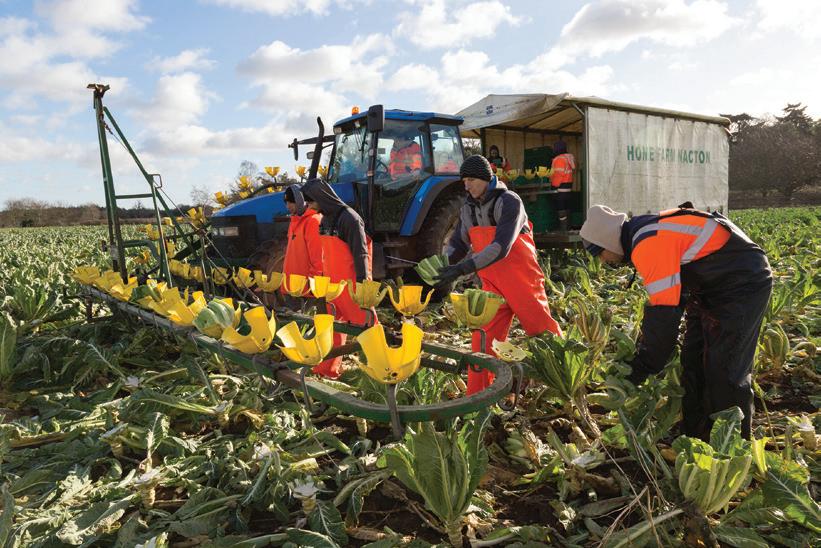
Home Farm Nacton has joined the LEAF (Linking Environment And Farming) Demonstration Farm Network – positioning the business as a showcase for integrated farm management and evidence-based decision-making.
The designation was announced at a launch event on the Orwell Park Estate near Ipswich. Farmers, industry representatives and stakeholders attended the event, titled Farming Beyond the Labels.
The event examined how farm businesses can remain productive and profitable while responding to demands from policymakers, markets, financial institutions and consumers.
Industry debate
The recognition reflects Home Farm Nacton’s commitment to integrated farm management (IFM) techniques, innovation, continuous improvement and knowledge sharing.
The business farms 912ha and grows more than 30 crops. Its land includes woodland, heathland, grassland and arable areas.
Home Farm Nacton operates both LEAF Marque-certified and Soil Association-certified organic systems. This allows it to compare and combine different farming approaches.
The event covered water management, soil health, crop rotations, supply chain collaboration and evidence-led decision-making. It also addressed the challenge of balancing environmental goals with commercial realities.
Andrew Francis, managing director at Home Farm Nacton and chair of the LEAF Marque technical advisory committee, said farming decisions are often more complex than labels suggest.
“Farming is often discussed through labels and categories, but the reality on farm is that decisions are rarely that simple,” he said
“Our focus is on finding practical solutions that work environmentally, economically and operationally.
“We continually test, adapt and learn, drawing on ideas from different farming systems where they add value. Becoming a LEAF Demonstration Farm gives us an opportunity to share those experiences openly and contribute to wider industry learning.”
Outcome focus
The comments come as debate grows around terms such as regenerative, organic and conventional farming.
LEAF chief executive David Webster said these labels often mean different things to different people.
“The conversations we are seeing across agriculture today increasingly centre on terms such as ‘regenerative’, ‘organic’ and ‘conventional’ farming, yet these labels can mean very different things depending on who is using them.”
Mr Webster said Home Farm Nacton showed the value of focusing on outcomes. “Farmers are navigating a complex landscape of environmental ambition, commercial reality and societal expectations that rarely fits neatly within a single definition.
Home Farm Nacton is a key organic vegetable producer
“Through its willingness to test, adapt and draw on ideas from different farming approaches, Home Farm Nacton is a practical example of how farming businesses can balance productivity, environmental stewardship and commercial resilience.
What is a LEAF demonstration farm?
LEAF Demonstration Farms are commercial businesses that showcase IFM in practice. They also act as hubs for innovation, collaboration and knowledge exchange. Farm visits, events and educational activities help connect research with practical farming.
LEAF network development manager Emily Pope sad: “Home Farm Nacton is an excellent addition to the LEAF Demonstration Farm Network.
“The farm’s willingness to share both successes and challenges, alongside its experience of operating across organic and LEAF Marque-certified systems at commercial scale, makes it a valuable place for open discussion, practical learning and collaboration.
“Demonstration Farms are not about presenting a finished model; they are about creating spaces where farmers and the wider industry can learn together and explore what continuous improvement looks like in the real world.”
Home Farm Nacton joins LEAF’s network of 43 Demonstration Farms and 19 Innovation Centres.
The network supports knowledge exchange between farmers, researchers, educators and industry partners –including retailers – in the UK and beyond.
When it comes to sugar beet, Revystar ® XE is unbeetable. With proven, long-lasting control against key diseases like cercospora, rust, XE helps your crop stay cleaner, greener powdery mildew and ramularia, Revystar and more productive for longer. Visit agricentre.basf.co.uk/Revystar-XE to find out more.
BEING SAFE NEVER LOOKED THIS GOOD
SAFETY FIRST
A
UKCA/CE safety specification at an amazing price. With the look of Oz you love combing strength with light weight that redefines the notion that cheaper equates to lesser.
A
ALL DAY COMFORT
Wider fitting with breathable water resistant leather uppers and a premium comfort insole - this is a boot you can wear all day, every day.
Arable growers can improve resilience and manage risk more effectively by making greater use of crop and variety choice, says plant breeder KWS.
Advances in plant breeding are giving farmers access to stronger genetics and a broader range of cropping options at a time when tight margins and volatile markets are placing greater pressure on farm businesses.
The message comes as growers face a mix of high input costs, uncertain commodity markets and increasingly variable weather. Crop diversity can help farm businesses improve consistency and maintain profitability, says KWS.
Strategic choices
Cereal farmers now have more tools available to manage business risk than ever before, said KWS head of product management Kate Cobbold at last month’s Cereals event.
“Despite the pressures facing the industry, there are genuine reasons for optimism. Growers today have access to some of the strongest genetics we’ve ever seen, alongside a broader range of cropping options and routes to market.
“The progress made through plant breeding over the past decade has been significant. Higher yields remain important, but genetic gain is also delivering improvements in disease resistance, input-use efficiency and overall crop resilience.”
Crop selection should be viewed as a strategic business decision rather than simply a production choice,
said Ms Cobbold.
“The businesses best placed to succeed will be those that take advantage of the diversity of options available to them and consider productivity not just in terms of headline yield, but also in terms of consistency, resilience and overall system performance.”
Rotation value
While wheat remains the cornerstone of most arable enterprises, KWS believes more diverse rotations can help spread risk and create additional opportunities. The company itself reinvests 20% of its turnover in research and development.
Oilseed rape remains one example. Following several difficult seasons, the crop has shown renewed promise where growing conditions have been favourable.
Rory Hannam, KWS product manager for oats, oilseed rape, peas and rye, said: “After several difficult seasons, last year reminded many growers of the value oilseed rape can bring to a rotation when conditions are right.
“Continued breeding progress, including new hybrid material such as KWS Domingos, is helping maintain confidence in the crop and OSR has the potential to be a stand-out crop on farm again this year.”
Other crops are also providing opportunities. Hybrid barley variety Inys continues to attract interest from growers seeking alternatives within the rotation.
Market flexibility
Maize is also gaining attention because
“There are genuine reasons for optimism
it can serve several markets, including forage, grain, anaerobic digestion and contract-growing agreements.
KWS agroservice manager Matt Bull said resilience came from building flexibility into the farming system. “There’s no single answer to the pressures growers face and resilience comes from having options and using them effectively.
“Rotations need to deliver against multiple objectives, from managing disease and workload to supporting cashflow and market opportunities.”
Improved genetics provide the foundation for managing those challenges, which is why KWS continues to invest across a wide range of crops rather than focusing solely on wheat, said Mr Bull
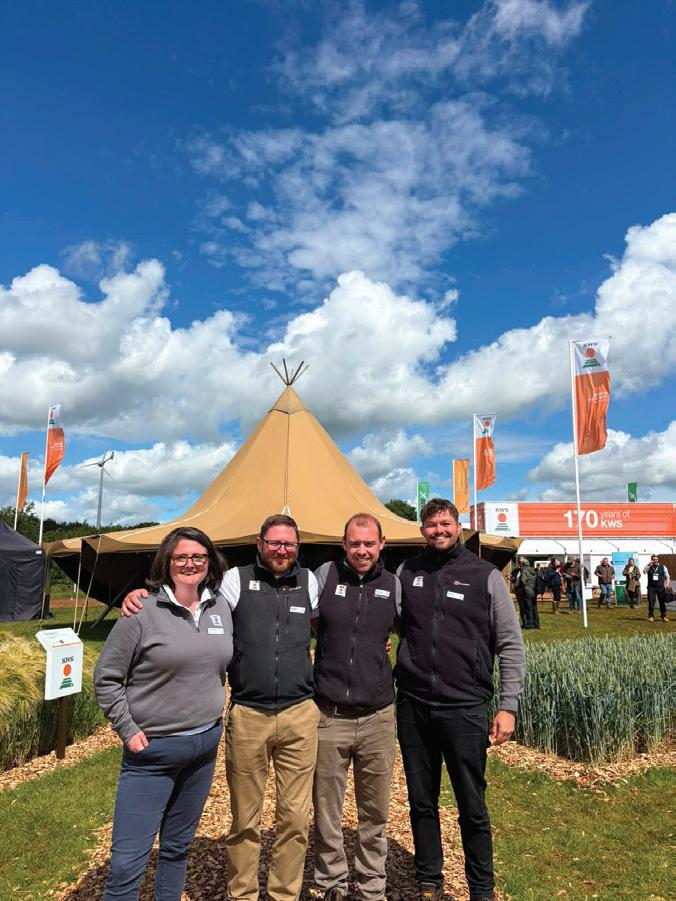
The KWS team at Cereals (l-r): Kate Cobbold, Ben Bishop, Rory Hannam and Matt Bull
ANorfolk sugar beet grower is trialling low carbon liquid fertiliser as it seeks to reduce the environmental impact of the crop.
The Holkham Farming Company took its first delivery of LoC liquid fertiliser from crop nutrient specialists Omex Agriculture earlier this year – the first shipment of the product into the UK – marking a significant milestone in the estate’s farming future.
The LoC Green liquid fertiliser, which has an approximate 70% lower carbon footprint than its conventional alternative, will be applied to sugar beet. The application is part of the first on-farm trial of its kind in the UK.
The pioneering trial, led by Holkham, forms part of the estate’s wider goal of becoming a carbon negative estate by 2040. The trial will provide valuable in-
sights and data in comparison to traditional fertiliser application.
Estate ambition
This trial reflects a growing focus on reducing farming’s carbon footprint while maintaining productivity and crop quality. Liquid fertiliser can also help optimise nutrient management, enabling greater accuracy, consistency and traceability, says Omex.
The trial at Holkham will generate valuable, real-world data to support informed decision-making around the role of low carbon fertilisers within commercial crop production.
Holkham crop production manager Henry Etherington says: “Globally, the UK is a relatively small player in terms of greenhouse gas emissions, but has been, and I think always
should be, seen as an example for what can be achieved.
“LoC Green liquid fertiliser is a significant investment for Holkham, but we believe it is a risk worth taking. If success ful, it could represent a mean ingful step towards reducing the carbon footprint of the food we grow here.”
Industry shift
Laura Wood, Omex Agricul ture’s business growth director, is responsible for the company’s overall sustainability strategy. “This first delivery marks an im portant milestone, not just for Omex, but for the wider food sup ply chain,” she says.
“Farmers are increasingly looking for ways to reduce their carbon footprint without com promising productivity, and low carbon fertilisers have the poten
SIGNIFICANTLY DIFFERENT
Tolerance: Rhizomania
Highest yielding variety on the BBRO Recommended List 2027
High adjusted tonnes: 103.4% treated / 103.8% untreated
Stable yield over several seasons and challenging weather conditions
www.betaseed.com/uk/en
tial to become an important part of that journey.
“We’re proud to be partnering with Holkham to test this approach in a commercial farming environment and build the evidence needed to support wider adoption across the food production industry.”
Practical evidence
The Omex LoC Green fertiliser range has been developed as part of the company’s wider sustainability strategy, targeting measurable carbon reductions without compromising nutrient efficiency or reliability.
With increasing pressure on agriculture to demonstrate progress towards carbon reduction targets, trials such as this represent an important step in validating practical solutions at farm level.
Ms Wood said Omex was expanding its partnership approach with other progressive farming businesses, including Holkham, to support the transition towards more sustainable crop nutrition systems.
FARM WASTE PLASTICS
The low carbon sugar beet trial is the first of its kind in the UK
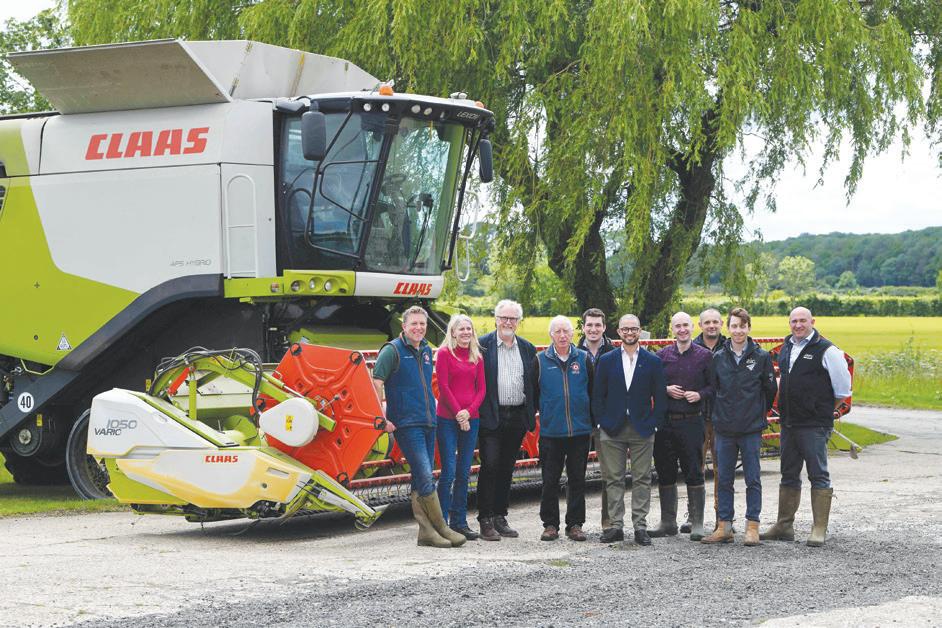
Four MPs visited a Suffolk family farm to gain a better understanding of how food is produced and to hear first-hand about the economic pressures facing British arable businesses.
The visit to E J Barker & Sons at Westhorpe, near Stowmarket, formed part of the NFU’s Food and Farming Fellowship Scheme. Discussions focused on food production, rising input costs and trade arrangements as farmers prepare for harvest.
Hosted by the Barker family, whose farming business dates back to the 1950s, the visit brought together South Norfolk MP Ben Goldsborough, Reigate MP Rebecca Paul, Newcastle-under-Lyme MP Adam Jogee and Melksham and Devizes MP Brian Mathews.
Joining them were Norfolk farmer and NFU National Combinable Crops Board chair Jamie Burrows and Ed
MPs hear arable concerns on visit to Suffolk farm
sector at the moment. The war in the Middle East has driven up input costs, adding to an already extremely pressured time for farmers who will soon be going into harvest.”
The MPs were also shown how crops are established, managed and protected before harvest, providing an overview of the journey from field to fork.
Policy Debate
Talks also covered the proposed UK-EU sanitary and phytosanitary agreement and its potential impact on arable businesses.
The NFU has argued that sufficient transition arrangements will be needed, particularly regarding plant protection products, to allow business-
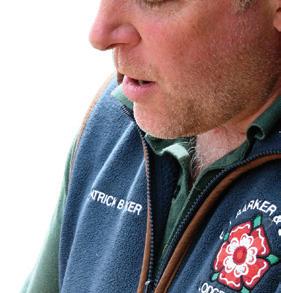
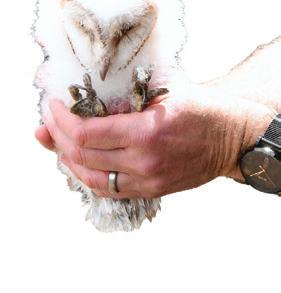
Patrick Barker introduces some barn owl chicks to the group of MPs
MPs visited Lodge Arable Farm as part of the Food Farming Scheme
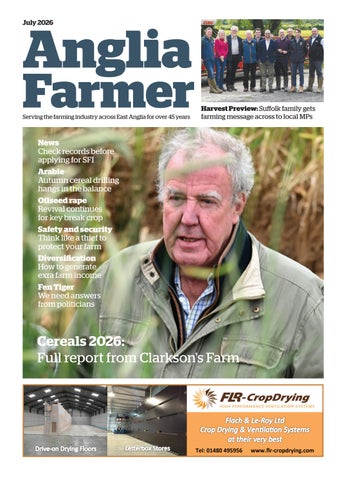
Cereals celebrates success at Diddly Squat Farm
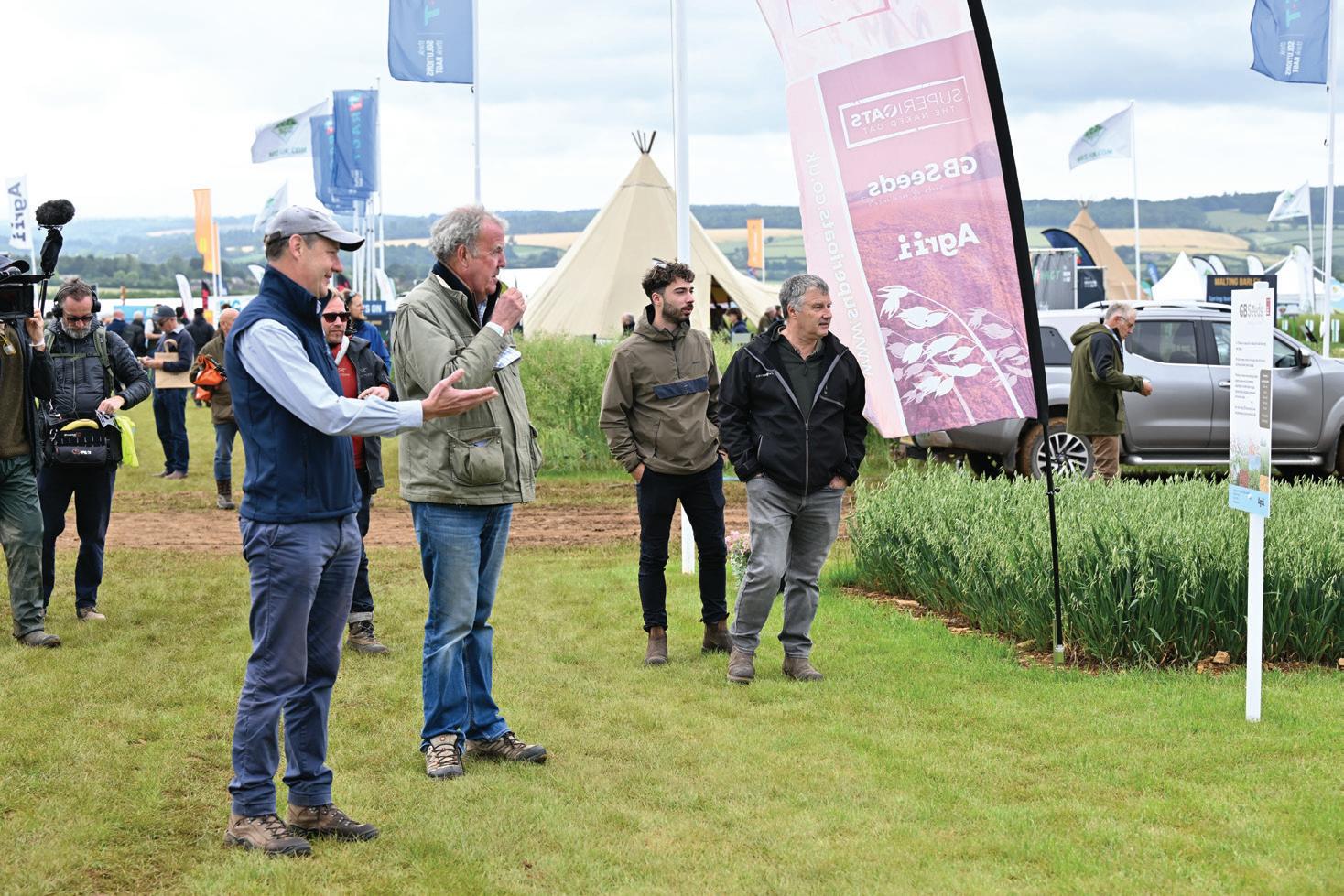
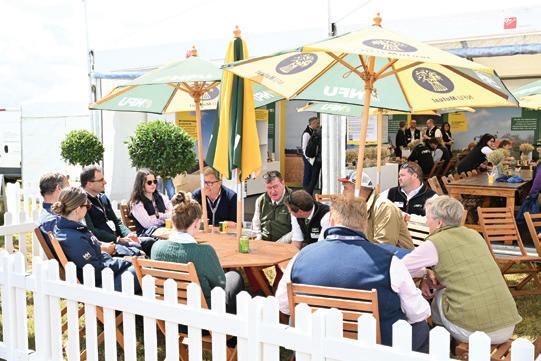
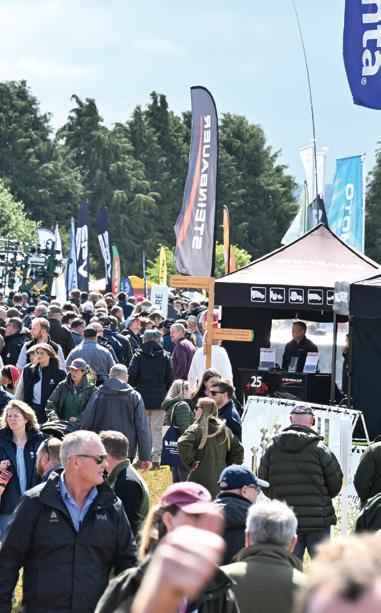
Cereals 2026 has been hailed a major success after more than 25,000 visitors attended the two-day event at Diddly Squat Farm.
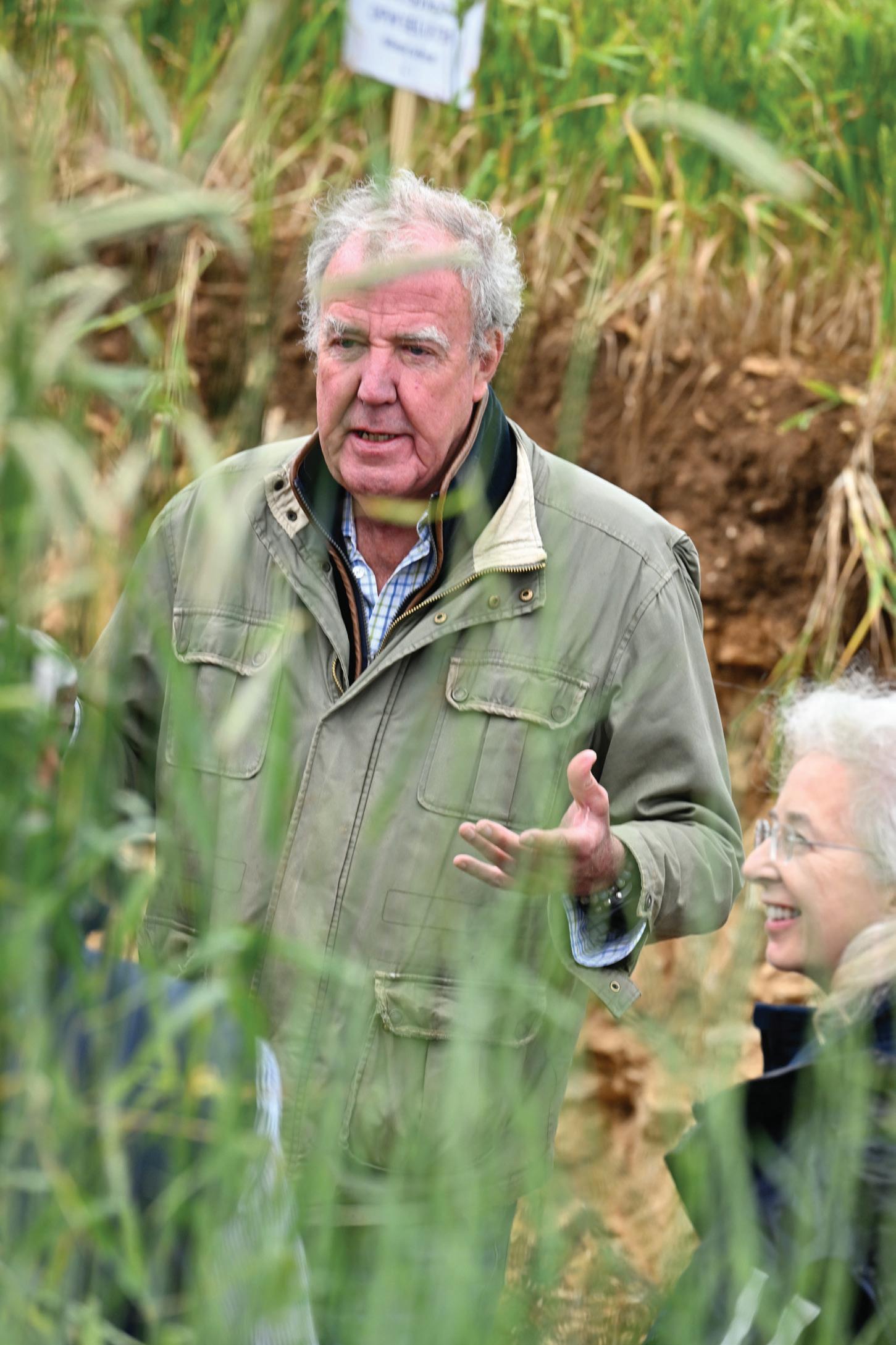
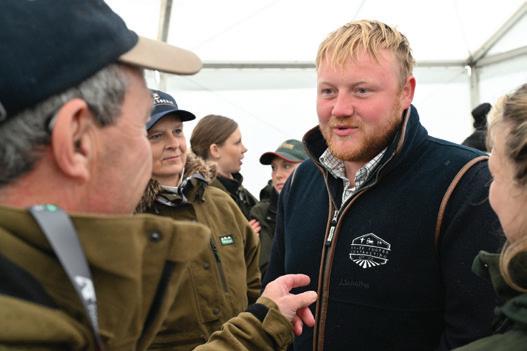
Host farmer Jeremy Clarkson said he’d “loved every minute” of the show while exhibitors and visitors reported a hugely positive mood across the showground despite the variable weather.
“What a thing it’s been,” said Mr Clarkson. “I’ve loved every minute and it was a delight to see so many people turn up. My profound thanks to everyone involved. It was an absolute honour for us all at Diddly Squat to be chosen as the host.”
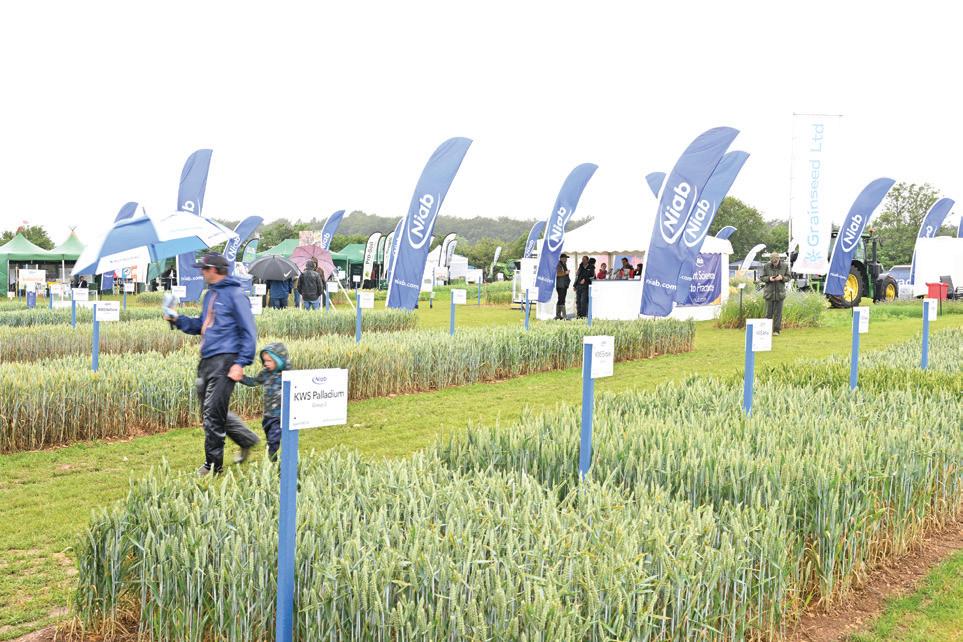
Held over two days, the event brought together farmers from across the UK and beyond to see the
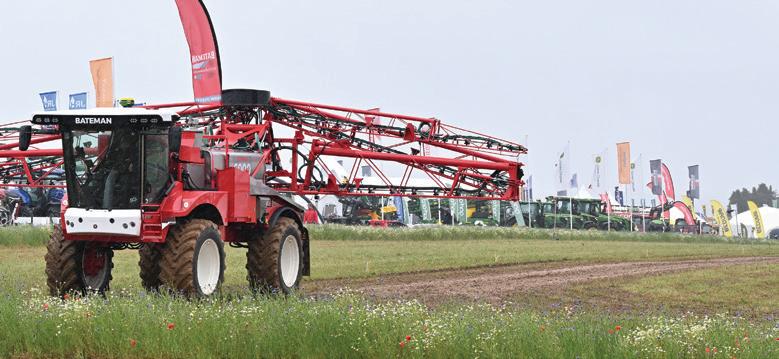
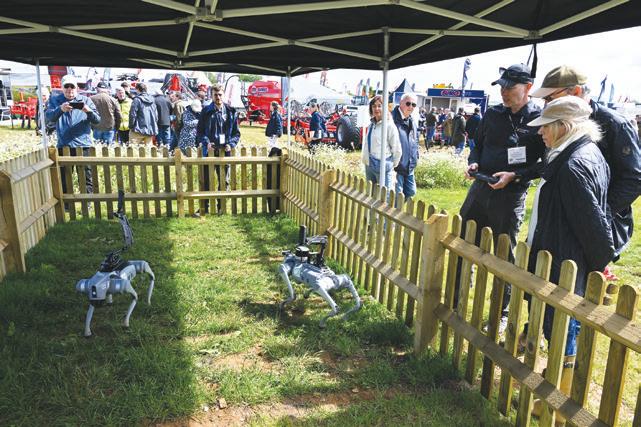
latest cereal varieties, machinery demonstrations and technology providers for the arable and livestock sectors..
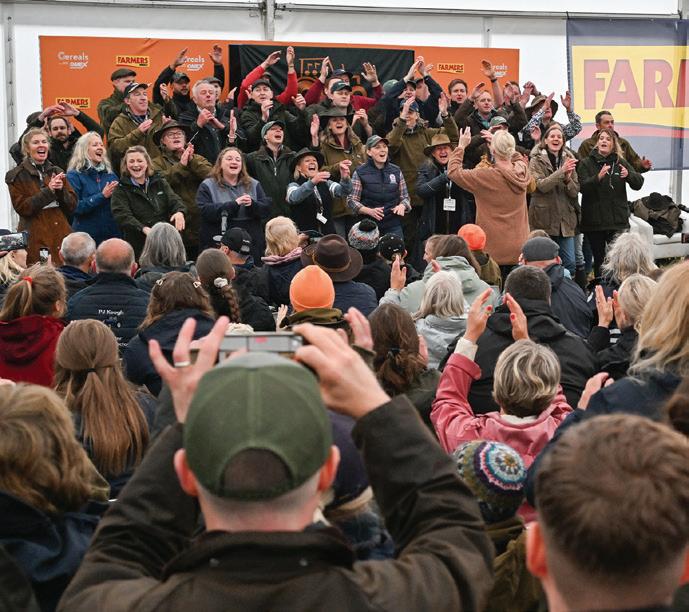
With highlights ranging from technical talks and practical demonstrations through to livestock, new crops, award wins and even a performance by the Hawkstone Choir, the event was packed with features and attractions for farmers and growers.
The first day saw strong attendance in more settled conditions, while the second day brought wet and muddy weather across the site. But visitors continued to arrive with determination in wet weather gear.
think how they operate, CAAV secretary and adviser Jeremy Moody told listeners at Cereals 2026.
Cost Pressures
Geopolitical tensions were adding further uncertainty to an already difficult outlook, he said. Input costs were rising before the Middle East conflict and had since increased further, while cereal prices remained subdued.
“The longer the Strait of Hormuz is closed, the shorter we will be of fuel, fertiliser and other inputs, with consequences for costs,” warned Mr Moody.
KWS DAWSUM
GROUP 4 HARD WINTER WHEAT
n Exceptional specific weight (79.6 kg/hl)
n Excellent on-farm performance proven over contrasting seasons
n Super flexible on-farm with a wide sowing window
The UK-EU reset – which is likely to see closer alignment between UK and EU rules and regulations – could also affect access to plant protection products and create further uncertainty around exports.
“
Land is being withdrawn from production
“On standard costings, winter wheat is losing money – the real gamble is where grain prices will be next summer. My suspicion is that not all land will be worth that gamble – some is already being withdrawn from production.”
Strategic Change
Without basic payments, many growers are likely to reassess rotations this autumn, focusing on crops that improve soil health, withstand extreme weather and require fewer inputs.
Management would become increasingly important, said Mr Moody, citing Andersons Centre figures suggesting that 95% of the difference between top-performing farm businesses and the rest is management.
“In the UK, farming makes up 0.6% of Gross Domestic Product – in Holland it’s 1.6%. They don’t have much agricultural policy, but they do have a national policy of being pro-business.”
Mr Moody urged policymakers to support growth through improved investment allowances, tax incentives and planning reforms. “We should set a target for farming to grow to 1% of GDP – and mean it,” he said.
“We need to use the language of success – and celebrate good and efficient farming as a value in its own right. And remember that the government can help as well as hinder.”
Arable: Cereals 2026
Norfolk sprayer operator claims top accolade
Norfolk spray operator
Scott Harrod has secured the prestigious 2026 Syngenta Farm Sprayer Operator of the Year (FSOOTY) title.
The announcement took place before a packed crowd at the Cereals event. Mr Harrod beat national competition to win the trophy on his first attempt – after being persuaded by his wife to enter the award.
Working for HDF Farming at Hall Farm, Trimingham, Mr Harrod oversees applications across 1,400 hectares. His workload includes 350 hectares of potatoes, a crop he aims to cover weekly.
Judges said his victory underscored the business value of technical precision and operational efficiency in high-value crop production – while doing so safely and with care for the environment.
Technical
Precision
Mr Harrod operates a Sands Infiniti 6,000 equipped with 36-metre booms. The machine features a "smart ram" system to improve stability.
He said: “She’s also fitted with the new smart ram which is completely changed the way the boom behaves in the field; so when I’m turning on the ends of the field, she stays dead level the whole time.”
Application volumes vary by crop requirements. For cereals, Harrod typically applies 120 to 200 litres per hectare for fungicides. Rates increase for potato desiccation and pre-emergence mixes.
Mr Harrod said: “Higher end, we could be up to that sort of 400450 mark on spud prems, where
we mix the fertilizer and the herbicides.”
Nozzle selection is tailored to specific crop needs. For the bulk of potato work, he uses the Syngenta 3D90 nozzle. “We found really good results with them with canopy penetration, and I like them for very low drift and very good output.” For cereal work, he relies on Leica IDK nozzles.
Scott takes immense pride in his work “
Efficiency
Operational safety is enhanced through several bespoke machine modifications. Mr Harrod has fitted extra external lights to eliminate blind spots and a front-mounted pipe carrier to accommodate both two-inch and three-inch filling systems.
To improve cabin access and cleanliness, an additional mudguard was installed in front of the front wheel. This prevents debris build-up on the steps. Mr Harrod also relocated the reversing camera for a central view. He uses a whiteboard marker on his in-cab screen to align the camera view with tramlines.
The farm's filling area is designed for environmental compliance and workflow. It features a fully bunded zone with a soakaway and biobed. Nearby fertiliser tanks are also bunded. Mr Harrod maintains a highly organised induction area, including digital scales, marking pens, and measuring jugs.
High standards
A simple but effective clip holds post-it notes detailing current chemical mixes to keep information to hand. Mr Harrod initially said he was initially hesitant about entering the competition but eventually did so with encouragement from his wife Emily.
The judging panel highlighted attention to detail as a key factor in Mr Harrod’s win.
Iain Lindsay, a Syngenta application specialist, said: “It’s obvious Scott takes immense pride in his work and it’s clear his skill and attention to the fine details make a huge difference to the application’s outcome.”
Professionalism in the sprayer seat directly impacts business profitability, added Mr Lindsay. “His professionalism and expertise have a big impact on the efficiency, safety and effectiveness of the operation – benefiting the business he works for.”
Scott Harrod of HDF Farming Limited is Farm Sprayer Operator of the Year 2026.
Beowulf
Rob Nickols, Lincolnshire
Cirencester students win crop challenge
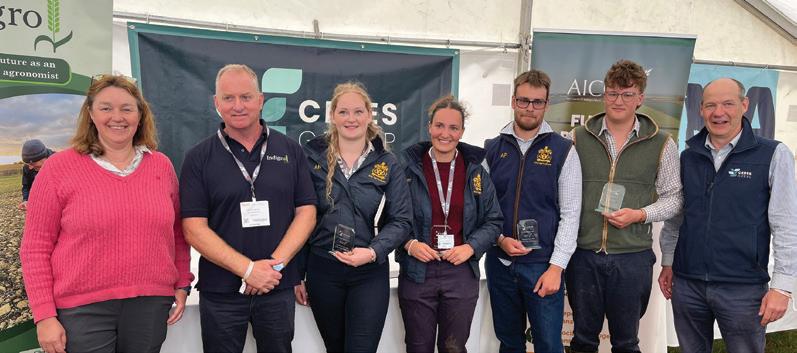
Ateam from the Royal Agricultural University (RAU) won the AICC Ceres Rural Crop Challenge 2026 after producing the top-performing wheat plot at Diddly Squat Farm during this year’s Cereals event.
The competition saw six universities compete to grow the best plot of Skyfall wheat in the farm’s trials area. Teams were assessed on crop appearance, decision-making, communication and collaboration.
The RAU finished ahead of Harper Adams University in second place, with Aberystwyth University third. Judges placing a strong emphasis on commercial and agronomic performance.
The team was judged by Charlie Ireland, managing partner at Ceres Rural and star of Clarkson’s Farm; and
Roger Davis of the Association of Independent Crop Consultants.
Mr Ireland said: “It’s been really, really interesting. It’s that balance of highlighting practical constraints, cost control, financial balance, and disease management.”
The winning RAU team comprised Charlie Turner, Sophie Turner, Archie Pegg and team leader Alivia Ross. The competition had provided valuable practical experience alongside academic study, said Ms Ross.
“The knowledge we have gained, and the connections we’ve made, really are invaluable. I hope to pursue a ca-
The RAU students came top among a high standard of entries
reer in agronomy so I really threw myself in to making sure that our team’s crop management was completed to the highest level.”
RAU professor of agriculture Nicola Cannon praised her students – including their crop protection strategies which effectively controlled key diseases such as yellow rust and Septoria.
“They demonstrated an outstanding ability to translate their academic learning into real-world decision-making, carefully tailoring their crop management approach to the specific site conditions, weather patterns, and the challenges of the season.”
WINTER WHEAT
Brand New – KWS Aintree
Brand New – LG Defiance
KWS Vibe
KWS Arnie
KWS Extase
KWS Palladium
KWS Dawsum
KWS Solitaire
KWS Zyatt
LG Beowulf
Bamford
Champion
Concerned growers mull over fertiliser options
• Interest in alternative nutrition
• Supply worries drive interest
• Soil health tops farm agenda
Interest in crop nutrition is increasing as conventional growers look for ways to reduce reliance on synthetic inputs and secure future nutrient supplies.
Early feedback from this year’s Cereals event suggests more farmers are exploring alternative nutrition strategies. They are concerned about fertiliser availability, declining access to farmyard manure and a growing focus on soil health.
“More farmers are looking to do things differently,” said SoilWorx sales director Dr Paul O’Hora.
“These weren’t just organic farmers. These were conventional farmers that were concerned about supply, re-
ducing their synthetic inputs and exploring alternative ways to improve their soils and yields.”
The shift comes as growers plan for 2027 against a backdrop of uncertainty in global fertiliser markets and increasing competition for organic matter.
Supply pressures
Synthetic fertiliser availability remains a concern for many businesses. Global market volatility and uncertainty in key production regions have prompted questions about both supply and affordability next season.
At the same time, growers who previously relied on straw-for-muck agreements are finding those arrange-
ments harder to secure. Livestock producers are increasingly retaining manure for their own land rather than supplying it to neighbours.
“Farmers with muck are keeping hold. The message we heard quite consistently was ‘we just can’t get hold of it now’. Other visitors are looking to adjust cropping plans to reduce their exposure to high fertiliser prices.
Farmers were coming to the stand with a clear agenda. “They’d sought us out. They wanted to know more, or were looking at next year’s cropping programme and how organic nutrition could slot in.”
Winter wheat demonstration plots at Cereals recorded a striking improvement in nitrogen use efficiency, with early readings showing 35-40 kg/ha more nitrogen in crops treated with biologicals.
With current nitrogen prices, the results shared by Yara indicate that
More farmers are looking to do things differently
JDP supports the modern farm with products and solutions for livestock and equine feeding, cleaning and hygiene.
the application of biologicals is a highly cost-effective way to maximise the value of fertiliser and amplify crop potential, said Yara UK product manager Natalie Wood.
“The headline news from our demo plots is how YaraAmplix OPTIVI significantly improves the efficiency of the nitrogen already being applied –
Crop nutrition and soil health were big topics at Cereals
Right: Natalie Wood: Maximising value
effectively delivering the equivalent of an additional 35-40 kg/ha of nitrogen without increasing the bag rate.
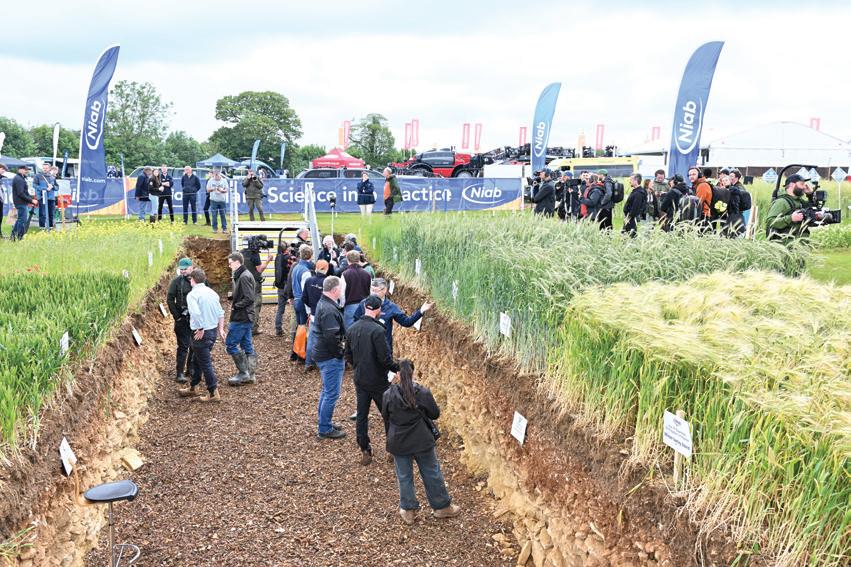
Yara grew winter wheat across four plots at Cereals – on ground characterised by stony, brashy soil and a history of black-grass pressure. As visitors to the soil pit at Cereals were able to see, these conditions make crop pro-
duction challenging.
“For Yara that context matters,” said Ms Wood. “Results achieved here can give growers farming similar or tougher soils real confidence.”
Comparisons
Two of the Yara’s four plots compared nitrate and urea-based nitrogen programmes – YaraBela Axan or YaraVera Amidas, with a T1 pass of YaraVita Gramitrel and a final dose of YaraB-
These trials totalling the same rate of nitrogen on each plot (188kgN/ ha). These plots illustrate how both approaches can deliver consistent results within a well-managed nutrition strategy, said Ms Wood.
The other two plots tell the Yara biologicals story: both carry the same solid nitrogen base (total 188kgN/ ha) and key micronutrients, but one has the addition of the biostimulant YaraAmplix OPTIVI at 1 /ha.
The biostimulant plot produced the most striking early data. Yara’s N-tester readings confirmed that the plot with YaraAmplix OPTIVI showed substantially higher nitrogen uptake from the same applied nitrogen rates as the other plots.
New wheat targeted protein with less nitrogen
Anew winter wheat variety available now from Cope Seeds promises strong grain quality with lower nitrogen requirements was unveiled at Cereals 2026.
French-bred Chessum is positioned as a practical option for arable farmers looking to improve input efficiency. Varieties capable of delivering reliable performance with lower nitrogen applications attracted significant interest Cereals.
KWS EMPHOR
For those who aim high
n KWS’s highest-yielding variety
n Dual purpose for grain and wholecrop
n Excellent drought tolerance
Cope says Chessum combines high Nitrogen Use Efficiency (NUE), a strong disease package and milling potential, giving growers an opportunity to maintain output while reducing fertiliser use.
The variety combines resistance to yellow rust and septoria with early support from millers – including acceptance by Heygates. Interest is also growing elsewhere in the grain trade, says Cope.
Grower experience
Lincolnshire grower Colin Chappell, who has already grown the variety, says it aligns with his approach to crop management. “Like Nelson winter wheat, you can put in lower amounts of nitrogen and still get a usable crop in terms of protein.”
Cope managing director Gemma Clarke says the variety reflects changing grower priorities. “Growers are scrutinising every input much more carefully, particularly nitrogen,” she said.
Chessum is a variety that offers strong all-round performance while fitting into a more efficient approach to crop management, says Ms Clarke.
“That balance is becoming increasingly valuable,” she added.
Portfolio
Chessum is a Cope-exclusive variety from French breeder Lamaire Deffontaines. Other low-input varieties from Cope include Merlin spring oats, Nelson winter wheat, Everlong spring wheat and Evelina spring barley.
The variety is named after England rugby international Ollie Chessum. Visitors to the Cope stand at Cereals were invited to enter a charity rugby-ball challenge, with prizes including free seed and a signed England rugby shirt.
Entry fees were donated to LUTSO (Levelling Up Through Sporting Opportunities) – a Lincolnshire charity that helps disadvantaged children overcome financial barriers to participate in sports.
HYBRID WINTER RYE
Eastern England is one of the UK's driest and most water-stressed regions –yet it is also encompasses some of the country’s most productive farmland.
Much of the nation’s potatoes, salads, vegetables and soft fruit are produced here. Increasingly, however, the future of that production depends on one thing: water.
Recent droughts in 2018, 2022 and again in 2025 highlighted just how vulnerable many farming businesses are to restrictions on summer abstraction. At the same time, environmental pressures on rivers, wetlands and groundwater are intensifying.
Regulators are also under increasing pressure to restore river flows and protect sensitive habitats. Future abstraction reductions linked to Environmental Destination targets are likely to affect many catchments across the east of England.
Investment
Against this background, farm reservoirs are no longer simply an optional investment for a few specialist growers. For many businesses, they are becoming central to future resilience.
Reservoir storage allows water to be captured during wetter winter periods and used later in the growing season when crops need it most. This reduces dependence on summer abstraction, improves supply reliability and helps protect environmentally sensitive rivers during low-flow periods. It also gives growers greater confidence when planning future cropping, investment and market supply.
Importantly, reservoirs are not just about drought protection. They are increasingly part of wider water management strategies linked to flood management, environmental enhancement and collaboration between neighbouring farms.
Farm reservoirs: from optional to essential
EXPERT VIEW
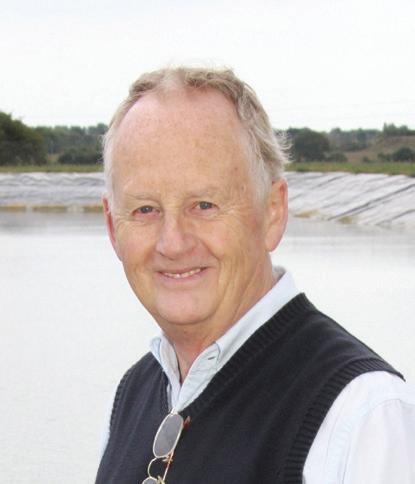
More farmers are investing in winter water storage to protect future crops production and business resilience, Melvyn Kay .
Across the Fens and other lowland areas, opportunities are emerging to integrate reservoirs into existing drainage systems managed by Internal Drainage Boards (IDBs). Large volumes of winter water are already moved through these networks and often discharged to sea. Capturing and storing a proportion of this water could provide significant benefits for agriculture while reducing pressure on summer abstraction.
There is also growing interest in shared storage schemes. The Lincoln Water Transfer model has demonstrated how groups of farmers can work together to improve the efficiency of water use through shared infrastructure and coordinated management. In Norfolk, Heronhill LLP has developed collaborative reservoir storage to spread both investment costs and long-term resilience across participating businesses.
Benefits
The benefits of storage were clearly demonstrated during the 2022 drought. While many irrigators faced severe restrictions and crop losses, businesses with adequate
The guides provide straightforward, farmerfocused advice covering:
Assessing water need and feasibility
Choosing suitable sites
Permissions and abstraction
licensing
Environmental and landscape considerations
Reservoir construction and operation
Investment costs and collaboration opportunities.
winter storage were generally able to maintain supply, protecting both crop quality and farm income.
However, building a reservoir is not straightforward. Costs are significant, permissions can be complex and poorly planned schemes can quickly become delayed or uneconomic. Success depends on taking the right approach from the start.
The first step is understanding future water need. Reservoirs should be designed around the “dry year”, not the average year. Feasibility work is then needed to assess whether sufficient winter water is likely to be available and whether the chosen site is technically, environmentally and economically suitable.
Red tape
Planning and environmental considerations are increasingly important, particularly in sensitive landscapes. Reservoirs in National Landscapes and near designated habitats can still be approved, but careful siting, design and environmental integration are essential. Increasingly, well-designed reservoirs are being shaped to work with the landscape, support biodiversity and enhance habitat value rather than detract from it.
To help farmers navigate these issues, two new practical guides on farm reservoir planning and design have recently been produced with support from Water Resources East and the Suffolk & Essex Coast & Heaths and Dedham Vale National Landscapes (see panel).
The publications also include case studies from across Eastern England, demonstrating how farmers are already adapting their businesses to increasing water pressures through investment in storage.
The reality is that future agricultural resilience in Eastern England will increasingly depend on moving from direct summer abstraction towards managed winter storage. Reservoirs are therefore becoming not simply an engineering project, but a long-term business strategy.
Melvyn Kay is executive secretary of the UK Irrigation Association. Both guides can be downloaded free from www.ukia.org and wre.org.uk.
Robots target labour gains for soft fruit growers
Anew robotics project aims to improve productivity and profitability on English soft fruit farms by automating key tasks traditionally carried out by humans.
The Flexbot project brings together agri-tech firms, researchers and growers to develop collaborative logistics robots – known as cobots – capable of transporting fruit and supporting harvest operations.
It comes as growers face rising labour costs, staff shortages and pressure on margins. Partners believe automation could help improve efficiency while reducing waste and speeding the movement of fruit from field to cold storage.
Industry collaboration
The initiative is led by Antobot and funded by Innovate UK. Alongside Antobot, the project includes the University of Surrey, Dogtooth Technologies and the UK Agri-Tech Centre. Three commercial fruit farms will
also take part.
The consortium aims to develop an autonomous logistics platform that can integrate technologies from multiple suppliers. It will also explore a business model designed to make robotics more accessible to small and medium-sized growers.
Antobot business director Marc Jones said the goal was to deliver practical automation that improves harvest efficiency, reduces labour pressure and helps protect crop quality through faster on-farm transport.
The University of Surrey has developed an artificial intelligence mapping system known as CueBEV. It combines information from cameras, stereo vision and LiDAR sensors to create detailed maps of fields, crops and obstacles.
shortage
Duncan Robertson, founder and chief executive at Dogtooth Technologies, said: “Safe, reliable navigation on outdoor farms remains a critical challenge for the horticultural industry.”
Drivers Seats Thomas Scott Seating Ltd
Large stocks and most next day UK delivery!
Forklift seats and seat spares for all types
Full stock of GRAMMER seats and spare parts
KAB SCIOX tractor seats
Full range of economy tractor seats
ogy suppliers whose products can be integrated into the platform as growers expand their robotic fleets. Partners believe the technology could help farmers improve labour productivity, reduce carbon emissions and strengthen the business resilience through gradual investment in automation.
Expertise Rooted in UK Agriculture
Situated in the heart of Wisbech, Cambridgeshire, Harvester Parts Ltd are dedicated specialists in combine parts, committed to ensuring that British farming thrives.
Truck seats from GRAMMER, KAB and ISRI
Seat repairs, covers & spare parts for all ranges
Thinking about 2027 sugar beet seed order? – Think RAGT!
Varietal selection
As growers and advisors consider the Recommended List of Sugar Beet Varieties for 2027 (RL), the increased choice of genetic and seed prime and pellet options will be immediately apparent.
In addition to the list of familiar and new variety names there are a number of varieties available with the breeder’s own prime and pellet and with the Germains Seed Technology option.
What is also significant is that tolerance traits are now available with yield levels comparable to the highest yielding varieties; where the RL yield ‘lsd’ (least significant difference) of 4.4% should not be overlooked.
When selecting a variety for the following season, the risk of beet cyst nematode (BCN) can be more readily predicted on land that is known or suspected to have this pest problem, whereas predicting the risk of virus yellows (VY) and other foliar diseases is imprecise.
For example, the Rothamsted Research model in March predicted a 62% incidence of VY at the end of August for Bury, Cantley and Wissington in the absence of control, and 49% for Newark – these numbers were revised by the BBRO in early April with the proportion of crops which could be infected with VY is also estimated to have increased by around 15% in the North and 10% in the East.
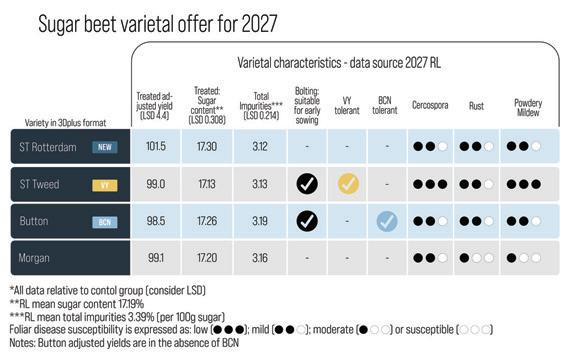
The risk to yield from VY can be reduced by selecting RAGT’s ST Tweed which is the highest yielding virus yellows tolerant variety on the RL at 99.0% and is suitable for early sowing. ST Tweed has average sugar content with very low total impurities and shows low susceptibility to all three of the major foliar diseases. It will be offered again at a highly competitive price for this added virus yellows yield protection, representing low-cost insurance when making seed selection choices later this summer/autumn.
In the 2024 BBRO ‘Goliath’ virus yellows trial, ST Tweed retained c.95% of its uninoculated yield when exposed to 100% beet mild yellows virus infection and 88% when exposed to 100% beet chlorosis virus infection. Following a decade of intense tolerance breeding we can now offer this trait cost effectively to growers.
If the selection criteria focus is total yield, ST Rotterdam is RAGT’s newest variety for the UK market that is already proven in other European countries in BCN and SBR affected regions. With an RL adjusted yield of 101.5% compared to the control in combination with our ‘3Dplus’ prime and pellet, this puts it up with the very highest yielding varieties. Furthermore, it offers above average sugar content, very low total impurities and good foliar disease scores. However, it is not suitable for early sowing.
Where BCN tolerance is a priority, Button is a proven choice for growers yielding 98.5% of control in the absence of nematodes. It is suitable for early sowing, offering above average sugar content with low total impurity. Furthermore, in
2025 Button gave its best performance in the 2025 RL trials that reflected its resilience under dry, stressed conditions – it is dependable when you need it most.
Like Button, the performance of Morgan in 2025 was its best yet and showed resilience to perform very well under dry, stressed conditions – it remains a reliable and dependable choice. At 99.1% of control for adjusted yield with average sugar content and low impurities it is a competitive and reliable variety with excellent establishment. Morgan is not suitable for early sowing.
With the Strube business now an integral part of RAGT, we are unique in the range of more than 40 rotational species offered and our sugar beet expertise remains a core pillar within our diverse business; so if you need a BCN hatch crop, such as oil radish or white mustard think RAGT, or if is a cereal or oilseed variety again, think RAGT!
Our sugar beet portfolio for the UK combines varieties that are well proven and additionally newer varieties that bring virus yellow tolerance or yield progression to broaden choice for growers.
RAGT sugar beet variety summary
Seed quality and seed treatment
Breeding progress and genetic improvement continues to drive yield in conjunction with tolerance traits. This continuous genetic improvement is part of the total seed package we offer.
Our reputation for the highest sugar beet seed quality reflects focus at every preparation step from multiplication, grading, polishing and our ‘3Dplus’ prime and pellet combination.
The RL list is available on the BBRO website, showing the comparative performance of breeder genetic in combination with the prime and pellet options.
Growers selecting ‘3Dplus’ will experience reliable and dependable performance that is offered with highly competitive pricing, delivering excellent value on farm.
Choose RAGT with confidence for 2027.
Oilseed Rape Rape revival continues as crop returns to favour
• Crop confidence continues rising
• Linseed can extend rotation gaps
• Contracts offer income certainty
Oilseed rape is continuing to increase in popularity, with more growers expected to return to the crop this coming season.
Decent returns, good yields and acceptable levels of cabbage stem flea beetle management have seen the a revival in fortunes, helping growers manage risk, reduce input costs and spread exposure across different markets.
Good progress
Industry confidence has improved with oilseed rape prices at around
Rape works best as part of a genuinely diverse rotation “
£485-500/t and demand supported by the biofuels sector. Forecasts suggest the rape area could rise further for harvest 2027.
"We've made significant progress and there are reasons to be optimistic," explains James Warner, chief executive of farmer-owned co-operative United Oilseeds (see pages 37-38).
Two years ago, Mr Warner initiated the industry-backed Reboot OSR campaign which sought to unite the sector behind the crop – fostering collaboration and innovation to revitalise the future of homegrown rape.
"The crop area is moving in the right direction and growers are proving that rape can still be grown successfully,” says Mr Warner.
Rotation benefits
Tight wheat-rape rotations in the past have led to pest and disease pressures. One solution, suggests Nigel Padbury, of Premium Crops, is not to grow winter rape and winter linseed, rather than just growing all rape.
“Rape works best as part of a genuinely diverse rotation, mixed with other break crops,” says Mr Padbury. “We believe the temptation to drift back into a one-in-three wheat-rape rotation should be avoided.”
Challenges including cabbage stem flea beetle, verticillium, light leaf spot and slugs remain present despite becoming less visible during the recent decline in the oilseed rape area.
“Now the challenge is to build on that momentum.”
Three tips for early drilled rape
Early drilling can establish rape before adult flea beetle migration in mid-to-late August –but it comes with its own challenges.
Growers should consider sowing a companion crop first before drilling raping later, says plant breeder RAGT. Companion crops help hide small rape plants from adult flea beetle, including by masking the volatile compounds emitted by oilseed rape.
They also improve soil structure and increase nutrient availability for the crop. Although popular, most companion crops are sown at the same time as the rape
because of time pressures, but an early season allows the sowing to be split.
Sowing early allows the opportunity for seed rates as low as 40-50 seeds /m2
Reducing the sowing density will account for an extra month’s growth, can provide more room for additional branching in the spring.
This can help mitigate the effects of flea beetle larvae by keeping them out of the main stem and in the lower side branches, where their yield impact is minimal. But the right variety is important to reduce the risk of light leaf spot and verticillium.
Winter linseed can help extend the gap between rape crops to as much as seven or eight years. “The result is a wider rotation that delivers many of the same break-crop benefits while spreading risk across two distinct markets and crop types.”
Input savings
Premium Crops argues winter linseed also offers agronomic advantages. As a non-host crop for flea beetles, it helps break pest cycles and can reduce pressure on subsequent rape crops.
Growers have also reported lower slug pressure following linseed.
The crop’s lower nitrogen requirement may prove increasingly attractive as fertiliser prices remain elevated. Winter linseed typically requires 80-120kg N/ha, compared with 180250kg N/ha for rape.
“That’s the equivalent of needing to grow an extra half tonne of rape per hectare just to break even on fertiliser costs alone,” said Mr Padbury. Buyback contracts for winter linseed can offer growers greater certainty, he added.
More rape is expected to go in the ground this autumn
Oilseed rape: Building back stronger
• Confidence returns to crop
• Crop area continues to rise
• Growers stack the odds
C– both in terms of yields and margins.
After several difficult years, there is a noticeably different feeling around the crop. Across much of the country, more rape is back in the ground – with more farmers looking to grow the crop in the coming season too.
Stronger establishment conditions, lower cabbage stem flea beetle (CSFB) pressure and firm commodity prices have all contributed to a more optimistic outlook, says United Oilseeds Managing Director James Warner.
Industry commentators suggest UK OSR plantings are up by 20–30% this season, while 78% of crops were rated good or excellent in late May by the Agriculture and Horticulture Development Board.
"There are clearly more crops in the ground again and, importantly, more growers willing to consider oilseed rape as part of the rotation," says Mr Warner. "After a number of challenging seasons, it feels as though the crop has started to turn a corner."
Care needed
United Oilseeds believes that trend will continue into 2027. But Mr Warner is quick to stress that rebuilding UK oilseed rape production must be done carefully. "The challenge isn't simply to grow more rape," he explains.
"The challenge is to build the
crop back to a sustainable level that meets UK demand while continuing to manage the risks. We have learnt a huge amount over the last decade and need to make sure that knowledge reaches farms."
“The challenge isn't simply to grow more rape
ical levels, leaving the UK increasingly reliant on imports.
Today, the UK imports more than half of the oilseed rape it consumes despite strong domestic demand and significant crushing capacity.
Yet despite these challenges, growers across the country are demonstrating that rape can still succeed when risk is managed effectively.
Refusing to be beaten
Peterborough grower Bob Chapman is one of many growers determined to prove the crop still has a future.
Farming 1,200 acres of milling wheat, milling oats, malting barley and oilseed rape, Bob has adapted his management strategy to better cope with pressure from flea beetle.
Maverick established evenly and built strong autumn biomass before carrying that momentum into spring. The hybrid's vigour helped drive rapid early growth, giving the crop the best possible start.
Establishment
Attention to detail at establishment is equally important.
Reflecting another key industry message – chasing perfection – Mr Chapman prioritises soil moisture conservation, seedbed quality and strong seed-to-soil contact.
At the same time, cultivations are kept light and the crop is drilled immediately afterwards to minimise moisture loss before rolling consolidates the seedbed.
The
Food Security Digest highlights oilseed rape and rapeseed oil as commodities at risk within the UK supply chain. Domestic pro-
Rather than chasing late August drilling dates, Mr Chapman now follows one of the key principles promoted through the industry's 10 strategies for managing flea beetle in rape – including flexible sowing dates.
"It's about getting the fundamentals right," he explains.
His experience highlights an important lesson from the last decade. Successful rape rarely depends on one silver bullet. Instead, success comes from stacking multiple tactics together to improve the odds.
"I'm not prepared to be beaten by cabbage stem flea beetle –rape is too important in the rotation," he says.
Waiting until peak migration has passed before drilling into September has helped reduce risk and improve establishment.
"It's not one big change," says Mr Chapman. "It's doing a lot of little things right that gives the crop the best chance."
This season's 75ha of
His experience shows how multiple tactics can be stacked together to improve the odds. For other growers, the focus is equally on ensuring rape fits the wider farm business.
need is clear. Defra's
Rape yields and margins are strong again this season
Bob Chapman: beating cabbage stem flea beetle
says Mr Hill. "It helps spread workloads and plays an important role in managing blackgrass."
His approach is centred on reducing risk during establishment. Mr Hill says he uses conventional varieties and farm-saved seed where possible, growing PI Pinnacle in recent years and keeping establishment costs low. Should a crop fail, he has a clear exit strategy of peas and spring beans, limiting the financial impact.
"We try not to spend too much money up front," he explains. "If we lose
That principle sits at the heart of the OSR Reboot campaign.
Over the last two years, breeders, growers, agronomists, researchers, processors, policymakers and industry organisations have come together to address the challenges facing oilseed rape.
One of the most tangible outputs has been the publication of the campaign's 10 Strategies for Managing CSFB in OSR.
"What makes the 10 strategies unique is that the entire industry is aligned behind them," says Mr Warner. "It is quite rare to see competitors, researchers, breeders and farmer organisations all promoting exactly the same messages."
The strategies encourage growers to stack multiple approaches together, including drilling to conditions rather than dates, prioritising establishment, using companion crops where appropriate, monitoring pest pressure, avoiding unnecessary pyrethroid use and implementing post-harvest cultivations.
That final strategy has attracted particular interest.
Research led by Colin Peters at NIAB has shown that a shallow cultivation of rape stubble immediately after harvest, typically around 30mm deep, can reduce emerging adult CSFB populations by between 50% and 90%.
Given NIAB has recorded adult
needed to support the crop's recovery.
Not just a break crop
For Mr Warner, rebuilding oilseed rape production is about far more than individual farm profitability.
"Rape remains one of the most valuable break crops available to growers, but it also delivers much wider benefits," he says.
The crop supports diverse rotations, provides an important early food source for pollinators, underpins domestic crushing infrastructure and contributes to UK food security.
A whole supply chain relies upon its success, from breeders and seed companies to processors, merchants and exporters.
The encouraging news is that momentum is building again.
However, Mr Warner believes the industry must avoid complacency.
"We've made significant progress and there are reasons to be optimistic," he says. "Crop area is moving in the right direction and growers are proving that rape can still be grown successfully. Now the challenge is to build on that momentum.
"If we keep sharing knowledge, embracing innovation and stacking the odds in our favour, there is no reason why we cannot build UK oilseed rape production back stronger."
After a decade of challenge, that rebuilding process is well underway.
Farm-saved seed can reduce establishment costs
James Warner has helped to Reboot OSR
Candidate oilseed rape variety targets top yield spot
• Highest-yielding candidate
• Establishment risk reduced
• Strong disease resistance
Acandidate oilseed rape variety is being tipped as a potential market leader as growers assess autumn drilling plans.
With a gross output of 108%, 2% higher than its nearest rival, AHDB Recommended List candidate variety RGT Eros is one to watch, says Kirsty Richards, national technical manager for seeds at Frontier Agriculture.
Eros is the only candidate entry included in Frontier Agriculture’s oilseed rape derisking partnership this season – a scheme which seeds Fron-
tier offer additional support to oilseed rape growers.
Launched in 2024 at the height of cabbage stem flea beetle pressure, the initiative aims to reduce establishment risk for growers by waiving the cost of seed and companion crops if a crop fails to establish.
“The Frontier OSR derisking partnership has run for several years and is due to run again for this drilling season,” said Dr Richards. “We began it in 2024 when cabbage stem flea beetle was at its peak.”
Conventional WOSR 2026
Frontier sits at both ends of the chain as an input and advice supplier and grain buyer, which places the company in a good position to minimise the risk for growers, adds Dr Richards.
Growers who sign-up to the scheme have the cost for the seed and accompanying companion crop waived if the crop fails to establish. “We only place the best possible varieties in the derisking partnership.”
Alongside its yield performance, RGT Eros offers disease resistance scores of eight for both phoma and light leaf spot, comparable with established RAGT varieties including RGT Kanzzas.
“It has good oil content, which is attractive for the oil bonuses,” said Dr Richards.
Frontier said the variety had performed consistently across its trial network nationwide, with results mirrored in AHDB trials. Consistency across regions remains an important consideration as growers seek reliable returns from the crop.
Ed Stanford, cereals and oilseeds product manager at RAGT, said commercial expectations remained measured while the variety retained candi-
he said.
“With prospects for the crop appearing so good at the moment, it is the perfect opportunity for OSR growers to see how much further they can push yields with the latest genetics.”
THE NO. 1 UK RECOMMENDED CONVENTIONAL 2026
BRED IN BRITAIN FOR UK FARMERS
BRED IN BRITAIN FOR UK FARMERS
BRED IN BRITAIN FOR UK FARMERS
ommended for all regions of the UK, this top-performing
Highly recommended for all regions of the UK, this top-performing conventional variety boasts the highest yield. Featuring large pods and abundant seeds, it ranks as the No.1 choice. Developed in Britain specifically for British farmers, its superior yield, vigour, and establishment surpass even that of Campus.
ommended for all regions of the UK, this top-performing
conventional variety boasts the highest yield. Featuring large pods and abundant seeds, it ranks as the No.1 choice. Developed in Britain specifically for British farmers, its superior yield, vigour, and establishment surpass even that of Campus.
conventional variety boasts the highest yield. Featuring large pods and abundant seeds, it ranks as the No.1 choice. Developed in Britain specifically for British farmers, its superior yield, vigour, and establishment surpass even that of Campus.
PROVEN ON FARM
LG Adapt stood out to me due to its consistent performance in RL trials.
Paul Rogers, North Yorkshire
How varietal choice can combat light leaf spot
• Variety choice remains important
• Resistance drives crop resilience
• Innovation targets disease control
Light leaf spot is prompting renewed calls for growers to prioritise varietal resistance when sowing oilseed
work provided an early snapshot of disease pressure across different regions and varieties.
Consistently high yielding variety with pod shatter resistance, well adapted for British farms thanks to our UK breeding programme
Field Seeds
lgseeds.co.uk/lg-adapt
ples from Cirencester. Traditionally, we have associated the most severe light leaf spot pressure with Scotland, but these findings suggest significant disease levels are now being seen much further south as well.
“This highlights how disease pressure can vary between seasons, varieties and locations, and reinforces the importance of growers looking carefully at resistance ratings when making variety choices.”
The survey also offers researchers an opportunity to build a deeper understanding of how pathogen populations differ between regions and how varieties perform under commercial field conditions.
“As growers start thinking about drilling plans for autumn 2026, these findings are a timely reminder that genetic resistance remains one of the most important tools for managing light leaf spot,” Prof Huang added.
“Choosing varieties with good resistance can help reduce disease pressure and improve the resilience of crops throughout the season.”
Of the samples submitted, 65% produced sporulation suitable for single-spore isolation. Scientists are now establishing pathogen isolates that will be tested for pathogenicity as part of the wider programme.
The resulting data is expected to contribute to future disease forecasting systems and management strategies. The Spore
Scout campaign will be repeated in 2027 and 2028 to build a more detailed national picture of disease development over time.
The stakes are high. Light leaf spot is estimated to cost the UK oilseed rape sector around £300m annually in lost yield and crop performance, making it one of the industry’s most economically damaging diseases.
Breeding focus
Project partners believe tackling the disease will require a combination of improved forecasting and new genetic solutions. At the centre of the programme is an effort to bring precision-bred oilseed rape onto commercial farms for the first time in Europe.
The project is taking advantage of England’s unique regulatory position following the Genetic Technologies (Precision Breeding) Act 2023 and subsequent legislation. England is currently the only European country where precision-bred crops can be trialled legally in farmers’ fields.
Researchers hope the technology can accelerate the development of improved varieties by introducing beneficial traits more quickly than conventional breeding methods.
A key focus is a newly identified plant susceptibility gene linked to light leaf spot infection. Rather than introducing a resistance gene, scientists are attempting to remove a weakness within the plant that the pathogen ex-
PROVEN ON FARM
LG Avenger’s spring growth has been markedly quicker than some other varieties - it has all traits we would consider essential when selecting a variety, as well as a high oil content.
Ben Jackson, Lincolnshire
Oilseed Rape
ploits to establish infection.
Work at the John Innes Centre has shown that removing this susceptibility can significantly reduce the pathogen’s ability to infect crops. Researchers believe this approach may offer more durable protection than traditional resistance genes, which pathogens can eventually overcome.
“I’m excited to move this work from the laboratory into fieldscale trials,” said Rachel Wells, of the John Innes Centre.
“Precision breeding gives us the opportunity to develop material to combat pests and path-
ogens while supporting more sustainable farming systems. Developing a trusted pipeline to streamline the process from research to variety release will be invaluable for crop improvement.”
Farm evidence
The project’s commercial significance extends beyond disease control. Success could provide an important proof of concept for the wider adoption of precision breeding technologies across UK agriculture.
Project leaders acknowledge
KWS DOMINGOS
HYBRID OILSEED RAPE
Next hybrid variety with excellent disease profile
n High oil content
n Pod shatter resistance
n TuYV resistance
that laboratory results alone will not determine whether the technology succeeds. The next phase centres on commercial-scale field trials designed to test whether the genetic changes translate into measurable benefits on farm
Tom Allen-Stevens, managing director of BOFIN and project lead, said practical performance would ultimately determine the value of the technology.
“Whether these traits can genuinely reduce susceptibility, reduce reliance on chemistry and give growers confidence to keep oilseed rape in the rotation
is what this project is designed to find out.”
Project partners hope that combining precision breeding, integrated pest management and farmer-led testing will create a platform for tackling other major oilseed rape challenges, including cabbage stem flea beetle.
Risk management
The wider objective is to improve risk management for growers and support the long-term viability of a crop that remains one of the UK’s most important break crops.
“This project is about giving growers better tools to manage risk,” concluded Mr Allen-Stevens.
“Reducing a plant’s susceptibility through precision breeding has huge potential, but it needs to work alongside improved forecasting, pathogen monitoring and practical farm-based testing if it’s going to deliver meaningful change that will give oilseed rape the reboot it needs.”
Paid trial opportunity for growers
The LLS-ERASED project is seeking oilseed rape growers to participate in on-farm trials designed to improve understanding and management of light leaf spot.
Participating farmers will assess existing commercial varieties and novel research lines under field conditions.
Growers require a suitable oilseed rape field of at least five hectares and the ability to measure yield accurately using combine yield mapping, weigh cells or weighbridge systems.
Triallists will receive payment for their time and contribution while gaining early access to emerging technologies and helping shape future disease management strategies. Farmers can register interest through BOFIN’s Lead the Field programme.
• Very fine particle size for rapid and long lasting increase in pH
• LimeX has an additional nutrient benefit: 9kg of phosphate, 8kg of magnesium, and 7kg of sulphur in every tonne
• Available nationwide
Farm Safety & Security
Farm theft falls – but vigilance still needed
• 6% fall in annual rural losses
• Bigger spike in quadbike thefts
• Insurer extends recovery plan
Rural crime fell by 6% to an esti mated £41.5 million last year – but farmers and landowners should remain vigilant, say insurers.
Investment in policing, technolo gy and industry collaboration helped curb losses from organised criminal activity – extending the downward trend, according to the latest annu al figures from NFU Mutual.
The insurer said targeted spending and closer cooperation between farmers, police and manufacturers were helping to disrupt criminal gangs operating in the countryside. But it said criminals were still targeting high value vehicles and livestock.
In England, the Midlands saw the largest decrease, falling 21% to an estimated £6.4m. Eastern England, including East Anglia, saw among the smallest decrease – a 6% drop to £5.9m.
A survey of 119 NFU Mutual Agents, who are often embedded in their local communities, found that 91% believed rural crime was disrupting farming in their area, and 79% knew farmers who had been targeted repeatedly.
NFU Mutual invested more than £500,000 in rural crime initiatives last year, including continued support for the National Rural Crime Unit and the UK’s first dedicated livestock theft officer.
Changing Patterns
Agricultural vehicle theft claims rose 18% to an estimated £8.3 million in 2025. And the insurer also worked with police forces to install 13 automatic number plate recognition cameras across rural hotspots.
The cost of quad bike and all-ter-
animals rose by almost 30% to £4.5 million. Meanwhile, livestock worth an estimated £1.95 million were severely injured or killed in dog attacks, up 10% on 2024.
NFU Mutual chief executive Nick Turner said: “For more than 20 years, NFU Mutual has called for a stronger response to rural crime, and we know the financial and emotional toll it takes on farmers.
Recovery Focus
“As a mutual, our support goes beyond paying claims: last year we invested over £500,000 in rural crime initiatives, including ongoing funding for the National Rural Crime Unit and the UK’s first dedicated livestock theft officer.
“We also collaborate with the unit to identify at-risk areas and support recovery efforts.”
Industry efforts also helped recover stolen property. Collaboration between insurers, police and enforce-
Cost of rural crime
measures
“Criminals are more organised than ever
GPS thefts, once a major concern for arable farmers, fell dramatically. Claims costs dropped 80% year on year to almost £250,000, reflecting increased equipment marking and tighter security measures.
The figures suggest preventative measures can have a significant impact when widely adopted across the industry.
Future Challenges
Despite the fall in overall losses, experts warn against complacency. NFU Mutual rural affairs specialist Hannah Binns said: “Rural crime is more organised than ever, with criminals prepared to go to extreme lengths, and 2025 proved no exception.
“Yet targeted investment in rural crime fighting initiatives alongside industry collaboration with law enforcement is helping drive down crime, with our latest figures highlighting a 6% fall year-on-year to an estimated £41.5m.
“Although we cannot afford to be complacent, two years of declining costs suggests the additional funding and focus that is being placed on this issue is working.”
*Estimated costs based on NFU Mutual claims statistics, rounded to the nearest £100,000. Percentage changes are based on exact figures.
The insurer said forthcoming policing reforms must ensure specialist rural crime teams receive sufficient resources to tackle increasingly organised criminal gangs operating in the countryside.
Farm Safety & Security
A stitch in time
7 steps to outsmart the farmyard thief
IThink like a thief to protect your farm, says Frank Cannon
f you farm, grow, or manage land, you already know the feeling. You walk into the yard at first light, and something is wrong. A gate left swinging. A shed door forced. The quad gone. A season's work undone in a single night.
It does not have to be this way. You can take back control. The trick is simple: make it as hard as possible for a strange vehicle to roll into your yard, and for a stranger to get into your buildings or your machines. Do that, and you shut the door on most of the trouble before it starts. Here are seven steps to help you:
recognise your property and prove it belongs to you. It turns a vague report into a real chance of getting your gear back. This is the foundation everything else sits on.
in. Where would they drive in unseen?
Start with a list. Walk your yard and write down the kit and infrastructure your business cannot run without. The tractor, the telehandler, the GPS units, the quad, the tools, the diesel tank. Record the make, model, serial numbers and any marks that make each item yours. Take clear photographs from every angle.
Why bother? Because the day something is stolen, you will be glad you did. A good record helps the police
You would not face an opponent without learning how they play. The same goes here. Thieves are not random. They have a reason for coming, a way of working, and skills they rely on. Some want a quick grab of tools to sell by the weekend. Some come for high-value machines, planned and equipped, and gone before you wake. Some want fuel, or your livestock, or a quiet building to hide their own wrongdoing.
When you understand what they are after and how they go about it, you stop guessing. You can match your effort and your money to the real threat, instead of spending on the wrong things.
Now walk your yard again, but this time think like the person trying to get
Which gate never gets locked? Which shed has a weak door, a broken window, a blind corner the security light never reaches? Where do you leave keys in the ignition "just for a minute"?
Every gap is an open invitation. Be honest with yourself, because the thief certainly will be. Finding your own weak spots first is how you stay one step ahead. You cannot fix everything at once, and you do not need to. Put what you have learned together. Take the way thieves work and lay it over the gaps you found. Now ask two questions of each risk: how likely is it, and how badly would it hurt if it happened?
The loss that is both likely and painful goes to the top of your list. The unlikely, minor one can wait. This way you spend your time and money to get
2. Know who is coming for it
3. Look at your farm yard through their eyes
•
•
•
•
Hundreds
Farm Safety & Security
maximum benefit. You get the best return for every pound, and you are not throwing cash at problems that were never coming.
Think of it like a rugby match. No single player stops the other side on their own. You defend in lines. If the first one is beaten, the second is there, then the third behind them. Each one slows the attack and buys time.
Your farmyard works the same way. There is no single lock, light or camera that stops all .crime. So, build layers. The first layer should make a thief think twice and go elsewhere. The next should spot them the moment they try. The next should slow them down and hold them up for as long as you can manage. And while those layers do their job, you set in motion a plan you prepared earlier — one that brings the right help without ever putting you, your family or your farm team in danger.
Stacking these layers will help you push your risk down as low as you can reasonably get it.
Here is the catch. Your defences must work with your day, not against it. A yard ringed in razor wire that takes twenty minutes to get in and out of will drive you mad by Tuesday. And anything that is a nuisance gets switched off, propped open, or ignored. So, blend three things. Solid physical barriers like gates, locks and bollards. Smart systems like lights, alarms and cameras. And good habits from everyone on the farm, like locking up, taking keys out, and challenging strangers. The best plan asks a little more effort but does not strangle your daily routine. If it is sensible and easy to live with, you will stick to it. That is what makes it work.
So, your defences can breathe with the seasons. Tighten them when the valuable kit is out and the risk is high. Ease them off when there is less to lose. Lay your crime risks over your growing and harvesting cycle and look at the year. Then, every time you plan your next season's work, plan your defence alongside it. A few minutes spent here saves you weeks of grief later.
A stitch in time
None of this promises a thief will never try. A determined criminal will always look for a way. But you do not have to make it easy. You can deter them, spot them early, and slow them down — and most will simply move on to a softer target.
That is what this is about. A stitch in time now, instead of nine painful ones after the damage is done. No lost season. No downtime. Just a safe place for you, your family and your staff to live, work, rest and play.
Your farm changes through the year, and so does the threat. Quiet winter months are not the same as a yard full of machinery at harvest. Thieves know your calendar as well as you do, and they time their visits to suit.
You do not have to face this alone. Get in touch today for a no-obligation chat about a tailored farm security plan. Let's take back control of your yard together — before the trouble arrives, not after.
Frank Cannon is programme lead for Rural SafeGuard. For more details, call 020 7118 8870, email frank.cannon@ruralsafeguard.comn or visit www.ruralsafeguard.com
5. Build your defence in layers
7. Match your defence to the seasons
We are the leading supplier of site-mixed and ready-mixed concrete, providing you with our best quality concrete solutions to the eastern region from our concrete plants at Stowmarket, Bury St. Edmunds, Leiston, Cambridge and Norwich.
and
Farm Safety & Security
Harvest safety highlighted this summer
The importance of farm safety is being highlighted this harvest following one of the worst years on record for fatalities.
Farm safety campaigners will renew calls for greater awareness of workplace risks during Farm Safety Week (20–24 July 2026). It comes after 33 people died in farming-related incidents across Great Britain in the year to April.
Farming accounts for 1% of the working population but an alarming 19% of all workplace deaths. The picture is similar in Northern Ireland where there were five reportable workplace fatalities in 2024/2025.
High-risk
Harvest is a high-risk time of year for accidents. Time pressure and big machinery being operated at speed pose a particular risk – especially for seasonal workers unfamiliar with the farm or locality.
The National Grid says at least one agricultural accident involving overhead electricity lines is reported every day. It responds to hundreds of incidents in which farm workers or their vehicles have come into contact with electricity.
equipment, including harvesting equipment and spray booms, which make contact with overhead lines.
Others are caused by vehicles using GPS steering, which may not take into account obstacles such as electricity poles, resulting in potentially catastrophic collisions, says the National Grid.
If contact is made with a power line, farm workers are advised to stay in the cab and try to drive clear. If that is not possible, the driver should stay in the cab and call 105, only leaving the machine in an emergency. When leaving the vehicle, they should take care not to hold the machine and touch the ground at the same time; they should take leaping strides or ‘bunny hop’ away so that one foot is off the floor at all times.
Emergency app to stay safe on the farm
Anew smartphone app is helping save lives by providing stepby-step guidance in the critical moments following a serious onfarm accident.
Farm charity RABI has announced the launch of FarmersAid, a pioneering initiative that provides farmers with vital, real-time trauma guidance. It was released last month – helping to keep people safe on farm.
The app offers instructions for treating the most common life-threatening injuries on farm – such as crush incidents, falls from height, and severe bleeding – enabling users to act fast and effectively before emergency services reach the scene.
RABI chief executive Alicia Chivers said: “Too many farming families are devastated by what are often preventable tragedies, with lives being lost due to a lack of understanding on how to administer immediate critical care at the scene.”
Avoiding
injury
Farming is the UK’s most dangerous industry. Agriculture accounts for around 20% of all workplace deaths – but employs just 1% of the workforce. More than 30 people die on British farms annually, with thousands more facing serious injuries.
“FarmersAid complements the exceptional work of our colleagues at the Farm Safety Foundation, whose
Hawkstone Farmers Choir at the RABI stand at Cereals
award-winning campaigns and education programme promotes safer attitudes across farming,” said Ms Chivers.
“Unfortunately, serious accidents do still sadly occur and we believe FarmersAid will be a powerful, practical tool that could make the difference between life and death.”
The FarmersAid app is designed to address the crucial Platinum Ten Minutes – a 10-minute window where fast action from bystanders can dramatically improve survival and recovery outcomes.
‘Absolutely critical’
“Emergency services often face delays reaching rural farms. This means the first few minutes are absolutely critical,” said Professor Maitland-Knibb, a Helicopter Emergency Medical Services (HEMS) consultant.
(Photo: Jamierpc / Shutterstock. com)
“That’s where FarmersAid can help. It has the power to save countless lives in our farming communities.”
Beyond the digital app, FarmersAid also includes plans for on-farm critical care kits, training pilots, wellbeing referrals and educational outreach programmes throughout the agricultural sector.
The app launch is being accompanied by a nationwide roadshow and communications campaign throughout 2026, supported by giveaways, printed materials and targeted outreach at farming events.
Key features built for high-stress situations
Ten core scenarios: Clear guidance for 10 of the most common on-farm emergencies, including livestock incidents, machinery entrapment and crush injuries.
High-pressure usability: Designed for moments when adrenaline is high, with a simple layout, large buttons and clear yes/no triage steps.
Immediate action: Quickly connect with emergency services and pinpoint your location using built-in what3words.
Preparedness tools: Practical checklists help you plan helicopter landing zones, locate nearby defibrillators and set up your phone's Emergency SOS feature in advance.
The FarmersAid new mobile app took centre stage at this year's Cereals event – with help from the Hawkstone Farmers Choir.
The show provided a valuable platform for RABI to introduce FarmersAid to new audiences, including young farmers who were welcomed through breakfast sessions, a careers luncheon and seminars hosted by NFYFC & Oxford Young Farmers.
Future farming, skills and career development were among the topics discussed and FarmersAid complemented wider conversations about preparedness, safety and supporting farming people across the sector.
RABI welcomed the opportunity to engage with visitors throughout the event, with many taking time to learn more about FarmersAid, join conversations at the stand, connect through social media and stay engaged with FarmersAid after the event.
Visitors took part in a tourniquet challenge – an activity was designed to test de-
cision-making and correct placement under pressure, reflecting the realities of responding to serious on-farm incidents and bringing to life the practical support that the FarmersAid app is designed to provide.
The RABI first response wheel also attracted strong participation, helping visitors build confidence in responding to a range of serious on-farm emergencies. The Plinko prize draw formed part of the first response activ-
ities, giving participants the chance to win prizes while engaging with important safety messages.
The Hawkstone Choir, winners of Britain's Got Talent, brought plenty of energy and enthusiasm to the event, helping raise awareness of the FarmersAid app and encouraging conversations about the importance of being prepared to respond to serious onfarm incidents.
the FarmersAid app for iOS and Android phones
Livestock
Beef sector determined to invest, innovate and grow
Food security tops the agenda at flagship industry event
Profitability and food security dominated discussions at Beef Expo 2026 as thousands of visitors gathered in Melton Mowbray for one of the sector’s biggest annual events.
The National Beef Association event combined cattle competitions, trade exhibits and policy debate – with industry leaders highlighting the need for investment, confidence and profitability for British beef to meet future demand.
The gathering also celebrated commercial cattle breeding success, with TA & LC Lyon & Son, of Thurlby, Lincolnshire, taking the Supreme Championship title in the National Commercial Cattle Show with Suzie, a British Blue cross heifer born in March 2025.
Championship cattle judge Glynn Howatson said: “For me, it is the way she walks; she has good locomotion, style and an impressive width through the back end, and is very correct.
Amazing win
Jonathan Lyon said: “It has been eight years since we won, and we keep coming every year trying to win. To do it again is just amazing, and I could not do it without my parents and my partner Jess.”
Alongside the showring, seminars examined food security, innovation and domestic food production. In the
The beef sector is part of the solution, not the problem “
TA & LC Lyon & Son took the Supreme Championship with British Blue cross heifer Suzie
opening session, speakers highlighted pressure on farmgate prices and concerns over the declining national herd.
Scott Donaldson, director of H&H Group, told delegates that one of the major threats currently facing agriculture was the continual pressure on farmgate prices, a point echoed by other members of the panel.
Panellists agreed that maintaining confidence in family farming businesses and attracting younger entrants would be essential for longterm growth. The industry must do more to communicate its value to consumers, they said.
Other sessions explored technology, productivity and sustainability across the beef supply chain.
NBA chief executive Neil Shand said: “The seminars have been extremely well attended and have generated some strong and constructive discussions around food security, the future of British beef production and the challenges facing the sector.”
A new SRUC Bovine Health Hub also attracted strong interest, offering advice on herd health, productivity and resilience. Organisers said the event showed the sector was determined to invest and innovate.
Entries now open for dairy industry award
Nominations are open for the 2026 Dairy Industry Woman of the Year Award, celebrating women who connect, inspire and share knowledge across the British dairy sector.
Sponsored by HSBC and organised by Women in Dairy, an initiative of the Royal Association of British Dairy Farmers (RABDF), the award recognises women making a significant contribution to the dairy industry and championing its future.
Now in its 10th year, the award is a key part of Women in Dairy’s mission to bring women together through discussion groups, networking opportunities and industry events.
Previous winners have included farmers, vets, consultants and cheesemakers, with last year’s award going to vet and farmer Claire Whittle.
Nominations should reflect the core values of Women in Dairy: building connec-
tions, inspiring others and sharing knowledge and experience.
Events and membership leader Laura Barber said: “Nominees do not need to be dairy farmers. They may be vets, consultants, researchers, technicians or professionals working elsewhere in the dairy supply chain. ”
Nominations close on 24 July.
For full details about the industry award, please visit rabdf.co.uk/women-in-dairy/
Check body condition at weaning to lift flock returns
• Identify poor ewes before ram
• Monitor routinely at key stages
• Boost health and flock profits
Sheep producers are advised to assess ewe body condition at weaning to maximise flock performance and profitability.
Checking body condition score (BCS), alongside teeth, feet and udders, at weaning rather than waiting until tupping gives farmers time to correct any nutritional shortcomings before breeding.
Ewes that are under target condition can then be grouped separately and managed to improve performance, says Alison Bond, technical services manager with livestock nutrition specialist Rumenco.
Routine monitoring at key stages is essential to avoid large fluctuations in condition, which can have lasting consequences for productivity, she says.
Cost-efficient
The advice comes as farmers prepare breeding flocks for autumn tupping. Addressing poor condition immediately after weaning is more effective and cost-efficient than delaying intervention until later in the season, she says.
“Weaning at 12 weeks is a good target, when lambs should be in the 25 to 30kg bracket and will be taking very little milk from the ewes,” says Dr Bond.
“There will of course be a focus on the lambs’ readiness for market at this stage, but it is equally important to put a hand across the ewes to assess their condition.
“In the case of lowland flocks, any ewes with a BCS below 2.5 at this stage really need to be prioritised or they will struggle to reach the target of 3.5 by tupping.
Nutrition
“These poorer condition ewes should be grouped accordingly and put onto the better available grazing and will need the appropriate supplementary feeding.”
Supplementary nutrition can help ewes regain condition during the two to three months between weaning and tupping, says Dr Bond. Minerals, vitamins, trace elements, energy and pro-
Routine monitoring is more effective and cost efficient
tein all play a role in supporting body condition and forage utilisation.
“Readily available minerals including selenium and zinc will help with key areas such as udder and foot health while vitamin B12 (thiamine) is also included to combat any risks of cobalt deficiency.
Weaning at 12 weeks is a good target
“Offered from weaning onwards, this will give the ewes lacking condition the best chance of being at an optimum stage when the tups go in around two to three months later.”
Production cycle
Research increasingly highlights the importance of maintaining target body condition scores throughout the production cycle, rather than at-
tempting to correct deficits shortly before breeding, says Dr Bond.
“Ewes in optimum condition at tupping are known to have more lambs at scanning, healthier lambs at 48 hours after birth, and heavier lambs at eight weeks of age. It affects the whole production cycle, and not just one element, and is ultimately one of the biggest factors affecting flock performance and profitability.
“The aim should be to maintain condition between 2.5 and 3.5 throughout the cycle, avoiding big spikes and dips, and that is best achieved by routine monitoring at key stages, including weaning, and adapting feeding accordingly, supplementing where necessary.”
MBE for sheep industry leader Phil Stocker
National Sheep Association chief executive Phil Stocker has been awarded an MBE for services to agriculture, animal health and welfare.
Mr Stocker received the award in last month’s King’s Birthday Honours. Since joining the NSA in 2011, he has established the organisation as one of the most respected and influential voices within the UK livestock sector.
He has championed the interests of sheep farmers, promoted high standards of animal health and welfare and worked to ensure the sheep sector is central to discussions around
food production, environmental management and rural livelihoods.
Before joining NSA, Mr Stocker worked for the Soil Association, where he focused on the role of livestock in sustainable food production systems. His approach includes the improvement of soil health benefit arable and livestock farming.
"Being given this award is such an honour and it is difficult to put into words what it means to me,” said Mr Stocker. “I want to recognise the people who have been by my side through this journey and with whom I’ve worked over the years."
[photo credit: Tim Scrivener]
Early disease detection ‘lifeline’ for dairy farms
Farmers are being urged to utilise bolus technology during one of the most important stages in a dairy cow’s production cycle, the transition period.
Supporting cows more effectively from drying off through to the first days in milk can unlock significant health, labour and performance gains, says SmaXtec, which produces a bolus-based health management system,
By using continuous internal monitoring technology, farmers can highlight disease concerns earlier, intervene sooner and streamline herd management, says SmaxTec customer success team leader Loretta Holder.
Bigger benefits
as ketosis and milk fever are often associated with freshly calved cows, says Ms Holder.
For block-calving herds, she says the benefits are magnified. Calving alerts and health notifications reduce the need for constant visual observation, easing pressure during peak workload periods and enabling calving space to be used more efficiently.
“Quite often, those metabolic instabilities begin before calving,” she explains. “By identifying temperature changes and rumination drops early, farmers can step in with nutritional or management support before the problem escalates.”
SmaXtec enables farmers to detect subclinical issues before outward signs appear
tis, mastitis or subclinical milk fever reduces the risk of long-term impacts on fertility and peak yield.
“This technology is not a replacement for good stockmanship, it is a tool to help make the best use of skilled labour. Instead of checking every fresh cow as routine, farmers can concentrate on the individuals that data shows need support.”
Smarter Decisions, Stronger Herds: How Data Drives Dairy Profitability
Better decisions for better results
In times of rising costs and increasing demands, well-informed decisions are more important than ever for British farmers. A successfully managed farm therefore relies on reliable recommendations to make decisions that pay off financially in the long term. This is exactly where smaXtec comes in: precise insights gained directly from inside the cow provide a reliable data foundation that enables targeted measures to be implemented and the farm’s profitability to be improved in the long term.
Making the right decisions
With smaXtec, dairy farms are adopting a health management system that transforms precise data into clear decisions
Continuous insights into animal health and farm operations make it possible to identify problems at an early stage, deploy resources effectively and make management decisions with greater confidence. The result: more efficient processes, healthier animals and sustainably higher profitability through preventive health management. This becomes especially clear when speaking to farmers across the country. Jon Cleave, who manages around 180 cows in
Cornwall, sees these benefits and power of prevention reflected directly in the daily operation of his farm: “It’s finding an issue, resolving it before it becomes a problem. We can sell surplus heifers and things like that because fertility has increased Obviously, that all feeds into costs across the board and helps on the bottom line.”
A solid foundation for long-term success
Using artificial intelligence, smaXtec transforms data into concrete recommendations for action. Farmers receive
reliable alerts as soon as the first immune response occurs, long before any external symptoms become visible. This allows workflows to be structured more effectively, saving time and resources and making day-today work in the barn more efficient.
The result? Healthier animals, more efficient processes and a preventive health management system that has a direct positive impact on the farm’s profitability.
Find out how smaXtec can help make herd health pay on your farm.
Call on 01629 380 780, email info@smaxtec. com or visit www.smaXtec.com/en.
Advertorial
When the weather doesn’t follow the plan
One thing most people agree on this year – the weather seems all over the place, writes Nerys Wright. A week of record heat followed by torrential rain and a sudden drop in temperature, and it does make life that bit harder on farm.
It’s not about getting into debates about climate, but there’s no denying that the year-toyear variation feels bigger. And the real challenge isn’t just the weather itself – it’s what it does to our decisions.
Grass doesn’t follow a steady pattern. It can go from growing too fast to not growing at all within a fortnight. Lambs can be flying one week and just ticking over the next. Ewes that looked fine at weaning can lose condition quicker than expected if grass quality drops or intakes dip during hot spells.
The biggest this season is relying on what worked last year. It’s easy to think, “we did this in June and July and it worked well” – but this season is rarely behaving the same way.
Copying last year’s plan can actually put you on the back foot. Years like this reward be-
ing flexible rather than sticking rigidly to a system. A few simple things can make a big difference:
• Keep measuring, not guessing – condition score ewes, keep an eye on lamb growth, and walk your grass
• React earlier – small checks in performance are easier to fix than big ones
• Be prepared to change plan – whether that’s moving groups, splitting mobs or introducing feed sooner than expected
• And most importantly, watch the sheep, not the calendar
It sounds obvious, but it’s easy to forget when you are busy. What happens over the next couple of months will still have a big influence on finishing lambs and getting ewes in the right place for tupping. The difference this year is that getting there might look very different to last year. Same farm, same flock – just a slightly different set of rules to work with.
Nerys Wright is an independent sheep consultant. Call 07891 187643 or visit sheepconsultancy.co.uk.
Top tips to tackle sheep lameness
Arenewed drive to tackle sheep lameness is taking centre stage the sector comes together to reduce disease levels in UK flocks.
Sheep lameness remains one of the most significant health, welfare and economic challenges facing the UK sheep sector. Ways to reduce it will be highlighted in a free webinar sponsored by MSD Animal Health on 16 July.
Conditions including footrot, scald and Contagious Ovine Digital Dermatitis (CODD) can cause pain, reduce mobility and lower flock performance, while increasing labour and treatment costs.
The event follows renewed industry attention on lameness reduction after the launch of a new stakeholder group dedicated to improving disease control across the UK sheep industry.
Funded through the Farming Innovation Programme’s ADOPT scheme, delivered by Innovate UK in partnership with Defra, the initiative aims to support coordinated action and achieve long-term reductions in flock lameness.
The webinar will bring together
technical experts and farmers to discuss practical measures that can be implemented on farm.
Veterinary adviser Kat Baxter-Smith, of MSD Animal Health, will outline the scale of the challenge and its impact on flock performance, alongside practical management ap-
lameness levels. The plan is a central part of efforts to improve sheep health and welfare while limiting the financial impact of disease.
Devon sheep farmers Bryan and Liz Griffiths will share their experience of implementing the Five Point Plan and the improvements achieved within their flock.
Organisers say the webinar will provide practical, evidence-based guidance that farmers can apply directly to their own businesses.
With pressure on livestock producers to improve both animal welfare and business performance, reducing lameness remains one of the most effective ways to improve flock productivity and cut avoidable costs.
Scan the QR code for full details and to register for the webinar
Steve Lovegrove
Watch the sheep, not the calendar
Cereal crops offer flexibility on winter feed
More dairy farmers are using cereals to manage forage supplies and reduce feed risk as another season of variable weather puts pressure on grass and maize production.
The flexibility of cereals allows producers to delay key harvest decisions until later in the growing season, says Emma Church, regional business manager at Lallemand Animal Nutrition.
This approach creates time to assess silage stocks, crop performance and winter feed requirements before committing to a harvest strategy – helping to balance forage inventories, maximise homegrown feed and keep a lid on bought-in feed costs.
Feed options
“You don’t need to decide how to use the crop until after two or even three cuts of grass silage, once maize silage stocks and seasonal growing conditions have been assessed,” says Ms Church.
Where grass yields are disappointing or maize crops underperform, cereals can be harvested as wholecrop silage to add vol-
ume and effective fibre.
Farms with sufficient forage stocks but lower dietary energy levels may instead opt to harvest cereals as crimped grain, producing a high-energy feed ingredient.
Harvest timing
The choice depends largely on crop maturity. Wholecrop silage is typically harvested at 3540% dry matter, while crimped grain is combined at 60-75% dry matter, usually around two weeks before conventional combining.
Whatever the route chosen, clamp management remains critical. “If not compacted properly, oxygen pockets can form in the clamp, increasing the risk of spoilage from yeasts and moulds,” says Ms Church.
Short chop lengths for wholecrop, grain processing for crimped grain and spreading material in thin 20cm layers all help improve consolidation and reduce oxygen levels.
Inoculants tailored to crop type and harvesting conditions can further improve preservation. They can help promote rapid fermentation, reduce heating and limit aerobic spoilage at feed-out.
Emma Church: livestock producers should assess silage stocks before harvest
Professional Services
FOCUS ON DIVERSIFICATION
Insurer aims to cut risk as costs rise
• Reduce incidents and claims
• Improve safety and compliance
• Long-term business resilience
Aspecialist risk management service aims to help farms, estates and diversified rural businesses become more resilient at a time of mounting financial pressure.
Launched by farm insurance broker Acres, Acres Risk Management was unveiled at Cereals 2026. It will provide health and safety, compliance and operational risk support tailored specifically to the rural sector.
The move comes as many farm businesses face rising insurance premiums alongside higher labour, machinery and building costs. Reduced subsidy payments, volatile commodity markets and elevated input prices have also squeezed margins.
Claims reduction
Acres said its decision followed a review of client experiences across the UK, which found businesses with stronger risk management procedures in place generally suffered fewer incidents and lower claims activity.
Those businesses were more likely to carry out regular inspections, maintain buildings and machinery, provide staff training and adopt a proactive approach to identifying potential hazards.
The service will be led by Kyle Phillips, a health, safety and risk management consultant who has worked with farms, estates and rural enterprises since 2012.
His experience includes agricultural machinery, livestock handling, forestry, gamekeeping, visitor attractions and construction projects, as well as developing business continuity plans and strategic risk management systems.
Support available through the service includes farm and estate safety reviews, PUWER and LOLER inspections, business continuity assessments, health and safety compliance
guidance, risk assessments and ongoing advisory support.
Many agricultural businesses operate in one of the highest-risk sectors in the economy, said Mr Phillips. Those risks are increasing because tighter margins sometimes mean farmers are focusing on profitability at the expense of safety and compliance.
“Rural and agricultural businesses involve some of the highest risks of any sector, yet health and safety is often pushed down the priority list simply because owners are busy running their business and don’t know where to start.”
“Machinery, vehicles, livestock, lone working and even the weather combine in ways rarely seen elsewhere. My role is to help businesses take a practical approach to managing those risks, protecting their people and supporting the long-term success of the business.”
“often don’t know where to star
Practical Support
While risk management cannot guarantee lower premiums, Acres believes businesses that actively reduce risk are better placed to minimise and protect long-term profitability.
Nigel Wellings, founder and chairman of Acres Insurance Brokers, said the new initiative was seeking to make risk management more accessible to farms, estates and rural businesses.
“Health and safety can feel like a complex and time-consuming area. Our aim is to provide practical, effective support that genuinely helps businesses manage risk, protect people and strengthen their long-term resilience.”
“Acres Risk Management is not about creating paperwork for the sake of it. It is about providing straightforward advice and support that helps businesses operate safely, confidently and efficiently while protecting the future of the business.”
Farm shop awards open for 2027 entries
Independent food retailers across the UK are being invited to enter the 2027 Farm Shop & Deli Retailer Awards after organisers formally opened nominations for next year’s competition.
The awards, which recognise excellence among farm shops, butchers, food halls, delicatessens and specialist food retailers, are seeking entries from businesses making an impact in the sector. Nominations close on 27 July.
The awards are organised as part of the annual Farm Shop & Deli Show. The launch follows the 2026 awards, where Aubrey Allen, the Leamington Spa-based butcher and food retailer, was named overall Retailer of the Year.
Organisers say the awards process includes an online assessment by industry experts, followed by in-person judging and secret visits designed to assess businesses in a real-world retail environment.
Nigel Barden, chairman of judges and food and drink journalist and broadcaster, said: “Even in a year where many retailers have approached things carefully, the Farm Shop & Deli Awards have continued to thrive.”
He added: “We’ve been hugely encouraged by the exceptional standard of entries, and we truly appreciate every retailer who made space in their busy schedules to get involved.”
For details, visit farmshopanddelishow.co.uk
Owners
(left) and Kyle Phillips launch the service at Cereals
Aformer machinery shed on a Suffolk farm is now generating an income after being converted into a padel court.
Widely seen as the latest craze for social sports, padel is a mix of tennis and squash - played on an enclosed 20m x 10m court with solid bats and pressurised balls which rebound off glass walls. Easy to learn, it is fun but challenging too.
The Padel Shed is at Hall Farm, Whepstead, near Bury St Edmunds. It is run by Andrew, Sarah and Henry Maddever – a single-court, pay-andplay venue that brings players onto the family’s 1,850ha arable farm from morning until late evening.
R H Maddever Farms is a multi-generation arable enterprise, operating across owned, rented and contract-farmed land. The family grow wheat, spring barley, spring oats, sugar beet, oilseed rape, peas, beans and maize for local anaerobic digestion plants. But with margins under pressure, rising input costs and dwindling grant support, the family has been looking for ways to strengthen business resilience, says Andrew.
Natural fit
“It's no secret that margins are under pressure and it's difficult making a sensible return We’ve been steadily diversifying for several years and were looking for a new venture to complement the business. Padel seemed like a natural fit."
Digital booking apps allow players to find courts, join games and be matched with others of similar ability using a rating system like a golf handicap.
This accessibility is driving the UK's padel boom. New figures from the sport's governing body, the Lawn Tennis Association, show the sport has reached 1 million participants –up from 15,000 in 2019 – with 1,825 courts across the country.
The sport is well-suited to farms, owing to its relatively small footprint, ability to use repurposed spaces and digital links tapping into rural populations looking for accessible leisure spots.
The Maddevers already had experience of diversification, with industrial units, and self-storage added to the
A Suffolk farm shed conversion serves up profitable diversification
farm business over the past decade. Beyond additional income, padel offered something different for the family.
“It creates a bit more interest in the business. It’s easy to become blinkered to growing wheat year after year. It’s amazing what comes out of conversations with people who never normally interact with farming.”
With Hall Farm being three miles from Bury St Edmunds, a town with a growing population, padel also felt more suitable than options such as weddings or events, given the farm’s village setting.
“We’ve often thought about marquees and weddings, but we’re in the middle of a village with houses around, so we’re always conscious of noise,” says Andrew.
The family applied for Class R permitted development for the change of use, with a 56-day prior approval process, Andrew describes the process as
Padel venture turns machinery shed into new income
straightforward:
“There were no objections. The local authority, parish council and residents were all very keen. It ticked every box in terms of health, leisure and local amenities.”
Even so, noise was taken seriously. “We did noise surveys beforehand, but the reports all suggested it would be fine,” he says. “It turns out the noise from padel isn’t really the game, it’s the players.”
At 30m x 15m, the former machinery shed was a good fit, giving enough room for a 20m x 10m padel court, toilets and a lounge. Height is also an important consideration for prospective courts and as the eaves on stand around 5.5m, it worked well.
The long side of the shed had originally been open. During conversion, two bays were closed to leave an 18m
opening. On the enclosed side, the family opened up a 12m section to make the most of the view.
Scenic
“It’s quite scenic on that side, so we wanted to capitalise on that,” explains Andrew.
Much of the foundation and utility work was done by the farm team. The family invested in a high-spec fitout, adding carpeting, quality lighting, a lounge area, picnic benches, and equipment hire. Complimentary water, and an honesty-bar for coffee and snacks, using QR code payments, complete the offer.
The court was supplied by Spain’s SG Padel and installed in two days.
“There was about four tonnes of glass on one pallet; moving that was a nervy moment,” says Andrew.
Above right: At 30m x 15m, the former machinery shed was a good fit, giving enough room for a 20m x 10m padel court
Above: Andrew and Sarah Maddever outside The Padel Shed
The Padel Shed operates as a payand-play facility through the Padel Mates app. Sarah researched what other venues were using locally before choosing a system that could handle bookings, payments and customer data.
“It works very well and gives you all the stats you need,” she says. "Bookings peak from lunchtime to 10pm and many customers only book a couple of hours ahead.”
Andrew sees the private, single-court experience and the rural location as the venue's unique selling points. “We’re not in a big warehouse or a tennis club, so we offer something different. A lot of the comments we get are that it’s a beautiful setting, and it’s your own private space for as long as you book it.”
Weatherproof
Unpredictable UK weather has a direct impact on padel venues. Industry estimates suggest outdoor courts can lose 30%–50% of annual playing time due to weather.
Crosswinds can affect ball flight, while fluctuating temperatures, rain and moisture on the glass or playing surfaces change how the ball reacts, ultimately impacting customer experience
With around 55% of UK padel courts still uncovered, according to
Savills, protecting courts from the elements is a key challenge. The same research notes that weather-related issues are influencing investment decisions, prompting a shift towards indoor and partially covered courts among operators looking to maximise bookings and complementary income through food, drink and events.
The practical challenge for the Maddevers was covering an 18m x 5m opening on their new venue, originally designed for machinery access.
“We needed some way of protecting the shed from the elements, but we wanted to maintain the view and
Padel seemed like a natural fit
Want to start a padel venture?
Assess suitability. Review local demand, nearby competition, travel distances, and whether your building has adequate height, access, parking and utilities.
Visit existing venues. Visit neighbouring farms or nearby padel facilities to learn what works and potential pitfalls.
Understand planning requirements. Check eligibility for permitted development rights early and confirm requirements with your local authority.
Focus on the whole experience. Weather protection, good lighting, seating, hospitality and the right booking system all improve appeal
ventilation,” recalls Andrew
The family turned to Galebreaker after Sarah, a former grain trader, saw the company’s screens being used on a commercial grain store.
The site installed two motorised Multi-Bay Screens, covering openings of 18m x 5m and 12m x 5m in a high-performance mesh to reduce wind and rain.
Outdoor environment
The screens have mostly stayed down because they still allow visibility and airflow. The result is what Andrew describes as the best of an indoor court in what feels like an outdoor environment.
“They give such good visibility; people still get the view. We’ve had a lot of compliments about having the fresh air without the wind.
“You stand inside behind the screen and you can barely feel a breeze. It’s so much better than I thought it was going to be.”
Will Johnson, UK & Ireland Sales Manager at Galebreaker, says more agricultural customers are exploring padel for existing buildings.
“Farmers are starting with the same questions they would ask about protecting livestock or grain buildings: how do we control airflow, protect against weather, keep light in the space and make the building work commercially?” he says.
“With padel, the court needs to feel open and well ventilated, but still be protected from crosswinds, driving rain and moisture. The right screening keeps the court comfortable and playable, ensuring it pays its way across more of the year.”
Not hands-off
Despite app-based bookings, Andrew and Sarah say the venue still needs pro-active management. They meet first-time users, explain the facilities, restock refreshments and monitor security.
The venue opens at 7am, with the last booking at 9pm and play finishing at 10pm.
“It’s a commitment," says Sarah. "You have to be there seven days a week to open in the morning and close and turn everything off at night.”
“It's not as full on as a farm shop and restaurant but it’s as involved as we want it to be,” agrees Andrew.
“I wouldn’t want it to be entirely hands-off. People like that bit of interaction and it breaks up my routine.
“My advice, if you’re going to do it, is go all in; finishing touches make the difference. It's lovely to hear the ‘wows’ as people walk in,” he says.
‘Fat jabs’ could reshape UK food and farming
EXPERT VIEW
Changes in what we eat could bring benefits for farmers – and challenges too, says John Barrett
Hailed as a breakthrough when it comes to dieting, weightloss drugs are starting to reshape the wider food economy – not just waistlines.
What started as a breakthrough treatment for obesity and diabetes is rapidly becoming a commoditised lifestyle trend, with implications stretching from supermarket shelves to British farmland.
Changing consumer attitudes towards health, nutrition and appetite could reshape food purchasing habits, influence demand for different crops and livestock systems, and see a switch
towards protein, nutritional value and sustainability.
Researchers at University College London suggest 1.6 million people used weight-loss jabs in 2024, while nearly 1 in 10 adults expressed interest in using them.
As affordability improves and supply expands, the question for farming may no longer be whether these drugs change consumer behaviour, but how far those changes reach?
For decades, the food system has largely been built around price, convenience and high-volume consumption. GLP-1 drugs have the potential
to disrupt that model, because users are not simply eating less, they are eating differently.
YouGov research suggests consumers using the drugs are increasing their intake of vegetables, vitamins and fish or seafood by up to 38%. Users report “food noise” – fewer cravings, less impulsive eating and less constant thinking about food.
Some major food businesses are already responding.
McDonald's has expanded its focus on chicken products, partly perhaps because it’s cheaper than beef, but also because consumers increasingly favour foods perceived as healthier, lighter and higher in protein.
Similar trends are emerging across retail and hospitality – creating potential challenges and opportunities for farmers. Crops associated with protein, health and sustainability, such as legumes, pulses and oilseeds, are already attracting interest.
Oats are a good example. Once regarded as a relatively low-value cereal, they have benefited from demand for plant-based dairy alternatives, healthier breakfast options and locally sourced foods.
Diets and lifestyles are changing – and so are shopping habits
PROTECT WHAT MATTERS MOST
Why
chain. Opportunities are emerging for premium and functional foods. AF Member St Ewe Free Range Eggs have already developed nutrient-enhanced “Super Eggs” containing selenium and omega-3.
In the dairy sector, StoneX Insights reported in May that the price of whey protein concentrate with 80% protein content has risen by almost 90% in the last year, driven by demand for protein enhanced food and drink.
Consumers are also paying closer attention to how food is produced. Interest in regenerative farming, traceability and lower-impact systems continues to grow – and the Sustainable Farming Incentive increasingly supports those approaches.
“If the food economy of the last century was built to maximise calories, the next may increasingly focus on maximising nutritional value. Farmers have always adapted to changing markets.
The next major shift may not come from Westminster or the weather but changing appetites and a jab in the fridge.
John Barrett is chief agricultural officer for the AF Group. For details, visit www.af.farm
• Succession planning
• Inheritance Tax advice
• Capital Tax planning
• Business structure advice
• Probate services and estate accounts
• Assessment of diversification plans
How to generate revenue from wind power
EXPERT VIEW
Wind turbines can offer landowners an additional source of income, says Hans-Georg von Lewinski .
easing farmland for wind turbines can generate useful revenue – but it is important to avoid some common pitfalls.
More landowners are exploring onshore wind turbines as a diversification option –encouraged by renewed government support for domestic renewable energy production.
Wind turbines on farmland represent a promising opportunity, with strong financial returns making the idea of ‘leasing a field for wind power’ appealing. But many farmers can quickly feel overwhelmed by the challenges involved.
Fortunately, help is at hand when assessing site suitability, planning permission, timescales, the need to secure an equitable return, fair contracts and choosing the right development partner with the necessary level of expertise.
Available support
Many landowners have no clear benchmark for what their land is worth to the wind sector. But this is vital to make offers comparable, reveal the true value of a site and generate the clarity and confidence needed to make informed decisions.
Suitable wind sites in the UK are in higher demand than ever.
The government’s wider net zero and clean-energy initiatives and targets support a fast-tracked, large-scale expansion of onshore wind, doubling by 2030, and that is only possible if enough land is made available.
From the outset, landowners must find out whether their land is suitable for wind development. This requires a detailed assessment of meteorological, geographical, technical, infrastructural and planning considerations.
Even in regions where rules have been
eased or supportive local policies are in place, the proximity of residential properties, environmental designations, aviation constraints and radar safeguarding can turn entire corridors into formal exclusion zones.
Investigating all these factors manually is laborious and often comes with significant costs. Traditional approaches involve site visits, wind measurements, multiple assessments and a wide range of studies.
This process once took weeks or even months. But assessment tools are available to speed up the process – mapping restrictions from the outset, enabling landowners to see clearly where development is feasible.
If land shows strong potential, the next question is how to engage with developers. Again, digital platforms play an increasingly important role. Land identified as promising can be listed on an online marketplace used by reputable developers.
Development partner
Once a pre-analysed and screened site is confirmed as viable, a good adviser will match it with a qualified project developer in a transparent process, saving resources while increasing project visibility.
This shifts the advantage to landowners. High-quality sites attract strong demand, resulting in more competitive lease terms, and genuine choice between prospective development partners.”
Genuine competition between developers typically results in significantly higher leasing rates. A wind turbine with a tip height of 140-160m, for example, will quite comfortably generate more power with a higher potential income stream.
But leasing farmland for wind energy is never a purely bilateral arrangement between
landowner and the developer. It is also important to consider neighbouring landowners, the parish or local authority and the wider community.
In some cases, wind-opposition groups or environmental organisations will sometimes mobilise resistance on behalf of those nearby – even if they are not directly affected themselves.
Early, open and consistent communication helps build trust, reduce conflict and foster cooperation, whether that is about visual impact, property values or construction impacts.
Good relations with the local planning authority are particularly important, as planning decisions, access rights and infrastructure coordination depend heavily on them.
Local businesses may also be involved, providing services or participating in environmental mitigation, and communities can benefit directly through community benefit funds, including local electricity discount schemes.
Financial resilience
Leasing farmland for a wind project is therefore far from an everyday decision, but the potential rewards are substantial, with a reliable long-term income that strengthens the financial resilience of a farming business.
The energy transition offers landowners a rare opportunity to actively shape the future of their businesses, while unlocking new income streams.
With political conditions now firmly aligned and digital platforms bringing transparency and efficiency to the market, this is an especially favourable moment to consider marketing suitable land.
Those who engage early with the opportunities and challenges stand to benefit from stronger competition and more attractive terms – while also making a meaningful contribution to the sustainable energy supply of their region.
Hans-Georg von Lewinski is head of international development for onshore wind project partner Caeli.
Agricultural
Water Management
Sustainable water resource management
Abstraction licence renewals
Borehole, reservoirs, surface abstraction, infrastructure, IT control
Oliver Carr from Savills discusses buyer and seller sentiment in the East of England
Farmers and landowners continue to navigate a complex and uncertain landscape shaped by policy, climate and geopolitics.
Against this backdrop, a total of 5,600 acres of farmland were publicly listed for sale in the East of England between January and the end of April this year – 1% down on the same period in 2025. This compares to 34,200 acres across the UK – a fall of 8% year on year.
While the amount of farmland coming to market has dropped, we have seen more larger farms listed for sale than we might ordinarily expect – particularly those between 500 and 1,000 acres.
It is still too early to say if this increase is linked to inheritance tax (IHT) reforms, but the way owners respond will be an important issue to monitor.
Busy market
Savills is currently selling a range of farms across the eastern region, varying in acreage, characteristics and price point.
Lodge Farm in Great Raveley, near Huntingdon, is a wellmanaged commercial arable farm of just over 820 acres with an attractive five-bedroom farmhouse with a guide price of £10m.
Elsewhere, we have a 470 acre commercial farm at Great Gransden near Sandy for sale with a guide price of £4.4m, a residential farm of 120 acres near Mildenhall with a guide price of £1.95m and a 175 acre fenland farm near March with a guide price of £1.75m.
Future outlook
Global tensions have added further complexity to farmers’ and landowners’ decision-making. But at this stage it does not appear to have materially affected the farmland market. We continue to see appetite from a range of buyers for best in class properties.
That said, the situation remains a watch point. At the very least, interest rates are expected to remain higher for longer, raising borrowing costs and increasing returns on cash deposits, which can impact demand.
On the other hand, the tensions underscore the importance of a productive land base. If fertiliser production and availability remain constrained it could increase demand for land to compensate for lower yields. In the UK this could strengthen the contribution that agricultural returns make to land prices.
If you have any questions, would like help reviewing your strategic direction or preparing for future funding opportunities, please contact:
Acommercial arable farm of more than 800 acres has been listed for sale in Cambridgeshire for a guide price of £10m.
Lodge Farm, Great Raveley, near Huntingdon, has been owned by the same family for over 70 years. It was the home of Jean Murchie – later Jean Edwards – of farming enterprise W & J C Edwards.
Comprising approximately 825 acres (333 hectares), the property includes a five-bedroom farmhouse, two additional cottages, a well-equipped
Listed for sale through property agent Savills, Lodge Farm is available as a whole or in five separate lots. It is currently farmed under a Contract Farming Agreement family who would be keen to continue their management for a new owner.
Oliver Carr, who leads the rural team for Savills in Cambridgeshire, said: “A range of buildings offer useful commercial income and flexibility for several different uses, while a separate yard also has planning permission for residential development.”
Plough Ahead with Confidence
AF DIRECTORY
FINAL SAY Fen Tiger
Rain, Reeves and Reality
Farmers need answers from politicians – not spin, says Fen Tiger
If there’s one question I’m being asked more than any other at the moment, it’s this: has the early arrival of summer already ruined another harvest?
The honest answer is that nobody seems able to say for certain. Looking back over my farming career, I always wanted a decent dose of rain in mid-to-late May, followed by a dry run through to harvest.
On our heavier clay land, that was usually the recipe for success. The soil held moisture well and crops could draw on those reserves through the summer. A dry harvest meant combines rolling without interruption and grain going safely into store.
But farming is never that simple.
Lighter soils needed a completely different weather pattern. What was ideal for one side of the farm wasn’t necessarily good for the other. That’s why, despite countless discussions with fellow farmers over recent weeks, there are still more questions than answers about what this season will deliver.
Yield doubts
Some growers are convinced their regenerative systems, cultivation methods or soil management practices mean the prolonged dry spring won’t hurt yields. Others are being rather more realistic.
The truth is that some crops have suffered. Winter barley and oilseed rape may yet surprise us, but many wheat crops were already looking painfully thin before the recent rain arrived. For some, that rain may simply have come too late.
More rain is usually welcome. Thunderstorms are not. While farmers worry about the weather, we’re also expected to navigate economic policies that seem increasingly detached from reality.
A few weeks ago, Chancellor Rachel Reeves floated the idea of capping supermarket prices on essential foods to help struggling families. The fact that the proposal was even considered demonstrates a remarkable misunderstanding of how food markets work. Governments do not create cheap food by decree. Politicians may not like it, but food prices are driven by supply, demand, production costs and global markets. It might not be palatable to some people, but it remains true.
False promises
The Chancellor has since talked about temporary VAT reductions for summer attractions and delaying fuel tax increases. Yet government borrowing continues to climb. In May alone, borrowing reached £24.3 billion.
At the same time, businesses face higher National Insurance contributions, increases in the minimum wage and higher operating costs across the board. Ministers claim they want lower food prices while implementing policies that make producing, processing and selling food more expensive.
The contradiction is obvious.
Then there is the Extended Producer Responsibility scheme, which requires businesses to pay for the collection, recycling and disposal of packaging used by consumers. The Bank of England estimates it could add around 0.5% to food prices.
Ministers should level with the public “
Perhaps producers should contribute towards recycling costs. But why are we not asking a more fundamental question? Why isn’t all packaging recyclable in the first place?
Meanwhile, nearly half of the food consumed in Britain is imported. Global food prices are unlikely to fall if energy and fertiliser costs continue rising. The longer disruption persists in the Strait of Hormuz, the greater the pressure on fuel, fertiliser and ultimately food prices.
The government should be honest and accept that no Chancellor can control this.
Hard truths
Instead of pretending food bills can somehow be lowered while simultaneously increasing costs throughout the supply chain, ministers should level with the public about the consequences of their decisions.
Farmers understand economics better than many politicians give us credit for. We know you cannot spend more than you earn forever. We know businesses cannot absorb rising costs indefinitely. And we know that borrowing your way out of trouble eventually catches up with you.
Judging by conversations in kitchens across the country, many farmers are now facing exactly the same dilemma as the Treasury: how long can you keep operating when the numbers no longer add up?
That’s the question worrying me far more than any ministerial announcement. And unfortunately, it’s a question that remains as unanswered as the harvest forecast.
look at we help future. machinery to run your your accounts you grow –cash flow? maximising that don’t give
We don't just look at your history - we help shape your future.
As an agricultural machinery dealer, you know how to run your business, but are your accounts and finances helping you grow –or holding you back?
Struggling with cash flow?
Not sure if you’re maximising tax savings?
Getting reports that don’t give you real insights?
Moisture Meter Clinic 2026
Marrison Agriculture are holding our annual moisture meter clinic in Hingham on Wednesday 6th and Thursday 7th May 2026. Please call to make an appointment.
Call now for special offers on moisture meters, aeration pedestals and post-harvest storage equipment