Anglia Farmer












EDITORIAL
Editor:
Johann Tasker | T: 07967 634971
E: johann@ruralcity.co.uk
Design:
Mark Shreeve | T: 01502 725839
E: mark.shreeve@micropress.co.uk
Advertisement production:
Jade Soanes | T: 01502 725840
E: jade.soanes@micropress.co.uk
Polly Coleman | T: 01502 725841
E: polly.coleman@micropress.co.uk
ADVERTISING SALES
Danny Lewis | T: 01502 725862
E: danny.lewis@micropress.co.uk
Lawrence Kenny | T: 01502 725860
E: lawrence.kenny@micropress.co.uk
Emily Morris | T: 01502 725830
E: emily.morris@micropress.co.uk
Anglia Farmer is a controlled circulation magazine published monthly for farmers and growers in the eastern counties. To be included on the circulation list, a farmer must have a minimum of 70 acres of land, or 50 dairy/beef stock, or 50 breeding sows/250 growing stock, or 15,000 laying hens/broiler chickens. Intensive horticulture units are required to have a minimum of two hectares. Subscription is £18 a year (including postage). No responsibility can be accepted by the publishers for the opinions expressed by contributors.
If you no longer wish to receive this magazine, please email gemma.mathers@micropress.co.uk
© Countrywide Publications 2026
Published by Countrywide Publications, Fountain Way, Reydon Business Park, Reydon Suffolk IP18 6DH T: 01502 725800
Printed by Micropress Ltd, Suffolk.

Visit our website for all the latest farming news
The message from this harvest is impossible to ignore. Climate volatility is no longer an occasional inconvenience. It is a permanent feature of farming.
Early wheat yields this season have highlighted the point perfectly. Four summer heatwaves have produced a harvest of extremes. Some crops are respectable. Others have fallen a third below expectations.
At the same time, government support is changing, costs remain stubbornly high and profit margins continue to be squeezed.
Taken individually, none of these challenges is new. Together, they represent a fundamental shift in the way farm businesses must think about the future.
Against that backdrop, the latest farming figures from Andersons make uncomfortable reading. Even after a better harvest than the previous two years, many regenerative systems are struggling to generate a profit.
For many businesses, the Sustainable Farming Incentive remains the difference between red and black ink. Yet that income is becoming less certain as agreements come up for renewal and payment caps begin to bite.

Waiting for commodity prices to improve is not a strategy. Neither is assuming support payments will fill the gap indefinitely. Every farm business should be asking hard questions about costs, resilience and risk.
The government suggests its new Farming Roadmap – and soil health – can provide some of the answers. That may be partly true. Healthier soils retain more water retention and reduce dependence on expensive fertiliser.
But the real challenge is for the government to match its words with action. Farmers need confidence to invest. Frequent policy changes and uncertainty over environmental schemes make that increasingly difficult.
British farming has never stood still. But this generation faces perhaps the biggest test of all: producing more from increasingly unpredictable seasons while relying less on guaranteed support.
The businesses that prosper are unlikely to be those waiting for yesterday to return. They will be those preparing for tomorrow.
Johann Tasker Editor


• Profit margins persist
• Collaboration cuts business costs
• SFI income declines
Regenerative farmers are being encouraged to rethink their approach to crops and livestock amid increasing concerns over profitability.
Poor margins, rising costs and lower support payments are continuing to squeeze margins, growers and livestock producers were told during a business seminar at last month’s Groundswell festival.
Financial pressure is building across the arable sector and more businesses are recognising that doing something differently may now be essential, visitors were told at Lannock Farm, near Hitchen, Hertfordshire.
Many regenerative arable businesses remain unable to make a profit from production alone, according to estimates from an updated 600ha Regen Farm model devised by farm business consultants Andersons.
While harvest 2026 is expected to improve on the last two seasons, the business still records a small production loss before payments from the Sustainable Farming Incentive (SFI) return it to surplus.
“Simply doing the same thing and hoping the situation improves is not a viable business strategy for many anymore,” said Andersons partner Richard King, Businesses should review their structure rather than wait for conditions to improve, he added.
The model shows production margins have remained negative since harvest 2024 after wet weather cut yields and grain prices weakened. Dry conditions then reduced yields again in 2025, while overhead costs continued to rise.
Although 2026 prospects are brighter, yields have again been challenging this harvest, with higher fer-
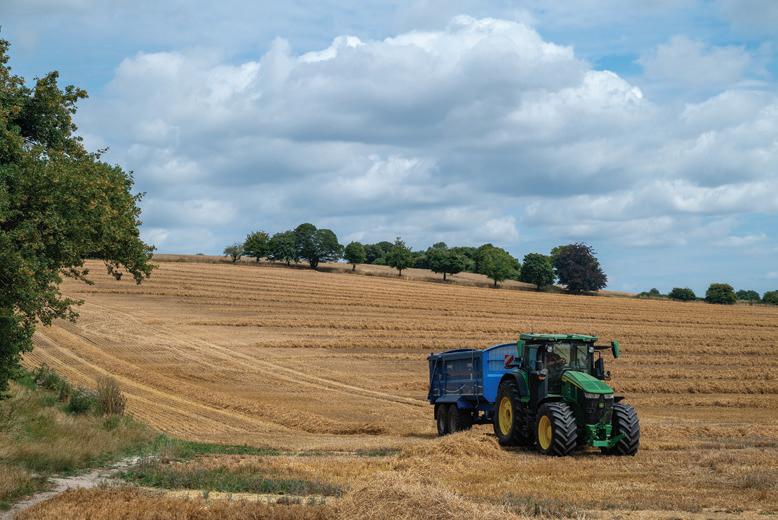
farmers rely on income from the Sustainable Farming Incentive.
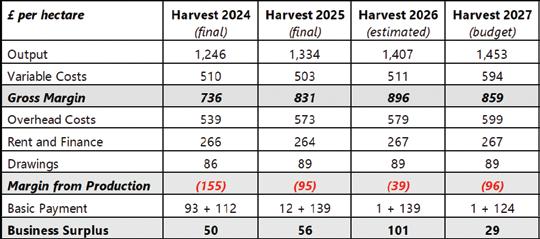
tiliser, fuel and general inflation expected to increase production costs again in 2027.
Andersons warns that SFI income is likely to decline as agreements signed in 2024 come up for renewal. Larger businesses may be particularly affected by the £100,000 payment cap, reducing an important income stream.
Collaboration between neighbouring farms offers one route to improving profitability by lowering costs and increasing efficiency, suggested Mr King. But any agreement must work for all parties.
“Working together with other farmers is a way of improving performance and lowering costs,” he said.
“The idea is to grow the size of the cake rather than argue about how the cake is divided.”
600ha Regen Farm models the fortunes of arable farms using regenerative techniques. It grows feed winter wheat (200ha); 100ha each of spring malting barley; winter oats and spring beans; 80ha of milling wheat and 20ha of herbal leys. Cover crops are grown before spring crops; third-party sheep graze the herbal leys and cover crops. Its crops are established by direct drill.
Growers who haven’t yet done so should make time to prepare for the reopening of the Sustainable Farming Incentive, say advisers.
The SFI is due to reopen next month for farmers who have an existing agreement following an initial opening window for first-time applicants and farmers with less than 50ha of agricultural land.
Some 75% of funding for the first wave was allocated to farmers within two weeks of the first window opening. The second window is expected to see a similar slew of applicants – despite harvest being in full swing.
Defra says potential applicants should check that your digital maps show: all the land parcels you want to include in your SFI26 application, with the correct areas and land covers.
Farmers who need to update maps should contact the Rural Payments Agency to ask that this is done as soon as possible. For details, visit www.defra.gov.uk.








Norfolk farmers will still be invited to grow sugar beet following the closure of British Sugar’s Cantley factory, says the processing giant.
Plans to cease beet processing at Cantley from the end of February 2027 were announced last month. But British Sugar says Cantley growers will still be invited to grow the crop for the 2027/28 campaign and beyond.
Under the proposal, British Sugar will concentrate its beet processing operations at Bury St Edmunds, Newark and Wissington. Packaging facilities will also be maintained, with Newark continuing to serve the company’s brown sugar customers.
The three factories have enough capacity to produce the same volume of sugar as the four factories produce now, says British Sugar. This will meet the needs of both retail and industrial customers and maintain the company's market position, it adds.
The closure plan follows a British Sugar review intended to improve efficiency, restore competitiveness and support the long-term future of the UK sugar industry, said British Sugar managing director Keith Packer.
Sugar processing is due to end at Cantley from next February.

"This proposal has not been taken lightly,” he added.
The decision reflects a combination of external pressures, including low average European sugar prices, high energy costs and a market-wide, longterm gradual decline in sugar volumes globally.
Mr Packer said he recognised the uncertainty the proposal would create for our colleagues at Cantley, their families and the wider community.
The company would engage openly and responsibly throughout the consultation process, he added.
NFU Sugar chairman and Norfolk grower Kit Papworth said the closure was due to over-capacity, market deregulation and UK government trade policy allowing greater quantities of duty-free sugar to be imported into the UK.
“Growers supplying Cantley have supported the industry for decades
and will rightly be very concerned about the proposed closure and potential impact on their farming businesses,” he said..
British Sugar says no growers will be financially disadvantaged for the 2027/28 crop. Mr Papworth said: “We are calling for this to be made permanent – to give affected growers the confidence to invest for the long-term future of the sector.”
British Sugar says the changes will ensure it remains competitive in the marketplace. All employees at Cantley are likely to be affected by the closure and the company is consulting with employee representatives, including the union Unite.
Cantley will continue to operate as normal throughout the upcoming campaign. Subject to the the consultation, British Sugar will explore future options for the site following the cessation of beet processing.
Farmers attending farm safety event in Suffolk received a stark re minder of the urgent need to improve the industry’s poor acci dent record.
Host farmer George Gittus displayed 41 high visibility jackets on a clothes line, representing those who have died in farm accidents since April last year.
The jackets were on show at Symonds Farm near Bury St Edmunds as more than 100 farmers prepared to join a discussion on essen-

tial health and safety topics at the NFU-or-
Mr Gittus, who is the NFU Suffolk council representative, said 41 people had been killed on farms since April last year. “When my team were putting these jackets up, it sent a few shivers down their spines.” Hundreds of farmers have attended the NFU East-organised health and safety morning workshops, with 11 held across the region in June and July.
Representatives from the fire and rescue service and the police have attended many of the events.
Events have covered areas including quad bike and ATV safety, emergency first aid, vehicle and driving licence rules and regulations, tyre safety and lone working, said NFU eastern region policy manager Charles Hesketh.
“Farming remains a dangerous industry and it’s vital we do everything we can to change the industry’s poor safety record. These annual events are an effective and impactful way to highlight safer ways of working.”





































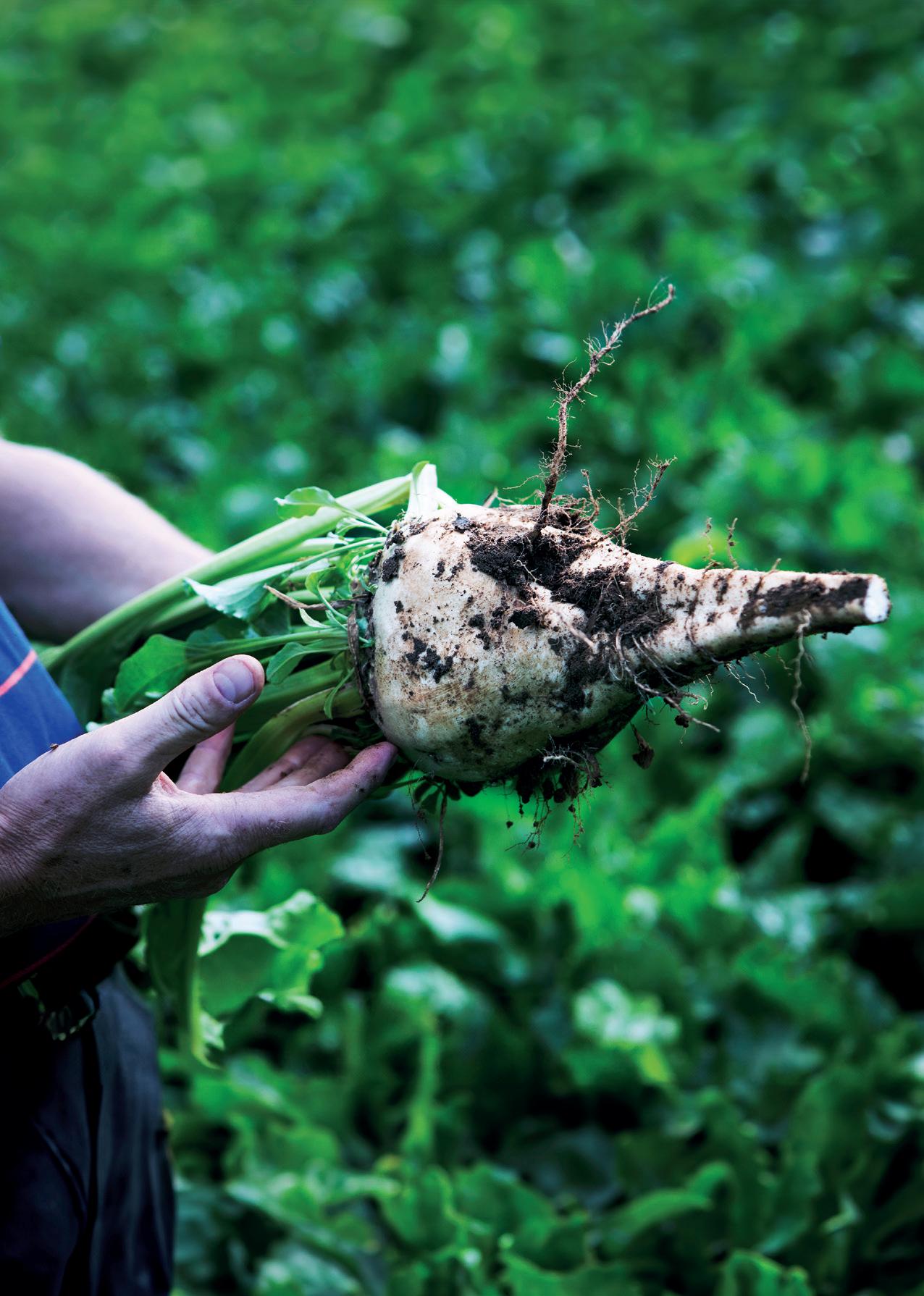
When it comes to sugar beet, Revystar ® XE is unbeetable. With proven, long-lasting control against key diseases like cercospora, rust, XE helps your crop stay cleaner, greener powdery mildew and ramularia, Revystar and more productive for longer. Visit agricentre.basf.co.uk/Revystar-XE to find out more.


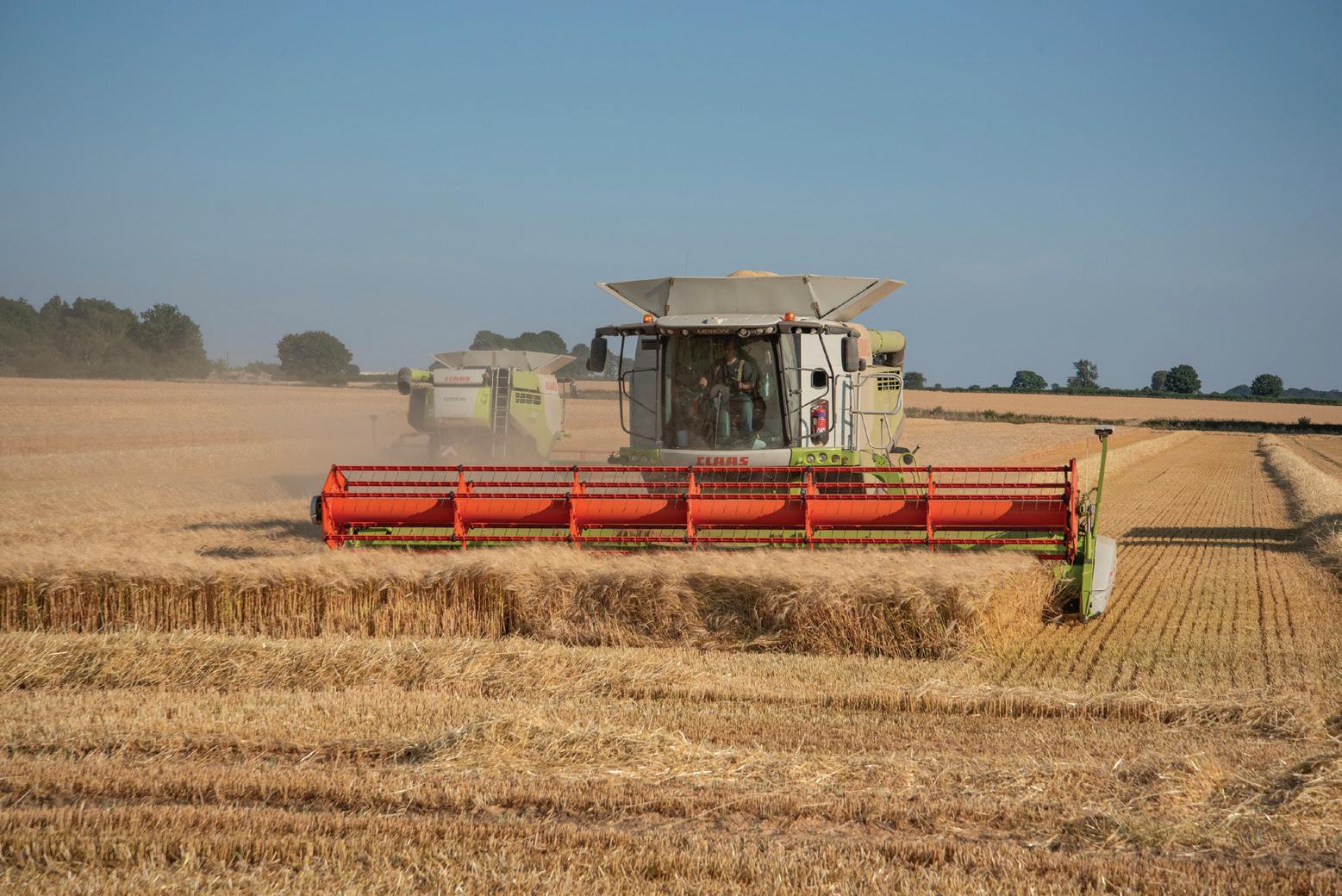
Early wheat yields are varying sharply after three summer heatwaves accelerated crop development and reduced output by as much as one third.
While grain quality has generally held up, with protein levels encouraging and specific weights around 80kg/hl, growers are reporting striking differences between crops, regions and soil types.
The NFU says the results underline the growing impact of extreme weather on arable businesses. It is asking farmers to complete a harvest survey to strengthen its case to government.
Some first wheats are yielding one third less than average in places – despite decent protein levels and specific weights hovering around 80kg/ha. Winter barley appears less affected but again is variable, with yields ranging from 7t/ha to 9t/ha.
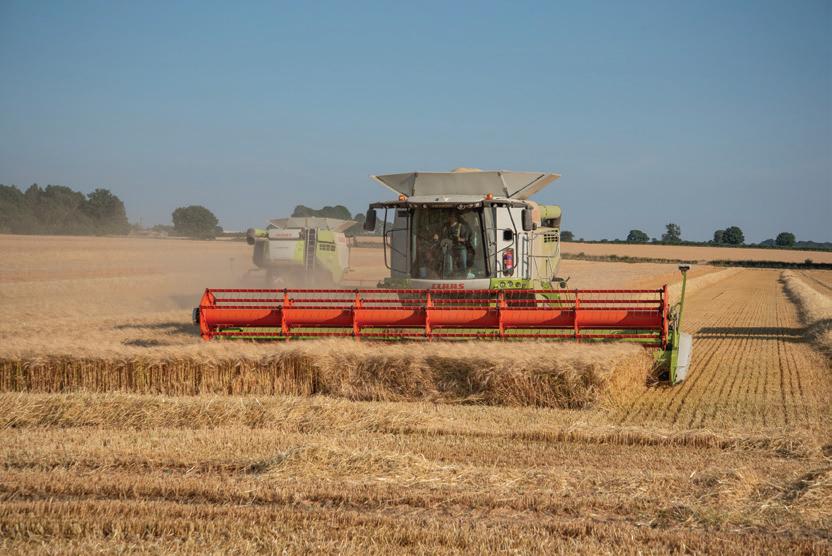
“Prolonged dry conditions have accelerated crop development and brought harvest forward across many areas, but results are differing significantly by crop, region and soil type,” says NFU combinable crops chairman Jamie Burrows.
The NFU is urging growers to complete its short harvest snapshot survey. The goal is to generate a national picture of crop yields, quality and the impact of extreme weather on cereal crops and oilseeds.
“Harvest should mark the culmination of a year's hard work, investment and risk taking, the point where we finally see a return on our commitment,” says Mr Burrows. Doing so will strengthen the NFU’s case to government.
“Once again, many of us in arable businesses are facing serious challenges, from extreme weather and volatile input costs to further examples of unfairness within the supply chain.”
The first combines rolled into barley in late June. The UK's 2026 oilseed rape harvest also saw one of its earliest starts on record, with prolonged summer heat bringing crops to maturity weeks before normal.
United Oilseeds estimates the national crop will total between 1.1 and 1.2 million tonnes, a significant increase on last year and a major step towards rebuilding domestic production. Much of this is due to increased area rather than a spike in yields.
That said, rape yields of 4.5- 5t/ha are being reported although oil contents are generally tracking slightly below last year's exceptionally high levels. The early season has, however, created logistical challenges.
Oilseed rape, winter barley and one of the earliest wheat harvests on record have all coincided, placing huge demand on haulage as crops have matured simultaneously rather than progressing gradually from south to north.
United Oilseeds managing director James Warner says the harvest is another positive sign that confidence in oilseed rape is continuing to return. "There's a real sense that oilseed rape is moving in the right direction again,” he adds.
“Better establishment, lower pest pressure, favourable growing conditions and the willingness of growers to adopt new management approaches are all helping to rebuild confidence in the crop."
Mr Warner added: "This harvest shows what oilseed rape can deliver when those factors come together."
Growers drilling oilseed rape should consider varieties no longer on the AHDB Recommended List, says crop management company Agrii.
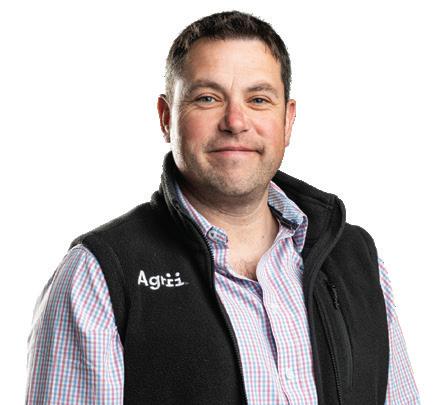
Past on-farm performance should be the starting point for 2026 drilling, says Agrii seed key account and performance manager Ian Davy. Growers shouldn’t dismiss proven varieties simply because they are no longer recommended, he adds.
"Seed breeders have done amazing work over recent years and varieties
have never been stronger in terms of yield potential and resilience. While the RL features new additions each year, improvements are increasingly incremental.”
Best performers
Mr Davy adds: "Just because a vari ety is not on the RL doesn't mean it's a poor variety, particular ly if they've worked well on farm in previous years and
Ian Davy: range of options
in the context of the management approach being used."
Some of Agrii’s best performing crops clast year ame from established names including Vegas and Maverick from NPZ, RGT Kanzzas and LG
"Vegas, for example, remains a high gross output hybrid with an excellent disease profile especially against Verticillium stem stripe, and was our third biggest selling variContinued overleaf
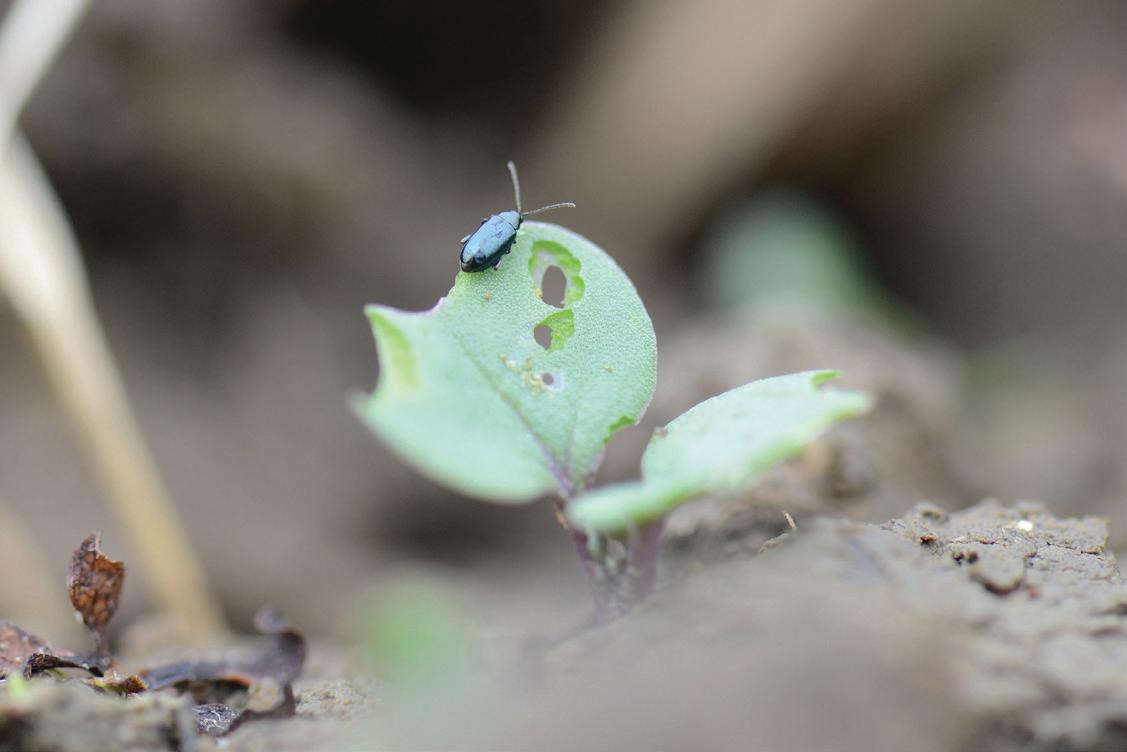

ultivating oilseed rape stubble after harvest benefits the following crop and helps to reduce pest pressure – including Cabbage Stem Flea Beetles (CSFB).
The cross-industry OSR Reboot initiative pinpoints 10 techniques that can help. Updated for this autumn, they are a key example of Integrated Pest Management in action – delivering multiple blows to suppress flea beetle population.
The first strategy growers can apply is to cultivate rape stubble after the combine has finished. After harvest, growers are advised to shallow cultivate rape stubble to reduce emerging CSFB adults and pupae in the soil.
After harvest, CSFB adults are in the top 30 mm of soil and can still emerge. New data confirms that shallow cultivations of oilseed rape stubble reduce beetle numbers by between 50% and 80%.
Topsoil should be cultivated and then inspected make sure it is precise enough. There may be a need to adjust the machinery – for example to adjust the tracking of the forward and backwards discs, so they track correctly between each other. You do not need to cultivate any deeper than
is necessary. Stirring up the soil after harvest could have negative effects on beneficial insects and may limit the potential the use of rape volunteers.
When sowing the next year’s rape crop, try to employ some key strategies. The first is to choose where the next crop can be sown, thinking about this in both time and space and in conjunction with your neighbour.
Be careful with rotations – decide whether one year in five is right – and consider the proximity of previous rape crops. Consider using “brassica buddies” by planting turnip rape or volunteer rape around the borders or within the field.
These brassica buddies in borders or infield strips are there to lure the beetle away from the crop. These sacrificial strips of brassicas can be left until late September. They reduce the pressure of both adult and larvae.
Peak migration of CSFB takes place end of August to beginning of September so avoid sowing crops then. Soil should be moist. Sow early to avoid adults or sow late after peak migration. This can reduce adult damage and larval loading.
When sowing rape for the 2027 harvest, growers should use as many techniques as they can to avoid increasing CSFB populations. In this way they are employing IPM. Each individual strategy needs to be implemented with good attention to detail.
Every grower knows that establishing an arable crop carefully with precision brings about positive benefits in the long run.
Colin Peters is a break crop specialist at NIAB. For more details about the OSR Reboot campaign, visit unitedoilseeds.co.uk/osr-reboot
Continued from p9
ety last year after being introduced three years ago.
"It's a variety continuing to perform well in trials and on-farm too, despite it no longer being on the 2026/27 recommended list.
"RGT Kanzzas is also a good example of a variety that did not make it on to the list, but it's our most vigorous variety and proven to be a top performer on sites with high level of flea beetle pressure.
"As well as its rapid growth rate outpacing larval attack, it also has the added advantage of outstanding light leaf spot resistance."
LG Adapt is another established variety Agrii is backing for 2026 drilling. It offers high gross output, allround disease resistance, pod shatter resistance and TuYV resistance, with strong autumn development making it suitable for later drilling.
While proven varieties should form the basis of plans, Mr Davy says growers should remain open minded about new options too.
"New RL addition KWS Domingos, for example, looks very promising with its strong combination of high gross output, excellent agronomic properties and strong vigour, particularly in the spring to minimise CSFB larval damage.
"It was the highest yielding variety in Agrii’s trials last year and combines high yields with high oil content plus it's suitable for all soil types with a recommendation for the whole of the UK.
"As a general rule, however, we would not suggest putting more than 20% of your oilseed rape area down to new varieties in any one year, particularly in the current circumstances."
Alongside following Agrii’s eightpoint integrated agronomy plan to support establishment, growers are also advised to consider establishment schemes linked to their variety choices.
Agrii will be offering various establishment schemes for 2026 drilling across varieties such as LG Adapt and Auckland, KWS Domingos, DK Exedge and Exsteel, plus RGT Kanzass and Vegas.
"We would urge growers to talk to their Agrii agronomist or seed specialist as early as practical to discuss these and seed availability as overall UK area is expected to grow again this year."









• Flexible drilling window expands
• Late sowing cuts risk
• New genetics boost resilience
New wheat varieties that mix winter and spring genetics could help reduce the risks associated with delayed drilling while maintaining yield and quality.
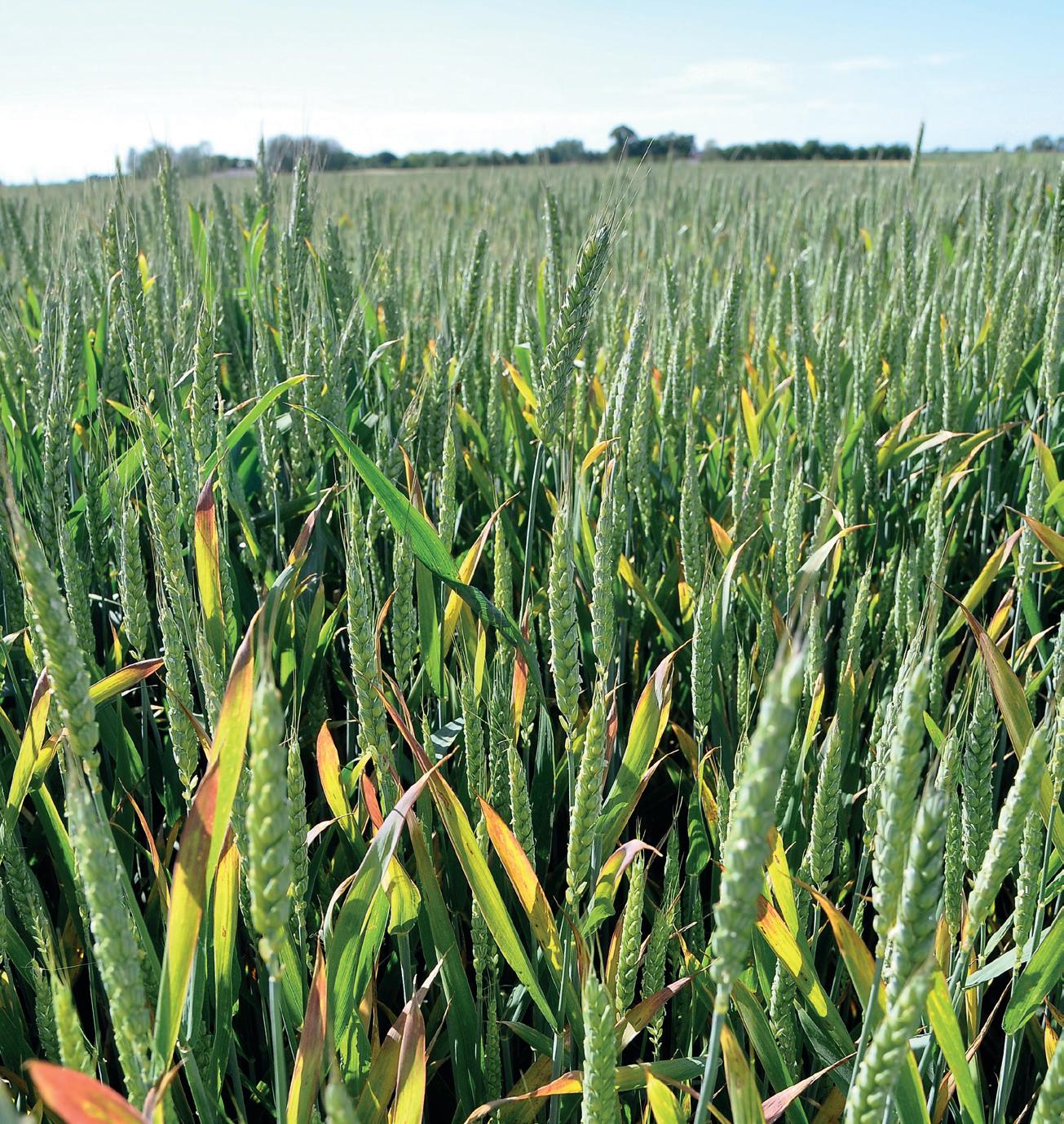
Known as “sprinter” wheats, the varieties have a much wider drilling window than conventional wheats. They can be drilled from mid-October through to late spring – offering flexibility when autumn conditions deteriorate or drilling plans change.
Wider flexibility
Sprinter wheats perform consistently even when drilling is delayed. Unlike conventional winter wheats, they have no vernalisation requirement. Most spring wheats, meanwhile, are unsuitable for autumn drilling.
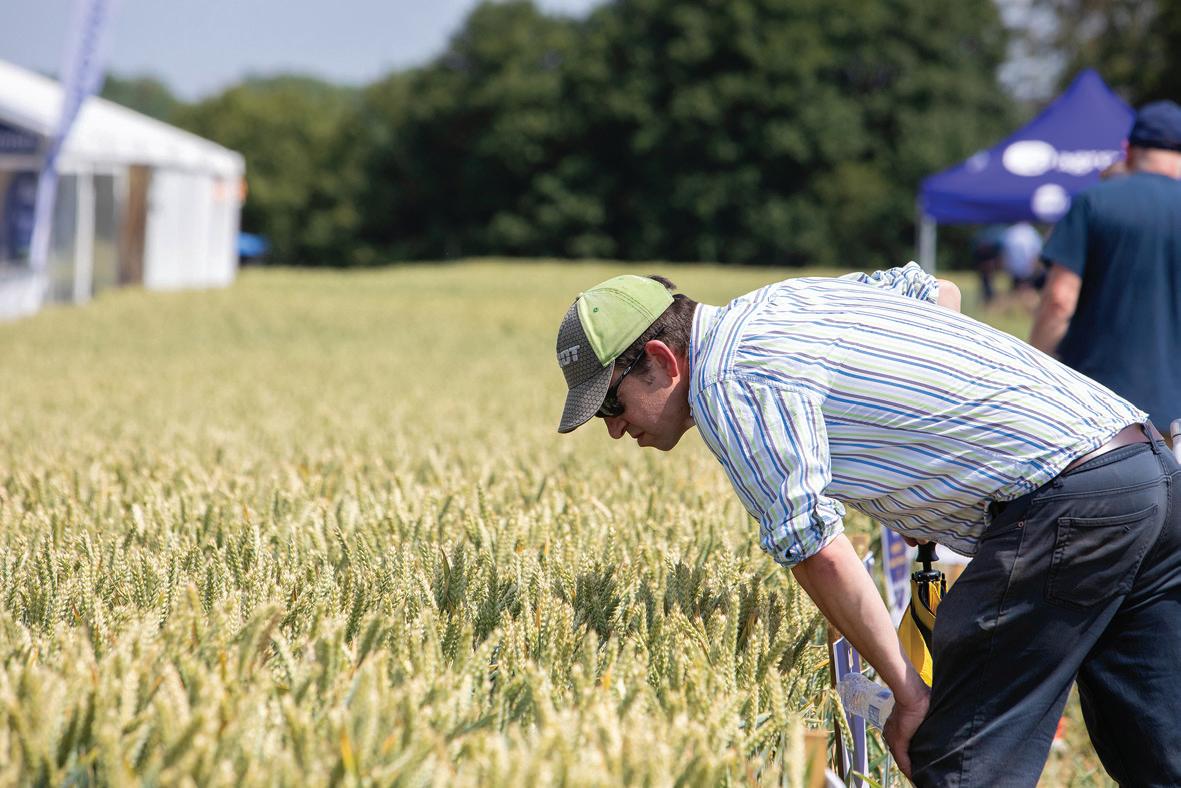
Agrovista arable seed manager Ted Williams showcased the varieties to growers before harvest at Agrovista’s AgX demonstration site at Lamport, Northamptonshire.
“They are genetically different to most other winter wheats and can be drilled from mid-October to as late as any traditional spring wheat,” he said. “While they have no vernalisation re-
They are still winter hardy
quirement, they are still winter hardy.”
The first commercial sprinter wheat, the Group One milling variety STR Pace, will be available through the seed trade this autumn.
Mr Williams said the variety would suit growers delaying drilling to improve grassweed control or reduce the risk from barley yellow dwarf virus and septoria. It could also be drilled after root crops or maize, or grown as a conventional spring wheat.
Bred by German breeder Strube, now part of RAGT, STR Pace joined the AHDB Recommended List for spring wheats in 2025. But, Mr Williams said it performed equally well as a late autumn-drilled crop.
Trial results
STR Pace yielded only 1% less than leading spring wheat KWS Harsum, he said. It delivered 13.0% protein and a specific weight of 80.6kg/hl, the highest of any spring wheat on the list.
Its earliest drilling date of mid-October means it cannot be assessed as a winter wheat under AHDB protocols. Agrovista therefore compared it with Skyfall, a popular late-drilled winter wheat, at two AgX sites last season.
“At Lamport on heavy clay, STR Pace yielded nearly 1t/ha more than Skyfall from a November drilling, while on high yielding silt soils at Haddenham in Cambridgeshire, the
advantage was almost 0.6t/ha,” said Mr Williams.
In Agrovista’s integrated system trials at Lamport, which assess rotations, cover crops, cultivations and weed control under heavy blackgrass pressure, STR Pace also outperformed a competing spring wheat, yielding about 9t/ha.
Three years of testing by UK Flour Millers has also demonstrated good gluten quality, baking performance and water absorption.
Mr Williams said nitrogen requirements were similar to those of comparable wheat varieties drilled at the same time.
“Clearly, the earlier you drill, the more nitrogen will be required by virtue that it will yield more, so we would typically advise a standard fertiliser programme to a comparator variety, like Skyfall, drilled at the same time.”
Another advantage is harvest timing. Spring wheats are often harvested much later than winter crops, discouraging some growers from including them in the rotation. STR Pace appears to overcome that drawback.
“Some of the seed growers have told us it is way earlier than its RL score of -1 compared with Mulika.”
Agrovista trials showed both November-drilled and spring-drilled sprinter wheats were harvested at around the same time as winter wheat sown in early October.
That was 10-14 days before conventional spring wheat varieties, offering growers greater flexibility at both the start and end of the season.
NOW LIVE!
View daily crop risk based on predicted financial and yield losses in wheat and barley
Identify high-risk periods for your fields
Avoid unnecessary insecticide sprays
Clear results with no jargon, giving you the data you need to make risk-based spraying decisions and fine-tune sowing dates. Available from mid-August 2026

Scan the QR code to access the BYDV tool Alternatively visit the AHDB website at ahdb.org.uk
• Research clarifies herbicide action
• Evidence backs resistance strategy
• Science supports grower decisions
New research by Rothamsted Research could help growers manage herbicide resistance while protecting existing Ava dex chemistry.
It follows changes made by the Her bicide Resistance Action Committee (HRAC) – moving Avadex (tri-allate) into the same Group 15 mode of action category as flufenacet, prosulfocarb and ethofumesate.
The decision raises questions about whether those products should be used together. Best practice normally rec ommends mixing or sequencing herbi cides with different modes of action.
But Rothamsted scientists say their study has strengthened the case for using tri-allate in grassweed con trol programmes. The work shows the herbicide acts differently from other Group 15 chemistry.
Fresh evidence

Believing tri-allate behaved differently, plant protection product manufacturer Gowan commissioned Rothamsted Research scientist Dana MacGregor and her team to investigate.
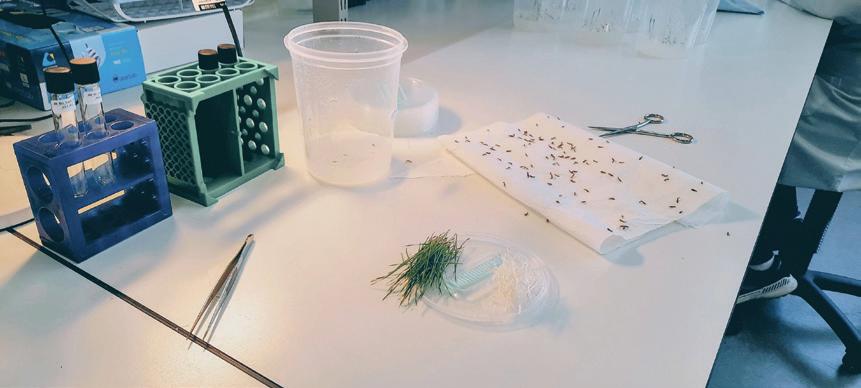
The first experiments compared tri-allate, flufenacet and EPTC, which is not registered in the UK. Scientists studied their effects on blackgrass in controlled conditions. They found tri-allate and EPTC mainly affected shoot growth. Flufenacet affected both roots and shoots.
Further work by Hannah Blyth, Frederick Beaudoin and Alex Borg examined what happened inside the plant. They used biochemical techniques to study changes in plant tissues and cells.
The team found tri-allate inhibits fatty acid synthesis, which is essential for plant growth, at two points in the pathway. It acts first in the chloroplast and later in the endoplasmic reticulum. Flufenacet and EPTC affected only the later stage.
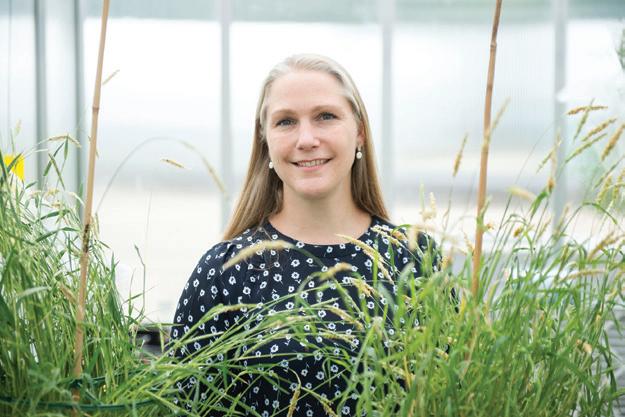
“We can say this because when we measure different components within the pathway in our controlled environment experiments, the early ones are altered in response to tri-allate –but not by the other Group 15s we tested,” said Dr MacGregor.
The findings suggest tri-allate acts at multiple sites within the pathway. That could explain why resistance has not developed despite more than 60 years of commercial use.
Gowan UK country manager Hank King said the findings had important implications. First, he said, they reinforced Avadex’s role in herbicide programmes.
“Add that to this research, and we have confirmation that Avadex is not only extremely efficacious but is also a proven tool for use as a resistant management partner for existing chemistry.”
Additionally, there is no reason to avoid tank mixing or sequencing Avadex with other Group 15 herbicides, said Mr King. The research also comes as many growers rely increasingly on
top: Scientists say the findings explain why tri-allate has remained effective for more than 60 years; Rothamsted scientist Dana MacGregor; and Gowan manager Hank King.
cinmethylin for autumn grassweed control.
“Secondly, we see growers in many situations in the UK increasingly relying more heavily on a single active in cinmethylin to do the bulk of the heavy lifting for autumn grass weed control.
“Where that is the case, we need to be sure the product is robustly protected and supported not only in delivering additional weed control, but also for resistance management.
“Avadex is a robust partner in this instance as it is delivering a mode of action that acts at multiple sites in the target weed.”
Mr King said the work also showed the value of investing in science. Better understanding of herbicide chemistry helps growers make informed decisions. It also helps protect the performance of existing products.
“This research is ongoing and will be deepened, which for growers should give them proven and genuine justification for using Avadex to control grass weeds as well as helping protect existing chemistry,” he concluded.













www.pellcroft.com sales@pellcroft.com 01526 342466


Varieties of C2 Seed for Autumn 2026
WINTER WHEAT
Brand New – KWS Aintree
Brand New – LG Defiance
KWS Vibe
KWS Arnie
KWS Extase
KWS Palladium
KWS Dawsum
KWS Solitaire
KWS Zyatt
LG Beowulf Bamford Champion

Bell Farm, Colesden, Bedford, MK44 3DB
T: 01234 376 284
E: office@ragibson.co.uk www.ragibson.co.uk



lgseeds.co.uk/lg-armada
• Consistent yields across seasons
• Strong defence against yellow rust
• Early drilling suits many growers
Anew winter wheat variety is attracting interest from growers looking for reliable performance across a range of soils, drilling dates and seasons.
Bred by RAGT Seeds, RGT Hexton is in its first year of widespread commercial availability. But it has already shown strong disease resistance and consistent performance under contrasting growing conditions.
Early experience suggest Hexton it combines competitive yields with robust disease resistance and management flexibility. That combination could make it a strong replacement for ageing farm favourites.
Farm experience
David Suckling, who farms near King’s Lynn, Norfolk, grew Graham for several years before deciding it was time to move on. “I think certain varieties suit certain types of land,” he says.
“When you get onto a good variety, then it is worth sticking with it. We grew Graham for years and got on very well with it, but I felt it was getting a bit outclassed, and that’s when we needed to move on to something with a better yield.”
Mr Suckling decided to grow 10ha of Hexton after visiting Agrii’s varie ty trials at Stow Longa, where he dis cussed trial results with John Miles, Agrii’s technical manager for seed.
“My agronomist Miles Doncaster agreed with John Miles that Hexton would be worth trying, which is why I ordered enough to have a go last sum mer.”
This season’s high yellow rust pres sure has reinforced that decision. Mr Suckling says Hexton has remained clean throughout the season. That has also reduced fungicide costs compared with some of the other varieties on the farm.
Hexton has also impressed at Shut tleworth College’s 500-acre Kingshill
Farm, where Frontier variety trials al low students and local growers to com pare new genetics under commercial conditions.
Head of farming and resources
Shane Durham was looking for a suc cessor to Tapestry and Skyscraper when Hexton caught his attention.
As a working commercial farm and learning environment, Kingshill means Shuttleworth students can see first-hand how crop performance is assessed, analysed and applied in re al-world farming decisions.
“We are proud to support agricul tural crop trials to help our students and local farmers evaluate the latest crop varieties under local growing conditions. It gives us an opportunity to see which do well. Hexton was one that caught our eye.”
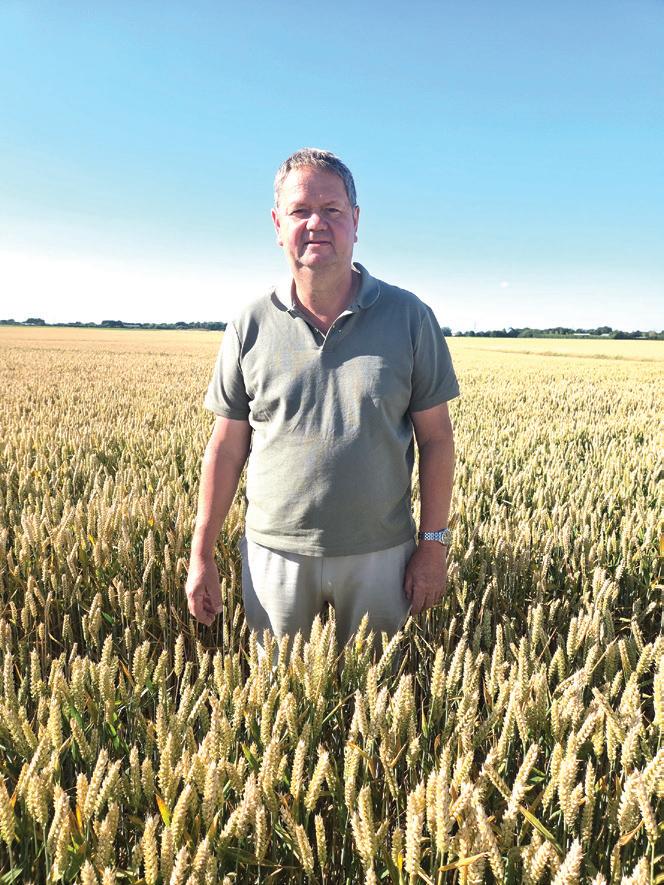
ly before the winter. It has remained clean from disease all season, whereas we have had a lot of problems with rust with our other varieties this year.”
Broad appeal
RAGT arable technical manager Andrew Creasy believes growers are already exploiting the variety’s
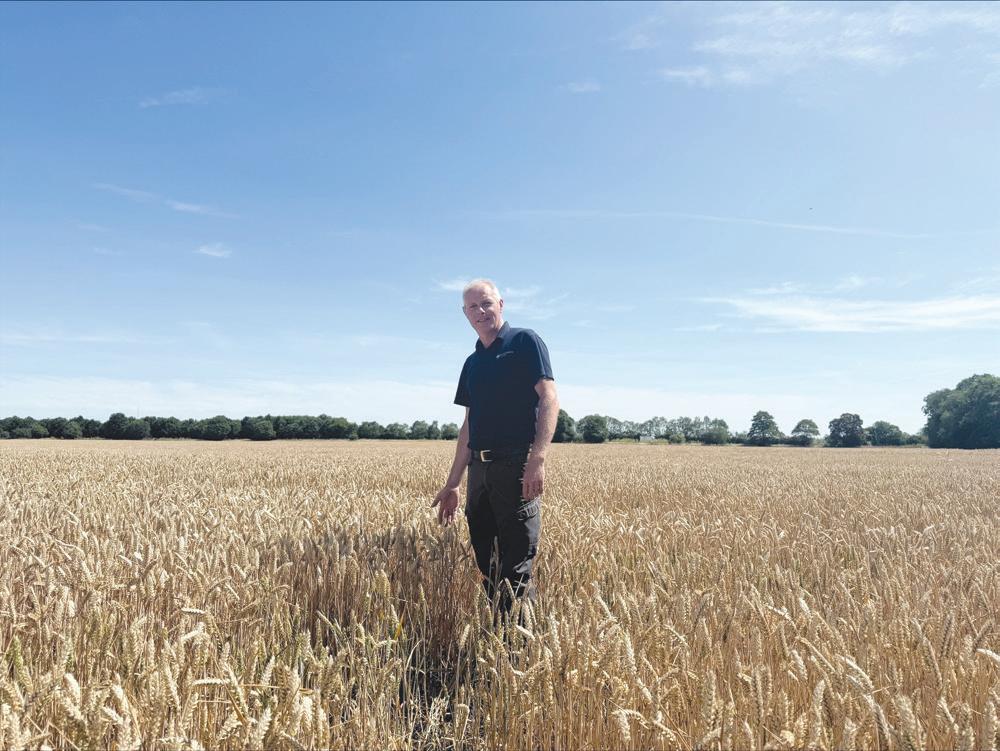
“Where they have sown Hexton, we are seeing farmers play to its strengths. It’s a great early sown wheat with steady autumn growth and decent yellow rust resistance, and it also performs well as a second wheat.”
The best farm varieties earn their reputation through consistency rather than headline Recommended List yields, says Mr Creasy. Hexton could replace some ageing farm favourites,
“We have seen Hexton’s yellow rust resistance stand up well under this season’s high pressure – it has diverse rust resistance that builds as
“We haven’t heard of any issues struggling to manage the disease this season, which is a really useful management consideration given the proportion of varieties susceptible to yellow rust being grown on farm at the


















Farmers and agronomists sharing pictures of their crops and farms could win tickets to the Nations Championship final at Twickenham this November.
GROUP 4 HARD WINTER WHEAT High yields are in sight!
n High yielding, Hard Group 4 feed wheat with excellent specific weight
n New genetics for UK growers with good Septoria resistance
n The stiffest Hard Group 4 option: ideal wheat for growers who like short and stiff types


Farmers who post pictures with the hashtag #blackgrassgame on LinkedIn, Instagram or Facebook could win a branded rugby ball.
They will also be entered into a prize draw to win four tickets to see the Nations Championship final.
There are four rugby balls to collect, with farmers eligible for up to four entries to collect the set. They are branded according to products in UPL’s blackgrass herbicide portfolio, notably for this autumn: its OSR graminicide, Centurion Max (clethodim), and new pre-emergence cereal herbicide, Xerton (ethofumesate).
“We wanted to do something for farmers this summer, whilst also celebrating the fact that UPL has a broad range of products across different crops that control blackgrass,” said James Kennedy, business development manager for UPL.
“We are coming to the end of another challenging but hopefully successful year with harvest approaching, so why not do something that’s a bit of fun?”
UPL is developing a new blackgrass herbicide which Mr Kennedy says offers excellent performance beyond anything available now to farmers. “It’s still a few years away, but it’s hard not to get excited when you see the control in trials,” he adds.
Farmers wishing to enter will need to post a crop-related photo from their farm, such as combining, drilling, spraying, or a harvested or standing crop, and tag the UPL UK Instagram, Facebook, or LinkedIn account.
They should include one of the following hashtags: #Xerton, #Quidam, #SempraXL, or #CenturionMax and use the hashtag #blackgrassgame. For full details, visit the UPL UK website.
Share. Collect. Win.

Post a photo of your crop or farm on LinkedIn, Instagram or Facebook, tag UPL UK and include #BlackgrassGame to receive a FREE branded rugby ball.
PLUS, each ball collected gives you an entry into our prize draw to WIN FOUR TICKETS TO THE NATIONS CHAMPIONSHIP FINAL at Twickenham, this November. Collect all four – Centurion Max, Xerton, Quidam and Sempra XL – for up to four entries per person.
Build your collection and WIN big this autumn. Terms and conditions apply, see website for details.
Learn more at
Potato industry leaders say the sector will struggle to reverse falling domestic production unless the government makes water a strategic priority for farming.
Unreliable access to water is now the biggest barrier to expanding domestic production, delegates were told at the Potato Industry Growth Summit in London. Growers are prepared to invest – but policy is falling behind.
The UK is increasingly dependent on imported potatoes. Defra estimates UK demand reached 7.1 million tonnes in 2025, but British growers supplied only 71% of that requirement – compared to 90% of national demand at
the turn of the century.
Delegates at the London summit said reversing that decline depends on giving farmers confidence to invest in reservoirs, irrigation systems and wider water infrastructure.
The summit, organised by GB Potatoes and the National Potato Innovation Centre, took place between the second and third heatwaves of the year. Wa ter dominated discussions.
Recent weather patterns have ex posed the scale of the challenge. Brit ain has experienced droughts in 2018, 2022 and 2025. This year’s spring and
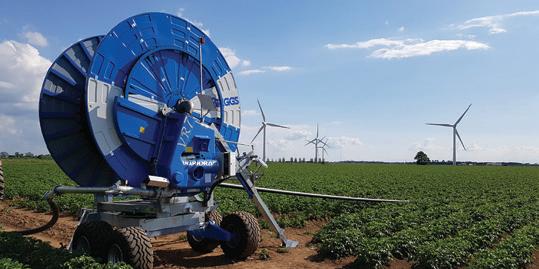
• Booms for lane widths 10 - 96 metres
• Hosereels from 150 - 750m pipe length
• Motorpump range; flow rates 30-200m3/hr

• Raindancer & 7Sense fleet management
• Fixtures, fittings, pipework and more... visit our website: briggsirrigation.co.uk call us on 01536 260338 or email: enquiries@briggsirrigation.co.uk
Ditching & Land Drainage
Vegetation Management Long Reach Equipment
Wetland Creation Irrigation Reservoirs Dredging Plant & Operator Piling Embankment Protection


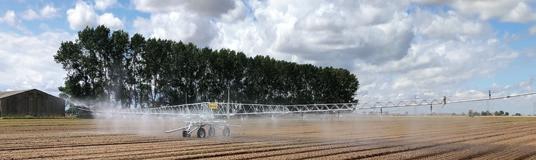

• Irrigation Reservoirs / water control structure installations
• Dredging & Piling operations
• Embankment protection installations
• Roadway & Track Installations
• Ground & Earthworks
• Plant and Operator Hire
A potato crop requires about 350mm of water during the grow ing season, equivalent to around 1.4 million litres per acre. That require ment is met through rainfall, stored soil moisture and irrigation.
The summit called for long-term planning involving government, reg ulators, water companies and agricul ture.
Delegates also backed faster plan ning decisions for farm reservoirs, policies allowing growers to store surplus winter water, continued in vestment in irrigation efficiency and research into drought and flood-tol erant varieties.
GB Potatoes chief executive Scott Walker said growers were prepared to invest if government created the right policy framework.
“Water is not an optional extra for potato production. It is fundamental to maintaining the crop we grow to day and absolutely essential if we want to increase British production in the future.
Without reliable access to water, the UK would see further reductions in domestic production, greater volatility for growers and processors, and increasing reliance on imports, said Mr Walker.
is too much water and periods when there is far too little. The answer is to enable growers to capture water when it is available and store it until crops need it.
“If government is serious about economic growth, food security and increasing domestic food production, then water for agriculture must be recognised as strategic national infrastructure.”
Delegates said investment in farm reservoirs would also ease pressure on public water supplies, improve flood management and strengthen catch-
Water is not an optional
ment resilience as demand increases from housing, population growth and climate change.
The summit brought together representatives from across the supply chain, including growers, breeders, processors, packers, retailers, foodservice businesses and researchers. Speakers agreed that demand for potatoes remains strong, with British growers capable of increasing production.
Other discussions focused on boosting potato consumption, safeguarding plant health, improving profitability, encouraging innovation and attracting skilled people into the industry.

“That would weaken our food security and export jobs and investment from the British supply chain,” he added.
“Growers are prepared to invest in reservoirs, irrigation technology and more efficient water-management systems, but they need a policy and planning framework that gives them the confidence to do so.
“We experience periods when there


ing the biostimulant Innocul8 with conventional fungicides can consistently reduce foliar disease levels –while helping crops retain healthy canopies for longer.
Agrii technical manager for non-combinable crops Don Pendergrast said the work was designed to assess whether plant health products could complement existing fungicide programmes.
Innocul8 contains the peptide PHC101 together with manganese and zinc, both important for plant enzyme activity. The peptide triggers a natural immune response by mimicking the effects of a pathogen attack.
“We originally looked at Innocul8 because we wanted to see if biostimulants could aid green leaf retention into the winter for sugar beet,” says Mr Pendergrast, with the product in-
It was visually better in the field “
investigated showed an adjusted sugar yield benefit, but Innocul8 stood out. It was visually better in the field.”
Agrii found the product improved fungicide performance – even against difficult diseases such as cercospora.
In one trial, mixing 0.5 litres/ha of Innocul8 with Angle (azoxystrobin + difenoconazole) reduced Cercospora severity by 75%, delivering disease control comparable with the strongest treatments in the programme.
Mr Pendergrast believes the biggest benefit came from maintaining green leaf area after spraying. “I visited the site 44 days after application, and the Innocul8 was giving continued support to the crop with its plant health benefits.
“It’s a challenge to repeatedly see

the benefits from biological based solutions that we might see in one trial. What excites us about Innocul8 is the consistency in trials you rarely see with other plant health products.”
The results persuaded Agrii agronomists Miles Doncaster and Adam Mann to incldue Innocul8 into sugar beet programmes. “Depending on the pressure, I’ll either pair it with Angle or use it alone for its plant health benefits,” says Mr Doncaster. Fungicide programmes are tailored to disease pressure, lifting date and growers’ appetite for risk, he adds.
Mr Mann, who advises growers across the Norfolk-Suffolk border where cercospora pressure is often high, expects to continue using Revystar (mefentrifluconazole + fluxapyroxad) on susceptible varieties.
But he believes Innocul8 still has a role where improved plant health can add value – including to help keep beet standing in dry conditions.
“One of our farmers hosted a trial in South Norfolk last year, and it certainly seemed to keep the beet standing better. If we lose leaves late in the season, then the sugar levels take a hit as the crop recovers, and weeds can become a problem.”
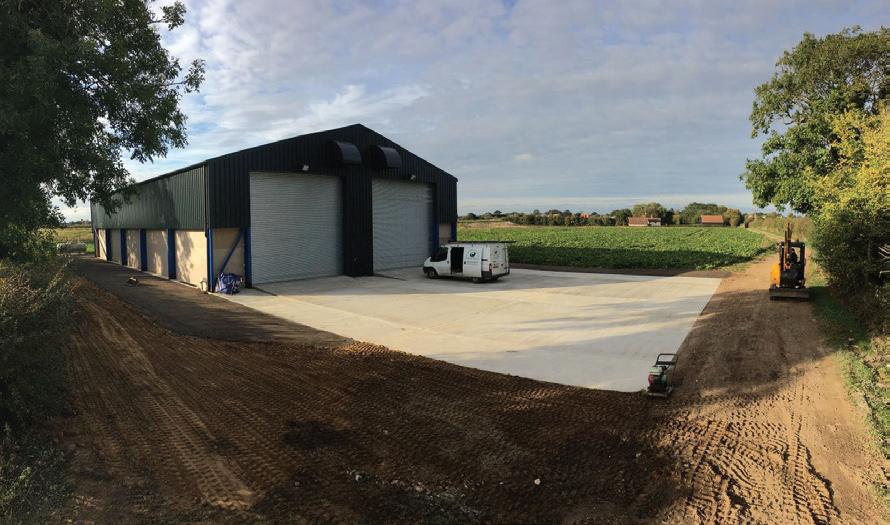






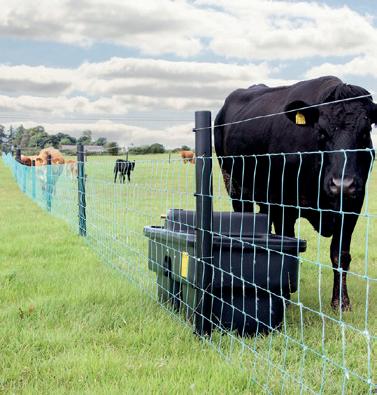
JDP supports the modern farm with products and solutions for livestock and equine feeding, cleaning and hygiene.
• CROP & ANIMAL HUSBANDRY
• LAND DRAIN
• MAINS SUPPLY
• STORMWATER
• RESIDENTIAL
CONTACT US
JDP Cambridge 01223 654310 cambridge@jdpipes.co.uk
JDP Norwich 01603 931318 norwich@jdpipes.co.uk www.jdpipes.co.uk

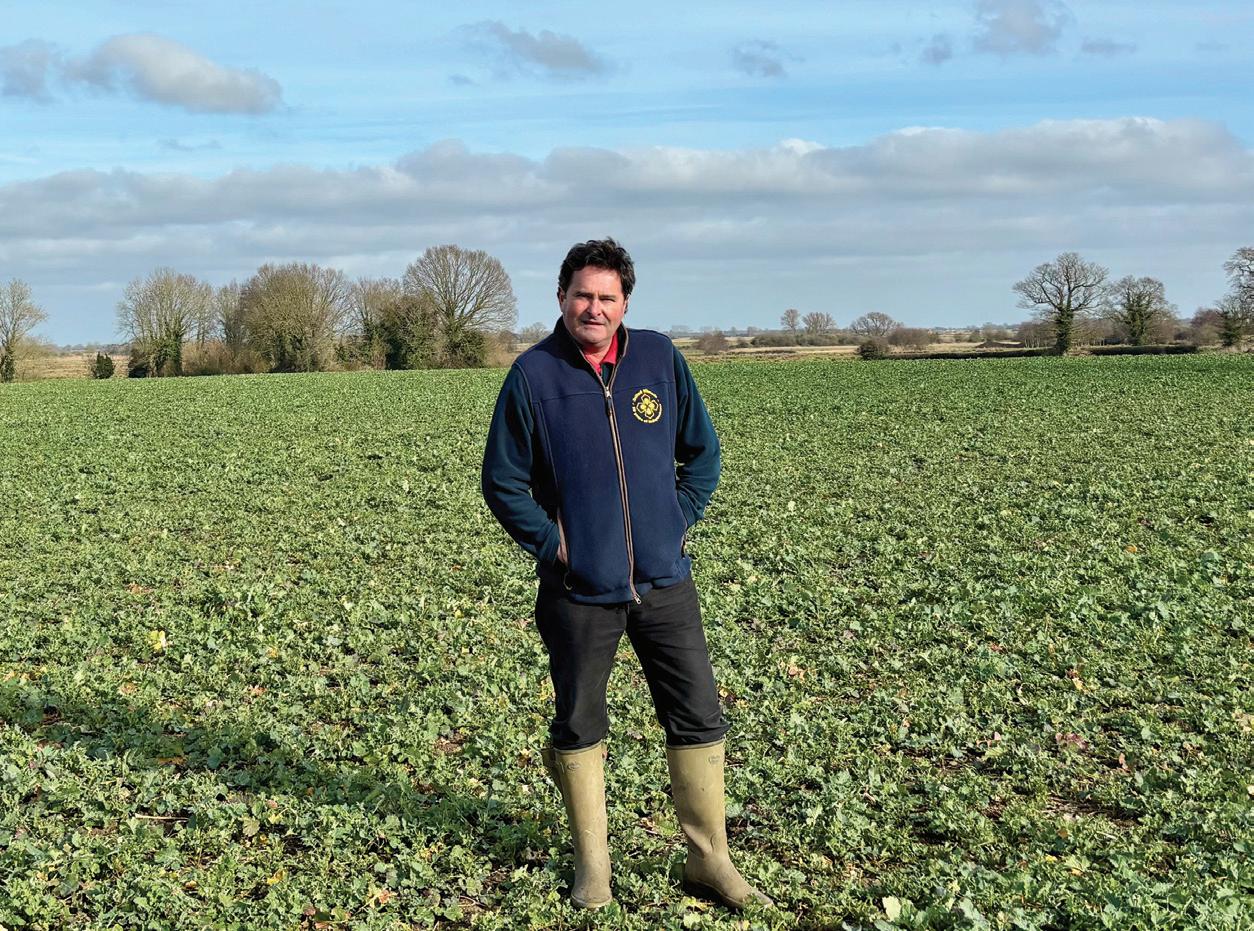
Growers returning to oilseed rape are being urged to focus on crop management as re newed confidence drive a resurgence in plantings.
The rape area increased by 49% for harvest 2026, according to esti mates from the Agriculture and Hor ticulture Development Board. But the 358,000 hectares grown this season remains a long way off the 650,000ha seen a decade ago.
That said, there is every indication the area will increase again for harvest 2027, says James Hood, United Oil seeds area manager for the Midlands and Norfolk. The farmer-owned coop erative has been inundated with in quiries from growers, he says.
With prices at about £430/t off the combine, many growers are reassess ing their rotations – not least because of weaker oilseed rape pricing. Oth er break crops are also less profitable than rape.
Backed by companies including Grainseed and Limagrain, the Unit ed Oilseeds Reboot campaign has fur ther helped restore confidence in rape, says Mr Hood. “This campaign has giv en growers much more confidence. ”
Pest pressure has also eased. Cabbage stem flea beetle caused relatively
few problems this season after growers adopted the 10-step integrated crop management guidance issued by the AHDB.
Many growers are now planning to increase their oilseed rape acreage or return to the crop after several years away, says Mr Hood. “Farmers are very upbeat about it,” he says.
Variety choice remains an important consideration as growers look to balance establishment costs with yield potential. Mr Hood favours Limagrain hybrids but describes Pi Pinnacle as his preferred conventional variety.
“Farmers are very upbeat about it
Grainseed general manager Neil Groom points out that Pinnacle topped the latest AHDB survey, accounting for 9% of the total area grown across both hybrid and conventional varieties.
It’s later flowering and flexibility make it particularly attractive. Being a conventional variety, growers can also grow their own seed. Even when purchased, seed costs are significantly lower than hybrid seed costs.
Growers facing increasing pressure from verticillium stripe should consider resistant rape varieties in the absence of chemical control.
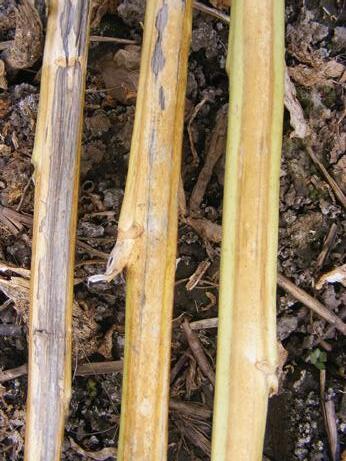
The disease can survive in the soil for up to 10 years and, in severe cases, reduce yields by as much as 34%. Industry specialists say variety choice, combined with good crop establishment and longer rotations, remains the only practical way to limit its impact.
The AHDB is in its third year of assessing verticillium stripe resistance. Rather than using the traditional one-to-nine disease scale, varieties are classified as moderately resistant, intermediate or susceptible.
widespread
Grainseed general manager Neil Groom sats the disease remains patchy but is becoming more widespread. “In extreme conditions Verticillium stripe can cause up to 34% yield reduction,” he adds.
The fungus infects plants from the soil during
autumn and spreads through the vascular system before symptoms become visible in spring and early summer. As infected crops mature, the pathogen returns to the soil, allowing the disease cycle to continue.
“Because the microsclerotia can survive in the soil for 10 years, the rotation theoretically should be 10 years. But this strategy is impractical and unworkable, so growers who have experienced the problem now have resistant varieties to fall back on.”
There are no curative treatments once the crop is established. “There is no other option of minimising verticillium other than growing a resistant variety, optimising establishment and extending your rotation.”
Independent plant breeder Mike Pickford says conventional variety Pi Pinnacle has shown strong field performance, remaining clean in trials while maintaining green stems that continue contributing to yield through grain fill.

(Fertiliser and seed bags, all sizes & types of spray containers & cardboard collected off farm).
Collections over East Anglia, further afield on request.
For more information please call
Katherine Smith – 07590 850307
Tom Smith – 07801 416942











BRED IN BRITAIN FOR UK FARMERS
BRED IN BRITAIN FOR UK FARMERS
BRED IN BRITAIN FOR UK FARMERS
Highly recommended for all regions of the UK, this top-performing conventional variety boasts the highest yield. Featuring large pods and abundant seeds, it ranks as the No.1 choice. Developed in Britain specifically for British farmers, its superior yield, vigour, and establishment surpass even that of Campus.
ommended for all regions of the UK, this top-performing conventional variety boasts the highest yield. Featuring large pods and abundant seeds, it ranks as the No.1 choice. Developed in Britain specifically for British farmers, its superior yield, vigour, and establishment surpass even that of Campus.
ommended for all regions of the UK, this top-performing conventional variety boasts the highest yield. Featuring large pods and abundant seeds, it ranks as the No.1 choice. Developed in Britain specifically for British farmers, its superior yield, vigour, and establishment surpass even that of Campus.

Agronomists report crops are in strong condition across much of the country. AHDB currently classifies 78% of the standing crop as good or excellent, matching the positive outlook seen last season.
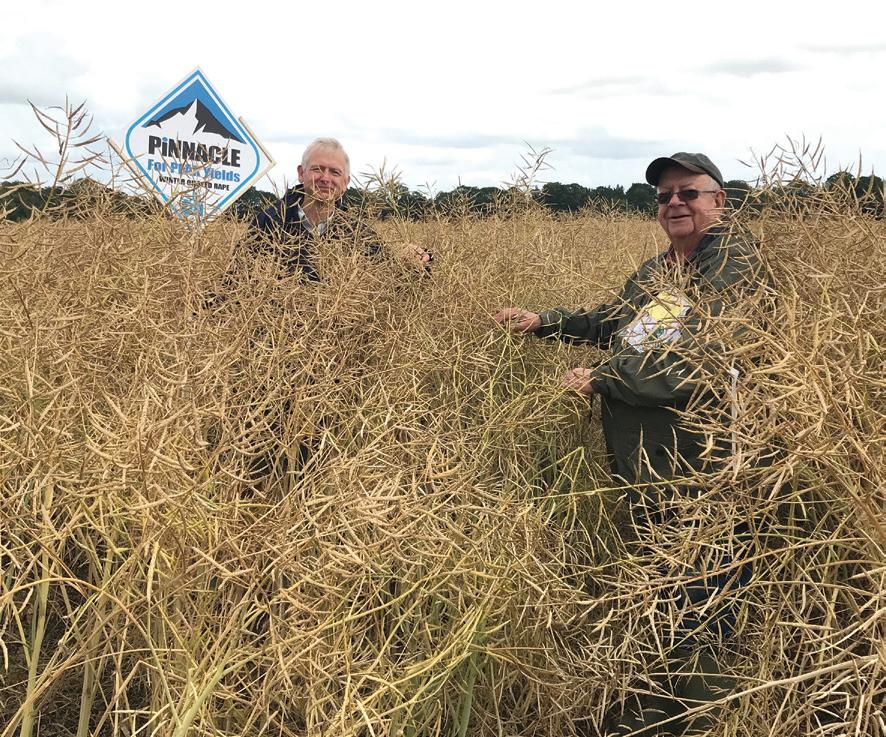
Independent Oxfordshire plant breeder Mike Pickford says his Pin nacle trial plots have performed well throughout the season. He reports the variety has remained among the clean est in trials for stem diseases.
He says secondary and tertiary branches are carrying large seed with between 28 and 30 seeds per pod, while the crop remains green and continues contributing to final yield.
Disease pressure has generally re mained low this season. Mr Pickford says earlier varieties are beginning to show stem diseases including verticil lium, which can restrict grain fill, but he has not yet seen sclerotinia or sig nificant lodging.
Mr Hood reports similarly low dis ease pressure across the Midlands and Norfolk. Crops have looked healthy but harvest performance will determine whether the encouraging season trans

has the potential to match last season’s high yields. “With growers being very upbeat about rape, I am hopeful for a profitable crop this harvest and even
market conditions have strengthened the crop’s business case. For many farmers, oilseed rape was the best performing crop in harvest 2025 – and looks to repeat a solid return this








• Fourteen years of consistency
• Premium quality still rewarded
• Still reliable choice for millers
Group One milling wheat Crusoe continues to prove its worth on farm – 14 years after making its debut on the AHDB Recommended List.
Despite the arrival of newer genetics, the variety remains a popular choice for growers and end users alike, thanks to its dependable grain quality, strong protein content and consistent baking performance.
Now the oldest variety on the Recommended List, Crusoe has outlasted many competitors that promised higher yields or better agronomic traits. Its longevity reflects a combination of reliable milling performance and the confidence it gives growers targeting premium markets.
That combination is increasingly valuable as many businesses focus on margin rather than outright yield.
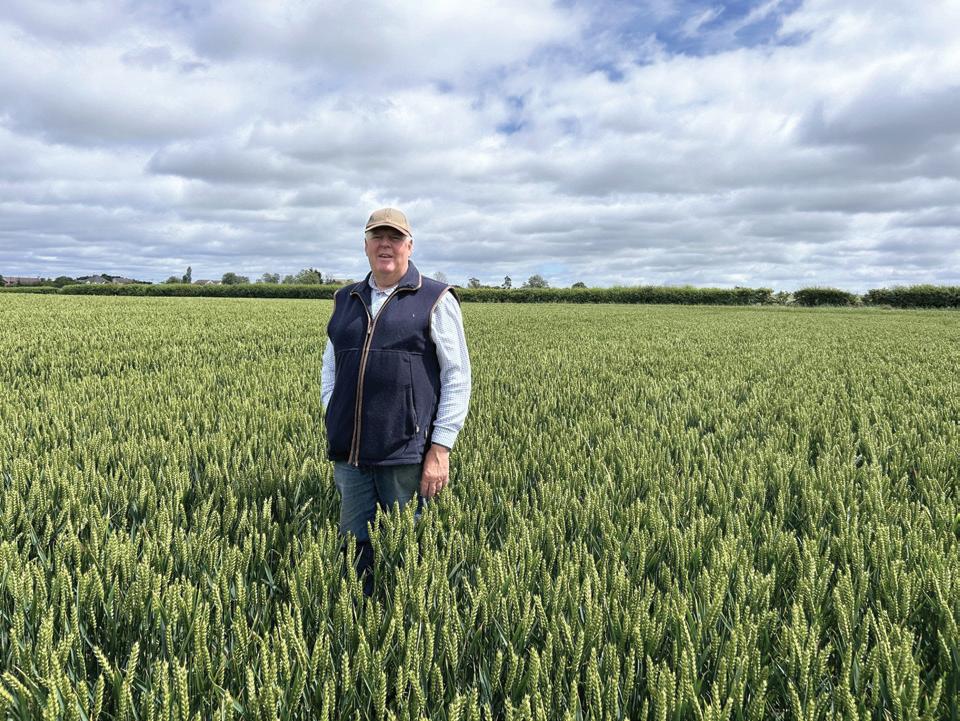
220ha at Lawling Hall Farm near Maldon, where dry conditions regularly restrict yield potential despite productive soils.
Mr Carr is harvesting 85ha of winter wheat this summer – split equally between Crusoe and Skyfall, together with a small area of SY Cheer.
“One of our biggest challenges farming in this area is the lack of rainfall, which means we struggle to achieve the really high yields that some new Group 4 varieties promise, despite being on strong wheat-growing ground,” says Mr Carr.
“That’s why we go for milling wheats; if yield is going to be compromised due to lack of rainfall, we’re better off going for a premium market instead.”
Over the past 13 seasons, Crusoe has consistently achieved milling specification on the farm. Mr Carr says it has helped him develop long-term relationships with local grain buyers.
“We need to be over 13% protein, but more often than not, it’s nearer to 14% or above, which in some years can earn us a small extra premium on top of the milling price if supplies are tight.”
Consistency matters more than chasing headline Recommended List yields, says Mr Carr. Reliable quality allows the business to market grain with greater confidence and reduces uncertainty at harvest.
The farm has changed significantly since Crusoe was first introduced.
Establishment has moved away from traditional ploughing towards a predominantly minimum tillage system, although cultivation decisions are still made field by field.
“We’ve invested in drainage, which has made a big difference to soil health, crop uniformity, and has helped us go down the min-till route. It means we can usually get a head start for early applications of fertiliser and sprays in the spring.”
Disease management remains a priority. Mr Carr recognises that Crusoe can be vulnerable to early yellow rust and later brown rust. However, he believes both diseases are manageable with timely fungicide applications.
“We typically start by applying a good triazole at T0 to make sure crops are clean going into the main growing season, and maintain this protection with other chemistry at T1, T2, and T3.
“In high-pressure years, we might need an interim spray to cover the gap between T1 and T2, but decisions really depend on disease pressure and the season.”
“We’ve found that if we can keep yellow rust out from the start, then Crusoe is quite good at growing away from it once adult plant resistance kicks in.”
Nutrition is equally important. Early access to fields allows fertiliser applications to begin in late February. Crusoe typically receives four nitrogen applications totalling 210220kg N/ha. >>
I can’t see any reason not to keep growing it “
The programme starts with urea before moving to the main nitrogen dressing several weeks later. A final application of ammonium nitrate plus sulphur follows in late April or early May.
A foliar nitrogen treatment is applied at the cheesy ripe stage to support grain protein. Micronutrients are also tailored using tissue analysis.
“Magnesium deficiency is one of the
if poor weather delays combining.
That sort of performance and quality provides valuable insurance because the farm shares a hired combine with neighbouring businesses rather than owning its own machine.
“Generally, if the weather is unsettled, we’ll prioritise combining the Skyfall first, as Hagbergs tend to drop quicker in that than in Crusoe.”
Recent investment has further reduced harvest risk.

“But one of our biggest stress relievers has been the recent investment in a 20 tonne/hour continuous flow system for cleaning and drying grain, which has made harvest management a lot easier, and is a good insurance policy that means we can cut at 20%
Looking ahead, Mr Carr plans to maintain a similar area of Crusoe while evaluating two newer Group One varieties on a limited scale. Any replacement must demonstrate both yield and
“At the moment, I can’t see any reason not to keep growing Crusoe. Any new varieties have got to prove themselves for both yield and quality before I make any significant changes.”

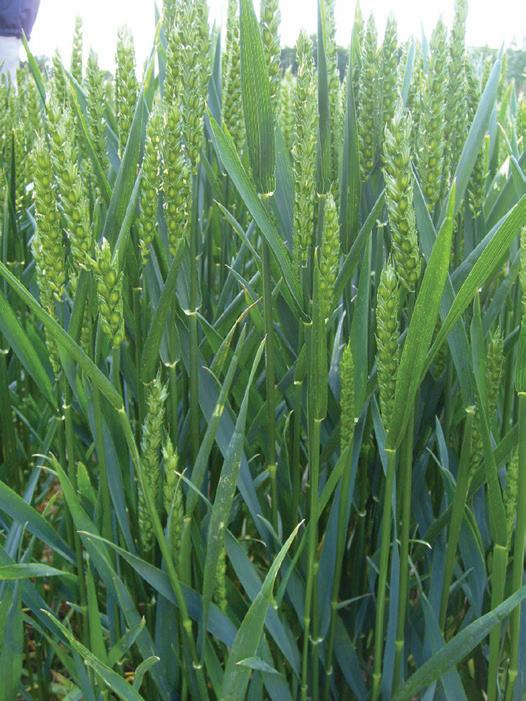
220 ha farm near the Essex coast
Predominantly heavy Windsor series clay soils 455-510mm annual average rainfall
Cropping includes winter wheat (all Group 1s), lucerne, naked oats, winter beans and linseed Crusoe grown since 2013 Min-till establishment system













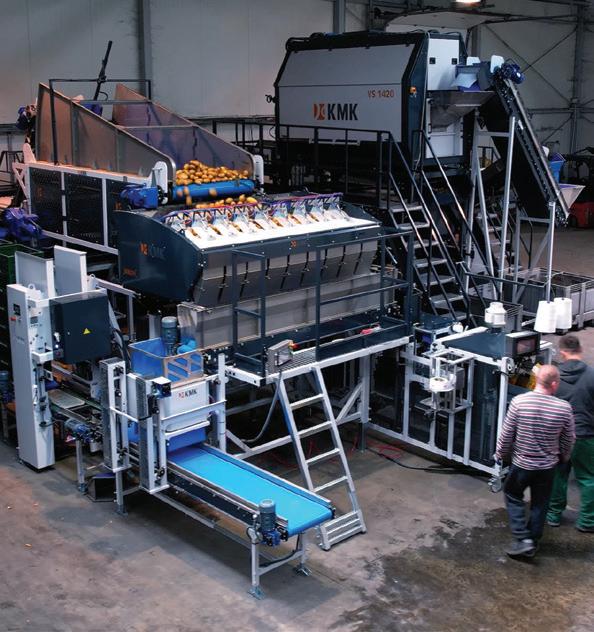
Suitable to automate and reduce labour anywhere in the production cycle
up to 15 tonnes per hour. Boxes/Trays/Cartons/Nets

Competitive pricing to suit all budgets



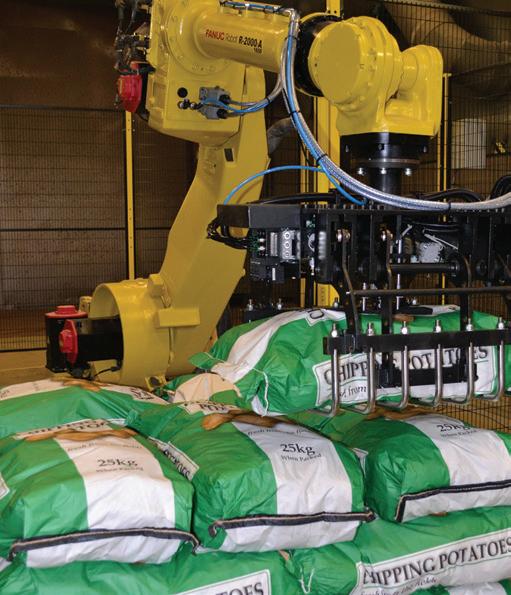
AGRIPACK Stitching lines/ Sack placers and weighing for all pack sizes and products
High speed 15 tonnes per hour
KMK Washing/ Polishing/ Handling/ Packing





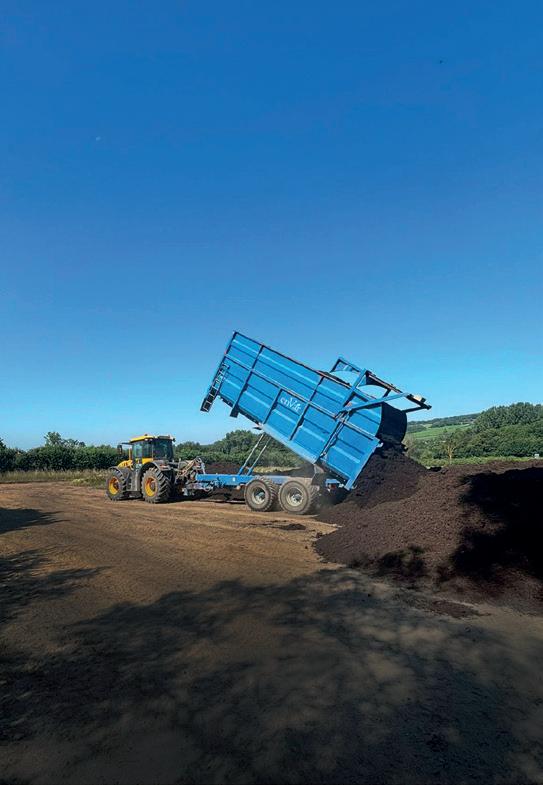
• Improved nutrient use efficiency
• Creates the ideal conditions for soil microbes to thrive
• Calcium enhances soil structure and root development
Speak to our expert team about LimeX Customer service 0800 090 2376


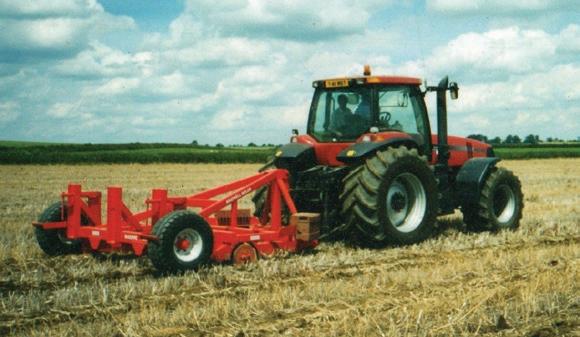
• Well proved design • Single, twin and three legged machines available • Mounted and trailed
01604 686216 M: 07973 265378
www.maidwellmoler.co.uk
Reduce the effects of dry conditions
Build healthier soils year after year
Increase water retention
Improve soil organic matter
Enhance productivity
Arenewed focus on soil health will help UK farmers secure a more resilient future in the face of global challenges, says the government.
Healthy soils sit at the centre of the Defra’s vision for the future of English farming, with ministers arguing they are essential to maintaining profitable food production while reducing reliance on costly inputs.
“Healthy soils, clean water and functioning ecosystems are the foundations of food production,” says the government’s long-awaited Farming Roadmap, which was published this summer.
The foreword to the document, co-written by farm minister Stephen Morgan, says healthier soils improve nutrient efficiency, reduce exposure to volatile fertiliser markets and help farms withstand drought, flooding and disease.
“The ongoing pressure on fertiliser and fuel prices because of the closure of the Strait of Hormuz underlines the need to shift to a more resilient farming system with reduced reliance on
Rather than treating environmental improvement as separate from commercial farming, the roadmap presents soil health as a business asset that underpins productivity, resilience and profitability.
The roadmap says nature-friendly farming systems can maintain or enhance production by improving soil health, increasing nutrient efficiency and reducing dependence on external inputs.
Environmental benefits
The long-term goal is for farming to work with the environment. Better soil management is expected to reduce pollution, strengthen water retention and improve resilience to increasingly unpredictable weather, it adds.
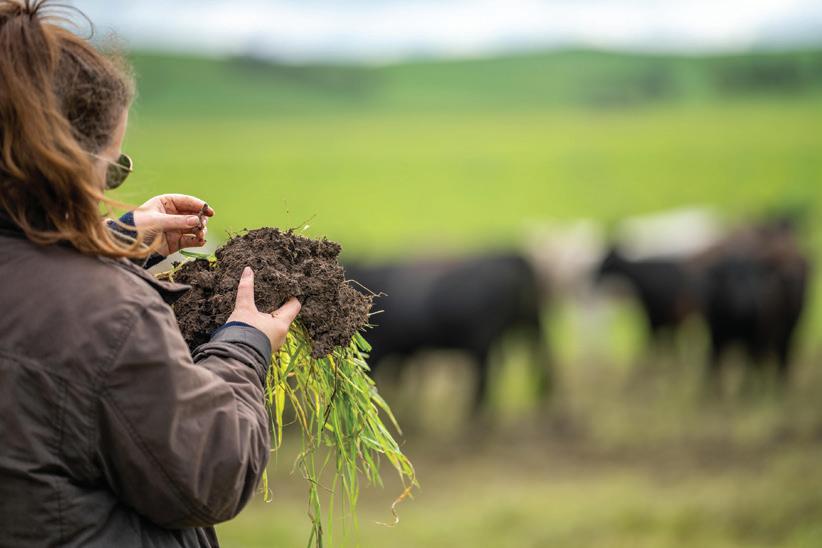
Healthy soils underpin profitable farming, stronger crops and longterm business resilience.
“Healthier soils improve nutrient efficiency such inputs.”
By 2050, soils should contain more organic matter, retain more water and support stronger crop and grass growth, creating more resilient farming businesses alongside improved environmental outcomes.
The roadmap backs this ambition with commitments to publish new
soil structure guidance, establish an open-access national soil data portal and create a national soil monitoring baseline.
The document also includes an Environmental Improvement Plan target to bring at least 40% of England’s agricultural soils into sustainable management by 2028, rising to 60% by 2030.
Responding to the announcement, Soil Association policy director Brendan Costelloe said the roadmap rightly recognised that soils were the best defence for farmers who would increasingly face extreme weather over the coming decades.
“Extra investment in innovation for soil health and water management is much welcome – but government must ensure this is spent on nature-friendly practices to help soils retain water at times of flood and drought.”
Heatwaves pose a growing threat to farm profitability as soaring temperatures damage crops, degrade soils and weaken long-term resilience, say researchers.
Extreme heat is of undermining UK soil systems, says Nicola Cannon (right), professor of agriculture at the Royal Agricultural University. Repeated heat events could leave farming less able to cope with future climate shocks, she added.
“Extreme heat fundamentally disrupts how crops grow and function. When temperatures exceed optimal thresholds, plants shut down critical physiological processes
such as photosynthesis, which direct ly reduces growth and yield.”
The warning follows three pro longed heatwaves this summer.
Climate projections indicate similar heatwaves will become more frequent and intense, increasing pressure on food production and farm sus tainability.
Organic matter
Extreme heat places pressure below ground.

Higher soil temperatures accelerate the breakdown of organic matter, increasing carbon and nitrogen losses while contributing to greenhouse gas emissions.
At the same time, declining soil moisture altered microbial activity and nutrient cycling, said Prof Cannon. This had a knock-on effect on crop performance – not just now but in future years too.
“Soil is a living system, and extreme heat places that system under stress. We see reductions
Continued on p36
Farmers using min-till sowing techniques for cover crops and companion planting could achieve faster and more consistent establishment with precision applications of liquid fertiliser.
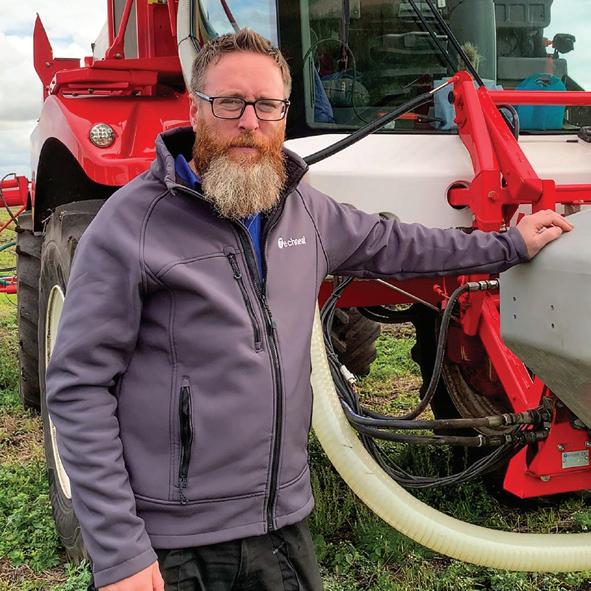
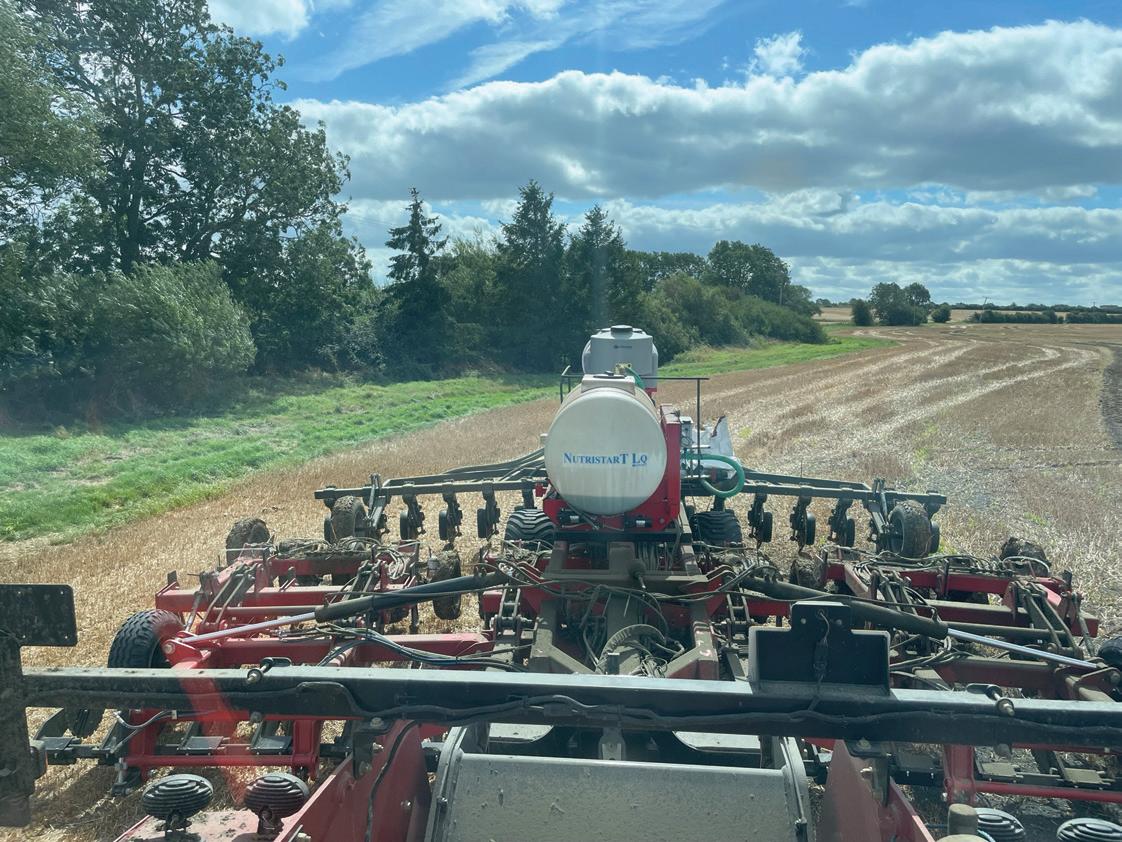
A multi-component tillage train system developed by Techneat application specialist James English combines a MultiCast seeder unit and a Nutristart LQ liquid fertiliser applicator to deliver seeding and fertiliser placement in a single pass.
It is one way to cope with increasingly unpredictable weather pattens which create significant challenges for the successful autumn establishment of cover crops and companion planting, says Mr English.
“With increasingly protracted dry weather periods, it’s crucial to con-
off to the best possible start, adds Mr English.
The tillage train principle ensures that seeds are accurately placed into adequate tilth, while minimising sur face movement to protect against wa ter loss and weed seed incorporation.
Operating in tandem with the Nu tristart LQ, a tailored liquid fertil iser can be placed directly alongside the seed, to encourage faster estab lishment of the crop. The direct place ment of both encourages the rapid up take of nutrients and avoids waste.
Fertiliser composition and applica tion rates can be tailored to individ ual field conditions by agronomists. But research suggests growers should typically aim for a low nitrogen, high phosphorus 5-15-5, to encourage rapid rooting and biomass development.
winter, along with optimising the role of companion planting alongside the establishing crop, adds Mr English.
The MultiCast 400 unit can be fitted with a specific metering cartridge for small seeds or cover crop mixtures,







Potato growers are being urged to should make strategic soil sampling a priority before lifting harvest to improve long-term control of potato cyst nematode (PCN) in the following crop.
PCN remains one of the most damaging pests affecting UK potato production. Effective control depends on integrated pest management (IPM), with soil testing providing the foundation for informed decisions on variety choice, rotations and crop protection.
Simon Alexander, an independent agronomist and member of the Nematicide Stewardship Programme (NSP) group, said growers should focus on understanding what lies beneath the surface rather than relying on assumptions.
Sampling accuracy
“Soil testing gives you the information needed to make informed decisions, but it is important not to interpret PCN figures too literally,” says Mr Alexander.
Laboratory reports usually provide cyst numbers per 100g of soil and egg numbers per gramme of soil. It is important to understand the difference. Egg counts indicate the current pest burden. Cyst numbers reflect historical PCN activity.
Mr Alexander also warns against treating a laboratory result of “none found” as evidence that PCN is absent. “A 200g sample per hectare is only a handful of soil, so the overall chance of missing eggs or a PCN hotspot is significant,” he says.
More detailed sampling improves confidence in the results. Reducing
Heatwave ‘threat’ to soil resilience
Continued from p33
the sampling area from one hectare to half a hectare doubles the number of sam pling points and provides a clearer picture of pest distribution.
“The more detailed your sampling, the better your understanding of how PCN is distributed and the more infor mation you have to shape your man agement plan.”
He also recommends testing fields two years before potatoes are due to be planted. That gives growers more time to adapt rotations, select suita ble varieties and consider additional control measures.
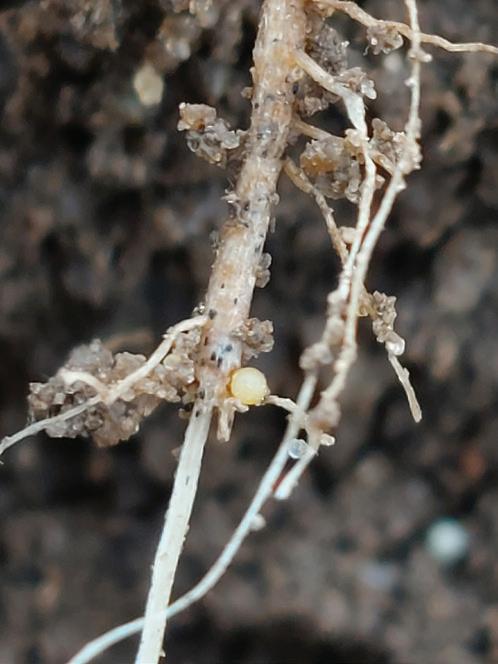
Identifying the PCN species is becoming increasingly important. Knowing whether Globodera pallida or Globodera rostochiensis is present can influence variety selection and wider IPM planning because resist ance varies between species.
Once results have been assessed, growers can decide whether cultur al measures such as trap crops or bio fumigation are appropriate. They can also assess whether granular nemati cides containing fosthiazate, includ ing Syngenta’s Nemathorin, have a role within the overall strategy.
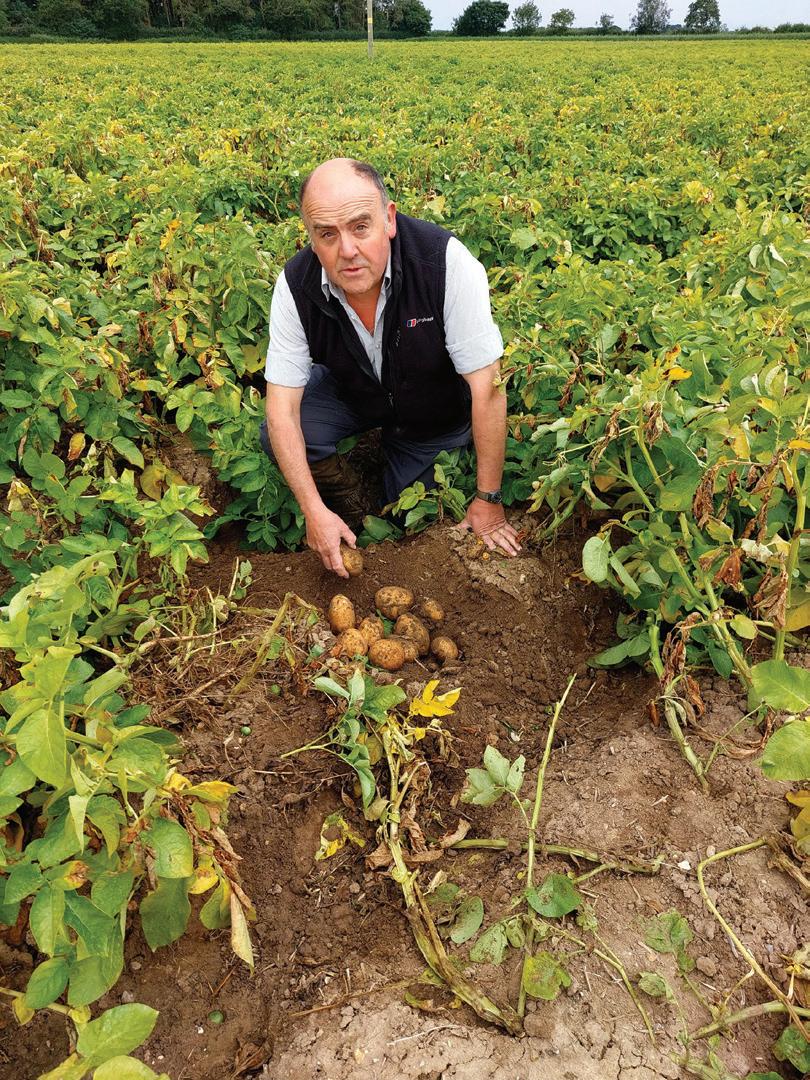
Where PCN pressure is low, resistant varieties may provide sufficient protection without the need for granular nematicides. However, soil type, field history and expected variety performance should also be considered.
“If PCN levels are very high, it is worth asking whether potatoes should be grown in that area at all,” adds Mr Alexander.
in biological activity, changes in nutrient cycling, and ultimately a loss of the resilience that healthy soils provide.”
High temperatures accelerate water loss from plants through evaporation, causing wilting as roots struggle to replace lost moisture. Crops respond by closing stomata to conserve
“More detailed sampling means better understanding
water, but this also reduces photosynthesis.
Prof Cannon said prolonged heat stress could halt growth altogether, limiting biomass production and carbon capture. During flowering and grain filling, high temperatures can reduce pollination and grain set, cutting yields.
Winter wheat has largely passed its most vulnerable stage, with peak sensitivity occurring during pollen development between late May and mid-June. However, spring wheat remains exposed because it reaches this stage later in the season.
Adapting farming systems would be-
effective application of granular nematicides is available through the stewardship programme to help maximise product performance and support responsible PCN management.
The NSP is also encouraging growers to review the latest Code of Good Practice before planting crops. It can be found on the NSP Stewardship website at nspstewardship.co.uk.
come increasingly important suggested Prof Cannon. Increasing crop diversity, maintaining living roots, improving soil organic matter and regenerative practices could all help buffer crops against extreme temperatures to help mitigate the impact of climate change.
“Building resilience into farming systems is critical,” said Prof Cannon.
“Farmers are on the frontline of climate change. Supporting them with knowledge, tools, and long-term policy frameworks is essential if we are to safeguard food production and environmental sustainability for the future.”

























www.betaseed.com/uk/en
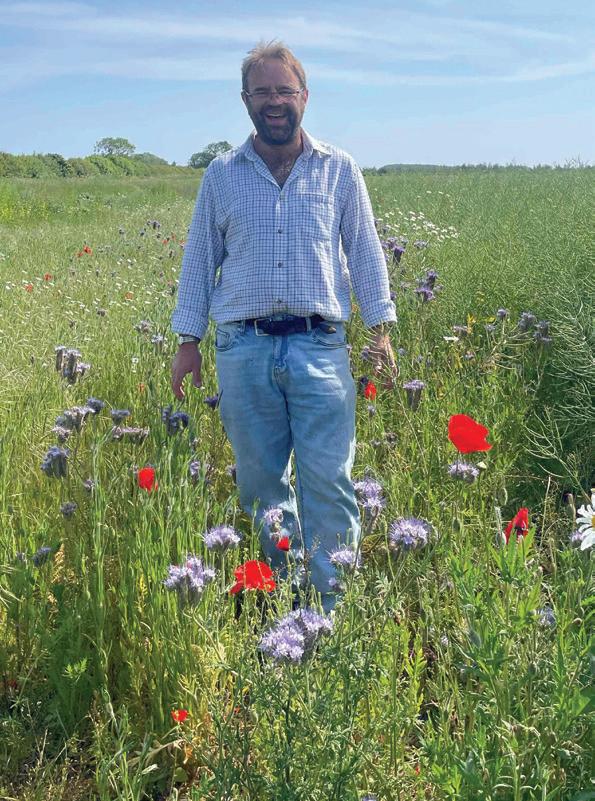
Lincolnshire low-tillage farmer Colin Chappell scooped third place in this year’s Soil Farmer of the Year Award.
Mr Chappell – whose transition to reduced tillage and cover cropping has improved soil health, improved water infiltration and reduced flood risk without compromising output – received the award at last month’s Groundswell festival.
The competition demonstrates how better soil management can strengthen farm resilience, improve profitability and help farm businesses adapt to increasingly challenging weather conditions.
Second place went to Devon farmer Paul Baker, who combines plant tissue analysis with cover cropping, mob grazing and reduced cultivation, to reduce diesel by around 75% while maintaining crop performance.
First place was awarded to Lancashire vegetable grower Chris Molyneux. He uses legume-rich cover crops, strip tillage and controlled traffic farming to improve soil structure, drainage and biological activity.
Although representing very different farming systems, all three winners demonstrated how investing in soil health can reduce


costs, improve resilience and create more prof itable businesses over the long term.
The competition is organised by Innova tion for Agriculture and the Farm Carbon Toolkit, alongside sponsors Cotswold Seeds and Hutchinsons. Judges said all finalists demonstrated an extraordinary level of ded ication to managing soil health.
Farmers attending the ceremony heard directly from the winners about the practi cal changes they have made to improve soil health and the impact those changes have had on their businesses.
“Year-on-year we meet farmers through this competition who are thinking outside the box and trying new ways to improve soil structure, build organic matter and enhance microbial activity,” said Becky Willson, of the Farm Carbon Toolkit.
"What's particularly encouraging is that these changes aren't just improving soil health, but also reducing costs, increasing resilience and helping businesses cope with increasingly unpredictable weather."
Over the coming year, each winner will host a farm walk, giving other farmers the opportunity to see their systems in practice and discuss both the successes and challeng es of implementing change.












• Tines + Discs + Press
• Versatile combination cultivator
• Rigid loosening tines
• Working depth 150mm – 400mm
• Low disturbance options available
• Hydraulically adjustable on the move
• 2 rows of 500mm diameter discs
• Patented Razor Ring packer
• Leaves a firmed weather-proof finish
• 2.4m, 3m, 3.m & 4m Rigid Models
• 4.2m & 5.4m Trailed Folding Models


sales@cousinsofemneth.co.uk www.cousinsofemneth.co.uk
More than 10,000 visitors clocked to the 10th anniversary Groundswell festival last month – held at Lannock Farm, near Hitchin in Hertfordshire.
Hosted by the Cherry farming families, the regenerative farming event focused on ways to improve soil health using sustainable farming methods that produce food while enhancing the environment. It included the launch of One Billion Acres - a campaign aiming to convince companies to commit to a regenerative transition. It aims to ensure 400 million hectares of land globally is under regenerative certification or management by 2030.
Event director Alex Cherry said: “Groundswell 2026 has shown just how far the regenerative farming movement has come. The energy, generosity and optimism we've seen over these two days gives me real confidence for the future of farming.
“What began as a conversation between farmers has grown into a community that brings together people from across the food and farming system and supply chains, united by a willingness to share ideas, challenge assumptions









Experts agree: Sluxx HP continues to be the ideal way to control slugs. Its advanced ferric phosphate formulation ensures you use durable, spreadable and palatable pellets. While EDDS, the best chelating agent available, enhances efficacy for consistent field performance and healthier crops. Control slugs whatever the weather, whatever the crop. Find useful tools at certisbelchim.co.uk/slugs
A£146,485 National Lottery Heritage Fund grant will preserve one of Scotland’s most important collections of soil and peat records for future generations.
The funding will enable the James Hutton Institute to restore, conserve and digitise around 16,000 historic maps, aerial photographs, field notebooks and survey records collected since 1947.
The project will create an open-access digital archive designed to support researchers, policymakers, farmers, land managers and educators, while protecting fragile records that chart Scotland’s changing landscape.
The initiative also reflects growing demand for historic environmental data as governments and land managers tackle climate change, biodiversity loss and sustainable food production.
Known as Hutton Unearthed: A New National Soils and Peat Map Archive, the project runs from August 2026 until February 2028.
The archive includes hand-drawn and printed soil and peat maps, landuse surveys, field notebooks, analytical records, land-cover maps dating from the 1930s to the 1990s, aerial photography, soil memoirs and other environmental studies.
Together, the collection documents how Scotland’s soils, peatlands and landscapes have changed over almost 80 years through both natural processes and human activity.
The project will also record the experiences of former surveyors and researchers whose work helped shape

understanding of Scotland’s land resources. Their recollections will provide historical context alongside the scientific records.
The grant will fund three temporary posts: a part-time project manager, a full-time archivist and a part-time assistant. The project will run from August 2026 to the end of February 2028.
James Hutton Institute chief executive Colin Campbell said: “Scotland’s soils underpin our food production, biodiversity, water re sources and carbon storage, yet much of the history of how we came to understand
The archive includes aerial photographs, field notebooks and survey records.
Historic soil maps will support future research, policy and land management decisions, says Colin Campbell (below).


them is hidden away.
Professor Campbell added: “Hutton Unearthed will safeguard this unique heritage, make it accessible to all and ensure that the knowledge and stories behind it are not lost.”
Caroline Clark, National Lottery Heritage Fund director for Scotland, added: “This project will collect and save the stories of the people behind the surveys, a fascinating social history and vital context to add to the research records.”




With rising costs and the high demands of modern farming, making sound decisions is more critical than ever. A successfully managed dairy farm relies on reliable information and clear recommendations that enable farmers to act with confidence and achieve measurable results.
This is exactly where smaXtec comes in. Its unique bolus technology delivers precise data directly from inside the cow. Powered by artificial intelligence, this data is transformed into clear, actionable recommendations, providing farmers with a reliable foundation for making the best possible decisions.
Continuous insights into the health of the herd allow farmers to receive vital information at the earliest possible stage. Artificial intelligence transforms precise data into concrete recommendations, enabling potential health issues to be identified before they become visible and allowing farmers to act preventively.
Instead of relying solely on individual observations, farmers gain a comprehensive overview of their animals and receive the information they need to respond in a targeted way.
smaXtec provides a solid foundation for daily management decisions. Clear recommendations help farmers structure workflows more effectively, make targeted use of available resources and focus their attention where it is needed most.

For James and Richard Barr, who manage a 150-cow herd in Antrim, this creates greater confidence and control in their daily work: “Overall, smaXtec just makes the day run more smoothly. We’ve more confidence in the decisions we’re making, and we feel like we’re more in control of the herd.”

By identifying relevant developments at an early stage and supporting more informed decisions, smaXtec helps farmers use their time and resources more efficiently. That is how precise data becomes reliable information – and how better decisions lead to better results.
Find out how smaXtec can support better decisions on your farm. Call 01629 380 780, email info@smaxtec. com or visit www.smaXtec.com/en.


Final touches are being put to this year's UK Dairy Day event, which takes place next month at the International Centre, Telford, Shropshire.
The dedicated annual event for the dairy industry on 16 September brings together all facets of the industry for face-to-face networking – alongside a showcase of some of the UK’s best dairy cattle breeds.
This year’s Sharing Knowledge Zone will feature seminars and industry panels with leading industry professionals covering a range of dairy related topics. It will include the presentation of the UK Dairy Road Map.
A special AHDB seminar will examine breeding and feeding methods to reduce dairy herd carbon footprints. This seminar explores how genetics and nutrition interact to reduce greenhouse gas emissions.
John Newbold and Marco Winters will examine how reformulating diets, selecting and breeding more efficient animals, and understanding the links between these approaches can influence a farm’s overall greenhouse gas profile.
The session will also introduce the UK?Dairy Carbon Network, highlighting how evidence?based approaches to breeding and feeding can support practical, farm?relevant emission reductions across the dairy sector.
Good practice
Industry experts will look at ways to build a better dairy future. Panellists will include Edward
Lott, EJL Business Consulting; Mel Shipley, Oxbury Bank; Ian Harvey, NFU Dairy; Richard Corbett, Robert Parry & Partners; and Fraser Jones, Calcourt Farms.
Afternoon sessions will look at technology and the use of artificial intelligence in agriculture. It will include a presentation by Sergio Ooijens, a director of Business Team Next, who will talk about AI in agriculture and how Lely are working with it.
It's a global platform for UK breeders “
Some 300 businesses are expected to attend the event from the UK and further afield. Thousands of visitors are expected – and six different breeds judged in the main ring.
Judges’ details
Judges for this year's one-day have now been confirmed. Top cattle show judges for the Holstein, Ayrshire, Brown Swiss, Dairy Shorthorn, Guernsey and Jersey breeds will cast their professional eyes over the pedigree under the spotlights during a full day of cattle classes.
They will include Gary Jones (Holstein); Matthew Service (Ayrshire); Richard Thomas (Brown Swiss and Guernsey); Blaise Tomlinson, Dairy Shorthorn); and Phil Arrell, (Jersey). For full details, including tickets, please visit www.ukdairyday.co.uk
Relaunched last year, the Dairy Roadmap is strengthening efforts to unite the UK dairy supply chain behind a practical approach to sustainability.
The initiative aims to build on progress already being made on farms. It brings together farmers, processors, wholesalers and retailers to create a shared framework for long-term improvement.
The roadmap’s first Sustainable Pathways Report is being developed independently by Scotland’s Rural College (SRUC). It will include an economic assessment to ensure recommendations are practical.
The roadmap argues that sustainability depends on inclusion rather than targets that only a few farms can achieve. Collective progress across the sector will deliver the greatest long-term impact, it adds.
Dairy Roadmap chairman Bas Padberg, of Arla Foods, said: “By aligning the whole value chain around shared priorities, we can drive progress and build a dairy sector that is resilient for the long term.”
Producer workshops and an open online survey have helped shape the report. The roadmap says education, peer-to-peer learning and technology will help farms improve efficiency, reduce costs and strengthen animal health.
Working groups covering biodiversity, water, carbon footprint and processing continue to meet alongside industry, government and academic advisers.
Mr Padberg said: “A sustainable dairy future depends on collaboration across the entire value chain and active engagement from farmers as partners in change. “The transition to sustainability must work for every farm, not just a few.”
• Studies compare feeding strategies
• Higher costs questioned again
• Weaning remains critical stage
New UK research suggests the trend towards feeding calves very high volumes of milk replacer may not deliver sufficient returns for dairy farmers.
Feeding more than 1,050g of milk solids per calf daily can increase costs without producing meaningful improvements in growth or health, suggest two studies. Higher milk allowances may reduce starter feed intake and make weaning more difficult.
The work was presented at the National Youngstock Conference in Birmingham.Dr Jessica Cooke, research and development manager at Feed For Growth (Volac Milk Replacers). Investment in calf rearing remained essential, said Dr Cooke. But feeding rates should also deliver value for money.
“Our research shows that higher milk volumes – of over 1,050g milk solids per calf per day – do not deliver significant improvements in growth or health, could be compromising performance at weaning and costing farmers more.”
The studies compared moderate and high milk feeding programmes using both skim-based and whey protein concentrate-based calf milk replacers.
In both trials, calves offered more milk grew faster before weaning because they consumed more energy. However, they also ate less starter feed. That reduced their ability to cope with the transition from milk to solid feed.
The first study involved 96 Hol stein heifer calves at AFBI Hillsbor ough. Half received six litres of milk replacer each day, providing 900g of milk solids. The remainder received eight litres a day, supplying 1,350g of milk solids.
Dr Cooke said calves receiving the larger milk allowance frequent ly failed to finish their feeds. “There were higher refusals of CMR up to 28 days in the
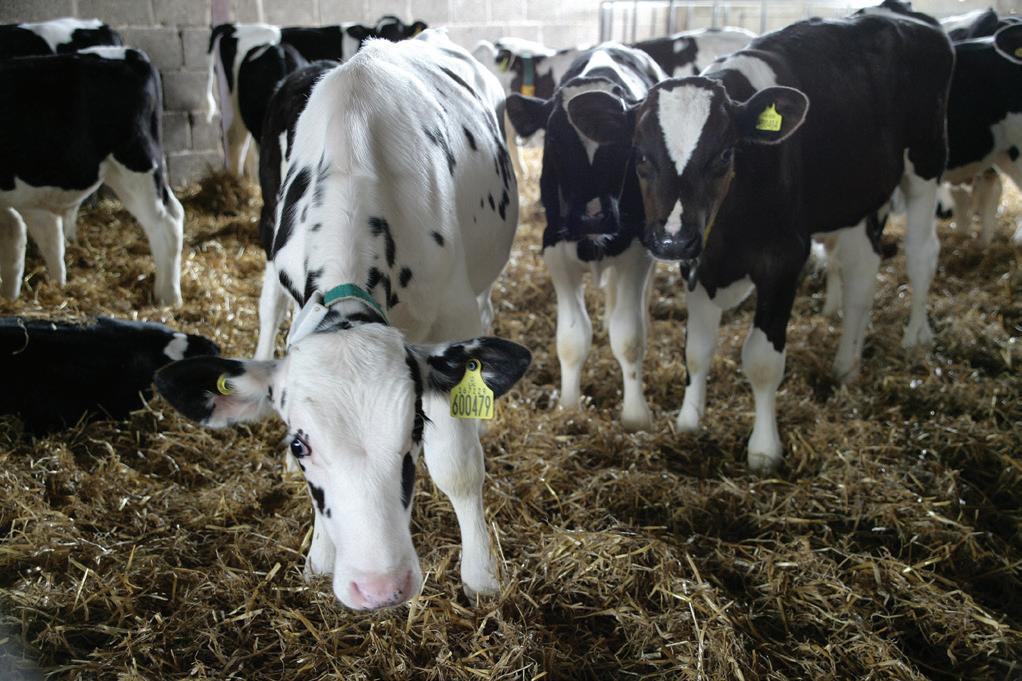
“Higher milk volumes… do not deliver significant improvements in growth or health
group fed eight litres. In fact, in the afternoon feed, the full volume of milk was not consumed 38 times.”
Starter feed intake reached 108kg per calf by day 90 in the six-litre group. It reached only 79kg in the eight-litre group. This meant the six-litre group were better equipped to cope with the weaning transition and were eating around 2kg of starter by day 63.
“The eight-litre group ate less starter. Consequently, although pre-weaning growth was higher in calves fed more, growth suffered at weaning,” said Dr Cooke.

Average daily liveweight gain to day 90 reached 0.93kg in the higher-fed group and 0.89kg in calves receiving six litres. The difference equated to only 3kg at 13 weeks. Health remained good in both groups.
“A growth rate of 0.89kg/ day is excellent, and calves were more equipped to deal with weaning, so it’s worth questioning if the 26kg of extra CMR fed was worth the investment, particularly as a lot was wasted,” said Dr Cooke.
A second study at
Duchy College in Cornwall reached similar conclusions. It compared 25 Holstein heifers fed either seven or nine litres of milk replacer daily through computerised feeders.
Calves receiving the higher milk allowance achieved stronger growth before weaning. But lower starter intake led to a check in performance during weaning. Average daily liveweight gain to day 84 was identical at 0.78kg, and there was no difference in bodyweight by 12 weeks.
Dr Cooke said the results showed producers should focus on balanced nutrition rather than maximum milk volumes. Both studies showed that excessively high CMR volumes are not always necessary to achieve good growth, she said,
“Feeding more can make weaning more challenging. What’s important is farmers provide a CMR with good levels of protein, either from whey or skim, at a level which will promotes starter intakes which are just as important for rearing success as CMR.”
Dr Cooke recommended feeding around 900g-1,050g of milk solids per calf each day and weaning over at least three weeks. She also advised using milk replacers based on quality dairy proteins with 16-21% fat.
This would encourage starter feed intake and support a smoother transition after weaning, said Dr Cooke.
•
•
•
•
•
•
•
•
•
SLURRY SEPARATOR & GREEN BEDDING
•
•
•




•
•
•

•
•
•
•
•
•
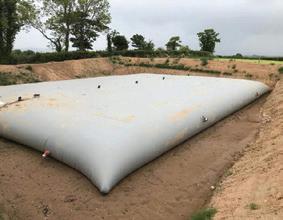
•

•
•
•
•
•
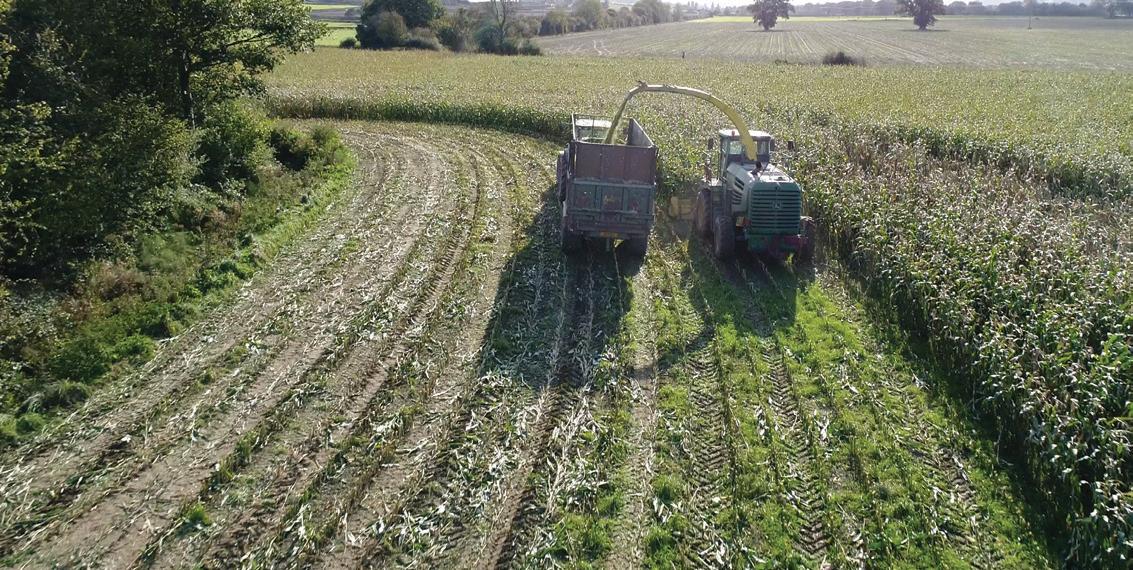




Good rumen development means better beef animals, says Colin Byrne.
Getting rumen development right in the first weeks of life is one of the best investments any beef producer can make. The benefits continue throughout the animal’s lifetime, improving performance, efficiency and profitability.
Poor rumen development can have lasting repercussions for the profitability of beef calves. The good news is that careful management can avoid rumen damage and help produce more profitable, uniform beef animals.
But a calf with poor rumen development early in life is likely to remain a challenge right through to finishing. Growth rates tend to be slower and feed efficiency suffers. So too does the bottom line.
If the rumen wall is underdeveloped or damaged, the animal is more likely to have problems throughout its lifespan – with a reduced capacity to absorb nutrients, reducing the animal’s growth potential or feed efficiency.
Research shows that 40% of beef carcass weight is determined by growth during the first 12 weeks of life. After that, there is only so much that can be done to improve lifetime performance.
For that reason, optimising rumen development from an early age should be a priority. That means creating the right rumen environment so calves consume as much starter feed as possible.
The rumen needs to remain anaerobic, with a pH above 6.2, to encourage fibre-digesting bacteria to establish successfully.
How we manage the rumen early on affects how efficiently cattle convert feed into beef later in life. To get an animal finished in as reasonable a time frame as possible, they will be fed relatively high amounts of energy and starch.
If this diet is not introduced prop-
erly, this can reduce the pH, damaging the rumen papillae. Again, this reduc es the surface area, reducing absorp tion capacity and therefore feed effi ciency and growth.
The time needed to transition be tween diets varies from farm to farm. It depends on forage-to-concentrate ratios, so I always recommend agreeing a suitable plan with your nutritionist.
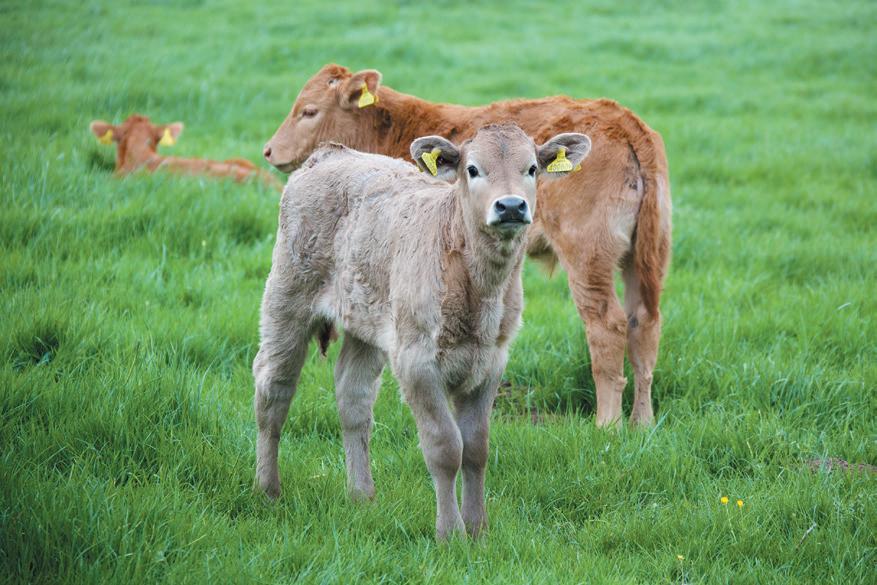
Housing and management are equally important. Adequate water, sufficient feed space, good ventilation and sensible grouping all help maintain feed intake. Heat stress, overcrowding and disease all divert nutrients away from growth.
These animals are being pushed to their maximum growth potential. To achieve that their environment must not put them under pressure in any other way.
If ventilation is inadequate or they have an infection, the animal will redirect nutrients to keeping cool or fighting infection. That’s going to impact growth.
Grouping cattle by size also matters. It reduces bullying, helps smaller calves access feed and lowers the risk of bruising.
Studies have shown that adding a rumen-specific live yeast to the diet can improve average daily gain, reduce feed conversion ratios, produce more uniform cattle and help protect rumen papillae.
Lallemand beef trials using the live yeast Levucell SC, containing the yeast strain Saccharomyces cerevisiae CNCM I-1077, have shown average daily gains increase by around seven per cent while feed conversion ratios improve by three per cent.
Across the lifetime of the animal, this has delivered a return on investment of between three-to-one and seven-to-one. The whole idea is to op-
Healthy rumen development underpins lifetime performance.
timise and balance the rumen microbiome by stabilising pH and increasing oxygen scavengers.
With the rumen being anaerobic, we need to take as much oxygen out as possible to get the beneficial bacteria in.
One of the things Levucell SC is good at is boosting fibre digestibility, as it creates an environment that promotes an increase in the population of fibrolytic bacteria, which break fibres down.
Trials have also demonstrated benefits during the finishing period. Using Levucell SC has been shown to reduce keratinisation, or hardening, of the rumen papillae by 50%.
This damage is commonly associated with sub-acute ruminal acidosis (SARA), which limits the animal’s ability to absorb volatile fatty acids and ultimately reduces both growth and feed efficiency.
Using a rumen-specific live yeast around weaning has also been shown to increase starter intake, encouraging better rumen development. Trial work recorded a 43% reduction in variation in average daily gain, creating more uniform groups of cattle.
More uniform growth can also simplify grouping and allow more cattle to reach slaughter specification together, reducing the number of abattoir trips.
Dr Colin Byrne is ruminant technical and deployment manager for Lallemand Animal Nutrition.

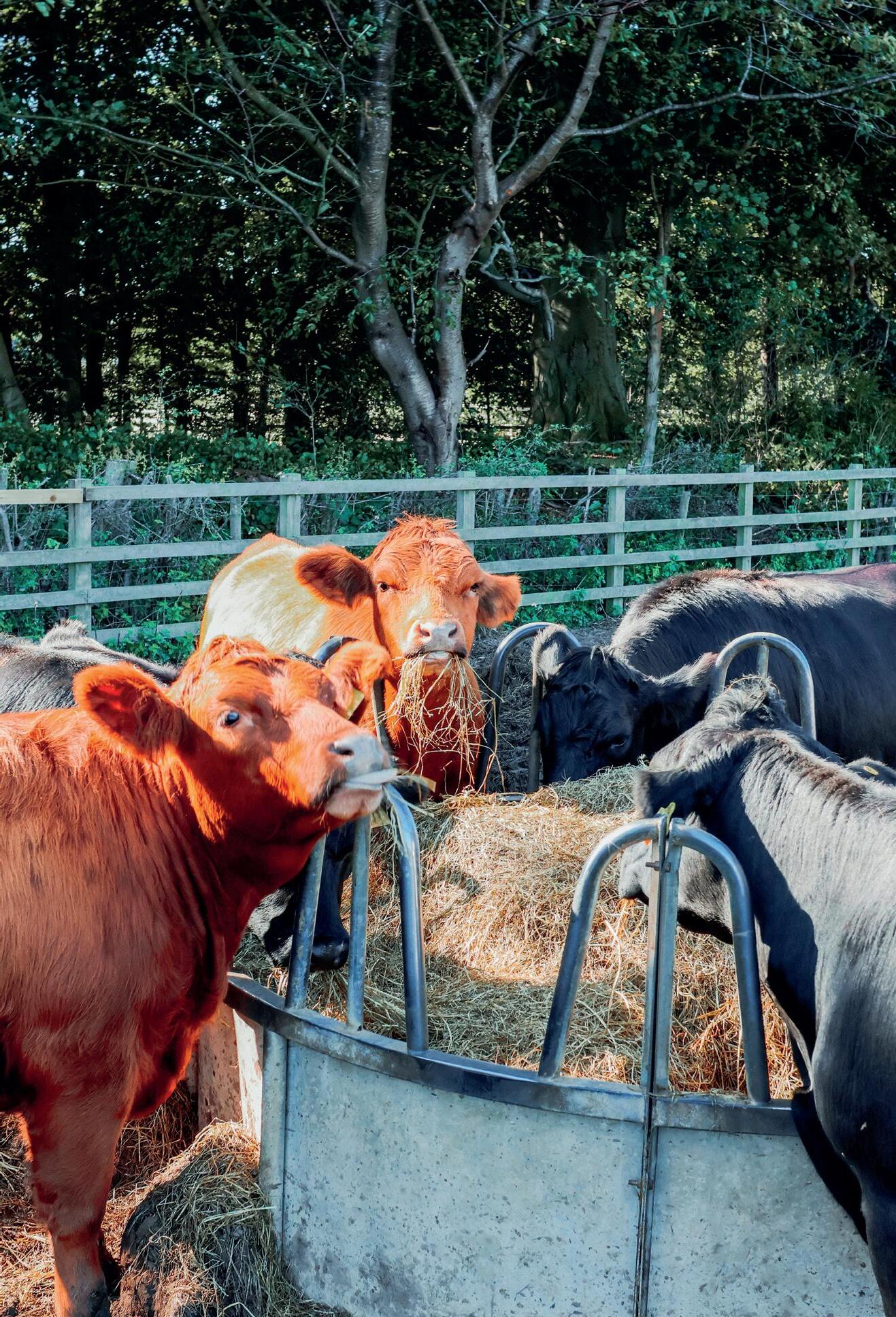
Flexible load sizes from 1T-29T

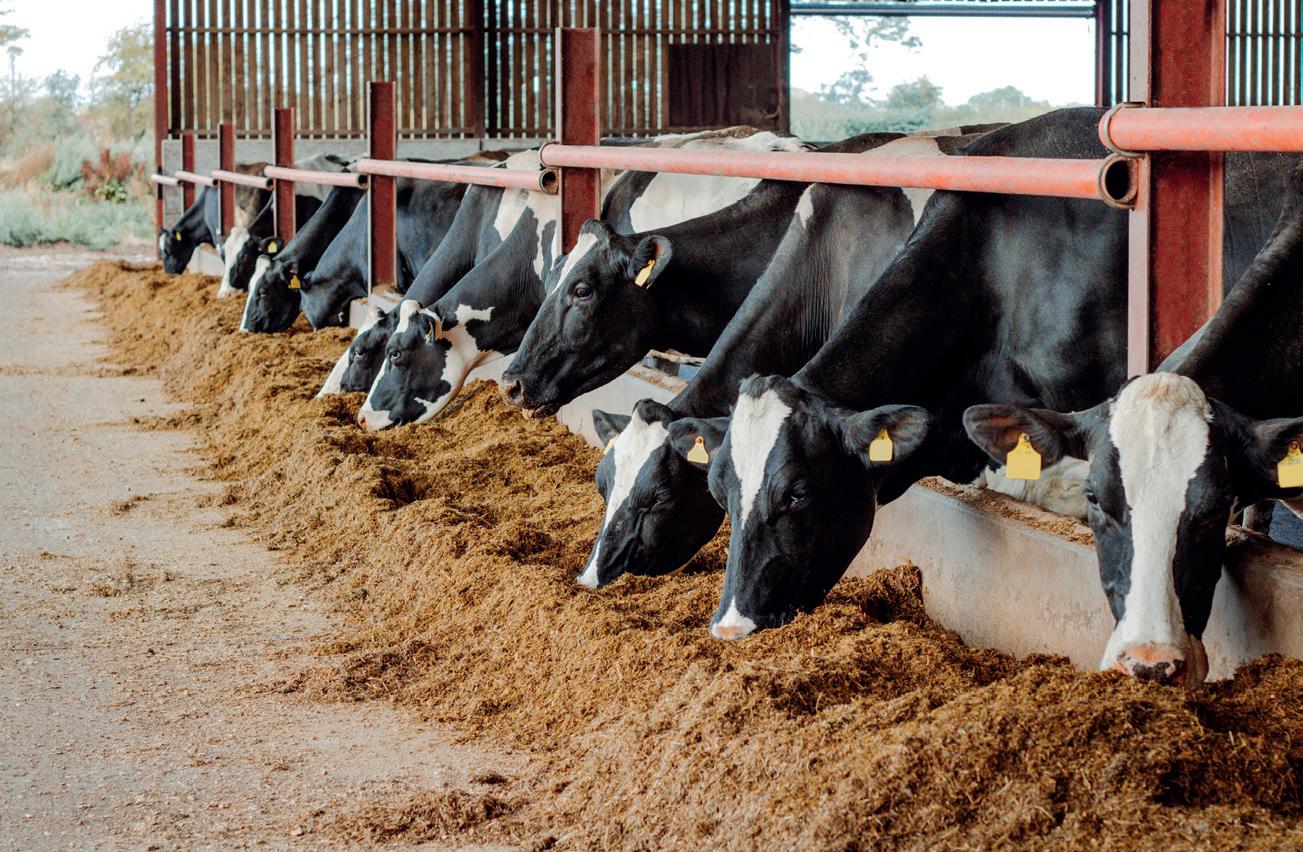
No tank? No problem... interest free tank finance




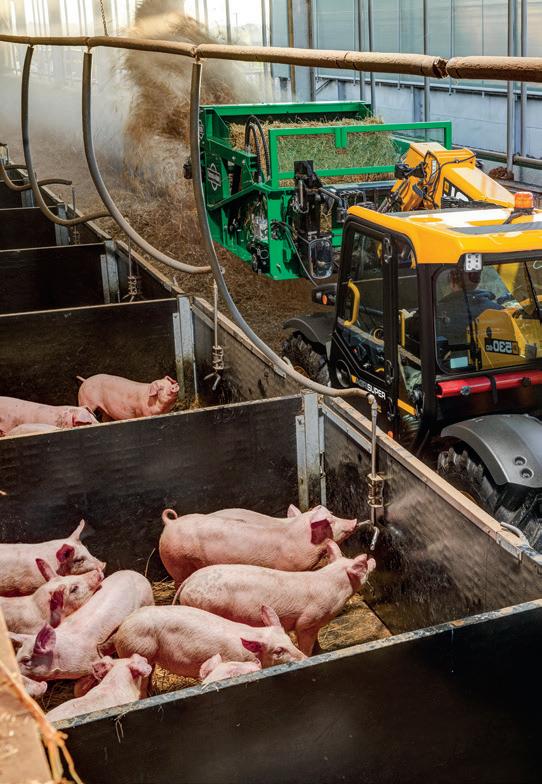





Livestock farmers should assess for age stocks now and plan winter ra tions early as dry weather continues to curb grass growth, despite a strong start to the silage season.
Grass growth has fallen to about 31.8kg DM/ha/day, according to AHDB Forage for Knowledge. This is well below the five-year average and raises the prospect of conserved forage being fed earlier than expected.

Farmers should reassessing forage supplies ahead of winter, says Andrew Jones.
potential for milk from forage,” he says.
Regular forage analysis and ration reviews are essential to avoid over- or under-feeding as forage quality changes throughout the season.
Where forage supplies are likely to tighten, moist co-products could provide a cost-effective alternative to some conventional feed blends while maintaining ration flexibility.
“Identify any potential shortfalls early
Emily Keep, nutritionist at Duynie, sats products including brewers’ grains, C-Traffordgold and liquid co-products could help extend forage supplies while supporting rumen function, milk production and liveweight gain.
Independent ruminant nutritionist Andrew Jones, of the ChewinTheCud Podcast, says first-cut silage had generally delivered improved quality and yields compared with 2025, but warns that the outlook remains uncertain.
“First-cut silage has generally tested well, with improvements in digestibility, fermentable energy and overall energy density compared with last year, creating good
“There is considerable variation between farms, and with grass growth slowing significantly, it’s vital that producers assess both the quantity and quality of forage they have available and begin budgeting for winter now.”
Balanced diets
The most important thing is to ensure diets remain correctly balance, says Mr Jones.

"Liquid co-products can be an effective way of supplementing forage shortfalls while improving ration palatability. Most liquid co-products have good nutritional value, but farmers should pay close attention to dry matter content.
Farmers should compare feeds on a dry matter basis, noting products with higher dry matter content provide more nutrients per tonne delivered, says Ms Keep.


Large stocks and most next day UK delivery!
Forklift seats and seat spares for all types
Full stock of GRAMMER seats and spare parts
KAB SCIOX tractor seats
Full range of economy tractor seats
Truck seats from GRAMMER, KAB and ISRI

Seat repairs, covers & spare parts for all ranges






August often feels like a “hold your nerve” month, writes Nerys Wright. Lambs are still pushing on, ewes are recovering from the demands of rearing and – if it is dry, like this year – feed can soon become a huge challenge.
When dry weather bites, the pressure on grazing can build quickly – and this is exactly when clear decisions matter most.
One of the most effective actions you can take in August is to split ewes by body condition score (BCS). It sounds basic, but it transforms how far your grazing will stretch. Ewes in good condition don’t need the same feed allocation as those that have weaned a bit thinner.
Be ruthless
If they all run together, the fittest ewes continue to eat while the ones that genuinely need the nutrition can fall further behind. Separate them, and you can target feed where needed, rather than wasting grass on sheep that don’t require it.
At weaning, be ruthless. Cull stragglers early — don’t carry passengers into autumn. Every mouth you remove now frees up feed for lambs and productive ewes. Then ask yourself the hard question: Do I have enough feed for both lambs and ewes?
If the answer to this important question is “I hope so”, that’s your red flag. Hope is not a course of action. If grass is tight, selling stores early can ease pressure and protect the performance of the stock you keep.

Dry weather also changes the worm picture. While larvae tend to stay locked in the faeces during hot, dry spells, sheep grazing closer to the ground than usual may still pick up a burden — and animals in poorer condition are less able to cope with it.
If FECs are low now, don’t switch off. The real risk comes 7–10 days after rain, when a flush of larvae can be released
onto the pasture. Keep monitoring: has performance dipped, are lambs a bit dull, are ewes not holding as they should?
Small decisions now can make a big difference to autumn performance.
Nerys Wright is an independent sheep consultant. Call 07891 187643 or visit sheepconsultancy.co.uk.
Bag Supplies specialise in the supply of net bags and ventilated FIBCs to the agricultural sector. We carry a wide range of stock of monofilament and leno woven nets, in a variety of sizes and colours.
We provide delivery within 48 hours of your order being placed.
Bag Supplies offer a free personalised print and design service, so your packaging can be customised with your company logo and additional product information.
Please contact Bag Supplies for further details.
We’ve got it in the bag!








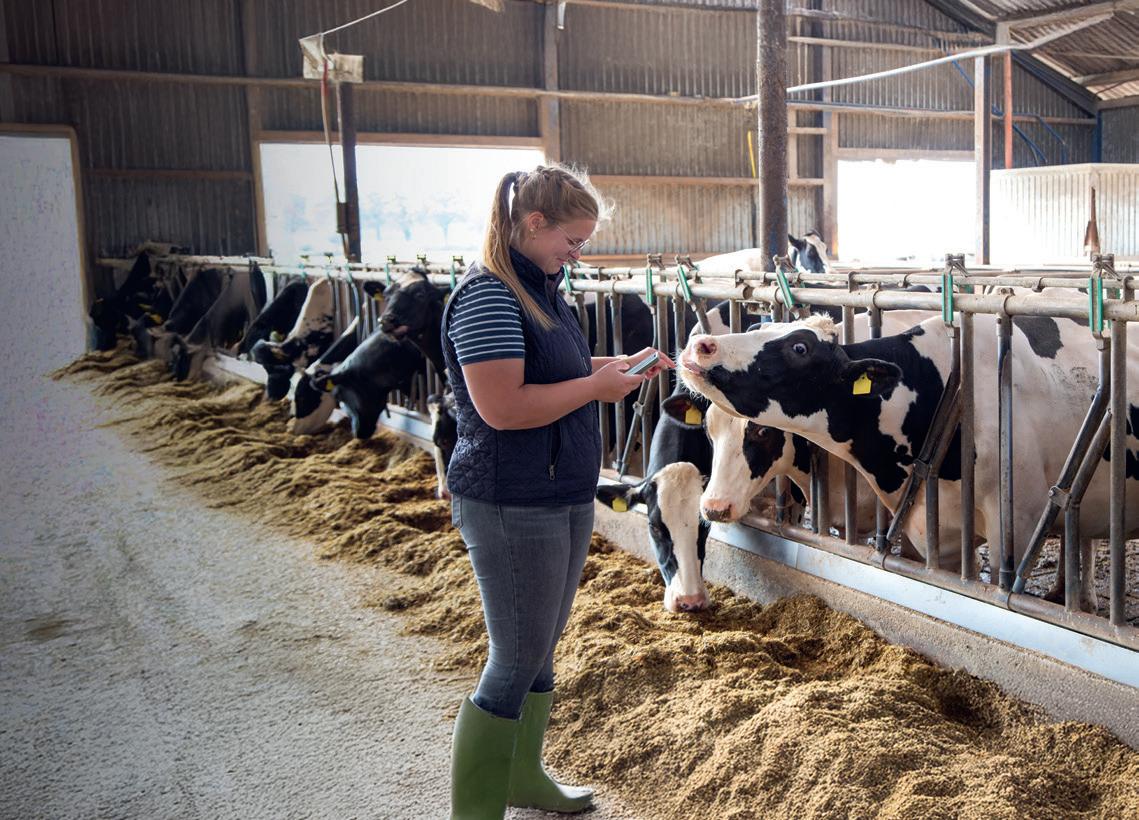


















For Sows:




Ensure healthier pigs and improved profitability with Ecozole®
ECO Animal Health Ltd, The Grange, 100 The High Street, Southgate, London, N14 6BN, United Kingdom. Tel: +44 (0)20 8 447 8899. www.ecoanimalhealth.com
Ecozole® effectively treats worm infestations, improving fertility and weaner performance.
• Prevents weight loss and poor fertility
• Increases weaning weights and piglet growth
• Treatment: 5mg/kg for 7 days, 3-day withdrawal
For Growers:
Worm infestations in grower pigs can cost up to £6.00 per pig. Ecozole® boosts growth and feed efficiency while reducing health risks.
• Reduces growth, feed conversion, and pneumonia risks
• Prevents carcass downgrade and liver condemnation
• Treatment: 2kg per tonne for 7 days, 3-day withdrawal







UK pig producers are stepping up biosecurity against the growing threat of African Swine Fever – but further improve ments are needed, suggests a survey.
Some 53% of producers have al ready tightened biosecurity, accord ing to biosecurity specialists Roam Technology. But 13% of respondents said they did not feel prepared for an ASF outbreak, while 39% said they were only partly prepared.
The study was based mainly on responses from large indoor far row-to-finish units with more than 1,000 sows. Measures include strict er visitor protocols, fewer visitors and enhanced hygiene procedures.
While farms scored an average 72 out of 100 for biosecurity, the survey also highlighted areas for improvement. Some 43% acknowledged that further action would reduce the risk of disease entering their units.
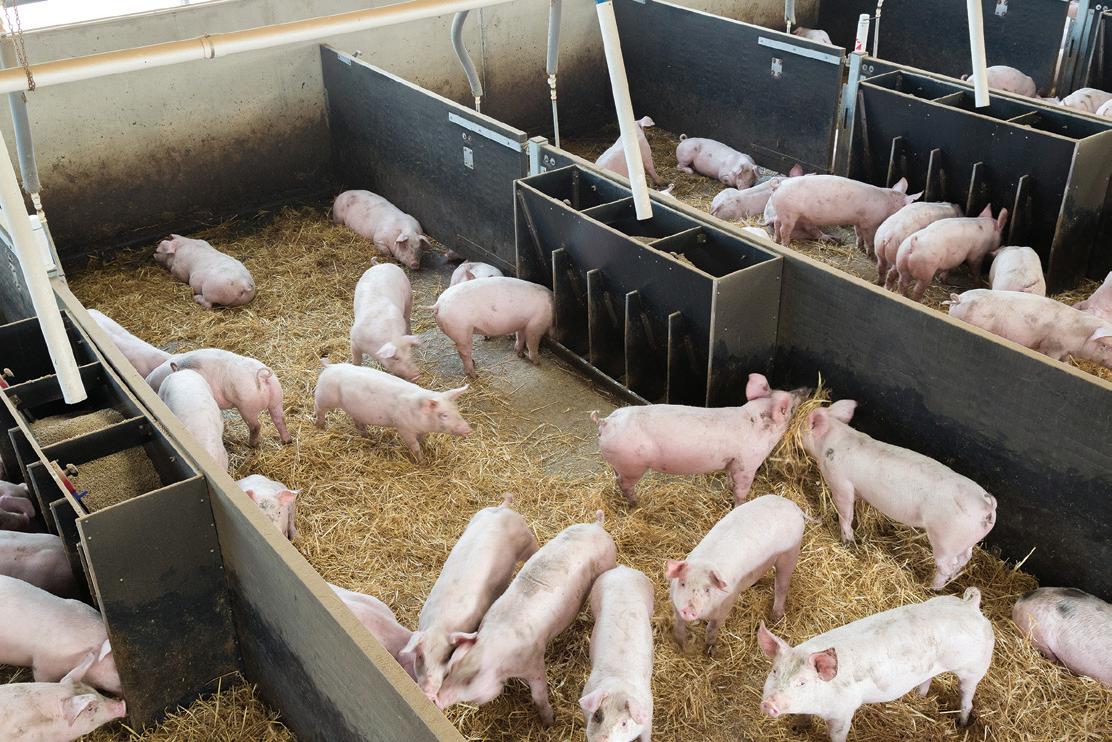
Basic biosecurity measures were widely embedded across the sector. Every respondent enforced pig-free downtime for visitors, while 91% operated visitor logbooks and supplied dedicated personal protective equipment.
A further 87% had disinfection points and dedicated loading areas. But fewer than half of farms had both perimeter fencing and controlled entry points. Just 35% operated separate clean and dirty vehicle routes.
visitor control, hygiene practices and structured farm procedures. This provides a strong platform for ongoing resilience.”
Mr Bennet said water hygiene offered an opportunity for relatively simple gains.
“Only 18% of farms reported regular disinfection of water lines, which suggests an opportunity for improvement in a critical but sometimes overlooked area.
“Maintaining clean drinking water systems is essential, particularly in indoor, higher-density production
Some 53% of producers have strengthened onfarm biosecurity.
“Being prepared is not a one-off exercise
systems where bacterial build-up and biofilm formation can occur.”
Ensuring water quality at the point of consumption was achievable, said Mr Bennet. But it required consistent attention to detail and appropriate product choice, focused on outcomes rather than cost alone.
“ASF preparedness is not a one-off exercise, but an ongoing process of review and refinement. The sector is already doing many of the right things and is now focusing on where incremental improvements can further strengthen resilience.”
Cargill UK has strengthened its pig team with the addition of two technical experts. Monogastric nutritionist Steven Laird and technical sales manager Gareth Penny both have extensive experience in the UK market.
Dr Laird is a monogastric nutritionist with a PhD in pig nutrition and more than 12 years’ experience in academic research. He was more recently involved in the commercial on-farm application of technical R&D with a national nutrition company.
His career includes designing and managing large-scale pig nutrition trials. His role in Cargill is to support
sales teams and their customers with bespoke diets and nutritional management and contribute to new product developments for the UK market.
Based in East Yorkshire, Gareth Penny joins Cargill from a national pig breeding company where he gained experience promoting genetics and account management, with on-farm technical support and after-sales service.
More recently, his role included overseeing gilt grow-out farms. His role in the Cargill UK team includes account management on pig units across Yorkshire and Lincolnshire and providing technical support for products and services.






Do you keep pigs, even just as pets?











African swine fever (ASF) is a disease that affects all pigs regardless of age or breed, including wild boar. There is no licensed vaccine available. The disease does not affect any other animals or humans but is fatal for pigs.

How can you protect your pigs?

● Don’t feed food waste – it is illegal to feed kitchen scraps to pigs, even if they were prepared in a vegetarian or vegan kitchen
● Keep holding registrations and pig movement records up to date
● Strengthen biosecurity by limiting visitor access to your pigs, securing site boundaries and disinfecting all handling equipment before and after use
● Stay vigilant and report any health concerns to your vet
● Follow trusted information sources such as Defra, APHA, AHDB and your vet
ASF is a notifiable animal disease
This means if you suspect it, you must report it immediately by calling the Defra Rural Services Helpline on 0300 020 0301. Failure to do so is an offence.
For information about other diseases affecting pigs, visit ahdb.org.uk/knowledge-library/diseases-affecting-pigs
Stay informed, stay protected and keep ASF out
Pig producers are being advised to review fly pressure in hous ing as prolonged warm weath er creates ideal conditions for popu lations to build.
Dave Reece, Lodi UK pest control technical adviser, says fly numbers can rise rapidly during warmer pe riods, particularly where muck and moisture provide the ideal breeding environment.
Pig units, particularly slatted-floor systems, can suffer badly from flies be cause of the muck that accumulates there, says Mr Reece.
“In warm conditions, larvae can hatch in as little as eight to nine days, so once maggots are present in muck, the problem can escalate rapidly,” he says.
Control programme
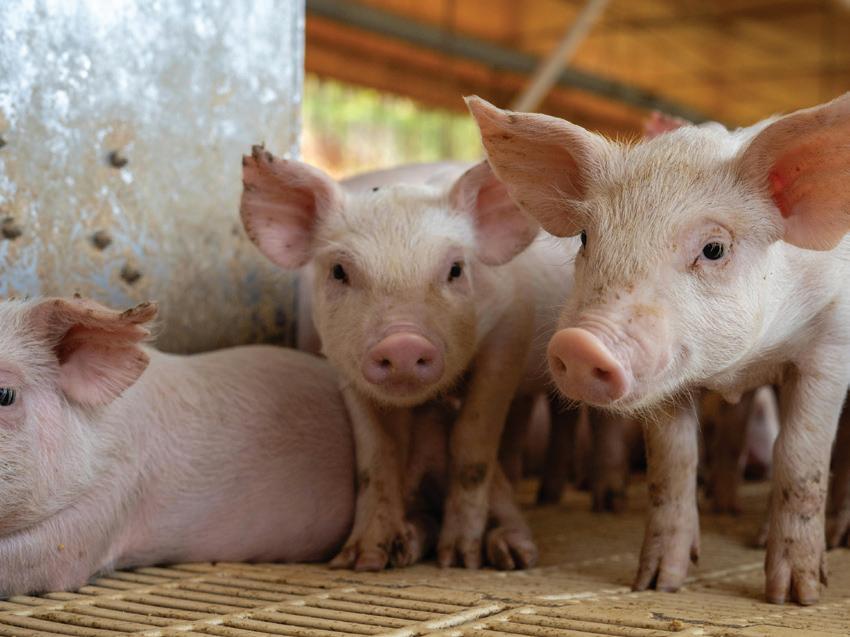
“Around 80% of the fly population is likely to be in the larval stage, so by the time large numbers of adult flies are visible, the problem is already well established.
“That’s why control needs to start at the breeding site, rather than focusing only on the adult flies you can see.”
Hygiene should form the foundation of any control programme, says Mr Reece. “The storage of muck is where flies breed, so the less time that material is sitting in the system, the less opportunity flies have to lay eggs.
“Once old bedding or muck has been removed, it’s important to wash and disinfect the building and, where possible, take muck away from the site. That gives you a much better chance of breaking the breeding cycle.”
Alongside hygiene, producers should consider larval control. “Larvicidal products, such as Lodi UK’s Larvenol or Maggots, have an important role in pig units because they target the population before adult numbers become a major problem.”
But Mr Reece says producers may also be dealing with more than one fly species, including common house fly
Cambridgeshire vet Jessica Seale, of Slate Hall Veterinary Services of Rampton, has won Farm Vet of the Year at the National Egg & Poultry Awards.
Ms Seale studied veterinary science at Bristol University. She graduated in 2020 and has a masters degree from the Royal Veterinary College. She began her career in Yorkshire before joining Slate Hall in 2022 where she is now a senior associate.
She played a key role in responding to avian influenza outbreaks, carrying out more than 400 bird flu licensing visits and contributing to industry working groups including the UK’s first avian influenza vaccination trials.
The award is sponsored by sponsored by Zoetis. The judges statement said: “A strong ad-
vocate for welfare-led production, Jessica Seale has championed the use of anti-inflammatory treatments in broilers.
“She has also embraced technology to improve decision making, developing automated data analysis tools that transform thousands of data points into real time health insights for veterinary teams and producers.”
“She actions sharing knowledge through training veterinary students and professionals, organising farm manager events and supporting antibiotic monitoring programmes contributing to significant reductions in usage.”
“Through her blend of science, innovation and collaboration, Jessica continues to have a lasting effect on flock health, welfare and the future of the UK poultry industry.”
and stable fly, which can affect the choice of adult control product.
“Not all flies behave in the same way, so producers need to identify the species present before deciding on the most appropriate adult control approach,” he says.
“For common house fly, pheromone-based baits such as Sheila can be useful, but stable fly behaves differently. Using the wrong product for the fly present is unlikely to deliver the result producers expect.
“The most effective approach is to combine good hygiene with targeted larval and adult control, based on where flies are breeding and the species present.”

ANorfolk poultry company is seeking more farms across East Anglia to rear free-range chickens and turkeys.
Traditional Norfolk Poultry managing director Mark Gorton says demand for the company’s chicken and turkey products continues to grow as they are increasingly recognised by retailers and consumers.
“The marketing campaign for our exclusive Norfolk Black Chicken is proving a great success among many top chefs and restaurants who are enthusiastic about adding this to their menus.
“We are continuing to invest in our processing capacity and we now need to increase the supply of all types of free-range poultry which we believe offers great opportunities for farmers to achieve a new revenue stream to secure long-term income.”
The company works with more than 50 farmers. Some specialise in poultry while others see this as diversifying income at a time when support payments have been lost and arable profit margins are increasingly under pressure.
“There are many ways in which farmers can become involved in producing chickens and turkeys for us,” says Mr Gorton.
“The different farming models include brood farms to rear day-old chicks to 28 days up to 1kg in weight. The maximum density of 19kg/m? makes the job ideal for any poultry house with low density putting minimum pressure on the space.”
Mobile chicken sheds or farming models rearing birds to full term are further options. They offer a 10-year payback at a time when farmers need greater certainty about future re-
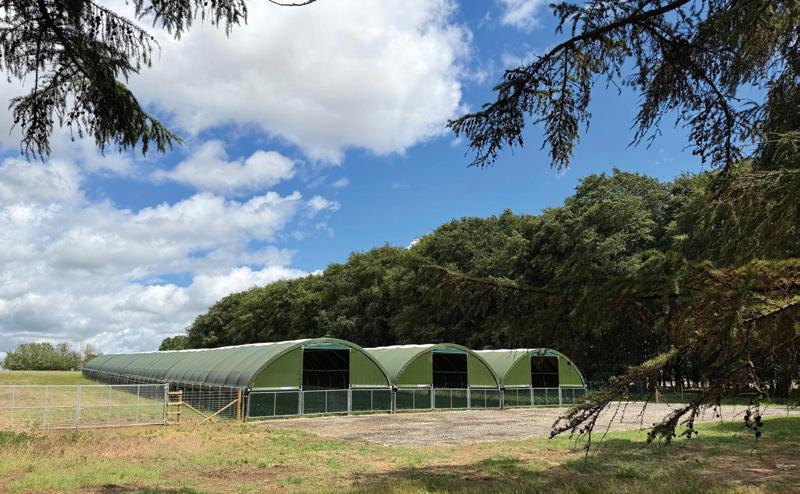
turns. Sites of up to 20ha are required and must be secure with good access.
A typical full-cycle unit has a capacity for 40,000 birds with up to three high welfare poultry houses within a 15-acre roaming area that includes wooded copses. No previous experience with poultry is required.
Full training is available and ongoing support is provided by experienced field managers. This system represents a much larger investment but will secure a valuable income for generations to come, says Mr Gorton.
“Our turkey production Polytunnels require woodland space up to 75% of the area, so this is a good opportunity for farmers to maximise income from an untapped source,” he explained.
“We pay the same for woodland areas as for the arable aspect of the farm and we require secure sites of about 15 acres. “We believe the variety of poultry growing systems we operate means there is something for everyone.
Mr Gorton said he was happy to show anyone how they work and can be integrated into their farming business. “Our stocking densities are the lowest in the industry and the exclusive use of genuine slow growing breeds means this is the best way to grow birds.”



DIVERSIFY SIMPLY & SUSTAINABLY WITH OUR PIG FARMING PARTNERSHIPS
DIVERSIFY SIMPLY AND SUSTAINABLY WITH OUR PIG FARMING PARTNERSHIPS

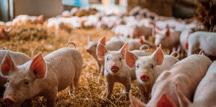
With markets under pressure and margins tightening, securing a dependable return has never been more important. Our pig farming partnerships offer a clear, predictable way to strengthen your operation from day one. Whether you’re expanding or switching partners, we provide the stability, support and straightforward process that makes the move easy and worthwhile.


With markets under pressure and margins tightening, securing a dependable return has never been more important. Our pig farming partnerships offer a clear, predictable way to strengthen your operation from day one. Whether you’re expanding or switching partners, we provide the stability, support and straightforward process that makes the move easy and worthwhile.
YOU PROVIDE:
– Suitable buildings – Bedding & utilities
YOU PROVIDE:
– Suitable buildings
– Day-to-day animal care – Your stockmanship and experience
– Bedding & utilities
– Day-to-day animal care
– Your stockmanship and experience
YOU PROVIDE: – Livestock – Feed
Veterinary support
Transport and scheduling
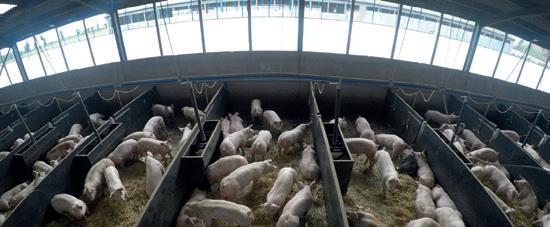
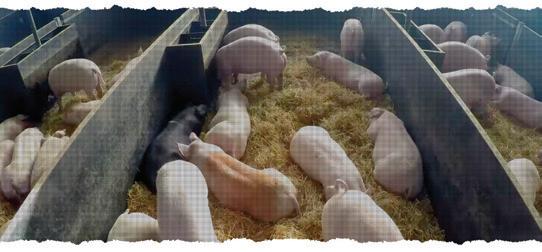
Hands-on guidance from experienced specialists
Reliable, long-term contracts
We’re looking forward to
Guaranteed income – A low-risk, sustainable growth strategy
We’re looking forward to hearing your ambitions and sharing how we can help you achieve them. Get in touch today: farming@cranswick.co.uk or 01430 411174
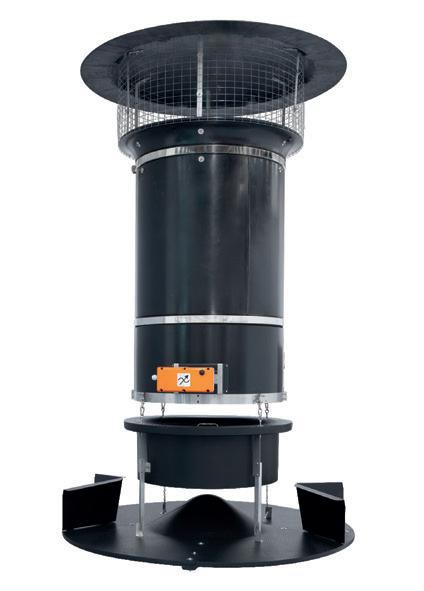



Office: 01526 353978
We operate a fleet of 40 lorries and over 150 pieces of plant, employing over 120 trained staff operating all over the UK. We supply bulk quantities of poultry litter to farmers, power stations, composters and AD plants for use as a fertiliser or fuel, producing electricity and gas throughout the UK.
e-mail: info@pedersencontracting co uk www pedersencontracting co uk

Office: 01526 353978

email: info@pedersoncontracting.co.uk www.pedersoncontracting.co.uk









Launched in 2023, G&V Tait has become the leading firm of professional valuers and consultants dedicated to the pig industry. We deliver precise, impartial assessments backed by RICS quality standards
Launched in 2023, G&V Tait has become the leading firm of professional valuers and consultants dedicated to the pig industry. We deliver precise, impartial assessments backed by RICS quality standards
Launched in 2023, G&V Tait has become the leading firm of professional valuers and consultants dedicated to the pig industry. We deliver precise, impartial assessments backed by RICS quality standards
Launched in 2023, G&V Tait has become the leading firm of professional valuers and consultants dedicated to the pig industry. We deliver precise, impartial assessments backed by RICS quality standards
Launched in 2023, G&V Tait has become the leading firm of professional valuers and consultants dedicated to the pig industry. We deliver precise, impartial assessments backed by RICS quality standards
Launched in 2023, G&V Tait has become the leading firm of professional valuers and consultants dedicated to the pig industry. We deliver precise, impartial assessments backed by RICS quality standards
Pig farm valuations - sector-specific insight of over 15 farms to date
Launched in 2023, G&V Tait has become the leading firm of professional valuers and consultants dedicated to the pig industry. We deliver precise, impartial assessments backed by RICS quality standards
Pig farm valuations - sector-specific insight of over 15 farms to date
Pig farm valuations - sector-specific insight of over 15 farms to date
Pig farm valuations - sector-specific insight of over 15 farms to date
Equipment and livestock valuations - valuing over £16m in pig-related assets
Pig farm valuations - sector-specific insight of over 15 farms to date
Pig farm valuations - sector-specific insight of over 15 farms to date
Equipment and livestock valuations - valuing over £16m in pig-related assets
Equipment and livestock valuations - valuing over £16m in pig-related assets
Pig farm valuations - sector-specific insight of over 15 farms to date
Equipment and livestock valuations - valuing over £16m in pig-related assets
Used equipment brokerage - £70,000 in used equipment transacted to date
Equipment and livestock valuations - valuing over £16m in pig-related assets
Used equipment brokerage - £70,000 in used equipment transacted to date
Equipment and livestock valuations - valuing over £16m in pig-related assets
Equipment and livestock valuations - valuing over £16m in pig-related assets
Used equipment brokerage - £70,000 in used equipment transacted to date
Used equipment brokerage - £70,000 in used equipment transacted to date
On -farm auctions - two retirement auctions successfully completed
Used equipment brokerage - £70,000 in used equipment transacted to date
On -farm auctions - two retirement auctions successfully completed
Used equipment brokerage - £70,000 in used equipment transacted to date
Used equipment brokerage - £70,000 in used equipment transacted to date
On -farm auctions - two retirement auctions successfully completed
On -farm auctions - two retirement auctions successfully completed
On -farm auctions - two retirement auctions successfully completed
Whether you're buying, selling, or managing your pig farming assets, G&V Tait is here to provide the expert support you need.
On -farm auctions - two retirement auctions successfully completed
Whether you're buying, selling, or managing your pig farming assets, G&V Tait is here to provide the expert support you need.
On -farm auctions - two retirement auctions successfully completed
Whether you're buying, selling, or managing your pig farming assets, G&V Tait is here to provide the expert support you need.
Whether you're buying, selling, or managing your pig farming assets, G&V Tait is here to provide the expert support you need.
Whether you're buying, selling, or managing your pig farming assets, G&V Tait is here to provide the expert support you need.
Contact us today to discuss the requirements of your pig farming business.
Whether you're buying, selling, or managing your pig farming assets, G&V Tait is here to provide the expert support you need.
Contact us today to discuss the requirements of your pig farming business.
Contact us today to discuss the requirements of your pig farming business.
Whether you're buying, selling, or managing your pig farming assets, G&V Tait is here to provide the expert support you need.
Tel: 07900 605349
Tel: 07900 605349
Contact us today to discuss the requirements of your pig farming business.
Contact us today to discuss the requirements of your pig farming business.
Tel: 07900 605349
Email: info@gandvtait.com Website: www.gandvtait.com
Email: info@gandvtait.com
Tel: 07900 605349
Contact us today to discuss the requirements of your pig farming business.
Email: info@gandvtait.com
Website: www.gandvtait.com
Tel: 07900 605349

Contact us today to discuss the requirements of your pig farming business.
Website: www.gandvtait.com
Email: info@gandvtait.com
Tel: 07900 605349
Website: www.gandvtait.com
Email: info@gandvtait.com
Tel: 07900 605349
Email: info@gandvtait.com
Website: www.gandvtait.com
Email: info@gandvtait.com
Website: www.gandvtait.com
Website: www.gandvtait.com

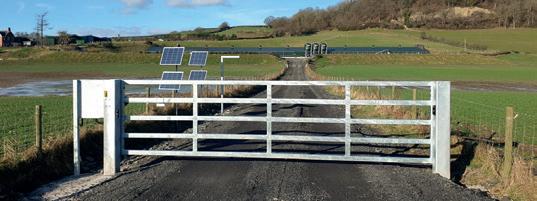
More large pig producers are installing misting systems in farrowing houses to combat summer heatwaves while boosting sow welfare and productivity.
Cooling systems are increasingly viewed as a routine part of modern pig building design rather than an optional extra. Installation costs range from about £40 to £100 per sow, depending on the size of the building.
Tim Miller, environmental specialist with ARM Buildings, said the economics were compelling. Many farmers would be able to install the systems themselves, he suggested, due to their simplicity.
“From £100 per sow for a small house to as little as £40 per sow for a large multi-room building, it’s a no-brainer, considering the welfare and productivity benefits the cooling system brings in hot weather.”
Most systems use high-pressure nozzles to create a fine mist in in-
coming air, lowering temperatures through evaporation without wetting the building.
“Misting systems are easy to fit and while I have had many calls from farmers without them, there have been very few issues of heat stress on farms where they are already in operation,” said Mr Miller.
“The mist is too fine to wet the house but reduces the temperature as it evaporates,” he added. “I recently visited a farrowing house when the ambient temperature was 32?C but the room temperature was 28?C.”
Misting systems can often use existing Dicam controls to operate the equipment. Even where cooling systems are not installed, producers can reduce heat stress by wetting concrete passageways and increasing ventilation.
Mr Miller said the welfare benefits alone justified the investment, with

any production gains providing additional value.
“Some farmers use their pressure washers in front of the inlets to cool the incoming air but, obviously, care needs to be taken to avoid fans and other electrical equipment.”




















Restaurants and eateries are being urged to buy more British pork – and provide clearer information on where their food comes from.
The National Pig Association (NPA) says doing so will help to restore confidence in a pig industry facing mounting financial pressure caused by an oversupply of pigs, low prices and rising production costs.
At the same time, independent producers have been given notice on supply contracts by processors, adding further uncertainty to a sector where margins are tight – and becoming tighter.
While supermarkets have largely maintained their support for British pigmeat, the NPA says restaurants, caterers and takeaways remain heavily dependent on imported pork, with consumers given little indication of where products originate.
Retailers have generally continued to back British pork, with some publicly committing to increase domestic sourcing. Retail sales data suggest supermarket support has remained relatively stable despite challenging market conditions.
Foodservice presents a different picture. Imports have traditionally dominated the sector, largely because of lower prices. Meanwhile, lack of mandatory country-of-origin information makes it hard to assess
the proportion of British pork served.
AHDB figures show GB pork pur chases by the foodservice sector fell by 3.5% year-on-year in the 52 weeks to 22 March, driven mainly by lower takeaway demand. But the data does not distinguish between British and imported pork.

NPA chief executive Lizzie Wilson said stronger support from foodservice businesses would provide an important signal to farmers who were weighing up their future.
“The pig sector is going through an incredibly difficult time at the moment, with many independent producers, once again, fighting for their futures,” said Ms Wilson.
“There are no easy solutions but one thing that would definitely help give producers confidence to continue is a robust commitment from the foodservice sector to back British pork –and shout about it to their customers.
“We need to address this complete lack of transparency about where these companies source their pork products. The British public deserve better.
“We also understand the pressures the catering sector is under – and the temptation posed by cheaper imports. We are not suggesting that all imports must be replaced by British pork – just that this important sector can do a lot better.”
Ms Wilson said surveys consistently showed consumers wanted to
Clearer labelling would support producers and consumers, says the NPA.
Mo Wu / Shutterstock.com

support British farming when given the opportunity.
“We know the great British public is right behind our farming industry and wants to support it. Currently, it is not being given the opportunity to do so by the foodservice sector.”
The NPA is calling on foodservice suppliers to increase purchases of British pork and to make sourcing information more visible. It also wants restaurants and takeaway businesses to display country-of-origin information on menus.
Consumers are being encouraged to ask where pork products come from when eating out or ordering takeaways and to make clear they prefer British produce.
The association is also urging the government to strengthen public procurement policies. It wants to see more British pork served in schools, hospitals and other public sector settings.
Ms Wilson said greater collaboration would benefit the entire supply chain. “Everyone can win out of this – farmers, the supply chain, the foodservice sector, itself and, ultimately, consumers.”
Anew version of Livetec’s electronic Biosecurity Assessment Tool (eBAS) is being made freely available to all poultry producers.
It follows the launch of Defra-funded poultry biosecurity reviews, which form part of the Animal Health and Welfare Pathway. The reviews are designed to provide eligible poultry keepers with practical, site-specific advice to help reduce disease risk.
Julian Sparrey, director at Livetec, says the reviews are a valuable opportunity for producers to strengthen their frontline defences against avian influenza and other disease risks. “As a company, we’ve seen firsthand the impact disease outbreaks can have
on farms, their animals and staff, and we strong support Defra’s initiative,” he says.
Assessment
“By completing a detailed biosecurity assessment ahead of the vet visit, producers can build a clearer picture of their current biosecurity provision. eBAS can highlight where the business performs well, while also identifying vulnerabilities and potential risk areas.
“The assessment can then be shared with the vet to help facilitate focused conversations around the areas where support is needed the most.”
Mr Sparrey says eBAS does not replace the vet-led review, but gives both the vet and
farm team a shared starting point.
Part of Livetec’s Livestock Protect platform, eBAS is tool that enables poultry producers to review their own biosecurity provision. It provides an overall biosecurity score, alongside individual scores for defined biosecurity zones.
The UK-focused assessment covers conceptual, structural and procedural biosecurity, including location, infrastructure and day-to-day farm practices.
Poultry producers can access the free single-site eBAS assessment by downloading the Livestock Protect mobile app, without needing access to the full Livestock Protect platform.

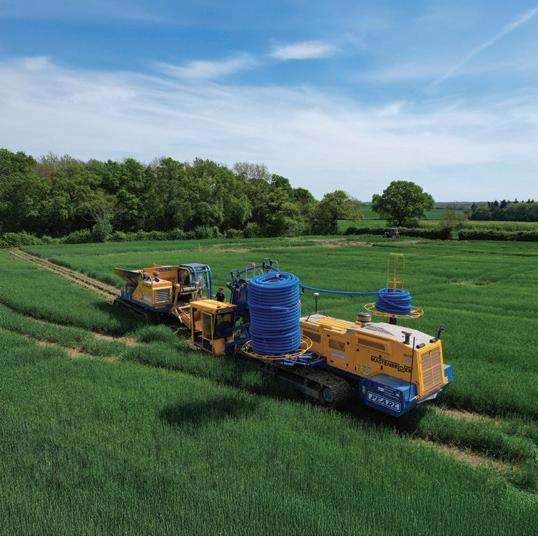







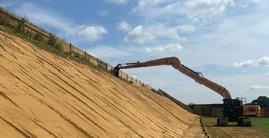



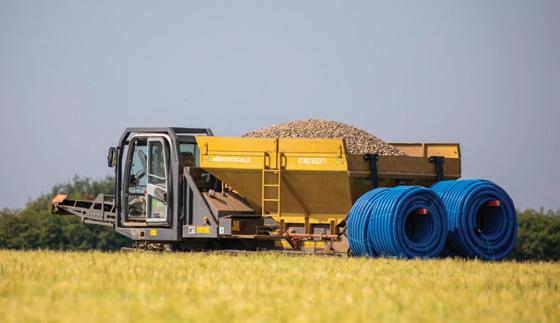












• Better food drives demand
• Protein focus reshapes markets
• Supply chains become closer
Growing demand for higher-quality food is set to create new opportunities for farmers as consumers place greater value on nutrition, protein and provenance.
A new Savills Spotlight on Food report says climate risk, changing policy and tighter margins are accelerating change across agriculture. It argues future profitability will depend less on producing greater volumes and more on supplying higher-quality food through resilient supply chains.
“The UK food system cannot rely on volume alone. Future resilience will depend on how well the sector adapts to climate risk, responds to changing consumer demand and builds stronger, more transparent supply chain relationships. In practical terms, that means a renewed focus on quality, nutritional value and provenance,” said Tim Frost, associate director in the food and farming team at Savills in Cambridge.
Consumer demand
The report suggests consumer preferences are moving away from ultra-processed foods. Mr Frost said “tomorrow’s table” would increasingly resemble diets from the 1940s, with greater emphasis on better ingredients and nutritional value.
“The food on tomorrow’s table may look less like the ultra-processed model that has dominated in recent decades, and more like a system built around better ingredients and longterm resilience.”
He added: “As this trend develops, processors will need to engage
tegrity of their supply chain and ensure they deliver a quality product, not a fast one.”
Farm resilience
Savills says growers should review crop suitability, invest in irrigation and water infrastructure, and adopt production systems that improve longterm resilience.
“Better use of technology, regenerative farming practices and closer integration across supply chains – all are expected to play a central role in how the sector adapts,” said Mr Frost.
NFU Mutual is offering 26 free places on a new farm training course as it steps up efforts to improve health and safety standards.

The course is designed to give farm managers and supervisors practical skills to identify risks, investigate incidents and improve safety performance. It will be delivered with the Institution of Occupational Safety and Health.
IOSH president Richard Bate said: “Farmers don’t need to be told that agriculture is a high-risk industry. They live those risks every day. What they need are practical tools and solutions that make a real difference on the ground.”
The course is aimed at farmers with management responsibilities – including smaller agricultural businesses as well as large com-
mercial farms. Participants will learn how to identify risks, hazards, practical controls and understand legal responsibilities.
Health and Safety Executive figures suggest 29 people died while working in agriculture in the year to 31 March 2026. This is an increase of six fatalities on the previous year – and among the worst of all industry sectors.
HSE data also shows that the highest number of deaths in agriculture for 2025/26 occurred as a result of working with machinery, underling the importance of safe practices with harvest in full swing.
The industry is working hard to improve attitudes and practices to help prevent serious injuries and fatalities on farm, but the NFU says the numbers clearly show that further change needs to happen.
NFU vice-president Robyn Munt said.
“It is a stark reminder that farm safety is something we must all take seriously. Behind each of these numbers is a person whose life and the lives of their loved ones have been changed forever.
“Health and safety practices are about far more than ticking a box, they are about keeping you, your employees and even family members out of harm’s way. Remember, nothing on farm is as valuable as you are.”
To enter the ballot for a free place on the farm safety training course, please scan the QR code.
Growing uncertainty over tax, farm policy and profitability is prompting landowners and farmers to favour shorter tenancy agreements.
The average length of new Farm Business Tenancies (FBTs) fell to its lowest level since 2021 during 2025, suggest new figures. At the same time, fewer Agricultural Holdings Act (AHA) tenancies were re-let and more holdings were sold instead.
The move is reducing the supply of let land and raising concerns over future investment and productivity, says Jeremy Moody, of the Central Association of Agricultural Valuers (CAAV).
Uncertainty is changing long-established behaviour in the tenanted sector – even rented land remains an important route for business expansion and new entrants, suggest the CAAV’s latest Agricultural Land Occupation Survey.
“Over the years, these surveys have shown that periods of policy uncertainty see the
Continued on p68


















•
•
More farms came onto the open market in England during the first half of 2026 than in any comparable period for almost 20 years, although the total acreage available remained little changed.
Some 177 farms were publicly launched between January and June, according to Strutt & Parker. This was up from 167 a year earlier and 16% above the five-year average, but the 58,500 acres marketed was almost identical to the figure recorded in 2025.
The figures point to a market where supply is increasing in farm numbers rather than land area. Buyers remain active, but demand and prices vary sharply by region, farm type and qual ity, suggests Strutt & Parker's Farm land Database.
"We have seen renewed demand in some areas, with a notable increase in the number of deals struck over the past three weeks," said Sam Holt, head of estates & farm agency at Strutt & Parker.
"Overall, the market remains re silient, but there are inconsistencies,
Continued from p66
Buyers are focusing on quality and location, says Sam Holt.
with significant variations in supply, demand and the prices being achieved depending on location and quality."
The increase in farms for sale has been driven largely by the South West and East of England, while some northern regions have seen fewer farms and estates offered for sale.
Mr Holt said the strongest demand remained for high-quality holdings.
"The best-in-class farms and estates continue to attract strong interest and new buyers to the market and can attract multiple bids."
He highlighted strong competition from dairy and poultry businesses for well-equipped farms. International buyers also continue to target prime residential estates.
some arable areas where lower cereal incomes and 18 months of uncertainty over farming and taxation policy have reduced buyer confidence. Some larger estates have been relotted after failing to sell last year.
Limited sales data suggests average arable land values eased to £10,500/ acre during the first half of 2026, around 6% lower than a year earlier. Average pasture values slipped 3% to £8,600/acre.
That said, values remain well above pre-Covid levels despite fewer sales above £12,000/acre, and Mr Holt expects trading conditions to remain uneven.

average length of letting shorten,” says Mr Moody. “Wider issues; from farming econom ics to housing legislation, underpin this re ality. In practice, the survey shows a similar pattern to previous years but with a short ening of the shorter terms granted, fitting the recognised pattern of reactions to concern and uncertainty.”
The survey covered 88,384 acres across England and Wales to October 31, 2025. It recorded a net loss of 4,510 acres of let land. Historically, between 75% and 80% of AHA tenancies were re-let when they ended. In 2025 that fell below 53%.
Meanwhile, the proportion of holdings sold after an AHA tenancy ended rose from a typical 8-10% to almost 23%.
Activity remains dominated by bare land agreements, says Mr Moody.
“This has been the case for many years and is often a cause of misunderstanding. Only

Farm agreements are becoming shorter, says Jeremy Moody.
years to 4.65 years.
Larger holdings continued to secure longer agreements. New entrants also fared
"The publication of the Farming Roadmap has provided greater clarity on the Government's long-term direction of travel for agriculture, although questions remain around implementation and delivery.
"The more influential factor when it comes to sentiment is likely to be the resignation of Prime Minister Sir Keir Starmer, which has introduced uncertainty to the market and some speculation about future taxation policy. However, most buyers intend to hold any new acquisitions for the long term and are prepared to take a view on short-term market fluctuations."
relatively well, with 79% receiving tenancies lasting more than two years compared with
“There may be seeds of change; 30% of new lettings where there was a change of tenant were to new entrants - the top end of the usual range. That could indicate the market opening up a bit.”
Landlords increasingly cited flexibility when deciding tenancy length, while concern over uncertainty also increased following the October 2024 Budget and proposed inheritance tax reforms.
“Uncertainty increased in 2025, after the October 2024 Budget’s Inheritance Tax proposals, alongside concern about schemes, economics and weather,” said Mr Moody.
“Very few decisions were made in 2025 because of the Inheritance Tax changes but they infused the wider mood of uncertainty.
“However, access to land is a key tool to raise productivity, and the tenanted sector has a potentially salient role in answering British farming’s productivity challenge.”










Wildfires in France and Spain have made uncomfortable viewing on our TV screens this summer.
Images from Derbyshire’s Tintwistle Moor brought back memories of another era closer to home – the time when stubble burning marked the start of autumn cultivations. They also raised an important truth: there is a world of difference between carefully managed fire and devastating wildfire.
When the straw burning ban finally arrived in 1993, most of us understood why. Smoke across roads. Smoke in villages. Smoke pouring through bedroom windows. Public safety mattered.
The NFU argued for a licensing system to weed out the cowboys rather than punish everyone, but Whitehall reached for the blanket ban instead.
We’re all paying the price “
Farmers adapted, as we always do. New combines appeared with straw choppers. Alternative markets developed. Some straw merchants made promises they never kept, leaving plenty of growers with rows of unwanted straw to sort out themselves.
Life moved on. But I can’t help wondering whether we’ve swung from one extreme to the other. And we’re all paying the price.
For years we’ve been told nature knows best. Leave it alone. Rewild it. Let it recover naturally. Controlled burning? Bad. Gamekeepers? Suspicious. Farmers? Best kept away from the matches.
The theory sounds wonderful in Westminster – but it doesn’t make sense in the countryside. The heather and bracken simply dries out until it becomes the rural equivalent of petrol waiting for a spark.
Nobody yet knows what started the Derbyshire fires, and it would be foolish to pretend otherwise. But one thing is beyond dispute. Vast quantities of unmanaged vegetation make any wildfire harder to stop.
Farmers and gamekeepers have known that for generations. Carefully planned controlled burning isn’t environmental vandalism. It’s housekeeping.
Instead, ministers have made the system so restrictive that many land managers simply cannot use one of the oldest tools available to reduce fuel loads. The irony is almost too painful to mention.
Policies introduced to protect peatlands and lock away carbon risk creating the infernos that destroy both. Apparently that’s progress.
The countryside isn’t a museum exhibit. Nor should it be a place where government ministers can test out their latest theories. It is a working landscape managed for centuries by people who actually spend their lives on it.
As the climate becomes hotter and drier, common sense ought to be making a comeback. Instead, practical land management is increasingly replaced by paperwork, licences and people who know more about spreadsheets than spades.
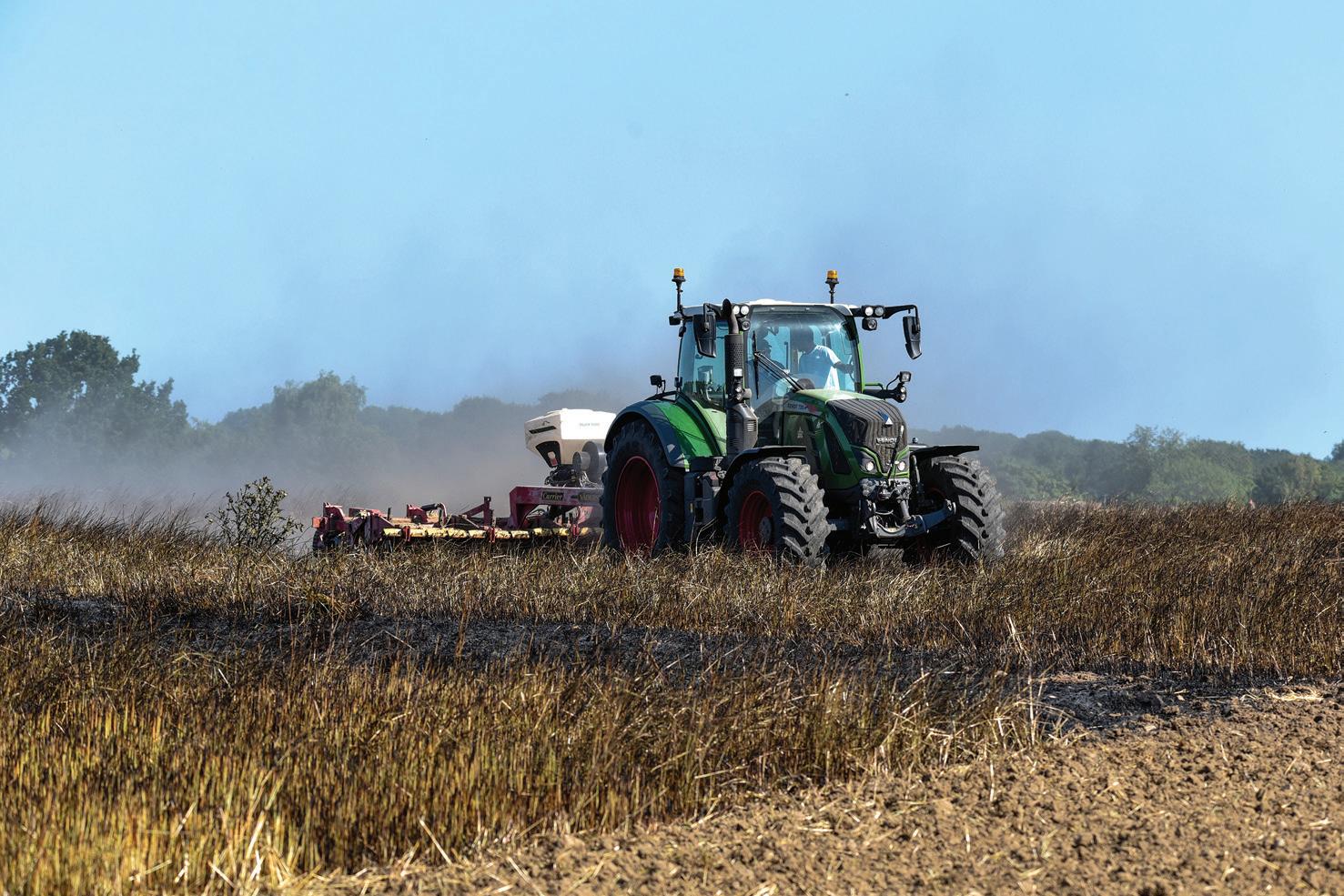
Perhaps it’s time Whitehall spent less time listening to campaign groups and a little more time listening to the people who have to put the fires out.
The government once banned straw burning because it threatened lives, homes and property. If current policy is helping create the conditions for even bigger fires, we could all go up in smoke.



FENDT 722
4688 Hrs, 220 HP, Tyres: 600/65R28 (40%)
650/65R42 (40%)
£120,000 +VAT



MF 6713 S ESD6
3384 Hrs, 130 HP, Tyres: 440/65R28 (70%) 540/65R38 (70%)

T3 POTATO HARVESTER
Double Omega, Hydraulic Diblo Rollers, 36mm 1st Web, 50mm 2nd Web. 1300mm Soft Drop Discharge Elevator £25,950 +VAT












2284 Hrs, 265 HP, Tyres: 600/65R28W (90%)
(90%) £111,850 +VAT


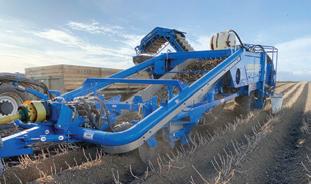



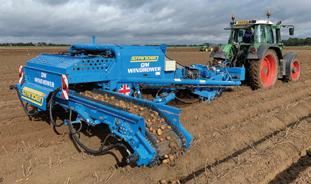

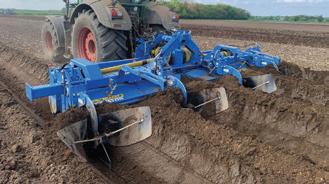

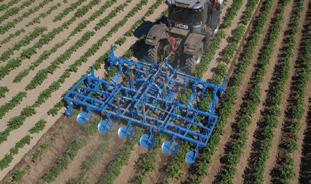


Marrison Agriculture are holding our annual moisture meter clinic in Hingham on Wednesday 6th and Thursday 7th May 2026. Please call to make an appointment.
Call now for special offers on moisture meters, aeration pedestals and post-harvest storage equipment

Marrison Agriculture Limited, Unit 8 Ironside Way, Hingham, Norfolk, NR9 4LF