





If you see someone being bullied, there’s a lot you can do about it. Here are some actions you can take to become an Upstander.
Show some support to the person being bullied. Whether it’s having a chat after school, or reaching out online, let them know that you’ve noticed the bullying and you’re on their side.
Calling someone out can be scary, but if you feel safe, calmly let them know that their bullying behaviour isn’t okay. By taking the lead, you’ll make it easier for other people to be an Upstander too.
Shift the focus
You can interrupt bullying in the moment by asking the person who’s being bullied for their help with something, or invite them to sit with you. If you know the person doing the bullying, try to pull their attention away from the person they’re bullying.
Take a step back
If you don’t feel safe to step in and stop the bullying while it’s happening, it’s okay to walk away and think about what you can do to help. Say something to the person who’s doing the bullying later on, or if speaking face-to-face isn’t your thing, send them a text or DM.
Ask for help
Support the person being bullied to seek out help. Or, if you’re worried about their safety, it might be time to take things further. You can report the bullying to a trusted adult such as a teacher, school counsellor or parent.
feel better.
Mateship is an Australian cultural idiom that embodies equality, loyalty and friendship.
Russel Ward, in The Australian Legend (1958, aka “Legend”), saw the concept as one that is central to the ethos and character of Australian people.
Mateship derives from mate, meaning friend, commonly used in Australia as an amicable form of address.
Welcome to the latest edition of the Streetsmart Handbook!
The Streetsmart Handbook is a practical resource developed to support young people as they transition to adulthood.
Neighbourhood Watch Australasia (NHWA) knows that the journey to becoming an adult is not the same for everyone, and that there are many different roads that each person can take, either by choice or by circumstance. Though the chosen paths may not be the same for everyone, the signposts along the way are.
The Streetsmart Handbook provides a state-by-state guide to many of the signposts and directions needed to be accessed along the way, to assist young people as they navigate a safe passage along the often rocky road to becoming an adult.
Just as the paths taken to adulthood can be different, so too are the people you will meet and interact with along the way. These people may be peers, friends, neighbours, strangers, family, and, of course, mates; these people are all part of your community.
NHWA is all about community, with people of all ages working together and with community partners, including the police, to create safe, interconnected, inclusive and cared for communities for all. Communities that are based upon the underlying values of Australian mateship.
Mates look out for each other, and that is what NHWA does. The StreetSmart Handbook is an extension of NHWA’s offer of mateship, a helping hand, extended to assist with finding answers to questions, providing practical information, making good decisions, and demonstrating ways to stay safe as you become an adult in your community.
If you would like more information please visit our website: www.nhwa.com.au


Bringing people together to create safe, connected, and inclusive communities, where people feel empowered, informed, protected, and engaged with one another, and with their local police.
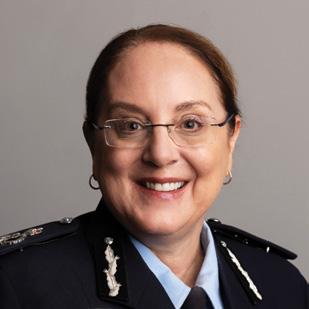
AFP Deputy Commissioner International and Specialist Capabilities
As the Australian Federal Police Deputy Commissioner, it’s my job to highlight to you the importance of protecting yourself and where to get help if something goes wrong both in the online and real world.
I recommend to you the Streetsmart Handbook which does just that. It contains answers to your many questions about being part of a safe, healthy and connected community. It will point you in the right direction of how to access government and other services that can provide advice and support and empower you through your teenage years into adulthood.
As you choose your own path – keep this book nearby so you are informed with all the important tools you will need at your fingertips. The decisions you make now will impact you for the rest of your life. We all make mistakes –it’s how we recover from those mistakes that’s important. The Streetsmart Handbook will help you make fewer mistakes and guide you through how you recover from the mistakes you do make.
Issues like cyberbullying, image-based abuse, or sextortion can happen to people of all age groups, and it can happen to you. The Streetsmart Handbook can help with what to do if this happens to you. We know technology and the internet are an important part of our everyday lives. Whether you are using technology as part of your studies or on a social basis, being digitally Streetsmart means you will know what to do to stay safe online.
This Streetsmart Handbook has been developed to guide you over the coming years and contains information to answer some of your questions and to point you toward sources of additional support as you seek to maintain a healthy mind, body and relationships.
Good luck! I wish you all the very best.

Commissioner for Children and Young People (SA)
Whether you are moving out of home, looking for your first job or embarking on further study, this is probably both an exciting and scary time in your life. The more information and support you can get to help set you up for the future, the less you will have to worry about the small stuff.
Many young people have spoken to me about the difficulties they have getting their first job, choosing a career or getting their drivers licence. It’s good to have the knowledge to know what to do if you do get into trouble or just need the right information on where to go for help. This book has practical advice and excellent information on the effects of drug and alcohol use, sexual health, mental health and bullying.
Becoming an adult is not all about responsibilities and serious matters. You will have more freedom, new friends, and opportunities and might decide to travel. I hope this book will help answer some of your questions and give you the basics on living independently and also help you enjoy your independence and freedom with confidence and enthusiasm.

Introducing WorkApp, an Aussie success story in tech and a proud supporter of the Streetsmart initiative.
WorkApp is a free listing platform for jobs, workers, and small businesses to advertise without the fees.
The WorkApp project began as an Australian start-up venture in 2013 and is now fully operational on the world stage.
WorkApp's founder and CEO Shane Wallace encourages the youth of today to follow their dreams, believe in themselves and have the courage to "Give It Go."
A SITE THAT SCHOOL LEAVERS CAN LIST THEMSELVES AS AVAILABLE FOR EMPLOYMENT.
Shane, an inspirational speaker for youth, says,
"Failure is a key ingredient to success and it's how you respond that determines whether you succeed."











Disclaimer
Countrywide Austral (“Publisher”) advises that the contents of this publication are offered solely for background information purposes. The publication has been formulated in good faith and the Publisher believes the contents of the publication to be accurate. However, the Publisher cannot guarantee and assumes no legal liability or responsibility for the accuracy, currency or completeness of the information or that the information contained in the publication is suitable for each individual reader’s needs. Accordingly, the contents do not amount to a recommendation (either expressly or by implication) and is not intended to be used as professional medical or other advice. The contents of this publication should not be relied upon in lieu of specific and independent professional advice.
The Publisher takes no responsibility for information provided by third parties whose contact details or website address is provided in the publication.
The Publisher disclaims all responsibility for any loss, damage or injury of any type which may be incurred by any reader using or relying upon the information contained in the publication, whether or not that loss, damage or injury is caused by any fault, negligence, misrepresentation, omission or breach of duty on the part of the Publisher, its directors, employees, representatives, agents or contractors.
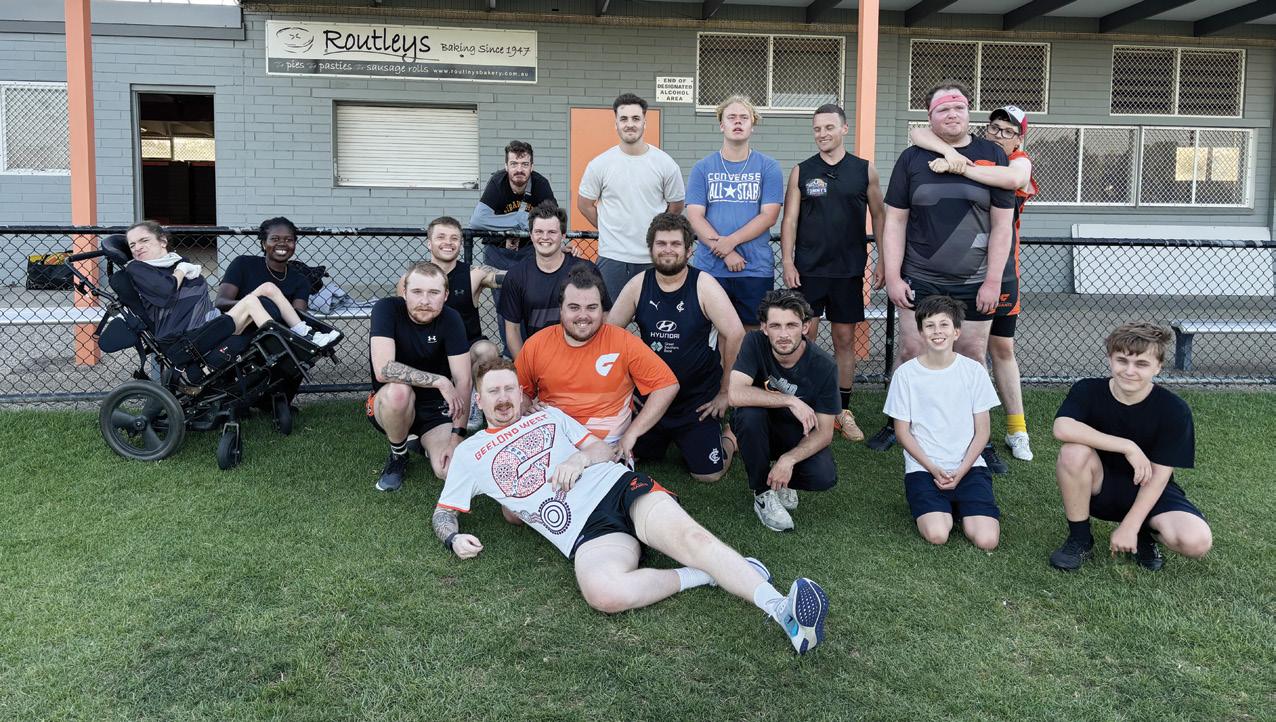
Squire Coaching PT was built by Henry Squire after seeing firsthand how powerful movement, routine, and genuine support can be for people of all abilities.
What started as 1:1 personal training has grown into a team delivering both support work and personal training across Geelong, the Surf Coast & Bellarine — with a strong focus on creating personalised, active, and engaging supports.
The team combines backgrounds in Exercise & Sport Science, Psychology, coaching, fitness, and disability support to help participants build confidence, improve wellbeing, and enjoy movement in a way that works for them.
From gym sessions and walks to community access and everyday support, the goal has always stayed the same — Support Through Movement.

It’s a deliberately broad theme because life doesn’t fit neatly into categories.
Some days are about school and what comes next. Other days are about friends, family, sport, music, creativity or simply having fun.
Inside these pages you’ll find a range of practical advice, fresh ideas and real-world information covering everything from wellbeing and relationships to money, travel, careers and life beyond school.
Some articles might help you solve a problem. Others might introduce you to a new opportunity or encourage you to see things differently.
You’ll also notice the launch of Streetsmart Studio, a space dedicated to showcasing the creativity, ideas and voices of young Australians.
We’d love to see your poems, stories, artwork, photography, reviews, designs and creative projects. If you’ve got something you’re proud of, send it in. And while you’re at it, we’d love your ideas too.
Tell us what matters to you, what topics you’d like us to cover, and what you’d like to see more of in future editions. Streetsmart is at its best when it’s shaped by the young people and educators who read it.
Enjoy the edition.
Kristi
Streetsmart Editor editor@smarthandbooks.com.au
Somewhere in your classroom is a future writer, artist, or storyteller.
If they’d like to share their work, we’d love to see it. Thank you for helping young people feel confident, creative, and proud of what they create.

Email your submission to editor@smarthandbooks.com.au to be considered for publication in the next edition.



StellaFortis is the crown jewel of the industry –
StellaFortis Consulting, founded by Natalie Piscopo, is known for speed, precision, and straight-talking delivery. We cut through noise to deliver sharp strategy, solid recruitment, and real results. No filler. No delays. Just the right people and outcomes that stick.
Natalie is a powerhouse hehind StellaFortis – unmatched in her passion and speed, always there when needed, consistently delivering with relentless energy, precision, and results.


Life comes with paperwork, passwords, records and responsibilities. Understanding things like Medicare, tax, superannuation, workplace rights and emergency contacts can help you stay organised, make informed decisions and feel more confident managing everyday life.


From age 14, you can manage your own My Health Record and decide who can access it. It provides a secure online summary of your health information and helps you take greater responsibility for your healthcare.
Once you turn 15, you can apply for your own Medicare card rather than remaining on your parents’ card. Having your own Medicare card can make it easier to manage appointments, claims and your personal health information.
To access My Health Record and other government services online, you’ll need a myGov account linked to Medicare. Visit Services Australia and My Health Record online to learn more.


If you have a part-time or casual job, you’ll need a Tax File Number (TFN), which is a unique number issued by the Australian Taxation Office.
Your TFN is used to identify you for tax and superannuation purposes. Without a TFN, you may pay more tax than necessary. You can apply for a TFN online through the Australian Taxation Office
If you have a job, your employer must pay money into a superannuation account on your behalf.
While retirement might seem a long way off, every contribution made while you’re working is helping you stop work at the retirement age. Keep your details up to date as you move between jobs.
Every employee has workplace rights, whether they are casual, part-time or full-time. This includes minimum pay rates, breaks, leave entitlements and safe working conditions.

From age 16, you can register your organ and tissue donation decision on the Australian Organ Donor Register.
Registering your decision is important, but so is having a conversation with your family. In Australia, your family will be asked to support your donation decision if the situation arises.

To learn more, visit DonateLife
First-time blood donors usually need to be 18 years old, but some younger donors may be eligible depending on circumstances and policies. Visit lifeblood.com.au and take the eligibility test.
If you’re unsure about your pay or conditions, check your payslip and visit the Fair Work Ombudsman website for information and advice.

If something happened to you today, would first responders know who to contact?
Add an ICE (In Case of Emergency) contact to your phone and keep it updated. Most smartphones also allow emergency contacts and important medical information to be viewed from a locked screen. Do this today!

Being a full-time secondary student probably makes you eligible for discounts, concessions and financial support that can help with everyday costs and future plans.
This chapter outlines what’s available, where to find it, and offers practical tips for budgeting, saving and making your money go further.




Full-time students are entitled to discounts and concessions on a range of things including:
n public transport
n airfares
n books
n computers and software
n car registration
n medical and dental costs
n tickets to movies and events
n club memberships
Most places that offer student discounts or concessions will just need to see your student card from your school. Make sure you always have it with you.
For other discounts you may need to buy or apply for a specific discount card.
If you are not sure if a student discount is available, just ask – the worst they can do is say no.
our mission is to make your life easier
Are you sick of trying to keep on top of the finances and need help understanding what it all means?
Elevate is like having a down-to-earth expert by your side. Calm, clear, and highly experienced, giving you accurate numbers, efficient support, and the confidence to move your business forward.
Flexible by design, our services are tailored to your business needs, delivered at the level you choose and structured to scale seamlessly as your business needs grow.
What we can do for you
• Process your invoices
• Invoice your customers
• Collect your money
• Process Payroll
• Cashflow Management
• Catch ups/Clean accounts
• BAS preparations & lodgements
• Finance software setups
• Budgeting & Forecasting
• Monthly Reporting & Explanations
• Virtual CFO services
Ready to take your business finances to the next level?

A Health Care Card will give you concessions including discounts on household bills, medical expenses, study costs, motor vehicle registration and public transport.
Examples:
n Prescription medicine – Bring your Health Care Card to the chemist when buying prescription medicines for a discounted price
n Dental treatment – Bring your Health Care Card to the dentist for free or discounted dental care (depending on what you’re getting done) through public dental clinics in community health centres, rural hospitals and the Royal Dental Hospital in Melbourne
n Ambulance travel – Health Care Card holders get free ambulance and air ambulance travel anywhere in Australia in an emergency or on the recommendation of a doctor
n Eye care and glasses – Free eye examinations and low-cost glasses are available for Health Care Card holders in Victoria (and their dependants under the age of 16 if they are listed on the concession card)
n Optometry and eye care service – The Victorian College of Optometry provides low-cost eye care for people with Health Care Cards
n Hearing services – A wide range of free and discounted hearing services are available to Health Care Card holders, including hearing tests and hearing aids
Concessions can change over time. Sometimes the amount of discount can change, and sometimes a concession can stop being offered altogether.
It is a good idea to make sure you double-check that a concession is currently available before you assume that you’ll get it.
Visit the Services Australia website for the latest information about the Low Income Health Care Card.
Health Care Card holders in Victoria are eligible for discounts and concession rates on TAFE and training enrolment. To find out more about these discounts, check the concession fees information on your state’s TAFE or training authority website.
TAFEs may also offer concessions on enrolment fees to partners of people who have Health Care Cards, if they are dependent on the cardholder for their income. Talk to your student administration office to find out more about this.
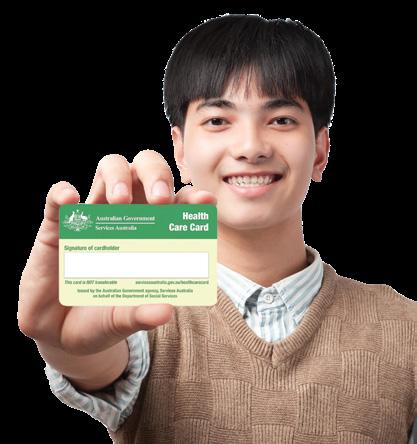
Some organisations offer student discount cards that you can buy in return for discounts at businesses that they have a sponsorship arrangement with. A quick search for ‘student concession cards’ should turn some up.
Before you buy one of these cards, though, you should do some research. Ask around to see if any of your friends or family have bought a card like it, and whether they thought it was worth the money.
You could also get in touch with Consumer Affairs Victoria to see if they have any advice about a student concession card you are considering buying on 1300 55 81 81 or email consumer@justice.vic.gov.au

If you are aged 15-24 years old, you may be eligible for Centrelink payments and services while you are studying fulltime, undertaking an apprenticeship or becoming independent from your parents or carer.
Depending on your (or your family’s) circumstances, you may be able to get Youth Allowance or ABSTUDY while at secondary school.
These payments provide financial support while you are looking for work, studying, training or undertaking an Australian apprenticeship.
Disability Support Pension may also be available to support young people who have a medical condition or disability.

To claim a payment like Youth Allowance or ABSTUDY, update details and get reminders, create a myGov account via my.gov.au and follow the steps to link your Centrelink member service.
To do this, you will need a Centrelink CRN or a linking code.
The myGov website is pretty simple and intuitive and steps you through each part of the process.
If you have a question about using myGov, you can ask the myGov digital assistant (DA). Go to the myGov website, select Ask a question and type your question. The DA will answer your question.
If you cannot register online visit a Centrelink service centre near you or call 132 307.


The main benefits for secondary school students are Youth Allowance and ABSTUDY. To find out if any other payments could apply to you, or when you might become eligible for other benefits, visit the Services Australia website and search for students and trainees.
Youth Allowance is financial help for Australia residents who are:
n 16 to 21 and looking for full-time work, or
n 18 to 24 and studying full-time, or n 16 to 24 and doing a full-time Australian Apprenticeship, or n 16 to 17 and independent or needing to live away from home to study
n 16 to 17, studying full time and have completed year 12 or equivalent
This payment is income and assets tested to work out how much Youth Allowance you get.
ABSTUDY is financial help for Aboriginal or Torres Strait Islander students or Australian apprentices enrolled in an approved course –for example at secondary school, TAFE or university – to cover the costs associated with studying (including travel), housing and living expenses
The amount of ABSTUDY you may get depends on personal circumstances such as whether or not you are living away from home.




Setting a savings goal can be exciting. Your goal could be to have money aside ‘just in case’, or you might have a target like concert tickets, new runners, a formal outfit or updated phone. At the other end of the scale, you might be saving for a holiday at the end of the year or your first car.
Cash might come and go, but smart habits stick. Whether you’re hustling through a part-time job, living off pocket money, or just trying to make $20 last all weekend, knowing how to budget and save puts you in control. This section has simple tips to help you stay in control, make smart choices, and stretch your dollars further.
n What is the main prize (ie your desired purchase)?
n How much money will you need?
n Tell your family and friends about your goal (they’ll keep you motivated)
n How much can you afford each week/fortnight/ month?
n Work out how long it will take to achieve (this will manage your expectations)
n Check your bank statements and watch it grow

Whatever your goal, the key is just start! Once you see your bank account building with a regular savings plan, it can be a sense of achievement.
Do your research on what banks are best for students and young people and then which of their products will serve your needs best (ie everyday transaction accounts versus savings accounts).
When every cent counts, don’t get stung by bank fees. Some online banks don’t charge any fees for an account. Maybe start with these! Keep your details to yourself. When checking your accounts online, avoid using public computers or free wireless hotspots. Even if you are using your own device, always log out of your banking – NEVER STORE YOUR PASSWORDS!


The world is full of places to discover, people to meet and experiences that can change the way you think. Travel isn’t just about where you go — it’s about what you learn along the way.
Whether you’re exploring a new corner of Australia, heading overseas, or simply stepping outside your comfort zone, every adventure has the potential to build confidence, independence and unforgettable memories.



Opening the door to diverse cultures, ideas, and ways of living can broaden perspectives and foster greater understanding and empathy.
Stepping out of familiar surroundings encourages adaptability and resilience, teaching you how to navigate and appreciate different environments and communities.
This exploration also sparks curiosity and a sense of adventure, fueling creativity and inspiring new interests and passions.
It may happen inside your state, elsewhere in Australia or overseas.
Australia is a huge country with different adventures to be had in every state. Once you have decided a holiday in Australia is for you, figure out what kind – action, nature, party, history or culture.
To get this planning started, decide:
1. How long you want to be away
2. How you will get around
3. How much money you have
4. Will you travel solo, with a partner, a friend or in a group?
Whether you’re travelling by car, bus, train or plane, exploring Australia is a great way to experience new places, cultures and landscapes.
If you are driving across, or around, Australia, be mindful that road laws vary from state to state. Before crossing borders, read up on where you are going and what the quirky road rules that apply in each state are, from speed limits to sharing roads with bikes, trams and pedestrians.
In some states, it’s illegal to cross the border with fresh produce – this is to protect the local agriculture from pests like the fruit fly.
For ideas on where to go and what to do visit www.australia.com

Planning a trip adds to the excitement and anticipation of a new adventure, and being organised and informed will give you peace of mind when you arrive.
There is an overwhelming amount of information available online to help you plan your trip. Explore travel websites, destination guides, videos, podcasts and social media for inspiration and practical advice.
Ask friends and family for recommendations, learn from people who have already visited your destination, and build an itinerary that suits your interests, budget and travel style.
If you want to hold something in your hand, travel guides from the library or bookshop never go out of style.





Before you travel anywhere, save important contacts in your phone, including emergency contacts, accommodation details and travel insurance information.
Before you book, spend some time researching your destination.
n What type of trip are you planning? A holiday, study program, exchange, working holiday or volunteer experience?
n What do you know about your destination? Research the culture, language, customs, weather and local laws.
n How will you get around? Look into public transport, rideshare services, walking, cycling and other transport options.
n Where will you stay? Consider your budget, location and whether a hotel, hostel, homestay, university residence or short-term rental best suits your needs.
n What’s your budget? Include flights, accommodation, food, transport, activities, travel insurance and spending money.
n Is it safe to travel there? Check the latest travel advice, local laws and entry requirements on Smartraveller.
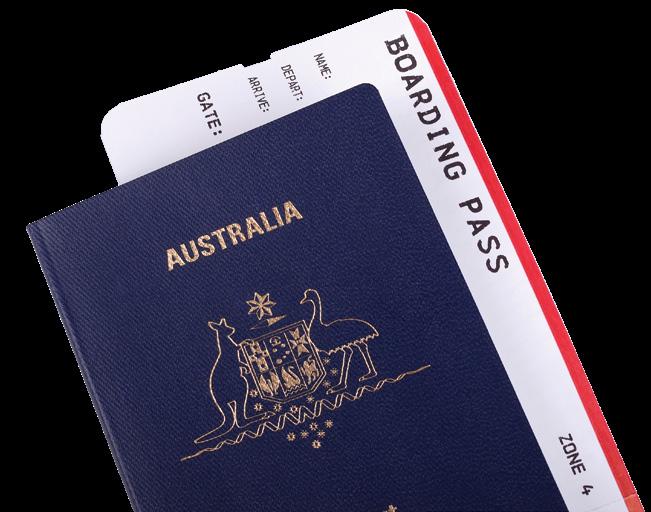
n Do you need a passport or vaccinations? Check passport validity requirements and speak to your GP about any recommended vaccinations before you travel.
n Be flexible: Flight and accommodation prices can vary significantly depending on when you travel. Flying mid-week or outside peak holiday periods can often save money.
n Compare prices: Use comparison websites, airline sales and accommodation platforms to find the best deals. Don’t book the first option you see.
n Travel light: Budget airlines often charge extra for checked baggage. Packing smart can help keep costs down.
n Mix up your accommodation: Hotels aren’t the only option. Hostels, homestays, university accommodation and short-term rentals can offer affordable alternatives.
n Watch your food budget: Eating every meal out can quickly add up. Shopping at local supermarkets and preparing some of your own meals can help stretch your travel budget.
n Plan your spending: Before you leave, check overseas transaction fees, exchange rates and travel card options with your bank. It’s also a good idea to have a backup payment method in case your primary card is lost or stolen.
n Learn from others: Travel blogs, online reviews and social media can provide useful tips on affordable places to stay, eat and explore.
Before travelling overseas, download the Smartraveller app and subscribe to updates for your destination.
You’ll receive travel advice, safety alerts and important information that could affect your trip.
Share your itinerary with someone at home, save important contact details in your phone and make sure you know how to access help if you need it.
For more information, visit smartraveller.gov.au
Take contact details for places you may need in an emergency, such as the local Australian Embassy and your travel insurer’s emergency contact number. Travel with emergency contact details like a family member or friend back home, and make sure they have your travel itinerary, insurance details and a copy of your passport. Stay in regular contact with loved ones in Australia.


Looking after your health and wellbeing when you travel overseas is a no-brainer.
You can’t travel if you get sick or injured and you certainly don’t want your long-awaited trip compromised or even cancelled because of an avoidable illness or accident.
n First aid: Pack a basic first aid kit and learn some simple first aid skills before you leave.
n Rest and Recovery: Travel can be exciting, but long days, late nights and changes to routine can take their toll. Make time for sleep, stay hydrated and listen to your body.

n Medications: Take enough medication for your trip and make sure you know how to manage any existing health conditions while you’re away.
n Mental wellbeing: Travel can be exciting, but it can also be tiring and stressful. Make time to rest, stay connected with people you trust and ask for help if you need it.
n Sexual health: Safe sex practices are important wherever you are. If you’re sexually active, use protection and make informed decisions.
n Sun and water safety: Whether you’re at the beach, by a pool or exploring the outdoors, stay hydrated, use sunscreen and follow local safety advice.
n Vaccinations: Depending on where you’re travelling, your doctor may recommend vaccinations or other health precautions.
n Food and drink: Do your research and discover more tips about consuming specific foods and drinks in the country you are travelling.

Travel insurance can help cover unexpected costs if your trip is disrupted by illness, injury, lost belongings or travel delays.
If you’re staying local, you’ll most likely be covered for medical emergencies via Medicare or your private health insurance, however, these do not cover you outside of Australia. Some hospitals overseas will not even admit injured people who do not have insurance coverage, no matter how serious their condition may be.
Before you leave, understand what your policy covers and keep a copy of your insurance details somewhere easy to access.
And remember, if you extend your stay, don’t forget to extend your insurance before it expires to make sure you’re never without it.

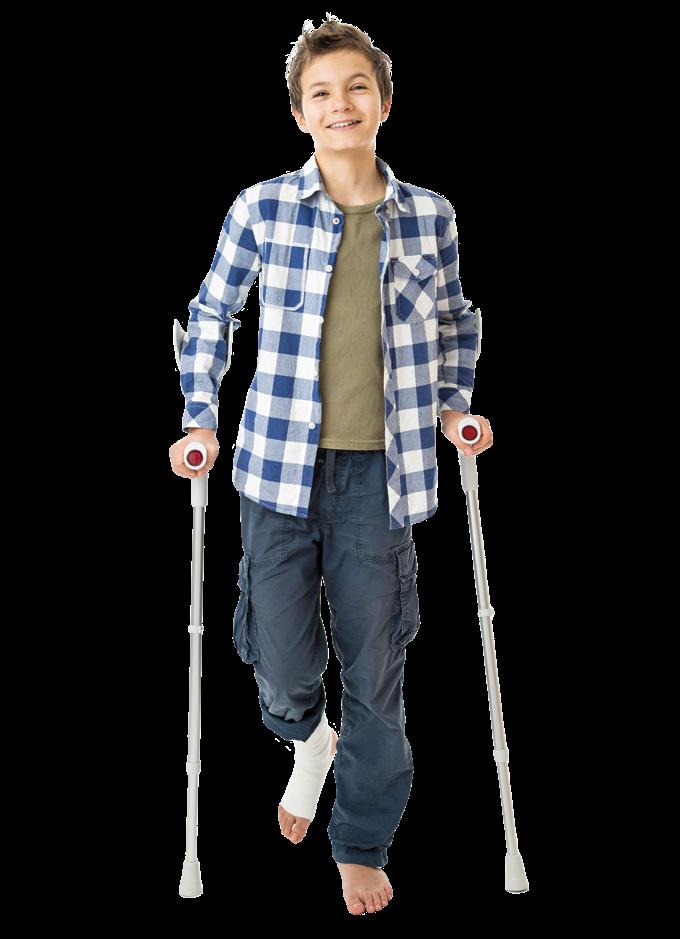


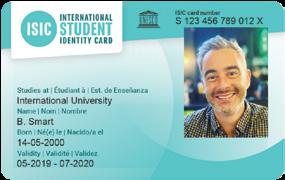
If you’re planning to travel, it pays to check whether you’re eligible for student or youth discounts.
The International Student Identity Card (ISIC) and International Youth Travel Card (IYTC) offer discounts on travel, accommodation, attractions and experiences in many countries around the world.
Membership organisations such as YHA Australia may also provide discounts on accommodation and travel-related services.
Before purchasing any discount card or membership, do your research. Make sure the savings and benefits are relevant to your travel plans and will outweigh the cost of joining.
To learn more, visit isic.org.

Personalized 1:1 Student Support
Flexible Payment Plans
Because your career deserves structure, support and success — not confusion. At Elite Academics (RTO 46370), we combine flexibility with personalised 1:1 guidance to help you confidently complete your qualification.
Cert 3 and diploma in early childhood education and care. Your future in Early Childhood starts here.

A working holiday can be a great way to travel, earn money and experience life in another country. For many young Australians, it’s an opportunity to build independence, meet new people and develop skills that can be valuable long after the trip is over.
Working overseas can also strengthen your resume by demonstrating initiative, adaptability and the confidence to step outside your comfort zone.
n Hospitality (cafes, bars, restaurants and hotels)
n Tourism and seasonal work
n Summer camps, ski resorts and outdoor recreation programs
n Farm and harvest work
n Teaching, tutoring and language support roles
n Customer service and administration
n Visa requirements – Do you have the right visa to work legally?
n Pay and conditions – What are the wages, hours and workplace rights?
n Living costs – Will your income cover accommodation and dayto-day expenses?
n Accommodation – Is housing included or will you need to organise it yourself?
n Culture and language – What local customs, laws and expectations should you be aware of?
n Safety – Is the destination and workplace safe and reputable?


Studying overseas can be more than an educational experience. It can help you build confidence, independence and a broader understanding of the world around you.
Opportunities range from high school exchange programs to future university study, with scholarships and financial assistance available for some students.
For more information visit Smartraveller
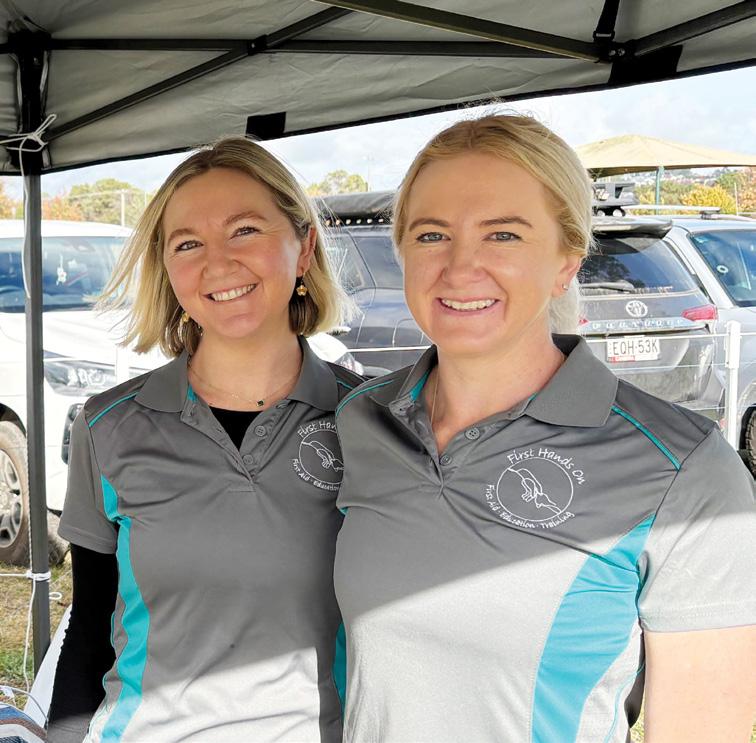
I am the face of First Hands on. I am an Emergency Nurse/Paramedic based on the South Coast NSW.
My goal is to help you care with confidence; by taking you from anxious, helpless and unprepared to EMPOWERED, CONFIDENT and RESOURCEFUL when being the first hands on in an emergency.
Throughout my career I have encountered countless patients and scenes where the smallest amount of first aid skills and knowledge could have made the biggest difference in the outcome of the injured or unwell child. Unfortunately injury and emergencies can happen to anyone although those first 10 minutes are golden in
We offer training for all; Parents, Carers, Students & Staff, including;
Infant and Child first aid and CPR workshops
HLTAID009 Provide Cardiopulmonary Resuscitation
HLTAID010 Provide Basic Emergency Life Support
MyWelcome,
changing the narrative in what happens next. I want to fill your tool kit with knowledge and skills you can utilise in the home environment until professional help arrives.
Our team brings a unique combination of real-world and educational expertise, with training delivered by Maddy a Qualified Paramedic, alongside Jess an experienced Health and Physical Education teacher. This ensures our programs are not only clinically relevant, but also clear, supportive, and suited to diverse learning needs within education environments.
HLTAID011 Provide First Aid
HLTAID012 Provide First Aid in an Education and Care Setting

SUPPORTING VICTORIA
Welcome to LEVEL UP HEALTH FOODS, where we’re levelling up the way local schools and sporting clubs think about canteen food! We’re passionate about providing delicious and nutritious options not only for the little kids, but for the big kids too. Join us on this journey to build healthier and happier schools and sporting clubs! One bite at a time.
Next day deliveries!
Guaranteed freshness!
Wide range of options!
Vegan friendly!
www.leveluphealthfoods.com.au
0447 757 786
info@leveluphealthfoods.com.au
Follow us on Social Media!
At Complete Aid, we’re dedicated to building safer schools, workplaces, communities, and homes throughout the Grampians region. As a proud family-run business, we bring a personal touch to every service we deliver—because for us, first aid isn’t just a requirement, it’s a commitment to the wellbeing of the people around us.
Why Choose Complete Aid?
• Family-owned with genuine local care
• Experienced and fully qualified trainers
• High-quality, affordable first aid supplies
For a complete breakdown of our services please visit www.completeaid.com.au
For bookings call Mob: 0499 533 550 Email: admin@completeaid.com.au Follow us on Social Media!
PROUDLY SUPPORTING VICTORIA STREETSMART AND OUR LOCAL SCHOOLS/STUDENTS









By Zoe Gladman
Year 8 student
Regional Victoria
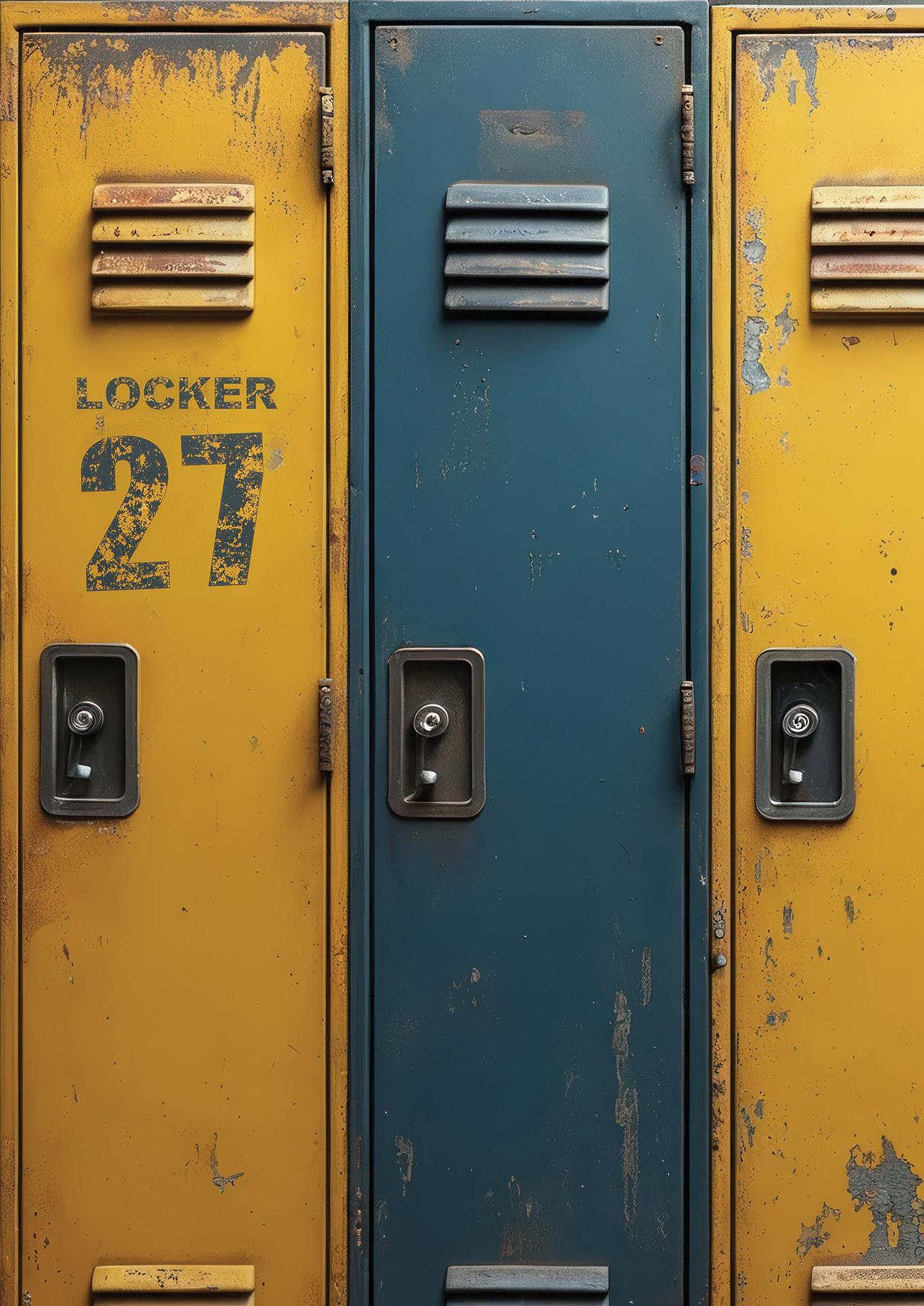
Ava noticed the note straight away. It was taped neatly across her locker, like it belonged there, like it had always been waiting for her.
Unknown: Don’t open your locker today.
She frowned. No one was watching.
The hallway buzzed with normal noise, laughter, footsteps, lockers slamming, conversations folding into each other. Still, something about it felt… off. Ava peeled the note away and opened her locker anyway.
Nothing. Just her books and bag, exactly how she’d left them. She exhaled, almost laughing at herself, and shut it, but the unease didn’t leave. It lingered, quiet and patient.
At lunch, she came back, and froze. Another note sat inside. You really should have listened.
Her stomach tightened. Her phone buzzed. Every instinct she had begged her not to check the notification.
Unknown: Check your bag.
Her fingers trembled as she unzipped it. A phone lay inside. Not hers. It buzzed again.
A video played, grainy security footage of the lockers. Ava leaned closer. Her auburn hair slipped off her shoulder, partly clouding her sight.
She saw herself that morning, reading the note, opening the locker, and behind her, Someone stood there. Watching. Close. Uncomfortably close. The screen cut to black.
Unknown: Now you see it.
Ava spun around. The hallway felt sharper now, every movement too loud, every face unfamiliar.
Unknown: Turn around.
Her heart pounded. Slowly, she obeyed.
Locker 27 was slightly open. Inside, another phone waited. Ava stepped forward and pulled the phone out. The screen lit instantly. Recording. Her reflection stared back, and the hallway behind her was empty now, completely empty. Or at least it was before someone came into view behind her. Ava gasped but before she turned, a hand clamped over her mouth.
“Don’t scream,” a voice whispered. She struggled, kicking, but no one noticed. No one ever noticed. She was dragged backwards into the dark stairwell. The door slammed shut.
The world was becoming quiet again, as if nothing had happened. Her phone buzzed on the floor, getting smaller as she was dragged away.
Unknown: Game over.
By Jayden Khoury
Year 10 student Western Sydney
They tell us to sleep more. Drink water. Go outside.
Delete TikTok for a bit.
Like that’s supposed to fix everything. Most mornings I’m already stressed before I even get to school.
The train’s packed. Someone’s playing music out loud. Everyone looks angry or tired.
Usually both.
In Western Sydney it feels like everyone’s under pressure all the time.
Teachers keep talking about subject selections like we’re meant to know what we’re doing with our lives already.
One bad mark and suddenly you feel stupid for the rest of the week.
My friends joke about being mentally unstable like it’s funny.
Actually gonna fail Fully cooked. Having a breakdown lol.
Then everyone laughs and changes the subject.
Sometimes I stay up too late scrolling for no reason because I know the second I put my phone down my brain’s just going to start again.
Mum asks if I’ve done my homework. Dad says I worry too much. Maybe I do.
Sometimes at school
I stay in the bathroom for ages just sitting there because it’s quiet and nobody talks to you.
One time I missed half a science class doing that.
I told my teacher I felt sick which wasn’t really a lie.
After basketball training me and my friends usually get chips from the shop near the station.
Those are probably the best parts of the week honestly.
Just sitting there talking cr*p about teachers or music or random people we saw at school.
Last week the sky was bright pink when I got home so I took a photo of it from the bus window.
When I looked at it later it just looked normal.


Leviticus doesn’t feel like a typical horror movie, which is probably why it’s more memorable than most films released this year.
Instead of relying on constant jump scares or fast action, the film creates tension slowly through silence, awkward pauses and the feeling that something is wrong even when nothing obvious is happening on screen.
Directed by Adrian Chiarella, the film follows a teenage boy in a rural Australian town whose grip on reality gradually begins to collapse after several disturbing events occur around him.
The atmosphere is easily the strongest part of the film. Some scenes go on for so long and become so quiet that the audience in the cinema almost stopped reacting completely. By the end, nobody near me was even eating popcorn anymore because everyone seemed too focused on what might happen next.
The film uses lighting really effectively as well. A lot of scenes are filmed in near darkness or with harsh natural light, making ordinary places like kitchens, paddocks and empty roads feel unsettling.
Joe Bird gives one of the best performances in the film because he actually acts like a teenager instead of sounding like an adult pretending to be one.
Some conversations with his parents feel awkward and frustrating in a realistic way, especially during scenes where nobody says exactly what they mean.
The movie definitely drags in parts, and the ending will probably annoy some viewers because it refuses to explain everything clearly.
One group of people near the front of the cinema actually walked out before the final scene, which honestly made sense. Still, I think the ambiguity is part of what makes the film interesting afterwards because you keep thinking about it once it’s over.
Overall, Leviticus is not a film that everyone will enjoy, but it stands out because it feels genuinely unsettling rather than predictable.
Unlike a lot of recent horror films, it trusts the audience enough to sit with uncertainty instead of constantly explaining itself.
Mila Anderson
Year 12 student, Adelaide


With years of hands-on experience and industry-recognised qualifications, our bookkeeping practice delivers reliable, accurate, and efficient financial support for businesses of all sizes. We specialise in BAS preparation, payroll services, accounting software setup, bank reconciliation, and a wide range of ongoing bookkeeping solutions designed to keep your business running smoothly. Our focus is on providing clear, compliant, and streamlined processes so you can feel confident knowing your financials are in expert hands.
For a full breakdown of our services please visit www.mybalancesheetbookkeeping.com
Call us today on 0401 111 838
Email: accounts@mybalancesheetbookkeeping.com Follow us on





As your local Federal MP I am here to help you with any Federal Government issues or services such as Centrelink and NDIS - contact my office anytime for support.
Shop 9, 2 2 Wilmot Street , Burnie (03) 6431 1333
urquhar t mp@aph gov au
tmp Anne Urquhar t


Here at Spec Trim Civil, We are a Civil Contractor specialized in Road Works, Mine construction, Rail Construction, And Plant Hire. We have a range of equipment both Dry & Wet Hire
Any youth seeking employment opportunities please feel free to reach out and enquire




Locked in Free TAFE
Introduced paid prac for students in teaching,
Introduced 5% deposits for buying your first home
And we are reforming negative gearing and capital gains to give young people a fair crack at owning their own home.

Freedom Sports Foundation is a not-for-profit and registered charity with a mission to foster inclusion and empower people with a disability to engage in
Focusing on Wheelchair AFL Basketball and Paralympics
We believe that everyone, irrespective of their abilities, deserves the opportunity to experience the joy and camaraderie that sports bring
www.freedomsportsfoundation.com.au
See Us on Facebook & Instagram Call Chris: 0417 436 363
Proudly Supporting Streetsmart






Parties, festivals, celebrations and nights out with friends can create some of your best memories. They can also come with situations that require quick thinking, good judgement and the confidence to look after yourself and others.
This chapter covers practical tips to help you stay safe, make informed decisions, recognise when something isn’t right and know what to do if a mate needs help.


n Know where you’re going and how you’re getting there
n Plan how you’re getting home – for example, take cash for a taxi or nominate a designated driver who will remain sober
n Have a plan B to get home if plan A falls through – for example, ask someone’s parent if they can pick you up if you can’t get a taxi
n Remember that you don’t have to use alcohol or other drugs to have fun and don’t feel pressured into using them
n Eat well before heading out – a full stomach slows the absorption of alcohol
n Don’t let other people top up your drinks
n Stay close to friends you trust
n Take condoms with you if you think you might end up having sex – and use them
n Never get into a car with a driver who has been drinking
n Remember that your judgement may be impaired if you’ve been drinking or taking drugs so don’t take risks such as diving into water or fooling around near swimming pools
n If you feel unsafe at a venue or party, leave
n Register your party with local police
n Make it clear that the party is invitation only and ask guests not to share details through social media, group chats or messaging apps.
n If you’re using social media or event apps, make sure invitations and event details are set to private.
n Let guests know in advance whether alcohol will be available, BYO or not permitted.
n Secure or remove valuables before the party begins.
n Make sure responsible adults are available if needed and know what to do if issues arise.
n Provide food, water and non-alcoholic drinks.
n Have a plan if someone becomes unwell, intoxicated or needs help getting home safely.
n Keep an eye on guest numbers and be aware of anyone who wasn’t invited.
n Ask gatecrashers to leave immediately. If they refuse or the situation becomes unsafe, contact police.
n If someone is seriously ill, injured or in immediate danger, call 000.

One punch can kill. It’s that simple. A split-second decision can destroy lives—causing brain injury, death, jail time, and lifelong regret. No fight is worth it. Walk away.

Although you should try to remove yourself from a potentially violent situation, it is not always easy or safe to walk away. Each situation needs to be considered on its merits and the appropriate action taken. To deal with a potential threatening or violent situation, some suggested techniques include:
n Try to talk your way out of it
n Get a bouncer involved
n Ignore the person/pretend you didn’t hear or understand

n Remain calm or be polite
n Make it known that you are not looking for trouble
n Don’t turn away, leaving you open to be hit from behind

During a night out it is important to be aware of your surroundings and how others are behaving. A person’s body language can convey information on their potential for violent behaviour. Recognising the signals and paying close attention to what is being said and how it is being said can help to warn you of impending trouble. By understanding and interpreting body language information you can help to prevent and avoid violent situations. Some of the signs to look out for include:



n Changes in pitch and volume
n Shouting or muttering
n Significant changes in the pace of speech delivery
n Speech directed in ‘general’ and not at you
n Appearing tense or agitated
n Increase in restless body movements
n Increase in muscular tension
n Grinding of jaw
n Sudden loss of colour
Legs and feet
n Legs swinging, foot tapping
n Arms folded or raised
n Rapid movement or sudden change in position
n Closing of hands to make a fist
n Tapping of fingers on surface with changes in rhythm
n Thumping fist or slapping hand on another object
n Picking up objects
n Departure from usual or previous posture
n Moving away or moving back




STOP. One Punch Can Kill began in Victoria after the tragic death of David Cassai on NYE 2012 from a senseless, unprovoked violent attack ending his life with a ferocious one punch.
This organisation, co-founded by David’s mum Caterina, aims to unite all people who have been affected by senseless acts of street and social violence in an effort to work towards creating a safer community and to raise awareness that one punch can and DOES kill.
In 2014, STOP. One Punch Can Kill successfully petitioned the Victorian Government to introduce the ‘Coward’s Punch Manslaughter’ law that carries a 10-year minimum non-parole period.
Caterina is available to speak to schools, sporting and other groups about Harm Prevention, highlighting her son’s senseless death in a moving presentation.
For more, visit www.stoponepunchcankill.org

1st Rural & Regional Conveyancing is your property transfer specialist with extensive knowledge of the requirements of rural and regional clients when buying, selling or subdividing, whether it’s a home, investment property, farming land, industrial or commercial property. If you are a rural or regional client or are dealing with a rural or r egional property this is the conveyancing firm for you.

Alcohol is the most widely used drug in Australia. Alcohol is a depressant, meaning it slows down the messages travelling between the brain and the body. Alcohol affects every individual differently based on a range of factors, including:
n Your size, weight and health
n Whether you’re used to alcohol consumption
n Whether other drugs are taken around the same time
n The amount of alcohol consumed
n The strength of the alcohol
Some common effects of alcohol consumption include:
n Feeling relaxed
n Slower reflexes
n Difficulty concentrating
n Increased confidence
n Feeling happier or sadder (depending on your mood)
Excessive consumption may lead to:
n Confusion
n Blurred vision
n Nausea/vomiting
n Memory loss
n Passing out
n Coma
Regular consumption of alcohol may eventually have the following longterm effects:
n Regular colds/flu
n Depression
n Poor memory and brain damage
n Difficulty getting an erection
n Difficulty having children
n Liver disease
n Cancer
n High blood pressure and heart disease
n Financial, work and social problems

The term ‘binge drinking’ generally refers to drinking heavily over a short period of time with the intention of getting drunk, resulting in immediate and severe intoxication. Binge drinking can be harmful in a number of ways:

n Short-term harms including hangovers, headaches, nausea, shakiness and possibly vomiting and memory loss. There is also the risk of alcohol poisoning which can cause death.
n Behaviour-based risks including falls, assaults, car accidents, shame and embarrassment, loss of valuable items and financial losses through reckless spending while intoxicated.
n Long-term harms including becoming dependent on alcohol and developing liver or brain damage.

n Set limits for yourself and stick to them. Don’t let other people pressure you into drinking more than you want.
n Quench your thirst first. Have a non-alcoholic drink first if you are thirsty.
n Drink slowly. Take sips, not gulps.
n Drink from a small glass. Some wine glasses can hold several standard drinks.
n Be aware of exactly what you’re drinking. Pre-mixed drinks can be quite strong, even if they don’t taste like strong alcohol.
n Eat before and while drinking. Avoid salty snacks as they can make you thirsty.
n Avoid getting into ‘rounds’ or ‘shouts’. They are likely to make you drink more than you would otherwise.
n Avoid ‘top ups’. Drink one drink at a time so it’s easier to keep track of how much you are drinking.
If your use of alcohol is affecting your health, family, relationships, work, school, financial or other life situations, you should try to get help. Call the Australian Drug Foundation on 1300 85 85 84 or visit adf.org.au for support services near you.

Drink spiking is when someone deliberately adds alcohol or another drug to your drink without your knowledge. People may spike drinks as a prank to get someone drunk or high, but also sometimes to assault or rob someone. Estimates suggest that one-third of drink spiking incidents are associated with a sexual attack. Drink spiking is illegal in all Australian states and territories and penalties include fines and imprisonment ranging from two to 25 years.
Most commonly, drinks are spiked with extra alcohol. Despite media reporting, drink spiking with drugs such as GHB and Rohypnol is very rare. Drugs that are used to spike drinks are usually depressants that make you act like you are drunk or feel like you are about to pass out.
n Always watch your drinks and your friend’s drinks when you’re out at a pub, club or party
n Many people have their drinks spiked by someone they know –to avoid this, buy or pour your own drinks
n If someone you don’t know well offers you a drink, always go to the bar with them
If your drink has been spiked, you may not be able to see, smell or taste it. The drug or extra alcohol may be colourless and odourless and may not affect the taste of your drink. Warning signs include:
n Feeling dizzy or faint
n Feeling ill or sleepy
n Feeling drunk even if you think you haven’t had much alcohol to drink
n Passing out
n Waking up feeling uncomfortable and confused, with memory blanks about the night before
n Ask someone you trust to help you get to a safe place
n If you feel unwell or have been sexually assaulted, go to the emergency department of the nearest hospital
n Ask your doctor to test for the presence of drugs – urine or blood tests can pick up traces of certain drugs up to 24 hours later

Friends look out for each other, and that’s especially important when you’ve been drinking. Drinking alcohol involves some very real risks. If one of your friends is in a bad way, there are things you can do to help keep them safe. You may also want to know how to talk to them afterwards if you have concerns about their drinking.
How can I tell if my friend needs help?
Your friend may need help if they:
n Can’t talk properly and have glazed eyes
n Are acting strangely and doing stuff they wouldn’t normally do
n Are vomiting
n Are falling over and running into things or can’t walk straight
n Have passed out
The most important thing to do when a friend is seriously drunk is to stay with them. If you can’t be there, make sure that another friend, who isn’t as drunk as they are, stays with them.
Try to get your friend to eat something, or to drink a nonalcoholic drink. If possible, prevent them from drinking any more alcohol. Taking them to get something to eat can be a good way of slowing down their drinking without it seeming like you’re trying to tell them what to do.
If your friend wants to lie down, make sure they’re on their side, with something behind their back to prevent them rolling over on to their back or stomach. It’s important to do this, because if they vomit while lying on their back they can choke.
Try to make sure your friend makes it home okay, even if it means having them stay over at your place for the night.
If your friend loses consciousness and can’t be woken, call an ambulance immediately and rally any nearby adults for support.
I know if my friend is in trouble?
Sometimes being drunk is relatively harmless and just results in a hangover the next day. However, excessive drinking can cause alcohol poisoning, which can potentially cause your friend some serious damage. The following are signs of alcohol poisoning:
n Mental confusion, passing out or coma
n Vomiting
n Seizures/shaking
n Slow or irregular breathing
n Low body temperature, paleness and blue skin
Call 000 if your friend is experiencing any of these symptoms.
If you’re worried about your friend, or annoyed that they ruined your night, say something to them another time – there’s nothing to be gained by arguing with them while they’re drunk.
If you’re worried about your friend’s drinking, or if they get seriously drunk on a regular basis, you might want to talk to them about it sometime when you’re both feeling a bit better.
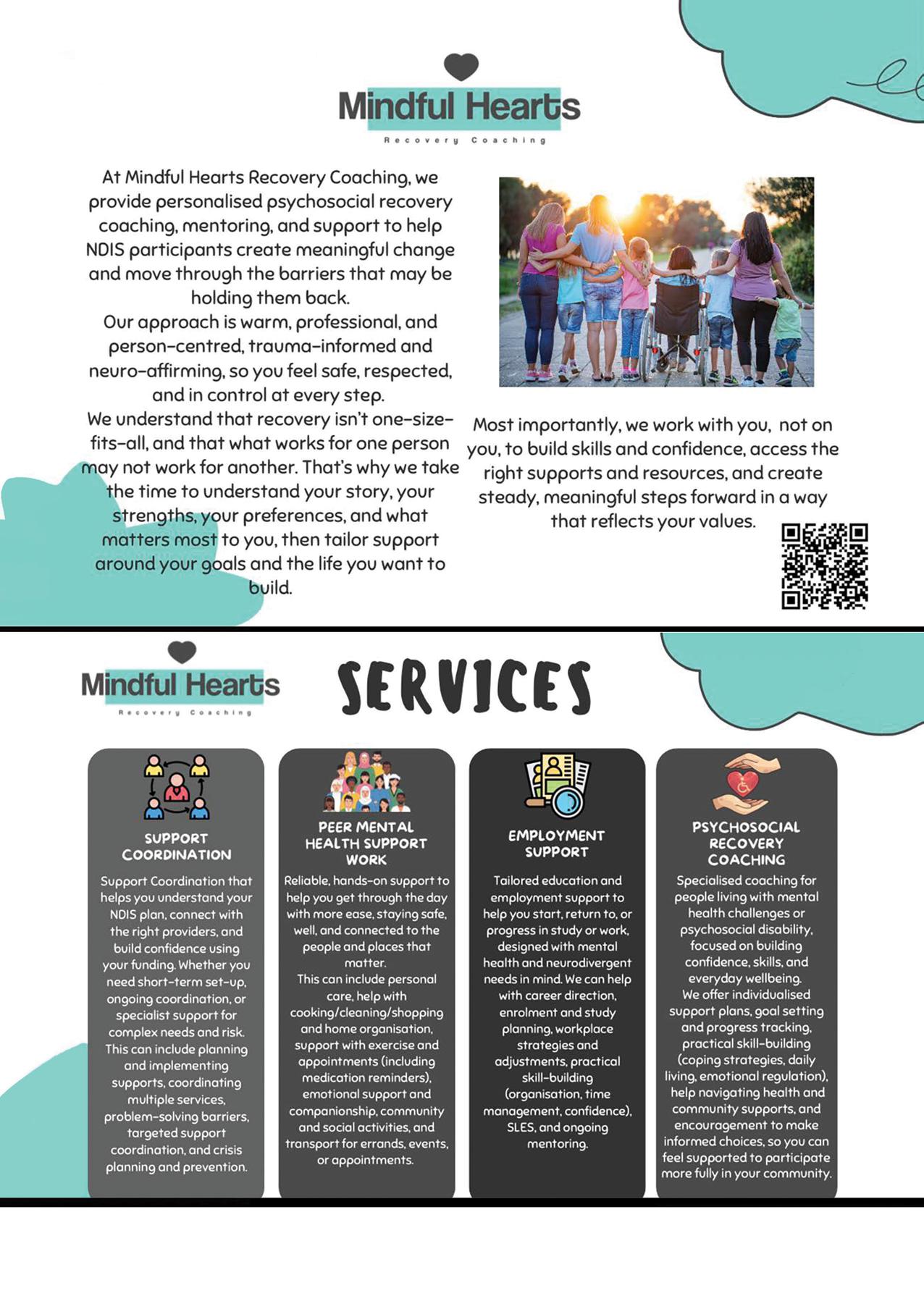

Illicit drugs are never safe, and when you take them you’re not only damaging your health but breaking the law. Taking drugs affects your health and creates havoc with your social life, work, school, friends and family. Drugs affect your central nervous system. As a young person, your brain is still growing and won’t be fully formed until your mid-20s. Taking drugs affects your developing brain by:
n damaging connections within the brain
n reducing your ability to experience pleasure or reward
n causing memory and learning problems
n making it hard to control impulses
Make sure you’re aware of how different types of drugs can affect you.

Illicit drugs such as cocaine, heroin, MDMA (ecstasy), LSD, methamphetamine (ice) and cannabis (except for medicinal purposes) are illegal to possess, use, sell or manufacture in Australia. Penalties for drug offenses range from fines to lengthy imprisonment.

At Cura Support Co. we offer disability support that is thoughtful, reliable, and grounded in real connection. For us, support isn’t just a service, it’s a feeling. That’s why everything we do is guided by our belief in care that feels like home. A place where people feel safe, respected, and genuinely supported to be themselves.
One of the most consistent pieces of feedback we receive is how deeply our families value the informal support we provide. At Cura, nothing is ever too much to ask!

The effects of drug use can vary depending on the specific drug used, individual factors, frequency of use, and other contextual variables.
Altered perception and sensory distortions: Drugs like hallucinogens or psychedelics can cause visual and auditory hallucinations, changes in colours and patterns, and an altered sense of time. These effects can be disorienting and potentially lead to unpredictable or dangerous behaviours.
Impaired judgment and decision-making: Drugs like alcohol, cannabis, and stimulants can impair cognitive processes, inhibitions, and impulse control, increasing the likelihood of engaging in risky behaviours like unprotected sex, driving under the influence, or taking other dangerous substances.
Increased risk of substance abuse and addiction: Experimentation with recreational drugs at a young age can significantly increase the risk of developing substance abuse and addiction problems later in life. The developing brain of a young person is more vulnerable to the addictive properties of drugs, and early exposure can alter brain chemistry and increase the likelihood of dependence.
Social and Interpersonal Consequences: Social lives and interpersonal relationships may lead to isolation from non-drug-using peers, loss of interest in previously enjoyed activities, and conflicts with family and friends. Drug use can also create a divide between individuals who use drugs and those who do not, leading to strained relationships and a loss of social support systems.
You can say no. But, if you’re feeling nervous about delivering your “NO” with confidence try these tactics.
Feel confident and comfortable expressing your decision to say no to drugs with short and simple phrases - “No, thank you,” “I’m not interested,” or “I don’t do drugs” to let people know you just don’t want to.
By understanding the potential physical, mental, and social effects of drugs you can strengthen your resolve to say no. Use the resources in this booklet or speak to your school counsellor.
Understand your own values and priorities and be firm in sticking with your decisions. Define your limits and communicate them openly with friends, so there is no ambiguity about where you stand on drug use.
Find like-minded friends who share similar values and goals.
Know who the supportive adults or mentors are that you can turn to for guidance and support. Parents, teachers, counsellors, or other trusted adults can provide valuable advice, offer a listening ear, and help navigate challenging situations.
Find activities that provide interest, fun, connection and passion. This could be sports, arts, clubs, community service, or other activities that provide a sense of purpose and create a like-minded social network.
Any drug use carries risk! The effects of drugs can vary based on factors like the individual's physiology, dosage, and method of administration. Additionally, the illegal production and distribution of drugs can lead to unsafe substances and unpredictable outcomes. Prioritise your health and wellbeing by making informed decisions and seeking support if needed.
Cannabis, also known as marijuana or weed, is a plant-based drug that can lead to memory and concentration problems, decreased motivation, and potential mental health issues.
Stimulants include drugs like amphetamines (speed) and cocaine. Short-term effects may include increased heart rate, elevated blood pressure, and heightened focus. However, regular use can lead to addiction, anxiety, sleep disturbances, and serious health problems like heart and liver damage.
Hallucinogens can alter perception, thoughts, and feelings. The effects can vary widely depending on the individual and the dosage. However, hallucinogens carry the risk of triggering psychological distress, anxiety, and even long-lasting psychological issues.
MDMA , commonly known as ecstasy or ‘molly’, is a synthetic drug that produces a combination of stimulant and hallucinogenic effects. It can lead to overheating, dehydration, and serious health risks, including heart and kidney problems. It can also negatively impact mood, memory, and cognitive function.
Prescription medications can include opioids (codeine, oxycodone), benzodiazepines (Xanax, Valium), and stimulants (Adderall, Ritalin). Misusing prescription drugs can have severe consequences, including addiction, respiratory depression, and overdose.

Vaping is very harmful and can lead to addiction, poisoning, acute nicotine toxicity, respiratory problems and lung injury.
These battery-operated devices heat a liquid to produce a vapour that users inhale and are designed to deliver nicotine and/or other chemicals via an aerosol vapour directly to your lungs.
n Young people who try vapes are three times as likely to take up smoking as those who have never vaped.
n More than 30% of young Australians (14–17 year-olds) have vaped.
n More than 60% of 15–24-year-olds had never smoked when they started vaping.
n Data from 2023 shows:
n 1 in 7 Australians aged 14-17 years currently vape.
n 1 in 5 Australians aged 18-24 currently vape.
n Data from 2024 shows that nearly 1 in 2 Australians aged 18-24 have tried to quit vaping.
No. It’s actually against the law for anyone to buy vapes containing nicotine without a prescription from your doctor.
It’s also against the law for retailers to sell any kind of vape or vaping accessory to children under 18 years old, or for anyone to buy a vape on their behalf.
More reforms in Australia are underway that will increase penalties for the importation, manufacture, supply, advertisement and possession in commercial quantities of unlawful vapes.
Here’s where to go for help quitting the vape!
Healthcare Providers: Visit a GP or a healthcare professional for personalised advice and access to quitting aids like nicotine replacement therapy or prescription medications.
Phone support: Call Quitline Australia (13 7848) for confidential support and counselling over the phone.
Online resources: Visit quit.org.au for a range of tools, including quitting plans, motivational tips, and educational materials about the risks of vaping and strategies for quitting.

If you or someone you know is struggling with drug use, it’s important to reach out to a healthcare professional, counsellor, or helpline for assistance and guidance.
Mobile apps: Apps like My QuitBuddy and QuitCoach can help you track your progress, manage cravings, and stay motivated throughout your quitting journey.
School counselling services: Ask a guidance/wellbeing staff member at school to provide information and resources including where you can join a local support group.

Smoking cigarettes can have numerous harmful effects on young people. Here are some facts highlighting the risks and dangers associated with smoking:
Increased respiratory issues such as coughing, wheezing, and asthma. Potential to develop chronic conditions like bronchitis, and emphysema and life-threatening diseases like lung cancer, heart disease, and stroke later in life.


Chemicals such as nicotine and carbon monoxide reduces lung capacity, leading to decreased endurance, reduced stamina, and poor overall physical performance. This can affect participation in sports, recreational activities, and overall fitness levels.
Nicotine is an addictive substance that can lead to dependence. Smoking at a young age put you at higher risk of developing nicotine addiction, which can be difficult to overcome.

Smoking can have a negative impact on academic performance as young smokers are more likely to have decreased concentration, impaired memory, and reduced cognitive abilities.
Smoking is an expensive habit. Spend your money and things that bring you joy!

Don’t put others at risk too. Your smoke may increase the risk of respiratory problems, asthma attacks, ear infections, and other health issues in those around you.

It is illegal to sell or supply tobacco products to young people under the age of 18. In some states, the police can confiscate your cigarettes or other tobacco products if they think you are under 18. To find out more, visit the Youth Law Australia website at yla.org.au and select the state a state you live in or are visiting.

My QuitBuddy is an app that helps you get, and stay, smokefree. It provides helpful tips and distractions to overcome cravings, tracking systems to chart your progress and the facts to help you understand the impact smoking has on your health.


When school ends, the questions begin. What comes next? University, TAFE, an apprenticeship, work or a gap year?
The good news is there is no single path to success. This chapter explores some of the options available and offers practical advice to help you take the next step.




University can help you develop specialist knowledge and qualifications for careers in areas such as health, education, engineering, law, science, business and the arts.
While many students go directly to university after school, others take alternative pathways through TAFE, vocational education and training (VET), bridging programs or foundation studies.
When exploring university options, check course requirements carefully, including any prerequisite Year 11 and 12 subjects. It’s also important to consider the cost of study, travel, course materials and whether you may need to move away from home.
For information about choosing a course, pathways to university and how to apply, visit the Youth Central website.

TAFE and training providers offer practical, job-focused courses across hundreds of industries, from trades, construction and hospitality to health, business, technology and the creative industries.
Courses range from certificates and diplomas through to advanced qualifications. Some lead directly to employment, while others can provide a pathway to apprenticeships, further training or university study.
TAFE may suit students who enjoy hands-on learning, want to develop industry-specific skills or are keen to enter the workforce sooner while continuing to build their qualifications.
To explore training opportunities, visit My Skills or your state’s TAFE website.
Apprenticeships, traineeships and cadetships combine training and work that will lead to a formal qualification.
Examples of apprenticeships range from trades like an electrician, plumber, carpenter or hairdresser.
Usually, your employer will pay your training and you study and work at the same time.
This is great way to get a qualification because you are studying and learning on the job while also earning a wage.
Many companies offer this type of employment, so you need to check their websites individually to seek out the opportunities available.
Visit aapathways.com.au to:
n Get information about apprenticeship pathways
n Speak with a career adviser
n Decide which industry suits you best (take the quiz!)
n Find out about employment opportunities.
There are many private training organisations offer qualifications and specialised courses in areas such as fitness, beauty, hospitality, technology, business and community services.
Before enrolling, make sure the provider and qualification are nationally recognised and aligned with your career goals.


Further study is an investment in your future, but it usually comes with costs. In addition to course fees, you may need to budget for textbooks, equipment, transport, accommodation and everyday living expenses.
There are several ways students fund their studies:
n Pay course fees upfront
n Apply for a government loan through StudyAssist
n Explore scholarships, grants and bursaries
n Consider an apprenticeship or cadetship, which combines work and training
n Check whether you are eligible for student income support
n Work part-time while studying
Before you enrol, take the time to understand the costs involved and develop a realistic budget.
For more information, visit StudyAssist, Services Australia and your chosen education provider.
A job can provide more than just money. It can help you build confidence, develop new skills, gain experience and make professional connections.
Getting your first job isn’t always easy, so don’t be discouraged if it takes time. Most people apply for multiple positions before they are successful.
n Search online job sites and company websites
n Ask friends, family members, teachers and other contacts about opportunities
n Follow local businesses and employers on social media
n Contact workplaces you’re interested in and ask if they have any vacancies
Many employers hiring young people understand that applicants may not have a lot of experience. They are often looking for reliability, a positive attitude and a willingness to learn.
Skills such as communication, teamwork, problem-solving, organisation and digital literacy can help you stand out from other applicants.





A ‘gap year’ means taking a year off between finishing high school and starting further study or training.
A gap year might be an option if you:
n Didn’t get into the course you wanted and want to take a year to reconsider your options and apply again
n Need a break from studying
n Want to get some skills and experience under your belt before embarking on a course
n Want to work and save money in preparation for more study
You can take a gap year even if you have been accepted into a course by deferring your studies.
We are pretty sure that mum, dad, carers, even housemates, wouldn’t be too keen about seeing you on the couch for a year. A gap year is a great time to do a combination of deciding your future, earning some money, discovering what you love and exploring the big wide world. Make it a year to remember by:
Part-time or casual is fine.


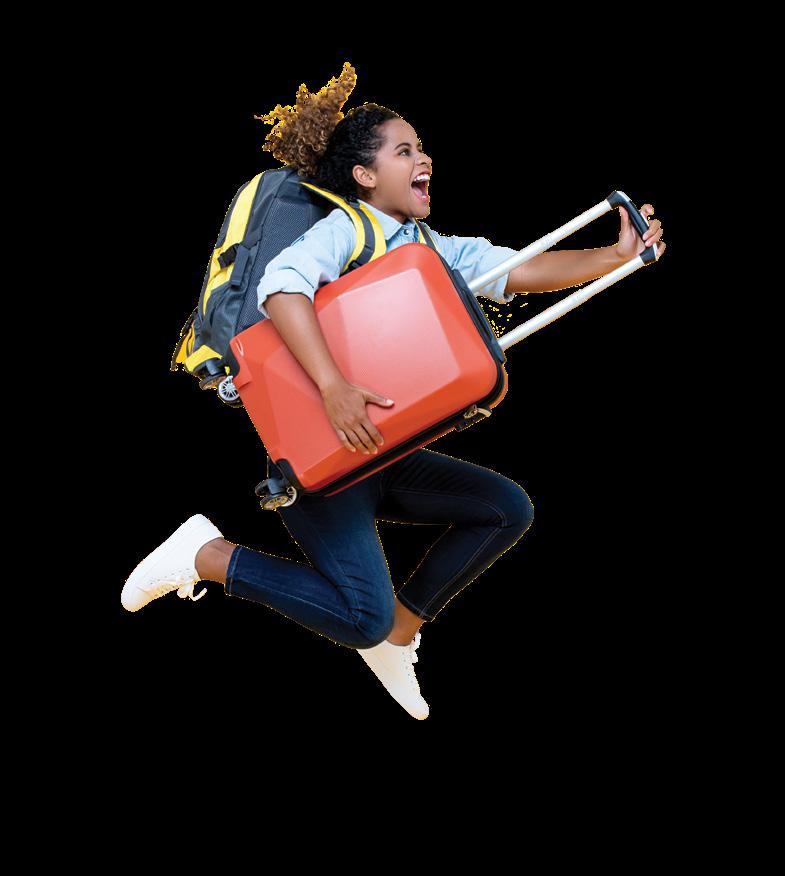
Do this in your community to contribute.
Not every career starts with a job application. Some people create their own opportunities by turning a skill, talent, hobby or passion into a business.
Explore your own state, country or head overseas for an adventure.
Ask employers in your field of interest if you can do an internship for a small amount of pay or a short-term work experience stint that might help you get your foot in the door.

Whether it’s selling products online, offering a service, creating content, designing websites, coaching, photography or another creative venture, starting a business can be a way to earn income while developing valuable skills.
Consider a short course, even an online course, to get more skills and knowledge so you’re ready when you start university or TAFE.
Running a business requires commitment, planning and persistence, but it can also help build confidence, independence and problemsolving skills.
Before getting started, research your idea, understand your costs and seek advice from people who have experience in business. For information and support, visit your state or territory small business website.

Finishing school is a milestone worth celebrating, but there’s no single way to do it.
For some people, that means heading off to Schoolies. For others, it’s travelling with friends, volunteering overseas, exploring a new destination, camping under the stars or planning an adventure closer to home.
However you choose to celebrate finishing school, a little planning can help make the experience safer, more affordable and more enjoyable.



Before you make any plans, decide if you want:
n A classic ‘schoolies’ trip to the Gold Coast, Margaret River, Great Ocean Road or Byron Bay
n Camping in nature
n An overseas getaway
n A volunteer experience
n A peaceful time reflecting on your own.
Wherever you go and whatever you do, good mates look out for each other.
n Talk about expectations before you leave.
n Agree on a meeting point if your group gets separated.
n Keep your phone charged and share important contact details.
n If someone is unwell, upset or unsafe, stay with them and get help if needed.
n Respect each other’s boundaries and decisions.

Most trips go smoothly. The problems usually start when people stop paying attention.
n Know where you’re staying, how you’re getting there and how you’re getting home.
n Take your Medicare card, any medications you need and emergency contact details.
n Keep an eye on your drink and don’t leave it unattended.
n If you’re sexually active, use protection and make sure consent is clear and ongoing.
n Trust your instincts. If a situation feels unsafe, leave.
These organisations provide information for young people and their parents and carers who may need support. They provide excellent resources, stories from people with lived experience, and information to guide better mental health in young people. Some also offer counselling and direct services. If you or someone else is in immediate danger, always call Triple Zero (000).

92 76
www.13yarn.org.au
Confidential one-on-one yarning opportunity for mob who are feeling overwhelmed or having difficulty coping. Speak with a Lifeline-trained Aboriginal & Torres Strait Islander Crisis Supporter.
Beyond Blue provides information and support to help everyone in Australia achieve their best possible mental health, whatever their age and wherever they live.
bullyingnoway.gov.au
1800 33 4673 butterfly.org.au
If you are suffering from an eating disorder, or suspect one of your friends might be, find out more and get support from the Butterfly Foundation.
1800 650 890
eheadspace.org.au
headspace is the National Youth Mental Health Foundation. They began in 2006, and ever since have provided early intervention mental health services to 12-25-year-olds.
13 11 14
lifeline.org.au
Lifeline is a national charity providing all Australians experiencing emotional distress with access to 24-hour crisis support and suicide prevention services. They are committed to empowering Australians to be suicide-safe.

1800 184 527
qlife.org.au
QLife provides anonymous and free LGBTIQ+ peer support and referral for people in Australia wanting to talk about sexuality, identify, gender, bodies, feelings or relationships.
1800 953 390
lifestart.org.au
Lifestart supports young people living with a disability. It also helps communities to become more inclusive. This organisation is a registered National Disability Insurance Scheme provider offering flexible, person-centred support.

raisingchildren.net.au
This website is designed for Australian parents, teachers and carers. It provides up-to-date, evidence-based, scientifically validated information about raising children up to 18 years and tips for parents and carers to look after themselves.
This website provides information, resources and support services for young children, students, parents and teachers on a range of bullying issues and related matters.

1800 55 1800
kidshelpline.com.au
Multicultural Youth Advisory Network engages young people from around Australia from refugee and migrant backgrounds. Find out more about its work including the National Youth Ambassadors Network by visiting myan.org.au where you can be connected to your local state body. 1300 22 4636 beyondblue.org.au
Kids Helpline is Australia’s only free, confidential 24/7 online and phone counselling service for young people aged 5 to 25. Qualified counsellors at Kids Helpline are available via WebChat, phone or email anytime and for any reason.
myan.org.au
reachout.com
You can also join a ReachOut Online Community forum that is free, anonymous and available 24/7 for people aged 14-25 in Australia.
We work with schools to deliver:
Strategic communications planning
Messaging that cuts through
Issues & reputation management
Parent & community engagement
Leadership communications
Change communications
www.storylinecomms.com.au