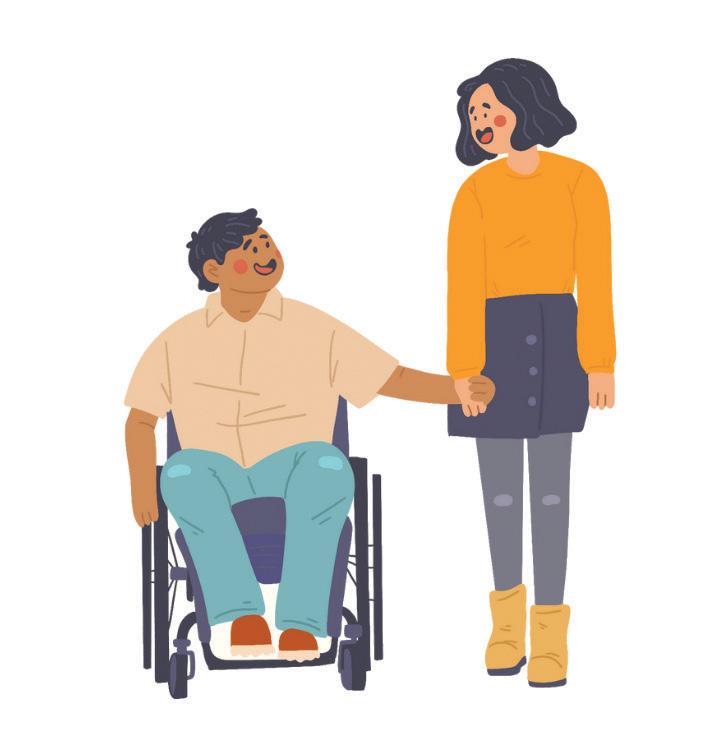
Mateship is an Australian cultural idiom that embodies equality, loyalty and friendship.
Russel Ward, in The Australian Legend (1958, aka “Legend”), saw the concept as one that is central to the ethos and character of Australian people.
Mateship derives from mate, meaning friend, commonly used in Australia as an amicable form of address.
A message from NHWA Chair, Bernie Durkin Working Together
Welcome to the latest edition of the Streetsmart Handbook!
The Streetsmart Handbook is a practical resource developed to support young people as they transition to adulthood.
Neighbourhood Watch Australasia (NHWA) knows that the journey to becoming an adult is not the same for everyone, and that there are many different roads that each person can take, either by choice or by circumstance. Though the chosen paths may not be the same for everyone, the signposts along the way are.
The Streetsmart Handbook provides a state-by-state guide to many of the signposts and directions needed to be accessed along the way, to assist young people as they navigate a safe passage along the often rocky road to becoming an adult.
Just as the paths taken to adulthood can be different, so too are the people you will meet and interact with along the way. These people may be peers, friends, neighbours, strangers, family, and, of course, mates; these people are all part of your community.
NHWA is all about community, with people of all ages working together and with community partners, including the police, to create safe, interconnected, inclusive and cared for communities for all. Communities that are based upon the underlying values of Australian mateship.
Mates look out for each other, and that is what NHWA does. The StreetSmart Handbook is an extension of NHWA’s offer of mateship, a helping hand, extended to assist with finding answers to questions, providing practical information, making good decisions, and demonstrating ways to stay safe as you become an adult in your community.
If you would like more information please visit our website: www.nhwa.com.au
Neighbourhood Watch Australasia
Bringing people together to create safe, connected, and inclusive communities, where people feel empowered, informed, protected, and engaged with one another, and with their local police.
Bernie Durkin
Chair
A message from
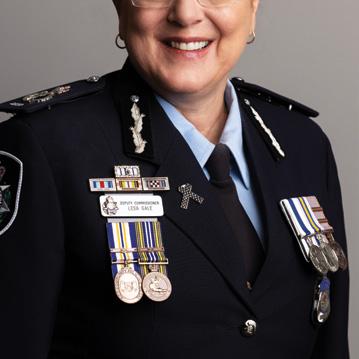
AFP Deputy Commissioner
Lesa Gale
As the Australian Federal Police Deputy Commissioner, it’s my job to highlight to you the importance of protecting yourself and where to get help if something goes wrong both in the online and real world.
I recommend to you the Streetsmart Handbook which does just that. It contains answers to your many questions about being part of a safe, healthy and connected community. It will point you in the right direction of how to access government and other services that can provide advice and support and empower you through your teenage years into adulthood.
As you choose your own path – keep this book nearby so you are informed with all the important tools you will need at your fingertips. The decisions you make now will impact you for the rest of your life. We all make mistakes – it’s how we recover from those mistakes that’s important. The Streetsmart Handbook will help you make fewer mistakes and guide you through how you recover from the mistakes you do make.
Issues like cyberbullying, image-based abuse, or sextortion can happen to people of all age groups, and it can happen to you. The Streetsmart Handbook can help with what to do if this happens to you. We know technology and the internet are an important part of our everyday lives. Whether you are using technology as part of your studies or on a social basis, being digitally Streetsmart means you will know what to do to stay safe online.
This Streetsmart Handbook has been developed to guide you over the coming years and contains information to answer some of your questions and to point you toward sources of additional support as you seek to maintain a healthy mind, body and relationships.
Good luck! I wish you all the very best.
Lesa Gale AFP Deputy Commissioner International & Specialist Capabilities
Deputy Commissioner
Lesa Gale APM
AFP Deputy Commissioner International and Specialist Capabilities
The Streetsmart Handbook will help you make fewer mistakes and guide you through how you recover from the mistakes you do make.
Introducing WorkApp, an Aussie success story in tech and a proud supporter of the Streetsmart initiative.
WorkApp is a free listing platform for jobs, workers, and small businesses to advertise without the fees.
The WorkApp project began as an Australian start-up venture in 2013 and is now fully operational on the world stage.
WorkApp's founder and CEO Shane Wallace encourages the youth of today to follow their dreams, believe in themselves and have the courage to "Give It Go."
A
SITE THAT SCHOOL LEAVERS CAN LIST THEMSELVES AS AVAILABLE FOR EMPLOYMENT.
Shane, an inspirational speaker for youth, says,
"Failure is a key ingredient to success and it's how you respond that determines whether you succeed."
Disclaimer Countrywide Austral (“Publisher”) advises that the contents of this publication are offered solely for background information purposes. The publication has been formulated in good faith and the Publisher believes the contents of the publication to be accurate. However, the Publisher cannot guarantee and assumes no legal liability or responsibility for the accuracy, currency or completeness of the information or that the information contained in the publication is suitable for each individual reader’s needs. Accordingly, the contents do not amount to a recommendation (either expressly or by implication) and is not intended to be used as professional medical or other advice. The contents of this publication should not be relied upon in lieu of specific and independent professional advice. The Publisher takes no responsibility for information provided by third parties whose contact details or website address is provided in the publication.
The Publisher disclaims all responsibility for any
of
or
negligence, misrepresentation, omission or breach of duty on the part of the Publisher, its directors, employees, representatives, agents or contractors.
Acknowledgement of Country We acknowledge the Traditional Owners and custodians of
From the editor
Welcome to the Healthy Mind, Healthy Body edition of Streetsmart Handbook for 2026.
If you’re in Years 9 to 12, life right now can feel busy, loud, exciting, confusing — and sometimes all at once.
Between school, friends, family, sport, a changing social media environment, and thinking about the future, there’s a lot to juggle.
This magazine exists to support you through it — honestly, practically and without judgement.
Streetsmart isn’t here to lecture you or pump you with information. It’s here to give you useful info, practical tips, and space to explore what matters to you.
And this is where you come in.
Streetsmart is evolving and we want you involved.
Share your work
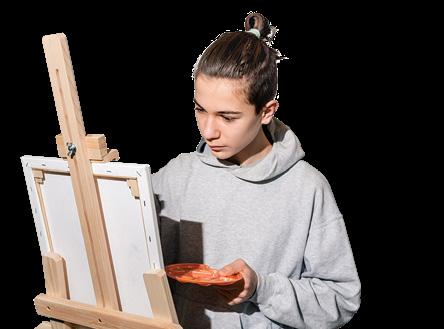
Firstly, we’re launching Streetsmart Studio — a creative space for poetry, short stories, artwork, photography, lyrics, design, and anything else you want to share.
Each edition, one student submission from across Australia will be selected and published nationally.
Since new social media rules came into effect in Australia in December, the way young people share ideas and creativity online is changing. This is a chance to have your work seen, shared, and respected in a space created just for young people. No algorithms. No likes. Just real recognition for your creativity.
Have your say
We’re also introducing The Takeover, which will feature in our upcoming editions. One group of three students from the same school will be selected to take over the centre spread and share three honest takes on what young people really think and feel. It’s a chance to speak up together, be thoughtful, be bold, and be heard on topics that matter to you and your generation.
You’ll see this in future issues, including Life, Play & Other Stuff (May 2026), Respectful Relationships (September 2026) and Healthy Mind, Healthy Body (February 2027).
Dear Teachers
Somewhere in your classroom is a future writer, artist, or storyteller.
If they’d like to share their work, we’d love to see it. Thank you for helping young people feel confident, creative, and proud of what they create. Email your submission to editor@smarthandbooks.com.au to be considered for publication in the next edition.
Your name on this page
In the last edition, we put a call out for Guest Editors and received an overwhelming response. From next edition you will see someone else’s name on this page. This is also a national opportunity for students in years 10,11 and 12. We have selected our guest editors for the next two editions. If you would like to be considered for 2027, please reach out.
Get in touch
Finally, if you have an idea or a question you’ve never felt comfortable asking out loud, email me at editor@ smarthandbooks.com.au and I’ll help connect you with someone who knows their stuff.
Finally, I want to thank our sponsors. Their support makes this magazine possible. They back Streetsmartbecause they believe in young people, education, and creating something positive for students, families, and schools. We’re genuinely grateful for their commitment.
We’re excited to see where Streetsmart goes next with you involved.
Let’s make it something you’re proud to be part of.
Kristi High
Streetsmart Editor editor@smarthandboooks.com.au
Being a teenager comes with new experiences, big moments, and plenty of chances to grow and try new things.
You’re learning more about who you are, what matters to you, and how to take care of yourself both mentally and physically.
In this edition, we focus on building confidence, resilience, and healthy habits that can support you now and into the future.
Inside, you’ll find practical ideas, reallife strategies, and helpful advice to strengthen your wellbeing and support your goals.
Welcome to the Healthy Mind, Healthy Body edition of the Streetsmart Handbook for 2026.
If you ever need extra support, you’ll also find trusted organisations and resources at the back of this book.
From boosting your focus and motivation to staying active, rested, and energised, these easy-to-follow tips are designed to help you feel your best.
Whether you’re studying, growing friendships, playing sport, or chasing your dreams keeping a healthy mind and healthy body is going to be important.
Healthy Mind
Good mental health helps you feel confident, connected, and capable in your everyday life.
It supports you to learn, work, and grow to your full potential, manage stress, build strong relationships, and feel positive about who you are.
Having good mental health means understanding your emotions, staying socially connected, and developing the skills to cope with change and challenges.
It’s not about being happy all the time but it is about having the tools to bounce back, ask for help when you need it, and keep moving forward.
In this section, you’ll find practical ways to strengthen your emotional wellbeing, manage pressure, build resilience, and support yourself and your friends.
If you are after more detailed information or support, turn to the back of this magazine and reach out to one of the fantastic organisations listed.
Top tips for a healthy headspace
Positive mental health is crucial for young people to thrive. It builds emotional resilience, enables effective coping mechanisms to deal with challenges, stress, and transitions, and it enhances cognitive function that supports learning and academic success.
Positive mental health also influences social relationships, promoting healthy connections and communication.
Moreover, it lays the foundation for self-esteem, confidence, and a sense of purpose, essential for navigating the complexities of adolescence.
In this chapter, we explore ways to keep your mental health on the up!
Sleep well
Getting a good night’s sleep helps you feel energised, focused and motivated. Adolescence is a time when a number of changes to the ‘body clock’ impact on sleeping patterns and you are more likely to have problems with sleep. Developing a sleeping routine can help you sleep much better. To do this try to wake up around the same time each day, get out of bed when you wake up, and go to bed around the same time each night. Avoiding caffeine after lunchtime, having a quiet, dark and uncluttered bedroom and shutting down your phone, laptop and other electronic devices before bed can also help you get a good night’s sleep.
Turn to page 52 for more about the importance of good sleep.
Physical activity
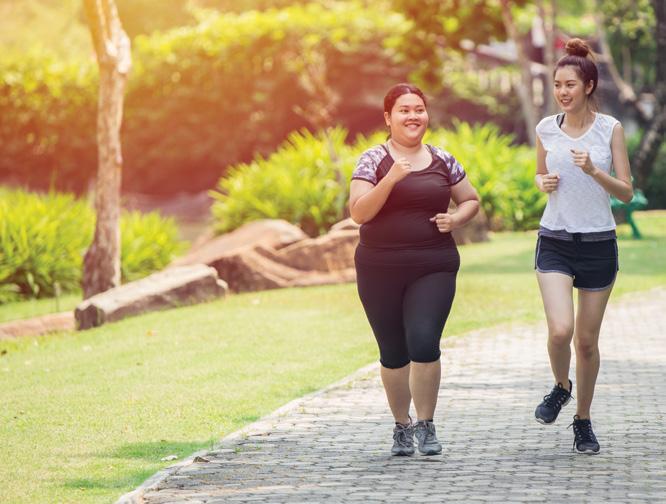
Physical activity is important for everyone’s health and wellbeing. If you’re feeling down or finding things are difficult, physical activity may be the last thing you feel like doing. But even small activities like walking around the block can help relieve stress and frustration, provide a good distraction from your thoughts, help you concentrate and can help you look and feel better. Find a physical activity that you enjoy (e.g. swimming, playing sports with friends or cycling) and make a plan to do it regularly.
Turn to page 49 for more about the importance of physical activity.
Get informed
Understanding more about what you’re going through is an important first step. Information to help you make good decisions about relationships, school, finances and seeking help is available in a number of ways. Read pamphlets, articles or fact sheets, listen to podcasts, talk to or watch videos about others who have had similar experiences, read trusted websites for information, or ask a trusted adult for advice.
Turn to page 56 for links to resources.
Coping strategies
There are various positive coping strategies you can try to keep your mental health on the positive side: exercise, relaxation techniques, talking to someone, writing or art. Experiment with what works best for you. There is no one size fits all and often it will be a combination of these examples and not just one.
Set realistic goals
Setting realistic goals can help you to work towards a healthy headspace. Small, realistic goals can be a great way to work towards feeling well – everyone has to start somewhere.
Work towards eating well, getting more active, sleeping better and also think about working towards long-term life goals. Setting and achieving realistic goals can be incredibly motivating and can help build self-confidence.
Relax
Be socially active and get involved
Social relationships are really important to your general wellbeing. It is okay to take time out for yourself but friends can provide support when you’re having a tough time. Spending time with friends is also really important for keeping and building on existing friendships. Getting involved with volunteer work, hobbies, clubs or committees, or sports can help you feel connected to your wider community while also meeting new people. If you’re not feeling up to going out, even a phone call, email, text message or Facebook message can help us feel connected to friends and family.
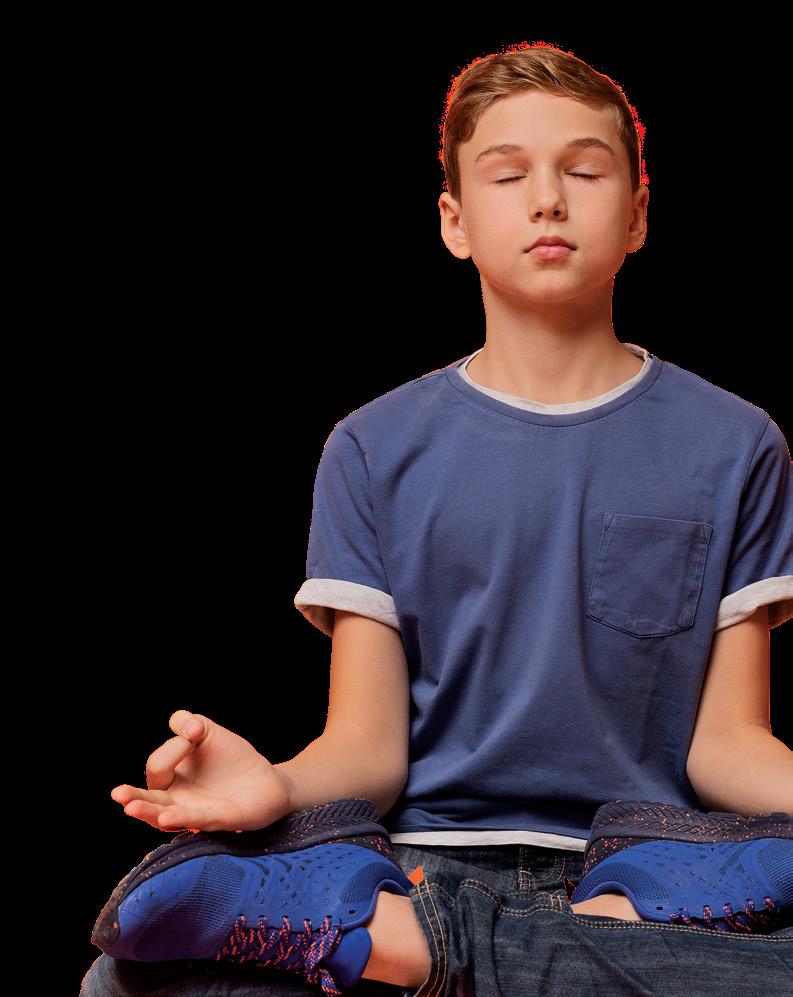
There are many ways to relax and different relaxation techniques to use to overcome stress. Progressive muscle relaxation involves tensing and relaxing specific groups of muscles from your feet all the way to your head, while focusing on your feelings of tension and relaxation. You could also try breathing techniques, such as deep breathing or focused breathing (breathing in through the nose and as you breathe out say a positive statement to yourself like ‘relax’ or ‘calm down’). Place a hand over your diaphragm to make sure you’re breathing slowly – you should feel your hand move if you’re doing it right. Focus on breathing in slowly for four seconds, holding your breath for two seconds and breathing out slowly for six seconds.
Eat well
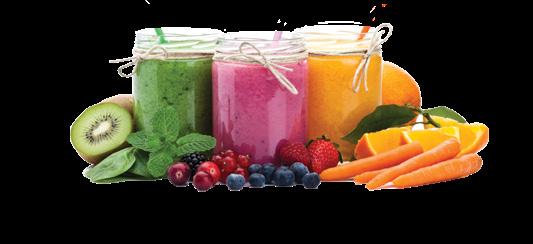
Eating well doesn’t only reduce the risk of physical health problems, like heart disease and diabetes, but it can also help with your sleeping patterns, energy levels, and your general health and wellbeing. You might have noticed that your mood can affect your appetite and food intake. A good balanced diet with less of the bad things (e.g. junk food and lots of sugars) and more of the good things (e.g. vegies, fruit, wholegrains and plenty of water) will make sure you have all of the vitamins and minerals to help your body and brain function well.
Help, and be kind to, others
Do something to help someone else. Acts of kindness help other people but also make you feel good. Give a compliment, offer to help someone out or volunteer on a once-off project or ongoing, and allow yourself to feel good for making someone else feel good.
Play
Play is important for staying mentally healthy. Devoting time to just having fun can recharge your battery, revitalise your social networks, and reduce stress and anxiety.
Develop assertiveness skills
Being assertive means standing up for your own rights, valuing yourself and valuing others’ opinions without letting them dominate you. This can help build your self-esteem and selfrespect. Being assertive is not the same as being aggressive. Remember to always listen, be prepared to compromise and be respectful of the other person’s opinion, while still being confident, calm and knowing what you want.
Seek help
A problem can sometimes be too hard to solve alone, even with support from friends and family. Be honest with yourself about when you may need support and get professional help. You can see your general practitioner (GP), make an appointment to chat to someone at your local headspace centre or visit headspace.org.au Finding help might feel scary at the start but it gets easier over time. Getting support can help you to keep on track with school, study or work, and in your personal and family relationships. The sooner you get help the sooner things can begin to improve for you.
Practice conflict resolution
Having a hard time with friends or family is difficult for most people. Talking through the issues in a calm and thoughtful way is the best approach. Avoid getting personal, be willing to compromise and listen to their perspective.
Change your self-talk
Self-talk is the way that you talk to yourself, that voice inside your head. It can be positive (e.g. “I can make it through this exam”) or negative (e.g. “I’m never going to be able to pass this subject”). There are a number of things you can do to change the direction of your self-talk. First, listen to your inner voice – is your self-talk helping you or reinforcing bad feelings? Next, try to replace your negative thoughts with more realistic ones. Try to look for a more rational spin on your situation or think of strategies to tackle your problems, rather than giving up hope. By working on your self-talk the more you’ll feel confident and in control of yourself.
Kick back with an app
Smiling Mind
Smiling Mind is a free guided meditation app that can help you relax and improve your mental health. The app allows you to choose from a variety of meditation programs of different lengths designed for different ages. Programs help relieve the pressure, stress and challenges of daily life.
Stop the Bullying
Bullying is when an individual or group uses its power and strength to repeatedly, deliberately and intentionally use words or actions against another or a group that hurts, threatens, excludes, harasses, humiliates verbally, physically, psychologically or electronically making the victim feel oppressed, traumatised and powerless.
Bullying can have a significant and long-lasting impact on a person’s life. Let’s learn a bit more about what it is, what it isn’t and what you can do to stop it happening in your school.
What is bullying?
The sort of repeated behaviour that can be considered bullying includes:
n Keeping someone out of a group (online or offline)
n Acting in an unpleasant way near or towards someone
n Giving nasty looks, making rude gestures, calling names, being rude and impolite, and constant negative teasing
n Spreading rumours or lies, or misrepresenting someone (i.e. using their Facebook account to post messages as if it were them)
n Harassing someone based on their race, sex, religion, gender or a disability
n Intentionally and repeatedly hurting someone physically
n Intentionally stalking someone
n Taking advantage of any power over someone else like a prefect or a student representative
What is not bullying?
Sometimes kids are just mean or maybe they are having a bad day or an incident occurs that was not really meant to cause harm. Bullying is not:
n One-off incidents that are not repeated
n Having a bad mood or disagreeing with another individual’s point of view
n Apologising for behaviour immediately
n Bumping into someone unintentionally
n Statements of dislike towards another/expressions of unpleasant feelings towards another
n A single act of telling a joke that has no intention to make the other feel hurt or embarrassed
n Some non-verbal behaviours, i.e. social rejection/ dislike, not hanging out with someone, or choosing a different group to hang out with are not bullying unless that behaviour involves deliberate and repeated attempts to cause distress, exclude or create dislike
Content for this section is courtesy of
At Lotus Logo Studio, we specialise in creating unique, memorable, and meaningful logos that capture the heart of your brand. A logo is more than just a symbol — it’s the face of your business, the first impression you make, and the lasting image
Mob: 0444 537 874 / 0433 435 223
Surgical Space Pty Ltd
At Surgical Space Pty Ltd, we design, supply, and install tailored storage and fit-out solutions for healthcare, commercial, and educational environments across Australia. Our focus is to create spaces that are not only functional and safe but also efficient and inspiring — spaces where staff can work effectively and patients can feel comfortable.
Mob: 0278 137 503
Types of bullying
Physical bullying
Physical bullying involves the use of or threat to use physical force and could involve: pushing, punching, spitting, biting, kicking, hitting, damage to belongings, locking the victim in a confined area, group intimidation (mobbing/ganging up/ group bullying) and intimidating the victim to commit involuntary actions.
Verbal bullying
Racial bullying
Racial bullying is regarded as hostile and offensive actions against an individual because of their ethnicity, country of origin, race, skin colour, cultural and religious background and practices. Examples of this kind of bullying include:
n Physical, verbal and emotional abuse
n Targeted comments that are insulting and degrading in nature, such as name-calling, gestures, taunts, insults and jokes based on racial differences
n Offensive vandalism, such as offensive graffiti and comments, directed towards a group
n Patronising and making fun of an individual’s customs, music, accent, dress and physical appearance
n The refusal to work, co-operate or engage with others because of their race, culture or religion
Verbal bullying is the use of words to taunt, threaten, insult, yell, embarrass, put down, swear, mock, threaten or intimidate the victim alone or in front of others. It is the most common form of bullying in Australia. Verbal remarks, some jokes, sarcasm, name calling, teasing and other discriminatory behaviour could be considered funny to some, but such remarks can make others feel selfconscious, embarrassed, anxious and hopeless, and lead to serious cases of insecurity and low self-esteem.
Cyberbullying*
Cyberbullying is the deliberate use of social media platforms, information and communication technologies, new media technologies (i.e. email, phones, chat rooms, discussion groups, instant messaging, blogs, video clips, cameras, hate websites/ pages, blogs and gaming sites) to repeatedly harass, threaten, harm, humiliate and victimise another with the intention to cause harm, reputation damage, discomfort and intimidation. Common acts of cyberbullying include cyberstalking, threats to harm, harassment and impersonation.
Emotional/social/ psychological/indirect bullying
This form of bullying is common in peer relationships in which another person may make statements or commit actions that distress another individual and affect their selfesteem and confidence. Examples of this form of bullying include:
n Social alienation and deliberately excluding/leaving an individual out of activities
n Encouraging others to reject or exclude the individual
n Creating and spreading unkind rumours and gossip
Homophobic bullying
Homophobic bullying is deliberate and intentional inappropriate behaviour or comments directed towards an individual that identifies as part of LGBTQIA – lesbian, gay, bisexual, transgender, queer, questioning, intersex and asexual. Homophobia can occur in various forms, however, the most commonly practiced and experienced form of homophobic bullying is verbal, such as teasing, name-calling, spreading rumours, social isolation and making suggestive remarks. Homophobic bullying can also include physical violence, threats and damage to personal belongings.
* Relevant for students aged 16+ with access to social media.
Residential
• Weekly / Fortnightly Routine Cleans
• Deep / Spring Cleans
• Move In & Move Out Cleans
• End of Lease Cleans
Commercial
• Office & Retail Spaces
• Medical & Allied Health Clinics
• Gyms & Studios
• Real Estate Offices & Display Homes
• Warehouses & Industrial Offices
• Community Centres & More
• Project Handover / Builders Cleans
• Initial Site Cleans
• Real Estate Move In Cleans
• Final Detailing Before Handover
• Optional Add-Ons: Carpet Cleaning, Upholstery Steam Cleaning, etc.
Being a bystander
You should never underestimate the power that you can have as one person – you could make a real difference in a victim’s life by standing up to bullying.
The largest and most powerful group in a bullying situation is the bystander, although the majority of onlookers fail to stand up, support or assist the victim. Bullying can end in less than 10 seconds if a bystander intervenes.
Often in bullying situations, a bystander knows the behaviour is unacceptable and inappropriate, but unless they are asked for help or made to feel they have a responsibility to act, they may stay silent or walk away.
There are many reasons why people don’t intervene, including not knowing what to do, being afraid or ignoring the situation as they believe it’s none of their business.
Become an upstander
There are a number of ways you can become an upstander to bullying instead of a bystander. Preventing bullying is everyone’s business; we all have a responsibility to act and put a stop to the behaviour. Here’s how:
n Step in and tell the bully that their behaviour is unacceptable
n Report their behaviour to a teacher, parent, manager, employee, colleague, union or trusted adult
n Change the culture by standing up against the bully with others in a reasonable, non-aggressive manner
n Be friendly and approachable to the victim – give them your attention and support
n Redirect the situation away from the bullying by focusing on other activities
Are you the bully?
It is never too late to change your behaviour. Here are some steps to help you make a change to your behaviour today:
n Admitting that your behaviour is inappropriate and hurtful is important
n Think like a bullied individual – put yourself in the shoes of the victim and imagine how they would be feeling
n Take responsibility for your actions and thoughts –acknowledge that your actions and behaviour are not funny and can be damaging
n Talk to your friend or teacher or contact Bully Zero Australia Foundation about what is and isn’t bullying or appropriate behaviour
n Stop and think – apologise to the victim and let them know you acknowledge your unacceptable behaviour and that it will not continue
n Talk openly to a trusted friend, teacher, colleague, adult or the Bully Zero Australia Foundation for advice, guidance and support
Problems with mental health
There are many types of mental health problems that people may face during their lives.
Two of the most common mental health problems in young people are anxiety and depression. Let’s look at the difference between these two mental health conditions.
Anxiety
What is it?
Anxiety is an unpleasant emotion many people feel when something might be risky, frightening or worrying. Experiencing mild anxiety is quite normal when facing a stressful situation, like just before a sporting match or exam.
How do I know what I’m feeling is not normal?
Anxiety can become a problem when feelings of being overwhelmed become very intense, happen regularly and interfere with your daily functioning to live a comfortable and happy life.
What symptoms should I look for?
Physical feelings of anxiety may include increased heart rate, faster breathing, muscle tension, sweating, shaking and ‘butterflies in the stomach’.
Others include:
n Persistent worrying and excessive fears
n Being unable to relax
n Avoiding challenging situations
n Being socially isolated or withdrawn
n Trouble concentrating and paying attention
n Poor sleep
n Problems with school, social or family life
Depression
What is it?
When mental health goes downhill
Feeling down, tense, angry or anxious are all normal emotions, but when these feelings persist for long periods of time they may be part of a mental health problem.
Mental health problems can influence how you think, and your ability to function in your everyday activities at school, work or in relationships.
It can be helpful to talk to someone about what is going on in your life if you have noticed a change in how you are feeling and thinking. This might include:
n Feeling things have changed or aren’t quite right
n Changes in the way that you carry out your day-to-day life
n Not enjoying, or not wanting to be involved in things that you would normally enjoy
n Changes in appetite or sleeping patterns
n Being easily irritated or having problems with friends and family for no reason
Depression is one of the most common health issues for young people, characterised by feelings of sadness that last longer than usual, affect most parts of your life and stop you enjoying things that you used to.
How do I know what I’m feeling is not normal?
We can all feel sad, irritable or sensitive to what’s happening around us from time to time.
This can make it harder to tell if you’re experiencing ‘normal’ feelings or becoming depressed. If you feel like this most of the time for weeks at a time and have lost interest in activities you usually enjoy, you may need support.
What symptoms should I look for?
n Loss of interest in food or eating too much, leading to weight loss or gain
n Having trouble sleeping (getting to sleep and/ or staying asleep), or oversleeping and staying in bed most of the day
n Feeling tired most of the time, or lacking energy and motivation
n Difficulty concentrating and making decisions
n Feeling worthless or guilty a lot of the time
n Feeling everything has become ‘too hard’
n Having thoughts of death or suicide
For more information about anxiety, depression, other mental health problems and where to get support and help please visit beyondblue.org.au
n Finding your performance at school is not as good as it used to be
n Being involved in risky behaviour that you would usually avoid
n Feeling sad or ‘down’ or crying for no apparent reason
n Having trouble concentrating or remembering things
n Having negative, distressing, bizarre or unusual thoughts
n Feeling unusually stressed or worried
Causes of mental health problems
A number of overlapping factors may increase your risk of developing a mental health problem. These can include:
n Early life experiences: abuse, neglect, or the loss of someone close to you
n Individual factors: level of selfesteem, coping skills and thinking styles
n Current circumstances: stress at school or work, money problems, difficult personal relationships, or problems with your family
n Biological factors: family history of mental health problems
Keeping mental health in check
Being mindful of how your mental health is tracking is a great exercise for everyone to do. Monitoring and maintaining good mental health can be done by assessing your feelings, thoughts, and emotions. Record daily experiences in a journal. It is important to look out for signs that your friends may be struggling too. This next chapter may help with some tricky conversations.
If your friend is not okay
Getting help for a friend can take time and effort but it is worth it. As part of being a good and supportive friend there are times when we will need to check in with our friends to ensure that they are okay. Good help will assist your friend to deal with their problems and help them get on with life. If your friend tells you that they’re not okay, you should:
n Listen and try not to judge or ‘fix things’ straight away. Taking the time to listen lets them know that you care and that their feelings are important. If someone has been going through a tough time, it can be a big relief to talk about what has been going on. Listening can be helpful; even without taking any actions, it might just be what they need. And don’t panic, the fact that your friend sees something is wrong is a really important first step.
n Let your friend know that they don’t have to go through this on their own and that you are there to help and support them.
n Some people need time or space before they’re willing to accept help. Just giving them information about where to get help or providing them with fact sheets can be useful.
n Suggest they read stories at headspace.org.au about other young people who have made it through difficult times. It may help reduce their feelings of being alone and give them hope for the future.
n Be honest about why you are worried and ask if anyone else knows about how they are feeling.
n Encourage them to try some self-help strategies. Things like eating well, exercising, writing feelings down, getting enough sleep, doing things they enjoy and avoiding alcohol and other drugs are just a few self-help tips that your friend could try.
n Don’t be too forceful in encouraging self-help activities. It’s important to understand that your friend may not feel able to use them because of how they are feeling, or they may not be enough to help them to feel better. If they’re interested, you may be able to do some of the strategies with them, such as going for a walk or watching their favourite movie.
n Encourage them to talk to a trusted adult about what is going on and how they are feeling (e.g. a family member, teacher, sports coach).
n Sometimes self-help strategies and/or talking to family and friends is not enough and that’s okay. There are a lot of professionals out there who can help. Suggest they make an appointment with their general practitioner (GP) or their nearest headspace centre if things don’t begin to improve. You could offer to go with them if they need extra support.
If your friend doesn’t want to get help
If you are still worried, continue to support them in a respectful way – try not to judge them or become frustrated. Let their family or another trusted adult know that you are worried. You have to strike the right balance between your friend’s right to privacy and the need to make sure they are safe. If you decide to tell someone else, try to let your friend know first that you are planning on doing this. If you are worried that your friend needs urgent medical help or might hurt themselves or somebody else, you need to tell somebody immediately, even if they have asked you not to. This could be a parent, teacher or someone from a local health service.
What not to do or say
n Don’t tell them to cheer up or get over it – this is not helpful.
n Don’t encourage them to have a night out involving drugs or alcohol. Substance use is likely to make things worse.
n Don’t make promises you can’t keep – if your friend is at risk of harming themselves or somebody else, you need to seek immediate help, even if they ask you not to.
Welcome, My name is Maddy and I am the face of First Hands on. I am an Emergency Nurse/ Paramedic based on the South Coast NSW
We offer training for all; Parents, Carers, Students & Staff, including; - Infant and Child first aid and CPR workshops - HLTAID009 Provide Cardiopulmonary Resuscitation - HLTAID010 Provide Basic Emergency Life Support
- HLTAID011 Provide First Aid - HLTAID012 Provide First Aid in an Education and Care Setting and more...
My goal is to help you care with confidence; by taking you from anxious, helpless and unprepared to EMPOWERED, CONFIDENT and RESOURCEFUL when being the first hands on in an emergency.
Throughout my career I have encountered countless patients and scenes where the smallest amount of first aid skills and knowledge could have made the biggest difference in the outcome of the injured or unwell child. Unfortunately injury and emergencies can happen to anyone although those first 10 minutes are golden in changing the narrative in what happens next. I want to fill your tool kit with knowledge and skills you can utilise in the home environment until professional help arrives.
Together, we can ensure that every child receives the care they deserve. Join us in this important mission.
Self-care menu
Self-care is important for all of us.
Choose a menu item from each of the three sections below that you will do TODAY to ensure you’re taking the very best care of YOU. Use this menu each day, change things up, try new things – and ensure your physical, mental and emotional wellbeing are a priority.
Physical Wellbeing
n Exercise
n Eat healthy food
n Drink lots of water
n Stretch
n Sleep
n Go for a walk
n Jump on a trampoline
n Dance
n Play with a pet
n Be in nature
n Care for a pot plant
n Hug someone
n Have a pamper day
n Do gardening
n Complete a home fitness circuit
Mental Wellbeing
n Schedule some technologyfree time
n Learn something
n Practice gratitude
n Go outside
n Declutter/rearrange your bedroom
n Read something inspiring
n Write positive affirmations
n Create – draw/cook/make/build
n Set a goal
n Do some mindful mandala colouring
n Complete a puzzle
n Meditate
Emotional Wellbeing
n Take 5 deep breaths
n Play a board game
n Write in your diary or journal
n Tell someone a joke
n Listen to music
n Create a collage or mood board of your favourite things
n Connect with a friend or family member
n Re-read your favourite book
n Help someone
n Donate/volunteer
n Stargaze or cloud-gaze
n Write a bucket list
n Use positive self talk
Mood booster
Get grounded by using your five senses.
Choose one thing from each of the sections in the chart below to bring you comfort, joy, calm –and instantly shift your mood.
Hear
n music
n a friend’s voice
n guided visualisation
See
n funny movie
n candle gazing
n face-to-face conversation
Touch
n pat a pet
n hot bath
n slime
n hug someone
n kinetic sand
n wildlife/birds out in nature
n podcast
n comedian
n stargazing
n cloud watching
n memes
n cute animal pics
n motivational speaker on YouTube
n water fountain
n TED Talk
n watch funny cats
n sunset/sunrise
n inspirational quotes
n lava lamp
n something cool
n fidget toy
n smooth pebble or crystal
n fluffy blanket
Smell
n essential oil
n scented candle
n flowers
n home-baking
n fresh, morning air
n bath oil or body wash
Taste
n peppermint tea
n something savoury
n something sweet
n favourite healthy snack
n yummy treat
n sparkling water
n gardening
n stress ball
n something warm
n Play-doh
n the ocean
n trees and grass
n your favourite meal
n warm, comforting drink
n something you made yourself
SIMPLE ROUTINES FOR A HEALTHY MIND & BODY SMALL HABITS. REAL CHANGE. NO PRESSURE.
A few weeks into the school year, routines are starting to settle in — early mornings, homework, assessments, training, rehearsals, and team commitments are back in full swing.
After the holidays, it’s easy to drift out of routine. Late nights, relaxed mornings, and fewer responsibilities can make getting back into school life feel harder than expected.
The good news? This time of year is ideal for building new habits and trying routines that actually work for you.
Research shows it can take just a few weeks to form lasting habits, so what you do now really matters.
Looking after your mental and physical health doesn’t mean changing everything overnight. It’s about small, realistic habits that fit into your life and sticking with the ones that feel right.
That’s what The Reset is about: a simple, flexible guide you can use anytime you want to refocus, recharge, and find your rhythm again.
Perfection is not the goal. Just start where you are.
WHY SMALL HABITS
MATTER
Looking after your mental and physical health isn’t just about ‘feeling good’. It’s about giving your brain and body what they actually need to function well.
Australian health experts recommend that teenagers get around 8–10 hours of sleep each night, at least 60 minutes of physical activity most days, and regular meals with plenty of water.
Research shows that students who sleep better, move more, and eat regularly tend to have better concentration, stronger moods, and lower stress levels.
The good news? You don’t need to do everything perfectly. Small, consistent habits like going to bed earlier, walking more, or taking screen breaks can make a real difference.
TRY THIS APP
FABULOUS
Ready to build better habits this year?
Try Fabulous - a habit-building app that helps you create healthy routines for sleep, study, movement, and self-care.
With daily challenges and reminders, it keeps you motivated and supports positive changes that actually stick.
Fabulous
GET STARTED
THE 7-DAY WHAT STUDENTS ARE SAYING
MINI RESET
Here’s a simple 7-day reset you can use to build habits that support your energy, focus, and wellbeing.
DAY 1
SLEEP RESET
Quality sleep helps you feel more focused, motivated, and emotionally balanced. Try building a regular bedtime that supports your energy and learning.
Mia YEAR 10
Josh YEAR 12
DAY 2
MOVE MORE
Moving your body boosts your mood, clears your head, and helps you feel stronger and more confident throughout the day.
DAY 3
FUEL UP
Eating regular, nourishing meals gives your brain and body the energy they need to concentrate, perform, and stay alert.
DAY 4
HEADSPACE CHECK
Taking time to talk, reflect, or breathe helps you feel calmer, more in control, and better able to handle pressure.
DAY 5
SPACE RESET
Sienna YEAR 10
Creating a tidy, organised space can help you think more clearly, feel calmer, and stay focused on what matters.
DAY 6
OFFLINE HOUR
Taking breaks from screens helps your mind rest, improves sleep, and makes it easier to stay present and connected.
DAY 7
Ava
YEAR 9
Riley YEAR 11
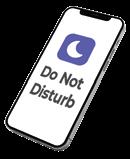
I put my phone on do not disturb at 9.30pm to unwind from the day and get uninterrupted sleep.
I’ve started the year getting up 30 minutes earlier and walking to school. It clears my head for the day.
I pack my bags with snacks to keep up my energy and it’s helping me avoid quick junk food hits too.
Stretching every morning to music is my go-to reset.
I started journalling over the summer holidays and it has helped me stop overthinking.
DO THESE THINGS
EVERY DAY
SLEEP WELL
MOVE YOUR BODY
EAT AND DRINK WELL
TAKE A BREAK
Progress over perfection!
CONNECT WITH SOMEONE
DO SOMETHING CREATIVE
GET OUTSIDE
DO SOMETHING FUN
Making time for things you enjoy boosts happiness, creativity, and motivation. Balance matters.
Once you’ve practised each habit, start combining the ones that work best for you into your own routine.
The goal isn’t to follow this perfectly but to build a routine that fits your life.
If you’re struggling, talk to someone you trust or check the support services at the back of this magazine.
We are here to support you through life’s challenges with professional, caring, and evidence-based
Our services include:
Individual Therapy – Private sessions for adults and children addressing a range of concerns
Couples Therapy – Strengthening relationships through open, guided conversations
Small Group Therapy – Supportive group sessions for shared experiences and healing
Perinatal Mental Health Specialists –Supporting parents and parents-to-be through every step of their journey.
We are also SIRA-accredited, providing therapy for clients under workers’ compensation claims.
For a more detailed breakdown of our services and to make a booking please visit our website:
Specialising in all aspects of
■ Residential and Commercial Concreting
■ Concrete Sealing & Pressure Washing
■ Solar Panel Cleaning
■ Earthworks & Landscaping (Posi & Excavator)
■ Concrete Repair
■ Spray Pave & Epoxy Specialist
Servicing
■ & Much More! and discuss a quote! 0491 776 042
Healthy Body
This section is designed to help you understand how your body works and how to take care of it every day.
You’ll find information to support healthy choices around food, movement, sleep, and energy. These are all essential for feeling your best and staying strong.
Being healthy isn’t about perfection or appearance.
It’s about learning what works for you, listening to your body, and building habits that support your long-term wellbeing.
We’ll also share practical tips and reliable resources to help you manage challenges that may affect your physical health, motivation, or confidence.
By developing positive routines now, you’re setting yourself up for greater focus, resilience, and balance for now and into the future.
Being a teenager can be fun, but it can also be difficult as your body shape changes. These physical changes can be hard to deal with if they aren’t what you are expecting. There can be pressure from friends to be or look a certain way, and this might affect the foods you eat. It’s not a good time to crash diet, as you won’t get enough nutrients, and you may not reach your full potential.
Following a sensible, well-balanced diet is a much better option, both for now and in the long-term.
As a teenager, you’ll start to become more independent and make your own food choices. You’ll hang out with your friends or get a parttime job so you can buy the things you like. Because you are still growing, you need to take extra care to get enough of some important vitamins and minerals to feel good and be healthy.
What should I eat?
Eating three regular meals a day with some snacks will help you meet your nutrition needs. Skipping meals means you will miss out on vitamins, minerals and carbohydrates, which can leave you lacking energy or finding it hard to concentrate. Here is a guide to help you understand the value of what you eat.
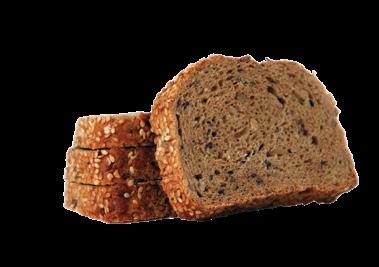
Breads, grains and cereals are carbohydrates that provide energy for your brain and muscles. They’re also an excellent source of fibre and B vitamins. Without enough carbohydrates you may feel tired and run down. Try to include some carbohydrates at each mealtime.
Fruit and vegetables have lots of vitamins and minerals which help boost your immune system and keep you from getting sick. They’re also very important for healthy skin and eyes. It’s recommended you eat two serves of fruit and five serves of vegetables a day.
Meat, chicken, fish, eggs, nuts and legumes (e.g. beans and lentils) are good sources of iron and protein. Iron is needed to make red blood cells, which carry oxygen around your body. Protein is needed for growth and to keep your muscles healthy. Fish is important for your brain, eyes and skin.
If you are vegetarian or vegan and do not eat meat, there are other ways to meet your iron needs, for example, with foods like baked beans, pulses, lentils, nuts and seeds.
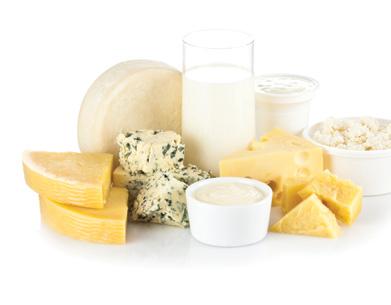
Dairy foods like milk, cheese and yoghurt help to build bones and teeth and keep your heart, muscles and nerves working properly. You’ll need three and a half serves of dairy food a day to meet your needs.
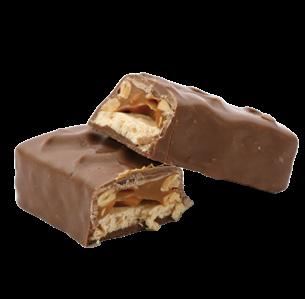
Eating too much fat and oil can result in you putting on weight. Try to use oils in small amounts for cooking or salad dressings. Other high-fat foods like chocolate, chips, cakes and fried foods can increase your weight without giving your body many nutrients.
Fluids are also an important part of your diet. Drink water to keep hydrated so you won’t feel so tired or thirsty. It can also help to prevent constipation. It is better not to drink flavoured waters or sports drinks because they can lead to more weight gain.
Healthier alternatives to your usual snack foods
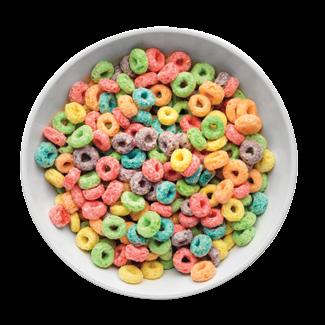
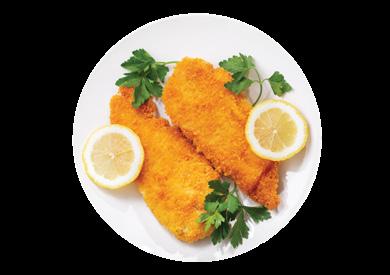
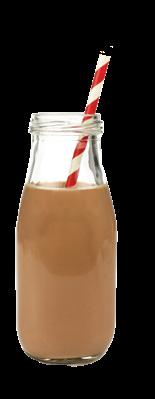
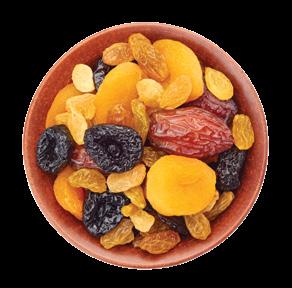
Swap this … For this …
Chocolate bar 50 g
Lollies
Large coffee
Ice-cream
High-sugar breakfast cereal
Low-fat chocolate milk drink 250 ml
Dried fruit
Small coffee
Low-fat frozen yoghurt or sorbet
High-fibre cereal e.g. untoasted muesli
Hot chips Baked potato
Large soft drink
Small soft drink, diet soft drink or water with lemon or lime
Chicken schnitzel BBQ or roast chicken
Burger meal deal
Burger and water or small soft drink/diet drink
Doughnut Fruit scone
Fried egg and bacon sandwich
Poached egg and ham in an English muffin
Fuel Your Brain
Smart eating tips for A+ study sessions
Start with a Balanced Breakfast
1 2 3
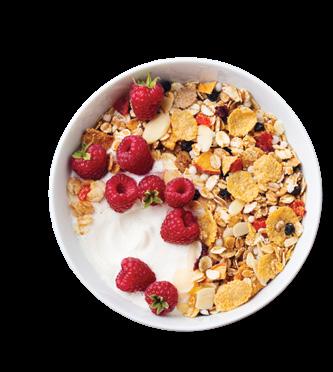
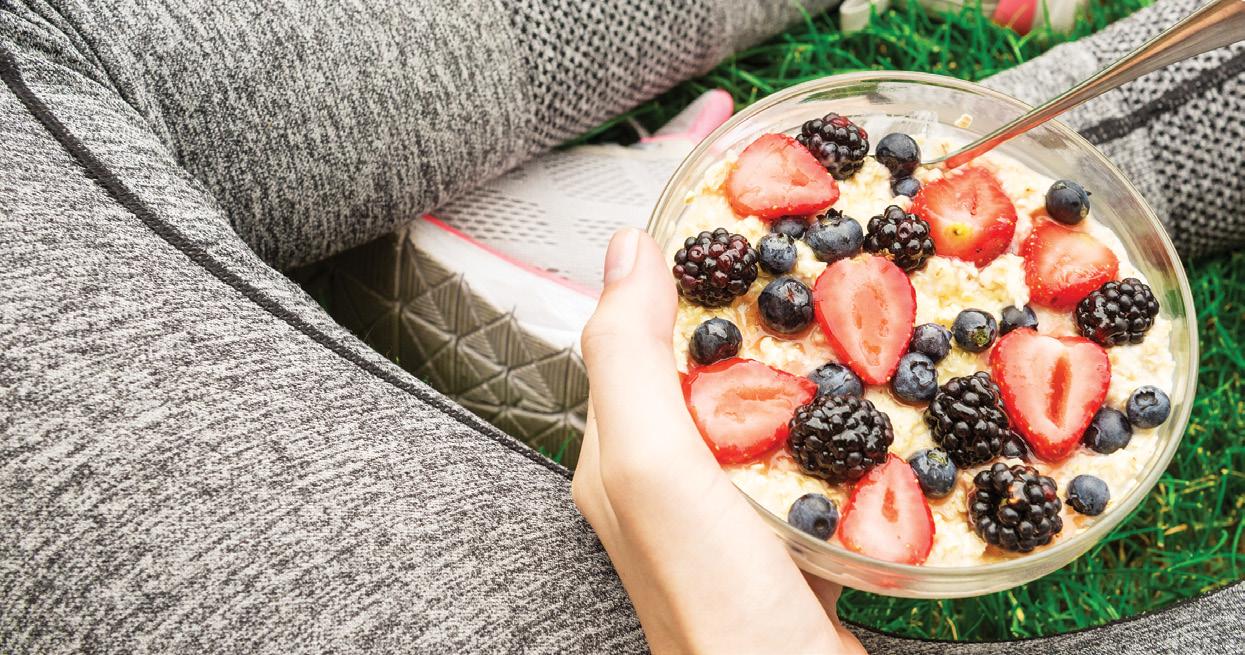
A solid breakfast is the key to setting yourself up for success. Choose whole grains like oats, paired with protein (eggs or yogurt) and healthy fats (avocado or nuts). This combo will keep your brain sharp and your energy steady throughout the morning.
Snack smart, not sweet
Hydrate, hydrate, hydrate
Staying hydrated is crucial for concentration and memory. Aim for water, herbal teas, or coconut water. Try to limit sugary drinks and caffeine, as they can lead to energy dips.
Brain-boosting foods
Studying hard requires more than just late-night cramming and endless coffee. To truly perform at your best, you need to give your brain the right fuel! Here are six easy, sciencebacked eating tips to keep you focused, energised, and ready to ace your next exam.
5
Don’t skip lunch
Skipping meals can leave you feeling sluggish and distracted. A nutritious lunch with a mix of lean protein (like chicken or tofu), whole grains, and plenty of veggies will help keep your brain sharp and energised for the afternoon.
6 4
Certain foods are known to give your brain a boost! Blueberries, salmon, and leafy greens are all great choices for enhancing memory and focus. Incorporate them into your meals to stay at the top of your game.
End the day with a light dinner
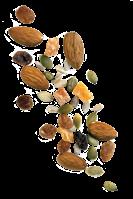
Instead of sugary snacks that cause energy crashes, try nuts, seeds, or fruit. These foods provide long-lasting energy without the slump, helping you stay focused during those tricky study sessions. By following these simple tips, you’ll keep your brain powered up and ready to tackle any challenge that comes your way. Happy studying!
Avoid heavy, greasy foods before bed. Opt for a light, easy-to-digest dinner like grilled fish or a vegetable stir-fry. This helps you sleep better and ensures you wake up refreshed and ready to study.
PROUDLY SUPPORTING STREETSMART AND OUR LOCAL SCHOOLS AND STUDENTS
Power Up Your Game
Eating tips for peak performance in sport and play
Fuel up before you play
Eat a balanced meal 2-3 hours before your game or workout. Focus on carbohydrates like whole grains or fruit, combined with some lean protein (think chicken, tofu, or eggs). This mix will give you the energy to power through the game without feeling sluggish.
Stay hydrated
Dehydration is one of the fastest ways to slow down your performance. Drink water regularly before, during, and after physical activity. For intense workouts or long games, sports drinks with electrolytes can help replace lost minerals and keep you feeling sharp.
Whether you’re hitting the field, court, pitch, pool or gym, eating the right foods can be the secret weapon that takes your performance to the next level. Here are six essential eating tips to fuel your body for peak performance and recovery!
1 2 3 6 4 5
Snack smart during breaks
During long training sessions or matches, grab a light snack that includes both carbs and protein. A banana with peanut butter, or a handful of mixed nuts, can provide quick energy to keep you going strong.
Post-game recovery is key
After exercise, your muscles need to recover. Within 30 minutes, have a snack or meal that includes both protein (to rebuild muscles) and carbs (to refuel). A smoothie with protein powder, fruit, and oats is a great option.
Don’t skip breakfast
A solid breakfast can make all the difference in your energy levels for the day. Opt for a whole-grain cereal or toast, paired with protein like eggs or yogurt, to give your body the fuel it needs to perform at its best.
Eat for energy, not for cravings
It’s tempting to grab junk food after a game or training, but focus on whole foods instead. Healthy fats from avocado or nuts, lean proteins, and complex carbs will keep your energy levels steady and help you recover faster, rather than leaving you feeling sluggish.
Eating well isn’t just about what you eat; it’s about when you eat. Make these tips part of your routine to boost your sport and play performance, and watch your skills improve!
How can food affect your mood?
Did you know that your food choices can affect the way you feel? Energy slumps, feeling low and difficulty sleeping can all be the result of poor food choices.
Improving your diet may help to:
n Improve your mood
n Give you more energy
n Help you think more clearly
Below are our top tips to boost your mood through food!
Choose the right carbohydrates
Our brain runs primarily on glucose which we get from eating carbohydrate rich foods. Severely restricting carbohydrates can make you feel grumpy and tired as the brain is no longer getting an adequate glucose supply.
Better carbohydrate choices for sustained energy release:
n Fruit
n Vegetables
n Wholegrains like grainy bread, brown rice and oats
n Sweet potatoes
n Milk and yoghurt
Timing is important
When you eat can have an effect on your mood:
n Going long periods of time without eating can cause a drop in blood sugar levels, leading to feeling tired and irritable
n Overeating to the point of feeling uncomfortable can make you feel tired and lethargic
n Eating moderate-sized meals on a consistent schedule will help maintain steady blood sugar levels and result in an even mood
Eat more plant foods
Plant foods include vegetables, legumes, fruits, grains and nuts and seeds. Many of these are high in fibre. The good bacteria in our large intestine helps manage our mood and stress levels. Eating foods high in fibre and drinking lots of water supports the good bacteria to help us feel happier.
Eat protein-rich foods
Protein is essential to a good mood. Foods like fish, red meat, poultry, eggs and legumes contain amino acids. Tryptophan is an important amino acid that helps increase the amount of serotonin that is made in the brain. Serotonin is known as the ‘happy hormone’ as it promotes feelings of calm and relaxation, whilst defending against depression. So, add eggs to your breakfast, some lean chicken to a sandwich or salad at lunch and include some protein with dinner.
Looking for inspiration to prepare a healthy lunch box, snack or meal?
Visit Nutrition Australia’s great recipe section available at nutritionaustralia.org/ category/recipes/
Omega 3s
n Researchers have noted that omega-3 polyunsaturated fatty acids may help protect against depression.
n Omega 3s are found in fatty fish, seafood, flaxseeds and walnuts.
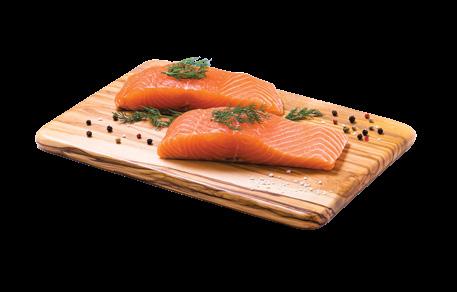
n Try to aim for at least three 120 gram servings of oily fish like salmon or mackerel each week.
n If you struggle to reach this, discuss with your doctor whether fish oil supplements would be beneficial.
Watch the caffeine and alcohol
n Caffeine is a stimulant drug. Too much can keep you awake at night and cause difficulty concentrating.
n Alcohol is a depressant which means it slows down brain activity. Initially you may feel relaxed, but it can worsen symptoms of depression.
n Drinking alcohol close to bedtime can decrease the quality of your sleep causing you to wake feeling groggy rather than refreshed.
Healthy Eating Pyramid
Probiotics
It turns out that the bacteria living in our digestive system plays a crucial role in reducing anxiety, depression and our perception of stress. There are hundreds of species of bacteria in our gut, and it’s important to have more of the good kind of bacteria. Eating foods high in fibre, drinking plenty of water and getting more probiotics into your diet can keep your gut healthy and your mood stable. Foods like yoghurt, sauerkraut, kimchi, kombucha and fermented vegies are all high in probiotics, but can contain high levels of sodium or salt, so should be enjoyed occasionally.
Remember:
n Add lean proteins to your diet to increase production of serotonin, the happy hormone
n Include oily fish and nuts and seeds in your diet for omega 3s to help fight depression
n Understand your limits with caffeine and alcohol as these can affect your mood
n Eat plenty of plant foods, rich in prebiotics to feed the probiotics in our gut
n Keep hydrated!
Hydration
Over 70 percent of our brain is made up of water, so it makes sense that being dehydrated is going to compromise how we are feeling. Aim to drink two litres of fluid a day – mainly from water – to avoid headaches, poor concentration and low mood.
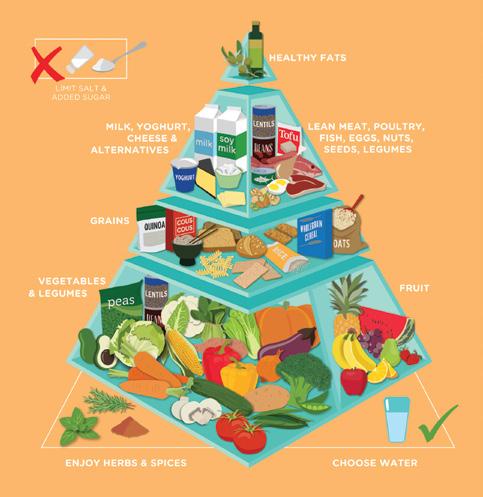
The Healthy Eating Pyramid encourages Australians to enjoy a variety of foods from every food group, every day.
It is a simple guide to the types and proportion of foods that anyone aged 1-70 should eat every day for good health.
It contains the five core food groups, plus healthy fats, according to how much they contribute to a balanced diet based on the Australian Dietary Guidelines (2013).
The Foundation layer
Includes the three plant-based food groups:
n vegetables and legumes n fruits n grains
The Middle layer
Includes the milk, yoghurt, cheese and alternatives, and the lean meat, poultry, fish, eggs, nuts, seeds and legumes food groups.
The Top layer
Refers to healthy fats that we need to consumer in small amounts to support heart health and brain function. Choose foods that contain healthy fats instead of those that contain saturated fats and trans fats.
Your individuality is your superpower
Celebrating the qualities that make everyone around you different can shift the focus from appearance to capability. Beauty goes beyond physical appearance. It includes kindness, resilience, intelligence, and compassion. Focus on developing and showcasing these qualities, and build a support system of friends and influencers who promote body positivity.
Tips to staying #bodypositive
Celebrate diversity:
Recognise that beauty comes in all shapes, sizes, and colours. Embrace and appreciate the uniqueness of yourself and others.
Social media reset:
Your feed shapes how you see yourself — whether you notice it or not. Most posts are carefully edited, filtered, and staged.
Follow content that motivates you, makes you feel good, and reflects real life. Take breaks when you need to. Use social media as a tool and not something that controls you.
Focus on health, not appearance:
Shift the focus from looks to overall well-being. Prioritise healthy habits like exercise, balanced nutrition, and sufficient sleep for how they make you feel, not just look.
Self- compliments:
Compliment yourself daily. Acknowledge your strengths, achievements, and unique qualities.
Challenge negative thoughts:
Surround yourself with positivity:
Choose friends and influencers who uplift and support you. Surrounding yourself with positive influences can contribute to a healthier self-image.
When negative thoughts arise, challenge them. Consider the evidence for and against these thoughts and reframe them in a positive light.
Participate in activities you enjoy:
Engage in activities that bring you joy and fulfilment. Focusing on your passions can help shift the focus away from appearance.
Wear what makes you feel confident:
Choose clothes that make you feel comfortable and confident, regardless of size or trends.
Speak up:
If someone makes negative comments about your body or others’, don’t be afraid to speak up. Encourage a culture of kindness and acceptance
Positive affirmations:
Start and end your day with affirmations that focus on self-love and acceptance. Affirmations can shape a positive mindset.
PROUDLY SUPPORTING STREETSMART & OUR LOCAL SCHOOLS / STUDENTS
Let’s get moving!
Being active is not just about hitting the gym or playing team sports—it’s about finding something fun that keeps your body moving!
A good goal is at least 60 minutes of exercise a day that makes the heart beat faster.
This can be organised sport or training combined with informal activities incidental exercise spread out across the whole day.
Struggling for motivation to get started? Grab your mates, find your favourite activities, and get moving!
Your body (and mind) will thank you.
Your guide to kicking off an active lifestyle
Hop up off the couch and get your body moving with these quick tips!
1
Find something you love
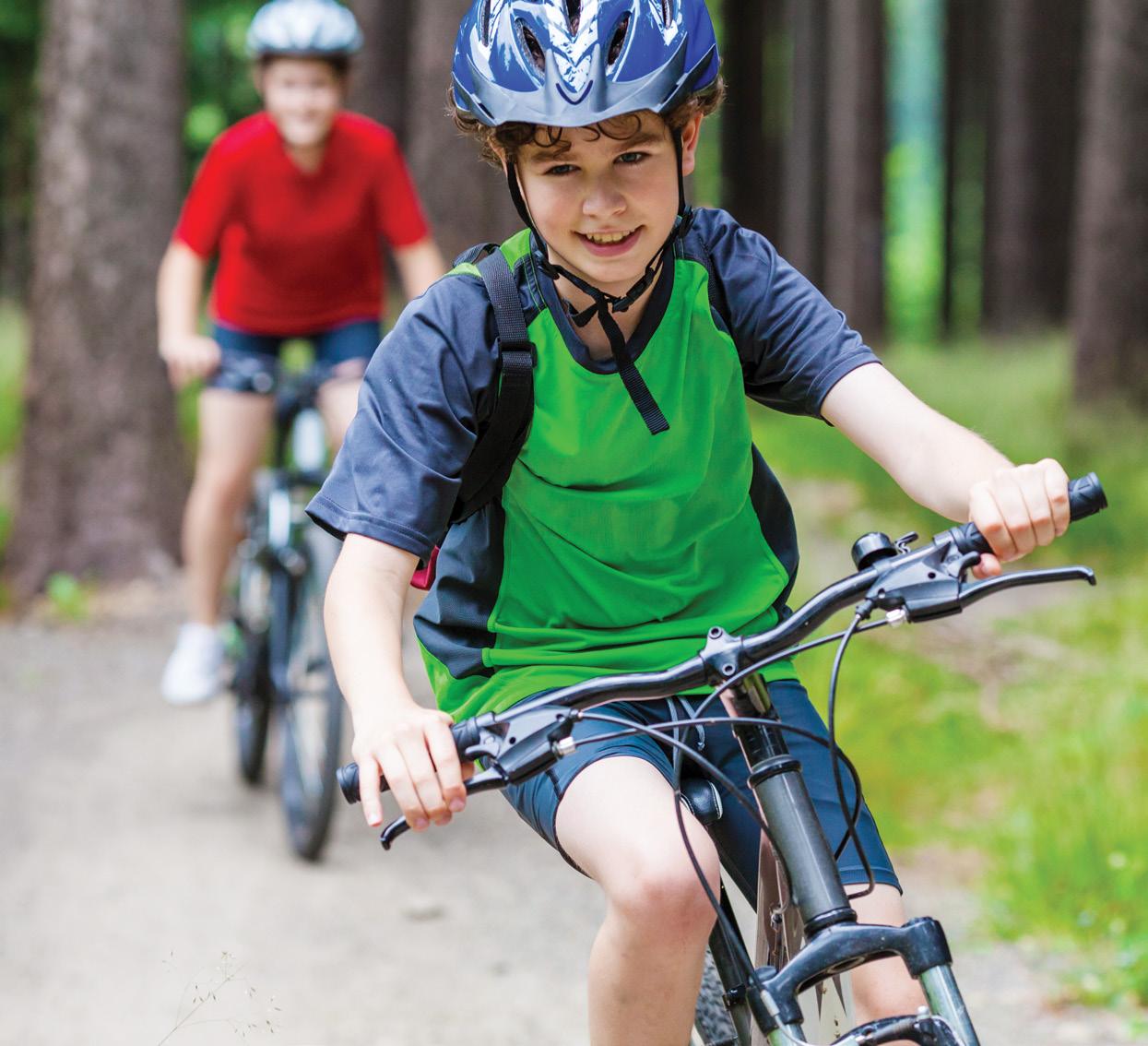
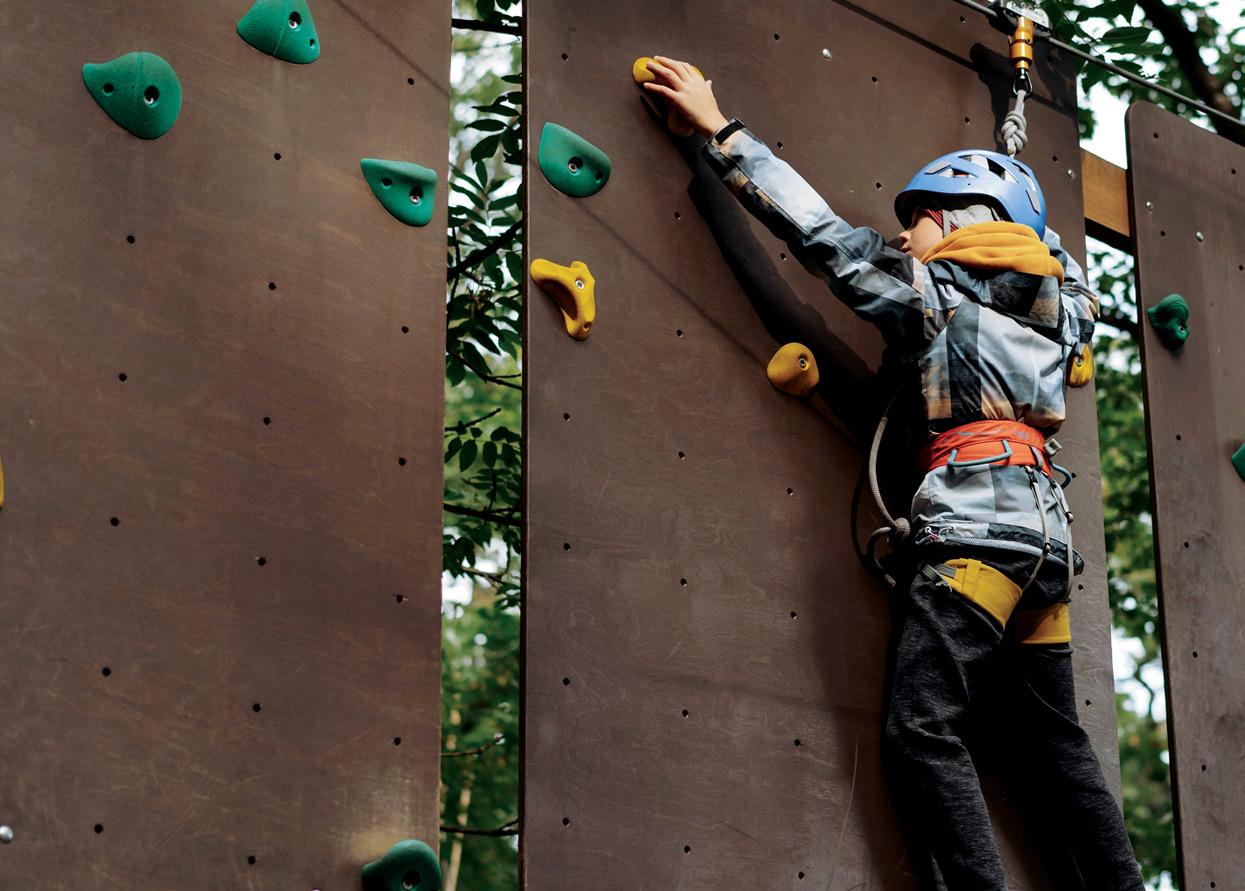
There are many ways to move that don’t feel like a chore. If team sport isn’t your thing try dancing, skateboarding, rock climbing, surfing, or rollerblading.
Set fun goals
2 3
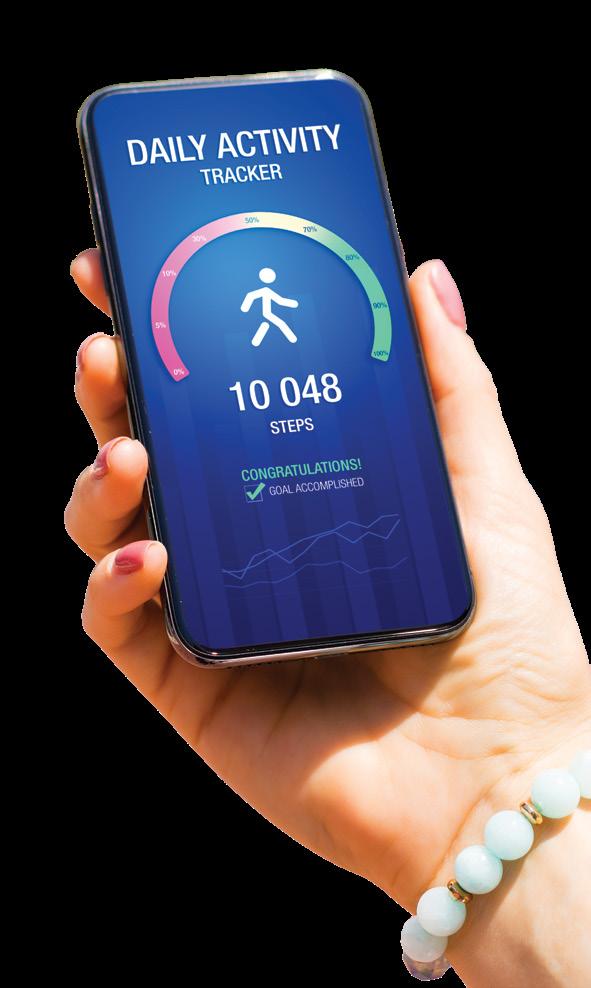
Setting goals can keep you motivated but make them fun and achievable. For example, aim to walk 10,000 steps a day or try a new sport with friends.
Start small and build up
Start with short sessions— maybe a 15-minute walk, bike
Get active with friends
Exercise is way more fun when you do it with mates. Go for a group walk or start a friendly team competition with your friends.
Mix It Up
Trying different activities keeps things fresh and exciting. One day you might swim, the next day try yoga, go for an evening walk or play a team sport.
Limiting
6
sitting
Long periods of sitting can reduce the benefits of being physically active, so try to break these up as
Make It Part of Your Routine
Finding time to be active can be tricky but try fitting in 20–30 minutes of movement each day. Whether it’s before or after school, or during lunch breaks, setting a regular time makes it easier to stay on track.
Sleeping well
Sleep is a really important part of our life. It helps us to feel well, focused and happy. Most people experience a bad night’s sleep every now and again, but if you regularly don’t get enough sleep it can really affect how you feel and what you can get done during the day.
How much sleep do I need?
Everyone is different, and the amount of sleep you need might be different to what your friends need. Generally speaking:
n People aged 14 to 17 need between 8 and 10 hours each night
n People aged 18 to 25 need between 7 and 9 hours each night
Why is sleep important?
Good sleep habits can improve mood, concentration and performance at school or work. They may also help control overeating and help prevent obesity. Lack of sleep is linked to symptoms of depression such as feeling down, hopeless, irritable, having thoughts of suicide and using alcohol or other drugs.
What gets in the way of a good night’s sleep?
For young people, not getting enough sleep might be caused by:
n Biological factors, such as puberty or changes in your body clock
n Environmental factors, such as social pressure, school or university workload, use of electronic devices, or using alcohol or other drugs
Content for this section is courtesy of
For more information, to find your nearest headspace centre or for online and telephone support, visit headspace.org.au
Tips for a good night’s sleep
If you’re having trouble falling asleep or staying asleep, here are a few things you can try:
Aim to get to bed and wake up around the same time each day, including on the weekend. This helps your body to get into a routine. Try not to take naps in the day as this affects your body’s routine.
Turn off your screens (phone, TV and laptop) at least 30 minutes before bedtime. The light from screens can stop your brain producing the sleep chemical melatonin, which is important in helping you get to sleep.
Try not to worry about having a bad sleep. A lot of people underestimate how much sleep they get, so you might find it useful to use a sleep app to see how much sleep you’re getting. However, if you find that this makes you focus on how much sleep you’re not getting, you may be better off without it.
Natural sleep cycles are based on your body clock, which is mainly set by when you’re exposed to light. Light is needed in the morning, so aim to be outside for 30 minutes, sit by a bright window or use a specially designed artificial light source. In the evening, your body needs less stimulation, so try dimming the lights.
Try to limit how much caffeine you have, including coffee, energy drinks and soft drinks. Also, try to avoid caffeine entirely after lunchtime.
Avoid drinking alcohol before bed. It might make you sleepy, but you’re less likely to get a good, restful sleep with alcohol in your system.
Avoid smoking before bed. Discuss ways to quit smoking, as well as any other problems with drugs or alcohol with your GP.
Kick back with an app
Headspace
Headspace is known as a popular guided meditation app, but it’s also great for sleep. We particularly enjoy its “sleepcasts,” which are 45- to 55-minute-long audio experiences (kind of like adult bedtime stories) that help you visualize calming experiences, like a slow moving train or a walk through a garden. Headspace offers new stories every night, so you’ll never get bored.
Exercising during the day is a good way to make you tired at night. This might mean going to the gym, walking around the block at lunchtime or playing sport. Try to avoid exercising last thing at night though, as this can keep you awake.
Sleep medications are not usually required to help with sleep problems. While they can help in the short-term, they also have a number of side effects and may not give good quality sleep. Your body can also get used to these medications quickly so the effect wears off.
It’s best to try and keep your bed for sleep. Working, watching TV or being online in bed can cause your brain to associate it with being alert and awake.
Headspace
Support services
These organisations provide information for young people and their parents and carers who may need support. They provide excellent resources, stories from people with lived experience, and information to guide better mental health in young people. Some also offer counselling and direct services.
Confidential one-on-one yarning opportunity for mob who are feeling overwhelmed or having difficulty coping. Speak with a Lifeline-trained Aboriginal & Torres Strait Islander Crisis Supporter.
Beyond Blue provides information and support to help everyone in Australia achieve their best possible mental health, whatever their age and wherever they live.
bullyingnoway.gov.au
This website provides information, resources and support services for young children, students, parents and teachers on a range of bullying issues and related matters.
1800 33 4673 butterfly.org.au
If you are suffering from an eating disorder, or suspect one of your friends might be, find out more and get support from the Butterfly Foundation.
650 890
headspace is the National Youth Mental Health Foundation. They began in 2006, and ever since have provided early intervention mental health services to 12-25-year-olds.
13 11 14
lifeline.org.au
Lifeline is a national charity providing all Australians experiencing emotional distress with access to 24-hour crisis support and suicide prevention services. They are committed to empowering Australians to be suicide-safe.
QLife provides anonymous and free LGBTIQ+ peer support and referral for people in Australia wanting to talk about sexuality, identify, gender, bodies, feelings or relationships. 1800 55 1800 kidshelpline.com.au
Kids Helpline is Australia’s only free, confidential 24/7 online and phone counselling service for young people aged 5 to 25. Qualified counsellors at Kids Helpline are available via WebChat, phone or email anytime and for any reason.
Lifestart supports young people living with a disability. It also helps communities to become more inclusive. This organisation is a registered National Disability Insurance Scheme provider offering flexible, person-centred support.
raisingchildren.net.au
This website is designed for Australian parents, teachers and carers. It provides up-to-date, evidence-based, scientifically validated information about raising children up to 18 years and tips for parents and carers to look after themselves.
Multicultural Youth Advisory Network engages young people from around Australia from refugee and migrant backgrounds. Find out more about its work including the National Youth Ambassadors Network by visiting myan.org.au where you can be connected to your local state body.
reachout.com
You can also join a ReachOut Online Community forum that is free, anonymous and available 24/7 for people aged 14-25 in Australia.