


• Open 7 days a week
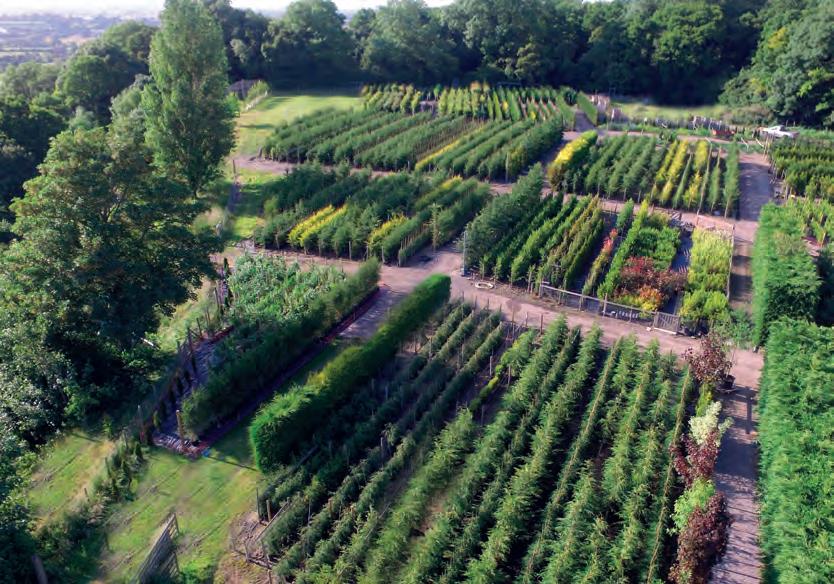
• One of the South West’s Largest Tree & Hedging Nurseries
• Small to Large Trees Available
• Complete Range of Garden Plants at our Garden Centre
• Thousands of Plants in Stock
• Visit our Nursery or Browse Online









• Open 7 days a week
• One of the South West’s Largest Tree & Hedging Nurseries
• Small to Large Trees Available
• Complete Range of Garden Plants at our Garden Centre
• Thousands of Plants in Stock
• Visit our Nursery or Browse Online
Here’s a selection of events you might be interested in attending during May. If you are looking for the usual details of garden club meetings please go to www.countrygardener.co.uk to see all events for not just this month but the months ahead. If you would like to send us your event for more free publicity then again go to the website where you will be able to upload details.
BATH
RARE PLANT FAIR, The American Museum and Gardens, Sunday 17th May, 10am-5pm
Plants include succulents, orchids, carnivorous, wildflowers, grasses, perennials, alpines, shrubs. High quality sundries.
Claverton Nr. Bath, Somerset, BA27BD BOOK: www.rareplantfair.co.uk
BARNSLEY
VILLAGE FESTIVAL
Saturday 16th May, 10am-5pm
Open Gardens and Village Festival Nr Cirencester, Gloucester GL7 5EF BOOK: www.barnsleyvillage.co.uk
BEAULIEU
BBC GARDENERS’ WORLD SPRING FAIR, Beaulieu, Friday 1st to Sunday 3rd May, 9.30am-5pm
Expert advice, plants, the Hillier Experience, workshops, tastings, great shopping, garden tours and more.
New Forest, Hampshire SO42 7ZN BOOK: bbcgardenersworldfair.com
PLANT SALE East Boldre School Fields Hall
Saturday 9th May, 2pm-4pm Main Road East Boldre, Hampshire, SO42 7WT
BLAGDON HILL
GREENER AND WILDER OPEN GARDENS
Blagdon Hill village (follow signs on the day)
Sunday 24th & Monday 25th May, 11am-4pm Taunton, Somerset, TA3 7SW
BRIDGERULE
PLANT SALE AT MILL OPEN DAY, The Bridge Mill
Sunday 10th May, 11am-4pm Bridgerule, Holsworthy, Devon EX22 7EL CHILLINGTON
GRAND PLANT SALE, Chillington Village Hall
Saturday 16th May, 10am-12pm Tanpits Lane Chillington, Devon, TQ7 2LG
COMBE ST NICHOLAS
OPEN GARDEN FOR ST MARGARET’S HOSPICE, Croft House & Smithycroft Cottage
Saturday 16th May, 2pm-4pm Somerset TA20 3NA & TA20 3LY
DAWLISH
PLANT SALE, The Strand Church
Saturday 16th May, 9.30am-1pm
32 The Strand Dawlish, Devon, EX7 9PT
IBSLEY, NEAR RINGWOOD
ANNUAL PLANT SALE, Ibsley Village Hall
Saturday 2nd May, 12pm-4pm Ibsley Nr Ringwood, Hants, BH24 3NL
OPEN GARDEN FOR ST MARGARET’S HOSPICE, Isle Abbots Village Sunday 31st May, 10am-4pm Isle Abbotts, Taunton TA3 6RH
KENTON
TOBY’S GARDEN FESTIVAL, Powderham Castle Friday 1st & Saturday 2nd May, 10am-5pm Kenton, Nr Exeter, Devon EX6 8JQ BOOK: www.tobygardenfest.co.uk
KILMERSDON
PLANT SALE, Kilmersdon Village Hall Saturday 16th May, 10am-11.30am Kilmersdon Radstock, Bath, BA3 5TD
KINGSTON BAGPUIZE
RARE PLANT FAIR, Kingston Bagpuize House, Sunday 24th May, 11am-4pm
Fantastic setting for the biggest Rare Plant Fair of the season. Huge range of choice plants on offer with high quality sundries.
Kingston Bagpuize Nr. Abingdon, Oxfordshire, OX135AX BOOK: www.rareplantfair.co.uk
LONGSTOCK
GRAND PLANT FAIR, Longstock Park Nursery Mon 4th May, 10am-3pm
Talks and celebrity lectures, plant fairs, garden visits, plant exchanges, propagation & social events.
Nr. Stockbridge SO20 6EH BOOK: www.plantheritage.com

LYDART RARE PLANT FAIR, High Glanau Manor Sunday 31st May, 11am-4pm
A beautiful garden featuring herbaceous borders, a restored Edwardian glasshouse and pergola. Lots of plants and cakes to indulge in!
Lydart Nr. Monmouth, Monmouthshire, NP25 4AD BOOK: www.rareplantfair.co.uk
OPEN GARDENS, St Barbe Museum + Art Gallery Saturday 24th May, 2pm - 6pm New Street Lymington, Hants, SO41 9BH BOOK: www.ticketsource.com/st-barbe-museumart-gallery/t-rzzyxnq
MALVERN
RHS MALVERN SPRING FESTIVAL 2026, Three Counties Showground
Thursday 7th to Sunday 10th May, 9am-5pm
The ultimate Spring celebration of plants, gardens, and outdoor living. Malvern, Worcestershire WR13 6NW BOOK: www.rhsmalvern.co.uk
SHEPTON MALLET
ROYAL BATH & WEST SHOW, The Showground Thursday 28th - Saturday 30th May, 9am-6pm
Join us for a true celebration of rural life and a Great British day out for the whole family. Shepton Mallet, Somerset BA4 6QN BOOK: www.bathandwest.com/royal-bathand-west-show
SLIMBRIDGE
PLANT SALE, Slimbridge Village Hall
Saturday 16th May, 2pm-5pm
St. John’s Road Slimbridge, Gloucs, GL2 7DF
UPLYME
PLANT SALE AND COFFEE MORNING, Uplyme
Village Hall, Saturday 9th May, 10am - 12pm Lyme Road, Uplyme, DT7 3UY
WARSASH
PLANT SALE, Victory Hall
Saturday 9th May, 10am - 11am Warsash Road Warsash, Hampshire, SO31 9HW
WEDMORE
PLANT SALE AND COFFEE MORNING, The Masonic Hall, Saturday 23rd May, 9.30am - 12pm Church Street Wedmore, BS28 4AB
WEST MOORS, FERNDOWN
PLANT SALE, West Moors Memorial Hall
Saturday 9th May, 10am - 12pm 231 Station Rd West Moors, Ferndown, Dorset, BH22 0HZ
WROUGHTON
PLANT SALE, The Ellendune Community Centre
Saturday 9th May, 10am - 11am Barret Way, Near Swindon SN4 9LW
WROUGHTON
RARE PLANT FAIR, Salthrop House
Sunday 10th May, 11am-4pm
A perfect setting for buying a wide range of choice plants.
Wroughton Nr Swindon, Wiltshire, SN49QP BOOK: www.rareplantfair.co.uk
ABBOTSBURY
EARLY SUMMER PLANT FAIR, Abbotsbury
Subtropical Gardens Sunday 7th June, 10am-3pm Buller’s Way Abbotsbury, Dorset, DT3 4LA
BECKFORD
OPEN VILLAGE, Saturday 6th & Sunday 7th June, 1pm-6pm
14 gardens open and so much more to do. Nr Tewkesbury GL20 7AD
MONTACUTE
OPEN GARDENS, Montacute Village
Saturday 6th June, 11am - 4pm Bishopston Montacute, Somerset, TA15 6UX
MOTCOMBE
OPEN GARDENS, St Mary’s Church
Saturday 6th June, 12.30pm - 6pm Motcombe, Dorset SP7 9NT
SWAY
OPEN GARDENS, Sway Village
Sunday 7th June, 11am-5pm
WATERPERRY
RARE PLANT FAIR, Waterperry Gardens
Sunday 7th June, 10am-4pm
A massive variety of plants available from the nurseries, many rare and choice.
Waterperry Nr Wheatley, Oxfordshire, OX331JZ BOOK: www.rareplantfair.co.uk
WHIMPLE
OPEN GARDENS SAFARI, Victory Hall
Saturday 6th & Sunday 7th June, 11am-6pm
School Hill, Whimple Devon EX5 2TS
www.countrygardener.co.uk/event-submission
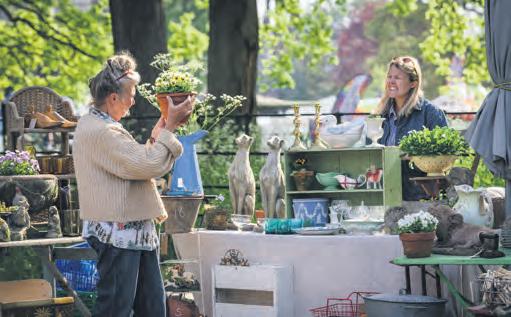
One of the highlights in the southwest gardening calendar is back on the Early May Bank Holiday when the hugely popular Toby’s Garden Festival returns to the lush surroundings of Powderham Castle just outside of Exeter on Friday, 1st and Saturday, 2nd May. It’s an event now in its 13th year to celebrate the season—a vibrant, feel-good two-day event packed with colour, creativity and expert knowledge.
This year’s festival is bursting with highlights and has something of a new look. The event itself will be bigger and brighter. There’s a new layout to the festival using more of the Powderham estate and some special new features. Once again there’s an exciting line-up of celebrity speakers and live demonstrations.
At the heart of the festival, is the Garden Village featuring 30 specialist nurseries-a paradise for plant lovers. Whether you’re searching for something rare and unusual or simply looking to refresh your garden, you’ll find expert growers ready to help. Toby’s Garden Festival has always managed to attract some of the highest profile speakers to the event and this year is no exception Garden with Jonny (Hinks) is a content creator with over 1.8 million followers) and gardener who shares an honest, downto-earth approach to growing, learning, and connecting with nature.
Arit Anderson, the award-winning garden designer, writer, TV presenter, podcast host and RHS ambassador will be at the festival on both days and will be making a popular return visit to the festival where she was such a hit a few years ago.
Arit is a regular presenter on BBC Television’s Gardener’s World where her skilled designer’s eye has made her hugely popular with viewers. There’s a full speaker programme online at www.tobygardenfest.co.uk.
For tickets go to www.tobygardenfest.co.uk
One day tickets online: £20.25
Tickets on the gate: £23.50
Group bookings: £16 for groups of 20 or more
VIP Tickets exclusive parking/lunch/tea and all-day refreshments: £102.50
Tea & cake in the Castle: £36.25
‘May, the very word makes the heart leap’ – EVA KELLOGG
Hedgehog Awareness Week will be celebrating hedgehogs from Sunday 3rd to Saturday 9th May! The annual campaign, run by The British Hedgehog Preservation Society invites everyone to take the Hedgehog Pledge! Pledge to…
Add more hedgehog highways - add gaps in boundary walls and fences to ensure hedgehogs can access to vital habitat!
Create, improve or protect a wild spacelog piles, and leaf heaps attract natural food and offers shelter
Go organic in the garden or allotment
Be net savvy - netting can become tangled in hedgehog spines: make sure sports nets are put away
Donate at: www.justgiving.com/campaign/haw26
More than nine million birds were counted in the RSPB Big Garden Birdwatch this year and the house sparrow remained at number one. A total of 650,279 people took part.
The Big Garden Birdwatch is the world’s largest garden wildlife survey and the results highlight how our garden birds are faring and what you can do to help. The house sparrow held onto the top spot and blue tit remains at number two, with starlings creeping up to number three. Woodpigeon and blackbird make up the other top five.

However, it is further down the rankings where the real story lies. At 18th spot is greenfinch, which has seen a 67 per-cent decline since Big Garden Birdwatch began in 1979 equating to the loss of over two million birds.
The RSPB is asking the public to adopt simple seasonal changes that will help protect bird health in the long term.
The message is simple: Feed safely. Feed seasonally. Feed seasonally - It’s important to adjust feeding garden birds during the summer and autumn months when there’s a higher risk of disease spreading.
From 1st May to 31st October: Pause filling your bird feeders with seed and peanuts to prevent too many birds gathering in one place.
Feed safely - Just one infected bird can turn your busy feeder into a disease hotspot. www.rspb.org.uk
& Editor: Alan Lewis alan@countrygardener.co.uk Tel: 01823 431767
Distribution & Stockists distribution@countrygardener.co.uk
Accounts & Payments
Heather Rose heather@countrygardener.co.uk What’s On & Events Guide www.countrygardener.co.uk/event-submission
Advertising Sales Ava Bench - Somerset, Classifieds & Speakers ava@countrygardener.co.uk Tel: 07759 304977
Corina Reay - Cotswolds, Devon, Dorset & Hampshire corina@countrygardener.co.uk Tel: 01823 410098

Hedgehogs: a seven point pledge to help them
Check for hedgehogs before strimming or mowing
Provide water for wildlife all year round
Become an NHMP volunteer spotter!
In partnership with People’s Trust for Endangered Species, BHPS leads the National Hedgehog Monitoring Programme, surveying hedgehogs across the UK.
Visit www.nhmp.co.uk to become a ‘spotter’!
A brand new RHS Flower Show is coming to South Gloucestershire this July.
Set in the sweeping parkland of the historic Badminton Estate, RHS Badminton Flower Show will bring together the best of all things gardening.
It will be the chance to explore spectacular show gardens, enjoy floral displays and listen to expert talks from the world of gardening including Adam Frost, Arit Anderson, Rachel de Thame and Ashley Edwards.
The Artisan, Young Designer and Feature Gardens including BBC Radio 4’s The Archers’ Bridge Farm brought to life, with orchard fruit trees, a wildflower meadow, potting bench, wildlife pond and even a cheese-making area!
For five days from Wednesday 8th to Sunday 12th July, tickets are from £30 per person and under 16s go free.
For more information go to: www.rhs.org.uk/badminton
Design & Production
Aidan Gill aidan@countrygardener.co.uk
Gemma Stringer gemma@countrygardener.co.uk

When we plant a tree we all want to see it grow quickly, establish itself and rapidly become a part of our garden. There are specific trees which will provide this fast-growing solution
Fast-growing trees are a great choice for gardeners who want to quickly create privacy, establish shelter, or add structure and beauty to a landscape. Our temperate climate, with moderate rainfall and relatively mild winters, supports a wide variety of species that can put on rapid growth when given the right conditions.
However, choosing the right tree involves balancing speed with factors such as maintenance, root spread, soil type, and long-term size. Here are our six standout fast-growing trees that will thrive in gardens, each offering distinct advantages.
1. Leyland Cypress
This is one of the most popular choices, an evergreen conifer which is widely known for its exceptional growth rate, often reaching 60–90 cm per year under ideal conditions. It is commonly used for hedging because it forms a dense, tall screen very quickly, making it ideal for privacy. Leylandii tolerates a wide range of soils and coastal conditions, which adds to its appeal. However, it requires regular pruning to keep it under control, as it can quickly grow too tall and dense if neglected.
2. Silver Birch
Is another excellent fast grower which is native to the UK, and this elegant deciduous tree is loved for its distinctive white bark and light, airy canopy. It can grow around 40–60 cm per year and is particularly suited to smaller gardens because it doesn’t create overly dense shade. Silver birch thrives in poor soils and exposed locations, making it a resilient and low-maintenance option. In autumn, its leaves turn a soft yellow, adding seasonal interest.
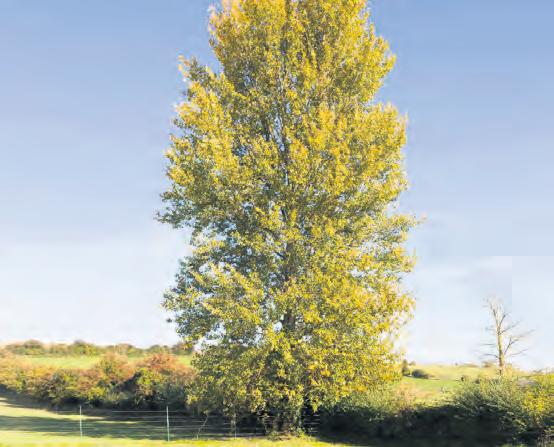
3. The Hybrid Poplar
Is another top contender for rapid growth. Often used in forestry and large gardens, this tree can grow up to two metres per year, making it one of the fastest-growing trees in this country. Its tall, upright form makes it ideal for windbreaks or screening large areas. However, hybrid poplars require plenty of space due to their size and extensive root systems, which can interfere with nearby structures or drainage systems if planted too close.
4. The Weeping Willow
For those seeking a fast-growing tree with ornamental appeal, the weeping willow is a striking option. Known for its graceful, drooping branches, it can grow up to a metre per year. This
tree thrives in moist soils and is often planted near ponds or streams. Its dramatic appearance makes it a focal point in any landscape. However, like poplars, willows have aggressive root systems and should be planted well away from buildings and underground pipes.
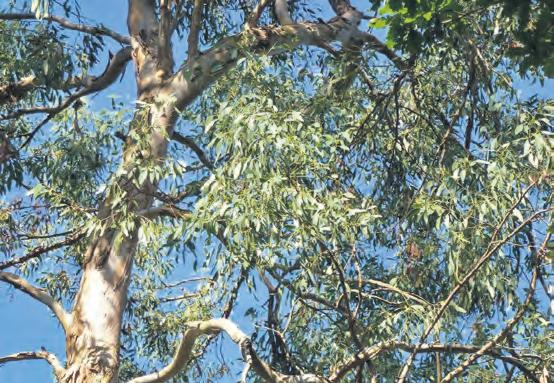
5. The Eucalyptus
Also known as cider gum, has become increasingly popular in UK gardens. It is an evergreen tree that can grow two metres per year when young, producing attractive blue-green foliage with a distinctive fragrance. Eucalyptus is relatively hardy in many parts of the UK, especially in sheltered locations, and responds well to pruning. It is a good choice for adding height and yearround interest quickly, though it may require protection in particularly cold regions.
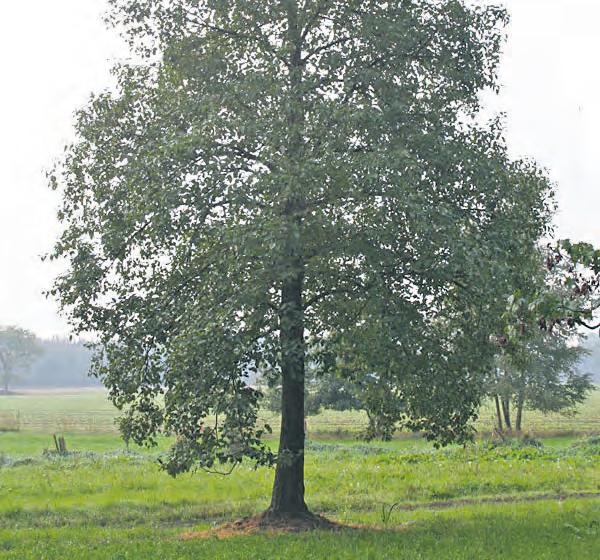
6. Common Alder
Finally is a native species that combines fast growth with ecological benefits. Growing around 60–90 cm per year, alder is particularly suited to wet or waterlogged soils where other trees might struggle. It improves soil fertility by fixing nitrogen, making it beneficial for surrounding plants. Its tolerance of poor conditions and value for wildlife make it an excellent choice for naturalistic or conservation-focused planting schemes.
When selecting a fast-growing tree, it’s important to think beyond just speed. Consider the eventual height and spread, as well as how much maintenance the tree will require. Fast growers often need regular pruning and can produce large amounts of leaf litter. Root systems are another critical factor, particularly in smaller gardens or near buildings.
Fast-growing trees offer a practical and rewarding way to transform a garden or landscape in a relatively short time. Whether you prioritise privacy, aesthetics, or environmental benefits, there is a suitable option for most weather conditions. The Leyland cypress provides rapid screening, Silver birch offers elegance and resilience, Hybrid poplar delivers unmatched growth speed, Weeping willow adds dramatic beauty, eucalyptus brings evergreen interest, and Common alder supports wildlife and thrives in wet areas. By carefully matching the tree to your site and needs, you can enjoy the benefits of rapid growth without compromising long-term success.




Quick & Easy Solution to fix wires to concrete posts NO DRILLING - simply clamp the two halves together Three sizes to fit most concrete posts FREE UK DELIVERY
Main Stockists of Gripple Trellising

Visit our website to view our other gardening accessories and gift ideas www.rivelinglenproducts.co.uk info@rivelinglenproducts.co.uk 01246 462666

Reach a passionate and affluent audience of gardening enthusiasts
Circulating 100,000 copies which are distributed to over 430 outlets
If you would like to advertise your business or service in our magazines, please contact
SOMERSET, SPEAKERS & CLASSIFIEDS: Tel: 07759 304977 ava@countrygardener.co.uk
COTSWOLDS, DEVON, DORSET & HAMPSHIRE: Tel: 01823 410098 corina@countrygardener.co.uk

We know that choosing an agency to let your property can be a big decision so let us make it easy for you. The Hideaways Holidays Group is dedicated to providing a wide range of top-quality self-catering accommodation across the UK. hideawaysholidays.co.uk

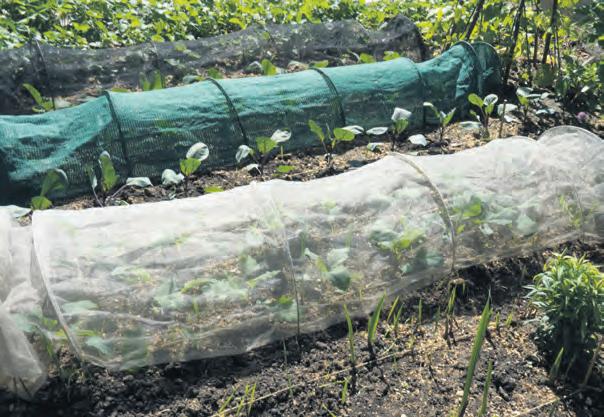
Forcing vegetables is one of the most fascinating and rewarding techniques in horticulture. At its core, it involves manipulating environmental conditions—primarily light, temperature, and moisture—to encourage plants to grow out of their natural season or in ways that produce desirable qualities such as tenderness, sweetness, or unique textures. Though it may sound like a modern innovation, forcing vegetables has deep historical roots, with gardeners and farmers refining the practice over centuries to supply fresh produce during otherwise barren months.
The essence of forcing lies in tricking a plant into believing that conditions are ideal for growth. Plants respond to cues such as daylight length, soil warmth, and moisture levels. By artificially adjusting these factors, gardeners can override natural dormancy cycles or accelerate development. There are generally two main approaches:
1. Forcing for early growth – encouraging plants to grow earlier than they naturally would in spring.
1. Forcing for blanched or tender growth – growing plants in darkness or low light to produce pale, tender shoots with milder flavours.
The latter method is particularly prized in culinary traditions, as it often results in less bitterness and more delicate textures. Forcing became especially prominent in Europe during the 18th and 19th centuries. Wealthy estates built elaborate forcing houses and underground chambers to produce delicacies such as asparagus, rhubarb, and chicory during winter. These foods were considered luxuries, often appearing on elite dining tables when fresh produce was otherwise scarce.
One notable example is the ‘forcing sheds’ used in northern climates, where rows of roots were stored in darkness and warmth to stimulate off-season growth. Even today, regions like Yorkshire in England are famous for forced rhubarb, grown in dark sheds and harvested by candlelight to preserve its delicate quality.
Forcing vegetables to speed up their growth is a testament to human ingenuity in working with nature. By understanding and manipulating the conditions that influence plant growth, gardeners can produce crops that are not only out of season but also uniquely tender and full of flavour
A wide variety of vegetables can be forced, though some respond better than others. Below are several notable examples:
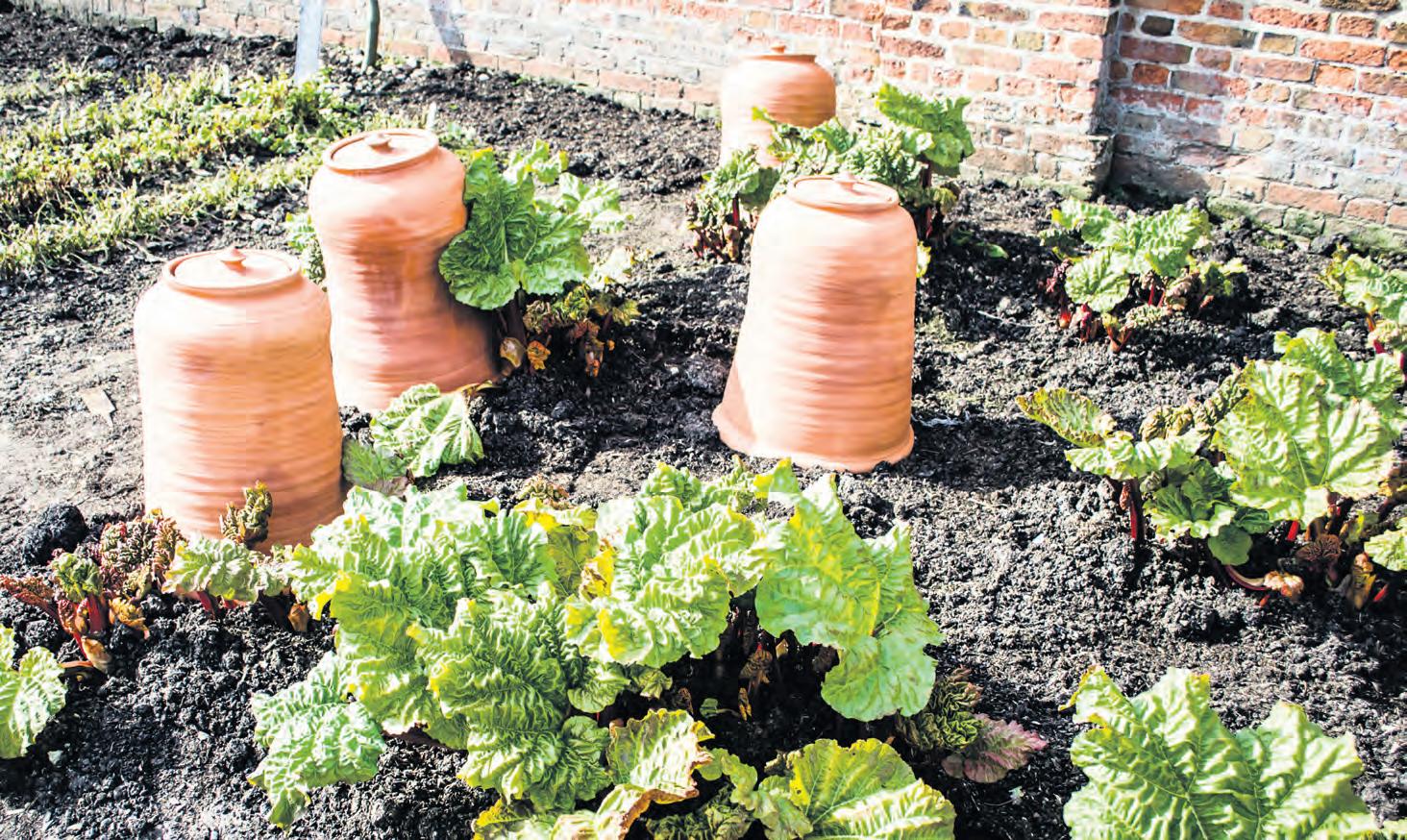
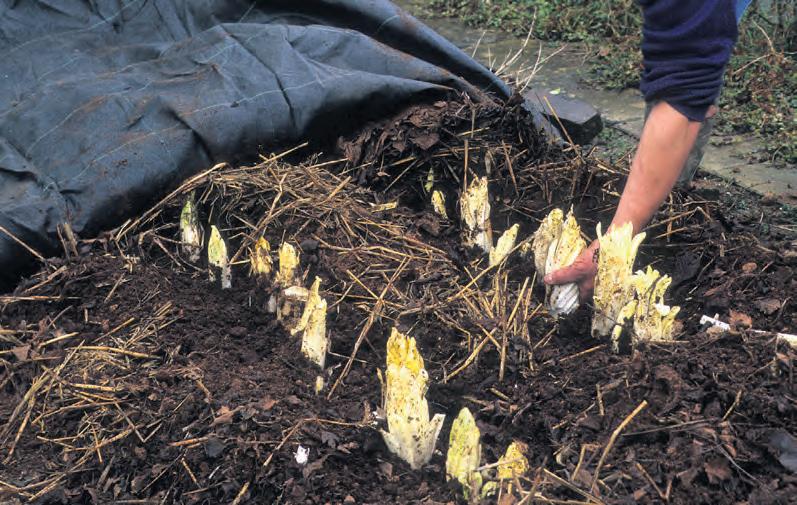
Rhubarb is perhaps the most iconic forced vegetable. To force rhubarb, gardeners typically allow the plant to experience a period of cold dormancy outdoors. Once it has been sufficiently chilled, the crown is moved into a dark, slightly warm environment—often a shed or covered container.
In darkness, the plant produces long, tender stalks that are bright pink and less fibrous than those grown in full light. The absence of light reduces photosynthesis, which in turn limits the production of chlorophyll and certain bitter compounds. The result is a sweeter, more refined flavour.
Chicory forcing is a two-stage process. First, the plant is grown normally outdoors to develop a strong root. Once mature, the roots are lifted, trimmed, and replanted upright in moist soil or sand in a dark environment. Over several weeks, tight, pale heads—known as chicons—emerge. These are prized for their crisp texture and mild bitterness. Forced chicory is a staple in many European cuisines and is often used in salads or lightly cooked dishes.
Forcing asparagus allows for an earlier harvest and more tender spears. Traditionally, this is done by covering asparagus beds with soil mounds, cloches, or heated frames to warm the soil ahead of the natural growing season.
In more controlled settings, crowns can be lifted and placed in heated greenhouses. The warmth stimulates rapid growth, producing spears weeks earlier than outdoor crops. Forced asparagus is typically more delicate in texture, though some argue it lacks the full flavour of sun-grown varieties.
Seakale is another classic candidate for forcing, though it is less commonly grown today. The plant is covered with a forcing pot or bucket to exclude light. Sometimes additional warmth is provided using manure or other heat sources.
The resulting shoots are blanched, tender, and highly valued for their asparagus-like qualities. Seakale forcing was once a hallmark of skilled kitchen gardening.
While often considered a weed, dandelion can be cultivated and forced for culinary use. Roots are dug up and placed in a dark, warm environment, much like chicory. The resulting leaves are pale, less bitter, and suitable for salads or cooking.
This method transforms a common plant into a gourmet ingredient, demonstrating the transformative power of forcing.
Celery can be blanched through a form of forcing that involves excluding light from the stems. Gardeners achieve this by wrapping the stalks or banking soil around them. This reduces bitterness and produces the familiar pale; tender celery found in markets.
Though not forcing in the strictest sense of out-of-season growth, it shares the principle of light deprivation to improve quality.
Forcing can be achieved using a variety of techniques, depending on the plant and the desired outcome.
One of the simplest methods involves blocking light using pots, boxes, or soil. This is commonly used for rhubarb, seakale, and celery. The lack of light prevents chlorophyll production, resulting in pale, tender growth.
TEMPERATURE CONTROL
Temperature is a critical factor in forcing. Many plants require a period of cold dormancy before they can be successfully forced. After this chilling phase, warmth is introduced to stimulate growth.
Gardeners may use greenhouses, cold frames, or even indoor spaces to maintain the necessary conditions. In traditional systems, decomposing manure was often used as a heat source.
Consistent moisture is essential during forcing. The growing medium should be damp but not waterlogged, as excessive moisture can lead to rot. Because forced plants often grow rapidly, they require a steady supply of water to support development.
ROOT STORAGE AND REPLANTING
For crops like chicory and dandelion, the process involves lifting roots and storing them before replanting in controlled conditions. This allows the gardener to time the forcing process precisely, producing crops when needed.
Forcing offers several benefits:
Extended growing season: Fresh produce can be harvested during winter or early spring.
Improved texture and flavour: Many forced vegetables are more tender and less bitter.
Specialty crops: Forced vegetables often have a unique appeal, making them desirable for culinary use.
For home gardeners, forcing can bring variety and interest to the colder months. For commercial growers, it can provide a valuable niche product. Despite its advantages, forcing is not without challenges. It requires careful control of environmental conditions, which can be labour-intensive and sometimes costly. Additionally, forcing can deplete the energy reserves of plants, particularly perennials like rhubarb. As a result, forced plants may need time to recover and should not be forced repeatedly without rest. There is also a trade-off between tenderness and flavour. While forced vegetables are often milder, some people prefer the stronger taste of naturally grown produce.
Today, forcing is practiced at both small and large scales. Home gardeners use simple techniques such as covering plants or bringing pots indoors, while commercial operations may employ climate-controlled facilities.

Hydroponic and indoor farming systems have also adopted principle to forcing, using artificial light and temperature control to produce crops year-round. While these methods are more technologically advanced, they share the same fundamental goal: controlling the environment to guide plant growth.
From the delicate pink stalks of forced rhubarb to the crisp, pale heads of chicory, forced vegetables occupy a special place in horticulture and cuisine. Whether practiced in a small garden or a commercial setting, forcing remains a valuable technique for extending the harvest and enhancing the qualities of certain crops.
Ultimately, forcing is both a science and an art—one that requires patience, observation, and a deep appreciation for the subtle ways in which plants respond to their environment.




Roots, Shoots & Boots founder, Keri Jones

Roots Shoots & Boots brings environmentally responsible garden maintenance to communities nationwide

There is a quiet shift in how success is defined. For many, it is no longer measured solely by corporate progression or a fast-paced working life, but by something more considered: time, autonomy, and a closer connection to the environment.
Within this context, Roots Shoots & Boots has announced the rollout of its national franchise programme, offering an opportunity to build a business that works in harmony with nature.
At the centre of the business is founder Keri Jones, whose path reflects a departure from conventional career models. Having experienced the pressures of modern working life, she began to reassess what a more sustainable and fulfilling way of working could be. What emerged wasn’t simply a business, but a considered approach to working life.
“I did not find gardening; gardening found me. It taught me that everything has its cycle: growth, rest, renewal. That understanding now informs how we approach both the gardens and the way we work within them.”
Roots Shoots & Boots is built on the principle that gardens are not static spaces maintained for appearance alone, but living systems that require understanding, consistency and care. Gardening is positioned as both a skilled profession and a long-term service, supporting clients while encouraging biodiversity.
“Our franchise partners don’t simply maintain gardens,” she explains. “They work directly with gardens, helping them flourish while restoring balance and supporting wildlife.”
For those looking to join, this is a hands-on business, not a passive investment. Each franchise is owner-operated, with individuals actively involved in the work and supported by a clear framework and ongoing guidance.
For those considering a move away from corporate life, the franchise offers the chance to run your own business, enjoy meaningful work, and see tangible results each day.
Keri speaks about this shift from direct experience.
“This did not begin as a business,” she says. “It began at a point where I had to rebuild, in every sense. What I found, or perhaps what found me, was nature. I immersed myself in it, working with my hands, observing closely, and learning from the steady rhythms of growth.”
That experience shaped the foundations of the business.
“I did not find gardening; gardening found me. It taught me that everything has its cycle: growth, rest, renewal. That understanding now informs how we approach both the gardens and the way we work within them.”
Each franchise operates under the company’s Planet Positive Pledge, committing partners to environmentally responsible practices including pesticide-free care, wildlife-conscious planting, and water-aware garden management. The focus is on long-term garden health.
Across the UK, private gardens represent a significant but often overlooked source of green space. Through its franchise network, Roots Shoots & Boots aims to unlock that potential, one garden at a time.
Franchise partners work closely with homeowners and businesses to create outdoor spaces that are functional and sustainable. For clients, this results in gardens that improve over time. For franchise partners, it provides a business built on consistency and trusted relationships.
“This is not about scaling for its own sake,” Keri notes. “It is about taking a considered approach to gardening and supporting people who want to build something solid and lasting.”
The franchise offers a practical alternative: a way to continue working in a meaningful, productive way, while building something closely connected to the land.
Interested parties can find further information and submit their interest at: www.rsbgardenfranchise.co.uk
A care home in Poole has been named one of the Top 20 Care Homes in the South West for the second
Marjorie House, on Crichel Mount Road in Lilliput, which is run by not-for-profit care provider, Care South, was recognised as one of the Top 20 Care Homes in the South West at the Care Home Awards 2026. Recognition is based on reviews from residents, relatives and loved ones on carehome.co.uk, where Marjorie House is rated as 10 out of 10.
Marjorie House has been built in an Art Deco-style, offering ensuite bedrooms with scenic views over Poole Harbour towards Brownsea Island and Sandbanks. Each floor has a dedicated dining area, activity spaces and lounges where residents can socialise and relax. There is a wide choice of facilities for residents including the Captain’s Club bar, hair salon and nail bar, terraced gardens, sensory areas, courtyard, and putting green. Reviews for Marjorie House include: “I couldn’t be happier knowing mum is cared for by the wonderful people at Marjorie House. Truly the kindest, most accommodating people. Mum is the happiest she can be in their trusted care.”
Another review reads: “Marjorie House is a truly special place. My mother recently moved in for respite care and our experience of the home, its facilities, staff and management has been exemplary. All staff go above and beyond for mum every day in all aspects of her life and care requirements. We couldn’t be happier with our experience at Marjorie House and would highly recommend to anyone requiring top quality care. An outstanding home.”

The home is also celebrating being rated as ‘Good’ following its first CQC inspection since Marjorie House opened in September 2024. The report, which can be read in full online, states: “We were told how a person who moved into Marjorie House has achieved immeasurable outcomes that have increased their health and wellbeing. A relative said to us: “What they have done and the progress with my loved one is a miracle. They have given my loved one back to me and all that was lost.”
Care South has also been named as one of the UK’s Top 20 Care Home Groups in the Mid-Size Large Group category at the Care Home Awards 2026. It is the sixth year in a row that Care South has received the honour recognising the high-quality care provided in its 14 care homes across Dorset, North Devon and Somerset. Care South also offers care at home services in Dorset and Somerset.
Georgie Powell, Home Manager at Marjorie House, said: “We are extremely proud to be recognised as one of the Top 20 Care Homes in the South West for the second consecutive year. This award is especially meaningful because it is based on feedback from our residents and their families, whose trust means everything to us. It is a testament to the dedication, compassion and hard work of our wonderful team, who go above and beyond every day to ensure residents feel supported and enabled to thrive in our care.”
For more information about Marjorie House, go to care-south.co.uk or call 01202 148221 to arrange a tour of the home.
A garden is more than just a collection of greenery; it is a carefully curated space where certain plants stand out for their uniqueness, symbolism, or functional benefits. These ‘special plants ‘often become focal points and essential contributors to the overall health of any garden.
One of the primary reasons special plants are important is they create visual interest. While a garden may contain many common species, the inclusion of distinctive plants—such as those with unusual colours, textures, or forms—adds depth and character. For example, a plant with vibrant blooms or striking foliage can draw the eye and provide contrast against more subtle greenery.
Beyond aesthetics, special plants often carry personal or cultural significance. Gardeners may choose plants that remind them of a loved one, a place they have visited, or a meaningful life event. In this way, a garden becomes a living memory, with each special plant representing a story or emotional connection. This personal dimension transforms gardening from a simple hobby into a deeply rewarding and reflective practice.
Special plants also contribute to biodiversity and ecological balance. Certain species attract pollinators such as bees, butterflies, and birds, which are essential for maintaining healthy ecosystems. By including plants that provide nectar, seeds, or shelter, gardeners can support local wildlife and promote sustainability. Some special plants may also have unique roles, such as improving soil quality, repelling pests, or thriving in challenging conditions where other plants might struggle.
Herbs, medicinal plants, and fruit-bearing species can be both beautiful and useful. For instance, lavender not only adds colour and fragrance but can also be used for relaxation and natural remedies. Similarly, fruit trees provide shade while producing edible yields. These multifunctional qualities make special plants valuable assets in both ornamental and productive gardens.
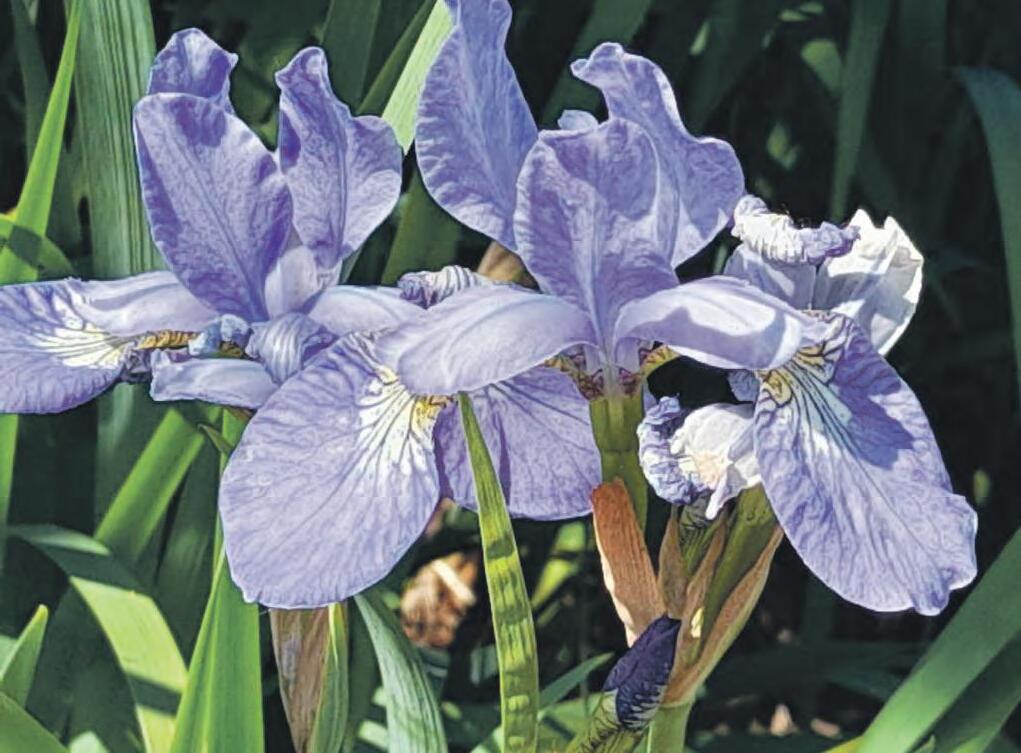
Koirin Azalea Centre specialise in rhododendrons and azaleas. They also grow hydrangeas, leucotheo scarletta, gingko biloba, dwarf grafted pines, and iris sibirica with intense blue flowers and a range of composts, soil improvers and acidic barks for mulching and mixing in to heavy soils. They also have a range of horticultural grits and fertilisers and, with 44 years of landscape knowledge, they provide free friendly advice on all aspects of plants and planting including types of soils and how to improve your garden borders.

Koirin are known throughout the country for their rhododendrons and Azaleas supplying The Royal Parks and Gardens including Exbury Gardens, The Lost Gardens of Heligan, Fort Belvedere and many others. So if you would like some friendly free advice on plants and planting please feel free to visit the nursery near Verwood, Dorset, or ring 01202 824629. The nursery is always worth a visit in May when it is a blaze of colour and a joy to see. azaleacentre.co.uk
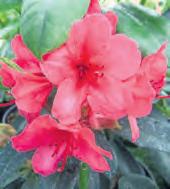



Special plants play a crucial role in gardens, shaping not only their visual appeal but also their ecological value and emotional impact
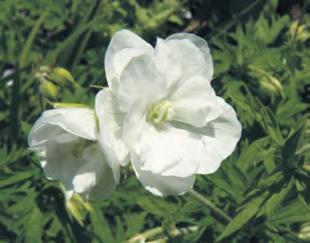
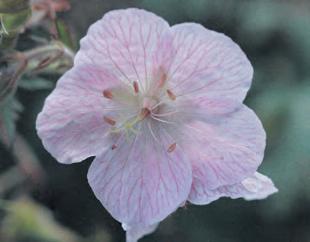
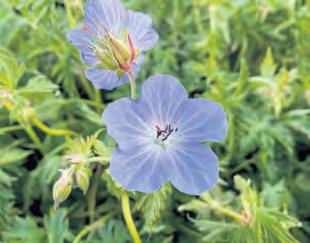
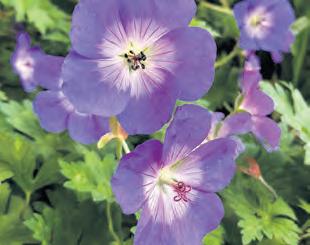
The opportunity to purchase Cranesbill Nursery is a dream come true for us, husband and wife team, Barney and Claire Simons. The couple met while studying horticulture and over the years working in other businesses and raising a family their love for plants continued.
The couple specialise in growing hardy geraniums and the nursery originally began over 40 years ago in the Cotswolds and has moved locations several times making it a viable option to relocate it to Leicestershire.
At the height of spring they stock over 200 varieties of hardy geranium and as a small independent nursery are passionate about the quality of their plants. They felt that after all this time that to continue to offer people a wide selection of hardy geraniums, harder to find varieties as well as established favourites was an exciting prospect and they are looking forward to the challenge.
The full range of available plants can be found on the website www.cranesbillnursery.com
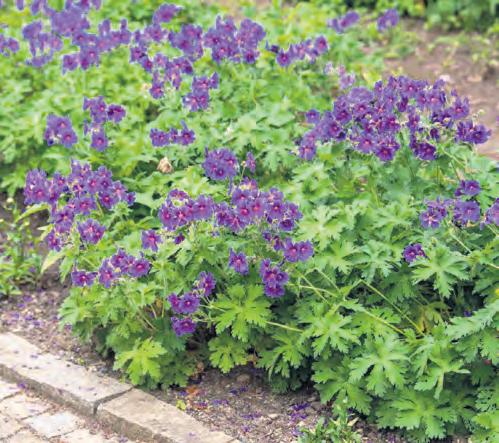

As spring reaches its peak and summer begins, May is one of the busiest and most rewarding months. The soil is warming, plants are growing vigorously, and the risk of frost is diminishing. This combination creates ideal conditions not only for planting but also for maintaining and preparing the garden.
One of the most important jobs in May is planting. The ground has usually warmed enough to support a wide variety of seeds and young plants. Gardeners often focus on sowing as carrots, lettuce, beans, and courgettes directly into the soil. At the same time, tender plants that were started indoors or in greenhouses—like tomatoes, peppers, and cucumbers—can begin to be hardened
off and gradually introduced to outdoor conditions. This process involves exposing them to the elements for increasing periods each day, allowing them to adjust without shock.
Even if planting is already underway, maintaining soil health remains critical.
Gardeners often incorporate compost or wellrotted manure into beds to replenish nutrients depleted over winter and early spring.
Weeding is another major job. Weeds grow rapidly and compete with cultivated plants for nutrients, light, and water. You should weed little and often, removing young weeds before they establish deep roots. This task, while sometimes seen as tedious, is crucial.
Looking forward - plan for your tulip harvest next spring
1
Tulips can be kept in the soil all year round to reflower the following year, but you may find they don’t put on as much of a display and may be shorter and have smaller flowers than previously. To prevent this, it’s important to ensure as much energy as possible from the leaves is returned to the bulbs. Deadhead plants after flowering to stop them wasting energy on producing seed (the exception to this rule is for species tulips, which should be left to develop seed and naturalise around your garden). Don’t cut back foliage until it has turned yellow, which will be about six weeks after flowering.
3

Sow fast-growing annuals
There’s still time to sow fast-growing annuals to flower this year. Choose from clarkia, Virginia stock, candytuft and calendula (pot marigold) to fill empty spaces. they should flower within ten to 12 weeks.
Most bedding plants will last all summer if you look after them. Don’t let them dry out, especially if they’re planted in containers and hanging baskets. If you want value for money, look for bedding plants that flower from May or June right into autumn. Bedding plants that flower for the longest time include cosmos, begonias and geraniums. Check the plant label for flowering times when you buy.

2 6
4
sow
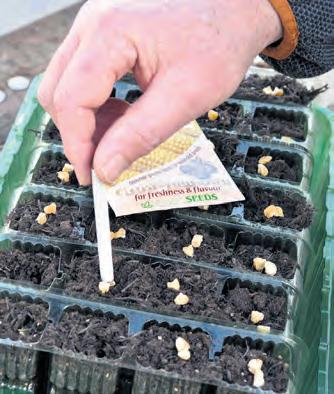
Sweetcorn seed needs to be sown in small pots or modules ready for planting out in a few weeks when all risk of frost is passed. Sweetcorn is wind pollinated so plant in blocks, rather than rows. Water plants regularly and consider mulching around the base of each plant to lock moisture into the soil. Harvest the sweetcorn cobs when the silky tassels turn brown and the kernels, when pressed with a thumbnail, exude a milky liquid.
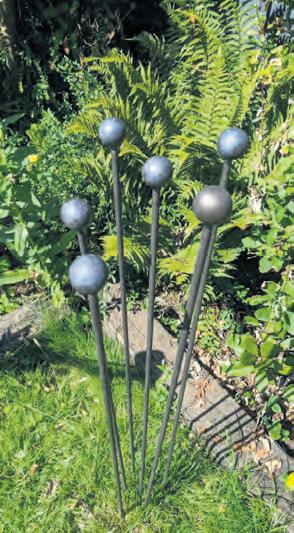
Get your plant supports in place for later in the summer
Many border plants will need support to help them to perform best.
The key is to do this early on, so they grow through and around the frame you are using, giving them a more natural look.
Taller, more fragile, herbaceous plants, such as delphiniums and peonies, are best suited to metal link stakes, which come in various heights and link together to strengthen the support they offer. Often green in colour, these blend in and do not detract from the glorious blooms above.
Annuals like sweet peas, like to climb on branches of hazel or silver birch woven into artistic structures.
7 5
Whether you’re growing cordon or bush varieties, your plants will be taking on a lot of growth and producing trusses in May. Pinch out side-shoots, and ensure your plants are secure, and cordon tomatoes are tied in. With flowers on the plant, this is the time to start giving your tomatoes a weekly potash feed to encourage the fruit to swell. This also applies to peppers, aubergine, and chilli plants.
Watering is a key task
Watering the garden is one of the most important gardening jobs to do in May as plants and vegetables put on so much growth. You should focus on anything that you have recently planted in your borders and containers and hanging baskets. It is better to water borders thoroughly once a week than a splash of water every day. However, containers need watering at least once a day. Ensure that the water is directed at the soil rather than on the plant leaves to avoid scorching, which will damage the plant.
8
Look out every day for pests
Pests and diseases will be at their worst, so keep a lookout. If you’ve been growing lilies, check foliage for the dreaded lily beetle, and if found remove and dispose accordingly. Red mite may start appearing in greenhouses, so it’s a good idea to dampen down the paths each day to deter them and keep doors and windows open for plenty of ventilation.
Think about autumn planting
It’s hard to fathom, but in a few months, autumn will be here, so consider sowing some of those autumn plants, such as pansies and polyanthus. Simply sow seeds onto a tray of fine compost, water and cover lightly. Then place in your greenhouse. Check trays regularly to ensure germination has occurred, and don’t let seedlings dry-out.
Dianthuses are very popular plants due to their spicy clove scent.
June is a good time to take cuttings of these plants. Take the cuttings from young non-flowering shoots cutting about five leaf pairs from the tip. Pull off the bottom pair of leaves and place the cuttings round the edge of an 8cm pot filled with compost. Water in gently and keep in a shady place. Do not cover as the cuttings may go mouldy.
If you want a bloom that truly captures the summer, then nothing says it better than a vibrant sunflower. They can be sown directly into the soil, where they will quickly germinate and grow. There’s a number of new varieties on the market including the increasingly popular smaller multi flower varieties.

on the fruit front
Don’t allow black, red, or white currants to dry out during warm weather or your crop will be spoilt. Water every seven days, depending on the weather. Water potted plants before the compost dries out.
Tidy up early fruiting strawberries. After you have picked the last fruit, cut back foliage to about two inches, exposing fresh leaves. Give plants a boost with a general-purpose fertiliser.
Apple crops can be ruined by codling moth caterpillars tunnelling through the fruit. Reduce damage by hanging pheromone traps in trees to lure away male moths.
Protect fruit bushes from birds by covering them with netting.
May is a great month to take softwood cuttings from lavender, forsythia and fuchsia. Take 10cm cuttings from the tips of your chosen shrub, making a sharp horizontal cut just below a pair of leaves, and remove any lower set of leaves or buds.

Fill a small pot with gritted compost, and push the cuttings in, parallel to the side of the pot. Space cuttings equally, water and place in a greenhouse or warm windowsill.
If you’re lavender is flowering, then take cuttings and bring indoors. Simply bunch together, tie and suspend somewhere where you can enjoy its fragrance.
Don’t forget your pots
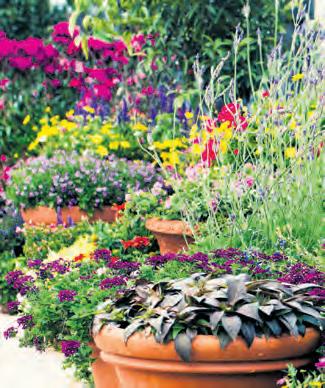
Feed fuchsias, petunias, and any other flowering plants with a fertiliser once a week to boost flowering. start feeding when you notice buds forming on the plants and continue until the plants run out of steam in early autumn. Give tuberous begonias a boost by removing female flower buds to allow the plant to put all its energy into producing attractive male flowers. Female flowers are easily recognisable, as the blooms are single, smaller, and less showy.




Alliums, or flowering onions, are among the most rewarding plants a gardener can grow. With their dramatic shapes, vibrant colours, and ease of care, they bring structure and elegance to any garden. From towering purple globes to delicate nodding blooms, there is an allium for every taste and space.
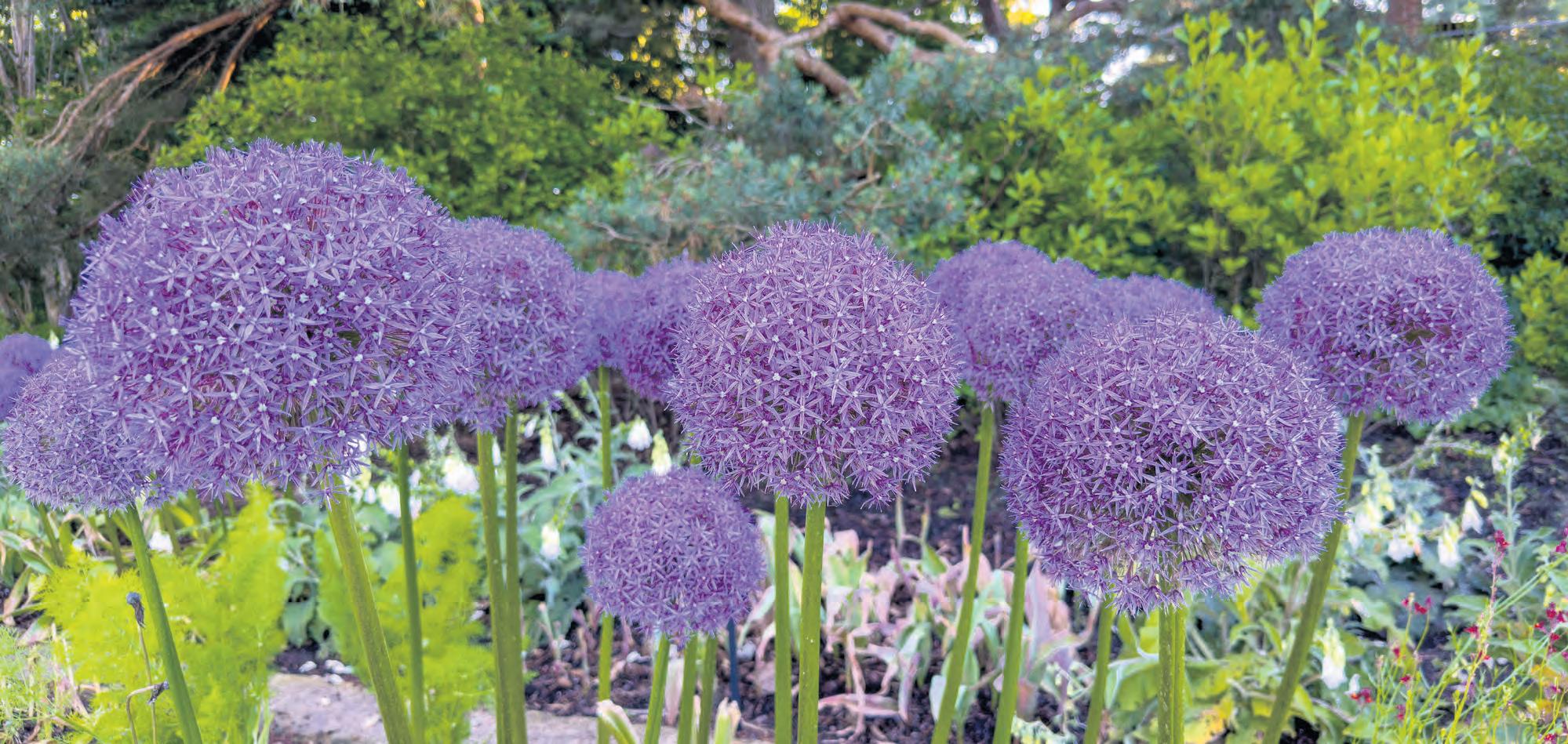
Alliums, commonly known as flowering onions are perhaps the most striking and architecturally dramatic plants in gardening.
Famous for their globe-shaped blooms perched on tall, elegant stems, they create a bold visual statement in borders, cottage gardens, and contemporary landscapes alike. Though closely related to everyday vegetables like onions, garlic, and leeks, ornamental alliums are grown primarily for their flowers rather than culinary use.
Belonging to a vast genus with over 700 species, alliums offer remarkable diversity in size, colour, flowering time, and form. From tiny alpine species to towering giants over one and a half metres tall, they fill an important seasonal gap—flowering after spring bulbs like tulips and before summer perennials reach their peak.
The genus allium is part of the Amaryllidaceae family and consists mainly of bulbous perennials. Most species grow from underground bulbs, though some develop from rhizomes. They are characterised by:
Narrow, strap-like leaves (often dying back before flowering)
A leafless flowering stem (scape)
An umbel—a cluster of small flowers forming a spherical or dome-like head
Their characteristic onion-like scent is usually only noticeable when leaves are crushed, making ornamental varieties pleasant additions to gardens.
Alliums have a long and fascinating history intertwined with human civilisation. Edible species such as onions and garlic have been cultivated for thousands of years, with records dating back to ancient Egypt, Greece, and Rome. These plants were valued not only for their flavour but also for their medicinal properties. The word allium is derived from Latin, meaning garlic.
While edible alliums were widely used in ancient times, ornamental alliums gained popularity much later. It was not until the late 19th century that botanists and plant collectors began introducing striking wild species—particularly from Central Asia— into European horticulture.
These introductions revealed the dramatic potential of the genus:
Large spherical blooms
Unusual architectural forms
Long-lasting dried seed heads
Since then, extensive breeding has produced a wide array of garden-worthy cultivars, many showcased in prestigious flower show events.
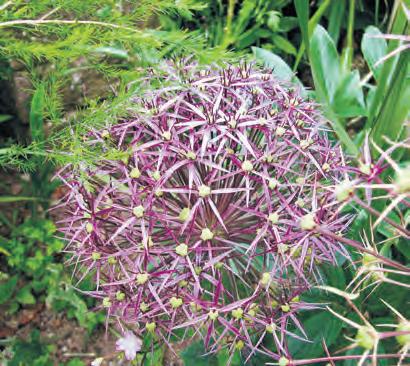
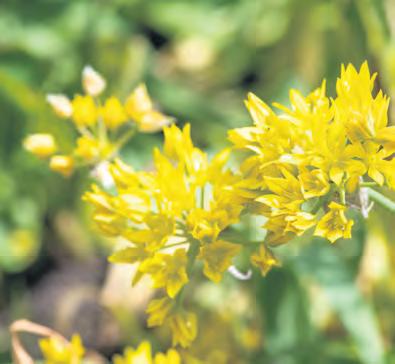
With hundreds of species and cultivars, alliums can be grouped by size, flowering time, and flower shape.
Giant alliums
These are the most iconic types, known for their large, globe-shaped blooms:
Allium ‘Globemaster’ – Massive purple spheres, up to 20 cm across Allium ‘Gladiator’ – Tall stems with large lavender-purple heads
Allium hollandicum ‘Purple Sensation’ – One of the most popular garden varieties
These varieties can reach heights of up to two metres.
Medium-sized border alliums
Perfect for mixed borders and cottage gardens:
Allium aflatunense – Early summer flowering, rich purple tones
Allium cristophii – Starburst-like flowers with a metallic sheen
Allium caeruleum – Distinctive skyblue blooms
These provide strong colour and structure without overwhelming surrounding plants.
These have smaller, egg-shaped flower heads:
Allium sphaerocephalon (drumstick allium) – Deep burgundy purple
Excellent for naturalistic planting and meadow-style gardens
Their subtle form contrasts beautifully with larger alliums.
Small and rock garden alliums
Compact species suited for containers and rockeries:
Allium moly – Bright yellow flowers
Allium karataviense – Broad leaves and low-growing blooms
Allium unifolium – Pink clusters
These are ideal for smaller spaces or edging.
Some alliums break the classic “purple globe” stereotype: Nodding or bell-shaped flowers (Allium cernuum)
Firework-like bursts (Allium schubertii)
White forms like Allium ‘Mount Everest’
Colours range from white and pink to blue and even yellow.


Alliums are one of those plants that offer a huge amount of beauty and style in return for very little effort – you simply put them in the ground, and they return spring after spring. They consistently provide weeks and weeks of glamour in the borders.
From the humble onion family, they are the unlikely sirens of the garden –their globes are held aloft on long, strong stems, and they are excellent for cutting when in flower or as dried, decorative seed pods. You can’t beat alliums for adding late spring and summer pizzazz – explore the range of allium bulbs in all shades of purple, as well as white and blue.
Allium bulbs should be planted outdoors in autumn.
Dig a hole for each bulb, or if you are planting lots in one go, dig a trench. Plant in good drifts, rather than in twos and threes to avoid a dotty look.
On heavy soil spread a two inch layer of grit over the bottom of the hole or trench.
Make sure the hole is at least twice the depth of the bulb, and leave a gap of at least three times the bulb width between each bulb. For small and mediumsized bulbs (such as ‘Purple Sensation’), this is around 10-15cm deep and 1015cm apart. For the larger varieties (such as ‘Purple Rain’) it’s around 15cm (deep, but at least 20-30cm (apart as they need more space for their much larger flower heads and foliage. Giants like ‘Globemaster’ need to be 30-45cm apart to accommodate their gorgeous heads.
Place your bulbs on the bottom of the trench/hole and then cover them up –if on very heavy soil, mix in about one-third grit to two-thirds soil to fill in.
Alliums are drought tolerant so are unlikely to need watering if planted in the ground; they will be watered by rain through the winter.
On poor soil, it’s worth giving almost all spring-flowering bulbs a potash feed in the early spring. This helps feed the bulbs and will encourage them to stick around and flower on and on for years. Alliums are usually grown for their ornamental heads which look good after they have gone to seed. If you want to minimise seedlings, you can remove the heads before the seeds ripen.
All bulbs do best if you minimise the number of leaves, you cut when you pick the flowers.
Ornamental alliums are usually relatively problem free in the garden but can sometimes be affected by the diseases common to edible alliums like onions and garlic. Onion fly, allium white rot and downy mildew are all common issues for edible alliums that can sometimes affect the ornamental varieties. To help prevent this, avoid planting ornamental alliums where edible alliums have been planted before.
Onion fly
The maggots of the onion fly (which looks like a small grey house fly) do the most damage, eating the roots of plants in the onion family. If this is happening, the plant may fail altogether, or you might notice yellowing leaves.
The bulbs should be dug up – if you see any maggots or larvae, dispose of the bulbs straight away.
Allium white rot
This is a fungal disease that impacts the bulb and more commonly affects onions, garlic and leeks. The bulb will show signs of furry white growth and leaves might yellow and wilt. Bulbs should be disposed of – avoid planting any alliums in the affected area in the future as the fungus can survive in the soil for years.
Both the fly and the maggots of the allium leaf miner cause damage to alliums – the female flies’ puncture and feed on the leaves, while the larvae feed on the stems and bulbs. Both the flies and the pupae are about 3mm long. The plant is likely to show distorted or twisted leaves.
Historically rooted in ancient agriculture and later embraced by ornamental horticulture, alliums have evolved into a modern garden essential. Whether planted in sweeping drifts or tucked into mixed borders, they provide a unique combination of beauty, resilience, and ecological value.
For both beginners and experienced gardeners, alliums offer something rare in gardening: maximum impact with minimal effort—a true hallmark of great plants.

Research is gathering pace to identify the possibility there may be an efficient byproduct of livestock farming which could help to replace the gap caused by reducing the dependency on peat. It comes in perhaps the unlikely form of sheep’s wool.
Peat has long been a staple material in horticulture, valued for its excellent water retention, aeration, and ability to support plant growth. However, the environmental cost of peat extraction—particularly the destruction of peatlands, which are vital carbon sinks and biodiversity hotspots—has led to increasing interest in sustainable alternatives.
One such alternative that has been gaining a lot of interest and attention is sheep wool, a natural byproduct of livestock farming.
Exploring the possibility of sheep wool replacing peat now reveals both promising advantages and notable challenges.
Sheep wool possesses several properties that make it an attractive growing medium. Firstly, wool fibres are highly absorbent, capable of retaining significant amounts of water while still allowing air circulation. This balance between moisture retention and aeration is essential for healthy root development, similar to the qualities that make peat so effective. Additionally, wool decomposes slowly, providing a long-lasting structure within soil or compost mixes.
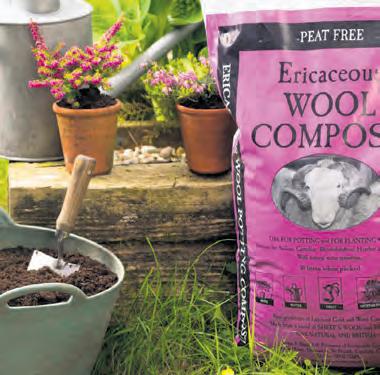
Another key benefit of sheep wool is its nutrient content. Wool is rich in nitrogen, a critical element for plant growth. As it breaks down, it releases nitrogen gradually, acting as a slow-release fertiliser. This could reduce the need for synthetic fertilisers, contributing to more sustainable gardening practices. Wool also contains other trace elements beneficial to plants, further enhancing its appeal as a soil amendment.
From an environmental perspective, sheep wool has clear advantages over peat. Wool is a renewable resource, produced annually through shearing. In many regions, particularly where wool demand has declined, large quantities of lowgrade wool are considered waste. Utilising this surplus as a horticultural material not only reduces waste but also adds value to agricultural byproducts.
In contrast, peat forms over thousands of years, making it effectively nonrenewable on human timescales. Its extraction releases stored carbon dioxide into the atmosphere, contributing to climate change.
Moreover, using sheep wool could support local farming economies. Farmers often struggle to find profitable markets for coarse or lower-quality wool. Developing a horticultural market for wool-based growing media could provide an additional income stream and strengthen rural industries. This aligns with broader sustainability goals by promoting circular economies and reducing reliance on imported materials.
Despite these advantages, there are challenges. One major issue is scalability.
While wool is abundant in some regions, global demand for peat alternatives is vast. It is uncertain whether wool production could meet this demand. Additionally, the processing of raw wool into a suitable growing medium requires cleaning and sometimes pelletising or blending with other materials, which adds cost and complexity.
Another concern is consistency. Peat offers a uniform, predictable medium that growers rely on for commercial production. Wool, being a natural product, can vary in quality depending on factors such as sheep breed, diet, and processing methods. Ensuring a standardised product that meets the needs of professional growers could be challenging.

There are also practical considerations regarding handling and application. Raw wool can be difficult to work with in its natural state, as it may mat together or repel water initially due to residual lanolin.
Sheep wool presents a compelling and sustainable alternative to peat, offering excellent water retention, nutrient content, and environmental benefits. Its use could reduce waste, lower carbon emissions, and support agricultural communities.
There is something quietly magical about visiting gardens in May, when spring reaches its fullest expression and gardens begin to hum with life. After the first blooms of early spring, May arrives with confidence—lush, vibrant, and abundant. Gardens during this time feel complete, as if every plant has found its voice.
One of the greatest delights of May gardens is the sheer variety of blooms. Tulips may still linger in cooler corners, while alliums rise like sculptural fireworks above beds of fresh greenery. Roses begin their first flush, unfurling petals that seem impossibly delicate, yet richly fragrant. Herbaceous borders swell with peonies, irises, and aquilegias, each contributing its own unique form and hue. The palette is both soft and striking pastel pinks and lilacs sit alongside bold purples, fiery reds, and luminous whites.
Equally enchanting is the freshness of the foliage. Leaves are young, tender, and intensely green, catching the light in a way that feels almost translucent. Trees and shrubs are fully dressed again, offering shade and structure, while new growth adds a sense of movement and vitality.
The sensory experience of a May garden goes far beyond what can be seen. The air is often rich with fragrance— sweet from blossoms, earthy from damp soil, and occasionally sharp with the scent of herbs brushed underfoot. Birds are at their most active, filling the
space with song as they nest and forage. Bees drift lazily from flower to flower, their steady hum reinforcing the sense that the garden is alive and thriving. There is also a particular quality of light in May that enhances the experience. Longer days and softer sunshine create an inviting atmosphere, perfect for lingering strolls. Morning visits feel crisp and full of promise, while late afternoons bring a golden warmth that deepens colours and casts gentle shadows.
Perhaps what makes May so special is its sense of balance. It captures a moment between the anticipation of spring and the fullness of summer. There is abundance, but not yet the heaviness of heat or the fatigue of plants past their peak.
Visiting gardens in May becomes more than just a visual pleasure; it is a restorative experience. It reconnects us with seasonal rhythms and reminds us of the quiet, persistent beauty of growth. Whether wandering through a formal garden or a wild, untamed space, one cannot help but feel uplifted. In May, gardens are not just places—they are celebrations of life at its most vivid.
Lukesland Gardens, a ‘hidden gem’ just 10 minutes off the A38 a mile north of Ivybridge, offer delights for all ages during May.

Brilliant banks of azaleas and rhododendrons are luminous against the new green of the beech trees and fill the air with exotic perfumes. Wild blue bells and campions abound by a pretty Dartmoor stream, criss-crossed by many picturesque bridges. Later in the month Lukesland’s wellloved handkerchief trees are spectacular, with their white bracts fluttering in the breeze.
For children there is a fun trail (with prizes!) and everyone will enjoy the delicious home-made soup and cakes in the Victorian tea-room. Dogs are welcome on a lead. Open Sundays, Wednesdays and Bank Holidays 11am to 5pm till 7th June.
Lukesland Gardens, Lukesland House, Ivybridge PL21 0JF
For details call 07906480362 or go to www.lukesland.co.uk www.facebook.com/lukeslandgardens
The programme of great specialist plant fairs continues in May. The first at Salthrop House, home of designer Sophie Conran, at Wroughton, near Swindon, is on Sunday 10th May. Next comes American Museum and Gardens, in Bath, on Sunday, 17th May. Then comes the largest fair at Kingston Bagpuize House, near Abingdon, on Sunday 24th May. A great selection of specialist nurseries will attend all with enthusiasm and expertise to share. There are 14 fairs this year. Visit the website www.rareplantfair.co.uk for full details of all the events, including lists of the exhibitors attending.




















24 acres of Rare Shrubs, Trees, Pools & Waterfalls
Home-made soups & cakes
Sunday 15th March to Sunday 7th June, Suns, Weds, Bank Holidays 11am - 5pm
Harford Ivybridge PL21 0JF Tel 07906 480362 www.lukesland.co.uk


walledgardens@ucscollegegroup.ac.uk
20th & 21st June, 2-6pm
About 25 Private Gardens Open Seasonal flower display
Plant stall, teas and free car park (DT2 7GD) from 1pm
Entry ticket to all gardens 1 day £8, both days £10, Accompanied children free
Proceeds:
Dorset & Somerset Air Ambulance and Squibb Garden Renovation www.cerneabbasopengardens.org.uk
We look forward to welcoming you on Thursday 6th August 2026
Fabulous entertainment, Delicious food and drink, Over 400 trade stands.
Majestic livestock and horses, Bees and Honey, Dog Show, Kids Zone, Vintage Tractors and Classic Cars, West of England Hound Show, Cookery Theatre, Young Farmers Clubs and Fairground Rides. Please apply for trade, livestock and horse schedules.


ADVANCE TICKETS JUST £20 (ACCOMPANIED UNDER 16 GO FREE) AVAILABLE FROM www.honitonshow.co.uk
Secretary: Marcelle Connor, Bank House, 66a High Street, Honiton, Devon, EX14 1PS info@honitonshow.co.uk


This summer on the 26th & 27th June,Whatley Manor the luxury hotel set in the Cotswolds countryside and set in 12 acres of gardens welcomes back Maria Parvati for an active meditation retreat.
Over one or two days, you choose, participants will be guided in meditations where movement leads you to more centred way of being. You will come away with the knowledge to establish a home practice, and leave feeling a renewed sense of joy, a strengthened sense of self, and continue with a positive momentum that continues to unfold throughout the rest of the year. For more information visit whatleymanor.com and go to the event section. Whatley Manor Easton Grey, Malmsbury SN16 0RB
Hare Spring Cottage Plants ,the award-winning Kingsbridge plant nursery in Devon is not usually open to the public, but they are having an Open Weekend in May.
They are RHS Gold Medal Winners, RHS Master Growers and specialise in hardy perennial plants as well as being the holders of three National Plant Collections – camassia, sidalcea and uvularia. There will be delicious cakes and refreshments and plenty of field parking. Dogs on short leads are welcome.
The weekend takes place on Friday 29th, Saturday 30th and Sunday 31st May from 10am to 4pm. Mill House, Ford, Kingsbridge, Devon TQ7 2LN More information at stella@harespringcottageplants.co.uk
Kelmscott Manor is the most preserved of all the buildings associated with William Morris and his family with much of the buildings and surrounding Cotswolds countryside still as it was when Morris lived there.
Through displaying the unique collection, activities, special exhibitions, educational and community engagement the goal is to allow visitors to experience and respond to Kelmscott in the same way that William Morris did during his quarter of a century of living there, preserving the tranquil domestic and rural character of the property, and highlighting the artistic, archaeological, and natural sources of inspiration for Morris and others. The manor is open to the public on Thursdays, Fridays and Saturdays from April right through to October.
Kelmscott Manor, Kelmscott, Lechlade GL7 3HJ For more information visit kelmscottmanor.org.uk Tel: 01367 252486
Rhododendrons and azaleas in the woodland gardens, herbaceous and roses in the walled gardens and the wildflowers will all be at their best. Wild foxgloves appear along the walks to the beach where St. Nectan’s blood dripped as he carried his severed head! The cliff flowers at Blackpool Mill are beautiful. The Abbey, given by Henry V111 to the present owner’s ancestor, is a fascinating insight into a Devon family’s history to the present day. Delicious homemade refreshments in the Old Kitchens Tea Room.
Hartland EX396DT Tel: 01237441496 www.hartlandabbey.com

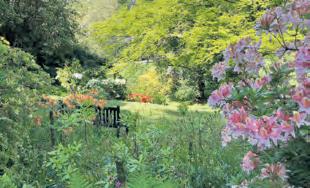
Knightshayes offers a serene escape into one of the National Trust’s most extensive plant collections. Wide paths lead through peaceful grounds, with a friendly shuttle buggy running from Visitor Reception to the house and award-winning formal gardens.
Gardeners will love the Garden in the Wood, a rare botanical garden set within natural woodland, created after the Second World War to showcase unusual plants among dappled glades and winding paths. With a café, shop and second hand bookshop to enjoy, and located just off the M5 near Tiverton, it’s a truly special place to explore in late spring and early summer. nationaltrust.org.uk/knightshayes
The Cadhay gardens are resplendent as always in May June as all the hard in the popular Devon gardens work through the winter and Spring starts to pay off. The rhododendrons around the medieval ponds, which form the backbone of the gardens, will still be in flower and the water lilies will be starting. Meanwhile the borders promise to be abundant.


produce and grow the largest selection available in the UK. Plants are pot grown and suitable for garden, patio or bonsai.
welcome Mon-Sat 9am-1pm & 2pm-4pm
& Co (DCG), 262 Wimborne Rd West, Stapehill, Wimborne, Dorset BH21 2DZ Tel: 01202 874283
enquiries@barthelemymaples.co.uk www.barthelemymaples.co.uk
Cadhay is open on Friday afternoons throughout the summer from 2pm and afternoon teas will be available until 5pm.
Contact jayne@cadhay.org.uk or 01404 813511. Cadhay, Ottery St Mary, EX11 1QT
Elkstone is more than just one of the highest villages in the Cotswolds. Wind your way through woodland and between the honey-coloured houses to uncover a plethora of beautiful gardens, open to the public on 28th June from 2pm to 6pm. From formal hedging to outstanding planting displays, there’s a real contrast in styles across the gardens. Elkstone is situated halfway between Cirencester and Cheltenham just off the A417 in the heart of the Cotswolds National Landscape
The beautiful Norman church - a particular highlight with its unusual chancel and wildflower meadowhosts refreshments, bell ringing and a performance from the Churn Valley Choir. At the other end of the village, the village hall, a school until around 1960, becomes a buzzing tearoom for the afternoon. https://elkstoneparish.gov.uk
There’s the chance to experience the vibrant beauty of summer at Badminton Estate’s open garden days on two days this summer and autumn -14th June and 6th September
Visitors will be able to explore the historic Badminton House gardens, featuring formal beds designed by Russell Page, alongside the South Garden’s water squares, hedges, and borders and enjoy a stunning array of seasonal blooms, from roses to dahlias, and visit the Walled Garden, home to the estate’s kitchen garden.
Enhance your day with plant and flower stalls,

delicious food and drink vendors, and visit the exhibition A Garden of Botanical Art, showcasing the botanical artwork from the 1st Duchess of Beaufort’s commissioned florilegium in the Old Hall.
Admission opens at 10 am, with the last entry at 4 pm. Pre-sale tickets are £12 for adults and £9.50 for seniors (60+), with higher prices at the gate. Carers and children under 12 enter free.
Proceeds support the Severn Area Rescue Association and the Church Restoration Fund. For directions, parking, and accessibility details, visit www.badmintonestate.com
Badminton, Tetbury GL9 1DD
As spring growth gathers pace within the historic walls, borders begin to fill out with soft green foliage, while early flowers introduce colour and texture across The garden’s carefully designed spaces.
Among the seasonal highlights is the striking Paeonia ludlowii, whose luminous yellow blooms stand out against fresh spring greenery.
Nearby, the vibrant red flowers of ribes speciosum add an exotic touch, often attracting early pollinators. Another standout is the elegant cercis siliquastrum, with its clusters of pink blossoms appearing directly along bare branches.
Throughout the gardens, areas such as the Blue Garden and Sub-Tropical Walk begin their seasonal transformation, offering contrast in colour, texture, and atmosphere. The combination of emerging plants, longer days, and increased wildlife activity makes it a rewarding time to visit. Check the website for events and current opening times.
Walled Gardens of Cannington, Church St, Cannington, Bridgwater TA5 2HA Tel: 01278 655042 walledgardens@ucscollegegroup.ac.uk

Visit this stunning family home with its fascinating collections and exhibitions
Beautiful walled and woodland gardens. Wildflower walks to the beach. Enjoy our ‘William Stukeley – Saviour of Stonehenge’ exhibition. Location for ‘Malory Towers’, ‘The Night Manager’ and BBC Gardener’s World in 2025.
* Dogs welcome * Holiday Cottages * * Delicious light lunches & cream teas * House, Gardens etc and Café open until 2nd October Sunday to Thursday 11am - 5pm (House 2pm - 5pm last adm 3.45pm)
For more information and special events see www.hartlandabbey.com Hartland, Nr. Bideford EX39 6DT 01237 441496
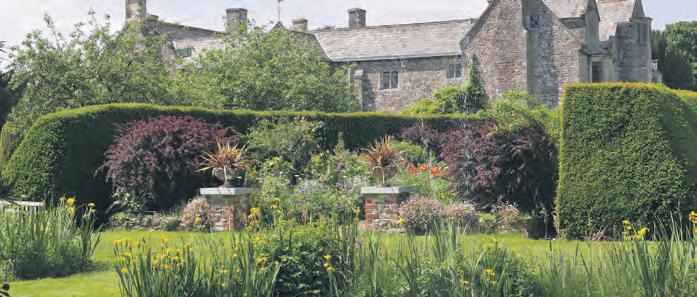


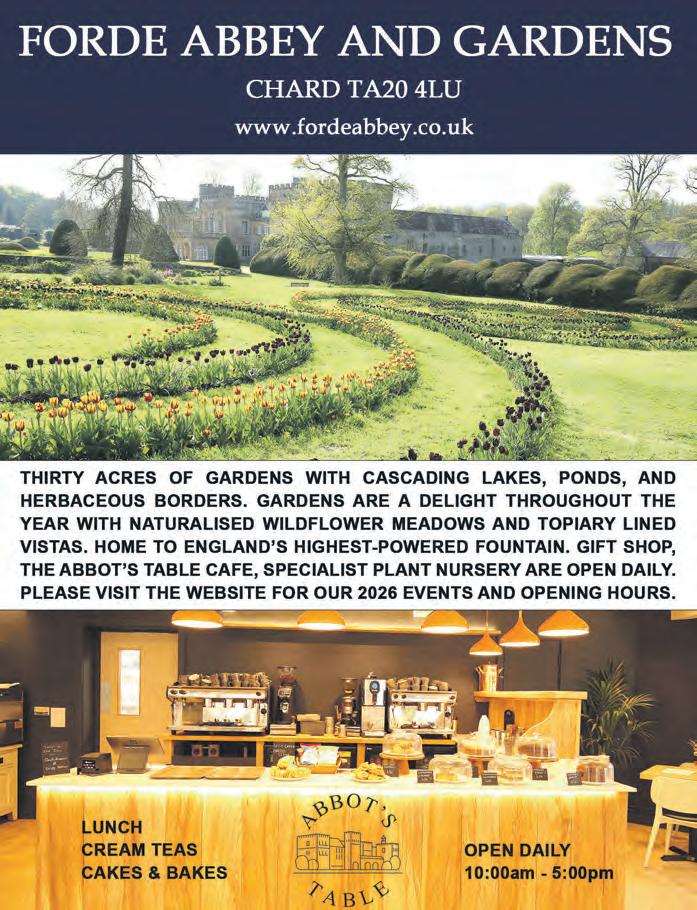
The gardens at Forde Abbey are a quiet masterpiece, an ever-changing tapestry of colour, texture, and scent that invites visitors to slow down and savour each moment. Set within the historic grounds of the former Cistercian monastery, the gardens feel both carefully designed and effortlessly natural, blending centuries of horticultural expertise with the gentle rhythms of the English countryside. One of the most striking features is the Long Border, often celebrated as one of the finest herbaceous borders in England. In the height of summer, it bursts into life with a dazzling display of blooms—delphiniums, lilies, and roses standing tall among softer drifts of lavender and nepeta. The careful layering of plants ensures that something is always in season, rewarding repeat visits with new combinations and surprises.
Beyond the borders, the gardens unfold into a series of distinct yet harmonious spaces. There are tranquil lawns framed by ancient trees, reflective ponds that mirror the sky, and shaded pathways where dappled sunlight filters through leaves. The sound of water is never far away, whether from gentle streams or the impressive, powered fountain, whose soaring jet adds drama to the otherwise peaceful setting.


What truly sets Forde Abbey’s gardens apart, however, is their atmosphere. There is a sense of calm here that feels deeply restorative. The Abbot’s Table Cafe will be open throughout the day serving lunches, light bites and homemade cakes and bakes.
The Abbey in house plant nursery is also open from 10.30 am and it is stocked with spring bulbs and a diverse range of herbaceous perennials, many rare and unusual. All the plants are grown at The Abbey. The gardens will remain open until 5pm (last entry at 3pm).
Forde Abbey, Forde Abbey Estate, Chard TA20 4LU
The Honiton Show is planning for a great celebration of rural life and entertainment in the east Devon countryside on Thursday, 6th August. There will be an array of fantastic entertainment The Kangaroo Kid, the UK’s most iconic ATV Stunt Show returns as Sam Coulter takes on his dad’s legacy, witness the legendary Rollover Quad a bespoke stunt machine built to defy physics! The outstanding Joseph’s Amazing Camels return; these wonderful animals will race in the main ring and you’ll have the chance to meet them too!
There’s also children’s entertainment in abundance including fabulous Twistopher Punch & Judy Show or Professor Crump, on his stilts. A Kids Zone will include Whacky Races for all ages, workshops and a Pottery Painting Den! Come and meet surprise characters who will appear around the showground. Take a trip down memory lane with over 100 vintage tractors and over 50 stunning classic cars. With a vast array of shopping on offer, fabulous food and drink to tickle taste buds including a cookery theatre with chef demonstrations there is something to appeal to every member of the family.
For further details on the show or information on
becoming a member of the association and enjoying all the benefits please contact the secretary on 01404 41794. Gates open at 8am with family entertainment until 6pm. Discounted early bird tickets are available now at £22 in advance, (show day prices £24.00), accompanied children (Under 16) are admitted free! Visit www.honitonshow.co.uk and purchase your early bird ticket.
The Royal Bath & West Show is back in all its glory from 28th to 30th May, and this years’ Pop-Up Gardens competition promises to inspire visitors wanting to improve their own outdoor space.
Entrants are invited to ‘Design a Garden Room for the 2020s’ with judges looking for stylish, sustainable outdoor spaces that connect home and nature.
Sustainability is an important feature of many modern gardens and is reflected in this years’ competition. Designers are asked to demonstrate the use of recycled or renewable materials, aiming for minimal waste; Climate Resilience (through drought-tolerant, pollinator-friendly, and regionally appropriate planting); and Nature Connection which encourages wildlife, wellbeing, and relaxation.
Designers will have just two days to build their gardens before the show opens, with awards for Best in Show and the People’s Choice.
The entries will be available to view at the Horticultural Village, where visitors can also enjoy the exhibits in the Flower Tent and Floral Art exhibition.
The Royal Bath & West Show offers more than horticulture. The main ring will include the popular Pony Club games, show jumping, Vintage Vehicle Parade, Scurry and Heavy Horses, with the Shetland Pony Grand National providing the main entertainment.
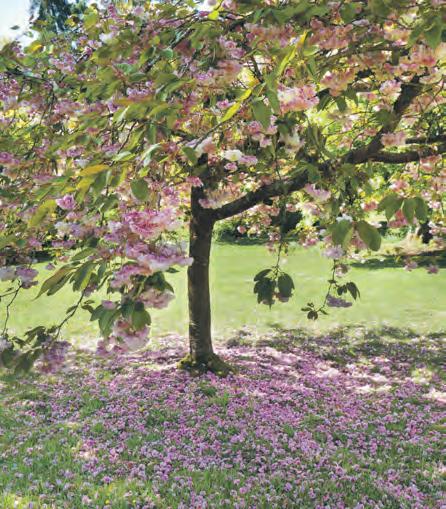

After a successful launch in 2025 the Royal Bath & West Show App will be available to download before the show.
If you want to extend your stay, camping pitches will once again be available at £35 per night, and VIP parking is also on offer at £30 per car.
With a family ticket (two adults and three children) costing just £60, and concessionary rates for senior citizens, the show is a good value family day out. Book tickets now at www.bathandwest.com
Cerne Abbas open gardens on Saturday and Sunday, 20th and 21st June. Fifty years ago, Cerne Abbas opened its gardens for the first time. Then it was to raise money to rehang the church bells, this year the proceeds go to the Dorset and Somerset Air Ambulance and a village cause. The garden openers are keen to share their gardens and gardening experience. Visitors will find a range of garden sizes and styles – something to satisfy everyone. There is a free car park, an excellent plant stall and relaxing teas are available in the vicarage garden. Visit www.cerneabbasopengardens.org.uk website for further information.

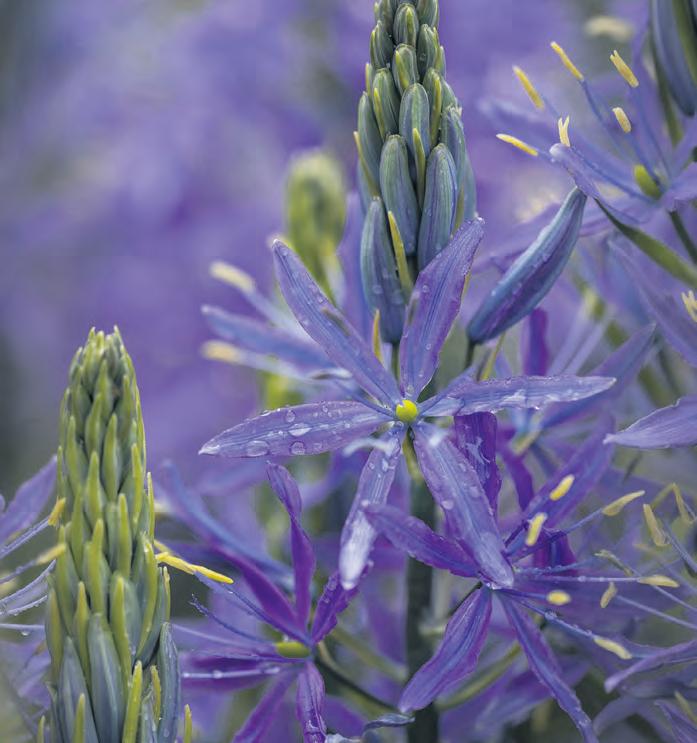
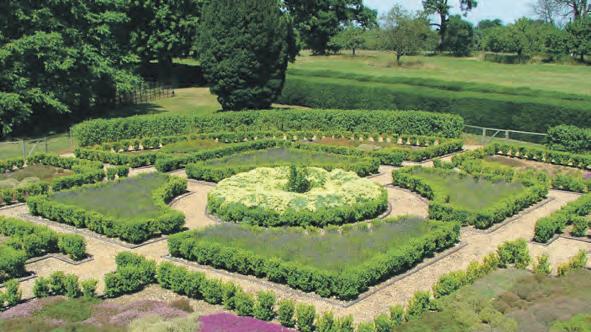


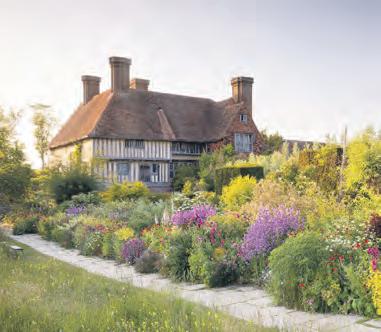
If there’s one tour that epitomises the joy of strolling around a perfect English country garden, it is this tour of the famous gardens and castles of Kent– with one shining example after another to be savoured and enjoyed. Even if you have visited some of these properties before, such is their allure that you can return again and again, just as you would re-read your favourite novel.
First-time visitors will be bowled over by the quality and pedigree of these gardens and castles which capture the essence of the English country garden.
Our journey into Kent brings many rewards.
Visits include the magnificently manicured gardens of Sissinghurst; the world-famous gardens at Great Dixter; the historic Hever Castle and gardens; the spectacular photogenic Leeds Castle; the lovely Edwardian gardens at Doddington; the beautiful Penhurst Place Gardens; Scotney Castle, known as one of the most romantic gardens in England and the restful and tranquil gardens at Belmont Castle
Five nights’ dinner, bed and breakfast at Chilston Park Hotel.
All visits as outlined in the itinerary.
Services of a professional tour manager.
The CHILSTON PARK HOTEL in Maidstone is an elegant 4-star Grade I listed manor house set within 77 acres of private parkland. It is a popular destination for weddings, leisure breaks, and known for its historic charm and antiques.
The hotel has 53 unique bedrooms, including feature bedrooms with 4-poster beds and mews junior suites located in the converted stables.
Culpeper’s Restaurant, located in the original dining room, serves modern British cuisine and has been awarded 2 AA Rosettes. Afternoon tea is also served in the Marble Lounge.
The property includes a tranquil lake, manicured gardens, and extensive parkland, often with sheep and cows grazing, offering a quiet, romantic atmosphere.
Complimentary Wi-Fi, 24-hour room service, and cozy drawing rooms with open fires.

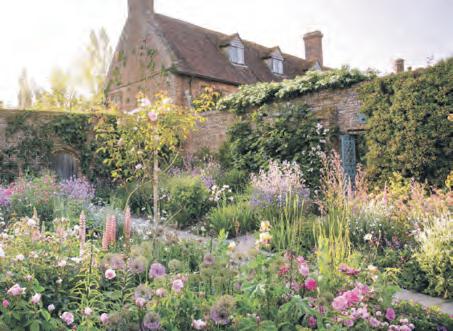
SIX-DAY exclusive hosted tour
Great value for money with coach travel, visits, accommodation and evening meals and breakfast included.
Fully supported with experiences assistance team whilst on tour.
Innovative holiday, well planned and perfectly paced.
Our itinerary
DAY 1: Somerset departure from Taunton and travel by luxury coach to Maidstone with regular stops and tea breaks arriving in time for tea before relaxing and then enjoying a welcoming dinner.
DAY 2: We have a long but most rewarding day with two venues to look forward to. Our first stop is HEVER CASTLE on the Kent and Surrey border. Set in 125 acres of glorious grounds this was once the childhood home of Anne Boleyn. During our visit we will enjoy its award-winning gardens and its rich and varied history. After lunch at the Castle we head off for an afternoon visit to the beautiful PENHURST PLACE and its 14th century Manor House and 48 acres of gardens.
DAY 3: Another busy and exciting day ahead of us. First it’s to DODDINGTON PLACE with its famous woodland and sunken garden which was recognised in the Sunday Times recently as ‘one of England’s unsung hero gardens’. Every generation that has lived at Doddington Place has played a part in the evolution of the garden which is now a mix of history and perfection. In the afternoon a short drive to SCOTNEY CASTLE an English country house and romantic ruined castle and Victorian mansion and with formal gardens.

Accompanied access to gardens and visits.
No hidden extras.
Friendly tour personnel.
Welcoming, friendly service from first contact.
Four stay luxury Maidstone hotel base for our stay situated in 77 acres of parkland.
DAY 4: This promises to be a very special day with two world class venues to look forward to. First we arrive at SISSINGHURST, the historic, poetic and iconic gardens a refuge dedicated to beauty. Vita Sackville-West and Harold Nicolson fell in love with Sissinghurst Castle and created a world-renowned garden. In the afternoon we dip into East Sussex and enjoy the gardens at GREAT DIXTER. This is Christopher Lloyd’s mesmerising garden built around a fifteenth century house extended by Sir Edwin Lutyens
DAY 5: Our first stop today is the picturesque LEEDS CASTLE, built on islands in a lake formed by the River Len near Maidstone and an exciting and fun venue. Then in the afternoon we go on to discover BELMONT HOUSE, the beautiful 18th-century home and gardens built in 1769 surrounded by picturesque and tranquil gardens.
TOUR BACKED BY
£1400pp BOOK NOW - NUMBERS LIMITED FOR THIS IN DEMAND TOUR
25% fully refundable deposit upon booking. GROUP BOOKING DISCOUNT: If 11 x people or more book on a single booking a maximum of one free place will be provided.
Ready to book?
If you’d like to join us on this exciting gardening tour then call Country Gardener on 01823 431767 or email on alan@countrygardener.co.uk reservations for the tour are open now.
One of Dorset’s great horticultural occasions is when the village of Witchampton opens its wonderful gardens to the public. This much anticipated biennial event is being held over the late May Bank Holiday weekend (Sunday 24th & Monday 25th) and is likely to attract visitors from all over the South of England.
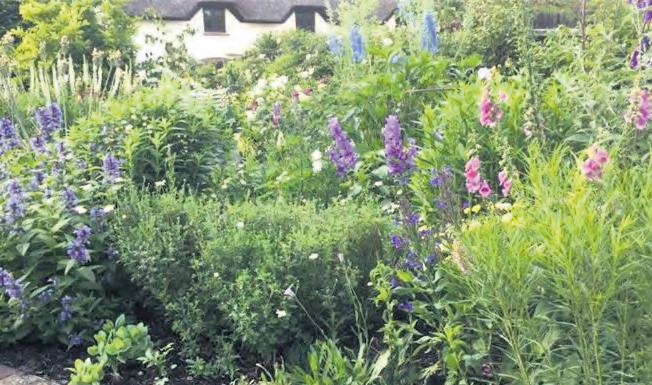
Witchampton hugs the high ground to the west of the beautiful Allen Valley, four miles north of Wimborne. Dating from Roman times, it is considered one of the county’s best-preserved villages. Some 15 gardens will throw open their gates – the grand and the modest, the formal and the relaxed, both riverside and hillsidesome open individually under the National Gardens Scheme. Teas and cake will be available both at the Village Hall and in Newtown, whilst you can enjoy cold beer and hot food at the Witchampton Club. The Blandford Stour Valley Band, the Anonymous Morris and the Witchampton Ukelele Orchestra will perform and two celebrated Witchampton artists are opening their studios, as part of Dorset Arts Week. The Little Owls Forest School are repeating their hugely popular scarecrow trail, a free shuttlebus will transport visitors around the village, and the Church is hosting a folk concert at 6pm on Monday 25th with tickets for garden visitors discounted to £10.
A weekend ticket costs £10 per person giving access to all the gardens (under 14’s are free), with free parking at BH21 5AG. Opening: 11am to 4pm (last entry). All net proceeds go to village charities and activities. For information: Tim Read on 01258 840438 or gardens@witchampton.org
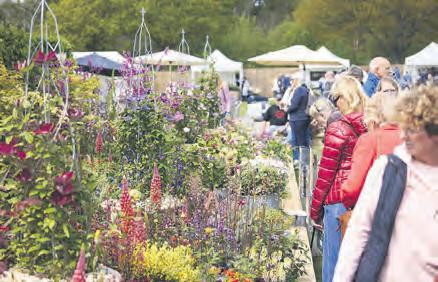
The BBC Gardeners’ World Spring Fair is one of the most anticipated horticultural events in Hampshire, held in the scenic New Forest at the Beaulieu estate over three days from Friday May 1st to Sunday May 3rd This much anticipated event is being held at the New Forest Showground at Clay Hill in Brockenhurst and marks the start of the gardening season and brings together plant lovers, professional horticulturists, and beginners alike. Visitors can explore a wide range of inspirational show gardens, each designed to demonstrate creative planting schemes and practical landscaping ideas suitable for different garden sizes.
A major highlight is the opportunity to see well-known gardening experts from BBC Gardeners’ World, including live talks, demonstrations, and Q&A sessions. These sessions provide valuable advice on seasonal planting, soil care, and sustainable gardening practices. There are also numerous stalls selling plants, tools, garden décor, and artisan products, making it ideal for those looking to enhance their outdoor space.
The fair combines education with entertainment, offering workshops and hands-on experiences for all ages. Set within a beautiful countryside venue, it provides a relaxing yet informative day out.
The Showground, New Park, Clay Hill, Brockenhurst SO42 7QH
Bishop’s Waltham Garden Fair is being held from 10am to 4pm on Sunday, May 3rd. There will be over 60 stalls selling plants and gardening accessories. As well as plant stalls there are arts and crafts and accessory sellers. There will also be a children’s corner and music comes from Cuff Billett’s New Europe Jazz Band You can buy tickets on the door. Hoe Road Recreational Ground, Bishops Waltham SO32 1DU
The National Garden Scheme has awarded grants of between £1,500 and over £3,000 to local community projects with community gardens. Nearly £300,000 has been awarded in grants to local community garden projects throughout England, Wales and Northern Ireland.
In Dorset, Bridport Food Matters, The Living Tree Cancer Charity, Bridport, and The Springfield Trust, Shaftesbury all received grants.
In Hampshire, Farnham Community Farm, Community Spirit, Gosport, Grow Gurnard CIC, Cowes, and Hampshire Cultural Trust were the recipients.
Isle of Wight Mencap and Portland’s Incline Gardens and Community Orchard both received grants.
In Wiltshire, The F3 Project, Salisbury, Swindon Night Shelter, Calne Pocket Park and Community Garden, and Park Lane Community Garden all received grants to help them develop their work.
To find out more go to www.ngs.org.uk

This year there will be two large specialist fairs in Dorset, organised by Plant Heritage. The first will be at ABBOTSBURY SUBTROPICAL GARDENS on Sunday, 7th June and will have 30 specialist nursery stalls and one very large stall offering plants grown by Plant Heritage members, including National Collection Holders & Plant Guardians. This is an ideal opportunity to buy something different at very reasonable prices. There will be a large range of plants on offer including exotics, shrubs, perennials, houseplants, herbs, climbers, alpines etc.
The second fair is again at Abbotsbury on Sunday 23rd August and will also offer late flowering perennials, grasses and much more. Plant Fairs open 10am to 3pm. The award-winning gardens remain open until 5pm (included in the Plant Fair admission of £7.50). 40 per-cent goes to charity.
Please bring cash/cards for plant purchases. Free parking. www.abbotsburygardens.co.uk/events
If you are looking for a gardening event which is both casual and affordable then there’s plenty of choices in Dorset. They include:
BROADWEY, UPWEY & DISTRICT HORTICULTURAL SOCIETY PLANT SALE
9 May. Weymouth, a classic local well supported plant sale with bedding plants, vegetables, and advice from experienced growers.
MILFORD GARDENERS’ CLUB PLANT FAIR
16 May (morning). Milford (near Dorset border); Early-season plant fair with a good range of garden plants.
BUSY BEES GARDENING CLUB ANNUAL PLANT SALE
16 May. Poole, a community-run sale—good for bargains and local varieties.
VERWOOD & DISTRICT HORTICULTURAL SOCIETY PLANT SALE
16 May. Verwood another solid local event with plants and gardening chat.
Live
Circulating
If
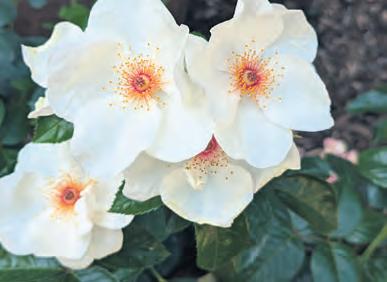

Email: gardens@witchampton.org



Cedar Nursery, Sandy Lane, Romsey SO51 0PD
Tel: 01794 367511 Web: www.southernwaterscapes.net
Email: sales@southernwaterscapes.net


10% OFF PLANTS WITH THIS ADVERT
EVERYTHING FOR YOUR GARDEN POND OR INDOOR AQUARIUM
• Now selling tropical fish and indoor Aquariums • Extensive range of quality aquatic and bog plants
• Large range of cold water fish from goldfish to high grade Japanese Koi
• Expert technical advice on pumps, filters, water quality and fish health
EVERYTHING YOU NEED TO MAKE YOUR GARDEN GROW CAN BE FOUND AT HARTS OF STUR
Summer Flowering Bulbs · Roses and Climbing Plants Seeds · Houseplants · Trellis · Gardening Tools
Herbaceous Plants and Shrubs · Hose & Pond Accessories
Outdoor Pots & Tubs · Garden Furniture · Compost
Lawn Care · Wood Stain & Paint · Pet Food & Supplies
• Everything for building and maintaining your pond • Experienced and knowledgeable staff For the latest garden news, events & advice - don't miss
Wild Bird Care · Calor Gas and more Enjoy a coffee & slice of cake in the Coffee Loft when you

Gardeners Lane, East Wellow, Romsey, SO51 6AD Tel: 02380 814350 | www.nightingalenursery.co.uk
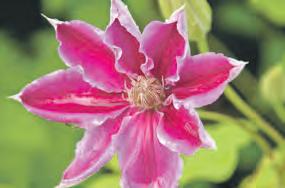

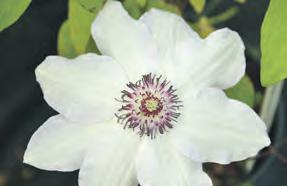
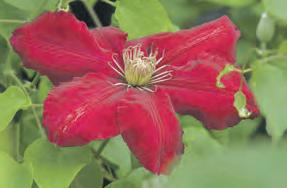
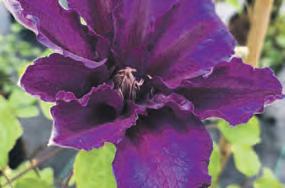
In house British grown high quality plants, exceptionally priced and affordable for all. We also offer a wide range of Climbers, Shrubs & Herbaceous Perennials.
Every year we grow an extensive array of Seasonal Patio & Basket plants along with pack Bedding.
Expert growers for over 40 years with friendly knowledgeable staff.
With over 200 varieties of Clematis to choose from, you’ll be sure to find one that is perfect for you. Our annual catalogues are available for viewing on the retail section of our website.

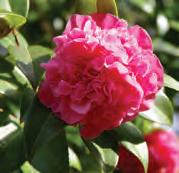

DELIVERED ALL AREAS
DUMPY BAGS AVAILABLE
MUSHROOM COMPOST
10 40L sacks only £30.50 a load £54
LARGER QUANTITIES CHEAPER
MULTIPURPOSE COMPOST
60L - 6 for £42, £7.25 per bag
HORSE MANURE, BARK, MULCHES, SHINGLES, TURF
JACKS MAGIC 5 ONLY £40
LARGE RANGE AVAILABLE
LOGS AND SMOKELESS FUEL
GARDEN & LOG SUPPLIES 01202 740795
www.mayfieldgardenandlogsupplies.co.uk
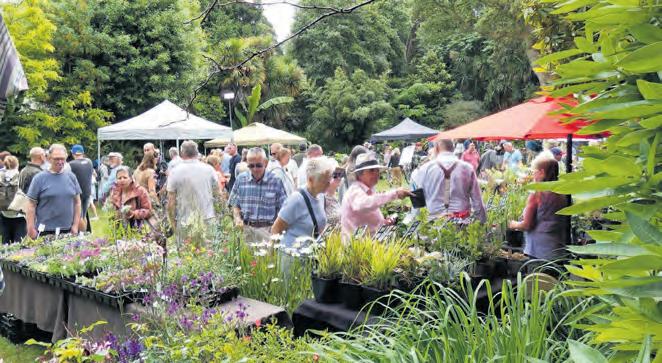
Organised by Plant Heritage Dorset Group



Burley Rd, Bransgore, Nr Christchurch BH23 8DB
Tel: 01425 672348 www.macpennys.co.uk
Large traditional family-run nursery
Wide selection of trees, shrubs, perennials & fruit bushes
4-acre woodland garden & Tea Rooms Many unusual plants
MACPENNY’S NURSERIES BRANSGORE
Open Mon - Sat 9am - 5pm Sun & Bank Holidays 10am - 5pm

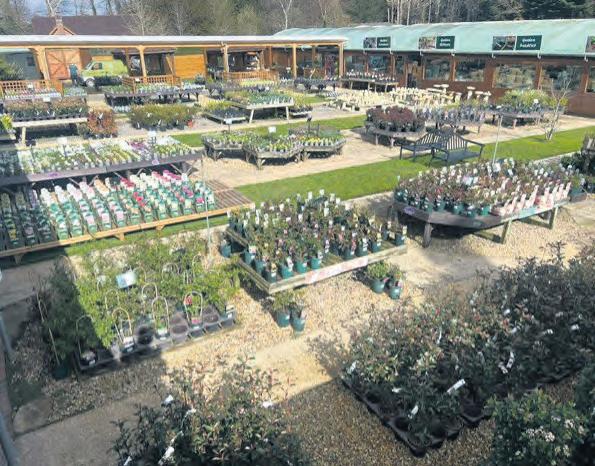

Sunday 7th June 2026
Abbotsbury Subtropical Gardens
Sunday 23rd August 2026
Abbotsbury Subtropical Gardens
Plant Fairs open 10am – 3pm
Admission £7.50 includes free access to the award-winning gardens all day (10am – 5pm).
Large, specialist fairs; approx. 30 stalls with the emphasis very much on plants and gardening, offering a very wide range including exotics, subtropical, succulents, alpines, herbs, shrubs, hardy perennials, houseplants, scented plants and annuals. Rare and unusual species or cultivars.
Also, wildlife charities and craft stalls. Fresh Italian Coffee stall amongst the plants. Free parking. Dogs on short leads welcome. www.plantheritagedorset.org.uk www.abbotsburygardens.co.uk/events
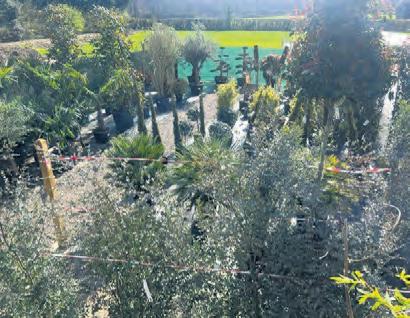

01329 834407 www.mudislandgardencentre.com
Road, Wickham, Hampshire PO17 6JF Open 7 days a week, inc Bank Holidays 9am-5pm
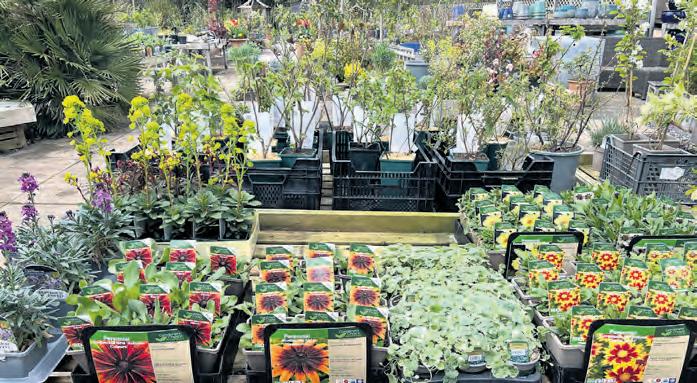
Courtens Garden Centre and Tea Room
A27, Romsey Rd, Whiteparish, SP5 2SD

A peaceful and tranquil place to sit and relax with a freshly baked (on site) cake or scone, toasted sandwich, drink or ice cream before browsing the extensive range of plants.
Also a wide range of gifts and cards, sundries and tools, seeds, bird feed & boxes, plus organic Strulch, Dalefoot organic peat free sheeps’ wool & other Durston’s Somerset compost.
Hanging baskets & bowls made up to order or selection available; Durston’s Growbags just £2.99 9.30am - 4pm Wednesday to Saturday (tea room Friday and Saturday to 3.30pm)

Follow on Facebook and Instagram



team have been hard at work growing thousands of wonderful bedding plants ready for you to enjoy over the coming months.

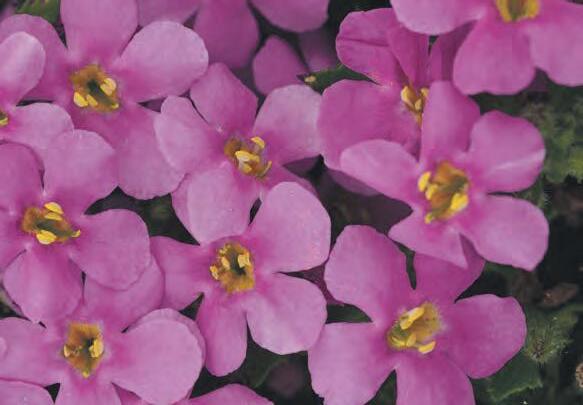
Shop the range online
www.stewarts.co.uk

StewartsGardenCentres

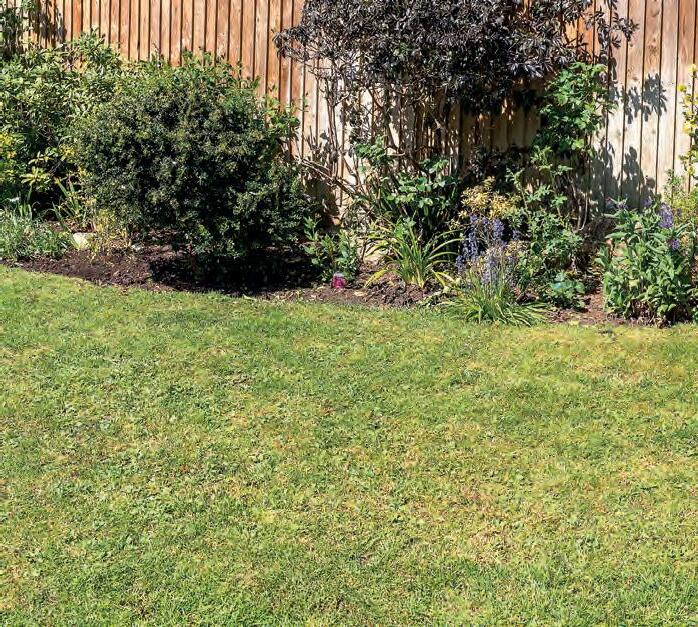


















Fill in our survey and get the chance to WIN ONE OF
Every few years at Country Gardener we ask readers to let us know their views on the magazine and a few questions about themselves. Our last survey was four years ago so we felt it was important for us again to keep in touch with readers as part of our efforts to produce the best gardening magazine possible.
As an incentive we have six sets of the much acclaimed garden shears from Burgon and Ball which have been endorsed by the Royal Horticultural Society and have an rrp of £37.99. Every readership survey form we receive will go into our special prize draw, from which six lucky reader’s names will be drawn to win.
Firstly, some questions about you:
1. Which age group are you?
17-and under 18-45 46-65 66 and over
2. Which area do you live in?
Cornwall Cotswolds Devon Dorset
Somerset Wiltshire Hampshire
Other please state
3. Do you own?
Pets Poultry Neither
4. Is climate change and resource-use in the garden important to you?
Yes No
Now a few questions about your own garden and gardening:
5. What size of garden do you have? Small 1-2,000 sq
ft Medium 2-4,000 sq ft Large 4-10,000 sq ft
More than 10,000 sq ft Over half a acre
6. Do you grow your own fruit or vegetables?
Yes No
7. Which of the following would you expect to buy in the next 12 months? Garden Plants House plants
Vegetable seeds/plants Garden Accessories
Garden tools/machinery Garden furniture
Pots and planters Compost
Bird and wildlife products
Shed/greenhouse/other garden building
8. Do you have or plan to have a pond or water feature in your garden? Yes No
9. Which outside services are you likely to use in the next 12 months? Tool or plant hire Landscaping
Garden design Fencing Tree surgery
General gardening help - lawn mowing, garden tidying
Pond services
10. For your garden, would you like to know more about any of the following? Water efficiency
Environmentally-friendly products
Plastic reduction Organic gardening
Attracting wildlife to the garden
Flood and drought resistant gardening

11. How important is it to you to know about gardening services and products that are local to you?
Very important
Quite important
Not important
12. Do you employ someone to help with your garden?
Yes, regularly
Sometimes/sporadically
No, never
Would like to
A few questions about getting hold of a copy of Country Gardener and reading it:
13. How often do you see Country Gardener?
Every issue
Quite often-once every two or three issues
Very occasionally
14. Including yourself typically how many people read or look though your copy of the magazine?
No one else 1-2 people 3 or more people
15. Has reading Country Gardener resulted in you:
Visiting a garden featured
Buying a product advertised
Telling someone about a product advertised
Contacting an advertiser
Buying a particular plant featured
Keeping an advert or article for future reference
16. How do you generally find the experience of obtaining a copy of Country Gardener from your stockist:
Easy, always in stock
Moderate, sometimes out of stock
Difficult, generally out of stock
Please name your local stockist
17. Listed below are some of the regular features in Country Gardener. Tick the features which interest you most:
Jobs for the Month Garden Advice
Classified advertising Local gardening news
Readers stories NGS Garden Visits
Speakers
Wildlife and nature Useful garden equipment
Quiz What’s on Seasonal places to visit
18. Country Gardener has a new look and style for 2026. Do you approve of the changes?
Yes No Hadn’t noticed the change
(Please briefly explain why you gave this answer)
Some questions about the internet and our online information:
19. What is your preferred method of finding out about the following?
Garden products: Internet search
Advert or article in the magazine Mix of both
Local services: Internet search
Advert or article in the magazine Mix of both Places to visit: Internet search
Advert or article in the magazine Mix of both
Finally some last questions about getting out and about:
20. How far do you travel to visit open gardens and other events?
Only visit locally Travel out of the county
Travel longer distances N/A
21. How often do you visit a garden centre or nursery?
Once a week Once a month Less frequently
Never
22. Which of the following would you like to hear about: Holidays abroad Holidays and breaks in the UK
Shows and events
Training courses/skills workshops
23. Are there any issues, topics, or themes that you’d like to see in upcoming issues of Country Gardener?
Thank you for taking time to fill in this questionnaire.
If you wish to enter the Country Gardener Reader Survey prize draw then fill this in and return to: Mount House, Halse, Taunton, Somerset, TA4 3AD. Name
Tel* Email*
For purposes of prize draw only and will not be used for any other reason or passed on. Prize draw only available for UK residents. *Please add one or both so that we can contact you if you are a winner in the draw. Return your completed survey by Friday 26th June. Prize draw winners will be announced in our July issue.
By understanding its needs—sunlight, well-drained soil, and careful pruning—gardeners can cultivate healthy, long-lasting plants. Whether used in formal borders, informal cottage gardens, or modern container displays, lavender brings a timeless charm with it

Lavender has long been one of the most beloved plants around the world, valued for its fragrant flowers, silvery foliage, and versatility.
Growing lavender successfully involves understanding its origins, choosing suitable varieties, and incorporating it thoughtfully into garden design. Its rich history and diverse applications make it far more than just a decorative plant—it is a cultural symbol, a culinary ingredient, and a powerful design element.
Growing lavender offers a rewarding combination of beauty, fragrance, and functionality. Its long history reflects its enduring value across cultures, while its wide range of varieties ensures that there is a type suited to almost any garden.
There are many types of lavender, each with distinct characteristics. Choosing the right variety depends on climate, intended use, and aesthetic preference.

English Lavender (Lavandula angustifolia)
Often considered the classic lavender, English lavender is prized for its sweet fragrance and compact growth. It is one of the hardiest types, making it suitable for cooler climates.
Examples include:
‘Hidcote’: Known for its deep purple flowers and compact form, ideal for borders and edging.
‘Munstead’: A slightly lighter purple variety, valued for its early flowering and strong scent.
English lavender is commonly used in culinary applications due to its mild, pleasant flavour.
French Lavender (Lavandula dentata)
French lavender is easily recognised by its toothed leaves and softer, more delicate appearance. It thrives in warmer climates and has a longer flowering season.
& The Picton Garden
Lavender is easy to grow when its basic needs are met. It thrives in full sun, well-drained soil, and a relatively dry climate.
Lavender prefers sandy or gravelly soils with excellent drainage. Heavy clay soils can lead to root rot, which is one of the most common causes of failure. If your garden has dense soil, it is advisable to amend it with grit or plant lavender in raised beds or containers. Sunlight is essential. Lavender requires at least six to eight hours of direct sunlight per day. A south-facing position is ideal in cooler areas.
Once established, lavender is drought-tolerant and

Examples include:
‘Royal Crown’: Featuring pale purple flowers and a light fragrance.
‘Goodwin Creek Grey’: Known for its silvery foliage and robust growth.
This variety is often used ornamentally rather than culinarily, as its flavor can be more pungent.
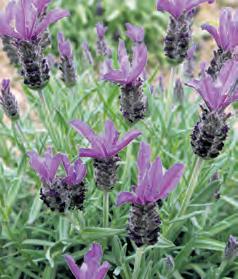
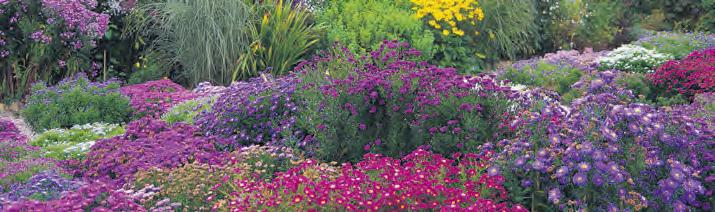
Spanish Lavender (Lavandula stoechas)
Spanish lavender is distinctive for its “rabbit ear” bracts that sit atop the flower spikes. It prefers hot, dry conditions and is less tolerant of cold.
requires minimal watering. Overwatering can be detrimental, so it is best to allow the soil to dry out between watering sessions.
Pruning is important for maintaining the plant’s shape and encouraging new growth. Light pruning after flowering helps prevent the plant from becoming woody and extends its lifespan. However, it is important not to cut into old wood, as lavender does not regenerate well from it.
Lavender is well-suited to warm, dry climates but can also be grown in cooler regions with proper care. In areas with harsh winters, choosing hardy varieties and ensuring good drainage is essential. Mulching with gravel rather than organic matter can help protect roots without retaining excess moisture.
Examples include:
‘Anouk’: A compact variety with vibrant purple flowers and prominent bracts.
‘Ballerina’: Featuring white and pink-toned flowers, adding visual interest.
This type is particularly effective in decorative planting schemes due to its unique appearance.

Lavandin (Lavandula x intermedia)
Lavandin is a hybrid between English and spike lavender. It is larger, more vigorous, and produces long flower stems, making it ideal for commercial cultivation.
Examples include:
‘Grosso’: Widely used in the perfume industry for its strong fragrance.
‘Provence’: Known for its tall stems and suitability for drying.
Lavandin varieties are excellent for hedges and mass planting.
Specialist nursery and beautiful 1.5 acre garden just waiting to be explored
ORDER ONLINE or catalogue available by request | EVENTS & WORKSHOPS
OPEN 1ST APRIL TO 31ST JULY: Wednesday to Saturday, 11am to 5pm
Also open 19TH JUNE for a special evening opening for the NGS - details online
Lavender’s versatility makes it a valuable component in a wide range of garden styles. Its structure, colour, and fragrance allow it to serve both functional and aesthetic purposes.
Formal gardens
In formal garden design, lavender is often used to create neat borders and low hedges. Its compact growth and tolerance for pruning make it ideal for defining pathways and geometric layouts.
For example, planting lavender along a straight walkway can create a symmetrical, structured appearance. The consistent height and color provide a sense of order, while the fragrance enhances the sensory experience.
Cottage gardens
Lavender is a staple of cottage gardens, where it contributes to a relaxed, informal aesthetic. It pairs beautifully with other traditional plants such as roses, foxgloves, and daisies.
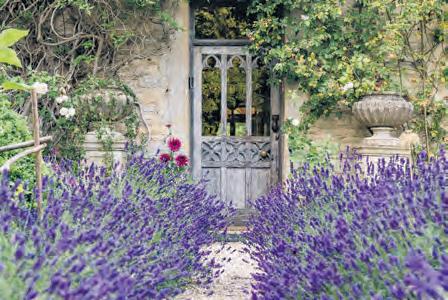
In this setting, lavender can be planted in clusters or allowed to spill over pathways, creating a soft, romantic effect. Its muted tones complement a wide range of colours, making it easy to integrate into mixed borders.
Mediterranean gardens
Given its origins, lavender is a natural fit for Mediterranean-style gardens. It works well alongside plants such as olive trees, rosemary, and thyme. Gravel pathways, terracotta pots, and sun-drenched planting areas enhance the overall effect. Lavender’s drought tolerance makes it particularly suitable for this type of garden, where water conservation is often a priority.
Wildlife-friendly gardens
Lavender is highly attractive to pollinators, including bees and butterflies. Incorporating it into a wildlifefriendly garden can help support local ecosystems.
Beyond its role in garden design, lavender has many practical applications.
Culinary uses baking
Certain varieties, particularly English lavender, are used in cooking. The flowers can be added to baked goods, teas, and savoury dishes. Lavender sugar and lavender-infused honey are popular preparations.
Aromatherapy and wellness essential oils
Lavender is widely used in essential oils for its calming properties. It is often associated with relaxation and improved sleep. Dried lavender can be used in sachets or pillows to promote a sense of tranquillity.
Crafts and home use pot pourri
Lavender is commonly used in potpourri, wreaths, and floral arrangements. Its dried flowers retain their scent for long periods, making them ideal for decorative and practical uses around the home.
Planting lavender in sunny, open areas ensures that pollinators can easily access the flowers. Combining it with other nectar-rich plants can create a continuous source of food throughout the growing season.
Container gardening
Lavender can also be grown in pots, making it a versatile option for patios, balconies, and small gardens. Containers allow for better control over soil conditions and drainage, which is particularly useful in regions with heavy soils.
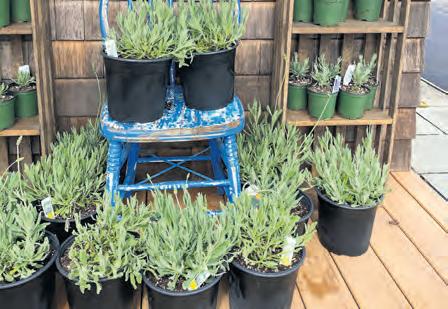
Using lavender in decorative pots near seating areas can enhance outdoor living spaces with its fragrance and visual appeal.
Sensory gardens
Lavender is an excellent choice for sensory gardens, where plants are selected for their ability to engage the senses. Its strong scent, soft foliage, and vibrant flowers make it a multi-sensory plant.

Positioning lavender along pathways or near entrances ensures that its fragrance is easily appreciated. It can also be combined with other aromatic plants to create a rich sensory experience.

Lavender’s history stretches back thousands of years, deeply rooted in Mediterranean culture. The name comes from the Latin lavare, meaning ‘to wash,’ reflecting its early use in bathing rituals. Ancient Egyptians used lavender in the mummification process and as a perfume, while the Greeks and Romans valued it for its medicinal properties and fragrant oils.

In Roman society, lavender was widely used in public baths, where it scented the water and helped cleanse the body. It was also believed to have antiseptic qualities, making it useful for treating wounds. During the Middle Ages in Europe, lavender was grown in monastery gardens, where monks used it in herbal remedies. It was also strewn across floors to ward off insects and mask unpleasant odours. By the Renaissance, lavender had become a staple in household gardens across Europe. It was used in sachets, potpourri, and perfumes, and was associated with cleanliness and purity. In England, lavender gained prominence during the Tudor period and remained popular through the Victorian era, when it was commonly used in linen cupboards and personal care products.
Lavender continues to be cultivated worldwide, especially in regions with climates similar to its native Mediterranean environment, such as southern France, Italy, and parts of Australia.


The Newt in Somerset, the luxury hotel and restaurant in Bruton is hosting a spectacular nine-day garden festival from Saturday, 9th May to Sunday, 17th May. The new large-scale festival celebrates all aspects of gardening in a spectacular estate setting. Visitors can enjoy themed gardens in peak spring bloom, alongside workshops, expert talks, and guided tours exploring ‘The Story of Gardening.’ Opening and closing weekends feature entertainment such as music, Maypole dancing, and family activities, while midweek sessions focus on horticultural learning. High profile speakers include Alan Titchmarsh, Sandor Katz, Robin Lane Fox, Charles Dowding, Tony Kirkham the Land Gardeners and more.
A biodiversity-themed finale includes a live wildlife count. The event combines education, inspiration, and leisure, making it one of Somerset’s most immersive gardening experiences. Pre-booking is recommended due to high demand. £25 entry.
To see the schedule visit https://thenewtinsomerset.com/the-great-garden-show
The Newt in Somerset, Hadspen, Bruton BA7 7NG

Yarlington House Plant Fair is being held on Saturday, 9th May from 10am to 4pm in the grounds of the Georgian manor. Entrance is £5.

This famous specialist plant fair is ideal for gardeners seeking inspiration and high-quality plants. Around 30 stalls offer a wide variety including organic vegetables, bedding plants, and species suited to wildlife-friendly or shaded gardens. The ticket also grants access to Yarlington House’s normally private gardens, featuring formal landscaping, a rose garden, and woodland areas. Visitors can speak directly with growers and receive expert advice, making it suitable for both beginners and experienced gardeners. Refreshments and free parking are available, and dogs on leads are welcome. Proceeds are donated to St. Mary’s Church.
Yarlington House, Yarlington, Wincanton BA9 8DY


For all plant lovers and garden enthusiasts, a rare plant fair is an excellent opportunity to buy beautiful, interesting and unusual plants. The popular gardens at the American Museum in Bath is hosting a special fair on Sunday, 17th May. A selection of specialist nurseries, all with genuine plant experts, will be ready to offer advice and expertise to help you create your dream garden. Enjoy a horticultural day out with a visit to our incredible gardens, refreshments on the sun-soaked terrace, and exciting plant shopping. If you are not a member of the museum purchase an admission ticket for the gardens when you arrive, which includes admission into the fair gardens, estate and deli (prices start from £10 for an adult). The deli will be serving a select menu on this day.
American Museum & Gardens, Somerset BA2 7BD Tel: 01225 460503 americanmuseum.org/what’s-on/rare-plant-fair
Here’s a date for your diary - Sunday 5th July. The National Garden Scheme (NGS) open day returns to the special Bristol Botanic Garden this year where you can see the garden in all its summer glory.
The NGS has been running since 1927 initially to support district nurses; there are now over 3500 gardens across the country open as part of the scheme which last year raised £3.1 million for nursing and health charities.
The day at the botanic garden runs from 10am to 5pm there will be special guided tours (11.30am and 2.30pm), refreshments available to buy from Chandos Deli, and –fingers crossed – lovely sunshine! As this is a fundraising event for charity, Friends of the Garden are free, but a small donation to the NGS would be welcome.

Skool Beanz CIC, the children’s allotment club near Yeovil, and Bristol’s Heart of BS13 project which has community garden sites across the BS13 postcode, have been awarded grants by the National Garden Scheme.
Skool Beanz received £3,499, while Heart of BS13 received £3,450. The National Garden Scheme has announced nearly £300,000 in funding for 118 community garden projects across England, Wales and Northern Ireland.
Skool Beanz Children’s Allotment at Little Sammons Allotments, Chilthorne Domer, Somerset, BA22 8RB is a children’s gardening club run from their award winning No-Dig Children’s Allotment which has dahlia beds, vegetable area, fruit trees, a rainwater collecting station, the ‘Muddy Buddy’ compost heap, a quiet wildlife garden with tiny pond, a secret den, polytunnel, upcycled sculptures, compost toilet and plenty of seating to sit and enjoy the garden. It opens regularly for the NGS - the next opening is on Saturday 5th September.
Bristol ‘s Heart of BS13 is a charity working to create and inspire change in Hartcliffe and Withywood in South Bristol, and in partnership with Windmill Hill City Farm, is redeveloping Hartcliffe City Farm into a thriving space for the whole community. Turning BS13’s food waste into compost, Heart of BS13 Compost collects local food waste and transforms it into nutritious compost using a composting machine at Hartcliffe City Farm. The compost is then used to grow flowers at the on-site sustainable flower farm. www.heartsofbs13.org.uk
To find out more about the awards, go to www.ngs.org.uk
Dunster Castle has a deserved reputation for its remarkable native and exotic trees. There’s a special opportunity during May for visitors to join one of the castle expert gardeners for a guided walk through the grounds of Dunster Castle and discover some of the trees that call this historic place home.
As you explore, you’ll learn what makes these trees so special-from their origins and unique characteristics to the stories they’ve gathered over centuries. It’s a wonderful opportunity to see the gardens through the eyes of the people who care for them every day.
Walks will be taking place on 20th, 21st, 26th and 28th of May, at 11am to 12pm. Normal Admission applies for non-members.
Dunster Castle, Somerset TA24 6NY www.nationaltrust.org.uk


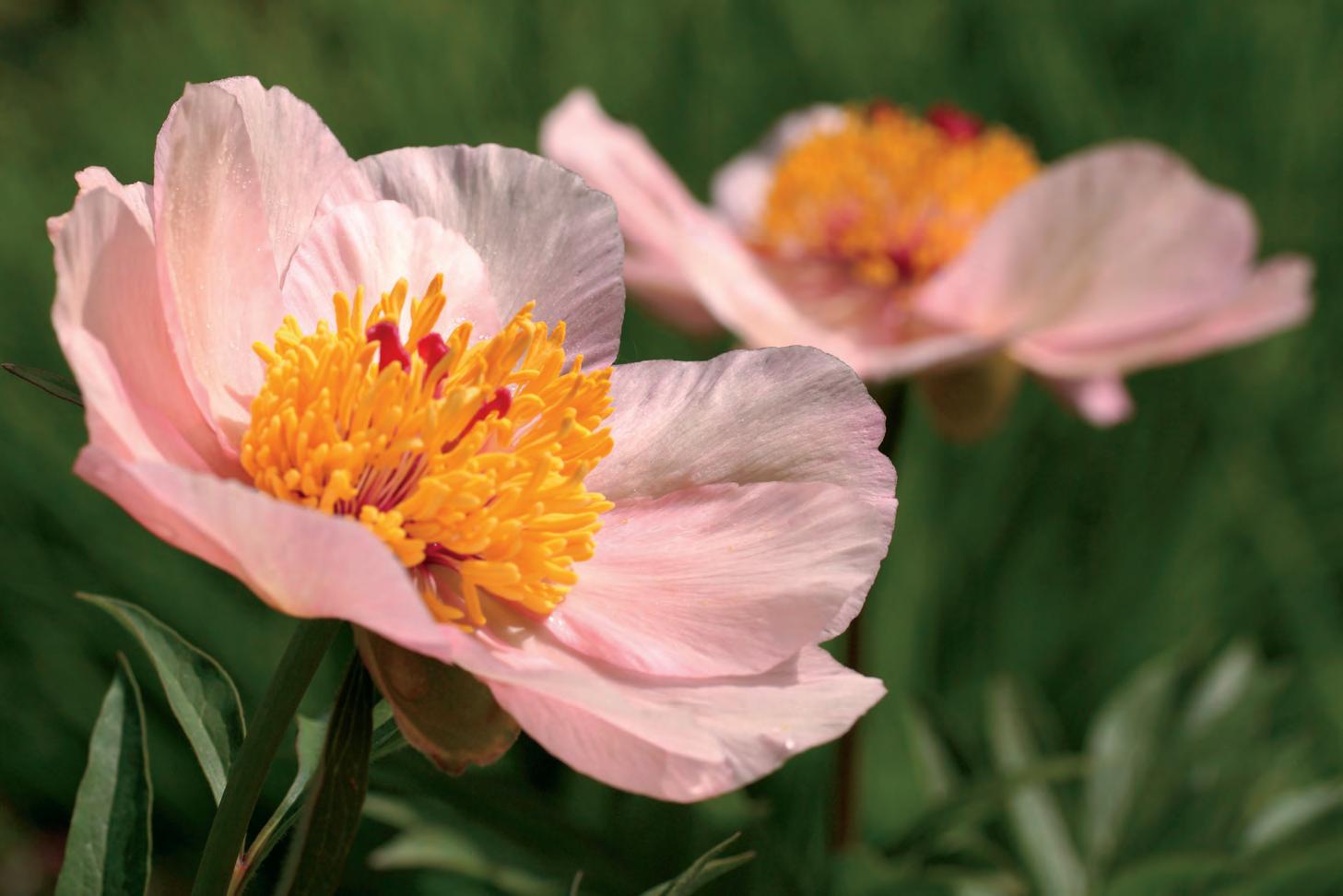






Suppliers of superior fuel for all your garden machinery. Your local specialists in horticultural machinery WE SELL, SERVICE AND REPAIR
Lawn Mowers • Strimmers • Hedge Cutters • Chainsaws
Pressure Washers • And Much More Main Road, Cannington, TA5 2LD 01278 651300 • bridgwatermowers.co.uk


Suundday 288th h June 122.300-188..000 0
A genuine welcome to our special one-day event
12+ open gardens, Scarecrows, Vintage limousine rides, Free route transport, Art & Craft showcase, Church tower climb, Live music by Chloe Marie Aston Piano Bike Girl, Route Guide
Cream Teas, Refreshments, Ice Creams, BBQ
£8 Entry Village Hall, Edington TA7 9HA C/Card & cash
This event supports our local community’s well-being. Dogs OK in most gardens. opengardens@catcottvillage.co.uk ww.catcottvillage.co.uk
Taunton’s plant plug centre, Henlade
Tel. 01823 443507 Open 7 days a week 9am - 5.30pm
On the main A358 Taunton to Ilminster road next to Henlade post office
• Bedding geraniums f1 large plugs £3.10 for ten • Busy lizzies, petunias, dahlias, gazanias, lobelia, marigold and many more varieties £7 for 50 £13 per 100

• Geraniums, ivy leaf, Zonal, Fuchsias, Calibrachos, Diascia, Nemesia, Verbena, Osteospermum, Basket plants £7.50 for ten • Surfinias, Thumbelinas £7 for ten • This is just some of our wide range of plugs available • Filled hanging baskets from £16, also a refill service from £14 • Compost 75 litres levington and Irish moss peat £9.50 per bag
Why use mail order or garden centres when you can buy quality plants locally at lower prices?
A large variety of plugs available including ivy leaf geraniums, nemesia, diascia, visit our website at www.barncloseplugcentre.co.uk

Visit our new cacti and succulent house.
We also have a new range of restio and protea as well as great ranges of bamboos, tree ferns, ferns, cannas, gingers, bannas and shrubs, perennials, trees
Open every day 10am-5pm
Lower Henlade, Taunton, TA3 5NB (5 mins from J25, follow A358 to Yeovil, then signs to the Mt Somerset Hotel) Tel: 01823 443701 www.deserttojungle.com



Lopen Business Park, Mill Lane, Lopen, South Petherton, Somerset, TA13 5JS 01460 243100
lopen@beehiveselfstorage.co.uk
Somerset
150 Priorswood Road, Taunton, Somerset, TA2 8DU 01823 323575
dorset@beehiveselfstorage.co.uk www.beehiveselfstorage.co.uk


taunton@beehiveselfstorage.co.uk
Main Street, Walton, Street, Somerset, BA16 9QA 01458 785634
street@beehiveselfstorage.co.uk
Gold Hill Business Park, Child Okeford, Blandford Forum, Dorset, DT11 8HF 01258 861100

MASBURY,NR.WELLS,SOMERSETBA53HA TEL:01749841014FAX:01749841055 www.rockymountainnursery.co.uk
Wehaveagoodselectionofperennialsandshrubsthatarelooking good,withlotsofcolourtobrightenyourgardenorpatio. OurshopJamesStorenowhasalargerangeofHomeBrewproducts Seeourwebsiteformoredetails www.rockymountainnursery.co.uk
1ST MAR - 30TH SEPT: Mon - Sat 9am - 5pm, Sun & Bank Hols: 10am - 4pm.


1ST OCT - 22ND DEC: Mon - Sat 9am - 4pm, Sun & Bank Hols 10am - 4pm.
Kings Weston Road, Bristol BS11 0XF www.bristol.gov.uk/blaise-plant-nursery




Come and relax in our coffee shop and then select from our large selection of container grown shrubs, perennials, roses, fruit & ornamental trees
Huge selection of terracotta & glazed pots
Fencing, paving & aggregates
Plus all your garden sundry requirements
OPEN: 9am-5pm Monday-Saturday Closed Sunday
Coffee shop open 10.30am-4pm Monday-Saturday Closed Sunday
GLASTONBURY ROAD, WELLS TEL: 01749 673050

Garden & Estate Machinery
SALES - SERVICE - REPAIRS
RIDE-ON MOWERS • LAWNMOWERS
BRUSHCUTTERS • CHAINSAWS
HEDGETRIMMERS • GENERATORS
PRESSURE WASHERS & MUCH MORE
BANKSTREET,WILLITON
TEL: 01984 632761








HOMEGROWNTREES(ROOTBALL&CONTAINERISED) SHRUBS,PERENNIALS,CLIMBERS&GRASSES ALLYOURGARDENINGNEEDS –SETIN12WONDERFULACRES–

READY NOW!
Fantastic selection of Summer Flowering Bedding, Hanging Basket & Patio Pot Plants - Lots to choose from & lots more growing on! Vegetable Plants, Flower & Vegetable Seeds
Roses, Shrubs, Herbaceous Perennials, Herbs, Heathers, Ornamental Grasses, Hardy Ferns, Houseplants, Soft Fruit, Clematis & Climbing Plants
Compost, Gro-Bags, Topsoil, Horse & Farmyard Manure, Soil Improver, Aquatic Soil, Decorative Bark, Composted Bark, Gravels, Grits & Sands
MELCOURT SYLVAGROW
100% PEAT FREE COMPOST AVAILABLE NOW!
Great choice of Glazed & Terracotta Pots & Planters plus exciting range of Stone Garden Ornaments & Statues
Norton Green Farm Nursery, Wells Road, Chilcompton, Radstock BA3 4RR Tel: 01761 232137
Email: nortongreenfarm@tiscali.co.uk
Opening Hours: Mon-Sat 9am-4pm (inc. Bank Holiday) Closed Sundays



• Sheds / Summerhouses • Workshops • Garden Rooms • Potting Sheds
Full Service: Manufacture, Deliver, Install, Demolish and Remove etc.



Over 40 garden buildings on display at our show site, just off the A358 (Minehead Road) north west of Taunton.


01823 334495
Taunton, Somerset TA2 6NS www.tauntonsheds.co.uk

on A359 between Castle Cary & Sparkford, BA22 7BH
Animal, Pet & Poultry Feeds Garden Essentials Composts Bagged Stone | Tools Timber & Fencing Supplies

Open 7 days a week | 01963 440464 Mon-Sat 7.30am - 5.30pm | Sunday 10am - 4pm

Great range of trees, shrubs, conifers, roses, fruit trees, garden sundries and a wide range of compost.
SUMMER BEDDING, PATIO PLANTS, SEEDS, TOMATO & VEGETABLE PLANTS IN STOCK. HANGING BASKETS IN STOCK!
Fantastic range of pots and garden ornaments stocked. Red Road • Berrow • TA8 2LY • Tel 01278 782687


14 acres of historic parkland with a mature collection of fine trees.
Near Wellington Somerset, TA21 OBN. Are you an outings organiser? Why not arrange a personalised visit with your club or group of friends, open all year round for groups of 10-25 people. Refreshments also available. FOR DETAILS PLEASE EMAIL GARDEN@NYNEHEADCOURT.CO.UK

Greenslades celebrating over 30 YEARS 1994-2026


Main Road, Cannington, Bridgwater TA5 2LD 01278 653205 www.greenslades.biz

As we head into the serious side of spring and early summer gardening our postbag is bursting with queries and problems from Country Gardener readers. If you would like advice on any particular gardening problem email us at editorial@countrygardener.co.uk

For the past two growing seasons several parts of the garden and particularly the greenhouse has been affected by a white powdery coating on leaves of shrubs and vegetables. My early tomato and cucumber plants are again badly affected. My neighbour says I have to spray everything.
Wendy Turner Ilminster
The white powdery coating you refer to mostly appears in humid conditions. You need to remove the badly affected leaves as once it is established the powdery effect is difficult to completely remove. In greenhouses, the most important thing you can do is improve air circulation. Unless you are concerned about frost, leave doors and windows open to get rid of the high humidity. You could try also try an organic baking powder spray (one tsp bicarbonate of soda, one litre of water and a drop of washing up liquid).
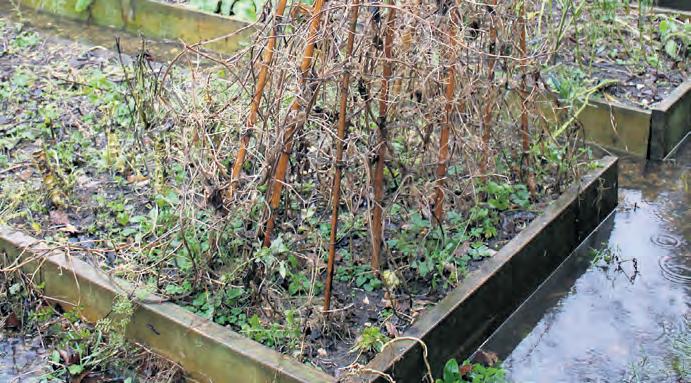
My smallish cottage garden has had a bad few weeks. The drainage isn’t good and in February the whole garden was under water, and I feared that I wouldn’t be able to grow much this year. A lot of the shrub roots are now decaying, and I am not sure whether to try and save them. I also feel it will be a long expensive task to get the soil back to a healthy condition.
Bev Richards Torquay
The soil shouldn’t be a problem. Once it has completely dried out you need to replace the goodness which the water will have washed away. Do this with a steady input of quality compost and manure and make sure when you put in new plants and shrubs that you mulch it well. It shouldn’t take too long before you see an improvement in the soil condition. Any damaged plants will need repotting and get as many into containers with good drainage. On damaged plants all you can do is see how badly they are affected and it might be that removing just some rotten roots means you can save some of them.
I seem to have an underlying problem with many of my garden plants and shrubs which has again appeared very early in this new growing season. Many of the plants have leaves which I can already see are turning yellow and look unhealthy. I have a smallish garden and have a lot of plants.
Georgie Tanners Bath
Normally leaves turning yellow points to a nutrient deficiency. The first thing to do is buy a soil test kit and get your soil analysed. It may also be necessary to add a balanced fertiliser to your soil just to add goodness to it at a demanding growing time of the year. Finally, you should look to see if there are any signs of your plants being waterlogged after the wet spell we had weeks ago. You may need to improve the drainage around the plants and shrubs.

I have been struck with an aphid infestation for the first time sucking sap and causing the leaves on many plants to become curled and sticky. I feel it’s potentially very damaging. I have no idea where they come from, but my greenhouse is covered with them. I have tried manually removing them but that is a difficult job and doesn’t seem very effective.
Belinda Forster Liss
You need to launch an all-out offensive on these aphids. Introducing beneficial insects such as ladybirds is a wonderful natural solution which is also very effective. Spray with soapy water daily for a few days and it should have an effect. Knocking them off by hand sounds a chore but does work.
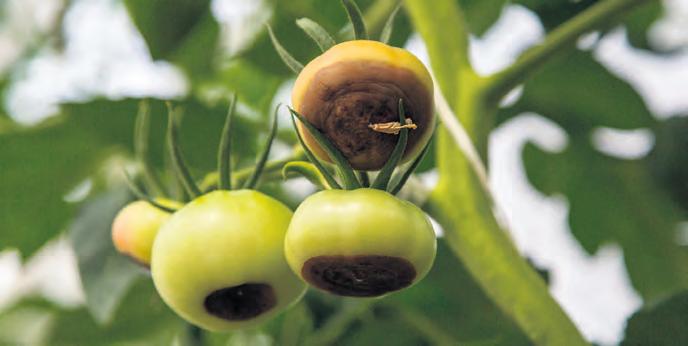
This question to your magazine will sound like old hat but I try and use the advice I have been given and my tomatoes still are regularly affected by blossom end rot. I was really careful last summer with my watering of the plants which I assumed was the root of the problem. It had little affect so I am now wondering if there is a more sophisticated problem here.
Liam Hayfield Portsmouth
It is true that over or underwatering of tomato plants creates the conditions for blossom end rot to damage the fruit. However, it isn’t the only reason, and it may be if you are now more consistent with your watering you need to look elsewhere. Calcium deficiency is the other major cause, so you need to add calcium, lime or calcium nitrate to the soil. Don’t add too much fertiliser to the growing process. Good quality compost should provide the necessary nutrients.
I am a relative newcomer to gardening and moved into a house with a new garden two years ago now. It has been a steep learning curve, and I have had a lot of help. I came across your magazine and love it and look forward to picking it up. The reason to seek advice is that while plants and shrubs grow leaves my garden has very little colour because nothing flowers. I know it sounds odd but there it is!
Chrissie Vanter Kidderminster
The main reason for plants not flowering is imbalance in the soil, generally too much nitrogen heavy fertiliser which puts all the growing strength into the leaves and ignores the flowers. So, you need to address this by using a phosphorus rich feed and reduce the nitrogen in the soil. Also, it sounds basic, but flowers thrive in sunshine so ensure your plants have adequate amounts of it.
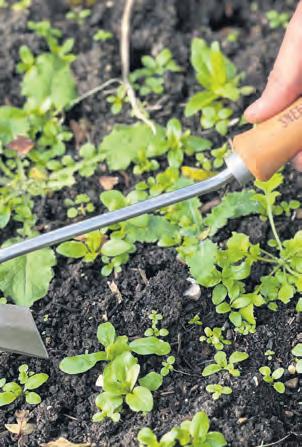
The number of weeds in my new garden is causing me a lot of stress. They seem to be taking over and although my husband and I work hard to control them it feels like a losing battle, especially in the five raised beds we created for growing vegetables. Is there a gardening ‘Masterplan’ we can employ?
Stevie Baxter Portsmouth
In any garden weeds compete for nutrients, light and water so they are likely to be an ever present which is part of any gardener’s day to day life. There are solid principles which will help. Mulching is one of them which deprives the weeds of light and water. If you are being overrun by weeds, then use landscaping fabric to cover the area in question and deprive the weeds of light for longer periods of time. Otherwise, it is a regular and consistent regime of hand weeding to cut off the plants at birth which will eventually bring success.
I want to replace an ageing leylandii hedge with holly, beech and yew. Should I cut down the whole thing, dig it out and replant or can I cut down one at a time and replace each with a sapling?
Steven Walklate Poole
The height of leylandii is not the only reason it can cause problems with neighbours. Their roots rob the soil of moisture and nutrients making it difficult for anything to grow underneath. Hedges need the best possible start in life because they are going to be there for a long time. So, if the hedge is to stand up to future drought, disease or pest problems you want it to get well established in its first few years. The best start means a deep planting trench improved with lots of compost or well-rotted manure, regular watering and most important freedom from unfair competition from leylandii. So, remove all the leylandii, and tend to the soil because it will be parched and bereft.

and has
as an anti-burglar measure alongside a metal fence.
Michael Mason Taunton
You should opt for Rosa sericea which has wickedly dramatic bright red thorns. Rosa rugosa is covered in small prickles which would act as a deterrent. It makes a great thick hedge with orange hips in autumn. The Scotch briar R. pimpinellifolia has nasty thorns, white flowers and deep purple black autumn hips. The sweet briar R rubiginosa which is traditionally used as a stock fence is strong, sturdy and provides great winter food for birds in the shape of bright red hips.
Graham Prentice came across stone walling by accident but the Minehead based gardener found it changed the way he gardened
I never expected stone to become my favourite material. For most of my life as a gardener, I was happiest with soil under my nails, the smell of compost, and coaxing something green into life. Plants were responsive, forgiving even. Stone, on the other hand, seemed stubborn, cold, and entirely uninterested in being understood. I couldn’t have been more wrong.
I first came across dry stone walling by accident. I had taken on a job restoring an overgrown garden. It was the kind of place that had once been carefully tended but had slipped into neglect—brambles, buried paths, and at the far end, a collapsed wall that looked more like a pile of forgotten rocks than anything deliberate.
The client said: “If you can do anything with that, it would be a bonus.” I nodded with absolutely no idea what I was agreeing to.
At first, I treated the stones like I would any other garden debris—something to be cleared, stacked, or perhaps removed. But as I started lifting them, brushing away soil and moss, I noticed something curious. Many of the stones had flat faces, worn edges, and shapes that seemed almost purposeful. They weren’t random. They had once belonged together.
Curiosity got the better of me. Instead of carting them off, I began to stack them nearby, trying to imagine how they might have originally fitted.
My first attempts were laughable—stones teetering, gaps everywhere, and more than one small collapse that sent me scrambling backwards. But there was something oddly satisfying about it, like solving a puzzle without knowing the final picture.

That evening, instead of researching plants or pruning techniques as I usually would, I found myself watching videos and reading about dry stone walling. I learned that it was an ancient craft, built without mortar, relying entirely on balance and gravity.
The next day, I approached the wall differently. Instead of trying to force stones into place, I started listening—really looking at them. Some locked together neatly, others needed careful positioning, and a few stubborn pieces refused to cooperate at all. It became less about building and more about selecting, placing, adjusting.
I’d pick up a stone, turn it over in my hands, test it in a few spots, then finally feel that small, quiet click when it settled just right. No wobble, no resistance—just a sense of belonging. It’s hard to explain.
Over the following weeks, the wall slowly re-emerged. Line by line, it grew—not perfectly straight, not uniform, but solid and alive in its own way. I began to appreciate the rhythm of it: the larger foundation stones, the careful layering, the smaller “hearting” stones tucked inside to fill gaps and add stability.
What surprised me most was how it changed the way I gardened. I started incorporating stone into my work wherever I could. Low retaining walls for borders, small terraces to shape uneven ground, even simple stone edges to define pathways. Unlike timber or brick, dry stone seemed to belong instantly. There’s also something deeply calming about the process. Gardening can sometimes feel like a race against time—seasons shifting, plants growing too fast or not at all. But stone doesn’t rush. It demands patience. You can’t hurry a wall into existence; you have to build it piece by piece.
Now, when I arrive at a garden and see a pile of old stones, I feel a quiet excitement. Where I once saw hard labour, I now see possibility. Each stone carries a bit of history, a shape waiting to be understood.
And to think, it all started with a pile of rocks I almost threw away.
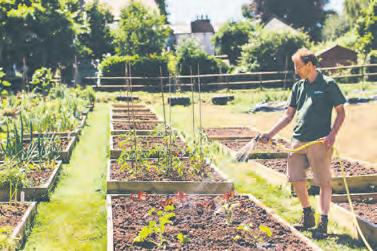
Haygrove Community Gardens
Charity, Ross-on-Wye, Rodborough Glebe Allotments, near Stroud, and Dingley’s Promise, Cheltenham, are among gardens getting grants from the National Garden Scheme.
The NGS has awarded nearly £300,000 to 118 community gardens across England, Wales and Northern Ireland.
The Haygrove Community Gardens Charity was established to offer support to those to benefit from therapeutic horticulture, to engage school children in the growing of fruit and vegetables, and to provide accessible green space for education and enjoyment.
Rodborough Glebe Allotments have been gardened by residents of Rodborough since at least 1903.
Dingley’s Promise early years centre in Cheltenham provides a specialist enhanced provision for children under five with a range of special educational needs and disabilities. The centre has an all-weather playground, and large grassed area, with a variety of trees to develop a forest school area – using the natural world to influence learning and development, and an allotment area where children will be able to grow their own plants and vegetables, learn about the natural world and how we take care of it.
For more details of the awards go to www.ngs.org.uk








Visitors can enjoy the charm of Beckford the Worcestershire village five miles north of Tewksbury as the village open gardens day will have 14 beautiful and varied open gardens to explore. The gardens open on Saturday and Sunday 6th and 7th of June from 1pm to 6pm. Beckford nestles in the shelter of Bredon Hill on the edge of the Cotswolds. Various stalls and attractions will include plant sales, homemade preserves, tombola, and local honey with a beekeeper and observation hive. Also, there will be classic cars, vintage radios, local arts, and activities for children.
Refreshments include teas with homemade cakes, a champagne bar and barbecue, made baguettes, local cider and ice cream.
Entry £8 per adult U16s free. Dogs on leads welcome. Free parking at Beckford Village Hall, GL20 7AD.
Visit beckfordopenvillage.org.uk
On Sunday 31st May Bretforton Garden Club holds its annual Open Gardens event when village gardens, including Bretforton Manor, and the village school’s ‘Peace Garden’ open to the public. Open from 11am-5pm, entrance is £7 free to under 16s with tickets available at Bretforton Manor and The Ark, Main Street, WR11 7JH.
The village gardens will be stunning from cottage gardens to contemporary ones; wildlife ponds, painted arbours and raised vegetable beds.
Homemade cakes and refreshments, plant and craft stalls and performances by Broadway Choir are some of the attractions taking place in the grounds of Bretforton Manor.
Each year the garden club nominates two charities to support. This year the charities are Campden Home Nursing and Evesham Street Pastors.
Free parking near to Bretforton Manor as well as a Hedgehog Bus, to enable visitors to get to all the gardens more easily. Toilet facilities will be available. Dogs are not allowed in the gardens. Visit www.bretforton-gardenclub.co.uk

































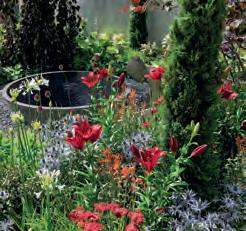


























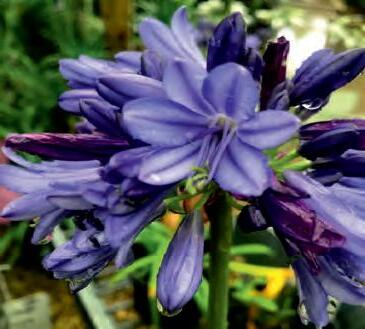
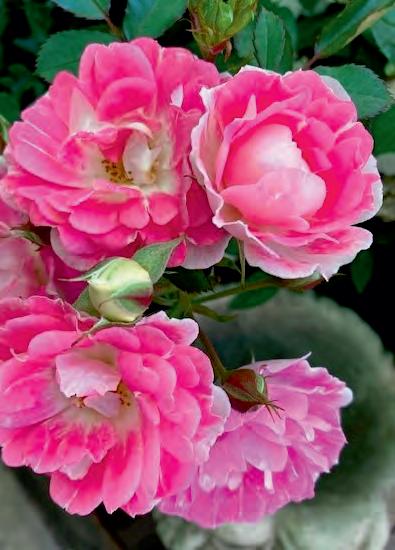


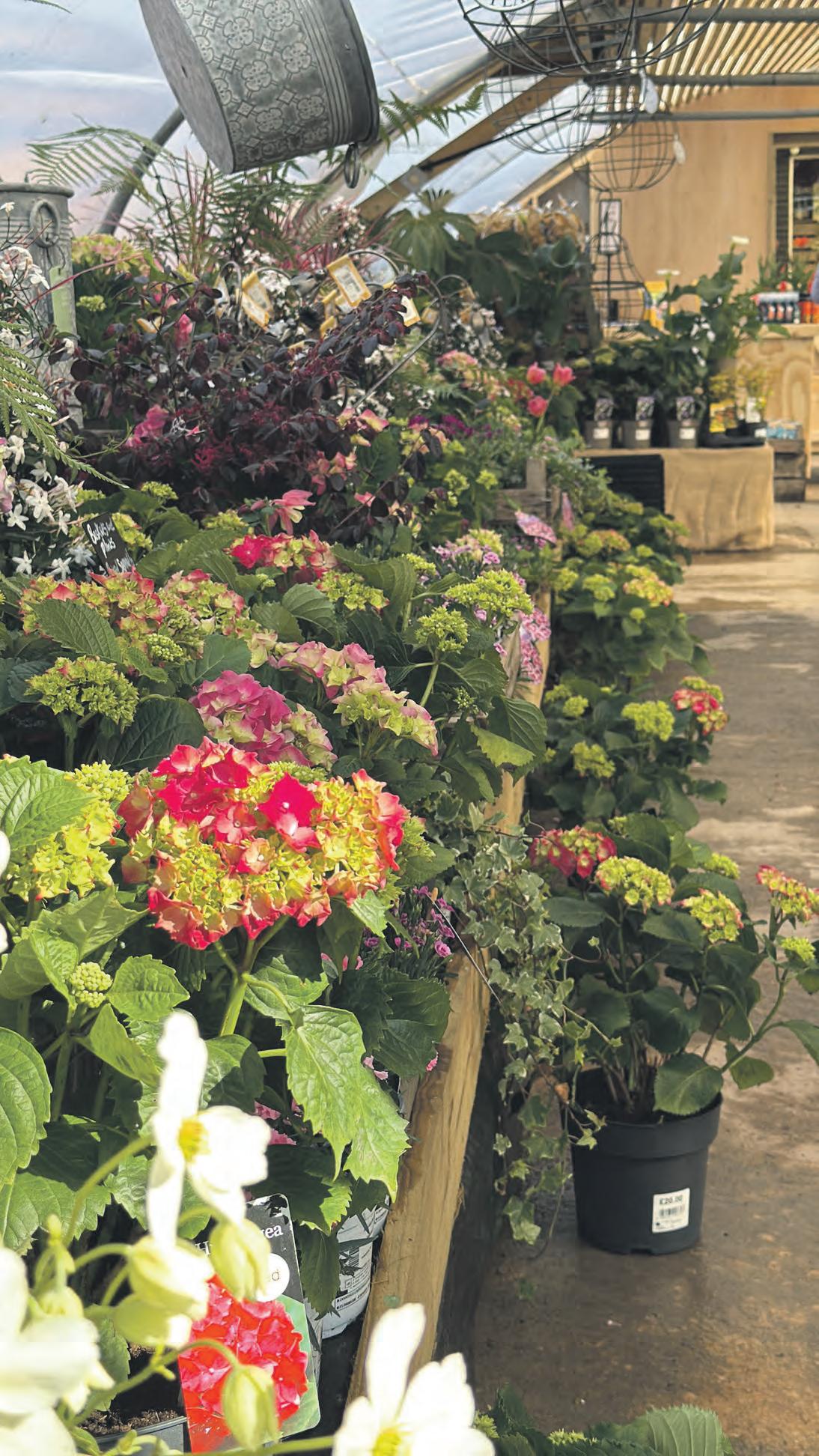
SPRING SEASON HAS BEGUN!
SPRING SEASON HAS BEGUN!
Spring is arriving at Botanica Plant Centre!
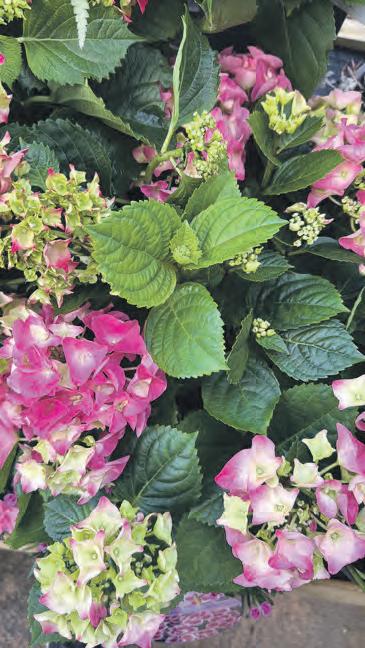
Our range of homegrown herbaceous plants along with our specialist heuchera crops are bursting at the roots. This year we are growing more than ever! Helping to reduce our carbon footprint, as well as keep costs down for you! Our Summer bedding range has started to arrive, all locally grown in peat free compost. Fresh stock arriving weekly.
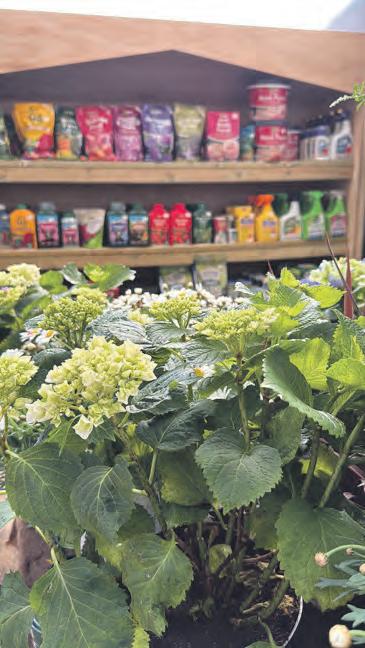



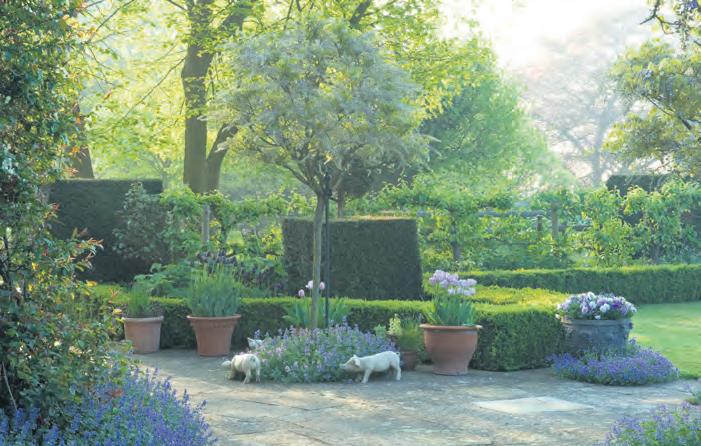
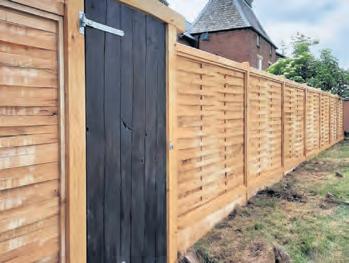
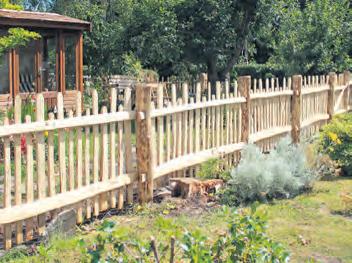



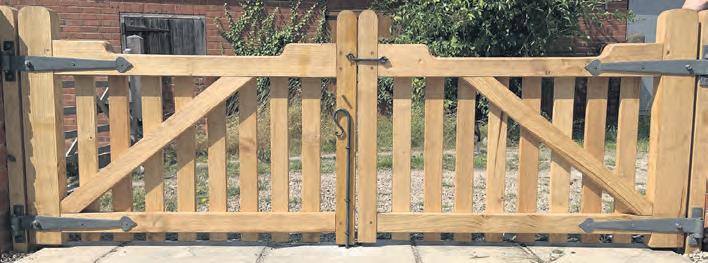

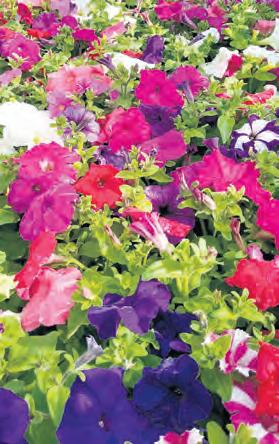


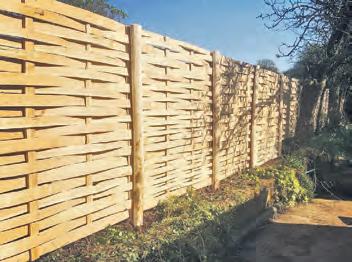



Everything you need for the perfect, practical garden!
Family-owned and managed “independent” Garden Centre, catering for all your gardening needs and so much more.
Stockist of a wide range of well-known gardening brands and locally sourced plants, trees and shrubs.



Browns Garden Restaurant
Serving Breakfasts, Brunch, Homecooked ‘Fresh’ lunches, Afternoon teas, Cakes & treats.
SUNDAY ROASTS - BOOKING ADVISED FULLY LICENSED & AIR CONDITIONED
T: 01684 299996
E: info@brownsgardenrestaurant.co.uk
Open Mon-Sat 9am - 3.30pm, last food orders at 2.15pm, Sun 10am - 4pm (Open all bank holidays)
T: 01684 293103 W: www.tewkesburygardencentre.com Worcester Road, Tewkesbury, Glos, GL20 6EB
OPENING TIMES: Mon-Sat 9am - 5pm, Sun 10am - 4pm


ORDER ONLINE OR CALL US: www.flowershedtewkesbury.co.uk
Tel: 01684 290288
Mythe. A38 Worcester Rd, Tewkesbury GL20 6EB
Email: flowers@flowershedtewkesbury.co.uk Mon-Sat 9am - 5pm CLOSED SUNDAYS

Annual & Container Plants Vegetable & Herb Plants Orders Taken
Tel: 01666 822171 www.foxleyroadnurseries.co.uk Foxley Road, Malmesbury, SN16 0JQ



&
Creating beautiful flowers for all occasions PLUS chocolates, wine, gifts and balloons


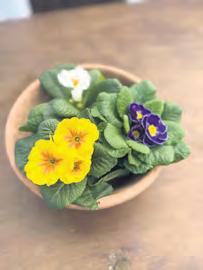



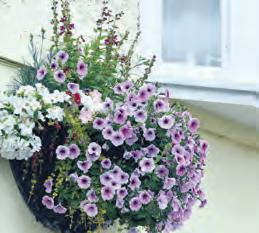




Creating and looking after beautiful gardens, focussed on plants and the benefits they provide.

Rebecca Wilson
WEBSITE: www.wild-side.org
EMAIL: rebecca@wild-side.org
MOBILE: 07908 011934
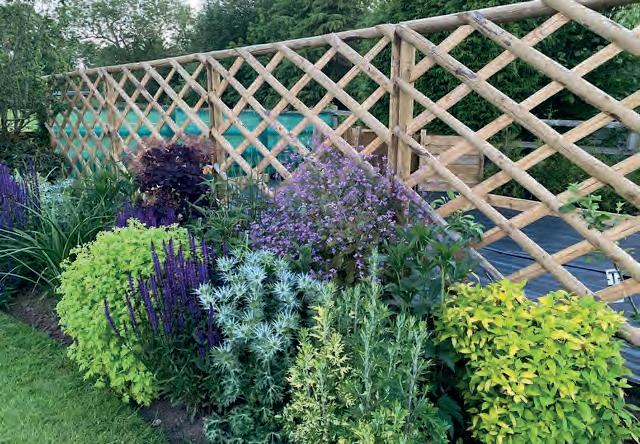
TIMBER MERCHANTS AND FENCING SPECIALISTS
Open: Mon-Fri 8am-5pm
Visit our well-stocked yard for timber, gates, fencing, decking, trellis, pergolas and arches, plus expert advice. www.hartwellfencing.co.uk
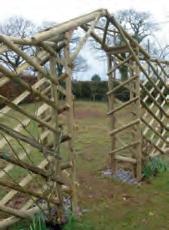
01386 840373 The Timber Yard, Weston Subedge, Nr Chipping Campden, GL55 6QH

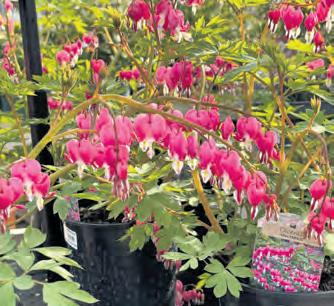


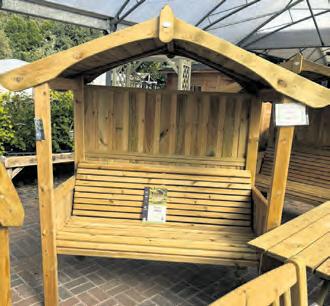
For spectacular spring walks... Take a stroll through the flower-filled arboretum, browse our garden centre and gift shop and enjoy delicious food from our café. A perfect day out for all the family –including the dog!

www.batsarb.co.uk
BATSFORD ARBORETUM AND GARDEN CENTRE Batsford, Moreton-in-Marsh, Gloucestershire GL56 9AT.
Tel: 01386 701441 E: arboretum@batsfordfoundation.co.uk
BatsfordArboretum@BatsfordA
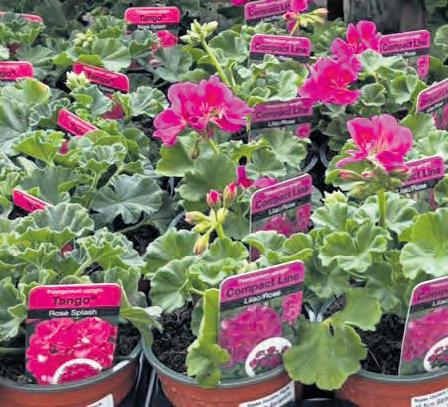
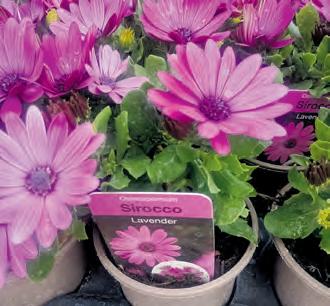

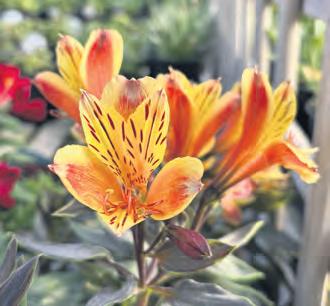
THE FARINGDON COLLECTION
One of Oxfordshire’s best kept secrets
BUSCOT PARK &
BUSCOT PARK &
BUSCOT PARK &
THE FARINGDON COLLECTION
THE FARINGDON COLLECTION
THE FARINGDON COLLECTION
One of Oxfordshire’s best kept secrets
One of Oxfordshire’s best kept secrets
One of Oxfordshire’s best kept secrets

1st April to 30th September
1st April to 30th September
Contact: Info line 01367 240932 or www.buscotpark.com for opening times.
Contact: Info line 01367 240932 or www.buscotpark.com for opening times.
&
THE FARINGDON COLLECTION
One of Oxfordshire’s best kept secrets
Vinegar is a simple yet effective resource for gardeners seeking natural solutions to a range of problems - from controlling weeds and deterring pests to cleaning tools and supporting plant care, its uses are diverse and practical
Vinegar is a surprisingly versatile tool in the garden. The liquid is much valued for its natural properties, affordability, and accessibility. Derived from fermented ethanol, vinegar contains acetic acid, which gives it a range of uses from weed control to soil adjustment. While it is not a miracle solution for every gardening challenge, when used correctly, vinegar can be a helpful addition to an environmentally conscious gardener’s toolkit.
Natural weed killer
One of the most common uses of vinegar in the garden is as a natural weed killer. The acetic acid in vinegar draws moisture out of plant leaves, causing them to dry out and die. This makes it particularly effective against young, tender weeds. Gardeners often spray a solution of household vinegar directly onto unwanted plants, taking care to avoid desirable ones, as vinegar is non-selective and will damage any plant it contacts. Stronger horticultural vinegars, with higher concentrations of acetic acid, can be used for tougher weeds, though these require more caution due to their potency.
1st April to 30th September


Contact: Info line 01367 240932 or www.buscotpark.com for opening times.
1st April to 30th September

1st April to 30th September
Vinegar can also play a role in soil management, particularly in adjusting soil pH. Some plants, such as azaleas, rhododendrons, and blueberries, thrive in acidic soil. In areas where the soil is too alkaline, diluted vinegar can be used to slightly lower the pH. However, this effect is temporary, and repeated applications may be necessary. It is important to test soil conditions before attempting to alter them, as excessive acidity can harm plants and disrupt beneficial soil organisms.
Contact: Info line 01367 240932 or www.buscotpark.com for opening times.
Another practical use for vinegar is in cleaning garden tools and pots. Over time, mineral deposits, rust, and residues can accumulate on equipment, reducing efficiency and potentially spreading disease. Vinegar’s mild acidity helps dissolve these deposits and sanitise surfaces. Soaking tools in vinegar or wiping them down regularly can extend their lifespan and maintain hygiene in the garden.
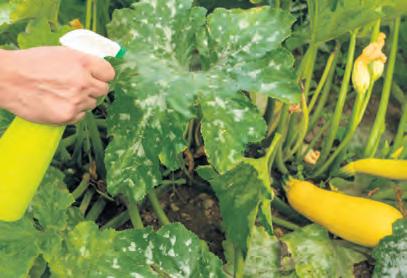
Vinegar is also useful for deterring certain garden pests. Ants, for example, dislike the strong smell of vinegar and will often avoid areas where it has been applied. Spraying vinegar along pathways, entry points, or around raised beds can help discourage infestations. Similarly, vinegar can disrupt scent trails that ants use to navigate, making it harder for them to return.
In addition to pest control, vinegar can assist in prolonging the life of cut flowers. Adding a small amount of vinegar and sugar to a vase of water can create an environment that inhibits bacterial growth while providing nutrients to the flowers. This mixture can help keep arrangements looking fresh for longer.
There is a word of caution, however. It can easily harm plants if applied incorrectly. Spraying on a windy day or using too much can lead to unintended damage. Also repeated use of vinegar in soil can negatively affect beneficial microbes and earthworms, which are essential for healthy soil ecosystems. As with any gardening method, moderation and precision are key.
Vinegar is not a substitute for good gardening practices. It can assist with weed control and maintenance, but it should be used alongside other methods such as mulching, proper watering, and regular monitoring of plant health.
However, its strength lies in careful, informed application rather than overuse. By understanding its properties and limitations, gardeners can make the most of vinegar as part of a sustainable and efficient gardening routine.
compiled by Vivienne Lewis
With the gardening season really getting into its stride in May, it’s a perfect time to visit beautiful, colourful gardens, opened by enthusiastic garden owners who are raising much needed funds for nursing and health charities. Here’s a varied selection in the areas covered by Country Gardener. Wherever possible check before starting out on a journey as circumstances can force cancellations.
www.ngs.org.uk
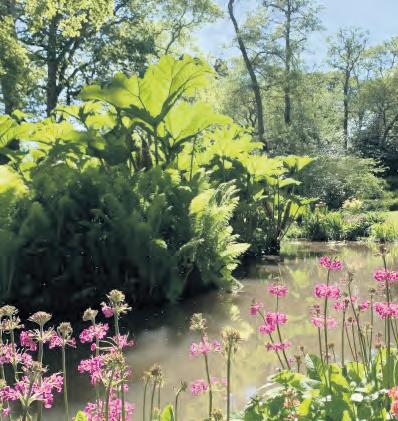
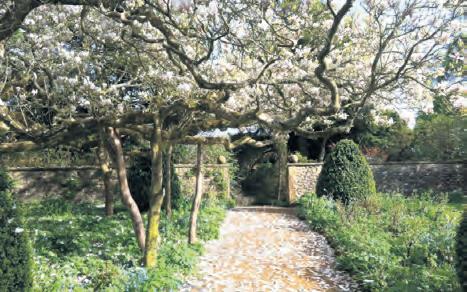
Wayford, Crewkerne, Somerset TA18 8QG
Opening for the NGS on Sunday 31st May, 2pm-5pm. The mainly Elizabethan manor (not open) mentioned in the 17th century for its ‘fair and pleasant’ garden was redesigned by Harold Peto in 1902. Formal terraces with yew hedges and topiary have fine views over west Dorset. Steps lead down between spring-fed ponds past magnolia, rhododendron, maples, cornus, spring bulbs, cyclamen and giant echium, with primula candelabra, arum lily and gunnera around the lower ponds. Admission £7, children £3.
Stoke Bishop, Bristol, Avon BS9 2AT
This hidden Victorian walled garden opens for the NGS on Sunday 31st May from 12pm until 5pm. Substantial mixed borders contain traditional and contemporary planting; large lawns, numerous seating areas, summerhouse and French inspired patio with coppiced lime trees, parterre and large raised Koi pond surrounded by bananas and tree ferns. Admission £6, children free.
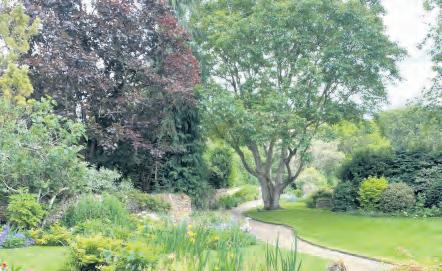

High Street Stanton, Broadway, Worcestershire WR12 7NE
A new opening for the NGS, opening with Warren Farmhouse on Sunday 3rd May from 1pm until 6pm. A two-acre country garden with lawns, mature trees, natural stream, shrubs and seasonal flowers, vegetable growing area and orchard. The 12th century St Michael & All Angels Church is also open in Church Lane, a short walk away. Combined admission £10, children free.
High Street, Congresbury, Avon BS49 5JA
A new opening for the NGS on Sunday 10th May from 11am until 4pm, with1¼ acres, formally laid out in the 17th century, including a 350 year-old cedar of Lebanon tree which fell in 2007 but is now a living feature, and a 150 year-old lime, now a folly with a seat inside the base. Other trees include acacia, ginkgo cypresses and beech. Lead-lined pond with rill, large pond with five-tier waterfalls, stone clapper bridge, Victorian pond, thatched summerhouse, kitchen garden, two greenhouses, folly, shed, orchard, herbaceous borders, rockeries. Admission £5, children free.
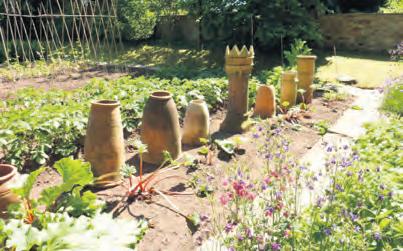
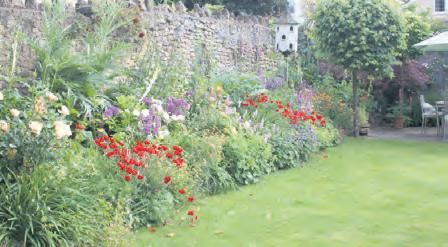

High Street, Stanton, Broadway, Worcestershire WR12 7NE
Another new opening for the NGS on Sunday 3rd May, 1pm-6pm, with The Old Bakehouse, a garden with lawn and borders, secluded courtyard and formal fountain pond by the house, vegetable beds and fruit cages leading to a woodland garden beyond which Soay sheep graze in a paddock. Fruit trees and woodland colonise the ridge and furrow hillside beyond.

garden open near you: ngs.org.uk
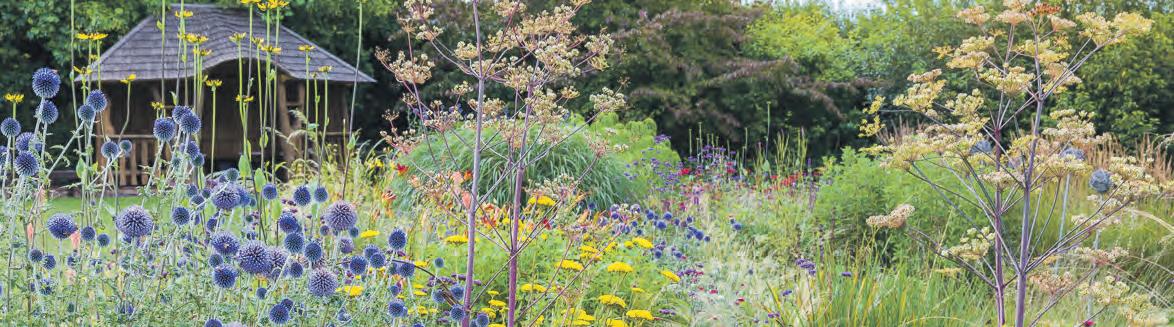
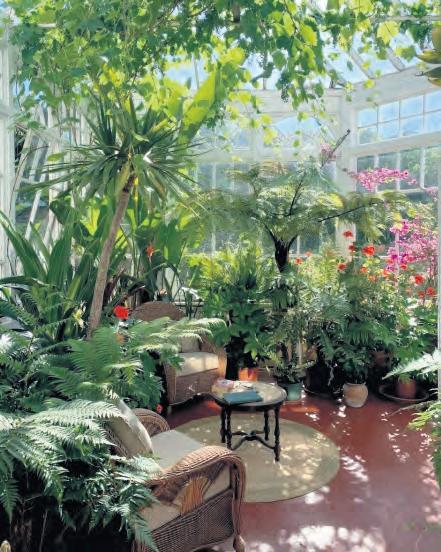
Hillside, Odiham, Hook, Hampshire RG29 1JA
Haldon Road, Torquay, Devon TQ1 2LX
A palatial mid-19th century Italianate villa, built in 1861, with two acres of semi-formal decorative southfacing gardens, is a new opening for the NGS on Saturday 23rd and Sunday 24th May from 11am until 4.30pm. At 300ft above sea level the gardens overlook Torbay and have commanding magnificent views, laid out to lawns and flower beds, with a large central ornamental pond, and a late Victorian listed rose garden. Admission £6, children free.
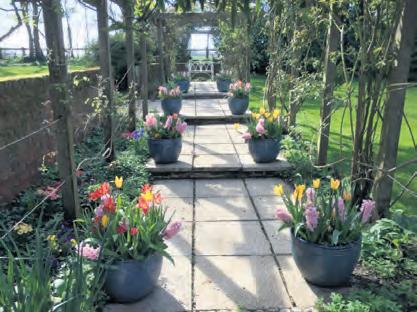
Opening for over 40 years for the NGS, this two-acre garden with many parts opens once again on Bank Holiday Monday 25th May, 2pm-5pm. Lawn meandering through woodland, rose pergola with steps, fritillary and cowslip meadow, walled herb garden with pool and exuberant planting, orchard, white garden and hot border, greenhouse and vegetable garden, rock garden extending to grasses, ferns and bamboos, shady walk to belvedere, and an eight-acre copse of native species with grassed rides. Admission £5, children free.

Crescent Road, Gosport, Hampshire PO12 2DH
Opening for the NGS on Saturday 16th May from 10am until 4pm, this restored Regency ornamental garden was designed to enhance the fine crescent. Trees, walks and flowers are lovingly maintained by a community and council partnership. A garden of considerable local historic interest highlighted by impressive restoration and creative planting. Adjacent to St Mark’s churchyard, worth seeing together. Heritage, history and horticulture, a fascinating package. Admission by donation.
OUR KEY TO FACILITIES:
Green Lane, Ilsington, Newton Abbot, Devon TQ13 9RB
Opening for the NGS on Saturday 2nd / Sunday 3rd / Bank Holiday Monday 4th, then Saturday 23rd / Sunday 24th / Bank Holiday Monday 25th (also 11th and 12th July) from 10am until 4pm each open day, is a two-acre wildlife garden with a huge variety of wildlife active amongst the native grasses, wild flowers, shrubs, herbaceous plants, and pond that provide a food source, plus the brash piles that are homes for many creatures. Admission £6, children free.

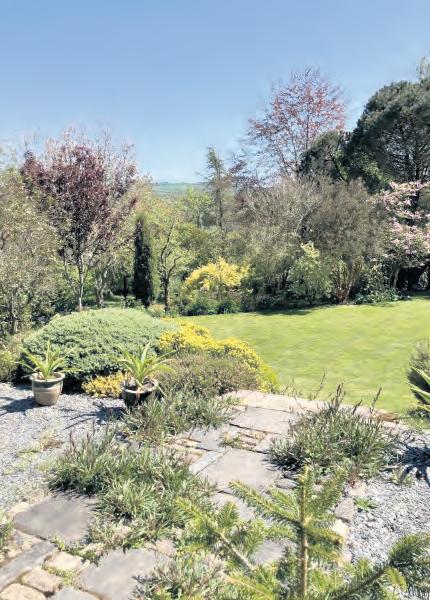
Glebe Road, Royal Wootton Bassett, Wiltshire SN4 7DU
A new opening for the NGS on Sunday 31st May from 11am until 4pm, Elmcroft is an ever evolving, organically managed garden with a mixture of planting including woodland, drought resistant gravel gardens, free flowering and seeding plants and mixed hedging, to increase a ‘food chain’ for nature. Irrigated when necessary using an underground 7500 litre rainwater harvesting tank. Admission £5, children free.
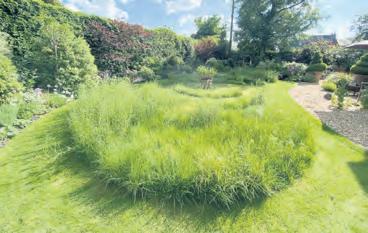
Refreshments available
Plants usually for sale
St Keyne, Liskeard, Cornwall PL14 4RN
Opening for the NGS on Sunday 17th May (also Sundays 14th June and 12th July), 2pm-5pm each open day, two acres of garden on a hillside, and is part parkland, part ‘plantsman’ in style, featuring a wide variety of trees, shrubs, perennials, informally divided into a number of themed beds. Admission £6, children free.
Bisterne, Ringwood, Hampshire BH24 3BN
Opens for the NGS on Friday 8th and Saturday 9th May from 10am until 6pm each day. Two spectacular gardens in one visit, united by history. The first is a formal and kitchen garden linked to 16th century Bisterne Manor (not open). The second, located next to the manor, is a beautiful garden adjoining the Stable Family Home Trust, which supports adults with learning disabilities. Together, they form a beautiful four-acre setting on the edge of the New Forest. Admission £10, children free.

Wheelchair access to much of garden
Partial wheelchair access Dogs on short leads No dogs allowed
Visitors welcome by arrangement
Unsuitable for wheelchairs
Coaches welcome consult owners
Accommodation at this venue
welcome
Lower Common, Aylburton, Lydney, Gloucestershire GL15 6DU
Yet another new opening for the NGS
on Saturday 16th and Sunday 17th May, 1pm-5pm, Besom Cottage is a landscape architect’s garden created from a former pub car park, tiered with large, local boulders and planted with ornamental and native planting surrounding a circular lawn; ornamental pond, stumpery, woodland fern garden and garden art. The garden falls from the road to a stream with stepped paths. A separate vegetable garden and orchard are part of the property. Admission £5, children free.
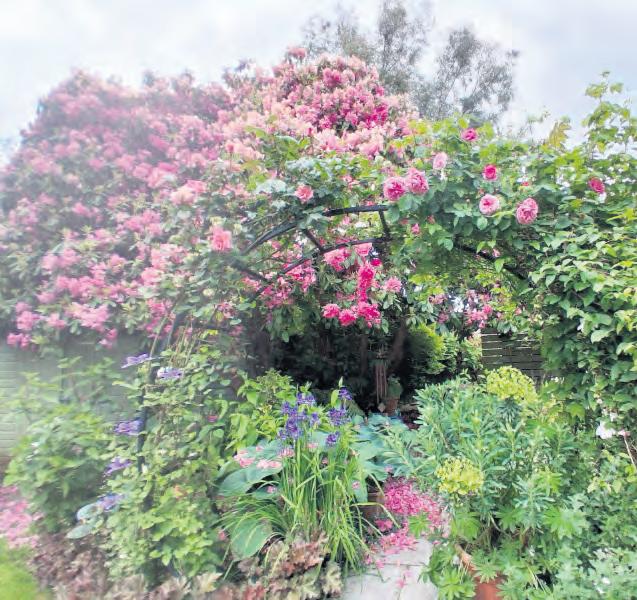
Highcliffe, Christchurch, Dorset BH23 5AJ
Opening for the NGS on Sunday 24th and Bank Holiday Monday 25th May, 1pm-5pm each day (also 27th/28th June)
64 Hinton Wood Avenue is a small cottage garden with 30 roses, delphiniums, lupins, heuchera and agapanthus, water feature under shade with hostas, astilbe ferns, tetrapanax and other shade loving plants, greenhouse with vegetables and seedlings. Admission £5, children free.
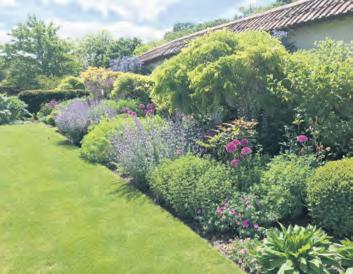
Church Lane, Fovant, Salisbury, Wiltshire SP3 5LA
Opens for the NGS on Saturday 30th May from 2pm until 5pm, a former rectory set in about three acres of formal garden that was redesigned by Arabella Lennox Boyd in 2016. It has a 60 metre herbaceous border, terraces and parterre, and a range of mature trees including cedar, copper beech, oak and lime. Admission £8, children free.
Poole, Dorset BH17 7AL
Opens for the NGS on Sunday 10th May, 2pm-5pm, (also Sunday 14th June, same times), on the outskirts of Poole, with mainly perennial planting to provide year-round interest, and more seasonal planting tends to be in tubs and pots; two trees provide cover for many birds; there’s a small patio and fish pond with a dozen attractive shubunkins. Admission £4, children free.
Corscombe, Dorchester, Dorset DT2 0NN
Opening for the NGS with Pugin Hall on Sunday 17th May, Little Benville House is a contemporary garden, with landscape interventions by Harris Bugg Studio within a varied ecological Area Of Natural Beauty and historic landscape off Benville Lane, mentioned in Thomas Hardy’s Tess of the Durbervilles. New herbaceous borders, woodland planting, walled vegetable and cutting garden, cloud pruned topiary, ha-ha, ornamental and productive trees and a moat which is a listed Ancient Monument. Combined admission £10, children free.
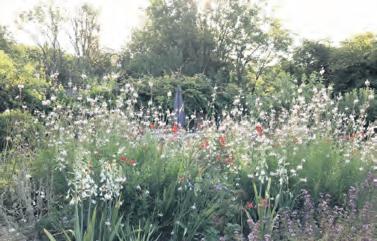
Dinton, Wiltshire, SP3 5HH
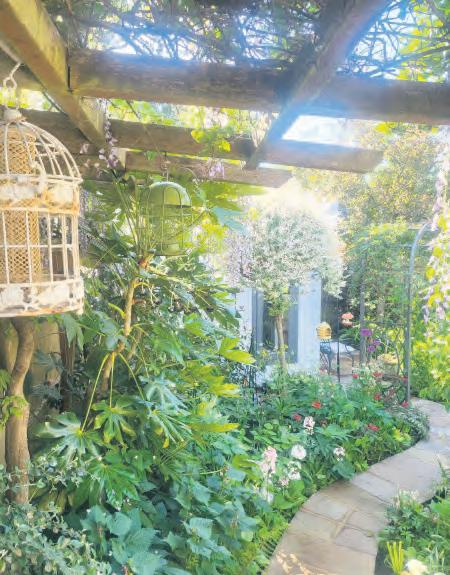

Rampisham, nr Dorchester, Dorset DT2 0PR
Opening for the NGS with Little Benville House on Sunday 17th May. Once Rampisham Rectory, it was designed in 1847 by Augustus Pugin, who also helped to design the interior of the Houses of Parliament. The Grade I listed building is surrounded by 4½ acres of garden, including a large front lawn with rhododendrons, a walled garden filled with topiary and soft floral planting, and an orchard.
Opens for the NGS on Sunday 17th May, 2pm-5pm, three acres of wild and formal garden around a 16th/18th century house (not open) in a beautiful situation with series of hedged garden rooms, numerous shrubs, flowers and borders, all allowing wild flowers and preferred weeds, while others creep in. Large walled kitchen garden, herb garden and 13th century dovecote (open), and walks around the park and lake. Admission £8, children free.
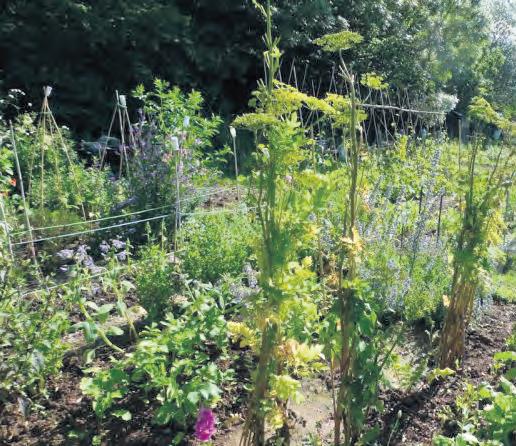

Abbotskerswell, Devon TQ12 5PN
A group of seven gardens opening for the NGS on Saturday 30th and Sunday 31st May, 1pm-5pm each day, ranging from small to large, plus the village allotments. The gardens offer a wide range of planting styles and innovative landscaping, with cottage gardens, terracing, wildflower areas, specialist plants and an arboretum. Visitors are welcome to picnic in the field or the arboretum at Fairfield. Combined admission £8, children free.
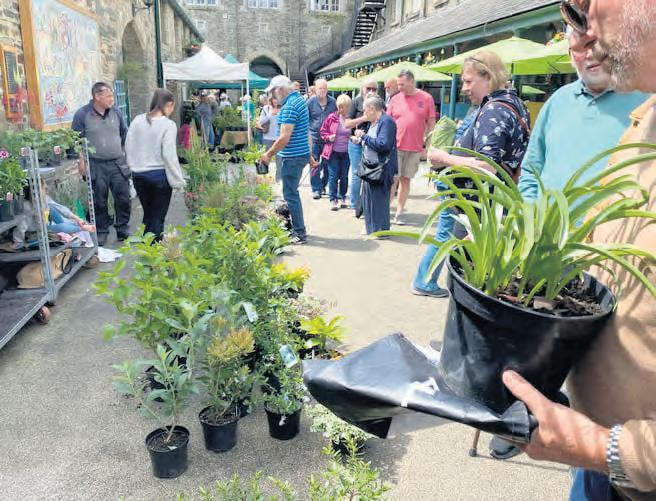
The Pannier Market and the beautiful surroundings of Tavistock will once again play host to the much-loved Country Garden Show on Saturday, 24th and Sunday, 25th May.
Gardening specialists and conservationists from across the southwest will be on hand to share their knowledge and advice. Whether you’re seeking inspiration for your outdoor space or looking to bring a touch of nature indoors, there’s something for everyone.
This year’s show will take place over the Spring Bank Holiday weekend, from 10am to 4pm on both days.
Parking is available in the town’s main car parks, including Bedford Car Park, The Wharf and Riverside (with coach parking at Bedford Car Park).
For further information, call on 01822 611003, or to enquire about exhibitor space, email panniermarket@tavistock.gov.uk or countrygardenshow@tavistock.gov.uk
The Devon County Show at Exeter’s Westpoint Arena on 21st to 23rd May has one of the strongest gardening themes for many years. The traditionally strong agricultural event is clearly broader than just gardening but horticulture has been brought to the fore in the annual show making it ideal for anyone enjoying gardening alongside rural crafts and farming culture. The three-day show includes plant displays, garden trade stands and countryside exhibits. www.devoncountyshow.co.uk
Garden lovers will be able to visit four stunning gardens at farms on Exmoor this summer where to learn more about local farming and wildlife while helping to raise money for charity.
The gardens in Brendon, North Devon, are some of the farms that date back to the 17th century, with holdings in the area recorded in the Domesday Book.
Brendon Barton is also home to the Tippbarlake Exmoor Pony Herd, one of the largest groups of native, rare-breed Exmoor ponies, and visitors may be able to see them roaming free on Exmoor when they visit the gardens.
The other neighbouring farms taking part in the open days are Higher Tippacott Farm, Hall Farm and Barn Farm.
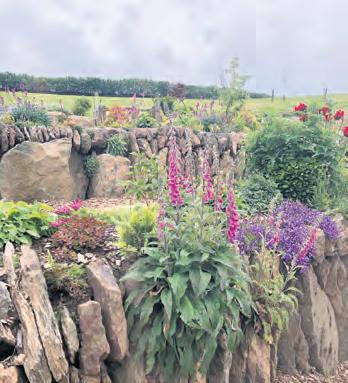
Visitors can enjoy a light lunch at Higher Tippacott Farm, with delicious quiche, salads, homemade cakes and Devon cream teas.
The gardens open days are 3rd and 4th May, and 5th and 6th July.
Price - £6 for entry to all four gardens (children can visit for free).
The gardens can be found one mile south of A39, North Devon coast road between Porlock and Lynton.
Tickets can be booked at: findagarden.ngs.org.uk/garden/30224/BrendonGardens
Devon Link-Up at Broadclyst, Refugee Support Devon and The Community Waffle House at Axminster have been awarded grants by the National Garden Scheme.
The National Garden Scheme has announced nearly £300,000 in funding for 118 community garden projects across England, Wales and Northern Ireland.
Devon Link-Up is a user-led charity for people with learning disabilities and autism who live in Devon. They run Heathfield Farm, a 32-acre farm based in Broadclyst, Exeter, where people can learn about nature, growing, cooking and the environment.
Waffle House works to build connections in communities and alleviate loneliness through waffle cafes, with projects, events and activities including community gardening.
Among the varied ways Refugee Support Devon works, they run a community garden in Exeter, providing a welcoming space for people of all backgrounds to come together, grow food and connect with nature. Volunteers work alongside clients to plant, maintain and harvest fruit, vegetables which are shared with the community. The sessions offer a relaxed, supportive environment that promote physical and mental wellbeing, reduce social isolation and help people feel more connected to their community.
To find out more about the NGS awards, go to www.ngs.org.uk


Beautiful informal gardens in a stunning setting Delicious home-made teas
GARDENS & TEA ROOM OPEN
2pm-5pm, Weds, Thurs & B Hols until the end of August
Dogs on leads welcome in the garden
For house opening, please see website Fursdon, Cadbury, Exeter, EX5 5JS Tel: 01392 860860 www.fursdon.co.uk

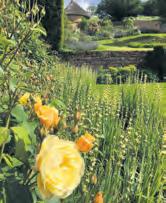
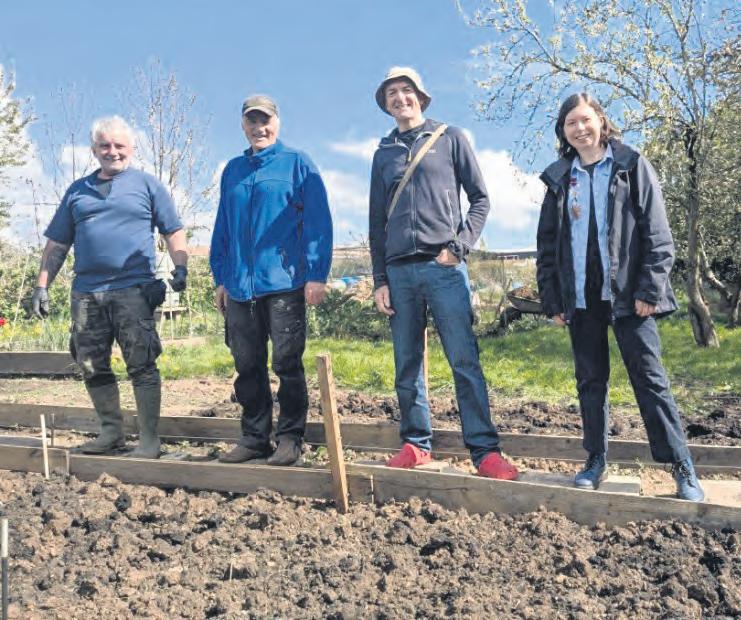























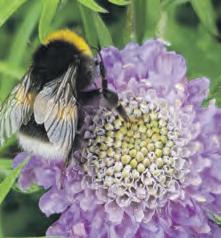















Wildlife Habitat & Edible Garden Specialists Maintenance - Consultation
Fine Turf (Devon) Ltd, a family run business established in 1966, supply a locally seeded turf, suitable for a variety of gardens, which has been treated and fertilised several times throughout the growing period.
Scything Courses
www.abundantgardens.uk
Tel: 07811 608359
We also supply topsoil, composts and landscaping bark for all your gardening needs, we can mix these for your requirements for planting flowerbeds and vegetable plots. All our topsoil is certified and stored dry all year round, as are the composts.
Email: ross@abundantgardens.uk
Perennials 9cm pots 5 for £15
Summer Basket & Bedding Plants Available Now
Selection of Trees, Shrubs, Fruit, Roses, Perennials, Alpines, Seeds & more... Help Advice & Friendly Service
Check our website for details or find us on Facebook! www.covegardennursery.co.uk Tel: 01398 331946


WE SUPPLY LOCALLY SEEDED TURF, TOPSOIL, COMPOSTS (MUSHROOM/ORGANIC GREEN WASTE) AND LANDSCAPING BARK, WHICH WE CAN DELIVER OR YOU ARE WELCOME TO COLLECT.
01364 652538
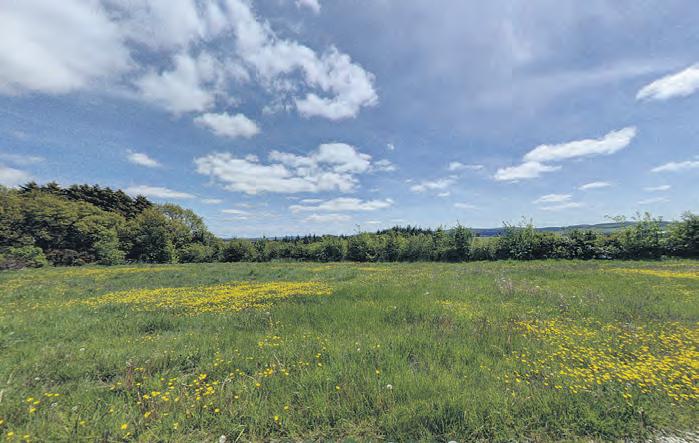

We provide a natural burial site for all faiths and beliefs in the countryside overlooking Dartmoor.

Bridford, Nr Exeter EX6 7LB 01647 252654
Lower Waye Farm, Ashburton TQ13 7ET

the A396, Cove, Tiverton EX16 7RU

Lower Waye Farm, Ashburton TQ13 7ET TEL: 01364 652538 MOBILE: 07725 703297 EMAIL: fineturfdevon@gmail.com WEBSITE: turfdevon.co.uk
Traditional Nursery Trees, Shrubs,Climbers and Perennials Hanging Baskets, Patio Plants and Spring Bulbs Garden Shop, Local Produce Competitive Prices www.teignvalleynursery.co.uk teignvalleynursery@gmail.com

SUN 7 JUNE,11AM - 4PM
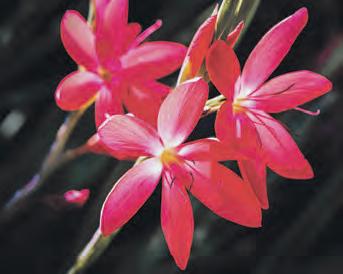
Fine Turf Devon Ltd fineturfdevon@gmail.com turfdevon.co.uk
Self-catering cottages & B&B in a beautiful tranquil location in the heart of Exmoor. Dogs & horses welcome. 300 yds to village pub, shop, tearoom. Central to many gardens, NT properties, spectacular countryside. Coast 30 mins. www.westerclose.co.uk 07765 916736

Enjoy 5 acres of stunning gardens, with a variety of areas to explore including kitchen garden, mazzard orchard, ponds, rose garden, sensory garden, borders and more.
- Children’s trail
- Craft activities - BBQ - Cream teas
- Plant and garden furniture sale - Dog friendly doggy trail
North Devon Hospice, Deer Park, Newport, Barnstaple, EX32 0HU. www.northdevonhospice.org.uk

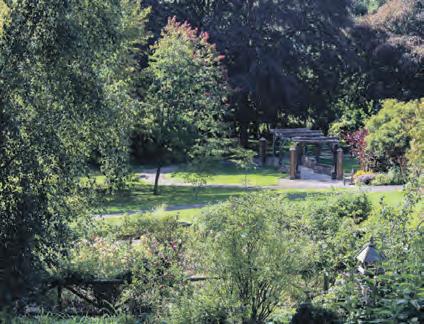
Well-behaved dogs on leads welcome.
There’s a lot of information on a packet of seeds which too many gardeners don’t pay enough attention to. Careful reading means you can translate its instructions into practical steps, ensuring the seeds have the best chance to grow into healthy, productive plants.
Reading a UK seed packet may seem straightforward, but the small print often contains essential information that can make the difference between a thriving garden and disappointing results. Understanding how to interpret and apply these instructions properly helps ensure seeds are sown at the right time, in the right way, and given the best conditions to grow.
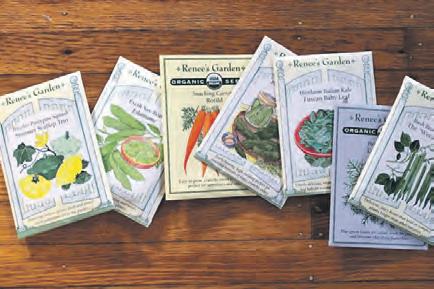
At the top of most seed packets, you’ll find the plant name and sometimes a variety description. This tells you what you are growing but also specific traits such as size, colour, flavour, or resistance to disease. For example, carrots might be described as ‘early’, ‘maincrop’, or ‘baby’, each indicating when they should be harvested and how they grow. How to sow
One of the most important sections is the sowing instructions. UK seed packets typically use a calendar or month guide to show when to sow seeds. This is often displayed as a row of months with shaded or highlighted sections. When to sow
In the UK climate, timing is crucial because frost can damage young plants. If a packet says, ‘sow indoors March–April’ and ‘plant out May–June,’ it means you should start seeds inside early in the season and move them outside once the risk of frost has passed.
Depth and space for your seeds
Depth and spacing are also key instructions. The packet will specify how deep to plant the seeds, often in millimetres or centimetres. A general rule is to plant seeds at a depth about twice their size but always follow packet guidance if given. Spacing instructions tell you how far apart to plant seeds or seedlings. Proper spacing prevents overcrowding, which can lead to poor growth and disease. For example, lettuce
might need 20–30 cm between plants, while radishes require much less space.
Germination time is another detail you’ll see, usually given in days. This tells you how long it should take for seedlings to appear after sowing, assuming conditions are right. If seeds haven’t sprouted within this timeframe, it may indicate issues such as low temperature, insufficient moisture, or poor seed quality. Many packets also include ideal temperature ranges for germination, which is particularly useful for indoor sowing.
Light or shade
You may also find symbols or notes about light requirements. Some seeds need light to germinate and should be sown on the surface of the soil rather than covered. Others require darkness and should be buried. The packet might also indicate whether the plant prefers full sun, partial shade, or shade once established.
Care instructions often appear on the back of the packet. These include watering needs, feeding recommendations, and tips such as ‘thin seedlings’ or ‘harden off before planting out.’ Thinning means removing some seedlings so the remaining ones have enough space to grow.
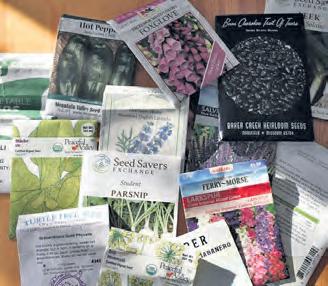
Harvesting information is usually included as well. This tells you when your crop will be ready and may provide tips on how to pick it for the best flavour or continued production. For example, beans should be picked regularly to encourage more pods to form.
Storing
To use seeds properly, always store unused seeds in a cool, dry place to maintain their viability. When sowing, use good-quality compost or well-prepared soil, and water gently to avoid displacing seeds.

COUNTRY GARDENER READER KEITH MONK IS A HUGE FAN OF WILD GARLIC WHICH IS NOW IN FIELDS AND LANES TO PICK. HE CALLS IT A SEASONAL TREASURE THAT BRINGS A FRESH, WONDERFUL FLAVOUR TO DISHES AND FINDS IT A REWARDING INGREDIENT TO GATHER AND COOK WITH.
I was more than a little upset to see my veg box supplier offering me wild garlic to buy with my weekly delivery.
At £4.65 a bunch!
Why was I surprised? Well for starters wild garlic rows prolifically down lots of lanes in our village and this year seems more abundant than ever. So how come someone thinks they can charge for it?
I love this time of year when wild garlic, also known as ramsons, a fragrant leafy plant that grows all over the countryside seems to be everywhere. Its Latin name, Allium ursinum, hints at its relation to onions, garlic, and leeks—all part of the allium family. You can spot the plant by its pointed green leaves and its distinct garlicky aroma, which becomes especially noticeable when the leaves are crushed underfoot. It a produces clusters of small, white, star-shaped flowers, which are edible too.
It typically appears between March and May, making it one of the first signs of spring. It thrives in damp, shaded environments, so you’ll often find it carpeting ancient woodlands, riverbanks, and hedgerows. It’s particularly common in places like forests where the soil is moist and rich. If you come across a woodland floor covered in green leaves and the air smells faintly of garlic, chances are you’ve found a patch. Where I live it grows on the raised embankments of lanes.
Foraging wild garlic requires care, as it can be confused with some toxic plants. The most notable lookalikes are lily of the valley and autumn crocus, both of which are poisonous. The key difference is smell—wild garlic leaves will release a strong garlic scent when crushed, whereas the toxic plants will not. Always check each leaf individually, as the scent can transfer to your hands and lead to mistakes. When in doubt, it’s best not to pick.
When harvesting wild garlic only take what you need and avoid uprooting the plant unless you have a good reason, as this can damage its durability. The leaves are the most used part and can be picked easily by hand or with scissors. I try to collect young, tender leaves for the best flavour, as older leaves can become tough and slightly bitter.
In our kitchen we use it a lot. Its flavour is milder and fresher than cultivated garlic; one of the simplest ways to use it is in pesto. Blend the leaves with olive oil, nuts (such as pine nuts or walnuts), hard cheese like Parmesan, and a squeeze of lemon juice. This bright green pesto can be stirred through pasta, spread on bread, or used as a marinade.
Wild garlic also works beautifully in soups. My classic wild garlic soup combines sautéed onions or leeks, potatoes for body, stock, and a generous handful of chopped leaves added near the end to preserve which my mother always used to say is wild garlic butter. Finely chop the leaves and mix them with softened butter, a pinch of salt, and perhaps a little lemon zest. Roll it into a log using cling film and chill it in the fridge.
You can also incorporate wild garlic into everyday cooking. Add it to omelettes, risottos, or mashed potatoes, or use it as a substitute for spinach in many recipes. The flowers can be used as a garnish, adding both visual appeal and a subtle garlic taste, while the unopened buds can be pickled for a caper-like condiment.
Another batch of thoughtful, amusing and witty letters from Country Gardener readers. If you have something to say write to us and email editorial@countrygardener.co.uk
The case for native plants
I was delighted to see your recent feature on low-maintenance gardening, but I was surprised that native plants were only briefly mentioned. In my experience, choosing plants that are naturally adapted to our local environment is one of the simplest ways to create a thriving garden with minimal effort. Native species require less watering, fewer chemical inputs, and provide essential habitats for local wildlife such as bees, butterflies, and birds.
Many gardeners are drawn to exotic plants for their unusual appearance, but this often comes at a cost. Non-native species can struggle in unfamiliar conditions and may even become invasive, outcompeting local flora. By contrast, native plants work in harmony with the ecosystem, promoting biodiversity and long-term sustainability.
I would love to see more show gardens, for example native plants into different garden styles, from small urban spaces to larger countryside plots. Encouraging gardeners to “go native” could have a significant positive impact on both our gardens and the wider environment.
Mark Stevenson Dunster

The joy of growing your own food I thoroughly enjoyed your recent articles on ornamental gardening, but I would like to advocate for more content on growing edible plants. There is something deeply satisfying about harvesting your own fruits, vegetables, and herbs, even on a small scale. In recent years, I’ve transformed a modest patio into a productive space using containers. Tomatoes, salad greens, and herbs have all thrived, proving that you don’t need a large garden to grow your own food. Beyond the obvious financial savings, homegrown produce often tastes better and reduces reliance on storebought goods with high environmental costs. Moreover, gardening for food can be incredibly rewarding, teaching children where their food comes from and encouraging healthier eating habits. It’s also a great way to reconnect with nature in our increasingly busy lives.
KL by email
A case for ‘messy’ gardens
Why the obsession with pristine borders? My garden is a riot of self-seeded flowers, wandering herbs, and the occasional mystery plant. It buzzes with bees and hums with life. Surely a slightly untidy garden is closer to nature—and far more interesting.
In defence of chaos.
Amira S. Bradford-on-Tone
The philosophical gardener
The slug war veteran
After years battling slugs, I’ve reached a truce—or perhaps a stalemate. Beer traps, copper tape, eggshells—nothing works for long. This year, I tried planting sacrificial lettuce away from my prized plants. The slugs obliged and stayed there! Have I outsmarted them, or merely hosted a banquet?
Tom B. Somerton
The compost conundrum
I am thinking of writing a book called ‘The Confessions of a Compost Grower ‘It will feature in depth the often-comical attempts of mine to do what neighbours and friends seem to find the simplest of tasks making good quality compost. My compost heap refuses to compost. It sits there, stubborn and unchanged, despite my careful layering. turning, adding greens and browns. Every video I watch sees gardeners preparing wonderfully formed perfect compost. Mine has more affinity with sludge. Is there a secret ingredient I’m missing, or is patience the only answer?
Janet Walker Lyme Regis
The shade garden success story
For years I lamented my north-facing garden— nothing but gloom and moss. Then I embraced it, planting ferns, hostas, and shade-loving flowers. It’s now a cool, tranquil haven. Sometimes the solution isn’t to fight your garden, but to understand it.
Eleanor Thomas Cheltenham
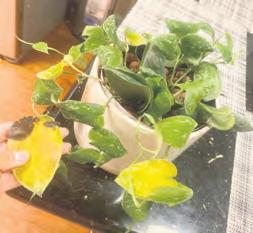
The over waterer’s confession If I have a fault as a gardener which I would like to share with your readers, I fear I may be loving my plants to death. I think it is a spreading disease amongst me and my friends. Every wilted leaf looks like a cry for help, and before I know it, I’ve drowned another unsuspecting fern. I count five once healthy houseplants which I have fussed over and now I often hear in our house ‘Will you leave those damn plants alone!’ Is there a simple rule for when not to water for example or when not to trim off or prune that dead looking branch? My husband who has a ‘devil may care’ approach to his vegetable growing says our windowsill is becoming a graveyard of good intentions. Is there a cure I wonder for me?
Clara Hill Brighton
Rethinking lawn culture
I feel compelled to respond to the ongoing emphasis on achieving the ‘perfect lawn’ that seems to feature in all magazines and even television programmes. While a neat, green lawn can be visually appealing, the time, effort, and environmental cost required to maintain it are often overlooked. Constant mowing, watering, and fertilising not only consume resources but can also reduce biodiversity.
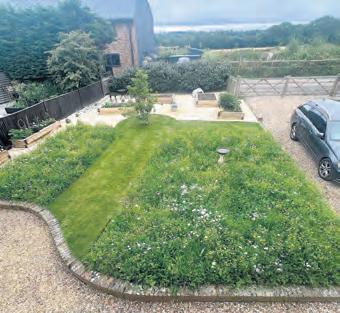
In my own garden, I decided to let part of my lawn grow naturally, allowing wildflowers to emerge. The results have been remarkable. Not only has maintenance decreased, but I’ve also noticed a significant increase in pollinators and other beneficial insects. The space feels more alive and dynamic compared to the uniform grass I once maintained.
I believe it’s time to shift the narrative away from perfection and towards practicality and ecological value. Lawns don’t need to be eliminated entirely, but even small changes—such as reducing mowing frequency or creating a ‘wild corner’—can make a meaningful difference.
Pam Windsome via email
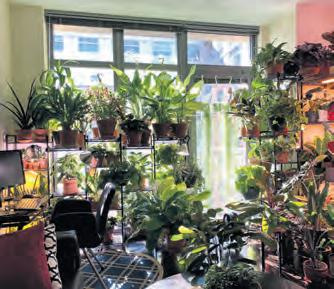
I had intended merely to grow carrots. Simple, earnest carrots. Yet in tending them, I have been forced to confront the quiet tyranny of time, the futility of control, and the curious indifference of slugs.
One carrot, when finally unearthed, bore a striking resemblance to my uncle. I do not know what this means.
Is gardening always so existential, or have I simply overwatered my sense of purpose?
Bernard via email
The houseplant hoarder
It started with one spider plant. Then another. Now I have over 55 houseplants and a growing suspicion that I’ve lost control. Is there such a thing as too many plants—or is this simply a healthy passion?
Sophie King Bristol
Could I urge fellow Country Gardener readers to plant more for pollinators? Even a small patch of nectar-rich flowers can make a difference. My garden has never been more alive, and it feels good to know it’s helping the wider ecosystem. Stephen via email
MARK HINSLEY WRITES HIS COLUMN ON APRIL FOOL’S DAY AND USES THE OPPORTUNITY TO LOOK INTO SOME COMMONLY HELD ARBORICULTURAL BELIEFS AND GETS TO THE TRUTH OF THE MATTER
Writing as I am on the day of tricks and misdirection I thought, instead of creating myths like the famous spaghetti trees, I would see if I could explode a few.
1. You will be arrested if you cut your hedge between 1st March and 31st August
The rules against cutting hedges between those dates have only ever existed on agricultural land which is under a formal stewardship scheme. It has never extended to domestic garden hedges or even agricultural hedges which have a domestic garden on one side.
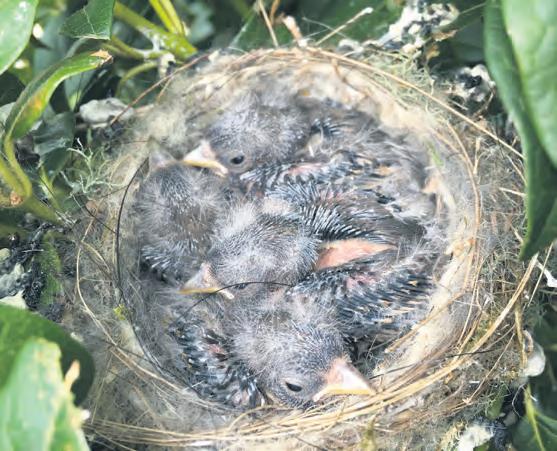
The rules which govern what you can do with a domestic hedge revolve around nesting birds and are applicable at any time of the year. What you have to do is check the hedge before you cut it, and if a bird is building a nest –even if it is not finished yet – you must not disturb it, even if it is in February or September.
The hedge is irrelevant in the legislation – it is the nest which is protected. The nest protection extends to shrubs, trees and the set of clubs you left in the shed and a robin got in and decided to nest in the top of your golf bag.
2. My neighbour could put a Tree Preservation Order on my tree
No, they cannot. Only a local planning authority, and not even a parish council, can make a Tree Preservation Order. Anybody can contact a local planning authority and ask them to consider making a Tree Preservation Order, but the council have to decide if the tree is worthy of protection and under some kind of threat before deciding to protect it.


3. If my tree falls over or drops a branch onto my neighbour’s property, they can sue me for their losses
Not necessarily. For you to be liable for damage from a falling tree, or part of a tree, you must first have been negligent in retaining it. This does not mean it is simply tall enough to fall next door, it means there must have been something wrong with it that would cause the failure to be reasonably foreseeable. A tree is not considered to be an unreasonable risk just by being there.
4. My neighbour says that if I allow my hedge to grow above two metres high the police could put an ASBO on me to cut it down or I might go to prison No. At the time the Government were looking to allow action to be taken by local authorities against individuals letting their hedge grow uncontrolled aggressively, they did not want the delay of creating a new Act of Parliament. To save time they attached it to an existing one – The Antisocial Behaviour Act – but there the similarity ends. If a person feels aggrieved by the height of their neighbour’s evergreen hedge, they can, for a fee, apply to their local planning authority to, basically, adjudicate. If the council agrees with the complaint, they can serve a notice on the hedge owner to reduce it, if they don’t – they won’t. They cannot require any hedge to be removed or reduced to below two metres.
5. Yew trees were grown in churchyards to supply staves for longbows No, they were not. Henry V preparing for his Harfleur-Agincourt campaign ordered his principal bowyer, Nicholas Frost, to gather yew staves from all over England for warbows, yet forbade him from taking any from ecclesiastical land. Those yews had a different purpose at that time. This is why so many ancient yews survive in our graveyards to this day.
Mark Hinsley, of Mark Hinsley Arboricultural Consultants Ltd, offering tree consultancy services. www.treeadvice.info


Secluded cosy cabins & lodges in wooded valley running down to Wembury Bay & SW Coastal Path

Plymouth, Dartmoor & lovely South Devon Villages & Towns in easy reach. Pets Welcome. Forest School. Tel: 01752 862382 www.churchwoodvalley.com

West Dorset
Peaceful, comfortable apartment in Victorian stable block, 1/2 mile Charmouth, country walks, sunny garden, sleeps 2/4. No pets. Enquiries 07786 118762 or email rosemarylunn39@gmail.com

South Devon Lodge on Farm Sleeps 4. Central for beaches, Salcombe and Dartmouth. For availability Tel 01548 853669 www.marymillsfarm.co.uk
GLORIOUS NORTH DEVON. Only 9 cosy caravans on peaceful farm. Wonderful walks in woods & meadows. Easy reach sea, moors & lovely days out. £125-395pw. Discount couples. Nice pets welcome. 01769 540366 www.snapdown.co.uk
BOSWORLAS, ST JUST.
Cosy Cottage sleeps 2-4. Sorry no pets. Please email info@bosworlas.co.uk for availability 01736 788709
ACCOMMODATION HOLIDAY COTTAGES

HOLIDAY COTTAGE SIDMOUTH, DEVON
A quiet holiday bungalow near Sidmouth, overlooking the Donkey Sanctuary. Sleeps 4. Bookings from April to the end of October.
www.sandwaysholidaycottage.co.uk

Devon Traditional Cottage Sleeps 2-4 On small farm with private woodland walks for you & your dog to enjoy. Brochure available. RHS Rosemoor approximately 13 miles. Tel: 01769520266 www.horrymill.co.uk Email: horrymill@aol.com
WYE VALLEY/FOREST OF DEAN. Fully equipped single-storey cottage with two en-suite bedrooms. Wi-fi.Recently awarded Visit England 4-star GOLD. Rural retreat, shops/pubs one mile. Enquiries welcome. AS SEEN ON ESCAPE TO THE COUNTRY! Tel: 01594 833259 www.cowshedcottage.co.uk
ACCOMMODATION WITH BEAUTIFUL GARDENS
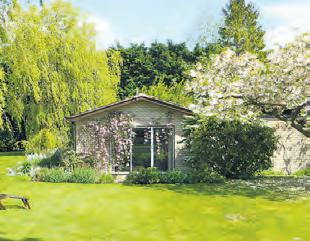
Near Stratford-upon-Avon Lovely self-catering cottage in peaceful location: large garden. Sleeps 2. Perfect for famous gardens, NT properties & Cotswolds. Tel: 01789 740360 www.romanacres.com

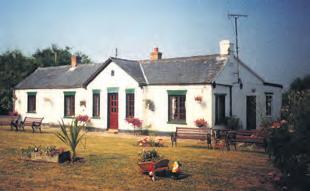
Gloucestershire Quality Bungalow B&B
Ensuites, rural, large garden, paddocks, sheep and fruit. Ideal Cotswolds, Malvern’s, Forest of Dean, cycle storage, ample parking, Wi-Fi. From £46 p.p.p.n. Tel: 01452 840224 sheila.barnfield1960@gmail.com

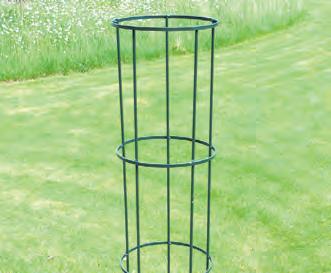



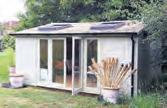
NORTH DEVON NEAR CLOVELLY. Small barn conversion sleeps 4 (wheelchair friendly). Small cottage and Timber lodge sleeps 2/3. Pub and Shop 2 miles, RHS Rosemoor 1 hour. Brochure 01237 431324 www.foxwoodlodge.co.uk
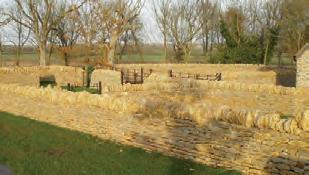
Yenstone Walling Dry Stone Walling and Landscaping Patrick Houchen - DSWA member Tel: 07751278363 / 01963371123 www.yenstonewalling.co.uk
POSTAL FRIENDSHIP CLUB. Friends, pen pals, perhaps romance. UKwide. No internet needed. Call for details: 07356 003808 25/2/26 POLYTUNNELS





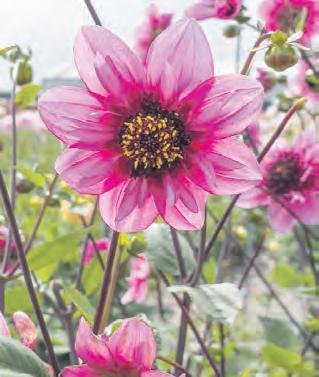
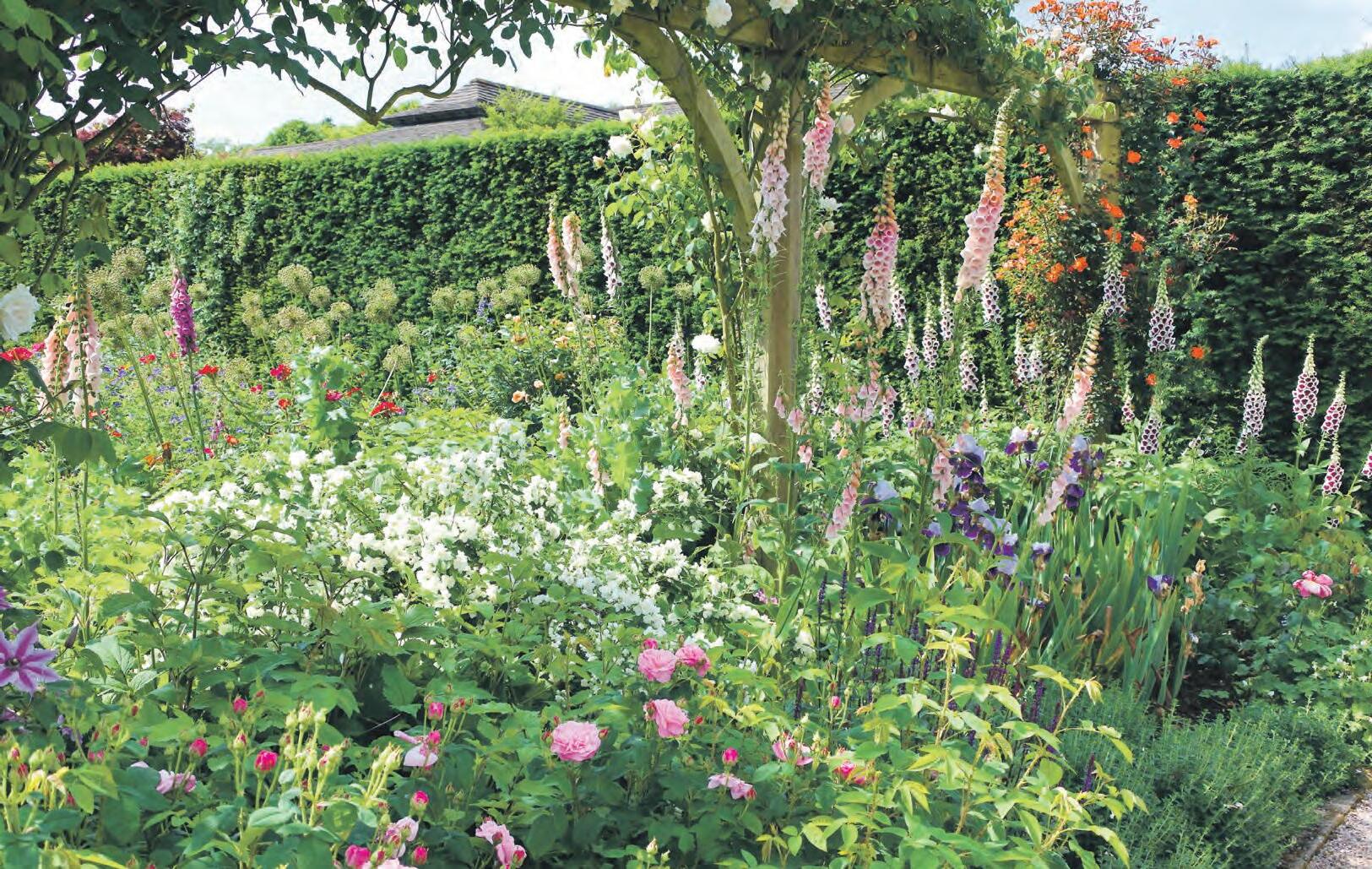
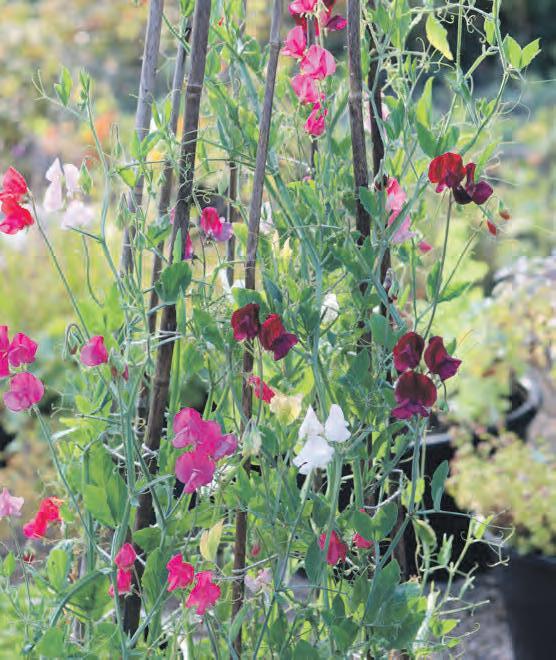

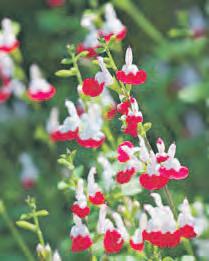




















Imagine being able to enjoy fantastic holidays in beautiful locations like this. That’s exactly what over 40,000 discerning holidaymakers have already done.
The Holiday Property Bond’s portfolio currently includes more than 1,500 holiday homes in over 30 exclusive UK and European destinations. Discover this refreshing new approach to the way you plan and enjoy your holidays. You can even pass the benefits on to your children
and grandchildren so they will also have a lifetime of wonderful holidays to look forward to.
Become a Bondholder with HPB and you could take your pick from magical locations with fabulous gardens every year, for life.
It’s never been easier to find out more about the Holiday Property Bond for yourself, free and without obligation.
Please request your free brochure Visit hpb.co.uk/ countrygardener Or scan the QR code

Enquire by 31st July 2026 and you will be entered into our prize draw to win one of six individual cash prizes totalling £3,000. You could win £2,500 when you find out more
Exclusive holidays for life An initial payment from £5,000 and a quarterly fee of under £39 (that is around £155 a year), which can increase in line with but not exceed the Retail Price Index Excluding Mortgage Interest (RPIX), gives you access to all HPB’s holiday homes. For each HPB holiday, you will pay a no-profit user charge covering only property running and maintenance costs and use of on-site facilities. The average charge is the same throughout the year, the average weekly charge for a studio sleeping two is around £388 and around £597 for a two bedroom property, larger properties are also available. After an initial charge of 25% your money is invested in a fund of holiday properties and securities. The fund itself meets annual charges of 2.5% of its net assets at cost, calculated monthly. Your investment return is purely in the form of holidays and, as with most investments, your capital is at risk. You can surrender your investment to the company after two years or more (subject to deferral in exceptional circumstances) but you will get back less than you invested because of the charges referred to above, as well as other overheads and changes in the value of the fund’s properties and securities.