


• Open 7 days a week
• One of the South West’s Largest Tree & Hedging Nurseries
• Small to Large Trees Available
• Complete Range of Garden Plants at our Garden Centre
• Thousands of Plants in Stock
• Visit our Nursery or Browse Online









• Open 7 days a week
• One of the South West’s Largest Tree & Hedging Nurseries
• Small to Large Trees Available
• Complete Range of Garden Plants at our Garden Centre
• Thousands of Plants in Stock
• Visit our Nursery or Browse Online
Welcome to a new gardening season.
We’re proud this is our 29th year of publishing Country Gardener and that it remains so popular with readers. It’s sometimes not easy to get motivated for the new growing season in the cold damp days of February but spring is on its way and so is the time for planning and looking forward to the garden. You will notice some changes to the magazine. A new look here and there and more significantly the chance for readers to enjoy gardening events, stories, places to visit from areas throughout our circulation.
We’ll be with you month by month offering a new, wider range of information, advice and help throughout the gardening year.
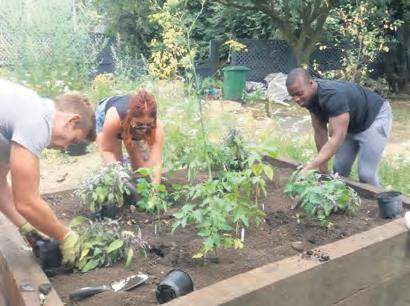
More than ever before, gardeners are about to respond to climate change and that means choosing plants to suit local conditions, focusing on drought tolerant species and using mulches and soil amendments to retain moisture.
Trends will also see more moves towards planting pollinator friendly flowers, installing bee hotels and creating wildflower meadows instead of monoculture lawns.
Growing vegetables is likely to be more focussed on more of us growing food not flowers. Gardeners will continue to prioritise soil building through compost, less digging, cover crops and organic additions. Community gardens are set to prosper, helping urban residents grow food, access green space and helping children learn about plants and nutrition.
National Trust properties have made the new gardening season a priority in many gardens over the next few weeks as they highlight horticultural talks, plant sales and urging visitors to visit in spring.
Coleton Fishacre, Devon
Finally, gardening has become a recognised wellness practice people using gardens as spaces for stress relief, meditation and physical activity. It is an exciting prospect. Spring will come and so will happiness. Hold on. Life will get warmer. - ANITA KRAZZAN

Set amid striking Devon countryside, COLETON FISHACRE is one of the West Country’s most celebrated National Trust gardens. Its terraces, sheltered by woodland and framed by coastal views, support an extraordinary range of tender and exotic plants — from delicate ferns to vibrant herbaceous borders.
Overbeck’s Garden, Devon
Perched above the Salcombe estuary, OVERBECK’S GARDEN is a subtropical gem. Its cliff-top terraces are filled with rare and unusual species that thrive on the warm Southwest coast.
Trelissick Garden, Cornwall
TRELISSICK sits on a wooded peninsula overlooking the Fal Estuary, boasting mixed exotic borders, orchard spaces, and peaceful pathways through woodland glades. The garden’s setting and shelter create a wonderful environment for subtropical and Mediterranean-influenced plants, and its combination of formal and informal spaces offers plenty of inspiration for garden design lovers.
Tintinhull Garden, Somerset
For lovers of intimate, structured planting, TINTINHULL GARDEN (near Yeovil) is a delight. This idyllic garden interweaves clipped hedges, colourful borders, orchard and kitchen garden elements. Its thoughtful layout — including reflective ponds and scaled planting — creates a peaceful, painterly landscape that feels like stepping into a living garden design sketch.
Westbury Court Garden, Gloucestershire
WESTBURY COURT GARDEN is too special to miss. It is Britain’s only surviving 17thcentury Dutch water garden, with symmetrical canals, clipped hedges, and periodappropriate planting that transports visitors back in time. www.nationaltrust.org.uk/visit
BEHIND THE GATES OF 3,300 BEAUTIFUL PRIVATE GARDENS OPEN FOR THE NATIONAL GARDEN SCHEME IN 2026
With more than 3,300 gorgeous gardens opening their gates for the National Garden Scheme in 2026 there’s plenty of horticultural inspiration to look forward to in the year ahead. March is the perfect month to blow away the winter cobwebs and replace them with fresh air, hosts of daffodils, spring bulbs, dreamy blossoms and great gardens.
The peaceful garden at Greystones in a quiet corner of Bristol begins the region’s openings this month on Sunday 1st March. The first day of spring on Friday 20th March provides the perfect opportunity to visit the glorious Grade I award-winning gardens at Athelhampton House Gardens in Dorchester. Closing the month is the lovely garden at Forest Lodge in Somerset, opening with the equally lovely Shalford Farm on Saturday 28th March. Find details of these and many other gardens opening for the NGS on page 21.
Accounts & Payments
Heather Rose heather@countrygardener.co.uk
The National Garden Scheme raises thousands of pounds each year for nursing and health charities, including Macmillan Cancer Support, Marie Curie, Hospice UK, Parkinson’s UK, and Carers’ Trust, last year donating a grand total of £3,866,596 to these and the other beneficiaries, through the efforts of garden owners opening their gardens to help raise these incredible sums.
With many National Garden Scheme gardens opening in groups of between two and 25 gardens there are plenty of opportunities to visit a diverse range of wonderful gardens for a really affordable admission price.
For more information: www.ngs.org.uk
What’s On & Events Guide www.countrygardener.co.uk/event-submission Advertising Sales Ava Bench - Somerset, Classifieds & Speakers ava@countrygardener.co.uk Tel: 01278 786139
Corina Reay - Cotswolds, Devon, Dorset & Hampshire corina@countrygardener.co.uk Tel: 01823 410098
Design & Production
Aidan Gill
aidan@countrygardener.co.uk
Gemma Stringer gemma@countrygardener.co.uk
Here’s Country Gardeners’ guide to the ten most colourful spring shrubs you might consider planting this year — perfect for boosting seasonal interest, creating structure and bringing vibrant colour from early spring into early summer.

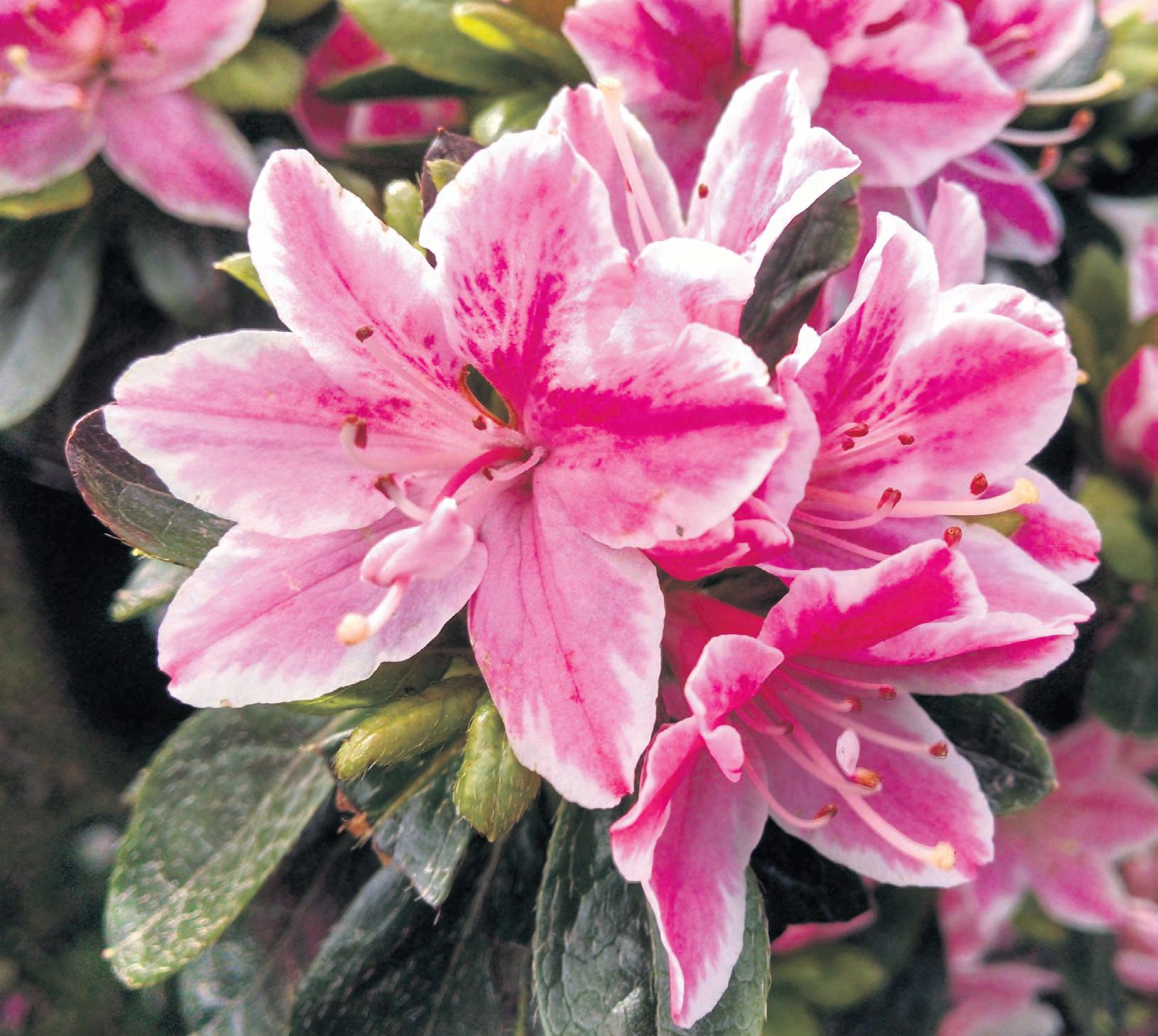
Rhododendrons (including azaleas) are among the most celebrated spring shrubs for their spectacular flower displays in a wide range of colours — from intense pinks and reds to soft pastels and pure whites. Many varieties produce large trusses of blooms that can dominate a plant from late April into May. They love rich, moist, well-drained, acidic soil and protection from harsh afternoon sun.

Forsythia is one of the true heralds of spring — often blooming while snow is on the ground. Its bright lemon-yellow flowers cover bare stems in March and April, creating a blaze of colour that’s hard to miss. It is a shrub which is fast growing and easy to care for and excellent as a hedge or screen. Prune immediately after flowering.
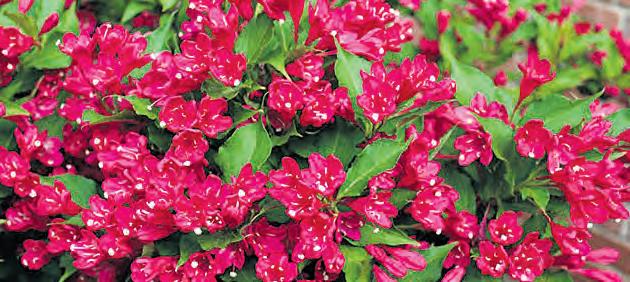
Weigela is a versatile deciduous shrub with spring blooms that range from soft pinks to deep reds — sometimes with speckled or bi-coloured petals. The flowers attract bees and later in the season the foliage often turns into attractive autumn hues. It has a long, prolific flowering period is perfect for mixed borders and works beautifully with perennials and grasses.

Daphnes are prized for their intensely fragrant spring blossoms, which come in shades of pink, purple, and white — often scented with a sweet, heady perfume. Although they can be slightly finicky, the reward is exceptional. Its evergreen leaves add winter interest and have elegant, refined blooms in early spring. Mulch with grit to improve drainage.

Viburnum shrubs offer a vast array of spring colour — from the creamy lace cap blooms of Viburnum plicatum to the snowball-like clusters of Viburnum opelus. Some species also produce attractive berries in summer and autumn, adding even more seasonal interest. They have striking architectural blooms and are great for wildlife; bees love the flowers and birds devour the berries.

Spirea shrubs are tough, reliable performers with sprays of small flowers in vivid shades of pink, white, or red. The foliage can also turn brilliant orange or red in autumn, giving you dual-season colour. It is easy to grow and versatile and tolerates a range of soils. They thrive in full sun, which encourages the brightest flowers and best autumn colour.
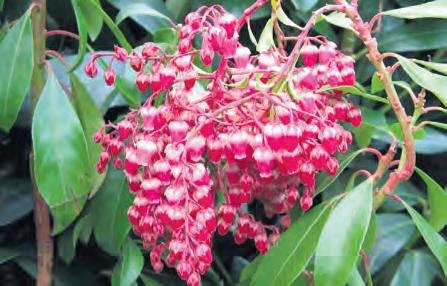
Pieris japonica (Japanese Andromeda)
Pieris japonica delights with cascading clusters of bellshaped flowers in early spring — usually white or soft pink — that contrast beautifully with new, often reddish young foliage. It’s an evergreen that gives yearround structure and seasonal sparkle. It is a true early spring shrub.

Hypericum (St John’s Wort)
Hypericum offers an extended show of bright yellow flowers in late spring and summer. Some varieties also have attractive berries in autumn, adding further interest long after the blooms fade. It has long lasting flowers and is excellent for pollinators. They do best in sunny positions with well-drained soil.

Chaenomeles (Flowering quince)
Flaming and dramatic, flowering quince bursts into colour early with intense red, orange, or pink blooms — sometimes before leaves appear. It’s excellent for adding structure to mixed borders or for growing against a wall. It brings early spring colour and has attractive twisted branches which give winter interest.
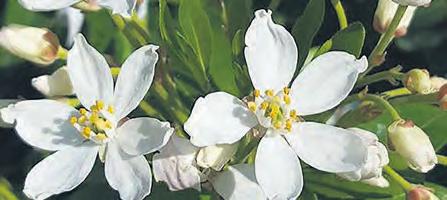
Choisya (Mexican Orange Blossom)
Choisya brings fragrant white or creamy blossoms in spring, followed by a second flush in summer. The evergreen, aromatic foliage gives garden presence yearround, and the shrub suits formal and informal settings alike. Great for mixed borders and its fragrant flowers are a delight.
Some shrubs — such as pieris (reddish new leaves) and spirea (brilliant autumn colour) — provide interest beyond flowers. Contrast them with evergreen shrubs like choisya for yearround appeal.
Flowering shrubs are magnets for pollinators. Viburnum and weigela are especially good for bees and butterflies, while berry-producing choices like some viburnum and hypericum provide food for birds later in the year.
Shrubs are your backbone. Plant them as screens, hedges, or focal points and underplant with bulbs (tulips, daffodils) or early perennials (salvia, geraniums) for layered spring impact.
We’ve a new style listing for all the gardening events you might be interested in during March. If you are looking for the usual details of garden club meetings please go to www.countrygardener.co.uk to see all events for not just this month but the months ahead. If you would like to send us your event for more free publicity then again go to the website where you will be able to upload details.
DAMERHAM
SPRING SHOW, Damerham Village Hall
Saturday 21st March, 2pm-4pm Damerham, Fordingbridge, Hampshire SP6 3HD BOOK: 07870 397768

EVENLEY
RARE PLANT FAIR, Evenley Wood Garden
Saturday 21st March, 10am4pm
Vast range of plants on offer including alpines, bulbs, succulents, wildflowers, perennials, grasses, shrubs, trees. The garden is gorgeous in spring.
Evenley, Nr Brackley, Northamptonshire, NN13 5SH
BOOK: www.rareplantfair.co.uk
GREAT TORRINGTON SPRING FLOWER SHOWCASE, RHS Rosemoor 14th/15th March, 10am-4pm
Admire beautiful spring blooms grown by competitors from the South West and beyond, focusing on daffodils, camellias, early magnolias and rhododendrons at RHS Rosemoor.. Great Torrington, Devon EX38 8PH BOOK: www.rhs.org.uk/gardens/rosemoor
PLYMPTON
SPRING SHOW, Harewood House
Saturday 21st March, 1.30pm-3pm Plympton, Devon, PL7 2AS BOOK: 07565 960971
PURBROOK, WATERLOOVILLE
ANNUAL SPRING SHOW, Deverell Hall
Sunday 22nd March, 2pm-4pm London Road, Purbrook, Hampshire, PO7 5JU
BOOK: linda.piddington@sky.com
STURMINSTER NEWTON
STURMINSTER NEWTON GARDEN CLUB
SPRING SHOW, The Exchange
Wednesday 25th March, 7.30pm-9pm Old Market Hill, Sturminster Newton, Dorset, DT10 1FH
BOOK: sturminsternewtongardenclub@gmail.com
SWAY
SPRING FLOWER SHOW, St Luke’s Church Saturday 14th March, 1.30pm-3.30pm Church Lane, Sway, Hampshire, SO41 6AD BOOK: ems_ogrady@hotmail.com
SWINDON
JOE SWIFT: TV PERSONALITY, The Deanery CE Academy
Monday 16th March, 7.30pm-9pm Peglars Way, Swindon, Wiltshire, SN1 7DA BOOK: www.ticketsource.co.uk/wroughton-anddistrict-gardeners-society/t-zoglnvj
VERWOOD
SUE KENT FROM BBC GARDENER’S WORLD, Verwood Memorial Hall
Saturday 28th February, 2.30pm-4.30pm
Ringwood Road, Verwood, Dorset, BH31 7AA BOOK: verwoodhorticulturalsociety@gmail.com
SPRING HORTICULTURAL SHOW, Verwood Memorial Hall
Saturday 21st March, 1pm-4pm
Ringwood Road, Verwood, Dorset, BH31 7AA BOOK: verwoodhorticulturalsociety@gmail.com
SPRING FLOWER SHOW, Royal Cornwall Showground
Saturday 28th- Sunday 29th March, 10am-4pm
Spring Flower Show returns with top growers and designers, transforming the Showground into a vibrant celebration of flowers.
Whitecross, Wadebridge, Cornwall PL27 7JE BOOK: cornwallgardensociety.org.uk/springflower-show/show-tickets/
WELLS
RARE PLANT FAIR, Bishop’s Palace Sunday 15th March, 10am-4pm
The stunning gardens of the Bishop’s Palace will again host the Rare Plant Fair. Twenty exhibitors will be offering a vast range of plants plus high quality sundries. A real treat for all gardeners.
Market Place, Wells, Somerset, BA52PD BOOK: www.rareplantfair.co.uk
WEST MONKTON
ORCHID SHOW, West Monkton Village Hall
Saturday 7th March, 10.30am-4pm Monkton Heathfield, Taunton, TA2 8NE BOOK: swos.secretary@gmail.com
WEST MOORS
SPRING SHOW, West Moors Memorial Hall Saturday 28th March, 1.30pm-4pm 231 Station Rd, West Moors, Ferndown, Dorset, BH22 0HZ BOOK: wmhorticultural.society@gmail.com
DO YOU HAVE AN EVENT YOU’D LIKE TO LIST HERE AND ONLINE?
Submit your details here: www.countrygardener.co.uk/event-submission
WINTERBORNE STICKLAND
SPRING SHOW, The Pamela Hambro Hall
Saturday 21st March, 2.30pm-4.30pm
West Street, Winterborne Stickland, Blandford Forum, Dorset, DT11 0NT
BOOK: valleygardening@gmail.com
YELVERTON/ MEAVY
SPRING FUN SHOW, Meavy Village Hall
Monday 16th March, 7pm-9pm
The Green, Meavy, Yelverton, Devon, PL20 6PJ
BOOK: 01822 852672
DORCHESTER
SPRING SHOW & QUIZ, United Church Hall
Wednesday 1st April, 7.30pm-9.15pm
49/51 Charles Street, Dorchester, Dorset DT1 1EE
BOOK: dorchestergardening@gmail.com
NAILSEA
SPRING SHOW AT NAILSEA SCHOOL
4th April 12pm
BOOK: 012875 855342
HAILSHAM, THE GARDEN SHOW, Herstmonceux Castle 17th-19th April, 10am-4pm
Set within beautiful historic grounds, the show brings together over 170 exhibitors, including specialist plant growers, garden retailers, artisan makers, and local independent businesses. Hailsham, East Sussex BN27 1RN BOOK: www.thegardenshows.com
UPTON PYNE, NEAR EXETER
ANNUAL FLOWER SHOW AND PLANT SALE, Upton Pyne Village Hall
Saturday 11th April, 2pm-4pm
Upton Pyne Hill, Upton Pyne, Devon, EX5 5JA
BOOK: andrewanneroberts@btinternet.com
YEALMPTON
CHARITY EASTER OPEN GARDEN, Gnaton Hall
Sunday 5th April, 2pm-5pm
Yealmpton, Devon, PL8 2HU
BOOK: wmarshall@stlukes-hospice.org.uk
MALVERN
RHS MALVERN SPRING FESTIVAL 2026, Three Counties Showground
Thursday 7th to Sunday 10th May, 9am-5pm
RHS Malvern Spring Festival opens the UK’s horticultural calendar, attracting gardening enthusiasts nationwide for the ultimate Spring celebration of plants, gardens, and outdoor living. Malvern, Worcestershire WR13 6NW
BOOK: www.rhsmalvern.co.uk

To see your advert here, please contact corina@countrygardener.co.uk










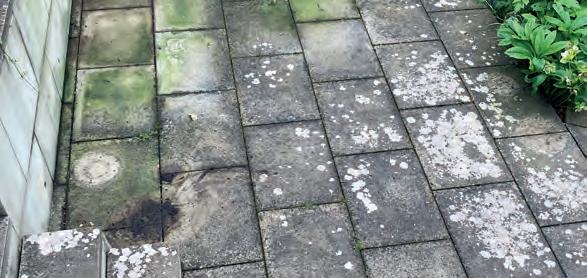
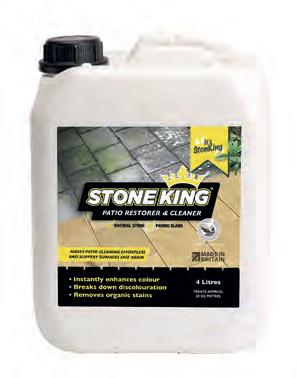

Gardens throughout the west country face a wet start to the new growing season - victims of weeks of wet weather which has saturated or even flooded the soil. It presents gardeners with an unenviable early season problem
A wet early spring is probably the last thing gardeners want to see. It is no surprise that this wet winter with often record levels of rainfall has turned hopeful gardens into a waterlogged challenge almost overnight. While winter moisture is often welcomed after dry months, excessive rainfall combined with low temperatures can flood beds, compact soil, and delay planting.
Understanding the problems caused by a flooded spring garden—and knowing how to respond—can make the difference between a lost season and a successful recovery.

One of the most immediate problems of a flooded garden is lack of oxygen in the soil. Plant roots need air as much as they need water, and when soil pores are filled with water for extended periods, oxygen is displaced. This leads to root stress or root rot, particularly in perennials, shrubs, and early vegetables such as onions or peas.
Plants affected by waterlogging often appear yellowed, stunted, or limp, even though the soil is wet. In severe cases, they may collapse entirely.
Soil structure also suffers during a wet spring. Repeated rainfall and standing water breaks down soil aggregates, especially in clay-heavy soils.
When gardeners walk or work on wet ground, compaction occurs easily, squeezing out air spaces and creating a dense, lifeless growing medium. Once compacted, soil drains even more poorly, creating a vicious cycle that can persist for years if not corrected.
Flooding also delays planting and soil warming. Seeds sown into cold, saturated soil are prone to rotting before germination, and transplants may fail to establish. Beneficial soil organisms, which help release nutrients to plants, are less active in cold, wet conditions. At the same time, weeds adapted to damp soils often thrive, gaining a head start over cultivated plants.

‘a
A Care South resident has been given a ‘new lease of life’ after moving to a care home to be closer to her daughter.
Sue relocated from London to be closer to her daughter, Heather, who lives in Dorset, enabling them to spend more quality time together. For Heather, the move also offered reassurance after a difficult period supporting her mum who lives with dementia. “I was advised to start looking at care homes. When I contacted Care South, they reassured me that they could fully accommodate Mum’s needs.”
Contact us today to see how we can help create a new home for you or a loved one 01202 712410
Another consequence of prolonged wetness is nutrient loss. Heavy rain can leach nitrogen and other soluble nutrients deep below the root zone or wash them away entirely. This leaves plants hungry just as they begin active growth. Floodwater can also carry contaminants or fungal spores into the garden, increasing the risk of disease later in the season.
Dealing with a flooded spring garden starts with patience. One of the most important responses is knowing when not to act. Avoid digging, tilling, or even walking on saturated soil until it has drained sufficiently. A simple test is to squeeze a handful of soil: if it forms a sticky ball or releases water, it is too wet to work. Waiting protects soil structure and prevents long-term damage.
Improving drainage is a key long-term solution. Raised beds are one of the most effective ways to garden in wet conditions, as they allow excess water to drain away from root zones more quickly. Incorporating organic matter such as compost, leaf mould, or well-rotted manure improves soil structure over time, increasing its ability to hold both air and water in balance. Plant choice and timing also matter. Delaying planting until soil temperatures rise and moisture levels stabilise can save seeds and transplants from failure. Choosing varieties tolerant of wet conditions—such as willows, dogwoods, irises, or certain salad greens—can reduce losses in persistently damp areas. For vegetable gardeners, starting plants indoors allows growth to begin while outdoor conditions improve.
After flooding subsides, replenishing nutrients is important. A light application of balanced fertiliser or organic amendments can help replace what was lost to leaching. Monitoring plants closely for signs of fungal disease and removing affected material promptly can prevent problems from spreading later in the season.

The pair booked a visit to a care home run by Care South, a leading provider of care homes offering residential, respite, nursing and dementia care and care at home services across Dorset, Somerset and North Devon.
Sue and Heather toured the facilities, including communal lounges and dining rooms, and a beautiful garden which often hosts events open to the local community. They also met the care home team and learned about the dedicated onsite activities team, which runs clubs, live music sessions, and other events seven days a week. Together they agreed that it was the perfect new home for Sue, who moved in three weeks later.

Heather said: “She’s literally got a new lease of life at the home and is thoroughly enjoying herself. Our relationship has also been further strengthened as I’m no longer her primary carer, trying to care for her from three hours away. Now we get to spend quality time together, whether that’s a trip to the beach or the garden centre, and then I drop her back home again. Every time I visit she says, ‘Thank you for finding me the best care home. I’m happy here and want to stay.’”
Sue is a former civilian member of the military bands of the London Irish Rifles Association, and later The Band of The Royal Regiment of Fusiliers, London. As a keen musician, she played The Last Post on the bugle on Remembrance Day and also played Christmas carols on the piano for residents and their loved ones to sing along to over the festive period.
Sue said: “I experience short-term memory loss. It is frustrating, but I’ve learned to live with it. I wear my keys on a lanyard around my neck so that I don’t lose them. Apart from that, I live my life to the full.”
Finding a place where she could remain active and independent was important to her. “Thanks to the support of the care home staff, I feel freedom. I love gardening and even have my own plot to tend. The care I receive is fantastic. I love the people, the sociability, and the food. The ethos at the home is caring and loving. I feel wanted.”
Care South is a leading provider of high-quality residential and care at home services across the south of England. The not-for-profit charity operates care homes in Dorset, north Devon, and Somerset, as well as care at home offices covering Dorset and Somerset. For more information about the care services available, go to care-south.co.uk or call Care South on 01202 712410.

Soil is the foundation of every successful garden. At the start of a new growing season, the quality of the soil will soon play a decisive role in plant health, productivity, and resilience. While gardeners focus on seeds, plants, and weather conditions, soil quality is the factor that connects all aspects of plant growth.
Imagine a garden with few pests and weeds, lush plant growth, and soil that maintains its moisture. Of course, it is buzzing with bees and aflutter with butterflies too. Here’s the secret—a garden like this can only be made possible with healthy soil.
The quality of the soil at the start of a new growing season is one of the most important factors in gardening success. Healthy soil supports strong root development, efficient water use, nutrient availability, and beneficial soil life.
By investing time and effort into improving soil quality before planting, gardeners can prevent many common problems and create a more productive, resilient garden.
Through practical steps such as adding organic matter, testing soil, reducing compaction, mulching, and using sustainable practices, gardeners can build soil health year after year.
Healthy soil provides nutrients, retains moisture, supports beneficial organisms, and creates a stable environment for roots.
Good soil quality is essential because it directly affects how plants grow. Soil acts as both a support system and a source of water, air, and nutrients. If the soil is compacted, depleted, or unbalanced, plants struggle to establish strong root systems. Weak roots lead to poor nutrient uptake, reduced growth, and increased vulnerability to pests and disease.
At the start of the growing season, soil quality is vital because young plants are at their most vulnerable. Seeds and seedlings require loose, well-aerated soil to germinate and establish roots. If the soil is too hard, dry, or waterlogged, germination rates drop and early growth is slowed.
Soil quality also affects water management in the garden. Well-structured soil absorbs rainfall and irrigation efficiently while allowing excess water to drain away. Poor soil, such as heavy clay or overly sandy soil, can either retain too much water or lose it too quickly. Both extremes cause stress to plants and increase the need for constant watering. Improving soil quality helps regulate moisture levels and makes the garden more resilient to dry spells or heavy rain.
Another critical aspect of soil quality is its ability to support life.
Healthy soil is alive with microorganisms, fungi, insects, and earthworms. These organisms break down organic matter, release nutrients, improve soil structure, and protect plants from harmful pathogens. At the beginning of a growing season, an active soil ecosystem sets the stage for sustained fertility throughout the year.
Healthy garden soil has several defining characteristics. It has a loose, crumbly texture that allows roots to grow freely and air to circulate. It retains moisture without becoming waterlogged and drains excess water effectively. It contains a balanced supply of nutrients and organic matter, and it supports a diverse community of soil organisms. Soil pH is another important factor. Most garden plants prefer slightly acidic to neutral soil, typically with a pH between 6.0 and 7.0. Soil that is too acidic or too alkaline can lock up nutrients, making them unavailable to plants even if they are present in the soil.

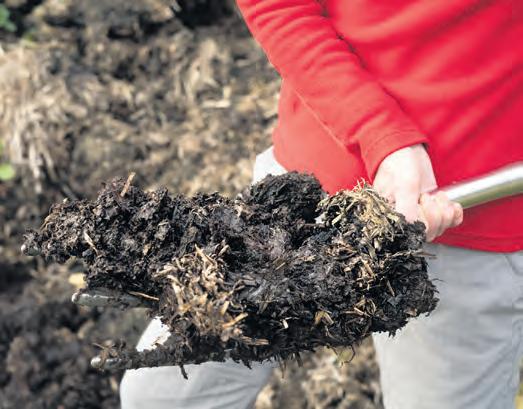
Improving soil quality at the start of the growing season does not require expensive equipment or chemicals. Many effective methods are simple, sustainable, and accessible to home gardeners. One of the most important steps is adding organic matter. Compost, well-rotted manure, leaf mould, and garden compost all improve soil structure and fertility. Organic matter increases the soil’s ability to retain moisture and nutrients while also feeding beneficial microorganisms. Adding compost in early spring prepares the soil before planting and provides a slow, steady release of nutrients throughout the season.
Testing the soil is another valuable practice. A basic soil test can reveal pH levels and nutrient deficiencies. Once gardeners understand what their soil lacks, they can make targeted improvements rather than guessing. Lime can be added to raise pH in acidic soils, while organic materials can help lower pH in overly alkaline soils.
Reducing soil compaction is also essential. Compacted soil restricts root growth and limits oxygen availability. Gardeners should avoid working soil when it is too wet, as this damages soil structure. Using raised beds, walking paths, or broad forks instead of heavy digging can help maintain loose, healthy soil.
Organic mulches such as straw, bark, grass clippings, or shredded leaves help retain moisture, regulate soil temperature, and suppress weeds. As mulch breaks down, it adds organic matter to the soil and supports microbial life.
Cover crops, also known as green manures, are another powerful tool for improving soil. Plants such as clover, vetch, or rye can be grown during the off-season and turned into the soil before planting.
Avoiding excessive use of chemical fertilisers is also important. While synthetic fertilisers can provide quick nutrients, they do not improve soil structure and can harm beneficial organisms if overused. Organic fertilisers and compost-based amendments build long-term soil health and reduce the risk of nutrient runoff.
Finally, rotating crops each season helps maintain soil quality. Growing the same plants in the same place year after year depletes specific nutrients and encourages pests and diseases. Crop rotation balances nutrient use and supports a healthier soil ecosystem.
creates healthy plants that are less vulnerable to pests and disease healthy soil sticks together and has a sponge-like structure. It holds moisture and prevents erosion captures, filters, and infiltrates stormwater healthy soil suppresses weeds captures and stores carbon produces high yields without the need for harmful chemical inputs—for vegetable gardens and large plots alike


Growing a garden from seeds is one of the most rewarding ways to engage with nature.
From the moment a seed is planted to the point where it becomes a productive plant, the process offers so much.
Seed-grown gardens allow gardeners to understand plant life cycles, make cost effective choices, preserve biodiversity, and develop practical skills that last a lifetime. Here we explore the benefits of growing a garden from seeds, the stages seeds go through, how seeds grow into mature plants, how to get the best results from them, the different types of seeds available, and what represents good value for money when choosing seeds.
The greatest benefits of growing from seeds is cost. Seeds are significantly cheaper than buying established plants or seedlings. A single packet of seeds can produce dozens, sometimes hundreds, of plants for the price of one young plant from a garden centre. This makes seed growing ideal for large gardens, community projects, schools, and households working within a budget. Choice and variety is another factor. Garden centres often stock a limited range of plants, whereas seeds offer access to thousands of varieties, including rare, heirloom, and unusual plants that may not be available as seedlings. Growing from seeds allows experiment with colours, flavours, sizes, and growth habits that suit their preferences and local conditions.
Growing from seeds also promotes stronger, healthier plants. Seed-grown plants develop their root systems where they will grow, rather than being transplanted after early development. This often results in plants that are better adapted to their environment, more resilient to stress, and less likely to suffer from transplant shock. There are environmental benefits as well. Seed growing reduces plastic waste associated with plant pots and trays from commercial nurseries. It also reduces the carbon footprint linked to transporting mature plants over long distances. Saving seeds from year to year
BUYING A PLANT IN A POT GIVES INSTANT GRATIFICATION, BUT THERE’S MUCH MORE SATISFACTION TO BE HAD FROM GROWING FROM SEED. IT’S SIMPLE, CHEAP, AND EVEN FREE IF YOU SAVE YOUR OWN
further enhances sustainability by reducing reliance on commercial seed production.
On a personal level, growing from seeds encourages patience, responsibility, and mindfulness. Watching seeds germinate and grow can be deeply satisfying and educational, especially for children. It fosters a sense of achievement and connection to nature, supporting mental wellbeing and reducing stress.
The stages seeds go through
Seeds go through several distinct stages before becoming mature plants. Understanding these stages helps gardeners provide the right conditions at the right time.
Dormancy. Seeds are living organisms in a resting state, designed to survive until conditions are suitable for growth. During dormancy, seeds contain stored energy and genetic instructions that will guide development once germination begins.
Germination. Germination occurs when a seed absorbs water, activating enzymes that begin the growth process. The seed coat softens and splits, allowing the embryonic root, known as the radicle, to emerge. This root anchors the plant and starts absorbing water and nutrients.
Seedling development. After the root establishes itself, a shoot grows upward toward the light. The first leaves to appear are called cotyledons, or seed leaves. These provide energy to the young plant until true leaves develop and photosynthesis begins.
Vegetative growth stage follows. During this phase, the plant focuses on producing leaves, stems, and roots. Strong vegetative growth is essential, as it determines the plant’s ability to support flowers, fruits, or vegetables.
The final stage is reproduction and maturity. Depending on the plant type, this involves flowering, fruiting, and seed production. At maturity, plants complete their life cycle, and seeds can be collected to start the process again.
Seed growth depends on several key factors: water, temperature, oxygen, light, and nutrients. Water is essential for activating enzymes and softening the seed coat. Without sufficient moisture, seeds cannot germinate. Each type of seed has an optimal temperature range for germination. Cool season crops like lettuce and spinach prefer lower temperatures, while warm season crops such as tomatoes and peppers require warmth.
Oxygen is necessary for respiration, which provides energy for growth. Overwatering can deprive seeds of oxygen, causing them to rot rather than germinate. Light requirements vary. Some seeds need light to germinate, while others require darkness. Once seedlings emerge, light becomes essential for photosynthesis, enabling plants to produce their own food.
Nutrients are absorbed from the soil as roots develop. While seeds contain enough energy for initial growth, healthy soil rich in organic matter supports strong, sustained development.
To get the best results from seeds, preparation is essential. Choosing the right soil is a key factor. Seed starting compost is ideal because it is light, fine textured, and free from pests and diseases. Good drainage prevents waterlogging and root rot.
Correct planting depth is also important. A general rule is to plant seeds at a depth roughly twice their size. Very small seeds should be sown on the surface and lightly pressed into the soil.
Watering must be gentle and consistent. Seeds and seedlings should be kept moist but not soaked. Using a fine spray or watering from below helps avoid disturbing delicate roots.
Providing adequate light prevents seedlings from becoming weak and leggy. A sunny windowsill, greenhouse, or grow lights can ensure strong growth. Thinning seedlings is another essential step. While it




can feel wasteful, removing weaker seedlings allows the strongest plants to thrive without competition for space and nutrients.
Hardening off is crucial before moving seedlings outdoors. Gradually exposing plants to outdoor conditions helps them adjust to wind, temperature changes, and direct sunlight, reducing stress and increasing survival rates.
There are several different types of seeds, each with its own advantages.
Open pollinated seeds are produced through natural pollination by insects, wind, or birds. These seeds grow true to type, meaning saved seeds will produce similar plants the following year. They are ideal for seed saving and long term sustainability.
Heirloom seeds are a type of open pollinated seed that has been passed down through generations, often for 50 years or more. They are valued for their flavour, history, and genetic diversity.
Hybrid seeds are created by cross pollinating two different parent plants to produce specific traits, such as disease resistance or higher yields. While hybrids can be very productive, seeds saved from hybrid plants may not grow true to the parent plant.
Organic seeds are produced without synthetic fertilisers or pesticides. They are particularly important for organic gardeners and support environmentally friendly farming practices.
Treated seeds are coated with substances to protect against pests and diseases. While they can improve germination rates, they are not suitable for organic gardening and may have environmental drawbacks.
Value for money when buying seeds is not just about the lowest price. A cheap packet with poor germination
rates may produce fewer plants than a slightly more expensive, high quality option.
Seed quantity is an important consideration. Some packets contain far more seeds than most gardeners will need, making them excellent value, especially when seeds can be stored for future use.
Germination rate and reliability also represent value. Reputable seed companies test their seeds to ensure high germination percentages, resulting in less waste and better results.
Longevity adds further value. Many seeds remain viable for several years if stored correctly in cool, dry conditions. This allows gardeners to spread costs over multiple growing seasons.
Saving seeds from open pollinated and heirloom plants offers exceptional long term value. Once a gardener learns basic seed saving techniques, they can produce their own free seeds indefinitely.
Growing a garden from seeds offers numerous benefits, from cost savings and increased choice to environmental sustainability and personal satisfaction. Understanding the stages seeds go through and how they grow helps gardeners provide the right conditions for success. With proper care, preparation, and knowledge, seeds can develop into healthy, productive plants.
The wide range of seed types available allows gardeners to choose options that suit their values, whether that is sustainability, productivity, or heritage preservation. When considering value for money, quality, reliability, and long term potential matter more than price alone.
Ultimately, growing from seeds is about more than producing plants. It is a process that builds skills, patience, and appreciation for the natural world, making it one of the most meaningful and rewarding ways to garden.
Sowing seeds indoors is easy, cost-effective and fun. It ensures faster, more reliable germination and, allows you to get growing earlier in the year and provides seedlings with protection from frost, damp weather and insect damage.
You can sow a wide range of seeds indoors, including:
Tender crops – such as tomatoes, chillies and courgettes.
Half-hardy annuals – such as cosmos and nasturtiums.
Hardy annuals and veg – such as sunflowers and broccoli.
Annuals climbers – such as morning glory and sweet peas.
Tender herbs – such as basil.
Slow-growing crops – such as celeriac.
Sowing times vary depending on the plant, so check seed packets for recommended indoor sowing months. As a general guide:
Sow in spring – most tender and half-hardy flowers and vegetables, for planting out in late spring and early summer.
Sow in summer – biennial flowers, such as foxgloves, and fast-growing vegetables, such as salads.
Sow in autumn – winter and early spring salads and vegetables, for planting out later in autumn, or growing undercover over winter.
Sow in late winter – tender and half-hardy flowers and vegetables that need a long growing season, such as chillies. Most seeds can be sown directly from the packet, but some have tough seed coats that need to be pre-soaked, scraped or nicked (with sandpaper or a knife) to increase the chances of successful germination.
There are few pleasures as uplifting as visiting a spring garden just as it awakens from winter’s quiet. The air feels softer, birdsong seems brighter, and everywhere you look the earth is stretching, greening, and blooming again. A spring garden is not merely a collection of plants; it is a celebration of renewal, colour, and gentle warmth returning to the world.
Among the first to announce the season are crocuses. These small but determined flowers push bravely through the last traces of frost, their goblet-shaped blooms opening wide to the pale sunshine. In shades of violet, gold, and creamy white, they scatter across lawns and borders like handfuls of confetti.
Soon after, daffodils take their turn in the spotlight. With their cheerful yellow trumpets and graceful green stems, they seem to embody pure optimism. Massed in sweeping drifts or clustered beneath trees, daffodils sway lightly as if nodding in agreement that winter has truly passed. Their brightness catches the light in a way that feels almost musical, a visual fanfare heralding longer days and warmer afternoons.
Then come the magnolias, magnificent and serene. Their blossoms—blush pink, ivory, or deep rose— unfurl on bare branches like porcelain cups. Each flower appears sculpted, substantial yet ethereal, and when the petals begin to fall, they carpet the ground in soft pastel.
Together, crocuses, daffodils, and magnolias compose a symphony of colour and hope. A walk through a spring garden offers not just beauty, but reassurance: life returns, light strengthens, and joy blossoms once more.
Discover spring’s breathtaking beauty at Batsford Arboretum, home to the National Collection of Prunus (Sato-zakura Group) cherry trees, with over 120 flowering cherries spread throughout the grounds. Wander among over 70 magnolia

species, their delicate pastels enhancing the vibrant spring scene, alongside bright daffodils and blooming bulbs. For garden enthusiasts, Batsford Garden Centre offers a wonderful selection of quality plants and unique gifts, perfect for adding a touch of nature to your home. Celebrate the season with a visit to this spectacular haven where blossoms and blooms create an unforgettable springtime experience. Pre-booking is advisable for arboretum visits via www.batsarb.co.uk
Batsford Arboretum & Garden Centre, Batsford, Moretonin-Marsh, Gloucestershire GL56 9AT Tel: 01386 701441

Wander

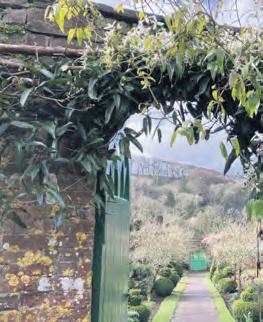
On Mother’s Day, 15th March, Hartland Abbey opens its gates for the first time in the new season for a special Daffodil and Spring Flower Day when visitors can come along at a reduced entry rate before the open season starts at the beginning of April. It is a great time to see the early spring flowering plants and shrubs; the chinodoxias, daffodils and narcissi, camellias, magnolias, hellebores, clematis armandii, primroses galore and early surprises. There is lots of exploring with children and dogs too, around the Shrubbery and the woodland walks to the Walled Gardens and the beach at Blackpool Mill before a lovely warm up in the Old Kitchen tea rooms. Hartland Abbey with its fascinating interiors and exhibitions is open too and the Malory Towers Trail is a particular favourite with the younger ones!
Hartland Abbey, Nr Bideford EX39 6DT Tel: 01237441496 www.hartlandabbey.com
DAFFODILS AND SPRING FLOWERS ON MOTHERING SUNDAY 15TH MARCH 11AM - 4PM

Enjoy a lovely day with beautiful historic daffodils, spring flowers and wildflower walks to the beach. Film location for ‘Malory Towers’, ‘The Night Manager’ and many productions
* Special rate: Adults £10 Child over 5 £1 * * House open 12-3pm £4 * Dogs very welcome * * Delicious light lunches & cream teas * Open for 2026 Season: 29th March – 1st October Sunday to Thursday 11am - 5pm (House 2pm - last adm. 3.45pm)

For more information and events see www.hartlandabbey.com Hartland, Nr. Bideford EX39 6DT 01237 441496


24 acres of Rare Shrubs, Trees, Pools & Waterfalls Home-made soups & cakes Sunday 15th March to Sunday 7th June, Suns, Weds, Bank Holidays 11am - 5pm
Want to advertise in one of our features?
We offer special all counties prices when advertising with our features, plus 100 words of free editorial with an advert.
Speak to one of our sales people for more details.
This is just one view of an appreciative visitor to the spectacular and famous 25-acre Lukesland Gardens in Ivybridge. Tucked away in a woodland valley on the edge of Dartmoor (just north of Ivybridge, 10 minutes off the A38), Lukesland’s collection of rare trees and flowering shrubs provides a spectacular show of colour in the spring. In March, the magnificent Magnolia campbellii should be in full bloom, along with a host of camellias and early rhododendrons and wildflowers.

The Addicombe Brook at the heart of the garden is criss-crossed by a series of charming and unusual bridges over pools and waterfalls. There are also many sculptures, including a redwood carved into a striking buzzard, and indoors there is an art exhibition by local artists. With delicious home-made soup and cakes on offer in the tearoom, and free entry and fun activities for children, these family-owned gardens have something for everyone. Dogs are welcome on a lead. Spring openings are on Sundays, Wednesdays, and Bank Holidays 11am to 5pm from 15th March to 7th June.
For further details call 07906480362 or www.lukesland.co.uk or facebook.com/lukeslandgardens Lukesland House, Ivybridge PL21 0JF
There’s the opportunity to experience the vibrant beauty of spring at Badminton Estate’s Open Garden Day on Sunday, 26th April. Soon to host the RHS Flower Show which takes place from 8th July to 12th July visitors can enjoy an exclusive sneak preview of the historic house gardens. Wander landscapes designed by Russell Page and François Goffinet, from formal beds and water squares to the magnificent Orangery.

Explore 27,000 tulips, visit the Walled Garden with its kitchen garden and wisteria walkway, and enjoy plant stalls, food and drink vendors, plus the exhibition ‘A Garden of Botanical Art’. Gates open 10am-4pm.
Visit www.badmintonestate.com for tickets and details. Badminton Estate, South Gloucestershire, Badminton GL9 1DD
There’s an invitation to enjoy breathtaking crocus displays that sweep across the lawns and meadows at Forde Abbey in March. Following the snowdrops of


February, acres of naturalised crocuses (Crocus vernus and Crocus tommasinianus) emerge, lining the pathways and carpeting the grass.
The earliest record of Crocus vernus at the Abbey dates back more than a century. Over time, these crocuses have self-sown and become beautifully established throughout 30 acres of gardens and meadows. Each year, the gardens carefully introduce a few more to areas that need a little lift, and the results continue to delight.
Elsewhere in the garden on the Somerset and Dorset border, wild daffodils (Narcissus lobularis), drifts of Lenten roses (Helleborus x hybridus), splashes of Chionodoxa and winter-flowering shrubs will all be at their finest. Free entry to Forde Abbey and Historic House Members. March 1st to March 7th: 10:30am –5pm-(last entry at 4pm) Adults £15, children (5 to 15 years) £6.
Prices and more details at www.fordeabbey.co.uk Forde Abbey, Estate, Chard TA20 4LU













March is a month of transition in the garden. The days are lengthening, the soil is beginning to warm, and signs of new growth are everywhere, yet winter is never entirely gone. Frosts, cold winds, and heavy rain can still arrive unexpectedly, so the gardener must balance enthusiasm with caution. The work in March is about preparation, gentle encouragement, and timely action. What is done
now sets the tone for the entire growing season. March is a month of anticipation and careful effort. The garden is waking up, and the gardener’s role is to guide and support this awakening without rushing it. From preparing the soil and sowing seeds to pruning, planting, and mulching, each task contributes to the health and beauty of the garden in the months to come. By investing time and attention in

After the dormancy of winter, beds and borders look untidy, with fallen leaves, dead stems, and debris scattered across the soil. Now is the ideal time to begin a careful clean-up. Remove dead annuals, cut back perennials that were left standing for winter interest, and clear away any lingering weeds before they have a chance to establish themselves.
This task is not simply about appearance. Clearing debris improves air circulation around emerging shoots and reduces the risk of pests and diseases overwintering in the garden. However, tidying should be done with care. Many insects shelter in hollow stems and leaf litter, so it is wise to check before removing everything. Where possible, compost healthy material and dispose of any diseased plant matter separately. A thoughtful tidy now creates a clean, healthy framework for new growth.
3
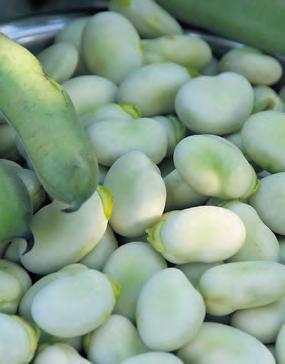
March marks the start of the main sowing season for many hardy vegetables. Depending on local conditions, crops such as broad beans, peas, carrots, parsnips, spinach, and beetroot can be sown outdoors. These vegetables are well suited to the cooler conditions of early spring and benefit from an early start.
When sowing, it is important to prepare a fine seedbed and follow spacing recommendations carefully. Cover seeds lightly and water gently if the soil is dry. In colder areas, using cloches or fleece can protect young seedlings from frost and encourage faster germination. The satisfaction of seeing the first rows of seedlings emerge is one of the great pleasures of gardening at this time of the year.
2
these March jobs, the gardener lays strong foundations for a productive and rewarding year ahead.
We have highlighted twelve key gardening tasks for the weeks ahead, each playing an important role in getting the garden ready for the arrival of spring.
Good soil is the foundation of a successful garden, and now is an excellent time to improve it. As soon as the ground is workable—neither frozen nor waterlogged— beds can be prepared for planting. Digging over the soil helps to loosen compaction caused by winter weather and improves drainage. Incorporating organic matter such as well-rotted manure or garden compost enriches the soil, improving its structure and fertility. This is especially important for vegetable plots, where crops will soon demand nutrients for rapid growth. Even in ornamental beds, adding organic matter encourages healthier plants and better flowering later in the year. Taking time to prepare the soil thoroughly now will reduce problems and effort later.
4
While some crops can be sown outside, others benefit from the protection of a greenhouse, cold frame, or sunny windowsill. Now is the perfect time to start tender vegetables and flowers under cover. Tomatoes, peppers, aubergines, and many annual flowers need warmth to germinate and grow well.
Sowing under cover allows the gardener to get ahead of the season and ensures strong, healthy plants ready for planting out later. Use clean pots and fresh compost to reduce the risk of disease, and provide plenty of light to prevent seedlings from becoming weak and leggy. Regular checking and gentle watering are essential, as young plants can dry out quickly.
5 6
March is an excellent month for dividing overcrowded perennials and moving plants to new positions. Plants such as hostas, daylilies, and clump-forming grasses benefit from division every few years. Dividing rejuvenates the plant, improves flowering, and provides additional plants for other areas of the garden. Choose a cool, overcast day if possible, and water plants well after replanting. The soil is usually moist at this time of year, helping new divisions to establish quickly. Transplanting now gives plants plenty of time to settle in before the demands of summer growth.
7
Many perennials and ornamental grasses are left standing through winter to provide structure and shelter for wildlife. March is the time to cut them back before new growth becomes too advanced. Using secateurs or shears, cut stems down to just above the base, taking care not to damage emerging shoots.This task tidies the garden and makes space for fresh growth. It also allows sunlight to reach the soil, warming it more quickly. The cut material can often be composted or used as mulch once chopped up. Completing this job now ensures that plants can grow freely without being hindered by old, woody stems.
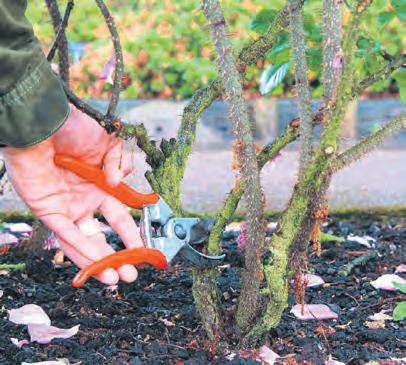
Roses respond well to pruning this early in spring, just as new growth begins to appear. Pruning encourages strong, vigorous shoots and helps to shape the plant, improving both its health and its flowering performance. Remove any dead, damaged, or crossing stems first, then shorten remaining stems to outward-facing buds.Sharp, clean tools are essential to make neat cuts that heal quickly. The exact method depends on the type of rose, but the general aim is to create an open structure that allows light and air to circulate freely. Though pruning can feel drastic, roses are resilient plants, and a well-pruned rose now will reward the gardener with abundant blooms in summer.
As growth resumes, many plants benefit from feeding very early in the season. Applying a general-purpose fertiliser or specific feeds for roses, shrubs, and lawns helps to support strong early growth. Organic options such as fish, blood, and bone or pelleted manure release nutrients gradually and improve soil health.Feeding should be combined with watering if conditions are dry, ensuring nutrients reach the root zone. Care should be taken not to overfeed, as excessive nutrients can lead to soft, weak growth. Thoughtful feeding in March provides a steady start to the growing season.

As temperatures rise, lawns begin to grow again, and March is the time to start lawn care for the year. Rake out moss and debris to improve airflow and allow grass to recover. If the lawn is compacted, gentle aeration with a fork can improve drainage and root growth. The first mow of the season should be light, with the mower blades set high. This encourages the grass to thicken without stressing it. Avoid cutting the lawn when it is very wet or frosty. Regular care now sets the stage for a healthier, greener lawn throughout the year.

March is one of the last good opportunities to plant bare-root trees, shrubs, and roses before spring growth accelerates. The soil is warming, and plants can establish roots before the stress of hotter weather arrives. Containergrown plants can also be planted, provided the ground is not too wet. When planting, dig a generous hole and improve the soil with organic matter if needed. Firm the plant in well and water thoroughly. Mulching around the base helps to retain moisture and suppress weeds. Well-planted trees and shrubs this early in spring will quickly begin to grow and integrate into the garden. 8 10 9 11 12
Mulching is one of the most valuable tasks a gardener can do in March. Applying a layer of organic mulch around plants helps to conserve moisture, suppress weeds, and improve soil structure as it breaks down. Mulch also protects soil from heavy rain, reducing erosion and compaction.
Well-rotted compost, bark chips, or leaf mould are all suitable materials. Apply mulch after the soil has warmed slightly and been weeded thoroughly. A generous mulch in March reduces maintenance later in the season
As new shoots emerge, so do pests. Slugs, snails, aphids, and other insects become active in March, and early vigilance can prevent serious problems later. Check plants regularly and remove pests by hand where possible. Protect tender shoots from late frosts using fleece or cloches, especially on clear nights. Being observant and responsive is a key part of early season gardening. Early action helps to maintain balance in the garden and protects the promise of the season ahead.
Somerset gardener Harry Evans considers himself at war with the squirrels in his garden. He has a healthy respect for them but still has a plan to stop them causing damage this season
I have spent the last few years in my garden at war.
The enemy is a formidable one. Versatile, experienced, hardy and agile. And a real threat to my garden so I am comfortable with treating him as the enemy.
I have an image of this enemy after I had carried out my campaign against them. It was of a squirrel hanging upside down by one toe from a bird feeder and eating a feast of expensive peanuts.
I thought at the start of a gardening season I would write to my favourite gardening magazine and report how I’ve tried to outwit these creatures which can do so much damage in the spring garden, not just eating peanuts from bird feeders but attacking plants and of course devouring spring bulbs- and much more.
Squirrels are great learners. It is their survival trick. They can learn from another squirrel or even from people and they do it fast. It is like teaching your dog to sit so if you have a family of squirrels, it only takes one to learn a trick of breaking and entering and you can be sure the whole family will follow.
They also have amazing memories, and it is said their brain grows in the autumn when they bury nuts to help them remember where they are but perhaps their greatest skill is sheer persistence. Bird feeder watchers will attest to this ability to try, try and try again. Maybe they just lack the human tendency to get bored. Bird food eating may be the most popular thing squirrels do but it is not then only one. They are serious multi -marauders with wide tastes – they chewed through the fruit cage netting and had a feast on the lovely raspberries I had been tending the summer before last which allowed the birds to follow in.
Squirrels also dig holes in lawns and mine was a target a couple of years ago. They regard tulips in pots as a buffet. They so enjoy a bit of aggressive bark stripping. Our newly planted orchard was a victim to their attacks three years ago. Just to round things off squirrel’s raid bird’s nests in spring and eat the eggs and fledglings and less horribly they gnaw on hosepipes and plant labels.
So, for all these things I will be honest I wish them dead. I put them ahead of rabbits, moles slugs and snakes when it comes to damage in my garden.
So, what have I learned over the years in dealing with my enemy? To start what doesn’t work -fake owls or snakes -squirrels quickly learn they’re harmless, mothballs these are toxic and often illegal outdoor anyway.
Common sense I guess helps so do everything you can to remove all food sources, such as fallen nuts, bird seed on the ground, exposed compost.
Use squirrel-proof bird feeders or move feeders far from garden beds. Try capsaicin (hot pepper) sprays – very effective; squirrels hate the taste and then garlic and vinegar sprays mild but helpful.
But the only thing which really works is building the barricades- a proper system when we talk about being at war with these pests.
You must put chicken wire over soil or bulbs to guarantee protection and mesh cages around vulnerable plants.

When winter settles in and the garden lies quiet, the pleasures of gardening do not disappear — they simply change shape. In fact, the colder months make gardening shows, plant fairs, and country shows feel even more magical. They become bright markers in the calendar, something to look forward to when the days are short and colour feels in short supply.
One of the great pleasures of gardening shows is inspiration. In winter, when borders are bare and seed catalogues begin to arrive, the imagination is especially receptive. Wandering through show gardens — even just seeing photographs or watching coverage from past events — sparks ideas for new layouts, planting combinations, or long-dreamed-of projects. A clever use of grasses, a bold sweep of tulips, or a beautifully designed kitchen garden can reignite enthusiasm that may have dimmed during the darker months. Shows remind us that abundance will return.
Plant fairs offer a different but equally satisfying joy. They are treasure hunts. Rows of specialist nurseries display unusual perennials, heritage vegetables, rare shrubs, and plants you never knew you needed until you see them. In winter, the anticipation of those stalls is delicious. You begin making lists, sketching plans, clearing spaces in borders for new additions. There is something deeply hopeful about buying a small pot containing nothing more than a crown of roots or a few sturdy leaves, knowing it holds the promise of summer colour.
Country shows add yet another layer of pleasure. They celebrate not just gardens, but the wider rural world — prize vegetables lined up with pride, perfect dahlias in neat vases, handmade jams glowing like stained glass. Even thinking about them in winter conjures


warmth and community. They are reminders that gardening is not a solitary pursuit but part of a shared tradition. There is comfort in knowing that others are sowing seeds, tending allotments, and planning displays alongside you.
Perhaps most of all, these events offer connection — to other gardeners, to experts, to growers who dedicate their lives to nurturing plants. In winter, when the soil is too wet or frozen to dig, that sense of belonging keeps enthusiasm alive.
So while winter may still the garden, it sharpens anticipation. Gardening shows, plant fairs, and country gatherings become beacons of colour, fragrance, and fellowship — bright promises that spring and summer will come again, and with it, another season of growth.

The Honiton Agricultural Show is planning for a great celebration of rural life in the East Devon Countryside on Thursday, 6th August. An action-packed main ring is planned to include the spectacle of Joseph’s Amazing “Racing” Camels, the Kangaroo Kid will join in, a high energy ATV / Quad Bike Stunt Show. There will be plenty of children’s entertainment to enjoy including Twistopher Punch & Judy Show and Professor

Crump-on his stilts. A range of workshops will occupy the Kids Zone - from giant bubble making to pottery. There’s also the chance for a trip down memory lane with over 100 vintage tractors and over 50 stunning classic cars. Rural Skills will feature strongly with thatching, hurdle and stick making demonstrations. Cookery Theatre with a full schedule of chef demonstrations means there is something to appeal to everyone at East Devon’s premier day out!
For further details or information on becoming a member of the association contact the secretary on 01404 41794. Gates open at 8am with entertainment until 6pm. Discounted Early Bird tickets are available now at just £20 in advance, until Easter, (show day prices £24) accompanied children (Under 16) are admitted free!
Visit www.honitonshow.co.uk for Early Bird tickets.
Head to the quaint village of West Kington, nr Chippenham on Saturday 25th and Sunday 26th of April for one of the biggest plant sales in the Cotswolds. West Kington Nurseries will open the doors to its ten-acre site for great deals on perennials, herbs, shrubs, bedding plants and so much more. Bring the whole family, including the dog, to fill up a barrow and enjoy some homemade cakes and tea. Entry is free from 9am Saturday and 10am Sunday. Visit www.wknurseries.co.uk for more information. West Kington Nurseries, West Kington, Chippenham SN14 7JQ
We look forward to welcoming you on Thursday 6th August 2026
Fabulous entertainment, Delicious food and drink, Over 400 trade stands.
Majestic livestock and horses, Bees and Honey, Dog Show, Kids Zone, Vintage Tractors and Classic Cars, West of England Hound Show, Cookery Theatre, Young Farmers Clubs and Fairground Rides.
Please apply for trade, livestock and horse schedules.






ADVANCE TICKETS JUST £20 (ACCOMPANIED UNDER 16 GO FREE) AVAILABLE FROM www.honitonshow.co.uk
Secretary: Marcelle Connor, Bank House, 66a High Street, Honiton, Devon, EX14 1PS info@honitonshow.co.uk



















The new 2026 season of Rare Plant Fairs will feature 14 events.
All are held in beautiful gardens offering a range of interesting styles. The popular events will showcase a fantastic range of diverse plants from specialists based all around the country. A number also feature high quality sundries to help make your garden beautiful. As well as the regular exhibitors, this year will see new exhibitors featuring orchids, carnivorous plants, stunning grasses and perennials plus exceptional quality tools. You can expect expertise and enthusiasm along with a friendly atmosphere.
The season kicks off when the fair visits The Bishop’s Palace, Wells on Sunday 15th March. The buildings are a lovely backdrop to this event. The 14-acre garden is beautiful in early spring with choice planting. The show then moves to Evenley Wood, near Brackley in Northamptonshire on Saturday 21st March. A 60acre garden with so much to explore and enjoy. Early flowering shrubs and carpets of bulbs make this place truly special.
Both fairs run from 10am to 4pm. Visit the website at www.rareplantfair.co.uk for complete details of all the events, including a full list of the exhibitors attending each one.
Elkstone Open Gardens is back for its 34th year, with a wide variety of gardens to explore. Positioned at almost 300 metres altitude, Elkstone village is one of the

highest villages in Gloucestershire and often faces challenges such as late frosts and damaging winds. It’s therefore so interesting to see how the residents have created shelter and nurtured plants
RHS Malvern Spring Festival opens the UK’s horticultural calendar from May 7th to 19th attracting gardening enthusiasts nationwide for the ultimate spring celebration of plants, gardens, and outdoor living. Visitors can explore

breathtaking RHS-judged show gardens and enjoy exciting talks and demos from renowned personalities and gardening experts across the talk theatres. This, combined with a brand-new judged category ‘Blooming Borders’, inspires creativity for green spaces at home. Returning this year is the region’s largest ‘Festival of Houseplants’, featuring the popular Indoor Plant Gardens, sparking ideas for indoor gardening and interior design flair. The festival is also home to the bustling floral marquee, filled with expert growers offering valuable advice, and specialist nurseries displaying beautiful, unique flowers and plants. With hundreds of shopping stands, delicious food and drink, plus plenty of family activities, it’s an unforgettable day out for all.
For more information or to book tickets, visit www.rhsmalvern.co.uk Three Counties Showground, Malvern. Ticket from £27 (under 16s free).
Taunton town centre will again be a buzz in August as the oldest flower show is back for its 195th year. Taunton Flower Show will be opening the gates to the popular Vivary Park on Friday 31st and Saturday 1st August for two days of entertainment, shopping, eating and fun. There is so much to see and do at the festival surrounded by stunning horticulture and floral displays.
Visitors can enjoy floral and competition marquees, as well as stunning gardens, built in five days and especially for the show. There will be lots of musical entertainment, supporting local artists, acts and choirs One of the strengths of the event is its plant nurseries. Families can enjoy the children’s village with free face painting and entertainment, and children can enter free with a paying adult.
Tickets are available at a discounted rate, so take advantage and purchase tickets soon. Tickets can be purchased from www.tauntonfs.co.uk or Taunton Visitors Centre.


The Southern Garden Shows series offers a seasonal journey through some of southern England’s most beautiful garden venues. From spring’s fresh ideas at a replacement venue at Herstmonceux Castle, through summer’s outdoor inspiration at Broadlands, to the lively late-July show at Rookesbury Park, each event combines garden expertise, specialist exhibitors, artisan products and entertainment.
THE GARDEN SHOW AT HERSTMONCEUX CASTLE— 17TH TO 19TH APRIL
The Garden Show ‘s Spring event will take place at the stunning Herstmonceux Castle, Hailsham, from 17th–19th April.
Set within beautiful historic grounds, the show brings together over 170 exhibitors, including specialist plant growers, garden retailers, artisan makers, and local independent businesses. Visitors can browse garden goods, homeware, furniture, fashion accessories, and delicious country foods, alongside live craft demonstrations in the Studio Shops and Weald Craft Tent.
A full programme of expert talks and attractions will run throughout the three days. Family-friendly entertainment includes birds of prey displays, live music, Morris dancing, children’s activities and visitors can also enjoy guided tours of Herstmonceux Castle and explore the castle grounds and gardens at a reduced rate when purchased with a show ticket.
Herstmonceux, Hailsham, East Sussex BN27 1RN
THE GARDEN SHOW AT BROADLANDS — 5TH TO 7TH JUNE
Held in e the picturesque grounds of the Broadlands Estate, this show emphasizes gardening and outdoor living. It brings together specialist growers and a wide array of garden goods, alongside artisan designs and homeware that appeal to visitors looking to refresh outdoor and indoor spaces alike.
Broadlands Estate, Romsey, Hampshire SO51 8GG
THE GARDEN SHOW AT ROOKESBURY PARK 24TH TO 26TH JULY
The season wraps up with this summer event in Rookesbury Park, near the South Downs. Over three days this show continues the series’ tradition of offering specialist plant exhibitors, garden-related products, artisan crafts, and homeware, all within a scenic parkland setting.
Rookesbury Park, Southwick Road, Wickham PO17 6HT
The Royal Bath & West Show is a much-anticipated celebration of rural life, taking place from Thursday 28th to Saturday 30th May at the Bath & West Showground in Shepton Mallet. It’s one of the UK’s best loved agricultural shows, blending traditional country pursuits with family entertainment and the best of British farming, food, crafts, and countryside culture. Visitors can expect a diverse programme of displays and activities, from livestock competitions and sheep shearing demonstrations to vintage tractor parades and interactive animal encounters—offering a real flavour of farm life and rural traditions.

One of the standout attractions returning is the Shetland Pony Grand National, a highspeed spectacle in the Main Ring.
Alongside traditional farming exhibits, the show also showcases local food and drink, with stalls and producers from across Somerset and the wider Southwest offering everything from artisan cheeses to gourmet street food.
The British Cider Championships also take place, celebrating the craft and quality of British cider makers. Competitions and tastings bring a festive atmosphere to the showground. Tickets can be purchased in advance, with options for single days, multi-day family passes, and VIP upgrades. Tickets at www.bathandwest.com/tickets

The Plant Fair season is shaping up to be an exhilarating experience for the team behind the popular Specialist Plant Fairs. The first date to look out for is Saturday, March 7th and Kennaway House, Sidmouth which includes the long-awaited return of Sidmouth daffodil day. Kennaway House and the fairs are working together for a new look spring on the lawns of the magnificent listed Regency mansion.
Then it is on to Digby Hall in Sherborne on Saturday, March 21st for the Spring Sherborne Plant Fair where the indoor hall will be full of colour from spring bulbs. Sunday 19th April sees a plant fair open at Mapperton House near Beaminster where specialist nurseries will be selling a wide range of plants. If you have a passion for plants and gardens, don’t miss these Plant Fairs, where you will discover a wide selection of top-quality nurseries.
For more information, visit www.plantfairs.com
compiled by Vivienne Lewis
Carpets of crocuses, riverside gardens by an old mill, daffodils edging a huge pond, cottage gardens and woodland - here’s a varied selection of spring gardens opening for the National Garden Scheme in the areas covered by Country Gardener and just beyond. It’s advisable to check wherever possible before starting out as circumstances including weather can cause cancellations of openings in private gardens. www.ngs.org.uk

Manaton, nr Bovey Tracey, Devon TQ13 9XE
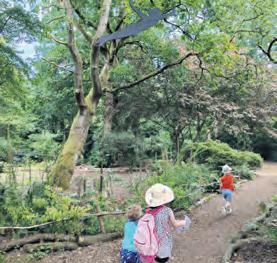
Opening for the NGS on Sunday 29th March, 1.30pm-5.30pm, (and then regularly through the season, next opening 2nd May), a secluded valley garden with beautiful shrubs and trees in a natural setting of streams, ponds, daffodils, a profusion of wild flowers, ferns, mosses and lichens, large collection of colourful rhododendrons, azaleas and interesting flowering trees and shrubs, orchard and cottage gardens. Admission £6, children free.
East Worlington, Witheridge, Crediton, Devon EX17 4TS
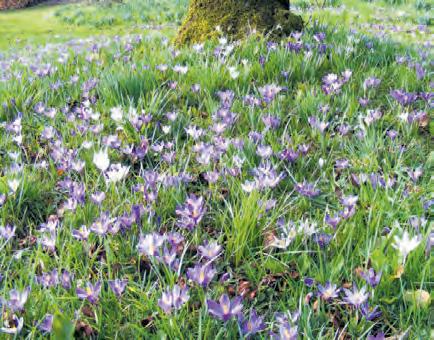
Thousands of purple crocuses feature in this twoacre garden opening for the NGS on Sundays 1st and 8th March from 1.30pm until 5pm, set in a lovely position with views down the valley to the Little Dart river, and spectacular crocuses that have spread over many years through the garden into the neighbouring churchyard. Walks from the garden across the river and into the woods. Admission £6, children free.


Dunchideock, Exeter, Devon EX6 7YE
Opening for the NGS on Sunday 15th March, 1pm-5pm, this peaceful, well established 19-acre garden has parts dating back to 1770s. A hidden gem boasting one of the largest collections of rhododendrons, azaleas, magnolias and camellias, interspersed with mature and rare trees and complemented by a lake and cascading ponds, sixacre arboretum, large lilac circle, wisteria pergola with views over Woodbury. Many other openings in 2026, go to the NGS website for details. Admission £6, children £3.


on Sunday 15th March from 1pm until 5pm, Bere Mill sits on an isolated stretch of the upper River Test, the gardens built over 30 years with bulbs, herbaceous and Mediterranean borders, magnolia, irises, and tree peonies, traditional orchard and two small arboretums, one specialising in Japanese planting. The garden stretches into the landscape and forms part of a renaturing project. Also open 25th May and 5th


Sheepscombe, Gloucestershire GL6 6TZ
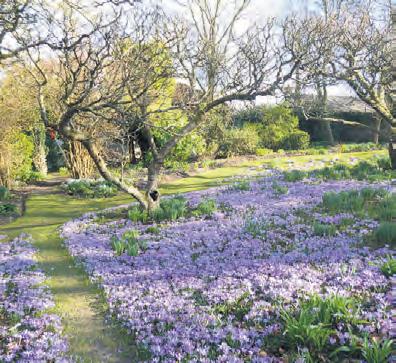
Opening for the NGS on Sunday 15th March from 11am until 4pm, there’s approximately three acres cultivated using organic principles, set in a small woodland with panoramic views, herbaceous and mixed borders, rose garden, tulips, extensive vegetable plots, wildflower areas, plantings of spring bulbs, woodland walk, two small ponds, waterfall and larger conservation pond, and Interesting wooden sculptures, many within the garden. Admission £5, children free. For other openings through the season go to the NGS website.

Athelhampton, Dorchester, Dorset DT2 7LG
Crawley, Winchester, Hampshire SO21 2PU
Opening for the NGS on Sunday 15th March, 2pm-4.30pm, a sheltered, naturalistic garden with year-round interest, especially memorable in spring with carpets of crocuses. There’s a large plant collection, traditional walled kitchen garden, and a wildflower meadow. Rustic seats throughout, good views. Admission £6, children free. Also opening as part of Crawley Gardens group opening on Good Friday 3rd April.
Chawton, Alton, Hampshire
GU34 1SJ
Daffodils and spring flowering bulbs are scattered through this 15 acre listed English landscape garden with its Jane Austen connections, opening for the NGS on Tuesday 17th March,10am-3.30pm. Sweeping lawns, a wilderness, terraces and shrubbery walks surround the Elizabethan manor house. The walled garden designed by Jane’s brother Edward Knight includes a rose garden, flower borders, orchard, kitchen garden, and herb garden based on A Curious Herbal (1737-39) by Elizabeth Blackwell. Admission £8, children free.
St Neot, Liskeard, Cornwall PL14 6NR
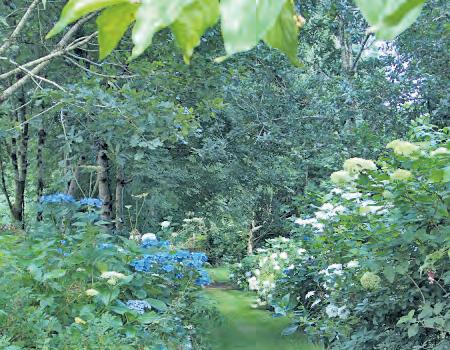
Opening for the NGS on Thursday 19th and Friday 20th March,10.30am-5pm, with both old and new gardens, from a Victorian cottage garden with original cobbled paths to rewilded woodland. A stream fed trout pond occupies the site of a medieval fish pond and the site of a Cornish Round. Year-round interest, from spring flowers to autumn colour, with openings through the season - go to the NGS website for details. Admission £6, children free.

Opening for the NGS on Friday 10th March 10am-5pm, the award-winning Grade I architectural garden is full of vistas with spectacular planting, ponds with fountains and the River Piddle flowing past, the gardens surrounding the Tudor manor house and date from 1891. The Great Court with 12 giant yew topiary pyramids is overlooked by two terraced pavilions. Admission £12.50, children free, separate tickets for house and gardens, the latter having a lower price than usual.

Hampreston, Wimborne, Dorset BH21 7LX
Opening for the NGS on Sunday 1st March from 10am until 1pm, the traditional farmhouse garden designed and cared for by three generations of the Trehane family for over 100 years, with herbaceous borders and rose beds within box and yew hedges, mature shrubbery, water and bog garden. Excellent plants as usual for sale at openings (several during the year, see the NGS website for details) including hellebores in March. Admission £7, children free.
Woolland, Blandford Forum, Dorset DT11 0ES
Opening for the NGS on Sunday 22nd March 1am-5pm, a small to medium size segmented cottage garden, sympathetic to wildlife with a wildflower meadow and pond, flowers, fruit and vegetables, interesting hostas in pots and numerous chilli plant varieties grown from seed in the greenhouse. Snake’s head fritillaries are a feature in March. Admission £5, children free. Also open 16th/17th May.
welcome
Elberton, South Gloucestershire BS35 4AQ
Opening for the NGS on Sundays 1st and 8th March from 11am until 4pm, a two- acre garden with woodland vistas and carpets of daffodils in March, some unusual. Spring flowers, cottage garden plants. Old yew tree, maturing cedar tree, pond. Admission £5, children free.
Cheddon Fitzpaine, Taunton, Somerset TA2 8LG
Hollybush Lane, Bristol, Avon BS9 1JB
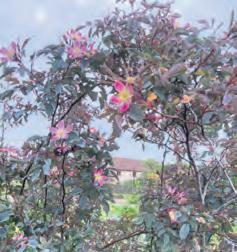
A peaceful garden with places to sit and enjoy a quiet corner of Bristol, opening for the NGS on Sunday 1st March, 11am-4pm. Interesting courtyard, raised beds, large variety of conifers and shrubs, garden of contrasts - sunny beds with olive tree and brightly coloured flowers to shady spots, with acers, hostas and ferns, hellebores, spring bulbs, naturalised daffodils, small orchard, espaliered pears. Admission £5, children free. Also opening 26th April.
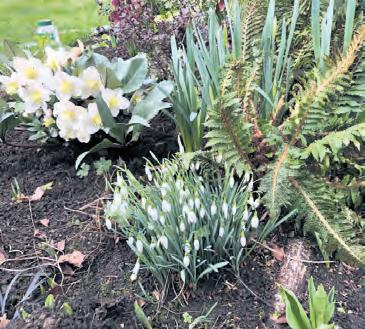
The magnificent Georgian landscape garden, Victorian terrace and shrubbery and Lutyens/Jekyll designed formal garden will all be open on Thursday 19th March for the NGS, 10am-4.30pm. Enjoy 50 acres of woodland walks, temples, terraces, pergolas, lakes and cascades. An all-access route is shown on the guide map and visitors can pre-book an all-terrain tramper vehicle. Admission £16.90, children free.


Pen Selwood, Somerset BA9 8LL
Opening with Lower Shalford Farm for the NGS
On Saturday 28th March from 11am until 4pm, a three-acre mature garden with lovely views towards Blackmore Vale, a beautiful lake, bulbs and flowering trees, many camellias and rhododendrons in March, part formal with pleached hornbeam allée and rill, part water garden, interesting garden sculpture. Combined admission £10, children free.
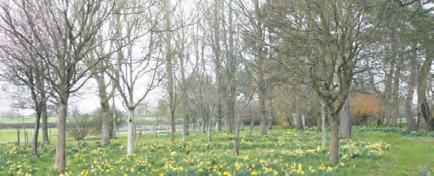
Shalford Lane, Charlton Musgrove, Wincanton, Somerset BA9 8HE
Opening with Forest Lodge for the NGS on Saturday 28th March from 11am until 4pm, a fairly large open garden with extensive lawns and wooded surroundings with drifts of daffodils, small winterbourne stream running through with several stone bridges, walled rose/parterre garden, hedged herbaceous garden, mature wisterias and several ornamental ponds. Combined admission £10, children free. Also opening again with Forest Lodge on Saturday 2nd May.
rhs.org.uk/rosemoor
Community Open Weekend and Wedding Fayre Sat 28 Feb – Sun 1 Mar
Spring Flower Showcase
14 – Sun 15 Mar
Easter Detectives: Who Framed the Easter Bunny? Fri 3 - Sun 19 Apr
Natural Fibre Weekend Sat 18 - Sun 19 Apr
RHS National Rhododendron Show
Sat 25 - Sun 26 Apr
Plant Heritage Spring Fair
Sun 10 May
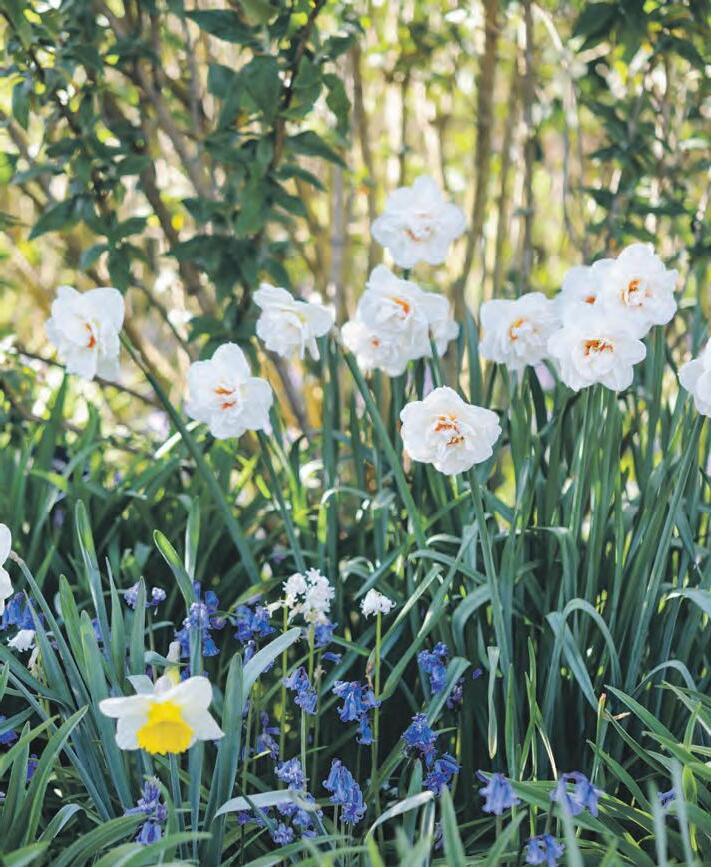

Newent Plant Centre has entered a new chapter and is now proudly known as Botanica Plant Centre. This rebrand comes alongside a new partnership with current owner Mark Moir teaming up with Jamie Davies of Botanica, located in Ross Labels, Ross-on-Wye, Herefordshire. Jamie and Mark both have long standing backgrounds in the plant industry, and by joining forces are expanding the plant centre with new ranges of plants, pots and gardening products, whilst strengthening the advice and knowledge offered to customers.
“I’m proud of Newent Plant Centre and what we have achieved over the past 17 years” said Mark, “but it is now time to grow into the future, I love the plants and advising customers. Having a new business partner and rebranding the business brings new vigour and energy to the company”.
“Plants will always remain at the heart of what we do,” explained Mark, “but this is a great exciting new era, where alongside our homegrown peat free heucheras and garden plants, we will be sourcing additional varieties from specialist growers from around the country”. Look out for the new events and workshop schedule for this year.
Botanica Plant Centre is at The Nest, Hereford Road, Ledbury HR8 2PZ Tel: 01531 670 121 www.botanicaplants.co.uk
When Julie and her husband Robin moved their young family to Hoo House to begin the nursery they had no idea that 40 years later their mission to grow ‘something good and colourful’ would still be flourishing. In the 1980s the trend in gardening was for heathers and conifers, and perennials and alpines were a rather unregarded section of gardening territory. Thankfully for them, the interest in that type of plant has grown over the years, now occupying just as an important a role in modern garden design as the rest of the broad range of plant material cultivated in this country.
In 2001 the decision was made for the nursery to give up the use of peat so now there is over 20 years of practical knowledge working with peat-free compost to call on as the majority of the plants sold at the nursery are propagated by themselves. This helps when customers ask advice about awkward corners in gardens or for suggestions for planting combinations. All this draws on their experience of the local areas and what has worked well over the years. Julie says: “If we think someone is going to fail with a chosen plant we will discuss alternatives and some of our best moments come when customers proudly show us pictures of their gardens where our plants have given them success”.
Open seven days a week 10am to 5pm except Sunday opening at 11am. Hoo House, Gloucester Road, Tewkesbury GL20 7DA Tel: 016845 293389 nursery@hoohouse.co.uk
A Year Full of Flowers is a full day gardening course with Sarah Raven on Thursday 19th March at Thyme, Southrop Manor Estate, Gloucestershire.
The full day gardening course with the popular expert gardener features inspiration on planting, growing and designing gardens. Details at www.sarahraven.com









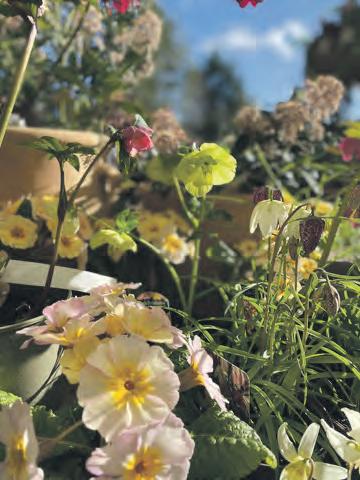

Newent plant centre has rebranded. This spring brings new growth in the form of a new partnership between Mark and Jamie of Botanica plants located in labels Ross on wye. With plants remaining at the heart of our every day plant life, there is much more to come. With new and exciting plant ranges as well as our homegrown favourites.




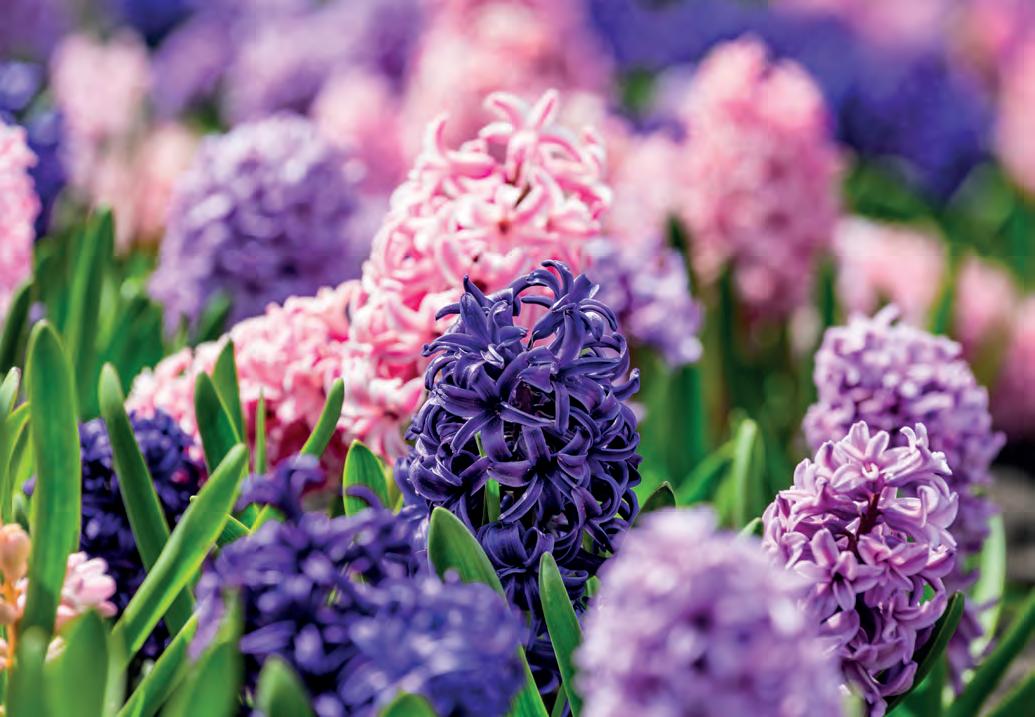








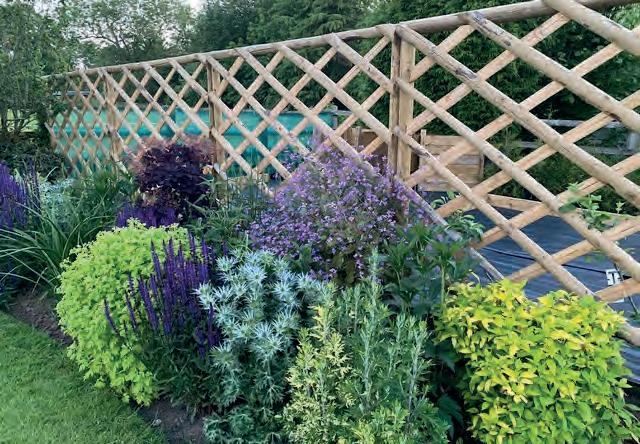









SOMERSET, SPEAKERS & CLASSIFIEDS: ava@countrygardener.co.uk Tel: 01278 786139
COTSWOLDS, DEVON, DORSET & HAMPSHIRE: corina@countrygardener.co.uk Tel: 01823 410098











Those wishing to establish woodland in grassland areas throughout Britain should be prepared for a long hard fight if new trees are to come out on top, argues Mark Hinsley.
We are told that we should not anthropomorphise nature. However, sometimes I feel that using a known human experience to illustrate what is happening in the natural world can help.
The planting of new woodlands appears to have become a national fad. Some of it is genuinely caring people wanting to improve their environment, some of it is cynical as ‘planting a woodland’ is used to justify damage done elsewhere, and some is politically motivated.
Historically, the planting of woodlands was done by specialists who knew what they were doing. Nowadays there seem to be a lot of good hearted, well meaning, enthusiastic non-professionals getting involved. For those good people, here is something to think about.
Many powerful countries down the years have decided they don’t like what is going on in another country and tried to set about regime change.
It is difficult and bloody, it requires a complete plan, and it takes years not days – often it fails. Converting grassland to woodland is a similar undertaking.
The inhabitants of Grass Land are content being
grassland. They do not want to be woodland. Grasses and the herbaceous plants associated with them are not alone, they have mycorrhizal fungi working away underground to improve the efficiency and reach of their root systems. Together the plant roots and fungi beneath the turf create a dense root mat designed, like any country’s defence system, to resist invasion by foreigners.
When the Committee for the Rewilding of the Village Paddock (CRVP) decide that regime change is needed and plant trees in Grass Land the native population fights back. The locals in Grass Land are initially overpowered by the might of the CRVP forces. Trees are planted in even spaces across Grass Land. The CRVP are jubilant and hold a coffee morning to celebrate.
But the Grass Land Liberation Army (GLLA) still has an underground force at its disposal. The GLLA use its thick root mat to deprive the trees of resources. The CRVP realise that their invasion force does not have enough water because it cannot break out from its planting pits. They try supplying from the air (watering cans), but the GLLA intercept most of it and gradually start to retake the ground towards the base of the trees (weeds).
If the CRVP don’t take decisive action, the dry summer weather will result in the GLLA starving out their invaders and restoring the old regime. The

CRVP came up with a parallel to follow – William the Conqueror and the Harrying of the North. William caused the death of about 75per-cent of the population of northern England in 1069 because they would not accept his new regime.
The CRVP don their battle fatigues – green wellies and a flat cap – and go on the offensive. Not willing to revert to chemical warfare, the CRVP attack the remaining grass with hand tools. (Wellie) boots on the ground scrape off as much of the grass as they can, thereby cutting off the GLLA underground from its source of energy (photosynthesis). They then blanket the area with woodchip and leaf mould to prevent the GLLA from simply rising again. One hit will not be enough; it will take a few years to wipe out the last pockets of GLLA resistance. One day the new trees will close canopy, grassland will be shaded out for good. A Wood Land has been formed. A peaceful scene that belies the bloody battles fought for its creation.
If you wish to establish woodland in grassland, be prepared for a long hard fight.



RHS Garden Rosemoor celebrates the arrival of spring throughout March with gardening-focused events and activities. The month begins with a Community Open Weekend, 28th February to 1st March, where residents can explore the gardens for a nominal fee (often £1, refunded as a catering voucher) and enjoy the first blooms of the season. Alongside the garden strolls, there are special trails and family activities that encourage children to discover nature’s textures.
A highlight in early March is the Spring Flower Showcase held on 14th and 15th March, an annual
South Molton Pannier Market hosts a Spring Plant Fair on Sunday, 8th March between 10am and 4pm with a variety of trees, shrubs and perennials available from local nurseries, great for plant collectors and keen gardeners alike. Held within the historic Pannier Market building, the event brings together plant lovers, specialist growers, and artisan traders for a day dedicated to all things green and growing.

There’s the chance to celebrate the arrival of blossom at NT Greenway between 20th March and 30th April. From magnolias blooming overhead to an abundance of fruit trees and wild hedgerow flowers the arrival of spring is a highlight at the Devon National Trust property. There’s a blossom trail to follow and see the many types of blossoms or try your hand at blossom
The spring gardening show at Plympton Gardeners Association is being held on Saturday, 21st March marking the arrival of warmer days and new beginnings. The show open to members and non-members takes place at Harewood House, Plympton with an official opening time of 1.40pm. Visitors will be welcomed by displays of seasonal blooms, from delicate daffodils and tulips. The floral arrangements category is a highlight. Alongside the flowers, there are classes for homegrown vegetables, herbs, and even homemade preserves.
Harewood House, Ridgeway, Plympton, Plymouth PL7 2AS.
Gardening clubs in Devon are to be added to the list of organisations asked to have a say in the future of housing








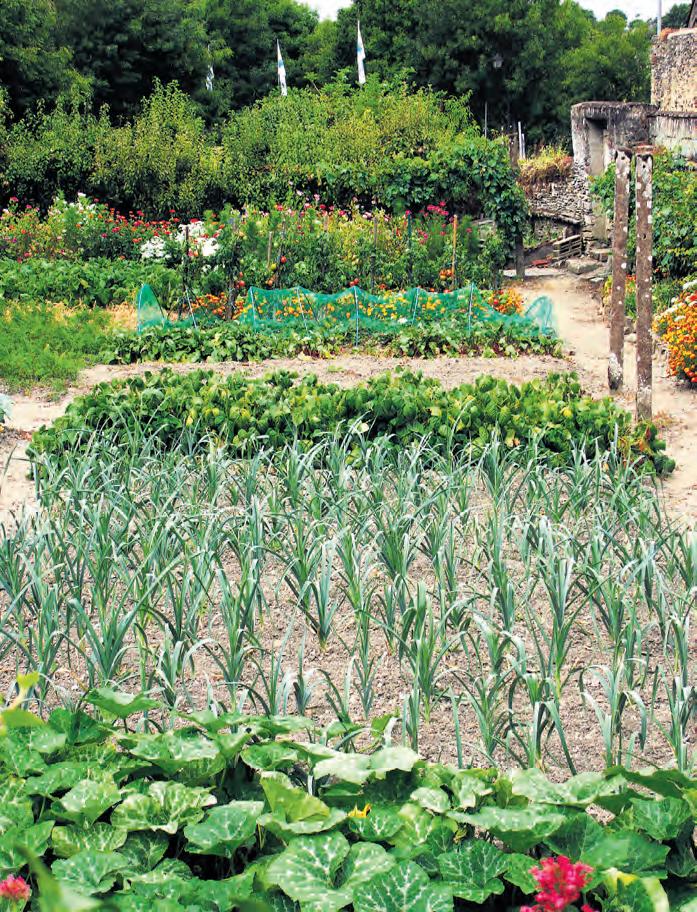



Yes please
✓ All cooked and uncooked food waste
✓ Bread and pastries
✓ Dairy produce
✓ Eggshells
✓ Fish and bones

✓ Fruit and vegetables, including peelings
✓ Meat and bones
✓ Pasta and rice
✓ Tea bags and coffee grounds




Uneaten pet food
No thanks
Compostable packaging
Garden waste
Anything other than food waste or uneaten food

You can use any bag to line your caddy e.g. an old bread bag, empty salad bag, frozen food bag, old carrier bag, compostable bag or newspaper.


















There’s a real feeling of a new gardening season from our readers seeking advice this month. If you have any queries or problems you would like help with then email us at editorial@countrygardener.co.uk
Last season I failed miserably with my leafy winter greens from seeds such as kale and spinach. My garden always attracts a lot of birds, and the seed rows were rapidly obliterated. Weeds were also a problem. How can I get a good crop without the use of cold frame or greenhouse?
Wendy Dawson Chippenham
The obvious solution is to start them off in pots (perhaps in plastic propagator trays with transparent covers) and transplant them once they are small plants. This should sidestep the bird problem, and the transplanted seeds should be easy to distinguish from weeds. Don’t feed or water them too much as they need to toughen up in preparation for the cold weather.

I have planted Rhododendron yakushimanum in my small Devon garden and the leaves have yellowed. I have read it could be iron deficiency but how do I tell?
Hetty Urquart Dawlish
Yes, it almost certainly is iron and manganese deficiency. The problem is not a lack of it in the soil where there should be plenty, but rhododendrons struggle to absorb nutrients when the soil is not at the correct pH level.
Rhododendrons love acidic soil so a sprinkle of sulphur chips will help acidify the soil. You may however be fighting a losing battle. Even in a container of ericaceous compost, it is difficult to maintain the correct pH. It may be better to select plants suited to your soil type which may be about everything but rhododendrons.
I am a great fan of John Innes No 3 compost sold as the ideal medium for potting trees and shrubs. Yet I read many gardeners recommend adding a peat substitute-based compost in with it to boost it up. I thought it was supposed to be a complete fertiliser.
Kevin Moore Dorchester

John Innes No3 sold in bags by various companies, is a gritty soil-based compost rich in nutrients. It has a very high nutrient content which makes it so popular thanks to the addition of the John Innes base fertiliser (two parts hoof and horn i.e. nitrogen: two parts super phosphate and one part potassium sulphate. The only problems with it in containers are its weight and its ability to harden like rock and form a crusty top making watering difficult. The addition of something extra sorts out this problem.

I bought some agapanthus bulbs last year and was very disappointed when out of 15 only one produced flower. Will they never flower?
Paula Davies Bath
Agapanthus hates to be moved and often takes at least a year to flower after being planted so don’t be too surprised if you don’t get anything this year either. You must give newly planted bulbs time to settle in, no matter how pathetic they seem. We expect so much from them in the first year but don’t worry. It means they are putting down roots and bulking themselves up. They will be better plants for it in the long run.
I am always shocked at the price of snowdrops being sold in little posts in garden centres. My neighbour has again said I could help myself and take some from the masses in her garden. Are there any special tips to give them the best chance of flowering next year?
Liz Garson Porlock
Once you’ve dug up what you need gently shake the soil off them taking trouble not to damage the hairlike roots and then quickly plant them in small loose bundles up to half a dozen in each bundle before they dry out. The snowdrops should be planted about two to three inches deep in the soil that has a little bonemeal added to it. The leaves of the transplanted snowdrops are unlikely to rally much after such disruption and will just lie around looking rather messy for a few weeks. During this time make sure the bulbs don’t dry out and next spring they should reappear healthy.
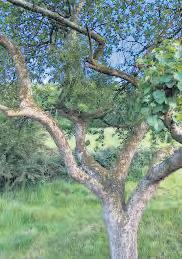
I have an apple tree which bears no fruit but has a fantastic annual crop of mistletoe that has started to colonise the rest of the trees in the orchard. Should I now be taking steps to eradicate it?
Lisa Dennis Minehead
Mistletoe and apple trees can happily co-exist provided the mistletoe is properly managed. Prune back some of the male and female plants each year. If you take only a little from the female berry bearing plants each Christmas, the male plants will soon take over leaving no apples and no mistletoe. Rub off new seedlings before they get established. On the productive trees just keep cutting the mistletoe back sensibly.

Can you advise me how and when to prune a lilac. Is it really possible it might die if I prune it at the wrong time?
Mark Johnson Exeter
A lot of advice about pruning makes it more mysterious than it is. You certainly won’t kill your lilac by pruning it. The worst you can do is if you cut it down to the ground just before a hard frost but even them it would survive. The finer points about maximising flowering and creating the right shape can wait until the plant has flowered after spring or you may cut off flower buds it has worked hard all year to make. Routine pruning just involves removing the spent flowers each year as soon as they have faded and cutting the wood back to a bud.
Last year’s lilies were destroyed by lily beetles. Even though we caught most of the little red monsters. Can you suggest any prevention?
George Harris Kidderminster
Lily beetles, also known as red lily beetles, are one of the most destructive pests for gardeners who grow lilies. These bright red insects feed on the leaves, stems, buds, and flowers of true lilies and fritillaries. If left untreated, they can quickly strip a plant bare.
One of the simplest and most effective methods is regular inspection and hand removal. Check your lilies daily during spring and early summer. Adult beetles and their larvae can be picked off by hand and dropped into a container of soapy water.
Another important step is removing eggs and larvae. Lily beetle eggs appear as small orange clusters on the undersides of leaves. Crushing or wiping them off prevents the next generation from hatching. Larvae are often covered in a dark, slimy coating and should also be removed promptly. Good garden hygiene plays a role as well. Remove plant debris in the autumn to reduce overwintering sites for beetles. Some gardeners also plant lilies among less attractive plants to confuse pests.


I have a 20-year-old ivy on my house. It has developed a black soot-like mould and there are cream insect larvae embedded in the leaves. I don’t know whether to spray it in case it affects the birds which will soon be nesting there.
Nicky Porter Plymouth
The first thing to say is never mess with a nesting bird. Ethics and the law aside it shows you have a healthy eco system likely to include beneficial insects such as ladybirds and lacewings. These are voracious devourers of scale insects which is what you have here- the mould is a side effect. These pests get the upper hand at this time of year but in a few weeks’ nature’s balance will put things right and the beneficial insects will hit their stride, so patience is probably the best advice at the moment.
I would really like to grow some basil properly this spring and summer. I have no problems germinating the seed, but the seedlings seem to hate being transplanted. Year after year the plants come to nothing whether left in pots or put out in the garden.
Kriss Long Torquay
This may be something as simple as you are failing to harden them off properly. Basil should be easy to grow but it does get a shock if moved say from a warm windowsill to a cooler outdoors site. Hardening off needs to be slow; first to a cold frame then with the lid slightly ajar by day and closed by night then open both day and night and finally moved to the garden. And it mustn’t be too soon so wait until May before you get the basil outside. In June and July, you can sow direct into the open ground and then you will get a fantastic crop with no transplant shock.
I have in my greenhouse a mature grapevine that gets covered every year in a powdery mildew. Treating it with chemicals doesn’t seem to make any difference.
Baz Christie Bristol

Powdery mildew is a fungus of enclosed and still spaces, so the first step is to make sure you ventilate the greenhouse well. Open doors and windows in the growing season and don’t crowd the vine with other plants. Prune side shoots to admit air flow and light and later in the season thin out when the fruit bunches are still small. Dry roots are a hazard in the greenhouse and can contribute to mildew. Water the roots well and mulch. Give an occasional deep watering in summer replacing the mulch each time. Avoid high nitrogen fertilisers and use a potash one instead. As soon as you see any mildew cut it off.
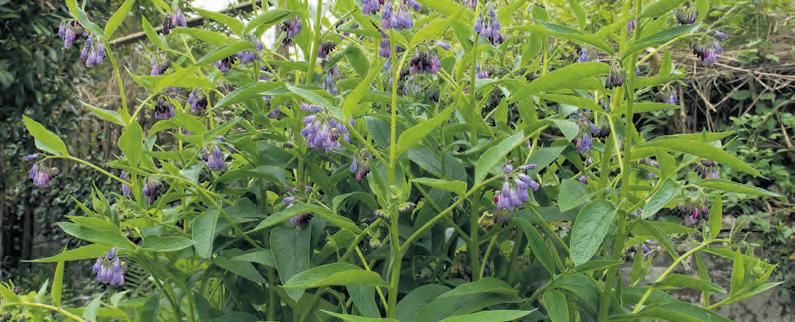
Comfrey is a versatile, valuable plant that excels as a soil improver and natural fertiliser. Easy to grow, its many uses make it a favourite with organic gardeners.
Comfrey is loved by organic gardeners because of the high potassium content of its leaves- two or three times that of farmyard manure. It is also extremely easy to grow
The most common variety is Russian comfreySymphytum x uplandicum -introduced into this country in the 1870s by a certain Henry Doubleday, a Quaker smallholder who subsequently became the founder of Garden Organic (formerly known as the Henry Doubleday Research Association) and more latterly the HDRA.
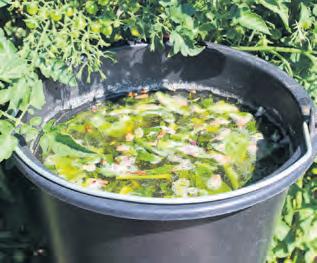
A very tall, leafy, deep-rooted variety is rather oddly known as’ Blocking 14’ and is the one organic gardeners seek. It grows well in the shade, does snot spread by seed but can nevertheless be invasive so needs to be carefully placed.
Comfrey is a hardy perennial herb that has been cultivated for centuries for its medicinal properties, soil-improving abilities, and usefulness in the garden. Known for its large, rough leaves and bell-shaped purple or cream flowers, comfrey is valued today primarily as a dynamic accumulator, drawing nutrients from deep within the soil and making them available for plants, animals, and people. With the right care and understanding, comfrey can be an extremely productive and beneficial addition to a garden.
Growing comfrey is relatively easy, as it is a resilient and adaptable plant. It prefers a sunny or partially shaded location and thrives in deep, fertile soil with good drainage.
Every year I seem to be affected my wormcasts on my large back lawn which in the long run makes the garden look unattractive. They end up a flat muddy patch which disfigure the lawn. I am determined this season to do something about it but not sure what.
Wendy Truss Taunton
Wormcasts those little muddy piles are a sign of healthy soil, but they can be a nuisance on a lawn—especially in summer when they smear and affect appearance. The key is management, not elimination (earthworms are protected and beneficial in many places).

Let casts dry first, then lightly brush, rake, or use a lawn switch, doing this when they’re wet just smears mud and makes things worse. Reduce soil conditions worms love. Wormcasts are worse on acidic, moist soil so try to improve drainage and aerate compacted areas. Finally adjust soil pH and aim for a pH of 6.0 to 6.5. Apply lime if needed.
Our pampas grass is a huge disappointment. The flowers get waterlogged and the stalks cannot support their weight. We did try cutting it down three years ago. Everyone else’s in the neighbourhood stands up whatever the weather.
Freddie Young Exeter
Pampas grass has been making something of a comeback in recent years planted amongst other grasses and perennials in naturalistic prairie style schemes. What they really need is space, light and free draining soil which is why they thrive in those weird land islands which appeared in the 1970 front gardens. You might try and move it somewhere less shaded and certainly cut it back every year.
One of comfrey’s most notable features is its long taproot, which can extend several feet into the ground. This deep root system allows the plant to access nutrients such as potassium, calcium, and phosphorus that are unavailable to many other plants. Because of this, comfrey should be planted in a permanent location, as mature plants are difficult to remove once established.
Comfrey is most commonly propagated from root cuttings rather than seed, as seed-grown plants can be variable and slower to establish. Root cuttings planted in early spring or autumn will quickly produce new growth. Once planted, comfrey requires minimal maintenance.
It is drought tolerant once established, although regular watering will encourage faster leaf production. Cutting the leaves several times during the growing season promotes vigorous regrowth and prevents the plant from becoming too large or coarse.
In the garden, comfrey is best known for its role as a natural fertiliser. The leaves are rich in potassium, making them especially beneficial for flowering plants, fruit trees, tomatoes, and potatoes.
One of the most effective ways to use comfrey is as mulch. Freshly cut leaves can be laid around plants, where they break down rapidly and release nutrients into the soil. Alternatively, comfrey leaves can be added to the compost heap, where they act as a compost activator, speeding up decomposition.
Another popular use is comfrey tea, a liquid fertiliser made by soaking leaves in water for several weeks. The resulting dark, strong-smelling liquid is diluted and applied to plants as a nutrient boost. This method allows gardeners to deliver comfrey’s nutrients directly to plant roots and foliage, making it an efficient and cost-free alternative to commercial fertilisers.
Comfrey can also be used as animal fodder in small quantities. Its protein-rich leaves have been fed to chickens, rabbits, and other livestock, though it should be offered in moderation and as part of a varied diet.
One great garden to visit in Dorset during March is Abbotsbury Subtropical Gardens – a surprisingly vibrant and diverse destination even at the very start of spring.
Abbotsbury Subtropical Gardens, near Abbotsbury on the Jurassic Coast, covers over 30 acres of lush planting that thrives thanks to a unique microclimate close to the sea. This allows many rare and exotic plants to flourish earlier in the year than you might expect in the UK, making a March visit rewarding.
You can enjoy early blooms in sheltered areas and get a taste of the subtropical experience the gardens are famed for. The exquisite camellia and magnolia displays, along with a host of unusual specimens from across the globe, mean there’s often colour and interest when many traditional English gardens are still waking up from winter.
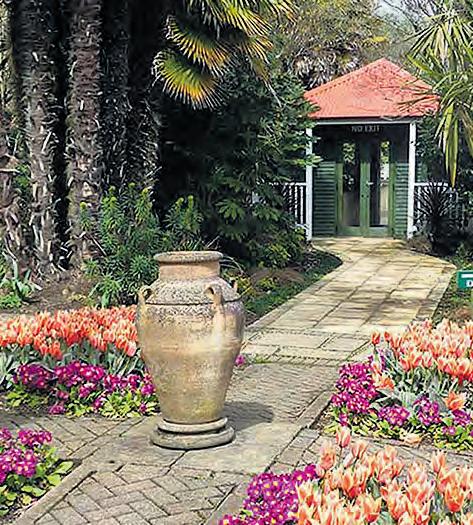
The gardens are open daily year-round, usually from 10 am to 4 pm, and often have seasonal ticket offers or refreshments available so you can make a day of your visit. With its combination of early colour, plant diversity and peaceful landscapes, Abbotsbury Subtropical Gardens makes an excellent choice for a Dorset garden visit.
Abbotsbury Subtropical Gardens, Bullers Way, Abbotsbury, Weymouth DT3 4LA
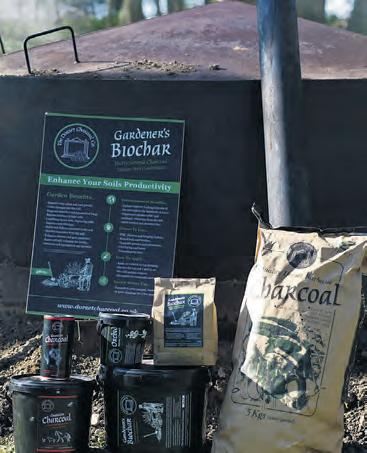
The Dorset Charcoal Co has been producing biochar for nearly 30 years and leading its promotion as a soil improver of quality, supplying customers including the RHS, Royal Tropical Gardens at Kew and the King’s at Highgrove amongst others.
Biochar is a stable, carbon-rich material produced by heating sustainably harvested British hardwoods in a low-oxygen environment, a process called pyrolysis.
When added to soil, biochar (horticultural charcoal):
Improves soil structure and water retention.
Enhances nutrient availability and microbial activity.
Boosts plant growth and crop resilience.
Because biochar is highly resistant to decomposition, it can store carbon in soils for hundreds to thousands of years, making it a powerful tool for carbon sequestration and climate change mitigation.
For more information and the chance to purchase top quality locally produced biochar visit www.dorsetcharcoal.co.uk
The Sir Harold Hillier Gardens in Hampshire near Romsey is preparing for a busy March with several gardeningrelated events and workshops;
Introduction to Watercolour Workshop – Sunday, 1st March
A full-day creative workshop using nature as inspiration (not strictly gardening, but great for plant lovers).
How to: Winter Pruning Class – Thursday, 5th March
Practical outdoor class on winter pruning techniques to encourage healthy plant growth — a true gardening skill workshop.
Wessex Guild of Craftsmen Exhibition – 3rd to 19th March
An arts and crafts exhibition in the gardens.
Easter Wreath Workshop – Friday, 27th March
A hands-on workshop making a wreath from seasonal foliage — great for learning about plant materials.
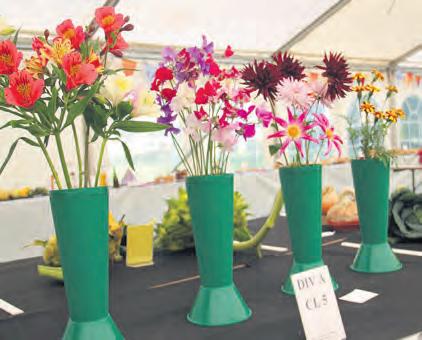
Hampshire is rightly proud of its proactive gardening clubs and March sees a whole string of one day early season events. These are local community gardening shows featuring exhibits of plants, flowers, produce, competitions and more:
SOUTHILL GARDENING CLUB SPRING SHOW 14th March (2pm to 4pm), Southill Community Centre, Weymouth, DT4 9SS.
HIGHCLIFFE HORTICULTURAL SOCIETY OPEN SPRING SHOW 14th March (2pm - 4pm), St Mark’s Church Hall, Highcliffe, BH23 5AA. VERWOOD & DISTRICT HORTICULTURAL SOCIETY SPRING SHOW 21st March (1.30pm –4.30pm), Verwood Memorial Hall, BH31 7AA. BEAMINSTER HORTICULTURAL SOCIETY SPRING SHOW 21st March, (2pm - 4pm), Public Hall, Beaminster, DT8 3EF.
BRIDPORT & DISTRICT GARDENING CLUB SPRING SHOW 28th March, (12am - 3pm), United Church Hall, Bridport, DT6 3LJ. WEST MOORS HORTICULTURAL SOCIETY 74TH SPRING SHOW 28th March, (1.30pm4pm), West Moors Memorial Hall, BH22 0HZ. PIDDLE VALLEY GARDENS CLUB SPRING SHOW March 28th (2pm - 4 pm), Piddletrenthide Memorial Hall, DT2 7QF.
These shows are family-friendly and usually include prizes, plant displays and local growers’ stalls.
Sherborne Spring Plant Fair, an early season indoor show, is being held on Saturday 21st March with a promise of a wide variety of plants including spring bulbs, perennials, herbs, shrubs and vegetable plants from specialist growers. Admission is free with optional charity donation. It is being held at Digby Hall, Hound Street, Sherborne DT9 3AA.
Wessex Orchid Society is holding its Spring show on Sunday, 8th March from 11am to 4pm at Porchester parish Hall in Castle Street, Portsmouth 9PS PO16. Admission is £3 and there’s free parking. There will be a special offer of a £5 voucher for new members joining the society on eh day. The show will feature orchid displays and accessories, an orchid advice table and light lunches. Orchids will be available to buy from Burnham Nurseries.

Enjoy a coffee & slice of cake in the Coffee Loft when youus!visit
EVERYTHING YOU NEED TO MAKE YOUR GARDEN GROW CAN BE FOUND AT HARTS OF STUR
Summer Flowering Bulbs · Seed Potatoes · Onion Sets
Garlic · Climbing Plants · Seeds · Houseplants · Trellis
Gardening Tools · Herbaceous Plants and Shrubs
Hose & Pond Accessories · Outdoor Pots & Tubs
Garden Furniture · Compost · Lawn Care · Wood Stain & Paint
Pet Food & Supplies · Wild Bird Care · Calor Gas and more
STATION ROAD, STURMINSTER NEWTON, DORSET, DT10 1BD. 01258 472788 Open Monday to Friday 8am-5.30pm. Saturday 8am-4.30pm. Sunday 10am-4pm


They say if a task is difficult, you’re using the wrong tool, but we’ve got the right tools for all your gardening jobs. Add in a sprinkling of our home grown plants, a dash of advice from our friendly team and you’ll have all you need to give your garden a glow up this spring to get it ready for the summer months.

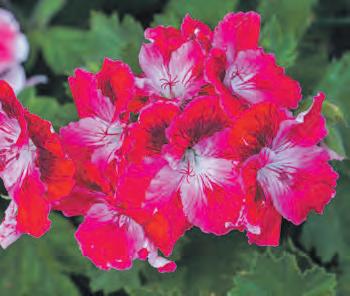
Scan the QR code to find out more!
www.stewarts.co.uk
StewartsGardenCentres



Delivering a range of products and sizes to Somerset & Dorset

Reducing the use of single use plastic bags with REFILLABLE CONTAINERS GET IN TOUCH TO ORDER
Beaminster, Dorset | 01308 863 054 enquiries@chedingtoncompost.co.uk www.chedingtoncompost.co.uk

THE RHODODENDRON & AZALEA CENTRE
SPECIALIST GROWERS OF AZALEAS & RHODODENDRONS


VISITORS WELCOME MON-FRI 9AM-4PM ALL YEAR ROUND | SAT 10AM-4PM APR-MAY MAIL ORDER AVAILABLE
Koirin, Crossroads Nursery, Woodlands, Wimborne, Verwood Road, Dorset BH21 8LN (Near Verwood) Tel: 01202 824629 enquiries@azaleacentre.co.uk
Reach a passionate and affluent audience of gardening enthusiasts
Circulating 100,000 copies which are distributed to over 430 outlets
If you would like to advertise your business or service in our magazines, please contact
COTSWOLDS, DEVON, DORSET & HAMPSHIRE: corina@countrygardener.co.uk Tel: 01823 410098







Burley Rd, Bransgore, Nr Christchurch BH23 8DB Tel: 01425 672348 www.macpennys.co.uk
Large traditional family-run nursery
Wide selection of trees, shrubs, perennials & fruit bushes 4-acre woodland garden & Tea Rooms Many unusual plants
MACPENNY’S NURSERIES BRANSGORE
Open Mon - Sat 9am - 5pm Sun & Bank Holidays 10am - 5pm
Cedar Nursery, Sandy Lane, Romsey SO51 0PD Tel: 01794 367511 Web: www.southernwaterscapes.net


Email: sales@southernwaterscapes.net 10% OFF PLANTS WITH THIS ADVERT
EVERYTHING FOR YOUR GARDEN POND OR INDOOR AQUARIUM aquatic centre
• Now selling tropical fish and indoor Aquariums • Extensive range of quality aquatic and bog plants
• Large range of cold water fish from goldfish to high grade Japanese Koi
• Expert technical advice on pumps, filters, water quality and fish health
• Everything for building and maintaining your pond
• Experienced and knowledgeable staff
A new gardening season brings with it an over wintering selection of readers’ letters which we are always so delighted to receive. Write to us at editorial@countrygardener.co.uk
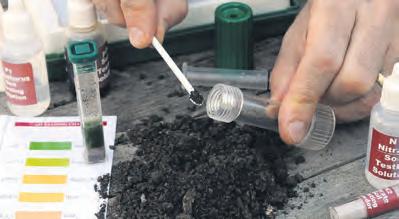
My gardening error-or one of them I have been gardening for over 20 years but still open up to any gardening mistakes I make. And believe me I am far from perfect. My one and consistent error is the reluctance to use a soil testing kit. I am not sure why it is just I have never used them. The sin was ignoring the pH and sunlight needs of my azalea.
When we first bought our own home many years ago, we planted an azalea in alkaline soil in a full sunspot. My husband had always loved them, and it had been so exciting to add our first plant to the new garden. Needless to say, it didn’t last long. I suppose I should have realised and moved it before it died, but I kept hoping for the best. Most plants can tolerate neutral soil or soil that skews a little basic or a little acidic. But for acid-loving plants like azaleas, you have to give them the pH they need, otherwise they’ll never thrive. My fault!
Sammi Greene Portsmouth.

Window-sill gardeners unite
I love your magazine and read it diligently every issue. It offers good practical advice and clearly caters for people who have serious sized gardens. However, I find it inspirational and would say that not all of us have sprawling plots or even a lawn, but that doesn’t mean we can’t garden. My entire growing space is a sunny windowsill and a balcony the size of a tea towel. Herbs, salad leaves, and even dwarf tomatoes thrive there. For anyone short on space, I’d say start small and vertical. A single pot of basil can bring as much joy as a rose bed. Oh, and don’t give up on reading Country Gardener!
Lucy Theobald Poole
Gardening through grief
I took up gardening properly after losing my mother, who loved her roses fiercely. I always took an interest but was very much a spectator to what she did in the garden. When she died, I got myself involved in a serious way. Tending the garden gave structure to days that otherwise felt shapeless. Watching plants die back and return each year was unexpectedly comforting. A friend said to me once that gardening doesn’t fix grief, but it gives it somewhere to sit. For that, I’ll always be grateful.
Molly Howard Barnstaple
The battle with bindweed (and losing gracefully)
Bindweed and I have been at war for over a decade. I pull it up; it returns stronger and smugger. I’ve finally accepted that total victory is unlikely. Instead, I manage it and focus on what is thriving. Gardening books often promise control, but sometimes acceptance is the healthier path. Also, never underestimate bindweed—it’s clearly been training.
Susie Kent Taunton

On talking to plants I talk to my plants, and I’m no longer embarrassed to admit it. Whether it helps them grow is debatable, but it certainly helps me notice problems early. Wilting leaves get sympathy; aphids get stern warnings. Gardening is a relationship, after all. If chatting to a tomato plant makes you a more attentive gardener, I say talk away.
Helen Janes Petersfield
The virtue of letting things go
Every spring I vow to keep my Devon borders neat and orderly, and every summer I fail spectacularly. Yet I’ve noticed that the years I interfere the least are the years the garden thrives the most. Self-seeded foxgloves pop up where they please, bees seem happier, and I spend less time fretting with a trowel in hand. My advice to fellow perfectionists I have decided is simple: step back occasionally. A slightly untidy garden can be a very healthy one, and far more relaxing for the gardener too.
Margaret Lewis Dawlish
In praise of ugly vegetables I grow vegetables for flavour, not beauty, and I wish more people would embrace the wonky carrot. I notice my fellow allotment holders discard their vegetables when it is not classically shaped. What a terrible waste. Some of my tastiest produce looks like it escaped from a cartoon. One parsnip last year resembled a man mid-jog. It still roasted beautifully. Gardening has taught me that nature has a sense of humour and very little interest in straight lines. If your veg looks odd, don’t despair—celebrate it. The kitchen certainly won’t complain.
Tom Read Exeter
Compost: the long game

I used to think composting was an instant reward system: put scraps in, get compost out. Reality, of course, is slower and smellier. But after sticking with it for three years, I now produce the richest compost imaginable, and my soil has transformed. My tip is patience—and turning the heap more often than you think necessary. Composting teaches you to think long-term, which is perhaps gardening’s greatest lesson.
Anita Fowler sent by email
Children in the garden
I started gardening seriously when my children were young, partly to keep them entertained. They dug where they shouldn’t, snapped seedlings, and watered everything excessively. Now, years later, they still remember planting potatoes and checking on them each week. My advice: don’t aim for a pristine garden if children are involved. Aim for curiosity. The mess fades, but the memories don’t.
Rajiv S Leominster
The unexpected joy of weeding
Weeding gets a bad reputation, but I find it oddly calming. There’s something deeply satisfying about clearing a patch of ground and seeing what’s meant to be there. It’s one of the few activities where progress is immediate and visible. My tip is to weed little and often, preferably with a cup of tea nearby. Think of it as therapy with soil under your nails.
Paul Weston Dorchester
The new season of Rare Plant Fairs gets under way on Sunday 15th March, set in the beautiful grounds and gardens of The Bishop’s Palace, Wells.

The Bishop’s Palace lies at the heart of the historic City of Wells. There are 14 acres of stunning, tranquil gardens to explore. It is believed that these gardens existed here even before work began on building the Palace in c.1220. Over the years the gardens have changed as successive bishops have added their legacy and today these gardens in Somerset have Grade II listed garden status due to their special historic nature.
You are welcome to look around the Bishop’s private Chapel, explore the ruined Great Hall and meet the famous mute swans who live alongside the moat and ring a bell when they want food.
The fair opens from 10am to 4pm, and adult entry, which includes entry to the fair, garden and Palace is at a reduced price of £9. There is a selection of 20 specialist exhibitors attending, all experts in the plants that they grow. Lunches and refreshments are available at The Bishop’s Table café/restaurant. Full details at www.rareplantfair.co.uk
Somerset gardeners have been warned about the dangers of invasive plants this summer after a record number of complaints about damage to property caused by Japanese Knotweed, Himalayn Balsasm and Giant Hogweed – the three worst culprits last year. The Department of the Environment received a record number of requests for help in the county last year with many gardeners unable to cope with the plants. The advice this year is to look out for early season signs of invasive plants and to take action before the plants take hold. It warns of damage to habitats and ecosystems caused by not allowing new season plants to get established.
James Cross, the well-known head gardener at Bishop’s Palace gardens in Wells, is giving a task on Wednesday, 4th March at Shepton Horticultural Society, at the Thatched Cottage Shepton Mallett at 7.30pm. Members free non-members £5.

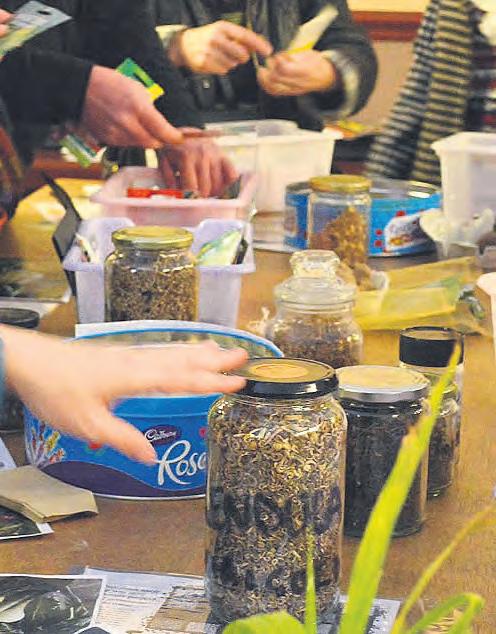
It’s the season for seed swaps and potato days and on 14th March: Seedy Saturday is being held from 10-2pm at Timsbury Conygre Hall, BA2 0JQ. The swops which started a new season in February are organised by the Somerset Community Food Group. It is an annual event with other stalls with seed potatoes, onion sets, shallots, herb plants, fruit trees and bushes and of course, a range of seeds. Small admission charge, refreshments available. www.somersetcommunityfood.org.uk/ community-seed-swaps
The Somerset Group of the Hardy Plant Society is hosting a specialist plant fair at Yeo Valley Organic Garden on Saturday, 28th March from 10am to 3 pm. Garden open until 4pm. Specialist plant nurseries will be attending.
There’s free parking (must be pre-booked if arriving before 12pm). Book tickets for your hour of arrival once you have booked your parking space. Entry price £4 includes garden entry. Refreshments and Yeo Valley products available in the on-site cafe and shop.
Yeo Valley Organic Garden, Holt Farm, Blagdon BS40 7SQ



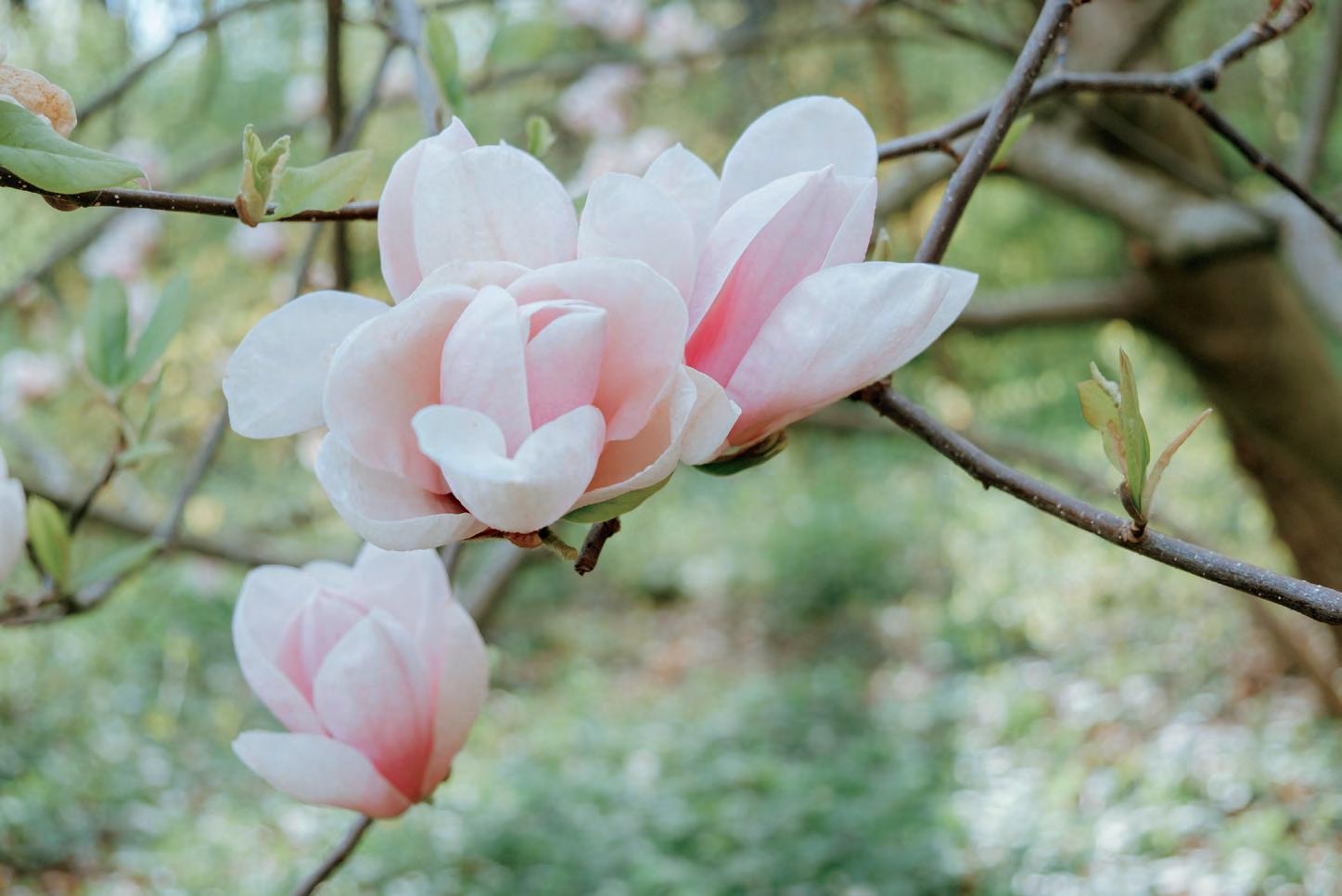



• Sheds / Summerhouses • Workshops
• Garden Rooms • Potting Sheds
Full Service: Manufacture, Deliver, Install, Demolish and Remove etc.



Over 40 garden buildings on display at our show site, just off the A358 (Minehead Road) north west of Taunton.
CALL US TODAY

01823 334495
Taunton, Somerset TA2 6NS www.tauntonsheds.co.uk




HPS Somerset Group
EARLY SPRING PLANT FAIR
Saturday 28th March 2026 10am3pm (Garden open until 4pm) at Yeo Valley Organic Garden, Holt Farm, Blagdon, BS40 7SQ Many top nurseries attending from England and Wales, plus stalls selling garden artefacts. Yeo Valley products and light refreshments available from the shop and café throughout the day. Morning entry by pre-purchased ticket online only. Entry from 12pm pre-bookable or payable on the gate (cash preferred).
Admission £5 (£4 for HPS & RHS). Visit www.somersethps.com

1ST MAR - 30TH SEPT: Mon - Sat 9am - 5pm, Sun & Bank Hols: 10am - 4pm.

1ST OCT - 22ND DEC: Mon - Sat 9am - 4pm, Sun & Bank Hols 10am - 4pm. Kings Weston Road, Bristol BS11 0XF www.bristol.gov.uk/blaise-plant-nursery





Taunton’s plant plug centre, Henlade
Tel. 01823 443507 Open 7 days a week 9am - 5.30pm On the main A358 Taunton to Ilminster road next to Henlade post office
• Bedding geraniums f1 large plugs £3.10 for ten • Busy lizzies, petunias, dahlias, gazanias, lobelia, marigold and many more varieties £7 for 50 £13 per 100

• Geraniums, ivy leaf, Zonal, Fuchsias, Calibrachos, Diascia, Nemesia, Verbena, Osteospermum, Basket plants £7.50 for ten • Surfinias, Thumbelinas £7 for ten • This is just some of our wide range of plugs available • Filled hanging baskets from £16, also a refill service from £14 • Compost 75 litres levington and Irish moss peat £9.50 per bag
Why use mail order or garden centres when you can buy quality plants locally at lower prices? A large variety of plugs available including ivy leaf geraniums, nemesia, diascia, visit our website at www.barncloseplugcentre.co.uk



NOW IN STOCK
Summer Flowering Bulbs lots to choose from!
NOW AVAILABLE
Seed Potatoes, Onion Sets, Shallots, Garlic, Flower & Vegetable Seeds
Primroses, Polyanthus & Potted Spring Flowering Bulbs for a burst of early spring colour in the garden!
Compost, Topsoil, Gro-Bags, Soil
Improver, Horse & Farmyard Manure, Decorative & Composted Bark, Perlite, Vermiculite, Gravels, Grits & Sands
Shrubs, Roses, Herbaceous Perennials, Heathers, Herbs, Hardy Ferns & Ornamental Grasses
Great choice of Glazed & Terracotta
Pots & Planters plus exciting range of Garden Ornaments & Stone Statues
Norton Green Farm Nursery, Wells Road, Chilcompton, Radstock BA3 4RR Tel: 01761 232137
Email: nortongreenfarm@tiscali.co.uk
Opening Hours: Mon-Sat 9am-4pm (inc. Bank Holiday) Closed Sundays








Stogursey, near Bridgwater
Garden open Sunday 12th April, 2pm-4.30pm
Pre-booking available through www.ngs.org.uk tickets available on the door, cash only £7 entry and proceeds go to charity
Woodland Garden at the foot of the Quantock Hills in the grounds of an Elizabethan & Medieval House. Tea, coffee and cakes will be available for purchase.
Fairfield House is open to the public regularly, see the Historic Houses website for details. Enquiries to fairfieldvisits@gmail.com
Tel: 07557 360 520 TA5 1PU 11 miles NW of Bridgwater, 8 miles E Williton

Great range of trees, shrubs, conifers, roses, fruit trees, garden sundries and a wide range of compost.
SPRING BEDDING, PATIO PLANTS, SEEDS, TOMATO & VEGETABLE PLANTS COMING INTO STOCK. HANGING BASKETS COMING SOON!
Fantastic range of pots and garden ornaments stocked.

Former Victorian Walled Kitchen Garden established over 60 years ago. We have an extensive range of shrubs, ornamental and native trees, fruit trees and hedging plants.



Extensive website ✔ Carpark collection ✔ Local delivery
Opening hours - please see our website
Tel 01984 618267 info@triscombenurseries.co.uk www.triscombenurseries.co.uk
West Bagborough, Nr Taunton, Somerset TA4 3HG between West Bagborough and Crowcombe (signposted off A358) ✔ Advice / Sales by telephone & email
Lopen Business Park, Mill Lane, Lopen,
Petherton, Somerset, TA13 5JS 01460 243100
lopen@beehiveselfstorage.co.uk



Priorswood Road, Taunton, Somerset, TA2 8DU
323575 taunton@beehiveselfstorage.co.uk Main Street, Walton, Street, Somerset, BA16 9QA 01458 785634
street@beehiveselfstorage.co.uk Gold Hill Business Park, Child Okeford, Blandford Forum, Dorset, DT11 8HF 01258 861100
dorset@beehiveselfstorage.co.uk

Garden & Estate Machinery SALES - SERVICE - REPAIRS
RIDE-ON MOWERS •








01984 632761


Suppliers of superior fuel for all your garden machinery. Your local specialists in horticultural machinery WE SELL, SERVICE AND REPAIR
Lawn Mowers • Strimmers • Hedge Cutters • Chainsaws Pressure Washers • And Much More Main Road, Cannington, TA5 2LD 01278 651300 • bridgwatermowers.co.uk
Wehaveagoodselectionofperennialsandshrubsthatarelooking good,withlotsofcolourtobrightenyourgardenorpatio.
OurshopJamesStorenowhasalargerangeofHomeBrewproducts
Seeourwebsiteformoredetails www.rockymountainnursery.co.uk




Visit our new cacti and succulent house. We also have a new range of restio and protea as well as great ranges of bamboos, tree ferns, ferns, cannas, gingers, bannas and shrubs, perennials, trees
Open every day 10am-5pm Lower Henlade, Taunton, TA3 5NB (5 mins from J25, follow A358 to Yeovil, then signs to the Mt Somerset Hotel) Tel: 01823 443701 www.deserttojungle.com


Main Road, Cannington, Bridgwater TA5 2LD 01278 653205 www.greenslades.biz

Garden designs Consultations and talks
07594 574150 info@katherinecrouch.com www.katherinecrouch.com
Come and relax in our coffee shop and then select from our large selection of container grown shrubs, perennials, roses, fruit & ornamental trees
Huge selection of terracotta & glazed pots Fencing, paving & aggregates
Plus all your garden sundry requirements
OPEN: 9am-5pm Monday-Saturday Closed Sunday
Coffee shop open 10.30am-4pm Monday-Saturday Closed Sunday
GLASTONBURY ROAD, WELLS TEL: 01749 673050

Country Gardener reader Jon Laurence shares his views from his Somerset garden on the challenges, rewards and pleasures of an early start in the garden.
The year I decided to make an early start in the garden it began with a kind of quiet courage.
Winter had not fully loosened its grip—frost still silvered the lawn in the mornings, and the soil felt cold and stubborn under my gloves—but the light had changed.
The days were stretching, minute by minute, and something in that extra brightness stirred the same restlessness in me that it always did. I wanted to grow something.
I wanted to begin.
On a mild day in late February, I carried my tools outside like offerings: a fork with a worn wooden handle, seed packets softened from years of use, and a notebook smudged with dirt and pencilled plans.
The garden beds lay bare, their surface rough and clotted, remnants of last year’s stems still poking up like memories refusing to fade. I stood there for a long moment, breathing in the smell of damp earth, halfwondering if I was too early, half-determined to try anyway.
Early gardening is an act of faith.
You kneel in soil that has not yet decided whether it is ready, you sow seeds that will not show themselves for weeks, and you trust that the sun will keep its promise. I began by clearing the beds, cutting back old growth and turning the soil slowly, letting the cold seep through my gloves into my hands. Each forkful revealed earthworms curled in patient spirals, alive and waiting. That felt like a good sign.
I chose hardy vegetables first—the ones that do not mind a chill and seem to understand impatience.
Peas were always my starting point. I pressed them into the soil with my thumb, three inches apart, imagining their thin tendrils searching for support weeks from now.
Spinach followed, then radishes, their seeds so small they seemed almost imaginary. I planted onions as well, sets tucked neatly into rows, their tips just visible, like
punctuation marks in a sentence only the garden could read.
The weather, as always, had its own opinions. A week after planting, a sharp frost arrived overnight, and I woke with a familiar knot of worry in my chest. I pulled on boots and hurried outside before breakfast, half-expecting disaster. The soil was hard with ice, but beneath the frost cloth I had laid carefully over the beds, everything looked unchanged.
Nothing had sprouted yet, but nothing had been lost either. The garden, like me, was waiting.
Waiting is the hardest part of an early start. There is no visible reward at first, only the routine: checking the forecast, lifting covers during warmer afternoons, tucking them back in before dusk. I visited the garden every day, even when there was nothing to see. Sometimes I spoke aloud, as if the seeds could hear encouragement.
Other times I simply stood there, letting the quiet settle my thoughts.
The first green appeared on a grey morning when I least expected it. A thin loop of spinach, barely more than a thread, had pushed its way through the soil. I knelt beside it, absurdly pleased, as though I had been personally chosen for a miracle. Over the next few days, more followed—radishes pricking up like tiny flags, peas breaking the surface and stretching cautiously toward the light. Each new sprout felt like a small victory against the season itself.
By late March, the garden had begun to look alive. Not lush, not abundant, but determined. The plants grew slowly, shaped by cool nights and careful mornings. I watered sparingly, knowing the soil held moisture well in the cold, and pulled weeds while they were still young and easily persuaded. My hands learned the temperature of the earth, the subtle difference between soil that was merely cold and soil that was truly frozen. There were setbacks, of course. A sudden cold rain flattened a row of spinach, and strong winds snapped a few pea shoots before I managed to secure their supports. But early gardening teaches resilience. I replanted where I needed to, adjusted my plans, and kept going. The garden did not require perfection— only attention.
“Starting early taught me something I forget every winter: growth does not wait for perfect conditions”.
I harvested the first radishes one evening, their red shoulders glowing against the dark soil. They were small and sharp, tasting of pepper and effort. Spinach followed soon after, tender leaves cut carefully so the plants could grow again. These early harvests felt luxurious, almost defiant, proof that patience and a bit of risk could bend the season in my favour.
The garden, once bare and uncertain, had become a place of daily joy. Birds visited the beds, insects returned, and the air itself seemed softer. I planned the next plantings—carrots, lettuces, brassicas—building on the head start I had given myself. The early vegetables had done more than feed me; they had set the tone for the year.
Starting early taught me something I forget every winter: growth does not wait for perfect conditions. It begins when it can, quietly and persistently, pushing against cold and doubt alike.
In the garden, as in life, showing up early—when things are still uncertain—can make all the difference.
“By late March the garden has begun to look alive. Not lush, not abundant but determined.”

Dartmoor & lovely South Devon Villages & Towns in easy reach. Pets Welcome. Forest School. Tel: 01752 862382 www.churchwoodvalley.com Secluded cosy cabins & lodges in wooded valley running down to Wembury Bay & SW Coastal Path



South Devon Lodge on Farm Sleeps 4. Central for beaches, Salcombe and Dartmouth. For availability Tel 01548 853669 www.marymillsfarm.co.uk
BOSWORLAS, ST JUST.
Cosy Cottage sleeps 2-4. Sorry no pets. Please email info@bosworlas.co.uk for availability 01736 788709
GLORIOUS NORTH DEVON. Only 9 cosy caravans on peaceful farm. Wonderful walks in woods & meadows. Easy reach sea, moors & lovely days out. £125-395pw. Discount couples. Nice pets welcome. 01769 540366 www.snapdown.co.uk
ACCOMMODATION HOLIDAY COTTAGES




WYE VALLEY/FOREST OF DEAN. Fully equipped single-storey cottage with two en-suite bedrooms. Wi-fi.Recently awarded Visit England 4-star GOLD. Rural retreat, shops/pubs one mile. Enquiries welcome. AS SEEN ON ESCAPE TO THE COUNTRY! Tel: 01594 833259 www.cowshedcottage.co.uk
ACCOMMODATION WITH BEAUTIFUL GARDENS

Penrice Castle Gower 17 holiday cottages on an 18th century Estate on the Gower Peninsula with beautiful Grade I listed historic park and gardens. Tel: 01792 391212 www.penricecastle.co.uk
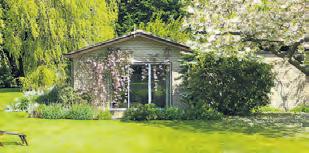
Near Stratford-upon-Avon
Lovely self-catering cottage in peaceful location: large garden. Sleeps 2. Perfect for famous gardens, NT properties & Cotswolds. Tel: 01789 740360 www.romanacres.com
NORTH DEVON NEAR CLOVELLY. Small barn conversion sleeps 4 (wheelchair friendly). Small cottage and Timber lodge sleeps 2/3. Pub and Shop 2 miles, RHS Rosemoor 1 hour. Brochure 01237 431324 www.foxwoodlodge.co.uk


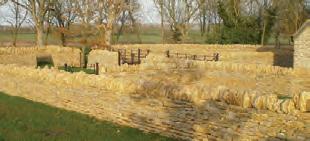
Yenstone Walling Dry Stone Walling and Landscaping Patrick Houchen - DSWA member Tel: 07751278363 / 01963371123 www.yenstonewalling.co.uk

POLYTUNNELS FROM £499 AVAILABLE TO VIEW BY APPOINTMENT 01363 84948 info@ferrymanpolytunnels.co.uk www.ferrymanpolytunnels.co.uk
Want this space?
ADVERTISE HERE FROM JUST £2 PER WORD Email: classified@countrygardener.co.uk for more details




Ensuites, rural, large garden, paddocks, sheep and fruit. Ideal Cotswolds, Malvern’s, Forest of Dean, cycle storage, ample parking, Wi-Fi. From £46 p.p.p.n. Tel: 01452 840224 sheila.barnfield1960@gmail.com




To get you started this spring, we’re offering you two special vouchers.
Coreopsis ‘Early Sunrise’ a perfect plant to bring bright colour, and pollinator-friendly charm to your garden as well as our own ‘Otter Peat Free Multi-Purpose Compost with added John Innes’, the perfect compost for your beautiful garden.


Your local Otter Garden Centres:
OTTERY ST MARY Gosford Road, Ottery St Mary, EX11 1LZ
JACK’S PATCH Newton Road, Bishopsteignton, Teignmouth, TQ14 9PN
LYMINGTON Milford Road, Efford, Lymington, SO41 0JD
PLYMOUTH Chittleburn Hill, Brixton, Plymouth, PL8 2BH
TAUNTON Pen Elm Hill, Norton Fitzwarren, Taunton, TA2 6PE
TORBAY Moles Lane, Paignton, TQ3 1SY
WHITCHURCH – BRISTOL The Nursery, Norton Lane, Whitchurch, BS14 0BT
WINCANTON Bruton Road, Wincanton, BA9 8HA