













Here’s a selection of events you might be interested in attending during June. If you are looking for the usual details of garden club meetings please go to www.countrygardener.co.uk to see all events for not just this month but the months ahead. If you would like to send us your event for more free publicity then again go to the website where you will be able to upload details.
ABBOTSBURY
EARLY SUMMER PLANT FAIR, Abbotsbury Subtropical Gardens
Sunday 7th June, 10am - 3pm
Buller’s Way, Abbotsbury, Dorset, DT3 4LA BAMPTON
OAKDENE CHARITY PLANT SALE
Saturday 27th June, 11am - 5pm
Oakdene, Petton Tiverton, Devon, EX16 9BG BARNSTAPLE
NORTH DEVON HOSPICE OPEN GARDENS
Sunday 7th June, 11am - 4pm.
Deer Park, Newport, Barnstaple EX32 0HU
BATCOMBE
PLANT SALE, Batcombe House
Saturday 13th June, 12pm - 5pm Jubilee Road Batcombe, Somerset, BA4 6HF
BLEDLOW
RARE PLANT FAIR, Manor House Gardens
Sunday 14th June, 11am - 4pm Bledlow Buckinghamshire, HP27 9PA www.rareplantfair.co.uk
BREAMORE NR FORDINGBRIDGE
ANNUAL SWEET PEA SHOW, Hulse Hall
Saturday 13th June 1pm - 5pm
Breamore Fordingbridge, Hampshire, SP6 2EA
BURFORD
OPEN GARDENS
Saturday 13th June 1pm - 5pm Burford, Oxon, OX18
CATCOTT
OPEN GARDENS, Village Hall
Sunday 28th June, 12.30pm-6pm 12+ open gardens, Scarecrows, Vintage limousine rides, Free route transport, Art & Craft showcase, Church tower climb, Live music by Chloe Marie Aston Piano Bike Girl, Route Guide Cream Teas, Refreshments, Ice Creams, BBQ £8 Entry. Edington TA7 9HA ww.catcottvillage.co.uk
CERNE ABBAS
OPEN GARDENS, Cerne Abbas
Saturday 20th - Sunday 21st June, 2pm - 6pm
For the 50thtime, about 24 private gardens open to raise money for local causes (Dorset & Somerset Air Ambulance and National Trust Giant Hill Appeal). Tickets purchased on day £8.
Cerne Abbas, Dorchester, Dorset, DT2 7JQ www.cerneabbasopengardens.org.uk
CONGRESBURY, BRISTOL
SUMMER SHOW AND VILLAGE FETE, Church
Paddock field
Saturday 20th June, 2pm - 5pm
St Andrew’s Church, Congresbury
OPEN GARDENS
Saturday 6th June, 1.30pm - 6pm
Lower Froyle, Alton, Hampshire, GU34 4LG
GALMPTON, BRIXHAM
GALMPTON CHARITY OPEN GARDENS DAY
Sunday 14th June, 11am - 4pm
Greenway Road, Galmpton Brixham, Devon, TQ5 0LT
www.facebook.com/galmptonfestivalass/ GUITING POWER
GUITING GRANGE OPEN GARDEN
Sunday 14th June, 1.30pm - 5pm
Guiting Grange, Guiting Power, Cheltenham, Gloucestershire, GL545UD
HINTON ST GEORGE
OPEN GARDENS, Hinton St George
Saturday 27th June, 11am - 4pm
St George’s Hall, Merriott Road, Hinton St George, Somerset, TA17 8SL
www.st-margarets-hospice.org.uk/event/gloriousgardens/
KEMERTON
OPEN GARDENS
Saturday 13th - Sunday 14th, June 1pm - 5pm
Entry £8 children go free. Ice cream, refreshments and home made cakes, Pimms pop-up, Garden bar and hot dogs, free parking in the field opposite.
St Benet’s Church, GL20 7JE
OPEN GARDENS, Montacute Village
Saturday 6th June, 11am - 4pm
Bishopston Montacute, Somerset, TA15 6UX
OLCHARD NEAR KINGSTEIGNTON
OLCHARD OPEN GARDENS
Saturday 13th June 12pm - 5pm
Olchard, nr Sandygate, Newton Abbot, Devon, TQ12 3GX
PURTON
OPEN GARDENS, Purton
Saturday 27th June, 10.30am - 4pm
Station Road, Purton Swindon, Wiltshire, SN5 4AQ
SELBORNE
PLANTS FAIR, Gilbert White’s House & Gardens
Saturday 13th - Sunday 14th June
Join us for our biggest event of the year. A fantastic array of stall holders, great gardening advice and more.
Selborne, Hants, GU34 3JH www.gilbertwhiteshouse.org.uk
SOUTH PETHERTON
OPEN GARDENS, South Petherton
Sunday 14th June, 4pm - 6pm
7 West Street South Petherton, Somerset, TA13 5DQ www.st-margarets-hospice.org.uk/event/gloriousgardens/
STOGUMBER
STOGUMBER OPEN GARDENS WEEKEND
Saturday 13th - Sunday 14th June, 10.30am - 5.30pm Station Road, Stogumber Taunton, Somerset, TA4 3TG www.somersethps.com
SWAY
OPEN GARDENS, Sway Village
Sunday 7th June, 11am-5pm
UPLYME
PANEL DISCUSSION ‘GET READY FOR THE SUMMER SHOW’ Uplyme Village Hall
Monday 9th June, 7.30pm - 8.30pm Lyme Road Uplyme, DT7 3UY
WATERPERRY
RARE PLANT FAIR, Waterperry Gardens
Sunday 7th June, 10am-4pm
A massive variety of plants available from the nurseries, many rare and choice.
Waterperry Nr Wheatley, Oxfordshire, OX331JZ BOOK: www.rareplantfair.co.uk
WHIMPLE
OPEN GARDENS SAFARI, Victory Hall
Saturday 6th & Sunday 7th June, 11am-6pm School Hill, Whimple Devon EX5 2TS
WINTERBORNE KINGSTON
OPEN GARDENS, Village Hall
Sunday 28th June, 11am - 4pm
Winterborne Kingston, Dorset, DT11 9BZ
BADMINTON
RHS BADMINTON FLOWER SHOW
Wednesday 8th - Sunday 12th July, 10am - 6pm
RHS Badminton Flower Show will bring together the very best of all things gardening plus talks, awards, music & food for a perfect summer day out at the Badminton Estate in Gloucestershire this July.
Badminton Estate Badminton, Gloucestershire, GL9 1DD www.rhs.org.uk/badminton
BIRMINGHAM
RARE PLANT FAIR , Winterbourne House
Sunday 12th July, 10.30am - 5pm
A fantastic garden with an incredible range of plants. A real oasis in the city! Nurseries will offer a diverse range of quality plants for you to add to your garden. An inspiring day out for you.
Winterbourne House and Garden, 58 Edgbaston Park Road Birmingham, B15 2RT www.rareplantfair.co.uk
EAST BOLDRE
SUMMER SHOW, Village Hall
Saturday 4th July, 2.15pm - 3.30pm Main Road, East Boldre, Hampshire, SO42 7WD
GALMPTON, BRIXHAM
GALMPTON GOOSEBERRY PIE FAIR
Sunday 5th July, 11.30am - 5pm
Warborough Common, Slade Lane, Galmpton
Brixham, Devon, TQ5 0PE www.facebook.com/galmptongooseberrypiefair/
NR TISBURY
RARE PLANT FAIR, Fonthill House Gardens
DO YOU HAVE AN EVENT YOU’D LIKE TO LIST ? Submit your details here: www.countrygardener.co.uk/event-submission
Saturday 4th July, 11am - 4pm Fonthill House Gardens, Nr. Tisbury Salisbury, Wiltshire, SP3 5RZ www.rareplantfair.co.uk

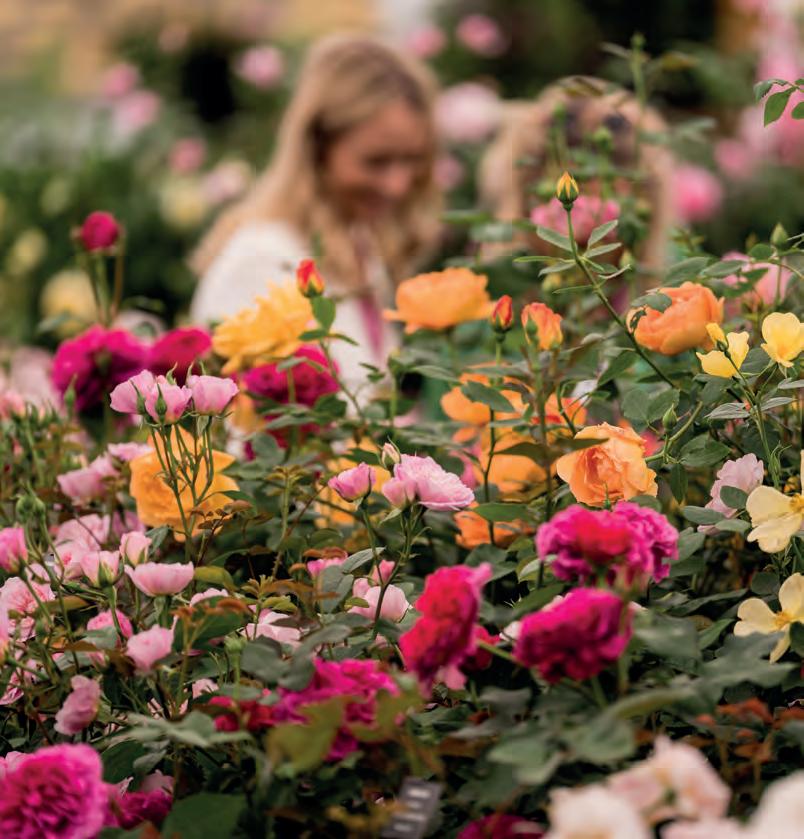
RHS Garden Rosemoor in north Devon hosts the beautiful Festival of Roses next month celebrating one of Britain’s favourite flowers. The festival runs from Saturday 13th June until Sunday 12th July and attracts thousands of visitors who visit to admire the colourful displays, breathe in the fragrance of the blooms, and learn more about growing roses at home. During the festival, the gardens are filled with over 2,000 roses and more than 200 different varieties, ranging from traditional climbing roses to modern hybrid species.
The Festival of Roses offers much more than simply looking at flowers. Visitors can enjoy daily guided rose tours at 11am (first come first served), where RHS experts explain the history and care of different roses. There are also gardening advice sessions held weekly, allowing visitors to ask questions about pruning, feeding, and pest control. Families can enjoy entertainment during the Rose Weekend which runs from 26th to 28th June and includes craft stalls, food markets, and live performances. The festival runs from 10am to 5pm daily.
Opening times for RHS Rosemoor during the summer season are generally from 10am until 6pm every day, with last entry at 5pm. From October to March, the garden closes earlier at 5pm. The garden centre opens from 9.30am to 6pm Monday to Saturday and from 11am to 5pm on Sundays.
Ticket prices vary depending on how tickets are purchased. Adults who book online in advance can pay from around £15.70, while tickets bought at the gate cost approximately £17.40 Children aged 5–16 pay £6, and children under five enter free of charge. RHS members can enter for free, and there are discounted £1 tickets available for visitors receiving certain benefits such as Universal Credit or Pension Credit. RHS Garden Rosemoor, Torrington EX38 8PH www.rhs.org.uk/gardens/rosemoor
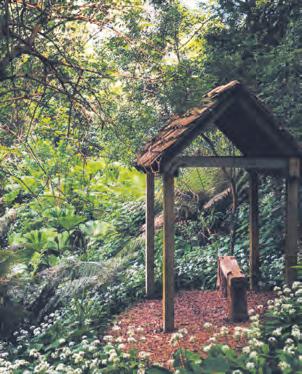
‘Thirty days in a garden is a very small amount for June’ – BARBARA WEBSTER
In summer, garden birds seek out feeders to support them through the breeding season. However, a dire warning has been issued that poor maintenance of bird feeders will pose risk, with poor hygiene, overcrowded feeders, and contaminated water sources increasing disease spreading between birds.
Garden owners must carefully consider the right feeder to allow for proper decontamination.
Feeders that can be fully dismantled are the easiest to clean, allowing access to all areas where food residue, mould and bacteria can build up.

Start by emptying out any old or uneaten food and dismantling the feeder completely. Soak all parts in warm water with a suitable cleaning solution, such as diluted disinfectant, detergent or vinegar.
Feeders should be cleaned at least every two weeks, and more frequently during wet weather or periods of heavy use.
Dirty feeders and contaminated water sources can harbour bacteria and pathogens such as salmonella, E. coli and avian pox.
Simple steps such as regular cleaning, spacing feeders out across the garden, sweeping up waste food, and changing water daily can dramatically reduce these risks.

Host a garden get-together: gather friends and family to celebrate your garden and raise vital funds for nursing and health charities with a Great British Garden Party
Dame Mary Berry, President of the National Garden Scheme, is championing the Great British Garden Party as it enters its seventh year in.
This fundraising event, designed by the NGS to share the love of gardens and get-togethers, aims to help raise vital funds for the society and its health charities, including Macmillan Cancer Support, Marie Curie, Hospice UK, Carers Trust, The Queen’s Institute of Community Nursing and Parkinson’s UK.
Dame Mary Berry said: “You can get together in your garden, green space or office to join in the fundraising for the vital nursing and health charities supported by the NGS; charities that so many of us, our family and friends often rely on in times of need.”
The official Great British Garden Party campaign week is Monday 13th to Sunday 19th July, but you can choose any day across the year. Sign up on the National Garden Scheme website, invite your guests and the National Garden Scheme event team will support you all the way.
www.ngs.org.uk/gardenparty
Cornwall has a character all of its own. With the mild maritime climate, it’s a place where gardens flourish and even a simple walk can lead from woodland valleys to wide, sparkling ocean views.
A Cornish Garden Break at Budock Vean Hotel & Spa offers a relaxed three-night stay from April to September 2026, when the estate and surrounding gardens are at their most vibrant. Set on a 65-acre estate along the Helford River, and only 20 minutes from bustling Falmouth, it’s the perfect base for exploring Cornwall’s finest gardens while enjoying time to unwind back at the hotel.
All year round, 32 acres of gardens invite discovery. The design is based on a mix of classic Cornish garden and surrounding countryside landscape.
Whether you’re a passionate gardener seeking inspiration or simply enjoy a gentle stroll, the Cornish Garden Break is a serene escape from the everyday.
Your break includes tickets to Trebah Garden and The Lost Gardens of Heligan. Wander the lush valley paths, tranquil ponds, and towering trees at Trebah before following the garden down to the Helford River. Website: budockvean.co.uk Instagram: @budockvean Tel: 01326 250288
Publisher & Editor: Alan Lewis alan@countrygardener.co.uk Tel: 01823 431767
Distribution & Stockists distribution@countrygardener.co.uk
Accounts & Payments
Heather Rose heather@countrygardener.co.uk What’s On & Events Guide www.countrygardener.co.uk/event-submission
Advertising Sales Ava Bench - Somerset, Classifieds & Speakers ava@countrygardener.co.uk Tel: 07759 304977
Corina Reay - Cotswolds, Devon, Dorset & Hampshire corina@countrygardener.co.uk Tel: 01823 410098
One of the south west’s most popular specialist nurseries is holding the first of two Nursery Open Days on Sunday, 7th June. Award winning Pennard Plants is organising two open days in East this year in conjunction with Pennard House NGS Sat Nav BA4 6TP The second is on Tuesday 14th July. Visitors will be able to select from new season fruit trees and bushes, trained fruit for walls plus herbs and other edible plants plus a comprehensive range of heritage and heirloom seeds.
Design & Production
Aidan Gill
aidan@countrygardener.co.uk
Gemma Stringer gemma@countrygardener.co.uk

Practical solutions like replacing high allergen plants and shrubs and employing a sensible regime of grass cutting can do a lot to bring respite from another summer of sneezing
For millions of gardeners, summer is not just a season of warmth and sunshine—it’s also the season of sneezing, itchy eyes, and blocked noses. Hay fever, or seasonal allergic rhinitis, can make what should be the best time of year feel miserable. But some careful gardening choices finding low allergen replacements and a learning better understanding of pollen in the garden, hay fever sufferers can ease their symptoms and reclaim summer.
The garden plant swaps every sufferer should know Wind-pollinated species include most grasses, a lot of trees, and popular garden plants which release pollen in large quantities where it can be inhaled easily. Insect-pollinated plants have heavier, stickier pollen designed to cling to bees and other pollinators rather than drift through the air which makes them far less likely to cause a reaction.
Allergenic plant
Dahlia
Low-allergy replacement Why it’s better
Rose (modern doubleflowered)
Sunflower Peony or hydrangea
Daisy-family plants (Asteraceae: chrysanthemum, rudbeckia, marigold, gerbera)
Foxglove, snapdragon, or begonia
Ornamental grasses Hosta or fern
The largest pollen source overlooked
Grass pollen is responsible for around 90 to 95 per cent of hay fever reactions. While most sufferers think of this in terms of parks and open countryside, a domestic lawn behaves in the same way, producing and releasing pollen throughout late spring and summer.
Mowing dramatically worsens this. Cutting the grass disturbs and launches clouds of pollen at close range, and many sufferers report their worst symptoms of the year following an afternoon of lawn maintenance.
For those who want to keep their lawn, mowing regularly prevents grass from flowering and releasing pollen, and doing it in the afternoon rather than the morning, when pollen counts are at their highest, reduces exposure. Lightly watering the lawn beforehand also helps weigh pollen down rather than sending it airborne.
The problem is worsened by weather. Warm, dry, and windy days spread pollen through the air, making it almost impossible to avoid. Wet or humid days, by contrast, tend to suppress pollen levels. In recent years, according to the Met Office, milder winters and longer growing seasons have meant higher and more prolonged pollen counts, stretching hay fever season from early spring well into autumn
Practical tips which might help
Beyond plant swaps and lawn changes, there are several simple habits that can make a significant difference to pollen exposure.
Garden between 12pm and 4pm
If you need to be outside, wearing wraparound sunglasses helps stop pollen getting into your eyes. A wide-brimmed
Rose pollen is too heavy and waxy to become airborne
Insect-pollinated; equally bold in a border
Insect-pollinated; no loss of colour in the border
Hostas and ferns produce no airborne pollen and offer similar foliage texture
hat can shield your face and hair and putting a dab of petroleum jelly (like Vaseline) around your nostrils traps pollen before it enters. Avoid cutting grass, walking through fields, or gardening when the forecast shows high pollen counts.
Pollen counts are highest in the early morning and again in the early evening as temperatures drop; midday is generally the lower-risk window for outdoor activity.
Shower and change after time in the garden
Pollen clings to hair, skin and clothing; washing it off prevents it from being brought indoors or transferring to furniture and bedding. The NHS also recommends showering and changing clothes after going outside to wash pollen off, and avoiding outdoor drying of laundry where pollen can stick to fabrics.
Wipe down garden furniture regularly during the summer
Pollen settles on outdoor surfaces and can cause a reaction when touched or when people sit close to it.
Water borders and the lawn before spending time outdoors
Dampening the garden helps weigh down pollen and keep it closer to the ground rather than circulating in the air.
Avoid having washing on the line on high-count days.
Clothes dried outside can accumulate significant amounts of pollen, which is then brought inside the house.
Keep pollen out
Shut windows and doors during high pollen counts, which usually peak in mid-morning and early evening. Vacuum with a HEPA filter and dust surfaces with a damp cloth to remove pollen particles around the home.
Making your garden hay feverfriendly
Many sufferers forget that pollen exposure doesn’t just happen in the countryside— it starts in their own back gardens. Not all plants are equal when it comes to allergies. The key difference lies between windpollinated and insect-pollinated plants. Wind-pollinated plants, such as grasses, weeds, and many trees, release vast amounts of fine, lightweight pollen that travels long distances through the air—perfect for triggering allergic reactions. In contrast, insect-pollinated plants produce heavier pollen that clings to insects and rarely becomes airborne.
Grasses are the biggest culprits in early to mid-summer, while certain trees such as birch, oak, and cypress produce high pollen counts earlier in the year. Meanwhile, weeds like ragweed, plantain, and dock release pollen later in the season, keeping symptoms going well into autumn
To make your garden more pollen-safe haven, avoid high-allergen species such as: Birch, oak, elm, and sycamore treestheir tiny, lightweight pollen grains travel easily.
Bermuda, timothy, and rye grassesamong the most common irritants.
Weeds like ragweed, nettle, and mugwort - peak in late summer and can trigger severe hay fever.
Male palm and cypress trees - heavy pollen producers; females are usually pollen-free.
Instead, opt for low-allergen, insect-pollinated plants, which are both attractive and safer. Excellent choices include begonias, petunias, pansies, snapdragons, viburnum shrubs, hardy geraniums, and penstemons. Fruiting trees such as pear, plum, and fig are also better options, especially in compact gardens. Watering the garden regularly helps too. Moisture weighs down pollen, preventing it from dispersing into the air. Keeping lawns short—or replacing them altogether with paving, gravel, or groundcover plants—also reduces exposure. When gardening, wear a mask and gloves, and shower immediately afterward to remove clinging pollen grains.



Concrete Post Fixings (Wire Anchors) & Easy Trellising System Quick & Easy Solution to fix wires to concrete posts NO DRILLING - simply clamp the two halves together Three sizes to fit most concrete posts FREE UK DELIVERY Main Stockists of Gripple Trellising
Visit our website to view our other gardening accessories and gift ideas www.rivelinglenproducts.co.uk info@rivelinglenproducts.co.uk 01246 462666


DOES EPILEPSY SOMETIMES MAKE YOU FEEL A LITTLE ISOLATED? Are you aged 18 - 26 and living with epilepsy? Or do you care for a young adult who is? Join our social group! For young adults with epilepsy and their supporters. Every 2nd and 4th Sundays of the month - 11am – 1pm at Long Ashton Community Centre, Keedwell Hill BS41 9DP FOR MORE INFORMATION VISIT: www.epilepsy.org.uk/support-groups/bristol-independent-group
EMAIL: Corina at newleavesturned@gmail.com











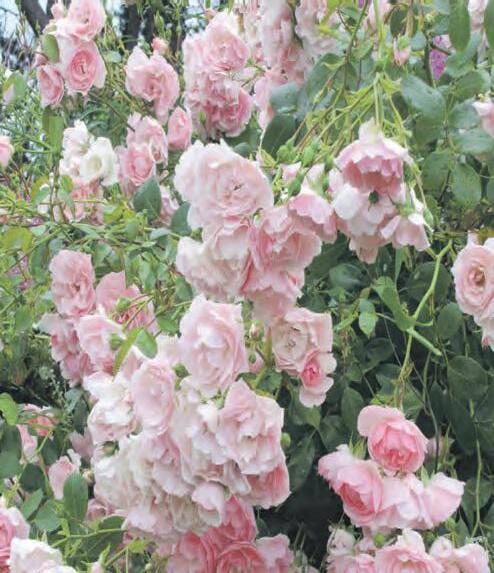
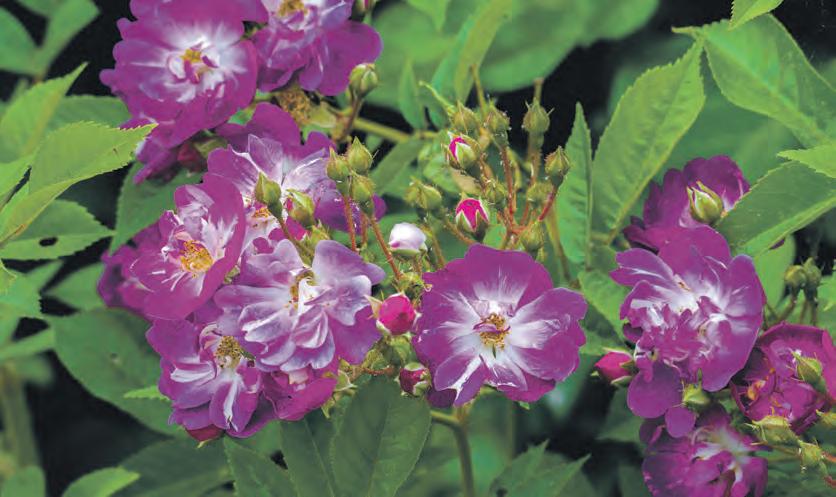
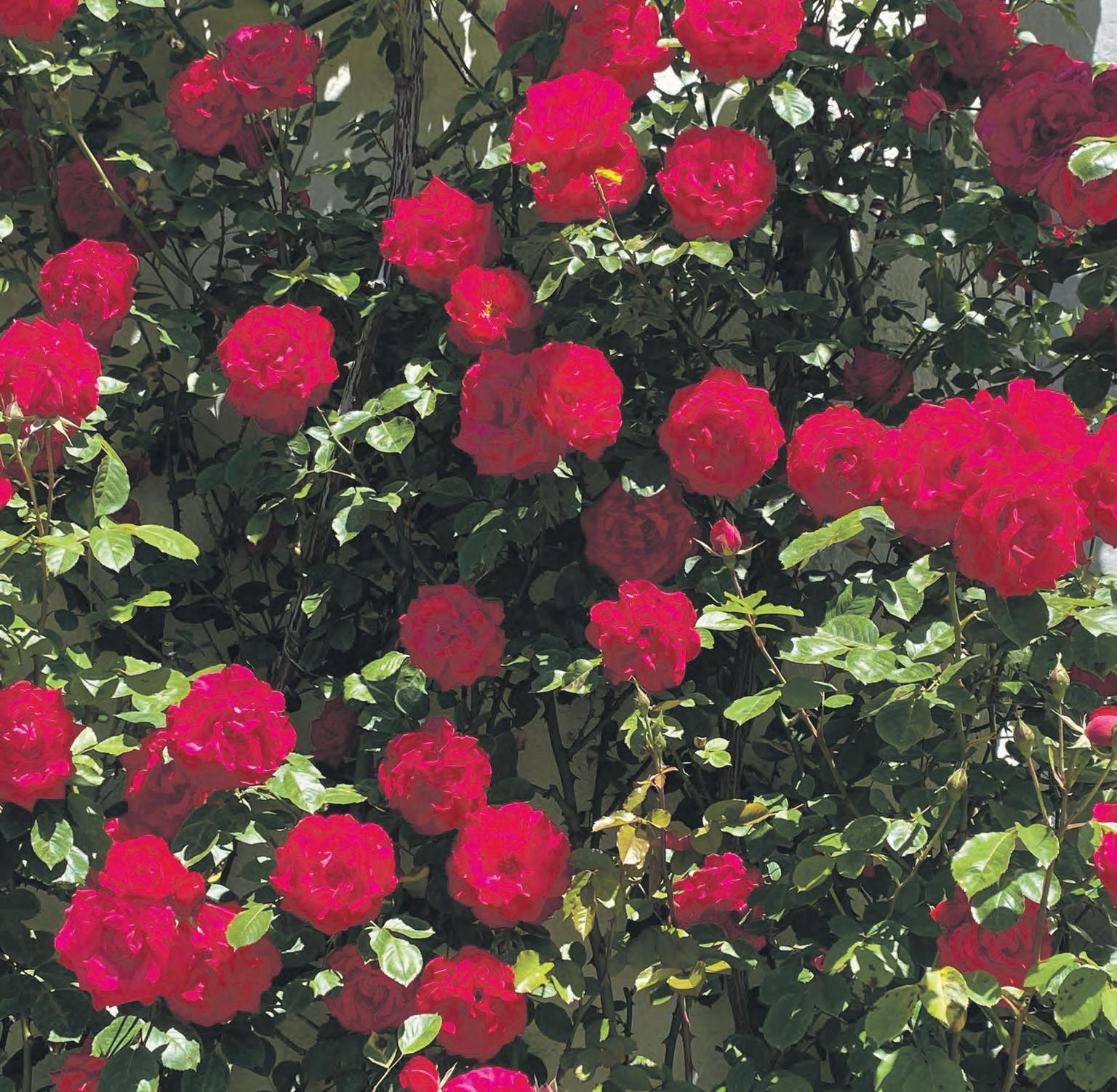
Rambling roses possess a kind of enchantment that few other garden plants can rival. They do not merely grow; they wander, climb, tumble, and cascade with a generosity that feels almost poetic.
In early summer, when their long pliant stems are smothered in clouds of bloom, rambling roses transform walls, arches, pergolas, and old trees into living tapestries of colour and perfume. To grow rambling roses is to invite romance into the garden — a romance deeply rooted in English horticultural tradition and celebrated throughout literature, art, and memory.
Unlike the more formal hybrid tea or floribunda roses, ramblers have an untamed grace. Their beauty lies partly in their freedom. They are not stiff or regimented plants but exuberant climbers that seem to possess a life and spirit of their own. Their long canes sweep through hedgerows, scramble into branches, and soften hard structures with a profusion of flowers. Many gardeners feel that no rose captures the spirit of an old cottage garden more perfectly than a rambling rose in full bloom over a doorway or trailing through an apple tree.
The importance of rambling roses in garden design cannot be overstated. They bring vertical beauty into spaces where borders alone would never suffice. A single mature rambler can clothe an unsightly shed, cover a bare wall, or transform a plain pergola into a fragrant summer retreat. Their ability to soften architecture is one of their greatest gifts. Stone, brick, and timber become gentler beneath cascades of flowers and foliage. Even in smaller gardens, a well-chosen rambler can create height, depth, and atmosphere without taking up much ground space.
There is also something profoundly nostalgic about these roses. They evoke old rectory gardens, village lanes, and forgotten manor houses where roses climbed
COURT NURSERIES & The Picton Garden
unchecked around windows and chimneys. Many classic ramblers date back more than a century and carry with them a sense of continuity with generations of gardeners before us. To plant one is to participate in a living tradition.
Literature has long recognised the symbolic power and beauty of roses, especially climbing and rambling forms.
Roses appear throughout Shakespeare’s works as symbols of love, secrecy, and beauty. In A Midsummer Night’s Dream, Shakespeare writes of “the wild thyme blows, where oxlips and the nodding violet grows,” conjuring the same luxuriant abundance associated with rambling roses in an English garden. Later poets and novelists continued this association between roses and romance. Vita SackvilleWest, herself a passionate gardener, frequently wrote about climbing roses with reverence, understanding how they blur the boundary between garden and wilderness.
“Most flower once, but when they do, the display is unforgettable. In June and July, they erupt into huge trusses of flowers, often so numerous that the foliage nearly disappears beneath them.”
Bees flock to the simpler varieties, filling the garden with movement and sound. Many produce attractive hips in autumn, extending their season of interest and providing food for birds.
Another reason ramblers are among the best roses to grow is their resilience. Many are vigorous, hardy, and surprisingly tolerant of poor conditions. They can thrive where more delicate roses struggle, scrambling through trees or along north-facing walls with remarkable determination. Once established, they require comparatively little attention beyond occasional pruning to control their size. For gardeners seeking beauty without excessive fuss, ramblers are ideal companions.
Among the classic varieties, few can rival the legendary Rambling Rector. This magnificent rambler produces huge sprays of creamy white semi-double flowers
nursery and beautiful 1.5 acre garden just waiting to be explored
1ST APRIL TO 31ST JULY: Wednesday to Saturday, 11am to 5pm Also open 19TH JUNE for a special evening opening for the NGS - details online
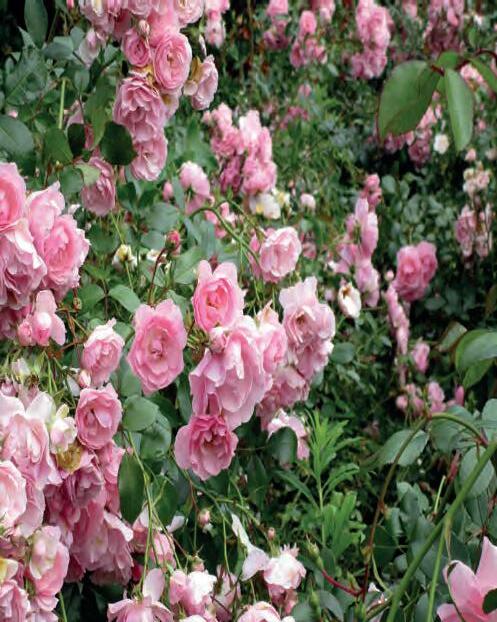
with golden stamens and a rich musky scent. It has a wonderfully natural appearance, looking especially beautiful weaving through mature trees or sprawling over old walls. After flowering, it bears masses of orange-red hips that remain attractive well into autumn.
Equally beloved is Albertine, often regarded as one of the finest pink rambling roses ever introduced. Its coppery-pink buds open into richly scented double blooms with shades of salmon and blush. The fragrance alone is enough to secure its place in any garden, but its vigorous growth and elegant arching habit make it unforgettable.
For pure romance, Paul’s Himalayan Musk is incomparable. This enormous rambler can ascend into the crowns of trees, producing waterfalls of pale pink flowers that resemble drifting clouds. In full flower it creates one of the most spectacular sights in horticulture, though it requires space and a certain willingness to let nature take the lead.
No discussion of classic ramblers would be complete without Veilchenblau, a truly distinctive rose whose small blooms open purple and fade to smoky lilac-blue tones. Almost thornless and exceptionally graceful, it possesses a mysterious beauty unlike any other rambler. In shaded conditions its colouring becomes even richer and more atmospheric.
For smaller gardens, The Garland remains a charming choice. Introduced in the nineteenth century, it bears clusters of creamy white flowers with a delightful fragrance and has a softer, more manageable habit than some larger ramblers.
Rambling roses also teach gardeners patience and trust. In their early years they may seem unruly or sparse, but with time they settle into their role, producing ever more spectacular displays. Unlike instant landscaping solutions, they reward long-term care and vision. A mature rambler is often at its finest after many years, becoming an integral part of the landscape rather than simply an ornamental feature.
Perhaps this is why they inspire such affection. Rambling roses remind us that gardens are living, evolving places rather than static designs. They encourage a gentler style of gardening — one that embraces looseness, abundance, and seasonal rhythm. In an increasingly controlled and hurried world, their carefree profusion feels deeply restorative.
To stand beneath a flowering rambler on a warm June evening, with petals drifting softly in the air and fragrance lingering in the dusk, is to experience one of gardening’s purest pleasures. They connect us not only with beauty but with memory, literature, and the enduring romance of the garden itself. Among all roses, ramblers remain the most generous, atmospheric, and soul-stirring of them all.
A cherished member of the team at a Poole care home has won an award for making a positive impact on the lives of the residents.
Mirela Toma, Activities Lead at Elizabeth House care home, on Dolbery Road South in Poole, was presented with the Individual Contribution Award as part of the Mayor of Poole’s awards ceremony at St James Church in Poole. Mirela was joined at the event by a resident and staff from the care home, which is run by not-for-profit charity Care South, alongside residents and colleagues from Alexandra House care home in Parkstone.
During the presentation, the Worshipful, the Mayor of Poole, Councillor Mark Howell, shared some of Mirela’s career highlights, including leading charity events with residents, both in the home and in the community, as well as introducing a weekly crafts session with children from a local nursery. He added: “I’ve visited Elizabeth House a few times over the past year and I am incredibly impressed by Mirela’s enthusiasm for the role.”
Mirela said: “I feel so honoured to receive this award from the Mayor of Poole, who has been very supportive of the home during his mayoral year. Helping our residents to have fun and keep enjoying their hobbies, while having the opportunity to try new things is something that brings me great joy. It’s a privilege to be part of such a wonderful team, and to share so many special moments with our residents.”
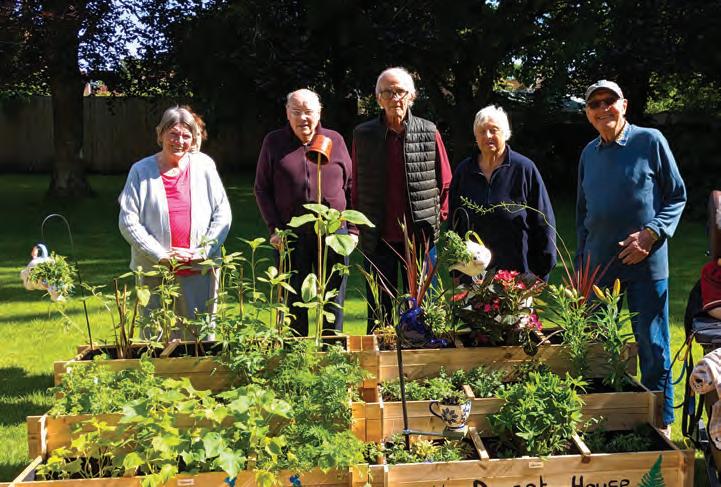
Mirela’s role at the care home sees her lead a varied programme of activities, events, trips out on the home’s minibus and partnerships with the local community. These activities included live music events, themed meals and a range of gardening activities including sowing seeds to plant out in the garden and putting together hanging baskets to hang outside their windows.

Elizabeth House’s garden features wide, flat walkways and raised flower beds to make it accessible to everyone, with a choice of chairs and tables to enable residents to sit outside and enjoy the sunshine.
Donna Moss, Home Manager, said: “We are incredibly proud of Mirela whose caring nature, dedication and passion for our residents’ happiness shines through in everything she does. She’s not only fantastic at supporting our residents and her colleagues, but Mirela enhances the lives of everyone she meets. Her energy, kindness and commitment to always going ‘the extra mile’ makes a real difference in ensuring that our residents fully experience our ethos of Food, Fun and Friendship every day.”
Elizabeth House provides residential, respite, and dementia care. It features a dedicated activities team which organises a daily programme of events to bring residents together to socialise and build friendships.
Care South is a leading provider of high quality residential and care at home services across the south of England. The not-for-profit charity has care homes in Dorset, north Devon and Somerset, and care at offices covering Dorset and Somerset.

For more information about the care services available, go to care-south.co.uk or call Care South
There’s something joyous about a June garden. Annuals and perennials are bursting with colour and interest, and this is usually the best month for blooms. Flowers are starting to appear, and the harvest has started in the kitchen garden. In June, gardens are in one of their most active and demanding phases, making it a busy time for a range of gardening jobs. With longer days and warmer temperatures, plants grow rapidly, weeds thrive, and regular maintenance becomes essential to keep everything healthy and productive.
One of the main tasks in a June garden is watering. As rainfall can be inconsistent, it’s important to water deeply and regularly, especially for newly planted flowers, vegetables, and containers. Early morning or late evening watering helps reduce evaporation and ensures plants absorb moisture effectively.
Weeding is another constant job. Weeds compete with plants for nutrients, light, and water, so removing them frequently prevents them from taking over. Mulching around plants can help suppress weeds while also retaining soil moisture.
Pruning and deadheading are also key activities. Removing spent flowers from plants like roses and annuals encourages further blooming and keeps the garden looking tidy. Shrubs that have finished flowering can be lightly pruned to maintain shape and promote healthy growth.
1
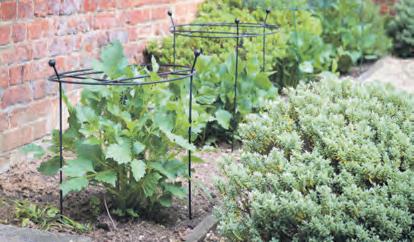
Many border plants will need support to help them to perform best as the summer takes hold. The key is to do this early, so they grow through and around the frame you are using, giving them a more natural look.
Taller, more fragile, herbaceous plants, such as delphiniums and peonies, are best suited to metal link stakes, which come in various heights and link together to strengthen the support they offer. Often green in colour, these blend in and do not detract from the glorious blooms above. Annuals like sweet peas, like to climb on branches of hazel or silver birch woven into artistic structures.
The speed merchants
There’s still just enough time to sow fast-growing annuals to flower this year. Choose from clarkia, Virginia stock, candytuft and calendula (pot marigold) to fill empty spaces. They should flower within 10 to 12 weeks. Most bedding plants will last all summer if you look after them. Don’t let them dry out, especially if they’re planted in containers and hanging baskets. If you want value for money, look for bedding plants that flower from May or June right into autumn. Bedding plants that flower for the longest time include cosmos, begonias and geraniums. Check the plant label for flowering times when you buy.
5
Watering the garden is one of the most important gardening jobs to do in June. You should focus on anything that you have recently planted in your borders and containers and hanging baskets. It is better to water borders thoroughly once a week than a splash of water every day. However, containers need watering at least once a day. Ensure that the water is directed at the soil rather than on the plant leaves to avoid scorching, which will damage the plant.
Most spring flowers have come and gone, leaving gaps in your borders. So, if you’re in need of a splash of colour then dahlias maybe the answer. There’s no end to the choice of colour, shape and size available. Easy to grow, they will continue to flower right up to the first frost.
However, if you want a bloom that truly captures the season, then nothing says ‘summer’ better than a vibrant sunflower. They can be sown directly into the soil, where they will quickly germinate and grow.
June is also a prime time for planting. Gardeners can continue sowing fast-growing crops such as lettuce, carrots, and beans, as well as planting summer bedding plants. Supporting climbing plants like tomatoes, cucumbers, and beans is important as they grow taller.
Lawn care becomes more demanding too. Regular mowing, feeding, and occasional watering help maintain a lush, green lawn. It’s best not to cut grass too short during hot periods, as slightly longer grass retains moisture better.
Finally, pest and disease control is crucial. Aphids, slugs, and fungal issues can spread quickly in warm weather, so checking plants regularly and taking action early helps prevent serious problems. Overall, June is a rewarding but busy month that sets the stage for a vibrant summer garden.
Keep on top of supporting your plants and keep an eye out for cold nights at this time of year, as some plants will still need protection.
It’s also a time to prune, mow and weed, as natural growth starts to run riot. And don’t forget to water. Watering in the hotter months is always best done in the morning or evening to avoid scorching plants in the heat of the day. Keep tubs and planting containers well-hydrated too, even in rainy weather, as much of the water runs from the leaves over the side.
2
Always remember to plan ahead
Tulips can be kept in the soil all year round to reflower next year, but you may find they don’t put on as much of a display and may be shorter and have smaller flowers than previously. To prevent this, ensure as much energy as possible from the leaves is returned to the bulbs. Deadhead plants after flowering to stop them wasting energy on producing seed (the exception to this rule is for species tulips, which should be left to develop seed and naturalise around your garden). Don’t cut back foliage until it has turned yellow, which will be about six weeks after flowering.
4
7
June is the perfect month to take softwood cuttings from lavender, forsythia and fuchsia. Take 10cm cuttings from the tips of your chosen shrub, making a sharp horizontal cut just below a pair of leaves, and remove any lower set of leaves or buds.
Time to sow sweetcorn
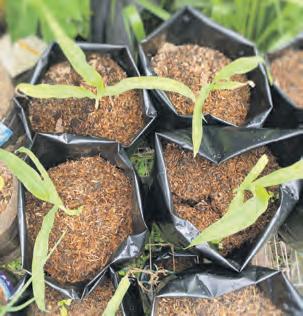
There’s still time to sow sweetcorn seed in small pots or modules in June and plant out into rich, moist soil in a sunny spot, when all risk of frost is passed. Sweetcorn is wind pollinated so plant in blocks, rather than rows. Water plants regularly and consider mulching around the base of each plant to lock moisture into the soil. Harvest the sweetcorn cobs when the silky tassels turn brown and the kernels, when pressed with a thumbnail, exude a milky liquid.
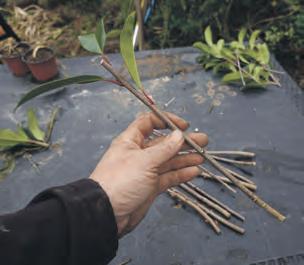
Fill a small pot with gritted compost, and push the cuttings in, parallel to the side of the pot. Space cuttings equally, water and place in a greenhouse or warm windowsill.
If you’re lavender is flowering, then take cuttings and bring indoors. Simply bunch together, tie and suspend somewhere where you can enjoy its fragrance.
Pests and diseases will be at their worst, so keep a lookout. If you’ve been growing lilies, check foliage for the dreaded lily beetle, and if found remove and dispose accordingly. Red mite may start appearing in greenhouses, so it’s a good idea to dampen down the paths each day to deter them and keep doors and windows open for plenty of ventilation.
It may be difficult to get your head around, but in a few months, autumn will be here, so consider sowing some of those autumn plants, such as pansies and polyanthus. Simply sow seeds onto a tray of fine compost, water and cover lightly. Then place in your greenhouse. Check tray regularly to ensure germination has occurred, and don’t let seedlings dry-out.
Don’t forget your pots
Feed fuchsias, petunias, and any other flowering plants with a fertiliser once a week to boost flowering. Start feeding when you notice buds forming on the plants and continue until the plants run out of steam in early autumn.
Give tuberous begonias a boost by removing female flower buds to allow the plant to put all its energy into producing attractive male flowers. Female flowers are easily recognisable, as the blooms are single, smaller, and less showy.
on the fruit front
Don’t allow black, red, or white currants to dry out during warm weather or your crop will be spoilt. Water every seven days, depending on the weather. Water potted plants before the compost dries out.
Tidy up early fruiting strawberries. After you have picked the last fruit, cut back foliage to about two inches, exposing fresh leaves. Give plants a boost with a generalpurpose fertiliser.
Apple crops can be ruined by codling moth caterpillars tunnelling through the fruit. Reduce damage by hanging pheromone traps in trees to lure away male moths.
Protect fruit bushes from birds by covering them with netting. 8 11 9 13 12
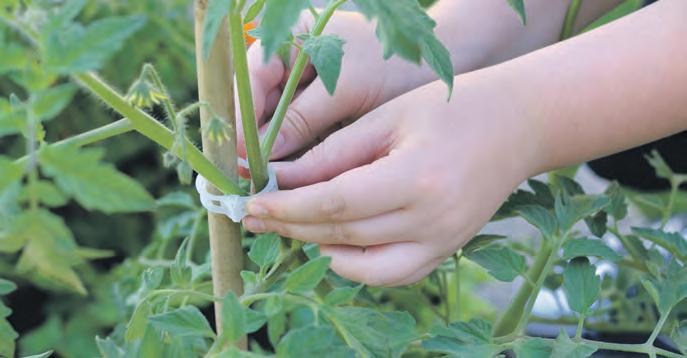
Whether you’re growing cordon or bush varieties, your plants will be taking on a lot of growth and producing trusses. Pinch out side-shoots, and ensure your plants are secure, and cordon tomatoes are tied in. With flowers on the plant, this is the time to start giving your tomatoes a weekly potash feed to encourage the fruit to swell. This also applies to peppers, aubergine, and chilli plants.
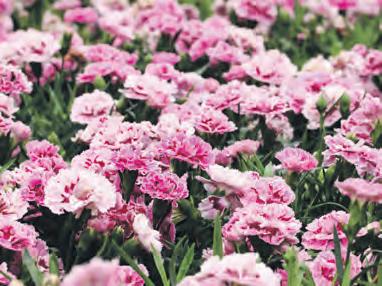
Dianthuses are very popular plants due to their spicy clove scent. June is a good time to take cuttings of these plants. Take the cuttings from young nonflowering shoots cutting about five leaf pairs from the tip. Pull off the bottom pair of leaves and place the cuttings round the edge of an 8cm pot filled with compost. Water in gently and keep in a shady place. Do not cover as the cuttings may go mouldy.






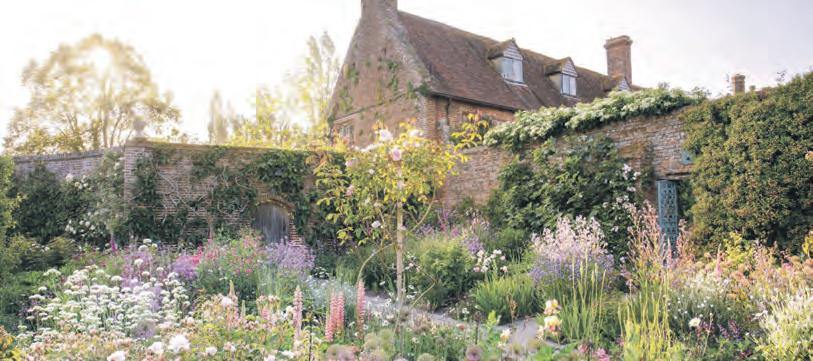
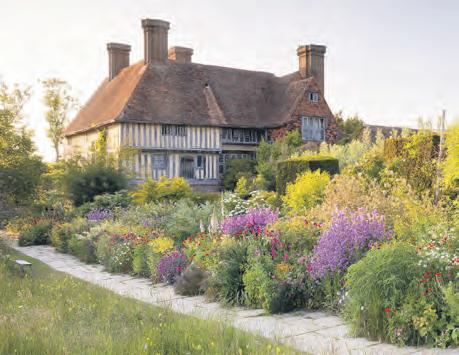
If there’s one tour that epitomises the joy of strolling around a perfect English country garden, it is this tour of the famous gardens and castles of Kent– with one shining example after another to be savoured and enjoyed. Even if you have visited some of these properties before, such is their allure that you can return again and again, just as you would re-read your favourite novel.
First-time visitors will be bowled over by the quality and pedigree of these gardens and castles which capture the essence of the English country garden.
Our journey into Kent brings many rewards.
Visits include the magnificently manicured gardens of Sissinghurst; the world-famous gardens at Great Dixter; the historic Hever Castle and gardens; the spectacular photogenic Leeds Castle; the beautiful Penshurst Place Gardens; Scotney Castle, known as one of the most romantic gardens in England and Ightham Mote.
Five nights’ dinner, bed and breakfast at Chilston Park Hotel.
All visits as outlined in the itinerary.
Services of a professional tour manager.
The CHILSTON PARK HOTEL in Maidstone is an elegant 4-star Grade I listed manor house set within 77 acres of private parkland. It is a popular destination for weddings, leisure breaks, and known for its historic charm and antiques.
The hotel has 53 unique bedrooms, including feature bedrooms with 4-poster beds and mews junior suites located in the converted stables.
Culpeper’s Restaurant, located in the original dining room, serves modern British cuisine and has been awarded 2 AA Rosettes. Afternoon tea is also served in the Marble Lounge.
The property includes a tranquil lake, manicured gardens, and extensive parkland, often with sheep and cows grazing, offering a quiet, romantic atmosphere.
Complimentary Wi-Fi, 24-hour room service, and cozy drawing rooms with open fires.

Now Mon 24th MaySat 29th May 2027
Great value for money with coach travel, visits, accommodation and evening meals and breakfast included.
Fully supported with experienced assistance team whilst on tour.
Innovative holiday, well planned and perfectly paced.
DAY 1: Somerset departure from Taunton and travel by luxury coach to Maidstone with regular stops and tea breaks arriving in time for tea before relaxing and then enjoying a welcoming dinner.
DAY 2: We have a long but most rewarding day with two venues to look forward to. Our first stop is the beautiful PENSHURST PLACE and its 14th century Manor House and 48 acres of gardens. After lunch we head off for an afternoon visit to HEVER CASTLE on the Kent and Surrey border. Set in 125 acres of glorious grounds this was once the childhood home of Anne Boleyn. During our visit we will enjoy its award-winning gardens and its rich and varied history.
DAY 3: Another busy and exciting day ahead of us. First it’s to IGHTHAM MOTE with its famous woodland and sunken garden which was recognised in the Sunday Times recently as ‘one of England’s unsung hero gardens’. Every generation that has lived at Doddington Place has played a part in the evolution of the garden which is now a mix of history and perfection. In the afternoon a short drive to SCOTNEY CASTLE an English country house and romantic ruined castle and Victorian mansion and with formal gardens.

Accompanied access to gardens and visits.
No hidden extras.
Friendly tour personnel.
Welcoming, friendly service from first contact.
Four star luxury Maidstone hotel base for our stay situated in 77 acres of parkland.
DAY 4: This promises to be a very special day with two world class venues to look forward to. First we arrive at SISSINGHURST, the historic, poetic and iconic gardens a refuge dedicated to beauty. Vita Sackville-West and Harold Nicolson fell in love with Sissinghurst Castle and created a world-renowned garden. In the afternoon we dip into East Sussex and enjoy the gardens at GREAT DIXTER. This is Christopher Lloyd’s mesmerising garden built around a fifteenth century house extended by Sir Edwin Lutyens.
DAY 5: We spend the day at LEEDS CASTLE built on islands in a lake formed by the River Len near Maidstone and an exciting and fun venue. This includes a private tour. We finish off the day with a farewell dinner back at our amazing hotel.
DAY 6: We depart for home (Somerset) after breakfast.
BOOK NOW - NUMBERS LIMITED FOR THIS IN DEMAND TOUR
25% fully refundable deposit upon booking. GROUP BOOKING DISCOUNT: If 11 x people or more book on a single booking a maximum of one free place will be provided.


Sat 13 Jun – Sun 12 Jul
Revel in the scent and sight of thousands of rosebuds and blooms, a sensory celebration of summer.
Join us for guided walks, an artisan food and craft fair and live music on our Rose Weekend (Fri 26 – Sun 28 Jun )
Your visit supports our work as a charity. rhs.org.uk/rosemoor


• Over 12000 varieties of plants and trees
• Traditional terracotta pots, planters and garden architecture
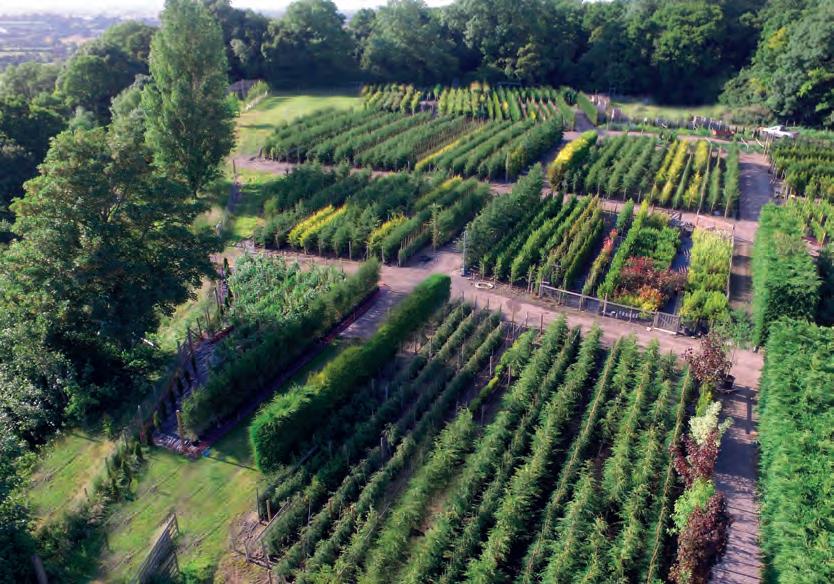
• Plants and trees contract growing to your specification
• Tree sourcing service
• Private and large commercial projects suppliers

June is the month when gardens seem to reach their full confidence.
After the tentative beginnings of spring, everything bursts into colour and abundance, inviting people outdoors to enjoy one of the year’s greatest pleasures: visiting gardens, plant fairs and gardening events.
crowded gardening events often have an atmosphere of peace and friendliness. People speak more gently among flowers, perhaps because gardens remind us to notice small details and appreciate simple pleasures.
Plant fairs are another special feature of June. Across towns, villages and stately homes, stalls appear laden
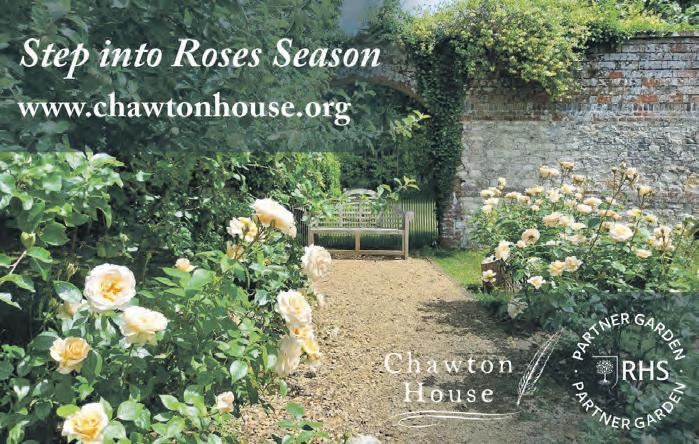
plants that Jane Austen would have known or grown. June and July sees the Walled Garden in full bloom, and open to visitors as well as for tours with the garden team. Visit www.chawtonhouse.org to find out more. Chawton House, Chawton, Alton GU34 1SJ

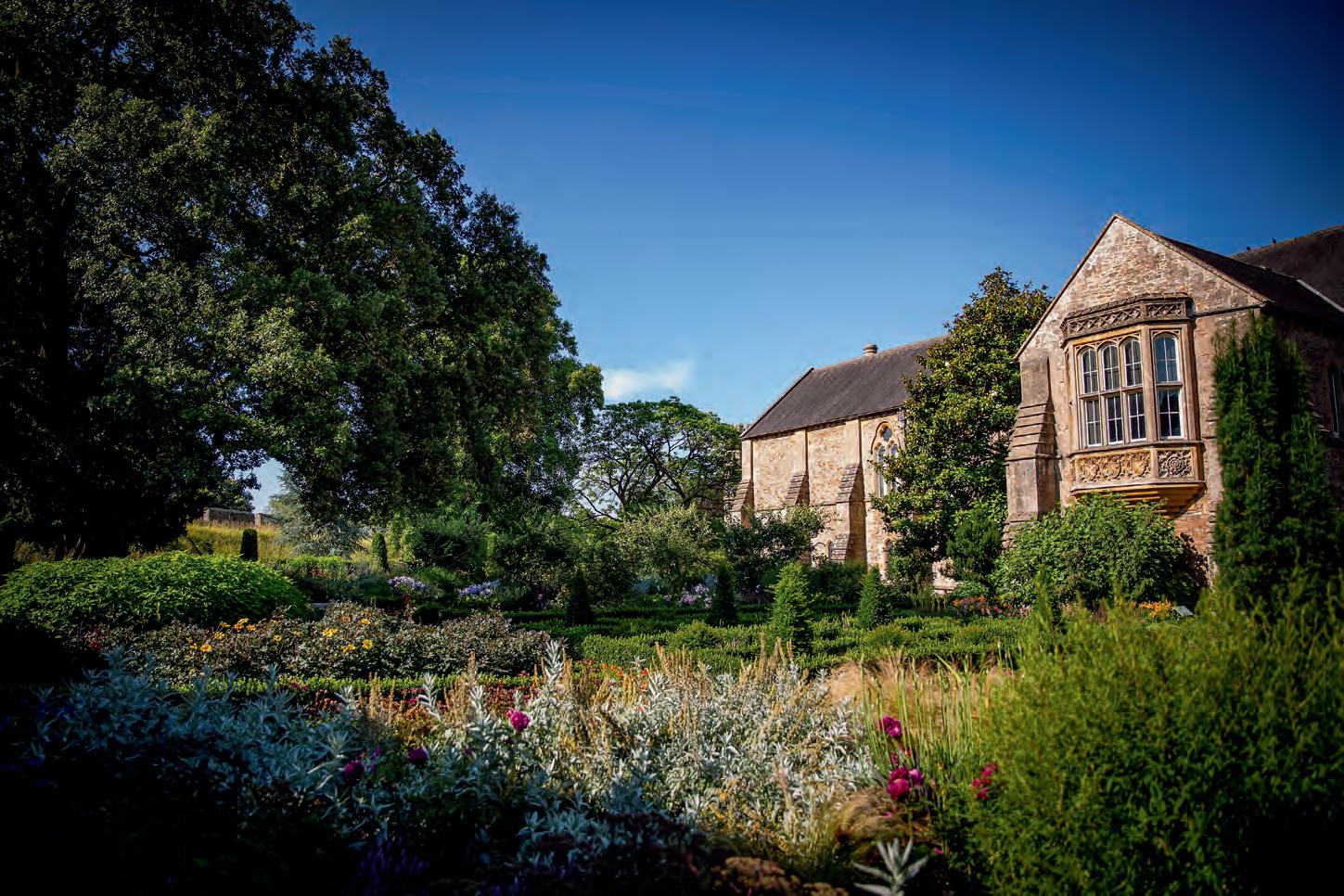
Home to the Bishops of Bath and Wells for over 800 years this stunning medieval Palace, with its 14 acres of RHS partner gardens, is open for all to enjoy.
Gardens, moat, medieval Palace, year-round events and award winning Bishop's Table café in the heart of medieval Wells.
Scan the code to plan your visit:




We produce and grow the largest selection available in the UK. Plants are pot grown and suitable for garden, patio or bonsai.
Visitors welcome Mon-Sat 9am-1pm & 2pm-4pm
Barthelemy & Co (DCG), 262 Wimborne Rd West, Stapehill, Wimborne, Dorset BH21 2DZ
Tel: 01202 874283 enquiries@barthelemymaples.co.uk www.barthelemymaples.co.uk

GARDENS & TEAROOM
Open every Friday 2pm - 5pm from 1st May to 25th September
Also the late May & August Bank Holiday weekend - Sat, Sun & Mon GARDENS: adult £6, child £1
CADHAY, OTTERY ST. MARY, DEVON, EX11 1QT 01404 813511 www.cadhay.org.uk Member of Historic Houses
20th & 21st June, 2-6pm
About 25 Private Gardens Open
Seasonal flower display
Plant stall, teas and free car park (DT2 7GD) from 1pm
Entry ticket to all gardens 1 day £8, both days £10, Accompanied children free
Proceeds: Dorset & Somerset Air Ambulance and Squibb Garden Renovation www.cerneabbasopengardens.org.uk

Want to advertise in one of our features?
We offer special all counties prices when advertising with our features, plus 100 words of free editorial with an advert. Speak to one of our sales people for more details.


Visit this stunning family home with its lovely gardens, walks to the beach and Outdoor Theatre
Beautiful walled and woodland gardens. Wildflower walks to the beach. Enjoy our ‘William Stukeley – Saviour of Stonehenge’ exhibition. Location for ‘Malory Towers’, ‘The Night Manager’ and BBC Gardener’s World in 2025.
* Dogs welcome * Holiday Cottages * * Delicious light lunches & cream teas * House, Gardens etc and Café open until 2nd October Sunday to Thursday 11am - 5pm (House 2pm - 5pm last adm 3.45pm)
For more information and special events see www.hartlandabbey.com Hartland, Nr. Bideford EX39 6DT 01237 441496
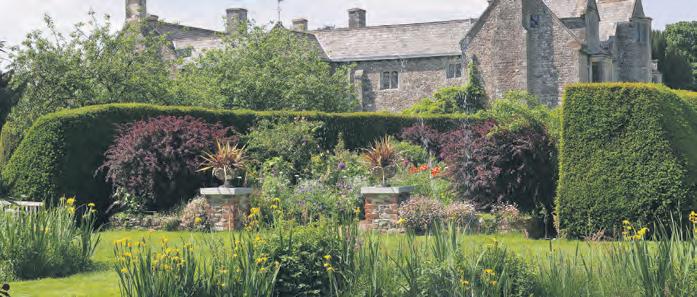
The hugely popular Cadhay gardens are resplendent throughout June and the water lilies in the medieval ponds, which form the backbone of the gardens, will be coming into flower. Meanwhile the borders will be abundant with a riot of colour and scent. Hidden amongst it all are roses such as Desdemona, Madame Gregoire Staechlin, Madame Alfred Carriere, Golden Celebration and Jacqueline du Pre together with an abundance of Compassion, a favourite of the owner’s grandmother. Look out for the Tulip Tree with its yellow green flowers.
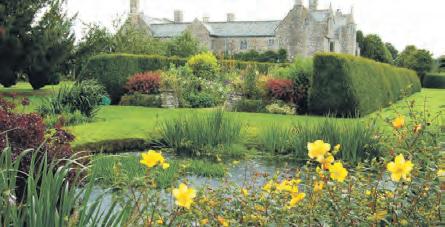
Cadhay is open on Friday afternoons throughout the Summer from 2pm and afternoon teas will be available until 5pm.
Contact info@cadhay.org.uk or 01404 813511. Cadhay, Ottery St Mary, EX11 1QT
There are two Rare Plant Fairs taking place during June, both in interesting and unique gardens with their own individual style. A fabulous selection of specialist nurseries attends each of the fairs, all experts in the plants they grow.
WATERPERRY GARDENS, Wheatley, near Oxford
OX33 1JZ, Sunday 7th June, 10am to 4pm. The former teaching gardens at Waterperry have now been transformed into stunning ornamental gardens at this iconic venue, including a rose garden, formal knot garden and a canal studded with waterlilies. There’s a new earlier date for one of the fairs at THE MANOR HOUSE GARDENS, Bledlow, Bucks HP27 9PA, which is now Sunday 14th June, from 11am-to pm. Bledlow Manor House has been owned by the Carington family since the 18th Century. The present garden covers about 12 acres, with a mixture of different terrain and styles, ranging from a Japanese style water garden on converted old cress beds, a walled kitchen garden, to a contemporary sculpture garden.
Visit the website at www.rareplantfair.co.uk for full details of the events, including admission charges and a complete list of the exhibitors attending each one.
There is so much to see and do at Hartland Abbey, in any weather. The house harks back to its Augustinian monastic roots in 1160 but became a family home in 1539 as the last monastery to be Dissolved by Henry VIII. Successive generations have gardened here, and
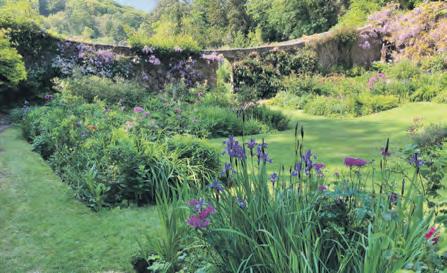

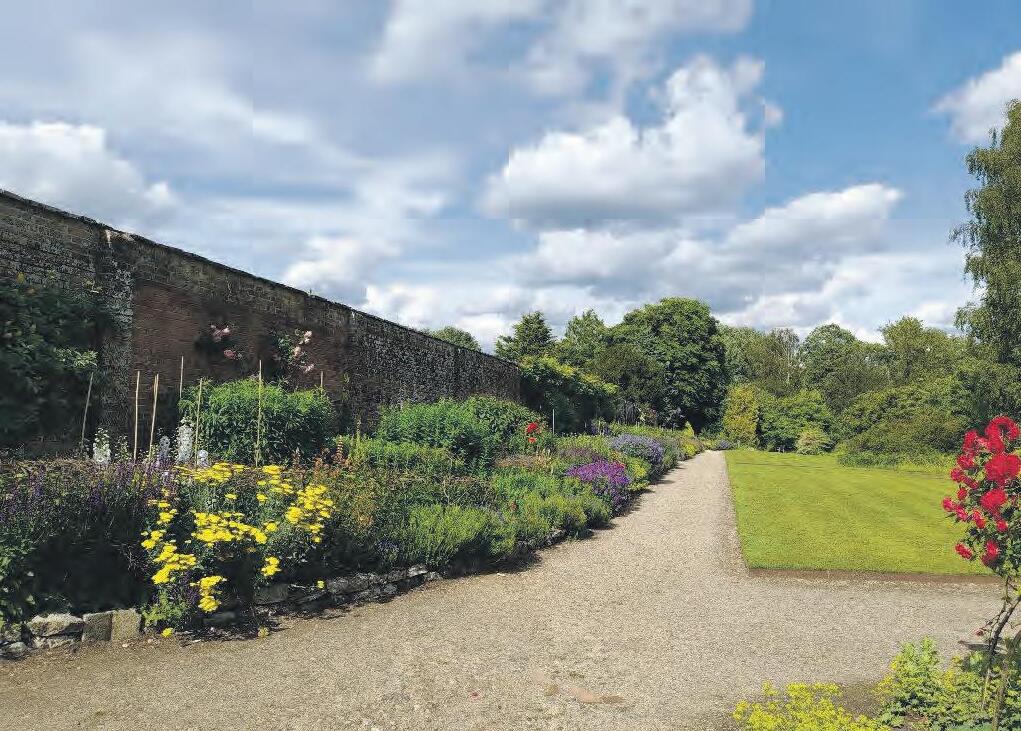

Manor House Gardens, Bledlow, Bucks HP27 9PA
June is the month the 18thC Walled Gardens come into their prime. Enjoy the history of the house, wander through woodland gardens to this haven of peace, walk to the beach on the wild Atlantic coast with its beautiful wildflowers. The Outdoor theatre season kicks off on 21st June with ‘Romeo and Juliet’. ww.hartlandabbey.com Tel 01237441496/234 Hartland Abbey, EX396DT between Bideford and Bude
On Wednesday,10th June, Whatley Manor Hotel and Spa in Malmsebury opens its gardens in support of the National Gardens Scheme, raising funds for nursing and health charities through access to private gardens across the UK. At the height of early summer, the grounds come alive with texture, colour and movement — from wildflowers softening woodland edges to herbaceous borders glowing in the afternoon light. Guests are invited to wander slowly, discovering the beauty in nature’s quieter details and the changing character of the season, while supporting a scheme that has connected gardens, communities and charitable giving for almost a century. Whatley Manor, Easton Grey, Malmesbury SN16 0RB
Few people dispute that during June and July the gardens at Forde Abbey are amongst the most thrilling in the west country. The country estate on the Dorset and Somerset borders is ablaze with wonderful borders and designs. While the popular venue hosts many musical themed events it is the gardens which attract visitors from near and far. The opportunity to delight the senses and immerse yourself in the captivating charm of the abbey’s sweet pea display is a true highlight of the summer season.



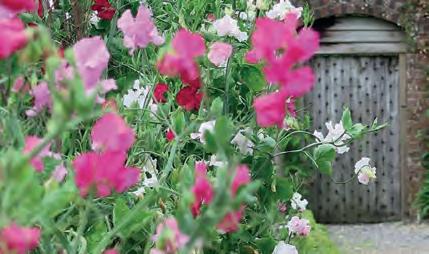
This year, as always, the gardens will have carefully selected and sown a diverse array of sweet pea varieties, each chosen for their exquisite colour, delicate form, and enchanting fragrance. The iconic wigwams have been lovingly erected and freshly planted, ready to support the elegant tendrils and abundant blooms that will soon weave their way upward. With their classic structure and height, these natural frames provide the perfect stage for our sweet peas to put on a dazzling show. The gardens anticipating peak bloom in July, when the garden will be at its most vibrant and fragrant. Visitors can expect a breath-taking display of rich purples, soft pinks, pristine whites, and deep magentas, all mingling in a glorious tapestry of colour. A nostalgic, soothing, and unforgettable display in the Kitchen garden and the air will be filled with the unmistakable sweet scent of summer. Whether you are a gardening enthusiast, a flower lover, or simply looking for a tranquil and beautiful place to spend a sunny day. The summer of sweet peas runs from July 1st to July 14th from 10.30am to 5pm. Last entry is 4pm. Free entry to Forde Abbey and Historic House members.
For full details of the abbey’s busy summer programme visit www.fordeabbey.co.uk/events Forde Abbey, Chard, TA20 4LU
tranquillity. The ten-acre nursery at Stapehill has a huge collection of Japanese maples to choose from and expert staff are on hand to help select the right variety and to offer advice about caring for the trees in future. Over 100,000 acers are produced at every year approximately 15,000 to 20,000 of them are grafted named palmatum varieties, as one of the largest specialist growers of their kind. Telephone 01202 874283 www.barthelemymaples.co.uk Barthelemy & Co, 262 Wimborne Road West, Wimborne, Dorset, BH21 2DZ.
The Hidden Gardens of Bampton is a must for all those who enjoy plants and gardens- and the Devon countryside. Most years, there is a group of private gardens open to the public for one weekend in the summer. This year the special event takes place over the weekend of 27th and 28th June. Highlighting the town’s renowned floral displays and community gardening efforts. The event showcases private gardens to visitors, while the broader Bampton in Bloom initiative continues to keep the town vibrant through volunteer efforts.
There is a big variety of styles to see, large and small, with several beautiful gardens tucked away behind shops. You will also find refreshments and a plant stall. Some of the gardens are new each year, and there are changes in more familiar ones, so there are plenty of new things to see. Hidden garden tickets cover both days from 11am to 5pm
As with a number of Devon villages these gardens are genuinely hidden, and the weekend offers a rare chance to see them in all their mid-summer glory
Across Somerset in June there are glorious gardens opening their gates for St Margaret’s Hospice Care.
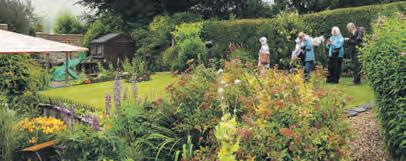
WESTLEIGH FARM at Westleigh near Taunton TA4 3RE opens for the hospice on Sunday 21st June from 11am until 6pm, with admission £7. The garden has been transformed since 2004 into a haven for wildlife, and chemical-free, full of flowers, fruit and vegetables, with orchids in the damp meadow. Teas available; limited wheelchair access due to terraces, steps and ramps. Admission £7.
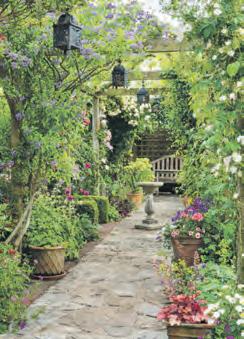
On the afternoons of Saturday 20th and Sunday 21st June about 24 private gardens will be open in the Dorset village of Cerne A bbas to raise money for the Dorset & Somerset Air Ambulance and to renovate the Squibb Garden in the village. All gardens are within easy walking distance of a free car park; all will have their owners happy to talk to you and in the church, there will be a seasonal flower display. The plant stall and teas in the vicarage garden are very popular. This year is a special year…it will be the 50th occasion that the gardens have been opened as a unique occasion for you to see behind many of its picturesque and historic houses. Visit www.cerneabbasopengardens.org.uk for further information, just Google “Cerne Abbas Open Gardens”
Barthelemy & Co from Wimborne in Dorset was established by a French nurseryman almost a century ago and the Skinner family now specialise in propagating and growing acer palmatum – or Japanese maples as they’re known. Throughout spring, summer and autumn the delicate foliage of the acer presents exquisite shadings of Mother Nature’s gold, pink, purple, green, yellow, orange and red. Acers are a delightful addition to anyone’s garden, giving an aura of peace and
There’s the opportunity to Enjoy a classic English summer day out at The Bishop’s Palace in Wells on Saturday 6th June as the popular Garden Fete returns to the beautiful surroundings of the 14 acres of RHS partner gardens.
The annual fete promises to be one of Somerset’s most enjoyable summer events.
Opening times for are from 9.30am until 5.30pm, giving visitors a full day to explore the gardens and attractions. Last admission is 30 minutes before closing. There will be a lively programme of activities suitable for all ages. Including artisan stalls selling handmade gifts and local produce, traditional games, bushcraft demonstrations and a popular petting farm featuring miniature ponies, giant rabbits and guinea pigs.

One of the main attractions is the craft and produce competition, organised in partnership with Wells Tuesday WI. Categories include cakes, preserves, flower arranging, art, handicrafts and a children’s section, with prizes awarded throughout the day.
Ticket prices for the event are £16 for adults, £8 for children aged 5–17 and £42 for a family ticket covering two adults and two children. Friends of the Palace receive free admission. Food and refreshments will be available from the Bishop’s Table café and a variety of visiting food stalls. With its combination of history, entertainment and summer atmosphere, the Bishop’s Palace Garden Fete is expected to attract visitors from across Somerset and beyond.
The Bishop’s Palace, Wells BA5 2PD
LYDEARD ST LAWRENCE SCHOOL in the village of Lydeard St Lawrence, Taunton TA4 3SF opens for the hospice on Saturday 27th June from 11.30am until 1.30pm, with teas in the ‘eco-school’ courtyard garden and bushcraft activities in the Forest School sanctuary. Admission £5. There are group gardens opening for St Margaret’s Hospice Care, offering a variety of garden visits in pretty villages: two gardens in Sherborne, LOWER SHEEPLANDS and ST CATHERINE’S CRESCENT, open on Saturday 6th and Sunday 7th June from 10.30am-4pm; at South Petherton on Sunday 14th June, 2pm-6pm, and at Hinton St George on Saturday 27th and Sunday 28th June, 11am-4pm each day. For more details go to www.st-margaretshospice.org.uk and follow the links.
One notable gardening event taking place in Somerset in June is the Caisson Garden Open Days near Bath. The beautiful gardens in Combe Hay nestling in a valley just south of Bath have been lovingly restored and. the gardens are open on June 5th, June 6th, June 12th, June 13th, June 19th and June 20 . Set around a Georgian house in the Somerset countryside, Caisson Gardens combines formal planting with wildlifefriendly gardening and sustainable practices.
The gardens are known for their colourful herbaceous borders, ornamental ponds, wildflower meadows and productive vegetable areas. Visitors can wander through the peaceful landscape while learning about regenerative gardening techniques that encourage biodiversity and environmental sustainability. The site also includes greenhouses, fruit trees and sections of the old Somerset Coal Canal, adding historical interest to the experience. What makes the gardens open event especially appealing is its relaxed atmosphere. Homemade cakes and refreshments are served during the open days, creating a welcoming community feel. Gardening enthusiasts can gather inspiration for their own outdoor spaces while enjoying the scenery of rural Somerset. Events like the Caisson Garden Open Days highlight the growing interest in environmentally conscious gardening and demonstrate how traditional English gardens can successfully blend beauty with ecological responsibility.
compiled by Vivienne Lewis
June, the month of roses, long sunny days and lazy evenings, we hope, so take time out of your garden to enjoy different views and planting or design ideas in other people’s gardens while helping to raise much needed funds for nursing and health charities. Here’s a selection in the areas covered by Country Gardener. Check wherever possible as circumstances can cause cancellations of openings. www.ngs.org.uk
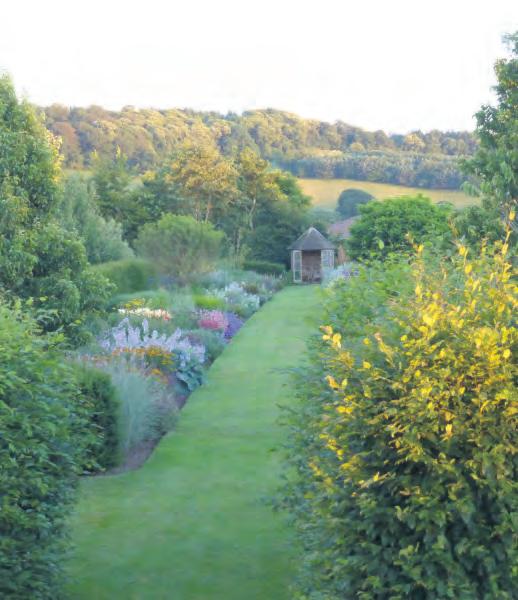
Standerwick, Frome, Somerset, BA11 2PP
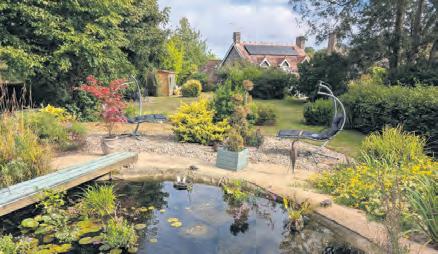
A hidden gem near the Somerset/Wilts border opening for the National Garden Scheme on Saturday 13th June 11am-4pm. With far-reaching views over the White Horse and Cley Hill, the stunning Queen Anne House sits in 76 acres of parkland. A haha and woodland partially surround the formal gardens recently redesigned by Mark Lutyens and Catherine Fitzgerald, including an Italian inspired terrace, walled garden with tiki hut, tennis court, greenhouse and pool garden. Admission £10, children free.

Midsomer Norton, Radstock, Avon, BA3 2EY
A half acre plantsman’s garden opening for the NGS on Sunday 28th June, 11am-4pm, is divided into seven zones: a gravel garden with formal rill and pond, mixed/herbaceous borders in cool colours, Iris garden (historic bearded irises), elliptical lawn with hot colour planting, informal area with woodland character and experimental bank with intermingled mixed herbaceous planting. Admission £6, children free.

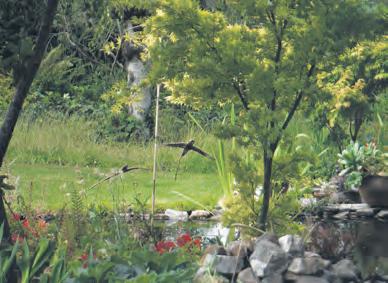
Front Street, Churchill, Winscombe, Somerset, BS25 5NB
A one-third acre plot at Church View is a new opening for the NGS on Saturday 20th and Sunday 21st June, 2pm-5pm each day, with mixed borders, vegetable beds (including a hugelkultur bed), pond, greenhouse, polytunnel, and sculptures. New additions are a little Little Karoo and a tropical rainforest. Admission £5, children free.
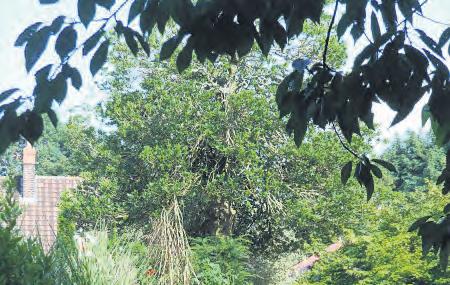
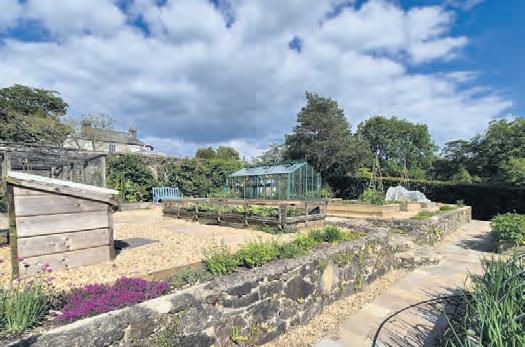
Ermington, Ivybridge, Devon, PL21 0LH
Opening for the NGS on Saturday 13th and Sunday 14th June, 12pm-5pm each day, with 3½ acres of gardens and meadows located between the Erme and the Ludbrook, managed to encourage wildlife and pollinators, with a walled garden planted with roses and herbaceous borders, a remodelled vegetable and herb garden, a mature orchard, and river and meadow walks with views over the Ludbrook, which runs through it. Admission £6, children free.

Host a garden get-together
Gather friends and family to celebrate your garden and raise vital funds for nursing and health charities with a Great British Garden Party. Find out more: ngs.org.uk/gardenparty
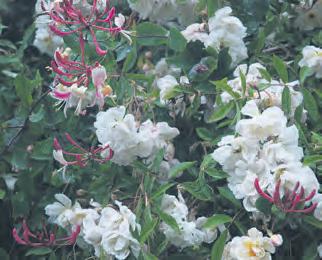
Woodmancote, Gloucestershire, GL7 7EB
Opening for the NGS on Sunday 21st June, 2pm-6pm, holder of National Collection of Rambler Roses. There are two acres of shrub, orchard and wildflower gardens in a beautiful isolated valley setting. Admission £7.50, children free.

Churchdown, Gloucester GL3 2HP
Four village gardens in Churchdown are opening together for the first time for the NGS on Sunday 28th June, 12pm-5pm, with distinctive styles and offering inspiring ideas: Chapel Hay, a plantswoman’s garden with perennials, shrubs, trees, climbers, gravel area and water features. Duart House occupies ⅓ acre with a beautiful kitchen garden, conservatory, succulents, shrubs perennials, roses and pond. Far Sandfield, a small garden with scented plants and a wall fountain, while 86 Melville Road has a vine covered pergola, trees, ferns, grasses, perennials and art studio. Combined admission £6, children free.

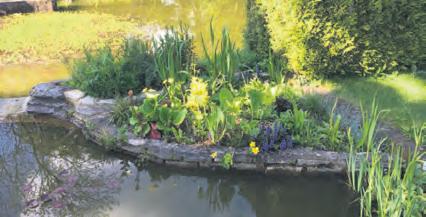
Woodend Road, Crow, Ringwood, Hampshire, BH24 3DG
Two gardens opening for the NGS on Saturday 13th and Sunday 14th June, 11am-4.30pm each day, Trolls Mead a one acre garden with year-round interest; a wooded area and lake is still under construction but all are welcome to explore. The bottom meadow with its mown paths has SSSI status with wild flowers including wild orchids. Hollyhurst is a two-acre site of mature trees, shrubs and herbaceous perennials, ponds and small sculptures. Combined admission £10, children free.
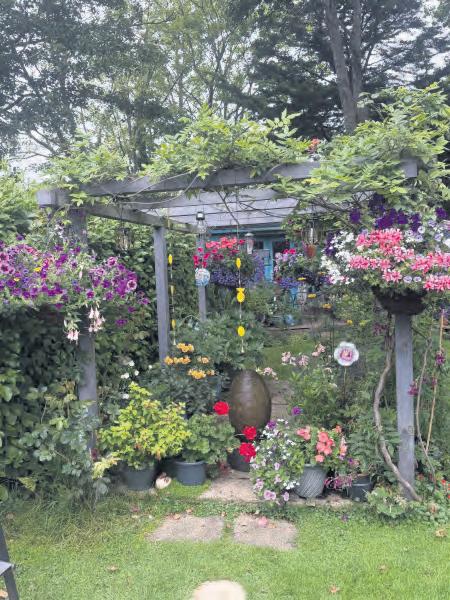
68-69 Whitehayes Road, Burton, Christchurch, Dorset, BH23 7PA
A new opening for the NGS on Sunday 28th June (also 26th July and 30th August), 12pm-4pm each open day, a vibrant garden with rich seasonal colour, extensive range of plants to cascading hanging baskets. Paths weave through borders to a pergola framed in wisteria and climbers, while mature trees and woodland planting shelter wildlife. Seating areas, paintings and sculptures throughout the garden. Admission £5, children free.

Wickham, Southwick Road, Wickham, Fareham, Hampshire, PO17 6HR
Opening for the NGS on Saturday 20th and Sunday 21st June, 2pm-5pm each day, a Capability Brown styled five acres of garden surrounding a c1700 former rectory. Sweeping driveway and lawns, pathways curve around the many rose beds, herbaceous borders, shrubberies and mature trees, some specimen trees with more planned. Four interconnected ponds fed by natural springs and two wells give shelter to wildlife and about an acre is for rewilding, bordered by uncut hedges. There’s plenty of seating, and live piano music on both opening days. Admission £8, children free.
Rodmead, Maiden Bradley, Warminster, Wiltshire, BA12 7HP
Opening for the NGS on Sunday 21st June, 2pm-5.30pm, set in the middle of a working farm, this extensive garden has glorious views of surrounding downland, a spectacular new rill, a formal parterre, an old farm pond and a wildflower meadow, surrounded by traditional farm buildings all covered by a huge variety of climbing roses. Admission £6, children free.

OUR KEY TO FACILITIES:
Partial wheelchair access
Visitors welcome by arrangement
Refreshments available
Unsuitable for wheelchairs
Coaches welcome consult owners
Martinstown, Dorchester, Dorset, DT2 9TW
A quirky child friendly one-acre garden with a kids’ treasure trail and a model canal is a new opening for the NGS on Sundays 14th June and 5th July 1pm-5pm. With distinct sections, the lower section has a large scale model canal with operational locks and a 1:20 model village - visitors can operate the boat and locks. The middle section has two large ponds surrounded by a ‘beach’ area, trees, shrubs and flower beds. There’s a large wildflower maze and vegetable patch on the top section. Admission £5, children free.
Rudge Lane, Oare, nr Pewsey, Wiltshire, SN8 4JQ
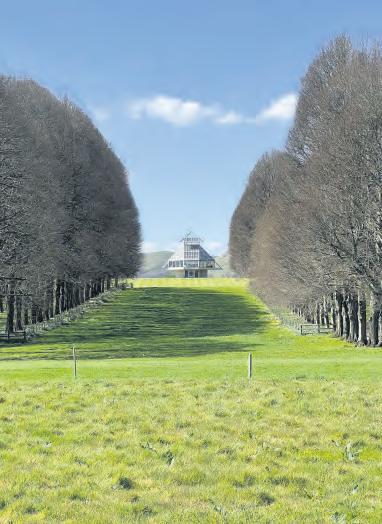
Opening for the NGS on Sunday 28th June, 2pm-6pm, fine gardens by the 1740s mansion house extended by Clough Williams Ellis in the 1920s (not open). The original formal gardens have been developed over the years, now full of many unusual plants. Individual compartments have been retained during the garden’s renaissance: a traditional walled garden with fine herbaceous borders, vegetable areas, trained fruit, roses and grand mixed borders surrounding formal lawns; large arboretum and woodland with many unusual and champion trees, and the glorious Pewsey Vale as a backdrop. Admission £10, children free.
Plants usually for sale
Dogs on short leads
Accommodation at this venue
Wheelchair access to much of garden
No dogs allowed
Picnics welcome
We’ve selected some more advanced gardening questions from Country Gardener readers this month from a huge postbag and try to answer some questions which need more specific solutions. If you have any queries, write to us at editorial@countrygardener.co.uk
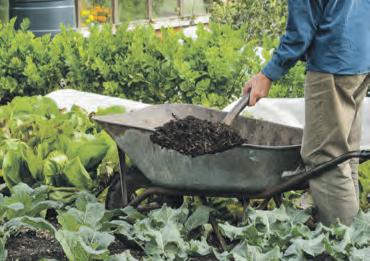
We have just moved into a large new build home with a nice sized garden we want to do a lot with. How can we build soil fertility for the long term without relying on synthetic fertilisers?
Stephen and Daphne via email
One of the biggest transitions for long term gardening is moving away from feeding plants directly and instead feeding the soil ecosystem. Synthetic fertilisers can produce fast growth, but they often create dependency, weaken soil biology over time, and encourage soft, pest-prone growth. The key is understanding fertile soil is a living system composed of bacteria, fungi, nematodes, arthropods, worms, and organic matter. So, start by increasing organic matter consistently. Compost is the foundation, but diversity matters. Use leaf mould, aged manure, grass clippings, shredded bark, seaweed, and cover crop residues. Different organic materials feed different microbial populations.
Cover crops are especially powerful. Legumes such as clover fix nitrogen, while rye and buckwheat suppress weeds and improve soil structure. Mulching is equally important. Bare soil loses moisture, overheats, and erodes quickly. Organic mulches slowly decompose and become part of the soil food web. Finally, perform periodic soil testing. Understanding your soil profile allows more precise amendments and prevents nutrient imbalances. Healthy soil is not built in a season. It is developed over years through consistent stewardship.
Why do some plants fail even when conditions seem perfect? I have been gardening for about 20 years now and have had more failures recently than ever before. For the first time I feel I am doing something wrong.
Graham Foster Dartmouth

This is one of the most frustrating experiences for experienced gardeners such as yourself. You provide sunlight, water, nutrients, and proper spacing, yet certain plants still don’t perform. The answer often lies in the environment. Compaction is a major issue. Soil can appear rich on the surface while roots struggle below. Compacted soil limits oxygen movement, drainage, and root penetration. If plants appear stunted despite fertility, investigate root depth and drainage. Microclimates also matter more than many gardeners realise. A bed near a wall may retain heat overnight. A low spot may collect frost. Wind tunnels between fences can desiccate plants rapidly. Two areas separated by only a few metres can behave like different ecosystems. Root competition from trees and shrubs can quietly rob vegetables of moisture and nutrients. Lastly, consider timing. Planting too early into cold soil can permanently stunt warm-season crops. Even if they survive, they may never recover full vigour.
I have moved into a large mature garden with fruit trees and plenty of shrubs and roses. The previous owners were getting old and didn’t give much attention to pruning. It is now early May. Is it too late to tidy and prune?
Olly Davies Exeter
My garden likes growing moss. I am not sure whether to dig it in or dispose of it?
Maria Illingworth Yeovil Composting doesn’t always kill moss but just sends it into hibernation. In theory it could be re activated once the compost is returned to your garden making it even more mossy. You can of course accept moss as a silky green ground cover suppressing weeds and sealing in moisture.
Generally, the answer is yes. There’s lots of tidying up to do but you perhaps need to take a longer-term view. Pruning is not merely cosmetic. It influences structure, airflow, disease resistance, flowering, fruiting, and lifespan.
The first rule is understanding plant biology before cutting anything. Different species respond differently to pruning. Some bloom on old wood, others on new growth. Incorrect timing can eliminate an entire season of flowers.
Remove dead, diseased, or crossing branches first and this can be a task for this year. These create entry points for pathogens and reduce airflow.
Open-centre pruning improves light penetration in many fruit trees, increasing fruit quality and reducing fungal disease.
Avoid excessive pruning in a single season. Heavy cuts stimulate aggressive regrowth that is often weak and poorly attached.

Tool hygiene matters more than many gardeners realise. Dirty blades spread disease rapidly between plants.
Summer pruning and winter pruning produce different effects. Winter pruning generally stimulates vigorous growth, while summer pruning restricts excessive vigour.
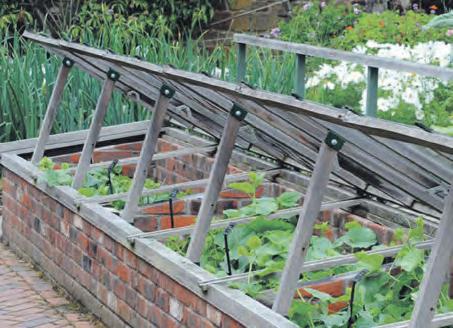
Summer seems to come and go in my garden with such uncontrollable speed. I am always wondering to see if there are ways in which I can extend the growing season naturally.
Nick Harrison Barnstaple
Season extension allows gardeners to harvest longer and increase productivity without relying heavily on heated greenhouses. The first strategy is understanding thermal mass. Stone walls, water barrels, bricks, and dark surfaces absorb daytime heat and release it slowly at night, moderating temperature swings. Cold frames are among the most efficient tools available. They protect crops from frost while trapping solar warmth. Hardy greens such as spinach, mache, claytonia, and winter lettuce will thrive. Low tunnels made from hoops and horticultural fleece provide another inexpensive method. Even a few degrees of protection can mean several additional weeks of harvest.
Succession planting is equally important. Instead of planting all crops at once, sow smaller batches every few weeks. This ensures continuous production rather than overwhelming surpluses followed by shortages.
Soil temperature management is another overlooked factor. Raised beds warm faster in spring, while mulches moderate summer heat and preserve warmth into autumn.
I am new to gardening and came across your lovely free magazine and it occurred to me I need to do some planning about how I should garden. I have a large acre plot and have some big plans for it. Any tips for this new, youngish and enthusiastic gardener?
Lucy Benn Southampton
Surprisingly, the most important skill is not technical knowledge but observation.
Experienced gardeners learn to notice subtle changes: leaf colour shifts, insect behaviour, soil texture, moisture variation, fungal patterns, and seasonal timing differences. This allows early intervention before problems escalate. A slight yellowing of leaves may indicate nutrient imbalance, root stress, or watering inconsistency long before severe decline appears.
Patience is also essential. Gardens operate according to biological timelines that cannot be rushed. Soil improvement, tree establishment, and ecosystem balance all require time.
Record-keeping is an underrated task. Notes on weather, planting dates, pest outbreaks, and variety performance reveal patterns invisible in memory alone.
Adaptability also distinguishes advanced gardeners. Conditions change constantly. Methods that worked five years ago may no longer be ideal.
Nature is extraordinarily complex, and every garden remains partly unpredictable.
My garden isn’t blessed with a lot of pollinators. I understand the need to add specific plants but that doesn’t seem to be enough of a strategy. So how do I improve pollination and increase harvest yields naturally?
Mo Hankins sent via email
Pollination problems are increasingly common due to habitat loss, pesticide exposure, and climate disruption. The first solution is attracting pollinators through planting flowers and pollinating plants. Gardens should provide nectar and pollen from early spring through late autumn. Native plants are particularly important because local pollinators evolved alongside them. Diverse flowering species support bees, butterflies, hoverflies, moths, and beetles. Avoid pesticides during flowering periods. Even organic sprays can harm pollinators if applied carelessly.
Habitat creation matters as much as flowers. Pollinators need nesting sites, water sources, and shelter. Bare soil patches support ground-nesting bees, while hollow stems provide nesting habitat for solitary species.
Plant spacing affects airflow and pollinator access. Overcrowded gardens may actually reduce pollination efficiency despite abundant flowers.
Companion planting can also improve yields indirectly. Herbs and flowers attract beneficial insects while supporting pollinators simultaneously.

Finally, avoid excessive nitrogen fertilisation. Too much nitrogen encourages leafy growth at the expense of flowers and fruit production. Healthy pollination systems are built through ecological richness rather than single interventions.
Mulching dramatically reduces labour by suppressing weeds and stabilising moisture levels.
Wildlife-friendly gardening also lowers maintenance because natural predators assist with pest management.
One of the most effective strategies is reducing lawn area. Lawns require continual mowing, watering, edging, and feeding. Replacing portions with perennial beds, groundcovers, or meadows reduces workload significantly.
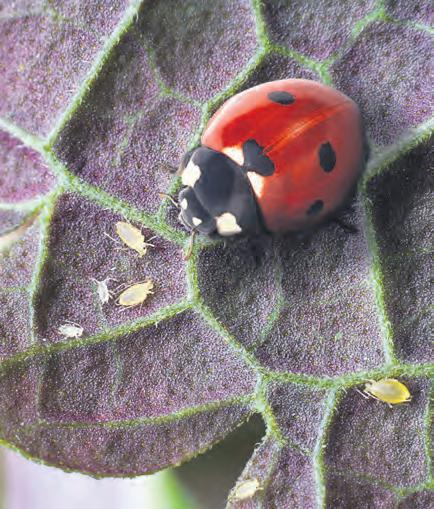
What is the best way to manage pests without damaging the garden ecosystem? I realise that total pest elimination is neither realistic nor desirable. But I seem to be losing the battle.
Andy Keane Liss
The first thing is to ensure having healthy plants. Weak plants emit chemical signals that attract pests. Balanced watering, proper spacing, and healthy soil reduce vulnerability dramatically. Beneficial insects should be actively encouraged. Ladybirds, lacewings, hoverflies, parasitic wasps, and ground beetles provide remarkable pest control. Planting yarrow, dill, fennel, alyssum, and calendula helps sustain these beneficial populations. Timing also matters. Floating row covers can protect brassicas during cabbage moth season. Delaying squash planting may help avoid peak squash vine borer activity.
Manual control remains highly effective. Hand-picking caterpillars, removing infested leaves, and spraying aphids with water often work better than chemicals in smaller gardens.
Avoid broad-spectrum pesticides. They frequently kill predators more effectively than pests. Remember that some pest presence is beneficial because predators require food sources to remain in the garden. A perfectly sterile garden is ecologically unstable.
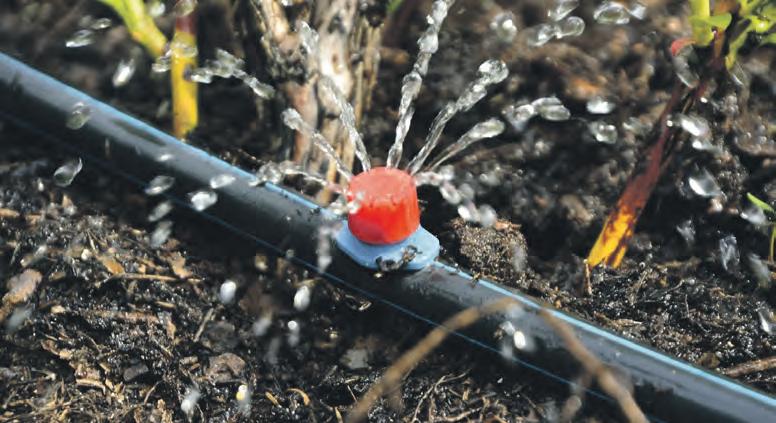
My garden is in a very open windy position and gets hard and dry. Are there things I can do to water efficiently during increasingly unpredictable weather?
Will Frogatt Painwick
Our changing weather is making water management a real challenge for gardener. Deep watering is more effective than shallow watering. Frequent light irrigation encourages shallow roots, making plants vulnerable to drought. Deep soaking promotes resilient root systems that access lower moisture reserves.
Drip irrigation is one of the best investments for serious gardeners. It reduces evaporation, minimises fungal disease by keeping foliage dry, and delivers water precisely where needed.
Rainwater harvesting can substantially reduce dependence on mains water. Water butts connected to gutters provide soft, chlorine-free water ideal for plants.
Mulching remains indispensable. Organic mulches reduce evaporation, suppress weeds, and regulate soil temperature. In hot weather, mulch can reduce water loss dramatically.
Plant grouping is another advanced strategy. Place moisture-loving crops together and drought-tolerant plants separately. This prevents overwatering some species while underwatering others.
Observe plants carefully before watering. Wilt is not always caused by drought; overwatering can produce similar symptoms because saturated roots cannot absorb oxygen.
Soil structure matters enormously. Sandy soils drain quickly, while clay retains moisture but may become waterlogged. Organic matter improves both extremes by increasing water-holding capacity while maintaining aeration.
Finally, adapt plant selection to changing conditions. Mediterranean herbs, perennial vegetables, and drought-tolerant ornamentals are becoming increasingly valuable in unpredictable climates.
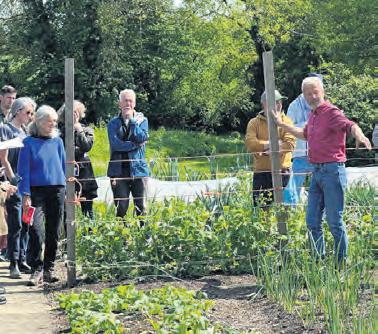
Discover the simplicity and joy of no-dig with Charles Dowding in an information-packed afternoon course at his inspiring garden at Home Acres in Somerset where he will share 40 years of vegetable growing and no dig experiments so that everyone can grow more food for less effort.
His sessions are unforgettable, informative, and deeply inspiring –jam-packed full of practical guidance you can bring back to your own garden. The course runs from 2pm to 5pm with an option to arrive at 1pm and bring a packed lunch and picnic in the garden at Home Acres. Price £75.
Home Acres, Alhampton, Shepton Mallet, Somerset BA4 6PZ www.charlesdowding.co.uk or book over the phone on 01453 759501. Office Hours 9am-1pm Monday to Friday.
Saturday, June 6th and Sunday June 7th sees the Somerset town of Wiveliscombe host its Secret Gardens Weekend with the chance to visit secret gardens between 11am and 4pm.
There’s also an arts and crafts fair and community centre talk. Tickets £12.50. £10 in advance.
www.wiveycares/gardens
The traditional Green Scythe Fair at Thorney Lakes on 14th June is a special countryside event. The fair celebrates sustainable rural living and traditional land management. Visitors can take part in scything workshops, browse environmental exhibits and enjoy locally produced food and cider.
This is a magical one-day environmental fair in a beautiful setting on the Somerset Levels run by volunteers using wind, sun and muscle power. Excellent live music, over 100 stalls displaying traditional skills, crafts and produce, lively environmental debates, delicious organic local food, a variety of the best ales and with activities including learning how to scythe throughout the day.
Thorney Lakes, Muchelney, Somerset TA10 0DW

Lopen Business Park,





Suppliers of superior fuel for all your garden machinery. Your local specialists in horticultural machinery WE SELL, SERVICE AND REPAIR
Lawn Mowers • Strimmers • Hedge Cutters • Chainsaws
Pressure Washers • And Much More Main Road, Cannington, TA5 2LD 01278 651300 • bridgwatermowers.co.uk
Come and relax in our coffee shop and then select from our large selection of container grown shrubs, perennials, roses, fruit & ornamental trees
Huge selection of terracotta & glazed pots Fencing, paving & aggregates
Plus all your garden sundry requirements
OPEN: 9am-5pm Monday-Saturday Closed Sunday Coffee shop open 10.30am-4pm Monday-Saturday Closed Sunday
ROAD, WELLS TEL: 01749 673050
• Sheds / Summerhouses • Workshops
• Garden Rooms • Potting Sheds
Full Service: Manufacture, Deliver, Install, Demolish and Remove etc.

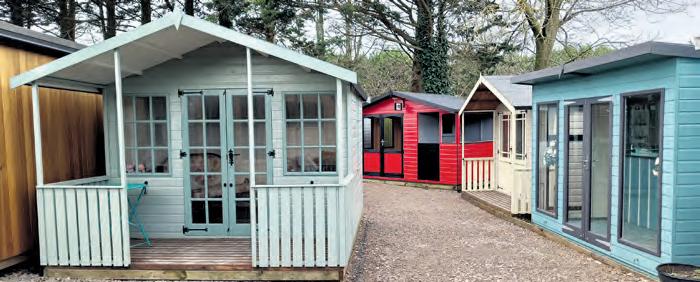

Over 40 garden buildings on display at our show site, just off the A358 (Minehead Road) north west of Taunton.
Somerset


READY NOW!
Fantastic selection of Summer Flowering Bedding, Hanging Basket & Patio Pot Plants - Lots to choose from! AVAILABLE NOW!
Vegetable Plants, Roses, Shrubs, Herbaceous Perennials, Herbs, Heathers, Ornamental Grasses, Hardy Ferns, Houseplants, Soft Fruit, Clematis & Climbing Plants
Compost, Gro-Bags, Topsoil, Horse & Farmyard Manure, Soil Improver, Aquatic Soil, Decorative Bark, Composted Bark, Gravels, Grits & Sands
MELCOURT SYLVAGROW
100% PEAT FREE COMPOST AVAILABLE NOW!
Aquatic Plants, Pond Planting Baskets, Pond Liners, Fish Food, Treatments & more!
Great choice of Glazed & Terracotta Pots & Planters plus exciting range of Stone Garden Ornaments & Statues
Norton Green Farm Nursery, Wells Road, Chilcompton, Radstock BA3 4RR Tel: 01761 232137
Email: nortongreenfarm@tiscali.co.uk
Opening Hours: Mon-Sat 9am-4pm (inc. Bank Holiday) Closed Sundays



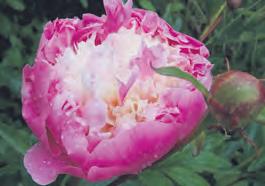
www.rockymountainnursery.co.uk
Wehaveagoodselectionofperennialsandshrubsthatarelooking good,withlotsofcolourtobrightenyourgardenorpatio. OurshopJamesStorenowhasalargerangeofHomeBrewproducts Seeourwebsiteformoredetails www.rockymountainnursery.co.uk




Suundday 288th h June 122.3300-188..000 0
A genuine welcome to our special one-day event 12+ open gardens, Scarecrows, Vintage limousine rides, Free route transport, Art & Craft showcase, Church tower climb, Live music by Chloe Marie Aston Piano Bike Girl, Route Guide Cream Teas, Refreshments, Ice Creams, BBQ
£8 Entry Village Hall, Edington TA7 9HA C/Card & cash
This event supports our local community’s well-being. Dogs OK in most gardens. opengardens@catcottvillage.co.uk ww.catcottvillage.co.uk










Greenslades celebrating over 30 YEARS



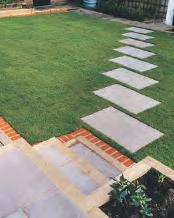
Main Road, Cannington, Bridgwater TA5 2LD 01278 653205 www.greenslades.biz

14 acres of historic parkland with a mature collection of fine trees.
Near Wellington Somerset, TA21 OBN. Are you an outings organiser? Why not arrange a personalised visit with your club or group of friends, open all year round for groups of 10-25 people. Refreshments also available. FOR



Great range of trees, shrubs, conifers, roses, fruit trees, garden sundries and a wide range of compost. SUMMER BEDDING, PATIO PLANTS, SEEDS, TOMATO & VEGETABLE PLANTS IN STOCK. HANGING BASKETS IN STOCK!
Fantastic range of pots and garden ornaments stocked. Red Road • Berrow • TA8 2LY • Tel 01278 782687

Another batch of thoughtful, amusing and witty letters from Country Gardener readers. If you have something to say write to us and email editorial@countrygardener.co.uk
The great slug summit
I have reached a diplomatic impasse with the slugs in my Devon garden. Every year I sow hopeful rows of lettuce, and every year the slugs host what appears to be an all-inclusive buffet before the seedlings are even properly introduced to daylight.
I’ve tried beer traps, copper tape, crushed eggshells, and one memorable evening involving a torch and a level of determination that alarmed the neighbours. The slugs remain undefeated and, I suspect, increasingly well organised.
What puzzles me is that gardening books still describe them as “minor pests.” Minor? Napoleon was a minor inconvenience compared with the army currently occupying my hostas.
Still, I refuse to surrender. This year I’m planting more alliums and encouraging frogs into the pond. If nature insists on balance, I’d very much like a few more creatures on my side.
Margaret Davies Dawlish
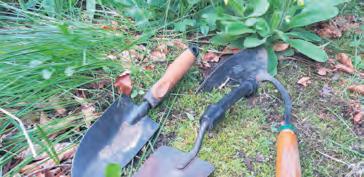
Can someone explain where garden tools go? I own, by my count, seven trowels. Yet whenever I actually need one, not a single specimen can be found. I suspect they migrate seasonally, perhaps nesting with lost biros and missing socks.
Last weekend I bought another trowel in frustration, only to discover three buried in the compost bin and one inexplicably in the greenhouse water butt.
My wife claims this is because I “put things down absent-mindedly,” but I prefer the more romantic explanation that gardens absorb tools as offerings. Ancient civilisations threw valuables into bogs; modern gardeners sacrifice secateurs behind the shed.
If anyone has devised a foolproof tool-tracking system, I’d be grateful.
A Perpetually Searching Gardener
Don’t cut everything back too early
May I offer a plea on behalf of wildlife: resist the urge to tidy the garden too aggressively in early spring.
For years I cut every perennial down in February because I liked the garden looking neat. Then a local wildlife group explained how hollow stems shelter beneficial insects through winter and how seed heads provide food for birds during colder months. I changed my approach and the results were remarkable. We now have noticeably more bees, hoverflies, and even visiting goldfinches. Leaving stems standing until temperatures consistently rise above 10°C seems to make a real difference.
The “perfectly tidy” garden aesthetic may look impressive in magazines, but nature often prefers a little untidiness. I now leave small log piles, avoid excessive pruning, and allow one corner to remain semi-wild. Not only is it better for wildlife, but the garden feels more alive.
Perhaps gardeners should think less about perfection and more about stewardship.
Martyn Hammell Exeter
I hope the obsession with immaculate lawns is finally beginning to fade. For decades we were encouraged to view clover, daisies, and dandelions as enemies to be eradicated. Yet many of these so-called weeds are valuable food sources for pollinators, especially in urban areas where flowering plants may be limited.
Last year I stopped using lawn treatments altogether and allowed sections of the grass to grow naturally. To my surprise, the garden became far more vibrant. Bees arrived in greater numbers, birds searched through the longer grass, and during the summer heatwave the lawn stayed greener than it had in previous years. There is also the practical matter of time. Endless mowing, edging, feeding, and watering seem increasingly unnecessary in a period of rising water costs and hotter summers.
I’m not suggesting everyone turn their gardens into meadows, but perhaps we should reconsider why a biologically lifeless rectangle became the standard to begin with.
A slightly untidy lawn may prove far more sensible — and beautiful — in the years ahead.
Marge Woodlake Dawlish
With hosepipe restrictions becoming more common during dry spells, I’m surprised more gardeners haven’t embraced rainwater collection. Installing two water butts on our garage last autumn has transformed how we manage the garden through increasingly unpredictable weather.
The difference is especially noticeable with container plants, which seem to prefer rainwater over heavily treated tap water. Our camellias and blueberries have produced stronger growth this spring, and I suspect the lower lime content is helping.
There’s also a quiet satisfaction in using water that would otherwise disappear into drains. We now mulch heavily, water less frequently but more thoroughly, and rely on stored rainwater whenever possible.
Gardeners often complain about the weather, but perhaps adaptation is now part of the hobby. The traditional British garden may need to become rather more Mediterranean in its thinking.
Peter Lawson Exeter

My tomatoes have better accommodation than I do I realised recently that my tomato plants enjoy living conditions superior to my own.
They occupy a warm greenhouse with carefully regulated ventilation, premium compost, daily feeding, and personal support structures. Meanwhile, I eat toast standing over the sink and wear jumpers indoors to save on heating bills.
The tomatoes are misted during hot weather, protected from drafts, and spoken to encouragingly. I, on the other hand, receive no such attention.

The compost heap knows all I have become convinced that compost heaps possess personalities.
Mine is moody, unpredictable, and deeply judgmental. Whenever I proudly add kitchen peelings and grass clippings, it responds by producing either rich compost or a suspicious swamp-like substance depending, apparently, on its mood.
Experts speak confidently about “greens and browns,” but the heap remains unimpressed by my calculations. One week it steams heroically; the next it resembles a failed science experiment.
Yet despite the mystery, composting remains one of gardening’s great pleasures. There is something wonderfully satisfying about transforming waste into nourishment for the next season’s plants.
Also, turning the heap counts as exercise, which allows me to justify an additional slice of cake afterwards.
Jeanette
W Somerset
Still, despite this luxury lifestyle, the plants remain astonishingly dramatic. One missed watering and they collapse like Victorian heroines.
Yet every summer I repeat the ritual because a home-grown tomato still tastes infinitely better than supermarket varieties. Perhaps that’s gardening’s greatest trick: persuading sensible adults to lavish unreasonable affection on vegetation. And frankly, I wouldn’t have it any other way.
George Harris via email
A defence of dandelions
I would like to defend the muchmaligned dandelion.
Children love them, bees rely on them early in the season, and their cheerful yellow flowers appear precisely when gardens are still shaking off winter gloom. Yet countless gardeners wage annual war against them as though they pose a national threat.
Admittedly, they can spread enthusiastically. But compared with some invasive plants, dandelions are hardly villains. Their roots also help break compacted soil, and every part of the plant has historical culinary or medicinal uses.
Perhaps the problem is simply that they grow where they choose rather than where we permit them.
I now leave a few in the lawn and the world has not ended.
Clara Jenkins
The first RHS Flower Show at the Badminton Estate in the Cotswolds, from 8th to 12th July should be inspiration by the spadeful, including award-winning garden design, show, artisan and young designer gardens. Visitors will be able to cast votes in the People’s Choice and see The Archers’ Bridge Farm brought to life by designer Jo Thompson with an orchard, wildflower meadow, potting bench and wildlife pond.
Designer Tom Stuart-Smith will create the largest garden ever to be built at an RHS Show including wildflower planting, yew domes and lake views. The Floral Marquee will host over 70 specialist floral nurseries. Visitors who need help with growing tomatoes, pruning roses or encouraging wildlife, can stop by the RHS Advice Hub and settle in for a series of talks from some of horticulture’s best-loved names.
Tickets are from £30 per person, under 16s go free: www.rhs.org.uk/badminton
Rare Plant Fairs are set to return to the iconic Waterperry Gardens, near Oxford, on Sunday, 7th June. The lovely gardens include a 60m (200ft) herbaceous border. The walled gardens have been brought back into use and feature fruit and vegetable gardens and a cutting garden. The fair is open from 10am to 4pm and adult admission, which includes access to the gardens, is £12.95. Visit the website at www.rareplantfair.co.uk for details, including exhibitors. Waterperry Gardens, Waterperry, Nr. Wheatley, Oxfordshire OX33 1JZ
Waterperry Gardens is a stone’s throw from Oxford with one of the country’s finest herbaceous borders. Twenty acres of spectacular ornamental gardens ablaze with colour, with a fascinating history and a great place to explore any time of the year. The gardens are ablaze with colour over the long summer days. Heading the way are lupins and roses followed by delphiniums, Heleniums and the first asters are beginning to bloom within the spectacular 200-foot herbaceous border. There are some fine features to be found such as the Dome roses and the white border is coming into its own at the far end of the ornamental gardens. Expert plant advice, plant centre, gift barn, garden shop, gallery, rural life museum, orchards, play area, teashop with home-made food.
Tel: 01844 339254 office@waterperrygardens.co.uk www.waterperrygardens.co.uk
One of the most charming community gardening events in the northern Cotswolds is the annual Bretforton Open Gardens Day held on Monday 1st June. Held across the Worcestershire village of Bretforton, this gives visitors the chance to wander through a wide range of private gardens normally closed to the public. The event is organised by the local garden club and has become a favourite among amateur gardeners and horticultural enthusiasts because it feels authentic and deeply rooted in village life. Tea rooms, plant stalls and homemade cakes add to the relaxed atmosphere. The event runs from 11am to 5pm, with tickets available from Bretforton Manor and nearby collection points.
Bretforton Manor and gardens across Bretforton village, Worcestershire WR11 7JH, £5 adults; under-16s free.
A real artistic interpretation of garden culture can be found at the ‘Creating Spaces’ exhibition hosted at The Garden at Miserden. Running throughout June and into August, this combines horticulture, landscape design and outdoor sculpture within one of the Cotswolds’ most atmospheric private estates.
The exhibition is organised by the Cotswold Sculptors Association and features more than 200 contemporary sculptures displayed among herbaceous borders, woodland walks and formal garden spaces. Miserden’s gardens are especially beautiful in June when roses, irises and summer perennials are beginning to peak. £12 garden admission; indoor exhibition free
The exhibition is open Wednesday to Sunday from 10am until 5pm. The Garden at Miserden, Miserden, Stroud GL6 7JA


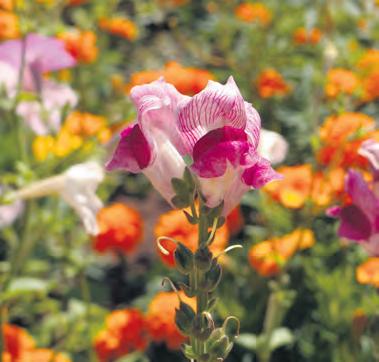
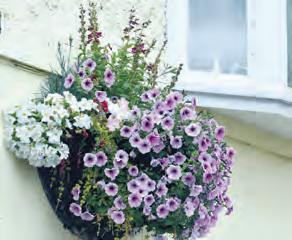
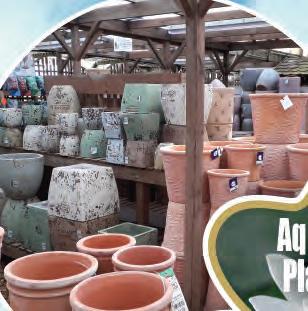



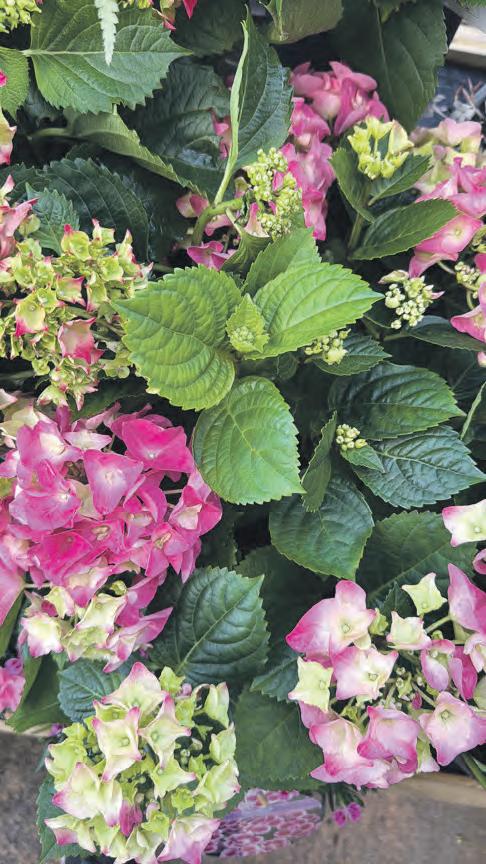

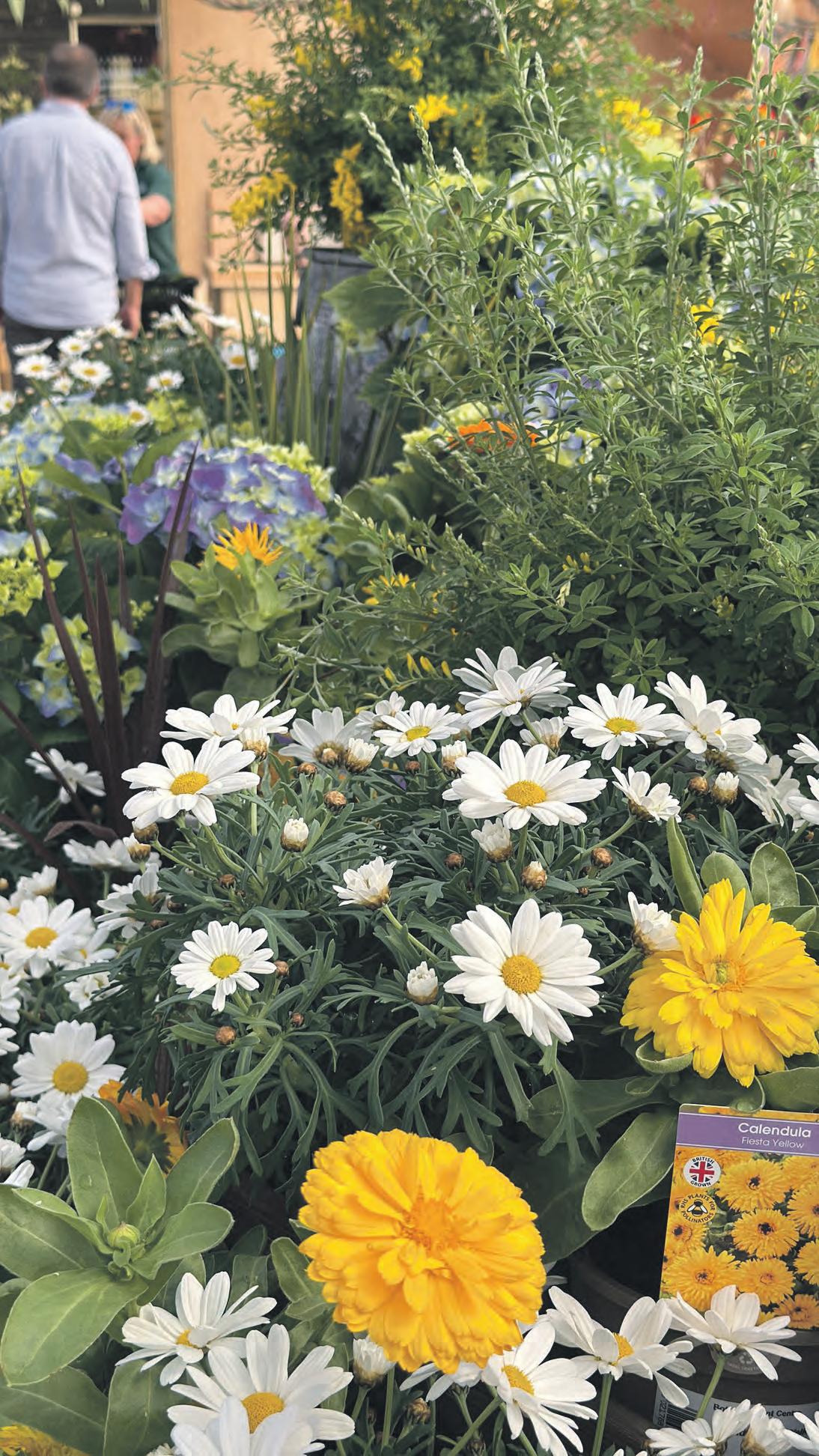
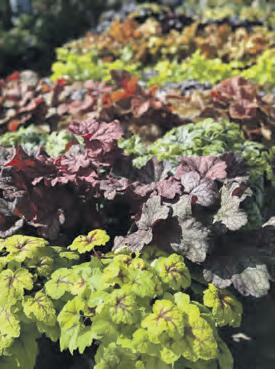
If you can’t tell yet, we are obsessed with plants! What a spring its been, we’ve had all the seasons over the last few weeks, even within a day! With summer on the horizon, now is the perfect time to fill up those containers, add a splash colour to the patio or even dramatic foliage for that jungle feel. Our ranges keep growing as do our home grown plants. If you haven’t visited yet, now is the time to get that summer feel.




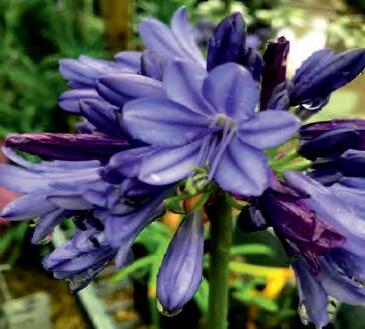
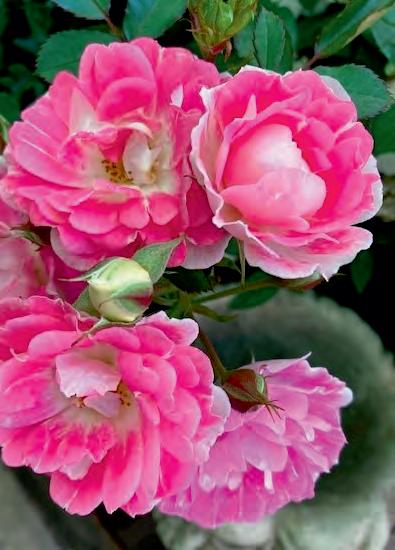
in the flower-filled arboretum, browse our garden centre and gift shop and enjoy delicious food whilst soaking up the sun from the deck of our café. A perfect day out for all the family – including the dog!
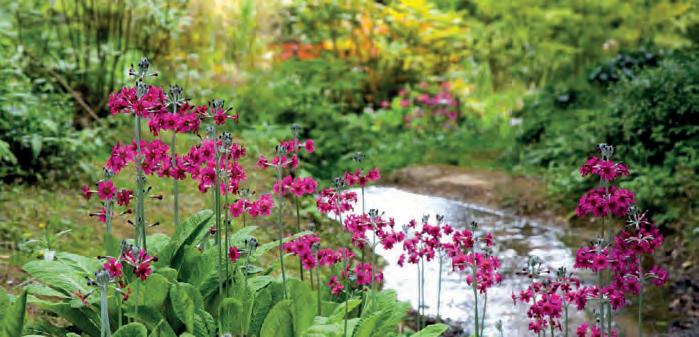
www.batsarb.co.uk
BATSFORD ARBORETUM AND GARDEN CENTRE
Batsford, Moreton-in-Marsh, Gloucestershire GL56 9AT.
Tel: 01386 701441 E: arboretum@batsfordfoundation.co.uk Enjoy magical summer
BatsfordArboretum@BatsfordA







the everyday and discover the beauty of Spetchley Park Gardens this summer.
Set
Wander through our beautiful gardens, spot wildlife around the lake, and take time to simply slow down and enjoy the surroundings. Whether you’re looking for inspiration, relaxation, or somewhere special to spend a sunny afternoon, Spetchley is a place to return to again and again. Make your
your visit today www.spetchleyparkestate.co.uk For more information enquiries@spetchleyparkestate.co.uk or call 01905 345106






















an exciting new RHS Show full of colour, creativity and gardening inspiration
• Celebrate 75 years of The Archers with a Bridge Farm-inspired garden
• Enjoy plant-buying heaven in the Floral Marquee with 70+ exhibitors

• Get expert gardening advice from well-known faces including Arit Anderson, Adam Frost and Rachel de Thame





• Explore Gloucestershire’s rich heritage in the Artisan Gardens & Studios


• Soak up the summer with live music, food and drink by the lake

















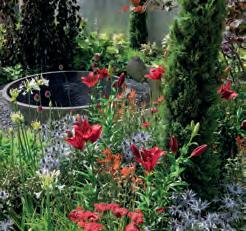




















Trusted to care Award winning care homes
“I feel reassured and supported every day. I only have to ask if I want anything.”
Angela, care home resident
We provide support and reassurance around the clock to make every part of your loved one’s stay with us safe and comfortable.
Highmarket House, Banbury Scarlet House, Stroud Millers Grange, Witney Seccombe Court, Adderbury Sandfields, Cheltenham
0330 822 1865 careuk.com/cotswolds






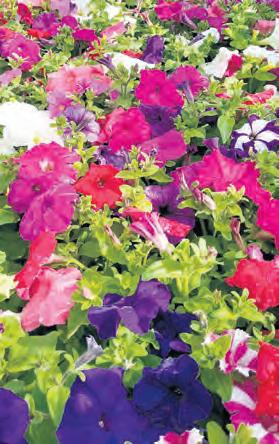




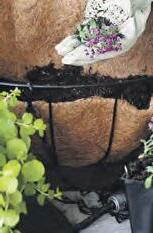



Sustainablebydesign, beautifulbynature designideas conceptlayouts detailedmasterplans plantingplans
Sustainablebydesign, beautifulbynature designideas conceptlayouts detailedmasterplans plantingplans
Sustainablebydesign,
Sustainablebydesign, beautifulbynature designideas conceptlayouts detailedmasterplans plantingplans
designideas conceptlayouts detailedmasterplans plantingplans
ContactNaomifora freeconsultation cotswoldgardenstudio
ContactNaomifora freeconsultation cotswoldgardenstudio
ContactNaomifora freeconsultation
ContactNaomifora freeconsultation
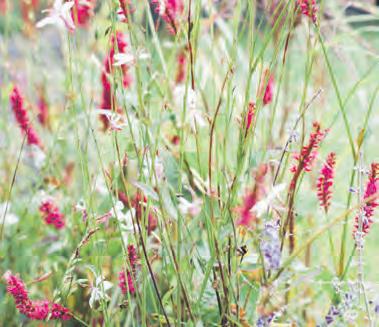

GardendesignerbasedinPrestbury,Cheltenham Call07971776632orvisitwww.cotswoldgardenstudio.com
GardendesignerbasedinPrestbury,Cheltenham Call07971776632orvisitwww.cotswoldgardenstudio.com
GardendesignerbasedinPrestbury,Cheltenham Call07971776632orvisitwww.cotswoldgardenstudio.com
GardendesignerbasedinPrestbury,Cheltenham Call07971776632orvisitwww.cotswoldgardenstudio.com

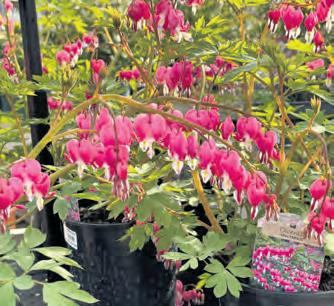
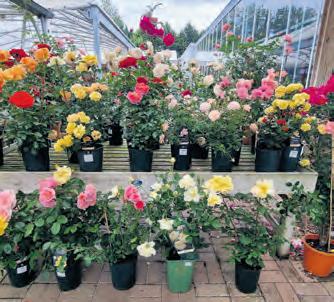


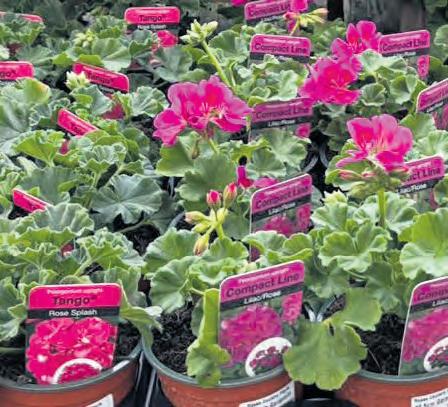
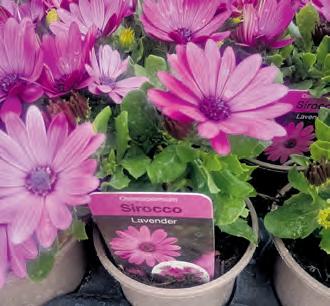

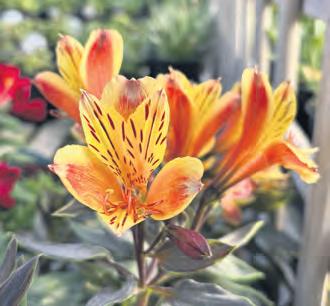


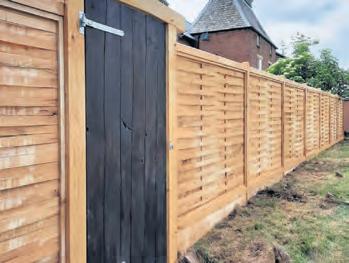
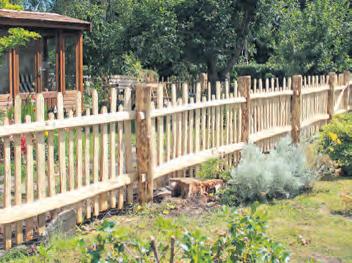





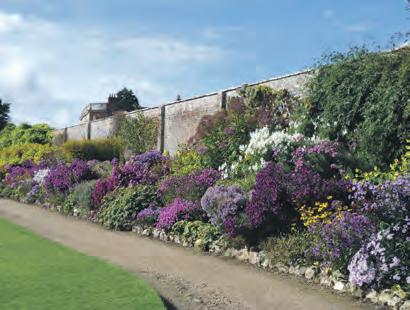


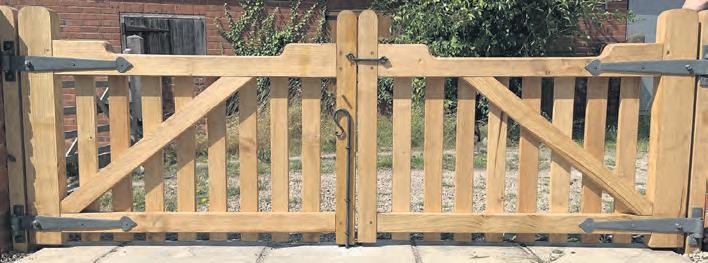


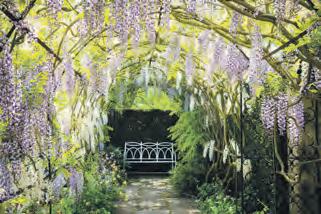


BUSCOT PARK & THE FARINGDON COLLECTION
One of Oxfordshire’s best kept secrets
BUSCOT PARK & THE FARINGDON COLLECTION
BUSCOT PARK & THE FARINGDON COLLECTION
BUSCOT PARK & THE FARINGDON COLLECTION
One of Oxfordshire’s best kept secrets
One of Oxfordshire’s best kept secrets
One of Oxfordshire’s best kept secrets



BUSCOT PARK & THE FARINGDON COLLECTION
One of Oxfordshire’s best kept secrets
Botanical science continues to change many things and now is leading to a record number of name changes when it comes to many popular and much loved plants
What’s in a name?
Increasingly it seems a lot, or it will do in the future as a growing understanding of plant evolution and relationships seems set to give us a whole range of new names for many much-loved plants.
A record number of familiar plants and flowers have undergone name changes over the past few years. These changes are usually caused by advances in botanical science, especially improvements in DNA analysis and classification.
As scientists learn more about how plants are related, they sometimes decide that a species belongs in a different genus or family.
has also experienced a naming revision. Originally identified as Montbretia crocosmiiflora, it is now generally called Crocosmia × crocosmiiflora. This bright orange flowering plant is widespread in British gardens and hedgerows, particularly in the southwest. The updated name reflects a better understanding of the plant’s hybrid origins and its relationship to other members of the iris family. However, many gardeners still prefer the older and easierto-pronounce name ‘montbretia.’
1st April to 30th September
1st April to 30th September
1st April to 30th September
Contact: Info line 01367 240932 or www.buscotpark.com for opening times.
Contact: Info line 01367 240932 or www.buscotpark.com for opening times.
Contact: Info line 01367 240932 or www.buscotpark.com for opening times.
1st April to 30th September
Contact: Info line 01367 240932 or www.buscotpark.com for opening times.
Plant Centre Grange Farm NURSERY

• Trees & shrubs
• Pots & compost
• Perennials
• Veg plants
• Herbs
• Climbers




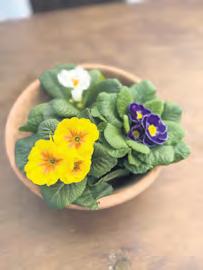
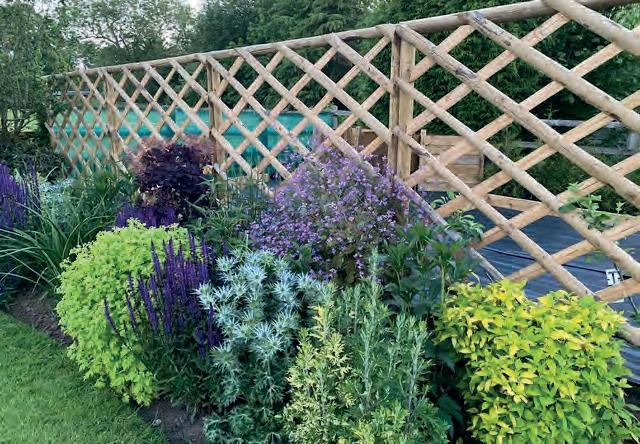
One of the best-known examples is the Michaelmas daisy. For many years, these colourful autumn flowers were grouped under the genus aster. However, scientific research showed that many North American species were genetically different from the true European asters. As a result, several common garden varieties grown in the UK were moved into new genera such as Symphyotrichum. Gardeners who once bought Aster novi-belgii may now find the same plant labelled Symphyotrichum novibelgii. Despite the complicated new names, the flowers remain popular for their bright purple, pink, and white blooms that appear late in the gardening season.
1st April to 30th September
Contact: Info line 01367 240932 or www.buscotpark.com for opening times.
Another important name change involves chrysanthemums. Traditional florists’ chrysanthemums were once classified simply as chrysanthemum. During the twentieth century, botanists moved many species into the genus dendranthema. This caused frustration among gardeners and flower sellers because the old name was deeply established in horticulture. Eventually, after considerable debate, the name chrysanthemum was officially restored for the familiar flowering plants. This example demonstrates that botanical naming is not always permanent and can change again when experts reconsider earlier decisions.
The plant commonly known as montbretia
Sedums provide another example of reclassification. These hardy succulent plants are popular in rock gardens and borders because they tolerate poor soil and dry conditions. Some species previously grouped within sedum have now been reassigned to a separate genus called hylotelephium. The well-known ‘ice plant, once known as Sedum spectabile, is often now labelled Hylotelephium spectabile. Professional horticultural catalogues increasingly favour the newer classification.
The bluebell, one of Britain’s most beloved wildflowers, has undergone changes as well. The native British bluebell was formerly known as Endymion non-scriptus but is now classified as Hyacinthoides nonscripta. The newer name reflects revised understanding of the flower’s place within the hyacinth family. Bluebells are strongly associated with ancient British woodlands and are protected in many areas because of their ecological importance and vulnerability to habitat loss.
Even common herbs have experienced changes. Rosemary, long known scientifically as Rosmarinus officinalis, has recently been moved into the genus Salvia, becoming Salvia rosmarinus. Genetic studies revealed that rosemary is closely related to sages, making the older classification inaccurate according to modern botanical standards. This change surprised many gardeners because rosemary has been recognised under its traditional name for centuries in cooking and herbal medicine.


The drive for more wildlife friendly spaces with more colour, plants design and landscaping options seem to be bringing with them, smaller traditional lawns in our gardens
Reducing the size of lawns is suddenly very popular.
One view, co-sponsored by the RHS suggests that in the past four years we’ve all been busy cutting back the size of lawns replacing it with borders, paths, outdoor living areas and wildflower meadows.
Suddenly the tradition manicured and striped English lawn is out of favour. It all seems to be based on the increasingly popular practice that reflects a shift toward more sustainable, wildlife-friendly, and low-maintenance outdoor spaces. For decades, the neatly trimmed, expansive lawn has been seen as a symbol of order and pride.
However, this tradition comes with significant environmental and practical costs. Rethinking how much of your garden needs to be grass can lead to a more diverse, resilient, and enjoyable landscape.
One of the primary reasons to reduce lawn size is environmental impact. Lawns typically require large amounts of water to stay green, especially during warmer months. This can put pressure on local water resources, particularly in regions that experience periodic drought or water restrictions.
Another important factor is biodiversity. A traditional lawn is essentially a monoculture, meaning it consists of a single type of grass. This offers very little habitat or food for insects, birds, and other wildlife. In contrast, replacing parts of your lawn with native plants, wildflowers, shrubs, or even small trees can dramatically increase the ecological value of your garden. Pollinators such as bees and butterflies benefit from a wider variety of flowering plants, while birds gain access to seeds, insects, and shelter.
Reducing lawn area also saves time and effort. By converting sections of your lawn into alternative landscaping features, you cut down on maintenance tasks. Many replacement options, such as native plant beds or ground covers, are far less demanding once established. This allows you to spend more time enjoying your garden rather than working on it.
There are also aesthetic advantages. A garden that includes a mix of textures, colours, and plant types is often more visually interesting than a large expanse of grass. Thoughtfully designed planting areas can create focal points, define spaces, and add seasonal variation.

So how do you go about reducing your lawn effectively? The first step is planning. Take a close look at your current garden and consider how you use the space. Identify areas of lawn that are rarely used or difficult to maintain. These are ideal candidates for conversion.
For a wildlife-friendly approach, consider planting native wildflowers and shrubs. These are well adapted to the local climate and soil, and they provide the greatest benefit to native species. If you prefer a more structured look, you might create flower beds with a mix of perennials and annuals.
Another option is to incorporate hard landscaping elements such as patios, paths, or decking. These can make your garden more functional and accessible while reducing the area that needs mowing. Permeable materials are particularly beneficial, as they allow rainwater to soak into the ground rather than running off into drains. Raised beds or vegetable plots are also popular alternatives.
How does a smaller lawn help?
There are aesthetic advantages. A garden that includes a mix of textures, colours, and plant types is often more visually interesting than a large expanse of grass.
Reducing lawn area also saves time and effort. Regular mowing, edging, watering, and feeding can be labour-intensive and costly.
A traditional lawn is essentially a monoculture, meaning it consists of a single type of grass. This offers very little habitat or food for insects, birds, and other wildlife.
Beyond water use, maintaining a lawn often involves fertilisers, herbicides, and pesticides.
Less lawn means more space for colour design and creativity with chances to make your garden more impactful.
Reducing lawn size gives you the opportunity to design a garden that reflects your personal style rather than conforming to a traditional template.
The process of removing lawn can be done in several ways. One common method is to dig up the turf manually, which is effective but can be physically demanding. Alternatively, you can use a technique called sheet mulching. This involves covering the grass with layers of cardboard or newspaper, followed by compost or mulch. Over time, the grass underneath dies and decomposes, enriching the soil.
After removing the grass, it’s important to prepare the soil properly before planting. This may involve loosening compacted soil, adding organic matter, and ensuring proper drainage. Choosing the right plants for your conditions— factors like sunlight, soil type, and moisture levels—is key to long-term success. Plants that are well suited to their environment will thrive with minimal intervention.
Maintenance of your newly transformed areas will vary depending on what you plant, but it is generally less intensive than lawn care. Regular watering may be needed during the establishment phase, but many plants become drought-tolerant over time. Mulching helps retain moisture, suppress weeds, and improve soil quality.
It’s also worth considering a gradual approach. You don’t have to remove your entire lawn at once. Starting with a small section allows you to experiment and learn what works best in your garden.
It conserves water, reduces chemical use, supports biodiversity, lowers maintenance demands, and enhances the visual appeal of your garden. With careful planning and thoughtful design, you can transform underused grass into a vibrant, functional space that better serves both you and the natural world.
June is a busy month at RHS Rosemoor with three special events set to catch the eyes of summer visitors.
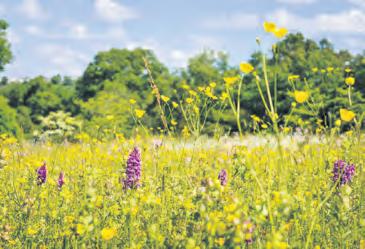
On Saturday, June 13th a gardening workshop focuses on Cultivating Tender Vegetables and Fruit Crops. Visitors will learn how to grow crops considered difficult in cooler regions, including greenhouse cultivation, frost protection, variety selection, and seasonal maintenance.
The teaching team also discusses soil preparation, humidity management, and container growing. Price is £30 per person.
Taking place on Sunday 21st June 2026, Weaving with Flowers blends gardening, floral design, and traditional craft techniques into a creative day-long workshop. Tutor Natasha Lynch leads the session and introduces accessible weaving techniques suitable even for complete beginners. Cost is £80 per person.
Scheduled for Thursday 25th June there’s a special RHS session on Creating and Maintaining Wildflower Meadows for biodiversity and pollinator support. Hosted by horticulturalist Alex Paines it combines guided outdoor learning with practical advice.
The session covers meadow creation, soil preparation, seed selection, mowing schedules, and long-term habitat management. Cost is £25 per person.
RHS Garden Rosemoor, Great Torrington, Devon EX38 8PH

You can stay in Agatha Christie’s former Devon holiday home in Gampton which was featured on a BBC Two National Trust show during May. The Greenway apartment at Greenway House has stunning views of the Dart Estuary, sleeps eight and is available to book on the National Trust website, with a three-night stay in July priced at £1,328 and £877 in November. It was featured on Hidden Treasures of the National Trust, which returns on BBC Two for another look behind the velvet rope at some of the country’s most beautiful and historic houses.
The peaceful hillside gardens of Fursdon House, with amazing views across beautiful parkland towards Dartmoor are now open offering visitors a warm welcome and some guided tours Sheltered by the house, hedges and cob walls, there are terraces of roses, herbs and perennials in mixed traditional and contemporary planting. Take a lovely woodland walk, admire the seasonal wildflowers and relax by the pond in the meadow garden.
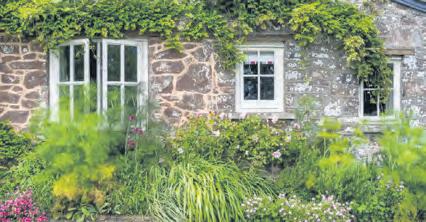
The Fursdon family have lived at Fursdon House for over 765 years, so this is also a unique opportunity to visit a fascinating historical house that is very much still a well-loved family home. Informal house tours are crammed full of intriguing facts about centuries of family history and this season, the museum is show-casing silk costumes and textiles from the Fursdon collection.
The garden and tearoom are open every Bank Holiday Monday, and every Wednesday and Thursday afternoon until the end of August, from 2pm to 5pm.
The house is open on bank holidays and every Wednesday and Thursday afternoon in June, July and August - guided tours at 2.30pm and 3.30pm.
Fursdon, Cadbury, Exeter, EX5 5JS Tel: 01392 860860 www.fursdon.co.uk
There’s the opportunity to enjoy two of the last events in the busy Exmoor Nature Festival which runs to the end of May, and which has included lots of nature and wellbeing events. On Saturday 30th May there’s a Dawn Chorus Bird Walk being held at North Hill Tank Ground Minehead from 4am to 6pm and on Sunday 31st May from 10am to 4pm at Nettlecombe Court there’s the Exmoor Society’s Big Nature Day which offers a packed programme of hands-on creative workshops, guided nature walks, and talks from some of Britain’s best-known environmentalists. www.exmoor-nationalpark.gov.uk/nature-and-landscape/exmoor-nature-festival
Throughout June, the National Trust is running weekly guided tours of Overbeck’s near Salcombe. The tours offer visitors
Fine Turf (Devon) Ltd, a family run business established in 1966, supply a locally seeded turf, suitable for a variety of gardens, which has been treated and fertilised several times throughout the growing period.

Greenway near Brixham in Devon is open to visitors daily until the end of October. Visitors can take a glimpse into what holiday life was like for Agatha Christie and her family, discover first editions of her books and the locations that inspired them. Greenway House, Greenway Rd, Kingswear, Brixham TQ5 0ES
We also supply topsoil, composts and landscaping bark for all your gardening needs, we can mix these for your requirements for planting flowerbeds and vegetable plots. All our topsoil is certified and stored dry all year round, as are the composts.



Overbeck’s is famous for its subtropical planting, made possible by the mild
The tours run on several Wednesdays during June, Because the tours are led in relatively small groups, visitors can ask questions and receive detailed explanations about planting techniques and unusual specimens. National Trust
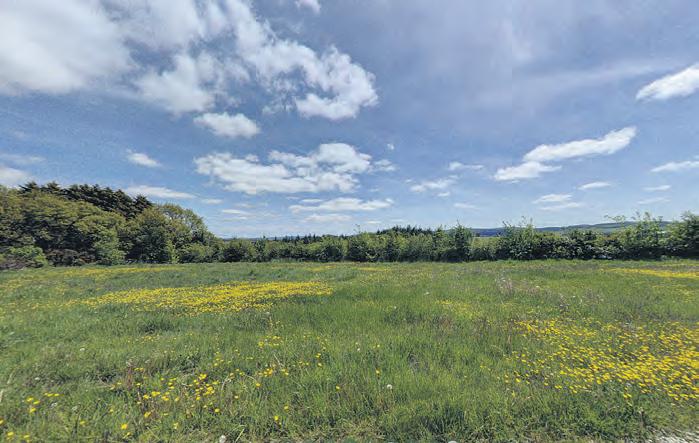













Bridford, Nr Exeter EX6 7LB 01647 252654 Traditional Nursery Trees, Shrubs,Climbers and Perennials Hanging Baskets, Patio Plants and Spring Bulbs Garden Shop, Local Produce Competitive Prices www.teignvalleynursery.co.uk teignvalleynursery@gmail.com If you would like to advertise your business or service in
Circulating 100,000 copies which are distributed to over
outlets COTSWOLDS, DEVON, DORSET & HAMPSHIRE: corina@countrygardener.co.uk Tel: 01823 410098
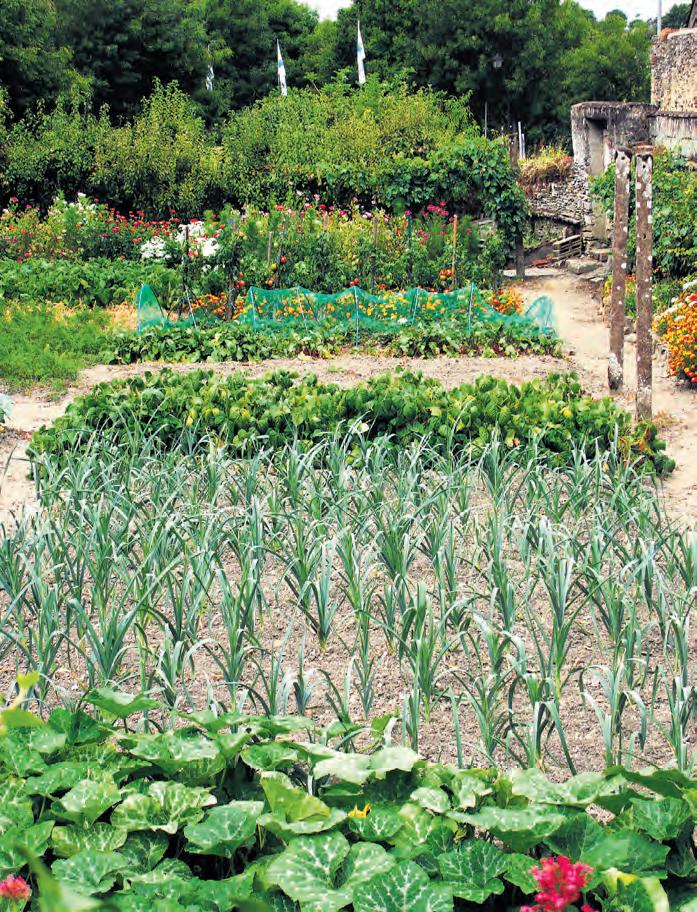

How Hooper’s Rule and identifying plant species can unravel the age and history of your garden hedge
A hedge in your garden or the nearby countryside can reveal a massive amount about the history of a landscape.
In many parts of Britain hedgerows have existed for centuries, marking field and garden boundaries, protecting crops from wind, and providing habitats for wildlife. One of the most effective ways to estimate the age of a hedge is by identifying the variety of woody plant species growing within it. This method is based on the principle that older hedges tend to contain a greater diversity of species because plants gradually colonise the hedge.
The most widely recognised approach is known as Hooper’s Rule, developed by ecologist Dr Max Hooper in the 1970s. The rule suggests that, on average, each different woody species found in a 30-yard stretch of hedge represents roughly 100 years of age. For example, if a hedge contains five woody species within that distance, it may be approximately 500 years old.
To trace the age of a hedge accurately, the first step is to identify the woody species present. Woody species are trees and shrubs with hard stems that remain above ground throughout the year.
Common hedge plants in Britain include hawthorn, blackthorn, hazel, field maple, holly, dog rose, elder, ash, spindle, and oak.
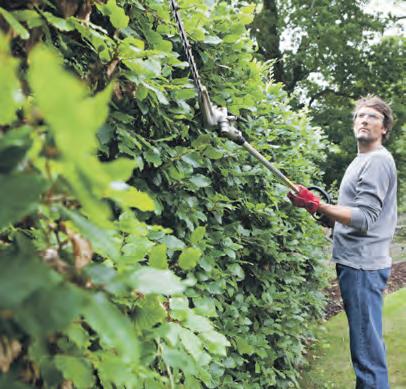
Begin by selecting a representative section of hedge approximately 30 yards, or about 27 metres, long. Carefully examine the hedge and record every different woody species you can find. It is important not to count herbaceous plants such as nettles or grasses, since Hooper’s Rule applies only to woody shrubs and trees.
Hawthorn is one of the most common hedge species and is often considered the backbone of traditional hedgerows. It has deeply lobed leaves, white spring blossoms, and red berries known as haws in autumn. Blackthorn, another frequent species, flowers earlier than hawthorn and produces dark purple sloes. Hazel can be recognised by its rounded leaves and catkins, while holly remains identifiable yearround because of its evergreen, spiny leaves.
As hedges age, additional species naturally appear through seed dispersal by birds, mammals, and wind. A young-planted hedge may initially contain only one or two species, especially if it was established for agricultural purposes using quick-growing plants such as hawthorn. Over decades and centuries, however, neighbouring woodland species begin to colonise the hedge.
For instance, a hedge containing hawthorn, blackthorn, hazel, holly, field maple, spindle, dog rose, and oak may suggest considerable age, potentially dating back several centuries. Ancient hedges sometimes include mature trees growing directly from the hedge line, indicating that the boundary existed long before modern farming methods altered the landscape.
However, identifying species alone does not provide an exact age. Several factors can affect the accuracy of estimates. Soil conditions, climate, local planting traditions, and management practices all influence species diversity. Some hedges were deliberately planted with many species from the beginning, while others may have lost species through heavy trimming, disease, or removal.
Historical maps are particularly valuable for confirming hedge age. Comparing old maps with current field boundaries can reveal whether a hedge existed hundreds of years ago. Tithe maps, estate records, and enclosure maps often show longestablished boundaries. In Britain, many medieval hedges still survive and can be identified through documentary evidence.
The physical appearance of the hedge can also provide clues. Ancient hedges are often thick, uneven, and rich in wildlife. They may contain large, mature trees and a dense bank at the base formed by centuries of leaf litter and soil accumulation. Older hedges are usually more important for biodiversity because they provide nesting sites, food sources, and shelter for birds, insects, and small mammals.
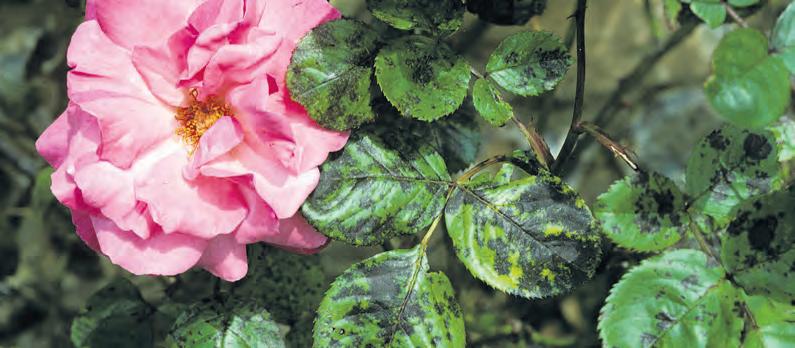
I cannot look forward to a new season of my roses for one reason. Blackspot, one of the most frustrating problems a rose grower can face, not only because of the damage it causes to the plant but also because of the ongoing personal effort required to control it.
For the past four years, all of them in my new Devon garden, I have been trying to defeat the problem which I know troubles so many growers.
So, I thought I’d share the problem with your excellent magazine. It might just offer me some therapy!
For many gardeners, roses are more than just plants—they are a source of pride, beauty, and even emotional comfort. When blackspot appears, it can feel like a personal failure, even though it is a persistent fungal disease.
One of the main personal challenges of dealing with blackspot is the sense of disappointment it brings.
I have invested time choosing the perfect rose varieties, preparing the soil, and carefully tending to plants, only to see dark spots spreading across the leaves. These spots eventually cause the leaves to yellow and fall off, leaving the plant weak and unattractive. This can be discouraging, especially when you compare your roses to the flawless blooms elsewhere.
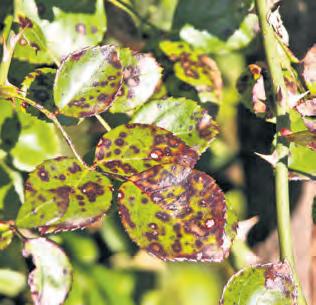
Blackspot thrives in damp conditions, so I often find myself watching the weather and worrying after every rainy period. I inspect all my plants daily, checking for early signs of infection. This level of attention can become mentally exhausting, particularly if you have a busy schedule or multiple responsibilities. Gardening can start to feel like a chore.
There is also the challenge of consistency. Managing blackspot effectively often requires a regular routine of removing infected leaves, cleaning up debris, and applying treatments such as fungicides or homemade sprays. Missing even a week can allow the disease to spread rapidly. This can create a sense of pressure, as if you are locked into a strict maintenance cycle. For me this routine has becomes overwhelming, leading me sadly to neglect my roses altogether out of frustration.
Financial cost is another personal factor that cannot be ignored. Treatments, tools, and even replacing heavily infected plants can add up. It can feel like you are spending money just to keep a problem under control rather than to enhance your garden.
Blackspot can also affect your confidence as a gardener. When your roses struggle, it is easy to question your skills or knowledge. You might wonder if you are watering incorrectly, choosing the wrong varieties, or failing to provide the right conditions.
Despite these challenges, dealing with blackspot can also teach valuable lessons. It encourages patience, persistence, and a deeper understanding of plant care. Over time, I have learned to accept some level of imperfection is natural. Instead of striving for flawless roses, they begin to focus on overall plant health and resilience.
In the end, the personal problems of dealing with blackspot are as much emotional as they are practical. It tests your dedication, challenges your expectations, and sometimes forces you to rethink why you garden in the first place.
Picture a classic British summer garden and roses are always at the heart of it - full of colour, fragrance and timeless appeal. From elegant hybrid teas and free-flowering floribundas to climbers, ramblers, shrubs and compact patio varieties, there’s a rose to suit every garden, big or small.
At Groves Nurseries the popular Dorset growers, roses are a speciality. Each year, they grow over 5,000 plants across more than 100 carefully selected varieties, all in peat-free compost. By growing the roses themselves, they offer strong, healthy plants well suited to UK gardens.
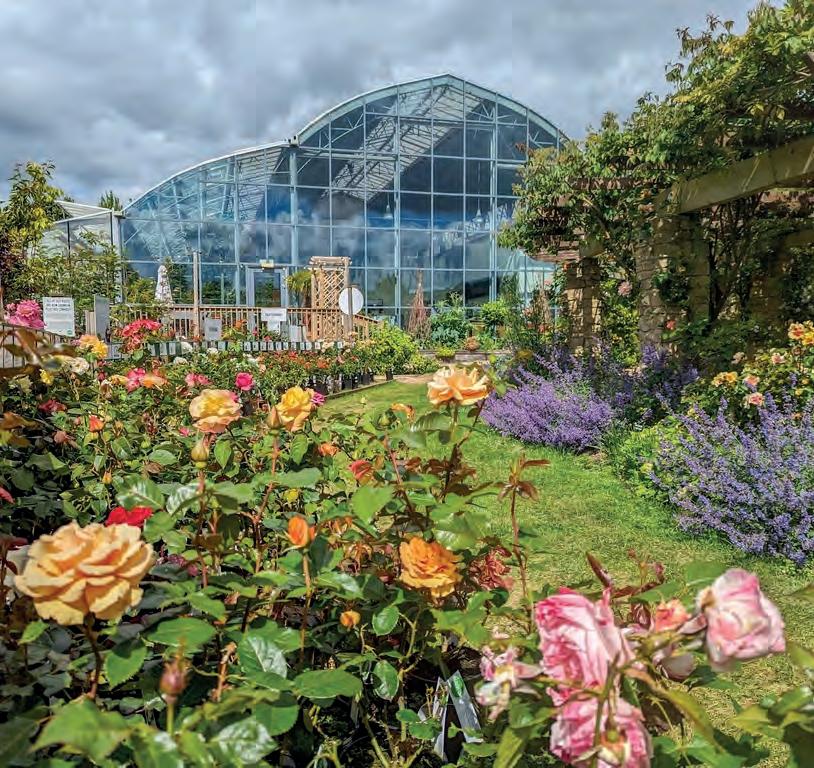
They are also stockists of the famous David Austin roses, renowned for their exquisite blooms, there’s the chance to visit them.
You can explore a dedicated rose area and follow a rose trail designed to showcase the different types and how they can be used in your garden.
The full range is available at Groves Bridport with a smaller selection also available at Little Groves in Beaminster.
The roses are also available to order online for click and collect or home delivery.
Groves Bridport is their plant nursery and a wide plant area, including trees and houseplants.
Little Groves in Beaminster, is also known for its excellent herb selection.
Groves Nurseries, West Bay Road, Bridport DT6 4BA Tel: 01308 422654
Little Groves, Tunnel Road, Beaminster DT8 3HB Tel: 01308 862030
Both open every day until 5pm, 4pm on a Sunday. grovesnurseries.co.uk
Cerne Abbas Open Gardens is one Dorset’s best-known open garden weekends and celebrates its 50th year this year. Around 24 private gardens will be taking part alongside plant stalls, teas and church flower displays. Easy walking between venues makes it good for a full day out.
The event takes place over the weekend of Saturday and Sunday June 20th and 21st. Price: £8 day ticket; children 15 and under free.
Venue: Cerne Abbas village, near Dorchester, DT2 7GD


Chestnut Nursery, the thriving garden centre on the edge of Poole Park, is celebrating a double win at the prestigious Poole Local Business Awards 2026.The charitable garden centre, run by mental health charity Plants and Minds, was crowned joint winner of the Community Service Award – and jointly picked up the sought-after Best Place to Work.
Judges praised the work that Plants and Minds carry out with adults with mental health challenges.
Every week, Chestnut Nursery supports around 45 adults with life-impacting mental health issues, known as team members, via its successful therapeutic horticulture programme.
Andy Verreck, manager at Chestnut Nursery, said: “We are thrilled that the judges recognised the achievements of our team members, volunteer friends and colleagues, who have worked brilliantly as a team to make Chestnut the success it is today.
Chestnut Nursery is at 75 Kingland Road, Poole BH15 1TN. Visit www.chestnut nursery.org.uk or call on 01202 685999.
Abbotsbury Subtropical Gardens hosts a Specialist Plant Fair on Sunday, 7th June in association with Plant Heritage. Entry is £7.50 for non-members and free for Plant Heritage members.
The popular event includes around 30 stalls selling exotic plants, alpines, succulents, herbs, shrubs and unusual varieties. Wildlife and craft stalls are also included. Ideal if you enjoy rare plants or garden collecting. Fresh Italian coffee stall.
Half of the proceeds from entry fees are to support the charity Plant Conservation & Education. The fair starts at 10am and ends at 3pm. The gardens remain open until 5pm. Free car parking.
Abbotsbury Sub Tropical Gardens, Weymouth, Dorset DT3 3LA Contact martin.plantheritagedorset@btinternet.com
Pimperne Open Gardens takes place in the Dorset village on Saturday 20th and Sunday 21st June at Pimperne Village Hall area, near Blandford Forum, DT11 8UB. £5 adults (covers both days), under-16s free.
Around nine private gardens open to the public, ranging from compact cottage gardens to larger landscaped spaces. Includes homemade teas, plant sales and fundraising for the village hall.
Cedar Nursery, Sandy Lane, Romsey SO51 0PD
Tel: 01794 367511 Web: www.southernwaterscapes.net
Email: sales@southernwaterscapes.net 10% OFF PLANTS WITH THIS ADVERT


• Now selling tropical fish and indoor Aquariums • Extensive range of quality aquatic and bog plants
• Large range of cold water fish from goldfish to high grade Japanese Koi
• Expert technical advice on pumps, filters, water quality and fish health
• Everything for building and maintaining your pond
• Experienced and knowledgeable staff


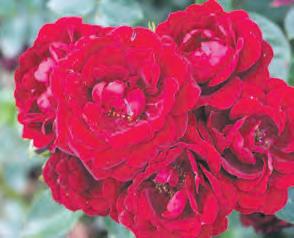









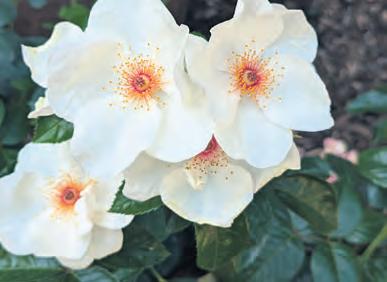




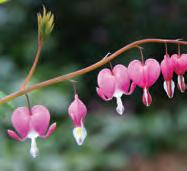


Burley Rd, Bransgore, Nr Christchurch BH23 8DB
Tel: 01425 672348 www.macpennys.co.uk
Large traditional family-run nursery
Wide selection of trees, shrubs, perennials & fruit bushes 4-acre woodland garden & Tea Rooms
Many unusual plants
MACPENNY’S NURSERIES BRANSGORE
Open Mon - Sat 9am - 5pm Sun & Bank Holidays 10am - 5pm
Pond Accessories
Outdoor Pots & Tubs · Garden Furniture · Compost
Lawn Care · Wood Stain & Paint · Pet Food & Supplies
Wild Bird Care · Calor Gas and more


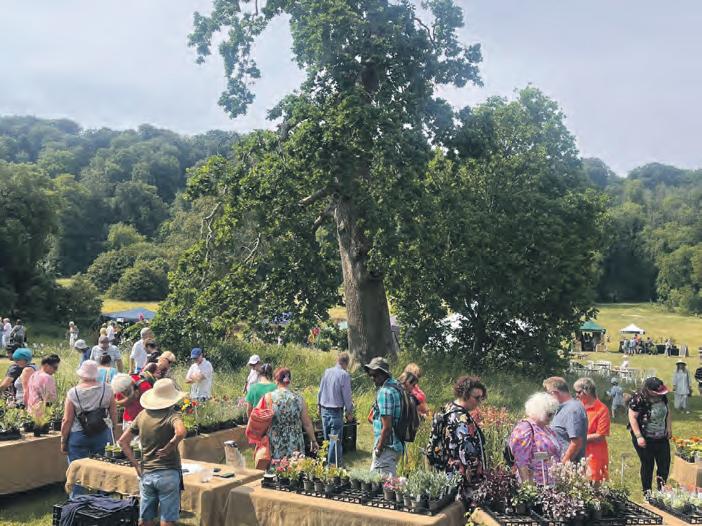
SPECIALIST GROWERS OF AZALEAS & RHODODENDRONS




Koirin, Crossroads Nursery, Woodlands, Wimborne, Verwood Road, Dorset BH21 8LN (Near Verwood) Tel: 01202 824629 enquiries@azaleacentre.co.uk VISITORS WELCOME
Reach a passionate and affluent audience of gardening enthusiasts
Circulating 100,000 copies which are distributed to over 430 outlets
If you would like to advertise your business or service in our magazines, please contact
COTSWOLDS, DEVON, DORSET & HAMPSHIRE: corina@countrygardener.co.uk Tel: 01823 410098
WINTERBORNE KINGSTON OPEN GARDENS
28th June 11am - 6pm
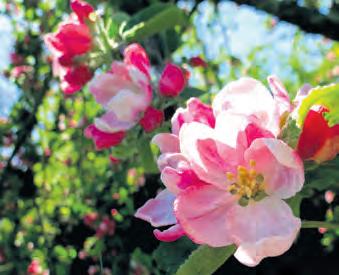
14 GARDENS
Refreshments & toilets in village hall, dogs on leads welcome £5 entry - Children free Free parking at DT11 9BL Proceeds to St Nicholas Church & Julia’s House
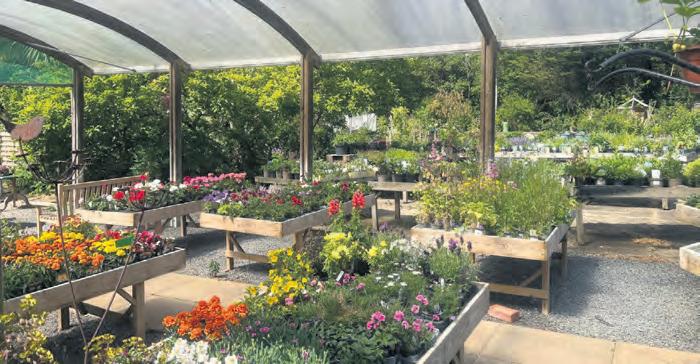

Courtens Garden Centre and Tea Room A27, Romsey Rd, Whiteparish, SP5 2SF Thank you to all those attending or helping with the Bee Bonanza. A tranquil place to sit and relax with a cold drink or ice cream before browsing the extensive range of plants or on Fridays & Saturdays with freshly baked cake or scone, ploughman’s or toasted sandwich.
Also gifts and cards, sundries and tools, seeds, bird feed & boxes, fertiliser and plant feeds plus organic Strulch, Dalefoot organic peat free sheeps’ wool & other Durston’s Somerset compost etc.
June Weekly Sale of Different plants
Closed for August and September - check website for update on opening times. Anyone wanting plants or garden supplies in Aug/Sep phone 07717 221798 and we will open (if at all possible).


Most gardeners agree if there is one herb you must grow it is basil. The wide variety of types offers endless possibilities for flavour and use, from classic Italian dishes to exotic Asian recipes and herbal remedies. It remains a versatile, accessible herb that enhances the garden and the kitchen.
More gardens should grow more of it. It is one of the most popular and rewarding herbs to grow, prized for its aromatic leaves, culinary versatility, and it’s very easy to grow.
The warmer the summer ,the better the herb will grow and flourish. Whether you are a beginner gardener or an experienced grower, understanding how to cultivate basil just means paying attention to its growing conditions, maintenance needs, and the diversity of the many varieties you can opt for. Exploring its uses alongside its many types also helps deepen appreciation for this fragrant plant.
Basil thrives in warm, sunny conditions and is best grown during late spring and summer. It needs at least six to eight hours of direct sunlight each day, making a sunny windowsill, greenhouse, or outdoor garden bed ideal. The plant prefers welldraining soil that is rich in organic matter. A light, loamy soil mixed with compost provides the nutrients basil needs to grow lush, flavourful leaves. If growing in containers, ensure that pots have adequate drainage holes to prevent waterlogging, which can lead to root rot.
Starting basil from seed is straightforward and economical. Seeds can be sown indoors a few weeks before the last frost or directly outdoors once temperatures are consistently warm. Basil germinates best at temperatures between 20–25°C, and seedlings usually appear within five to 10 days. Once they have developed a few sets of true leaves, they can be transplanted into larger pots or garden beds
Watering is an essential part of basil care. The plant prefers consistently moist soil but does not tolerate being waterlogged. It is best to water deeply when the top layer of soil feels dry, rather than applying small amounts of water frequently. Early morning watering is ideal, as it allows leaves to dry during the day and reduces the risk of fungal diseases. Mulching around the base of the plant can help retain moisture and regulate soil temperature.
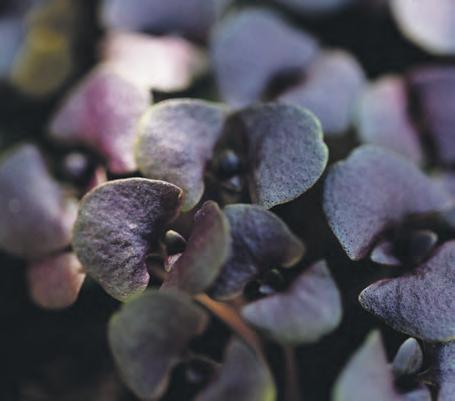
Pruning and harvesting basil properly encourages bushier growth and prevents the plant from becoming leggy. Regularly pinching off the top sets of leaves stimulates lateral branching, resulting in a fuller plant. It is also important to remove any flower buds as soon as they appear. Once basil begins to flower, the plant’s energy shifts toward seed production, and the leaves may become bitter.
Basil is widely used in cooking across many cultures, making it a staple herb in kitchens around the world. Its most famous role is in Italian cuisine, where it is a key ingredient in pesto, a sauce made with basil leaves, garlic, pine nuts, olive oil, and cheese. Fresh basil is also commonly added to salads, pasta dishes, and pizzas, often paired with tomatoes for a classic flavour combination. Beyond Italian cooking, basil is integral to Southeast Asian cuisines, where it appears in curries, stir-fries, and soups. Thai basil, for example, has a slightly spicy, anise-like flavour that complements bold dishes.
In addition to culinary uses, basil has been valued for its medicinal properties. It contains essential oils with antibacterial and anti-inflammatory qualities, and in traditional herbal medicine, it has been used to aid digestion, reduce stress, and support respiratory health. Some varieties, such as holy basil, are particularly noted for their role in herbal remedies and teas. The plant’s fragrance also makes it useful in natural pest control, as it can help repel insects when grown alongside other plants.
One of the most fascinating aspects of basil is the wide range of varieties available, each with distinct flavours, aromas, and appearances. Sweet basil is the most common type, known for its classic flavour and broad, bright green leaves. It is the variety most often used in Mediterranean dishes. Genovese basil, a subtype of sweet basil, is especially prized for its intense aroma and is considered the best choice for making pesto.
Thai basil differs significantly from sweet basil, with narrower leaves and a more robust, spicy flavour profile that includes hints of liquorice. It also has purple stems and flowers, making it visually distinctive. Lemon basil offers a citrusy aroma and taste, making it a refreshing addition to salads and seafood dishes. Similarly, lime basil provides a tangy twist that works well in marinades and drinks.
Purple basil varieties, such as Dark Opal basil, are grown as much for their ornamental value as for their flavour. Their deep purple leaves add colour to gardens and dishes, though their taste is often slightly milder than green basil. Cinnamon basil is another interesting variety, featuring a warm, spicy scent reminiscent of cinnamon, which pairs well with desserts and teas.
Holy basil, also known as tulsi, holds cultural and religious significance in parts of Asia. It has a more complex, clove-like flavour and is frequently used in herbal infusions. African blue basil is a hybrid variety known for its strong fragrance and attractiveness to pollinators.
Growing multiple varieties of basil together can be both practical and enjoyable. It allows gardeners to experiment with different flavours in cooking and creates
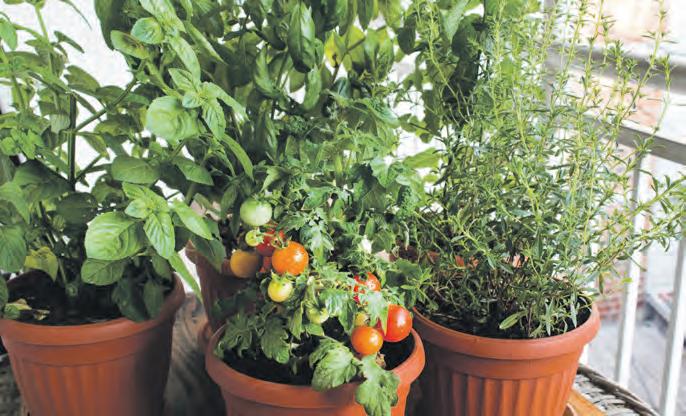
visual interest in the garden. However, it is important to note that different varieties may have slightly different growth habits and flavour intensities, so spacing and care should be adjusted accordingly.
Pests and diseases can affect basil, but they are generally manageable with proper care.
Common pests include aphids, whiteflies, and slugs. These can often be controlled through natural methods such as hand removal, insecticidal soap, or introducing beneficial insects.
Fungal diseases, such as downy mildew, can occur in humid conditions, so ensuring good airflow and avoiding overhead watering can help prevent issues.
In cooler climates, basil is typically grown as an annual, as it is sensitive to frost. However, it can be grown indoors year-round with sufficient light and warmth. Using grow lights can help maintain healthy plants during darker months. Indoor basil requires similar care to outdoor plants, including regular watering, pruning, and occasional feeding with a balanced fertiliser.
There are over 250 varieties available to the creative herb so there’s the chance to let your imagination run away with itself
Sweet Basil – The classic basil used in Italian cuisine. It has large, tender leaves and a sweet, slightly peppery flavour. Essential for dishes like pesto and caprese.
Genovese Basil – A type of sweet basil prized for its strong aroma and rich flavour. It’s the traditional choice for authentic pesto from Genoa.
Thai Basil – Recognisable by its purple stems and anise-like flavour. Commonly used in Thai and Vietnamese cooking, especially in stir-fries and soups.
Holy Basil – Also known as tulsi, it has a spicy, clove-like taste. Widely used in Indian cuisine and traditional herbal medicine.
Lemon Basil – Has a bright lemony aroma and flavour, making it ideal for teas, desserts, and light dishes like fish or salads.
Purple Basil – Deep purple leaves with a slightly spicier taste than sweet basil. Adds colour and flavour to salads and garnishes.
Cinnamon Basil – Features a warm, cinnamon-like aroma due to cinnamate compounds. Great in desserts, teas, and some savoury dishes.
Greek Basil – A bushy plant with tiny leaves and a strong, classic basil flavour. Ideal for container gardening and garnishes.
African Blue Basil – A hybrid with camphor-like notes and striking purplegreen foliage. Popular for pollinators and ornamental use.
Lettuce Leaf Basil – Known for its huge, ruffled leaves and mild flavour. Excellent for wrapping foods or adding bulk to salads.

Somerset gardener and bird lover Annie Young worries about the fate of greenfinches in her garden and says she isn’t surprised that the recent RSPB Birdwatch found its numbers dropping alarmingly due to kindness feeding them.
I make no apologies for spending time and money on my beloved garden birds. Since I was small, I have loved watching and painting them and when I had my own garden, I worked hard to keep them fed.
The greenfinch has always been a bird I have been aware of, and it became one of my favourites.
Recently it has experienced a dramatic decline. Understanding both its popularity and its problems reveals much about how we can unintentionally affect wildlife. One of the most significant issues facing greenfinches is a disease called trichomonosis. This parasitic infection first appeared in around 2005 and has since had devastating effects. It spreads easily when birds gather closely together, particularly at garden feeding stations where food and water can become contaminated.
The impact I understand has been severe. Greenfinch numbers have fallen by more than 65% since the mid-1990s, with millions of birds lost across the UK. In fact, long-term monitoring shows that populations are now roughly two-thirds lower than they were in 1979. This rapid decline led to the species being placed on the UK conservation ‘Red List,’ meaning it is now considered at serious risk.
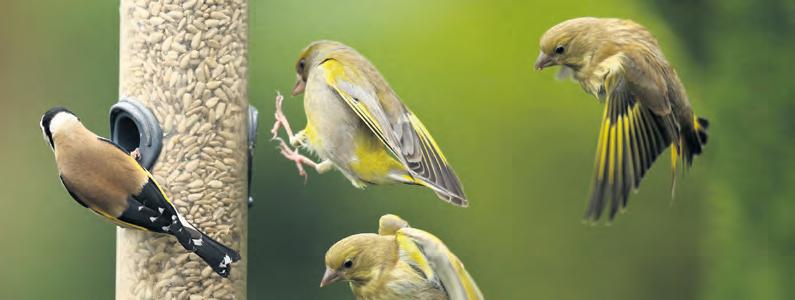
The reason the disease spreads so effectively is the way we gardeners feed birds. Garden feeders and as I know although well-intentioned, bring birds into unnaturally close contact. Shared feeding surfaces, especially flat bird tables, allow saliva and droppings to accumulate, creating ideal conditions for infection. In addition to trichomonosis, greenfinches face other health threats linked to feeding practices. Poor hygiene around feeders can lead to bacterial infections such as salmonella, further weakening already vulnerable populations. This shows that while feeding birds is popular, it must be done responsibly to avoid harming the very species people are trying to help.
Many bird species are declining due to habitat loss, changes in agriculture, and reductions in natural food sources like insects and seeds. Although disease is the main driver for greenfinches, these wider pressures may make it harder for populations to recover. For example, fewer insects and wild plants mean less natural nutrition, forcing birds to rely more heavily on garden feeding— ironically increasing their exposure to disease.
Despite these challenges, the greenfinch remains an extremely popular garden bird. One reason for this is its widespread distribution. It is found across most of Britain and Ireland, especially in towns, villages, and gardens, making it a familiar sight to many people. Unlike some rarer species, greenfinches are relatively bold and often visit feeders in groups, bringing them into close contact with humans. Their appearance also contributes to their appeal. Male greenfinches have bright green plumage with flashes of yellow on their wings and tail, making them stand out among more muted garden birds. Their lively behaviour—often squabbling at feeders—and their distinctive wheezing song make them easy to notice and identify. These characteristics have helped make them a favourite among birdwatchers and participants in surveys like the RSPB’s Big Garden Birdwatch. I know too well feeding garden birds is a widespread hobby.Greenfinches were once among the most recorded species, reinforcing their status as a ‘typical’ garden bird. Even though they have dropped in rankings—from the top ten to much lower positions—their decline has actually increased public awareness and concern for their conservation.
There are signs of optimism. Greenfinch numbers may be stabilising or showing small increases in certain areas, possibly due to improved awareness and better feeding practices.
For me the bird’s bright appearance, lively behaviour, and close association with our gardens means it is a much-loved species.
Mark Hinsley reports on an outbreak of sweet chestnut blight in Devon and looks at what we can do to help
The Forestry Commission has announced an outbreak of sweet chestnut blight in Devon.
In response, the Forestry Commission has introduced restrictions on the movement of susceptible material in parts of south Devon. These measures are designed to contain the disease and reduce the risk of further spread.
Sweet chestnut blight is a destructive disease caused Cryphonecrtria parasitica, a fungus which enters the tree through fissures or bark wounds and spreads through the underlying wood, killing it as it goes. Symptoms of the disease include fissured or discoloured bark cankers with orange pinhead-sized fungal fruiting bodies and buff-coloured fungal fans under the bark.
This outbreak is the first one in 15 years where the fungus is producing spores, which increases the risk of the disease spreading wider. The disease is notifiable, so if you see a sweet chestnut with fruiting bodies like those in the photo, go onto the Tree Alert website and report it.
The sweet chestnut is not a native tree, but it has been here a long time. Some believe it to have been introduced by the Romans, although this seems to be based on legionnaires at Hadrian’s Wall having been found to use it as a tasty nut and for flour making.
It is certainly no earlier than that because it does not have a place in our folk law, most of which originated pre-Roman.
The chestnut of greatest renown is near the church in Tortworth, Gloucestershire. This tree has an enormous amount of speculation regarding its age, from a Twelfth Century boundary marker onwards. The tree there to this day does not have the great size attributed to it by Jacob George Strutt in 1826, but that does not mean it was never that big, part may simply have rotted away.
There are some other very big specimens around. Perhaps the biggest, at least in circumference, is a 56ft around tumbled-down monster in the grounds of the prestigious Canford School near Wimborne in Dorset.

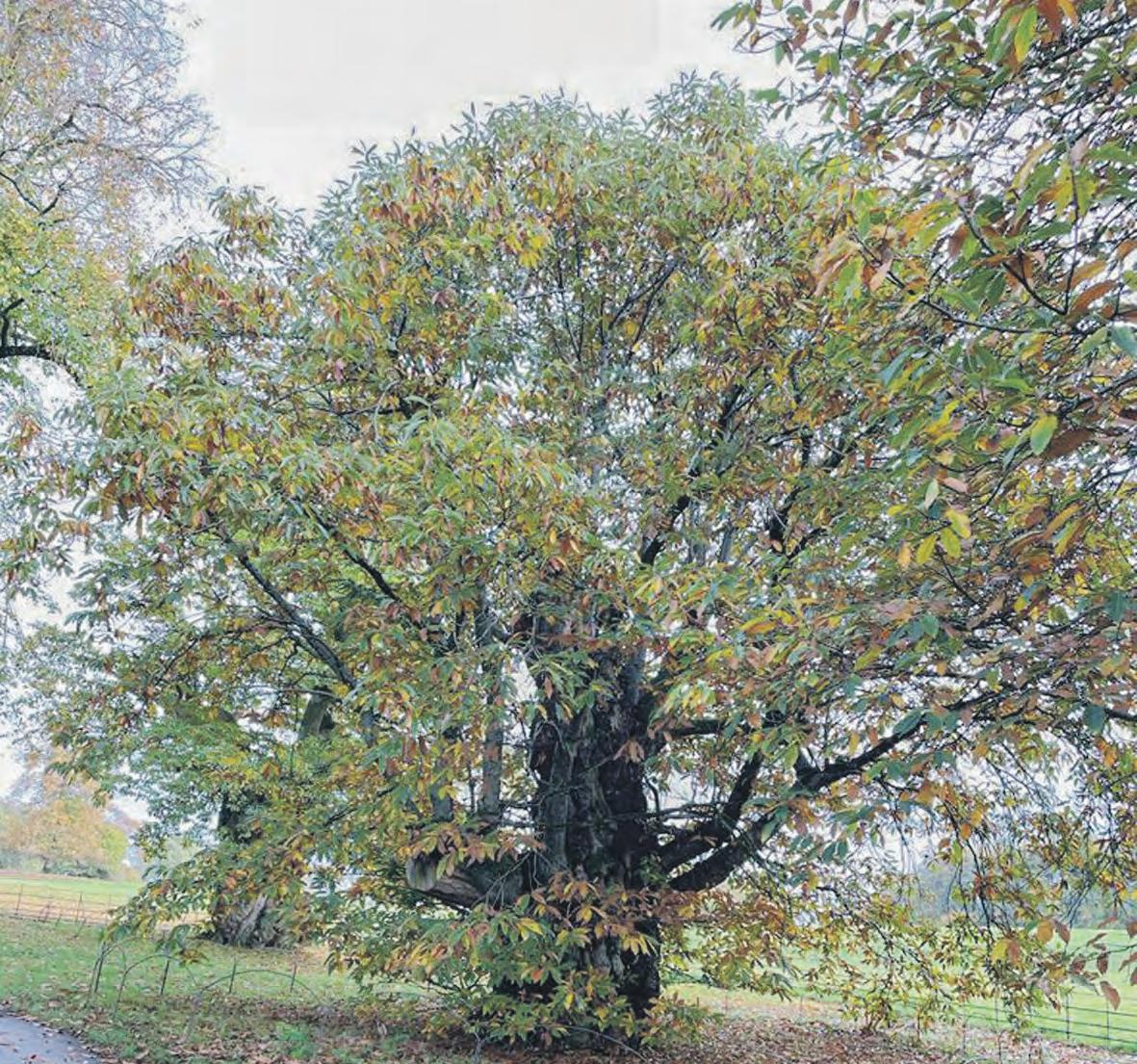
During his exile in France Charles II was impressed by sweet chestnut avenues he saw on great estates and brought the fashion over with him on his restoration in 1660. I have seen two examples of sweet chestnut avenues which lead to country houses which existed at the time of Charles’ return, which were later replaced with a house in a new location.
The sweet chestnuts at Stourhead do not line up with the present driveway to the house but instead point to the north and east where the original building on the estate stood. The house was taken by the Parliamentarians but restored to its rightful owners by Charles. What better reason could there be to plant a Sweet Chestnut Avenue in his honour?
From a conservation point of view, it is worth remembering that a lot of our bird life is migratory and sweet chestnuts will be a familiar species and food source to them. It has long been managed as coppice as it makes very durable fence posts and walking sticks. If you try to burn it on an open fire you will have sparks flying all over the carpet.
Hand on heart – it is not a great domestic garden tree. Those lovely long yellow catkins leave catkin shaped brown stains on any hard surface they land on. You can eat the chestnuts, and our hotter summers are improving their quality But if you forget to put the bins out one night and go out in your socks, woe betide you if you step on a chestnut husk, those things are sharp!
Mark Hinsley, of Mark Hinsley Arboricultural Consultants Ltd, offering tree consultancy services. www.treeadvice.info


Secluded cosy cabins & lodges in wooded valley running down to Wembury Bay & SW Coastal Path

Plymouth, Dartmoor & lovely South Devon Villages & Towns in easy reach. Pets Welcome. Forest School. Tel: 01752 862382 www.churchwoodvalley.com

South Devon Lodge on Farm Sleeps 4. Central for beaches, Salcombe and Dartmouth.
GLORIOUS NORTH DEVON. Only 9 cosy caravans on peaceful farm. Wonderful walks in woods & meadows. Easy reach sea, moors & lovely days out. £125-395pw. Discount couples. Nice pets welcome. 01769 540366 www.snapdown.co.uk

Blackdown Hills, Romantic getaway for two, luxury self-catering accommodation with pool.
Tel: 07484608856
Email: info@blackdowns.co.uk
ACCOMMODATION WITH BEAUTIFUL GARDENS
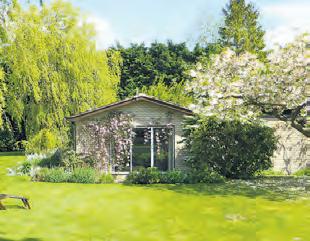
Near Stratford-upon-Avon
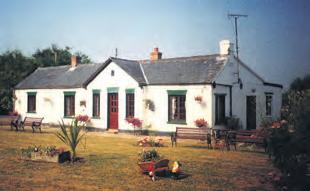
Gloucestershire Quality Bungalow B&B
Ensuites, rural, large garden, paddocks, ponies and fruit. Ideal Cotswolds, Malvern’s, Forest of Dean, cycle storage, ample parking, Wi-Fi. From £46 p.p.p.n. Tel: 01452 840224 sheila.barnfield1960@gmail.com

For availability Tel 01548 853669 www.marymillsfarm.co.uk ADVERTISE
BOSWORLAS, ST JUST.
Cosy Cottage sleeps 2-4. Sorry no pets. Please email info@bosworlas.co.uk for availability 01736 788709
ACCOMMODATION HOLIDAY COTTAGES


HOLIDAY COTTAGE SIDMOUTH, DEVON
A quiet holiday bungalow near Sidmouth, overlooking the Donkey Sanctuary. Sleeps 4. Bookings from April to the end of October.
www.sandwaysholidaycottage.co.uk 07990582238
WYE VALLEY/FOREST OF DEAN.
Fully equipped single-storey cottage with two en-suite bedrooms. Wi-fi.Recently awarded Visit England 4-star GOLD. Rural retreat, shops/pubs one mile. Enquiries welcome. AS SEEN ON ESCAPE TO THE COUNTRY! Tel: 01594 833259 www.cowshedcottage.co.uk
Lovely self-catering cottage in peaceful location: large garden. Sleeps 2. Perfect for famous gardens, NT properties & Cotswolds. Tel: 01789 740360 www.romanacres.com

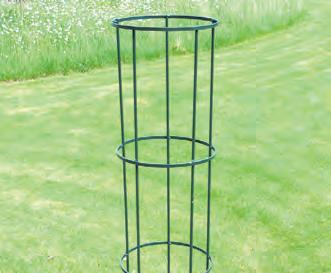




historic park and gardens. Tel: 01792 391212 www.penricecastle.co.uk
NORTH DEVON NEAR CLOVELLY. Small barn conversion sleeps 4 (wheelchair friendly). Small cottage and Timber lodge sleeps 2/3. Pub and Shop 2 miles, RHS Rosemoor 1 hour. Brochure 01237 431324 www.foxwoodlodge.co.uk
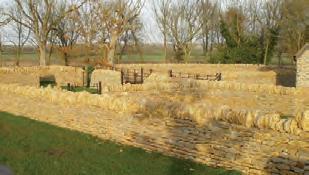

POSTAL FRIENDSHIP CLUB. Friends, pen pals, perhaps romance. UKwide. No internet needed. Call for details: 07356 003808 25/2/26
POLYTUNNELS



Step into the serenity of outdoor living this summer with our extensive range of garden furniture—where timeless style meets soothing comfort and lasting strength. Whether you dream of graceful dining beneath the sky or quiet moments on a sun-drenched lounger, we have the perfect pieces to turn your garden into a haven of relaxation.

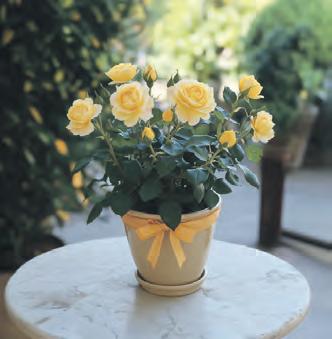
JUNE & JULY
At your local Otter Garden Centre
Visit our Rose Festival, - a celebration of Britain’s beloved blooms, radiant in full flower this month at all our garden centres. We have a rose that will blossom beautifully in any garden setting bringing you an abundance of joy.

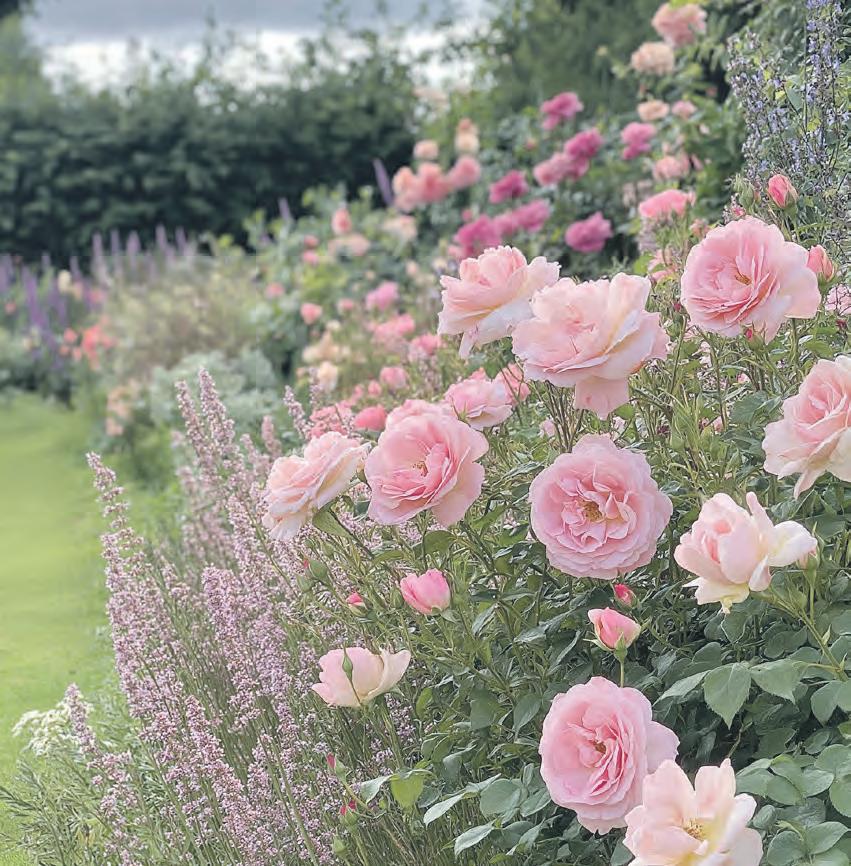
Your local Otter Garden Centres: