











Here’s a selection of events you might be interested in attending during July and early August. If you are looking for the usual details of garden club meetings please go to www.countrygardener.co.uk to see all events for not just this month but the months ahead. If you would like to send us your event for more free publicity then again go to the website where you will be able to upload details.
RHS BADMINTON FLOWER SHOW
Wednesday 8th - Sunday 12th July, 10am - 6pm
RHS Badminton Flower Show will bring together the very best of all things gardening plus talks, awards, music & food for a perfect summer day out at the Badminton Estate in Gloucestershire this July.
Badminton Estate Badminton, Gloucestershire GL9 1DD BOOK: www.rhs.org.uk/badminton

BIRMINGHAM RARE PLANT FAIR, Winterbourne House
Sunday 12th July, 10.30am - 5pm
A fantastic garden with an incredible range of plants. A real oasis in the city! Nurseries will offer a diverse range of quality plants for you to add to your garden. An inspiring day out for you.
Winterbourne House and Garden, 58 Edgbaston Park Road Birmingham B15 2RT BOOK: www.rareplantfair.co.uk
EAST BOLDRE
SUMMER SHOW, Village Hall
Saturday 4th July, 2.15pm - 3.30pm Main Road, East Boldre, Hampshire SO42 7WD GALMPTON, BRIXHAM
GALMPTON GOOSEBERRY PIE FAIR
Sunday 5th July, 11.30am - 5pm Warborough Common, Slade Lane, Galmpton Brixham, Devon TQ5 0PE www.facebook.com/galmptongooseberrypiefair/
PORTISHEAD
SUMMER SHOW, Show Field
Saturday 25th & Sunday 26th July
A unique blend of a traditional country fair and flower and produce show, making it a true community event with something for everyone.
Clevedon Road, Portishead BS20 7RA BOOK: www.portisheadsummershow.com
SOUTHAM
OPEN GARDENS, Southam Heritage Centre
Saturday 18th & Sunday 19th July, 11am - 5pm
Tithe Place, High Street, Southam, Warwickshire CV47 0HB
STURMINSTER NEWTON
47TH ANNUAL MEMBER’S SUMMER SHOW
Wednesday 22th July, 7.30pm - 9pm
The Exchange, Old Market Hill, Sturminster Newton, Dorset DT10 1FH

NR TISBURY
RARE PLANT FAIR, Fonthill House Gardens Saturday 4th July, 11am - 4pm
Set in stunning rolling countryside in southwest Wiltshire, the garden has a range of styles. The National Collection of Crassula is held. A chance to buy choice and rare plants & quality sundries.
Nr. Tisbury Salisbury, Wiltshire SP3 5RZ BOOK: www.rareplantfair.co.uk
YATTON
HORTICULTURAL SUMMER SHOW, Village Hall
Saturday 18th July, 2pm - 4.30pm
The Causeway, Yatton, North Somerset BS494HL www.yattonhorticulturalsociety.co.uk
ABBOTSBURY
SPECIALIST PLANT & GARDEN FAIR, Abbotsbury Subtropical Gardens
Sunday 23rd August, 10am - 3pm
Approx 25 specialist nurseries and growers, large selection of garden stalls plus craft & wildlife stalls, refreshments, dogs welcome. Dorset DT3 4LA BOOK: www.abbotsburygardens.co.uk/events
BROADSTONE
BROADSTONE HORTICULTURAL SOCIETY
120TH ANNIVERSARY SUMMER SHOW, Broadstone War Memorial Hall
Saturday 8th August, 1pm - 4.15pm Tudor Road, Broadstone, Dorset BH18 8AW
BURLEY
THE BURLEY VILLAGE SHOW, The Burley Park
Saturday 1st August, 12.30pm - 5pm Chapel Lane, Burley, Ringwood, Hampshire BH24 4DJ
DO YOU HAVE AN EVENT YOU’D LIKE TO LIST ?
Submit your details here: www.countrygardener.co.uk/event-submission
DAWLISH
PLANT SALE, The Strand Church
Saturday 8th August, 9.30am - 1pm 32 The Strand, Dawlish, Devon EX7 9PT
HAVANT
AUTUMN PLANT SALE, Staunton Country Park
Sunday 23rd August, 1pm - 4pm
Specialist Nurseries & Plant Heritage plants for sale. Refreshments on site. Petersfield Road, Havant PO9 5HD
HONITON
HONITON AGRICULTURAL SHOW, Stockers Farm
Thursday 6th August, 8am - 6pm
Fabulous entertainment, delicious food and drink, over 400 trade stands. Livestock and horses, dog show and so much more for the whole family.
Gittisham, Honiton, Devon EX14 3AW BOOK: www.honitonshow.co.uk
DUNSTER
DUNSTER ANNUAL FLOWER SHOW, Dunster Tithe Barn
Saturday 1st August, 2pm - 4pm
Priory Green, Dunster, Somerset TA24 6RY
MINEHEAD
MINEHEAD AND DISTRICT ANNUAL FLOWER & PRODUCE SHOW, The West Somerset
Saturday 8th August, 2pm - 5.30pm Bircham Road, Minehead TA24 8BZ
NAILSEA
SUMMER SHOW, Nailsea School
Saturday 1st August, 12pm - 5.30pm Mizzymead Road Nailsea, Somerset BS48 2HN
TAUNTON
TAUNTON FLOWER SHOW, Vivary Park
Friday 7th to Saturday 8th August
Experience a festival atmosphere at the oldest flower show in the country, set in the heart of Taunton. You will also find music, arena entertainment, local and national traders and fun for all the family.
Vivary Park, Taunton TA1 3QF BOOK: www.tauntonfs.co.uk
UPLYME
SUMMER FLOWER AND PRODUCE SHOW, Uplyme Village Hall and Playing Field
Saturday 1st August, 2pm - 5pm Lyme Road Uplyme DT7 3UY ulrhs.wordpress.com/events

To see your advert here, please contact
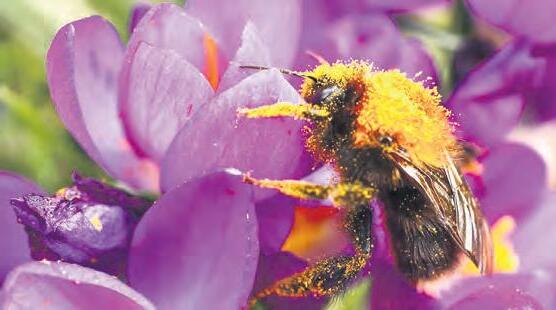
Gardeners are being encouraged to support bees, butterflies, and other pollinating insects during July, one of the busiest months of the gardening year. Wildlife organisations have launched campaigns highlighting the importance of pollinators and the role that home gardens can play in protecting them.
July is a key month because many popular garden plants are in full bloom, providing a valuable source of nectar and pollen. Experts recommend planting pollinator-friendly flowers such as lavender, cosmos, verbena, and sunflowers. These plants attract a wide range of insects and can help boost local biodiversity.
Recent studies have shown that pollinator populations continue to face challenges due to habitat loss, pesticide use, and climate change. As a result, conservation groups are urging gardeners to make simple changes that can have a positive impact. Leaving a small area of the garden wild, avoiding harmful chemicals, and providing shallow water sources are among the suggestions being promoted.
The campaign has received support from horticultural societies and environmental charities, which stress that even small gardens, balconies, and community green spaces can contribute to pollinator conservation. Garden centres have also reported increased demand for wildlife-friendly plants as public awareness grows.
July’s warm weather offers ideal conditions for both flowering plants and pollinating insects.
‘Deep July summer is when laziness finds respectability’ – SAM KEEN
At the heart of the Formal Garden at RHS Rosemoor in Devon are two strikingly contrasting spaces: the Hot Garden and the Cool Garden. Together, they demonstrate how colour, texture and design can create completely different moods within a landscape.
The Hot Garden is a vibrant celebration of warmth and energy. Designed around a fiery palette of reds, oranges, yellows and deep purples, it is filled with bold, dramatic planting that reaches its peak during the summer months. Waves of herbaceous perennials and ornamental grasses create movement and intensity, while the carefully selected colour combinations evoke the heat and excitement of a Mediterranean summer. The garden’s elevated design and strong architectural structure enhance its visual impact, making it one of Rosemoor’s most memorable features.

In contrast, the neighbouring Cool Garden offers a tranquil and reflective experience. Opened in 2019 and designed by Jo Thompson, it centres on the calming presence of water. Shallow pools and flowing rills are surrounded by planting in soft blues, whites, pale pinks and gentle yellows, complemented by silvery-grey foliage. Trees, grasses and repeated planting schemes create harmony and balance, while the sound and movement of water contribute to an atmosphere of peace and relaxation.
RHS Rosemoor, Torrington EX38 8PH
The 2026 Exmoor Dark Skies Festival marks a major milestone as it celebrates its 10th anniversary. Running from Friday 16th October to Sunday 1st November the festival will once again showcase the exceptional night skies of Exmoor National Park, Europe’s first International Dark Sky Reserve. Organised by Exmoor National Park Authority and supported by local businesses, community groups and astronomy enthusiasts, the festival highlights the importance of protecting dark skies while inspiring people of all ages to explore the wonders of the universe.
Visitors can look forward to a varied programme including guided stargazing sessions led by expert astronomers, astrophotography workshops, family-friendly planetarium experiences and opportunities to observe constellations, planets and deep-sky objects through powerful telescopes. www.exmoor-nationalpark.gov.uk
Fonthill House Garden is set in the idyllic rolling countryside of South-west Wiltshire and is the venue for a new rare plant fair on Saturday, 4th July from 11am to 4pm and set in 12 acres of varied gardens. The formal gardens nearest the house consist of billowing borders planted with romantic cottage garden classics. The walled sunken garden is a riot of colour, filled with exotic Dahlia and Salvia, framed by brugmansia, tetrapanax and musa, while a cool and dark fern cave is set within the bastion wall. Fonthill House is also home to the National Collection of Ccassula. A terraced kitchen garden is filled with seasonal produce and complimented by a mixed orchard with extensive local varieties. The terrace surrounding the house has magnificent views over the gardens whilst displaying the collection of pelargonium, amongst other seasonal highlights. www.rareplantfair.co.uk
The Bournemouth in Bloom Summer Show returns on Saturday 4th July, offering a colourful celebration of gardening, horticulture, crafts and community spirit. Organised by Bournemouth in Bloom and the Bournemouth Horticultural Society, the popular annual event will take place at St Francis of Assisi Church Hall on Charminster Road, Bournemouth. The show opens at 12 noon and runs until 4.30pm, with awards being presented at 4pm.
There will be wide range of competitive exhibits featuring roses, sweet peas, dahlias and other summer flowers, alongside displays of fruit and vegetables, pot plants, cacti, floral art, homecrafts and handicrafts. There are also dedicated sections for children and novice exhibitors, making the event accessible and enjoyable for all ages.
Members of Bournemouth in Bloom receive free entry, while non-members pay just £1. Annual membership costs £5 and includes entry to all three seasonal shows and additional society events throughout the year. St Francis of Assisi Church Hall, Charminster Road, BH8 9SH
Publisher & Editor: Alan Lewis
alan@countrygardener.co.uk
Tel: 01823 431767
Distribution & Stockists distribution@countrygardener.co.uk
Accounts & Payments
Heather Rose heather@countrygardener.co.uk
What’s On & Events Guide www.countrygardener.co.uk/event-submission
Widely regarded as the oldest flower show in the country, Taunton Flower Show continues its countdown for the twoday event on Friday, 7th August and Saturday, 8th August. The show combines horticultural excellence with entertainment, shopping, food, music and community spirit. Established in 1831, it has evolved from a traditional horticultural competition festival while retaining its gardening roots. Set within Vivary Park, it offers an inspiring mix of flowers, gardens, competitions, entertainment, shopping, food and family activities. Tickets are now on sale. www.tauntonfs.co.uk
Advertising Sales Ava Bench - Somerset, Classifieds & Speakers ava@countrygardener.co.uk
Tel: 07759 304977
Corina Reay - Cotswolds, Devon, Dorset & Hampshire corina@countrygardener.co.uk Tel: 01823 410098
Design & Production
Aidan Gill
aidan@countrygardener.co.uk
Gemma Stringer gemma@countrygardener.co.uk
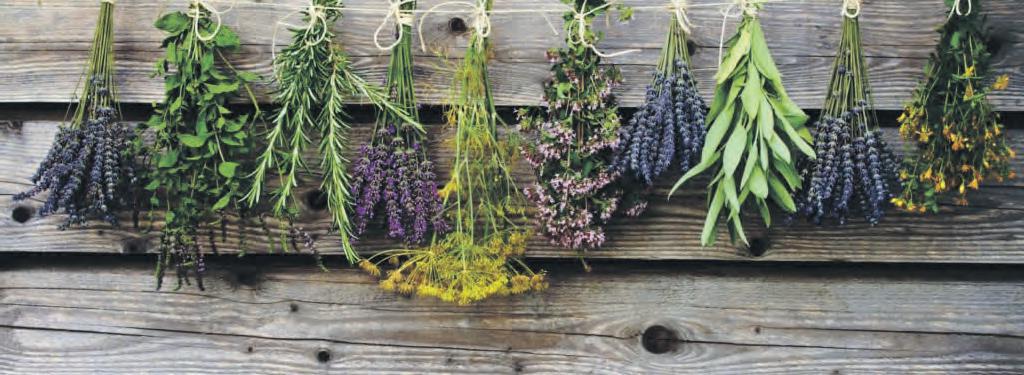
Growing and drying herbs is a practical, satisfying way to extend the harvest.
Rosemary, thyme, oregano, sage, mint, marjoram, lemon balm, and lavender are all well suited to drying as they retain their flavour and aroma.
Growing herbs most gardeners appreciate is one of the most rewarding parts of gardening. Whether you have a large garden, a small, raised bed, or a few pots on a windowsill, herbs are easy to cultivate and provide fresh flavours, fragrances, and medicinal benefits throughout the growing season.
However, not all herbs dry equally well, and understanding which varieties are best suited for drying can help you achieve the best results.
Fresh herbs are wonderful in cooking, but many plants produce more than can be used immediately. Drying offers a simple and inexpensive preservation method that requires little equipment. Properly dried herbs can retain much of their flavour and aroma for six to 12 months when stored correctly.
Home-dried herbs are often superior to commercially produced products because they can be harvested at peak freshness and processed immediately.
Most culinary herbs thrive in well-drained soil and plenty of sunlight. A position getting at least six hours of sunlight daily is ideal. Many herbs originate from Mediterranean regions and prefer relatively dry conditions rather than consistently wet soil.
When growing herbs intended for drying, avoid excessive fertiliser, as this can encourage rapid growth at the expense of flavour. Water regularly during establishment but allow the soil surface to dry slightly between waterings.
The best time to harvest herbs is just before they flower. At this stage, the concentration of essential oils is usually at its highest, giving the strongest flavour and aroma.
ROSEMARY
Rosemary is one of the easiest and most successful herbs to dry. Its needle-like leaves contain concentrated essential oils that retain their fragrance remarkably well during the drying process. Because rosemary naturally has a low moisture content, it dries quickly without losing much flavour. Rosemary is excellent in roasted vegetables, meats, breads, and soups.
THYME
Thyme is another outstanding herb for drying. Its tiny leaves hold their flavour exceptionally well and often become even more concentrated after drying. The plant is easy to grow in sunny locations and tolerates drought once established. Dried thyme is a versatile seasoning used in stews, casseroles, sauces, and marinades.
OREGANO
Many gardeners consider oregano one of the best herbs to dry because its flavour intensifies during preservation. Fresh oregano can sometimes
Some herbs lose much of their flavour when dried. Basil, parsley, chives, and coriander tend to deteriorate significantly during the drying process. While they can be dried, freezing is often a better preservation method for these herbs.
Basil loses much of its distinctive sweet aroma when dried. Parsley becomes relatively bland, and chives often lose their delicate onion flavour.
Traditional air-drying remains one of the simplest and most effective preservation methods.
Begin by harvesting healthy stems free from disease or insect damage. Remove any damaged leaves and gently shake away dirt. Avoid washing unless necessary, as excess moisture can encourage mould.
Gather the stems into small bundles containing six to 12 stems, depending on their size. Secure each bundle with string, elastic bands, or garden twine. Small bundles dry more evenly and reduce the risk of mould developing in the centre. Hang the bundles upside down in a warm, dry, dark, and well-ventilated location. Darkness helps preserve colour and flavour, while good airflow prevents moisture accumulation.
Most herbs require one to three weeks to dry completely, depending on humidity levels and leaf thickness. The herbs are ready when leaves crumble easily between your fingers and stems snap rather than bend.
Once fully dried, remove the leaves from the stems and store them in airtight containers such as glass jars. Keep the containers away from direct sunlight, heat, and moisture.
taste mild, but drying concentrates its aromatic compounds.
Oregano thrives in warm, sunny conditions and requires minimal maintenance. It is a staple ingredient in Mediterranean and Italian cuisine.
SAGE
Sage dries beautifully and maintains both its flavour and distinctive aroma. Its slightly fuzzy leaves contain relatively low moisture levels, allowing them to dry efficiently.
Sage is commonly used in stuffing, poultry dishes, sausages, and savoury sauces.
Mint is highly productive and often benefits from preservation because it can quickly outgrow its space. Drying mint allows gardeners to enjoy it in teas, desserts, and herbal blends throughout the year.
While dried mint loses some of its fresh brightness, it retains much of its characteristic flavour. Harvest regularly to encourage vigorous new growth.
Lemon balm belongs to the mint family and grows vigorously in many gardens. Its citrus fragrance makes it a popular choice for herbal teas and potpourri.
Drying preserves much of its lemon scent, although careful handling is important to minimise the loss of volatile oils. Harvest before flowering for the best flavour.
Marjoram is closely related to oregano but offers a milder, sweeter flavour. It dries exceptionally well and is often used in soups, meat dishes, and vegetable recipes.
Although not typically used as a culinary herb in the same way as thyme or oregano, lavender is one of the most popular herbs for drying. Its flowers retain their colour and fragrance remarkably well. Dried lavender can be used in sachets, potpourri, teas, baking, and decorative arrangements. Harvest flower spikes just as the blooms begin to open for maximum fragrance.





DOES EPILEPSY SOMETIMES MAKE YOU FEEL A LITTLE ISOLATED? Are you aged 18 - 26 and living with epilepsy? Or do you care for a young adult who is? Join our social group! For young adults with epilepsy and their supporters. Every 2nd and 4th Sundays of the month - 11am – 1pm at Long Ashton Community Centre, Keedwell Hill BS41 9DP FOR MORE INFORMATION VISIT: www.epilepsy.org.uk/support-groups/bristol-independent-group
EMAIL: Corina at newleavesturned@gmail.com






Rudbeckia has earned its reputation as one of the finest late-summer plants. Its bright colour, long flowering season, wildlife value makes it an indispensable addition to gardens of all sizes. Whether planted in a formal border, a naturalistic prairie scheme, or a wildlife-friendly garden, rudbeckia delivers year after year.
Few flowers capture the essence of late summer quite like rudbeckia. With its bright daisy-like blooms, rich golden-yellow petals, and long flowering season, these cheerful plants have become a favourite among gardeners across Europe and North America. Commonly known as Black-Eyed Susan, rudbeckia brings warmth, colour, and reliability to borders and wildlife gardens when many other plants begin to fade.
Rudbeckia belongs to the Asteraceae family, the same family as daisies, sunflowers, and asters. The genus is native to North America, where various species grow naturally in prairies, meadows, and open woodland areas.
The plant was named by the famous Swedish botanist Carl Linnaeus in honour of his mentor, Olof Rudbeck, a renowned scientist and professor at Uppsala University.
Native American tribes recognised the value of Rudbeckia long before it became popular in ornamental gardens. Some species were used in traditional medicine to treat a variety of ailments, while others were valued for their ability to thrive in difficult conditions. European settlers quickly appreciated the plant’s beauty and hardiness, and by the nineteenth century rudbeckia had become a common feature in cottage gardens and public landscapes..
One of rudbeckia’s greatest strengths is its ease of cultivation. Even novice gardeners can achieve impressive displays with minimal effort.
Rudbeckia performs best in full sun, receiving at least six hours of direct sunlight each day. While it can tolerate partial shade, flowering may be reduced, and plants can become less compact.
The plant prefers well-drained soil but is remarkably adaptable. It will grow in clay, loam, or sandy soils provided they are not permanently waterlogged. Once established, many varieties display excellent drought tolerance.
Seeds can be sown directly outdoors in spring after the last frost or started indoors several weeks earlier. Perennial varieties may take a year to reach their full flowering potential,
but annual and short-lived perennial forms often bloom in their first season.
Young plants should be spaced approximately 30–60cm apart, depending on the mature size of the variety. Good spacing promotes air circulation and reduces the risk of fungal diseases.
Newly planted rudbeckia require regular watering until established. Mature plants need surprisingly little attention and generally only require supplemental watering during prolonged dry periods.
An annual application of compost or a balanced fertiliser in spring is usually sufficient. Excessive feeding can encourage lush foliage at the expense of flowers.
Deadheading spent blooms encourages continued flowering and keeps plants looking tidy. However, many gardeners leave the seed heads intact in autumn, as they provide winter interest and a valuable food source for birds.
Perennial varieties benefit from division every three to five years to maintain vigour and prevent overcrowding. This is best carried out in spring or autumn.
The popularity of rudbeckia is no accident. It possesses a combination of qualities that make it exceptionally valuable in modern gardens.
Unlike many perennials that bloom for only a few weeks, rudbeckia can flower continuously from midsummer well into autumn. This extended display ensures a reliable source of colour during one of the busiest periods in the gardening calendar.
The vibrant yellow, gold, bronze, and orange tones instantly brighten borders and create a warm, inviting atmosphere. These colours are particularly effective in late summer when sunlight takes on a softer quality.
Bees, butterflies, hoverflies, and other beneficial insects are highly attracted to rudbeckia flowers. As concerns about pollinator populations continue to grow, gardeners increasingly seek plants that provide valuable nectar and pollen resources. Many modern gardeners have limited time available for maintenance. Rudbeckia’s toughness, drought resistance, and minimal care requirements make it an ideal choice for busy households.
The sturdy stems and long-lasting blooms make rudbeckia highly suitable for floral arrangements. Freshly cut flowers can remain attractive in a vase for over a week.
The Picton Garden
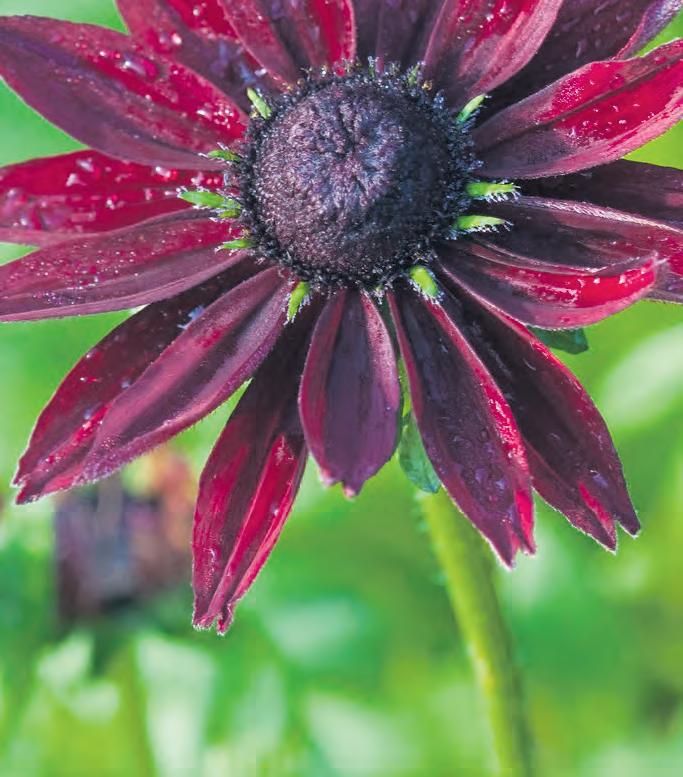
Plant breeders have introduced many outstanding cultivars. Some of the most popular include:
Rudbeckia fulgida ‘Goldsturm’
Perhaps the best-known perennial Rudbeckia ‘Goldsturm’ produces masses of golden-yellow flowers with prominent dark centres. Its reliability, disease resistance, and long flowering period have made it a garden classic.
Rudbeckia hirta
Often grown as an annual or short-lived perennial, this species includes many of the traditional Black-Eyed Susan forms. It flowers freely and is available in a wide range of colours.
Rudbeckia ‘Cherry Brandy’
A striking variety featuring rich burgundy-red petals surrounding dark centres. It offers a dramatic alternative to traditional yellow forms and works particularly well in contemporary planting schemes.
Rudbeckia ‘Prairie Sun’
This award-winning variety features large flowers with pale yellow petals that fade to primrose around green central cones. The unusual colouring makes it highly distinctive.
Rudbeckia ‘Indian Summer’
Known for its exceptionally large blooms, this variety can produce flowers up to 20cm across. The bright golden petals create a bold statement in borders.



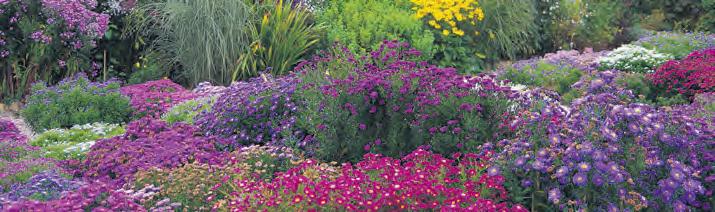
Also open 24TH JULY for a special evening opening for the NGS - details online Specialist nursery and beautiful 1.5 acre garden just waiting to be explored ORDER ONLINE or catalogue available
OPEN DURING JULY: Wednesday to Saturday, 11am to 5pm
THROUGHOUT AUGUST: Wednesday to Sunday, 11am to 5pm
Often great value for money, easy to care for, needing less attention and great survivors, more gardeners are turning to hardy plants in their garden to make life a little easier.
Hardy plants are tough survivors in any garden. And they are hugely popular for that very reason. Why? It’s something to do with the fact they can survive difficult weather conditions and require very little maintenance. They tolerate cold temperatures, strong winds, periods of drought, and poor soil conditions better than many other garden plants. So, no garden can really be without them. One of the main reasons hardy plants are so popular is that they are easy to care for. They need less watering, feeding, and protection from the weather than more delicate species. This makes them ideal for people who want an attractive garden but do not have a lot of time to spend on maintenance. Their ability to survive challenging conditions also means gardeners are less likely to lose plants during harsh winters or dry summers, saving both money and effort.
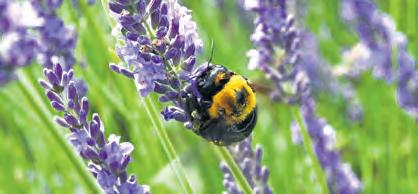
One of the most popular hardy plants is the lavender plant (Lavandula). Lavender is a compact shrub with silvery-green foliage and fragrant purple flowers that bloom during the summer months. It thrives in welldrained soil and sunny locations and is particularly valued for its pleasant scent. Lavender is popular because it attracts bees, butterflies, and other pollinators, making it beneficial for wildlife-friendly gardens.
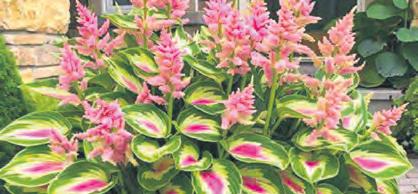
Another excellent hardy plant is the hosta (Hosta species). Hostas are grown primarily for their attractive foliage, which comes in shades of green, blue, yellow, and variegated patterns. They are ideal for shaded areas where many flowering plants struggle to grow. Hostas are popular because they provide texture and visual interest throughout the growing season.
Hardy geraniums
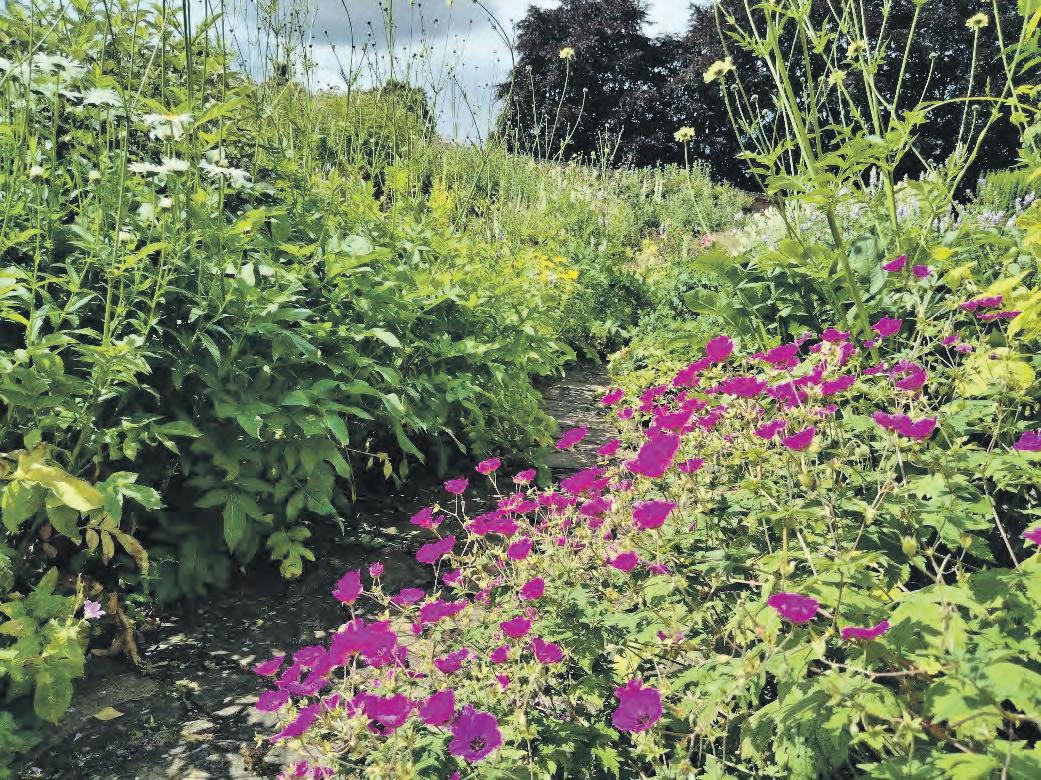
The hardy geranium (Geranium species), often known as the cranesbill, is another favourite among gardeners. Unlike bedding geraniums, hardy geraniums are perennial plants that return year after year. They produce masses of colourful flowers in shades of pink, purple, blue, and white. Hardy geraniums are popular because they flower over a long period and require
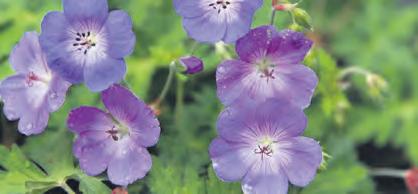
very little maintenance. They spread effectively, helping to suppress weeds and fill gaps in borders.
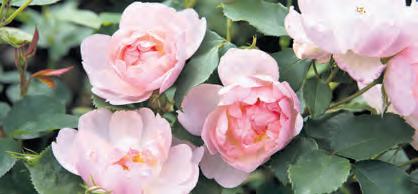
Roses, particularly hardy shrub roses, remain one of the most widely grown garden plants. These roses produce beautiful flowers in a wide range of colours and often have a delightful fragrance. Modern hardy varieties have been bred for disease resistance and resilience to challenging weather conditions.
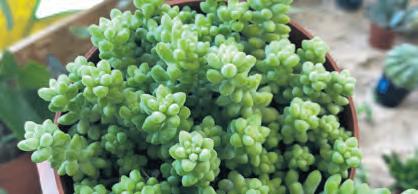
Sedum, now often classified as Hylotelephium, is another hardy perennial that is highly valued. Sedums have fleshy leaves and clusters of star-shaped flowers that appear in late summer and autumn. These plants are drought tolerant and thrive in poor soils where many other plants would struggle. Sedums are popular because they provide colour late in the gardening season and attract pollinating insects. Their ability to withstand heat, cold, and dry conditions makes them ideal for low-maintenance gardens.
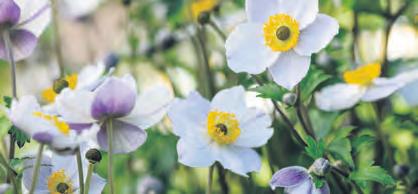
autumn. The flowers are usually pink or white and rise above attractive green foliage on tall stems. Japanese anemones are popular because they extend the flowering season when many other plants have finished blooming.
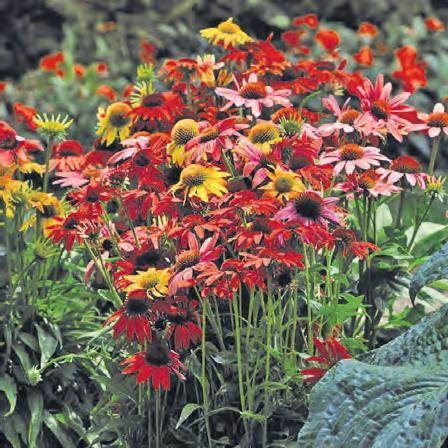
Ecinacea/ Coneflowers
Coneflowers (Echinacea species) are also excellent hardy plants. They produce large daisy-like flowers with raised central cones and come in various colours, including purple, pink, white, orange, and yellow. Coneflowers are popular because they attract bees and butterflies while providing striking displays in flower borders.
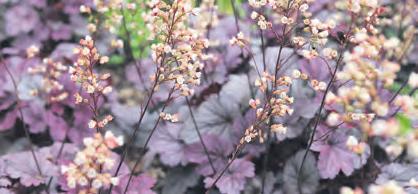
Heuchera, commonly known as coral bells, is another hardy perennial prized for its colourful foliage. The leaves come in shades ranging from deep purple and bronze to lime green and silver. Small flowers appear on delicate stems above the foliage during the summer months. Heucheras are popular because they offer year-round interest and work well in borders, containers, and mixed plantings.
Hardy fuchsias are shrubs that produce elegant hanging flowers throughout summer and autumn. Unlike tender fuchsias that require protection from frost, hardy varieties can survive winter outdoors in many regions. They are popular because of their long flowering period and colourful blooms, which attract pollinators.
Peony
One of the most iconic hardy plants is the peony (Paeonia species). Peonies are known for their large, spectacular blooms and glossy foliage. They can live for decades when established and often become more impressive with age. Peonies are popular because they provide stunning displays of flowers and require very little maintenance once settled. Their hardiness and longevity make them excellent investments for any garden.
Hardy plants are important because they reduce the amount of effort required to maintain a garden. They are generally more resistant to pests, diseases, drought, frost, and other environmental challenges. This means gardeners spend less time replacing damaged plants and more time enjoying their gardens. In addition, hardy plants provide long-term value. Many are perennial, meaning they return every year without the need for replanting. This makes them economical choices for gardeners and contributes to sustainable gardening practices. Hardy plants also support wildlife by providing nectar, pollen, shelter, and food for insects, birds, and other creatures.
Summer brings with it specific queries from our readers - everything from splitting tomatoes to lawn problems to dying seedlings. If you have any gardening advice we can help with write to us at editorial@countrygardener.co.uk
Why aren’t my flowers blooming? All over my Somerset garden there is plenty of healthy-looking plants and shrubs but this spring and early summer very little when it comes to flowers.
George Trench Minehead
The main reasons for lack of flowers and blooms amongst shrubs tends to be incorrect pruning whether at the wrong time of the year or too harsh and drastic. So, pruning at the correct time for the species will help. Lack of sunshine may be another reason so it may be a shrub, or plant is just in the wrong position not getting enough sunshine and may need moving. Also, if you are feeding your plants be careful not to feed too much nitrogen and use a fertiliser higher in phosphorus.
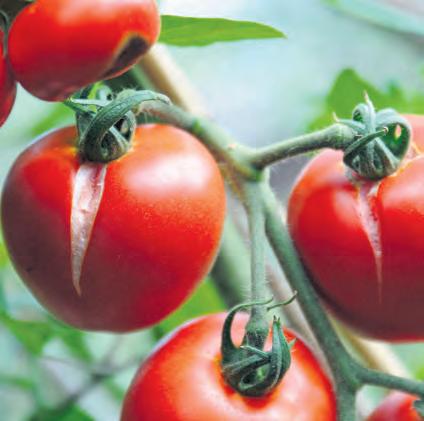
Why are my tomatoes splitting before they ripen?
Even the very small young fruits are splitting, and it is very discouraging.
Gerie Young sent by email The problem is how you water your plants. Irregular watering often causes fruit to crack as the inconsistent watering causes bursts in growth and then periods when there’s little growth. Water consistently and direct the water to the roots not the leaves or the young fruit, mulch around plants to retain moisture, and harvest fruits as soon as they begin to ripen.
I am interested in rotating my vegetable crops more in my small garden, but I am not sure how this can be properly done when I don’t have a lot of space.
Michaela King Liss
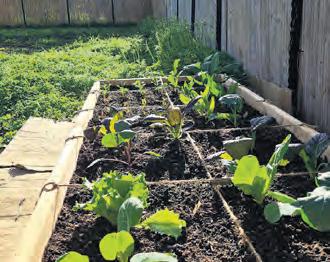
Crop rotation is often associated with largescale agriculture, but it can certainly benefit small gardens. The goal is to prevent the buildup of pests, diseases, and nutrient imbalances associated with repeatedly growing related crops in the same location. A practical approach is to divide crops into plant families such as legumes, brassicas, root crops, and fruiting crops. Each year, move these groups to different beds or sections of the garden. Even modest changes in location can disrupt pest life cycles. Crop rotation should be combined with soil improvement practices. Legumes contribute nitrogen, while heavy-feeding crops can be followed by green manures or compost applications. This helps balance nutrient demands over time.
Disease management is another major benefit. Soil-borne pathogens often persist in specific locations, and moving susceptible crops reduces the likelihood of infection. You should avoid planting members of the same family in the same spot for at least three years whenever possible.
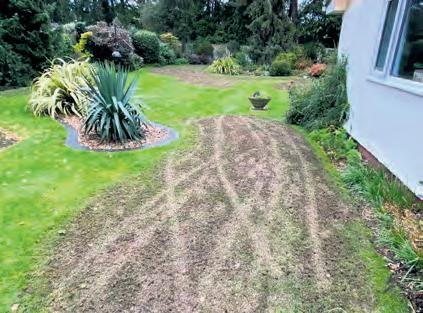
Why isn’t my lawn growing evenly? It is a sizeable lawn, and some areas grow rapidly, other look bare and worn and some seem to attract more weeds than others. The overall effect looks awful.
Andy Howell Bath
Uneven lawn growth is usually caused by uneven soil moisture, improper mowing, or localized soil compaction. The specific culprit typically leaves visual clues, ranging from patchy, rapid growth spurts to stunted, pale areas across your grass and can look unsightly. What action you take depends on how serious the problem is. You may need to aerate the lawn, clear out any bare patches and re seed, apply a suitable lawn fertiliser, and address drainage issues where necessary.
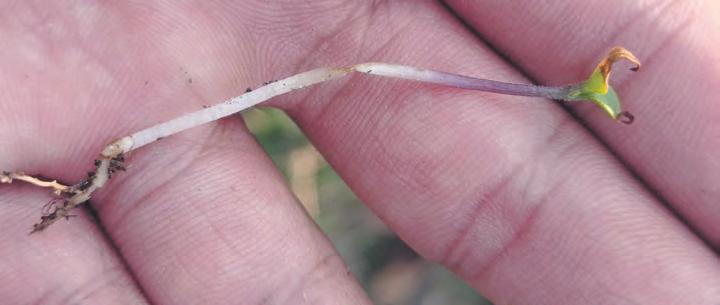
Why are my seedlings dying shortly after germination? The first few weeks are fine, and everything is normal and then just as they start to really grow, they shrivel and fade.
Roz Sweeney Bath
Young seedlings can be prone to a number of problems including damping-off disease, poor ventilation, or excessive moisture all may be responsible.
You must use sterile seed compost, avoid overwatering, and improve air circulation around seedlings.
How can I improve soil structure in a mature garden without disturbing established plants?
Jan Mowbray via email
Improving soil structure in a mature garden requires a gradual approach that avoids damaging existing root systems. The most effective method is top-dressing with organic matter such as compost, well-rotted manure, leaf mould, or composted bark. Applying a 2–5 cm layer annually allows earthworms and soil organisms to incorporate nutrients naturally into the soil profile.
Mulching is another valuable technique. Organic mulches help regulate soil temperature, reduce moisture loss, suppress weeds, and break down over time, enhancing soil texture. Avoid deep cultivation around established plants because it can damage roots and disrupt beneficial soil fungi.
Cover crops can also be used in vacant areas. Plants such as clover and vetch improve soil structure by adding organic matter and creating channels that increase aeration and water infiltration. Where compaction is a problem, broad forking nearby open spaces can help improve drainage without excessive disturbance.
Regular soil testing provides insight into nutrient levels and pH balance, allowing gardeners to make targeted amendments rather than applying unnecessary fertilisers. Healthy soil is built slowly over time. Consistent additions of organic matter encourage beneficial microorganisms, improve nutrient retention, and create a crumbly soil structure that supports strong root growth and long-term garden productivity.
Can you suggest any effective methods for conserving water in ornamental gardens? I am sure I should be doing more in my garden but am not sure what the options are.
Baz Collins Exeter
Water conservation is becoming increasingly important in all our gardens, and we should be able to significantly reduce water use through plant selection, soil management, and efficient irrigation practices.
Choosing drought-tolerant plants adapted to local conditions is one of the most effective ways. Once established, these plants often require minimal supplemental watering. Grouping plants according to water needs also improves irrigation efficiency.
Healthy soil plays a major role in water conservation. Organic matter increases water-holding capacity and improves root development. Mulching further reduces evaporation, suppresses weeds, and moderates soil temperature.
Drip irrigation systems deliver water directly to plant roots, minimising waste from runoff and evaporation. Watering deeply and less frequently encourages deeper root systems that are more resilient during dry periods.

Rainwater harvesting provides an additional source of irrigation water. Collecting runoff from roofs in water butts or storage tanks can significantly reduce dependence on mains water supplies.
How can gardeners maintain healthy plants while reducing fertiliser use? I always spend a lot on fertilisers but would like to cut back.
Keith Young Portsmouth
Reducing fertiliser use begins with understanding that healthy soil, rather than constant feeding, forms the foundation of plant health. Building soil organic matter through compost, leaf mould, and well-rotted manure provides a steady release of nutrients while improving soil structure.
Soil testing is valuable because it identifies actual deficiencies. Many gardens receive more fertiliser than necessary, leading to nutrient imbalances and environmental concerns.
Cover crops and green manures contribute nutrients naturally. Leguminous plants fix atmospheric nitrogen, while deep-rooted species recycle nutrients from lower soil layers. Mulching further supports nutrient cycling as organic materials decompose.
Selecting plants suited to local conditions also reduces fertiliser requirements. Adapted species generally perform better with fewer inputs than plants struggling outside their preferred environment. Encouraging beneficial soil microorganisms enhances nutrient availability and root health.
What are the best strategies for managing persistent perennial weeds organically? I am a newish gardener and for the second season in a row seem to be fighting a losing battle against the weeds which is making gardening a not very nice experience.
Vi Greene Salisbury
Persistent perennial weeds such as bindweed, couch grass, persistemt dandelions and ground elder present challenges because they regenerate from underground roots or rhizomes. Successful organic control requires persistence and a combination of techniques. Frequent removal of top growth weakens weed reserves over time. Cutting or pulling weeds whenever new growth appears prevents photosynthesis from replenishing underground energy stores. Deep mulching with cardboard covered by compost or wood chips can block sunlight and suppress growth for extended periods.
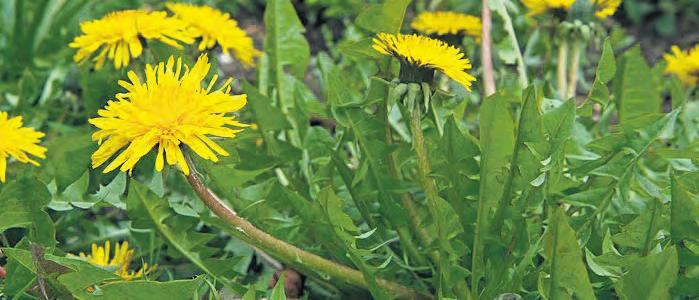
digging may be effective in smaller areas, but every effort should be made to remove as much root material as possible. Even small root fragments can regenerate.
Maintaining healthy plantings also helps.
Patience is essential because some perennial weeds may require several growing seasons to eliminate. Consistent monitoring and immediate action against regrowth are critical. Organic weed management focuses on reducing weed vigour gradually while building a healthy ecosystem that favours cultivated plants over invasive species.
across its homes.
The not-for-profit residential and care at home provider runs many dementia care initiatives including NAMASTE care, which promotes a holistic, personcentered approach to caring for people living with advanced dementia. Namaste sessions take place in a calm, relaxed environment in the care homes with low lighting and sensory activities including music, movement and aromatherapy, day or night, depending on the individual resident’s needs in the present moment.
All of Care South’s homes, based across Dorset, Somerset and Devon, also focus on another initiative, DINING FOR DEMENTIA. It involves every member of the care, catering and activities teams at each home coming together to ensure that every resident has a positive experience when eating and drinking. This includes contrasting cutlery, visual menus, show plates and updated dining rooms with additional homely touches.
Care South has dementia champions across all of its homes and staff from each home also undertake a unique training experience known as the Virtual Dementia Tour, which is the only scientifically and medically proven method of giving a person with a healthy brain the experience of what it is like to live with dementia.
Care South recently received the Hennell Award for Innovation and Excellence in Dementia Care from the University of Worcester’s Association for Dementia Studies, recognising its in-house Dementia Care Coach training programme led by Karen Hodges, Group Dementia Lead at Care South. Staff across all homes and care at home offices have completed the training, with Dementia Care Coaches supporting colleagues, residents and clients to enhance dementia care and wellbeing.
Karen Hodges, Group Dementia Lead for Care South, also supports the care homes to run dementia care information sessions for individuals and relatives of loved ones living with dementia. Visitors from the local community and relatives of residents gather for informal group sessions to share experiences, discuss challenges and gain practical advice on supporting loved ones throughout their dementia journey.
Karen Hodges, Group Dementia Lead at Care South, said: “We feel that it’s an important to open up conversations around dementia and help people feel less alone in the journey they may be facing. It is always a privilege to bring residents, relatives and members of the local community together to share experiences and talk about the importance of supporting people living



with dementia. At Care South, we are committed to providing compassionate, person-centred care that supports and respects each individual resident’s needs.”
Care South is a leading provider of high quality residential and care at home services across the south of England. The not-for-profit charity has care homes in Dorset, north Devon and Somerset, and care at home offices covering Dorset and Somerset. Every Care South home has a garden featuring wide, flat walkways and raised flower beds to make them accessible to everyone.
Earlier this year, Care South was named as one of the UK’s Top 20 Care Home Groups in the Mid-Size Large Group category at the Care Home Awards 2026 based solely on reviews from residents, relatives and their loved ones.
All Care South homes host their own ‘WELCOME WEDNESDAYS’ session every week from 2pm to 4pm for visitors to enjoy the warm and friendly atmosphere over cake and coffee. There is no need to book – just drop in on the day.
For more information about the care services available, go to care-south.co.uk or call Care South on 01202 712410.
compiled by Vivienne Lewis
We’ve selected a great variety of gardens opening for this high summer month with village garden groups, allotments and community gardens, a farm gifted back to nature, a huge preparatory school garden, plus an award-winning prison garden, and extensive, elegant mature gardens - something for everyone. So, head out for an afternoon enjoying other people’s way of gardening, often with a cuppa and cake, raising much needed funds for nursing and health charities. Check wherever possible before starting on a journey as circumstances may cause cancellations. www.ngs.org.uk

Reading Road, Hook, Hampshire,
Goathurst, Bridgwater, Somerset TA5 2DF
Three gardens in the picturesque village of Goathurst on the edge of the Quantock Hills open together for the National Garden Scheme on Saturday 25th and Sunday 26th July, 2pm-5pm each day. Old Orchard is a quintessentially English cottage garden, historic Halswell Park with a knot garden created to reflect an original 16th century design, a walled garden and Georgian pleasure gardens with follies, bridges and ponds, a newly restored pond with the Grotto adding to the follies in Halswell Park, and the garden of the Temple of Pan surrounding an 18th century baroque folly built as part of Halswell Park’s Georgian pleasure gardens, now with herbaceous borders, lawns, ponds and woodland gardens. Combined admission £7.50, children free.
Stowey, Bishop
Sutton, Bristol, Somerset BS39 5TL
Opening for the NGS on Sunday 19th July, 2pm6pm, these gardens show developments and a wide diversity each year, in this tiny, ancient village. Mature trees and shrubs, with ample seating within tranquil areas of the gardens, often with glorious views, flowerpacked borders and pots, roses, topiary, hydrangeas, exotic garden, many unusual trees and shrubs, orchards, vegetables, ponds, specialist sweet peas, succulents, lawns and a ha-ha. Combined admission £7, children free.


Axminster Road, Charmouth, Bridport, Dorset DT6 6BY
An unusual opening for the NGS on Sunday 12th July, from 9am until 6pm, Hogchester Farm is a collaboration between those seeking connection with nature and themselves through conservation therapy and the arts. The 75-acre old dairy farm has been largely gifted to nature, closely working with the Dorset Wildlife Trust, with wild meadows and wilding areas filled with local flora and fauna including wild orchids, a deep rooted local history stretching back a thousand years, in an Area of Outstanding Natural Beauty, with views to the Dorset Jurassic Coast; formerly part of the Forde Abbey Estate with a farmhouse dating back to the 12th century. 2pm - talk on the history of the meadows. Admission £5, children £2.

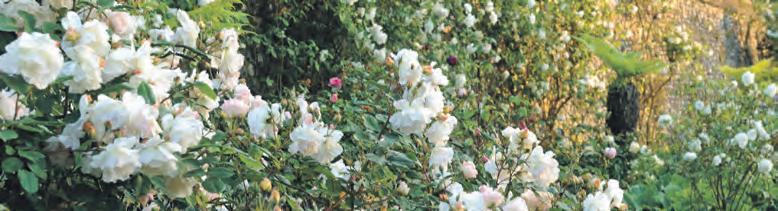
National Garden Scheme gardens are awash with the scent of roses this month
Find your perfect garden: ngs.org.uk
Charlton Drive, Wraxall, Bristol, Avon BS48 1PF
Opening for the NGS on Wednesday 29th July from 11am until 3.30pm, 65 acres wrap around the Grade II listed Charlton House, once part of a wider estate that included Tyntesfield National Trust. Historic garden features include a stumpery, pond and greenhouse, with annual bedding displays framed by beautiful views across open parkland and specimen trees dotted around the estate. Admission £6, children free.
Bulbarrow Lane, Winterborne Stickland, Blandford Forum, Dorset DT11 0ED
This three-acre hilltop garden with extensive views opens for the NGS on Sunday 26th July from 10.30am until 4.30pm, with a swimming lake, orchards, kitchen garden, mixed borders and unusual trees including Wolemia nobolis, Ginko biloba and Monterey pine; roses and hydrangeas thrive. Admission £5, children free.
Leyhill, Wotton-Under-Edge, Gloucestershire, GL12 8BT
Visitors will be taken on a guided group tour of the gardens at HMPrison Leyhill when it opens for the NGS on Saturday 11th July from 9.30am until 3.30pm. Extensive perennial borders and annual beds lead to an alpine rockery, meandering via an incline path are further annual beds, a memorial bed plus established trees and extensive lawns. There’s a large commercial horticulture section growing salad crops, fruits and vegetables together with a plant nursery. Admission: adults £10, over 18’s only. Photo ID will be required for entry and cameras and phones are not permitted.

Bovey Tracey, Devon, TQ13 9LZ
Nestling in the Dartmoor foothills, Bovey Tracey Gardens open for the NGS on Saturday 4th and Sunday 5th July, 1.30pm5.30pm each day, with a wide range of gardens: Green Hedges has colourful borders, shade plants, organic vegetables, greenhouses and a small stream, while 14 St Paul’s Close is a small, but well structured garden offering both shade and sunny aspects, and 2 Redwoods has mature trees, a Dartmoor leat, a fernery, a sunny gravel garden and acid loving shrubs. Combined admission £6, children free.
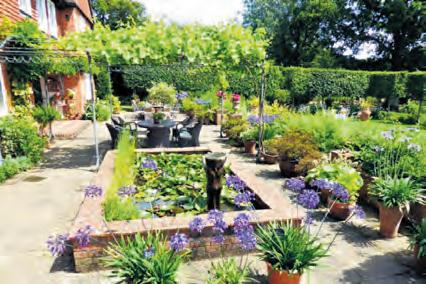
Itchen Abbas, Hampshire, SO21 1AX
Opening for the NGS on Thursday 23rd July, 2pm-5pm, a two-acre garden laid out in rooms overlooking the Itchen Valley, adjoining the Pilgrim’s Way, with a terrace of agapanthus and succulents, pleached hornbeams, rope-lined fountain garden, formal box-edged potager, a new wildlife pond and sustainable garden, yew-lined avenue and walks in adjoining meadows. Admission £8, children free.
Partial wheelchair access
Visitors welcome by arrangement
Manor Garden Centre, Cheney Manor, Swindon, Wiltshire, SN2 2QJ
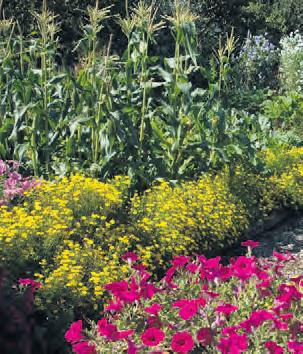
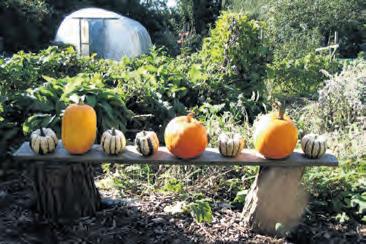
This delightful two-acre community garden, created and maintained by volunteers, opens for the NGS on Sunday19th July from 12pm until 4pm, with seven individual display gardens, an ornamental pond, plant nursery, Iron Age roundhouse, artwork, fitness trail, separate kitchen garden site, Swindon beekeepers and the haven, overflowing with wild flowers. Admission £3.50, children free.
Refreshments available
Unsuitable for wheelchairs
Coaches welcome consult owners
Hyde Lane, Cheltenham, Gloucestershire, GL51 9QN
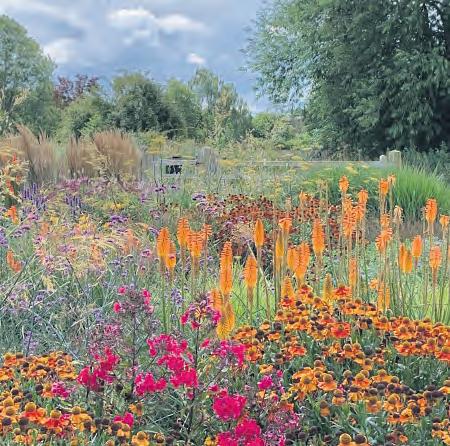
A new opening for the NGS on Wednesday 15th July from 12pm until 4pm, inspired by the work of Piet Oudolf and featured on BBC’s Gardeners’ World in 2024, the garden extends to 0.6 acre on the original stables site and is surrounded by fields, with large perennial beds merging into the surrounding landscape. It has been developed in the last five years from a bare site and includes a recently planted oneacre wildflower meadow. Admission £6, children free.
Kenn, Exeter, Devon, EX6 7XL
Opening for the NGS on Sundays 5th and 26th July, (also Sundays 9th and 23rd August), 2pm-5pm each open day, there’s six acres with a large lawn and colour-themed borders, mature trees including a huge tulip tree, a formal courtyard garden with olive tree, a one-acre walled garden with profusion of vegetables and flowers, palm tree avenue leading to millennium summerhouse, cactus and succulent greenhouse, pelargonium collection and lakeside walk. Admission £7, children free.
Corsley, Warminster, Wiltshire, BA12 7QH
Opening for the NGS on Sunday 26th July from 11am until 5pm, here’s a chance to see a garden featured on BBC Gardeners’ World, that’s full of surprises to reflect the eclectic nature of a Georgian home with a secret Jacobean facade, with a unique sculpted wave lawn and a truly exceptional walled garden. Many well preserved ancient outbuildings including a potting and apple storage shed and a granary built on staddle stones, all overlooking the National Trust’s Cley Hill. Admission £10, children free.
Plants usually for sale
Dogs on short leads
Accommodation at this venue
Wheelchair access to much of garden
No dogs allowed
Picnics welcome
July is perhaps the most rewarding months of the year for anyone who loves gardens. With summer in full swing, borders burst with colour, roses reach their peak, and the long, warm days invite people outdoors to enjoy the beauty and tranquillity that gardens provide. Whether visiting a well-known public garden, exploring a local open garden, or attending one of the many gardening shows in villages and towns, July offers countless opportunities to celebrate the pleasures of horticulture. One of the greatest joys of visiting gardens in July is the sheer abundance of flowers. Herbaceous borders are often at their most spectacular, filled with vibrant displays of delphiniums, phlox, lilies, dahlias and countless other blooms. The air is often scented with roses, lavender and sweet peas, creating a sensory experience that is difficult to match. Every path and corner reveals something new, from carefully designed colour schemes to unexpected combinations of plants that inspire visitors to try new ideas in their own gardens.
Gardens also provide a welcome escape from the pressures of everyday life. Walking through beautifully maintained grounds encourages relaxation and mindfulness. The gentle sounds of birdsong, buzzing bees and rustling leaves help visitors slow down and appreciate the natural world. Many people find that spending time in gardens improves their mood and reduces stress, making a garden visit both enjoyable and beneficial for wellbeing.
July is also a wonderful time to attend gardening shows. These events bring together gardeners of all ages and levels of experience, creating a vibrant atmosphere of shared enthusiasm. Visitors can admire stunning show gardens, discover the latest gardening trends and learn from experts through demonstrations and talks. Gardening shows often showcase innovative planting ideas, sustainable practices and creative landscaping solutions that can be adapted for gardens of any size. Another pleasure of gardening shows is the opportunity to purchase plants directly from specialist nurseries. Many exhibitors offer unusual varieties that are difficult to find in garden centres, allowing visitors to add something distinctive to their own outdoor spaces. Whether it is a rare perennial, an unusual shrub or a beautifully scented rose, taking home a new plant serves as a lasting reminder of a memorable day out.
Visiting gardens and gardening shows in July is also an opportunity to connect with like-minded people. Conversations often begin naturally while admiring a border or discussing a favourite plant. Experienced gardeners are usually happy to share advice, while newcomers can gain confidence and inspiration. This sense of community is one of the most appealing aspects of the gardening world.
Ultimately, the joy of getting out and visiting gardens and gardening shows in July lies in the combination of
beauty, inspiration and relaxation they provide. They allow us to appreciate the remarkable diversity of plants, learn new skills and spend time outdoors in pleasant surroundings. Whether travelling to a renowned garden or simply exploring a local event, a July garden visit offers a refreshing and uplifting experience that can leave lasting memories long after summer has passed.
With the school holidays in July in full swing, Hartland Abbey and Gardens is a great place for families, come rain or shine. Walks through woodland lead to the coast at Blackpool Mill, recognisable from ‘Sense and Sensibility, ‘The Night Manager’, ‘Rivals’, ‘Malory Towers’ and many productions. The Walled and Woodland Gardens are beautiful for those who seek to relax and unwind. Hartland Abbey itself is full of historical interest and family memorabilia. ‘Malory Towers’ fans will love looking for all- the locations around the house and gardens and the displays! After all the fresh air and exercise the café is a great place to refuel on the best of homemade cookery! Outdoor theatre on the lawn is a magical experience. See website for all details.
Hartland Abbey, EX396DT Tel: 01237441496/234 www.hartlandabbey.com


We produce and grow the largest selection available in the UK. Plants are pot grown and suitable for garden, patio or bonsai.
Visitors welcome Mon-Sat 9am-1pm & 2pm-4pm
Barthelemy & Co (DCG), 262 Wimborne Rd West, Stapehill, Wimborne, Dorset BH21 2DZ
Tel: 01202 874283 enquiries@barthelemymaples.co.uk www.barthelemymaples.co.uk
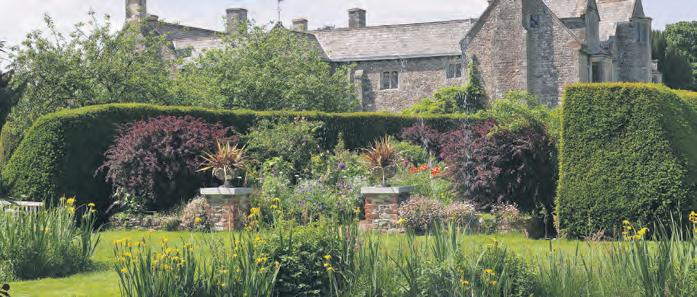

GARDENS & TEAROOM
Open every Friday 2pm - 5pm from 1st May to 25th September
Also the late May & August Bank Holiday weekend - Sat, Sun & Mon GARDENS: adult £6, child £1
CADHAY, OTTERY ST. MARY, DEVON, EX11 1QT 01404 813511 www.cadhay.org.uk Member of Historic Houses



ENJOY LAZY DAYS IN HIGH SUMMER AND THEATRE ON THE LAWN
Beautiful walled and woodland gardens and walks to the beach. Enjoy a fascinating historic family home with displays of filming. Location for ‘Sense and Sensibility’, ‘Malory Towers’, ‘The Night Manager’, ‘Rivals’ and BBC ‘Gardener’s World’.
* Dogs welcome * Holiday Cottages * * Delicious light lunches & cream teas *
House, Gardens etc and Café open until 1st October Sunday to Thursday 11am - 5pm (House 2pm - 5pm last adm 3.45pm)
For more information and special events see www.hartlandabbey.com Hartland, Nr. Bideford EX39 6DT 01237 441496
We look forward to welcoming you on Thursday 6th August 2026
Fabulous entertainment, Delicious food and drink, Over 400 trade stands.
Majestic livestock and horses, Bees and Honey, Dog Show, Kids Zone, Vintage Tractors and Classic Cars, West of England Hound Show, Cookery Theatre, Young Farmers Clubs and Fairground Rides.
Please apply for trade, livestock and horse schedules.


ADVANCE TICKETS JUST £20 (ACCOMPANIED UNDER 16 GO FREE) AVAILABLE FROM www.honitonshow.co.uk
Secretary: Marcelle Connor, Bank House, 66a High Street, Honiton, Devon, EX14 1PS info@honitonshow.co.uk

Be part of the world’s leading cultivated plant conservation charitySomething for everyone interested in plants and their conservation:
• talks and celebrity lectures,
• plant fairs, garden visits, • plant exchanges • propagation & social events.
Hampshire & IoW
- A return to our New Venue
Staunton Country Park, Petersfield Road, Havant, PO9 5HD Sun 23rd August 2026 1pm - 4pm

Set in a historic estate with a listed Regency landscape that contains parkland and formal gardens. Specialist Nurseries & Plant Heritage plants for sale. Refreshments on site. No entry charges. Free parking for Plant Heritage members.
The exciting programme of Rare Plant Fairs continues during July, with quality events held in interesting and unique gardens. There is a brand-new venue and a firm favourite making a visit to one or both events a great day out for all gardeners. A fabulous selection of specialist nurseries attends each of the fairs, all of whom are experts in the plants that they grow.
NEW - Fonthill House Garden, nr Tisbury, Wiltshire on Saturday 4th July, from 11am to 4pm. Fonthill is a stunning venue in rural Wiltshire. Exceptional planting with trees, shrubs, architectural plants, herbaceous plants plus the National Collection of Crassula.
Winterbourne House and Garden, Birmingham on Sunday 12th July, from 10:30am- to 5pm. Winterbourne is one of the best surviving examples of an Edwardian Arts and Crafts suburban villa garden. Today, the botanical garden contains plants from around the globe with collections of plants from China, North and South America and the Alpine areas of the world.
Visit the website at www.rareplantfair.co.uk for full details of the events, including admission charges and a complete list of the exhibitors attending each one.
Fontill House, Fonthill Bishop, Salisbury SP3 5SH Winterborne House, Edgbaston Park Rd B15 2RT
The borders at the popular Devon garden at Cadhay will be at their best in July and the new gardening team is now well in place. Yet again blanket weed has been a problem in the ponds after that very hot patch in early summer, but the team have stayed on top of it, and they will look magnificent with the water lilies and hostas at their best. The dahlias go from strength to strength, and the allotment holders have once again
Fonthill House Garden, Nr. Tisbury, Wiltshire SP3 5PZ
House and Garden, Birmingham B15 2RT
Friday afternoon and more details can be found on cadhay.org.uk Cadhay, Ottery St Mary EX11 1QT
Kelmscott Manor was the iconic country home of William Morris, father of the Arts and Crafts movement. Set on the edge of the Cotswolds, 200 yards from the Thames Path and surrounded by a walled garden and meadows, visitors will discover an outstanding collection which reflects the lives, ideas, and creative legacy of those who lived and stayed. The house retains its domestic charm and the ambience that inspired practitioners in both Pre-Raphaelite and Arts & Crafts Movement. Today, this remarkable place is once again a hub of inspiration and creativity. The Manor is open Thursdays to Saturdays, now through to October.
Kelmscott Manor Kelmscott, Lechlade GL7 3HJ
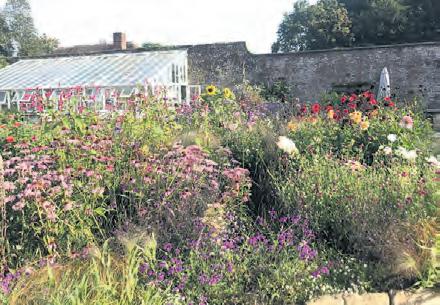
July is one of the most colourful times to visit The Walled Gardens of Cannington, with the Hot Border, Rose Walk and Blue Garden all at their seasonal peak. Visitors can enjoy vibrant herbaceous displays, fragrant roses, striking, blue-toned planting and abundant pollinator activity throughout the gardens. The SubTropical Walk is developing well, already showcasing exotic flowers and dramatic foliage ahead of its latesummer peak, while the Botanical Glasshouse offers a fascinating collection of tropical and arid plants. The gardens provide inspiration, relaxation and beauty for visitors of all ages. Check the website for events and current opening times.
Walled Gardens of Cannington Church St, Cannington, Bridgwater TA5 2HA Tel: 01278 655042
Taunton Flower Show remains one of the most important gardening events in the Southwest of England. Organised by the Taunton Deane Horticultural and Floricultural Society, the show held in Vivary Park in the centre of Taunton is recognised as the oldest flower show in the UK, with its origins dating back to 1831.
The 2026 show will be held on Friday 7 August and Saturday 8 and open from 10:30am to 6pm on Friday and from 9:30am to 5pm on Saturday. It features a packed programme of attractions including floral displays, competition marquees, designer gardens, horticultural exhibits, live music, arena entertainment, specialist plant nurseries and gardening advice from experts.
Ticket prices are discounted when purchased in advance online. Children aged 17 and under can enter free when accompanied by a paying adult, although they still require a ticket. Visitors arriving late can take advantage of reduced admission prices, with late-entry tickets costing £5 after 4pm on Friday and after 3pm on Saturday. Full day ticket prices are available through the official show website and are usually reduced when booked before the event.
The show is especially important for gardeners because it combines education, inspiration and competition. The competition marquee encourages gardeners of all skill levels to exhibit flowers, vegetables, crafts and floral art, helping to preserve traditional gardening skills.
Taunton Flower Show, Vivary Park, Upper High St. TA1 3SX www.tauntonfs.co.uk
Email: walledgardens@ucscollegegroup.ac.uk

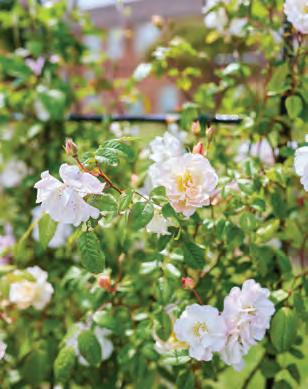

July is one of the most exciting times to visit Forde Abbey, as the historic house and its award-winning gardens come alive with colour, fragrance and a varied programme of summer events.
A highlight of the month is the Summer of Sweet Peas, running from 1 to 14 July. Visitors can enjoy a spectacular display of sweet peas in the Kitchen Garden, where carefully selected varieties create a vibrant tapestry of pinks, purples, whites and magentas.
Music lovers can enjoy a performance by the Kyan Quartet on 2 July, part of Forde Abbey’s popular concert series. Set within the stunning surroundings of the Abbey, the concert promises an intimate and memorable musical experience. On 21 July, visitors can take part in two floral workshops led by Meadow Brook Floristry. Participants will learn sustainable floristry techniques, discover how to grow flowers from seed and create beautiful summer arrangements using seasonal blooms. The month continues with two evenings of opera. Wild Arts Opera presents The Marriage of Figaro on 22 July, followed by An Evening of Opera on 23 July. These performances combine world-class music with the unique atmosphere of one of Somerset’s most beautiful historic venues.
Families can round off the month with outdoor theatre on 28 July, when Folksy Theatre brings Shakespeare’s A Midsummer Night’s Dream to life in the gardens. Forde Abbey, Chard TA20 4LU
Barthelemy & Co from Wimborne in Dorset was established by a French nurseryman almost a century ago, and the Skinner family now specialise in propagating and growing acer palmatum – or Japanese maples as they’re known. Throughout spring, summer and autumn the delicate foliage of the acer presents exquisite shadings of Mother Nature’s gold, pink, purple, green, yellow, orange and red. Acers are a delightful addition to anyone’s garden, giving an aura of peace and tranquillity. The ten-acre nursery at Stapehill has a huge collection of Japanese maples to choose from and expert staff are on hand to help select the right variety and to offer advice about caring for the trees in future. Over 100,000 acers are produced at every year approximately 10,00012,0000 of them are grafted named palmatum varieties, as one of the largest specialist growers of their kind.
Barthelemy & Co, 262 Wimborne Road West, Wimborne, Dorset BH21 2DZ Tel: 01202 874283 www.barthelemymaples.co.uk
HONITON
The Honiton Agricultural Show is planning for a great celebration of rural life in the East Devon Countryside on Thursday, 6th August. An action-packed main ring is planned to include the spectacle of Joseph’s Amazing “Racing” Camels, the Kangaroo Kid will join in, a high energy ATV / Quad Bike Stunt Show. There will be plenty of children’s entertainment to enjoy including Twistopher Punch & Judy Show and Professor Crump-on his stilts. A range of workshops will occupy the Kids Zone - from giant bubble making to pottery. There’s also the chance for a trip down memory lane with over 100 vintage tractors and over 50 stunning classic cars. Rural Skills will feature strongly with thatching, hurdle and stick making demonstrations. Cookery Theatre with a full schedule of chef demonstrations means there is something to appeal to everyone at East Devon’s premier day out!
For further details or information on becoming a member of the association contact the secretary on 01404 41794. Gates open at 8am with entertainment until 6pm. Discounted Early Bird tickets are available now at just £20 in advance (show day prices £24) accompanied children (Under 16) are admitted free!
Visit www.honitonshow.co.uk for Early Bird tickets.
Garden enthusiasts and plant lovers are invited to the Hampshire Autumn Plant Sale on Sunday 23rd August at Staunton Country Park, one of Hampshire’s most beautiful heritage landscapes. This popular annual event offers visitors the perfect opportunity to prepare their gardens for the autumn season while enjoying a day out in stunning surroundings.1pm to 4pm.
A wide variety of high-quality plants will be available from specialist growers and local nurseries, including perennials, shrubs, climbers, ornamental grasses, herbs, and late-season flowering plants. Experts will be on hand throughout the day to offer practical advice on plant selection, garden design, and seasonal planting. In addition to the plant sale, guests can explore the grounds of Staunton Country Park, with its landscaped gardens, woodland walks, and historic features. Refreshments and local produce will also be available, making the event an enjoyable day out for the whole family.
Staunton Country Park, Petersfield Rd, Havant P09 5HD
Devon homeowner and gardener Graham Wilson has for most of his life used hanging baskets outside his house during summer, but they are not he says universally popular.
I often see passers-by stopping outside our Exeter home in summer-and staring. It is nothing sinister. They are just looking at what I say myself are spectacularly colourful hanging baskets. The problem is as many people as possible that appreciate these floral displays seem to hate them.
That’s the thing about hanging baskets. They really seem to divide gardeners.
I think few sights capture the spirit of summer quite like a flourishing hanging basket. Mine flow with petunias, fuchsias, begonias, lobelia, or trailing ivy and are wonderfully colourful for three or four months every summer.
To me they combine beauty, versatility, and accessibility in a way that few other gardening features can.
Unlike flower borders, which often require too much planning and months of growth to reach their peak, a well-planted basket can provide a display almost instantly. As the summer progresses, the plants knit together into a cascade of colour and texture that draws the eye from every angle.
That’s what I believe.
My wife and some friends hate them and make their views clear.
They are, they say, artificial or overly formal. They seem to prefer natural planting styles and view baskets as decorative rather than ecological.
Yet to me this criticism overlooks how adaptable hanging baskets have become. I plant baskets with pollinator-friendly species that attract bees, butterflies, and other beneficial insects so hanging baskets contribute to local biodiversity.
Cost is another point sometimes raised by the ‘anti-hanging basket brigade’ detractors. Purchasing baskets, compost, and plants each year I agree isn’t cheap. However, compared with many other garden improvements, hanging baskets remain affordable, I reduce costs by growing plants from seed or taking cuttings from previous years.
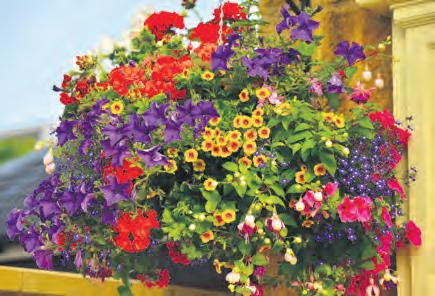
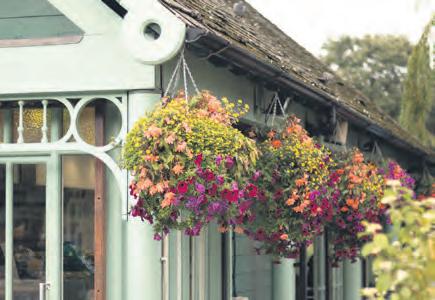
Some also argue that hanging baskets are merely decorative and lack the substance of more traditional gardening. Yet beauty itself has value. Gardens have always served not only practical purposes but also emotional and aesthetic ones. A basket overflowing with flowers can brighten a home’s exterior, lift the mood of passers-by, and provide a daily source of enjoyment. In an increasingly busy and digital world, these small moments of visual pleasure should not be underestimated.
What is my case for the defence? The appeal of hanging baskets lies in their ability to combine simplicity with spectacle. They offer colour, fragrance, wildlife interest, and creative expression in a compact package.
I am going to stick to my guns - hanging baskets are more than just garden features. They are symbols of summer itself—bright, cheerful, abundant, and full of life.
Hanging baskets are particularly valuable because they make gardening possible for people who may have limited space. Not everyone has access to a large garden, but almost anyone can enjoy a basket on a balcony, patio, doorstep, or window bracket.
There is also something uniquely uplifting about seeing flowers at eye level. Traditional flower beds are often viewed from above, but hanging baskets elevate blooms into the natural line of sight.
Critics of hanging baskets also argue that they are high maintenance. It is true that baskets can require regular watering, especially during hot weather when containers dry out more quickly than garden soil. However, modern compost blends, water-retaining granules, and self-watering basket systems have made maintenance far easier than in the past. For many gardeners, the few minutes spent watering each day become an enjoyable ritual rather than a burden. And until the day comes when my wife decides to do something more aggressive about taking them down, my hanging baskets are going nowhere!

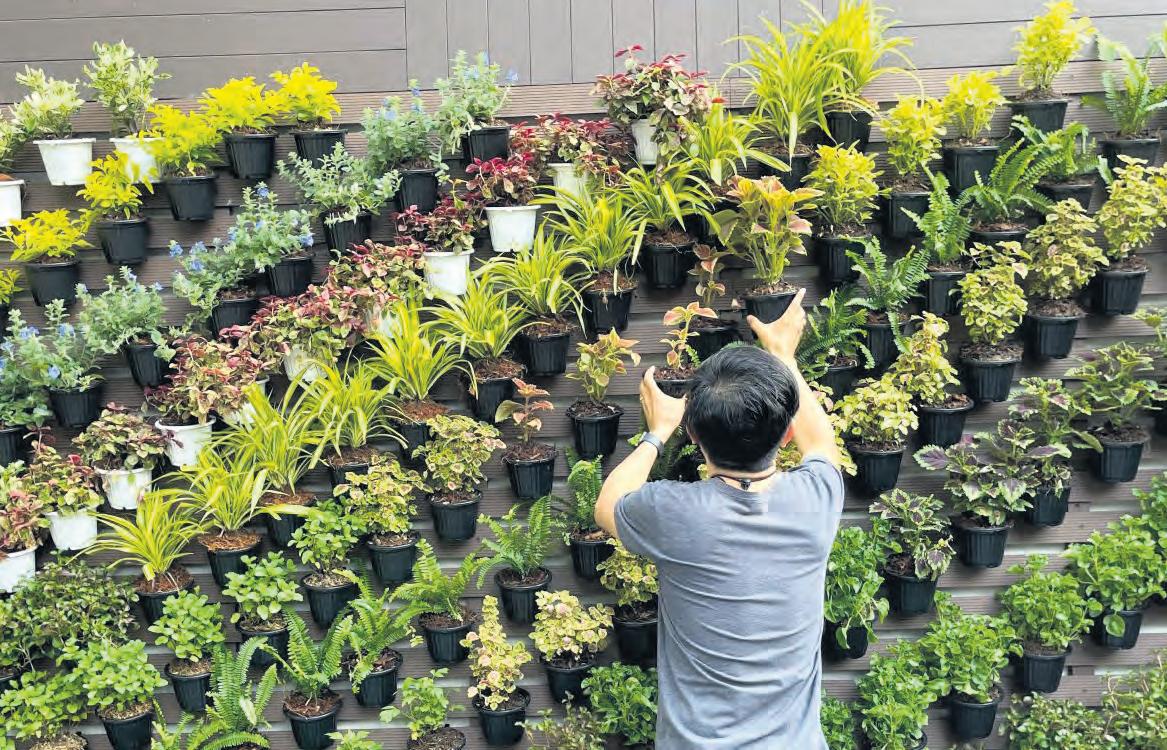
Gardening has always been about innovation. That’s where vertical gardening comes in.
Vertical gardening is suitable for a wide range of vegetables, fruits, herbs, flowers, and shrubs, making it an ideal solution for small gardens, balconies, patios, and even indoor spaces.
Vertical gardening is the practice of cultivating plants on vertically inclined surfaces or support systems. Rather than allowing plants to spread across the ground, gardeners encourage upward growth through structures such as trellises, arches, pergolas, wall planters, and stacked containers.
This gardening method has been used for centuries, particularly with climbing crops such as beans and grapes. Today, vertical gardening systems allow gardeners to grow a much wider variety of plants.
IMPROVES AIR CIRCULATION
Plants grown vertically generally benefit from improved airflow around their leaves and stems. Better air circulation reduces humidity levels and helps prevent fungal diseases such as mildew and blight. Healthier plants often result in stronger growth and improved yields.
EASIER HARVESTING AND MAINTENANCE
Vertical gardens bring plants closer to eye level, making them easier to inspect, water, prune, and harvest. Gardeners spend less time bending or kneeling, which reduces physical strain.
Plants growing vertically are often able to capture more sunlight because their leaves are exposed rather than shaded by neighbouring plants. Increased sunlight promotes photosynthesis and can improve crop production.
CLEANER
Vegetables grown off the ground remain cleaner and are less likely to suffer from soil-borne diseases, rot, or pest damage. Fruits and vegetables hanging freely are also easier to spot when ripe.
Successful vertical gardening requires thoughtful planning and regular maintenance.
First, select plants that are naturally suited to vertical growth or can easily adapt to support systems. Climbers generally produce the best results.
Second, ensure structures are strong enough to support mature plants and, where necessary, the
Many vegetables thrive when grown vertically. Choosing suitable crops is essential for success.
Beans
Runner beans, French beans, and pole beans are among the easiest vegetables to grow vertically. They naturally climb supports and can produce abundant harvests throughout the growing season.
Peas
Garden peas and sugar snap peas readily attach themselves to trellises and netting with their tendrils. Vertical support keeps pods clean and makes harvesting easier.
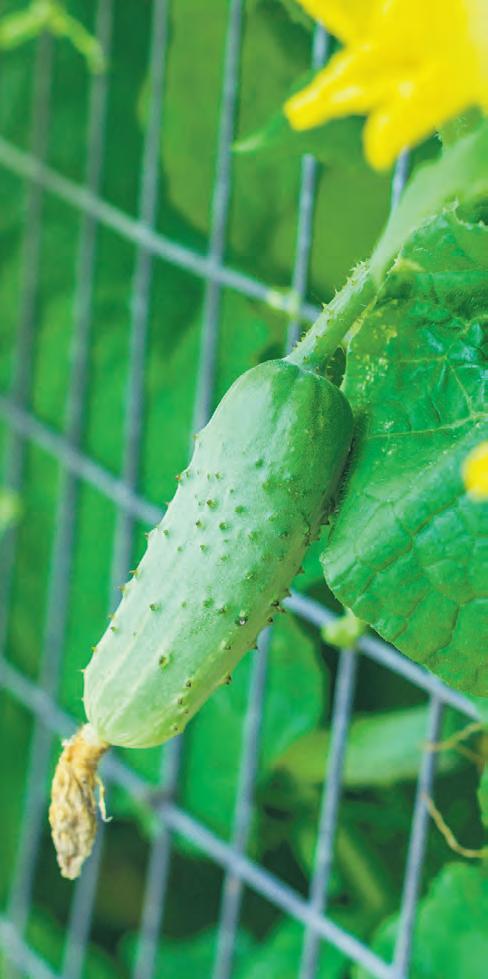
Cucumbers
Many cucumber varieties perform exceptionally well when trained upward. Growing cucumbers vertically improves airflow and reduces fruit deformities caused by contact with the ground.
Tomatoes
Indeterminate tomato varieties continue growing throughout the season and can reach considerable heights. They require strong stakes, cages, or trellises for support. Vertical cultivation helps prevent disease and simplifies harvesting.
Lettuce and salad crops
Leafy greens such as lettuce, rocket, spinach, and mustard greens thrive in wall-mounted pockets, vertical towers, and stacked containers. Their shallow root systems make them ideal for these environments.
Strawberries
Although technically fruits, strawberries are among the most popular plants for vertical gardening. Hanging baskets and vertical towers provide excellent growing conditions while keeping fruit clean and protected.
Herbs
Basil, parsley, mint, chives, thyme, oregano, and coriander all perform well in vertical planters. A vertical herb garden can provide easy access to fresh ingredients near the kitchen.
weight of fruit. Crops such as pumpkins and squash may require particularly robust frameworks.
Third, provide adequate watering. Vertical gardens often dry out more quickly than traditional beds because containers have less soil volume. Installing drip irrigation systems can help maintain consistent moisture levels.
Fourth, feed plants regularly. Nutrients are depleted more rapidly in containers, so balanced fertilisers or organic compost should be applied throughout the growing season.
While vegetables often dominate discussions about vertical gardening, many shrubs can also be trained or adapted for vertical growth.
Climbing roses
Climbing roses provide beautiful flowers and fragrance while covering walls, fences, and pergolas. They create striking visual displays and support pollinating insects.
Jasmine
Jasmine is valued for its highly scented flowers and vigorous climbing habit. It thrives when trained on trellises or garden structures.
Honeysuckle
Honeysuckle offers attractive blooms and nectarrich flowers that attract bees, butterflies, and other beneficial insects.
Hydrangea
Climbing hydrangeas attach themselves to walls and fences, producing large clusters of flowers and attractive foliage.
Lots of options are available to create productive vertical gardens.
Trellises
Trellises are among the most common supports for climbing vegetables and shrubs. They are available in wood, metal, plastic, and wire designs.
Garden arches
Arches create attractive entrances and support climbing crops such as beans, peas, roses, and honeysuckle.
Pergolas
Pergolas provide substantial support for heavier climbers and can create shaded outdoor living spaces.
Wall planters
Wall-mounted planters consist of pockets or containers attached to vertical surfaces. They are particularly suitable for herbs, leafy greens, and ornamental plants.
Vertical towers
Tower systems allow multiple plants to grow in stacked layers, making them highly efficient for small spaces.
Hanging baskets
Hanging baskets are ideal for strawberries, herbs, tomatoes, and trailing vegetables. They make use of overhead space that might otherwise remain unused.
Another batch of thoughtful, amusing and witty letters from Country Gardener readers. If you have something to say write to us and email editorial@countrygardener.co.uk
I have some advice which might be helpful to rose growers who like to cut them and have them on display in the house. The best time to cut roses is when they are about a third of the way between tight bud and open bloom. By the time they are fully open it is too late and impossible to stop them flopping and shredding all their petals (quite beautiful in itself but probably not what you are after). As soon as the cut end of the rose is exposed to air, it creates a seal which stops water being taken up effectively. To get around this and to make them last as long as possible recut the stems at an angle and then plunge them into a couple of inches of just boiled water for 30 seconds, holding the buds away from the steam before putting them in the vase. This way ensures you get maximum life for your cut roses, and it really does work.
Mandy Howe sent by email

I acted too late to save rhubarb from the heat I am afraid the heatwave of early May was too much for my rhubarb and serves as a bit of a warning. It is true I neglected it in amongst all the jobs of May. My rhubarb bolted, flowering when I didn’t want it to as a response to the hot dry weather. I could have saved it by copious watering and then by applying a seal, but I acted too late. Rhubarb can be prone to bolting as it matures and the solution is to divide the plant every five years or so. I will try and dig up the clump in the autumn after the leaves have died down and using a spade slice it into sections and plant the sections a few feet apart with the buds just above the surface. Fingers crossed but a note of warning for your rhubarb loving readers.
Bill Young Dawlish
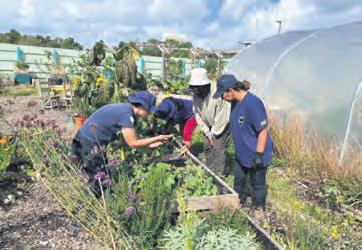

I thought I’d share a success story from my small-town garden. Last spring I planted lavender, verbena, and several varieties of salvia in a real effort to attract pollinators. The results have been remarkable and thrilling. Bees, butterflies, and even hoverflies are now regular visitors. It’s encouraging to see how a few carefully chosen plants can make such a difference to local wildlife.
David Turner Bristol
The joy of community gardening
Our local community garden has transformed a neglected piece of land into a vibrant growing space. Neighbours who barely knew each other now exchange seeds, advice, and produce. Gardening has brought together people of all ages and backgrounds. I encourage anyone with the opportunity to get involved in a similar project; the rewards extend far beyond the harvest.
Linda Price Liverpool
Cats have become a nightmare in my garden. My neighbours on both sides of my garden have cats and I write to contradict those gardeners who enjoy seeing cats in their garden.
One of the main issues is that they dig up my flower beds. I spend hours planting seeds and caring for young plants, only to find them disturbed or uprooted. The cats also use parts of the garden as a toilet, which leaves unpleasant messes and can harm delicate plants. They sometimes chase away birds that visit my garden feeders, reducing the wildlife.
To discourage cats from entering, I have tried lots of things. I place small sticks and pinecones around vulnerable plants to make the soil less attractive for digging. I also use citrus peel, as cats generally dislike the smell. In some areas, I have installed netting to protect newly planted flowers. The best deterrent has been a motion-activated sprinkler, which startles cats without harming them. These things have helped reduce the damage, and thankfully my garden is beginning to thrive again. Sam Vardy Bath
After years of buying compost and reading so much about how better the home-made variety is, I’ve finally started my own compost heap. While it’s producing material, I find the process rather confusing. Some gardening books and magazines recommend turning the heap frequently, while others suggest leaving it alone. I have gone for the regular turning option and try and literally get in amongst it with a big old tinning fork and start turning. It is very hard work but seems to get all important air into the compost which seems to make it all decompose much faster. I am a novice in all this but plan a bit of trial and error.
Susan Clarke Manchester
vegetables in containers
With only a small patio available, I assumed vegetable growing was impossible. However, I’ve had excellent crops of tomatoes, peppers, and salad leaves in containers. I’d love to hear from readers who have successfully grown root vegetables in pots. Are there particular varieties of carrots or potatoes that perform especially well in limited space?
Janet Moore Kidderminster
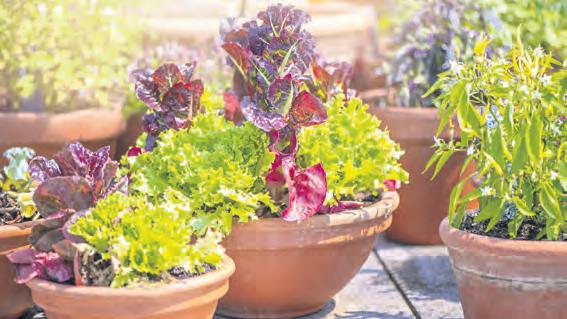
As a grandmother, I have discovered that one of life’s greatest pleasures is listening to the unexpected wisdom of a grandchild, many of them on gardening matters which he is fond of. My grandson aged seven has a remarkable gift for looking at the world from an angle the rest of us would never consider. Sometimes he leaves us laughing, sometimes thinking, and quite often both at the same time.
The other day, after being told he needed to eat his vegetables, he looked very seriously at his plate and announced, ‘I’m not avoiding vegetables. I’m giving them personal space.’
One rainy afternoon, he stared out of the window and declared, ’The clouds are washing the sky because it got fingerprints on it.’
At dinner, he once informed us, ‘Dessert isn’t extra food. It’s the reward for surviving vegetables.’
Perhaps my favourite came when he found a grey hair on my head. He gently patted my hand and said, ‘Don’t worry, Grandma. That’s just your sparkle turning silver.’
Children have a wonderful way of cutting through life’s complications.
Edna
Morris Martock
Painting with pink paint is the answer
I am writing regards to the letter in the June issue of Country Gardener, from the ‘perpetually searching gardener’. Could I suggest that he paints the handles of his trowels a luminous pink… a couple of coats on the handle and then a coat of PVA glue will seal the paint and dries clear. So the colour isn’t lost and the glue allows for a little more hardiness and equally he shouldn’t lose his trowel quite so often as a bright pink handle is much easier to spot.
The cost of the materials is far cheaper than the outlay for a decent trowel.
Lisa Parrott sent via email

The RHS Badminton Flower Show which is held from Wednesday 8th July to Sunday 12th July is one of the most significant new gardening events in the Cotswolds. Organised by the Royal Horticultural Society, the event is held within the historic Badminton Estate and combines world-class garden design with practical gardening inspiration.
A major attraction is the Floral Marquee, featuring more than seventy specialist growers and nurseries displaying rare plants, seasonal favourites and horticultural innovations. Throughout the show, respected gardening personalities such as BBC gardening presenters Adam Frost, Arit Anderson and Rachel de Thame share advice through talks, demonstrations and question-and-answer sessions.
Alongside the gardens, attendees can enjoy live music, food and drink outlets, plant shopping opportunities and familyfriendly activities. Opening hours: 10am to 6pm Wednesday to Saturday; 10am to 5.30pm, Sunday.
Ticket prices: £35.35 per adult; discounts available for RHS members and free admission for under-16s.
Badminton Estate, Badminton, South Gloucestershire, GL9 1DD
The Cotswold Show and Flower festival held on Saturday 4th and Sunday 5th July is a countryside show which appeals to gardeners because of its strong focus on rural life, land management, artisan producers and outdoor living. Held in Cirencester Park visitors can expect demonstrations, countryside exhibits food producers and family friendly entertainment with a strong emphasis on gardening themes. www.cotswoldshow.co.uk
Batsford Arboretum is giving a big chunk of the summer over to looking for butterflies. The Big Batsford Butterfly Hunt is being held at the popular arboretum from 11th July through to the beginning of September inviting visitors of all ages to search for butterflies as they journey through the gardens. There will be a trail map available, and the cost is just £3 per person plus normal arboretum admission.
Batsford, Moreton-in-Marsh GL56 9AT www.batsarb.co.uk
Kiftsgate Court Gardens, the Cotswolds family run garden above the village of Mickleton in Gloucestershire is hosting a relaxing and creative introduction to the art of flower pressing on Tuesday, 28th July from 10.30am to 1pm. Cost £50.
During this hands-on workshop with tutor Jane Corbett, you will learn how to transform an old book into a unique flower press, perfect for preserving the beauty of seasonal blooms to enjoy year-round.
You will decorate your book cover and fill it with a selection of fresh flowers, adding tags and bookmarks to record your summer of collecting.
Kiftsgate Court Gardens, Mickleton, Chipping Campden GL55 6LN
An exclusive garden tour on Thursday, 2nd July provides access to two exceptional private Cotswolds gardens rarely open to the public. Organised as a fundraising event for Perennial, the UK charity supporting people working in horticulture, the day offers an experience focused on high-quality garden design and plant collections. The Manor House Garden, located beside the River Coln near Cheltenham, has evolved over more than three decades and combines formal and informal styles. Visitors can admire structured parterres, herbaceous borders, mature yew hedges and ornamental features that blend with the Cotswold landscape. Opening hours 10.45am to 4pm. Price £175 pp.
The Manor House & Pindrup Farm, near Cheltenham, Gloucestershire, Cotswolds.
Nestled in the middle of the village of Holt, between Bradford-on-Avon and Melksham, the Courts Garden is full of charm and variety: an English country garden at its best.
Cared for by the National Trust, the seven-acre garden is laid out in a series of intimate garden ‘rooms’. Each corner provides an oasis from the world outside, from the arboretum to the water garden with its trickling rill and bridge straight out of an impressionist painting.
In summer the garden is a hotbed of colour, and recent re-planting in the Pillar Lawn takes this almost literally with echinacea ‘Hot Summer’, helenium ‘Ranchera’ and salvia ‘Amistad’ providing a feast for all senses. The Courts is open every day from 10.30am to 5pm, until the autumn. Visit www.nationaltrust.org.uk/the-courts-garden for more information.
Courts Garden – an English country garden at its best
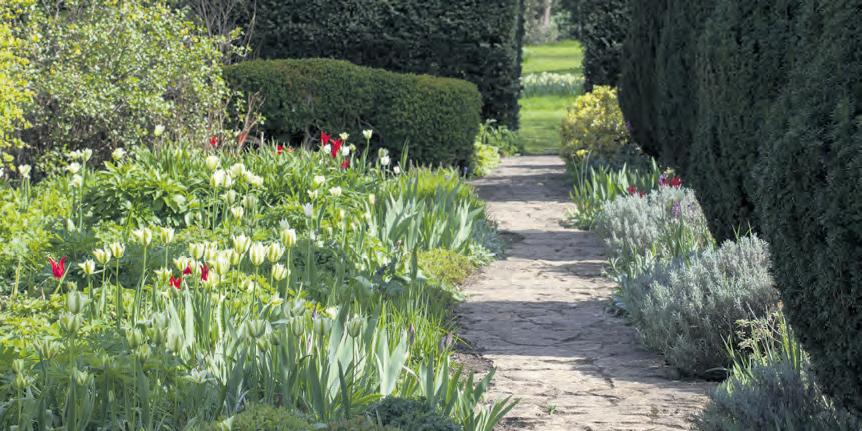
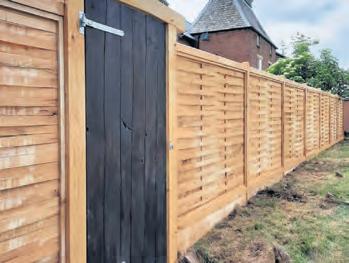
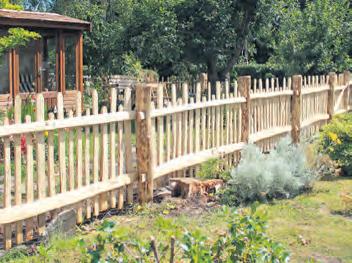


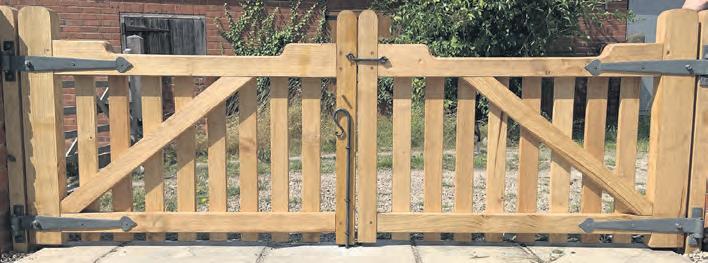


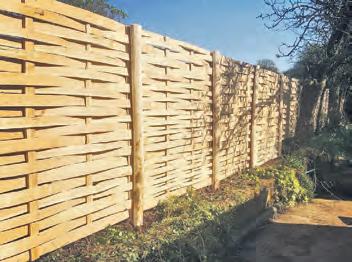


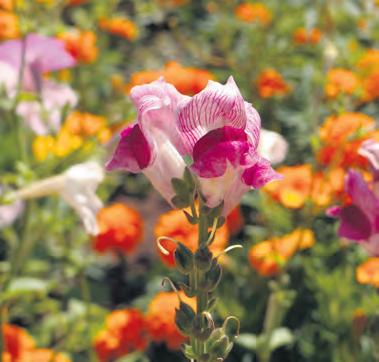
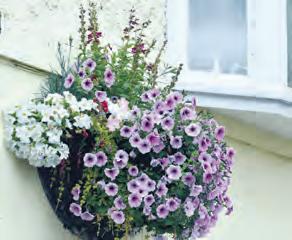
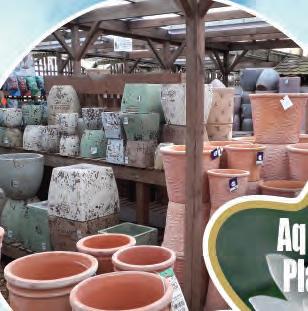




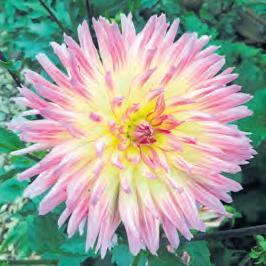


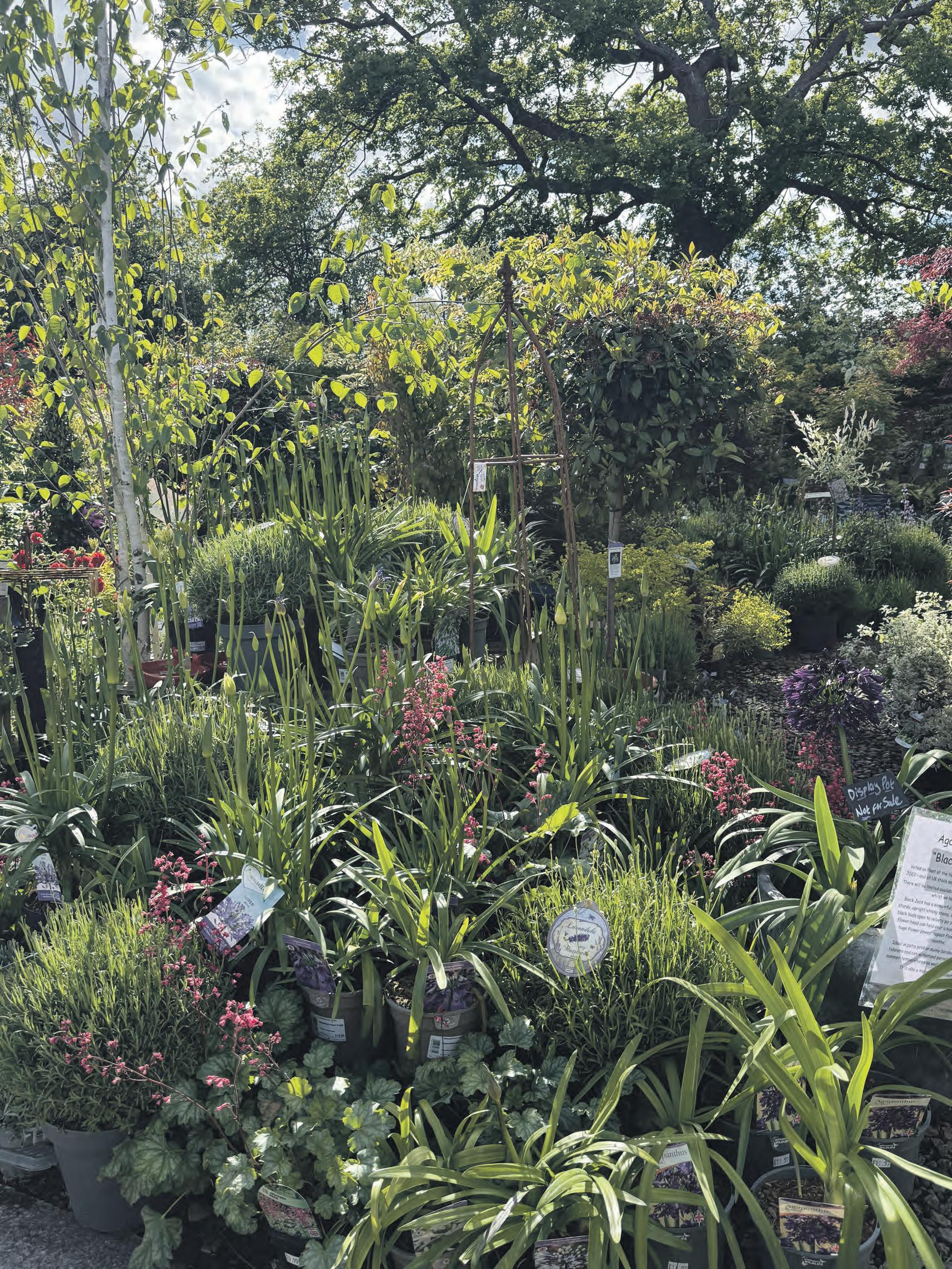

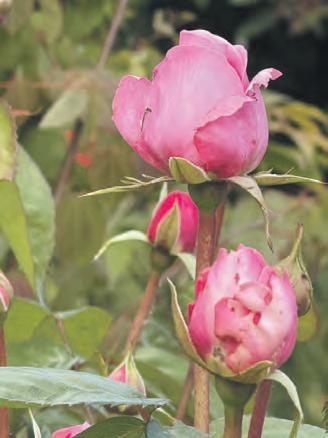

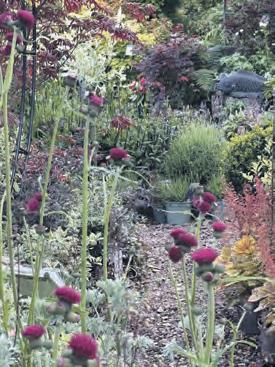
Between the showers, heat waves, and thunderstorms we’ve been busy selling, growing and getting creative in our sanctuary. If you haven’t visited the plant centre yet this season then do not worry, there is still plenty of colour and inspiration to choose from. Our homegrown plants are now available.
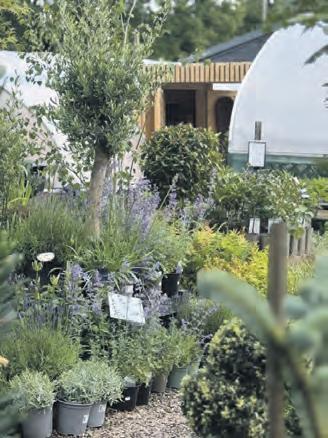



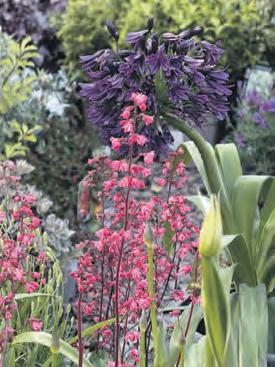
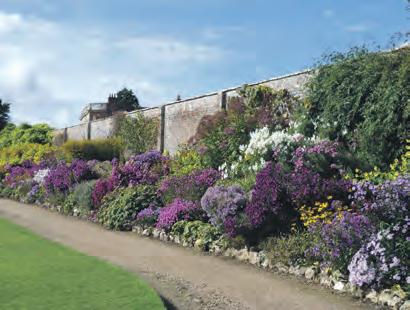
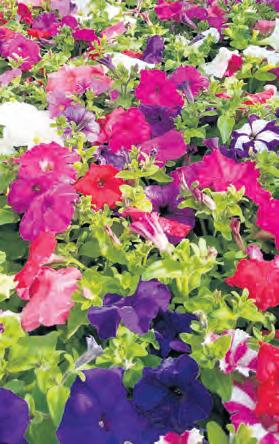


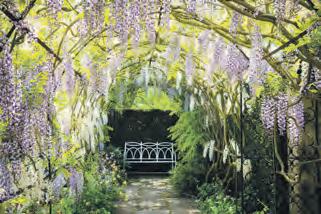







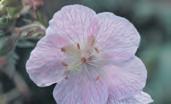
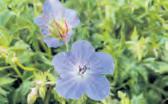


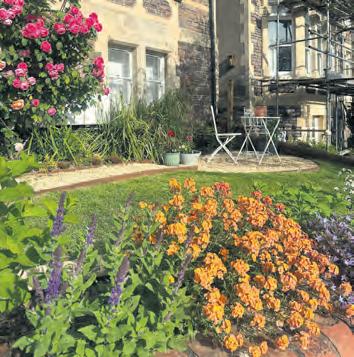
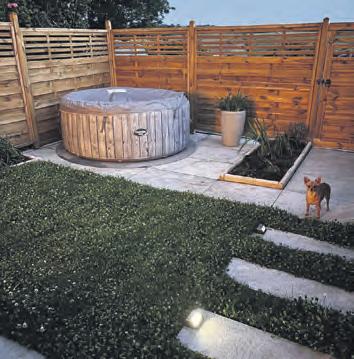
0330 173 0319 careuk.com/cotswolds Trusted to care Award winning care homes
“I feel reassured and supported every day. I only have to ask if I want anything.”
Angela, care home resident
We provide support and reassurance around the clock to make every part of your loved one’s stay with us safe and comfortable.
Scarlet House care home, Stroud
Sandfields care home, Cheltenham
Highmarket House care home, Banbury


Ladden View care home, Yate
The Hollies care home, Dursley
Holly Oak care home, Dursley

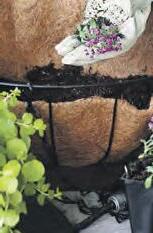
Everything you need for the perfect, practical garden!
Family-owned and managed “independent” Garden Centre, catering for all your gardening needs and so much more.
Stockist of a wide range of well-known gardening brands and locally sourced plants, trees and shrubs.



Browns Garden Restaurant Serving Breakfasts, Brunch, Homecooked ‘Fresh’ lunches, Afternoon teas, Cakes & treats.
SUNDAY ROASTS - BOOKING ADVISED FULLY LICENSED & AIR CONDITIONED T: 01684 299996 E: info@brownsgardenrestaurant.co.uk
Open Mon-Sat 9am - 3.30pm, last food orders at 2.15pm, Sun 10am - 4pm (Open all bank holidays)
T: 01684 293103 W: www.tewkesburygardencentre.com Worcester Road, Tewkesbury, Glos, GL20 6EB SUMMER OPENING TIMES: Mon-Sat 9am - 5pm, Sun 10am - 4pm


ORDER ONLINE OR CALL US: www.flowershedtewkesbury.co.uk
Tel: 01684 290288
Mythe. A38 Worcester Rd, Tewkesbury GL20 6EB Email: flowers@flowershedtewkesbury.co.uk Mon-Sat 9am - 5pm CLOSED SUNDAYS


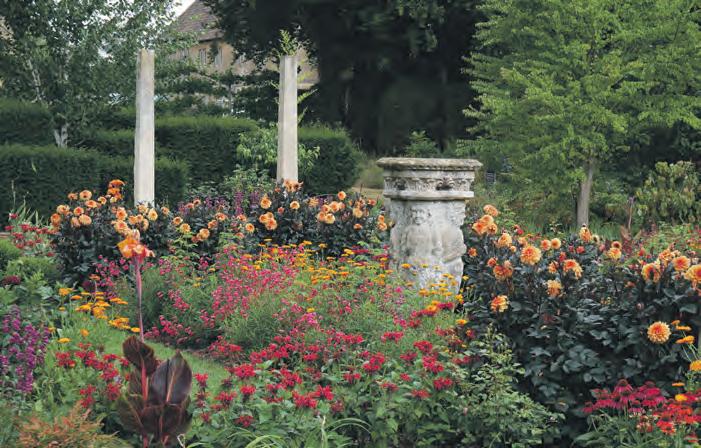
Sustainablebydesign, beautifulbynature designideas conceptlayouts detailedmasterplans plantingplans
Sustainablebydesign, beautifulbynature designideas conceptlayouts detailedmasterplans plantingplans
Sustainablebydesign, beautifulbynature designideas conceptlayouts detailedmasterplans plantingplans
Sustainablebydesign, beautifulbynature designideas conceptlayouts detailedmasterplans plantingplans
ContactNaomifora freeconsultation
ContactNaomifora freeconsultation
ContactNaomifora freeconsultation cotswoldgardenstudio
ContactNaomifora freeconsultation cotswoldgardenstudio
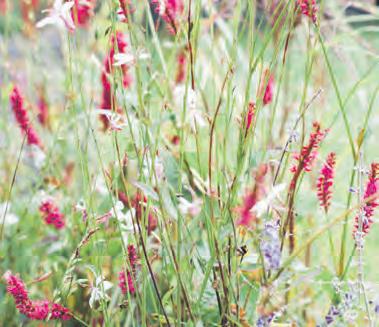
GardendesignerbasedinPrestbury,Cheltenham Call07971776632orvisitwww.cotswoldgardenstudio.com
GardendesignerbasedinPrestbury,Cheltenham Call07971776632orvisitwww.cotswoldgardenstudio.com
GardendesignerbasedinPrestbury,Cheltenham Call07971776632orvisitwww.cotswoldgardenstudio.com
GardendesignerbasedinPrestbury,Cheltenham Call07971776632orvisitwww.cotswoldgardenstudio.com
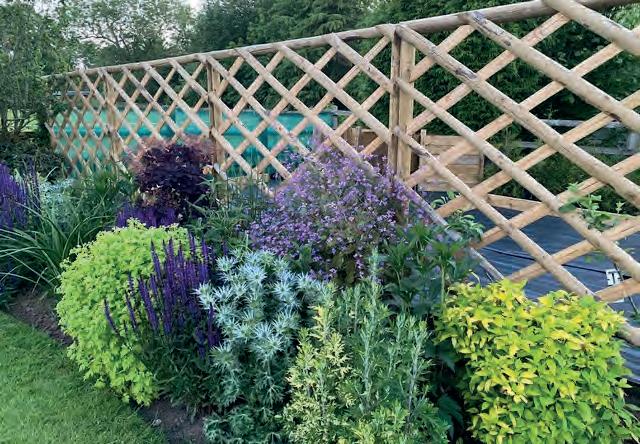
Mon-Fri 8am-5pm
within the
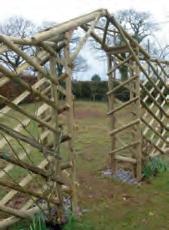
Batsford Garden Centre offers quality plants, seasonal inspiration and expert advice for every garden. Browse outdoor living, gifts and garden essentials, then relax in the café after exploring one of the Cotswolds’ most inspiring gardening destinations.
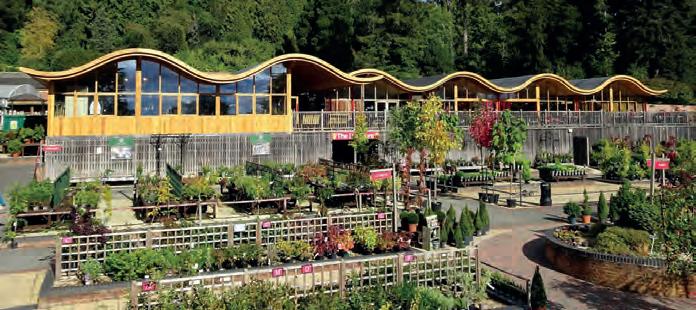
www.batsarb.co.uk BATSFORD ARBORETUM AND GARDEN CENTRE Batsford, Moreton-in-Marsh, Gloucestershire GL56 9AT. Tel: 01386 701441 E: arboretum@batsfordfoundation.co.uk
BatsfordArboretum@batsfordarboretum cotswoldgardenstudio
Andrea Harris looks at exactly what is happening with wildflowers in this country: what species are disappearing and what more is being done to halt their decline
This country is home to a rich variety of wildflowers that have shaped its countryside for centuries. From colourful meadows to ancient woodlands and coastal grasslands, these plants provide beauty, support wildlife, and form an important part of the nation’s natural heritage. However, many rare wildflowers are disappearing from the landscape due to changes in farming, urban development, pollution, and climate change.
Wildflowers are flowering plants that grow naturally without being deliberately planted.
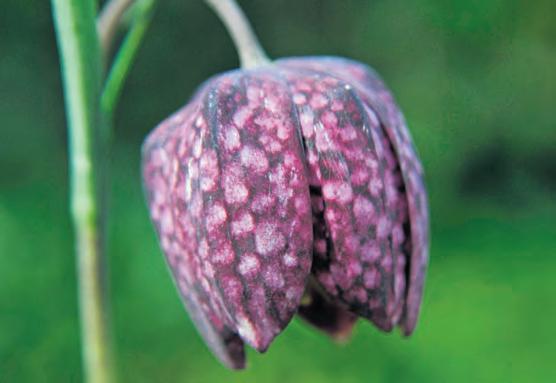
They play a vital role in ecosystems by providing food and shelter for insects, birds, and other animals. Pollinators such as bees, butterflies, and hoverflies rely on wildflowers for nectar and pollen, while many birds depend on the insects that these plants support.
One of the most threatened wildflowers in the UK is the lady’s slipper orchid. Once widespread this striking orchid became extremely rare due to habitat destruction and illegal collection by plant enthusiasts. By the late twentieth century, only a single wild plant remained in England. Intensive conservation efforts, including propagation programmes and protection of remaining sites, have helped to increase its numbers, although it remains one of Britain’s rarest flowers.
Another species facing challenges is the ghost orchid, a mysterious plant that spends much of its life underground and only occasionally produces flowers. It was once thought to be extinct in the UK before being rediscovered in a few woodland locations. Because it depends on specific fungi in the soil and particular woodland conditions, it is highly vulnerable to environmental change.
The snake’s-head fritillary is another iconic British wildflower that has declined significantly. Known for its distinctive purple, chequered petals, it was once common in damp meadows across southern England. Today, it survives mainly in protected nature reserves and carefully managed grasslands.
Many other species are also under threat, including meadow clary, military orchid, field gentian, and various species of marsh orchids. The common factor linking these plants is the loss of suitable habitats. Since the Second World War, agricultural intensification has transformed the countryside. Traditional hay meadows, which were rich in wildflowers, have largely disappeared as farmers increased production through fertilisers, pesticides, and more frequent mowing.
Urban expansion has contributed to the decline. Housing developments, roads, and industrial projects have replaced natural habitats, leaving isolated pockets of wildflower populations. Pollution from agriculture and industry can alter soil conditions, making it difficult for specialist plants to survive. Climate change adds another layer of pressure by affecting rainfall patterns, temperatures, and seasonal cycles.
Despite these challenges, significant efforts are underway to protect and restore rare wildflowers.
Conservation organisations such as Plantlife, The Wildlife Trusts, and Royal Botanic Gardens, Kew are leading projects across the country. Their work includes habitat restoration, scientific research, seed collection, and public education.
One important strategy is the restoration of wildflower meadows. Conservation groups work with farmers and landowners to reintroduce traditional management techniques, such as reducing fertiliser use and allowing grasslands to be cut later in the year. These practices give wildflowers time to bloom and set seed, helping populations recover naturally.
Seed banks are another valuable conservation tool. By collecting and storing seeds from rare species, scientists can preserve genetic diversity and provide material for future reintroduction projects. Kew’s seed conservation programmes have helped safeguard many
The decline of rare wildflowers in the UK reflects broader environmental pressures on the natural world. However, their survival is not a lost cause. Through habitat restoration, scientific conservation, legal protection, and public engagement, many species have been given a chance to recover. Protecting these flowers is about more than preserving beautiful plants; it is about maintaining healthy ecosystems and ensuring that future generations can continue to enjoy the rich natural landscapes that have long been a part of Britain’s heritage.
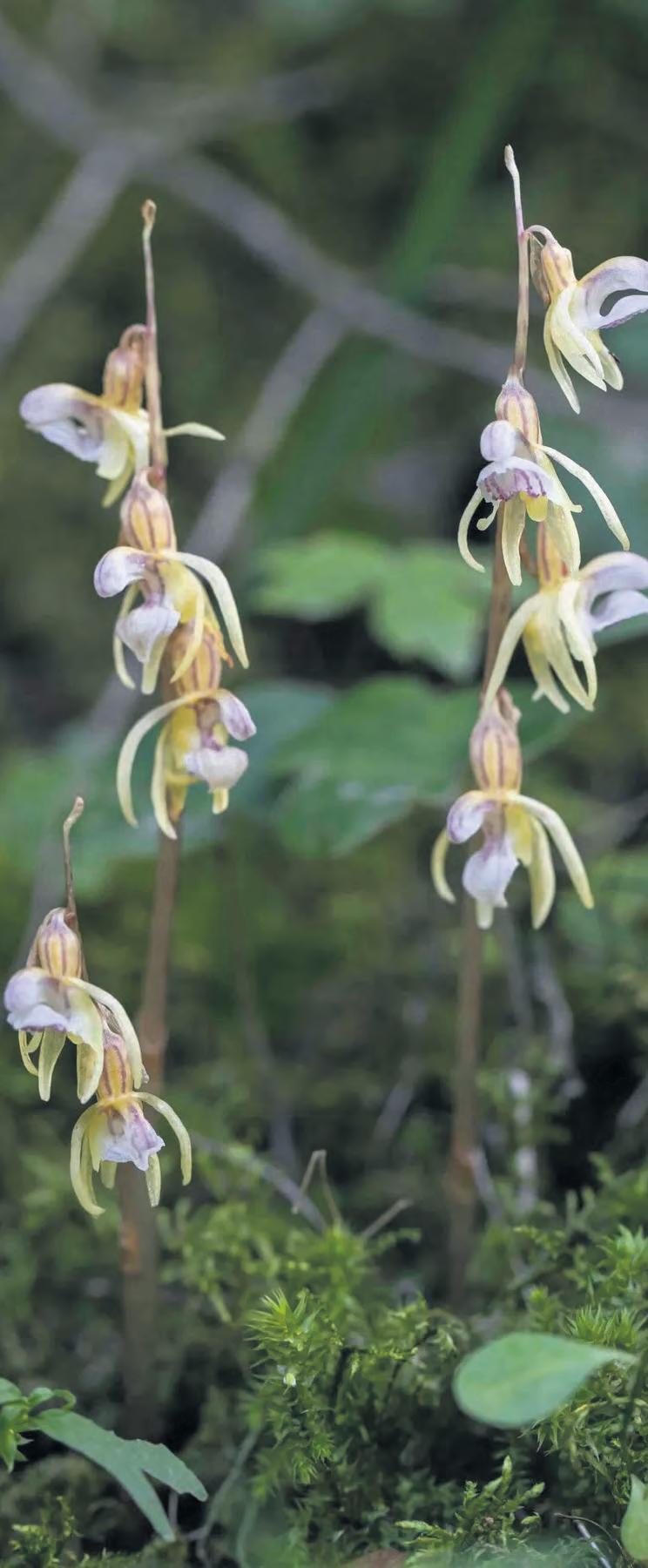
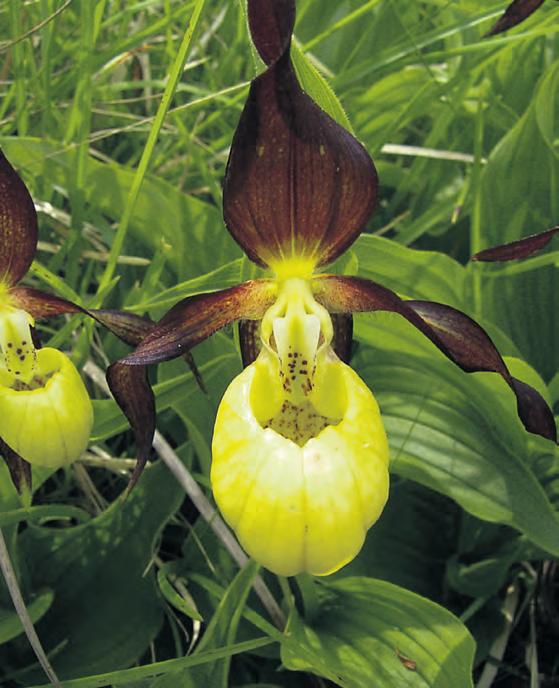
ROSEMOOR
The Festival of Roses at RHS Garden Rosemoor which opened on 13th June and runs through to 12th July is one of Devons most popular horticultural attractions. The festival celebrates the beauty, diversity and fragrance of roses, showcasing thousands of blooms across dedicated rose gardens within the 65-acre site. Visitors can explore formal and informal
A practical gardening workshop is aimed at gardeners interested in growing flowers specifically for cutting and arranging at home is being held within the gardens of Greenway, the former holiday home of Agatha Christie on Sunday, 5th July. The session provides participants with hands-on experience in planning and maintaining a productive cut-flower garden. The workshop covers plant selection, sowing and cultivation techniques, harvesting methods and ways to extend the flowering season. 9am to 10am. The session is suitable for both beginner gardeners and experienced growers seeking inspiration for their own gardens. One of the highlights of the workshop is the chance to create and take home a flower posy using blooms grown within the estate gardens.
Greenway NT, Greenway Road, Galmpton, near Brixham, Devon TQ5 0ES
Fine Turf (Devon) Ltd, a family run business established in 1966, supply a locally seeded turf, suitable for a variety of gardens, which has been treated and fertilised several times throughout the growing period.
We also supply topsoil, composts and landscaping bark for all your gardening needs, we can mix these for your requirements for planting flowerbeds and vegetable plots. All our topsoil is certified and stored dry all year round, as are the composts.
opportunities to learn about rose cultivation, pruning and pest management. Visitors to the gardens can even purchase a special RHS rose petal infused gin made using botanicals picked from the garden, created by West Country producers Still Sisters, from the gift shop.
RHS Garden Rosemoor,


01364 652538
WHICH WE CAN DELIVER OR YOU ARE WELCOME TO COLLECT.
Lower Waye Farm, Ashburton TQ13 7ET
The Plant Fair at South Molton Pannier Market on 12th July promises to be a wonderful event for gardeners, plant enthusiasts and anyone who enjoys spending time surrounded by nature. Taking place from 10am to 2pm, the fair will bring together a wide range of local nurseries and specialist growers offering an impressive selection of plants, trees, shrubs and perennials. Visitors will have the opportunity to discover rare and unusual varieties that are not always available in garden centres. Entry is free.

Lower Waye Farm, Ashburton TQ13 7ET TEL: 01364 652538
MOBILE: 07725 703297
EMAIL: fineturfdevon@gmail.com
WEBSITE: turfdevon.co.uk
The Tree Tour at The Italian Garden, Great Ambrook on Sunday, 26th July, offers an opportunity for gardening enthusiasts to explore one of Devon’s historic garden restorations. Led by arboriculturist Marco Bartolini, the event focuses on the collection of mature trees that form part of the original planting scheme dating back to 1909. The tour provides valuable insights into tree identification, long-term garden planning and the role

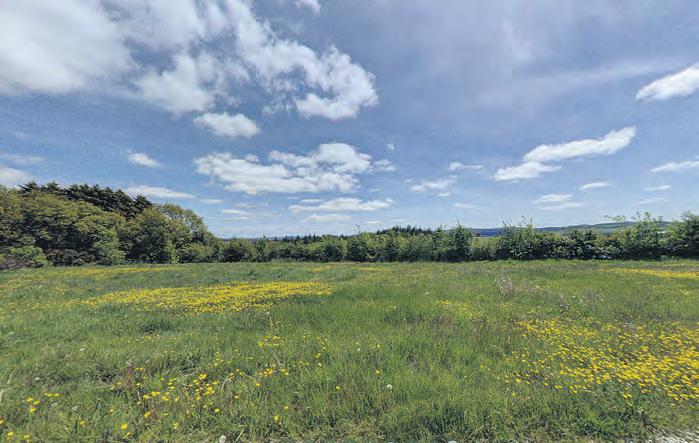
Fine Turf Devon Ltd fineturfdevon@gmail.com turfdevon.co.uk
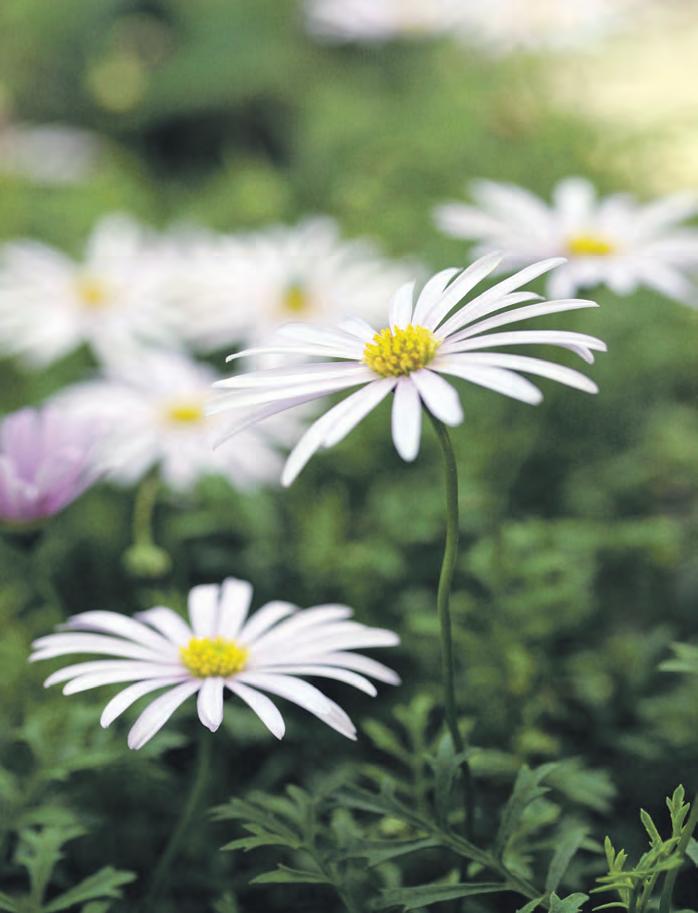
July is one of the busiest and most rewarding months in the gardening calendar. With long daylight hours, warm temperatures and plants growing at full speed, gardens are often at their most colourful and productive. However, the combination of heat, rapid growth and occasional dry spells means there is plenty to do to keep plants healthy and looking their best.
Whether you grow flowers, vegetables, fruit or a mixture of everything, carrying out a few key tasks during July can make a significant difference to the success of your garden throughout the rest of summer and into autumn. Here are 12 important gardening jobs to focus on this month.
2
By July, many plants have used up much of the nutrition available in their containers or surrounding soil. Feeding can help maintain healthy growth and improve flowering and fruiting performance.
Tomatoes, cucumbers, peppers and other greenhouse crops particularly benefit from regular feeding. Once flowers have formed, switch to a high-potash fertiliser designed to encourage fruit production.
Flowering plants in containers and hanging baskets also appreciate weekly feeding. This helps sustain strong flowering displays throughout the summer months. Avoid overfeeding, however, as excessive fertiliser can produce lush foliage at the expense of flowers and fruit.
4
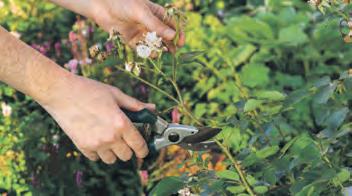
Deadheading is one of the simplest ways to keep flower borders looking attractive throughout July and beyond. Removing faded blooms prevents plants from putting energy into seed production and encourages them to continue flowering. Many popular summer flowers respond particularly well to regular deadheading, including roses, dahlias, cosmos, geraniums and bedding plants.
When deadheading, cut stems back to a healthy leaf or side shoot. This not only tidies the plant but often stimulates the production of new flower buds.
Spending time deadheading every few days can dramatically extend the flowering season and keep displays looking fresh and vibrant.
7
5
Tomatoes demand special attention during July as fruits begin to develop and ripen.
Outdoor and greenhouse tomatoes should be watered consistently to prevent problems such as fruit splitting and blossom end rot. Irregular watering can cause significant issues during hot weather. For cordon varieties, remove side shoots that develop in the leaf joints. This directs energy into fruit production rather than excessive leafy growth.
As plants become taller, continue tying stems securely to supports. Feeding weekly with a tomato fertiliser will help encourage a heavy crop of healthy fruits. With proper care, tomato plants can remain highly productive throughout the rest of summer.

Warm weather can create ideal conditions for many garden pests and diseases.
Regular inspections allow problems to be identified and addressed before they become serious. Common July issues include aphids, whitefly, slugs, powdery mildew and black spot on roses.
Check the undersides of leaves, new shoots and flower buds where pests often gather. Encouraging beneficial wildlife such as birds, ladybirds and hoverflies can help maintain natural control.
1 3
One of the most important gardening tasks in July is managing water effectively. As temperatures rise, plants can quickly become stressed if they do not receive sufficient moisture. Rather than watering little and often, aim to water deeply and thoroughly. This encourages roots to grow deeper into the soil where moisture levels remain more consistent. Early morning or late evening are the best times to water, as less moisture is lost through evaporation. Pay particular attention to newly planted shrubs, hanging baskets, containers, vegetables and greenhouse crops.
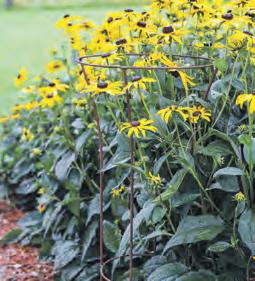
Rapid growth during July can leave many plants vulnerable to damage from wind, rain and the weight of their own flowers.
Dahlias, delphiniums, sunflowers and climbing plants often require additional support. Check existing stakes, ties and frames regularly to ensure they remain secure.
Tomato plants should be tied to canes or support systems as they grow, while climbing beans may need guidance to help them stay attached to their supports.
Providing support before plants collapse is far easier than attempting to rescue damaged specimens later.
6
Although July is associated with harvesting, it is also an excellent time for sowing certain crops.
Fast-growing vegetables such as lettuce, radishes, spring onions and salad leaves can provide harvests within a few weeks. Other crops suitable for July sowing include beetroot, carrots, turnips and winter spinach.
By continuing to sow succession crops, gardeners can enjoy a longer harvesting season and avoid gluts followed by shortages.
Seeds often germinate quickly in warm summer soil, although additional watering may be required to keep seedbeds moist during dry periods.

8
Many spring and early-summer flowering shrubs benefit from pruning once flowering has finished.
Plants such as philadelphus, weigela and some varieties of deutzia produce flowers on growth made during the previous year.
Pruning immediately after flowering gives them time to develop new shoots that will carry next year’s blooms.
Remove spent flowering stems and any weak or congested growth. This helps maintain an attractive shape while encouraging healthy development.
Avoid delaying pruning too long, as late pruning can reduce flowering performance the following season.
9
Plan ahead for autumn and next year
While July is full of immediate gardening tasks, it is also an ideal time to think ahead.
Make notes about which plants have performed particularly well, and which may need replacing. Consider where gaps have appeared in borders and which areas could benefit from additional colour or structure.
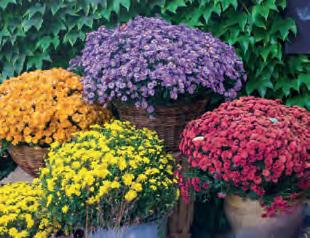

The renowned Sir Harold Hillier Gardens in Romsey hosts a specialist masterclass devoted to perennial borders on Thursday, 23rd July.
The focus of the session is the famous Hampshire gardens celebrated 250-metre Centenary border. Attendees learn how the border was designed, how plant combinations were selected, and how seasonal interest is maintained throughout the year. Practical advice is given on plant choice, colour coordination, maintenance techniques, and strategies for extending flowering periods. Open. 9.45am to 12 noon. Price £55 non-members; £42 members. Harold Hillier Gardens, Jermyns Ln, Romsey SO51 0QA
Winchester Garden Festival is a special high summer event running over 17 days from 19th June to 5th July with 65 events in 26 venues from alfresco feasts, watercolour workshops and flower pressing sessions to open air art exhibitions, sculpture trails and open gardens. It is a genuine multi-disciplinary celebration of gardens, horticulture, art, music, literature, and community engagement.

Unlike a conventional flower show, the festival takes a broader view of gardening culture. The festival brings together gardeners, artists, environmental organisations, and local communities, highlighting the social and cultural importance of gardens.
Events are distributed throughout the city and surrounding area, allowing visitors to explore a variety of private and public gardens.
Full details of all events at www.visitwinchester.co.uk/events/the-garden-festival
The Connecting in Nature Walk at The Walled Garden, the five-acre landscaped garden at Moreton combines gardening, wellbeing and outdoor learning in one summer event. It is being held on Friday, 17th July and visitors begin the morning with a guided tour of the gardens. A particularly valuable feature is the talk delivered by the head gardener, who discusses recent improvements to the gardens and answers gardening questions from attendees. This provides an excellent opportunity to learn directly from an experienced horticultural professional. The combination of practical gardening knowledge, beautiful surroundings and informal discussion makes the event especially attractive for gardening enthusiasts seeking fresh ideas. It demonstrates how gardens can be enjoyed not only for their beauty but also for their contribution to health, education and community.
The Walled Garden, Moreton, Dorchester, Dorset DT2 8RG
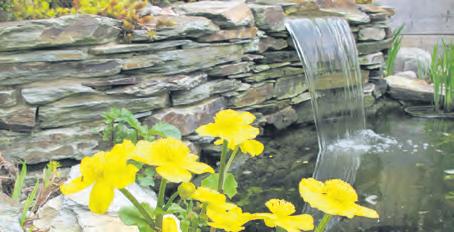

The New Forest and Hampshire County Show is one of the largest rural and agricultural events in southern England and takes place from Tuesday 28th to Thursday 30th July at New Park in Brockenhurst. Although broader than a traditional flower show, gardening and horticulture form an important part of the programme. Visitors can explore exhibits featuring plants, flowers, gardening equipment, countryside crafts, and sustainable land-management practices. Tickets available now at www.newforestshow.co.uk
New Park, Brockenhurst SO42 7QH
The three-day garden show at Rookesbury Park near Wickham, is one of Hampshire’s top horticultural attractions. The event held from Friday 24th July to Sunday 26th combines specialist plant nurseries, gardening experts, artisan producers, and countryside exhibitors in the grounds of a historic estate adjoining the South Downs National Park. Daily talks and demonstrations provide opportunities to learn about planting schemes, garden design, and sustainable growing techniques.
Alongside the horticultural exhibits, visitors can enjoy live music, local food producers, artisan crafts, and family-friendly entertainment. Rookesbury Park, Southwick Rd, Wickham, Fareham PO17 6HT
The Dorset village of Corscombe has its gardens open day on Saturday 11th July Corscombe offering visitors a unique opportunity to explore a variety of private gardens that are normally closed to the public. Set within the attractive Dorset countryside, the event allows gardening enthusiasts to discover different planting styles, landscaping approaches and creative design ideas while enjoying the charm of a traditional English village. The gardens open from 10am to 5pm and there will be plants for sale. Entry is £6 with proceeds going to St. Mary’s Church, Corscombe and Corscombe Village Hall. Parking is available and toilets will be provided. Postcode for Sat nav is DT2 0NS.
Spectacular sweet peas are very much the theme as Forde Abbey on the Somerset and Dorset border celebrates one of Britain’s most loved cottagegarden flowers from 1st July to 14th July. Held at the historic abbey and gardens, the display showcases hundreds of sweet pea plants grown specifically to provide a spectacular floral experience during the height of summer. The sweet peas are carefully selected for fragrance, colour and performance, providing plenty of ideas for visitors looking to recreate similar displays at home. Peak flowering is expected during July. The gardens are open daily until the end of October. Open from 10.30am – 5pm (last entry at 4pm).
Forde Abbey and Gardens, Forde Abbey, Estate, Chard TA20 4LU
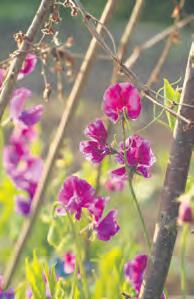
Cedar Nursery, Sandy Lane, Romsey SO51 0PD
Tel: 01794 367511 Web: www.southernwaterscapes.net
Email: sales@southernwaterscapes.net


• Now selling tropical fish and indoor Aquariums • Extensive range of quality aquatic and bog plants
• Large range of cold water fish from goldfish to high grade Japanese Koi
• Expert technical advice on pumps, filters, water quality and fish health
• Everything for building and maintaining your pond
• Experienced and knowledgeable staff
& Hampshire
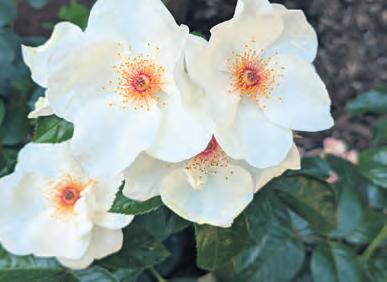
Growers of over 400 varieties of roses. Browse our website for the perfect rose for you or your friends garden, with next day delivery they make the perfect gift. www.rosesforgardens.co.uk

Or visit us in Romsey or at our Cornish site near Newquay POCOCKS ROSES, JERMYNS LANE, ROMSEY, HAMPSHIRE SO51 0QA
THE CORNISH ROSE FARM, MITCHELL LANE, MITCHELL, NEWQUAY, CORNWALL TR8 5AX or
Tel: 01794 367500 or 01872 519146 Open: Mon-Sat 10-4 Closed Sun www.rosesforgardens.co.uk sales@pococksroses.co.uk
Enjoy a coffee & slice of cake in the Coffee Loft when youus!visit
EVERYTHING YOU NEED TO MAKE YOUR GARDEN GROW CAN BE FOUND AT HARTS OF STUR
Summer Bedding · Hanging Basket Plants · Trellis · Seeds Roses and Climbing Plants · Houseplants · Gardening Tools
Herbaceous Plants and Shrubs · Hose & Pond Accessories
Outdoor Pots & Tubs · Garden Furniture · Compost
Lawn Care · Wood Stain & Paint · Pet Food & Supplies Wild Bird Care · Calor Gas and more
STATION ROAD, STURMINSTER NEWTON, DORSET, DT10 1BD. 01258 472788 Open Monday to Friday 8am-5.30pm. Saturday 8am-4.30pm. Sunday 10am-4pm
THE RHODODENDRON & AZALEA CENTRE
SPECIALIST GROWERS OF AZALEAS & RHODODENDRONS

VISITORS WELCOME MON-FRI 9AM-4PM ALL YEAR ROUND | SAT 10AM-4PM APR-MAY MAIL ORDER AVAILABLE
Koirin, Crossroads Nursery, Woodlands, Wimborne, Verwood Road, Dorset BH21 8LN (Near Verwood) Tel: 01202 824629 enquiries@azaleacentre.co.uk
Reach a passionate and affluent audience of gardening enthusiasts
Circulating 100,000 copies which are distributed to over 430 outlets
If you would like to advertise your business or service in our magazines, please contact
COTSWOLDS, DEVON, DORSET & HAMPSHIRE: corina@countrygardener.co.uk Tel: 01823 410098

Crafted to suit every outdoor setting and designed to help you make the most of your garden, our outdoor furniture and cooking collection brings together a wide variety of styles, sizes and seating options to match your lifestyle and space.
From elegant dining and bistro sets to cosy lounges, corner suites, recliners, benches and even daybeds, each piece combines thoughtful design with durable, weather‑resistant materials for lasting comfort. Whether you’re entertaining, relaxing or simply enjoying the fresh air, our collection offers stylish solutions and great value that make refreshing your outdoor space a pleasure.
Explore our furniture range
www.stewarts.co.uk
StewartsGardenCentres



Organised by Plant Heritage Dorset Sunday 23rd August 2026
Abbotsbury Subtropical Gardens, Dorset,
Admission £7.50 includes free entry to the gardens 10am-5pm. (Usual garden entry is £15.00). Free to all Plant Heritage Members with current membership card.
Approx 25 specialist nurseries and growers, large selection of garden stalls plus craft & wildlife stalls. Quality refreshments and food. Italian Coffee Stall. Free parking. Dogs on short leads welcome. Please bring cash & cards for the different stalls.
Proceeds support Plant Conservation & Education in Dorset
https://www.abbotsburygardens.co.uk/events https://www.plantheritagedorset.org.uk
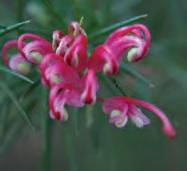
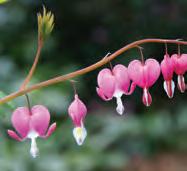

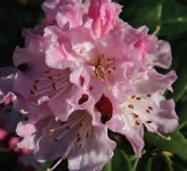
Burley Rd, Bransgore, Nr Christchurch BH23 8DB Tel: 01425 672348 www.macpennys.co.uk
Large traditional family-run nursery
Wide selection of trees, shrubs, perennials & fruit bushes 4-acre woodland garden & Tea Rooms Many unusual plants MACPENNY’S


Plant food in popular liquid form can be a valuable tool for plant growth during summer. Its fast-acting nature makes it effective for replacing nutrients lost through watering. You can now select feeds tailored to specific plants and purposes and while not every plant needs it, the food makes a difference to growth, flowering, and crop yields.
Summer is the most active growing season for many plants, bringing longer daylight hours, warmer temperatures, and increased growth. While sunlight and water are essential, plants also require a steady supply of nutrients to support healthy development. This is where liquid plant food can play an important role.
Gardeners now have available offer a wide variety of liquid fertilisers designed for flowers, vegetables, lawns, houseplants, and shrubs. Understanding how these products work and whether they are truly necessary can help gardeners make decisions about plant care.
Liquid plant food is a fertiliser that is dissolved in water and applied directly to the soil or sprayed onto plant foliage. Unlike slow-release granular fertilisers, liquid feeds provide nutrients in a form that plants can absorb quickly. Most products contain the three primary nutrients required for growth: nitrogen (N), phosphorus (P), and potassium (K), often displayed as an NPK ratio on the packaging. Nitrogen promotes leafy growth, phosphorus supports root development and flowering, while potassium helps improve overall plant health and resistance to stress.
Summer places increased demands on plants. Higher temperatures accelerate growth and flowering, while frequent watering can wash nutrients from the soil. Containergrown plants are particularly vulnerable because they have limited access to nutrients and are often watered more frequently than plants growing in the ground. As a result, nutrient deficiencies can develop, leading to yellow leaves, poor flowering, reduced fruit production, and weakened growth. Regular applications of liquid plant food can help replenish these lost nutrients and maintain healthy growth throughout the season. One of the main advantages of liquid fertilisers is their speed of action. Because nutrients are already dissolved, they are immediately available for uptake by plant roots. Gardeners often notice improvements in plant colour, vigour, and flowering within days or weeks of application. This makes liquid feeds especially useful for plants showing signs of nutrient deficiency or for high-demand crops such as tomatoes, cucumbers, peppers, and flowering annuals.
There is a wide range of liquid plant foods available on the market. General-purpose feeds are suitable for a broad variety of garden plants and typically contain balanced levels of nutrients. Tomato feeds are among the most popular summer fertilisers and are usually higher in potassium to encourage fruit production and flowering. Specialised products are available for roses, orchids, citrus plants, lawns, and houseplants, each formulated to meet specific nutritional requirements. Organic liquid fertilisers, often made from seaweed extracts, fish emulsions, or composted plant materials, have also become increasingly popular among environmentally conscious gardeners. These products not only provide nutrients but may also improve soil health and stimulate beneficial microbial activity. Liquid plant foods work by supplying essential nutrients that support key plant functions. Nitrogen contributes to chlorophyll production, allowing plants to convert sunlight into energy through photosynthesis. Phosphorus aids energy transfer within plant cells and encourages strong root systems. Potassium regulates water movement, strengthens plant tissues, and supports flower and fruit development. Despite their benefits, liquid plant foods are not always essential. Plants growing in fertile, wellmaintained soil may receive sufficient nutrients naturally. Gardens enriched with compost, well-rotted manure, or organic matter often provide a steady nutrient supply throughout the growing season. Native plants adapted to local conditions may also thrive without additional feeding. Overuse of fertilisers can even be harmful, leading to excessive leafy growth, poor flowering, root damage, or nutrient runoff that can negatively affect the environment. For intensive vegetable production, hanging baskets, patio containers, and flowering displays, regular feeding is often highly beneficial and can significantly improve performance.
Dorset gardener Will Hamilton suggests long term planning rather than quick fixes are now needed to beat the drought conditions in our gardens which seem likely to be an issue every year.
As someone who has spent many years gardening, I have seen firsthand how challenging a hot, dry summer can be. Drought conditions place enormous stress on plants, reduce crop yields, and can quickly turn a thriving garden into a struggling one.
However, I believe that gardeners can successfully combat drought conditions by adopting long-term solutions rather than relying on short-term fixes. Through careful planning, efficient water management, and thoughtful plant selection, it is possible to maintain a healthy and productive garden even during extended periods of dry weather.
I have always found one of the most effective longterm solutions is improving the soil. Healthy soil acts like a sponge, holding moisture for longer periods and making water available to plant roots when they need it most.
In my garden, I add compost, well-rotted manure, and organic matter to the soil. These improve soil structure and increase its ability to retain water. Over time, this reduces the frequency of watering and helps plants survive during dry spells. Building healthy soil is not an overnight process, but it provides lasting benefits year after year.
Mulching is another strategy. Applying a layer of organic mulch around plants helps reduce evaporation from the soil surface, keeps roots cooler, and suppresses weeds that compete for moisture.
I use bark chips, straw, leaf mould, or homemade compost as mulch. During particularly hot summers, I have noticed a significant difference between mulched and unmulched areas of my garden. The soil beneath the mulch remains damp for much longer, allowing plants to withstand periods without rainfall.
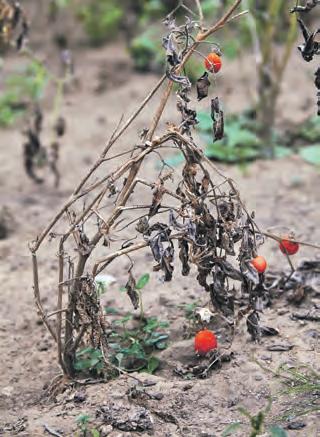
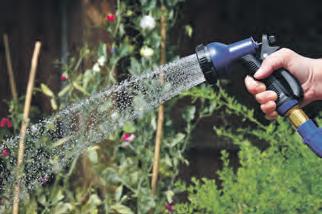
Rather than watering little and often, I prefer to water deeply and less frequently. This encourages plants to develop deeper root systems, making them more resilient during drought conditions. Watering early in the morning also reduces water loss through evaporation.
In my opinion, gardeners should avoid wasteful watering practices and instead focus on delivering water directly to plant roots. Installing drip irrigation systems or soaker hoses can make a substantial difference by providing targeted watering with minimal waste.
Collecting rainwater is another practical long-term measure. Although drought conditions mean less rainfall, every drop counts. I use water butts connected to roof gutters to collect rainwater whenever it is available. This stored water becomes an invaluable resource during dry periods and reduces dependence on mains water supplies.
Over the years, I have learned that choosing plants suited to local conditions reduces water requirements. Native species and drought-tolerant varieties are often better adapted to hot summers and require less maintenance. Lavender, rosemary, sedum, and many ornamental grasses perform exceptionally well in dry conditions.
Another important consideration is reducing the amount of traditional lawn area. Lawns typically require significant watering to stay green during droughts. In my garden, I have gradually replaced some grass areas with drought-resistant planting beds and gravel features. This not only conserves water but also adds visual interest and biodiversity. Many gardeners are now embracing more sustainable garden designs that require fewer resources while still providing beauty and enjoyment. Finally, I believe that gardeners need to adopt a long-term mindset. Climate patterns suggest that hot summers and drought conditions may become more frequent in many regions. Rather than treating each drought as an isolated event, gardeners should design their gardens with resilience in mind. Improving soil, conserving water, selecting appropriate plants, and reducing unnecessary water use are investments that pay dividends over many years.
Combating drought conditions requires practical strategies and forward-thinking planning. While drought presents significant challenges, it also offers an opportunity to create gardens that are more resilient and dare I say capable of thriving in these changing climatic conditions.
There’s plenty to see and enjoy at St Margaret’s Hospice Care in Yeovil when the gardens open on Saturday 18th July from 11am until 3pm, at Little Tarrat Lane, Yeovil BA20 2HU.
The head gardener, Lee, will be on hand to answer questions and guide visitors through the garden that’s a sanctuary for patients, their families, St Margaret’s staff and volunteers. Tea and homemade cake will be available, and visitors can bring a picnic to enjoy on the lawn.
As well as a scavenger hunt for children, garden games, tombola and raffle, there will be performances by local bands and choirs in the Round House. Donations to the Hospice will be gratefully received.
The Brendon Open Gardens event on Saturday, 4th July opens for the NGS and offers visitors the opportunity to explore four distinctive private gardens in the picturesque village of Brendon on Exmoor. The gardens showcase a variety of planting styles, layouts, and horticultural approaches, making the event particularly appealing to keen gardeners seeking inspiration. Visitors can also enjoy refreshments, plant sales, and community activities while supporting charitable causes through admission fees. Lunches, teas, plants and bric-a-brac for sale. Display of vintage telephones and toys.
Although partly an art workshop, this Monday 13th July event is rooted in the beauty of Somerset’s historic gardens. Held at the National Trust’s Prior Park landscape garden, visitors begin with a guided walk around the lakes and landscaped grounds before creating their own watercolour artwork inspired by seasonal planting and garden scenery. The evening setting allows visitors to experience the garden after normal opening hours, providing a tranquil atmosphere and unique perspectives on the landscape. Garden enthusiasts will appreciate the opportunity to study planting combinations, water features, and historic garden design while developing observational skills through art.
NT Prior Park Ralph Allen Drive, Bath BA2 5AH
This special garden visit on Tuesday 28th July offers a chance to explore the acclaimed Caisson Gardens near Bath. Featured on BBC’s Gardeners’ World, the garden surrounds a Georgian house and combines traditional design elements with wildlife-friendly and regenerative gardening practices. Visitors can tour herbaceous borders, ponds, topiary, vegetable gardens, espalier fruit trees, and wildflower meadows while learning from the owners about the garden’s restoration and ongoing development. Refreshments and lunch are included, creating a full-day horticultural experience for enthusiastic gardeners.
Cassion Gardens, Combe Hay, Bath BA2 7EF
The Yeo Valley Organic Garden Festival on 17th, 18th and 19th September and set in the beautiful surroundings of the Yeo Valley Organic Garden near Blagdon is back with a programme bringing together some names in UK gardening.
This year’s line-up includes garden designers and broadcasters James Alexander-Sinclair and Joe Swift, who will open the festival with a live recording of The James & Joe Garden Show. The are joined by Arit Anderson, Frances Tophill, Sarah Price, Dave Goulson, Poppy Okotcha, Jimi Blake, Errol Reuben Fernandes, Georgie Newbery, Arthur Parkinson, Lottie Delamain, Chris Hull, John Little and many more. Tickets on sale now at yvogardenfestival.co.uk Yeo Valley Organic Garden, Blagdon, Somerset BS40 7SQ
Lopen Business Park, Mill Lane, Lopen, South Petherton, Somerset, TA13 5JS 01460 243100
lopen@beehiveselfstorage.co.uk



785634
dorset@beehiveselfstorage.co.uk



Suppliers of superior fuel for all your garden machinery. Your local specialists in horticultural machinery WE SELL, SERVICE AND REPAIR Lawn Mowers • Strimmers • Hedge Cutters • Chainsaws Pressure Washers • And Much More Main Road, Cannington, TA5 2LD 01278 651300 • bridgwatermowers.co.uk
Come and relax in our coffee shop and then select from our large selection of container grown shrubs, perennials, roses, fruit & ornamental trees
Huge selection of terracotta & glazed pots Fencing, paving & aggregates
Plus all your garden sundry requirements
OPEN: 9am-5pm Monday-Saturday Closed Sunday Coffee shop open 10.30am-4pm Monday-Saturday Closed Sunday
ROAD, WELLS TEL: 01749 673050












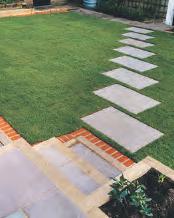
Shrubs, Roses, Alpines, Heathers, Herbaceous Perennials, Herbs, Hardy Ferns, Ornamental Grasses, Soft Fruit, Clematis & Climbing Plants ALL YOUR GARDEN ACCESSORIES AVAILABLE NOW!
Gardening Gloves, Bamboo Canes, Fertilisers, Insecticides, Fungicides, Weed Killers, Garden Twine, Tools, Plant Supports & much more!
Compost, Topsoil, Horse & Farmyard Manure, Soil Improver, Decorative & Composted Bark, Gravels, Grits, Sands & Ornamental Slate Chippings EVERYTHING FOR YOUR POND!
Aquatic Plants, Aquatic Soil, Pond Planting Baskets, Fish Food, Treatments, Nets, Pond Liners & Pond Pumps
Great choice of Glazed & Terracotta
Pots & Planters plus Stone Garden Ornaments & Statues
Norton Green Farm Nursery, Wells Road, Chilcompton, Radstock BA3 4RR Tel: 01761 232137
Email: nortongreenfarm@tiscali.co.uk
Opening Hours: Mon-Sat 9am-4pm (inc. Bank Holiday) Closed Sundays

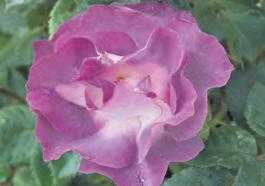
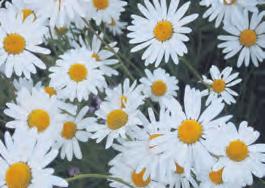
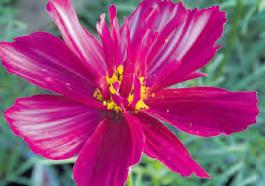

Reach a passionate and affluent audience of gardening enthusiasts
Circulating 100,000 copies which are distributed to over 430 outlets
If you would like to advertise your business or service in our magazines, please contact
SOMERSET, SPEAKERS & CLASSIFIEDS: ava@countrygardener.co.uk Tel: 07759 304977

14 acres of historic parkland with a mature collection of fine trees.
Near Wellington Somerset, TA21 OBN. Are you an outings organiser? Why not arrange a personalised visit with your club or group of friends, open all year round for groups of 10-25 people. Refreshments also available. FOR


Great range of trees, shrubs, conifers, roses, fruit trees, garden sundries and a wide range of compost.
SUMMER BEDDING, PATIO PLANTS AND SEEDS. PLANT ARRANGEMENTS AND HANGING BASKETS IN STOCK.
Fantastic range of pots and garden ornaments stocked.


Wehaveagoodselectionofperennialsandshrubsthatarelooking good,withlotsofcolourtobrightenyourgardenorpatio.
OurshopJamesStorenowhasalargerangeofHomeBrewproducts
Seeourwebsiteformoredetails www.rockymountainnursery.co.uk


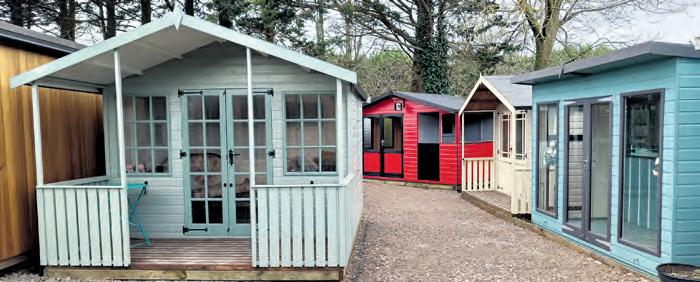




Mark Hinsley urges homeowners not to be bullied if they are threatened by insurance companies on tree issuesmore investigation is almost always
Don’t be bullied into premature tree felling by aggressive insurance companies. If you are an individual homeowner, or a building management company or even a parish council that owns trees – be aware.
If you receive a letter from an insurance company telling you that they have investigated subsidence on a neighbouring property and determined that your trees are the cause and you must remove them, do not automatically believe it.
I have dealt with many such accusations over the years and there is one on my desk right now.
A homeowner came to me deeply concerned having received a letter from an insurance company.
The letter stated that there was cracking in a neighbour’s conservatory, and an investigation had revealed clay soil and some oak roots below the foundations. The letter went on to point out that there are three large oak trees on the homeowner’s property which are clearly the cause of the cracking and all three must be removed so that repairs could be undertaken to the structure.
Accompanying the letter were pages of highly technical looking graphs and survey results which no regular homeowner would have any chance of interpreting. These survey results are presented as the grounds for the required felling.
The results related to one site investigation undertaken in December and concluded that removal of all three trees, each over 100 years old, was the only reasonable solution.
This is Stage One of the process. Stage Two (which we have not reached yet) is usually a letter threatening the tree owner with potentially thousands of pounds to pay in compensation if they do not remove the trees.
In my experience, what is going on here is the insurance company are hoping that felling the trees solves the problem. If it does, then all they have to pay out for is a little painting and decorating.
If it doesn’t, they will have to investigate further, but at least they have delayed the cost of doing so.
The evidence they have produced is totally inadequate to demonstrate that the three oaks are the cause of the subsidence.
Tree root related subsidence on clay soils is seasonal. What we look for are cracks that open through the summer when the trees are taking moisture and close again through the winter when they are not. This can be demonstrated by monitoring the structure for at least 12 months to establish a pattern of movement.
A one-off investigation in December cannot show that.
Clay soils alter in volume due to moisture loss. This can be caused by surface evaporation. National House Building Council recommendations for foundations on clay soils is 1.1m deep to avoid the effect of surface evaporation. In this case the conservatory foundations are 350mm. Not deep enough.
If it is a tree root problem the owner is only liable for the tree which is causing the damage. The insurance company need to identify which tree it is. In this case there are further complications; there is a fourth oak tree in another garden, and there was a fifth oak tree in the garden of the conservatory owner which was felled only a few years ago, parts of the root system of which could still be alive.
Root to tree identification can be achieved through DNA sampling.
Conservatories lend themselves to being protected by a root barrier. The insurance company do not appear to have even considered this option, which is much cheaper and does not destroy important elements of our environment. So, if you receive a threatening letter – don’t just roll over – make them prove their accusation.
Mark Hinsley, of Mark Hinsley Arboricultural Consultants Ltd, offering tree consultancy services. www.treeadvice.info




Secluded cosy cabins & lodges in wooded valley running down to Wembury Bay & SW Coastal Path

Plymouth, Dartmoor & lovely South Devon Villages & Towns in easy reach. Pets Welcome. Forest School. Tel: 01752 862382 www.churchwoodvalley.com
GLORIOUS NORTH DEVON. Only
9 cosy caravans on peaceful farm. Wonderful walks in woods & meadows. Easy reach sea, moors & lovely days out. £125-395pw. Discount couples. Nice pets welcome. 01769 540366 www.snapdown.co.uk
BOSWORLAS, ST JUST. Cosy Cottage sleeps 2-4. Sorry no pets. Please email info@bosworlas.co.uk for availability 01736 788709
ACCOMMODATION HOLIDAY COTTAGES

HOLIDAY COTTAGE SIDMOUTH, DEVON
A quiet holiday bungalow near Sidmouth, overlooking the Donkey Sanctuary. Sleeps 4. Bookings from April to the end of October.
www.sandwaysholidaycottage.co.uk 07990582238

WYE VALLEY/FOREST OF DEAN. Fully equipped single-storey cottage with two en-suite bedrooms. Wi-fi.Recently awarded Visit England 4-star GOLD. Rural retreat, shops/pubs one mile. Enquiries welcome. AS SEEN ON ESCAPE TO THE COUNTRY! Tel: 01594 833259 www.cowshedcottage.co.uk
ACCOMMODATION WITH BEAUTIFUL GARDENS
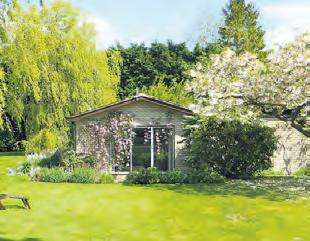
Near Stratford-upon-Avon

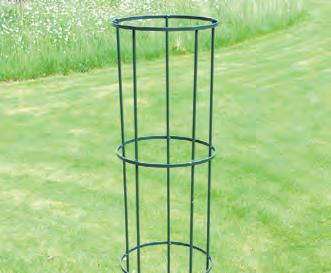




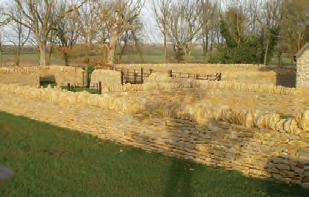
Yenstone Walling
Dry Stone Walling and Landscaping
Patrick Houchen - DSWA member Tel: 07751278363 / 01963371123 www.yenstonewalling.co.uk

NORTH DEVON NEAR CLOVELLY. Small barn conversion sleeps 4 (wheelchair friendly). Small cottage and Timber lodge sleeps 2/3. Pub and Shop 2 miles, RHS Rosemoor 1 hour. Brochure 01237 431324 www.foxwoodlodge.co.uk
BED & BREAKFAST

Gloucestershire Quality Bungalow B&B
Ensuites, rural, large garden, paddocks, ponies and fruit. Ideal Cotswolds, Malvern’s, Forest of Dean, cycle storage, ample parking, Wi-Fi. From £46 p.p.p.n. Tel: 01452 840224 sheila.barnfield1960@gmail.com
Lovely self-catering cottage in peaceful location: large garden. Sleeps 2. Perfect for famous gardens, NT properties & Cotswolds. Tel: 01789 740360 www.romanacres.com ADVERTISE HERE FROM JUST £2 PER WORD classified@countrygardener.co.uk
01363 84948 info@ferrymanpolytunnels.co.uk www.ferrymanpolytunnels.co.uk


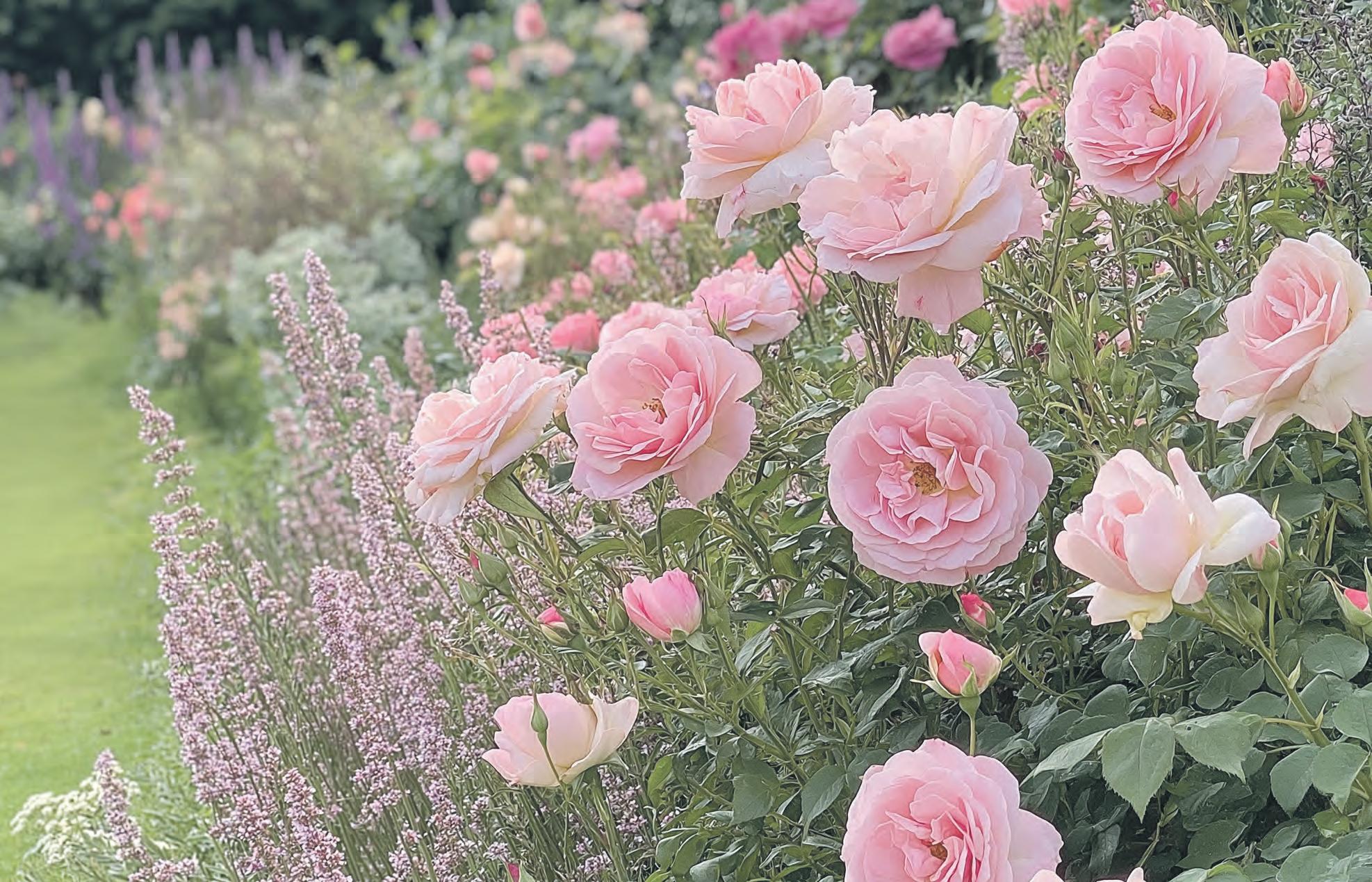
Summer is the season when roses truly shine, filling gardens with breathtaking colour, fragrance and timeless charm. Join us for our Rose Festival, a celebration of one of Britain’s most treasured garden plants.
Discover an extensive collection of beautiful, home-grown Otter roses, lovingly nurtured by our expert growers, alongside a wide range of varieties to suit every garden style and occasion. From classic climbers and elegant shrub roses to repeat-flowering favourites, there’s a perfect rose waiting to flourish in your garden.
Visit any of our garden centres this month and enjoy a spectacular display of Britain’s best-loved blooms in full flower. Whether you’re creating a new garden feature or adding colour and fragrance to an existing border, you’ll find a rose that brings lasting beauty and joy for years to come.





Offer available during July 2026 only.