
FAST, UK DELIVERY – ORDER TODAY, PLANT THIS WEEK!
• Open 7 days a week















FAST, UK DELIVERY – ORDER TODAY, PLANT THIS WEEK!
• Open 7 days a week
We’ve a new style listing for all the gardening events you might be interested in during April. If you are looking for the usual details of garden club meetings please go to www.countrygardener.co.uk to see all events for not just this month but the months ahead. If you would like to send us your event for more free publicity then again go to the website where you will be able to upload details.
BADMINTON,
OPEN DAY, Badminton House
Sunday 26th April, 10am-4pm
Explore the gardens of the historic Badminton House, home of the Duke and Duchess of Beaufort, open three times a year in April, June and September.
Badminton, South Gloucestershire GL9 1DD BOOK: www.badmintonestate.com
CHIPPENHAM,
MASSIVE PLANT SALE, West Kington Nurseries, Saturday 25th & Sunday 26th April, 10am-4pm
Over 10 Acres of plants & refreshments. West Kington, Wiltshire SN14 7JQ BOOK: www.wknurseries.co.uk
CONGRESBURY
ANNUAL PLANT SALE, St Andrews Church
Saturday 25th April, 10am-12pm Station Road, Church Drive BS49 5DX BOOK: admin@newcreationchurches.org.uk
CUCKLINGTON,
SPRING PLANT FAIR, Shanks House
Saturday 18th April, 10am-3pm
Refreshments available and free on-site parking. Wincanton BA9 9QL BOOK: somersethps.com
DORCHESTER
SPRING SHOW & QUIZ, United Church Hall
Wednesday 1st April, 7.30pm-9.15pm 49/51 Charles Street, Dorchester, Dorset DT1 1EE BOOK: dorchestergardening@gmail.com

HAILSHAM, THE GARDEN SHOW, Herstmonceux Castle 17th-19th April, 10am-4pm
Set within beautiful historic grounds, the show brings together over 170 exhibitors, including specialist plant growers, garden retailers, artisan makers, and local independent businesses. Hailsham, East Sussex BN27 1RN BOOK: www.thegardenshows.com
MONKTON HEATHFIELD, PLANT SALE, West Monkton Village Hall
Saturday 25th April, 10am-12.30pm
Specialist Nursery and HPS Member Stalls with quality, locally grown, interesting and unusual plants.
Monkton Heathfield, Taunton TA2 8NE
NAILSEA
SPRING SHOW AT NAILSEA SCHOOL
4th April 12pm BOOK: 012875 855342
RARE PLANT FAIR, The Old Rectory Sunday 12th April, 11am-4pm
Supporting the excellent Cobalt medical charity, this fair is set in a tranquil and lovely riverside garden with mature trees.
Nr Cirencester, Gloucestershire GL7 5BN BOOK: www.rareplantfair.co.uk
FONTHILL ESTATE GARDEN OPEN FOR NGS, Fontill House
Sunday 26th April, 12pm-5pm
Tisbury, Salisbury SP3 5SA BOOK: www.fonthill.co.uk/gardens
UPTON PYNE, NEAR EXETER
ANNUAL FLOWER SHOW AND PLANT SALE,
Upton Pyne Village Hall
Saturday 11th April, 2pm-4pm
Upton Pyne Hill, Upton Pyne, Devon EX5 5JA BOOK: andrewanneroberts@btinternet.com
WHITEPARISH
BEE BONANZA, Courtens Garden Centre
Saturday 25th April, 10am-3.30pm Romsey Road SP5 2SF BOOK: www.courtensgardencentre.co.uk
YEALMPTON
CHARITY EASTER OPEN GARDEN, Gnaton Hall
Sunday 5th April, 2pm-5pm Yealmpton, Devon PL8 2HU BOOK: wmarshall@stlukes-hospice.org.uk
BBC GARDENERS’ WORLD SPRING FAIR, Beaulieu
Friday 1st to Sunday 3rd May, 9.30am-5pm
Start the gardening season in style with inspiration, expert advice, plants, the Hillier Experience, workshops, tastings, great shopping, garden tours and more.
New Forest, Hampshire SO42 7ZN BOOK: bbcgardenersworldfair.com
To see your advert here, please contact corina@countrygardener.co.uk
BRIDGERULE
PLANT SALE AT MILL OPEN DAY, The Bridge Mill Sunday 10th May, 11am-4pm Bridgerule, Holsworthy, Devon EX22 7EL KENTON
TOBY’S GARDEN FESTIVAL, Powderham Castle Friday 1st & Saturday 2nd May, 10am-5pm Kenton, Nr Exeter, Devon EX6 8JQ BOOK: www.tobygardenfest.co.uk
GRAND PLANT FAIR, Longstock Park Nursery Mon 4th May, 10am-3pm
Talks and celebrity lectures, plant fairs, garden visits, plant exchanges, propagation & social events.
Nr. Stockbridge SO20 6EH BOOK: www.plantheritage.com

MALVERN
RHS MALVERN SPRING FESTIVAL 2026, Three Counties Showground Thursday 7th to Sunday 10th May, 9am-5pm
RHS Malvern Spring Festival opens the UK’s horticultural calendar, attracting gardening enthusiasts nationwide for the ultimate Spring celebration of plants, gardens, and outdoor living.
Malvern, Worcestershire WR13 6NW BOOK: www.rhsmalvern.co.uk
SHEPTON MALLET
ROYAL BATH & WEST SHOW, The Showground
Thursday 28th - Saturday 30th May, 9am-6pm Join us for a true celebration of rural life and a Great British day out for the whole family.

Shepton Mallet, Somerset BA4 6QN
BOOK: www.bathandwest.com/royal-bathand-west-show
PLANT SALE, The Ellendune Community Centre
Saturday 9th May, 10am - 11am
Barret Way, Near Swindon SN4 9LW
BOOK: secretarywdgs@outlook.com
DO YOU HAVE AN EVENT YOU’D LIKE TO LIST HERE AND ONLINE?
Submit your details here: www.countrygardener.co.uk/event-submission


“There’s a huge need for women to work with older gardeners.”
Six years after just working away at her allotment Janet Wood and her friend Justine Hutchinson have grown a network of more than 800 female gardeners across the country.
The pair set up WeWeed, not just for gardeners in general but also female gardeners who could offer companionship.
“What I found was that there’s a huge need out there for women gardeners to work with older people who just can’t manage their garden anymore. The company is a network that connects women across England and aims to support them entering the industry.
Janet said the scheme is built around the concept of companion gardening: “We get sad stories of people who’ve maybe lost their wife who has looked after the garden before. Now they see their garden just disintegrating before their eyes and they can’t manage it and then they feel they have to leave or downsize. So, to have a gardener who can come and be company and talk to them is just hugely important”.
Contact www.weweed.co.uk to register and find a gardener
Too many patios in gardens are stained, slippery and prematurely aged – often leading homeowners to believe they need costly replacement work.
“In most cases, patios don’t need replacing – they need restoring and protecting,” said expert Karen Prewer. Here are the five most common patio mistakes –Dragging garden furniture across slabs
It might seem harmless, but metal or rattan furniture dragged across patios can scratch them, creating small abrasions where dirt and grime build up more easily. Lift rather than drag furniture and use protective pads on chair and table legs.
Publisher & Editor: Alan Lewis alan@countrygardener.co.uk Tel: 01823 431767
‘Spring has returned. The earth is like a child that knows poems’ - RAINER MARIA RILKE
One out of area show attracting a lot of attention is The Garden Show ‘s Spring event which takes place at the stunning Herstmonceux Castle, Hailsham, from Friday 17th to Sunday 19th April.

The show brings together over 170 exhibitors, including specialist plant growers, garden retailers, artisan makers, and local independent businesses. Visitors can browse garden goods, homeware, furniture, fashion accessories, and delicious country foods, alongside live craft demonstrations in the studio shops and weald craft tent.
A full programme of expert talks and attractions will run throughout the three days.
Family-friendly entertainment includes birds of prey displays, live music, Morris dancing, children’s activities and visitors can also enjoy guided tours of Herstmonceux Castle and explore the castle grounds and gardens at a reduced rate when purchased with a Garden Show ticket.
For tickets and further information, visit www.thegardenshows.com
Bowood House & Gardens, one of the southwest’s most popular traditional houses and gardens is now open for the new season offering locals and day trippers alike more history, natural wonder, and outdoor adventure.
The new season programme features for the gardens just outside Calne in Wiltshire a fresh historical exhibition at Bowood House, a botanical art exhibition in the newly opened Garden Studio, and new features for the adventure playground. Bowood’s gardeners are also developing a new Dry Garden, reflecting the estate’s evolving approach to planting in a changing climate.
‘The Lifecycle of Plants’ exhibition is displayed in the Garden Studio within the Walled Garden throughout the new season. The exhibition features botanical illustrations by The Bath Society of Botanical Artists, capturing plants from Bowood’s own collection.
Visitors can also follow Bowood’s new arboretum tree trail and discover 24 significant trees across the grounds, including rare and champion specimens.
Bowood House and Gardens, Old Rd, Derry Hill Calne SN11 OLZ
Placing plant pots directly on the stone
Heavy pots placed straight onto porous slabs can trap moisture, cause ring staining and encourage algae growth. This can permanently discolour lighter stone. Use pot risers to allow airflow underneath and rotate pots regularly to prevent uneven colour changes. Relying on DIY pressure washing
Pressure washers can damage pointing, etch softer stone and even drive water beneath slabs, causing future issues.
Specialist treatments can break down stubborn black spot staining and ingrained grime, allowing the patio to be cleaned safely without damaging the surface. A professional only requires access to water, supplying all equipment and treatments themselves.
Distribution & Stockists distribution@countrygardener.co.uk
Accounts & Payments
Heather Rose heather@countrygardener.co.uk What’s On & Events Guide www.countrygardener.co.uk/event-submission
Skipping professional sealing
Unsealed patios absorb water, dirt and organic growth far more easily. This leads to stubborn black spot, algae build-up and long-term surface damage that becomes harder – and more expensive – to reverse.
Professional-grade, breathable sealants create a waterresistant barrier while allowing trapped moisture to escape.
Letting moss and algae build up
The biggest mistake homeowners make is simply leaving moss and algae untreated for too long. Aside from looking unsightly, moss and algae can make patios dangerously slippery. Over time, roots can grow into joints, leading to cracks and movement in the slabs – accelerating long-term damage.
Advertising Sales Ava Bench - Somerset, Classifieds & Speakers ava@countrygardener.co.uk Tel: 01278 786139
Corina Reay - Cotswolds, Devon, Dorset & Hampshire corina@countrygardener.co.uk Tel: 01823 410098
Design & Production
Aidan Gill aidan@countrygardener.co.uk
Gemma Stringer gemma@countrygardener.co.uk


One of the most popular garden shows in the southwest is back over the early May Bank Holiday weekend when the Toby Buckland Garden Festival returns to the grounds of Powderham Castle near Exeter on Friday, 1st and Saturday 2nd May.
It is the latest in a series of two day shows which has been running for the last 13 years and attracts some of the leading specialist growers from the southwest.
They form part of a line up of almost 200 exhibitors at the festival covering plants, garden accessories, a wide variety of crafts and food and drink.
There is another strong line up of speakers headed by festival host Toby Buckland but also including BBC Gardeners World presenter and garden designer Arit Anderson, Chelsea Gold Medal winning garden designer Chris Hull and ITVb Creator award winner Jonny Hinks.
Trained ecologist and passionate gardener and plant lover and writer Becky Searle will also be at the event.
The festival has been developed this year to include more attractions for visitors. A new area on the castle grounds welcomes dogs in a special way with ‘Woofstock’ and the chance for four legged friends to win prizes. The Devon Rural Skills Trust is back with displays of rural crafts from basket making, orchard pruning, hedge laying,dry stone walling and more.
There’s also the chance to add a skill in workshops teaching origami, willow making and terrarium making. For those who want to make a special day of it there’s a VIP ticket to spend the day in a little luxury for lunch or tea in the castle. The festival opens from 10am to 5pm on both days. Tickets are now available at www.tobygardenfest.co.uk
There’s new data which shows that the campaign to reduce the use of peat has not yet fully succeeded. Overall, less peat is being sold and used encouraged by industry changes, but new Government figures show delays in legislation, technical challenges for growers and continued demand mean that peat extraction has not ended. The use of peat in horticulture is still a major environmental issue.
Peat is widely used in compost and growing media because it retains water well and provides a stable environment for plant roots. However, peatlands are important ecosystems that store large amounts of carbon and support rare wildlife. When peat is extracted, these carbon stores are released and the habitats are damaged, contributing to climate change and biodiversity loss. As a result, governments and environmental organisations have campaigned to reduce or eliminate peat use in gardening and commercial horticulture.
In the UK, the government has attempted to phase out peat use through legislation and voluntary targets. Early policies encouraged the horticultural industry to

RHS Garden Rosemoor is to permanently welcome visitors with dogs to specified areas within the Devon garden, three-days-per-week from 26th March following a successful 12-month trial which saw high levels of participation and a growth in new visitors. The trial itself was launched in response to direct requests for access and the above average levels of dog ownership in Devon and the Southwest.
The three dedicated dog-friendly days every Monday, Tuesday and Wednesday are balanced by four dog-free days for the remainder of the week, which include weekends, for those who prefer a pet-free experience. Anyone wishing to visit with their dog on a weekend will continue to be able to visit on Bank Holiday Mondays.
Children’s play areas and the restaurant, learning centre, orchard, cottage, potager and fruit and vegetable gardens remain dog-free to protect the edibles used to make the delicious dishes served on site. These meals can be enjoyed by pet owners at allocated outdoor tables on the restaurant terrace and the seating inside and outside the Otter Café.
Emma Thompson at RHS Garden Rosemoor said: “We’ve received many positive comments from visitors who have only been able to visit the gardens because of the trial access or whose visits have been able to span a much longer period where they were previously restricted due to travel times and aging pets. It is wonderful to welcome them all, as well as our regular visitors, to enjoy the beauty of spring together.”
RHS Garden Rosemoor is the only RHS garden to permanently welcome dogs on three designated days per week, with access entirely subject to owners keeping dogs under full control throughout their visits.
Within the Walled Garden, gardeners are creating a new dry garden this season. Located within the existing formal layout, the area focuses on drought tolerant planting suited to dry, sun-exposed conditions. It showcases a selection of plants including salvias, agapanthus, achilleas, echinaceas, grasses, and succulents.
www.rhs.org.uk/gardens/rosemoor
RHS Garden Rosemoor, Great Torrington, Devon EX38 8PH
reduce peat consumption voluntarily, but progress was slow. In 2022 the government announced a ban on the sale of peat compost to amateur gardeners in England by 2024, aiming to protect peatlands and reduce carbon emissions. However, the wider phase-out of peat in professional horticulture has proved more complicated. Some sectors argue that suitable alternatives are not yet available for all crops, and deadlines have been pushed back, with certain uses potentially allowed until 2030. Recent developments suggest mixed progress. Some organisations have moved ahead voluntarily: the Royal Horticultural Society (RHS), for example, stopped selling peat-based compost in 2019 and plans for all its operations to be “no new peat” from 2026. Many garden centres now stock peat-free compost made from alternatives such as coir, bark or green waste. At the same time, critics argue that government action has been too slow. Environmental groups report that large quantities of peat are still being extracted, including hundreds of thousands of cubic metres between 2022 and 2023 alone.





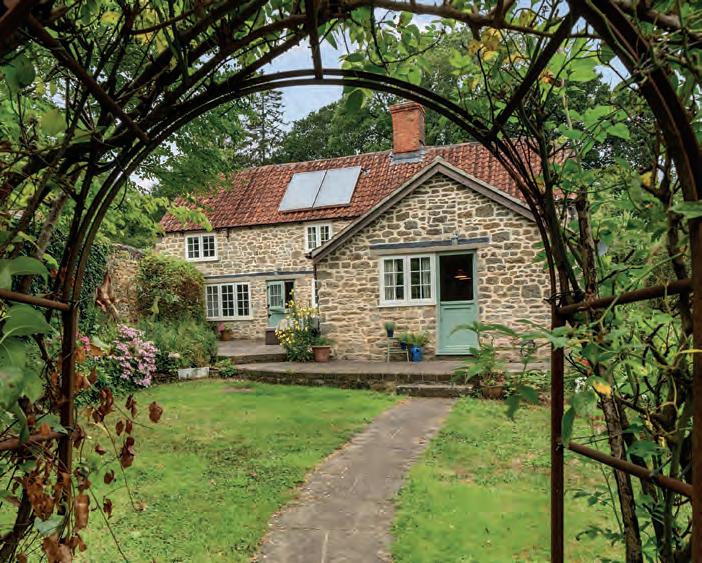
We know that choosing an agency to let your property can be a big decision so let us make it easy for you. The Hideaways Holidays Group is dedicated to providing a wide range of top-quality self-catering accommodation across the UK.






Water is an expensive commodity. The problem is during hot dry summers our gardens need it badly. Grey water could be much more of an answer to gardening watering requirements than we imagine.
Grey water is gently used household wastewater that comes from sources such as bathroom sinks, showers, bathtubs and washing machines. Unlike blackwater, which comes from toilets and contains human waste, grey water does not include contamination. Because it is relatively clean compared to other forms of wastewater, grey water can be reused - and that’s the secret.
As concerns about water scarcity, climate change, and sustainable living continue to grow, grey water reuse has become an increasingly popular strategy for reducing household water consumption. In many homes, a significant portion of indoor water use becomes grey water. Instead of sending all of it directly into the sewer or septic system, this water can be redirected and reused, helping conserve fresh drinking water and lowering utility bills.
Grey water typically comes from:
Bathroom sinks
Showers and bathtubs
Washing machines
Laundry tubs
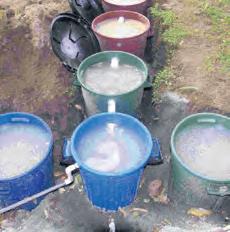
Some systems also include water from kitchen sinks, though this is often discouraged because kitchen wastewater may contain higher levels of grease, food particles, and bacteria. For garden irrigation, it is generally best to use grey water from showers, bathtubs, and washing machines, as these sources are easier to filter and manage.
Grey water is not safe to drink and should not be used for washing edible portions of crops. However, when properly managed, it is suitable for watering ornamental plants, trees, shrubs, and even some fruitbearing plants (if applied to the soil rather than directly onto edible parts).
There are several benefits to reusing grey water in the garden:
1. Water conservation
Freshwater supplies are under pressure in many regions. By reusing grey water, households can significantly reduce their demand for treated drinking water. This is especially important in areas prone to drought or water restrictions.
2. Reduced utility bills
Using grey water for irrigation lowers the amount of municipal water needed for outdoor watering. Over time, this can lead to noticeable savings on water bills.
3. Reduced strain on sewer systems
Diverting grey water from the sewer system decreases the volume of wastewater that must be treated at treatment plants. This can reduce energy use and infrastructure strain.
4. Nutrient benefits
Grey water often contains small amounts of nutrients such as nitrogen and phosphorus from soaps and detergents. These nutrients can benefit plant growth when present in moderate amounts.
This year it may be time to get serious with the way you use grey water in the garden and to understand what it is and how to use it effectively.
Grey water is most commonly used for subsurface irrigation—meaning the water is delivered directly to the soil rather than sprayed over plants. This minimizes human contact and reduces the risk of contamination.
Here are some common methods: Direct diversion
In simple systems, grey water from a washing machine or shower is redirected through plumbing into the garden. For example, a “laundry-to-landscape” system sends washing machine discharge water through pipes to mulch basins around trees and shrubs.
Mulch basins are shallow depressions filled with wood chips or other organic matter. Grey water flows into the basin and slowly infiltrates the soil, where plant roots can absorb moisture and nutrients.
Drain systems
These gravity-fed systems split grey water into multiple outlets using a network of pipes. This ensures that water is evenly distributed across several plants or planting areas.
Irrigation systems
More complex systems collect grey water in a holding tank and pump it through drip irrigation lines. These systems may include filters to remove lint, hair, and debris. However, grey water should not be stored for long periods (typically no more than 24 hours), as bacteria can multiply quickly.
To safely and effectively use grey water, several guidelines need be followed:
Use plant-friendly products
Choose biodegradable, low-sodium, and lowphosphorus soaps and detergents. High salt content can build up in soil and harm plants over time. Avoid products containing boron or chlorine bleach, as these can be toxic to plants.
Apply to soil, not leaves
Grey water should be applied directly to the soil, ideally below the surface. This prevents contact with edible plant parts and reduces odour and pathogen risk.
Rotate irrigation areas
To prevent salt buildup and overwatering, rotate the areas where grey water is applied. Occasionally flushing the soil with fresh water can help maintain soil health.
Avoid root vegetables
It is generally recommended not to use grey water on root crops such as carrots, potatoes, or radishes, since the edible part grows in direct contact with the soil.


Grey water is particularly well-suited for:
Fruit trees
Ornamental shrubs
Perennials
Large annual plants
Lawns
Established trees and shrubs tend to tolerate grey water better than delicate seedlings. Native and droughttolerant plants often respond well to grey water irrigation, especially when combined with mulch to retain soil moisture.
Reusing grey water can play a significant role in sustainable water management. By reducing demand for treated potable water, households lower the energy required for water treatment and distribution. Additionally, keeping water on-site helps recharge soil moisture and supports local ecosystems.
Grey water systems can also be integrated into broader sustainable landscaping practices, such as xeriscaping (landscaping designed to reduce or eliminate irrigation needs) and permaculture principles. When thoughtfully implemented, these systems contribute to a more resilient and self-sufficient household.
Despite its benefits, grey water reuse requires careful management. If improperly handled, it can cause:
Soil salinity problems
Odours from stagnant water
Clogged pipes from lint and debris
Health risks if humans or pets come into contact with untreated water
Additionally, grey water systems are not suitable for all properties. Homes with steep slopes, heavy clay soils, or limited outdoor space may face installation challenges.
A household of four people can use 600 litres (130 gallons) or more of water daily. Grey water which can be saved and re used accounts for anything between 65 and 80 per-cent of the waste water produced in any household daily. This water, which would normally automatically drain into the sewers offers a lot of potential for helping to maintain a garden during the summer months.




Emery Outdoor Living is a family run busine in Bristol
Emery Outdoor Living is a family run business based in Bristol.
We specialise in the supply, delivery and installa Winning Aluminium Pergolas
We specialise in the supply, delivery and installation of Award Winning Aluminium Pergolas
We offer free delivery with the option of instal professional and highly experienced installat
We offer free delivery with the option of installation by our professional and highly experienced installation teams.
Our aluminium pergolas are available in sizes fro 9m and in colours grey, wood effect and p
Our aluminium pergolas are available in sizes from 1.5m up to 9m and in colours grey, wood effect and pebble.
Whether you're hosting a garden party or just en moment in the rain or sunshine using the ope features, your outdoor space will look amazing w Pergolas
Whether you’re hosting a garden party or just enjoying a quiet moment in the rain or sunshine using the open/close roof features, your outdoor space will look amazing with one of our Pergolas.
Orders can be placed online, by phone or send
Orders can be placed online, by phone or send us an email.
Quote code: CG100 for a £100 discount from your total order (minimum spend applies)
Quote code: CG100 for a £100 discount from your total order (minimum spend applies)

www.emeryoutdoorliving.co.uk
email:sales@emeryoutdoorliving.co.uk
www.emeryoutdoorliving.co.uk
email: sales@emeryoutdoorliving.co.uk Tel: 07926405033
Tel: 07926405033





April is one of the most exciting months in the gardening calendar. The days grow longer, the soil begins to warm, and plants surge back into active growth. Whether you’re tending a small-town plot or a larger landscape, April is a month of preparation, planting, pruning, and protection. It sets the tone for the entire growing season.
April is also a month of momentum in the garden. The groundwork laid now determines the health, productivity, and beauty of the months ahead. From sowing seeds and dividing perennials to feeding lawns and protecting fruit blossoms, every task contributes to a thriving garden.
By working with the weather, and tackling jobs methodically, you’ll transform your garden from its winter rest into a somewhere ready for the growing season.
Here’s our checklist to gardening jobs covering lawns, borders, vegetables, fruit, containers, and general maintenance.
2
Grass begins growing vigorously in April, and lawns need attention after winter dormancy.
Set mower blades higher for the first few cuts. Gradually lower them as growth strengthens. Apply a spring lawn fertiliser high in nitrogen to encourage lush, green growth.
If thatch has built up, lightly scarify to remove moss and dead grass. Aerating compacted areas improves drainage and root health.
Rake bare spots, add fresh topsoil if needed, sow grass seed, and keep moist.


April is prime time for soil preparation. As temperatures rise and rainfall softens the ground, it becomes easier to dig and improve beds.
Remove weeds, old plant debris, and any remaining winter mulch that may be preventing soil from warming up. Clearing debris also reduces hiding places for pests.
Work in well-rotted compost or manure to improve soil structure and fertility. This boosts nutrient levels and enhances drainage in heavy soils while helping sandy soils retain moisture.
If you haven’t tested your soil recently, April is a good time. Most plants prefer a slightly acidic to neutral pH. Adjust with lime (to raise pH) or sulphur (to lower pH) as needed.

3 4
Flower beds and borders
April is when ornamental gardens truly come alive.
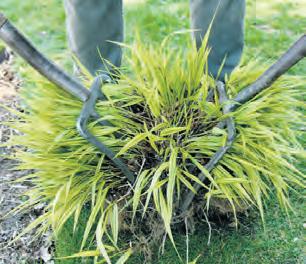
Clumps of perennials such as hostas and ornamental grasses can be divided now to rejuvenate plants and create new ones. Lift, split with a spade, and replant promptly.
Plant summer bulbs like dahlias and lilies. In colder regions, you can start them in pots under cover before transplanting outdoors later.
As perennials put on rapid growth, install supports early. Peony rings, stakes, or growthrough grids prevent flopping later.
April is one of the busiest planting months. Many crops can be sown directly outdoors now:
• Carrots
• Beets
• Spinach
• Lettuce
• Peas
• Radishes
• Parsnips
Warm season crops such as tomatoes, peppers, and squash can be started indoors if you haven’t already. In milder regions, early potatoes can go into the ground.
Harden off seedlings gradually before planting them outside. This means exposing them to outdoor conditions a little more each day for about a week.
6 5
This is the month for selective pruning, though timing depends on the plant.
Roses -feed and mulch roses after pruning (if not already done). Keep an eye out for pests like aphids.
Shrubs - spring-flowering shrubs such as forsythia should only be pruned after they finish blooming. For example, once flowers fade on Forsythia × intermedia, you can cut back flowering stems to encourage new growth for next year.
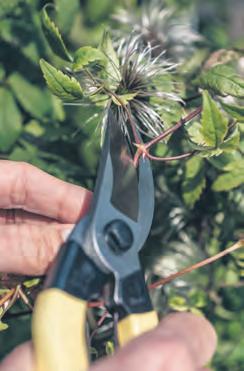
Clematis - different types of clematis have different pruning groups. Late-flowering varieties can be pruned hard in early spring, while early bloomers should not be cut until after flowering. A popular early bloomer like Clematis montana should be pruned only after its spring display.
Fruit garden jobs
Feed fruit trees and bushes by applying a balanced fertiliser around fruit trees and bushes to support blossom and fruit set. Late frosts can damage blossoms on trees such as Malus domestica. Cover small trees with horticultural fleece on cold nights if frost is forecast. Apply compost or wellrotted manure around the base of fruit trees and bushes, keeping it clear of the trunk.


Greenhouse and indoor tasks
If you have a greenhouse, April is a transitional month.
As days warm, ventilate regularly to prevent overheating and fungal diseases.
early with strawberries
Grow strawberries in early spring by planting bare-root or potted plants in sunny, welldrained, slightly acidic soil, spacing them 45cm apart. Key spring actions include tidying old foliage, applying a high-potash fertiliser, and mulching with straw to keep fruit clean. Water consistently and protect blooms from frost.

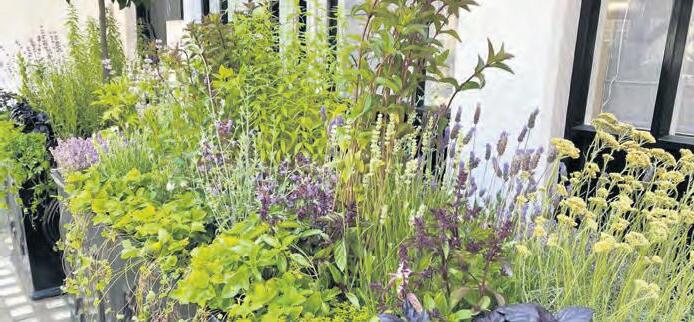
Growing plants in containers is a great way to get a headstart on the gardening season before spring arrives. Whether you want to add a dose of cheerful colour to your garden or front door, the key is choosing varieties that tolerate cooler weather. Beyond the usual suspects, like spring bulbs or hardy pansies and violas, there are plenty of other options that you might not consider – including edible plants. The best thing? If there is a sudden cold snap, all you have to do is bring the containers indoors until temperatures warm up again.
You don’t have to wait until summer to get a herb garden going. While woody varieties like rosemary and thyme are commonly grown in cooler weather, basil, mint and coriander can also work well in pots during this time. They’re nice to have in containers because you can have them close to the house for easy kitchen access.
You might think it is too early to plant delicate greens like rocket, spinach and lettuce, but you can start growing them in containers after the last frost has passed.
Harvesting the leaves is easy and fun. You can cut the outer leaves for your salad or sandwich, and they’ll continue to grow. A few weeks later, you can cut them again.

Cucumbers, courgettes, and sweetcorn can be started indoors for transplanting after frost risk passes. Move young plants into larger pots before they become root bound. 7 9 10 8
Wildlife-friendly tasks
This is also a wonderful time to support garden wildlife.
Install bird feeders and baths: Clean feeders regularly to prevent disease.
Create habitats:
Log piles, insect hotels, and small ponds encourage biodiversity.
Delay hedge cutting: Check for nesting birds before trimming hedges.
Gardens filled with pollinator-friendly plants will benefit bees emerging from winter. Early bloomers like crocus and lungwort provide vital nectar.


The team at residential and care at home provider, Care South, are celebrating after being rated as a top care home provider for the sixth consecutive year.
Care South, a not-for-profit provider of residential care homes and care at home, has been named one of the UK’s Top 20 Care Home Groups in the Mid-Size Large Group category at the Care Home Awards 2026.
It is the sixth year in a row that the award has been presented to Care South, to champion the high-quality care provided across its 14 care homes in Dorset, North Devon and Somerset. Care South also offers care at home services in Dorset and Somerset. Recognition is based on reviews from residents, relatives and loved ones on carehome.co.uk, where Care South achieves an average group rating of 9.8/10, with many of the individual homes rating even higher. All of Care South’s care homes are also rated ‘Good’ by CQC, the independent regulator of health and social care in England.
Reviews for Care South’s homes on carehome.co.uk include: ‘My father is very happy at the home. The care is amazing. The staff are attentive, friendly, and respectful. It is a truly happy community and environment. His room is comfortable and warm, with a lovely large window overlooking the garden, which lets in lots of natural light. This makes a big difference to his happiness, as his personal space is cosy, homely and a joy to spend time in, as are the communal rooms, dining room and conservatory. The food is also of a high quality and is plentiful.”
Another review for Care South reads: “I am so very impressed with the staff who are kind, caring, friendly and always genuine. They work very hard while managing to make everyone feel special. They are also kind and caring towards visitors. The kindness I have received has been exemplary. The home is absolutely spotless and everything is very tidy. I can’t speak highly enough of the home.”
Simon Bird, CEO of Care South, said: “We are thrilled to be named as a Top 20 Care Home Group for the sixth consecutive year. This is a very proud collective achievement for all our care home teams who go above and beyond to ensure our homes are warm, welcoming places where residents feel cared for, respected and supported as individuals. We work closely with residents, their families and friends to listen and act on any feedback to ensure that we are always doing what is best for their loved ones. That’s why this accolade and recognition is so special – it’s from them. Food, Fun and Friendship, as well as outstanding care, let residents continue to live life to the full in our happy homes.”
For more information about the care services available, go to care-south.co.uk or call Care South on 01202 712410.
Providing structure, nutrients and generally boosting soil life adding compost into the earth during spring will determine the success of the new growing season
Compost plays the most crucial role in preparing the garden for the growing season. After the winter months, soil becomes compacted, depleted of nutrients, and lacking in the biological activity that plants need to thrive. Adding compost in early spring helps restore the soil’s structure, fertility, and overall health, creating the ideal environment for new growth.
One of the main benefits of compost is that it improves soil structure. During winter, rain and cold temperatures can cause soil particles to pack tightly together. This compaction makes it difficult for plant roots to grow and for water and air to move through the soil. Compost contains organic matter that loosens the soil, creating small pockets that allow air, water, and roots to move freely. In sandy soils, compost helps hold moisture, while in heavy clay soils it improves drainage. This balanced soil structure is especially important in the early growing season when seedlings are trying to establish strong root systems.
Compost is also an excellent natural source of nutrients. Plants require essential nutrients such as nitrogen, phosphorus, and potassium to grow healthy leaves, stems, and roots. Unlike synthetic fertilizers that release nutrients quickly and sometimes unevenly, compost releases nutrients slowly over time. This steady supply supports plants throughout the early stages of growth without overwhelming them. When compost is mixed into garden beds in spring, it provides young plants with the nourishment they need to develop strong and vigorous growth.

Another important advantage of compost is that it encourages beneficial soil life. Healthy garden soil is full of microorganisms such as bacteria, fungi, and earthworms. These organisms break down organic matter and help make nutrients available to plants. Over winter, soil activity often slows down due to cold temperatures. Adding compost in early spring reintroduces food and energy for these organisms, helping them become active again. As they work through the soil, they improve its fertility and structure even further, creating a natural and self-supporting ecosystem in the garden.
Compost can also help regulate soil moisture during the unpredictable weather of early spring. The organic matter in compost acts like a sponge, absorbing water when it rains and releasing it slowly when the soil begins to dry out. This is particularly helpful for young plants, which are vulnerable to both drought and waterlogging. By maintaining more consistent moisture levels, compost helps reduce stress on seedlings and supports steady growth. In addition, compost can be used as a mulch on the surface of the soil. A thin layer spread around plants helps suppress early weeds, which compete with crops for light, nutrients, and water. It also protects the soil surface from erosion caused by spring rains and prevents valuable nutrients from washing away.
The Dorset Charcoal Co has been producing biochar for nearly 30 years, supplying customers including the RHS, Royal Tropical Gardens @ Kew and HRH Gardens at Highgrove amongst others.
Biochar is a stable, carbon-rich material produced by heating sustainably harvested British hardwoods in a low-oxygen environment, a process called pyrolysis. When added to soil, biochar (horticultural charcoal):
Improves soil structure and water retention.
Enhances nutrient availability and microbial activity.
Boosts plant growth and crop resilience.
Because biochar is highly resistant to decomposition, it can store carbon in soils for hundreds to thousands of years, making it a powerful tool for carbon sequestration and climate change mitigation.
For more information and also the chance to purchase top quality locally produced biochar visit www.dorsetcharcoal.co.uk
• Absorbsimpuritiesfromthesoil.
• Holdsanddeliversnutrientstothesoil.
• Retainsmoistureinlightsoils.
• Improvessoildrainage.
• Conditionsheavysoils.
Availableonline: 750g,3.5kg,10kg 20kg,200kg
www.dorsetcharcoal.co.uk
Devon historian Harry Frenchman loves nothing more than a good old wives’ tale when it comes to gardening. Here he looks at some of those sayings and tests them scientifically.
‘Plant peas when the crocuses bloom.’
MEANING: Early flowers signal it’s time to sow cool-season crops.
MOSTLY TRUE. Bloom times of plants like crocus track soil temperature and day length. Peas germinate well once soil temperatures reach about 40–45°F (4–7°C), which often coincides with crocus bloom. It’s not exact, but it’s a practical phenological cue.
‘A late frost will bite the early bloom.’
MEANING: Early warm spells can be followed by damaging frost.
VERY TRUE. Many fruit trees and ornamentals break dormancy during warm snaps. If a hard frost follows, blossoms can be killed, reducing yields. Climate records show this risk is common in temperate regions.
‘If March comes in like a lion, it goes out like a lamb.’
MEANING: A stormy start to March means a calm, mild end to the month. NOT RELIABLE. This is more folklore than meteorology. Weather patterns don’t balance themselves within a calendar month in any predictable way. But somewhere along the line there was probably a few years when it was true and so became folklore.
‘Ash before oak, in for a soak; oak before ash, in for a splash.’
MEANING: The order when leaves come out predicts a wet or dry summer. LITTLE SCIENTIFIC SUPPORT. The leafing times of ash and oak depend on temperature and species, but there’s no consistent evidence they forecast seasonal rainfall.
‘Thunder in spring, cold will bring.’
MEANING: Early thunderstorms signal a coming cold spell.
OFTEN TRUE. Spring thunderstorms often form along strong cold fronts. After the front passes, cooler air can follow; not every spring thunderstorm leads to a significant cold snap but it happens enough to give this credibility.
‘Don’t plant out tomatoes until after the last frost.’
MEANING: Wait until frost danger has passed before transplanting.
VERY TRUE. Tomatoes are a warm-season crop that can be damaged or killed below 32°F (0°C), and even temperatures under 50°F (10°C) can stunt growth. Plant after your average last frost and when soil is consistently above ~60°F (16°C).
‘Plant potatoes on Good Friday for a good harvest’.
MEANING: Early spring is the right time for potatoes.
VERY OFTEN TRUE. Potatoes prefer cool soil (45–55°F / 7–13°C). Good Friday often falls near that window. But because Easter shifts each year, the date isn’t reliable everywhere — soil temperature matters more than the calendar.
‘Sow beans when the apple trees bloom.’
MEANING: Nature’s bloom signals warm soil.
OFTEN TRUE. Common bean seeds rot in cold, wet soil and prefer temperatures above ~60°F (16°C). Apple trees bloom when spring warmth is established, making this a useful phenological guide in many temperate climates.
‘Plant cucumbers when the lilacs flower.’
MEANING: Tender crops follow ornamental bloom.
GENERALLY TRUE. Cucumber needs warm soil (at least 65°F / 18°C). Lilac bloom tends to coincide with settled spring weather. It’s not precise, but it’s a practical natural cue.
‘Thin carrots when the moon is waning.’
MEANING: The moon’s phase affects plant growth.
NO SOLID SCIENTIFIC SUPPORT. While carrot absolutely benefits from thinning (to reduce competition), controlled studies have not shown consistent effects from lunar phases on vegetable growth.
‘A cold April makes a full barn.’
MEANING: Cool springs lead to better yields later in the growing season.
POSSIBLY TRUE. Many cool-season crops (like peas and lettuce) thrive in mild temperatures, but prolonged cold can delay planting and stunt warm-season vegetables. Overall yield depends more on steady moisture, soil health, and avoiding extreme weather than on one chilly month.
compiled by Vivienne Lewis

Sidmouth, Devon EX10 0QE
Newton St Cyres, Exeter, Devon EX5 5BT
Opening for the NGS on Sunday 26th April, 1pm5pm, there are 23 acres, two steep wooded valleys, with wild flowers, spring bulbs, especially daffodils, an extensive collection of magnolias, camellias, rhododendrons, Knaphill azaleas, berberis, heathers, maples, cotoneasters, buddleias, hydrangeas, cornus and epimedium. Suitable footwear required, some steep terrain. Admission £8, children £3. Pre-booking essential - go to the NGS website and follow the links to book. Also opening for the charity on 7th June and 25th October, pre-booking applies.
Blossom, spring flowers, the bright green leaves of April - it’s a wonderful time to get out and about to enjoy the fresh air and help raise funds for the nursing and health charities that are the beneficiaries of the National Garden Scheme. Here’s a great selection in the areas covered by Country Gardener. Wherever possible check before starting out as circumstances can force cancellations of private garden openings. www.ngs.org.uk
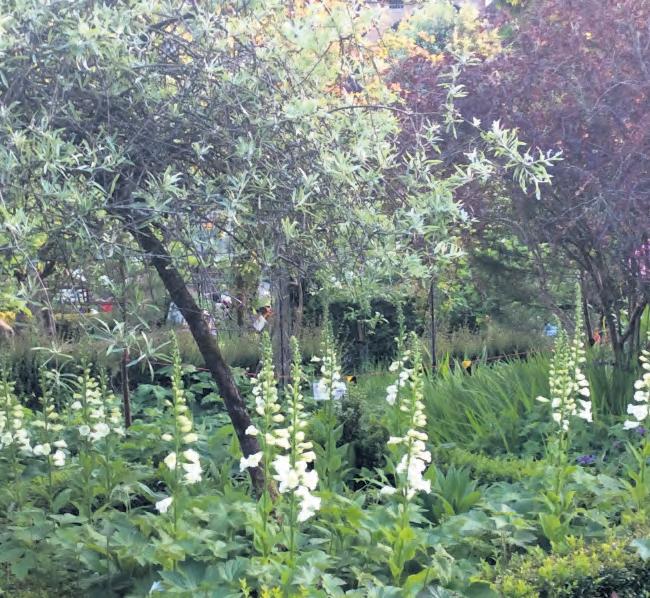
Opening for the National Garden Scheme on Friday 17th and Sunday 19th April, 2pm5pm each day, Sidbury Manor was built in the 1870s by the owner’s family, it’s set within the East Devon Area Of Natural Beauty, with 20 acres including substantial walled gardens, an extensive arboretum containing many fine trees and shrubs, a number of champion trees, and areas devoted to magnolias, rhododendrons and camellias plus an abundance of daffodils. Admission £7, children free.
Sheepwash, Beaworthy, Devon EX21 5PE
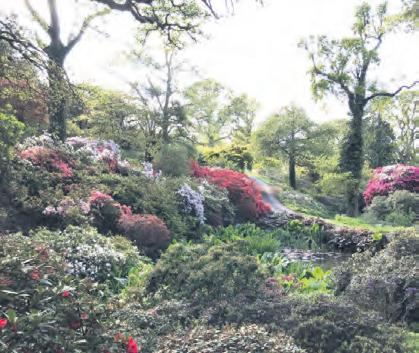
One acre naturalistic/wildlife/plantsman’s/sensory garden (autism friendly) on a sloping site opening for the NGS on Saturday 18th and Sunday 19th April, 11am4.30pm each day. Rare and unusual plants,13 ponds (koi and lilies), stream, Japanese garden, Mediterranean garden, wildflower meadow, massed bulbs, hundreds of ericaceous plants, camellias, magnolias, rhododendrons, acers, hydrangeas, a small aquatic/general nursery. Try the clock golf! Admission £6, children free. Open other dates see NGS website.



Rampisham, Dorchester, Dorset DT2 0PT
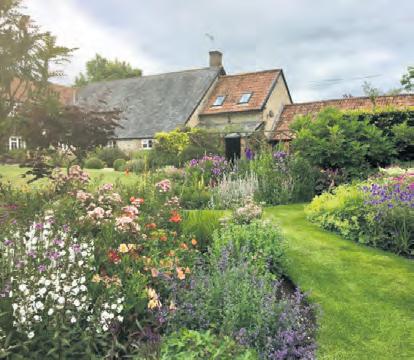
Opening for the NGS on Sunday 19th April, 2pm-5pm (and other dates in June, July and August, see the NGS website), a former farmyard transformed into a delightful, tranquil garden set in two acres. Clipped box, island beds and borders planted with shrubs, roses, grasses, masses of unusual perennials and choice annuals. Lawns and paths lead to a less formal area with large wildlife pond, meadow, shaded areas and bog garden. Orchard, vegetable and cutting garden. Admission £5, children free.
Ryme Intrinseca, Sherborne, Dorset
DT9 6JT
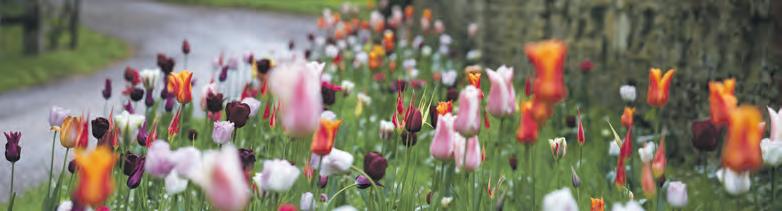
Opening for the NGS on Sunday 19th April from 12pm until 5pm, this 3½ acre garden, created since 1960 by the late Jo Earle has year-round interest, filled with a wide variety of well grown plants, unusual labelled shrubs and trees, productive vegetable garden, clematis and other climbers. Dogs welcome in selected woodland areas. Admission £7, children free. Also open on other dates, in June and October, see NGS website.
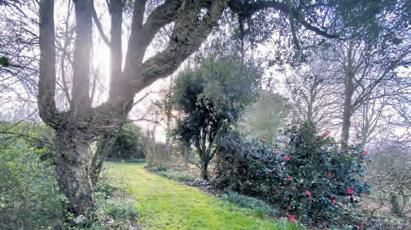
Long Sutton, Hook, Hampshire RG29 1TB
Opening for the NGS on Saturday 18th and Sunday 19th April, 11am3pm each day, Lord Wandsworth College is set in 1,200 acres of rolling farmland and wooded valleys. The main college campus is set around formal lawns with mature paper bark maples, cedar trees, cherry trees, and magnolias. The herbaceous borders display tulips, daffodils, and alliums, while a South African-inspired border runs the full length of the new Science Centre. Admission £4, children free.

Lepe, Exbury, Southampton, Hampshire SO45 1AD
Opening for the NGS on Sunday 12th April from 1.30pm until 4.30pm, this 14 acre spring woodland garden was laid out in 1893. An embarkation point for D-Day, the lighthouse in the garden now marks the entrance to the Beaulieu River with stunning views; walled garden with camellias, coastal walk overlooking the Solent, woodland with mature magnolias, rhododendrons, arboretum with drifts of spring bulbs, wildlife ponds, and formal areas including a wishing well. Admission £10, children free.


OUR KEY TO FACILITIES:
Partial wheelchair access
Visitors welcome by arrangement

13 Oakwood Road, Chandler’s Ford, Eastleigh, Hampshire SO53 1LW
A suburban water garden with spring colour from azaleas, rhododendrons and bulbs, opening for the NGS on Saturday 18th and Sunday 19th April, 1pm5pm each day, (and more openings, see the NGS website), perennials, water lilies and tropical plants. A lawn meanders between informal beds and ponds, and bridges lead to a tranquil pergola seating area overlooking a wildlife pond. A rockery is skirted by a stream and a waterfall tumbles into a large lily pond. Tropical aviary. Admission £5.50, children free.
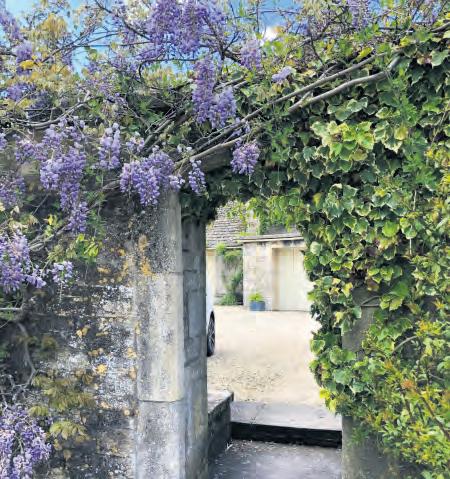
Moreton-in-Marsh, Gloucestershire GL56 9TR
Opening for the NGS on Sunday 19th April from 10am until 5pm, ‘The Hidden Garden of the Cotswolds’, Upton Wold has commanding views, yew hedges, herbaceous walks, vegetable, pond and woodland gardens, and a labyrinth. An abundance of unusual plants, shrubs and trees, with National Collections of Juglans and Pterocarya. Admission £15, children free.
Refreshments available
Unsuitable for wheelchairs
Coaches welcome consult owners
Mill Street, Prestbury, Cheltenham, Gloucestershire GL52 3BQ
Kemble, Cirencester, Gloucestershire GL7 6AD
Opening for the NGS on Tuesday 14th April from 2pm until 5pm, a landscaped garden with many tall lime trees, herbaceous borders lining the lawns, the main one in front of the house a grass tennis court laid in the 1880s, a walled garden with many fruit trees and two rose gardens. Two paddocks surround the property with Hebridean sheep. Admission £7.50, children free.

This semi-formal garden with lawns and box hedges, surrounded by mature trees, historic buildings and views of the church, opens for the NGS on Saturday 11th April from 1pm until 5pm. Many interesting trees and shrubs including an enormous magnolia, ginkgos, acers, lilac and Portuguese laurel, and an historic dovecote leads to a beautiful secluded, tranquil part of the garden. Admission £5.50, children free.
Plants usually for sale
Dogs on short leads
Accommodation at this venue
Wheelchair access to much of garden
No dogs allowed
Picnics welcome
Bristol, Avon BS9 2LR
Opening for the NGS on Sunday 26th April, 1pm-5pm, a secret space, lovingly cultivated for almost 40 years, hiding behind a 30s semi and packed with gorgeous plants, up trees, in pots, ponds and on a green roof. Linger awhile in this peaceful spot on the many seats; seek out dragons, follow paths through spaces created by wacky screens. Admission £4, children free.
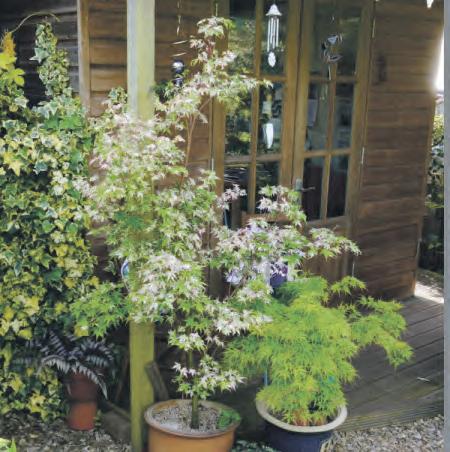

Porlock, Minehead, Somerset TA24 8NU
The organic woodland garden of international renown, stretching along a sheltered hillside and offers outstanding views over Porlock Bay, Greencombe Gardens open for the NGS on Tuesday 14th April, 2pm-6pm (also 14th July). Moss-covered paths meander through a collection of ornamental plants beneath a canopy of oaks, hollies, conifers and chestnuts. Camellias, rhododendrons, azaleas, lilies, roses, clematis, and hydrangeas blossom among four National Collections. Admission £7, children £1.
12 Druid Stoke Ave, Stoke Bishop, Bristol, Avon BS9 1DD
Opening for the NGS on Sunday 26th April, 1pm-5pm, for tree lovers of all ages! As well as a 260 year old Lucombe Oak - one of the most significant trees in the UK - there are more than 30 mature English trees planted to create an urban woodland underplanted with various native ferns. An Arts & Crafts garden has now been completed in the front and a woodland path provides a behind the scenes look at the woodland. Admission £4, children free.
Opening for the NGS on Saturday 25th April from 2pm until 4pm, a relaxed, evolving family garden embracing 18th century architecture (including a rustic dairy) and defined by its long, south facing wall, with lawns and wildflower meadows, mixed borders and climbers, a magnolia grove and a vegetable garden with greenhouse. The garden utilises a ha-ha to sit comfortably in the surrounding wooded parkland with views out to the surrounding hills and the Alton Barnes chalk-horse. Admission £8, children free.



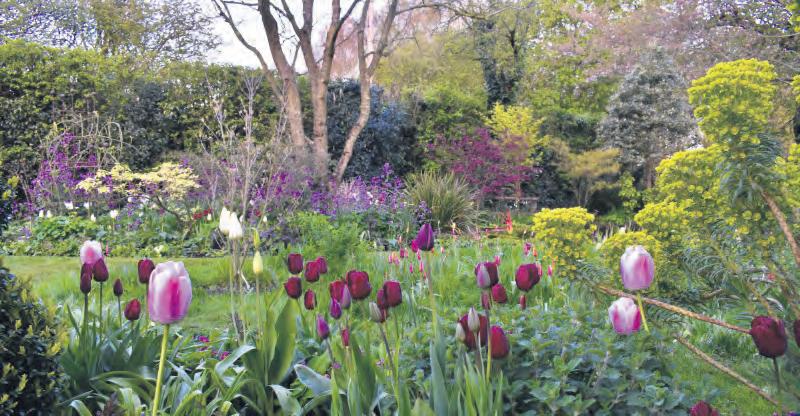
Seend Hill, Seend, Melksham, Wiltshire SN12 6RU
Opening with nearby Seend House for the NGS on Sunday 12th April, a half-acre contemporary cottage garden owned by a garden designer and created over the past 26 years, with lawns, well-stocked borders, topiary, potager, sunken pool garden, wildlife pond, short woodland walk, species bulb and wildflower lawn, and canopied dining area. Connected with Seend House by a field footpath - a shuttle is available. WC available by the car park. Combined admission £8, children free.
High Street, Seend, Melksham, Wiltshire SN12 6NR
Opening with Brow Cottage on Sunday 12th April, 1pm5pm, Seend House is a Georgian house with six acres of gardens and paddocks; framed with yew and box, cloud and rose garden, stream lavender, view of knot garden from above, fountain with grass border, walled garden and formal borders. Amazing view across the valley to Salisbury Plain. Shuttle bus between Seend House and Brow Cottage for the opening, combined entry to both gardens £8, children free.
at Holt Farm, Bath Road, Blagdon, Somerset BS40 7SQ
One of only a handful of ornamental gardens that is Soil Association accredited, opening for the NGS on Thursday 9th April, 10am-5pm, six and a half acres of contemporary planting, quirky sculptures, thousands of bulbs, purple palace, glorious meadow and posh vegetable patch. Great views, green ideas. Admission £8, children £2.
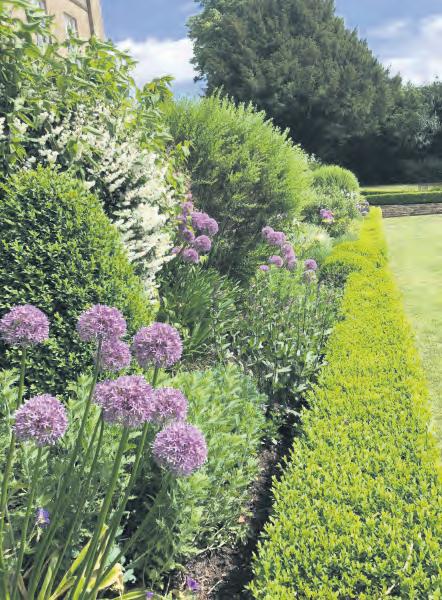
April is one of the most rewarding months to visit gardens that are open to the public. After the long, muted tones of winter, gardens suddenly seem full of life again. Whether you are wandering through the sweeping grounds of a grand country house or exploring a smaller specialist garden lovingly tended by its owners, April offers a particular sense of freshness and anticipation.
In large country house gardens, the scale of the landscape can be breathtaking at this time of year. Wide lawns are newly green, long avenues of trees are just beginning to leaf out, and formal terraces are planted with early spring flowers. Bulbs are often at their peak in April: drifts of daffodils, clusters of tulips, and carpets of bluebells fill borders and woodland paths with colour. Because many historic estates were carefully designed to create dramatic seasonal displays, April is often when these spaces truly come alive. Walking through these grounds, visitors experience a mixture of history and nature—views framed by centuries-old trees, statues emerging among fresh foliage, and ponds reflecting the bright spring sky.
Another pleasure of visiting large gardens in April is the sense of space and calm. The main tourist season has not yet fully begun, so paths may feel quieter and more peaceful than they will later in summer. This
allows visitors to take their time: to pause beside a walled garden bursting with new growth, to sit on a bench overlooking rolling parkland, or simply to listen to birdsong echoing across the grounds.
Smaller specialist gardens offer a very different but equally delightful experience. Often created by passionate gardeners, these spaces tend to focus on particular plants, design styles, or horticultural collections. In April, many of these gardens showcase plants that thrive in spring conditions—magnolias, camellias, primulas, and delicate alpine flowers. Because these gardens are more intimate, visitors can often see plants up close and appreciate the fine details of colour, texture, and scent.
A particular charm of smaller gardens is the sense of personal creativity behind them. Paths may wind through carefully arranged borders, rockeries, or woodland areas designed to highlight seasonal interest. The owners or gardeners are sometimes present to answer questions or share stories about how the garden was created and maintained. This can make a visit feel less like a formal tour and more like being welcomed into someone’s private world of plants and ideas.
April weather also adds to the enjoyment. The air is often crisp but comfortable for walking, and the sunlight—when it appears—has a gentle warmth after
the colder months. Showers may come and go, but they only seem to intensify the colours of flowers and fresh leaves. After rain, gardens often smell especially rich and earthy, reminding visitors that everything is actively growing again.
Ultimately, visiting public gardens in April is about renewal. The season captures a moment when nature is reawakening, and both grand landscapes and small specialist gardens display their earliest and most hopeful beauty. It is a chance to slow down, appreciate the changing seasons, and take inspiration from the remarkable variety of plants and designs that flourish in spring.
The Royal Bath & West Show returns from 28th to 30th May, and this years’ Pop-Up Gardens competition promises to inspire visitors wanting to improve their own outdoor space.
Entrants are invited to ‘Design a Garden Room for the 2020s’ with judges looking for stylish, sustainable outdoor spaces that connect home and nature.
Sustainability is an important feature of many modern gardens and is reflected in this years’


















competition. Designers are asked to demonstrate the use of recycled or renewable materials, aiming for minimal waste; Climate Resilience (through droughttolerant, pollinator-friendly, and regionally appropriate planting); and Nature Connection which encourages wildlife, wellbeing, and relaxation.
Designers will have just two days to build their gardens before the show opens, with awards for Best in Show and the People’s Choice.
The entries will be available to view at the Horticultural Village, where visitors can also enjoy the exhibits in the Flower Tent and Floral Art exhibition.
The Royal Bath & West Show offers far more than horticulture. The main ring will include the popular Pony Club games, show jumping, Vintage Vehicle Parade, Scurry and Heavy Horses, with the Shetland Pony Grand National providing the main entertainment.
After a successful launch in 2025 the Royal Bath & West Show App will be available to download before the show.
If you want to extend your stay, camping pitches will once again be available at £35 per night, and VIP parking is also on offer at £30 per car.
With a family ticket (two adults and three children) costing just £60, and concessionary rates for senior citizens, the show is a good value family day out. Book tickets now at www.bathandwest.com
Kelmscott Manor was the iconic country home of William Morris, father of the Arts and Crafts movement. Today, visitors will find an outstanding collection which spans over 300 years and reflects the lives, ideas, and creative legacy of those who lived and stayed. The house retains its domestic charm and the ambience that inspired art, design and writings by practitioners in both Pre-Raphaelite and Arts & Crafts Movement circles. Today, this remarkable place is once again a hub of inspiration and creativity.

The purpose-built Learning Barn has a variety of activities for all ages to enjoy including trails, craft making and drop-in family workshops.
The Manor is open to the public Thursdays, Fridays and Saturdays from April -October.
Kelmscott Manor, Kelmscott, Lechlade GL7 3HJ
‘Beautiful, hidden gem, vast array of plants and trees, breath taking. Tea rooms a welcome addition. Go and enjoy nature at its best!’
‘Dog friendly and a good little trail for the kids’
‘Our first visit and we hadn’t expected such a lovely treat. In April there is so much colour, wonderful streams and water features and stunning views of Dartmoor. Nice people as well and good value’ ‘Delicious soup and cakes!’
25 acres. Open Sundays, Wednesdays and Bank Hols 11am to 5pm until 7th June.
Full details at www.lukesland.co.uk Tel: 07906480362
Lukesland Gardens and Tea Rooms, Ivybridge, Devon PL21 0JF
Guided by owners and head gardeners, Perennial’s Garden tours are designed for up to 30 individuals, offering a unique, personalised experience that also includes a lovely lunch or afternoon tea. Tour prices range from £99 to £199. More information is available on the website. Proceeds from the tours support Perennial’s charitable work, providing expert services to everyone facing challenges in horticulture. Their services are a safety net for those facing financial, physical or life changing challenges and help people to build better futures for themselves and their families.
If you or someone you know needs any support call 0800 093 8543 or visit perennial.org.uk





with inspiration, expert advice, plants, the Hillier Experience, NEW hands-on workshops and NEW tastings, great shopping, garden tours and more



Indulge in a truly special experience with the horticulture charity, Perennial.


Book today perennial.org.uk/ garden-tours

Home to the Bishops of Bath and Wells for over 800 years this stunning medieval Palace, with its 14 acres of RHS partner gardens, is open for all to enjoy.
Gardens, moat, medieval Palace, year-round events and award winning Bishop's Table café in the heart of medieval Wells.
Scan the code to plan your visit:


ry



ABBEY…
April is a wonderful time to visit Hartland Abbey. Not only Easter Bunny Hunts for the young at Easter but all the spring flowering shrubs bursting into flower –azaleas, rhododendrons, the later camellias – plus tulips in the Walled Gardens. A profusion of bluebells and wild garlic flower in the walks, with foxgloves appearing on the way to the beach later in the month. Scenes from The Night Manager series 1 were filmed at Blackpool Mill and Hartland Abbey is Malory Towers! There is so much to see in this lived-in family house – not only centuries of family and national history but the popular exhibitions and gift shop are open to garden ticket holders.
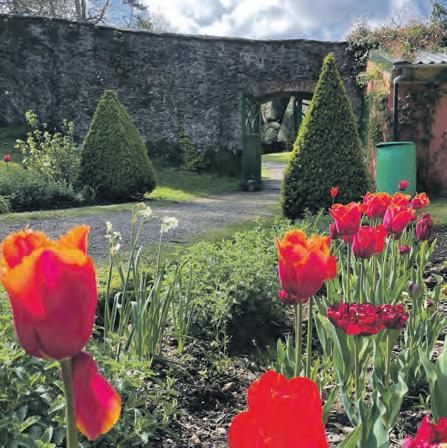
See www.hartlandabbey.com for further information. Tel: 01237 441496 EX39 6DT between Hartland and Hartland Quay off A39.
With Lord Margadale’s kind permission, the spectacular gardens at Fonthill House, Tisbury (SP3 5SA) will open again on Sunday 26th April, from 12 noon to 5pm, in support of the National Garden Scheme. This muchloved charity has raised an extraordinary £77.8 million since 1927, with a record-breaking £3.8 million donated last year alone. Originally founded to support district nurses, the NGS is now the UK’s largest charitable funder of nursing, benefiting organisations including Macmillan, Marie Curie, Hospice UK and Parkinson’s UK, as well as garden-focused charities such as Maggie’s and Horatio’s Garden.
Tickets are £10, children under 12 go free, and wellbehaved dogs on leads are welcome. Visitors can enjoy teas, coffees, empanadas, sandwiches, cakes and other delights, alongside a wine bar and the much-loved Baboo Gelato ice creams. Visitors are very welcome for plants, gardens, inspiration, and a special day out. Every visitor will make a difference!
www.fonthill.co.uk/gardens
The picturesque gardens at Little Malvern Court sit below the wooded slopes of the Malvern Hills, with far-reaching views across the Severn Valley to the Bredon Hill and the Cotswolds. Particular features to look out for in May include the beautiful pots of tulips, grouped according to colour, surrounding the house. The varied flowering cherries and crab apple trees will be in blossom. Wildflowers begin to appear in the grass banks and lovely blue camassias pop up in the tall grass of the meadow. In the rose garden, alliums literally burst into flower and the early roses start to open. There are cedar trees, planted from seeds brought back

Be part of the world’s leading cultivated plant conservation charitySomething for everyone interested in plants and their conservation: Hampshire & IoW Group
• talks and celebrity lectures, plant fairs, garden visits,
• plant exchanges, propagation & social events.
Join online at www.plantheritage.com, or at our May Plant Fair and we will refund your admission.
Mon 4th May 2026 10am - 3pm at Longstock Park Nursery Nr. Stockbridge SO20 6EH
Twenty plus specialist nurseries, members’ plant stall, hog roast, beer tent, ice-cream, live music.

from the Holy Land by Charles
The chain of lakes, formerly fishponds for the monks, follow the layout from a plan dated 1720 and, like much of the garden, were restored in the 1980’s.
Tel: 07856 035599
www.littlemalverncourt.co.uk
Little Malvern Court & Gardens, Little Malvern WR14 4JN RARE PLANT FAIR RETURNS TO QUENINGTON IN APRIL





kelmscottmanor.org.uk

Explore William Morris’s “Heaven on Earth” and view the iconic collection of artwork and objects owned and designed by the Father of the Arts & Crafts Movement.
Discover why the Cotswold home became an inspiration for him and his family and explore the gardens, enjoy homemade food from our licensed tearoom and visit our gift shop. A variety of activities are available in our Learning Barn for all ages to enjoy including free drop in workshops throughout the season.
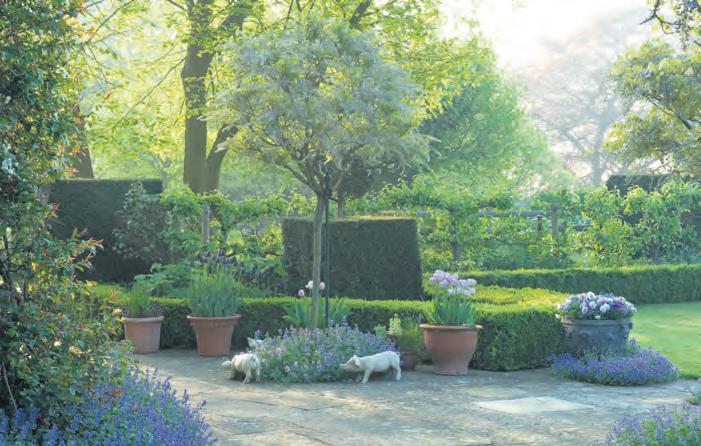
Little Malvern Court Nr Malvern, Worcestershire WR14 4JN
Garden open Wednesday and Thursday afternoon from 15th April to 16th July, 2.00pm to 5.00pm, on the days the house is open Timed entry to be prebooked, please see website for further details and to book 07856 035599 www.littlemalverncourt.co.uk
Head to the quaint village of West Kington on Saturday 25th and Sunday 26th of April for one of the biggest plant sales in the Cotswolds. West Kington Nurseries will open the doors to its ten-acre site for great deals on perennials, herbs, shrubs, bedding plants and so much more. Bring the whole family, including the dog, to fill up a barrow and enjoy some homemade cakes and tea. Entry is free from 9am Saturday and 10am Sunday. Visit www.wknurseries.co.uk for more information.
West Kington Nurseries, West Kington, Chippenham SN14 7JQ
Set within the heart of medieval Wells, The Bishop’s Palace and Gardens is home to 14 acres of RHS Partner Gardens surrounded by a striking medieval moat. Visitors can wander through vibrant seasonal planting, including the colourful ‘hot border’, fragrant roses and generous herbaceous borders that change throughout the year. Ancient specimen trees, open lawns and historic ruins add to the sense of discovery. At the heart of the gardens lie the beautiful well pools, fed by natural springs from the Mendip Hills, where clear water flows beneath medieval walls and wildlife gather along the banks. The experience is completed by the award-winning Bishop’s Table café overlooking the gardens. The Bishop’s Palace, Wells BA5 2PD
Bank Holiday Monday, 4th May sees the Hampshire and Isle of Wight Plant heritage group host one of the leading events in the 2026 county calendar with a May Plant fair being staged at Longstock Park Nursery from 10am to 3pm. It promises to be a spectacular event with specialist nurseries out in force in a wonderful setting. The day will offer something for everyone interested in plants and their conservation. Join online at www.plantheritage.com
Forde Abbey’s Plant and Gardening Fair on Saturday, 11th April is the perfect opportunity to get inspiration and ideas for your spring garden.
Specialist nurseries from the Southwest will be selling plants from 10.30am to 3pm. Many of the plant stalls are back by popular demand, but there will also be some newcomers. The growers are happy to chat about their plants and offer their expertise and share their enthusiasm, so do come along to see what you can add to your own garden for a splash of colour this spring – or just admire the beautiful plants on show!
The fair takes place at the beginning of the popular tulip display, a perfect time to see the garden waking up from its winter hibernation. The Abbot’s Table Cafe will be open throughout the day serving lunches, light bites and homemade cakes and bakes. The abbeys in house plant nursery is also open from 10.30am and it is stocked with spring bulbs and a diverse range of herbaceous perennials, many rare and unusual. All the plants are grown at the Abbey.
The gardens will remain open until 5pm (last entry at 3pm). A reduced entry fee of £5 to the Plant & Gardening Fair, including admission to the abbey ‘s 30-acre gardens. Parking is free. Free entry to Forde Abbey and Historic House Members. Forde Abbey, Forde Abbey Estate, Chard TA20 4LU
Enjoy the perfect spring day out, as you kick off the gardening season in style at BBC Gardeners’ World Spring Fair, returning to the stunning grounds of Beaulieu from 1st–3rd May. Expect garden inspiration at every turn, expert advice from including Adam Frost, Frances Tophill, Sue Kent, Ashley Edwards and more, plus brilliant shopping, hands-on fun and the delicious Good Food Market. From plants and tools to demos and beautiful gardens to explore, there’s something for every green-fingered visitor to get involved with.


24 acres of Rare Shrubs, Trees, Pools & Waterfalls Home-made soups & cakes
Sunday 15th March to Sunday 7th June, Suns, Weds, Bank Holidays 11am - 5pm

2026 Garden Openings To Which You Are Warmly Welcome: Harford Ivybridge PL21 0JF Tel 07906 480362 www.lukesland.co.uk
Fonthill

Visit bbcgardenersworldfair.com for tickets and information.
Sun 12th April


The Old Rectory, Quenington, Nr. Cirencester GL7 5BN www.rareplantfair.co.uk

Please visit our website for full details of admission fees and times of opening.

It’s Bluebell time…
Easter Sunday 5th & Monday 6th Easter Egg Hunts Sundays 12th & 19th - Bluebell Days



We produce and grow the largest selection available in the UK. Plants are pot grown and suitable for garden, patio or bonsai.
Visitors welcome Mon-Sat 9am-1pm & 2pm-4pm
Barthelemy & Co (DCG), 262 Wimborne Rd West, Stapehill, Wimborne, Dorset BH21 2DZ
Tel: 01202 874283 enquiries@barthelemymaples.co.uk www.barthelemymaples.co.uk

Visit this stunning family home with its fascinating collections, exhibitions, beautiful walled and woodland gardens and walks to the beach. Location for ‘Malory Towers’, ‘The Night Manager’ and BBC Gardener’s World in 2025.
* Dogs welcome * Holiday Cottages * * Delicious light lunches & cream teas * House, Gardens etc open until 1st October Sunday to Thursday plus Good Friday 11am - 5pm (House 2pm - 5pm last adm 3.45pm) For more information and special events see www.hartlandabbey.com Hartland, Nr. Bideford


Growing edible mushrooms at home is a rewarding way to produce fresh, nutritious food with minimal space and equipment.
Unlike many vegetables, mushrooms do not require sunlight to grow; instead, they thrive in humid, controlled environments and feed on organic material. With the right preparation and conditions, beginners can successfully grow mushrooms such as oyster, shiitake, or button mushrooms indoors.
The first step in growing mushrooms at home is choosing the right species. Oyster mushrooms are often considered the best option for beginners because they grow quickly and tolerate a wide range of conditions. Shiitake mushrooms are also popular for their rich flavor, although they typically take longer to produce a harvest. White button mushrooms are common in stores, but they require more precise composting and environmental control, which can make them slightly more challenging for new growers.
Once you have selected a species, the next step is obtaining mushroom spawn. Spawn is similar to seeds for plants—it contains the living mycelium, the rootlike network that develops into mushrooms. Spawn can be purchased online or from garden centers. It usually comes in forms such as grain spawn, plug spawn, or sawdust spawn. For most indoor growing setups, grain spawn is easy to work with and spreads quickly through the growing material.
The growing medium, also known as the substrate, is the material the mushrooms feed on. Different mushrooms prefer different substrates. Oyster mushrooms grow well on straw, coffee grounds, cardboard, or hardwood sawdust. Shiitake mushrooms prefer hardwood sawdust or logs. Many home growers choose pasteurised straw because it is cheap, widely available, and simple to prepare. Preparing the substrate properly is essential to prevent contamination from bacteria or unwanted moulds. Straw should be chopped into small pieces and pasteurised by soaking it in hot water (around 65–75°C) for about an hour. This process kills harmful microorganisms while leaving beneficial nutrients for the mushroom mycelium. After pasteurisation, the straw should be drained and cooled before mixing it with the mushroom spawn.
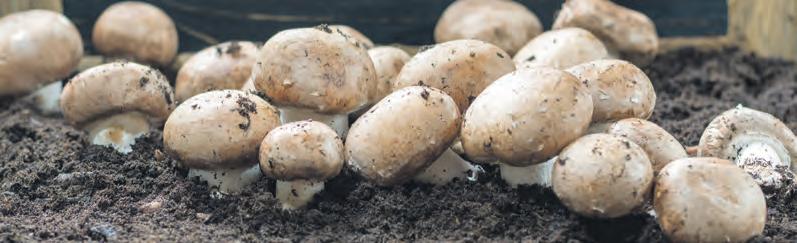
Next comes the inoculation stage, where the spawn is mixed into the prepared substrate. Cleanliness is important during this step to reduce contamination. Many growers use plastic grow bags or buckets with small holes drilled into the sides. The substrate and spawn are layered or mixed together inside the container. The holes allow air exchange and provide openings where mushrooms can eventually grow.
After inoculation, the container enters the colonisation phase. During this period, the mycelium spreads throughout the substrate, forming a dense white network. The container should be kept in a warm, dark place—typically between 18–24°C depending on the mushroom species. Colonisation usually takes one to three weeks. When the substrate becomes fully covered with white mycelium, it is ready for fruiting. Fruiting is triggered by changing environmental conditions. Mushrooms need fresh air, high humidity (around 85–95 per-cent), and slightly cooler temperatures. Moving the container to a well-ventilated room with indirect light helps stimulate mushroom growth. Many home growers maintain humidity by misting the growing area with water once or twice per day or by placing the container in a humidity tent made from a plastic bag.
Small mushroom pins will begin to appear within several days. These pins quickly develop into full mushrooms, often ready to harvest within a week. Mushrooms should be harvested before the caps flatten completely. Instead of cutting them, it is usually better to gently twist and pull them from the substrate to avoid leaving material that may rot.
One advantage of home mushroom growing is that a single substrate batch can produce multiple harvests, known as flushes. After the first harvest, letting the substrate rest for about a week while maintaining humidity often leads to additional crops. Some growers achieve two to four flushes before the nutrients are depleted.
IN
2026,
BEING A TOTALLY PLASTIC-FREE GARDENER IS NOT ONLY POSSIBLE — IT’S EASIER THAN EVER.
A decade ago, avoiding plastic in the garden meant compromise: flimsy alternatives, limited availability, and higher costs. Today with better supply chains, and innovative materials, gardeners can cultivate thriving spaces without relying on single-use pots, synthetic fabrics, or petrochemicalbased tools.
Whether you’re tending a small urban balcony or a large plot, going plastic-free has become practical, affordable, and deeply rewarding.
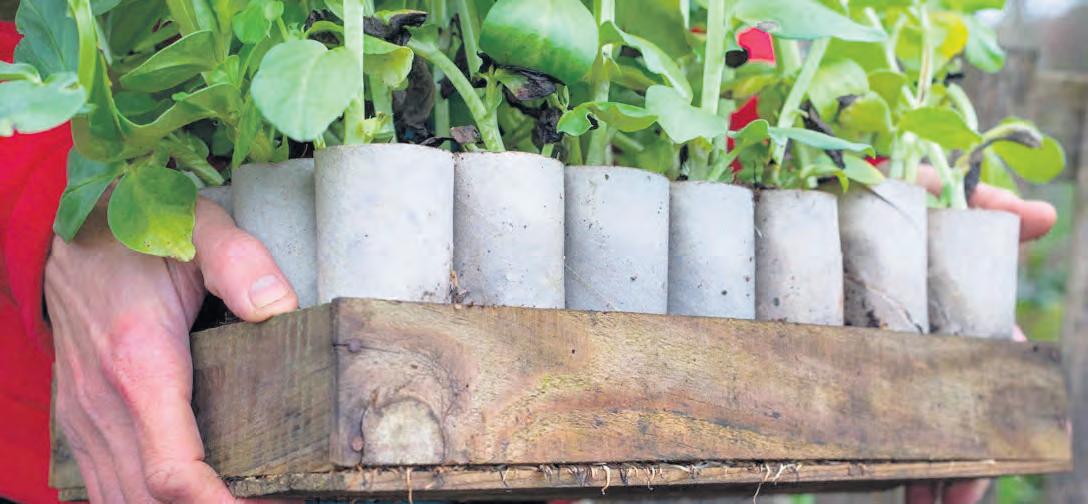
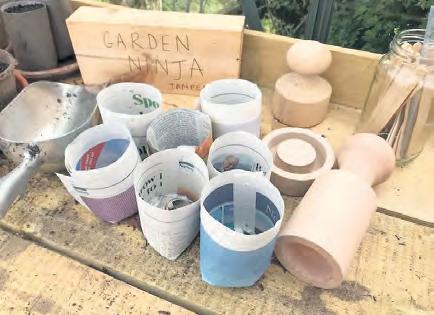
One of the biggest historical sources of plastic in gardening was plant pots and seed trays. Walk into most garden centres in 2015 and you would find stacks of black plastic containers. In 2026, the situation looks very different. Nurseries increasingly offer plants in biodegradable pots made from coir (coconut fiber), compressed wood pulp, rice husks, or even mycelium. These pots can be planted directly into the soil, where they naturally decompose. For seed starting, gardeners can use soil blocks—a method popularised by growers who prefer to eliminate containers entirely. A simple metal soil blocker creates compact cubes of growing medium that hold their shape without any plastic tray. Alternatively, homemade newspaper pots or recycled cardboard egg cartons work perfectly for starting herbs and vegetables.
Composting is another area where plastic once dominated, particularly in the form of compost bins and synthetic liners. Today, wooden compost bins made from reclaimed timber or sustainably sourced cedar are widely available and longlasting.. For kitchen scraps, stainless steel countertop containers replace plastic caddies, and compostable paper liners substitute for plastic bags. Even municipal composting programmes increasingly accept paper-based liners, further reducing reliance on plastic waste. Traditional galvanised steel watering cans are back in fashion, often passed down for decades.
Clay ollas—porous terracotta vessels buried in the soil—provide slow, efficient irrigation without a single piece of plastic. This ancient technique, used for centuries in arid regions, has found new popularity among sustainabilityminded gardeners.
Mulching and weed suppression used to involve plastic landscape fabric or synthetic tarps. Now, natural alternatives are widely adopted. Cardboard sheet mulching—using plain, tape-free cardboard—suppresses weeds effectively and decomposes into the soil. Straw,
wood chips, leaf mould, and wool mats serve as biodegradable weed barriers. In fact, sheep wool pellets and mats have become common in garden centres, providing moisture retention and natural nitrogen as they break down.
Tools are another success story. While plastic handles and components once dominated, manufacturers have responded to consumer demand for durable, repairable products. Stainless steel tools with ash or hickory wooden handles are widely available. Brands emphasise replaceable parts, meaning a broken handle can be swapped out instead of discarding the entire tool.
Even greenhouses and cold frames, historically dependent on plastic sheeting, now have more sustainable options. Glass has made a strong comeback, supported by improved safety treatments and modular designs. For those who need lightweight covers, reinforced cellulose-based films and woven cotton frost cloths provide seasonal protection without long-term plastic waste. Many gardeners also build cold frames from reclaimed windows, giving old materials new life.
Packaging has significantly improved as well. Seed companies increasingly ship seeds in paper envelopes without plastic linings. Bulk soil and compost can be purchased in reusable sacks or delivered loose. Some local garden centres operate refill stations for soil amendments, allowing customers to bring their own containers. This refill culture mirrors trends seen in zero-waste grocery stores and reflects a broader shift in consumer habits.
Importantly, going plastic-free no longer feels like an extreme lifestyle choice. It aligns with mainstream sustainability goals embraced by municipalities, retailers, and manufacturers. Prices of alternatives have decreased due to higher demand and scaled production. Many plastic-free options are actually more economical in the long run because they are reusable or longer-lasting.

Staking plants in borders is one of those traditional gardening practices that can seem fussy or old-fashioned—until you see the difference it makes.
A well-staked border has an air of effortless abundance: tall spires standing upright, heavy blooms held proudly aloft, and foliage layered in a way that allows every plant to shine. Without staking, however, the same border can quickly descend into a tangle of flopped stems, hidden flowers, snapped growth, and increased disease problems.
Far from being an optional extra, staking is a crucial technique for maintaining plant health, visual impact, and long-term structure in ornamental borders.
Over time, staking improves plant longevity. Repeated stem breakage weakens plants and reduces vigour. By protecting stems season after season, staking helps perennials build strength.
It also reduces maintenance. Instead of emergency repairs after storms, the gardener invests a small amount of early effort for season-long stability.
Staking plants in borders is a foundational gardening practice that combines aesthetics, plant health, and resilience. It preserves vertical form, prevents damage, enhances airflow and light, and protects against weather extremes. From simple bamboo canes to elegant metal rings and rustic hazel frameworks, a wide range of supports allows gardeners to match function with style.
Far from being intrusive, well-executed staking is almost invisible—its success measured not by what you see, but by what you don’t: no flattened stems, no mudsplashed blooms, no hidden flowers.
In the end, staking is about respect for the plants and the design vision behind the border. It provides the quiet scaffolding that allows beauty to stand tall.
The structural challenge of border planting
Garden borders—particularly herbaceous and mixed borders—are designed for density and drama. Perennials, biennials, ornamental grasses, bulbs, and sometimes shrubs are layered together to create seasonlong interest. In classic English-style borders inspired by designers such as Gertrude Jekyll, plants are arranged in deep drifts and bold colour harmonies. The aim is natural abundance—but nature, left unsupported, often leads to collapse.
Many popular border plants have been bred for larger flowers, taller stems, or extended blooming periods. These traits can make them more prone to top-heaviness. Add wind, heavy rain, or lush growth from fertile soil, and stems bend or snap. Even sturdylooking perennials can struggle when flowering spikes become saturated with water.
In a mixed border, fallen stems don’t just affect one plant—they drag down neighbours, obscure smaller companions, and create shaded, humid pockets that invite pests and disease. Staking is the quiet framework that prevents this domino effect.
The most obvious reason for staking is appearance. Tall perennials such as delphiniums, dahlias, and peonies are grown for their vertical drama and showy blooms. When they flop over, the display is diminished. Take delphiniums, a hallmark of traditional cottage gardens and famously used in planting schemes at places like Sissinghurst Castle Garden. Their towering
flower spikes are breathtaking when upright. Without staking, a summer storm can flatten them overnight. Staking keeps plants upright, so their form, colour, and height relationships remain intact. The rhythm of a border— tall at the back, medium in the middle, low at the front— depends on vertical integrity.
Once a plant has flopped, stems often crease or snap. Even if they don’t fully break, the internal vascular tissues may be damaged, restricting water and nutrient flow. A broken stem rarely heals cleanly; it usually results in lost blooms.
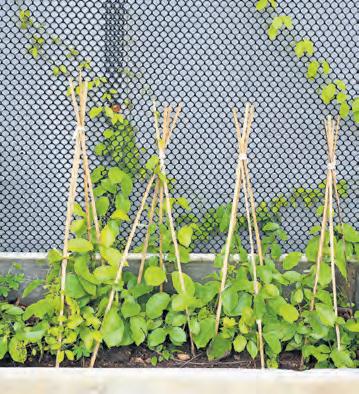
Early staking prevents the bending that leads to structural failure. It supports stems as they elongate and bear weight, rather than attempting rescue after collapse.
When foliage lies on the soil surface, it creates a damp, poorly ventilated environment. This is ideal for fungal diseases such as powdery mildew and botrytis. Air circulation is a key factor in plant health, and upright growth improves airflow around stems and leaves. By lifting foliage and flowers away from the ground, staking reduces soil splash (which can spread pathogens) and keeps plant tissues drier after rain.
Plants that sprawl across neighbours cast shade, reducing light availability. In densely planted borders, this can weaken lower-growing species and reduce flowering.
Staking maintains the intended layering, ensuring that each plant receives its share of sunlight. This is especially important in mixed borders that combine sun-loving species with lower-growing companions.
Many border plants are chosen to attract bees, butterflies, and other pollinators. When flowers are upright and accessible, pollinators can easily land and feed. Collapsed stems may press blooms into foliage or soil, reducing access and nectar visibility.
For example, upright spikes of salvia or foxglove are far more accessible to bees when properly supported.
Climate variability has made sudden heavy rain and strong winds more common in many regions. Tall perennials are particularly vulnerable to these events. Staking acts as insurance against unpredictable weather, preserving weeks or months of growth.
One of the most important principles in staking is timing. The best time to stake is early—often when plants are still relatively short. This allows stems to grow up through supports naturally, disguising them within foliage.
Late staking, after a plant has already flopped, is far less effective and often visually awkward.
Plants commonly staked in borders include:
Delphiniums
Dahlias
Peonies
Hollyhocks
Tall asters
Gladioli
Some lilies
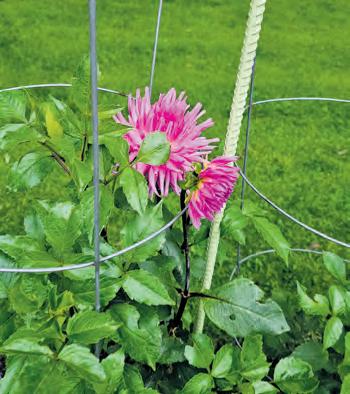
Materials: choosing wisely
There are many staking options available, each suited to different plant forms and garden styles. Choosing the right support depends on plant height, stem thickness, aesthetic preferences, and budget.
Single stakes
Single stakes are the simplest and most versatile option. Typically made from bamboo, hardwood, or metal, they are inserted into the ground close to the plant stem. The stem is then tied loosely to the stake at intervals as it grows.
This system is inexpensive and widely available and suitable for individual stems (e.g. dahlias). They are also easy to install and remove.
Materials:
Bamboo canes
Treated wooden stakes
Metal rods (often plastic-coated for durability)
Ties should be soft and flexible—garden twine, jute, or specialised plant ties. Avoid tight knots; stems need room to expand.

The material of a stake affects longevity, sustainability, and appearance.
Bamboo: Affordable and natural-looking but may degrade after one or two seasons.
Hardwood stakes: Durable if treated, though treatments should be environmentally safe.
Metal stakes: Long-lasting and strong, ideal for windy sites.
Plastic-coated steel: Combines strength with weather resistance.
Sustainability is increasingly important. Reusable metal supports often have a lower long-term environmental impact than disposable bamboo.
Techniques for Effective Staking
Good staking is almost invisible. The goal is support without obvious hardware.
Key principles include:
Insert stakes at a slight angle toward prevailing winds. Tie stems loosely in a figure-eight pattern to prevent rubbing.
Add ties as the plant grows.
Stake before heavy rain or flowering begins. Avoid tying too tightly, which can constrict stems and cause damage.
Staking is not merely a technical intervention—it reflects a broader gardening philosophy. Borders are dynamic systems, and subtle human guidance helps them reach their potential.
A well-supported border appears confident and composed. Plants stand as intended, colours layer harmoniously, and vertical accents draw the eye upward. In this sense, staking contributes to garden design just as much as plant selection. Gardeners who resist staking in pursuit of ‘naturalness’ often discover that selective support actually enhances a natural look by preventing chaotic collapse.
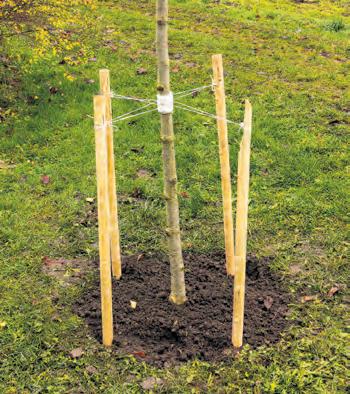
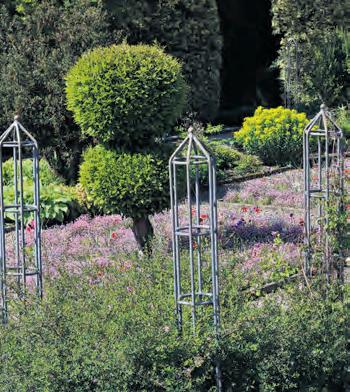
Ring supports
Ring supports consist of a circular ring held up by legs that are pushed into the soil. The plant grows up through the ring, which supports stems as they expand outward.
These are particularly useful for bushy perennials such as peonies. The ring holds the entire clump together, preventing it from splaying open under the weight of blooms.
Metal ring supports, often powder-coated green, blend discreetly into foliage.
Grid or grow-through supports
Grow-through frames are grid-like structures placed over young plants in spring. As the plant grows, stems pass through the grid, which provides invisible support later in the season.
These are popular in professional gardens and large estates, including structured displays seen at events like the Chelsea Flower Show.
They are ideal for dense clump-forming perennials and plants which are prone to flopping as a mass.
The key is early placement—once plants are tall, it is too late to position the grid without damage. Obelisk and pyramid supports
Obelisks and pyramids are decorative vertical structures, often used for climbing plants but equally useful in borders for tall, architectural specimens.
Made from metal or wood, they provide both support and visual structure. They work well for climbing sweet peas, tall annual climbers and certain sprawling perennials.
In addition to practical support, they add winter interest when left in place.
Hazel and brushwood supports
Naturalistic gardens often favour rustic supports made from hazel, willow, or brushwood. These are pushed into the ground around plants to create a loose framework.
This method is particularly popular in cottage and wildlife gardens, echoing traditional practices. It blends seamlessly into informal planting schemes and avoids the industrial look of metal stakes.
String and netting systems
For large borders or cutting gardens, horizontal string lines stretched between stakes can support rows of tall plants. Similarly, horticultural netting can be laid over plants early in the season. These methods are practical and economical, especially for mass plantings, though they may be less visually refined in ornamental settings.
Sculptural supports
Contemporary gardens sometimes use sculptural metal frameworks as both art and support. These can become focal points in the border while discreetly performing their functional role. Such supports suit modern landscapes where visible structure is part of the aesthetic rather than hidden.

Burrow Farm Gardens at Dalwood, Axminster spans 13 beautifully secluded gardens. The gardens open for the new season on 1st April and they host a Spring Plant Fair on Easter Sunday, 5th April which will include 25 nurseries selling plants from the south west. The event opens from 10am to 3pm with a £2 entry to the fair. If you also visit the gardens, the £2 is deducted from the garden admission. The gardens are between Axminster and Honiton and are widely regarded as one of the finest in East Devon.
Old Taunton Rd, Dalwood, Axminster EX13 7ET
The popular Forde Abbey gardens hosts a Spring Plant & Gardening Fair on Saturday, April 11th from 10.30am to 5pm. Adults £5 with children from five to 15 free. The gardens will host many specialist nurseries as part of an annual event. The event takes place during Forde Abbey’s spring tulip festival from 11th April to 26th April and is a celebration of spectacular tulips throughout the gardens. Entry is from 10.30am to 5pm with tickets costing £15 for adults and £6 for children from five to 15.
Forde Abbey Chard, TA20 4LU
The opening of Sherwood Gardens at Newton St Cyres on 15th April marks a special moment in the community calendar, welcoming visitors back to one of east Devon’s most beautiful green spaces after the winter months. Carefully maintained flower beds, blossoming trees, and winding pathways create a peaceful setting.
Visitors can enjoy the sight of tulips, daffodils, and other early spring flowers that brighten the landscape and signal the arrival of warmer days.

April 15th also highlights the work of the gardeners and volunteers who dedicate their time and effort to preserving Sherwood Gardens throughout the year. The gardens open from 2.30pm to 5pm and there will be guided visits to the 23 acre valley garden which boasts of 120 magnolia varieties, camellias and azaleas, Price £7 for members and £8 for guests (includes tea, coffee, and cake).
Sherwood Garden, Newton St Cyres, Exeter, Devon
Ross Adams set up Abundant Gardens in Totnes after reading that if all the gardens in the UK were put together it would cover an area greater than all national nature reserves combined. “That means our gardens are filled with potential. My aim is to see as many gardens supporting as much wildlife as possible’. They’re an extremely valuable space to encourage biodiversity and connect people to the outdoors”.
Ross has been working with people in their gardens for over 15 years. He has consistently pinpointed six elements that help bring a garden to life:
Soil – the foundation of a healthy garden
Water – the sustainer of growth and resilience Wildflowers – the bedrock to supporting wildlife Planting – the expression of diversity and design Wild edges – the space where nature leads us You – the one that helps to bring it all together
The great thing is that these elements are the same regardless of the size of your garden. Not all the elements have to be present but the more that are, the more life is supported.
Ross’s main aim is to help simplify all this to bring your garden to life! He offers an in-person consultation service to help find clarity and move your garden in the direction you choose, using the six elements as a foundation. Visit www.abundantgardens.uk or 07811608359 or at ross@abundantgardens.uk.
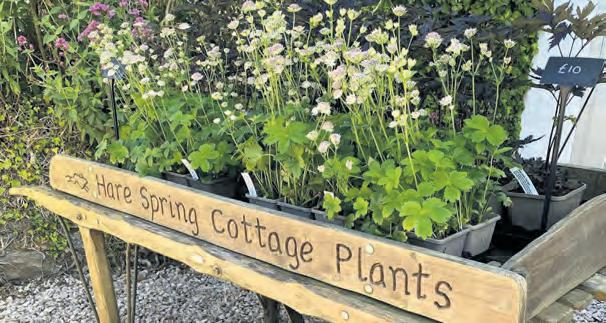
Spring arrives in full colour at Hare Spring Cottage in Kingsbridge as the garden opens its gates for a special Plants Open Weekend from April 10th to 12th. This charming cottage garden, invites visitors to explore a beautiful collection of spring plants. Entry is free with £1 for parking (donated to charity). The event is open from 10am to 4pm
Early spring favourites such as hellebores, primroses, pulmonarias and emerging perennials will be on display
The weekend is also an opportunity to purchase a selection of garden-ready plants. Many of the varieties available have been grown or selected specifically for their reliability, beauty and suitability for cottage-style gardens.
Hardy perennial plants will be for sale. Refreshments and cakes will be available.
Hare Spring Cottage Plants, Kingsbridge, Devon
From March to September, gardeners across Devon will open their gates in support of Hospiscare. It is the chance to step inside hidden gems, charming cottage gardens, breathtaking private estates and tranquil community spaces, all while supporting your local hospice.
Many gardens will offer homemade cakes, cream teas and hot drinks, alongside plant stalls, raffles and even a vineyard tour.
Hospiscare delivers specialist end-of-life care to more than 2,000 people each year across Exeter, mid and east Devon. Providing this vital support costs around £10 million annually, with just 24 per-cent funded by the NHS. The rest depends on the generosity of the community.
Find a garden near you: hospiscare.co.uk/open-gardens-2026
To open your garden, email fundraising@hospiscare.co.uk or call 01392 688020.
Later in the month, RHS Rosemoor hosts the National Rhododendron Show, which takes place on Saturday 25th and Sunday 26th April. It features competitive displays, expert advice and plant sales. For more details of the Natural Fibre Weekend or other RHS Rosemoor events during March and April visit www.rhs.org.uk/gardens/rosemoor
A feast of creativity for all skill levels awaits visitors to RHS Rosemoor’s innovative Natural Fibre Weekend on Saturday 18th and Sunday 19th April.

Spinners, weavers, felters, knitters, crocheters and other fibre-focussed crafters are set to be part of the Natural Fibre Weekend. Anyone who’s ever wished they could be more creative will find inspiration on how to use sustainable and natural materials practically and creatively.
The Garden Room will include live demonstrations, the chance to meet specialist textile artists and craftspeople and browse wool, fibres, crafting materials and equipment, starter kits, books, clothing, bedding and gifts to take home.
A selection of specialist workshops takes place in the Learning Centre, but you will need to book as spaces are limited.
BBC1’s hugely popular filming series 49 which includes a visit to the historic estate near Totnes. Admission is strictly by ticket only and applications are now open for free tickets with limited spaces. The Roadshow will feature specialists in the fields of jewellery, silver, ceramics and glass, pictures, rare books, clocks and watched and militaria. Presenter Fiona Bruce will head up the team.
You can submit pictures and information about any items ahead of time through the website: www.bbc.co.uk/programmes




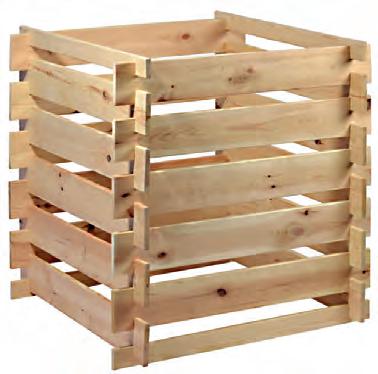

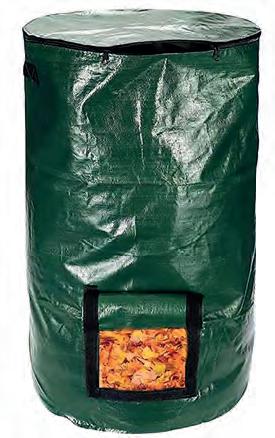

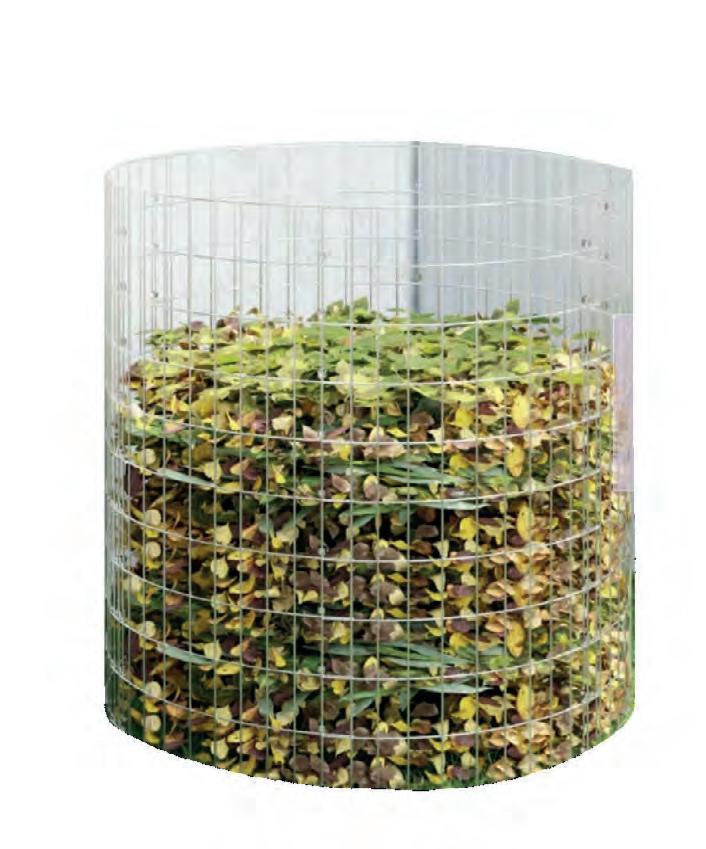



Selection of Trees, Shrubs, Fruit, Roses, Perennials, Alpines, Seeds & more... Help Advice & Friendly Service
Check our website for details or find us on Facebook! www.covegardennursery.co.uk Tel: 01398 331946


WE SUPPLY LOCALLY SEEDED TURF, TOPSOIL, COMPOSTS (MUSHROOM/ORGANIC GREEN WASTE) AND LANDSCAPING BARK, WHICH WE CAN DELIVER OR YOU ARE WELCOME TO COLLECT.
652538 Lower Waye Farm, Ashburton TQ13 7ET Fine Turf Devon Ltd fineturfdevon@gmail.com turfdevon.co.uk


Lower Waye Farm, Ashburton TQ13 7ET TEL: 01364 652538 MOBILE: 07725 703297 EMAIL: fineturfdevon@gmail.com WEBSITE: turfdevon.co.uk

Bridford, Nr Exeter EX6 7LB 01647 252654 Traditional Nursery Trees, Shrubs,Climbers and Perennials Hanging Baskets, Patio Plants and Spring Bulbs Garden Shop, Local Produce Competitive Prices www.teignvalleynursery.co.uk teignvalleynursery@gmail.com





Self-catering cottages & B&B in a beautiful tranquil location in the heart of Exmoor. Dogs & horses welcome.
Reach a passionate and affluent audience of gardening enthusiasts
Circulating 100,000 copies which are distributed to over 430 outlets
Queries from our readers this month include problems with soil preparation,pollination and yields from fruit trees. If you have anything you would like help with then email us at editorial@countrygardener.co.uk

How can I convert the heavy clay soil I have in my new garden into a productive vegetable garden? The garden is on a new build property, and we have been left with poor clay soil which in the recent wet weather has become even more clogged.
Erica Davies, Dunster
Clay soil requires gradual improvement and there is no quick fix. Add large volumes of compost annually up to a depth of five inches if possible. Build raised beds if the drainage is severe and this will give you the chance to start growing some vegetables. Incorporate coarse organic matter (leaf mould) into the soil often and turn it as often as you can. Avoid working the clay-based soil when wet. The transformation can take two to five years before it will support growing vegetables.
SOMERSET, SPEAKERS & CLASSIFIEDS: ava@countrygardener.co.uk Tel: 01278 786139
300 yds to village pub, shop, tearoom. Central to many gardens, NT properties, spectacular countryside. Coast 30 mins. www.westerclose.co.uk 07765 916736 If you would like to advertise your business or service in our magazines, please contact
I bought some agapanthus bulbs at a garden show last year and was very disappointed when out of 15 only one produced any flowers. Will they ever flower?

Dave Greene Chichester Agapanthus hates to be moved and often takes a year to flower after being planted so don’t be surprised if it all takes a lot of time. It does mean however that the bulbs are putting down roots and bulking themselves up and they will be better plants in the long run.
The branches on our tall, thin cypress have started falling open, destroying its shape. We have tried tying them up and cutting them but to no avail. Is it too late to do anything?
Lance Forster Cheltenham
Some fastigiate trees (trees with almost vertical branches) just start doing this with age. Have another go at tying up the whole tree rather than just the offending branches. Start with a long and strong piece of twine and tie it firmly to a good branch as the base then wind it round in a spiral the whole length of the tree and tie it to the central stem. It will take time but should start healing.
Why can’t I grow basil? I have no problems germinating the seed, but the seedlings seem to hate being transplanted. Year after year the plants come to nothing when left in pots or put out in the garden. There must be something I can do.
Shelia Johnston, Dawlish
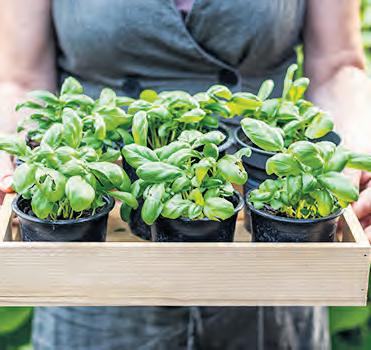
The problem is probably that you are not hardening your seedlings off well enough. Basil gets a shock if it is moved from a nice warm position to chilly outdoors. Hardening off the seeds needs to be slow, first to a closed cold frame then with the lid slightly ajar by day and closed by night. The key point in growing basil is that more than any other herb it longs for warmth so don’t put it out in the ground too early and make sure it is sheltered.

My soil isn’t in a good place and hasn’t been for a few years. It has been marched over and trampled down and has severe soil compaction. How can I get it back to a state when I can grow things.
Peter Martin Poole
Any long-term improvement to your soil will depend on increasing organic matter and minimizing foot traffic. Aerating the soil either manually or with machinery will improve oxygen flow. You should top dress the soil every year with five inches of compost to stimulate microbial activity and natural soil aggregation. You should plant deep-rooted cover crops like daikon radish in off seasons to biologically fracture the soil and maintain permanent mulch to protect soil from rain impact compaction.

I have a number of mature apple and pear trees, but the yields have been poor for years. A neighbour told me that I need a pruning strategy, whatever that is.
Chris Newman Weston
That is just a fancy way of adopting sound pruning principles and carry them out year after year. Remove dead, diseased, crossing branches. Maintain an open centre or central leader structure depending on the varieties you have. Remove overly vigorous vertical shoots (waterspouts) and thin crowded fruiting wood to improve airflow and light penetration. Avoid removing more than 25 to 30 per-cent of canopy in a single season.
What are advanced composting techniques to accelerate decomposition? I am very impatient to get using my compost.
Andy Harris Plymouth
If you want to work really hard at fast composting, there are a number of things you can do. In all your composting waste maintain a 30 to 1 carbon to nitrogen ratio. Spend time and effort chopping everything into small pieces, everything from food water to cardboard and paper and keep moisture levels high. Turn the pile every three days and do it aggressively so that you reach an internal temperature of your pile between 55°C and 65°C. If you manage all this composting should start to take place within 30 days.
I have a lot of powdery mildew in my garden, and I’d like this year to try and address it organically. It affects vegetables and shrubs. What is the best strategy for managing persistent powdery mildew organically?
Hari Porter Exeter
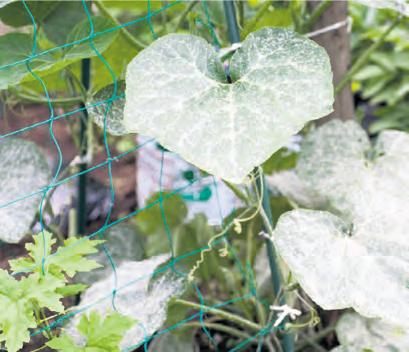
Powdery mildew thrives in high humidity with poor airflow. An integrated approach works best which will also be organic. Improve spacing and prune for airflow. Water at soil level, not overhead. Try applying preventative sprays such as milk spray (1:10 ratio, weekly in dry conditions) Remove any infected foliage promptly and avoid excess nitrogen fertilisation, which promotes susceptible soft growth. You should start to see the problem fading in a matter of weeks.
What causes blossom end rot even when I water regularly? It appears every year in my greenhouse. I’ve changed watering habits a lot to try and correct it.
Keith Andrews Dawlish Blossom end rot is not always just down to inconsistent watering and can be a calcium uptake issue, not a simple deficiency. However, the common causes are inconsistent watering, root damage, excess nitrogen and high soil salinity. You must maintain consistent moisture and avoid overfertilisation. Cut back on the amount you water your plants - the chances are they will still thrive with less water and might even be healthier
How can I improve pollination rates in a low-insect environment? My garden for some reason has never been popular with insect s as much as I try and make it a haven for them. I am not sure why this should be but the yield on fruit and blossom has always been poor.
Mark Daves Minehead
Low pollination may be due to habitat loss or pesticide exposure and there are a number of solutions. Plant diverse, sequentially blooming flowers. Avoid pesticide use, especially when the trees and shrubs are in bloom. Provide insect water sources and shelter.
Hand-pollinate crops like squash or tomatoes if necessary. Install native bee habitats. Diversity is key to building a stable pollinator population. It may be hard work but it should bring rewards

How can I rebalance soil that has excessive nitrogen but poor fruiting?
Una Halifax Dulverton
Excess nitrogen causes lush foliage at the expense of flowers and fruit. To correct stop nitrogen fertilisers immediately. Add carbon-rich materials (straw, sawdust mulch) to tie up excess nitrogen temporarily. Apply phosphorus- and potassium-focused fertilisers (e.g., bone meal, sulphate of potash) Ensure proper light exposure — fruiting plants need sufficient sun to utilise nutrients properly. Soil testing is critical before making these amendments.
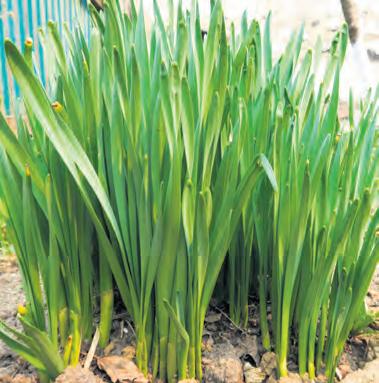
I’ve not had one daffodil bloom this year. This includes bulbs that bloomed last year as well as newly planted bulbs. All came up blind in early spring and those in our borders have disappeared completely. Are there some dark forces at work here?
Janey Greene Taunton
There are two answers here and firstly it’s worth saying that daffodils will not come into blossom if they have been too tightly compacted for many years. Daffodils need splitting up and separating on a regular basis. But your problem may be more specific and in the form of the narcissus bulb fly which has been very much in evidence in gardens this spring. It lays eggs at the base of the dying foliage and the larvae burrow into the bulb eating out its centre and the flower to be. Some struggle on but produce no flowers. Others die. Cut the tops off as soon as they are dry and fill in the holes so that the female flies cannot find them. Then you will need to dig up the bulbs and see which ones are infected. These will be soft, rotting and clearly past it. Dispose of the infect bulbs carefully - not in the compost heap. In the autumn replant the bulbs still alive.
Bees are crucial for our gardens and food, with more than 90per-cent of global crop types being visited by bees.
Courtens Garden Centre is holding a special “Bee Bonanza” on Saturday, 25th April where you can find out all about bees and the important plants they pollinate.
There will be experts from several wildlife and conservation trusts present, ready to give advice and answer questions.
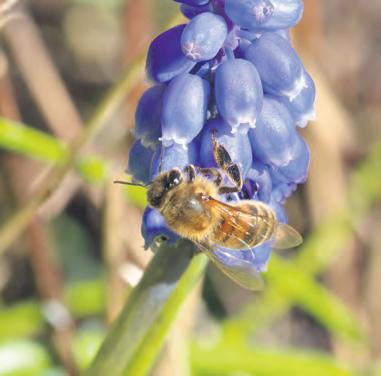
Children are very welcome! Activities will include planting bee-friendly plants, seeing a beehive and various games.
Bee products and refreshments on sale, including Liguori’s pizza. Free parking at Romsey Road outside Whiteparish at SP5 2SF from 10am to 3.30pm. Courtens Garden Centre, Romsey Rd, Whiteparish, Salisbury SP5 2SD
Bournemouth’s annual Horticultural Society Spring Show is being held on Tuesday, 7th April from 12 noon to 4.30pm at St Francis of Assisi Church Hall. Entry price is just £1 and free to members. The traditional display of spring flowers, especially daffodils will again be a feature of the show as will vegetable and craft entries. Refreshments and homemade cakes available and there will be a prize presentation by the Mayor of Bournemouth around 4pm.
St Francis of Assisi Church Hall, Charminster Road, Bournemouth BH8 9SH


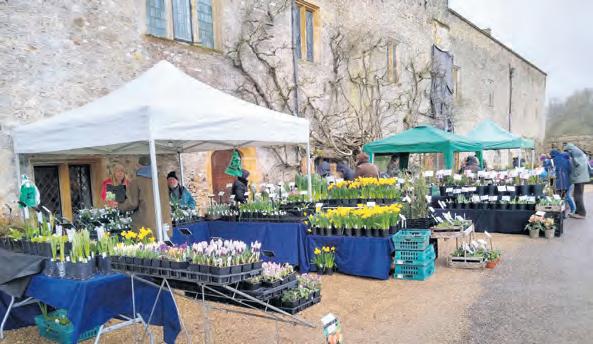
Forde Abbey and Gardens, the popular venue on the Dorset and Somerset border hosts a Spring Plant & Gardening Fair on Saturday, 11th April from 10.30am to 5pm. Adults £5 with children from five to 15 free. The gardens will host many specialist nurseries as part of an annual event. The event takes place during Forde Abbey’s spring tulip festival from 11th April to 26th April and is a celebration of spectacular tulips throughout the gardens. Entry is from 10.30am to 5pm with tickets costing £15 for adults and £6 for children aged from five to 15.
Forde Abbey, Chard, TA20 4LU
Mapperton Spring Plant Fair is being held in the glamorous surroundings of Mapperton House on Sunday, 19th April from 10am to 4pm. It is one of the largest specialist fairs in Dorset and attracts a high-quality selection of specialist nurseries selling rare and unusual plants. Access to the historic gardens is included with the café open during the day for drinks and snacks. The garden admission price includes the fair.
Mapperton House, Mapperton, Beaminster, Dorset DT8 3NR
WIMBORNE GARDENING CLUB hosts its Spring Show on Saturday, 11th April at the Allendale Community Centre in Wimborne with flower, vegetable and home produce displays as well as local gardening displays and exhibits from 12 noon to 4pm. Entry with small donation. Allendale Community Centre, Hanham Road, Wimborne Minster BH21 1AS
CHESELBOURNE & DISTRICT GARDEN CLUB – Annual Spring Show. Saturday, 11th April, 2pm to 4pm. Spring flower and gardening displays. Donation for entry. Old Brewery Hall, Hartfoot Lane, Ansty DT2 7PN
FERNDOWN & DISTRICT HORTICULTURAL SOCIETY – Spring Show Saturday 4th April, 1pm to 4pm. Spring flowers, bulbs, vegetables and craft classes friendly local horticultural society event. United Church Hall, Wimborne Road East, Ferndown BH22 9NF
DORCHESTER & DISTRICT GARDENING CLUB – Spring Show. Wednesday 1st April, 7.30pm - 9.15pm United Church Hall, 49–51 Charles Street, Dorchester DT1 1EE
Cedar Nursery, Sandy Lane, Romsey SO51 0PD
Tel: 01794 367511 Web: www.southernwaterscapes.net
Email: sales@southernwaterscapes.net


10% OFF PLANTS WITH THIS ADVERT
EVERYTHING FOR YOUR GARDEN POND OR INDOOR AQUARIUM aquatic centre
• Now selling tropical fish and indoor Aquariums • Extensive range of quality aquatic and bog plants
• Large range of cold water fish from goldfish to high grade Japanese Koi
• Expert technical advice on pumps, filters, water quality and fish health
• Everything for building and maintaining your pond
• Experienced and knowledgeable staff


Saturday 25th April at
Courtens Garden Centre
Whiteparish SP5 2SF
10.00 am – 3.30 pm


Buzz along and meet the bees and bee keepers. The Bumblebee Conservation Trust, other conservation trusts, bee observation hive.
Bee products for sale including various local honeys, honeycomb and mead. Loads of bee friendly plants too.
Fun and games for the children.
Refreshments in the tea room and Ligouri’s Pizza van on site.
Conservation Trust
Bee there to find out more about helping bees survive.
www.courtensgardencentre.co.uk
Tel: 07717 221798





Burley Rd, Bransgore, Nr Christchurch BH23 8DB
Tel: 01425 672348 www.macpennys.co.uk
Large traditional family-run nursery
Wide selection of trees, shrubs, perennials & fruit bushes
4-acre woodland garden & Tea Rooms
Many unusual plants
MACPENNY’S NURSERIES BRANSGORE
Open Mon - Sat 9am - 5pm Sun & Bank Holidays 10am - 5pm
Enjoy a coffee & slice of cake in the Coffee Loft when youus!visit
EVERYTHING YOU NEED TO MAKE YOUR GARDEN GROW CAN BE FOUND AT HARTS OF STUR
Summer Flowering Bulbs · Seed Potatoes · Onion Sets · Garlic Roses and Climbing Plants · Seeds · Houseplants · Trellis
Gardening Tools · Herbaceous Plants and Shrubs
Hose & Pond Accessories · Outdoor Pots & Tubs
Garden Furniture · Compost · Lawn Care · Wood Stain & Paint
Pet Food & Supplies · Wild Bird Care · Calor Gas and more
ROAD, STURMINSTER










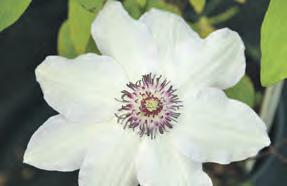




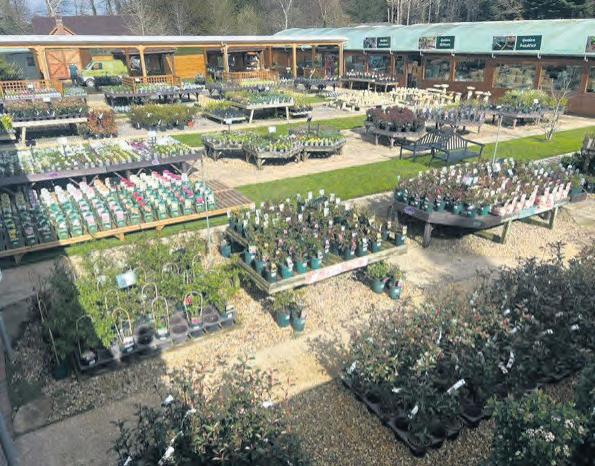





Koirin, Crossroads Nursery, Woodlands, Wimborne, Verwood Road, Dorset BH21 8LN (Near Verwood) Tel: 01202 824629 enquiries@azaleacentre.co.uk

HPS Somerset Group
Saturday 18th April 2026 10am – 3pm (Garden open until 4pm) at Shanks House Cucklington, Wincanton, BA9 9QL
Refreshments available and free on-site parking
Entry £8 (payable to NGS on the gate)
Visit www.somersethps.com for more details
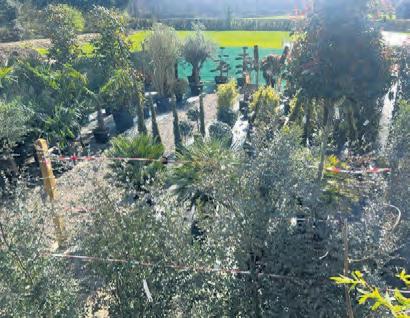


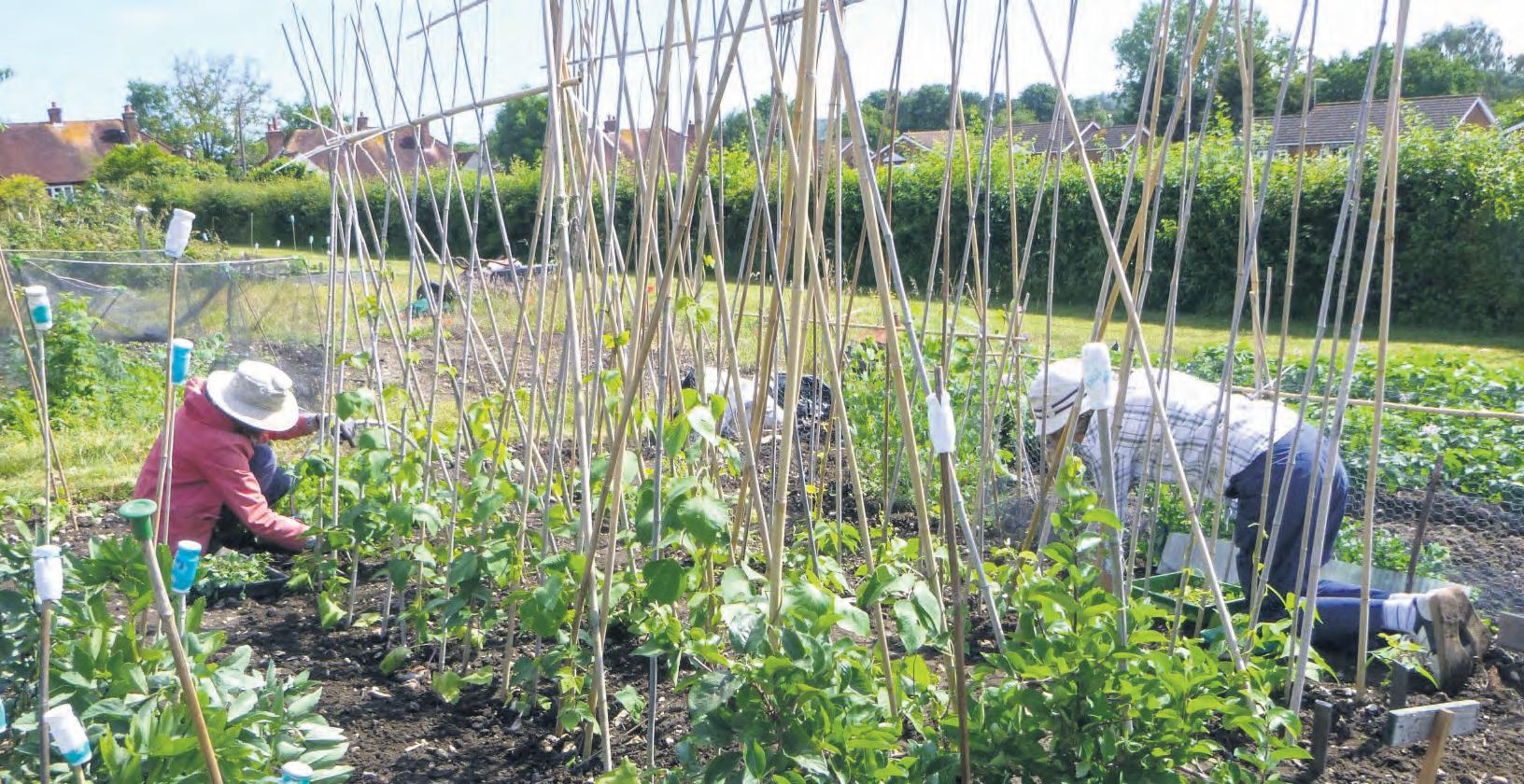
What keeps me returning to my Somerset allotment year after year is not the harvest. It is the companionship. A patchwork of personalities, stories, advice, quiet solidarity, and shared thermoses of tea.
Allotments have deep roots in British life, formalised in the nineteenth century and still protected under legislation such as the Allotments Act 1908. Yet their spirit has evolved. Today, alongside the cabbages and runner beans, there’s rainbow chard, heritage tomatoes, and even experimental vineyards. What remains constant is the subtle fellowship that grows between gardeners whose plots sit side by side.

“You cannot help but notice who arrives early on a Sunday morning, who sings while digging, who battles bindweed with stoic patience.”
Companionship on an allotment begins with proximity. You cannot help but notice who arrives early on a Sunday morning, who sings while digging, who battles bindweed with stoic patience. Conversations sprout organically. “What are you planting there?” leads to discussions about blight-resistant varieties, to swapping spare seedlings, to lending tools. Silence is equally welcome. Two people can weed in parallel, exchanging only the occasional remark about the weather, and still feel like friends.
There is also a shared vulnerability in allotments. Crops fail. Foxes dig. Late frosts undo weeks of effort. When someone’s brassicas are ravaged by caterpillars,
neighbouring gardeners commiserate with genuine understanding. Advice flows freely: netting tips, homemade sprays, sympathetic clucks. Successes, too, are communal. The first ripe strawberry of the season is often passed over the fence for tasting. Pride is multiplied when it is witnessed.
Over time, certain characters become part of this allotment’s rhythm.
Margaret, the keeper of seeds
Margaret has had her plot for 30 years. She remembers when the site had fewer than half its current holders and when water had to be pumped by hand. Her shed is meticulously organised, and inside are jars of seeds she has saved herself—broad beans labelled in careful handwriting dating back a decade. She is the unofficial historian, recounting how one winter the entire site flooded and how, in another year, the apples were so abundant that crates were left by the gate for passers-by.
Margaret’s friendship is quiet but steadfast. She notices when someone new seems uncertain and appears with a handful of spare seedlings and a gentle explanation of crop rotation. She does not dominate conversations; she steadies them.
Ahmed, the experimenter
Ahmed’s plot looks different every season. One year he focuses on Mediterranean vegetables; the next he trials unusual squash varieties or builds an ingenious dripirrigation system from recycled bottles. He is generous with both produce and enthusiasm, pressing unfamiliar herbs into neighbours’ hands and suggesting recipes. What Ahmed contributes is energy. He introduces others to crops his family grew abroad and learning, in turn, how to pickle beetroot or build a traditional bean trench. The allotment becomes a space of exchange not only of plants but of heritage. Conversations around his plot are animated, filled with laughter and debate about the best compost mix.
Sheila and Tom, the newcomers
Sheila and Tom took on their plot after retirement, seeking ‘something to do.’ Their early weeks were marked by uncertainty—rows planted too close together, seedlings devoured overnight. It was Margaret who advised them on spacing and Ahmed who helped them erect proper netting. In accepting help, they entered the social fabric of the site.
Now, a year on, Sheila brings homemade cake to share on sunny afternoons. Tom has become adept at repairing communal wheelbarrows. Their companionship is expressed through gratitude turned outward. Having been welcomed, they welcome others.
Leon, the quiet one
Leon works long hours and often arrives at dusk. He speaks little but listens closely. Over months, his brief exchanges deepen. He once mentioned that tending his plot helped him through a difficult period. No one pried, but several gardeners began leaving small notes—“Watered your seedlings today” or “Saved you some spare kale”—when they noticed he was absent. The companionship here is understated but profound. The allotment provides a setting where support can be offered without intrusion. Shared labour creates a sense of mutual care that does not require dramatic declarations.
Beyond individual personalities, there are communal rituals: work parties to mend fences, seed swaps in early spring, shared barbecues in late summer. These gatherings transform adjacent plots into a collective space. The boundaries remain—each gardener shapes their own soil—but there is an understanding that the land is, in some sense, shared stewardship.
In an age when many interactions are dictated by looking at screens, our allotment offers proper companionship. Hands in soil, faces turned to sun or rain, gardeners participate in the same seasonal cycle. Time slows. Conversations stretch. Advice is tested not in theory but in earth.
Perhaps the most distinctive quality of allotment companionship is its lack of hierarchy. There are experienced growers and novices, certainly, but everyone is subject to the same unpredictable weather and the same persistent weeds. One year’s triumph can be followed by the next year’s failure. As a result, boasting softens into storytelling, and expertise is offered as guidance rather than authority.
Ultimately, companionship on an allotment grows much like the crops themselves: gradually, through attention and patience. It is rooted in shared effort, nourished by generosity, and harvested in moments of quiet understanding—a mug of tea balanced on a compost bin, a shared laugh over misshapen carrots, the comfortable knowledge that, just beyond the hedge, someone else is tending their patch too.

Mark Hinsley reports that the career path into arboriculture for women is far more inclusive and tempting than it used to be - offering a real career path.
When I started working in arboriculture in the mid-1970s women were very rare in the industry.
There were a few reasons for this: in those days most arboricultural work involved being a tree surgeon. This was hard physical work, and the equipment was heavy, nasty and not at all user friendly.
Whilst small chainsaw technology was advancing, most firms’ large felling and cross cutting saws were 1960s vintage – because the saws wore out operators – not the other way around!
Women can make excellent climbers, because their power to weight ratio is often very good, but handling the heavy, cumbersome equipment in the tree was a different story.
The work was also very heavy on the ground. This was before woodchippers came into use. In urban work, trees had to be cut up into rings and carried out of the site to be loaded on lorries, vans or trailers. In those days people were cheap and equipment was expensive, so much more was done by hand than it is now.
The work was also dangerous. Private sector tree surgeons had similar risk levels to North Sea oil platform divers. Strangely, this had the effect of generally reducing prejudices. Anybody who could do the work was respected by their fellows regardless of colour or gender.
Back then there was no real academic route into arboriculture. All the courses on offer had high levels of practical working in them and, even if a qualification was achieved, proper work experience was hard to come by. Some brave souls fought their way through and began to open doors for others to follow.
The roles which became available were those of local authority Tree Officers. There was a common perception that nobody should be a Tree Officer unless they had first worked as a tree surgeon because they would not understand the trees, which has turned out to be ironic because, if there was one thing we did not understand in the ‘70s and ‘80s, it was the trees! But none-the-less women found their way increasingly into these positions, often via horticultural qualifications and working as local authority landscape officers.
Over the last 50 years arboriculture has developed from being a ‘practice’ into being a ‘science’ and purely academic courses have evolved, first, Bachelor Degrees and then Masters. The practical side of the work has become less physical. Health and Safety has gained in importance and being able to pick up heavy things and put them down somewhere else is no longer vital to the industry!
Arboriculture has come down out of the trees and is walking on its hind legs.


Now, gentle reader, I think I know you, and I don’t think you are sitting in your favourite armchair, reading your favourite gardening publication, over a cup of tea and a hot cross bun whilst contemplating a sudden career change.
But good luck to you if you are!
But I think you might have sons and daughters, or grandsons and granddaughters who might enjoy a career in arboriculture, but do not even know it exists.
I must be honest with you – there are not really fortunes to be made – but job satisfaction can be huge, the working environment can be spectacular, and the sense of wellbeing associated with working around trees can permeate your whole life. As far as I know the schools don’t push it, particularly not for girls.
The Arboricultural Association has a web site – take a look. The address is www.trees.org.uk
Mark Hinsley, of Mark Hinsley Arboricultural Consultants Ltd, offering tree consultancy services. www.treeadvice.info


Across Somerset, National Trust gardens are filling with colourful spring blooms and houses across Somerset are looking in top condition after intensive winter cleans. There are loads going on this season from gardening events, Easter adventure trails and guided walks to behind-the-scenes tours and storytelling sessions.
Here is what’s happening, please check websites for opening days and times:
BARRINGTON COURT
Easter Adventures at Barrington Court 28th March to 19th April. 10am to 4pm
This spring, treat the whole family to a world of adventure at Barrington Court on a colourful, sensory inspired Easter trail.
£3.50 per trail (normal admissions apply). Booking not required.

Dunster Castle Experience Days - A day with the head gardener Wednesday 22nd April. 10.30am to 3.30pm
An exclusive chance to spend the day with Dunster Castle’s head gardener, including a bespoke tour, and a two-course lunch.
£65pp. Booking required.
Meet the Trees: A Walk & Talk with Dunster Castle’s expert garden team Sunday 19th & Tuesday 21st April. 11am-12noon
Join one of our expert gardeners for a guided walk through the grounds of Dunster Castle and discover remarkable native and exotic trees.
Free event (normal admissions apply). Booking required.
www.nationaltrust.org.uk/visit/somerset/dunstercastle-and-watermill
Guided Group Walk Every Wednesday of May. 11am to 12.30pm
Join walk leaders to explore the Lytes Cary Estate countryside.
Free event (normal admissions apply). Booking not required.
www.nationaltrust.org.uk/visit/somerset/lytes-carymanor
MONTACUTE HOUSE
Saving the Staircases Wednesday 1st April to Friday 29th May. 11.30am to 3.40pm
Visit Montacute House for engaging volunteer-led talks, exploring the Saving the Staircases conservation project.
Free event (normal admissions apply). Booking not required.
www.nationaltrust.org.uk/visit/somerset/montacutehouse
PRIOR PARK
Wild garlic foraging at Prior Park Wednesday 1st to Sunday 19th April. 10am to 5pm
Forage for wild garlic at Prior Park.
Free event (normal admissions apply). Booking not required.
www.nationaltrust.org.uk/visit/bath-bristol/priorpark-landscape-garden
STOURHEAD
Walks & Talks tours April-May. 11am to12.30pm and 1.30 to3pm
Discover the story of Stourhead and its landscape garden on daily guided tours.
Free event (normal admissions apply). Booking required.
Forage and cook course Saturday 18th April and Sunday 17th May. 10am to 4pm
A day course from Totally Wild UK at Stourhead. £70pp (normal admissions apply). Booking required. www.nationaltrust.org.uk/visit/wiltshire/stourhead www.nationaltrust.org.uk/visit/somerset
Tickets for Taunton Flower Show one of the most popular gardening events in the south-west have gone on sale. The Vivary Park show will be held on Friday 7th August and Saturday 8th August.
One of the main plans for the event is to showcase beautiful floral displays and designer gardens created by gardeners and horticultural experts. Inside the large floral marquee, visitors will be able to see colourful arrangements of flowers, plants, and garden designs that demonstrate the best of horticultural creativity. The show also includes a competition marquee, where over 50 trophies and around £5,000 in prize money.
Ticket prices vary depending on when they are purchased. Buying tickets in advance online is cheaper, but on-the-day prices are £25 for Friday and £20 for Saturday. A special late-entry ticket costs £5 if visitors arrive after 4pm on Friday or 3pm on Saturday. Children aged 17 and under can enter for free with a paying adult, although they still need a ticket. Group discounts are also available for bookings of more than ten people. www.tauntonfs.co.uk
The new season at Yeo Valley Organic Gardens starts on Thursday, 9th April in aid of the National Garden Scheme. After that the popular north Somerset gardens will be open as usual every Thursday, Friday and Saturday with the emphasis on spring bulbs throughout April and May.
The Early Spring Plant Fair takes place on Saturday, 28th March from 10am to 3pm with the garden open until 4pm. There are also new dates available for your diary for the second Yeo Valley Organic Garden Festival which will take place from Thursday, 17th September to Saturday, 19th September.
Yeo Valley Organic Garden, Holt Farm, Blagdon, BS40 7SQ www.yeovalley.co.uk/events
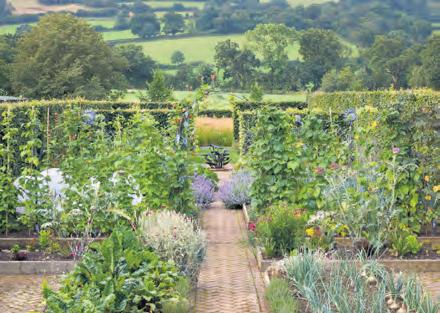
The Specialist Plant Fair at East Lambrook Manor Garden takes place on Sunday, 26th April offering gardeners and plant enthusiasts an opportunity to discover unusual plants and explore one of Somerset’s most celebrated cottage gardens. Set in the picturesque village of East Lambrook near South Petherton, the historic garden provides a fitting backdrop for this popular event. Created in the mid-twentieth century by renowned plantswoman Margery Fish, the garden is widely regarded as one of the finest examples of the English cottage garden style and is recognised as a Grade I listed garden. The garden opens for a new season on April 1st through to September. Adult entry is £8.50 with children under 16 free. The plant fair will bring together a variety of professional nurseries and specialist growers from across the region. Visitors will have the chance to browse stalls selling a wide range of plants, from hardy perennials and cottage-garden favourites to herbs, shrubs and other unusual varieties. East Lambrook Manor Garden, East Lambrook, South Petherton TA13 5HH
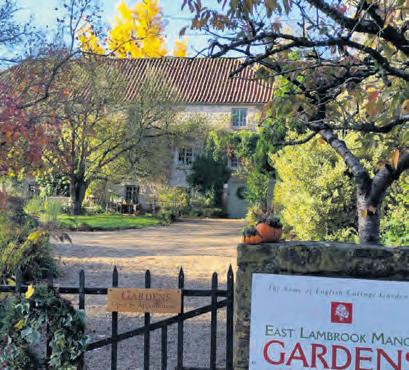
The Newt in Somerset, the 2,000-acre working farm, hotel, and spa in Bruton will stage a nine-day gardening event from Saturday 9th to Sunday 17th May. The Great Garden Show is a programme of horticultural talks, garden displays, workshops and plant sales with seasonal farm to fork dining.
Throughout the show, visitors can expect a full programme including horticultural talks from leading gardening figures, workshops and guided tours exploring trees, ornamentals and edibles. From propagation and planting to soil care, pruning and more sustainable growing methods, practical sessions will offer insights into the day-to-day life of the estate.
The Newt will host panel discussions with industry experts including Jill Butler on ancient trees and Robert Taylor on ash dieback. These will examine regenerative agriculture, climate-resilient growing and long-term sustainability, with gardeners, growers and chefs sharing their expertise.
Monday,11th May will be dedicated to inspiring the next generation of horticulturists with students and schools invited to talks and tours with The Newt’s expert gardeners with additional activities aimed to inspire young gardeners.
Harry Baldwin, The Newt’s head gardener will host a breakfast on Friday, 15th May alongside gardeners from the estate’s partner gardens.
The plant fair on Saturday, 16th May will showcase different local nurseries.
The event is included in The Newt in Somerset’s annual membership. Non-members can purchase day tickets for £25 at https://thenewtinsomerset.com/the-great-garden-show
The Newt in Somerset, Bruton, Somerset BA7 7NG
Yarlington House Plant Fair will take place on Saturday 9th May, offering a wonderful day out for gardeners, plant lovers, and families alike. Set in the beautiful parkland surrounding the historic Georgian manor house near Wincanton, the event is one of Somerset’s most popular specialist plant fairs.
Running from 10am to 4pm, the fair will feature around 30 specialist plant stalls selling a wide variety of plants suitable for gardens of all shapes and sizes. Visitors can browse and purchase everything from organic vegetable plants and herbs to roses, climbers, perennials, ornamental grasses, and plants for wildlife or shady areas. Many of the nurseries attending are experienced growers who are happy to share expert advice.
One of the highlights is the rare opportunity to explore the extensive gardens of Yarlington House, which are not normally open to the public. These beautifully designed grounds include features such as a rose garden with pleached lime trees, a sunken Italian garden, a woodland dell with Victorian winding paths, and a striking wisteria arbour. The gardens provide inspiration for visitors looking to develop their own outdoor spaces. In addition to the plant stalls, refreshments will be available throughout the day, including tea, coffee, and homemade cakes. Dogs on leads are welcome, and there is ample free parking available. Entry is £5 per person, with the proceeds going toward supporting local causes such as Yarlington Village Hall and St Luke’s Church in Wincanton.
Yarlington House, Yarlington, Wincanton BA9 8DY



There’s the opportunity through to 19th April to enjoy the spectacular daffodils in blooms at the American Museum and Gardens just ten minutes away from the centre of Bath where the sensational beauty of 70,000 daffodils in bloom represent one of the best displays in years, with waves of different varieties opening in succession across both the contemporary and historic gardens and the grounds around the museum. The new American garden designed by US landscape architects Oehme van Seden features 40,000 narcissus in a spectacular display unique to Bath. Open from 10am to 5pm.
American Museum and Gardens Claverton Manor, Bath BA2 7BD

Lopen Business Park, Mill Lane, Lopen, South Petherton, Somerset, TA13 5JS 01460 243100
lopen@beehiveselfstorage.co.uk 150 Priorswood Road, Taunton, Somerset, TA2 8DU
01823 323575 taunton@beehiveselfstorage.co.uk
Main Street, Walton, Street, Somerset, BA16 9QA 01458 785634 street@beehiveselfstorage.co.uk
Gold Hill Business Park, Child Okeford, Blandford Forum, Dorset, DT11 8HF 01258 861100
dorset@beehiveselfstorage.co.uk


Former Victorian Walled Kitchen Garden established over 60 years ago. We have an extensive range of shrubs, ornamental and native trees, fruit trees and hedging plants.
1ST MAR - 30TH SEPT: Mon - Sat 9am - 5pm, Sun & Bank Hols: 10am - 4pm.


1ST OCT - 22ND DEC: Mon - Sat 9am - 4pm, Sun & Bank Hols 10am - 4pm. Kings Weston Road, Bristol BS11 0XF www.bristol.gov.uk/blaise-plant-nursery




TEL:01749841014FAX:01749841055 www.rockymountainnursery.co.uk
Wehaveagoodselectionofperennialsandshrubsthatarelooking good,withlotsofcolourtobrightenyourgardenorpatio.
OurshopJamesStorenowhasalargerangeofHomeBrewproducts
Seeourwebsiteformoredetails www.rockymountainnursery.co.uk

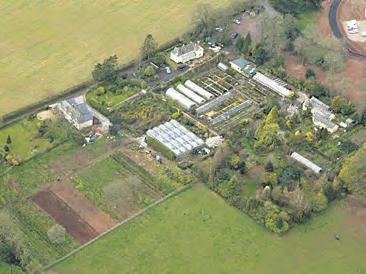

✔ Advice / Sales by telephone & email
✔ Extensive website ✔ Carpark collection ✔ Local delivery
Opening hours - please see our website
Tel 01984 618267 info@triscombenurseries.co.uk www.triscombenurseries.co.uk
West Bagborough, Nr Taunton, Somerset TA4 3HG between West Bagborough and Crowcombe (signposted off A358)
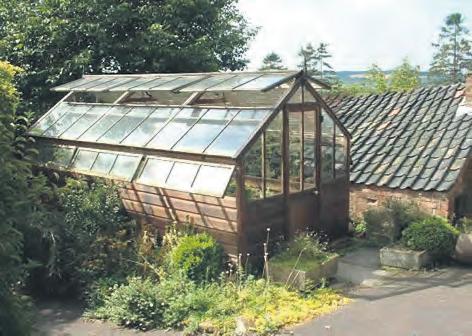



at West Monkton Village Hall, Monkton Heathfield, Taunton TA2 8NE
on Saturday 25th April 2026 10am to 12.30pm
Specialist Nursery and HPS Member Stalls with quality, locally grown, interesting and unusual plants.
All Welcome, Entry £1.
Refreshments on Sale, Free Parking on Site.


Hardy Exotic Plant Centre
Visit our new cacti and succulent house.
We also have a new range of restio and protea as well as great ranges of bamboos, tree ferns, ferns, cannas, gingers, bannas and shrubs, perennials, trees Open every day 10am-5pm
Lower Henlade, Taunton, TA3 5NB
(5 mins from J25, follow A358 to Yeovil, then signs to the Mt Somerset Hotel) Tel: 01823 443701 www.deserttojungle.com
Reach a passionate and affluent audience of gardening enthusiasts
Circulating 100,000 copies which are distributed to over 430 outlets
If you would like to advertise your business or service in our magazines, please contact
SOMERSET, SPEAKERS & CLASSIFIEDS: ava@countrygardener.co.uk
Tel: 01278 786139
NOW IN STOCK
Summer Flowering Bulbs lots to choose from including Begonia, Dahlia, Gladioli, Ranunculus & more! NOW AVAILABLE
Seed Potatoes, Onion Sets, Shallots, Garlic, Flower & Vegetable Seeds
HANGING BASKET & PATIO POT PLANTS READY SOON!
Shrubs, Roses, Herbaceous Perennials, Heathers, Herbs, Hardy Ferns, Ornamental Grasses, Soft Fruit, Clematis & Climbing Plants
Compost, Topsoil, Gro-Bags, Soil
Improver, Horse & Farmyard Manure, Decorative & Composted Bark, Perlite, Vermiculite, Gravels, Grits & Sands
SYLVAGROW 100% PEAT FREE COMPOST NOW IN STOCK
Great choice of Glazed & Terracotta Pots & Planters plus exciting range of Garden Ornaments & Statues
Norton Green Farm Nursery, Wells Road, Chilcompton, Radstock BA3 4RR Tel: 01761 232137
Email: nortongreenfarm@tiscali.co.uk
Opening Hours: Mon-Sat 9am-4pm (inc. Bank Holiday) Closed Sundays



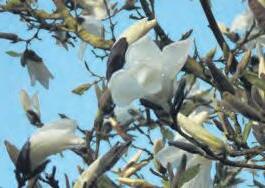

Greenslades celebrating over 30 YEARS 1994-2026


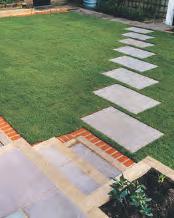
& Slope Mowing
Main Road, Cannington, Bridgwater TA5 2LD 01278 653205 www.greenslades.biz

14 acres of historic parkland with a mature collection of fine trees.
Near Wellington Somerset, TA21 OBN.
Are you an outings organiser? Why not arrange a personalised visit with your club or group of friends, open all year round for groups of 10-25 people. Refreshments also available. FOR DETAILS PLEASE EMAIL GARDEN@NYNEHEADCOURT.CO.UK

Barn Close Nurseries
Taunton’s plant plug centre, Henlade
Tel. 01823 443507 Open 7 days a week 9am - 5.30pm On the main A358 Taunton to Ilminster road next to Henlade post office
• Bedding geraniums f1 large plugs £3.10 for ten • Busy lizzies, petunias, dahlias, gazanias, lobelia, marigold and many more varieties £7 for 50 £13 per 100

Why use mail order or garden centres when you can buy quality plants locally at lower prices?
A large variety of plugs available including ivy leaf geraniums, nemesia, diascia, visit our website at www.barncloseplugcentre.co.uk


For the latest garden news, events & advice - don't miss COUNTRY GARDENER www.countrygardener.co.uk GET MORE FROM YOUR GARDEN THISSpring DOES EPILEPSY SOMETIMES MAKE YOU FEEL A LITTLE ISOLATED?
Are you aged 18 - 26 and living with epilepsy? Or do you care for a young adult who is?
Join our social group!
For young adults with epilepsy and their supporters. Every 2nd and 4th Sundays of the month - 11am – 1pm at Long Ashton Community Centre, Keedwell Hill BS41 9DP FOR MORE INFORMATION VISIT: www.epilepsy.org.uk/support-groups/bristol-independent-group
EMAIL: Corina at newleavesturned@gmail.com
Come and relax in our coffee shop and then select from our large selection of container grown shrubs, perennials, roses, fruit & ornamental trees
Huge selection of terracotta & glazed pots Fencing, paving & aggregates
Plus all your garden sundry requirements
OPEN: 9am-5pm Monday-Saturday Closed Sunday
Coffee shop open 10.30am-4pm Monday-Saturday Closed Sunday
• Geraniums, ivy leaf, Zonal, Fuchsias, Calibrachos, Diascia, Nemesia, Verbena, Osteospermum, Basket plants £7.50 for ten • Surfinias, Thumbelinas £7 for ten • This is just some of our wide range of plugs available • Filled hanging baskets from £16, also a refill service from £14 • Compost 75 litres levington and Irish moss peat £9.50 per bag GLASTONBURY ROAD, WELLS TEL: 01749 673050

Garden & Estate Machinery
SALES - SERVICE - REPAIRS
RIDE-ON MOWERS • LAWNMOWERS
BRUSHCUTTERS • CHAINSAWS
TEL: 01984 632761

Great range of trees, shrubs, conifers, roses, fruit trees, garden sundries and a wide range of compost. SPRING BEDDING, PATIO PLANTS, SEEDS, TOMATO & VEGETABLE PLANTS COMING INTO STOCK. HANGING BASKETS COMING SOON!
Fantastic range of pots and garden ornaments stocked.


• Sheds / Summerhouses • Workshops • Garden Rooms • Potting Sheds Full Service: Manufacture, Deliver, Install, Demolish and Remove etc.

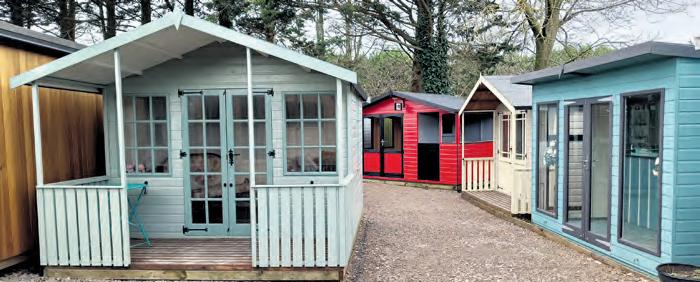








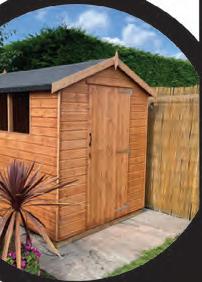
Over 40 garden buildings on display at our show site, just off the A358 (Minehead Road) north west of Taunton.


In praise of imperfect lawns
If you have any thoughts, ideas and views you would like to share with Country Gardener readers then email us at editorial@countrygardener.co.uk
May I offer a defence of the humble, imperfect lawn? In our neighbourhood every spring and summer there seems to be a contest for the most flawless turf. I think it’s a male thing - perfectly neat, short cut with stripes - you know the sort of thing. Meanwhile, I admit to being a bit of a lawn rebel, I’ve let clover, even dandelions and violets weave themselves through my grass. The bees are delighted and it seems to attract more birds happily pecking away, and I confess, I am happy too. A lawn that hums with life feels far richer than one that resembles a green carpet. It requires less fertiliser, fewer chemicals, and far less guilt. Surely, we can redefine what a ‘well-kept’ garden looks like — not sterile uniformity, but healthy diversity. If a patchwork lawn invites pollinators and reduces inputs, perhaps it is not neglect but progress.
Margaret Ellis Torquay

Composting has become a habit
I’ve been gardening for the best part of 50 years, and someone thought it would be an idea for me to give a talk at our gardening club on changes I’d seen over all that time. I thought about it a lot and came up with the thought that if I could persuade every gardener to adopt one new habit, it would be composting. Way back composting wasn’t really a thing but now it is astonishing how simple it is and once you get into the routine of recycling kitchen ‘waste’ how easily it becomes black gold in a matter of months. Composting has changed how I cook and shop over the years— I waste less because I’m more aware. I still love gardening and my soil is darker, looser, and full of earthworms. Best of all, my tomatoes have never tasted sweeter. It’s not complicated; it’s simply transformative. Helen Porter Exeter
The evening garden
We speak often of colour, but not enough of fragrance. I’ve planted nicotiana, night-scented stock, and jasmine near my patio. At dusk, the garden becomes something entirely new — subtle, luminous, and perfumed.
White flowers seem to glow in twilight, and the day’s heat releases their scent. Gardening for the evening hours has deepened my enjoyment immeasurably.
May I suggest an article in your excellent magazine devoted solely to moonlit gardens? Leonard Shaw Minehead
Rethinking peat
I urge fellow gardeners to reconsider if they are still using peat-based compost. I hate to say it but despite the publicity to the contrary I still know a lot of people who are still using peat. Peatlands are vital carbon sinks and extracting them damages fragile ecosystems.
I’ve switched to peat-free mixes and found them equally effective once I adjusted my watering habits. It required patience, but the results speak for themselves. Gardening is meant to nurture life — our choices should reflect that principle beyond our garden gates. Clare Donnelly via email
Wildlife isn’t always welcome — but necessary
I sympathise with readers frustrated by deer or squirrels. I have lost my share of tulips and vegetables in general over the years. Yet I remind myself that gardening exists within a broader ecosystem and I try to remember that when I am out in the fresh air.
Rather than wage war, I’ve chosen resistant plants and subtle barriers, and I try not to let it affect my blood pressure. It certainly helps when it comes to time spent taking on the enemy which in my case is deer, rabbits and mice in that order. The losses seem not to be quite as bad when you relax a bit about it.
Perhaps success in gardening should include what we share, not just what we keep.
George Hammond sent by email
Small gardens, big ambitions
Those of us with postage-stamp gardens often feel overlooked. Articles featuring sprawling estates are beautiful, but many gardeners like me have to work with balconies and narrow terraces and of course containers. Vertical growing, dwarf fruit trees, and layered planting deserve more attention. In 200 square feet, I grow herbs, salad greens, strawberries, and even a small fig. If you have little space, you just have to be more creative. I hope your excellent magazine will continue to give help and advice to those of us who garden just as passionately and creatively with very little space. Please also showcase compact gardens that prove abundance is not measured in acreage.
Arjun Mehta Portsmouth
The case for native plants
After replacing half my ornamental border with native perennials three years ago, I can report a transformation which I never really dreamt of. I researched and planted carefully and how worthwhile it has been. Goldfinches now visit daily, and I’ve spotted three butterfly species that never appeared before. Native plants ask less of us because they already belong here. They weather our droughts and frosts with remarkable resilience. I wish more garden centres would highlight native selections instead of promoting thirsty exotics. Gardening should be a collaboration with local ecology, not a battle against it.
Daniel Ruiz Liss

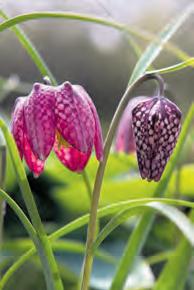
Let the leaves lie
Each autumn I watch neighbours bag fallen leaves as though they were refuse. Yet leaf litter shelters insects, enriches soil, and insulates plant roots. It is a wonderful basis for mulching, and it is free. This autumn my garden seemed full to bursting with leaves and I made a quick wire basked which I hope over the next 18 months will rot down to some lovely compost. In my borders, I shred leaves lightly and let them settle. By spring, they have nearly vanished, replaced by crumbly humus. The birds forage happily among them all winter. Sometimes the most helpful action is restraint.
Thomas
Avery Petersfield
A plea for seed saving
Saving seeds has connected me to generations of gardeners before me. I now grow beans descended from my grandmother’s garden, and each harvest feels like a continuation of her story. I have started a little seed swop in the town. We all contribute and it helps us as a community as well as saving money. It is so easy to save seeds I am surprised that every gardener doesn’t take advantage of it.
Seed saving preserves not just biodiversity but memory. It also fosters selfreliance and curiosity about plant genetics.
Amara Singh Dunster
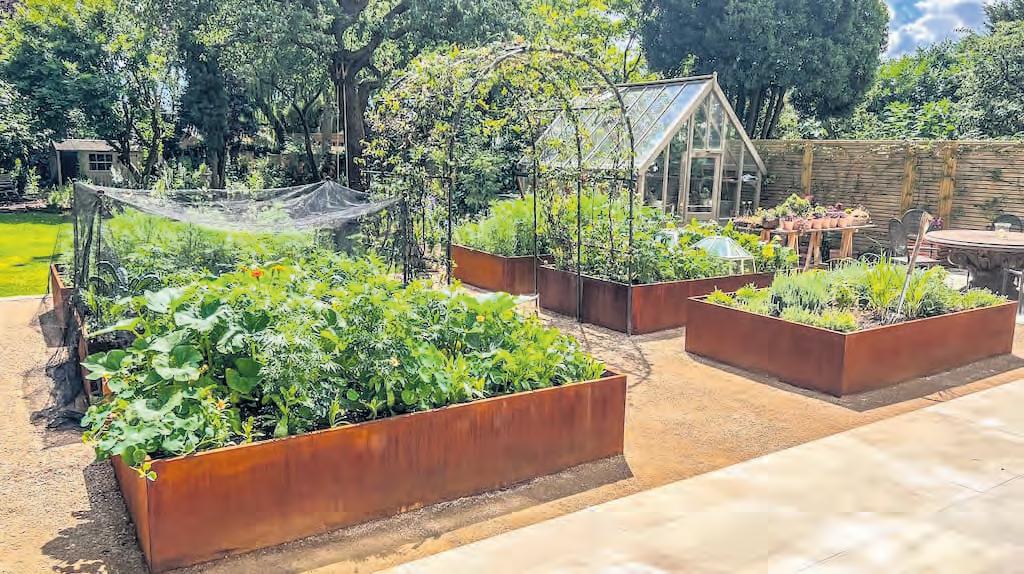
Gloucester homeowner and passionate vegetable gardener Mike Winslow says that since he introduced raised beds in his vegetable plot life and growing crops has been made so much easier
Raised beds have transformed my garden.
It has been five years since I first included them into my garden, and I want to share the success story I have had with them. They have turned what often felt like hard labour into a deeply satisfying, creative, and even therapeutic experience. Beyond the practical advantages, the personal benefits and simple joys of using raised beds in a vegetable garden are profound.
One of the most immediate pleasures of raised beds is the sense of order and intention they bring. Instead of rows stretching across an open patch of ground, raised beds create defined, contained areas. Stepping into my garden now has a calming effect.
Raised beds also make gardening physically kinder. Because the soil is elevated, there is less bending and kneeling. For many of us, especially those with back or knee discomfort, this change is the difference between giving up gardening and rediscovering it.
This has been my experience. The reduced strain allows you to spend longer, more enjoyable stretches tending your plants
Another joy lies in the quality of the soil. With raised beds, you have full control over what goes into your growing medium. You can blend compost, topsoil, and organic matter to create a rich, friable environment that vegetables love. Watching seedlings push through that dark, crumbly soil is uniquely satisfying because you know you built it from the ground up. There’s pride in creating optimal conditions and then seeing tangible results: robust carrot tops, glossy pepper plants, and heavy clusters of beans. The success feels personal because it is.
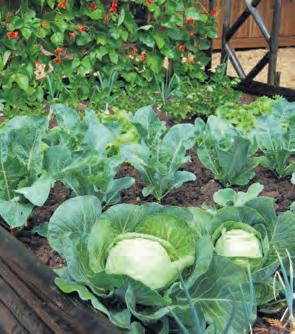

By focussing on crops which you know will be expensive in the shops later in the summer you can save a lot of money on being selective on what is in your vegetable plot this season
Growing your own vegetables is one of the most reliable ways to cut your grocery bill while improving the quality and taste of the food you eat. Some crops offer far better financial returns than others—especially those that are expensive in shops, highly perishable, or sold in small quantities at inflated prices.
Cucumbers, leeks, asparagus, courgettes, spring onions, and radishes are six of the best vegetables to grow if your goal is saving money.
Beyond direct savings, homegrown vegetables are fresher, often organic by default, and eliminate packaging costs. Seeds are inexpensive, compost can be homemade, and even a small garden—or containers on a patio—can yield significant produce.
Raised beds also warm up more quickly in spring, extending the growing season. That earlier start brings a psychological lift at the end of winter. While others are still waiting for their ground soil to dry out, you may already be planting peas or spinach. The act of planting earlier connects you sooner to the rhythms of the year, offering hope and anticipation just when it’s needed most.
Weed control is another subtle but significant source of happiness. Raised beds typically have fewer invasive weeds, especially when filled with fresh soil. Less time spent battling persistent weeds means more time nurturing what you actually want to grow. The garden becomes less of a struggle and more of a partnership. Pulling the occasional weed feels manageable rather than demoralizing. There’s also a creative and aesthetic joy in designing raised beds. Whether constructed from wood, stone, or metal, they can reflect your personality and complement your home. Laying out paths between beds, perhaps adding mulch or gravel, creates a garden that feels like an outdoor room. Walking through it can feel like visiting a private sanctuary. That sense of beauty and intention enhances the daily ritual of checking on plants, watering, and harvesting.
Perhaps the greatest personal benefit is the deeper connection to food. Harvesting crisp lettuce or sun-warmed tomatoes from a raised bed just steps from your kitchen door fosters gratitude and mindfulness. You see the entire life cycle, from seed to plate.
They are tangible projects: you build them, fill them, plant them, and watch them flourish. Over time, your garden becomes a living record of your patience, learning, and persistence.
“The garden becomes less of a struggle and more of a partnership.”
If you calculate the cost of a seed packet versus the shop price of repeated purchases, the value becomes clear. A few pounds spent on seeds can translate into dozens— sometimes hundreds—of pounds worth of vegetables over a season or, in the case of asparagus, over many years.
These six vegetables strike the perfect balance between effort and reward, making them some of the smartest choices for any budget-conscious gardener.
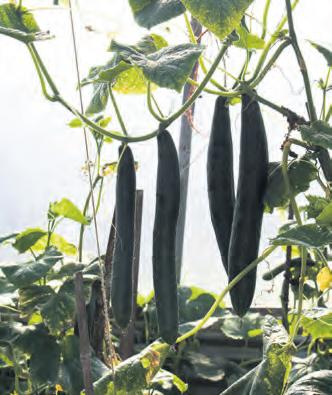
Cucumbers are surprisingly expensive in supermarkets, especially outside peak season. A single cucumber can cost a significant amount, and organic varieties cost even more. Yet cucumber plants are incredibly productive.
One healthy plant can produce 10–20 cucumbers or more over a season. Considering the shop price per cucumber, just a few plants can save a substantial amount over summer.
Cucumbers prefer warm conditions and plenty of sunlight. Sow seeds indoors in spring and transplant after the risk of frost has passed. They thrive in fertile, well-drained soil with lots of compost. Water regularly—cucumbers are mostly water, so consistent moisture is essential. Harvest frequently to encourage more fruit. The more you pick, the more the plant produces.

Leeks are more often now sold individually and can be very pricey, especially for thick, well-grown specimens. Because they take up space and time to mature, they carry a higher retail price.
Leeks stay in the ground for months and can be harvested as needed, acting like a living pantry through autumn and winter. They’re hardy and reliable, meaning minimal waste. A packet of seeds costs little and can produce dozens of plants.
Sow leek seeds in early spring in trays or directly into a seedbed. When seedlings reach pencil thickness, transplant them into deep holes (about 15 cm deep) and gradually fill with soil as they grow. This blanching process gives you long white stems.
Leeks prefer rich soil and regular watering. They require patience, as they mature slowly, but they are low maintenance.
Asparagus is one of the most expensive vegetables in shops. Fresh spears command a premium price, especially outside peak season.
Asparagus is a perennial crop. Once established, a bed can produce for 15–20 years. Though it requires an upfront investment of time, the long-term savings are significant. A small asparagus patch can yield many spears each spring—produce that would otherwise be costly.

asparagus crowns in early spring in well-drained soil enriched with compost. You must wait two to three years before harvesting heavily, allowing plants to establish. After that, harvest spears in spring when they are about 15–20 cm tall. Stop cutting in early summer to let plants replenish their energy.
Once mature, asparagus requires little maintenance beyond weeding and occasional feeding. Year after year, it delivers high-value harvests essentially for free.
Spring onions are often sold in small bunches at relatively high prices considering how quickly they grow.
They mature in as little as eight weeks and can be grown repeatedly throughout the season. You can succession sow every few weeks for continuous harvests. A single packet of seeds produces far more than you’d typically buy.
Sow seeds directly into shallow drills in well-prepared soil. They don’t need much space and can even be grown in containers.
Courgettes are famous for their productivity. In shops, they are moderately priced individually—but costs add up quickly if you use them frequently.
A single courgette plant can produce 20 or more fruits in a season. Many gardeners joke that you only need one or two plants to feed a family.
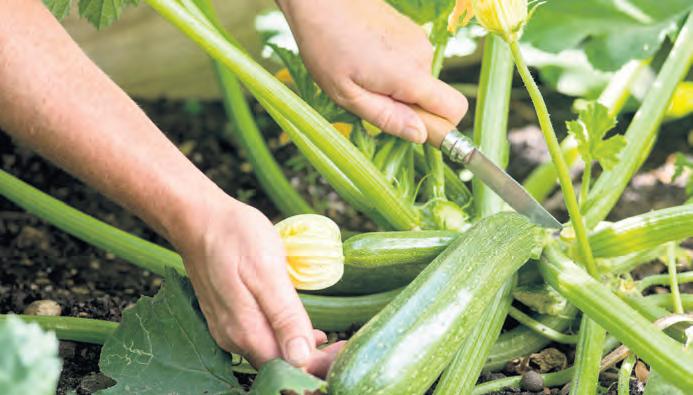
Sow seeds indoors in spring or directly outdoors after frost danger has passed. Courgettes love rich soil and lots of compost.
Frequent picking encourages more production. They grow rapidly, so check plants every few days during peak season.
Because they crop so heavily, they provide excellent value for minimal space.
Radishes are often overlooked but surprisingly expensive per bunch considering their simplicity.
Radishes grow extremely fast—often ready in just 3–4 weeks. Their quick turnaround allows multiple crops in one season. A small packet of seeds can produce dozens of bunches.
Sow directly into the soil in short rows every couple of weeks for continuous supply.

Keep soil moist to prevent them becoming woody or overly spicy.
Because of their speed, radishes maximize the productivity of small spaces. You can even grow them between slower crops, making efficient use of your garden.
There are several reasons these six vegetables offer strong financial returns: High retail prices: Asparagus and leeks are consistently expensive. Cucumbers and spring onions often cost more than expected.
Heavy yields: Courgettes and cucumbers produce large quantities from just one or two plants.
Fast growth cycles: Radishes and spring onions provide quick harvests, allowing multiple plantings per year.
Long harvest windows: Leeks and asparagus offer extended or perennial harvest periods.
The Old Rectory at Quenington in Gloucestershire is the ideal spot for the Rare Plant Fair being held ton Sunday, 12th April with the River Coln running through the organic garden. Mature trees, herbaceous borders, a bog garden and a pool, together with a vegetable garden. There is a lot of seasonal colours with ornamental quinces, primroses, daffodils and tulips. Many sculptures throughout the garden add to the interest.

There is a great atmosphere as gardeners both experienced and novice get inspired to try new plants from the diverse array. There is always great advice available from the nurseries to ensure that these plants thrive. There will be 18 top-class exhibitors attending.
The event supports the charity, Cobalt Health. It is based locally, carrying out diagnostic imaging, supporting the NHS and other healthcare providers.
There will be refreshments available with light lunches and cakes plus drinks.
The fair is open from 11am to 4pm and adult entry is £8.
The Old Rectory, Quenington, Cirencester, Gloucestershire GL7 5BN

The gardens at Berkeley Castle in Gloucestershire offer a perfect blend of history and natural beauty, inviting visitors to wander, relax, and soak in the timeless charm.
The terraced garden at Berkeley Castle grew from the ravages of the English Civil War, when damage to the castle left both scars and opportunity. Over time, what had been defensive ground was reshaped into a series of structured terraces.
These terraces benefit from a sheltered microclimate, allowing more exotic plants to thrive against the warmth of the stone walls. This adds depth and variety to what is already a densely planted garden. A particular highlight is the mature magnolia climbing the castle walls, which provides an impressive display of blossom early in the season and sets the tone for the months ahead. The late Mr John Berkeley was a knowledgeable and enthusiastic plantsman with a passion for introducing rare and unusual varieties to the garden. These sit comfortably alongside his favourite hydrangeas and roses. His memorial garden occupies one of the finest viewpoints of the castle. Planted with butterfly-friendly species, it has a relaxed, natural feel, and the gentle sound of the waterfall makes it a calm place to stop and appreciate the view. The photogenic castle and gardens have become well known for the filming of such television programmes such as Wolf Hall and Poldark. Berkeley Castle opens for the new season on Sunday, 29th March. Adult entry is £17 with children under three free. The castle is ten minutes from Junction 13 or 14 of the M5.
Berkeley Castle, Gloucestershire GL13 9BQ

With their origins in the hills of the Eastern Mediterranean, tulips have caused a sensation in the horticultural world for centuries. Endlessly adaptable they are perfect in pots, urns or any other type of planter; scattered naturally through a meadow; or incorporated into a mixed border design. The National Garden Scheme has an array of wonderful gardens where tulips form a focal point, tip toe on to find the perfect garden to visit this April.
Charlton Down House in Tetbury opens on Thursday 30th April and offers stunning tulip displays as part of the lovely, extensive country house gardens. The beautiful candycoloured blooms can be seen in ornamental urns, planted in the lawns and borders and brightening up the enclosed cut flower garden with its large glasshouse. There are also formal terraces, perennial borders and a walled topiary garden, providing lots of inspiration for visitors.
Gorgeous too are the tulips at The Old Rectory at Litton Cheney in Dorset. You’ll find a beguiling four acres of natural woodland with many springs, streams, two pools, one a natural swimming pool planted with native plants as well as a formal front garden, designed by Arne Maynard, with a pleached crabtree border, topiary and soft planting including tulips, peonies, roses and verbascums. There’s also a walled garden with informal planting, kitchen garden, orchard with spring blossom and 350 rose bushes for a cut flower business. Enjoy the garden on Sunday 26th and Wednesday 29th April and later for the roses on 5th July.
There is nowhere better in the region for tulips on a grand scale than Broughton Grange in Banbury, Oxfordshire. Opening on Sunday 26th April these impressive 25 acres with a large terraced, walled garden created by Tom StuartSmith in 2001 are a visitor favourite.
There’s a specially themed gardening workshop being held on Thursday 16th April at the popular Rosara at Nicholsons Garden Centre in Gloucestershire.
It’s a theme of saving money and is being run by Anya Lautenbach (also known as @anya-the garden fairy) who wants more gardeners to feel the mood boosting benefits of gardening and make use of her thrifty tops for creating low-cost gardens. She will be sharing tips and tricks to conserve expensive resources such as compost and water, offering aftercare advice and will be discussing seasonal jobs to help any new plants thrive. Tickets are £75 includes coffee and cakes on arrival and her talk is followed by a two-course lunch in the Yurt.
The event runs from 10.30am to 2.30pm. Nicholsons Nurseries, The Park, North Aston, Bicester OX25 6HL. Tel: 01869 340342
It is getting to that time of the year when one of the great pleasures in the mornings is the dawn chorus. Batsford Arboretum is offering visitors the chance to make the most of this experience on Saturday, 25th April from 4am when a special guide will help to identify different bird songs and calls throughout the arboretum. Afterwards there’s something to eat and drink in the Garden Terrace Café. Tickets cost £20 per person and include arboretum admission for the rest of the day.
Book at admin@batsfordfoundation.co.uk
Batsford Arboretum and Garden Centre, Moreton-in Marsh Gloucestershire GL56 9AT










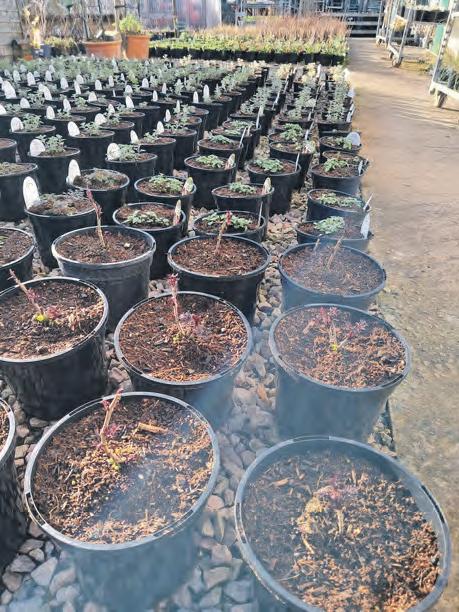
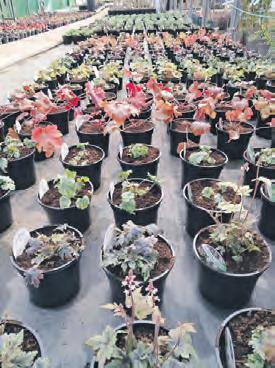
POTTING SEASON HAS BEGUN! POTTING SEASON HAS BEGUN!
Spring is arriving at Botanica Plant Centre! Our homegrown perennials including our famous range of evergreen Heucheras are freshly potted in preparation for the new season, fresh batches available throughout the coming months. We are continuing our renovations with brand new displays to inspire your garden ideas, there is plenty of exciting new stock arriving every week. Pop in to see what’s new and watch the centre grow with the season!



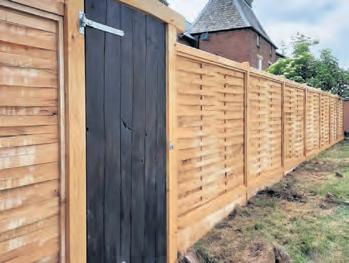
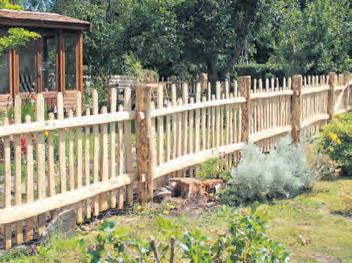


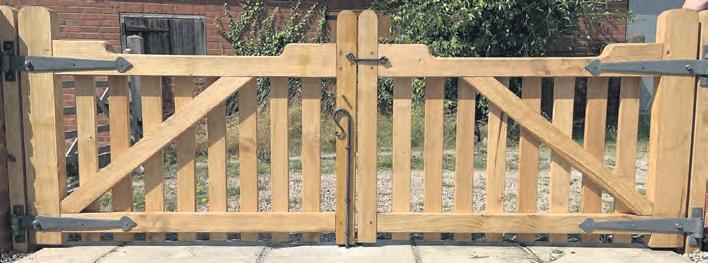





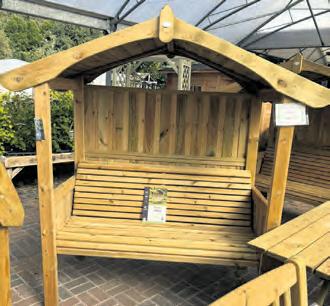
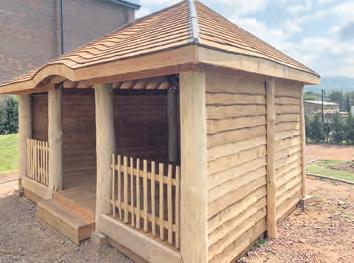
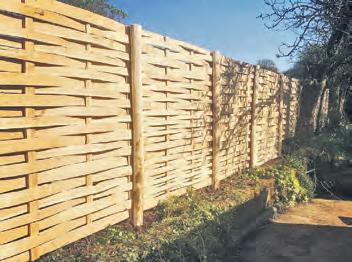




Stroll through the blossom-filled arboretum, visit our garden centre for all your spring gardening essentials, and enjoy delicious food in the café. A perfect day out for all the family – including the dog!

www.batsarb.co.uk
BATSFORD ARBORETUM AND GARDEN CENTRE
Batsford, Moreton-in-Marsh, Gloucestershire GL56 9AT. Tel: 01386 701441 E: arboretum@batsfordfoundation.co.uk
BatsfordArboretum@BatsfordA

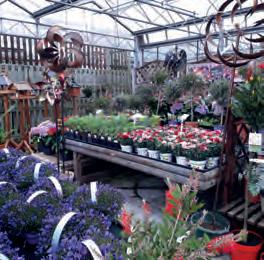









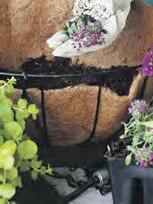
Everything you need for the perfect, practical garden!
Family-owned and managed “independent” Garden Centre, catering for all your gardening needs and so much more.
Stockist of a wide range of well-known gardening brands and locally sourced plants, trees and shrubs.



Browns Garden Restaurant
Serving Breakfasts, Brunch, Homecooked ‘Fresh’ lunches, Afternoon teas, Cakes & treats.
SUNDAY ROASTS - BOOKING ADVISED FULLY LICENSED & AIR CONDITIONED
T: 01684 299996
E: info@brownsgardenrestaurant.co.uk
Open Mon-Sat 9am - 3.30pm, last food orders at 2.15pm, Sun 10am - 4pm (Open all bank holidays but Closed Easter Sunday)
THROUGHOUT EASTER WEEKEND EXCEPT CLOSED EASTER SUNDAY
T: 01684 293103 W: www.tewkesburygardencentre.com
Worcester Road, Tewkesbury, Glos, GL20 6EB
SUMMER OPENING TIMES: Mon-Sat 9am - 5pm, Sun 10am - 4pm
(Open all bank holidays but Closed Easter Sunday)
WINTER OPENING TIMES: Mon-Sat 9am - 4.30pm, Sun 10am - 4pm


ORDER ONLINE OR CALL US: www.flowershedtewkesbury.co.uk
Mythe. A38 Worcester Rd, Tewkesbury GL20 6EB Email: flowers@flowershedtewkesbury.co.uk Tel: 01684 290288 Closed Sundays
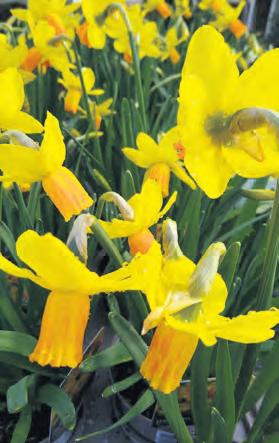








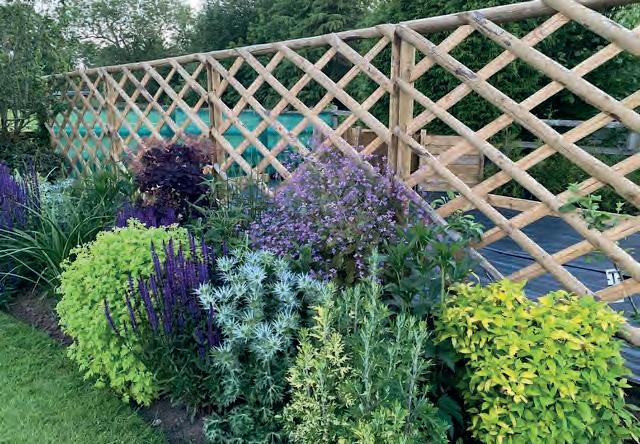
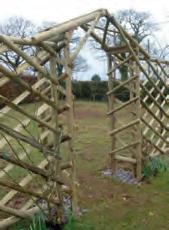


Spring is without doubt the most important and satisfying times in the greenhouse.
The days are lengthening, light levels are increasing, and although nights may still be cold, the growing season is quietly under way. What you do now sets the foundation for the entire summer. Careful preparation, thoughtful sowing, and strategic planning will determine how productive and healthy your greenhouse and garden will be.
Start with a thorough clean

Before sowing a single seed, spring is the time for a deep clean. Over winter, greenhouses accumulate algae, moss, old plant debris, and potentially overwintering pests.
Remove all pots, trays, and staging. Wash down glass with warm soapy water or a specialist greenhouse disinfectant. Cleaning improves light transmission—crucial in early spring when light levels are still relatively low—and reduces the risk of fungal diseases such as damping off.
Scrub pots and seed trays thoroughly. Reusing unwashed containers is one of the most common causes of seedling disease. Good ventilation will become essential as temperatures rise.
Now is also the time to inspect heating systems, propagation mats, thermostats, and automatic vents. A single cold night can undo weeks of work if systems fail. Pricking out and potting on Seedlings sown in trays will soon need pricking out. Handle them gently by their leaves—not stems. Transplant into modules or small pots once true leaves appear.
Vegetables
Greenhouse sowing in early spring allows you to get a head start on the growing season. Depending on your region, March is ideal for many crops.
Tomatoes
Tomatoes are a greenhouse staple. Varieties such as cherry, plum, and beefsteak types can all be sown now. Sow seeds in trays in gentle heat (18–21°C). Once seedlings develop true leaves, prick them out into individual pots.
Peppers and chillies
Peppers and chillies need a long growing season, so early sowing is essential. They require warmth—ideally 20–25°C for germination. Use a heated propagator if possible.
Aubergines
Like peppers, aubergines benefit from early sowing and consistent warmth. Keep seedlings in bright light to prevent legginess.
Cucumbers
Greenhouse cucumbers can be sown in early to midspring. Sow individually in small pots and keep warm.
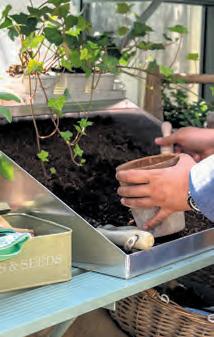
As roots fill pots, move plants into progressively larger containers. This staged potting on prevents root-bound plants and supports steady growth.
Tomatoes, for example, benefit from being planted deeper at each stage, encouraging strong root systems.
Feeding and watering
Young seedlings require minimal feeding at first. Once established, start light feeding with a balanced liquid fertiliser.
Avoid overwatering. Early spring evaporation is slower than summer. Wet compost combined with cool temperatures can lead to root rot or damping off.
Water in the morning so foliage dries before nightfall.
Planning for summer crops
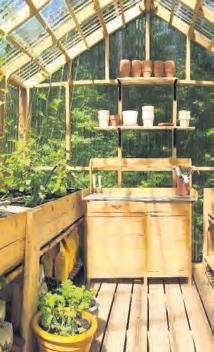
Early spring is not just about sowing—it’s about planning the greenhouse layout for summer.
Consider space allocation.
Decide how many tomato plants you realistically have space for. A crowded greenhouse invites disease. Plan to space carefully.
Consider:
Vertical growing (cordon tomatoes)
Hanging baskets for trailing crops
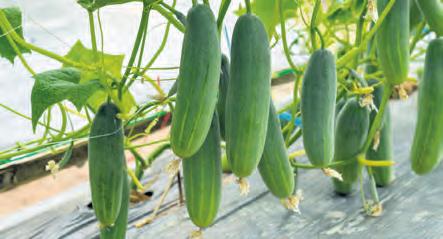
They grow quickly, so time sowing to avoid oversized plants before planting out.
Salad crops
Leafy crops are excellent early greenhouse candidates: These can be sown successionally every two weeks to ensure a continuous harvest.
Early brassicas
Cabbage, cauliflower, and calabrese can be started under cover for transplanting outdoors later
It is time to get into the greenhouse and start to first clean up and then plan for the summer ahead. Growing under glass can be very rewarding but the secret is making an early start and don’t fall behind. Here’s some action points for your greenhouse which will ensure a successful summer
Staging removal for taller summer plants
Companion planting
Integrate basil with tomatoes. Sow marigolds to deter pests. Plan herb placement for easy access.
Succession sowing
Plan staggered sowings of salads, cucumbers, and courgettes. This prevents a glut followed by scarcity.
Preparing beds and containers
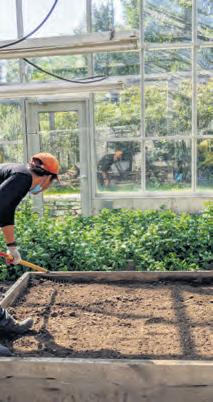
If you grow directly in greenhouse borders, enrich soil now with compost or well-rotted manure. Turn soil lightly and remove weeds.
For grow bags or containers, ensure adequate drainage. Pre-fill large pots so they’re ready when plants are.
Install supports early: Canes for tomatoes
Trellis for cucumbers
String systems for vertical growth
It’s easier to install supports before plants get large.
Record keeping and rotation planning
Good gardeners keep notes. Record sowing dates, germination times, and varieties. This helps refine future planning.
If you grow in greenhouse borders year after year, rotate crops where possible. Avoid planting tomatoes in the same soil repeatedly to reduce disease buildup.

Herbs
Basil, parsley, coriander, chives, and dill all benefit from early sowing. Basil especially needs warmth.
Flowers
Early spring is also the time to sow many summer bedding plants and flowers.
Cosmos
Zinnias
Marigolds
Sweet peas
Sweet peas can be sown in deep pots or root trainers to encourage strong root systems. Annual flowers started now will flower earlier and longer through summer.
Devon gardener Terri Marchant has been planting seeds and crops in her two-acre garden by the phases of the moon for 20 years and she claims not only is it very sensible, it also works and is being supported by a new generation of organic gardeners

Planting by the moon—often called lunar gardening or biodynamic planting—has long been dismissed by some as folklore or superstition. Yet across centuries and cultures, farmers and gardeners have paid close attention to the moon’s phases when deciding when to sow, transplant, prune, and harvest.
It isn’t crazy and at its core, planting by the moon is based on three reasonable ideas:
1. The moon influences Earth physically through gravity.
2. Plants are highly sensitive to environmental cues.
3. Long-term empirical observation deserves consideration.
While the measurable impact could be more dramatic, the practice is neither irrational nor harmful. At worst, gardeners plant according to a schedule that promotes mindfulness. At best, they harness subtle natural rhythms that enhance germination and growth.
Science thrives on curiosity. Rather than dismiss lunar planting outright, it is more productive to investigate it rigorously. History shows that traditional agricultural knowledge often contains kernels of practical wisdom embedded in symbolic language.
Planting by the moon rests on observable natural rhythms, gravitational principles, and a long tradition of empirical practice. Today, it is experiencing renewed popularity among organic growers, gardeners, and regenerative farmers who are re-examining traditional knowledge in light of modern ecological awareness.
Lunar planting is not a modern invention. The Romans and indigenous communities—tracked lunar cycles to guide farming activities. Even today, publications like Charles Dowdings Calendar of Vegetable Sowing Dates 2026 www.charlesdowding.co.uk include planting charts based on the moon’s phases. In biodynamic agriculture, inspired by the teachings of Rudolf Steiner, lunar and cosmic rhythms are integrated into a holistic farming philosophy.
The persistence of lunar planting across centuries suggests that it arose from observation rather than fantasy. Before modern fertilisers and climate-controlled greenhouses, farmers relied on careful attention to patterns in weather, tides, animal behaviour, and celestial cycles. The moon, as the most visible and predictable celestial body, became a natural timing guide.
The scientific basis for lunar planting is gravitational pull. The moon’s gravity is strong enough to move vast quantities of water on Earth, creating ocean tides. If it can shift oceans, why wouldn’t it influence groundwater and moisture in soil?
Plants are largely composed of water. Seeds absorb water during germination, triggering the metabolic processes that allow them to sprout. Lunar gardeners believe that during certain phases—particularly the waxing moon (from new
moon to full moon)—increased gravitational pull draws moisture upward in the soil. This enhanced moisture availability may improve seed swelling and sprouting. While the tidal effect on small bodies of water like soil moisture is far subtler than ocean tides, the principle itself is not irrational. We know plants respond to environmental cues such as light cycles (photoperiodism), gravity (gravitropism), and even subtle pressure changes. It is plausible that lunar cycles, which influence both gravitational forces and nighttime light levels, could exert minor but meaningful biological effects.
Lunar planting typically divides activities according to the moon’s phases: NEW MOON TO FIRST QUARTER (WAXING MOON): Focus on planting above-ground crops that produce leaves and stems, such as lettuce and spinach. The theory holds that upward sap flow supports leafy growth.
FIRST QUARTER TO FULL MOON: Plant fruiting crops like tomatoes and beans. As lunar illumination increases, growth energy is believed to concentrate above ground.
FULL MOON TO LAST QUARTER (WANING MOON): Favour root crops such as carrots and potatoes. Energy is thought to move downward, strengthening roots.
LAST QUARTER TO NEW MOON: A period for pruning, weeding, composting, and soil improvement rather than active planting. These recommendations align loosely with observable plant biology. For example, transplanting during cooler, less intense light periods (often associated with waning phases) can reduce stress. Scheduling tasks cyclically also encourages attentiveness and consistency—key traits in successful gardening.
Beyond gravity, moonlight itself may play a role. Although far dimmer than sunlight, moonlight changes in intensity throughout the lunar cycle. Plants are sensitive to light duration and intensity, even at low levels.
Increased light during a full moon could theoretically stimulate certain biological responses. While more rigorous scientific studies are needed, the idea that plants respond to rhythmic changes in nighttime illumination is not inherently far-fetched. After all, artificial nighttime lighting in urban environments has measurable effects on plant growth and flowering cycles.
One reason lunar planting ‘works’ may be behavioural. Gardening success depends heavily on timing, consistency, and observation. A lunar calendar provides structure. Instead of planting randomly, gardeners follow a rhythm. This encourages them to plan ahead, prepare soil properly, and avoid rushing tasks.
The absence of conclusive proof is not proof of impossibility. Many agricultural practices once dismissed—such as crop rotation or composting—later gained scientific validation.
Importantly, lunar planting does not require rejecting science. Many practitioners combine it with soil testing, integrated pest management, and climate data. Rather than opposing modern agriculture, it can complement it.
In recent years, interest in lunar planting has grown alongside movements toward organic gardening, permaculture, and regenerative agriculture. As concerns about chemical overuse and soil degradation increase, more people are revisiting traditional knowledge systems.
In a world dominated by artificial lighting, climate control, and digital schedules, lunar gardening offers a return to natural rhythms. It resonates with people seeking slower, more intentional lifestyles.
cosy cabins &


NEAR WESTON-SUPER-MARE HOLIDAY BUNGALOW SLEEPS 2 £210 - £260 PW. NO PETS. PHONE FOR BROCHURE 01934 820351 Plymouth, Dartmoor & lovely South Devon Villages & Towns in easy reach. Pets Welcome. Forest School. Tel: 01752 862382 www.churchwoodvalley.com
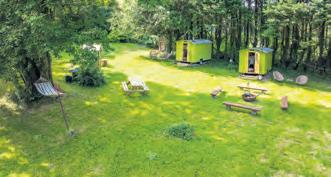


South Devon Lodge on Farm Sleeps 4. Central for beaches, Salcombe and Dartmouth. For availability Tel 01548 853669 www.marymillsfarm.co.uk

Peaceful, comfortable apartment in Victorian stable block, 1/2 mile Charmouth, country walks, sunny garden, sleeps 2/4. No pets. Enquiries 07786 118762 or email rosemarylunn39@gmail.com
GLORIOUS NORTH DEVON. Only 9 cosy caravans on peaceful farm. Wonderful walks in woods & meadows. Easy reach sea, moors & lovely days out. £125-395pw. Discount couples. Nice pets welcome. 01769 540366 www.snapdown.co.uk
BOSWORLAS, ST JUST. Cosy Cottage sleeps 2-4. Sorry no pets. Please email info@bosworlas.co.uk for availability 01736 788709
ACCOMMODATION HOLIDAY COTTAGES






Gloucestershire Quality Bungalow B&B
Ensuites, rural, large garden, paddocks, sheep and fruit. Ideal Cotswolds, Malvern’s, Forest of Dean, cycle storage, ample parking, Wi-Fi. From £46 p.p.p.n.
Tel: 01452 840224 sheila.barnfield1960@gmail.com

WYE VALLEY/FOREST OF DEAN. Fully equipped single-storey cottage with two en-suite bedrooms. Wi-fi.Recently awarded Visit England 4-star GOLD. Rural retreat, shops/pubs one mile. Enquiries welcome. AS SEEN ON ESCAPE TO THE COUNTRY! Tel: 01594 833259 www.cowshedcottage.co.uk
ACCOMMODATION WITH BEAUTIFUL GARDENS
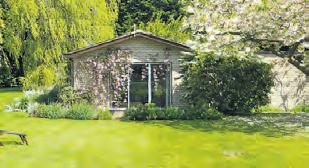
large garden. Sleeps 2. Perfect for famous gardens, NT properties & Cotswolds. Tel: 01789 740360 www.romanacres.com
NORTH DEVON NEAR CLOVELLY. Small barn conversion sleeps 4 (wheelchair friendly). Small cottage and Timber lodge sleeps 2/3. Pub and Shop 2 miles, RHS Rosemoor 1 hour. Brochure 01237 431324 www.foxwoodlodge.co.uk
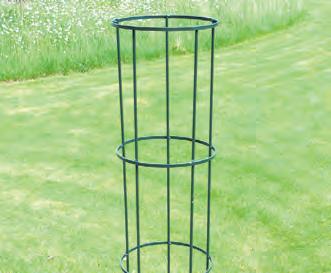
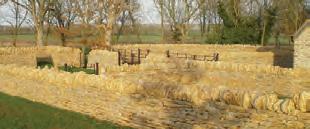
Walling Dry Stone Walling and Landscaping Patrick Houchen - DSWA member Tel: 07751278363 / 01963371123 www.yenstonewalling.co.uk


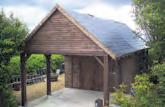
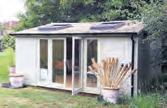



Country Gardener

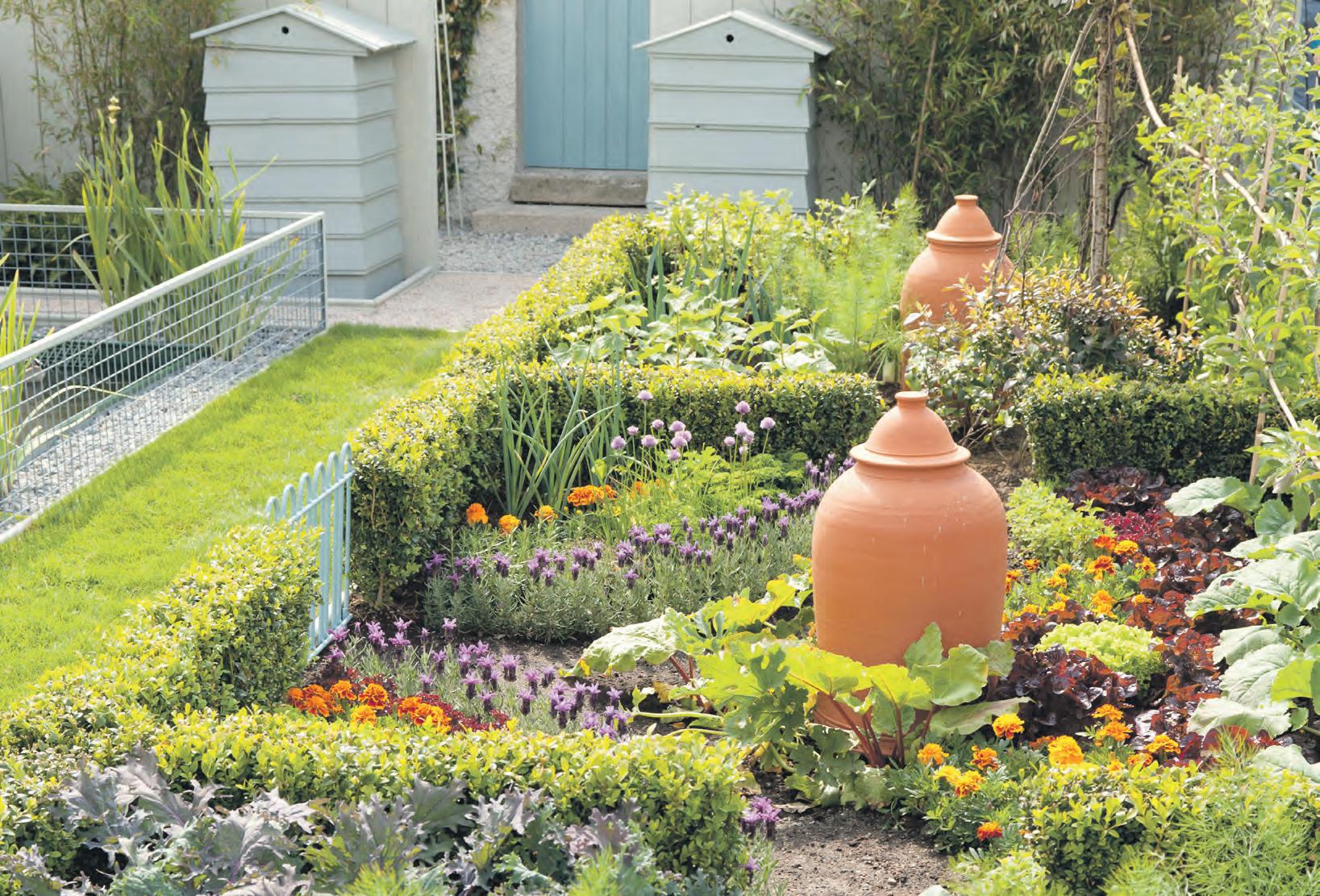


Your local Otter Garden Centres:
OTTERY ST MARY Gosford Road, Ottery St Mary, EX11 1LZ
JACK’S PATCH Newton Road, Bishopsteignton, Teignmouth, TQ14 9PN
LYMINGTON Milford Road, Efford, Lymington, SO41 0JD
PLYMOUTH Chittleburn Hill, Brixton, Plymouth, PL8 2BH
TAUNTON Pen Elm Hill, Norton Fitzwarren, Taunton, TA2 6PE
TORBAY Moles Lane, Paignton, TQ3 1SY
WHITCHURCH – BRISTOL The Nursery, Norton Lane, Whitchurch, BS14 0BT
WINCANTON Bruton Road, Wincanton, BA9 8HA





























Imagine being able to enjoy fantastic holidays in beautiful locations like this. That’s exactly what over 40,000 discerning holidaymakers have already done.
The Holiday Property Bond’s portfolio currently includes more than 1,500 holiday homes in over 30 exclusive UK and European destinations. Discover this refreshing new approach to the way you plan and enjoy your holidays. You can even pass the benefits on to your children
and grandchildren so they will also have a lifetime of wonderful holidays to look forward to.
Become a Bondholder with HPB and you could take your pick from magical locations with fabulous gardens every year, for life. It’s never been easier to find out more about the Holiday Property Bond for yourself, free and without obligation.
Please request your free brochure. Visit
Or scan the QR code

Enquire by 29th April 2026 and you will be entered into our prize draw to win one of six individual cash prizes totalling £3,000. You could win £2,500 when you find out more
Exclusive holidays for life An initial payment from £5,000 and a quarterly fee of under £39 (that is around £155 a year), which can increase in line with but not exceed the Retail Price Index Excluding Mortgage Interest (RPIX), gives you access to all HPB’s holiday homes. For each HPB holiday, you will pay a no-profit user charge covering only property running and maintenance costs and use of on-site facilities. The average charge is the same throughout the year, the average weekly charge for a studio sleeping two is around £388 and around £597 for a two bedroom property, larger properties are also available. After an initial charge of 25% your money is invested in a fund of holiday properties and securities. The fund itself meets annual charges of 2.5% of its net assets at cost, calculated monthly. Your investment return is purely in the form of holidays and, as with most investments, your capital is at risk. You can surrender your investment to the company after two years or more (subject to deferral in exceptional circumstances) but you will get back less than you invested because of the charges referred to above, as well as other overheads and changes in the value of the fund’s properties and securities.