Staying safe in hot weather can be challenging, and it’s impor tant to take steps to stay healthy as temperatures rise.
On average the city of Columbus experiences 18 days per year where temperatures reach 90 degrees or higher
Heat Warning
What is a heat event? A heat event is when temperatures remain above 90 degrees for at least two to three days
High temperatures and humidity are a dangerous combination for people of all ages because our bodies need to work harder to maintain a healthy temperature. Older adults, persons with disability, those with chronic illnesses, and very young children are among groups that are especially at risk.
Tips for Staying Safe in Extreme Heat
Watch for signs of heat-related illness.
Limit time outside during the day.
Stay Connected
Wear loosefitting clothes.
Drink lots of water. Seek shade if outside.
Create a communication plan and check in on family, friends, and neighbors before and after extreme weather events. Staying connected can help you and members of your community stay safe
Remember to Wear Sunscreen
• Apply sunscreen and make sure to reapply every 2 hours, even on cloudy days.
• Make sure your sunscreen has an SPF of 30 or higher.
• Ask your medical provider if any of your medications increase your risk of sunburn, dehydration, or other heat illnesses.
W.A.R.M. Weather and Aging Resilience Model
Scan to download the most current weather preparedness flyers or visit our website at go.osu.edu/age-friendly-toolkit
Safety
From page 1
The overall message of the day was simple but powerful: safety starts with preparation. By taking a few proactive steps today, older adults and their families can feel more confident and better prepared for whatever tomorrow may bring.
Technology is also creating new opportunities to be proactive. Features such as smartwatch fall detection, automatic crash notifications, and SOS buttons can automatically connect people with emergency services when help is needed most.
Keep reading to learn more about the specific guidance on steps you can take to be more prepared.
Understanding When and How to Call 911
it in an easily accessible location. Printed full- and wallet-sized versions are also available at SourcePoint.
Being Ready for Weather and Other Emergencies
Delaware County Emergency Management shared information about severe weather awareness, emergency notifications, and disaster preparedness. Their mission centers on helping residents prepare, respond, recover, and mitigate risks before emergencies occur.
Top 5 Takeaways
1. Talking with a 911 dispatcher does not delay first responders.
2. If you text 911, include your location first.
3. Sign up for DelcoAlerts emergency notifications.
4. Keep a medication list and emergency information readily available.
One of the most important reminders from the summit was that calling 911 is always the right choice during an emergency. DelComm representatives explained what happens when a call is received and emphasized that answering questions from a dispatcher does not delay the response of first responders. In fact, those questions help emergency personnel arrive better prepared to provide assistance.
5. Be cautious of requests for payment through gift cards or cryptocurrency.
When You Call 911
• Do not hang up
• Follow instructions exactly
• Use your speakerphone if you are administering aid
If you can’t call, text 911 - be sure to include your location
What to do when help is on the way
When waiting for first responders, think about your location—is there someone available to help the patient while another person unlocks doors, turns on lights, secures pets, and directs responders?
Think about what information will be needed, like the patient’s ID, insurance card, health history, and current medications. SourcePoint’s LifeCard is a simple tool that helps first responders quickly access important medical information during an emergency. Download a free LifeCard at MySourcePoint.org/care and keep
A few key reminders include:
• Extreme heat remains the leading weather-related cause of death each year. Staying hydrated, limiting strenuous activity, and seeking air-conditioned spaces during heat events can help prevent illness.
• Sign up for emergency alerts through DelcoAlerts.org to receive timely information during severe weather or other emergencies.
• Consider purchasing a NOAA Weather Radio with battery backup to stay informed during power outages.
• Know the difference between a weather watch and a warning so you can respond appropriately when conditions change.
Emergency Management officials also encouraged every household to assemble an emergency preparedness kit with water, nonperishable food, medications, flashlights, batteries, important documents, and other essential supplies. Premade kits are available to purchase online,
Protecting Yourself from Scams and Identity Theft
The Delaware County Sheriff’s Office shared information on a number of different community programs offered, including Project Lifesaver, which provides resources for families that have a loved one prone to wandering and medication disposal and Naloxone distribution.
Additionally, the sheriff’s office offered practical strategies for preventing scams, identity theft, and financial fraud. Rather than focusing on fear, the presentation encouraged attendees to stay informed and trust their instincts. Many scams are designed to create a false sense of urgency and pressure people into making quick decisions. Common scams continue to evolve, including phishing attempts, tech support scams, fake investment opportunities, romance scams, and cryptocurrency schemes.
Some of the best defenses are also the simplest:
• Keep passwords and PINs private.
• Regularly review bank and online accounts.
• Be extremely cautious of unsolicited calls, emails, or text messages requesting money or personal information.
• Verify requests independently before acting.
• Contact law enforcement if something feels suspicious.
Once money has been sent—especially through gift cards, wire transfers, or cryptocurrency—it is often very difficult to recover.
Fire Safety and Aging in Place
The City of Delaware Fire Department highlighted programs and services that help older adults remain safe and independent at home. In addition to responding to emergencies, the department works proactively through risk reduction, home safety education, and service coordination programs.
Attendees learned several important fire safety practices:
• Install and regularly test smoke alarms.
• Develop and practice a home escape plan.
• Ensure doors and windows can be easily opened during an emergency.
The department also shared information about smoke detector and carbon monoxide detector assistance programs available to eligible City of Delaware residents.
Small Steps Make a Big Difference
One of the most encouraging themes throughout the day was that safety does not require dramatic changes. Often, the most effective actions are simple ones:
• Establish an evening routine that includes locking doors and vehicles.
• Stay aware of your surroundings.
• Keep emergency contacts easily accessible.
• Create an emergency plan with family members.
• Stay connected to trusted sources of information.
These small habits can provide peace of mind while helping older adults maintain their independence and confidence.
A Community Working Together
The Senior Safety Summit demonstrated the strength of collaboration across Delaware County’s public safety organizations. From emergency dispatchers and deputies to firefighters and emergency management professionals, each presenter shared a common goal: helping residents stay safe, informed, and prepared.
The event’s theme, “Be Prepared, Not Panicked,” perfectly captured the spirit of the day. Preparedness is not about
expecting the worst—it’s about having the knowledge, resources, and confidence to handle challenges when they arise. Through education, awareness, and community partnerships, Delaware County continues to empower older adults to live safely and thrive.
Contact Information:
Delaware County Office of Homeland Security and Emergency Management 740-833-2180 delcoema.org
Delaware County Emergency Communications (DelComm 911) Emergency: 911 emergencycomms.co.delaware.oh.us
Delaware City Fire Department delawareohio.net/government/departments/fire Chip Roberts, Community Service Coordinator 740-203-1362
SourcePoint MySourcePoint.org 740-363-6677
Jodie Kaminsky is SourcePoint’s community aging planner, leading the Age-Friendly Delaware County initiative.
Join SourcePoint for upcoming safety classes:
Introduction to Fraud Defense Thursday, July 16, 1–2:30 p.m.
Avoiding Scams: Easier Said Than Done Thursday, July 23, 1–3 p.m.
Avoiding Scams: Staying Safe Online Thursdays, July 9, Aug. 13, Sept. 10, 10–11 a.m.
Register online at MySourcePoint.org or call 740-363-6677.
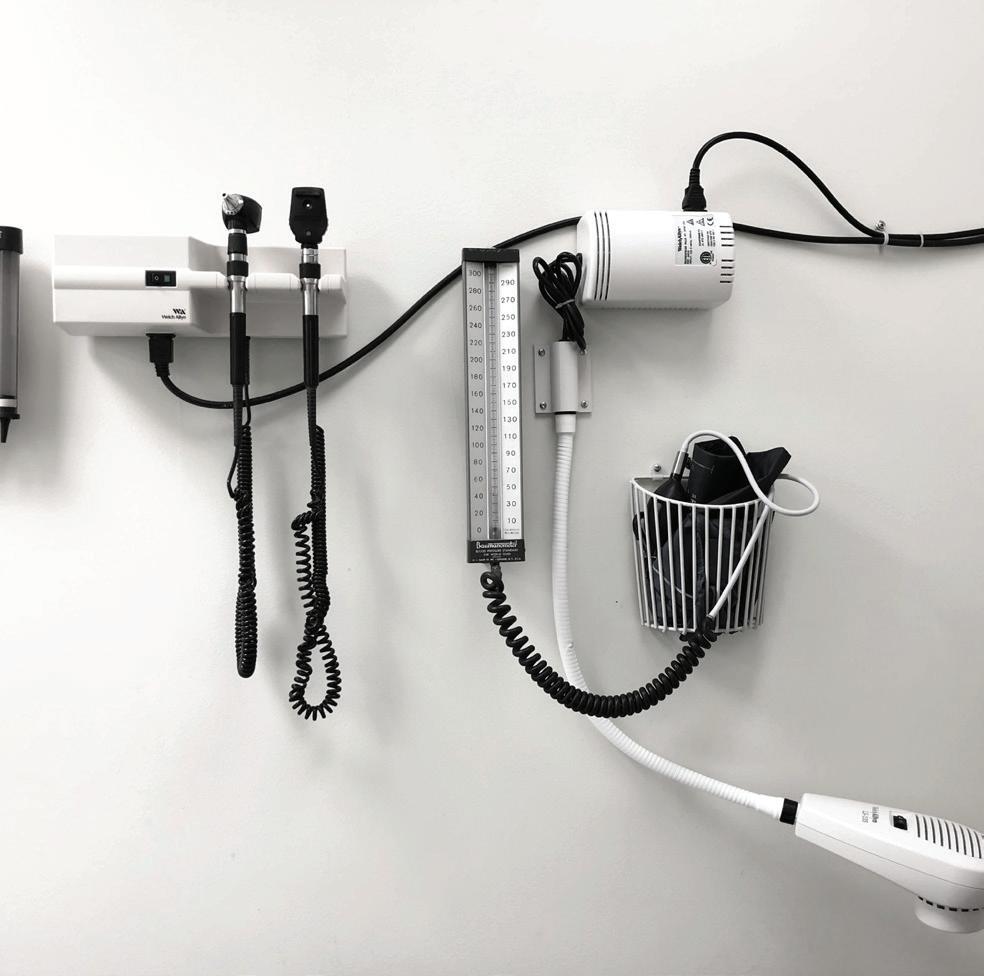
Shifting Guidelines for Blood Pressure
The patient initially came to see Mark Supiano in 2017 because her family was concerned about her short-term memory loss.
While taking her history and vital signs, Supiano, a geriatrician at the University of Utah, saw one disturbing signal: Her blood pressure was 148/86, above normal despite her taking two medications intended to lower it. “Clearly that was too high,” he said recently.
Several factors could have contributed to the high reading, including the anti-inflammatory drug the 78-year-old woman took for arthritis pain, a high-sodium diet, and a lack of regular exercise. She had also told Supiano that she typically drank a couple of glasses of wine each evening.
The SPRINT trial found that intensive treatment aimed at bringing the systolic number below 120 reduced the risk of heart attacks, strokes, other cardiovascular illnesses, and overall mortality so substantially that the investigators stopped the study early.
It was unethical, they decided, to deny half the trial participants the benefits of intensive treatment. The 2017 guidelines, therefore, recommended medication for those with a systolic blood pressure over 130.
After Supiano discussed ways to lower her risk, the woman and her husband joined a gym. She stopped taking the antiinflammatory and cut back on salt and alcohol, bringing her systolic blood pressure readings into the 130-to-140 range — still hypertension, according to the guidelines issued by the American Heart Association and the American College of Cardiology later that year, but more acceptable. (Systolic is the top number in the blood pressure ratio and the more clinically important number.)
By 2019, though, the patient had a diagnosis of mild cognitive impairment, and medical evidence was emerging about a connection between hypertension (the medical term for high blood pressure) and dementia. “I was not as aggressive as I should have been,” Supiano recalled. He added a third drug for high blood pressure to the woman’s regimen, and her readings fell to 120 or lower.
The shifting guidelines for blood pressure control may remind those at advanced ages of a dance fad from their youth, the limbo. As Chubby Checker once intoned, “How low can you go?”
For more than 25 years, a reading of 140/90 or below was considered normal, according to the AHA/ACC guidelines. But the 2017 update introduced major changes, backed by results from the landmark SPRINT trial, which enrolled adults over 50 who were at high cardiovascular risk.
The most recent revisions, issued last year, encourage still tighter control. They call for patients at cardiovascular risk to strive for systolic readings below 120, and they also call that target “reasonable” even for those who are not at high risk. Readings considered normal not so long ago are now defined as hypertension.
Blood pressure normally rises with age because “with stiffening of the arteries, the heart has to pump harder,” said Erica Spatz, the director of the preventive cardiovascular health program at the Yale School of Medicine. From 2021 to 2023, about twothirds of adults over 65 had hypertension, according to the operative definition at the time.
But recent revisions could “define a lot more people as having high blood pressure,” said Rita Redberg, a cardiologist at the University of California-San Francisco.
To Supiano, recent studies in the United States and in China that show cognitive benefit for the lower readings “have tipped the scales” for older adults. “What’s good for the heart is good for the brain,” he said, calling those findings “a lever to get people to pay more attention to their blood pressure. They may not want to live longer, but they want to hold on to their cognition longer.”
Nearly all major medical associations, including the American Geriatrics Society (Supiano is the chair of the organization’s board), have endorsed the latest guidelines.
“I used to be lenient in many of my older patients,” said John Dodson, a cardiologist and researcher at NYU Langone Health. “If I overtreated high blood pressure, bad things were going to happen.” HEALTH & WELLNESS
IN OUR COMMUNITY
A Strong Community Requires Homes Within Reach
Something encouraging is happening in Delaware County: people are beginning to talk openly about housing affordability.
The recent Foundations in Faith: A YIGBY Event, presented by the Delaware County Housing Alliance, brought together faith leaders, housing advocates, nonprofit organizations, developers, and community members to discuss how faith-based organizations can use their underutilized property to develop affordable housing.
Delaware County has the highest average home sale price in Ohio, with the average home selling for $568,133 during the first half of 2025. County officials report that demand continues to outpace available housing supply.
based organizations to develop affordable housing on underutilized land. Developers bring the expertise needed to build. Community institutions—including faithbased organizations—can contribute land and a commitment to serving their neighbors. Programs such as YIGBY demonstrate how these sectors can work together to create housing opportunities while strengthening the missions of the organizations involved.
Too often, housing affordability is viewed as someone else’s problem. The reality is that housing affordability impacts all of us. The YIGBY conversation highlighted how mission-driven organizations can retain ownership of their assets while helping address one of our community’s most critical needs.
Why does this matter? Because housing is about far more than real estate. Housing is one of the most important social determinants of health. Stable, affordable housing influences physical health, mental well-being, educational outcomes, employment opportunities, and a person’s ability to age safely and independently. Without stable housing, it becomes significantly more difficult to address healthcare needs, maintain employment, access transportation, or support family caregivers. As housing costs rise, the impacts ripple throughout the entire community.
The data confirms what many residents are already experiencing firsthand.
At the same time, 16 percent of Delaware County households are classified as ALICE (Asset Limited, Income Constrained, Employed), while another 6 percent live below the poverty level. Together, nearly 19,542 households – or approximately 52,352 residents --struggle to afford basic necessities despite living in one of Ohio’s most prosperous counties. To provide context, 52,352 Delaware County residents is more than the population of the City of Delaware.
This challenge extends beyond today’s workforce. By 2040, one in four Delaware County residents will be age 65 or older, and by 2050 the number of residents age 85 and older is expected to double. Without housing options that are within reach, Delaware County risks creating workforce shortages in some of the very occupations that will be most critical in the decades ahead. The people we rely on to help our parents and grandparents age with dignity often cannot afford to live in the communities where they work.
Addressing housing affordability requires partnerships. Government must create policies that support housing options across the continuum. Efforts such as the proposed Senate Bill 250, the Promise Land Act, seek to make it easier for faith-
As local election season approaches, residents have an opportunity to move this conversation forward. Housing affordability should not be a niche issue discussed only by planners, developers, and advocates. It should be a question every voter asks every candidate seeking local office. Ask candidates for county commissioner, city council, township trustee, and other local offices where they stand on housing affordability. Ask whether they understand the challenges facing working families, older adults, and essential workers. Ask what specific policies they support to ensure Delaware County remains a place where people of all incomes and stages of life can live, work, and thrive.
A strong community requires more than good schools, thriving businesses, and quality amenities. It requires homes within reach for the teachers who educate our children, the workers who keep our economy moving, the caregivers who support our loved ones, and the families who want to build their future here.
Learn more about the Delaware County Housing Alliance at delcohousing4all.org or follow on Facebook.
AARP Approves County’s Second Age-Friendly Plan
SourcePoint is proud to announce that AARP has officially approved the community’s second Age-Friendly Action Plan, reaffirming the county’s commitment to creating a place where residents of all ages can thrive.
Spearheaded by SourcePoint and the Delaware Public Health District, the newly approved action plan builds on years of collaboration among local leaders, organizations, and residents to enhance livability across Delaware County. The plan outlines strategies to improve transportation, housing, social participation, health services, and more—ensuring that older adults can remain active, connected, and supported.
“This milestone reflects the strong partnerships and shared vision across our community,” said Fara Waugh, SourcePoint CEO. “When we design a community that works for older adults, we create a better place for everyone.”
The Age-Friendly initiative recognizes that communities that are accessible, inclusive, and supportive of aging populations benefit residents of all ages. From safer streets to expanded opportunities for engagement, these efforts strengthen the overall quality of life in Delaware County.
A digital version of the Age-Friendly Action Plan is available at MySourcePoint.org/age-friendly.
Residents are encouraged to explore the plan and learn how they can get involved in building a more Age-Friendly community.
To learn more about Age-Friendly communities across the U.S., visit AARP.org/Livable
SourcePoint is a nonprofit 501(c)(3) organization that provides professional expertise, services, and programs for Delaware County adults who want to thrive after 55, as well as family caregivers. Services and programs are supported by the local senior services levy, private and corporate donations, grants, and the Central Ohio Area Agency on Aging. Learn more at MySourcePoint.org.
Designed for Accessibility
While some people want to spend more time outdoors they also worry about uneven terrain, long distances, or limited seating. Preservation Parks has intentionally worked to address these barriers.
Throughout the park system, visitors will find benches with backs and armrests, level trail options, and accessible parking. Several parks offer shorter trails and easier walking surfaces, and the park has started to introduce universal restrooms, and automatic door openers. Deer Haven Park, Hogback Ridge Park, and Gallant Woods Park are especially good options for visitors looking for gentler trail experiences.
At Deer Haven Park, visitors can enjoy boardwalks that go across wetlands and trails that traverse past wetlands into prairies and wooded canopies. The park encourages residents to try new experiences by loaning backpacks filled with activities, binoculars, and guidebooks. Uniquely, this is the only park to feature a color-blind viewer, allowing individuals with color vision deficiencies to experience nature in a new way.
Deer Haven Park and Gallant Farms loan different trekking sticks for residents to borrow and test out during their visit.
Hogback Ridge Park features a braille trail with guide ropes, tactile experiences, and braille signage. The short, level loop is designed for visitors with visual impairments but is also enjoyed by many families and people seeking a gentle, more accessible hike.
Additional improvements are on the way, including more hardpacked gravel and asphalt trails that will improve accessibility throughout the park system.
Take a Step Outside
Preservation Parks has thoughtfully grown so there is no single “right” way to participate. A visit might involve outdoor yoga, exploring a new trail, or meeting new friends. In a busy world, Delaware County’s parks offer something increasingly rare: space to breathe. In the spirit of National Park and Recreation Month, answer for yourself: Parks give me “The Power of… “
*Preservation Parks summer program guides are mailed automatically to residents and fall and winter guides are available by request. For more information on any of the programs listed or to find more information, visit Preservation Parks of Delaware County online at preservationparks.com or contactparks@ preservationparks.com.
SourcePoint provides quarterly program brochures online at MySourcePoint.org. Printed copies can be picked up at our building located at 800 Cheshire Road, Delaware.
**DCT (Delaware County Transit) provides public transportation to residents of Delaware County. Visit delcotransit.com for more information.
Jodie Kaminsky is SourcePoint’s community aging planner, leading the Age-Friendly Delaware County initiative.
Find a Preservation Park near you!
Blues Creek Park 9627 Fontanelle Road, Ostrander, OH 43061
Char-Mar Ridge Park 7741 Lewis Center Road, Westerville, OH 43082
Deer Haven Park 4183 Liberty Road, Delaware, OH 43015
Emily Traphagen Park 5094 Seldom Seen Road, Powell, OH 43065
Gallant Farm 2150 Buttermilk Hill Road, Delaware, OH 43015
Gallant Woods Park 2151 Buttermilk Hill Road, Delaware, OH 43015
Hickory Woods Park 1271 Pollock Road, Delaware, OH 43015 (included in DCT’s FLEX route**)
Hogback Ridge Park & District Offices 2656 Hogback Road, Sunbury, OH 43074
McCammon Creek Park North 3675 E. Orange Road, Lewis Center, OH 43035
River Run Park 168 Main Road, Delaware, OH 43015
Shale Hollow Park 6320 Artesian Run, Lewis Center, OH 43035
Sycamore Run Park 7341 Olentangy River Road, Delaware, OH 43015
FROM THE SOURCE
The latest news, programs, and resources available at SourcePoint.
Fitness & Wellness
NOT YOUR MAMA’S WORKOUT: AFTER HOURS
Wednesdays with Gina, 6–6:45 p.m.
Beginner-intermediate. Ditch the gentle routines and turn up the heat! This high-energy HIIT session is designed for active adults who want to finish the day strong. Build real-world power, endurance, and balance through structured intervals using dumbbells, resistance bands, and jump ropes. It’s safe, social, and a serious sweat—redefine what it means to stay active after dark. Members must be able to get up and down from the floor.
Fee: $50 for the series.
TWIST & TARGET
Tuesdays with Gina, noon–12:45 p.m.
Beginner-intermediate. Shake, step, and strengthen in Twist & Target! This low-impact class blends classic dance moves— like the twist, grapevine, and cha-cha—with light resistance training using dumbbells, bands, and body weight. Move to the timeless hits of the 50s through the 80s while improving balance, coordination, muscle strength, and cardiovascular fitness. It’s fun, energizing, and the perfect way to stay active and strong while dancing down memory lane!
Fee: $50 for the series.
SAILING: INTRODUCTION TO SAILING NEW!
Tuesdays, Sept. 1 and 8, 1:30–4 p.m. at Alum Creek Sailing Association, 3241 Lewis Center Road, Lewis Center. Set sail with confidence in this engaging two-part introductory sailing experience in partnership with the Alum Creek Sailing Association. Participants will begin with a land-based session covering basic sailing terminology, boat components, and essential safety guidelines, followed by a hands-on, on-the-water experience at Alum Creek. Guided by experienced sailors, you’ll learn fundamental skills such as steering, sail handling, and teamwork—no prior experience required. Dates are subject to favorable weather conditions with rain dates scheduled for Tuesday, Sept. 15 and Sept. 22. Must meet all the basic physical requirements to participate. See online for more details.
Fee: $10 for the series.
Transitions in Aging
INTIMACY AT ANY AGE: WHAT YOU NEED TO KNOW NEW!
Wednesday, Aug. 26, 10–11:30 a.m.
Join us for an engaging session with the Delaware Public Health District exploring sexuality and wellness across older adults. We’ll challenge common misconceptions about sexuality later in life and discuss how aging naturally affects the body. The presentation also highlights common risk factors for sexually active adults and methods for personal protection. Most importantly, we’ll create a welcoming, judgment-free space for open conversation and questions.
ODOT ROUTE 23 CONNECT DISCUSSION HYBRID
Wednesday, Sept. 9, 1–3 p.m.
Join the discussion with the Ohio Department of Transportation as they present the Route 23 Connect Study, an initiative focused on identifying improvements along the U.S. 23 corridor between I-270 and Waldo to create safer, more efficient travel and improve travel time reliability. An ODOT representative will share how the study evaluated potential concepts and developed recommendations to guide a long-term corridor action plan and identify projects that can move forward into development. The Route 23 Connect Study is an important step toward addressing these issues while also strengthening Columbus’s role as a national logistics hub with improved connections to northwest Ohio, Michigan, and Canada. Register for your choice of in-person or online option.
REVERSE MORTGAGES AND LONG-TERM HEALTH CARE INSURANCE NEW!
Tuesday, Aug. 4, 2–3:30 p.m.
Discover ways to build and protect your legacy through reverse mortgages and long-term health care insurance. This educational session clears up common myths and explores options that support asset protection and financial growth.
Learning
AI FOR FUN & PRODUCTIVITY NEW!
Thursday, Aug. 6, 2–4 p.m.
Curious about AI but not sure where to start? This beginnerfriendly workshop introduces simple tools like ChatGPT, Claude, and Gemini, and shows how they can help you write, stay organized, and explore new interests. You’ll learn what AI is in plain language, try it out for yourself, and get basic tips for staying safe online. No experience needed—Just bring a device with internet access to use AI. Fee $5.
COSMETOLOGY: SHADES THAT SHINE ON YOU NEW!
Friday, Aug. 28, 1–2:30 p.m.
Using a series of questions and pictures, your instructor Mindy Meyer will help you determine your undertone, best coloring family for clothing, makeup, accessories, and why it matters! No knowledge of color theory required! Fee: $5.
TECHNOLOGY 1:1 ASSISTANCE
Mondays, 10 a.m.‒12:45 p.m. by appointment. Jarren Ringle provides guidance on technology in a 45-minute time slot. Do you have questions regarding a cell phone, PC, laptop, or tablet? Specify your device and questions at registration. Limit: two sessions per month.
The Arts
LIVE LAUGH LOOM NEW!
2nd Thursday of each month, 10:45 a.m.–12:45 p.m.
Join a relaxing self-led group to have a therapeutic time weaving hats, enjoy how crafting can be healing. Experience the meditative rhythm of looming while building friendships in a supportive, judgment-free environment. Bring your own supplies and a good attitude.
PET PORTRAITS RETURNS
Monday, Sept. 21, 9:30–11:30 a.m.
Led by fine artist and picture book author-illustrator Becky Gehrisch, students will learn how to lay out their pet proportions, show lighting, fur direction, and choose the right colors to make their pet drawing come alive. This class uses soft pastels and is a great introduction to animal portraiture. Fee: $40.
Social Connections
SENIOR DAY AT THE DELAWARE COUNTY FAIR
Tuesday, Sept. 22, 9 a.m.-noon at the Delaware County Fairgrounds, 236 Pennsylvania Ave., Delaware. Join SourcePoint and other local organizations for a fun morning of bingo, breakfast, and other fun surprises. Delaware County residents 55+ receive free admission all day Tuesday with ID.
SPECIAL LUNCHEON: BREAKFAST FOR LUNCH
Friday, Sept. 4, 11 a.m.–1:30 p.m.
Join us in Cafe 55 as your favorite breakfast foods take center stage. Our talented kitchen staff will prepare a spread you’ll thoroughly enjoy. Also, stop by our photo booth to get some pics with your besties. For Delaware County residents age 55 and better, lunch is available on a donation basis upon completion of proper paperwork. For non-residents and those younger than 55, lunch is $8. This event is sponsored by Anthem My Care Ohio.
Prepare to be amazed! The American Quilter’s Society will transform The Greater Columbus Convention Center into a celebration of quilting. Walk through exhibits showcasing the best in traditional and modern quilting. The Vendor Mall will be overflowing with fabric, notions, machines, books, and all the specialized supplies you need to fuel your next creative project. Transportation and show admission included. Activity Level 2-3. Registration through Aug. 5. Fee: $60 for members; $80 for non-members.
On the banks of the Olentangy, stately Ohio Stadium is one of the most recognizable landmarks in all of college athletics. Since 1922, over 40 million fans have streamed through its gates. Go behind the scenes at the Ohio Stadium on a private, guided VIP Tour that takes you inside the storied history of Buckeye Football. This trip includes a mystery bonus stop! Activity Level 2-3. Registration through July 23. Fee: $65 for members; $85 for non-members.
Did You Know? CARFIT is Not a Driving Test
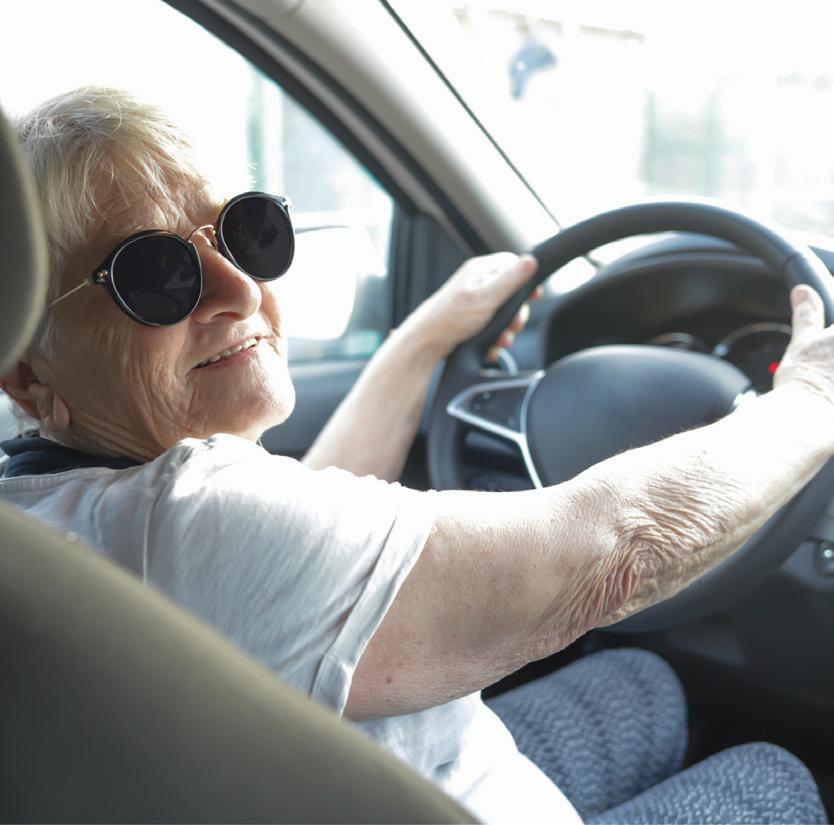
Have you ever noticed drivers who can’t see over the top of their steering wheel?
Sitting too low significantly reduces visibility and compromises safety—an issue affecting many older drivers who are not properly fitted to their vehicles. Proper positioning behind the wheel improves control, comfort, and awareness, while also reducing the risk of serious injury in a crash.
CARFIT is NOT A DRIVING TEST—it’s a simple, supportive service designed to help you stay safe and confident on the road. The Delaware Public Health District offers free CARFIT appointments at 470 S. Sandusky Street in Delaware. Schedule yours today at Mature Driver Safety at the Delaware Public Health District or call 740-203-2083.
The SAFE Delaware County Coalition invites all drivers to participate in older driver safety programs at SourcePoint and to contact coordinator Jackie Bain for additional information on how to keep you driving longer safely at jbain@ delawarehealth.org or 740-203-2083.
CARFIT: HELPING DRIVERS FIND THEIR SAFEST FIT
Wednesday, Sept. 30, 1–4 p.m.
Get “CARFiT” and take a proactive step toward safer, more comfortable driving.
Schedule your personalized CarFit at SourcePoint. CarFit’s professionals take drivers through a 12-point checklist with their vehicle, recommending adjustments that help make their cars “fit” better for comfort and safety. *A Delaware Public Health District CarFit technician will phone you to schedule your 30-minute appointment time. Drive-ins will be accepted as space allows. Register at MySourcePoint.org.
HEALTH & WELLNESS
New Test May Find Early Pancreatic Cancer
Pancreatic cancer is one of the deadliest types of cancer. Part of why it’s so deadly is that doctors usually don’t find it until it has spread to other parts of the body. After cancer has spread, treatment is less likely to work.
Currently, there are no screening tests to find pancreatic cancer at its early stages. A recent study tested new ways to detect early-stage pancreatic cancer.
Researchers looked at blood samples from 672 patients. These included people with pancreatic cancer and healthy people. The research team also looked at blood samples from people with other conditions of the pancreas, like pancreatitis.
The team found that people with early-stage pancreatic cancer had higher levels of two proteins in their blood. The new test looks for these two proteins. It also detects two other proteins that can be a sign of pancreatic cancer in some people.
The combined test was able to distinguish between patients with cancer and noncancer patients. It correctly identified those with cancer about 92% of the time. The test was also able to find early-stage cancers in about 87% of cases.
“Pancreatic cancer usually doesn’t present with symptoms until it’s too late for surgery,” says Dr. Kenneth Zaret of the University of Pennsylvania. A test that finds pancreatic cancer early on could increase a person’s chances of getting treatment and surviving.
More research is needed to confirm this study’s results in larger groups of people.
Source: NIH News in Health. Read more at newsinhealth.nih.gov.
Staying Connected and
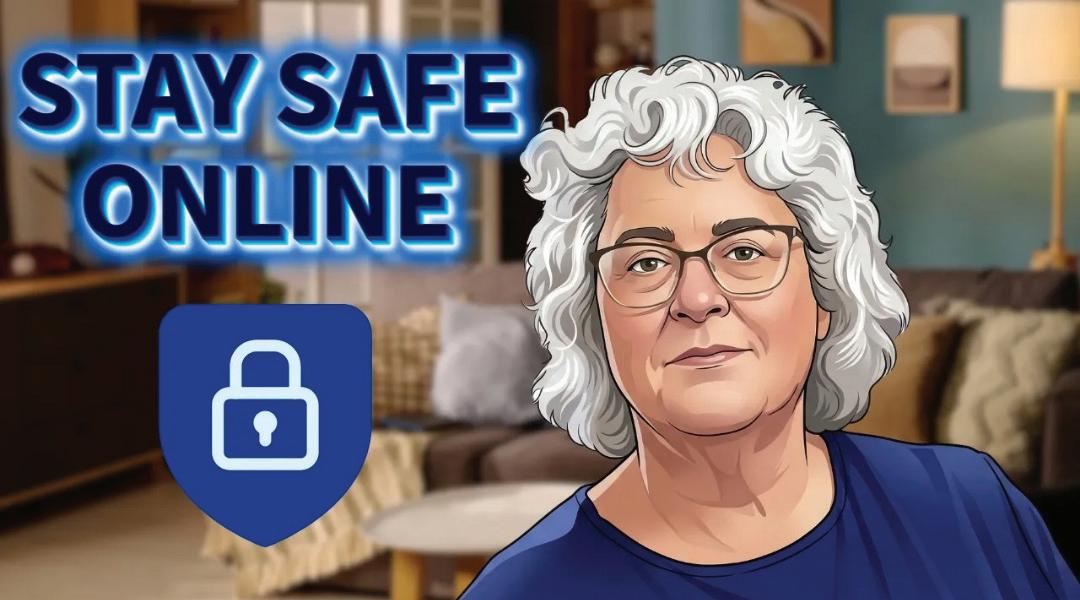
SourcePoint’s nine-part cybersecurity informational video series is designed to help our community learn essential online safety practices. With a particular focus on supporting older adults, these videos provide easy-to-follow guidance on topics like:
• Identifying scams
• Protecting personal information
• Creating strong passwords
• Safely using technology in everyday life
It is SourcePoint’s goal to empower older adults with the knowledge and confidence to navigate the digital world more securely. Thanks to the Healthy Aging Grant and our partnership with Clark Schaefer, we’ve developed these valuable educational resources for our community.
View the series at MySourcePoint.org/cybersecurity-training.
Skilled Nursing & Therapy Services
Providing personalized care with compassion since 1985
Call to schedule a tour today!
4 New Market Drive Delaware, Ohio 43015 740-369-6400 delawarecourt.com
HEALTH & WELLNESS
Creating a Healthier Home Simple Steps to Reduce Everyday Exposures
Home is where we eat, sleep, relax, and spend time with family. It’s where children grow and develop. Because we spend so much time there, scientists say the home is one of the most important places to think about health.
Over the past decade, researchers have learned much more about the harms we’re exposed to indoors. They have also learned how to reduce some of these risks. The science has advanced. So have the tools for measuring what’s in our air, water, and dust.
“The home environment plays a powerful role in shaping health,” says Dr. Heather Patisaul, an environmental toxicology expert at NIH. “The good news is that there are simple, manageable steps people can take to lower common exposures.”
CHEMICALS IN EVERYDAY PRODUCTS
Many everyday products in our homes contain chemicals that can be slowly released into the air or settle into dust over time. These include flame retardants in electronics and furniture, plastic additives, pesticides, dyes in fabrics, and PFAS. PFAS stands for a group of chemicals called perfluoroalkyl and polyfluoroalkyl substances.
“As building materials have evolved and we’ve shifted to newer construction standards, we’re introducing a lot more chemicals and a lot more plastics into our homes,” says Dr. Heather Stapleton, an environmental chemist at Duke University.
Flame retardants are chemicals added to products to slow the spread of fire. Years
ago, certain flame retardants were widely used in couch cushions and other items in the home. Over time, research raised concerns about some of these older chemicals. Some were linked to problems with brain development and thyroid hormones.
Many of the older flame retardants have now been phased out, Stapleton says. But she adds that scientists continue to pay attention to newer flame retardants used in electronics and products, like home insulation.
Many products are now available without flame retardants, such as furniture, mattresses, and clothing.
AIR, DUST, AND MOLD
One key way chemicals move through a home is by attaching to dust. “They’re very sticky,” Stapleton explains.
“They’re going to stick to particles that are in the air or in settled dust. So dust becomes a sink for these chemicals.”
Dust can especially affect children’s health. Kids spend more time close to the floor. They touch surfaces and often put their hands in their mouths, increasing exposure.
“Home hygiene plays a big role in reducing exposures coming from dust,” Patisaul says.
Stapleton’s NIH-funded work suggests that cleaning routines can make a difference. In her ongoing study, families are using
a robotic vacuum on a set schedule at home.
After 10 weeks, Stapleton says her team saw exposure go down for many types of chemicals. This included flame retardants and plastic additives.
Cooking, smoking, pets, candles, cleaners, and building materials can all add harmful particles and gases to indoor air, too.
“If you burn something in your house, it’s going to release toxic chemicals,” she says. “What you need to do is ventilate it.” Ventilation means bringing in fresh air and pushing out stale air. Use a vent hood or open windows when possible.
Moisture indoors can also affect health because it can lead to mold. Mold is a fungus that grows on damp surfaces, such as around leaks or in humid bathrooms. It releases spores that can irritate the nose and lungs. So, it’s important to control moisture in the home.
WATER QUALITY
Water quality is another important part of a healthy home. “It’s something that people are consuming frequently and directly, across the lifespan,” says Dr. Abby Fleisch, a pediatrician and environmental health researcher at MaineHealth.
Most public water systems in the U.S. are regulated and monitored for some contaminants like lead, arsenic, and pesticides, but not all. Drinking water
levels of PFAS are monitored or regulated only in certain areas. And problems can still occur, especially with corroded pipes that can leach lead or other harmful chemicals.
Filtering your water can be an effective way to protect against contaminants. But be sure to check what the filters can be used for. Different filters protect against different contaminants.
Private wells are not regulated the same way. That means well owners should test their water regularly. Some contaminants, like PFAS, often have no taste, smell, or color.
“People need to do testing to be able to identify contaminants in well water,” Fleisch says. She adds that even small levels can matter because exposure can add up over time.
MAKE YOUR HOME HEALTHIER
A recent report linked higher PFAS levels to higher cholesterol, lower response to some vaccines, higher risk of kidney cancer, and low birth weight in babies.
Fleisch stresses that exposure does not mean someone will get sick. “Having been exposed to PFAS doesn’t mean that a person is definitely going to develop a particular health outcome,” she says. She describes PFAS as a risk factor. That means it may raise the chance of some health problems, but it is only one part of the picture.
BUILD A HEALTHIER HOME
Experts say that you don’t need to make drastic changes all at once. Small steps, taken over time, can create a healthier home.
Fleisch points to an encouraging finding from her own NIH-supported research. In a large study, she looked at adults at
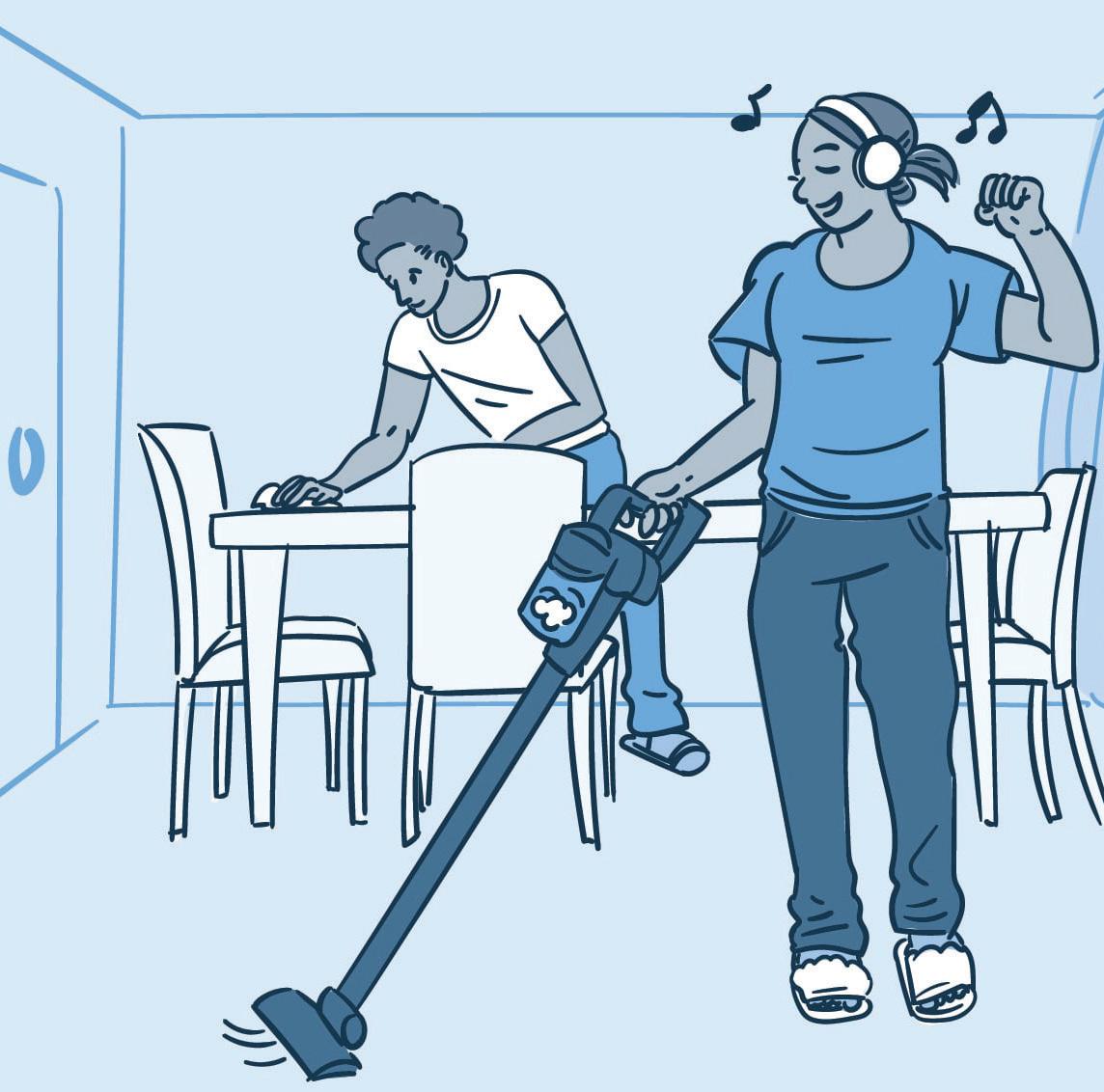
Cut down on dust. Vacuum regularly using a HEPA filter, if possible. Wet-mop floors and wipe surfaces with a damp cloth to trap dust.
Take off your shoes. Leave shoes at the door to avoid tracking pesticides, dirt, and other pollutants into the house.
Prevent mold. Fix leaks, dry wet areas quickly, improve airflow, and clean mold.
Improve indoor air. Open windows when possible to bring in fresh air. Use kitchen and bathroom exhaust fans to reduce moisture and pollutants.
Choose products with fewer added chemicals. Look for fragrance-free soaps, cleaners, and personal care products. Try to avoid products marketed as stain resistant or nonstick.
Check your drinking water. If you use a private well, have the water tested regularly. Use a certified water filter if testing shows contaminants.
Practice healthy habits. Balanced eating and regular physical activity can help support overall health even when environmental exposures occur.
risk for diabetes. People with higher PFAS levels were more likely to gain weight and develop high cholesterol or diabetes over time. But people who followed a program focused on healthy eating and regular exercise did not show this increased risk.
The lifestyle changes appeared to undo the health risk in the study. That’s an important takeaway.
“People shouldn’t feel overwhelmed,” Patisaul says. “They should feel empowered to ask questions and stay informed, so that they can make choices that support their families’ health.”
Source: NIH News in Health. Read more at newsinhealth.nih.gov.
Dementia and Alzheimer’s Disease 101
The Difference and Why it Matters
Many people use the terms dementia and Alzheimer’s disease interchangeably, but they don’t mean the same thing. Dementia is an umbrella term for symptoms that affect memory, thinking, and daily functioning, while Alzheimer’s disease is the most common cause of dementia. Understanding the difference can help you recognize symptoms, talk with your health care provider, and better support someone living with cognitive decline.
What’s the difference between dementia and Alzheimer’s?
Dementia is a general term that describes a wide range of symptoms associated with a decline in memory or other thinking skills, including judgment, reasoning, and complex motor skills. There are several dementia-related illnesses, and Alzheimer’s disease is one of them.
Alzheimer’s disease is the most common cause of dementia and accounts for 60–80% of dementia cases, according to the Centers for Disease Control and Prevention (CDC). It is a chronic disease that causes memory loss or difficulty thinking or problem-solving—to the point where it interferes with everyday activities. Alzheimer’s disease can progress to the point where a person doesn’t remember their own family and might undergo a complete personality change.
Other types of dementia include:
Vascular dementia: A decline in memory and thinking skills brought on by blockage or reduction of blood flow to the brain that deprives the brain of oxygen and nutrients. Risk factors are similar to those for heart problems, stroke, and other diseases that affect blood vessels.
Lewy Body dementia (LBD): An umbrella term that refers to both Parkinson’s disease dementia and dementia with Lewy bodies, which are protein deposits that develop in nerve cells in the brain regions involved in thinking, memory, and movement.
Frontotemporal dementia (FTD): The Mayo Clinic describes FTD as a diverse group of uncommon disorders that primarily affect
the frontal and temporal lobes of the brain—the areas generally associated with personality, behavior, and language.
These dementia-related illnesses are not a normal part of aging, and in order to limit your chances of getting dementia and/or to better manage the condition, it’s important to know the symptoms and the prevention techniques that are most effective.
How can I prevent dementia?
The biggest risk factors for these conditions are things you often can’t control, including age, family history, and genetics. But according to research, lifestyle behaviors like those below can help slow or prevent the onset of dementia:
Exercise on a regular basis: Staying active isn’t just good for your heart; it’s also great for your brain.
Get plenty of sleep: Your brain does important stuff while you are sleeping, so getting at least 7 hours of deep sleep a night is crucial.
Be smart about your diet: Research suggests that the foods you eat can affect your brain health, both for the better and for the worse.
Manage your blood sugar: High glucose levels can increase your risk for dementia, stroke, and heart disease. It can also be a precursor to diabetes. A healthy diet and regular exercise can help keep your blood sugar in check.
Control high blood pressure: Hypertension can damage your brain, blood vessels, and heart. It also raises your risk for vascular dementia and stroke. Treating high blood pressure with medication or lifestyle changes can help lower your dementia risk.
Maintain a healthy weight: Obesity and being overweight make you more likely to develop diabetes and heart disease. Take proactive steps to manage your weight, like staying active and being mindful of your nutrition.
Be mindful of harmful substances: Limit alcohol use and eliminate smoking.
Challenge your brain: Try small things, such as brushing your teeth or eating with your non-dominant hand.
Continue to pursue favorite hobbies or take up new ones: Art, music, gardening, and learning a new language are just a few that can help keep your mind active.
Manage stress: Relaxation techniques, such as yoga or meditation, can be helpful.
Stay socially connected: Spending time with family and friends can help you ward off social isolation. Loneliness has been linked to Alzheimer’s and cognitive decline.
Get regular checkups: Visit your doctor or other health care professional regularly and be sure to stay up to date on preventive screenings and benefits.
What are the early warning signs of dementia?
The following are some common warning signs and symptoms of dementia. Keep in mind that every person is unique and may not exhibit all of them. Always consult a physician to discuss changes in memory and thinking abilities. A thorough assessment by your physician or a specialist, such as a neurologist, can determine what is causing these symptoms.
• Difficulty finding words
• Trouble completing multi-step tasks
• Challenges with identifying time, person, or place
• Misplacing familiar objects
• Challenges solving problems
• Trouble with reading and/or writing
• Issues with balance and spatial relationships
• Mood and/or personality changes
• Loss of interest in important responsibilities
• Social withdrawal
• Expressing false beliefs
• Changes in judgment
Whether you are a professional, family member, friend, spouse, or community member, it is beneficial to understand different causes that can impact one’s memory other than the potential presence of dementia.
Physical health changes, such as a vitamin deficiency, thyroid problem, urinary tract infection, medication side effects, stress, substance abuse, and depression may all cause changes in memory and other symptoms of dementia, such as confusion. A thorough assessment by your physician or specialist, such as a neurologist can determine what is causing these symptoms.
Why is it important to detect dementia early?
Although it can be scary or challenging to acknowledge changes within ourselves or someone close to us, it is important to do so and take action.
Early detection of memory issues can allow you to participate in care planning decisions and explore clinical trials. For some people, receiving a diagnosis can bring relief by confirming that the changes they’re experiencing are part of a medical condition—not something they’re causing.
For those who have been diagnosed with Alzheimer’s or another form of dementia, it’s important to learn how to maintain quality of life and keep health care costs down. Chronic Disease Self-Management Education (CDSME) workshops—originally developed by Stanford University—are evidenced-based community programs proven to help people with early-stage dementia and their caregivers successfully manage chronic conditions. The workshops can be completed in-person at a local organization in your community or even online. To learn more about workshops in your community, use the Eldercare Locator to contact your local area agency on aging.
Where can I find dementia care support?
If you have questions, or are looking for support with dementia, try the following resources:
Alzheimer’s Foundation of America: This organization has a tollfree national helpline where you can talk with a licensed social worker seven days a week from 9 a.m. to 9 p.m. EST. Call 1-866232-8484.
Alzheimers.gov: Learn about different types of care and services for people with dementia and their families. Explore resources for finding support in your local area.
Alzheimer’s Association: Call the 24/7 Helpline at 1-800-272-3900 for emotional support, crisis assistance, and information and resources. Live chat is also available.
Understanding dementia can help change the conversation, alleviate stigma around dementia-related illnesses, and increase support for people living with them. If you know someone who might have dementia, please share this information with them.
Source: National Council on Aging. Read more at ncoa.org.
Driving with Hearing Loss: What You Need to Know
Every day, millions of people with hearing loss are out driving on America’s roads.
They’re young and old. They’re mildly hearing impaired and fully deaf. And unless they’re operating a commercial vehicle that requires a CDL license, there’s no federal restriction preventing them from doing so.
Why?
Because it’s perfectly safe.
“There are many misconceptions around hearing loss and driving,” said Gretchen Dueñas-Tanbonliong, MS, MPH, RDN, Associate Director of Health and Wellness at NCOA. “Often, they’re rooted in bias, fear, ageism, or a combination. But the fact of the matter is this: people who are hearing impaired or deaf can drive just as well as anyone else.”
This is reassuring news—especially if you or someone you know is worried about hearing loss now or in the future. You don’t need to give up your license. You can maintain your independence. The key, Tanbonliong explained, is to pay extra attention to safe driving habits. “I also recommend using assistive technologies when it makes sense,” she said.
In this guide to driving with hearing loss, we’ll answer common questions and cover relevant laws and tips, including:
• How you can safely drive with hearing loss
• Restrictions on driving with hearing loss or when deaf
• How to get or renew your driver’s license
• Americans With Disabilities Act (ADA) HEALTH & WELLNESS
protections for hearing impaired drivers
• And more
Is it safe to drive with hearing loss?
Yes.
According to a systematic research review commissioned by the United States Department of Transportation, there’s no compelling evidence “to support the conclusion that deaf or hard of hearing drivers have an increased crash risk.” Observational studies agree.
There is one notable exception. If you drive a commercial vehicle and need a CDL endorsement on your license, the Federal Motor Carrier Safety Administration (FMCSA) mandates that you pass a hearing test. Commercial drivers who fail the test may be eligible to apply for an exemption. But these exemptions only are available for drivers whose routes cross state lines. (That’s because the FMCSA doesn’t have authority to regulate in-state driving laws).
It helps that driving primarily is a visual task. Still, it’s important to acknowledge that many of us do rely on hearing to perform it safely—perhaps more so than we even realize.
“Those of us who were born with our hearing and learned to drive with it don’t really think about it all that much,” Tanbonliong said. “But we’re constantly listening as well as watching when we’re behind the wheel.”
A tooting horn, a dinging seat belt chime, a beeping backup camera, even a blaring emergency siren—all of these things alert us to situations we need to pay attention to. Being unable to hear them, especially when we once used to, could put us at a disadvantage. Fortunately, there are ways to adapt. (More on this further on).
Driving laws, restrictions, and protections for the hearing impaired There are no federal laws that prevent you from driving with hearing loss.
State laws for driving with hearing loss If you drive a regular passenger car, some individual states may require you—or ask that you volunteer—to:
• Notify the Department of Motor Vehicles (DMV) of your hearing loss
• Take a hearing test
• Include a notation on your license (like “DHH” for “deaf or hard of hearing”)
• Contact your state’s DMV to learn about any specific requirements where you live.
Can you drive if you’re deaf?
Yes. The same federal guidelines apply whether you’re fully deaf or live with partial hearing loss.
Depending on where you live, your state may have specific guidelines and requirements. Find contact information for your DMV here. If you use TTY and your state doesn’t maintain a dedicated
number, call 711 to use the nationwide telecommunication relay service.
It’s important to know that driving when deaf is perfectly safe. According to interviews with board-certified audiologists (hearing specialists) and American Sign Language experts, deaf drivers—especially those who were born without hearing—demonstrate increased visual acuity (awareness) on the road. And there’s a scientific explanation for it.
When you’re deaf, your brain uses the space reserved for hearing and applies it to vision. This doesn’t mean you see better than other people. It does mean that you use your sense of vision differently and likely have sharper related skills. For example, these experts report that deaf drivers constantly scan their car mirrors and the road. As a result, they’re often more tuned into visual warning signs like flashing lights and lane-change signage. They also may spot important clues to potential hazards more quickly— such as other cars making way for emergency vehicles or slowing down due to an accident.
Americans With Disabilities Act (ADA)
If you’re deaf or hearing impaired, the ADA offers broad protection against discrimination. This includes your ability to apply for a driver’s license and how you’re treated when doing so. The ADA also applies to any interactions you may have with police officers during a traffic stop.
Getting (or renewing) your driver’s license
While the ADA guarantees that you may apply for a driver’s license, it does not guarantee that you’ll get one.
You still will need to pass the same standard tests that every other driver must. Usually, this includes a written exam covering your state’s traffic laws and a practical test demonstrating your ability to safely operate a vehicle.
You do have the right to ask for accommodations when applying for or renewing your driver’s license, such as written instructions or a sign language interpreter.
“That’s why it’s important to tell the DMV about your hearing loss up front,” Tanbonliong said. “When you do, the DMV is legally obligated to comply.”
Some states also allow you to add a special designation on your license. For example, in Oregon, you can voluntarily apply to include the International Symbol of Access for Hearing Loss on your license, vehicle registration, and DMV record. Such designations can alert law enforcement officers, emergency responders, and others that you are deaf or hard of hearing.
The process varies by state; be sure to ask whether this is an option when you get or renew your license.
Know your rights: interacting with law enforcement
Whether you have the option to add this designation or not, there are other practical strategies you can use to ease communications and protect yourself during a traffic stop.
These include:
Keeping a visor card in your car: This printed tool can quickly and effectively alert police officers to your hearing status. If you’re pulled over, calmly point to the card first; then, remove it from your visor and show it to the officer.
Remembering your ADA rights: Just as the DMV is, law enforcement officers are required to comply with the ADA. This means you have the right to ask for handwritten instructions, voice-to-text assistance, or other accommodations to support clear communication.
Tips for driving safely with hearing loss
There are several steps you can take to ensure your safety behind the wheel.
Get your hearing tested: Work with an audiologist to measure your hearing loss, discuss options for prescription or over the counter hearing aids, and track how well your hearing aids fit and work for you.
Get your vision tested: Because driving is mostly a visual task—and because people with hearing loss rely more heavily on vision when driving—it’s especially important to stay on top of your eye health.
Minimize noise: When possible, keep your windows rolled up, your radio turned off, and conversations with passengers brief. This improves your chances of hearing things you need to hear, like sirens or GPS cues.
Assistive devices
In addition to the strategies listed above, advances in technology can more easily help you adapt to driving with hearing loss.
Hearing aids
Some of the best hearing aids include Bluetooth technology, which seamlessly connects to your GPS system and phone. This helps you keep your eyes on the road while maintaining the ability to navigate and have conversations. Check our hearing aid buyers guide for helpful tips on types, features, and how and where to shop.
If your hearing loss no longer responds well to hearing aids, cochlear implants may be an option. Depending on the procedure and device, these implants also may include Bluetooth capabilities.
Vehicle technology
Today’s advanced safety features benefit all drivers. These include things like automatic braking, lane departure correction, backup cameras, and blind spot monitoring.
Some manufactures have begun offering additional options specifically intended to aid drivers with hearing loss. For example, vibrating alert systems attached to the steering wheel or driver’s seat provide tactile warning when their sensors pick... See HEARING on page 25.
What Does Living on a Fixed Income Mean?
With an annual Social Security income of less than $20,000, MC—a 77-year-old New Jersey resident—finds it hard to cover basic daily expenses including her rent, utilities, and groceries. She also lives with degenerative vision loss and depends on third-party transportation to run errands, get to medical appointments, and participate in social events.
“A monthly check of $1,667 may sound pretty solid,” said Jessica Johnston, NCOA Senior Strategist for Economic Well-Being, “until you consider that the average rent in New Jersey is $1,686 for a single person in good health, according to the Elder Index. That doesn’t leave much wiggle room for older adults like MC.”
As expenses rise, their ability to pay for them stays the same. For older adults on a tight budget, an unexpected medical emergency or household repair can tip the scales and lead to financial disaster that’s hard to recover from.
How can I survive inflation on a fixed income?
If you or an older adult you care for is burdened with bills and facing economic insecurity, there are steps you can take to stretch your budget.
Or, for that matter, the millions of other older adults whose budgets are shrinking in the face of inflation. Reaching 3.8% in April 2026 , high inflation is not welcome news for the nation’s 61.2 million older adults age 65+. Many are already living on a low fixed income. And nearly 15% of older adults (age 60+) live below the poverty line, based on the Supplemental Poverty Measure.
What happens when inflation and fixed incomes collide? It can spell trouble for many older adults already struggling to cover basic expenses like food, fuel, utilities, and housing.
What does it mean when someone lives on a fixed income?
Living on a fixed income generally applies to older adults who are no longer working and collecting a regular paycheck. Instead, they depend mostly or entirely on fixed payments from sources such as Social Security, pensions, and/or retirement savings. There is very little flexibility in the amount of income they receive each month. Approximately 40% of older Americans rely solely on their Social Security income to get by, which averages about $1,913 monthly.
Approximately 40% of older Americans rely solely on Social Security payments to cover their basic needs. These payments average $2,081.16 monthly for retirement benefits.
In times of economic instability—such as high inflation—living on a fixed income becomes especially challenging for people.
Eliminate debt: Older Americans are carrying more unpaid financial obligations than ever before, with the average credit card balance for people age 61-79 reaching $6,795 in 2025. If you’re a senior on a fixed income, it can be overwhelming trying to keep up with snowballing credit card payments. That’s why credit counseling may be a solution worth exploring. Working one-on-one with a trained counselor can help you get your debt under control and create a manageable repayment plan. Securing a lower monthly payment, and ultimately eliminating your credit card debt altogether, can free up extra funds to apply toward other expenses.
Create a budget calendar: Tracking your finances is important at any age and income bracket. But when you live on a fixed or limited income, it’s essential to know exactly where your money is going. A budget calendar is a visual tool that allows you to see what your income is each month, when it will arrive, and what your expenses are. This helps you gain a clearer picture of your financial activity—so you’re less inclined to spend money you simply don’t have. A budget calendar also gives you a greater sense of control over your finances, which can help you feel less worried about money.
Making your own budget calendar is easy and something you can do on your own (a simple wall calendar will do just fine). Learn how to create a budget calendar here.
See if you qualify for food assistance: In 2023, about 12.6 million seniors and older adults did not have reliable access to nutritious food. And as grocery store prices rise, the issue of food insecurity among seniors will only get worse. SNAP, or the Supplemental Nutrition Assistance Program, offers a financial safety net to older adults who might not otherwise get enough to eat. This need-
740-363-6677 |
themselves and each other after their son is born. Morrison also wants to be more intentional with his own health, even if that means just going for walks.
People and Policy
Beyond the emotional strain, caregiving comes with substantial costs. On average, caregivers spend more than $7,000 a year on medical and other expenses to support a loved one, according to AARP research in 2021.
Some efforts aim to mitigate the financial burden. In most states, family members can get paid to take care of relatives who qualify for Medicaid. But state Medicaid programs face new pressure from federal cuts, and some states have pulled back funding for home-care programs designed to help residents with disabilities.
Meanwhile, a handful of states offer tax credits for unpaid caregivers. For example, starting in 2027, Connecticut will allow family caregivers who make less than $50,000, or couples who make under $100,000, to apply for a tax credit up to $2,000.
Source: KFF Health News. Read more at kffhealthnews.org.
DYNAMIC SUPPORT GROUPS
SourcePoint promotes a variety of support groups tailored to meet your needs, ensuring you find the right community for your journey.
Care, Share, and Connect
We experience different losses in life‒loved ones, pets, to things or illnesses in our everyday lives. Come share or listen as topics are discussed.
Caregiver Conversations
This group fosters supportive conversations, allows you to share experiences, meet other caregivers, discover new resources, and ask questions.
Grandparents as Parents Meetup
Join this casual group of older adults, holding space for other grandparents acting as second-time parents. This group aims to support one another through shared life experience as well as help individuals get connected with resources in their communities.
Grief Support: Living Beyond Loss
Provides dynamic support for those dealing with loss and empowers members to steer the conversation. Rediscover yourself, regain a sense of identity, and build your support system.
TICKETS GO ON SALE IN AUGUST!
SOURCEPOINT SPEAKEASY
Thursday, Sept. 17, time TBA at Bridgewater Banquet Center, 10561 Sawmill Road, Powell. Save the date for an unforgettable evening of fun and philanthropy. Enjoy casino games, delicious hors d’oeuvres, music, and comfortable lounge spaces perfect for mingling with friends old and new. Whether you’re trying your luck at the tables or simply soaking in the atmosphere, every moment helps support SourcePoint’s mission of helping older adults thrive in Delaware County. Dress to impress and join us for a night of vintage charm and modern impact.
The 2026 Fall Fundraiser is Sponsored by Consolidated Cooperative
Ohio Living Sarah Moore V&P Hydraulics
Partner with SourcePoint. Reach the community. Make a difference.
Local businesses are invited to support SourcePoint’s mission of helping older adults thrive. Sponsorship opportunities and advertising in our 2027 Services Directory connect your business with thousands of local residents and caregivers while demonstrating your commitment to the community.
Join us as a community partner and put your business in front of the people who need your services most.
Learn more about sponsorships and directory advertising today!
MySourcePoint.org/events/sponsors | MySourcePoint.org/publications or call the advancement team at 740-363-6677.