The Latin adjective mirabilis has been associated with many events for which an adjective such as “amazing,” “remarkable,” or one of their synonyms would be fitting… the term annus mirabilis refers to a year of especially significant events or accomplishments.
—Henry Petroski, American Scientist, Vol. 110, No. 2
In the annals of science, 1666 and 1905 are designated years of wonder, annus mirabilis. 1666 saw naval warfare, plague and fire in London, but 120 miles north Isaac Newton developed the basics of his differential and integral calculus, the mathematics supporting his theory of gravitation. In 1905, Alfred Einstein put Newtonian mechanics in the shade when he published on Special Relativity and the mass-energy equation E=mc2. Rowing on the Snake has thus far produced no paradigm shifts. However, we have enjoyed some years of wonder.
1972: Shell house collapses; rebuilt by year’s end.
1974: Midwest Sprints: we win MVL8+. Next weekend, MVL8+ notches our first win over a Husky crew.
1977: Pac-8 Championships: MV8+ upsets UCLA.
1978: Ken Struckmeyer named Pac-8 Rowing Coach of the Year.
1979: We win the MV4+ at the IRA regatta in Syracuse, New York.
1980: We win ML8+ at Midwest Sprints and MV2+ at IRAs.
1984: Paul Enquist (77) and Kristi Norelius (77) win Olympic gold.
1986: WSU-UW Dual: we win MVL8+ and WN8+. MVL8+ wins second Pac-10 title.
1989: At the Opening Day Regatta our WV8+ defeats Mills College and Husky WJV8+.
1990: Athletics adds women’s rowing. Cougar oar Tammy Crawford is named first head coach.
2010: At WIRAs we win MV8+, MVL8+, Overall Team Points Trophy.
2025: At WIRAs we win MVL4+ and the Men’s Team Points Trophy. Cedar Cunningham (22) makes National Team, races at World Rowing Cups 1 and 2 (Italy, Switzerland) and World Championships (China).
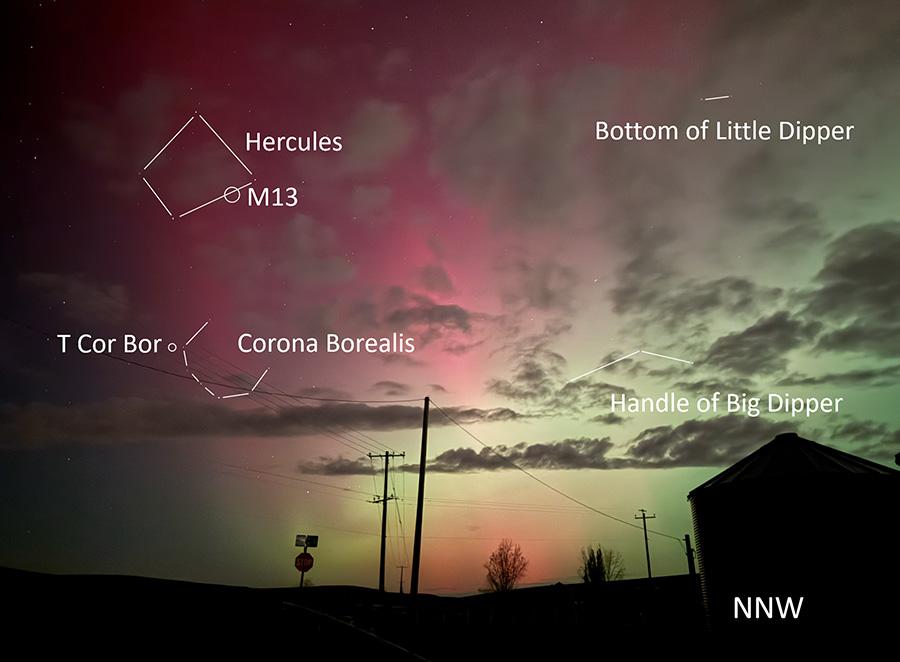
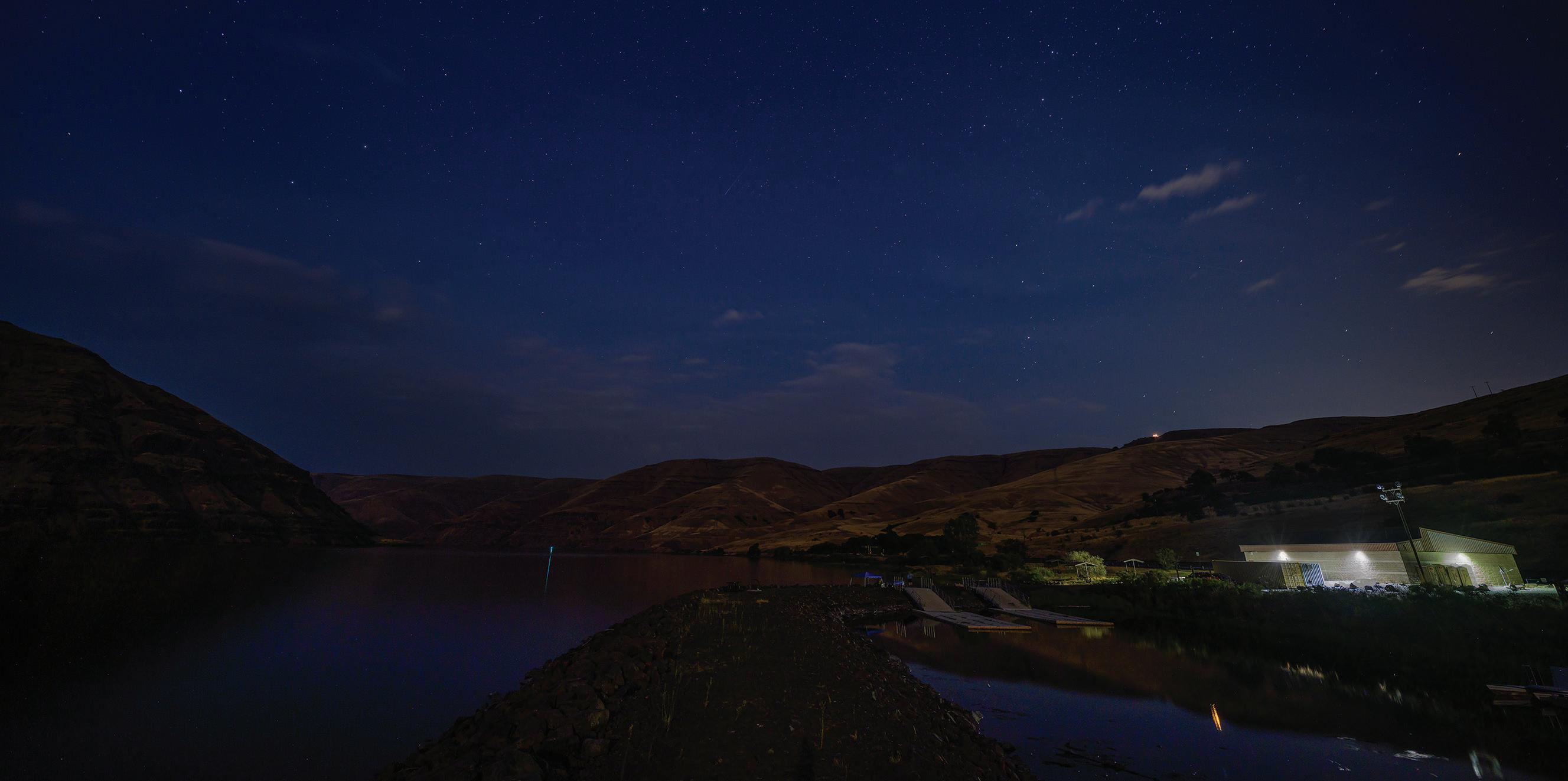
In November, powerful solar storms flashed aurora down to Florida. Cougar Rowing Association President Doug Engle caught the spectacle in Pullman. These wonderfully luminous night skies reminded your editor that in 1986, we nearly named an eight Aurora Borealis in tribute to the achievements of WSU’s light eights: our northern lights.
In this issue: Coach Brevick’s GP 101; Jim Austin on the new CRA 501(c)(3); Kari Ranten has a Cedar update; shout-out to Bob Ernst; Mike Klier’s Geomagnetic Storm Report; Coach Emigh Observes; Peter Mallory and Bob Appleyard prognosticate; we recall some thunder in the cut, and (of course), Alumni Notes.
—Rich “Flip” Ray (80)
Cougar Crew: An All-New Chapter
Cougar Crew has always been a grassroots organization. It started when Rich Stager (74) woke up one day in 1969 convinced that WSU needed a rowing team. The spirit of the crew was born that day. Stager’s big idea and the energy to power it has passed from one generation to the next for 55 years. For some of us, it has been the experience of a lifetime. Endless challenges and opportunities, some of them daunting, have been met with Stager’s resolute attitude: Just figure it out and get it done.
Since our first four-year cohort graduated in the mid-1970s, a durable network of outside support has slowly been built. The Cougar Rowing Association (CRA), was created in 1982 to coordinate efforts. In 2006, after a period of uncertainty, the CRA became the Cougar Crew Alumni Association (CCAA). Since then support has grown steadily, in both contributors and dollars raised.
Back to the Future
tious objective the crew has yet tackled. 501(c)(3) status will lighten the load. Construction projects within the university face many hurdles. Managing construction contracts as a private organization is both simpler and cheaper. Shellhouse project planning, now well underway, prompted the Foundation to encourage us to complete our often-contemplated, long-delayed ambition to incorporate. Estimates are the shift could save us as much as 20%.
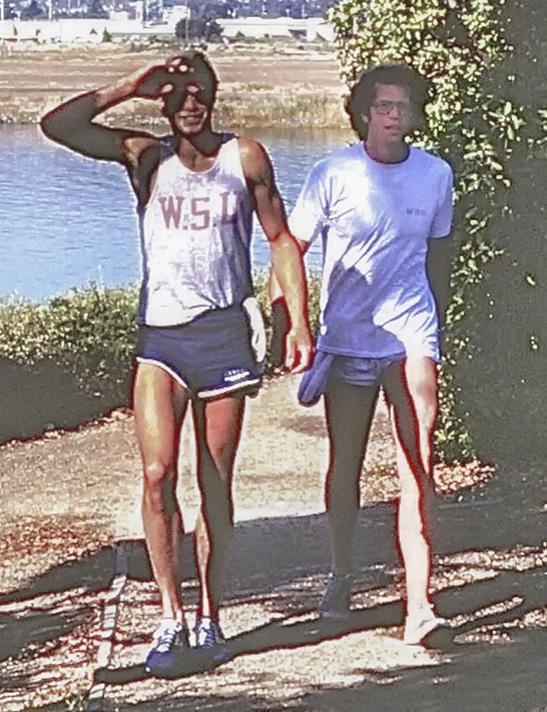
EDITOR AND PRESIDENT IN THEIR SALAD DAYS.
While our new boathouse may be years away, smaller projects like alumni/donor events, web services and equipment purchases should be more efficiently handled within the CRA. In the spirit of Cougar Crew, let’s just get ’er done.
—Doug
Engle (79)
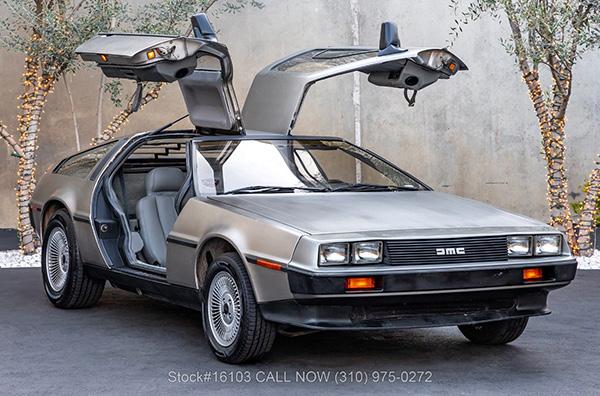
The next chapter of our organizational development is now being written. After long deliberation, we have incorporated with the State of Washington as a tax-exempt 501(c)(3) corporation. With success, we outgrew our name. Many of our contributors are not alumni. Family and friends, plus institutional donors (charitable matching is a great perk), are half our donor base. Our search for a new name drifted for a while until our Development Director reminded us of the old days and Cougar Rowing Association. Current team members let out a collective shout. Our peers in the American Collegiate Rowing Association (ACRA) pointed the way. Virginia Rowing Association and Michigan Rowing Association harmonized nicely with Cougar Rowing Association. And for anyone involved with Cougar Crew in the 1980s, “CRA” gives us a quick ride in Doc Brown’s time-traveling Delorean, the supercar in the 1985 blockbuster Back to the Future
The vast majority of our fundraising will continue to flow through the WSU Foundation. Help with management of thousands of transactions, plus access to a full-time professional development staff are valuable benefits the Foundation provides us at nominal cost. Incorporation will allow increased flexibility for special projects, including our annual reunion. This should simplify, possibly even streamline, annual team budgeting. Building a new boathouse promises to be the most difficult and ambi-
Longtime board member of CRA and CCAA, Doug has been essential to many undertakings: a buoyed six-lane racecourse at Liberty Lake in Spokane; The Pull Hard; Class Day and Cougar Crew Days events; raising millions in support for the team. He served 37 years as Research Scientist at the Western Wheat Quality Lab in Pullman.
TAKE THE NEXT STEPS!
Cougar Crew Days: March 20–22, 2026, Pullman, WA
This annual event offers a great opportunity to connect with teammates, friends and fellow supporters of Cougar Crew. Watch some racing or go for a row. Celebrate the crew’s WIRA successes from 2010 to 2025!
Friday’s Ice Breaker offers time to socialize, honor Class Day winners and get caught up. Saturday’s banquet will feature keynote speaker Bob Ernst, updates and what is ahead from Cougar Crew alum Cedar Cunningham, and an auction of tempting and attractive items.
Brevick’s GP Heads 101
Ask a varsity rower of recent years what looms large over the fall training season and a likely answer will be “GP Heads!” While that phrase means a lot to the current team, prior to the fall of 2018, it would not. What follows is my perspective on what a GP Head race is all about.
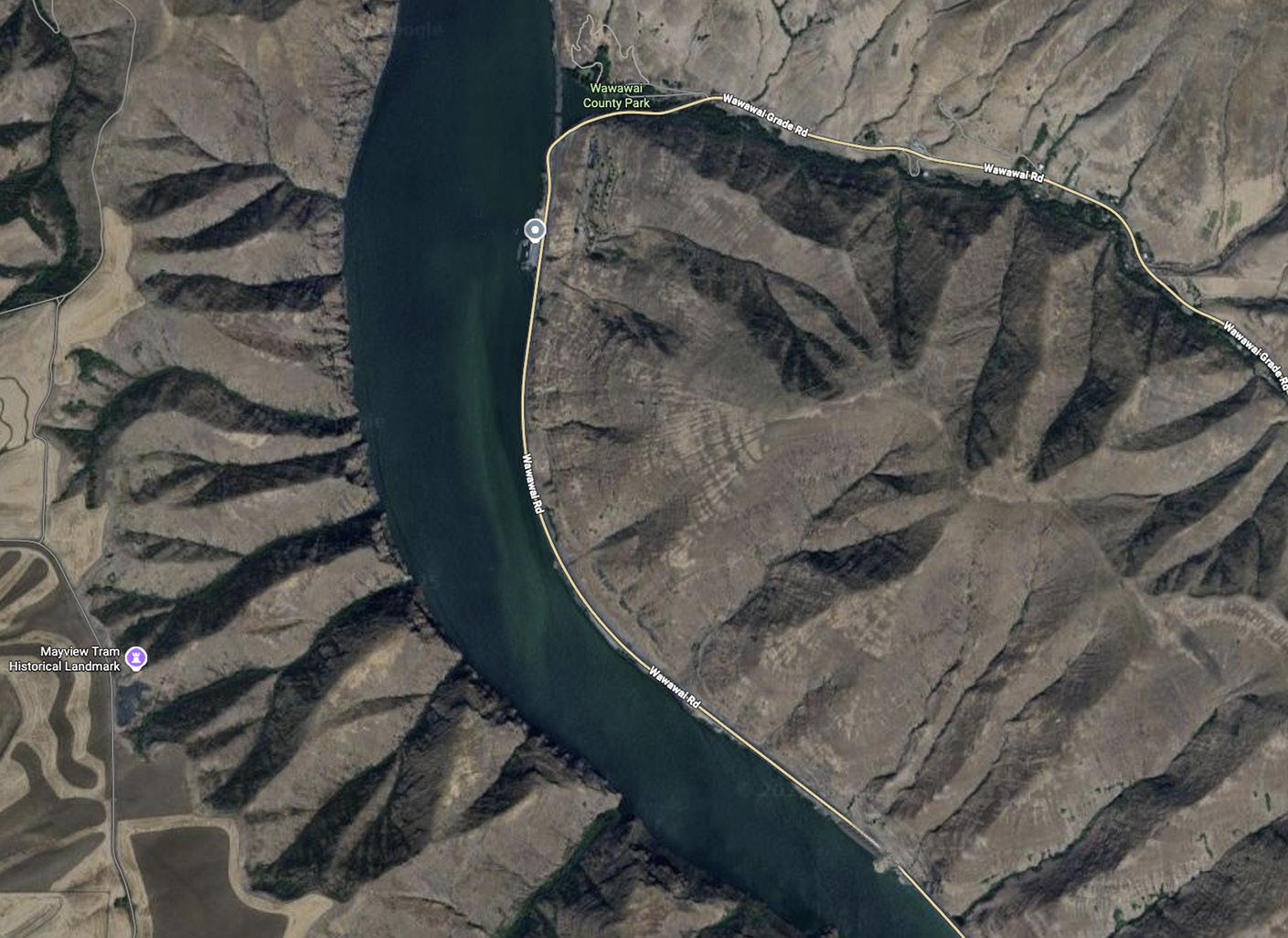
The GP Head course is one that every oarsman and coxswain since 1986 knows, whether they realize it or not. The course runs from the start line at Granite Point, following the nearside shore, to the finish line in front of the Ken Abbey Shellhouse. It has a few shallow turns, runs 3,700 meters in length, and takes 13-15 minutes to complete in a pair.
When I arrived in the fall of 2017, much of my first year entailed a focus on fundamentals and getting the team up to a baseline of skill and speed. In my second year, I knew the team would benefit from more small boat work. Rowing a pair provides an opportunity for learning ‘boat feel’ and requires athletes to exercise agency for improvement that is matched only by the single scull. Since the founding, our fleet has come from those who invest in the team. In 2017, that fleet included four Hudson pairs purchased new in 2012. In the fall of 2018, Ernie Iseminger (88) and several parents helped the team purchase two used Pocock pairs. Six pairs allowed the first and second varsity to gain basic pair skills that fall. The first weeks we focused on fundamentals: going straight, using the toe rudder (stroke seat steers with a loop of cable attached to a shoe that pivots under the ball of the foot), and most importantly, staying upright. Once those skills met passing grade, we started working on navigating a good course along the Snake and began our first season of racing GP Heads. A modern tool many rowers now use is a SpeedCoach. This is a smaller version of a GPS cox box and provides several metrics, including splits, stroke rate, distance rowed and elapsed time.
Since that first year, we have followed the pattern: a few weeks to get the new varsity rowers up to speed; by the second week of September, we’ll have started racing. The team will generally have two to four sessions per week in the pairs; one of those a GP Head, usually on Friday afternoons, and often raced in coordination with the women’s team. A typical GP Head session allows time for the oarsmen to warm up and get to the start line. Then a first race with a stroke rate cap of 24 spm. We then pull the boats together, swap pair partners, and head back for a second flight of racing rate-capped at 26 spm. Rate caps help control intensity so that despite fatigue, on the second piece times are often improved.
Each season there have been adjustments. Initially, six pairs provided enough seats. As the team grew, we started racing fours as well. We added singles in 2020 thanks to the pandemic, en-
abled initially by Doug Engle’s single. Doug continues to loan his 1970’s era Pocock to the team! With continued growth in roster size, Ernie funded two more Pocock pairs. Now with eight pairs and recently acquired singles, each GP Head will typically feature 16 rowers in pairs, several more in singles, and the remainder of the varsity rowers in fours. By the end of September, the novice squad will have several eights joining in for most races as well.
GP Head racing has become a core part of fall training. We use the season-long results as an important selection tool for fall boatings, building toward 100% of the selection criteria for our final race at Head of the Lake in Seattle. The team learns the skills that make a boat feel good and go fast, regardless of who they’re
THE COURSE IS 3,700 METERS AND STARTS AT GRANITE POINT.
Granite Point
Shell House
Wawawai Road
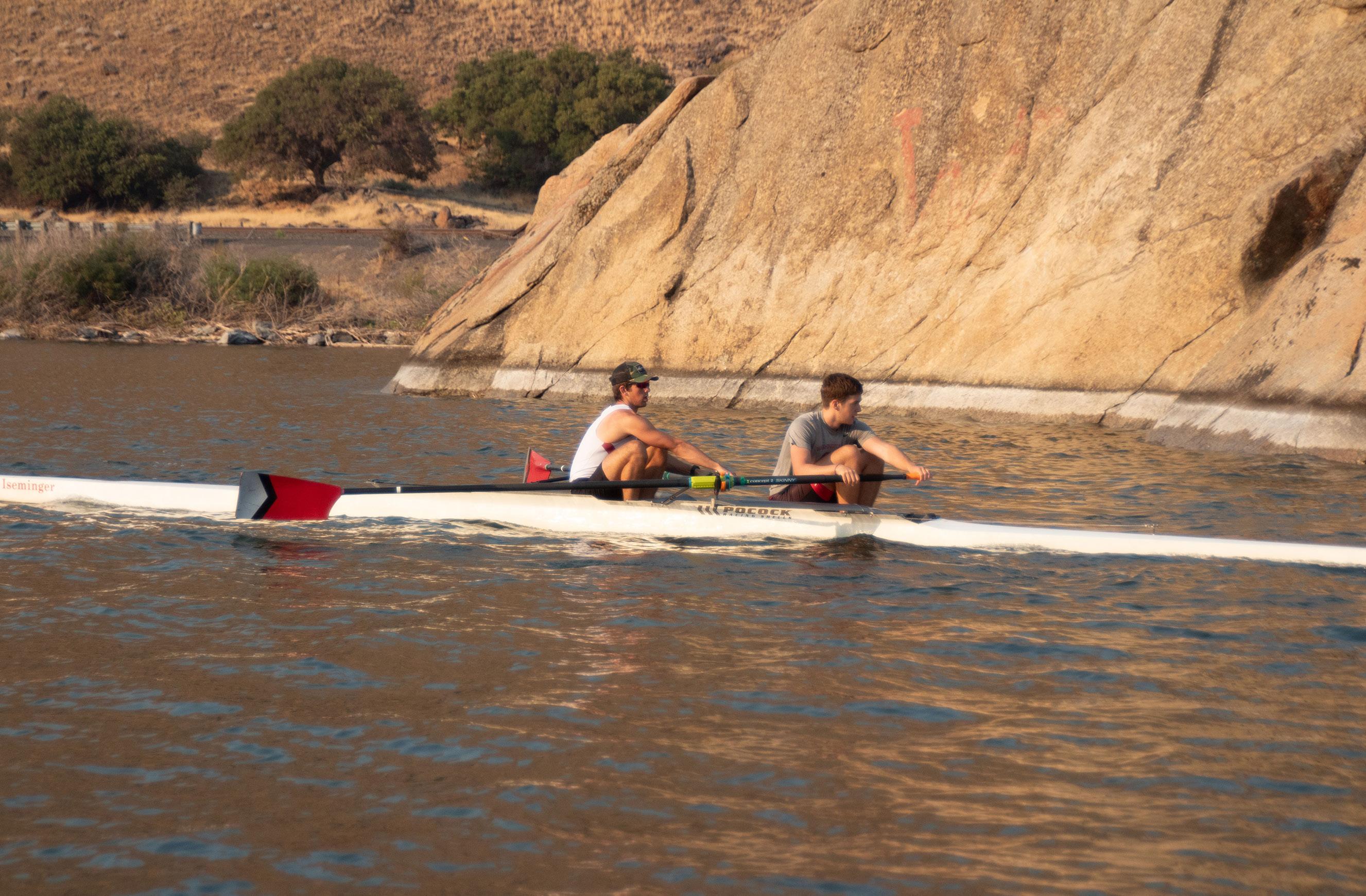
L-R: OWEN LAUB AND ROCCO FORTE GATHERING THEIR WAH.
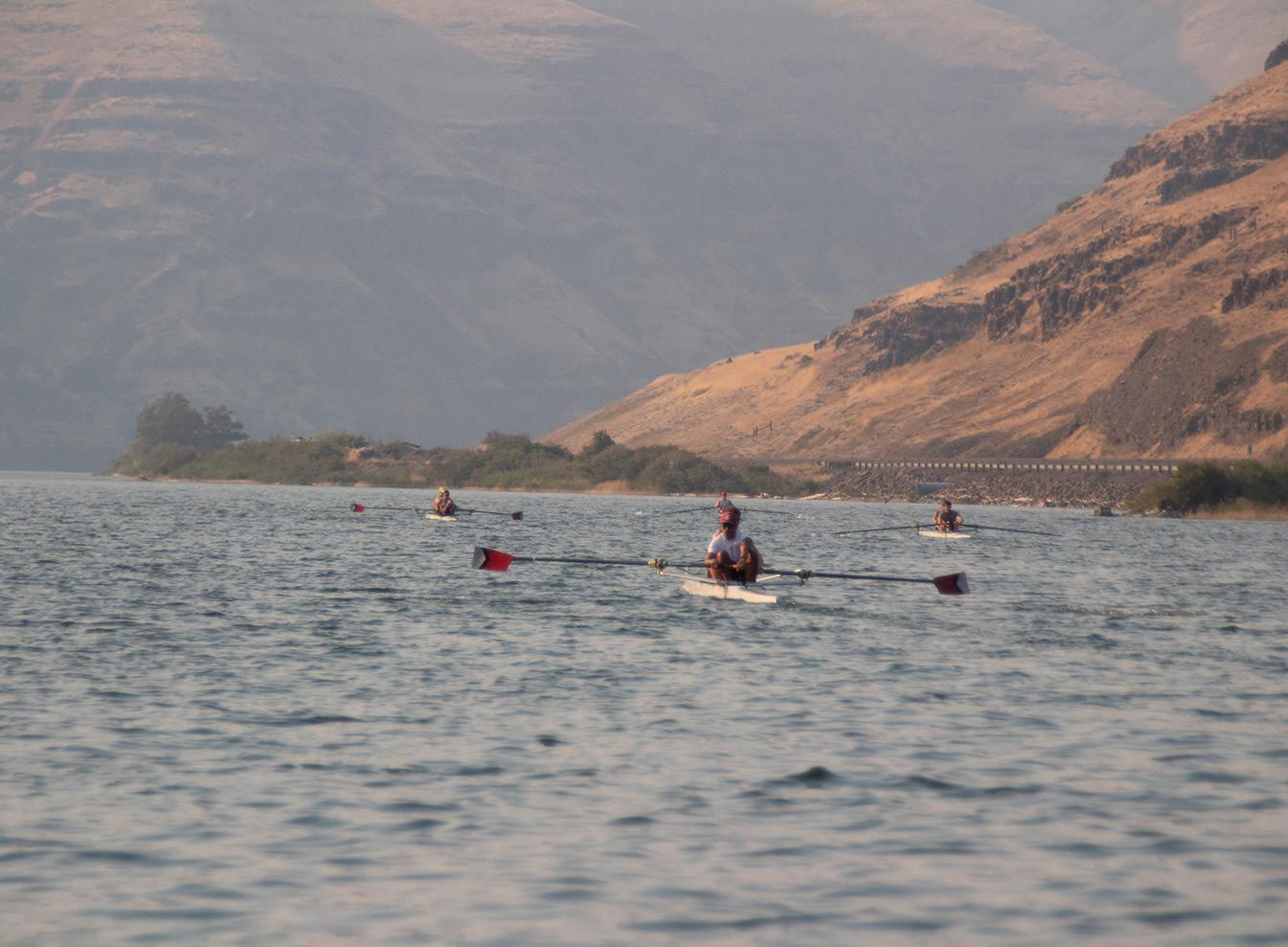
RACING UNDERWAY.
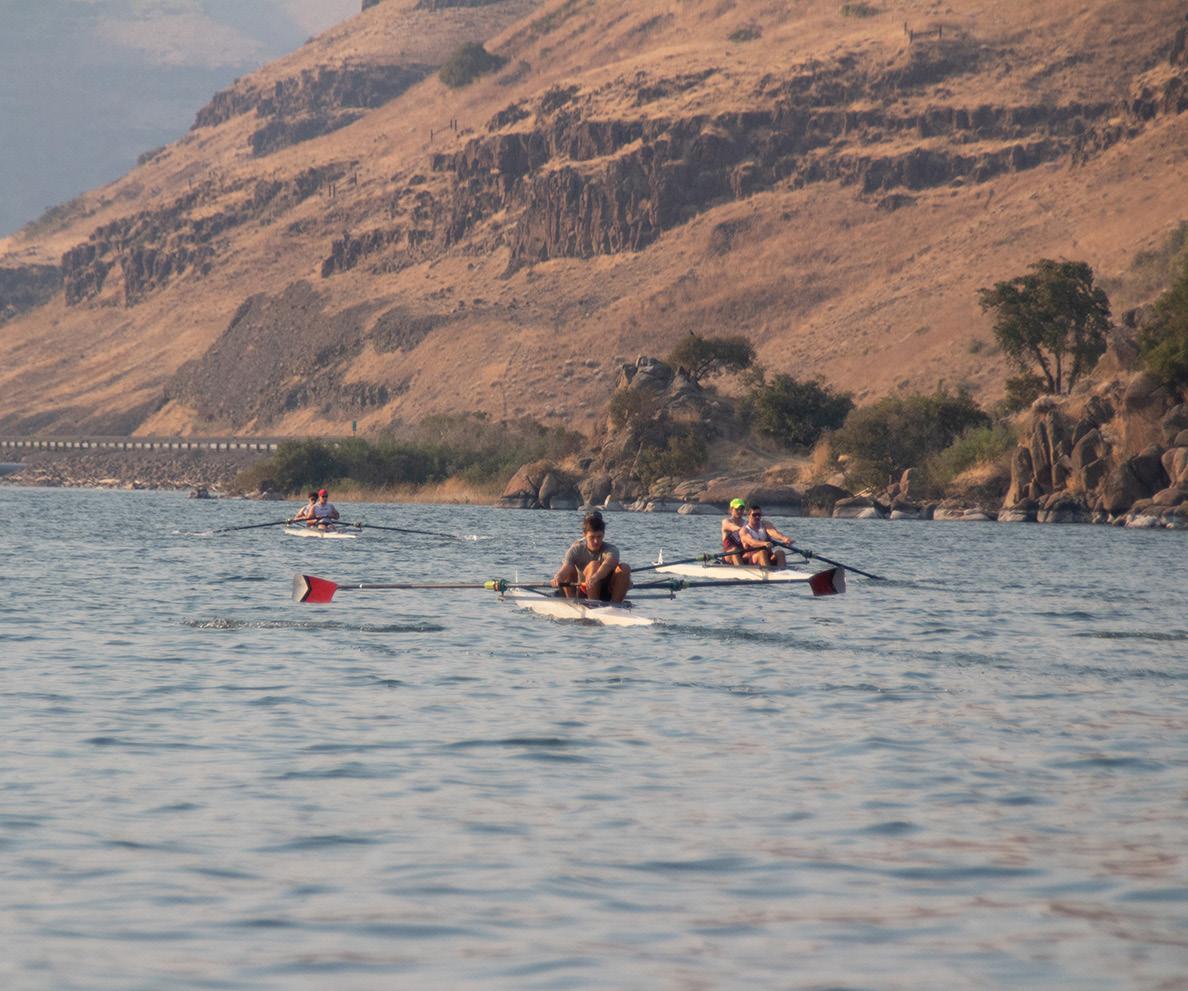
HEADING FOR THE TURN, FOUR STRAIGHT PAIRS IN CLOSE FORMATION.
L-R, LEADING CREW: ZACH SCHULER AND KAINALU BARSANA-SZEWCZYK; NEAR CREW: TREY AQUINO, HIDDEN BEHIND ROCCO FORTE; THIRD CREW: FINNLEY YOUNG AND ZACK BRANDT.
rowing with. They practice racing, manage their pacing and learn how to maximize best efforts, crucial in the heats and finals at our most important regattas. Athletes get instant feedback on adjustments they make in their rowing, as well as the measurable satisfaction of honing their bladework week after week: faster and faster finish times over the course of the fall.
GP Heads provides a terrific 13-15 minutes of learning. Estab-
lishing boat run and rhythm, steady steering and good communication are all essential to a well-rowed race. All while managing great physical effort, the discomfort that comes with it, and navigating the ever-changing conditions of the canyon: The Cathedral that has hosted us for more than 50 years. This learning is key to the bigger picture: close collaboration, sustained improvement, and the friendships that come from working hard together. If you are in town in the fall, reach out. We’d love to show you around the shell house and let you see this racing up close.
—Peter Brevick (06)
Peter coached five years at Riversport OKC and has been WSU Head Coach since 2017.
TWICE WEEKLY TIDEWATER BARGE LINES TRANSPORTS LOGS, WOOD CHIPS AND SAWDUST TO PAPER MILLS AS FAR WEST AS LONGVIEW, WA. THE WAKE IS BIG ENOUGH TO STOP WORKOUTS FOR A FEW MINUTES, A NICE BREAK FOR THE ROWERS.
AS SEEN AT WINTER TRAINING CAMP IN NEWPORT BEACH, CA, JANUARY 2026.
HEAD COACH PETER BREVICK
AUSTIN COLE AT THE RELEASE.
Shiny New Power Tool
Cougar Rowing Association, the 501(c)(3)
At the Fall 2024 CCAA Board meeting, we decided to study the feasibility of transforming our advisory board into an independent nonprofit corporation. In March 2025, the Board voted to submit an application to the Corporations and Charities Division in Olympia. In April our application was approved. In May, we submitted an application to the IRS for status as a tax-deductible 501(c)(3) nonprofit corporation.
Over the next several months the board reviewed and revised our Bylaws to include language specific to nonprofit corporations. We also began the search for a bank, nonprofit accounting systems and insurance coverage. In July, our 501(c)(3) application was approved and our nonprofit corporation was born. In September, the entity known as CCAA was dissolved and officially became the newly (re)named Cougar Rowing Association (CRA). We have opened a bank account, purchased accounting software and insurance covering directors and officers as well as general (corporate) liability. Initial deposits by the officers of the CRA made these first steps possible.
Officers of the Cougar Rowing Association Board
Doug Engle, President
Jim Austin, Vice President
Rich Ray, Secretary Scott Morgan, Treasurer
In August, to improve communication between the team and board and to increase both efficiency and transparency in our management of the growing range of important crew-related matters, our board meetings went from biannual to monthly. CRA President, Vice-President and Treasurer are the signees with access to our bank account and to Aplos, our accounting and contributor-management software. Stringent and systematic oversight will protect the funds and the officers responsible for them. Updates on our Foundation accounts, UREC team accounts, and our new CRA account will be provided at every board meeting. Crew income flows from several sources. The main source is our alumni, family and friends. The team raises funds through Rent-aRower and events like the Ergathon. UREC is our third source of funding and basic administrative support. The WSU Foundation will continue to be our key financial partner and the bulk of en-
dowment contributions and expenditures involved in the team’s half-million-dollar budget will continue flowing into and out of Foundation accounts. All contributions to our CRA account will be tax-deductible, deposited immediately, accounted for in real time and earn a (variable) 3.4% interest rate.
Incorporation will give us flexibility for special projects and emergencies requiring timely transfers of funds. Also, planning and executing elements of Cougar Crew Days, purchasing equipment, and publication of The Pull Hard will be simplified. The composition of the CRA board is nearly identical to that of the CCAA. As ever, we are a partnership of alumni and student athletes. However, we are now a publicly registered corporation. As a 501(c)(3) corporation, we will manage our projects in a more accountable, businesslike and professional manner.
Contributions to our CRA account will receive a same-day thank-you email which will serve as a receipt for tax purposes. At year’s end, all contributors will receive an itemized statement summarizing all contributions, dates of deposit and reasons for the gifts. If you would like to make a donation, links to all our crew endowment accounts, as well as our new CRA account, are on the Cougar Crew website, cougarcrew.com under “Support.”
—Jim Austin
(75)
Commodore his senior year, Jim practiced dentistry for 37 years, retiring in 2016. In 1997 he began a second career in real estate. He is actively building a nationwide recruiting network for the team, is Chair of the Shell House Committee and was central to the incorporation effort. Jim and spouse Kim have established a dedicated endowment for rowing scholarships at WSU.
Flotsam & jetsam from the ocean of world literature
To edit a magazine that seeks to report, objectively, on events in the world of [rowing] is not ambitious, perhaps, but it is not ungenerous. The editors will share with their readers some knowledge that the readers do not possess. The transaction is straightforward; attention from the readers; knowledge from the editors. If the transaction is completed successfully, a beneficial thing will occur: a rhythm and a trust will be established between the editors and the readers, and both groups will begin to bring more to the exchange than they did at the start…
—George W.S. Trow, Within the Context of No Context
Jim Austin (75) Vice President, CRA
Third Coug makes it to the World Championships
Report from the People’s Republic
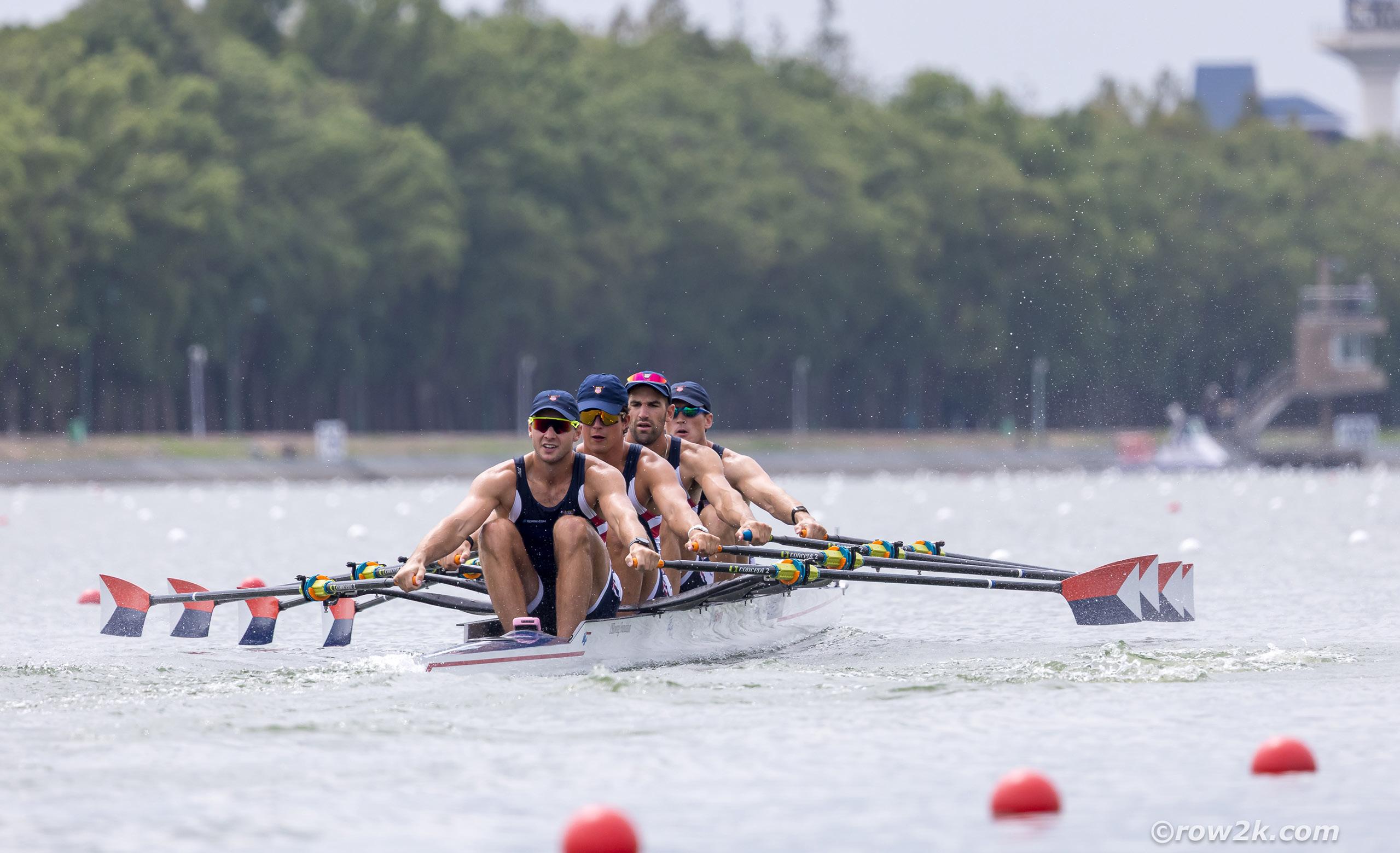
Seated at the starting line for a heat in the Men’s Quad at the 2025 World Rowing Championships in Shanghai, China in September, Cedar Cunningham’s thoughts turned to the Snake River and the sage words of Cougar Crew teammate Sean Swett. Cunningham describes Swett as “…the kind of person you’d want picking you up after a long day at work. He’s incredibly motivating and inspires the people around him through both his words and his example.”
Facing powerhouse crews from around the globe, memories of Swett’s voice helped to settle Cunningham’s nerves before the opening strokes of the 2,000-meter course on Dianshan Lake. “Sean always said to me and lots of other Cougs when they got nervous: ‘There are a billion people in China who don’t care what you do today’ and that thought popped into my head sitting at the start line for the heats,” Cunningham said. Swett’s words brought focus and calm.
The US quad went on to secure a strong fourth place finish with a 5:55.61 in the final behind perennial favorites Italy (5:48.08), Great Britain (5:50.06), and Poland (5:51.34). Times in the final were slightly slower than previous heats, due to the first headwind and hottest weather of the regatta. The US quad had its fastest finish of 5:42 in the first heat, followed by a 5:45 in the semifinal.
This finish ties the highest placement ever for a US quad at Worlds and was a substantial improvement over the 2023 US M4x that placed ninth and missed Olympic qualification. The crew has been picking up speed recently. “The quad showed good speed earlier this season. After racing in Varese, Italy and Lucerne, Switzerland, the team returned to training and reshuffled the bow seat during another selection camp and found a bit more speed,” Cunningham said. “…an injury and shuffling through the US eight meant we didn’t practice our final lineup until about three weeks before leaving for Shanghai. More preparation might have given us a better shot.”
The months of hard work continue to create momentum toward the ultimate objective. “Winning, of course, is always the goal. Going into the race we were predicted to place fourth, the favorites were Italy, Great Britain, and Poland—who also happened to medal at the Olympics last year: Italy with silver, Poland with bronze, and Great Britain in fourth,” Cunningham said. “We knew winning was going to be a tall order, so our most realistic shot was at the podium. While I hate setting ‘realistic’ goals, since no one else is going to believe in you unless you believe in yourself, I do think, given the situation, this was one of the best outcomes we could have achieved.”
Coach Casey Galvanek encouraged the crew to take pride in
SHANGHAI, PRC: SEPTEMBER 22, 2025. COUGAR SIGHTING AT DIANSHAN LAKE. PHOTO: USROWING BY ROW2K.
their improvement and the result. Galvanek led the US M4- to Olympic gold in 2024 in Paris. “We were frustrated; you are never settled until you win,” Cunningham said. “Coach Galvanek reminded us how far we’ve come and why we should be proud of this result. The progress is real.”
Cunningham’s quest to earn a place on the 2028 US Olympic team continues. Stateside in October, Cunningham rejoined former teammate and 2x partner Mike Herman at the Head of the Charles Regatta. Representing Penn AC, the duo placed fourth in a field of 17, with a time of 14.00.3. “I had a great Head of the Charles. For me this year HOCR was for catching up with old friends, it being only two and a half weeks since Worlds,” he said. Herman and Cunningham had no practice rows and were able to make only minor rigging adjustments as Herman had flown into Boston just four hours before the race start from a wedding the night before. “Super happy with a fourth place, and hopefully with an earlier Worlds we will be able to practice some more and eventually win,” Cunningham said. The 2026 World Rowing Championships are scheduled for August in Amsterdam, Netherlands.
Cunningham and Herman also rowed in the Championship Eight, HOCR’s premier event, in the US National Team eight with lots of substitutions. Like the 2x, there was little if any practice or preparation. The Training Camp 8+ finished sixth in a field of 30 with a time of 13:51.873. Gold went to 2024 title-defending Cambridge University (13:41:692), silver to University of Washington “A” (13:43:240) and bronze to Harvard “A” (13:44:065), a clear demonstration of the international caliber of top collegiate crews. During HOCR, Cunningham filmed a video with OVERNGHT Rowing, an organization that partners with the national team,
CUNNINGHAM
CEDAR
PRC: SEPTEMBER 21, 2025. TESTING THE WATERS: FIRST DAY OF RACING, SHANGHAI WATER SPORTS CENTRE, DIANSHAN LAKE. IN HEAT 1, GREAT BRITAIN TOOK FIRST (5:39.44), USA SECOND (5:42.16), FRANCE THIRD (5:43.09). NOTE THE COUG/HUSKY STERN PAIR. STROKE IS CHRIS CARLSON (UW 19) PHOTO: USROWING BY ROW2K.
and described the experience of participating in the huge field of crews in the event. “This is the largest rowing event in the world and a great place to reconnect with people, to inspire the younger generation of rowers to pursue the sport at the highest level,” Cunningham says in the video interview with OVERNGHT Founder and CEO Kevin McReynolds. Started in 1965, the Head of the Charles regatta has grown to more than 11,000 athletes and 55 events over two days.
Cunningham was asked about dos and don’ts at the event that crowds the Charles River with a fleet of rowing shells of all sizes. He recommended that participants have their “head on a swivel” while on the water and should “not run into any bridges,” as the three-mile course includes six stone-arch spans of the Charles River.
Cunningham is employed by OVERNGHT Rowing, which creates flexible roles for national team rowers. “I work in a fractional role, helping with social media, new partnerships, and media acquisition,” Cunningham said. “OVERNGHT streams a wide range of Olympic sports, including many of the largest rowing regattas in the US and internationally.”
After the two fall racing events and a short vacation, it was back to a rigorous training regimen in Sarasota with Coach Galvanek and the US men’s squad. The focus for Cunningham remains on sculling aimed to build fitness and improve speed in the boat. “I’ll likely be sticking to sculling and getting into team boats
when it makes sense,” Cunningham said. “The single is still a great tool to get fit and row well, and with more guys in Sarasota this year, hopefully, we start figuring out lineups and fast combinations before camps even start.”
Overall, Cunningham is adjusting to the training grind. “I’m slowly finding that training is fun! When it’s a Saturday afternoon and the last thing you want to do is another 90 minutes on the erg, you find the joy in the little things and just learn to have fun
SHANGHAI,
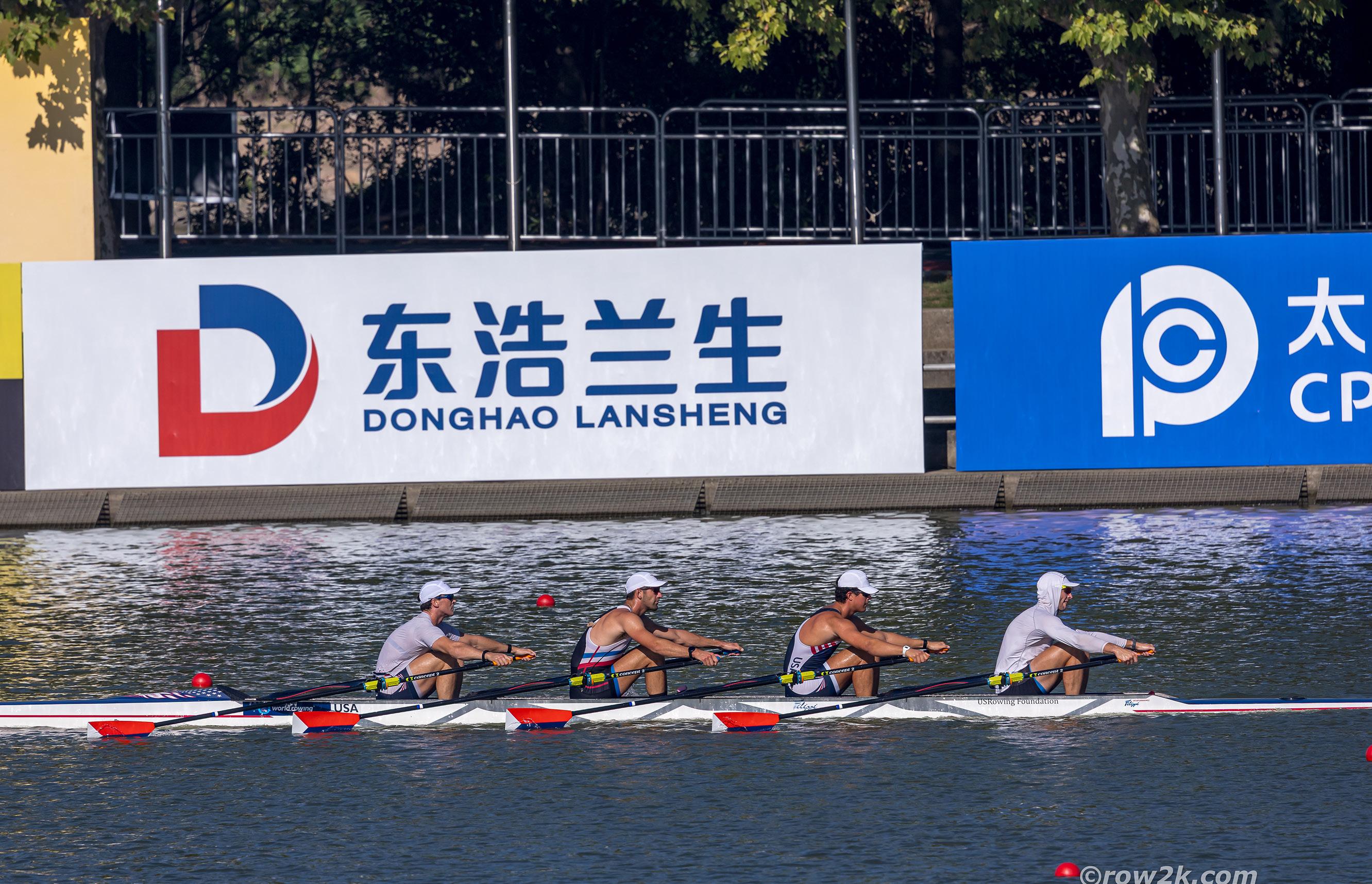
SHANGHAI, PRC: SEPTEMBER 22, 2025. US MEN’S QUAD ON PAUSE BEFORE JOINING THE INTERNATIONAL HUMAN-POWERED FLOTILLA. THIS WAS A REST DAY. PHOTO: USROWING BY ROW2K.
with it,” he said. “Listening to good music or podcasts, overloading your water bottle with Gatorade powder, throwing in some chain slaps, whatever gets you to smile.” Outside of training, Cunningham said he has developed close friendships with teammates with whom he enjoys sharing meals, weekends and some fun, as time and energy allow.
Up next is preparation for the next series of camps. February is the first selection camp for the national team, focused on choosing boats for the World Cups. Cunningham earned an invitation to the camp based on his performance at Worlds this summer.
Immediately after camp, selected athletes will go to a highaltitude training camp in Colorado Springs in March, followed by the team’s return to Sarasota.
With the 4x as his current focus, Cunningham and company are keeping their eye on the prize. “Like in any Olympic sport, you’d rather be an Olympic champion than a three-time world champion. The goal is LA. The goal is gold,” Cunningham said. “This is a four-year process that comes down to peaking at the right time. I’m excited to get back to training.”
—Kari Ranten (80)
Kari Buringrud Ranten (80) rowed 1976-80, serving two terms as commodore. A Murrow grad, she worked in daily newspapers for 20 years. Now retired as Regional VP of Communications at Skagit Regional Health. Married to Steve Ranten (79), they live in Burlington, WA and have two grown children.
SHANGHAI, PRC: SEPTEMBER 21, 2025. TESTING THE WATERS: FIRST DAY OF RACING, SHANGHAI WATER SPORTS CENTRE, DIANSHAN LAKE. IN HEAT 1, GREAT BRITAIN TOOK FIRST (5:39.44), USA SECOND (5:42.16), FRANCE THIRD (5:43.09). PHOTO: USROWING.
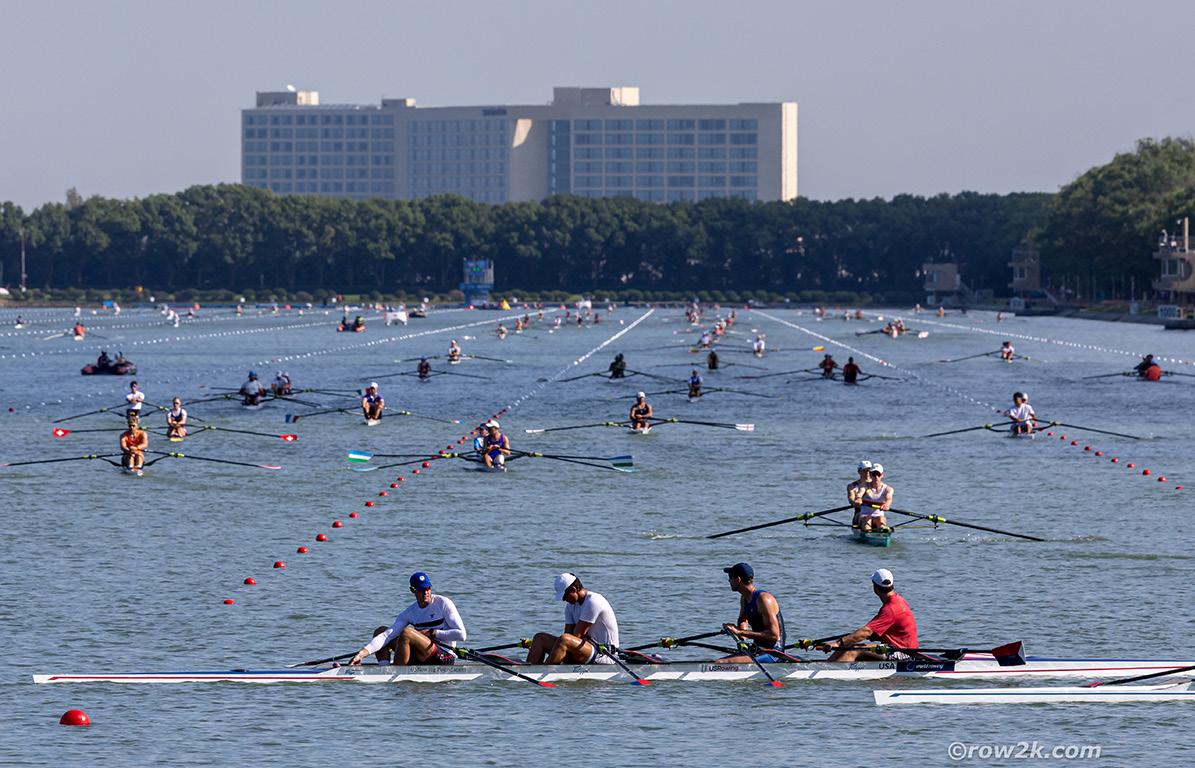
2K RACECOURSE, SHANGHAI WATER SPORTS CENTRE, DIANSHAN LAKE. PHOTO: WORLD ROWING.
A Tip of Our Hats to Bob Ernst
Four Cougar oars express gratitude to our 2026 reunion keynote speaker. National Team coach and 42-year Husky coaching veteran Bob Ernst will be the first Conibear heavyweight to do so since Dick Erickson in 1983. Ernst plans to discuss the current state of collegiate athletics and what might be on the horizon for the oldest college sport.
Kristi Norelius: Bob’s secret sauce
The last thing I heard out of his megaphone that morning was, “You can do ANYTHING for ten minutes!” Three of us were in singles—part of the Mosquito Squad—racing from the Ballard Locks to the UW boathouse. A long haul and we were in the final stretch. I had a strong sense his words from the launch were specifically directed at me. A test.
The secret sauce for Bob Ernst’s career success had many ingredients. First: his competitive drive, visible in his history as a successful athlete. Second, a big-picture vision that drove his creation of program-building systems. Third, his strategic public relations and cultivation of relationships within and across rowing programs and communities. Fourth, his careful selection and training of excellent coaching staff. Fifth, his hunger for knowledge about what makes boats fast. He was intentional and tenacious in his work. During the years I was coached by Bob, most of that big picture work was behind the curtain to me. I was vaguely aware of it but certainly did not appreciate its significance at the time. I was focused on what was in front of me each day.
One of Bob’s secret sauce ingredients that tipped me from having potential to being successful was his ability to clearly state what he was looking for, then sitting back to watch what unfolded. A nuanced piece of the directive was often tailored to the particular rower in that particular moment. Tailored not just to their physical capabilities and mental toughness, but to their personality. For one person he might bark an order, for
another, a softer–neutral statement of “swing harder,” or a clever analogy to help unlock a sticky technique issue.
That morning racing from the locks to the boathouse, I was still at the stage of building my identity as an athlete and I was relatively new to racing in the skinny single. In that “10 minutes moment” Bob did not tell me to pull harder or feel my legs burn. He did not ask me to focus on any element of technique. He made a simple statement. “You can do ANYTHING for 10 minutes.” I heard, through his megaphone-amplified voice, that he trusted me to explore composure, pain and the run of the boat. And maybe most importantly, the voice in my head.
—Kristi Norelius (77)
Kristi learned to row on the Snake. At LWRC and UW, she rowed on two national title collegiate crews. In 1980 she was an Olympic sculling team spare and earned silver medals at three World Championships. Kristi finished her career in the six seat of the US gold medal eight at the 1984 Games in Los Angeles.
Ernie Iseminger: Dick Erickson? Don’t forget Bob Cougar Crew’s success has always been built on generosity—both on and off the water. Over the years, University of Washington coaches have played an important role in supporting our program. Dick Erickson is rightfully recognized for helping us get started by loaning or donating older shells, a contribution that is well-documented. Bob Ernst, whose behind-the-scenes support made a lasting difference, particularly during the 1990s when I was coaching both the freshman and varsity teams, is equally deserving of gratitude.
In 1993, an unusual schedule left us with a two-week gap between finals and WIRAs. Several athletes needed to begin work in the Seattle metro area immediately after finals, putting our final stretch of training in doubt. I reached out to Bob to see if we could work from Conibear Shellhouse for a week and a half. He said yes—and went even further, giving us access to locker rooms, the erg room, and coaching launches.
MOSQUITO SQUAD TWO WEEKS BEFORE THE 1984 OLYMPICS. KRISTI AND COACH ERNST AT RIGHT.
Curriculum Vitae: Robert “Bob” Ernst
Coach Ernst is known for his decades-long tenure at the University of Washington, where his influence on the squad was legendary. One of a select few coaches to win national championships in both men’s and women’s Division I rowing programs, Bob also has extensive National Team experience.
Ernst’s coaching career spanned close to five decades. In 1969, he began coaching rowing at the University of California, Irvine. In the spring of 1974, Cal Irvine’s Heavy 8+ gave the Husky crew an unexpected thrill, to which Husky Head Coach Dick Erickson responded by offering Bob a position. His head coaching service at UW included 15 years with the women (1980–1987, 2007–2015) and 20 with the men (1987–2007).
• During his first tenure with the women, the Husky squad won five consecutive national titles from 1980 to 1985, with a sixth in 1987. Bob was named first-ever Pac-10 Women’s Coach of the Year in 1987.
• In two decades as head men’s coach, Ernst led the Huskies to IRA titles in 1997 and 2007. He earned Pac-10 Men’s Coach of the Year ten times.
• Ernst developed crews within a culture emphasizing integrity, athletic achievement and personal development. Thirty-six of his rowers competed in the Olympics. More than 300 earned academic honors. Bob was key to adding the Windermere Cup to the Opening Day Regatta.
National and Olympic Team Experience
Ernst’s involvement with US National Teams is also extensive:
• He served as a US Olympic team coach on four occasions: 1976, 1980 (boycotted), 1984, and 1988.
• Under Bob’s guidance at the 1984 Los Angeles Games, the US earned gold in the W8+ for the first time in the history of US Women’s rowing.
• Bob’s national team experience saw him at World Championships in the Netherlands, New Zealand, Belgium, Germany, and Switzerland.
Education, Honors, Etc.
Ernst is an alumnus of UC Irvine, where he competed in rowing, swimming, and water polo, and earned a bachelor’s degree in biology in 1967. He earned a master’s degree in sports administration from the University of Washington in 1979. His achievements are recognized in multiple Halls of Fame:
• UC Irvine Athletic Hall of Fame (1984)
• National Rowing Foundation Hall of Fame (1994)
• Collegiate Rowing Coaches Hall of Fame (2015)
• Husky Hall of Fame (2025)
Bob was rowing commentator for NBC at the 1996 Atlanta Olympics and course announcer at the 2000 Olympics in Sydney, Australia. He retired in 2015 after 42 years with the University of Washington.
When we needed to transport several older C-shells to the Pocock shop in Everett for maintenance, I was overtaken by events: my work schedule took me to Alaska before that could happen. With a prayer to the river gods, I left the shells on Bob’s front lawn without any way of contacting him to ask or explain. Without a murmur of objection or complaint, he took our boats to Pocock. Let’s not forget Bob’s willingness to support us when it mattered most.
—Ernie Iseminger
(88)
Commodore, Head Coach, Development Officer and major donor, Ernie has left a legacy. Together with WSU Foundation Development Director Camille Vaughn, Ernie is executing the capital campaign for the new shell house.
TammyCrawford: Trust and determination
At the onset of the 1985-86 season, the WSU novice women’s crew had no reason to be confident. They were a mismatched group of athletes with few shared experiences, but they trusted me. I was new to coaching, but I asked them to trust me and each other. We overcame our lack of expertise with desire and determination. We trained hard with and for each other. In a dual race in the Montlake Cut, we defeated what was likely the Husky second novice boat. Women’s Head Coach Bob Ernst witnessed our lack of precision, but he also witnessed our drive to succeed.
After the race, Bob asked if I would be interested in a coaching internship. I dismissed the idea. I had rarely been coached by a woman, so didn’t see coaching as a career path. Second, I didn’t think coaches earned a living wage. Third, I couldn’t imagine wearing purple. That was in April. By July, my career prospects had changed. I called Bob and asked if he needed an intern. He did, and so I became an intern coach, then assistant novice coach under Jan Harville for $100 per month.
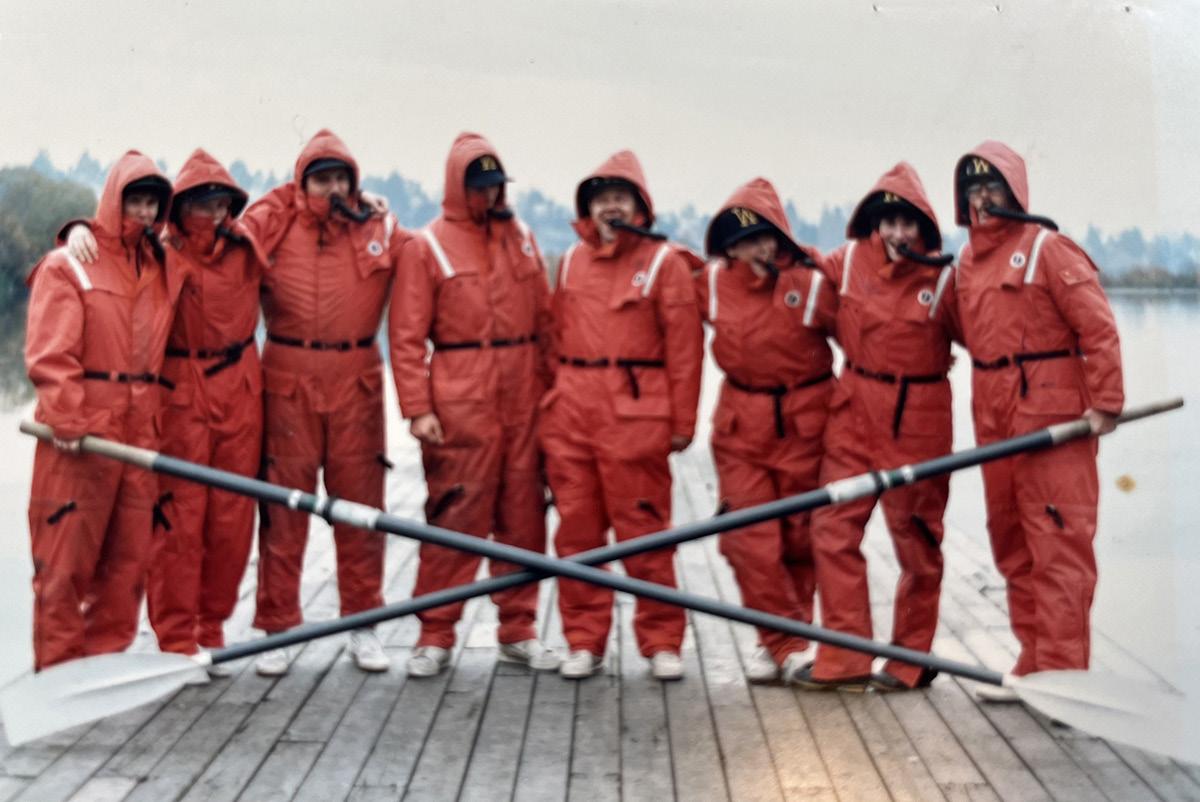
I spent the 1986-1987 season in Helly Hanson raingear or an orange float suit, enjoying the occasional Cascade and Olympic views, learning to make a shell move efficiently, and coaching the third and fourth novice eights. I watched Jan develop the top
COACHES’ FLOAT SUIT DEMO, 1988. LAST TWO ON RIGHT: TAMMY CRAWFORD, BOB ERNST. ALSO IN PHOTO: HELEN CULLEN AND JULIE GARDNER; THEN UW INTERNS, LATER WSU NOVICE COACHES.
novice crews, and she shared training notes and philosophy. Bob coached varsity women as well as the women’s national team. I rode in his launch, watching, listening, recording practices. I attended Bob’s video reviews with elite rowers, absorbing his breakdown of technique. I recorded seat race after seat race. I seized on every learning opportunity Bob and Jan offered.
At season’s end, I returned to real life: my biology degree got me a laboratory job testing samples sent by the EPA. That was the year Dick Erickson retired. Bob took over as program director and men’s varsity coach. Jan became head women’s coach. They asked me to apply for Jan’s former position. I didn’t hesitate. Interviewed by the Senior Women’s Athletic Director, I was so nervous I could barely speak. Jan and Bob were excellent mentors. They must have been strong advocates as well, because, despite that deer-in-headlights interview performance, Husky Athletics decided to trust me. Much like my 1986 WSU novice crew.
—Tammy Boggs Crawford (84)
Tammy’s career included, among others: WSU Women’s Novice Coach, UW Women’s Assistant Novice Coach; US U-18 Development Coach; US U-18 W4+ Coach; and US U-23 Development Coach. In 1990, she became WSU’s first Women’s Varsity Rowing Coach, serving until 2002.
Paul Enquist: Best advice ever
After my second year of rowing at WSU, while at home for the summer, I was down on Lake Union in Seattle helping my Dad get his fishing boat ready for the upcoming season. A group of small boats rowed by, singles, doubles and pairs. It sure looked like a lot of fun. Most were using white oar blades so I knew these had to come from the University of Washington shell house. I decided to look into it.
Soon after, I wandered over to the shell house and met Bob Ernst. I introduced myself as a rower from WSU who was interested in learning to row in small boats. He welcomed me to the twice-weekly practices. There were around a dozen people on a normal morning, half women, half men. I called my WSU team-
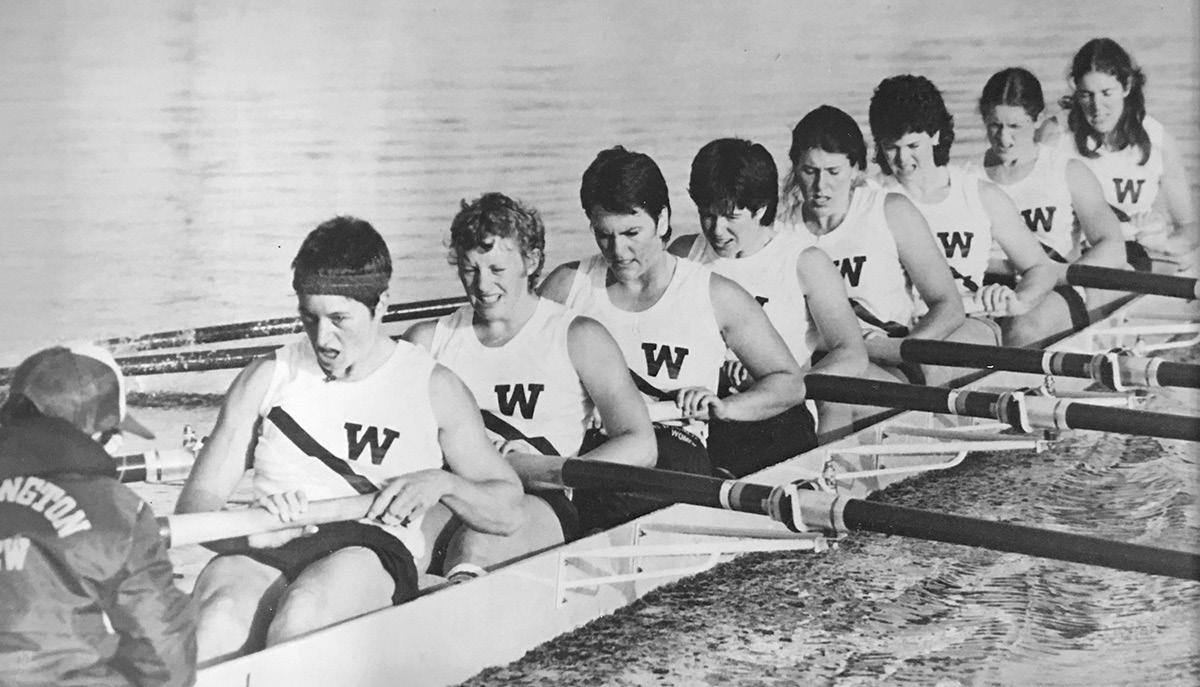
HUSKY V8+ RACING IN 1983. ONE-SEASON WSU OAR ELLEN POTTMEYER IN THE THREE SEAT. ELLEN’S HUSKY CAREER INCLUDED THREE NATIONAL CHAMPIONSHIP EIGHTS: JV8+, 1981 AND 1982; V8+ 1983. BOB AND ELLEN ARE MARRIED WITH TWO ADULT CHILDREN. DAUGHTER ABBY IS AN ASSISTANT COACH WITH OREGON STATE UNIVERSITY’S WOMEN’S ROWING. PHOTO: UW ROWING.
mate Ray Wittmier who also lived in Seattle to join in, and we were immediately introduced to a single scull. The boats/shells were original Pocock plastic singles stored on a rack outside the shell house. They were heavy, slow, but indestructible and perfect for new scullers. The best part of this was, Coach Ernst said we were welcome to use them anytime.
After graduation in 1977, I continued to row when possible at UW, filling in different boats when the opportunity was available. Late in the fall, I met with Coach Ernst and mentioned I was interested in continuing to row and try out for the national team. His suggestion was to buy my own single to avoid being dependent on training partners. If I did that, he would find me a spot in the shell house to keep my single. Best advice ever.
In February 1978, Bob started coaching the scullers twice a week in the mornings. We were referred to around the shell house as the “mosquito squad.” About half women, half men again, most with National Team experience or aspirations. This training continued through early summer and then started up again in the fall. I continued rowing with the mosquito squad through the fall of 1981, which is when Coach Ernst became heavily involved coaching the UW women’s team and women’s National Team.
I later learned that when Ernst was coaching at California Irvine, he provided the same summer sculling opportunities where my Olympic partner Brad Lewis had participated as well. So as it turns out, we both started sculling in a Bob Ernst summer program.
Coach Ernst was the Women’s Eight coach at the 1984 Olympic games, so a few weeks prior to the Games he allowed my 2x partner Brad and me to practice with his women’s eight. Good, hard, intense practices. Little did we know, these would be the only US boats to win at the Olympics.
—Paul Enquist (76)
In the Olympic final in Los Angeles on August 5, 1984, from a comfortable fifth place at 1,000 meters, Paul and 2x partner Brad Lewis walked through the field, overtaking the fading Belgian leaders in the final 200 meters. Theirs are the only US gold medals in this event in nearly a century.
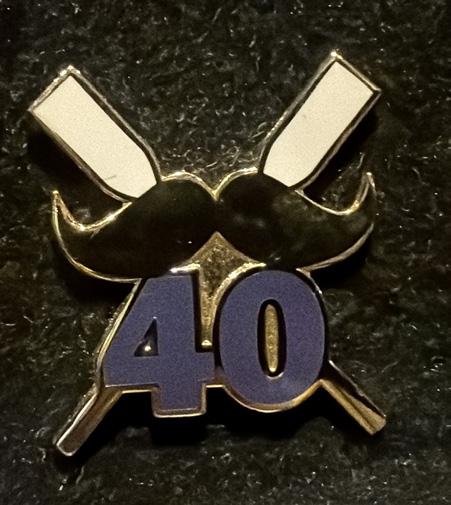
CLOISSNÉ LAPEL PIN PASSED OUT AT THE 2013 VBC BANQUET CELEBRATES BOB’S SERVICE TO HUSKY ROWING AND HIS LEGENDARY WALRUS MOUSTACHE.
Aurora Borealis Floodlights the Palouse
Red light emitted by collisionally excited upper-atmospheric atomic oxygen dominates this nighttime northern lights image of the sky seen in the direction of Colfax (photo left). High energy particles ejected by the sun, colliding with atomic oxygen, created aurora as far south as Florida and treated the Palouse to this extremely rare event. Solar magnetic activity, which produces the ejected particles, varies over a period of 11 years. Sunspot numbers, the number of solar flares and coronal mass ejections, and the density of the solar wind all follow the magnetic cycle. The sun is presently near the peak of Cycle 25.
Energetic charged particles in the solar wind, mostly electrons and protons, collide with constituents of the upper atmosphere when they enter the magnetic field of the Earth. Energy is
transferred from the fast particle to the atmospheric components during the collision. The collisionally excited atom or molecule emits the excess energy it receives in the form of light. The light is always quantized, meaning it is not a smooth, continuous flow of energy but is instead composed of discrete, individual “packets” or “units” called photons. The photons created are always of a fixed color and generate what is referred to as an emission spectra. On the
ground we see this spectrally pure light as aurora.
The transition that creates the red emission line at 630 nanometers can only occur in very rare conditions, present at altitudes of about 200 km and higher, half-way to the 400 km Low Earth Orbit (LEO) of the International Space Station. The best laboratory vacuum on Earth is too dense to allow this transition to occur. The more common green emission—also collisionally excited atomic oxygen—occurs at lower altitudes of about 100 km, the official boundary defining the edge of space. Aurora do not occur below about 80 km because the solar wind particles do not penetrate into the denser atmosphere below that altitude.
Near the horizon, between the stop-sign and the grain-bin, is a region of orange light. Collisionally excited molecular nitrogen produce an orange-red emission line. However, red and green light, com-
bined in the proper ratio, can produce the perception of the color orange. In this instance orange is probably a perceived color as opposed to the uncommon orange-red emission.
The sun was 21 degrees below the horizon when this photo was taken and far to the left of the center of the image. In spite of its sunset-like appearance, the sky is dark. The apparent brightness of the sky is due, in part, to the light-dome of Colfax.
The constellations Hercules, Corona Borealis and Ursa Major (the Big Dipper) appear in the background sky. The Globular Cluster M13 in Hercules can be seen with binoculars. Hubble photos of this object are well worth examining. Amusingly, the recurring Nova T Cor Bor has defied all attempts by many distinguished institutions to predict its next eruption. Too faint to see in this image, it will be easily visible to the unaided eye when it next erupts. The mechanism driving this famous recurring Nova is nicely explained in Wikipedia.
Turning east toward Pullman (photo right), we see the rolling hills of the Palouse silhouetted against an aurora-illuminated sky dominated by the red and green emissions of upper atmospheric atomic oxygen. In the lower right and above the ridgeline are
regions of yellow and orange light. Aurora do not produce yellow light. However, red and green, combined at a certain ratio, will be perceived as yellow. This photo supports the argument that the orange light seen in the previous image and again here is a perceived color; a combination of red and green light from atomic oxygen. Neither yellow nor orange photons were present when the photograph was taken.
At the notch in the ridgeline, a bright region of blue-white light is observed. This is the light-dome from the Walmart Supercenter in Pullman. The parking lot is illuminated with white-light LED lamps. These lamps produce light that is rich in the color blue.
The bright, fan-shaped region seen in the clouds and giving the impression of a sunrise, is the result of multiple scattering of the light from the Walmart light-dome by water vapor in the clouds. Multiple scattering of light by water vapor is most intense in the forward direction; the direction from Pullman, toward the camera. Clouds either side of the forward direction decrease in brightness as scattering becomes less favorable. Observers far to the left, looking in the direction of Pullman, would see bright clouds where we see dark gray. Conversely, where we see bright clouds, they would see gray.
The Pleiades, an open star cluster also known as the Seven Sisters is clearly visible, rising above the light-dome. In 2330 BC, it marked the location of the Vernal Equinox and served as the anchor-point of many ancient calendars. It appears, symbolically, on the Nebra Sky Disk, an Early Bronze Age artifact. Below the Pleiades, the brightest star in the Hyades, Alpha Taurus, can be seen through the clouds. Also an open star cluster, the Hyades is mentioned by Homer in The Illiad and by Tennyson in his poem Ulysses. These clusters are two of the finest binocular objects in the night sky. The variable star Algol is an eclipsing binary—two stars orbiting a shared center of mass where the orbital plane is nearly edge-on to the observer’s line of sight—known as the Demon Star. Its apparent brightness changes periodically as each member of the pair passes behind and then in front of its companion. Algol was at minimum light 24 hours before this photo was taken.
Thanks to Larry Bernstein, David Lynch and Joe Shanks, who consulted on and reviewed this note.
—Mike Klier (75)
Mike Klier may be as close as this magazine will ever come to having a staff writer and director of research. With a background in Physics and Astronomy, Mike recently retired from a Southern California career in aerospace. He lives almost but not quite off-grid in Ravensdale, WA.
Astronomical Alphabet Soup
The image shows 131 Angstrom light, a subset of extreme ultraviolet light. This flare launched an immense coronal mass ejection (CME)—a cloud of solar plasma and magnetic fields, toward Earth. Classified as an X5.1 event, this CME produced the strongest solar flare of 2025. It erupted from an extremely active sunspot region known as AR 4274. Traveling at speeds up to 1,500 km/second, the CME reached Earth on November 12, triggering a severe G4-level geomagnetic storm. This intense geomagnetic activity deformed Earth’s magnetic field, pushing the “auroral oval” much further south than normal. While peak activity began November 11-12, elevated auroral activity continued through November 14.
The Solar Dynamics Observatory (SDO) is a space-based system. The image captures extreme ultraviolet light at a wavelength not detectable from the ground. When a solar storm strikes the magnetic field of the Earth, the field will oscillate much as a bell rings when struck. This moving magnetic field will induce electric currents in conductors (power transmission lines and communications circuitry, for example) that can produce outages and hardware losses. Additionally, energy from the sun in the form of extreme ultraviolet photons heat the upper atmosphere of the Earth causing it to swell. The resulting increase in the density of the upper atmosphere puts LEO satellites at risk of increased drag. Knowledge of the pending arrival of a solar storm allows managers of vital systems to protect those systems from damage. Although launched primarily as a scientific mission, SDO can also be thought of as a solar tsunami early-warning system.
NOVEMBER 11, 2025. NASA’S SOLAR DYNAMICS OBSERVATORY CAPTURED THIS IMAGE OF A SOLAR FLARE AT 10:04 COORDINATED UNIVERSAL TIME (UTC); 2:04 A.M. IN PULLMAN. PHOTO: NASA/SDO.
Coordinated Universal Time (UTC), as maintained by the US Naval Observatory Master Clock, is accurate to about 15 nanoseconds. The Timex mechanical wristwatch of the 1970s, a timepiece common during the founding era of Cougar Crew, had a drift rate of about one minute of accumulated error per day. The drift rate of the Master Clock is about 100 picoseconds (100 trillionths of a second) per day. By regulating the Master Clock against a global network of timing laboratories, the accuracy is maintained to about 15 nanoseconds which equates to one second of accumulated error in the age of the Universe. It is the precision of this modern time standard and the development of small, space-qualified atomic clocks that makes possible routine navigation via GPS. Our crew routinely exploits this capability, in daily practice and on the racecourse, via the GPS CoxBox.
Reading the Rowing Tea Leaves
Peter Mallory and Bob Appleyard weigh in
The shifting balance
D-1 Internationalization and rise of ACRA
Just a couple of weeks before the recent 2025 World Championships, I accompanied WSU alum Ernie Iseminger to the Chula Vista Elite Athlete Training Center in Chula Vista, CA. We were there to observe Cougar Crew’s own Cedar Cunningham training to race in the USA men’s quad in Shanghai.
While there, I had a chance to chat with an old friend, Josy Verdonkschot, USRowing’s Chief High Performance Officer, which means he is “sort of the CEO/Head Coach for the High Performance Program of USRowing.”
From 2014 to 2021, Josy served as the women’s head coach for The Netherlands, leading his athletes to three medals at the Tokyo 2020 Olympic Games where the Royal Dutch Rowing Federation finished third in the medal table. He has coached crews to seven Olympic medals, including two golds.
When I told him I was in Chula Vista to see Cedar, he singled out the WSU program for compliments and spent several minutes explaining why he considered ACRA club men’s crews as fertile grounds for future National Team candidates.
At a place like Washington State, talented athletes like Cedar can get the full attention of the coaching staff. They get opportunities to spend quality time in small boats, and they receive important leadership opportunities they might not get at a toptier IRA school, where the upper boats tend to be almost entirely filled with international recruits.
Some have criticized schools such as Washington, California, Yale and Harvard for recruiting from around the world, but not me. Their coaches have been hired to win races, not to act as farm teams for the US National Squad. Washington State is well acquainted with the phenomenon. Some of its most noted athletic accomplishments have come from recruited international athletes such as the five-time 5,000 meters world record holder, Kenyan distance runner Henry Rono (81).
And the difficult truth is that many of the best-prepared rowing candidates are indeed found in other countries, where scholastic and club junior programs get to recruit some of the best athletes available while their US high school and college counterparts must be satisfied with whomever is left after football, basketball and baseball have taken their pick. In addition, youth in other countries often specialize in rowing at an earlier age, and it is traditional for them to spend their early years sculling and sweeping in small boats. This path to more nuanced boat-moving skills is clearly superior to spending all your time in eights.
Josy’s comments got me to thinking. Looking back to 1964, the US eight was from a single club (Vesper), nearly unique in our Olympic history, and only three of its nine athletes were graduates of major IRA programs. The other six came from smaller programs. Twenty years later in 1984, the eight was chosen at a national selection camp, and four of the nine were from small programs. By 2004, that number was up to five, but in 2024 it was down to two, with a third in our country’s priority sweep boat, the Olympic Champion coxless-four.
So it seems that rowers from small programs have always played a role in US National Team selection. In 2025, the US men’s eight contained three athletes from second-tier programs, and the men’s quad, 2025’s priority boat, contained two more (if you count Chris Carlson, who began his college rowing at Marist before transferring to the University of Washington). That’s five out of thirteen, 38%. Josy expects more in the coming years as he focuses his attention on recruiting self-motivated candidates with leadership experience and small boat skills, and he specifically has his eye on ACRA schools like WSU.
I am told that the Fall 2025 class of Cougar Crew recruits looks to be one of the most talented ever. They have a lot to look forward to: a quality education from a first-class university, the
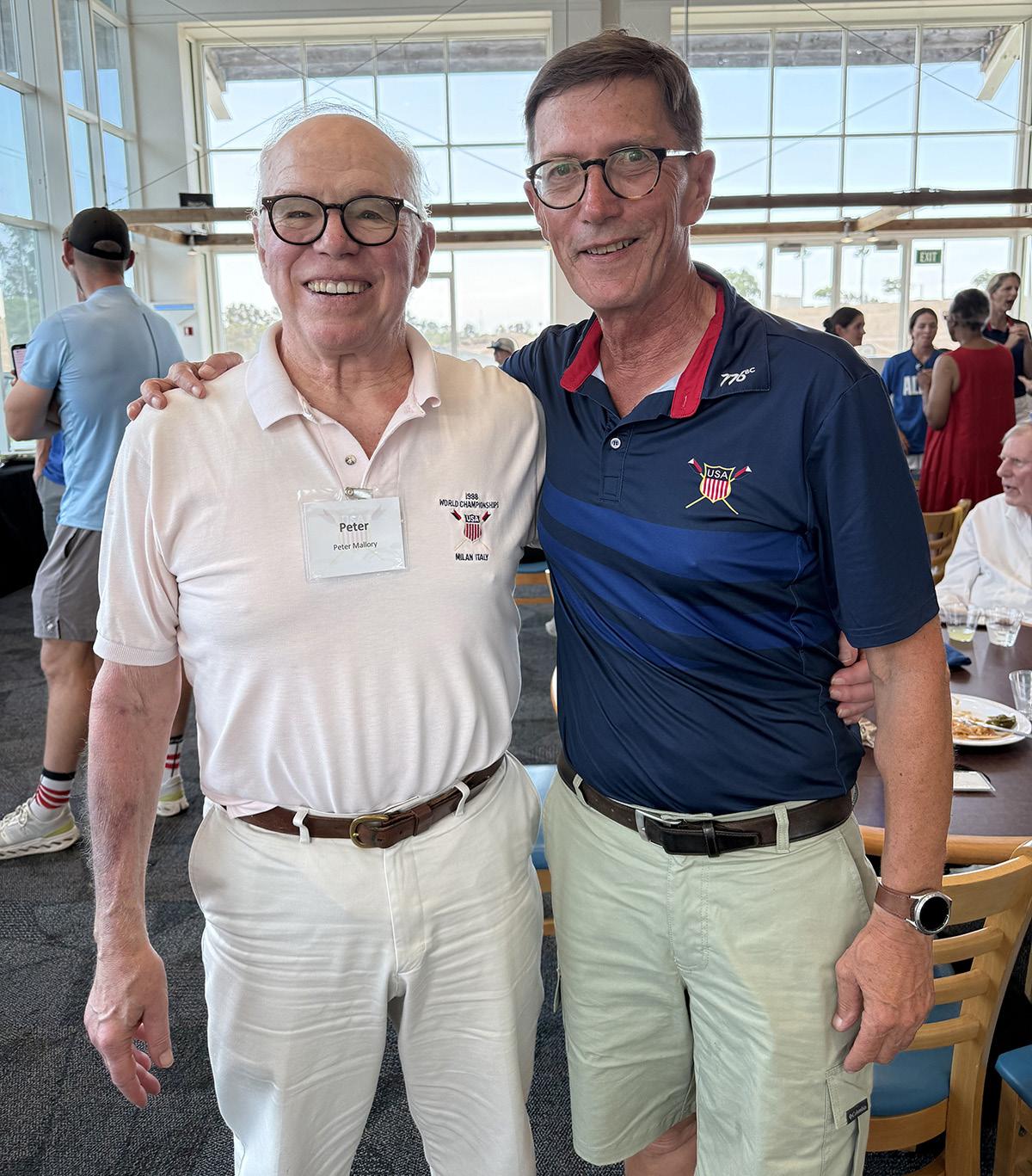
PETER MALLORY (L) AND JOSY VERDONKSCHOT.
excitement of a major college campus experience, a devoted and enormously supportive alumni corps, the privilege of rowing in the Snake River Canyon, the chance to join Coach Brevick in the Cougar march toward the top of ACRA standings, and the opportunity to aspire to follow the example of Cedar Cunningham to the heights of our sport.
There is no greater thrill for a rower than to represent their country in international competition, and there is no greater honor for a rowing program than to see some of its graduates reach their full potential in National Team boats after leaving home waters. Cedar is living that dream for us today as the world prepares for the 2028 Los Angeles Olympics. He carries the torch that will lead the next generation forward. Go Cougs!
—Peter Mallory (Penn 67)
In 1966, Mallory stroked the Penn Light 8+ and set a HOCR course record that lasted 10 years. On the 1972 National Team, he rowed Light 1x. Mallory has rowed for Penn, Undine and Vesper in Philadelphia; Cambridge BC in Boston; Long Beach RA, Mission Bay RA, San Diego RC and ZLAC RC in California. He has coached more teams than he has rowed for, including six National teams. He is author of The Sport of Rowing (2011).
Where is Rowing Going?
When Cougar Crew first started in the last century (i.e., the early 1970s) the national governing body for the sport of rowing was the National Association of Amateur Oarsmen (NOAA). Back then it was “amateur” and “men.” In the 21st century, amateurism is out of favor, and within the Olympic Movement, rowing has led the way toward gender equity.
Rowing is one of the first 11 sports in the modern Olympic Movement, and World Rowing leaders (mainly European), are adamant that rowing will not be dropped from the Olympic Games, despite pressure from the International Olympic Committee to either downsize or eliminate rowing to make room for newer sports of greater interest to TV viewers and corporate sponsors. Hence the decision to utilize in 2028 a 1,500 meter course at the existing Long Beach Marine Stadium to save millions required to develop a suitable 2K course. Also, the introduction of Beach Sprints as a new component of the Olympic rowing program. They did it for volleyball, so why not for rowing?
Here at home, collegiate sport is grossly different now compared to 50+ years ago. The hell with those quaint regional conferences and thinking that athletes are students. Now an entrepreneurial “student athlete” can jump from college to college to maximize media exposure and openly market themselves to get paid big bucks. What about rowing? In the last century almost all collegiate rowers were walk-ons and scholarships were virtually unheard of. After the sanctioning of women’s rowing as an NCAA championship sport in the 1990s, scholarship opportunities have expanded greatly for both women and men as more and more teams were incorporated as a varsity sport. All good? When you look at the finalists in the most recent NCAA women’s and IRA men’s national rowing championships, over 80% of the athletes
are non-US citizens. There are virtually no walk-ons in the top-tier varsity rowing programs. All come out of a now thriving scholastic club system or are international recruits developed through national youth sport systems (mostly European).
But wait! Club rowing is thriving under the umbrella of the American Collegiate Rowing Association (ACRA). Adhering to traditional 2K racing and teams featuring a majority of walk-on athletes, this strong outpost is holding its own against societal pressures to turn sport into flashy entertainment for people with short attention spans. And WSU Crew has been at the vanguard of this growth in collegiate club rowing. Want to see gritty hardfought competition as crews race down a 2K course, just like the old days? Come watch WSU Crew race at “old-style” regattas against other club teams at events such as the Collegiate Covered Bridge Regatta each April in central Oregon.
The spirit of hard work and no glory we experienced in past decades pulling an oar for Cougar Crew is as strong as ever throughout the more than 100 club teams that comprise ACRA today. Yes, the times they are a changin’, but with ACRA, the traditions of 20th-century rowing continue as well. Although when LA’28 rolls around, tune in the beach sprints just for the entertainment. They are fun to watch, and serious competitive rowers are now training for that event.
—Bob Appleyard (75)
Bob earned his USRowing referee license in 1980 and has officiated events around the world. Recently retired as Director, USRowing’s Julian Wolf Referee College, he was Chief Referee, Head of the Charles (1991-95) and IRA National Championship (2005-2014). Co-Chief Referee, Olympic and National Team Trials, 1992 through 1996 Atlanta Olympic Trials. Umpire, 2008 Summer Olympic Games, Beijing, China.
Emigh’s Observations Program notes from Pullman
Happy 55th Birthday – Cougar Crew!
Last November, Mike Klier (75) shared this:
The Rowing Club was founded with a meeting, held in the CUB, Thursday, November 12, 1970. At that time Cougar Crew was a homecoming committee. “The first meeting was attended by 63 people, including three experienced crew advisers, Kenneth Abbey, David Pratt and Peter Shipton, all members of the faculty or staff.” (Daily Evergreen). We all learned about WSU Crew from the rowers that came before us. Every year the experienced athletes recruit new novice team members. These 55 years have been possible because of an ongoing cycle: each of us, to one degree or another, has been paying it forward.
Fall 2025 in Pullman
Ezra Mitchell has been hired as the new assistant coach. Ezra rowed at Northeastern University (Boston), a top-10 IRA program. Ezra also rowed at Oxford-Brookes, a top British club. Welcome to Pullman, Ezra! Evan Thornton (25) and Cooper Page (25) are also serving as assistant coaches.
August 16, a Pizza Meet and Greet (initiated by Ernie Iseminger) was held in the backyard of the Student Recreation Center. It was a great opportunity for UREC staff, oarsmen, coaches, and alumni to start the year off by connecting informally.
The Jim Austin recruiting effort (in coordination with the coaching staff) continues to produce improved team size, in both average height and weight and roster numbers.
WSU raced Gonzaga at the Head of the Snake and at the Head of the Spokane. The Cougs also raced the Head of the Lake (HOTL), in Seattle. For the fourth straight year, WSU’s time improved relative to both Oregon State and to the UW. WSU also finished 1:19 ahead of Oregon, the second fastest ACRA 8+ at the HOTL.
Alumni Engagement
Each of us have different strengths and interests. When we all contribute in our own way, great things can and do happen. The board and committees are active and welcoming, so please do what you can to back them up.
Examples of recent alumni support activity I am aware of:
• Mike Kleir (75) spearheaded a Cougar Crew exhibit in three large window display cases in the CUB.
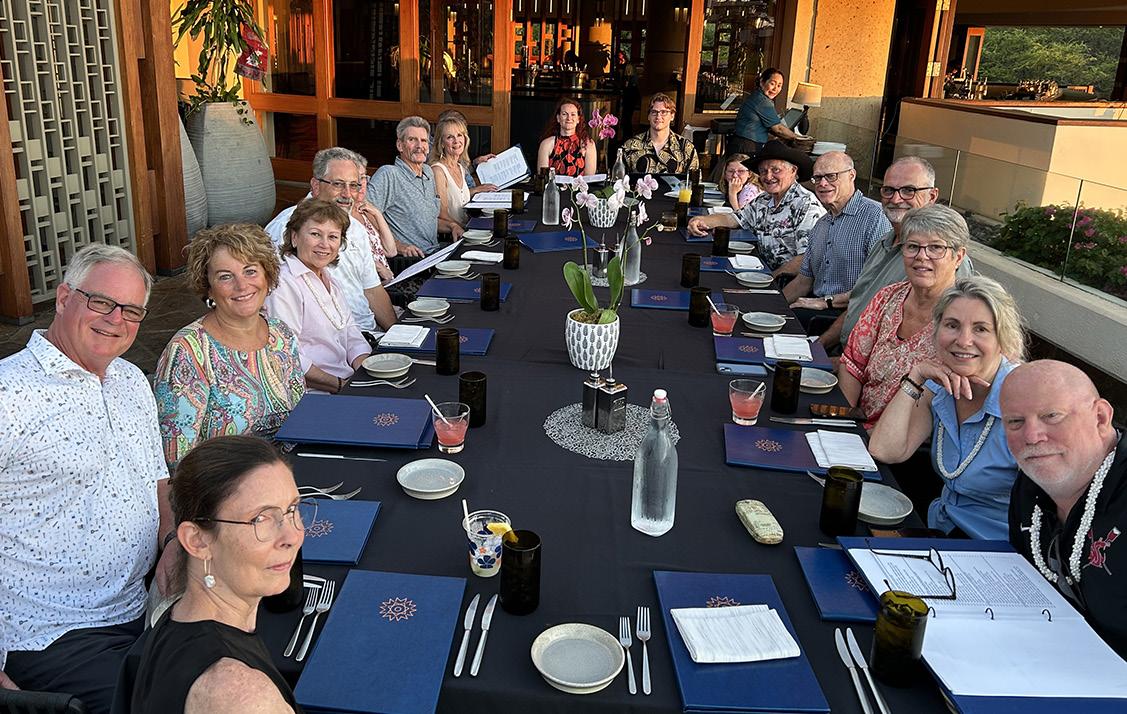
• Tim Richards organized a reunion of a group of his late 1970’s teammates on the big island in Hawaii.
• Ernie and Alice Iseminger purchased two pairs for the team; a small part of their giving.
• In September, Mike Buckley and Jim Austin rode in the launch with Peter Brevick (their first coaching launch rides ever).
• Kent McCleary, Commodore (89), has become involved in
recruiting high school rowers for WSU. In September, McCleary visited Pullman, providing Sculling 101 lessons for the team.
• Ken Yorozu funded fabrication at a Pullman-vicinity machine shop of a new small-boats rolling rack.
• Dave and Pam Yorozu purchased WSU Varsity Boat Club (letter) jackets for team members that earned them in 2025.
Alumni in Pullman
Scott Morgan (74) has been building a new WSU Crew budgeting process that tracks our dollars more clearly in real time. Retired in Indian Wells, CA, Scott moonlights in Pullman part of the year, working closely with Peter and the team, often joining practices, helping where and when he’s needed.
Scott writes: “I really appreciate the assistance and cooperation of Joanne Greene, UREC’s executive director, as we work to simplify our accounting so everyone can understand clearly how the team’s finances are administered. Thanks also to Doug Engle and Jim Austin for their help implementing our new accounting and donor management system, Aplos.”
Contact Doug Engle if you’d like to be more involved in helping the team. You can email him at president@cougarcrew.com.
—Dave Emigh (73)
A crew founder and first Frosh Coach (1975–1979); Dave was Head Coach at OSU (1982–1994) and did stints as National Team Development Coach.
THE
A US NAVY SEAPLANE
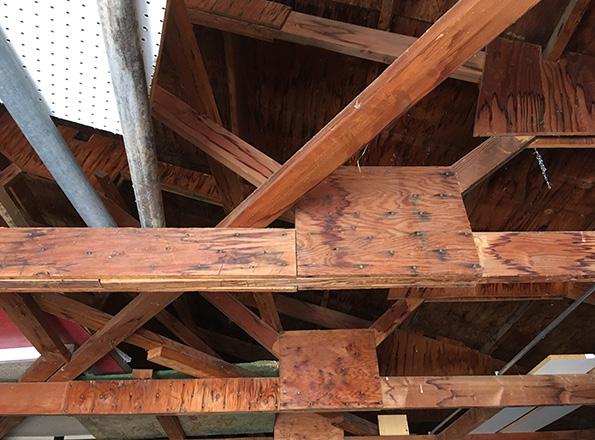
GIFTED TO THE UNIVERSITY IN 1920, THE BUILDING HOUSED HUSKY ROWING UNTIL 1949. GEORGE POCOCK BUILT STATE-OF-THE-ART RACING SHELLS IN THE LOFT. THE CREW THAT PREVAILED IN THE BERLIN GAMES IN 1936 CALLED IT HOME. PHOTO: JOHN HOLTMAN.
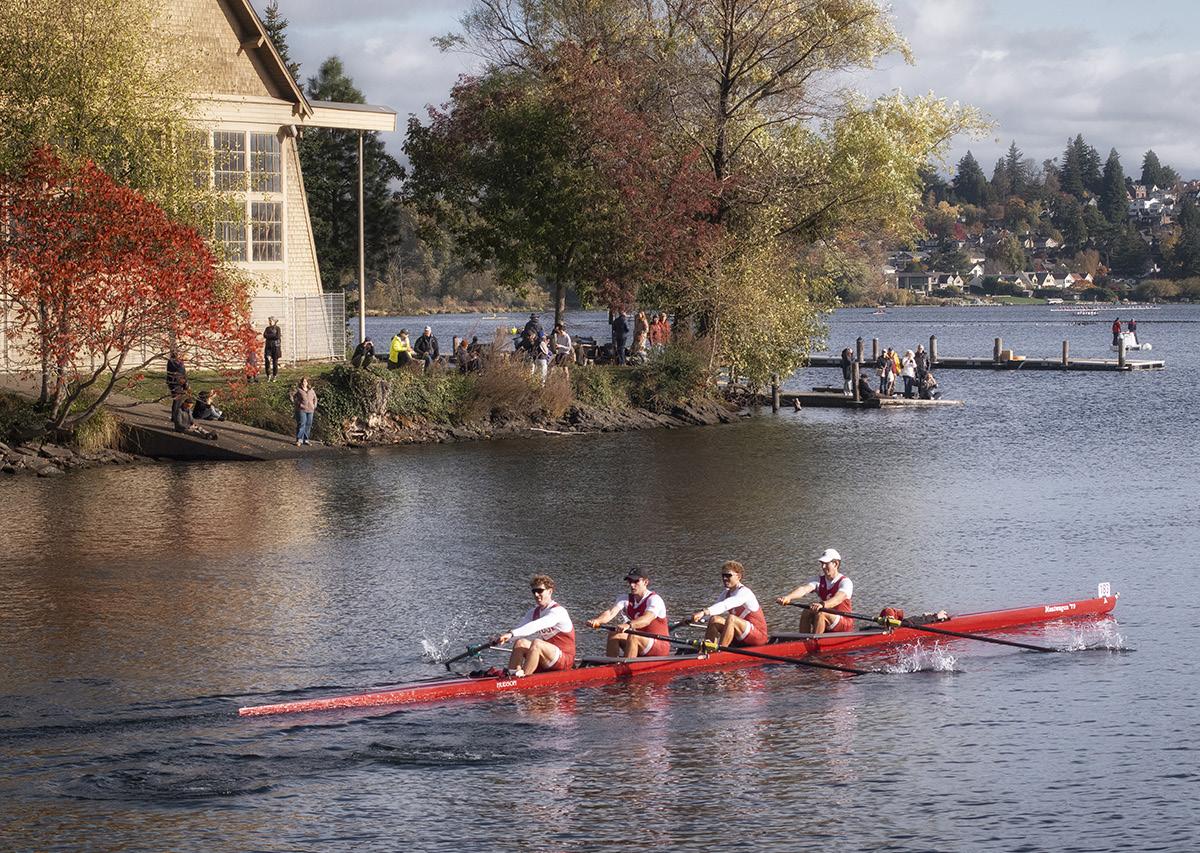
HOTL 2025: WSU’S M1V4+ PASSING
FORMER ASUW SHELL HOUSE. (L-R: FRANK CODDINGTON, SIMON SCHMIDT, DYLAN REEVES, TREY AQUINO, FINLEY LUTHER.)
HANGAR
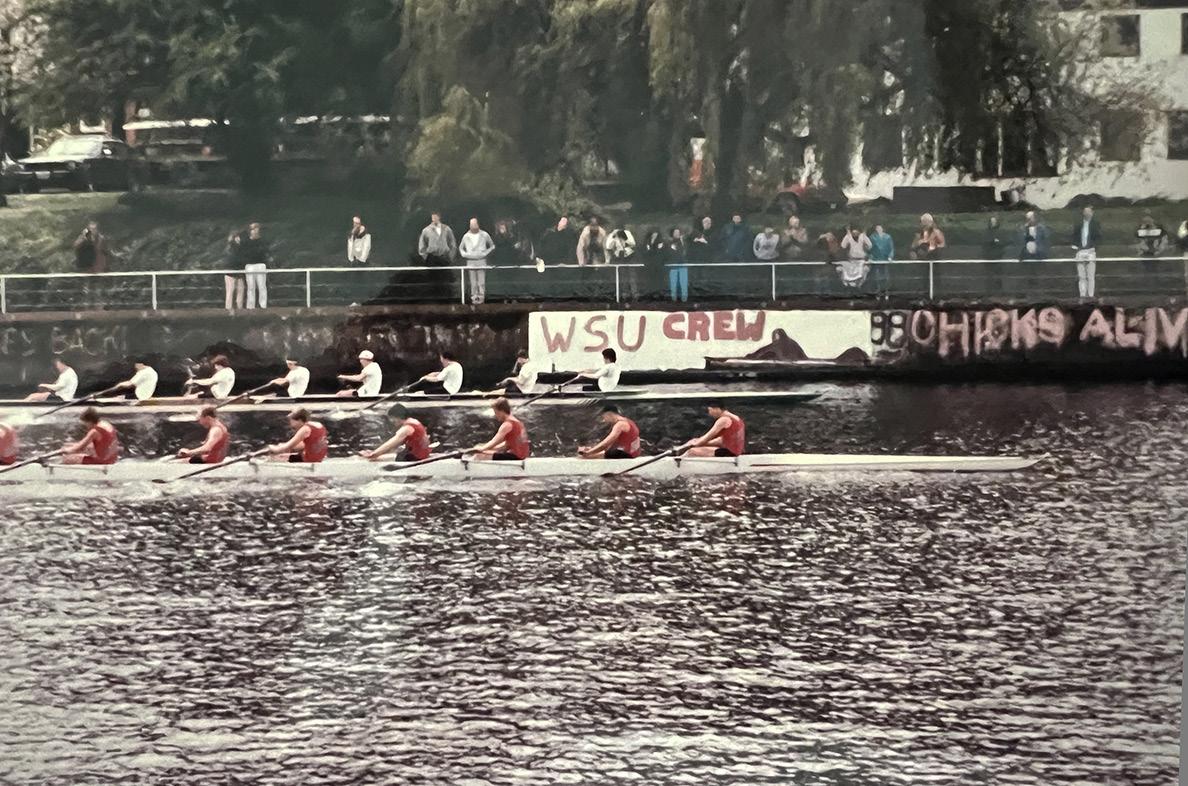
Thunder in the Cut UW-WSU Dual Race, 1986
According to Scott’s race call, we were seat-to-seat with UW’s Varsity Light eight as we approached the Montlake Cut, settling ourselves for the final push. The race didn’t feel quite like I expected—we hadn’t taken the seats I thought we would by that point—but the boat was in sync, and there was a quiet, collective confidence inside our gunwales. The only sounds were Scott’s strategy calls and the steady clump of our oars rotating in nylon locks; the rhythmic swish of blades entering and exiting the water.
The second we entered the Cut, everything changed. Under the bridge, Scott called out 250 to go as the world around us erupted into thunder. I started my countdown clock: 30 strokes to go; burn everything left in the tank. It was hair-raising—an immediate surge of adrenaline—and one of the most electric moments I’ve ever experienced. Trading bow balls in the Cut is something difficult to adequately describe. It was the first and only time I saw the world shift from color to black-and-white, then compress into tunnel vision. With 10 strokes left, all I could see was the back of Bob’s head and shoulders in the 5-seat—breath, breath—and the race was over before I reached zero. I had no idea whether we’d won or lost. I looked up after my sight returned and thought I saw Coach Struck looking down on us from the Montlake Bridge. —Craig Maitlen (86), four seat
APRIL 12, 1986: COUGS AND DAWGS, TRADING BOW BALLS IN THE MONTLAKE CUT. WAZZU GRAFFITI COURTESY 1986 WSU WOMEN’S NOVICE 8+.
Craig and Donna Kloster Maitlen live in Port Orchard. They met on Cougar Crew and have three kids plus a granddaughter.
AFTER THE RACE. L-R: AARON SHARP, DAVID ARNOLD, THAD O’DELL, CRAIG MAITLEN, BOB NEHRING, JESS O’DELL, JIM GRESSARD, DAVE REEDER. FRONT, CENTER: SCOTT MCALEAR.
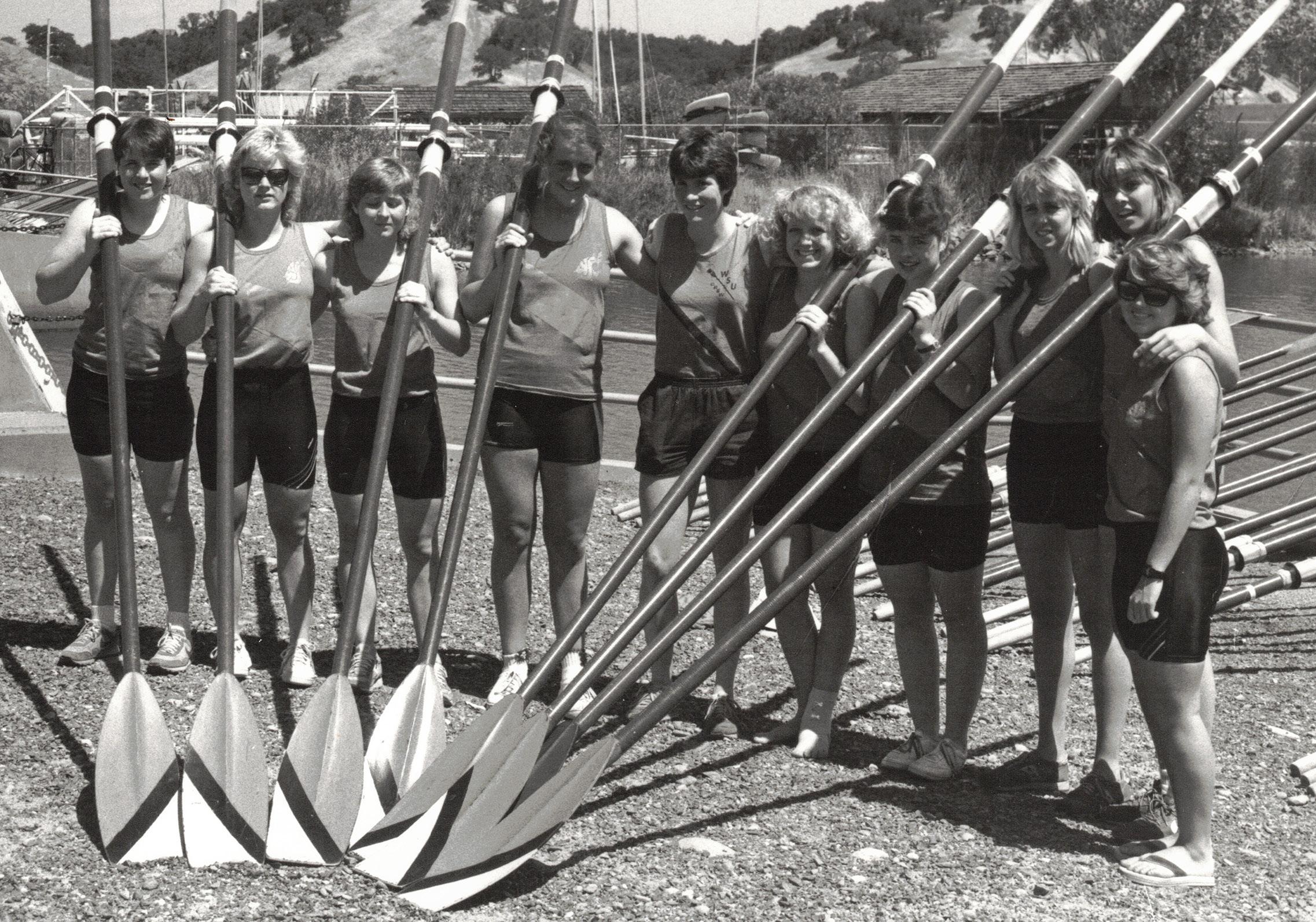
LAKE NATOMA, CA: PACIFIC COAST ROWING CHAMPIONSHIPS, MAY 1986. L-R: SHARI SCHNEIDER, BRENDA RISCH, MOE FLURY, PAM WARE, TAMMY CRAWFORD, STACEY GOSNEY, JODI RUTTER, TRACY VADSET, STACY JENKINS, TJ. PHOTO: LEO WARE.
How unbelievably exciting it was rowing through the Cut! So many people, cheering so loud. A world away from our remote river-canyon racecourse. I don’t think any of us really understood what it meant to beat the Huskies on their home course. Apparently Tammy ran along the Cut cheering us on. What an unforgettable experience!
—Stacey Gosney Burge (89), five seat
What fun to have a lineup of yachts along the course! There were plenty of Cougars among them, and they showered us with love. Some tried to give us beers on our row back to the shell house. My parents were on the bridge, next to Tammy’s sister, cheering us on and as thrilled as we were. WSU women won the Novice Open 4+ that day as well.
—Stacy Jenkins Mitchum (89), stroke
SNAPSHOT WORTH A THOUSAND WORDS.
Whenever I reflect on this once-in-a-lifetime experience, it’s a blend of the purest excitement and deepest satisfaction. We did something that wasn’t supposed to happen. We won. My parents were watching and their euphoria was contagious. My dad was a proud and loyal UW grad and he was thrilled. Racing on the Cut with two Husky eights in the rearview mirror is the absolute cherry on top!
—Pam Ware Single (89), six seat
Beating the UW Novice eight was one of the highlights of my three-year rowing career. Tammy Crawford brilliantly coached an eclectic group of club athletes to victory that April day. When we arrived at the UW shell house, I was overawed by their facilities and tradition. We knew we were the underdogs, but we weren’t intimidated. A miscellaneous group of swimmers, runners, and tennis players, we had plenty of athletic talent and ambition, and we had great camaraderie and drive in the Namaste. We believed in ourselves. And we knew the Husky rowers were novices, too. Racing next to the 520 Bridge, traffic and crowd noises were thrilling. Chants of “Go Cougs” made our puddles gigantic. The view from the three seat was superb. We had almost two lengths of open water as we crossed the line in Portage Bay, a nine second margin. Our club beat the Dub!
—Brenda Risch Smith (88), three seat
Sharon “Shari” Schneider, myself and someone else (maybe on the men’s side) did some pre-regatta prep the night before the race, painting the Coug rower silhouette and “WSU” on the seawall in the Cut. The rower survived several years but “WSU” disappeared quickly. We wanted to prove we could hold our own against Bob Ernst’s team. The crowd noise was amazing and everyone knew how important it was to be in front going into the narrow Cut. I don’t think I entirely grasped the size of our achievement until my son Arne served as Husky Commodore for three years. He patiently explained that any race in the Montlake Cut that finished like this one would be a nasty shock for Husky rowers everywhere.
—Tracy Vadset Landboe (89), seven seat
Alumni Notes
Youthful obsession; retiree’s dream
I started rowing in 1974, spring semester, junior year at Pacific Lutheran University. Our first race was at Boyer Park and I wasn’t in the varsity boat. I sat on the riverbank and watched the varsity eight go off. We (PLU) thought we had at least a good chance. Perhaps we did in 1973, but in 1974, we lost by over four lengths. On the long drive home, our guys were completely confused. PLU did not yet have a Computer Science department, but an agreement with WSU allowed me to take Computer Science classes in Pullman my senior year to complete graduation from PLU. So I wound up in Pullman for the 1974-75 academic year. Given my experience at the aforementioned regatta, I wondered if I should even bother to look into rowing. But I found Ken Struckmeyer’s office a few days before WSU crew’s “Welcome Back Run” to introduce myself. Ken was very welcoming, but he startled me as I was leaving. Replying to my question “When are the first cuts?” he answered “We don’t have cuts.” Suddenly I realized I had assumed (maybe even counted on) getting cut early on. I made the varsity boat for a few races. Before the race in Lewiston, Idaho I told my little brother that I was in “the big boat.” He responded with confusion “I thought WSU had a good crew?” In that race, we heavyweights lost to both Western and our own lightweights, including my roommate Brad Sleeper. As spring semester wore on, I found myself less interested in Computer Science than I was in rowing. My hands turned into hamburger and at the 1,000-meter mark of every race, I thought I was going to die. But youth’s short memory and a lot of first aid tape served me well and I was always excited for the next practice and the next regatta.
After WSU, the rowing bug stuck, visible only as a desire to stay in shape. Marriage, children, and a move to suburban DC followed. I looked wistfully at the boats on the Potomac, but a jog, swim or bike ride were more feasible than a rowing session an hour’s drive from home.
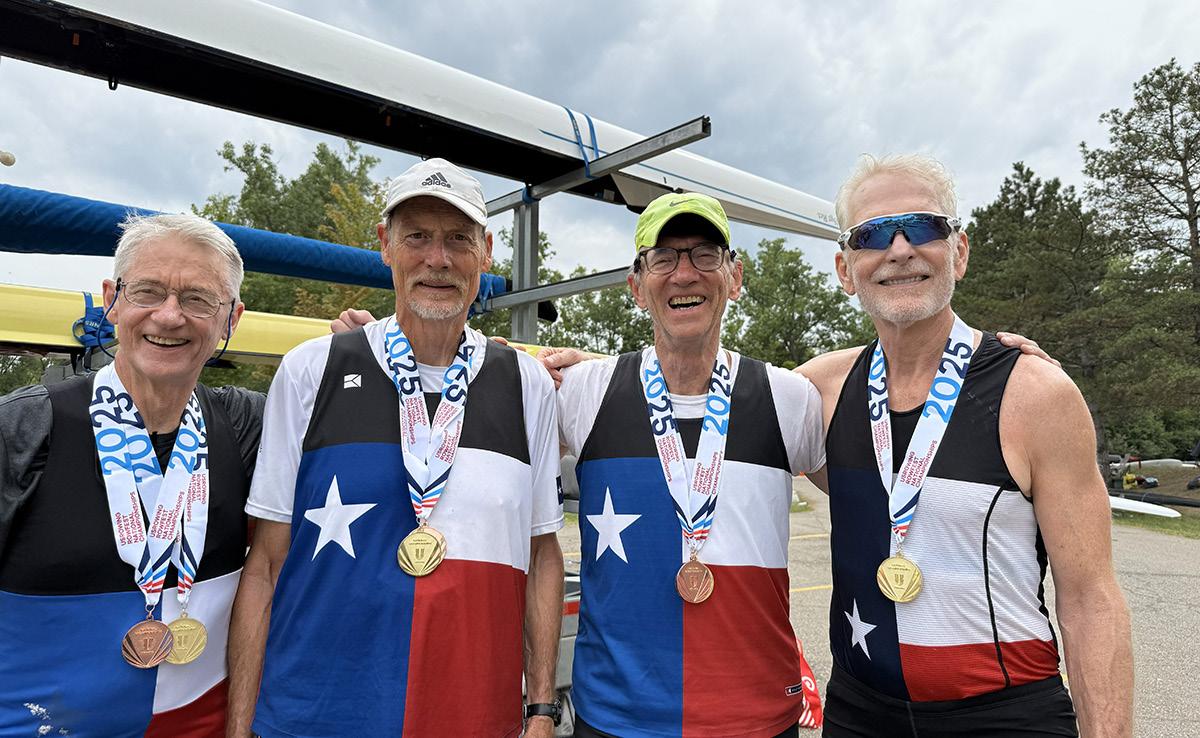
In 2022, my wife and I retired and moved to Austin, Texas, where I discovered the Texas Rowing Center (TRC), a scant 22-minute drive from home. After two and a half years and many erg sessions, I found the courage to take a few sculling lessons, then signed up for a year’s membership. My ambition was to row a single a couple days a week. Instead, my sculling instructor, Mark Borchelt (one of the legendary Borchelt brothers), began seating me in doubles and quads, and soon I was getting real coaching three or four days a week in various team boats. Much came back to me very quickly, including memory of the pain. Then, serendipity! Three guys at TRC needed someone at least 70 for a quad they planned to enter at Rowfest 2025, which was in Ypsilanti, MI, this past July. I was probably more nervous than at WSU. We won two of three races, and I was thrilled both to have been asked and also not to have failed. A teammate generously explained “Well, we didn’t really have much choice.” Coach
JULY 20, 2025, USROWING ROWFEST NATIONALS. L-R: JEAN-PHILIPPE NICOT, MARK BORSCHELT, THOMAS KRATZKE, MIKE ANDERSON. MISSING: WREN FANNON, COXSWAIN. PHOTO: DIEM-TRAN TU KRATZKE.
Mark, bow man ahead of my two seat, asked me “Thomas, do you know how good you could be if you ever learned how to row?”
Mark is a seven-time US National Team Member, and two-time Olympian. Paul Enquist, one of my WSU teammates, assured me “You’re in good hands.” At TRC, I’ve met many accomplished rowers, among them TRC owner/director Matt Knifton. Matt’s daughter Kate just stroked the US Women’s 4- to a gold medal in Shanghai and also rowed in the 2024 Paris games. During one practice, someone who coxed an eight I was stroking coached me quite a bit. I afterwards learned she was a national team member. Long before he was an Olympian, I had the benefit of Paul’s softly spoken constructive criticism when he rowed six and I rowed seven. I’ve been lucky to brush shoulders with more than my fair share of truly top-notch rowers.
The sport has been good to me; especially that formative year at WSU. It sparked a powerful interest that lay dormant but never died. Once I resumed, I recognized that rowing is more than an activity; it’s a community, and one I’m proud to be part of. To be sure, there were times I regretted allowing it to hijack my senior year. I didn’t distinguish myself in Computer Science at WSU. Maybe I wouldn’t have anyway. In the end it all worked out pretty well. Eventually I enjoyed a satisfactory career, but maybe as or more important, I have enjoyed something outside my profession; a pursuit and a community that have truly enriched my life. I hope to see some of you in Pullman in March.
—Thomas Kratzke (75)
Tom returned to Pullman for an MS in Mathematics in 1978. Work at Hanford, marriage, family and a PhD followed. Most satisfying career achievement: Tom is author of the mathematical “back end” of the program that the Coast Guard uses when someone is lost at sea. He and spouse Diem-Tran Tu Kratzke enjoy the very rare privilege of sharing one residence with four generations.
Alumni Notes
Fall Camp at Crescent Bar
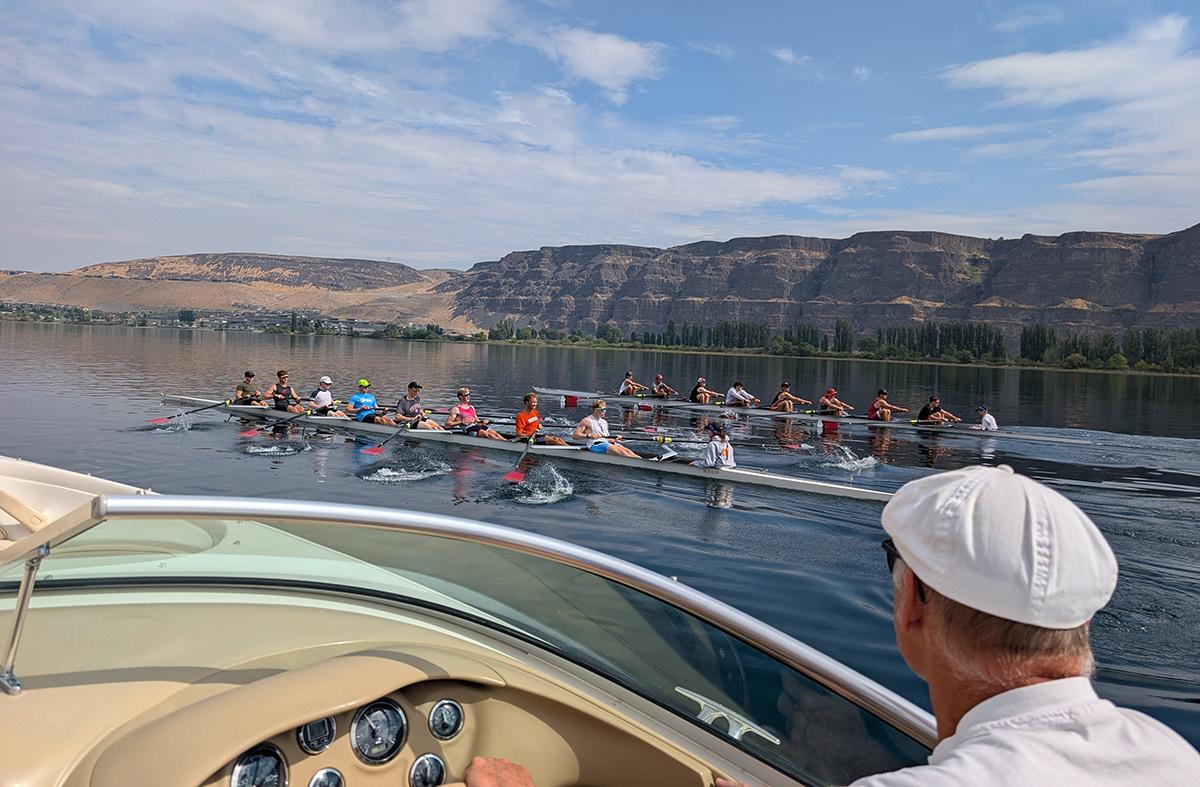
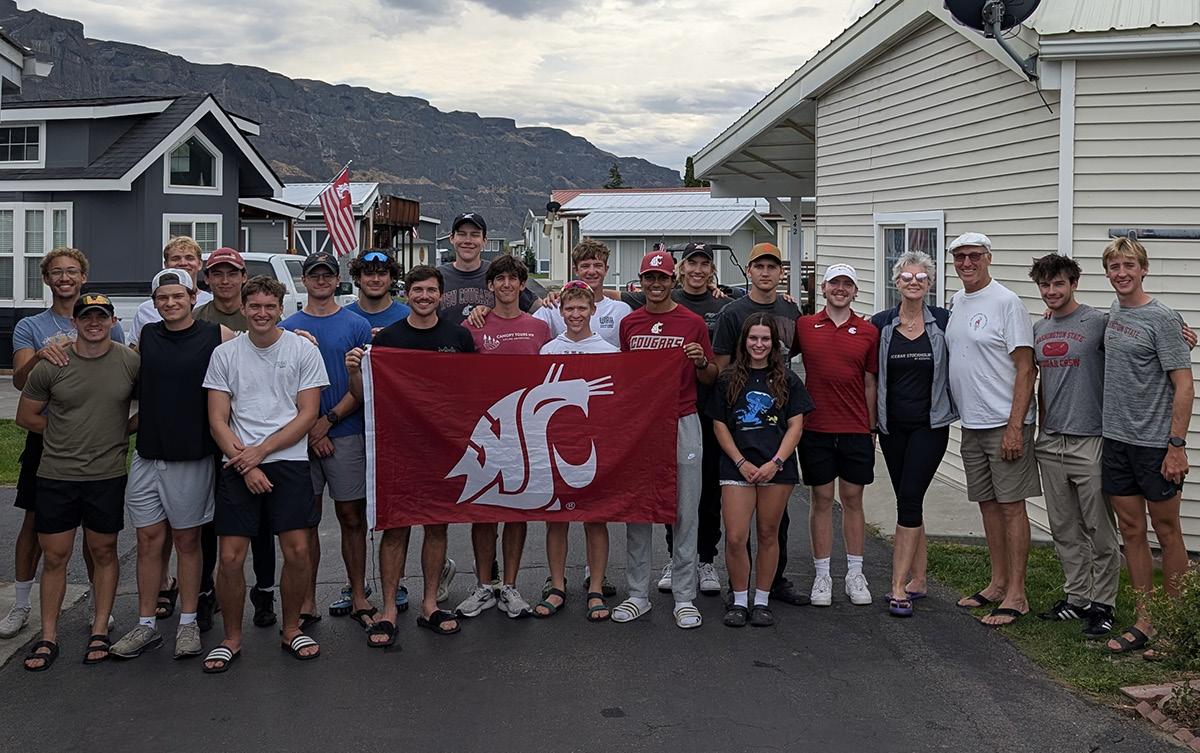
The Varsity team enjoyed the privilege of sending two eights and a spare pair to Paul and Lisa Enquist’s home in Crescent Bar, WA. We were greeted with the utmost hospitality by our hosts. In three days, the team rowed more than 80,000 meters on the Columbia River. Paul drove the coaching launch for Peter, offering tips to the team, and enjoying a front row seat to the current progress of the varsity men. Lisa prepared great meals every day and personally ensured that no member went hungry.
On Friday after rigging up the boats we took the eights out for an evening row of 12,000 meters. The focus was on technique and getting loosened up after the three-hour drive. Following the row, we were greeted with a hot meal of home-cooked pasta and salad courtesy of Lisa, which was fantastic, and precisely what the crew needed. Saturday morning brought a 25,000-
PAUL ENQUIST FURNISHED AND SKIPPERED THE LAUNCH AND PITCHED IN WITH COACHING. NEAR CREW, L-R: AUSTIN COLE, AIDAN KENNEDY, GRIFFIN NETHERCOTT, SCOTT NORTH, AUSTIN KOOLE, FINNLEY YOUNG, DYLAN REEVES, OWEN LAUB, AINA BISHOP. FAR CREW, L-R: TREY AQUINO, JUAN GOMEZ-SANCHEZ, JACKSON MACLEAN, LUKE SCHWAGER, CARSON SNELL, ZACK BRANDT, SIMON SCHMIDT, ROCCO FORTE, FINLEY LUTHER.
meter row from Crescent Bar down to the Gorge Amphitheater, focusing on sound technique and logging some serious volume. After that, we took small boats out for a shorter 10,000-meter row in the back bay of Crescent Bar, with cliffs towering above. At lunch, we were treated to an impressive spread including Pimento Cheese Dip, sandwiches, the option of lunch meats or even Paul’s fresh-caught tuna salad, which was delicious. We took time to relax and recharge before heading back out in small boats for our third and final row of the day. The crews aimed for 12,000 meters, focused on smoothness, with good technique and flow. Afterwards, a much-needed dip in the pool as our hosts grilled burgers and prepared another great meal.
On our final day, we again took out pairs and doubles, getting some volume in with a 17,000-meter row before one last workout in eights, with a bit of competition between the crews. The work consisted of two ten-minute pieces at rate caps that climbed from 20 to 26 spm throughout. Both eights fought hard with multiple lead changes and maybe a one-seat difference between the crews on the last piece. The mood was great, both crews laughing and congratulating each other on a well-earned finale. The next day, we were back in Pullman, feeling new levels of technique, speed, and fitness. A big shout out to Paul and Lisa for their generous hospitality.
—Finley Luther (27)
Team Publisher Finley Luther is a junior in kinesiology, a third-year coxswain and a first-year officer.
SPRING RACING SCHEDULE
Covered Bridge Invitational
April 4, Lowell, OR Fawley Cup
TBD
GW Invitational
April 18–19, Washington, DC
WIRA Championships
April 25–26, Rancho Cordova, CA
ACRA National Championships
May 15–17, Oak Ridge, TN
Alumni Notes
Rowing exhibit at the CUB
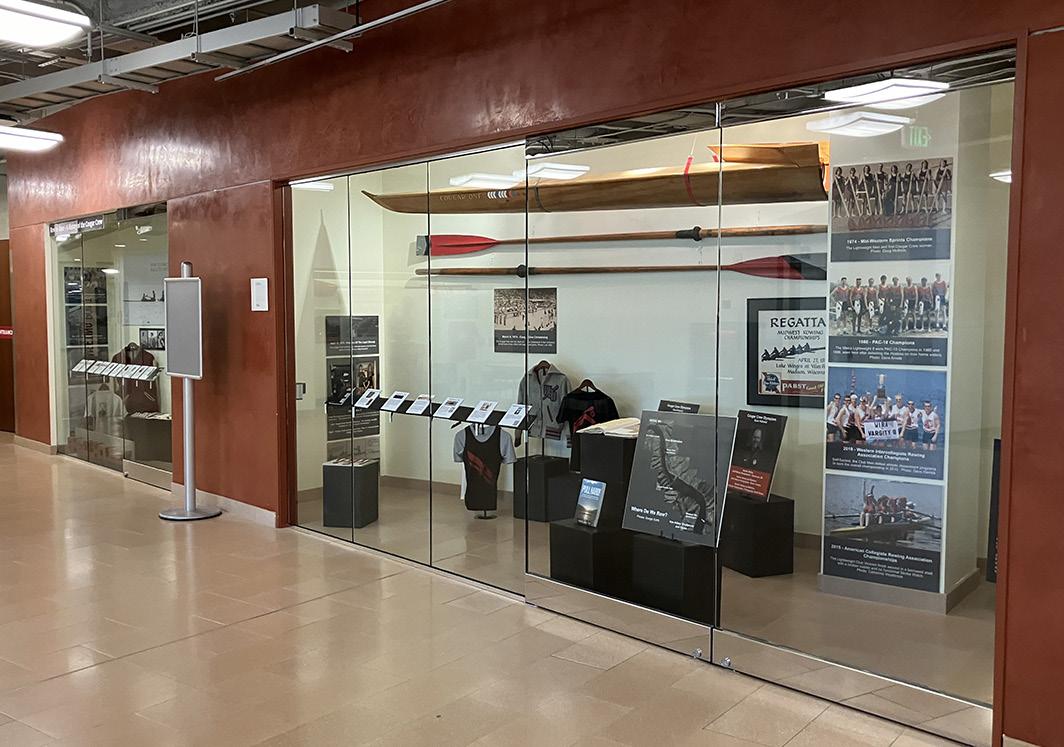
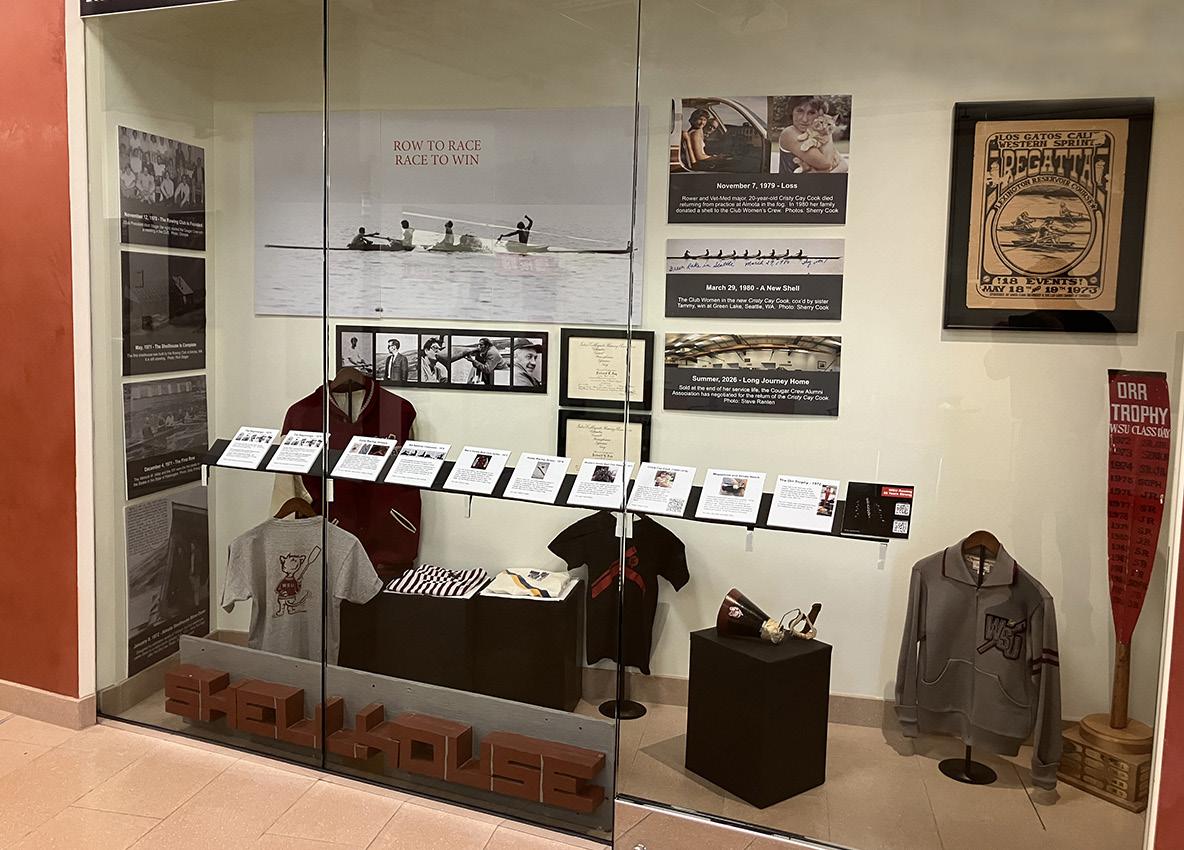
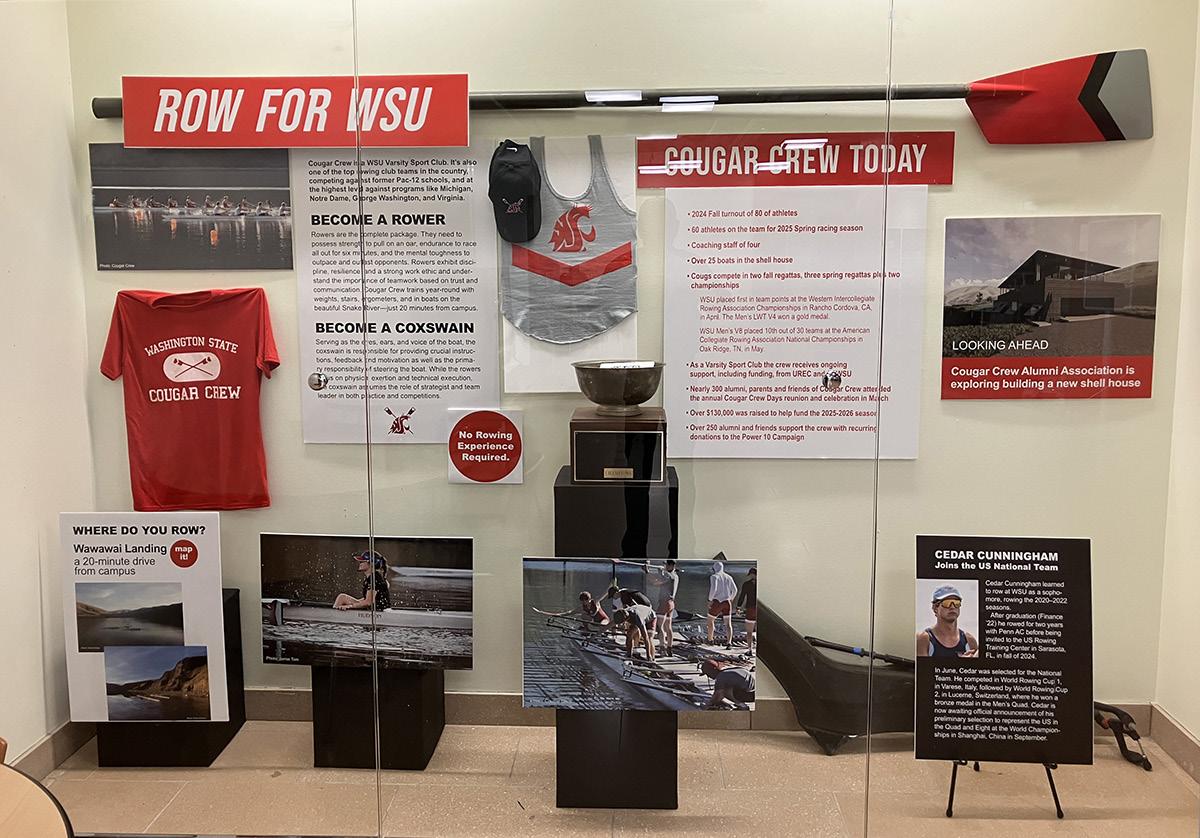
In mid-August 2025, installation began for a rowing exhibit in three floor-to-head-height window display cases at the eastern end of the CUB. The exhibit covered many different aspects of the club’s history, including the construction, loss and rebuilding of the first shell house; the start of the women’s program; lightweight rowing; championship crews; Cougar Crew Olympians; an invitation to and information for potential recruits; accomplishments of the current crew and plans for the future. The exhibit was visible to CUB visitors through December.
Documents and artifacts displayed in the windows came from many different sources. Contributors included: Dave Arnold (88), Peter Brevick (06), Alex Carper (26), Jim Flynn (76), John Holtman (81), Kathryn Figon Kaatz (76), Allison Thomas Keith (15), Mo Carrick Kelly (78), Mike Kimbrell (76), Mike Klier (75), Tammy Cook Lindberg (84), Len Mills, Jess O’Dell (86), Kathleen Randall (81), Kari Ranten (80), Rich Ray (80), Steve Rowlett (75), Ken Struckmeyer (Wisco 68) and Dave Yorozu (77).
Highlight of the exhibit was the restored bow section of the first eight purchased new by the team, the Cougar One. This gleaming, evocative remnant of the wood boat era will be available for photo ops at Ferdinand’s following the CRA Spring Board meeting on Friday, March 20 and later at the Ice Breaker at the Student Rec Center.
The exhibit was initiated, designed and curated by Mike Klier (75) with substantial assistance from Doug Engle (79) and Kathleen Randall (81).
Kahua Ranch Roundup
September 2025, The Big Island. Hawaii State Senator Herbert M. Richards III (81), “Haole” or “Tim” to his crew mates, has plenty on his plate these days. Eleven-year-old twins Ruby and A.R. are just the start of it.
Elected to the Hawaii State Senate in 2022, Tim remains active in his large animal veterinary practice, a partnership with “Valley Jim” Gressard (86) and he continues to manage 2,100-acre Kahua Ranch on the western slopes of the Kohala mountains. There’s legislating. And active volcanoes. Apparently all this is not enough.
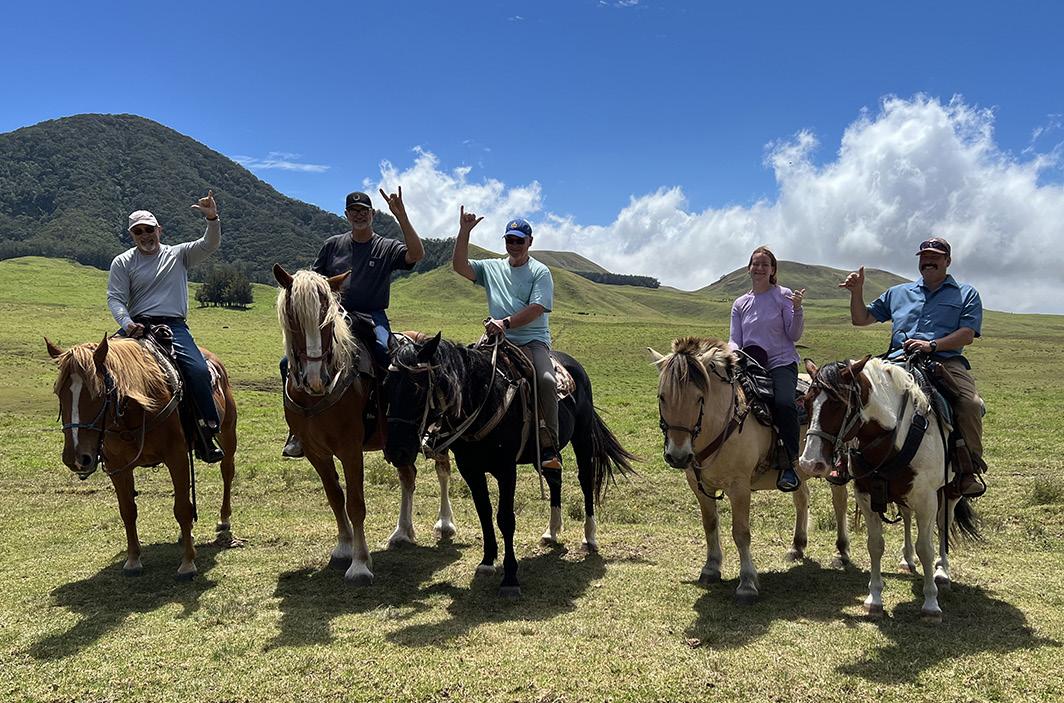
After musing for years about a Big Island rowers reunion, Tim teamed up with Ernie Iseminger (88). They summoned 11 old oars from the 1980s. With spouses and offspring, this group sometimes swelled to 20 for the big events: a torch-light roast-pig luau with Hawaiian dancers; Kahua Ranch tour; nice dinners; sun, sand and surf; Hawaiian appetizers (“pupu”); pub visits and even some horseback riding.
An unusually fun vacation? That would be an understatement.
FRONT: KATHLEEN RANDALL (81), L-R: MITCH VAN WORMER (81), JAYNE VAN WORMER, LUCY PABISZ, MIKE PABISZ (82), ROSEMARY VANCLEEF, KASH VANCLEEF (84), SHERRI VANCLEEF BODMAN (81), GLEN BODMAN, ALÉ VANCLEEF, CHASE VANCLEEF, RUBY RICHARDS, TIM RICHARDS (81), RICH RAY (80), MIKE BUCKLEY (82), SANDRA SHIVELY BUCKLEY (83), ALICE ISEMINGER, ERNIE ISEMINGER (88).
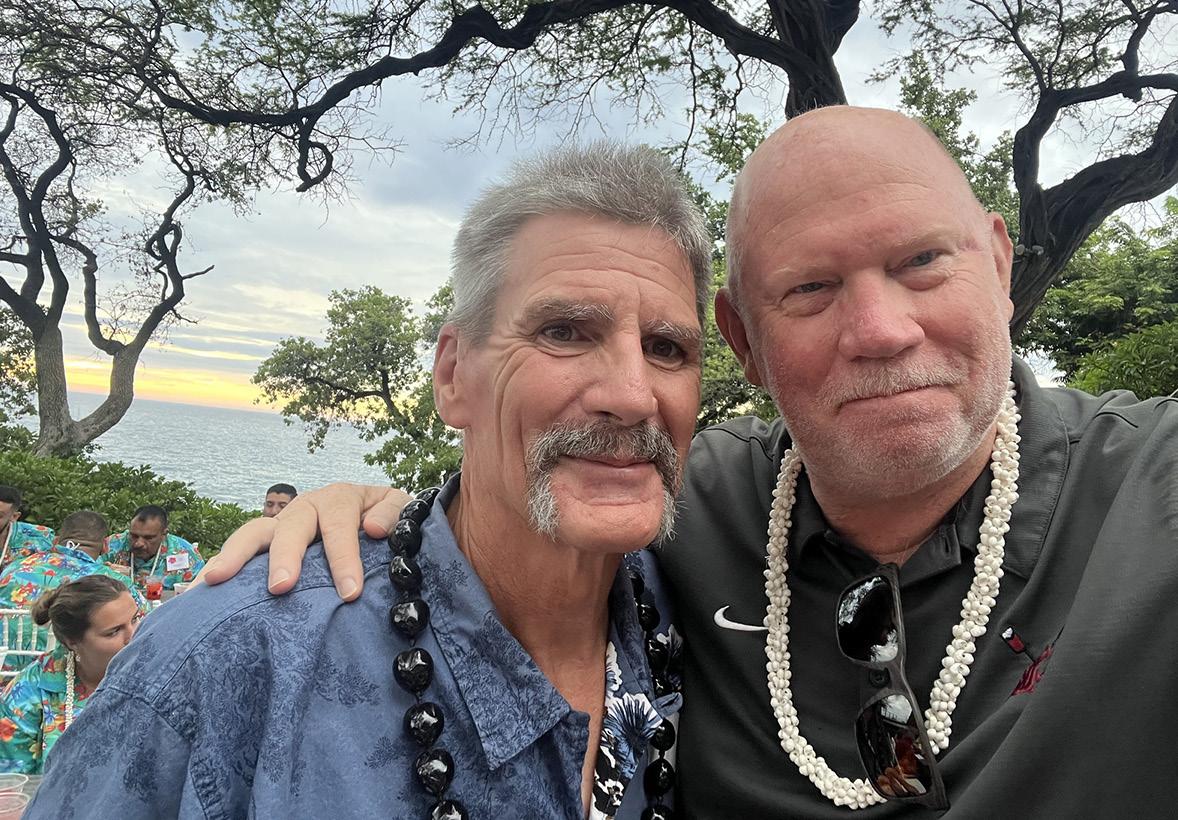
KEA BEACH ON THE KOHALA COAST. ROUNDUP, DAY ONE. GOTTA WEAR A LEI TO A LUAU: KASH VANCLEEF (FROSH COACH 1983–1985) AND ERNIE ISEMINGER, ONE OF KASH’S MOST AMBITIOUS ATHLETES. KAUNA’OA BAY IN THE BACKGROUND.
RIDERS ON THE RANGE. THE HAWAIIAN “SHAKA” SIGN TELLS SURFERS AROUND THE WORLD TO “HANG LOOSE” OR “TAKE IT EASY.” TIM TAUGHT THIS TO TEAMMATES ON THE SNAKE. L-R: MIKE PABISZ, MIKE BUCKLEY, MITCH VAN WORMER, ALÉ VANCLEEF AND GLEN BODMAN.
In Memoriam
John William Sanders
September 21, 1957–September 28, 2025
Legendary Cougar rowing lightweight John Sanders died unexpectedly at the age of 68 following a doubles race at the Steerhead Regatta in Fort Worth, Texas. He was in the company of teammates, doing what he loved best: pressing himself to the limit. I met John through rowing on the Snake in 1982. Full of enthusiasm and energy, John always spoke like a man on the edge of his seat. He was excited by his own stories and excited to hear yours. If you didn’t give one up, he’d pull it out of you.
Born at Fort Ord, California to John C. Sanders and Kyoko Sanders, John’s early years were spent on Army bases across the country before his father retired and settled the family in De Pere, Wisconsin in 1970. Competing in football, wrestling and track, John graduated from East DePere High School in 1975. Following graduation, he enlisted in the Army, serving at Fort Lewis. After an honorable discharge, he studied mechanical engineering at WSU, where he also learned to row.
A career with Boeing took him into the B-1 Bomber program and Oklahoma City, OK. A lifelong competitor in multiple sports, John rediscovered rowing in mid-life, joining the Oklahoma Association of Rowers at the dawn of “the next great rowing city.” At 49, John earned two gold medals at the FISA World Masters Regatta in Princeton, New Jersey.
After years away from rowing, John returned to the sport with energy and enthusiasm. For more than 20 years, he coached and
continued
CIRCA 2015. COUG RENDEZVOUS AT OKC RIVERSPORT CENTER, OKLAHOMA CITY, OK. L-R: PETER BREVICK (06), BOB APPLEYARD (75), JOHN SANDERS (85), AMY BREVICK JANTZEN (09), KARIN BREVICK DERRICK (08), CHRIS JANTZEN (06).
MAUNA
competed for Riversports Rowing in Oklahoma City, Oklahoma, widely considered a world class facility. Teammates nicknamed John “The Mayor,” a tribute to his inspiring leadership and friendly, welcoming demeanor.
On October 10, his Riversports teammates celebrated a ceremony of life at the Chesapeake Boathouse and christened a shell with John’s name. Memories were shared and a sunset row was held. The last boat to pass the dock was a quad with one seat empty carrying John’s spirit past the dock one last time. John was a good friend, mentor, and trainer to many over many years. His legacy is large on the local and national rowing circuits. He will be deeply missed.
—Tim Gattenby (83)
Letters
Hi Rich,
I just wanted to reach out to help set the record straight. On page 9 in the Summer 2025 issue, Dave Emigh states “In Friday afternoon heats at ACRA, WSU’s M1V8+ rowed a 5:56.4.” Then he asked: “If you know of other sub-six minute crews, please share.” Our 2012 MV8+ went 5:53.4 in the Petite Final at ACRA 2012. That crew was comprised of Eric Demaris, Josh Wadagnolo, David Herrick, Chris Kimball, Orion McCabe-Gould, William Miedema, Paul Lund, Jeffrey Rhubottom, and myself. We set the team M1V8+ 2k record, which remains unbroken thus far.
—Caitlin Aldrich Turner (12)
(2012 ACRA Results: https://tinyurl.com/3bkv9n77)
To the Editor:
To the Editor:
If you were wondering where the Seat Auction concept came from… In February 2024, we were invited to the annual Men’s Crew Alumni Dinner at Orange Coast College. Highlight of the evening was dedication of an Empacher 8+ and a Seat Auction. Bidding was loud and competitive; a winner-take-all competition to name your seat in the shell or honor a teammate. The spirited rivalry of the event was inspiring. We didn’t think Orange Coast would mind if we borrowed such a great idea.
—Alice and Ernie Iseminger (88)
Randy Bell (86) emailed: “…for what it’s worth, I think you all are doing a great job repping the Crew. The Pull Hard is awesome.” Compliment appreciated. As Paul Simon put it: Just trying to keep the customers satisfied.
Last Things
When the summer issue landed, there were reports of a muffled murmuring of monks. The bone of contention? “The Unending Race,” final reflections of accomplished LWRC rower Theo Mittet. Must we bang the gavel and state for the record that LWRC has given safe harbor to many a post-grad Coug? If memory serves, two of them earned Olympic gold. —Editor
Corrections
In the Summer 2025 issue on page 9, the caption reads “Tuesday they drove to Spokane for the redeye to Knoxville.” The team flew to Nashville, requiring a 2.5 hour drive. Cheaper airfare than Knoxville, which is only 30 minutes from Oak Ridge course.
In the same issue, the photo caption on page 21 reads “The 1964 straight four leaving for the finals...” It should read “The 1964 straight four leaving the dock.”
FOUNDERS WE HAVE LOST
Robert Minnich (1950–2017)
In the Winter 2025 issue, Jim Flynn is shown in front of what the caption on page 13 describes as “our second boathouse near Boyer Park & Marina.” In fact, Jim is standing in front of our rebuilt first shellhouse. The blow-down of January 8-9, 1972, destroyed our first two eights, the Winlock W. Miller and the 101 and Bob Orr’s personal single. The shellhouse walls collapsed but the roof remained largely intact. The salvageable elements of the original structure were re-raised by the Corps of Engineers and reinforced by the addition of 8x8 inch timber columns anchored in concrete, four outside each long wall. The columns have prevented a recurrence of the hingingmoment that collapsed the building. The sign we made for the building is on display in the Ken Abbey Shellhouse. The wind design-spec was 100 mph in our original plan. During the storm, higher-altitude gusts near Pasco reached 150 mph.
—Mike Klier (75)
THE ROOF TRUSSES IN THIS 2019 SNAPSHOT WERE HAND-MADE IN 1971, SURVIVED THE STORM, AND REMAIN AS BUILT.
Robert “Bob” Minnich (72) was a founding member. He was on the construction crew that built the original, ill-starred shellhouse at Boyer Park, and on the water for the inaugural row on December 4, 1971. Bob rowed in the Lightweight 4+ at Corvallis in 1972, the first-ever regatta for Cougar rowing. He was in the Tyee when it turned rescue vessel after the Red Baron split and foundered near Lower Granite Dam. He carted off and saved a 23-foot remnant of the “101,” lost to the shellhouse blow-down in early 1972. Thanks to Bob’s younger brother Scott, the remnant was recently returned to the program as material legacy. Bob graduated from UW in 1973 and lived in Puyallup.
—Mike Klier (75)
Thank You POWER 10 Supporters!
Since 2010, powering the crew. Join the campaign at cougarcrew.com/support, then Power 10 Fund.