



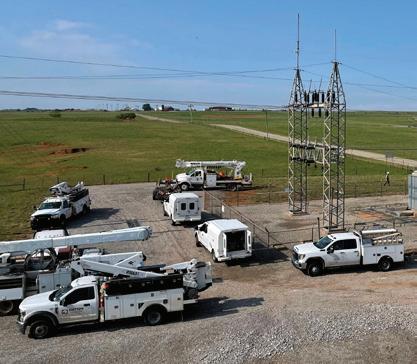
Safety tips for before, during and after the storm
Storm season is potentially on its way. Many spring storms have the potential to produce tornadoes – they can happen anytime, anywhere, and can bring winds more than 200 miles per hour.
As adults, we understand the importance of storm safety, but younger children and teens may not realize the dangers storms pose. That’s why it’s so important to talk to your family and have a storm plan in place. Here are a several tips you can share with your loved ones.
Before the storm
to do in the event of a severe storm or tornado. Point out the safest loca tion to shelter, like a small, interior, windowless room on the lowest level of your home. Discuss the dangers of severe thunderstorms; lightning can strike 10 miles outside of a storm. Re member: when you hear thunder roar, head indoors.
to be elaborate – having a few items on hand is better than nothing at all. Try to include items like water, non perishable foods, a manual can open er, a first-aid kit, flashlights and extra batteries, prescriptions, baby supplies and pet supplies. Keep all the items in one place for easy access if the power goes out.
During the storm alerts – either on the TV, your smart
phone or weather radio – and understand the types of alerts. A thunderstorm or tornado watch means these events are possible and you should be prepared; a warning means a thunderstorm or tornado has been spotted in your area and it’s time to take action.
• If you find yourself in the path of a tornado, head to your safe place to shelter, and protect yourself by covering your head with your arms or materials like blankets and pillows.
• If you’re driving during a severe storm or tornado, do not try to outrun it. Pull over and cover your body with




VOLUME 67 April 12, 2024 NUMBER 8 A Publication of Cotton Electric Cooperative Inc. The Current “The Current - Informing Our Members Since 1957” What’s Inside Youth Tour winners will represent Cotton Electric in Washington, D.C. Page 7 Thank a Lineworker Page 11 How to create rain barrels for your garden Page 15 Briley Stoll Marlow High School uke School Witt School do you need to place an ad? If so, let us know. We can be reached at 580-875-3351 or by email at TheCurrent@ cottonelectric.com. You can also drop us a line at Cotton Electric Current, 226 N. Broadway, Walters, OK 73572. ment now being applied to bills mailed after April 1, 2024, is $0.00607 per kilowatt hours (kWh). On a member’s average bill of 1,300 kWh, this will amount to a charge of $7.89 on the April bill. 4 80 54 67 5 68 47 58 6 71 44 58 7 77 57 67 8 57 38 48 9 58 32 45 10 65 27 46 11 72 32 52 12 80 42 61 13 85 48 67 14 84 53 69 15 62 42 52 Source: srh.noaa.gov/oun/ 19 72 29 51 20 77 38 58 21 64 55 60 22 72 49 61 23 62 37 50 24 68 57 63 25 61 38 50 26 56 34 45 27 57 34 46 28 71 29 50 29 76 51 64 30 81 44 63 31 74 60 67 Up rebate applications are open and must be received by June 30, 2024. Tune-ups must by completed between April 1 and June 20, 2024. The next issue of The Current should arrive in mailboxes May 10, 2024. Average Daily High: 70 Average Daily Low: 42 Mission Statement Our mission is to safely deliver reliable and affordable power, provide excellent member service, and improve the quality of life in the communities we serve.
IF THERE IS A DOWNED POWER LINE THINK BEFORE YOU ACT U T I L I T Y W O R K A H E A D

From the CEO Thanking our employees
If you were asked to associate an image or a person with Cotton Electric Cooperative, a picture of a lineworker is what probably comes to mind. One of the most visible employees of the co-op, our line
ten in the middle of the night, to tackle a challenging job in difficult conditions, when most are sheltering comfortably at home? This devotion and sense of service to the community is truly what sets them apart.
Appreciation Day and community service projects.
While our line crews may be the most visible employees at Cotton Electric, it’s important to note that there is a team of highly skilled professionals, like
Page 2 Current News April 12, 2024 Taxes 153,529 145,493 Total Operating Expense per Mile 1,098 1,199 Average Farm and Residential Bill 144 170 Average Farm and Residential kWh 1,204 1,400 Total Meters Billed (Farm, Residential) 19,607 19,335 Miles Energized 5,269 5,255 Density per Mile 3.72 3.68 New Service Connects YTD 60 55 Services Retired 18 19 is published monthly by: Cotton Electric Co-op, 226 North Broadway, Walters, OK 73572 Periodicals Postage paid at Lawton, OK 73501-4649 Postmaster Send #3579 To The Cotton Current 226 North Broadway Walters, OK 73572 This institution is an equal opportunity provider & employer. May Ad Sales April 26 Classified April 26 Publish May 10 June Ad Sales May 31 Classified May 31 Publish June 14
T H A N K A L I N E W O R K E R .
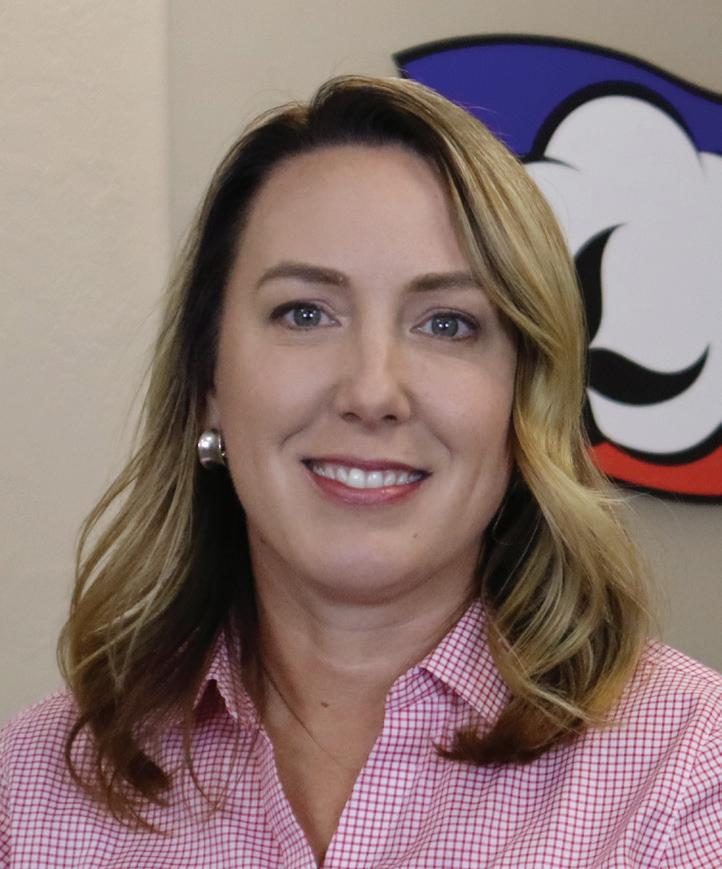
Jennifer Meason, CEO

Energy Efficiency
Top 7 reasons why regular air conditioner tune-ups are essential
Your air conditioner is a vital component of your home’s comfort system, especially during the scorching summer months. However, to ensure optimal performance and longevity, regular maintenance is crucial. One of the most important aspects of maintenance is scheduling periodic tune-ups for your air conditioning unit. In this article, we’ll explore seven compelling reasons why investing in regular AC tune-ups is essential for homeowners.
1. Maximized efficiency
One of the primary benefits of regular air conditioner tune-ups is improved efficiency. Over time, dust, debris, and other contaminants can accumulate within your AC unit, hindering airflow and reducing its efficiency. During a tune-up, HVAC professionals clean your system’s condensing and evaporator coils along with other components essential to
proper air movement, ensuring that your system operates at peak efficiency. As a result, you’ll enjoy lower energy bills and a more comfortable indoor environment.
2. Extended lifespan
Just like any other mechanical system, your air conditioner requires regular maintenance to perform optimally and last longer. By scheduling regular tune-ups, you can identify and address minor issues before they escalate into major problems. Additionally, proper maintenance helps prevent premature wear and tear on critical components, extending the life span of your AC unit and delaying the need for costly replacements.
3. Improve indoor air quality
Another significant benefit of air conditioner tune-ups is improved indoor air quality. Your AC filtration system plays a crucial role in filtering

out dust, pollen, mold spores, and other airborne contaminants. However, without regular maintenance, these pollutants can accumulate within the system, leading to reduced indoor air quality and potential health issues. By keeping your filters changed regularly and your air conditioner coil clean and well maintained, you can ensure that your family breathes cleaner, healthier air.
4. Enhanced comfort
A properly tuned air conditioner is better equipped to maintain consistent indoor temperatures and humidity levels, ensuring optimal comfort throughout your home. During a tuneup, HVAC technicians inspect and calibrate your system to ensure that it delivers reliable cooling performance, even during the hottest days of summer. This means fewer temperature fluctuations and more consistent comfort for you and your family.
5. Reduced risk of breakdowns
There’s nothing worse than experiencing an unexpected AC breakdown, especially during a heat wave. Fortunately, regular tune-ups can help reduce the risk of sudden system failures by identifying and addressing potential issues proactively. By catching minor problems early on, you can avoid costly repairs and ensure that your air conditioner remains reliable when you need it most.
6. Enhanced safety
Faulty or poorly maintained air conditioning systems can pose safety hazards, including electrical issues, refrigerant leaks, and fire risks. During a tune-up, HVAC technicians thor-

Heath Morgan, Energy Efficiency Coordinator
oughly inspect your system for any signs of wear, damage, or malfunction. By addressing these issues promptly, you can ensure the safety of your home and family while enjoying peace of mind.
7. Cost savings
While some homeowners may hesitate to invest in regular air conditioner tune-ups, the truth is that they can lead to significant cost savings in the long run. By improving efficiency, extending the life span of your system, and reducing the risk of breakdowns, tuneups can help you avoid expensive repairs and premature replacements. Additionally, lower energy bills resulting from improved efficiency can further contribute to your savings over time.
In conclusion, regular air conditioner tune-ups are essential for maximizing efficiency, extending the life span of your system, improving indoor air quality, and ensuring your family’s comfort and safety. By investing in professional maintenance on a regular basis, you can enjoy lower energy bills, fewer repairs, and greater peace of mind knowing that your AC unit is in top condition.
LOCALLY OWNED


April 12, 2024 Current News Page 3
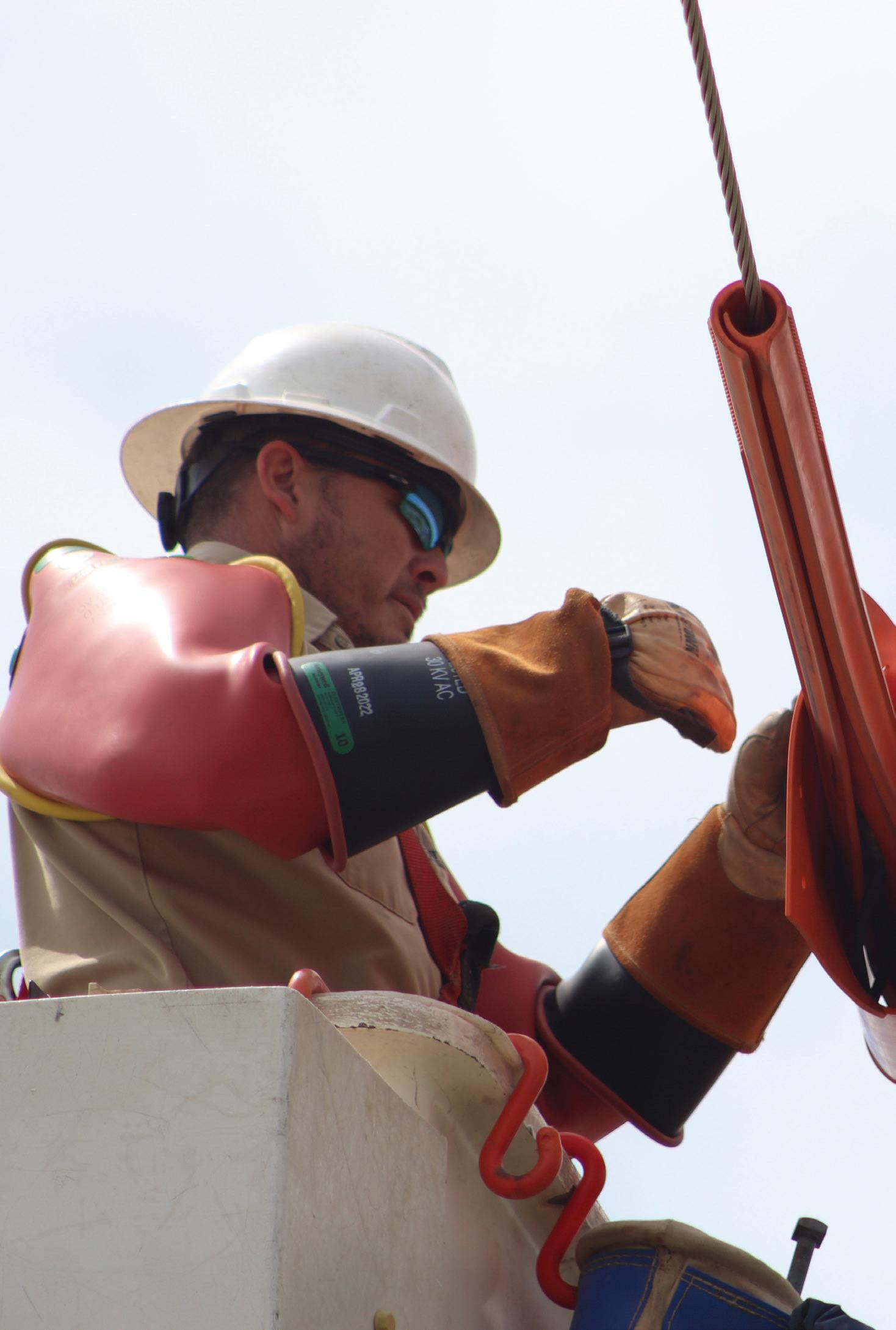
One of the most important ways to ensure comfort and maximize efficiency is regularly scheduling maintenance for your AC unit. Photo courtesy of MetroCreative.






Page 4 Current News April 12, 2024 Cotton Electric Charitable Foundation Cache High
a
grant
High School FCS Teacher
FCCLA Adviser
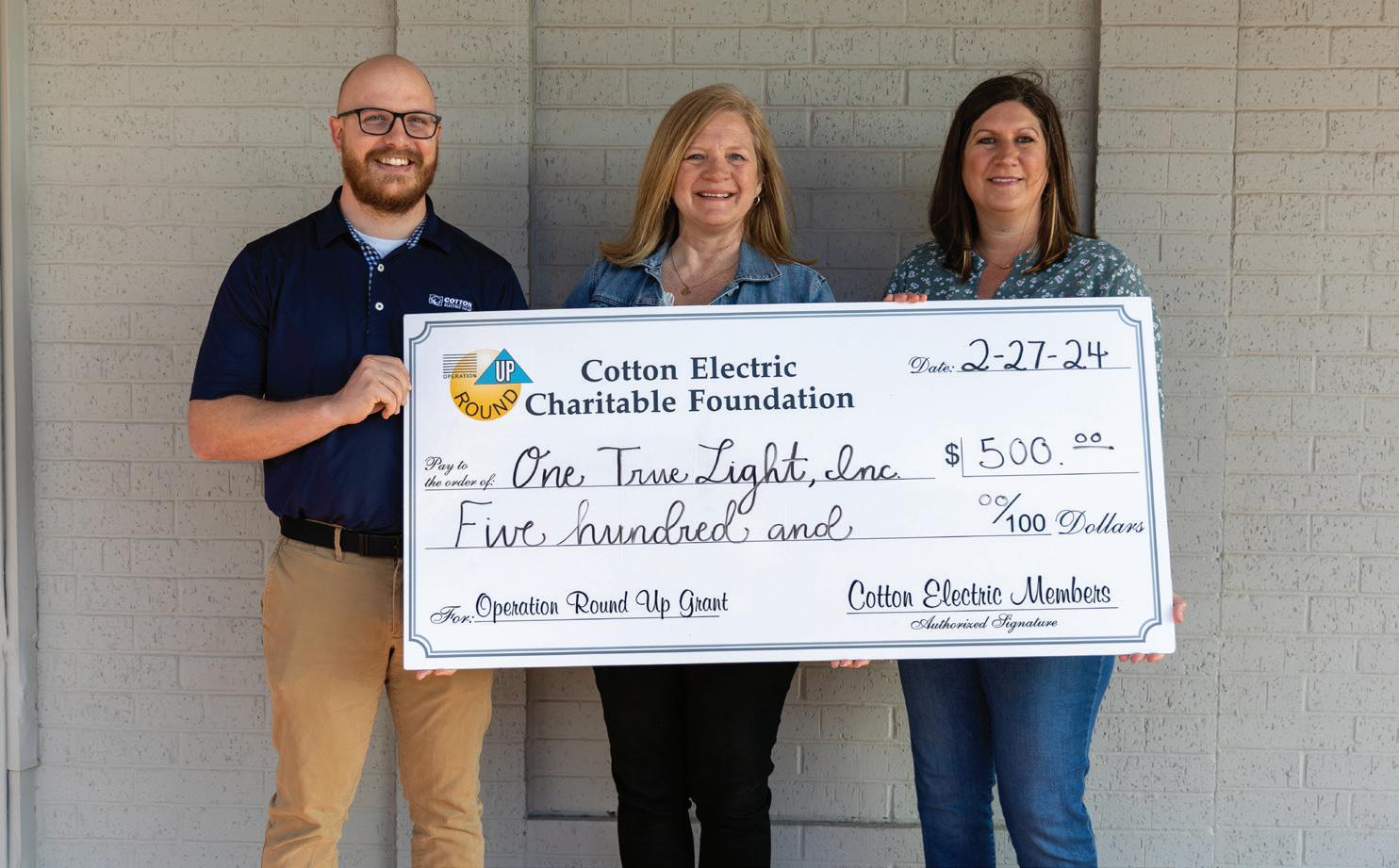
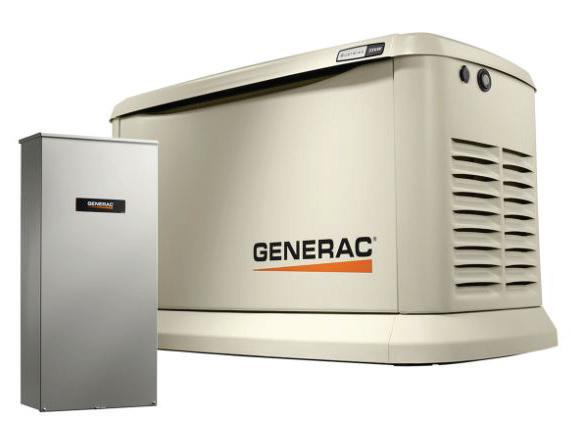
Robinson, Cache Public Schools Superintendent Chad Hance, Cache High School FCCLA students, Cache High School Principal Melanie Nungesser and Cotton Electric Director of Marketing and Communications Zach Young. A recent Cotton Electric Charitable Foundation (CECF) grant was awarded to Christians Concerned for food supplies. Pictured left to right: Executive Director Kevin Lawrence and Cotton Electric Director of Marketing and Communications Zach Young. A recent CECF grant was awarded to AMVETS Post 11 for tables and chairs. Pictured left to right: AMVETS Post 11 Service Officer Robert Hall, AMVETS Post 11 Post Commander Dan Davis and Cotton Electric Communications Specialist Carli Eubank. A recent CECF grant was awarded to Think Ability, Inc. for shelves in their Microgreen room. Pictured left to right: Think Ability, Inc. Job Coaches Thomas Fraga, Kyle McKain, Wendy Allen-Miller, Jeff McGuire, Think Ability, Inc. Main Waterer Ernie Kelly, Think Ability, Inc. Executive Director Robin Arter and Cotton Electric Communications Specialist Carli Eubank. One True Light, Inc. received a CECF grant for items for their Food and Fun program. Pictured left to right: Cotton Electric Director of Marketing and Communications Zach Young, One True Light, Inc. Executive Director Joan Brock and One True Light, Inc. Executive Assistant and Summer Food and Fun Program Coordinator Krista Lolar. R E M I N D E R Second quarter CECF grant applications are due June 7 MAIL EMAIL WEBSITE 226 N BROADWAY, WALTERS, OK 73572 ZYOUNG@COTTONELECTRIC COM WWW COTTONELECTRIC COM/ GRANT-APPLICATIONS STORM PREPAREDNESS CHECKLIST: FLASHLIGHT BATTERIES GENERAC WHOLE-HOME GENERATOR Exclusive to co-op members Contact Heath Morgan for details at 580-875-3351
School FCCLA was awarded
CECF
for their Bulldog Bites program. Pictured left to right: Cache
and
Stacy

Electric co-ops contribute more than $1.6M to area schools
The membership of Cotton Electric Cooperative makes a substantial impact on local schools in several ways. For example, electric cooperatives in Oklahoma are levied a 2% gross receipts tax on the revenue at both the wholesale and retail level in lieu of an ad valorem tax.
When Cotton Electric members pay electric bills, the cooperative remits the 2% gross receipts tax to the state, and 95% of those funds go directly back to local school districts. During 2023, $1,690,036.42 was apportioned back to the 26 school districts in our service area. The amount in 2022 was $2,961,689.10.
On a percentage basis, electric cooperatives contribute more tax dollars to local school districts than other utilities. In Oklahoma, investor-owned utilities pay ad valorem taxes instead of gross receipts tax, and only 58% of these tax monies go to school districts within which investor-owned utilities own
property. Municipal utilities contribute no tax money to public schools.
The Oklahoma Tax Commission oversees the apportionment of the gross receipts tax. The amount paid to each school is based upon the number of miles of power lines that Cotton Electric and Western Farmers Electric Cooperative (WFEC) have in each school district. WFEC, Oklahoma’s largest locally owned power supply system, is a generation and transmission cooperative owned by 21 distribution cooperatives, including Cotton Electric.
The table shows the miles of line serving each district and an estimation of amounts contributed through the 2023 gross receipts tax.
Supporting area schools has always been a priority for Cotton Electric Cooperative. It is our privilege to provide educational presentations, sponsorships and assistance when needed.


Does your home have any of these symptoms?
Rooms that get too hot or too cold?
High utility bills?
Thermostat wars with your spouse?
High humidity in summer?
House just never seems comfortable?
There doesn’t seem to be enough airflow?
Dust buildup within 2 days of dusting?
Problems with your system since it’s been installed?
Anyone with allergies or asthma?
AC starts and stops frequently or runs all the time, and house is still not cool?
Have been told by other contractors that the problem cannot be fixed?

If you answered YES to any of these questions, we can help! Pippin Brothers has specialists that can pinpoint and correct these problems and, in many cases, you don’t even have to replace your equipment, with the solution usually being easier and costing a lot less than you may think. There is no other contractor in Lawton more qualified than Pippin Brothers at diagnosing and correcting these annoying, inconvenient, unhealthy, comfort-compromising and energywasting concerns. Call us today and let us make your home Feel As Good As It Looks! After all, your home is your largest investment and you and your family deserve to be comfortable - don’t you?

“Comfort Without Compromise”

Call Today: 580-248-7924
Be careful when naming beneficiaries
but if
event, such
may need
make some changes — because beneficiary designations carry a lot of

under the law. In fact, these designations can supersede the instructions you may have written in your will or living trust, so everyone in your family should know who is expected to get which assets. One significant benefit of having proper beneficiary designations in place is that they may enable beneficiaries to avoid the time-consuming — and possibly expensive — probate process. The beneficiary issue can become complex because not everyone reacts the same way to events such as divorce — some people want their ex-spouses to still receive assets while others don’t. Furthermore, not all the states have the same rules about how beneficiary designations are treated after a divorce. And some financial assets are treated differently than others.
these assets, you will need to name them as a non-spouse beneficiary after the divorce. But if you’ve named your spouse as beneficiary for a 401(k) plan or pension, the designation will remain intact until and unless you change it, regardless of where you live.
Here’s the big picture: If you’ve named your spouse as a beneficiary of an IRA, bank or brokerage account, insurance policy, will or trust, this beneficiary designation will automatically be revoked upon divorce in about half the states. So, if you still want your ex-spouse to get
However, in community property states, couples are generally required to split equally all assets they acquired during their marriage. When couples divorce, the community property laws require they split their assets 50/50, but only those assets they obtained while they lived in that state. If you were to stay in the same community property state throughout your marriage and divorce, the ownership issue is generally straightforward, but if you were to move to or from one of these states, it might change the joint ownership picture. Thus far, we’ve only talked about beneficiary designation issues surrounding divorce. But if an ex-spouse — or any beneficiary — passes away, the assets will generally pass to a contingent beneficiary — which is why it’s important that you name one at the same time you designate the primary beneficiary. Also, it may be appropriate to name

April 12, 2024 Current News Page 5 Audiology & Hearing AID of Duncan ServingDuncanSince1995 Hearing Evaluations Hearing Aids Hearing Aid Supplies All Brands Repaired *Pack of Batteries-$3.00* *ReSound Dealer* a Hearing Evaluation Assistive Listening Hearing Conservation Hearing Aids 580-252-9005 2126 N HWY 81, STE 26B • CHISHOLM MALL, SOUTH ENTRANCE Cynthia Reidenbach - Hearing Aid Tech Matt Campbell - M.S., CCC-A AUDIOLOGIST Audiology & Hearing AID of Duncan ServingDuncanSince1995 Hearing Evaluations Hearing Aids Hearing Aid Supplies All Brands Repaired *Pack of Batteries-$3.00* *ReSound Dealer* a Hearing Evaluation Assistive Listening Hearing Conservation Hearing Aids 580-252-9005 1206 N HWY 81, STE 26B • CHISHOLM MALL, SOUTH ENTRANCE Cynthia Reidenbach - Hearing Aid Tech Matt Campbell - M.S., CCC-A AUDIOLOGIST *We Accept Insurance* *Pack of Batteries, $3* * Resound Dealer* Saturday, April 20 9:30 AM @ Brink Auction Yard D~N~A Ranch Custom Bermuda Grass Sprigging David Edgmon 580•574•0068 You might not have thought much about beneficiary designations — but they can play a big role in your estate planning. When you purchase insurance policies and open investment accounts, such as your IRA, you’ll be asked to name a beneficiary, and, in some cases, more than one. This might seem easy,
if you have a spouse and children,
especially
you experience a major life
as a divorce or a death in the family, you
to
weight
a special needs trust as beneficiary for a family member who has special needs or becomes disabled. If this individual were to be the direct beneficiary, any assets passing directly into their hands could affect their eligibility for certain programs. You may need to work with a legal professional to sort out beneficiary designation issues and the rules that apply in your state. But you may also want to do a beneficiary review with your financial advisor whenever you experience a major life event, such as a marriage, divorce or the addition of a new child. Your investments, retirement accounts and life insurance proceeds are valuable assets — and you want them to go where you intended. Kelsey Avants 1110 N. 10th Street | Duncan, OK 73533 | 580-255-4408 kelsey.avants@edwardjones.com | www.edwardjones.com
Edward Jones, Member SIPC
www.PippinBrothers.com UNCOMFORTABLE?
2023 Gross
Tax
Districts Cotton & Cotton District WFEC Taxes Miles of Line Big Pasture $35,451.59 237.49 Boone Apache 45,531.70 1.26 Bray-Doyle 98,062.44 141.09 Cache 76,190.48 214.87 Central 48,688.86 240.81 Chattanooga 173,530.19 321.38 Comanche 153,978.55 316.49 Davidson 20,198.27 33.45 Duncan 53,785.99 198.75 Elgin 24,458.56 339.47 Empire 36,478.62 243.46 Fletcher 42,450.61 27.10 Frederick 77,521.80 6.18 Geronimo 15,709.75 170.06 Grandfield 12,248.30 163.08 Grandview 30,392.53 114.61 Indiahoma 40,510.65 158.05 Lawton 17,307.38 125.13 Ringling 61,203.43 23.90 Rush Springs 129,025.51 154.65 Ryan 16,470.54 120.40 Sterling 33,207.33 171.08 Temple 3,727.75 229.90 Velma 224,995.84 517.49 Walters 163,678.30 297.20 Waurika 55,231.45 246.38 Totals $1,690,036.42 4,813.73
Receipts
by School
Co-op representatives stay informed at annual co-op Legislative Day
By Carli Eubank
More than 100 electric co-op managers, employees and Board Members gathered on March 12 at the Oklahoma State Capitol for the annual Legislative Day hosted by Oklahoma Association of Electric Cooperatives. This event opened many opportunities for co-op representatives to engage and connect with elected officials.
Throughout the morning, legislators rotated in and out of the room, briefing everyone in attendance about different issues and potential bills that could impact the industry and co-op members. Among the legislators who shared updates was Representative Trey Caldwell. Caldwell represents District 63, which includes parts of our service territory in Comanche, Cotton and Tillman counties. He is the Deputy Majority Leader, Chair of the Utilities Committee, and also serves on the Energy and Natural Resources and Agriculture committees.
Cotton Electric would like to thank Caldwell and other legislators for their continued efforts and appreciation of Oklahoma’s electric cooperatives.
Since the day electric cooperatives were established by Congress in the 1930s, legislation has supported, protected and influenced our industry. To help maintain and protect the sustainability of electric cooperatives, your cooperative stays informed and engaged with legislation in many ways.
Attending events like Legislative Day shows great support when Oklahoma’s electric cooperatives come together for the energy industry. Cotton Electric members also have the opportunity to get involved through Voices for Cooperative Power and Co-ops Vote.
Voices for Cooperative Power gives electric cooperatives and their members opportunities to share their story and perspective on energy policies that could impact you and the industry. Co-ops Vote is another avenue for members to stay informed on key issues facing electric cooperatives.
In 2023, your cooperative was recognized as a 5-Star Co-op by the National Rural Electric Cooperative Association for encouraging civic engagement in communities and promoting the Co-ops Vote campaign.
“Electric cooperatives exist because of the grassroot efforts of our founding members, and it continues to be at the heart of our organization,” said Cotton Electric CEO Jennifer Meason. “I encourage all of our members to join Voices for Cooperative Power. Together we can make a difference.”
For more information about how members can stay informed and advocate for electric cooperatives, visit www.voicesforcooperativepower.com or www. vote.coop.
Co-op updates Trustee election process
The business and affairs of Cotton Electric Cooperative are managed by a Board of nine Trustees representing geographical districts within the service territory. The Board establishes the overall policies of the cooperative, and each Trustee is a co-op member who represents the district in which he or she lives.
The cooperative’s bylaws stipulate that District Meetings are to be held in three of the nine voting districts annually. Later this year, the scheduled dates will be published in The Current, and members in those districts will receive mailed notices that will include information about the time, date and location of the meetings they should attend.
The cooperative’s District Meeting procedures regarding Trustee elections have been updated. Any member desiring to run for the office of Trustee from the district of his or her residence must complete and file a Board Candidacy Form at least 30 days prior to the District Meeting. The form will be reviewed by the Cooperative’s General Counsel and is designed to ensure that all candidates are eligible to be a candidate and remain a Trustee prior to the election.
As according to the bylaws, the Board of Trustees shall set the District Meeting dates no later than 60 days preceding each Annual Meeting, which is scheduled for September 26, 2024. The District Meeting dates will be posted on www.cottonelectric.com 60 days prior to the Annual Meeting and will also be published in the August issue of The Current.
Members who are interested in receiving more information regarding the Trustee election process should contact Cotton Electric Cooperative CEO Jennifer Meason at 580-875-3351.


To stay safe around electricity, start with these SEVEN basic tips:
DON’T OVERLOAD OUTLETS OR CIRCUITS
Plugging in too many items or drawing too much power on a circuit can cause overheating, fire, and damage to devices.
DON’T USE FAULTY ELECTRICAL CORDS OR PLUGS
Do not use cords that look frayed, worn or cracked. Do not use broken plugs. Never remove the grounding pin from a three-pronged plug.
HAVE YOUR ELECTRICIAN’S NUMBER IN YOUR PHONE
Most electrical repairs or installations are not DIY projects. Hire an expert to avoid serious injury or wiring problems. BE
AROUND H20
Never use electricity while standing in damp or wet conditions. Keep all electrical devices away from water, including cell phones that are charging. EVALUATE YOUR APPLIANCES
Do not use appliances in disrepair. Older or broken appliances can overheat, start a fire, and




Page 6 Current News April 12, 2024
Rep. Trey Caldwell updates co-op representatives at the 2024 Co-op Legislative Day. Photo by Carli Eubank.
CAREFUL
cause serious injuries. TEST YOUR GFCIs Outlets near a water source should be equipped with GFCIs, which help prevent shock and electrocution caused by ground faults. Test monthly to make sure they are working. MAKE SURE YOUR HOME IS UP TO CODE Your home should be properly wired and electrically sound. Contact a reputable electrician to evaluate your home. ELECTRICITY 101 1. 2. 3. 4. 5. 6. 7. Stop by our display yard at Land Pros in Duncan, across from the Stephens County Fairgrounds on South Hwy 81. Let us design and price your custom building. Come Check Out Our SALE! Carports, Garages, Barns, Metal Buildings BestBarnsandCarports.office@gmail.com 580-467-1501 Call Today 580-248-7924 www.PippinBrothers.com Minerals in your water form scale deposits that build up inside your pipes, water heater, shower heads, and other water using equipment like cholesterol in your arteries. These deposits significantly decrease the efficiency of your plumbing systems. Drinking water and icemakers are also negatively affected, as are health quality of water and taste. Hard water is not safe for you, your family or your home. Is Your Water Safe? Maintain healthy calcium & magnesium levels No sodium added to water No waste water vs. up to 10,000 gallons per year with salt softeners No environmental discharge of salt or chemicals Reduces iron staining Benefits of a No-Salt Water Conditioning System: Give Your Back a Break…Stop Adding Salt to Your Softener Extends appliance life by 50% or more Descales inside of pipes & water heater Cleaner bodies, clothes, and dishes 25% or more reduced detergent use Clothing will last longer Cleaner more refreshing water Improves water heater efficiency and thus lowers energy bills westerncommissioncompany.com OKLAHOMA CITY Mon/Tues 8am Ben I. Hale 405.235.8908 940.631.2333 COMANCHE Wednesday 9am Peyton D. Hale 580.439.8865 817.888.0657 Visit us on Facebook for weekly Market Reports
Youth Tour winners will represent Cotton Electric in Washington, D.C.
After advancing through an essay competition, a video interview, and an oral presentation of their written essay, we are happy to announce Katelyn Cullum and Briley Stoll of Marlow High School as the winners of Cotton Electric’s 2024 Scholarship Contest. They will represent the co-op in Washington, D.C. this summer at Youth Tour.
Cullum and Stoll showed great efforts of speaking ability, knowledge of subject, poise and personality throughout the competition.
During Youth Tour, students will meet Oklahoma’s congressional delegation and learn about the cooperative form of business. They will also meet other Youth Tour winners from across the country, while touring the historic sites in our nation’s capital.
Below, you can learn more about our 2024 Youth Tour winners. Congratulations to Katelyn Cullum and Briley Stoll.
briley stoll

Q: What high school do you attend?
A: Marlow High School
Q: Are you involved in any extracurricular activities?
A: I am the president of Marlow FCCLA chapter and I am also attending Red River Tech to obtain my cosmetology license
Q: How did you hear about Youth Tour?
A: From my English teacher Mrs Cramton
Q: Have you been to Washington, D C , before?
A: No I have not
Q: Is there anything you’re nervous about for the trip?
A: Not really – I am just super excited about going
Q: What are you looking forward to on Youth Tour?
A: Everything – it s a place I ve always wanted to go to and explore
Q: What do you hope to learn on Youth Tour?
Katelyn cullum
Q: What high school do you attend?
A: Marlow High School

Q: Are you involved in any extracurricular activities?
A: I am involved in Marlow Vocal Music, band, the Foreign Language Club, Library Club and National Honor Society
Q: How did you hear about Youth Tour?
A: In the past, I had heard about Youth Tour through some older friends When it came around this year, my English teach, Mrs Cramton, talked about it and encouraged all of us to submit an essay for the contest
Q: Have you been to Washington, D C , before?
A: I have never been to Washington, D C I have been to many states, and Washington, D C , is one of the places I ve wanted to go to the most! I was scheduled to go on a trip to Washington, D C , but unfortunately, I was unable to go due to Covid
Q: Is there anything you’re nervous about for the trip?
A: I am kind of nervous to figure out how I’m going to pack all of my stuff in a small bag I am such an overpacker!
Q: What are you looking forward to on Youth Tour?
A: I am looking forward to learning about our country’s history in a new way History books don’t do it justice! I love history, and this is such an exciting way to learn more
Q: What do you hope to learn on Youth Tour?
A: I m hopeful to learn some new history, and to be better about getting out of my comfort zone in what I like to call my small town! Our country has a wonderful history and it all came from the inner depths of the past Washington, D C , is just the place to go to learn the good and the not-so-good portions of the history of our country I’m excited to meet new people who also think the same as me I hope to reach out to the people around me and make some lifelong friends This is a great way for me to get out there and get to know the people around me!

A: I hope to learn why my grandma has always loved it so much Ever since I was little she has told me how much she loves it, so I want to experience that











April 12, 2024 Current News Page 7 Linda & Sarah’s Carpet Serving you for 63 years! Come by or call North Hwy 81 & Camelback Rd, Duncan OK 580-255-0275 or 580-252-1331 A Fresh Start for Your Home Great Prices on wall-to-wall carpet, laminate and vinyl flooring.
Real Estate & Auction Co. Todd Robertson, Owner / Broker / Auctioneer 1705 S. Hwy. 81 - Duncan, OK 580-252-3880 www.FarmsRanchesLand.com “WE SELL LAND AND everything ON IT” Meet Our Real Estate Professionals . . . Let Land Pros Work for You! 39 years Experience Local, State, and National Marketing. It is our goal to provide the very best counsel, advice and service possible for any of your Auction and Real Estate needs. Cace Robertson Realtor Associate Tammy Vaughn Broker Associate Todd Robertson Owner/Broker Auctioneer Jennifer Wolston Realtor Associate Jessica Parker Realtor Associate Caitlin Johnson Realtor Associate Allison Bray Realtor Associate Kindra Harris Realtor Associate Tony DeCarlo Realtor Associate Farms / Ranches Homes / Recreation Commercial Equipment Business Liquidations Online & Live Auctions Need to make a payment by phone? Call our automated system at 1-855-730-8711 Have your Cotton Electric account number and credit card or banking account numbers ready before making the call. winner winne winne winne winne winne U R
TOU R
winner winne winne winne winne winne
Emotional triggers: How cyber attackers trick you
Cyber attackers are constantly innovating ways to trick us into doing things we should not do, like clicking on malicious links, opening infected email attachments, purchasing gift cards or giving up our passwords. In addition, they often use different technologies or platforms to try to trick us, such as email, phone calls, text messaging, or social media. While all of this may seem overwhelming, most of these attacks share the same thing: emotion. By knowing the emotional triggers that cyber attackers use, you can often spot their attacks no matter what method they are using. It all starts with emotions. We, as humans, far too often make decisions based on emotions instead of facts. There is, in fact, an entire field of study on this concept called “behavioral economics,” led by researchers such as Daniel Khaneman, Richard Thaler, and Cass Sunstein. Fortunately for us, if we know the emotional triggers to look for, we can successfully spot and stop most attacks. Listed below are the most common emotional triggers for which to watch. Sometimes cyber attackers will use a combination of these different emotions in the same email, text message, social media post, or phone call - making it that much more effective.
Urgency
Urgency is one of the most common emotional triggers, as it’s so effective. Cyber attackers will often use fear, anxiety, scarcity, or intimidation to
rush you into making a mistake. Take, for example, an urgent email from your boss demanding sensitive documents to be sent to her right away, when in reality it is a cyber attacker pretending to be your boss. Or perhaps you get a text message from a cyber attacker pretending to be the government informing you that your taxes are overdue and you have to pay now or you will go to jail.
Anger
You get a message about a political, environmental, or social issue that you are very passionate about — something like “you won’t believe what this political group or corporate company is doing!”
Surprise/Curiosity
Sometimes the attacks that are the most successful say the least. Curiosity is evoked with surprise; we want to learn more. It is a response to something unexpected. For example, a cyber attacker sends you a message that a package is undelivered and to click on a link to learn more, even though you did not order anything online. We are enticed to learn more! Unfortunately, there’s no package, just malicious intent on the other side of that link.
Trust: Attackers use a name or brand you trust to convince you into taking an action. For example, a message pretending to be from your bank, a well-known charity, a trusted government organization, or even a person you know. Just because an email or text message uses a name of an organi-


zation you know and their logo, does not mean the message actually came from them.
Excitement
You get a text message from your bank or service provider thanking you for making your payments on time. The text message then provides a link where you can claim a reward–a new iPad, how exciting! The link takes you to a website that looks official, but asks for all of your personal information, or says that you need to provide credit card information to cover small shipping/handling costs. This is
a cyber attacker who is simply stealing your money or your identity.
Empathy/Compassion
Cyber attackers take advantage of your good will. For example, after a disaster appears on the news, they will send out millions of fake emails pretending to be a charity serving the victims and asking you for money.
By better understanding these emotional triggers, you will be far better prepared to spot and stop cyber attackers, regardless of the lure, technology, or platform they use.
Source: www.sans.org






Page 8 Current News April 12, 2024
Cable MEAT & FOOD SERVICE Food Service Office Hours: Monday - Friday, 5:00 a.m. - 4:00 p.m. Place orders 24/7 on our mobile app or online at cablefoodservice.com Wholesale delivery within 75 mile radius of Marlow. Wholesale Food Distributor Retail Store Hours: Monday - Friday 8:00 p.m. - 4:00 p.m. SINCE 1967 CORNISH Properties Insured & Bonded ServingLawtonSince1980 Commercial • Industrial Interior & Exterior • Drywall Finish • Spray Painting • Construction Management 6209 W Gore Blvd, Lawton 580-536-0575 1941 W ELK, DUNCAN, OK 73533 OUR TEAM CAN MEET YOUR REAL ESTATE NEEDS 580-252-7800 Bryan Fisher Karl Jacobs Shorty Brown Craig Ferrell JB Smith Brenda Knabe 580-251-0278 580-467-4915 580-467-1468 580-467-6736 580-229-5654 580-251-1195 Each RE/MAX office is independenlty owned and operated 580-252-7800 Melody Herrington 580-656-3023 Venessa Swanson 580-775-7468 HOME AUTO COMMERCIAL BUSINESS BUY & SELL RURAL REAL ESTATE WITH LOCAL EXPERTS COUNTRY HOMES | RANCH & FARM | RECREATIONAL RURAL REAL ESTATE SPECIALIST™ CHRIS MILLER 580-595-1969 ARROWHEADLANDCOMPANY.COM
Shaping our energy future through innovation
The energy industry is undergoing significant change driven by technology and the transition to more sustainable forms of energy. Innovation is essential in addressing these challenges and ensuring a continuous, reliable and affordable power supply.
Electric co-ops are no strangers to adapting to the needs of the local communities we serve. Cotton Electric Cooperative has always leaned into change as we explore new ways to meet your energy needs.
Advanced technologies
Investing in smarter technologies also can enhance the monitoring and control of electricity flow so we can respond swiftly to changing needs. Even before adverse weather is here, advanced analytics from our systems, combined with data on weather patterns and other information, allows us to be proactive in taking preventative measures to shore up our system.
Preparing for increased energy use
Today, we depend on electricity more than ever before. From vehicles to farming equipment to home heating options, more products and appliances that we depend on run on electricity.
Interest in electric vehicles (EVs) is growing, and we are available to help our members make informed decisions about EVs, including electric charging options and capacity requirements for the home.


Innovative efficiency solutions
Cotton Electric is driven by a commitment to member satisfaction. As consumers become more proactive in managing their energy use, we are providing new ways to help our members lower their use and save money.
Energy efficiency evaluations can help you take advantage of actionable energy-saving advice as well as other services and rebates offered by the co-op.
Cooperation among cooperatives
You may not realize it, but Cotton Electric is part of a larger network of 900 electric co-ops nation-





wide. While we are locally-owned by you, our members, we also have the advantage of working with co-ops across the country to share ideas and leverage the innovations our colleagues might have tried out first. As cooperatives, we’re collaborators instead of competitors–it’s a unique aspect of our business model, and we’re stronger because of it.
Our energy future will look different than it has in the past, but Cotton Electric is prepared to adapt for the members we serve. Our mission and commitment to you remain steady–to provide reliable power at a cost local families and businesses can afford.


April 12, 2024 Current News Page 9
Sunday-Thursday: 11:00 am to 9:00 pm Friday & Saturday: 11:00 am to 10:00 pm Serving the Southwest Area -Farm Pond and Lake ConstructionBuilding Farm Ponds & Private Lakes In the Cotton Electric Service Area “Wealth is not measured in dollars.” Call Bruce At- 580-641-1952 • Fence Rows • Building Pads • • Land Clearing • Dredging • Pond Repair • Bulldozers, Trackhoe Scrapers & Loaders 2909 S. WHALEY RD, MARLOW, OK 580-721-0403 $450 MONTHLY $45 NIGHTLY TURKEY TERRACE RV PARK RV PARK RESERVE YOUR SPACE






Page 10 Current News April 12, 2024 www.naturescapelawton.com 580-699-0626 11703 NW Cache Road Lawton, OK 73505 Rooted in Quality Annual Arbor Day Tree Giveaway April 27, 2024 Gates open at 9:00 a.m. Open until 5:00 p.m. or until all trees are given away. (580) 439-5670 (580) 439-5670 redplainsgrandbutchery.com 1200 Texas Street Comanche, OK Now scheduling for Custom Exempt and USDA!

Co-op Life






















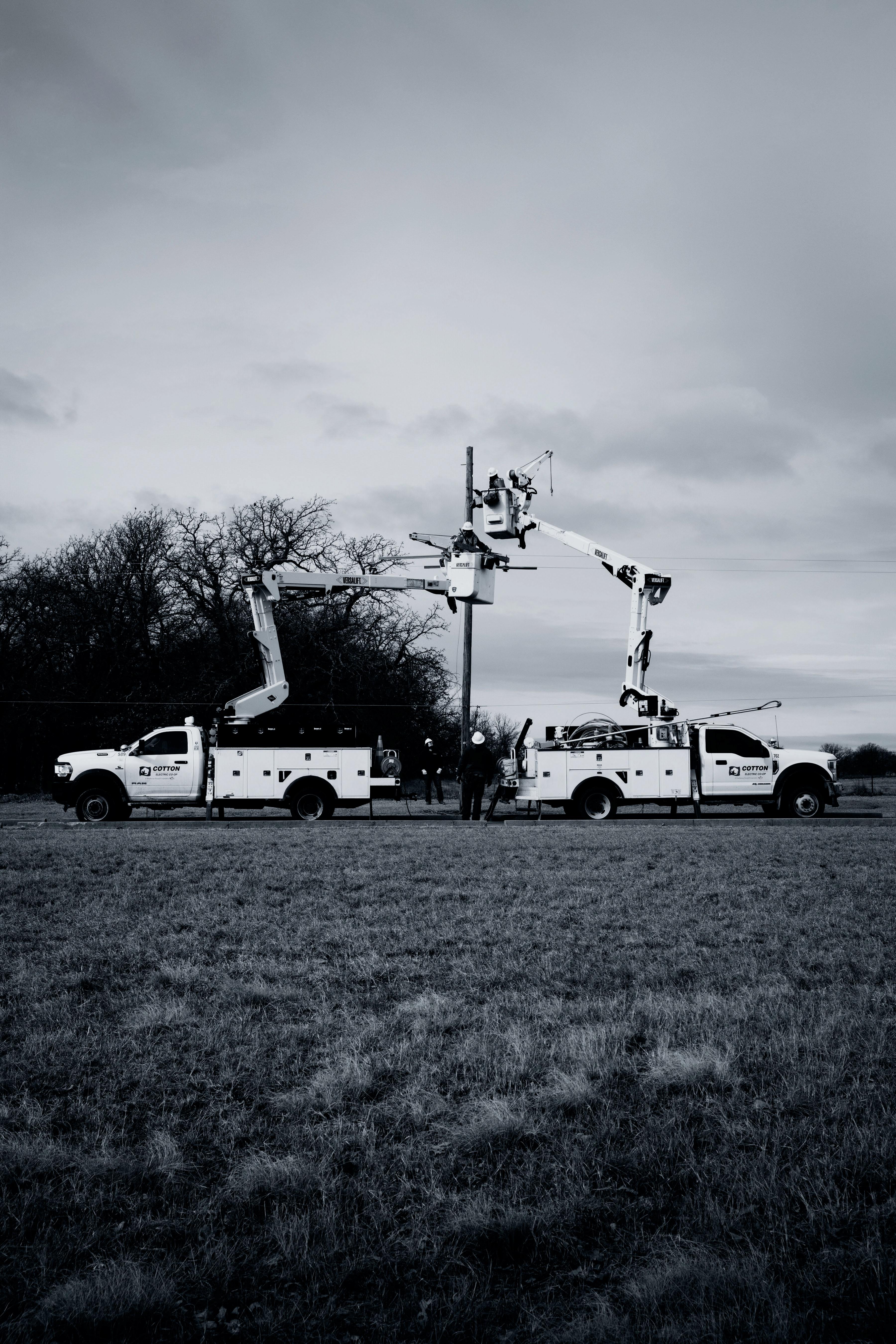
Thank a Lineworker


 By Carli Eubank
Imagine waking up to a phone call and leaving your family in the middle of the night to brave a list of weather conditions waiting outside. Picture a different situation where you get a phone call and have to leave your family while they open presents on Christmas morning. These moments are a reality for lineworkers at Cotton Electric and other electric cooperatives across the country.
Every second Monday in April, Cotton Electric recognizes our lineworkers during National Lineworker Appreciation Day. This year the official 2024 calendar date fell on April 8. Even though National Lineworker Appreciation Day is recognized one day out of the year, any day is good to show your appreciation.
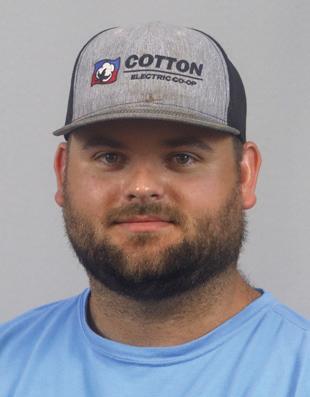
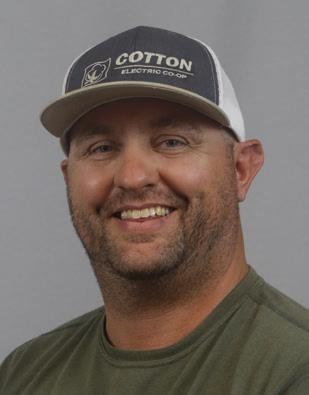
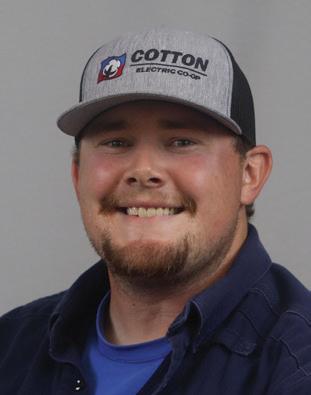
Before starting his career at the co-op, Cotton Electric Journeyman Lineman Dillon Wiygul had never worked in the industry. Wiygul returned home in 2008 from his service in the Marine Corps and started working for the City of Marlow until he heard about a job opening in Cotton Electric Cooperative’s Operations department. After he applied and accepted the job offer, Wiygul quickly recognized the culture at the co-op.
“This line of work is intrinsically rewarding to be able to help members and be surrounded by coworkers who want to be here and do the job every day,” Wiygul said. “We are basically around our coworkers more than our own families, being in the truck for miles and miles, day in and day out, and working outages. I could sense a family atmosphere very quickly.”
Each day is different for a lineworker, filled with daily work orders that may include line mainte-
nance, tree trimming, light orders, and installing equipment to improve our electrical system.
“A lot of people don’t realize the magnitude our job consists of, especially with our vast service territory,” Wiygul said. “We try to do as much maintenance while the weather is nice because we know storms will come, and we try to prepare for that the best we can and hopefully see the fruits of our labor whenever members’ lights stay on.”
Whether it’s during the middle of the night or while driving to another work order, if a lineworker receives an outage call, all attention is given to the members in the dark. Once lineworkers receive the call from the dispatcher, they try to gather as much information as possible from them before reaching the outage location.
“Even though I’ve progressed and gained experience as a lineman over the years, I don’t ever want to get blinders on and assume I know what the issue is before I get to the site,” Wiygul said. “You have to stay level headed and have sharp eyes to find the source of the outage.”
When safely restoring power, a lineworker takes great responsibility in working with physical and mental strength.
“The biggest problem with electricity is it’s silent and very unforgiving, so you have to respect it and can’t be afraid of the fact that you’re in harm’s way,” Wiygul said. “When you get in that bucket, you have to block everything out and keep a focused mentality because your first mistake could potentially be your last.”
Most people think of lineworkers when there is an outage, but there are plenty of other responsibilities that happen behind the scenes of their service
and commitment. We rely on them to restore our power, and sometimes, we forget there are others depending on their lineworker to come home safely.
“You can’t talk about lineworker appreciation without showing appreciation of their families because they are without that lineworker for a lot of life events, like birthdays, Christmases and weekends,” Wiygul said. “They sacrifice a lot for their lineworker to be able to do what they love to do.”
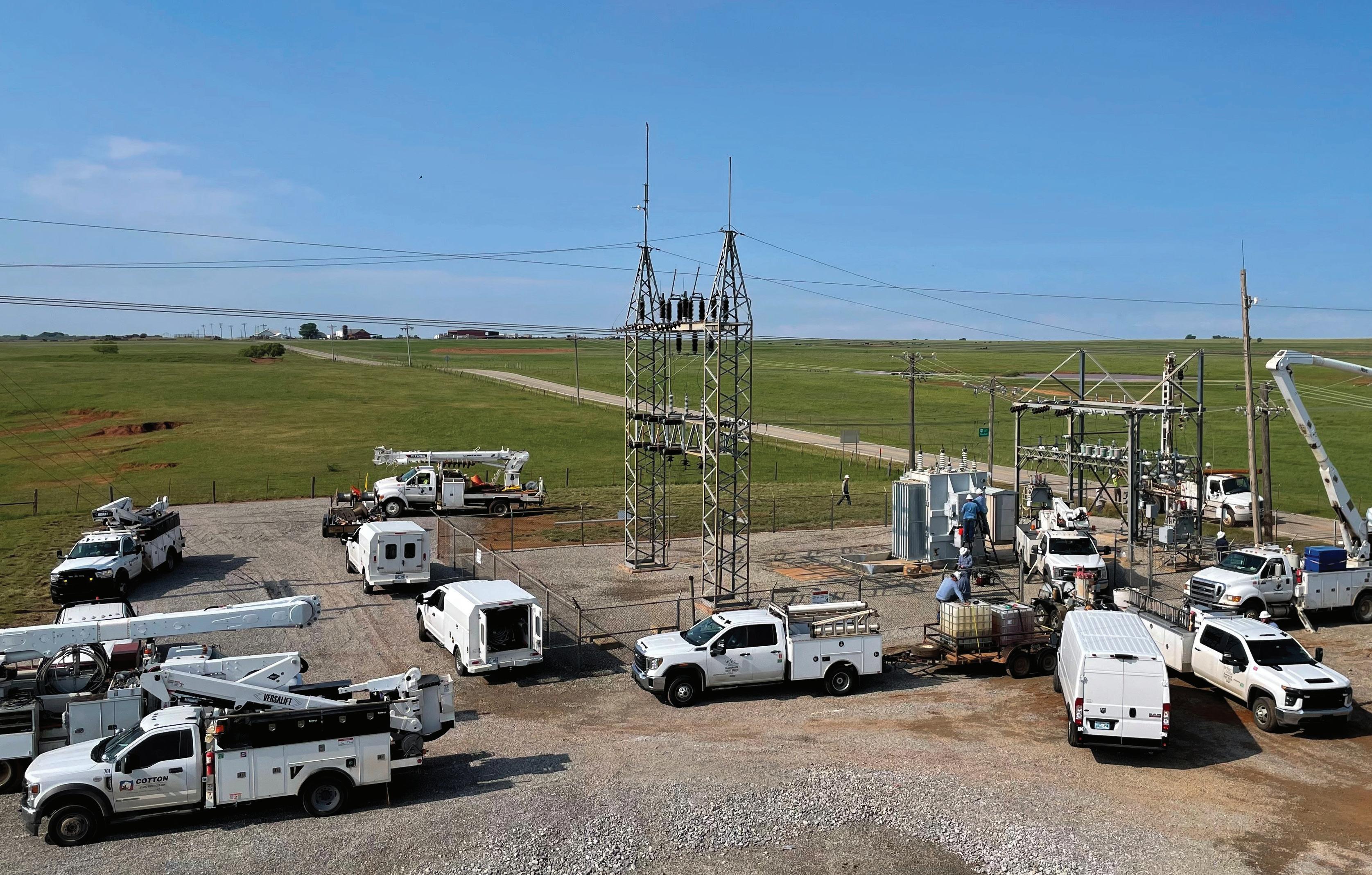
A lineworker’s job is ranked one of the most dangerous professions in the country, and it’s not an easy career to embrace. Each lineworker on this page has their own extreme stories of serving our communities, but every mile and every outage call only strengthen their bond.
“It takes a different breed of a person to enter this profession, and once you’re in, it’s always in your blood,” Wiygul said. “But it takes everyone at the co-op to keep the lights on. We can’t do our job without everyone else’s help. The co-op is so tightknit because we see each other every day, and sometimes we’re neighbors or friends outside of work, but most importantly, we rely on each other for help and safety.”
More than 7,000 hours of training for each individual. Over 5,000 miles of line to maintain in eight counties. Twenty-six lineworkers and crews on call 24/7, 365 days a year. These are just a few statistics that represent Cotton Electric Cooperative lineworkers, not including the incalculable amount of service and sacrifice they devote to their goal: to serve you while keeping the lights on.
Thank you, lineworkers.
April 12, 2024 Current News Page 11
AUBREY EDMONSON Crewman CHAD COWAN Operations Superintendent CLINT INGRAM Operations Superintendent CONNER DANIEL Journeyman Lineman
CROWELL Journeyman Lineman SCOTT DENNIS
BRAYLIN DOWLEN
Lineman PRESTIN
EVAN HAYS
CASE
KYLE
QUAID
KEETON
DILLON
BOBBY
SKYLER
LARRY
Journeyman Lineman
Journeyman
GREEN Journeyman Lineman
Journeyman Lineman
HURST Journeyman Lineman TJ JAMES Journeyman Lineman BILLY KENNARD Journeyman Lineman
LINTHICUM Journeyman Lineman RONNIE MANSEL Journeyman Lineman
OGLETREE Journeyman Lineman
SALLEE Journeyman Lineman SHAYNE WHITE Journeyman Lineman
WIYGUL Journeyman Lineman ELY KING Apprentice Lineman
SHORTT Journeyman Lineman ZACK SMITH Crew Chief DILLON THOMPSON Journeyman Lineman
SMITH Apprentice Lineman
JUSTIN
TJ BIRDWELL Apprentice Lineman
HILL Apprentice Lineman MICHAEL EDGMON Apprentice Lineman
TAYLOR RAINS Apprentice Lineman
MARC BOHALL Journeyman Lineman

If you would like your community event listed in the May issue, please submit information by calling 580875-3351, or send an email to TheCurrent@CottonElectric.com by April 26. Only events occurring after May 10 will be published in the next issue.
Editor’s Note: We recommend checking for cancellations with local sources before attending any event.
Plant swap in Duncan
The Stephens County Oklahoma Home and Community Education clubs will sponsor a plant swap in Duncan. Attendees should bring at least one of the following (pest-free and tagged): plant, cutting that has rooted, bulb, rhizome, tuber, seed (may be saved or unused), bush, or tree. The plants may be houseplants or outdoors, as long you would like to share them. The purpose is to share extras and nourish a love of plants. The event is from 10 to 11:30 a.m. on Saturday, April 20, in the Heritage Room of the Conference Center at the Stephens County Fairgrounds, 1618 S. 13th St. in Duncan. For more information, call 580-255-3460.
Annual Poker Run
The Cache Valley Lodge #530 will be hosting their third annual Southwest Oklahoma Masons’ Poker Run. The day will be filled with great raffle prizes, live music and food vendors, and routes will take riders through scenic views of surrounding areas. Registration begins before the event at 9 a.m. on Saturday, April 27, at Medicine Park Music Hall in Medicine Park. For more information, visit the
Southwest Oklahoma Masons Facebook page or contact Jamon Kelley at 580-512-7047.
SCHS hosts fundraiser
Have a swinging good time at the Puttin’ Fore Paws Golf Tournament, a charitable extravaganza benefiting the Stephens County Humane Society. Gather your squad of four and secure your spot in the tournament for just $500. The day will tee off with lunch and registration starting at 11:30 a.m., followed by a shotgun start at 1 p.m. This event is set to take place at on May 11 at the Duncan Golf and Tennis Club. For questions or more information, call 580-641-0667.
Food pantry open once monthly
Walters Community Food Pantry is open from 8 a.m. to 11 a.m. on the second Saturday of each month. The pantry is in the old City Hall, 131 1/2 W. California Street. Pantry organizers try to provide a two-week supply of basic staples to anyone with identification and proof of Cotton County residency. Monetary donations may be sent to Food Pantry, c/o Paul Metcalfe, 211 E. Colorado St., Walters, OK 73572. For information, call Roger Noland at 580-591-6826.
Blessings Boutique open monthly
Marlow First United Methodist Church opens its Blessings Boutique from 11 a.m. to 2 p.m. every first and third Tuesday of the month. Clothing donation drop-off days are Tuesdays, or donors can call the church at 580-658-2765 to make other arrangements.
PHOTO MONTH OF THE



Page 12 Current News April 12, 2024
Cotton Electric member Charlene Walker took this photo on a spring evening near Central High. Enter your “best shot” in our Photo of the Month contest. The theme for May is Gone Fishing! Entries can be emailed to TheCurrent@CottonElectric.com or mailed to The Current, 226 N. Broadway, Walters, OK 73572. Winners will receive a Cotton Electric prize.
Eastern medicine meets Western beverages: Adaptogens

As many in the United States are looking to replace cocktails with nonalcoholic beverages or are just looking for beverages marketed for health and wellness, restaurants, bars, and beverage companies are adding “adaptogens” to the mix. Adaptogens are

compounds extracted from plants but also made synthetically. They have yet to debut on a large scale in traditional Western medicine due to lack of robust clinical trials in humans, but the paucity of research has not impeded their popularity with consumers.
It is essential that before trying any dietary supplement (adaptogens included), you have a discussion with your medical provider. They will be able to review the literature and your health and medication history and provide expert advice. As a reminder, dietary supplements can go to market in the U.S. without the approval of the Food and Drug Administration (FDA). The FDA does regulate supplements, but the regulation is reactionary.
Adaptogens have been used for hundreds of years in Eastern and Ayurve-
dic medicine, being naturally extracted from plants. In the 1970s, the first synthetic adaptogen appeared. Many have been developed since then, but they have also sparked controversy in sports medicine, leading to the prohibition of certain synthetic adaptogens by the World Anti-Doping Agency.
The most common effect of adaptogens is decreasing stress and elevating mood. Specific adaptogens such as Panax ginseng and Siberian ginseng have been associated with improved mood and mental health, increased endurance, decreased blood glucose and insulin, better sleep and improved cholesterol. Rhaponticum carthamoides from a plant named Leuzea became a popular adaptogen among athletes in the 1970s, but the substance is now under consideration for prohibition



due to its potential to increase muscle mass. Todorova and colleagues published a review of adaptogens titled “Plant Adaptogens – History and Future Perspectives” in Nutrients in 2021. The article is publicly available and a thorough summary of the best available scientific literature on adaptogens.
More common adaptogens added to beverages are hemp, CBD, ashwagandha, turmeric, kava and more. The list is long and will continue to get longer as companies innovate and capitalize on consumer interest.
Just like the science, reports of harm from these substances are scarce. However, that does not negate the need to have a discussion with your health care provider before consuming any dietary supplement, even a fun-sounding adaptogen-containing drink.


April 12, 2024 Current News Page 13
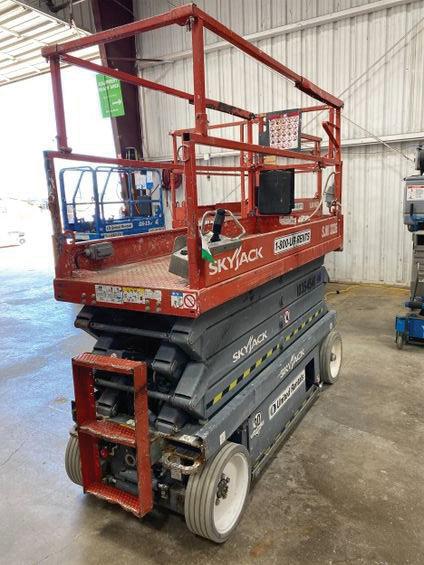
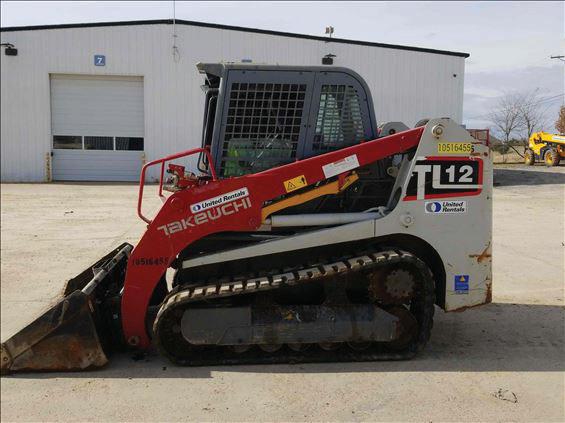
Kim Bandelier, MPH, RD, LD Hope Healing RIGHT HERE AT HOME & Quality used equipment for sale 2013 SKYJACK SJIII4632 - PRICE $14,477 (USD) Description: SCISSOR LIFT 30-35' ELECTRIC 46-48" WIDE Make/Model: SKYJACK SJIII4632 Year: 2013 Serial #: 70014617 Meter: 235.000 Equipment #: 10139876 Location: D62 - LAWTON, OK 2017 BOBCAT T650 - PRICE $56,016 (USD) Description: SKID STEER TRACK LOADER 2400-2799# Make/Model: BOBCAT T650 Year: 2017 Serial #: ALJG21494 Meter: 2630.200 Equipment #: 10623680 Location: D62 - LAWTON, OK UNITED RENTALS (Store D62) 2420 S.W. LEE BLVD LAWTON, OK 73505 Mon-Fri: 7:00AM-5:00PM Sat: CLOSED Sun: CLOSED Sales Contact: Eric Donahue 940-257-7258 edonahue@ur.com Valid through 09/09/2022 UnitedRentals.com | 800.UR.RENTS © 2021 United Rentals, Inc. For terms and conditions, visit unitedrentals.com/en/customer-care/terms/ur1disclaimer Quality used equipment for sale 2013 SKYJACK SJIII4632 - PRICE $14,477 (USD) Description: SCISSOR LIFT 30-35' ELECTRIC 46-48" WIDE Make/Model: SKYJACK SJIII4632 Year: 2013 Serial #: 70014617 Meter: 235.000 Equipment #: 10139876 Location: D62 - LAWTON, OK 2017 BOBCAT T650 - PRICE $56,016 (USD) Description: SKID STEER TRACK LOADER 2400-2799# Make/Model: BOBCAT T650 Year: 2017 Serial #: ALJG21494 Meter: 2630.200 Equipment #: 10623680 D62 - LAWTON, OK UNITED RENTALS (Store D62) 2420 S.W. LEE BLVD LAWTON, OK 73505 Mon-Fri: 7:00AM-5:00PM Sat: CLOSED Sun: CLOSED Sales Contact: Eric Donahue 940-257-7258 edonahue@ur.com Valid through 09/09/2022 UnitedRentals.com | 800.UR.RENTS © 2021 United Rentals, Inc. For terms and conditions, visit unitedrentals.com/en/customer-care/terms/ur1disclaimer Quality used equipment for sale 2017 CLUB CAR CARRYALL 1700 - PRICE $13,425 (USD) Description: UTV 4WD DSL 4SEAT ROPS Make/Model: CLUB CAR CARRYALL 1700 Year: 2017 Serial #: SD1730-819191 Meter: 985.000 Equipment #: 10669171 Location: D62 - LAWTON, OK 2018 WACKER G 100 - PRICE $46,569 (USD) Description: GENERATOR 100-109 KVA TIER 4 Make/Model: WACKER G 100 Year: 2018 Serial #: 24431332 Meter: 9278.900 Equipment #: 58707BLA Location: D62 - LAWTON, OK UNITED RENTALS (Store D62) 2420 S.W. LEE BLVD LAWTON, OK 73505 Mon-Fri: 7:00AM-5:00PM Sat: CLOSED Sun: CLOSED Sales Contact: David Byrd 580-280-0010 dbyrd@ur.com Valid through 09/09/2022 UnitedRentals.com | 800.UR.RENTS © 2021 United Rentals, Inc. For terms and conditions, visit unitedrentals.com/en/customer-care/terms/ur1disclaimer Quality used equipment for sale 2015 SKYJACK SJIII3226 - PRICE $9,200 (USD) Description: SCISSOR LIFT 24-26' ELECTRIC 30-36" WIDE Make/Model: SKYJACK SJIII3226 Year: 2015 Serial #: 27023962 Meter: 336.9 Equipment #: 10354541 Location: D62 - LAWTON, OK UNITED RENTALS (Store D62) 2420 SW LEE BLVD LAWTON, OK 73505-8309 Mon-Fri: 7:00AM-5:00PM Sat: CLOSED Sun: CLOSED Sales Contact: David Byrd 580-280-0010 dbyrd@ur.com Valid through 04/24/2024 UnitedRentals.com 800.UR.RENTS © 2021 United Rentals, Inc. Quality used equipment for sale 2016 TAKEUCHI TL12CR - PRICE $49,500 (USD) Description: SKID STEER TRACK LOADER 2800-3399# Make/Model: TAKEUCHI TL12CR Year: 2016 Serial #: 201202661 Meter: 1728 Equipment #: 10516455 Location: D62 - LAWTON, OK UNITED RENTALS (Store D62) 2420 SW LEE BLVD LAWTON, OK 73505-8309 Mon-Fri: 7:00AM-5:00PM Sat: CLOSED Sun: CLOSED Sales Contact: David Byrd 580-280-0010 dbyrd@ur.com Valid through 04/24/2024 UnitedRentals.com | 800.UR.RENTS © 2021 United Rentals, Inc. For terms and conditions, visit unitedrentals.com/en/customer-care/terms/ur1disclaimer Quality used equipment for sale 2015 SKYJACK SJIII3226 - PRICE $9,200 (USD) Description: Make/Model: Year: Serial #: Meter: Equipment #: Location: D62 - LAWTON, OK UNITED RENTALS (Store D62) 2420 SW LEE BLVD LAWTON, OK 73505-8309 Mon-Fri: 7:00AM-5:00PM Sat: CLOSED Sun: CLOSED Sales Contact: David Byrd 580-280-0010 dbyrd@ur.com Valid through 04/24/2024 UnitedRentals.com | 800.UR.RENTS © 2021 United Rentals, Inc. For terms and conditions, visit unitedrentals.com/en/customer-care/terms/ur1disclaimer
2016 TAKEUCHI TL12CR - PRICE $49,500 (USD) Description: SKID STEER TRACK LOADER 2800-3399# Make/Model: TAKEUCHI TL12CR Year: 2016 Serial #: 201202661 Meter: 1728 Equipment #: 10516455 Location: D62 - LAWTON, OK UNITED RENTALS (Store D62) 2420 SW LEE BLVD LAWTON, OK 73505-8309 Mon-Fri: 7:00AM-5:00PM Sat: CLOSED Sun: CLOSED Sales Contact: David Byrd 580-280-0010 dbyrd@ur.com Valid through 04/24/2024 UnitedRentals.com | 800.UR.RENTS © 2021 United Rentals, Inc. For terms and conditions, visit unitedrentals.com/en/customer-care/terms/ur1disclaimer Quality used equipment for sale 2016 TAKEUCHI TL12CR - PRICE $49,500 (USD) Description: SKID STEER TRACK LOADER 2800-3399# Make/Model: TAKEUCHI TL12CR Year: 2016 Serial #: 201202661 Meter: 1728 Equipment #: 10516455 Location: D62 - LAWTON, OK UNITED RENTALS (Store D62) 2420 SW LEE BLVD LAWTON, OK 73505-8309 Mon-Fri: 7:00AM-5:00PM Sat: CLOSED Sun: CLOSED Sales Contact: David Byrd 580-280-0010 dbyrd@ur.com Valid through 04/24/2024 UnitedRentals.com | 800.UR.RENTS © 2021 United Rentals, Inc. For terms and conditions, visit unitedrentals.com/en/customer-care/terms/ur1disclaimer k LARGE & SMALL ANIMAL k GROOMING k BOARDING k QUALITY PET FOODS HOURS M, T, W, F: 7:30 - 5:30 TH & SAT: 7:30 - 12:00 John Rector, DVM Comanche, OK STORE Mon.-Sat. 6 AM-8PM Sunday 7 AM-8PM 7503 E. HWY 29 580-658-5211 DAILY LUNCH SPECIALS Dine In - Carry Out - Call Ins Welcome OPEN 7 DAYS A WEEK RESTAURANT Mon.-Sat. 6 AM-2PM Sunday 7 AM-2PM Call-ins and Take Out (7 Days a week) 2PM-6PM
Quality used equipment for sale
Deliver maple flavor in the morning
(Culinary.net) It’s hard to beat a fresh, oven-baked breakfast to start the day, especially one loaded with sausage and eggs complemented by the sweetness of diced apples and maple syrup. This Maple Breakfast Braid delivers a tempting flavor combination perfect for a weekend morning with loved ones.
Find more breakfast recipes at Culinary.net.

Maple Breakfast Braid
Ingredients:
1 package (16 ounces) breakfast sausage
1/4 cup maple syrup
2 eggs, beaten
1/2 cup green onions, sliced
2 Granny Smith apples, peeled and diced
1 1/2 cups dry herb stuffing mix
1 package (17 1/4 ounces) frozen puff pastry, thawed
2 egg whites
1 teaspoon water


In large bowl, combine sausage, syrup, beaten eggs, green onions, diced apples and stuffing mix.
Dust surface with flour; roll out pastry sheet to 12-by-18-inch rectangle. Transfer pastry to large baking sheet with parchment paper. Spoon half of sausage mixture down center of pastry.
Make 3-inch cuts down sides of pastry. Fold one strip at a time, alternating sides. Fold both ends to seal in filling. In bowl, beat egg whites and water; brush over pastry.
Repeat steps for second pastry sheet.
Bake 25-30 minutes, or until brown, rotating pans after baking 15 minutes.
Taco Mac and Cheese Spice up weeknights with better-for-you Mac and Cheese
(Culinary.net) Macaroni and cheese is a beloved comfort food that’s easy to make during a busy week. With just a few extra ingredients and steps, you can turn boxed mac and cheese into a filling dinner.
To make this Taco Mac and Cheese, simply prepare your favorite boxed mac and cheese according to the package instructions and stir fry the meat and vegetables together. (Hint: You can even chop vegetables the night before to make cooking the next day even easier.) Then add taco seasoning and combine for a better-for-you take on a classic dish.
Visit Culinary.net to find more quick and simple recipes.
Ingredients:
1 box macaroni and cheese
1/4 cup milk
4 tbs butter
1 lb. ground turkey
1 red bell pepper, diced
1 yellow bell pepper, diced
1 orange bell pepper, diced
1 onion, diced
2 tps taco seasoning
Directions:

Prepare boxed mac and cheese with milk and butter according to package instructions.
In skillet, brown ground turkey over medium heat. Add bell peppers and onion. Add taco seasoning.
Stir turkey mixture with mac and cheese to combine.







Page 14 Current News April 12, 2024
friendly service!
Steak,
Burgers & more! Banquet room with seating
45.
In or Carry Out
Hwy 81 & Refinery Rd Ryan & Amanda Mora 179027 N 2820 Rd Comanche,
METAL BUILDINGS METAL ROOFING PURLIN TUBING 1706 N. 2nd Street, Marlow, OK Metal Building Components for Commercial, Residential, Farm, & Ranch
Same great food and
Catfish,
BBQ,
for up to
580-439-5639 Dine
Old
OK 73529
580-658-1156
oven to 400 F.
Heat
N. HWY 81 DUNCAN, OK 73533
see how we can turn your back yard into a relaxing oasis! (580) 252-7114
5669
Come
Above ground pools, Hot tubs, Equipment, Chemicals, Cleaning supples and Toys too!
Photo courtesy of Family Features
Photo courtesy of Family Features
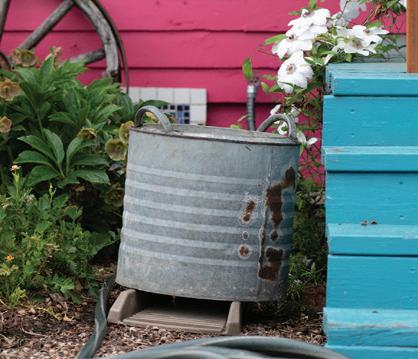
How to create rain barrels for your garden
(Family Features) Gardeners typically understand plenty of water, good ground and a steady stream of sunshine all play vital roles in the food production process.
However, on those hot, dry days when there isn’t any rain in sight, harvesting rain and storing it may be a perfect solution. A tried-and-true gadget like a rain barrel allows for the collection of rainwater from a home’s gutter system for later use.
Not only are rain barrels budget-friendly and good for the environment, they’re also good for your plants and crops. Rainwater is chemical-free, non-chlorinated, naturally soft, oxygen rich and warmer than water coming from the hose or sprinkler. That means flowers, trees, vegetables and shrubs may be more vibrant and hearty when irrigated with rainwater.
The nuts and bolts of making a rain barrel are simple. All it takes are three holes cut into a 55-gallon barrel and a
few supplies from the hardware store:
1) A small hole is cut into the side of the barrel, just 2 1/2 inches from the bottom. A brass adapter is then inserted so a hose can be attached for easy watering.
2) The second hole allows excess water to drain away if the barrel gets too full. It is made approximately 4 inches from the top of the barrel, directly above the hose adapter.
3) Drill a large hole into the top 2 inches from the side of the barrel. This hole must align with a downspout in your home’s guttering system. It is often fitted with a screen to filter out sticks, leaves and other debris.
Instead of a rain barrel, create a simple collection system by placing any recycled, water-tight container directly under a downspout. Buckets, trash cans and large pots make for easy collection containers.
Find more solutions for your garden at eLivingtoday.com.






Gary Criswell Auction Service & Real Estate, Inc. has been commissioned by Novella Ann Cox to offer at Public Auction the “Estate of Teddy Ray Cox”. Mr. Cox’s Personal Property is situated at 205 West Steele Street, Marlow, Oklahoma. Note: The Auction includes 12 Shotguns, 34 Rifles, 7 Revolvers, 6 Semi Automatic Handguns (Most of the Firearms are still in the Box wrapped in Plastic) and a Large Variety of Ammunition. The Auction also includes a 2019 Radiance Travel Trailer (Like New), 2020 KUBOTA Riding Lawn Mower, a TEXOMA Trailer and a 1992 GMC 3500
#BB0161036 (Box).
#EMS01275 (Box).
16. HENRY Golden Boy American Eagle Model H004AE .22 S/L/LR#AE00654 (Box).
17. HENRY Pump Action Model H003TM .22 Mag- #P20037TM (Box).
18. HENRY Side Gate-Model H0243030 - 30/30- #3030SG15464 (Box).
19. HENRY Big Boy Model H006M .357 Mag/.38Spl. -#BB0107529M (Box).
20. HENRY Big Boy Color Case Hardened Model H012 GMCC .357 Mag/.38 Spl.#BBS02715GMCC (Box).
21. HENRY Big Boy -Model H006C.45LC -#BB0082392C (Box).
22. HENRY Big Boy Eagle Scout 100 Anniversary -Model H006ES.44Mag/Spl - #100ES0341 (Box).
23. HENRY Big Boy X Model - Model H012X .44 Mag/.44Spl#XBBS14070 (Box).
24. HENRY Brass Lever Action - Model H009B - .30 .30 - #TTB053409 (Box).
25. HENRY Big Boy Side Gate - Model H006G .44 Mag/Spl- #BB0001762G (Box).
26. HENRY Big Boy - Model H006
27. HENRY Big Boy Color Case Hardened - Model H012GCCC.45 Colt#BBS01590GCCC (Box).
28. HENRY Side Gate Model H024-3855
Cal. - #3855SG03755
41. CHRISTENSEN ARMS - AR Style-Desert Brown-.308 Win. - #A93M01078 (Box).
42. SIG SAUER with Scope - AR Style.556 Cal. - Model Sigm 400#20L087674 (Box).
43. RUGER Hornet With Scope - Series 77/22 . 22 Cal - #720-27877 (Sock).
44. WINCHESTER - Maple - Model 70 .270 Win. - #35GZT09093 (Sock).
45. WEATHERBY With Scope 300 Win. (Very Nice) #VB265386 (Box).
45A. RUGER American .22 LR - #83530343 (Box). Revolvers
46. UBERTI - George Custer - 7th Calvery Tribute .45 Colt- #J77966 -#288 of 500 (Wood Box).
47. UBERTI Buff. Bill/Annie Oakley Tribute .44-40 - #30 of 500-#F0l7184 (Wood Box).
48. CIMMARRON FIREARMS - Doc Holiday Tribute .45 Cal. With Coffin Knive Handle & Holster - #P66934 (Box).
49. ROSSI .38 Spec. - #225447 (Case).
50. SMITH & WESSON -
April 12, 2024 Current News Page 15
You Have To Wrestle
Your Insurance Company? Insurance, it’s probably the only thing you keep paying for that you hope you never have to use. But when an unfortunate situation does occur, you shouldn’t have to fight with your insurance provider to get the claim award you deserve. At Bartling, we’re always on your side and we’ll do everything we can to expedite any claim you make in a timely manner. We’re also proud to say that we offer the finest coverage for your health, your home, automobile and commercial property. Put the strength of a solid performer behind you. Call us now for a free, no obligation, price quote assessment of your Comanche 580-439-8809 Waurika 580-228-2085 INSURANCE
You Have To Wrestle
Your Insurance Company? Insurance, it’s probably the only thing you keep paying for that you hope you never have to use. But when an unfortunate situation does occur, you shouldn’t have to fight with your insurance provider to get the claim award you deserve. At Bartling, we’re always on your side and we’ll do everything we can to expedite any claim you make in a timely manner. We’re also proud to say that we offer the finest coverage for your health, your home, automobile and commercial property. Put the strength of a solid performer behind you. Call us now for a free, no obligation, price quote assessment of your current insurance needs. Comanche 580-439-8809 Waurika 580-228-2085 INSURANCE Eck Drug & Gift Toll Free: 1-800-259-2384 Fax: 580-228-3290 Bus: 580-228-2383 Dana “Biff” & Valerie Eck Doctors of Pharmacy 101 S. Main Waurika, OK 73573 For all your prescription needs! Ochsner Dozer-Trackhoe Service 580-704-2226 For estimate on your job call Jeff Pond, Terraces, Tree Clearing, Building Pads, NRCS Work, etc. SimmsGarageDoorService Residential Garage Door Replacement & Repair Call 580-736-5414 KELLY SIMMS FAST PROFESSIONAL SERVICE! SHOWMAN’S CHOICE FOR ALL YOUR HORSE TACK & SHOW SUPPLY NEEDS. HOURS MON-FRI 8:00-5:30 SAT 10:00-2:00 1205 SW SHERIDAN RD LAWTON, OK 73505 580-355-7469 FIND US ON FACEBOOK! Saturday, April 27, 2024 • 10:00 A.M. • 205 West Steele Street - Marlow, Oklahoma “Estate of Teddy Ray Cox” Shotguns 1. Henry Brass Single Shot-Model H015B - 12 .12 Gauge - 12BSS01627 (Box). 2. Henry Brass Single Shot-Model H015B 20.20 Gauge - #20BSS01321 (Box). 3. Henry Sidegate Lever ActionModel H024 - 410 (410 Caliber)#410SG08846 (Box). 4. MOSSBERG 100 Year AnniversaryModel 500 .12 Gauge Pump#MCE0000598 (Box). 5. STOEGER Coach Gun-Stainless .12 Gauge Double Barrel#911832-21 (Box). 6. REMINGTON 870 Wingmaster .12 Gauge - #RAS045902 (Box). 7. CITADEL Boss 25-AR Style .12 Gauge#21-49370 (Box). 8. J.C. HIGGINS .12 Gauge-Model 66 (OLD-No Numbers) Poly Choke. 9. BROWNING A.5 White Gold Medallion .12 Gauge - #PT07777YY116 (Box). 10. STOEGER LONGFOWLER SIDE-BY-SIDE .20 Gauge Double Barrel with Choke #A320986.19 (Sock). 11. REMINGTON Model 11.96-SemiAutomatic .12 Gauge -
12. BROWNING CAMO-A.5 .12 Gauge -
Box).
HENRY Golden Boy-Model H004V .17 HMR - #GB105836V (Box). 14. HENRY Golden Boy-Truckers Tribute Model H004TT .22 LR -
Do
With
Do
With
#PC551987.
#116ZN06503 (Black
Rifles 13.
PUBLIC AUCTION
Dually Pick Up (Consignment). The 2019 Radiance Trailer, 2020 KUBOTA Riding Lawn Mower and the 1992 GMC Dually will be offered at Public Auction at 2:00 P.M. after the Sale of the Firearms and Ammunition. Terms of Public Auction: Personal Property-Cash, Personal or Company Check and Credit Card accepted. Valid I.D. required. Buyers mush provide Company a copy of Sales Tax Permit if Tax Exempt (No Buyers Premium!). Preview of Sale: Will be held Friday Afternoon, April 26, 2024 from 1:00 PM to 6:00 PM. Announcements made Day of Public Auction Supersede all other Advertisements. Auctioneer’s Note: This is a Nice Auction with a Variety of Firearms, Variety of Ammunition, 2020 Kubota Riding Lawn Mower, 2019 Radiance Cruiser Travel Trailer (Like New), 16’ Utility Trailer and 1992 GMC 3500 SLE Dually Pickup. The Radiance Trailer, KUBOTA Riding Lawn Mower and the 1992 GMC Dually will be offered at Auction at 2:00 P.M. after the Sale of the Firearms and Ammunition. Gary Criswell Auction Service & Real Estate, Inc. “Specializing in Real Estate & Estate Auctions.” Please go to auctionzip.com, Enter Auctioneer ID #35817 to View Pictures. Gary Criswell (Auctioneer/Broker/REALTOR) email: garymcriswell@gmail.com Auctioneer’s Website • www.garycriswellauctioneers.com Phone: 580-255-8162 Cell: 580-467-2248 #TRUCK00872 (Box). 15. HENRY Golden Boy-EMS Tribute .22LR - Model H004EMS
.44Mag/Spl-
(Box).
HENRY Side Gate - Model H010BG .45-70 Cal. - #FFSB03462G (Box). 30. HENRY Brass Lever Action Model H010B .45-70 Cal. - #FFSB45550 (Box).
.38-55
29.
H011R
31. HENRY Orig. Carbine Model
.44-40 Cal.-#BTH0486R (Box). 32. RUGER Trump Commemorative #6 of 45 .22 LR Semi Auto - #0011-56518 (Box).
Chief Crazy Horse Comm. Model 94 .38-55 - #CCH4535 (Box). 34. WINCHESTER Klondike
- Model 94
30-30
33. WINCHESTER
Commemorative.
-
- #KGR6339 (Box).
Winchester Carbine - Model 94 - .38-55 Cal. #0FW8973 (Box).
WINCHESTER - Model 1892 .45 Colt #NTH0777 (Box).
WINCHESTER-
1895
Win.
(Box).
BROWNING X. Bolt
Western
lion .43
35. WINCHESTER, Oliver F.
36.
37.
Model
.405
#00178ZM95A
38.
6.8
Maple-White Gold Medallion#JP28838YY354 (Box). 39. BROWNING - White Gold Medallion Lever Action .308 Win. - #04558ZN341 (Box). 40. BROWNING X Bolt - White Gold Medal
Win.- #BRJP33077YM354 (Box).
.357 Mag. #AFL 9986 (Case). 51. COLT PYTHON - Pearl Grips .357 Mag. #PY234389 (Case). 52. COLT PYTHON .357 Mag. - #PY256275 (Case). Semi Automatic Handguns 53. SIG SAUER -Purple Grips - .380 Auto #27B112598 (Case). 54. GLOCK -19 Gen 3 - Trump Edition 9MM - # BSWR854 (Case). 55. RUGER - SR 22 Rimfire- .22 LR Cal. #361-04008 (Carry Case). 56. FN AMERICA .45 Acp Tactical#FX3U193274 (Cardboard Box). 57. BROWNING - BLACK LABEL 1911 .22 LR #51EYY52446 (Case). 58. KIMBER - Ultra Carry II -Automatic Colt Pistol .45 Acp - #KDU2660 (Leather Holster). Ammunition A Variety of Ammunition Including .308 Winchester, 30-06, 243 Win., 270 Win., 6.8 Western, 45-70 Govt. Sp., 22LR and 380 Auto., 410 Gauge (Lots 59 - 79). Radiance Travel Trailer 2019 Radiance Cruiser Travel TrailerDual Axle (Like New). 2 Owner, 1 Slide Out, Fireplace, Sleeps 6, Rear Bath, 2 Color Televisions, Central Heat and Air, Front Awning, Sway-Bar Hitch, Disco Lights (Boogie Light). TEXOMA Trailer TEXOMA- Trailer -16 Foot -Wood FloorDual Axle-with 2 Foot Dove Tail. KUBOTA Lawn Mower 2020 KUBOTA Z-122R- Riding Lawn Mower, 42 in. Deck with a 21.5 Kawaski Horse Power Engine ( 220 Hours). 1992 GMC Dually Pickup 1992 GMC 3500 SLE Dually Pickup-Club Cab, Automatic with 4 Wheel Drive, All Power with Cloth Seats.
Photo courtesy of Unsplash

LINEWORKER SAFETY GEAR WORD SEARCH
Lineworkers use a variety of gear to stay safe while working near power lines and other electrical equipment. Read about their safety gear below, then find and circle the blue words in the puzzle.
• Safety goggles keep debris out of a lineworker’s eyes while they work.
• Rubber gloves are insulated and protect lineworkers from electric shock.
• Steel toe boots provide extra protection when lineworkers lift heavy objects.
• Hard hats protect lineworkers from potential head injuries.
• Lineworkers wear a safety harness to prevent falls while climbing poles or working in a bucket.
• Lineworkers use a hot stick, an insulated tool made from fiberglass, when working on energized lines.




Fun By The Numbers
Like puzzles? Then you’ll love sudoku. This mind-bending puzzle will have you hooked from the moment you square off, so sharpen your pencil and put your sudoku savvy to the test!
Here’s How It Works:
Sudoku puzzles are formatted as a 9x9 grid, broken down into nine 3x3 boxes. To solve a sudoku, the numbers 1 through 9 must fill each row, column and box. Each number can appear only once in each row, column and box. You can figure out the order in which the numbers will appear by using the numeric clues already provided in the boxes. The more numbers you name, the easier it gets to solve the puzzle!
Page 16 Current Classifieds April 12, 2024
HOLT ELECTRIC Over 30 yEARS eXPERIENCE Residential Commercial Industrial Estimates Remodeling New Construction 24 hour Service 580-365-4147 P.O. Box 131 * Sterling OK 73567*Lic#OK10531 'Sill Robinson !IOIRNION fENCING Pipe Fencing• Wire Fencing • Corrals• Gates Cell: (580) 450-3077 Starlite Welding Supplies 506 Industrial Ave.--By Duncan Cemetery Mon.-Fri., 8 am -5 pm; Sat., 8 am -12 noon Home-owned by Kenneth/Jeff Golay Since 1991 580-252-8320 1 Yr. Cylinder Lease $45.95 SPECIALS on Welders/Generators Torch & Regulator Repair Welder-Torch Kit Specials Farming and Ranching Needs Fertilizer Chemicals Feed & Seed Farm Supplies Your Co-op can blend and apply either Dry or Liquid Fertilizer 580Walters Co-op 580-875-3345 We Appreciate Your Business -Call and Schedule your NeedsWe Service All Major Brands of Electric & Portable Welders Warranty – Service – Parts 109 Bois D’Arc, Duncan 580-255-0207 www.WelderRepair.net welderrepairs@att.net Welding Equipment 401 School Rd. - Temple, OK (855) 212-5809 Newly Remodeled, 1, 2 or 3 Bedroom Apartments Extra Storage, Central H&A, Stove & Refrigerator, Carpet & Mini Blinds, Washer/Dryer Hookups & On-Site Laundry. Rental Assistance HUD Section 8 Accepted. This institution is an equal opportunity provider & employer. Apartment Homes TDD 711 ParkVillagePlaza 401 E. James, Sterling, OK (580) 215-4762 2 or 3 Bedroom Apartments Central Heat & Air, Stove & Refrigerator, Carpet & Mini Blinds, On-Site Laundry. Rental Assistance available for qualified applications HUD Section 8 Accepted. This institution is an equal opportunity provider & employer. Apartments TDD 711 Sterling Village Simple changes make a big difference and add up to savings. Learn more at www.CottonElectric.com or www.TouchstoneEnergy.com.



years of experience in farm, ranch and truck driving. Full time preferred. Call 580467-2145 or 580-475-1744.
Werks: Driveways,
and gravel
Landscape, topsoil leveling, drainage,
cleanup. Box spreader loader, tiller, brush hog. 580-695-8973. Lawn care and small exterior painting projects. Serving Duncan and surrounding areas. 580-606-3543.
Phipps Backhoe & Storm Shelters LLC: All septic system. Below- and aboveground concrete storm shelters. 580-467-1018 or 467-3514.
Tamez Tree Service. Cell: 580-656-7383. Tree removal, stump grinding. Foundation repairs. Lifting and leveling houses and building, structural repairs. Pier and beam specialist. 44 years experience. Have jack, will travel. Goldstarr Construction. 580-9170057.
Brush hog work: Central, Empire and Comanche areas. $55 per hour with a 2-hour minimum. 580-4672145.
Need welding? Rod iron fences and gates, pipe fences and gates, aluminum, outside A/C unit security cages or any type of welding done in shop and portable. Call 580-7042963.
Best Barns & Carports. No one beats our quality or price. Free installation! Come see our displays. Land Pros Real Estate & Auction, 1705 S. Hwy. 81, Duncan, OK. 580-4671501.
Need an estate sale? Let J & J Estate Sales work for you. Contact Janet Terry at 580-678-1719 or Janie Dupler at 580-512-2245. Honest/Trustworthy/Dependable.
M&B Handyman Services LLC. You dream it, we build it. Call us today for a free estimate. Call 580-7211864.
Daffern’s Auto







April 12, 2024 Current Classifieds Page 17 Lots/Land For sale: working interest of seven oil leases in Comanche County. Call 580-5950617 if interested. Land for sale: 1-3-acre tracts. Owner finance. Randlett and Walters areas. Call 580-591-1042, ask for Leon. FarmsRanchesLand.com. 580-252-3880. Manufactured Homes Mobile home lots for rent or sale. Randlett and Walters areas. 580-591-1042, ask for Leon. Rentals Need a space for that upcoming birthday party, baby shower, family reunion, or holiday dinner? Walters Senior Center has event space available for just $25 per day! Call 580875-3870 to schedule your event. Cattle Angus, Hereford and Black Maine bulls for sale. Extensive AI program. John Johnson, 580-467-7433. For sale: two longhorn yearling calves; one twoyear-old heifer and one bull. Call/text. Leave message. 580-467-1779 or 580-467-2533. Classified & Display Ad Deadlines The deadline for classified ads for the next issue is April 26. Display ad space must be reserved by April 26. If your ads are not received by this deadline, they will not be published in the next issue. Please limit ads to 30 words. There is a $5 charge for ads over 30 words. Classified Cost Cotton Electric members are entitled to two free ads per membership per month. Additional ads or ads over 30 words can be purchased for $5 per ad. Not a member, but still want to advertise? Ads must be prepaid, so enclose $5 with your ad to guarantee placement. Contact Us Ads can be sent in the mail or be dropped off at Cotton Electric, 226 N. Broadway, Walters, OK 73572. Ads can also be dropped off at the Duncan office, 1101 W. Oak. Ads can be emailed to classifieds@cottonelectric.com. Place an ad by phone by calling 580-875-3351. Place Your Ad ANIMALS Current Classifieds Classified Ad Policy Cotton Electric Cooperative offers many special services to its members. Among them are the classified ads in The Current. Members are entitled to two free classified ads per membership account per month, regardless of the number of meters on the account. Members are asked to limit ads to 30 words. Ads over 30 words may be purchased for $5. Non-members may also purchase ads for $5. Run for (circle one): 1 month 2 months 3 months 4 months 5 months 6 months Name _________________________________________________ Address _______________________________________________ Clip and Mail to: City _________________________ Zip Code _________________ Cotton Electric Current Phone _________________________________________________ 226 N. Broadway Cotton Electric Account # _________________________________ Walters, OK 73572 Real Estate Limflex and fullblood Limousin bulls and heifers for sale. Registered and commercial. Call 580-6413516. FB Red Angus bulls. SireFranchise, dam from Cowboy Up. $2,500. Text 580736-8268 for pictures. Angus beef for sale. Grass-fed, grain-finished, no growth hormones, no antibiotics, local livestock producer, butchered by state-inspected custom processor. Sold by the side or whole. You decide the cuts of meat. 580-5852691. Dogs Shorty jack russels for sale. Full blood but not registered, parents on premises. They are black & tans. 1 male, 1 female born March 2, 2 females grown and spayed 2 years old. $200 each. Call 580-467-5831. Fowl For sale: talking Amazon parrot in cage, $275 cash. Talking African Grey parrot in cage, $350 cash. Call 580-255-9699. Looking for work. 50
Tractor
rock
work.
brush hog mowing, clearing,
Lawn mowing in the Duncan and Marlow area. Free estimates. Call 580-7210343. Free hog trapping. If you have hog problems in or around Cotton County. Greg Kohout. 580-7049955. www.empireweldingandfab.net or call 580-4756895, welding and fabrication. Accessories 5-ft. box blade with 3 scarifier teeth, hinge rear blade. $500 firm. Call 580-6411420. Equipment Items for sale: New Holland 1475 – 16-ft gooseneck swather for $2,500. A 1975 Chevrolet C60 – 2-ton tandem axle grain truck and a 24-ft. bat reel for a John Deere combine. Call 580704-7755. For sale: used King Kutter brush hog. 6-ft. $500. 580251-1962. Items for sale: two bottom plow, $200. John Deere mower, $500. Three-point angle blade, $300. Or best offer. 580-475-8096. Hay For sale: mostly Little Bluestem and Big Bluestem. East of Lawton. 580-6782606. Alfalfa small bales in 21bale bundles. Loaded on your trailer. $315. Geronimo. 580-351-8018. Tractors Tractor for sale: 1941 Ford tractor 9n, with rear bucket. $3,500. Rebuilt in 1980s. Runs good. Text 580-5850877. SERVICES SERVICES Animals Services Farm & Ranch 2B Grubbing Bubba Bigford 580-284-5810 For all your Mesquite grubbing and Red Cedar removal M&M Trailer Service, LLC Is Your Trailer Road Safe? 580-658-6510 280276 W. HWY 7, Marlow, OK mmtrailerservice@yahoo.com HITCHES •Gooseneck •Receiver •5th Wheel• See us for all your trailer part, hook-up & flooring needs! Authorized dealer for Shelby Trailer Flooring For Inquiries: mmtrailerservice@yahoo.com Authorized dealer for Shelby Trailer Flooring For inquires: mmtrailerservice@yahoo.com ●Gooseneck ●Receiver ●5thWheel 580‐658‐6510 166494 Heffington Rd, Marlow, OK mmtrailerservice@yahoo.com See us for all your trailer parts hook-ups & flooring needs!! ●Repairs, Maintenance ●Brakes, Lights, Wiring ●Sand Blast & Paint ●DOT Inspec�ons ●Hook‐ups ●Floors– Shelby X‐Lug, Tongue & Groove, Plank or Wood •Repairs, Maintenance •Sand Blast & Paint •Brakes, Lights, Wiring •DOT Inspections •Hook-ups •Floors- Shelby X-Lug, Tongue & Groove, Plank or Wood 580-439-6367 104 Village Mall Comanche, OK 73529 Spark S Con S tru C tion DOZERS • TRACKHOES 60' long-reach dredging trackhoe Clean out or enlarge stock ponds DEMOLITION SERVICES 580-450-3673 Ricky Sparks
Service: 35+ yrs. experience on all makes & models: brakes, HVAC, engine & tranny repairs; fuel injection service; restorations. WRECKER too. 412 NW 2nd in Lawton. 580-353-1600. 580-5128661.
Exceptional Massey Ferguson 231S with only 656 hrs. Includes Woods M5 mower. $6,500.00. Phone: 580-850-2258. 650 John Deer tractor, 4-wheel drive. Needs injection pump. Has three point. Nice. $2,200 or best offer. 580-475-8096. 2010 John Deere 635 MoCo. 3.5M, 311x13.5 tires, urethane rollers/conditioner’s shed kept – good condition. $10,700. 580591-3797. Massey Ferguson 65 tractor with 6 implements. 7-ft. angle blade, 6-ft. box blade with rippers, 5-ft. brush hog, heavy duty 3-pt. post hole digger, 3-pt. lift, 3 bottom plow. $7,000 OBO. Call 580-467-3070 or 580-6567288. 1995 John Deere 325 lawn and garden tractor, 17 hoursepower Kawasaki with 745 hours, HYDRO TRANS, 48-in floating mower deck, runs good, $700 OBO. 580-574-0621. 2016 Massey Ferguson 2250 3x3

For sale: Queen size headboard. Solid oak, frame included. $100. 580-4925786.

Dunn’s Nursery 05160
N 5th St., Duncan. Cell: 580-656-7273 or 580-656-
Mowers
runs good. $2,750. Gerald R Hayes 580-5911135. 6 a.m. – 7 p.m. Wanting to buy: old, unwanted cars or truck. Working or not. Will pick up. Call 580-704-2963.
Open 9 a.m. – 5 p.m. Monday through Friday, 10 a.m. – 2 p.m. Saturdays.
Furniture and Appliances

Brown lift chair, excellent condition. Burgandy lift chair with vibrator and heat. 42” TV with sound bar, Pampered Chef air fryer, tools, misc. 7444 W. Seminole Road, Duncan. 580-467-5995.
For sale: Whirlpool dryer in good condition. $75. 580492-5786. For sale: Large power lift and recline chair. Never used. $1,500. Dark brown. 580-284-2694.

or 580-281-0496.
For sale: Earthquake 42cc, 2-Cycle Rototiller, $150. Worx Leaf Mulcher, $100. 940-337-5762 or 580-2810496.

Boats/Watercraft
20’ 93 Champion bass

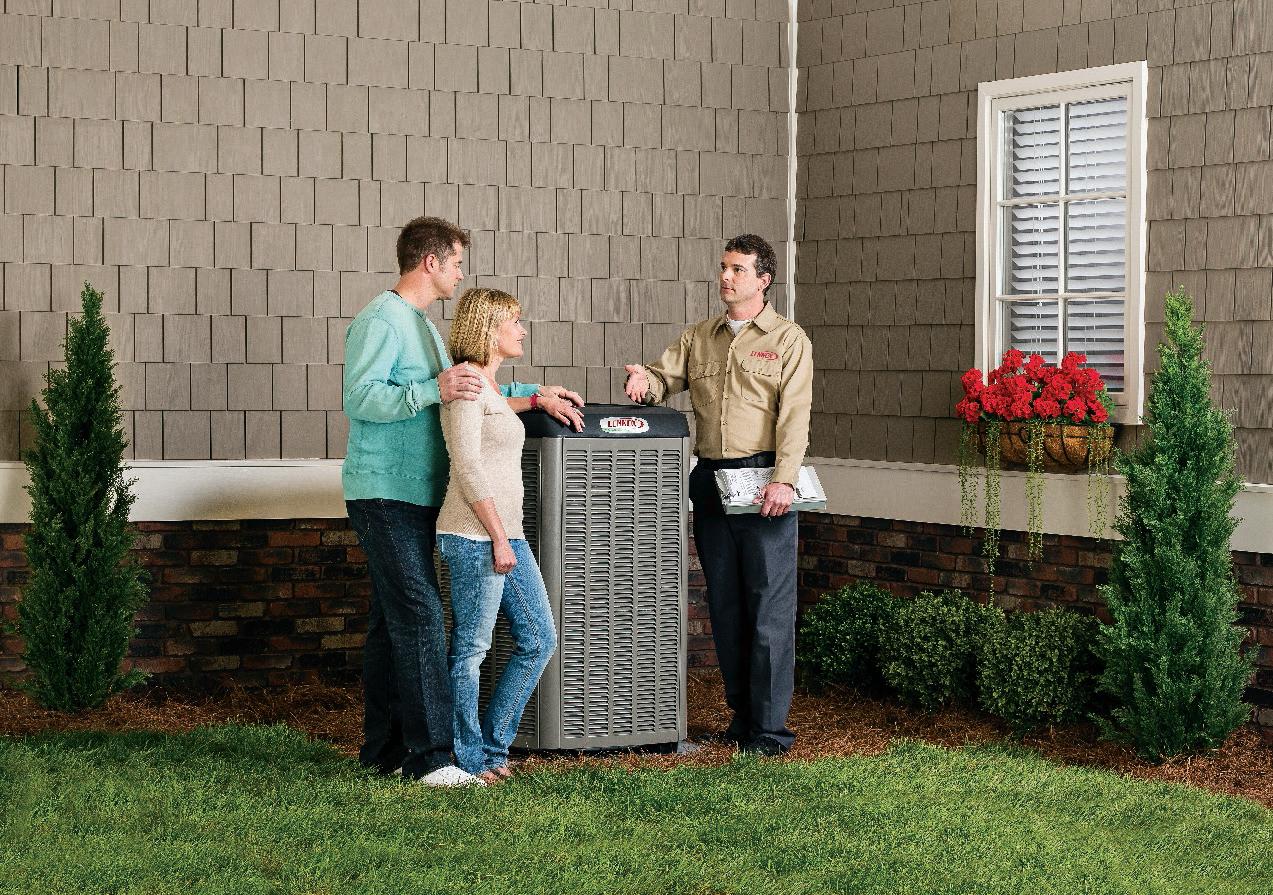


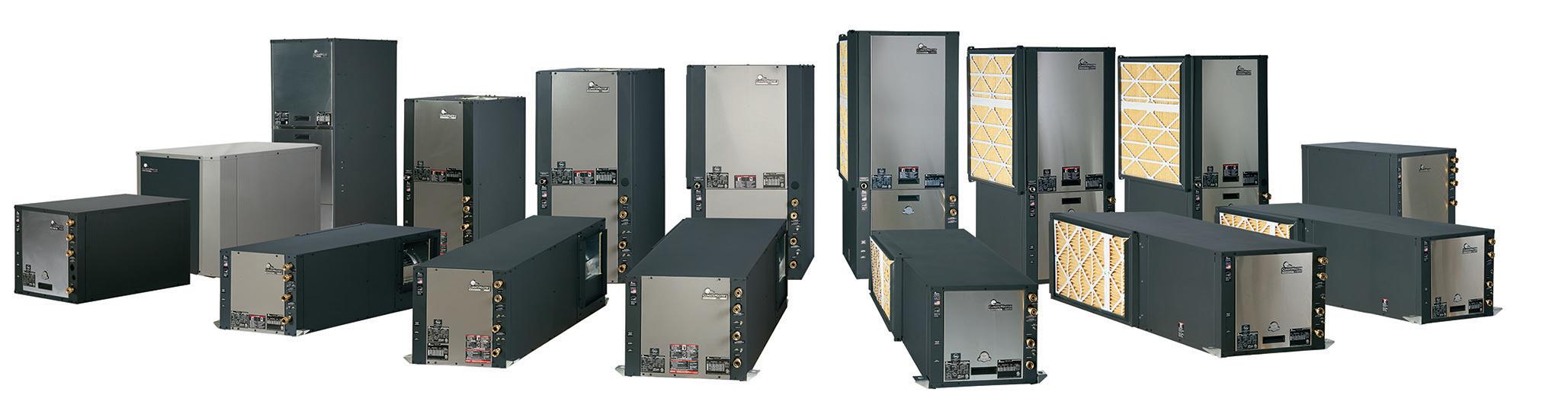

Page 18 Current Classifieds April 12, 2024
baler. 15,751 bales. $80,000. 580-6782440. Trailers 24-ft. flatbed trailer. 3-7,000 lbs. axels, electric jack, 90” wide ramps. Call 580-7046134. $7,000. Does your trailer need a little TLC? Check with us for all your needs! Parts, lights, brakes, axles, DOT inspections, flooring and friendly service! M&M Trailer Service LLC. 580-658-6510. We can hook you up! Check with us for your gooseneck, receiver, or 5th wheel hitches and brake controls! M&M Trailer Service LLC. 580-658-6510. Garage sale: May 4. Location: 260 NE Abshere road, 2.25 miles North of HWY 65 and HWY 7. Saturday only. Mud Creek Creations: Antiques, Amish foods, gifts, boutique, décor, knives, furniture, florals and more. 15 vendors, 5,000 sq. ft. Main Street, Comanche. 10 a.m. – 5:30 p.m. Tues. –Sat. Look at our Facebook. Antiques Addington Station Antiques has numerous tiger oak furniture pieces. Sellers kitchen cabinet flour, sugar, bread bins. Fenton, oil lamps, cast iron skillets. Visit the War Memorial and Jesus Park. Highway 81, Addington, OK. Open Wednesday – Saturday, 10-5. ADDINGTON STATION ANTIQUES offering unique variety of antiques, war memorabilia, primitives, crocks, hall trees, gas signs, rare slot machines. Vendor Space available. ADDINGTON STATION ANTIQUES, Highway 81, Addington, OK. Wednesday-Saturday 10-5. Firearms Shooter Guns & Ammo now has .410 in stock, 22 mag, 30-30 and other cal. of ammo. Firearms for hunting or self-defense.
FARM & RANCH
7383.
Shade trees for sale: Bald Cypress, Chinese Pistachio, Lacebark Elm, Red Maple, Red Oak, Redbud and Shantung Maple.
to buy: Cellulose insulation blowing machine. 580-656-1921. Earthquake Viper 43cc, 2-Cycle garden Cultivator. $115. Used two times. Worx WG430 electric leaf mulcher. $120. 940-3375762
2023 Country Clipper XLT. 52-in. deck with Kawasaki FR730V engine, 52.8 hours, in select condition. $7,000. John Deere F725 mower. 54-in. deck, $1,500 OBO. Call 580-467-3070 or 580-656-7288. Tools Want
for photos.
aluminum Monarch Jon
with
Mercury, two 5-gal tanks, oars,
life vests
Duncan,
sale:
for unloading on primitive boat ramp. 2007 15 HP Yamaha tilt steer motor. Minn Kota trolling motor. Great condition. Titles are clear. $4,950. 580467-3885. Cars For sale: used 2003 Dodge van, 158,000 miles, good shape,
Golf Carts Club Car electric golf cart. 580-351-4316. Recreational Vehicles Live the Simple Life! Town and Country RV Park, Marlow, 580-641-2836. RV spots available, with full hook-ups, in a nice and well-maintained park! www.marlowrvpark.com. Trucks & SUVs 2018 GMC crew cab 4x4, 30,500 miles, leather, loaded, camper shell, pearl white, garage kept, $42,000. 2002 Duramax diesel HD crew cab 4x4, camper shell, 156,355 miles, good condition, $17,000. Call 580-4671807. 1993 Freightliner T/A cab over truck tractor. Cummins N14, 9 speed OD, engine good, faulty computer and clutch rod broke. $3,000. 580-353-5011 or 580-6953439. 1959 Chevy Truck with grain bed, 14-ft., hasn’t run in 10 years but in good shape. $750. Also,1979 Chevy pickup, needs motor, good shape. $850. 580-475-4570. MERCHANDISE TRANSPORTATION Lawn & Garden Merchandise Transportation Garage Sales 1-800-657-6062 Home • AUTO • FARM • commercial life • RV's • motorcycle • boat 403 W Main St. Marlow, OK 73055 graham insurance 580-658-3077 5755 N. Highway 81, Duncan, OK www.dehartair.com 580-252-2205 1201 S. 4th St. Chickasha, OK 73018 www.dehartac.com deharts7@yahoo.com Seth DeHart ENGINEERING SERVICE & CONTRACTING Cotton Electric Co-Op Rebates Available On: *16 Seer 17 Seer 18 Seer(+) Air Source Heat Pumps. *New Water Heaters And Mini-Splits. *New Geo-Thermal Systems & Replacement Systems. Dehart Air Conditioning offers maintenance plans to keep systems healthy! *Rebates Available in many OMPA Member cities *Restrictions apply 30% Federal Tax Credit for Geothermal Systems 30% Federal Tax Credit EXTENDED Through 2032! Call us today for more information! 580-252-2205
boat, 98 Mariner 150, two 12’ talons, two HDS units, 24 volt MotorGuide trolling motor, hot foot, new carpet, excellent condition. $15,000. 580-252-3200. Text
14’
Boat
9.9hp
trailer,
and anchor. $1,500 in
OK 580606-9431. For
2015 G3 Johnboat 1643LW 15’ 10” on trailer, modified





April 12, 2024 Current Classifieds Page 19 1990 Freightliner T/A truck tractor with winch, good 3406 B Cat, 10 speed, in use as dozer hauler, $6,500. Geronimo. 580353-5011 or 580-6953439. Angus beef for sale. Grass-fed, grain-finished, no growth hormones, no antibiotics, local livestock producer, butchered by state-inspected custom processor. Sold by the side or whole. You decide the cuts of meat. 580-5852691. Looking for work. 50 years of experience in farm, ranch and truck driving. Full time preferred. Call 580467-2145 or 580-475-1744. For sale: A United States Stove Co. woodstove, new. Robinsons Landing. Lake Lawtonka, asking $400. Call 580-585-0076. Looking for an old bus body. 580-280-3131 For sale: firewood. Seasoned, mixed, split. West Lawton. $125 per rick. Also wood chips. 580-917-0057. Only 30 ricks left. Michelin 295/80 R22.5 tire. $100. 580-470-6053. Duncan. Want to buy: Cellulose insulation blowing machine. 580-656-1921. Want to buy: silver and gold coins. Will pay top dollar in cash. Ed’s Coins. 580-4754570. Wanted: updated cell phone, backpack sprayer, channel master antenna rotor or any analog antenna. 580-512-5550. Text or leave a voicemail. Cash for coins: Buy or sell. Call 580-475-5132 in Duncan. We buy and sell gold coins and silver bullion. Need an estate sale? Let J & J Estate Sales work for you. Contact Janet Terry at 580-678-1719 or Janie Dupler at 580-512-2245. Honest/Trustworthy/Dependable. Club Car electric golf cart. 580-351-4316. For sale: longhorn roping saddle. 580-678-9800. Items for sale: Outdoor Port-a-Potty, $195. Wheel Barrel, $25. Aluminum ladders, 6-ft & 16-ft. Many household appliances and yard items. Call 580-6784613, Walters. TRANSPORTATION Miscellaneous BARKER’S Trailer Parts Cache, OK 580-429-3822 Jimmy Barker, Owner 505 N. 5th - Rush Springs, OK (580) 476-2655 Contact Julie Tuesday & Thursday : 8am - 12pm TDD 711 RUSH CREEK VILLAGE Apartments 1, 2 and 3 Bedroom Apartments Available For Rent. CHA, carpet & mini blinds, stove & refridgerator, washer/dryer hookups, laundry facility & playground on site. Rental assistance available for qualified applicants. HUD Section 8 Accepted





Page 20 Current News April 12, 2024 Parting Shot INTERNET • PHONE • TV Always Innovating because every community matters (580) 529-5000 HILLIARY.COM 580-255-0183 climatecontrolco.net 710 W Walnut Ave, Duncan, OK 73533 PLANNED MAINTENANCE AGREEMENT Lower your energy costs. Increase your comfort. Plans start at 169 $
Our runner-up of the April Photo of the Month contest is Cotton Electric member Mike Martine, who snapped this photo near Quanah Parker Lake at Wichita Mountain Wildlife Refuge. Thank you for your participation!
