








Spring 2026 Home & Cottage
08 Fisher Excavating
11 Transforming Your Home
12 Welcome to Quarry's Quell on Stoney Lake
19 Mirage Flooring
22 Designing with Intention
27 Sensory Design
31 Spring Fling
33 Protecting the Places We Love
56 Curating a Hat Exhibit Recipes
34 Griddle Breakfast
35 Spicy Candied Pecans
Get Outdoors
37 Maple - A Canadian Tradition
40 A Maple Trail
43 Jump Into Fishing!
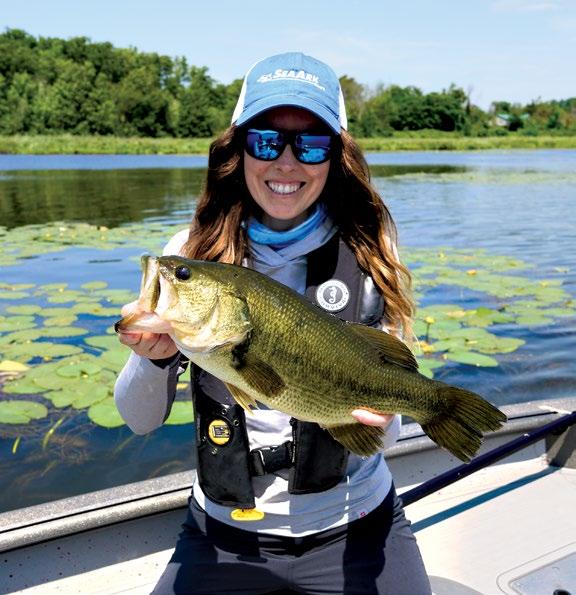
44 Women in Fishing - Lisa Goodier
45 Angling Experts - Mike Williams
45 Angling Experts - Mike Quesnelle
46 Pike Up Your Spring
47 Women in Fishing - Ashley Rae
49 Fins, Family & First Catches
50 Fish Smarter, Catch More!
52 Rolling Up the White Carpet
54 Get to know Your Frog Songs
55 Plan Now to Preserve Later
Kids Korner with Kenz
54 Seed Science







PUBLISHER
Kelly Welsh, Owner
MANAGING EDITOR
Emily Ireland
CONTRIBUTORS
Emily Ireland, Jacob Rodenburg, Don Willcock, Birchview Designs, Craig Nicholson, Rick Whitteker, & Mike Fitzgerald
Volume 32 • Number 2 705-313-2245
www.cottage.rocks
We respectfully acknowledge that the lands and waters often referred to as Cottage Country, are stolen lands and traditional territory of the Michi Saagiig Anishinaabeg.
We also recognize the local enduring presence and stewardship of the Alderville First Nation, Hiawatha First Nation and Curve Lake First Nation, whose ancestors have cared for these lands and waters since time immemorial, and who’s enduring presence, knowledge and stewardship shape this land and this community.
As we gather here for recreation, rest, and connection to nature, we acknowledge that these places have always been home - places of culture, community, and livelihood for Indigenous peoples. We honour their culture, and love for this land, and are committed to learning from Indigenous communities, acknowledging past and present injustices, and supporting meaningful steps toward truth, reconciliation, and respectful relationships.
Published 6 times a year by Cottage Country Lifestyle Magazine Inc., 705-313-2245, PO Box 8, Buckhorn ON K0L 1J0. Distributed by Canada Post Publications Mail (to Cottages, Homes & Businesses) and distributed to over 100 drop locations. Also promoted and viewed Online and on Social Media. In Print, Online and on Social. Copyright 1994-2026. All rights reserved.



“It was one of those March days when the sun shines hot and the wind blows cold: when it is summer in the light, and winter in the shade.”Great Expectations by Charles Dickens
March and April here in Cottage Country can make it feel like you are a little kid awaiting your big birthday party, the air is warming and the sun is shining. Coats are shed and sunglasses are donned as the suns rays make enjoying the outdoors a little more comfortable than say - January. March break on the lake is like the pre-game for summer fun!
Now is the time to start planning your fair-weather adventures, bookings go quickly and pre-planning helps you get the most out of days spent road-tripping, looking for those quintessential summer bucket list activities. We all try and pack as much adventure and fun into the months spanning from June to September, we invite you to jump into some of the most immersive and authentic experiences Cottage Country has to offer.
Cottage Country is abundant in curated attractions that span arts, culture, heritage and flourishing farmlands. Provincial parks welcome visitors from near and far, while culinary-led food-centric journeys await. The communities of Cottage Country buzz this time of year with news of upcoming community oriented events - no matter what, you will find something that transforms your soul while you are here in Cottage Country.
Welcome to the Spring Issue. In this March/April issue we focus on the coming melt of spring with Maple! Flip through the pages of this issue and save the recipes from Weekend at the Cottage, which are sure to be crowd pleasers this summer. Staples Maple Syrup brings you a sponsored editorial on the history and health of maple syrup in time for sugarbush season.
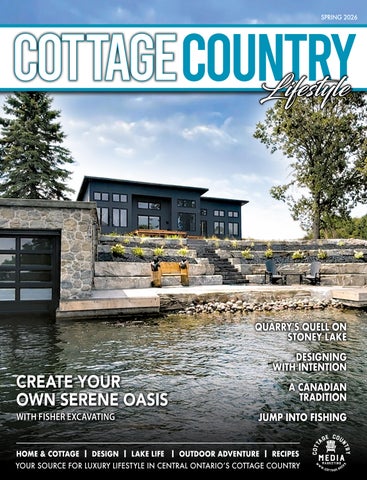
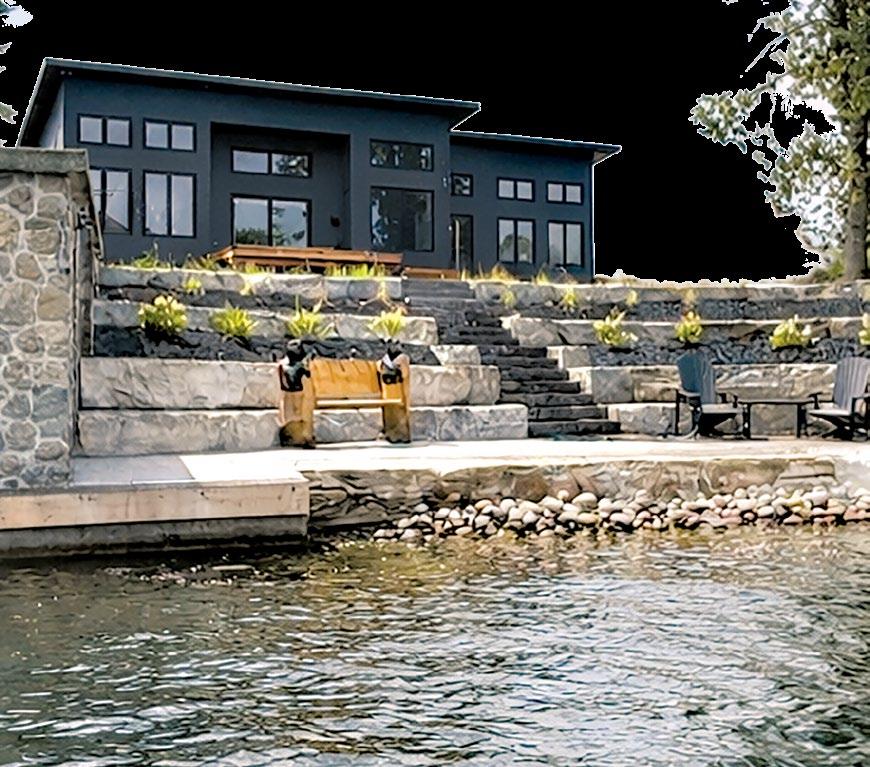
On the cover we have Fisher Excavating, a local contractor who is ready to transform your outdoor spaces into your personal oasis.
Fishing is a focus in this issue with the coming CANCAST fishing Show - which we are happy to be sponsoring again for 2026. Fishing guides Williams Outfitters and GOAT Angling Adventures share their know-how, and Keep Canada Fishing invites you to get your kid (and you) casting a line. The Ontario Federation of Anglers and Hunters (OFAH) invite you to participate in their annual Under the Lock fishing derby to try your hand at catching ‘Walter’ the elusive top prize fish.
We’re always getting involved with our communities! Again this year we are proud to sponsor the Kawartha Lakes Country Living Show, located in Fenelon Falls, as well as the 1st annual Apsley Lions Home and Cottage Show happening this May at the North Kawartha Community Centre. (Have a sponsorship request? Email us! cottagecountryemily@gmail.com)

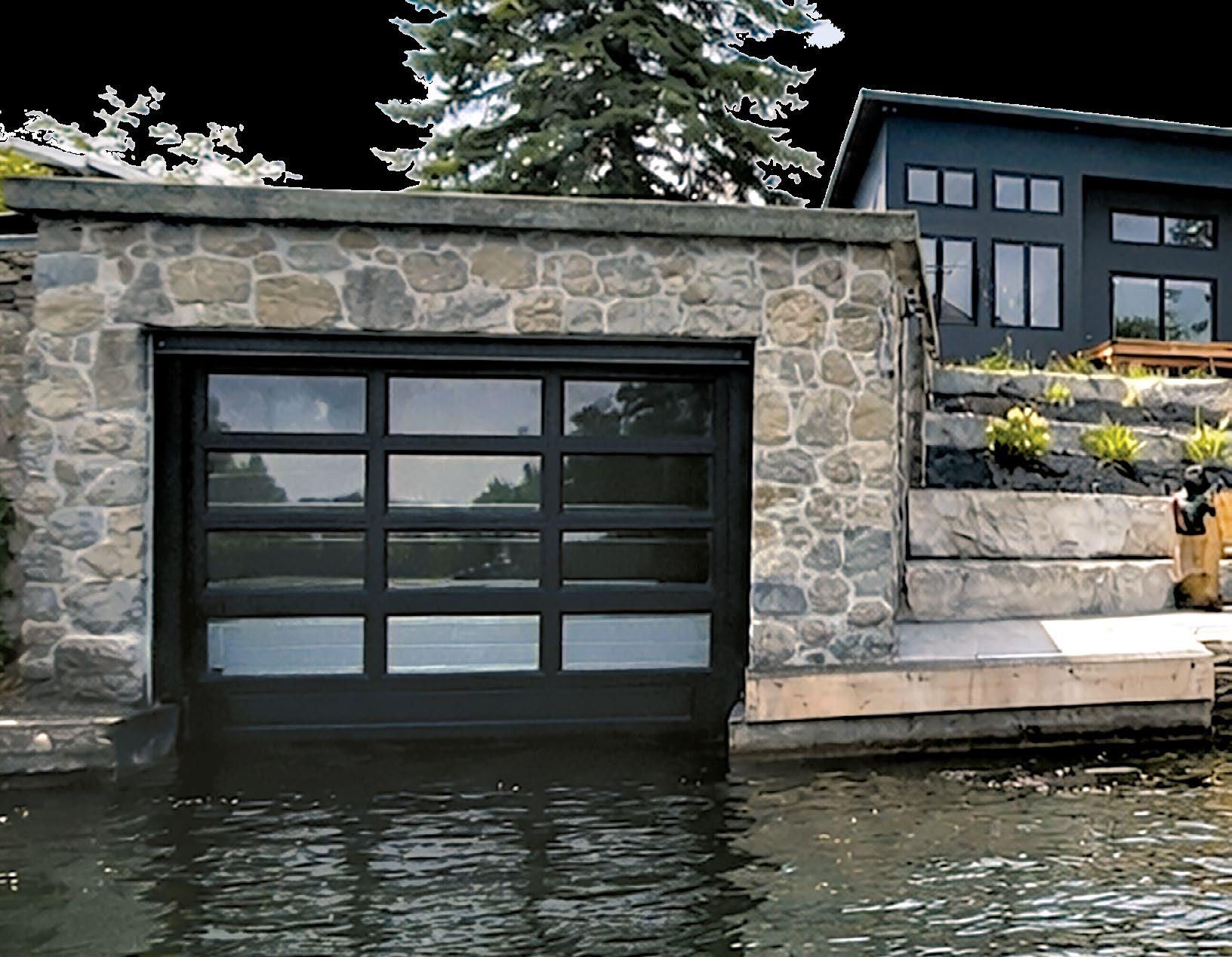
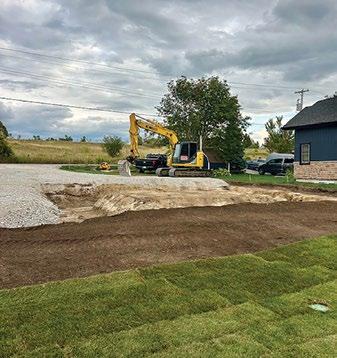
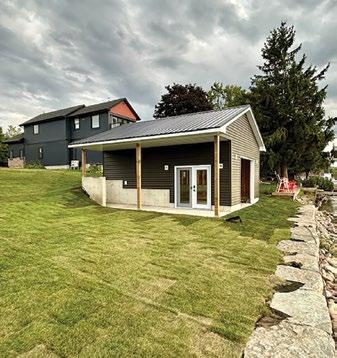
Fisher Excavating is a family run business rooted in the heart of Cottage Country since 2006 that specializes in shaping the land and waterfront around the Kawartha Lakes area. Known for taking raw terrain and turning it into solid foundations and transforming waterfront property into usable spaces that stand the test of time, Dwaine Fisher offers the utmost professional precision.
Whether you’re building a new home, adding an addition, or reshaping your property for better drainage or utility work, Fisher and his team handle every detail - including permits. With modern equipment and practical know-how each project is backed by the necessary permitting and logistical support that many clients find valuable.
Among their key services are:
• Excavation - New Builds, excavation and grading for residential and commercial projects.
• Site Preparation - clearing and levelling land to support construction activities.
• Grading - ensuring correct slopes and contours for drainage and stability.
• Licensed Septic Services - including installation and cleaning, crucial for rural & cottage properties.
• Dredging - removing sediment to improve water depth and lake access.
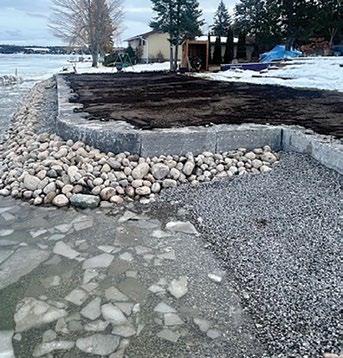
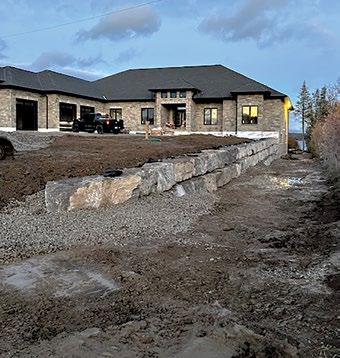
• Shoreline Protection & Improvement - using techniques like sheet piling, armour stone, sloped rock (rip-rap), river rock and crib repairs to stabilize waterfronts.
• Barging Access - accessing difficult sites via a specialized construction barge that is capable of transporting machinery for island projects. Waves, wind and boat traffic eat away at the shoreline of your property, but ice melt, and extreme weather can also cause your shoreline to erode over time.
Specializing in shoreline work and Armour Stone, Fisher says ‘the job isn’t as simple as showing up and doing a good job.’ Dwaine and his team are planning machines. For the Fisher team, the job doesn’t begin when the equipment moves onsite – it begins by walking the customer through all aspects of the project, whether it is a septic system, shoreline improvement, or other excavation project; often with the assistance of digital imaging to show
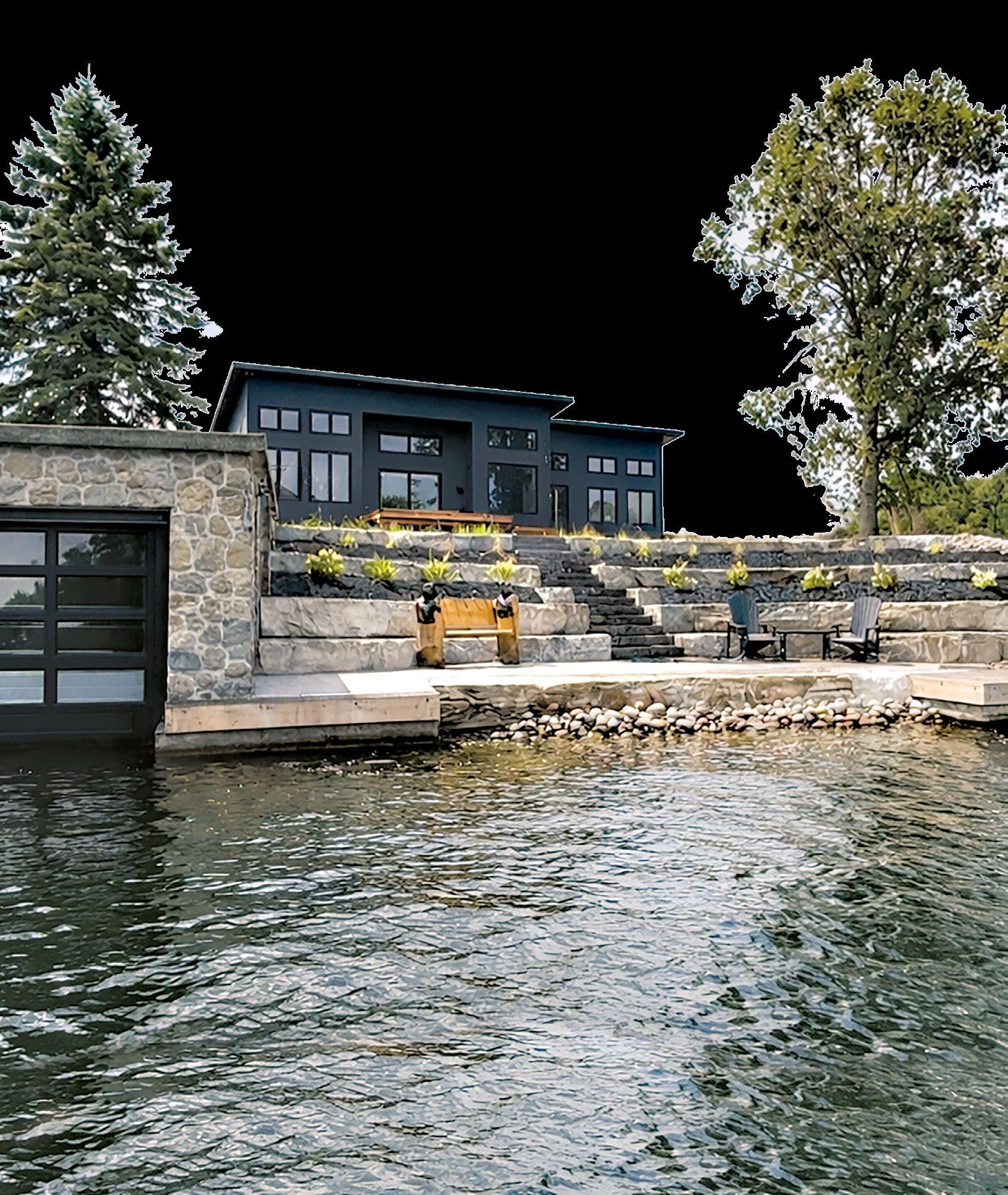
On the Cover: This property was transformed from 20 feet of shale and rock to a tiered patio area offering unobstructed access to the water. Fenelon River, Sturgeon Lake.


what your finished project may look like. For stonework, all the materials are sourced and transported to Fishers shop location where the rock is meticulously measured and cut, piecing each angle together for the perfect fit. The stone is then transported to the job-site where all the appropriate groundwork has been laid, in preparation for the puzzle to be put together. Strategic planning is essential.
Based in a region where landscapes and shorelines define much of daily life, protecting the environment for future generations is a focus for many waterfront owners. Owner, Dwaine Fisher works closely with environmental organizations like Otonabee Region Conservation Authority (ORCA), Kawartha Conservation, The Trent Severn Waterway, and The Ministry of Natural Resources (MNR) to ensure the utmost care for the environment is taken when planning and installing armour stone retaining walls.
Fisher Excavating and Grading looks forward to your consideration when it comes to your next excavation project, take your outdoor plans from daydream to reality, with Fisher Excavating it’s just that easy.
www.fisherexcavating.ca
705-887-6767 fisherex@live.ca


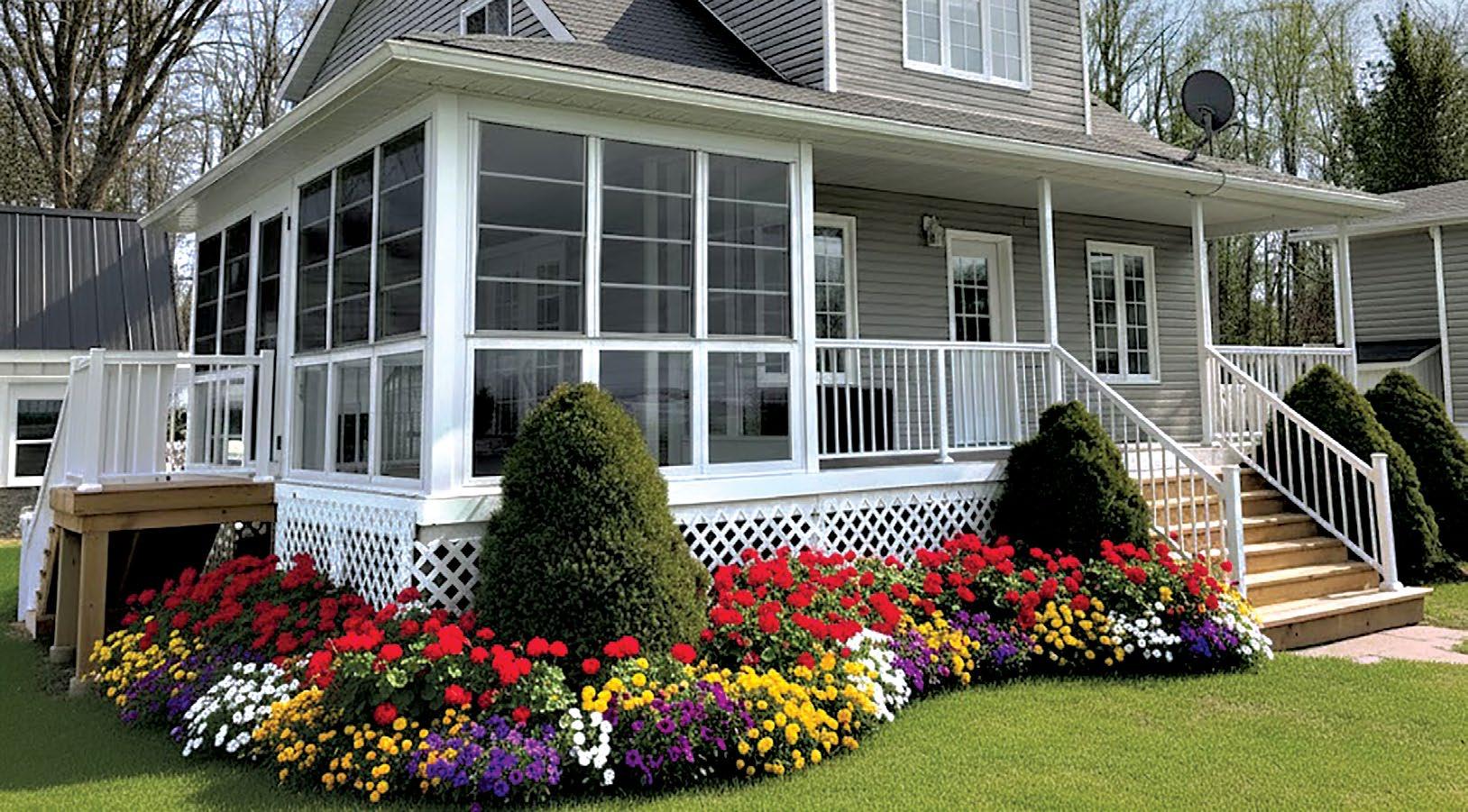
There is a specific kind of magic found in the early morning light of the Kawarthas. It’s in that first quiet sip of coffee and the way a gentle breeze carries the scent of the pines through an open window. For many homeowners, the dream is to capture that feeling and keep it all year long. At Sunspace by Nortech, that dream is a Sunroom or Porch Enclosure design standard. A Sunroom isn’t just another room, it is where life happens. Whether it’s a rainy afternoon spent lost in a novel or a lively family game night, these spaces are where the best memories are anchored. It is where we connect to nature and each other.
The challenge, of course, is the Canadian climate. How do you enjoy the outdoors without the intrusion of black flies, unpredictable rain, or the biting winter wind?
The answer lies in the WeatherMaster 4-track vinyl window system. This flagship Sunspace technology offers the ultimate in flexibility, providing up to 75% screened ventilation when open. Unlike traditional glass, which can be heavy and restrictive, these windows allow for a bug-free, open-air experience that invites the outdoors in. When the weather turns, the system acts as a rugged shield. These windows are engineered to protect your interior and furniture from snow, rain, and wind, ensuring your sanctuary remains pristine regardless of the forecast.
“You dream it, we design it,” is the guiding principle. Every sunroom or porch enclosure is custom-built to match the home’s existing style, with multiple colour palettes to ensure the new addition looks like a natural extension of the original architecture rather than an afterthought.
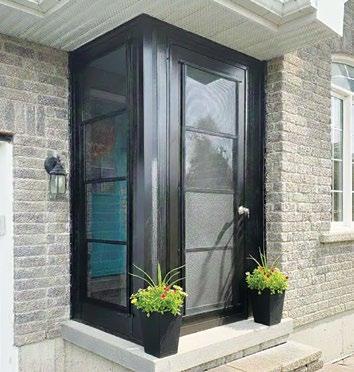
For those looking to enhance functionality on a smaller scale,
Sunspace by Nortech’s innovation extends to every corner of the home. Custom-made glass and vinyl enclosures can transform an exposed front door into a protected, stylish entry or a high-traffic nook into a functional mudroom. These additions don’t just increase a home’s square footage—they increase its value and daily livability.
While the technology is world-class, the heart of the business remains local. Proudly Canadian-made in Newcastle and Lindsay, Ontario, Sunspace products are born from a deep understanding of our regional landscape. Sunspace by Nortech is your local Sunspace representative, serving Kawartha Lakes, Haliburton County, and Peterborough for 25 years. Whether you are a DIY enthusiast looking for innovative products or a homeowner seeking a professional, turn-key installation, the goal remains the same: to create a space where life truly happens.
Have an idea? We would love to chat with you. Call Sunspace by Nortech (Nortech Windows. Door. Sunrooms) 705-738-0304. nortechwindows.com

“We are so pleased to be finished with our new build on Stoney Lake – not because it is over but because we are so delighted with the result!”
- Owners of Quarry’s Quell
FOUR POINTS CONSTRUCTION
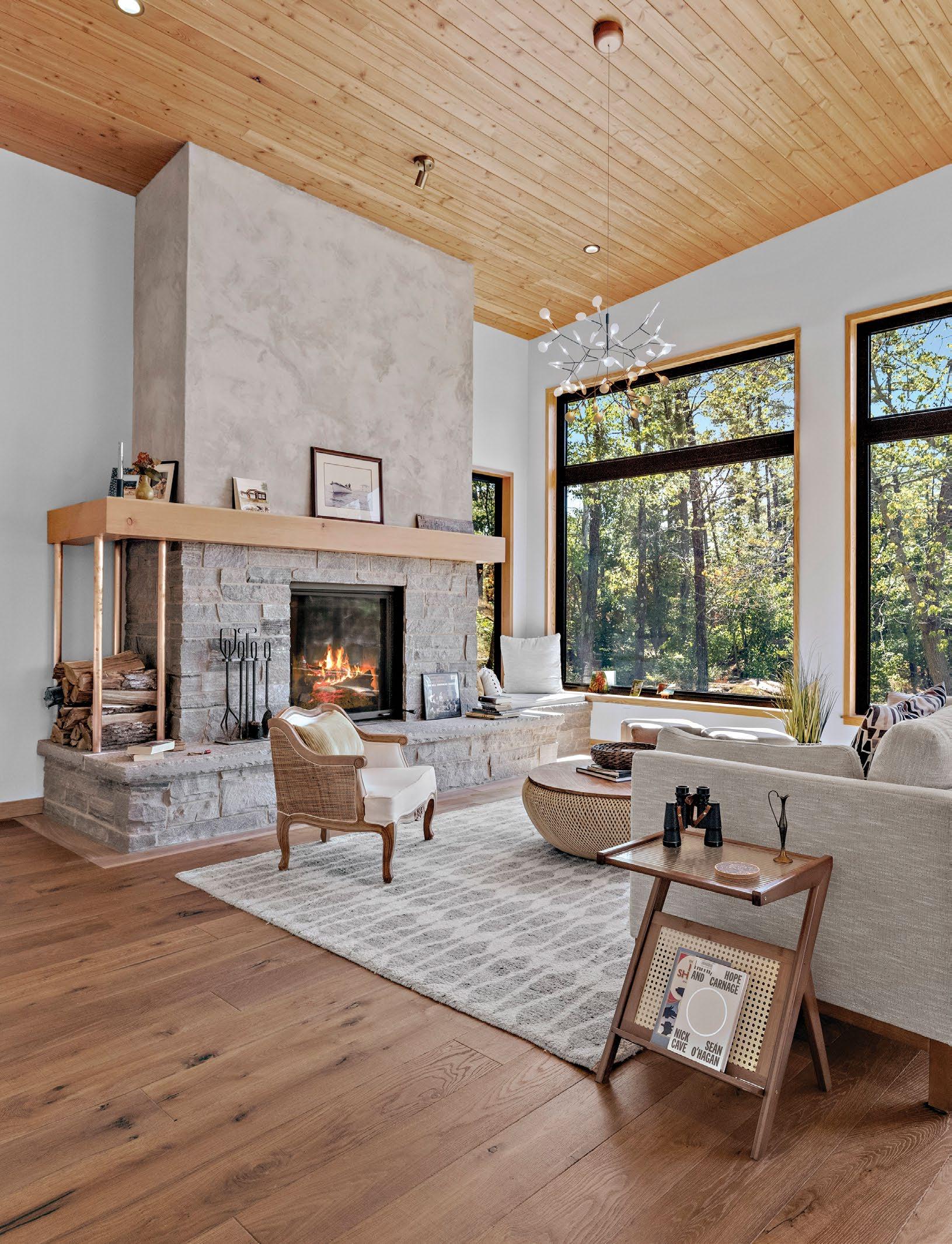
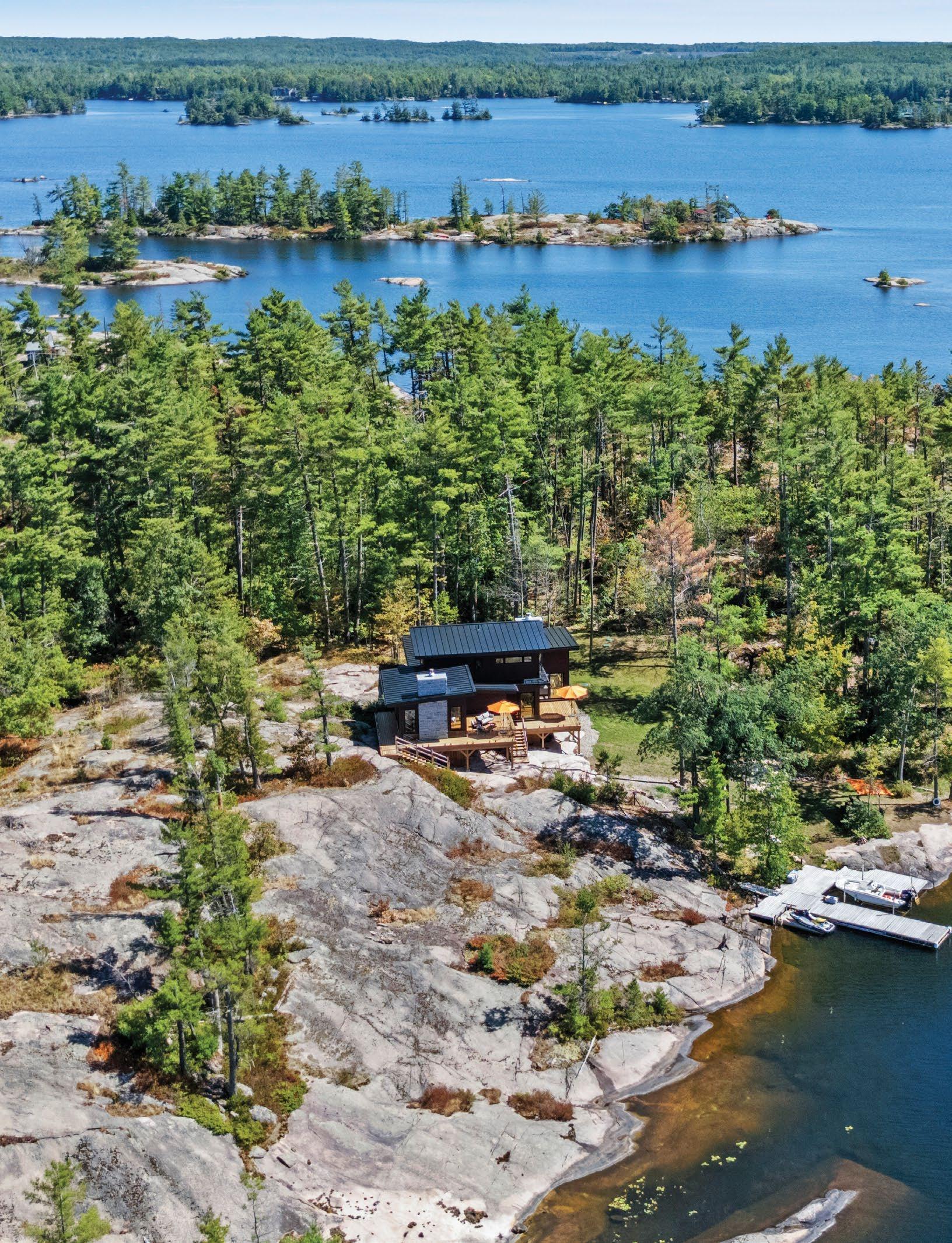
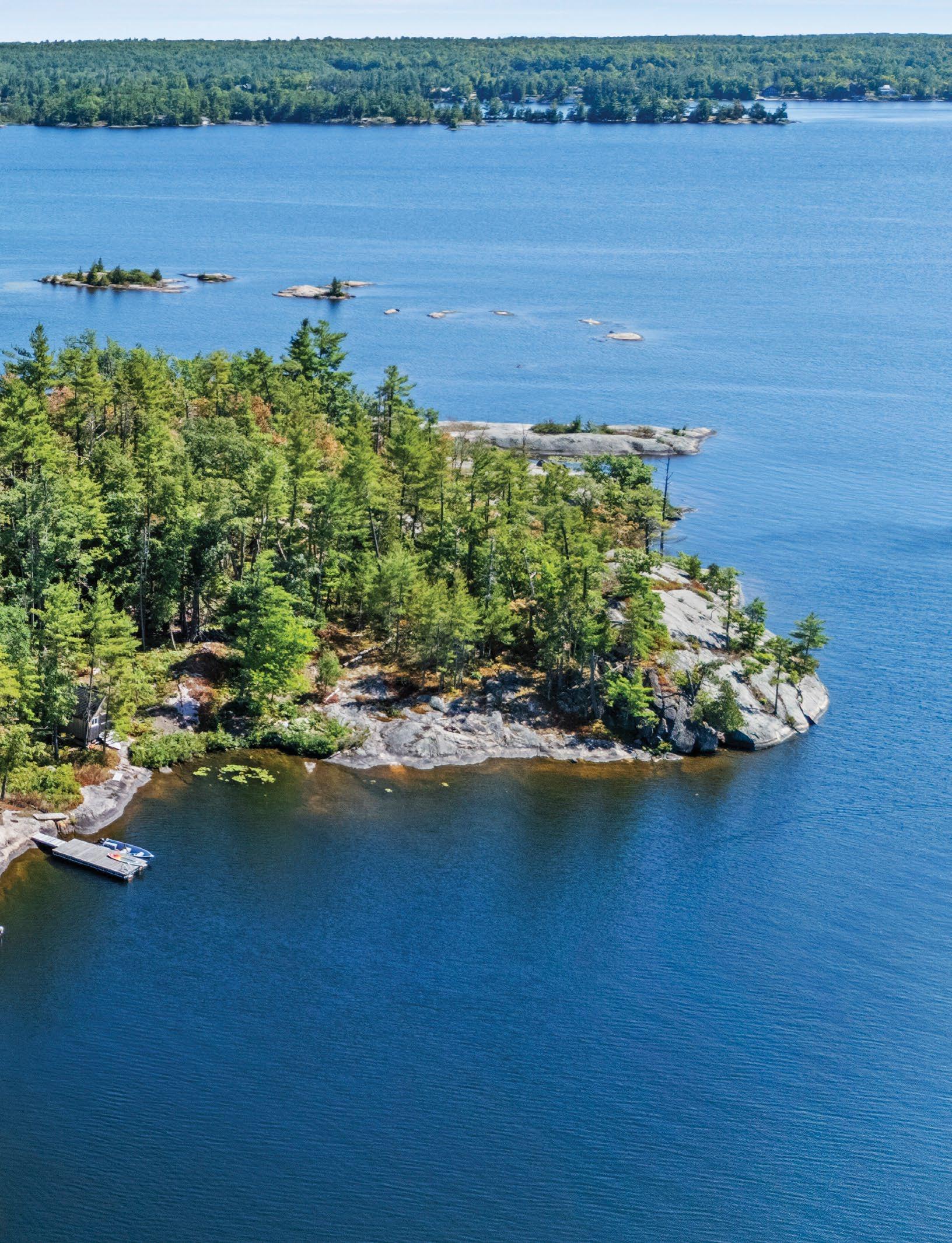
Named for the island and rock it sits upon and its rich mining history - Quell: To calm, pacify or soothe. Quarry’s Quell embodies a theme of natural, quiet tranquility among the rugged terrain of the quintessential Canadiana landscape.
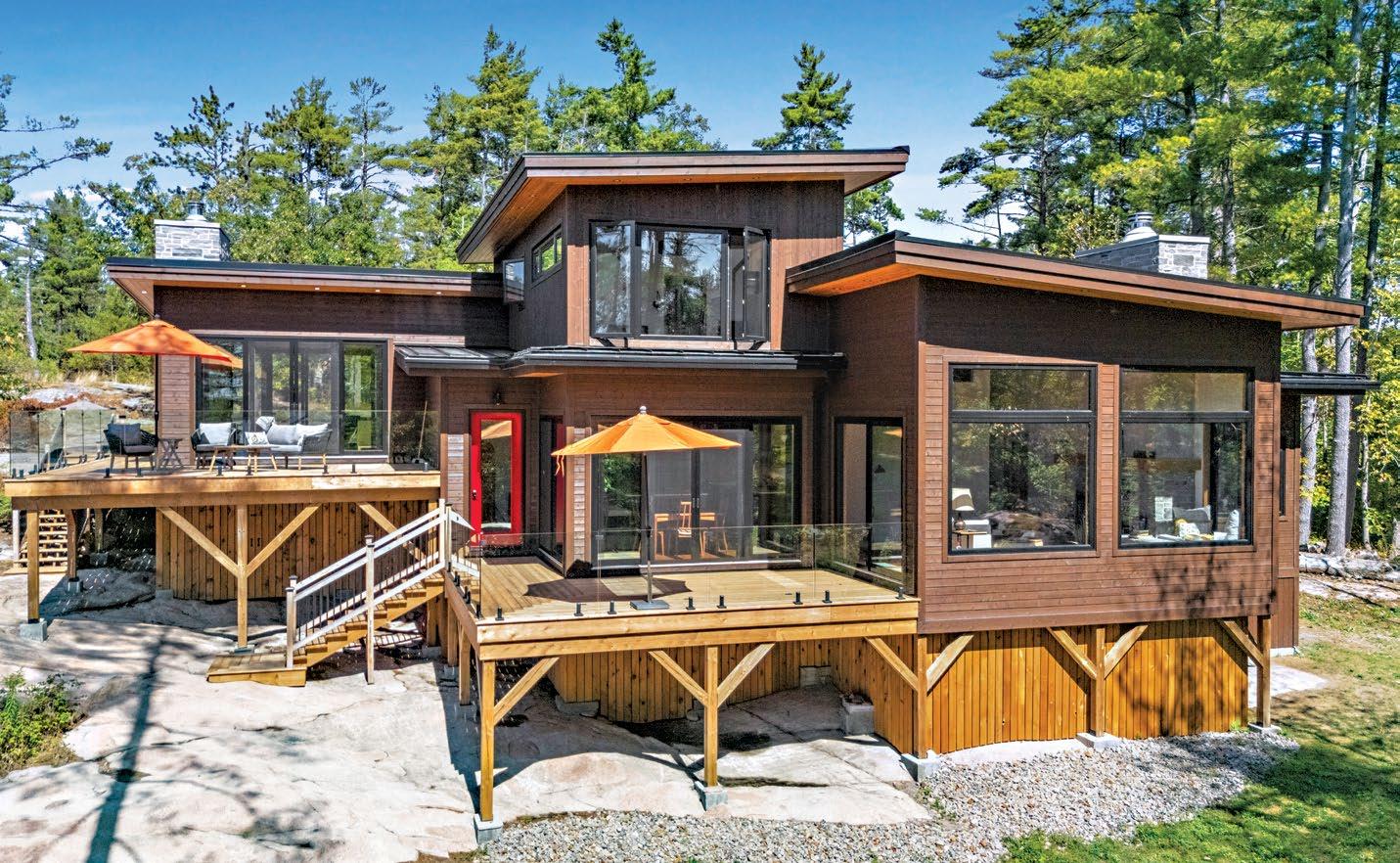
Conceived to complement - not hinder the natural landscape of the Canadian Shield, this 2500 square foot cottage was intentionally snuggled into the rock upon Quarry Island, Stoney Lake. The Quell’s artistic placement atop a vast rock surface offers a picturesque statement of luxury and tranquility, without being boastful; its wood-clad exterior blends beautifully into the natural Stoney Lake shoreline.
This contemporary build blends both modern and traditional design elements, creating a bright, sleek yet cozy space with a clear focus on bringing the landscape of the lake indoors. Influenced heavily by the West Coast Modern design style, known for including organic materials, large floor-to-ceiling windows, open floor plans, flat or low-pitched roofs with deep overhangs, the Quell embodies the West Coast Modern feel by creating strong connections between indoor and outdoor spaces.
Meticulously milled on-site in single lengths, warm Douglas fir wood ceilings, trim and doorjambs offer a rustic charm and texture that balances perfectly with the sleek white of the walls and the stark juxtaposition of black window casings.
Conscious architectural elements like, long horizontal windows nestled up to high ceilings in both interior and exterior walls, let natural light flow into otherwise dim spaces, creating a cheerful atmosphere while still maintaining privacy.
Continued on page 16
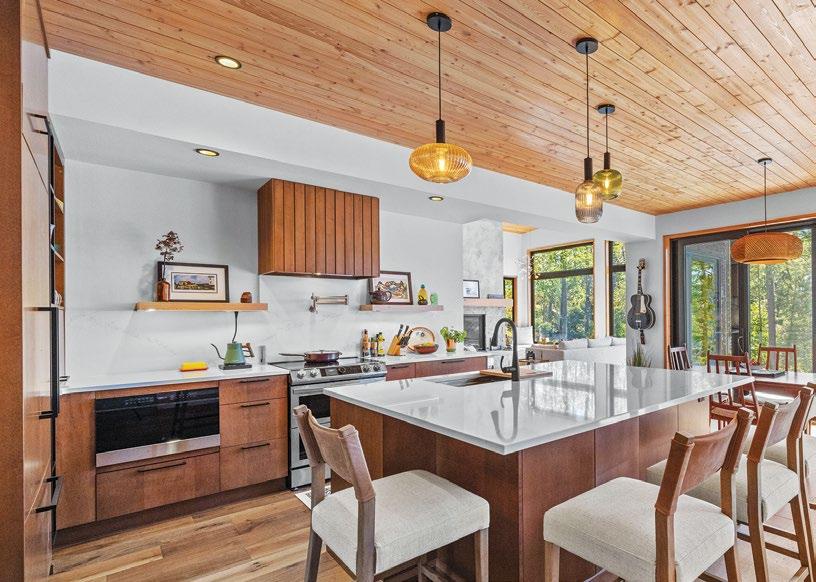

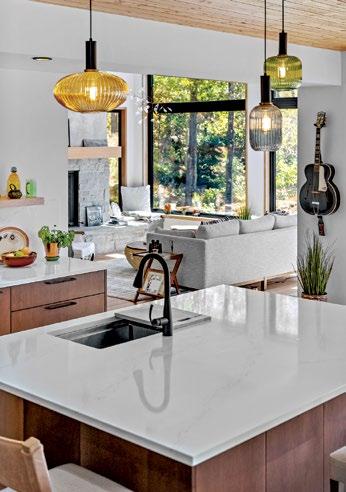


Designed with entertaining and culinary exploits in mind the Quell’s custom kitchen creates a warm and inviting space that serves as the heart of the home. Clean lines and bright countertops offer a simple luxury, and the absence of upper cabinetry opens the space to reflect the natural light pouring in the overside patio doors. A family-sized eat-at island allows guests to interact with the people cooking, and a closely located dining area - surrounded by windows - offers a lovely view of the outdoors to dine ‘lakeside’. The crown jewel of this kitchen, is the accompanying butlers alley - a storage dream - the perfect space to keep clutter away from entertaining spaces, this hidden gem offers extra counter space, numerous cupboards, a built in bar fridge, coffee bar and laundry facilities. A door leading to the patio is another well-planned detail for entertaining outdoors.
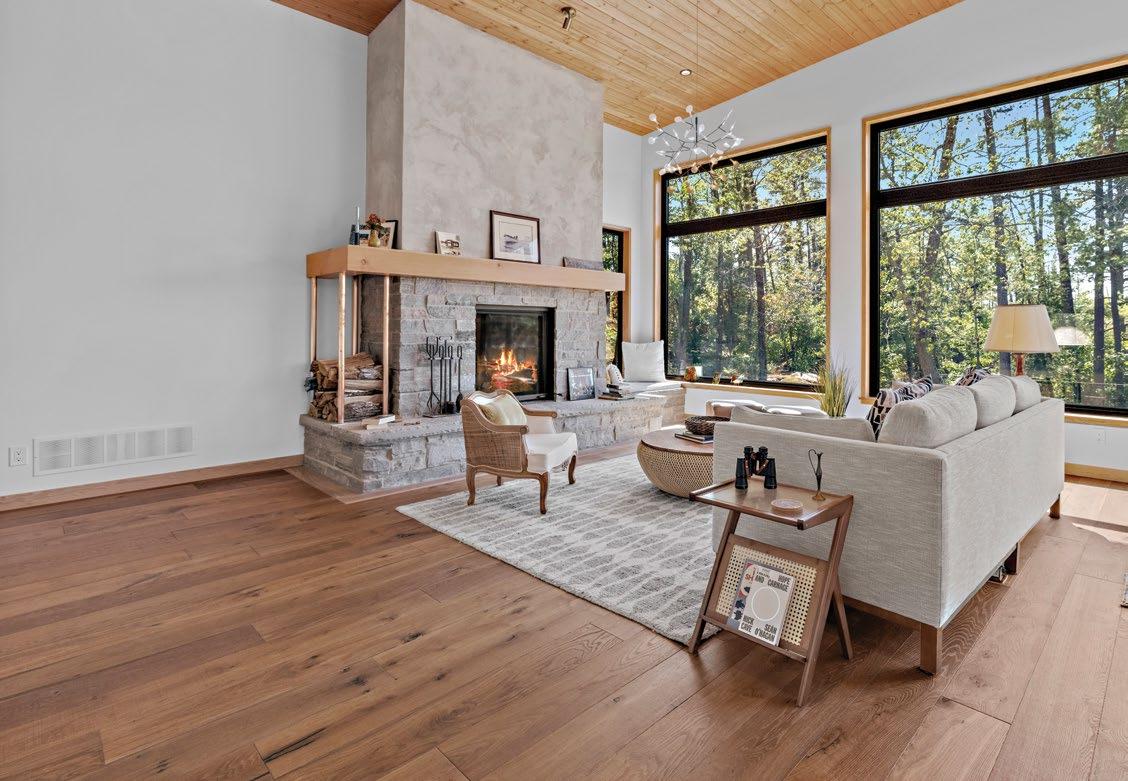
Two floor to ceiling stone fireplaces create interesting focal points in both the sitting area (attached to the kitchen) and the media/ music room. The cool tones of grey stone alongside the warm wood of the robust fir mantles connect the spaces for an impeccable design flow but also offer an inviting coziness as traditional wood burning appliances.
To the right of the main fireplace a cozy little window seat has been thoughtfully placed next to large window that allows a quaint space for reading and daydreaming as the lake laps at the shoreline.
Facing westward, Quarry’s Quell is angled perfectly atop its rocky perch to collect the golden rays of the setting sun each evening. Well-planned multi-level patios offer a gorgeous uninterrupted view of the lake with luminous clear glass decking panels - another example of the elegant simplicity of Quarry’s Quell; a luxury four Points Construction custom build on iconic Stoney lake.
Four Points Construction is a full-service luxury builder, offering a team of highly skilled tradespeople who work alongside clients to create the home or cottage of their dreams.
“We were able to watch the process from design to demolition to grass seed sowing. We worked with the Four Points team along the way to make aesthetic decisions. The result is a home that is as we envisioned. Nothing was rushed and the emphasis was always on what we wanted even when our requests were a bit unorthodox.” say the owners, “The quality and craftsmanship is evident. The home Four Points built for us is an expression of our aesthetic and creativity. We are grateful.”
Four Points Construction
Specializing in Luxury Cottage Lifestyle in the Peterborough & Kawartha Lakes Regions. www.fourpointsconstruction.ca
PREFERRED PROJECT PARTNERS:
• Build: Four Points Construction • Nixon Electric
• Mary Anne Noffke Design • Monaghan Lumber
• Dart Heating
Newson Plumbing
• Fersina Windows • KCM Roofing
• Kitchen: Wood by Design


“It may not sound exciting, but that level of care is what creates a stable floor—and you see that pride every time you walk into a home with a Mirage floor already installed.”
— Ben, Vice President, Monaghan Lumber
Most people only see a floor once it is finished. We start much earlier than that.
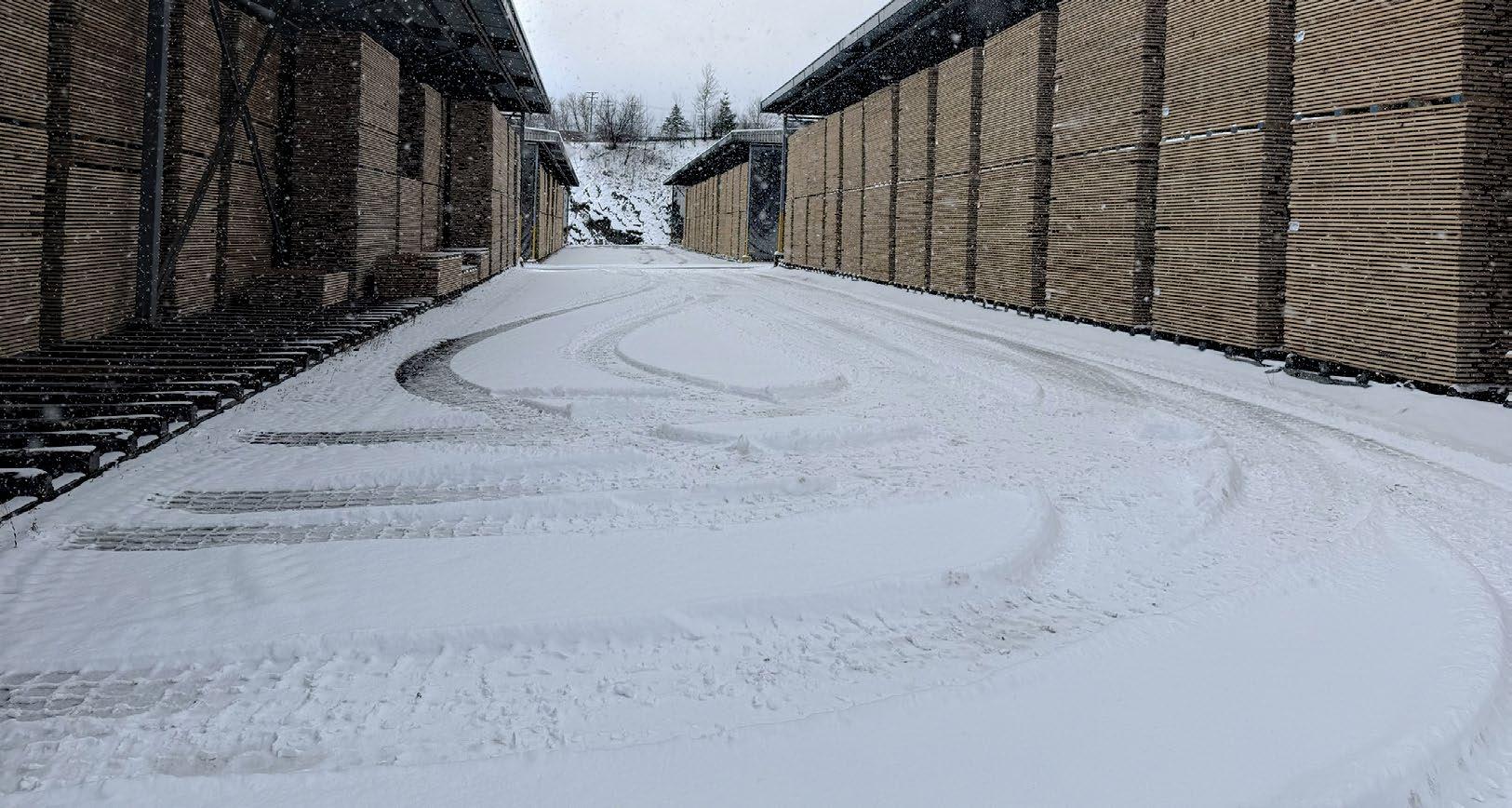
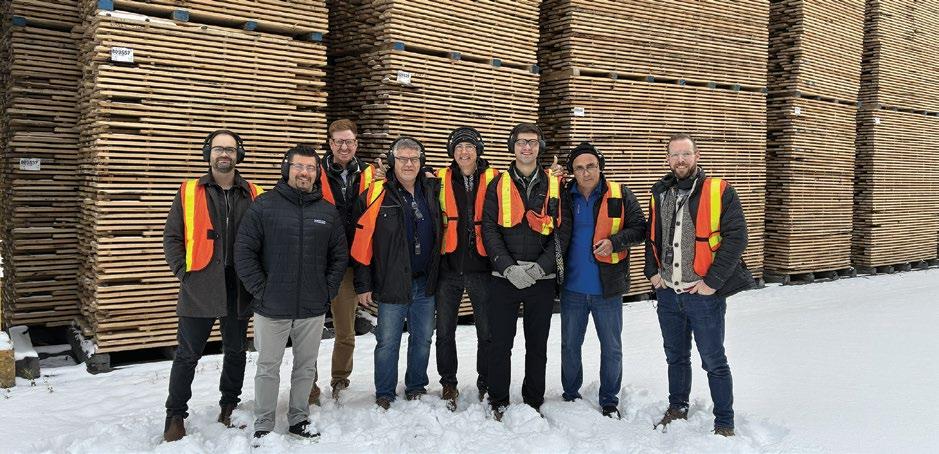
Earlier this year, members of the Monaghan Lumber team walked through Mirage Flooring’s manufacturing facilities in Quebec, surrounded by stacks of raw lumber, the steady hum of machinery, and people deeply invested in what they were building. Being there—on the floor, in the process—reinforced why learning matters. These visits are not about checking a box. They are about understanding, so we can better support the homeowners and contractors who trust us every day.
“What struck me right away was how much attention goes into the wood before it ever becomes flooring,” says Ben, Vice President of Monaghan Lumber. Mirage dries their lumber to precise moisture levels and continues to monitor it throughout production. “It may not sound exciting,” Ben adds, “but that care is what creates a stable floor. You see that pride every time we walk into a customer’s home with a Mirage floor already installed.”
That same mindset carries through Mirage’s engineered flooring. Before layers are bonded together, both the softwood core and the hardwood surface are carefully conditioned to the same humidity levels— an extra step that goes beyond industry standards. “They take stability seriously,” says Evan, Sales Associate at Monaghan
Lumber. “It’s about building a product that can handle real homes, real seasons, and real use—especially in a Canadian climate.”
Mirage produces over 40 million square feet of flooring each year, yet the process never feels rushed. Every board is recorded as it moves through production, with multiple inspection points where trained eyes look for imperfections. Even at this scale, craftsmanship remains personal.
This focus on education matters to us. When our team takes the time to see how a product is made, ask questions, and understand the details, we are better prepared to guide you—whether you are choosing flooring for your home or installing it for a client.
It is also why Mirage belongs in our
showroom. When a floor is thoughtfully made by people who respect the material and take pride in their craft, it shows—not loudly, but in the quiet confidence it brings to a space over time.
Monaghan Lumber Specialties, 2129 Davis Road, Peterborough, ON, 705-742-9353, www.monaghanlumber.com




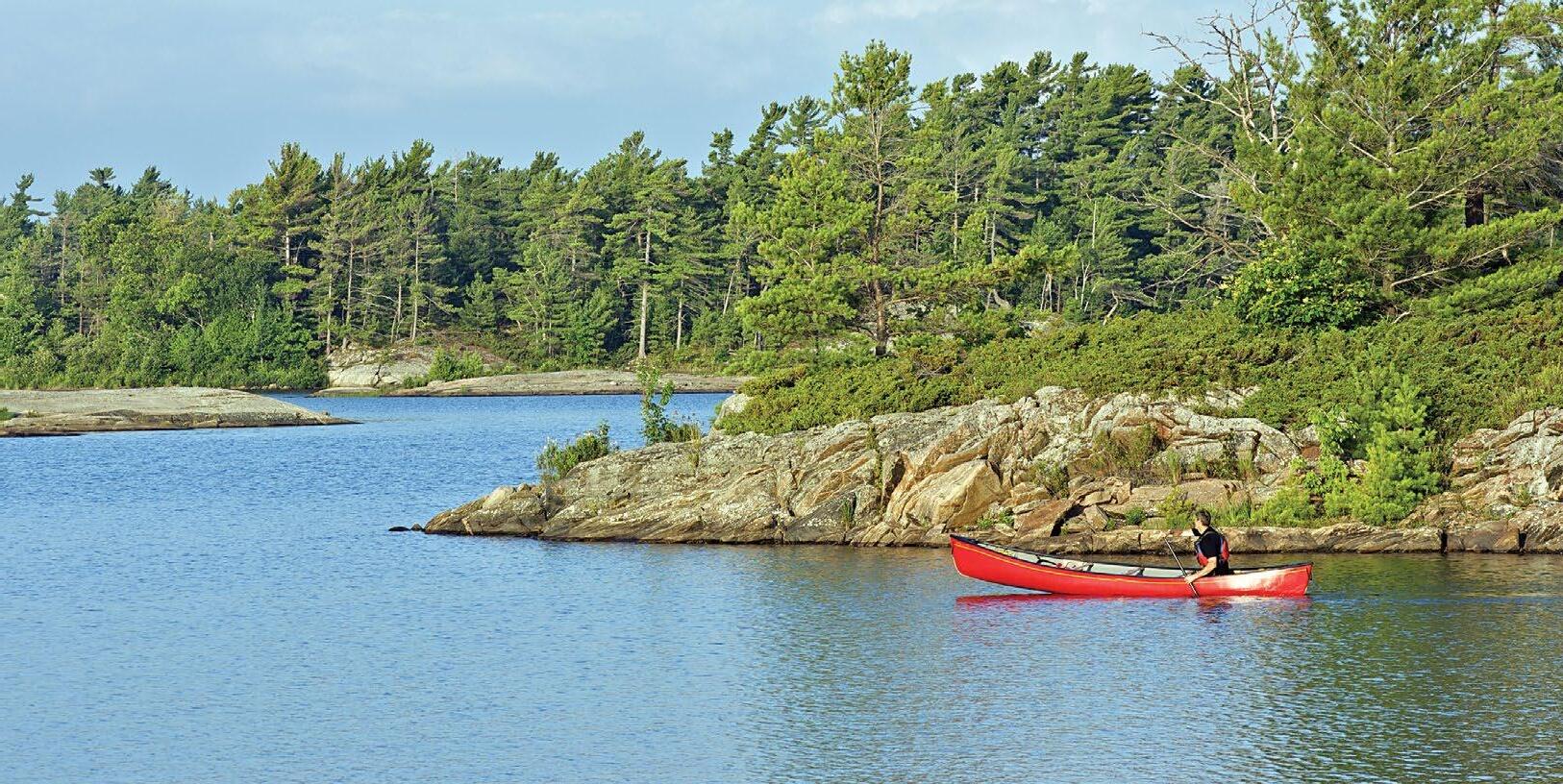
There are many cottage rental agencies that operate in our area, and also lots of private rentals as well; both of these can be good choices as long as you are prepared with the right information.
• Lake properties can come in a variety of location types, if it is water access - is there a boat for renters, or do you need to provide your own? If there is no boat supplied, is there a water taxi service on the lake to transport you?
Another great question is, what happens in an emergency in a water access cottage - ask about local amenities and how to contact help if needed.
• Rent a cottage with the right amount of bedrooms and beds for your guests and do not lie about the number of people attending, or guests who will come and go. Often cottages are on septic systems and these are set up with limitations for the number of people they can support. Sanitation is an important part of being a good renter, but also for environmental protection.
• Be sure to ask things like: Are Pets allowed?
Is this a kid friendly location? Are water toys included with the rental, or are you expected to bring your own?
Are guests allowed to visit for the day or overnight?
• Be sure to ask or research about boating limitations on the lake you are considering; some lakes are motor-less - meaning your tubing or skiing plans will not happen. But quiet paddles in a canoe are fair game.
• If swimming is the top of the list, ask about the waterfront. Is there a beach or place for small children to wade in, or is it straight off the dock swimming. Weeds? While some can handle the tickle of weeds while swimming, for many this is a dealbreaker.
• If fishing is a top priority ask about what fish species are in the lake
(also consider what is in season in that zone).
• Ask where indoor water comes from, while lots of cottages have well water, many still pull directly from the lake. Ask about potable water for cooking, cleaning and bathing. Drinking water in cottages that draw from the lake is often brought in, and you should ask if that is supplied or if it is your responsibility to bring along.
What Are Your Responsibilities?
• You will need to know about garbage and recycling rules. Some cottages have roadside pickup - many do not. Are you responsible for taking garbage and recycling out with you when you leave? Or, is it to be left for the cleaner/owner.
• Ask about what is allowed in the garbage, some rentals ask that you compost food scraps etc., and many rural locations are clear bags only.
Follow The Rules!
• Many Cottage owners have their own set of rules for what they allow, some are legal, some are personal preference - either way, respect the rules.
• Follow Fire Bans for the area, fishing restrictions and acceptable boat use for the lake.
Only rent from hosts who have up-to-date photos of their spaces, make sure they match the advertisement - unfortunately this is a common scam.
Read the whole rental agreement, make sure you are comfortable and clear on all the items you are agreeing to - if you need clarification, ask for it.
Ask about cancellation policies, deposits and what the time limitations are for them to be refundable. Often cancellation clauses are written in the rental agreement.

There is a particular optimism that exists before a build begins. It lives in the imagination - light-filled mornings, effortless flow, spaces that feel both considered and joyful. That optimism is worth protecting, and it is best safeguarded through thoughtful planning long before construction is underway.
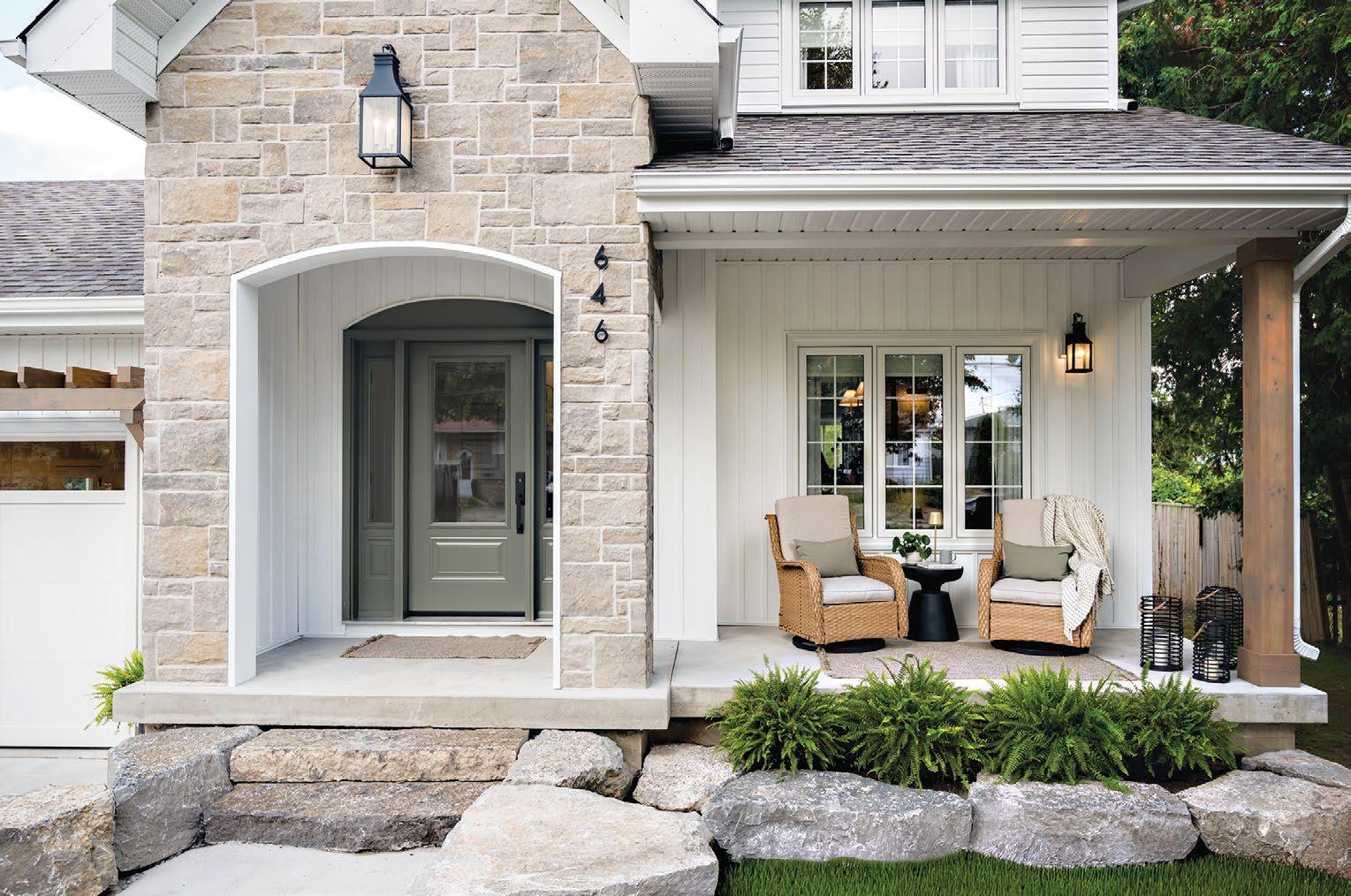
One of our recent projects, Fairmont Drive, reflects what becomes possible when thoughtful homeowners slow down the early stages of the process and ask the right questions before a single wall is framed. At this phase, design extends well beyond aesthetics. It is about foresight, alignment, and establishing a foundation that supports how a home is meant to be lived in.
In today’s building climate, preparation is no longer optional. It is essential.
Before drawings are finalized or materials selected, the design process begins by stepping back. We listen closely - not only to what clients say they want (or don’t), but to how they describe their routines, their habits, and their priorities. How does the household move through the day? Where does energy gather, and where does it retreat? What moments matter most?
Clients do not need to arrive with fully formed answers. A significant part of our role is to interpret, refine, and translate lived patterns into spatial decisions. When lifestyle is clearly understood at the outset, spaces feel intuitive rather than imposed - shaped by real use rather than assumption.

A common challenge in residential projects is designing first and reconciling budget later. While understandable, this approach often leads to difficult revisions and compromised decisions as the build progresses.
Design is most effective when it is grounded in reality. Early clarity around overall project costs - including construction, site work, services, finishes, and furnishings - allows creativity to operate within informed boundaries. This ensures investment is directed where it has the greatest impact, whether that be architectural detailing, custom millwork, or the durability of everyday materials. When budget and vision are aligned early, decision-making
Continued on page 24

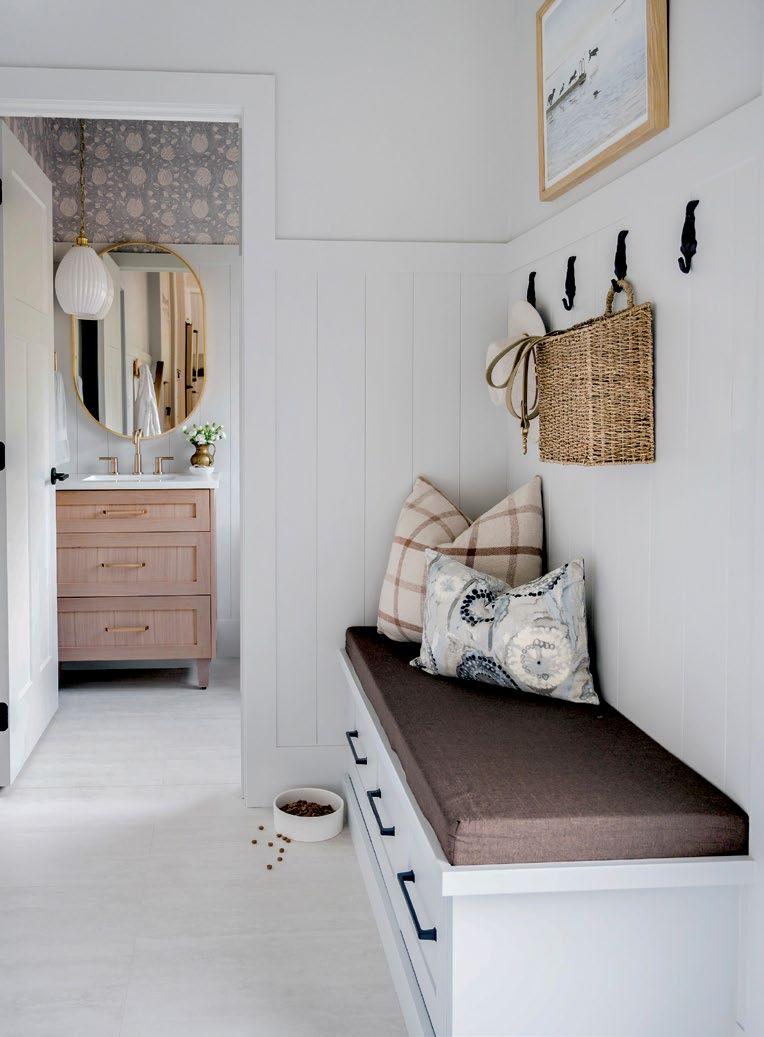
becomes more confident and the reality-driven dream design can develop with excitement.
Long before construction begins, careful attention must be given to the site itself. Understanding how natural light moves across the property, how the home relates to its surroundings, and how interior spaces connect to the outdoors fundamentally shapes the experience of the home.
Window placement, ceiling heights, orientation, and sightlines are foundational decisions — and among the most difficult to adjust later. Addressing them early allows architecture and interiors to work in harmony, resulting in spaces that feel balanced, bright, and intentional throughout the day.
Early material planning is not about finalizing every detail prematurely, but about establishing a clear and cohesive direction. Thoughtful consideration of finishes prior to building ensures continuity throughout the home, from flooring transitions to cabinetry tones and hardware selections.
When materials are chosen with intention, the result feels composed rather than assembled. Trades work more efficiently, substitutions are minimized, and the integrity of the original vision is preserved. Durability, maintenance, and longevity become integral to the design, not afterthoughts.
The most successful homes often feel effortless. Storage is sufficient, circulation is clear, and rooms are scaled to how they are genuinely used. These elements may go unnoticed when done well, yet they profoundly influence daily life.
Good design supports living quietly in the background. When these considerations are resolved early, the construction process is smoother and the completed home feels calm, functional, and welcoming.
Building a home is both a financial and emotional investment. Establishing clarity before construction protects the excitement of the process, allowing decisions to feel measured rather than rushed. Having the right team in place for all of this is essential to ensure the project runs well, and you enjoy the process (which you deserve!).
The most successful projects are not hurried. They are considered. By addressing key questions early - around lifestyle, budget, site, and materials - homeowners create the conditions for a build that feels aligned, collaborative, and rewarding.
When the groundwork is done well, the home that follows feels effortless and curated to you.
Birchview Design Inc. is an award-winning interior design team serving clientele throughout the Kawartha Lakes, GTA, and beyond. As a fullservice studio, the firm offers an all-inclusive, simplified experience with elevated design expertise and Renomark-certified project management.
www.birchviewdesign.com / @birchviewdesign
Fairmont Drive Project: design: Birchview Design, build: Four Points Construction
www.fourpointsconstruction.ca / @fourpointsconstruction
Photo Credit: Ashley Adams @flashadams




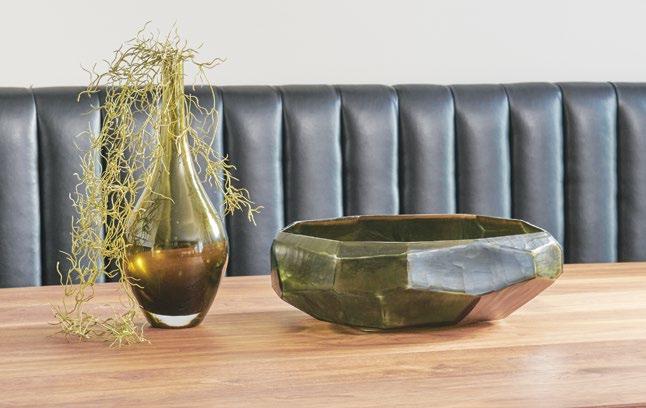



Designing a home has never been just about how it photographs. The most memorable spaces—the ones you want to linger in—are experienced with the whole body. They invite touch, soften sound, temper light, and move with you throughout the day. Lately, I’ve noticed a quiet but meaningful shift in how clients talk about their homes. They’re less concerned with what’s “on trend” and more focused on how a space makes them feel. Joyful living, by design, is having a moment—and it’s rooted in the senses.
Sensory-led design asks us to slow down
and pay attention. What does the floor feel like under bare feet throughout the winter? How does light move across the room? Is the space calm when the house is full, or does sound bounce and echo? These questions shape homes that feel instinctive rather than imposed — balanced, intuitive, and deeply personal.
In my own practice as a designer, I’ve learned that comfort often comes from restraint. Natural materials do much of the heavy lifting. For example, wood with visible grain, stone that hasn’t been over-polished, textiles that invite touch.
These elements ground a space and create warmth without excess. When a client runs their hand along a honed stone countertop or leans into a softly upholstered banquette, the reaction is immediate. They relax. The house begins to feel like home.
Light is another quiet but powerful player. In Canada, where seasonal light changes dramatically, how we filter and layer it matters. I like to soften overhead lighting and rely more heavily on wall washers, lamps, and reflected glow. Sheer drapery, even in modern spaces, diffuses daylight


beautifully and brings a sense of movement as it responds to air and time of day.
Sound is just as important. Hard surfaces can be stunning, but without balance, they create harsh acoustics. Thoughtful layering of area rugs, upholstered furniture and window treatments absorbs noise and makes conversations feel intimate rather than sharp. I’ve worked on open-concept homes where a

single oversized rug transformed the room’s look as well as its mood. And suddenly, people stayed longer at the table.
One of the most intimate sensory experiences in a home is hardware. We touch it every day, often without thinking about it. Knurled handles and ribbed pulls introduce subtle grip and rhythm, turning a functional moment into something tactile and satisfying. Several Canadian brands, including VOGT, have been exploring this beautifully in recent years. Their use of warm finishes, pastel soft colours and softly shaped handle detailing brings warmth to kitchens and especially bathroom spaces that can sometimes feel clinical.
On Trend: Tactile Stone
Stone trends are moving away from high polish and toward honed, leathered, and softly brushed finishes. These surfaces feel warmer and more organic, and they age gracefully. Texture adds depth without visual noise.
I’ve also been drawn to materials that carry a sense of quiet imperfection. Laminam, an Italian manufacturer known for large-format porcelain slabs, has introduced finishes that feel
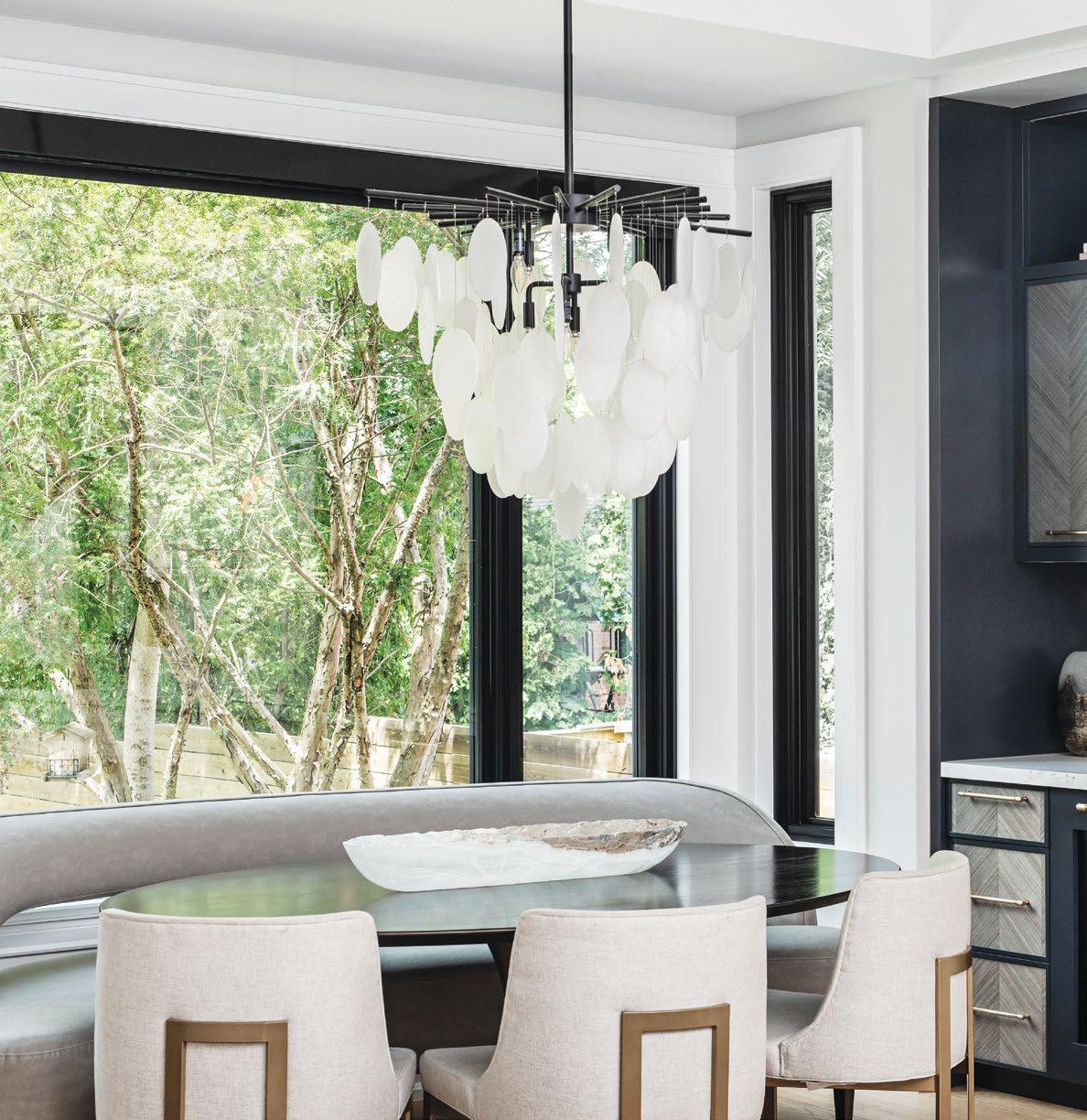
worn, textured, and almost geological. Raised surfaces and subtle irregularities catch light differently throughout the day. Used on a vanity, wall, or fireplace surround, they bring a tactile richness that feels both contemporary and timeless. Because they’re made from natural materials and designed for durability, they align beautifully with a more sustainable approach to luxury.
The key, as always, is balance. A home shouldn’t overwhelm the senses; it should guide them. Pair smooth with textured, warm with cool. Let stone sit beside wood, metal soften fabric, and matte finishes play against gentle sheen.
Pro Tip: Layered Touchpoints
Successful sensory design comes from layering tactile moments, so no single surface feels flat. The goal is quiet contrast
between stone, metal, wood and fabric, not competition.
Some of my favourite projects are the ones where clients tell me the house “just works.” Their hand naturally reaches for a surface that feels right. The kitchen is calm, even when it’s busy. The bedroom encourages rest without trying too hard. That instinctive quality is hard to fake, but easy to feel.
When a home is designed through the senses, it invites you to slow down. It supports daily rituals—morning coffee, evening baths —while quietly elevating them. In a world that constantly demands our attention, there’s something deeply luxurious about a space that gives it back.
Jessica Cinnamon is the award winning Principal Designer and founder of Toronto based Jessica Cinnamon Design Inc.
The firm is a multi-disciplinary design company that has become known for creating stylish and well curated interiors. They provide complete bespoke residential design services throughout Toronto Ontario, the GTA, Cottage Country, Chicago, and Los Angeles. Jessica_cinnamon_design jessicacinnamondesign.com




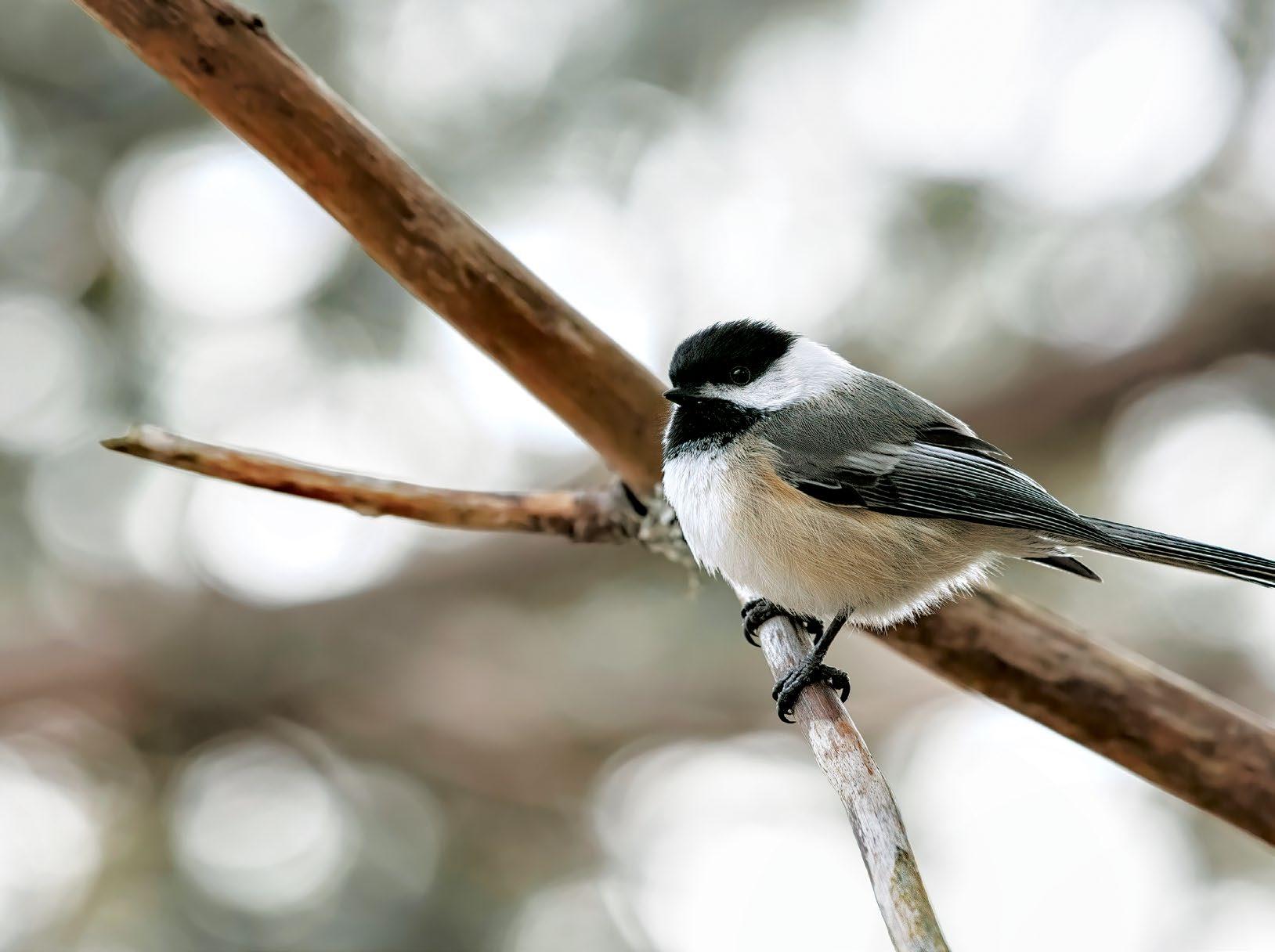
Life for critters in cottage country gets significantly “wilder” in the spring when the instinctual drive to pass on their genes kicks into high gear. Our local wildlife has some expressive means of making them irresistible to potential partners. Solicitation of affection can be demonstrated through courtship rituals that include fancy displays of colour and physical prowess, pheromone messaging, evocative drumming and sweet songs.

Some wildlife mating behaviour can only be classified as a fling. For example, the female red squirrel is in heat for only one day but potential mates must catch her first! Watch for this squirrelly girlie
as she scampers across the ground, corkscrews up tree trunks and leaps acrobatically through trees like she is auditioning for Cirque du Soleil. Mating with multiple males over twenty-four hours, the female red squirrel is not too particular about the father to be, he only has to be nimble and persistent!
Keep an ear out for sounds of drumming echoing in the forest. Our woodpecker species drum to communicate. They are not looking for insects when they rapidly peck creating sound. Loud drumming is an indicator of the bird’s vigor, thus attracting mates or effectively signally “this territory is occupied!”
Woodpeckers drum on objects that amplify sound the best. The large pileated woodpecker will often seek out hollow trees for the best results. Near human habitations, they will target metal signs, eve troughs and even garbage cans to make sure their message is heard. I have also noticed that pileated woodpeckers are fond of drumming on wooden outhouses!
Unlike the woodpecker, the thrumming whumps of the ruffed grouse result from striking nothing but air. The wing beats of the male ruffed grouse create popping sounds which run together into a bold announcement of territory and mating availability. Grouse drumming starts off slow, building to a blurred crescendo. They can beat their wings so fast they produce sound in waves that pile into each other producing a resounding shock wave - a nature-based sonic boom!
Continued on page 32


Living on the Gull River south of Minden, I find this river is like a wet ribbon of life, attracting many species to its banks. For example, every April, before the arrival of warblers and other songbirds, the belted kingfisher returns to defend its property rights and find a mate. With exceptional clarity, the rattling call of this flying fish finder rings out over the river.
This bird is easy to identify with its thick, dagger-like beak and large head topped with shaggy, blue feathers looking like a gelled hairdo in a windstorm. Also distinguished by its erratic flight pattern, the wings are set back on the body to help streamline their frame for their headfirst dives to catch fish, frogs and insects.
Watching two kingfishers in courtship over the Gull, these frolicking flyers play an aerial game of cat and mouse. One bird circles while the other chases, then just one bird circles, suddenly, the other bird darts out from a hidden branch to restart the chase. Long winded rattles echo over the river, sometimes lasting up to twenty seconds.
Unlike the brash rattle of the kingfisher, spring bird calls include the sweet song of the male black-capped chickadee piercing the air like a soft whistle. If you are more of a romantic, the words that phonetically match this song sound like, “Hey sweet-ee”, which fits, as one of the reasons the male sings it is to charm a female. For foodies, this song may sound more like, “Cheese burg-er!”
The first echo of this song can be heard in the still, cold air of February, giving hope that spring is around the corner. After spending the winter foraging in small flocks, with the first hint of spring, the flock disperses. Dominant males claim the winter foraging area as their territory, usually partnering with the previous year’s mate, while younger chickadees often are left with less favourable locations. With the intimate knowledge of these vocalizations, other males passing through a claimed territory can discern how dominate the competing males are by the vibrancy of their song.
The spring is a time of transition, renewal and of breeding. During your outdoor explorations, move with all your senses open to the sights and sounds of courtship - a glimpse into this important part of the lifecycle of our local wildlife.
Submitted by Rick Whitteker. You can find Rick at home in the forest, as a seasoned trail guide, nature writer and passionate wildlife enthusiast in the Haliburton Highlands.
Photo Credtit Tammy Nash

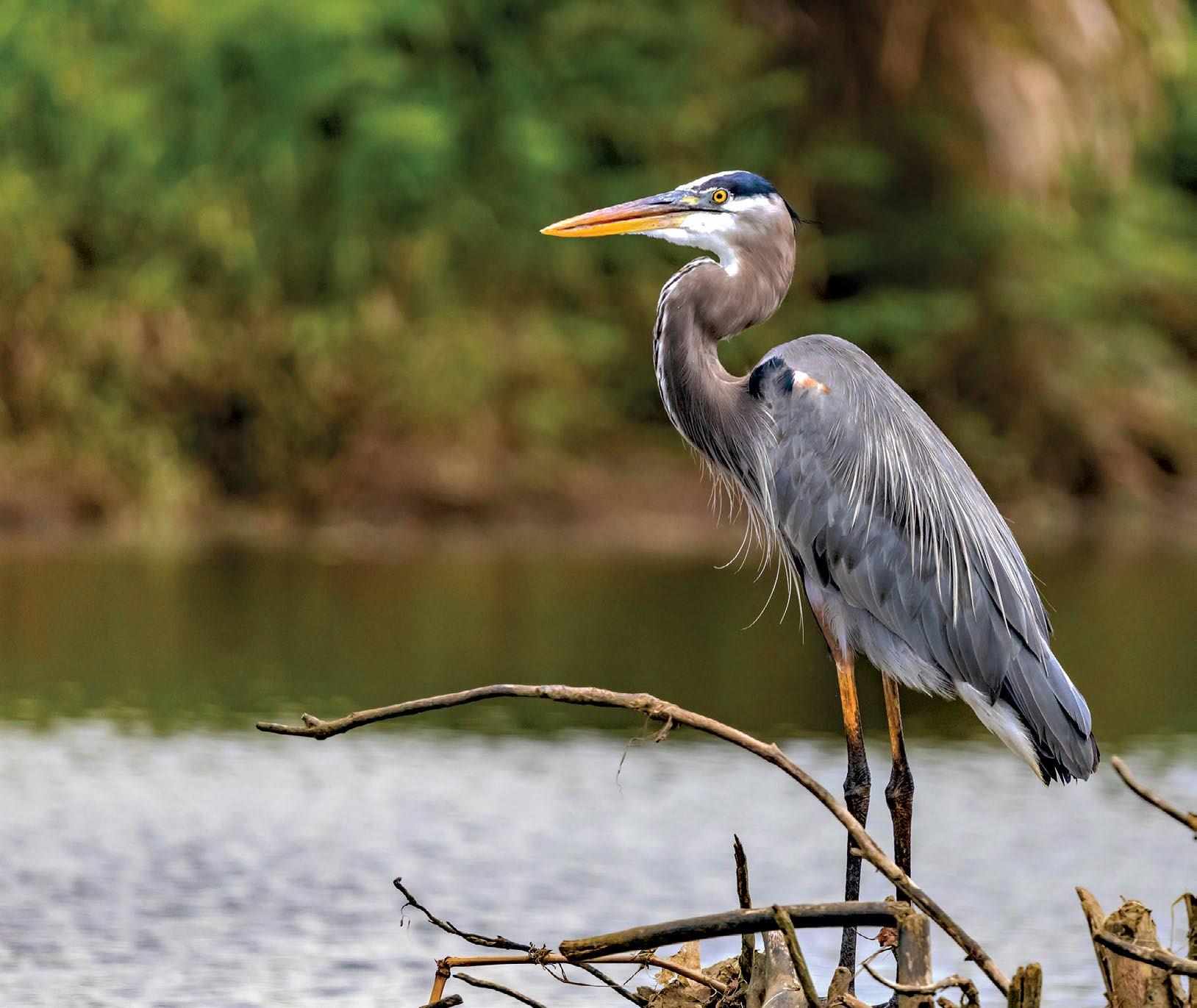
Owning shoreline property is truly special. It may be a place to make lasting family memories, where you plan to retire or maybe where you escape to on the weekends. Regardless, it comes with the wonderful responsibility of helping care for the lake you love.
Below are three actions that will be sure to benefit your lake health with minimal time and costs.
1. Create or Enhance Your Shoreline Buffer
A shoreline buffer - a strip of native vegetation on your property along your shoreline - helps protect against erosion, reduces runoff into your lake and creates important wildlife habitat. Simply leave a section of your lawn near your shoreline unmowed. The seeds that have been carried in by wind and dropped by animals will begin to grow. You can also plant your favourite native trees, shrubs, grasses and perennials. A buffer depth of 30 metres is ideal, though not always possible, so a buffer of any size is better than no buffer at all.
2. Leave Special Habitat Features
It’s common to want to clean or tidy our surroundings. If there’s a fallen tree or large branches, a dead standing tree, or “weeds” in our way, we want to remove them. However, these features are
important to the lake and provide wildlife habitat. They help reduce erosive forces and are used by wildlife for nesting, raising young, feeding and escaping predators. Plus, removing them could require a permit.
3. Take Care of Your Septic
If you have a septic tank, it should be pumped every three to five years, depending on the tank size and how frequently it is used. If you have a holding tank, check it regularly making sure it is not full or close to capacity. When your septic or holding tank is being pumped, have it inspected by a licensed professional. If your septic isn’t functioning properly, it can lead to too many nutrients in the lake. This can reduce water quality, harm aquatic life, and even cause algal blooms.
For more information on how you can show your lake some love, visit LoveYourLake.ca. Love Your Lake is a shoreline assessment program developed by the Canadian Wildlife Federation and Watersheds Canada.
Written by Terri-Lee Reid, Freshwater Researcher with the Canadian Wildlife Federation
The fluffiest buttermilk pancakes stacked with maple syrup-seared peameal bacon and a cheesy fried egg…

FOR THE PEAMEAL BACON:
1-1/2 pound portion of peameal bacon
2 tablespoons pure Canadian maple syrup
1 teaspoon freshly cracked black pepper
FOR THE PANCAKES:
1-1/2 cups unbleached all-purpose flour
1 tablespoon baking powder
2 teaspoons granulated sugar
1/2 teaspoon kosher salt
1-1/3 cup buttermilk
2 large eggs, lightly whisked
4 tablespoons butter, melted, and cooled
1 teaspoon vanilla extract
FOR THE EGGS:
4 large eggs
1 cup grated Canadian cheddar cheese
1. Prepare peameal: Cut the large piece of peameal into 1/2-inch slices. Pour maple syrup into a small bowl, add black pepper and stir to combine. Set aside with bacon and a small pastry brush.
2. Prepare the pancake batter: Place flour, sugar, baking powder, and the salt in a large bowl, stirring to combine. Pass through a fine sieve to sift together. Place buttermilk, eggs, melted butter, and vanilla extract into a liquid measure. Stir or whisk to combine. Pour the milk mixture into the flour mixture then stir together with a wooden spoon to remove the large lumps. Don’t overmix, as small lumps are fine. Set batter aside for 5 minutes.
3. Cook griddle breakfast: Preheat the griddle to moderate-low heat.
4. Cook the peameal bacon: Brush one portion of the griddle with oil. Add bacon and cook for 4 minutes. Flip and brush top of each slice with maple syrup mixture. Cook for 3 minutes more. Flip slices and brush each slice with more of the maple syrup mix, cooking for a final 2 minutes.
5. Cook pancakes: Once the bacon has been flipped, cook the pancakes. Brush cooking surface with oil. Pour about 1/2-cup of batter onto griddle, shaping it into a circle. Continue, creating 6 pancakes per batch. Cook for about 2 minutes or until pancake’s top surface goes dry and bubbles appear and pop. Flip, cooking for 2 minutes more. Move cooked pancakes to the side and repeat.
6. Cook eggs: Once the second set of pancakes have been flipped, brush the remaining area on the griddle with oil. Add eggs one at a time. Season with salt and pepper then sprinkle each egg with 1/4 cup of cheese. Cook for 1 minute, then flip.
7. Assemble stacks: Place one pancake onto each plate. Add a slice of peameal bacon on top of each pancake. Add another pancake onto of each slice of bacon. Add an egg onto the pancake, inverting it cheese-side up. Add 1 more pancake on top of each egg.
8. Serve with fresh berries and a sprig of fresh mint on the side, along with a drizzle of any remaining peppered maple syrup. Serve pure maple syrup on the side.


Pecan halves drizzled with maple syrup, brown sugar, spices and crunchy sea salt - oven-baked, candied finish...
INGREDIENTS
2 cups pecan halves
2 tablespoons dark brown sugar
2 tablespoons maple syrup
¼ teaspoon ground cinnamon
¼ teaspoon ground paprika
¼ teaspoon chipotle powder
pinch of kosher salt or sea salt flakes
INSTRUCTIONS
1. Preheat oven to 375°F.
2. Place pecans in a medium-sized bowl. Stir sugar, syrup and spices together in a second smaller bowl. Drizzle sugar-spice mixture onto pecans and toss gently to coat. Transfer to parchment-lined baking sheet, spreading the pecans out evenly. Sprinkle with salt.
3. Transfer to oven and bake for 10 minutes or until nuts are lightly browned.
4. Remove pecans from oven. Gently slide the parchment paper with pecans onto a wire rack or work surface to cool.







The Maple Leaf is a symbol of heritage and national pride for the Canadian people, appearing on our flag it reflects the cultural importance of the maple tree to generations of Canadians. Deeply rooted in the traditions of Indigenous peoples long before European settlers arrived, the practice of harvesting and boiling sap from maple trees remains a seasonal ritual that marks the arrival of spring.
Canada continues to be a leader in the maple industry because of our “freeze-thaw” climate, with temperatures that fluctuate between above freezing days and below freezing nights - a cycle that offers the perfect conditions for sap to flow freely. Sugar maples do the heavy lifting in the maple industry; there are 13 species of maple trees in Canada, but the sugar maple is coveted because of its high sugar concentration, meaning it requires less boiling to reduce the sap down to syrup than other species.
Canadian maple syrup production also represents sustainability and connection to the land, as generations of family-run farms get passed down. Many producers have built engaging, educational experiences that blend food, music, storytelling and farm culture. Days spent at the sugar shack equal generous amounts of sticky, sweet syrup poured over fluffy pancakes or drizzled over snow to make maple taffy, maple sugar treats and usually a selection of oneof-a-kind decadent maple dishes specific to the producer.
But maple isn’t just sweet and tasty, it’s also healthy!
Maple syrup has a lower glycemic index than refined sugar, meaning it may cause a slower rise in blood sugar levels. Because it is minimally processed - a single ingredient (maple sap) boiled down - there are no additives, or artificial ingredients, offering a nutrient-rich alternative to highly refined sugars.
Minerals like Manganese, Zinc, Calcium and Potassium are found in pure maple syrup, and contribute positively to heart health, electrolyte balance, cell growth, improved immune system, bone health, and brain health. Containing a multitude of antioxidants, maple syrup helps with disease prevention, reduced stress and inflammation.
Swapping maple syrup for sugar in your recipes is easy! Add this golden liquid to salad dressings, drizzle over oatmeal or add to your tea or coffee for flavour, sweetness and health benefits.
With many local festivals and maple celebrations happening around Cottage Country, we encourage you to celebrate the harmony of maple: A Canadian tradition that mixes sustainability with indulgence, and connects us with the people and history of the land we call home.
Fact: The Ice Storm of 2025 impacted maple producers all over Ontario. With an excessive loss of branches that contribute to the canopy of the tree - sap production has been affected. Storms that cause damage like this can take years to recover from. It has been an uncertain year for many in the industry.
Returning for another exciting year, this highly anticipated event will take place from April 17 to 19, 2026, at the Fenelon Falls Community Centre. Whether you’re a homeowner, farmer, cottage owner, or simply love the Kawartha lifestyle, this event is a must-visit to kick off the season.
With over 100 exhibitors, the Kawartha Lakes Country Living Show is your one-stop destination for everything related to home improvement, gardening, outdoor living, lifestyle products, and expert advice. From the latest innovations in sustainable living to locally crafted home décor, visitors will find endless inspiration and unique offerings.
Enjoy an onsite restaurant hosted by White Cottage Café, offering both sit-down and grab-and-go options – perfect for those looking to refuel while exploring the show.
Beyond an impressive lineup of exhibitors, this year’s show brings exciting features and experiences:
Many exhibitors offer special pricing and promotions exclusive to show attendees
Activities For the Whole Family Reptile exhibit, Princess Party, Face Painting, and more.
What makes the Kawartha Lakes Country Living Show truly special is its deep connection to the community. Admission is by donation, allowing visitors to support the Fenelon Falls Chamber of Commerce, while enjoying everything the show has to offer. It’s not just about shopping – it’s about coming together to celebrate the country
lifestyle, supporting local businesses, and embracing the beauty of country living.
Whether you are looking to refresh your home, upgrade your outdoor space, or simply spend a weekend surrounded by inspiration and local charm, the 2026 Kawartha Lakes Country Living Show is the place to be.
Event Details:
Dates: April 17-19, 2026
Location: Fenelon Falls Community Centre
Admission: By donation at the entrance
Mark your calendar and get ready to celebrate country living at its finest!
For more details, visit www.countrylivingshow.ca



Spring in the Haliburton Highlands has a sweetness to it, the kind that arrives as the sap begins to run and maple season takes centre stage. Maple Weekend on April 3 and 4 invites visitors to tour sugar bushes, meet local producers, and taste the year’s first harvest. Throughout the season, local chefs and cafés turn that liquid gold into creative dishes and drinks worth travelling for.
Maple isn’t just for breakfast. At Sir Sam’s Ski/Ride, the “Second Wind” maple espresso martini blends bold coffee with smooth sweetness, the perfect après-adventure treat. Over in Haliburton, Hook, Line & Sinker puts its own spin on the season with the “Maple Bourbon Fizz”, bright and bubbly with just enough sweetness, and perfectly paired with maple bacondusted wings.


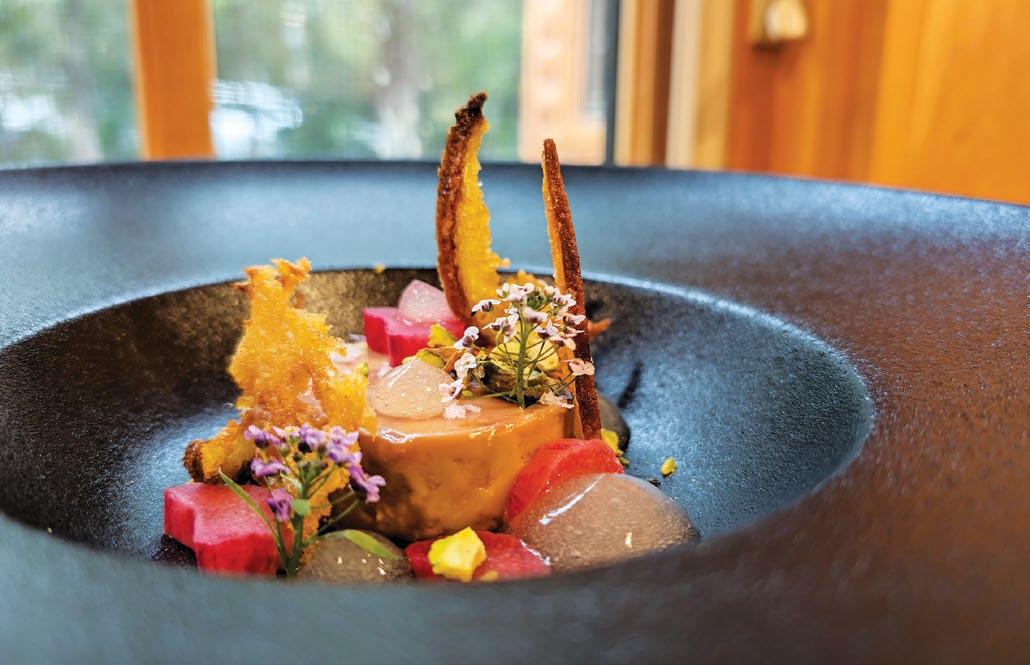
For something refined, the Haliburton Post House features a maple-cured Quebec foie gras terrine balanced with poached rhubarb, sourdough, spruce tip, and elderflower. For hearty comfort, the Dominion Hotel’s maple pulled pork poutine stacks crispy fries with pub cheese, smoky pork, maple barbecue sauce, and crunchy onion straws.
From coffee to cocktails, ski hills to fine dining, every stop offers a new way to savour the season. In the Haliburton Highlands, the flavours are every bit as bold as the scenery.
By Eric Casper
Learn more at www.myhaliburtonhighlands. com/maple-season

Eagle Lake Country Market bakes maple apple blondies made with local Winterdance syrup, glazed, golden, and tasting like apple pie crossed with a tender snack cake. At Abbey Gardens Food Hub, baristas craft maple lattes while the kitchen serves a savoury maple bacon jam grilled cheese layered with rich cheddar and house-made jam on fresh ciabatta. Sweet or savoury, maple shines either way.

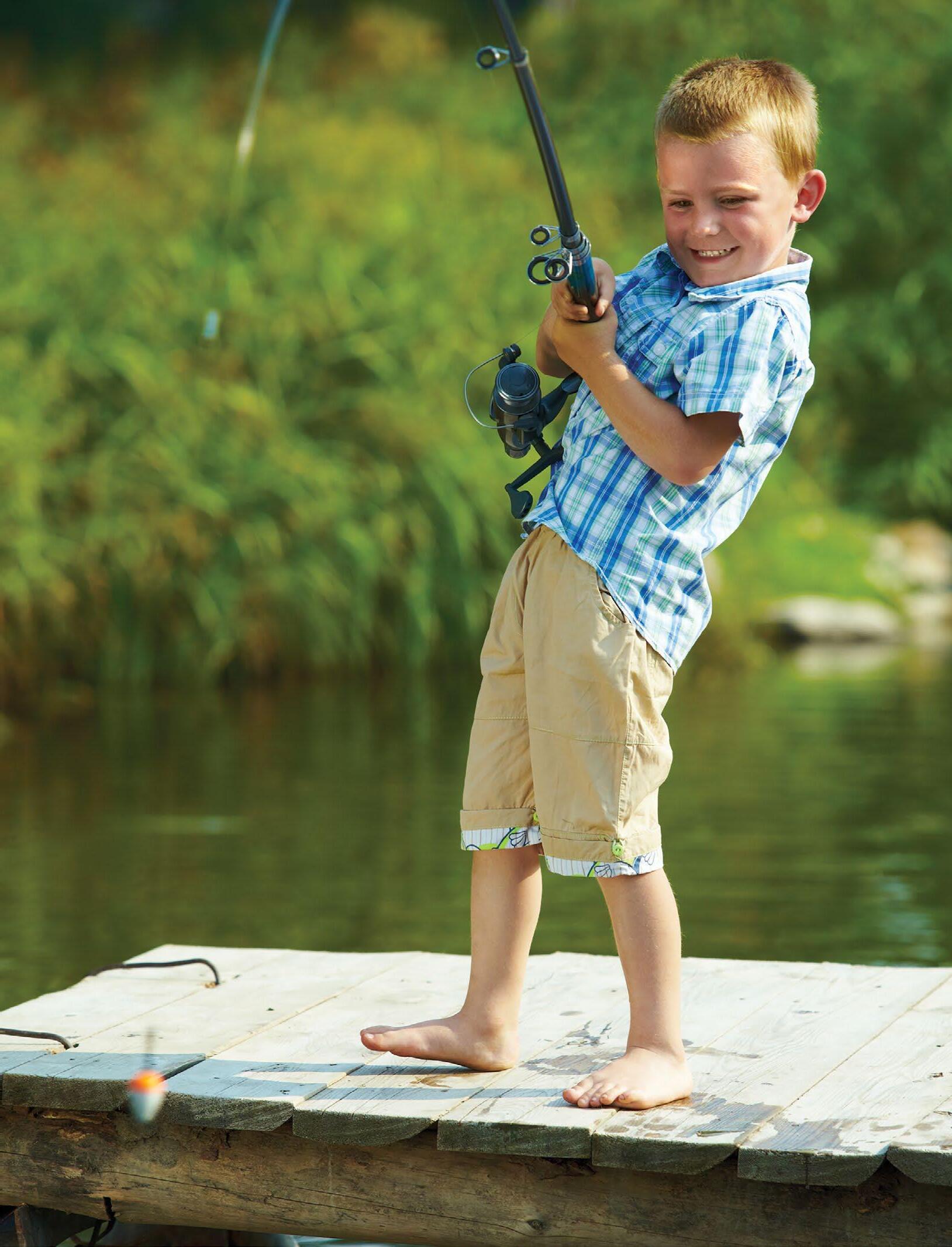
When children pick up a fishing rod, they connect with a sense of awe and wonder. They discover new things about nature and wildlife, build confidence in themselves, and learn about patience and teamwork. Fishing also provides an opportunity to explore new ways of understanding and respecting the world around them, allowing children to form lasting relationships.
There are countless opportunities to introduce young would-be anglers to the sport. Here are a few easy ways to dip your toe (or lure) into the world of recreational fishing.
Attend a Kids and Cops Fishing Derby
The Kids, Cops and Canadian Tire Fishing Days program began over 20 years ago to introduce children to the great outdoors and help foster positive relationships with local law enforcement. Today the Canadian National Sportfishing Foundation (CNSF) works with local organizers and police officers to host grassroots fishing events throughout the province. You can learn more and find a derby near you at kidsandcops.ca.
Try it Out Risk-Free During Family Fishing Days
Four times a year, Canadian residents can fish in Ontario for free –no licence required! Ontario Family Fishing Days take place:
Family Fishing Weekend (February 14 – 16, 2026)
Mother’s Day Weekend (May 9 & 10, 2026)
Father’s Day Weekend (June 20 & 21, 2026)
Family Fishing Week (June 27 – July 5, 2026)
Learn more at www.ontariofamilyfishing.com
Borrow Gear from Tackle Share
If you’re just starting out, you may need some help finding the right gear. Initiated by the Ontario Federation of Anglers and Hunters (OFAH), the TackleShare Program allows anglers to sign out a fishing rod and tackle in the same way they might borrow a library book. Loaner sites are located throughout the province and can be found at tackleshare.com/loaner-sites.
Join in the Celebration
And don’t forget about the annual celebration that is Canada’s National Fishing Week. Running June 27 to July 5, during the same period as Ontario’s free fishing week (with Canada Day right in the middle!), it’s the perfect time to cast a line with the kids. The week features rod and reel giveaways and promotions with fishing experts across the country. You can learn more at keepcanadafishing.com/national-fishing-week.
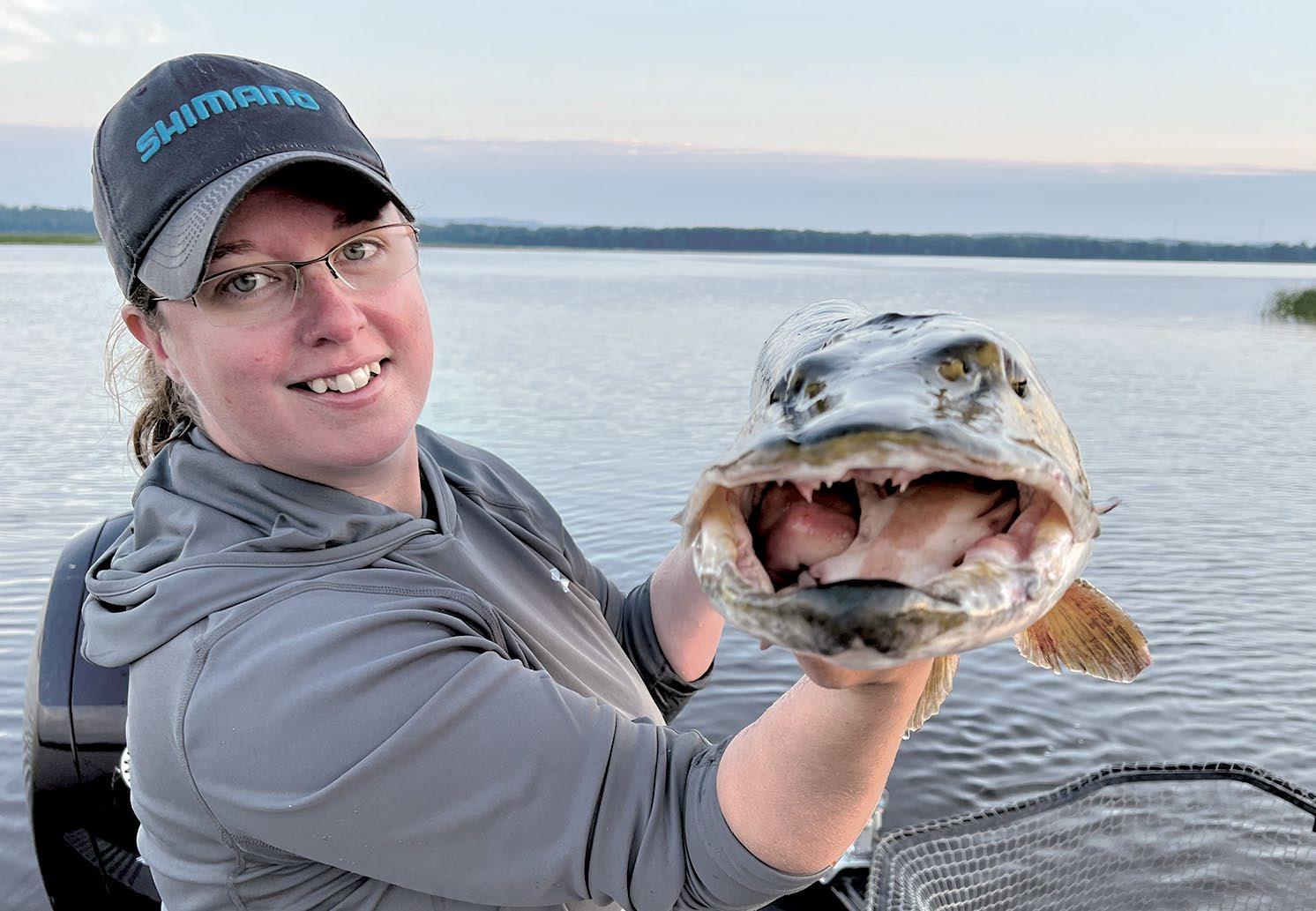
Lisa Goodier is the owner, operator, and head fishing guide at Capital Musky, offering world-class musky charters on the legendary Ottawa River and surrounding waters. Known for her expertise, coaching ability, and welcoming approach, Lisa provides guided experiences for anglers of all skill levels.
As Canada’s only full-time female musky guide, Lisa brings a unique and inspiring perspective to the sport. Her guiding career began after a life-changing musky trip more than 15 years ago, when she left retail management to pursue her passion for fishing under the mentorship of some of Ontario’s top guides. Now, in her eighth season on the water, she has completed over 800 charters, earning consistent praise for her ability to ensure her customers have an unforgettable day on the water.
Lisa is a passionate advocate for the fishing community. She champions youth, women, and newcomers, encouraging them to get involved through fishing clubs, mentorship, and volunteer opportunities. Her mission is rooted in ensuring that
everyone can experience the joys of time on the water and find their place within the angling world.
Conservation and education are at the heart of Capital Musky. Lisa teaches ethical catchand-release techniques and instills a deeprooted conservation mindset in her clients, helping develop responsible anglers who will protect our fisheries for years to come. She volunteers with Blue Fish Canada and is a member of Muskies Canada, supporting research, education, and sustainable fishing practices.
Lisa has appeared on popular fishing television shows, including Setting the Hook and Get Hooked, and has been featured in leading outdoor publications such as Outdoor Canada and Ontario Out of Doors. She is a frequent seminar speaker at major fishing events, including Muskies Canada Odyssey, The Ottawa Boat Show, and the Suick Seminar Series.
Lisa is a proud member of the Shimano Canada Field Staff and is proudly supported by Suick Lure Company and SNR Marine.
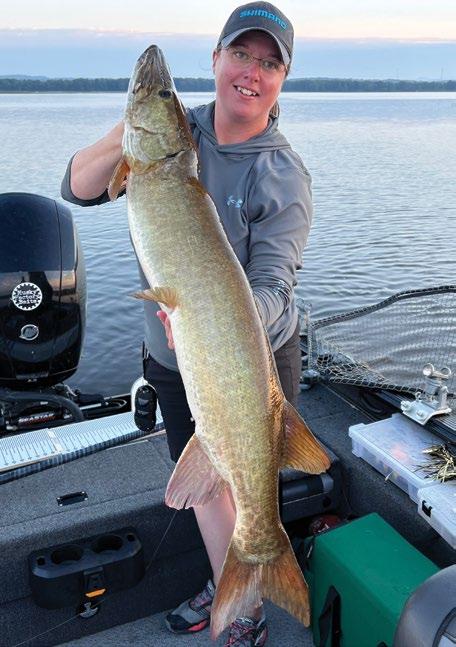
To learn more about Lisa, book a charter, or connect about seminars and speaking engagements, visit www.capitalmusky.com or follow @lisagoodier_muskyguide on social media.

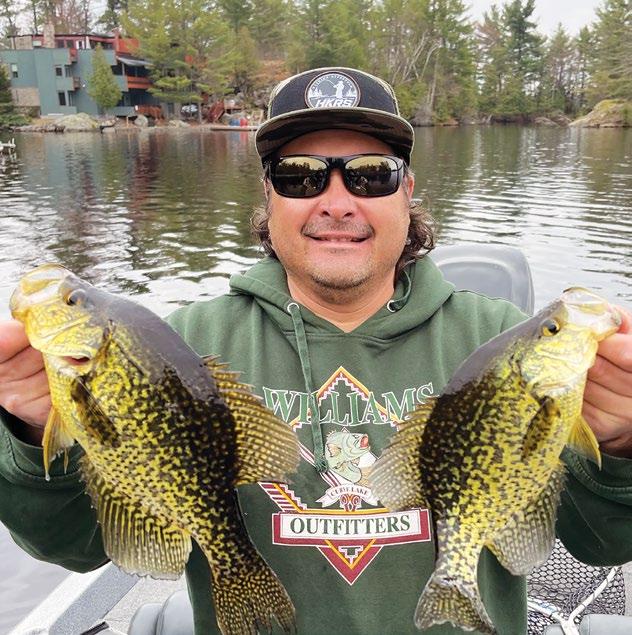
Williams Outfitters is a Native owned and operated outfitting company that is located on the Curve Lake First Nation. Mike Williams, has had the privilege of learning both traditional and contemporary methods of fishing and his goal is to revive the art of the “Native Guide”. This led him to develop adventure experiences for visitors to the area. Michael promises a comfortable fishing adventure that targets a variety of species as well as sharing his traditional knowledge and fishing secrets of the area.
Williams Outfitters
Mike Williams
www.williamsoutfitters.com
Local fishing guide Mike Quesnelle is a long-time tournament angler and is the owner/operator of GOAT Angling Adventures. Mike’s goal is not only ensuring his clients catch fish, but also offering “on water instruction” helping anglers of all skill levels improve and ultimately catch more fish!
Mike has extensive knowledge of the Kawartha Lakes and surrounding areas targeting Bass, Walleye, Musky and more.
Your guided day on the water in his fully rigged Ranger Bass Boat is sure to be the Greatest Of All Time!
GOAT Angling Adventures
705-934-1450
topwatermike66@gmail.com
www.goatanglingadventures.ca




When the long grasp of winter loosens its grip, the season of new beginnings is upon us. This is the time of year anglers are really feeling the itch. The longing for that first cast, the first tug, and it is when they start reaching for their rods to scratch it. Digging out their tackle from winters slumber, pondering which lure to cast first, and the anticipation of setting the hook on their first fish of the season.
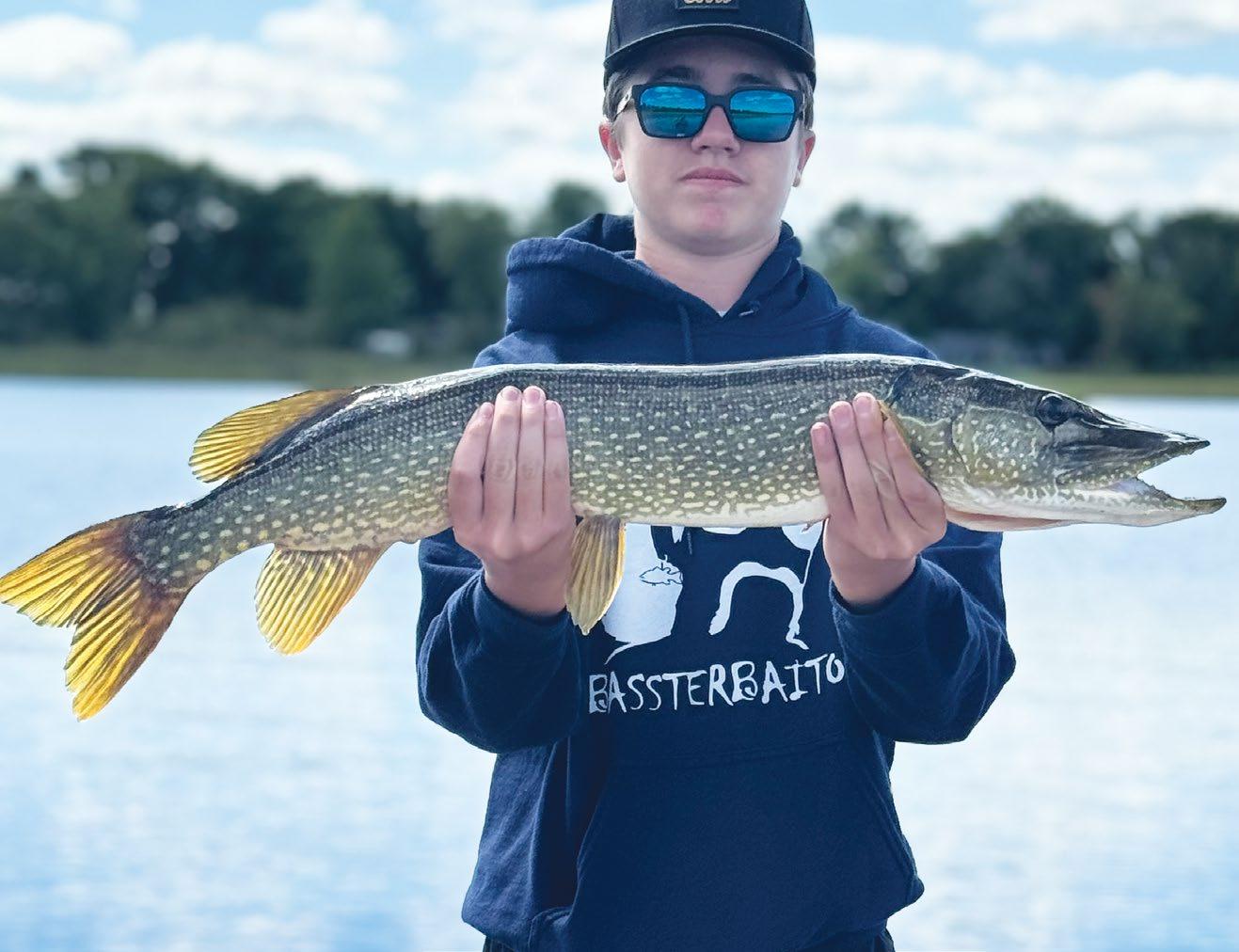
as they are slimy, slippery, and often thrash when unhooking which can be extremely dangerous. Gently but firmly hold just inside the gill plate with one hand and unhook with the other. Do not get fingers anywhere near their mouth as they are full of razor-sharp teeth.
For many area anglers that meant getting their Crappie or panfish gear in order. Casting small jigs and such on floats for these tasty critters. While that is a lot of fun it pales in comparison to the vicious unpredictable smash of a larger more powerful predator. The Northern Pike!
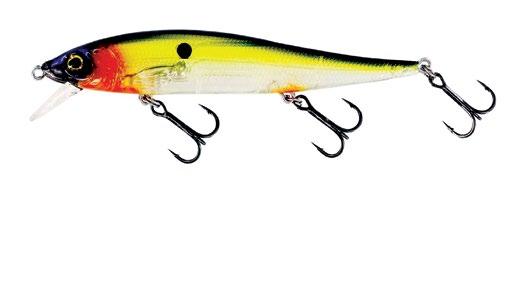
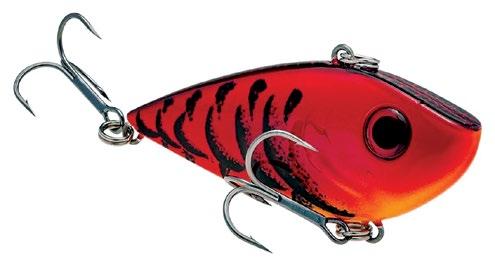
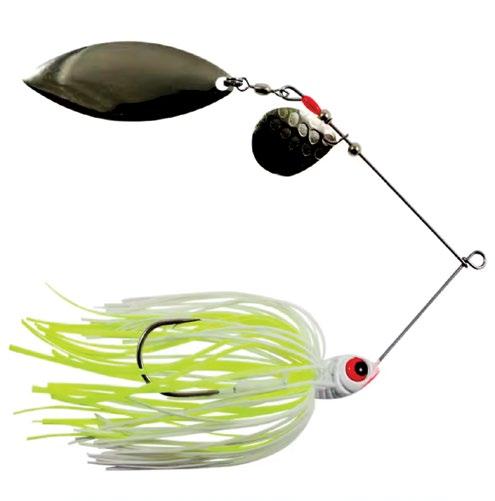
Pike are ferocious, aggressive predators that are more apt than most species to strike at anything that swims past them. Springtime and early in the season Pike can be found following their forage into the shallow warming bays looking for an easy meal before beginning their Spawning rituals. Anglers can have success throwing fast moving baits such as spinnerbaits, jerkbaits and crankbaits. You can target these toothy critters with a medium heavy to heavy action spinning rod or bait casting set up, whichever your preference.
There is not much in the way of specialized equipment needed when it comes to targeting pike, 20-30lb braided line with a wire leader is about the extent of it. Make sure you keep your pliers nearby to remove treble hooks. A set of jaw spreaders and a glove may also come in handy. Be careful when handling pike
Pike are becoming more prevalent in area lakes as these pesky critters continue their migration through the Trent Severn waterway, coming up from Rice Lake in the south, and down from Balsam Lake in the north. The Otonabee river south of Peterborough is littered with them. In FMZ 17 Northern Pike are considered an invasive species and have no closed season so you can fish for them year-round. There is no size limit, you can keep up to 6 daily with a sporting licence and 2 with a conservation licence. Harvesting is encouraged, and Northern Pike make fantastic table fare, however filleting can be a little tricky as there are ‘Y’ bones you must remove before consuming. There are plenty of videos online about how to clean your pike properly. A little batter, a hot pan and some oil, and release to the grease for some great eats!!
So, this year Pike Up Your Spring, and get out fishing for these exciting, hard fighting fish. The action can be nonstop, and it is a fantastic way to get your season off on the right foot.
Catch you on the water!
By: Mike Williams, of Williams Outfitters www.williamsoutfitters.com
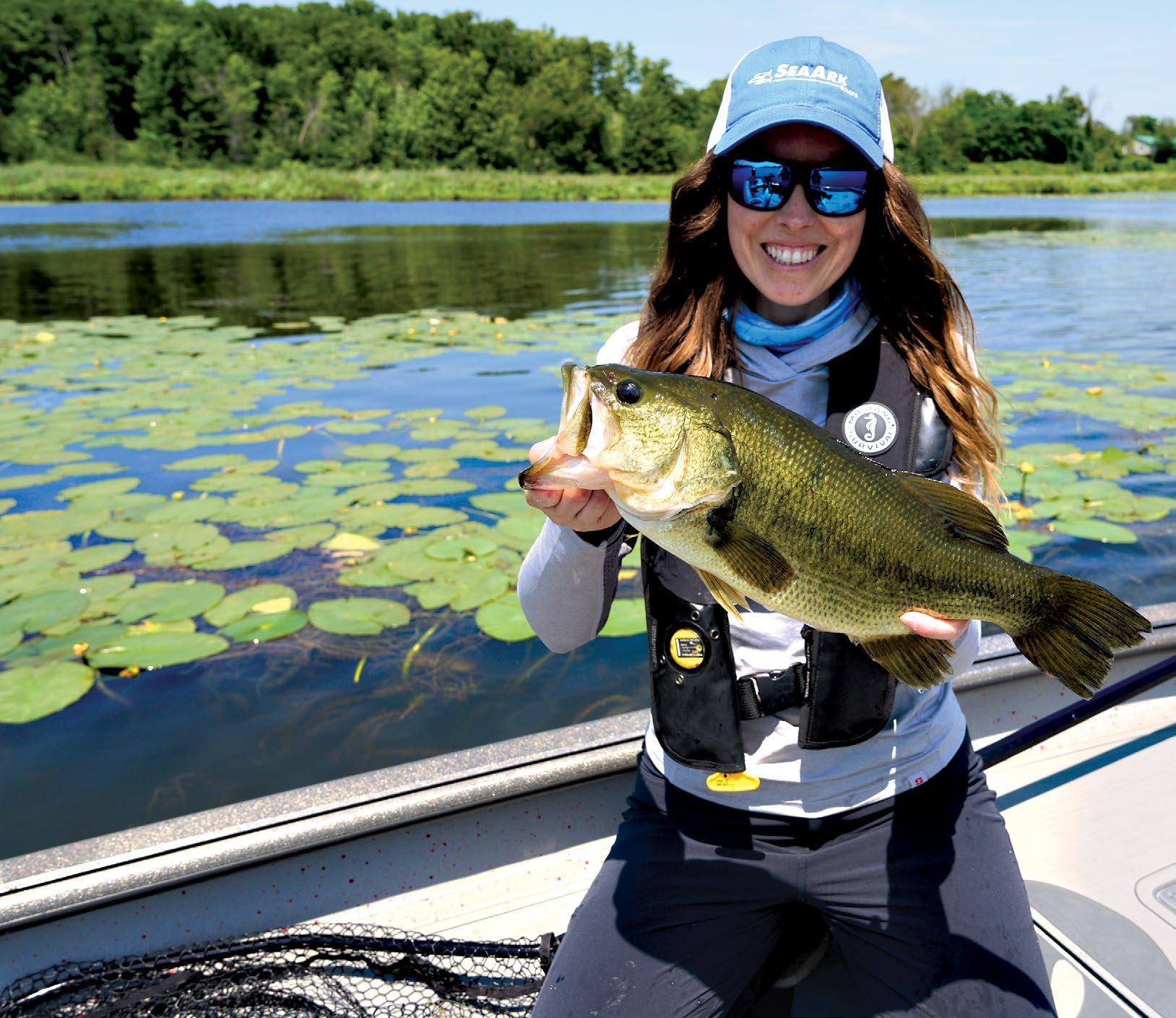
Meet Ashley Rae, a year-round multi-species angler located in the Ottawa area who is passionate about sharing her love of fishing and adventure.
As a full-time fishing writer & video content creator, Ashley documents her adventures via her blog SheLovesToFish.com, which she launched in 2009; from there Ashley has gone on to publish many articles internationally.
Ashley is passionate about connecting with other anglers all over the world, and with a social media following of 180K and growing, she has become a well-known name in the world of fishing. Ashley’s articles, videos, and social media content offer knowledge and knowhow for all levels of interest - whether you are just getting into fishing, or have been fishing for years and just want to land more fish in the boat.
Working with a wide range of businesses, brands, government and tourism organizations, as well as event organizers, Ashley aims to educate and encourage others to get involved in the sport of fishing. In addition to her blog, she shares her adventures through her YouTube channel, TikTok, Instagram and Facebook, and as a speaker at seminars and trade shows and has appeared on various TV episodes over the years.
Ashley is a 3-time qualifier for the Major League Fishing Toyota Series Championship through the International Division. She first qualified in 2018 through FLW Canada and went on to qualify again to represent Canada through the 2023 and 2024 Major League Fishing Canada events. In 2023, she finished as the top International Co-Angler.
In 2024, at the Major League Fishing Toyota Series Championship on Wheeler Lake, Alabama, she was nominated by her fellow anglers and peers for the Forrest L. Wood Sportsmanship and Community Leadership Award - an award that “recognizes the individual who displayed overall commitment to sportsmanship and community leadership, on and off the water, by displaying ethical behavior, upholding integrity, class, selflessness, conservation efforts and kindness to others.”
Ashley is also partnered with top brands in the industry such as Yamaha Motor Canada, Garmin, SAIL, and more.
Follow Ashley Online: https://www.facebook.com/ashleyraefishing https://www.youtube.com/shelovestofish https://www.instagram.com/shelovestofish https://www.tiktok.com/@shelovestofish



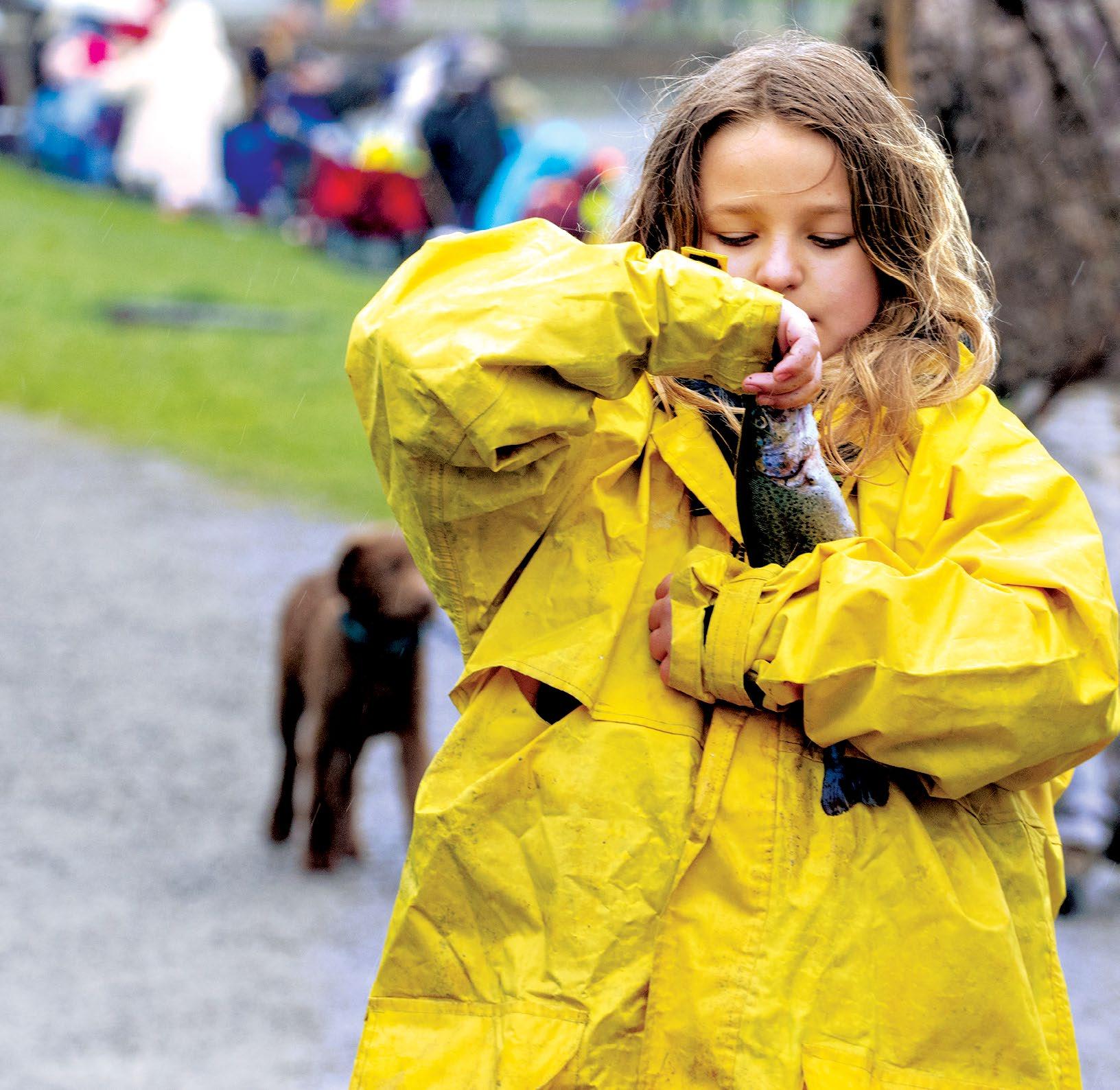
As a child, one of my first memories with a fishing rod in hand was at a cottage owned by a family friend. I recall going out in their tin boat, and casting repeatedly. The excitement over the potential to catch a fish was electric, but sadly fins were not to surface that day.
The following spring brought the thrill of learning that my family would take me to the Greenwing Fishing Derby, where I joined hundreds of other kids casting a line off the riverbank of the Otonabee River at the iconic Peterborough Lift Lock. The canal was lined with kids, all sparked into action at the sound of the opening duck call which permitted us to wet our lines in hopes of catching the elusive Walter, the grand prize fish. It wasn’t my day to reel in Walter, but I did manage to catch a small fish, and in the end, I gained something far bigger than the grand prize. My lifelong passion for fishing was born that day.
As I’ve gotten older, I’ve watched this same spark ignite in my young nephew. Each time we are at the family cottage - be it summer, or through the ice - he just wants to fish. So regardless of my drive in the moment to get out there, I always remember how I was inspired and introduced in a similar way, and thus we fish. From early mornings to late evenings, his desire to get out harkens memories that can’t be ignored. Introducing kids to fishing early does more than get them casting a line, it empowers
the next generation of anglers and conservationists. For me, those early days fishing led to a career in conservation with the Ontario Federation of Anglers and Hunters. You never know where a passion can take you.
You can start your kids’ journey in the same manner that I did on April 25th, as the tradition continues with the OFAH Under the Lock Fishing Derby at the Peterborough Lift Lock.
Register to participate today www.ofah.org/underthelock/ or in person on the day of the event. Getting children involved in fishing is simple – all it takes is the basic gear and most importantly the willingness to get out. Don’t miss it.
To learn more and get involved with Fishing and Conservation go to www.ofah.org
Brad Ferren, OFAH Conservation Educator Photo Credt Jay Callaghan
If you're anything like me, it seems like the weekends go by in the blink of an eye. Fighting traffic on a Friday night is almost a right of passage for those heading to cottage country, but for those of us whose passion is fishing, that drive is so worth it. The weekend offers time on the water pursuing our favourite finned species hoping to catch a few good one’s worthy of photos. However, too many anglers find themselves packing up on Sunday night after enduring yet another mediocre weekend of fishing, but that's about to change for you! Follow these simple guidelines and I promise, you'll be hauling them in this year and catching more fish than ever.
Target the ‘Golden Hours’
There are several reasons why more fish
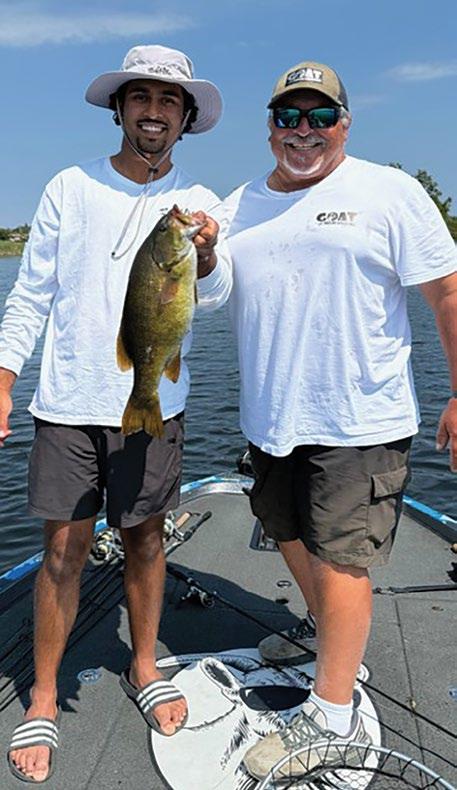
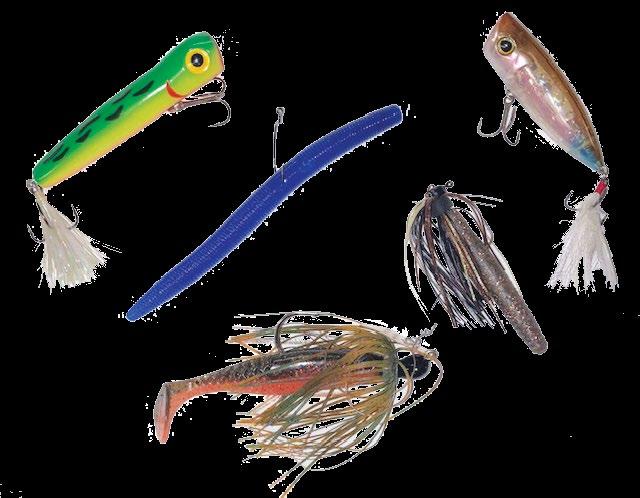
get caught in the early morning and late evening hours. Depending on the lake, it could be something as simple as boat traffic. Everyone is entitled to enjoy the water and unfortunately some of the popular activities don't make it easy to fish. Water skiers, kids tubing, jet skis and pleasure boaters all cause a disturbance in the water and in some cases force fish to alter their feeding habits; enter the Golden hours.
If you are not out on the water as the sun is just starting to pop up over the horizon, or starting to dip behind the trees, not only are you missing out on some spectacular scenery but more importantly you are missing the best bites of the day. Bass, Walleye and Musky are all popular gamefish in the Kawartha lakes and as luck would have it, they are all considered to be sight feeders, relying on their excellent vision to locate and catch prey. Actively feeding fish can be found shallow during this timeframe so concentrate your efforts throwing topwaters, shallow diving crankbaits and spinnerbaits.
Sometimes the key to getting more bites is to downsize your presentation. Smaller baits, worked slower along the bottom are often tempting enough to entice a strike from fish that are otherwise not interested. I like to utilize soft plastics for this type of fishing. Wacky rigged worms, Ned rigs and small weedless rigged creature baits can be very effective. It is important to make sure you present these baits on light line, and to work the baits as slowly as possible. Fish will often take advantage of what they think is an easy meal. I like to have a quality fluorocarbon leader tied on for this type of set up as the fish are getting a good long look at your offering. Fluorocarbon becomes nearly invisible in the water, and this makes your lure appear more realistic.
Slowing down your presentation is the key to finesse fishing.
Far too many anglers try to target certain species when the odds are horribly stacked against them. As a fishing guide, I can tell you that I target certain species at different times of the year because that's when it's the easiest to catch them. At the same time, if I'm fishing for Smallmouth Bass and they are being stubborn maybe I'll switch over to Largemouth instead. It's all about making the most of your time on the water. If a certain technique isn't working try something different, what worked last weekend may not hold true this weekend.
I always try to minimize my presence while fishing, think of it a bit like hunting, I wear light coloured shirts to help my silhouette blend in with the sky on bright days and keep my movements to a minimum. Fish can "hear" with their lateral line which picks up vibrations in the water. Dropping a heavy object in the bottom of the aluminium boat or blasting the radio gives away your position and can easily spook wary fish. Sound travels 4 times faster in water than air so it's important to keep the noise level down. I always wear Polarized glasses which help cut the glare off the surface of the water and enable me to see fish and spot submerged objects in the water.
This year, make the most of your time out on the water and put these simple tips to task, don't fish harder, fish smarter!
Good Luck and Get Outside!
Mike Quesnelle, GOAT Angling Adventures www.goatanglingadventures.com 705 934-1450



When winter ends and snowmobilers are storing their sleds, an amazing transition takes place across Ontario.
About 30,000 kms of trails operated by the Ontario Federation of Snowmobile Clubs (OFSC) are put to bed by volunteers from OFSC member clubs, including those in Kawarthas-Haliburton-Bancroft area.
However, winding up OFSC Prescribed Snowmobile Trails after the season isn’t as simple as storing your sled. In fact, rolling up that white carpet is the final effort of a long process of volunteer activity that began with rolling it out in the first place.
Signage Removal: Yet, trail shutdown is just as important, necessary and a massive task. Especially for trails on private property, where volunteers remove and store tens of thousands of signs and stakes. This designage process allows landowners to use their property without obstruction while minimizing off-season weather and vandalism damage to trail markers. Plus, it provides notice to everyone that the trail is no longer in operation.
Trail Inspection: Volunteers also inspect trails for any issues that may have occurred during the season, such as erosion, damaged bridges or fallen trees. What’s more, they clear trail corridors of winter debris, whether naturally and humanly caused. This undertaking also helps with planning necessary infrastructure projects to prepare trails for the next winter. It can also play an initial role in the process of renewing landowner agreements.
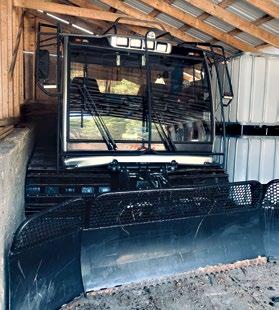
Equipment Storage: As part of their postsnowmobiling work, volunteers also move hundreds of industrial grooming machines and drag to their summer base. Then, inspection can identify necessary mechanical maintenance or general repairs as equipment is prepped for off-season storage.
Access Warning: Meanwhile, gates are locked, snow fences removed and “Trail Closed” signs placed to warn off unauthorized motorized vehicles or other public use during the offseason. Ultimately, the volunteer’s goal is to
safely transition the land back to its off-season state, respect landowner agreements, and begin preparing for the next year of operations.
Regional Shutdown: Of course, Ontario being as huge as it is, OFSC snowmobile districts shut down their trails for the season at different times, depending on their weather. Some districts start the process by March, while northern ones may hold off into April.
Red=No Go: Regardless of when each district trail shutdown happens, the OFSC Interactive Trail Guide shows its trails as Red (unavailable). Red also means unauthorized trail use on private land by anyone, including ATVs, SxSs and other off-road vehicles, is prohibited without the landowner's specific permission. Trespassers may face charges and financial accountability for any damage incurred. OFSC district and clubs also announce their closures through their websites, social media channels, local news outlets and trail closed signs.
Certainly, some trails shown as Red on the ITG may be part of multi-use systems that are available for Spring to Fall activities. But these are location-specific and require checking with appropriate trail user groups or public authorities for location, specific seasonal dates and applicable access requirements.
Volunteer Shortage: Most folks figure when the snow’s done, so are club volunteers. And there’s some truth to that. Often, fewer volunteers are available for putting away trails than for their pre-season start up, when first ride anticipation is a great help motivator to get them ride-ready. Similar to more folks being eager to set up Christmas decorations than to take them down!
Lend A Hand: In short, once the snow melts
and winter is over, the organized snowmobile season in the Kawarthas-Haliburton-Bancroft area officially ends. But our local clubs still need your help. Their regular volunteers have already worked tirelessly for months on pre-season trail prep in the fall, plus trail maintenance and grooming all winter. They deserve and truly appreciate a helping hand. What a great way for snowmobilers to say “thanks” for providing winter trails for our sledding enjoyment!
By Craig Nicholson
Craig Nicholson, The Intrepid Snowmobiler, is an International Snowmobile Hall of Fame journalist and a long-time Kawarthas cottager who also provides tips and tour info for snowmobilers at intrepidsnowmobiler.com and for PWC riders at intrepidcottager.com.
Buckhorn & District buckhorn@district2ofsc.ca
Haliburton County Snowmobile Association info@hcsa.ca
Havelock & District hdsc-info@district2ofsc.ca
Kawartha Lakes Snowmobile Club (Fenelon Falls) - klsc@sympatico.ca
Old Hastings Snow Riders (Bancroft) - ohsrvolunteers@gmail.com
Paudash Trail Blazers (Apsley) volunteer@paudashtrailblazers.on.ca
Stoney Lake Sno Riders stoneylake@district2ofsc.ca
Twin Mountains (Bobcaygeon) twinmountains@district2ofsc.ca
Spring is upon us, and what better way to welcome spring than to start your planting early this year!
This activity is super easy to do, and children love to watch the process of the seed growing and rooting.
You're going to need some clear ziplock bags, some potting soil, some strong tape, I used packing tape, and some seeds. I chose to use bush beans this time as they are an easy starting seed.
Start off by adding a handful of your moist soil to the ziplock bag and place a seed about a ½ inch into the soil. Add a second handful of soil on top and add a small spritz of water into the bag. Seal your bag shut and put a piece of tape or two on the top two corners of your bag and stick it to the window. Make sure you choose a window that gets lots of sunlight, as the plants will need it to grow. Now sit back and watch as your seed slowly sprouts and shows its unfurling roots and leaves both below and above the soil in your little homemade ‘greenhouse’.

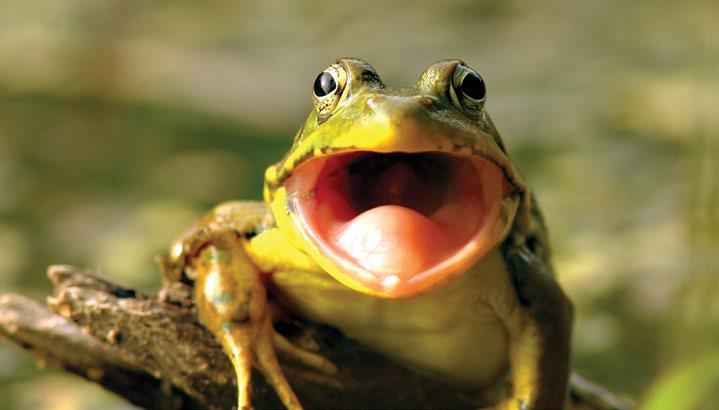
To experience one of the wonders of spring, listen to the melodious strains of a frog orchestra, courtesy of the frogs of Ontario performing at a wetland near you. To appreciate these nocturnal songs, walk to a nearby wet area – a marsh, swamp or bog – just as the sun is starting to set. Take your two hands, cup them behind your ears and press your fingers together. You’ve just amplified your hearing by 10 times! Now stop and soak up the sounds of spring as they seep into your extended ears. Listen for the high, melodious peep of the Spring Peeper. Or the trilling bursts of sound from the Chorus Frog. Later on, see if you can identify the low “garomph” of the Bull Frog or the banjo-like strumming call of the Green Frog and the throaty croak of the Leopard Frog. To learn to identify your frog songs, go to www.frogwatch.ca
Frogs are “bio-indicators.” Because their skin is sensitive to pollutants, any time you hear a wetland filled with the songs of frogs, you know that the water quality is probably quite good. If you ever wondered what frogs are singing about, well, roughly translated, here is what they are saying: “Hey, if you are a girl frog of my species…come on over. If you are another male, just BACK OFF!” It is the male frogs who sing for the same reason that birds do, to attract a mate and to protect their territory.
TYPE OF FROG •• SOUND •• WHEN THEY CALL
Spring Peeper •• High peep peep sound •• Early Spring
American Bullfrog •• Deep, resonant “rr-uum” or “jug-o-rum” •• Late Spring – early summer
Wood Frog •• Sounds like a quaking duck •• Early Spring
Green Frog •• “gulp, gulp” deep from the throat •• Late Spring – early summer
Leopard Frog •• A throaty ahhhhhhhhhh •• Early Spring
Chorus Frog •• Short bursts of trills made with your lips or tongue •• Midto late Spring
Eastern Cricket Frog •• Use your tongue to make “click-click-click” like sounds. Reminiscent of pebbles clicked together; cricket-like •• Late Spring – early summer
Gray Tree Frog •• Slow musical bird like trill lasting 2 to 3 seconds. Use your lips or tongue •• Late Spring – early summer
American Toad •• A sustained trill from lips or throat •• Early to late spring
Submitted
By: Jacob Rodenburg (B.A., B.Ed., M.Ed), Author, Instructor - Trent University & Executive Director of award winning Camp Kawartha & The Camp Kawartha Outdoor Education Centre/ Environment Centre.

I woke up this morning to find the dehydrators having finished their twelve hour cycle, every shelf inside them filled with cherry tomatoes sliced in half with the open ends facing up, shrivelled and ugly. Taking the top off, my nostrils are hit with that sugary cherry tomato fragrance that only dried versions can give – it seems their taste is concentrated and perfect.
The jar they go into sits next to many others just like it, though the contents of each varies so greatly, it sometimes looks like a mad scientists’ lab rather than a pantry. Dried chanterelle mushrooms sit next to jars of homemade French onion soup, which are a shelf above my fiancé’s secret apple chutney and our spicy dill pickled green beans, garlic scapes, and a giant jar of dehydrated fruit consisting of strawberries, bananas, apples, and peaches, all sliced and waiting for packaging.
I stand in the middle of the pantry, gazing upon the mason jars, all the hours of work, the tomatoes sauced and stored, the pickled asparagus and carrots, the homemade apple sauce, sun-dried Roma tomatoes, dried beans, pearl onions, cured squash and pumpkins, knowing that if things really went off the deep end, we would be okay.
Even the looming first big frost of the year feels like a sign of relief because I know we made the most of what we grew on our modest little homestead. That’s not a feeling that we are fortunate enough to experience every year.
We yearn for that sense of self reliance every single year. To do a little better, add more things that grow food. I’ve said for years that cutting the grass seems pointless because you can’t eat the lawn. If I’m going to plant something, it darn well better produce something that I can roast, dehydrate, eat fresh, or can and save for later. The hours of work are worth it because you end up with a pantry full of peace of mind. That’s something that a lot of other folks can’t lay claim to.
The notion of preparedness was instilled in me long before the events of the pandemic. I’m fortunate enough to come from a family of farmers and I think in many ways that lifestyle was passed down to me and remains permanently ingrained.
As autumn turns to winter, there is a level of satisfaction that comes with preserving the hard work of the growing season. Each preserved item, no matter how big or small,
is its own memento. They are each a little victory.
I can look at this pantry and see the culmination of all the work that went into those stocked resin racks of jars. Things dried, pickled, ground up or left whole. For things like that apple chutney, it was a fun morning at a local orchard in September. For something else like the ground habanero pepper powder, the process started with the sowing of seeds all the way back in February. Each one had its own journey. Each one important to me and my own.
Preserving is a skill that comes with its own mentality. A dynamic shift in values. And maybe there’s an air of nostalgia stuck in there somewhere, too. A longing to hold onto a bit of the growing season which brought us so much joy and still continues to do so long after the leaves have dropped and the snow flies.
Mike Fitzerald is an avid outdoorsman and knowledgeable homesteader who writes for multiple publications about living off the land. You can follow him on his adventures via Instagram as @onmivore.culture


Picture yourself at a museum exhibition; any museum, in any city, and about any subject. Now take a moment to consider all the moving pieces that must work together efficiently to create such a project.
This is exactly what this year’s class in the Museum Management and Curatorship Studies program at Fleming College is finding out.
Throughout their school year, these post-graduate students learn various skills that come together in a course-end exhibition. In the development process, students have a chance to practice their new skills, putting their abilities to the ultimate test. Exhibition development can be a long process and, in this case, involved two semester’s worth of ideas, research, planning, and application by sixteen students.
Dividing into groups based largely on skill and interest, students are responsible for a variety of duties. Students take on script development, media collection, design, and the production of interactive elements. They work together to create a cohesive and meaningful final exhibition. Though assigned roles, they all have an opportunity to try a bit of everything during this process, ensuring well-rounded learning and balanced experiences.
This year, the student exhibition at the Peterborough Museum & Archives will explore the societal and cultural impacts hats have had throughout history.
“We Wear Many Hats” will focus on a hat’s ability to subtly communicate belonging while exploring the evolving role hats have played in Peterborough society. The goal is to create something everyone can enjoy, inspiring visitors to contemplate the role headwear may play in their own lives.
“We Wear Many Hats” will be on display April 4 to June14, 2026 –visitors of all ages are encouraged to visit.
For behind-the-scenes content and information about upcoming events and exhibition openings, please follow the program’s social media (@mmc_students).
By: Jordyn Key, for the Peterborough Museum and Archives Student of the Museum Management and Curatorship Studies Post-Graduate
Program, 2026