SUNSHINE HILLS NEIGHBOURHOOD
TREE PROTECTION PILOT
PROGRAM
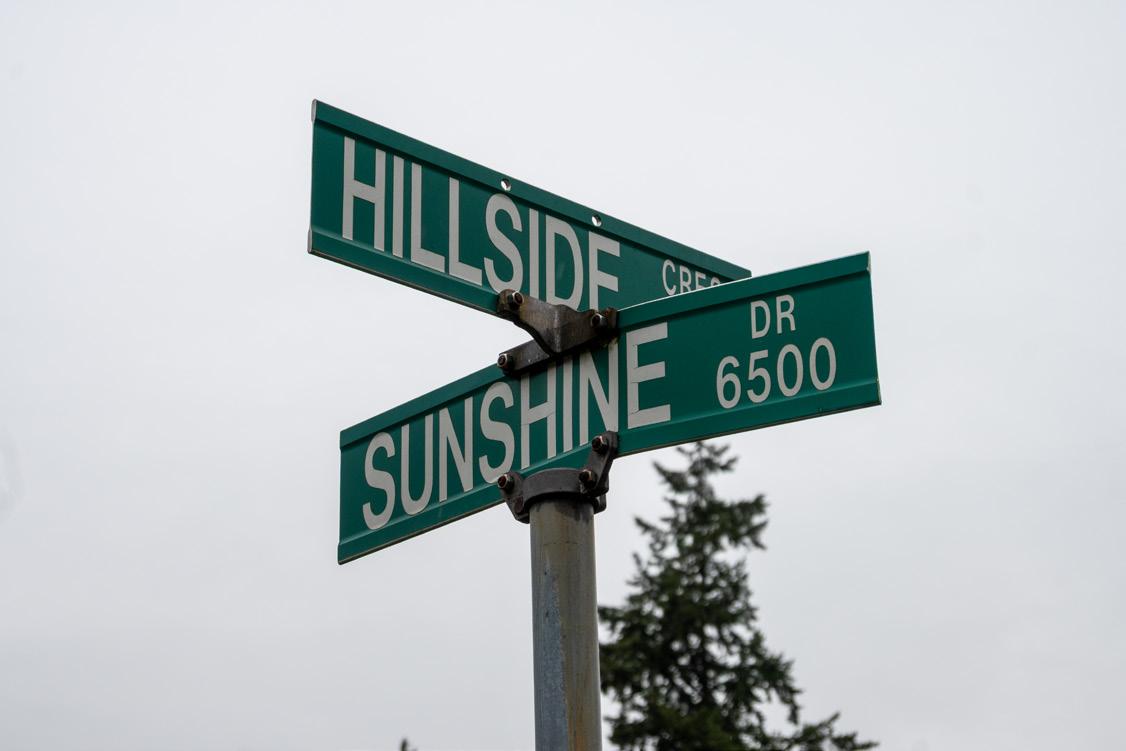
TheSunshineHillsareainNorthDeltaisknownforitsmaturetreecanopyanddistinct character.Inresponsetocommunityconcernsabouttreeloss,Councildirectedstaffto exploreaNeighbourhoodTreeProtectionPilotProgram.Staffhavereviewedavailable municipaltoolsandarenowseekingfeedbackfrompropertyownersinneighbourhoods withintheareatounderstandinterestinapilotprogram.
Readontolearnmoreaboutwhatthiscouldmeanforresidentsandhowtoget involved.
Council Direction
Council directed staff to engage the Sunshine Hills community to develop a Neighbourhood Tree Protection Pilot Program that may include:
• A Heritage Tree designation for landmark trees of significant size, age, or community value.
• Enhanced tree replacement requirements or higher cash-in-lieu contributions.
• A neighbourhood opt-in mechanism for stronger protection.
• Incentives and education for homeowners to retain mature trees during redevelopment.
• Enhanced reporting on heritage tree impacts and replacement requirements.
Working Within the Community Charter
The Provincial Community Charter limits how municipalities can use their authority to protect trees on private property if it would prevent development that is otherwise permitted. As directed by Council, a letter was sent to the Minister of Housing and Municipal Affairs requesting amendments to the Community Charter to better support the protection of mature trees in established neighbourhoods. At the same time as the City engages with the Ministry on these changes, work is now underway to explore the creation of a pilot program that supports tree retention within the constraints of existing legislation and the provincial mandate to add housing.

Visit letstalk.delta.ca/TreeProtection for more information. If you have any questions, contact us at TreeProtection@delta.ca or 604-952-3800.
Current Tools
Before considering possible options, it is important for residents to be aware of the tools that exist today to protect trees on private property in Delta. These include:
•Delta’s Tree Protection and Regulation Bylaw No. 7969 (Tree Bylaw):
•Heritage Register: Regulates and imposes costs for tree removal and requires homeowners to plant new trees or pay fees when removing trees over a certain size, with greater replacement requirements for large diameter trees.
Allows homeowners to register trees on their property that have recognized heritage value under provincial definitions—typically trees connected to heritage properties.
•Restrictive Covenant:
Homeowners can choose to register a covenant on their property title to limit certain activities, such as removal of trees. Such covenants “run with the land” meaning they apply to current and future owners.
Potential Tools for the Tree Protection Pilot Program
Delta’sTreeProtectionBylawistheprimarytoolforregulatingtreeremovalonprivateproperty.It providesanexistingframeworkthatcouldbeamendedtointroducestronger,neighbourhoodspecificrequirements.Tosupportdiscussion,theCityhasidentifiedarangeofpossiblebylaw changestoexploreaspartofapilotprogram.
Increased Fees for Tree Removal
The application fees, cash-in-lieu contributions, and security deposits could be increased to impose greater costs for tree removal on private property to encourage tree retention. The current fees under the tree bylaw that could be increased as part of the pilot program include:
• $100 application fee for tree removal
• $700 cash-in-lieu amount per tree when replacement is not possible
• $700 per-tree security deposit, which is required to be held for one year following replacement
Visit letstalk.delta.ca/TreeProtection for more information. If you have any questions, contact us at TreeProtection@delta.ca or 604-952-3800.
Additional conditions to retain large trees could be introduced. One option includes amending the current allowance to remove one tree of any size every 24 months without an arborist report. This could be amended so that large-diameter trees (60+ cm) are no longer eligible for this allowance.
The number of trees required for replacement could be increased. The current bylaw requires:
• Two replacement trees for the removal of trees measuring 20–59 cm in diameter
• Three replacement trees for trees 60 cm or greater in diameter
TheHeritageRegisterisaprovincialtoolthatrecognizes heritagetrees,mostcommonlyonpropertiesthatalsoinclude heritagebuildings.Instead,protectionscouldbeconsideredfor certaintreesidentifiedas“Significant”basedontheirsizeand speciesandtheirimportancetoaneighbourhood.Asastarting pointfordiscussion,examplesofpossibleaddedprotections couldinclude:
• No Significant Tree of any size is permitted to be removed without an arborist report.
• Requiring development applications proposing removal of Significant Trees to trigger a staff review including consideration of reasonable design changes to support their retention.
• Requiring more replacement trees when a Significant Tree is removed than for other trees.
• Requiring replacement of Significant Trees with the same or similar species.
• Higher fees for removal of Significant Trees compared to other trees in the area when replacement is not possible.
• Simplifying and reducing the cost of registering a voluntary restrictive covenant to protect a Significant Tree (e.g., waived fees, simplified templates, and staff assistance).
• Requiring an additional application fee to remove a Significant Tree that is protected by a restrictive covenant.
Visit letstalk.delta.ca/TreeProtection for more information. If you have any questions, contact us at TreeProtection@delta.ca or 604-952-3800.
Other Options 5
Additional measures that could support tree retention beyond bylaw requirements could include:
• Increasedmonitoringofreplacementtreesto ensuresuccessfulestablishment.
• Providingeducationtopropertyownersonproper treecare.
• Reinvestingtheextrafeescollectedfrom enhancedSignificantTreechargesintothesame neighbourhoodforlocaltreeplantingandcanopy growth.
What This Means
Ifthepilotprogramproceeds,neighbourhoodsintheSunshineHillsareacouldhave additionalmeasuresinplacetosupportprotectionofthetreecanopycomparedtoother communitiesinDelta.Thesemeasureswouldfocusonencouragingtreeretentionby increasingfeesandreplacementrequirementsfortreeremovalapplications,andby providingaddedprotectionforlargerandmoresignificanttrees.
Forpropertyowners,thiscouldalsomeanhighercostsandadditionalrequirementswhen removinganytrees,aswellasgreateremphasisonretainingtreesthroughsitedesign whenpropertiesredevelop.AnyextrafeescollectedthroughtheenhancesSignificantTree chargescouldbereinvestedlocallytosupporttreeplantingandlong-termcanopygrowth inaneighbourhood.
CommunityfeedbackwillhelpCouncildeterminewhethertoproceedwiththepilot program,adjusttheproposedmeasures,orconsideralternativeapproaches.
Online Information Session
PropertyownersintheSunshineHillsareaareinvitedtolearnmoreabouthowtheCity regulatestreeremovalandtheoptionsforstrongerprotectionatanupcomingOnline InformationSession.Registrationisrequired,andresidentsmaysubmitquestionsin advanceorparticipatethroughamoderatedchatduringthesession.
•When: February 4, 2026 (6:00 – 7:30 pm)
•Where: Online
•Register at letstalk.delta.ca/TreeProtection
Visit letstalk.delta.ca/TreeProtection for more information. If you have any questions, contact us at TreeProtection@delta.ca or 604-952-3800.
Who We Are Contacting
Thefollowingmapshowsthe neighbourhoodsintheSunshine Hillsareathatsharesimilartree types,canopycoverage,and overallneighbourhood characteristics.Forthepurposesof thisengagementprogram,all sevenneighbourhoodsshownwill beinvitedtoprovidefeedbackon theproposedoptionsfor enhancedtreeprotectionand indicatetheirlevelofsupportfor applyingtheprogramwithintheir neighbourhood.
Allpropertyownersintheareawill bemailedapostcardwhichwill includeaunique,address-specific codelinkedtoanonlinesurvey, whichwillbemadeavailableuntil February15,2026.
What We Are Asking
The survey will ask questions that will help the City:
• Understandhowfamiliarresidentsarewithexistingtreeprotectionrulesandtools
• Gaugeinterestinaneighbourhood-specificpilotprogram
• Gatherfeedbackonpotentialoptionsforstrengtheningtreeprotection
• IdentifyissuesandopportunitiestheCityshouldconsiderasthepilotprogramisdeveloped
Once community feedback has been gathered, staff will seek direction from Council on next steps. Depending on the feedback received, this may include further consultation prior to implementation.