


You don’t win the best in-house legal team award for cutting corners or settling too easily. You win awards like this for fighting fiercely for every single member in every single case. Whatever the challenge, whatever it takes to safeguard your future.
In an age where lectures are streamed, papers are available online, and educational content arrives daily on our feeds, why do conferences still matter?
I have just returned from Dublin and the EOS. My feet are tired, my inbox is overflowing, and my phone contains far too many photographs of slides that I promise myself I will revisit. The EOS Congress was a reminder of the extraordinary breadth of our specialty. Artificial intelligence, aligners, skeletal anchorage, airway, digital workflows, genetics, biomechanics. The challenge is no longer accessing information - it is separating meaningful insight from the noise.
As Secretary of the EFOSA, I also had the privilege of hosting EFOSA’s 58th Annual General Meeting, during the Congress. While scientific presentations remain the public face of our meetings, an equally important aspect takes place behind the scenes. Across Europe, orthodontists are facing challenges - issues that affect the future of our specialty itself. Concerns were raised regarding the promotion of master's programmes that imply equivalence to recognised specialist orthodontic training. There was considerable discussion surrounding the growing number of practitioners presenting themselves as experts in airway management, treating patients as young as three. These developments risk creating confusion among patients, regulators and healthcare professionals regarding what constitutes recognised specialist training and expertise.
Across Europe, orthodontic societies are increasingly united in their determination to protect the integrity of specialist education and to ensure that the title of specialist orthodontist retains its meaning. This is not about territory; it is about protecting standards, patient safety and public trust. We must unite and educate the public.
As we gather in Brighton in September, I remember the words that greet visitors entering the city: "If friend, we greet thee hand and heart; if stranger, such no longer be." We arrive as colleagues, acquaintances or strangers, but leave having shared ideas, challenged assumptions, and formed connections that advance our specialty.
The most valuable moments happen in corridors, over coffee, and during the discussions that begin with, "What would you do in this case?" These are the moments where experience is shared, perspectives are broadened, and ideas evolve.
The British Orthodontic Conference has long been one of the highlights of our professional calendar because it provides precisely that opportunity.
So whether you come to Brighton for the science, the networking, or the sea air, I encourage you to make the most of it. Introduce yourself to someone you have never met. Challenge your assumptions.
And if you find yourself taking photographs of every slide, don't worry. You're in good company.
I look forward to seeing you in Brighton.
British Orthodontic Society
Registered Charity No 1073464
Royal College of Surgeons of England 38-43 Lincoln’s Inn Fields London WC2A 3PE Tel: 020 7353 8680
Email: executivesec@bos.org.uk Website: www.bos.org.uk
BOS is a Company Limited by Guarantee Registered in England and Wales, Company No. 03695486
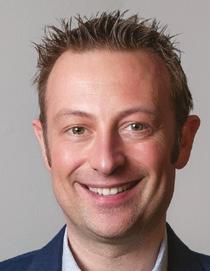

As Chair of BOC 2026, Dr Simon Watkinson is keen for this year’s conference to offer more than just a strong lecture programme. He wants it to feel lively, inclusive and truly worth attending - an event where everyone can connect, engage, and leave with something genuinely useful.
When Simon Watkinson talks about this year's British Orthodontic Conference, the first thing that comes across is that he wants it to feel like more than a timetable of lectures. The scientific programme matters, clearly, and he is proud of what has been put together, but he talks just as much about the smaller satellite sessions, the exhibition, the social programme and the chance to reconnect with colleagues in person.
That probably reflects his own history with the conference. He first attended BOC as a first-year trainee in Harrogate around 15 years ago, listening to people whose papers he was actively reading at the time. "What struck me most was the strong sense of community," he says, "and how fortunate I felt to have chosen such a fantastic specialty, surrounded by so many generous and supportive colleagues." Many of the colleagues with whom he now regularly discusses cases and techniques are people he first met at that conference. That memory shapes a lot of what he wants this year's meeting to be.
The main scientific programme has been put together by Simon alongside Martyn Cobourne and Aliki Tsichlaki. Delegates can expect clinical lectures from the crème de la crème of the UK and beyond including Ute Schneider-Moser, Lorenz Moser, Susana Palma, Manuel Nienkamper, Ektor Grammatopoulos and Emmanuel Dumu, with this year's Northcroft Lecture delivered by Nicky Mandall. Simon also points to Hanieh Javidi and Farnaz Parvizi presenting the outcomes of their BOS Foundation-funded PhDs as something the conference is well-placed to showcase.
Alongside the clinical content, there is deliberate space for leadership and wellbeing. "Many of us hold leadership roles," Simon says, "and it is vital that we consider both leadership development and personal wellbeing." Lectures from Sreenivas Koka,
Angus Pringle and Cat Burford address exactly that. He does not talk about the conference as though it were only for people wanting clinical impetus. He wants delegates to leave with practical ideas, but also feeling supported and re-energised.
Some of the most specific changes this year sit outside the main stage. After last year's conference, Simon sought feedback directly from the Training Grades Group about how BOC could be made more valuable for trainees at ST1 to ST5. Two clear requests came back: a dedicated session for current trainees, separate from the existing Aspiring Orthodontist session, and a social event specifically for trainees. Both are in the programme for the first time in Brighton.
"Many of my own professional relationships were formed through informal networking with fellow trainees at conferences," he says. The TGG sessions will include a mix of clinical and non-clinical lectures followed by interactive case-based discussion.
The wider orthodontic team has been given similar attention. Simon is clear that this is an important year to get the conference right for nurses and therapists, particularly following the integration of the ONG into the wider BOS. Two parallel sessions have been designed specifically for DCPs, with lectures from Sheena Kotecha, Sarah Glossop and Nicky Stanford, a session on sustainability from Owaise Sharif and Kelly Hughes, and further content from Amreen Ahmad, Nikhil Maini, Laura Cockerham and Sameer Patel covering areas from orthognathic care to sleep apnoea. Neil Hillyard also presents a session on the expectations patients now bring to their first appointment, which Simon suggests is likely to be thought-provoking.
The Studio Theatres offer something the main stage cannot. Several keynote speakers will also present in these smaller spaces, giving delegates the chance to explore topics in greater depth and ask questions directly. "While lectures on the main stage offer an excellent opportunity to learn and be inspired, they can sometimes leave delegates with unanswered questions," Simon says. "The studio theatres provide a more intimate environment, allowing delegates to engage directly with speakers and critically examine the subject matter."
The Satellite Symposia give industry partners dedicated space to present their latest developments. Simon sees these not as a commercial addition but as a genuine part of what makes the conference useful. "They allow delegates to see and hear first-hand what is new in the market, directly from the manufacturers and providers developing these technologies."
The exhibition and the social programme
Simon is straightforward about what the exhibition means to him. "I often find that I learn just as much from talking directly with those showcasing new technologies, materials and services as I do from the academic programme itself." He encourages every delegate to spend time there, particularly during the
welcome drinks reception on Thursday evening. The Friday night social will take over Brighton Pier: food, drink and fairground rides included. Simon talks about it with genuine enthusiasm, and it is easy to see why. It is the kind of event that gives a conference its character - and remains in peoples’ memories.
What Simon wants delegates to leave with comes back to where he started, that feeling from Harrogate 15 years ago of being inspired, of having made new connections, and of feeling glad to have chosen this specialty. "In an increasingly digital world," he says, "it is more important than ever to step away from screens and connect with colleagues in person. Faceto-face interaction allows for deeper learning, more meaningful conversations and a richer exchange of ideas than is possible through online content alone."
Three days in Brighton, a programme designed to speak to the whole orthodontic community, and the social events to remember. For anyone still weighing up whether to attend Simon hopes he has put forward some compelling reasons to sign up.
The British Orthodontic Conference takes place at the Brighton Centre from 24 to 26 September 2026. Dr Simon Watkinson is Chair of BOC 2026. Details and registration are available at bos.org.uk.
FREE registration with iLearn CPD in mandatory topics
• Medical Emergencies
• Radiography/Radiation Protection
• Decontamination/Disinfection
To register
Please email executivesec@bos.org.uk and enter ‘BOS CPD’ in the subject line. Please provide your name and GDC number and you will be sent an invitation link.
www.bos.org.uk
Explore the diverse programme streams at BOC 2026 in Brighton, to help you to plan who to see, when to attend, and which stage hosts each insightful, inspiring session across the event schedule.
THURSDAY 24 SEPTEMBER
10:00
Simon Watkinson Welcome 10:10
Debra Worthington & Tam Morris
The Orthodontic National Group, Past, Present and Future 10:40 OTTG Session
12:00
Hanieh Javidi
Hanieh Javidi 12:35
Ute Schneider
14:15
15:25
Andrew DiBiase
16:00
Manuel Nienkamper
16:35
Lorenz Moser
Welcome drinks
Does Orthodontic Treatment Improve Oral HealthRelated Quality of Life in Young People? Findings from a Multicentre Longitudinal Study 13:35
Ute Schneider
Have the final days of fixed appliances already arrived? 14:15
Maurice Meade
Retention and retainers - what do our patients think? 15:25
Andrew DiBiase
Friends and fangs: how having a malocclusion can impact on young peoples' peer relationships
16:00
Manuel Nienkamper
Distalisation in the maxilla: when, how and why?
16:35
Lorenz Moser
My orthodontic lifesavers
12:55
Manuel Nienkamper
14:55
Ektor Grammatopoulus
FRIDAY 25 SEPTEMBER
Main Stage Practice Development
9:00
Farnaz Parvizi 8:45 Richard Porter
9:35 Angus Pringle 9:20 Richard Jones
10:10
Sreenivas Koka 9:55 Lora Nash-Legrys
10:40 Coffee 10:30 Coffee
11:15 Susana Palma 11:00 Anshu Sood
12:00
Nicky Mandall (Northcroft) 11:30 Chris Strevens
12:45
13:45 Ektor Grammatopoulus 9:00 TBC
14:20 Prizes 1 14:35 Chapman prize
15:10 Coffee 15:40 Emmanuel Dumu
16:20 Cat Burford
9:00
Farnaz Parvisi
Effects of patient complaints on the wellbeing and practice of the UK orthodontic workforce
9:35
Angus Pringle
Overcoming Adversity: holding onto hope and finding purpose
10:10
Sreenivas Koka
Finding your sweet spot: lessons in life and leadership
11:15
Susana Palma
Skeletal class III with Aligners: Challenges and strategies for a successful treatment.
12:00
Nicky Mandall (Northcroft)
Random reflections in orthodontics
13:45
Ektor Grammatopoulus Venn Disciplines Meet: The Orthodontic-RestorativeSurgical interfaces
15:40
Emmanuel Dumu Catch It Early: Clinical Pearls for Aligner Treatment in Growing Patients
16:20 Cat Burford Alone on the ice
PRACTICE DEVELOPMENT
8:45 Richard Porter Empathetic selling
9:20
Richard Jones
The price is right
9:55
Lora Nash-Legrys
What's changing in digital marketing (and what actually matters) in the age of AI
11:00
Anshu Sood
Starting from Ground Zero - the highs and lows of starting a squat private practice
11:30
Chris Strevens Buying and selling practices
FRIDAY 25 SEPTEMBER
9:05 TBC
9:35
Georgina Kane
Catherine Liu
Aliya Hasan
Jamie Gwilliam
Owaise Sharif & Kelly Hughes
9:05 TBC
From application to acceptance
9:35
Georgina Kane
Leadership: What can I do now?
10:05
Catherine Liu
Braces and Papers: navigating the academic orthodontic pathway
10:35
Aliya Hasan
Portfolio Mastery for Orthodontic Interviews
11:05
Jamie Gwilliam Beyond Training
9:00
Debra Worthington & Tam Morris
The Orthodontic National Group, Past, Present and Future.
9:30
Neil Hillyard
"So, what do you guys think?" How patients make treatment decisions before they ever walk through your door
10:00
Sarah Glossop
Impacted teeth in clinical practice: from diagnosis to clinical management 11:00
Owaise Sharif & Kelly Hughes
Advancing Sustainability in Orthodontic Specialist Practice
11:30
Nicky Stanford
Orthodontic Management of children with additional needs
10:45 Emmanuel Dumu 13:00 Sreenivas Koka 15:10 BOSF 13:00 Richard Jones
Starting strong: aligner strategies for early specialist practice 13:30
Andrew DiBiase
Skeletal expansion in the mature adult: Choosing the right modality
14:00
Catherine Brierley
Brace yourself: A journey from Trinidad to the Consultant Chair
14:30
Hayley Llandro
Building resilience in training and beyond
SATURDAY 26 SEPTEMBER
9:30
Brett Duane 10:00 Sheena Kotecha
10:05
Lorenz Moser 10:30 Angus Pringle
10:40 Coffee 11:00 Break
11:10 Prizes 2 11:30
Amreen Ahmad & Nikhil Maini
Sreenivas Koka 12:00
11:30
12:10
Ute Schneider 12:50 Lunch 13:30 Close
Laura Cockerham & Sameer Patel
9:30
Brett Duane
Analysing the sustainability of orthodontics in Scotland and beyond
10:05
Lorenz Moser
Comprehensive management of dental trauma in the aesthetic zone
11:30
Sreenivas Koka
Where does the rock go when the rock needs help 12:10
Ute Schneider
The dilemma of the missing upper lateral incisor
10:00
Sheena Kotecha
Small mouths, big surprises: anomalies in the mixed dentition
10:30
Angus Pringle
In this together: building resilient and psychologically safe teams
11:30
Amreen Ahmad & Nikhil Maini
The role of a lead Orthognathic nurse from assessment to recovery
12:00
Laura Cockerham & Sameer Patel
Counting sheep, saving sleep - one snore at a time: An Orthodontic team approach to sleep apnoea.

As you can see there is truly something for everyone at BOC 2026, with a diverse programme designed to inspire, educate, and develop your professional and personal skills
We look forward to warmly welcoming the whole orthodontic community, to share knowledge, strengthen connections, and celebrate innovation together at BOC 2026, an event which promises inspiration, collaboration, and lasting professional impact.
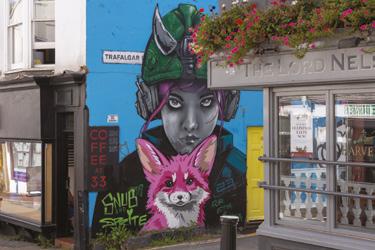

Brighton on England’s southern coast, has long been a city where innovation, leisure, and culture intersect, making it an especially compelling destination for dental professionals attending BOC. Its unique blend of historic prestige and contemporary vibrancy offers not just a backdrop for professional development, but an enriching experience which enhances it.
The story of Brighton’s rise begins in the early 19th century, when the iconic Royal Pavilion transformed the town into a fashionable retreat. Built as an extravagant seaside residence for King George IV, the Pavilion’s Indo-Saracenic design and opulent interiors symbolised luxury and forward-thinking design for its time. This spirit of boldness and reinvention resonates strongly with contemporary orthodontics, a field driven by aesthetic precision and technological advancement. It is worth making time to visit this Brighton landmark.
As Brighton developed, it became synonymous with seaside leisure, epitomised by the iconic Brighton Palace Pier. Opened in 1899, the pier quickly evolved into a hub of entertainment, hosting theatres, attractions, and social gatherings. Today, it remains one of the UK’s most visited attractions outside London, drawing millions annually. For conference attendees, the evening social event taking place on the pier offers more than a nod to nostalgia, it’s an energising reminder of how enduring experiences can evolve while retaining their original charm.
The conference social evening promises to be a true highlight - the pinnacle of the conference experience. Delegates will have exclusive access to the pier, transforming this historic landmark into a private playground of light, laughter, and connection. With tickets to the best rides, delegates can relive the carefree thrill of the seaside, whether embracing the exhilaration of classic fairground attractions or simply enjoying the atmosphere. A traditional fish and chip supper will be served, celebrating one of Britain’s most beloved culinary staples against the backdrop of the sea. As the evening unfolds, the combination of fresh sea air, entertainment, and relaxed camaraderie will create the perfect setting to unwind, strengthen professional relationships, and make lasting memories. It is not just an event, but an experience that captures the very essence of Brighton; vibrant, playful, and unforgettable.
Beyond its landmarks, Brighton thrives on creativity and individuality, nowhere more evident than in The Lanes. This network of narrow alleyways, once the heart of the old fishing village, is now filled with independent boutiques, cafés, and artisan shops. The Lanes mirror the personalised nature of orthodontic care: attention to detail, bespoke solutions, and a focus on experience. Wandering through them provides a refreshing mental reset between conference sessions, encouraging both inspiration and reflection.
Of course, no visit to Brighton is complete without experiencing Brighton Beach. The expansive pebble shoreline, with its restorative sea air and panoramic views, offers a natural counterbalance to the intensity of professional learning. Whether it’s an early morning walk before a keynote or a relaxed evening with colleagues, the beach fosters wellbeing, an increasingly vital consideration in healthcare professions.
Those looking for a fresh perspective can visit the i360 moving observation tower. It is possible to ascend the 162m spire which towers over the beach area, and from which you can see some of the best views over Brighton, Sussex and beyond.

Brighton’s appeal lies in its ability to seamlessly blend work and leisure. The city is easily accessible from London, making it easy to get to, while its compact layout ensures that key venues, hotels, and attractions are all within reach. Importantly, Brighton’s longstanding reputation as a centre for progressive ideas aligns with the evolving nature of dental and orthodontic practice.
In essence, Brighton is more than just a conference destination, it is an experience. Its history of innovation, from royal indulgence to Victorian engineering, parallels the continuous advancement seen in orthodontics.
Meanwhile, its vibrant present offers opportunities to unwind, connect, and be inspired. For professionals seeking not only to learn but to recharge and broaden their perspective, the Brighton conference will be as inspiring as it is memorable.
For more information about places to visit:
www.visitbrighton.com www.tourismattractions.net/uk/brighton-tourist-info-center www.visitbritain.com/en/destinations/england/brighton www.thehandbook.com/things-to-do-in-brighton-uk/


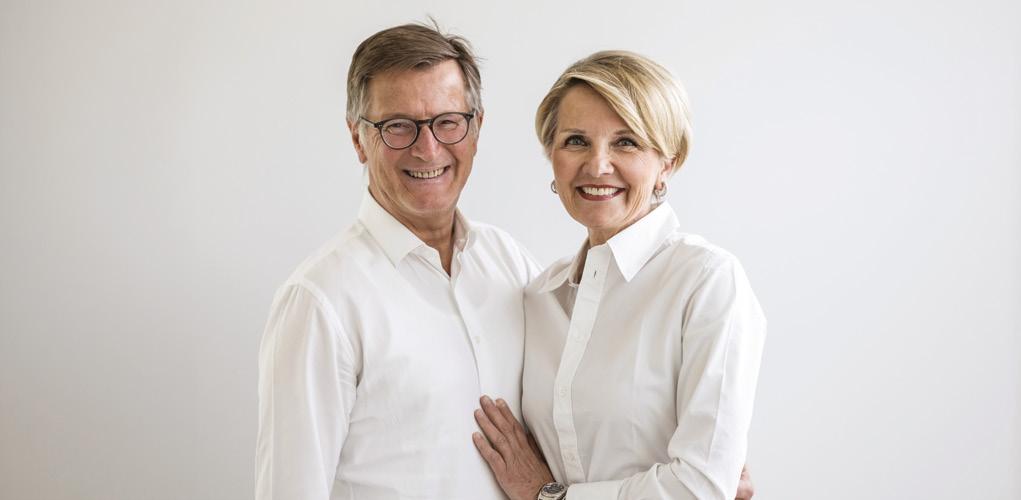
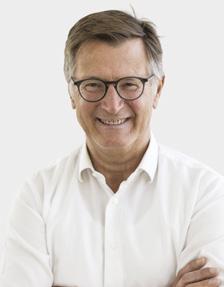
Dr Lorenz Moser returns to BOC 25 years after his last appearance, with two sessions built on a simple belief: effective orthodontics does not have to mean complicated orthodontics. One delivers practical tools delegates can use on the Monday morning post BOC. The other takes on one of the most demanding areas of the specialty.
In 1999, Lorenz Moser lectured at the British Orthodontic Conference in Harrogate, at the invitation of Professor Jonathan Sandy. The topic was quality control in an orthodontic practice. He still describes it as a truly unforgettable experience. Twenty-five years later, he is back, and the sense that this is a conference worth returning to comes through in everything he says about it.
"It is a massive honour to be back at the BOC this year," he says. He and his wife and clinical partner Dr Ute Schneider-Moser had wanted to accept the invitation for some time, and that being on the programme together clearly means something to him.
What has not changed in those 25 years, he says, is the philosophy behind the way he practises. Less is more. Keep it simple. Run a busy, high quality practice by being efficient, consistent and clear, and make sure the whole team understands what that means in daily clinical life. What has changed is the depth of experience behind those principles, and the range of situations in which they have been tested.
The title of his first session, My orthodontic lifesavers , says exactly what it means. This is not a lecture about theory. It is about the biomechanical accessories, adjustments and approaches which have made a long, demanding clinical career more manageable, without compromising on outcome. "Our lifesavers are handy tips and tricks which can speed up treatment time with simple but effective biomechanical accessories," he says. "I would like to share them with delegates at the BOC in Brighton."
These are not ideas that require new equipment, expensive additions to the practice, or a lengthy learning curve. Lorenz is clear that delegates should be able to take what they hear in Brighton and use it the following Monday, in their own practice, with what they already have. That kind of immediate practical value is rare at a conference, and he has thought carefully about it. The lifesavers apply across a broad range of scenarios too, from early treatment through to adults, extraction and non-extraction
cases, and treatments involving tooth loss. This is not a lecture built around unusual situations. It is about the everyday refinements that make a demanding schedule more manageable.
When the worst happens in the worst place
His second session moves into very different territory. Comprehensive management of dental trauma in the aesthetic zone deals with cases which are difficult in more ways than one, and Lorenz does not underplay either dimension.
The clinical complexity is real, but so is the human impact, and Lorenz is clear that the psychological side of these cases is not a secondary consideration. A traumatic dental injury in the most visible part of the face is a shock for both the patient and the family. "Apart from sound orthodontic knowledge of how to tackle these scenarios from a biomechanical standpoint, empathy is of utmost importance to guide the patients and their parents through treatment planning and the treatment itself."
What makes these cases particularly hard is the way they can unfold over time. An avulsed tooth is reimplanted. There is relief. Then, months or years later, resorption and ankylosis may mean the tooth cannot be saved after all. More than 40% of reimplanted teeth follow that path. The second conversation, when a tooth the patient believed they had kept must now be removed, is one of the most demanding a clinician can have. These are often cases involving children and teenagers. The emotional weight of that is something Lorenz takes seriously, and he talks about it with a directness which reflects genuine experience of being in that room.
Two questions, he says, usually sit at the centre of trauma management in these cases. ‘Can the tooth be maintained for a meaningful length of time, or is it already effectively lost’? ‘And if it is hopeless, should the space be closed or opened, and how should that be managed orthodontically’? These are not small decisions. They shape the entire treatment journey and the patient's long-term outlook.
His preference, where prognosis is poor, is to gain confidence in removing the hopeless tooth and closing the space with straightforward mechanics, particularly in younger patients. The reasoning is rooted in predictability and long-term periodontal health. Lengthy, expensive and uncertain interdisciplinary treatment is not always the right answer, especially for a child or teenager who needs a stable, manageable outcome.
That does not mean working in isolation. Lorenz sees interdisciplinary planning from day one as the ideal, with the orthodontist acting as the conductor of the orchestra. Digital planning, in his view, should now be standard in this kind of care, allowing a skilled team to communicate clearly and map treatment together from the start. He is also realistic. The first professional a patient reaches may be a family dentist without the skills to manage the full complexity of what lies ahead. Navigating that without undermining the referring clinician, while still putting the patient first, is a genuinely difficult position, and he does not pretend otherwise.
The two sessions cover very different ground, but they come from the same place. Lorenz has spent four decades working out what actually helps and what just adds noise. Whether he is talking about a biomechanical shortcut or the management of a traumatised tooth in a child, the thinking is the same. That judgement runs through both talks, and it is what makes them worth attending together rather than picking one.
Dr Lorenz Moser presents My orthodontic lifesavers and Comprehensive management of dental trauma in the aesthetic zone at the British Orthodontic Conference, Brighton Centre, 24 to 26 September 2026. Details and registration are available at bos.org.uk.
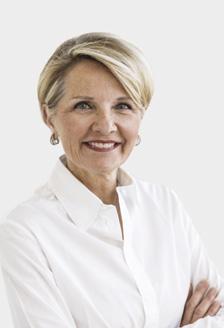
Dr Ute Schneider-Moser is speaking at BOC 2026 for the first time, bringing two topics which sit at the sharp end of modern orthodontic practice: a provocative question about the future of fixed appliances, and one of the most debated dilemmas in treatment planning.
Brighton carries some personal meaning for Dr Ute Schneider-Moser. Long before she became one of the most respected orthodontists in Europe, she came to the UK as an exchange student making her first serious attempt at learning ‘decent’ English. Decades later she is returning as a speaker at what she describes as one of the most prestigious orthodontic conferences in the world. Several previous invitations had to be declined, which makes the fact of finally being a presenter at the 2026 conference all the more significant for her.
"I am extremely happy to be presenting at the BOC in Brighton," she says. "I am very much looking forward to indulging in some nostalgic memories and to meeting our friends and colleagues at the conference."
That warmth sits alongside a clinical voice which is precise, direct and very clear about what matters. Ute has practised in Italy for four decades, where orthodontic treatment is not subsidised by the government. Patients pay out of their own pockets, expect excellent results in reasonable time, and cannot be asked to accept anything less. “We cannot experiment on patients,” she says. “We must apply evidence-based proven concepts to guide them, beginning with the end in mind, through treatment.” That context has shaped how she thinks about case selection, and it runs through both of her sessions.
The title of her first lecture, Have the final days of fixed appliances already arrived? is designed to provoke. Ute is very open about that. The scale of aligner treatment growth makes the question hard to avoid. Reported prevalence of aligner treatment now ranges between 8 and 50% depending on the setting, adult patients account for around 60%of aligner treatments worldwide, and commercial demand continues to rise. The question of what place fixed appliances still occupy in that landscape is a legitimate one. "Aligners have become a massive business," she says, "and the demand from the public is high. So the question whether fixed braces can survive this aligner storm appears justified."
But this is not a lecture driven by nostalgia for brackets, and it is not a polemic. Ute is not anti-aligner. She is anti-overstatement. What delegates will receive is a critical analysis of clear aligner performance based on current scientific evidence and long clinical experience. The goal is not to deliver a verdict on behalf of the audience but to give them something more useful: a framework for making better decisions about when aligners are the right tool and when they are not. Case selection, in her view, is where the real work is done.
Her second session, The dilemma of the missing upper lateral incisor, takes on a problem which has been debated for generations without arriving at a clean answer. The reason, Ute argues, is simple. Whatever approach is chosen, the result will always be a compromise. There is no formula that works for every patient, and the variables involved are numerous: malocclusion type, whether the agenesis is unilateral or bilateral, the shape and position of the canine, Bolton discrepancy, tooth form across the whole dentition, smile projection, lip support, gum exposure, patient age and, crucially, patient values.
"There is no cookbook recipe which can be indiscriminately applied to all clinical situations of missing teeth in the anterior maxilla," she says. "All parameters have to be taken into the equation to find the best individual solution together with the patient."
New adhesives, ceramics and restorative techniques have genuinely changed what is possible. It is now much more achievable to plan minimally invasive restorations alongside orthodontic treatment than it was in the past, whether the approach is space opening or space closure. But that progress has made the decision more nuanced rather than simpler. Space closure, often the preferred option, still requires careful management of canine reshaping, large movements, pulp health and long term gingival stability. The aesthetic result depends on getting all of those things right.
• Radiography/Radiation Protection
• Decontamination/ Disinfection
To register
Please email executivesec@bos.org.uk and enter ‘BOS CPD’ in the subject line.
Please provide your name and GDC number and you will be sent an invitation link.
This is also where the two sessions connect most directly. Ute is unambiguous about the role of appliance choice in these cases. Missing lateral incisors typically require large translational movements and precise torque control during canine mesialization, and these are movements where she believes aligners still underperform.
“Controlling canine torque during mesialization is already difficult with fixed braces,” she says, “but it is a conditio sine qua non for an optimum aesthetic outcome. Sufficient canine torque is also mandatory for avoiding vestibular gingival recessions in the long run.” Her position is not ideological. It is clinical.
Digital planning does have a role, and Ute values it particularly for communication, both with patients and across the interdisciplinary team. In complex cases it makes planning clearer from the start and allows refinement as treatment progresses, especially in the finishing phase when details of tooth length, contour and gingival balance become critical. Technology helps. It does not replace sound biomechanics.
Across both sessions, Ute is offering something which is harder to find than a new technique or a product recommendation. She is offering judgement: what works, for whom, and why it matters that those questions are taken seriously. At a time when orthodontics can feel pulled between commercial pressure, patient demand and constant innovation, that kind of steady, evidence-based thinking is exactly what conferences should make space for.
For clinicians who want to sharpen their case selection, think more carefully about appliance choice, and approach the most complex treatment planning decisions with greater confidence, both of Dr Schneider-Moser's sessions in Brighton look set to be genuinely rewarding.
Dr Ute Schneider-Moser presents Have the final days of fixed appliances already arrived? and The dilemma of the missing upper lateral incisor at the British Orthodontic Conference, Brighton Centre, 24 to 26 September 2026. Details and registration are available at bos.org.uk.

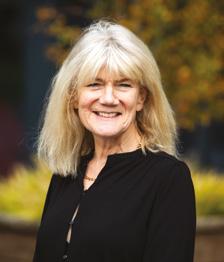
I am very pleased and excited to inform members that the British Orthodontic Society (BOS) Board have approved the development of a British Board of Orthodontics (BBO) to promote clinical excellence and recognise high-standard practitioners in the UK.
This would offer the opportunity for any clinician to demonstrate clinical excellence, and it aligns with the charitable aims of the BOS.
A small group of BOS members who have successfully sat the European Boards or the Provisional board have been convened by me (the Honorary Patron) to discuss the possible structure and implementation of a BBO. It is early days and the fine detail is still under discussion. The group debated how to adapt international standards (specifically the European Board of Orthodontics - EBO) to a UK context:
● Cases: The exact details of the cases to be presented are still under discussion and we hope to have this information to present to members at the Conference this year in Brighton. The cases will be judged by clear criteria which will be set out in a clear and open manner.
● Oral/unseen cases examination: The exact details of this are still under discussion.
● Appliances: The board will be open to all appliance types (aligners, lingual, fixed), focusing on the case assessment, diagnosis and treatment planning, case complexity and quality of the outcome rather than the tools used to achieve the result.
● Eligibility: Membership will be open to any paid-up member of the BOS in good standing, including generalists, provided they can meet the rigorous clinical standards and pass the oral exams. To continue to use the BBO qualification the clinician must continue to be a full member of the Society.
To encourage younger practitioners and trainees to apply:
● Provisional Membership: Proposed a "foot in the door" approach where trainees can submit one or two cases (to be decided) during their training to gain provisional status, with a time limit (e.g., 8 years) to complete the full 8-case portfolio.
● Accessibility: By hosting exams in the UK (likely alongside the British Orthodontic Conference), the BBO removes the barrier of international travel.
● Mentorship: The team leading this initiative emphasise the need for mentorship days and coaching will be arranged to help candidates refine their records and tracings. These days could be open to anyone interested in improving clinical standards and to increase accessibility to the BBO - again promoting the charitable aims of the BOS.
● Recognition: Discussion of tangible rewards, including large certificates and lapel badges, to provide professional prestige. Website Logos for those who achieve the BBO certificate will be available, and the BOS will promote this award as a recognition of excellence.
● Founding board members for the BBO will be recruited and may include those already holding international credentials (e.g., European Board, Lingual Board) to establish immediate credibility.
It is accepted that it will take a few years to get this off the ground as candidates will need to collect cases with appropriate records and the take up will probably be relatively slow, however it was felt that the BOS should try and align itself with other Societies and show a clear determination to uphold standards.
For any member who is interested in finding out more about the BBO please come to the BOS Stand at the Conference this year to get more up to date information.
I look forward to seeing you all at the Conference in Brighton - which has a fantastic program – with many of the best clinical speakers who might inspire you to become a diplomat of the BBO.
Alison Murray Honorary Patron







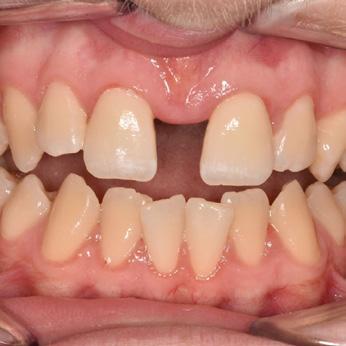





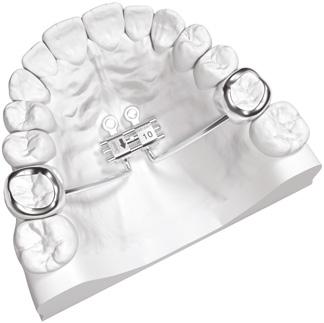
Richard Cousley and Giuseppe Perinetti present a not to be missed digital orthodontics lecture at this year’s Satellite Symposium Session at the British Orthodontic Conference.
As the profession looks ahead to the British Orthodontic Conference, one theme continues to dominate: the integration of digital workflows with advanced biomechanics. This year’s programme promises to showcase exactly how far orthodontics has evolvedparticularly in the hands of clinicians who have not only adopted innovation early, but helped shape it.
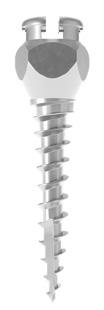
Among them is Richard Cousley, a globally recognised authority on skeletal anchorage. With more than 25 years of clinical experience, Cousley has played a pivotal role in advancing the use of orthodontic miniimplants (OMI). He is the developer of the Infinitas system, in partnership with DB Orthodontics - now the most widely used bone anchorage system in the UK, and author of over 45 peer-reviewed publications, alongside two editions of The Orthodontic Miniimplant Clinical Handbook. His clinical innovations, particularly in mini-implant-assisted mechanics, have
A Digital Solution to a Complex Class III Case
In this article, we present a case study that exemplifies the power of combining skeletal anchorage with digital planning.
The patient, a 19-year-old male, presented with:
● A mild Class III malocclusion on a mild skeletal Class III base
● Increased lower anterior vertical proportions
● Bilateral buccal crossbites
● A left-sided functional mandibular displacement
become widely adopted in both specialist practice and teaching environments. Joining him is Professor Giuseppe Perinetti, an internationally respected clinician, researcher, and lecturer. With a PhD and specialisation in orthognathic surgery, Perinetti has published over 120 papers and contributed extensively to the understanding of skeletal maturation and palatal anchorage systems. His development of the MPM method and the MaXimo distaliser has further strengthened his reputation as a leader in evidencebased orthodontics.
Together, Cousley and Perinetti will present a forwardthinking session focused on fully digital orthodontic workflows for adolescent and adult expansion using temporary anchorage devices (TADs).- offering delegates practical insight into how these innovations and technologies can be implemented seamlessly in modern practice.
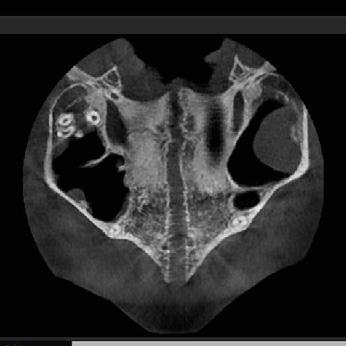
CBCT imaging revealed that the mid-palatal suture was approaching fusion, indicating limited potential for conventional expansion. Additionally, the upper molars were buccally inclined, with compensatory lingual tipping of the lower buccal segments - further complicating the mechanics required.
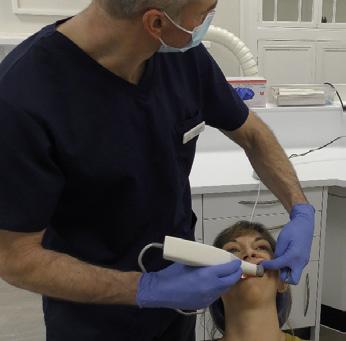
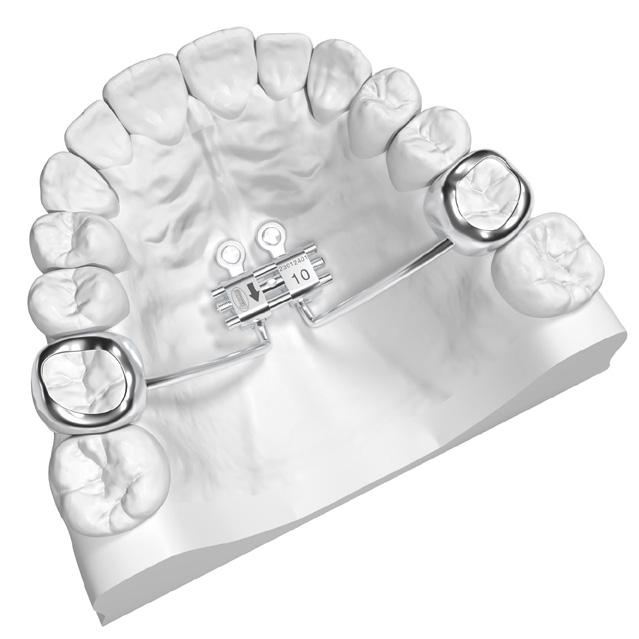
Rather than relying on traditional approaches, the treatment plan utilised a fully digital workflow in partnership with DB Digital Solutions. By merging CBCT data with intraoral scans, a precise 3D representation of the patient’s anatomy was created. This allowed for the design of a custom hybrid rapid maxillary expander (RME) incorporating anterior palatal bone anchorage.
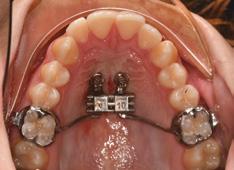
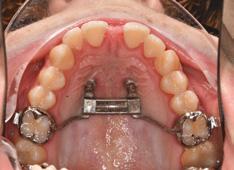
One of the most notable aspects of this case was the use of a mini-implant guidance stent from DB Digital Solutions, produced as part of the same digital workflow. This enabled a single-visit protocol, where both the appliance and mini-implants were placed at the patient’s second appointment.
The first activation of the Leone Expander was carried out on the same day, marking the beginning of active treatment without delay.
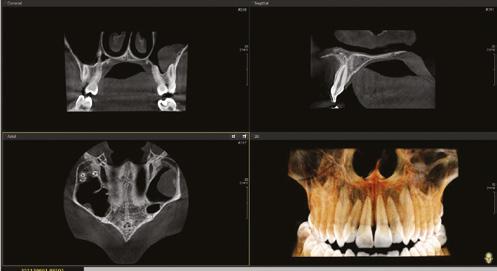
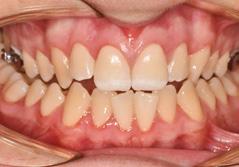
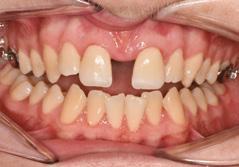
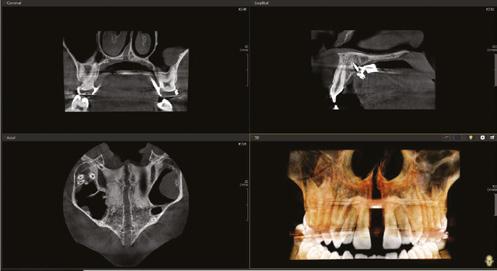
The patient followed a protocol of two turns per day (0.4 mm), achieving expansion over a three-week period. The clinical and radiographic outcomes demonstrated clear skeletal change:
● A midline diastema developed by day six
● Expansion reached 6.5 mm at the crestal level by day 21
● Radiographic analysis showed near-parallel opening of the mid-palatal suture, up to 5 mm
A further 1 mm of activation was carried out to complete the expansion phase.
This case highlights how bone-anchored expansion, when combined with accurate digital planning, can deliver predictable outcomes - even in patients nearing skeletal maturity.
This streamlined approach offers several advantages:
● Accuracy: Pre-planned implant positioning reduces variability and risk
● Efficiency: Appliance fit and implant placement occur simultaneously
● Patient experience: Fewer appointments and immediate treatment activation
As orthodontics continues to evolve, the convergence of digital technology and skeletal anchorage is opening new possibilities for treating increasingly complex cases with efficiency and precision.
The joint session delivered by Richard Cousley and Giuseppe Perinetti offers a unique opportunity to gain insight from two clinicians at the forefront of this evolution.
For those attending the British Orthodontic Conference, this is more than just a lecture - it is a practical demonstration of how innovation can be translated into everyday clinical success.
Satellite Symposium runs parallel to Thursday’s BOC morning session. See you there!
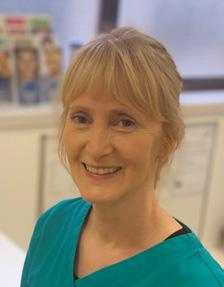
Dr Nicky Mandall delivers this year's Northcroft Lecture at BOC 2026, the most prestigious slot in the conference programme. Her talk draws on more than two decades of randomised controlled trials, a research group built on friendship and shared purpose, and a belief that the evidence base for orthodontics belongs to the whole profession.
Nicky Mandall was not expecting to be asked. She has been a consultant orthodontist and clinical lead at Tameside Hospital NHS Foundation Trust for over two decades, running randomised controlled trials in orthodontics for most of that time. She has won best scientific paper in the Journal of Orthodontics twice, received the FEO award for best scientific paper in Europe twice, and spent years examining MOrth candidates and supervising postgraduate research. Yet, when the Northcroft Lecture invitation came, it caught her off guard.
"I feel very privileged," she says. "I wasn't expecting to be asked." That combination of surprise and genuine feeling speaks volumes about her, and demonstrates how seriously she takes the lecture, and what she wants it to deliver.
Everything Nicky will present in Brighton was made possible by two things: a PhD in research methods and statistics from the University of Manchester, and a group of six colleagues who all became consultants at the same time in 2003 and decided they wanted to keep working together.
That second factor sounds simple. It turned out to matter enormously. "It's been one of those golden threads throughout the 25 years we've been working together," she says. "I would never have routinely kept in touch with those people two or three times a year once we were scattered nationally. We had a reason to meet and a purpose to meet. But it was also great because in the meetings we'd get on to other things, and we'd talk about other pressures we were experiencing as consultants. Sharing the stress of the job, because otherwise you could work for 20 years and not really discuss anything like that with colleagues."
What started as a group of newly qualified consultants who wanted to stay in touch became, over time, one of the more productive clinical trials collaborations in British orthodontics. She did not see that coming in 2003, and the fact that it still surprises her says something.
The title of her lecture, Random Reflections in Orthodontics, plays on the methodology that has defined her career. Randomised controlled trials give us the highest level of clinical evidence, but in dentistry they are genuinely hard to fund. Orthodontics does not compete well against medicine and surgery when research bodies are allocating money. That is where the BOS Foundation has made a real difference.
"Without the British Orthodontic Society, the BOSF, which channels the funding, research wouldn't be possible," she says. "Hundreds of thousands of pounds have been donated over the years to support research. Without that, none of this would have been achieved." The BOSF has funded at least three or four of her group's clinical trials directly. She traces this back to George Northcroft himself, whose vision to bring the smaller orthodontic societies together created the organisation that made the BOS Foundation possible. She has built that into the lecture deliberately.
The clinical questions her group has addressed are ones that orthodontists encounter every week: canine lacebacks, space closure mechanics, anchorage reinforcement, banding versus bonding first molars, Class II and Class III skeletal treatments, which type of palatal arch the evidence actually supports, and how long patients should wear retainers and when. The lecture will work through the trial findings with the kind of clarity that makes research feel immediately applicable rather than something to read about later.
What makes the Northcroft Lecture different from other research presentations is that it is not only about findings. Historically it has been a more personal format, given by someone looking back across a career and acknowledging what shaped it. Nicky is following that tradition, and she is taking the acknowledgement seriously.
"I stand up, my name is at the top of it all, and it looks like I've done it all," she says. "But actually, when you look, it's just incredible the amount of support I've had. There are hundreds of people who have helped me and been part of teams, including clinicians, colleagues, nurses, research assistants, and many others. It's going to be important to me during that talk to make sure the names are up there for what people have contributed."
That instinct to share credit is not false modesty. It reflects a genuine view about how clinical research works. It is a collective activity, built on relationships sustained over years, and the output looks like one person's name on a paper while the reality is something much wider.
An invitation, not just a retrospective
The most useful thing the lecture offers younger delegates may be what Nicky plans to say about getting started. Her argument is that collaborative clinical research is far more accessible than most people assume, and she wants to make that case directly.
"Just get a group of people you like, you're friends with, you want to work with and keep in touch with," she says. "Set up your group, meet once a year, set up your studies and work together. It's just a great thing, and it's not that difficult. I think people think it's difficult." She will cover ethical approval, documentation and the practical process of setting a study up, while making the point that none of it is as daunting as it looks from the outside.
Her appeal is disarmingly straightforward: "I would like everybody to set up a group of about six or seven friends and colleagues. If everyone did one study, think how amazing that would be. A thousand orthodontists, if we could produce lots and lots of research and answers to questions, but also have that lovely part of working with your friends as well."
Nicky has been to BOC many times and her appreciation for it has grown rather than flattened over the years. "I think I've come to appreciate it more as I've attended many more conferences," she says. "It just gets better and better." She talks about the international speakers, the exhibition, and the quality of the organisation behind it with the kind of enthusiasm that comes from comparison rather than habit.
"Where else do you have the opportunity to go and look at all that fantastic development the companies have produced? They work incredibly hard to give us high quality brackets, bands and wires. We couldn't do it without them."
Being invited to deliver the Northcroft Lecture at a conference she has valued throughout her career clearly means a great deal to her.
For anyone in Brighton this September wondering whether research is something they could realistically take on, Nicky's lecture is probably the most useful answer the conference has to offer. It is built on 25 years of trial work, a group of colleagues who kept meeting long after they had scattered nationally, and the quiet conviction that the evidence base for orthodontics is something the whole profession can contribute to.
Dr Nicky Mandall delivers the Northcroft Lecture, Random Reflections in Orthodontics, at the British Orthodontic Conference, Brighton Centre, 24 to 26 September 2026. Details and registration are available at bos.org.uk.

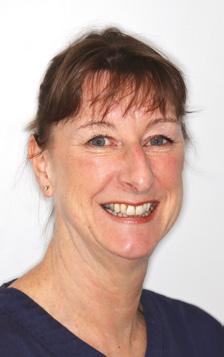
At BOC 2026 in Brighton, Tamiley Morris will make the case for something the orthodontic profession already knows but does not always act on: that the people around the specialist chair are not a supporting act. They are integral to how good orthodontic care actually gets delivered.
Tamiley Morris did not plan a career in orthodontic therapy. She planned a career in dental nursing, and she was good at it. She started at Manchester Dental Hospital, went on to work in general dental practice, the HMP dental service and specialist orthodontic practice, and eventually arrived at the Royal Stoke Hospital in 2008. By the time she got there she already had skills in oral health education, radiography, photography and impression taking. She put them to use immediately.
What changed in 2014 was the opportunity to train as an orthodontic therapist through the Yorkshire Orthodontic Therapy Course in Leeds. She qualified the following year and has worked full time as a therapist ever since, initially as the first and only therapist at University Hospitals of North Midlands, now as part of a team that has grown precisely because the value of what she does became impossible to overlook.
"As the first therapist at UHNM it has been an interesting journey establishing the service," she says. That is something of an understatement. Building a role from scratch within a busy hospital unit, working alongside multiple consultants and registrars, and demonstrating over time that a therapist can take on record taking, bonding appliances, fixed adjustments, debond, retainer reviews without any drop in standards: none of that happens without a lot of quiet, determined work. The Trust has since trained a further 2 orthodontic therapists. That is probably the most honest measure of how it went.
Her session at BOC 2026 focuses on the present and future of the Orthodontic National Group, with Debra Worthington. It is a session that could easily sound like internal housekeeping. It is not.
Tamiley became involved with ONG in the way that most useful professional commitments begin: by accident. She went to one of its study days in Birmingham, partly because high quality CPD specifically aimed at orthodontic nurses and therapists is still relatively hard to find. The day proved significant. Over coffee, she
got talking to a committee member about social media and the fact that the organisation was not using it. One conversation led to another. "Somehow I got enlisted onto the committee," she says, "and I've not managed to get off since."
What kept her there is not just loyalty. It is the recognition that for a small DCP group whose working challenges are genuinely different from those elsewhere in dentistry, having a collective voice matters. ONG sits on stakeholder groups with the General Dental Council and attends NHS dental forums where questions about legislation, scope of practice and working guidance are live and consequential. "We can be a voice for that important DCP group," she says. "In the scheme of dentistry, we're still a very small cohort, but our challenges are quite different, and it's important that our voice is heard."
She also speaks honestly about what connection means when you are working in relative isolation. When she arrived at UHNM as the Trust's first therapist, there was no one to compare notes with, no established process to step into. Getting into a room with other therapists, even twice a year, provided something that is hard to quantify but easy to understand: reassurance, perspective, and the knowledge that you are not working through things alone and in isolation.
If there is one thing Tamiley wants delegates to take away from Brighton, it is not complicated. "Use the skill mix you have available," she says. "Use the skills of the team to the best of their ability."
It sounds obvious but it often does not happen. Nurses with post-qualification training in radiography, photography, scanning and impression taking are frequently not used to their full capacity. When they are, the difference is tangible. Records clinics can be nurseled. Oral health support can be separated out and given proper time. The preparation work that tends to sit at the beginning of treatment can be handled before it reaches the specialist at all.
For therapists, the picture is even clearer. Direct IOTN scoring, bonding, fixed adjustments, debonds, retainer reviews: each of those tasks, done by a therapist, frees a specialist to focus on the complex patient management and technically demanding work that genuinely requires their level of training. "It leaves a better working day for the specialist," she says. “Not a simpler one. A better one, because the right people are doing the right work.”
This is not an argument about expanding scope or pushing professional boundaries. It is an argument about using what is already there. The skills exist. The training exists. The question is whether services are organised well enough to make use of them.
Tamiley is realistic about the pace of change. She does not predict dramatic shifts in scope of practice. What she does point to is something more quietly significant: the apprenticeship route into orthodontic therapy has made training more financially accessible for nurses who might previously have ruled it out. That changes who can realistically progress, and where the next generation of therapists might come from.
Her answer, characteristically, brings it back to the team. A good nurse who already understands how a specialist works is not just a good nurse, this is the foundation for someone who could become an excellent therapist. "If you work well as a nurse and your knowledge is good and you continue to learn chairside," she says, "that is your basis to progress into orthodontic therapy." Many future therapists, in other words, are already in the building. That is worth sitting with. It suggests that the orthodontic workforce is not short of potential. It may simply be short of the structures, support and recognition needed to develop it.
The British Orthodontic Conference takes place at the Brighton Centre from 24 to 26 September 2026. For anyone who leads a team, manages a department or cares about how orthodontic care is delivered and sustained, this session is one that will resonate well beyond its title.
ONG: Past, Present and Future will be presented at the British Orthodontic Conference, Brighton Centre, 24 to 26 September 2026. Debra Worthington will cover the group's history, with Tamiley Morris focusing on its present and future. Details and registration at www.bos.org.uk/boc2026

1 2
1. Brighton Palace Pier- we’ve got you covered!!
Arcades, rides, candy floss, and ocean views— this is classic seaside fun done right. Bonus points for fish & chips at sunset!
Enjoy Brighton’s top attraction on us…join us for an evening on the Pier on Friday 25th September 2026

Think royal palace… but make it exotic. Domes, dragons, and seriously fancy interiors—this place is wild (in the best way).
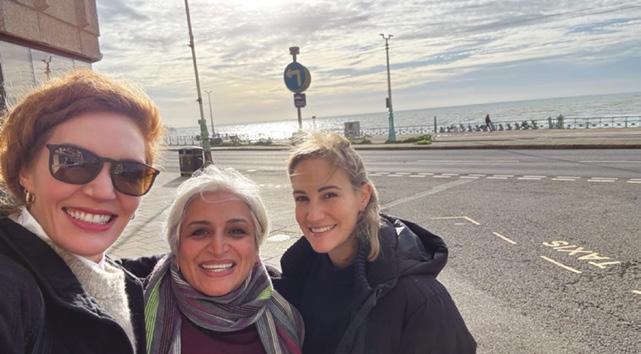
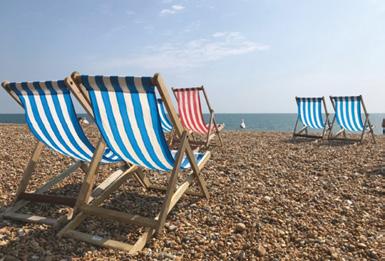
3. Brighton Beach
Pebbles instead of sand, but the vibes? Immaculate. Chill, swim, or just soak up the sea air. Why not experience Brighton’s Beach Box Saunas? https://beachboxspa.co.uk/
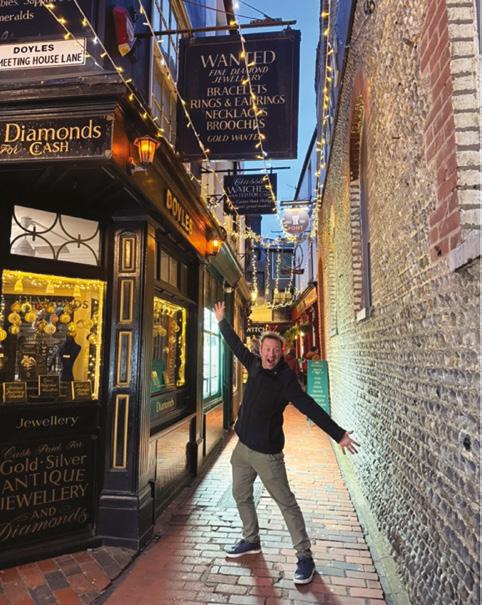
4. The Lanes & North Laine
The heart of Brighton independent shopping. Twisty streets, indie shops, vintage treasures, and cool cafés—perfect for a wander (and maybe a cheeky spend).

5. Brighton i360 - we’ve got you!!!
Float above Brighton in a glass pod and soak up insane views of the coast and countryside.
Not only are we holding the speakers evening here (Thursday 24th September 2026) but we’ve secured a a hefty discount for all BOC 26 delegates (£12 a flight, usually £20.50)… you’re welcome!!
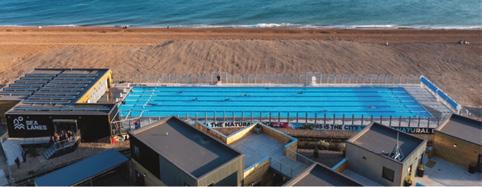
6. Outdoor swimming at Sea Lanes Brighton- don’t forget to pack a cossie!!
Sea Lanes Brighton is the UK's first National Open Water Swimming Centre, featuring a heated 50-metre, 6-lane outdoor pool on Brighton beach. Open year-round, it offers a 15–19°C, chlorinated pool designed for training and building confidence for open water swimming.
7. Vineyard Tours of Sussex
English wine is growing in popularity and world wide recognition so why not make a weekend of it and book a tour of the Sussex vineyards, taste some of the delights of English wine?
https://www.shuttleandvine.co.uk/shuttle-trips
8. Brighton Marina
Food, drinks, shops, and even water sports— perfect if you want a modern seaside vibe.
9. Devil’s Dyke
Need a breather? Head out for jaw-dropping views and peaceful countryside walks just minutes away.
Because there is still so much more on offer…you could try…
● Cycling along the seafront
● Zip-lining over the beach
10. Brighton Dome
Live music, theatre, comedy—end your day with something unforgettable.
FREE registration with iLearn CPD in mandatory topics
• Medical Emergencies
• Radiography/Radiation Protection
• Decontamination/Disinfection
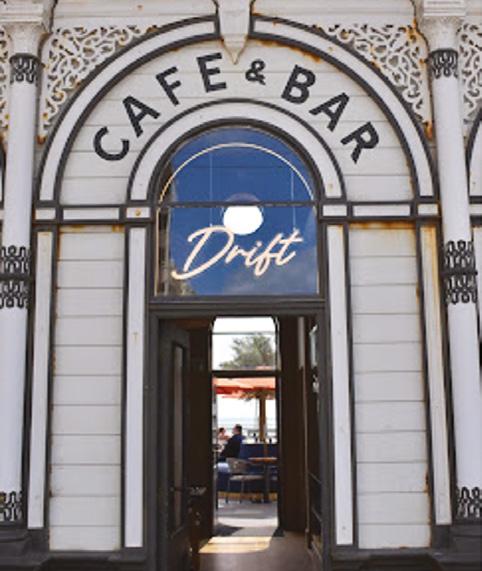
● Drift Bar and Kitchen – right near the Brighton i360…we are so well connected we have secured all delegates 20% off all food orders over the course of the conference. Just flash them your badge and enjoy your discount on us!
To register
Please email executivesec@bos. org.uk and enter ‘BOS CPD’ in the subject line.
Please provide your name and GDC number and you will be sent an invitation link.
www.bos.org.uk
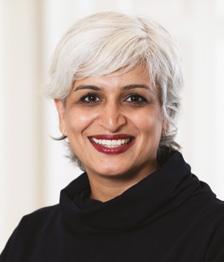
Dr Anshu Sood is leading on partnerships and the Satellite Symposia for BOC 2026. A specialist orthodontist with years of in-practice and BOS committee experience, she explains why the exhibition matters so much and is worth making time for
There’s a unique energy that fills the exhibition hall when the entire orthodontic community comes together under one roof. It’s more than just a gathering place, it’s where experience, curiosity, and innovation coincide in real time. It is where orthodontists connect with companies and gain insights which go beyond brochures and sales pitches. It’s a place to encounter new brands, tools, and techniques you may be encountering for the very first time. This often reveals a notion you didn’t know existed, sparks a conversation, a hands-on exploration or the translation of theory into clinical reality.
Dr Anshu Sood has witnessed this dynamic time and again, and it never loses its impact, because in those buzzing aisles, orthodontics isn’t just being discussed, it’s being challenged, refined, and advanced together.
Anshu has been part of the orthodontic world for a long time. She qualified from the University of Sheffield in 1998, later completed her specialist orthodontic training there, and has worked exclusively in specialist practice since 2006. Over the years she has also taken on a number of wider professional roles, including positions within the Orthodontic Specialist Group and the British Orthodontic Society. In her BOC committee role for 2026 she has responsibility for partnerships.
Her enthusiasm is infectious. She knows the clinical side of orthodontics, but she also understands how the profession benefits from forging relationships with product innovators. As she comments: “The exhibition hall brings something to the conference that makes it really unique and quite special,” she says. “There is nowhere as big as the exhibition at BOC, which is absolutely dedicated to orthodontics and to the education and communication about orthodontic products.”
The Satellite Symposia: something for everyone
If you attended BOC most recently, you will have seen the Trade Theatre sessions, where sponsors delivered their own content to a dedicated audience. This year they return under a new guise; Satellite Symposia. The main BOC lecture programme has always been carefully protected as an academic platform, and Anshu is clear that this still matters. But she also sees the value in giving exhibitors, sponsors and experienced clinicians a place
to talk in more depth about how products are actually being used in contemporary orthodontics.
“It suits the dual purpose of sponsors being able to talk about their new advances, as well as experienced and respected clinicians being able to show how they can be used to their best ability,” she says. “All clinicians can learn something from the products which will be showcased, often before they become more mainstream in orthodontic care.”
That is probably why the Satellite Symposia work. They are not trying to compete with the academic programme. They offer something different alongside it. For delegates, that means a chance to hear how products perform in real clinical situations, whether the topic is aligner systems, 3D printing, digital workflows or newer technologies still finding their place in mainstream practice. Anshu’s view is simple: “There will be something there for everybody”.
As the committee lead for exhibitor partnerships at BOC 2026, Anshu has spent the past months working with sponsors and commercial partners to make the Brighton exhibition the best version of itself. One thing she comes back to more than once is the value of face-to-face conversation, and not in a vague, good for networking way. She means something more specific. “During a normal clinical week, there is rarely a moment to stop and think about what else is out there, what products colleagues are using, what has changed in the market, or what might be worth trying. The exhibition hall at BOC creates that moment.”
“Any questions you might have about the products you’re using, or alternatives, or what your colleagues are using, you’re able to go to the exhibition hall and have a direct conversation,” she says. “And I think that face to face conversation is so much more valuable than doing it via email. Sometimes we just don’t even know what’s available on the market until we see the exhibitors.”
That is a big part of what makes the exhibition matter. Without it, BOC would still be a strong lecture programme, but it would lose something practical and immediate. The ideas discussed on stage would stay there. With the exhibition running alongside it, delegates can hear about a new material, workflow or system in
a session, then walk straight out and see it properly, ask questions, compare it with alternatives and work out whether it might actually fit into their own practice.
That lecture to stand journey is part of what makes the conference hard to replicate in any other format. You can read about products later. You can answer emails later. What is harder to recreate is the chance to be in the room, see things up close, and have the sort of unhurried conversation that often gets squeezed out of everyday working life.
Anshu does not pretend conferences are only about education. She is very open about the human side of it. Professionally, she enjoys seeing what is new and what exhibitors are bringing to the market. Personally, she enjoys seeing familiar faces.
That matters more than it can sometimes seem. Orthodontics is a specialist field, but it is also a close one. People move between training, practice, teaching and leadership roles. Suppliers and clinical teams build long standing relationships. BOC gives those people time together in a way ordinary working life does not.
Anshu thinks exhibitors value that too. They get the chance to spend proper time with customers, not only in the exhibition itself but socially across the conference as well. Those conversations are often more relaxed and more useful than the quick catch ups that happen when someone drops into practice in the middle of a busy day. “I think that kind of quality time that we all spend together is really quite special and quite unique,” she says, “and it really drives the profession forwards.”
It is a good point. Progress in a profession does not only come through papers and lectures. It also comes through conversation, through seeing what others are doing, through hearing what is changing and through asking better questions.
Ask Anshu for one practical tip to make the most of the exhibition and she does not hesitate. Start at the back of the hall and work your way forward. It sounds simple, but it matters. Delegates who begin at the entrance tend to get drawn into conversations early and run out of time before they reach the far end. The exhibitors at the back deserve the same attention as those by the door, and the only way to give them that is to plan for it.
The Passport for Prizes competition returns this year too, giving delegates another reason to move through the whole hall and engage with stands they might otherwise have missed. It is worth doing properly. Anshu is also keen for people not to overlook the poster displays in the exhibition area. They can be easy to pass by, but they often contain valuable learning points and represent a huge amount of work from trainees and other contributors.
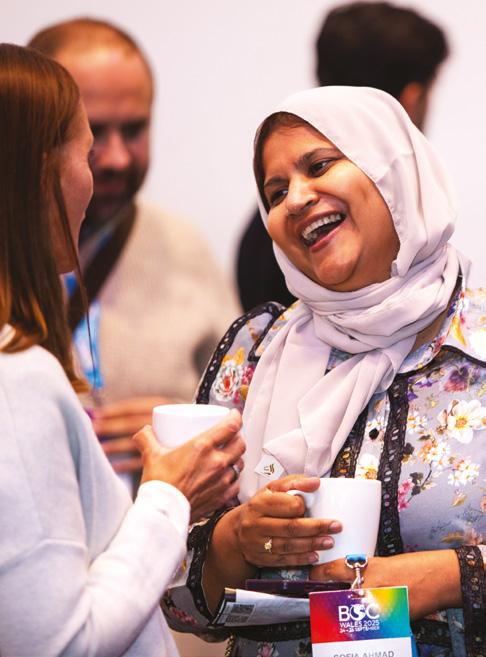
For anyone still on the fence about Brighton in September, she is direct. “If you are undecided, just dive in and do it,” she says. “There is no way that you’re going to regret coming. There is no way that you’re going to leave having not learned something, met somebody you haven’t seen for ages, or taken away a piece of valuable information that you’re going to put into your clinical practice the day that you return.”
It is hard not to be persuaded by that, partly because it does not sound like a sales pitch. It sounds like someone who knows the conference well and knows what people get from it. BOC 2026 takes place at the Brighton Centre from 24 to 26 September, bringing together delegates from across the orthodontic community for three days of lectures, discussion, discovery and connection.
If you are making the trip to Brighton, make time for the exhibition and Satellite Symposia as well as the lecture theatre. By the sound of it, that is where some of the most useful conversations of the conference will begin.
Ask her what she is looking forward to and the answer is the same one most delegates would probably give: “Seeing people. Orthodontics is a small world, and BOC is one of the moments when that world comes together”.
BOC 2026 takes place at the Brighton Centre from 24 to 26 September. Details and registration at www.bos. org.uk/boc2026
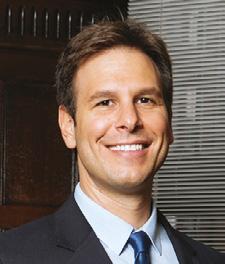
Dr Ektor Grammatopoulos’s main lecture at BOC 2026 highlights the critical intersection of orthodontics, restorative dentistry and surgery in complex cases. His Studio Session then brings this multidisciplinary approach into everyday practice, with actionable advice on partnering with restorative dentists.
Dr Ektor Grammatopoulos has spent much of his career working on the sort of cases that do not fall neatly within one specialty. He qualified from Newcastle in 2004, went on to further training in restorative dentistry, paediatric dentistry and oral and maxillofacial surgery. He qualified as a specialist orthodontist in 2010 and as a consultant in 2012. He was appointed as a Consultant Orthodontist at Guy’s and St Thomas’ Hospitals and Senior Specialist Clinical Teacher at King’s College London in 2012. He remained in the post until 2020. He now works full time in private practice in London, where his work focuses treatment of complex and multidisciplinary cases.
That makes him a natural fit for a session entitled Venn Disciplines Meet: The Orthodontic-RestorativeSurgical Intersects. The title sounds broad, but the idea behind it is straightforward. Some patients cannot be treated to the best possible standard if orthodontics is planned in isolation. When skeletal discrepancy, missing or genetically small teeth, tooth wear or heavy restorations enter the picture, the best result often depends on different specialties working together from the start, not being brought in later when options have already narrowed. “Multidisciplinary cases tend to be the most challenging from a number of different perspectives,” he says, “but they can also achieve potentially the most optimum outcomes. When a lot of different people have had input for a patient, the results can be more compelling and also more interesting from an educational point of view.”
One of the more useful points Ektor highlights is the importance of clear communication. “You need to have optimal communication with your colleagues, you need to have an aim towards a similar goal, and the orthodontics needs to be adjusted accordingly,” he says. “We all need to be singing from the same hymn sheet.”
The cases he plans to present involve combinations of skeletal discrepancies, worn down, small and missing teeth, crowding and severe malocclusions. Orthodontics alone would have addressed only part of the problem and resulted in a compromise. Involving the full team is what allowed the treatment to be sequenced carefully and the outcome to be optimal. The question is not only what can be done, it is what should be done if the aim is to get the best result for the patient.
Part of what makes the topic timely is that patient expectations have changed. Restorative dentistry has advanced, implants are more widely used, and patients are more aware of what is possible. The orthodontic part of a treatment plan which includes restorative work is often very different from a case where restorative dentistry will not be part of the process, and the communication needed to manage it well is more demanding too. “In the past, orthodontists rarely communicated that much with restorative dentists,” Ektor says. “But as restorative dentistry is evolving and patients’ expectations rise, the collaboration between orthodontics and restorative dentistry is becoming more essential.”
That shift is really at the centre of his lecture. He wants delegates to see not only the final results, but how the cases were thought through, how the treatment was sequenced, and how the orthodontist, restorative dentist and surgeon worked together on the same patient.
Alongside the main lecture, Ektor is also presenting a Studio Session, which he describes as focusing on what he calls “My ten clinical pieces of advice when working with restorative dentists”. It sounds like a useful companion piece. If the lecture is about the wider philosophy and the case planning behind multidisciplinary care, the Studio Session brings the conversation into the daily realities of practice.
FREE registration with iLearn CPD in mandatory topics
• Medical Emergencies
• Radiography/Radiation Protection
• Decontamination/ Disinfection
To register
Please email executivesec@bos.org.uk and enter ‘BOS CPD’ in the subject line.
Please provide your name and GDC number and you will be sent an invitation link.
www.bos.org.uk
He says the session will cover how orthodontists can communicate and plan better with restorative dentists, how orthodontic treatment can improve the restorative result, and how retention fits into that relationship, which he describes as crucial. It is a practical session by design, built around principles and advice clinicians can apply to real cases.
The smaller discussion style format should suit the subject well. The main lecture gives the broader picture. The Studio Session gives delegates the opportunity to get into the detail and ask the sort of follow up questions which don’t always land in a larger arena setting.
What comes across is that Ektor is not interested in multidisciplinary care as a buzzword. He wants to show how it works in real cases and how better communication between disciplines changes the result. He describes both sessions as clinically applicable, focused on real life treatment planning, with information colleagues can take back into practice quickly.
For delegates interested in complex cases, better sequencing, and a clearer understanding of how orthodontics fits into restorative and surgical planning, this looks like one of the more practically useful combinations in Brighton.
The British Orthodontic Conference takes place at the Brighton Centre from 24 to 26 September 2026. Dr Ektor Grammatopoulos will present both his main lecture and Studio Session during the meeting.
When should clear aligners be used in growing patients and where do their limits still lie? Dr Emmanuel Dumu’s session at BOC 2026 will tackle both questions and talk about clinical experience, case selection and early intervention.
Dr Emmanuel Dumu recalls a recent conference in Copenhagen where he presented a case involving a teenager with two impacted premolars. He had decided against extraction, and not everyone in the room was immediately convinced. However, he showed that as the case developed, the logic of that decision became harder to dispute. It is a useful reflection of the role he now occupies within orthodontics. He is not simply advocating aligners for growing patients, he is suggesting colleagues look again at what is possible, to separate outdated scepticism from current evidence, and to think more carefully about timing, indications and clinical judgement.
Based in Brussels, where he runs Pebs Orthodontics, Dr Dumu lectures internationally, leads two orthodontic practices, and established what became the first Invisalign Centre of Excellence in Belgium. He is also head of the orthodontics course at Haute Ecole Libre de Bruxelles Ilya Prigogine, combining clinical work with teaching and a long-standing interest in communication.
What gives his comments weight is that he did not begin as a believer. He started treating growing patients with aligners in 2018, but before that he was doubtful. The hesitation many orthodontists express about the modality for treating growing patients is something he recognises because he shared it. His view now is not that his concern was misplaced, but that the treatment modality has moved on. "For me, the scepticism is no longer about whether aligners can work," he says. "It's about where they work best, and what the indications and the limitations are."
His session at BOC 2026, Catch it Early: Clinical Pearls for Aligner Treatment in Growing Patients , is built around one central premise: many orthodontists are waiting too long. "Timing is never based on age alone," he says. "It's based on opportunity." The indicators he looks for include mixed dentition stages where eruption guidance can still change the future trajectory, early crowding, developing transverse deficiencies, anterior or posterior crossbite tendencies, and Class II patterns where earlier correction may reduce complexity later on. His focus is not simply on what can be corrected now, but on what can be prevented from becoming harder to manage in future.
That shift in mindset runs through much of what he says about growing patients. He repeatedly speaks about phase two and how much easier it can be when the groundwork is done earlier. "My new thinking is: how
can I simplify phase two? With aligners, we can simplify it so much that it's a real pity not to use them. You look at a 14-year-old and think, if I could have increased the arch length earlier, prepared the space, I would have prevented those impacted canines. The window closes." In practical terms, that means treating crowding, arch length and space management in the mixed dentition years as opportunities rather than problems to revisit later.
Dr Dumu is careful not to present the profession's scepticism as irrational. The first generation of aligners was not designed for growing patients, and the evidence base was insufficient to warrant broad confidence. In that sense, caution was understandable. "In our profession, we need a little bit of evidence before getting enthusiastic," he says. "That's healthy."
What he argues has changed is the quality of the tools and the level of understanding around them. He points to recent studies and systematic reviews supporting meaningful dento-alveolar effects in growing patients, including arch development, space management, eruption guidance and selected Class II correction.
At the same time, he is explicit about the limits. Maxillary expansion with aligners may be effective in some cases, but he does not claim that aligners replace rapid maxillary expansion in severe transverse skeletal discrepancies. "If it is skeletal, I will use an EIP or a hyrax. I would not say I'm going to use only the plastic for that. The point is not to exaggerate what aligners can do, but to understand more precisely where they belong.”
That measured approach is likely to be one of the strengths of the session. The appeal is not that it promises a universal solution, but that it is designed to help clinicians make better decisions. For an audience which may still associate aligners in younger patients with overstatement or weak case selection, that distinction matters.
If there is one objection that still surfaces quickly in discussions about younger patients and aligners, it is compliance. Dr Dumu does not dismiss the concern, but he does reframe it. "Compliance is not only a patient issue," he says. "It's a communication issue."
He argues that children and parents are far more likely to engage well when the goals are visible, progress is
measurable, and the reasoning is clear. Digital planning has changed what that communication looks like in practice. Families can see what is being proposed, why it matters, and what the intended outcome is. "Before, the patient had to believe you. They came because of your reputation. Now, with digital planning, it's something families can see, understand, and believe in." He describes his iTero scanner not simply as a clinical device but as a communication tool. In early treatment, where timing, family engagement and long-term planning all matter, that distinction becomes significant.
For orthodontists who are curious but unconvinced, his advice is practical. Start with cases that are highly suitable: mild to moderate crowding, early arch development needs, mild transverse dento-alveolar deficiencies and motivated families. "Do not begin with the case that belongs on a congress podium. Begin with the case that lets you learn the biomechanics, the staging, the attachment strategy, the monitoring."
He is equally clear about a particular trap to avoid. "Do not copy adult aligner thinking into a growing patient. Growing patients are not smaller adults. Their biology, eruption, compliance, psychology and treatment timing are all different. Once you understand that, aligners become far more predictable." It is one of the more useful points in the interview, because it moves the conversation away from brand or technique and back to fundamentals.
Ask what delegates can expect and the first word he uses is energy. Behind that, though, is something more substantial: real cases, acknowledged failures, honest limitations, and practical strategies that clinicians can take back into practice. "I want them to leave with more than inspiration," he says. "I want them to leave with clinical confidence."
That feels well-judged for where orthodontics now stands. Parents increasingly expect aesthetic treatment options. Younger patients expect comfort. The conversation around aligners in growing patients is no longer peripheral. It is becoming part of a broader rethinking of how and when orthodontic care begins, and the evidence is moving with it.
For orthodontists who want a clearer sense of where aligners can genuinely help, how early intervention can be used more strategically, and what more confident case selection looks like, Dr Dumu's session promises something useful: not just enthusiasm, but a framework for thinking. The British Orthodontic Conference takes place at the Brighton Centre from 24 to 26 September 2026. On this topic, Dr Dumu looks set to give delegates plenty to think about, and good reason to be in the room.
Dr Emmanuel Dumu presents Catch it Early: Clinical Pearls for Aligner Treatment in Growing Patients at the British Orthodontic Conference, Brighton Centre, 24 to 26 September 2026. Details and registration are available via the BOS website.
If you are interested in assisting the museum and helping to preserve orthodontic heritage then please consider joining our team of Supporters of the Museum, who are a vital support to the work of the museum. To register your interest, please contact the Chair of A&M archiveandmuseumcommittee@bos.org.uk
www.bos.org.uk
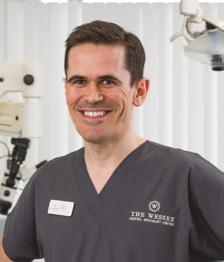
Dr Angus Pringle will open the Friday programme at BOC 2026 in Brighton with a presentation that draws directly on his own life experiences. Honest and personal, it is likely to be one of the more reflective sessions of the conference.
From the outside, orthodontics can look like a profession full of people who have it together. Highly trained, highachieving, used to getting things right. For a long time, the profession did very little to challenge that image. Vulnerability was not really part of the conversation.
Dr Angus Pringle thinks it is time that changed. His session at BOC 2026, ‘Overcoming Adversity: holding onto hope and finding purpose ’, is not a clinical lecture or a tidy framework for getting through hard times. It is something more personal than that: a look at what he has actually been through, what it taught him, and why he thinks these conversations matter far more than the profession has historically been willing to admit. "It is front and centre in my own life," he says. "My own adversity. Where I will be honest, I was completely unprepared. My life has taken turns I have not chosen, and at times I have felt like a bit of a passenger. There are a lot of lessons I have learned from that, about what you can do to manage and cope when life does not always feel in your control."
He is currently navigating what he describes as the hardest work situation he has faced in nearly 25 years of practice. He does not need to spell out every detail for the point to land. The point is not the specifics. It is that he is dealing with it now, and that the things he has learned over a career are what is getting him through. "It is a lot about acceptance," he says. "Being in a position where there is not always much you can control, and accepting that rather than grieving it. Focusing on the wellbeing skills you actually possess, and understanding that it is not permanent. It is only temporary."
What healthcare still finds hard to admit
Dr Pringle trained as an NHS consultant before moving into a specialist role, and then fully private practice. It has been, in his own words, a journey of surprises. But what has come into focus most sharply in the past decade is not clinical technique or business strategy, it is the human side of the job: the staff who often go unacknowledged, the pressures that are rarely spoken aloud, and the culture within healthcare that actively discourages people from admitting they are struggling.
"We have an inherent assumption in healthcare that we are somehow better equipped to deal with life's challenges than the general public," he says. "We are
not. We are actually more vulnerable, and we reach out for help at a much later stage - whether that is from a wellbeing point of view or with other challenges. The sooner you reach out, the sooner you can get care and the sooner you can be on that path of recovery."
The barriers to doing that, he argues, are built into how clinicians are trained. The emphasis is on excellence, on getting things right, on being the person who has the answers. Admitting vulnerability has long been seen as something close to failure.
"We are so highly trained in clinical skills and there is often a lack of appreciation for what I would call human skills rather than soft skills," he says. "In order to have selfcompassion, or compassion towards others, you need to be able to acknowledge your own vulnerability. That is not weakness. Acknowledging challenges is actually one of the core parts of being resilient."
Post-COVID, the pressures have become harder to ignore. The pandemic took away control in the most immediate way possible: clinicians could not work, could not see patients, could not plan. Then came the boom, the sense that things were looking up, and then the slow realisation that the boom was not going to last.
"We all had a boom period and we thought it was going to continue," Dr Pringle says. "And suddenly you are realising it is not as rosy. Inflationary costs, changing patient habits and expectations, more complaints, more referrals to regulators. We are mourning a golden period we did not really appreciate until it was gone."
The atmosphere with patients has shifted too. Social media and mainstream media portray healthcare as simple, quick and largely pain-free. The reality is considerably more complex, and when patients arrive with expectations shaped by what they have seen online, the gap between expectation and experience can make for difficult conversations. Add to that the changing landscape within orthodontics itself, and the question of where specialists fit and how patients perceive their value has become a live one for many clinicians. "It can feel quite isolating and threatening," he says. "Where is our role within healthcare now? That is a question a lot of people are sitting with."
At the centre of the talk is self-compassion. Not as a vague concept, but as something specific: treating yourself with the same kindness you would extend to a patient. For many clinicians, he says, that is genuinely difficult. The training instils a drive towards perfection that makes it hard to be gentle with yourself when things go wrong. "We are so used to excelling in life, and sometimes if we are not, we can be really quite hard on ourselves," he says. "The talk is about looking at real things I have done to overcome challenges and how that has helped - and the reassurance that you are not alone. That permission to be human, to care for ourselves and to receive care too."
The same principle extends to teams. Dr Pringle is candid that this is something he has had to learn rather than something that came naturally. Over the past few years he has been working deliberately on building what he calls a psychologically safe environment in his own practice, which forms the basis of his second BOC session ‘In this together: building resilient and psychologically safe teams’ on the Saturday. "Dedicating the time to care for your staff just as much as you care for your patients is critically important," he says. "And sadly, for a lot of us, we do not actually do that. I am on a journey of enlightenment on this myself. I am not perfect,
Dr Pringle is aware that sessions on wellbeing and resilience can feel like a harder sell than clinical lectures. Conferences are expensive to attend, and people want
clear, takeaway learning. He understands that. But he also thinks the value of being in a room with peers, having real conversations during coffee breaks, lunches, and social events, is something an online course simply cannot replicate.
"In a world that is becoming more digital and more disconnected, that person to person contact is becoming more important, not less," he says. "And the conversations that happen around a conference, not just in the lecture theatre, are so important for our wellbeing."
As for the sessions, he hopes they will reach people at every stage of their careers; junior clinicians who were never given permission to talk about difficulty; mid-career orthodontists who are carrying pressures both at work and at home; senior clinicians who perhaps qualified in an era when none of this was discussed at all. "Burnout, anxiety, depression: these happen in healthcare just as they happen everywhere else," he says. "We are just as human as our patients. We need to be having these conversations - and I think it is a really good sign that we are starting to."
For delegates in Brighton, these sessions speak to the realities of practice in a way clinical lectures often cannot. Not because they will offer easy answers, but because they will make space for a conversation the profession increasingly seems ready to have.
The British Orthodontic Conference takes place from 24 to 26 September 2026 at the Brighton Centre. Dr Pringle will present ‘Overcoming adversity: holding onto hope and finding purpose’ on the Thursday and ‘In this together: building resilient and psychologically safe teams’ on the Saturday.
For Dr Charlie Dugdale, BOC works best when the social programme feels as considered as the scientific agenda
It is easy to think of the social side of a conference as the add on, the bit that happens after the real work is done. Charlie Dugdale does not see it like that. For her, it is an integral part of what makes BOC feel like a destination event. Not because the lectures matter any less but because orthodontics is busy, pressured work. We feel it is important for delegates to leave the conference with not only an action list of new ambitions, but with happy memories, a fresh perspective and sense that they are part of a community.
Charlie is on the BOC committee and leads on the social programme for Brighton 2026. She wants the conference to be both engaging and beneficial - yes, there is a packed scientific programme, but there should also be time to see people properly, get out into the city and enjoy being away from the day job.
“I think it’s a really nice way of justifying time and money away from the clinic,” she says. For her, the value is not only the CPD, it is also what the conference gives back in a less measurable way: the chance to catch up, offload, talk things through and return feeling a bit lighter than when you arrived.
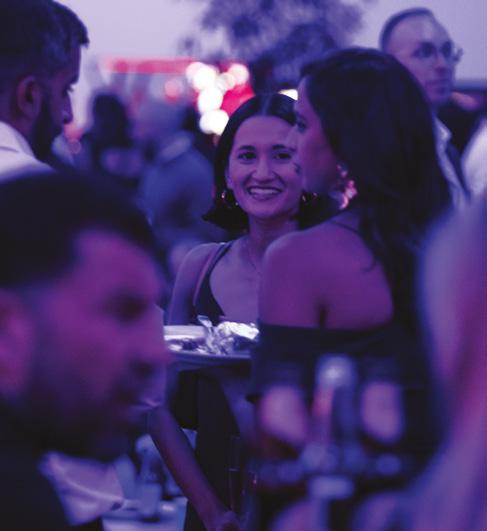
Friday night is the star attraction. A Brighton Pier takeover from early evening until midnight. It will be fun rather than formal. There will be live music, fish and chips served in cones, , access to a number of fairground rides including the dodgems, rollercoaster and House of Horrors. The organising team are aiming for a carnival atmosphere full of performance and amusement. There might even be the chance to feed the machines in the penny arcades and enjoy the full pier experience.
This is a chance to let your hair down. This is not black tie and it isn’t another evening in formal work mode. It is about people being able to relax, have a laugh and possibly see their peers in a new light. She puts it nicely when she says BOC should give delegates the chance to be the social version of themselves, not just the professional one.
Charlie also makes the point that social events help people connect beyond their usual professional circles. BOC naturally brings together colleagues who already know each other, but a setting like Brighton Pier tends to change the dynamics; geography and hierarchy matter less when everyone is in the same informal space, and conversations that might not happen in a conference corridor become much easier over live music and fish and chips on an iconic Victorian pier.
Charlie thinks Brighton suits BOC well. It is easy to get to, has an open and friendly vibe and is packed with things to do if people want to make more of the trip. The bucket list she has put together gives a good sense of that, from Brighton Beach and the Royal Pavilion to the Lanes, Sea Lanes, vineyard tours, the West Pier ruins and Brighton Dome. It makes the case for staying on, bringing family, or just giving yourself a bit more time around the conference rather than rushing straight in and out.
For this reason, Thursday evening is deliberately flexible, so after a welcome drinks reception, delegates will have time meet up with friends, make dinner plans or get out and see a bit of the city. Not every evening needs to be tightly arranged. Sometimes it is better to allow breathing room for people to create their own itineraries.
There are a few useful extras arranged to help. BOC delegates can get a discounted flight on the Brighton i360 for £12 instead of the usual £20.50, and Drift Bar and Kitchen, near the i360, is offering 20% off food orders during the conference to anyone showing a delegate badge. Small things, maybe, but they help make the city feel part of the event rather than just the backdrop.
I do like to be beside the seaside
Charlie describes the social side of BOC not as an optional extra but as central to the experience. In her view, it is where people can start to decompress and connect with the wider community around them. That feels particularly relevant at a time when members are thinking carefully about where to direct their time and money. Charlie is realistic about that. Her case for the social programme is not separate from the case for attending BOC overall. It is an integral part of it. The conference works best when delegates give themselves permission to step away from professional mode for a few hours, and Brighton, with its special energy is the antidote to a serious professional life.
If you are planning to attend BOC 2026; the social programme is included in the registration fee so join the welcome drinks, head to Brighton Pier on Friday evening, and explore all the city has to offer - after all work and no play….
The British Orthodontic Conference takes place at the Brighton Centre from 24 to 26 September 2026. More details, accommodation and registration information is available at bos.org.uk.
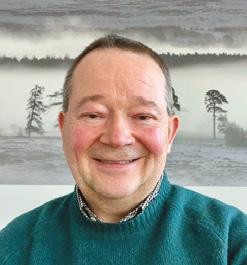
Long before the first appointment, patients are scrolling, comparing, questioning and deciding. In Brighton this September, Neil Hillyard will examine the online conversations shaping orthodontic decisions and why every practice needs to understand them.
Before a patient sits in your dental chair, asks you questions or explores your treatment recommendations, something important has already happened. They have been researching, comparing, discussing, scrolling, watching and, in many cases, already deciding about the treatment options which may be right for them. That is the territory Neil Hillyard wants orthodontic teams to understand better.
At this year’s British Orthodontic Conference in Brighton, Neil’s session, ‘So, what do you guys think? How patients make treatment decisions before they ever walk through your door’, will look at the online world patients inhabit long before they contact a practice. For Neil, this is not a side issue. It sits right at the heart of every patient consultation. It is all about trust, communication and case acceptance.
Neil is not a clinician, and that is part of what makes his perspective so useful. His route into orthodontics began with his own treatment as an adult, when he became aware of how little accessible information there was for patients trying to make sense of the process. That experience led him to create a patient focused blog which grew into a respected information resource in the orthodontic space. Over time, that insight turned into something wider. He found himself in a position to translate what patients were feeling and thinking for the practices trying to find more effective ways to communicate with them.
One of the clearest points Neil makes is that practices often misunderstand where the patient journey really begins. By the time someone phones the practice or submits an enquiry form, the decision-making process is often well underway.
“Far more than most practices realise,” he says, “and the gap is widening. By the time a patient picks up the phone or fills in an enquiry form, they’ve often spent weeks or even months in online communities, watching videos, reading forum threads, and comparing experiences. In many cases the decision of whether to have treatment,
what kind of treatment, and even which type of practice to approach has already been substantially shaped. The first consultation isn’t the beginning of the decision. It’s often closer to the end of it.”
What Neil describes is a changing decision-making landscape. And understanding that shift matters because many of those influences are not coming from professional sources. Some are thoughtful and reassuring, some are emotionally supportive, and some are inaccurate. Some are highly persuasive and completely misleading.
One of the strengths of this BOC session is that Neil is not talking vaguely about social media. He is talking about how different platforms shape different kinds of belief.
The online world he describes is not one large patient forum. It is a collection of very different spaces, each shaping expectations in its own way. Facebook groups are where emotional sharing happens most openly. Patients compare fees, warn each other about poor experiences, and look for reassurance from people who have already been through treatment. TikTok and Instagram are where orthodontics becomes normalised, but also where misinformation spreads fastest because it is packaged so convincingly.
Reddit tends to attract a more analytical and sceptical patient, often someone who wants detail and is willing to challenge what they are told. YouTube works differently again, giving patients the chance to build trust with people documenting their treatment over months or years. “As for awareness,” Neil says, “some clinicians are very switched on, but many have little idea these conversations are happening at the scale they are, let alone what’s being said.”
The content of those conversations is just as revealing. Cost and value come up repeatedly. Patients share fee quotes, compare what is included, and make judgments
about whether a practice is worth it based on what other patients say, not necessarily on clinical quality. There is also a great deal of second guessing. People post photographs, ask whether treatment looks right, wonder if they should be concerned, and invite strangers to comment on decisions made by their orthodontist.
But the part Neil finds most striking is not the practical detail. It is the emotional depth of what patients were sharing. “These aren’t conversations most patients are having with their clinical team,” he says. “They’re having them with strangers online, and those strangers are becoming enormously influential in the process.”
That line gets to the heart of why this matters. Many patients are having the most honest conversations about their orthodontic journey somewhere else entirely. They are talking about confidence, embarrassment, age, regret, anxiety and the uncertainty that can set in when treatment feels worse before it feels better. By the time they arrive at the practice, those conversations may already have shaped what they expect, what they fear and what they are prepared to believe.
Neil does not frame this as something only the lead clinician needs to understand. He is particularly passionate about the wider team. Nurses, therapists and practice managers are often the first people a patient speaks to, and often the people they feel most comfortable being honest with. If those team members understand the world the patient has already been living in, the quality of those conversations changes.
“Case acceptance often fails not because the treatment plan is wrong, but because an unspoken concern, something the patient read online at midnight, was never addressed,” he says. “The whole team benefits from understanding the world the patient has been living in before they walked through the door.”
This shifts the issue away from marketing and back towards the importance of communications and patient care. It also explains why this session is likely to resonate across the conference, not just with orthodontists, but with the wider teams who shape the patient experience every day.
Part of what makes Neil credible on this subject is that his suggestions are straightforward. He is not suggesting practices to become content creators overnight or to spend hours chasing online trends. He is advising them to become more aware of the spaces their patients already inhabit.
Spending a small amount of time in the Facebook groups patients use, or looking at the hashtags they follow, can tell a team far more about the patient mindset than a formal survey ever will. In the consultation itself, asking what patients have read, what they have watched and what they are worried about can address assumptions
before they harden into mistrust. It also removes the awkwardness around research. Patients have looked things up. Most practices know that. The smarter response is to make that part of the conversation.
For teams who do want to communicate more openly online, Neil also makes a valuable point about voice. Patients often respond best not to polished corporate messaging, but to something human and approachable from people they can imagine actually treating them. He is not criticising the profession here. He is inviting it to see patients more clearly.
What Neil wants delegates to leave with is not a set of tactics, but a different mental model of who the patient is by the time that first appointment begins. Not simply someone waiting to be informed, but someone who has already been influenced, reassured, frightened or persuaded before the practice has said a single word.
That makes this one of the more quietly important sessions in Brighton. It is not a clinical lecture, and it does not pretend to be. What it offers instead is something many practices need just as much: a sharper understanding of the modern patient, and a more realistic picture of where trust is now built or lost.
BOC 2026 takes place at the Brighton Centre from 24 to 26 September. For any orthodontic team that wants to communicate better, understand its patients more fully, and stop assuming the consultation is where the real decision begins, Neil Hillyard’s session looks set to be well worth attending. Details and registration at www.bos.org.uk/boc2026
www.bos.org.uk/Who-We-Are/Shop
www.bos.org.uk
One of the many benefits of attending BOC2026 in Brighton is the ability to meet with our colleagues and friends in the industry. This year, the exhibition experience will deliver a hands-on, face-to-face space where delegates can trial new technologies, compare services, ask the right questions and speak directly to the people behind the tools and systems shaping modern orthodontics.
360° Orthodontics
www.360v.co.uk
3dental www.3dental.co.uk
Align Technology UK Ltd www.aligntech.com
American Orthodontics
www.americanortho.com
American Orthodontics is proud to partner with the BOS members to deliver innovative, reliable, and patient-focused orthodontic solutions. With nearly 60 years of experience, we combine advanced manufacturing, cutting-edge digital workflows, and comprehensive product lines from Brackets to Auxiliaries to support every stage of treatment. Our commitment to quality, efficiency, and exceptional service helps practices achieve consistent clinical outcomes and improved patient experiences. Visit us at BOC2026 (stand14) to discover how American Orthodontics empowers your practice with trusted solutions designed for performance, precision, and results. Meet our expert team and see why specialists worldwide choose us as their orthodontic partner.
Angel Aligner
www.angelaligner.com
Archbyte www.archformbyte.com
BOS STAND www.bos.org.uk
DB Orthodontics www.dbortho.com
Dental Elite www.dentalelite.co.uk
Dental Monitoring www.dental-monitoring.com
ESM Digital Solutions www.esmdigitalsolutions.com
GZ Chuangqi www.gzchuangqi.com
Healthy Smile Pharmacy www.dentocare.co.uk
Kerr UK
www.kerrdental.com
Mark Allen Group www.markallengroup.com

Medenta www.practiceplan.co.uk
Medenta has been supporting dental practices since 2004 with finance solutions that help patients to say ‘yes’ to the treatment they want. Offering simple finance options enables more patients to access the treatments they need or would like. With a variety of
interest-bearing and interest-free dental financing options available, patients can choose the one that is right for their circumstances. With knowledgeable, UK fieldand office-based teams, as well as an extensive range of exclusive member online compliant resources, Medenta prides itself on its friendly service and support alongside competitive subsidy rates.
Mydentist www.mydentist.co.uk
ONG www.orthodontic-ong.org

Ormco www.envistaco.com
Discover Ormco EtchFree Bonding, the new adhesive system completely eliminating acid etching from orthodontic bonding:
How it works: Unique chemistry to eliminate acid etching
Instead of the typical acid etching that roughens the enamel to create a mechanical bond with resin tags, Ormco EtchFree Bonding creates an ionic bond with the calcium in the enamel itself.
This technology allows EtchFree Bonding to help maintain the enamel health and completely withstand moisture contamination, reducing debonds compared to other adhesive products.
Ormco EtchFree:
• Complete moisture tolerance
• Tolerates moisture in every bonding step.
• Bond reliability
• Consistent bonds in wet or dry conditions.
• Optimizes your bonding workflow
• Can be used in a variety of orthodontic bonding applications
– from direct and indirect bracket bonding to aligner attachment bonding.
• Saves you time on every case
• Removes the etching, rinsing, and drying steps from the typical bonding protocol.
• Improved patient experience
• Reduced risk of burning or discomfort, helps to preserve the enamel health for your patients.
Visit the Ormco stand during BOC 2026 where you will be able to test the new Ormco EtchFree Bonding first hand.
Orthocare
www.orthocare.co.uk
PSM Medical
www.psm-medical.com
Retainers4Life
www.retainers4life.co.uk
SCHOTTLANDER
www.schottlander.co.uk
Visit Schottlander stand 22 to see the industry-leading Erkoform-3D motion and Erkodur-al aligner material in action.
Erkoform-3D motion rapid vacuum thermoforming unit with fully automated thermoforming process and cooling time, runs automatically until complete. Use with Erkodent materials which are latex, BPA and gluten free. Don’t forget to ask about the NEW ChloroStay 7-Day Mouthwash. This once-aweek chlorhexidine mouthwash is a must for those wearing orthodontic
appliances to help keep on top of their oral hygiene routine. Increase patient compliance and satisfaction with this weekly mouthwash routine.
For further information visit stand 22 BOC or Schottlander.com.
Smartee
www.smarteealigners.com
Retainers4Life
www.retainers4life.co.uk

Smile Partners
www.smilepartners.com.au
Smile Partners will be visiting the UK and attending the British Orthodontic Conference this year, and would welcome the opportunity to connect with orthodontists and orthodontists in training who may be considering Australia or New Zealand as part of their future career plans.
Leanne Clement, Head of Talent Acquisition, will be available for confidential conversations during BOC and is also arranging meetings elsewhere in the UK for those not attending the conference.
Smile Partners is a specialist orthodontic network across Australia and New Zealand, supporting independently branded practices with a shared focus on high-quality patient care, strong clinical teams and long-term career planning for orthodontists. We work exclusively in orthodontics, which means our support is built around the realities of specialist practice.
For orthodontists considering relocation, conversations can include practice opportunities, visa and registration pathways, relocation support, remuneration, mentorship, practice fit and longerterm career planning.
We understand that transitioning into a new country and clinical environment takes more than paperwork. Overseas clinicians joining our network can access structured integration and mentorship support to help them understand the Australian and New Zealand orthodontic landscape, patient expectations, workflows, team structures and practice rhythms.
They also become part of a wider orthodontic community, with access to experienced peers, clinical leadership and network events to help them build connections after relocating.
Smile Partners practices retain their own identity, local reputation and clinical approach, with support across areas such as HR, finance, marketing, compliance and practice operations. This gives clinicians the structure and connection of a wider network, while allowing them to focus on delivering excellent patient care in a practice environment that feels right for them.
If you are attending BOC, or would value a confidential conversation while Leanne is in the UK, please contact leanne. clement@smilepartners.com.au to arrange a time.
Smilecare www.smilecare.org.uk
Solventum www.solventum.com
The Invisible Orthodontist www.theinvisibleorthodontist.co.uk
TOC www.tocdental.com
TP Orthodontics www.tportho.com
Trycare Dental www.trycare.co.uk
UK Ortho www.ukorthodontic.com

Planning your trip to the British Orthodontic Conference 2026 has never been easier. Alongside conference registration, BOS has introduced a dedicated accommodation booking platform designed to help delegates organise their stay in Brighton quickly and conveniently — all in one place.
Accessible directly via the conference registration site, the platform allows delegates to browse and book accommodation for BOC 2026 with ease. Whether you are looking for a seafront hotel, a boutique stay in the city centre, or accommodation close to the Brighton Centre, the site brings together a wide range of options to suit different preferences and budgets.
The booking process has been designed to be straightforward and user-friendly. Delegates can search by check-in and check-out dates, compare available hotels, view room rates, and secure reservations directly through the portal. There is also the flexibility to manage or amend bookings after they have been made, helping attendees plan their conference experience with confidence.
Importantly, the platform also provides access to specially negotiated accommodation rates for BOC delegates, making it a valuable resource for anyone planning to attend the conference in September 2026.
Beyond accommodation, the site also acts as a useful guide to Brighton itself. Delegates can explore a
variety of local information while planning their trip, including travel guidance, restaurant recommendations, attractions, things to do during downtime, and what’s happening across the city during the conference period.
With BOC 2026 taking place in one of the UK’s most vibrant seaside destinations, the additional Brighton content is designed to help attendees make the most of their visit — whether that means discovering independent restaurants, enjoying the beachfront, or planning social time with colleagues after sessions conclude.
As excitement builds for BOC 2026, the accommodation portal offers a simple way for delegates to get organised early and secure their preferred stay well in advance of the conference.
BOC 2026 will take place from 24–26 September 2026 at the Brighton Centre. Delegates are encouraged to book early to access the widest choice of accommodation options.

When a self-conscious 12-year-old girl presented with a complex, multi-factorial malocclusion, Dr. Catherine McCanny was faced with several viable treatment pathways. Central to her decision-making were two priorities: avoiding extractions and protecting a highly vulnerable tooth from severe trauma, which could have resulted in a lifetime of dental work. Beyond achieving occlusal correction, the case required careful consideration of treatment sequencing and patient tolerance - factors critical to compliance and long term success. This report outlines how staged aligner therapy was used to manage these challenges and deliver a stable, non-extraction outcome.
“A 12-year-old female presented with a complex, multifactorial malocclusion. Clinically, the case was characterised by asymmetrical incisor inclination, making her a Class II, Division 1. She had a 10 millimetre overjet on the Upper Right 1, but the Upper Left 1 was retroclined - typical of a Class II, Division II. While aesthetics was an issue, my main concern was the Upper Right 1, which was at significant risk of trauma because it wasn’t protected by the upper lip: it was actually sitting on her lower lip. A fall could have sheared or highly traumatised that tooth, resulting in a lifetime of dental work.
“Additionally, she had a very deep overbite and a full unit to canine and molar relationship on both the right and left. The patient also had a moderate skeletal two pattern, with a reduced Frankfort-Mandibular Planes Angle (FMPA), meaning she had a short face contributing to her deep overbite.”
Aside from doing nothing - an option considered not tenable due to the severe overbite and long-term risk of wear - three treatment alternatives were presented.
“The first was to treat her using the Invisalign® System, with the potential to use mandibular advancement as part of a functional treatment phase. The second option was a more traditional route using a sectional, fixed appliance, then a twin block and finishing with full fixed appliances. My third,
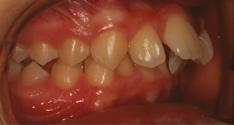
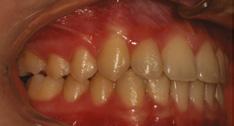
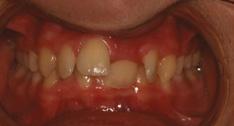
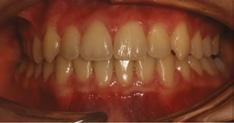
and least favourite, option involved extractions and fixed appliances. I felt this would be detrimental to her profile, and like most teens, she was eager to avoid extractions.”
In planning treatment, Dr. McCanny considered mandibular advancement aligners from the outset. However, the presence of a deciduous Lower Left D tooth and severe overcrowding meant initial alignment would be essential and prolonged. To avoid delaying advancement, she chose Invisalign treatment using Class II elastics, introduced on aligner three - much sooner than would have been possible with fixed appliances.
“This phase would achieve de-rotation and distalisation of the molars, introduce expansion, and create anterior aesthetic alignment while reducing her overbite by levelling the curve of Spee. I used precision ramps on the canines and optimised deep bite attachments to help with the overbite. Following their introduction on the third set of aligners, the patient wore her Class II elastics throughout her entire treatment.”
In total, the patient had 75 aligners over a 17.5-month period of active treatment, or 20 months including staged breaks. This included 40 initial aligners, 16 for refinements, 12 to fine tune the bite, and seven for finishing.
“The fact that she was in a growth phase was in our favour; it affected both her Anteroposterior [AP] and the correction of her Class II, and made treatment more predictable. It also helped control the vertical, benefiting correction of her overbite and overjet.”
“Treatment was completed successfully. Her occlusion was beautiful. This case has taught me that Invisalign treatment can be suitable even for the most complex challenges. It offers an ability to stage treatment - not everything has to be based on the first ClinCheck®. Sometimes it’s better not to deal with the most complex aspects first and return to them at the end of your first stage.”
Please visit www.invisalign.co.uk
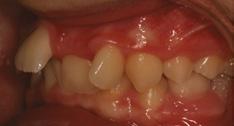
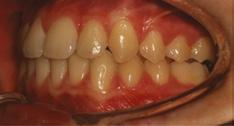
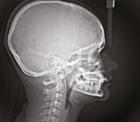
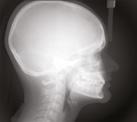
How do you make good decisions in a demanding profession, and build a career that still feels like your own? Dr Sreenivas Koka’s BOC 2026 session will look at leadership, reflection and the search for a professional life that is both successful and sustainable.
There is a particular kind of tiredness that has nothing to do with how many patients you saw that day. It is the tiredness that comes from running hard in a direction you have not properly chosen, from being successful on paper and quietly unsatisfied in practice. A lot of clinicians know exactly what that feels like, and very few talk about it openly.
Dr Sreenivas Koka, who goes by Sree, was born in Romford, Essex, moved to the USA at 19 and has built a career that has taken him from the Mayo Clinic to private practice, from academic leadership to working two days a week alongside his wife treating inmates at a maximum security prison in Mississippi. He has seen dentistry from almost every angle it is possible to see it from, and he has spent a lot of time thinking seriously about what it all means.
His session at BOC 2026 is built around a simple idea that turns out to be quite hard to achieve. "Life is fundamentally a collection of decisions," he says. "Some of them do not matter much. But some of them really matter. If you get them wrong, you know about it. And the sweet spot is finding that place in life where you have the wisdom to make really good decisions, but you also still have the energy to act on them."
When you are young, he points out, you have plenty of energy but not much wisdom. When you are older, the wisdom is usually there but the energy is not what it was. Getting both at the same time, and making the most of it when you do, is what the talk is really about.
Why reflection is harder than it sounds
Wisdom, Dr Koka argues, does not just accumulate with age. It comes from new experiences combined with genuine reflection on what those experiences actually taught you. Without that reflection, you can become highly experienced without becoming any wiser, which is an uncomfortable but important distinction for a profession that rewards momentum and output above almost everything else.
"If you just have a bunch of new experiences but you do not learn anything from them, you are experienced," he says. "It is only when you reflect upon them that
you become wiser. Trying new things and then taking the time to understand what they actually meant is how you build that."
The problem, of course, is that reflection requires time. Running a practice, seeing patients, managing a team, being present at home: these things pile up, and sitting quietly to think tends to fall to the bottom of the list. Dr Koka is honest about why people avoid it, too. If you stop and examine where you are, you might find that the expectations you have been working towards were never really yours in the first place.
"Sometimes I look forward to a long flight for that reason. I say to people, when is the last time you had three or four hours on your own just to think?" he says. "And a lot of people look at me like I am nuts. But if you never create that space, you keep going without asking whether you are heading in the right direction. It is a bucket some people do not want to look in," he adds. "But if you can get to that place of honest reflection, that is actually where the clarity is."
The up and coming BOC session also has a strong leadership dimension. Dr Koka is direct about the most common mistake he sees clinicians make when they become responsible for a team: focusing so completely on patients that they neglect the environment their team is working in. "You cannot provide great patient care if your team is not in a good place," he says. "You have to spend as much energy creating a fantastic environment for your team, because that is what ultimately drives everything else."
You can delegate a great deal in a practice, he says: scheduling, payroll, systems, processes. But one thing cannot be handed off. "Your individual personal relationship with each team member is yours," he says. "When a flower does not bloom, you fix the environment, not the flower. If you look at your team as an expense or a nuisance, work will not be enjoyable for anyone. If you look at them as part of something bigger, everything changes."
Why this session is worth your time
Dr Koka has given plenty of clinical lectures in his career. He is clear-eyed about how they compare with sessions like this one. "I get more emails after one of these talks than I would for ten clinical ones," he says. "People open up. They say things they have not said to anyone. What that tells me is there is a real thirst for this. It is not about the teeth. It is about you."
For orthodontists who tend to fill their conference schedules with clinical content, this is probably the session to make room for. Not because it will change how you plan a case, but because it might change how you think about why you are doing any of it.
The British Orthodontic Conference takes place from 24 to 26 September 2026 at the Brighton Centre. Dr Koka's session,’ Finding your sweet spot: lessons in life and leadership’, is one of two presentations he will deliver at this year's conference. To see the full programme and book your place, visit the BOS website.
For many orthodontists, being dependable comes with a private cost. Dr Sreenivas Koka’s BOC 2026 session examines the pressure of always being the strong one, and why support matters long before crisis point.
Most people in clinical practice will recognise the feeling, even if they have never put it into words. It is late, the house is quiet, and the thoughts that did not have room to surface during the day are there now. The worry about a patient. The stress about a member of staff. The question of whether the business is going to be all right. The sense that everyone around you expects you to have it together, when privately you are not entirely sure you do.
That is the notion behind Dr Koka's second session at BOC 2026: ‘Where does the rock go when the rock needs help’? "You are lying in bed, the lights are off, and it is the conversation you have with yourself that is the dark one," he says. "And when things get really bad, it is the one where you cry in the shower so nobody sees you. What puts you there? And more importantly, how do you get yourself out?"
gap nobody prepares you for
Part of what makes this so common, Dr Koka argues, is that orthodontic training prepares clinicians extremely well for the technical side of practice and far less well for everything else. Running a business, managing a team, handling uncertainty and knowing what to do when things feel overwhelming are challenges most orthodontists encounter sooner or later. They are also challenges people often feel they should be able to manage on their own.
"We do not really get prepared in our careers for how to deal with these challenges," he says. "I spent a long time in academia before I went into practice myself, and I thought I was teaching people the right things. Then I went into practice and realised there is so much we do not teach."
He uses the analogy of flying. A pilot, co-pilot, senior cabin crew, cabin crew: all of them need to be functioning well. But the pilot carries something the others do not, a sense of total responsibility for everyone on board. Many clinicians, especially those running their own practices, will recognise that feeling. Most of the time it is manageable, even motivating. But when things go wrong it can become heavy very quickly. "It is fine when things are going well," he says. "But when they are not, it is a real burden. And a lot of people either do not know where to turn, or feel they cannot ask, or it builds until they are paralysed and do not know where to start."
Dr Koka is not speaking only as an observer. During his time as a dental school dean, he walked into a meeting with no forewarning and was told his position was being terminated. He left the same day. "Sometimes people look at someone who has had a good career and assume it has all gone smoothly," he says. "It has not. It was brutal at the time. It is almost two years ago now and I think some good things have come from it. But I would not pretend it was easy."
Asking for help is not a weakness
One of the things Dr Koka is most direct about is the stigma that still surrounds getting support, whether from a therapist, a coach or simply a colleague you trust. He has had therapists at different points in his own life and talks about it without any suggestion that this is something unusual or worth concealing. "I had to try two or three before I found one that really worked for me," he says. "It is a bit like finding a doctor. It does not always click straight away. But hopefully there is no shame in it. All of us will struggle at some point. There is a culture in our profession that can make asking for help feel like weakness. I think it is actually the opposite."
He also talks about the value of having the right people around you. Not a large group. Just a small number of people with whom you can be honest without having to perform or explain yourself. "It’s like when you first start running with someone, there is lots to talk about," he says. "Surface stuff. Then eventually you run out of easy things to say. And then there are a very few people you can run next to for miles without saying a word and both of you are completely at ease. That is the kind of person you need when things are hard. Where you are not on show, you do not have to have it together. You can just be."
The second part of this session is about teams, and how practice owners can build environments where people feel genuinely supported rather than just managed. For Dr Koka, this comes back to something straightforward but often missed. "You can delegate a lot of things: scheduling, payroll, supplies, systems," he says. "But your personal relationship with your individual
team members is not something you can hand off. Research is clear that what drives how happy people are at work is not mainly their salary, once it reaches a reasonable level. It is their relationship with you, their leader. If you think the systems will take care of it, they will not."
He returns to a quote that changed how he thinks about leadership: when a flower does not bloom, you fix the environment, not the flower. "Being intentional about what your team members need, as people first and professionals second, matters enormously," he says. "And when you get that right, it changes everything about how the practice feels, for them and for you."
Dr Koka is not trying to send people away with a list of things to implement. What he is after is something quieter. "I hope people leave feeling that they have permission to live their own professional life," he says. "And that they are not alone. Because a lot of their colleagues are going through exactly the same things. We are all here to help each other through the good times and the bad. That is really what it comes down to."
For delegates who usually prioritise clinical content, this may be one of the most relevant conversations in Brighton.
The British Orthodontic Conference takes place from 24 to 26 September 2026 at the Brighton Centre. Dr Koka will deliver two sessions at this year's conference, including ‘Where does the rock go when the rock needs help’? To see the full programme and book your place, visit the BOS website.
The British Orthodontic Conference continues to evolve as a must-attend event for orthodontists, dentists, orthodontic therapists and nurses, who want to stay at the forefront of clinical excellence, innovation, and professional connection. This year’s programme introduces two particularly exciting features designed to deepen learning and broaden perspectives: The Studio Theatre and the newly named Satellite Symposium.
In a profession where nuance matters, the Studio Theatre offers something refreshingly different. While the main stage plenary sessions deliver high-level insights from leading voices in orthodontics, the Studio Theatre creates a more intimate environment where those same speakers revisit key themes in greater depth.
This setting encourages genuine dialogue, where delegates are not just passive listeners, they become active participants. This provides the opportunity to ask questions, challenge ideas, and explore clinical applications in real time, transforms learning into a collaborative experience. For orthodontists refining complex treatment plans, dentists integrating orthodontics into general practice, or therapists seeking deeper clinical understanding, this format provides clarity that simply isn’t possible in a large auditorium. Those who are lucky enough to secure a seat can expect to engage in ideas which could directly influence their day-to-day practice. The Studio Theatre is where big ideas become actionable.
Equally compelling is the introduction of the Satellite Symposium; a dynamic showcase dedicated to the future of orthodontics. As technology continues to reshape the profession at pace, staying informed is no longer optional; it’s essential.
The Satellite Symposium brings together exhibitors who are leading the charge in innovation. From cuttingedge digital workflows and AI-driven diagnostics to new appliance systems, materials, and patient engagement tools, this space is designed to highlight what’s next.
What sets this theatre apart is its focus on what’s emerging and new. Delegates will gain early exposure to products and services which are just entering the
market, offering a competitive edge in both clinical outcomes and practice efficiency. For clinicians evaluating investment decisions or exploring ways to enhance patient experience, these sessions provide valuable, practical insight directly from the innovators themselves.
Building on the success of last year - where there was often standing room only and an overspill into the exhibition area - the Studio Theatre and Satellite Symposium reflect a broader shift in professional education, away from one-directional lectures and towards immersive, interactive, and future-focused learning.
By attending the British Orthodontic Conference, you’re not only gaining access to world-class speakers but also engaging in conversations that matter and discovering innovations which could shape the next phase of your career. Whether your goal is to deepen clinical expertise, connect with peers, or stay ahead in a rapidly evolving field, this year’s Conference offers more opportunity than ever before.
This is not just another conference. It’s where the future of orthodontics is explored, discussed, and defined.
Consultant orthodontist and researcher Dr Farnaz Parvizi has spent the last few years studying one of the most universal yet least discussed experiences in clinical practice: What really happens to a clinician when they receive a formal patient complaint? Her session at BOC 2026 in Brighton promises to be one of the most honest and personally relevant discussions at this year’s conference.
Ask any orthodontist about patient complaints and you will not have to wait long for a story. Almost everyone in clinical practice has been through one, or knows someone who has, and most will tell you it was one of the most difficult experiences of their professional life. Yet, for all its familiarity, the formal complaint remains one of the least studied areas in dentistry. Very little rigorous work has been done to define it, measure it or understand how it impacts clinicians’ wellbeing.
Dr Farnaz Parvizi is trying to change that. Now in the fourth year of a PhD funded by the British Orthodontic Society Foundation, she is developing a theoretical framework for understanding how UK orthodontic clinicians experience formal complaints and what role workplace factors play in shaping those experiences. The research grew out of her own career, her work with trainees, and a conviction that the profession deserves something more substantive than the acknowledgement that complaints are simply stressful.
“Like many of my colleagues, I have been subject to formal complaints,” she says. “I knew how it made me feel; the emotional impact; the responses; the behaviours. I was interested to find out how it was for everyone else. It is one thing knowing it about yourself, yet we do not really know the impact it has on us as a collective.”
Dr Parvizi qualified from the University of Bristol, completed her orthodontic training in Birmingham and spent eight years in specialist practice, including a year in Australia. On her return, she pursued further training, secured a consultant post and has remained closely involved in teaching and education ever since. She is currently a consultant orthodontist at the Royal United Hospitals Bath and an honorary senior lecturer at the University of Bristol. A Master’s degree in education, completed in 2019, gave her the appetite for a PhD. BOS Foundation funding has allowed her to have protected research time away from her clinical responsibilities. She is keen to highlight that support because she suspects many colleagues do not know it exists. “A lot of people have ideas but think they cannot access the funding, or that it is not for them,” she says. “It absolutely is. If you have a question you want to answer, find out what support is available. You might be surprised.”
At the heart of Dr Parvizi’s research is a distinction that will feel familiar to anyone who has been through the process: the difference between stress and threat. In a regulated profession, a formal complaint is never just an uncomfortable experience. It challenges our professional credibility, how others see us, and our professional identity, how we see ourselves. In addition, there is always the risk of escalation and loss of one’s ability to practise. The possibility of losing your registration to practise means that formal patient complaints are no longer just a stress but a threat - and that is a very different thing.”
Having completed the qualitative phase of her study, involving in-depth interviews with orthodontic clinicians, Dr Parvizi has identified six domains that together define the complaint experience, including cognitive burden of carrying a complaint, regardless of its severity, the way its effects can extend into other parts of life, and challenges to professional identity and moral values. All of these outcomes are influenced by workplace factors that either exacerbate or buffer the impact of formal complaints. “If the clinicians’ basic psychological needs are frustrated in the workplace, formal complaints will have a more pronounced impact on their wellbeing. People begin to doubt their own abilities. They withdraw. They become more cynical. Their productivity falls. Absenteeism increases. These are the downstream markers I will be looking at in the survey.”
Dr Parvizi’s research focuses on workplace factors that she believes are especially important. The first is psychological safety: whether clinicians feel safe enough within their teams to acknowledge mistakes and ask for support without fear or blame. The second is organisational justice: when a complaint process begins, do clinicians feel it is handled fairly? Are they respected, involved and kept informed, or does the process feel opaque and out of their hands?
“In aviation and in nuclear industries, psychological safety is well understood,” she says. “But we have never actually looked at it in our own workplaces. Safe teams are teams that learn from mistakes. That is the culture we should be building.”
She is also clear that seniority offers no immunity. If anything, she suggests, the stakes can be even higher for those further along in their careers. “When that complaint comes through, you will experience the same dimensions as your trainees would,” she says. “It does not matter who you are or where you sit in the hierarchy.”
The next phase of Dr Parvizi’s research will build on her interview findings through a large-scale survey, extending the project to a broader group of orthodontic clinicians. Dr Parvizi hopes that delegates at BOC 2026 will be able to take part directly and plans to provide a QR code to direct them to find out how after the session. It is an exciting stage in a study that has the potential to shape how the profession understands and supports clinicians facing formal complaints.
For those wondering whether a session on complaints is really worth their time at a conference full of clinical content, Dr Parvizi’s view is straightforward. “It does not matter what technique you use, what grade you are, or how long you have been qualified,” she says. “If you have ever received a complaint and wondered why it hit you as hard as it did, this session is for you. For the first time, someone is trying to properly understand what that experience involves. And that work starts with you being in the room.”
The British Orthodontic Conference takes place from 24 to 26 September 2026 at the Brighton Centre. Dr Parvizi’s presentation, ‘How do UK orthodontic clinicians experience formal patient complaints and what roles do workplace factors play in shaping their experiences’ will offer delegates the chance to engage with an issue that cuts across every stage of clinical practice. To book your place and see the full programme, visit bos.org.uk/ boc2026/

By Dr Rana Al-Falaki, Founder of NAIL-IT in Dentistry and Co-Founder of BREATHE Dental Wellness
Orthodontists make hundreds of decisions every day. Some are clinical, some relational, some administrative, and many are invisible. From treatment planning and consent discussions to staff issues, patient expectations and risk management, the cognitive load is relentless.
Yet few clinicians are taught how decision-making actually works under pressure, or what happens when the system becomes overloaded. This is where decision fatigue comes in, and why emotional regulation is now one of the most critical leadership skills in modern orthodontics.
What Is Decision Fatigue and Why Does It Matter in Orthodontics?
Decision fatigue describes the gradual deterioration in the quality of decisions after a prolonged period of decisionmaking. It is not about competence or intelligence. It is about cognitive depletion.
Research in behavioural psychology shows that as mental energy drops:
● Decisions become more conservative or avoidant
● Risk tolerance narrows
● Emotional reactivity increases
● Errors become more likely
In orthodontics, this can show up as:
● Overthinking relatively straightforward cases
● Delaying decisions you would normally make confidently
● Becoming more reactive in patient or team conversations
● Feeling mentally drained despite “successful” days
When litigation risk is high and patient expectations are significant, decision fatigue does not just affect performance. It affects confidence, communication, and ultimately outcomes.
Orthodontists make hundreds of decisions every day. Some are clinical, some relational, some administrative, and many are invisible. From treatment planning and consent discussions to staff issues, patient expectations
and risk management, the cognitive load is relentless.
Yet few clinicians are taught how decision-making actually works under pressure, or what happens when the system becomes overloaded. This is where decision fatigue comes in, and why emotional regulation is now one of the most critical leadership skills in modern orthodontics.
What Is Decision Fatigue and Why Does It Matter in Orthodontics?
Decision fatigue describes the gradual deterioration in the quality of decisions after a prolonged period of decisionmaking. It is not about competence or intelligence. It is about cognitive depletion.
Research in behavioural psychology shows that as mental energy drops:
● Decisions become more conservative or avoidant
● Risk tolerance narrows
● Emotional reactivity increases
● Errors become more likely
In orthodontics, this can show up as:
● Overthinking relatively straightforward cases
● Delaying decisions you would normally make confidently
● Becoming more reactive in patient or team conversations
● Feeling mentally drained despite “successful” days
When litigation risk is high and patient expectations are significant, decision fatigue does not just affect performance. It affects confidence, communication, and ultimately outcomes.
The Brain Under Load: What the Evidence Shows
Neuroscience research demonstrates that the brain has a finite daily capacity for high-quality decisions. Every unnecessary choice competes for the same cognitive resources used for clinical judgement, emotional control and leadership presence.
Key findings include:
● Studies show that decision fatigue increases impulsivity or excessive caution, neither of which supports optimal clinical judgement.
● Research published in The Journal of Neuroscience confirms that mental overload reduces working memory and attentional control.
● Emotional regulation declines under cognitive strain, making clinicians more reactive to stress, complaints, or perceived challenges.
In healthcare environments, this combination creates risk. Not because clinicians are careless, but because they are human.
Emotional regulation is the ability to recognise, manage, and respond to emotions without being driven by them. It is not suppression. It is self-leadership. Under decision fatigue, emotional regulation is often the first system to falter. When this happens:
● Small issues feel disproportionately stressful
● Difficult conversations are avoided or escalated
● Confidence erodes, even when competence is high
This is particularly relevant in orthodontics, where long treatment timelines mean emotional labour is ongoing, not episodic. Managing anxious patients, disappointed outcomes, or team tensions requires sustained emotional control. Leadership presence depends less on how much you know and more on how well you regulate under pressure.
There is a direct relationship between decision fatigue and perceived risk.
When cognitive resources are depleted:
● Clinicians may default to defensive decisionmaking
● Communication can become overly cautious or unclear
● Confidence in previously sound judgement decreases
Ironically, this can increase risk rather than reduce it. Clear, calm, confident communication is one of the strongest protectors against complaints and misunderstandings. Decision fatigue undermines exactly that.
Managing risk in orthodontics is not just about documentation and protocols. It is about maintaining the mental and emotional clarity required to apply them effectively.
At NAIL-IT in Dentistry, we work with clinicians to reduce decision fatigue not by asking them to “cope better”, but by redesigning how energy and decisions are managed.
Key principles include:
● Reducing unnecessary decisions through systems and habits
● Protecting cognitive energy for high-stakes clinical judgement
● Strengthening emotional regulation as a leadership skill
● Training intuitive decision making to complement mental and emotional stimuli
This is where wellbeing becomes operational, not optional.

To access wellbeing tools, CPDaccredited training, and leadership programmes, visit nailitindentistry.com
You do not need radical change. You need intelligent design.
1. Automate the routine
Create default protocols for low-risk, repetitive decisions. The fewer decisions you make about routine tasks, the more capacity you retain for complex cases.
2. Schedule decision-heavy work strategically
Treatment planning, consent discussions, and complex conversations should ideally happen when cognitive energy is highest, not at the end of an exhausting day.
3. Build emotional reset points into the day
Brief pauses, conscious breathing, or a moment of physical movement between patients help regulate the nervous system and prevent emotional carryover.
4. Clarify values, not just options
When decisions align with clear personal and professional values, decision-making becomes faster and more confident, even under pressure.
5. Work with a coach or mentor
This holds space for you to process and ensure that you make decisions that are fully aligned with you, your values and your needs, and will also hold you accountable to eliminate procrastination.
These are leadership strategies, not lifestyle tips.
Decision fatigue is not contained within the clinician. It spreads.
● Teams pick up on emotional tone and stress levels.
● Patients sense hesitation or tension, even if nothing is said.
● Culture is shaped not by intention, but by behaviour under pressure.
When leaders manage their cognitive and emotional load well, teams feel safer, communication improves, and performance stabilises.
If you recognise signs of decision fatigue, you are not alone. It is increasingly common in high-performing clinicians, particularly in high-risk specialties.
The BREATHE Dental Wellness platform offers free, dentalspecific resources on stress management, emotional regulation and clarity under pressure.
For those wanting structured leadership and wellbeing support, NAIL-IT in Dentistry provides coaching, tools, and leadership training to help clinicians sustain performance without burnout.
Sometimes the most powerful leadership move is not doing more but deciding less.
Orthodontics will continue to evolve. Technology will advance. Expectations will rise. The question is not whether pressure will increase, but whether our decision-making systems can keep up. Leadership today is not about having all the answers. It is about having the clarity, regulation, and resilience to make the right decisions, even when it matters most.
Dr Rana Al-Falaki
Founder, NAIL-IT in Dentistry and NAIL-IT Leadership
Co-Founder, BREATHE Dental Wellness
Optimal Performance Strategist, Speaker, Best-selling Author, Specialist Periodontist
Supporting dental professionals to lead better, live fully, and laugh more.


The take the quiz please scan the QR code or visit nailitindentistry.com/burnout-risk-quiz
For more information please scan the QR code or visit breathedentalwellness.org
To register
Please email executivesec@bos.org.uk and enter ‘BOS CPD’ in the subject line. Please provide your name and GDC number and you will be sent an invitation link.
www.bos.org.uk
Honorary Patron Alison Murray
Honorary Patron Tony Ireland
President Robbie Lawson
President Nikki Atack
Honorary Secretary Claire Bates
Honorary Secretary Simon Littlewood
Treasurer Faiza Darugar
Treasurer Grant McIntyre
Groups
Groups
Consultant Orthodontists Sujata Sharma Group
Consultant Orthodontists Andrew Flett Group Sujata Sharma
Practitioner Group Adey Bennett
Practitioner Group Adey Bennett
Orthodontic Specialists Pardeep Saini Group
Orthodontic Specialists Richard Jones Group Nadia Ahmed
Training Grades Group Aliya Hasan
Training Grades Group Naeem Adam Tara Maroke
Orthodontic Teachers Sophy Barber and Trainers Group Jennifer Galloway
Orthodontic Teachers Sophy Barber and Trainers Group Jennifer Galloway
Directorates
Directorates
Clinical Governance Steve Chadwick
Clinical Governance Steve Chadwick
Audit Mariyah Nazir
Ethics Nicky Stanford
Audit Mariyah Nazir
Ethics Nicky Stanford
Publications Sameer Patel
Publications Sameer Patel
Clinical Practice Matt Clover
Clinical Practice Matt Clover
Education Hemendra Shah
Education Hemendra Shah
Archive and Museum Philip Benson
Archive and Museum Philip Benson
Communications Hayley Llandro
External Relations Anjli Patel
BOSNews Editor Arti Hindocha
BOSNews Editor Arti Hindocha
Professional Development Simon Watkinson
Professional Development Guy Deeming
Research Peter Mossey
Research Peter Mossey
BOSF Jenny Galloway
BOSF Fiona Ryan
Journal Editor Jayne Harrison
Journal Editor Jayne Harrison
Scholarship and Awards Susi Caldwell
Scholarship and Awards Giles Kidner
Head Office
Head Office
Membership Secretary Ann Humphrys
Chief Operating Officer Rupert Marks
Executive Secretary Ann Wright
Executive Secretary Gemma Culverhouse
Finance Manager Jake Smart
Membership Secretary Ann Humphrys
Correspondence to all the above can be sent via: Ann Wright at the BOS Office
Correspondence to all the above can be sent via the BOS Office
BOS Committees regularly produce guidance on various matters. To help keep track of what advice is available to the membership, this and future issues of the BOS News will also provide an up-to-date list of the Advice and Guidance leaflets available and how these can be obtained. Dates indicate when these were last updated/created.
PLEASE ensure you are using the most up-to-date advice sheets.
Advice Sheets/Booklets Year of Publication/Revision
Advice for orthodontists providing treatment for 2018 wind instrument players
Child safeguarding guidelines for orthodontic practitioners 2020
Communications and how to handle complaints 2022
Consent in orthodontics 2025
Dental nurse competencies in orthodontic practice 2023
Duties and responsibilities of expert witnesses 2022
Duty of candour 2022
Ethical management of patient compliance 2023
Guidelines for the management of aspirated or 2022 ingested foreign bodies
Guidelines for the management of the traumatised tooth 2020
Latex allergy in orthodontics 2025
Medical emergencies in orthodontic practice 2017 Mouthguards 2023
Nickel allergy in orthodontics
Non-Nutritive Sucking Habits (Dummy & Digit Sucking) 2023
Oral piercings and orthodontics 2022
Orthodontic extractions risk management guidelines 2022
Orthodontics in patients with significant medical comorbidities 2021
Orthodontic records: collection and management 2022
Orthodontic records: collection and management 2022 guidelines for 3D rendered orthodontic digital study models
Practice advertising, leaflets and websites 2023
Professional standards for orthodontic practice 2025
Raising concerns and whistleblowing 2020
Risks of orthodontic treatment – 2023 guidance on informing patients
Running a mixed practice and maintaining 2025 ethical standards
Second opinions 2022
Supervision of qualified Orthodontic Therapists 2023
Temporomandibular disorders (TMDS) 2023 and the orthodontic patient
The role of the Orthodontist in maintaining oral health 2022 Tooth autotransplantation 2022
Use of images by the British Orthodontic Society
and facebows 2023 Miscellaneous
the Developing Occlusion
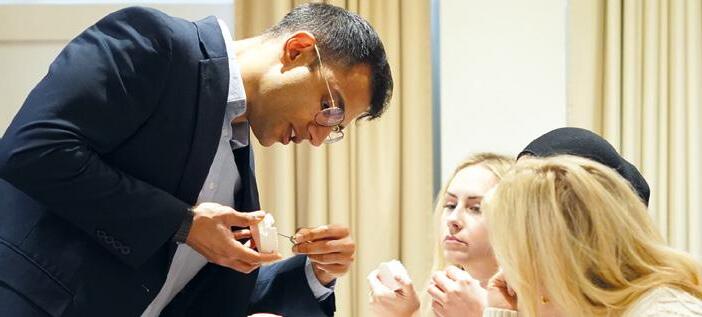
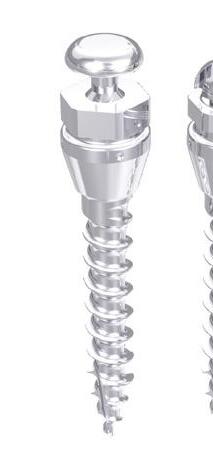
10th October 2026 – London
9.00 am – 5.00 pm
Gain all the fundamental and practical knowledge required to start using the tomas® TAD system.
Presented by Dr. Naeem I Adam Consultant Orthodontist
BDS(Hons) MFDS PGCert MedEd MSc FDS (Orth)
tomas® anchorage system
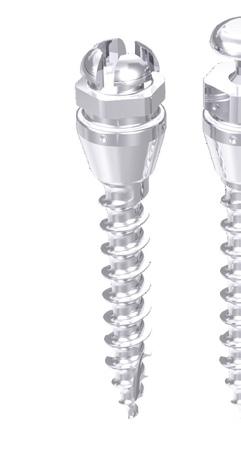
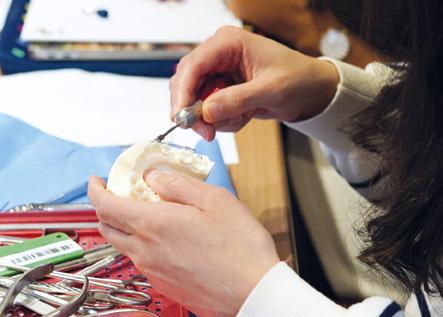
20th November 2026 – London 9.00 am – 5.00 pm
Take your TAD skills to the next level and expand your treatment options with this full day course of lectures and practicals.
Presented by Dr. Fady Hussein Fahim Consultant Orthodontist
BDS MSc PhD MOrth RCSEd FDS RCSEd
“ I would highly recommend this course to practitioners aiming to provide a wider range of treatment options for their patients. Naeem provides a comprehensive guide to the placement and clinical application of Temporary Anchorage Devices, with particular reference to factors leading to success or failure of implant placement, and the biomechanical consequences of differential force application.”
Dr Justin Evans Specialist Orthodontist
