
ON-TRADE 2026/27
ON-TRADE 2026/27
Ambriel, West Sussex
Biddenden Vineyards, Kent
Breaky Bottom, East Sussex
Higham Vineyard, Suffolk
Thorrington Mill, Essex
CHAMPAGNE
Champagne Delamotte
Champagne Salon
Champagne Guy de Chassey
Champagne J.M. Labruyère
BORDEAUX
L’Aurage
Les Carmes Haut-Brion (JE)
Château Barrail du Blanc
Château Bel-Air Eiffel
Château la Courolle
Château Dutruch Grand Poujeaux
Château La Fleur des Graves
Château La Grave à Pomerol
Château Latour à Pomerol
Château Rocheyron
Château Saint-Aubin
Château Septy
Château Trotanoy (A)
Clos St-Martin
Petrus (JE) (A)
Roc de Cambes (JE)
Tertre Roteboeuf (JE) (A)
BURGUNDY
Baudouin Millet
Benoît Moreau (S)
Château de la Tour
Clos de Tart (A)
Domaine Bachelet-Ramonet
Domaine Bonneau du Martray (A)
Domaine Carrette
Domaine Comte Georges de Vogüé (A)
Domaine Cyrot-Buthiau
Domaine Dugat-Py (A)
Domaine François Carillon
Domaine Georges Glantenay
Domaine Jacques Prieur
Domaine Jean-Marc Pillot (S)
Domaine de la Jobeline
Domaine Lathuilière-Gravallon
Domaine Labruyère
Domaine Leflaive (A)
Domaines Leflaive
Domaine Marquis d’Angerville (A)
Domaine Perrot-Minot
Domaine Pierre Labet
Domaine Pierre Morey/Morey-Blanc
Domaine Le Puy de l'Ours
Domaine de la Romanée-Conti (A)
Domaine Trapet Père & Fils
Domaine de Villaine
Domaine Vincent Dampt
Esprit Leflaive (JE)
Maison Albert Sounit
Maison François Millet et Fils
Olivier Leflaive (JE)
LOIRE
Chaumeau-Balland
Clau de Nell
Domaine A&E Figeat
Domaine La Croix Saint-Laurent
Domaine de l’Épine
Domaine Gilles Lesimple
Domaine La Grande Maison
Domaine Julien Braud
Domaine du Nozay
Domaine de Saint-Romble
Domaine Tissier
RHÔNE
Domaine Gourt de Mautens
Domaine des Hauts Châssis
Maison Tardieu-Laurent
Vignobles Gonnet
REGIONAL FRANCE
Château Barbeyrolles, Provence
Château la Tour de l’Évêque, Provence
Domaine Morin-Langaran, Languedoc
Domaine du Pélican, Jura
La Pèira, Terrasses du Larzac
GERMANY
Sektgut Christmann & Kauffmann, Pflalz
Weingut A Christmann, Pfalz
Wwe. Dr Thanisch, Erben Thanisch, Mosel
AUSTRIA
Weingut Frank, Weinviertel
Weingut Kracher, Burgenland
ITALY
Azienda Agricola Le Colture, Veneto
Azienda Vitivinicola Nervi, Piedmont (A)
Cantina Menegotti, Veneto
Cecilia Beretta, Veneto
Giacomo Conterno, Piedmont (A)
Giulia Negri, Piedmont
Leonardo Bussoletti, Umbria
Ridolfi, Tuscany
Tenuta di Biserno, Tuscany
Tenuta Principe Alberico, Lazio
Tunella, Friuli Venezia Giulia
Vignamaggio, Tuscany
HUNGARY
Barta Winery, Tokaj
SPAIN
Bodegas Joan Sardà, Alt Penedès
Bodega San Francisco Javier, Jerez
Bodegas y Viñedos Alnardo, Ribera del Duero
Bodegas Zugober, Rioja
Dominio de Pingus, Ribera del Duero (A)
PORTUGAL
Quinta de Chocapalha, Lisbon
Wine & Soul, Pinhão Valley, Douro
ARGENTINA
Buscado Vivo o Muerto, Uco Valley, Mendoza
Cielo Arriba, Jujuy
Estancia Los Cardones, Salta
Finca Media Luna, Maipú, Mendoza
Marchiori & Barraud, Luján de Cuyo, Mendoza
Michelini i Mufatto, Uco Valley, Mendoza
LEBANON
Château Marsyas, Bekaa Valley
CHILE
La Roncière, Idahue Estate, Licantén
Maturana Wines, Maule
Viña Arboleda, Aconcagua
Viña Laurent, Maipo
Viña Nahuel, Colchagua
AUSTRALIA
Barossa Boy, Barossa Valley
Fraser Gallop Estate, Margaret River
Lonely Vineyard, Eden Valley
The Lane Vineyard, Adelaide Hills
NEW ZEALAND
Elephant Hill, Hawke’s Bay
Eradus Wines, Awatere Valley, Marlborough
SOUTH AFRICA
Constantia Uitsig, Constantia
Joostenberg Estate, Paarl
Mont du Toit, Wellington
Nelson Estate, Paarl
Rhebokskloof Wine Estate, Paarl
USA
Cakebread Cellars, Napa Valley, California
Fossil Point, Edna Valley, California
Hyde de Villaine, Carneros, California
00 Wines, Oregon
PERU
Viñas Queirolo, Ica Valley
As we approach spring 2026, it gives me great pleasure to introduce our On-Trade Price List for 2026-2027.
We are now past the halfway point of what has been an extremely testing decade for the on-trade. The year ahead looks set to continue to provide considerable challenges, including navigating rising costs, supply chain pressures and a rapidly evolving market. However, the UK on-trade has always proved resilient and resourceful; businesses that remain steadfast in offering the very best and prioritising quality will continue to thrive.
At Corney & Barrow, we are committed to providing wines that stand unequivocally as best in class, supported by excellent service and the personal relationship that is at the heart of what we do.
Our focus remains on delivering the highest-quality wines that combine authenticity, balance and a true sense of
place. We’re further improving our service by investing significantly in our infrastructure and expanding our sales team to cover new geographical areas (see the map on page 108). Allowing you to concentrate on running your business without unnecessary complications.
Our buying team continue to seek out and introduce new wines that enhance our portfolio. We’ve made additions to our redesigned Own Label, wines we are proud to put our name on. We’re now exclusive UK agents for Wolfschmidt Kümmel Liqueur, back after a 10-year absence from the market and a worthy addition to any bar.
I hope you enjoy browsing our list and discovering the wines and resources on offer. Should you have any questions or would like to be added to our events and tastings mailing list, please do not hesitate to contact us. We look forward to continuing our partnership and wish you all the best for the year ahead.

ADAM KETTERINGHAM SALES MANAGER, NORTH OF ENGLAND
Call or email to order with us.
• Delivery is free for all orders over £125.00 ex VAT.
• Delivery is charged at the prevailing rate, currently £10.42 ex VAT, per order / delivery point under £125.00 ex VAT.
• Our drivers will get to know your premises and delivery requirements to provide you with a consistent and reliable service.
• If you have any kind of query regarding your order or delivery, you can call our customer services team on: 020 7265 2470 who will be happy to assist.
• Corney & Barrow vans deliver Monday to Friday in Central London at a time convenient to you and your business.
• Place your order with us by 3pm for next working day delivery.
• For security purposes, we ask for any instructions dealing with reserves to be confirmed in writing before acting on them.
• Please email your Corney & Barrow contact.
For orders please call:
020 7265 2470 (London & South of England)
01638 600 000 (East Anglia)
01133 400 380 (North of England)
01875 321 921 (Edinburgh)
01292 267 000 (Ayr)
Corney & Barrow vans deliver Monday to Friday customer.services@corneyandbarrow.com
• If you are outside of London, our drivers will deliver to you Monday to Friday. Your Corney & Barrow contact will inform you of your delivery day.
• You can place your order up to 1pm the day before your designated delivery days.
& CONDITIONS
For full Terms & Conditions, please see our website www.corneyandbarrow.com/terms-and-conditions Costs are subject to change throughout the year.
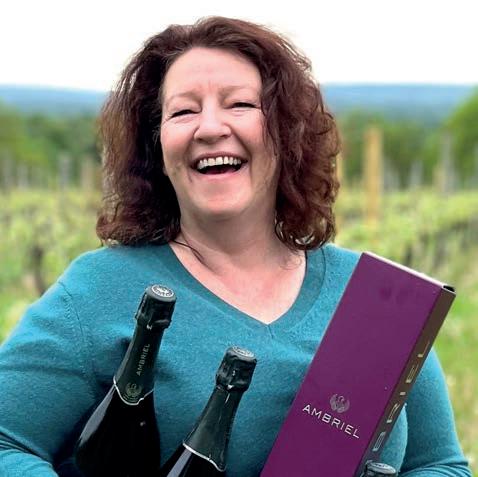
Ambriel was founded in 2006 by Wendy and Charles Outhwaite, who left their successful London careers as a KC and a financier respectively, to pursue their dream of making English sparkling wine. Their beautiful estate in West Sussex spans 9.5 hectares of south-facing slopes, planted with classic champagne varieties on prized greensand soils. The vineyards are farmed ‘in sympathy with nature’ with the help of goats and tiny Ouessant sheep. The Ambriel style is fragrant and distinctive, somehow unmistakably English with its refreshing crisp apple acid and delicate lacy texture, the result of extended lees ageing.
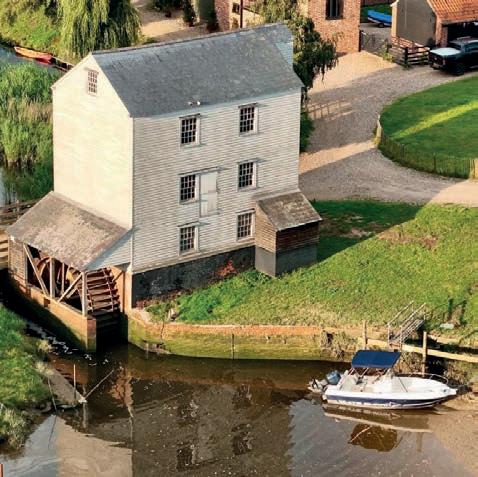
Thorrington Mill Vineyard lies just three miles from the sea in northeast Essex, one of the driest and sunniest parts of the UK. Named after its historic tide mill (one of only three still working in England), the vineyard is planted at the confluence of a freshwater brook and a tidal saltwater creek, which in tandem moderate temperature extremes and protect against frost. Husband and wife Mark and Polly Baines founded the vineyard in 2018, converting the family farm into 12 acres of Pinot Noir, Bacchus, and Chardonnay. The vines thrive on south-facing slopes, ripening slowly on their free-draining gravel and sandy-clay soils. Managed sustainably, the vines are tended by hand, while a small flock of Shropshire sheep graze in between the rows.
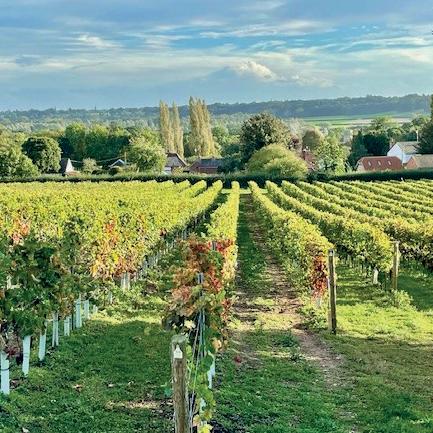
Nestled on the Suffolk side of the picturesque Stour Valley, Higham Vineyard was established in 2019 by local David Alston and is already showing remarkable promise. The vineyard spans a rolling, south-facing slope, the very spot from which Constable painted Higham village in the early 1800s. Ten acres of former arable land that lay fallow for half a century are now planted predominantly with Pinot Noir (high-quality Burgundian and German clones), which thrives in the clay and flint soils. While David oversees the vineyard management, winemaking is entrusted to Nick Lane of Defined Wines, the highly respected contract winery.
English Reserve
Ambriel Blanc de Blancs Brut,
Minnie
Manja
Sir
Cuvée Michelle Moreau Brut,
Gribble Bridge Rosé, Biddenden Vineyards, Kent V 2023/241211.5
Pinot Noir Rosé, Thorrington Mill, Essex V 2022/25613
Higham Pink Rosé, Higham Vineyard, Suffolk 2023/25613
Pinot Noir, Higham Vineyard, Suffolk VG 2022/23611.5
Schönburger, Biddenden Vineyards, Kent, 50cl V 2024/25129
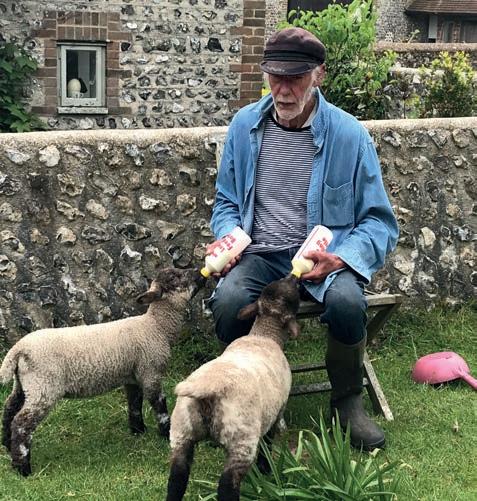
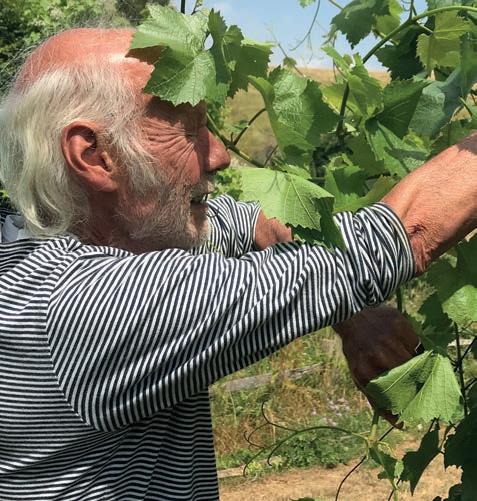
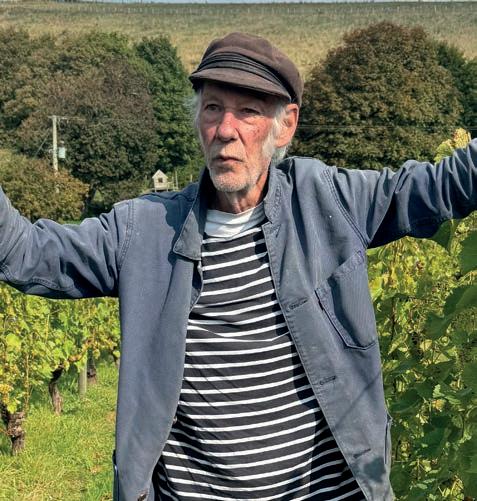
The tiny, legendary estate of Breaky Bottom is hidden away in a secluded dry chalk valley in the South Downs of East Sussex, just two miles from the English Channel. Founder Peter Hall, who sadly died in October last year, discovered the rundown farm in the 1970s and spotted its viticultural potential immediately, first making still wines, which were highly acclaimed. He then turned to traditional method sparkling wines, initially based on the hybrid grape Seyval Blanc (first planted in 1974), later adding the champagne varieties.
At Breaky Bottom, the vines are sacrosanct. Peter would rise at 5am and spend virtually all his waking hours tending the vineyards, sheep in tow. As a vigneron, his unwavering attention to detail was legendary, and also necessary — a self-professed risk-taker, Peter would push harvest dates to the wire, seeking levels of ripeness to match Breaky Bottom’s naturally high acids. This is also why he sought to keep the grapes in peak condition well into autumn, sometimes picking into November.
Peter would not be hurried; he believed in letting time work its magic. Unlike most English sparkling winemakers, he eschewed malolactic fermentation — in fact, the low pH of his wines, linked no doubt to Breaky Bottom’s extraordinary chalk soils and location — made the process almost unfeasible anyway. Instead, the wines are allowed to age gracefully on their lees, sometimes for up to seven years, to develop their renowned textural finesse and myriad complex flavours.
Peter’s colourful, characterful legacy will live on at Breaky Bottom, upheld by his family and loyal, long-standing team. This year, we are proud to release two exquisite cuvées from the 2019 vintage, and look forward to those wines still slumbering on their magical lees.
R.I.P Peter Hall 1943-2025. We miss you!
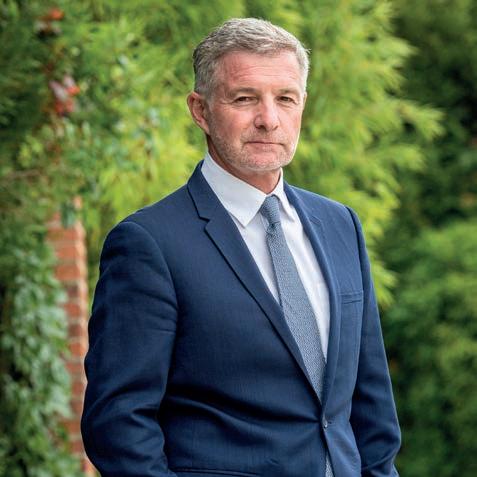
Champagne Salon has an almost mythical status in the wine world, prized for its extreme finesse, rarity, and incredible longevity. Salon is the legacy of one man, Aimé Salon, born in the late 1800s, whose picaresque life story saw him rise from poor beginnings in rural Champagne to great wealth and the glittering social circuit of Paris. He adored champagne, and became enthralled by the idea of creating his own. Obsessed with Chardonnay — in his view the only grape capable of true elegance — he planted le Jardin de Salon, the now legendary chalk-rich vineyard in Le Mesnil-sur-Oger, from which Salon is still made. The original blanc de blancs, Salon is made in minuscule quantities and exceptional vintages only, a few times a decade.
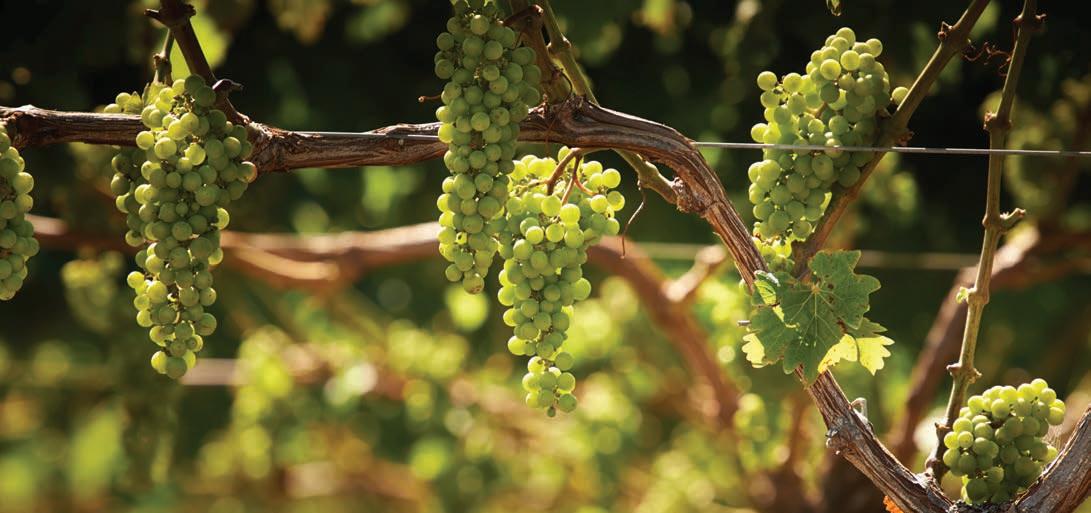
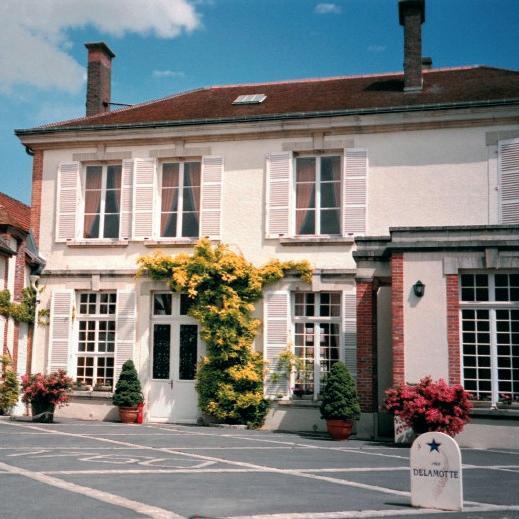
Delamotte is the sixth-oldest Champagne house, founded in 1760. Like sister-house Champagne Salon, with whom it shares premises in the grand cru village of Le Mesnil-surOger, Delamotte is a devotee of the Chardonnay grape. Despite its heritage and quality, Delamotte remains a discreet name, something of an insider’s champagne ‘pour ceux qui savent’ (“for those in the know”). Impeccable vineyards and extended lees ageing yield wines of great delicacy and refinement.
Champagne Guy de Chassey, Grand Cru Brut, Montagne de Reims V
Champagne Guy de Chassey, Grand Cru Brut, Montagne de Reims, Half V
Champagne Guy de Chassey, Grand Cru Brut, Montagne de Reims, Magnum V
Champagne Guy de Chassey 'Golden Cuvée' Grand Cru Brut
(limited availability) V
Champagne Delamotte Brut, Le Mesnil-sur-Oger V
Champagne Delamotte Brut, Le Mesnil-sur-Oger, Half V
Champagne Delamotte Brut, Le Mesnil-sur-Oger, Magnum V
Champagne Delamotte Brut, Le Mesnil-sur-Oger, Jeroboam V
Champagne Delamotte Brut, Le Mesnil-sur-Oger, Methuselah V
Champagne Delamotte Blanc de Blancs, Le Mesnil-sur-Oger V
Champagne Delamotte Blanc de Blancs, Le Mesnil-sur-Oger,
Champagne Delamotte Blanc de Blancs, Le Mesnil-sur-Oger, Magnum V
Champagne J.M.
Champagne J.M. Labruyère, Page Blanche, Grand Cru Blanc de Blancs Brut Nature, Verzenay V
Champagne J.M. Labruyère, Paradoxe, Grand Cru Blanc de Noirs
Champagne Delamotte Rosé Brut, Le Mesnil-sur-Oger V
Champagne J.M. Labruyère, Anthologie Grand Cru Rosé Extra Brut, Verzenay V
Champagne Delamotte Blanc de Blancs, Le Mesnil-sur-Oger V
Champagne Delamotte Blanc de Blancs, Le Mesnil-sur-Oger, Magnum (limited availability) V
PRESTIGE CUVÉES
Champagne Salon, Le Mesnil-sur-Oger V 2013 312 POA
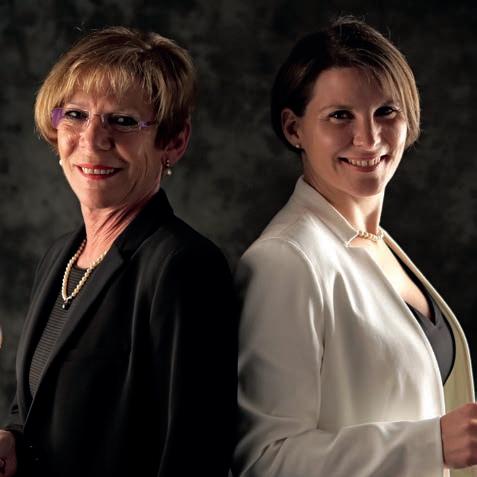
Based in the village of Louvois, in the Montagne de Reims, Champagne Guy de Chassey produces tiny volumes of grand cru champagnes with character and supreme finesse. Ingrid de Chassey is the seventh generation of her family to run this gem of an estate, comprising 9.5 hectares of prime vineyards both in Louvois and the neighbouring village of Bouzy. Their Pinot Noir and Chardonnay vines are planted on deep claylimestone soils, yielding outstanding fruit. Honouring her heritage, Ingrid upholds certain traditional winemaking approaches — using the gentle ‘Coquard’ press (traditional wooden basket press), eschewing malolactic fermentation in favour of extensive lees ageing (four years minimum), and riddling by hand.
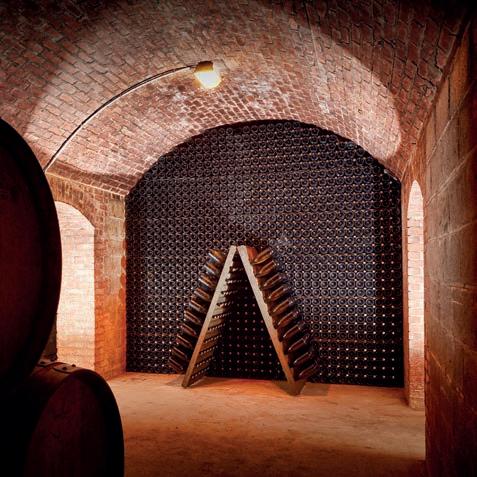
Situated in the grand cru village of Verzenay, on the ridge of Montagne de Reims, Édouard Labruyère established Champagne J.M. Labruyère in 2012. Representing the seventh generation, Édouard has been managing the Labruyère family’s domaines (in Beaujolais, Burgundy and Pomerol) since 2008. This 6.6-hectare family-run grower champagne focusses on single-site expression and low dosage to allow overlooked terroirs to be put on a pedestal. 100% grand cru sites and sustainable viticultural practices are at the core. The estate is named after Jean-Marie Labruyère, who, in 1850, founded Domaine Labruyère in Moulin-à-Vent, a star of its appellation to this day.
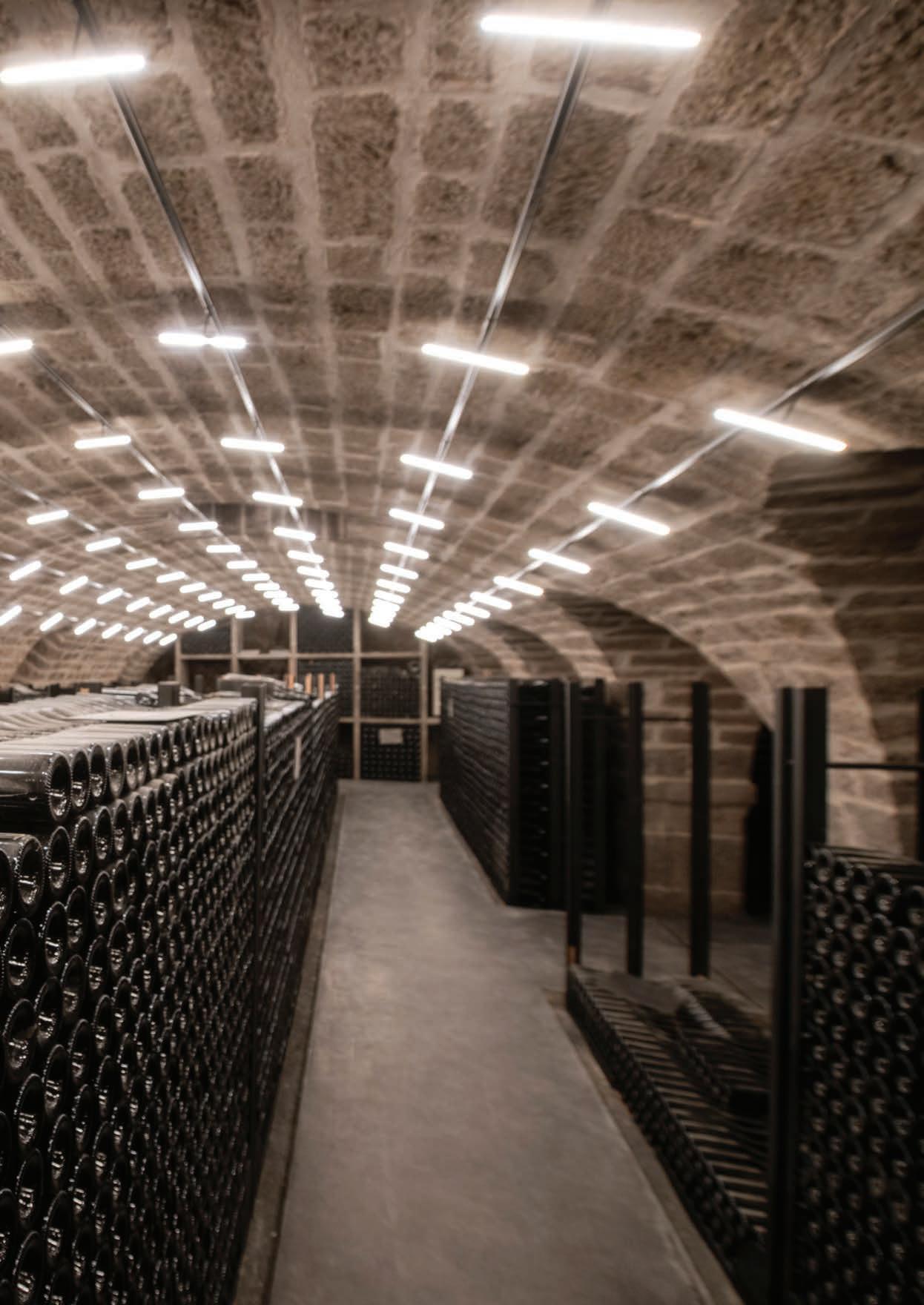
THE CELLAR AT CHAMPAGNE J.M. LABRUYÈRE
1. Château Saint-Aubin
2. Château Dutruch Grand Poujeaux
3. Château Lafon
4. Château Picque Caillou
5. Château Briatte
6. Roc de Cambes
7. Château Canon
8. Château Lagrange
9. Château Bourgneuf
10. Château La Grave à Pomerol
11. Château Certan de May
12. Château Latour à Pomerol
13. Château Mayne-Graves
14. Château la Courolle
15. Château Barrail du Blanc
A t lan t i c O cea n
BORDEAUX


16. Château Bélair-Monange
17. Tertre Roteboeuf
18. L’Aurage
19. Château La Fleur des Graves
20. Château Bel-Air Eiffel





GRAVES DE VAYRES

CÔTES DE CASTILLON ST-ÉMILION
ENTRE-DEUX-MERS
BORDEAUX SUPÉRIEUR
Château Mayne-Graves, Bordeaux
Château La Fleur
Château Picque Caillou, Pessac-Léognan
Le C de Carmes, Château Les Carmes Haut-Brion, Pessac-Léognan
La Chapelle de la Mission Haut-Brion, Pessac-Léognan
La
Le Clarence de Haut-Brion, Pessac-Léognan
Château Haut-Bailly, Pessac-Léognan
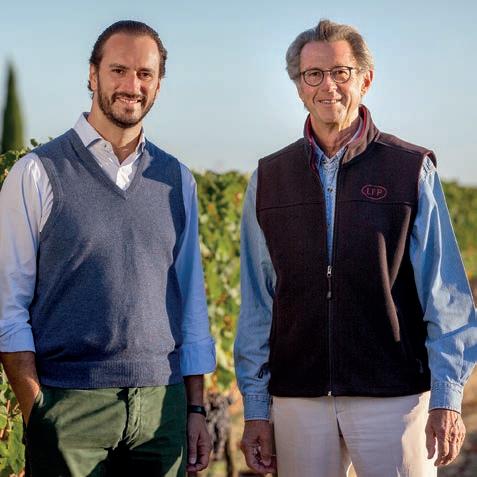
The late Jean-Pierre Moueix founded Établissements JeanPierre Moueix in 1937 in Libourne, Bordeaux. The aim was to concentrate on the then relatively unknown Pomerol and Saint-Émilion subregions. In the 1950s, Jean-Pierre grew the merchanting business and, astutely, began to acquire properties, notably Châteaux Trotanoy, La Grave, Latour à Pomerol, and Bélair (later renamed Bélair-Monange). In 1982, the company expanded beyond Bordeaux with the acquisition of Dominus Estate in the Napa Valley. Today, Éts. J-P Moueix is headed by Christian Moueix, with his son Édouard being responsible for distributing many revered Bordelais wines — estates they have driven from obscurity to the heights of worldwide demand.
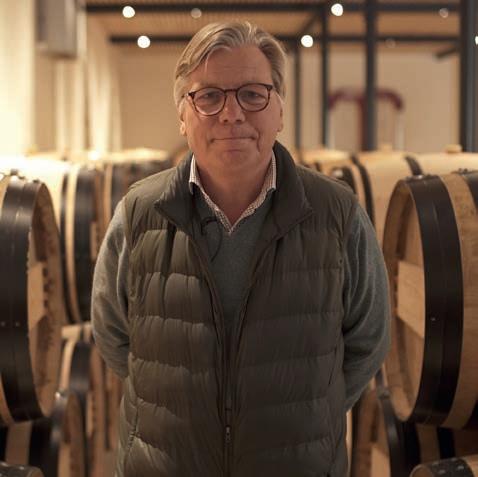
After building a considerable reputation with the iconic Dominio de Pingus in Spain, Peter Sisseck returned to his spiritual home of Bordeaux in 2010 to establish Château Rocheyron. Sitting just 3.6km from the centre of SaintÉmilion, on the edges of the celebrated limestone plateau, terroir expression is key at this grand cru estate. Relishing meticulous attention to detail, Peter employs rigorous vineyard management and ruthless selection — combining past practices with contemporary winemaking and viticultural knowledge. Firmly believing wine is made in the vineyard, Rocheyron has been certified biodynamic since 2020.
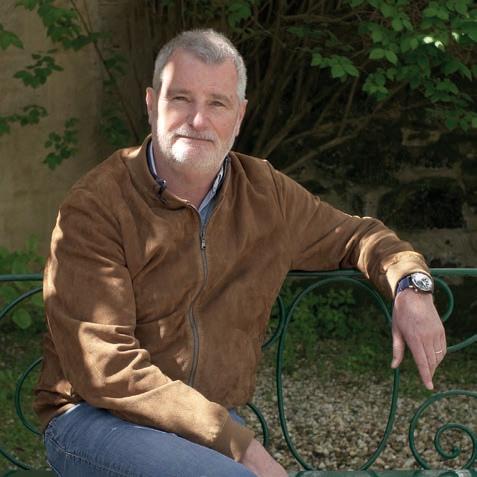
Situated in Castillon, Côtes de Bordeaux, on an extension of the famed limestone-clay slope of Saint-Émilion. L’Aurage is owned by Louis Mitjavile, who honed his skills working alongside his father, François Mitjavile, at his properties, Tertre Roteboeuf and Roc de Cambes. Louis purchased this charming property surrounded by a wooded enclave with his wife, Caroline, in 2007. Merlot accounts for 95% of plantings across 20 hectares, with a small amount of Cabernet Franc. A wine of seductive ripeness and luscious richness, L’Aurage offers some of the best value Bordeaux.
Château
& SATELLITES
Looking for something with a little bottle age or even full maturity? We can certainly help. Our highly experienced Broking Team are one of the most significant matchmakers in the fine wine world. We have one of the largest fine wine holdings in existence and, as such, have access to a vast, constantly changing library of older vintages. Of course, there is a particular focus on wines for which we are exclusive agents, but there is also much more besides.
If you have any questions regarding Broking or require any general advice on fine wine buying, please contact the Broking Team on 020 7265 2460, or speak to your dedicated salesperson.
Our online reserves platform provides you with 24-hour access to your wine details. Through the platform, you can arrange deliveries (subject to verification), request valuations from our broking team, and add your own tasting notes against your wines. As you’d expect, the platform highlights any recent arrivals from en primeur, and you can also see details such as purchase price and overview charts, as well as market values from Liv-ex, which are updated daily. To register, email register@corneyandbarrow.com with your account number. Once registered, you can access your reserves by selecting ‘MY ACCOUNT’ on our website.
1. Domaine Vincent Dampt
2. Baudouin Millet
3. Domaine Rossignol-Trapet
4. Domaine Joseph Roty
5. Domaine Trapet Père et Fils
6. Domaine du Couvent
7. Domaine Dugay-Py
8. Clos de Tart
9. Domaine Perrot-Minot
10. Château de la Tour
11. Maison François Millet et Fils
12. Domaine de l’Arlot
13. Domaine Bonneau du Martray
14. Domaine Jean-Baptiste Boudier
15. Domaine Cyrot-Buthiau
16. Domaine Le Puy de l’Ours
17. Domaine Marquis d’Angerville
18. Domaine Michel Lafarge
19. Domaine Georges Glantenay
20. Domaine Pierre Labet
21. Domaine Patrick Javillier
22. Domaine Matrot
23. Domaine Pierre Morey
24. Domaine Jacques Prieur
25. Domaine Leflaive
26. Domaine François Carillon
27. Olivier Leflaive
28. Domaine Justin Girardin
29. Maison Al bert Sounit
30. Domaine de Villaine
31. Maison Auvigue
32. Domaine Carrette
33. Domaines Leflaive
34. Domaine de la Jobeline
35. Domaine Labruyère
36. Lafarge Vial
37. Domaine Lathuilière-Gravallon









CÔTE DE BEAUNE


CÔTE CHALONNAISE


POUILLY-FUISSÉ

BEAUJOLAIS






ROUGE Bourgogne Côte d'Or Maison Dieu Pinot Noir, Domaine Georges
Pinot Noir, Domaine Cyrot-Buthiau
Bourgogne Passetoutgrains A Minima, Domaine Trapet Père
Bourgogne Côte d’Or Pinot Noir Les Jumelles, Domaine du
Côte
CÔTE DE NUITS
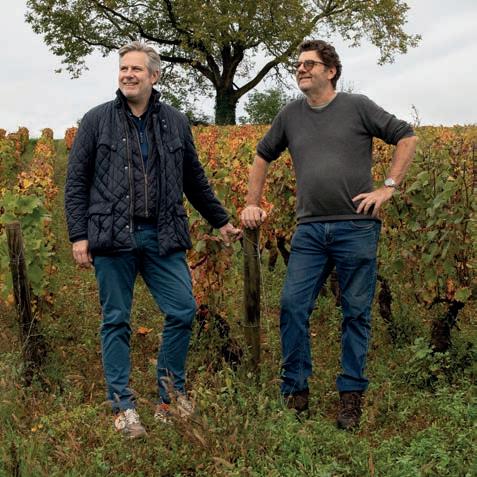
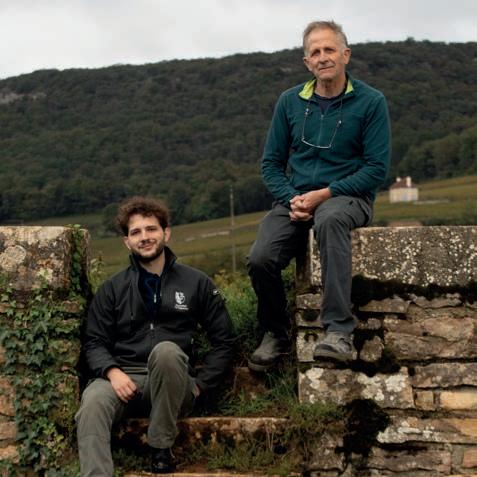
Brothers Marc-Emmanuel and Olivier Cyrot are the fourth winemaking generation of this family domaine. They own six hectares of vines across Pommard, Volnay, Santenay and Maranges. The cellars of Domaine Cyrot-Buthiau are dug into the side of a rocky escarpment in Pommard, beside the premier cru Les Arvelets. During the 1920s, Olivier and Marc-Emmanuel’s great-grandfather, Paul-Joseph Cyrot, established the family estate. At the time, he was also the manager of Château de Pommard and Clos de Tart — two prestigious properties where he learnt his craft. Acquiring vines in Pommard, his focus was on Pinot Noir, which remains the essence of the domaine today.
Loïc Dugat is the 13th generation of Gevrey-Chambertin growers, a lineage that has been in the renowned village since the early 17th century. The estate encompasses 15 hectares of vines, many of which are over 100 years old. As such, several wines are labelled “Très Vieilles Vignes”, in recognition of this. The historic cellar is the only remaining part of a 9th century abbey — gothic vaults and Byzantine style with an impressive six-metre height. Under Loїc’s direction, the domaine has embarked on a renewed path of detailfocussed viticulture following the lunar cycle, and sensitive cellar management using very selective oak.
In true Burgundian fashion, Domaine du Couvent was established through a series of acquisitions and family connections — the main formation resulting from the union of Domaine des Varoilles and Domaine Misset-Chéron in 2020. Encompassing 10 hectares of vineyards spread across the Côte de Nuits, father and son team Philippe and Paul Chéron run the estate. The domaine is situated in the heart of NuitsSaint-Georges, within a century-old building that houses deep and cavernous cellars directly beneath. Approaching their wines with passion, terroir expression, and respect for sustainability in the vineyards, Philippe and Paul produce wines that are pure, precise and full of personality.
CHOREY-LÈS-BEAUNE
Savigny-Lès-Beaune
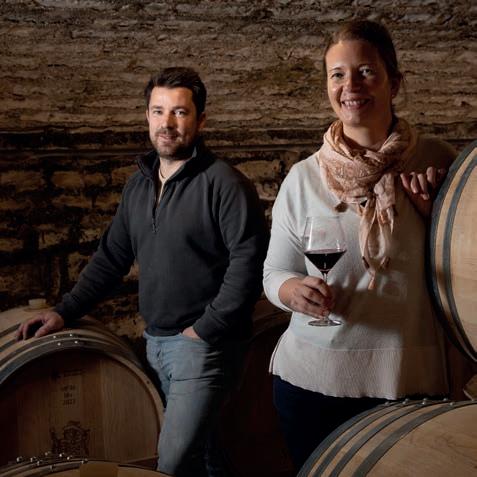
Tracing its roots back to the 17th century, the domaine has been in the hands of siblings Sarah and Guillaume Glantenay since the 2013 vintage. Sat within the acclaimed village of Volnay, Domaine Georges Glantenay encompasses eight hectares of vines spread over Volnay, Pommard and Chambolle-Musigny. They’ve adopted lutte raisonnée viticultural techniques, which involve ploughing and the avoidance of pesticides and herbicides. The domaine’s wines are wonderful examples of the modern generation, with approachable fruit and supple structures.
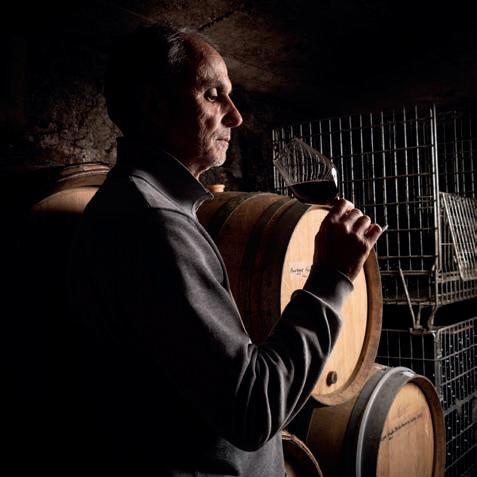
François Millet is a legend of Chambolle-Musigny. He has made wine here since 1986, over 30 years of which were at Domaine Comte Georges de Vogüé. He established Maison François Millet et Fils with his wife and two sons in 2016. Grapes are bought from five or six domaines across the Côte d’Or and Côte Chalonnaise. Working closely with the growers, François monitors the vines throughout the year and agrees with each domaine when to harvest. He categorises his wines as either ‘mineral’ or ‘structural’, using descriptors so considered and evocative that it brings their personalities to three-dimensional life.
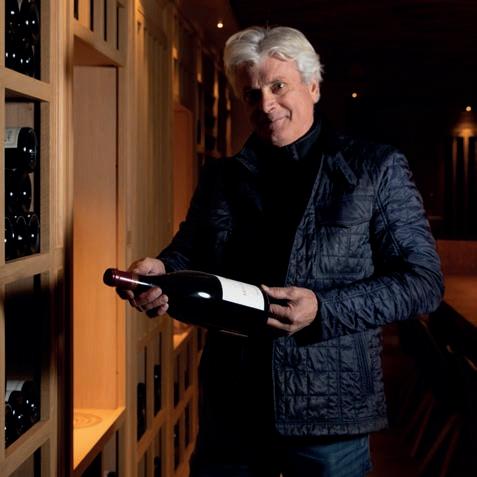
We have worked with Christophe Perrot-Minot since the 2016 vintage. The domaine is based in Morey-SaintDenis and spans 12.5 hectares. Added to this, Christophe specialises in purchasing grapes from prestigious plots in other renowned villages, including Gevrey-Chambertin, Chambolle-Musigny, Vosne-Romanée and Nuits-SaintGeorges. Winemaking techniques include a degree of wholebunch vinification to bring freshness. New oak is used in moderation, never dominating flavours but enhancing nuances, allowing the terroirs of these great sites to shine through. Christophe took charge of the domaine in 1993 and has progressively implemented stylistic changes in the pursuit of elegance and finesse.
MEURSAULT
Santenay 1er Cru Beauregard, Justin Girardin V
Santenay 1er Cru Clos Rousseau, Justin Girardin V
Mercurey Vieilles Vignes, Maison Albert Sounit V
Les Montots, Domaine de Villaine V O
MÂCONNAIS
Mâcon-Verzé Rouge, Domaine de la Jobeline VG
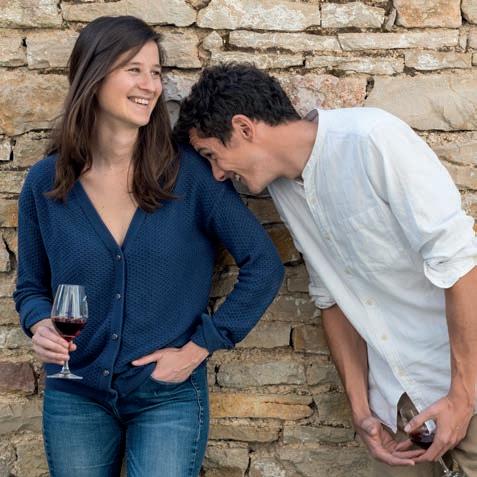
Puy de l’Ours was established in 2019 by Juliette and Jean Orsoni in Savigny-lès-Beaune. Jean’s roots are in farming in Corsica, while Juliette’s heritage is in Burgundy, where a small estate has been in her family for 200 years. In 2019, Juliette and Jean purchased this 3.5-hectare family vineyard. Their first vintage was the notoriously challenging 2021 which produced tiny volumes. Since then, Juliette and Jean have expanded their vineyard holdings to the current 7.5 hectares. Their approach to wine is clearly born out of passion and humility, with their love for the arts interwoven into every bottle.
SPARKLING ROSÉ
Crémant de Bourgogne ‘Grande Réserve’ Rosé Brut, Louis Bouillot
L'Absurde Blanc de Noirs, Vin de France, Domaine Le Puy de
BOURGOGNE ALIGOTÉ Bourgogne Aligoté,
Aligoté, Domaine François Carillon
Aligoté
Bourgogne Aligoté Vieille Vigne, Domaine
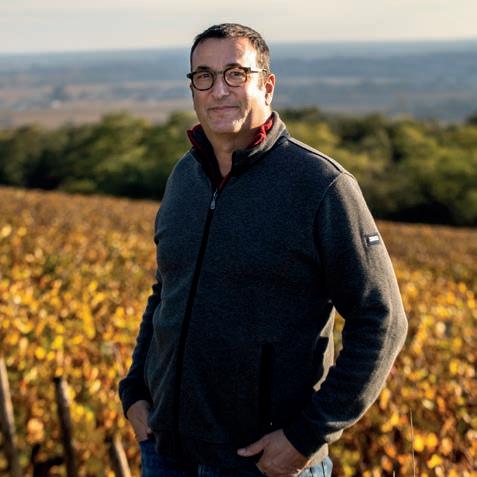
François Carillon is the 16th generation of a winemaking family which traces its Burgundian roots back to 1520. Based in the revered Puligny-Montrachet, François is a viticulturalist of the highest quality, tirelessly striving to produce the best grapes possible. He completed his first vintage in 2010, swiftly establishing himself as producing some of the most exciting modern white Burgundies. The 17th generation is now waiting in the wings, as his sons, Mathis and Paul, are fully immersed in the domaine. These wines have an innate purity, pristine fruit, mineral drive and textural richness — we adore them!
Bourgogne Hautes-Côtes de Beaune Blanc en Vallerot,
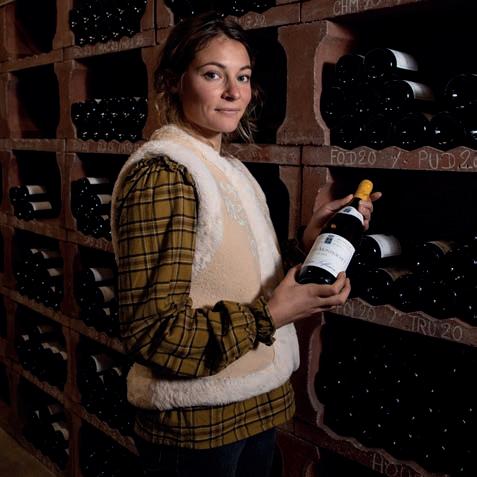
Olivier Leflaive’s operation is truly without parallel in Burgundy, impressive not only for the sheer range of wines but also for their consistency and quality year on year. The house philosophy is built on respect for the vines and those who tend them, and Olivier Leflaive continues to buy grapes from over 100 small vigneron partners. The house also boasts 20 hectares of smart vineyards in Puligny-Montrachet, Chassagne-Montrachet and Meursault. These are managed by the outstanding technical team, headed by Solène Panigai since Franck Grux’s retirement in 2023. True to appellation and cru, Olivier’s house style combines elegance, freshness and approachability.
SOLÈNE PANIGAI, TECHNICAL DIRECTOR AT OLIVIER LEFLAIVE
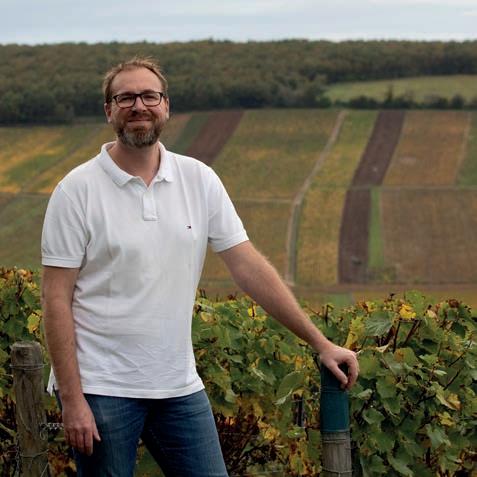
Vincent Dampt is the scion of one of the most respected winemaking families in Chablis, the son of Daniel Dampt and grandson of Jean Defaix. After training in Burgundy and Marlborough, New Zealand, Vincent returned to Chablis, bringing with him modern perspectives to complement traditional winemaking approaches. Rigour in the vineyard is paramount, while his wines are made using the purest juice and only the finest lees. The Dampt style is elegant and pure yet accessible, with the textural delicacy and classic crushed shell profile that define the appellation.
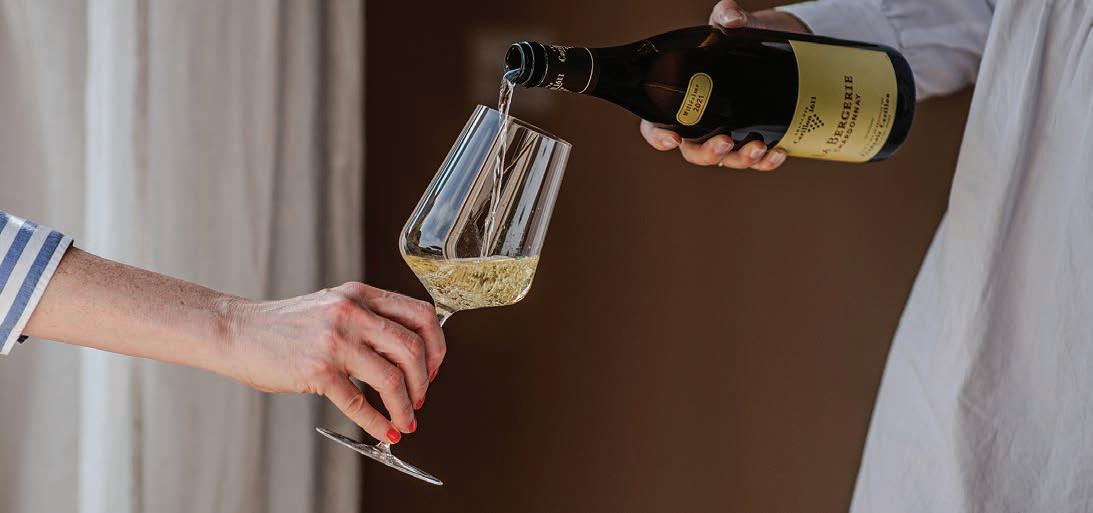
Marsannay Les Longeroies, Domaine du Couvent V
Marsannay Blanc La Croix de Bois, François Millet et Fils
Côte de Beaune Les Monsnières, Domaine Le Puy de l’Ours,
Beaune
SAVIGNY-LÈS-BEAUNE
AUXEY-DURESSES
Auxey-Duresses
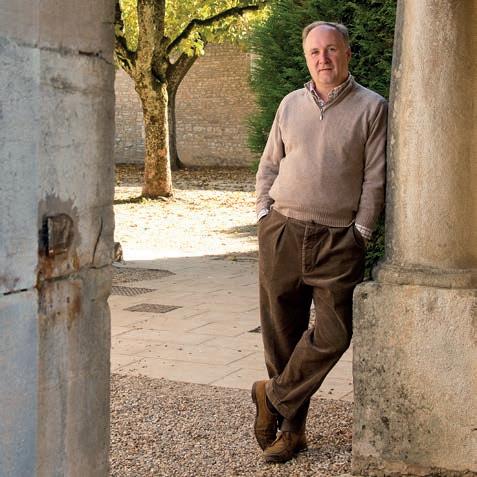
Esprit Leflaive sees the Leflaive family push beyond the borders of Puligny-Montrachet and the Mâconnais, into the Côte de Nuits and beyond. It also sees the first Leflaive reds, adding new realms to the existing Chardonnay empire. This new project, although intrinsically linked to Domaine Leflaive, needed its own identity with a nod to its roots — wine made in the ‘spirit of Leflaive’. Grapes are sourced from a core of trusted vigneron partners in Pommard, Beaune and Chablis. Although Leflaive is no stranger to innovation, it’s the highly personal nature of this project that sets Esprit Leflaive apart.
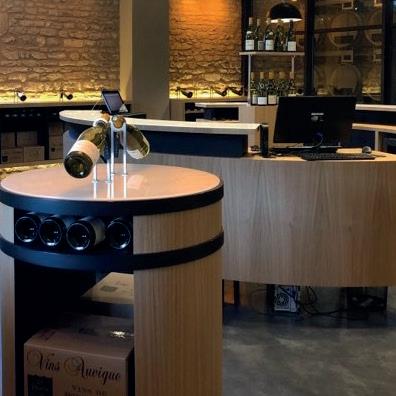
There have been vinegrowing Auvigues in the Mâconnais since the early 1600s, but Maison Auvigue, as the business is now known, was first established in 1946. The family owns vineyards in Fuissé and Solutré, and additionally buys fruit from a handful of excellent local growers. In an exciting new chapter, Maison Auvigue has recently moved to new premises in the village square of Fuissé — the ancient, deconsecrated church, which has been carefully remodelled and restored to beauty. The purchase also included an impressive vineyard, currently under renovation. Winemaker Céline Hirsch, mentored by Jean-Pierre Auvigue, creates wines true to their terroir, with an emphasis on freshness and mineral purity.
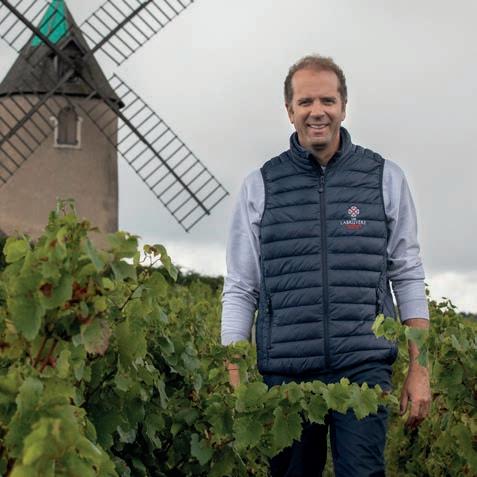
The oldest estate in Moulin-à-Vent, Beaujolais, dating back to 1850. The Labruyère family established this domaine with just 10 hectares around the iconic windmill and slowly expanded their holdings. Their most significant acquisition being Le Clos du Moulin-à-Vent, the appellation’s only monopole vineyard. Seventh-generation Édouard Labruyère has been running the domaine since 2008, working alongside winemaker Nadine Gublin and cellar master Michel Rovere. They are ambassadors for great terroir, working their fragile soils by hand or horse. Five wines make up the core of their range — all impressive and serious, more akin to Northern Rhône or Burgundy in style.
ÉDOUARD LABRUYÈRE, 7TH GENERATION
Moulin-à-Vent
CHIROUBLES
MORGON
Brouilly Pisse-Vieille, Domaine Lathuilière-Gravallon
Côte de Brouilly, Lafarge Vial VG O B
Gilles Lesimple is the fourth generation of a vinegrowing family. He trained in the US before returning to Sancerre in 1997 to take over the family estate. Initially selling grapes to top producers and the village cooperative, he now produces his own bottles to supply France and export. His is not a single estate, rather a collection of top-quality sites acquired over time by the family. The parcels are in Sancerre itself (prized for its calcareous soils, known as caillottes), SaintSatur (known for flint), Sury-en-Vaux and Verdigny (both on predominantly calcareous clays). The resulting mix of grapes provides Gilles with an exceptional palette from which to create his refined, textured Sancerres.
Domaine de Saint-Romble is located in the hamlet of Maimbray, part of the commune of Sury-en-Vaux, in the heart of the Sancerre appellation. Its sloping vineyards — the so-called ‘Pente de Maimbray’ — comprise pure terres blanches (calcareous clay) soils, classic of the appellation. The domaine was created by Louis Vattan in the 19th century. His grandson Paul joined the estate in 1954, expanding it progressively to its current 12.5 hectares. His viticultural approach was rooted in a respect for the land and a deep understanding of its terroir. Paul was an excellent winegrower, known for his meticulous working methods, upheld today by vigneron Damien Laurent, who now runs the estate.
Domaine La Croix Saint-Laurent is a small family domaine in the heart of the Sancerre appellation. Since 1932, the estate has been in the hands of the Cirotte family, who make classical Sancerres from steep hillside vineyards, farmed sustainably. The estate comprises 10.5 hectares in the hamlet of Bué, just a few kilometres from the village of Sancerre itself. Bué boasts a mix of soils comprising classic caillottes (stony calcareous soils), terres blanches (calcareous clays), and terres rouges (Portlandian clays) with some silex (flint). The village is also prized for its steep hillside vineyards, range of altitudes, and diverse aspects, providing exceptional conditions for ripening not only Sauvignon Blanc for white wines, but also Pinot Noir for reds.
Touraine Salamandre, Cellier du Beaujardin V
Les Lys de Léon, Sauvignon Blanc V
Mont de Joie Sauvignon Blanc, Vin de France, Famille Bourgeois V
Vouvray, Les Fosses d’Hareng, Cave des Producteurs de Vouvray VG
Les Vignes du Bourg, Muscadet Sèvre-et-Maine sur lie, Domaine Julien Braud V O
Moulin de la Justice, Muscadet Sèvre-et-Maine, Domaine Julien Braud V O
Cru Monnières-Saint Fiacre, Muscadet Sèvre-et-Maine, Domaine Julien Braud V O
Cru Monnières-Saint Fiacre, Muscadet Sèvre-et-Maine, Domaine Julien Braud,
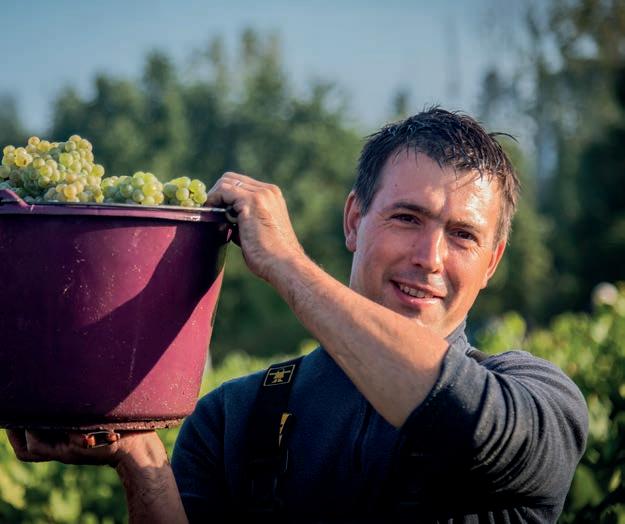
Sixth-generation vinegrower Julien Braud is part of a new wave of young vignerons spearheading a Muscadet renaissance. After his studies, Julien gained experience at the family estate Fief aux Dames, before branching out on his own in 2012 — a long-held dream. His initial three hectares in the cru Monnières have since grown to 13, encompassing parcels with varied soils and microclimates. They are farmed organically by Julien and his wife Apolline, who are in the vineyards constantly, “where the wine is made”. Their wines are distinctive and subtly different, showing precision, mineral tension and a clear sense of place.
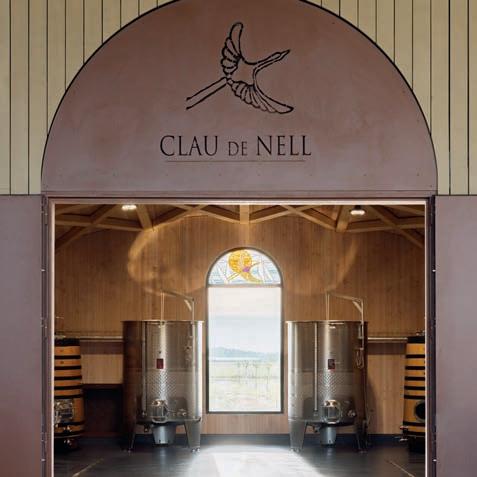
Nestled between Angers and Saumur sits Clau de Nell in the village of Ambillou-Château. In 2006, Anne-Claude Leflaive and her husband Christian Jacques met the owners of this property. They were immediately struck by the quality of the site, the age of the vines, and the biodynamic principles practised in the vineyards, and purchased it two years later. Placing nature at the heart of every decision, they strived to harmonise with the natural environment, pushing this charming property into a new era. Today, Christian Jacques has taken a step back and handed the management reins to his daughter, Charlotte. She is supported by Sylvain Potin, the domaine’s régisseur and co-owner.
Condrieu, Tardieu-Laurent V
Blanc Vieilles Vignes, Tardieu-Laurent V
Saint-Joseph Blanc Vieilles Vignes, Tardieu-Laurent V
Blanc ‘L’Essentiel’, Domaine des Hauts Châssis V O
Saint-Péray Blanc ‘Les Calcaires’, Domaine des Hauts Châssis V
Côte-Rôtie Vieilles Vignes, Tardieu-Laurent V
Côte-Rôtie Vieilles Vignes, Tardieu-Laurent,
SAINT-JOSEPH
RASTEAU
Rasteau
VACQUEYRAS
CHÂTEAUNEUF-DU-PAPE
Tavel Vieilles Vignes, Tardieu-Laurent V
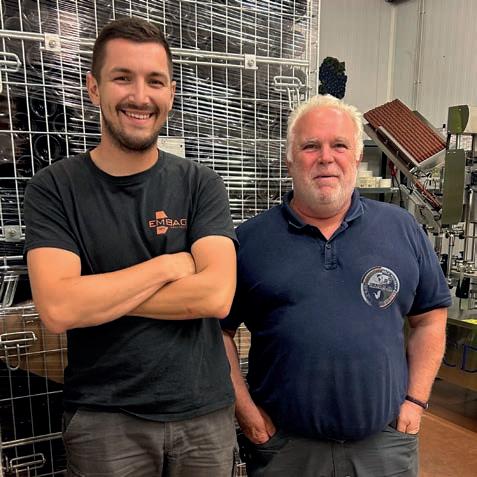
In 1998, when vigneron Franck Faugier returned to his family estate in Crozes-Hermitage, it was still part of a local cooperative. By 2003, he had withdrawn the domaine entirely from the cooperative system. An impressive 12 of his 17 hectares are on the prized terroir of “Les Châssis”, in the south of the appellation. Its riverside terraces on ancient diluvium soils — a combination of heat-reflecting galets roulés (so-called ‘pudding stones’), coarse sand and red clay — give ideal conditions for ripening Syrah. Respectful of the land, Franck has converted to organic viticulture and adopted certain biodynamic approaches too. His aim is to create pure-fruited, supple wines, true to their terroir
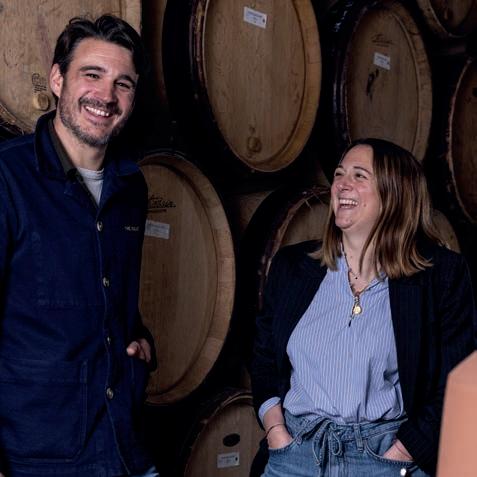
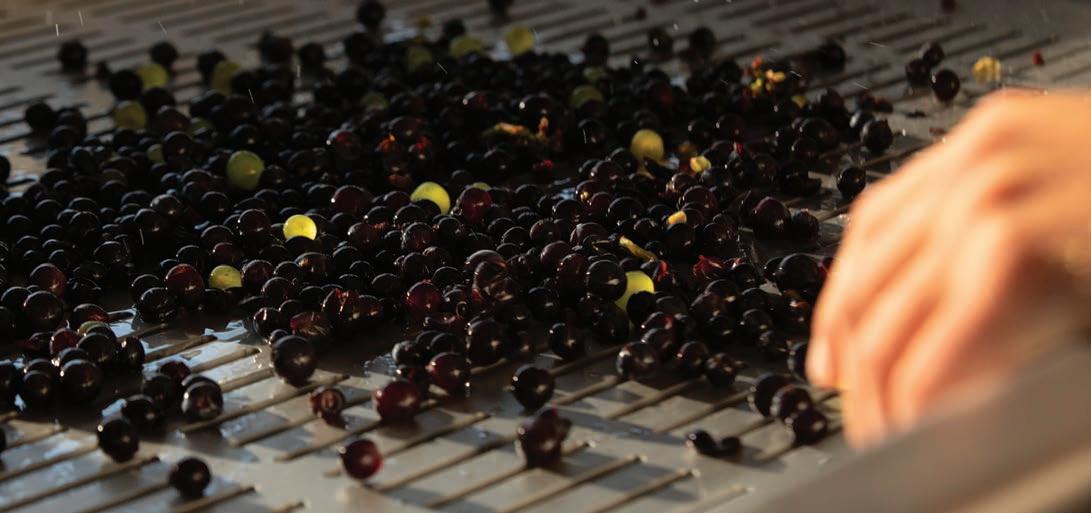
Established in 1994 as a négociant-éleveur, Tardieu-Laurent has become synonymous with quality throughout the Rhône valley. Maison Tardieu-Laurent sources grapes and wines from a network of small growers throughout the valley and takes care of the blending and maturation. This is only possible after years of building relationships with winegrowers and understanding the vineyards as if they were the estate’s own. Today, Michel’s son Bastien is at the helm, assisted by his sister Camille. Bastien continues the legacy of terroirfocussed, minimal intervention wines, handpicking the best quality that the Rhône Valley has to offer. Interweaving their own modern and dynamic vision, we are very excited to see what this new generation can do.
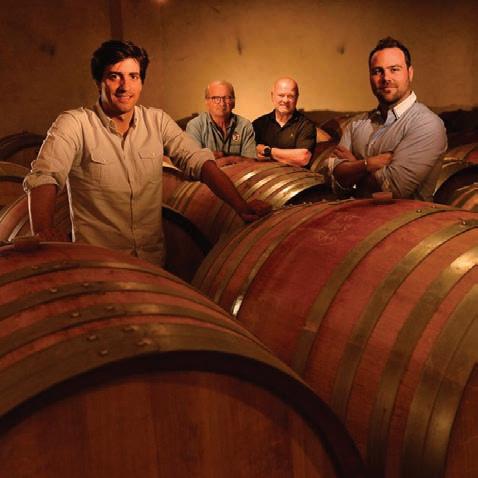
The Gonnet family estate in Châteauneuf-du-Pape was first developed in the 1950s. These days, they hold an impressive 30 hectares of vineyards running up to Le Crau, arguably the most revered vineyard plot in the appellation. These include sunny south and southeast-facing slopes; soils littered with prized, heat-reflecting galets roulés (so-called ‘pudding stones’) and ancient, low-yielding vines, some up to 110 years old. The wines have a common stylistic thread of balancing the region’s classic baked fruit character with a hallmark freshness and aromatic vivacity.
Château la Tour de l’Evêque Blanc, AOC Côtes de Provence V
Source Gabriel Rosé, AOC Côtes de Provence V
Sainte-Anne Rosé, Château la Tour
Sainte-Anne Rosé, Château la Tour de l’Evêque, AOC Côtes de Provence,
Pétale de Rose, Château la Tour de l’Evêque, AOC Côtes
Pétale de Rose, Château la Tour de l’Evêque, AOC Côtes
Château Barbeyrolles Rosé, AOC Côtes de Provence
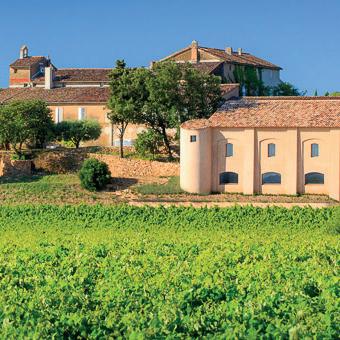
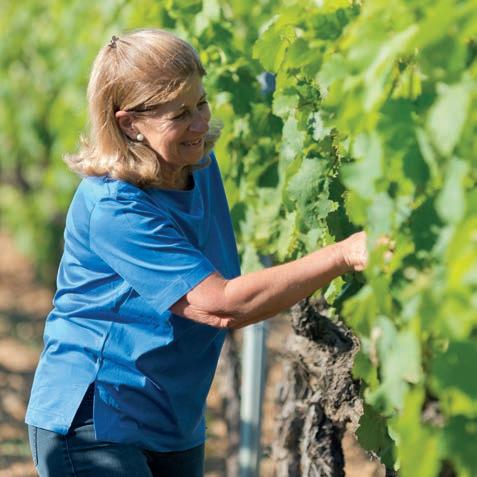
Château la Tour de l’Evêque is a beautiful property deep in Provence, surrounded by forest and garrigue. Steeped in history, many centuries ago, the château was the summer residence of the bishops of Toulon (the name translates as the ‘Tower of the Bishop’). The estate was purchased in 1958 by Gabriel Sumeire and is run today by his granddaughter Régine and her nephew Pierre-François de Bernardi. The Sumeire family have farmed sustainably for generations, and today the estate is certified both organic and biodynamic. Unusually, Régine maintains plantings of many different Provençal grape varieties, drawing on these in her blends, which are regional classics, complex and beautifully textured, yet with a sense of freshness.
THE PICTURESQUE CHÂTEAU LA TOUR DE L’EVÊQUE ESTATE
Régine Sumeire bought a dilapidated Château Barbeyrolles in 1977 and spent years restoring this small estate, gradually converting it to sustainable methods and achieving organic and biodynamic certification. It was here, in 1985, that she decided to create a different style of rosé compared to the more robust, deeper-coloured rosés of the time. She experimented with the ‘Coquard’ press — used in Champagne and noted for the delicacy of juices it yields. Régine’s ‘new’ rosé was a revelation — diaphanous in colour, with subtle flavours and textural finesse. Initially derided, the pale pink wine she created has become the defining profile of Provence rosé. Today, Barbeyrolles is an insider cult classic; the original Provence rosé, a pioneering style for all time.
RÉGINE SUMEIRE, CHÂTEAU BARBEYROLLES OWNER
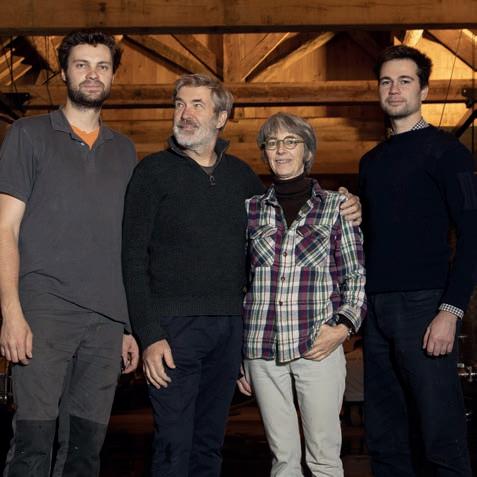
Sitting at the foot of the Sonnenglanz (sunburst) hills on the slopes of Riquewihr, this tiny vineyard is just 0.5 hectares. Andrée Trapet took over this family estate in 2002, assisted by her husband Jean-Louis Trapet of Gevrey-Chambertin’s eponymous Domaine Trapet. The pair combined their passion and savoir-faire to expand their holdings across an impressive collection of Alsace grand cru sites and converted them to biodynamic practices. Their two sons, Pierre and Louis, are also heavily involved — Pierre is based at Domaine Trapet full-time, and Louis assists at both family properties — continuing their parents’ philosophy of terroir focus and promoting the recognition of these exciting Alsatian wines.
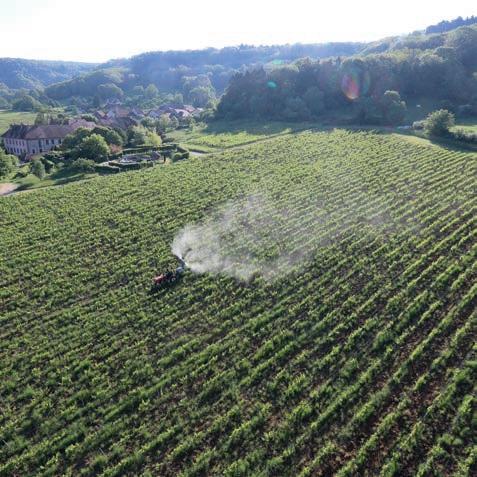
After blind tasting a Jura Chardonnay and mistaking it for Meursault, Guillaume d’Angerville, of Domaine Marquis d’Angerville in Volnay, teamed up with his longstanding régisseur François Duvivier to establish Domaine du Pélican in 2012. The estate today comprises 15 hectares, planted with two white varieties, Chardonnay and Savagnin, and three red varieties, Pinot Noir, Trousseau and Poulsard. The fascinating terroirs here include Jurassic soils with multicoloured marls at varying aspects, adding complexity and depth. The result is beguiling wines of purity and precision, nuanced by savoury textures and undertones. They also produce traditional Vin Jaune and a 100% Savagnin sparkling.
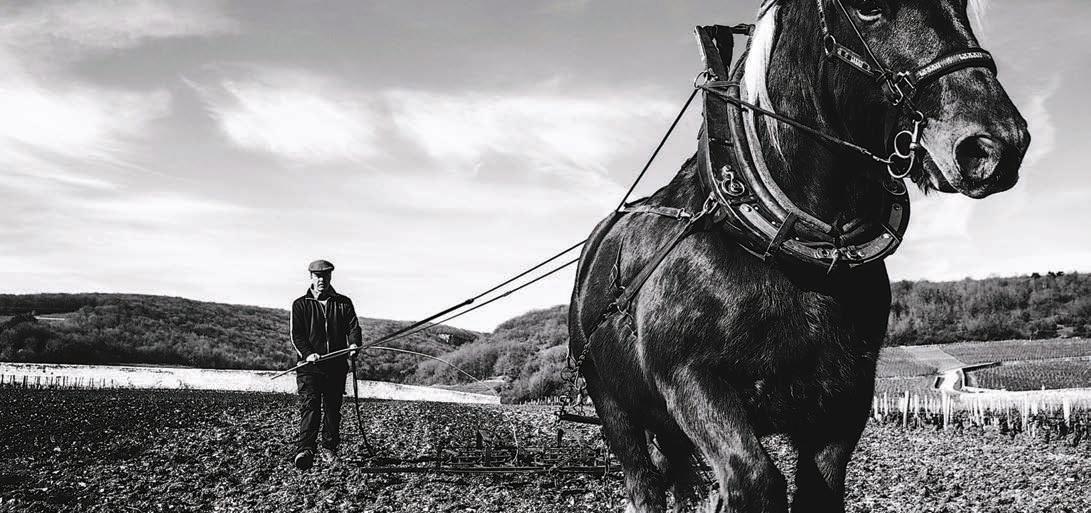
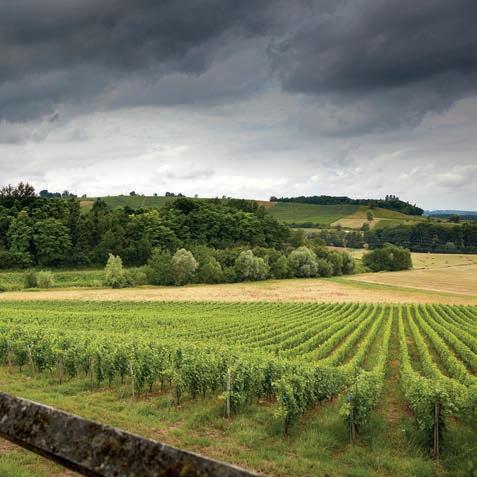
Founded in 2000, Maison Tissot-Maire is a venture between two of the Jura region’s oldest winemaking families — Maison Tissot and Domaine Maire & Fils — whose experience dates back 11 generations. Located in Arbois, the beating heart of Jura’s wine scene, they specialise in the production of high-quality crémants with a sense of place. Their excellent vineyard sites are planted over Jurassic chalk-rich soils, imparting great finesse to the final wines. Made only from hand-harvested, whole-bunch pressed grapes, their wines see extended time on the lees, which softens the natural acids, enhances texture and builds flavour complexity.
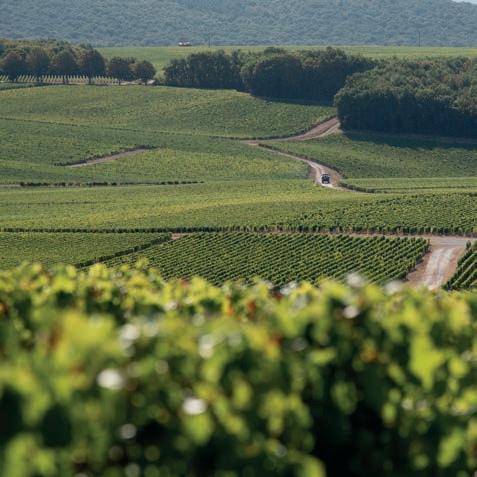
TISSOT-MAIRE’S ROLLING VINEYARDS
Crémant du Jura Blanc de Blancs
du Jura Blanc de Noirs Brut, Tissot-Maire
Brut Sº (Savagnin) Zéro, Domaine
Arbois Pinot Noir
1. Champagne J M Labruyère
2. Champagne Guy de Chassey
3. Champagne Salon & Delamotte
4. Cave de Cléebourg
5. Domaine Trapet
6. Domaine Julien Braud
7. Caves de Saumur
8. Frédéric Mabileau
9. Cellier du Beaujardin
10. Clau de Nell
11. Famille Bourgeois
12. Domaine Tissier
13. Domaine La Grande Maison
Chaumeau-Balland
14. Domaine du Nozay
15. Domaine A&E Figeat
16. Domaine de l’Épine
17. Domaine La Croix Saint-Laurent
18. Domaine de Saint-Romble
19. Domaine Gilles Lesimple
20 Domaine du Pélican
21. Tissot-Maire
22. Château Grinou
23. Plaimont
24. Domaine des Hauts Châssis
25. Domaine Gourt de Mautens
26. Domaine de Coyeux
27. Château Beauchêne
28. Vignobles Gonnet
29. Tardieu-Laurent
30. Château Barbeyrolles
31. Château la Tour de l’Evêque
32. La Pèira
33. Cave d’Alignan
34. Domaine Morin-Langaran
35. Maison Azan
36. Domaine Maurel
37. Celliers Jean d’Alibert

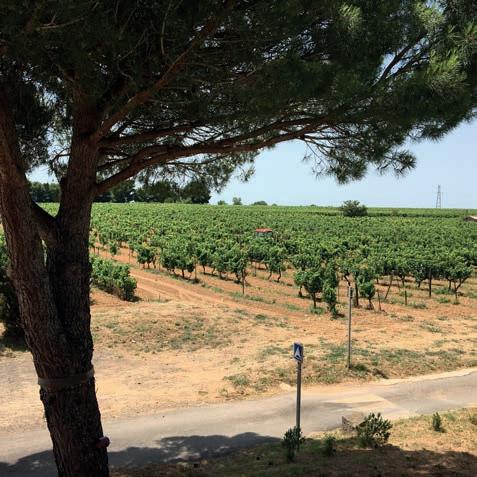
Maison Azan (also known as Domaine de Petit Roubié) lies at the heart of the Picpoul de Pinet appellation, and is owned by renowned husband and wife team, Olivier and Floriane. A passionate advocate of organic methods, Olivier was the first in Pinet to achieve organic certification. The vineyards span 80 hectares of land around the ‘Bassin de Thau’, the second largest lagoon in France, next to the Mediterranean Sea. The commune of Pinet is strongly influenced by its proximity to the lagoon; cooling sea mists and breezes bring freshness to the vines during summer and are believed to lend a subtle saline character to the wines.
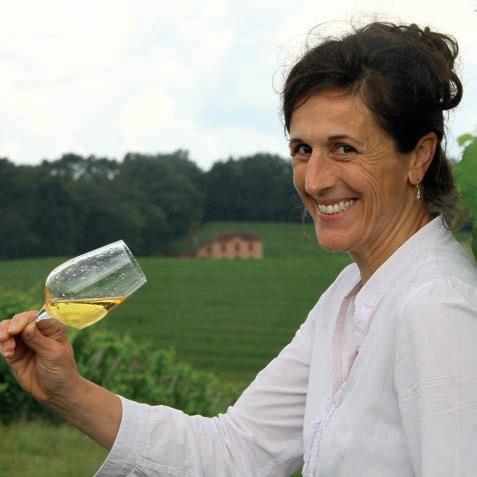
The Plaimont winery is based in the small village of Saint-Mont, in the heart of Gascony, in rural Southwest France. Founded in 1979 by visionary André Dubosc, who was determined to revive the fortunes of his native region. Plaimont has forged a reputation for quality and innovation. For over 40 years, the team has pushed boundaries, championing local grape varieties, winemaking styles and working tirelessly to raise the profile of the area and its wine heritage around the world. The wines are simply delicious, with their signature combination of intense yet delicate fruit, textural purity, and sense of freshness.
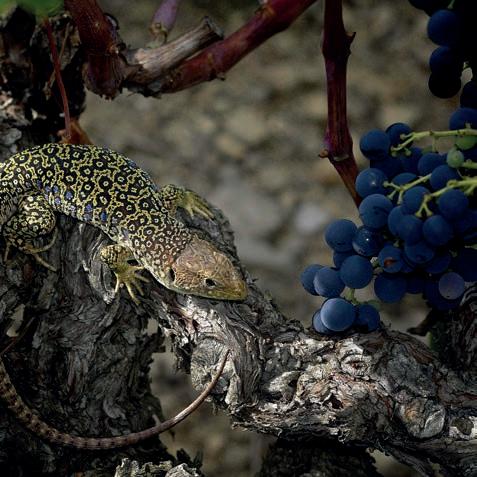
Les Celliers Jean d’Alibert is one of the oldest wine cooperatives in the Languedoc, established in 1978 in the ancient Minervois region at the foot of the mighty Montagne Noire. The group comprises five village wineries and countless small domaines spanning over 7,000 hectares, providing access to fruit of unparalleled range and quality. Jean d’Alibert’s expert, long-serving winemaking team creates wines as impressive for their diversity as their quality, all displaying the concentration of flavour, varietal purity and hallmark freshness of this exceptional terroir
La Brouette Blanc, IGP Côtes de Gascogne, Plaimont V
Petit Ballon Blanc, IGP Côtes de Gascogne, Plaimont V
Terre de Lumière Viognier, IGP Pays d’Oc, Celliers Jean d’Alibert V
Hommage à Colette Grenache Blanc, IGP Pays d’Oc, Celliers Jean d’Alibert V
La Muse de Cabestany Chardonnay Viognier, IGP Pays d’Oc, Celliers Jean d’Alibert V
La Combe de Grinou Blanc, IGP Périgord, Château Grinou V O B
Les Grenadiers Chardonnay, IGP Côtes de Thongue, Cave
Picpoul de Pinet, Domaine Morin-Langaran V
Picpoul de Pinet, Les Vignes Sur Mer, Maison Azan V O
Seigneurie de Crouseilles, AOC Pacherenc du Vic-Bilh Sec, Plaimont V
Chardonnay,
Le Faîte Blanc,
La
Morin-Langaran Rosé, IGP Côtes de Thau V
Domaine de Montaubéron Grenache-Syrah Rosé, IGP Côtes de Thongue V
La Brouette Rouge, IGP Pays d’Oc, Celliers Jean d’Alibert V
Petit Ballon Rouge, IGP Pays d’Oc, Celliers Jean d’Alibert V
Merlot, Domaine Saint-Estève, IGP Pays d’Oc V
Cabernet Sauvignon, Domaine de Saissac, IGP Pays d’Oc V
Cabernet Sauvignon, Domaine de Saissac, IGP Pays d’Oc, Magnum V
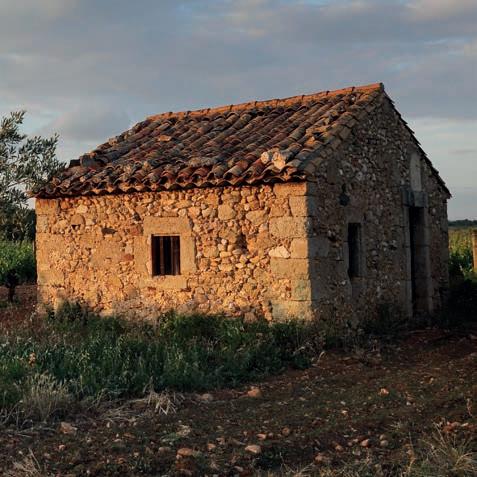
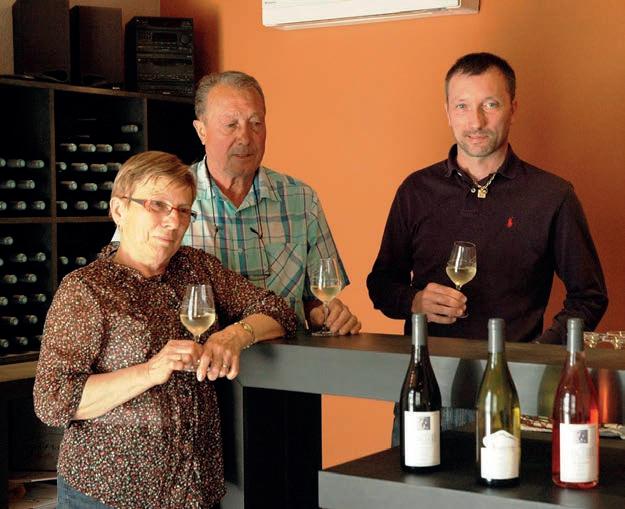
Australian-born Robert Dougan fell in love with the Languedoc region’s wines and history after meeting his wife, Karine Ahton, who was born there. A successful composer — best known for his 1995 hit ‘Clubbed to Death’, used as the soundtrack in The Matrix films — Robert was continually drawn back to the Languedoc, purchasing La Pèira in 2004. Based in Terrasses du Larzac, the estate is situated on a terrace of drained glacial, Bordeaux-like gravels. Winemaker Benoît Dreyer is the 16th generation of his family to make wines, hailing from Alsace. Imparting his extensive savoirfaire, he creates whites of nuanced texture and complexity and herb-infused reds of stature and energy.
HISTORICAL OUTBUILDING AT LA PÈIRA
Corney & Barrow Sparkling Blanc de Blancs, Extra Dry, Méthode Traditionnelle, France NV
Corney & Barrow Sparkling Blanc de Blancs, Extra Dry, Méthode Traditionnelle, France, Magnum NV
Corney & Barrow Blanc, IGP Côtes de Gascogne, Plaimont, France V 2024/25
Corney & Barrow Périgord, IGP Périgord, Château Grinou, France V O
Corney & Barrow Quincy, Domaine de l’Épine, Loire, France V O NEW
Corney & Barrow White Burgundy, Maison Auvigue, France V
Corney & Barrow White Burgundy, Maison Auvigue, France, Magnum V
Corney & Barrow Bourgogne Aligoté, Domaine Marquis d'Angerville, France V O B 2021/22
Corney & Barrow Bourgogne Côte d'Or Chardonnay, Domaine François Carillon, France
Corney & Barrow Rosé, IGP Côtes de Gascogne, Plaimont, France V 2024/25 611
Corney & Barrow Provence Rosé, Château la Tour de l’Evêque, AOC Côtes de Provence, France V O B NEW 2024/25 1213
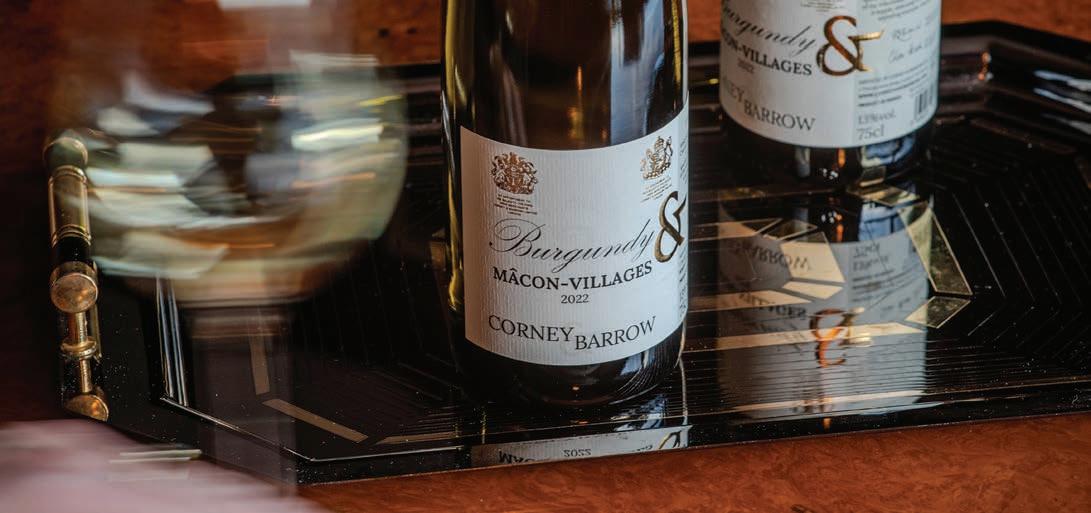
& Barrow Rouge, Vin de France, Celliers Jean d’Alibert, France V
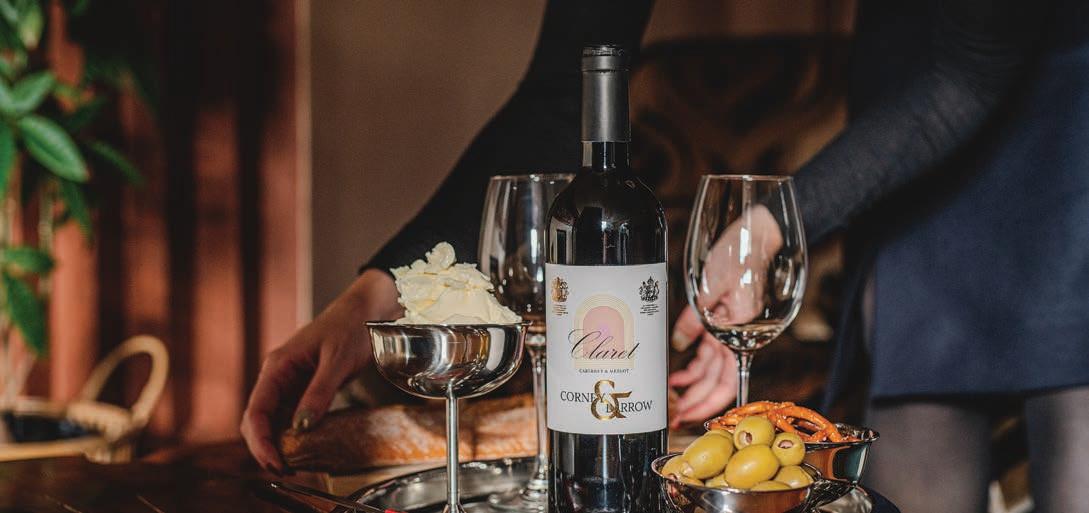
& Barrow Claret, Bordeaux, Maison Sichel, France V
Corney & Barrow Claret, Bordeaux, Maison Sichel, France, Half
Corney & Barrow
Corney & Barrow Saint-Émilion Grand Cru, Château Bellevue-Figeac, France V
Corney & Barrow Côtes du Rhône, Vignobles Gonnet, France V O
Corney & Barrow Rioja Crianza, Bodegas Zugober,
Corney & Barrow Sauternes, Maison Sichel, France, Half V
Corney & Barrow Sauternes, Maison Sichel, France, Half V
Corney & Barrow Ruby Finest Reserve Port, Wine & Soul, Portugal V
Corney & Barrow 20 Year Old Tawny Port, Portugal V





















(Erben
Estate Riesling Kabinett, Wwe. Dr. H.
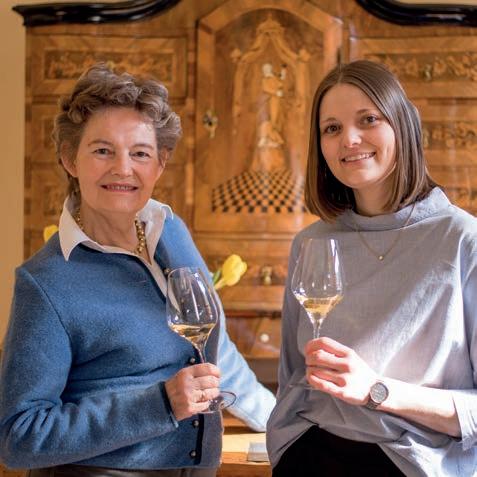
This historical Mosel estate dates back to 1636 and is currently overseen by the 11th and 12th generations, Sofia and Christina Thanisch. They uphold a proud female tradition whereby the Thanisch women have been managing the vineyards since 1895. Their most famous plot is the highly prized Berncastel Doctor, which has remained in the family for 200 years. The 3.21-hectare vineyard of predominantly ungrafted vines lies on a south-southwestern slope, ideally situated for long sunshine exposure. Legend has it that the wine possesses healing properties, hence the name ‘Doctor’. The Thanisch estate specialises in dry and off-dry Rieslings known for their delicate fruit and elegant freshness, developing minerality with age.
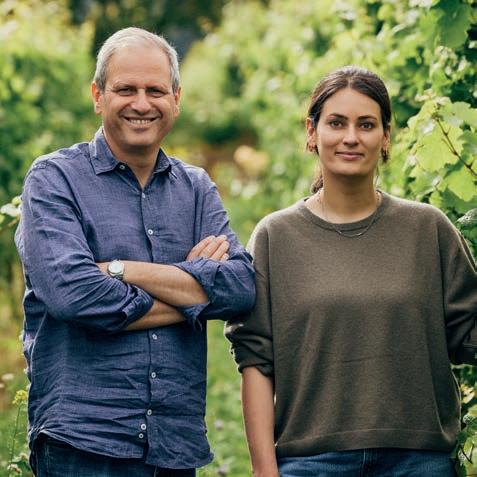
Situated in Pfalz, southwestern Germany, in the village of Gimmeldingen, Steffen Christmann and his daughter Sophie are eighth and ninth-generation winemakers. They focus on harnessing the finest expressions of Riesling and Pinot Noir, drawing on their unique terroirs and in-depth knowledge of these varieties. Steffen is president of the German VDP growers’ association, while Sophie has completed stages in France and Baden. They have also established a sister project with ex-Bollinger Cellar Master, Mathieu Kauffmann, making traditional method sparkling wines. Both Sektgut Christmann & Kauffmann and Weingut A. Christmann are estates making some of the most exciting modern German wines today.
204, Sekt
Cuvée 103, Sekt
Cuvée 104, Sekt
RHEINGAU WHITE
Hattenheim
Veltliner 'Kalk & Loess', Weingut Frank, Weinviertel V
Grüner Veltliner, Weingut Frank, Weinviertel V
Grüner Veltliner, Ried Hoher Weg, Weingut Frank,
Egy
Öreg Király Dűlő Sweet Szamorodni, Barta, Tokaj, 50cl V
Öreg Király Dűlő Aszú 6 Puttonyos, Barta, Tokaj, Half V
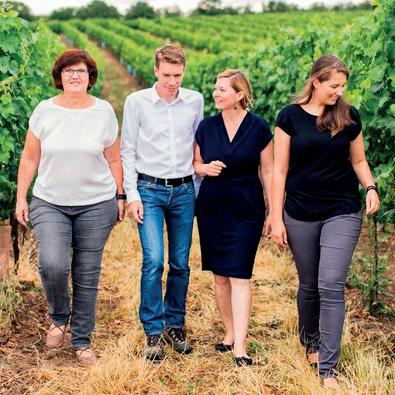
For 10 generations, the Frank family has made wine in Austria’s Weinviertel region. They cultivate 23 hectares of hillside vineyards, harnessing the unique microclimates and distinctive loess (ancient wind-blown sediment) and limestone soils to produce a fragrant, textural style of Grüner Veltliner. Nicknamed ‘pfefferl’ (‘little peppery one’), this grape variety showcases delicate white pepper and herbal notes. The affable Harald Frank leads the family business, alongside his wife Daniela, cousin Katrin, and aunt Johanna, preserving a 300-year legacy as dedicated custodians of their land.
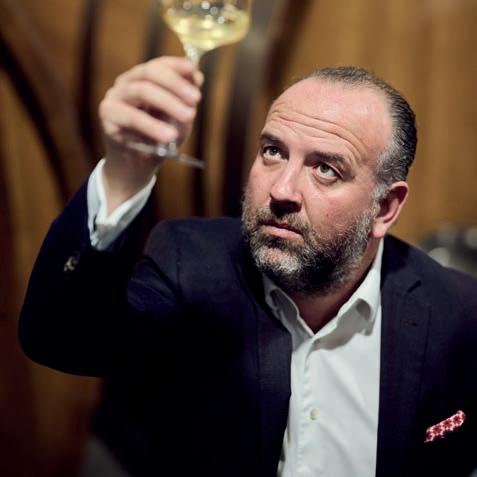
The Kracher name is renowned for world-class botrytised sweet wines, shaped by the unique microclimate of Lake Neusiedl in Burgenland. Founded in 1959 by visionary Alois Kracher, the estate pioneered ‘noble rot’ wines in the area, harnessing the lake’s humidity to create wines of unparalleled complexity. Alois’ son, also called Alois (‘Luis’), gained global fame in the 1990s, refining the style to focus on finesse and freshness. Since 2007, Luis’ son Gerhard has been a dynamic force, elevating quality and expanding the range to include fine dry wines alongside their extraordinary sweets.
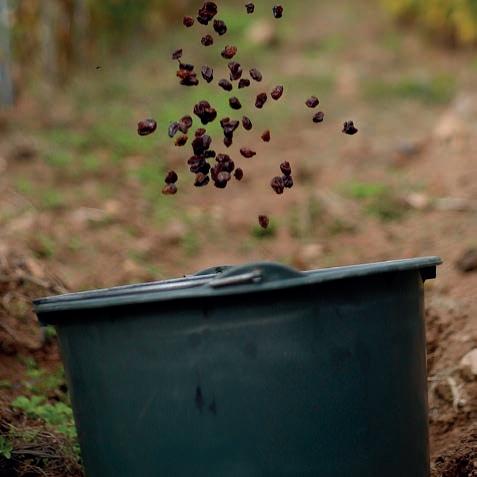
Barta is a young winery with old vineyards, based in the famous Tokaj village of Mád. From 2003, businessman Károly Barta bought parcels on the exceptional slope of Öreg Király (King’s Hill, in English). He restored its ancient stone terraces, replanted abandoned vineyards and established a small winery. The Barta philosophy is one of custodianship and a drive for quality. The vineyards are farmed organically, while the winemaking draws on traditional and modern techniques in pursuit of purity and character. Spanning distinctive dry styles as well as prized sweet Szamarodni and Aszú, Barta’s wines are a celebration of the noble Furmint variety.
Sanziana Pinot Grigio Fetească Albă, Cramele Recaş,
Păsări Chardonnay Fetească Regală, Cramele Recaş, Banat V
Sanziana
Păsări Merlot, Cramele Recaş, Banat V
Training is key to ensuring staff are knowledgeable and confident when it comes to wine.
To complement the Corney & Barrow Wine School, we also provide bespoke training. From wines by the glass to new additions and upselling, our ‘Train the Trainer’ sessions develop the wine knowledge within your business. For those seeking certified qualifications, we are pleased to offer courses for the WSET Award in Wines Level 1 and Level 2.
Our extensive knowledge and experience means we are able to provide a bespoke training programme to suit your staff and business needs. The sessions are designed to be succinct and relevant to you, instilling confidence in your full team.
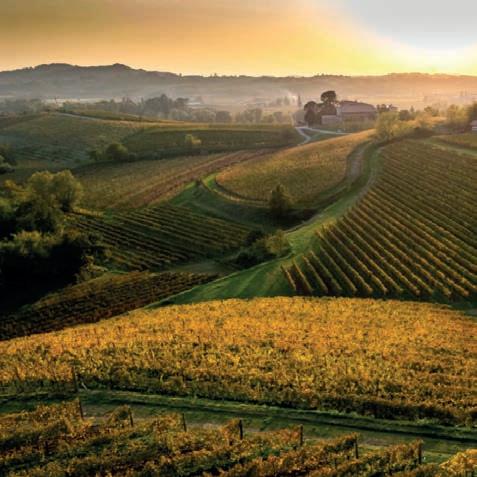
Tunella is a small family winery based in the Colli Orientali del Friuli, near the Italian border with Slovenia. This area benefits from a unique microclimate between the mighty Dolomites and the Adriatic Sea. The hilly countryside here is carpeted with vines grown on sunny terraces. The soils — known locally as ponca — are believed to contribute to the distinctive textural purity and subtle flavour complexity of the local wines. Tunella produces characterful, expressive wines, from international grapes as well as indigenous varieties found only in the region, such as Ribolla Gialla.
Gavi di Gavi DOCG, Fratelli Antonio e Raimondo
Roero DOCG Arneis, Cascina Ghercina V
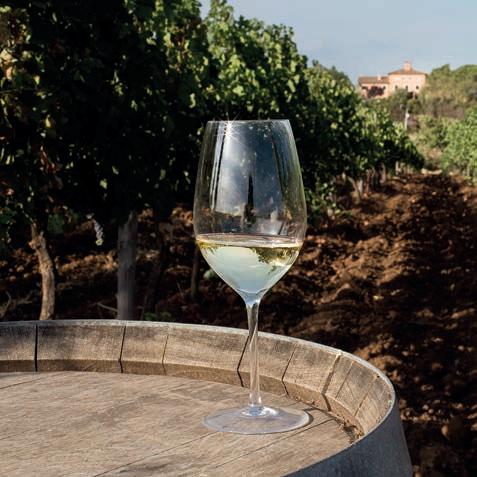
Lying on Rome’s famous Appian Way, this breathtaking property was inherited by Alberico Boncompagni Ludovisi, Prince of Venosa, in 1946. The prince was eccentric but passionate about his vineyard, ensuring he could overlook the vines from his bedroom window. He built a grand reputation for his wines and began selling them to locals who would pay without knowing which wine they would receive or how many bottles. Before his death in 2005, he burnt all his vines save for eight rows. His granddaughter, Alessia Antinori, has since replanted and lovingly breathed new life into a now thriving estate producing affordable organic whites and reds in the heart of Lazio.
RED (CONTINUED)
Jefferson
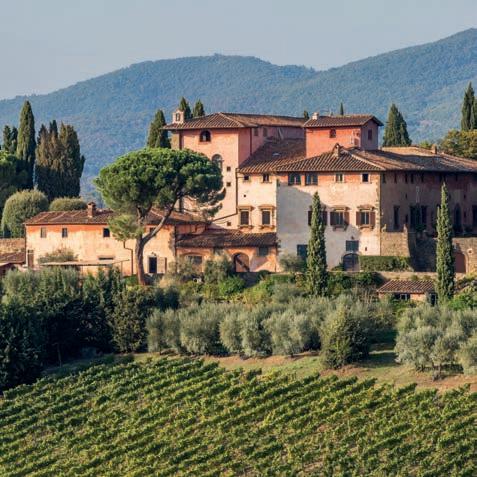
The beautiful Vignamaggio estate, in its quintessentially Tuscan setting, was built in the 15th century by the noble Gherardini family, whose daughter is thought to be the subject of da Vinci’s famous Mona Lisa, supposedly painted here. The estate lies at the heart of the Chianti region, above the village of Greve in Chianti, high in the hills. Temperatures are slightly cooler here, particularly at night, mitigating the fierce summer heat, while deep clay soils retain moisture, vital to high-quality viticulture. Vignamaggio’s wines are prized for their structural elegance and purity of expression, based on Chianti’s classic Sangiovese grape.
Chianti Classico, Terre di Prenzano DOCG, Vignamaggio V
Classico Gran Selezione, Monna Lisa
Il Pino di Biserno, IGT Rosso Toscana, Tenuta di Biserno, Half V
Franc, IGT Toscana, Vignamaggio V O
Biserno,
Biserno, IGT Rosso
IGT Rosso Toscana, Tenuta di Trinoro V
Campo Magnacosta, IGT Rosso Toscana, Tenuta di Trinoro V
Campo Magnacosta, IGT Rosso Toscana, Tenuta di Trinoro,
Brecciaro Ciliegiolo, IGT Narni, Leonardo Bussoletti V
Ramici Ciliegiolo, IGT Narni,
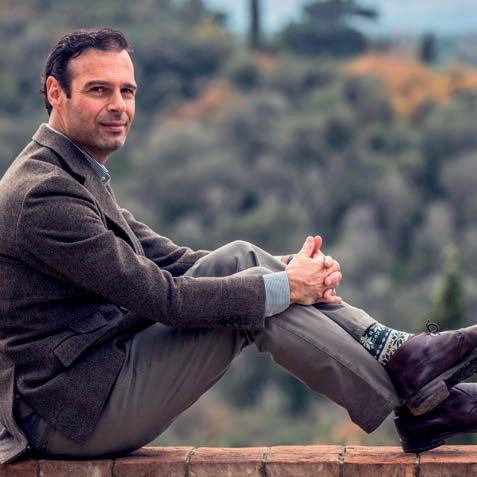
The Antinori name resonates throughout the wine world, but Marchese Lodovico Antinori is pitched at a unique frequency. Legendary, maverick, genius, headstrong — all apply — but his imagination, vision and drive create world-class wines. Rings no bells? Think Ornellaia and Masseto, of old, and now, the great Biserno — all created by Lodovico. In Bibbona, a coastal area of western Tuscany, cooled by sea breezes, the geology is better suited to Bordeaux varietals than the ubiquitous Sangiovese. Niccolò Lenzi, Lodovico’s nephew now manages the family estate and brings with him years of experience with a deep knowledge of this particularly special estate. Outstanding food wines.
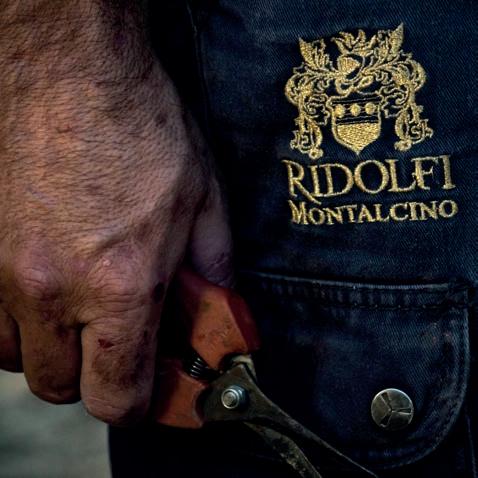
This Montalcino estate is an exciting addition to our Tuscan portfolio. Ridolfi has a long history stretching back to 1290. In 2011, Giuseppe Valter Peretti bought the estate and was joined in 2014 by Gianni Maccari, previously the winemaker of Poggio di Sotto. His son Filippo recently joined him after completing his oenological studies. Ridolfi is located in Mercatali, once the hub for a large annual market. It has 30 hectares of land, of which 11.4 hectares are dedicated to Brunello vines, 6.5 hectares to Chianti Colli Senesi and one hectare to Rosso di Montalcino — plus 700 olive trees.
Leonardo Bussoletti’s estate lies in the valley of Narni in southern Umbria. Said to have inspired C.S. Lewis’ Narnia, this is a remote area of wild, sometimes inhospitable, beauty. Inspired by what he calls ‘the noble art of wine’, Umbrian native Leonardo dreamt of creating wines that would honour Umbria in a similar way. He set out to champion ancient local grapes, such as Grechetto, Trebbiano Spoletino and Ciliegiolo. Planted on chalky-clay soils, Leonardo’s vineyards are fully organic, tended with utmost rigour. Craftsmanship, uniqueness and sustainability are his watchwords. His aim: to achieve wines of finesse with a sense of place.
SPARKLING
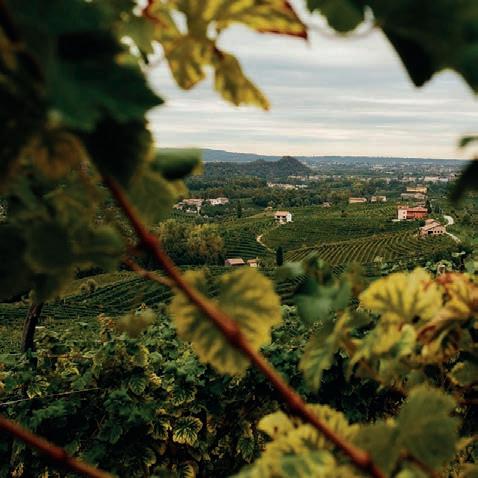
Le Colture can be found nestled in the lush hills around the village of Santo Stefano di Valdobbiadene, the epicentre of Italy’s Prosecco country. The Ruggeri family has been tending vines here since the 16th century. Their ‘prosecchi’ are made from estate-grown fruit only — crucial to maintaining quality standards. The family vineyards are planted on sought-after hillside sites, including the vertiginous outcrop of ‘Cartizze’, Prosecco’s prized grand cru. Traditional methods, backbreaking work in the vineyards and attention to detail in the winemaking process result in wines that are refined, fragrant and subtly expressive.
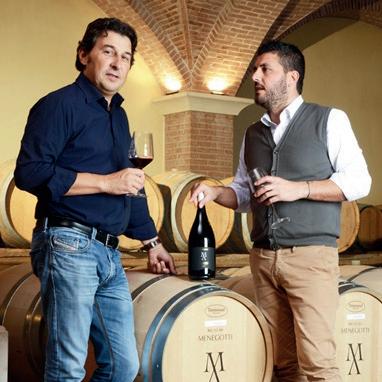
Family-owned and run, Cantina Menegotti is based near Lake Garda in northeast Italy. The estate delivers a contemporary take on classic local styles, aiming for wines with purity of fruit and regional typicity. Its enviable location provides a unique microclimate for grape growing, the vineyards are protected by the Alps, while the lake helps moderate temperature variations. The distinctive morainic soil, rich in mineral salts, is held to impart mineral notes to the wines. Now run by the third generation, the Menegotti family blends local varietals to create elegant wines with bright aromatics and expressive fruit flavours.
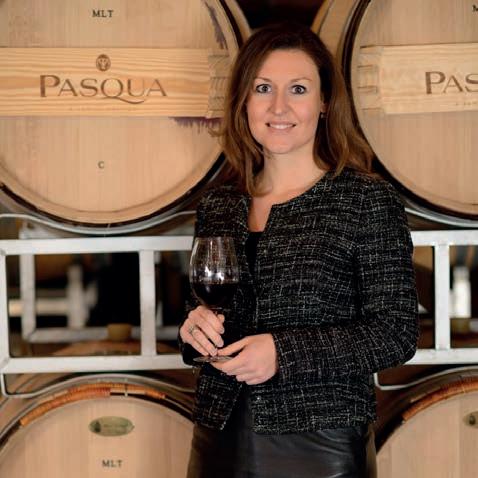
A sense of history, a sense of place, and the beauty of new connections combine in the wines of the Pasqua family. Their Cecilia Beretta venture, terroir-driven and focused on carefully selected hillside vineyard sites, speaks to these qualities with both continuity and ingenuity. The eponymous Cecilia was a 19th-century noblewoman and philanthropist. Today, third-generation Cecilia Pasqua is at the helm. Honouring the legacy, she has enlisted one of Italy’s leading winemakers, Graziana Grassini (protégée of Giacomo Tachis), to reinterpret the classic wines of Valpolicella and Soave with a light touch.
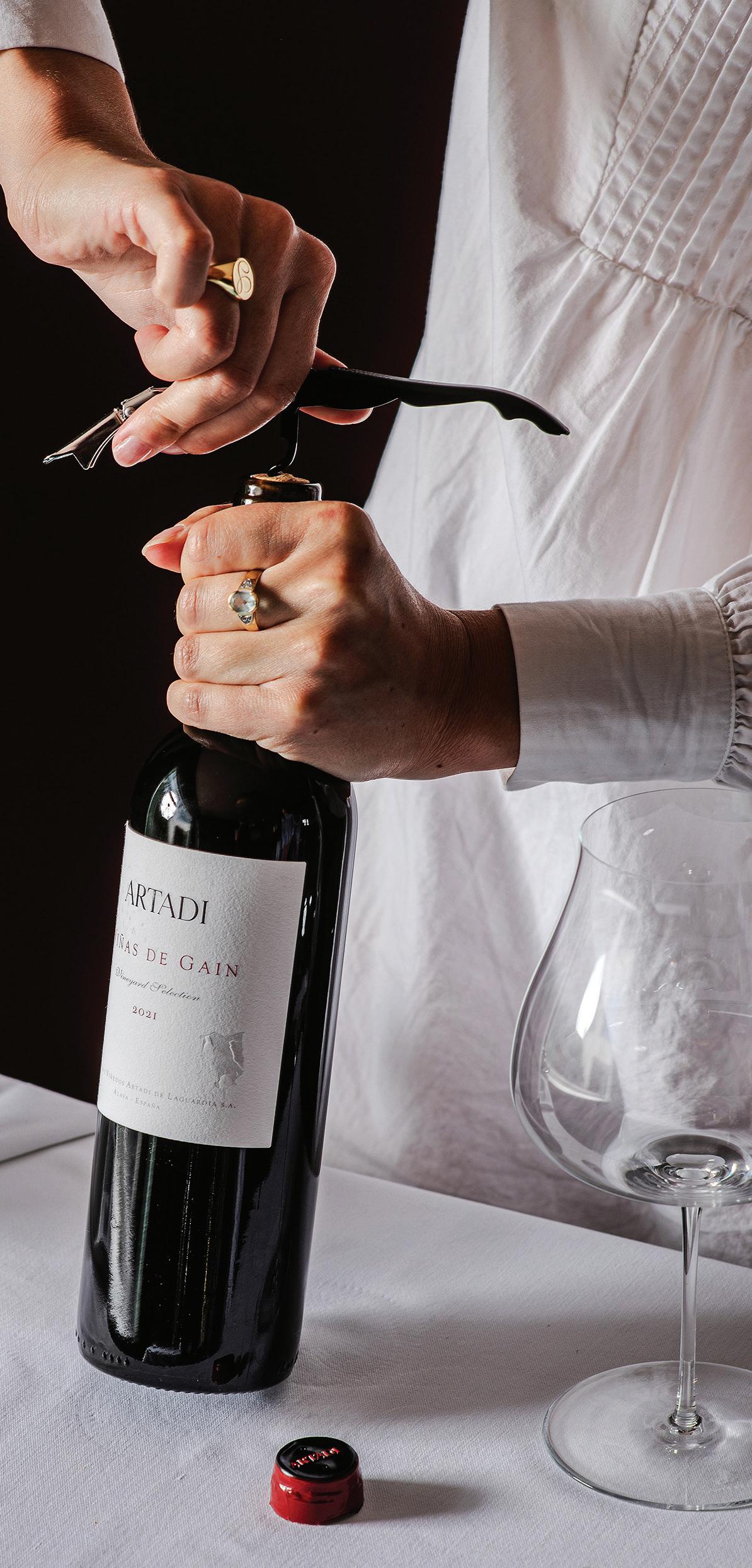
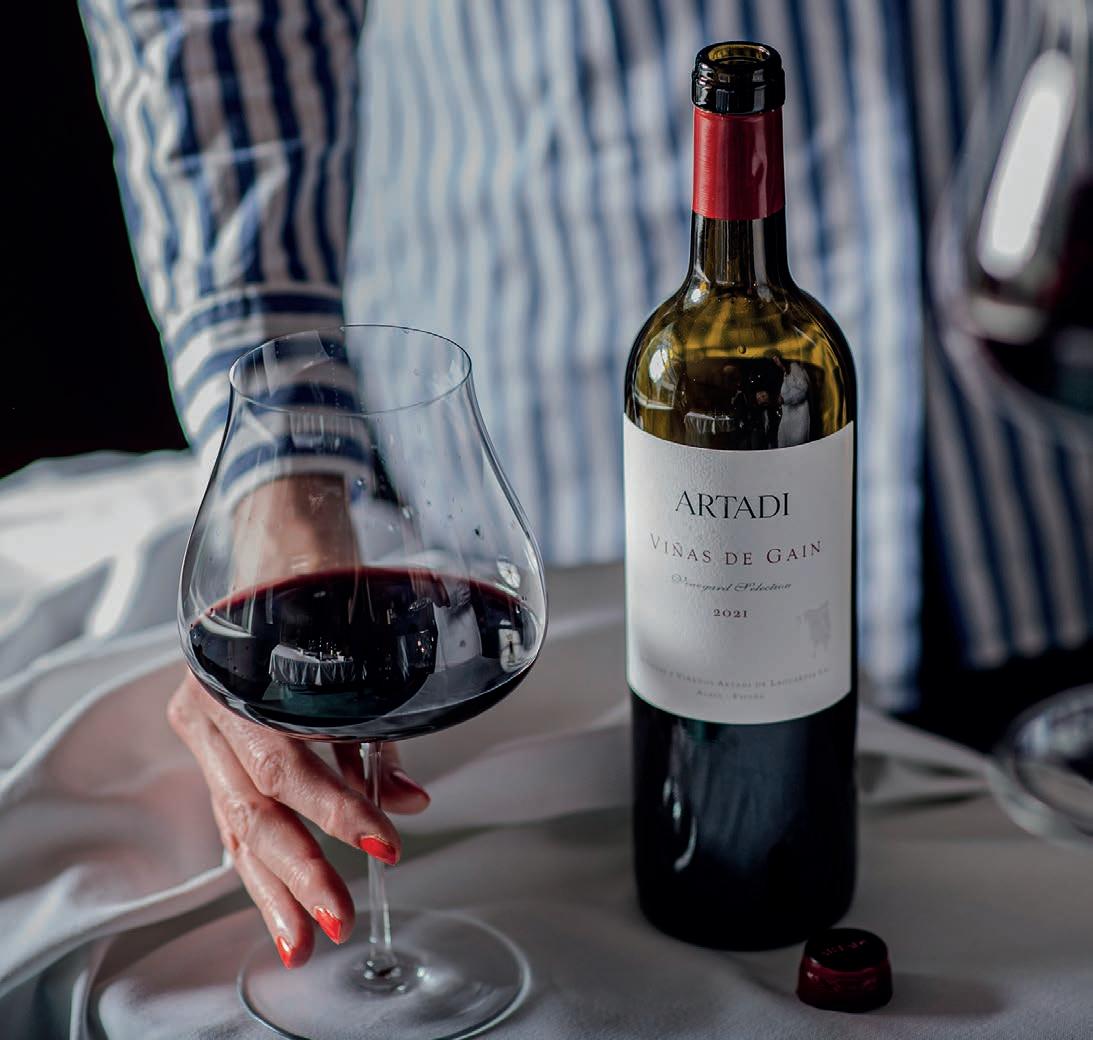
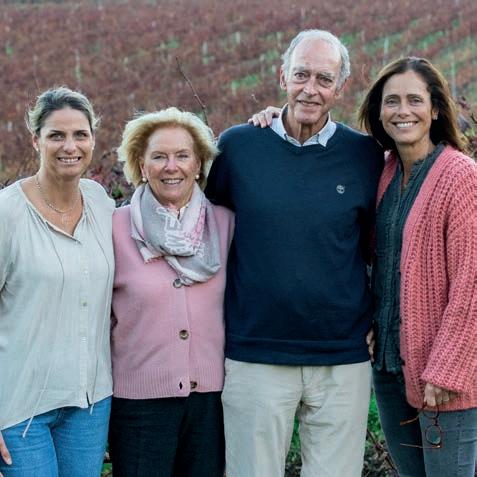
Bodega y Viñedos Artadi
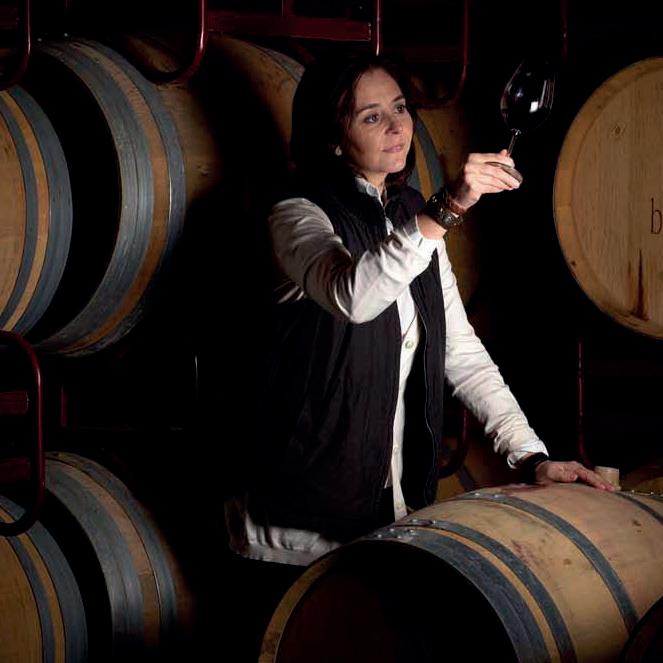
Bodegas Zugober is a small-scale, family-owned winery founded in 1987 by viticulturist Eduardo Gomez Palma and winemaker Maribel Bernardo. Located in the prized Rioja Alavesa region, their excellent, south-facing vineyard sites are sheltered from the cool winds of the Sierra de Cantabria, helping produce grapes of great character and finesse. Tempranillo is the king here. Gentle handling and careful barrel-ageing deliver classically structured wines, combining ripe cherry and plum fruit with mineral freshness.
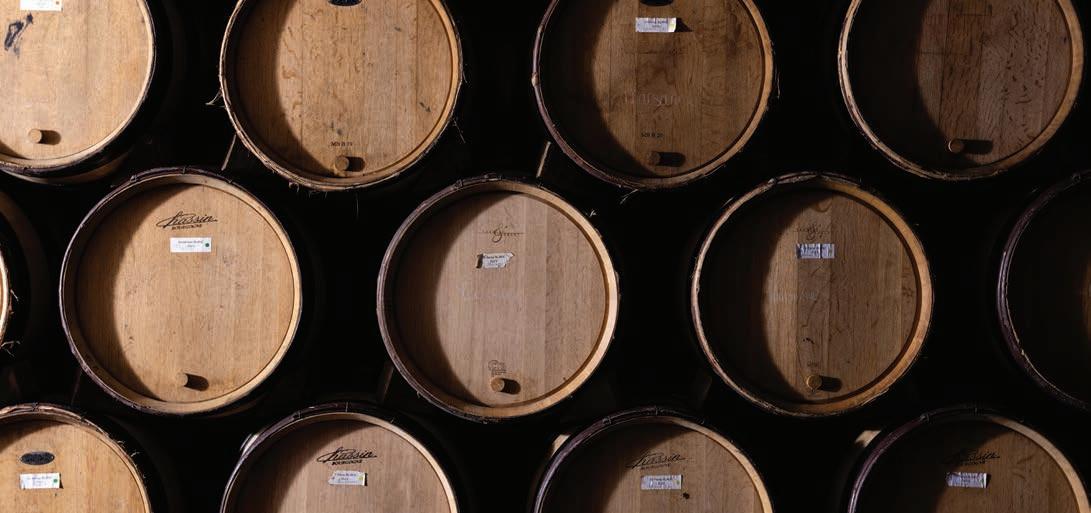
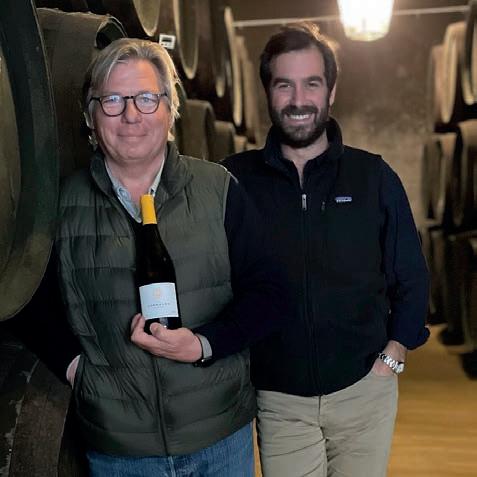
Bordeaux-trained Danish winemaker Peter Sisseck is on a one-man mission to revive the Sherry category with a modern take. After establishing his reputation in Ribera del Duero with Dominio de Pingus, Peter sought to make Spain’s greatest white wine and believed the answer lay in Jerez. His relentless focus on biodynamics, limestone expression and old, low-yielding vines led him to Bodega San Francisco Javier and the Del Rio family to produce a Fino Sherry that focussed on terroir. Inspired by the grower champagne movement, Peter puts the vineyard origins of this estate front and centre — a unique concept in the region. The result is Viña Corrales, a complex and nuanced bone-dry white that is mouth-wateringly drinkable.
Cava Joan Sardà Brut Reserva, Alt Penedès V O
Cava Joan Sardà Garnacha Rosat Brut, Alt Penedès V O
CASTILLA Y LEÓN
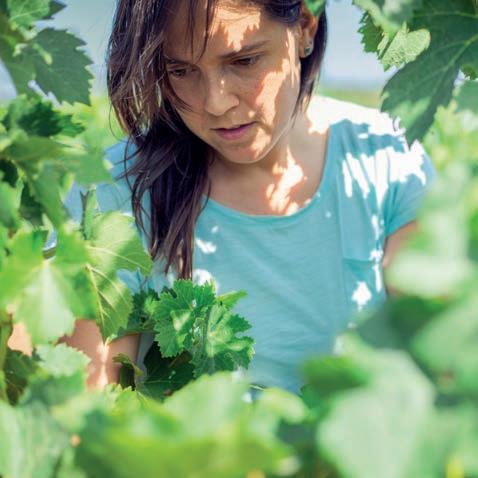
The Joan Sardà winery is located in the village of Castellví de la Marca, amid the rolling hills of the Alt Penedès region in Catalonia. Local farmer, Tomàs Sardà Comellas, founded the winery in 1927, when he made the brave decision to leave the local cooperative and strike out on his own. The winery has been championing native varietals, primarily Xarel-lo and Garnacha, ever since. The altitude of the vineyards, together with fresh Mediterranean breezes from the nearby coast, creates a marked difference between day and night-time temperatures. These conditions allow the grapes to ripen slowly, while retaining the all-important acidity needed to make great sparkling wine.
QUERALT ORRIOLS, WINEMAKER AT BODEGAS JOAN SARDÀ
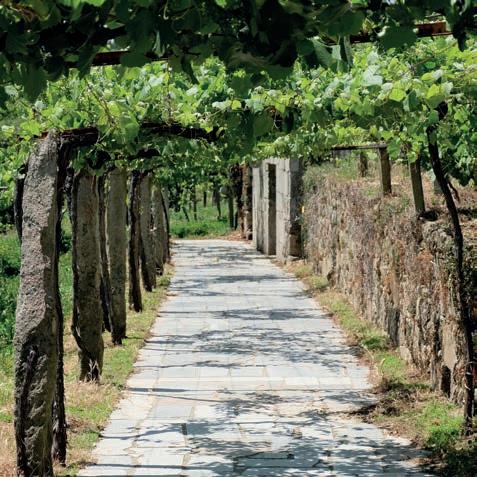
Adegas Galegas lies in the verdant northwest of Spain, nestled in an amphitheatre of vines overlooking the river Miño, along the Portuguese border. Founded in 1995 by Pepe Rodriguez, a renowned viticultural expert known as the ‘Father of modern Albariño,’ the winery has played a key role in elevating the region’s wines. Rodriguez’s efforts to resurrect and champion local grape varieties have driven a surge in quality and reputation, leading to international acclaim. Adegas wines capture the essence of the Atlantic coast, delivering refreshing wines with subtle fruit expression and a distinctive saline finish.
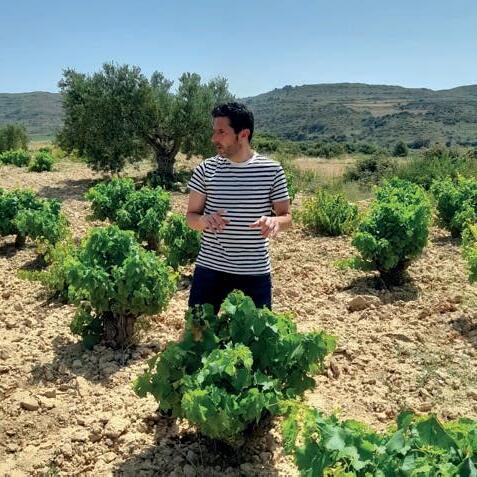
Founded in 1914 in the village of San Martín de Unx, in eastern Navarra, Bodegas San Martín is today one of the region’s most highly regarded cooperatives. Their small vineyard plots are predominantly planted with Garnacha old vines (white & red), dispersed throughout the rolling hills of the Baja Montaña sub-region. This mountainous landscape, carpeted with wild Mediterranean shrubs, produces naturally fragrant wines. Since 2006, Head Winemaker Gonzalo Celayeta has worked hard to preserve the village’s rich viticultural heritage, producing pure-fruited, scented wines with a true sense of place.
Laderas de Unx Garnacha Blanca, DO Navarra
de Unx Garnacha Blanca, DO Navarra
In 1987, Paulo and Alice Tavares da Silva acquired the picturesque Quinta de Chocapalha, a 16th-century estate located 45km north of Lisbon. The family property covers 70 hectares of land, a true haven of peace with rolling hills covered with a patchwork of vineyards, olive groves, orchards and ancient woodlands. In 2000, their daughter Sandra, a talented winemaker, joined forces with other members of the family to reform the estate. They preserved old native vines and planted some international varietals, with a view to producing characterful wines combining fruit concentration with an exquisite tension imparted by the nearby Atlantic Ocean.
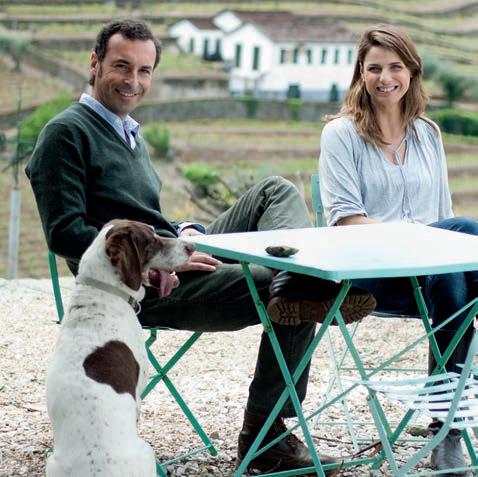
In 2000, winemaking couple Sandra Tavares da Silva and Jorge Serôdio Borges founded Wine & Soul, to preserve some of the Douro Valley’s oldest vineyard plots and craft both still wines and ports. Their project encompasses two properties located in the spectacular Pinhão Valley, a UNESCO World Heritage site famous for its man-made terraced vineyards. ‘Quinta da Manoella’ and ‘Pintas’ estates are home to centuryold vines and a plethora of indigenous grape varieties. The combination of continental climate, granitic soils and sustainable viticulture yield pristine, concentrated grapes with naturally balanced acidity.
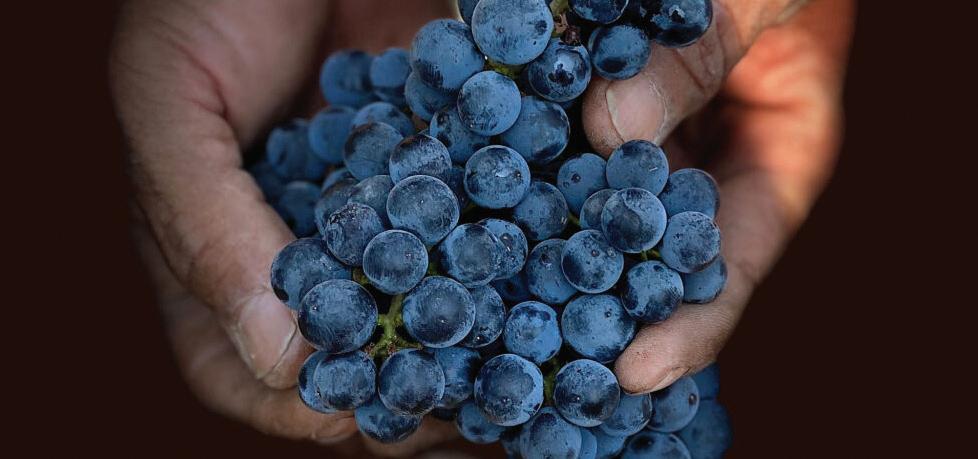
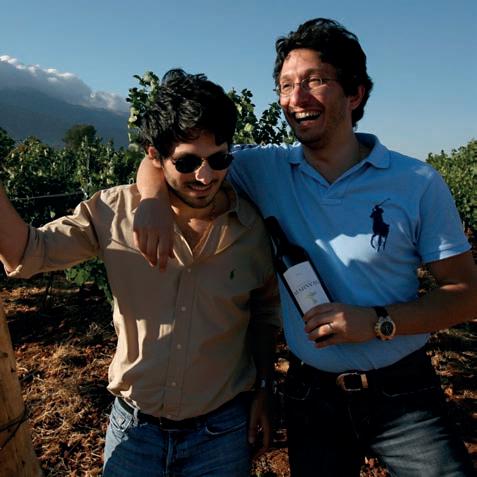
Château Marsyas is an extraordinary venture, created in Lebanon’s Bekaa Valley by the Saadé family. The estate spans 55 hectares of prime, high-altitude vineyards and refers to the ancient name for the Bekaa Valley. The Saadé family’s admiration for classic French wine regions (Bordeaux, Burgundy, Rhône) led them to seek out renowned consultant Stéphane Derenoncourt to help them in their quest: to champion their distinctive terroir in wines of outstanding quality. They decided to plant noble international varieties — Cabernet Sauvignon, Merlot and Syrah for their reds, and Chardonnay and Sauvignon Blanc for whites. The resulting wines are stylish and classically structured, created with a nod to France but with their own accent.
We strive to ensure that all our activities comply fully with relevant environmental legislation, aiming for continual improvement and best practice in terms of environmental management procedures. These are outlined below.
• Wine Buying Approach — Environmental policy and sustainability are key considerations of our buying policy. It is important to note that we have been working with most of our key suppliers for many years and have built up trusted relationships with them over this time. Quality, responsibility and common sense drive the relationships we have with our suppliers, the vast majority of whom demonstrate a clear commitment to sustainable approaches in different ways, related to their origins, local practices and legislative framework. Approaches include Organic and Biodynamic practices, ‘Reasoned Viticulture’ (derived from France’s Lutte Raisonnée, avoiding systemic treatments but reserving the right to treat if absolutely necessary), and country or regionspecific initiatives such as the Sustainability Code of the Chilean Wine Industry, France’s ‘Haute Valeur Environnementale’ (HVE), Napa Green in California, South Africa’s integrated Production of Wine (IPW) Scheme and the Sustainable Winegrowing of New Zealand programme. Such initiatives follow the principles of international wine industry environmental and sustainability policies, drawn up by global organisations such as the International Federation of Wine and Spirits (FIVS) and the International Organisation of Vine and Wine (OIV). We encourage and support all efforts taken by our producers in this regard and ask for evidence of certification where relevant.
• Supply Chain Management — The Company, wherever possible, seeks to appoint suppliers of works and materials who are environmentally aware and share our desire to reduce environmental impact. We will communicate our environmental concerns if and when they arise, and we will request information from suppliers in order to monitor capabilities and progress in achieving the best possible standards. We cover the four pillars of Labour Standards, Health and Safety, Environment and Business Ethics.
• We recognise the management of environmental impacts as a global priority and are complying with relevant environmental legislation, such as the UK Streamlined Energy and Carbon Reporting (“SECR”) scheme, supported by independent 3rd party certification of our scopes 1, 2 and core scope 3 carbon emissions, ensuring transparency and accountability. We qualify for the Energy Savings Opportunity Scheme (“ESOS”), and we are working on our phase 3 action plan with the support of an expert sustainability team, a process which will see our buildings move much closer to decarbonisation.
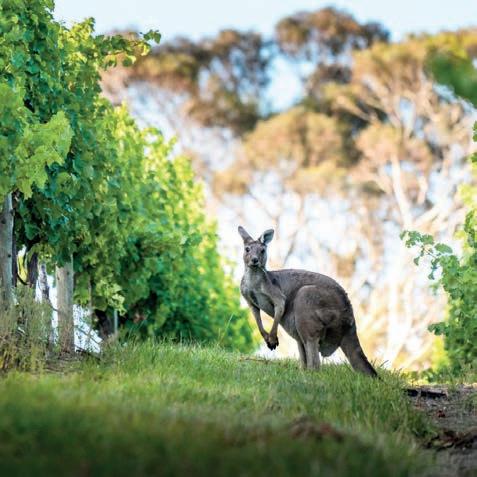
One of the most captivating wine estates in Australia today, The Lane Vineyard makes wine with expressive fruit, refined structure and texture. Their vineyards are planted high in the Adelaide Hills, one of Australia’s most distinctive areas for grape-growing. Here, the relatively cool climate and ancient soils are key to the style of the estate’s wines, which walk the tightrope of brightness and grace. The mission is to create memorable, vibrant wines that embody their unique terroir
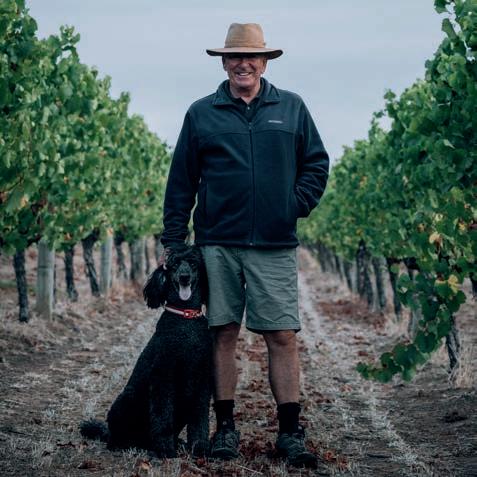
Established in 1999 by Nigel Gallop and the late Heather Fraser, Fraser Gallop Estate is located in the prized Wilyabrup subregion of Margaret River, just 6km from the southwest coast of Western Australia. Planted without irrigation, their vines have been challenged to find their own water, deep in the subsoil. This has created vines that produce smaller berries with heightened flavour intensity and a ‘slate-like’ minerality. Head Winemaker Ellin Tritt’s philosophy is to allow the fruit to speak for itself. She strives to produce wines that exhibit balance and finesse on release, with the structure and concentration to develop gracefully in the bottle.
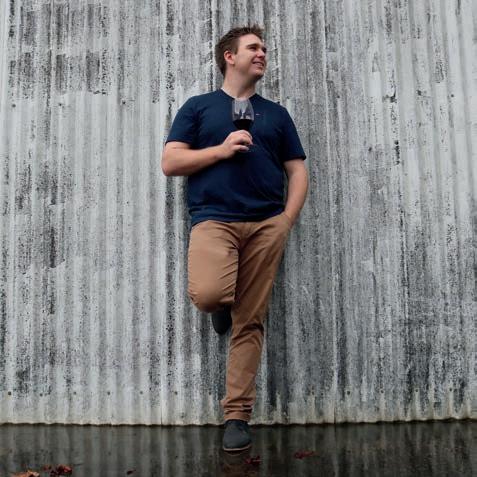
Trent Burge is Barossa Boy, the sixth generation of the famous Barossa winemaking clan. From backyard to vineyard and cricket pitch, he grew up a country boy, tearing about the local vineyards on his bike. He was involved in all aspects of viticulture and winemaking from a young age, including tending the family’s tiny plots of gnarled vines dating back to 1890. Trent’s deep understanding of the land plays a key role in the style of his wines. Sourcing grapes of the highest quality from specific sites, he crafts wines to be classically Barossa in structure and flavour profile, but with a lightness of touch that is resolutely modern.
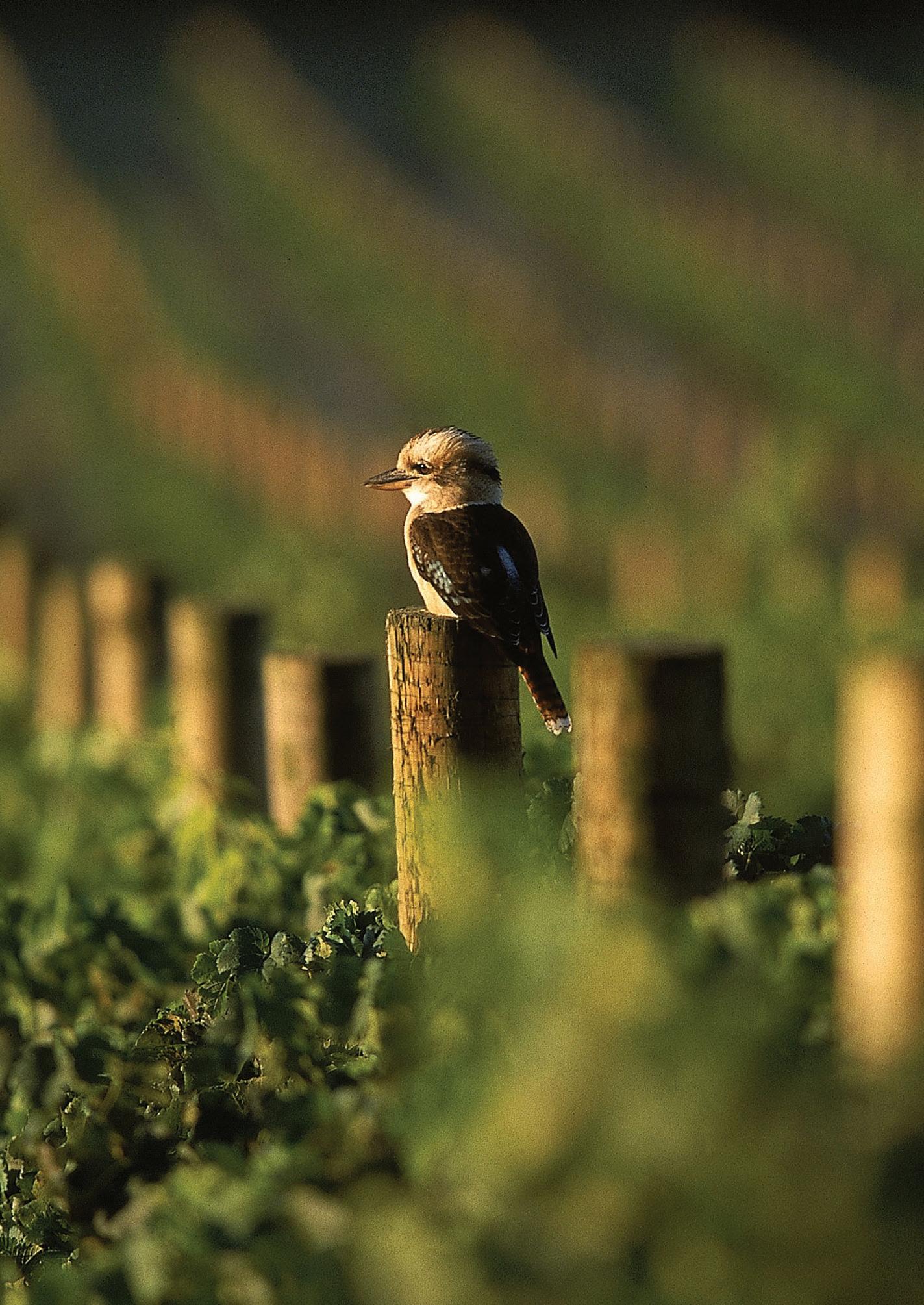







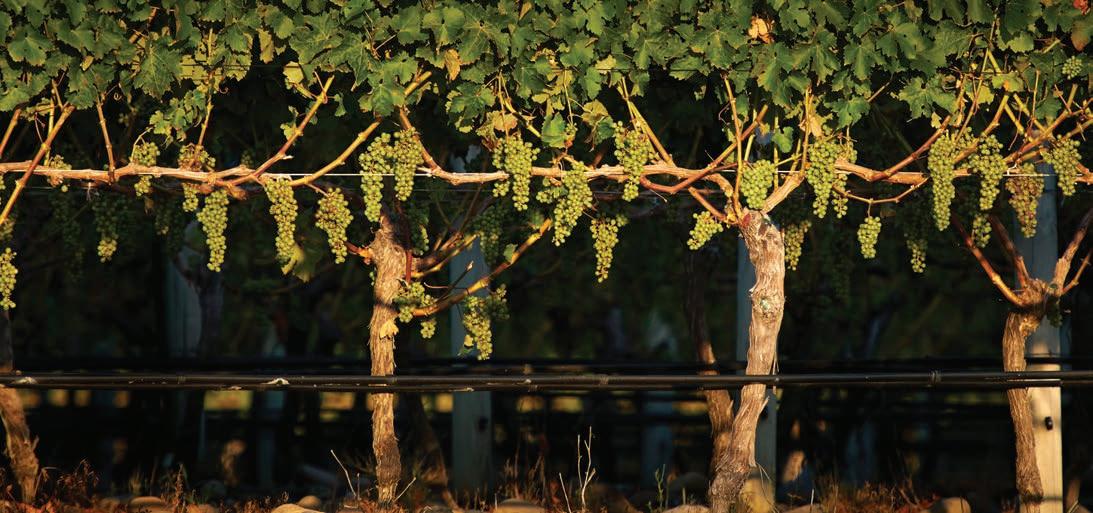
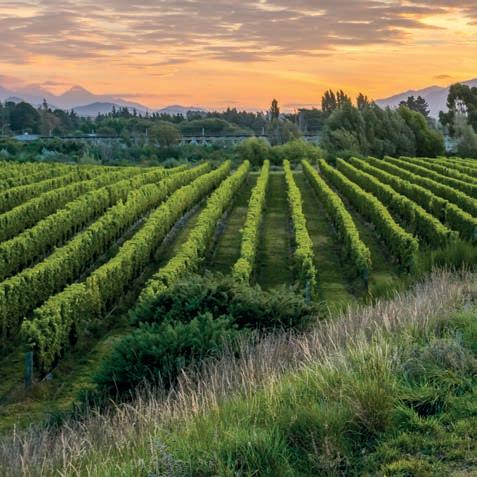
Boutique, family-owned Marlborough estate Eradus Wines boasts 12 hectares of vineyards, the most impressive of which are planted on undulating terraces along the Awatere River valley. Closer to the ocean than much of the Marlborough wine region, the Awatere’s warm days, cool nights and dry climate are key to the luminous flavour intensity, elegant minerality and fresh acidities of Eradus’ distinctive wines. The estate is run by Michiel Eradus, whose affable, easygoing demeanour belies a fierce perfectionist in pursuit of quality and balance, the Eradus mantra.
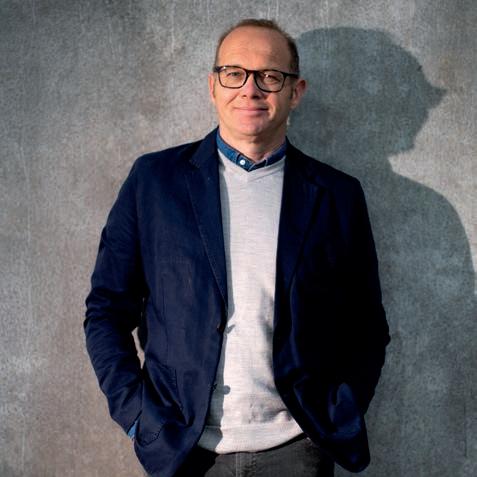
A leading light of the Hawke’s Bay wine scene, Elephant Hill was born in 2003 and boasts exceptional vineyards in three distinct subregions, as well as a smart winery. The operation is run by a small, tight-knit team with meticulous — some might say obsessive — attention to detail. The wine styles reflect the team’s passion for traditional French regions and their varietals: Burgundian-style Chardonnay and peppery, perfumed Syrah in the mould of the Northern Rhône. Expressive yet subtle, refined and precise, Elephant Hill’s wines are contemporary classics, beautifully wrought, with a sense of place.
Sauvignon Blanc, Lofthouse, Marlborough V
Sauvignon Blanc, Eradus Wines, Marlborough
Pinot Gris, Eradus Wines, Marlborough
Pass, Chenin Blanc, Robertson
Sauvignon Blanc, Nelson Family Vineyards, Paarl V
Chenin Blanc, Rhebokskloof Wine Estate, Paarl V
Fairhead, Joostenberg Estate, Paarl V
Natura Vista Sauvignon Blanc Semillon, Constantia Uitsig, Constantia V
Semillon, Constantia Uitsig, Constantia V
Chardonnay Reserve, Constantia Uitsig, Constantia V 2023/24 614
Lisha Nelson Signature Range Chenin Blanc, Nelson Estate, Paarl V 2020/21 612.5
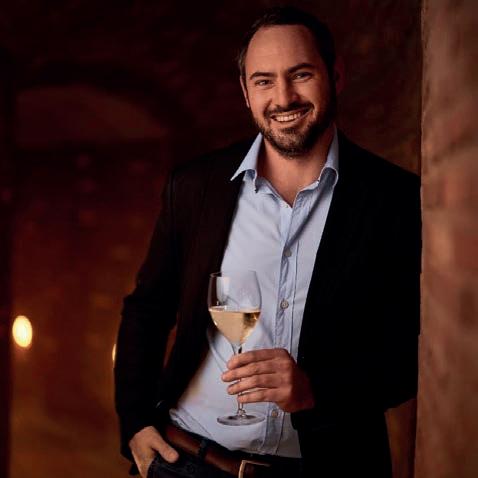
Constantia is South Africa’s oldest wine region, nestled beneath the mighty Table Mountain, and tempered by Atlantic breezes. Constantia Uitsig is a stunning estate, thriving under owners devoted to sustainability and conservation. The 17 hectares of vineyards are farmed organically, promoting biodiversity. Set in this landscape is their spectacular new winery — a futuristic glass structure where art meets science and chemistry. Head Winemaker Estian de Wet is passionate about Constantia. His aim is to create wines true to their unique terroir. Drawing on modern and traditional techniques, the wines are meticulously made, with the emphasis on freshness and purity of fruit.
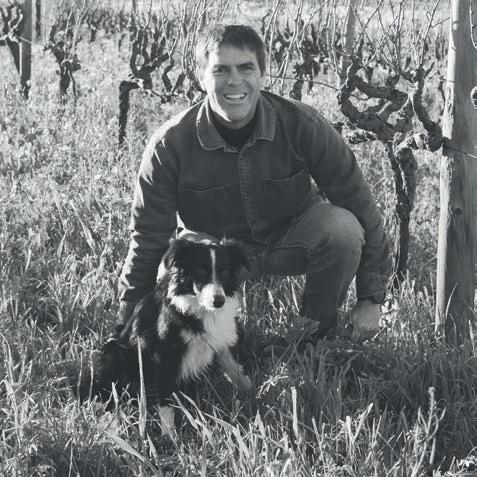
Joostenberg remains one of the few fully certified organic estates in South Africa, achieving certification in 2012. This small, family-owned and run wine farm, on the border of Paarl and Stellenbosch, was bought in 1879 by the Myburgh family, who have been here ever since. In 1999, after several decades during which the estate sold its grapes to a local cooperative, fifth-generation brothers Tyrrel and Philip Myburgh reprised Joostenberg’s long winemaking tradition. Their aim was to create wines with individuality and a sense of place, made as naturally as possible, with respect for the environment.
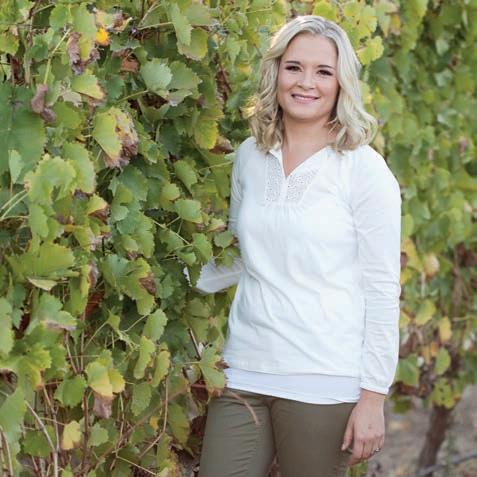
Nelson Estate’s beautiful wines are now attracting deserved attention worldwide, but the roots of their story lie in Alan Nelson’s childhood dream of owning a wine farm. For years, Alan ran a successful legal practice in Cape Town, enabling him to buy a historic property in Paarl, which he renamed Nelson Estate. Here, complex granite clay soils and cooling Atlantic breezes help promote fresh and delicate flavours in the wines. Alan’s daughter Lisha is now at the helm. An acclaimed talent of the South African winemaking scene, Lisha was awarded the accolade of Cape Wine Master, the highest honour in South Africa’s wine industry.
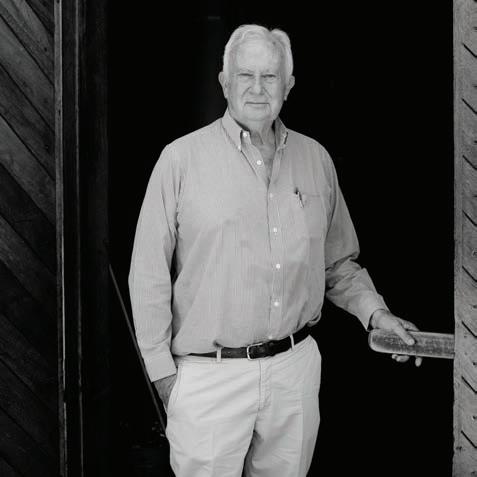
Since 1996, highly respected lawyer Stephan du Toit has also run the family estate Mont du Toit, created by his French Huguenot ancestors over 300 years ago. The estate enjoys ideal growing conditions for premium red grapes, the warm Mediterranean conditions cooled by breezes from the nearby Hawequa Mountain. Mont du Toit is run by a team of local workers, trained and mentored by Stephan in all aspects of viticulture and winemaking. They follow traditional methods, tending the vines by hand, and keeping yields low. The Mont du Toit style is inspired by Bordeaux in fruit and structure, the blends varying each year depending on specific vintage conditions.













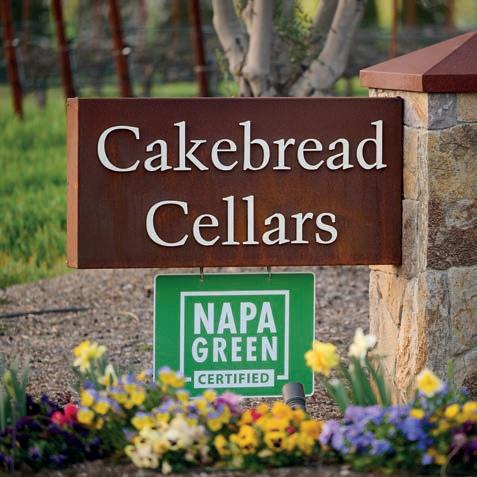
Founded in 1972 as a small family venture producing just 157 cases in its first vintage, Cakebread Cellars has grown into an acclaimed winery with over 600 acres of prime vineyards. Despite the growth, it is still very much a family affair, with seven members of the Cakebread family actively involved today. From the beginning, innovation and sustainability have been at the heart of the winery’s approach. Co-owner Bruce Cakebread has been a trailblazer for sustainability in Napa, helping the winery become one of the first to earn Napa Green certification. Now into its sixth decade, Cakebread continues to captivate with its classic style of wine — energetic fruit, impeccable structure, and potential to age with grace.
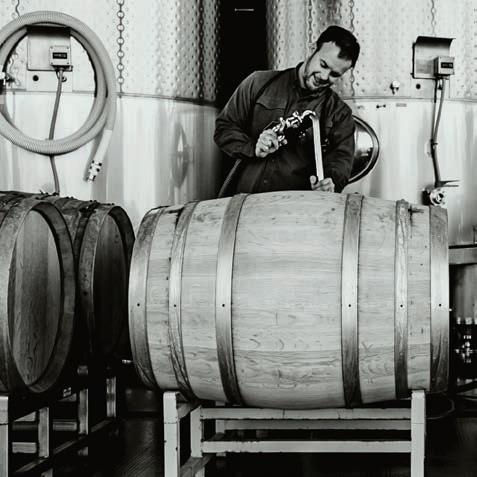
Situated in the cool subregion of Carneros, Hyde de Villaine is the brainchild of two impressive vinous figures: Larry Hyde, the visionary Californian viticulturist, renowned for establishing Hyde Vineyards, and Burgundy’s Aubert de Villaine, whose legendary achievements, including 50 years at Domaine de la Romanée-Conti, are internationally celebrated. The pivotal connection bringing these two worlds together was Pamela de Villaine, Aubert’s wife and Larry’s cousin. The HdV wines combine a degree of the finesse, elegance and refinement, which most of us would associate as classical traits of European wines, with a balance of richness and vitality afforded by the relatively cool and windy climate of Carneros.
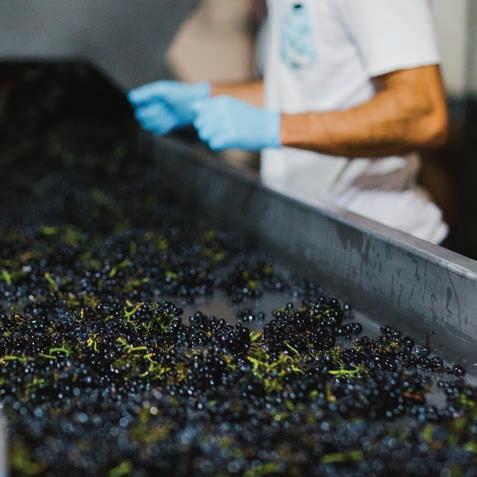
The wines of Fossil Point celebrate the bond between sea and vine. The namesake geological feature ‘Fossil Point’ is a rugged headland with sweeping views of California’s Central Coast. Standing on top, you can feel the same Pacific Ocean breezes that travel inland to the vineyards, just five miles away in the Edna Valley. Guided by veteran local winemaker Nathan Carlson, the winery team harnesses the unique climatic conditions, to make wines with impressive purity of fruit and distinctive minerality — an authentic expression of their coastal terroir
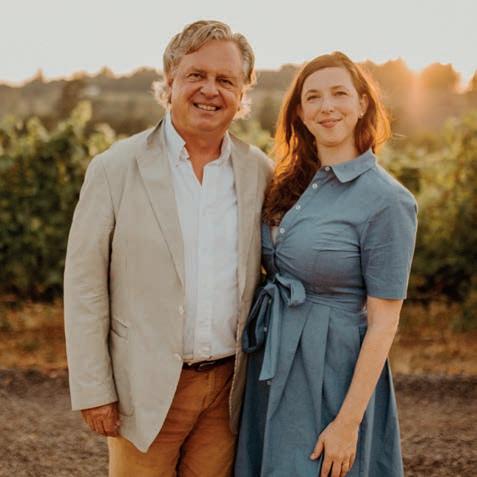
Soulful and serious wines from the Willamette Valley, Oregon. Owners Chris Hermann and his wife Kathryn source grapes from small parcels throughout the valley. Chris is a lawyer with over 40 years’ experience, specialising in wine law and authoring “The Law of Wine — Oregon”, a work that has evolved into a passion. Although the region has a great reputation for Pinot Noir, 00 Wines particularly focus on producing Chardonnay. Informed by biodynamics and employing the unusual ‘black Chardonnay’ method of fully oxidising the grape must, these whites have fabulous texture and shape. The 00 project also extends to Burgundy as a négociant operation in Beaune.
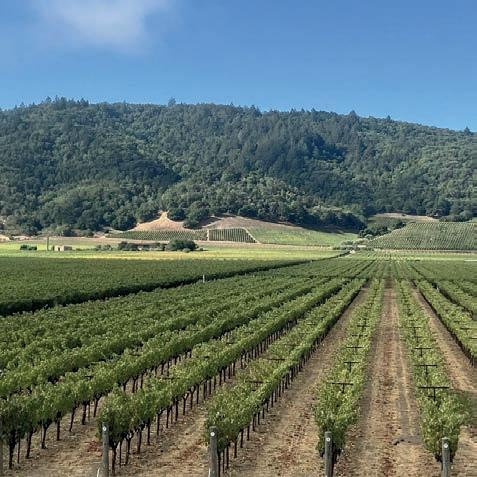
Christian Moueix, famed for some of Bordeaux’s most iconic Right Bank wines, fell in love with the Napa Valley while studying at California’s UC Davis in the 1960s. After continually visiting the region in the following years, Christian discovered the historic Napanook vineyard and became the sole owner in 1995. He christened his new estate ‘Dominus’, meaning ‘Master’ in Latin, as a statement of intent. His fundamental philosophy is that the wine is made in the vineyard, not the cellar. To this end, the estate practices dry farming, whereby no irrigation is used in the vineyards, providing an authentic taste of the terroir and vintage.
1. Luis Felipe Edwards
2. Viña Nahuel
3. Viñedos Marchigüe
4. La Roncière 5. Maturana Wines






















Casa Felipe Sauvignon Blanc, Luis Felipe Edwards, Valle Central V
Rio Andino Sauvignon Blanc, Luis Felipe Edwards, Valle Central V
El Campesino Unoaked Chardonnay, Viñedos Marchigüe, Valle Central V
Panul Sauvignon Blanc, Viñedos Marchigüe, Valle de Curicó V
Pichikura Sauvignon Blanc, Viñedos Marchigüe, Valle de Curicó V
Puertas Antiguas Viognier, Luis Felipe Edwards, Valle Central V
Naranjo Torontel, Maturana Wines, Loncomilla, Valle del Maule V
Parellon Semillon, Maturana Wines, Paredones, Valle del Colchagua V
Ascension Chardonnay, Maturana Wines, Loncomilla, Valle del Maule V 2023/24
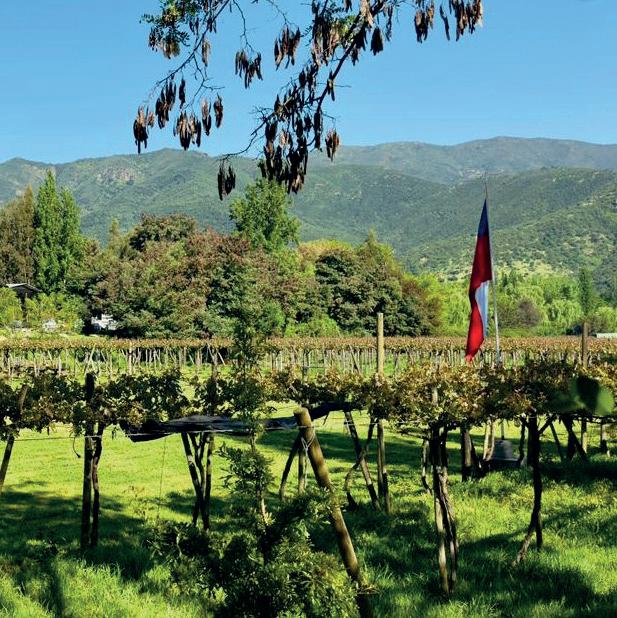
Like many, brothers José Ignacio and Sebastián Maturana’s family home and vineyards were destroyed by Chile’s devastating earthquake in 2010. Forced to rebuild, they faced a huge decision: continue selling their grapes to Chile’s major brand-owners, or go it alone. Tabula rasa, they decided to make premium wines of their own. In 2011, winemaker José travelled to Burgundy to learn from small producers making fine wines. Back in Chile, the brothers founded Maturana Winery to create wines with a sense of place, honouring Chile’s viticultural heritage. They work with old vines (70 years old minimum!) tended sustainably with time-honoured practices, while in the winery they draw on ancestral techniques such as skin contact and fermentation in amphorae.
Casa Felipe Carménère, Luis Felipe Edwards, Valle Central V
Rio Andino Cabernet Sauvignon, Luis Felipe Edwards, Valle Central
El Campesino Cabernet Carménère, Viñedos Marchigüe, Valle de Colchagua V
Panul Merlot, Viñedos Marchigüe, Valle de Colchagua V
Pichikura Merlot, Viñedos Marchigüe, Valle de Colchagua V
Afinado Cabernet Merlot, Viñedos Marchigüe, Valle de Colchagua V
Puertas Antiguas
Agua Santa Reserva Pinot Noir, Edwards Family Vineyards, Colchagua Costa V
Los Camachos Pinot Noir Reserva, Viñedos Marchigüe, Valle de Colchagua V
Cabernet Franc, Idahue Estate, La Roncière, Licantén V
Idahue
Chak Carmenere, Viña Nahuel, Valle de Colchagua V
Chak Cabernet Sauvignon, Viña Nahuel, Valle de Colchagua V
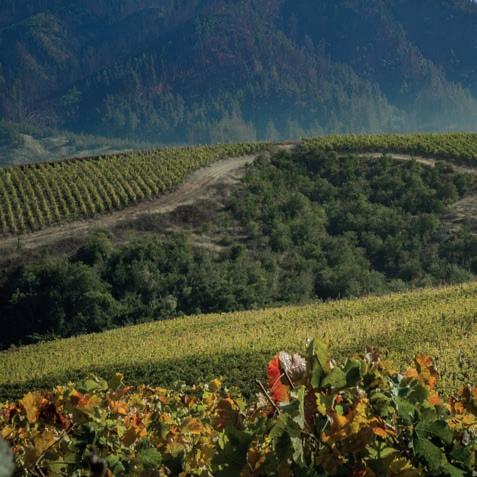
La Roncière was founded by the Orueta family in 1949; however, it was not until 2011 that the current generation — brothers José Antonio, Andrés, and Alejandro — envisioned Idahue Estate. This pioneering project, undertaken in awareness of climate change, was extraordinary in its ambition and execution, involving the creation of an entire estate from scrub in the remote area of Licantén, a cool, coastal subregion of the Curicó Valley. Thanks to its unique microclimate and ancient metamorphic soils, Licantén has been formally recognised as a new DO. Its 200 hectares of vines yield fresh, beautifully structured reds from classic French varieties.
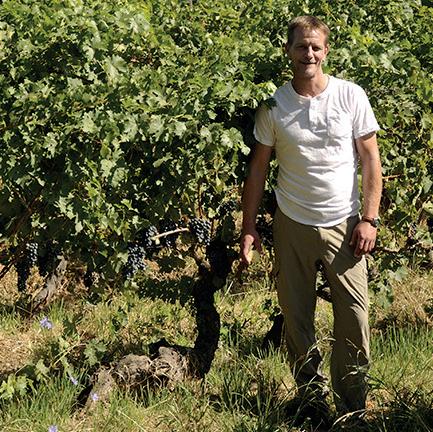
Viña Nahuel, named after the native Andean puma, is a personal venture for Swiss-born Daniel Wiederkehr, a former financier who had always dreamed of making his own wines. In 2010, Daniel bought six hectares of 80-yearold Cabernet Sauvignon vines in the Colchagua Valley and later acquired a nearby plot of Carménère, also ungrafted. Embracing the principles of biodynamics, the vineyard is tended in harmony with nature and the lunar calendar. Wiederkehr’s wines combine European classicism born of his Swiss oenological training with the Chilean character of his adopted homeland.
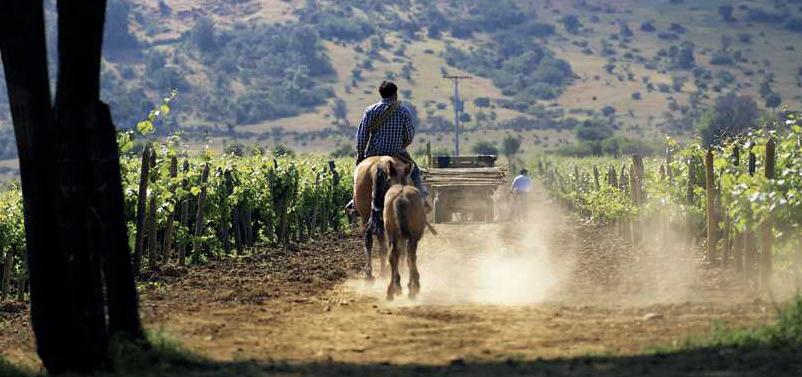

















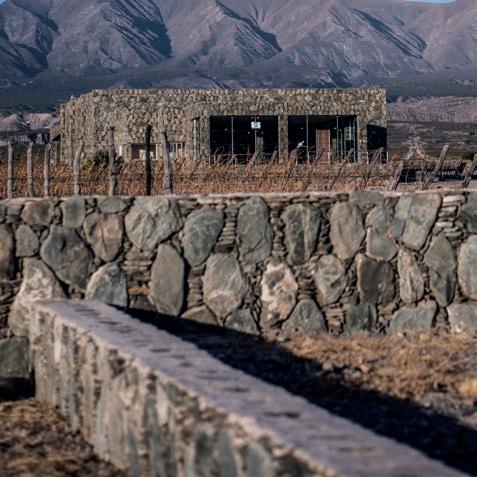
Estancia Los Cardones is a 25-hectare estate in Cafayate, northern Argentina. Named after the giant cacti (‘cardones’) that define the landscape, the estate benefits from its ancient soils, high altitude, and luminous sunshine. Drawn by this extraordinary terroir, Alejandro Sejanovich, Jeff Mausbach and Jorge Crotta — former colleagues at Catena Zapata — founded Mil Suelos, a venture to champion Argentina’s most distinctive terroirs. Their vineyards in the Calchaquí Valleys, planted on eastern slopes, benefit from morning sun and afternoon shade, enhancing aromatics and acidity. The fractured soils, including ‘tigerstones’ — granite rocks topped with slate and striped with quartz and mica — yield grapes of outstanding colour, purity and aromatic intensity.
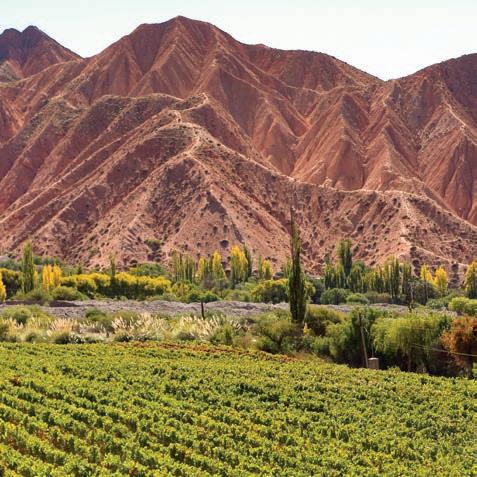
Cielo Arriba is one of the Mil Suelos group’s most recent and extreme ‘terroir projects’, pushing further still into the northern wilds of Argentina, near the Bolivian border. Here in the Jujuy region, at an astonishing 2,730m above sea level, lies the stunning four-hectare Huichaira vineyard, one of the highest vineyards in the world. It is part of a jaw-dropping natural canyon, now recognised and protected as a UNESCO heritage site. Its poor alluvial soils, strewn with stones and flecked with mica, make for challenging vinegrowing conditions, yielding just 1kg of grapes per vine.
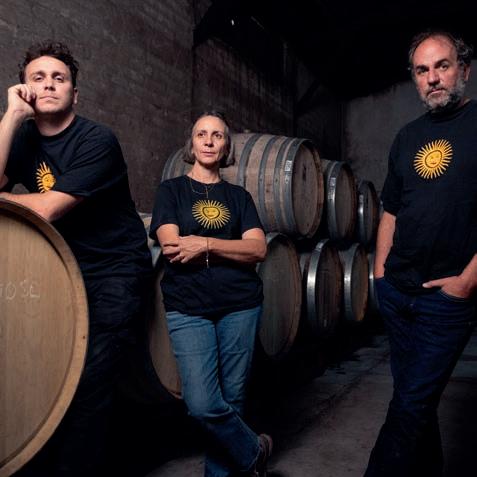
Michelini i Mufatto is the venture of Gerardo Michelini and his wife, Andrea Mufatto. After a career as an architect and banker, Gerardo converted to the world of wine, almost by osmosis, the result of a number of life-changing encounters. Founded in 2016 with their eldest son Manuel, the winery is a deeply personal project where the trio, all accomplished winemakers, produce sensuous, elegant wines with purity and tension. Their winery is in ‘La Cautiva,’ Gualtallary — one of the highest points in the Uco Valley, and considered to be one of Argentina’s grands crus. With its poor, rocky soils rich in calcium carbonate, this terroir produces mineral-driven wines of great finesse.
Santa Florentina Organic Torrontés Chardonnay Fairtrade, La Riojana, Valles del Famatina (while stocks last) O VG
Florentina Organic Pinot Gris Fairtrade, La Riojana, Valles del Famatina O
ANKO Torrontés, Estancia Los Cardones, Salta V
‘Certezas’ Semillon, Michelini i Mufatto, El Peral,
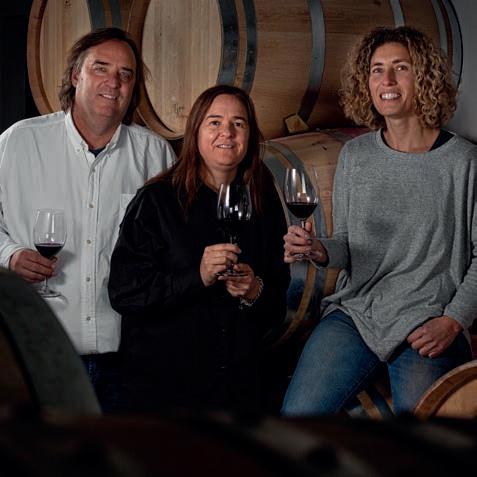
Marchiori & Barraud, based in Luján de Cuyo, Mendoza, was founded by Andrea Marchiori and Luis Barraud. The couple are well known in Argentinean wine circles for founding Viña Cobos with acclaimed Californian winemaker Paul Hobbs — a venture that, in the early 2000s, played a pivotal role in raising the profile of Argentinian fine wines on the world stage. Noelia Torres, widely acknowledged as one of Argentina’s leading winemaking talents, joined Andrea and Luis in 2020. Their shared ambition is to create wines that express Mendoza’s diverse terroirs, with vineyards in Agrelo and Perdriel, as well as long-term contracts in Gualtallary, high in the Uco Valley.
Florentina Organic Malbec, Fairtrade, La Riojana, Valles del Famatina V
Chamuyo Malbec, Mendoza Vineyards, Mendoza V
GY Malbec Cabernet Franc, Michelini i Mufatto, Gualtallary, Mendoza V
Hornero, Marchiori & Barraud, Uco
ʻEl Límite’ Malbec, Buscado Vivo o Muerto, Las Pareditas, Mendoza V
ʻEl Manzano’ Malbec, Buscado Vivo o Muerto, Los Chacayes, Mendoza V
‘La Verdad’ Malbec, Buscado Vivo o Muerto, San Pablo, Mendoza V
Jujuy V
Media Luna Malbec, Mendoza V
La Cautiva Malbec, Michelini i Mufatto, Gualtallary, Mendoza V
La Cautiva 'Oleo' Malbec, Michelini i Mufatto, Gualtallary,
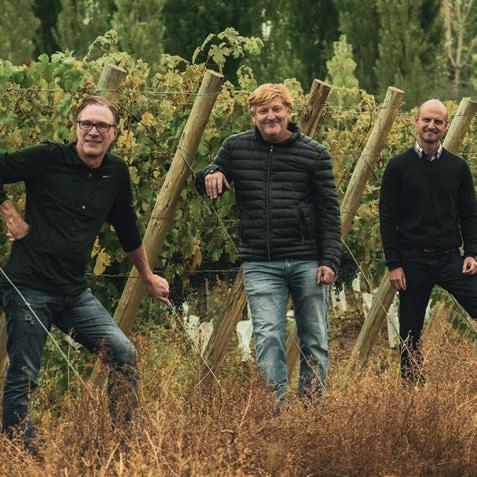
‘Buscado Vivo o Muerto’ (‘wanted dead or alive’), another venture from the pioneering Mil Suelos group, took the intrepid viticultural team high into the Uco Valley in pursuit of lost vineyards. Fortunately, this is viticulturalist Alejandro Sejanovich’s hunting ground... for decades, he has worked closely with small growers in the furthest reaches of the valley. The Buscado wines are made in tiny quantities, microvinifications from specific plots defined by altitude, aspect, microclimate and soils, ranging from volcanic to sand to calcareous clays and pure white chalk. These are distinctive wines — individual, detailed and with a true sense of place, in the Burgundian model.
Intipalka Sauvignon Blanc, Ica Valley, Viñas Queirolo V
Intipalka Chardonnay, Ica Valley, Viñas Queirolo
Intipalka
Intipalka Syrah, Ica Valley, Viñas Queirolo V 2024/25 613.5 £10.63
Intipalka Malbec, Ica Valley, Viñas Queirolo V 2024/25 613.5 £10.63
Intipalka Tannat, Ica Valley, Viñas Queirolo V
Intipalka
Intipalka Pisco Acholado, Santiago Queirolo V NV 642 £24.96
Intipalka Pisco Quebranta, Santiago Queirolo V NV 642 £24.96
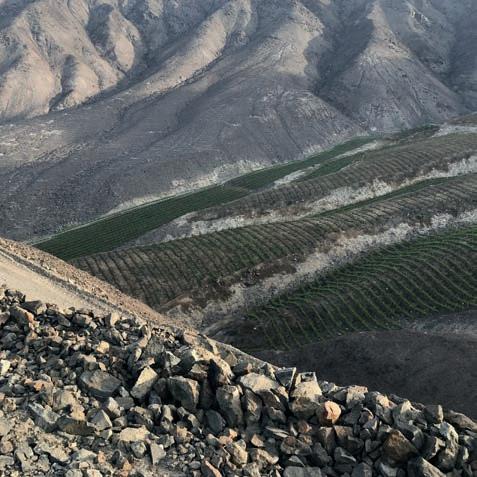
In 1877, The Queirolo family emigrated from Italy to Peru where they opened the now legendary Queirolo Tavern in Lima and began making wine and pisco. By 2000, a new generation refocused the wine operation, hiring French consultants and acquiring land in the Ica Valley, a desert oasis 60km from the Pacific. With year-round sunshine, a marked diurnal range, and tempering ocean breezes, it is ideal for viticulture. In a feat of engineering, the Queirolos drove into the hills, establishing vineyards on vertiginous virgin slopes of ancient rock, planted with high-quality French clones. Similarly, the winery was modernised with state-of-theart equipment, enabling winemaker Luis Gomez to define a Peruvian style built on freshness, varietal purity and a discreet old-world structure.
DRAMATIC LANDSCAPE AT VIÑAS QUEIROLO
Manzanilla La Goya, Delgado Zuleta, Half V
Manzanilla de Sanlucar, Antonio Barbadillo
Cortado Peninsula, Solera Reserva, Emilio Lustau V
Nuño Dry Oloroso, Emilio Lustau
Viña Corrales, Pago Balbaina Saca
SHERRY
Emilio Pedro Ximénez, Solera Reserva, Emilio Lustau V
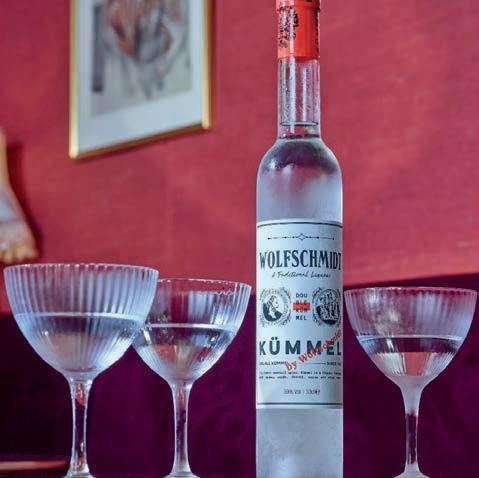
Originally crafted by Albert Wolfschmidt in Riga in 1847, Wolfschmidt Kümmel earned prestige as a favourite of Russian Tsars and European aristocracy and, more recently, British golfers who fondly gave it the moniker “putting mixture.” After disappearing from the market, the iconic liqueur has been revived and is now distilled in Switzerland, staying true to its original recipe. Kümmel is incredibly versatile with a smooth aromatic blend of caraway (Kümmel in German), cumin and fennel, rounded out by warming sweet spice. It can be enjoyed frozen, over ice or in cocktails, and pairs beautifully with gin or vodka.
WOLFSCHMIDT KÜMMEL - THE ICONIC LIQUEUR RETURNS
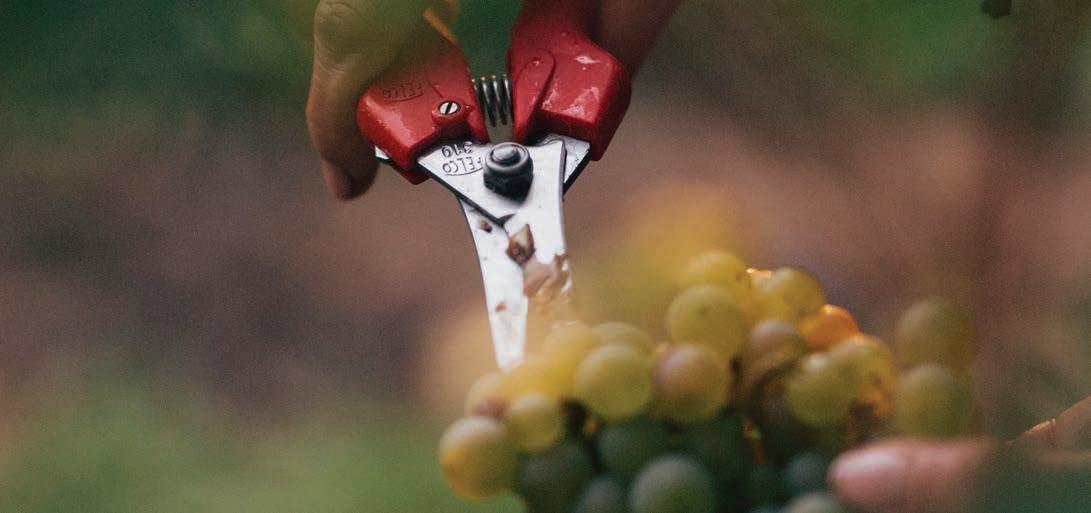
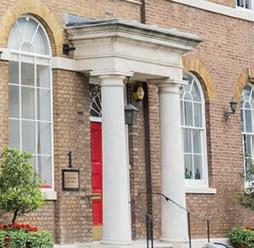
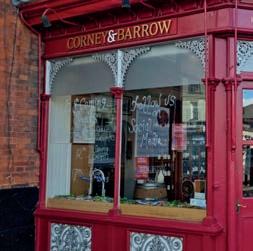
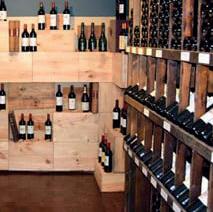
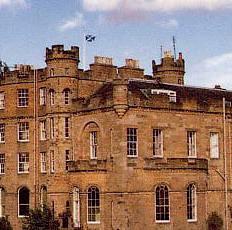
1 Thomas More Street, London, E1W 1YZ T: +44 (0)20 7265 2400 sales@corneyandbarrow.com
Belvoir House, High Street, Newmarket, Suffolk, CB8 8DH T: +44 (0)1638 600 000 newmarket@corneyandbarrow.com
4 Park Square East, Leeds, LS1 2NE T: +44 (0)1133 400 380 northofengland@corneyandbarrow.com
8 Academy Street, Ayr, Ayrshire, Scotland, KA7 1HT T: +44 (0)1292 267 000 ayr@corneyandbarrow.com
Oxenfoord Castle by Pathhead, Midlothian, Scotland, EH37 5UB
T: +44 (0)1875 321 921 edinburgh@corneyandbarrow.com
AILSA MCCALLUM
SCOTLAND SALES EXECUTIVE ailsa.mccallum@corneyandbarrow.com 07468 305 865
EVA FRANCESCHI
SCOTLAND SALES EXECUTIVE eva.franceschi@corneyandbarrow.com 07425 862 543
BARRY WILSON
SCOTLAND SALES EXECUTIVE barry.wilson@corneyandbarrow.com 07391 865 955
GREG REID SCOTLAND SALES MANAGER greg.reid@corneyandbarrow.com 07584 164 110
AURORA CASCITELLI
SCOTLAND SALES EXECUTIVE aurora.cascitelli@corneyandbarrow.com 07817 249 749
JERRY COOKE SCOTLAND SALES EXECUTIVE jerry.cooke@corneyandbarrow.com 07940 514589
KATIE ROONEY AYR SHOP MANAGER katie.rooney@corneyandbarrow.com 07443 193 441
georgi.mortimer@corneyandbarrow.com 07500 024 803
piers.mortimer@corneyandbarrow.com 07733 366 250
spencer.brown@corneyandbarrow.com 07341 864 087
matt.roberts@corneyandbarrow.com 07584 195 437
chris.halse@corneyandbarrow.com 07974 257 330
ED NEWTON NORTH OF ENGLAND, SALES EXECUTIVE ed.newton@corneyandbarrow.com 07776 375 470
CHARLIE STEPHENSON REGIONAL ON-TRADE & COLLEGE SALES charlie.stephenson@corneyandbarrow.com 07824 484 424
MIKE LURY SENIOR REGIONAL SALES EXECUTIVE mike.lury@corneyandbarrow.com 07768 176 803
STUART PORTER REGIONAL SALES EXECUTIVE stuart.porter@corneyandbarrow.com 07824 312 471
SIMON DALE REGIONAL SALES EXECUTIVE simon.dale@corneyandbarrow.com 07721 361 897
MAX SMITH REGIONAL SALES EXECUTIVE max.smith@corneyandbarrow.com 07901 797 379
OLIVIA MURRAY WINE SALES & EVENTS ASSISTANT ayr@corneyandbarrow.com 01292 267 000
BRYCE FRASER MANAGING DIRECTOR, CORNEY & BARROW (SCOTLAND) LTD bryce.fraser@corneyandbarrow.com T: 01875 321 929 | M: 07768 610 594
CHRIS HODGSON DIRECTOR, CORNEY AND BARROW (SCOTLAND) LTD chris.hodgson@corneyandbarrow.com T: 01875 321 927 | M: 07774 627 545
MEGAN DAVIDSON WINE EDUCATION TRAINER, NORTH OF ENGLAND & SCOTLAND megan.davidson@corneyandbarrow.com 01875 321 984
ADAM KETTERINGHAM SALES MANAGER, NORTH OF ENGLAND adam.ketteringham@corneyandbarrow.com 07741 306 397
ROB GOW GENERAL MANAGER EAST ANGLIA rob.gow@corneyandbarrow.com 07932 085 020
JAMES ALDRIDGE NEWMARKET SHOP MANAGER james.aldridge@corneyandbarrow.com 07774 588 985
ADAM COLLINS SHOP SALES ASSISTANT & APPRENTICE SALES adam.collins@corneyandbarrow.com 01638 600 000
JANA SCHAFFNER SHOP SALES ASSISTANT & APPRENTICE SALES newmarket@corneyandbarrow.com 01638 600 000
TARA GOODACRE SALES SUPPORT tara.goodacre@corneyandbarrow.com 07825 067 060
JAMES FRANKLIN ASSOCIATE DIRECTOR, HEAD OF MERCHANT SALES james.franklin@corneyandbarrow.com 07788 560 430
OLIVIA MANNING MERCHANT SALES MANAGER olivia.manning@corneyandbarrow.com 07741 306 601
TIM WHEELDON ON-TRADE SALES MANAGER tim.wheeldon@corneyandbarrow.com 07471 033 978
PIPPA GARDNER
SENIOR SALES EXEC & ACCOUNT MANAGER pippa.gardner@corneyandbarrow.com 07552 276 625
CALLUM ROBERTSON LONDON, SENIOR ON-TRADE SALES callum.robertson@corneyandbarrow.com 07909 255 241
LORENA DE ANDRADE
LONDON, SENIOR ON-TRADE SALES lorena.deandrade@corneyandbarrow.com 07917 195 739
KATE MAGEE
LONDON, ON-TRADE SALES kate.magee@corneyandbarrow.com 07979 504 194
CHRIS MANTHEI LONDON, ON-TRADE SALES chris.manthei@corneyandbarrow.com 07990 560 931
FARAH OUTTIGHIR MERCHANT SALES & OFFERS CO-ORDINATOR farah.outtighir@corneyandbarrow.com 07884 185 902
SCARLET MASON ON-TRADE SALES ASSISTANT scarlet.mason@corneyandbarrow.com 020 7265 2443
CAMILLA ARMOUR WINE EDUCATION TRAINER camilla.armour@corneyandbarrow.com 07341 566 029
DIANA VASILACHI MERCHANT SALES PROJECT MANAGER diana.vasilachi@corneyandbarrow.com 020 7265 2433
ELINA AUGSTKALNIETE SENIOR MERCHANT SALES SUPPORT elina.augstkalniete@corneyandbarrow.com 020 7265 2436