The Corne¬ Daily Sun

By GIRISHA ARORA and SOURABH CHAKRABORTY Sun Senior Editor and Sun Contributor
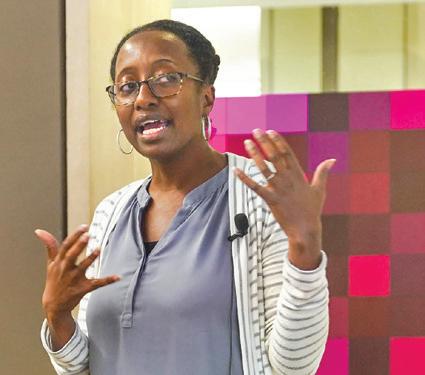
Members of the Employee Assembly discussed the availability and state of mental health benefits for Cornell employees and staff vacation day policies at their meeting Wednesday afternoon.
In light of the passing of Dr. Gregory Eells, a member of the Cornell community for 15 years and former director of Counseling and Psychological Services, a significant portion of the meeting was an open discussion where assembly members dwelled on current mental health resources available to staff and the stigma attached to being an employee with mental health issues on campus.
Assembly members in particular highlighted how the
resources available to students are significantly advertised, whereas staff are not often aware of how to best seek help.
“There is such a focus on student mental health and I totally get that … but I’m not quite sure why there are two tiers –– we’re all people,” said Anne Sieverding, the representative for the School of Industrial and Labor Relations and chair of the Benefits and Policy committee.
The current avenue for staff to voice their concerns and seek help is the Faculty & Staff Assistance Program and employees are often referred to licensed practitioners in the Ithaca area if the limited number of staff cannot meet the demand.
Sieverding talked about her
By TAMARA KAMIS Sun Staff Writer
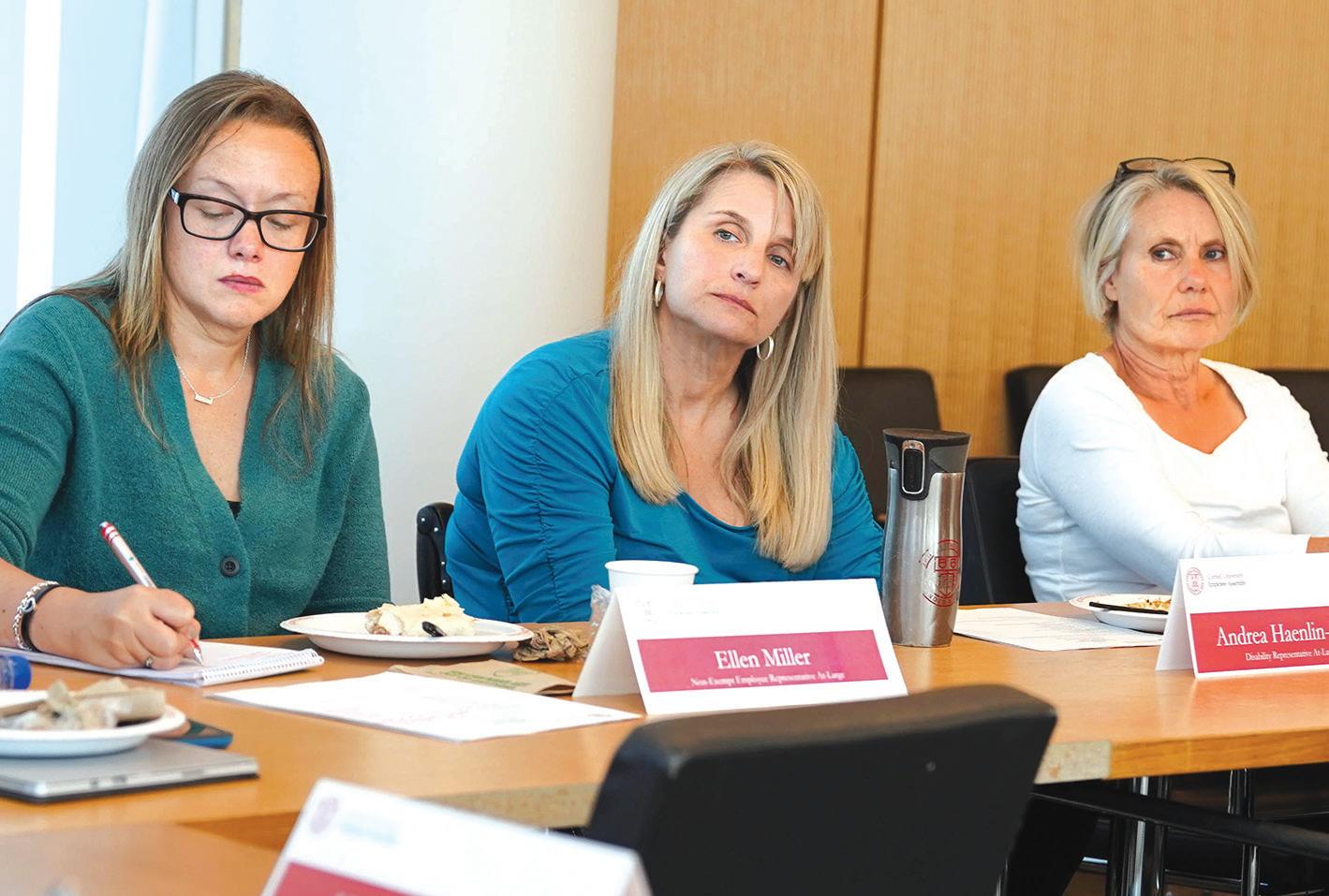
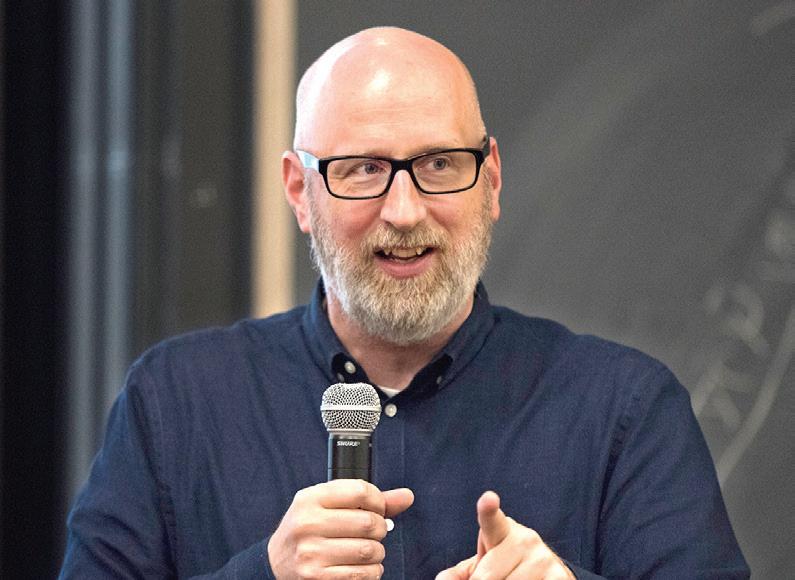
“When is the first time you encountered true ideological diversity?” asked David French, a conservative writer, Iraq War veteran and former lecturer in the Cornell Law School who spoke in Goldwin Smith at the invitation of the Cornell Republicans.
French’s speech spanned a variety of topics, but spotlighted what he sees as “the necessity of living in healthy pluralism that includes cultural conserva-
tism.” He explained his belief that the answer to partisanship and division is the defense of free speech and religious liberty, citing the Federalist papers, the Constitution and the early history of the United States.
French differentiated his religious beliefs from what he thinks the government should do.
“As an evangelical Christian who is pro-life, I would like every single person in my life, it would be my ideal, if they came to a saving relationship with Jesus Christ,” French said. “However,

By AMINA KILPATRICK Sun News Editor
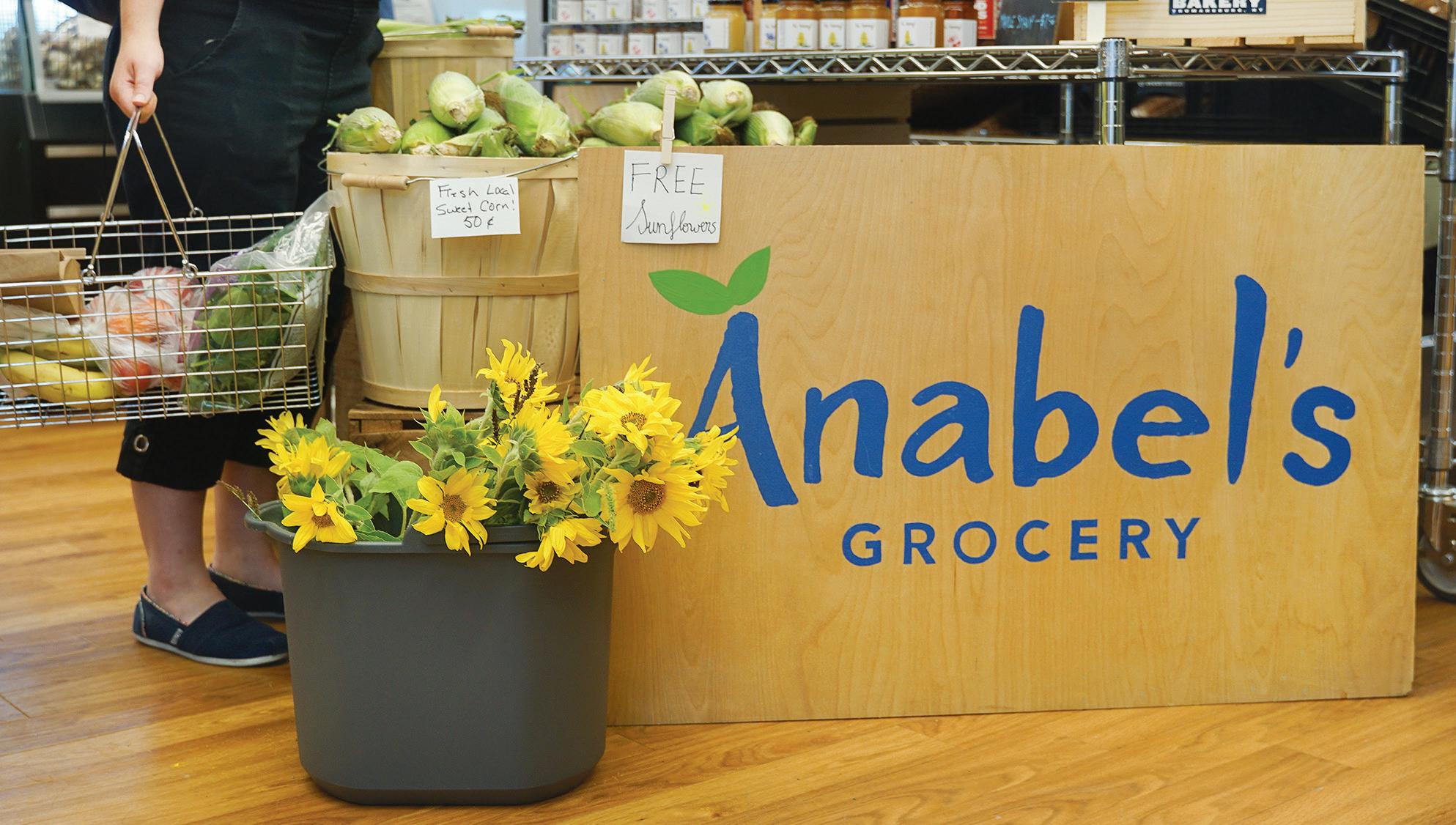
On Wednesday, Anabel’s Grocery reopened after closing for the Spring 2019 semester. The grocery now has a membership system, bulk food options and offers mainly plant based foods.
Anabel’s is currently open from Wednesday to Friday during the week from 3 to 7 p.m. The current hours are a change from its prior six-day-a-week operating structure, which the executive director of the Center for Transformative Action Anke Wessels said was unsustainable.
At the grand re-opening, Anabel’s offered samples of their kombucha and encouraged shoppers to sign up for their membership.
Anabel’s is operated under CTA as a non-profit organization. The store officially opened its doors in 2017, but only remained open for three semesters before having to close to reevaluate its program structure.
One of the main reasons for the shuttering was an unsustainable business structure, according to Wessels. As a smaller store, Anabel’s did not have the buying power to purchase the range of goods they would have liked.
“The bulk model allows us to buy a lot of oats
what should happen in my view, versus what the state should do, are two totally different things.”
French warned of political polarization, partially blaming geographic sorting by ideology for the divisiveness of American politics today.
“If you remember nothing else
and grains … [and] the spices and legumes at a price where we can then turn it around and sell it at a low price,” Wessels told The Sun. “There is a sustainability aspect that we haven’t thought about before that is definitely present.”
One noticeable change: There are no meat or dairy products in the store. Wessels said the main driver for this change was affordability, but also cited animal agriculture concerns and the health benefits of a plant-based diet. The store does sell eggs.
The store offers the materials necessary to purchase items in bulk, with containers available for use and purchase.
“I would never go buy a bunch of mason jars, but they are here for me to use. They make it easy and accessible, and also sustainable at the same time,” said Liz Davis-Frost ’20. “So you can tell they really thoroughly thought through their processing.”
The store has adopted a “buy what you need” model that focuses on sustainability and meeting the variable needs of students. In the store, students are able to buy grains, legumes, nuts, fruits, vegetables and even seasonings in variable quantities. This helps reduce food waste, encourages sustainability with reusable containers, and allows people to only buy
tonight, remember this — the law of group polarization. When like minded people gather, they tend to become more extreme,” he said.
French acknowledged polarization on both sides of the aisle, and was particularly critical of what he sees as conservative hypocrisy regarding free speech.
To read the rest of this article, please visit www.cornellsun.com. Free speech | National Review commentator David French speaks about the intersection between religion and free speech.
What’s the Big Deal About Calculus? 10:30 - 11:30 a.m., Auditorium, Boyce Thompson Institute
Celebrate “Talk like a Pirate Day” 11 a.m. - 2 p.m., Dining Room, Risley Hall
Free Study Skills Consultations! Noon - 1 p.m., Mann Library Lobby
PACE Rising Star Special Seminar Noon - 1 p.m., Weill Hall 226
Whose Paradise? A Reflection of LGBTIQ Mental Health in Thailand Through Personal and Professional Advocacy Noon - 1:30 p.m., Kahin Center
Energy Engineering Seminar: “Heat Pumps 101+” 12:15 - 1:15 p.m., 206 Upson Hall
The Role of U.S. Military in Cyberspace 12:15 - 1:30 p.m., G-08 Uris Hall
What Have We Learned About Binary Neutron Stars Since the Discovery of GW170817? 4 - 5 p.m., 105 Space Sciences Building

Spanish Conversation Hour Friday, 9:30 - 11 a.m., G25 Stimpson Hall
“She Calls The World Her Home:” Sojourner Truth, Pinkster, & The Haitian Revolution Friday, Noon - 1 p.m., 190 Rockefeller Hall
Gender and Sexuality Lunch Series Friday, Noon - 5 p.m., Uris Hall G08
Job Search Discussion Friday, Noon - 1:30 p.m., Warren Hall, B50
Latina/o Studies Fridays w/Faculty Seminar Friday, Noon, Rockefeller Hall, 429
Cornell Wellness, “Safe Meal Prepping For You & Your Family.” Friday, 1 - 2 p.m., Biotechnology Building, G10
Igbo Conversation Hour Friday, 3 - 4 p.m., Uris Hall G08
The Korean Language Program’s 30th Anniversary Re Friday, 6:30 to 8:30 p.m., Klarman Auditorium
David Yearsley, Organ: CU Music Saturday, 7 p.m., Anabel Taylor Hall, Chapel
Saudi National Day Sunday, 2 - 8 p.m., Willard Straight Hall, 407

By SHRUTI JUNEJA Sun Senior Editor
Earlier this week, the front page of The Sun displayed a short excerpt from our very first publication in 1880 in honor of our birthday. Through major world events, including both world wars, The Sun has seen it all, shining brightly for the last 139 years and providing the Cornell and Ithaca communities with coverage of the issues that matter most to them. In this week’s Solar Flashback, we wanted to pay a special birthday tribute to The Cornell Daily Sun, an institution that is almost as old as the University itself. Solar Flashbacks is a special project connecting The Sun’s — and Cornell’s — past to the present to understand how this rich history has shaped the campus today. Flashbacks appear periodically throughout the semester. #ThrowbackThursday
From the beginning, The Sun has remained an independent business, always operating outside the University’s sway. Here, we take a look at some of its milestone birthdays.
Sept. 1880: A Star is Born

Various mastheads | The Sun’s first-ever issue features its masthead in September 1880.
On Sept. 16, 1880, roughly 15 years after the University was founded, The Sun published its very first issue, which consisted of eight pages and cost 3 cents. In the second issue, the editorial board made a short announcement on the front page: “The question, who are the editors of the Sun? was often heard on the campus yesterday. This will be answered in our Monday’s issue. The cause of their not being announced in the first number was that it was uncertain whether or not they would all return to the University this Fall ; and to obviate the necessity of announcing any resignations we deferred giving their names. The names will undoubtedly be a sufficient refutation of the statement that The Sun is a strictly private enterprise controlled by one or two men.”
Today, The Sun is anything but a “private enterprise controlled by one or two men.” It consists of 33 editors across news, opinion, sports, photo and design departments, with a staff of over 200. (And in case you’re curious about the names of the 137th editorial board, you need only turn to page 6).
“No one expected [The Sun] to live,” Sun editor E.W. Huffcut 1884 recalled later. “In fact it was commonly predicted that it would not last a month, a week.”
Sept. 1881: The Sun Turns 1!
Nevertheless, The Sun persisted, and one year later, The Sun editors took “pleasure in calling the attention of our readers to the advertisers whose business notices appear in our columns.”
“As a rule, only those who deal in first-class articles, are the ones who have enterprise and public spirit enough to contribute to the support of our papers. If students would only bear this in mind, even more than they have done in the past, we might hope to see all of the business men of Ithaca, appreciate the advantage of using our columns as an advertising medium. We would, therefore, advise all students to look carefully over the advertisements that appear in the various publications, and then patronize only those firms whose notices appear in them.”
Even today, businesses in Ithaca continue to “appreciate the advantage of using our columns as an advertising medium,” and advertising is still how The Sun brings in a lot of its revenue. Be sure to check out page two for advertisements.
Sept. 1883: The Sun is Three Years Strong
On The Sun’s third birthday, editors acknowledged the progress the paper had made over the past few years and
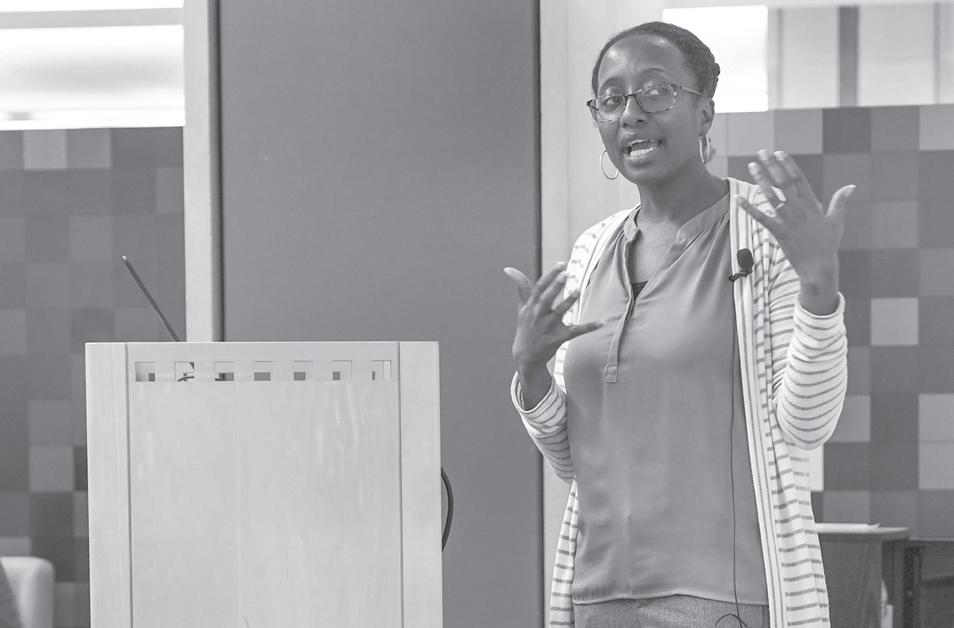
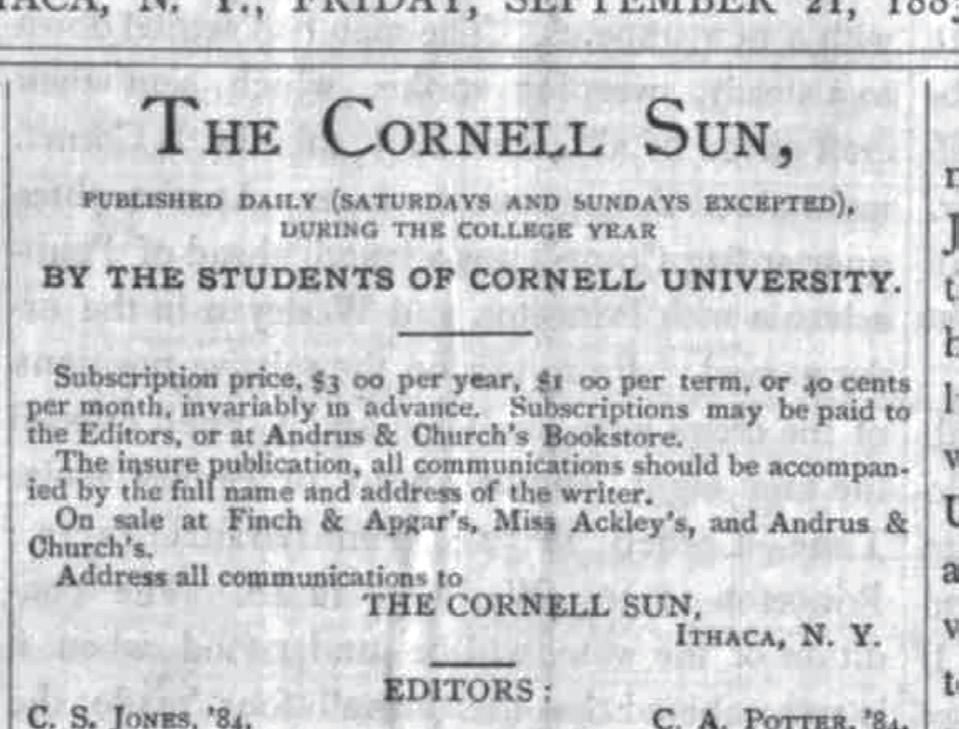
Historical precedent | Three years after its debut, The Sun touts its indepence from the university.
reaffirmed their commitment into “giving the news of general interest to students, and to candid editorial discussions of the same.”
“The fact is that the Sun, from the first, has occupied a legitimate fiield in college journalism — a field which, before its advent, had been unoccupied. Since its establishment, it has been preeminently a college news paper, a paper devoted to giving the news of general interest to students, and to candid editorial discussions of the same. Believing this to be the chief object of a college daily, we shall do what ever
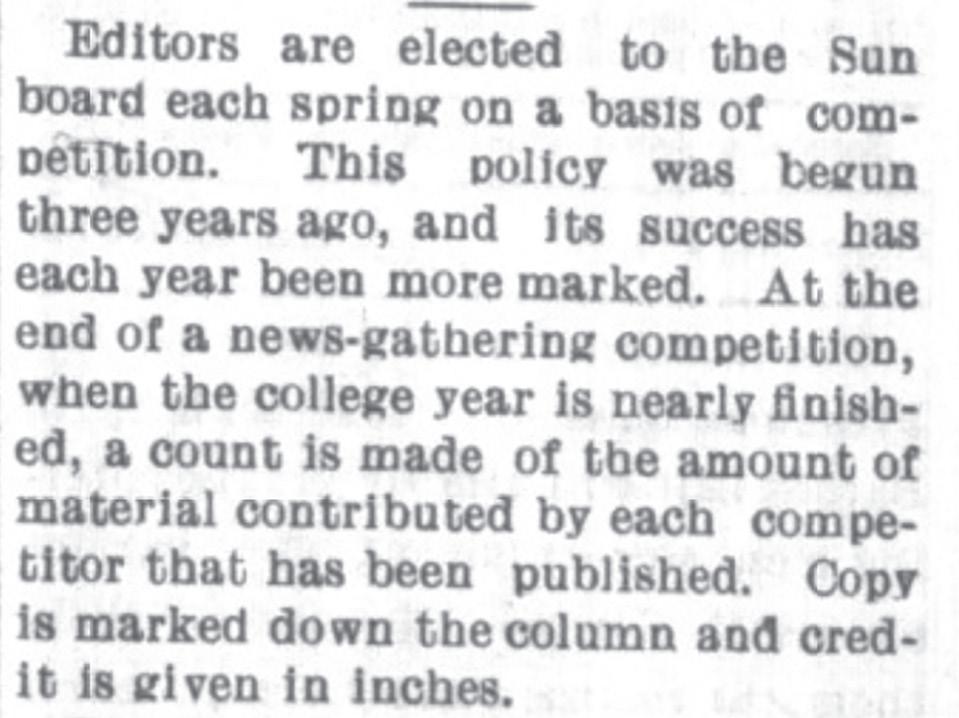
Editorial board | Today, staff reporters must undergo a sixweek training process to become editors of The Sun.
painstaking labor can do, to accomplish it,” the editors wrote they continued.
Despite the many years that have passed since this was written, not much has changed in terms of the sentiment. Our editors still take pride in doing “whatever painstaking labor [we] can do” in order to keep The Sun “fully abreast the highest student thought.”
Sept. 1898: The Sun Comes of Age
In the fall of 1898, The Sun published a “special issue” for incoming students, stating that “the matter in this issue
has been chosen in the hope that it will prove of particular interest to the entering class, as yet somewhat of an unknown quality.”
“It might be well to say here that the Sun is the quasiofficial organ of the University, the proper medium through which to bring matters of interest to the notice of the student body and the publication than which no other more thoroughly reflects the moods and feelings of the undergraduate Cornellian,” The Sun wrote.
Sept. 1980: The Sun Celebrates its Centennial
In 1980, The Sun put together a special centennial issue
celebrating its 100th anniversary. Headlines from this issue included “Unchanged, But Not Unchanging,” “The Editor and the End of the Line,” “Sun Alumni Recall Stories, Events,” “The Split of 1983: Factions Produced Two Suns,” “Fun in The Sun,” Sun Changes Physically Since 1880 and “Women Fill Varied Sun Positions.”
“Society attaches a special significance to something that exists a century. Suddenly something that has always been regarded as just another organization becomes an institution,” The Sun wrote. “Synonymous with Cornell in many ways, we have been a part of this campus and Ithaca for virtually every alumnus alive today. But unlike Cornell, we have avoided the restrictions and curbs on expression that usually come with institutionalization.”
Sept. 2019: Happy 139th Birthday!
139 may not typically be considered a milestone birthday, but it is special to our editors since our office is now located at 139th West State Street.
Since 1880, The Sun has been a constant presence in the lives of Cornell students and in honor of The Sun’s birthday, we want to take a moment to appreciate its long history. Here’s to another 139 years of dedicated journalism — We can’t imagine what the world will look like in 2158, but we can hope that The Sun will continue to shine over Cornell and Ithaca.
BreAnne Fleer ’20 contributed research.
Shruti Juneja and Breanne Fleer sjuneja@cornellsun.com and bfeer@cornellsun.com.
By MOLLIE CRAMER Sun Staff Writer
Nestled in the stacks of Olin Library, Prof. Jamila Michener, government, discussed how Medicaid’s geographic and racial disparity affects Americans’ democratic participation during a cozy Tuesday evening lecture.
Selected as a finalist for the 2019 PROSE awards, Michener’s 2018 book
Fragmented Democracy: Medicaid, Federalism, and Unequal Politics also secured the 2019 Virginia Gray Best Book Award.
Michener began her lecture by describing the “health policy roller coaster” that American citizens have recently climbed aboard, revealing that in 2010, the Affordable Care Act appeared to offer a “new set of possibilities on the horizon” to some — an optimism that
tapered off soon after politics became interwoven with the policy.
“I wanted to understand how people who lived in low-income communities, immigrant communities, and communities of color were experiencing the government — how they were interpreting it and how they were talking
To read the rest of the story, please visit www.cornellsun.com.
By GABRIELLE GONZALEZ Sun Staff Writer
Hailing from an array of universities, about 500 students will flood Cornell this weekend to partake in Big Red//Hacks — Cornell’s oldest and largest annual hackathon.
Kicking off in the Physical Sciences Building Friday, Sept. 20 at 7 p.m. and finishing Sunday, Sept. 22 at 8 a.m., partic-
Projects this year will revolve around the hackathon’s central theme of “Community Superheroes.”
ipants will spend 37 hours creating, developing and testing original coding projects — individually or on teams determined at the event. Coding projects must be original and designed completely from scratch at the onset of the hackathon, but students possess the creative freedom to create anything they want.
Participants can stay up for the entire hackathon, bringing sleeping bags with them and sleeping next to their computers in PSBg. Big Red//Hacks caters food for the whole weekend, with vegetarian options available as well.
Cornell will dispatch buses to Buffalo University, RIT, Princeton, Rutgers University and Binghamton University to pick up students, while participants from other colleges are expected to arrange their own transportation and receive travel reimbursements up to $200.
Past projects range from an app that tracks the expiration dates on refrigerated food to a product that tracks sea turtle movements and alerts rescue teams if the animal gets stuck on its shell, The Sun previously reported.
Projects this year will revolve around the hackathon’s central theme of “Community Superheroes.”
To give students a break between coding sessions, in order to meet new people, Big Red//Hacks offers non-academic activities throughout the weekend, including hikes, cup stacking competitions, dog petting and ice skating.
On Sunday, participants will demo their projects, and the winners will score prizes
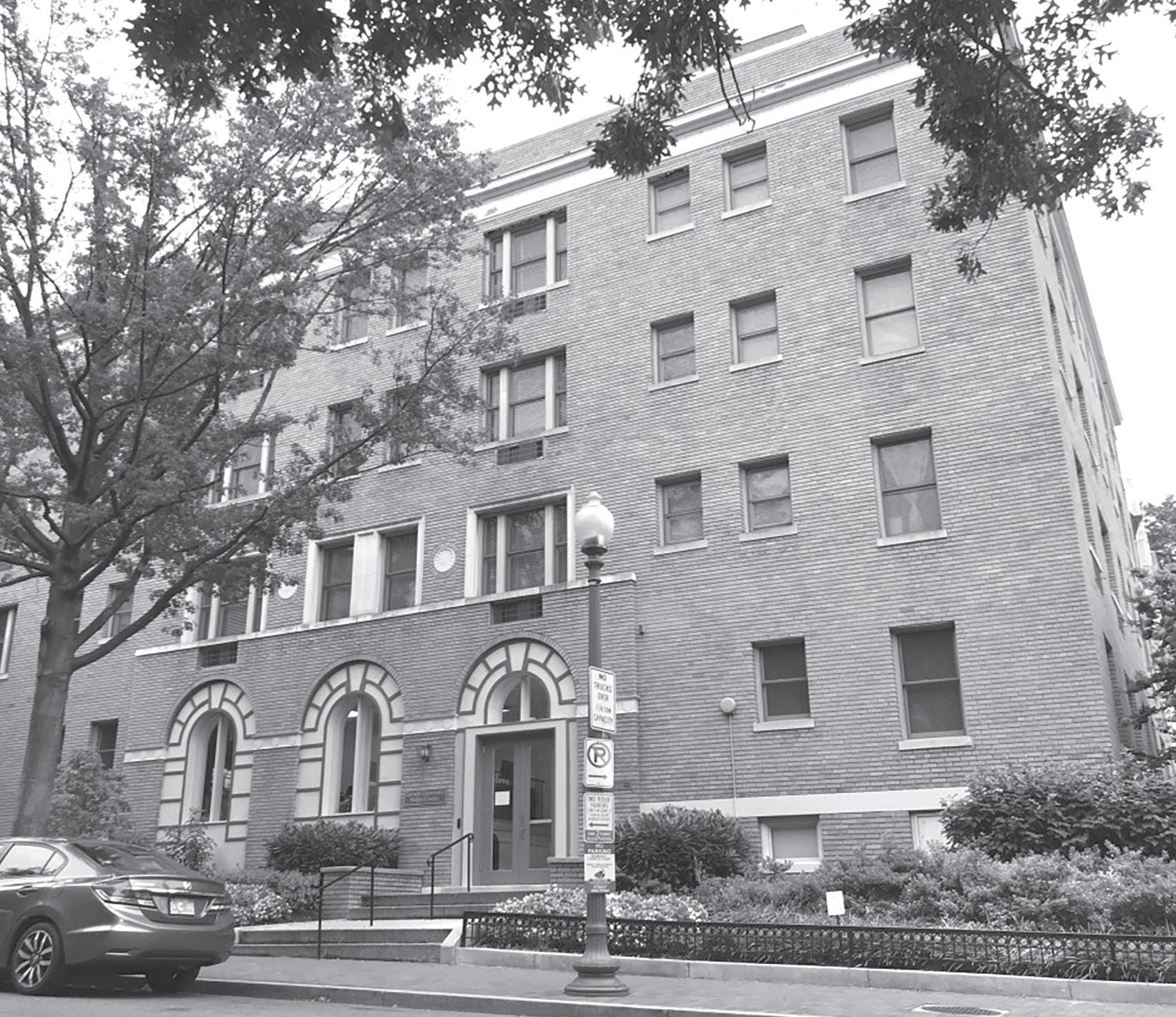
By LUCAS REYES Sun Staff Writer
Ithaca College is severing its nineyear long partnership with Cornell in Washington — beginning in spring 2020, IC students will no longer be able to participate in CIW. IC withdrew from the partnership, citing concerns over program costs.
CIW began in 1981 and has given Cornell students the ability to intern and study in Washington, D.C. For nearly 40 years, the program has blended an off-campus internship experience with classes taught by Cornell faculty.
Ithaca College students have participated in CIW since 2011, according to Dr. Tanya Saunders, assistant provost for international programs and extended studies at Ithaca College. That year, President Thomas Rochan of Ithaca College and President David J. Skorton of Cornell collaborated to allow Ithaca College students to apply and participate in Cornell in Washington.
“From what I understand, at that time, the Cornell in Washington program was not filled to capacity, therefore having Ithaca College students would help Cornell and give our students a great experience,” Saunders told The Sun.
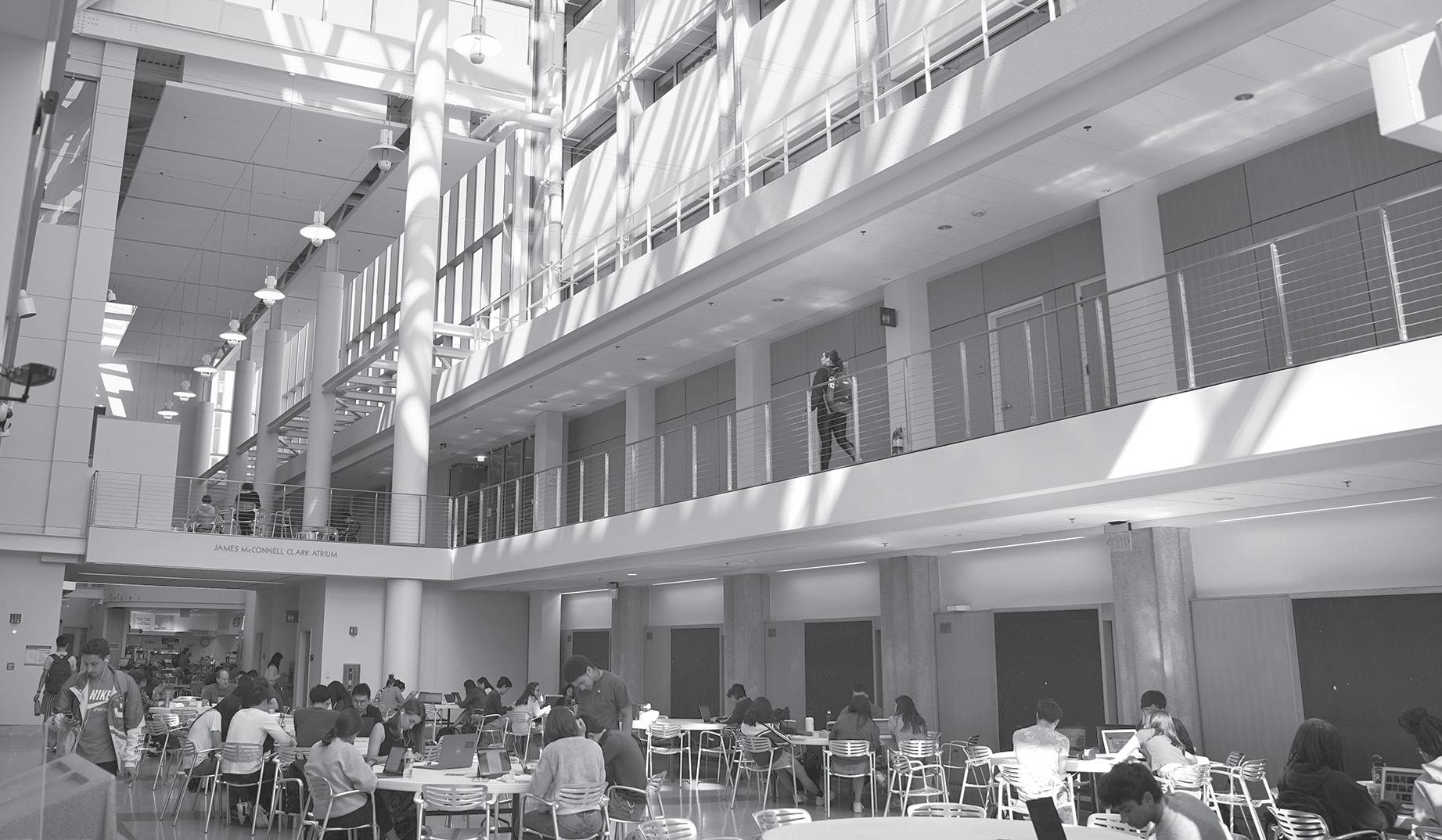
from competition sponsors — among them, Wayfair, Chobani, IBM, Google Cloud, Bloomberg, Capital One, American Express and Major League Hacking. In the past, prizes have included brand new tablets for all team members.
Big Red//Hacks marketing director Justin Shillingford ’20 shared his enthusiasm about what the event may bring.
“The organizers are working hard to make the hackathon as meaningful and impactful as possible for the many students attending,”
Shillingford told the University. Competitors must be 18 years old and enrolled in an undergraduate or graduate university. While it may be helpful to have some coding knowledge, past experience is not required. Cornell provides a hardware lab with sensors and microcontrollers, but suggests that students bring whatever equipment they already have.
By VIVIAN FAN Sun Staff Writer
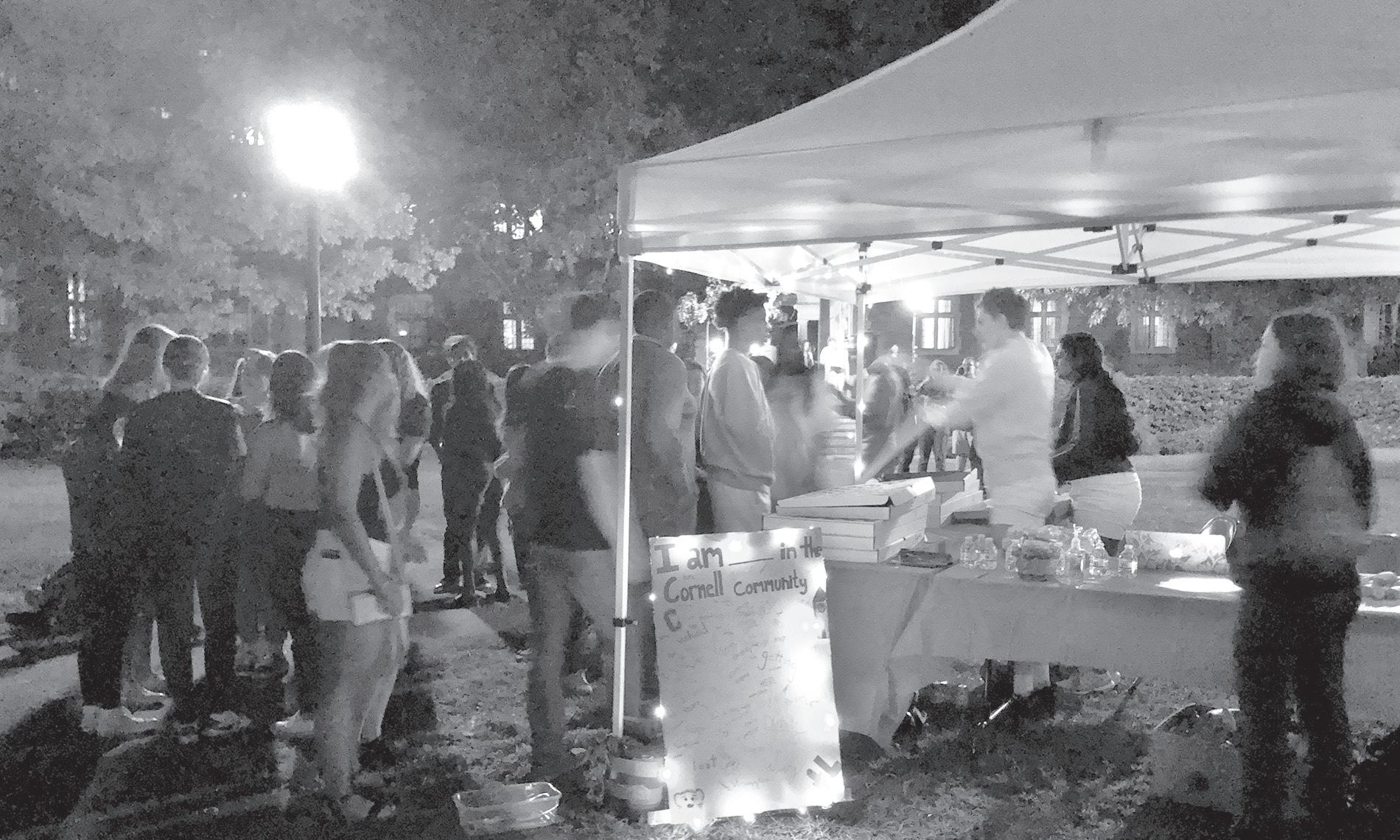
The Student Assembly Health and Wellness Committee successfully expanded its Wind-Down Zones initiatives during orientation weekend, helping students enjoy the night safely and welcoming firstyears and transfer students to Cornell.
More than 1300 students visited the two booths located on the Balch Green on North Campus and in front of the Schwartz Performing Arts Center in Collegetown. The 15 volunteers passed out food, water and medical supplies as well as conversation.
engage with people,” said Ru Ekanyake ’20, a member of the committee. “A lot of the first-years stayed and talked to our volunteers, asking them about Cornell, what the Health and Wellness Committee does and how to get involved.”
The committee specifically chose the first weekend after school started for the wind-down zone to “focus on the first years and transfer students,” member Andrew Rosenblatt ’20 told The Sun.
community on campus this year based off the feedback we got last year where people enjoyed the sense that their peers cared for them,” Ekanyake said.
The committee moved the West Campus location to North Campus to cater more to first-year students. They amount of people that visited them doubled, building on the success of the previous year, Rosenblatt said.
Ithaca College has historically been allocated two slots per semester.
Dr. Saunders told the Ithacan, IC’s student newspaper, that after eight years of the program, the costs of sending Ithaca College students to Cornell in Washington were becoming unsustainable to the university. Cornell and Ithaca College had been negotiating for a year prior to Ithaca College’s withdrawal.
Ithaca College students participating in Cornell in Washington pay full Ithaca College tuition and the cost of Cornell in Washington’s program fee to Cornell, which exceeds that of the regular housing fee for Ithaca College students.
Currently, Ithaca College lists housing costs as $4,385 per semester for a standard double, while Cornell in Washington’s housing and programming fee is recorded as $6,202 on CIW’s website.
While the students end up paying similar amounts — $30,260 for a semester in Washington as opposed to $30,422 at Ithaca College — the program places higher costs on Ithaca College students receiving financial aid.
Funds that would normally go to Ithaca College from students’ financial aid awards are not accepted by Cornell, and
See CIW page 5
“We were there to talk to anyone who came by,” explained Hailey Sokoloff ’20, chair of the Health and Wellness Committee. “We had ring toss games, pizza, and posters for students to give their feedback on how their night is going. We also had bandages and makeup wipes for those who came by.”
In addition to supplying such goodies, the volunteers recounted positive interactions with students.
“I was very impressed by how well we were able to
“This is a weekend where a lot of new students might be going out and they might appreciate knowing that the Cornell community is looking out for them,” Rosenblatt added.
The Health and Wellness Committee hosted its first Wind-Down Zones event last year during the Halloween weekend, setting up tents at Collegetown and on West Campus. Last year, they focused on sexual assault prevention, hoping to echoe the role of sober monitors or the work of Cayuga’s Watchers, Ekanyake said.
“We shifted the focus from sexual assault prevention to creating a sense of
The Health and Wellness Committee hopes to make the initiative a recurring event by establishing a SAFCfunded club. Currently, it relies on Student Assembly funding and special activities funding.
“I think the WindDown Zones initiative is applicable to almost any weekend,” Rosenblatt said. “It doesn’t need to be high risk for someone to be impacted by this so hopefully we can expand to include more people, have a more concrete governing structure, and receive more funding.”
Continued from page 1
own experiences with FSAP and said that it was not what she had expected from a university that has over 8,000 employees, labelling it “totally inadequate” and “unable to meet her needs.”
Kristine Mahoney, the College of Human Ecology representative, stated that while FSAP has a shortage of staff, it is “far superior” to what can be found at comparable institutions across the country.
This sentiment was also echoed by Kate Supron, the representative of the Division of University Relations, who said that she had experience with several insurance policies and Cornell’s was one of the most “generous” policies she had encountered.
Beyond the discussion on the formal avenues available to staff to address these issues, representatives also brought up the importance of supervisors receiving training to be able to identify and help people struggling with mental health issues –– a “see something, say something” approach.
Another suggestion was to provide anonymous ways to seek help, since employees are often afraid of retaliation and the stigma associated with having mental health issues.
“Removing the negative stigma around mental health is crucial to being able to address some of these issues,” said Hei Hei Depew, the assembly’s executive vice chair. “Some people might not feel comfortable talking … so how do we confront the issue if you’re not even comfortable talking about it?”
Sieverding, in her capacity as chair of the Benefits and Policy committee, also updated the assembly about a previous resolution to change employees’ vacation day policy in order to give more time off to newer employees.
The current policy increases employees’ vacation days only after they have worked at Cornell for 10 years. Although the Benefits and Policy Committee had worked with Human Resources on this measure last year, the resolution was ultimately tabled after HR indicated that it was not currently “within their timeline” and not “something that they’re interested in addressing at this point”
“By the end of last year … HR was posturing that, ‘You pick one [vacation policy] and we’ll give you whatever you want,’ and now for some reason they went entirely cold on this decision,” said Kristopher Barth, Research & Technology Transfer Representative At-Large.
The consensus at the end of the discussion was to revisit the policy and interactions from last year’s assembly to see whether this would be something the assembly wanted to advocate for and pursue with HR again.
Girisha Arora and Sourabh Chakraborty can be reached at garora@cornellsun.com and sc2356@cornell.edu.
GROCERY Continued from page 1
and pay for the quantities they need.
“I like the fact that everything is in bulk. If you don’t have spices and stuff but like you want to cook, but you don’t have to spend all the money to restart an entire kitchen. I have came last year, and the year before, but this is better,” Anna Daytz ‘20 told The Sun while shopping in Anabel’s.
With the on-campus location, students who do not have cars can access fresh produce, as was the case for Sarah Brice ’21.
“I think it is very exciting to have fresh local produce available on campus,” Brice said. “I personally love going to the Farmers’ market to get it, but this is way more accessible especially because I don’t have a car.”
Throughout the semester, Anabel’s will also offer cooking classes and community dinners. These will be planned in conjunction with the programming arm of the grocery, Anabel’s Programming, which is a registered student organization.
The store is staffed by volunteers — all students who have taken AEM 3385 Social Entrepreneurship Practicum: Anabel’s Grocery or are currently enrolled, Wessels said. The store previously operated based on volunteer labor.
“I am passionate about food and nutri-
tion and I always wanted to join Anabel’s, but they were closed last year and I didn’t know how to join,” said Kieu Phan ’21, who was working during the opening of the store. She is currently taking the course with Wessels.
Pam Silverstein MBA ’76 is a local entrepreneur and board member of Life Changing Labs, an organization that helps student entrepreneurs develop their ideas. Silverstein has seen the development of the store over time.
“We want people to have food, that’s good and healthy for them,” Silverstein said. “That’s what we believe and we are trying to make it cost-effective so that you can come here with small change in your pocket and still get something to eat because that’s the most important thing.”
The store plans to continue this operating structure throughout this semester and next semester, however they will continue evaluating the store’s progress and what is selling best.
“We are always going to be evaluating. That is part of the process this semester. The students are running the store,” Wessles said. Justine Kim ’21 contributed reporting to this article.
Amina Kilpatrick can be reached at akilpatrick@cornellsun.com.
CIW
Continued from page 4
Ithaca College must cover whatever the excess cost to prevent participating students from paying more.
Two past Cornell in Washington alumni from Ithaca College, Salvatore Karch and Josephine Ullman, shared their concerns about the loss of the program with The Sun.
“I think it’s a pretty big hit,’’ Karch said. “Obviously that’s a huge opportunity lost, the fact that we won’t be able to go to Washington D.C. anymore.”
Ullman interned for the film Soccer in the City as part of its documentary crew, and attributed her continued employment with the film to her experi-
ence with Cornell in Washington.
“I’m still working at the job I got for Cornell in Washington, I started as an unpaid intern and now I’m working for pay and I got promoted to a higher title,” Ullman said. Both students support reinstating the program, though Karch noted the “tricky situation.”
Carol Fields Hagen, the current director of administration for also voiced support for reinstatement to The Ithacan.
“I would like it to be reinstated,” said Saunders, the I.C. provost. “And I would like Cornell to charge me less money. I mean in a nutshell, that’s it.”
Lucas Reyes can be reached at lreyes@cornellsun.
Independent Since 1880
137th Editorial Board
ANU SUBRAMANIAM ’20
Editor in Chief
JOYBEER DATTA GUPTA ’21
Business Manager
PARIS GHAZI ’21
Associate Editor
NATALIE FUNG ’20
Web Editor
SABRINA XIE ’21
Design Editor
NOAH HARRELSON ’21
Blogs Editor
SARAH SKINNER ’21
Managing Editor
KRYSTAL YANG ’21
Advertising Manager
MEREDITH LIU ’20
Assistant Managing Editor
RAPHY GENDLER ’21
Sports Editor
BORIS TSANG ’21
Photography Editor
Working on Today’s Sun
Ad Layout Dana Chan ’21
Production Deskers Krystal Yang ’21 Sabrina Xie ’21
News Deskers Amina Kilpatrick ’21
Shivani Sanghani ’20
Design Deskers Krystal Yang ’21 Simon Chen ’21
Photography Desker Ben Parker ’22
Sports Desker Raphy Gendler ’21
Arts Desker Jeremy Markus ’22
Anoncontagious epidemic of sore throats and 18,610 posters and quarter cards en route to choking a landfill somewhere: These, alongside mailing lists misleadingly bloated with marginal interest, are what remain of the clamor of energy Cornellians heaved this past Sunday afternoon. Upperclassmen might note the dull familiarity of recycled tri-folds displaying faces long since graduated, barely pausing as they leave their shift for More Important Things. Those browsing might find themselves frustrated by the maze they glaze by in search of specific clubs.
But though I question some of her excesses, I’m starting to recognize something amazing yet understated about the way Clubfest brings the breadth of our campus to the cavernous body of Barton Hall.
Anyone else faced with the impossibility of winning interest for an esoteric club might share my initial jadedness. Tabling for a small Christian choir in a secular university, people who approached me turned out to mostly be asking for directions elsewhere (not that I knew where Row H was — further testament to the chaos of the place). Unlike the newly founded Cubing Club, effortlessly blossoming from six to 85 members, we didn’t find nearly as many weathered hobbyists eager to relive the joys of sight-singing polyphonic church music.
Admittedly, it took me four semesters of overenthusiastically scaring off prospective members to learn the power of passivity: Our highest rate of signups came when I briefly left the table abandoned on a bathroom break. It’s near impossible to hard-sell something niche without gener-
fessional clubs, I ponder the extent of labor and resources wasted on self-promotion indifferent to the wants of the audience.
It is precisely the overwhelming magnitude of Clubfest that inspires more specialized iterations. I was fascinated to learn that an AAP Activities Fair, the first of its kind, was incidentally held a day after, hosting 22 clubs both directly and tangentially relevant to the three majors of the college. In the efficient span of roughly an hour, and within a space conducive to oneon-one conversations, clubs ranging from literary magazines to specialized forums were found by the right people. Running me through the scope of organizations AAP Ambassadors worked with, President Alp Demiro lu ’21 anecdotally mentioned that one particular magazine had thanked them three times for the invitation after the event. A representative from the Mapping Society who had tabled at both fairs also said that knowing that their audience was already familiar with the technicalities of spatial analysis made discussing the club easier.
OOur highest rate of signups came when I left the table abandoned on a bathroom break. It’s near impossible to hard-sell something niche without generalizing away its essence.
alizing away its essence; I also neglect that most people arrive at Clubfest already with a clear idea of which section of Barton Hall they plan on beelining to. As a freshman, I remember the quarter cards being shoved in my face as indistinguishable obstacles, and still today receive meeting reminders from listservs I haven’t set aside the time to take myself off. Having experienced sending emails out into the void, and nonetheless acknowledging the situation to be vastly different for more popular pre-pro-
Retrospectively, I briefly wondered if a more specialized platform similarly targeted would have worked better for us. This was quickly interrupted remembering my experience earlier this year at Spirit of Cornell, a fair for religious organizations held on the lawn of Anabel Taylor, and how sheepishly harassing peers on their way to Collegetown was no more effective and probably worse. Definitely worse, since most of them just wanted to get home. But I also remember last Spring’s Clubfest, and how casually looking up at the club tabling across from mine brought me to the Cornell Political Union, which I otherwise would never have considered joining. While definitely very peripherally involved, I nonetheless am grateful for the ways it’s opened my mind, and trust I’m not alone in greatly benefiting from opportunities serendipitously discovered amid the din. It is within this plethoric din that not just unanticipated clubs, but also perspectives can be found.
To continue reading this column, please visit www.cornellsun.com.
Kristi Lim is a junior in the College of Arts and Sciences. She can be reached at kl782@cornell. edu. Riskit Kristi runs every other Wednesday this semester.
an Epidemic!
h boy, it’s that time of year! The familiar cacophony of sniffles and coughs echoes throughout each lecture hall, derailing my focus as I attempt to complete my 427th level of Candy Crush. Most of my floormates, who can typically be found occupying the lounge at 1 a.m. with CTB and chemistry textbooks, are now cooped up in their rooms, waiting for their illnesses to subside. Cornell University — filled to the brim with bustling, sleep-deprived students — has warped into a Petri dish of sickness and disease.
But that’s not even the worst of it. As the school year picks up again, one particular plague has made its signature return. Snaking across every corner of campus, this infection has struck everyone in its path. Its name? Internalized capitalism. Internalized capitalism … I know, it sounds pretty dramatic. But let’s really think about it. Capitalism, the economic
Cornell provides a prime example of the manifestation of internalized capitalism. Each member of this generation is a direct product of the current political and economic climate; but at Cornell particularly, the student population is composed of those who were able to thrive within the existing system of competition (at least for those whose “daddy” didn’t pay their way in).
Therefore, Cornell represents the peak of this youth culture that values individualism and quantifies success through the prestige of one’s LinkedIn profile. It’s a culture that romanticizes stress, pressuring students to grow their resumés and pursue overambitious ventures. Within my circle of friends, none are taking a course load of less than 17 credits. None have rejected an offer to join a new club, a new extracurricular, a new commitment. None go to bed before 2 a.m. each night.
All are stressed.
Many young adults have internalized this capitalist mindset, voluntarily opting to embrace heavier workloads and devote themselves to high-stress commitments.
system where independent entities privately own the means of production, has established a direct impact on the workings of American culture. Under capitalism, individuals are forced to maximize productivity and beat out competitors, and because this culture has been written into the daily routines of Americans, it’s also followed them into their homes and social lives.
The result is an American society that highly values individualism, independence and ambition. But it’s gotten even worse in recent years. As globalization and technological development have skyrocketed in the past two decades, this national cutthroat culture has been exaggerated even further. It’s this increased environment of competition and self-imposed stress that today’s youth has grown up immersed in. And as a result, many teenagers and young adults have internalized this capitalist mindset, voluntarily opting to embrace heavier workloads and devote themselves to high-stress commitments.
And I’m not exempt from this plague either — I’m also a victim! This year, I’ve watched myself willingly sabotage my mental health and well-being with stress and self-imposed pressure. When I’m not stressed out by my academics, I’m stressed out by extracurriculars. When I’m not stressed out by extracurriculars, I find something new to stress over. And when I’ve run out of stress-inducing worries, I grow enormously suspicious of my free time. In our capitalist society that values efficiency, I’ve come to see time as a finite resource; failing to maximize productivity in the free time that I’ve got carries a steep
For the rest of this year, I’m committing myself to evaluating the returns of each of my commitments. Do the gratifications and benefits outweigh the costs of burnout and anxiety?
And this isn’t just mere conjecture; this ever-growing capitalist culture has directly impacted the current mental state and behavioral patterns of America’s youth. Compared to older generations, younger cohorts are overworking themselves and experiencing more stress than ever. One American College Health Association survey reported a 10 percent increase among college students in significant episodes of anxiety or depression since 2013. Jamie Ducharme of Time Magazine provides an accurate summary of this trend, noting that, “Members of Gen Z reported the worst mental health of any generation … stress seems to be largely to blame.”
But what’s even scarier is seeing the numbers translate into real, visible incarnations. Once this academic year kicked off, I could immediately sense the dark cloud of stress that took shape over Cornell’s campus. It felt almost physical, palpable. Prelims have barely started, Ithaca’s still relishing in the final remains of the summer — yet, the student body has already plunged into the never-ending cycle of caffeine-fueled study sessions and all-nighters.
opportunity cost. At the start of each week, we tell ourselves that all we have to do is make it through the current week. And though we’re only four weeks into the semester, I already feel trapped in the endless cycle of college. Finding purpose through our work during the weekdays, then temporarily alleviating our pain with weekend hedonism — this isn’t how I want to live out my college experience.
Drooping eye bags, searing headaches, a persistent lack of energy — the symptoms of internalized capitalism are not dissimilar to that of an actual disease. But the first step in curing the illness is recognizing and diagnosing it.
For the rest of this year, I’m committing myself to actively evaluating the returns of each of my commitments. Do the gratifications and benefits outweigh the costs of burnout and anxiety? I’m committing myself to valuing the intimate moments as much, if not more than, the academic and professional ones. The random nights spent driving across campus to wolf down cajun fries from Louie’s, the dinners spent laughing around a table at Keeton with my friends — these are the moments I’ll cherish the most. And hopefully, these are the moments that’ll pull me out from this affliction of internalized capitalism.
Niko Nguyen is a sophomore in the College of Agriculture and Life Sciences. He can be reached at nhn5@cornell.edu. Unfiltered runs every other Wednesday this semester.
Cornell will lose a giant this week. In only a few days, Steve Squyres ’78, Ph.D. ’81, James A. Weeks Professor of Physical Sciences, will depart from the helm of the astronomy department to assume the role of chief scientist at Blue Origin, a space exploration company. Having led NASA’s Mars exploration efforts, Squyres continued to teach at Cornell for over 40 years. His classes garnered acclaim among students, with Arts & Sciences Dean Ray Jayawardhana said, “He brought Mars to campus and gave us all a chance to see another world close-up. His infectious enthusiasm for exploration will continue to stimulate planetary scientists at Cornell for years to come.” Squyres’ years of service to the University and his dedication to the dual pursuits of discovery and its emotional conveyance
purpose and direction. Americans ended the 1960s sitting in their living rooms, clenching hands and holding back tears, as they watched an American step off a rocket ship built by union workers and Hidden Figures and walk upon the moon.
This is not to fall into the disastrous trap of waxing nostalgic about the 1960s, a time best left in the past. But the sense of possibility created by the realization that the sky was not, in fact, the limit offers helpful lessons in our current era of political polarization, rejuvenated liberation movements and renewed interest in space.
Even this early in modern space history, Cornell was a leader in space exploration — it has been for longer than any of its faculty have taught here. Its astronomy and physics departments regularly lead their fields, and greats such as Carl Sagan were able to call this place home, leading Cornell into space-stardom when he joined the community in 1968. While Dr. Squyres’ departure will leave a hole in his department and our institution, it speaks to our outsized role and responsibility in the new era.
Even early in modern space history, Cornell was a leader in space exploration — it has been for longer than any of its faculty have taught here. Its astronomy and physics departments regularly lead their fields.
have made Cornell history. His departure is an opportunity for Cornellians to address the importance of his life’s work and the worldly implications of looking toward the stars.
The first Space Age happened in an era of striking dichotomy between political tumult and social oppression and unprecedented advancement of the human species. As the Civil Rights Movement challenged historic systemic oppression, Richard Nixon’s Southern Strategy Triumphed and the Cold War turned bloody with the quagmire in Vietnam. At the same time, new technologies unlocked the women’s liberation movement, turned visibility into a weapon of social justice and cemented a belief in the infallibility of human progress. The Space Race served as a great unifier, instilling the nation with a collective sense of
The drivers of the second Space Age, however, look very different. Jeff Bezos and Elon Musk, the tech billionaire owners of two private space companies, endure reasonable criticism that their immense wealth is wasted in space where it could improve the lives of millions here on earth with relative ease. The Twitter account @HasBezosDecided questions each day whether Jeff Bezos has decided to use his fortune to end world hunger, echoing a sentiment held across the globe. To be clear: It is true, beyond any doubt, that our economic system creates far too many billionaires and that our billionaires are consistently failing in their moral obligation to turn their wealth into welfare. But we cannot allow this truth to hide the importance of their chosen missions. We must spare no resource in the fights to stop climate change, eradicate hunger and reverse the rise in dangerous political extremism; we should double down on our investment in the pursuit of other worlds, and a collective advancement toward our own unified future.
Manisha Munasinghe | Trustee Viewpoint
As Antoine de Saint-Exupery, a French writer, poet and aviator famously said, “Love does not consist in gazing at each other, but in looking outward together in the same direction.” The Second Space age offers a chance to renew humanity’s unifying upward gaze. Until we can shift our government back toward high taxes on the wealthy, massive infrastructure and large-scale projects inaccessible to most individuals and businesses, the private sector does its part to illuminate the tantalizing night sky that we might gaze upward, together. While these efforts funded by billionaires, we ought to be thankful that they can be led by our own.
The Second Space Age offers a chance to renew humanity’s unifying upward gaze.
As Dr. Squyres leaves Cornell to ensure the continuation of our looking outward together in the same direction, and as we continue our innately human journey into the future and into space, don’t forget to marvel at the amazing, even as it tumbles reliably back toward appearing expected and normal.
We must insist that more time and wealth be invested in the people and infrastructure that need them here on Earth. At the same time, while we fight to control and repair this singular ship, our voyage into the future and into space reminds us that we are all on the same boat. That is a message we need right now. So thank you Dr. Squyres for your decades of service to Cornell — and in turn to humankind — and best of luck in your efforts to bring us ever closer to the final frontier. Bon Voyage.
Elijah Fox is a junior in the School of Industrial and Labor Relations. He can be reached at efox@cornellsun.com. What Does the Fox Say? runs every other Tursday this semester.
The first few weeks of the school year is full of new opportunities: classes to take, clubs to join and friends to make. With over 1,000 student groups available and even more courses offered, the options seem endless. Students often find their schedules tightly packed as they try to fit as many classes, work opportunities and extracurriculars into their day. As the semester goes on, students can find themselves burning out as they try to stay on top of all of their responsibilities. It’s therefore not surprising that, in recent years, more and more orientation events encourage students to practice self-care to try and avoid burning out.
Since coming to Cornell, I’ve heard students, staff and administrators speak to the importance of self-care. Defined simply as the purposeful commitment to taking care of one’s physical, mental and emotional needs, self-care strongly appeals to students trying to juggle academic, social and personal responsibilities. Learning to practice self-care seems as ubiquitous as learning to land an internship nowadays. Despite logically knowing all of the reasons to practice self-care, I’m still pretty terrible at it. I’ve honestly found figuring out what works best for me and committing to it to be surprisingly difficult. Practicing self-care sometimes means unlearning unhealthy behaviors, behaviors that may have contributed to one’s success. For example, when talking about self-care, we often mention the importance of getting enough sleep, but, for me, sleep is one of the first things to go when I’m short on time. Trying to develop healthy sleeping habits while simultaneously staying on top of all of my academic and social commitments is something I continue to struggle with.
spend that time meditating. It can sometimes even be as simple as treating yourself to an extra-nice cup of coffee. While it is easy to recognize the value of self-care, it can often be challenging to prioritize taking care of ourselves when there are so many different things vying for our time and attention. We know we need to make time for ourselves but figuring out how to make the most of our limited time is tough.
We talk extensively about the virtues of selfcare, but we often gloss over how hard it can be to actually practice it effectively. How do we determine which tactics work best for us? How do we unlearn unhealthy behaviors? How do we make time for ourselves but still stay on top of our responsibilities? How do we ensure that we’re not overshooting and moving from self-care into self-comfort or even self-indulgence? These questions can often be overwhelming, leading people to either forestall starting or even abandon their self-care journey. Practicing self-care is something that is often easier said than done, and some people need more help learning how to incorporate healthy practices, sometimes ones even as foundational as getting enough sleep or stress management, into their routines.
Despite logically knowing all of the reasons to practice self-care, I’m still pretty terrible at it.
The general consensus seems to be that practicing selfcare is a worthwhile investment, but figuring out how to effectively incorporate it into one’s routine can be difficult. Some students start at Cornell with a strong understanding of what self-care tactics work best for them, while others have never purposefully practiced it before. Taking care of one’s basic needs, such as getting enough sleep, exercising regularly and eating nutritious food are all foundational to self-care. Some people may find a fifteen-minute walk outside to be rejuvenating, while others would prefer to
Foundations of Well-being,” for undergraduate students that incorporates finding “well-being in body, mind and spirit” into the learning objectives. The University of Vermont offers a comprehensive Wellness Environment that incorporates healthy living into the curriculum,
There is a strong desire from senior leadership to develop policies and resources that not only best serve the community but are also widely accessible.
residential housing and social atmosphere of interested students.
In recent years, universities have stepped up programming and services available to students to help them figure this out. Cornell Health offers several workshops that try to help students effectively manage stress, develop healthier sleeping habits and figure out what mindfulness really means. More faculty and graduate teaching assistants have brought conversations about selfcare and effective time-management into the classroom to help students throughout the semester. Several student groups host events that bring self-care opportunities directly to students, which can be particularly helpful during stressful times of the year (like during finals).
Other institutions are taking it a step further. Several institutions ask incoming students to complete wellness-assessments or online modules on best practices before starting the school year while others are incorporating it directly into the curriculum. The University of Southern California offers a one-credit course, “THRIVE:
Each year, more and more students express a need for more institutional support when it comes to tackling problems of physical and mental health and well-being. While self-care is not going to fix every problem, it can be a particularly useful tool at not only tackling these issues but preventing them. Our institutional mission of “educat[ing] the next generation of global citizens” should be holistic, and that means investing resources in helping students develop healthy habits, such as practicing self-care. Throughout my time on the board, student health and wellbeing has always been a primary concern, and there is a strong desire from senior leadership to develop policies and resources that not only best serve the community but are also widely accessible. The comprehensive review of mental health services at Cornell currently underway will hopefully present new opportunities to incorporate selfcare programming into both the Cornell Health and student life. As more and more institutions seek to help students develop these skills, Cornell should work diligently to continue being a leader in student health and wellness.
Manisha Munasinghe is the graduate and professional student-elected member of the Board of Trustees, and a Ph.D. candidate at Cornell University. Munasinghe can be reached at mmunasinghe@cornellsun.com. Trustee Viewpoint runs every other week this semester.
By PETER KAPLINSKY Sun Staff Writer
Moving back to Ithaca can be frightening. Many anticipate the hours of work and long nights spent in Uris. Others, like me, dread trading the variety of food a city like NYC has to offer for Cornell Dining and CTB every day. By no means am I complaining about CTB though — I can eat their Santa Fe bowl every day. But still, as a foodie, I have a desire to try out new restaurants and cuisines every week, and Ithaca has limited

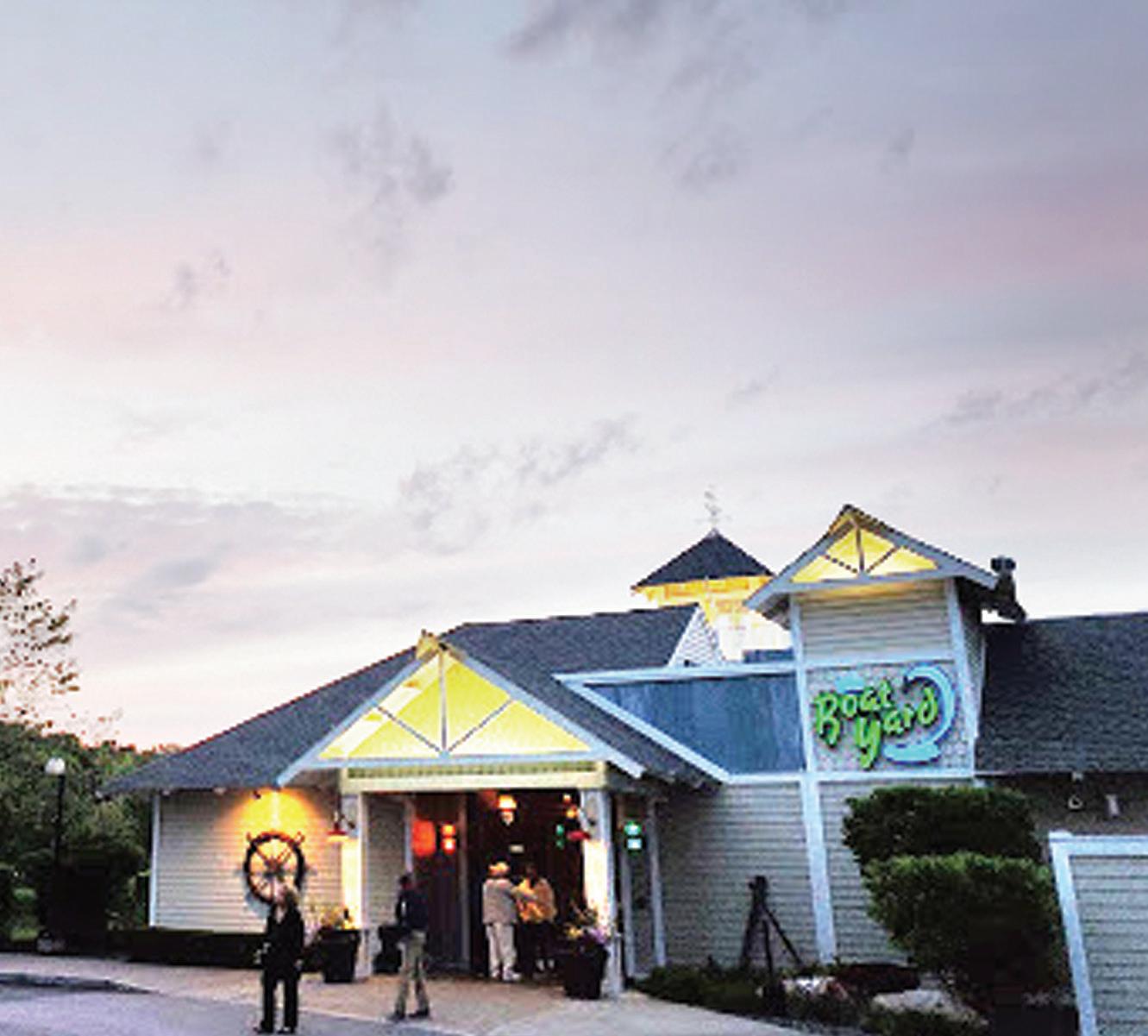
options. It is always a treat to find food that reminds me of NYCquality restaurants, so I didn’t mind the trek to Boatyard, where superb seafood and juicy steaks are served in an inviting, marinethemed setting. Inside are hints of life at sea — ship wheels, fish plaques and a bait sign. However, we sat outdoors, where our table had a beautiful view of the Cayuga lake inlet. It was picturesque, with the sun setting, boats passing by and a cool breeze blowing. The sprawling back lawn gives the impression of openness and the boats


parked outside fit the restaurant’s name perfectly. Still, I was not enthralled by the mint green tablecloths outside. For a restaurant with a marine atmosphere, the color didn’t feel natural — a minor pet peeve.
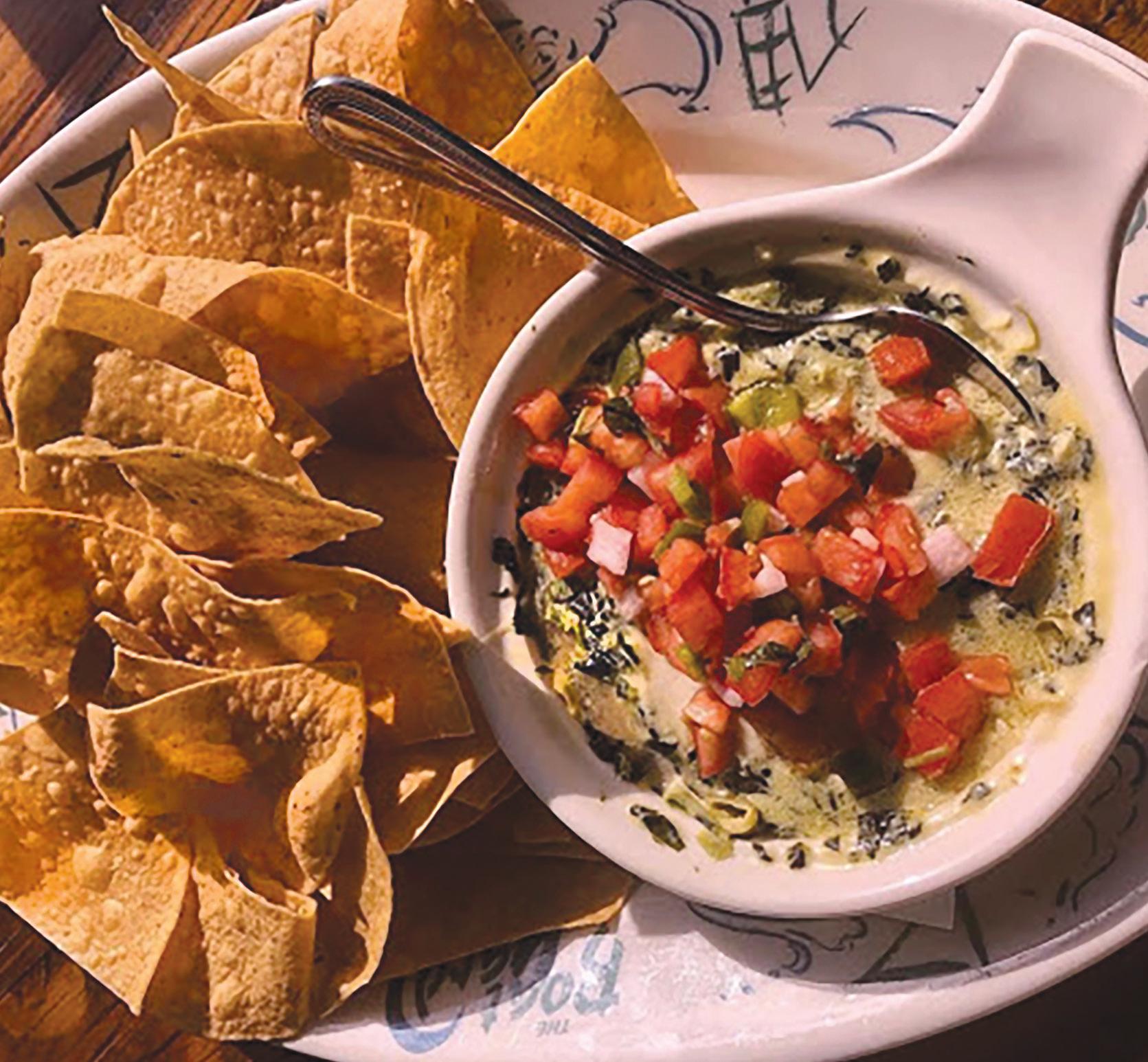
To start, we got the spinach and artichoke fondue. We ate it quickly, because like all fresh foods, it comes to the table piping hot and cools down fast. The balance between the spinach and artichoke was perfect and the dip was thick enough that it would stick to the plate when I pulled it out, like cheese on a fresh slice of pizza.
Boatyard is unique in its menu options in that, in addition to standard items like steaks and pan-roasted black cod, you have a choice to have your fish prepared however you like. Between four types of fish — salmon, tuna, mahi-mahi and shrimp — and four types of preparation — panasian, creole, naked and mango salsa, you can’t go wrong. Your options don’t end there, however,
as you can pick from several dishes made in Boatyard’s wood-fired oven. If an intense, juicy and fiery flavor is on your mind, go for the mahi-mahi tacos or the sizzling garlic steak.
I appreciate when chefs have no fear in using ingredients com-
folk typically reserve for holidays as part of their main menu items. The scallop-stuffed shrimp would have been delicious enough if scallops and shrimp were the only ingredients, but the inclu-


sion of a Thanksgiving staple — stuffing — was a bold choice and a tasty addition. Like the shrimp, the scallops were fresh and had no fishy taste, but could have had more of a crust. The stuffing melted in my mouth and its savory flavor blended perfectly with the scallops and asparagus. My friend ordered a steak, which was cooked as requested, and the lobster tail that accompanied it was sublime — juicy and just the right shade of red.
Boasting a menu like this isn’t easy, but all of the dishes were cooked well and to order. With seafood, it is especially important to be confident in the sourcing and preparation of the food. I have had more than enough experiences with low quality, frozen fish that ended with my stomach growling at me. Fortunately, Boatyard prepares everything fresh according to our waitress, so we had nothing to worry about.
Finally, to fill the last bit of room in our stomachs, we needed dessert. From the small list of sweets our waitress listed, there was one that sounded a class above the rest — a chocolate chip cookie shaped like a cake slice, served on a sizzling pan with a warm caramel sauce. We heard the sizzling of the pan before we saw the cookie, which was deceptively shaped like a cake slice. Not too sweet, crunchy on the outside and chewy on the inside, the dish was a perfect end to our meal.
A diverse menu is challenging, but Boatyard Grill ensures that all of its dishes are fresh and prepared

perfectly. Dining here is not just a good date idea or family outing, but also a real Ithaca experience. Expect to come for top-quality dishes and to leave with a full, satisfiewd stomach. Overall, Boatyard Grill provided a relaxed atmosphere, exceptional service, and its food gave me another reason to return.
Vibe: Chill yet classy
Price: $$
Overall:


Peter Kaplinsky is a sophomore in the College of Agriculture and Life Sciences. He can be reached at pk445@cornell.edu.

Film festivals are addictive. There, I said it. It all started senior year of high school. It was late March and I had gotten most of my college admissions results back. Looking back, it was a bit funny how I got rejected by literally every school I wanted to go to — but at the time it was quite devastating. So, I skipped school on a random Thursday and went to the cinema. It happened to be during the 40th edition of the Hong Kong International Film Festival and posters were everywhere.
I remembered jumping on the last ferry of the day after three back-to-back films, and Victoria Harbor looked unreal. It felt like a scene from a movie where I was the reckless protagonist about to go on an adventure or fall in love with a cat. Lying in bed that night I had to question my decision to pose as a future biology major everywhere I applied. No wonder they didn’t want me; those smart admissions people probably saw right through my facade.
First year in college, I got tricked into working for this student film festival by a professor that would later become my advisor and perhaps one of the most important figures in my life. Having watched all these wonderful films made by my peers, I couldn’t help but think to myself, maybe I could do that too
I started making films while continuing to go to film festivals big and small. Summer 2017, I was lucky enough to work on an independent feature set with the loveliest (or, least Hollywood) crew and cast. The film made it into Slamdance, a film festival created by “a wild bunch of filmmakers who were tired of relying on a large, oblique system to showcase their work.” And we were all invited.
Slamdance takes place concurrently with the famed Sundance Film Festival every year, which meant I could be at both! Park City, Utah, is not exactly the best place to be in January if you’re not planning to ski, but the energy from all the young filmmakers and cinephiles made that tiny town feel warm and bright. Of course, meeting John Cho helped too.
Then, May came around and somehow I was at Cannes — a dream come true, to say the least. I started my festival with Dead Souls , an eight-hour documentary about the survivors of the reeducation camps in northwest China. It was a hard watch. I sat by the water after with a friend I just made in silence, bonded by our shared experience. Similar connections happen at festivals all the time but rarely anywhere else. I wonder why.

Later in the festival I saw Agnès Varda on the same beach where my friend and I sat for hours on that first night. She was presenting One Sings, the Other Doesn’t as part of the Cinéma de la Plage series. She was standing right there within a few feet of me, and the voice I’ve heard so many times in interviews and films sounded incredibly close. Her entire speech was in French and at the time the only phrase in French I knew was “s’il vous plait,” but her presence was enough. It was an unusually chilly April night and I couldn’t tell if I was shivering because it was cold or out of sheer excitement. Perhaps I cried, too.
Film festivals are dream-like, really; for a short period of time — usually two weeks — you do nothing but watch films, talk about them while standing in line and watch more. It’s like the outside world has subsided and you get to live in this perfect bubble of cinema. People might love a film you hate or hate a film you love, but nevertheless they’re just cinephiles, like you: Lonely, obnoxious and have too many opinions they can’t talk to anyone else about.
My festival-going experience this year has been quite sentimental due to Varda’s recent passing. At Berlinale I stood outside the theatre for hours trying to get in Varda by Agnès and cried audibly on the metro reading David
Ehrlich’s review. Cannes decided to use an old photo of her that happened to be my home screen for years. She was perched up on the shoulders of a technician and clinging to her camera dangerously on the set of La Pointe Courte, her directorial debut that will become “the first film of French New Wave.” The 57th New York Film Festival, which is right around the corner, also dedicates this edition to Varda.
NYFF is quite special because people aren’t as desperate to get into films as at Cannes or Venice, but the programme always includes a substantial amount of films that premiered at major festivals earlier that year. I’ve also enjoyed the masterclasses and talks that are easily accessible (for comparison, someone I know stayed in line for six hours for a Christopher Nolan talk at Cannes); I remembered watching Hong Sang-soo disappear into the night with Kim Min-hee after he dismissed my question with “you’re too young to understand.” Or walking with Alice Rohrwacher to the car and telling her how Happy as Lazzaro’s beautiful super 16mm texture prompted me to start working with celluloid film.
I have so many more fuzzy memories that I want to share with you but for now, I’ll just head to my Cannes squad group chat and tell them, for the third time this week, that I miss them. And if I’ve succeeded in selling you the idea, I could still use a festival buddy for NYFF.
Ruby Que is a senior in the College of Arts & Sciences. She can be reached at rque@cornellsun.com. Escape runs alternate Tursdays this semester.
CELINE CHOO SUN CONTRIBUTOR
Time and time again, Hollywood has shown us that adapting a movie from another medium is a slippery slope. From the never-ending remakes of classic novels like Greta Gerwig’s upcoming Little Women to the money-milking young adult franchises like the Harry Potter series, filmmakers have attempted to bridge the world of literature and film for nearly as long as cinema has been alive. But we’ve learned from the disappointing outcome of Ava DuVernay’s A Wrinkle in Time, based on a timeless classic, that not all breathtaking novels can be easily turned into equally breathtaking movies. The Goldfinch is no exception.
I’ve noticed that films thrive in being unabashedly cinematic — a good script and movie is ultimately self-aware and self-centered; it knows only itself and understands how to express itself through visual storytelling, even when there is a novel in its underbelly. It requires awareness of what moments in a novel are too literary to turn cinematic and what parts of a plot are critical in maintaining the integrity of the book — a conflicting challenge much easier said than done.
A great example of this is Denis Villeneuve’s Arrival, a movie based on a
short story — but therein lies the critical word: based. Very little of the movie can be seen in the story, and vice versa. This is how it should be, especially if the intent is not to milk money out of a famous YA franchise (though perhaps this, too, was the intent of turning a bestselling novel into a film during a time practically devoid of original screenplays). But John Crowley, it seems, has no more based the movie off the novel than cut up its nine-hundred-and-something pages and randomly selected just enough chapters to fit into a two-and-a-half hour feature film. Not only this, but he reorders the telling of the story in a way that does nothing to enhance the cinematic experience. Instead, it becomes a slew of beautiful but ultimately confusing montages and scenes that feel important but don’t make an actual statement.
Perhaps the best way to produce this movie could have been to ask everyone involved never to read the full book and simply work off of a Wikipedia plot summary. Instead, the first scene reveals Ansel Elgort doing a voiceover reading that is basically an audiobook clip, a habit that does not stop until the end of the movie. And while direct quotes are no sin, it doesn’t help that the mise en scène is far too indulgent in the aesthetic to properly place us in the grueling, Dickensian moments of Theo’s floundering journey.
The Goldfinch is about grief, art and memory. Or rather — it could have been. Ansel Elgort plays Theodore Decker, an unhappy man whose self-proclaimed downfall began when, in middle school, he loses his mother in a terrorist bombing at the Metropolitan Museum of Art. Then ensues back-and-forth jumps between his past and present, unraveling a life ridden with trauma, paranoia and never-ending misfortunes. Rarely do we get to glimpse Theo’s dark mind, a privilege given to us only a couple times through shots of him snorting lines or waking up in a cold sweat from a nightmare.
Where once was an opportunity to create a moving portrayal of the journey of a practically orphaned child becomes a strange montage with inexplicable reprioritization of plot points. His time at the Barbours’, a friend’s wealthy family who agrees to take him in temporarily, feels strangely aloof and is only brought to life by Mr. Barbour’s (Boyd Gaines) off-beat Dad jokes. Nicole Kidman’s portrayal of Mrs. Barbour borders between creepy and emotionless. On the other hand, his relationship with Hobie (Jeffrey Wright), an antiques shop owner, is vastly underplayed compared to Mrs. Barbour’s overbearing presence. Perhaps the most tolerable part of the movie is Theo’s homoromantic friendship with Boris, played by Finn Wolfhard with a questionable slavic accent. Overall, however, there is not enough
cohesion to give characters enough time to become a relatable, three-dimensional person (other than Boris).
What breaks my heart is the immense potential of this movie — all of which fell flat from the mediocre writing. From the heavy-handed aesthetics to the poorly written dialogue, too many parts of the film do the story a disservice. Moments full of potential for poignancy and depth only disappoint with overly generic lines that shove symbolism down our throats. Even opportunities to discuss issues like Theo’s depression and addiction are only briefly shown but not explained.
Perhaps I am plagued with the same curse of perspective that the producers of the movie had: Already acquainted with the novel, I cannot help but compare every scene and character with the original. Part of me wonders how I might think of the movie had I not been familiar with the story beforehand. At the same time, I know that I would much rather keep my memory of reading the book than the one of watching the film. If there’s one thing to take away from The Goldfinch, it is that we vastly underestimate writers that properly translate great novels into quality — or even passable — screenplays.
Celine Choo is a senior in the College of Engineering. She can be reached at cc972@ cornell.edu.

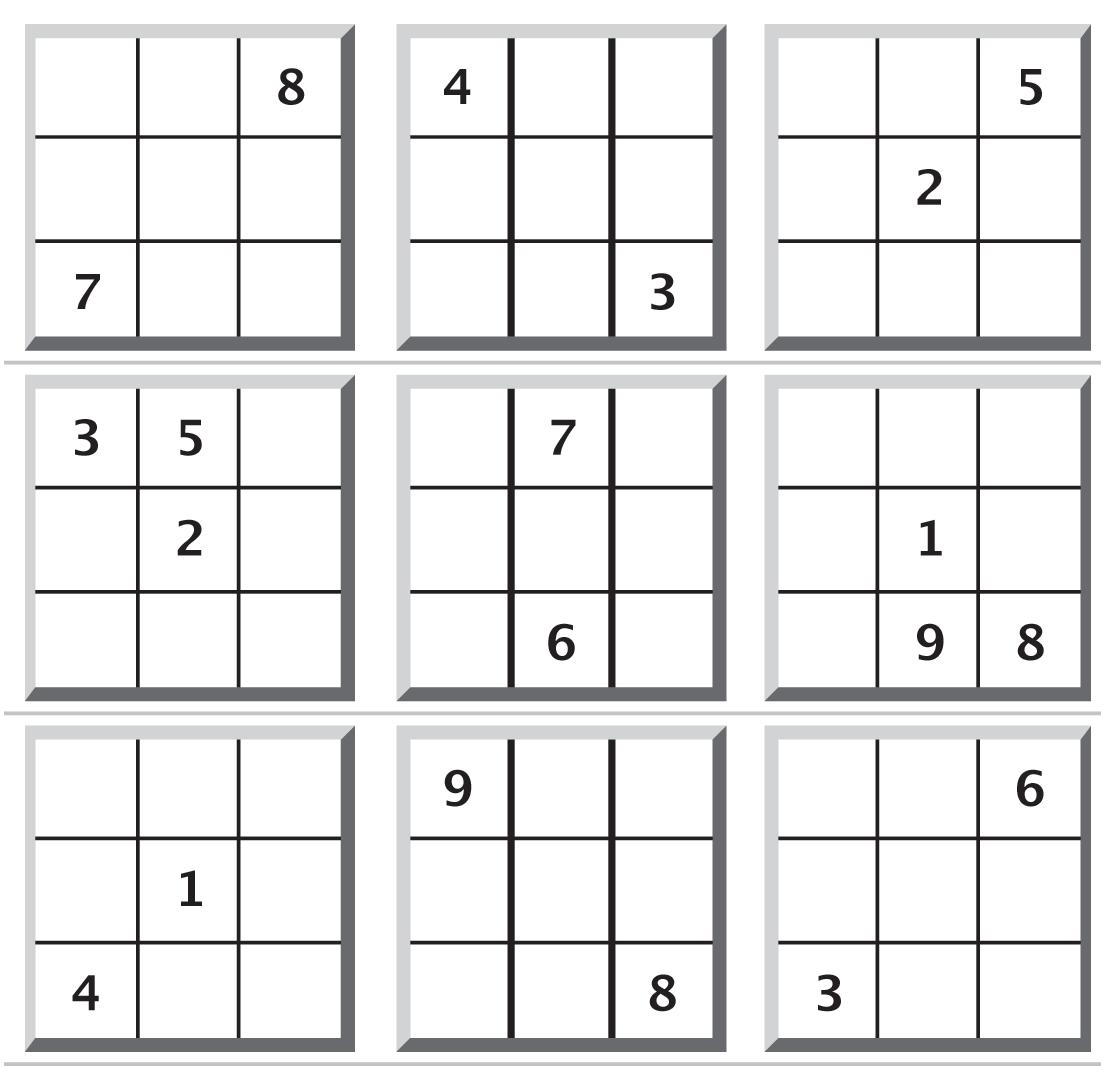
Fill in the empty cells, one number in each, so that each column, row, and region contains the numbers 1-9 exactly once. Each number in the solution therefore occurs only once in each of the three “directions,” hence the “single numbers” implied by the puzzle’s name. (Rules from wikipedia.org/wiki/ Sudoku)



Houses,
607-273-1669
2020-2021 Studio 1, 3, 8 & 11 BR Apts. Great Locations in Collegetown. 607-227-2535
1, 2 & 5 Person Apts. Overlooking Cascadilla Gorge Architecturally designed. Decks, patio, fireplaces, Jacuzzis. Furnished, parking, internet. Utilities included. 607-592-7564
3 Bedroom 1 Block from Starbucks in Collegetown Heat & hot water included. Lease starts June 2020. Parking & laundry available. www.porealty88.com 607-277-1888
27 H OUSE FOR R ENT 20-21 College Ave. 5 BR House Furnished. Laundry. Parking. Call 607-273-8576 20-21 Upper Eddy St. 7 BR house Furnished. Laundry. Call 607-273-8576
ARCHER
Continued from page 14
Ivy League Outlook
Archer said “yes and no” about whether there’s added confidence given that two of his team’s Ivy losses were close games. The tough nature of the Ivy League is what led him to spend the offseason changing up his plans of attack.
“It’s a winner-take-all league, right? Like, there’s no blinking. This isn’t like Ivy basketball, where you can finish in the top half and go to the tournament. You’re the champion [or] you’re not. And obviously, it’s better to win more than lose more. But I think what that caused me to do was ... take a look at what I was doing and say, ‘wait a minute, there must be a different way or better way to do this, because it’s not getting the results I want. It’s not getting the results that are representative of the work that the kids put in, or the coaches put in.’”
Looking Ahead To Week 7
After a 66-0 embarrassment at the hands of Princeton last year, Cornell gets its 2019 shot at the Tigers on Nov. 1, a Friday night clash on ESPNU.
“I’m trying to take the approach of like, hey, let’s play our best, let’s go 1-0 each week, but oh, yeah. Anytime you can play a Friday night game at home, on national TV, definitely circle that one.”
Proud Parent Archer and his wife welcomed their son, Rhys Davidson Archer, earlier this year. Rhys weighed under six pounds when born, but now appears to be following in his dad’s footsteps.
“I thought, ‘oh my gosh, I had a chance for a skill [position] kid, right?’ He’s now like 18 pounds. My guy, he’s a lineman, there’s no doubt about it.”
Raphy Gendler can be reached at rgendler@cornellsun.com. www.


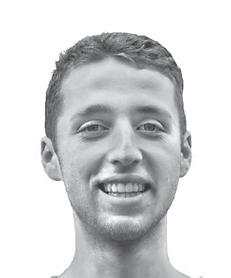

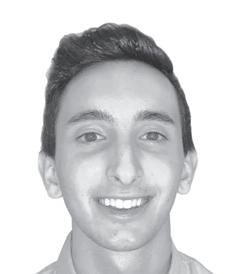
GENDLER CHRISTINA BULKELEY




CORNELL AT
HOLY CROSS AT
PENN AT
COLUMBIA AT ST
DARTMOUTH AT
BROWN AT
HARVARD AT
(PA.)
AT WISCONSIN SAINTS AT SEAHAWKS
By RAPHY GENDLER Sun Sports Editor
Cornell football’s season gets underway at Marist on Sept. 21. Here are a few thoughts and mini storylines to follow at the beginning of the 2019 season:
‘Hybrid Warfare’
Archer said he spent the offseason totally revamping his team’s schemes, reflecting on what has prevented his team from winning in the past and establishing a “player cabinet” of leaders to bolster communication.
“[We’re] really [reinventing] the way we’re doing things: We’re running a different scheme on offense, we’re on a different defense. The theme is going to be like a hybrid warfare approach, right? So conventional methods mixed with unconventional methods … attacking thought processes and beliefs, while you’re also attacking the weaknesses where [opponents] line up,” Archer said.
“I felt like my approach was ‘Hey, I’m going to recruit the best players, I’m gonna develop them, I’m gonna run really sound schemes, and we’re gonna beat people. And looking back on it, I don’t think I gave us a good enough of a chance, schematically. And so trying to really open up the bag of tricks, if you will, and be really creative with
what we’re doing.”
“I don’t think I had enough schematic answers for us late in the season. Right, we finished in 2017, 0-3, 2018 finished 0-4. I think once we put too much stuff on film, I didn’t give our team enough of a chance. I didn’t have a good curveball … off my fastball.”
McClurge’s Move to Offense
Junior Phazione McClurge, who committed to Cornell after nearly joining national powerhouse North Dakota State, played his first two seasons at cornerback. But McClurge is one of the first players Archer listed when asked about playmakers on offense. The Chicago native is listed at wide receiver this season. Archer said McClurge might play corner in a defensive “package” but will be primarily an offensive player.
“He was absolutely insistent on it. ‘Coach, let me try receiver, coach, let me try receiver.’ I was like ‘Yeah, yeah, yeah.’ And then in the offseason, I was like ‘hey, let me listen, let me try it out.’ He had a couple [of] injuries the spring so we didn’t really get a good answer on it. And then he was dynamic in the first couple practices at training camp as a receiver so it was like, he was ready.”
By RAPHY GENDLER Sun Sports Editor
For the opening game in both of its last two seasons, Cornell has had the same nearly impossible task: a road trip to national powerhouse Delaware.
The Blue Hens dominated the Red in week one of both 2017 and 2018, beginning the Red’s 4-6 and 3-7 seasons. But this season — to go along with a fresh outlook and revamped schematic plan — Cornell also gets a new first opponent.
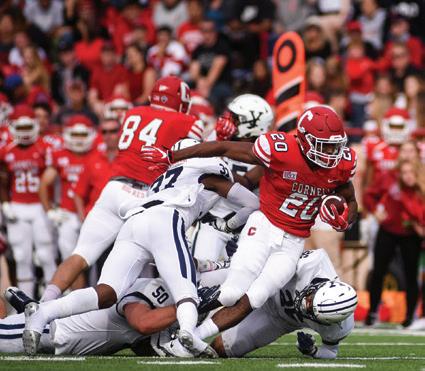
Cornell will travel to take on Marist (1-1, 1-0 Pioneer Conference) on Saturday in what, on paper, is a winnable game heading into next week’s Ivy League opener, a tough road contest against Ivy preseason favorite Yale.
“Obviously they’re not in the [Colonial Athletic Association] like Delaware and not like a national pow-
So Archer spent the summer heading into his seventh season as coach reflecting, talking to team leadership and deciding: 2019 will mark the start of a new era for Cornell — at least in terms of in-game strategy.
“I felt like my approach was ‘Hey, I’m going to recruit the best players, I’m gonna develop them, I’m gonna run really sound schemes, and we’re gonna beat people,” Archer told The Sun last week. “And looking back on it, I don’t think I gave us a good enough of a chance, schematically.”
What specifically the new schemes and “hybrid warfare” approach on both offense and defense will look like remains to be seen. Defensively, Archer emphasized the importance of disguising coverages and blitzes. Offensively, new plans will certainly focus on the Red’s best offensive weapon, senior running back Harold Coles.
“I’m really excited to see how people try to gameplan against us, because there’s no way to stop every single per-
News and notes:
Quarterbacks: ‘Both’ Are the Starter
Senior Mike Catanese is listed as the starter on Cornell’s official depth chart, but that’s mostly just because somebody has to be listed as the starter, Archer said on Tuesday. The plan is for both Catanese and junior Richie Kenney to play a meaningful role.
“I sat both of them down and said, ‘you know what, you both played well enough to earn starting reps and we think we got two guys that we want to see on the field,’” Archer said. “And we’ll use them as we think their skills help us in that point of the game to



“There’s a lot of potential there for sure,” he said. “We have two very different ways that they like to play and I think that’s something that could potentially make it a lot more difficult for defenses to defend.”
Null a Game-Time Decision
Cornell hopes that senior Nickolas Null can be its go-to punter and kicker this season, but he remains questionable for Saturday’s game after dealing with injury issues most of last season.
Sophomore Koby Kiefer and junior Garrett Patla are listed as the backup punter and kicker, respec-
Kickoff is set for noon Saturday at Marist’s Tenney Senior running back Harold Coles will be the focal point of Cornell’s offense this season.
With over a month until its first game, Cornell men’s hockey will start
the 2019-20 season with high expectations.
The Red was picked first in the preseason coaches’ poll, ECAC Hockey announced on Tuesday. A season after
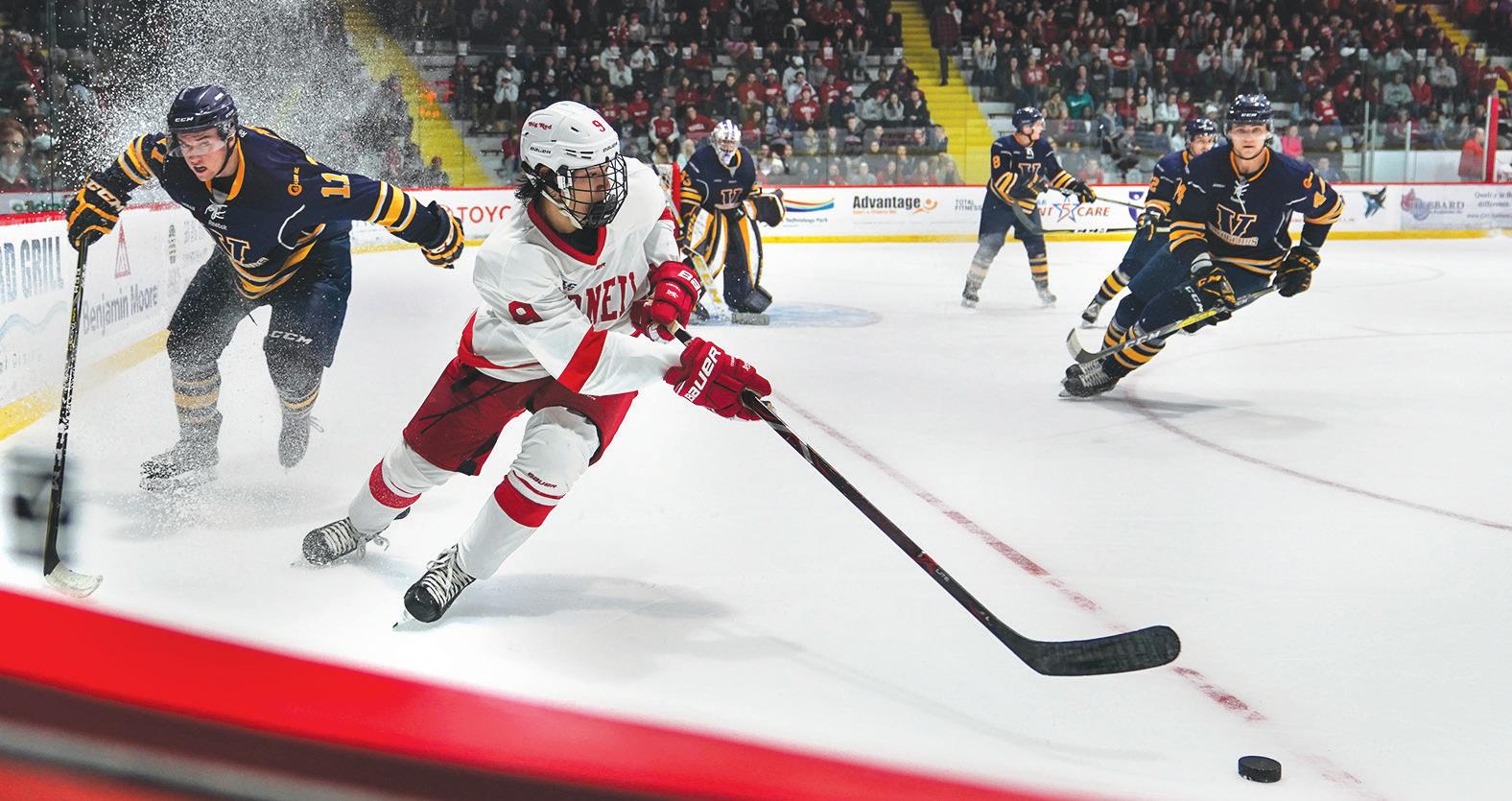
tying for the regular season crown and losing in the conference championship game, Cornell earned eight of 12 first-place votes. The ECAC Hockey Media Association released its poll on Wednesday and also picked Cornell first.
Picked to finish first for the second straight season, head coach Mike Schafer’s ’86 squad is followed in the coaches’ poll by Quinnipiac and Clarkson, who received three and one first-place votes, respectively. The Bobcats and Golden Knights are followed by Harvard, Yale, Dartmouth, Brown, Union, Rensselaer, Princeton, Colgate and St. Lawrence.
Members of the media rank Cornell first, Clarkson second and Quinnipiac third. The media poll has Harvard, Dartmouth, Yale, Brown, Union, Colgate, Rensselaer, Princeton and St. Lawrence rounding out the ranking.
Of the six players named to the preseason all-conference teams — identical in the coaches’ and media polls
— three don the carnelian and white. Junior tri-captain and forward Morgan Barron, senior tri-captain and defenseman Yanni Kaldis and junior goaltender Matt Galajda were named preseason All-ECAC.
Barron, Kaldis and Galajda are joined by Clarkson forward Haralds Egle, Quinnipiac forward Odeen Tufto and Harvard defenseman Riley Walsh.
Barron led Cornell with 15 goals and 34 points during his sophomore campaign, earning All-ECAC first-team honors. Kaldis led Cornell in assists and earned a spot on the all-league second team. Galajda, who posted a stellar freshman campaign, bounced back from injuries as a sophomore to earn a thirdteam All-ECAC selection.
Cornell’s regular season begins Nov. 1 at Michigan State.