The Corne¬ Daily Sun


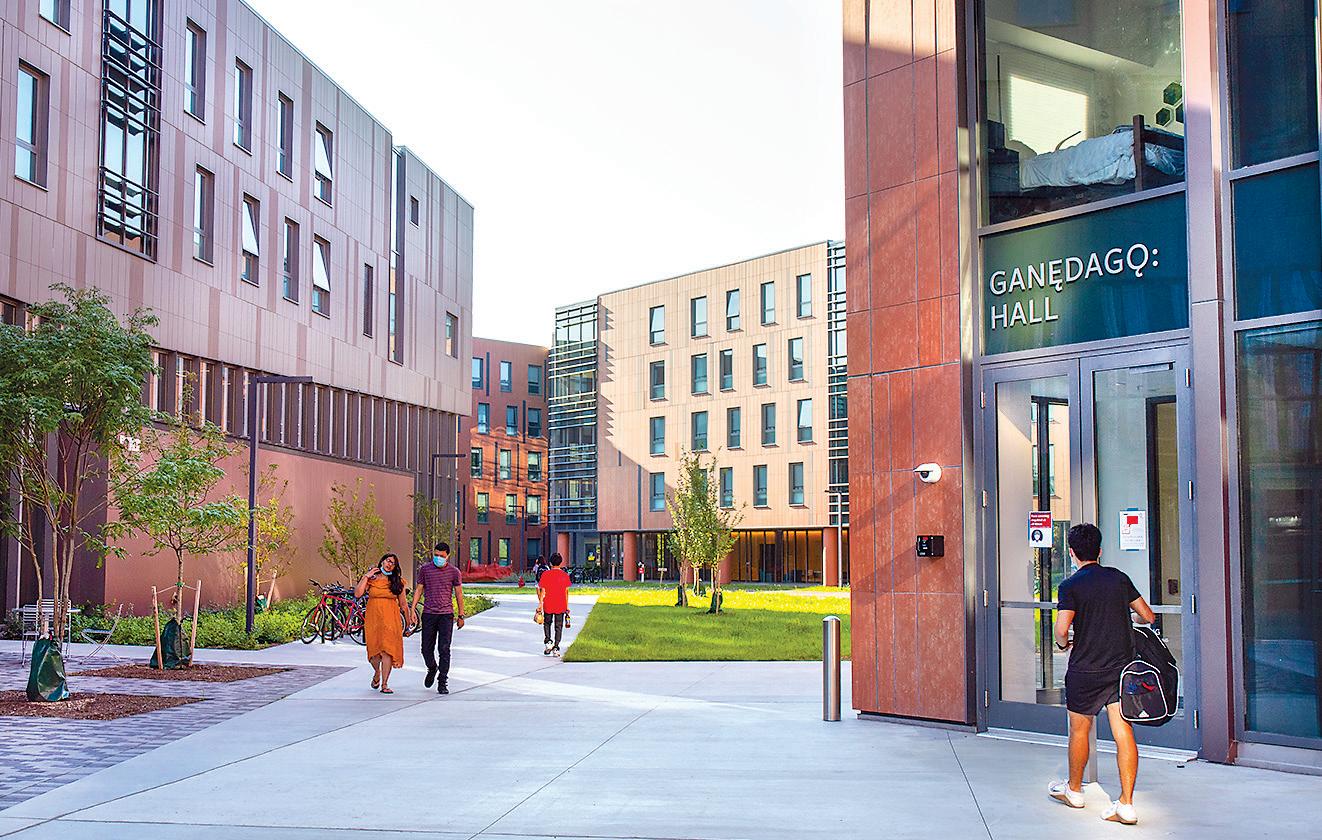
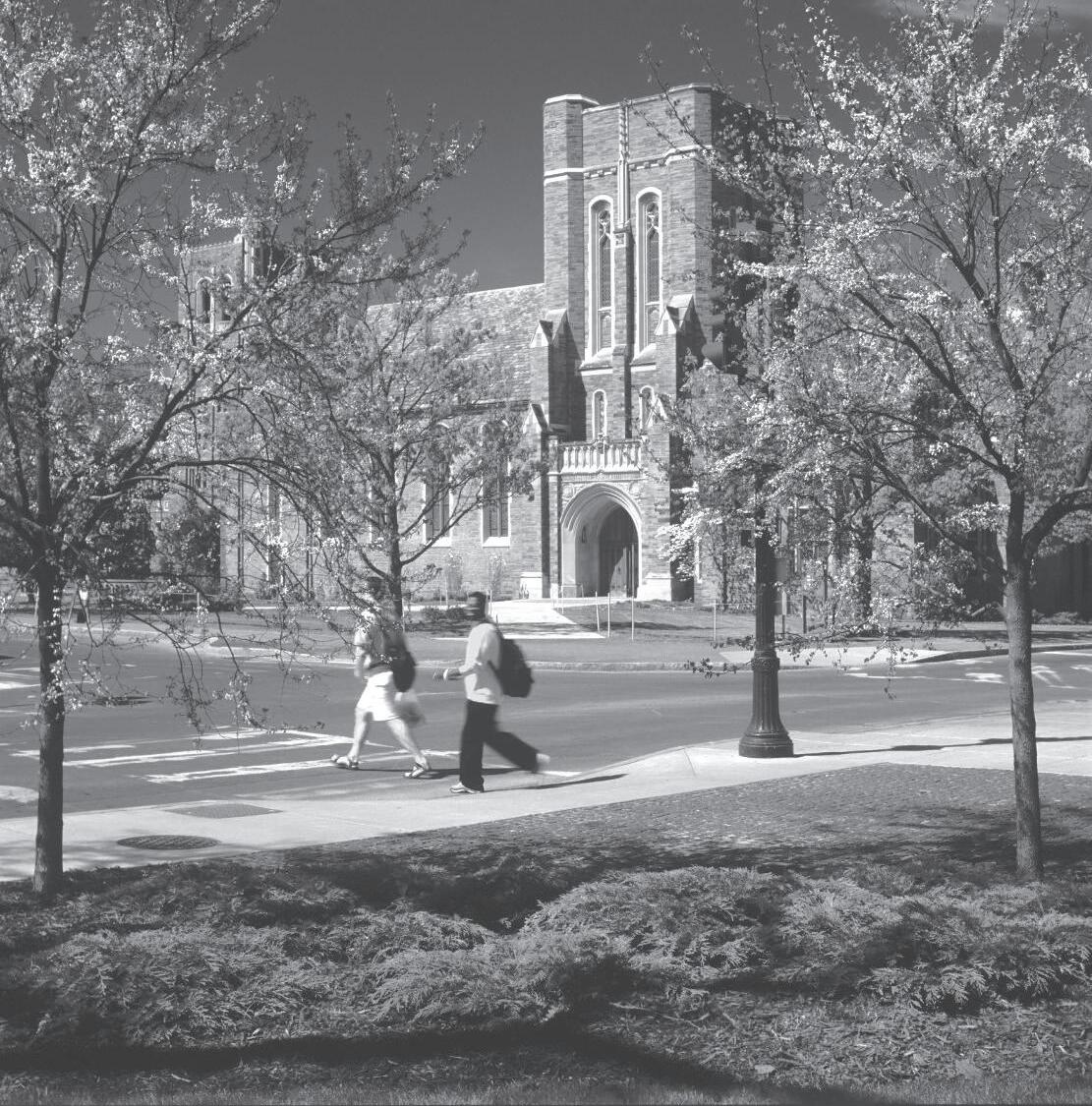
Arts Quad happenings and a bustling Eddy Street at night.
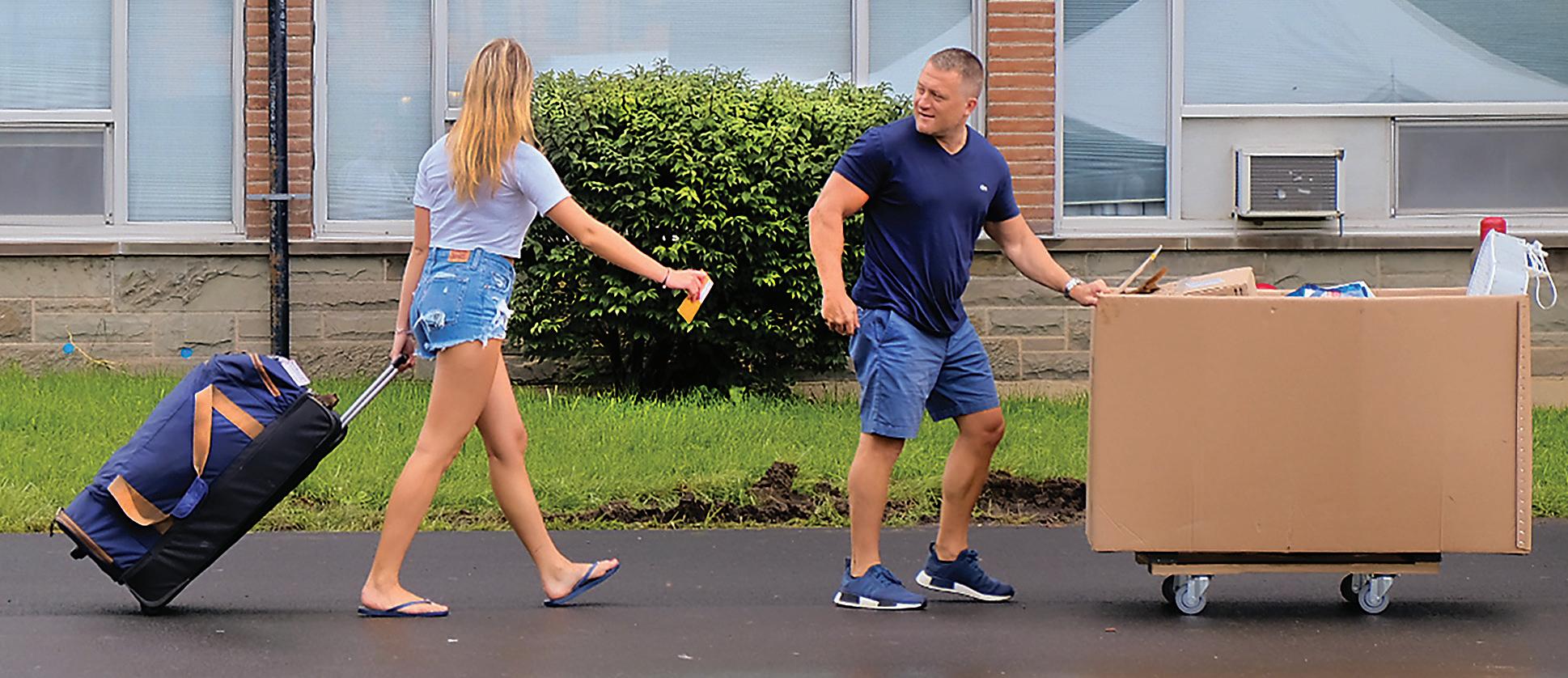
Herds of first-year students have trekked from North Campus to Central Campus this week, in hopes of learning more about the place they will call home for the next four years. Groups led by upperclassmen in bright red “OL” T-shirts have circled up across campus, ready to participate in ice breakers and meet their peers.
An entirely in-person fall 2021 orientation is underway for first-years and transfer students with
This year, approximately 250 events were planned for incoming students. Participants chose their own schedule through the New Student Orientation website — selecting optional events such as tours, showcases and opportunities to socialize, alongside required college and University programs.
a wide array of events ranging from movie nights to field day.
Orientation, also known as O-week, has welcomed new students from Aug. 21 to Aug. 25, where Cornellians can meet one another and get to know Cornell’s campus and culture. This year’s O-week has blossomed like years past, filled with everything from University-sponsored events to
The orientation steering committee, in charge of planning and coordinating orientation events, has been planning for the fall semester since January. The group originally anticipated a hybrid model but shifted plans after the University gave them the green light to hold an in-person orientation, said steering committee co-chairs La’Treil Jackson ’22 and Jennifer Grell ’22. Grell said last year’s Zoom orientation events had low turnout. Now, even with the indoor mask mandate and social distancing, she looked forward to working an in-person O-week with over 4,000 new students. The University moved to allow in-person events mid-March.
“This is my third orientation as an orientation volunteer of some kind. And it'll be the only one that's ever been in person. The other two have been on Zoom,” Grell said. “I'm really excited to see what in-person programming is like from the back end of it.”
This year, the committee reshaped its model of the orientation leader groups — cohorts of anywhere
“I’m really excited to see what in-person programming is like from the back end of it.”
Jennifer Grell ’22
from 10 to 25 students led by an OL. Previously, the groups were split between new students and transfers and divided by college. The committee decided to mix students from different colleges so they can learn more about the University more broadly.
“We decided to take the academic element out of it, and use orientation and your orientation group as a way to meet students from other colleges and leave the academic portion up to the academic colleges and advisers,” Grell said.
Jackson and Grell said recruiting orientation leaders was not easy this year, ultimately leaving them short staffed. While the chairs do not usually ask members of the committee to become OLs, they encouraged “all hands of deck.”
“I think the Class of 2024 didn't feel inspired to become orientation leaders just because they had a poor experience on Zoom,” Grell said. “We completely understand that, and hopefully in the future we can make up for it.”
Jackson said that it is out of the committee’s hands to do programming for the Class of 2024 and other remote students who had an online orientation. But this year, there will be other University-sponsored programming for incoming sophomores as they find their way on campus, too, after a year of Zoom.
The Class of 2024 has been invited to the New Student Convocation on Aug. 25, where President Martha Pollack will give an official welcome to both the Class of 2025 and the Class of 2024 at Schoellkopf Field. The University has also planned a Class of 2024 meet-up before the Homecoming fireworks at Lynah Lot.
By TAMARA KAMIS Sun News Editor
Months after the University discontinued Empathy, Assistance and Referral Service peer counseling, Cornell EARS will once again provide one-on-one support for students while working to foster a more empathetic campus climate.
While EARS student leadership created a petition in March to protest the administration’s choice to discontinue EARS counseling services, they have since decided to work with the University to reinvent the organization.
EARS will continue to train students to be empathetic listeners and mental health referral resources for their own communities, while also introducing a new one-on-one mentoring service, distinguished from counseling based on the non-clinical nature of the conversations.
Mentoring sessions will focus on the student experience, including making friends, coping with stress and adjusting to University life. EARS peer mentors will work in three spaces — on North Campus in Robert Purcell Community Center, in Willard Straight Hall and in Upson Hall.
According to EARS co-presidents Felisha Li ’22 and Ben Lederman ’23, the sessions will be less structured and more free flowing than the former EARS counseling session structure.
“We were able to maintain the one-on-one relationship from peer counseling, which was at the heart of EARS,” Li said. “Now we're doing so in a way that focuses on the non-crisis level, before things get to the point of needing professional clinical counseling.”
The administration announced in February that EARS could no longer offer peer counseling services, after discovering that the University insurance plan did not support student-run counseling. However, the peer-mentoring model did not raise the same issues.
According to Li and Lederman, EARS leadership decided to collaborate with the administration to direct their energy toward supporting community mental health, instead of toward protesting a University decision.
Peer mentors will be able to share their own experiences when relevant and helpful, making the power dynamics more equal between peers, according to Li and Lederman. Unlike in under the counseling model, names and short biographies of EARS mentors will be public, helping them be positive community role models, working to reduce stigma around mental health. Previously, counselors' names were withheld from the public.
As EARS moves to a mentoring model, the program will also introduce new empathy chairs and liaisons to encourage empathy, communication, effective listening and wellbeing while sharing resources with their peers.
Liaisons are EARS members who will meet with student organizations that are looking to improve the culture around mental health in their community. Empathy chairs will receive EARS training and become mental health advocates within their own student group.
According to Sharon McMullen, assistant vice president for health and wellbeing, the outreach efforts EARS will work on this fall help further the goal of improving the mental health culture on campus suggested by the Mental Health Review, encouraging social connection, resilience
and help seeking.
“I’m proud of the way the EARS students have stepped up and made these necessary changes,” Abi Dubovi, mental health promotion program coordinator in the Skorton Center for Health Initiatives and staff adviser to EARS, said in a University press release. “The new model will allow EARS members to meet students where they are, build peer relationships and integrate EARS-trained students into diverse communities on campus.”
For students looking to become peer mentors, EARS beginner training will remain largely unchanged, focusing on empathy and listening skills. Advanced training will be adapted to prepare EARS members for the new mentorship model.
EARS reinvention was welcome news to fellow mental health organizations on campus.
Cornell Minds Matter president Bianca Beckwith ’22 said she was happy to hear about the return to EARS oneon-one peer support, adding that she thinks the end to EARS staff anonymity could make students more comfortable using the resource.
As students re-adjust to life on campus, packed once again with in-person classes and club meetings, Beckwith said she’s glad EARS will be able to provide direct support.
“It's such a relief to know that they're trying to stick as true to their previous programming as possible, while also recognizing that counseling doesn't necessarily need to be their emphasis in order to support the student body,” Beckwith said.
Tamara Kamis can be reached at tkamis@cornellsun.com.
By NEWS DEPARTMENT
As thousands of students make their way back to the Hill, a range of University and student-run resources are available to support Cornellians as a new semester starts. Here is a guide to campus identity resources, academic support, mental health resources and more.
Student and Campus Life Resources
Student and Campus Life is Cornell’s hub for student resources on everything from residential life to identity resources. All resources are listed on the Student and Campus Life website.
Asian and Asian American Center
Serves as a hub and advocacy resource for Asian, Pacific Islander and Desi American students. The center also offers educational resources and workshops.
Cornell Food Pantry
Offers free, confidential access to food and personal care items for all members of the Cornell community.
LGBT Resource Center
Provides advocacy support, educational resources and community to LGBTQ+ students of all identities and backgrounds.
Office of Spirituality and Meaning-Making
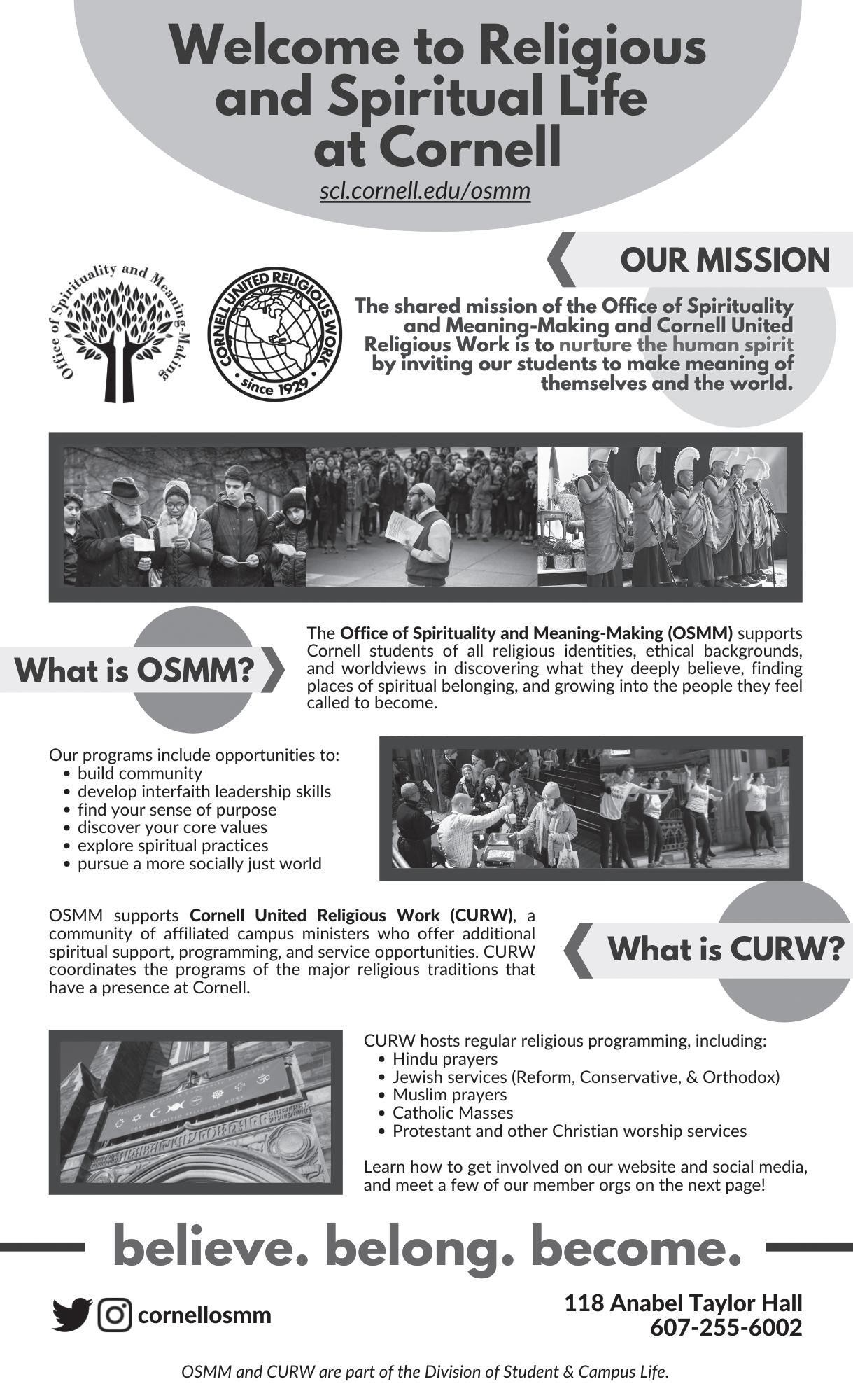
Supports Cornell students of all religious identities and supports Cornell United Religious Work, a multi-faith consortium of affiliated campus ministers who offer additional spiritual support, programming and service opportunities.
Student Disability Services
Provides academic and environmental accommodations and services for students with disabilities. Each college and school at Cornell has a disability representative who can also provide information about accommodations and resources.
Undocumented and DACA Support
Provides information on admissions, financial aid, campus resources, privacy, legal assistance and safety for DACA and undocumented students.
Women’s Resource Center
Provides educational materials and programming to support and empower women at Cornell. The center also advises the student-run Gender Justice Advocacy Center, both of which support
co-sponsorship funds for organizations on campus.
John S. Knight Writing Institute for Writing in the Disciplines
Coordinates the First-Year Writing Seminar Program and also houses the Cornell Writing Centers, which provides writing tutoring services by appointment and drop-in.
Learning Strategies Center
Offers study skills workshops, peer tutoring, supplemental courses and other academic support resources for students.
Office of Academic Diversity Initiatives
Supports students from historically underrepresented backgrounds in achieving their academic and career goals. OADI provides individual and group support and has created several student programs designed to encourage academic diversity. Current students can book appointments with OADI advisers or stop by their office on the Ag Quad.
Tatkon Center for First-Year Students
Offers advising, resources and support for new students transitioning to Cornell — from wellness resources to Tat Chat sessions that cover topics like networking, stress management and writing support. The Tatkon Center is currently housed in Robert Purcell Community Center on North Campus.
Caring Community Cornell
Includes resources on physical and mental health, safety and financial concerns to support student, faculty and staff well-being.
Cornell University Ombudsman
Offers a neutral place for Cornell community members to share their concerns about the University.
Counseling and Psychological Services
CAPS offers confidential counseling for a variety of mental health concerns. Most care is currently being provided by telehealth video appointments. Students can schedule appointments online via myCornellHealth. CAPS offers individual and group counseling.
By MADELINE ROSENBERG Sun Managing Editor
As Cornellians gear up for the first day of classes and settle back into Ithaca, the University has reiterated that vaccination, masking and surveillance testing will allow students to return for an in-person fall. Here’s the latest University guidance as Cornell readies for a new semester. Vaccinations
All students were required to submit proof of vaccination — or submit a religious or medical exemption — by Aug. 16. Cornell is hosting a final vaccination clinic on Wednesday for unvaccinated students to get their shots following move-in.
While the University is mandating vaccination for students without an exemption, Cornell is only encouraging faculty and staff to get vaccinated. As of Monday, 12,025 faculty and staff have been fully vaccinated — 99 percent of professorial faculty and 91 percent of other staff approved to be on campus — according to the COVID tracking dashboard.
According to an Aug. 11. email
to faculty and staff, unvaccinated students without exemptions will face progressive enforcement measures. Currently, 99 percent of undergraduates and 98 percent of graduate students — or 25,759 students who are expected to enroll in the fall — are fully vaccinated, according to the dashboard. Students who did not submit vaccination information, schedule a vaccination appointment or file for exemption by Aug. 16 faced a registration hold and restricted access to campus facilities starting Aug. 17.
By Sept. 9, these students will be blocked from Canvas on Sept. 10 until they comply with vaccination or exemption, and by Sept. 25, they will be withdrawn from the University the following day until they comply with these measures (and must pay $350 to re-enroll).
Even with 96 percent of the total on-campus population vaccinated, Cornell reported 34 new cases the week of Aug. 17 and five cases on Monday, according to the dashboard. As of Tuesday, there
See COVID-19 page 4
COVID-19
Continued from page 3
are 154 active cases in Tompkins County and 3 active hospitalizations.
Testing
Unvaccinated students will be tested twice per week — and vaccinated undergraduate students will get tested once a week, a decrease from prior requirements. In the spring, all undergraduates were tested twice a week, with select
populations — including anyone who lived on North Campus, all Greek life members and student athletes — testing three times weekly. Vaccinated professional students in the College of Architecture, Art and Planning, the School of Industrial and Labor Relations, the Law School, the College of Veterinary Medicine and the SC Johnson College of Business will participate in weekly surveillance testing. Vaccinated graduate stu-

dents are strongly encouraged, but not required, to seek surveillance testing.
Testing sites are currently open at Bartels Hall, Robert Purcell Community Center, Willard Straight Hall, on West Campus at MaryAnn Wood Drive, East Hill Plaza and the College of Veterinary Medicine.
Cornell will require unvaccinated and partially vaccinated students to get twice weekly surveillance tests until they are fully vaccinated — or continually if they are exempt from vaccination. Unvaccinated students who skip their tests will be restricted from making course enrollment changes, as well as from accessing campus Wi-Fi and Canvas — continuing consequences from the spring semester.
The University will also require weekly testing for some fully vaccinated faculty and staff, “based on the nature of their work interactions,” an Aug. 12 email read. Employees can also opt into weekly testing, and supplemental testing will also remain available to asymptomatic individuals. Unvaccinated faculty and staff must get twice weekly surveillance tests.
Cornell plans to pause surveillance testing for vaccinated individuals as soon as there’s a “low virus prevalence” on campus.
Masking and Fall Instruction
While biweekly nose swabs might soon be a relic for many students, indoor masking will stick around — at least for now.
Following a July 30 Tompkins County Health Department advi-
sory, all Cornell students, faculty, staff and visitors — regardless of vaccination status — must mask up indoors, including in classrooms. This guidance comes as Cornell has announced that the University will not offer remote instruction this fall. Packed lecture halls and seminar rooms will return without seat assignments, and instructors won’t be required to take attendance.
“During such normal operations, in-person teaching is considered essential for all faculty members and instructional staff with teaching responsibilities,” Kotlikoff wrote in an Aug. 11 email to faculty. “Accordingly, the university will not approve requests, including those premised on the need for a disability accommodation, to substitute remote teaching for normal in-person instruction.”
The email continued that remote teaching “is not an allowable substitute for in-person instruction when our students are on campus,” but added that faculty can include aspects of virtual instruction they found successful during the previous academic year.
Cornell is also discouraging faculty from allowing remote access to classes for individual students and asks that students who request remote instruction due to a disability register with Student Disability Services.
For international students facing visa difficulties and travel limitations that prevent them from arriving on campus before classes start, the University asks students to contact the student services
offices in their colleges to track their course progression or consider if they need to change their course schedule or fall semester plans altogether.
And, if students are placed in isolation or quarantine — which is housed in Balch Hall this fall as The Statler Hotel welcomes visitors again — they can request a temporary accommodation through SDS, who will notify instructors about their attendance.
“Keep in mind that remote access to class may not always be the best solution,” the email reads, “and that there are low-tech ways for students to keep up with class until they are able to be present in person, just as they would have prior to the pandemic.”
As Cornell calls to limit remote learning, Kotlikoff wrote to faculty, staff and graduate students on Aug. 13 after some expressed concerns about in-person operations at an Aug. 11 town hall — saying that Cornell remains committed to accommodating individual needs as the University returns in-person.
These accommodations include a medical leave for faculty and staff. Graduate teaching assistants in need of disability-based accommodations should contact SDS, Kotlikoff wrote. Individual academic units can choose to offer options, such as partial remote instruction, for faculty, staff or graduate students with “extraordinary circumstances” that prevent them from teaching in-person this fall.
Madeline Rosenberg can be reached at mrosenberg@cornellsun.com.
EMMA LEYNSE ASSISTANT ARTS EDITOR
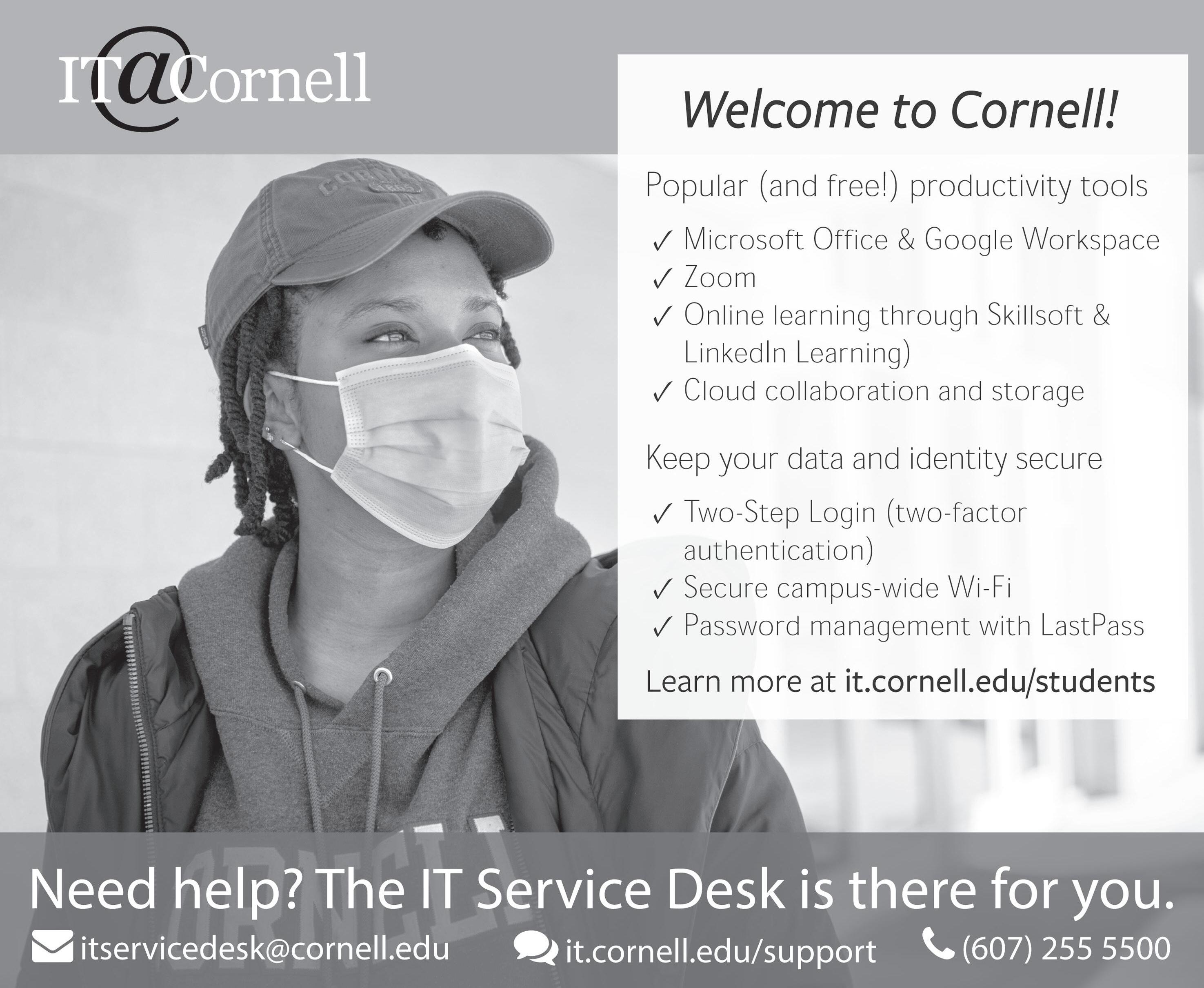
Cornell Concert Commission and the Orientation Steering Committee have announced their first in-person concert of the year, which will feature singer and producer Joshua Karpeh, known also by his stage name Cautious Clay.
After a year of virtual concerts, this in-person event will kick off the semester in Schoellkopf Stadium on Wednesday, Aug. 25 at 7 p.m. and close out Orientation Week for incoming students following the Convocation ceremony.
Registration for the concert, which is free for all members of the Cornell community, can be accessed through the events page on Campus Groups.
Cautious Clay’s music blends genres, from hip-hop to indie and R&B. With his extensive experience with singing, producing and playing various instruments — such as the saxophone, flute and guitar.
Clay also brings a unique sound
complete with chill, multidimensional sounds and thoughtful lyrics. His music has “dark and engaging production built upon a unique combination of organic instruments, digital programming and soulful vocals,” the CCC wrote in a press release.
Students will recognize Cautious Clay from the 2017 single “Cold War,” which was sampled on Taylor Swift’s song “London Boy” on her album Lover , as well as his 2019 single “Swim Home,” which was featured on the soundtrack of 13 Reasons Why: Season 3 . Clay has also co-written and co-produced songs with artists such as John Legend, Taylor Swift and John Mayer.
Cautious Clay released his third studio album, Deadpan Love, earlier this summer on June 25, featuring songs such as “Wildfire” and “Shook” and a dozen others.
Students can register for the free show on Campus Groups.
Emma Leynse is a junior in the College of Arts and Sciences. She can be reached at eleynse@cornellsun.com.
With the onset of the pandemic, museum and gallery spaces have been forced to find new ways of engaging with the community. Unable to host events or put their vibrant collections on display, the galleries moved in the same direction as classes did — online. This is not new information, but what you may not have known was that this shift was almost a total failure. Unlike college classes, where our attendance on Zoom is required, galleries have always been an extracurricular experience. And unfortunately, Google Slides or
PowerPoint do not have the same effect as a physical art installation. In fact, even the newest 3-D rendering technology could not create venues that held visitors’ attention for long — that is, until recently. You see, part of the reason why digital art spaces don’t feel as extraordinary as physical spaces is because virtual art is just that- virtual. An Adobe illustration has the capacity to be just as evocative as a 16th century renaissance painting, but you can’t touch it or exert ownership over it. In fact, if you want the piece, why not just take a screenshot of it and save it to your desktop? That’s probably better than paying and possibly getting a low-res file via email from the
gallery. As a result of this ability to reproduce digital art indefinitely, virtual galleries struggled to advertise the value of their 3-D rendered photocopies. However, all of this changed with the popularization of the NFT, or Non-Fungible Token).
While the NFT was developed in 2015, it only gained traction at the end of last year. As a result, the value of the crypto Ethereum, the biggest generator for these unique tokens, skyrocketed. Unlike fungible tokens, or cryptocurrencies, every NFT is globally unique and represents a single digital asset.
You might see where I’m going with this. The ERC-721 NFTs have allowed digital artists to
ensure the validity of an original piece and sell that item to a buyer, who then owns the one and only NFT of the original. The online art community quickly realized, and some scoffed at, the value of NFTs as the auction of the digital artwork “Everyday: The First 5000 Days by Beeple’ sold on Christie’s for $69.3 million in March. Since then, there has been a massive resurgence and reevaluation of digital spaces that can showcase digital art. One such platform, Cryptovoxels, has generated over $800,000 in the past week in virtual land sales alone. With the virtual plots, people can build galleries to showcase their art NFTs,
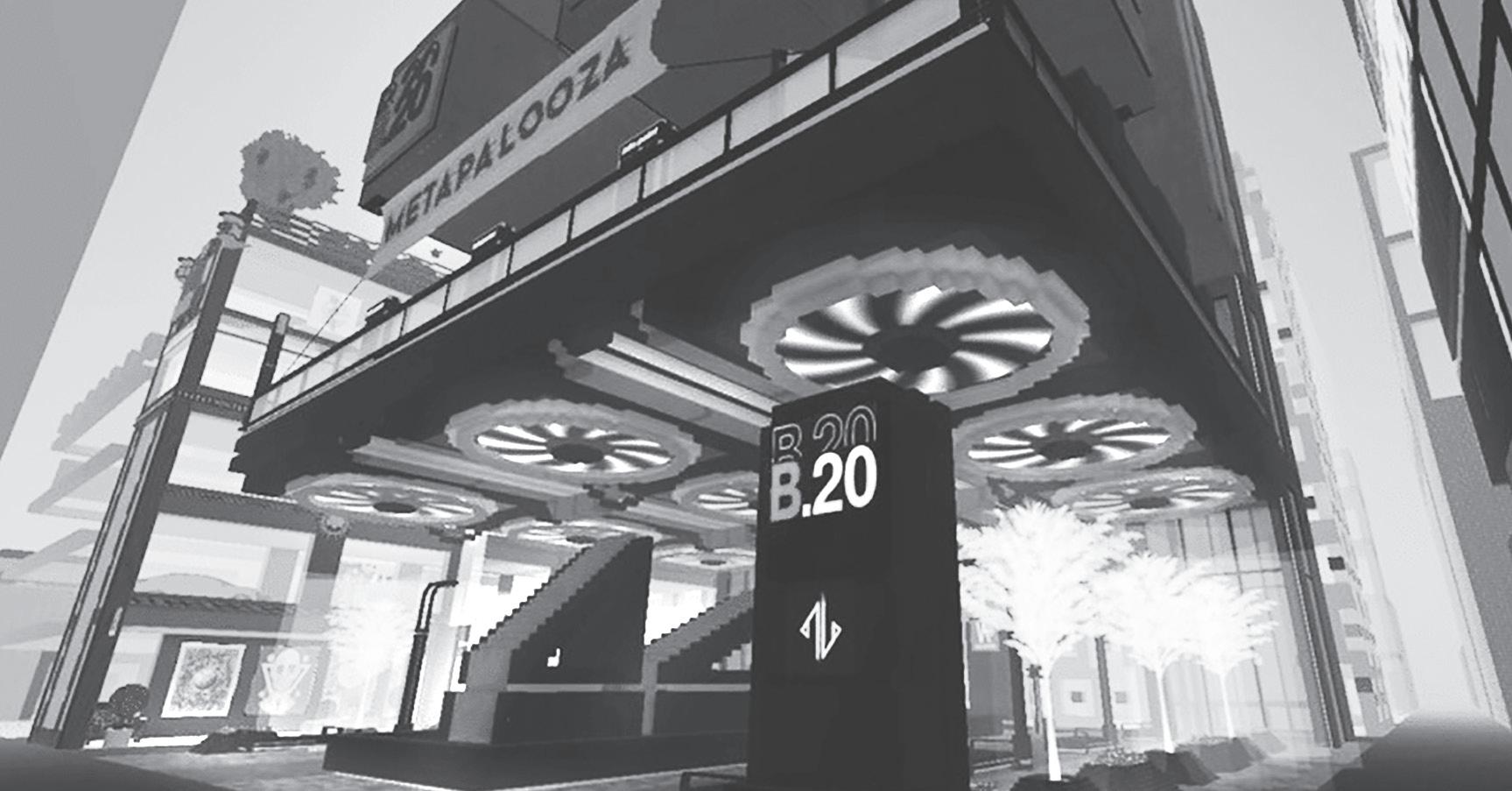
hold auctions, or sponsor community events. What began at a price of $50 for a plot in Cryptovoxels, or around 0.2 Ether (ETH) over a year ago, has soared to an average of 2.2 ETH for a small floor plot on OpenSea, which now costs over $5,000.
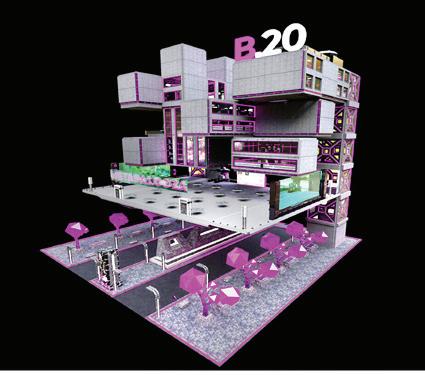
Cryptovoxels uses a block-asset architecture type similar to Minecraft, and allows users to build unique museum spaces, event or social spaces, and even experimental spaces. One of the currently most popular gallery spaces, the B.20 Monument, fits into all of the above categories and showcases dozens of art NFTs made by Beeple, the artist mentioned above. Another notable location is the Pallette Gallery, and even more notable is the imnotArt Gallery, which features different artists every week. But Cryptovels isn’t the only platform that has gained recent traction. Numerous other virtual worlds have sparked attention, including Decentreland, Somnium Space and The Sandbox. And Decentreland, which uses its own cryptocurrency MANA, has already raked in over $50 million in virtual land sales.
What began as a mid-pandemic shift to virtual art galleries once suffocated by the age of digital reproduction has evolved into an emerging contemporary art scene, now nourished by a new age of digital ownership. And this movement has only just begun.
Kassorla is a sophmore in the College of Arts and Sciences. He can be reached at mk928@cornell.edu.
KATHRYN STAMM ’22
Evansville, Ind. Editor in Chief
ANUSHYA ALANDUR ’23
Frisco, Texas Business Manager
CATHERINE ST. HILAIRE ’22
Patchogue, N.Y. Associate Editor
NAOMI KOH ’23
Mamaroneck, N.Y. Web Editor
ODEYA ROSENBAND ’22 East Setauket, N.Y. Opinion Editor
JYOTHSNA BOLLEDDULA ’24
Lexington, Mass. News Editor
TAMARA KAMIS ’22
Lexington, Mass. News Editor
WENDY WANG ’24
Manhattan, N.Y. Arts & Entertainment Editor
KRISTEN D’SOUZA ’24
Rochester, Mich. Design Editor
HANNAH ROSENBERG ’23
Chappaqua, N.Y. Photography Editor
OMSALAMA AYOUB ’22
Albany, N.Y. Science Editor
PUJA OAK ’24 San Ramon, Calif. Layout Editor
ANNIE WU ’22
Queens. N.Y. Production Editor
KATHERINE WANG ’24
Chatham, N.J.
Assistant Business Manager
MIHIKA BADJATE ’23
Los Altos, Calif.
Assistant News Editor
ANGELA BUNAY ’24
Staten Island, N.Y. Assistant News Editor
JOHN COLIE ’23 West Patterson, N.J.
Assistant Arts & Entertainment Editor
AMELIA CLUTE ’22
Alamo, Calif.
Assistant Dining Editor
WILLIAM BODENMAN ’23
Bloomsburg, Pa. Assistant Sports Editor
AARON SNYDER ’23
Manhattan, N.Y. Assistant Sports Editor
MEGHANA SRIVASTAVA ’23
Plainsboro, N.J. Compet Manager
CONNOR GREENE ’22
Manhattan, N.Y. Senior Editor
NIKO NGUYEN ’22
Fremont, Calif. Senior Editor
EMMA PLOWE ’24
Nyack, N.Y. Senior Editor
MADELINE ROSENBERG ’23
Chappaqua, N.Y.
Managing Editor
PRANAV KENGERI ’24
New Hyde Park, N.Y.
Advertising Manager
ANIL OZA ’22
Queens, N.Y.
Assistant Managing Editor
YUBIN HEO ’24
Seoul, South Korea
Assistant Web Editor
VEE CIPPERMAN ’23
Malvern, Pa. News Editor
NOOREJEHAN UMAR ’23
Lahore, Pakistan News Editor
JOHN YOON ’23
Cresskill, N.J. City Editor
BENJAMIN VELANI ’22
Minneapolis, Minn. Dining Editor
LUKE PICHINI ’22
Dresher, Pa. Sports Editor
SRISHTI TYAGI ’22
Hicksville, N.Y. Science Editor
MARIA MENDOZA BLANCO ’24
Bethesda, Md. Graphics Editor
AMAYA ARANDA ’23
Alhambra, Calif. Multimedia Editor
SERENA HUANG ’24
East Brunswick, N.J. Assistant Business Manager
SURITA BASU ’23
Lexington, Mass. Assistant News Editor
KAYLA RIGGS ’24
San Jose, Calif. Assistant News Editor
EMMA LEYNSE ’23
Leonia, N.J. Assistant Arts & Entertainment Editor
JULIA NAGEL ’24
Bethesda, Md.
Assistant Photography Editor
LIAM MONAHAN ’24
Honolulu, Hawaii
Assistant Sports Editor
SASHA ABAYEVA ’24
Mount Kisco, N.Y. Newsletter Editor
NOAH ALPERS ’22
Norman, Okla. Social Media Manager
CAROLINE JOHNSON ’22
Huntington, N.Y. Senior Editor
BENJAMIN PARKER ’22
Manhattan, N.Y. Senior Editor
EMMA ROSENBAUM ’22
Toronto, Canada Senior Editor
Working on today’s sun
ad layout Jenny Huang ’22
opinion deskers Catherine St. Hilaire ’22
Odeya Rosenband ’22
managing desker Madeline Rosenberg ’23
news deskers
Jyothsna Bolleddula ’24
Surita Basu ’23
production desker Jenny Huang ’22
Annie Wu ’22
photo desker Julia Nagel ’24
design deskers Puja Oak ’23
Kristen D’Souza ‘24
arts deskers John Colie ’23
Emma Leynse ’23
sports desker Aaron Snyder ’23
GOOD MORNING! Wipe the summertime slumber from your eyes, it’s time to get up.
As slow and sleepy as your summer may (or may not) have been — filled perhaps with lingering goodbyes, long hours at the virtual office or lounging in the sun — let me remind you that classes begin. Tomorrow.
Don’t fret, though, there’s still time to map out your class schedule and get ready to weave from quad to quad. For some of you this is the first time after summer or since March 2020 or ever, but regardless it’s time to reacquaint yourself with Cornell. Our place atop the Hill keeps shifting from semester to semester, but campus has sprung alive yet again, now full with that familiar laughter.
The quads and streets and buildings (old and new) are filled with the energy of the new year and of new faces. The constant crowds of bleary-eyed families and brighteyed first-years have reminded this old senior of the excitement and hope that comes with the new — including this new year for all of us.
While you wind through the year, The Sun will be here to greet you each morning — in your inboxes, on your feeds and in piles across campus — with the news for the day and our best answers to all your questions. Before you drag yourself out of bed and up the Slope, the day’s paper will be waiting, and I hope you’ll read through the headlines, to stay in touch with this complex and beautiful campus.
I can’t tell what this year will bring or what turns we’ll find, but it’s time for another year, another dawn. Good luck and remember to have some fun!
— K.S.
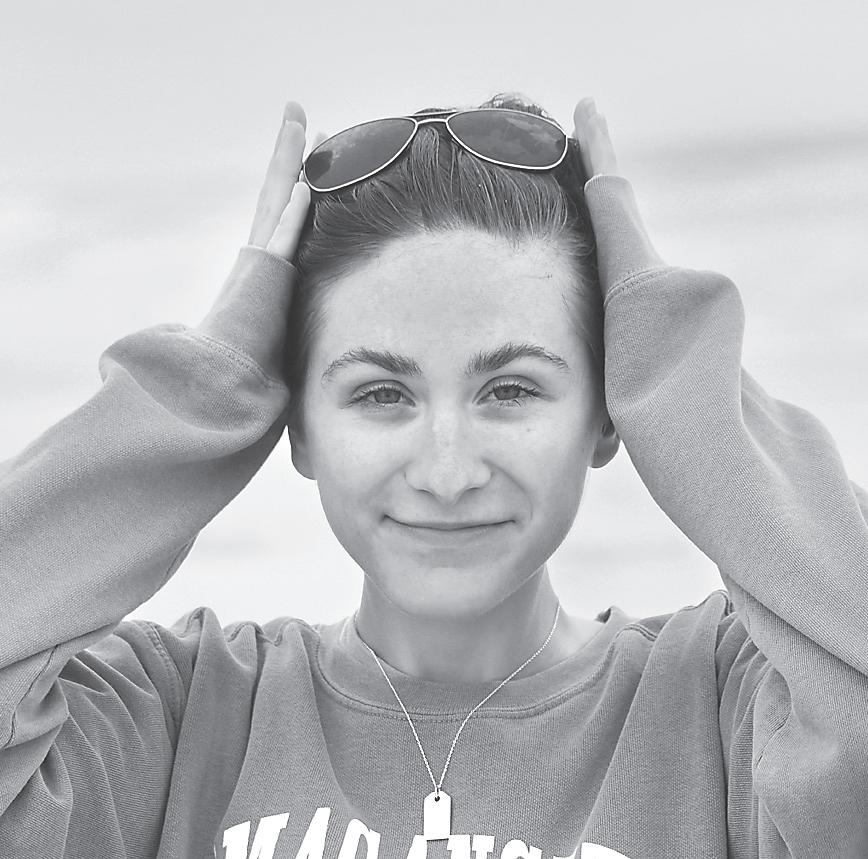
Emma Smith is a senior in the College of Agriculture and Life Sciences. She can be reached at esmith@cornellsun.com. Emmpathy runs every other Wednesday this semester.
Back in April, my fellow opinion columnist Anuli Ononye ’22 published “My First Time at the Ithaca Farmers Market.” If you haven’t already, I highly recommend giving it a read. While I have frequented the farmer’s market since I was a freshman, this past weekend I had the opportunity to cross off a different upstate New York first: going to Syracuse.
Don’t tell the admissions board, but despite applying to Cornell early, I wasn’t sure Cornell — and Ithaca in general — was a good fit for me. I had spent most of my life a 30 minute train ride from New York City and if anyone had asked me, I would have said it was my favorite place in the world, rats eating pizza in the subway and all. When I thought about Cornell, I thought of a cold, gray, snowy place with nothing but cows and fields and a few shops and restaurants. It reminded me of the few years I’d lived in Pennsylvania, which I wasn’t eager to repeat. Flash forward three years and while I’ve had my share of cold, gray and snowy days, the last year has radically changed my conception of Ithaca and the surrounding area.
When I first came to Cornell, it confirmed a few of my fears. I missed home and felt isolated and intimidated among beautiful Ivy League buildings. The first few weeks of the semester were brutally hot and the winters were cold. I didn’t have a car and because I was nervous to ask for rides, I just stayed in a little bubble and took the TCAT where I could if I had the time.
My recent visit to Syracuse only served
to highlight what I had been feeling for a while. Quarantine and other COVID related situations have required me to spend more consecutive time in Ithaca than ever before, resulting in an amount of “Ithaca pride” I did not think possible. I foster cats for the cat café and work at a local restaurant. I keep on finding new, beautiful parts of downtown on my runs and the New Yorker in me continues to be baffled each time an elderly stranger waves at me as I jog past.
Obviously, not everyone is the picture of hospitality. But when a random Syracuse waitress handed my friend and I a list of all the best places to go in Armory Square, I have to say I was warmed by the enthusiasm, especially since she could have just said we were already at the best bar in town. It wasn’t New York City, but there was still a lot to enjoy and see and do. Some of the enjoyment was realizing how far I’ve come from feeling out of place here. I knew some of the local brewery brands, I could talk about the Finger Lakes and the gorges. When customers at the restaurant where I work ask if I have recommendations for things to do, I’m able to fill a whole piece of paper with suggestions.
It sounds clichéd and I’m definitely starting to enter old, sentimental senior year territory here, but Cornell truly is what you make it. It can be a small place where you feel isolated in the middle of nowhere or you can reach out of your comfort zone and get to know where you’ll be spending your four years.
To the Editor:
Tis fall, Cornell’s Empathy, Assistance, and Referral Service (EARS) will launch its newly reimagined model. Last February, the University’s Ofce of Risk Management determined that EARS is no longer able to ofer peer counseling. Since then, we have worked tirelessly with Cornell administrators, advisors, EARS members, alumni and other key stakeholders to reimagine the future of our organization. After months of crafting a new model of peer support and outreach, we, as the Co-Presidents, along with the rest of the EARS Executive Board are thrilled to fnally share the future of EARS with the campus community.
As we made changes to our service model, we looked at the most efective ways to serve Cornellians. Before folks even seek out counseling services or their mental health reaches the point of crisis, many simply look for a place to be heard, to process and to connect. EARS has never been a crisis service and with our new partnership with the Skorton Center for Health Initiatives, we are better equipped to connect individuals in crisis and those seeking clinical care to the appropriate resources. Tis allows us to redirect our energy toward ensuring that EARS continues to ofer non-crisis, individualized peer support. After all, that’s what we’re here for.
We’re most excited to share our Peer Mentoring service. It’s free, in-person and there are no appointments necessary. Peer mentoring covers various topics (e.g., adjusting to college/grad school, social connections, stress) at several locations across campus.
At frst glance, this may sound similar to our former services; however, there are key diferences between “Peer Mentoring” and “Peer Counseling” in terms of relationship, focus and scope. Tis change is not just semantic. By shifting to Peer Mentoring, we hope to remove the implicit power dynamic in a “counselor-client” relationship. We are your peers and hope you can feel more comfortable with us now that the formal titles are gone. If you need counseling, we’ll refer you to professional resources.
As Peer Mentors, we’ll have casual, unstructured con-
versations that better support our intended audience: the Cornell student body. In line with other fundamental changes, EARS is dropping its anonymity policy. We’ll be publishing photos, bios and drop-in hours for our members on our website so that you can get to know our student-peers. You can look for mentors you feel connected to, which will hopefully make your time with us more valuable.
In addition to Peer Mentoring, we’ve created two new roles to better serve communities on campus and bring our peer support “closer to home.” First, we will be ofering students the opportunity to train and become an “Empathy Chair”. An Empathy Chair is a visible and trusted member within a student group––club, organization, athletic team, residence hall––who promotes the core EARS skills of active listening, empathy and well-being. Empathy Chairs will be at the forefront of mental health advocacy. Tey will ensure that any student can fnd a warm and welcoming
We envision a not-so-distant future where student organizations, sports teams and residence halls have at least one person who can support others with empathy and Peer Mentorship.
community within their respective group(s) while actively promoting resources for well-being. To be certifed as an Empathy Chair, you will need to complete one semester of EARS training (ofered every semester) and a brief orientation. We will be ofering our frst training for Empathy Chairs in the Fall of 2021, and piloting the program in the
Spring of 2022.
Te second role is “EARS Liaison” which carries out the same responsibilities as an Empathy Chair. Tey are active EARS members who will serve a community without an Empathy Chair. EARS Liaisons will “fll in the gaps” and ensure that the mission of EARS is as wide-ranging and inclusive as possible. We’ll be piloting the EARS Liaison service in the Fall of 2021.
Tese changes refect EARS’ commitment to embed empathy into the Cornell student body. We hope they will allow us to do so in a manner that was more meaningful, diverse, and community-based than before. Our services will be found in more locations; our training program can attract and uplift more diverse voices; and our members can further enhance their peer support and outreach skills through additional educational opportunities. In the end, EARS hopes to revolutionize the culture of mental health on campus.
We envision a not-so-distant future where student organizations, sports teams and residence halls have at least one person who can support others with empathy and Peer Mentorship. In this way, mental health and well-being can become more mainstream and less stigmatized across Cornell’s diverse population––breaking down cultural barriers in the process.
How can you support these ambitious goals? Come by Peer Mentorship hours and chat with someone who gets what you’re going through. Sign-up for EARS training and become a Peer Mentor, Liaison, Empathy Chair––or just become a better listener––we’d love to have you! But most importantly, recognize that the EARS mission to spread empathy and connection is one that starts and continues with each of us. In the end, it’s up to us to help grow the mission of EARS. And with the outpouring of support from the Cornell community we’ve received thus far, we have no doubt that it will.
Benjamin Lederman ‘23 and Felisha Li ‘21 EARS Co-Presidents
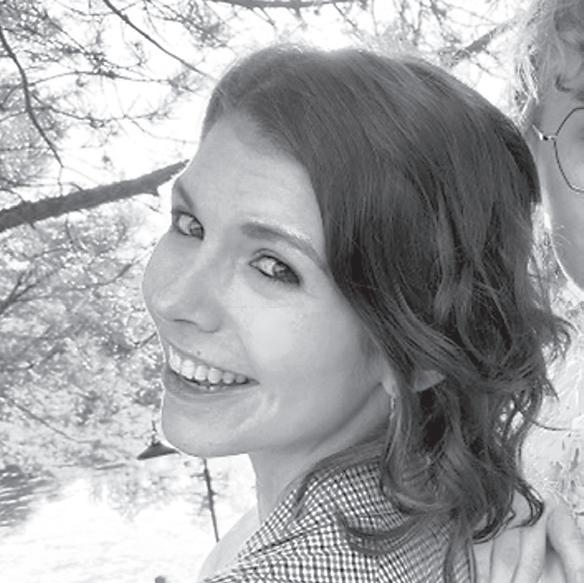
Callie McQuilkin is a senior in the College of Arts and Sciences. She is the captain of the Cornell Speech Team and the CEO of the Cornell Advocacy Project. Guest Room runs periodically this semester.
Four years ago, sitting in an International Relations lecture, I was surprised to fnd I couldn’t speak. I have opinions. A lot of them — especially about foreign policy. But freshman year, facing brasher peers in my IR class, the confdence I had in my political positions seemed to dissipate. At 10:09 a.m. I’d walk into Goldwin Smith Hall with a defned argument on the Iraq War, only to fnd myself paralyzed when class discussion began moments later. My colleagues presented their stances with such surety, I began questioning the validity of
my own. I began associating my silence with incompetence. I thought because I couldn’t speak, maybe I wasn’t meant to.
Sophomore year, at the urging of a friend, I joined the Cornell Speech Team. In one event, I crafted political arguments — like those I would have made in class — on the fy. Te frst time I reached a fnal round, the judges asked: “What should the UN do in Lebanon to aid Somali refugees?” While I was answering my legs shook so hard that it was difcult to stand. Still, I flled my seven minutes. Te next fnal round, my legs shook less.
Competition, unlike my IR lecture, gave me a platform no trumpeting colleague could take away. With space to speak, my voice strengthened. Tree years later, as a senior I’m ranked seventh in the country for foreign-policy argumentation. I captain Cornell’s team and run a separate organization, the Advocacy Project, to lead public speaking workshops for attendees of all ages and backgrounds. I am confdent, at last, in my abilities as a political thinker — and someone who can wield, not fear, the power of her voice.
Oral argumentation changed my life. But, it almost didn’t. If my friend had recommended another club over Cornell Speech, I might still be meek in lecture, unable to talk openly, even about a subject I loved.
Public speaking is too crucial a skill for Cornell to leave to students to learn by themselves. For the sake of all who sit paralyzed in class discussion, like I once
did, First-Year Writing Seminars should mandate a spoken presentation, without notes or PowerPoint slides.
Few courses ofer even one opportunity to attempt such an experience. Some classes, particularly discussion sections, require public speaking. Never, however, have I encountered one encouraging presentation without notes.
From Speech and AdPro, I’ve learned that handing someone a script to reference while they talk is counterintuitively, the most sure way to hurt their public speaking abilities. If you give a nervous person notes, they will read them. If you give a confdent person notes, they will likely also read them. Reading is not presenting. Reading is looking at a page, not at your audience. Reading is focusing on pronunciation, not the meaning of your words. Reading makes presentations seem ofcial; I see my Speech students become stif just because of the formality of having a document in their hands. Just as importantly, there will come times in your life when you’ll need to give presentations you didn’t plan. No notes can help you then.
Cornell creates degree requirements based on the knowledge it thinks is necessary for a full education. Tis year’s incoming Arts and Science freshmen must take courses in ten topic areas, including “Ethics and the Mind” and “Global Citizenship.” None of the lessons learned in any of these felds will matter if students are afraid to communicate them.
If we can’t use our voices to share our education — whether that be to family at the dinner table or attendees at a conference — the knowledge we acquire in the ivory tower will never actually help those beyond its walls.
Te phrase “engaged learning” echoes around this campus more than the alma mater. Between the new School of Public Policy, David M. Einhorn Center, and wonderfully generous Serve-in-Place grants, Cornell has shown admirable emphasis on students’ applying their skills in the service of communities beyond campus. Tese initiatives, however, only encourage involvement for the students already participating. If Cornell wants to motivate all enrolled to share their knowledge for the public good, it must equip us with the necessary public speaking skills to successfully do so.
Te frustrating truth about the oral argumentation workshops I lead for Cornell Speech and the Advocacy Project is that the students not involved are the ones most in need of training. Te University cannot expect those terrifed of spoken presentation to voluntarily seek it out. Tey can, however, ensure they don’t have to.
Mandate public speaking, sans notes, in Freshmen Writing Seminars. Give students the ultimate tool for engaged learning. Inspire con f dence in every Cornellian who has sat silent in lecture. Change another life like Speech changed mine.



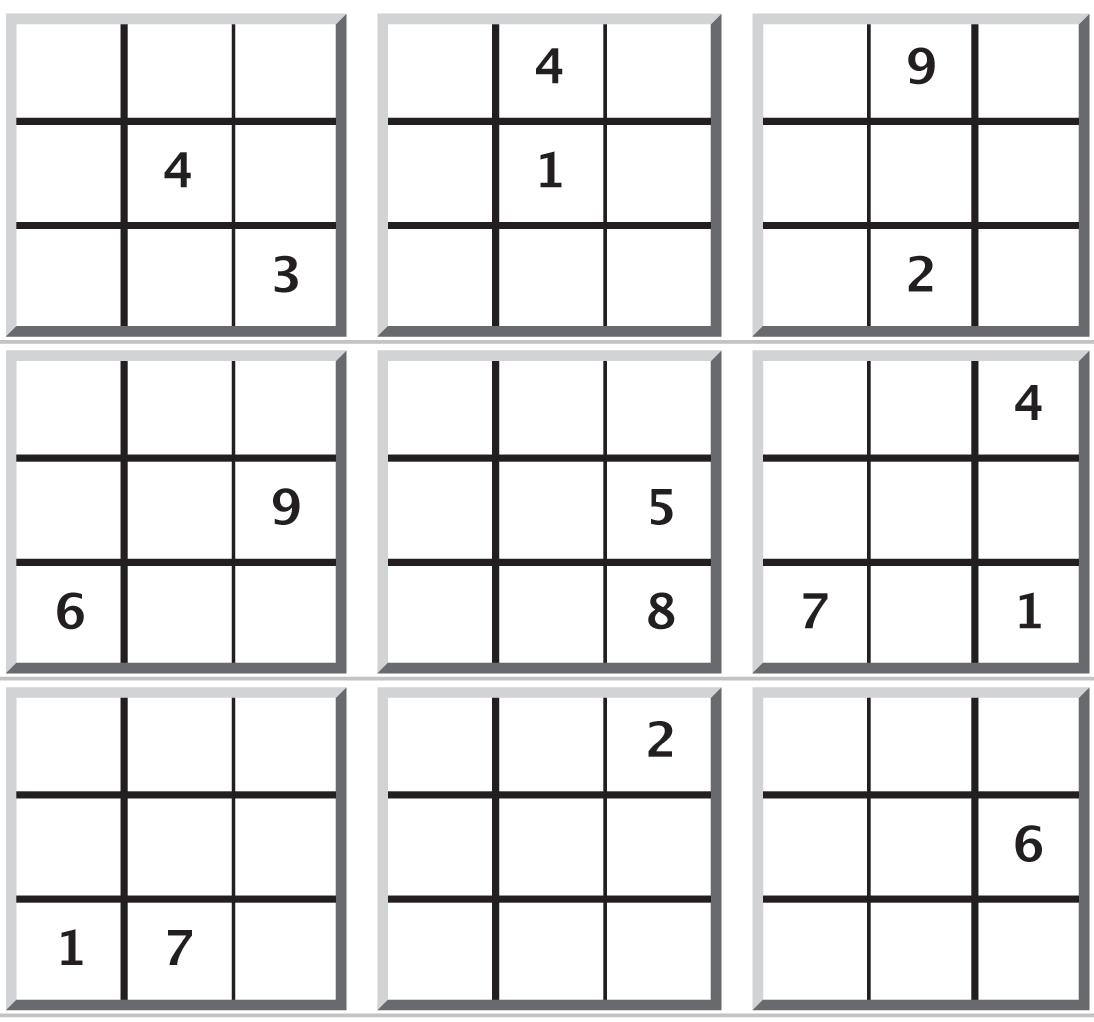
Fill in the empty cells, one number in each, so that each column, row, and region contains the numbers 1-9 exactly once. Each number in the solution therefore occurs only once in each of the three “directions,” hence the “single numbers” implied by the puzzle’s name. (Rules from wikipedia.org/wiki/ Sudoku)

tant Mike Grey takes the reins.
Following the suspension of intercollegiate athletic competition due to the onset of the COVID-19 pandemic over one year ago, Cornell athletics readies for a full-scale resumption of play this year. There are numerous exciting developments and stories to watch as Cornell’s sports teams return to the fold.
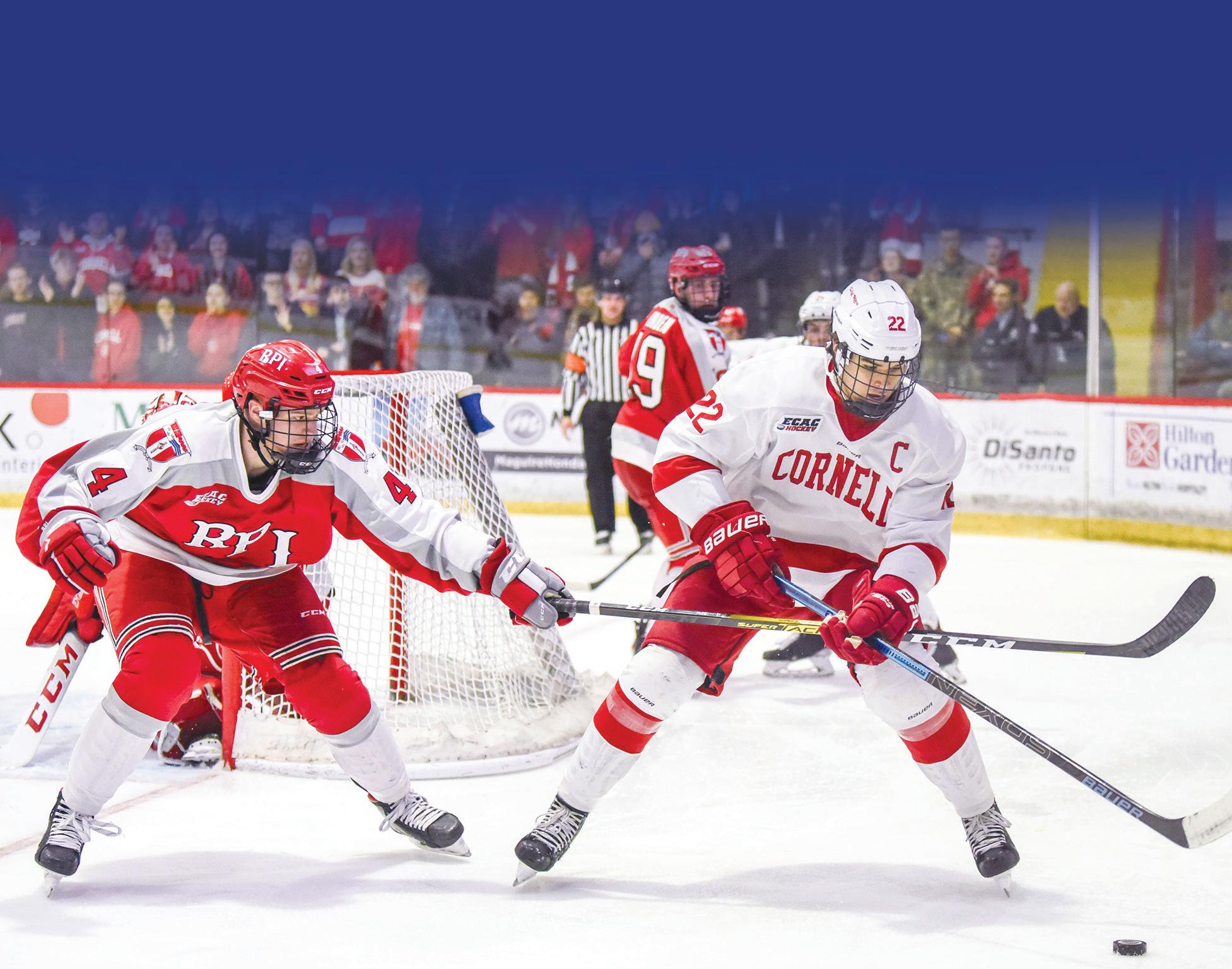
The 2020 season cancellations were perhaps the most heartbreaking for the men’s and women’s hockey teams, both of whom finished atop the polls in their respective end-of-season rankings.
Led by head coach Mike Schafer ’86, men’s hockey proved dominant in February, ripping off nine straight wins to enter an ECAC Tournament that was ultimately canceled. Meanwhile, Doug Derraugh ’91 and the women’s team only suffered two losses the entire year and held the No. 1 seed in the ill-fated NCAA Tournament.
During the 2019-20 season, the Red saw its streak of 17 straight Ivy League titles snapped, a dominant run that stood as the longest title run in Ivy League athletics. That year, though, four wrestlers took the year off to train for the Olympics, including 141-pound star Yianni Diakomihalis. Boasting a reloaded roster, Cornell will look to reclaim the Ivy title as well as its spot in the upper echelon of the wrestling hierarchy.
Another team with a promising trajectory is field hockey. In the team’s first season under Andy Smith, the Red propelled from last to third in the Ivy League standings, a significant jump from 2018 to 2019. Equipped with a
from these newcomers.
Meanwhile, women’s basketball made the conference tournament as recently as 2019, but they are looking to rebound from a seventh-place Ivy finish in 2020. Without its leading scorers from 2020 — then-senior forwards Laura BagwellKatalinich and Samantha Widmann — Cornell will need new faces to step up. But with long-time head coach Dayna Smith still at the helm, the Red has had a penchant for beating expectations.
Cornell athletics readies for a full-scale resumption of play this year — one marked by exciting developments amid graduations and transitioning leadership.
Having graduated two phenomenal groups of upperclassmen, returning to the same heights of the 2019-20 season may prove difficult for both squads. Still, Schafer and Derraugh have established tried-and-true recruiting pipelines that have provided a steady stream of talent. Both teams are primed to be national contenders this upcoming season.
Across the street from Lynah Rink, Cornell football will return to Schoellkopf Field for its first action in nearly two years. In his most recent season, head coach David Archer ’05 guided the Red to its first top-half Ivy League finish since 2006. Working in Cornell’s favor is the fact that 21 players are returning for their fifth years, thanks to a one-time exemption granted by the Ivy League due to the pandemic.
Notable players in this group include quarterback Richie Kenney, safety Logan Thut, cornerback Kenan Clarke and linebacker Lance Blass. While the Red has not claimed an Ivy League title since 1990, this motivated squad will seek to bring home the hardware to East Hill.
One of Cornell’s most dominant teams, wrestling, will go into the season under new leadership for the first time in nearly three decades. Following former head coach Rob Koll’s departure this off-season for Stanford, former assis-
balanced roster consisting of senior leadership and young talent, Cornell will attempt to dethrone long-time Ivy champion Princeton.
Following a last-place finish in 2015, volleyball has steadily climbed the standings, notching third-place finishes in three straight seasons. With a cohesive unit under the direction of head coach Trudy Vande Berg, the Red hopes to make the leap from third to first and claim the conference crown.
Men’s and women’s basketball are both eyeing returns to the Ivy League Tournament. The last time the men’s team appeared in the conference postseason was back in 2018 when then-junior guard Matt Morgan was leading the Red by posting 22.5 points per game, a mark good for 11th in the nation.
Now without Morgan and the Class of 2021, which consisted of four senior starters, the Red largely consists of unproven talent. The most notable returning players are junior forward Jordan Jones and senior guard Dean Noll, who averaged 7.3 points and 6.4 points per game, respectively. Cornell does have 10 new players — six sophomores and four freshmen — who have yet to see any court time. The Red’s success could be contingent on the contributions
Baseball may be playing its final season at Hoy Field’s current location in the middle of campus near the Engineering Quad. Pending approval, Hoy Field will shift to a more remote site east of the East Hill Plaza with construction scheduled to be complete by 2023. In a tough conference, the Red has finished above .500 only twice in the last eight years, with the most recent occasion being in 2017. Softball has also encountered similar difficulties. The Red’s best finish in recent memory came back in 2012 when it sported a 25-23 record.
Before the cancellation of the 2020 season, women’s lacrosse rattled off a 4-2 record in a promising start. Jenny Graap, the team’s head coach since 1998, has made the team a consistent contender, netting two Ivy League regular-season titles and five NCAA Tournament appearances.
Lastly, men’s lacrosse will aim to reach the same heights that it did in the shortened 2020 season. Led by then-head coach Pete Milliman and then-senior attacker Jeff Teat, the Red raced off to a 5-0 start, capped by a thrilling 18-17 victory over Penn State, which was ranked No. 2 at the time. Cornell was a clear contender for the national title, but COVID-19 abruptly ended the season. Now, the team is led by Connor Buczek ’15 after Milliman’s departure for Johns Hopkins. Buczek, a PLL all-star and former Ivy League Player of the Year back in 2014, possesses impressive credentials and spent five seasons with Cornell as an assistant prior to his elevation to head coach. If the Red can retain the offensive prowess that Buczek cultivated as an assistant, then the team is primed for a successful 2022 campaign.