The Corne¬ Daily Sun



By CAROLINE JOHNSON Sun Contributor
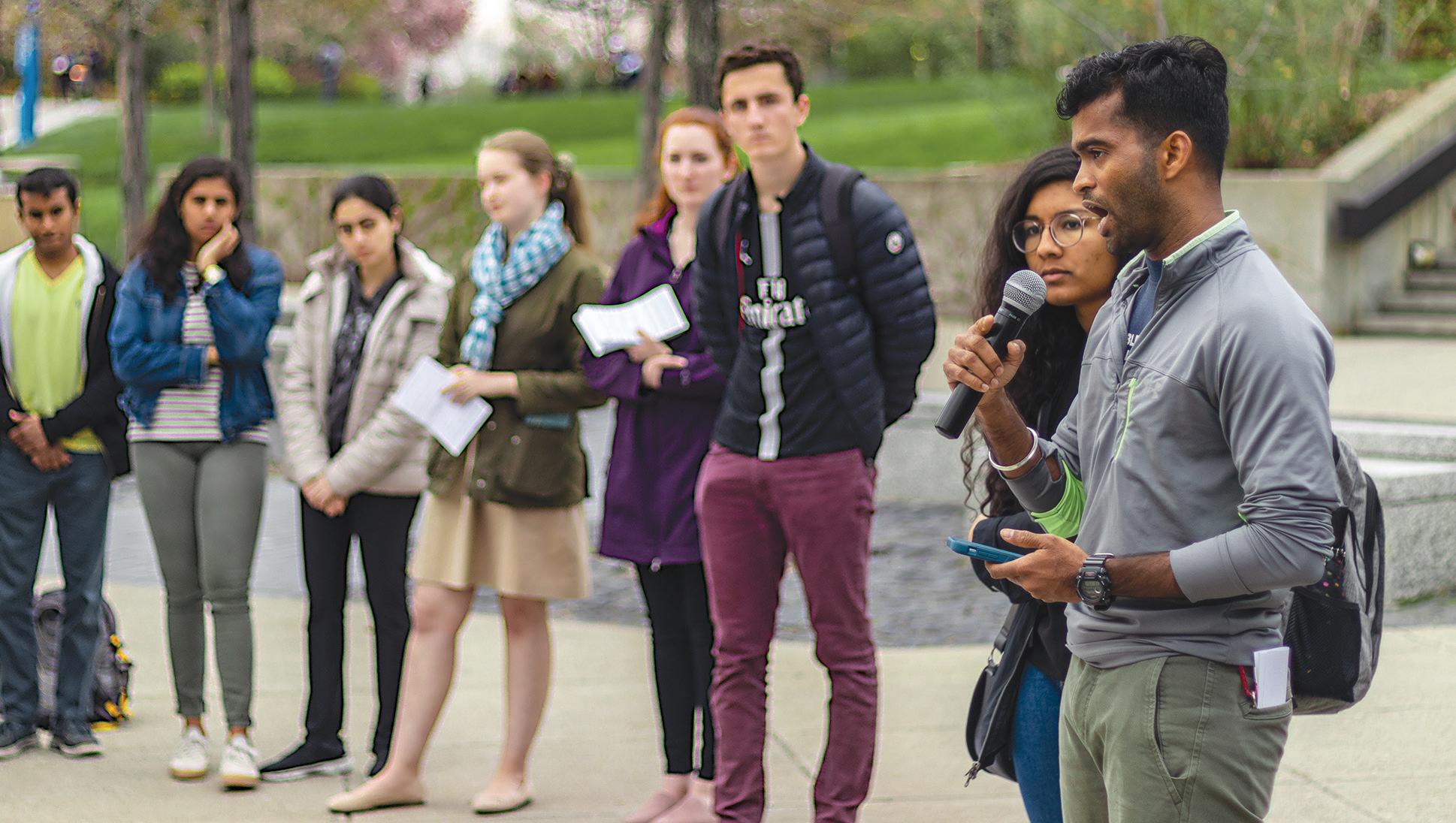
As the wind gently blew across Ho Plaza on Wednesday, it carried the voices of people sharing their connections to Sri Lanka and the people whose lives were lost on Easter Sunday. Students from all different backgrounds, ages and disciplines faced each other in a wide circle, candles given out by the organizers in hand. The vigil began with a moment of
silence, after which Amanda Pathmanathan ’19 introduced Ishini
a student born in Sri Lanka who grew up under the country’s civil war until the age of nine.
“I knew what it was like to live with a sense of anticipation,” Gammanpila said as she described the nature of the war while she was growing up, living in constant fear that tragedy could potentially happen.
By AMANDA H. CRONIN Sun News Editor
In the modern Slope Day’s 16-year history, only two female-fronted bands have headlined the festival. One of them was Misterwives in 2017, and another was the Pussycat Dolls in 2009. Besides those two, every other headliner has been a male soloist, duo or band.
The modern Slope Day did not come into shape as a formalized annual event — or consistently had a musical headliner — until fall 2003, when Cornell administration started getting involved in its organization. However, a spring festival on-campus has occurred on and off since 1901.
In an interview with The Sun, Pravir Samtani ’19, executive director of the
Slope Day Programming Board, admitted the difficulty to ensure gender diversity to Cornell’s flagship party.
Samtani said that while the programming board has contacted and pursued female artists to headline the festival in the past, “big-name female artists are way above our price range.”
The student activity fee, $19 per student, funds the Slope Day budget, which amounts to over $250,000 per year.
Incoming Executive Director Alana Udwin ’20 declined to disclose the programming board’s exact budget but said that the committee’s ongoing focus is to at least include female performers as openers.

By MARYAM ZAFAR Sun City Editor
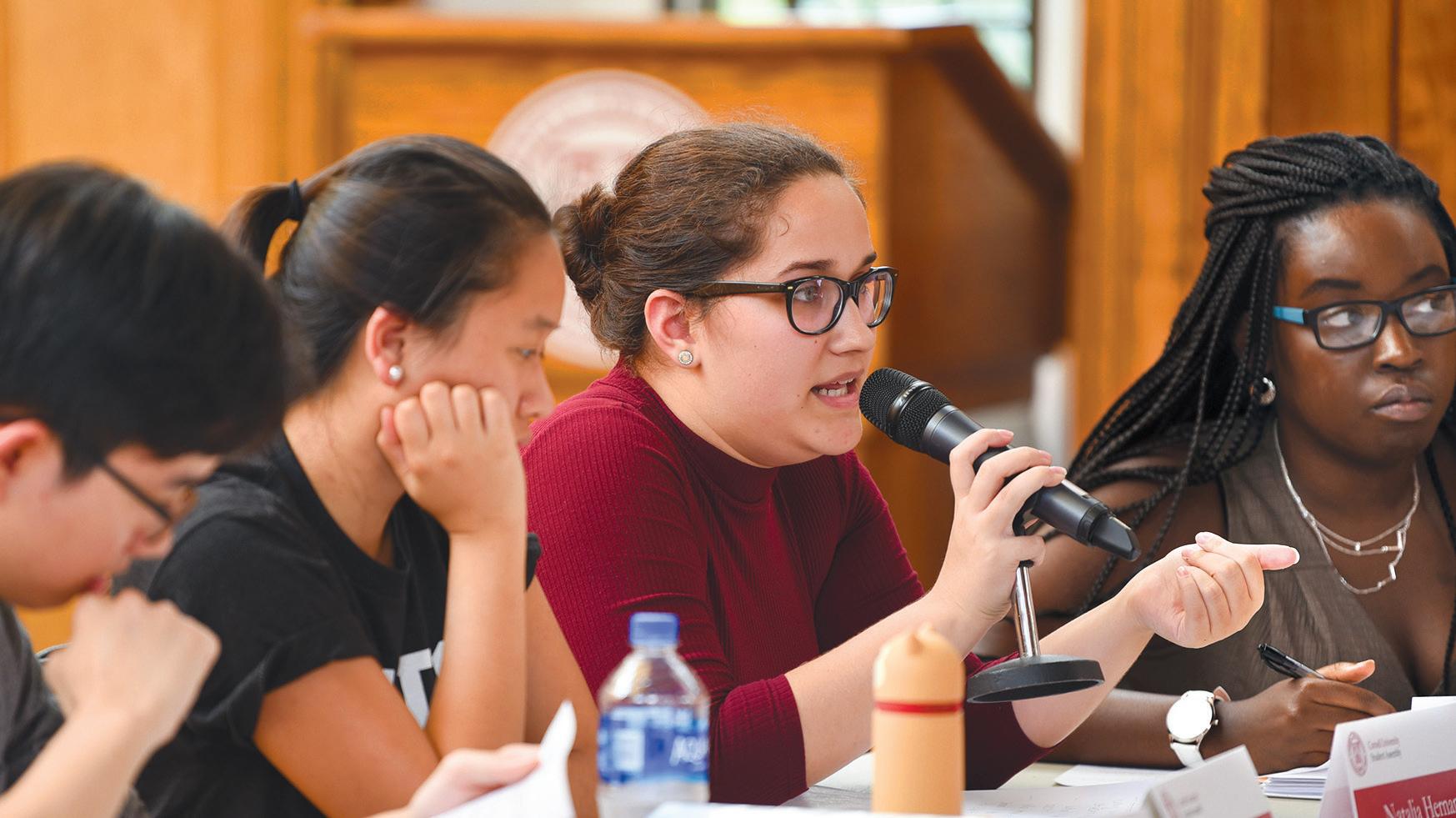
Cornell will no longer require student organizations to pay security fees for events, after nearly a year of continual changes to the event planning process.
Vice President of Student and Campus Life Ryan Lombardi announced the chang-
es to the campus in an email Tuesday.
The University implemented an $8,000 cap for university-covered security costs, a value that it said is higher than costs required by recent events. Any additional costs would be supplemented by organizations.
“This will allow student groups to
have large and small events to promote the free exchange of ideas, which is a hallmark of our university,” Lomardi said in the email.
The move is a complete reversal from a change implemented last July, which mandated student organizations pay security costs for “controversial” events — a sta-
tus determined by the Event Management Planning Team.
Students responded to that announcement with outrage, grilling administrators in a Student Assembly meeting last semester until Dean of Students Vijay Penkadur temporarily paused fee implementation.
Thursday, May 2, 2019

sound | Michael Plagerman grad will hold a performance on Thursday, playing the organ in Sage Hall at 8 p.m.
As the World Burns: Psychological Barriers to Addressing Climate Change
12:15 - 1:30 p.m., 401 Phsysical Sciences Building
Energy Transition and Air Pollution Control in China
12:20 - 1:10 p.m., 165 Olin Hall
From Cosmic Web to Molecular Clouds: The Multiple Scales of Galaxy Evolution 4 - 5 p.m., 105 Space Sciences Building
Examining Soft Matter Interfaces 4 - 5 p.m., B11 Kimball Hall
Music and Militias in Post-Gaddafi Libya 4:30 - 6 p.m., 404 Morrill Hall
Food Waste and What We Can Do About It 5:30 p.m., Kennedy Hall, Call Auditorium
C.U. Music: Michael Plagerman, Organ 8 p.m., Sage Chapel
Dedication of the Robert H. Thurston Collection Of Early Engineering Devices And Testing Machines 11 a.m. - Noon, 116 Upson Hall
Energy Systems Engineering For an Emerging Solar Economy 12:15 p.m., 253 Rhodes Hall
Crossroads: Land Liberation And the Future of the Postindustrial City 12:20 p.m., Milstein Auditorium
Self Organization of Humanitarian Action in Myanmar
4:30 - 6 p.m., Kahin Center
Candidates’ Statements
STUDENT MEMBERS OF THE ACADEMIC INTEGRITY HEARING BOARD & EDUCATIONAL POLICY COMMITTEE
http://data.arts.cornell.edu/elec/
On-line Election Dates: Monday, May 6 and Tuesday, May 7

By MARYAM ZAFAR
Sun City Editor
Black Lives Matter Ithaca condemned the Ithaca Police Department in a Facebook post Tuesday, saying the department has demonstrated a “pattern of abuse and disrespect” towards people of color.
The letter was posted in response to an altercation on April 6, when officers said they saw Cadji Ferguson, of Ithaca, run and knock another man to the ground by punching him in the face. The officers detained Ferguson, when a woman began “repeatedly striking” an officer in the head, Sgt. David Amaro then said.
BLMI said that Ferguson, a black male, had been intervening on behalf of his friend, confronting a man who groped her. According to BLMI, the individual attacked Ferguson.
In the post from Tuesday, BLMI said officers only questioned and confronted Ferguson and Rose Degroat, the black female. A third individual, Riley Johnson, was charged with disorderly conduct, according to an April 8 press release. Sgt. David Amaro then called the situation “chaotic.”
Mayor Svante Myrick ’09 replied to the online letter, commenting that he had ordered an internal investigation after seeing concerning footage from the incident.
Footage from the event exists from
cameras on the Commons and from police officers’ body cameras, according to the mayor. A video of the officers taking Degroat to the ground was posted on Instagram.
Myrick wrote that he would release the videos “as soon as possible,” but that he could not “speak to the details of an ongoing investigation.”
BLMI said that the event was one that fit into a national pattern of officers reacting to incidents with “snap judgments based on race.” Myrick acknowledged racism in his post — saying that the criminal justice system “has had racist outcomes” throughout history — but said that the department was well-trained.
The post accused the officers of behaving “recklessly,” saying that officers ripped barbed taser probes from Ferguson’s back, leaving wounds. The post also said that Ferguson and Degroat are facing medical costs and “disruptions to employment.”
Ferguson has been charged with resisting arrest and disorderly conduct and has pled not guilty to both counts, according to the Ithaca City Court website.
The Multicultural Resource Center organized a rally on Wednesday near the State Theatre to “denounce Police and Housing violence,” according to the Facebook page. Photos from the rally showed people with signs regarding racism and police brutality, with one poster nam-
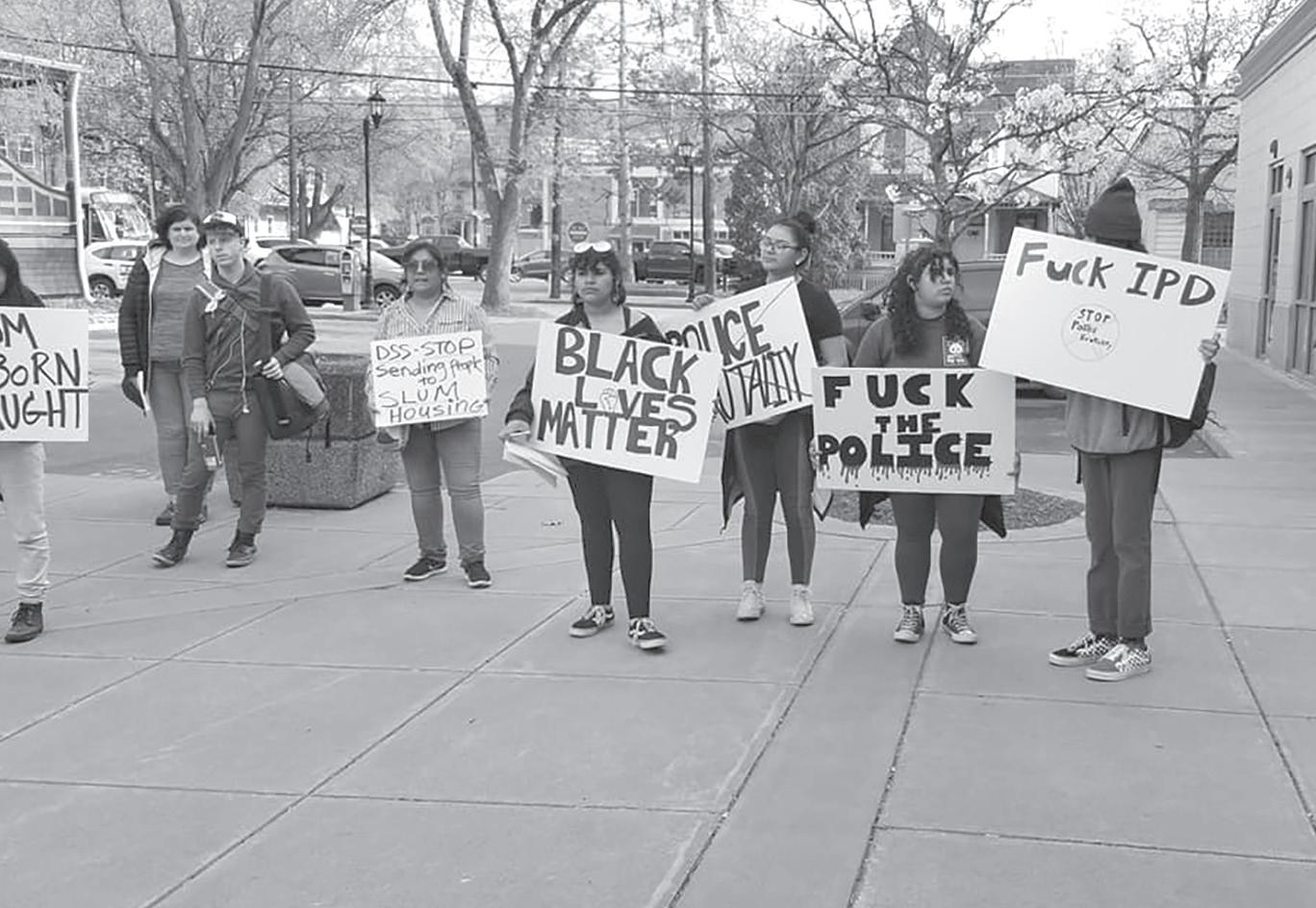
Lives Matter Ithaca protest the actions of the Ithaca Police during an altercation in the Commons.
ing the officers involved in the early April incident.
BLMI listed demands, including that Ithaca officials drop all charges, cover all expenses of individuals involved and acknowledge a “larger pattern of discrimination.” BLMI did not respond to a request for comment.
Degroat has been charged with one count of resisting arrest and two counts of obstructing governmental administration; she has pled not guilty to all charges,
By JEFFREY LI Sun Staff Writer
For many Cornellians, finding the closest and best place to eat has always been a struggle.
Luckily, Eatery — an app that allows its users to browse menus and discover places to eat on Cornell’s campus — has often come to their rescue. And on April 19, Eatery’s app development team announced a new updated version, which will now provide information about Collegetown’s restaurants in addition to on-campus eateries.
First launched on the iOS platform in Spring 2016, Eatery’s Android version debuted last semester according to Catherine Zhang ’22, the marketing & operations lead of CU AppDev, the project team which created the app.
Currently, the app boasts over 2,500 daily users and more than 6,000 users per month, Conner Swenberg ’21, leader of the app team — which is referred to as a “Pod” — told The Sun.
Before this update, Eatery was mainly used to help users browse what dining halls or cafes were open. Users could also see the hours and menu of each location, as well as their relative distance from the on-campus eatery in live time.
The latest update to the app includes general information like
operational hours and phone numbers for Collegetown restaurants as well. Users can also compare star ratings, price indicators and use the location information to direct them to these restaurants, Swenberg said.
Another updated feature: users can now filter eateries by distance as well as the type of food desired.
“[Users] are able to filter by different tabs. If you just want to search for bubble tea, you can press the bubble tea filter and get access to U Tea and Kung Fu Tea,” said Connor Reinhold ‘22, Android lead of Eatery.
Speaking of why the team decided to include Collegetown eateries, Swenberg suggested that it was a way to expand its service to people living in Collegetown and provide more value to the entire Cornell community.
“We took a look at user base last semester … and realized that a lot of students who moved off campus don’t go to dining halls anymore,” Swenberg said. “As such, they don’t use the app anymore. And [in that way] we lose valuable users.”
Looking forward, the App development team expects to incorporate menus for Collegetown restaurants, which will likely roll out next semester. Zhang will lead this effort.
As Zhang told The Sun, the team currently uses data from Yelp’s application programming interface,
which is not very comprehensive. Many of the menus are out of date. And for some places, like bubble tea stores, Yelp just doesn’t have all the information on the menu.
“[My job is] to talk to the restaurant owners and get them on board. Establishing these relationships will help us add more details and make [the menus] more comprehensive,” said Zhang.
The team is also working on other initiatives to improve, including ways to expand the menus for BRB-only places like Atrium Cafe, which currently has a menu provided by Cornell that does not reflect all the choices.
“We are also thinking about new ideas for next semester like sending notifications [and allowing] people to suggest new menu items in the app,” Reinberg said.
Asked if a future update will include more restaurants in areas like the Ithaca Commons, Swenberg said they must conduct more user research to decide its value before investing their efforts.
“[W]e see as better fits, for the time being, to improve first, but Commons is definitely something you can see in future years,” Swenberg said.
Jefrey Li can be reached at jli@cornellsun.com.
according to the court site. An attorney for Degroat could not be reached for comment.
BLMI urged individuals to “show up in court” wearing black on May 17, Ferguson’s next scheduled appearance in court.
Maryam Zafar can be reached at mzafar@cornellsun.com.
By GABRIELLE GONZALEZ Sun Staff Writer
In her Wednesday evening talk entitled “In the Workplace,” Lara Hamburger outlined the often-overlooked culture of sexual harassment that plagues places of employment, ranging from waitressing joints to well-off corporate headquarters.
The #MeToo movement gained popularity after it exposed Hollywood directors, musicians, comedians and more for sexual misconduct.
The talk was part of Cornell’s fifth annual Sexual Assault Awareness Week, which aims to increase awareness of sexually related harassment on campus by hosting a series of community discussions.
The talk began with the legal definition of sexual harassment — unwelcome, verbal, visual, non-verbal or physical conduct of a sexual nature that affects working conditions and creates a hostile work environment, Hamburger said.
From the more than 13,000 harassment complaints received by the Equal Employment Opportunity Commission, only
30 percent filed a formal report, according to Hamburger. This shortage can be explained by the risks that formal harassment reports carry in the workplace — including being fired, demoted, reassigned or given poor performance evaluations.
“Workplace sexual harassment does not exist in a vacuum,” Hamburger said. “It exists as a context. [It’s] very related to other forms of harassment or
“Workplace sexual harassment does not exist in a vacuum. It exists as a context.”
Lara Hamburger
the reality of people’s day to day lives.”
Much of the talk involved a discussion with those in attendance about how to create workplace environments that do not permit inappropriate sexual behavior. Hamburger and students in attendace agreed that
WORKPLACE page 4

By CATHERINE CHMIEL Sun Contributor
In a naming ceremony, embellished with a ribbon cutting ritual, Cornell and 3M celebrated their partnership by christening the existing Food Safety and Quality Lab in Stocking Hall in early April.
Improving food quality has been the primary focus between the five-year partnership between Cornell’s College of Agriculture and Life Sciences and 3M, a tech company that creates innovations for business and consumers to improve daily functions.
This goal of improving food quality is important because it can reduce waste produced from food recalls and decrease healthcare costs, according to Prof. Martin Wiedman, food science.
The laboratory is used primarily to enhance the microbiological safety and quality of foods, which will benefit both the food industry because of research and the consumers themselves, said Prof. Randy Worobo, food science, who is in charge of the lab. It is open to both undergraduate and graduate students.
3M and CALS have collaborated on various projects in the past. In 2011, for example, they worked to create a new molecular diagnostic system to test for salmonella, listeria and E. coli that could cut pathogen detection times from 72 hours to just 18. The two parties have also worked together to host
food safety training programs at Cornell and abroad.
Cornell and 3M have common goals with regard to improving food safety and quality — and fostering a synergistic relationship that benefits both parties, Worobo said.
The partnership will also give Cornell access to 3M’s global network, which is also a resource that the Cornell community can utilize.
“Having access to 3M’s global network of technical experts is very valuable and has allowed our students and staff to work internationally, driving outcomes that improve food safety and quality across the globe,” Prof. Wiedman, food science, said in a university publication.
“3M’s access to Cornell expertise helps them in product development; working with Cornell experts also improves their ability to deliver world class training through-out the world,” he continued.
At Cornell, food science trains the next generation of food scientists to go onto fields in the food industry, regulatory agencies and academia.
“Food Science is a key program that not only contributes to the tremendous depth and breadth of Cornell research and teaching, but also translates the research to provide tangible quality of life improvements to populations around the world,” Wiedman said.
Catherine Chmiel can be reached at cchmiel@cornellsun.com.

Continued from page 1
The University has since shifted its stance, eliminating most fees altogether to promote the “free exchange of ideas.”
Students across campus expressed joy at the change.
“I’m thrilled to see that the University has followed through on its commitment to alleviate the burden of security fees,” John Sullivan ’20 told The Sun.
Sullivan was president of the Cornell Political Union, which earlier this year stated that security fees served a role in preventing the organization from being able to invite a conservative-leaning speaker to campus, The Sun reported.
“This new policy will be especially beneficial for younger, less-wealthy organizations like CPU, which security expenses have disproportionately harmed,” Sullivan said.
Adam Khatib ’20, president of the Islamic Alliance for Justice, said he was “happy” that
the University had made this decision, and that the change would help facilitate dialogue on campus. Michael Johns ’20, president of Cornell Republicans, also expressed pleasure at the University’s “unprecedented step.”
Cornell Republicans previously paid $5,000 out of their own pockets in 2016 to fund security when they hosted former senator Rick Santorum, The Sun reported in 2017.
Other changes by the University include a shift in the department responsible for
event planning, from Campus Activities to Conference and Event Services. This change, Lombardi wrote, will ease the process for event planners.
The University will also eliminate Org Sync, an organization database, replacing it with a new administration tool that will be announced in the summer.
Maryam Zafar can be reached at mzafar@cornellsun.com.
Continued from page 3
people in the workplace keeping quiet about sexual harassment incidents is one of the key contributors to a hostile work environment.
One solution in service-based occupations such as waitressing — where sexual harassment rates are relatively high — is for managers and supervisors to not allow the harasser into their establishment. While it sounds like it would lead to a loss in revenue, there are hidden future impacts such as decreased turnover and training costs, as well as happier employees, according to Clady Corona ‘19, one of the coordinators of the event.
The talk also provided steps to take when experiencing this type of mistreatment. This involves writing down what happened and starting a “paper trail,” or making sure that any reports of harassment to a supervisor occur in writing.
Finally, Hamburger dubbed a “culture of respect” — or a workplace in which all people are treated with dignity — the most effective strategy to prevent the culture in the first place. She also gave sexual harassment reporting options, such as the NY State Division of Human Rights, which takes complaints within one year of harassment.
Sexual Assault Awareness
Week planning committee members spoke to this event’s specific importance within this week.
“So much of Cornell is pre-professional,” said Marissa Block ’19, co-lead of the planning committee. “If we want to create a world where sexual harassment in the workplace is not tolerated, we need to be having these conversations past the typical sexual harassment training videos.”
“We need to be actively involved in discussions,” she continued.
“It was important to have this event mainly because [sexual violence in the workforce] is not really talked about other than in Hollywood,” said Renee Odom ’20, another planning board committee member. “We [Cornellians] are all going into the workforce, that’s why we’re at Cornell getting a higher education right now.”
Hamburger works as a Campus Educator for the Advocacy Center in Tompkins County. The Advocacy Center is an organization that helps people impacted by partner violence and all types of sexual assault. They can be reached through a 24/7 hotline at (607)-269-0409, or on their website.
HEADLINERS
Continued from page 1
“We would rather have any female representation than none and are proud of the commitment we have made to supporting female artists. We hope to work with our agents and secure more female headliners in the future,” she said.
Prior to 2003, Slope Day was more of a spontaneous event that happened on and off for decades, occurring largely beyond the purview of the administration.
“It was just a day, the last day of classes, everyone would just hang out on the slope. There was no planned concert. The school wasn’t involved,” Samtani said, adding that Slope Day’s past informal nature could have contributed to the lack of female performers.
Since 2003, Slope Day has always featured one headlining artist and two opening acts. The selection process for these artists begins well before the beginning of the school term in August, when programming board members brainstorm and draw inspiration from summer concerts and festivals, evaluating artists by watching performance videos.
In early November, the programming board sent out their picks of 20 artists to the student body asking for their opinion. The poll is advertised in Denice Cassaro’s email blasts, on all of the Slope Day official social media accounts and sent to all of the executive board member’s friends and acquaintances.
“We spend time and effort making sure that the survey is spread around campus and reaches a variety of Cornell students and organizations,” Udwin said.
The survey received 5,000 to 6,000 responses, according to
Samtani. While the survey does not collect any information about a student’s demographics, Samtani said that of those who responded might have contributed to the lack of female artists.
“The majority of the student body wants to see either hip hop, rap, or EDM,” Samtani said, pointing out that many of the most popular artists in these genres are male. According to 2018 data from Spotify, only 37 percent of hip hop and 11 percent of top EDM artists were female.
He said that the board may consider pursuing information on respondents’ gender, race and ethnicity in the future.
Cornell’s relative dearth of female performers is not unique among the Ivies. Columbia’s annual Bacchanal spring concert featured an all-women slate of musicians for the first time this year. Dartmouth College also made history last year, when its Green Key Weekend featured its first female headliner. And in 2015, Yale ended a 17-year run of male headliners when Jessie J led their Spring Fling.
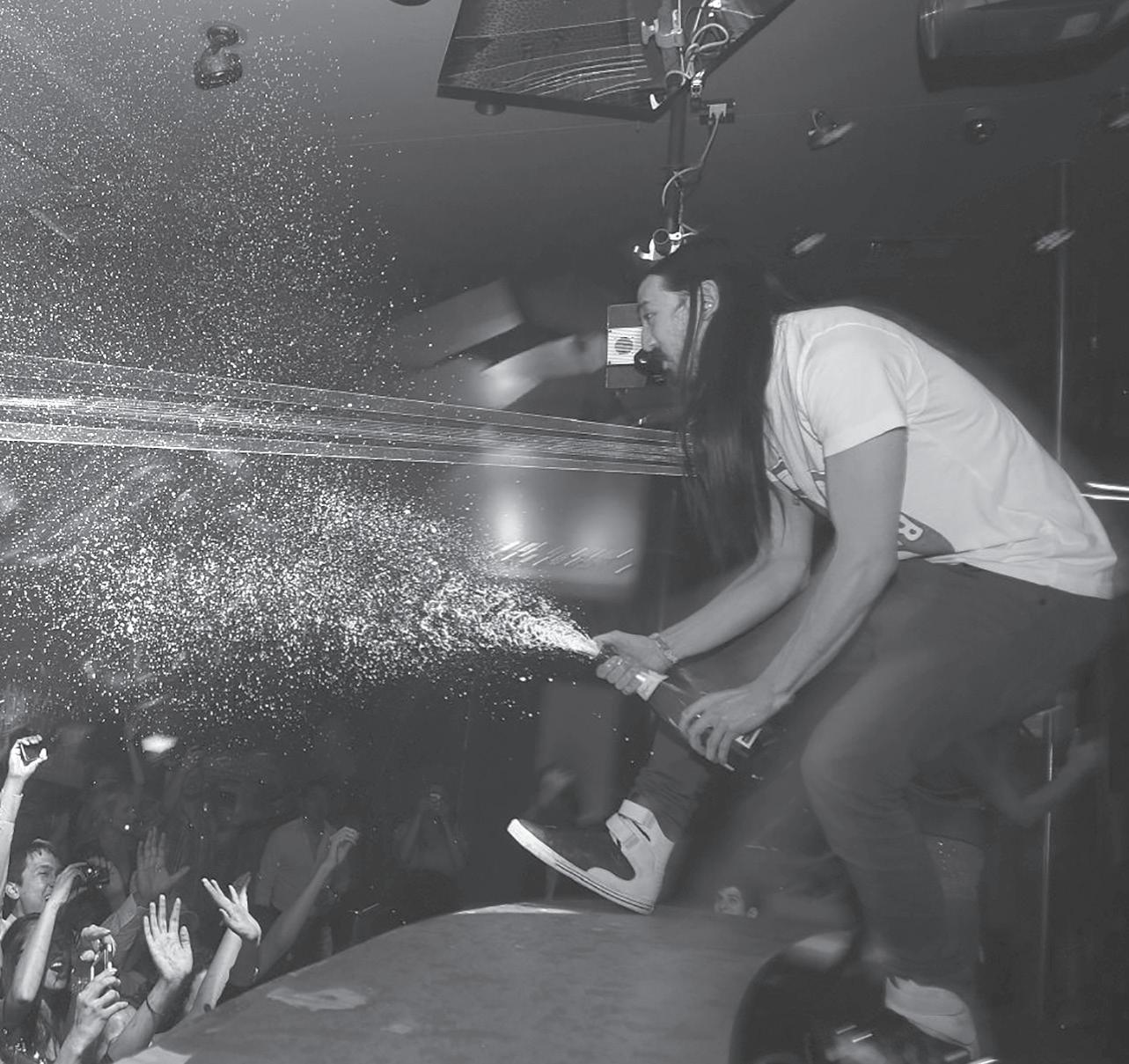
At the same time, more black artists have headlined Slope Day in the last decade than any other race. Six out of the ten headliners — including Ludacris, Kendrick Lamar, Taio Cruz and Chance the Rapper — were black. This year Slope Day will be headlined by Steve Aoki, who is of Japanese descent, and the opening acts will be Ezi, a female indie pop artist and Cousin Stizz, a black rap artist.
“It would be nice to have more diversity in every way,” Samtani told The Sun.
In the modern Slope Day’s 16-year history, only two female-fronted bands have headlined the festival. One of them was
Continued from page 1
“I didn’t know how to react,” Gammanpila said when describing her thoughts after hearing about the attack. “It’s as if all these horrible things from the past came rushing back.”
She then read the eulogy of an 11-year-old boy who had been killed in the bombings, describing the intelligence, wit and character that he had possessed.
The vigil continued with students sharing the stories of those who had lost someone within the bombings and eulogies of individuals who had died.
“To be perfectly honest maybe like some people here, I can’t truly grasp or fathom the amount of pain and hurt the victims are feeling right now especially on an individual level,” Dylan Ratnarajah ’21 said. Ratnarajah said that he had attended one of the churches that was bombed in the attack.
“As a Sri Lankan Christian and someone who was just there in that same buffet room only just a couple of months ago, I am devastated for my country,” he said.
Students not only highlighted the effects of the tragedy, but also the history of Sri Lanka’s internal conflict and civil war. Ratnarajah said he feared that people would
Misterwives in 2017, and another was the Pussycat Dolls in 2009. Besides those two, every other headliner has been a male soloist, duo or band.
The modern Slope Day did not come into shape as a formalized annual event — or consistently had a musical headliner — until fall 2003, when Cornell administration started getting involved in its organization. However, a spring festival on-campus has occurred on and off since 1901.
In an interview with The Sun, Pravir Samtani ’19, executive director of the Slope Day Programming Board, admitted the difficulty to ensure gender diversity to Cornell’s flagship party.
Samtani said that while the programming board has contacted and pursued female artists to headline the festival in the past, “big-name female artists are way above our price range.”
The student activity fee, $19 per student, funds the Slope Day budget, which amounts to over $250,000 per year.
Incoming Executive Director Alana Udwin ’20 declined to disclose the programming board’s exact budget but said that the committee’s ongoing focus is to at least include female performers as openers.
“We would rather have any female representation than none and are proud of the commitment we have made to supporting female artists. We hope to work with our agents and secure more female headliners in the future,” she said.
Prior to 2003, Slope Day was more of a spontaneous event that happened on and off for decades, occurring largely beyond the purview of the administration.
“It was just a day, the last day of classes, everyone would just hang out on the slope. There was no planned concert. The school wasn’t involved,” Samtani said, adding that Slope Day’s past informal nature could have contributed to the lack of female performers.
Since 2003, Slope Day has always featured one headlining artist and two opening acts. The selection process for these artists begins well before the beginning of the school term in August, when programming board members brainstorm and draw inspiration from summer concerts and festivals, evaluating artists by watching performance videos.
In early November, the programming board sent out their picks of 20 artists to the student body asking for their opinion. The poll is advertised in Denice Cassaro’s email blasts, on all of the Slope Day official social media accounts and sent to all of the executive board member’s friends and acquaintances.
“We spend time and effort making sure that the survey is spread around campus and reaches a variety of Cornell students and organizations,” Udwin said.
The survey received 5,000 to 6,000 responses, according to Samtani. While the survey does not collect any information about a student’s demographics, Samtani said that of those who responded might have contributed to the lack
of female artists.
“The majority of the student body wants to see either hip hop, rap, or EDM,” Samtani said, pointing out that many of the most popular artists in these genres are male. According to 2018 data from Spotify, only 37 percent of hip hop and 11 percent of top EDM artists were female.
He said that the board may consider pursuing information on respondents’ gender, race and ethnicity in the future.
Cornell’s relative dearth of female performers is not unique among the Ivies. Columbia’s annual Bacchanal spring concert featured an all-women slate of musicians for the first time this year. Dartmouth College also made history last year, when its Green Key Weekend featured its first female headliner. And in 2015, Yale ended a 17-year run of male headliners when Jessie J led their Spring Fling.
At the same time, more black artists have headlined Slope Day in the last decade than any other race. Six out of the ten headliners — including Ludacris, Kendrick Lamar, Taio Cruz and Chance the Rapper — were black. This year Slope Day will be headlined by Steve Aoki, who is of Japanese descent, and the opening acts will be Ezi, a female indie pop artist and Cousin Stizz, a black rap artist.
“It would be nice to have more diversity in every way,” Samtani told The Sun.
respond with condemnation and oppression, as the Sri Lanka government has already begun to put more restrictions on Muslim people within the country.
“It’s important to not resort to persecution,” said Ratnarajah.
“Our grief is never a call for retribution. Our grief is a call for coexistence.”
He highlighted a point that would be made by other students who spoke, drawing attention to the political and social strife that is present in Sri Lanka.
Aneesa Rupasingha ’19, who spoke after Ratnarajah, called for everyone to recognize the individuality of each of the victims. She continued with a call to recognize the current state of Sri Lanka and its history as well.
“We must also work towards a Sri Lanka where these attacks do not happen,” Rupasingha said. “This cycle of violence has to end.”
The evening continued as Gammanpila read aloud the names of known victims, one after the other, as students stood in silence. The vigil closed as attendees joined together to place their lit candles on a paper laid out in the front, and marked it by placing their painted hands on it to create prints.
Daily Sun Independent Since 1880
137th Editorial Board
ANU SUBRAMANIAM ’20
Editor in Chief
DAHLIA WILSON ’19
Business Manager
PARIS GHAZI ’21
Associate Editor
NATALIE FUNG ’20
Web Editor
SABRINA XIE ’21
Design Editor
NOAH HARRELSON ’21
Blogs Editor
SHRIYA PERATI ’21
Science Editor
AMANDA H. CRONIN ’21
News Editor
SARAH SKINNER ’21 Managing Editor
MEREDITH LIU ’20
Assistant Managing Editor
RAPHY GENDLER ’21 Sports Editor
BORIS TSANG ’21
Photography Editor
AMBER KRISCH ’21 Blogs Editor
KATIE ZHANG ’21 Dining Editor
SOPHIE REYNOLDS ’20
Working on Today’s Sun
Ad Layout Jamie Lai ’20
Production Deskers Jamie Lai ’20
Sabrina Xie ’21
News Deskers Shivani Sanghani ’20
Amina Kilpatrick ’21
Design Deskers Lei Lei Wu ’21
Simon Chen ’21
Photography Desker Boris Tsang ’22
Sports Desker Raphy Gendler ’21
Night Desker Alex Hale ’21
Letter to the Editor
To the Editor:
In Michael Johns ’20’s May 1 column, he suggests that Cornell’s “globalist activist community,” specifically the fossil fuel divestment and BDS-inspired movement, has taken a myopic viewpoint that leads them — or, us, members of Climate Justice Cornell, in this case — to lose sight of true global justice by focusing solely on the issues at hand on campus.
There is a common notion that some organizers uphold: “Do the work where you’re at.” While we’re at Cornell, this means that we, the students, can address the issues we see in the way that this institution is run. Here at Cornell, we have the power to petition the University — through literal petitioning, letter writing, rallies and the like — and we may even receive some sort of response. While the chairman of the Board of Trustees or the president of the University may reply to our emails, it’s fair to say that a Cornell student group’s request for Chinese coal plants to be shut down would be swept aside. Furthermore, as people who are not direct stakeholders to China’s energy production, it’s not our place to make suggestions — not to mention the lack of expertise of a Cornell student group in the inner workings of the Chinese energy economy and grid. At best, student organizations could spread some sort of awareness, but how much impact can that catalyze from abroad?
Furthermore, we should not invalidate the efforts of campus groups on the basis that they are not addressing every single issue related to their goals. The fossil fuel divestment and BDS-inspired campaigns have mobilized and impassioned large groups of students on campus. Given this impetus, campus divestment movements create a platform for students to affect real change, during a brief window in our lives where we have the opportunity. Rather than shutting down those groups because they aren’t simultaneously working on other issues, we should be empowering others to create solutions alongside the existing groups.
We are not saying we should ignore or disregard China’s intranational and global impacts. However, just because one nation is “the world’s most egregious environmental offender,” it does not mean we must put all of our efforts towards that nation’s issues, especially if it is out of our reach as residents of the United States. The U.S. may not emit as much as China as a whole, but we emit considerably more than China per capita. In addition, we cannot point the finger of blame solely at China when we are the greatest consumers of the commodities produced by their climate-damaging industrial processes. On a historical basis, the United States has admitted far more carbon dioxide than China has. Admonishing China for an offense the U.S. is also guilty of is inherently hypocritical and morally questionable, especially if that admonishment comes from a group of students at an American university who are benefiting from the development and wealth created by past U.S. industrial emissions. Criticizing a country for industrializing and building their economy just as the U.S. has in the past is amiss, and sounds quite a lot like imperialist dictation.
Regardless of the statistics, we do not need to make this into a competition of who is the worst offender. Objectively, both China and the U.S. are heavily involved in global climate change, so a systemic change in either would make a significant global difference. As residents of the U.S., we can use our power as residents to encourage this nation to lead by example. Fixating on China is irrelevant and tangential, simply an excuse to decry divestment movements.
Our political institutions are heavily biased toward incremental change. Individuals don’t have the power to immediately make huge reforms on a global, national, or even university-wide scale. History has proven repeatedly that the best way to effect large-scale change is through grassroots, local organization.
We are doing our best to organize a campaign on an issue we are highly passionate about. If Johns want to see more representation of China’s major contribution to global emissions, we at CJC are always open to new ideas or projects.
Cassidy Graham ’22
Evelyn Kennedy Jaffe ’22
Katie Sims ’20
Dustin Liu | Trustee Viewpoint
After two years, two months and three days (but who’s counting), my time as the Student-Elected Trustee has begun to come to a close. Serving as the Student-Elected Trustee has been one of the greatest honors in my lifetime. In an act of nostalgia and personal curiosity, I spent this past week looking through my past viewpoints and notes to pull out my most memorable lessons from the Hill and the Board of Trustees. While I still am unable to describe industrial and labor relations to my grandma in Chinese, I’m happy to report that my time at Cornell has been filled with learning moments that I hope others reading this can carry forward.
I learned that organiza tional traditions are not all pure. If your orga nization hazes to the point where members are unable to concen trate on their academ ics and are experiencing humiliation and fear, stop attrib uting their actions to tradition.
outcome that I could have imagined, but it certainly taught me resilience. I learned that homophobia, racism and a multitude of other isms are alive and well, and that it is our responsibility as Cornell students to consider the public purpose behind our discipline: personifying our land-grant mission.
I learned that Trustees are real people (who have kids and eat three meals a day!), that administrators at Cornell are in their positions because they love working with students and that we need to recognize the humanity of all the individuals on our campus. We often forget to acknowledge or give benefit of the doubt to those in power. It is clear to me that for better or for worse, power will always be criticized.
If your organization has a sub-two percent acceptance rate or if you are judging students by the Google Street View of the address on their resume, it’s probably time to reconsider your recruitment process. If your organization is appropriating cultural and mythical icons that have nothing to do with the purpose of your organization, it’s probably time to change that, particularly if this appropriation is occurring in the logo or the name of the organization.
Trustees are real people (who have kids and eat three meals a day). Administrators at Cornell are in their positions because they love working with students.
Let’s focus on ways we can collaborate and find ways to give feedback constructively — without using word counts.
And while my time on the Hill is coming to a close, I feel an incredible amount of relief knowing that a new class of leaders will fill North Campus.
I learned that after the first three weeks of freshman year, no one really wants to make new friends. This is a mind-boggling concept to me as the University devotes energy and resources to recruiting a class that crosses identities, borders and lived experiences. Higher education is a happenstance place that should be recognized as a laboratory of sorts that can’t compare to any random residential community in the world. Cornell brings together folks from all kinds of backgrounds and provides the potential for new friendships and space for collaboration. Let’s make the most of it and not avoid eye contact when someone is smiling at you as you walk down Tower Road.
My greatest lesson has been learning about gratitude — gratitude for those in my life and those who have come before me. I feel gratitude for my great-grandmother who was sold as an indentured servant by her family, my paternal grandfather who chased his dreams of a medical degree, my maternal grandfather who had to leave formal schooling in middle school to pursue his vocation and my own parents who immigrated from Taiwan to America in pursuit of their education to grant me this privileged experience. I feel gratitude for my brother who picks up when I am in the Uris Library fishbowl finishing essays, a family who drives five hours when I’m at my lowest and the opportunity to achieve my ancestor’s wildest dreams.
And while my time on the Hill is coming to a close, I feel an incredible amount of relief knowing that a new class of leaders will fill North Campus soon and full faith to place Cornell in the hands of my succes-
My greatest lesson has been learning about gratitude — gratitude for those in my life and those who have come before me.
sors. Four years on the Hill have prepared me for another 80 years as a Cornellian.
I learned that running a campaign at Cornell is akin to selling your soul. Crawling up Ho Plaza to chalk “Trust in Dustin” at 2 a.m. only to have it be washed away by a 15-minute rain shower at 3 a.m. was probably the worst possible
Dustin Liu is the undergraduate student-elected member of the Board of Trustees, and a senior in the School of Industrial and Labor Relations. He can be reached at dliu@cornellsun.com. Trustee Viewpoint runs every other week this semester.
Iam one of the lucky ones, right? Being able to come to an Ivy League university despite coming from a low-income community and a single-parent first-generation household. I am one of the lucky ones. Being able to completely forget the reality of home in my little ivory tower. I am lucky to have an unlimited meal plan, even though it was forced and the food is poorly seasoned. I am lucky to learn from world-renowned faculty, even though they may have the audacity to state in lecture that “only one percent of the global population is actually in poverty.” I am lucky for all these opportunities, even though my “@cornell.edu” email address is regarded more than my merit. I am lucky. Every year, the incoming class of Cornell freshman is becoming increasingly diverse. Every year, we see expertly illustrated statistics and graphs highlighting the incoming class demographics. The word “diversity” has become an academic buzzword favorite. Cornell’s website states that “students thrive at Cornell because of its unparalleled combination of quality and breadth; its open, collaborative and innovative culture; its founding commitment to diversity and inclusion.” Other Ivy League universities do the same. Columbia professes that it fosters “a community of scholars who embody this commitment to diversity and who encourage discussion and debate.” Yale asserts, “We carry out this mission through the free exchange of ideas in an ethical, interdependent, and diverse community of faculty, staff, students, and alumni.” Of course, these university initiative is supported by action. More than half (54.9 percent) of Cornell’s class of 2023, for example, are students of color.
Yet, although instances of overt discrimination and racism are minimal, they are not unheard of. Many students of color are not feeling well acclimated in this environment. “As a minority at Cornell, there are times where you feel out of place. You’ll walk into your class and there are only three people that look like you or relate to you out of 200
students,” says Stephanie Quaye ’21. Although education serves as a tool to solve deeply rooted social problems like poverty, adding diversity alone will not do the job. There needs to be more steps taken to support students once they are on the campus.
From my perspective, students who are underrepresented minorities are over-mentored and underfunded. Increasing diversity does not account for the fact that these students struggle to afford access to the same resources and privileges as their peers based on their identity. The median net worth of white families is almost 10 times the net worth of black families in the U.S. Increasing diversity also doesn’t guarantee inclusion. Recently, JT Baker ’21 was groundlessly disqualified from the student-elected trustee election. After an uproar from the minority and athlete communities, it was revealed that had he not been disqualified, Baker would have won the position. Instead of fixing this mistake, Baker now has to serve alongside Jaewon Sim ’21 in this position. This is not justice — it is a compromise. This goes to show that even though the number of black and brown students are growing on campuses, they are not being included or represented in executive student positions.
When I first arrived at Cornell the summer before my freshman year, I was excited for the opportunities, the experiences and the challenges. But as a student of color, my struggle was not limited to maintaining grades and balancing extracurriculars. There was a struggle to adjust to a new culture at Cornell, to find my identity in the minority community and to worry about the condition of my family back home. Being a minority on campus for me means having to work three jobs to support myself and my family, staying active in numerous organizations to support my professional goals and maintaining Dean’s List grades. It means CUPD not believing I am a student here when being pulled over for a seatbelt violation. It means being painfully aware when I am the only black person in
Michael Johns, Jr. | Athwart History
the room, and not having the energy to constantly correct microaggressions in class or in articles which ask low-income students be thankful to the rich for our education. We are in a space that historically was not created for us. Not being able to see your culture represented can be disengaging and isolating. Within our own community, there needs to be more solidarity as well. Even if a student may look like me, they may come from a completely different experience than me — but this should not be grounds for disunity. And for those who may not look ethnically simhilar, it is still important that we support and celebrate each other’s cultures. There have been a lot of positive changes on campuses across the U.S. and at Cornell for minorities, but there is still work to be done. Yes, these changes take time, but they also take action.
Even though the number of black and brown students is growing on campuses, they are not being included or represented in executive student positions.
Cornell University was founded on the principle ovf “Any person … any study.” Now that we have shown that any person, regardless of their background, can have the opportunity to attend Cornell, let’s show our students what we can do for them while they are here. At the end of the day I know I am not “lucky” to be here. I deserve to be here.
Aminah Taariq is a sophomore in the College of Agriculture and Life Sciences. She can be reached at ataariq@cornellsun.com. I Spy runs every other Wednesday this semester.
Just how global is the focus of Cornell’s globalist activist community? At first glance, it is globalist without reservation: From climate crusaders demanding the University divest from fossil fuels to the Boycott, Divestment and Sanctions movement against Israel, campus progressive activists this semester repeatedly have called for Cornell to make dramatic changes to further their political vision.
Cornellians certainly have the right to petition the University, and it is understandable why they would begin their activism here. President Martha Pollack, for her part, properly noted in her response to the BDS movement that “the principal purpose of our endowment is to provide income for advancing our mission-related objectives.” The endowment, she said, “must not be viewed as a means of exercising political or social power.” That is sensible logic.
Of course, this will
University should not be invested in “resource extraction firms that have sent the planet hurtling toward climate ruin.”
Yet, throughout months of campaigning for more aggressive climate policy, not once did activists (or The Sun) mention the world’s most egregious environmental offender: China. It’s quite an omission. Currently, China’s carbon emissions exceed those of both the United States and Europe combined, and it’s a gap that, as activists overlook it, is continuing to widen. Meanwhile, the U.S. actually is leading developed nations in its reduction of carbon emissions, which fell by 758 million metric tons between 2005 and 2017. As Forbes noted in 2017, “That is by far the largest decline of any country in the world over that timespan and is nearly as large as the 770 million metric ton decline for the entire European Union.”
But in the slew of public protests and open letters aimed at achieving some vague notion of global justice, how global has their focus even been?

not deter activists from their quest to politicize the University endowment. But in the slew of public protests and open letters aimed at achieving some vague notion of global justice, how global has their focus even been?
In March, orange-clad activists demanded that Cornell completely divest from fossil fuels, placing particular focus on “raising awareness” about their campaign. The Sun’s editorial board endorsed this fossil fuel divestment campaign less than a month later, arguing that the
Unlike Cornell, which has committed to an expensive and ambitious plan to achieve a carbon-neutral campus by 2035 and has reduced its emissions by 36 percent in the last decade, China, under the leadership of its governing Communist Party, conversely has recommitted to building new coal-fired power plants. Logic would dictate that calling out China, the world’s worst current polluter, would be a sensible starting point for any environmental activist. Yet activists could not find time to even mention, much less target, China’s environmental behavior in their campaign on climate change.
Sadly, progressive activists’ double standards do not stop with the environment.
BDS activists earlier this month insisted that the University divest from Israel, which they repeatedly claimed “[profits] from the occupation of Palestine and human rights violations,” going as far as to outrageously describe the country as a “racialized apartheid state” in one February letter in The Sun. To say nothing of the biased and deeply flawed origin of these claims, they may have been taken more seriously if there was any outrage whatsoever directed toward the world’s worst human rights abusers — and that list does not include Israel, the only functioning democracy in the Middle East.
The respected human rights monitoring organization Freedom House’s annual report assesses the human rights conditions in 210 countries, ranking each as “free,” “partly free” or “not free.” It found 49 of the 210, including the 12 egregious violators, “not free.” Israel, conversely, ranked among 45 percent of the nations deemed “free” by the human rights monitoring group.
Yet BDS launched no divestment campaign against these 49 nations of the world deemed “not free.” And, just as activists ignored its egregious environmental track record, China again escaped scrutiny, even though it remains engaged in serious and systematic human rights violations, as I noted in a column last September. Nor were there any letters to the editor regarding China’s “racialized apartheid state,” even as it holds one million Muslim Uyghurs in indoctrination camps built to destroy their language and culture in the hopes of “Sinicizing” them in the Communist Party’s image. The Uyghurs are but one group targeted by Beijing, which has also destroyed Christian churches, targeted individuals in Tibet and countless other religious and ethnic minorities.
It’s not that the University is unengaged
in this country; indeed, it has substantial and enduring academic, institutional and financial connections with China. Just this year, for instance, The Sun uncovered a secretive research partnership worth $5.3 million with the Chinese telecom company Huawei — by far the largest sum granted any U.S. university from this largely Chinese government-controlled corporation. But activists failed to even mention this vital fact in months of so-called “human rights” advocacy, despite international attention invited by Sen. Marco Rubio (R-Fla.), who congratulated The Sun on its attention to the Huawei deals.
Some activists may rightfully reply that no human rights campaign can be totalizing; those focused on pushing for greater transparency on Cornell’s Qatar campus, for instance, cannot be fairly expected to find the time to push against Cornell’s investments in China as well. While this is true, it nonetheless should shock the campus that no student group took it upon themselves to follow up on The Sun’s groundbreaking Huawei reporting. No outraged letters to the editor from student activists demanded University disclosure; no rallies were planned; no symbolic Student Assembly votes were scheduled. The Sun, to its credit, was alone in editorializing for full transparency on this questionable relationship.
The campus will doubtless witness future campaigns for myriad issues — and the University will likely face demands to politicize its endowment in the years to come. But a modest proposal: In a world filled with unjustness, wrongdoing and sometimes outright evil, a logical starting point would be to focus on the worst offenders.
Michael Johns, Jr. is a junior in the College of Arts and Sciences. He can be reached at mjohns@cornellsun.com. Athwart History runs every other Wednesday this semester.

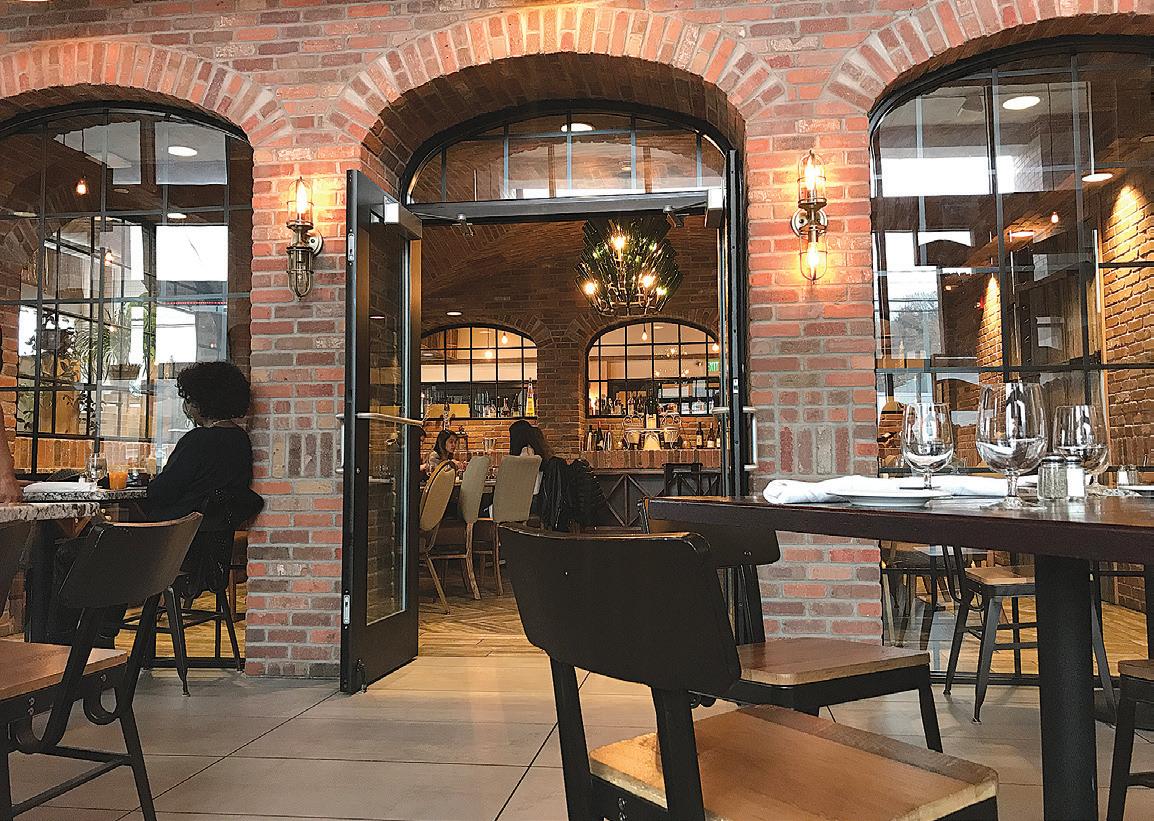
Brunch is the most exciting part of any weekend because a fresh cup of steaming coffee, sweet, flaky pastries and some beautifully runny eggs are the perfect remedy to the Sunday scaries. I especially love taking an hour on the weekends to try new restaurants in Ithaca with friends, where we can relax and enjoy good food before heading back up the hill to the library. I was excited to find Coltivare, a New American restaurant located in the Commons. Its chic atmosphere was the perfect getaway from campus. Although it is located in downtown Ithaca, Coltivare has the feel of a trendy Brooklyn brunch spot. I was greeted warmly by a hostess at the door, who walked me past a live band playing soulful jazz music. The entire staff was accommodating and friendly, and they were especially attentive to a diners nut allergy, which was
greatly appreciated. I also liked the exposed brick walls, intricate lighting fixtures and collection of plants, which created a rustic ambiance. But all of this ultimately had to
items ranging from pancakes, to build-your-own omelets (with an abundance of toppings), to burgers basted in beer. I decided to opt for one sweet and one salty item:
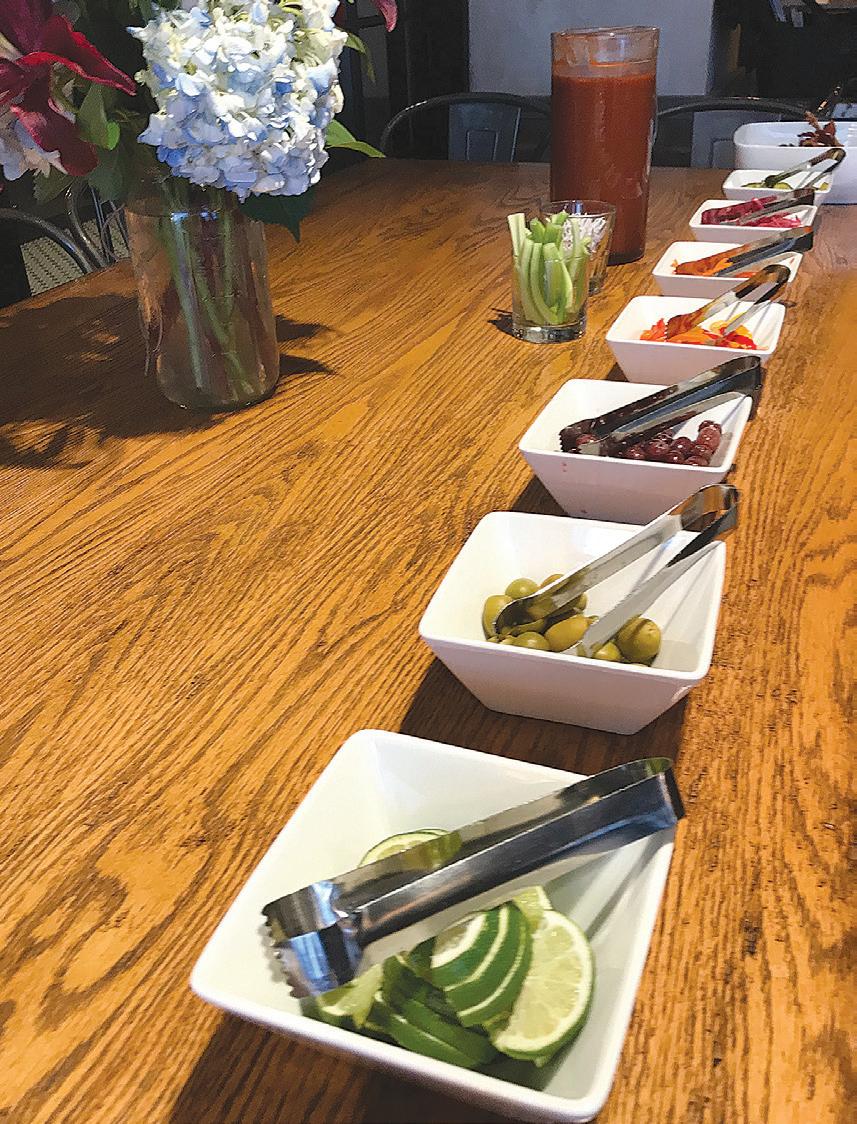
make up for the mediocre food. Coltivare’s biggest seller is their “build-your-own” Bloody Mary bar, which is essentially a tabletop with a pitcher of Bloody Mary mix and about ten bowls filled with seasonal sides, fresh vegetables, pickles and bacon. I don’t doubt that the drinks are something special, as they won the Brunchfest Bloody Mary Battle in 2016, but the bar was visually underwhelming and was not a particularly decadent and elaborate setup. I was, however, intrigued by the seasonal menu, which included
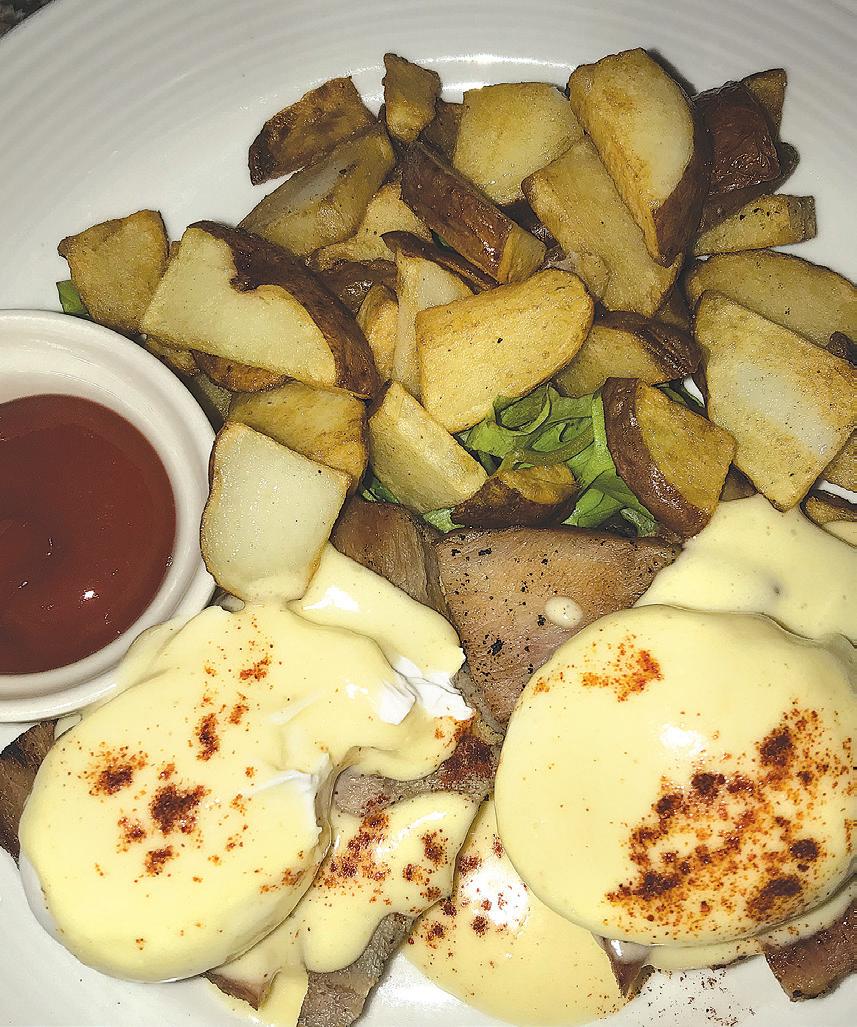
sweet or crunchy caramelization. The eggs Benedict ($14) comprised of two pillowy poached eggs atop buttermilk biscuits, each one perfectly coated with a rich hollandaise sauce. I enjoyed the contrast between the sweet biscuits and the salty ham, but was disappointed by the flavorless eggs, which were oily and desperate for salt. Nonetheless, this dish was definitely a solid brunch option that was filling and tasty.
I was initially excited by Coltivare’s fresh and seasonal menu,
toast and eggs Benedict.
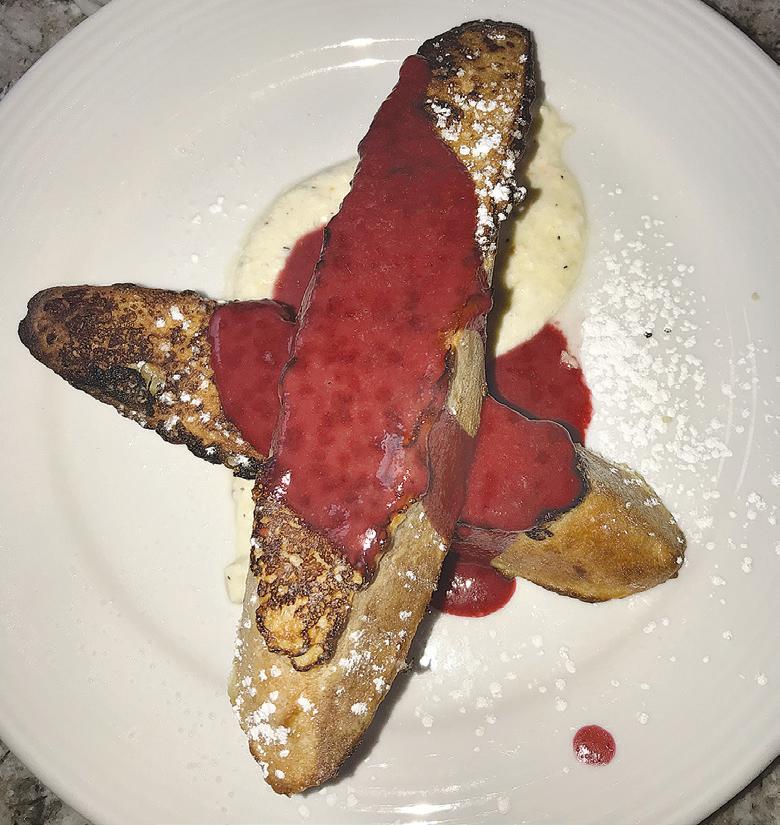
The French toast ($9), which I later learned is vegan, was served with a lemony ricotta and a tart raspberry coulis. The dish had a compelling presentation but was fairly disappointing in taste and consistency. I was hoping for fluffy challah that would soak up the coulis, but instead received what appeared to be a baguette, which was rather hard with crispy ends. The French toast was also lacking any sort of
Notably, Coltivare runs a unique operation serving as the farm-to-table restaurant of Tompkins Cortland Community College. Some of the restaurant’s staff is responsible for mentoring TC3 students in fields such as the culinary arts, sustainable farming and food systems, wine marketing and hotel and restaurant management, so the students can gain valuable hands-on experience. Coltivare also sources some of its produce from the TC3 farm.


and I was optimistic that their sleek design and generally impressive operation indicated that I was about to indulge in a delicious brunch. However, nothing that I ate was worth raving about or returning for. The food lacked intriguing and memorable flavors, and I was definitely disappointed. I do believe that Coltivare has great potential, and I am open to trying their dinner menu. If you are tempted to go there for brunch though, it is a good option if you are looking for a cool place to unwind on a Sunday morning. Just stick to the Bloody Marys.
Serves: American/local brunch and dinner
Vibe: Laid back, casual Price: $$
Overall:


Molly Rothbaum is a sophomore in the School of Hotel Administration. She can be reached at mgr86@ cornell.edu.


When Fredo Santana died in early 2018, the hip hop community reacted with an outpouring of tributes. However, for many consumers of mainstream rap, this dramatic show of support for the Chicago rapper’s tragic death came as a surprise. Why did the death of this lesser-known drill rapper trigger a slew of social media support from rap superstars like Travis Scott, Drake, Gucci Mane and others, or prompt Playboi Carti to break down in tears mid-concert? The micro-genre of rap known as drill often flies under the radar when compared to more well-known styles in the now wildly popular domain of hip hop. Indeed, drill rap has fallen off into relative obscurity since its golden days of the early 2010s. Yet the wide-ranging effects of the genre continue to be felt in the trends towards melodic slurring, lyrical simplicity and media-based diffusion of modern rap.
Drill rap’s emergence in some of the most violent and economically depressed areas of the south and west sides of Chicago casts a sobering light on the genre. Drill differentiated itself from contemporary rap with its dark nihilism, casual apathy for almost everything and a tendency to emphasize glory and fame far less than most other hip hop genres of the time. The grassroots beginnings and authentic nature of the genre betray the unfortunate reality that even the most successful in drill have likely suffered extensive mental trauma from experiences that make up much of the basis for their music. Multiple drill rappers and their associates have fallen victim to gun violence such as Lil Jojo, L’A Capone, Young Pappy and close Chief Keef affiliates Blood Money and Capo. These traumatizing socioeconomic pressures are almost certainly the basis for drill’s characteristic hatefulness for everything around them and defiant indifference towards the world.
Despite the seriously alarming context of drill, the genre’s influences are widespread and can be felt throughout modern rap. Although drill itself was inspired by early trap artists, particularly Gucci Mane and Future, the style has in turn influenced contemporary trap, most notably, “mumble” rap, in profound ways. Before the breakout of Chief Keef and the influential Atlanta trap artists that inspired him, mainstream hip hop was still

Foxygen, Sam France and Jonathan Rado are known for being experimental in the genres of classic rock and pop. Having seen them live in concert twice, once at Terminal 5 in New York City and the other at Governors Ball at Randall’s Island, their stage presence, wardrobe/makeup and lighting production are clearly influenced by the likes of Mick Jagger or David Bowie — it’s provoking and flashy. In fact, since Foxygen released their debut EP in 2012, Take the Kids Off Broadway , Foxygen has even gained the reputation and drama reminiscent of a classic rock band, known for canceling their tour in 2013 after verbally confronting a fan while on stage. Yet, despite all their drama, Foxygen is never-




dominated by gangsta or popular rap, usually defined by clear verses exulting over the wealth, power and women that come with fame. Despite the numerous influential and talented rappers of the time, the field of hip hop was still comparatively narrow in scope, dominated by similar sounds and dictated by major labels. The early 2010s marked the start of a silent revolution, with trap and drill rappers leading the movement.
Much of drill rap’s initial popularity can be attributed to its interconnectedness with the rise of social media. In fact, most drill rappers have fairly low album sales in comparison to their social media activity and Youtube views. Chief Keef’s initial success came from the unique lo-fi videos that captured the imaginations of a new generation; focusing on aesthetics and vibe rather than lyrical content, which complimented his numerous reckless

and rebellious media stunts and created a truly largerthan-life character. Keef was one of the first artists in the game to fully realize the potential of media personality and representation for musical success, and cultivated a distinct image. He and others were the precursors to the now wildly popular SoundCloud rappers dominating modern streaming services over seven years later. Viral videos by Tay-K, Bobby Shmurda and others replicate the homemade video style characteristic of drill, while artists like Ski Mask the Slump God and XXXTentacion have expanded on the lo-fi sound production of grassroots subgenres like drill.
Drill rap has touched the hip hop world extensively, with its casual references to violence and simple verse style becoming the norm in new mainstream trap and mumble rap. The most audibly perceivable contribution
of drill to mumble rap is likely the style of slurred and mumbled singing Keef and his peers pioneered years before “mumble” rap was even coined. This marked a key shift in hip hop towards a lyrical focus on melody and thematic energy rather than traditionally clear and meaningful verses.
Despite the direct and simplistic style of drill lyrics, the slang and lyrical styles of drill are still profoundly relevant. According to Genius, the first lyrical mention of the phrase “no cap” was by Chicago rapper Gino Marley in 2011’s “Just in Case,” a phrase that has since become a mainstream rap staple. Perhaps an even more notable contribution of drill rap is its liberal use of ad-libs. Keef and other drillers’ extensive and now famous use of the phrases “gang,” “bang bang,” “ay” and other ad-libs have extensively shaped the music of superstar rappers like the Migos, Playboi Carti, Young Thug and other mainstream trap artists.
Drill rap was the spark that helped jumpstart a rap revolution, from the formulaic mainstream hits of the 2000s to the wildly popular and diversified media-driven rap that has taken over the industry in the past few years, starting a new generation of rap based on aesthetic and distinctive personalities. Drill rap has provided a dark but uniquely authentic take on hip hop, with an impressive resume of influenced artists. Rappers like Lil Uzi Vert, Playboi Carti, Juice WRLD, Tay-K, Lil Pump, Tekashi 6ix9ine, 21 Savage and even Kanye West have admitted the influence of Chief Keef on their music. While artists like Lil Durk and G Herbo continue to produce successful projects, the short lived reign of drill rap in mainstream culture has meant that the genre has increasingly been lost in the obscurity of the expanding hip hop. Keef and many of his early peers seem content to keep their current low-profile in music, and while the glory days of the movement may be over, these young artists from Chicago briefly but decisively left their mark on the music industry with a compellingly indifferent and excitingly rebellious take on the dynamic genre of hip hop.
John Wootton is a freshman in the College of Arts and Sciences. He can be reached at jbw254@cornell.edu.

theless talented and continues to make new music and tour.
In fact, during this winter I happened to read a Pitchfork article discussing the announcement of their new album Seeing Other People that released Friday, April 29. Within the article, it quotes France’s remarks on “Seeing Other People” saying, “I remember a quote from Rado sticking with the press a few years ago about how we’d lived every rock’n’roll cliche, in, about, one year. Well, here’s the album about it. Another movie. I don’t know what’s next. But here’s a snapshot of it.” France’s statement left me wondering: What are the implications of this statement? Is this new album going to strive to redefine their image? What is
the production or lyrism going to look like? I couldn’t suspend my anticipation for the release.
Seeing Other People comprised of nine songs, with three of the nine released as singles — a bold strategy. The three singles released prior to the album are, “Work,” “Face the Facts” and “Livin’ a Lie” — all of the same caliber, good but not great. On one hand, the lyrics of the verses are bratty and the choruses are extremely repetitive, yet the bridges are quite clever and smooth. On the other hand, the production is fun to dance to (I would definitely look into seeing them live if you have not yet), and utilizes

an assortment of sounds from the ’70s and ’80s that add layers to its depth. But overall, Seeing Other People is a six-out-of-10. This album is an exasperating complaint about being a rock star that is supported with experimental and lively production. Depending on your mood, listening to Seeing Other People could either be empowering or bothersome. Providing a third of Seeing Other People through
creativity. Foxygen’s goal for what this album is going to present is profound and laudable — aiming to describe the feelings of being a rock star who has lived through it all — however, they missed the mark.
Jeremiah LaCon is a Freshman in the College of Arts and Sciences. He can be reached at jcl345@cornell.edu.
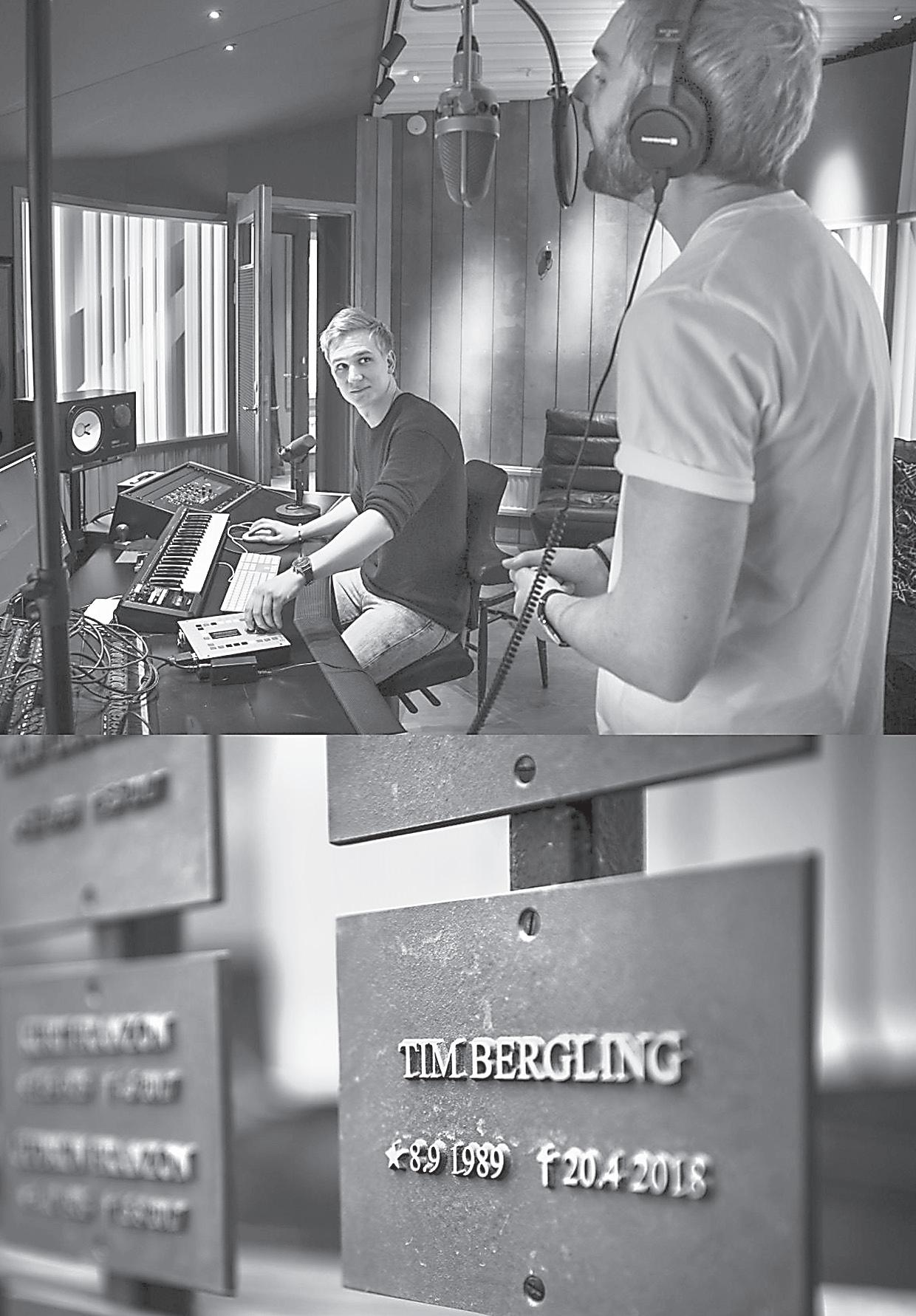
Avicii summons us, “Can you hear me? SOS! Help me put my mind to rest,” even after his passing last April, with the voice of Aloe Blacc on the star’s deeply plaintive hit single “Wake Me Up.” Instead of a purely somber anniversary of Avicii’s death, fans will be treated simultaneously to a true celebratory feast. “SOS,” the single which Avicii was working on at the time of his passing, was released across all streaming platforms, ahead of a new album compiled posthumously and slated for release in June. The accompanying video displays heartfelt sentiments from some of Avicii’s fans.
Prior to his death, the Swedish musician had compiled a collection of just-about-finished-songs along with notes, email chains and text messages about his work. Avicii’s family has titled the album TIM, and all proceeds made from the album will be given to The Tim Bergling Foundation, the organization established to honor Avicii and address mental health issues.

Blacc, Kristoffer Fogelmark, Albin Nedler, Salem Al Fakir, Vincent Pontare and Coldplay’s Chris Martin are all working together to keep the compilation as close as possible to Avicii’s style and purpose. But would Avicii himself have wanted all sixteen of these incomplete drafts exposed? And, while great care was taken to attempt to surmise (utilizing past songs and artistic notes) what the artist would have done with the remaining full quarter of the songs,
could it ever be Avicii’s?
Some of civilization’s greatest works would have been left unshared and even destroyed had it not been for posthumous publication. Prime literary examples include Lavinia Dickinson’s discovery of 40 volumes of her sister Emily’s unpublished and private poetry, which she ultimately succeeded in having published, and Max Brod’s direct contravention of his friend Franz Kafka’s instruction to destroy his literature upon his death. A more recent example includes Drake’s Scorpion, featuring a posthumous Michael Jackson in the background.
“I was trying to produce through someone else’s eyes and ears — someone who’s not here,” producer Carl Falk told The New York Times on TIM. “It was really hard not to criticize yourself the whole time. Would he like this? What would he have done?”
Avicii’s unique ability to blend poignant and moving lyrics with get-up-and-dance joy and soul is about to re-emerge; a cause celebration for us. And the album was put together by those who knew him best, so celebrate we should. It’s impossible not to love Avicii’s music, and I think he has given us his blessing.
Juliette Rolnick is junior in the College of Arts and Sciences. She can be reached at jrolnick@cornellsun. com. Eyes Wide Shut runs alternate Tursdays this semester.

PETER BUONANNO SUN ARTS EDITOR
Earlier Tuesday, Woodstock 50 sent an email addressed from founder Michael Lang to members of its mailing list insisting that the commemorative festival has not been canceled.
“Woodstock never belonged to Dentsu, so they don’t have the right to cancel it. Woodstock belongs to the people and it always will. We don’t give up and Woodstock 50 will take place and will be a blast,” wrote Lang.
The email comes following the announcement from Dentsu, the main Woodstock 50 investor, on Monday that the festival had been canceled due to permitting issues and concerns over planning progress.
In an email to The Sun, Ithaca promoter Dan Smalls ’92 wrote how the festival “seemed rather haphazard from the get-go.” However, he also noted how this haphazardness “seems to be Woodstock’s trademark. And, well, they’ve often pulled it off despite the seeming chaos.”
Despite the optimism from the Woodstock 50 camp, Superfly, the Woodstock 50’s production company, pulled out from the festival Wednesday. And, according to a Rolling Stone article published Wednesday, “a source who has worked on many festivals over the last 20 years tells Rolling Stone the loss of Superfly is ‘catastrophic.’”
Miley Cyrus, Jay-Z, Chance the Rapper and The Killers were among the artists set to perform at the commemorative festival. Santana, who performed at Woodstock ’69, was also booked on the festival ticket.
Peter Buonanno is a sophomore in Te College of Arts and Sciences. He currently serves at the arts and entertainment editor on Te Sun’s editorial board. He can be reached at arts@cornellsun.com.
Fill in the empty cells, one number in each, so that each column, row, and region contains the numbers 1-9 exactly once. Each number in the solution therefore occurs only once in each of the three “directions,” hence the “single numbers” implied by the puzzle’s name. (Rules from wikipedia.org/wiki/ Sudoku)


Fill in the grid with numbers 1-6. Do not repeat a number in any row or column. In each heavily outlined set of squares, the numbers must combine, in any order, to produce the
number in the top left corner using the operation indicated.


NORTH CAMPUS
Studio and 3 bedrooms Available 2019/2020 Novarr-Mackesey Property Management office@ithacastudentapartments.com ithacastudentapartments.com 607-277-1234
COLLEGE AVENUE 1 BEDROOMS 607-272-3389 avramisrentals@aol.com
3 BEDROOM SOUTH HILL Large apt, washer/dryer furnished. $550 pp 607-272-3389
2019-2020 317 Upper Eddy St. 1, 2 & 3 BR Apartments Ten month lease. Furnished. Hardwood floors. Spacious rooms. Steam heat provided. 607-277-0924
DECKS OVERLOOKING
CASCADILLA GORGE 2 Bedroom Available June 1. 5 Person Apartment Graduation Wknd. Furnished, Fireplace, Jacuzzi, Parking, Wireless Internet, Lighted Patio. 607-273-4797

1 Bedroom Apartments
Bright nice and clean, Great location Linden Ave $895 to $950 plus electricity Call 607-237-2541 or 607-227-2535
COOK ST. Furnished House for 5-7 persons, 10mo. Lease for 2019-2020 Text or call Tracy at TLC Property Mgmt Corp 607-379-2776
==One Month FREE Rent!== Furnished 3 Bedroom Collegetown Apartments PARKING, LAUNDRY, UTILITIES! (607)273-7368 www.WestShoreApts.com
Now Renting for 2019-2020 3-7 Bedroom Apartments All locations. Contact us today or visit our website: certifiedpropertiesinc.com Certified Properties of TC Inc 273-1669
2019-2020 Modern 3, & 4 Bdrm Apts. Furnished, non coin laundry, parking, internet. 607-273-8576. 29 S UMMER S UBLET
w/
Available NOW, Spring 2019 & 2019/2020 Novarr- Mackesey Property Management collegetownterraceithaca.com office@ithacastudentapartments.com 607-277-1234
Downtown / Fall Creek
Renovated 3 Bedroom Grad student apartment Walk to everything $1950 plus utilities 607-592-0475
2019-2020 Upper Eddy St. House for 5 to 7 People Furnished. Internet. Laundry. Semester or 10 month lease. 607-273-8576
Linden Ave. 5 Bedroom House Available June 2019. $900 per bedroom. Parking included. 607-327-2927
1 BEDROOM JUNE 1, 2019AUGUST 14, 2019 114 Summit Ave. Ithaca, NY “The Lux” 949-395-7034
A.D. White House
Admissions Offce
Africana Studies & Rearch Center
Alice Cook Dining • Anabel Taylor Hall • Appel Commons
• Baker Hall
• Bard Hall
• Barnes Hall
• Bartels Hall
• Bethe House
• Big Red Barn • Carl Becker House • Carpenter Hall Library • Center for Intercultural Dialogue • Clark Hall • Computer Services & Financial Aid, East Hill Plz.
• Cornell Institute for Social & Economic Research
• Cornell Store
• Corson Hall
• Court Hall
• Dairy Bar
• Day Hall Main Lobby
• Dickson Hall
• Donlon Hall
• Duffeld Hall
• East Hill Offce Complex
• Environmental Health & Safety Building
• Flora Rose
• Gannett
• Goldie’s (Physical Sci. Bldg)
• Goldwin Smith
• Hasbrouck Center
• Horticulture Offce
• Humphreys Service Bldg.
• Ives Hall (ILR)
• Ivy Room (WSH)
• Johnson Museum
• Keeton House Dining
• Kosher Dining Hall
• Mac’s Café
• Martha’s (MVR)
• Mann Library
• Myron Taylor Hall + Hughes Dining
• Noyes Main Lobby
• Okenshields (Willard Straight Hall)
• Olin Hall
• Olin Library B Level
• Plantations Gift Shop
• Rhodes Hall
• Risley Dining
• Robert Purcell Community Center (RPCC)
• Sage Hall Atrium
•Sibley Hall, Green Dragon Café
• Snee Hall
• Statler Lobby
• Statler Terrace Restaurant
• Tatkon Center
• Teagle Hall
• Transportation Dept., Maple Avenue
• Trillium
• Uris Hall
• Vet Center (Shurman Hall)
•Weill Hall, M1 Rm + Synapsis
• Willard Straight Hall Lobby + Dining
• Autumn Leaves Used Books (Ithaca Commons)
• Bear Necessities
• Center Ithaca
• Coal House Café
• Collegetown Bagels: CTown + Triphammer
• Commons Grocery (Ithaca Commons)
• CFCU (Triphammer Rd. + East Hill Plaza)
• Corner of College & Dryden
• Corner of State & Aurora
•Express Mart, Comm. Crnrs.
• Hillside Inn
• Hilton Garden Inn
• Holiday Inn
• Ithaca Coffee Co.
•Ithaca College, Phillips Hall
• Jason’s Grocery & Deli
• Kendal
• Kraftees
• Lifelong
• Oasis (Greenstar)
• P&C Fresh (East Hill Plaza)
• Salvation Army
• Shortstop Deli
• Tompkins Cty. Public Library
• Tops (Triphammer Rd.)
• Universal Deli
• Warren Real Estate (Downtown + Community Corners)


Dolph Schluter
Professor and Canada Research Chair in Evolution, University of British Columbia
Divergence via biotic interactions in an adaptive radiation
Monday, May 6, 2019 12:20pm G10 Biotechnology Building


By ZORA HAHN Sun Staff Writer
With an eighth-place finish at the Coed Fleet Race National Qualifier, Cornell coed sailing earned a spot in the Coed National Semifinals, which accepts the top nine teams from each conference.
Coed sailing traveled to Annapolis, Md., over the weekend to take on 17 other squads. Both the A- and B-division teams were able to compete in 12 races, despite inclement weather forcing various breaks throughout the weekend.
“Saturday was super windy … [but] we were able to stay upright in all of the races and … that really helped keeping our help up,” said sophomore Adeline Sutton. “[Sunday] was the complete opposite, no wind at all.”
“The physical aspects of sailing come into play the higher the winds are. The technical aspects ... are prevalent in lighter winds.”
Brian Clancy
“The physical aspects of sailing come into play the higher the winds are,” said head coach Brian Clancy. “The technical aspects … are prevalent in lighter winds.”
The A division finished eighth overall with 85 points, following Penn and beating out King’s College and George Washington University.
Senior Clark Uhl skippered his boat to four top-five and 10 top-10 finishes out of 12 races, accompanied by Ethan Anderson for the first 10 races and sophomore Adeline Sutton for the last two.
The A division also won the third race on the first day of competition, inspiring confidence and drive for the rest of the races.
The B division was skippered by both junior Gabby Rizika and freshman Brooke Shachoy over the course of the 12 races.
The B division had five top-10 finishes and highlights

included their second and fifth-place finishes.
The Coed Fleet Race National Semifinals will begin on May 28, following the Women’s National Semifinals, which launch on May 21.
Cornell will be represented in the Women’s National Semifinals, with some of the women competing that weekend also sailing in the Coed Semifinals a week later.
“In the beginning of the year … we were trying to qualify for team racing nationals but after we didn’t qualify, we focused on boat speed and boat-on-boat tactics and fleet racing,” Sutton said.
Team racing involves three boats from the same school competing against three boats from another school, with
the school with the fastest collective group of boats winning. Fleet racing, on the other hand, is when each school is represented by one boat and the fastest boat wins.
Clancy mentioned “speed technique and boat handling” as a few of the things he will direct the team’s attention toward in the weeks preceding Nationals.
Both seniors Diana Otis and Kimberly Wong were named to the MAISA All-Conference First-Team crews this season, as well as to the ICSA All-Academic team last year.
The Women’s National Championship races will occur
Zora Hahn can be reached at zhahn@cornellsun.com.
W. LACROSSE
Continued from page 16
nents, the Red still aspires to win the championship. Now that it’s in the Ancient Eight semifinals, Cornell is two upset wins from earning an NCAA Tournament bid.
“Winning the Ivy tournament has been a goal for our team this whole season,” junior captain Caroline Allen said. “We want to keep playing games, and winning the tournament will give us the automatic qualifier for the NCAA tournament.”
Indeed, the bid would perhaps be most significant for Cornell, as it is the only team in the tournament that isn’t nationally-ranked. Princeton, Dartmouth and Penn are ranked No. 10, 12 and 14 in the nation respectively.
“We know the Ivy League is always good competition,” Allen said.
And Cornell will bring much experience to this competition, including six players honored as all-Ivy players this season. Junior captains Mary Kate Bonanni and Allen both received first-team honors; sophomore Ellie Walsh received second-team honors and junior goalkeeper Katie McGahan, classmate Taylor Lis and sophomore Grace Paletta all received All-Ivy honorable
mentions.
But Graap said the team is also making sure its younger players are ready to contribute come Friday night, because “like any team this late in the season,” Cornell has suffered its “fair share of injuries.”
The tournament has only been in existence since 2010, but Cornell has plenty of recent experience taking on Princeton in the postseason.
Cornell has appeared in the tournament — which has only existed since 2010 — seven times, most recently in 2017. That year, Cornell lost to Princeton in the Ivy championship game.
Cornell hasn’t beaten Princeton since the teams met on the league’s biggest stage in 2016, when the current seniors were freshmen. The 2016 Red toppled the Tigers in the conference semifinals, 10-9 in overtime, en route to its first league title.
“How awesome it would be for them to win it again in their final season with the Big Red,” Graap said.
Cornell takes on Princeton in at 5 p.m. on Saturday at Rocco B. Commisso Soccer Stadium in New York City.
Gracie Todd can be reached at gtodd@cornellsun.com.
By GRACIE TODD Sun Staff Writer
This weekend, Cornell women’s lacrosse will head to New York City to compete in the Ivy League tournament. The Red is seeded fourth in the tournament, which also features national powerhouses Princeton, Penn and Dartmouth.
“Our team embraces the underdog mentality, so being seeded fourth is perfect for us,” head coach Jenny Graap said.
The Red’s seeding means it will face the number one seed, Princeton, on Friday, while Dartmouth and Penn, the second and third seeds, respectively, will play each other in the semifinals. The winners of each game will face off on Sunday for the Ivy League title.
Princeton enters the game on an eight-game winning streak. The Tigers won the Ancient Eight regular season title with a 6-1 record. Any team the Red beats in the tournament will be a team it hasn’t yet taken down this season: Cornell suffered three of its seven losses this season — and all three of its league losses — at the hands of the other three teams in the tournament. In fact, Cornell’s second-largest loss margin of the year was dealt by Dartmouth, as the Red lost 15-8 to the Green two weekends ago. The losses to Princeton and Penn were much closer, though, with the Red losing by only three goals to Princeton and by one goal in overtime to Penn.


Cornell and Princeton last met just a few days ago, on Cornell’s Senior Day at Schoellkopf Field. The Tigers got out to an insurmountable first-half lead in the playoff preview, and Cornell’s late comeback fell short in an 18-15 decision.
Despite its losing record against this weekend’s oppo-
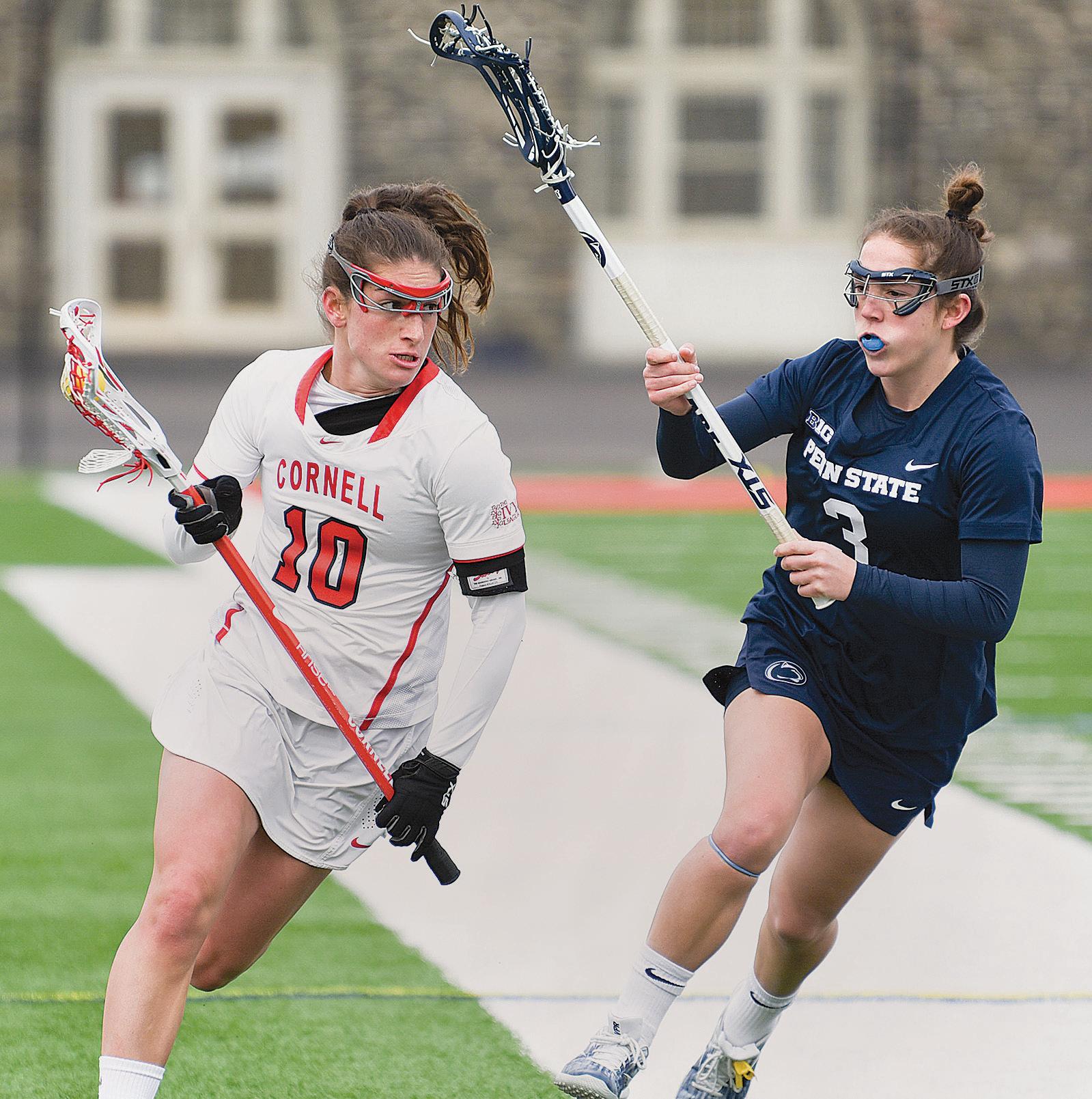
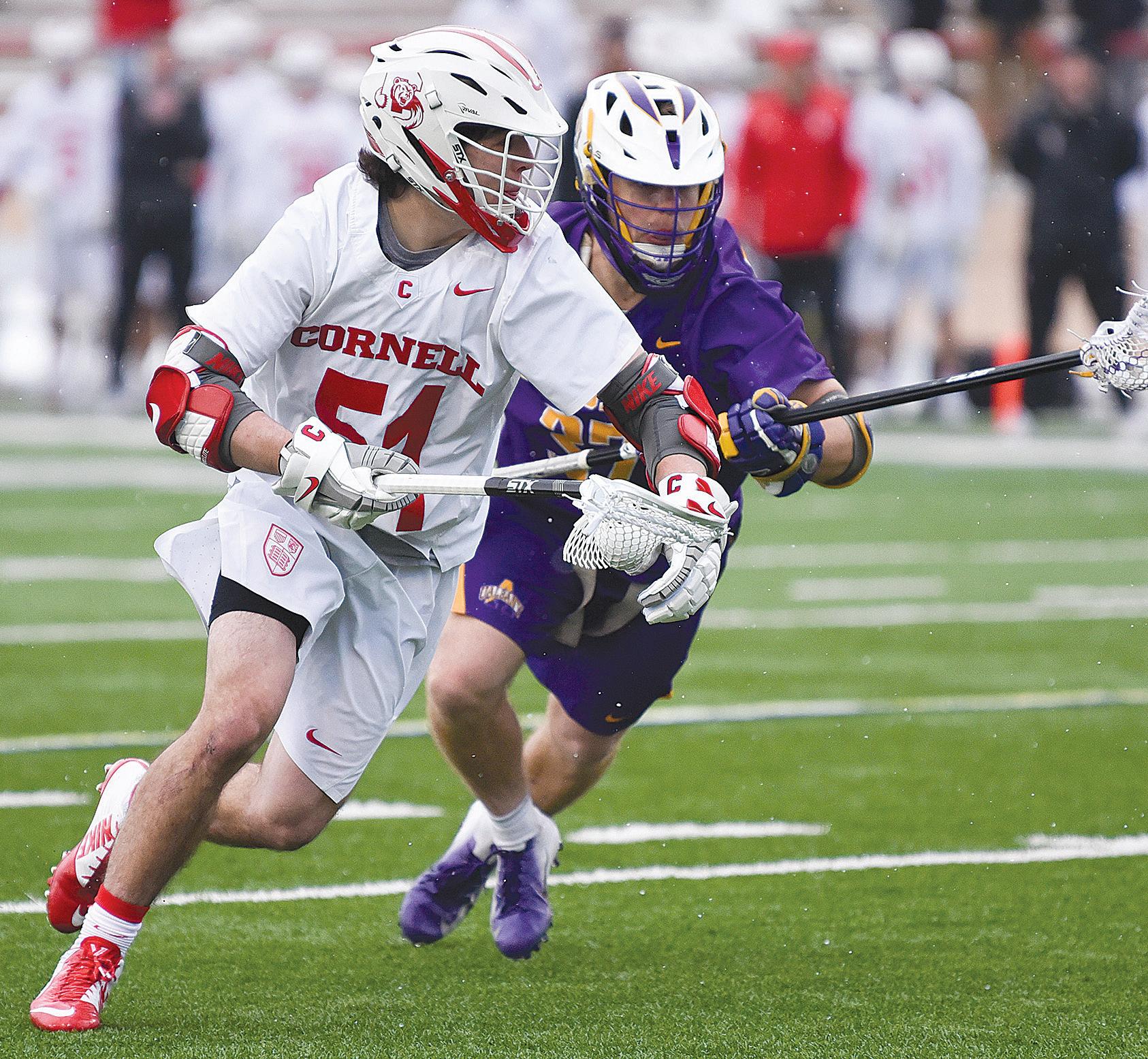
By RAPHY GENDLER Sun Sports Editor
Cornell men’s lacrosse, which will look to defend its Ivy League title in New York City this weekend, has already earned a pile of end-of-season hardware. Ten Cornellians were named to All-Ivy teams, the most Cornell has placed on All-Ivy squads since 1987.
Junior attack Jeff Teat, junior defenseman Brandon Salvatore and senior defenseman Ryan Bray were first-team selections. Teat and Salvatore were both unanimous selections.
Teat — also a unanimous first-team selection last season — leads Cornell in scoring and ranks 15th nationwide with
4.64 points per game. A Tewaaraton Trophy nominee, Teat needs just one goal to become the seventh player in Ivy League history to reach 100 goals and 100 assists in a career.
Senior attack Clarke Petterson, senior midfielder Jake McCulloch, senior defenseman Fleet Wallace and junior midfielder Connor Fletcher were all second-team selections
Sophomore attack John Piatelli, sophomore midfielder Jonathan Donville and freshman goaltender Chayse Ierlan earned honorable mention nods.
In his rookie season, Ierlan led the Ivy League in save percentage and ranked second overall in goals against average. Ierlan has
made double-digit saves in every game in which he faced at least 10 shots.
Cornell’s 10 placements among the 36 honorees was second-most to Penn’s 11. Yale, Cornell’s upcoming playoff opponent, has seven All-Ivy athletes, including star faceoff man and Ivy player of the year — and Cornell’s goaltender’s brother — TD Ierlan.
Cornell’s honoree-filled No. 3-seed roster takes on second-seeded Yale in the Ivy League semifinals at 8:30 p.m. Friday at Columbia’s Robert K. Kraft Field in New York City.