
Students Refect on First Dragon Day in Two Years
Event featured pranks,
By LILY PAN Sun Contributor
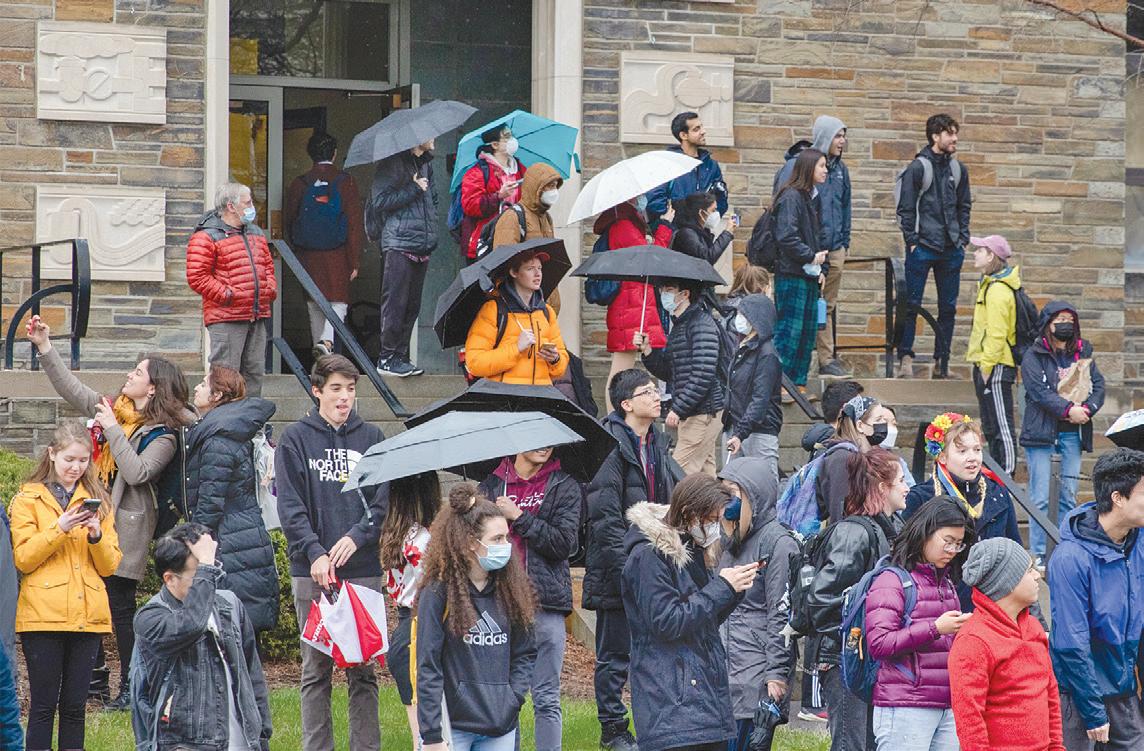
On April 1, College of Architecture, Art and Planning students in elaborate outfits grabbed hold of the two-headed dragon they had designed and embarked on the Dragon Day parade, a Cornell tradition returned to campus after a two year pandemic-induced hiatus. Despite rainy weather, participants and observers alike were excited to see the tradition return.
Dragon Day began when
merchandise, two-headed beast
Willard Straight ’01 created a College of Architecture Day on Saint Patrick’s Day. Because Irish legend has it that Saint Patrick drove the serpents out of Ireland, the event’s main symbol was a serpent. Sometime in the 1950s, this celebration was renamed and became what Cornellians currently know as Dragon Day: a chance for first-year AAP students to build a massive dragon and parade it around campus on the friday before Spring Break.
The event was particularly spe-
cial for second-year AAP students, who normally would have had their own Dragon Day last year but were invited to participate in this year’s after the 2021 event was canceled.
Second-year AAP student Yan Jiang ’25 took part in the Dragon Day parade this year. She said she had been looking forward to being a part of Dragon Day since her first year at Cornell.
“It’s a carnival that allows me and my peers to get crazy and work together to choreograph [constructing the dragon but also organizing events] the dragon, which fostered a great atmosphere of excitement,” Jiang said. “I felt empowered to continue the tradition and celebration dating back to the 1900s.”
Gyulee Jung ’26 agreed with the excitement among AAP students at this year’s event.
“It was more than what I expected it to be. Because the second years did not have a chance to build their dragon last year because of the pandemic, we had a two-headed dragon for this year,” Jung said. “I think it was twice as exciting!”
But Dragon Day also involves more than just the dragon.
Financial Aid Ofce to Restructure
By ALLY FERTIG
Sun Staff Writer
Following vacancies and financial aid package delays, Cornell’s Office of Financial Aid and Student Employment has begun a four year project to restructure and rebuild its operations.
Recently, FASE has had numerous vacant positions — 16 of the 33 total paid positions were vacant at one point in 2019 — according to Executive Director of Financial Aid Kevin Jensen. The lack of staff contributed heavily to issues like delayed reviews and distribution of aid packages to students in 2021.
FASE is making filling its vacancies one of its primary goals, a process which has also given the office an opportunity to rethink their organization and operations, changing office culture and operations as new staff enter.
Katrina Cassell ’23 participated in the September protests — which followed similar protests in Oct. 2020 — condemning delays in aid distribution outside of Day Hall. She said that the problems students faced in 2021 that sparked the protest were bigger than staffing.
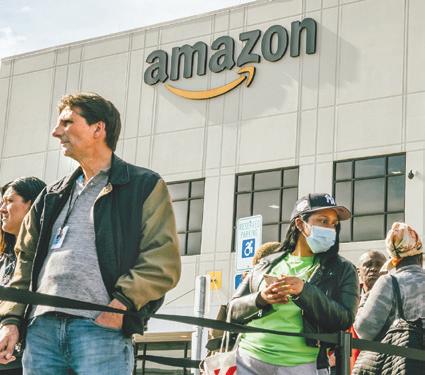
“The problems that students were dealing with last semester stemmed not just from the understaffed nature of the office, but also from the general lack of patience, compassion, or support that students received, both in dialogue with financial aid officers and in University policies,” Cassell said.
FASE is also working to improve its business processes, modify the technology that students use to communicate with the office and improve partnerships with other existing student support offices on campus. Key partnerships in this effort include one between the registrar and Vice Provost of Enrollment Jonathan Burdick.
“I’m glad to reinforce Vice Provost Burdick in his student-centered vision and for the opportunity to make a difference for Cornell students,” Jensen said. “Ultimately, as the executive director, I am responsible for the performance of the FASE team, so I’m again thankful that leadership supports the recommendations I’ve made thus far and many more to come.”
To continue reading this article, please visit cornellsun.com.

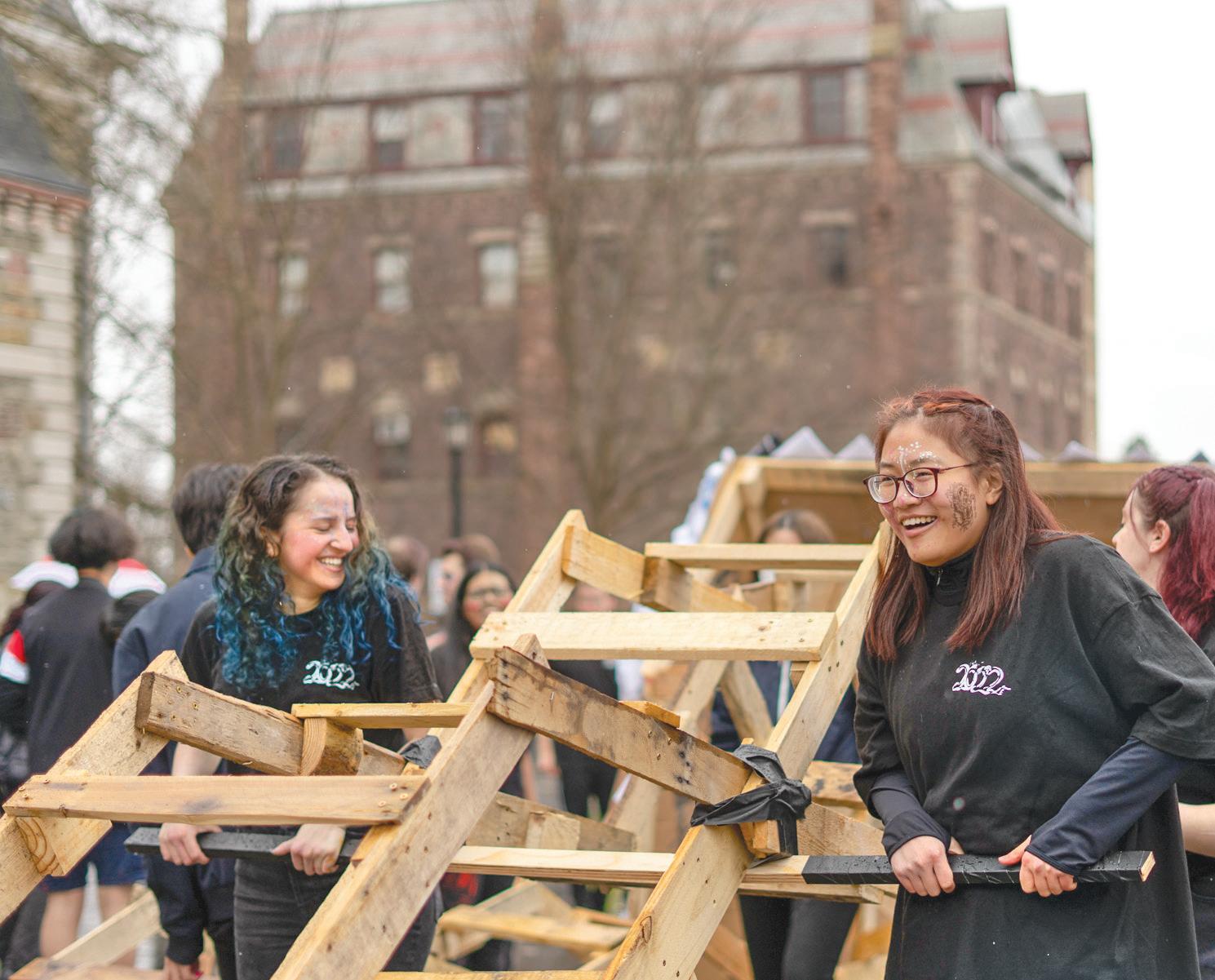
Architecture students designed unique Dragon Day 2022 shirts, which were sold around campus in the weeks leading up to the event, and the day of the parade also featured Dragon Day pranks.
One such prank, called The Green Streak, involved AAP students dousing themselves in green paints and running into randomly chosen classes chanting “Dragon, Dragon, Dragon! Oi, Oi, Oi!” The chant was sometimes joined by the surprised students in classes visited by The Green Streak.
Jiang said she greatly enjoyed participating in The Green Streak this year.
“It feels funny but awesome to be a menace running into random classes to yell at 9 a.m. and see confused or scornful faces from students in those classes,” Jiang said.
Noon Son ’25 did not partici-
pate in the Dragon Day events, but witnessed much of the festivities, including having her morning lecture interrupted by Green Streak participants.
“They ran into one of my morning classes,” Son said. “I was not aware of this tradition, but their eagerness was definitely a wake-up call for me that morning.”
After her classes ended for the day, Son watched the Dragon Day parade and said she found the talent of her peers displayed in the parade to be amazing.
“I have long heard about the enormous dragon they built for this parade. It was very magnificent to see, along with the performances and marching band,” Son said.
Lily Pan can be reached at jp2242@cornell.edu.
2022-23 COVID-19 Policies Prompt Student Discussion
By MAYA ZUCKERMAN Sun Contributor
On April 7, Provost Michael Kotlikoff, Vice President for Student and Campus Life Ryan Lombardi and Vice President and Chief Human Resources Officer Mary Opperman addressed the Cornell community in an email providing updates regarding the new COVID-19 booster shot, surveillance testing policies and vaccination requirements for the 20222023 academic year.
According to the email, the University will continue to require that all Cornell students and employees be fully vaccinated against COVID-19 unless they have received a valid exemption.
The decision has received support from students like Shannon Brewi ’24, who sees vaccination as a public health necessity.
“All students should be vaccinated against COVID-19 because it is a group effort to protect each other from getting sick. I feel safer being at school knowing that my peers and the faculty are all vaccinated,” Brewi said.
Ariana Ishkanian ’24 felt similarly, arguing that the vaccine mandate would return campus to a state of post-pandemic normalcy faster.
Together again | Students gather outside Thurston Hall on Ho Plaza to watch the dragon pass by on Friday, April 1.
HANNAH ROSENBERG / SUN SENIOR EDITOR
Draggin’ the dragon | AAP students carry the body portion of their dragon outside Sibley Hall just before spring break.
HARRY DANG / SUN STAFF PHOTOGRAPHER

ILR Discusses Amazon Unionization
By RORY CONFINO-PINZON Sun Staff Writer
On April 1, workers at Amazon’s JFK8 warehouse won what many labor experts consider a historic victory for the American labor movement.
Despite a multi-million dollar union-busting campaign by Amazon, workers at its Staten Island warehouse voted 2,654 to 2,131 in favor of unionization. This is the first successful unionization effort by Amazon employees in the United States.
While the Staten Island warehouse succeeded in its unionization effort, Amazon continues to successfully squash unionization efforts at other locations: on the same day that JFK8 voted to unionize, an Alabama Amazon warehouse’s unionization vote failed, although some votes are still being contested.
Many have been left seeking a reason for the two outcomes.
Faculty at Cornell’s School of Industrial and Labor Relations are speculating as to the causes.
Unlike at the Bessemer, A.L. facility, where the workers attempt-
ed to join the national Retail, Wholesale and Department Store Union, the organization responsible for the JFK8 vote, Amazon Labor Union, is an independent union led by Chris Smalls, a former Amazon worker who was fired in March of 2020 after leading a walkout to protest poor warehouse safety conditions at the beginning of the COVID-19 pandemic.
Proskauer Employment and Labor Law Assistant Professor Desiree LeClercq, industrial and labor relations, said she believes that Smalls’ charisma and organizing skills contributed to the union’s success.
“This is how our labor movements have always gone,” LeClercq said. “There's always been a fierce warrior that's kind of driving the path and everybody else gets really motivated and follows.”
LeClercq attributed the difference in results between Staten Island and Bessemer in part to the difference in leadership.
“If the results really center on one person and that person is really just tied to this particular facility, then potentially that charisma vari-
able isn't going to be at these other Amazon facilities,” LeClercq said.
John Clancy ’22, a senior in the ILR school, echoed this sentiment when discussing the union’s success.
“[The unionization movements are] kind of getting back to the basics of the 1930s and kind of the wildcat strikes of labor action beginning within the workplace and not from the outside,” Clancy said.
However, LeClercq pointed out that there are advantages and disadvantages to both the independent and national models of unionization.
“With a larger union, they'll also get the legal support and the strategy ideas for once it comes time to start trying to negotiate for that first contract,” LeClercq said.
Although Amazon has vowed to challenge the JFK8 election results, LeClercq said she does not believe they will succeed, since appeals are made on technical grounds which she thinks are missing in this case.
Recent unionization pushes have not been limited to Amazon. Workers at Starbucks have also begun unionization efforts. As of March 21, over 150 Starbucks stores had filed petitions to union-
ize. Ithaca’s three Starbucks locations voted last week to unionize, making Ithaca the first American city to have all its Starbucks locations fully unionized.
Some ILR students point to changes in worker perceptions of the value of their labor as a driving force behind the current surge in unionization drives. Arlenny Taveras ’24, a sophomore in ILR, said she believes that the current economic climate has made unionization more attractive and important than ever.
“People are just growing intolerant to not having enough money to cover basic needs,” Taveras said. “So especially [for] retail workers or service workers at Amazon and Starbucks it's very important for them to have that unionization.”
With the success of recent Amazon and Starbucks unionization efforts, Clancy said he hopes that more workers will be inspired to unionize.
“Once you start winning elections, hopefully that's going to turn into a wave,” he said.
Rory Confno-Pinzon can be reached at rec292@cornell.edu.
Cornellians Respond to New COVID Policy Changes
COVID-19
Continued from page 1
“With everyone doing their part, classes, clubs and in-person events can get back to normal [pre-covid conditions] faster, allowing for us to have the best and most normal college experience possible,” Ishkanian said.
However, the April 7 email’s announcement that booster shots will no longer be required for University students and employees has left some students feeling that the University is relaxing its anti-COVID-19 measures too quickly.
“Cornell is getting lazy on their policies,” Alex Taylor ’24 said. “This shortcut they are taking is unfortunate because it seems they are ignoring their own science that getting a booster will help people not catch COVID-19 or [not] get severe symptoms if they do catch it.”
Alejandro Cuellar ’24 said he believes the decision to not require a booster shot in the fall is a temporary measure to avoid backlash as boosters come under attack in the U.S.
“I think Cornell not requiring the booster allows them to avoid backlash. However, as time passes, I believe they will require students to have the booster,” Cuellar said.
Because some students have increased natural immunity for 90 days after being infected with COVID-19, Talia Dror ’25 said she supports booster shots not being required so that students can use up their 90 days of immunity before getting the booster shot in order to have the greatest amount of time with increased immunity.
Since Feb. 21, fully vaccinated students have not been required to undergo weekly COVID-19 testing. Cornell administrators said in their April 7 email that the University will continue to offer COVID-19 tests for those who want them, and will allow students to opt into weekly surveillance testing.
The April 7 email also explained that the University will be making significant changes to surveillance testing procedures. As of April 11, unvaccinated students and employees working or taking classes on campus will only have to participate in surveillance testing once per week, and fully vaccinated individuals who did not get a booster shot will no longer be required to undergo weekly testing.
Jing Su ’24 said she supports this policy as a way to reduce stress on students.
“Having students test more than once a week could disrupt their education and remove focus from school,” Su said.
To


Must-Have Snacks For Your Dorm
By KATHERINE KIM Sun Staff Writer
As my first year at Cornell comes to an end, I find myself with a collection of make-shift recipes for snacks and meals that fueled my body over the busy months of the school year.
Multiple times, I’ve found myself with a hungry stomach and limited time to fill it, influencing me to look for quick and easy snacks. Below are some of my favorite recipes and snacks that are perfect to make in a limited space and time frame.
Frozen Grapes
Frozen grapes are a simple and easy snack when you are craving a bit of sweetness but don’t want anything too heavy. Simply buy a pack of grapes or find some in the dining halls, put them in a Ziplock bag and pop them in the freezer.
After a couple of hours, they should be ready to eat! In addition to being delicious, grapes are a great source of potassium and other important nutrients.
Rice Cakes With Peanut Butter and Toppings
This snack is easy to assemble and supplies last for multiple servings. Simply take a plain rice cake, spread peanut butter and put your favorite toppings on top. Some of my favorite toppings are mini chocolate chips, bananas and other fruits.
dried fruit instead. Dried fruit will last you a lot longer, and they are still delicious to snack on. Some of my favorites are dried strawberries and mangoes, which can be easily found in Trader Joes or Target. There’s a nice crisp to these snacks while still packing the same flavor profile as the real thing.
Nuts and Chocolate
There are few combinations better than that of nuts and chocolates. The sweet and salty tastes balance out perfectly and they are the best to take on the go. Some of my favorite nuts are almonds and pistachios. Almonds are packed with healthy fats and protein that will keep you full for a long time. Add the chocolate for a sweet kick to this snack. Nuts and chocolate can be found sold in packages in almost any supermarket or convenience store. The small packets of dry-roasted almonds from Blue Diamond are my personal favorite.
Multiple times, I’ve found myself with a hungry stomach and a limited time to fill it, influencing me to look for quick and easy snacks.
This is perfect for a late night snack or an easy breakfast before going to classes. Peanut butter is packed with omega-6 and promotes good blood vessel function; just make sure to choose one that has no added sugar or chemicals!
Dried Fruit
Oftentimes I found myself throwing away fresh pieces of fruit because I didn’t get to eat them in time. The solution to this problem was buying
Greek Yogurt and Toppings
My last easy snack recommendation to always keep in your dorm is greek yogurt. I love to add dried fruit and nuts as a topping to make it more delicious and fun to eat. Greek yogurt is packed with protein and won’t make you feel too heavy after eating it. In addition, the snack contains B12, calcium and selenium: all important vitamins to fuel your body. This is a snack that is perfect to eat for breakfast or as a late night snack when you don’t want anything too greasy or heavy.
Whether you’re an incoming first-year or a senior, these snacks are the perfect addition to your dorm room. They’re easy, convenient and portable to fuel your body during the busy school year.
Katherine Kim is a freshman in the ILR school. She can be contacted at kyk29@cornell.edu.



Cornell Should Build a Gym in Collegetown
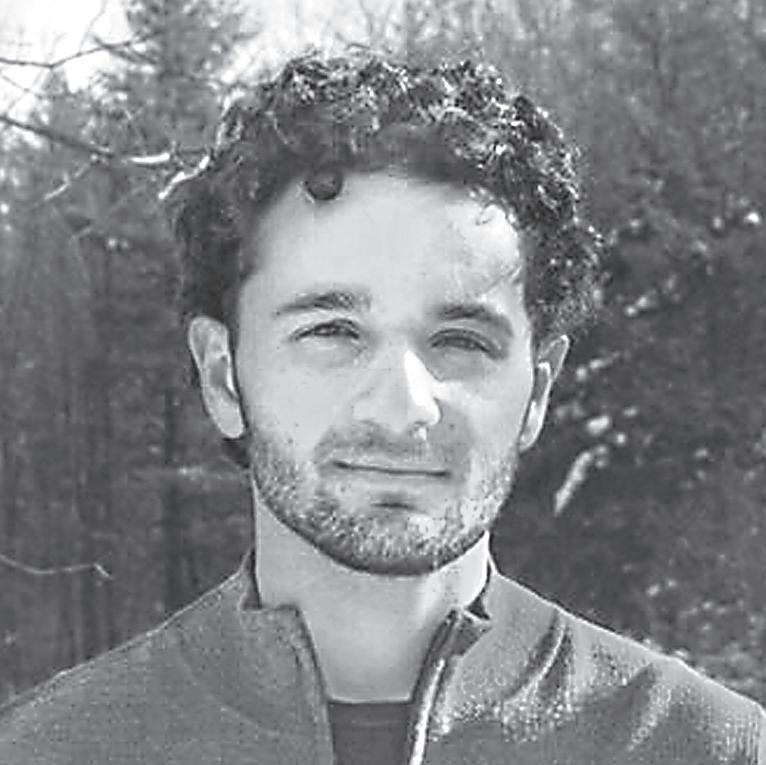
Andrew V. Lorenzen When We’re Sixty Four
Andrew V. Lorenzen (he/him) is a senior in the College of Arts and Sciences. He can be reached at alorenzen@cornellsun.com. When We’re Sixty Four runs every other Wednesday this semester.
You’ve done everything — your classwork is all fnished, your apartment is looking spify, every item on your to-do list has been crossed of with confdence. You’re positively thriving, and with this dazzling productivity, you’re motivated to get a bit of exercise today as well. So, you toss on your workout clothes and head to Teagle to get a quick lift in before dinner. You walk all the way there, shivering a bit in the chilly weather, and tug on the door handle to get inside. But Teagle is closed. It closes at 7 p.m.
Your perfect, efcient day is no longer quite so perfect and efcient, but, undeterred, you trudge onward to Noyes. You shiver more on this second walk while the
frigid wind on the slope laughs at your meager attire. Finally, you make it to Noyes. It’s open, thank God, and you galavant inside, overjoyed to fnally lift heavy things. Of course, Noyes is packed to the rafters with students. Tere’s not a single machine available. Te free-weights section looks like Level B during fshbowls. Even all the cardio machines are taken. So, you engage in the time-old tradition of working out for 20 minutes and then giving up because there’s just too many people.
Cornell needs to do a better job of making its ftness centers accessible to students. From the fact that Cornell charges students for its gyms to the overcrowding at many locations, the system puts up far too many roadblocks for students to be able to exercise with ease and regularity. Creative solutions have previously been proposed, such as one idea put forward by fellow opinion columnist Roei Dery ‘23, but to solve the problem of overcrowding, particularly at Noyes, Cornell should build a gym in the one place remaining with many students and no nearby ftness center: Collegetown.
Currently, there are two ftness centers on North (Helen Newman and Toni Morrison), one ftness center on Central (Teagle) and one on West (Noyes). Tis sufciently covers students living on-campus with convenient access for students living on North and West as well as for athletes, who primarily work out at Teagle given its close location to many other athletic facilities. But it blatantly leaves Collegetown, where a majority of upperclassmen live, without any ftness center.
Tis creates roadblocks for Collegetown-residing students seeking to exercise. First, the brutal winter in Ithaca makes it difcult to get to a ftness center. It’s an enormous disincentive to work out when you have to stomp through snow and ice halfway across campus to get to a
gym. Second, the fact that Noyes is the nearest gym open past 7 p.m. leads to overcrowding in that location, as it becomes the primary location for both West Campus and Collegetown residents. Consequently, students often grow frustrated with the wait-times for their desired machines and uncomfortable with the large crowds. In a post-pandemic world now more attuned than ever to the transmission of airborne illness, many students aren’t too keen for their gym experience to be akin to an even sweatier mosh pit.
Te reality is that with the many tasks facing a Cornell student every day, it’s easy for a student to neglect getting physical exercise. So, when additional barriers are layered onto the prospect of working out, it makes a student even less likely to stay in good physical health. Cornell has a fundamental responsibility to protect the health of its students, so it must prioritize limiting these barriers as much as reasonably possible. Building a ftness center in a location where an enormous number of students live is just about the bare minimum. It would expand access and decrease crowds at other ftness centers, creating a better experience for students and allowing more to exercise.
An even better outcome would be Cornell going further and also doing away with charging students for gym access. Dery said it best in his column earlier this semester: “Te fact that Cornell charges for ftness centers communicates that they believe exercise is extra, not necessary, to combat mental health issues and support sustainable student lifestyles on campus.” Te same message is sent by the woefully defcient number and size of the University’s ftness centers. It’s the wrong message to send to students, and if Cornell takes its commitment to the health of its student body seriously, it’ll take steps to ensure that ftness centers are easily accessible for all students.
Don’t Expect Continued Mental Health Care From Cornell
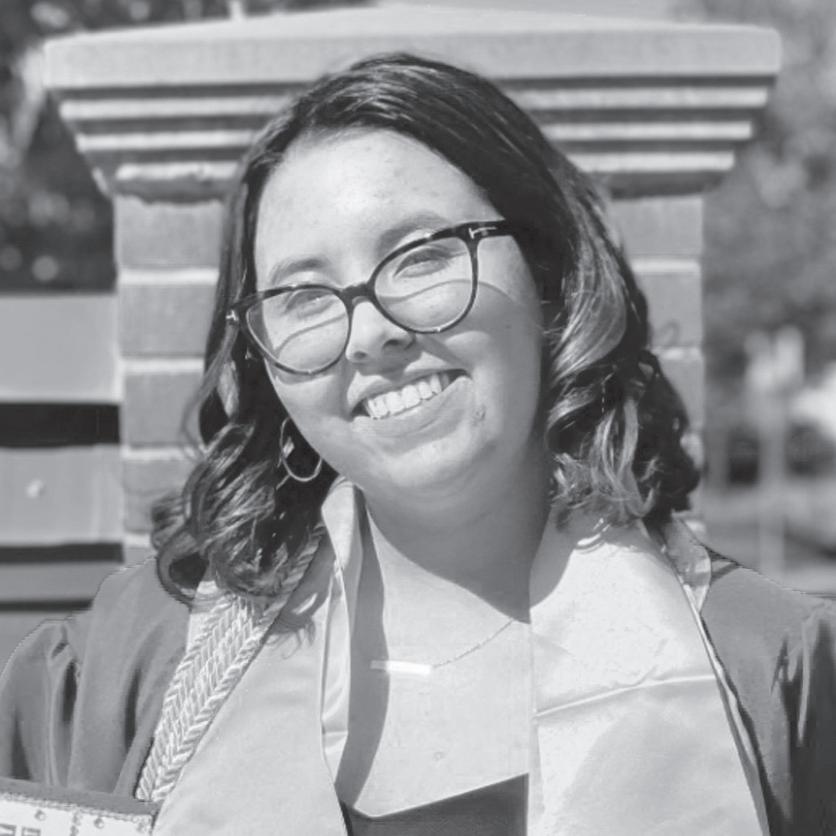
Daniela Wise-Rojas
Anything But MunDANIties
Daniela Wise-Rojas (she/her) is a freshman in the College of Arts and Sciences. She can be reached at dwise-rojas@cornellsun.com. She currently serves as assistant dining editor on the 140th Editorial Board. Anything But MunDANIties runs every other Wednesday this semester.
Content warning: Tis article contains mentions of depression and other mental health conditions.
Cornell Health, on one hand, is excellent. It’s conveniently located on central campus providing a wide range of resources, all covered by the Cornell Student Health Plan with many doctors who know their specialty very well. Having a pharmacy that I can stop by between classes makes me feel great.
However, I have learned (sadly, through experience) after being at Cornell for almost three terms that Ithaca’s Cornell Health building is home to plentiful resources and doctors, but no one ever ensured that there were enough doctors to meet the demands. Tis results in an overall more depressed campus body and normalizes — maybe even glamorizes — casual suicidal discussions (through “I’m gonna go jump into the gorge” or “I would love to throw myself thoughts/discussion,” glamorized by saying it with a laugh and relating it something obscure and unrelated like failing an exam).
Motivation running low, I stare at the
clock, wondering why I even bother to get help for myself, falling back asleep right before my virtual therapy session. Sleeping seemed like an excellent coping mechanism at the time. I wake up to an alarm clock blaring which I should have snoozed 40 minutes ago. I missed my therapy appointment. I sighed, got emotional and acknowledged how this made me feel worse than I thought it would; I knew I would not be able to book an appointment soon, and that scared me. Tere are rarely appointments available.
I was right. I called, and I was told that there weren’t any appointments with my therapist until nearly next month. I asked about the Urgent Care Counselor that I’ve been given for when things get tough and to cover for my therapist when she was busy, and I needed support. Trough correspondence, I was told that I basically had to be in crisis if I wanted to get an earlier therapy appointment. I broke out in tears. My therapist has since recommended that I leave Cornell Health and fnd another low-cost provider or one that takes Aetna Cornell Student Health Insurance so I can get the continuous care that I very much need.
She does have a point, but she’s a really great therapist that I’ve already built a relationship with, and I fnally feel okay talking about the “not so great” aspects of my life around her — a tremendous feat. I lacked the motivation to get out of bed, but I also lacked the motivation to keep going and reach out to any other institutions. I was told to not mention that the Urgent Care Counselor thing was not even a thing because of how limited they are. I understand it is not the employees’ fault, but I don’t want to gatekeep this. It’s a resource that really helped me, and this remark was almost like a slap in the face for fnally being honest with my therapist. If you have any recommendations for a low-cost or insurance-covered therapist, please reach out to me. My email is in my sign-of signature.
Furthermore, the role of privilege is also evident when it comes to mental
health care on campus; it’s not only prevalent in college admissions and the culture of attending an Ivy League school. One of Cornell’s Mental Health Initiatives includes their Fall 2020 Mental Health and Well Being Survey. Regarding mental health disparities, students of color, those who identify as a gender out of the binary or as transgender and those whose sexual orientation don’t ft societal norms struggle the most.
According to the report, “Students of color, and particularly Black (US) and Latinx (US) students, reported signifcantly higher psychological distress, stress and loneliness compared to White (US) students (p < .01).” Furthermore, those with gender identities who don’t ft the traditional norms and/or binaries “reported signifcantly higher psychological distress, stress and loneliness compared to men (p < .01).” Additionally, “LGBQIA+ students reported signifcantly higher distress, stress and loneliness compared to heterosexual students (p < .01).”
By default, the resources are unbalanced. Te playing feld is not equal as it should be. Of course, mental illness doesn’t discriminate. Nevertheless, students of color are stuck trying to hold the weight of themselves, the world and the marginalized communities they represent.
Te typical white Cornell student who pays full tuition out of pocket with no fnancial assistance from Cornell could face similar struggles; however, they will never have to worry about making ends meet. Tey will never have to worry about not being treated a certain way because of the color of their skin or how they identify. Tey don’t have to stay on campus over spring break to work instead of going home to their family. Tey don’t have to worry about a familial reaction to their coming out impacting their home security. Te list goes on.
Te baseline for marginalized groups is simply way lower. Yes, everyone goes through hardship. However, these are the same students who didn’t let the cost alone
stop them from considering attending or applying to Cornell. Tere are so many stories that I could tell about myself or my peers who struggle.
Given all this, we own our privilege. We acknowledge that going to Cornell is a massive privilege that most people will never get, especially minorities. We now have access to the same elite spaces that upper-class Americans have. We feel like an oddball most of the time, and even more so when we can’t even get adequate mental healthcare to help us cope with current and past traumas, the pressure of being the frst in your family to go to college, the stress of yourself and the anxiety to succeed.
Such is the reason that continued care is essential. I know my life is flled with constant ups and downs; if I were to go to therapy two to three weeks apart, about 20 to 30 minutes of the session would be spent trying to catch the therapist up on my life. I’m saying this because I recently discovered the power and importance of being completely honest with your therapist, even if it’s rough, and how everything happens for a reason.
I only got to that point because I called and begged to be seen, only to be turned down and delayed because I’m “not in crisis.” You can’t win. I’m either going to be 100 percent okay or 100 percent in crisis. I can’t just be in my “recovery mode.” Tat’s the problem with Cornell Health. Tey don’t have enough people employed to meet the needs of the number of students who need support, despite Cornell’s evident wealth.
As a result, marginalized students might begin hating the part of themselves that used to embrace their identities. Te one who was stable enough to take on everything and actually learns to cope healthily may lose their path. While I wait for my next appointment, I shall be smiling on the outside but crying on the inside; I’ve never felt more okay and stable in my life than I do now. I’m afraid that will be taken away from me.
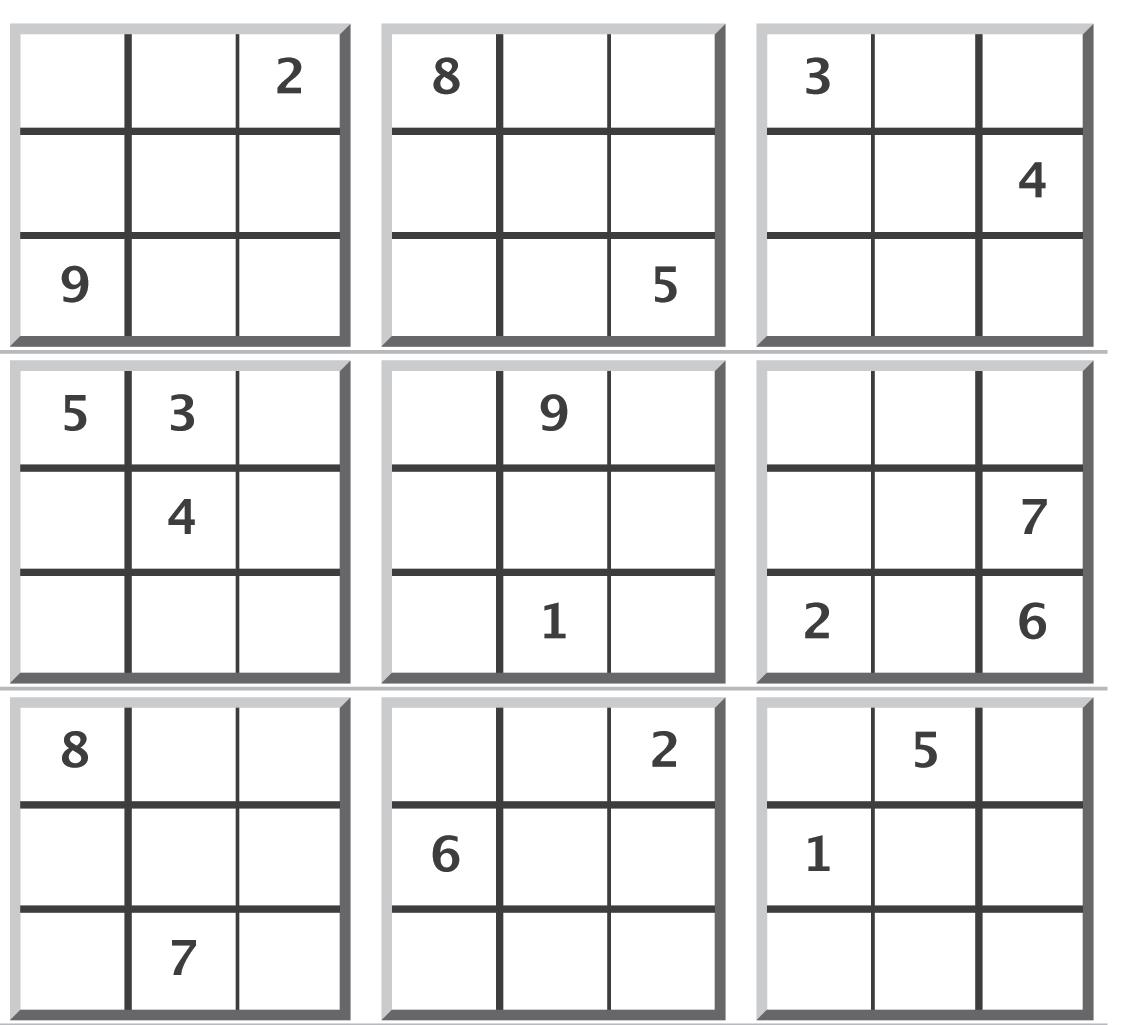
Fill in the empty cells, one number in each, so that each column, row, and region contains the numbers 1-9 exactly once. Each number in the solution therefore occurs only once in each of the three “directions,” hence the “single numbers” implied by the puzzle’s name. (Rules from wikipedia.org/wiki/ Sudoku)
RETRIBUTION
I Am Going to Be Small





Mr. Gnu by Travis Dandro
Mr. Gnu by Travis Dandro
SC I ENCE
Scientists Advance Earthquake Energy Research
By ADITYA SYAM Sun Contributor
energy that causes the earthquake, the dissipated energy that spreads out in the form of heat and fracture energy and the radiated energy.
“Understanding this energy budget of an earthquake is important for trying to understand them and model them…[I]t essentially tells you how much shaking you will have,” McLaskey said.
The group’s research focused on fracture energy and breakdown energy — two quantities, which for the past two decades, have been considered equivalent.
“Fracture energy is a material property whereas breakdown energy is what people try to determine after an earthquake happens,” McLaskey said. “Breakdown energy is a parameter you get by analyzing ground motions.”
According to their new paper, “Earthquake Breakdown Energy Scaling Despite Constant Fracture Energy,” recently published in Nature magazine, McLaskey’s group demonstrates that while earthquake fracture energy is dependent on the energy dissipated through the earth, breakdown energy — a seismological measure related to the slip weakening process along fault lines—is not necessarily a proxy for the same amount of energy.
quake’s behavior.
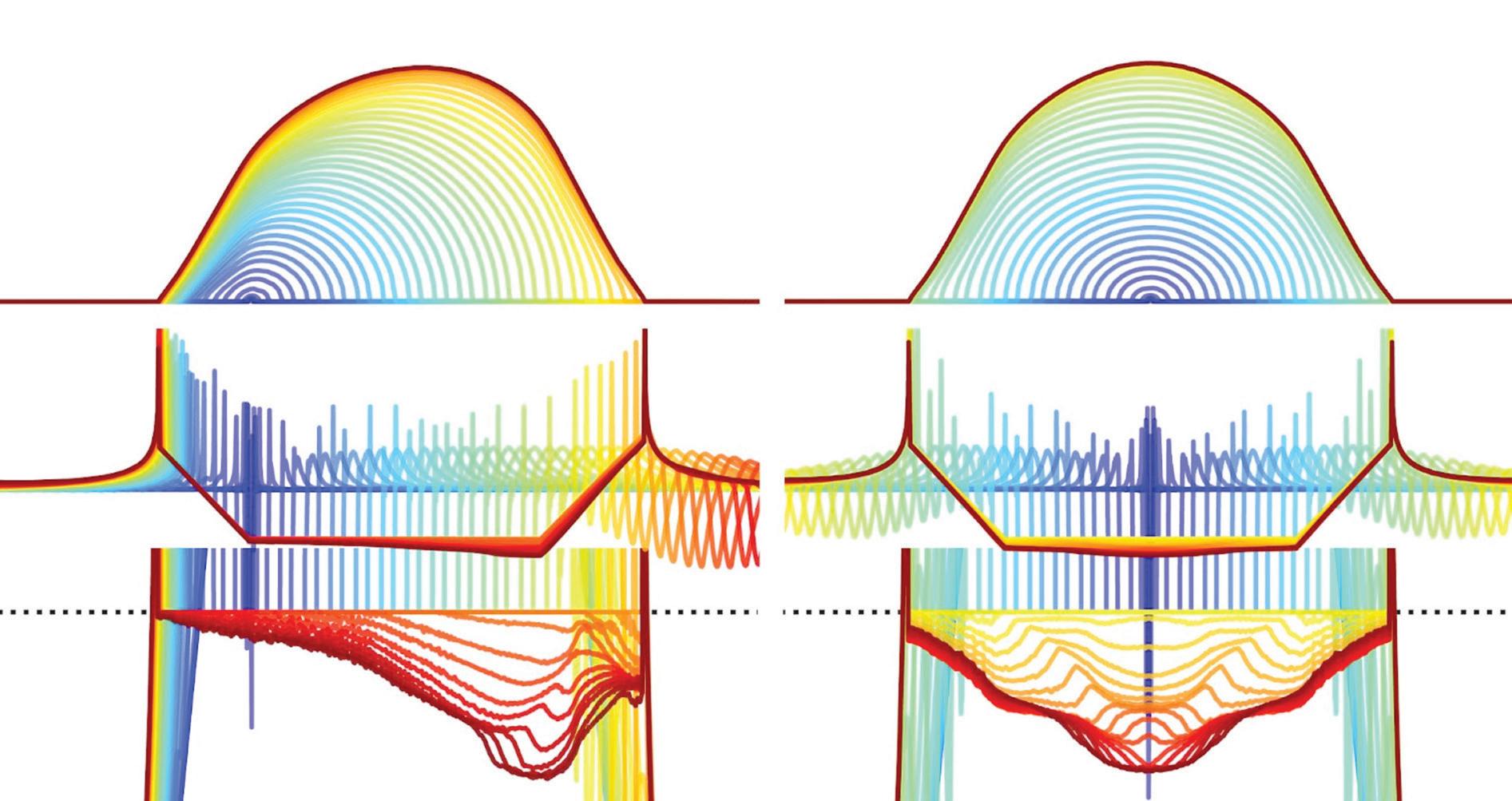
Inspired by their observations from the granite block experiment, the group performed a series of numerical simulations in which the breakdown energy varied despite the fracture energy being constant. This led them to the idea that the breakdown energy was less related to the fracture energy and more to the style of rupture.
Based on these findings, the group theorized that calculating the breakdown energy could help deduce the pattern of the earthquake and consequently its rupture style. This means that once the breakdown energy is distinguished from the fracture energy, it can be used to predict how the earthquake will propagate and how it will eventually end.
This information could play a vital role in the future study of earthquakes. “If we understood the energy budget [of the earthquake] better, we could predict earthquakes better,” McLaskey said.
This breakthrough also has implications for other areas of exploration in seismology. According to McLaskey, one of the areas the group is exploring is the interaction of multiple earthquakes since research relies heavily on understanding rupture patterns and the initial amount of stress present in the fault — factors that are impacted by the fracture as well as breakdown energies.
Earthquakes are a complex phenomenon, affecting ecosystems all across the world. They take place every day, along fault lines — fracture zones between two blocks of rock, and on a larger
The McLaskey Research Group, led by Prof. Gregory McLaskey, civil and environmental engineering, has made a breakthrough in the study of earthquakes by experimentally showing that the fracture energy and breakdown energy of earthquakes are not equivalent. A laboratory experiment, followed by computer modeling, led them to this conclusion.
scale, between the earth’s tectonic plates — but most of them are not powerful enough to be felt on the surface. However, the few whose tremors are felt are capable of wreaking widespread damage.
This so-called “power” of an earthquake is related to its energy budget — a quantity that indicates the balance between the strain
The McLaskey-led group found that breakdown energy seems to be related to the pattern in which the earthquake rupture propagates — crack-style or pulsestyle — and how the tremors are eventually brought to an end.
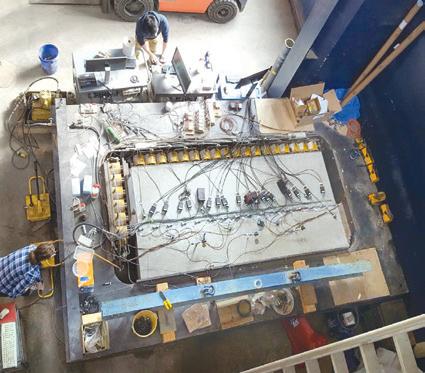
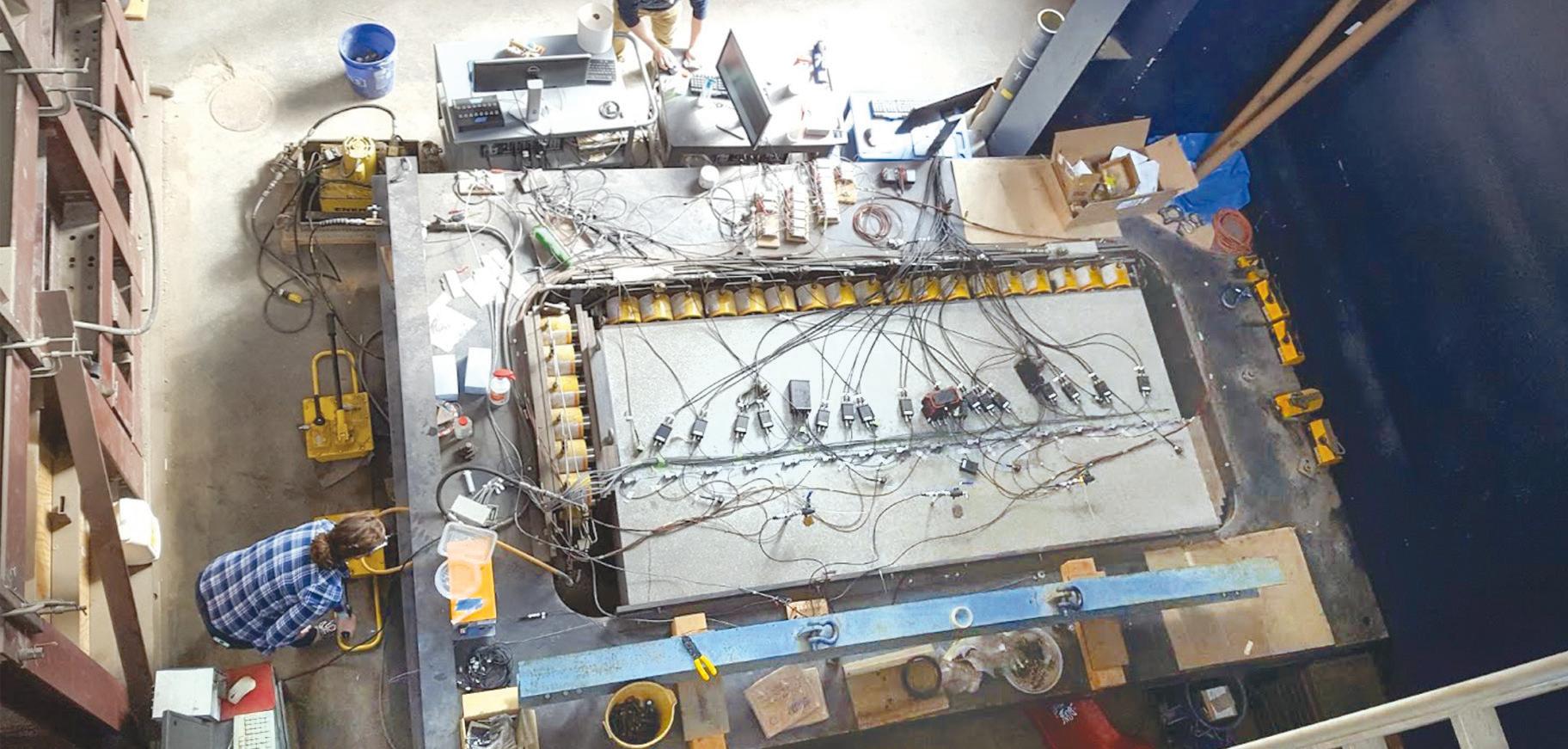
To reach this conclusion, the group initially performed an experiment using a pair of two-ton granite blocks in Cornell’s Bovay Lab. Each block represented one side of a fault and they were pressed together to simulate an earth-

Further, the group is also investigating the phenomenon of triggering earthquakes via fluid injection. In this type of earthquake, continuous injection of fluid into a small section of the fault has the ability to trigger an earthquake that propagates outward along the rest of the fault.
The “size” of the earthquake is once again dependent on its initial stress state, determined by the energy budget.
This idea of fluid injection is especially important for Cornell, due to the University’s Earth Source Heat project. The system is a part of Cornell’s plan to become carbon-neutral by 2030, aimed at building a geothermal system that will use Earth’s internal heat to warm the Ithaca campus.
ESH would, in theory, use fluid injection to pump water into the ground. However, McLaskey explained that this has the potential to trigger earthquakes, so the study of the energy budget and fracture energy would once again be vital in ascertaining the feasibility of such a project.
The breakthrough made by the group could majorly alter the study of earthquakes. By creating a distinction between the fracture and breakdown energies, quantities which were assumed to be the same in previous research, the group has successfully enabled a more comprehensive overview of the way in which earthquakes propagate and terminate.
“[The prediction of earthquakes] is the ultimate goal,” McLaskey said. “Better understanding of these earthquakes should eventually lead to predicting them better.”
Earthquake experiment | The McLaskey research group used two granite blocks to simulate earthquakes in its laboratory experimental setup to further the study of specific energy allotments in earthquakes.
COURTESY OF MCLASKEY RESEARCH GROUP
Computer simulations | Cornell researchers created computer simulations of the earthquakes after performing the granite block experiment to test out their theory after performing physical trials.
COURTESY OF MCLASKEY RESEARCH GROUP