The Corne¬ Daily Sun

By
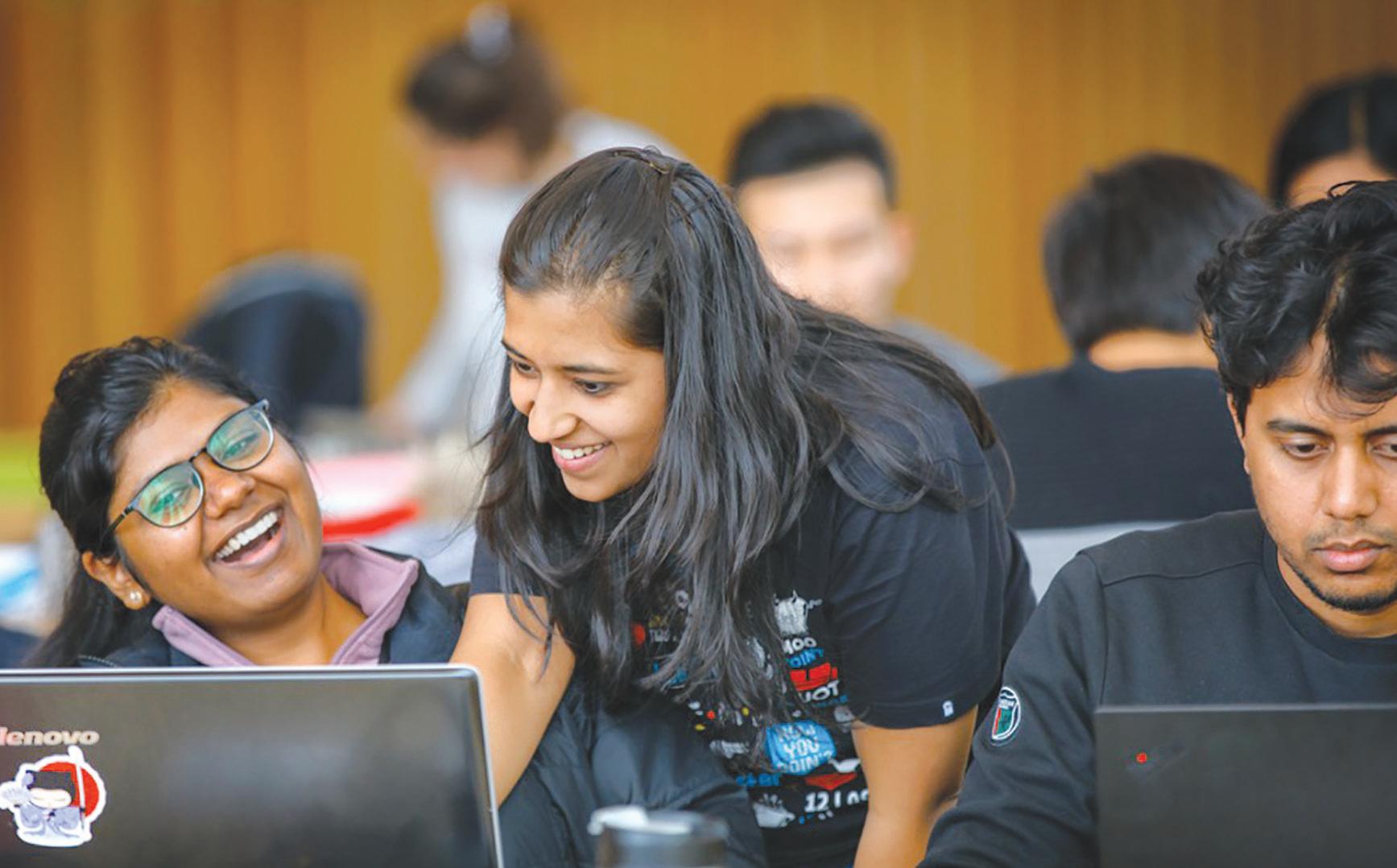
From Mar. 11 to Mar.13, Schurman Hall bustled with conversation as teams of four to six Cornellians combined technical, business and agricultural knowledge to tackle challenges based around food and farming during Cornell Initiative for Digital Agriculture’s fourth annual hackathon. The event returned in-person after going virtual for a year due to the COVID-19 pandemic.
According to Prof. Samuel Alcaine, food science, who serves as the event’s co-chair, the hackathon welcomed both undergraduate and graduate student participants from various fields of study, including computer science, economics and plant science. The team challenges were designed to be cross-disciplinary, so teams benefitted from having members with different skillsets.
“We have all these major challenges, but it’s not one person that’s going to solve them,” Alcaine said. “It’s going to be a team of people with diverse backgrounds.”
“We have
As an animal science major, participant Colin Kadis ’22 felt his experience with agriculture and dairy management was beneficial to his team. Their project, named Buen Equipo, planned to provide augmented reality goggles to farmworkers to help them monitor their safety and productivity. The goggles have an overlay on the edges of their vision that would provide information on things like exhaustion levels and the amount of crops the workers harvested.
Prof. Samuel Alcaine
Alcaine described the event as more of an “Ideationthon”, a concept that emphasizes the creativity of ideas presented, rather than a hackathon. Projects required a mix of components to be successful, as they were also judged on marketability, novelty and feasibility rather than purely technical strength.
After a welcome ceremony and team formation on Friday, the competitors got to work on their projects on Saturday morning. The teams received help from mentors, who were experts in various fields and ranged from Cornell faculty to employees at the sponsoring companies such as Microsoft and Bayer. Some participants stayed up working until as early as 1 a.m. on Sunday morning, building websites and testing demos to be shown off to the judges.
By LAURA GRIES
When Anabel’s Grocery first opened its doors in Anabel Taylor Hall to the Cornell community, it came with the goal of alleviating food insecurity at Cornell and a mission to provide fresh, nutritious and affordable food to all students. On Feb. 16, Anabel’s reopened for the spring semester and is furthering that mission by now accepting Supplemental Nutrition Assistance Program and Electronic Benefit Transfers for eligible students.
SNAP is a federal program that issues SNAP dollars, which can be used like cash, to individuals who meet certain eligibility criteria to pay for groceries. Eligibility varies in each state and is determined by an individual or family meeting or being below a certain income bracket. Due to the COVID-19 pandemic, more students are eligible for SNAP dollars and may receive up to
$250 each month for groceries. Students who qualify for federal work study or have an expected family contribution of $0 may now be eligible for this program.
With Anabel’s being the only campus grocery store, the newly accepted program provides students the option to buy their groceries in a convenient location, at prices they can afford.
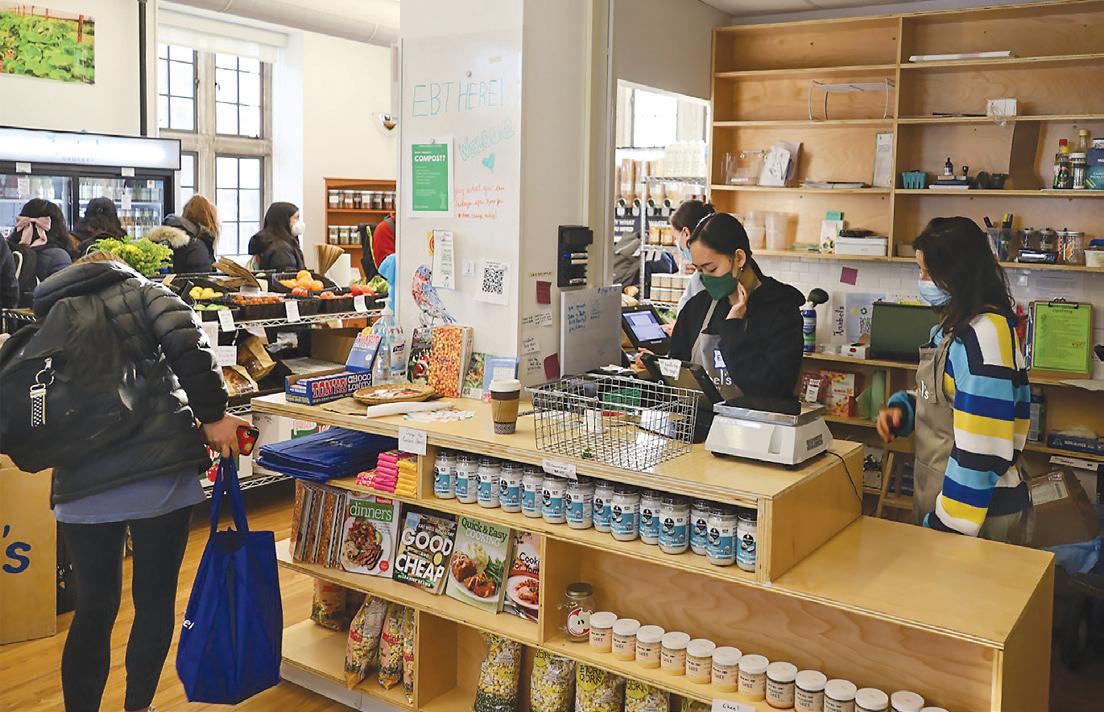
This is the first time that Anabel’s is accepting SNAP and Anabel’s student leadership team says they hope to make the grocery and this new program easily accessible to Cornell’s large student body. To do so, Anabel’s is working with the Office of the Student Advocate to hold free workshops for potentially eligible students.
“We are working hard to make this an easy service for students to use and the system is working well.” said Dylan Rodgers ’23, the collaboration and education lead of Anabel’s.
On Sunday morning, each team presented their ideas, showcasing their creative pitches and proficiency in devising punny team names. A wide variety of projects were on display, from Team That’s Bananas’ plan to detect and prevent the spread of banana diseases, to Team Waste Knot’s app designed to monitor the freshness of food in home refrigerators.
Team Hotpot, who proposed sensors inside of plants that could notify farmers of disease outbreaks, was one of eight teams to advance to the final round. Max Li ’23, one of the members, noted that the event gave them a good opportunity to explore and work with people involved with different disciplines.
“We’re so used to seeing things through our industry, it’s easy to make incorrect assumptions about related industries,” Li said.
Lisa Ngunda ’24 has passed away over the past weekend, according to a Monday afternoon email from Vice President for Student and Campus Life Ryan Lombardi.
Ngunda was a sophomore in the College of Human Ecology who was passionate about health and medicine. She studied human biology and health and society with an interest in becoming a physician and neurosurgeon, according to the announcement from the College of Human Ecology Dean Rachel Dunifon.
Ngunda was involved in many student organizations including Nigerian Students’ Association, Advent Christian Fellowship, Caribbean Students’ Association, PanAfrican Students Association, Black Bio-medical and Technical Association and Pre-Professional Association Toward Careers in Health.
Born in Tanzania, Ngunda moved to Massachusetts as a young child, and throughout high school she was an active volunteer at University of Massachusetts Memorial HealthAlliance Hospital in Leominster, Massachusetts.
“In speaking with her father, he relayed that Lisa had a very kind heart and was always seeking to support others,” said Lombardi in his email to the University community.
This is the third student death announced during the Spring 2022 semester.
The University will hold a community support meeting on Tuesday, March 15 from 5 to 6 p.m. in the Music Room (411) in Willard Straight Hall. There will also be a college of human ecology specific support meeting on Thursday, March 17 from 5 to 6 p.m. in Goldwin Smith Hall, Room 162.
HACKATHON
Continued from page 1
After the final eight teams presented once more, the judges returned from their deliberations and announced the winners.
Four teams won smaller prizes of $1,500 each. These included Team Waste Knot, for addressing a grand societal challenge; Team AgriBeesness, which sought to address bee shortages and increase crop pollination, for the most novel project; Team Garbage Gobblers, which focused on reducing restaurant food waste, for the entry with the most potential; and Team Agriverse, who’s project aimed to save water on dairy farms, for the best use of data.
“We’re so used to seeing things through our industry, it’s easy to make incorrect assumptions about related industries.”
Max Li ’23
The grand prize-winning team was Team 4 the (agri)culture, which developed a platform called GoFarm to connect cacao farmers in West Africa to vendors via the internet and short message service.
Team 4 the (agri)culture also said they were shocked to win. “We had no hopes of winning until around lunchtime [Sunday],” one of the members Melissa Ginaldi ’22 said. “We were just trying to pull together a presentation.”
The team, consisting of Ginaldi along with Ryan Dennis ’22, Lukas Gunderson grad, Samuel Meisner ’24, Ravipratap Misra grad and Ying Zuo grad said it would be nice to be able to bring their GoFarm platform in the real world due to its inexpensive nature and ability to give back to society. Members acknowledged, however, that it would be challenging to implement.
“It’s such a huge step,” Gunderson said. “We’d probably have to travel to West Africa to implement it.”
According to members of 4 the (agri)culture, the team’s project was inspired by an episode of the Netflix series Rotten that exposed problems with the chocolate industry, where farmers are frequently exploited and cheated out of money. Although its members were strangers to each other prior to Friday, the winning team worked together to win the $2,000 prize.
Camden Wehrle can be reached at cwehrle@cornellsun.com.
By JIWOOK JUNG Sun Assistant News Editor
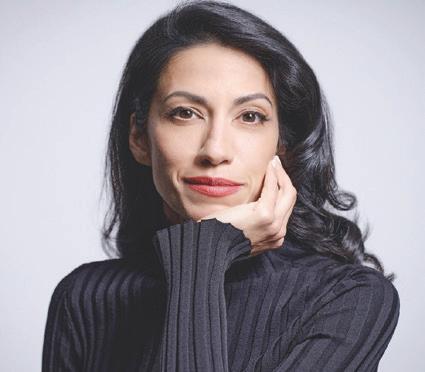
Huma Abedin, New York Times bestselling author and current chief of staff to Hillary Clinton, will be visiting Cornell virtually to speak to the community about her new memoir and her experiences in politics at 7 p.m. on Tuesday, Mar. 22.
Titled “Both/And: A Life in Many Worlds — A Conversation with Huma Abedin,” the event will be hosted by Cornell’s Institute of Politics and Global Affairs. The discussion will be moderated by Chris Riback, co-founder of Good Guys Media Ventures, and Steve Israel, former U.S. Representative and Director of Institute of Politics and Global Affairs at Cornell.
The University of Chicago’s Institute of Politics held a similar talk in November of last year. The event was moderated by Zeenat Rahman, who previously served as a special advisor for the U.S. Department of State and currently works at the University of Chicago as the executive director of the school’s Institute of Politics.
At the event, Abedin spoke about
her upbringing as the daughter of two immigrant parents, her political career as a woman and the inspiration behind publishing her memoir.
Abedin was born in Kalamazoo, Mich., and was raised in Saudi Arabia. She returned to the United States for college where she attended The George Washington University and earned her bachelor’s degree in journalism.
Since graduating, Abedin has spent most of her career working for 2016 Democratic nominee and former Secretary of State Hillary Clinton. Abedine started her political career as an intern in First Lady Hillary Clinton’s office in 1996 and continued working for the White House for four years. Abedin later worked as senior advisor to Clinton during her years as a senator for New York state and was later appointed deputy chief of staff at the U.S. Department of State in 2009. During the 2016 presidential election, Abedin served as vice chairperson for Clinton’s presidential campaign.
As Clinton’s right-hand political staffer for 25 years, Abedin formed a deep relationship with Clinton, who she views as mentor, confidante and role model, according to her memoir.
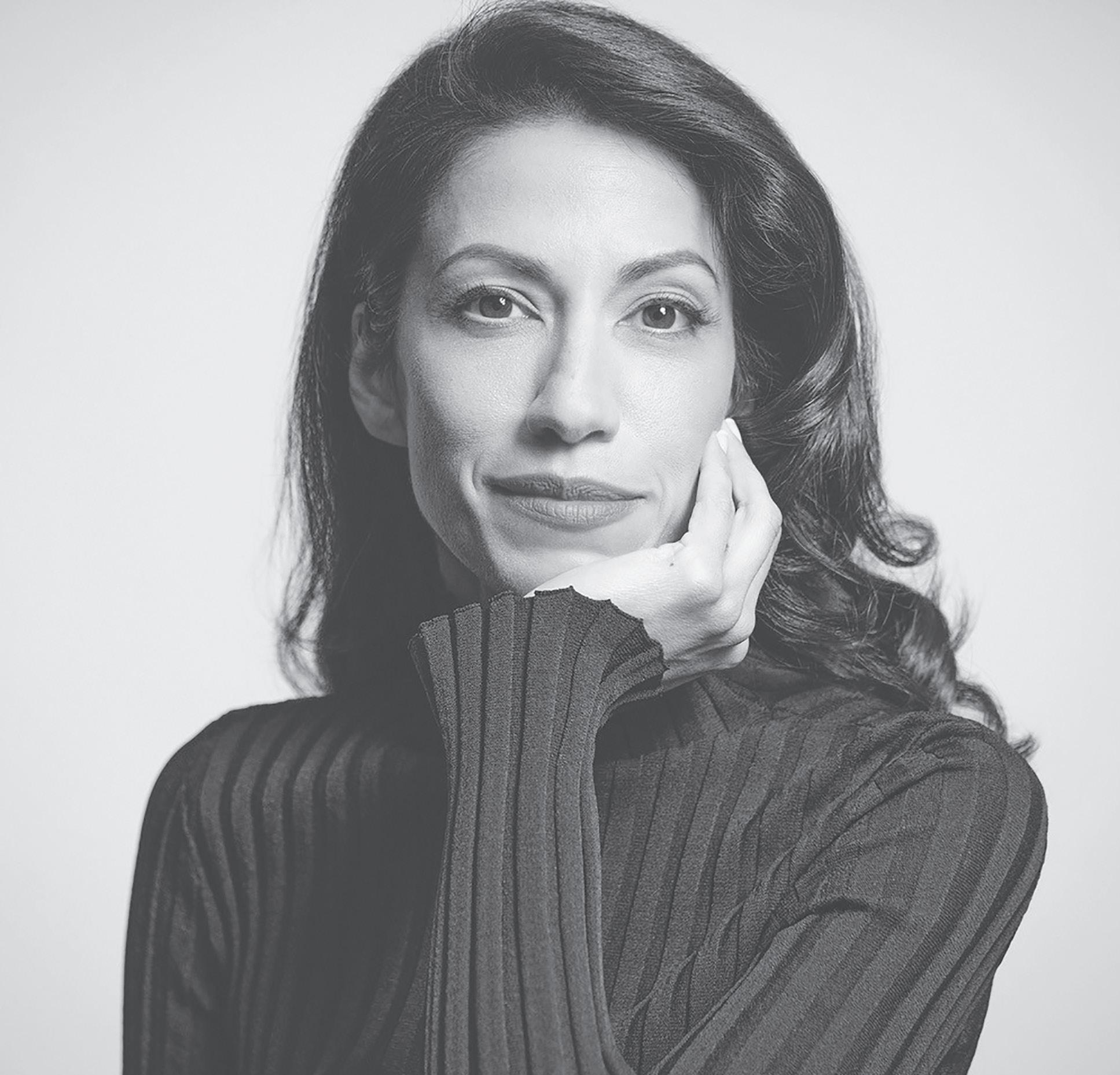
At the upcoming IPGA event, Abedin will also discuss her recent New York Times bestselling memoir, Both/And: A Life in Many Words, which was recently published on Nov. 2, 2021. The event will be held in fully vir-
Continued from page 1
students enroll in programs like SNAP, the OSA helps students apply for Medicaid and other basic needs related programs by providing SNAP/EBT and health insurance related workshops.
“We hope this will decrease the need to take out loans and support students during their time at Cornell,” said Student Advocate Delilah Hernandez ’22. “Undergraduate and graduate students attend our events, so the need is definitely across the university.”
The acceptance of SNAP is another step in Anabel’s mission as a nonprofit project of
Cornell’s Center for Transformative Action, which supports system-changing projects that help create socially just and ecologically sound communities.
According to Rodgers, students have reacted positively to this new service and are excited to use it. Andy Jaeseung Shin ’23 currently uses SNAP/EBT at Anabel’s.
“With the adoption of EBT pay methods, I’m glad to see that Anabel’s grocery store is fostering a food-secure learning environment from an equity standpoint –especially for the students with exceptional needs.”
Along with SNAP, Anabel’s is working to continue to promote food justice
on campus through supporting anti-racist initiatives with the anti-racist action fund, which funds student organizations to support projects or events that help to create a more equitable campus.
“Through the sale of produce donated from Dilmun Hill and the Hydroponics Club at Anabel’s Grocery, the anti-racist action fund is by students, for students,” said Rodgers. “The fund is managed by students from Cornell 4 Black Lives and Anabel’s who strive to make Cornell a safe and accessible space for BIPOC students.”
By providing peer-to-peer support, Anabel’s and OSA are hoping to make the process to sign up for and use SNAP/EBT
as easy as possible. Students who are unsure if they are eligible for SNAP/EBT benefits are encouraged to reach out to OSA, attend one of their workshops or email Anabel’s for further assistance.
In addition to Anabel’s, OSA is working to expand SNAP acceptance across different stores on campus, according to Hernandez.
Claudia Nunez ’22, a SNAP/EBT user, said, “supporting more local food makes me happy and EBT allows me to have the funds to buy this food.”
Jiwook Jung can be reached at jjung@cornellsun.com. Laura Gries can be reached at lbg52@cornell.edu.

teous) scolding from our professor.
On Feb. 22 between 1 p.m. and 1:15 p.m., I discovered what NATO is and why it was formed. I had made it pretty far without understanding NATO — until I was confronted by a pop quiz in my religious studies class.
At the beginning of class, we answered five simple questions about 20th and 21st century politics on a piece of paper, one of which was: “What is NATO, when was it established, and what is its main objective?” I only knew the answer to one of the five questions. When going over the questions as a class, I could tell, based on the words stumbling out of my classmates’ mouths and our professor’s swift rejections, that nobody knew the correct answers.
Later that day, I learned that she had given her other class the same quiz; in total, only one out of 52 students was able to answer all five questions correctly. The remainder of the class period was a rude awakening to a major geopolitical conflict in Eastern Europe unfolding by the hour, followed by a (righ-
As I have always been familiar with my ignorance regarding politics, I assumed that most of my peers — especially at an institution like Cornell — would know far more than I do. And as prevalent as imposter syndrome is at Cornell, is it possible that we have all been thinking this way? While the threat of nuclear war looms over us, how many of us are asleep at the wheel?
We cannot afford to overestimate the amount of background knowledge Cornell students have regarding President Vladimir Putin’s aggression against Ukraine. In communities across the country and across the world, the opinions of Cornell students and alumni are exalted by mere name recognition. While we are expected to continue with our full course loads (as I have been for the past two weeks) with little time to understand the basic facts of an escalating global crisis, the University administration should make time in our schedules so that we may develop a rudimentary understanding of it. We cannot be effective citizens of the world and stay properly engaged with the crisis at hand if we do not give this issue the attention that it
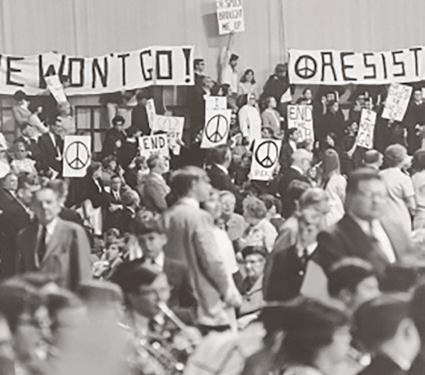
is due. Fortunately, global citizens can make much progress in twodays time, a fact demonstrated by the teach-ins of the 1960s.
The “teach-in” may be the most effective strategy to get many Cornellians up to speed with the current crisis in Ukraine. The first
buildings after hours. They allowed massive audiences of community members to engage in public discourse and garnered extensive media attention, leading to the adoption of this practice at more universities nationwide.
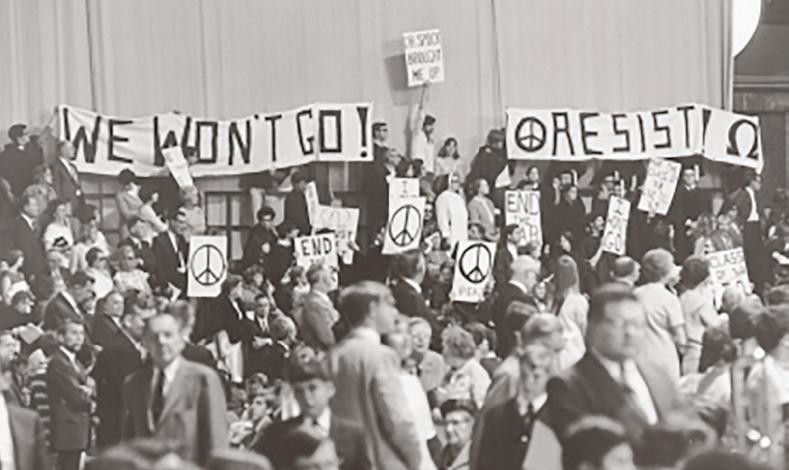
teach-in was held at the University of Michigan to over 3000 people on March 24, 1965 to protest the War in Vietnam, and in May of 1966, close to 2000 people attended Cornell’s very own Vietnam War teach-in within Bailey Hall. The format served as a means through which faculty answered questions directly from the general public and the student community about an especially pressing political issue. As a form of protest, teach-ins gave educators a platform to teach while occupying university
In terms of programming, Cornell’s response to the ongoing crisis has not been enough to contextualize the war on Ukraine and impress its significance onto the general student body. On Friday, March 4, the Mario Einaudi Center for International Studies, Jeb E. Brooks School of Public Policy and College of Arts and Sciences jointly hosted a panel of experts to express their current insights into Putin’s war against Ukraine. While the hour-long panel was informative, the event’s format left barely enough room for any of the six panelists to elaborate on complex issues they presented. Furthermore, only 10 minutes were left to answer questions from the virtual audience. In this short format, an expert panel “discussion” leaves much to be desired; within the context of a comprehensive teach-in, this same subject matter could be engaged with and internalized by students far more effectively.
To establish a fundamental level of understanding of the Ukraine crisis community-wide, the University must give faculty the license to address the most basic questions from the student body along with the time necessary to establish a truly constructive dialogue. Consider a potential teachin: two full days during which regularly scheduled classes are
canceled and are instead devoted to faculty-led lectures, discussion groups and workshops to bring the Cornell community up to speed on the war against Ukraine.
The first day would be dedicated to addressing basic questions of the community through lectures. Based on the Einaudi Center’s event on Friday, I would benefit from “crash course” faculty presentations covering the geography of Ukraine, the dissolution of the Soviet Union and refugee/asylum policy among countless other topics severely intertwined with this crisis. The second day of the teach-in would serve to integrate this background knowledge with the ongoing state of affairs and empower attendees towards action through public discourse. Hosting the Einaudi Center’s expert panel discussion on the second day of this teach-in would give the expert panel both a larger and more informed audience with which to extend a true dialogue.
As an earth and atmospheric sciences major, I do not depend on understanding what international sanctions are for my career to the degree that an international relations student does for theirs. However, as a student attending Cornell University in 2022, I am not excused from my responsibility to leverage my privilege to reduce suffering in the world; none of us are. While we continue to wrangle our own unrelenting schedules and grapple with ever impending doom, we call upon the University’s administration to lighten our load; organize a teach-in so that we can help each other make sense of everything as soon as possible.
Guillermo Alvarez is a senior in the College of Arts and Sciences. He can be reached at ga329@cornell.edu.
VEE CIPPERMAN ’23
SERENA HUANG ’24
Business Manager
EMMA LEYNSE ’23 Associate Editor
SURITA BASU ’23
Assistant Managing Editor
NAOMI KOH ’23
Assistant
ELI PALLRAND ’24
ESTEE YI ’24
KAYLA RIGGS ’24
JULA NAGEL ’24
MEHER BHATIA ’23
KATRIEN DE WAARD ’24
PAREESAY AFZAL ’24
JIWOOK JUNG ’25
ADITI HUKERIKAR ’23 Assistant Arts & Culture Editor
DANIELA WISE-ROJAS ’25
JASON WU ’24 Assistant Photography Editor
GRAYSON RUHL ’24 Assistant Sports Editor
BUNAY ’24
FLORES ’24
YAO ’23
Noah Do ’24 is a sophomore in the College of Human Ecology. He can be reached at ndo@cornellsun.com. Noah’s Arc runs every other Monday this semester.
The famed pre-med track is a popular route for undergraduates all over the country, even at a more tech-leaning school like Cornell. The periodic mass exodus of students from Baker Lab 200 should hint at the sheer number of Cornellians hungry for a shot to have those acclaimed two-letter initials appear after their name. And also to help people, of course. That is the priority here, after all.
PACITTO ’24
RUTH ABRAHAM ’24
KEVIN CHENG ’25 Newsletter Editor
Layout Desker Tifany Lin ’24
Desker Puja Oak ’23 Managing Desker Surita Basu ’23
Desker Katherine Yao ’23
Desker Aditi Hukerikar ’23
Deskers Jiwook Jung ‘25 Estee Yi ’24
Sports Deskers Grayson Ruhl ‘24 Aaron Snyder ‘23
Photography Desker Julia Nagel ’24
Production Deskers Mei Ou ’22 Katherine Chang ’25
Medicine as a career is unique in its combination of financial prestige and altruistic reputation. Compared to computer science or business majors, premeds are usually far more hesitant to confess that they’re in it for the money, as such an admission would directly conflict with the ideal image of a pre-med student: one whose only wish in their pursuit of medicine is to help patients. Pre-med LinkedIn profiles are treasure troves of pretentious 20-somethings pretending to have found true love in molecular genetics or healthcare policy, when in reality they’re just good at memorizing cell biology diagrams and want to drive a Tesla.
Medical school admissions standards are of no help to the narcissism factory that is the pre-med track. A heavy reliance on GPA in applications means that it’s actually in most pre-med students’ best interests to withhold study resources from their peers to increase their own scores while keeping the curves nice and forgiving. Students are essentially allowed to uphold the same rat-race mentality that they had in high school, except on a much larger scale and while surrounded by valedictorians and Science Olympiad winners.
While getting into medical school is by no means easy, the pre-med track offers an attractively well-established template for success. The so-called “premed checklist,” — which usually consists of a high GPA and MCAT score, volunteering, leadership positions, shadowing and research experience — allows students to forego the discomfort and risk of academic self-discovery in favor of a set of predetermined boxes.
As a pre-med myself, I’ve had to grapple with my true motivations for pursuing a career in medicine. Am I just complacently wandering down this path that I arbitrarily designated for myself when trying to decide the proper angle for my college admissions essays? Is Cornell’s “any person … any study” motto wasted on me if I refuse to imagine a world in which I’m not pre-med? Am I falling into the same trap of filial piety that so many other Asian-Americans seem to use to justify their pursuit of these high-brow fields?
Throughout several mini-crises about my choice of major, the pre-med in me still persists. Thus far, medicine has served more as a carrot on a stick than a true end goal — some abstract motivation to get me out of bed and into the lecture halls. I’m admittedly enamored by the prestige and rigor of medicine and
by the thought of my parents bragging to other parents that their son made it as a doctor. But what attracts me to medicine most is its certainty. If I can pull it off, then my income, my reputation, my family’s satisfaction, my own pride — they are all guaranteed.
While I’ve denounced the idea of passion as a career-determiner before, I still struggle to see a career in medicine as a source of personal fulfillment. I’m perfectly content pursuing a career I’m not incredibly passionate about, but I fear that the pre-med label has boxed me into a set of requirements and excused my own lack of scholarly exploration.
Ultimately, the pre-med track is a safe, relatively unambitious choice for me and many others at Cornell. If you have the intellect and can put in the work, then your route is very carefully set out for you. College can be distilled down to its most essential parts, with -
Am I just complacently wandering down this path that I arbitrarily designated for myself when trying to decide the proper angle for my college admissions essays?
out much of the intellectual curiosity of humanities majors or the computer science kids’ cutting-edge internships. The organic chemistry prelims are there for you to ace, the pre-med club executive board positions are free for the taking and the spots in the research labs are just one copy-and-pasted cold email away.
As I slowly and dispassionately meander down the pre-med road, I fear a crisis awaits me. As atonement for my apathy, I will be struck down by Hippocrates himself and cast aside to be with the other ex-pre-meds who have STEM degrees but no idea what to do with them. If that happens, my four years at Cornell will have been little more than a pony show meant to convince myself and others that I have my future all figured out.
As I move forward in my undergraduate career, I aim to loosen the iron grip that medical school has on my academic choices. Medicine will have to find ways to cater to my interests — not the other way around.
It is time that I admit the truth. In front of my friends and family, I want to share that I have recently indulged in eating salmon. I, who so proudly was vegetarian for years and years, gave in earlier this year at the sight of Emily Mariko’s salmon-rice-kewpie mayo-sriracha dish. For more than half a decade, I had staunchly committed myself to the vegetarian discipline. I’d learned to forget about the taste of Korean BBQ, and learned to cook (and like) alternative forms of protein. Zeus’s BLTease in my opinion, was better than whatever turkey ham option they could have ofered. And if they ever bring it back (!), it would still be my frst choice.
I frst became a vegetarian the fall of my high school junior year. We had just started a unit on the anthropocene — the term for the era of human-induced climate change — and I may have been the only kid in my class
Niko Nguyen ‘22 (he/him) is a senior in the College of Agriculture and Life Sciences. He can be reached at nnguyen@cornellsun.com. Fault Line runs every other Friday this semester.
This semester, I have nothing new to ofer to my résume. No clubs, no positions, no titles. On paper, my senior spring looks like a semester of erosion: I’ve let every extracurricular responsibility tumble down my mountain of priorities.
If I’m being generous with myself, I might acknowledge this lull in productivity as a reward for three and a half years of active Cornell toil. Or, if I’m being more self-critical, I might call myself out for just being lazy, too tired and too burnt-out to keep chugging along. Either way, when I touched down in Ithaca at the start of this semester, senioritis quickly came knocking on my door — and who was I not to welcome it inside with open arms?
Last week, I typed out my frst-ever two-weeks notice, signed it with black ink and ofcially resigned from a campus job I’d had since I was a sophomore. I’m no stranger to quitting when the going gets tough: I’ve abandoned responsibilities when met with drama, dissatisfaction or burnout. But this resignation felt diferent. I quit simply because I wanted
who didn’t sleep through the documentary. Instead, I sat wide-eyed through it all. Ocean acidifcation. Deforestation. Animal agriculture. All of it came to a startling endpoint — we were altering our world irreparably. We had known for decades that climate change would afect every human that comes after us. And our supposed leadership wasn’t doing anything about it.
In the midst of learning about my global environment, my sunny hometown turned ashy gray, and I experienced my frst canceled class day. Not a snow day or a bomb-threat day, but a smoke day; no school because the amount of smoke in the sky from wildfres had proven to be more hazardous and dangerous than the regularly scheduled Los Angeles smog intake. I was getting the hint pretty loud and clear — our environment just wasn’t doing okay. So I did the only and most impactful thing I thought I could do at that moment — from one day to the next, I became a vegetarian.
Over this year, I’ve slowly started to refect on my commitment, thinking about how vividly I saw it as a black and white decision. Wrong and right. With no level of nuance to guide me through what was much more systemic, global and beyond my control than I had originally thought. I don’t mean to say that we don’t have any infuence, because I do think we have some. I saw how my actions changed the way my family approached diferent types of food. How we veganized classic Peruvian dishes like lomo saltado and vegeterianized Aji de Gallina. So, even if tiny and seemingly arbitrary, there’s a little infuencer in all of us.
But such a change also isn’t easy for everyone — not everyone has the support, opportunity or fnancial resources to shift their diets in dramatic ways. It’s not an uncommon fact that living and eating sustainably is expensive when it really shouldn’t be. I still think individual action is powerful and essential for the sustainability of a sustainable culture, but there’s no ignoring the fact that systemic action is vital for just survival.
All this to say, my individual action has slightly waned in some ways. My four years learning about the ways in which the world is doomed — and seeing every administration do nothing actionable to help it — has made me refect. I don’t believe in the moral superiority of veganism or vegetarianism. Behind that often lies ignorance on the consequences of emissions from our favorite healthy foods. Tere’s emissions in the global transport of fad superfoods. As far as I know, they don’t grow acai, quinoa and avocados near Cornell.
So, I don’t believe that a shift in individual diets is the frst way to combat a growing climate crisis. Such change is important — but it misses the forest that’s been on fre for decades in favor of the individual responsibility tree. I still don’t and probably won’t eat red meat or chicken, but I’m more okay with indulging in a little fsh. I’m starting to comprehend that the actions we can take extend further than our individual diet.
Tis isn’t a pass to be a carnivorous fend, but I think for me, it’s a method of remembering to be mindful about the actions I can take, to think more about the sources of the fruits and vegetables as well as the processes behind the protein that is giving me my energy for the day.
I leaned into the vegetarian and vegan movement, and it taught me more about myself, food and nutrition and creativity than I ever anticipated. While I still believe in the movement, it’s time for me to let the reins go, even if just for a bit. Because life is short and if rich people can fy their planes to and fro, I can have a little salmon in my poke now and then.
I’m not trying to be cynical, even if I think it’s warranted in a world where people in power don’t seem to care enough. My naive high school self with her heart on her sleeve, who used vegetarianism as her sword to proselytize about emissions, acidifcation and greenhouse gasses to her very confused family, still exists somewhere in me. But I’m also sure she’s grateful I’ve enjoyed some ceviche.
to. Tere wasn’t any point of tension or coworker confict. I quit because I felt that my time working there was complete, and because I was more than happy to barter work shifts for some extra free time.
Tis string of reasoning would’ve been wholly foreign to me during any other year of college. I used to chase down extracurricular opportunities like a dog running after a bone. A lot of Cornell students are probably familiar with the hunt for more — the scrounge for more clubs and more positions and more responsibilities to fll up our Google Calendars and, hopefully, our appetites for excess, too. Earlier in college, I felt most fulflled when I was busiest, knowing that I was doing all I could to rack up points for my résume. I couldn’t fathom abandoning a commitment simply for the sake of no
The hefty price tag and name recognition of our Ivy League comes with the pressure to take full advantage of its student opportunities.
longer wanting to do it.
But this semester, I’ve stepped into a new mindset of moderation. Of letting go.
Te Cornell system is one that economizes our interests: Te hefty price tag and name recognition of our Ivy League comes with the pressure to take full advantage of its student opportunities. Tis is a reality I accepted long before I even stepped foot
on campus, name-dropping clubs and programs in my “Why Cornell?” application essay. When I attended ClubFest as a hungry freshman, I walked into Barton with a determination to wring out as much reward as possible from my passions. If I’m interested in writing, maybe I can look for a magazine to write for. And then, if I can network enough and politick my way up, I can climb up to an editor position by junior year, then strut on up to editor-in-chief by senior year
It was a typical line of Cornell logic: We fgure that interest exploration needs to be validated, which we strive for through listserv sign-ups and g-body meetings. And then, if we’re lucky, our passions can also be commodifed as social and economic capital once we clinch e-board positions and ofcer titles. Our talents can be used as leverage; our passions can be used as stepping stones.
It’s no question that extracurriculars can open doors to connection, community, development and opportunity. But Cornell’s student culture is one that too often confuses one’s selfhood with their labor. Our identities are intertwined with the commitments that we put efort into. In icebreakers and introductions, I’ve listened to peers recite their laundry lists of student involvements as badges of personhood.
At points throughout my college career, I’d waded so deep into my extracurricular commitments that I started to understand my identity as a product of whatever position or club swallowed my schedule for the semester. Tere’s no irony lost on me by the fact that I’ve turned my obsession with Zeus soups, crossword puzzles and constantly being in Klarman into personality traits — classic calling cards of anyone who’s been an editor for Te Sun.
Te four-year expiration date of college makes us feel like we need to spend all our time busying ourselves to extract its maximum potential. We accept that the idea of structure is the sole means of assigning
validity to our time. Which, as a result, makes it easy for our labor to become what we care about and our involvements to become who we are. But now, in my senior spring, two months away from the Big Red fnish line, I’m fnally seeing the light.
I’ve found myself replacing the odd
In icebreakers and introductions, I’ve listened to peers recite their laundry lists of student involvements as badges of personhood.
hours after class — typically spent rushing to meetings and messaging on Slack — with meaningful time engaging in activities that spark joy. My roommates and I have carved out a chunk of our Tursday nights to cook and invite friends over for dinner. I’ve spent more time this semester trying to explore the interests that excite me: drawing, reading, making soups, snapping pictures of Ithaca, learning to paint graphic makeup on my friends’ eyelids. It wasn’t until I untethered myself from our culture of excess that I was able to unearth the bounties that so many student organizations had promised me as a freshman: connection, community, interest development and identity formation. It’s almost like I can hear myself better in this quiet, like I can fnally breathe without the congestion of my old commitments. It’s been in this spring of surrender that I’ve felt the most free.
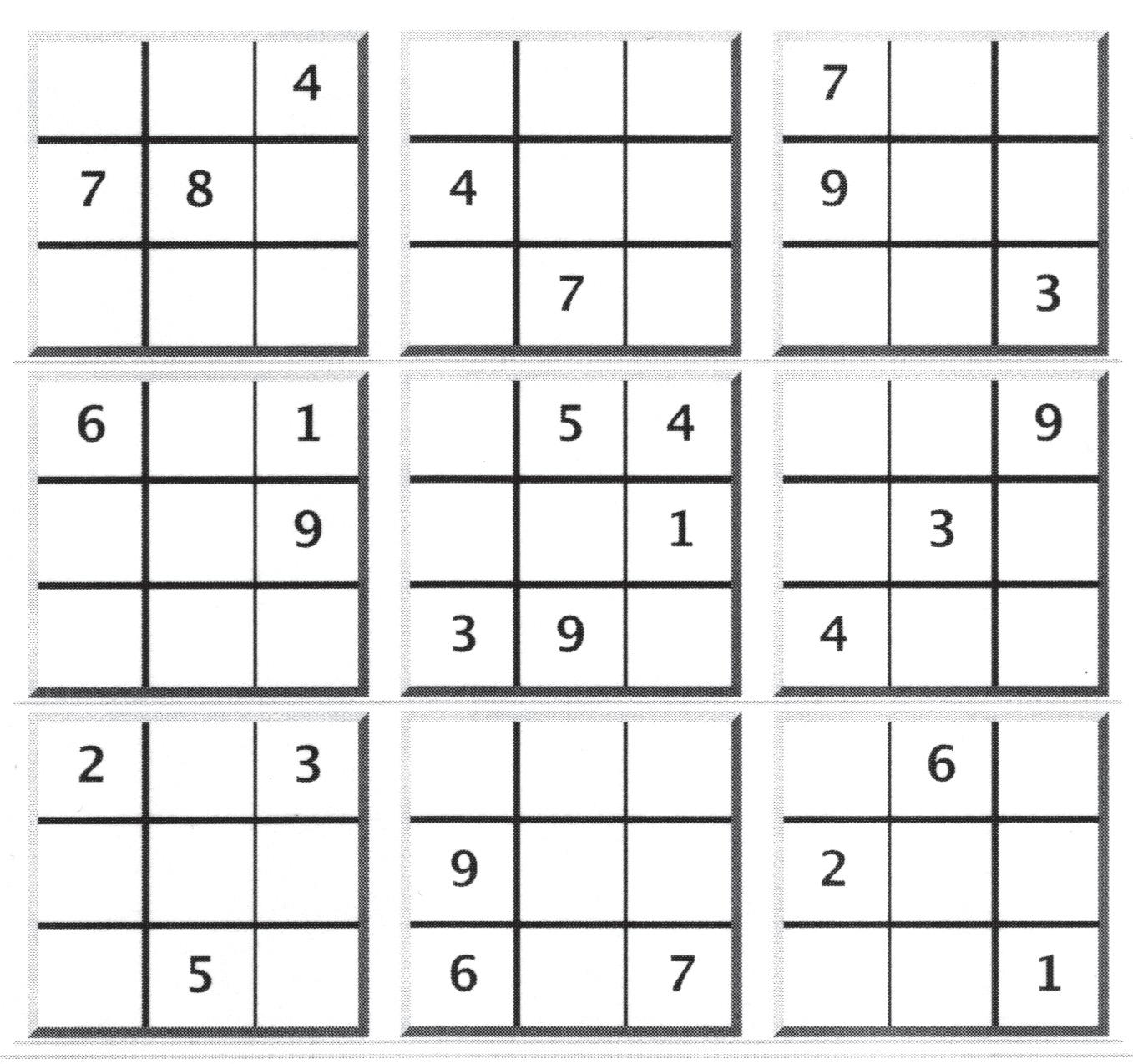
Fill in the empty cells, one number in each, so that each column, row, and region contains the numbers 1-9 exactly once. Each number in the solution therefore occurs only once in each of the three “directions,” hence the “single numbers” implied by the puzzle’s name. (Rules from wikipedia.org/wiki/ Sudoku)

Collegetownterraceithaca.com
By AARON SNYDER Sun Sports Editor
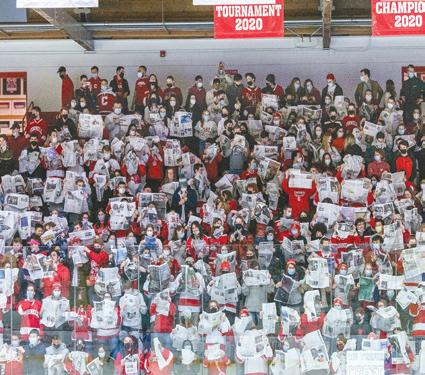
In a game that was symbolic of its season, Cornell lost the decisive third game of its ECAC quarterfinal series with Colgate and saw its 2021-2022 campaign come to an end on Sunday afternoon at Lynah Rink.
Cornell dominated Colgate for most of the game, but one mistake, a bad bounce and countless missed opportunities put the Red on the wrong side of a 2-1 loss.
Cornell outshot the Raiders, 37-14, but Colgate goaltender Mitch Benson’s phenomenal performance in net kept Cornell off the board until the final seconds of the game.
Cornell didn’t just run into a hot goalie in Benson. It ran into a scorching hot goalie who effectively stole the series for his team. Benson finished the series with 101 saves on 106 shots.
“When you look at Benson –– phenomenal. I don’t know if there’s another word that you could use to describe it,” Associate Head Coach Ben Syer said. “I’ve seen some great goaltenders, that was about as good as it comes.”
The Red played a clean first period and went up a man late in the period when Griffin Lunn was called for slashing. Cornell was unable to put anything together on its power play, and the period ended in a scoreless deadlock.
“I think we did stick to the game plan,” Syer said. “It’s frustrating when you don’t win.”
Both teams benefited from lucky breaks early in the second period. With 17 minutes remaining, a Colgate shot from the faceoff circle beat Shane to his glove side, but the puck hit the post and deflected wide. About three minutes later, junior defenseman Travis Mitchell sent a redirection behind Benson and through the crease, but wide of the post.
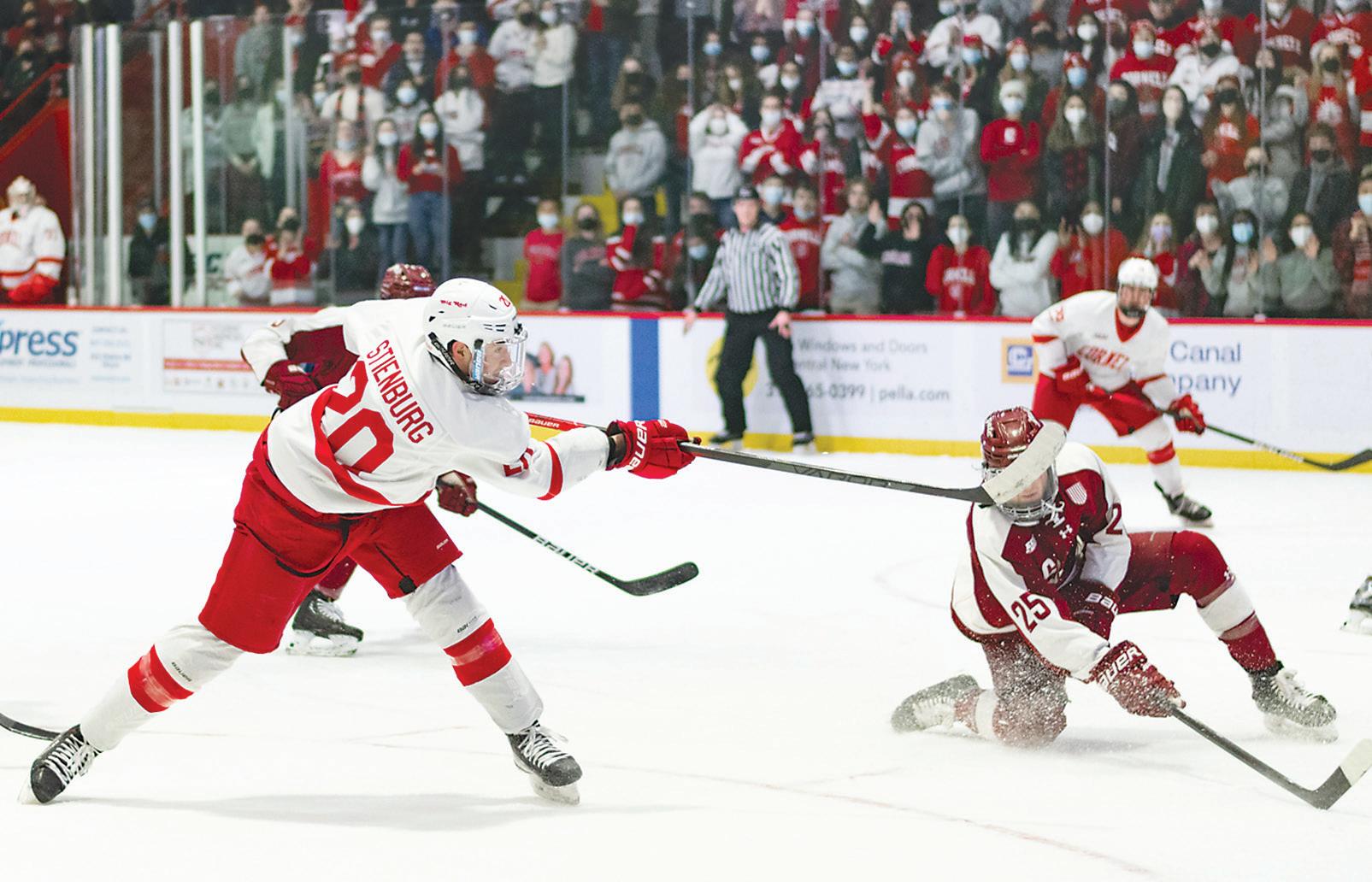
Benson’s dominance prevented Cornell from extending its playoff run to Lake Placid for the fourth consecutive year that it played a season in. Had Cornell won, it would have faced Quinnipiac in the ECAC semifinals. Cornell swept the season series with the Bobcats.
“I think we just ran into a hot goalie. We threw everything we could at them and came up short,” said senior defenseman and tri-captain Cody Haiskanen. “One or two bounces our way and we’d be heading to Placid. That’s just hockey.”
After falling to the Raiders in game two on Saturday night, senior forward and tri-captain Brenden Locke said Sunday’s game would “come down to how bad we want it.”
“One or two bounces our way and we’d be heading to Placid. That’s just hockey.”
Cody Haiskanen
Cornell’s determination was evident out of the gate. The Red applied an onslaught of pressure on Colgate’s defense and Benson in the first period.
Cornell appeared to have a heightened sense of urgency in the offensive zone. Instead of making extra passes to look for the best shot, the Red bombarded Benson with shots whenever it had a chance. Benson stood tall, making 10 saves in the first, and the Raiders defense blocked an additional 12 shots.
“You try to stay with the process because you’re generating as many shots as you are,” Syer said. “But at the same time, you try to mix things up where you get him moving a little bit more, get some traffic and bring pucks at him a different way. I thought we did that, but he just seemed to see everything tonight.”
Despite not scoring in the first, Cornell clearly outplayed the Raiders. Colgate only tested freshman goaltender Ian Shane three times in the first period, and Shane was up to the task.
Entering the game, a point of emphasis for Cornell was staying out of the penalty box. Over the first four games between the teams this season, Colgate scored 10 goals on the Red, including six on the power play.
After dominating five-on-five play, Cornell took its first penalty with 11 minutes left in the second when freshman forward Sullivan Mack was called for hitting from behind in the offensive zone. Cornell killed the penalty without issue. The most dangerous look came when sophomore forward
Kyle Penney and senior forward Kyle Betts stormed into the offensive zone on a shorthanded breakaway, but Benson denied their chance.
The kill led to the media timeout with just under nine minutes left in the period, and set up a face-off to Shane’s left after the break.
Colgate’s Josh McKechney won the offensive zone faceoff to Shane’s glove side and brought the puck toward the goal line.
Junior forward Jack Malone allowed Matt Verboon to leak behind him, and McKechney found Verboon in the crease for an easy tap-in goal to give Colgate a 1-0 lead.
Locke rifled a shot past Benson, but the puck hit the crossbar.
Cornell’s push for the equalizer continued for ten minutes. With just over eight minutes left in the game, junior defenseman Sebastian Dirven’s shot from the point hit a skate and bounced out of the neutral zone. Colgate’s Ross Mitton was the first to get to it. Mitton took the puck down the ice and scored a backhand goal on Shane on a breakaway to put Colgate up 2-0.
“I’ve seen some great goaltenders, that was about as good as it comes.”
Associate Head Coach Ben Syer
“Anytime you’re trying to come back and you go two down, it doesn’t matter how it happens, it takes the wind out of your sails,” Malone said. “I think we did a pretty good job on the bench of staying up and staying positive and knowing there was time left to make something happen.”
Cornell pulled Shane with just under four minutes left.
“I think the whole bench felt like we were going to get the next one. We had faith right up until the end that we were gonna win that game,” Haiskanen said. “We were playing well but we just needed to crack that shield. We couldn’t do that until there were seven seconds left.”
Cornell was unable to get on the board until the final seconds of the game, when a scrum in front of the net resulted in a goal with 7.7 seconds left.
It was too little, too late and Cornell fell 2-1.
At 23rd in the Pairwise, Cornell is out of consideration for an at-large bid to the NCAA Tournament. Cornell’s quarterfinal loss is its earliest exit since 2016, when it lost in three games to eventual national runner-up Quinnipiac.
The loss marks a disappointing end to Cornell’s season. The Red showed flashes of dominance, going 5-0-1 against teams in the top 20 of the Pairwise, but Cornell also struggled to beat lesser opponents at the bottom of the ECAC standings and played itself out of at-large consideration down the stretch of the season. Cornell finishes the season with a 18-10-4 record.

“We just kind of didn’t have our assignments,” Malone said. “It was a weird play off, the faceoff, it just went right through. We didn’t have good coverage.”
The uncharacteristic mistake was the only goal of the period. Cornell had a few great looks, first when sophomore defenseman Tim Rego nearly cashed in on an open look on a delayed penalty, and then on the ensuing power play. Benson played remarkably, thwarting the Red with a sequence of pad saves to keep Colgate in front heading into the third.
The Red came out of the break in need of an equalizer to save its season. Two minutes into the period, Cornell came within inches of tying the game when
“We faced so much adversity and came through the other side pretty good,” Haiskanen said. “It felt like it was gonna be one of those years where we could’ve done more, but it comes down to one game.”
The team had a hard time coming to grips with the end of its season, especially because of how well it played on Sunday and the promise of what the team was capable of had it advanced.
“I don’t think it’s gonna hit me for a little bit,” Malone said. “It’s disappointing. We know we should’ve had better results.”
For the players, the pain that comes with knowing they outplayed their opponent and still seeing their season come to an end might be eased by a slight comfort: there wasn’t much else they could have done.
“I don’t regret a thing, my teammates won’t regret a thing,” Haiskanen said. “We left it all out there.”